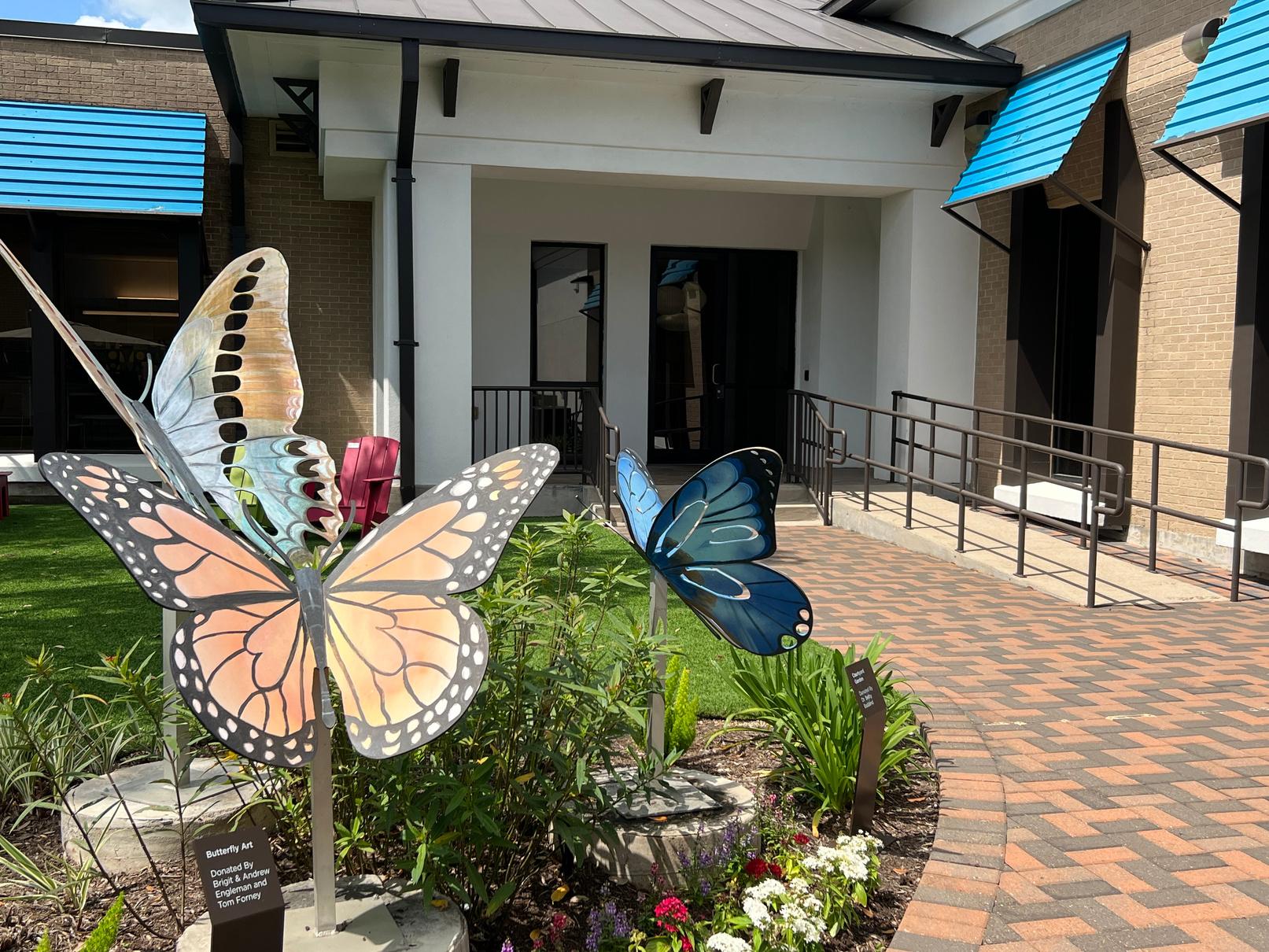
October 2023 Inside / Inside / CEO Update • Youth Aging Out of Care • CEO Update • Youth Aging Out of Care • Volunteer Social • And More! Volunteer Social • And More!
The ofVOICES


112 2 WHAT IS YOUR WHY? Meet some of our staff members, learn more about them and why they do the work that they do 115 5 See what we've been doing this monthtraining thank you - staff updates and more! 12 SPOTLIGHTS Check out what we need this month and how you can help us 13 NEEDS + OPPORTUNITIES / The Voices of Child Advocates of Fort Bend/ 66 Keeping you informed on our mission: Strengthen the Child's Voice, Heal the Hurt, and Break the Cycle of Abuse and Neglect for Children in Fort Bend and surrounding counties. Save these dates and plan to join us for these upcoming events 21 SAVE THESE DATES YOUTH AGING OUT OF CARE 06 PROGRAM HIGHLIGHT 08 DOMESTIC VIOLENCE MONTH Recognizing Domestic Violence in Families and Its Traumatic Impact on Children 10 BULLYING PREVENTION MONTH Tips for talking to children about bullying
from the ceo
We are excited to bring you our October edition of VOICES. We couldn’t be more thrilled to be engaged in our Fall calendar of events, trainings, outreach and services to our children. We had a fantastic 13th Voices For Children Breakfast two weeks ago where we were deeply moved by the story of one of our children and how she and her parents benefited from our trauma-focused approach to help parents engage and be part of the recovery and healing process for her. We also were excited to host our Child Abuse Prevention Collaborative Kickoff Summit on September 13 for this new initiative. This is the culmination of many months of planning to build a human centered design approach by convening a cross-section of child welfare experts and agencies in Fort Bend County to align around the prevention of child abuse, build a resource library for all to utilize, conduct research with former foster youth, parents of children who have experienced
abuse and school personnel who are most often the outcry witnesses to ensure that we hear directly what would have helped prevent them or someone they know or love be abused. Our goal is to create an awareness and education program, develop a communication plan targeting youth and parents and pilot in one school. From the pilot, we hope to learn what is most effective in messaging, delivery, format and timing for different age children and for parents and school personnel. We then hope to roll this out in a phased approach across the community. This is a multi-year project and we were thrilled to be awarded seed funding from The George Foundation to launch this exciting and transformational initiative.
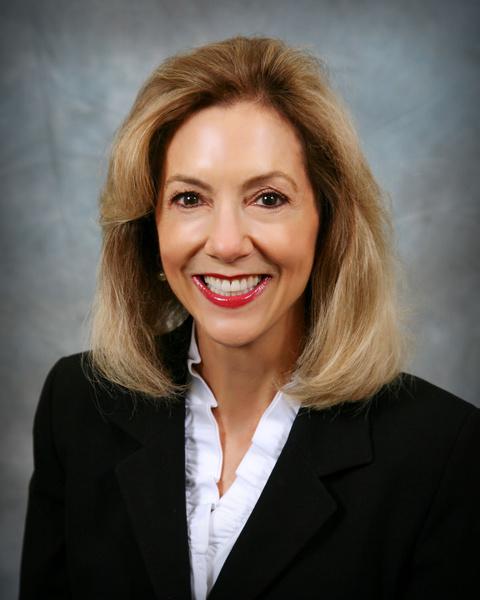
Looking forward, we begin our Fall Volunteer Training starting next week and have a
continued next page
/ The Voices of Child Advocates of Fort Bend/
We are back in “schooltime” mode. . .
wonderful group of community members who are enrolled Our Partner Appreciation event will be on Friday, November 10 where we get a chance to show our gratitude for all our partners who do so much to support our multidisciplinary team model that is proven to be the best practice for the identification, treatment and investigation of child abuse
We are so excited to break ground on the final phase of our campus expansion with a Wellness Park, Playing Field and expanded parking This will complete our “For The Children’s Sake” Capital Campaign where we have built out a two-acre campus with over 30,000 square feet of indoor and outdoor space to deliver our mission of Strengthening the Voice, Healing the Hurt and Breaking the Cycle of Abuse and Neglect for our
children and families We hope to complete the project in Spring 2024 so stay tuned for information about our ribbon cutting celebration following completion
Thank you for all you do to support Child Advocates of Fort Bend and the children whose lives are transformed every day through our services
For the Children's Sake,
Ruthanne Mefford, CEO
Ruthanne
The Voices of Child Advocates of Fort Bend
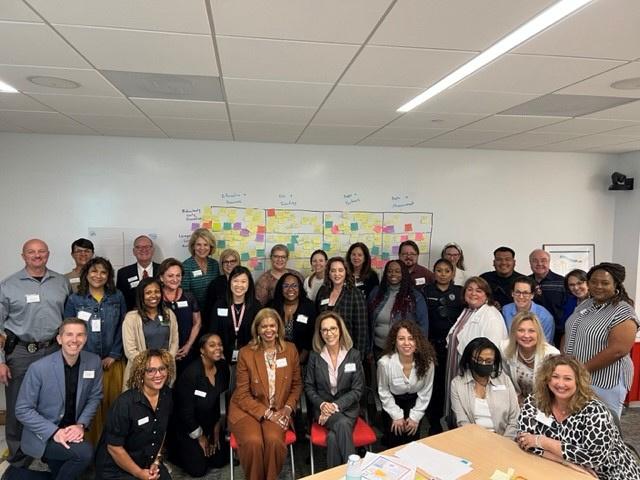
Community members, partners and guests at our Child Abuse Prevention Collaborative Kickoff Summit in September

/ The Voices of Child Advocates of Fort Bend/
PROGRAM HIGHLIGHT: Youth Aging Out of Care
By Aly Ferrante, Program Innovation Manager and Metoyer Martin, CASA Program Director
Youth aging out of foster care face unique challenges compared to the general population At a time of excitement to start a new journey after high school graduation, youth aging out of care experience feelings of loneliness, anxiety, uncertainty, and helplessness The need for support and access to resources and opportunities is underscored, particularly as youth come closer to aging out of the system
The abuse that placed them in foster care puts them at high risk of emotional and educational problems that can adversely affect educational attainment. In 2019, the graduation rate for students in foster care in Texas was 62.6% compared to 90% of the general population. In 2019, 25% of children in foster care in the state of Texas dropped out of high school. In 2023, 90% of Child Advocates of Fort Bend’s CASA program ’ s high school seniors graduated. We hope to impact the students’ high school success by
providing every child with a CASA volunteer who will be trained as an educational advocate CASAs are trained to meet with teachers and counselors regularly to review educational goals for the youth they serve
Youth exiting care have limited resources to help them start their new life journey They simply don’t have the same level of familial and financial support as their peers Although youth are provided with a state supported tuition waiver, only about 33% statewide enroll in college, and only 3% of those enrolled graduate CASA volunteers recognize and understand the struggles of youth aging out. Child Advocates of Fort Bend launched the WINGS Program in 2005 to better equip CASA volunteers to prepare foster youth, ages 14 – 18+ years old for the transition from the foster care system to adult independence. Our goal is to empower youth with tools and connections to support a healthy transition into independence.
We offer a summer Life Skills Program for WINGS youth where they receive hands-on experiential learning of important skills they will need as they transition into adulthood. Program curriculum topics include education, career readiness, financial literacy, health, housing, transportation, and foster alumni resources. Youth participate in opportunities such as experiencing how to rent/lease an apartment, open a bank account, and the process of purchasing a vehicle Youth also learn about resources such as public
including colleges, universities, community colleges, and vocational/trade schools. At each school they tour the campus, learn about the admission process and get connected with student organizations on campus specifically designed for foster care alumni.
Our WINGS Program aims to holistically prepare youth for their transition into adulthood. Giving youth access and opportunities to participate in these programs exposes them to all the possibilities for their futures. Furthermore, our WINGS Program provides youth with CASA Volunteers well-versed in teen advocacy who are prepared to walk alongside youth as they prepare for their next steps
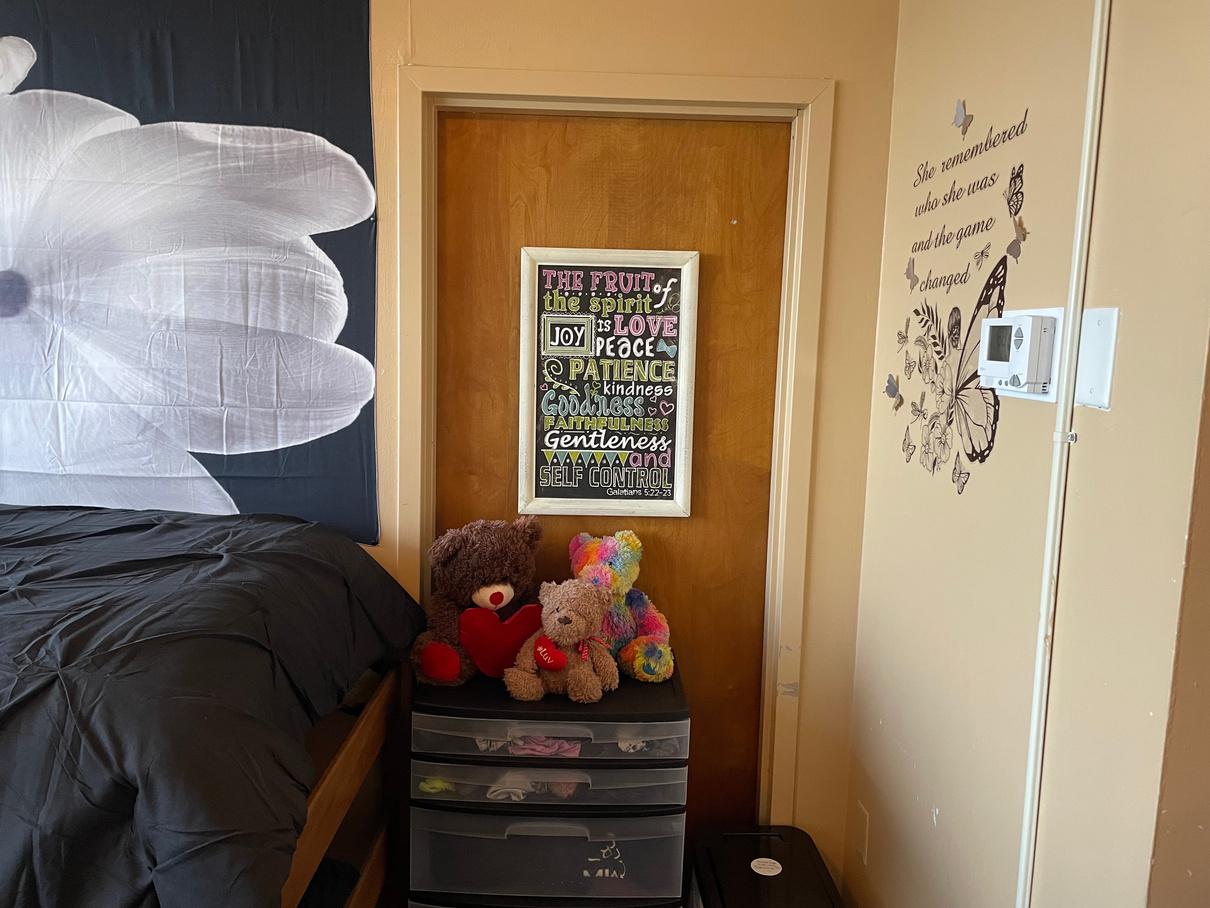
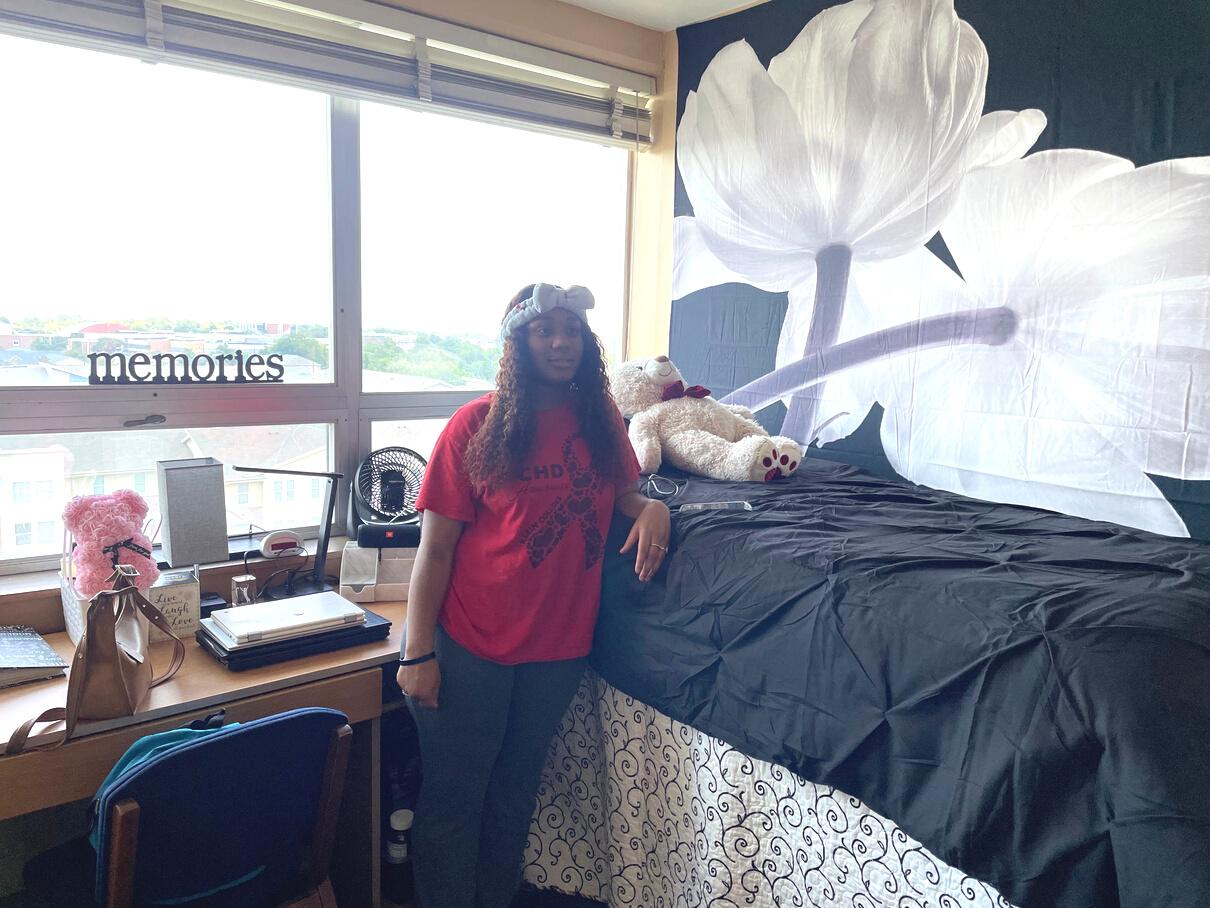
This year, we had the opportunity to celebrate with one of our youth as she embarked on her new journey starting her college career Her CASA volunteer and foster parents joined her as she moved into her new dorm room at Texas A&M Commerce
/ The Voices of Child Advocates of Fort Bend/
Although youth are provided with a state supported tuition waiver , only about 33% statewide enroll in college, and only 3% of those enrolled graduate
Domestic Violence Month:
Recognizing Domestic Violence in Families and Its Traumatic Impact on Children
By Jheri Walters, CAC Clinical Director and Courtney James, Clinical Family Advocate
Domestic violence is a deeply concerning issue that affects millions of families around the world It not only has severe repercussions for the adults involved but also inflicts lasting trauma on children who witness or experience it. Recognizing the signs of domestic violence and understanding its impact on children is crucial in order to break the cycle and offer helptothoseinneed
Domestic violence isn't always obvious, as it can take various forms, including physical, emotional, psychological, and financial abuse Herearesomesignstolookoutfor:
Physical Injuries: Unexplained bruises, cuts, or other injuries that are frequently attributedtoaccidents.
Isolation: One family member is isolated from friends and family, giving the abuser morecontrol
Constant Criticism: Verbal abuse, humiliation, and criticism that diminish the victim'sself-esteem.
Fearful Behavior: A family member seems fearful, anxious, or hesitant when interacting withtheirpartner
Control and Manipulation: The abuser may control finances, decisions, and daily activities,limitingthevictim'sautonomy
Intimidation: Threats of violence, breaking or throwing objects, and other displays of aggression.
Unpredictable Mood Swings: The abuser exhibits sudden mood changes or anger outbursts
Fear of Retaliation: The victim may show reluctance to discuss their situation due to fearofretaliation.
Children growing up in an environment of domestic violence face profound emotional, psychological, and developmental challenges Witnessing violence between parentscanresultin:
Emotional Distress: Children may experience anxiety, depression, or exhibit behavioral issues because of the traumatic environment.
Normalization of Violence: Children might develop distorted perceptions of relationships, thinking that violence is normaloracceptable.
Low Self-Esteem: Children may have low self-worth and feelings of guilt, especially if childrenblamethemselves
Difficulty Forming Relationships: Children may struggle to form healthy relationships duetoalackofpositiverolemodels.
Academic and Cognitive Issues: Children may experience delays in cognitive development and impact academic performance.
Breaking the cycle of domestic violence is essential for the well-being of all family members.
Safety First: If you ' re in immediate danger, call 911 If you ' re concerned about someone else,encouragethemtofindasafespace.
Hotlines and Helplines: Many countries have helplines and shelters dedicated to assisting victims of domestic violence Encourage victims to call the National Domestic Violence Hotline 800-799-7233 or text START to 88788 In Fort Bend, you can call The Fort Bend County Women’s Center at281-344-5750.
Offer Support: Let the victim know you ' re there for them without judgment Listen activelyandvalidatetheirfeelings.
Professional Help: Encourage seeking therapy or counseling for both adults and children to address trauma and develop copingstrategies.
Legal Options: Explore legal measures such as restraining orders to protect victims from theirabusers.
Documentation: If safe, encourage victims to document instances of abuse, as this can beimportantforlegalpurposes
Safety Plan: Help victims create a safety plan that outlines steps to take during dangeroussituations.
Recognizing domestic violence within families is the first step towards preventing further harm and providing the necessary support Remember that children who witness domestic violence often carry scars for a lifetime. By understanding the signs, acknowledging the traumatic impact, and offering help, we can contribute to breaking the cycle and creating a safer environment foreveryoneinvolved Ifyouorsomeoneyou knowisexperiencingdomesticviolence,don't hesitate to seek help – it can make a world ofdifference.
RESOURCES: AVDA
Houston area nonprofit dedicated to ending family violence by advocating for the safety and self-determination of victims, promoting accountability for abusers and fostering a community response to abuse.
Resources page https://avda.org/gethelp/resources/
Texas Advocacy Project
Texas Advocacy Project’s mission is to end dating and domestic violence, sexual assault, and stalking in Texas. Texas Advocacy Project empowers survivors through free legal services and access to the justice system, and advances prevention through public outreach and education.
https://www.texasadvocacyproject.org/
National Traumatic Stress Network
Children and Domestic Violence Fact Sheet series provides parents with information on how to talk to children about domestic violence
https://www.nctsn.org/resources/childre n-and-domestic-violence-parents-factsheet-series
/ The Voices of Child Advocates of Fort Bend/
October is. . . Bullying Prevention Month
By Lindsey Castellanos, Community Outreach Coordinator
This month we want to encourage parents and educators to talk to children about bullying
What was once considered a rite of passage, something that makes you tougher, or just part of growing up is now known to have consequences on children’s mental health and safety According to Stopbullyinggov 20% of students 12-18 years old experience bullying
Communication is one of the most powerful tools parents can use to prevent child abuse, bullying, substance abuse and other risks to children
What is bullying anyway?
What about cyberbullying?
Bullying is unwanted, aggressive behavior by a student that is perceived to have or has more power or control over another student. This can include verbal, social, or physical bullying or
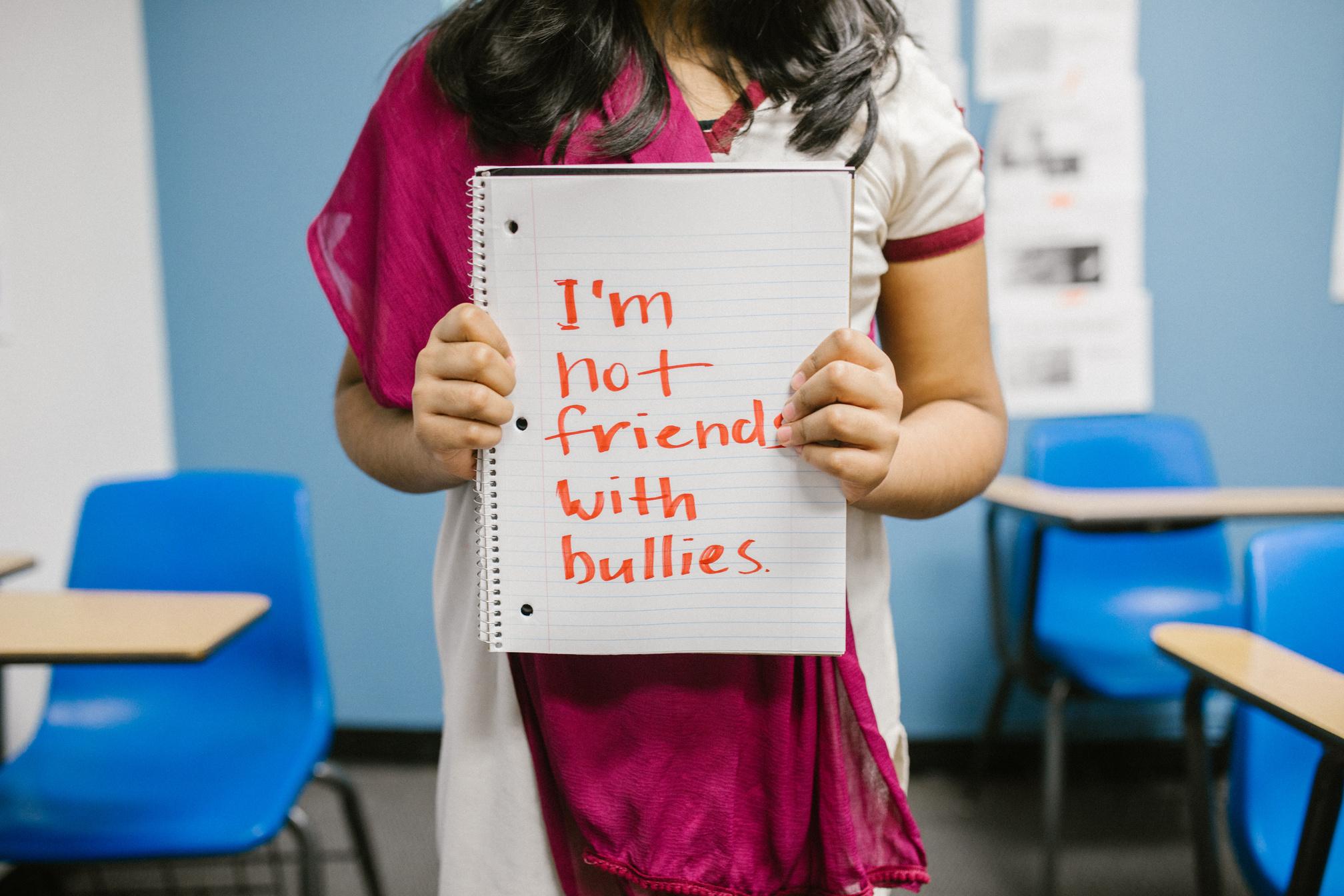
bullying through text, group messages, private groups, or social media This is not the same thing as peer conflict where children or teens are in a disagreement that may get heated Bullying should not be tolerated as it can have effects on a child’s mental health and education 160,000 students miss school each day for fear of being bullied
What do you need to know?
Teens often do not want to be identified with bullying because it seems childish to them They have a harder time admitting bullying is happening Children who are the bully, as well as the child being bullied need adult intervention. Bullying rarely gets better on it’s own. Adults need to intervene to stop bullying. going on. We often tell our children we want them to solve their own problems, but
sometimes they need parental or caregiver support to intervene and report what is happening
How can parents open the conversation about bullying?
Helping children define bullying is an important first step Research tells us that children really do look to parents and caregivers for advice and help on tough decisions Sometimes spending 15 minutes a day talking can reassure kids that they can talk to their parents if they have a problem Start conversations about daily life and feelings with questions like these:
What was one good thing that happened today? Any bad things?
What is lunch time like at your school? Who do you sit with? What do you talk about?
What is it like to ride the school bus?
What are you good at? What would do you like best about yourself?
Talking about bullying directly is an important step in understanding how the issue might be affecting kids. There are no right or wrong answers to these questions, but it is important to encourage kids to answer them honestly. Assure kids that they are not alone in addressing any problems that arise.
Start conversations about bullying with questions like these:
What does “bullying” mean to you?
Describe what kids who bully are like. Why do you think people bully?
Who are the adults you trust most when it comes to things like bullying?
Have you ever felt scared to go to school because you were afraid of bullying?
What ways have you tried to change it?
What do you think parents can do to help stop bullying
Have you or your friends left other kids out on purpose? Do you think that was bullying? Why or why not?
What do you usually do when you see bullying going on?
Do you ever see kids at your school being bullied by other kids? How does it make you feel?
Have you ever tried to help someone who is being bullied? What happened? What would you do if it happens again?
Ultimately, we want to encourage children to be upstanders instead of bystanders Children can be encouraged to include others who are being left out Be an upstander by reporting bullying to teachers and befriending anyone you see being bullied It’s not okay to stand by and watch someone else be bullied
What can schools and parents do together?
Schools often address bullying through the school year with character traits they discuss with students. A great opportunity schools and parents can use is our free prevention education curriculum, Monique Burr Foundation – Child Safety Matters and Teen Safety Matters. We cover bullying and cyberbullying in our presentations and strategies all children can use to stay safe. Parents can advocate for these presentations and allow their child to participate in these great events. .
https://wwwmbfpreventionedu cation.org/resource/bullying/
https://www.stopbullying.gov/r esources/what-you-can-do
https://www.pacer.org/bullying /parents/helping-yourchild.asp
Resourcesfor abullyingsituation:
monthly spotlights

Training updates and MORE!
Healthy Boundary Series: What Does This Behavior Mean?
Special thanks to Dr. Sue Profilet, Developmental Psychologist with Fort Bend County Behavioral Health Services who helped us decipher just that. Dr. Profilet facilitated our final Healthy Boundaries Series training for 2023 and helped us learn more about the meaning behind behaviors. She offered us a wealth of knowledge and led an insightful and interactive training. Thank you Dr. Profilet for sharing your expertise with us!
/ The Voices of Child Advocates of Fort Bend/
Dress up costumes for bigger kids- 5 and over Princess, doctor, fire fighter, witch, are a few to name but all costumes are welcomed.
New Blankets size 50“ x 60“
Additional items can be found on our WISH LIST

Conference
Caring
and Self
Acres
Friday, November 10, 2023 9am - 2pm Collaboration
~
for Children, Families
Long
Ranch 2335 Richmond Parkway, Richmond TX 77346
/ The Voices of Child Advocates of Fort Bend/
REGISTRATION OPENS SOON!
New stuffed animals This month, we have immediate need for:
our needs
Courtney James, LMSW Clinical Family Advocate
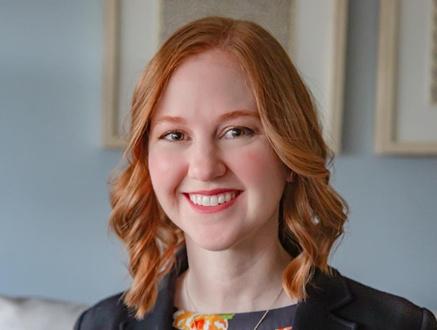
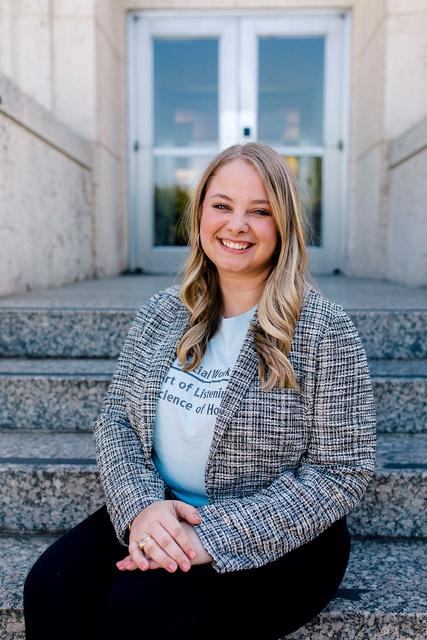
Courtney James has earned her clinical license after two long years! Courtney passed the Association of Social Work Boards (ASWB) clinical exam on August 29. An LMSW is eligible to receive their clinical license after completing 3,000 hours of clinical social work over 2 years, 100 hours of direct supervision, and passing the ASWB clinical exam. An LCSW is more specialized and has more extensive clinical training. Courtney joined CAFB through the CAC program as an intern while completing her bachelor’s degree at SFA. After obtaining her LMSW, Courtney joined CAFB full time as a Clinical Family Advocate. Courtney started pursuing her clinical license shortly after and has met with many families and provided crisis intervention and advocacy. We are so proud of Courtney for accomplishing this huge career goal!
Lacy Starnes, LPC-S Therapist
Lacy Starnes who joined us in April, has now become a Licensed Professional Counselor Supervisor (LPC-S). This achievement will pave the way for the development and mentorship of aspiring counselors! Access to supervision can be an expensive process, so having one on-site at CAFB is a perk for any LPC-Associate considering a position here. Licensed Professional Counselors are eligible for the Supervisor designation following 5 years of full licensure and completion of a 40-hour LPC-S specific training, which Lacy completed in August. Lacy graduated from UT Southwestern’s Master of Clinical Rehabilitation Counseling (MCRC) program in 2015. She gained full licensure in 2018 following 3,000 hours of supervised LPC work over 2.5 years at Dallas County Juvenile Detention Center. Lacy is passionate about providing support and guidance to any clinician wanting to work with youth and trauma.
Are you interested in joining our team? We have openings. Click here for more information or to apply today.
S T A F F U P D A T E
/ The Voices of Child Advocates of Fort Bend/
Are you looking for a way to honor or memorialize someone you love?
Your $500 or $1,000 gift can purchase a paver in our front walkway and have it engraved with your personalized message!
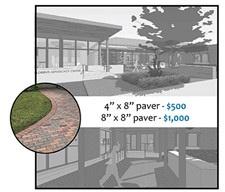
(We love reading them as we walk in each day.)
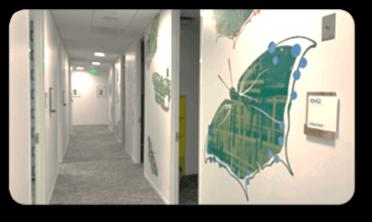
If you have already purchased a paver, we thank you!
Donate online at https://www.cafb.org/donate/purchasing-a-room-or-a-paver/ and someone will contact you to discuss your inscription
For more information, please contact Lisa Moore at Lmoore@cafb.org
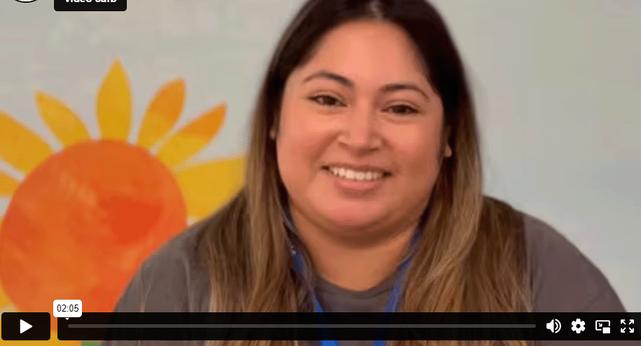
Our mission and our values are central to the work that we do and every one of our staff members has a role in how we meet our mission. Meet some of our staff members and hear why they are a part of our team.
/ The Voices of Child Advocates of Fort Bend/
Volunteer Social
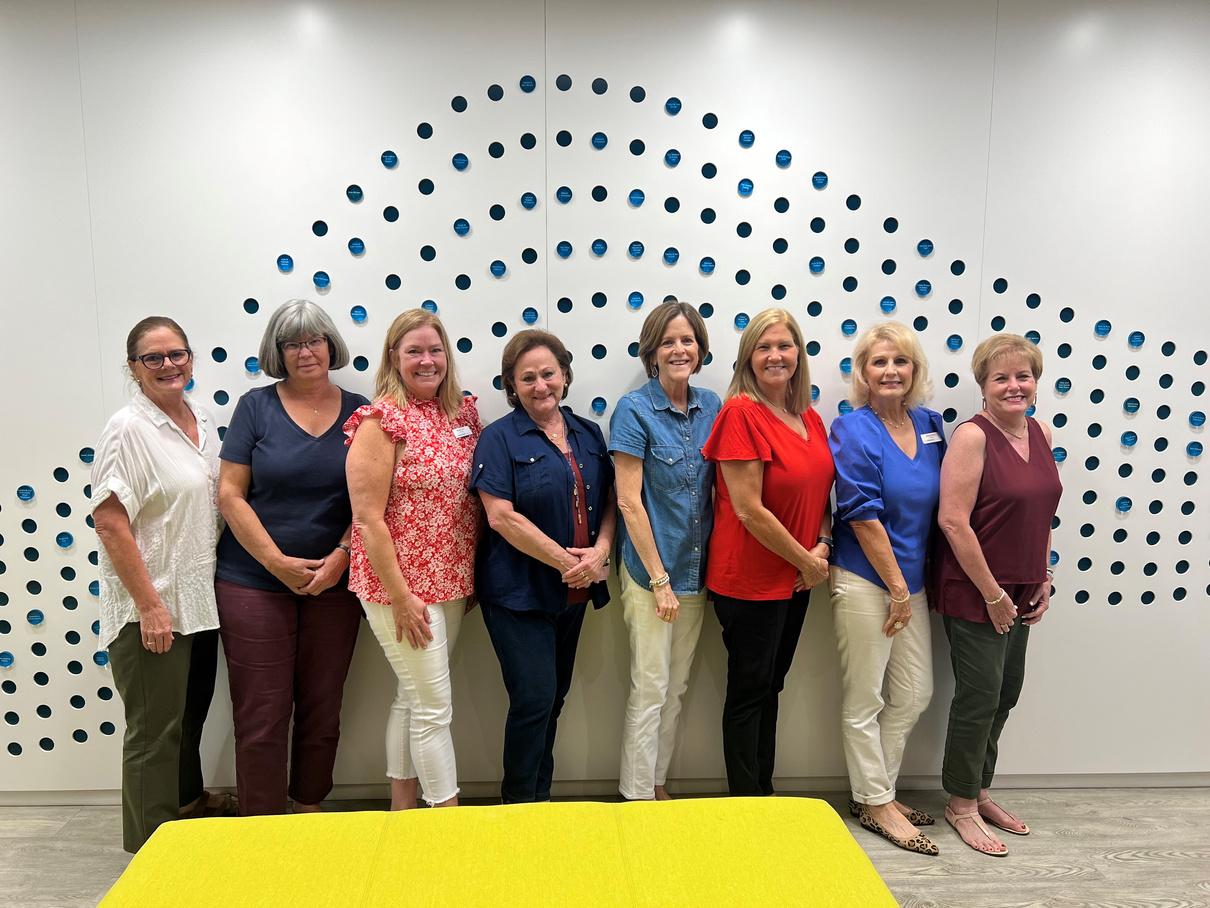 By Jennifer Brown, Volunteer Coordinator
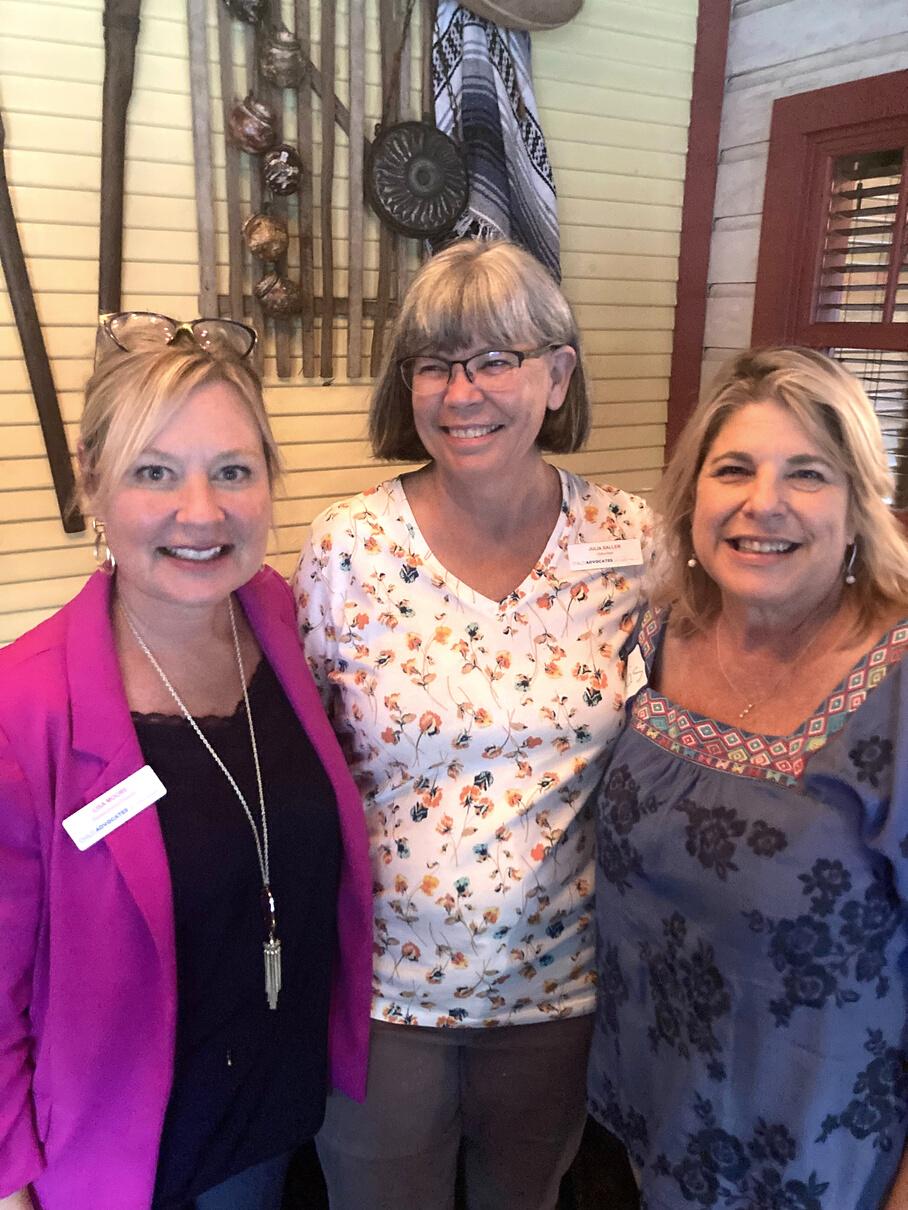
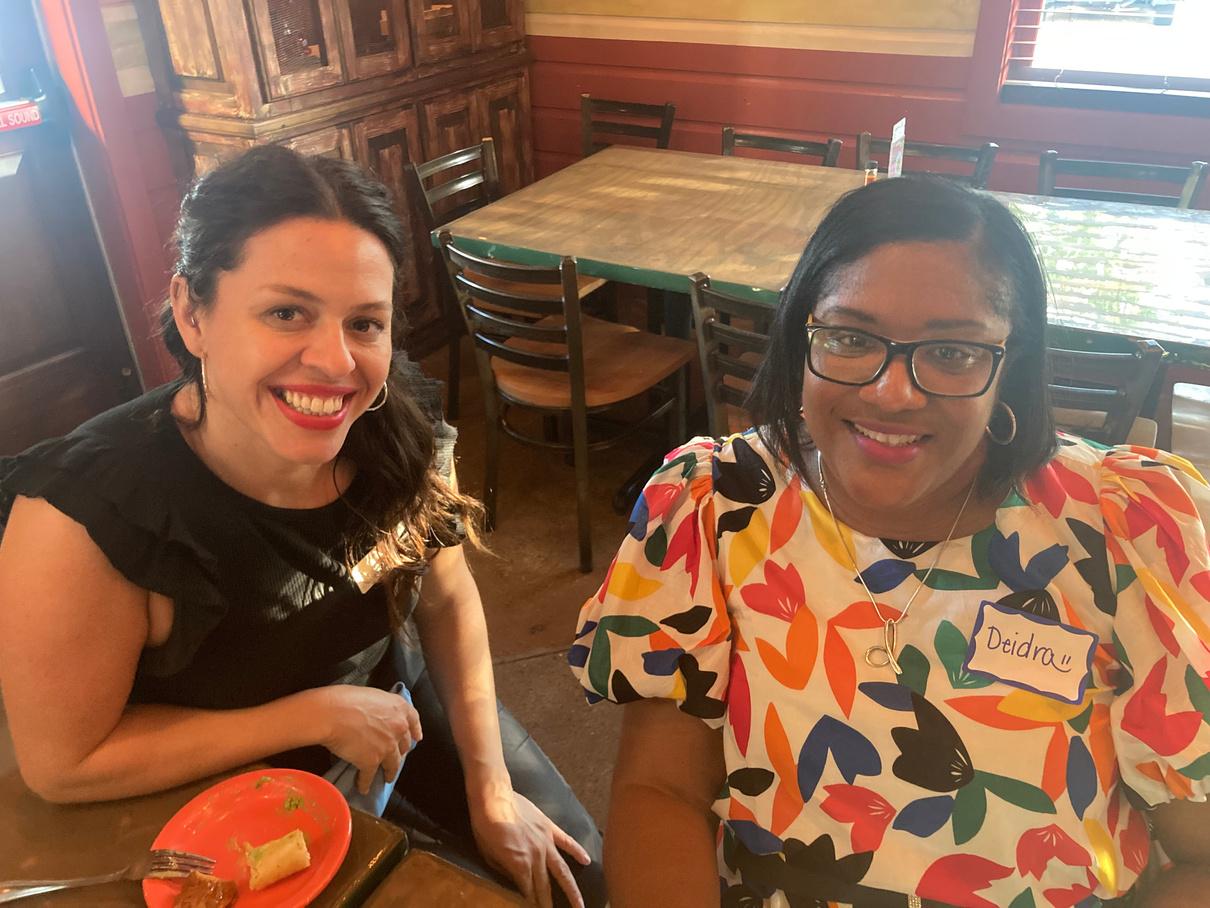
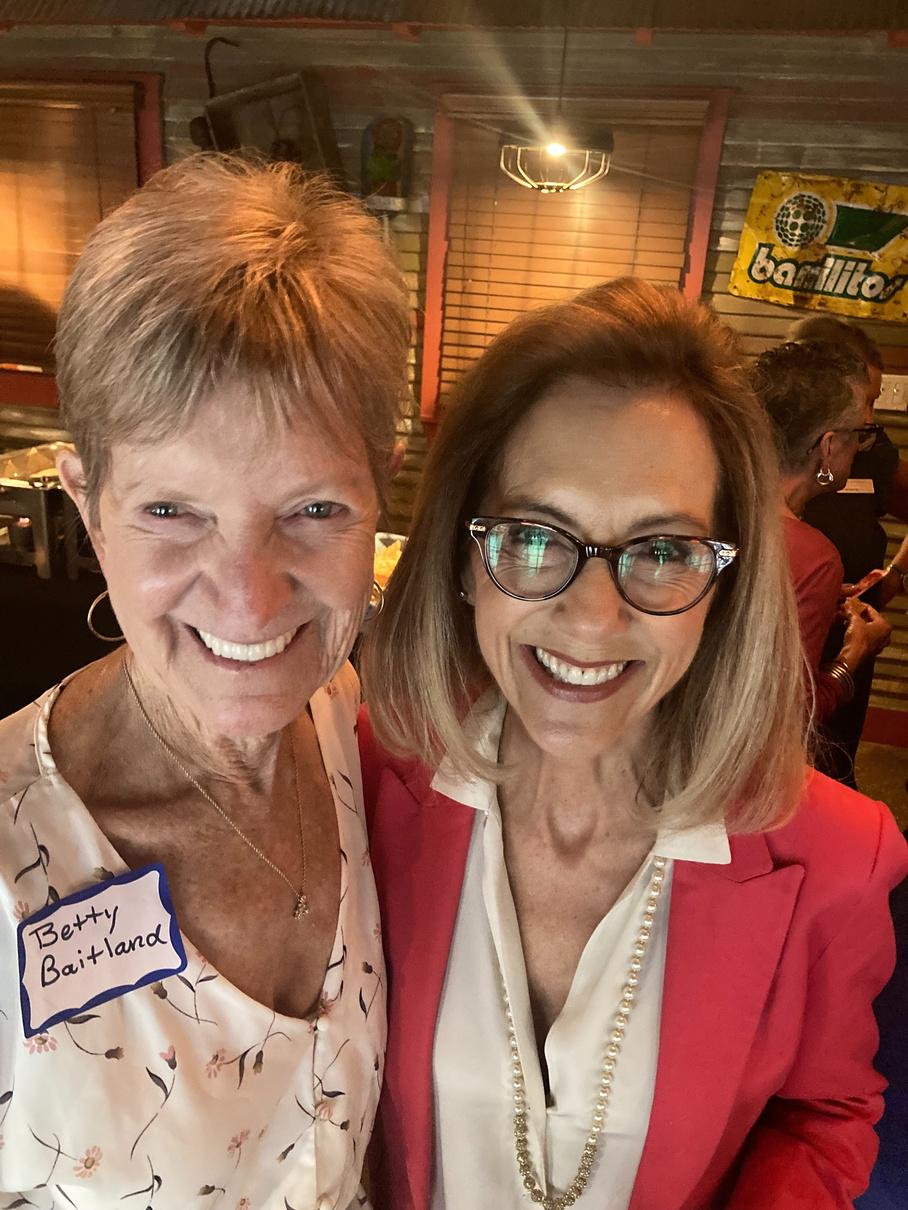
This past month our volunteers, staff and board members gathered to socialize and meet new people at Lupe Tortillas in Sugar Land
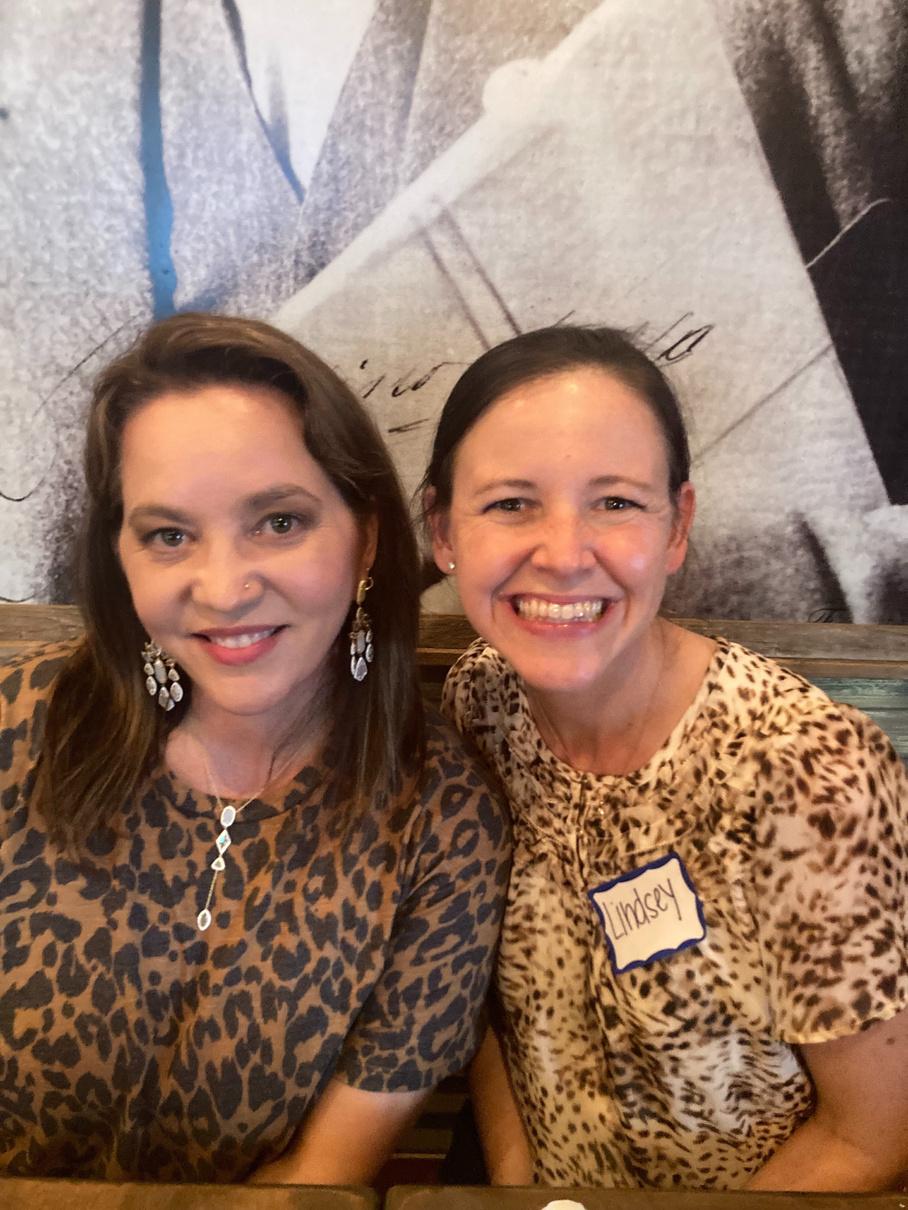
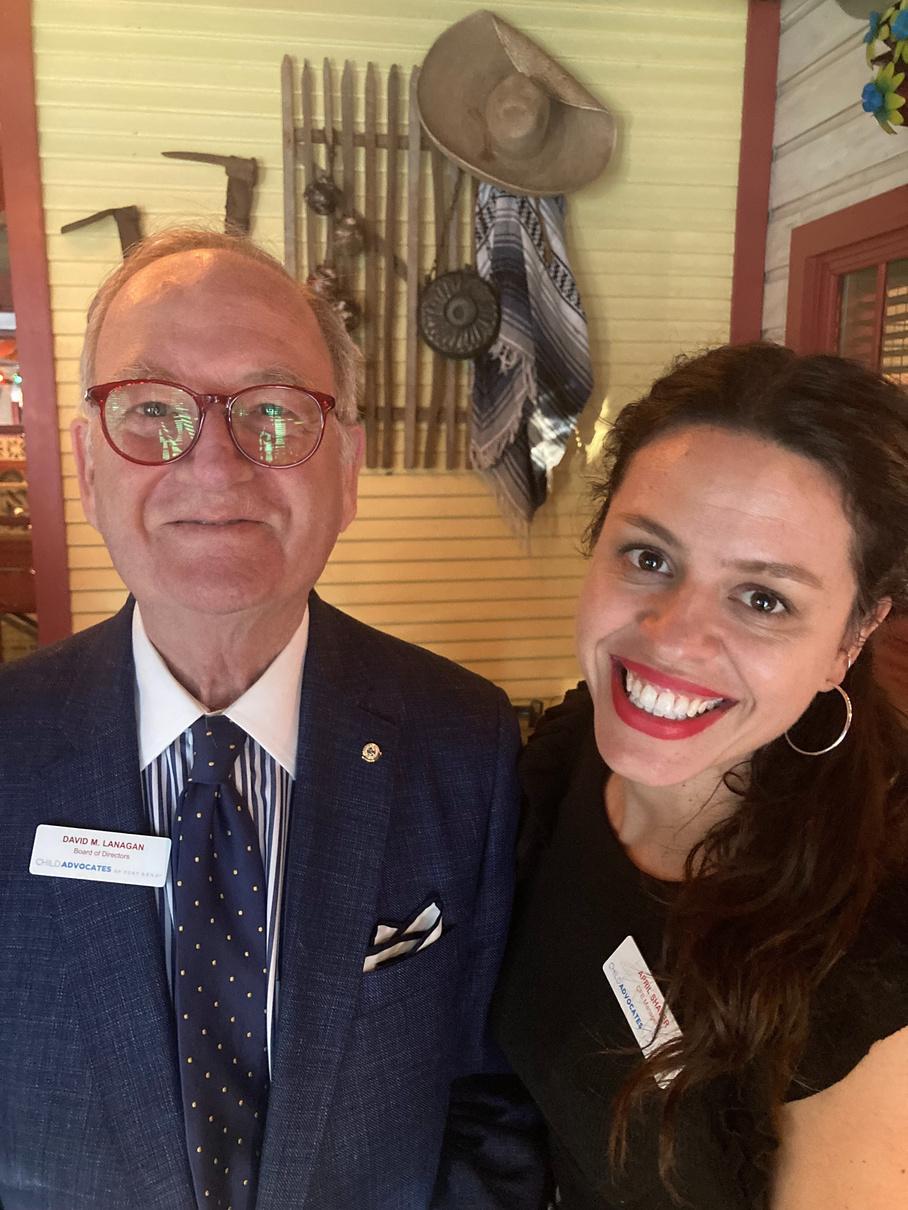
It was so nice to catch up with those we haven’t seen in a long time, meet new people and laugh with friends Every time CAFB volunteers are gathered in one place, you can feel the buzz of the mission we are all passionate about, share the joy in hearing stories and embrace the appreciation for all who are there.
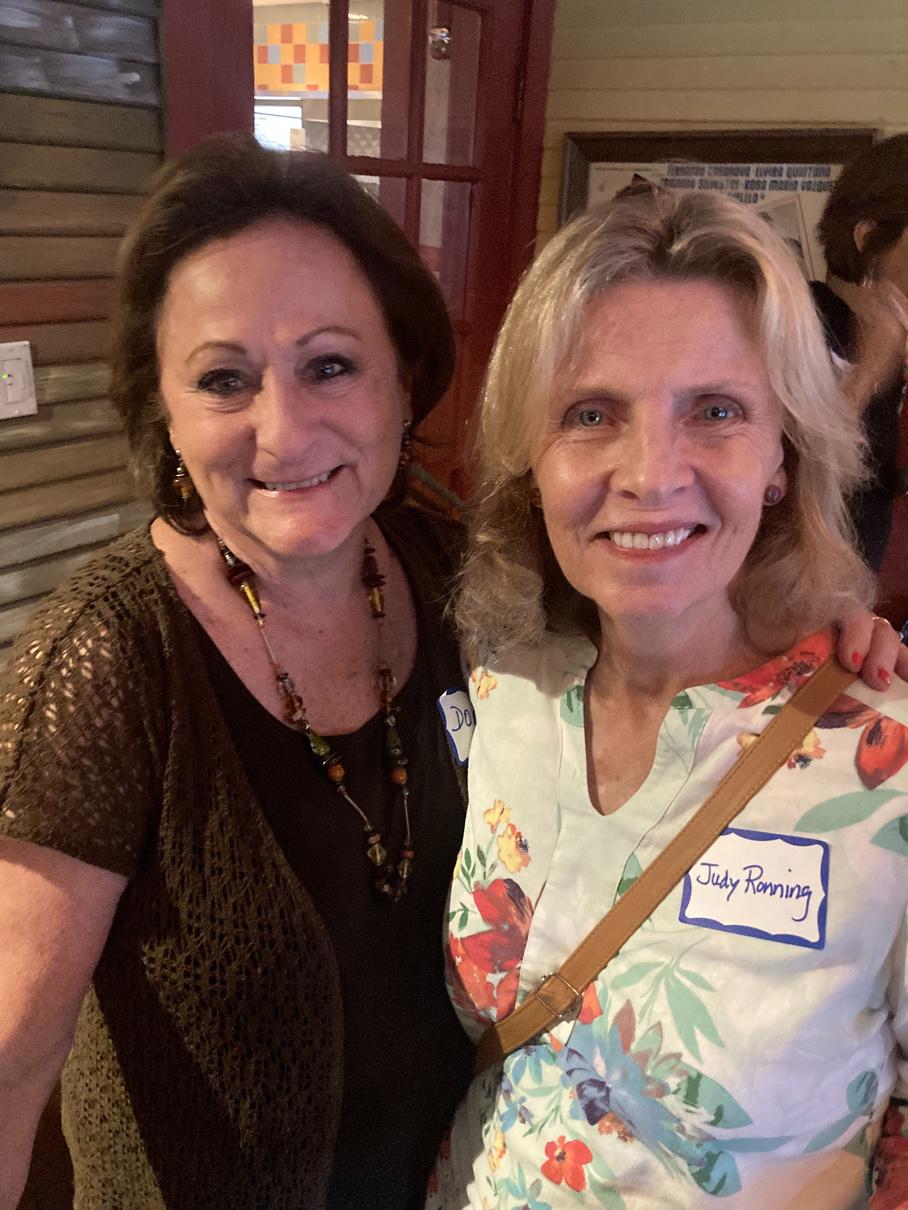
It was a wonderful night thanks to our Volunteer Council We look forward to the next one!!

The Volunteer Council gathers monthly to meet about various ways they can support CAFB volunteers and staff They are the first to sign up for events where they can mentor or assist other volunteers and we are grateful to have this group!
PresentedbyFredandMabelR.ParksFoundation
Wehavesomeexcitingnews!Our32ndHomeTourwillbeFriday,December8thand Saturday,December9thfrom10amuntil4pmwithacandlelighttouronFridaynight from6pmuntil9pm.

Supportthetourtodaybybecomingasponsor!
CheckoutalltheSponsorshipOptionshere
DoYOUliketodecorate?


InterestedinhavingyourhomefeaturedontheHomeTourorknowsomeonewho wouldliketogetmoreinformation?Wewouldlovetotalktoyou.PleasecontactTarina atTSheridan@cafb.orgtochat!

DoYOUwanttohelp?
PleasegrabyourfriendsandbeahostandstoriesaboutthehomeORshareyour bakingskillsbybakinghomemadecookiesfortheTour.Formoreinformationcontact TarinaatTSheridan@cafb.org.
/ The Voices of Child Advocates of Fort Bend/
December 8, 2023
TSheridan@cafb.org TSheridan@cafb.org to reserve your spot today! to reserve your spot today!
7 spots left!
ONLY
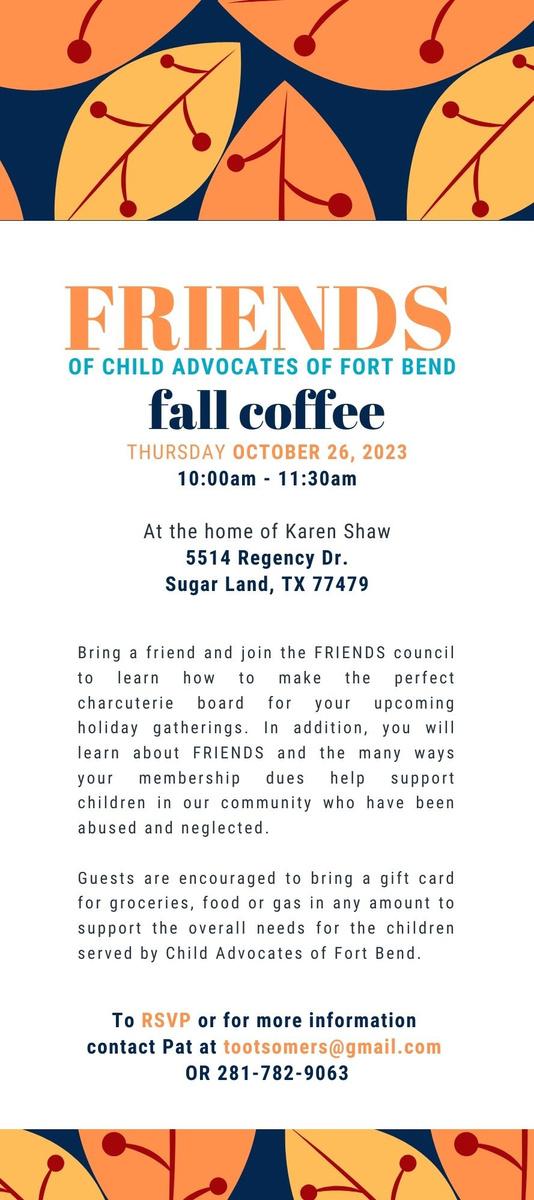

/ The Voices of Child Advocates of Fort Bend/ save these dates TBRI Overview 10am - 4pm More info October 10 TBRI Correcting Principles 10am - 4pm More info November 14 Collaboration Conference~Caring for Children, Families and Self 9am - 2pm Long Acres Ranch, 2335 Richmond Parkway in Richmond Registration opens soon! November 10 TBRI Connecting Principles 10am - 4pm More info October 24 FRIENDS Fall Coffee 10am - 11:30am More info RSVP to Pat at Tootsomers@gmail.com or 281-782-9063 October 26 TBRI Empowering Principles 10am - 4pm More info November 7
“Children are the living messages
“Children are the living messages we send to a time we will not see." we send to a time we will not see."
- John F. Kennedy - John F. Kennedy
