Project 1: Site Survey and Analysis
LECTURER: MS EILENE LING GROUP 3 MEMBER: STEVE CHEW CHUN LOONG (J19031920) SOPHIA BINTI ZAIDIN STOTHARD (J22037780) CHRISTINE LIEW QIAN YU (J21035435) THEE JING YEE (J21034962) ONG CHIA EN (J21035194) BID3200 BUILDING BY LAW
MUSEUM NEGARA
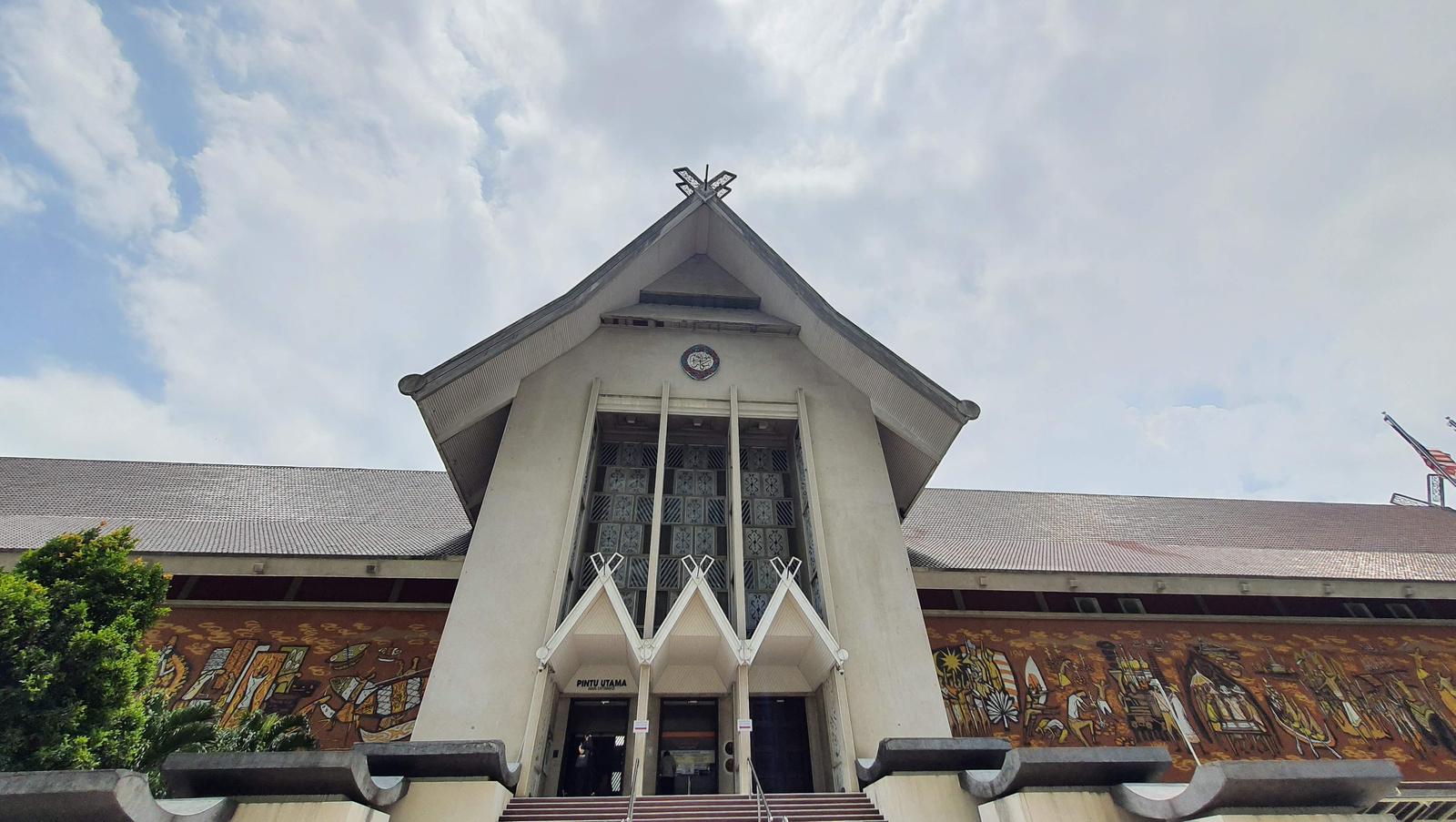
Table of Contents
Site Analysis Heritage Authenticity
1. 2.
Location Plan Site Plan Zoning Street Furniture Pedestrian/ Walkway Landscape/Green Area
Neighbouring 1. 2. 3.
Activities/Building
Historical Background and Present Condition
Façade Design (Form & Design)
Materials Used
Use and Function Location and Setting Tangible vs Intangible Spirit and Feeling
3. 4. 5. 6. 7.
4. 5. 6. 7. 002. 1.
Table of Contents
Conservation Approaches 03.
National Heritage Property Criteria 04.
Restoration, Preservation, Adaptive Re-use
UBBL COMPLIANCE ANALYSIS 05. 1. 2.
The Historical Importance, Association with or Relationship to Malaysian History The Good Design or Aesthetic Characteristics
1. 2.
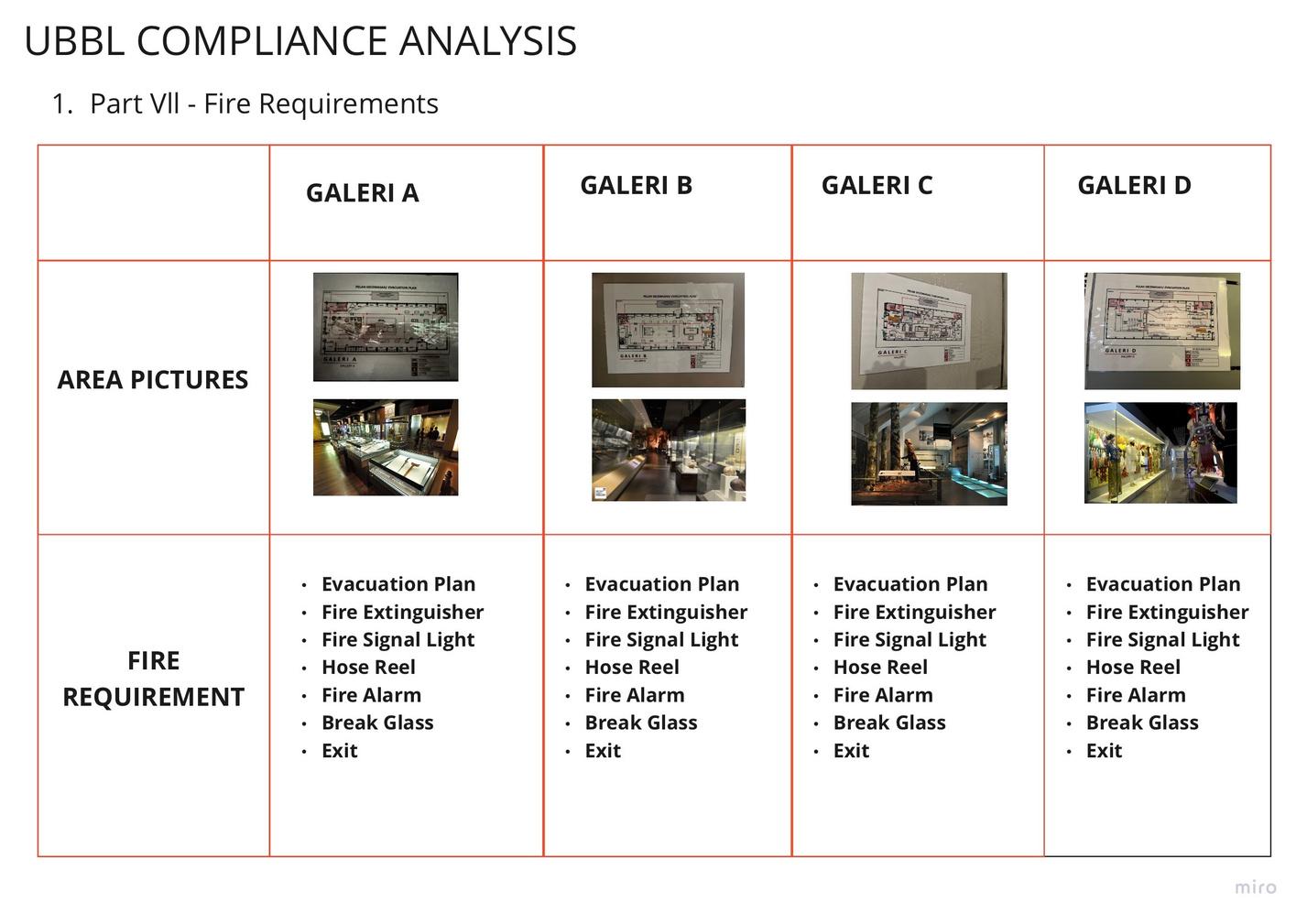
Part VII
Part VIII
Fire Extinguishment, And
Access
- Fire Requirements
- Fire Alarms, Fire Detection,
Fire Fire Fighting
SITE ANALYSIS Museum Negara
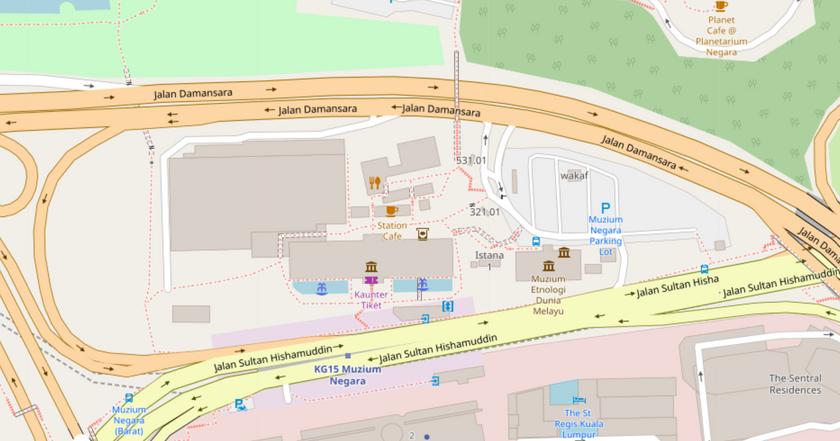
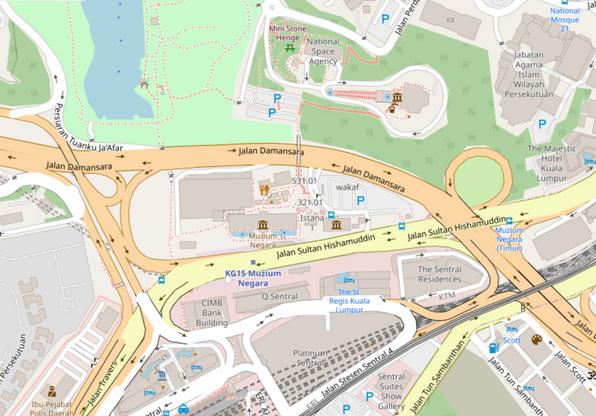
Location Plan
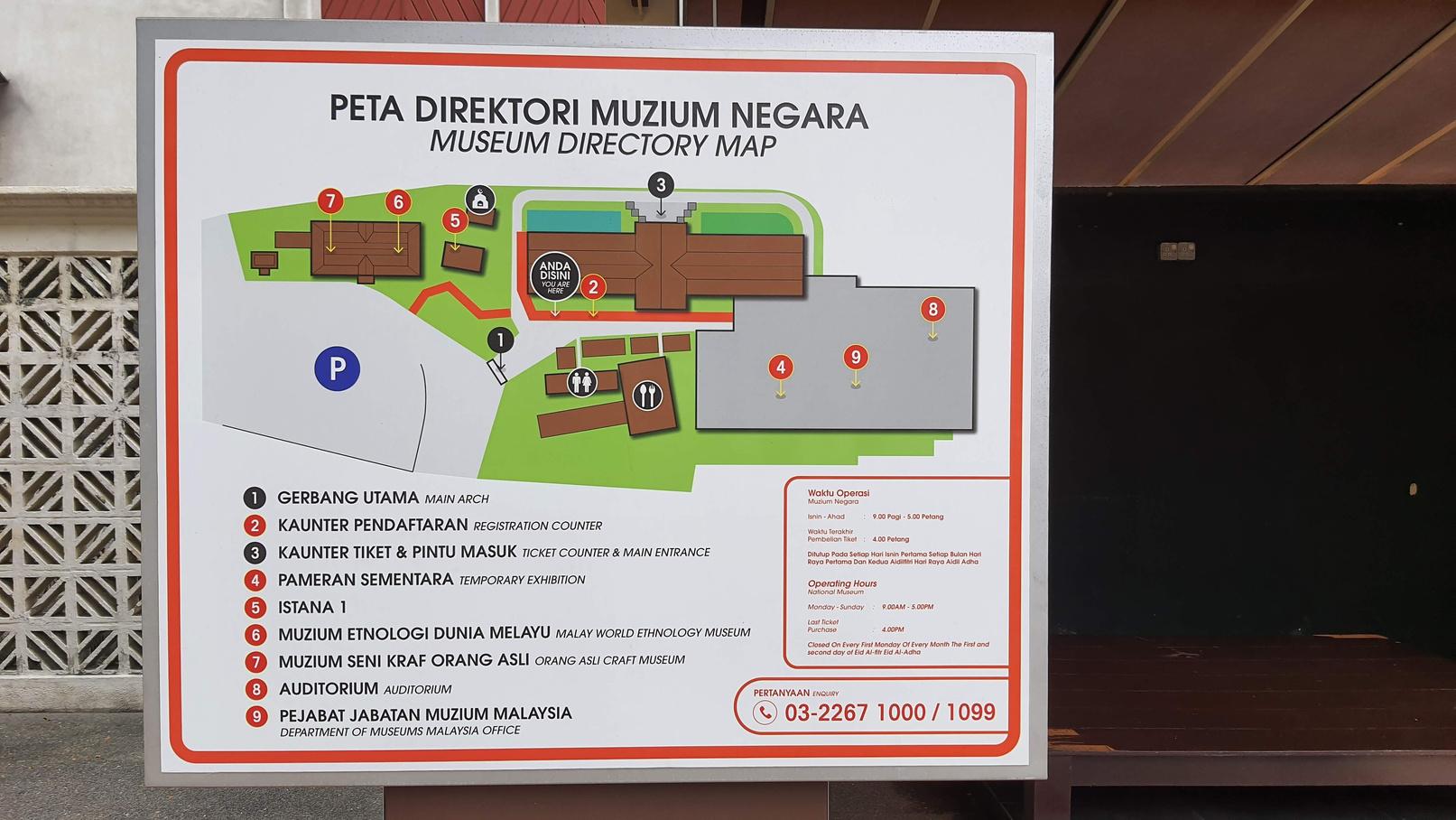
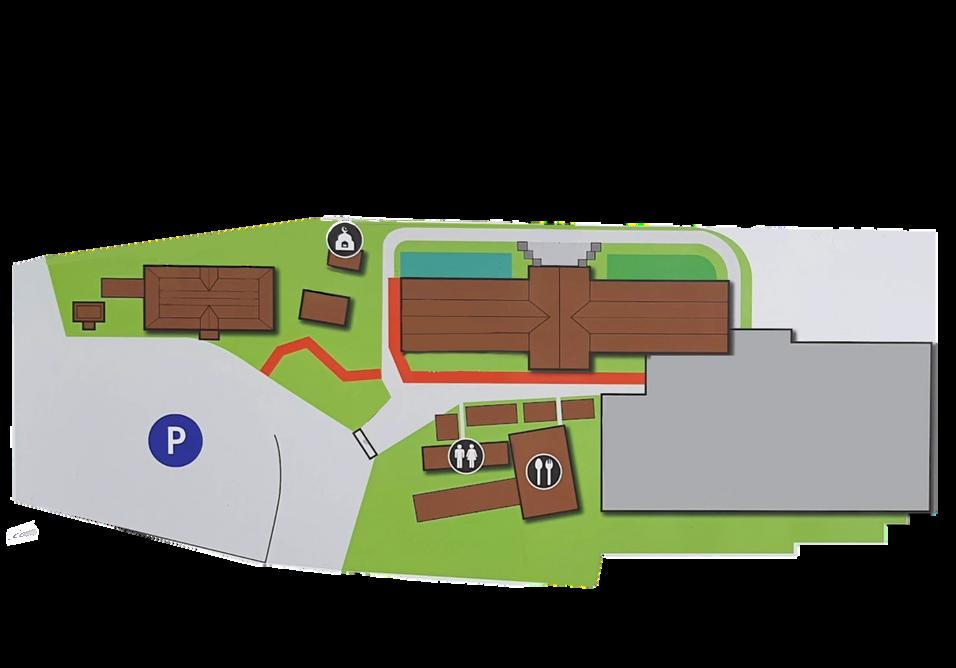
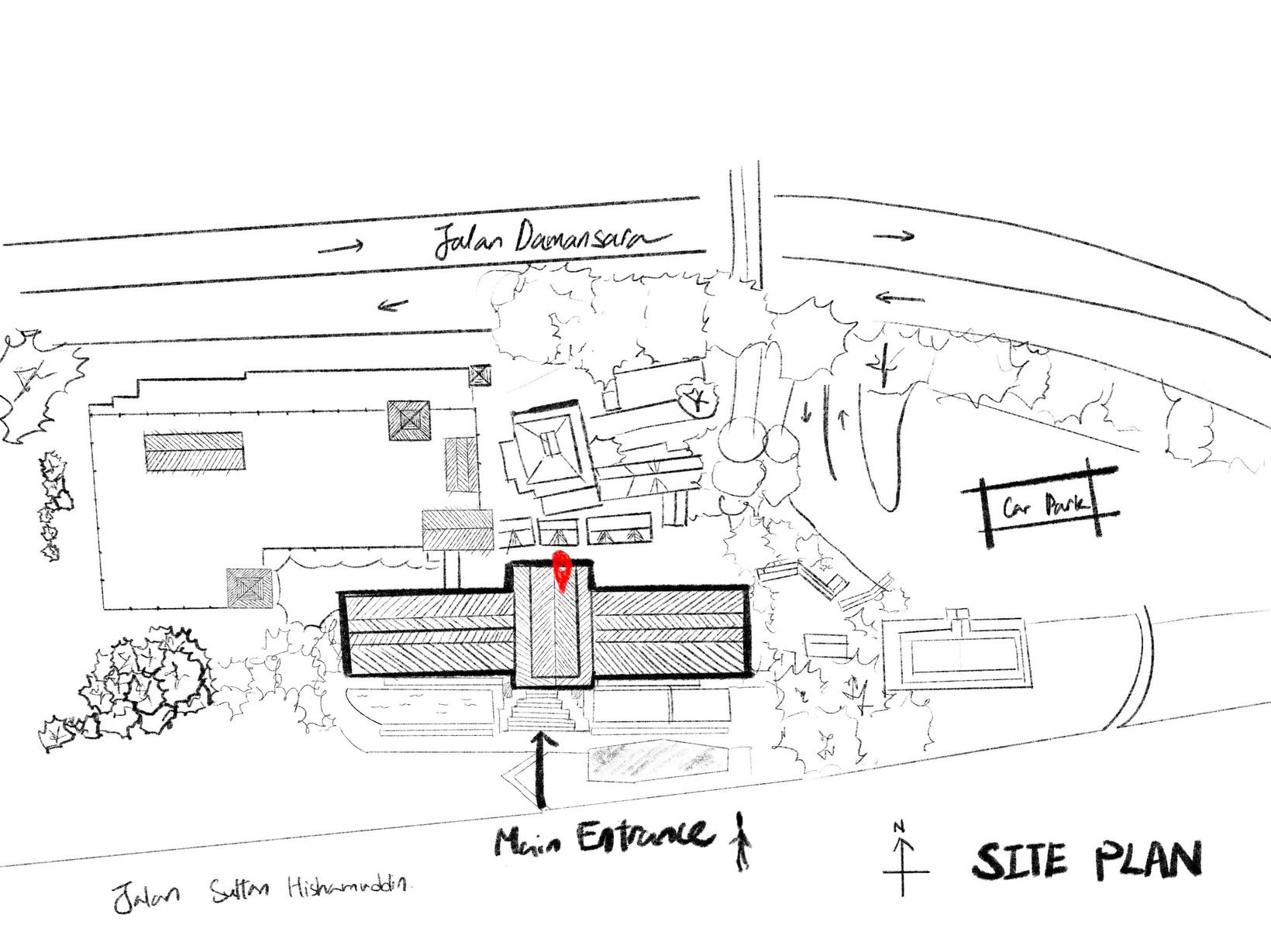
Site Plan
Location & Setting
Zoning
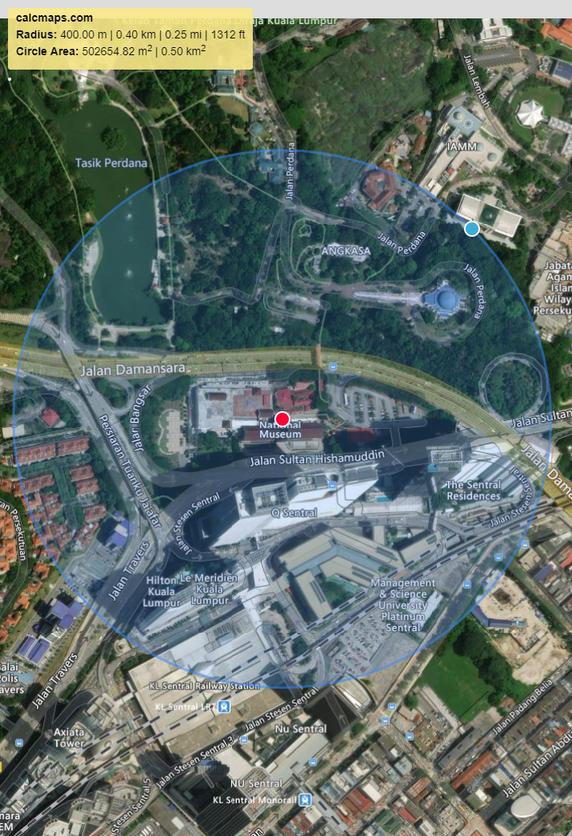
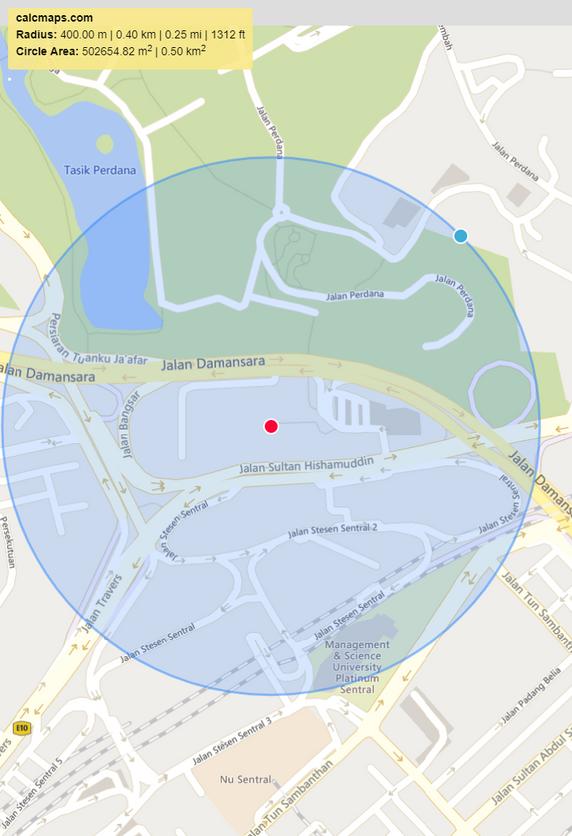
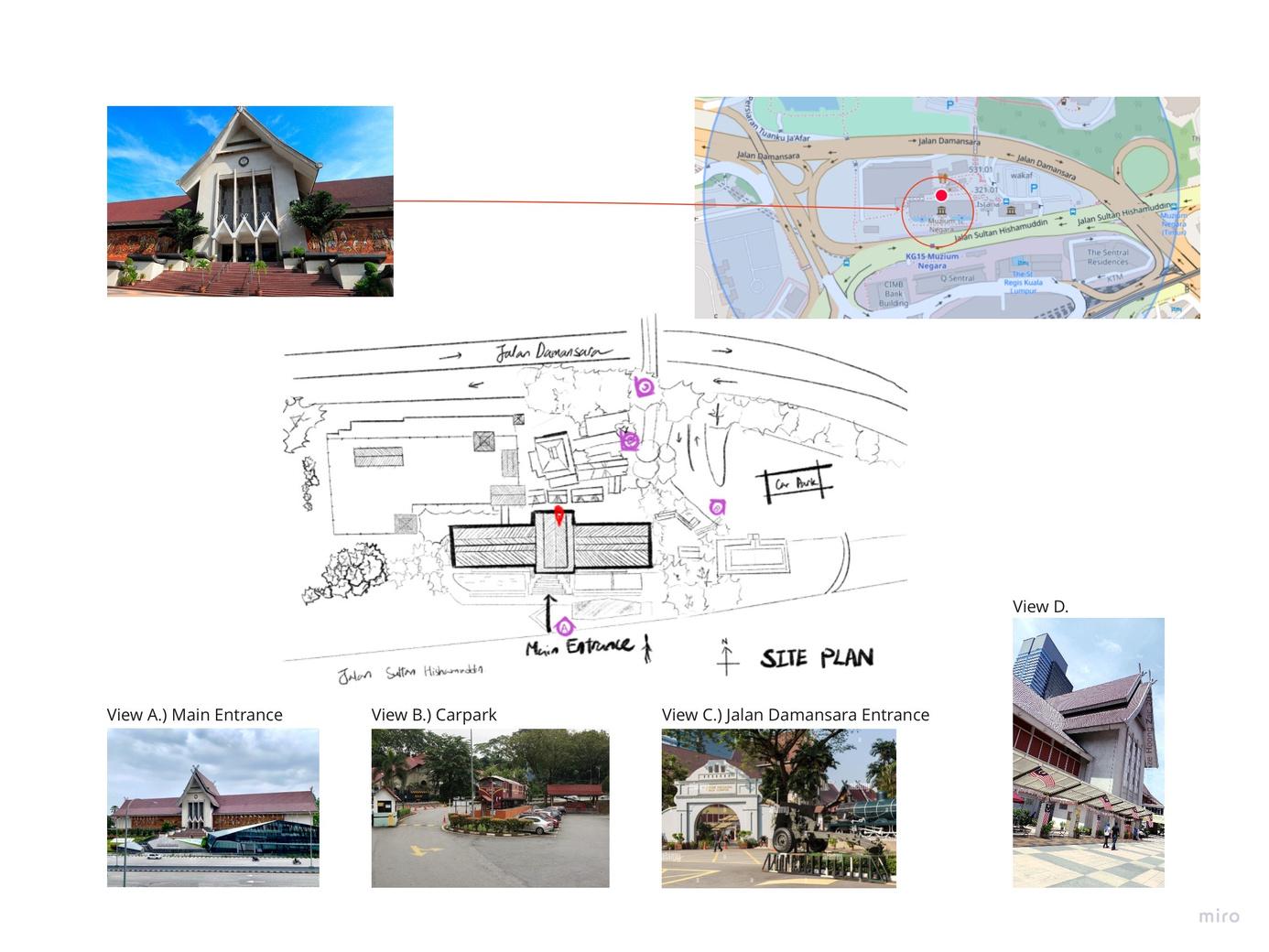
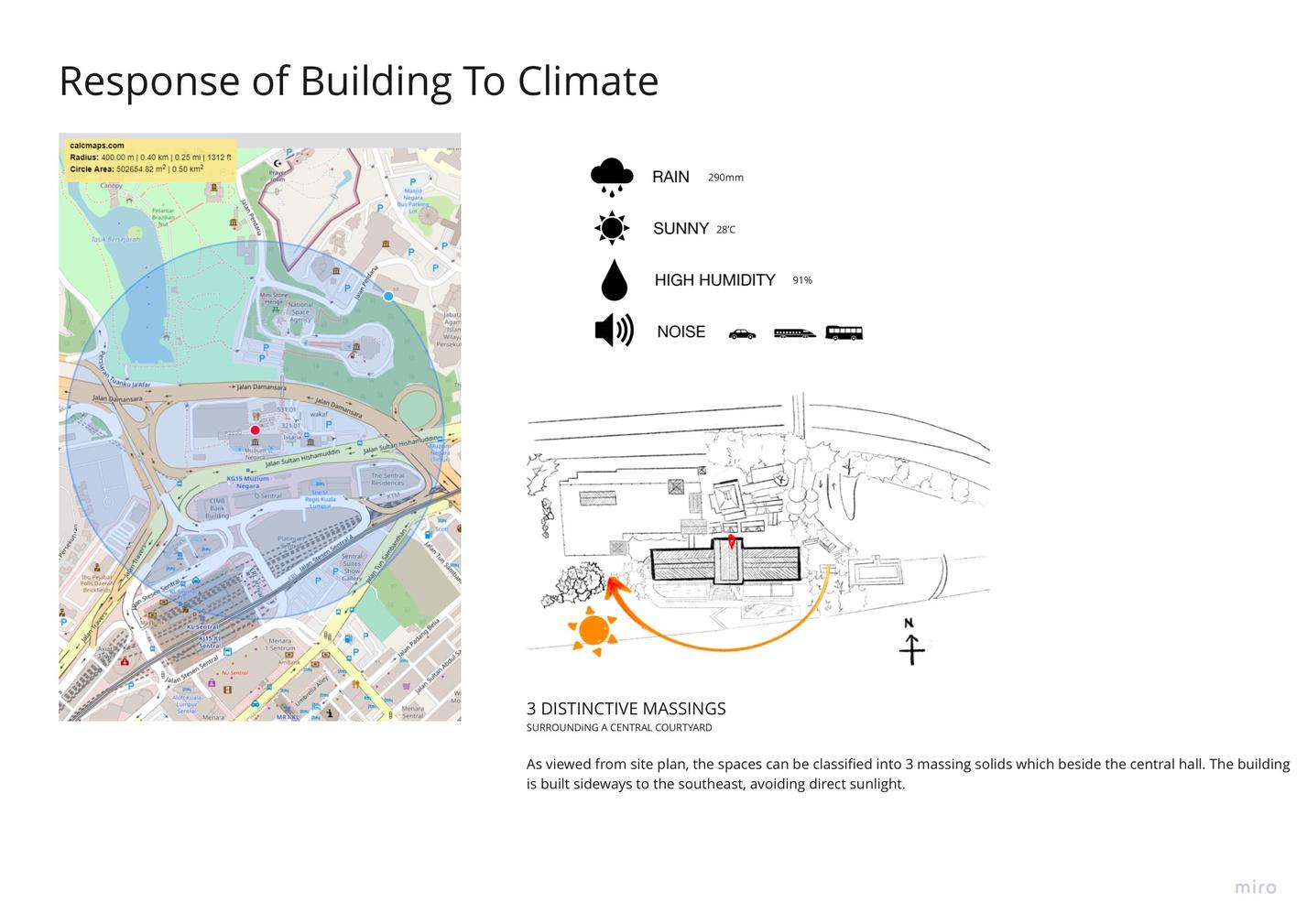
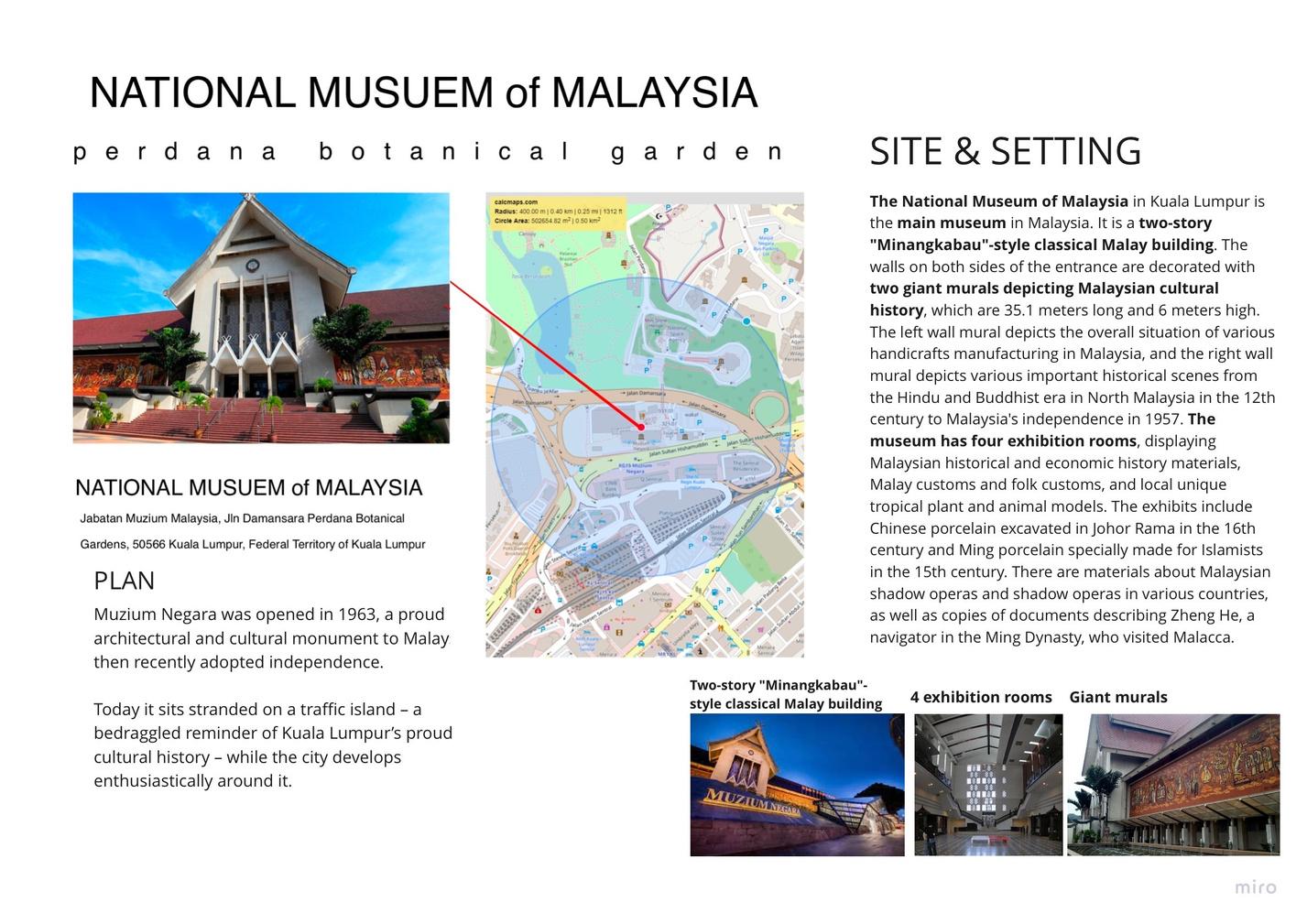
Muzium Negara is located on Commercial land with the surrounding area (within a 400m radius) is also mainly designated as commercial land. The surrounding area include office buildings, as well as LRT station, hostel/hotels, exhibit sites (Planetarium, Coin museum), and just outside the 400m radius, it would also come to include NU Sentral which is a shopping mall connected to KL Sentral.
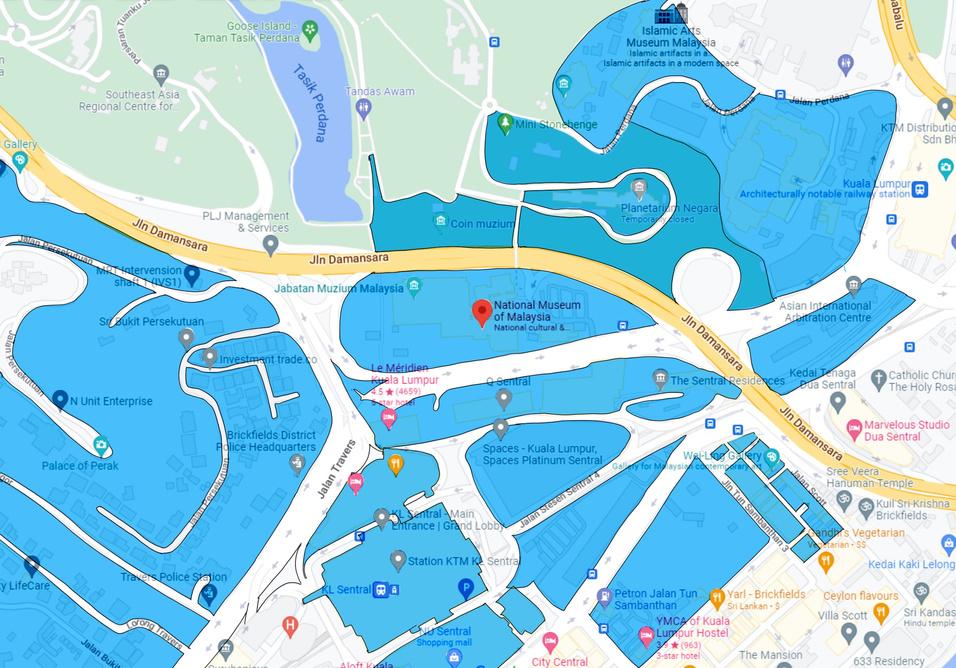
distribution of commercial land distribution of open landscape/forest
Offices: CIMB, Q Sentral, Spaces Planitarium Sentral, Jabatan Muzium Malaysia
Commercial Spaces: Planetarium, Coin Museum, Orang Asli Crafts Museuml
SUSHI TAKA, Breadcall Cafe, Starbucks, Ushi, Prime, La Rica Coffee
LRT Station, Kl Sentral, Station KTM KL Sentral
Le Méridien Kuala Lumpur, Marvelous Studio Dua Sentral, YMCA of Kuala Lumpur Hostel
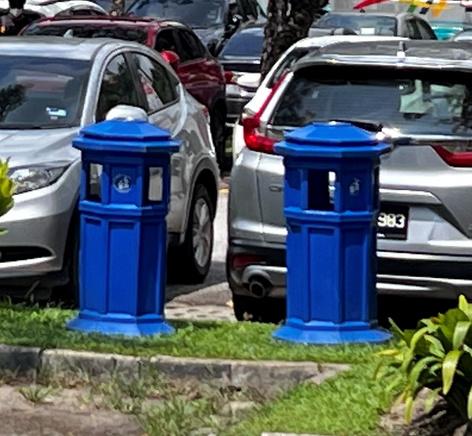
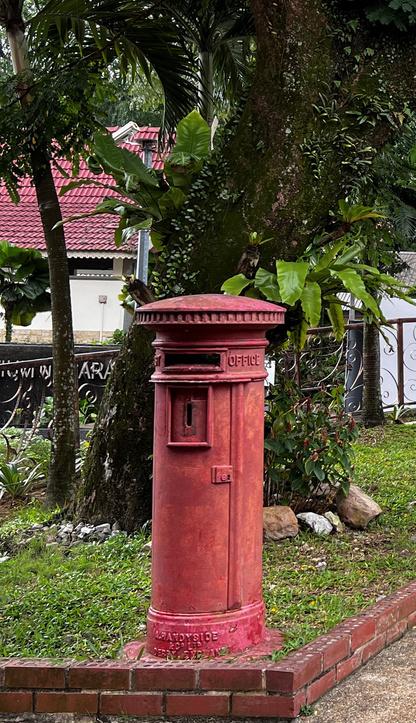
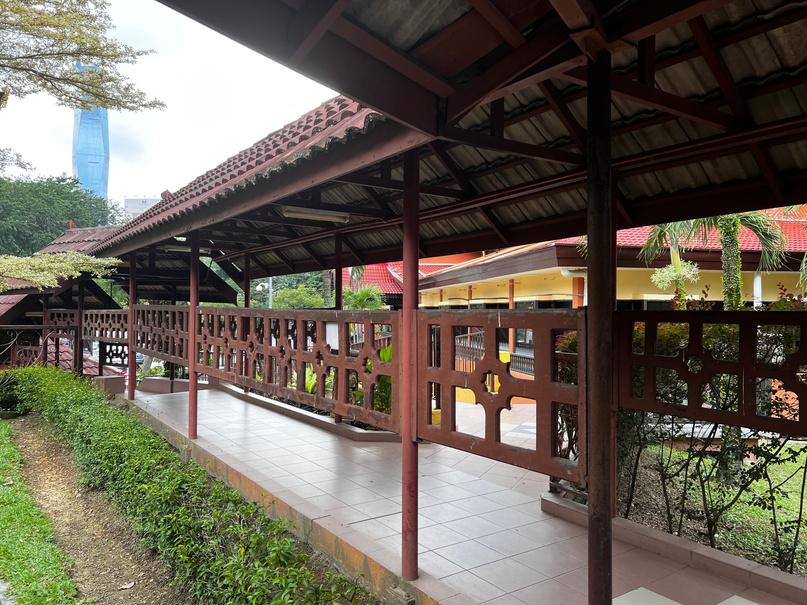
1 2
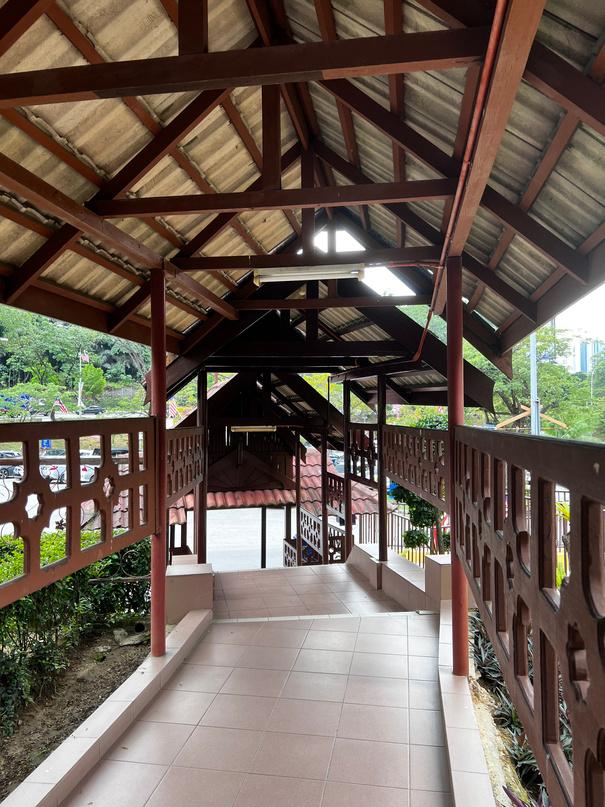
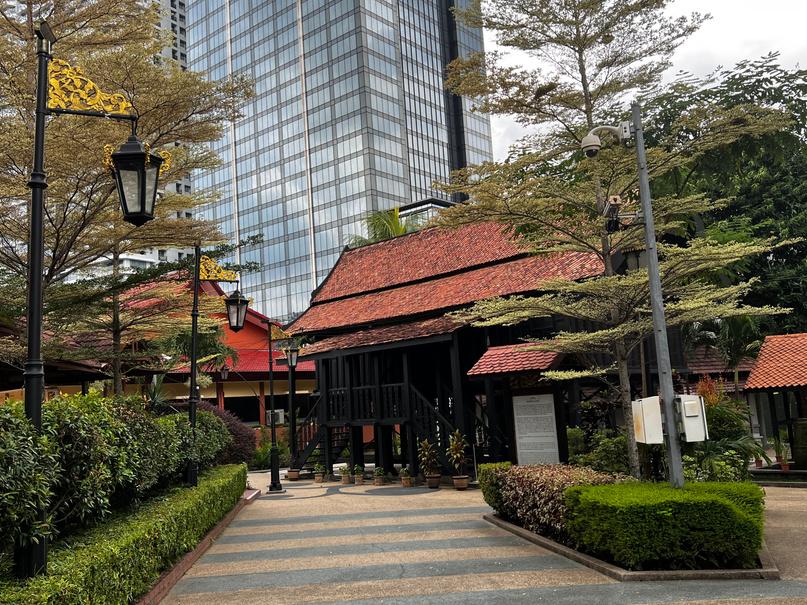
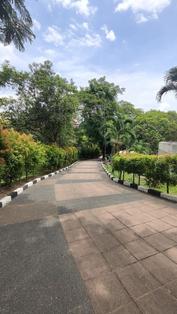
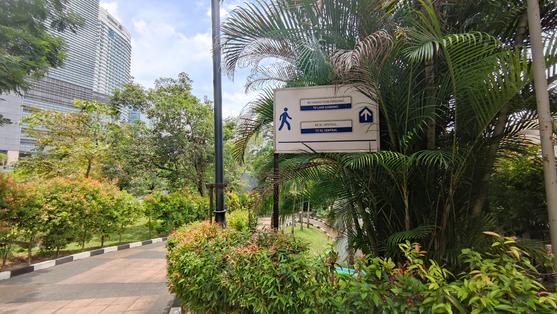
Pedestrian / Walkway

Museum Negara pedestrian bridge
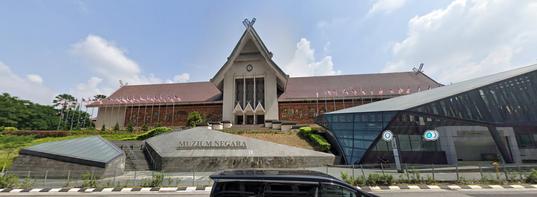
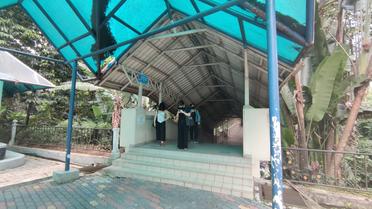
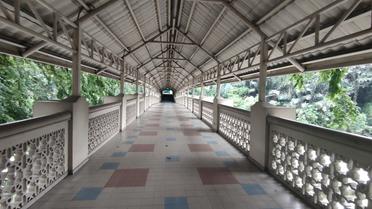
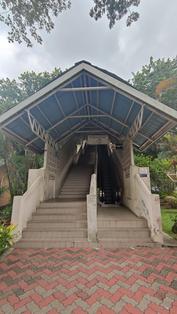
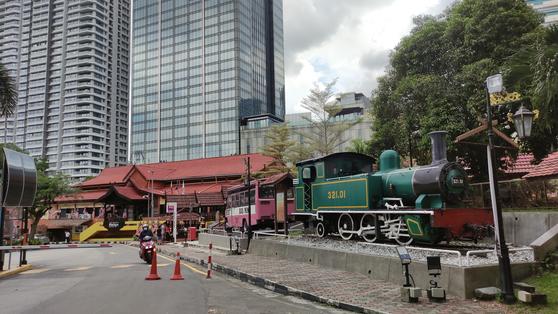
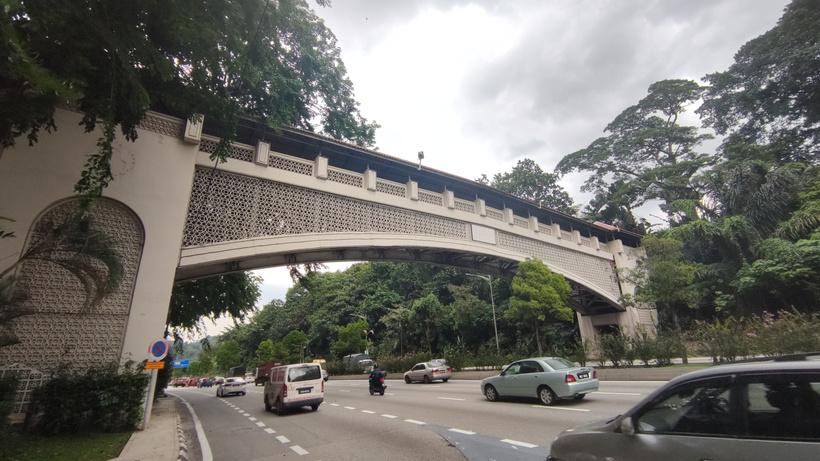
from public parking lot
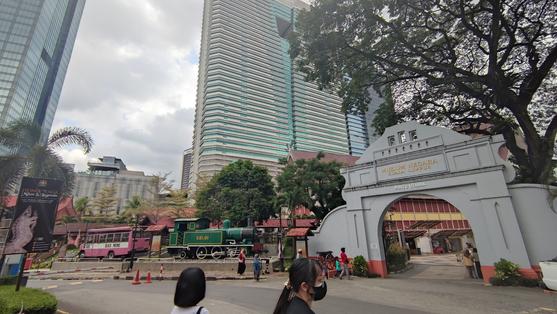 from MRT station
from left
from MRT station
from left
1 2 3 4
1 2 3 4
Entrance
Entrance
Entrance
Landscape/ Green Area
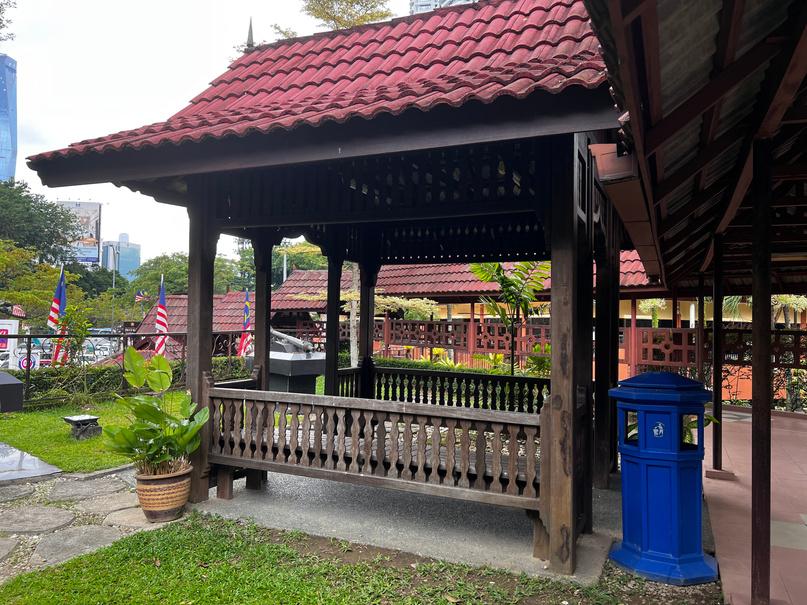
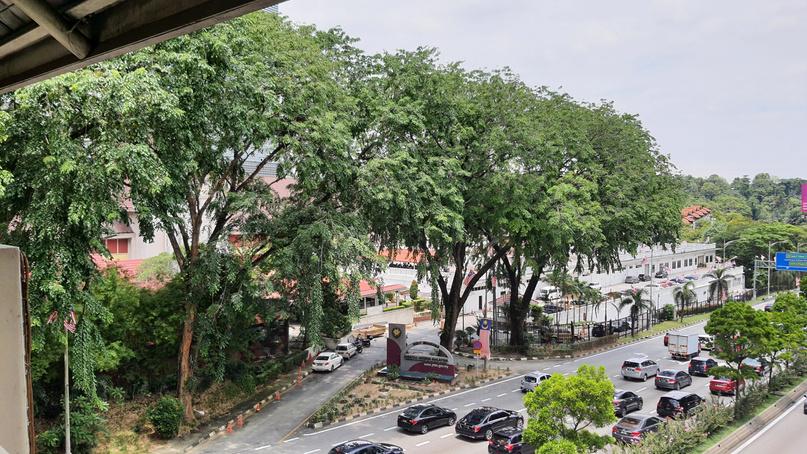
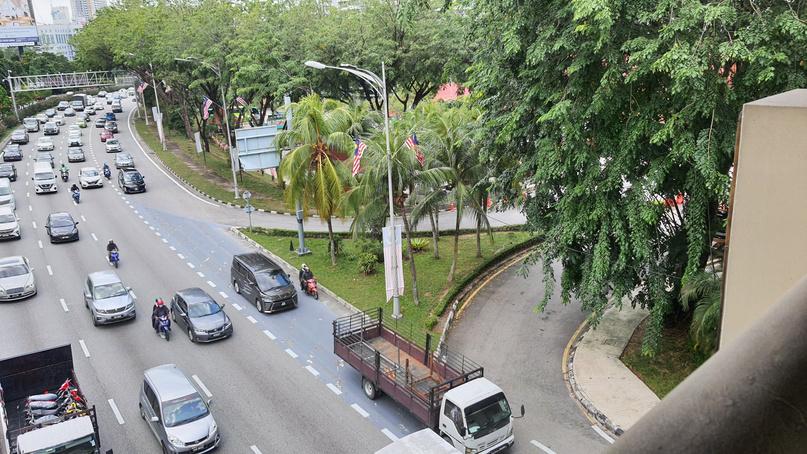
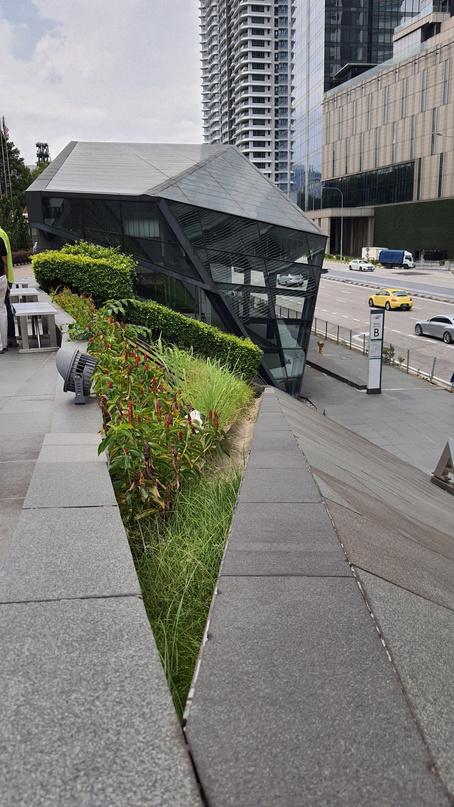
Landscaping as viewed from connecting bridge green area that acts as a boundary between museum area and main road.
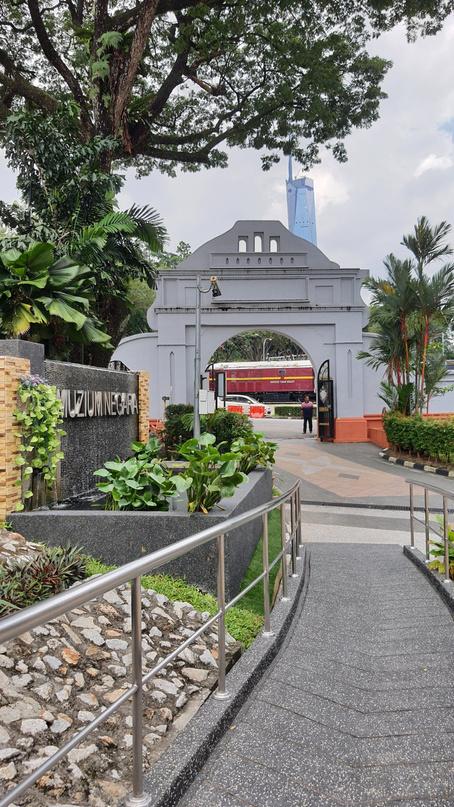
Landscaping as viewed inside of entrance facing outwards consist of shrubbery and large trees.
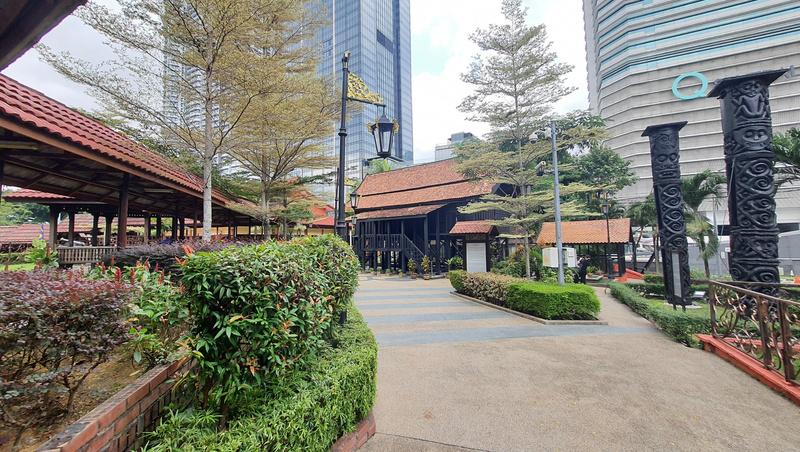
Facing area of Istana 1 from main path.
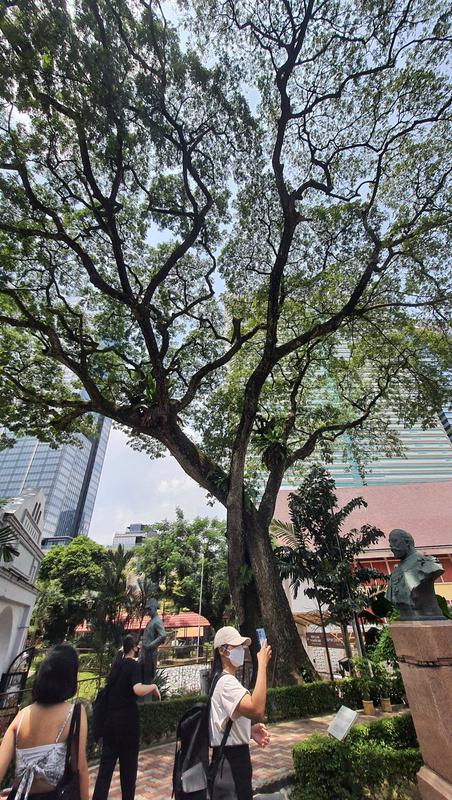
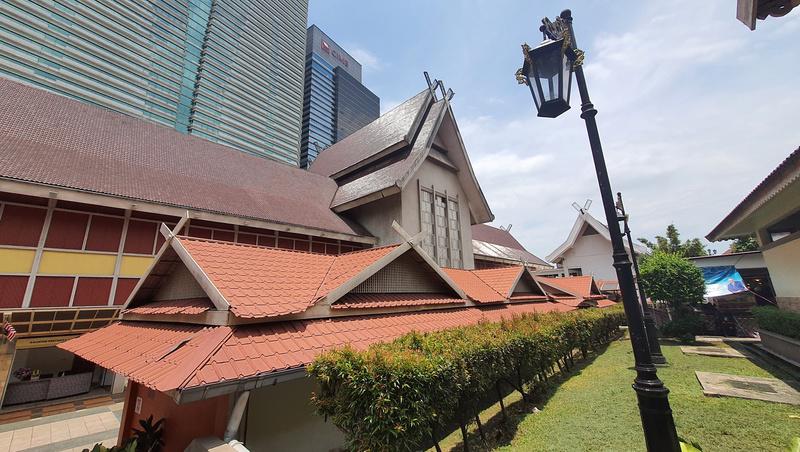
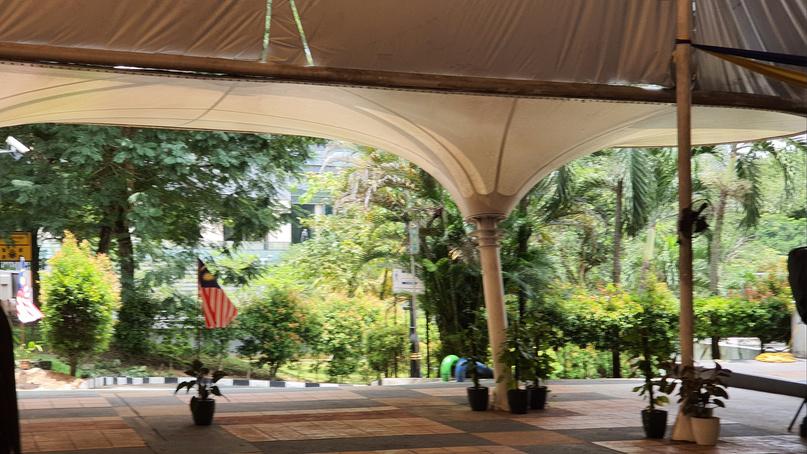
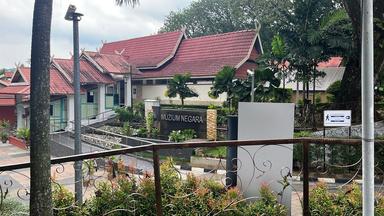
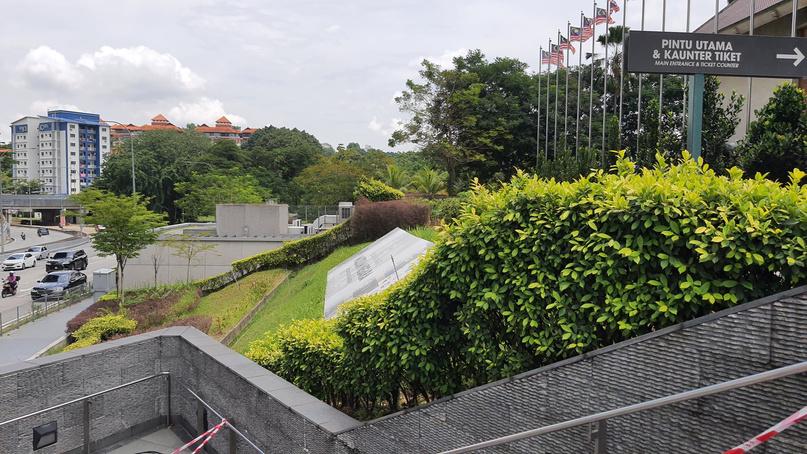
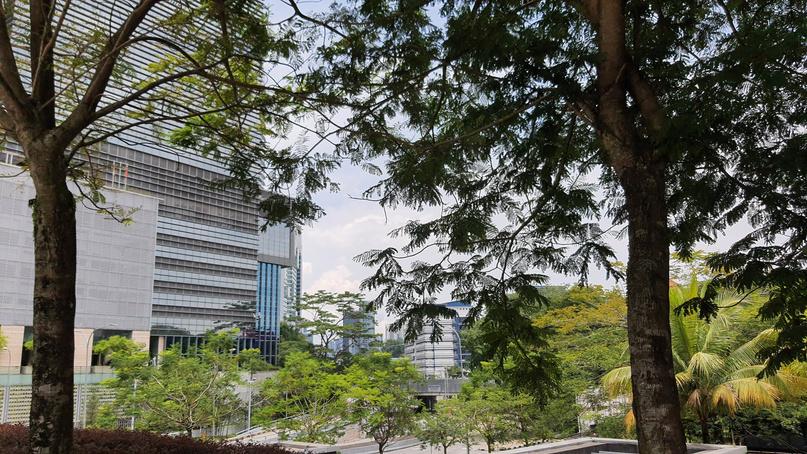
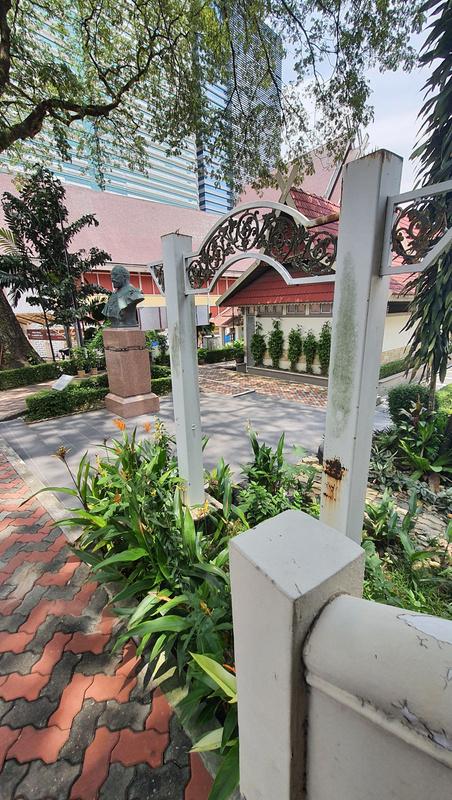
Plants seen facing the buildings where restrooms are located, facing from right side of main entrance (looking across) Green Area located behind the Auditorium (looking from entrance of auditorium and walking past)
Landscaping designs at the front of the Entry Door/ Ticket Counter
1 3 4 5 6 2
hey have designated as their green areas. 1 1 1 2 2.1 2 2 2.3 30 40 51 52 61 62 63
1. 2. 3. 4. 5. 6. 1 1 1.2 2 1 2 2 2 3 3 0 4 0 5 5 2 6 1 6 2 6 3
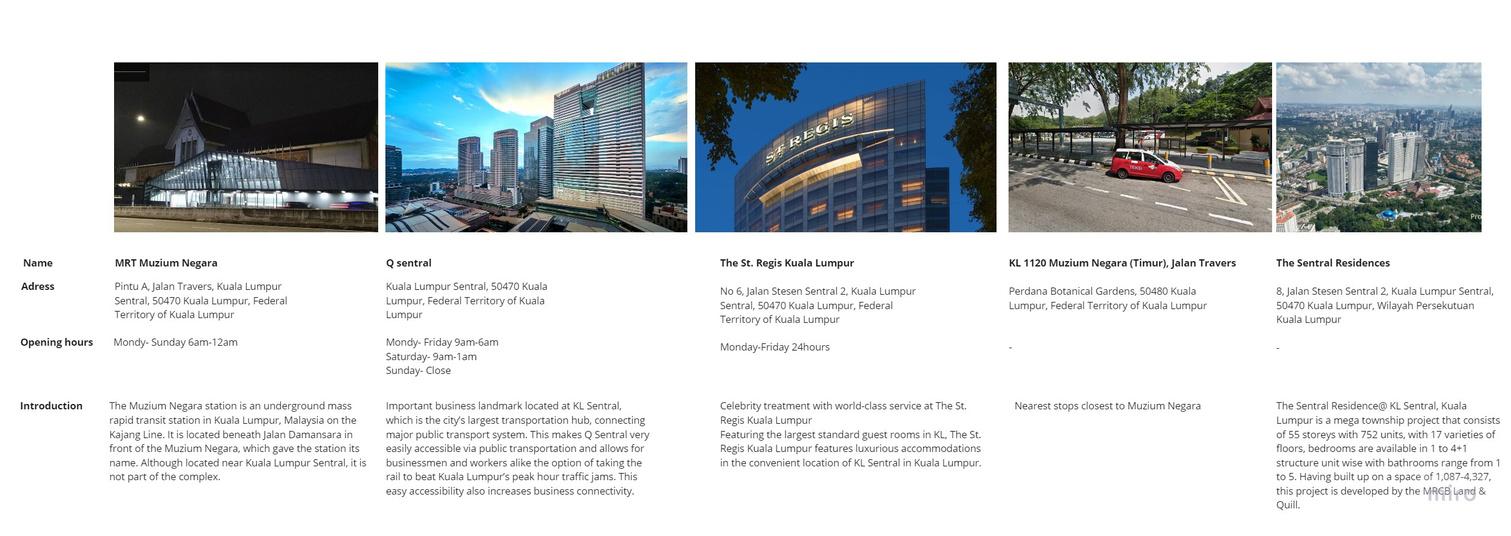
MRT Muzium Negara
Pintu A, Jalan Travers, Kuala Lumpur Sentral, 50470 Kuala Lumpur, Federal Territory of Kuala Lumpur
Mondy Sunday 6am 12am
The Muzium Negara station is an underground mass rapid transit station in Kuala Lumpur, Malaysia on the Kajang Line. It is located beneath Jalan Damansara in front of the Muzium Negara, which gave the station its name. Although located near Kuala Lumpur Sentral, it is not part of the complex.
Q sentral
Kuala Lumpur Sentral, 50470 Kuala Lumpur, Federal Territory of Kuala Lumpur
A C E
Mondy Friday 9am 6am
Saturday 9am 1am
Sunday Close
Important business landmark located at KL Sentral, which is the city’s largest transportation hub, connecting major public transport system. This makes Q Sentral very easily accessible via public transportation and allows for businessmen and workers alike the option of taking the rail to beat Kuala Lumpur’s peak hour traffic jams. This easy accessibility also increases business connectivity.
The St. Regis Kuala Lumpur
No 6, Jalan Stesen Sentral 2, Kuala Lumpur Sentral, 50470 Kuala Lumpur, Federal Territory of Kuala Lumpur
Monday Friday 24hours
Celebrity treatment with world class service at The St. Regis Kuala Lumpur
Featuring the largest standard guest rooms in KL, The St. Regis Kuala Lumpur features luxurious accommodations in the convenient location of KL Sentral in Kuala Lumpur.
D
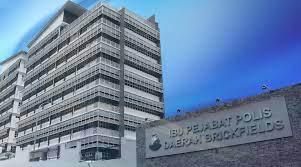
Brickfields District Police Headquarters
Jalan Travers, Bukit Persekutuan, 50480 Kuala Lumpur, Wilayah Persekutuan Kuala Lumpur
Police station
A B C D E Neighborhood
The Sentral Residences
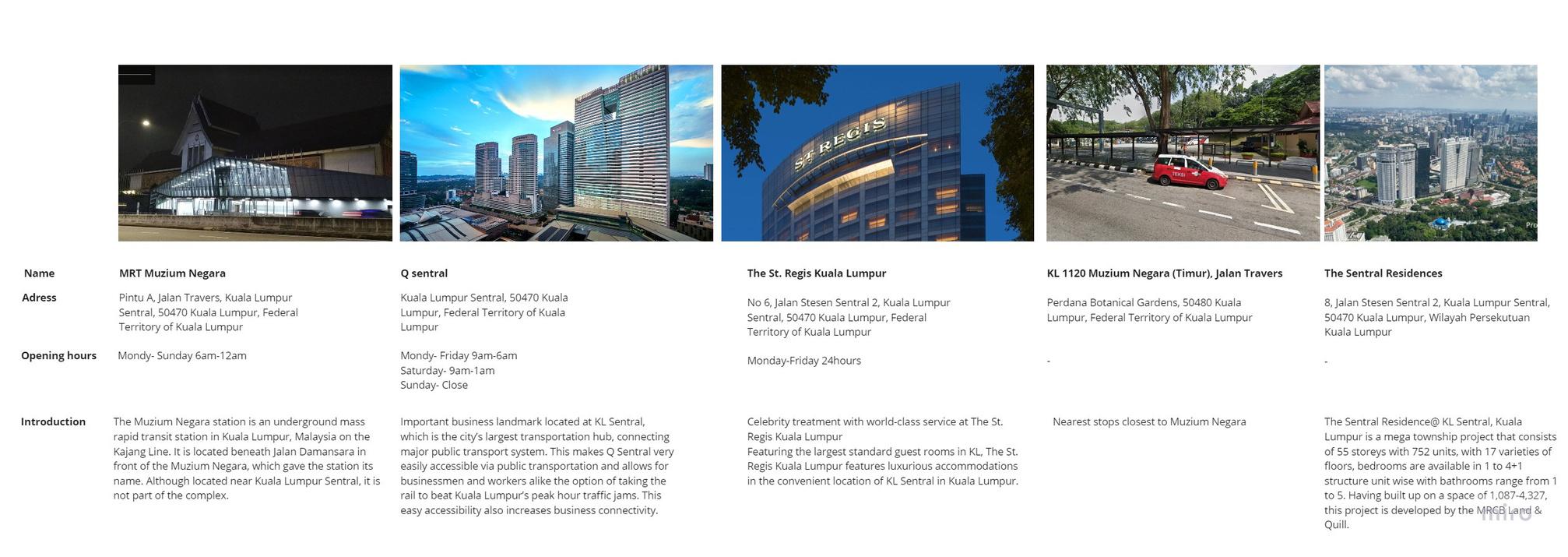
8, Jalan Stesen Sentral 2, Kuala Lumpur Sentral, 50470 Kuala Lumpur, Wilayah Persekutuan Kuala Lumpur
The Sentral Residence@ KL Sentral, Kuala Lumpur is a mega township project that consists of 55 storeys with 752 units, with 17 varieties of floors, bedrooms are available in 1 to 4+1 structure unit wise with bathrooms range from 1 to 5. Having built up on a space of 1,087 4,327, this project is developed by the MRCB Land & Quill.
B
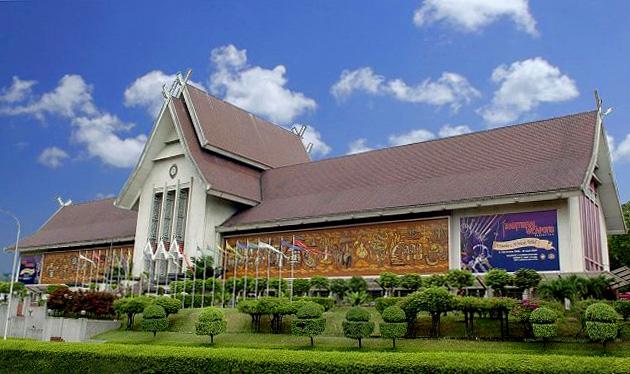 Museum Negara
HERITAGE AUTHENTICITY
Historical background and Present condition
Historical Background
Timeline
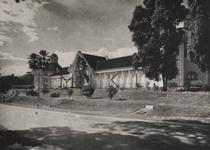
1883, Selangor Museum
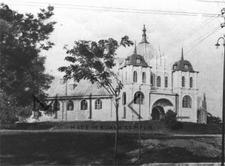
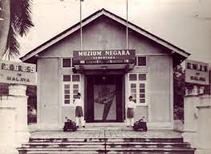
1904 - 1945: Kuala Lumpur Museum
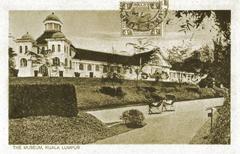
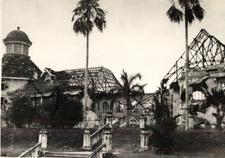
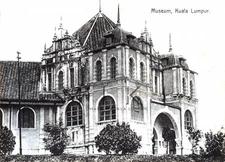
1904: Establishment
1904 1906: Construction
1914: Addition
1932 1938: Decentralization and Recentralization
1941-1945: Management of the Japanese Army
1945 Destroyed by World War II
1946-1953: Post-Japan
1953-1958: Temporary National Museum
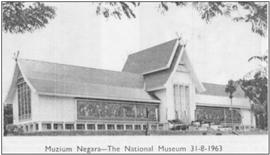
1961, Dismantling the temporary museum, Replaced by a new National Museum proposed by the founding father Tunku Abdul Rahman.
1962-1963: Construction of the National Museum
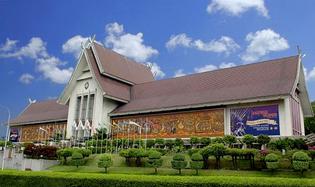
Currently, it is affiliated to tourism. Under the jurisdiction of the Malaysian Museums Bureau under the Ministry of Culture.
Present Condition Historical background and Present condition
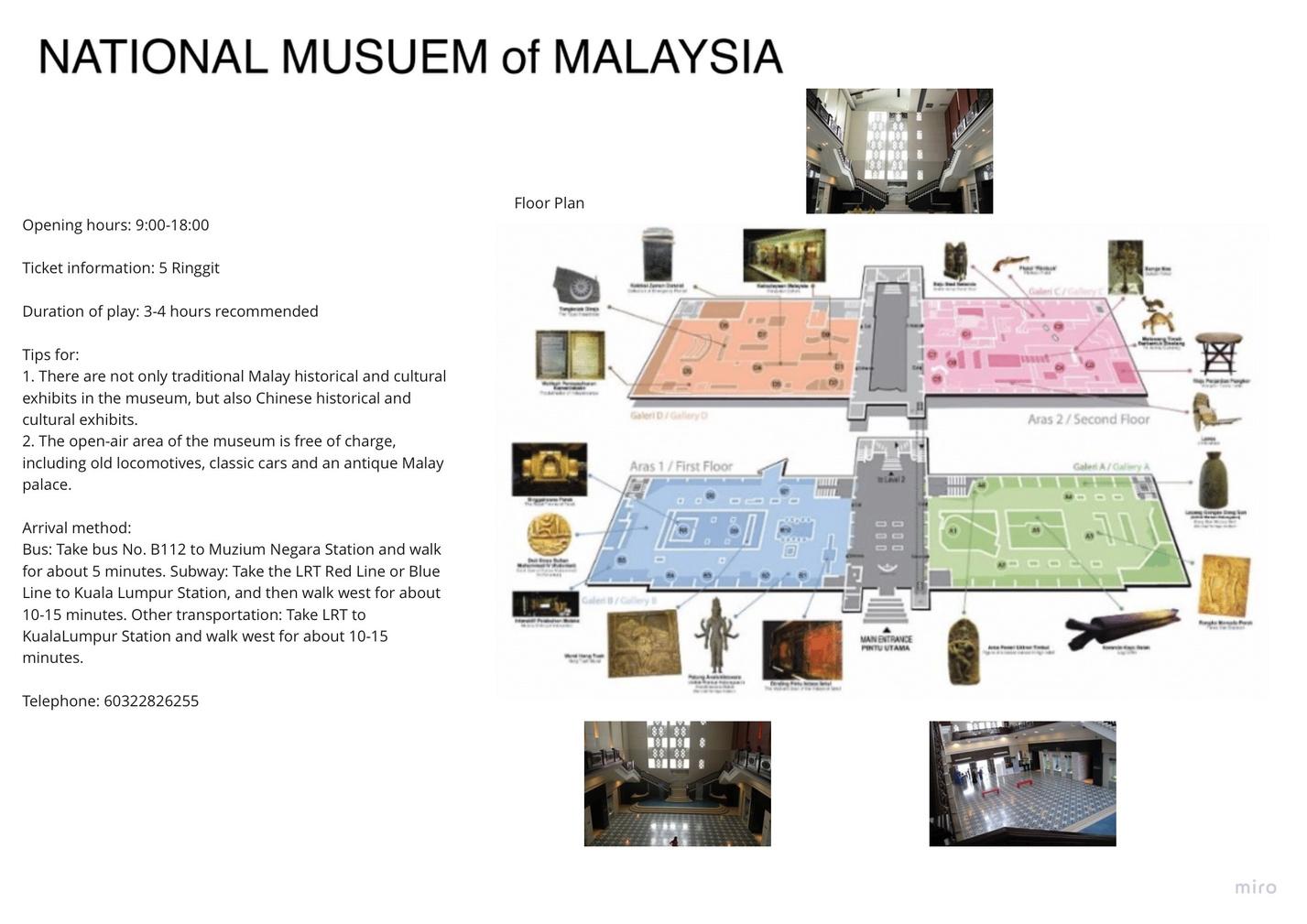
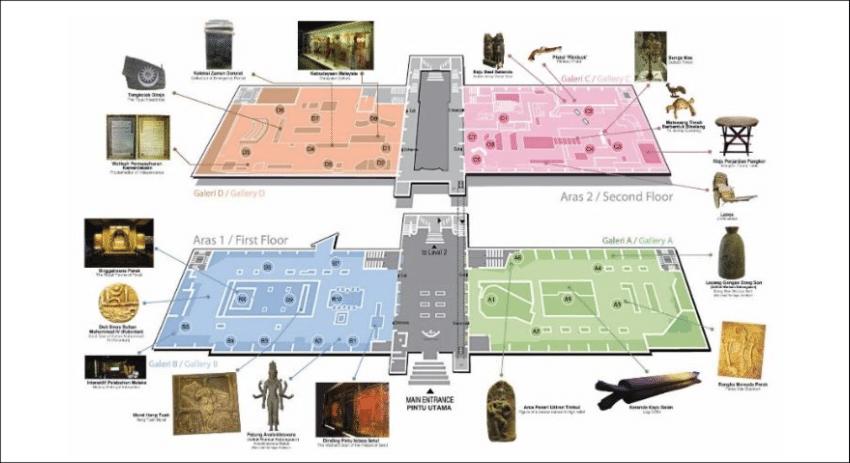
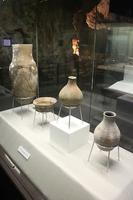
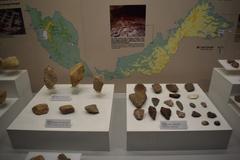
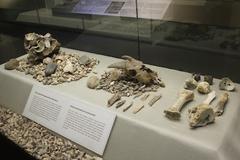
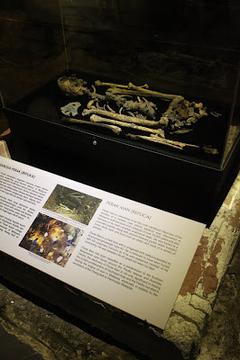
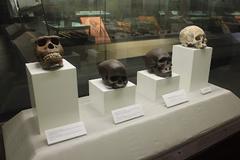
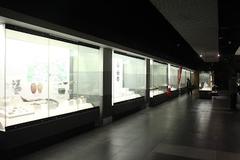
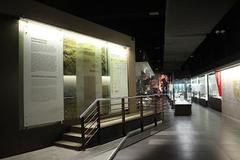
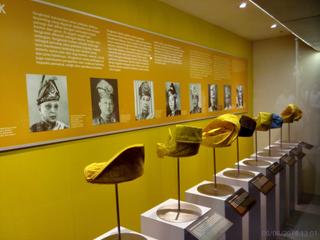
Gallery A Prehistory Gallery
Permian Era / Prehistory Era / Proto History Era
History of the formation of the land surface that makes up the geography of Malaysia
Discovery of stone tools from the Paleolithic Age, up to the Hindu Buddhist era.
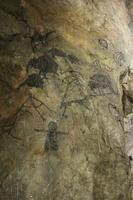
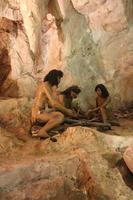
Physical development of Malaysia and its culture from prehistoric times until the Hindu Buddhist era around 500 CE.
How the distribution of ancient human occupations and the distribution of Malaysian flora and fauna came to be.
Displays the results of historical research and archaeological
Present Condition Historical background and Present condition
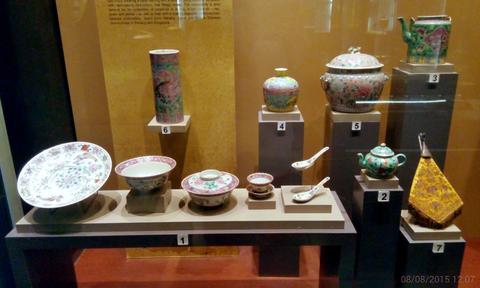
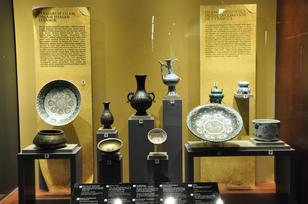
Gallery B Malay Kingdoms Gallery
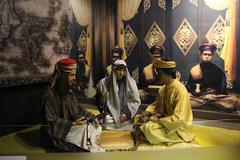
Early Trade routes / Early Malay Kingdoms in the Peninsula / Early Malay Kingdom in the Archipelago / The Malay Kingdom of Melaka / Malay Kingdoms: Contemporary and Successors of Melaka
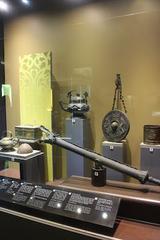
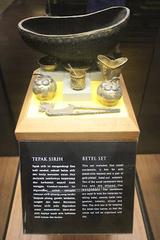
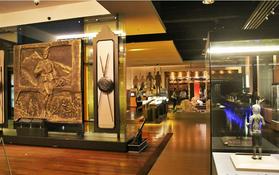
This gallery traces the development of early settlements, the emergence of Malay kingdoms and sultanates, the coming of Islam and importance of Malacca as a trading center.
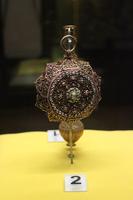
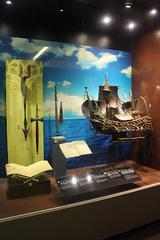
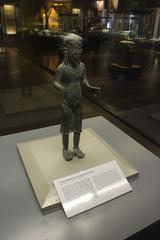
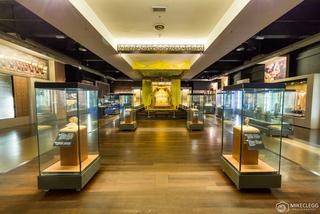
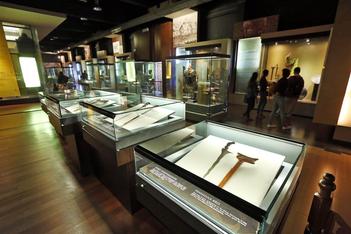
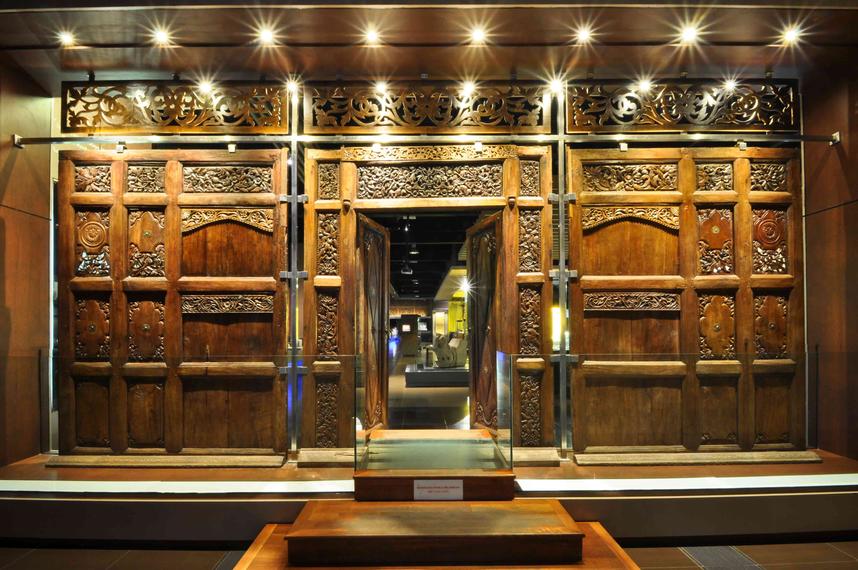
Also on display are old items from various eras and changing traditions. Old utensils (made of copper), old daggers, pottery, items from nearby kingdoms and Hang Tuah murals.
Present Condition Historical background and Present condition
Gallery C Colonial Era Gallery
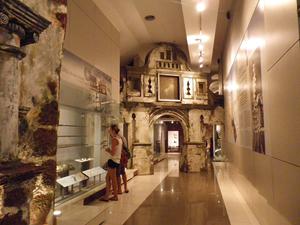
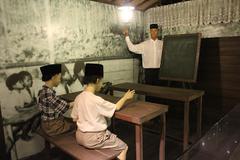
Covers the colonial era starting in 1511 with the Portuguese, followed by the Dutch, British and Japanese and their exploitation of raw materials with the spice trade, tin mining, rubber and so on.
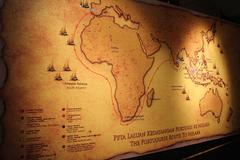
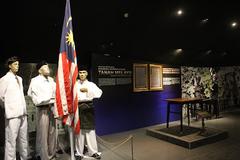
It is then followed by smaller sections featuring the Japanese Occupation, the Education System of Malaysia, and the country's Freedom Fighters.
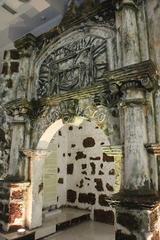
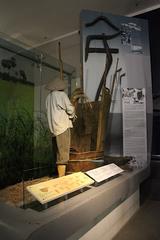
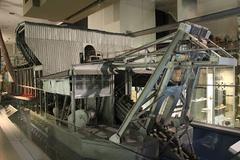
Also included in the gallery are the impact and the changes brought about and left behind by the colonial powers in the political, social, and economic life of Malaysia.
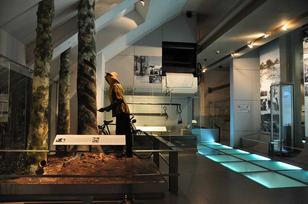
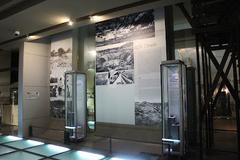
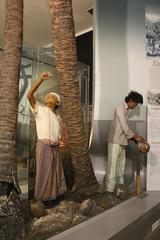
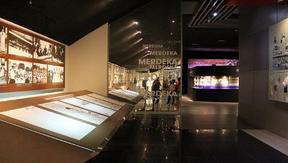 The Portuguese Era / The Dutch Era / The British Era / The Japanese Occupation
Present Condition Historical background and Present condition
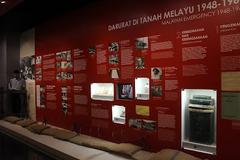
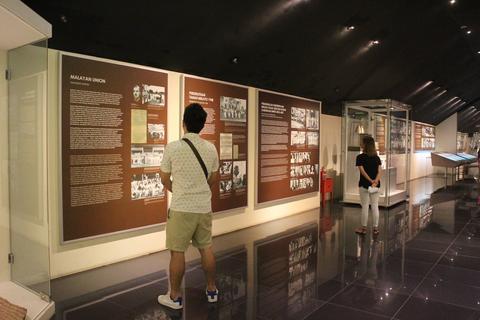
Gallery D Malaysia Today Gallery
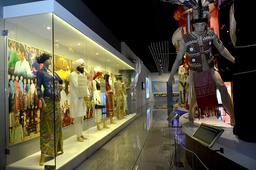
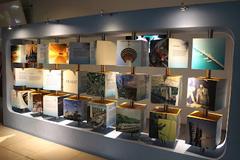
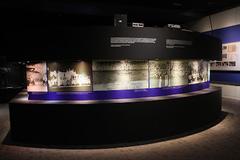
Showcases the early history of the nationalist movement in Malaysia. It illustrates the transformation process and achievements gained since the independence of Malaya in 1957 to the formation of Malaysia in 1963 and up to the present day. Most of the exhibits here are static displays and pictures.
Façade design (form & design)
Circulation of Form
The geometry of rectangular create an axis of symmetry
A circulation space may be enclosed or opened to one side, or to two sides. The circulation spaces in Museum are opened to both sides.
This forms a colonnaded passageway that becomes a physical extension of the space it passes through and merging it.
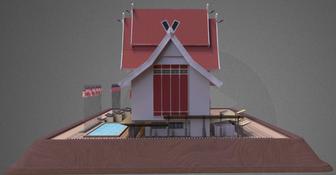
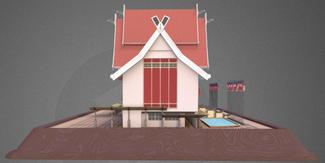
Façade design (form & design) Form
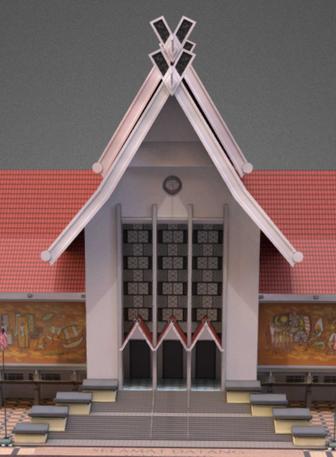
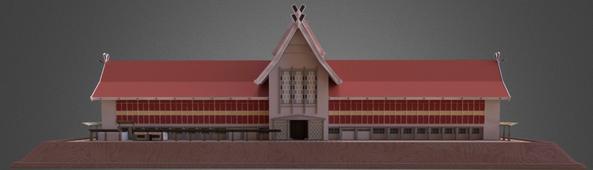
Symmetry and Balance
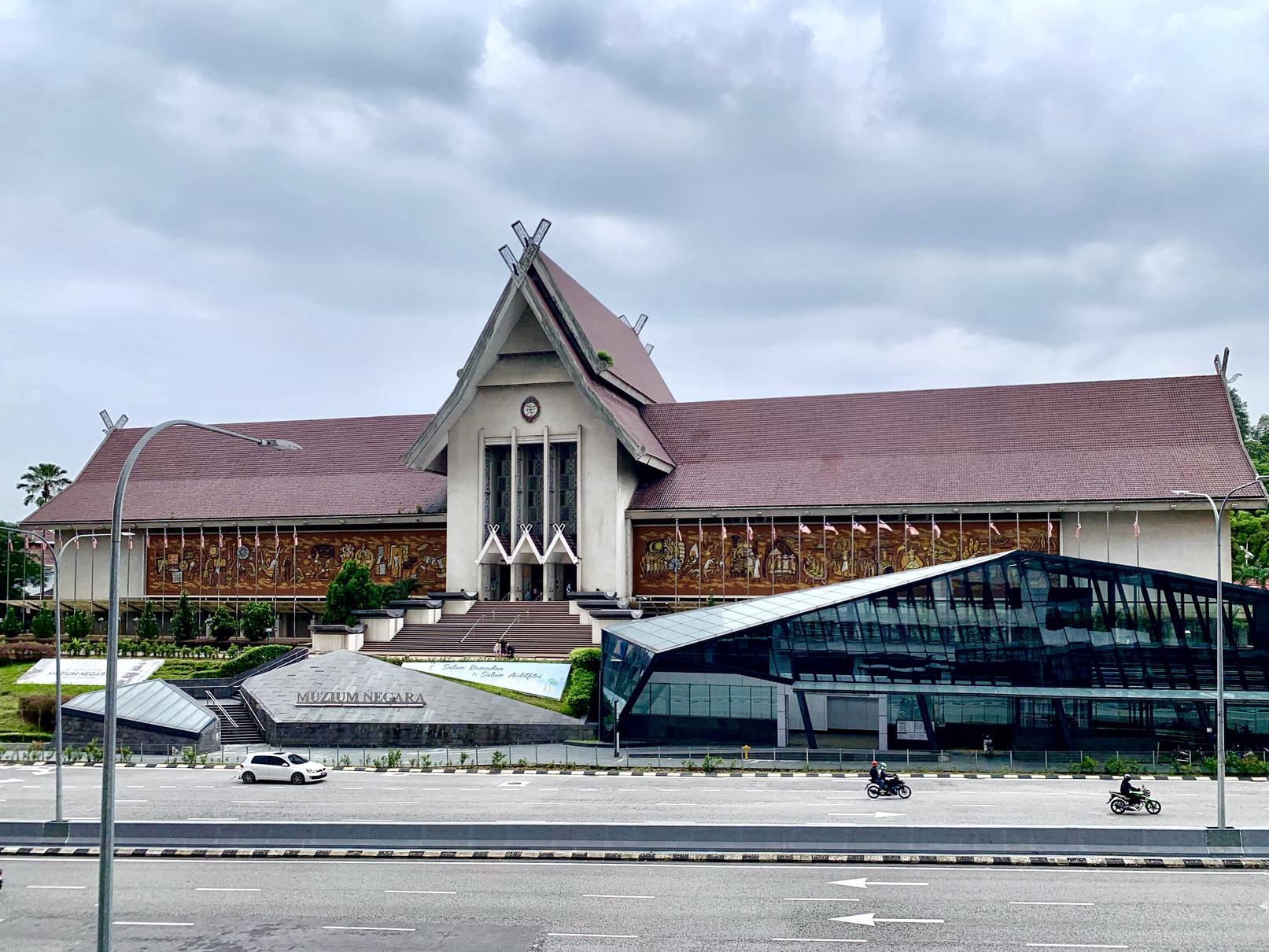
An axis of symmetry can be drawn and a symmetrical balance can be seen. A bilateral symmetry and balance can be found in the external views of the architecture of Musuem Negara.
Geometry
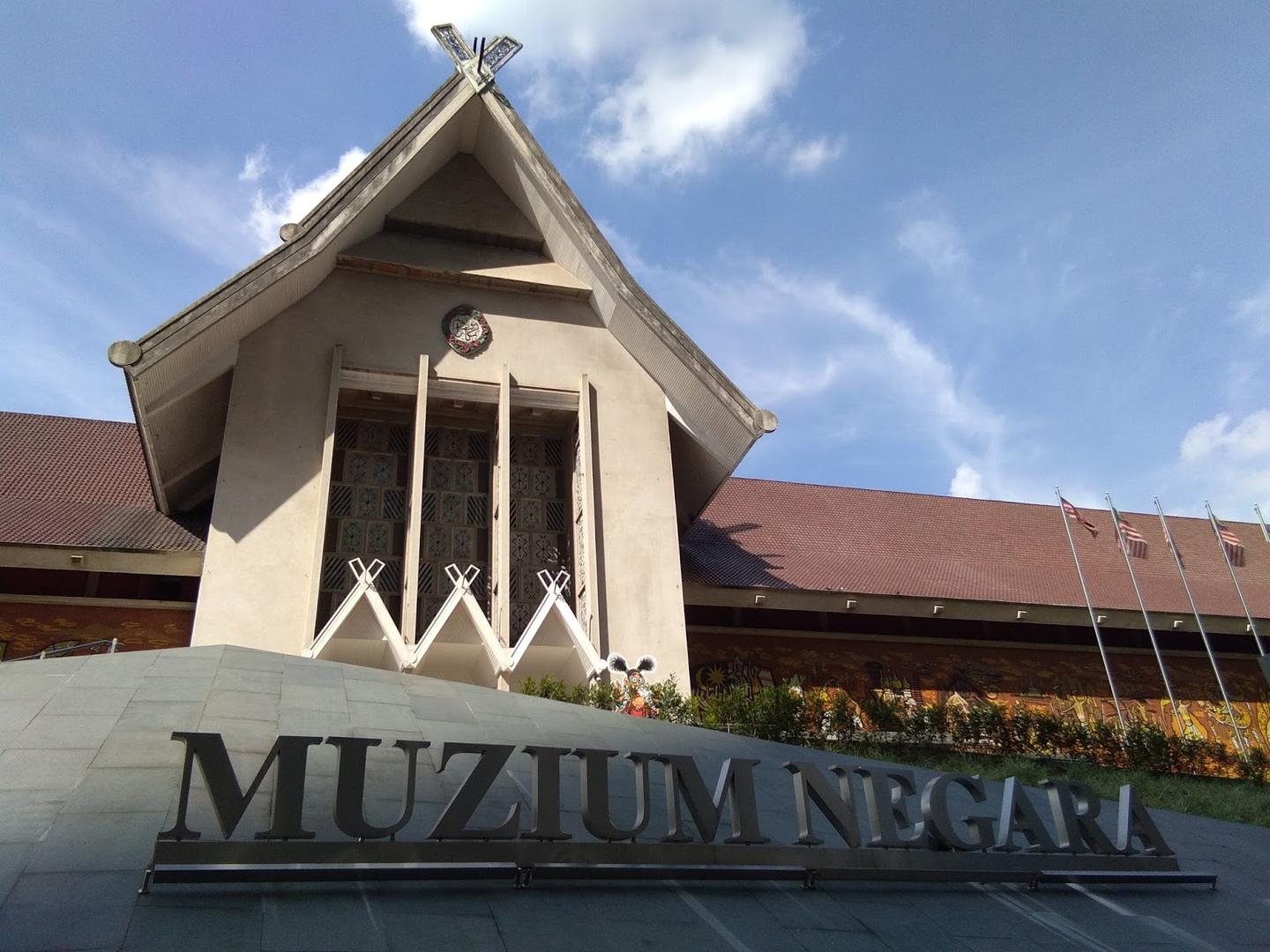
The architecture of Musuem Negara consists of varying geometrical shapes. A triangular form can be seen from the external view of the top roof.
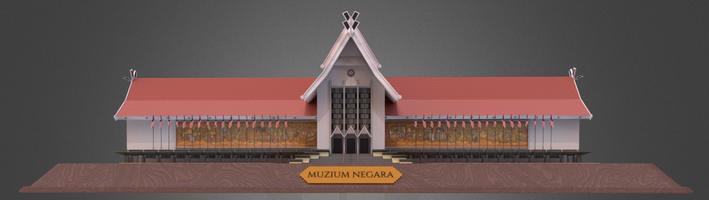 Front View
Back View
Left Side View
Right Side View
Front View
Back View
Left Side View
Right Side View
Façade design (form & design)
Design by architect Ho Kok Hoe
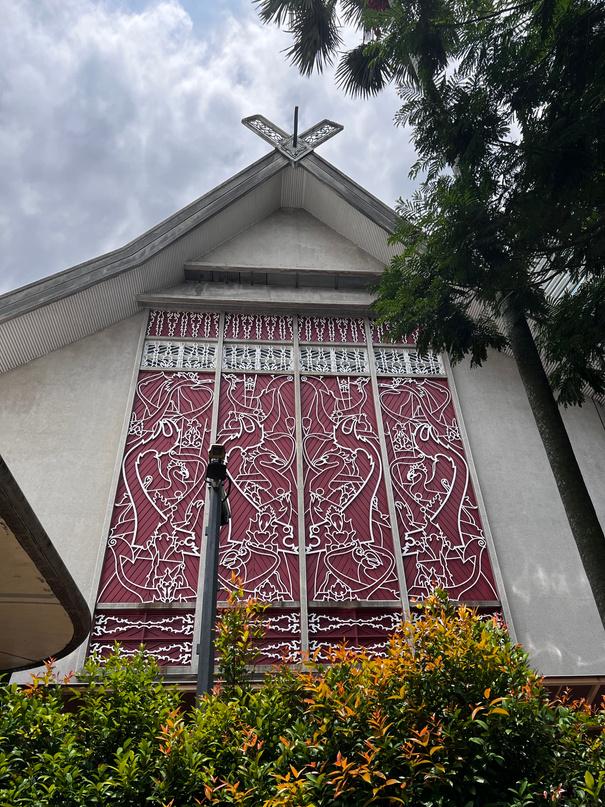
Architectural style is Malay traditional style and palaces style, and the roof part is Minangkabau style.
Began in 1959 and it was fully completed in August 1963
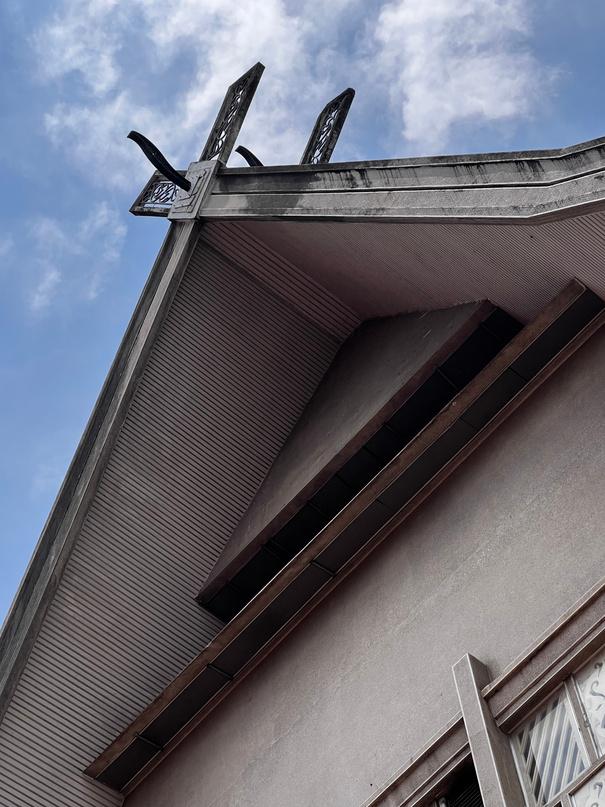
The three storied structure is 109.7 meters long, 15.1 meters wide and 37.6 meters at the central point.
The museum houses four exhibition galleries featuring Malaysia's history and rich cultural diversity.
The 13 pillars on both sides symbolize the 13 states
Building was supported by 26 pillars to highlight the traditional Malay court style.
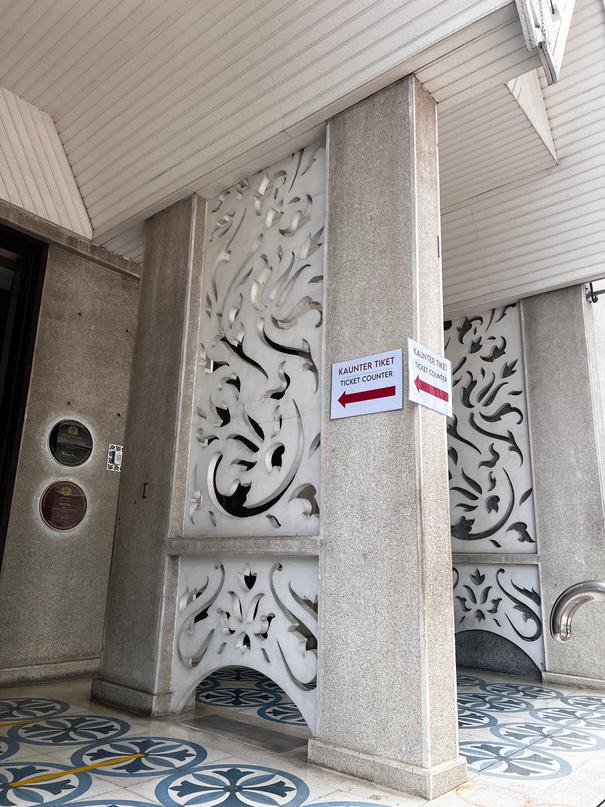
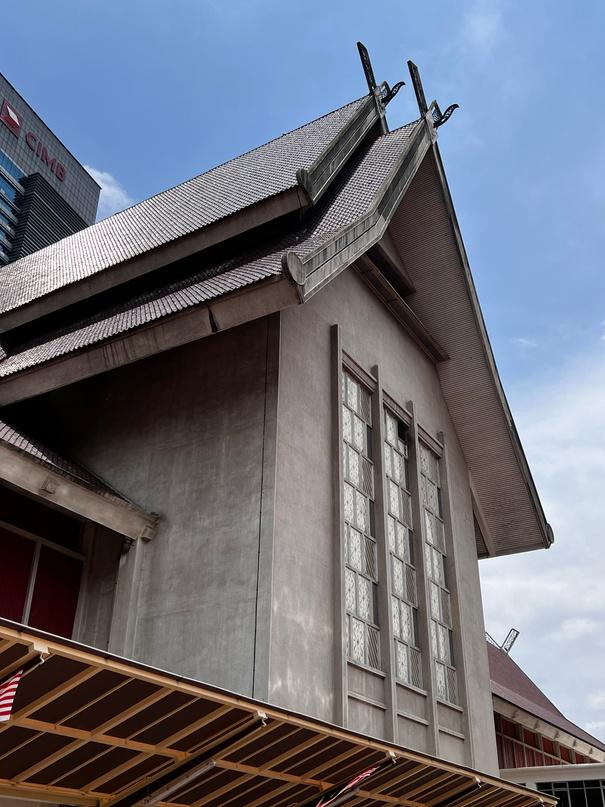
The 26 pillars are set up on the east and west sides respectively, and the 13 pillars on both sides symbolize the formation of 13 states in my country.
Façade design (form & design)
Style of Architecture
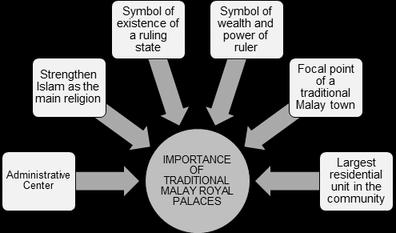
Characteristic
Malay traditional style
Common elements include pitched roofs, verandahs, and high ceilings, raised on stilts for ventilation. The woodwork in the house is often intricately carved.
It allows the rainwater to flow freely, and on the other hand, it can block the strong light in front of the window.
According to the Malay custom, the door of the house can not face south, it is said that this will bring misfortune to the people in the house.
Portuguese cultural influence, the steps in front of the door are spread in a figure-of-eight pattern and decorated with European and Chinese imported tiles, mostly with flowers and trees.
Palaces style
Built in baroque architecture, include elaborate ornate decoration, ceiling frescoes, and dramatic use of light
Includes round towers, cone-shaped roofs, low arches over arcades and doorways, columns, and pilasters with spirals and leaf designs
The roof part is Minangkabau style
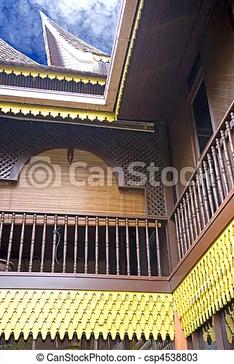
The Minangkabau traditionally embellish the wooden walls, pillars, and ceilings of the Rumah Gadang with bas-relief carved wooden motifs that reflect and symbolize their adat.
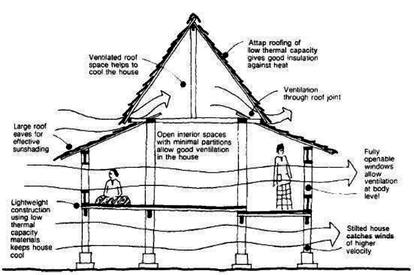
Element and principles design Façade design (form & design)
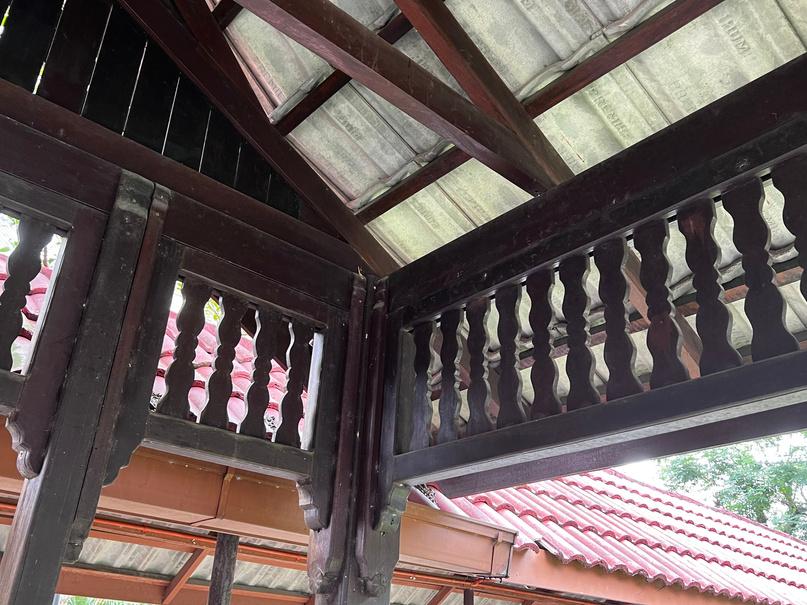
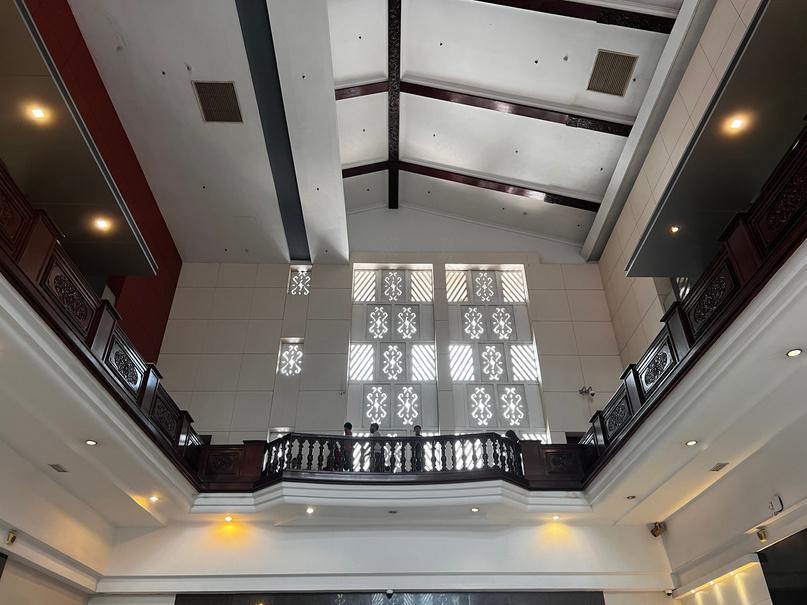
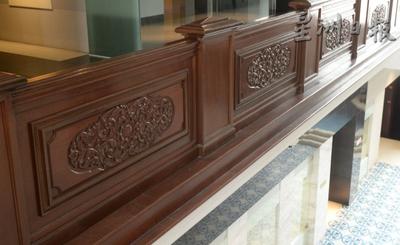
The carved details on the walls are like a work of art. The exquisite Malay traditional carvings can be seen from the details, including on the ceiling, wooden horses, fences, etc.
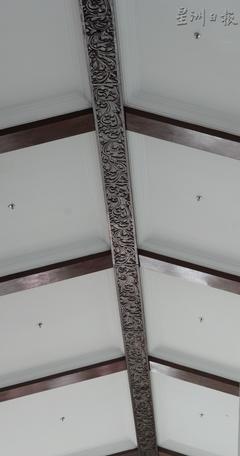
The patterns on the Malay traditional carvings are mainly plants
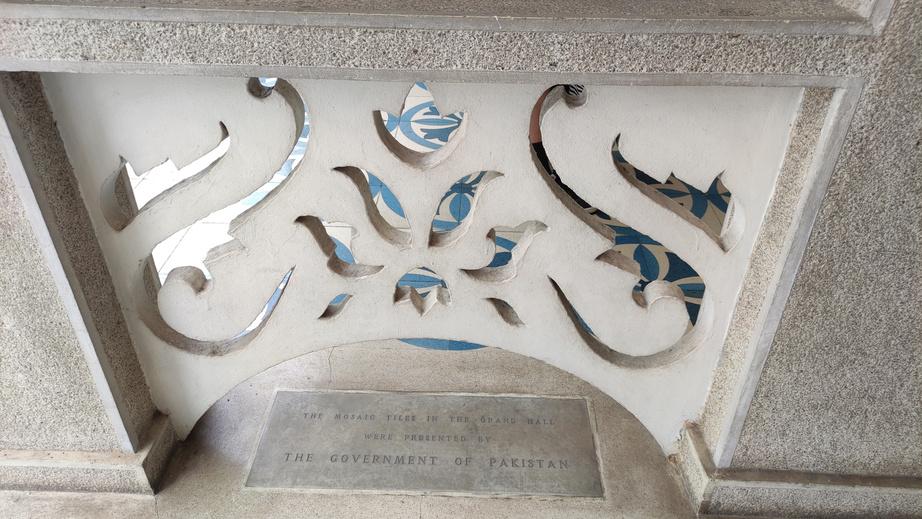
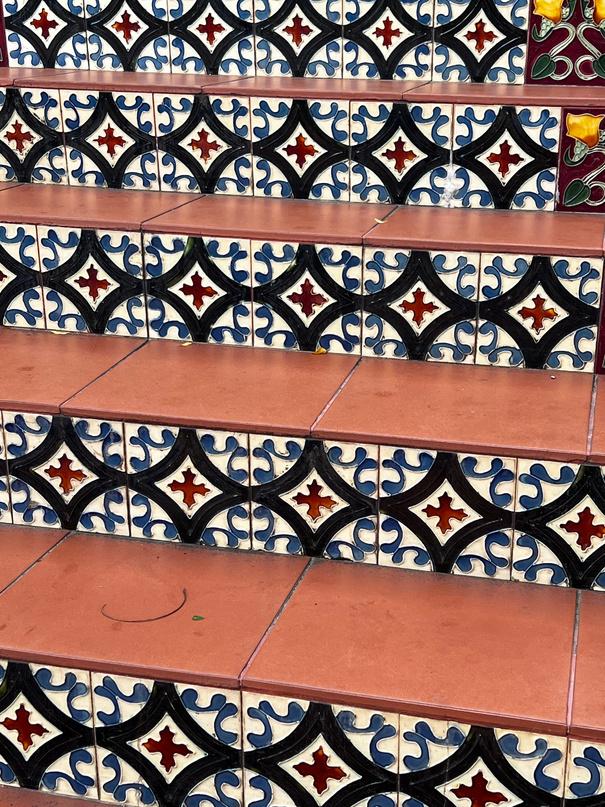
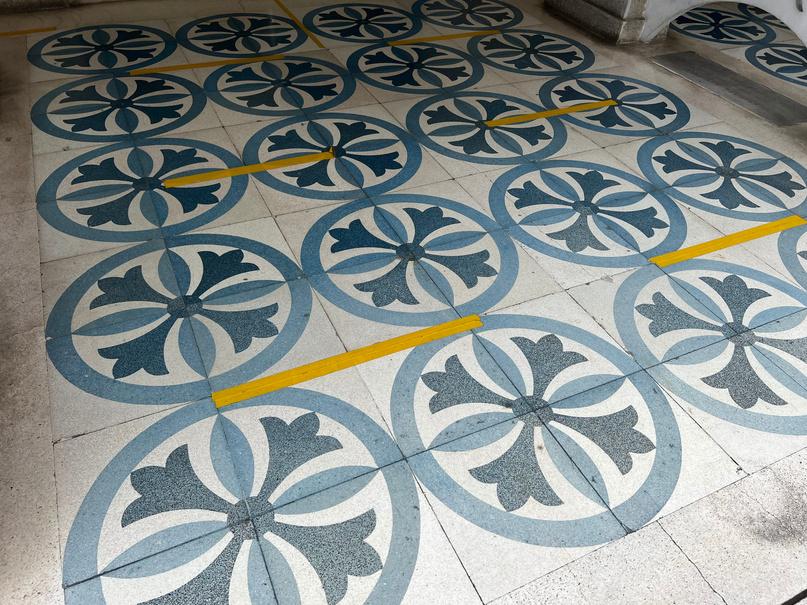
The blue tiles on the ground floor of the exhibition hall on the first floor were donated by the Pakistani government and have been used for more than 50 years. The retro features are in line with the museum style
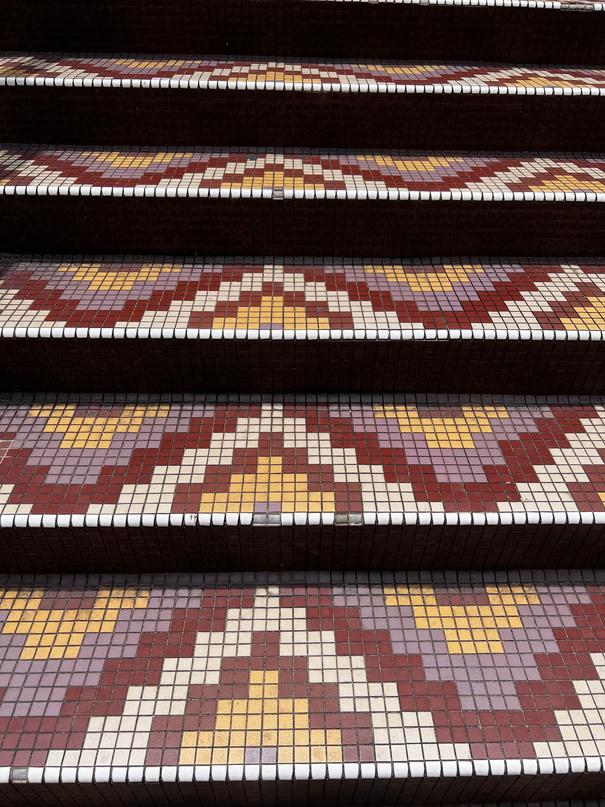
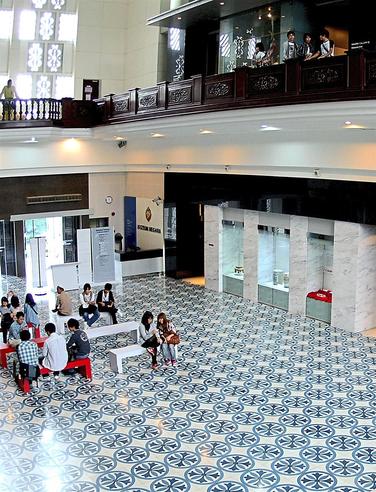
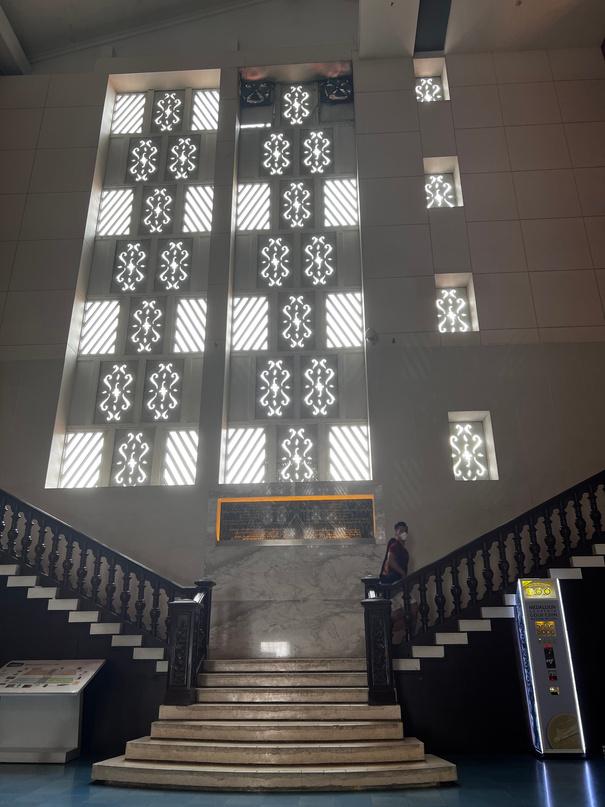
Mural wall Façade design (form & design)
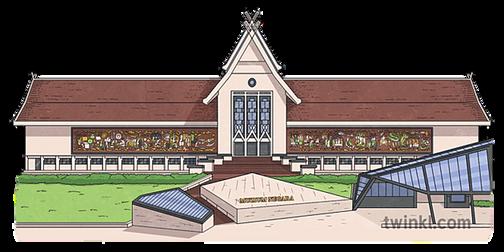
Two giant murals of Italian glass mosaic line the front facade of the museum and portray highlights from Malay history and culture.
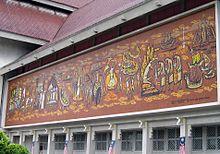
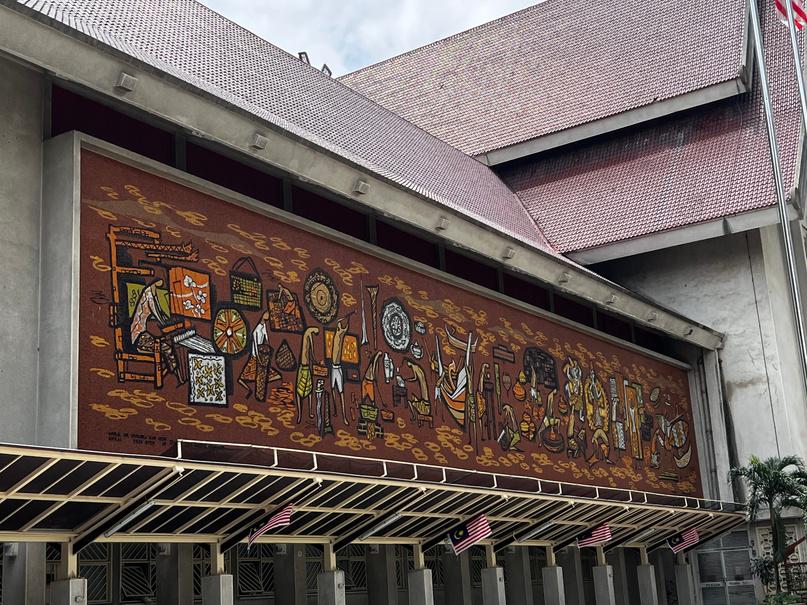
Made by Cheong Lai Tong, a senior local painter, who stood out in a painting competition. The Murals are 115 feet long and 20 feet high. The mural on the west side of the building illustrates the economic activities, traditional ceremonies and customs inherited by the Malaysian society. The mural on the east side of the building
chronologically documents the significant events of Malayan history, including the eminent Malacca Malay Sultanate, colonization and the independence of Malaysia in 1957
West East
Material used

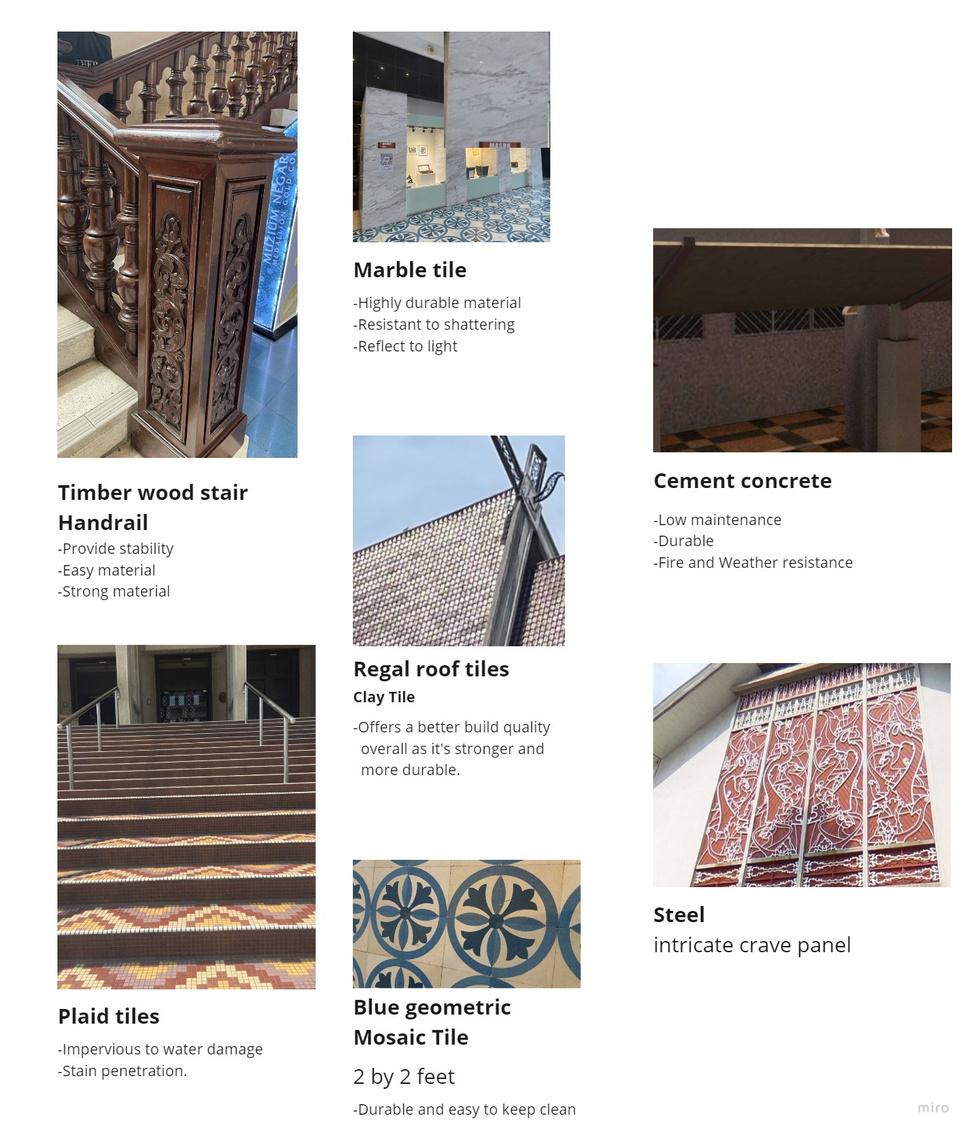
Strong Material
Thermal resistance rating, durable, and easy maintenance material.
Cultural
The shared characteristics of the entire group, which has been amassed throughout its history.
In the past, the National Museum used to be the Selangor Museum (1906-1945). However, during World War 2, a part of the building had been accidentally damaged by a bomb from the Allied Forces on March 10th, 1945.
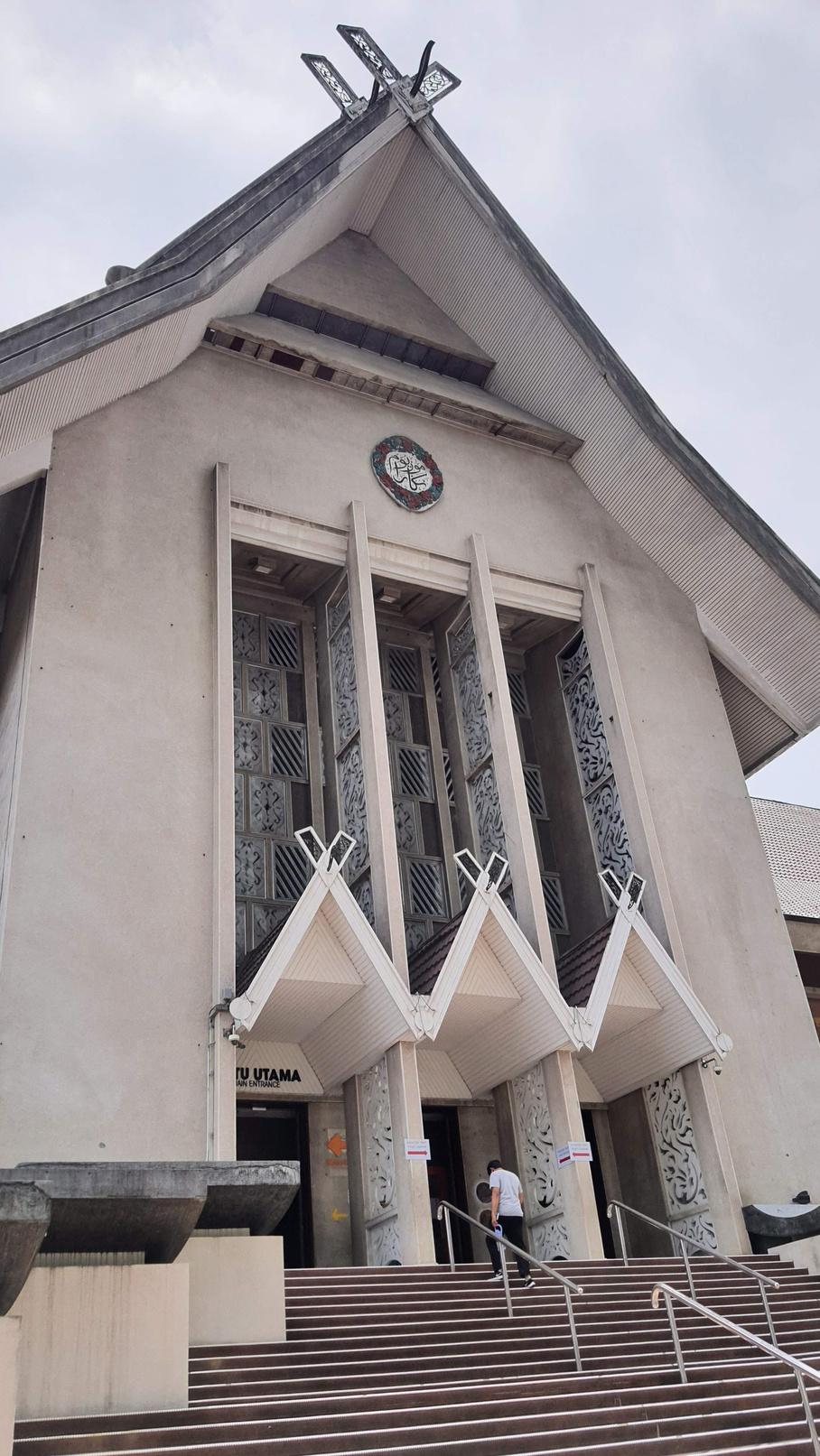
The unharmed left wing of the museum continued to function as a historical site, with its artifacts moved to the Perak Museum in Taiping.
Tunku Abdul Rahman then proposed the idea of repurposing the land to create another museum to house Malaysia’s national, historical and cultural treasures, as well as specimens of the local flora and fauna (which have since been removed). Thus, Muzium Negara was established.
Besides the permanent exhibits, Muzium Negara also has temporary exhibits on various subjects, as well as holding events both private and public.
USE & FUNCTION
Muzium Negara currently functions as a commercial and educational facility, whilst upholding the fact that it is indeed a heritage site. Its function from the past and the present continues to be the same: to educate the public and to preserve Malaysia's history.
Tangible VS Intangible
TANGIBLE ASSETS
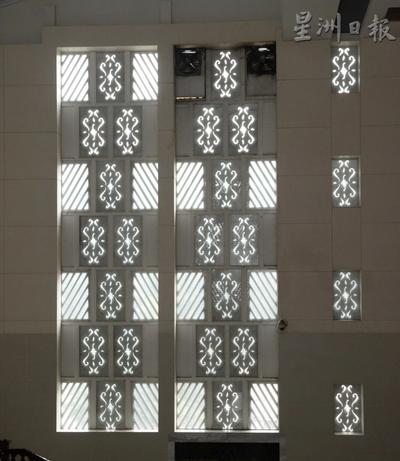
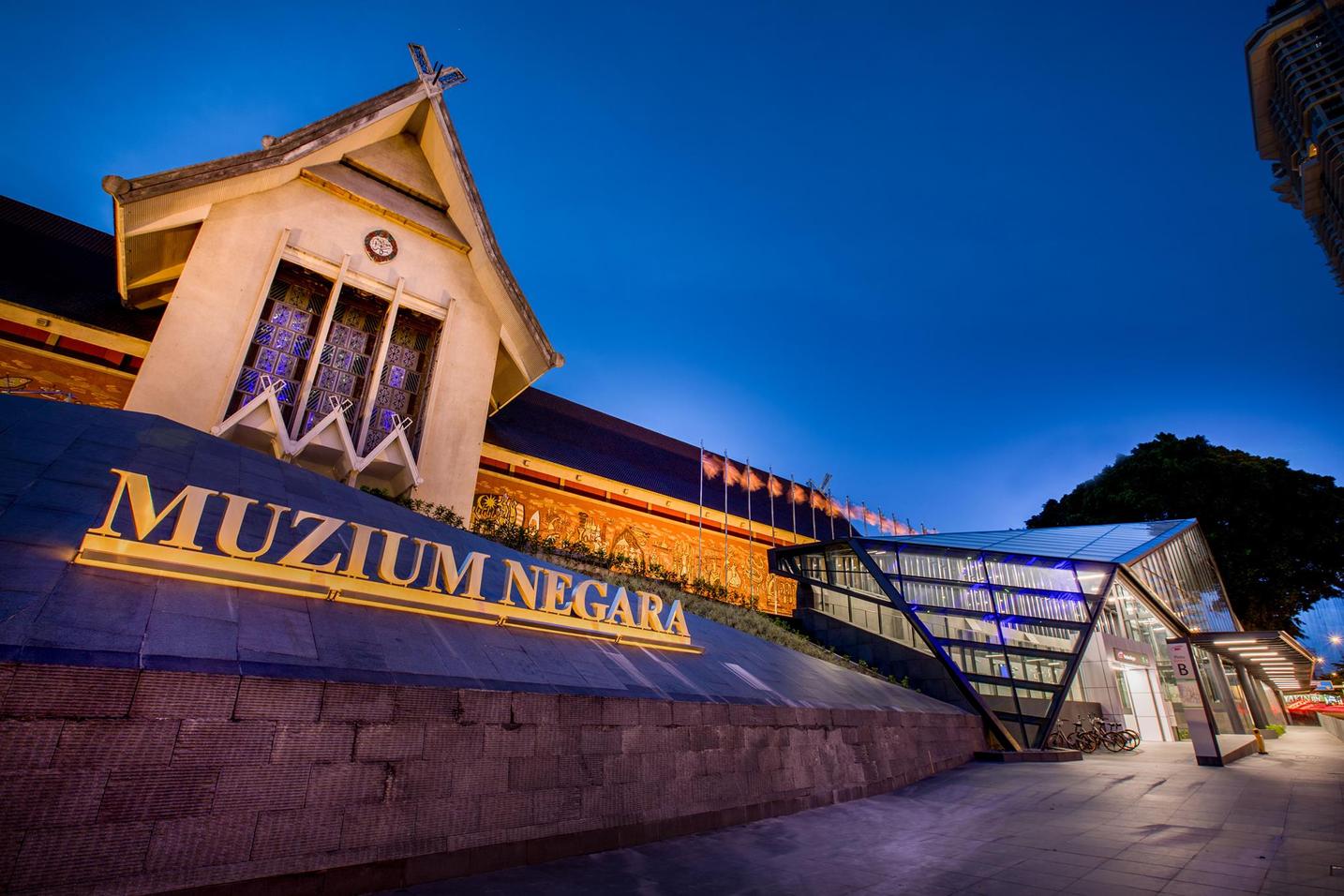
A tangible heritage is a physical artifact or objects significant to the archaeology, architecture and science. The tangible heritage for Museum Negara includes the Malay court style building design, Minangkabau style roof design, two giant murals of Italian glass mosaic line, carved details on the walls, ceiling, wooden horses and fences.
IDENTIFY CONSERVATION APPROACHES Museum Negara
Conservation Approaches Identified.
ADAPTIVE RE-USE
Adapting a building to accommodate a new use
PRESERVATION
Maintaining a building or item in its current physical condition
RESTORATION
Returning a building to its previous physical condition.
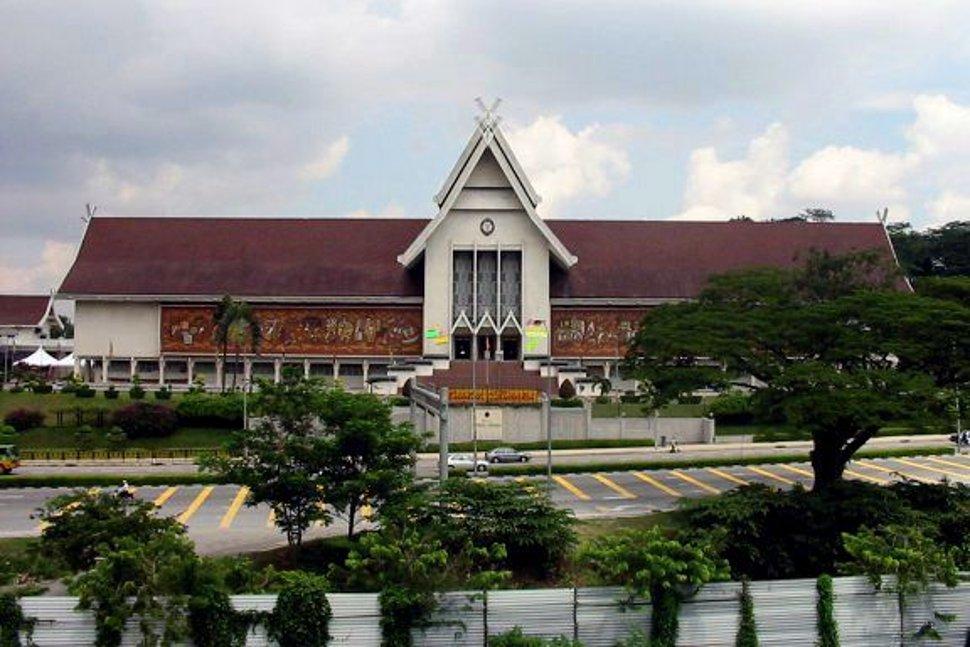
The partially damaged Selangor Museum, which used to sit on the land the National Museum is now on was completely demolished, and the new National Museum was then constructed on the land. The construction started in 1959 and was completed in August 1963.
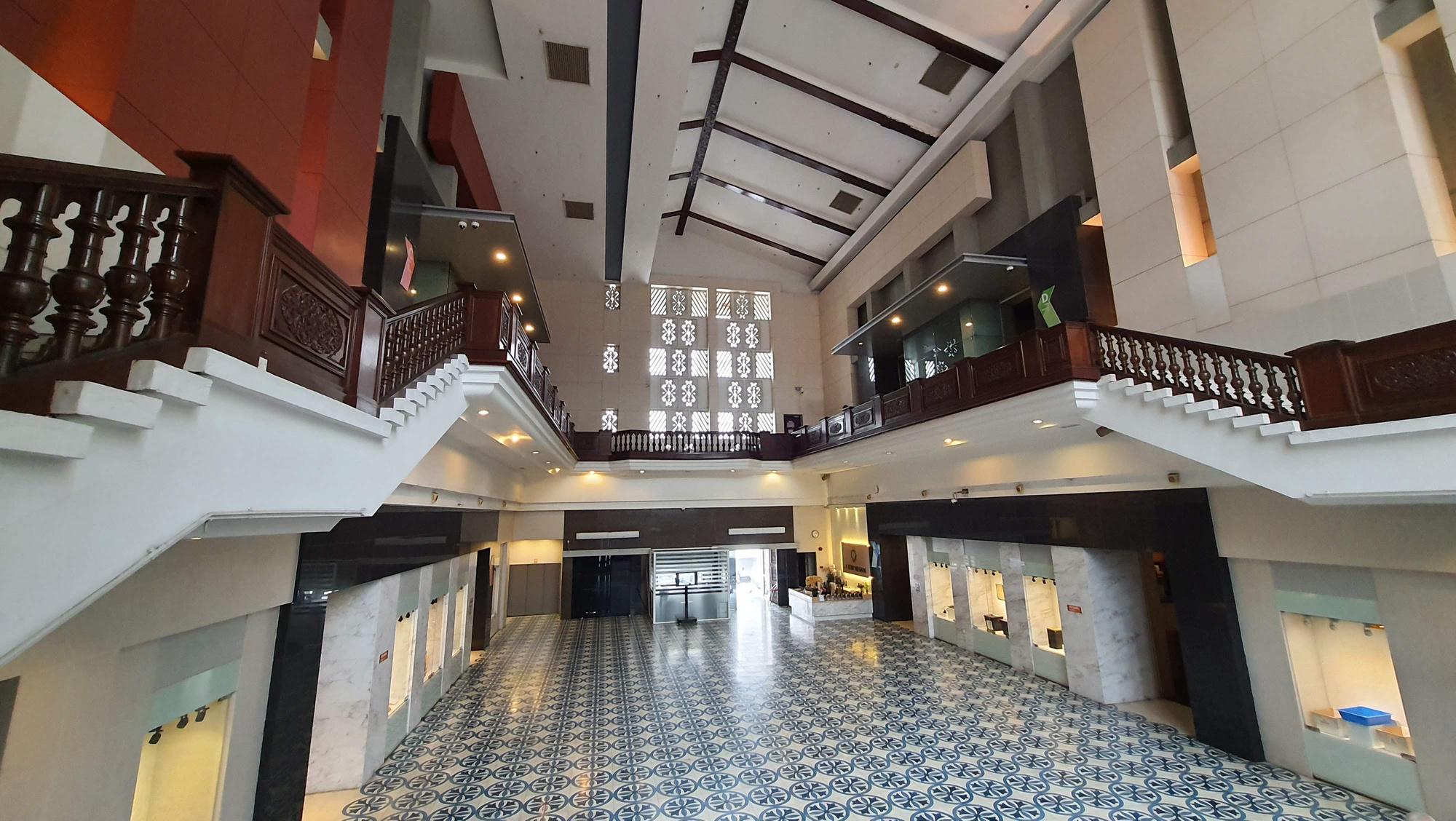
In 2007, the renovation of the National Museum was proposed, in order to give a new life to the building. The internal structure of the building was reconstructed while restoring the facade - thus the previous single-story structure now houses 4 galleries separated on 2 floors with one central hall.
The original flooring of the museum, the blue and white ceramic tiles that can be seen in the central hall, had been preserved- a token of diplomatic relations between Pakistan and Malaysia from 1963.
NATIONAL HERITAGE PROPERTY CRITERIA Museum Negara
National Heritage Property Criteria
The Historical Importance, Association With Or Relationship To Malaysian History
Museum Negara consists of four galleries, which are Prehistory Gallery display the history of the formation of the land surface that makes up the geography of Malaysia, Malay Kingdoms Gallery traces the development of early settlements, the emergence of Malay kingdoms and sultanates, the coming of Islam and importance of Malacca as a trading center, Colonial Era Gallery covers the colonial era starting in 1511 with the Portuguese, followed by the Dutch, British and Japanese and their exploitation of raw materials with the spice trade, tin mining, rubber and so on and Malaysia Today Gallery shows the early history of the nationalist movement in Malaysia.
The Historical Importance:
Leaving evidence of belonging to the development culture of Malaysia
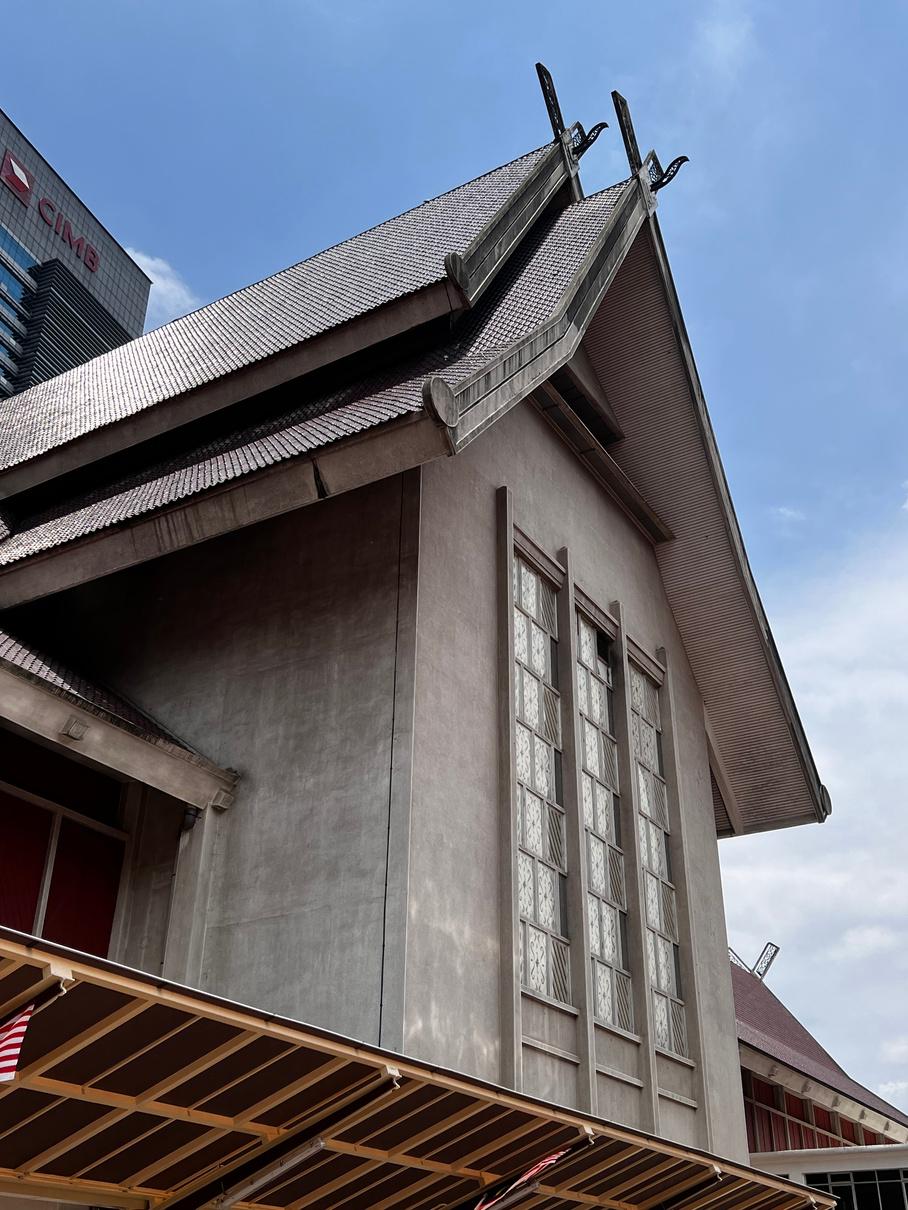
Give future generations the opportunity to learn about Malaysia's history
History shapes cultural (and national) identity
Learn morals and values from the past
Understand the process of change over time
National Heritage Property Criteria
The Good Design Or Aesthetic Characteristics
Architectural style of Museum Negara is Malay traditional style and palaces style, and the roof part is Minangkabau style where it is designed by architect Ho Kok Hoe.
The highlight of the building design are 13 pillars on both sides symbolize the 13 states. Besides that, the building was supported by 26 pillars to highlight the traditional Malay court style.
Next, the exquisite Malay traditional carvings can be seen from the details, including on the ceiling, wooden horses, fences and etc. Then, the ground floor of the exhibition hall on the first floor is using the blue tiles. The retro features are in line with the museum style.
Other than that, there were the two giant murals of Italian glass mosaic line the front facade of the museum and portray highlights from Malay history and culture which made by Cheong Lai Tong. The mural on the west side of the building illustrates the economic activities, traditional ceremonies and customs inherited by the Malaysian society while on the east side of the building chronologically documents the significant events of Malayan history, including the eminent Malacca Malay Sultanate, colonization and the independence of Malaysia in 1957
UBBL COMPLIANCE ANALYSIS Museum Negara
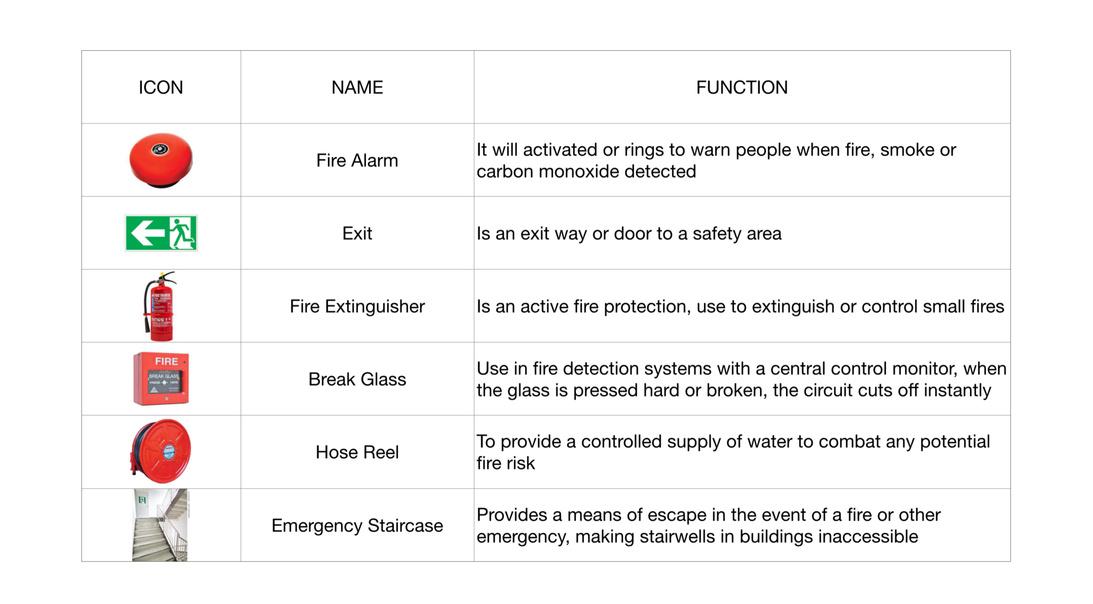
UBBL COMPLIANCE ANALYSIS
UBBL COMPLIANCE ANALYSIS
Thank You