











An international shortbread competition is announced, and ancient secrets are uncovered
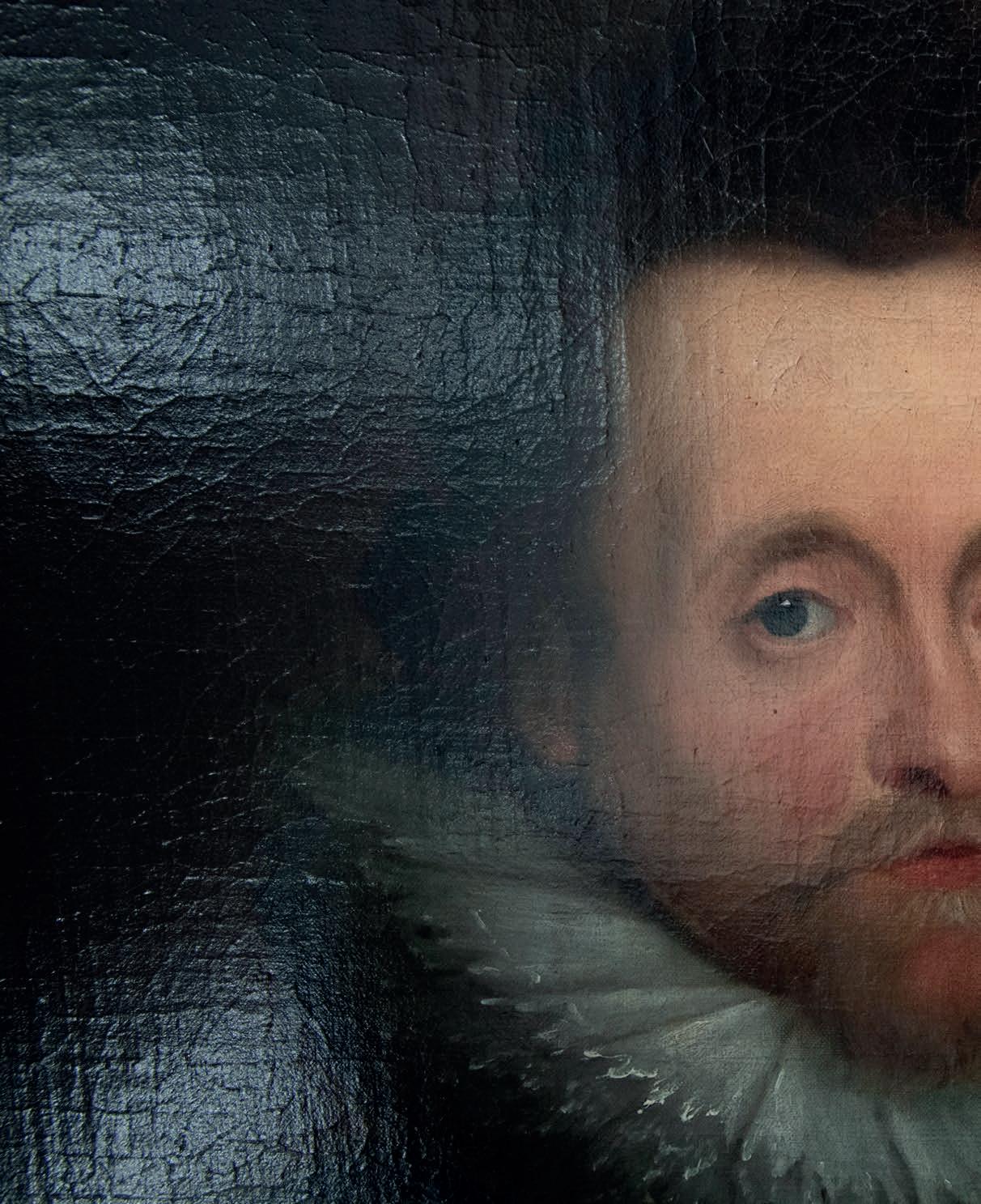
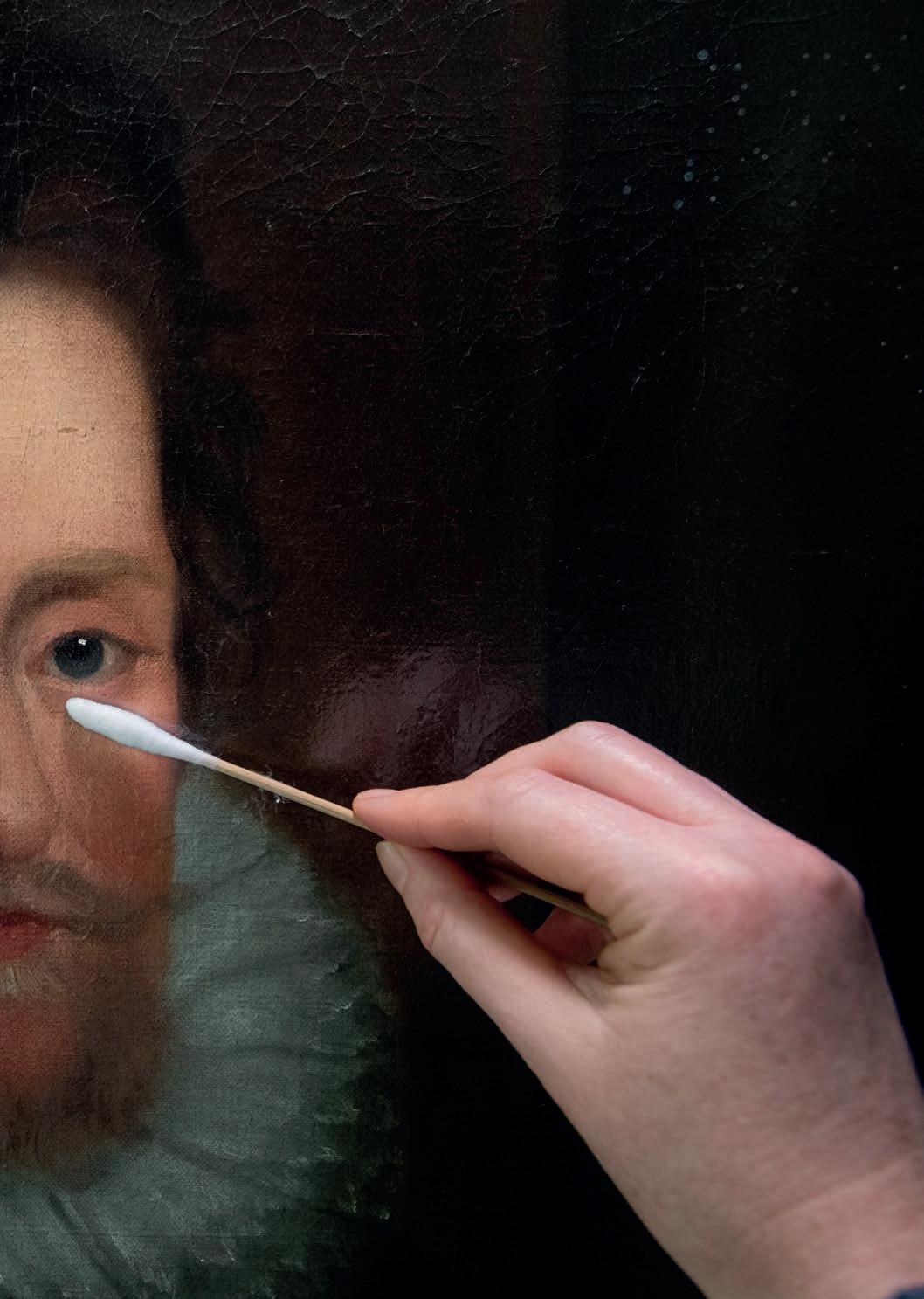
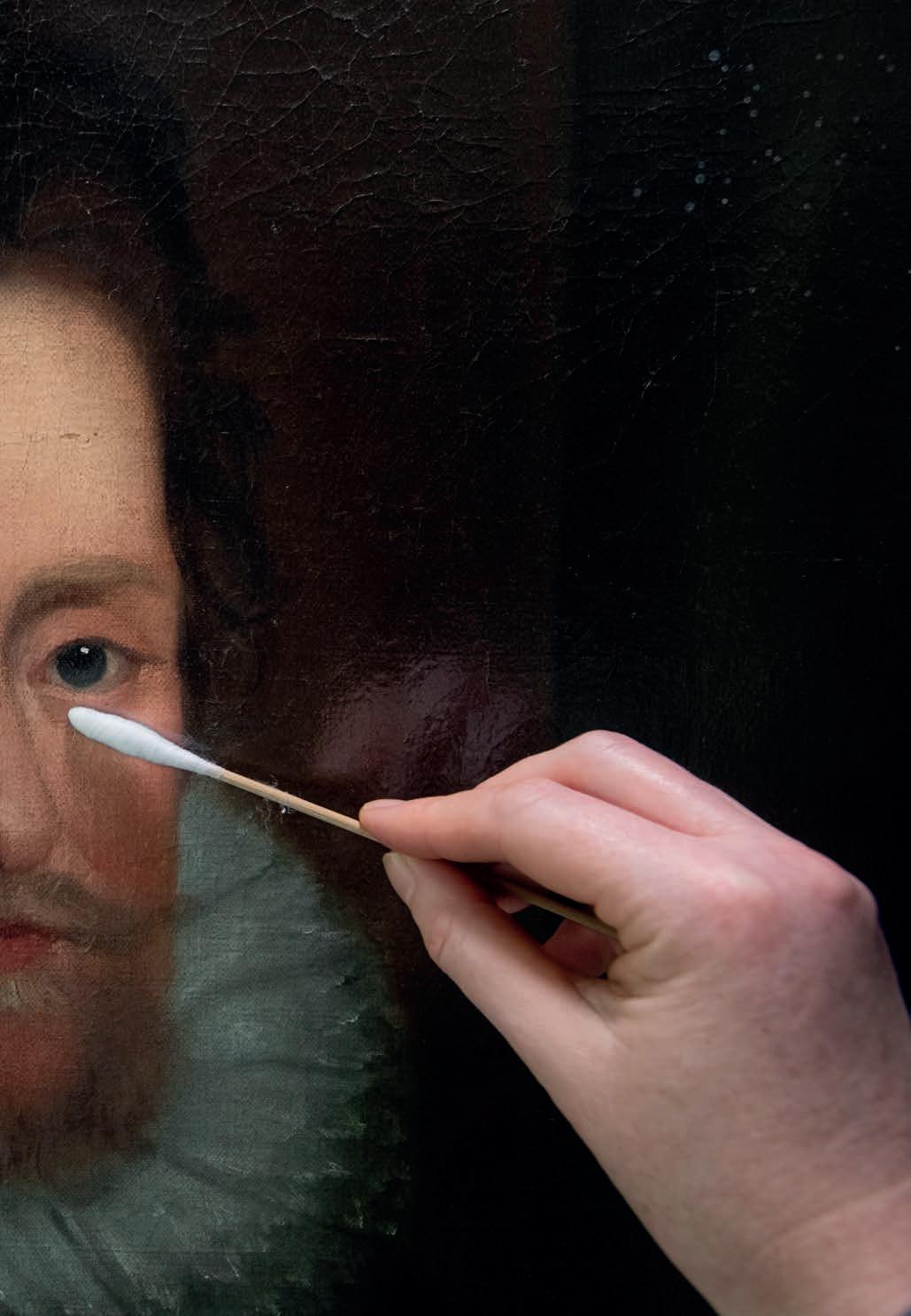
A 400-year-old portrait of King James VI of Scotland has been returned to public view at Edinburgh Castle after undergoing a year of painstaking conservation work by conservators from Historic Environment Scotland (HES).
The portrait, based on an earlier painting of the Scottish king by Van Dyck, is believed to have been painted by Scottish portrait painter George Jamesone in the 17th century.
During conservation, it was revealed that the painting has already undergone two periods of conservation and it is now back in the Mary Room at Edinburgh Castle, where the king was born.
Ailsa Murray, senior painting conservator at HES, said: “This painting has a lot of history to tell, and some of it may yet be uncovered. We hope that through this conservation treatment, the painting will be able to see another 400 years and continue to be enjoyed by visitors from all over the world.
“It’s a real privilege to be able to work so closely with such historically important works and to be just a small part of helping to preserve such collections for future generations.”
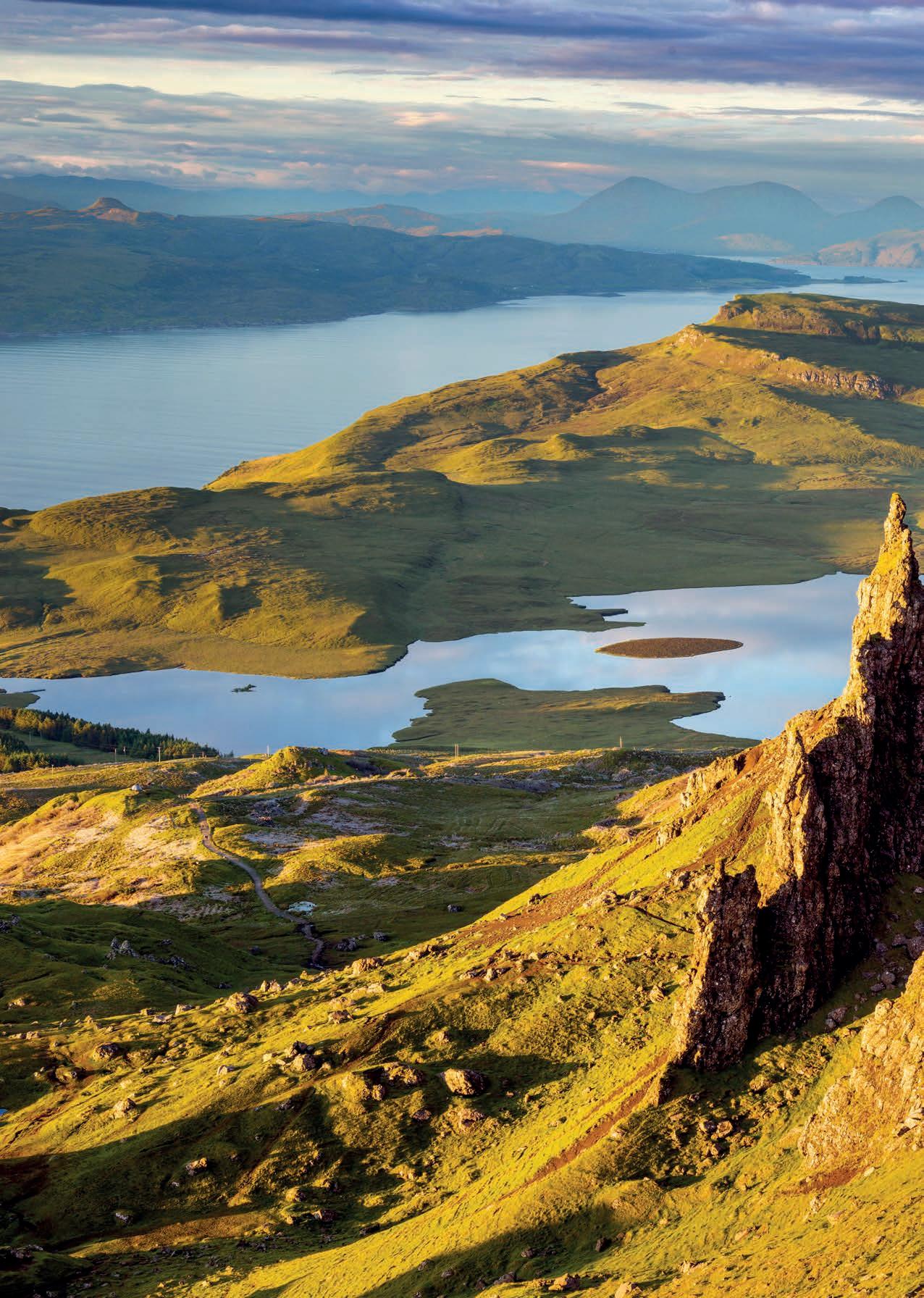
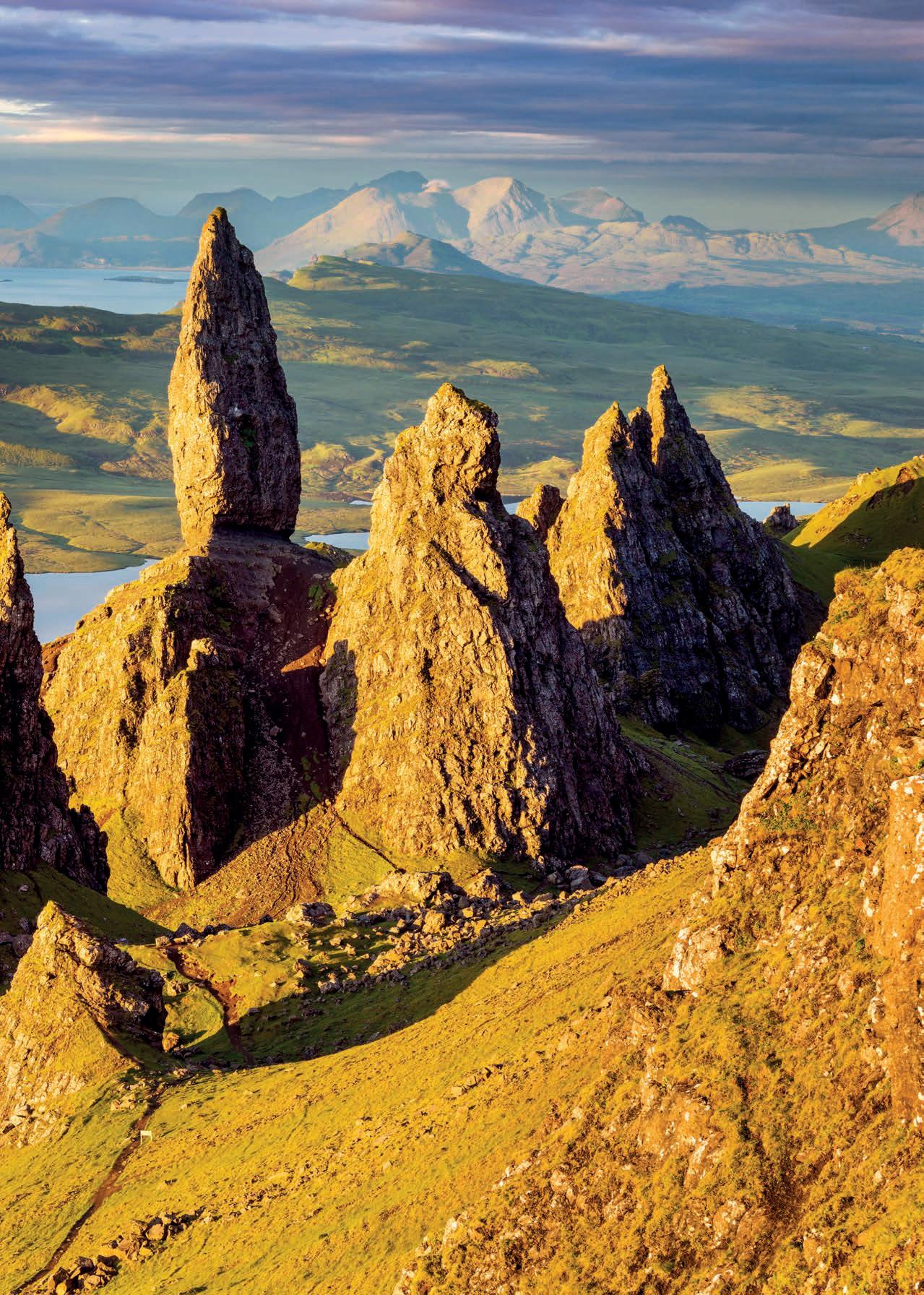
Three decades on from the opening of the Skye Bridge, a new generation of chefs and hoteliers are ensuring tourism on the island is flourishing
Words by SALLY COFFEY
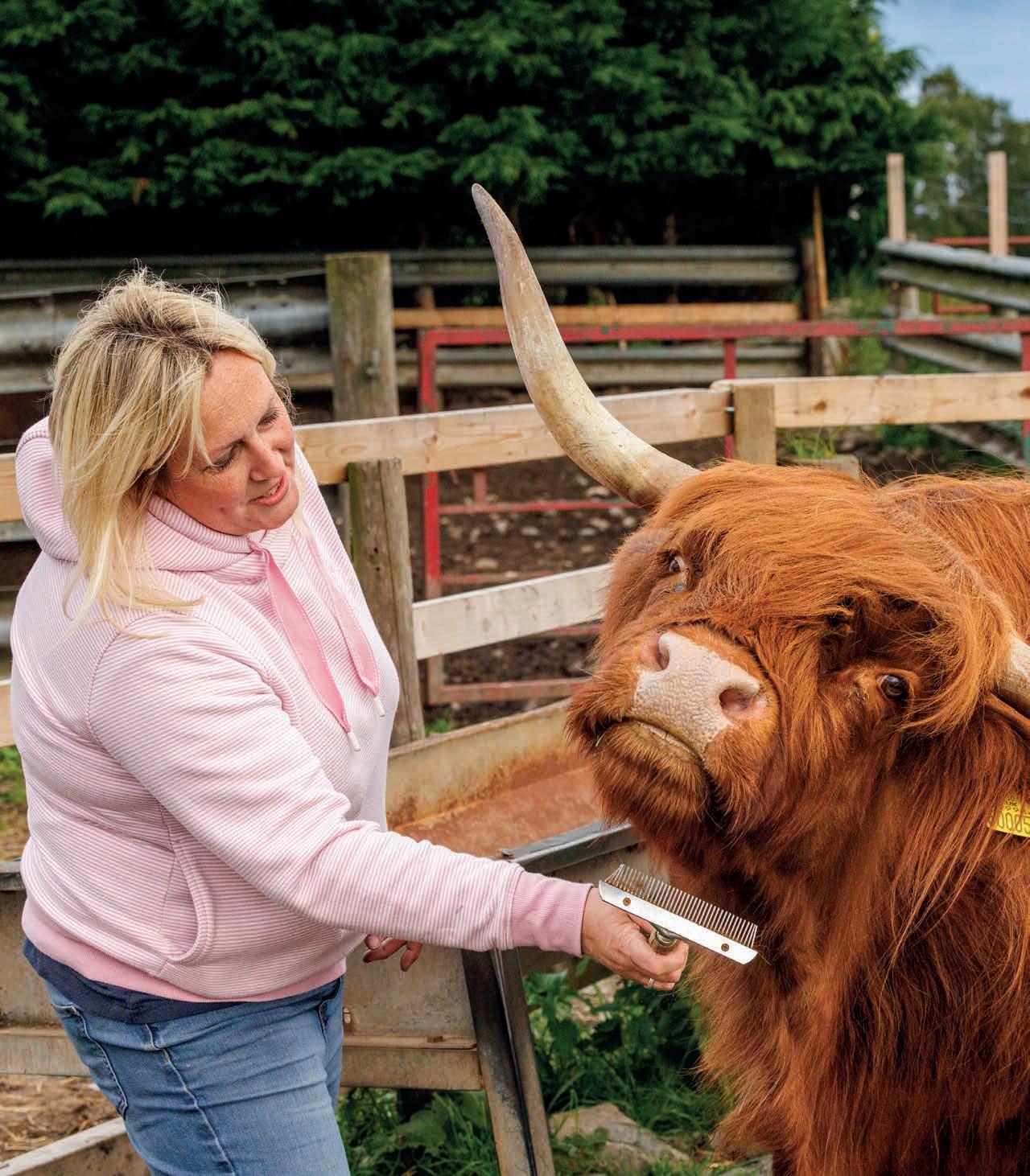
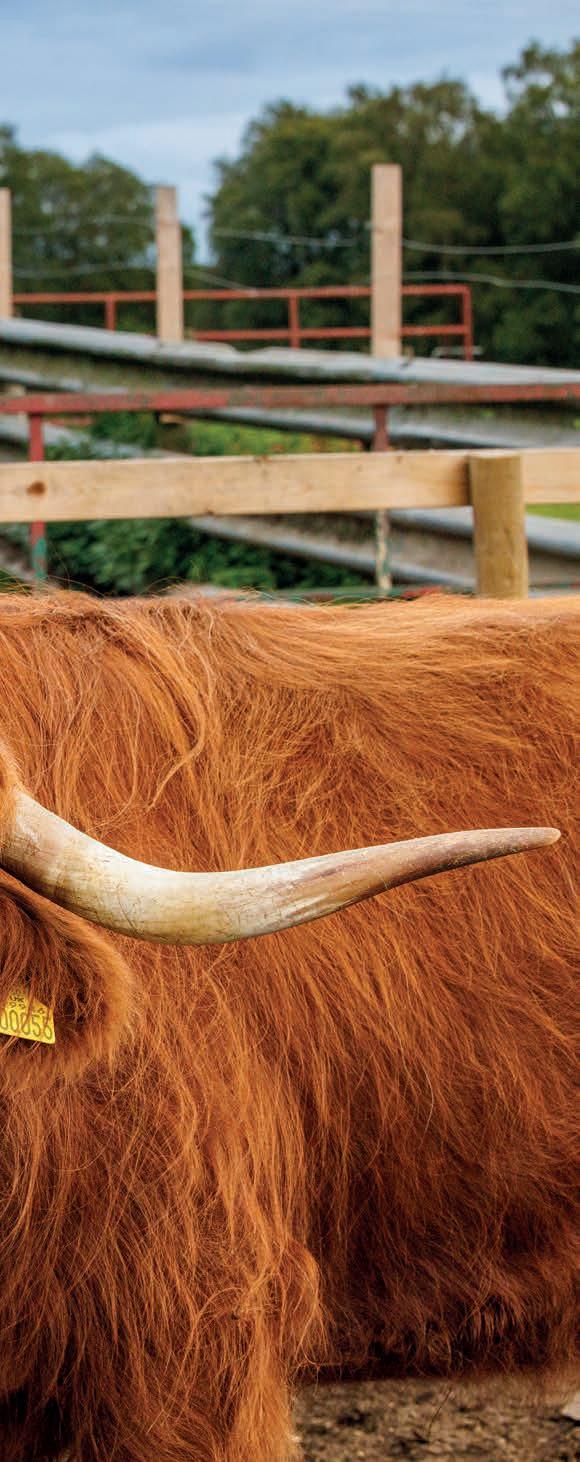
We travel to Aberdeenshire to meet a farmer who gets to work with Scotland’s most loveable locals every day
Words
and photos by JEREMY FLINT
Picture the Scottish Highlands and one of the first things that will come to mind (besides the atmospheric castles, lochs, and glens) is the iconic Highland cow.
With its distinctive long horns and thick, rugged, reddish-brown woolly coat, this hardy breed has roamed the wild Scottish landscape since at least the 6th century, thriving in its harsh environment.
While the exact origins of the breed remain unclear – some historians believe they may have been brought over from Scandinavia by Viking settlers, rather than being native to the isles – there is no denying they have become a true symbol of Scotland.
Based near Aberdeen, in the picturesque countryside of Deeside, Grace Noble is a Highland cattle farmer, who dedicates her working life to rearing these crowd-pleasing cows.
Grace first began breeding a small herd of Highland cows as a hobby in 2012 but soon realised that she could make a go of it and fulfil a childhood dream of running her own business, which is called Aberdeenshire Highland Cattle. “When the enterprise expanded, I approached the laird at Leys Estate in Banchory for more land and to build a structure on the smallholding,” she says, “I now have a tenancy here and am part of the community.”
The business is twofold: Grace both sells premium beef (the herd is hand-reared and grass-fed, and supplemented with a natural byproduct of the whisky industry) and provides farm tours to visitors and locals who are interested in meeting the breeds. Home-bred Highland coo Duchess is a favourite with visitors, who enjoy learning more about the journey from farm to plate.
The cows seem to live a happy and healthy life – they spend the winter out on the hills of the Cairn O’Mount where they withstand the harsh Scottish weather by retreating to take shelter in the native Scots pine woodland as needed.
They feed on the grasses, flowers, heather and trees that grow naturally and drink from the pure running water of the burns.
Grace also has a small flock of black-faced Scottish sheep that guests can meet through sheep-shearing experiences, she provides supper clubs with cooking classes between courses, and there is a circular walk of the farm open to paid visitors. This diversification to agritourism has really helped her business flourish.
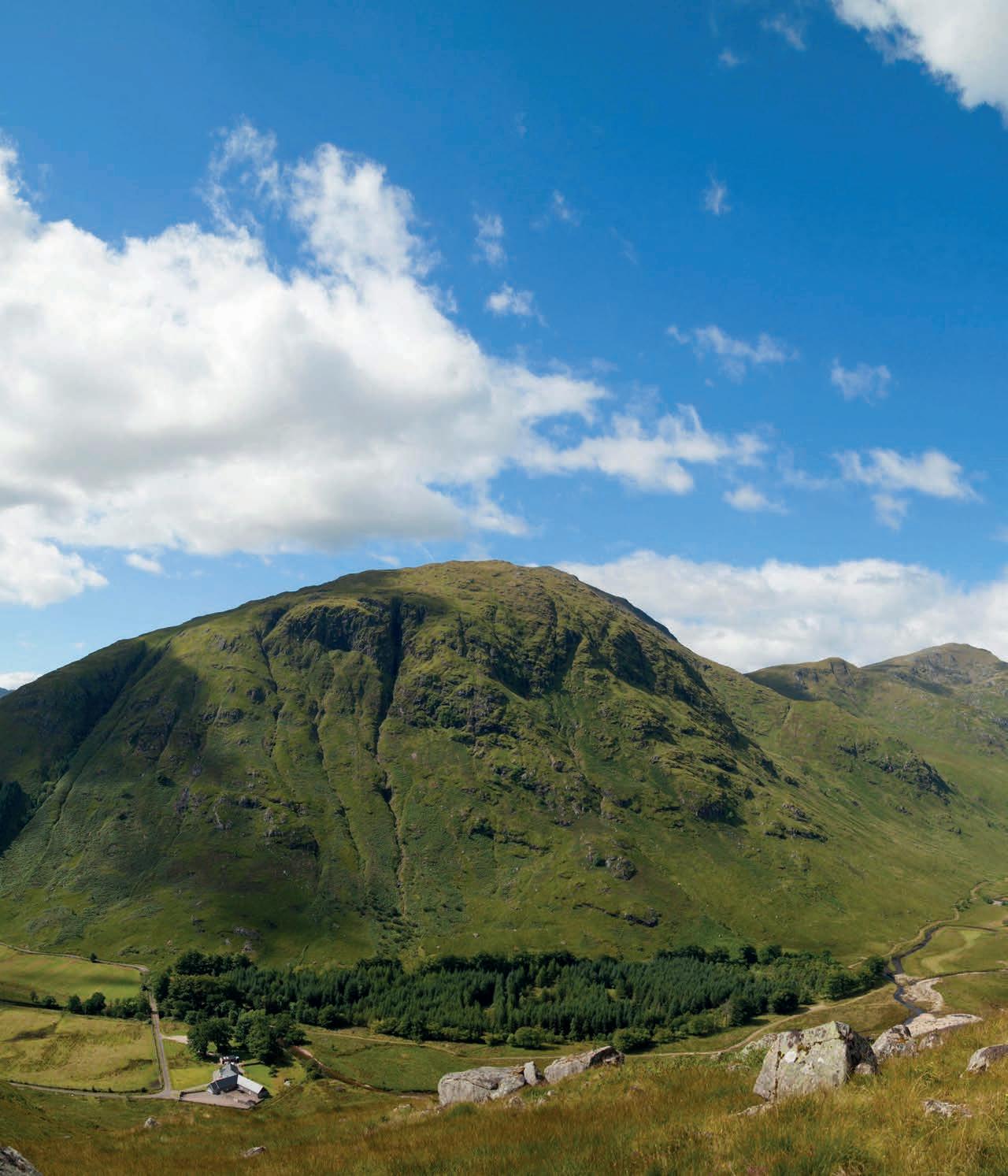
Our writer ventures to a west coast peninsula, where a new female-led distillery is playing its part in reversing the region’s ‘brain drain’
Words by SARAH GILLESPIE
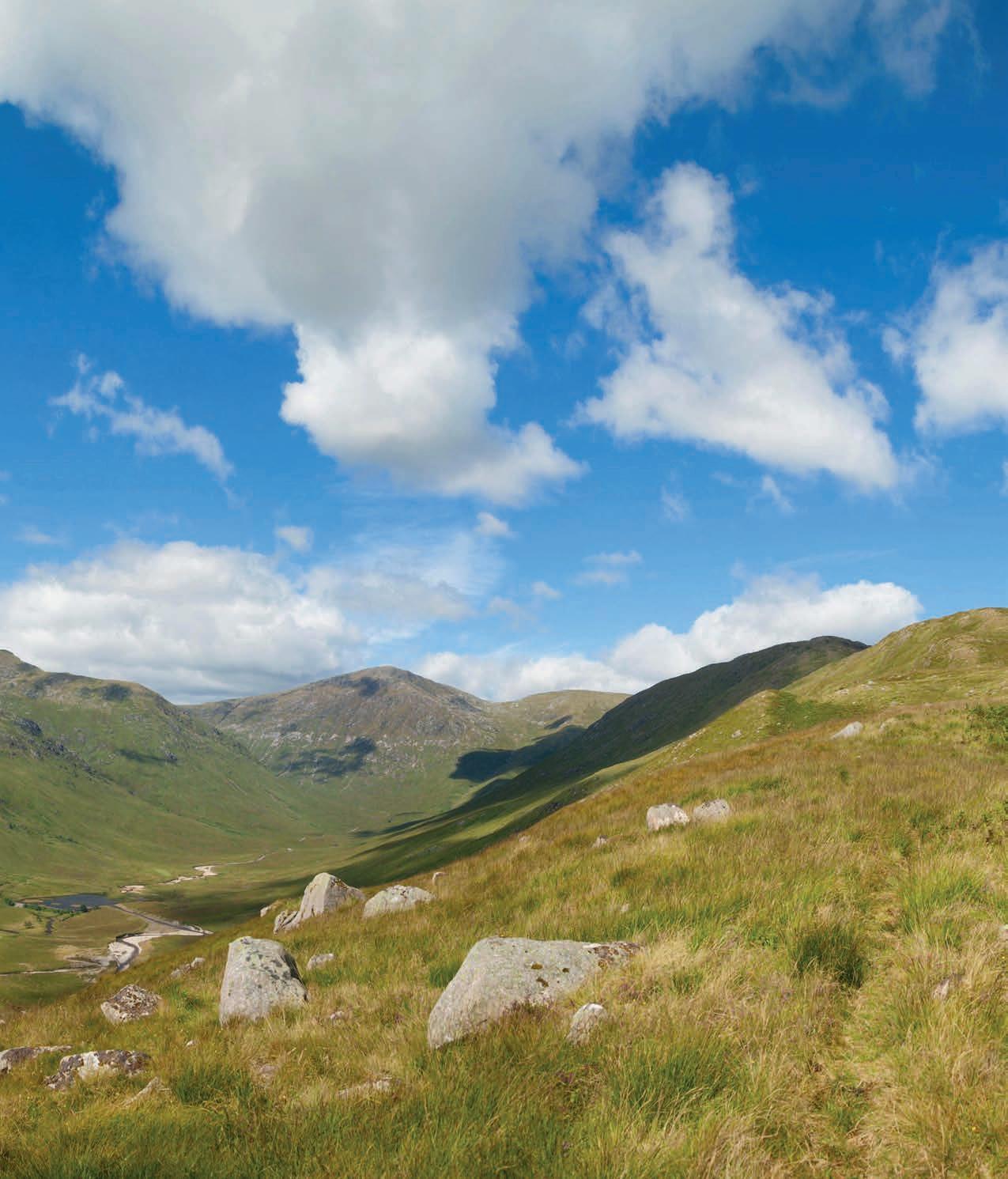
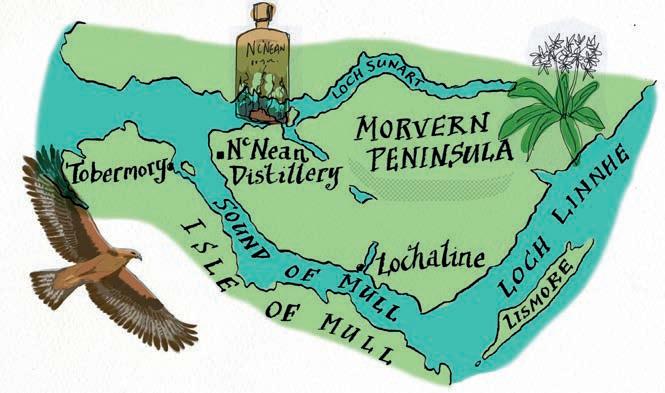
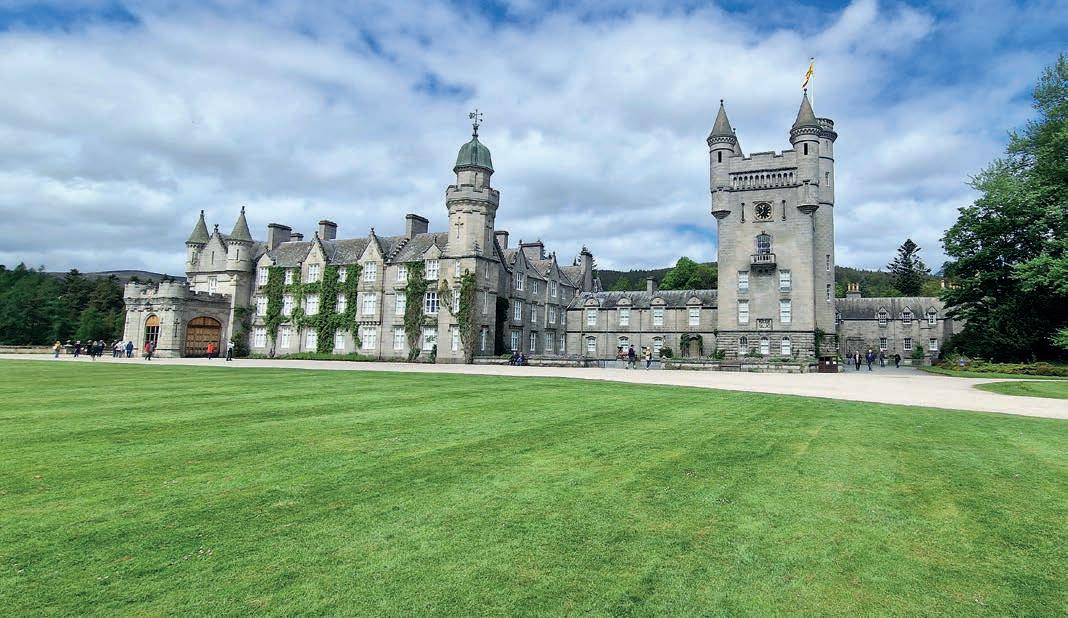
If your fascination with royal residences extends as far as the Scottish palaces still in use by the Windsors, Discreet Scotland’s Royal Scotland Castle day tour is an unparalleled opportunity to see where King Charles III and Queen Camilla enjoy off-duty life.
This luxury private experience embarks from Edinburgh, with a scenic drive through the Cairngorms National Park. The first stop is Balmoral Castle (above): purchased by Queen Victoria and Prince Albert in 1852, it’s still the family’s summer retreat generations on. A working estate, you’ll be able to glimpse grouse, sheep and Highland coos.
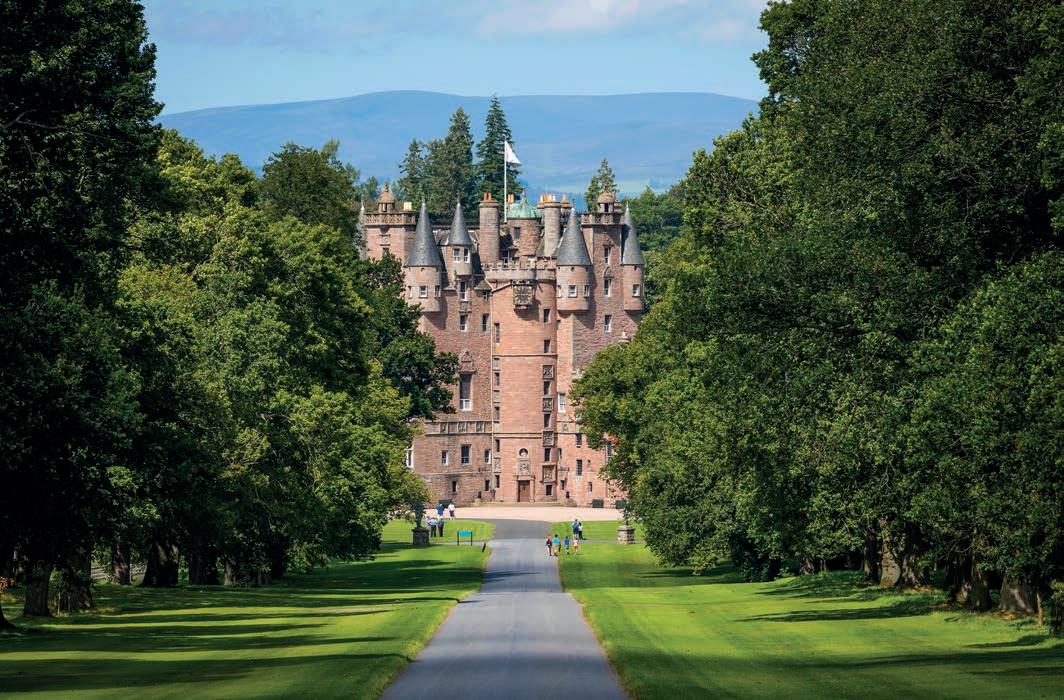
Heading south, a visit to Glamis Castle (below) in Angus
follows. The ancestral home of the late Queen Mother is an exquisite example of baronial architecture and the grounds, from the Macbeth Loop’s wooden sculptures to the lofty treetops of the Pinetum, are special.
From August to late October, while their majesties are in residence, the Balmoral Castle visit is swapped for a fascinating tour of Scone Palace, a slice of gothic revival grandeur on the outskirts of Perth. Our tip? Look out for the ostentation of peacocks roaming the grounds – some of which have their own names.
Priced from £610 for four guests. The tour season runs from 1 April to 31 October, discreetscotland.com