Manufacturing Asia is the industry portal serving Asia’s dynamic manufacturing landscape. Each section carries a balance mix of articles which appeal to the C-level executives of large manufacturing companies in Asia.
Do reach out to us if you would like us to tell your story to our readers via print and online advertising or events.
HONG KONG Room 1006, 10th Floor, 299 QRC, 287-299 Queen’s Road Central, Sheung Wan, Hong Kong +852 3972 7166
MIDDLE EAST FDRK4467, Compass Building,Al Shohada Road, AL Hamra Industrial Zone-FZ, Ras Al Khaimah, United Arab Emirates www.charltonmedia.com
PRINTED BY Midas Asiapac Pte Ltd 10 Admiralty Street, #06-22 North Link Building, Singapore 757695 +65 6383 5290
Can we help?
Editorial Enquiries: If you have a story idea or press release, please email our news editor at manufacturingasia@charltonmedia.com. To send a personal message to the editor, include the word “Tim” in the subject line.
Media Partnerships: Please email manufacturingasia@charltonmedia.com with “Partnership” in the subject line.
For subscriptions, please email: subscriptions@charltonmedia.com
Manufacturing Asia is published by Charlton Media Group. All editorial is copyright and may not be reproduced without consent. Contributions are invited but copies of all work should be kept as Manufacturing Asia can accept no responsibility for loss. We will however take the gains.
Sold on newstands in Singapore, Malaysia, Hong Kong, London, and New York. Also out on https://manufacturing.asia/
**If you’re reading the small print you, may be missing the big picture caveat emptor
FROM THE EDITOR
Strip away the slogans and a harder reality emerges. Artificial intelligence is pushing up energy demand faster than infrastructure can comfortably absorb. Our report on page 10 looks at how data centre operators are reworking cooling systems because racks are running hotter and denser than before.
On page 18, Indonesia confronts a quieter problem. Too many digital projects remain pilots. The government’s push through PIDI 4.0 is an attempt to turn experimentation into scaled output. It is a reminder that transformation fails less from lack of ideas than from lack of follow-through.
In cement, chronic oversupply has ended the growth narrative. Read on page 16 how producers are competing on efficiency and carbon intensity because utilisation is stuck near mid-cycle lows. Margin discipline now matters more than installed capacity.
Singapore’s semiconductor expansion carries similar tension. Investment continues, but costs and talent constraints demand tighter execution. Read more on page 12.
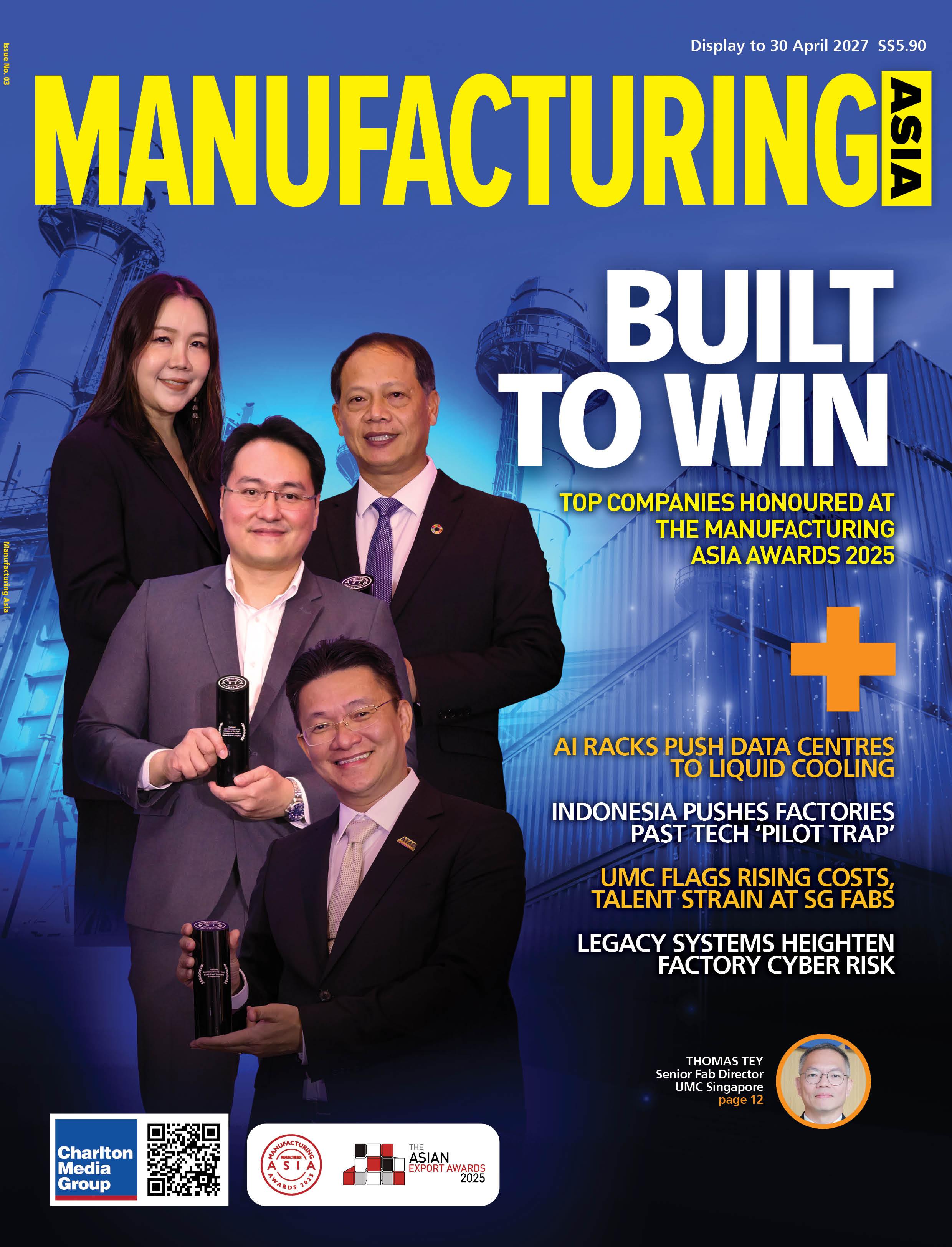
We conclude with coverage of Asia’s leading awards programmes, including the Manufacturing Asia Awards 2025, highlighting firms that have translated strategy into results and set higher operating standards across the region. Turn to pages 22 and 23 for a list of honourees. Congratulations to all!
Read on and enjoy.
Tim Charlton
Manufacturing Asia magazine is a proud media partner and host of the following events and expos:
News from manufacturing.asia Daily news from Asia
MOST READ
India links advanced manufacturing growth to MSME digital transition
India’s ability to compete in advanced manufacturing will depend on how effectively its MSME clusters shift to digitally driven and serviceintegrated production models, senior policymakers and industry leaders said in a summit held in December 2025. Frontier technologies are already reshaping manufacturing processes.
Taiwan manufacturing decline eases in October as tariff impact persists
Taiwan’s manufacturing sector showed tentative signs of stabilisation in October 2025, with output and new orders declining at their slowest in five months, though conditions remained challenging amidst sluggish global demand. Taiwanese goods producers cut production levels for a seventh straight month.
Can semiconductor demand keep Singapore’s factory optimism alive?
Singapore’s manufacturing sector is cautiously optimistic for the next six months ending March 2026, the Economic Development Board’s quarterly survey said. A net weighted balance of 8% of firms expect business conditions to improve between October 2025 and March 2026, driven mainly by strong semiconductor demand.
More factories relocate from China to Malaysia amidst trade tensions
Foreign companies are moving their manufacturing facilities out of China to establish production hubs overseas as trade tensions continue to brew between China and the US. Malaysia has greatly benefited from this strategy known as China Plus One, where companies diversify their business outside of China.
AI cuts aerospace material development cycles by over 50%
Aerospace manufacturers are turning to AI to keep up with the technological changes and the necessary materials gathering required to thrive, according to a Kearney report. The global aerospace market is projected to grow by $42.9b by 2029, but traditional material discovery has struggled to keep up with the demand.
How is PT SNI using lightweight concrete to expand?
PT. Sinar Nusantara Industries (PT. SNI) has made a strategic expansion into South Kalimantan, focusing on the use of Autoclaved Aerated Concrete. This move is designed to meet the growing market demand for advanced building materials and reinforces PT. SNI’s position as a leader in sustainable construction solutions.
CHINA INVESTS IN PHOTONICS TO CLOSE AI GAP WITH USA
China is poised to lead production of photonic chips, which has the potential to position it ahead of its Western rivals, a report said.
“If these chips fulfill their promise, they can be useful for both quantum computing and artificial intelligence (AI) data centres, two key strategic priorities that are at the centre of global power competition with the United States currently,” according to the Mercator Institute for China Studies (MERICS) said.
China has been been investing in alternative chip materials and architectures since the late 2010s, including photonic chips.
Other countries have also started pursuit as the physical limits of siliconbased chips emerge.
Identifying technologies
In June 2025, the Shanghai Jiao Tong University Chip Hub for Integrated Photonics (CHIPX) completed world’s first thin-film lithium niobate (TFLN) photonic chip production line.
“As China lags behind in traditional, silicon-based chips, the country is identifying technologies to leapfrog,” said Antonia Hmaidi,senior analyst at MERICS. “Photonic chips fit the bill, because they promise to be useful for critical technologies like AI and quantum computing, and because they build on China’s strengths in fibre-optics and laser technologies.”
Whilst CHIPX is currently a research facility, it has an annual capacity to produce 12,000 six-inch wafers, surpassing similar lines in Europe, according to the institute.
These chips can be produced using older machinery to avoid dependence on extreme ultraviolet (EUV) lithography machines, which China cannot import due to Western export bans. The production method also draws on technologies used in fibreoptic cables and lasers, areas where China already has strong industrial capacity, MERICS added.
Cobots face barriers in Industry 5.0 shift
The rise of Industry 5.0 has sparked strong interest in collaborative robots, or cobots, as manufacturers look to boost productivity by combining human skills with machine precision.
However, despite the hype and rapid market growth—estimated at nearly 30% annually—experts say key obstacles are limiting cobot deployment at scale.
Nigel Lee, country general manager at Lenovo Singapore, pointed to three main challenges: leadership understanding of artificial intelligence (AI), data availability, and cybersecurity risks.
“The first challenge is really having executives understand what AI is, and how AI works with cobots,” he said. “The second challenge is: do they have the data to make the cobots work for them?... And the third is cybersecurity. Any system in the cloud can be hacked,” he continued.
Easwaran Subramanian, Deloitte Asia Pacific’s Supply Chain and Network Operations Leader, added that safety remains a fundamental concern. “How can we have cobots
operate safely alongside humans without causing harm remains the foundational concern,” he said.
Subramanian explained that many cobots require advanced sensors and environment mapping to operate safely in dynamic conditions. “They must be equipped with multimodal sensors… and real-time feedback systems that can monitor and trigger safety actions.”
Another major barrier is legacy infrastructure. “Most organisations have a lot of legacy systems not built for cobot communication,” Subramanian said.
“Integration requires modern middleware and protocol compatibility.”
He also flagged cost as a limiting factor for smaller manufacturers, noting that scaling cobots can be less feasible without a high return on investment. Programming complexity and the need for skilled operators also remain obstacles.
Leading sectors
Even with challenges with leadership understanding of AI, data availability, and cybersecurity risks, experts noted that five sectors are leading in the adoption of Industry 5.0. According to Subramanian, the automotive sector is at the forefront, driven by the need for greater customisation and production flexibility.
The semiconductor manufacturing sector follows, primarily due to its demand for precision-critical production. A McKinsey article stated that the semiconductor industry was valued between $630b and $680b in 2024 and is projected to reach $1t to $1.1t by 2030, largely fuelled by growth in AI and data centres.
The aerospace and defence sector is also emerging, driven mainly by safetycritical engineering requirements.
In a November 2025 Deloitte report, the firm cited rising fleet utilisation, continued fleet expansion, and steady gains in both passenger and cargo demand. On the defence side, budgets remain a key focus, with priorities shifting towards accelerating the deployment of AI-enabled systems and collaborative combat aircraft.
The fourth sector involves industries with significant human involvement, Lee noted, including apparel, textiles, leather, and footwear. The final sector shares similar characteristics, with high-end luxury goods focused on hyper-personalisation.
The cobot market is estimated to grow nearly 30% annually
How we can have cobots operate safely alongside humans without causing harm remains the foundational concern Easwaran Subramanian
INDUSTRIAL
Drugmakers convert facilities for dual-use output
Pharmaceutical companies are increasingly converting existing facilities to produce medicines for both human and animal use, as firms seek to maximise assets and shorten time to market, experts said.
Stephanie Ledwidge, Associate, Life Sciences, Southeast Asia, Linesight, explained that the overlap in standards helps ease conversion.
“Both types of facilities will follow GMP standards. So you’re likely starting with solid foundation when it comes to things like contamination control, clean room classifications, and your validated equipment, but the real work begins when you dig into the product specific needs,” she said.
In animal health, Ledwidge noted, there is “a bigger emphasis on high volume, cost efficient manufacturing,” which can require different batch sizes, equipment setups, and material handling. Moving from animal to human production, however, raises the bar. “You’re likely going to need to tighten things up so that can mean more stringent sterility controls, traceability measures, upgrades to meet stricter documentation and validation requirements,” she said. Gordon Nicholson, regional director at IPS, agreed that core structures often require little modification. “Physically, we don’t really need to do any major changes, as most of the time, the facilities are
designed in a similar approach,” he said. The bigger focus, he added, is on equipment choices, such as “single use equipment so that we’re not creating any cross contamination,” as well as decontaminating spaces when production switches between sectors.
Nicholson pointed to regulatory complexity and pandemic-driven concerns as major hurdles. “There’s different regulators for humans and animals, although there are a lot of similarities between them. Those different regulations sometimes have some different requirements, but pretty much we can make them match or align to the higher standard,” he said.
“But probably more importantly is the concerns over cross contamination between species, and we’ve seen that in pandemic situations.”
For Ledwidge, the greatest value comes in markets like Singapore where space is costly. “The real strength of cross functionality lies in adaptability. This enables faster responses to market changes, greater capital efficiency, better use of existing assets, and this is key in an industry where speed to market is critical,” she said.
The real strength of cross functionality lies in adaptability
Nicholson added that high-value equipment such as filling lines also make cross-sector use compelling. “The filling lines themselves are extremely expensive facilities to build and to operate. So high utilisation of those spaces is very helpful for manufacturers,” he said.
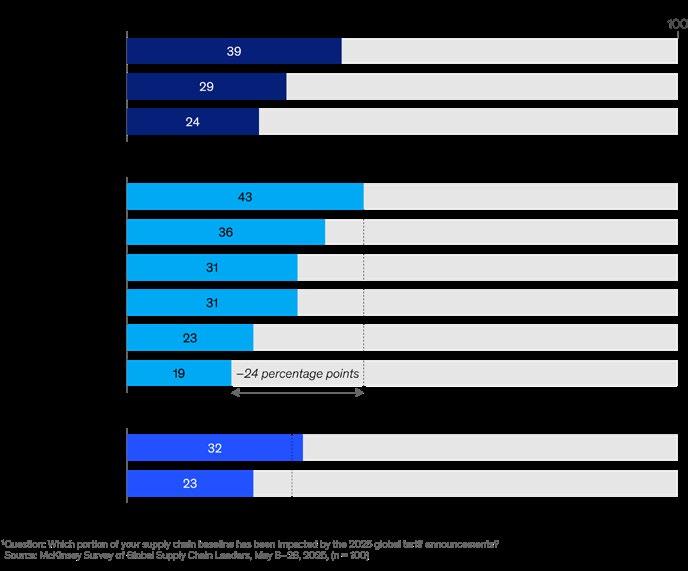
THE CHARTIST: TARIFFS DISRUPT UP TO 40% OF SUPPLY CHAIN ACTIVITY IN 2025
Tariffs have emerged as the dominant supply chain risk in 2025, with 82% of companies reporting disruption to operations, according to McKinsey & Company.
Respondents in the firm’s study said between 20% and 40% of baseline supply chain activity is affected.
Tariff exposure in 2025 affected an estimated 24% to 39% of activity, with cost pressures accounting for most of the variation across industries.
About 39% of respondents reported increases in supplier and material costs, whilst 30% saw weaker customer demand. Supply chains with exposure to the US were most affected, with 70% of respondents saying tariffs had a greater or equal impact on US demand
compared with other markets.
Consumer goods companies reported the highest exposure, accompanied by tariffs affecting 43% of activities, whilst chemicals companies saw the lowest impact at 23%.
In response, around 30% of companies said they are pursuing tariffspecific actions, including renegotiating with suppliers to share tariff-related costs or seeking exemptions from governments for certain products or industries.
Most mitigation strategies mirror responses to previous disruptions.
Amongst companies facing tariff pressure, 45% are increasing inventories, 39% are adopting dual-sourcing strategies, and 33% are developing nearshoring or onshoring plans. Portion
Source: GlobalData
Overlap in standards helps ease conversion, an expert said
Source: McKinsey & Company
Stephanie Ledwidge
Gordon Nicholson
LIFE SCIENCES
AI workloads push data centres to liquid cooling overhaul
Asia-Pacific’s data centre industry is undergoing a fundamental cooling overhaul as artificial intelligence (AI) workloads drive up rack densities and energy use, forcing operators to adopt more advanced thermal management systems.
With regional data centre capacity projected to more than double to 26.1 gigawatts by 2028, cooling—already responsible for up to 40% of total energy consumption—has emerged as a critical constraint and opportunity.
Traditional air-based cooling is proving inadequate in much of Asia, where hot and humid climates limit free cooling options. This has accelerated demand for high-efficiency and liquid-based solutions designed to support AI-driven computing.
“We call it an aero lift bearing, to enable water-free cooling more efficiently. And it’s particularly applicable in warmer climates, like most of the APAC countries,” said Abel Gnanakumar, vice president, Commercial HVAC - Asia,
Middle East & Africa at Copeland.
Emerging technologies
AI adoption is also reshaping data centre formats, boosting demand for modular and edge facilities across dense urban markets.
Gnanakumar noted that variable-speed compressors combined with inverter drives allow faster deployment and improved efficiency compared with conventional systems, with some configurations delivering up to 15% higher efficiency than competing technologies.
Liquid cooling is expected to become the dominant technology supporting highdensity AI racks.
“These technologies are critical to support the cooling needs of high density racks, where the capacity have already reached 100 kilowatt and now will be,
is expected to reach 400 kilowatt with increasing AI workloads,” said Shaik Safik, principal consultant at Frost & Sullivan, adding that liquid cooling solutions are “no longer considered optional, but they are the future of sustainable high density cooling for data centers in the Asia-Pacific market.”
Safik also pointed to rising demand for front-in-row and rear-door cooling systems, particularly in modular and edge data centres where space constraints require compact, high-density thermal solutions.
Safik added that direct-to-chip and immersion cooling systems are projected to grow at a compound annual rate of 29% through 2030, increasing their market share from 10% in 2023 to 27% by the end of the decade.
Supply-side constraints
Despite surging demand, manufacturers face several supply-side constraints.
Safik cited operator resistance to shifting away from cheaper legacy systems, rising logistics costs linked to US-China tariffs, and microchip shortages affecting smart controllers.
“Without diversifying sources and partnerships, these next generation cooling technologies will simply not grow fast enough to meet with the increasing demand,” he told Manufacturing Asia Regional complexity adds another layer of challenge. Gnanakumar noted that environmental, safety, and trade regulations vary significantly across Asia-Pacific markets.
To manage this diversity, Copeland has adopted a region-for-region manufacturing model, with production hubs in China, Thailand, and India serving distinct markets.
The company also operates engineering centres in China and India, supported by smaller local hubs that coordinate with regulators, developers, and customers.
Cooling requirements also differ sharply by geography. Southeast Asia’s year-round heat and humidity contrast with the seasonal climates of China, Korea, and Japan.
In dense cities such as Hong Kong and Tokyo, vertically stacked data centres create additional airflow and space management challenges, opening opportunities for locally optimised system designs.
The opportunity remains substantial. Frost & Sullivan estimates Asia-Pacific will command 48% of the global data centre cooling market by 2030, representing more than $9b in potential revenue.
Without diversifying sources and partnerships, these next generation cooling technologies will simply not grow enough to meet the increasing demand
APAC will command 48% of the global data centre cooling market by 2030
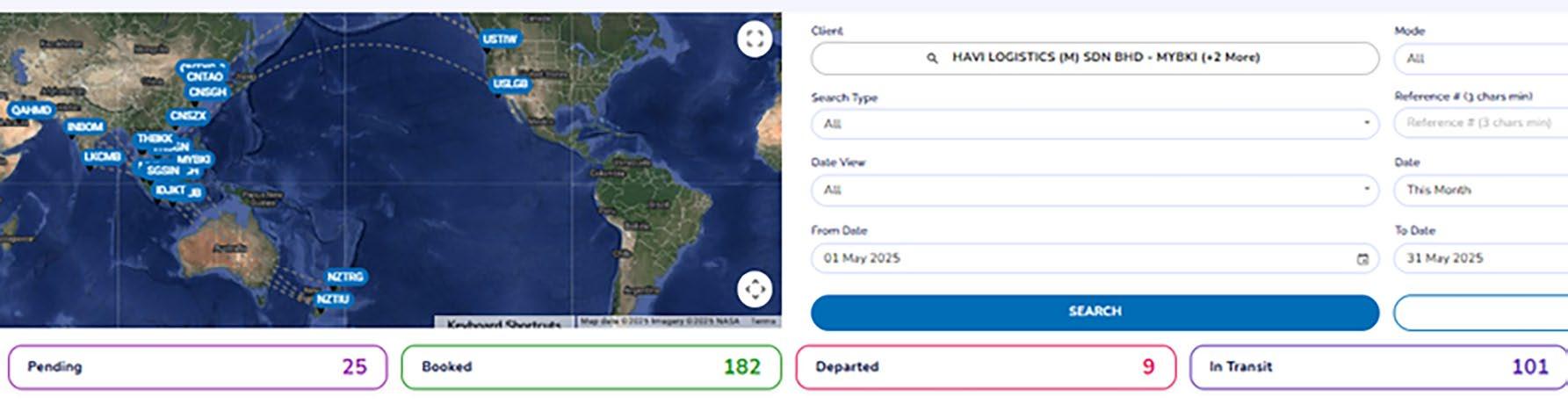
Get full control over your global shipments right here in MyHFM.
Track all your shipments live - Ocean, Air or Land. Get real-time milestone updates and delivery. Access the system and receive instant alerts. Designed for team who value visibility, speed and data-driven logistics.
Freight Management
AkzoNobel links automation to emissions cuts
The company seeks to halve carbon emissions across the full value chain by 2030.
Dutch paintmaker AkzoNobel is stepping up its digital and sustainability efforts, expanding in areas such as e-procurement, remote monitoring, and supplier partnerships to improve transparency across its supply chain.
Operating in more than 150 countries with brands such as Dulux, International, Sikkens, and Interpon, the company had cut carbon emissions by 41% by 2024 (baseline 2018).
It seeks to halve emissions by 2030 across the value chain and fully shift to recyclable or renewable materials in its own operations.
“The future of sustainable manufacturing requires a broad approach,” Farooq Ayub Khan, cluster manufacturing manager for Pakistan, Malaysia, Indonesia, and Vietnam at AkzoNobel, told Manufacturing Asia.
“We combine environmental responsibility, supply chain resilience, and continuous innovation to achieve it.”
AkzoNobel’s projects address product design, plant efficiency, and resource use. It’s also in the process of phasing out hazardous inputs, whilst drought-prone locations are focused on cutting water consumption. Energy-saving measures have also lowered usage across sites.
Strengthening innovation
Product innovation is a key part of its strategy.
In Indonesia, Dulux Weathershield with Keep Cool Technology lowers indoor temperatures by as much as 5°C, reducing reliance on air conditioning.
On the other hand, a plant in Pakistan gets 30% of its power from solar panels and features a Miyawaki mini forest designed to absorb carbon.
Digital tools are reshaping operations. Warehouse management systems and a lightweight manufacturing execution system have allowed sites to go paperless, whilst automation is streamlining processes from raw material handling to finished goods.
“Automation and digitalisation increase efficiency, reduce waste, and accelerate service to customers,” Khan said in an exclusive interview with the magazine.
To strengthen innovation, AkzoNobel has relocated a regional research and development hub in ASEAN closer to production. This lets researchers, marketing staff, and plant teams collaborate more directly, with products tested at pilot scale before reaching the market.
The company closely tracks performance, from customer complaints—now on a downward trend—to employee satisfaction surveys and consumption of energy and water.
These checks ensure that progress on sustainability targets remains on track.
AkzoNobel plans to expand automation, enhance digitalbased quality controls, and improve customer experience.
In the US, AkzoNobel has invested nearly $60m to upgrade its Illinois facility, the company’s largest aerospace coatings production site. In addition to expanding capacity, the upgrade included the installation of new machinery and the introduction of more automated processes.
The two-phase project also features a new warehouse located just across the state border in Wisconsin.
“To achieve the ambitious 2030 targets, we need close collaboration with suppliers, customers, and industry partners,” Khan told the magazine.
Other partnerships
That collaboration extends beyond AkzoNobel’s internal operations, with several sector-focused initiatives supporting its sustainability and innovation goals.
In September 2025, the company partnered with Arkema S.A. and BASF to reduce the carbon footprint of architectural powder coatings, targeting emissions linked to raw materials and production processes. It also worked with Winning Shipping in China, supplying a biocide-free fouling control coating designed to reduce hull resistance and help fleets lower fuel consumption and greenhouse gas emissions.
Automation and digitalisation increase efficiency, reduce waste, and accelerate service to customers
In the electric vehicle segment, AkzoNobel partnered with NIO to supply its Interpon A1000 coating technology, which has been applied to around 80,000 vehicles across multiple models. Developed at the company’s Shanghai Technology Center and manufactured at its Changzhou plant, the coating was engineered to improve durability.
The collaboration extended the underbody coating’s service life from five to 15 years, reduced coating thickness by 70%, and lowered vehicle weight by 2.2 kg.
Farooq Ayub Khan, cluster manufacturing manager for Pakistan, Malaysia, Indonesia, and Vietnam at AkzoNobel
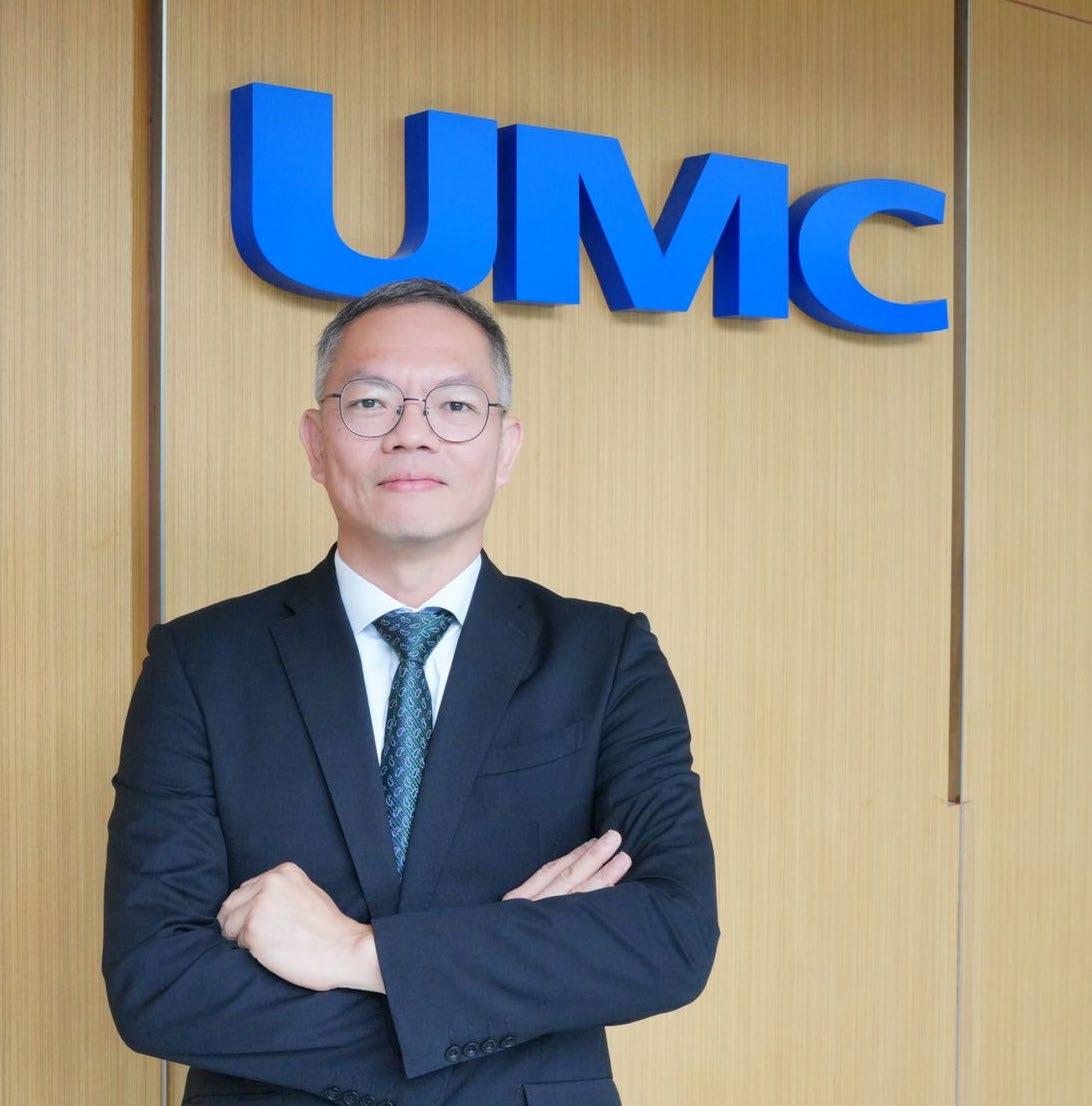
UMC flags rising costs, talent strain at Singapore fabs
Managing its expansion and existing operations has been a key test.
United Microelectronics Corp. (UMC) is grappling with rising costs and tighter talent requirements at its Singapore operations, even as demand for maturenode chips stays firm, underscoring the trade-offs facing manufacturers in high-cost hubs.
Operating expenses in Singapore are higher than in several regional locations, Thomas Tey, senior fab director at UMC Singapore, told Manufacturing Asia.
“Second, as technology complexity increases, there is a stronger need for precision-trained engineers and specialised manufacturing skills,” he said in an exclusive interview. Those pressures are shaping investment and execution decisions despite the city-state’s reputation as a stable and trusted semiconductor base.
Singapore’s semiconductor sector accounts for about 7% of gross domestic product and plays a strategic role in regional supply-chain resilience, Tey said.
The country’s policy stability, infrastructure, and skilled workforce continue to support advanced manufacturing, though structural challenges have become more pronounced.
UMC last year announced a $6.4b expansion of its Singapore wafer fabrication plant, targeting 22-nanometre and 28-nanometre chips. Volume production of 22-nanometre wafers is scheduled to begin in 2026.
Transitioning to the smaller process node requires tighter process integration, higher automation, and stricter yield control, supported by capability-building across engineering teams, Tey told the magazine.
Addressing pressures
Managing the expansion alongside existing operations has been a key test. Infrastructure construction, equipment installation, and hiring were phased to limit disruption, with earlier supplier engagement and expanded project governance used to maintain output and quality.
To address cost and talent pressures, UMC has stepped up automation, yield optimisation, and workforce development.
Training has been expanded through in-house programmes and partnerships with universities and polytechnics to better align skills with manufacturing needs, including initiatives such as the 12i Talent Training Programme (iTTP), which equips new engineers with both technical and interpersonal skills from day one.
“These efforts help maintain both cost efficiency and operational excellence,” Tey said.
Beyond capacity, UMC is also expanding research and development work in areas such as silicon photonics, flat optics, and advanced packaging, whilst rolling out sustainability measures focused on energy efficiency and water use.
The company has partnered with Belgium’s Interuniversity Microelectronics Centre (IMEC) to accelerate its silicon
There is a stronger need for precisiontrained engineers and specialised manufacturing skills
photonics roadmap, bringing advanced photonics process technology into production at its Singapore fab.
Tey highlighted that AI adoption—both in highperformance data centres and at the edge—is shaping semiconductor demand, driving innovation in advanced packaging and chip design.
“The impact of AI will become even more pronounced when it is adopted at scale at the edge—integrated into everyday devices,” Tey said.
“Whilst edge AI is less computationally intensive than training AI models in data centres, it still demands continuous innovation at the chip level to deliver highperformance computing capabilities in a cost-effective and energy-efficient manner, suitable for compact devices.”
This underscores Singapore’s growing importance as a hub for emerging technologies.
As AI applications proliferate across smartphones, cars, and industrial devices, there is a growing demand for costefficient, high-performance chips that operate reliably in compact, energy-conscious designs.
Sustainability is also a core priority for UMC in Singapore. The company is implementing initiatives to improve energy management, optimise water use, and minimise environmental impact across fab operations.
These measures not only align with global operational standards but also reflect Singapore’s broader push toward green manufacturing.
By integrating sustainability into both day-to-day operations and long-term planning, UMC seeks to maintain high productivity without compromising environmental responsibility.
These efforts position Singapore as a long-term growth driver for UMC, Tey said, though rising complexity means execution discipline would remain critical.
Thomas Tey, senior fab director at UMC Singapore
SINGAPORE
ENRICHING EVERYDAY LIVES WITH INNOVATIVE SUSTAINABLE SOLUTIONS
Borouge is at the forefront of innovation with solutions that add value to businesses and society worldwide. We are committed to creating a brighter and more sustainable tomorrow.
ANALYSIS: SUSTAINABILITY
Eco-friendly packaging push hits price barrier
Firms cite higher material, recycling, and compliance costs as key hurdles.
As global demand for sustainable packaging rises, many manufacturers are eager to adapt.
But whilst the market presents major growth potential, companies face a reality: the shift comes with high costs, production challenges, and tightening regulations that threaten to stall progress.
According to Associate Professor Goh Puay Guan of the Business, Analytics & Operations department at the National University of Singapore, both packaging users and producers are grappling with this transition. F Food and beverage, electronics, and retail companies see clear advantages in adopting eco-friendly packaging to support branding, environmental, social, and governance (ESG) goals, and regulatory compliance.
Having sustainable packaging can also strengthen consumer outreach efforts and help companies align more closely with government sustainability initiatives, he said. At the same time, suppliers of packaging materials see new growth opportunities if they move quickly to meet demand.
“As the use of sustainable packaging grows, they would have potentially more business opportunities where more companies require these materials,” he added. Companies that catch the trend early may be better positioned to ride the wave as adoption accelerates across industries.
Core obstacles
However, Goh emphasised that cost remains a core obstacle.
“Generally, it is more costly because the new materials itself may not be ready. It may cost more to create or to manufacture.
The economies of scale for manufacturing the new materials may not be there yet,” he explained.
From a purely sourcing point of view, conventional methods remain more cost-effective, he added.
Whilst longer-term benefits like lower recycling and transport costs may eventually help offset expenses, upfront sourcing costs are still higher compared to conventional materials. He noted that when total costs such as disposal, recycling, and regulatory compliance are considered, the gap may narrow over time.
There are also consumer-facing challenges. “When we change to more sustainable packaging, if you think paper bags, for example, like brown paper bags, then that may not look as enticing,” Goh noted, pointing to difficulties in meeting traditional marketing expectations.
Traditional packaging often relies on glossy finishes and larger formats to attract customers, which may not align with sustainable material choices.
For packaging manufacturers like Tetra Pak, the high price of early adoption is compounded by operational and regulatory demands. “One of the key challenges is the initial capital outlay with any new development launch, scaling production volumes and reaching the desired level of pricing comparable to fossil based counterparts,” said Albert Del Fonso, packaging portfolio director for Malaysia, Singapore, Philippines, and Indonesia at Tetra Pak.
He added that manufacturers must often upgrade equipment, handle new materials, and redesign packaging formats for recyclability.
Fragmented regulation
Del Fonso also pointed to the added complexity of navigating a patchwork of regulatory frameworks across markets.
“There’s also the complexity of navigating evolving regulatory landscapes, which differ across markets. For many businesses, especially small medium enterprises, this can feel like a moving target,” he said.
Despite these headwinds, Del Fonso stressed that technology offers a path forward.
“By integrating automation and energy efficient systems, manufacturers can offset upfront costs and gains in productivity and resource savings,” he said.
Water reuse technologies, for example, can cut usage by 30%, whilst automation has boosted productivity by 25% in sectors such as dairy and beverages.
Del Fonso added that adopting a life-cycle approach—assessing sustainability not as a cost but as a long-term strategic investment— can help manufacturers strengthen long-term value.
Food and beverage, electronics, and retail firms may gain from adopting eco-friendly packaging
Albert Del Fonso
Goh Puay Guan
A global AI-driven procurement service partner
We transform indirect (non-strategic) procurement cost into strategic company value
ANALYSIS: CYBERSECURITY
Outdated OT systems heighten factory cyber risk
Over half of manufacturers still run outdated operational technology systems.
Manufacturers should ramp up investing efforts in artificial intelligence (AI)-powered defence and zero-trust security to remain resilient amidst escalating cyberattacks and rising workplace safety concerns, experts said.
Asia-Pacific has emerged as a particular hotspot. The region recorded a 13% increase in cyberattacks in 2024 and accounted for 34% of global incidents—the largest share worldwide—according to IBM’s X-Force 2025 Threat Intelligence Index.
“Manufacturers are prime targets for cyber attacks because they sit at the intersection of global supply chain, legacy OT [operational technology] systems, valuable IP data, and also the industry is ransom-based favourite,” said Ashish Gautam, senior research manager, Technology, Media & Telecom Research at Mordor Intelligence. He noted that “every hour of downtime with large manufacturers cost them in the range of a quarter to a million dollars,” making them high-value targets.
Layers of risk
Outdated systems add to the risk. “More than half of the manufacturing firms still run outdated OS in the production environments,” Gautam said, adding that cybercriminals frequently target proprietary designs and production processes to steal intellectual property.
Mark Nutt, senior vice president, International Sales at Cohesity, told Manufacturing Asia that vulnerabilities persist partly because manufacturing has historically faced less regulatory scrutiny than other sectors. “It’s an industry vertical that perhaps has been less regulated than others… there is a level of vulnerability here in manufacturing that I think we need to observe and be sensitive to.”
The shift to cloud platforms adds another layer of risk. “Cloud
migration does increase security risk because it widens the attack surface, changes the threat model, and often outpaces the industry’s ability to secure newer environments.”
He warned that misconfigurations and reliance on cloud providers’ native security tools leave gaps, with 67% of manufacturing chief information security officers reporting a shortage of cloud security architects and development security operational professionals.
Nutt stressed that resilience depends not only on prevention but recovery. “Transitioning to the cloud platform isn’t without risks. AI accelerates those risks, but you can also use it with the right partner… your speed to recover from [attacks] is going to be absolutely key,” he said.
AI is increasingly viewed as central to that effort. Gautam said AI-based operational technology (OT) security platforms can reduce mean time to detect threats by 60% to 70% in manufacturing environments. Nutt added that AI can monitor network anomalies, identify the last clean data backup, and accelerate system recovery after an attack.
As Gautam concluded, AI enables manufacturers “to move from reactive defense to proactive and adaptive defense strategies.”
Operational risk, however, extends beyond digital systems.
Safety concerns and labour pressures are rising in warehouse operations across Asia-Pacific, prompting similar investments in automation and AI. According to a Zebra Technologies’ report, 63% of warehouse leaders in the region plan to adopt AI within five years to address these challenges.
“Some of the common risks that we see include slipping, falling, improper lifting techniques, unsecured overhead items, and accidents involving heavy equipment,” said Vivien Tay, APAC vertical lead for Warehousing, Transport & Logistics at Zebra Technologies. “Smart technology and improved training can make the overall warehouse environment safer and more efficient.”
Worker sentiment underscores the urgency. Nearly eight in ten (79%) warehouse associates across the Asia-Pacific region expressed concern about safety on the floor, with 72% specifically worried about injuries.
Budiyanto Tanjung, chief operating officer of Infolog, said manual handling injuries account for nearly 30% of all warehouse incidents. Forklift-related accidents comprise 15% to 20% of incidents in countries such as Malaysia and Thailand. An ageing workforce and gaps in safety protocols further increase vulnerability, he added.
Both executives pointed to regulation and automation as key levers. “The Ministry of Manpower in Singapore and safety standards in Malaysia are key in improving workforce safety,” Tanjung said. “But automation—like goods-to-person systems—can significantly reduce human movement and physical strain.”
Budiyanto Tanjung
Mark Nutt
Vivien Tay
Ashish Gautam
Fluor is building a better world by applying world-class expertise to solve its clients’ greatest challenges.
Fluor’s nearly 27,000 employees provide professional and technical solutions that deliver safe, well-executed, capital-efficient projects to clients around the world. With headquarters in Irving, Texas, Fluor has provided engineering, procurement and construction services for more than 110 years. Since 1987, Fluor’s Philippines office has served various
JG Summit OSBL PMC
Shell Malampaya Phase 3
Indonesia pushes factories past tech ‘pilot trap’
The state wants manufacturers to sustain the digital transformation.
Indonesia is tackling a major obstacle facing manufacturers worldwide: the “pilot trap,” where digital initiatives stall at the trial phase and fail to scale.
Citing a 2019 McKinsey report showing 79% of manufacturers stuck in this phase, Indonesia’s Ministry of Industry has launched the Centre for Indonesia’s Digital Industry 4.0 (PIDI 4.0) to break the pattern through structured support.
“PIDI 4.0 was created to bridge the gap between aspiration and execution,” Masrokhan, head of the ministry’s Industrial Human Resources Development Agency (BPSDMI), told reporters in Jakarta in July 2025.
“It’s not just about introducing technology, but ensuring its practical application.”
He said the pilot trap often results from companies adopting technologies without clear implementation plans.
“Our role through BPSDMI and PIDI is to ensure that transformation is sustained, adapted, and integrated into operations.”
By the end of 2024, PIDI 4.0 had trained 1,921 workers in digital competencies including Internet of Things (IoT), data science,
Transformation is only possible when human capital is ready and the technology is relevant
and smart manufacturing. Ten firms received full transformation planning support, whilst 338 companies accessed live demonstrations of digital tools to evaluate technologies in real-time production settings.
“We don’t believe in a one-sizefits-all solution,” Masrokhan said. “Each company needs a roadmap that fits its capabilities.”
He said PIDI programmes are not limited to large manufacturers in Java. “PIDI’s reach includes smalland medium-scale industries across the archipelago. It’s critical that Industry 4.0 is accessible to all.”
Joji Yamamoto, presidentdirector at NEC Indonesia, said countries like Germany and Japan have overcome the pilot trap through a mature infrastructure and continuous investment in workforce digital readiness.
“From Japan to Europe, we’ve seen that digital transformation succeeds when it’s treated as a continuous process, not a one-time project,” he said in an exclusive interview. “Indonesia can follow this path with structured, high-impact steps.”
The president-director cited examples from Thailand and Japan, where manufacturers prioritised
predictive maintenance, supported by a strong data infrastructure and workforce development.
“You don’t need to digitalise everything at once. Start with specific, high-value areas, then scale with confidence, backed by data and expertise.”
Local innovation
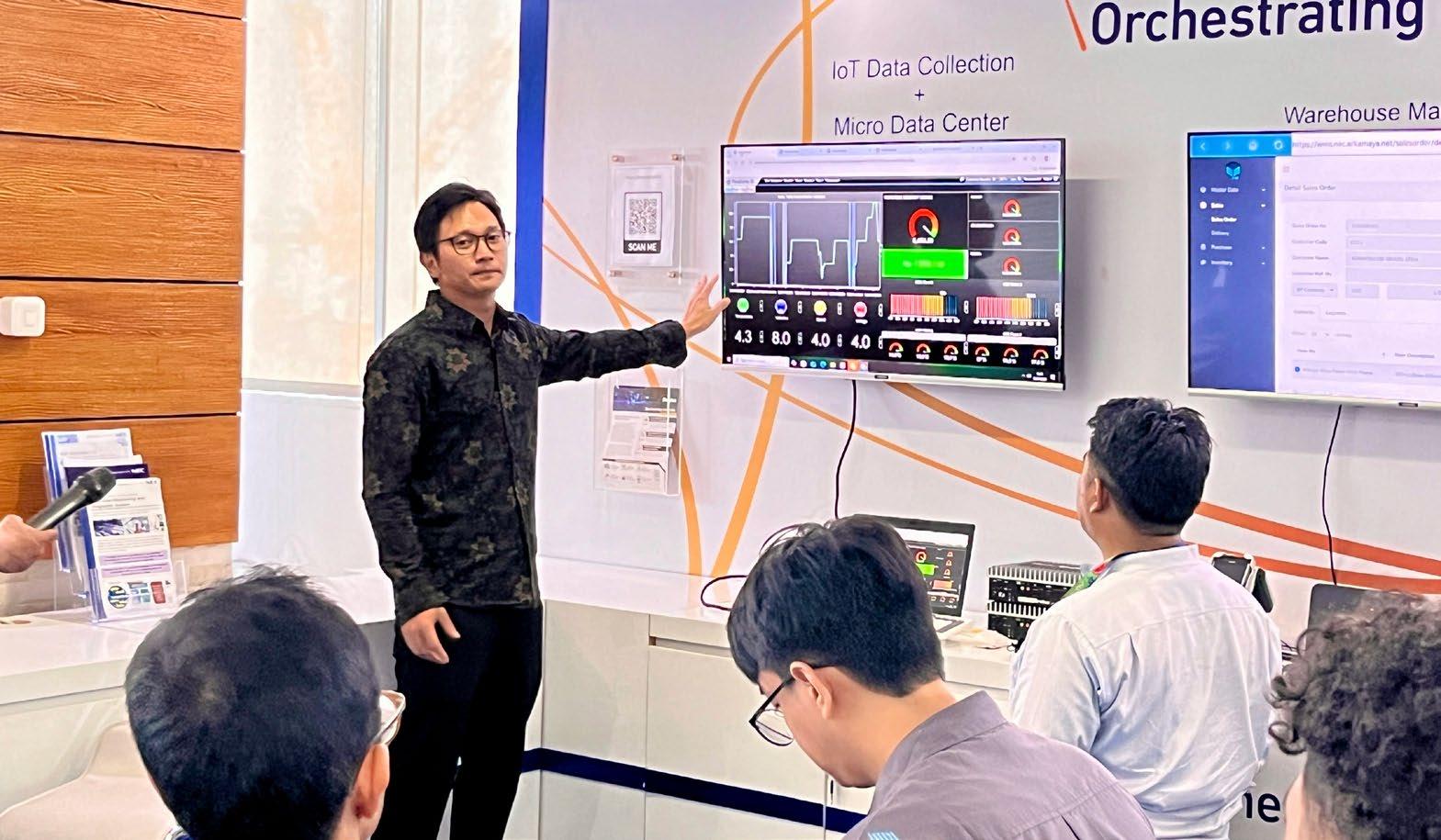
Local innovation is also part of the programme. PIDI has introduced the Industrial IoT SmartBox, a locally developed tool now used in mid-sized factories to monitor machines in real time.
The framework includes the Showcase Centre, Capability Centre, Delivery Centre, Artificial Intelligence and Engineering Centre, and a digital collaboration platform.
In the first quarter of 2025, manufacturing accounted for 17.5% of Indonesia’s non-oil and gas gross domestic product, employed about 20 million people, and generated $196.54b in exports.
The sector received $43b (IDR 697.5t) in investment and contributed 26% of national tax revenue.
“Transformation is only possible when human capital is ready and the technology is relevant,” Masrokhan said.
“Our mission at BPSDMI is to prepare the people who will lead that transformation—not just in large factories, but in every production line across Indonesia.”
To further support the transition towards Industry 4.0, PIDI 4.0 operates a central facility located in Permata Hijau, South Jakarta. The centre sits on a 12,957-square-metre site, with a total building area of approximately 17,600 square metres.
The eight-storey building houses data centres, command centres, laboratories, and 16 classrooms with a combined capacity of 480 students. It also features a co-working space and an exhibition hall that can accommodate around 200 visitors.
PIDI 4.0 partners may install machines or hardware in the Showcase Center, where they are displayed as model factories, test beds, laboratory equipment, or Industry 4.0 technology devices. Partners can also offer software development services and collaborate with PIDI through training programme packages that support Industry 4.0 transformation.
The country’s manufacturing sector received $43b in investment and contributed 26% of national tax revenue in 2025
Joji Yamamoto
SMARTER PATROL,
SAFER PERIMETER.
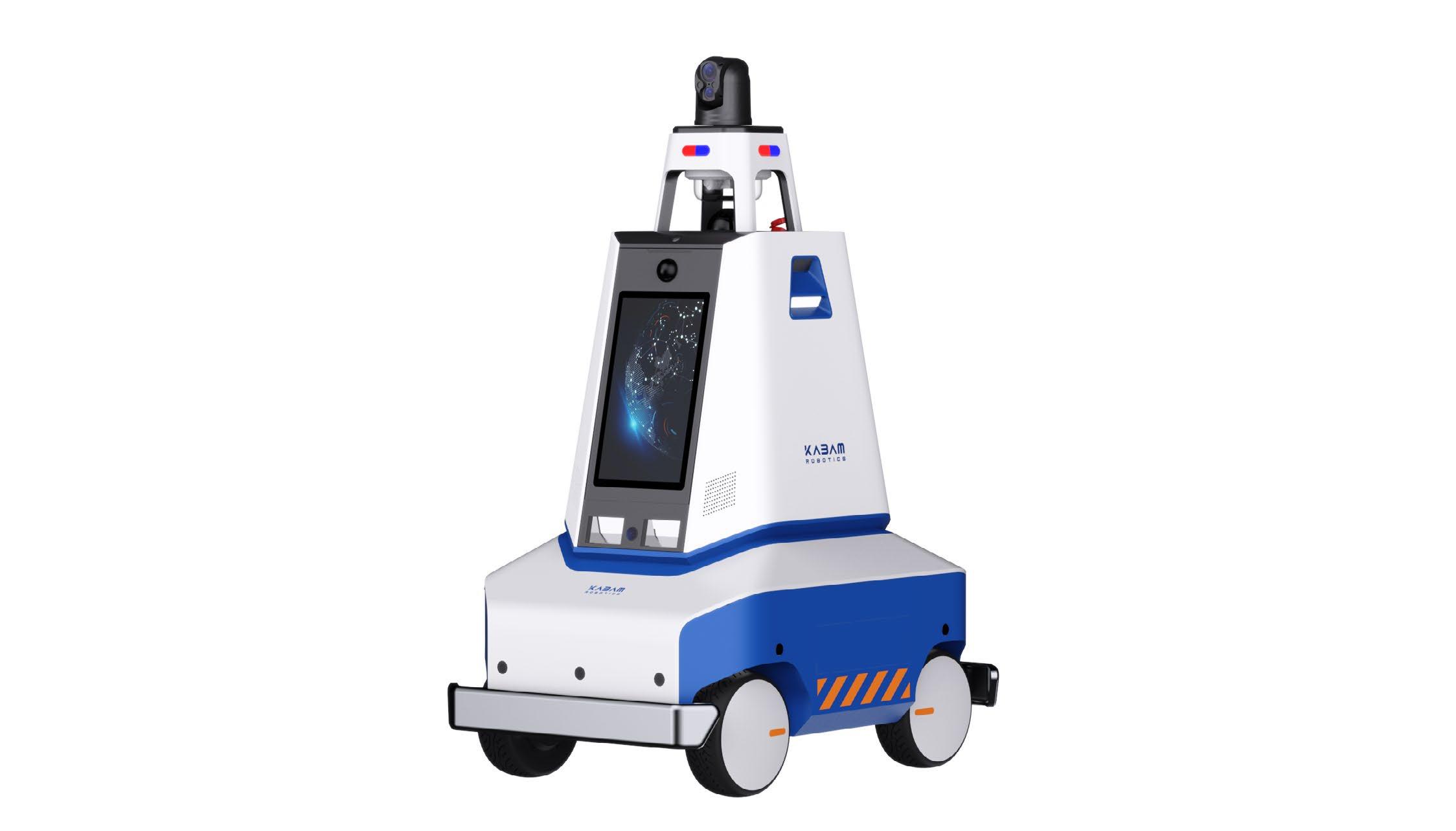
Introducing Matrix: The Next Evolution in Outdoor Security
Matrix is our most advanced outdoor security robot yet With enhanced autonomy, upgraded sensors, and next-gen AI, it delivers unmatched perimeter intelligence in any environment
Designed to thrive in rugged terrain and harsh conditions, it patrols proactively, detects threats in real time, and integrates seamlessly into your existing security infrastructure Whether you’re protecting critical assets or expanding your security reach, Matrix is always on guard smarter, stronger, and more resilient than ever.
SCAN TO VIEW OUR WEBSITE
MARKET REPORT: MALAYSIA
Malaysian manufacturers risk losing Industry 4.0 lead
Stronger connectivity, skills, and support are vital for nationwide adoption.
Manufacturing accounts for 17% of Malaysia’s national employment
Malaysia’s manufacturing sector is facing a decisive moment as global competition, rising environmental, social, and governance (ESG) expectations, and accelerating automation reshape production standards.
According to Ben Lim, regional director for sales at Epicor, the urgency for smart transformation is mounting as manufacturers risk losing their competitive edge without decisive action.
With ESG requirements influencing procurement decisions and investor confidence, and with the ambitions of New Industrial Master Plan (NIMP) 2030 signalling a shift towards Industry 4.0, he warned that companies unable to embrace technology will face growing vulnerability.
He noted that NIMP 2030 sets ambitious productivity and technology adoption targets, underscoring the government’s push toward nationwide digitalisation.
“Manufacturers that fail to embrace AI automation, digitalisations basically risk losing relevance in global or regional supply
Some companies still view smart manufacturing as a cost centre rather than an investment for future growth
change,” Lim said.
Labour shortages and rising costs are further accelerating the need for automation. Lim noted that digital tools now play a crucial role in maintaining productivity “without just solely relying on manual labour.”
He added that customers today are demanding greater agility, transparency, and resilience— capabilities that traditional systems are often unable to deliver.
Scaling isolated smart manufacturing pilots into nationwide adoption, however, demands strategic alignment.
“We need clear frameworks and roadmap so that Malaysian manufacturers or companies can really tap on it and be a basis for them to craft out their own smart manufacturing roadmap,” he said.
He stressed that scaling requires coordination across manufacturers, government agencies, industry associations, and technology providers to prevent pilot projects from remaining siloed proof-ofconcepts. Currently, around 500 smart manufacturers are already on board, but the national target under NIMP stands at 3,000, highlighting
the scale of adoption still required. Skills development remains essential. “Smart manufacturing depends on data analytics, IoT and automations. These are skills that many traditional manufacturers lack honestly,” Lim said.
The regional director called for nationwide training programmes and partnerships with universities to build a future-ready workforce equipped with hands-on experience.
He pointed to university partnerships and ERP training initiatives as examples of how industry-academic collaboration can help create graduates with practical exposure to smart manufacturing systems.
Ultimately, leadership mindset is the biggest determinant.
“Some companies still view smart manufacturing as a cost center rather than an investment for future growth,” he said, adding that demonstrating return on investment is key to shifting this perception.
Impeding progress
Still, infrastructure and workforce gaps remain significant barriers. Industrial parks in secondary cities often lack robust connectivity.
He explained that reliable connectivity is mandatory for IoT platforms, automation systems, and cloud-based deployments to function effectively.
“Connectivity is needed for real time data exchange,” Lim said, noting that manufacturers must invest out of pocket to upgrade.
Fragmented and outdated systems further impede progress, with many firms relying on manual processes and spreadsheets that make integration “clearly impossible.” Cybersecurity is also underprioritised.
Lim observed that cybersecurity investment is often not treated as a top priority despite rapidly evolving digital threats, even as manufacturers increase reliance on connected systems.
But the most pressing challenge, he emphasised, is the widening skills mismatch.
With manufacturing accounting for 17% of national employment, the talent gap is restricting innovation and competitiveness.
Ben Lim
Eliminating artificial workflow barriers inherited through decades of WMS expansion and shedding systemic limitations to unlock radical advancements in productivity in the DC. No Limits.
EVENT: MANUFACTURING ASIA AWARDS
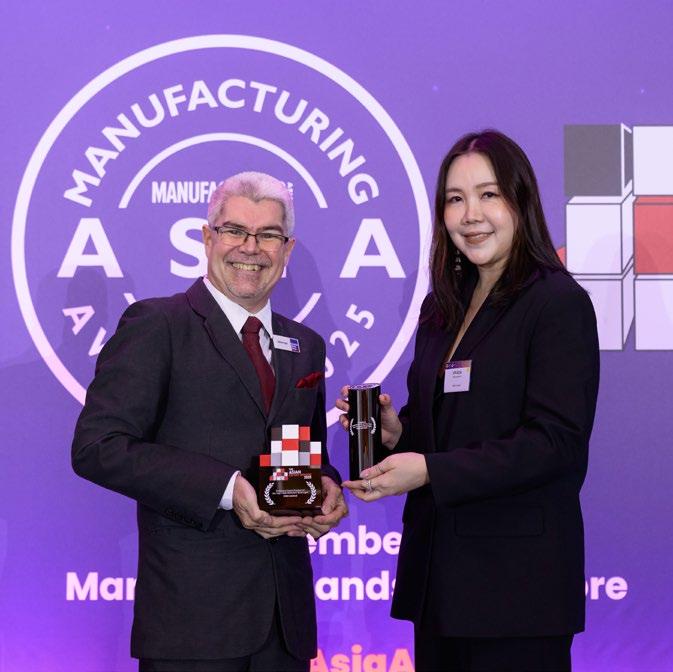
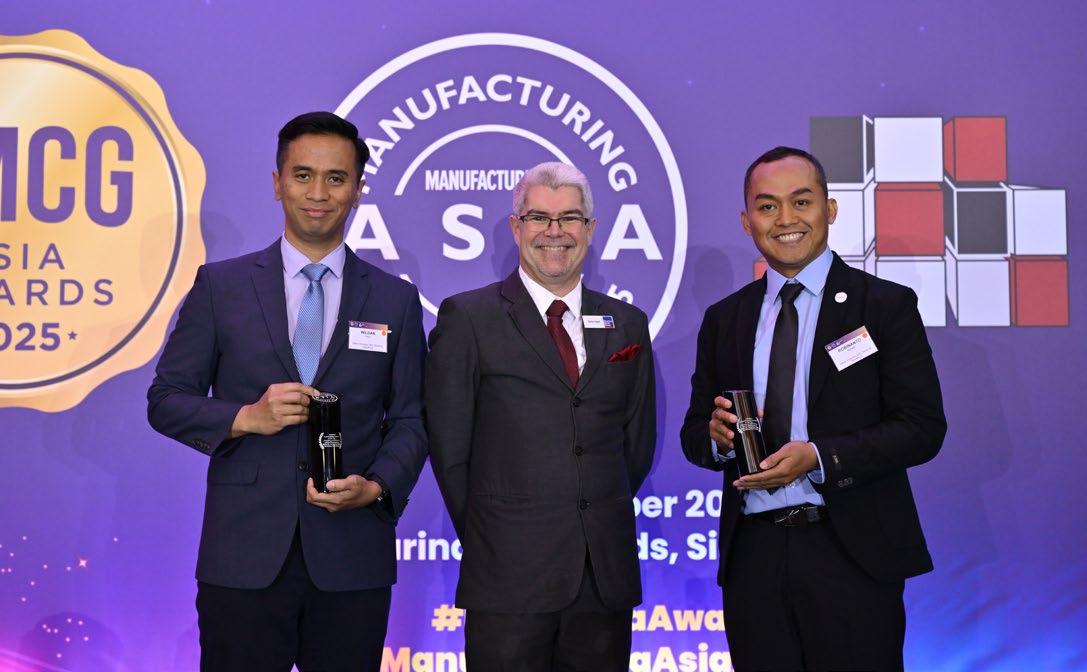
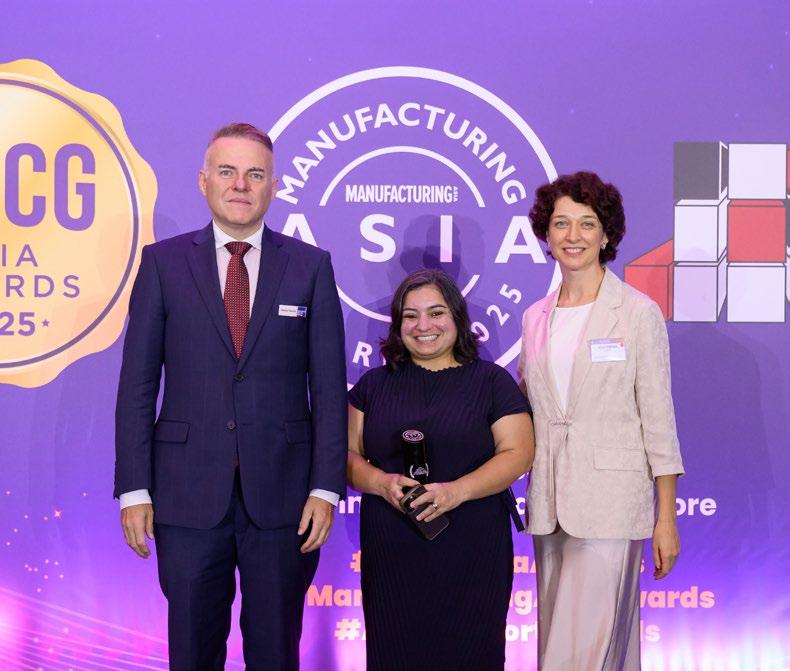
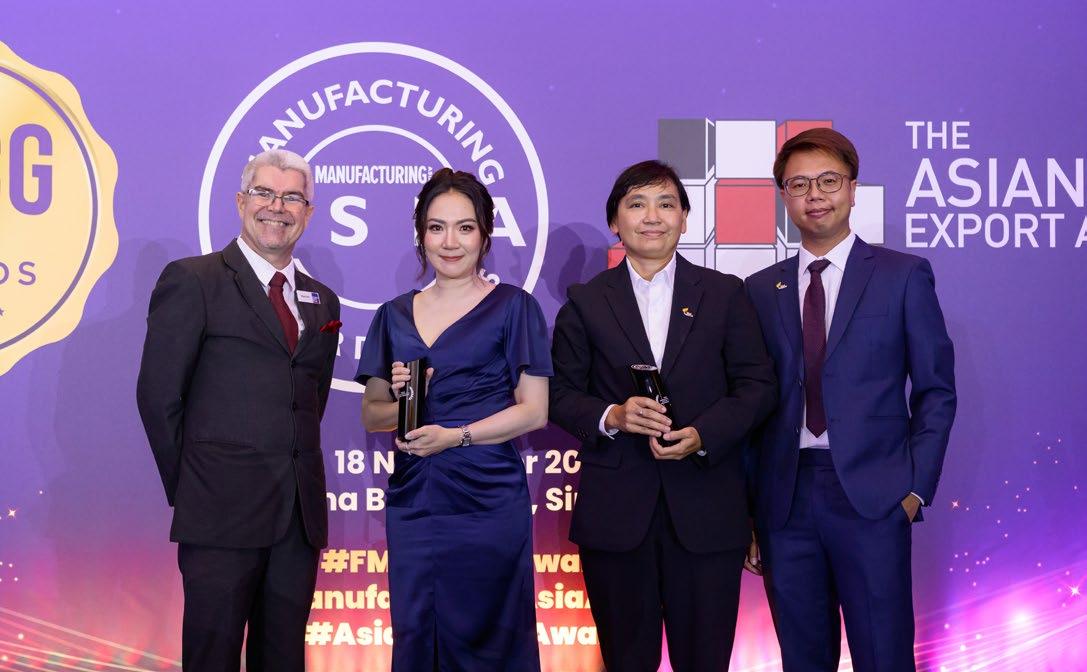
Manufacturing Asia Awards 2025 recognises industrial leaders and export champions
Asia’s manufacturing sector continues to drive global progress, led by visionary companies redefining innovation, productivity, sustainability and export performance, and steering the region towards a smarter, more resilient future.
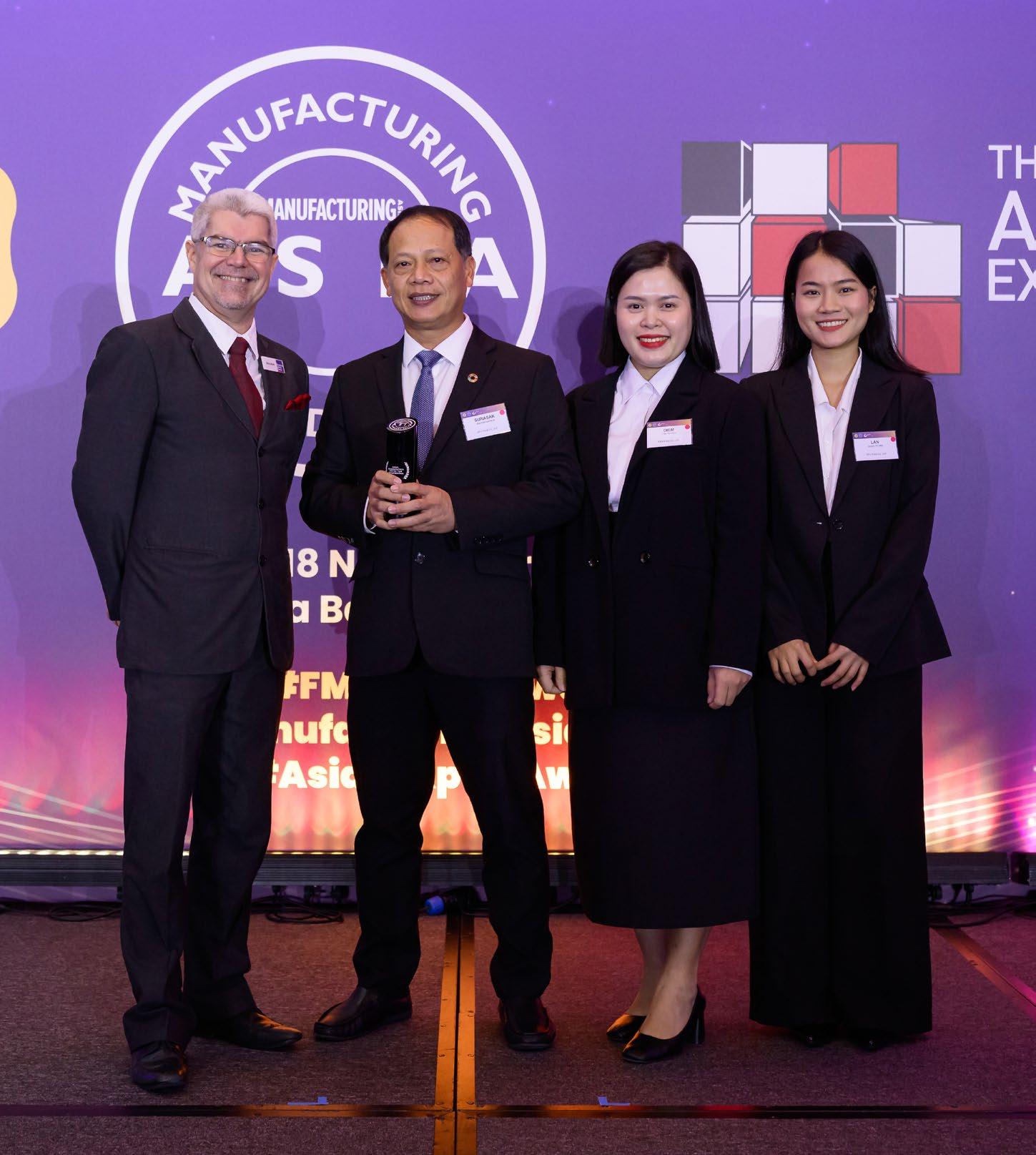
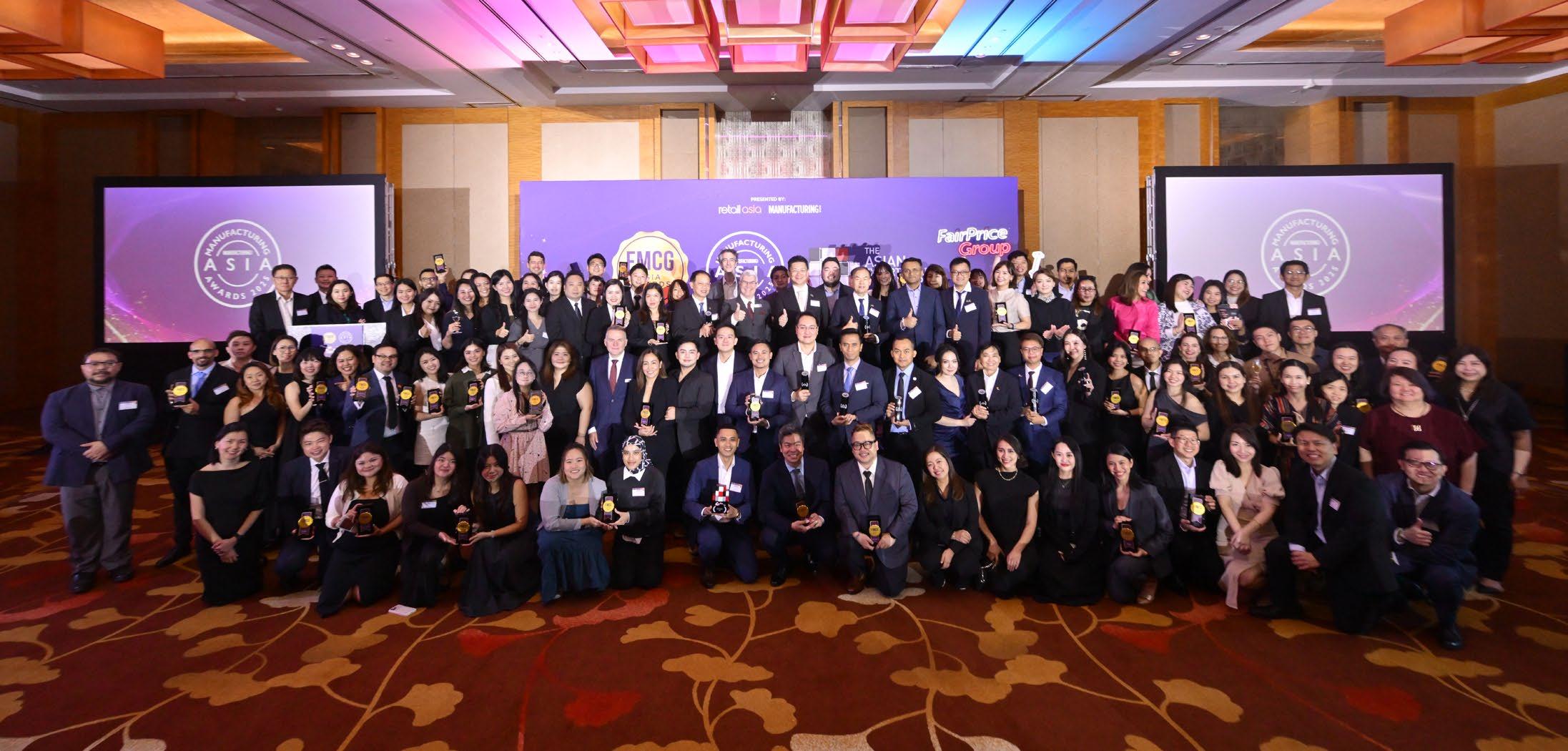
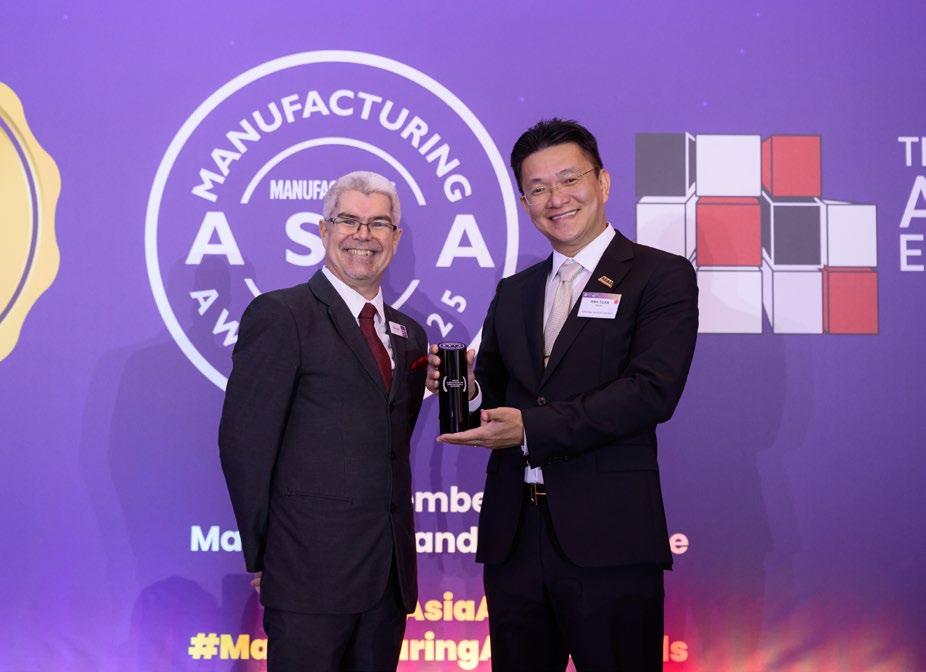
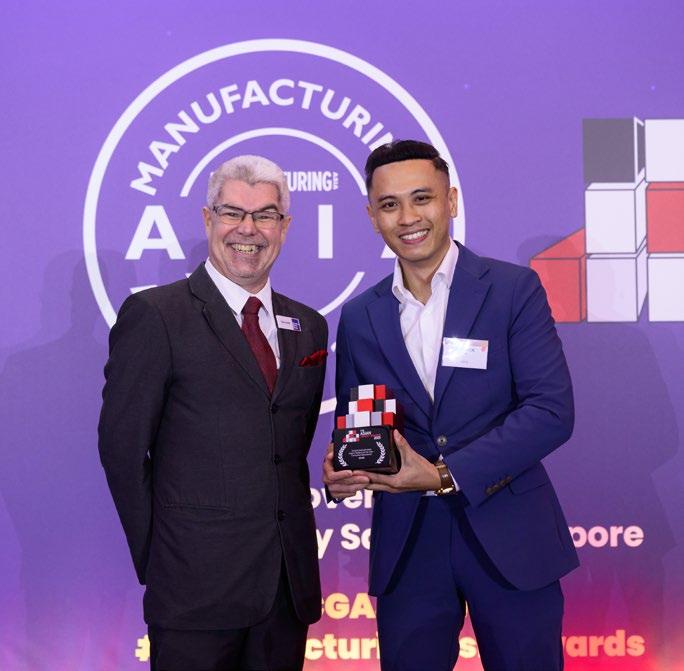
In recognition of these remarkable achievements, the Manufacturing Asia Awards 2025 honoured the region’s leading industrial sector figures for their outstanding contributions to innovation, efficiency, sustainability and export growth.
The ceremony, held on 18 November 2025 at Marina Bay Sands Expo and Convention Centre, Singapore, brought together top
MANUFACTURINGASIAAWARDS 2025 WINNERS
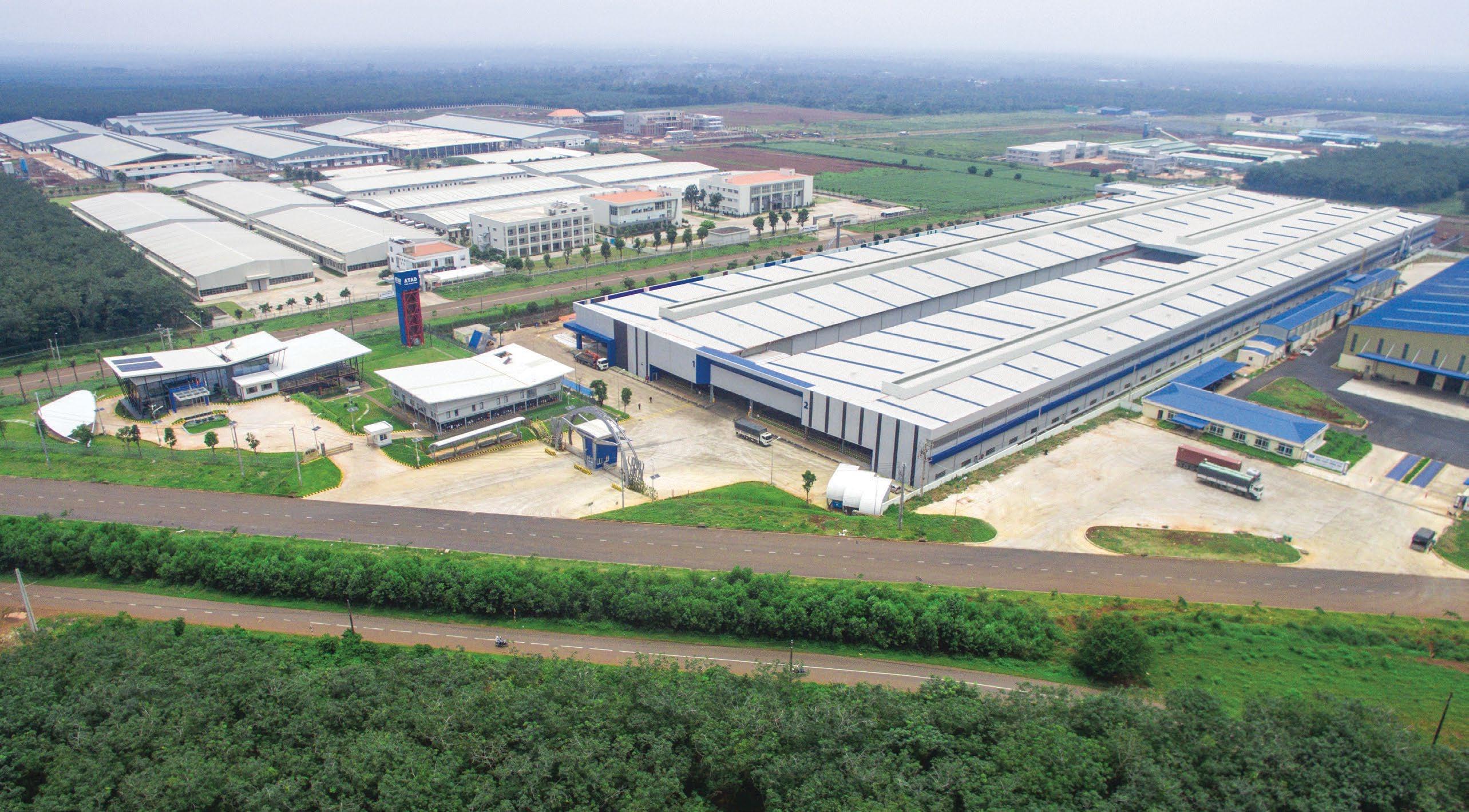
ATAD Steel Structure Corporation
• Vietnam Excellence Award - Steel
CPV Food Binh Phuoc | C.P. Vietnam Corporation
• Vietnam Manufacturing Facility of the Year - Food
IFBH Limited
• Singapore Brand Initiative of the Year - Non-Alcoholic Beverages
PepsiCo Foods (China) Co., Ltd. Beijing Factory
• China ESG Initiative of the Year - Food
Pertamina Lubricants
• Indonesia Circular Economy Initiative of the Year - Chemicals
• Indonesia Product Design of the Year - Chemicals
Safran Cabin Lamphun
• Thailand Lean Manufacturing Initiative of the Year - Aerospace and Defense
manufacturing leaders to celebrate organisations and individuals setting new benchmarks across key industrial sectors.
The awards recognised those advancing operational excellence, pioneering sustainable practices, and strengthening competitiveness and export performance across Asia’s industrial landscape.
The esteemed judging panel, whose expertise was instrumental in selecting the winners, included Atul Chandna, EY Asean Supply Chain & Digital Innovation Leader, EY, and Richard Loi, Audit & Assurance Partner, Deloitte Singapore.
Congratulations to all the winners!
Safran Electronics & Defense, Actuation GBU, Bandung Operations
• Indonesia Sustainability Initiative of the Year - Aerospace and Defense
• Indonesia Manufacturing Innovation of the Year - Aerospace and Defense
Thai Union Ingredients
• Thailand Quality Control Initiative of the Year - Food
• Thailand Excellence Award - Food
WIPRO MANUFACTURING SERVICES SDN BHD
• Malaysia ESG Initiative of the Year - Personal Care
台灣雀巢股份有限公司 (Nestlé Taiwan Co., Ltd.)
• Taiwan ESG Initiative of the Year - Food
ASIAN EXPORTAWARDS 2025WINNERS
EZVIZ
• United Arab Emirates Export Product of the Year - Consumer Electronics
IFBH Limited
• Singapore Export Product of the Year - Non-Alcoholic Beverages
ATAD Steel Structure Corporation
EZVIZ
CPV Food Binh Phuoc | C.P. Vietnam Corporation
IFBH Limited
PepsiCo Foods (China) Co., Ltd. Beijing Factory
Safran Electronics & Defense, Actuation GBU, Bandung Operations
Thai Union Ingredients
Safran Cabin Lamphun
C.P. Vietnam Corporation wins at Manufacturing Asia Awards 2025 for food facility
The company’s Binh Phuoc plant sets a benchmark in sustainable food processing and global export growth.
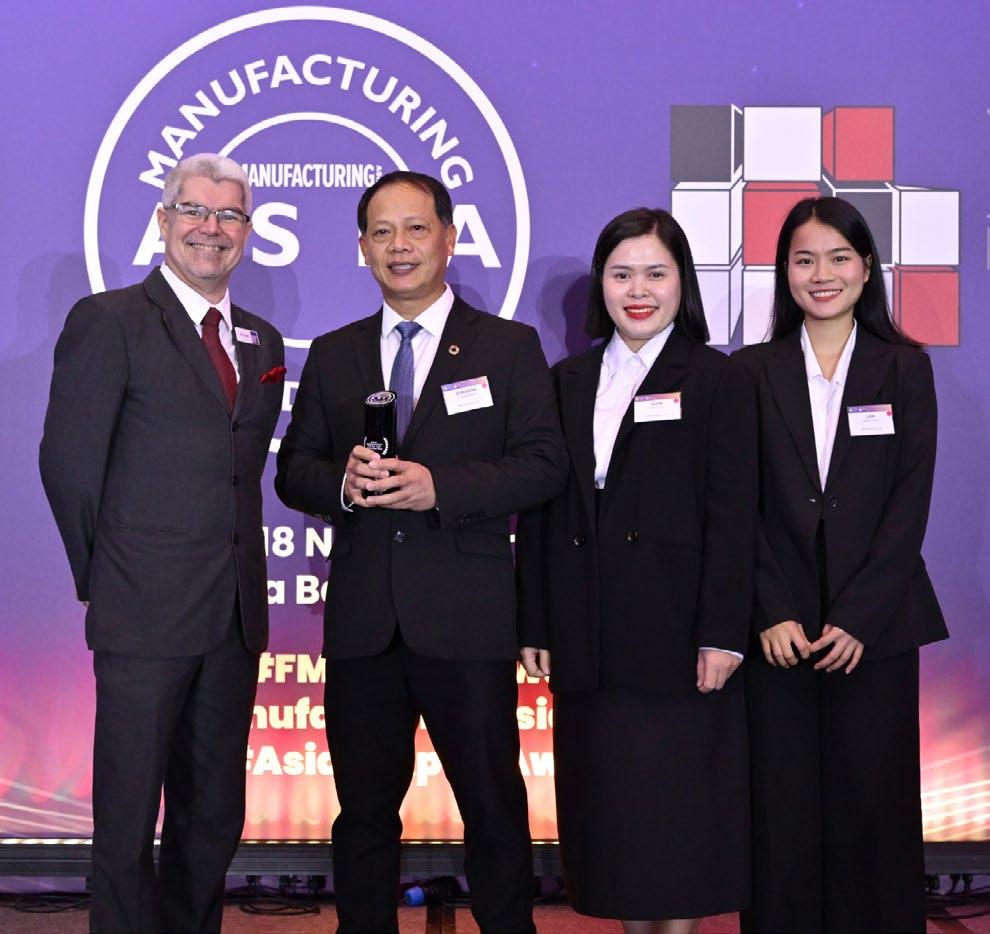
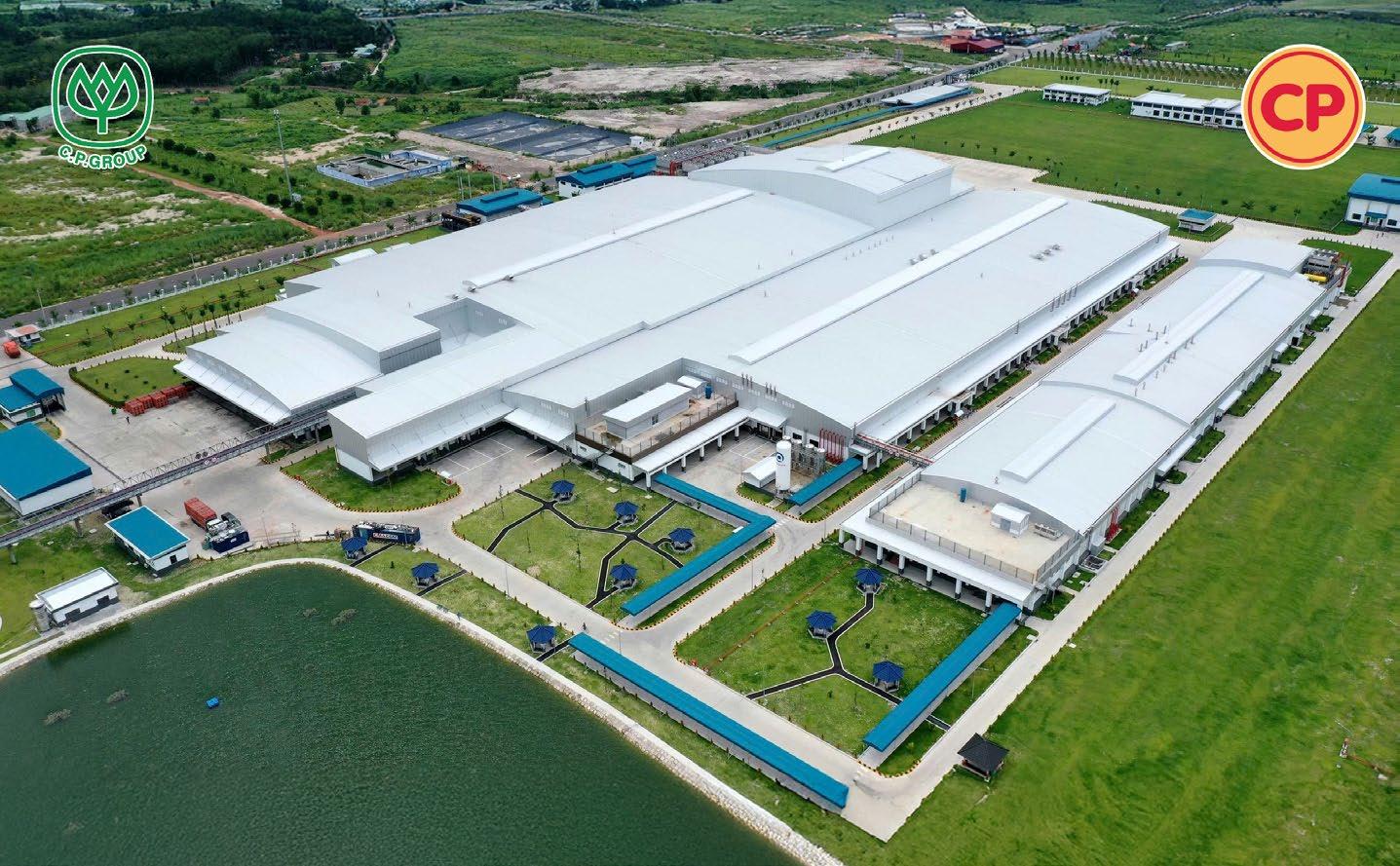
C.P. Vietnam Corporation won Vietnam Manufacturing Facility of the Year - Food in the Manufacturing Asia Awards 2025 for its CPV Food Binh Phuoc Processing Plant. The recognition highlights the company’s commitment to operational excellence, technological advancement, and sustainable practices in Vietnam’s food industry. The CPV Food Binh Phuoc Plant is a key component of C.P. Vietnam Corporation’s integrated Feed-Farm-Food poultry supply chain.
Consistent quality and compliance
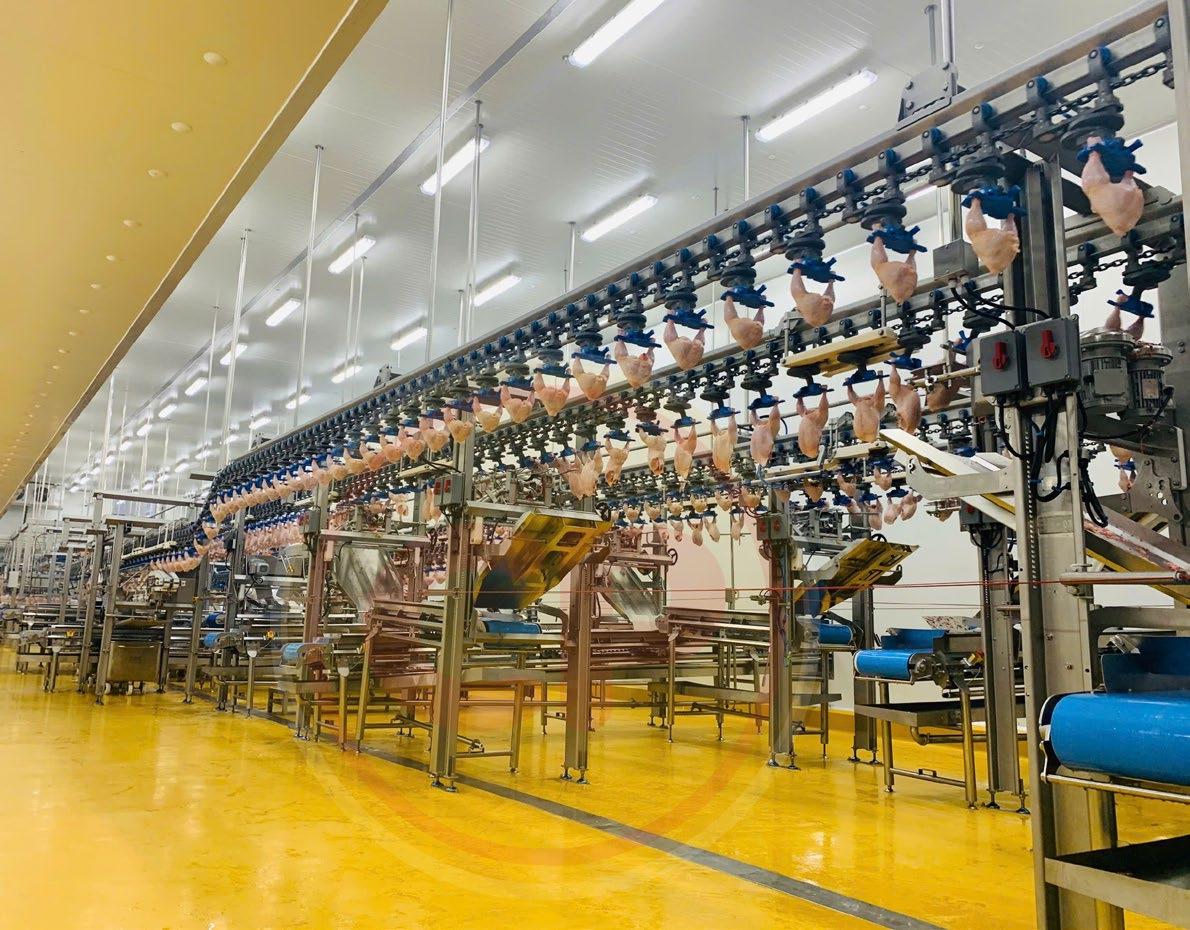
Equipped with fully automated slaughtering and processing lines using technology from Europe and Japan, the facility processes up to one million chickens per week, supplying both domestic and export markets. Every stage of production, from slaughtering and deboning to packaging and cold storage, is closely monitored to ensure consistent quality and compliance with international standards.
CPV Food Binh Phuoc Plant’s output is certified by HACCP, GMP, ISO 22000, FSSC 22000, BRCGS, and Halal, enabling exports to markets including Japan, Southeast Asia, and the Middle East. By October 2025, the facility was projected to have shipped 10,000 tonnes of processed poultry to Japan alone.
Circular economy model
Through a circular economy model,
byproducts such as feathers, blood, and organs are sterilised and converted into animal feed, organic fertilisers, and renewable energy. The plant reuses over 6,000 tonnes of byproducts annually. Advanced wastewater treatment systems meet Category A standards under QCVN 40/2011-BTNMT, alongside energy-saving initiatives that cut
thousands of tonnes of CO2 each year. Beyond production, CPV Food Binh Phuoc contributes to the community by providing stable employment for thousands of local workers, including the addition of 2,000 jobs in May 2025, and by strengthening linkages in the agricultural value chain to support farmers in improving income and technical skills.
The facility processes up to one million chickens per week, supplying both domestic and export markets
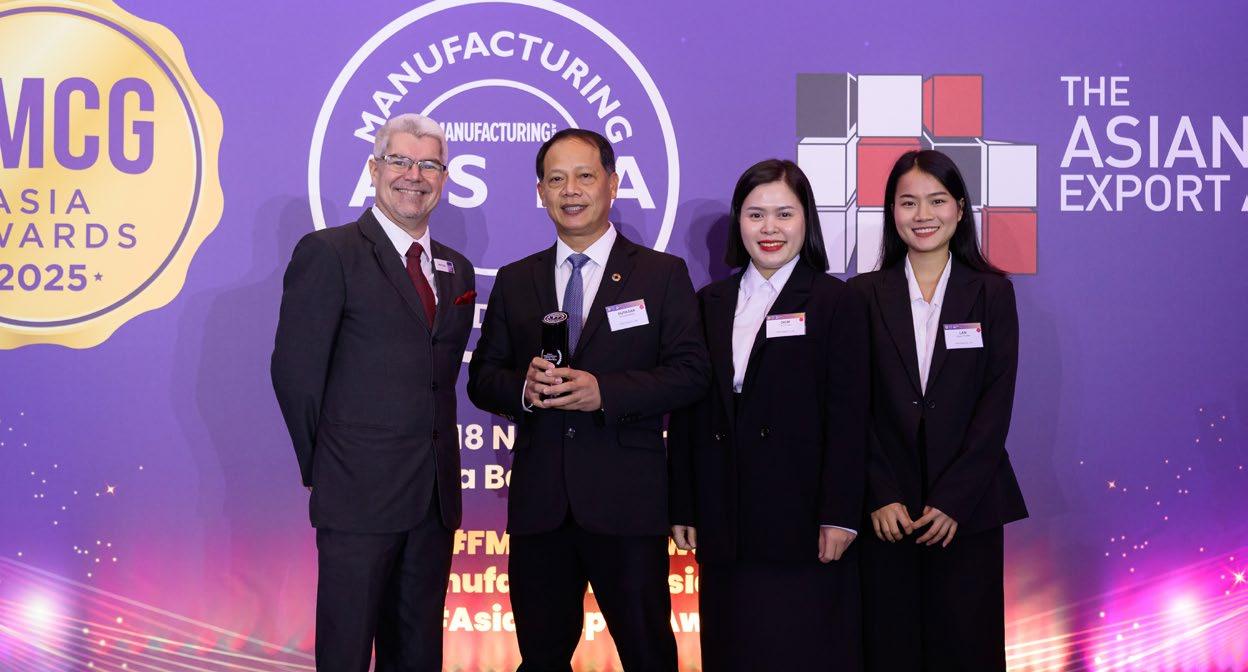
CPV Food Binh Phuoc at the Manufacturing Asia Awards 2025
CPV Food Binh Phuoc food facility
CPV Food Binh Phuoc Processing Plant
World’s Only Marine-Tuna Collagen Peptides
100% derived from tuna fish skin
From sustainable sourced wild-caught tuna
Seamless end-to-end supply chain
Full traceability and process transparency
Suitable for many applications: Nutraceuticals, F&B, Skincare & Cosmetics, Pet Care
EZVIZ wins at Asian Export Awards 2025 for smart lock innovation
The DL50FVS exemplifies self-reliant smart manufacturing and advanced home security innovation.
EZVIZ was awarded United Arab Emirates Export Product of the Year - Consumer Electronics in the Asian Export Awards 2025 for its DL50FVS Face Recognition Smart Lock.
The EZVIZ DL50FVS represents a fully self-developed and vertically integrated innovation in smart lock technology, realised through the company’s proprietary supply chain and advanced in-house production lines. Developed with a deep understanding of user needs, the product combines AI-powered facial recognition, multiple unlocking methods, and visual intelligence to deliver convenience, security, and reliability for modern homes.
Unlike competitors that rely on thirdparty suppliers for key components, EZVIZ controls the entire production
process, from AI algorithm development to industrial design, lock body engineering, and quality control. This vertical integration ensures uncompromising quality, fast product iteration, and compliance with international certification standards, making the DL50FVS a truly
export-ready solution.
The lock’s proprietary AI-powered facial recognition, developed entirely in-house, integrates advanced imaging sensing, infrared illumination, and liveness detection to deliver accurate and touchless unlocking under any lighting condition. With a response time of under 1.5 seconds, it provides a secure and accessible experience for all users, including seniors and children.
Drawing on EZVIZ’s expertise in visual technologies, the DL50FVS extends beyond traditional access control by introducing one of Asia’s most mature video lock concepts. Through real-time monitoring, two-way communication, and remote unlocking via the EZVIZ app, users can enhance front door security with ease and confidence.
DL50FVS extends beyond traditional access control by introducing one of Asia’s most mature video lock concepts
How to lead in APAC’s building products and construction materials sector
The building products and construction materials sector in Asia Pacific stands at a pivotal crossroads.
With the market expected to grow from $32.57b in 2025 to $48.52b by 2030, rapid infrastructure development and rising investment are fuelling transformation.
But with this growth comes disruption – from technological innovation and geopolitical uncertainty to shifting workforce expectations. To remain competitive, companies must embrace a new leadership model, one that prioritises adaptability, diversity of thought, and the ability to drive change in complex environments.
Rethinking leadership in a shifting environment
The sector is grappling with increased production and raw material costs, accelerated digitalisation, and a persistent talent shortage across all levels. Whilst digital technologies, from artificial intelligence (AI) and automation to robotics and real-time tracking, offer promise, adoption is often hindered by high upfront costs and a conservative mindset.
Many companies within the industry still prioritise short-term gains over long-term transformation, and leadership pipelines often reflect this same cautious approach. Moreover, successful tech implementation is less about technical expertise alone, and more about organisational readiness – a cultural willingness to embrace change, foster innovation, and adapt strategically.
Nowadays, the challenge for current and future leaders is two-fold: they must not only understand and navigate these technological shifts but also build organisations capable of continuous learning and adoption. This demands a fundamentally different skillset than what was once traditionally valued in the industry’s leadership pipeline.
In parallel, the shifting geopolitical landscape is creating both disruption and opportunity. Trade tensions, regulatory hurdles, and supply chain vulnerabilities have prompted many companies to pivot towards decentralised production strategies and diversifying regional partnerships.
Many organisations are looking towards Asia as the primary trading and growth region, working with China and India as alternative options, and expanding into Southeast Asia to capitalise on large labour pools, favourable costs and government incentives.
Whilst this helps hedge against geopolitical tensions and regulatory barriers in the West, success in this environment demands globally minded leaders with the agility to respond quickly, manage complexity, and lead across diverse cultures and markets.
Yet, despite these sweeping changes, leadership models have largely stayed the same. A look into current CEO demographics based on S&P publicly-listed companies reveal a preference for internal appointments, often chosen to preserve culture and minimise disruption.
Coupled with an underrepresentation of females and 90% of appointments coming from internal promotions, companies risk perpetuating sameness at the top.
In a sector that urgently needs new ideas, perspectives, and capabilities, this continuity can stifle innovation.
LUKE ROBBINS Consultant
Heidrick & Struggles
Against this backdrop, leaders in the building products and construction materials sector must evolve to drive growth over the next two to three years. Here are five key areas for change:
Embrace adaptability as a core capability
Change is the only constant. For the building products and construction materials sector, leaders must learn to manage multiple transformations simultaneously, pivoting quickly whilst maintaining strategic clarity. This means developing a mindset that sees change as opportunity and building teams capable of flexing with evolving demands.
Lead through influence, not authority
In today’s environment, leadership is increasingly about setting the tone, shaping culture, and driving engagement.
Effective leaders lead by example – demonstrating the behaviours and values they want to see across the organisation. They prioritise collaboration, connection, and inspiration, especially when working with cross-functional and diverse teams.
These capabilities are essential for bringing together and influencing a diverse mix of people with the skills and mindsets needed to succeed.
Expand and diversify the leadership pipeline
Future-ready organisations will look beyond the traditional talent pool.
As APAC companies expand their footprint beyond the region, they are starting to look for ways to build more diverse leadership teams and boards. This includes sourcing leaders from other industries, geographies, and functions who bring fresh perspectives. Diversity in experience and background is not just a social imperative; it’s a competitive one.
Companies with broader representation at the top are better equipped to innovate and problem-solve.
Invest
in succession and internal mobility
Whilst expanding the leadership pipeline externally is essential for diversifying perspectives, companies must also nurture talent from within. High-potential individuals need structured development plans that rotate them across business units, functions, and geographies.
This builds the kind of holistic, enterprise-level thinking that’s essential for leadership today – and helps sustain cultural consistency and continuity in a time of change.
Balance innovation with a long-term vision
The sector sits at the intersection of immediate market demands and long-term infrastructure commitments.
Strategic leaders must invest in emerging technologies and new business models, whilst keeping their eyes on the horizon.
Leaders who can strike this balance, all the whilst championing sustainability, stakeholder impact, and operational resilience will be best positioned to lead their organisations through complexity.
OPINION
Unlocking the next phase of growth in Asia’s manufacturing sector
As cost pressures rise and supply chains remain unpredictable, more manufacturers in Asia are adopting circular business models. By designing products for reuse, extending asset lifecycles, and optimising material flows, circularity is helping businesses build resilience while cutting waste and emissions.
The result? Lower costs, stronger supply chains, and a differentiated position in a sustainability-conscious market.
The shift from a linear “take-make-waste” model to a circular one isn’t just good for the planet – it’s increasingly vital for competitiveness. Circular approaches unlock operational efficiency, open new revenue streams such as repair or refurbishment, and help meet tightening environmental regulations across key markets like the European Union, Japan, and South Korea.
Leading firms are already moving. Woolworths is decarbonising logistics in Australia. Tata Power is embedding circularity in India’s energy ecosystem. Japanese and South Korean manufacturers are redesigning operations around durability and reuse.
Their actions reflect a broader industry shift: according to Gartner, nearly 70% of CEOs now view sustainability as a driver of growth. Already, two-thirds of Fortune Global 500 companies have made substantial commitments to addressing climate impacts across their total value chains.
But ambition alone won’t deliver results. To achieve real, lasting sustainability, organisations must move beyond carbon targets and address the full material footprint of their operations.
That means embedding circularity – not just reducing emissions, but rethinking how materials are sourced, used, and recirculated.
Yet, global progress is heading in the wrong direction: global circularity has declined from 9.1% in 2018 to 7.2% in 2023, even as consumption soars.
In the past five years alone, humanity used over 500 gigatonnes of materials – more than a quarter (28%) of everything consumed since 1900. For manufacturers, this signals both a risk and an opportunity: reimagining value chains through circularity is no longer optional – it’s a strategic imperative. If circularity is the true test of sustainable progress, it’s time for bold action. Every business has a crucial role to play.
Challenging the status quo of consumption and waste
Circularity is an economic model that aims to eliminate waste, preserve resources, and reuse materials. A stark contrast to the linear ‘take-make-waste’ model that most current economies are built upon. Take the life of a bottle of water for example: oil is drilled from the earth and refined into polyethylene terephthalate – take. Then this is moulded into bottles that are filled with water – make.
Finally, they are consumed once and then discarded – waste. Just 12% of the world’s plastic bottles are recycled, and meanwhile, the 88% of remaining bottles are tossed into landfill, where they can take up to 450 years to decompose.
This unsustainable pattern of consumption significantly contributes
FRÉDÉRIC GODEMEL Executive Vice President, Energy Management, Schneider Electric
to greenhouse gas emissions and biodiversity loss. Transitioning to a circular economy could drastically reduce the materials we use by 70%, creating better resource utilisation. So, how exactly can a business become more circular?
Here are three practical strategies companies can adopt to turn circularity into a source of value, resilience, and leadership.
Designing with purpose – for longevity and performance
At the heart of any successful circularity model is eco-design –ensuring that products are developed for durability, reuse, and minimal waste. Building on this foundation, businesses must evolve from a traditional and transactional sales approach to an ‘as-aservice’ model. To support this shift, companies should consider supplementing sales with rental, repair, and support services. This simultaneously extends product lifecycles, reduces waste, and creates new growth opportunities. By offering second-hand tech and trade-in programmes, companies can meet the demand for affordable, eco-friendly options. This model reduces waste, boosts customer loyalty, and drives long-term profits.
Responsible sourcing and smart operations
The first principle organisations should consider when building their circularity framework is use better. This calls for the responsible sourcing of materials to optimise manufacturing and minimise waste. For instance, sourcing best-in-class materials ensures reduced environmental and social impact throughout the supply chain.
Smart manufacturing is also key. Facilities that incorporate machine learning-enabled prototyping, smart planning, and generative AI-enhanced maintenance can significantly boost productivity while reducing resource consumption.
Beyond manufacturing, circularity demands companies to address sustainability across their entire value chains. Sustainable supply chain programmes have already been launched in various sectors, such as global healthcare, the semiconductor industry, as well as mining, materials, and minerals.
These programmes help companies responsibly source materials, reduce emissions, and eliminate waste at every link.
Maximising product lifespans – use longer, use again
The second principle is to extend the lifespan of products and use longer. Businesses must anticipate the need for equipment by opting for condition-based repair, digitally enabled maintenance, and equipment modernisation. Reparability and circularity services are pivotal in extending asset lifespans.
Finally, the third principle is to use again. Remanufacturing and reselling equipment and assets that have reached the end of their initial use – instead of discarding them – reduces waste and emissions while conserving resources.
This concept encourages businesses to recirculate products, parts, and materials within the economy.