Charlotte Magazine is owned and published by Charlotte Travel 2603-04, Hong Kong Plaza 188 Connaught Road West, Sai Wan, Hong Kong 由樂悠遊擁有及出版
charlottetravel.com.hk
Charlotte Magazine is produced by Creatus Ltd 由 Creatus 編輯發行
reserved: Copyright and distribution rights are reserved exclusively by Charlotte Travel, its partners, associates and affiliates. All materials published remain the property of Charlotte Travel. No part of this publication may be reproduced without prior written permission. All information contained in this publication is from a reliable source. Charlotte Travel does not make any guarantees as to the accuracy of the information contained.
讓藝術品跟著你一起旅行
From CEO
CEO的話
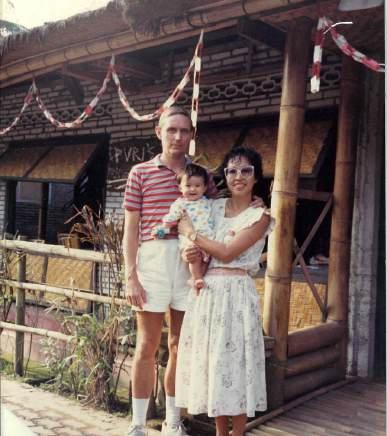
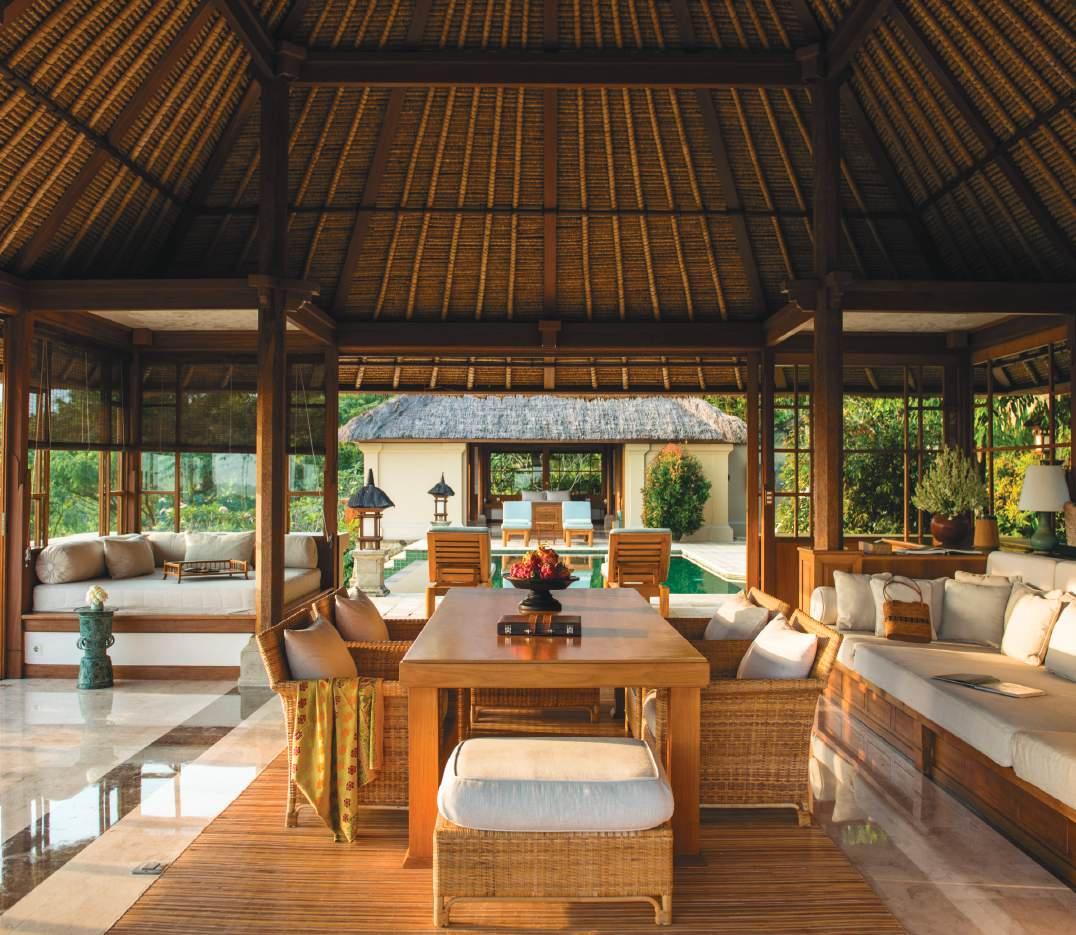
My first hotel inspection happened when I was three months old –though I can hardly claim to remember the experience. My mother, ever the intrepid traveller and travel professional, was driving through Bali with my father and me when we passed a construction site. Something about the emerging structure caught her expert eye. "Stop the car," she told our driver. "This looks like it's going to be one of the most luxurious hotels in the world."
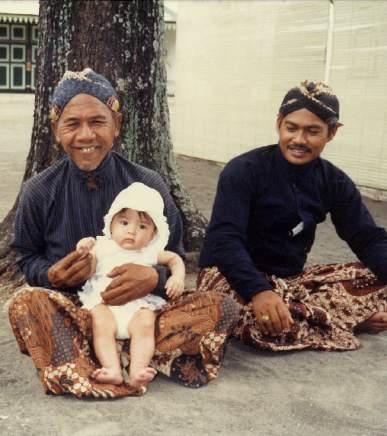
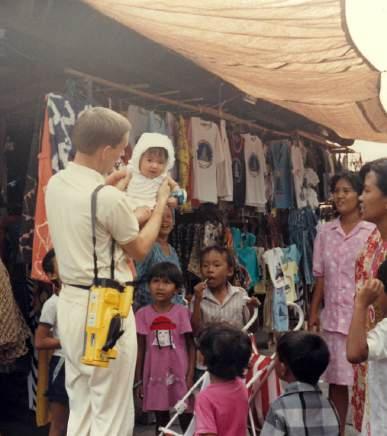
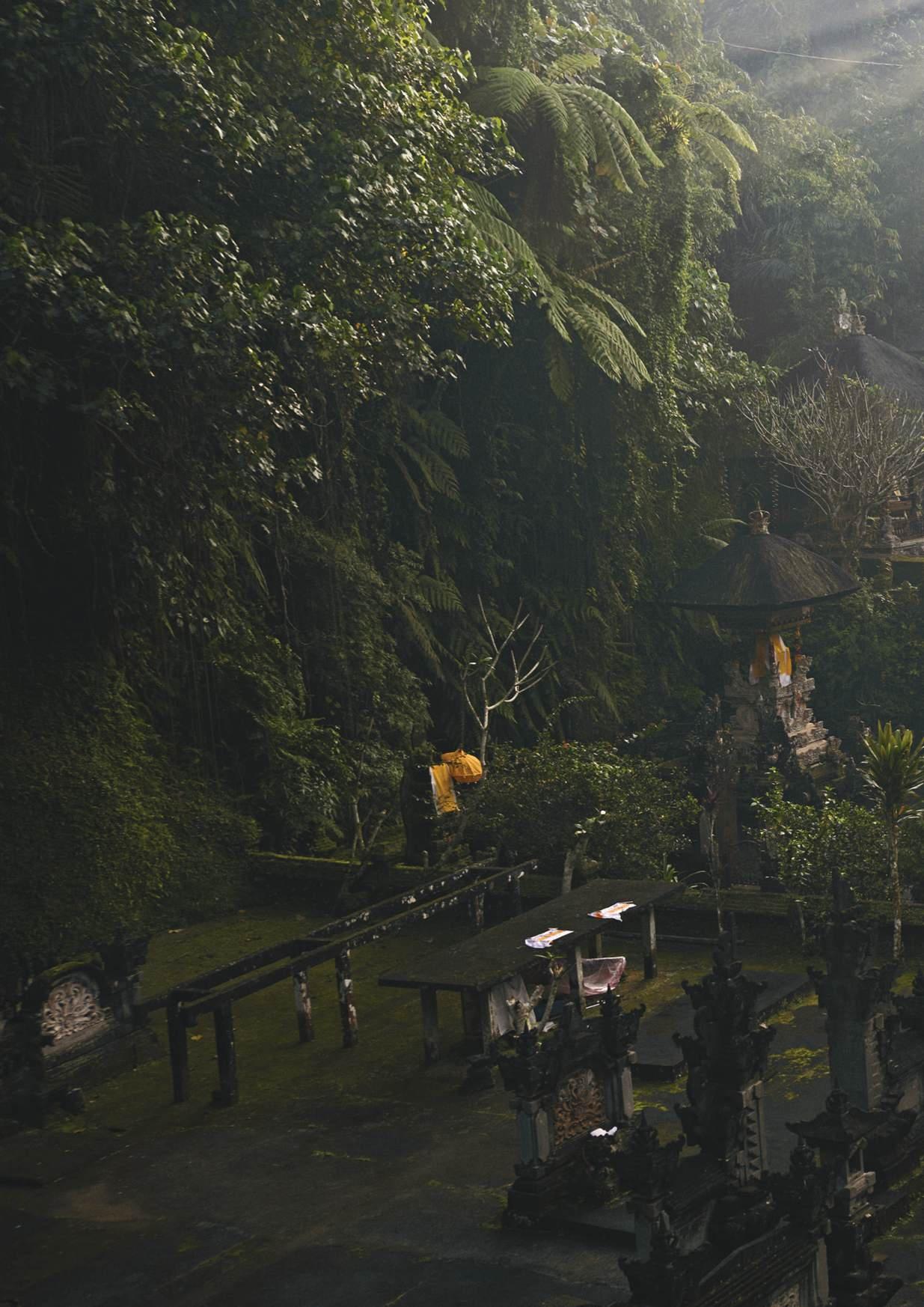
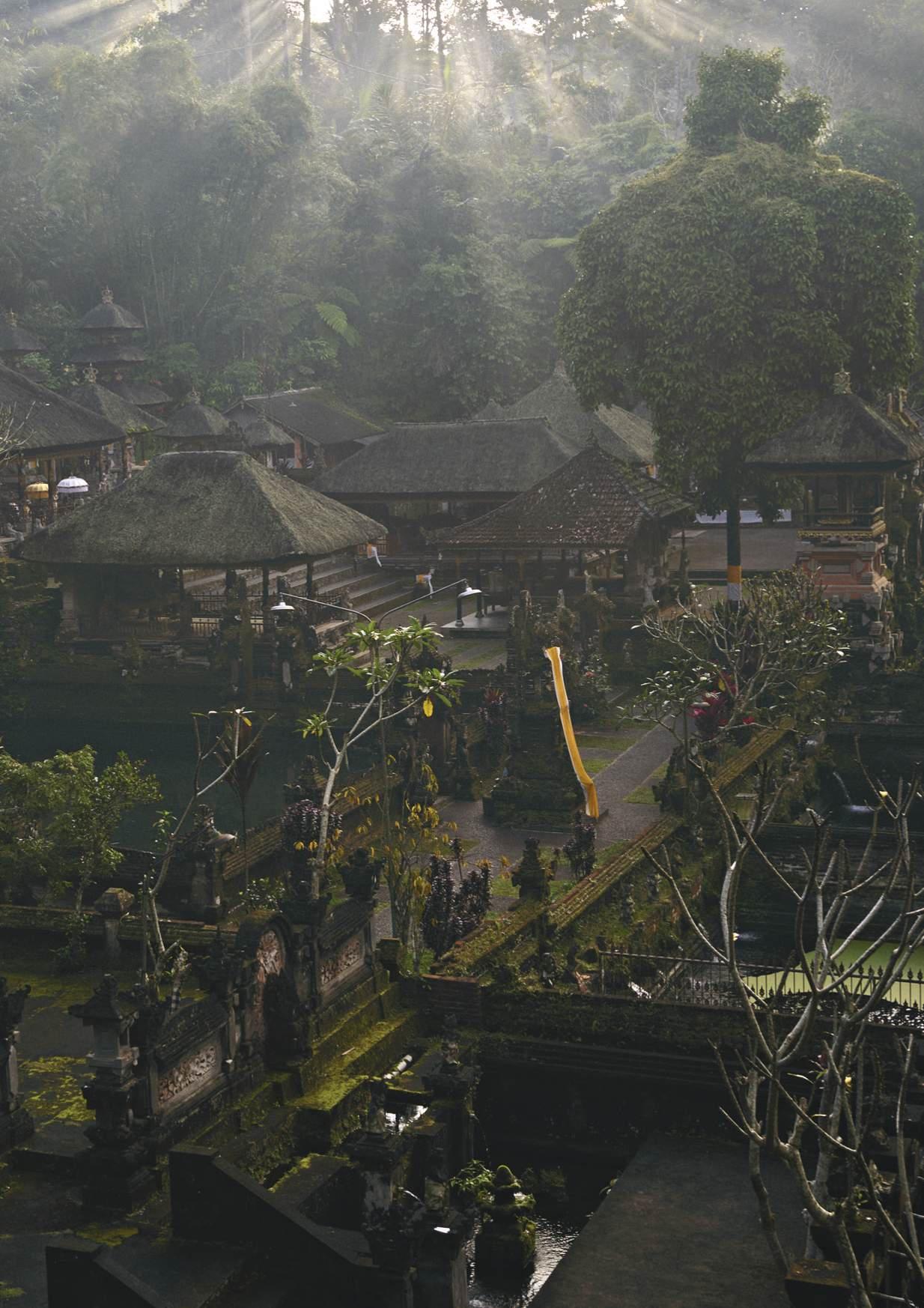
What happened next perfectly encapsulates the spirit that would define both my childhood and, eventually, Charlotte Travel. My mother walked straight into that construction site with me balanced on her hip, my father trailing behind with his everpresent camera. She conducted an impromptu site inspection with the architect – her first glimpse of what would become the legendary Amandari resort. Meanwhile, my father, with his gift for connecting with local people, wandered through a nearby temple and cheerfully passed me around to delighted strangers who cooed over the three-month-old tourist. Somewhere in my father's archives are photographs of me as a baby, cradled in the arms of smiling Balinese locals I'll never meet again.
This wasn't unusual for our family – it was simply how we travelled. Hotel visits with my mother became as natural as playground visits for other children. Travel wasn't something we did; it was something we were. This early immersion didn't just shape my future – it revealed the very DNA that runs through our family and defines Charlotte Travel. Travel isn't simply our business; it's our calling, passed down through generations who understood that the world's greatest gift is its ability to bring people together. We are a family passionate about exploration, about discovery, about the transformative power of stepping into the unknown with those we love most. And our deepest joy comes from sharing this passion, from helping other families unlock the same magic we've experienced countless times ourselves.
As the second generation to lead this company, I carry forward more than just a business legacy –I carry forward a mission rooted in genuine belief. We exist to spread the joy of meaningful travel, to be the architects of those life-changing moments that happen when families venture beyond their everyday worlds together. Every itinerary we craft is infused with our family's decades of travel wisdom, our understanding of how the right journey can strengthen bonds, create understanding, and build memories that become family treasures.
"Every itinerary we craft is infused with our family's decades of travel wisdom."
每份精心策劃的行程,都融入了我們在旅途上累積了數十載的智慧。
In this issue devoted to Passion, we delve into what truly ignites our desire to venture beyond the familiar, and more importantly, how we can kindle that same fire in the families we serve. True luxury in travel reveals itself not in material extravagance, but in those unrepeatable moments when journey becomes transformation. It's the shared wonder when something unexpected unfolds before you –those instances that etch themselves into family lore, becoming the stories that define how you see the world together.
These are the experiences that redefine what luxury means – not passive indulgence, but active engagement with the world and with each other. They're the moments that transform a holiday from mere respite into something far more valuable: shared stories that will be retold at family dinners for decades to come.
My passion lies in the alchemy of creating these transformative journeys for others. Each itinerary we craft is a love letter to possibility – a carefully orchestrated symphony of place, timing, and experience designed to spark those magical moments of connection. We seek experiences that resonate on a deeply personal level, understanding that the most profound luxury lies in the connections we forge and the memories we create together.
As you turn these pages, I invite you to consider not just where you want to go, but who you want to become through travel, and how these journeys might deepen your most cherished relationships. After all, the greatest luxury isn't what we accumulate along the way – it's the love we share and the memories we create together.
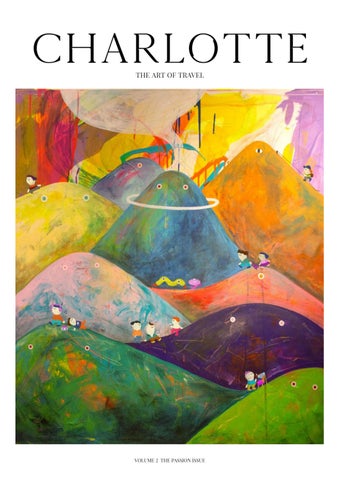
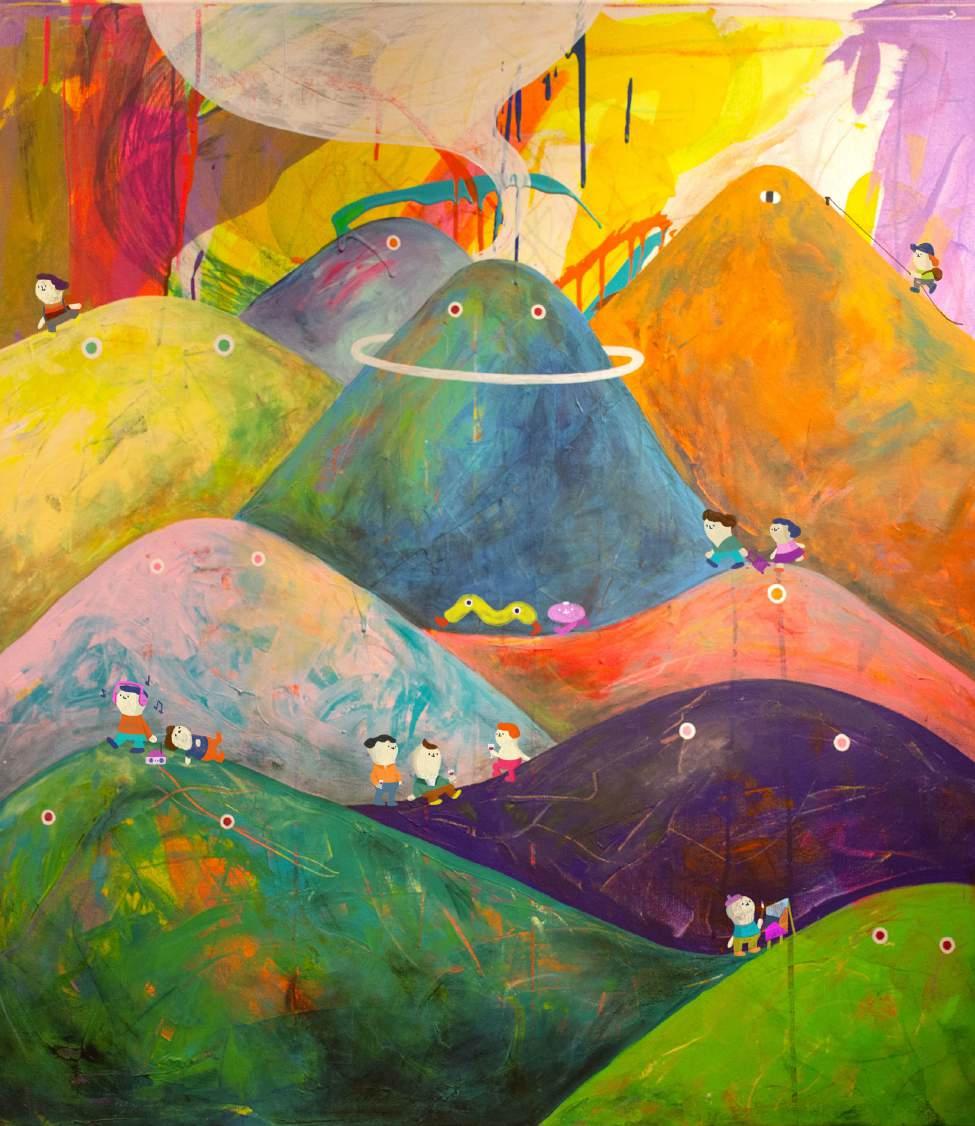
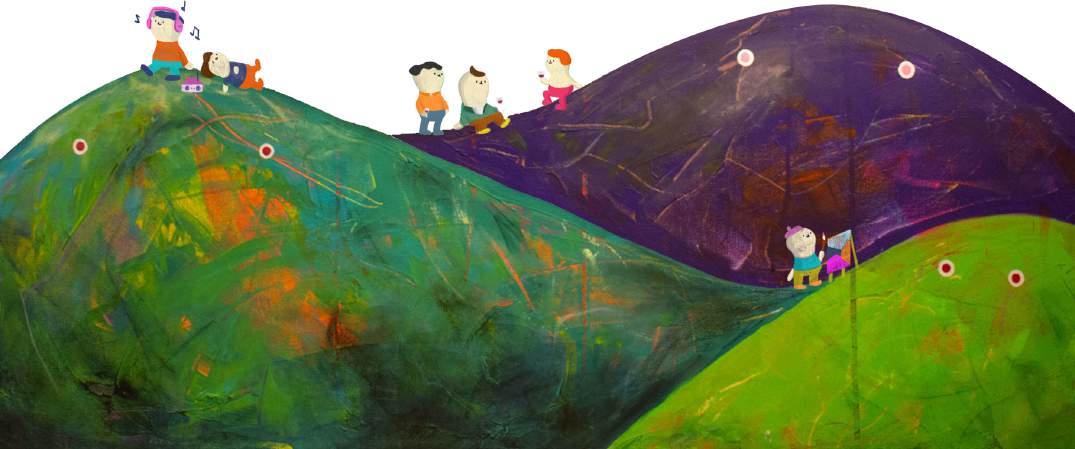
Since the launch of Charlotte Magazine, we have been committed to supporting young female artists from around the world, inviting them to interpret themes like "wonder," "passion," and beyond through their unique perspectives. For this issue, we chose artist Zoie Lam to create our cover artwork. Born in Hong Kong and a graduate of graphic design and advertising, Zoie is now a fashion designer who also works as an illustrator for many impressive projects locally. We were drawn to the bright colours and cheerful style, which perfectly captures this issue's theme of "passion" – that vibrant, uplifting energy that mirrors the pure joy we hope every family discovers on their journeys.
I feel deeply honoured that Charlotte Travel has been recognised as part of the Forbes Travel Guide family. This acknowledgment reflects not just our commitment to excellence, but our shared understanding that true luxury lies in creating meaningful connections and unforgettable moments. We are thrilled to feature Amanda Frasier, President of Standards & Ratings at Forbes Travel Guide, whose insights on defining truly exceptional travel experiences align perfectly with our own philosophy – that the most precious journeys are those that bring families closer together and create lasting memories that transcend the destinations themselves.
There are many reasons to travel, and we each have our own. My own travel experiences have sustained a lifetime dedicated to the pursuit of knowledge, based upon a single question: “What is it like to exist in the world of another?” Looking back, it began with a rash decision fifty years ago, when I was in my mid-twenties. I chose to abandon a comfortable (but boring) lifestyle that was falling short of my yearning for a more stimulating existence.
Travel seemed to offer an answer and was manifested in two years of global wandering through Africa and Asia—encompassing around 30 countries. That central question, “What is it like to exist in the world of another?” arose from a short encounter, the memory of which remains vivid to this day.
While crossing the Sahara Desert in the back of an open truck, we were waved down by a local, probably a Tuareg tribesman, dressed in a long shabby robe and with a turban-style headdress wrapped around his face. He was in need of water, which, of course, was not to be refused, and he was happy to accept a ride to wherever we were heading. So, he sat quietly at the rear, avoiding eye contact, and as dusk approached, our party pulled over to set up camp.
As we ate our meal and prepared to retire to our tents, he sat beside us and removed a bag from beneath his robes. From this bag, he pulled out a few dates, a handful of coffee, a tiny pot, and a small bunch of twigs, which he set alight. He then began to brew himself a drink. He sat silently, enjoying his meal while staring into the night, before pulling his robe around him, curling up on the ground, and falling asleep. In the morning, he was gone.
For the entire next day, I was consumed with the question, “How must it feel to be like him? To live how he lives?” It's a question that sparked a lifetime of curiosity about cultures and lifestyles vastly different from my own and inspired a great deal of travel to the most exotic destinations I could reach. I have embarked on professional careers that immersed me in the exotic cultures of Africa, the Middle East, and much of Asia.
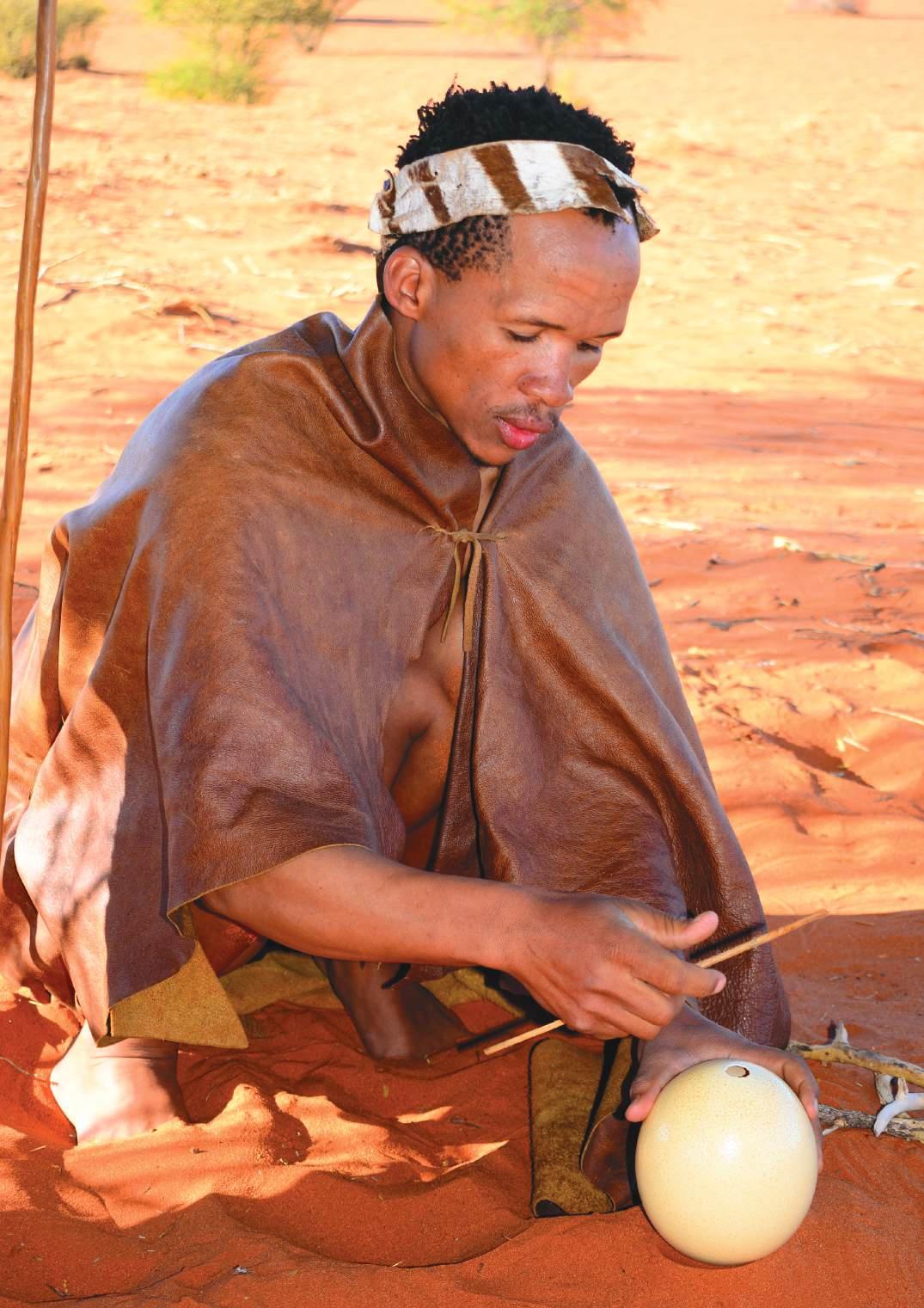
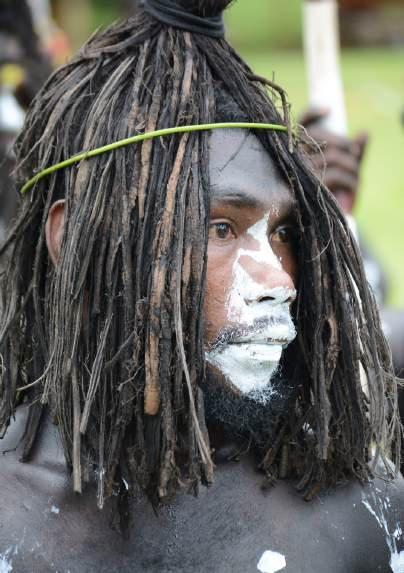
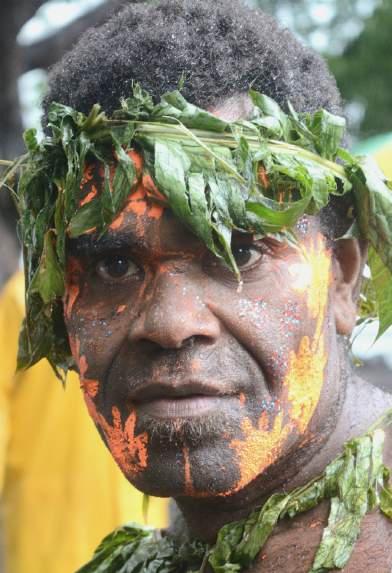
The zenith of my quest came on the day I was awarded honorary membership in one of Borneo's smaller minority indigenous tribes, in recognition of my work to improve their isolated and marginalized existence.
Now, in my golden years, that original question still carries me, of course. It can only ever be partially answered; such is the nature of human diversity. Curiosity remains as intense as ever, and my travels continue, but in as much comfort as can be arranged. Fortunately, opportunities to encounter exotic cultures continue to abound without the need to travel on the back of open trucks.
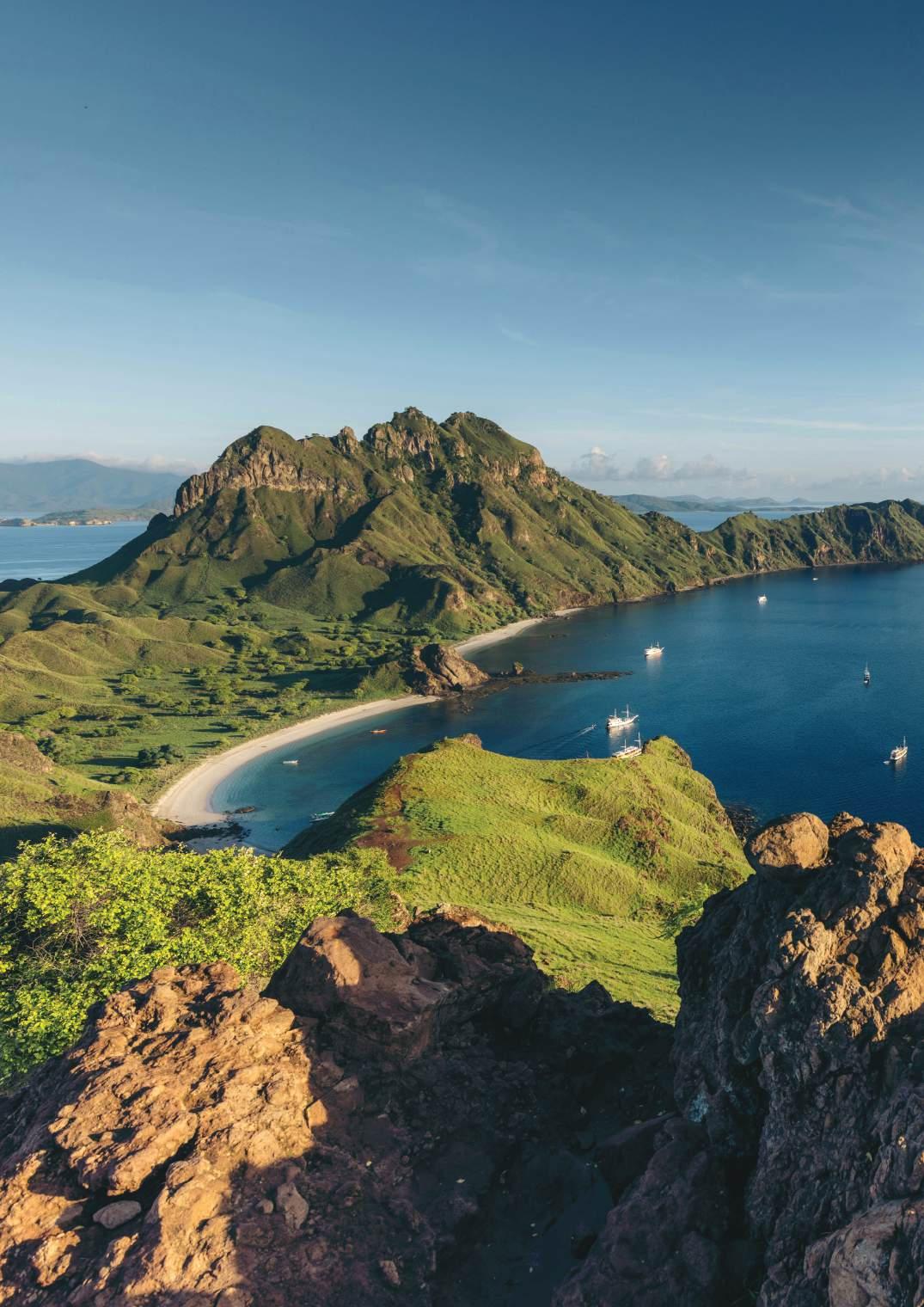
Ocean cruising makes it possible to visit remote and exotic places without enduring the hardships often associated with them. For example, unusual island destinations such as Madagascar, New Guinea, Greenland, the Andaman and Nicobar Islands, the Solomons, the Marquesas, and Vanuatu, as well as others in both polar regions, are now accessible with a high level of comfort and safety.
Such cruises are often promoted as ‘luxury,' and they certainly live up to that in terms of the accommodation, service, and food provided. Whilst well appreciated, the true luxury for me, though, is the opportunity to encounter, explore, and seek to understand different cultures and lifestyles. Another luxury is the added bonus of being able to share what I have discovered thus far with my fellow passengers during on-board enrichment lectures. Igniting their curiosity and enriching their appreciation of the infinite diversity that exists in the extraordinary world we share is both a gift and a privilege.
Travel provides the means; luxury provides the reason.
"Travel provides the means; luxury provides the reason."
奢華為方,旅行為本。
The Eternal Journey of Discovery Travel for Art:
By Ingrid Chen
為藝術而行:追逐博覽會的文化遊牧者 文︰陳穎慈
The impulse begins in childhood—that inexplicable desire to possess beauty, to hold onto something that speaks to us. A smooth stone from the beach, a pressed flower, a trading card that captures our imagination. This fundamental human urge to collect, to curate our own small universe of meaningful objects, forms the bedrock of one of history's most sophisticated forms of travel: the art collector's journey.
What we witness today in the gleaming halls of Art Basel or the ancient palazzos of the Venice Biennale is not a modern phenomenon, but the latest chapter in a story that began centuries ago when young European aristocrats embarked on their Grand Tours. This ritualistic journey, which flourished from the 17th through 19th centuries, was considered an essential rite of passage for wealthy young men, particularly from Britain. The prescribed route typically began in France, wound through Switzerland and the German states, and culminated in Italy—with Rome as the ultimate destination. These were not mere vacations but extended cultural expeditions, often lasting several years, accompanied by tutors and servants who facilitated encounters with art, architecture, and classical antiquity.
The Grand Tour represented the 18th-century equivalent of today's gap year, but with far greater cultural and social significance. These young travelers were expected to return home transformed—fluent in foreign languages, versed in classical literature, and possessing refined aesthetic sensibilities that would mark them as cultured gentlemen for life. They studied ancient ruins in Rome, attended salons in Paris, and collected art with the same systematic approach that modern collectors follow art fair circuits. The Grand Tourists were not merely passive observers of culture; they were active participants in a marketplace of beauty and status. They commissioned portraits from fashionable artists in Rome, acquired ancient sculptures in Greece, and purchased contemporary works in Paris. These transactions were far more than simple souvenir shopping— they were acts of cultural appropriation in the truest sense, bringing fragments of distant civilizations back to their English country houses and German castles.
壯遊其實就像現在的 gap year,但意義更重大。這些年輕人 回到家鄉時必須脫胎換骨——會說多國外語,出口成章,熟悉 古典文學,品味高尚,這樣才算是成為真正的紳士。他們在羅 馬研究古蹟,在巴黎參加沙龍,像今天的收藏家追逐藝博會一 樣系統地收集藝術品。他們不只是看畫,而是真正的買家—— 在羅馬請知名畫家畫肖像,在希臘買古代雕塑,在巴黎收購當 代作品。這樣的消費行為遠比買紀念品更意義深遠,他們要把 異域文明的精華帶回自己的莊園和城堡,終其一生與之相伴。
Consider the parallels to our digital age: those carefully composed portraits, painted in exotic locations with classical ruins as backdrops, served precisely the same function as today's Instagram posts from art fairs. Both are forms of cultural documentation, proof of presence at the epicenter of taste and refinement. The Grand Tourist's portrait announced to society back home that he had walked where Cicero once spoke, just as today's collector's carefully curated social media presence announces their proximity to the pulse of contemporary art.
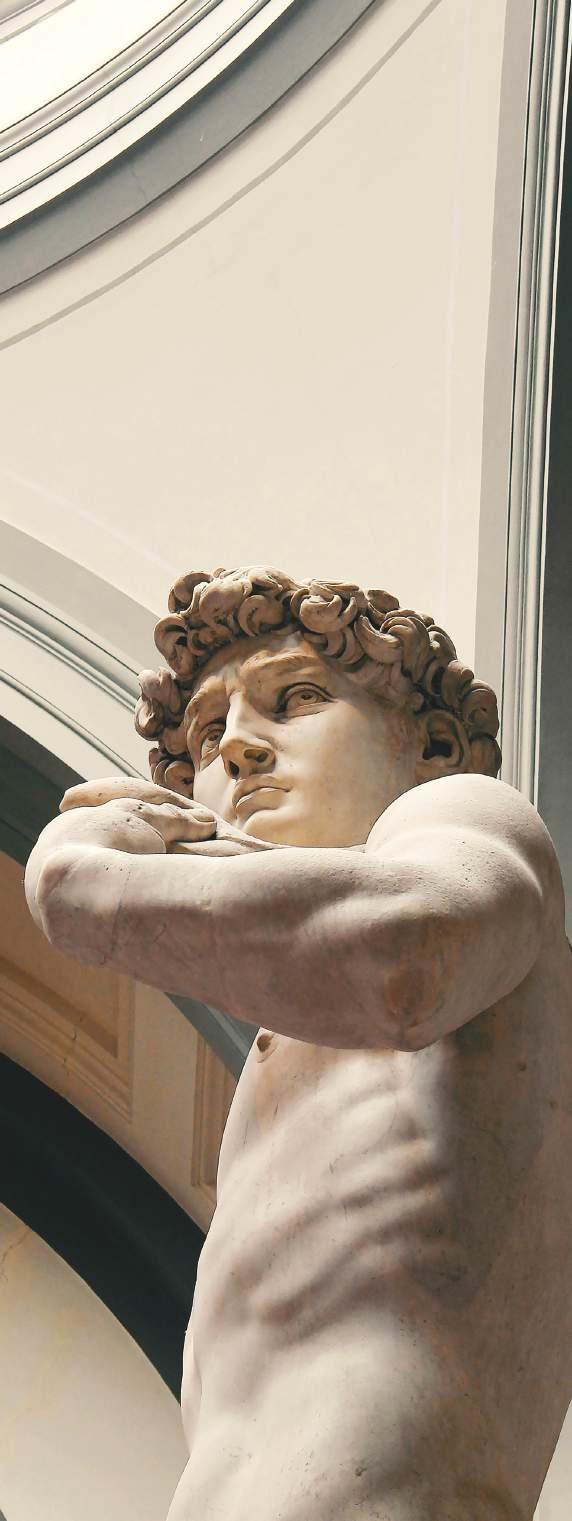
But true art travel extends far beyond acquisition. The most profound experiences often come through unexpected encounters—stumbling upon a master potter in a Kyoto alley, watching his meditative focus as he shapes clay, or standing before Diego Rivera's murals in Mexico City and suddenly understanding how art can carry a nation's memory and pain. These moments cannot be purchased or planned; they emerge from genuine cultural immersion and openness to surprise. Standing in the wheat fields where Van Gogh painted, walking through Monet's gardens at Giverny, or craning one's neck in the Sistine Chapel to meet Michelangelo's divine figures—these are pilgrimages that offer dialogue across centuries, conversations with masters who speak through their enduring works.
But this comparison runs deeper than mere documentation. The Grand Tour was fundamentally about transformation—the provincial young man who departed London returned as a cosmopolitan citizen of culture. Today's art collectors undertake their own transformative journeys, following artistic conversations as they unfold across continents. They might begin the year at Frieze Los Angeles, move through Art Basel Hong Kong, experience the controlled chaos of the Venice Biennale, and conclude at Art Basel Miami Beach. Each destination offers not just artworks to acquire, but ideas to absorb, perspectives that challenge existing worldviews.
The geography of art collecting has expanded exponentially since the Grand Tour's familiar path through Italy and France. Contemporary collectors might find themselves in a cutting-edge gallery in London one month, exploring the experimental art scene in Seoul the next, or discovering revolutionary voices emerging from São Paulo's vibrant cultural underground. This expansion reflects not just improved transportation, but a fundamental shift in where artistic innovation occurs. The center has become everywhere and nowhere simultaneously.
What drives these modern cultural nomads is the same spirit that animated their historical predecessors: the intoxicating possibility of discovery. The Grand Tourists hoped to encounter antiquity firsthand, to stand before works they had only read about in distant libraries. Today's collectors seek something equally rare—the chance to recognize emerging genius before the rest of the world catches on, to acquire works that will define future cultural conversations, and to experience that electric moment when art sparks recognition and understanding.
This pursuit requires more than financial resources; it demands cultural stamina and intellectual curiosity. Serious collectors develop relationships with artists, gallerists, and curators across multiple continents. They attend private studio visits in Berlin, participate in intimate dinners with artists in Mexico City, and arrange exclusive previews at galleries from Copenhagen to Cape Town. Their travel calendars become complex orchestrations of cultural engagement, each trip carefully planned to maximize exposure to new ideas and emerging talent, but also to allow for those spontaneous encounters that often prove most memorable.
The infrastructure supporting this lifestyle has evolved to match its sophistication. Specialized art transport companies ensure precious acquisitions travel safely between continents. Climate-controlled storage facilities in major cities allow collectors to house works strategically around the globe. Concierge services can arrange private museum tours, facilitate introductions to reclusive artists, or secure invitations to the most exclusive cultural events.
Yet beneath all this logistical complexity lies something beautifully simple: the same wonder that makes a child reach for a particularly perfect seashell on the beach. The true art traveler understands that collecting is not about accumulation but about connection—to beauty, to ideas, to the endless human capacity for creation. The most precious acquisitions are not the works that hang on walls, but the insights and emotions that take residence in the heart.
In our increasingly digital world, the physical act of traveling to encounter art takes on renewed significance. No virtual gallery can replicate the experience of standing before a painting in the studio where it was created, feeling the texture of brushstrokes up close, or the electricity of discovering an unknown talent in a cramped gallery space. The art traveler's journey remains fundamentally about presence, about being there when cultural lightning strikes.
This is travel at its most essential—not escape from life, but deeper engagement with it.
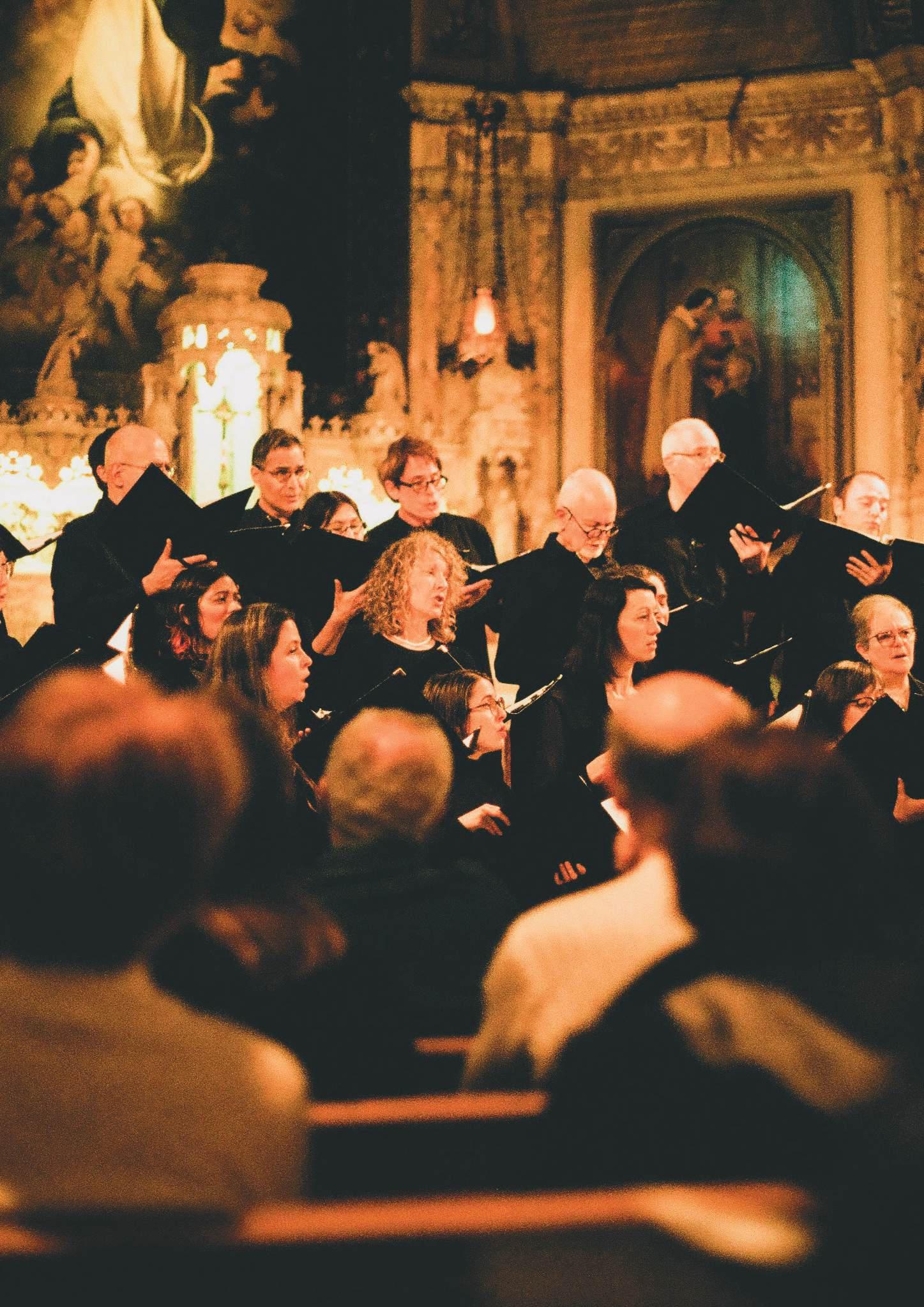
There's something almost mystical about the moment when a particular melody reaches your ears and stops time. Maybe it's a string quartet in a candlelit Salzburg salon, or the final movement of a symphony premiere in Vienna's Musikverein, or that perfect dawn set when Ibiza's sound system seems to channel the Mediterranean. That instant recognition—this is why I came—drives one of humanity's oldest forms of cultural pilgrimage: travelling for music.
Long before we had Spotify playlists or viral TikTok sounds, music moved through the medieval world on the backs of wandering minstrels and troubadours. These weren't simply entertainers; they were cultural ambassadors carrying melodies, stories, and news between isolated communities. A song learned in Italian court might find its way to a German castle months later, transformed by each telling, each performance adding new layers of meaning. The troubadours created Europe's first international music circuit, and their audiences—nobility who appreciated sophisticated musical culture—were among history's first music tourists, traveling between courts to hear the latest compositions and witness legendary performers.
This tradition of musical pilgrimage reached its apex in 18th and 19th-century Europe, when the continent's cultural capitals became nodes in an elaborate network of musical exchange. Vienna during Mozart's era wasn't just a city; it was a musical universe unto itself. Wealthy music lovers would plan entire seasons around the city's concert calendar, staying for months to attend salon performances in aristocratic homes, opera premieres at the Burgtheater, and those legendary subscription concerts where Beethoven premiered his symphonies. These weren't casual tourists but serious musical pilgrims who understood that certain experiences could only be had in specific places at particular moments.
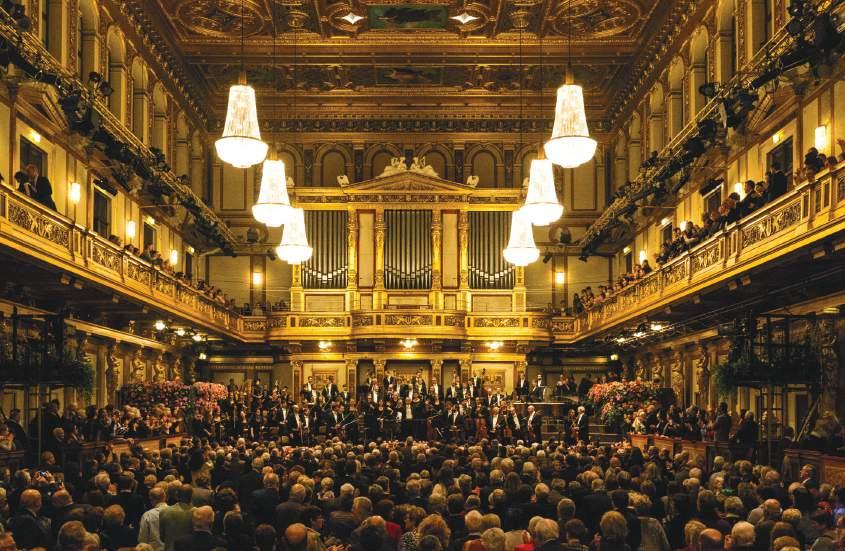
The parallel to today's music travel is unmistakable, though the scale has expanded exponentially. The Salzburg Festival still draws classical devotees each summer, just as it has since 1920, with its incomparable combination of world-class opera, concerts in baroque palaces, and performances that sell out within minutes of release. Vienna's Musikverein continues to host New Year's concerts that are broadcast globally, but attending in person— feeling the golden hall's legendary acoustics wrap around you—remains an entirely different experience from watching on television.
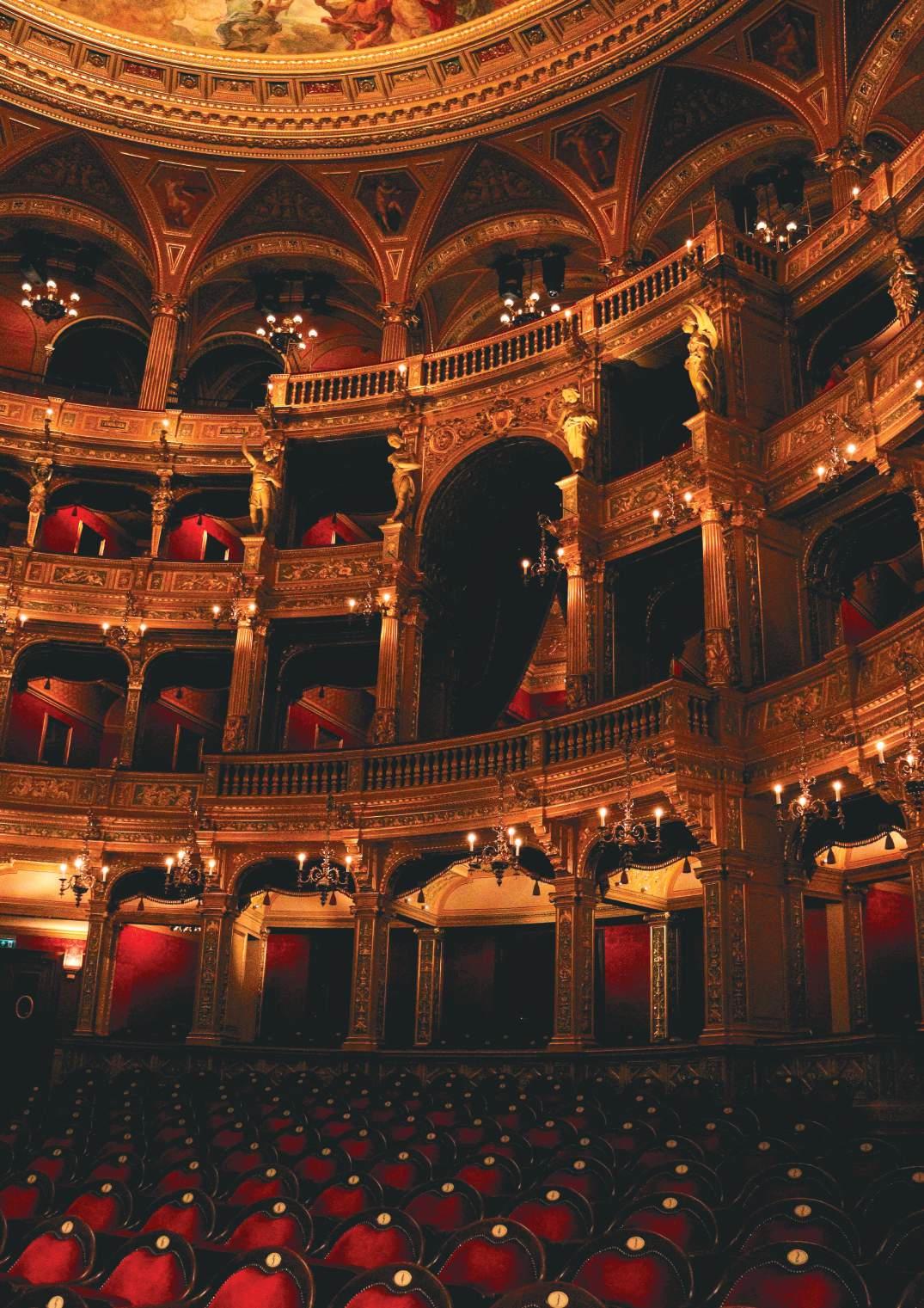
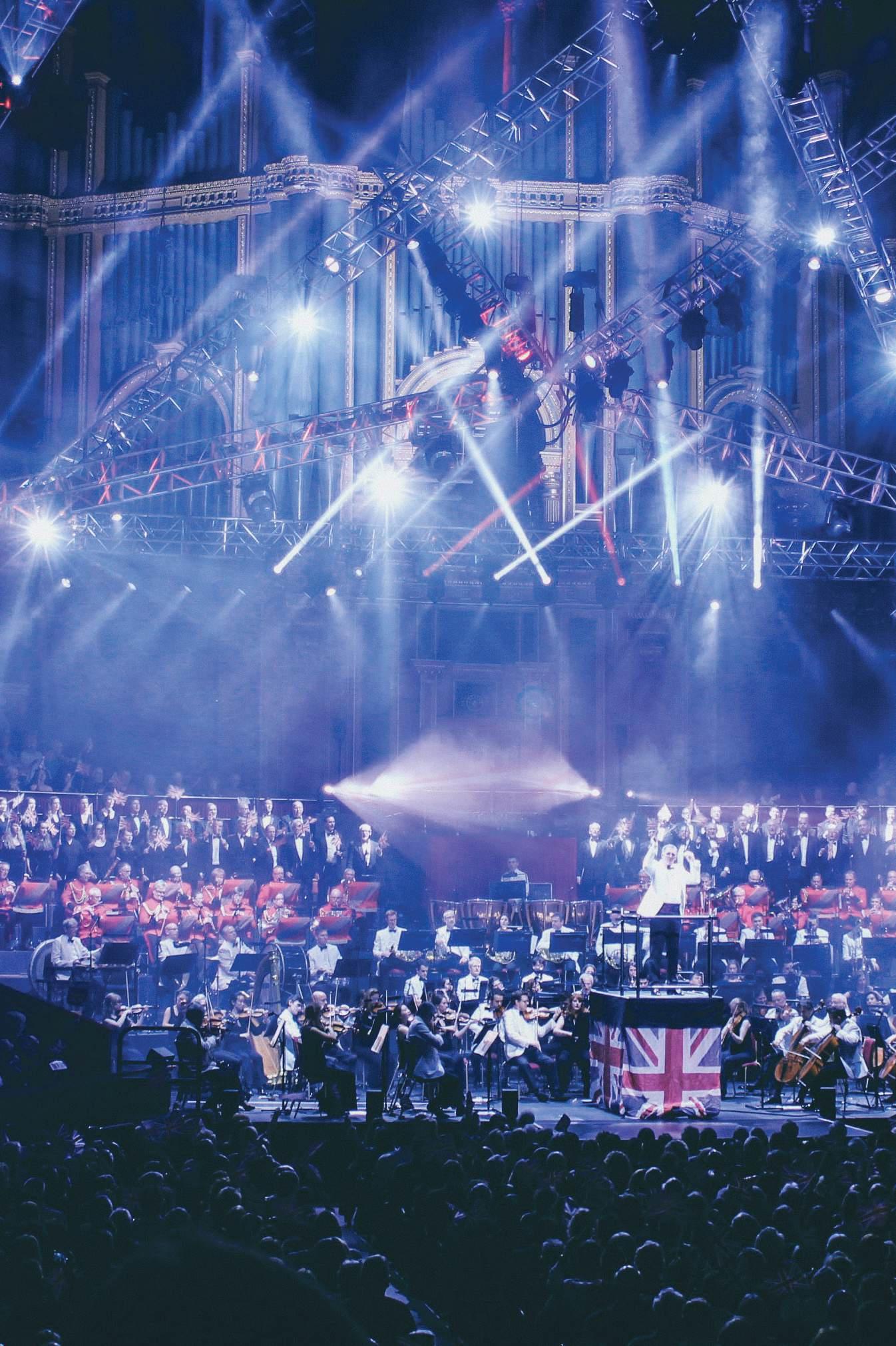
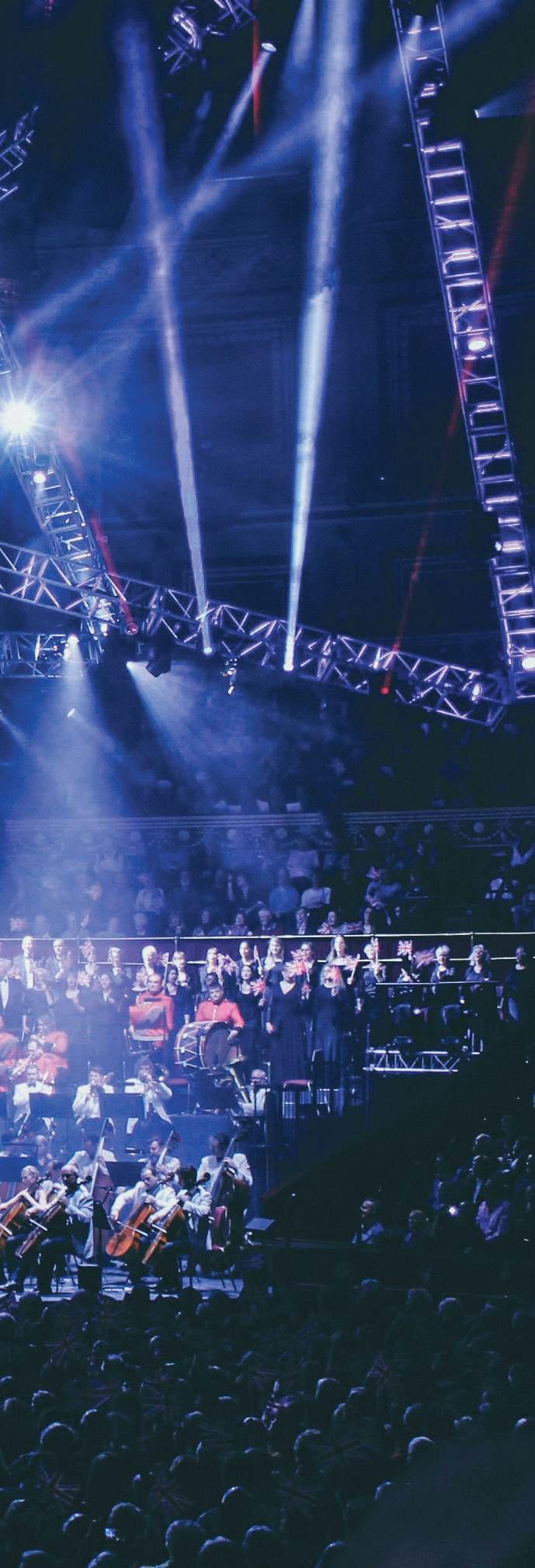
La Scala's season opening in December transforms Milan into a pilgrimage destination for opera lovers worldwide. The Teatro alla Scala doesn't just present performances; it creates events that become cultural milestones. Similarly, the BBC Proms at London's Royal Albert Hall offer eight weeks of concerts that span from traditional classical to contemporary experimental, with the final night becoming an almost tribal celebration of musical community.
But the most sophisticated music travellers understand that the real treasures often lie in the intersection of exclusivity and artistry. Wagner's Bayreuth Festival remains perhaps the ultimate classical music pilgrimage—a purpose-built festival theatre in a small Bavarian town, presenting only Wagner's operas with a waiting list that can stretch for decades. The very difficulty of access becomes part of the experience's mystique.
Coachella
Harmony in Diversity
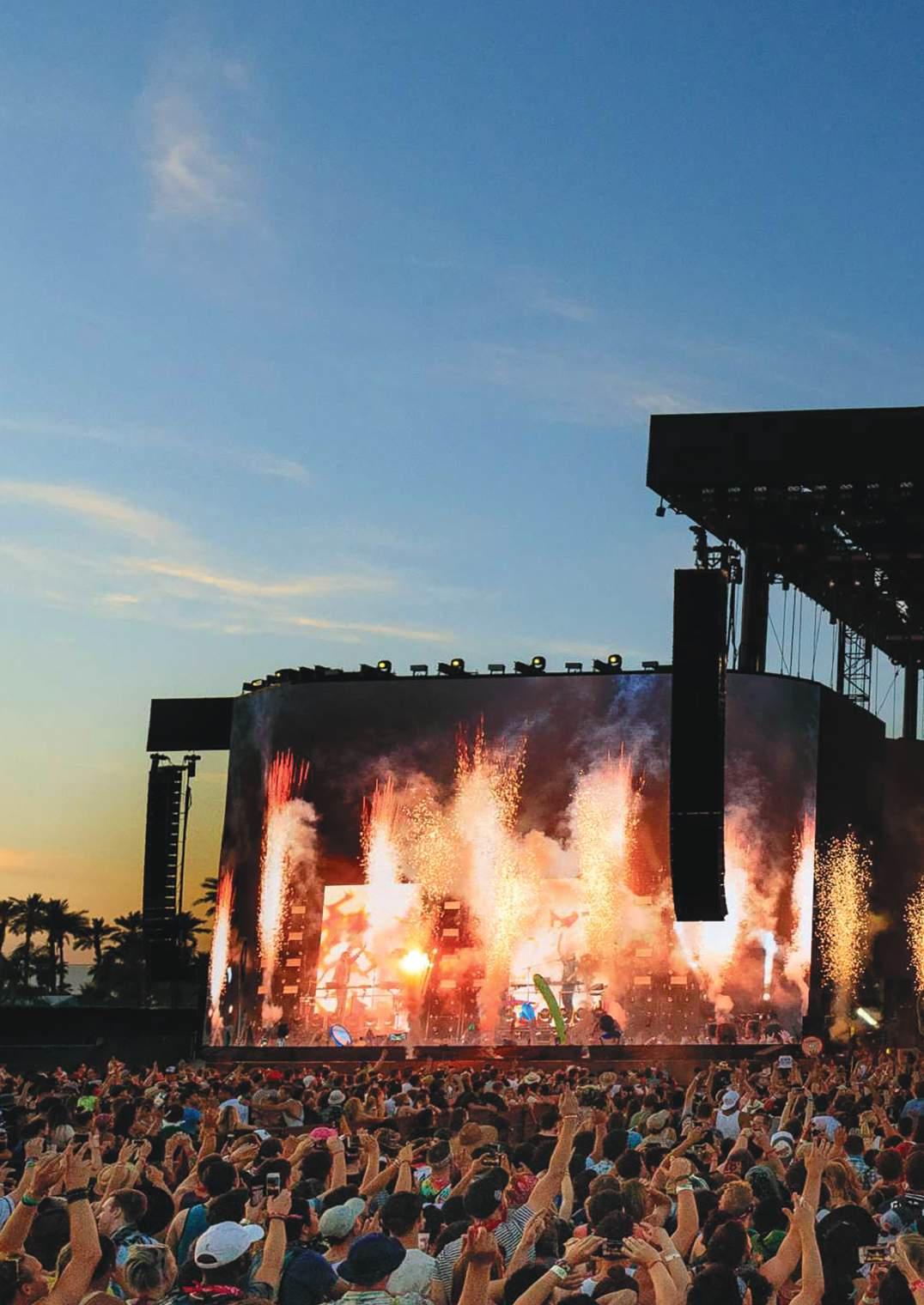
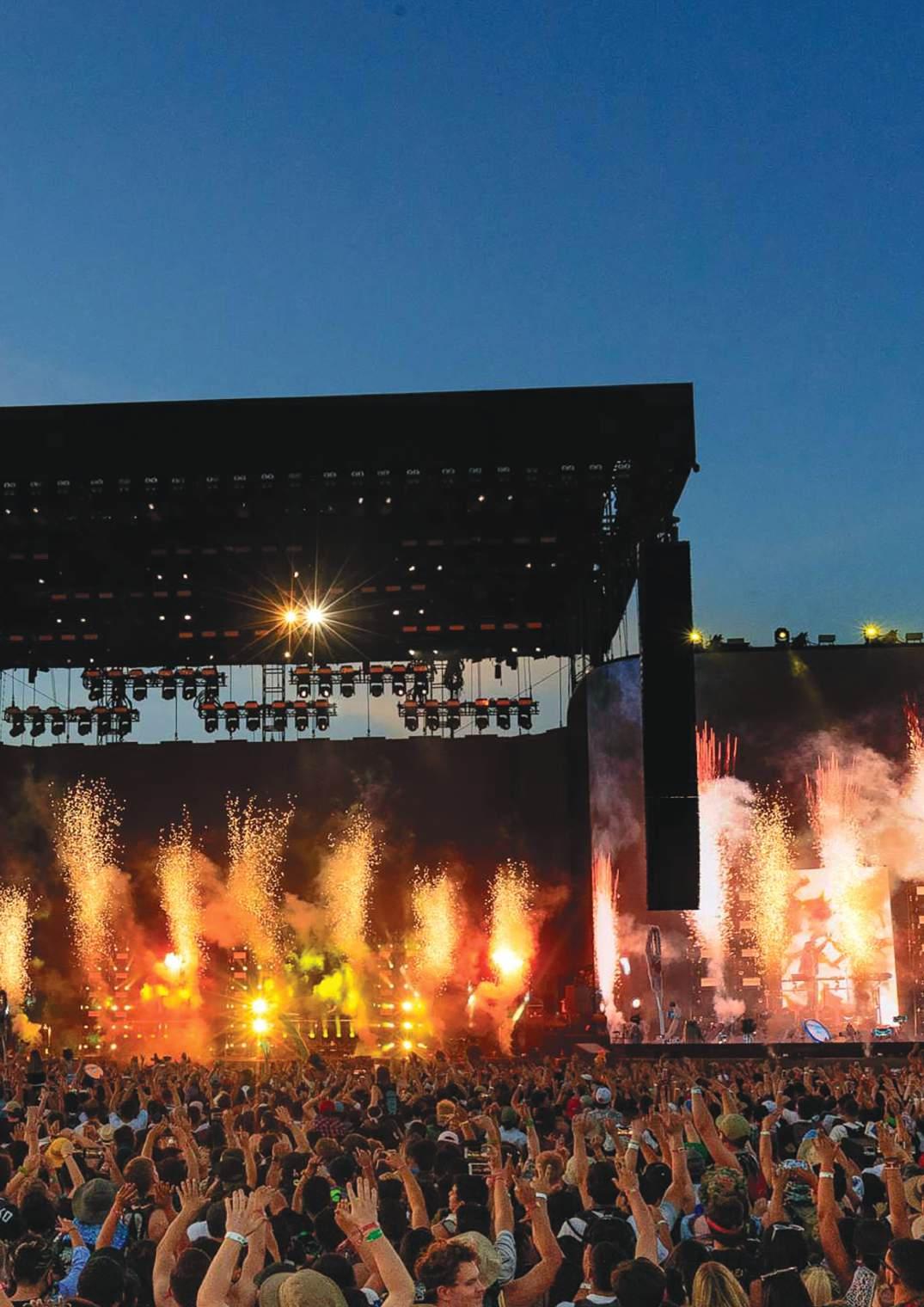
The geography of contemporary musical pilgrimage extends far beyond Europe's traditional capitals. Coachella may have started as a desert music festival, but it has evolved into a cultural phenomenon where the music is only part of a carefully curated lifestyle experience. The festival's influence on fashion, social media, and cultural trends makes it a contemporary equivalent of those 18th-century Viennese salon seasons—a place where being present matters as much as what you hear.
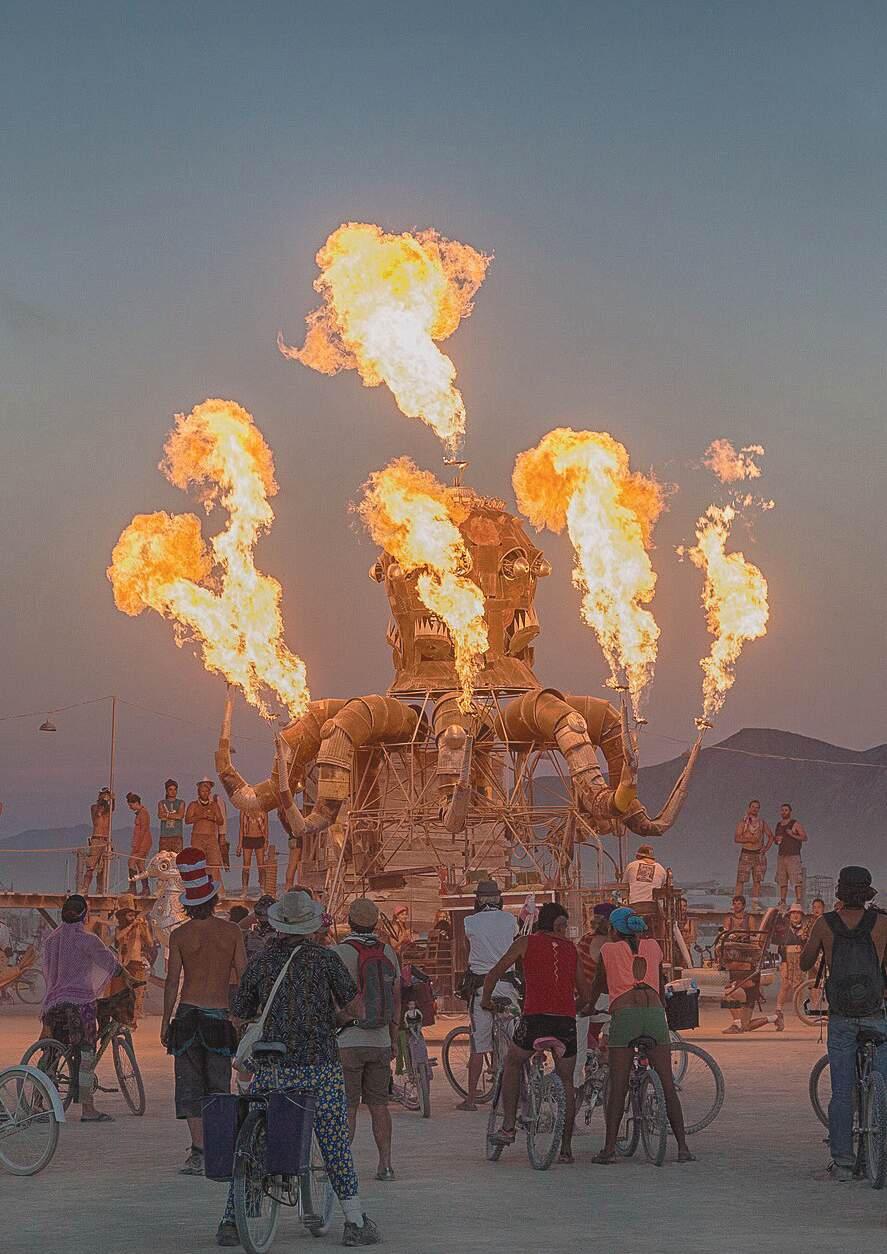
Burning Man
Musical Sacrifice
Burning Man occupies its own category entirely, creating a temporary city in Nevada's desert where music becomes part of a larger experiment in community and art. The festival's sound camps and art cars present music in ways that challenge every conventional notion of performance and audience, creating experiences that exist nowhere else on earth.
The infrastructure supporting high-end music travel has become remarkably sophisticated. The most exclusive experiences often require not just money but connections—access to the private boxes at La Scala, invitations to the after-parties at major festivals, or seats at invitation-only performances in historic venues. Some of the world's most memorable musical experiences happen in spaces that hold fewer than a hundred people: private concerts in Venetian palazzos, acoustic sets in ancient caves, or orchestral performances in locations chosen specifically for their unique acoustics.
In our age of perfect digital reproduction, the physical act of traveling for live music takes on almost sacred significance. No streaming service can capture the way Vienna's Musikverein transforms a familiar symphony, or the electricity that passes between performer and audience in an intimate venue, or the way a master DJ reads a crowd and creates something entirely new in real-time. The music traveller's journey remains fundamentally about presence, about being there when sound becomes magic
This is pilgrimage at its most essential—not escape from the everyday, but communion with the extraordinary power of human creativity expressed through rhythm, melody, and shared experience. The most profound musical journeys don't just change your playlist—they change how you hear the world.
What Makes Travel Truly Exceptional Behind the Stars:
從星級到心級:為旅行體驗畫龍點睛
By Ingrid Chen
文︰陳穎慈
What makes travel truly exceptional? The answer often lies not in luxury amenities or prestigious ratings, but in those intangible moments that create emotional connections between travellers and destination. These transformative experiences—the kind that leave us genuinely reluctant to return home—represent the intersection of personal discovery and professional insight, where childhood wonder meets industry expertise.
As president of Ratings, Amanda Frasier oversees all aspects of Forbes Travel Guide's Star Rating system. Frasier directs the continual refinement of FTG's service and facility standards and serves as the chair of the Standards Advisory Committee, whose members provide valuable industry input on trends in global hospitality. She also leads the production of shows and events, including The Summit, the exclusive international showcase for FTG's Star Award winners and luxury brands to collaborate, network and celebrate. Frasier spearheads the by-invitation-only Official Brands program, connecting thought leaders in luxury goods and services with the Star-Rated community.
Amanda Frasier's journey into the travel industry began with a childhood yearning that many can relate to—the desire to explore beyond familiar borders. Growing up in England, she felt an early pull to venture off what she fondly calls "our little island." The anticipation of family holidays, whether domestic or international, created a ritual she cherishes to this day: the excitement of choosing destinations, visiting the local travel agency with her parents in pre-internet days, poring over colourful brochures, and experiencing the entire journey from planning to departure.
This early love of travel planted a seed that would shape her entire career trajectory. "I think the love of travel was always in me because I knew that no matter my career, I wanted to travel for a living and travel far," Frasier reflects. While initially drawn to the spa industry, a few days of work experience redirected her path toward hotels—a decision that would eventually lead her to New York and, in 2005, to an opportunity with Mobil Travel Guide, the precursor to what would become Forbes Travel Guide.
Like many travel professionals, Frasier can pinpoint a specific experience that crystallized her understanding of travel's transformative power.
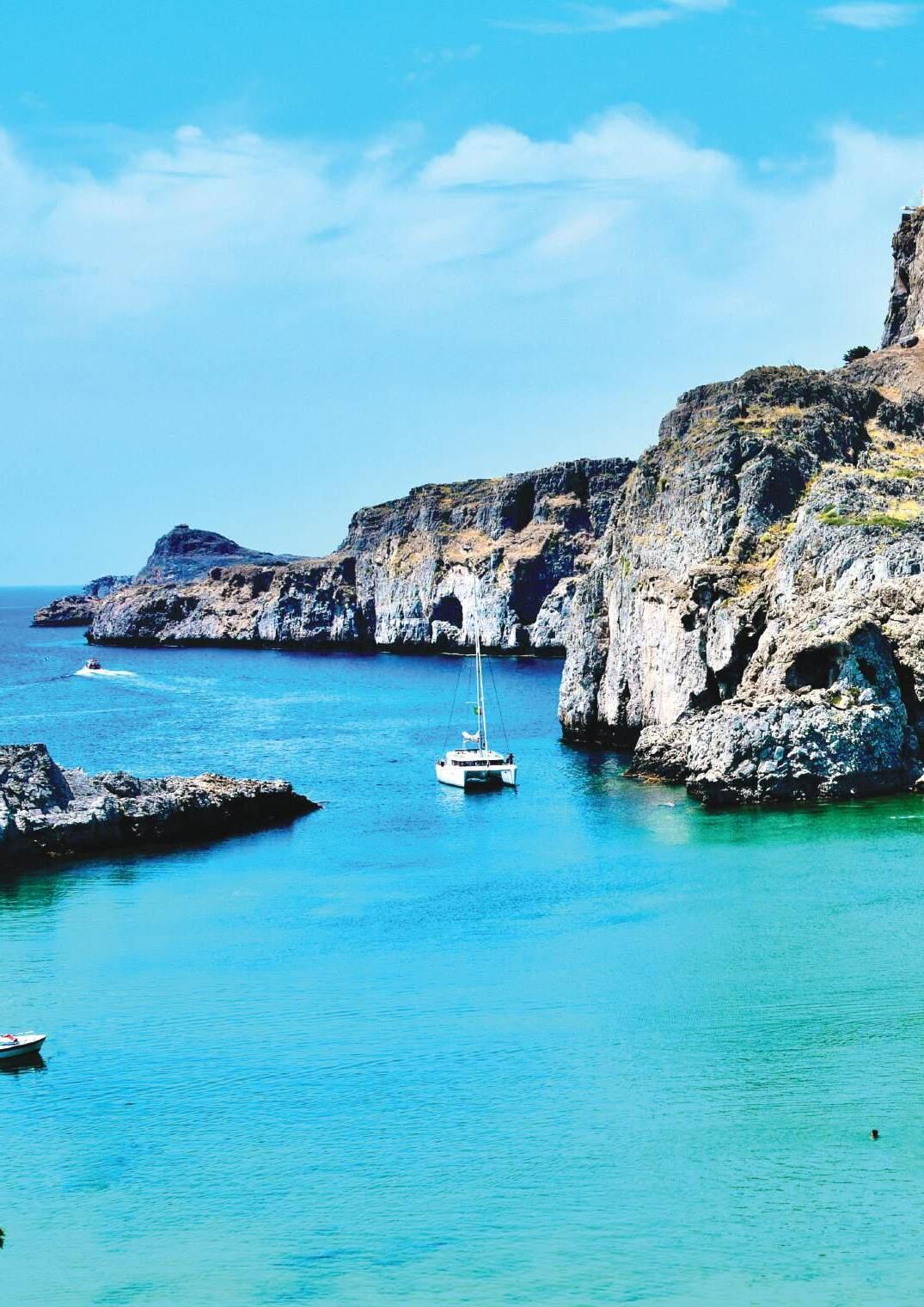
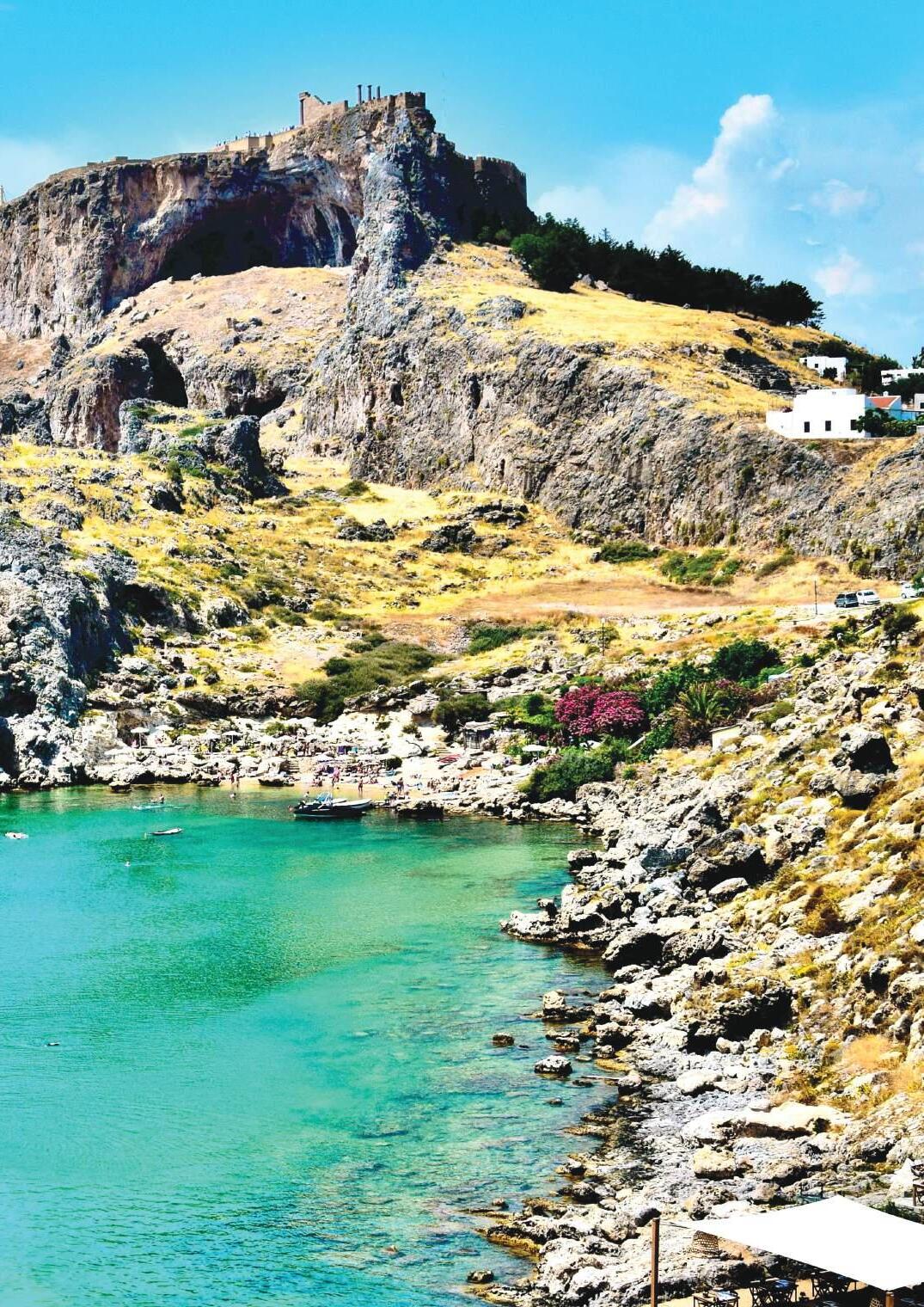
At age 10, during her first overseas trip to Rhodes, Greece, she encountered something profound—the first time she felt genuinely emotional about leaving a destination. "I was genuinely sad to return home," she recalls, noting that while she didn't fully understand the feeling at the time, the experience moved her in ways that created lasting core memories.
The sensory richness of that Greek adventure— new foods, unfamiliar scents, the Mediterranean heat and light—became permanently etched in her memory. "I can remember my meals, the gifts I got and the places we visited very vividly," she says. That childhood trip became the template for the kind of emotional connection she would spend her career helping others achieve through exceptional travel experiences.
Frasier's 20-year tenure at Forbes Travel Guide has afforded her what she describes as "a unique and rare opportunity to travel to more places than most ever get the chance to visit." This extensive exposure has fundamentally shifted her relationship with travel from personal leisure to professional insight. When travel becomes part of your livelihood rather than just recreation, she explains, you begin to recognize its extraordinary power—particularly through the people you meet and the creativity you witness.
This evolution has reinforced a crucial understanding that drives Forbes Travel Guide's philosophy: travel is intensely personal. "Service is not prescriptive," Frasier emphasizes, explaining how the organization works diligently to ensure their exacting standards never homogenize service or force brands into identical moulds. This personalized approach extends throughout all of FTG's global business centres, recognizing that authentic luxury must honor individual preferences and cultural contexts.
Redefining Modern Luxury
Under Frasier's leadership, Forbes Travel Guide has witnessed and adapted to significant shifts in how luxury travel is defined and delivered. While certain constants remain—particularly in physical amenities and infrastructure—Frasier notes that luxury service has become increasingly personal. "When you boil it down, it's about what, where and who makes you feel comfortable," she explains, identifying fundamental elements like feeling welcomed, finding staff approachable and helpful, and never feeling like a burden.
Looking Forward: The Future of Travel
Frasier's vision for the next decade centres on the continued evolution of wellness-focused travel. She's particularly excited about the expanding possibilities and service opportunities this lifestyle shift creates, from enhanced education about well-being to improvements in air travel and airport experiences.
The Philosophy of Spontaneous Planning
Despite being a natural planner, Frasier advocates for a balanced approach to travel preparation. "Try to not over plan," she advises, recognizing that overly scripted itineraries can eliminate opportunities for unexpected discoveries. For travellers without access to extensive industry resources, she recommends partnering with excellent travel professionals who possess insider knowledge and the collective wisdom of thousands of like-minded travellers.
Forbes Travel Guide's recent endorsement of Charlotte Travel exemplifies Frasier's approach to identifying exceptional partners. As part of a highly selective, invitation-only program, Charlotte Travel earned recognition for their dedication to client experiences, culture of excellence, and industry leadership. The endorsement—which agencies cannot purchase—reflects Charlotte Travel's alignment with Forbes Travel Guide's values and their support for properties that have earned prestigious Star Ratings.
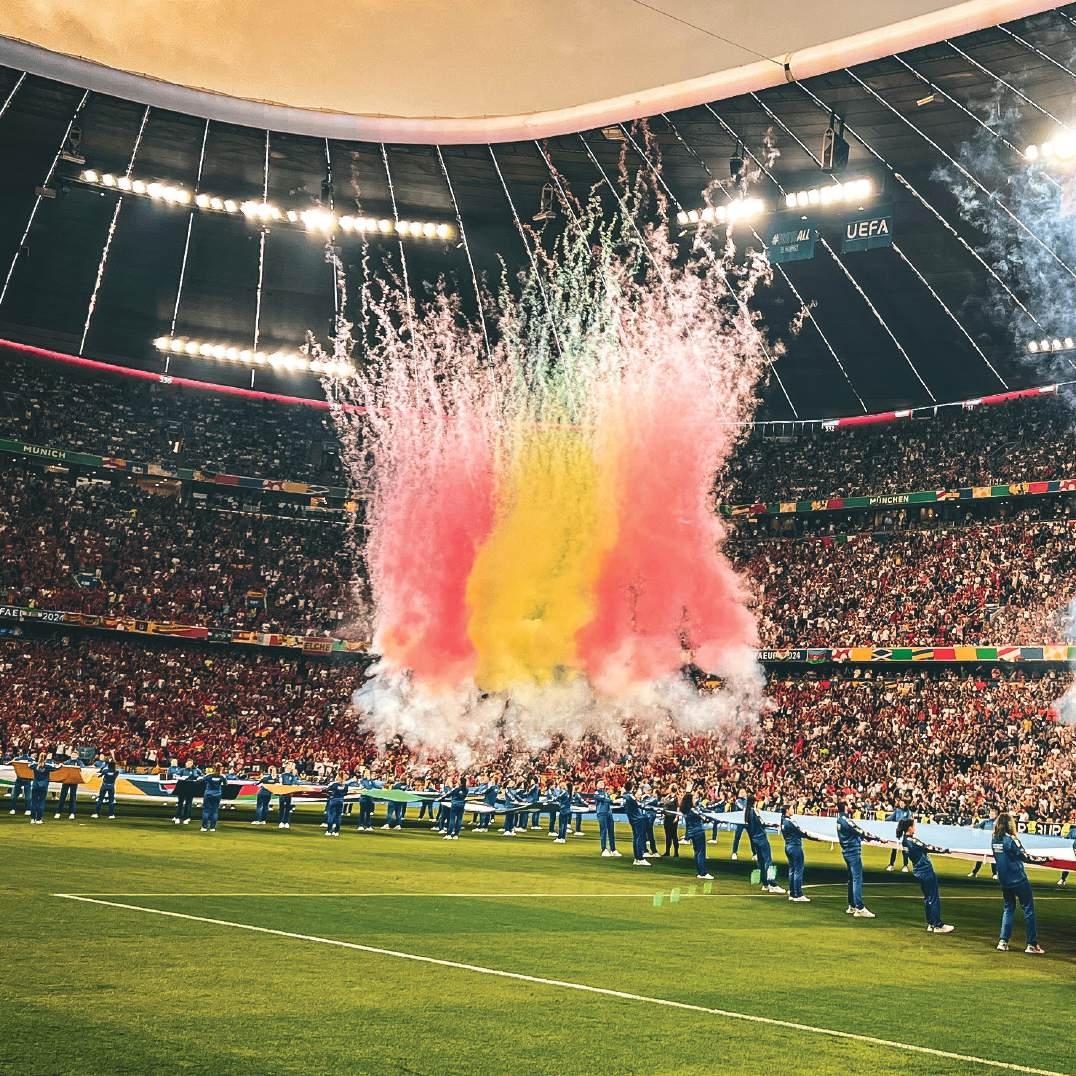
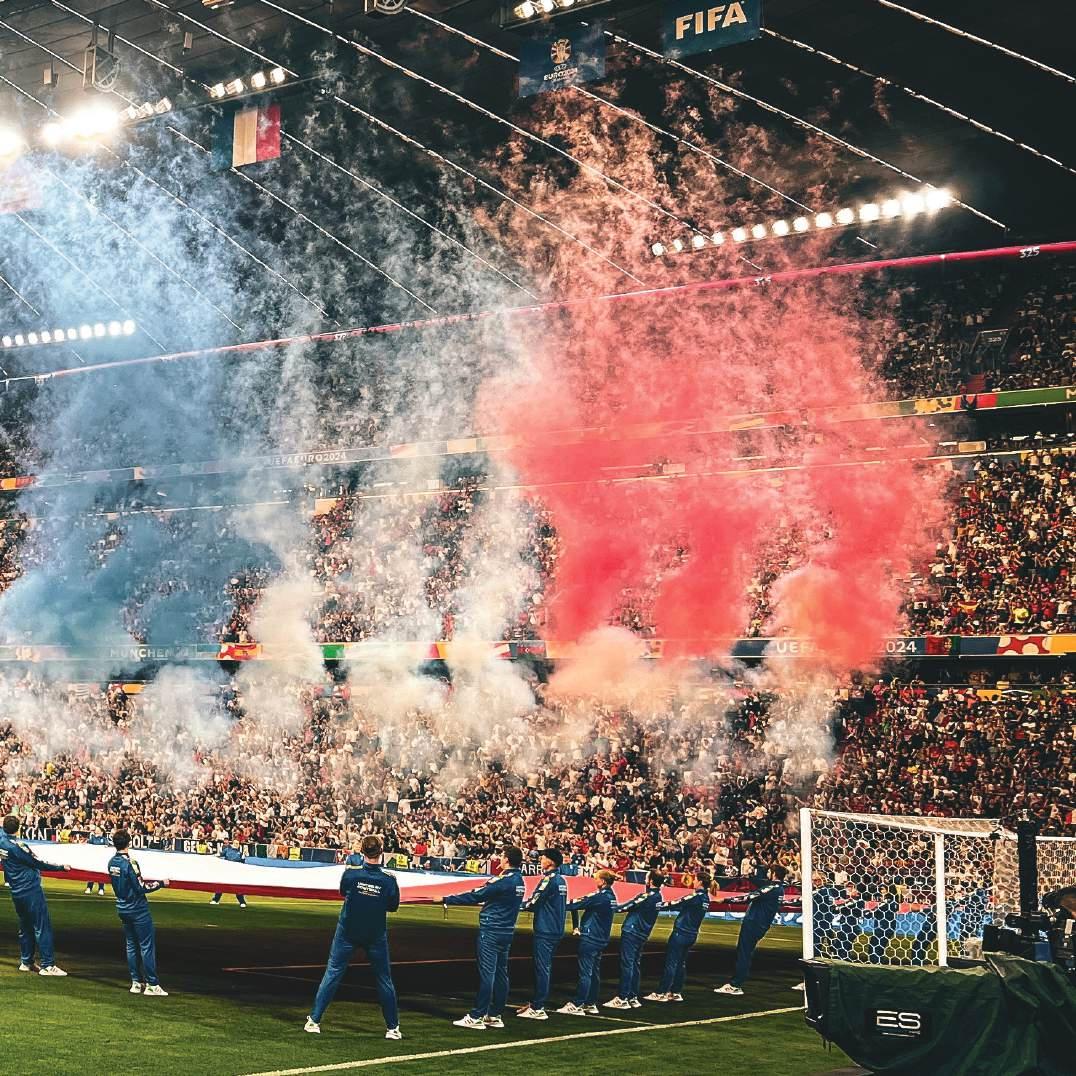
There's travel, and then there's travel that makes your heart pound with the roar of a stadium. It's one thing to watch a game on screen, but it's another to feel the collective cheer of thousands of fans around you. Live sporting events are powerful because you're there.
You're not just a spectator; you're part of the story and, often, a moment in history. In host cities, “sporting fever” takes over, creating a festival of culture, camaraderie, and pure excitement. Cheering releases endorphins and dopamine. Attending a sports game fosters a sense of belonging, and studies have linked sports fandom to reduced loneliness and stronger feelings of social bonding— the ingredients of happy humans.
Transform your sports journey into a once-in-a-lifetime experience by adding extra luxury touches. Going beyond standard tickets can unlock a new level of enjoyment and exclusivity with milestone-making encounters.
Imagine arriving at the stadium and being escorted to a VIP suite with premium seating and gourmet catering. Many luxury packages offer behind-the-scenes access, such as pre-game field passes or exclusive meet-andgreets with sports legends. You could take a private tour of the venue, gaining insights into its history and architecture.
Complement the on-field action with five-star accommodation, from historic grand hotels to chic, modern boutiques. Indulge in high-end dining at Michelin-starred restaurants or discover hidden culinary gems recommended by a personal concierge. Personalised tours can extend the adventure beyond the stadium, whether it's exploring local art galleries, taking a private cooking class, or enjoying a chartered yacht excursion. These curated experiences ensure your trip is as memorable off the field as it is on.
The true magic of sports travel lies in the personal moments and emotional connections it can foster.
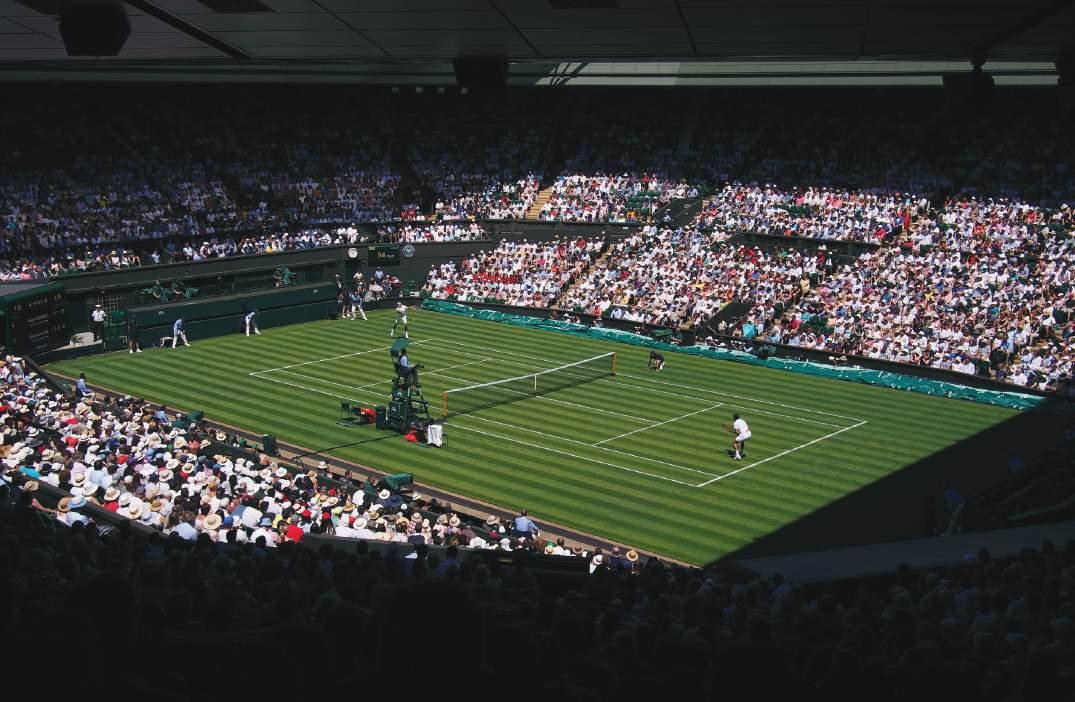
Janice, a tennis fan from Hong Kong, describes her first trip to Wimbledon as "magical." She recalls, "I had goosebumps just walking through the gates— you can feel the history everywhere. The best part was sharing that moment with my dad, who had always dreamed of going to Wimbledon."
For Michael, a football fan, attending the World Cup was a lifelong ambition fulfilled. "The city was so alive with football mania," he says. "I remember standing in the stadium, next to fans from Japan and Germany, all of us singing along to the same anthems."
The collective euphoria is something that has to be felt in person. Combining travel with the thrill of live sports offers a chance to witness history, connect with a global community, and create your own unforgettable stories. The roar of the crowd, the shared joy of victory, and the vibrant culture of a host city all come together to create an electrifying experience.
Stop watching from the sidelines and put yourself at the heart of the action. Whether you're drawn to the snowy peaks of the Olympics or the iconic grounds of Wimbledon, the world of sport is waiting. It's time to go and be a part of it.
If you feel like you've missed out this year, don't worry, because 2026 is shaping up to be a monumental year for sport. The calendar is packed with iconic events, each providing unique opportunities for incredible travel adventures.
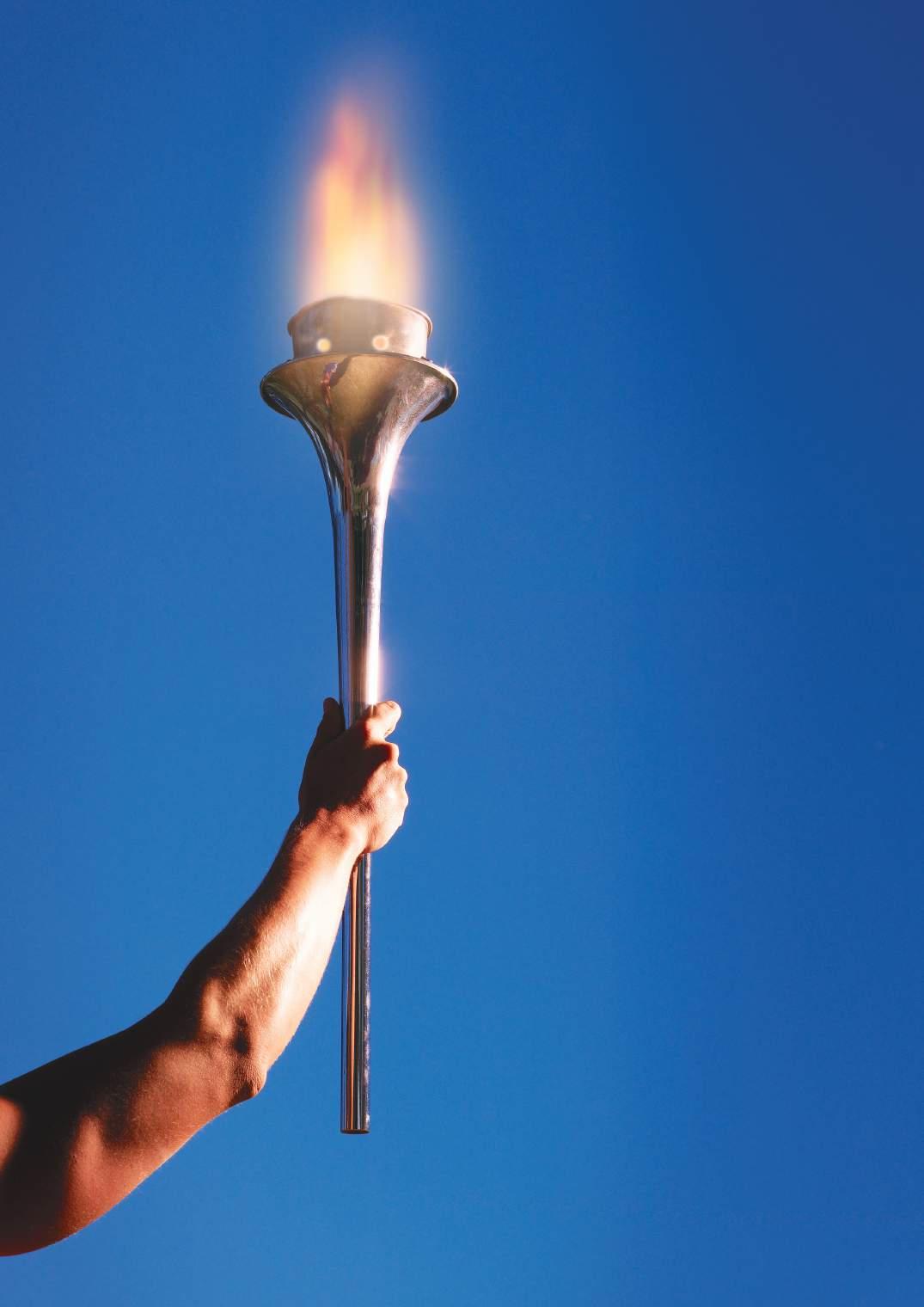
Winter Olympics, 6-22 Feb Winter Paralympics, 6-15 Mar
Milan & Cortina, Italy
冬季奧運會及殘奧會 意大利米蘭及科爾蒂納
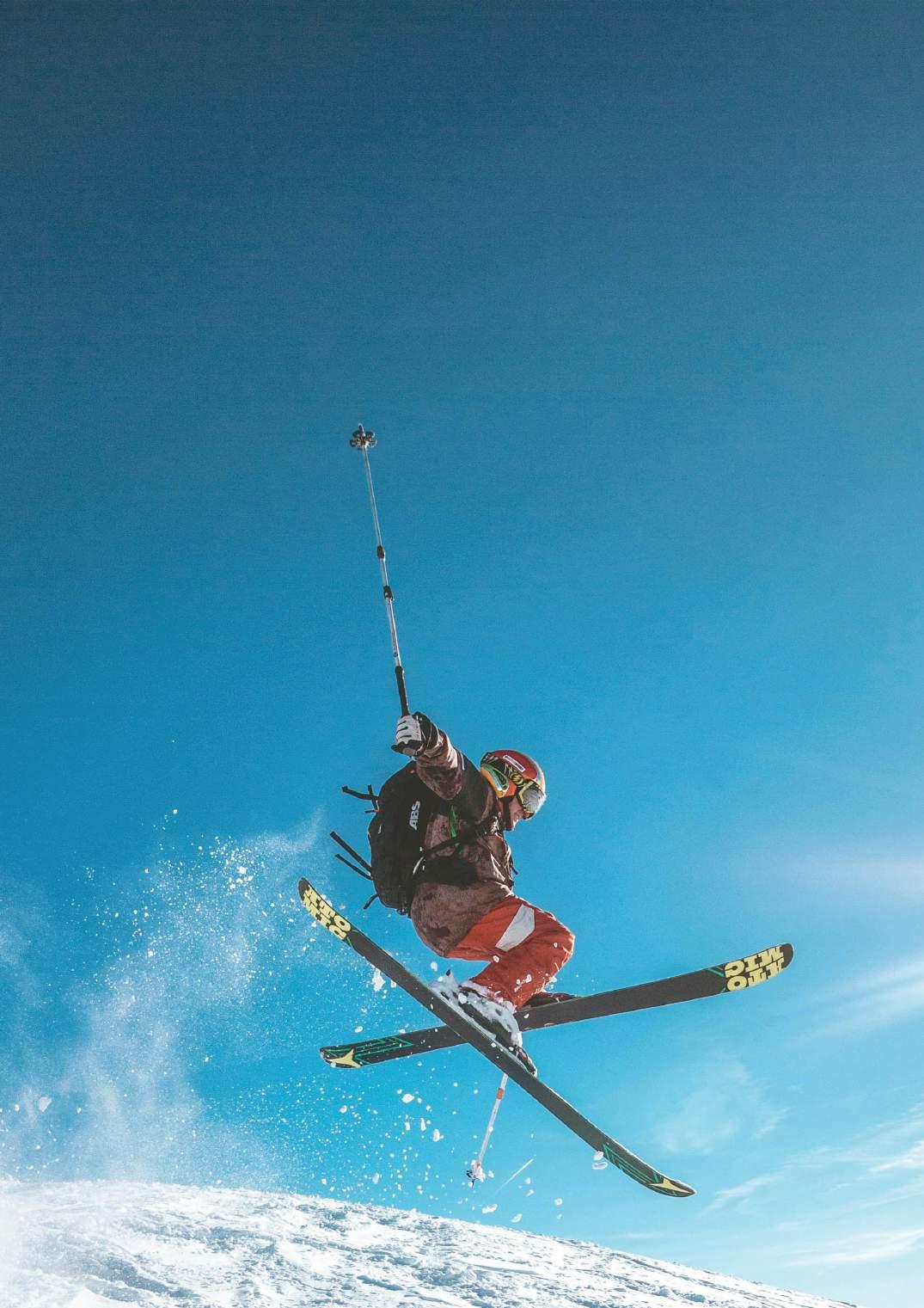
Get ready to bundle up, because the world's best winter athletes are set to compete against the breathtaking backdrop of the Italian Alps. The 2026 Winter Olympics in Milan and Cortina d'Ampezzo represents the pinnacle of cold-weather competition. From high-speed skiing to graceful figure skating, you can experience it all while enjoying world-class cuisine and stunning alpine scenery.
The world's most popular sporting event is coming to North America. For the first time, three nations will co-host the FIFA World Cup, creating a football festival that spans an entire continent. Picture yourself in a stadium electric with energy in Los Angeles, Toronto, or Mexico City, chanting alongside fans from across the globe. The atmosphere will be infectious, the stakes will be high, and you'll be glad you went.
Sip Pimm's, savour strawberries and cream, and watch tennis royalty compete on the iconic grass courts. For many, attending the world's oldest tennis tournament in London is a bucket-list experience.
For fans of American sports, planning a trip around a major NBA rivalry or the spectacle of the Super Bowl offers an intense and exhilarating experience. The energy spills into everything from city-wide promotions and special menus to pop culture moments.
Held every four years, this multi-sport event brings together athletes from the Commonwealth of Nations in a celebration of sport and friendship. The next edition in 2026 promises an unforgettable display of athletic talent.
Follow the world's finest golfers as they chase glory across golf's most hallowed grounds. From the azalea-lined fairways of Augusta National to the windswept links of St. Andrews, each major championship offers a unique blend of athletic excellence and stunning natural beauty that makes every shot a moment of pure anticipation.
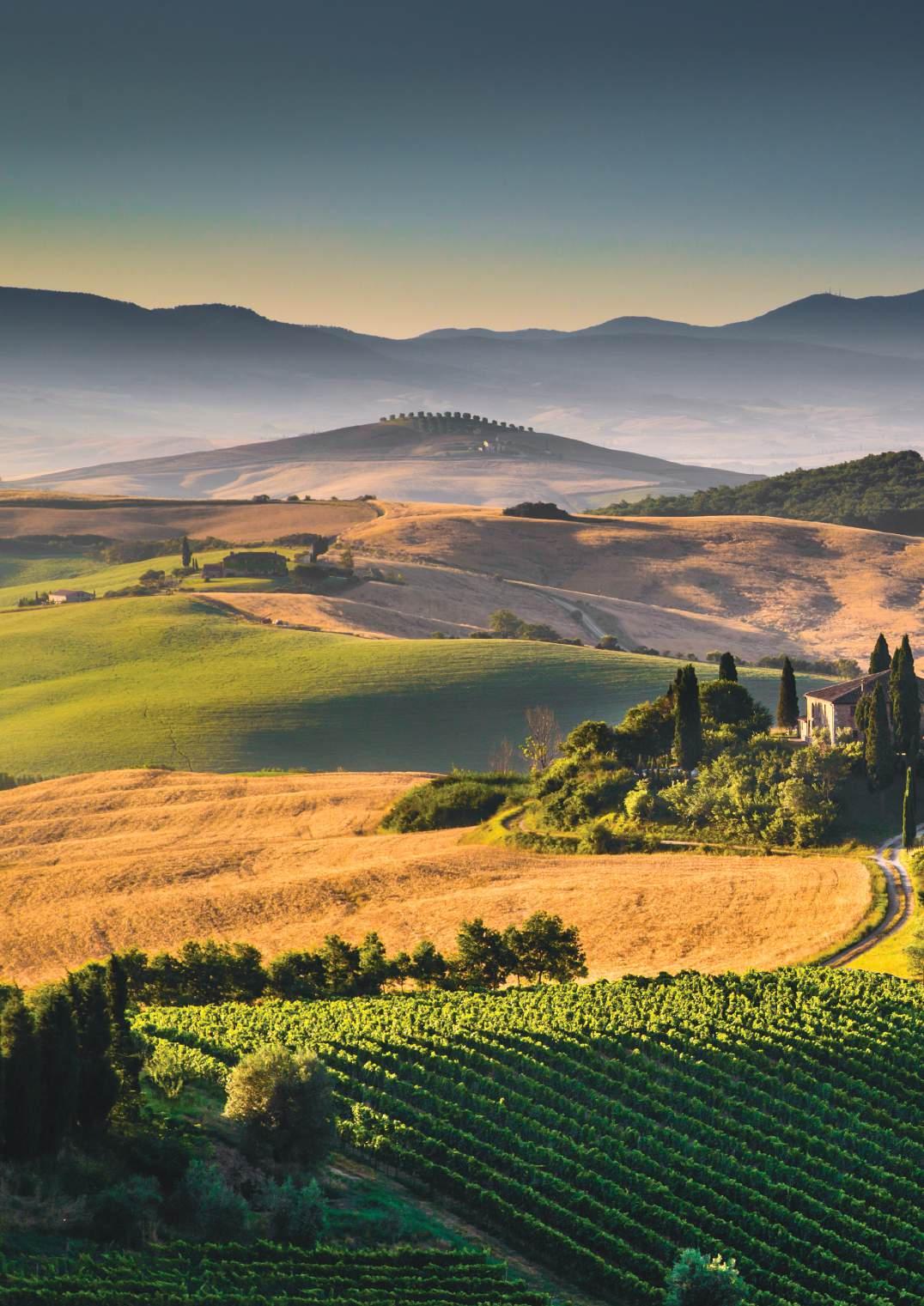
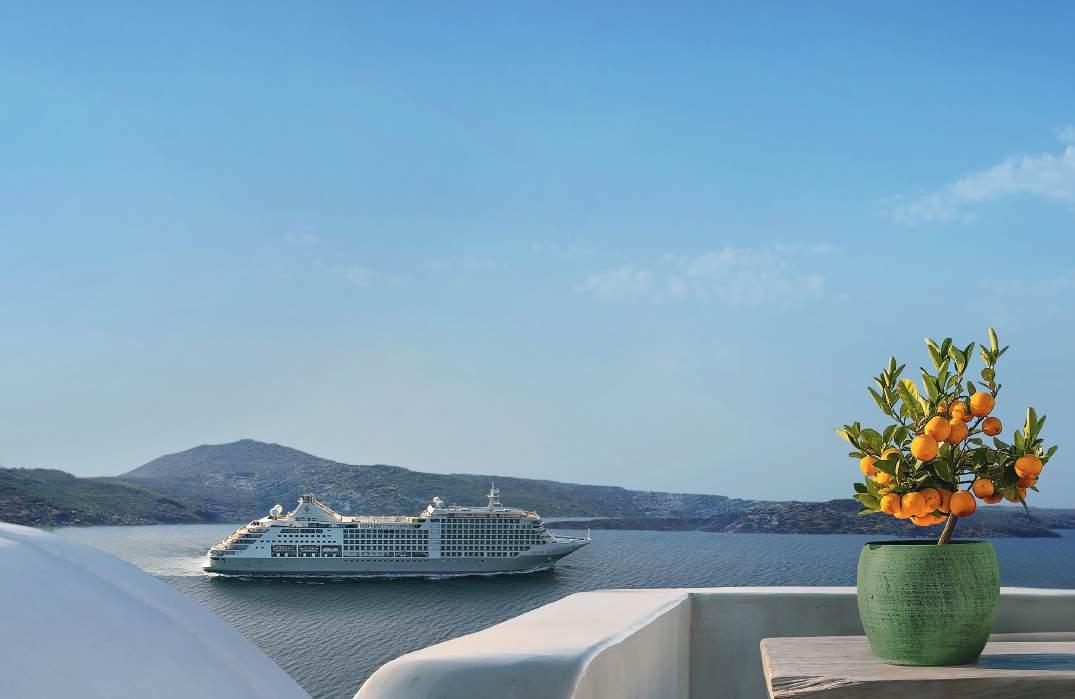
From the timeless beauty of Italy and the sun-soaked shores of Malta to the cradle of civilisation in Greece, Europe offers an extraordinary tapestry of history, culture, and natural wonders. Here you will find a tightly woven patchwork of languages and traditions, a gastronomic haven of celebrated cuisines, and a well-stocked cellar brimming with the finest wines. Not to mention the archaeological sites, Renaissance masterpieces, and architectural gems — it's little wonder Europe continues to enthral. One of the easiest — and most luxurious — ways to immerse yourself in its many layers is on a Crystal voyage.
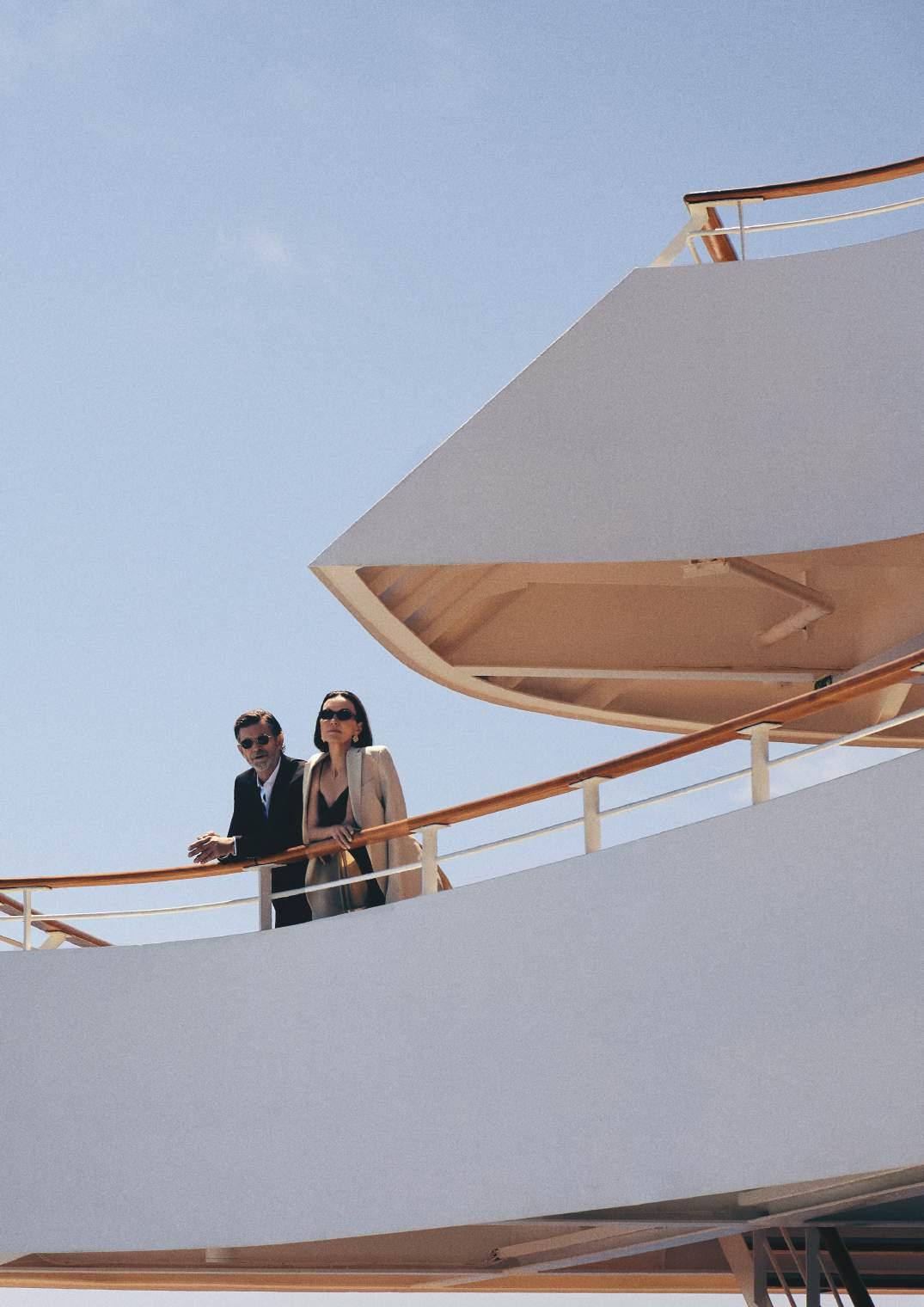
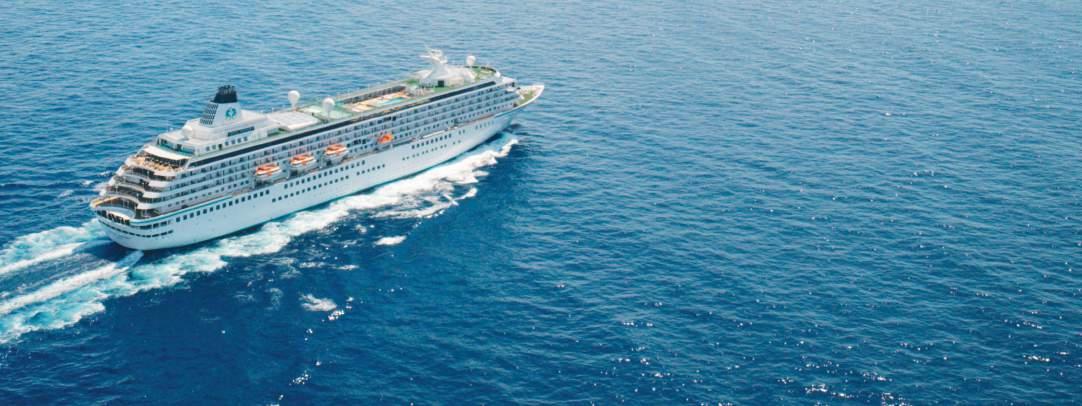
From the moment you step onboard Crystal's elegant ships, you are welcomed into the warm embrace of the Crystal family. Every detail is designed to create an atmosphere of comfort and discovery while every wish is anticipated by the famously friendly and intuitive crew — almost one for every guest.
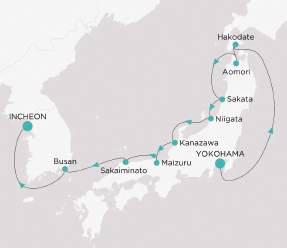
Embark on an exceptional journey in 2026 – with a world of experiences to o er, from the cultural treasures of Asia to Europe’s coastal gems and Alaska’s majestic wilderness.
Tokyo — Seoul
11 NIGHTS FROM $7,300 PP 20 - 31 MAY 2026
CRYSTAL SYMPHONY
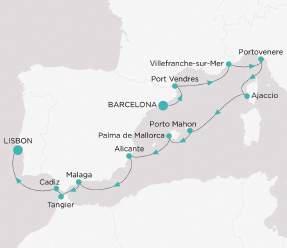
Barcelona — Lisbon
12 NIGHTS FROM $7,700 PP 15 - 27 JUN 2026
CRYSTAL SERENITY
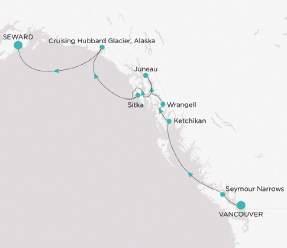
Vancouver — Seward
7 NIGHTS FROM $4,400 PP 11 - 18 JUL 2026
CRYSTAL SYMPHONY
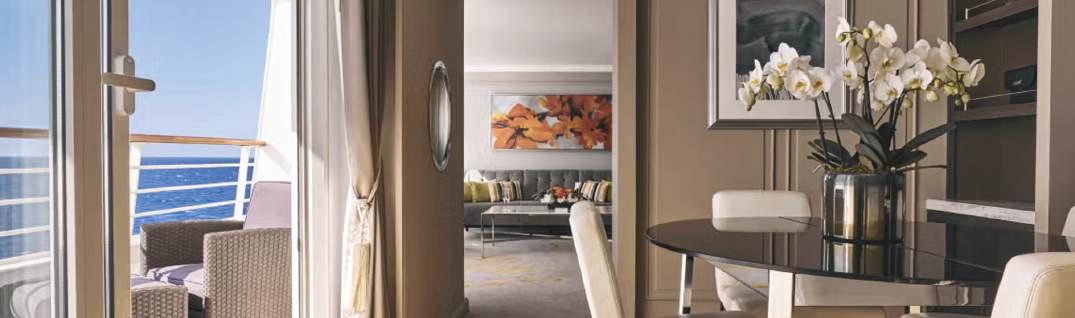
All suites feature sweeping sea views, the dedicated service of a personal butler, and deeply comfortable beds dressed in sumptuous linens. Dining is an art form onboard, with nine distinct venues, including the only Nobu restaurant at sea and the sole ocean outpost of globally sensation Beefbar.
Days at sea can be as tranquil or as active as you choose — calm your body in the tranquil Aurōra spa, perfect your golf swing, relax by the pool or expand your mind with insightful lectures and workshops led by experts. Evenings come alive with entertainment — from Broadway-standard shows to live music and the vibrant buzz of the gaming room, Le Casino de Monte-Carlo.
Onshore, Crystal's immersive excursions reveal Europe in ways few travellers experience. Join culinary adventures from market tours to hands-on cooking classes, dive into crystalline waters, or walk through history alongside expert guides. Tailored for every age, interest and pace, each experience brings you closer to the heart of this fascinating continent.
Departing Amsterdam, settle into life onboard during a sea day. First stop is Saint Malo, a medieval city. Cruising along the French coast, visiting Brest, Nantes, and La Rochelle before crossing into Spain. Enjoy San Sebastián's pintxos, Gijón's cider, and Galician seafood in La Coruña's. A rare solar eclipse enhances a day at sea, before taking in the colourful city of Porto and concluding in Lisbon.
Begin in historic Athens, sailing to enchanting Santorini then Bodrum for a taste of the Turkish high life. After a relaxing day at sea, explore Malta's captivating capital Valletta and the stunning seaside resort town of Trapani on Sicily's west coast. Discover Sardinia's medieval streets and sun-drenched beaches in Cagliari before arriving in Civitavecchia, gateway to the Eternal City, Rome.
Sail from vibrant Barcelona to Lisbon on a journey through Spain, Portugal, and North Africa. Discover the elegance of Palma de Mallorca, Valencia's contemporary architecture, and Cartagena's rising foodie scene. Explore the Spanish enclave of Melilla, Gibraltar's British charm, and Casablanca's bustling souks. Unwind on Portimão's beaches, soak in Cádiz's allure, and end in cosmopolitan Lisbon.
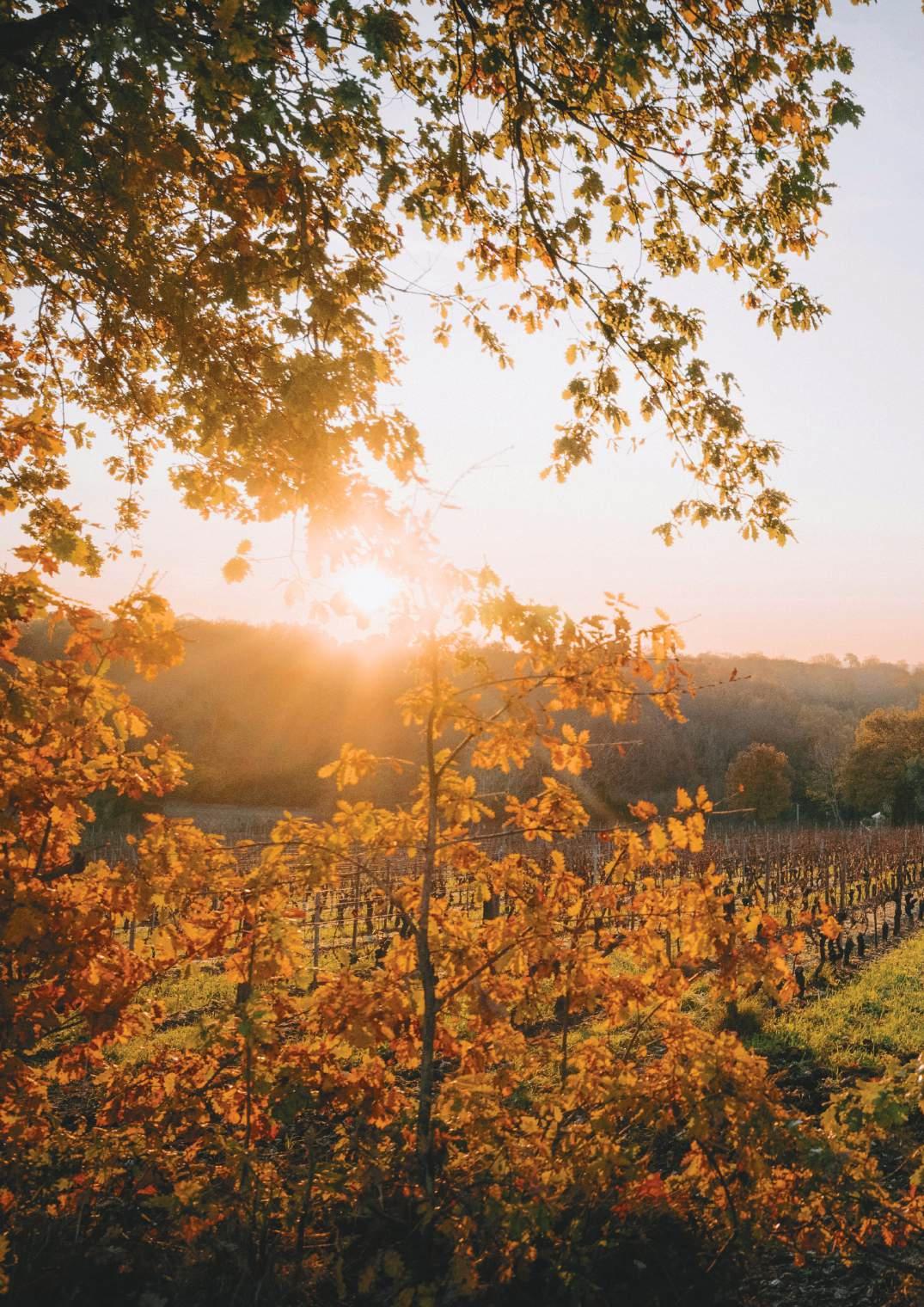
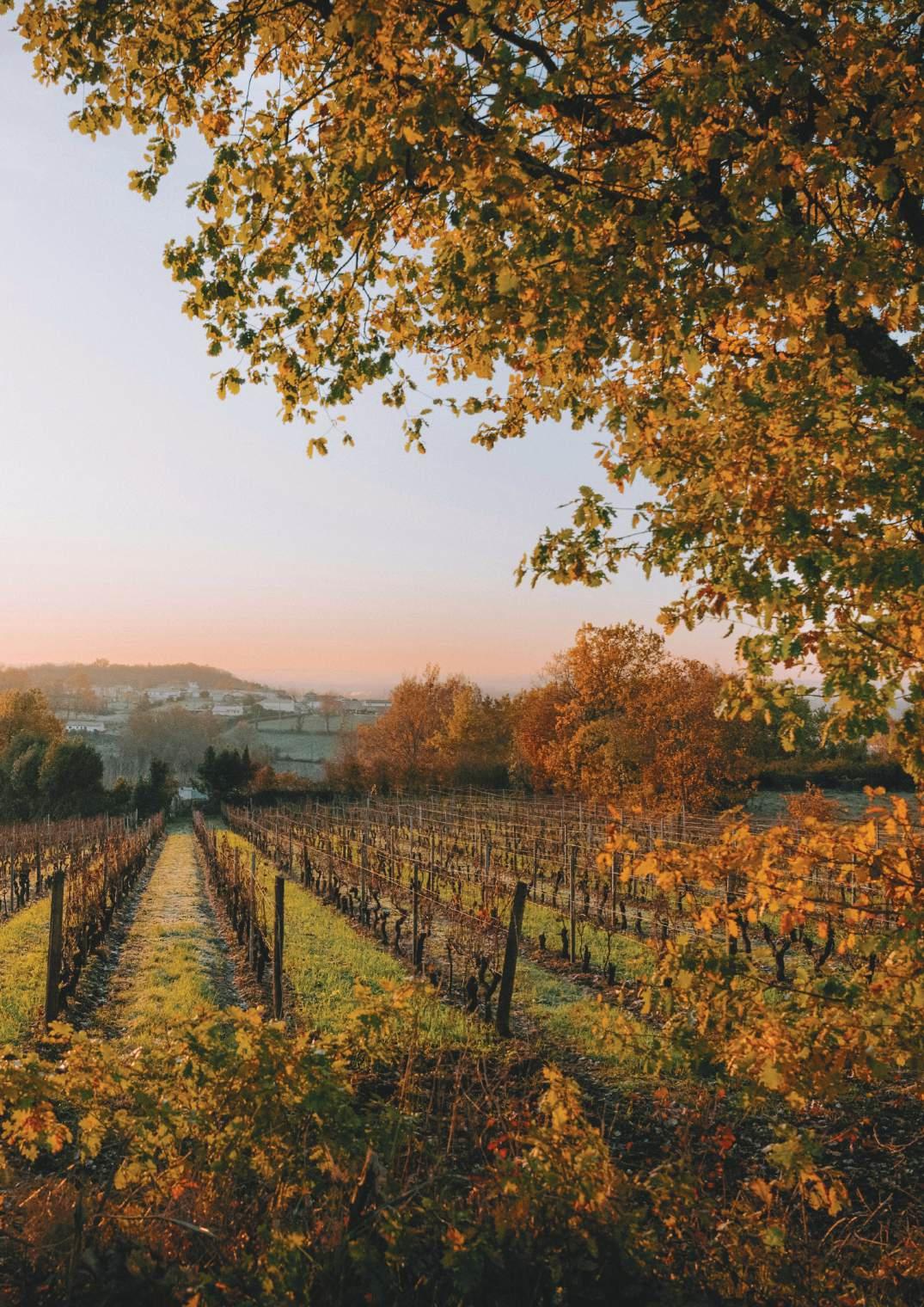
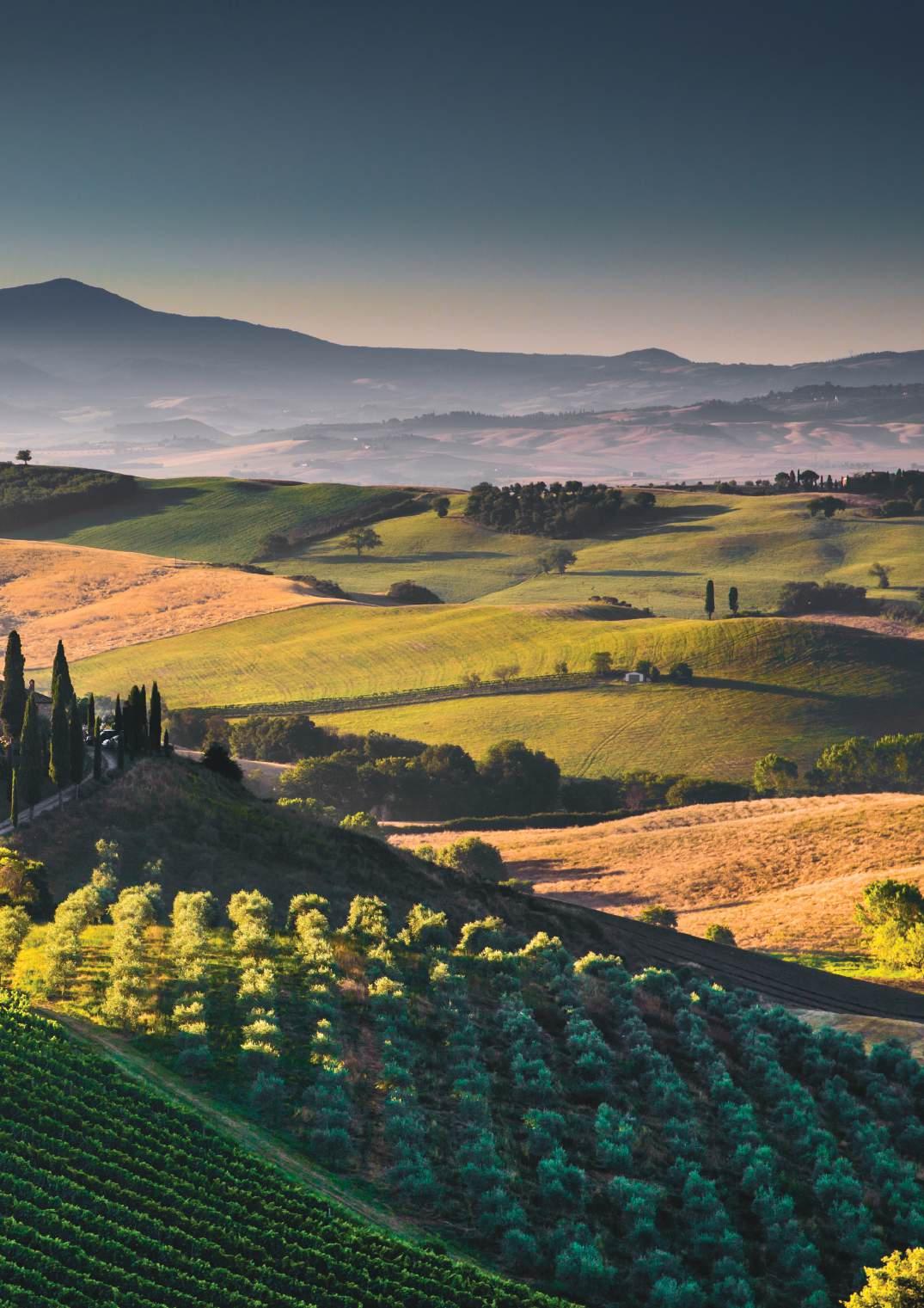
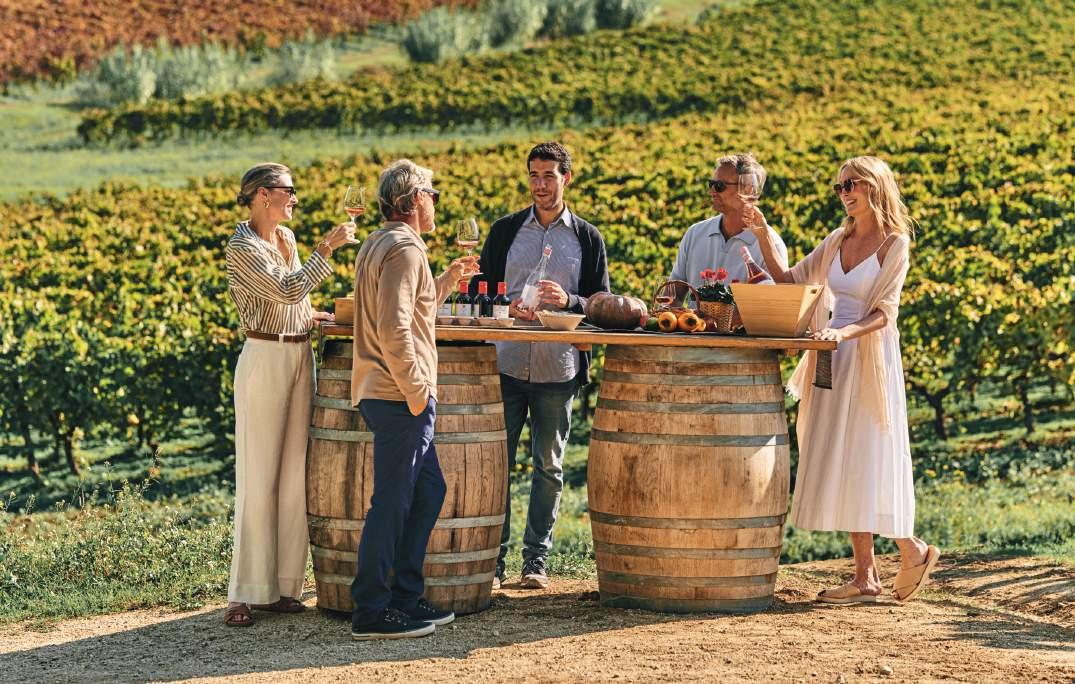
Bordeaux, the cradle of classic winemaking, is embracing a quiet revolution. As climate change reshapes its terroir, the region is responding not with resistance, but with reinvention. In a landmark decision, Bordeaux has approved six new grape varieties—including Touriga Nacional and Assyrtiko—to be used in blends. These grapes bring resilience to heat and disease, ensuring the wines remain expressive and elegant in a warming world.
法國經典酒區波爾多正悄然迎來一場變革。全球氣候變遷重塑當地風土,面對 嚴峻挑戰,這片土地並未故步自封,而是選擇改變自己來回應。他們批准了六 個可用於釀酒的新葡萄品種,包括 Touriga Nacional 與 Assyrtiko。這些葡萄 品種具備抗熱抗病特性,確保即使地球暖化,波爾多葡萄酒仍能保持豐富層次 和優雅風味。
Travel for Wine: Bordeaux Reimagined –Climate, Creativity & the Rise of the Unexpected
At the heart of this transformation is Château Lafleur. In 2025, the iconic Pomerol estate made headlines by declassifying all six of its wines to Vin de France, stepping away from the rigid AOC system. The Guinaudeau family's bold move reflects a deeper philosophy: “We change to remain the same.” It's a declaration of independence— prioritizing terroir, flexibility, and authenticity over bureaucracy.
Meanwhile, the Médoc, long synonymous with red wine, is rediscovering its white soul. The launch of the Médoc Blanc appellation marks a return to forgotten traditions. Over 70 producers are now crafting white wines using both classic and experimental varieties like sauvignon blanc, floréal, and liliorila. The result? A new wave of fresh, aromatic wines that speak to modern palates and sustainable practices.
This isn't just survival—it's evolution. Bordeaux is proving that even in the face of climate adversity, creativity and excellence can thrive. Expect lighter styles, greater biodiversity, and a renewed sense of purpose. The region's future is not only secure—it's inspiring.
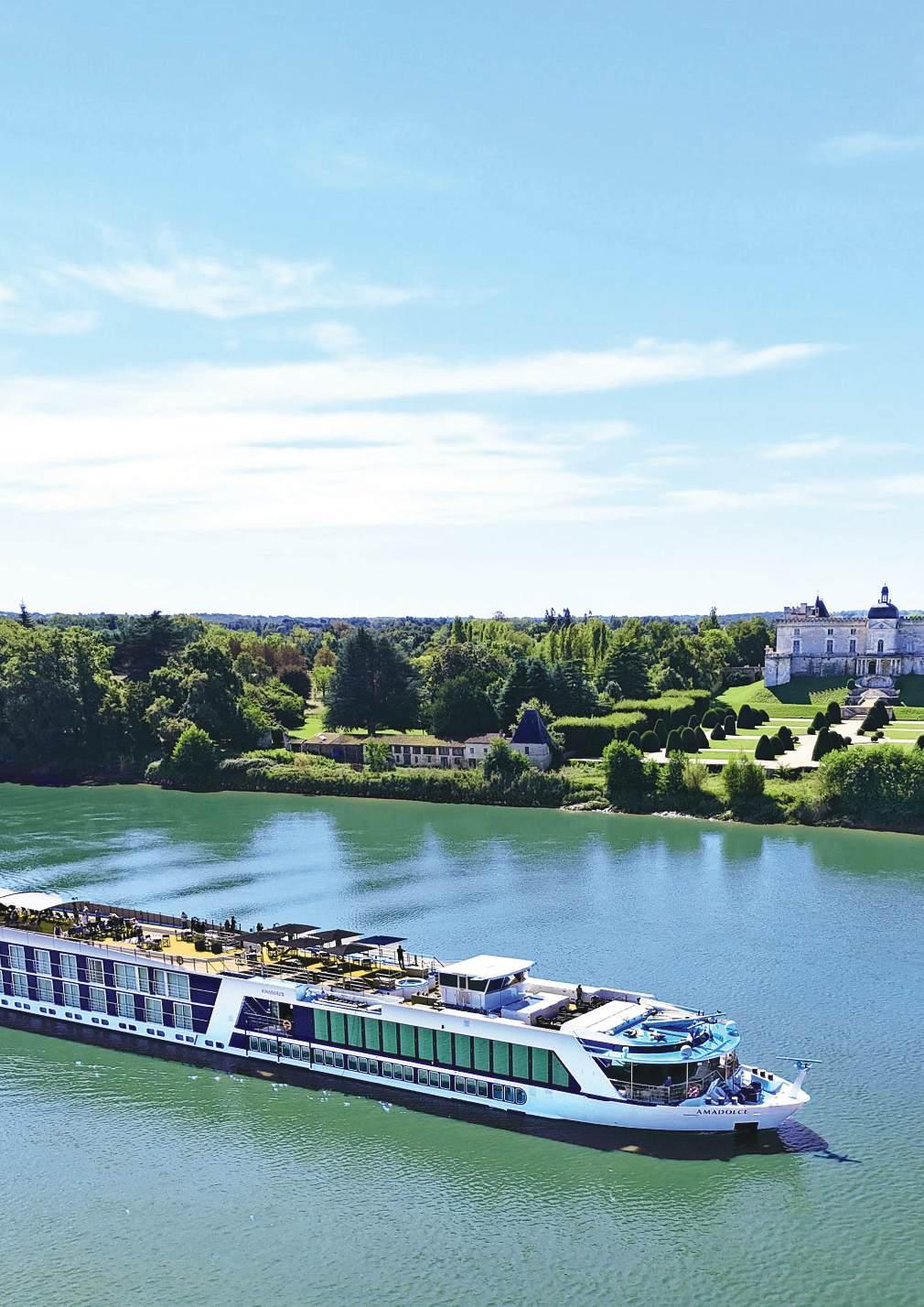
To truly appreciate Bordeaux's renaissance, take to its rivers. The Garonne, Dordogne, and Gironde weave through vineyard-covered hills, medieval towns, and UNESCO heritage sites, offering a luxurious and immersive way to explore the region.
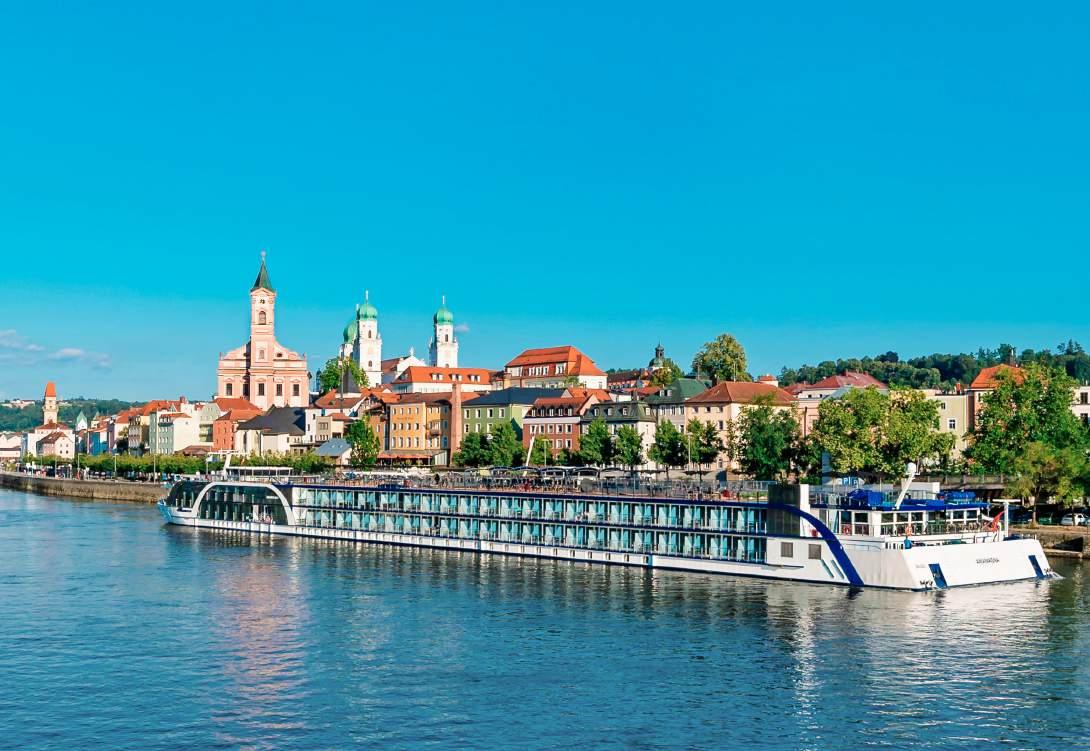
From wine tastings in Saint-Émilion to oyster feasts in Arcachon, river cruises reveal Bordeaux's rich cultural tapestry. Highlights include the Citadelle de Blaye, the Dune du Pilat, and the vibrant quays of Bordeaux city. Operators like AmaWaterways and Uniworld curate journeys filled with culinary delights and château visits.
From 2 to 9 April 2026, I'll be hosting a sailing aboard AmaDolce with AmaWaterways. This curated itinerary includes visits to iconic wine regions like Médoc and Saint-Émilion, alongside biking, hiking, and beadmaking workshops—designed to complement Bordeaux's evolving identity. Book before 31 December 2025 to enjoy USD 500 per person off this unforgettable experience.
When wanderlust collides with the art of travel, a suitcase becomes more than a container, turning into an extension of style, a promise of adventure, and a trusted companion on every runway. It is the first thing that whispers, “I'm ready for anything.” With Charlotte's carefully curated picks, you can travel with confidence and flair, choosing pieces that fuse lasting performance with thoughtful design.
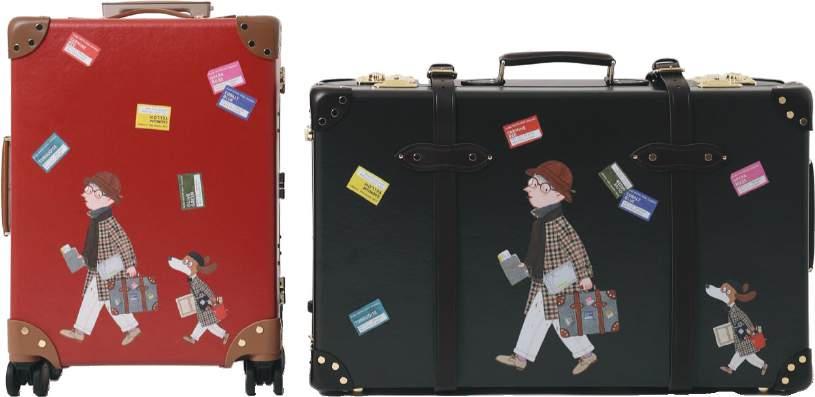
The Daks × Globe Trotter × Mr Slowboy limited edition suitcase transforms travel into a moving gallery. Illustrator Mr Slowboy's hand drawn artwork uses flowing lines to convey motion, blending a gentlemanly poise with a distinctly British aesthetic. These designs are laser-etched directly into the shell, preserving vibrancy and resisting scratches mile after mile. Inside, the suitcase is lined with Dak's signature soft, tonal fabric, a subtle nod to the brand's British tailoring heritage. The piece embodies the same passionate, discerning spirit that drives us to seek unforgettable experiences, marrying performance with art so every arrival makes a statement.