IN THIS ISSUE
» Industry Insight: Modern Fire Stations – Challenges & Opportunities
» What’s New?
» Owner's Corner
» Featured Service: Managing Your PFAS Project
» Project Highlights
» New Beginnings
IN THIS ISSUE
» Industry Insight: Modern Fire Stations – Challenges & Opportunities
» What’s New?
» Owner's Corner
» Featured Service: Managing Your PFAS Project
» Project Highlights
» New Beginnings

By Sean Sweeney, CSL, Senior Vice President, PMCM/OPM Business Line Leader
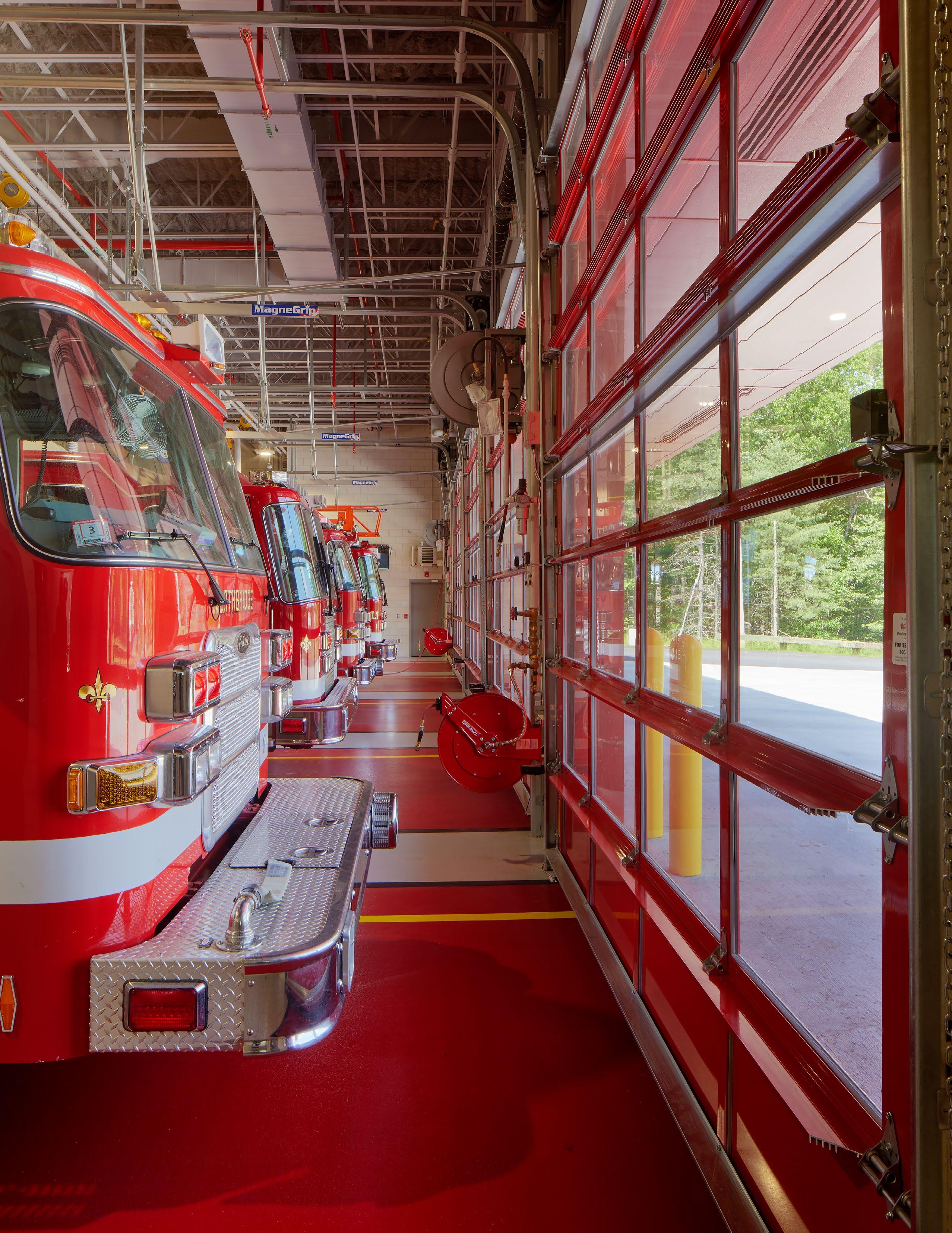
Planning for and designing modern fire stations has become a complex venture. The need for more efficient, safe, and community-focused fire stations is an essential requirement for many communities, but with rising costs for construction and evolving public safety needs, careful consideration of many factors is critical.
According to the National Fire Protection Association (NFPA), there are more than 21,000 fire stations in the U.S. that are more than 40 years old, representing 43% of all fire stations in the country. Based on maintenance, upgrades, and the specific needs of a community, the useful life of a fire station is considered to be around 40 to 50 years, so we have a lot of work to do to modernize our fire station infrastructure.
These are just some of the many challenges facing municipalities, large and small, as they map out their budgetary spending and plan for much-needed fire station renovations or new buildings.
Rising Construction Costs: Construction costs are rising for all types of buildings. From the price of building materials and labor to inflation, there is growing pressure on designers, project managers, and contractors to align needs and wants with being good stewards of public funds. The teams charged with design and planning need to bring innovation into their project planning and delivery. The cost of building a fire station varies greatly depending on location, but the average cost today could range from $700 to $950 per square foot, depending on the complexity of the design. With significant cost comes significant pressure to be efficient and strategic in the planning and design phases.
Co-Location: There is an accelerating trend to co-locate emergency services to maximize the ability to share resources and training spaces and better coordinate across teams of responders. Co-locations also can improve response time and resource sharing.
Dedicated Training Facilities: Firefighters need constant training to keep their skills sharp and stay up-to-date on current tools, procedures, and information so they are well-prepared for any emergency they may encounter. Having dedicated training facilities on-site makes training easier to schedule and more cost-effective.
Community Needs: Fire stations are integral parts of a community and often fill many roles beyond housing fire protection services and equipment. They are frequently a focal point for community activities and host meetings, events, educational programs, and gatherings. There is also an increased need to design them with flexible spaces that can be adapted and reconfigured for different community uses, such as emergency shelters, health clinics, and community command centers.
Sustainability & Green Design: Designing with sustainability in mind is now the norm. From energy-efficient building systems to green energy sources such as solar panels, fire stations that will serve communities for years to come should embody green building practices and incorporate sustainable building materials and systems. Modern designs can incorporate energy-efficient lighting, natural lighting, water conservation, advanced insulation materials, energy management systems, rainwater harvesting, and landscaping to improve insulation and reduce stormwater runoff.
Health and Safety: Fire station designs must now consider strategies that protect firefighters and support personnel from hazardous conditions and contaminants. For example, some stations include pressurized vestibules to prevent the spread of contaminated air. Consideration for vehicle exhaust emissions from fire apparatus and other vehicles is now incorporated into safe design to prevent exposure to firefighters’ living and sleeping quarters.
Continued on Page 11

Dave Hurley joined CHA a little over a year ago, bringing with him 15 years of experience in project management, strategic planning, and team leadership. As an OPM project manager, his role is to oversee complex initiatives from start to finish. He understands that during a construction project, all stakeholders must be aligned so that project goals are met on time and within budget.
Dave played lacrosse at Roger Williams College in Rhode Island and is now a volunteer coach for the Hanover High School Boys Lacrosse Team. While he doesn’t carry a lacrosse stick or wear a helmet for his role as a project manager at CHA, he certainly brings some of the most important lessons of lacrosse to his work, including the importance of perseverance, teamwork, and exceptional communication with your team. His time as a coach and player and the lessons of lacrosse are top of mind as he represents owners on a variety of projects from libraries and ice rinks to police and fire stations. With Dave leading your team, you’re sure to score a project win.


CHA welcomes Edward (Ted) Gentry, PE, as a Senior Project Manager. Ted has more than five decades of project management and engineering experience on commercial, institutional, educational, medical, and corporate building projects.
Pam Degan has joined CHA as Business Development Leader for Buildings. Pam has over 30 years of professional experience in the architecture, engineering and construction (AEC) industry. She will be based in CHA’s Boston office, where she will support our PMCM/OPM, cost estimating, architecture, and building design business lines.
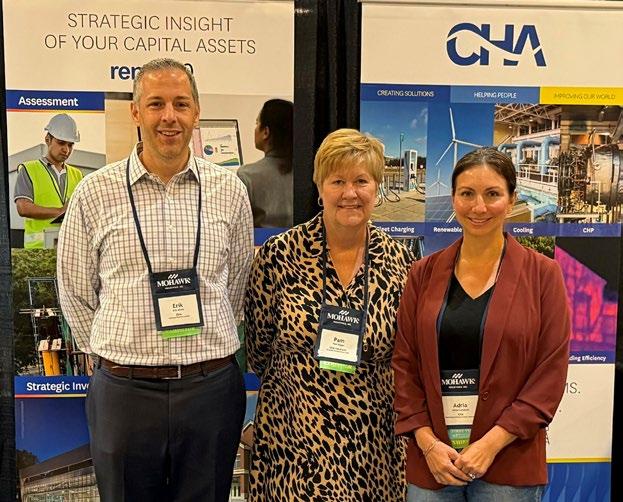
Our team has been on the move, exhibiting at conferences this summer and fall. Did you have the chance to meet up with us at the SCUP Annual Conference in Philadelphia in July to talk about some of the trends and challenges facing today’s higher education campuses? We also exhibited at ERAPPA 2024 in Valley Forge, PA, where we were joined by our building design, energy, and MEP teams. Be sure to catch up with our Team at the Massachusetts Municipal Association (MMA) Annual Conference from January 23-25, 2025, at the Boston Convention Center, where we will be demonstrating our new deferred maintenance tool, renu360.

CHA released its 2023 Sustainability Report documenting ambitious goals and significant achievements, including carbon reduction, impactful projects, meaningful community outreach, greener operations, a highly trained workforce, and high scores on an important industry sustainability ranking.
Standing out among the firm’s many successes in 2023 was the achievement of its carbon reduction goal – to reduce its carbon dioxide (CO2) equivalent per employee 20% by 2025 (from its 2019 baseline) two years early. CHA also scored high marks on the CDP Climate Change Score Report, an important industry sustainability indicator for corporations. Read the full report here
When it comes to constructing a project, identifying realistic cost estimates and schedules that support the project's business objectives and meet overall client expectations can be challenging for most owners. Accurate cost predictions facilitate a more strategic approach to broad-scale expenditures.
Calculating construction costs for a project, including direct costs, is essential, particularly in the preconstruction process. Professional cost estimating services can be key in helping ensure that owners and contractors are able to complete a construction project profitably. CHA has a team of cost estimators who have detailed knowledge of construction materials, specifications, techniques, codes, and pricing trends. We base our cost estimating services on fundamental quantity surveying principles to create realistic and actionable budgets. We make sure that clients receive maximum value, expenditure is controlled, and cost is kept within the agreed budget, preventing cost overruns.
Several pivotal tools we use to save our clients money and time and mitigate the exposure of cost overruns include:
CHA’s cost estimating group embodies a holistic approach characterized by meticulous planning, proactive risk mitigation, and stakeholder collaboration. With a focus on precision, efficiency, and accountability, we set a solid foundation for the successful execution of a project while ensuring optimal cost control and value realization.
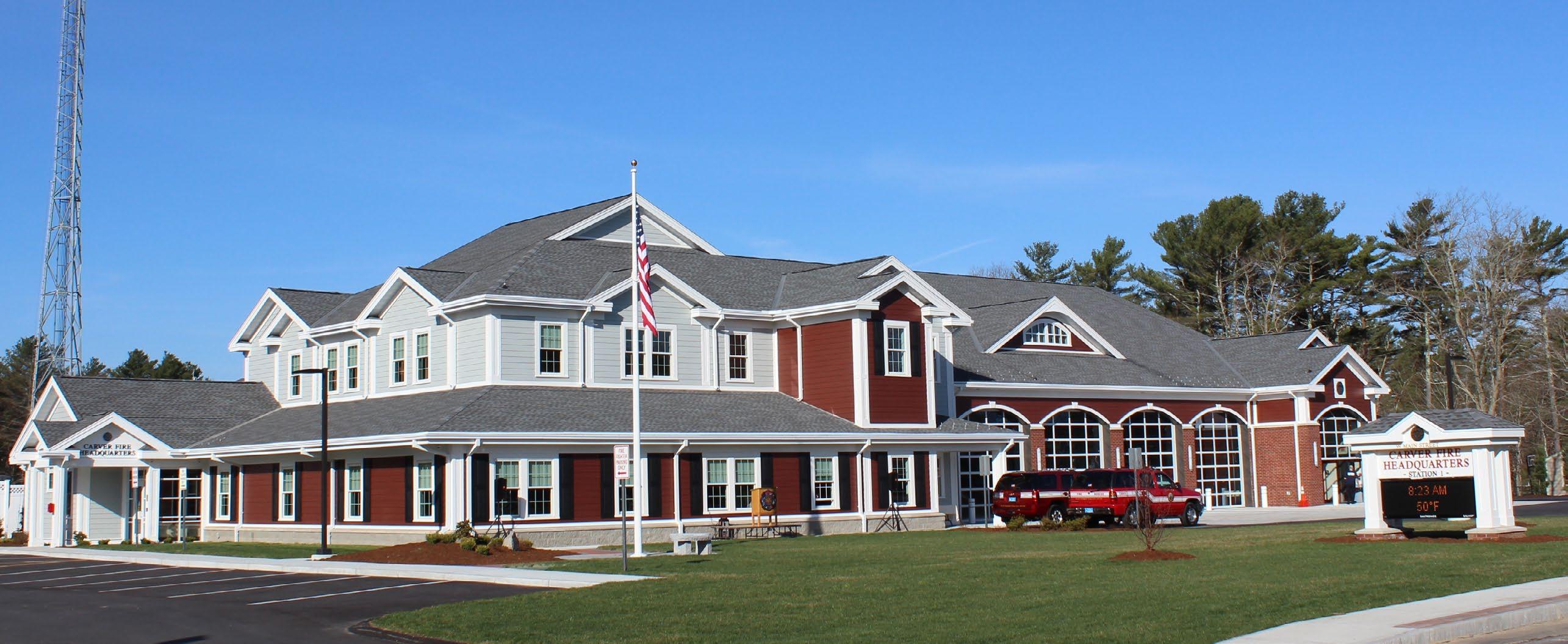
There’s a long history of community involvement in Carver, Massachusetts, a town incorporated in 1790 and named for John Carver, one of the Mayflower pilgrims. When Chief Craig Weston shared the story of building the town’s new fire station and training facility, this foundation of community participation continued to play a lead role.
According to Chief Weston, this facility came to fruition in part due to the enormous support of the community. From the many residents who served on sub-committees, including a great chairperson (a retired fire chief), to the countless volunteers who helped clear and stump the site and demolish the old building to save money and maximize their resources, it was clear - the people of Carver were the stars of this project. The best advice Chief Weston would offer to other communities on the cusp of this type of project is to involve the community through sub-committees and encourage people to give their thoughts and feedback.
His greatest success from this project is the feeling of pride when staff and community alike walk into the building. “We want people to be in and feel a part of our facilities. We try to maintain an environment that is warm, friendly, and functional, and we recognize that has come from all the thought people put into it, and it paid off,” said the Chief.
Chief Weston also shared another gem of advice before starting a project like this. He and his team toured at least 20 fire stations and took photos of various elements that appealed to them. From color and carpet to doors and specialized spaces, they documented what they liked and gave a book of photos to the design team as a starting point.
Chief Weston also offered three lessons learned from this project:
• Be patient because nothing happens as fast as you think it will.
• Don’t settle - you are only going to do this once.
Get enough money and get the project right. It makes sense to secure the funding and then design the building so you can work within the budget.
While all building projects pose challenges, there’s not a single thing the Chief would do over again. They changed their minds a few times along the way, and they had to make tough decisions, including some downsizing, but all those decisions turned out to be the right decisions for the project and the community.
Note: The Town of Carver built this project without a debt exclusion. The Town had created a Capital Stabilization Fund, funded with a portion of property tax to fund capital building projects. Consequently, this capital project did not require a new tax to the town or a debt exclusion. Once the money was there, the town could agree to spend it on the new station.
One of CHA’s strengths as a full-service firm is the ability to tap into expertise in other sectors of the company to address current challenges. For example, we are collaborating across water resources and owner’s project management to create a new area of expertise based on seamless collaboration and the joining of two highly specialized teams.
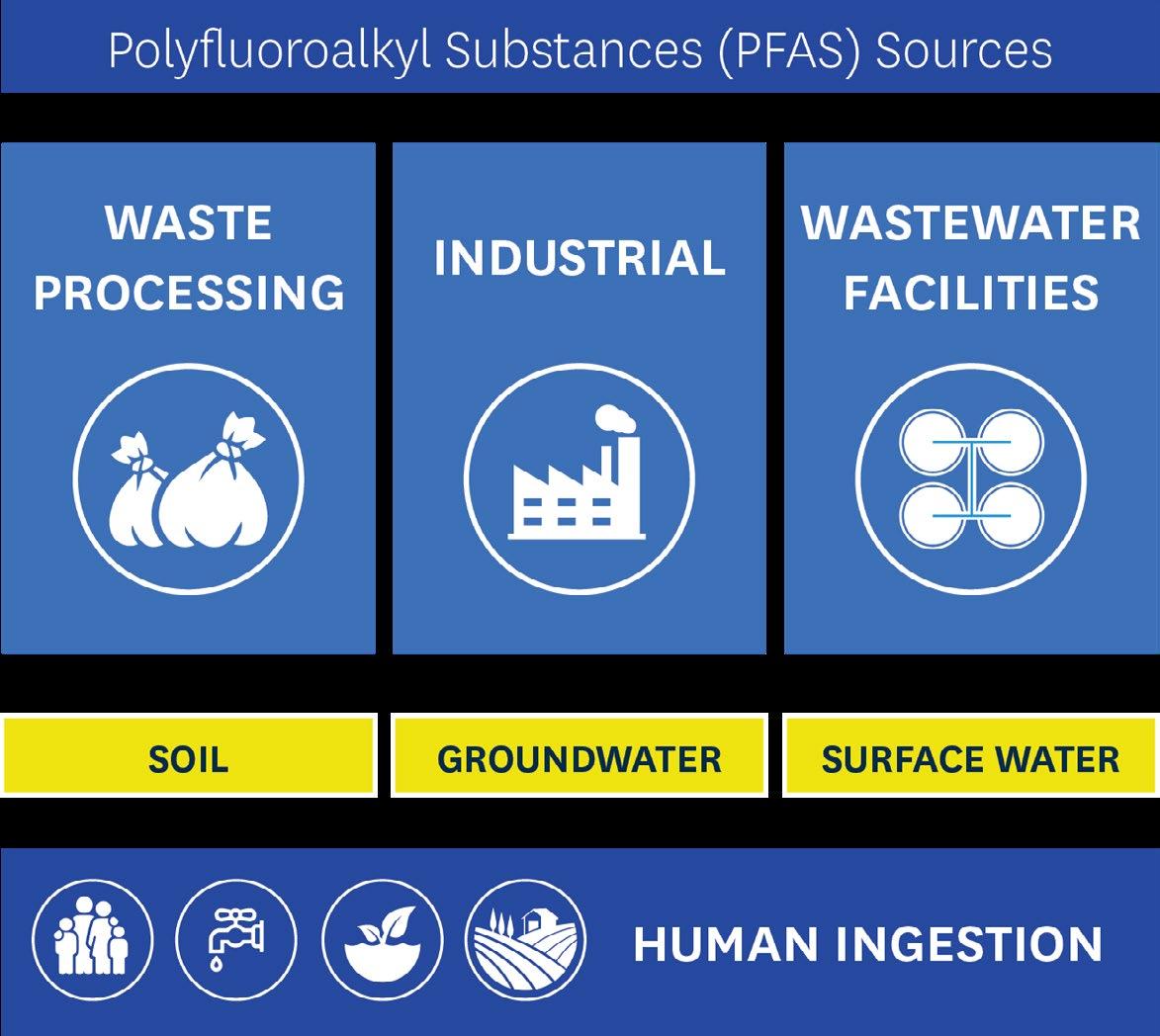
Massachusetts, like many other states across the U.S., is at the early stages of addressing the significant challenges presented by per- and polyfluoroalkyl substances or PFAS, also known as “forever chemicals.” These chemicals, found in drinking water sources, pose serious risks to public health and require the implementation of filtration and mitigation systems.
Safe drinking water is vital for every community’s well-being. It is critical that the construction and installation of potential treatment options for PFAS gets done right the first time.
We have been creating innovative solutions to address emerging contaminants, including PFAS, and we’re experts at implementing effective and cost-efficient solutions to achieve successful completion of today’s capital building projects. Combined, we offer an integrated solution to manage your PFAS project successfully.
At CHA, we know that the proper construction and installation of potential treatment options are critical to healthy communities. That is why we are partnering with municipalities to help them implement effective and costefficient solutions to achieve these types of capital building projects.
To learn more about our PFAS expertise, click here.
To talk with our team about managing a PFAS capital project, contact Senior Project Manager Joe Sullivan at jsullivan@chasolutions.com

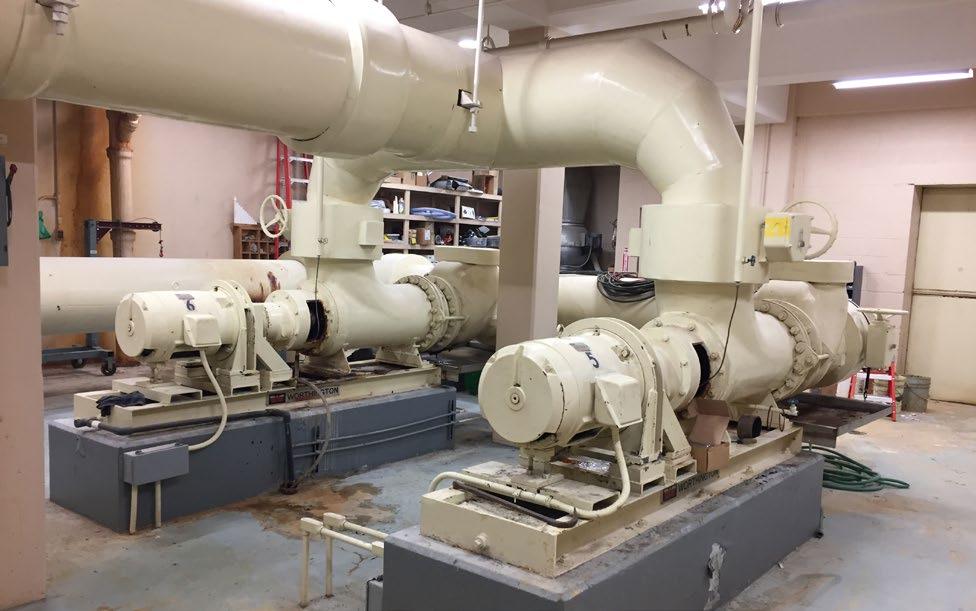
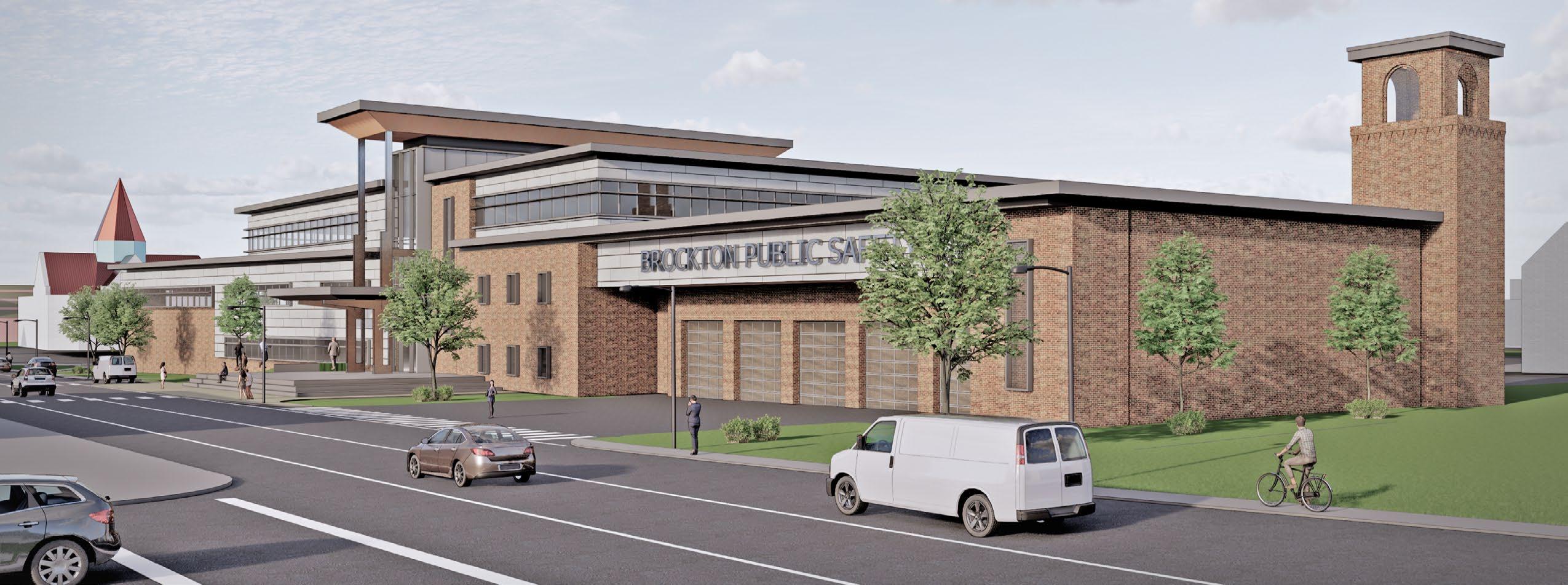
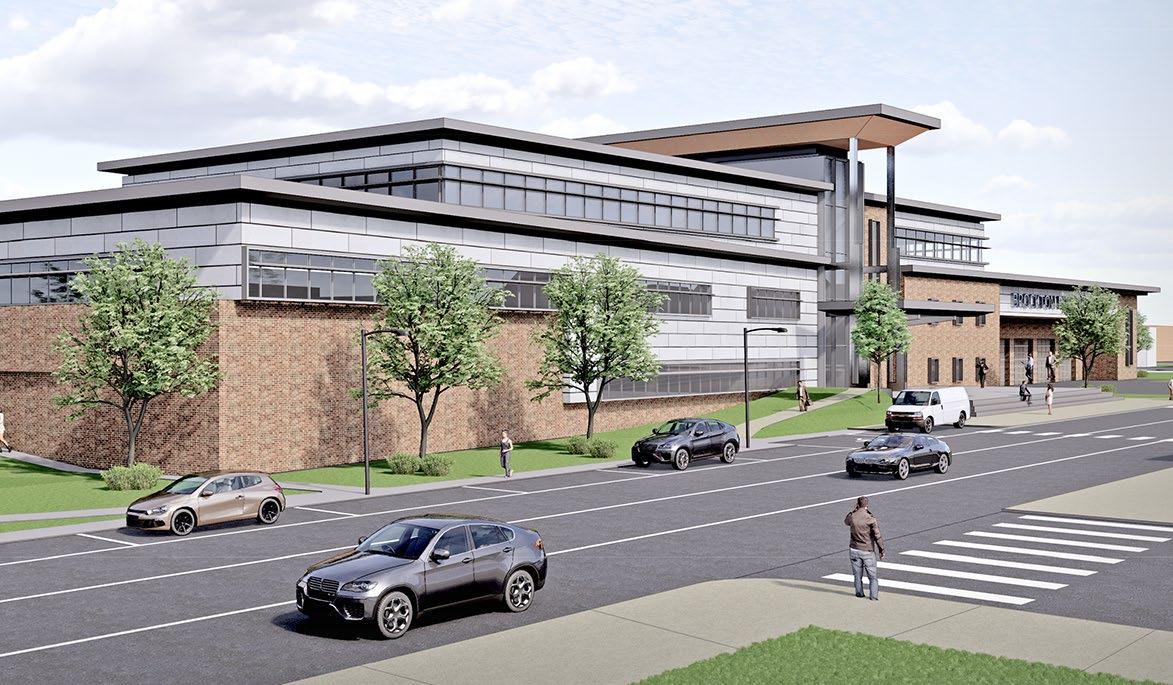
CHA is providing OPM services for a state-of-the-art combined public safety complex to replace the City of Brockton’s outdated police station and historic fire station. The four-story, 149,275-SF public safety facility will house the operations of the police and fire departments, a joint emergency dispatch center, and administrative and support offices for the emergency management and IT departments.
The complex will include a 300-vehicle parking garage. Public lobby space will be available on each floor, providing easy access to services and information for the community.
CHA has been actively involved in every aspect of the project, including designer selection, space needs assessment, program development, site evaluation, and cost estimates. With an ambitious construction timeline, this multi-phase project is anticipated to be completed in 2025.
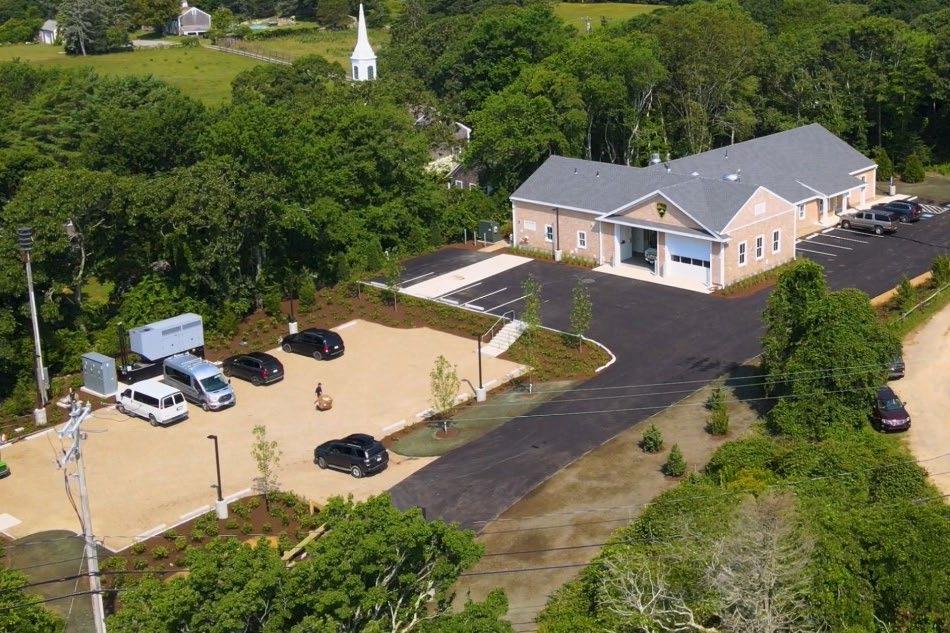
CHA provided OPM services for design and construction of a new 5,000-SF fire station for Chilmark and a new 6,000-SF Emergency Medical Service (EMS) headquarters serving the communities of Chilmark, West Tisbury, and Aquinnah. The EMS building houses a training room for both facilities, sleep quarters and day room for EMS staff, and a dispatch command center. The town’s historic nature was considered when designing the aesthetic features of the buildings, in addition to safe and efficient access for fire and emergency personnel.
The project included extensive site work to reconfigure an existing parking lot at the firehouse and a new overflow parking lot on the EMS site for town hall parking. An elevated boardwalk now connects the new overflow lot to the town hall site.
CHA helped the owner complete the project ahead of schedule and under budget despite the challenges of supply and labor shortages. The team also persevered despite the well-known “Island factor,” which can make obtaining materials challenging for Martha’s Vineyard due to its more remote location.
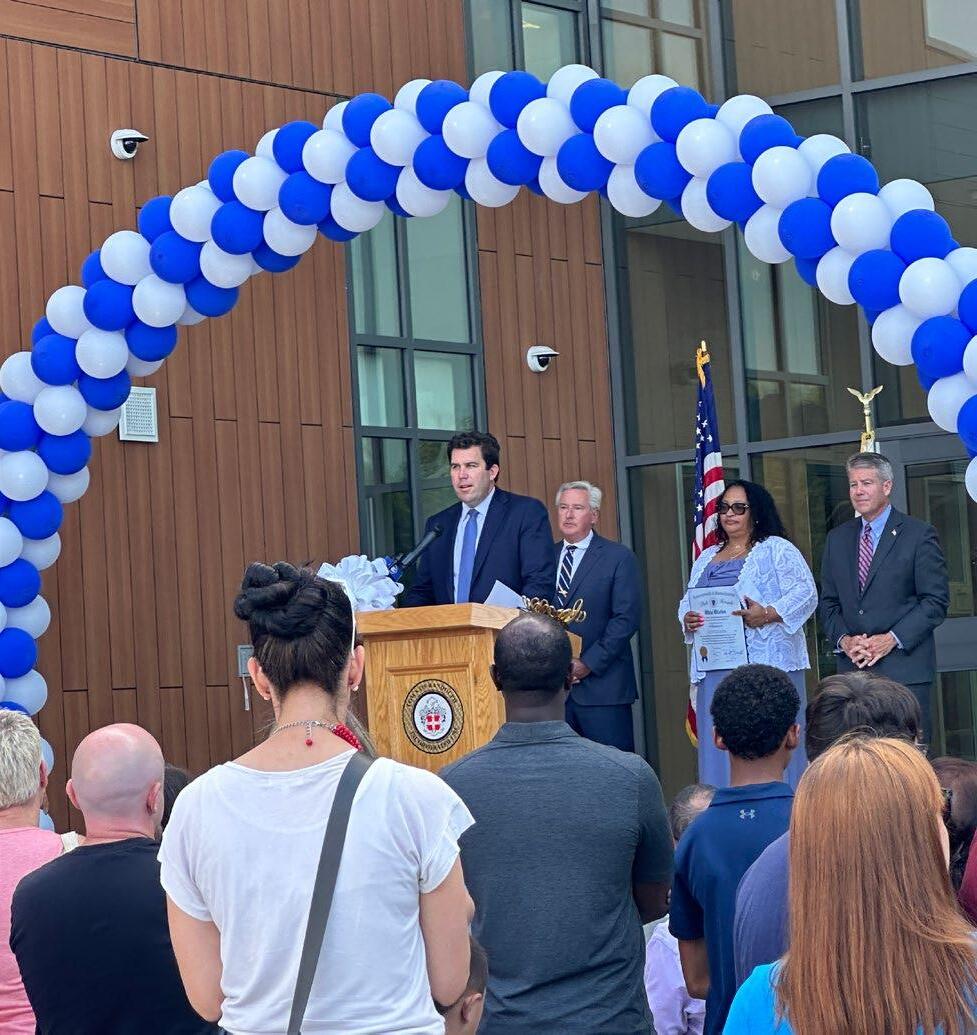
CHA provided OPM services for the new 74,720-SF elementary school building in Randolph, Massachusetts. This project’s goals were to create modern, engaging, and flexible spaces for pre-K to fifth grade, increase instructional classrooms and specialized teaching spaces, update all building systems (MEP), and improve parking and site circulation. This school was previously known as the Elizabeth G. Lyons Elementary School.
The community, including excited students and teachers, gathered at the school on August 27, 2024, for a ribbon cutting ceremony featuring balloons, speakers, and celebrations. Congratulations to the Town of Randolph and Randolph Public School District on your beautiful new elementary school!
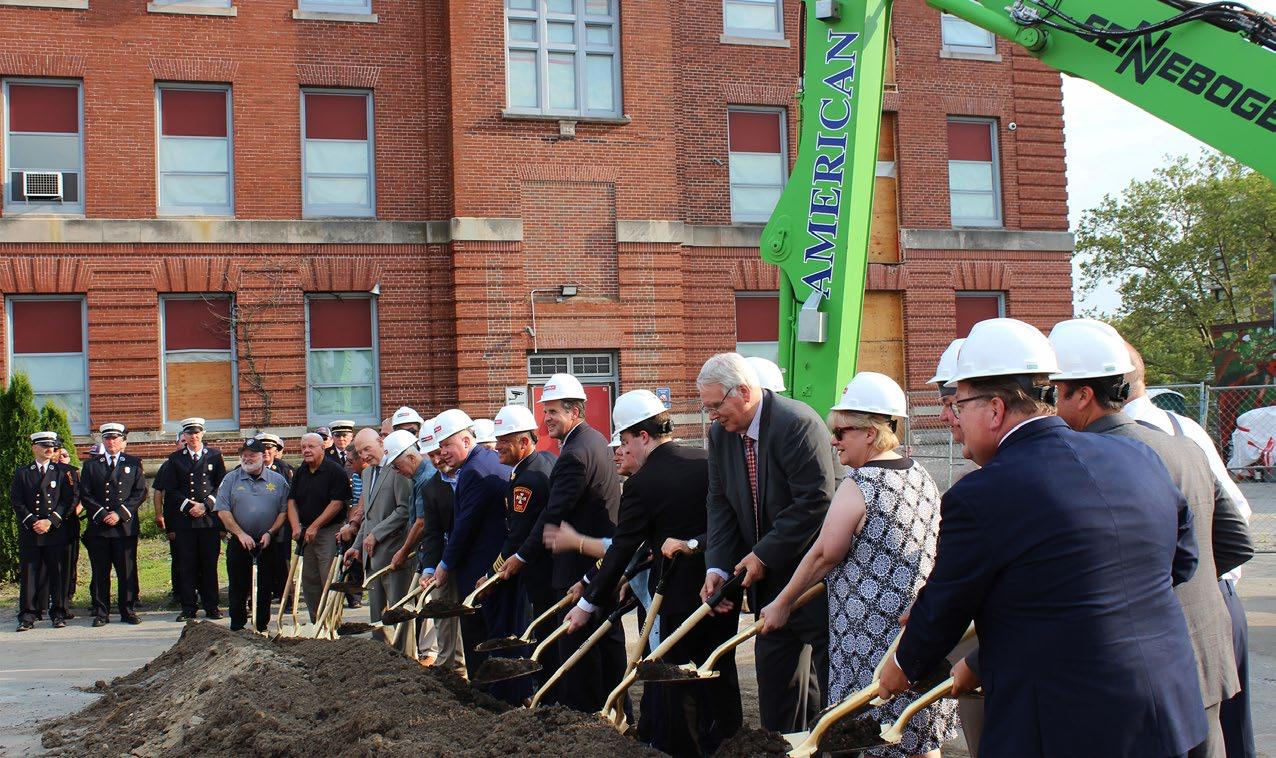
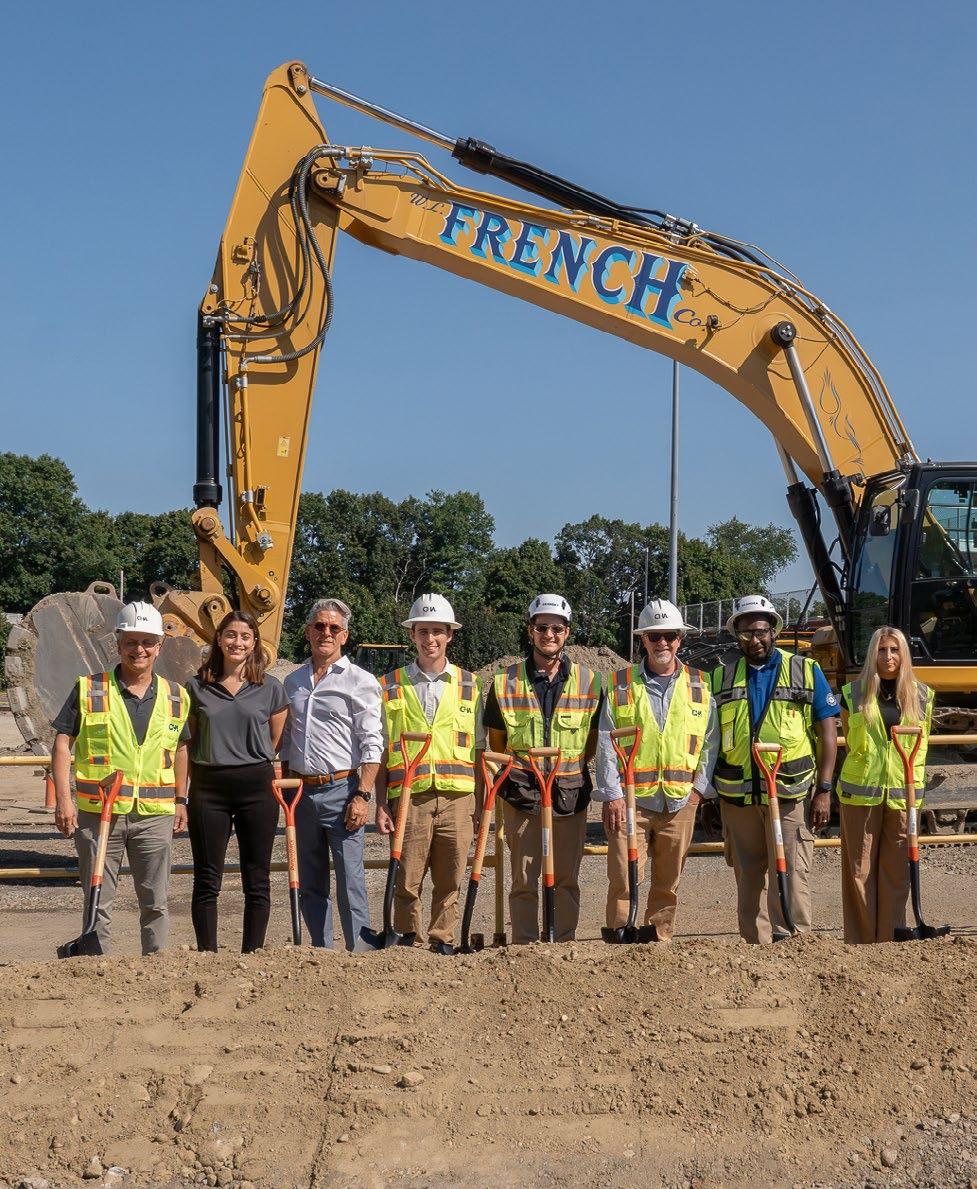
CHA is providing OPM services to the Town of Belmont, Massachusetts, for a new steel framed pre-engineered metal building to house a new skating rink complex. The facility will feature a conventional 200’ x 85’ ice sheet, along with four team locker rooms, four general dressing rooms, restrooms, bleacher seating for approximately 200, a concession stand, PV solar panels on the roof, and support spaces for ice making equipment and mechanical/electrical rooms. The total size of the proposed rink is 40,300 SF. The Town of Belmont hosted a groundbreaking ceremony on September 5, 2024, to kick off this much-anticipated project.
Check out this video of the groundbreaking ceremony and interviews with key contributors, including OPM Project Manager Tom Gatzunis as the final interview.
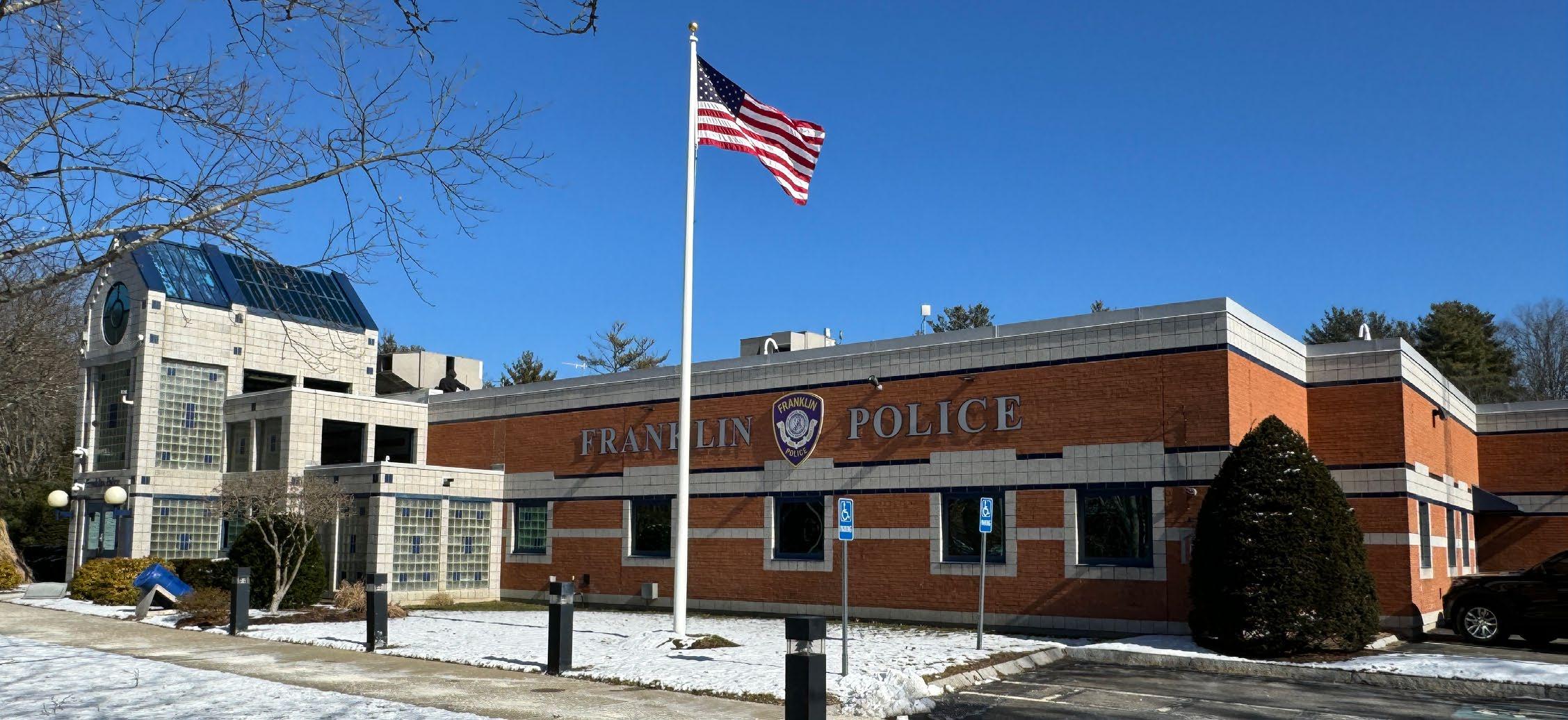
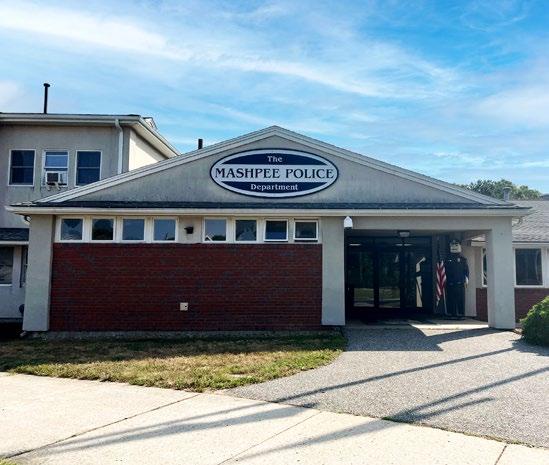
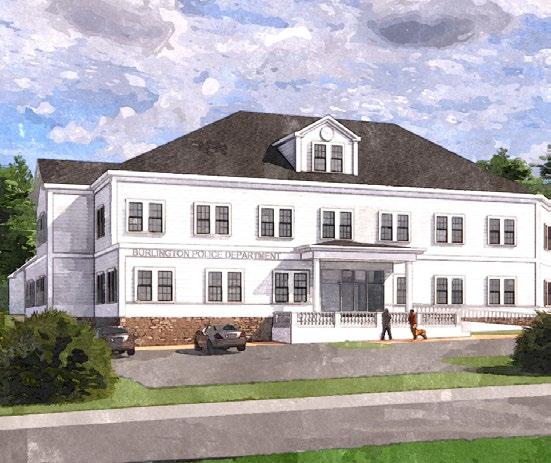
The CHA team has recently been selected for three new police station projects. Many communities have recognized the need for modern, more efficient, safe, and community-focused buildings to house their critical law enforcement assets. We are excited to get to work on new police station projects in Massachusetts in Mashpee, Franklin, and Burlington.
Inclusive Design: While firefighters have historically been men, this has changed in recent years. Fire stations must now be designed to be inclusive of all genders and a diverse workforce. Today’s fire station design must balance privacy and inclusiveness to encourage a more diverse fire response team. Planners and designers are focused on collaboration around the design of restrooms, changing areas, and sleeping rooms that will create a station with a more inclusive, safe and collaborative layout.
Resilience: Fire stations must be resilient to withstand severe weather and power outages and now be prepared for any emergency a community may face. It is essential that facilities are designed with backup power systems to ensure uninterrupted service.
Flexibility of Space: The ability to quickly pivot and repurpose the spaces available in a modern fire station will be an essential deliverable for fire station designers
and planners. From modular spaces and multi-functional rooms to open floor plans and community spaces, modern designs will be created around flexibility and adaptability.
The CHA team has decades of experience as a steward of fire station projects. As we look to the future, we know that fire station projects will continue to present some of the biggest challenges for communities. However, all offer some of the greatest opportunities to enhance both their community’s fire protection resources and well-being - and CHA wants to continue to be part of those solutions.
Sean Sweeney, CSL, provides leadership for owner’s project management services, construction management, capital program management, project controls, and advisory services for clients to help them steward their built assets. He has extensive knowledge of emerging technologies, advanced construction techniques, program development, and execution. You can reach Sean at ssweeney@chasolutions.com