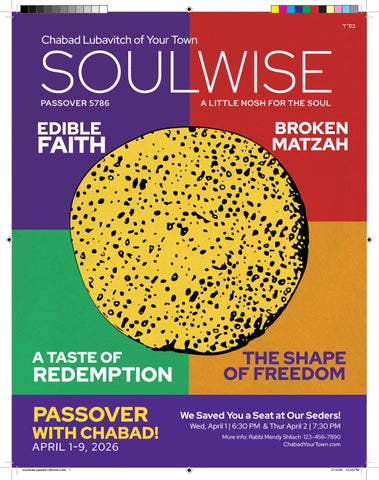
Dear Readers,
Welcome to our Spring Issue. The Torah tells us that Passover must always be in the springtime. As families and friends come together to celebrate Passover, you can feel Jewish identity blossoming like the trees of spring. It's been a harsh winter for many, and we welcome the spring season of Passover and miracles for our people.
As we celebrate the wonders of the Exodus each year, there is a renewed sense of hope and excitement. Especially when we look at the cup of Elijah and the promise of redemption it represents, we can see and hold it, even if we don't drink it.
As you read through our Passover issue, I invite you to join us for Passover by visiting our website at www.yourwebsite.com.
Wishing you and your loved ones a Kosher and Happy Passover,
Directors, Chabad Jewish Center
PS: If you know someone who needs Shmurah Matzah, call me at 123-896-8963

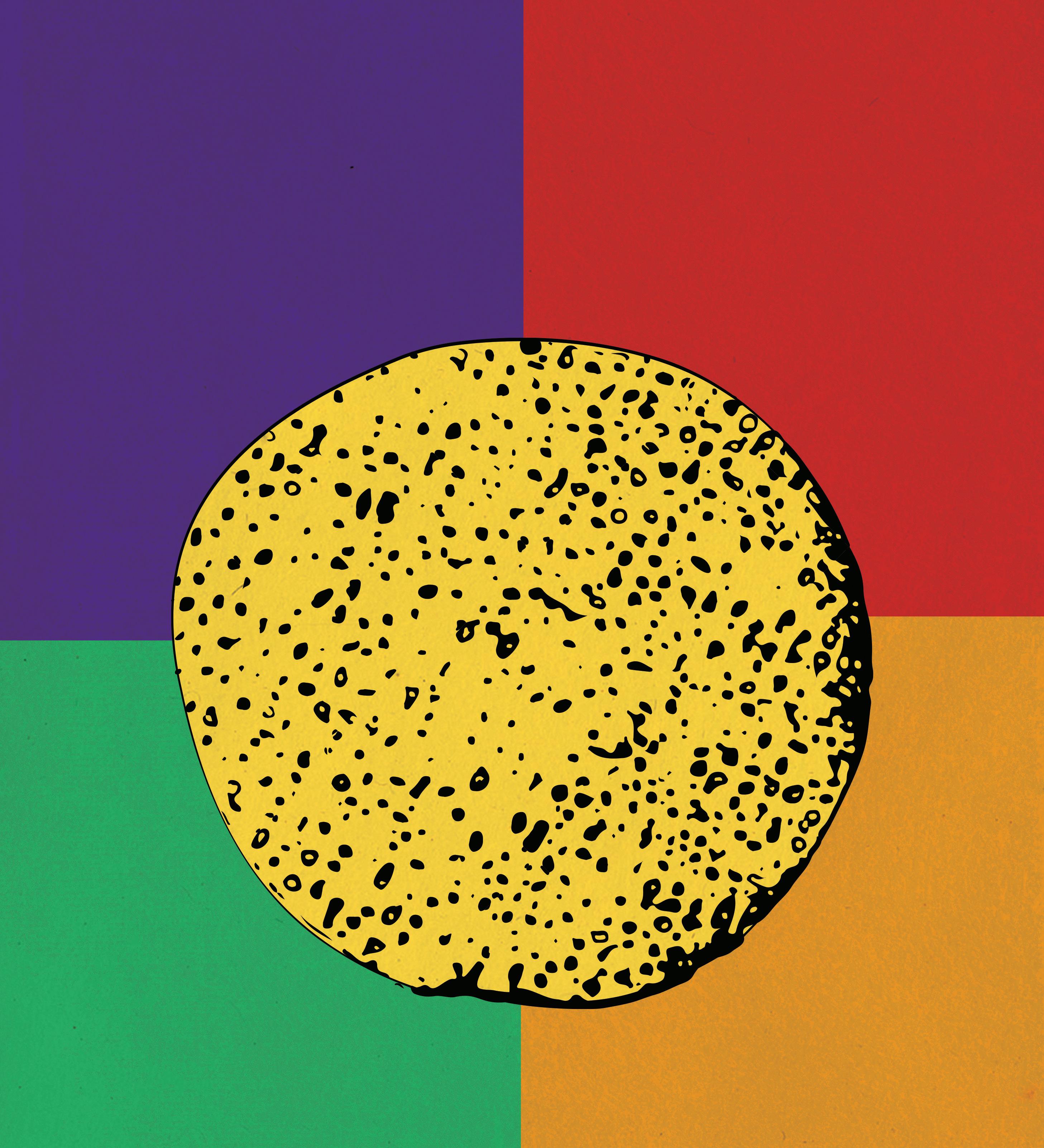
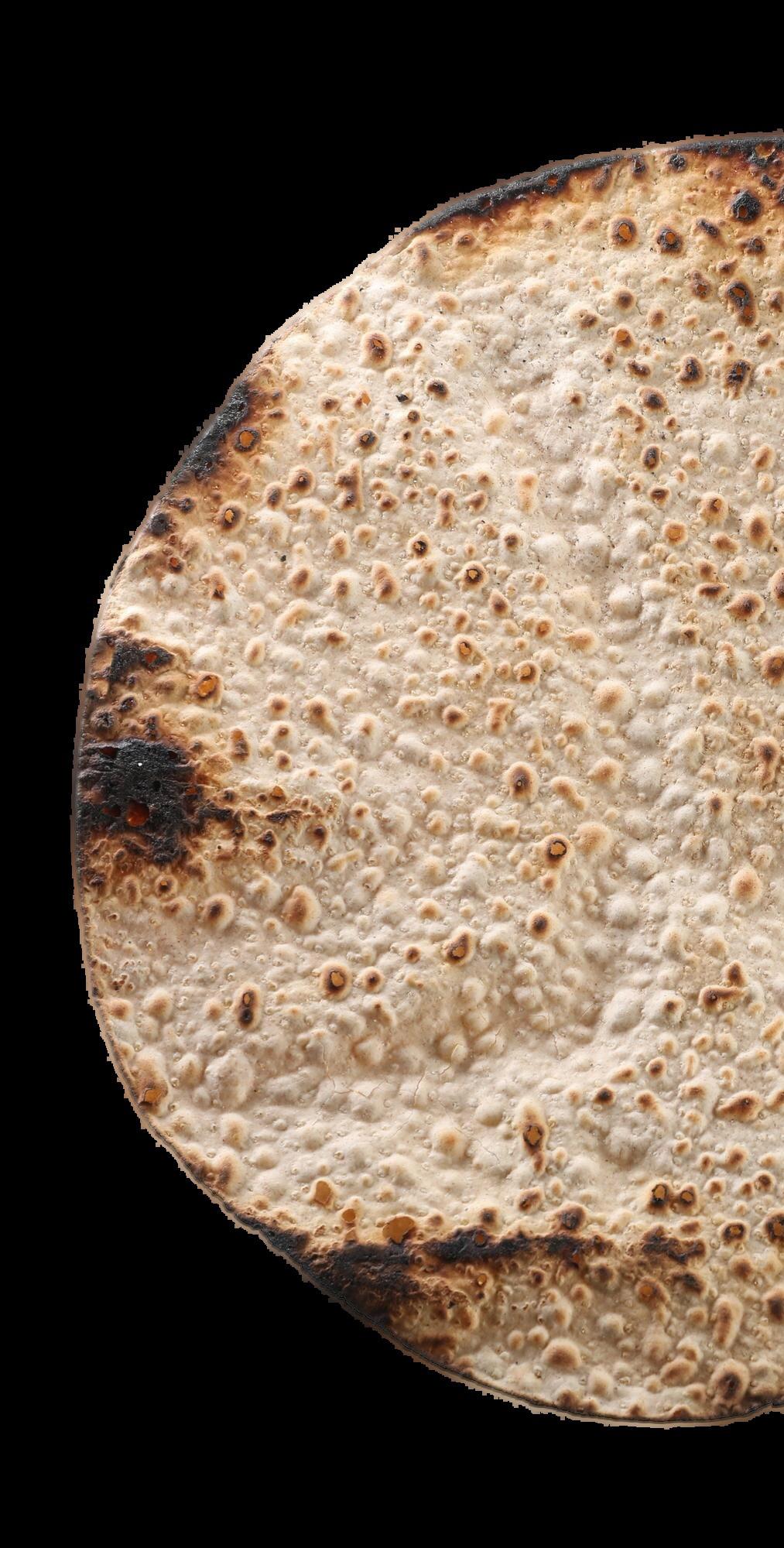
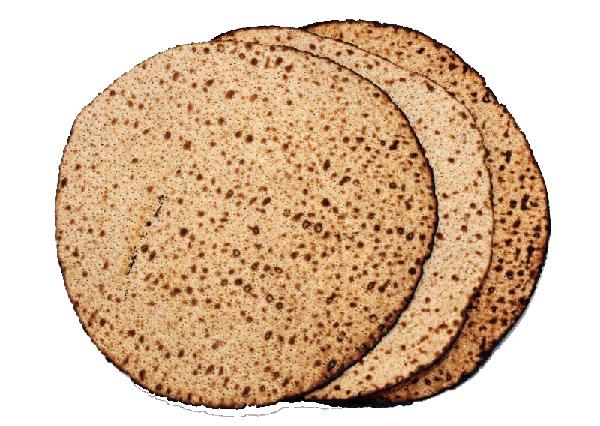
The traditional Passover matzah has no sugar, salt, yeast, or eggs, yet surprisingly, it packs all the essential Divine ingredients we all need. The following are handselected tasty gems on the significance of eating matzah on Passover. Enjoy!
The thin matzah is definitely the eldest of all Jewish foods. The Jews left Egypt in such a rush they did not wait for their bread dough to rise.
The Haggadah calls the matzah "poor man's bread," as the matzah has no yeast, sugar, eggs, oil, or even salt.
Spiritually, the matzah is humbled by witnessing G-d's extraordinary blessings, so it doesn't rise with any ego.
Humility is not weakness; it empowers us. Humility is an awareness that we have limitations, but our G-d doesn't. This humility empowered Moses to face Pharaoh and David to face Goliath. True humility manifests in a newfound strength from knowing that an infinite G-d is performing wonders through you.
Matzah becomes an edible expression of faith when eaten with a blessing at the Passover seder. Its power lies in the Divine spark embedded in the commandment to eat matzah on Passover. By physically digesting the matzah, we internalize holiness and experience true freedom—an impact that goes beyond merely seeing, reading, or meditating on the Exodus.
"Why do we eat matzah? Because our ancestor's dough had no time to rise when g-d revealed himself and redeemed them for egypt."
-The Passover Haggadah
Matzah is celebrated as the bread of faith and humility—intentionally made thin and unrisen to symbolize the absence of ego. The matzah inspires a faith that not only heals but also pre vents illness.
Like the Passover offering, Jewish law requires us to eat the afikoman on a full stomach as an enjoyable dessert. This law tells us that your hunger and need for G-dliness have brought you
this far, but ultimately, your Divine service should go beyond your hunger and needs. Savor this more selfless and heightened Afikoman service like a dessert that stays with you long after the meal ends.
We begin telling the Passover story by first breaking the matzah. This demonstrates how our brokenness is only a beginning chapter in our tale of complete redemption. In the end, it's your brokenness that makes you whole.
"This is the bread of affliction" that our ancestors ate when they thought redemption was impossible. But it happened, and now it will happen for you.
(ADAPTED FROM THE TEACHINGS OF THE REBBE)
chametz. So, Shmurah Matzah, or guarded matzah, is made from verified wheat that's "guarded" from moisture during the entire process, from harvest to final product. Hand-made Shmurah Matzah is produced and baked quickly in increments of less than eighteen minutes from when the water comes in contact with the flour. The human touch infuses the process with the intended purpose of being baked for a mitzvah.
Passover 5786 / 2026
By Shira Gold
THE HAGGADAH IS THE MOST POPULAR AND WIDELY READ JEWISH TEXT. BUT WHAT IS IT ABOUT THIS ANCIENT STORY THAT CONTINUES TO SPEAK TO US SO POWERFULLY TODAY?
In Jewish life, Passover is not merely a holiday, but a profound expression of identity and purpose. The Torah instructs us to remember the Exodus from Egypt every day of our lives: "So that you shall remember the day you left Egypt all the days of your life" (Deuteronomy 16:3).
Why, three thousand years later, is remembering the Exodus still an unfinished item on our daily to-do list?
When you read the story of Passover, you are not only learning about the past, you are discovering your own story and purpose.
The Talmud teaches, "In every generation, one must see oneself as if they personally left Egypt." According to the Rebbes of Chabad, this idea extends beyond the biblical liberation from physical slavery. It calls on us to continually break through our personal limitations, symbolized by the Hebrew word Mitzrayim, which means both Egypt and constraint.
This process of leaving Egypt lies at the heart of Jewish identity. Our mandate as Jews is to be a light that breaks through the world's darkness. G-d commands us to live a truth that penetrates the world's facade of self-importance and reveals the presence of G-d within it. That is why the Exodus is not a one-time event, but an ongoing, daily journey.
mandate in action: the transformation of a house into a Jewish home. Likewise, each glass of wine at the Passover Seder demonstrates our ability to elevate even grapes into the service of G-d, revealing their true purpose.
Today, many of us still need to break free from anger, fear, or inner limitations. In every generation—and every day—we are called to leave Egypt and discover true freedom.
It is a challenging task, but it is one we are capable of accomplishing.
Rabbi Judah Loew, the Maharal of Prague (1512–1609), explained that the Exodus was more than a historical rescue; it reshaped our very identity as G-d endowed us with the nature of freedom, remaking us into a truly free people.
Rescuing the Jewish people from oppression is one achievement; making them eternally resistant to spiritual bondage is the ultimate gift. Throughout Jewish history, this gift of freedom has enabled us to break free from our personal limitations and uncover holiness trapped within an unholy world.
When you see a mezuzah on a doorpost, you witness this Exodus
The redemption of our ancestors was only the beginning of an ongoing march toward the final redemption, making Passover not merely our holiday, but our way of life.

Prepare the meal of the supernal King. This is the meal of
The gift of holiness is your key to escaping the shackles of the material world and finding true Divine freedom. The first of the four cups will raise your awareness of the Exodus and how God gifts us holiness through His mitzvot and Festivals.
escaping the finding true cups will raise how God gifts Festivals.
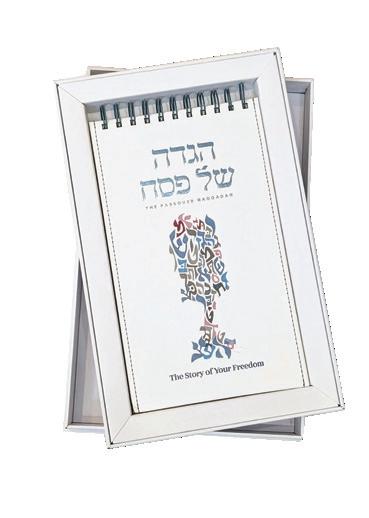
CLEAR & INSIGHTFUL
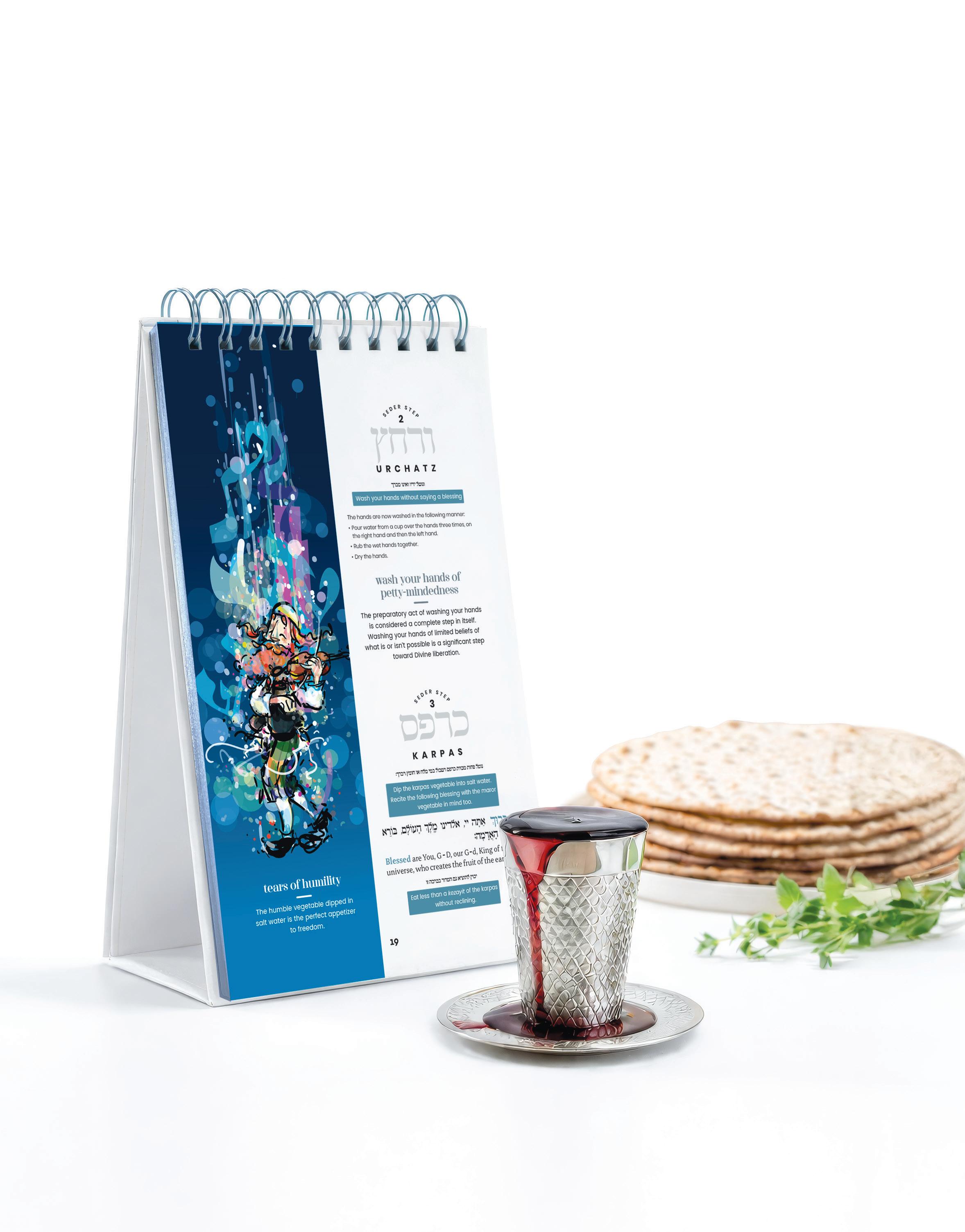
Clear, step-by-step Seder instructions and powerful insights from the Rebbe on personal freedom.
ELEVATED DESIGN
Original artwork by Yehuda Lang, bringing beauty to the Seder table.
TABLE-SMART
Uses up to 75% less table space than a standard Haggadah.






sunday monday tuesday
Since it is prohibited to possess chametz on Passover, any chametz left undisposed must be sold to a non-Jew.
All such chametz, as well as all chametz utensils that were not thoroughly cleaned, should be stored away. The storage area should be locked or taped shut for the duration of the holiday.
Since there are many legal intricacies involved in this sale, a rabbi acts as our agent both to sell the chametz to the non-Jew on the morning before Passover, and also to buy it back the evening after Passover ends. Sell your chametz to your local Rabbi or go online to Passover.org.
Traditional handmade shmurah matzah is recommended for seder use. Include handmade shmurah matzah at your seder table and share this sacred tradition with your friends and family. Call the number on the back of this magazine to order your very own shmurah matzah for the seder.
Following a tradition instituted by the Baal Shem Tov, Jews all over the world celebrate the waning hours of Passover with Moshiach’s Meal (Moshiach’s Seudah), a feast celebrating the divine revelation yet to come. Traditionally, matzah and four cups of wine are enjoyed while singing Chasidic songs and sharing words of inspiration.
Chametz is "leaven" — any food that's made of grain and water that have been allowed to ferment and "rise." Bread, cereal, cake, cookies, pizza, pasta, and beer are blatant examples of chametz; but any food that contains grain or grain derivatives can be, and often is, chametz. Practically speaking, any processed food that is not certified "Kosher for Passover" may potentially include chametz ingredients.
MARCH 29 | NISSAN 10
First Day of Passover
Prayer for Dew
After nightfall, festival candle lighting (from pre-existing flame)
Tonight: The Second Seder
At night count the Omer: Day 1
APRIL 5 | NISSAN 17
Last Day of Passover
Yizkor service
Yizkor is a special memorial prayer for the departed, recited in the synagogue following the Torah reading.
In the afternoon, have a Moshiach Meal (see sidebar)
Havdalah after nightfall.
At night count the Omer: Day 8
MARCH 30 | NISSAN 11
Second Day of Passover
Add a little extra to your holiday meal to remember Queen Esther's feast that ended with Haman's end on this day
Havdalah after nightfall
At night count the Omer: Day 2
APRIL 6 | NISSAN 18
On the agenda this week:
Clean for Passover
Shop for Passover foods
Prepare Kitchen for Passover
Invite guests
Sell chametz
MARCH 24 | NISSAN 6
Miriam, the sister of Moses, passed away at the age of 126 on the 10th of Nissan of the year 2487 from creation (1274 BCE).
MARCH 31 | NISSAN 12
Chol Hamoed*
No tefillin
Enjoy a glass of wine
At night count the Omer: Day 3
APRIL 7 | NISSAN 19



If leavened bread symbolizes ego then this is the month when we go on a major ego diet. For the next 30 days we deploy the search and destroy team to find and get rid of our bad habits. Get ready to eat bread of faith and healing and experience true




Please visit our website for a list of candle lighting and Havdalah times.
MARCH 19 | NISSAN 1
MARCH 20 | NISSAN 2
MARCH 21 | NISSAN 3
Torah Portion: Vayikra
Shabbat Kiddush
Havdalah after nightfall
MARCH 25 | NISSAN 7
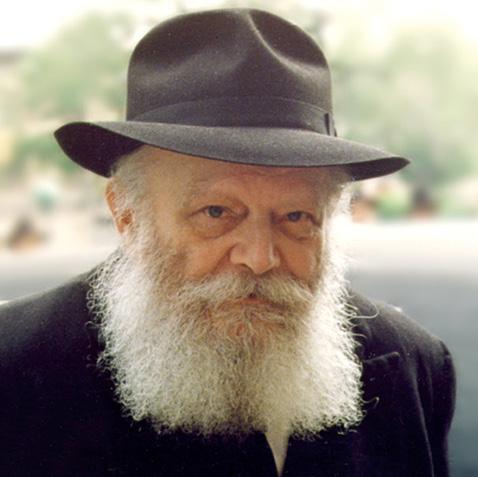
The Rebbe's Birthday
APRIL 1 | NISSAN 13
Chol Hamoed*
MARCH 26 | NISSAN 8



Fast of the First-born







After nightfall: Search for chametz

APRIL 2 | NISSAN 14
Chol Hamoed*

Enjoy a glass of wine Omer: Day 5

APRIL 9 | NISSAN 21

Be sure to put away your Kosher for Passover dishes before you enjoy that bagel.

At night count the Omer: Day 11
At night count the Omer: Day 12
Girls and women light candles 18 minutes before sunset.
MARCH 27 | NISSAN 8
Burn the Chametz in the morning
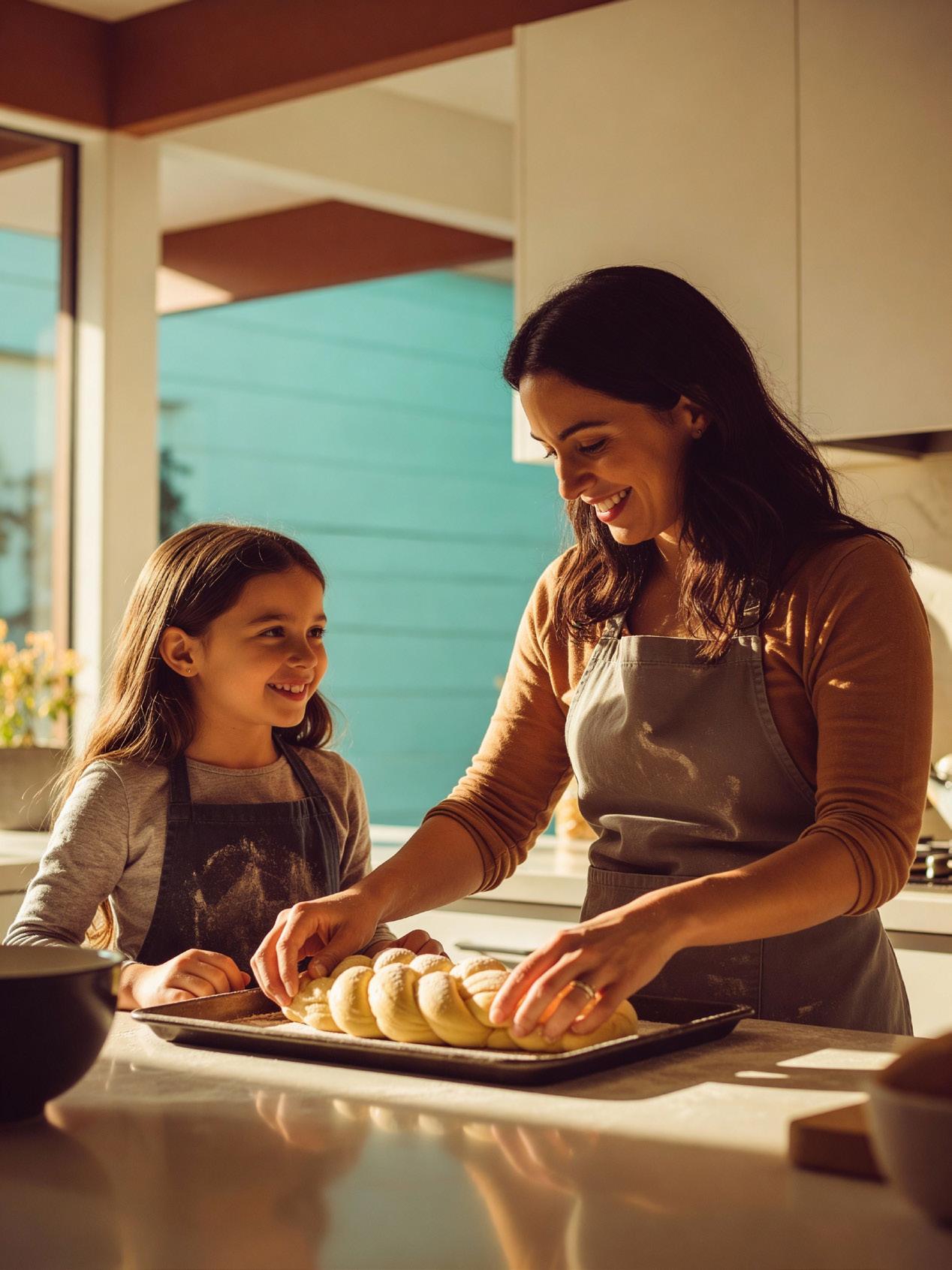
Last day to sell your chametz Save just enough challah for your first two shabbat meals
Make seder preparations before Shabbat
Be sure to keep your chametz contained
Girls and women light candles 18 minutes before sunset.
APRIL 3 | NISSAN 15
Chol Hamoed*
No tefillin
Girls and women light candles 18 minutes before sunset.
At night count the Omer: Day 6
MARCH 28 | NISSAN 9
Eve of Passover
Shabbat Hagadol
Pray early. Be sure to consume all your chametz by the end of the "fourth hour" of the day. Any remaining Chametz should be consumed by your pets or flushed down the drain
After nightfall, festival candle lighting (from pre-existing flame)
Tonight: The First Seder
APRIL 4 | NISSAN 16
Seventh Day of Passover
On this day the Red Sea split.
Girls and women light candles after nightfall (from a pre-existing flame).
At night count the Omer: Day 7
*CHOL HAMOED is a Hebrew phrase meaning "weekdays [of] the festival" and it refers to the intermediate days of Passover and Sukkot. We are permitted to work, yet the holiday prayers of Halel and Yaleh v’Yavo are recited and a cup of wine is to be enjoyed (without the ceremonial Kiddush).
Visit www.Passover.org for complete calendar of events and how-to guides.
By Shira Gold
The Women Who Shape Our Destiny
Since the dawn of our nation, it has been women who have carried our people through moments of peril and promise. At every pivotal crossroads in Jewish history, the wisdom and courage of a Jewish woman shifted the course of events. Beginning with the Exodus from Egypt, this pattern continues in homes and communities across the globe. Here is a brief spotlight on a few Women of Redemption:
When Pharaoh decreed that every newborn Jewish boy be killed, the first open resistance came from two women. Shifra and Puah, the Jewish midwives, courageously defied the king's command. At significant personal risk, they chose to risk their lives over obedience to tyranny.
When Pharaoh decreed that all newborn baby boys be thrown into the Nile, a new and more subtle danger emerged. In response, the Jewish leader Amram publicly separated from his wife, believing it was wrong to bring children into such a perilous world. His decision, though well-intentioned, created an internal crisis and one that threatened the future of the Jewish people from within.
MIRIAM
Miriam, Moses' older sister, changed the course of Jewish history while still a young girl. It happened when she saw that her father, Amram, had separated from her mother, Yocheved, in despair, that young Miriam wisely challenged him. She argued that withdrawing from life was even more devastating than Pharaoh's decree. Pharaoh had ordered only the boys killed, but her parents' separation would prevent even Jewish girls from being born. Her insistence on growth and not retreat, even in times of despair, persuaded her father and eventually led to the birth of her younger brother, Moses. Later, when Moses was placed in a basket in the Nile, Miriam stood watch over her baby brother, safeguarding his life and future.
"Our people were redeemed from Egypt in the merit of the righteous women."
-The Talmud
Yocheved, the mother of Moses, gave birth and nurtured her child in the darkest of times. Her quiet bravery gifted the oppressed Jews with the future redeemer of Israel.
Batya, Pharaoh's own daughter, defied her father's cruelty by rescuing a Hebrew baby from the Nile. She named him Moses and raised him as her son. The Torah honors Batya by calling him only by the name she gave him, Moses, and not by the name given at his birth by his parents, Tuvia.
The salvation of Purim rests almost entirely on Queen Esther. With wisdom, restraint, and extraordinary courage, she risked her life to confront the king and expose Haman's genocidal plot. Through Esther, the Jewish people were saved once again by a wise and courageous woman.
Chanukah, too, bears the imprint of feminine heroism. Yehudit courageously entered the enemy camp, using intelligence and resolve to defeat the general who threatened her people. Her actions sparked the chaos that ultimately led to the Maccabean victory.
The Rebbe teaches that these stories, and many more, are not coincidences, and this feminine pattern is rooted in Judaism's very mission. Our goal is not to overpower or escape the physical world, but to transform it, and that transformation depends on the grounded, integrative insight found primarily in the feminine.
While many men were great visionaries and heroically victorious in battle, it is the righteous women who translate vision into reality, strength into change, shaping the world around us and illuminating the path toward final redemption.
By Michal Oshman
Although I am Jewish by birth, for many years I wasn't aware of the deeper meanings of Jewish life. Therefore, I had never really considered the meaning of Jewish holidays—Passover included.
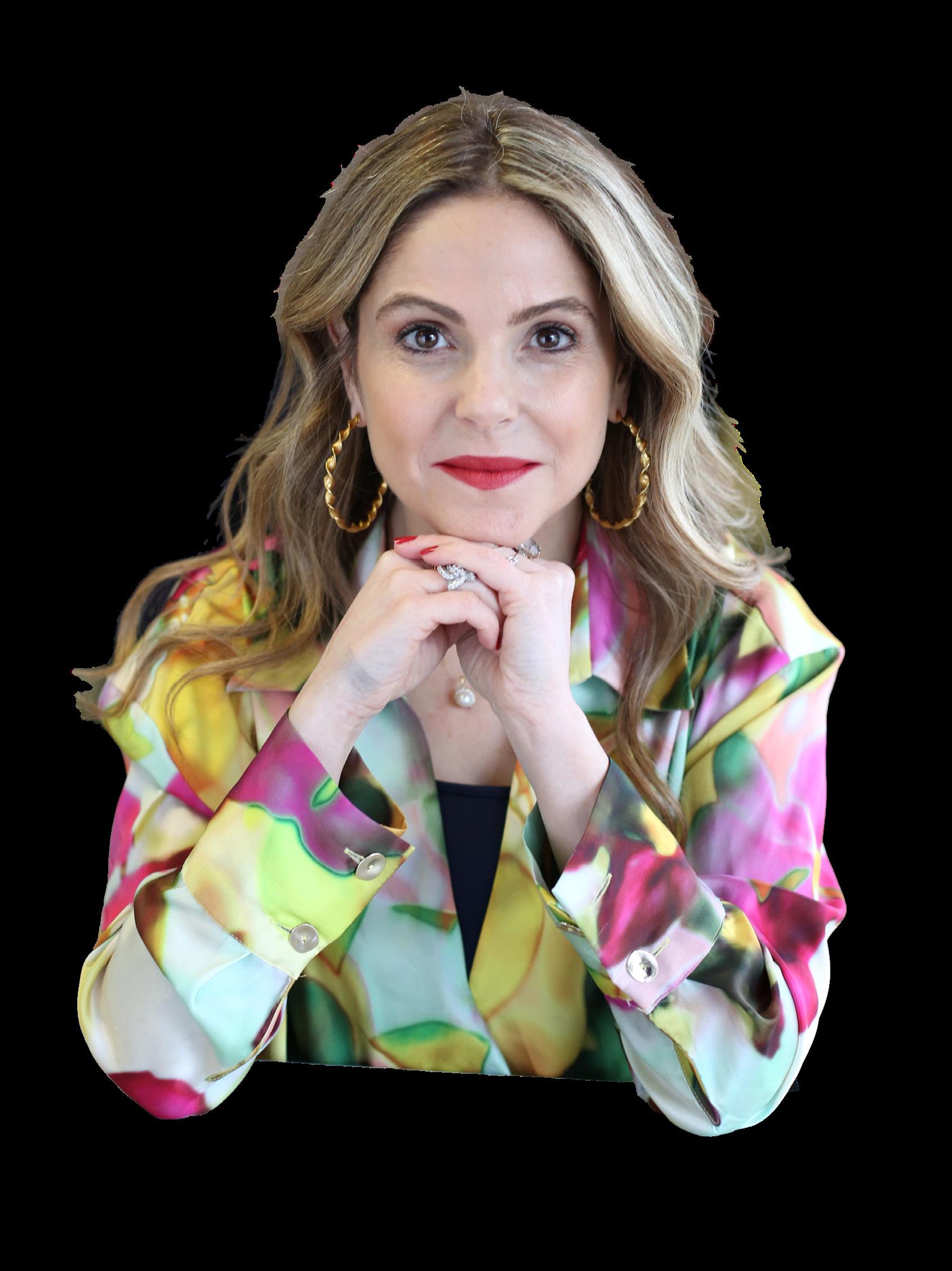
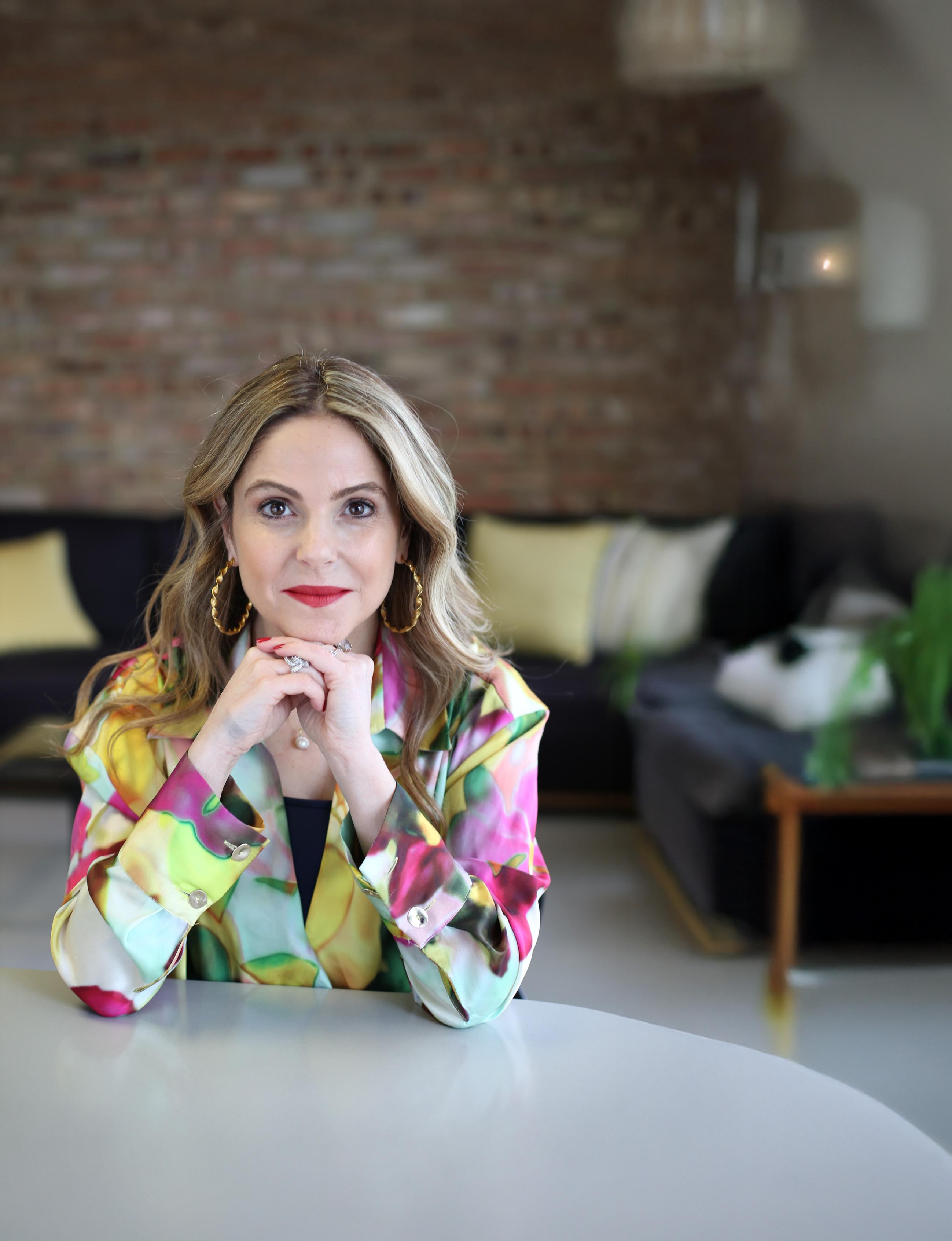
Michal Oshman is the author of What Would You Do If You Weren't Afraid. She served in senior leadership roles at global companies, including TikTok, Meta, eBay, and WPP. She holds three university degrees and served in the IDF. She lives in London with her family.
However, ten years ago, during a difficult time, I remembered what a Jewish friend had said to me years earlier, when I asked her what Passover meant to her. She explained that Passover is the time of year when you remind yourself that although you are no longer enslaved in Egypt, you may still be enslaving yourself to damaging things.
"You will always have your Egypt," she said. "It's a reminder that you can get out of Egypt, but you can't get Egypt out of yourself."
At the time, I wondered what she meant. Now, I have begun to understand the significance of the story. Egypt doesn't only refer to a physical country; it symbolizes any place where you are not free, where you are chained to something.
In Hebrew, the word for Egypt is mitzrayim, which means "boundaries" or "narrow straits." I realized that the story of the Israelites' escape from Egypt isn't just a historical account of liberation from slavery. It is a story lived every single day—the human story of freeing ourselves from narrowness, from our own personal restrictions, from selfimposed slavery.
The fact that many of us are privileged enough to have physical freedom— to do what we want, when we want (within legal boundaries, of course)— does not mean we are truly free. We can carry internal chains: thoughts and selfbeliefs that keep us trapped and limited.
So I began to ask myself: What was my "Egypt"? What mitzrayim was I chaining myself to? What was I enslaved to that made me feel so anxious? And how, on earth, could I set myself free?
By: Rabbi Shmuel Marcus
Shmuel Marcus is the editor of Chabad Magazine.
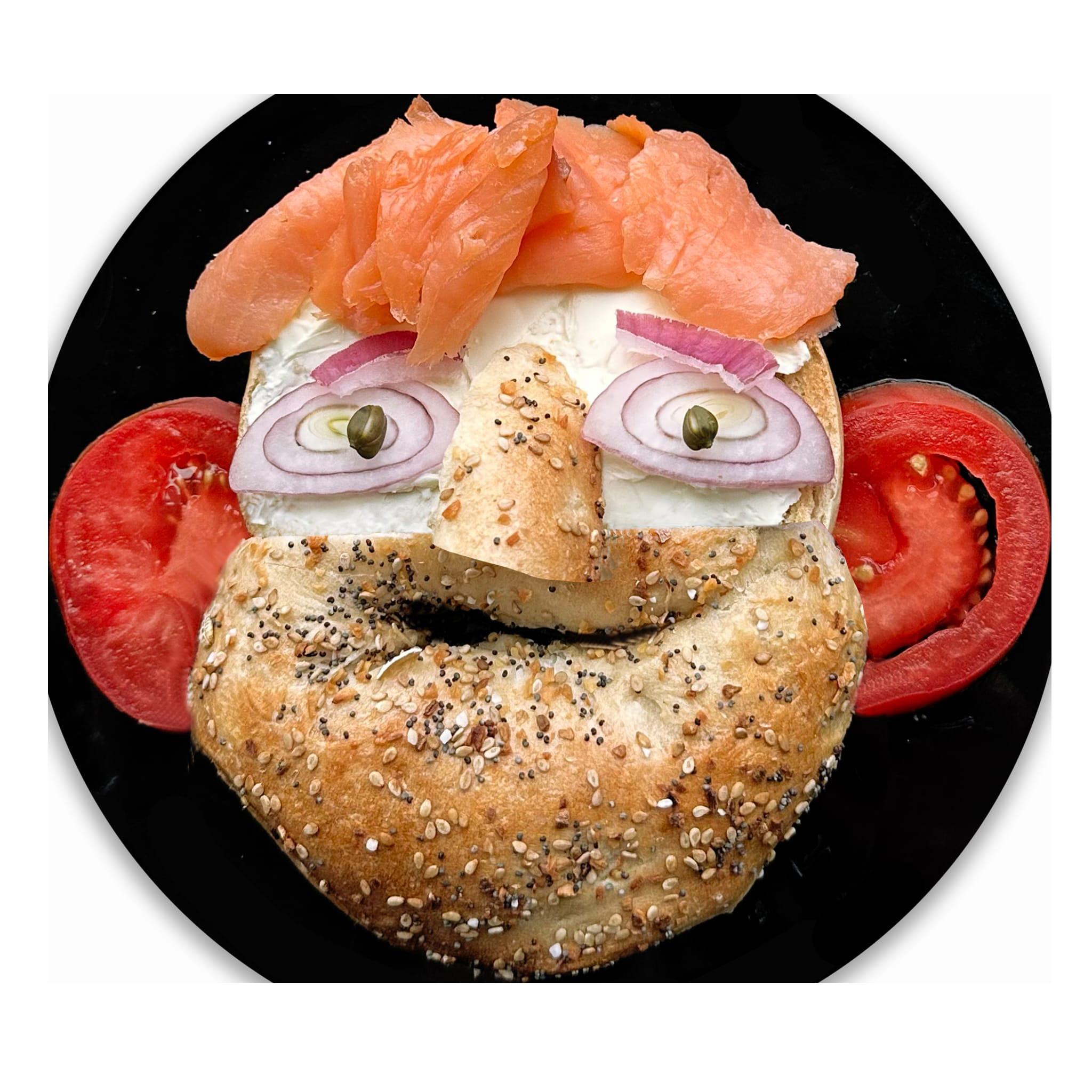
It's all about the food, from Passover's matzah and bitter herbs to the sweet apples and honey of Rosh Hashanah to the sizzling Chanukah latkes. As Jews, we know what time of year it is by the aroma emanating from the kitchen. There's a good reason why Jews and food go together like bagels and lox. Our historical obsession with food and diet is spiritually rooted in our mandate at Sinai: uplift and transform the world.
The Jewish mission is to create an abode for the Divine within our material world, and our natural capacity to transform food into energy is a fundamental example of our ability to turn physical matter like coffee and toast into spirituality. Sure, bagels, lox, or even a Diet Coke can become the power and energy that help us serve our divine mission, but is there any spiritual value in the basic act of eating?
For Jews, the answer is yes.
We know this because when talking about food, G-d says: "Man does not live on bread alone, but by the word of G-d does man live." (Deuteronomy 8:3).
Since 1935, the OK Kosher symbol has meant that the product is kosher. OK Kosher is the world's leading kosher certification agency, recognized as the global benchmark for kosher standards and integrity. This outstanding reputation has been achieved through continual improvement, innovation, and first-rate customer support. OK Kosher operates an international network of offices, so you can rely on their teams of experts to provide specialized kosher certification anywhere in the world. When it comes to keeping kosher, look for the trusted symbol of the OK.
Read more at OK.org.
The Chasidic masters take this verse literally, viewing eating as far more than mere survival. Our daily snacking and regular meals are not just about the bread itself, but about accessing the "word of G-d" within it. This is why eating is considered a holy act: it is an act of spiritual transformation, where the physical bread gives way to its inner truth, the word of G-d that sustains it.
In a way, our mission is a piece of cake.
That's why Jews and food go so well together; our national food obsession is really about transforming the world around us. Starting with our morning blintzes, each meal becomes a genuine spiritual encounter.
Sure, we can find many words of G-d in prayer books and in the synagogue, but we can access the unique, life-giving word of G-d only in the kitchen and dining room. That's where the ultimate mission happens. That's where we clearly see our ability to turn matter into spirit.
The core idea is that within every created thing lies a "word of G-d" or the Divine speech that brought it into being. This inner spark is the true soul of the food. So when you see someone standing at the deli counter asking for extra corned beef, it may appear to be simple hunger on the surface. Still, on a spiritual level, the soul seeks to consume the unique Divine life-force embedded in the food.
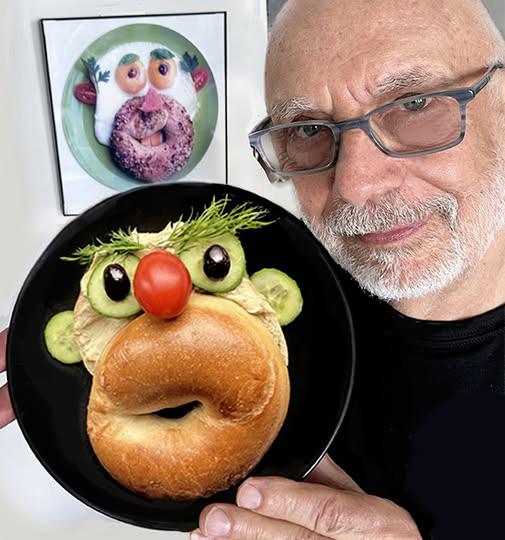
Bill Wurtzel is a visual artist who transforms healthy food into captivating art. Initially inspired to amuse his wife, Claire, and entice their kids and grandkids to enjoy their meals, he draws on the vibrant shapes, colors, and textures of food. After capturing his creations through photography, the artwork is eaten and enjoyed as a meal. His prints are exhibited in galleries and museums across the U.S. and internationally. Alongside his wife Claire, an educator, he has co-authored six books featuring his food art and has earned "Best Children's Books" honors.
Of course, this does not happen automatically. Just as the body must work to absorb nutrients, the Divine spark must be redeemed with purpose and intention.
So, while animals eat instinctively, and nature runs on autopilot, humans can choose why and how we eat. This intentional eating, using that energy for a higher purpose, is how we "redeem" the spark or word of G-d hidden in the physical food.
The Baal Shem Tov, the founder of Chasidism, finds this in the words of King David, "The hungry and thirsty, in them does their soul languish." (Psalm 130). What feels like a physical hunger or thirst is, at its core, a soul longing to uplift the world. When you see a slice of roast beef, your soul sees holy sparks waiting to be elevated through purposeful use.
Now we can appreciate an entirely new way of understanding the Torah's laws of kosher. The great Kabbalist Rabbi Isaac Luria taught that when the Torah forbids foods such as shellfish and pork, it signals that their spiritual sparks are inaccessible and cannot be redeemed.
In the end, we are all hungry for something. Chasidic wisdom teaches that beneath every craving lies a deeper longing for purpose. Your next meal can become a sacred event, and eating can become a daily opportunity to reveal hidden holiness and transform the ordinary into a dwelling place for the Divine.
Any good composer or painter knows that as important as it is to be immersed in the sound of the symphony he or she is working on, or to be engrossed in the images he or she is setting down on canvas, it is equally important to step away from one’s creative work and to observe with clarity and renewed objectivity just what it is that has been created. Shabbat brings with it an opportunity to step away and better see life, not as a series of compartmentalized actions, but as a unified whole. Here are a few ways the tenants of Shabbat can
BY: PETER HIMMELMAN
Peter Himmelman is a Grammy- and Emmy-nominated singer-songwriter, visual artist, and best-selling author, with more than 20 acclaimed recordings to his name. He is the founder of Big Muse, a creativity consultancy that helps organizations unlock the creative potential of their people, with clients including The Wharton School, 3M, McDonald’s, Adobe, and Gap. His newest book is Suspended by No String.
Passover 5786 / 2026
It’s an axiom, of physics that two things cannot occupy the same space. And just as this applies to things, it also applies to ideas. To be at our creative best we need to make an empty space through the cessation of our creative endeavors. Only by stopping our constant output can new inspirations take hold.
As we learn to breathe more slowly in the practice of meditation, adopting the rhythms of Shabbat-time into our lives has the same beneficial tendency. To many people the world feels chaotic, out of control. Too often it seems, we are guided by demands and situations, rather than by our own volition. Shabbat is the bedrock in time that cannot be moved aside for anything other than life-threatening situations.
When I got my first recording contract in 1986, I decided I would work to protect my most valuable resource. It wasn’t artistic control over what songs to record, or the power to decide what my record jackets would look like —my most valuable resource was my time. I made it known that I would not perform on Shabbat no matter what the reason. It wasn’t as if my convictions weren’t tested. There were slots on The Tonight Show that I turned down, opportunities to be the opening act for top artists like Sting, that I waived away —all because these prospects, while good for my career, would have violated my observance of Shabbat, and as a consequence my understanding of time as something precious, something that belonged to me (and later, to my family) alone. Shabbat is time away from iPhones and computers and errands and shopping and every conceivable distraction. We humans hunger to be heard, to be seen, and to be known, but we suffer from a paucity of attention-giving and attention-getting. Just as it’s impossible to make music without an instrument, it is impossible to create thriving relationships without making space and time for them to flourish.
As children we couldn’t help but be burdened by our unfulfilled desires. We wanted the things we wanted —immediately. Waiting for any length of time just wouldn’t do. Our immature minds were not yet sophisticated enough to realize that staving off a momentary pleasure for a longer-term gain would, in the end, bring us far more pleasure. Shabbat is about honing our sense of gratitude. Most of us work to make a living and strive to achieve the things we desire, but we also need to feel as if we’ve come home again, come back to some midpoint. By regularly postponing our manic ascent up an assumed ladder of success, we come to see life from a broader, richer perspective. By first finding, and then being brave enough to use the “off-switch,” we gain the sweet, and all too rare sense, of having finally arrived at our destination.
“Six Days a Week Shall you Rock and Roll, but on the Seventh You, Your Band, and Your Sound Engineers, Shall Rest.”
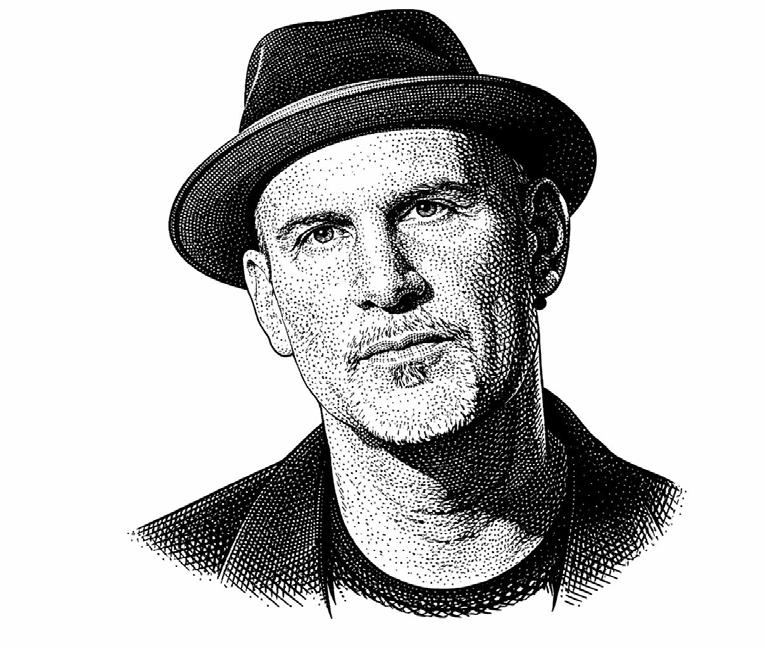
“There were slots on The Tonight Show that I turned down, opportunities to be the opening act for top artists like Sting, that I waived away all because these prospects, while good for my career, would have violated my observance of Shabbat.”
HIMMELMAN: Faith over Fame
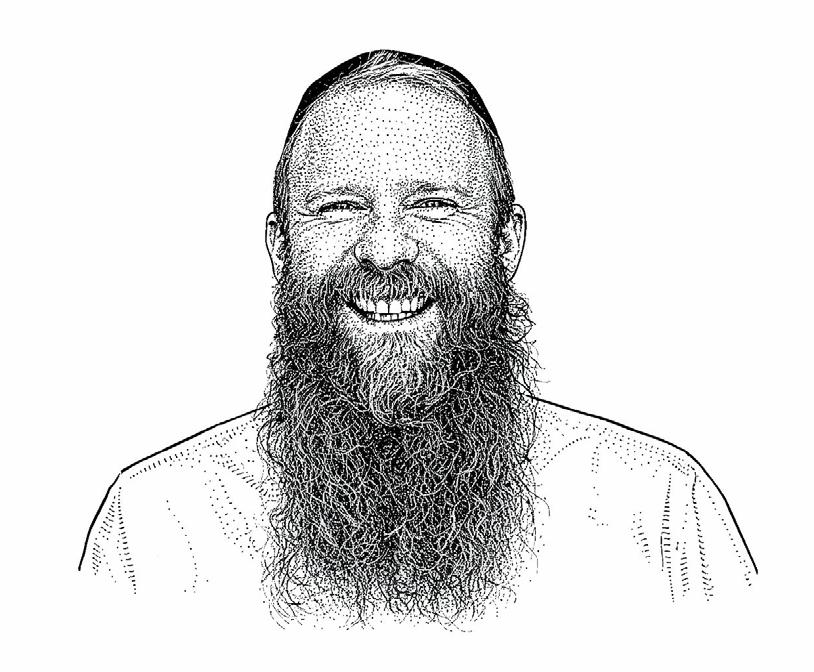
British musician Alex Clare burst onto the pop music scene with his debut album in 2011, and was offered a chance to tour with megastar Adele. But the tour would have required him to travel and perform on Jewish holidays, and Clare is Shabbat observant, so he declined the opportunity, but then lost his record label representation. Soon after Clare found himself as his sole management for his hit single “Too Close” that appeared in a Microsoft commercial in 2012. Clare quickly became a global breakout hit, reaching the Top 10 on the Billboard Hot 100.
ADAM: Spotlight on Shabbat ALEX CLARE: Topping the Shabbat Charts
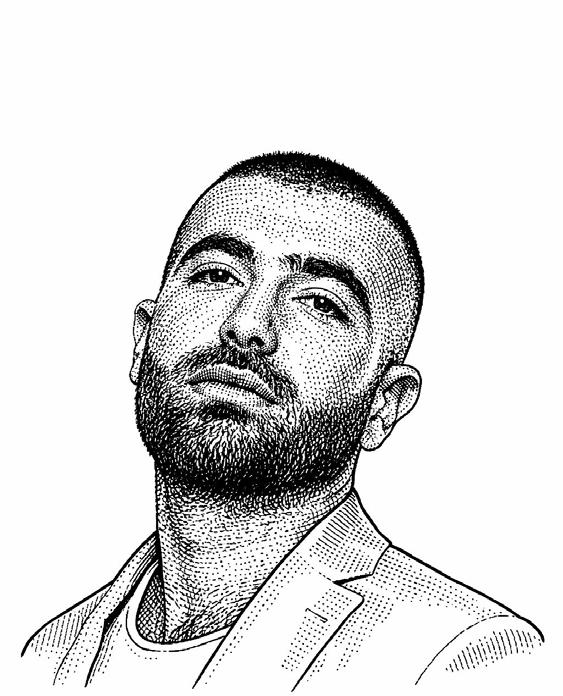
Israeli rock star Omer Adam made a quiet but
powerful decision. Adam chose to turn inward and began keeping Shabbat.
The personal decision went public, when Adam was scheduled to perform at Eurovision but declined because the rehearsals would be on Shabbat, ahead of the Saturday night finale.
Now, each week, the Israeli pop icon who dominates Israeli charts with multiple platinum albums, and record-breaking sold-out stadium shows, does something profoundly holy: he turns off his phone, parks his car, unplugs from technology, and steps into Shabbat. No screens. No stage. Just candles, prayer, family, food, and the ancient rhythm of Jewish time.
By Benjamin Sherman
Benjamin Sherman is a staff writer and spiritual food critic at Chabad Magazine. He lives in Los Angeles with his wife and children.
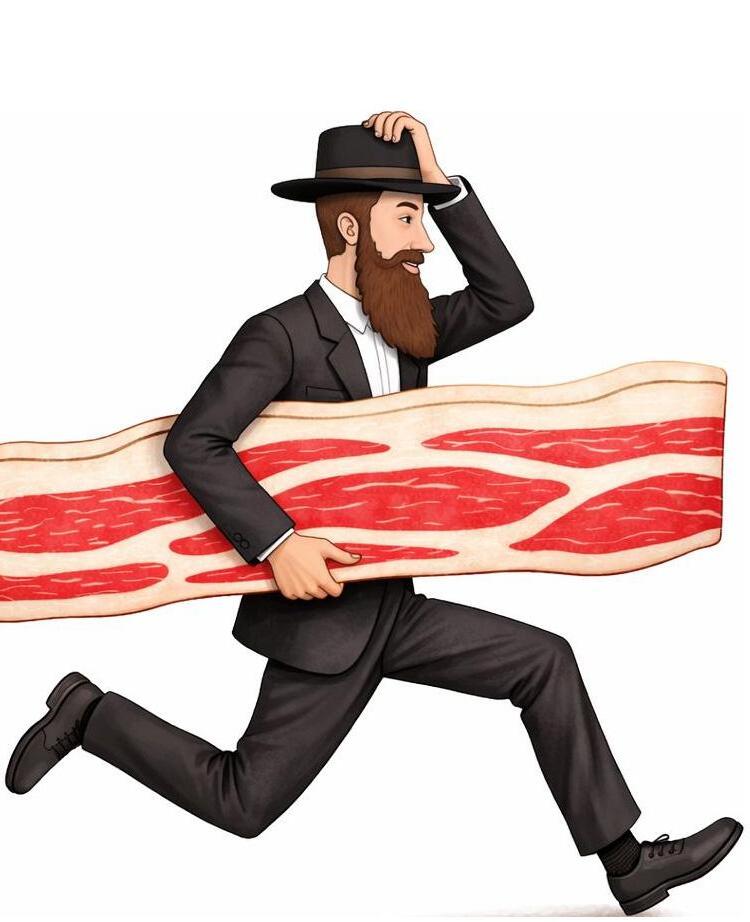
The pig, known far and wide as the poster child and quintessential symbol of treif or non-kosher, has split hooves but fails the Torah's cud-chewing requirement. Yet, redemption is hidden within its Hebrew name, "chazir," also meaning "to return", as the Talmud says, when Moshiach comes, the pig will return to kosher cuisine.
To be sure, bacon is not kosher, but the term chazir reminds us that the unkosher and unholy parts of the world are temporary, and in the future redemption, G-d will remove the spirit of impurity from the earth. And on that day, these unlikely creatures will be welcomed back into Jewish life.
But how can the embodiment of unkosher transform into something kosher?
To uncover this mystery, we first need to grasp what makes an animal kosher. The Torah outlines two essential criteria: a kosher animal must chew its cud and possess split hooves. The pig, flaunting its outwardly kosher hoof while hiding its unkosher nature, represents the art of deception.
This dual nature finds a parallel in the biblical figure of Esau, who masqueraded as pious and devout before his father, Isaac, while engaging in morally questionable behavior.
Judaism values transparency, urging us to be authentic in
our dealings. Maimonides, the great sage, warns against "theft of minds" or misrepresenting oneself, no matter the context. The Talmud boldly declares that a hollow scholar, whose righteousness is merely performative, should not bear the title of "Torah scholar" at all.
The Messianic age promises a splendid transformation, a time of radiant divine truth and authenticity. Picture a world where truth obliterates falsehoods and the light destroys the darkness. We are already witnessing this shift; modern society increasingly demands transparency from leaders and businesses alike, leaving behind the era of unkosher intentions hiding behind many façades.
In the future redemption, Jewish wisdom suggests the pig will undergo a marvelous metamorphosis. Its very anatomy will change, and it will begin to chew its cud. More importantly, people will evolve to align their inner integrity with their outer appearance. Chazir, a creature once known for its duplicity, will embody honesty, reminding us that even the most unholy and unkosher can one day come home.
While not yet kosher, the split-hoof flaunting "dishonest" pig reminds us that the path to redemption lies in aligning our inner selves with our outer expressions, and our daily actions should reflect our inner Jewish beliefs.
So, when you hear the phrase, "bring home the bacon," smile and dream a little bigger. It may just herald the ultimate return, or chazir, to a world where even the most improbable can find a way to return home.

Congratulations! Great job on learning new words.
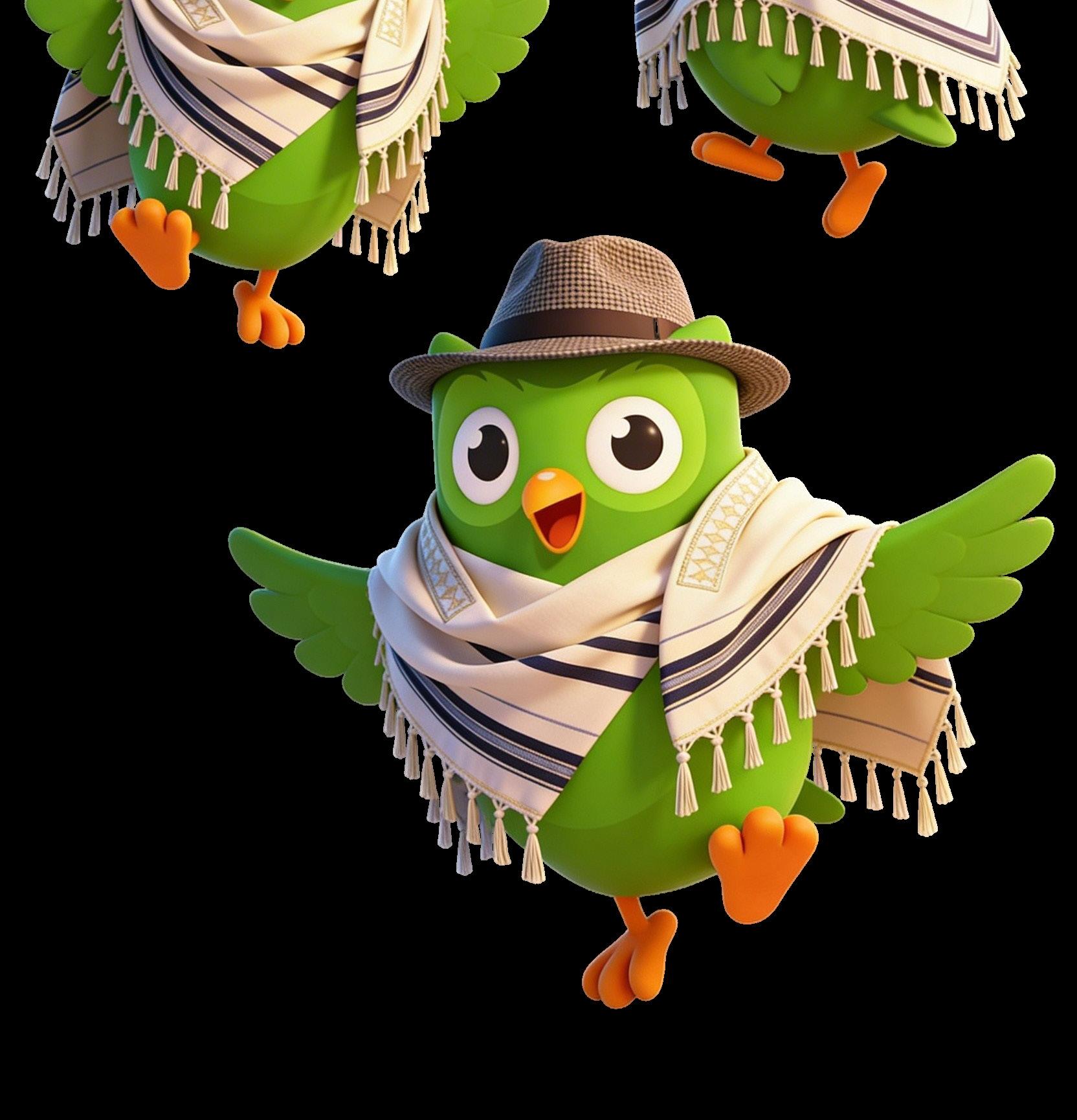
Now, don't lose your streak! Let's examine the origin of the word 'human,' Adam.
The term Adam first appears in Genesis and is derived from the Hebrew word adamah, meaning "earth" or "ground" from which G-d formed Adam's body. Adam also means "adameh l'elyon," meaning "similar" or "in the image of the Divine," as man was infused with a divine soul.
So, let's review: Adam (man), adamah (earth or ground). and adameh l'elyon (similar to the One above or in the divine image). This is hard, but you're doing it! You figured out that the term is a paradox referring to both earth and heaven.
This human duality of being both from the ground and infused with a heavenly soul in the image of G-d is not only confusing but also leaves us in a Catch-22. Feeding the body leaves the soul hungry, and feeding the soul leaves the body hungry. Similar to my sister's family, with both toddlers and teens, no matter where they go on vacation, someone is unhappy.
Adam is the only hybrid of this kind. While the animals
and birds were created in one fell swoop, G-d created the human in two stages. This two-stage process explains the inner tension and spiritual struggle of simply being human.
Don't stop your streak now! The word "Adam" itself is a fusion of the first Hebrew letter, Aleph, which represents G-d, the One and only, and the Hebrew word "dam," meaning blood, suggesting life and passion. This hybrid name suggests that Adam is intentionally crafted of body and soul, with a mission and ability to unite them.
Obviously, Adam, humanity, is a complex and risky mission where things can go wrong easily. Luckily, knowing about this divine Aleph embedded within our dam results in an Adam capable of rising above our own nature and passions, and it gives us the ability to infuse the Divine Aleph into the world around us, bringing meaning to all our daily interactions. In other words, your first Jouolingo term, "Adam," describes your hybrid condition of body and soul and your ultimate mission to bring heaven down to earth.
Great job on your Joulingo lesson! See you soon.
YOUR CHABAD HOUSE
123 Main Street
Your City, State 12345 www.ChabadYourPlace.com

Shabbat Hagadol
Blessing 1
Friday, April 11
Light Candles at: 6:17 pm
First night of passover
Blessings 1&2
Saturday, April 11
Light Candles at: 6:14 pm
(from a pre-existing flame)
Second night of passover
Blessing 1
Sunday, April 12
Light Candles at: 6:02 pm
(from a pre-existing flame)
Seventh night of passover
Blessing 1
Friday, April 18
Light Candles at: 5:55 pm
Eigth night of passover
Blessing 1
Saturday, April 19
Light Candles at: 5:52 pm
(from a pre-existing flame)
C habad of Y ourtown invites Y ou to the a t 12345 M ain s t , Y ourtown , n Y
To reserve your seat please RSVP: Phone: Shliach Name 123-456-7890 eMail: shliach@chabadyourtown.org online: www.chabadyourtown.org
1. Bo-ruch a-toh Ado-noi E-lo-hei-nu me-lech ho-olom a-sher ki-de-sha-nu be-mitz-vosov ve-tzi-vo-nu le-had-lik ner shel...
Blessed are you, L-rd our G-d, King of the universe, who has sanctified us with His commandments, and has commanded us to kindle the light of...
SHABBAT: Sha-bos ko-desh PASSOVER: Yom Tov PASSOVER AND SHABBAT: Shabbat v’Shel Yom Tov
Bo-ruch a-toh Ado-noi E-lo-hei-nu me-lech ho-olom she-he-che-ya-nu vi-kee-yi-manu vi-hi-gee-an-u liz-man ha-zeh.
Blessed are you, L-rd our G-d, King of the universe, who has kept us alive and sustained us and let us reach this time.