




Nasim Abrishami (she/her/hers)
Station #3: Inside the Lab: A Day in the Life of a Researcher
Tibbits Research Team, BC Children’s Hospital Master’s Student, Department of Biological Sciences, SFU Research Area: Cardio-oncology and toxicology
Fun Fact: A toxicology course in Nasim’s last year of undergrad changed her trajectory from studying medicine to pursuing toxicological research.
Maddy Baron (she/her/hers)
Station #7: Inside the Lab: A Day in the Life of a Researcher
Digital Health Innovation Lab, BC Children’s Hosptial Master’s Student, School of Biomedical Engineering, UBC Research Area: Biomedical engineering
Fun Fact: Druring her undergraduate degree, Maddy was a member of the varsity figure skating team, which helped her develop valuable soft skills alongside the STEM knowledge she

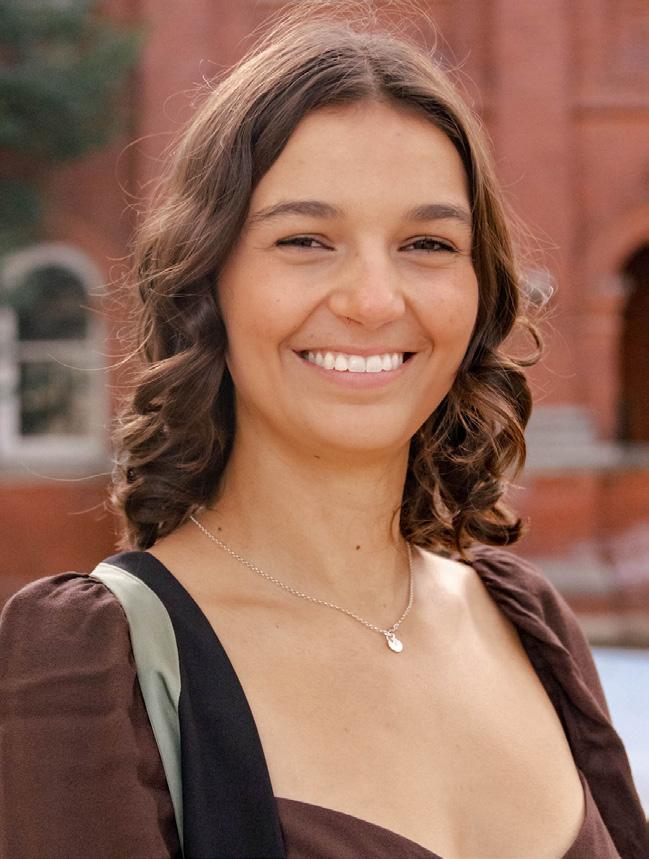
Anguli Bharmota (she/her/hers)
Station #3: Inside the Lab: A Day in the Life of a Researcher
Brussoni Research Team, BC Children’s Hospital Master’s Student, Women+ and Children’s Health Sciences, UBC Research Area: Children’s mental and physical health
Fun Fact: Anguli lived on the island in Victoria her whole life and studied at the University of Victoria before starting her Master’s at UBC.

Dr. Liza Boyar (she/her/hers)
Station #11: Inside the Lab: A Day in the Life of a Researcher
Masse Research Team, BC Children’s Hospital
Postdoctoral Fellow, School of Population and Public Health, UBC
Research Area: Public health and nutrition programs/policies
Fun Fact: Liza is a registered dietitian.

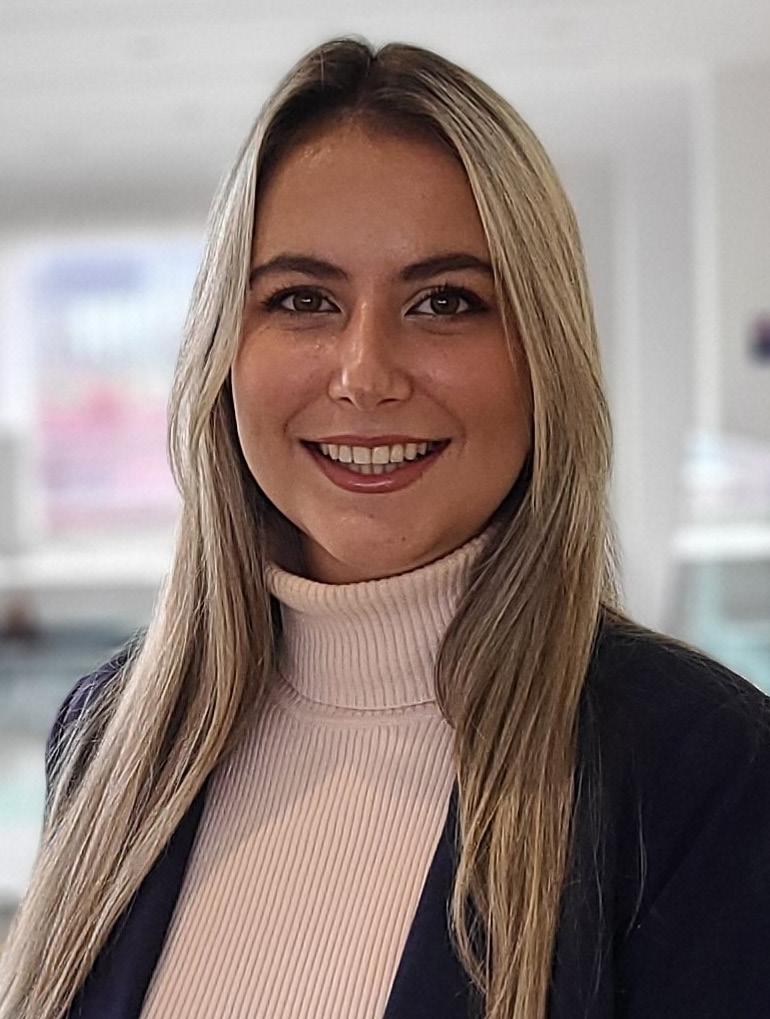
Laura Chan (she/her/hers)
Station #11: Inside the Lab: A Day in the Life of a Researcher
Leavitt Research Team, BC Children’s Hospital Doctoral Student, Department of Medical Genetics, UBC Research Area: Rare genetic disorders
Fun Fact: Working in a cardiovascular disease lab during her undergraduate studies sparked Laura’s passion for research and ultimately led her to pursue graduate studies in rare neurological disorders.
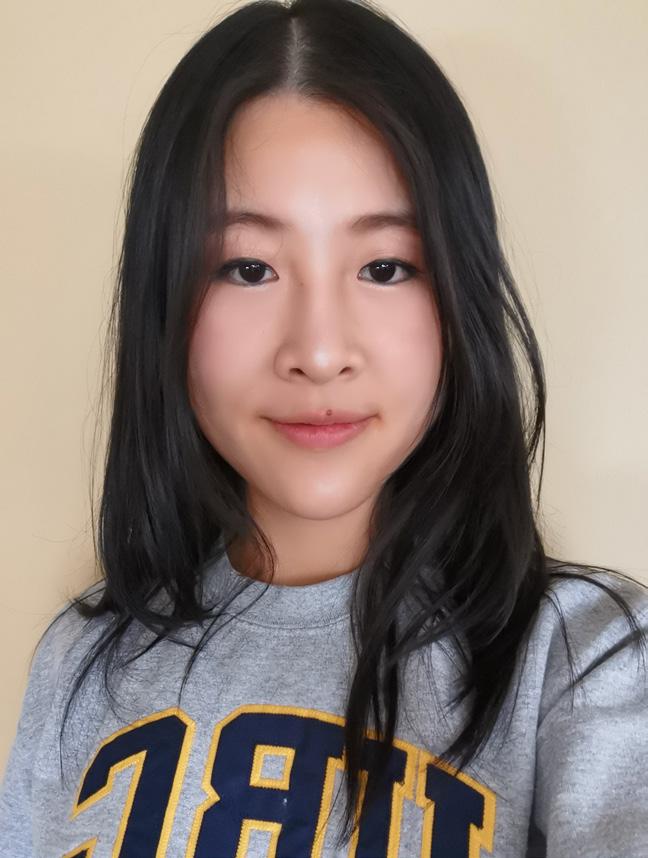
Julia Chen (she/her/hers)
Station #15: Thriving in University
Jessri Research Team, BC Children’s Hospital
Doctoral Student, Department of Food, Nutrition and Health, UBC
Research Area: Nutritional epidemiology
Fun Fact: Although Julia earned her undergraduate degree and became a registered dietitian from UBC, and is now in her fourth year of a PhD while raising a young child, her journey took 10 years of undergraduate studies to find her path and achieve her goals.
Hannah Cohen (she/her/hers)
Station #2: Finding Your Path in STEM
Elliott Research Team, BC Children’s Hospital
Master’s Student, Department of Medical Genetics, UBC Research Area: Healthcare implementation science
Fun Fact: Hannah moved across the country to pursue her master’s degree in Vancouver, even though she’d never even been to Vancouver before.
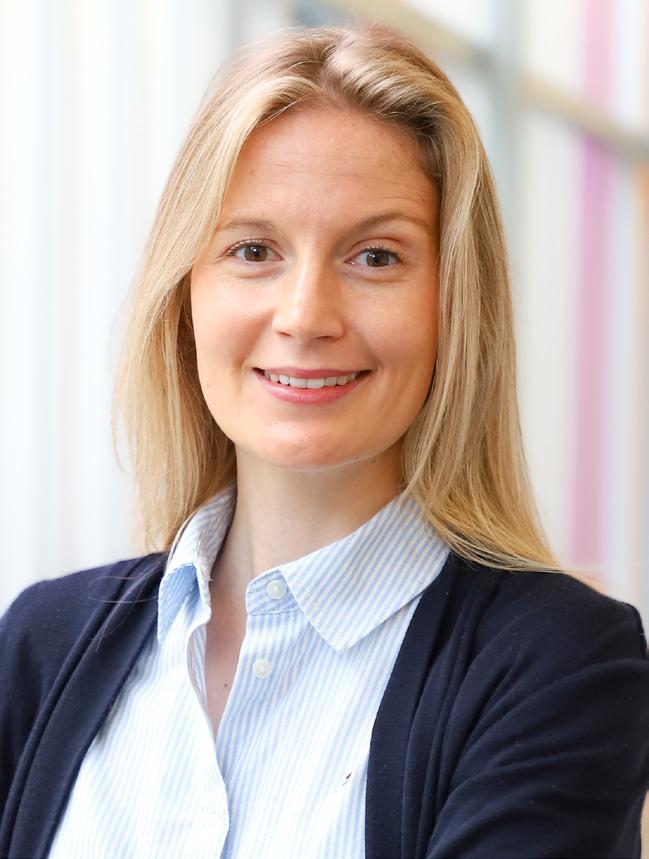
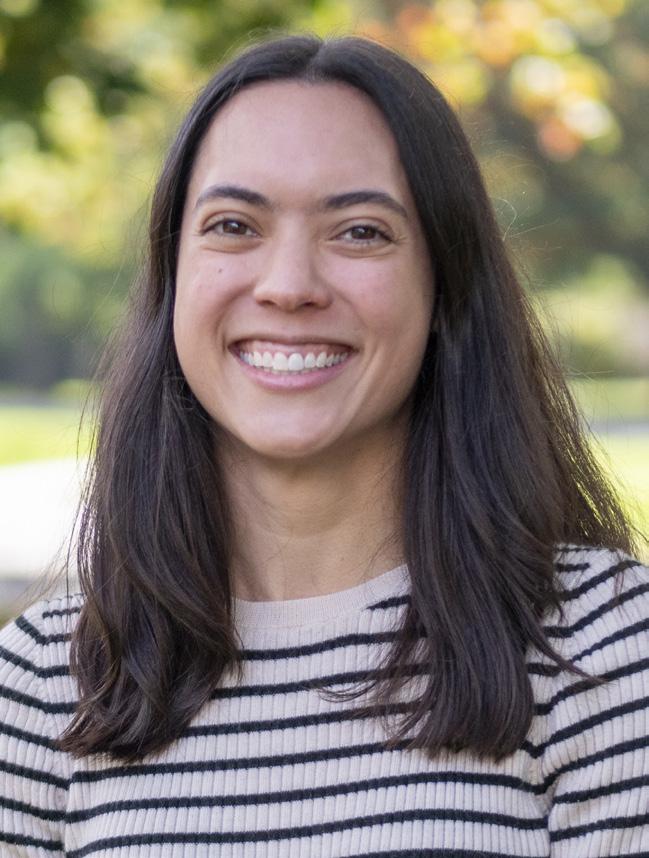
Dr. Jessica Dawson (she/her/hers)
Station #2: Finding Your Path in STEM
Hayden Research Team, BC Children’s Hospital
Postdoctoral Fellow, Department of Medical Genetics, UBC Research Area: Huntington disease and human genetics
Fun Fact: Jessica is originally from South Africa, where 90% of the researchers in her former Human Genetics Department were women.
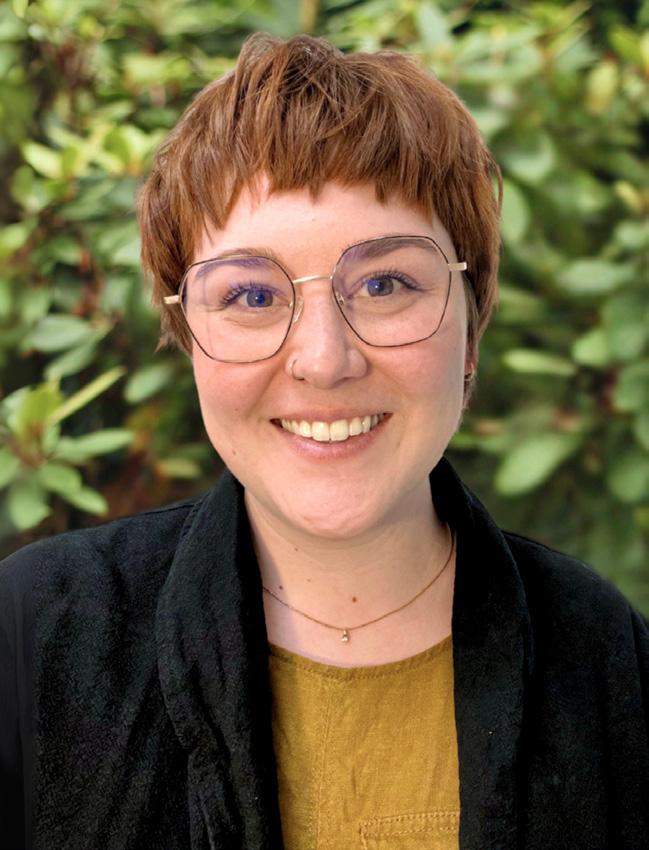
Colleen Farrell (she/her/hers)
Station #8: Imposter Syndrome in STEM
Karakochuk Research Team, BC Children’s Hospital
Doctoral Student, Land and Food Systems, UBC
Research Area: Human nutrition
Fun Fact: Colleen is a Registered Dietitian who returned to university to pursue research in maternal health after working in the neonatal intensive care unit.
Dr. Emma Finlayson-Trick
(she/her/hers)
Station #10: Finding Your Path in STEM
Goldfarb Research Team, BC Children’s Hospital
Clinical Resident, Department of Pathology and Laboratory Medicine, UBC
Research Area: Microbiology and infectious diseases
Fun Fact: For one of her first research projects, Emma turned science into art by using genes from blueberries to make bacteria blue.

Makayla Freeman (they/them/theirs)
Station #9: Breaking Barriers – Challenging Stereotypes in STEM
Tomfohr-Madsen Research Team, BC Children’s Hospital
Doctoral Student, Department of Educational and Counselling Psychology, and Special Education, UBC Research Area: Perinatal mental health
Fun Fact: Makayla studied abroad during their undergraduate degree at a university in northern Sweden.
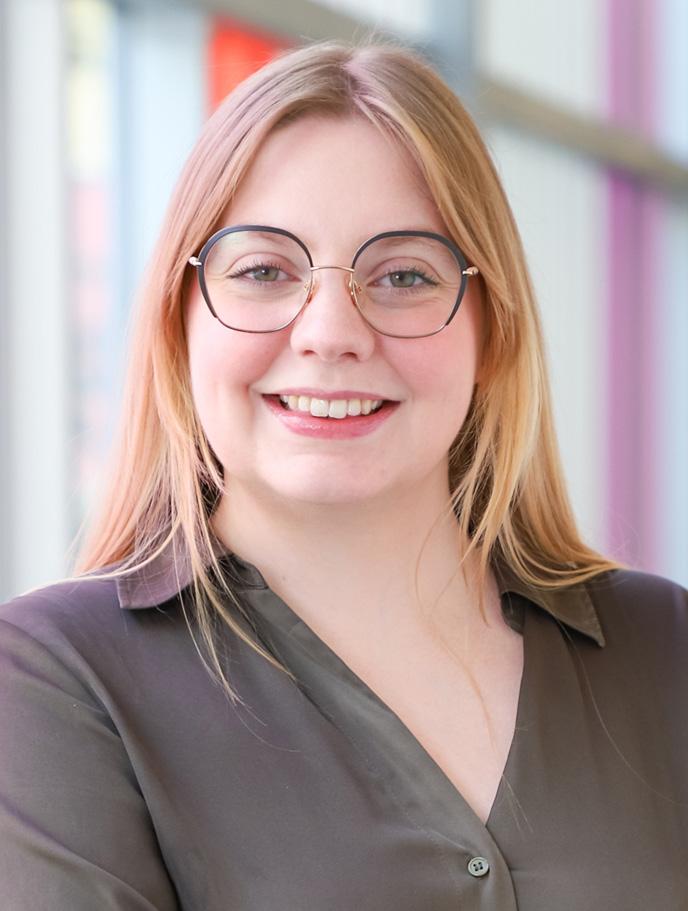
Jessica Friesen (she/her/hers)
Station #10: Finding Your Path in STEM
Bettinger Research Team, BC Children’s Hospital Master’s Student, Women+ and Children’s Health Sciences, UBC Research Area: Vaccine hesitancy
Fun Fact: Jessica’s journey through university has been anything but linear. She reached where she is today by overcoming obstacles and exploring different paths until she found where she was meant to be. Jessica also completed her Bachelor of Health Science degree in both French and English.
Maria Garcia Rivas (she/her/hers)
Station #6: Thriving in University
Reid & Lange Research Teams, BC Children’s Hospital
Doctoral Student, Department of Experimental Medicine, UBC Research Area: Pediatric leukemia
Fun Fact: Maria went to Ghana to collaborate with local professionals in understanding and developing technologies tailored for rural and underserved communities.
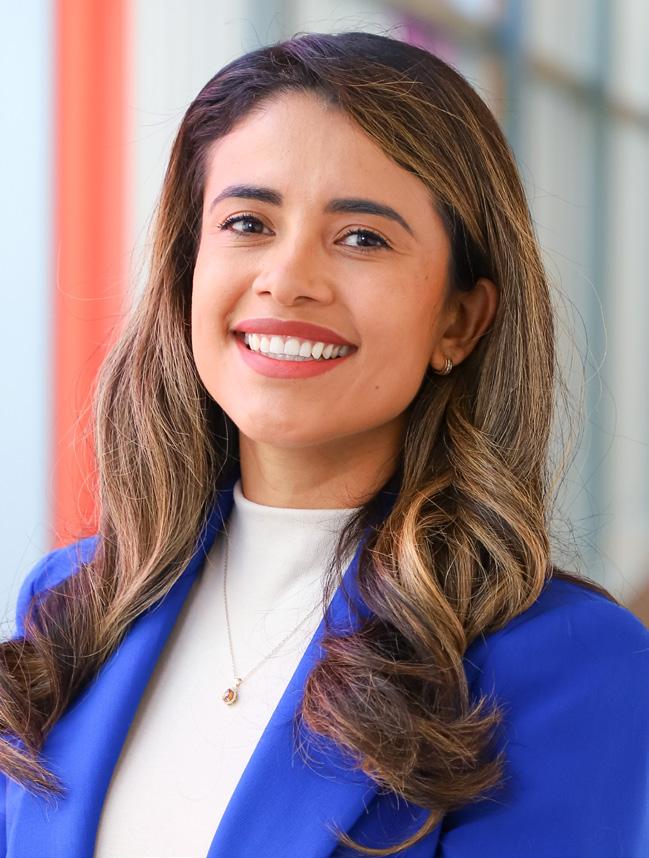
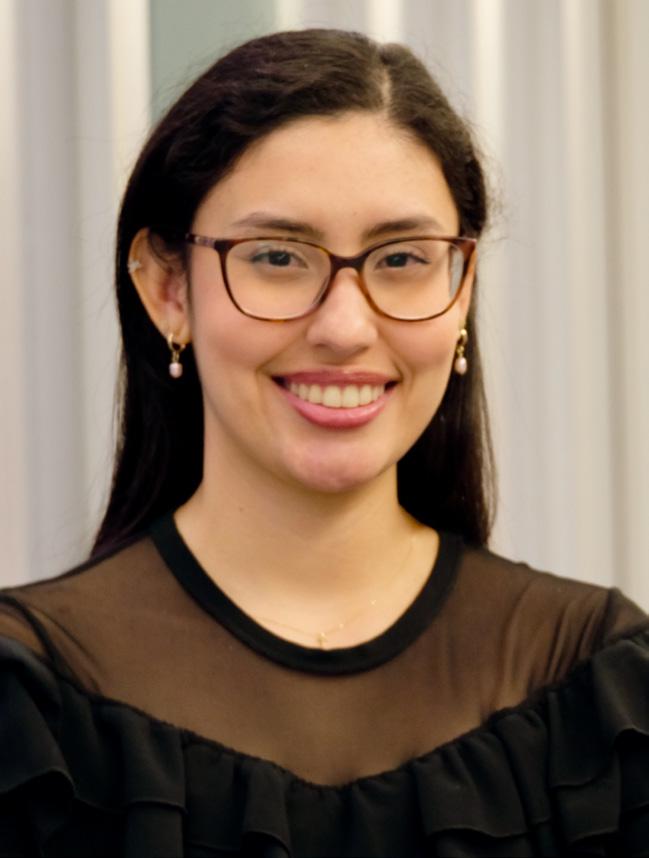
Maira Jimenez (she/her/hers)
Station #1: Breaking Barriers – Challenging Stereotypes in STEM
Vallance Research Team, BC Children’s Hospital
Doctoral Student, Department of Experimental Medicine, UBC Research Area: Gut health
Fun Fact: Maira is honoured to be part of the Falling Walls Female Science Talents program in Germany. Proof that dreams really do come true.
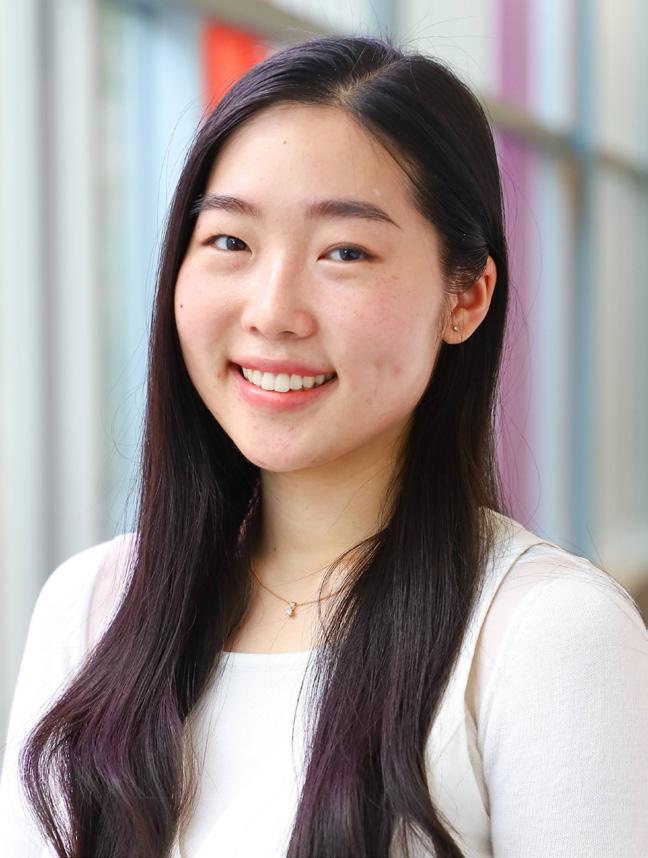
Alison Luo (she/her/hers)
Station #6: Thriving in University
Yong Research Team, BC Children’s Hospital Master’s Student, Women+ and Children’s Health Sciences, UBC Research Area: Endometriosis
Fun Fact: Alison’s journey into STEM began in biomedical engineering, but after interning at a women’s health startup, she was inspired to pursue women’s health sciences.
Maggie (Wei Jen) Ma (she/her/hers)
Station #14: Thriving in University
Sly Research Team, BC Children’s Hospital Doctoral Student, Department of Medical Genetics, UBC Research Area: Inflammatory bowel disease and drug delivery
Fun Fact: A co-op placement in a lab during her undergraduate studies inspired Maggie to pursue a career in research.
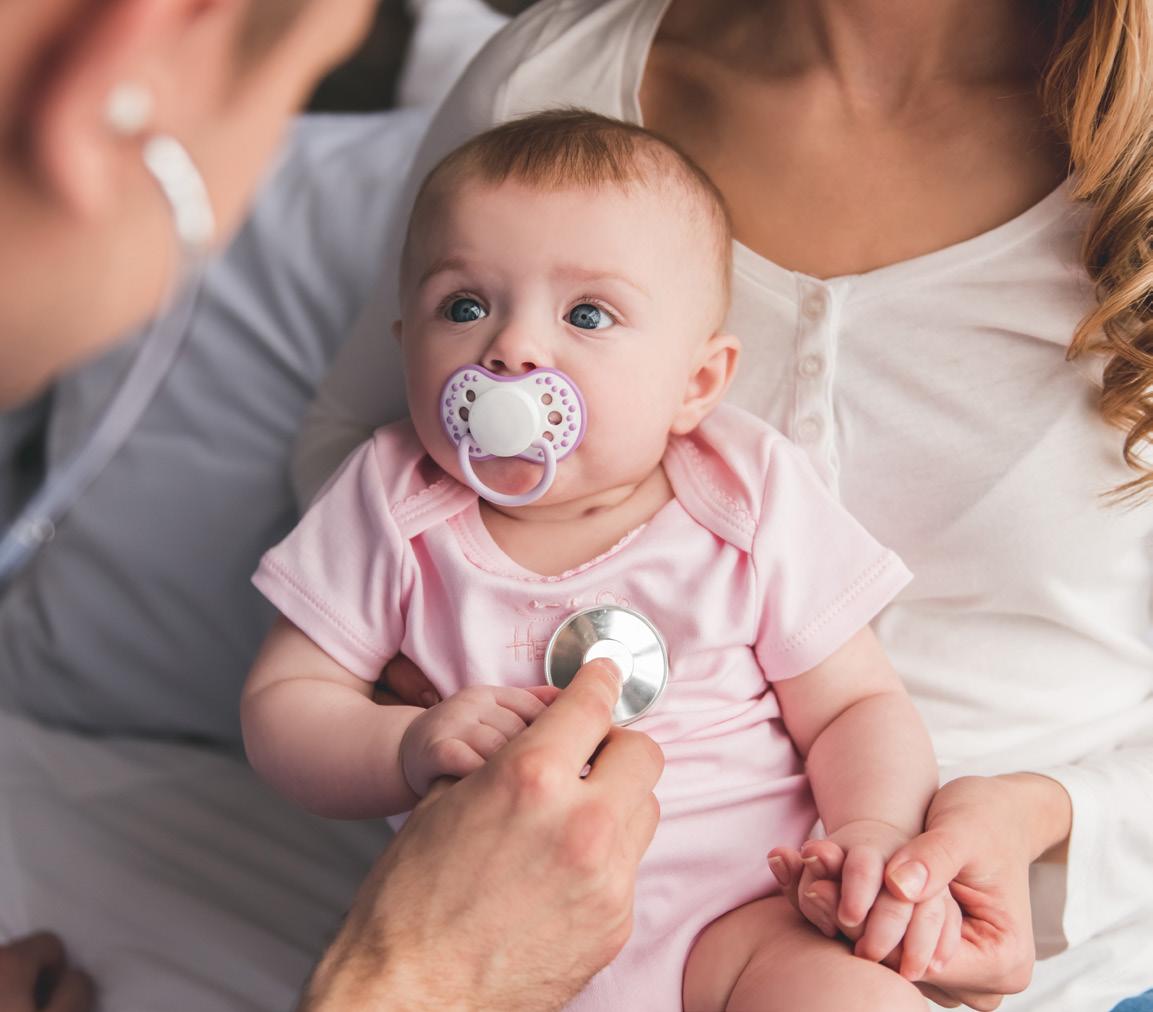
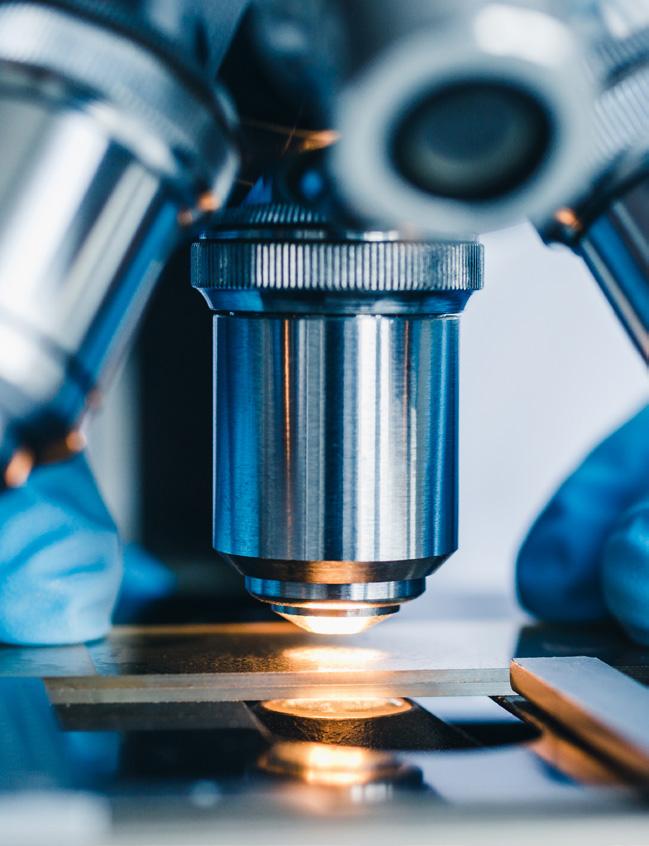
At BC Children’s Hospital Research Institute, Women’s Health Research Institute and BC Mental Health & Substance Use Services Research Institute, we are proud to support the next generation of health scientists.
At this unique event, you will have the opportunity to connect with inspiring leaders and mentors who are making groundbreaking discoveries and innovations in research.

Hannah Nelson (she/her/hers)
Station #4: Representation Matters – Women and Minorities in STEM
Goldfarb Research Team, BC Children’s Hospital Master’s Student, Department of Medicine, UBC Research Area: Infectious disease diagnostics
Fun Fact: Before joining clinical research at BC Children’s Hospital, Hannah spent several years conducting kinesiology research at the UBC Environmental Physiology Lab.
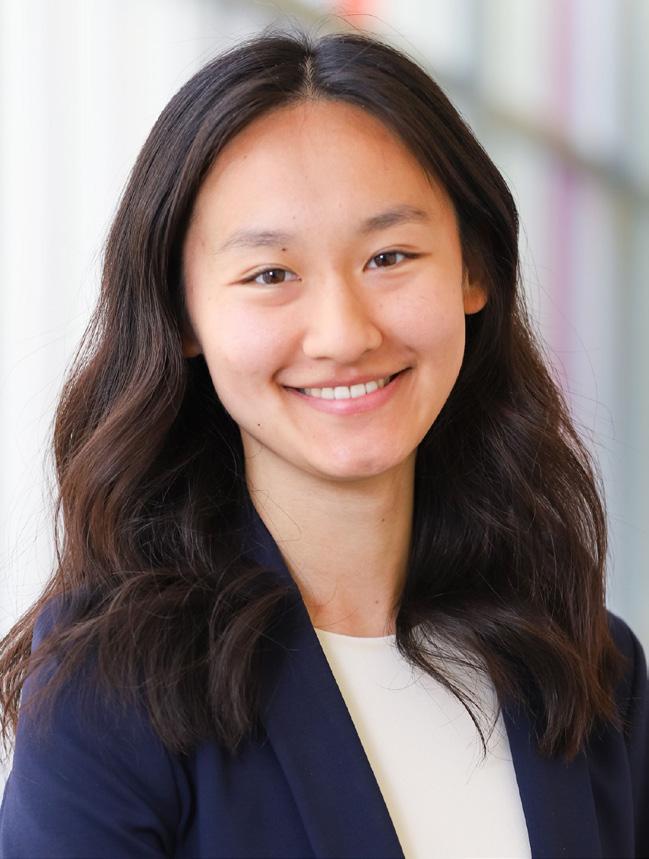
Lulu Pei (she/her/hers)
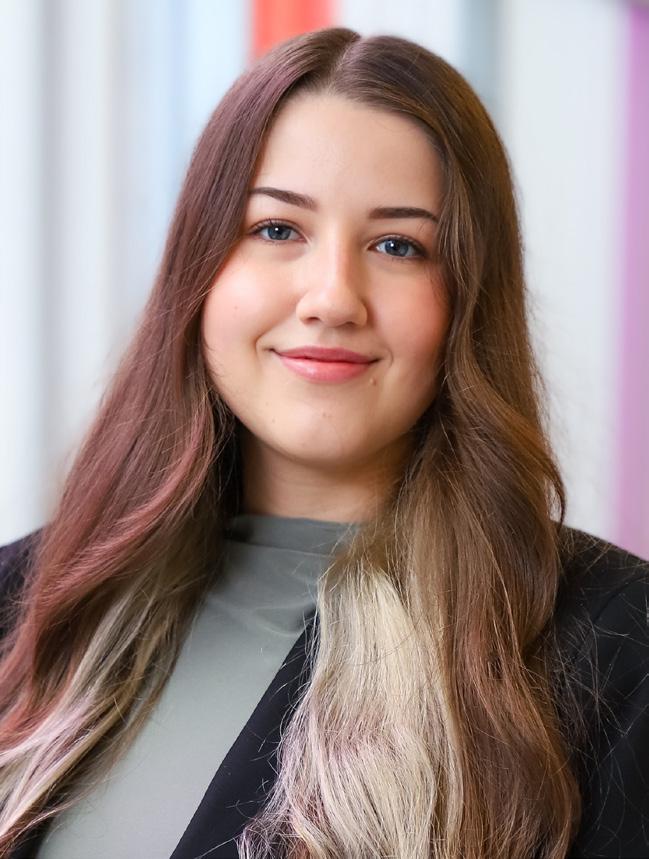
Station #5: The Impact of Global Health Studies
Karakochuk Research Team, BC Children’s Hospital Doctoral Student, Department of Food, Nutrition and Health, UBC
Research Area: Perinatal nutrition
Fun Fact: Lulu’s academic journey has followed a fairly “traditional” path, completing all her studies at the same institution along the standard timeline. Now, she’s slowing down to explore new career opportunities and discover her passions and interests. It’s not a race – it’s never too late to start something new!

Elakkiya Prabaharan (she/her/hers)
Station #4: Representation Matters – Women and Minorities in STEM
Beristain Research Team, BC Children’s Hospital
Master’s Student, Department of Cell and Developmental Biology, UBC
Research Area: Placenta biology
Fun Fact: Before beginning her graduate studies, Elakkiya worked for two years as a professional medical editor.
Dr. Thais Rangel Bousquet
Carrilho (she/her/hers)
Station #13: The Impact of Global Health Studies
Hutcheon Research Team, BC Children’s Hospital
Postdoctoral Fellow, Department of Obstetrics & Gynaecology, UBC
Research Area: Perinatal and nutritional epidemiology
Fun Fact: Thais is a member of a World Health Organization
Steering Committee and is leading the data analysis to develop global pregnancy weight gain charts.
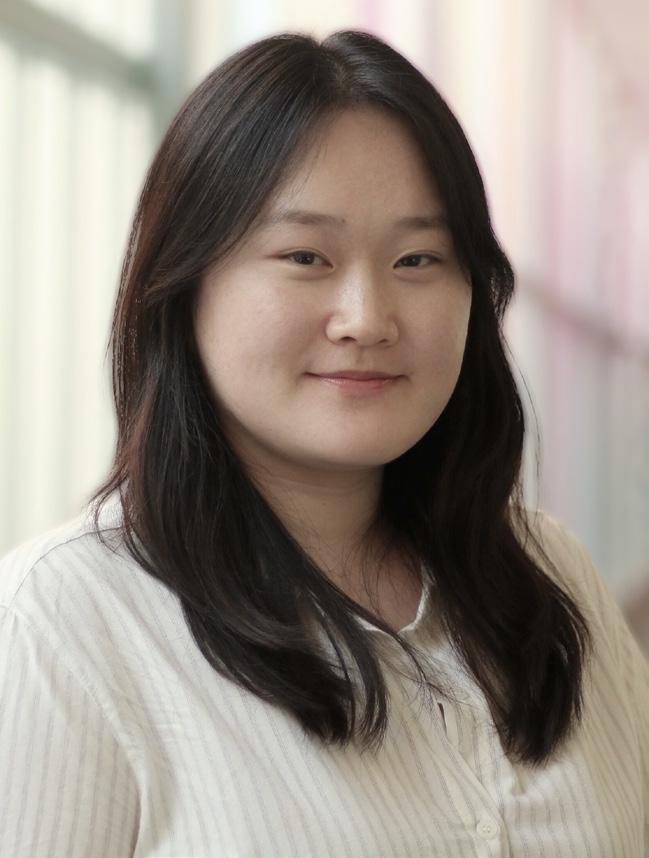
Elly Shin (she/her/hers)
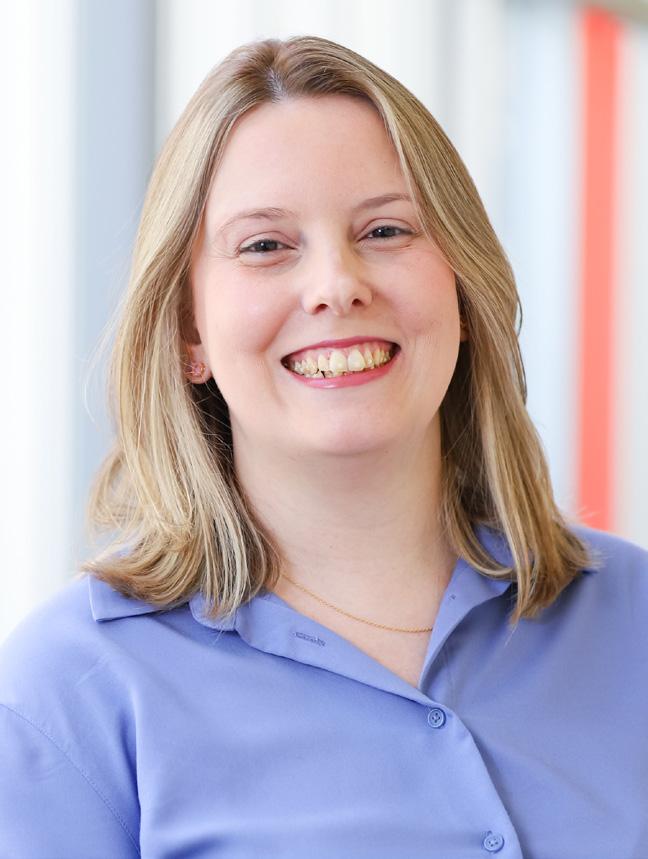
Station #12: Representation Matters – Women and Minorities in STEM
Carleton Research Team, BC Children’s Hospital
Doctoral Student, Department of Medical Genetics, UBC
Research Area: Pharmacogenomics
Fun Fact: Elly started her research journey in Ontario.
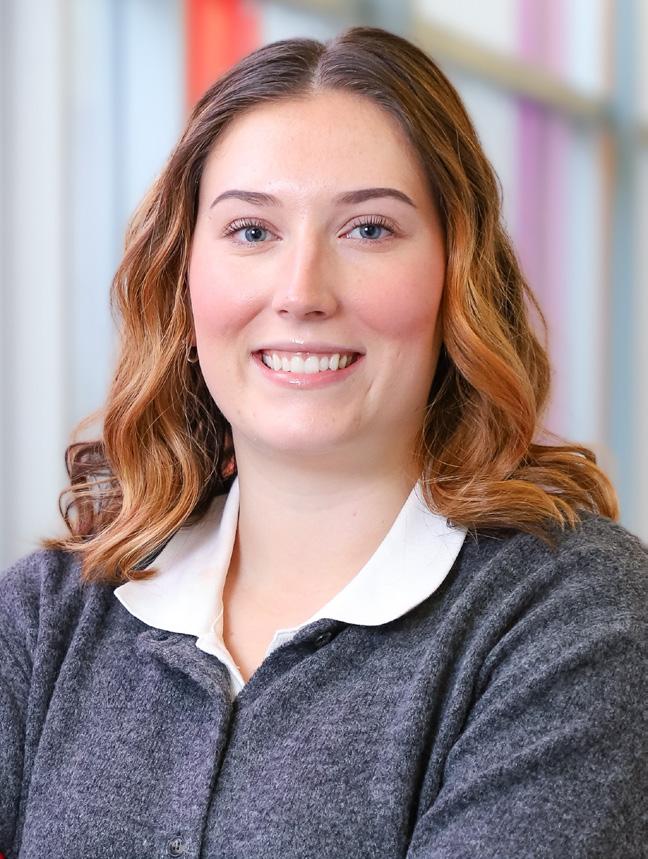
Laura Simonson (she/her/hers)
Station #15: Thriving in University
Loucks Research Team, BC Children’s Hospital Master’s Student, Genome Science and Technology Program, UBC
Research Area: Pharmacogenomics
Fun Fact: Laura began as a rotation student, gaining experience in several different labs before joining her current one.
Mattison Stojcic (she/her/hers)
Station #14: Thriving in University
Turvey Research Team, BC Children’s Hospital Doctoral Student, Department of Experimental Medicine, UBC Research Area: Rare disease
Fun Fact: Before discovering her passion for rare disease research, Mattison planned to pursue forensics – and now she gets to use those same problem-solving skills to uncover genetic mysteries.
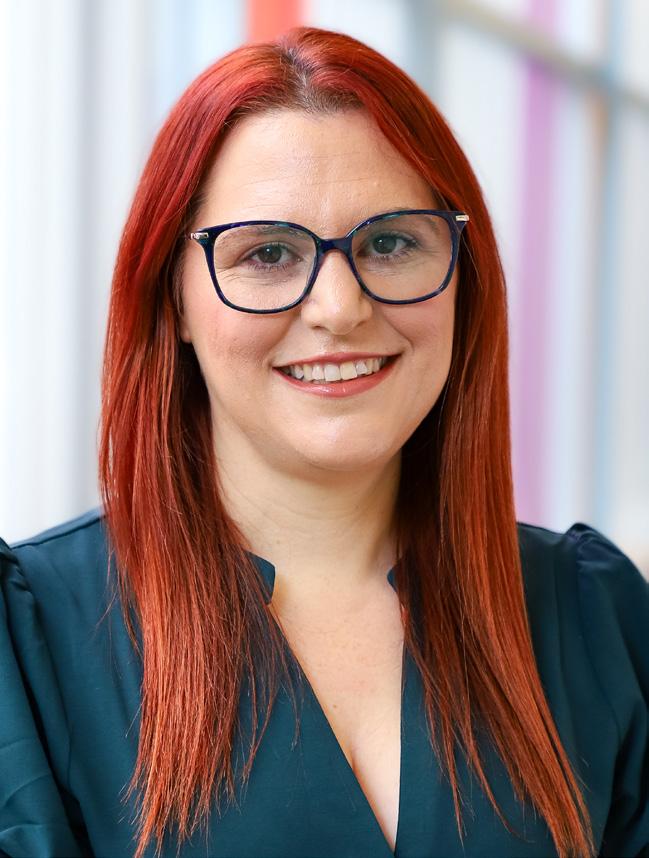
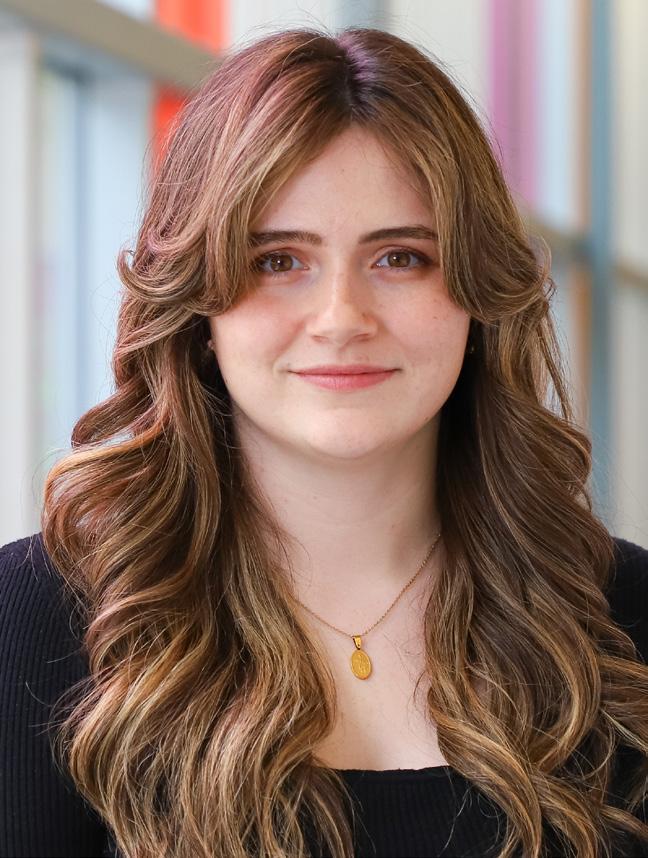
Dr. Tasha Wainstein (she/her/hers)
Station #8: Imposter Syndrome in STEM
Selby Research Team, BC Children’s Hospital Postdoctoral Fellow, Department of Pediatrics, UBC Research Area: Genetic counselling
Fun Fact: Tasha’s professional career journey spans two continents: Africa and North America.
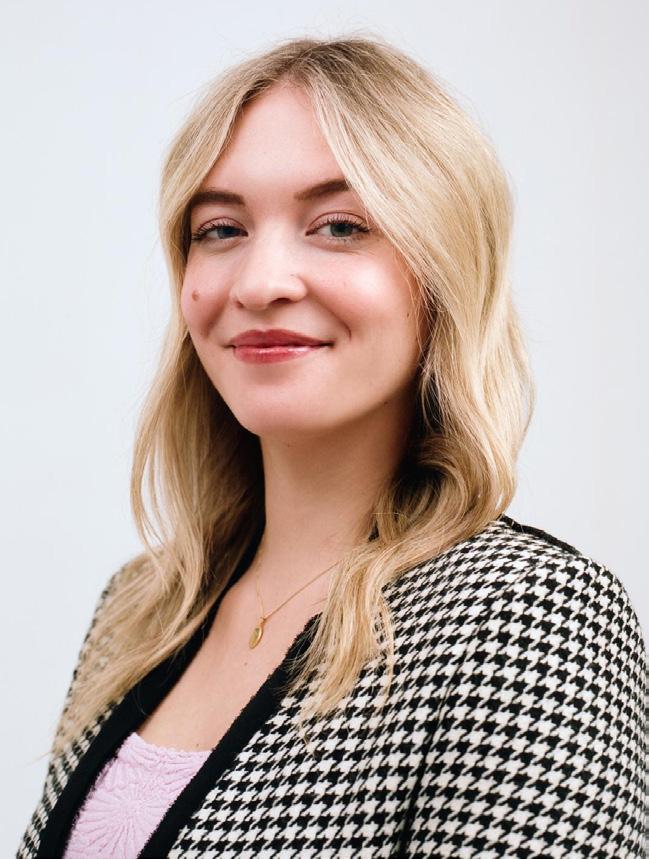
Dr. Emily Wiesenthal (she/her/hers)
Station #9: Breaking Barriers – Challenging Stereotypes in STEM
Clinical Resident, Department of Obstetrics & Gynaecology, UBC
Research Area: Obstetrics and women’s health
Fun Fact: Emily earned a degree in the humanities and still ended up in medicine! She never imagined she would become a surgeon when she began her career.
Mathilde Wilhelmy (she/her/hers)
Station #12: Representation Matters – Women and Minorities in STEM
Lunken Research Team, BC Children’s Hospital Master’s Student, Women+ and Children’s Health Sciences, UBC Research Area: Microbiome and nutrition
Fun Fact: Mathilde was working as a dietitian when she decided to go back to school to specialize in the gut microbiome, even though she had no prior lab experience.
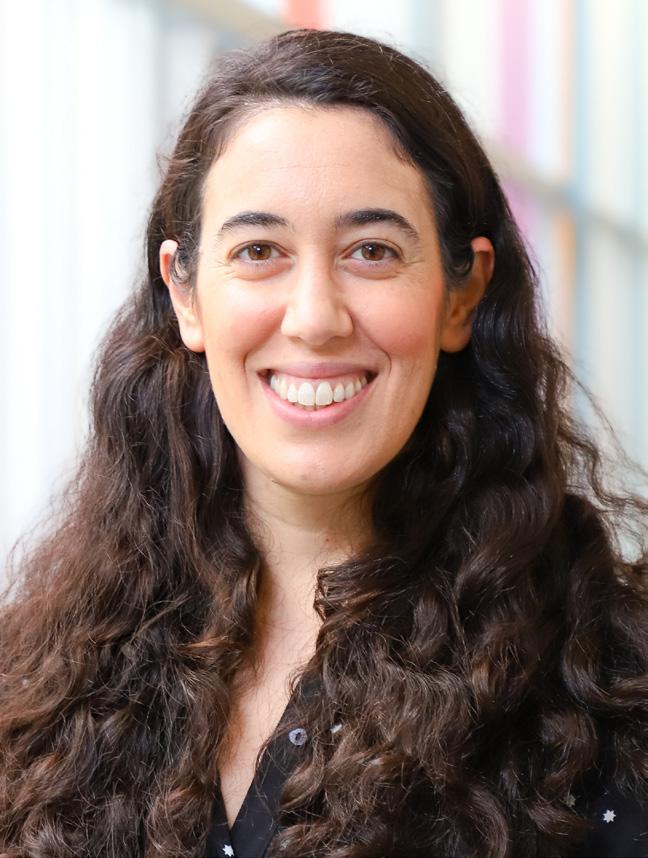
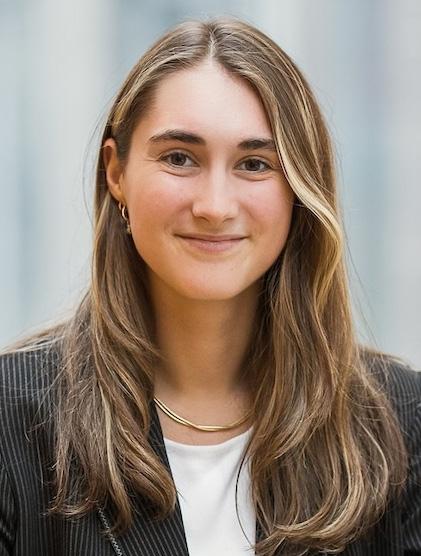
Enav Zusman (she/her/hers)
Station #16: Imposter Syndrome in STEM
Oberlander Research Team, BC Children’s Hospital Doctoral Student, Women+ and Children’s Health Sciences, UBC
Research Area: Epidemiology
Fun Fact: Enav is a first generation academic!