EDITOR:
DISCLAIMER:
EDITOR:
DISCLAIMER:

Welcome to the Autumn edition of Spectrum 2025. The Access to Medications working group celebrated the announcement that Alyftrek, the newest modulator therapy would be reimbursed in Ireland from the 1st of September and available on the expanded license. The group have campaigned tirelessly for four years to ensure all those who stood to benefit from a modulator therapy would have access. Our sincere thanks to them for their tenacity and dedication. They remain committed to supporting those who cannot benefit from a modulator and we will continue to invest in research to find effective therapies for all.
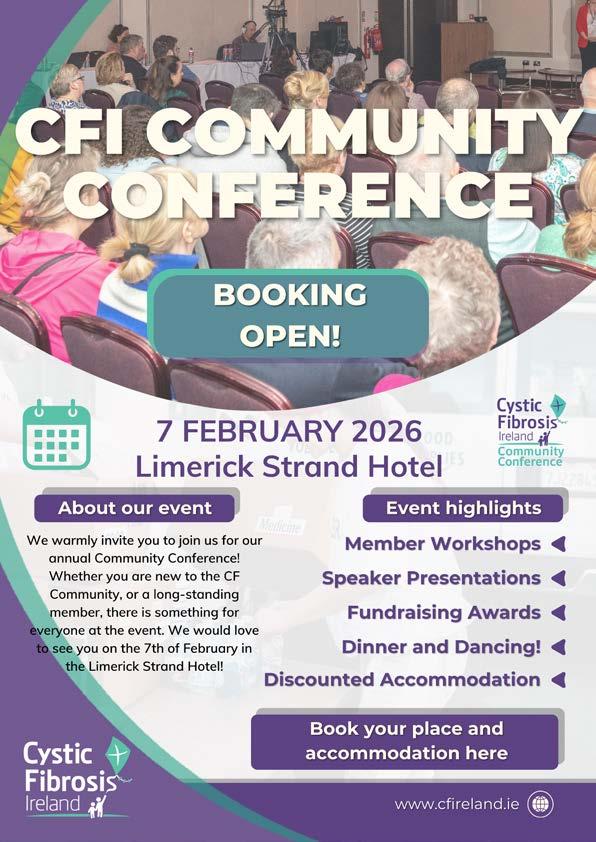
This issue of Spectrum includes two invitations, the first to join us for the launch of “The Cost of Breathing” a photographic awareness campaign in association with Trevor O’Donoghue Photography which confronts the emotional reality of poverty and Cystic Fibrosis. We also invite you to join us at our next community conference on the 7th of February in the Strand Hotel Limerick. We look forward to welcoming you to a weekend of international speakers, workshops and networking opportunities.
Thank you to everyone who took part in fundraising events over the Summer, from the Head to Head walk, Malin to Mizen cycle or International walk in Slovenia. Each of these events are supported by brilliant volunteer teams who ensure all those participating know the true value of their efforts.
People living with CF in Ireland are surrounded by an incredible community of volunteers, fundraisers and supporters dedicated to improving their lives and the team in CFI are proud to be a part of it.

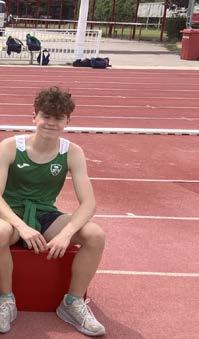
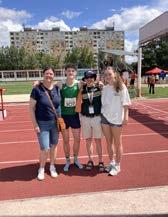
More than 850 athletes travelled from all over the world to participate in FISEC, the high-level sports games for young people. Among them was Harry Cahill, a 17-year-old athlete with Cystic Fibrosis (CF), from Co. Kildare.
One of 30 young people chosen to represent
Ireland in athletics, Harry describes FISEC as an international club championship. First established in 1946, it is a professional organisation that organises sports games every year. Fiercely competitive, it gives young people an opportunity to compete at a high-performance level.
“My club Donore Harriers was picked to go, and they selected six people from my club to represent Ireland. In total, I was in three races. I won my 800m heat with a new PB (personal best), so I was delighted with that. I also ran the 3K on the Saturday and tactically, it was one of the best races I've ever had. Considering the heat was about 32° at 10 o'clock in the morning when
I was running, I beat my personal best by 9 seconds and came second in the race,” Harry shares.
“I was delighted, I couldn't have pushed any harder, and it was great to be on the podium in my first international race.”
The Cahill family have always been a sporty, active family - Harry and his Dad, Henry, have been running ParkRuns together since Harry was just ten. Harry’s Mum, Ruth, was an avid badminton player and Harry’s sister Emily is on the local GAA team. From an early age Harry has trained, ran, or been on a pitch almost every day of the week. However, CF had a habit of interrupting his sport,
until he started Kaftrio, the highly effective modulator therapy.
“I’ve always been very, very sporty, but I had a habit of going into hospital every spring and winter for about three weeks at a time, but other than that I was healthy, one of the luckier people with CF. Before Kaftrio, I had to do nebulisers each day.
My main problems were in my sinuses, so I had to do an extra one just for my nose. I had to take more Creon and was on a lot more medicine than I am now. Each day, my treatments took me about a half an hour, but to be fair there was a lot more time given to sterilising everything and my Mum and Dad did that,” Harry explains.
Harry tries to recall exactly when he started Kaftrio. The date doesn’t come easily, sometime in either 2019 or 2020. But, he does remember vividly the difference it made. From the long hospital admissions before Kaftrio, to rare and short hospital admissions since, it is the direction and speed Harry’s life has moved at since then, that stands out.
“When I started Kaftrio, straight away I felt amazing. My sleep got much better and small things like clearing my throat all the time - that left. I didn't know I was sick until I got better. Now, I’m only on one nebuliser a day, if even,” Harry explains.
Since he was young Harry’s chosen sports were hurling, GAA and Taekwondo. Running was his fourth sport and he continued these until later in his teens. A self-motivated sportsman, Harry always strived to improve and excel in all his chosen sports. However, with the introduction of Kaftrio, Harry made further progress in his sporting achievements, and eventually decisions had to be made about which sport was going to be his main focus.
Taekwondo was first to go for Harry, despite being one step from Black Belt. He continued to balance GAA and athletics commitments until 2024 when he made the decision to stop playing Gaelic football. Although he was playing hurling for Kildare and his club Maynooth GAA he was making strides in athletics and getting noticed. Harry had a difficult decision to make.
“I was big into hurling, but I started taking running more seriously and then last year, in a school’s competition, I ran a race and led it out for the first few kilometres. Eventually I got smoked by the rest of the guys, they were on the Irish team, but one of the guys came up to me after and said ‘fair play for
taking the race out, you are a good runner. Do you want to come for training at my club?’” Harry explains.
“There weren’t many people my age in my club St. Coca’s at the time so when I was invited to train in Donore, I tried it out. I was nervous but after my first session, I just thought yeah, this is for me.”
Harry moved to Donore Harriers, Chapelizod, one of the biggest athletics clubs in Dublin. Harry remembers how he started at the bottom of the group in terms of speed but quickly worked his way up and improved. At the time of this interview, Harry is about to enter the cross-country season and each week will include six days of running, strength work and maybe an easy swim. Overall, Harry trains approximately two hours every day, however it is crucial that athletes avoid over-training and take recovery days, to make sure they don’t injure themselves.
In relation to CF, Harry explains how this love of sport has kept him healthy physically, but how it has also hugely benefited his mental and emotional wellbeing. Through running, Harry has met most of his best friends in the club. He meets up with them for runs, goes into town or goes abroad with them. Running is not only physical, but social and calming as well.
“The friends I've made from Donore, are all my best friends now. The group really made me want to train and I didn’t want to miss any sessions. I was even meeting up with my friends for runs that weren’t training, just easy runs. Moving clubs was the toughest decision I ever had to make but the training I got, the improvements and the new friends I made – it has changed my life,” he explains. For people from all walks of life, social and
human connections are hugely important to our wellbeing. However, people with CF are isolated from each other due to cross infection concerns and cannot meet but there is an awareness of the CF community and each other’s achievements that has the power to inspire, motivate and still connect, albeit not physically.
Harry is hoping that his story will connect and resonate with other young people with CF and their families. He wants everyone to know that they can ‘go for the win’, no matter what their passion is.
“My parents have always been very supportive. They have always been honest and at times have told me things that I didn’t want, but needed to hear, when I needed a
push to achieve my goals. So, what I would say to parents of young people with CF, be supportive,” Harry explains.
“And I know there are lots of other kids with CF who do running and who watch my races. It feels good to show that you can do it and for all of them, I want to do my best and make them proud. But what I would say to all young people with CF, if you are going to do something, no matter what your passion is, just do your best and give it 100%.”
Next up on the agenda for Harry is the national cross-country competitions and
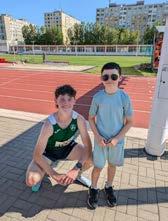
Harry is targeting a place in the top three runners in the country and at the same time aiming to race 5k in under 15 minutes. Harry
is not just aiming high in athletics. He is hoping to study medicine/biomedical science after school and has been as tactical in his choice of leaving certificate subjects as he is on the track in the hopes of making that ambition possible.
When asked what college or institution he would like to go to, Harry shares that while there are many excellent choices in Ireland, what he would love is to study medicine/ biomedical science in the States on a running scholarship. This lad doesn’t mess around…
“CF has taught me that no matter what you do, or what your passion is, just do your best, there is nothing else you can do. Just work hard, have a good mentality, a growth mindset and keep improving as a person. Go for the win – you never know what might happen.”
CFI Fact!
Did you know that in 2025, 189 women walked , jogged or ran the VHI Mini Marathon raising € 47755.32 helping CFI to provide vital supports to pwCF in Ireland!
“CF has taught me that no matter what you do, or what your passion is, just do your best, there is nothing else you can do.... Go for the win – you never know what might happen.”
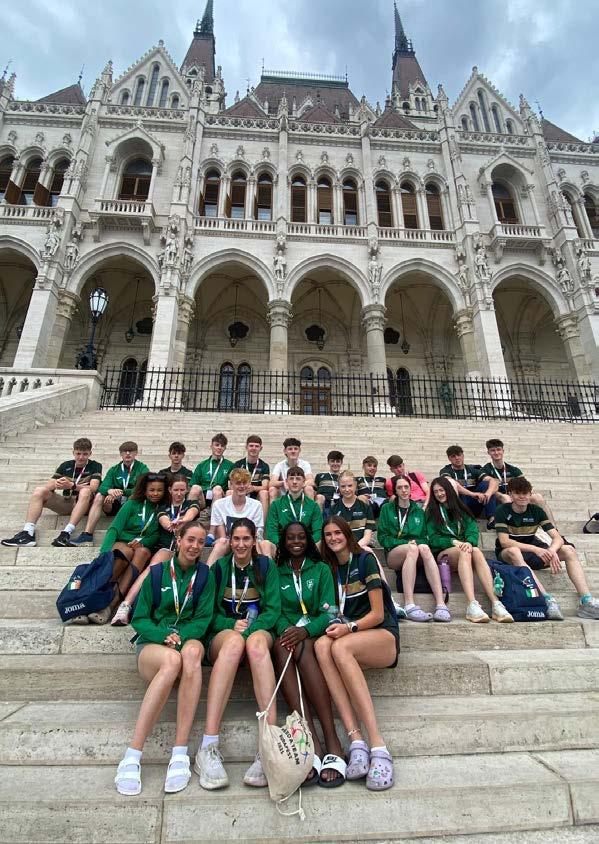
"Go for the win –you never know what might happen"

Making a Will is one of the most important personal decisions you will ever make. Making a Will is a time for reflection, planning, and considering how you can leave a lasting impact, not just for your loved ones but for ongoing support for people with Cystic Fibrosis in Ireland.
According to recent research, only 27% of people in Ireland currently have a Will, significantly lower than in the UK, where 44% of people have already made their arrangements. This statistic highlights the importance of making your Will and the peace of mind this easy step will provide you and your family.
A Will not only ensures your loved ones are taken care of but also allows you to extend your support to a charity like Cystic Fibrosis Ireland. By including a gift in your Will, you leave a lasting legacy that will make a difference for years to come. Whether large or small, legacy gifts in your Will can ensure support for the future of those living with CF. With a simple, affordable process, creating a Will can give you peace of mind knowing your wishes are carried out and by leaving a legacy gift, you can continue to make a difference long after you are gone.
Creating a Will is about more than just dividing up assets; it’s about ensuring your family is protected and your personal wishes are respected. For example, a Will allows you to:
• Provide for your loved ones, ensuring they receive what you want them to have.
• Assign guardians for your children and ensure their future care is secured.
• Protect your property and assets and reduce the impact of inheritance tax.
Most importantly, making a Will is often much simpler and more affordable than many people anticipate. During November, we are encouraging you to schedule a consultation with your local solicitor, who can guide you through the process. Cystic Fibrosis Ireland is also proud to partner with MyLegacy.ie, which is backed by hundreds of legal firms across Ireland. These solicitors can provide expert advice.
Including a legacy gift in your Will is an extraordinary way to ensure your values live on. Whether large or small, legacy gifts are tax-free and can make an immense difference in the lives of those living with CF.
In Ireland, while 14% of people with a Will have included a charitable gift, there’s still a significant opportunity for growth, with 51% of people admitting that they simply hadn’t considered this option before. Legacy gifts are a chance to give far more than you might ever be able to in your lifetime, and they provide the security that allows charities like Cystic Fibrosis Ireland to plan for the future.
Recent research indicates that the most common reason people leave a legacy gift is their desire to support a cause they care deeply about. 39% of respondents say this is their motivation, while 27% leave a legacy gift to honour a loved one. For many, it’s an opportunity to make a lasting impact, ensuring their values live on through charitable work.
Including a legacy gift in your Will can help Cystic Fibrosis Ireland continue its mission, funding ground-breaking research, specialised medical care and essential support services for people with CF. By leaving a gift, you will directly contribute to:
• Advancing research towards finding a cure for Cystic Fibrosis.
• Funding specialist CF multidisciplinary roles in hospitals across Ireland.
• Supporting Cystic Fibrosis units around the country, including inpatient, outpatient, and day care centres.
• Directly assisting individuals with CF through grants for exercise, transplants, fertility counselling, and bereavement support.
• Offering counselling, education, and advocacy services to improve the lives of people living with Cystic Fibrosis.
We understand that leaving a legacy gift is deeply personal. Some people prefer to notify us in advance that they have included Cystic Fibrosis Ireland in their Will, while others may choose to keep it private until the time comes. Whatever your preference, rest assured that your gift will have a lasting impact on the lives of future generations living with Cystic Fibrosis in Ireland.
Get expert advice:
Taking that first step toward making your Will can seem daunting, but with the right guidance, it can be a smooth and empowering process.
Look after loved ones first:
A Will ensures your family and friends are cared for, your property is protected, and inheritance tax is minimized.
Consider a legacy to charity:
Whether large or small, including a legacy gift to Cystic Fibrosis Ireland can be life-changing, allowing you to continue supporting a cause you care about long into the future.
For more information on leaving a legacy gift to Cystic Fibrosis Ireland, please contact us for our advice leaflet, “Your Legacy Could Be Life-Changing”. You can also visit our website at www.cfireland.ie or MyLegacy.ie for more details. Alternatively, you can call us directly at 01 496 2433 or email info@cfireland.ie.
Remember: Including a legacy gift in your Will costs nothing today but can transform the future.


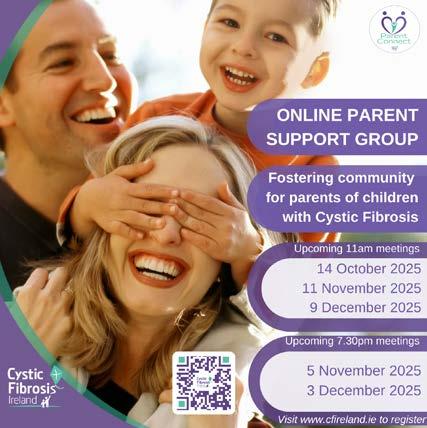

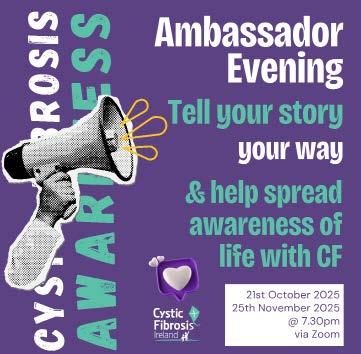

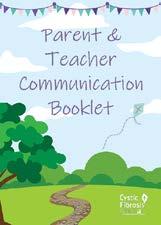
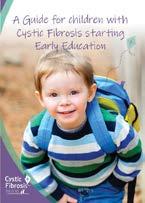



Cystic Fibrosis Ireland launches Schools and Cystic Fibrosis Toolkit to enhance the educational experience of children with CF in Ireland.
Cystic Fibrosis Ireland (CFI) has launched a new ‘Schools and Cystic Fibrosis’ toolkit to provide parents, carers, pre-schools, schools and individuals with guidance and resources to ensure all children with Cystic Fibrosis can meaningfully participate in early education. The toolkit offers comprehensive guidance on how to discuss the diagnosis with school staff, ways to prevent and minimise exposure to infection, and provides support available to families beginning this journey. It includes practical advice, templates, and examples to help families and pre/schools implement effective measures and considerations for managing Cystic Fibrosis in schools.The launch took place on the 20th August and was attended by Better Start National Early Years Quality Development, a national initiative established by the Department of Children, Disability and Equality (DCDE) and hosted by Pobal. To launch the toolkit, Better Start presented the Access and Inclusion Model of Supports (AIMs) which are designed to provide universal and targeted supports to Early Learning and Care settings with a focus on the inclusion of the individual child.
The toolkit was compiled in partnership with the Cystic Fibrosis Ireland Member Services team, Educators, healthcare workers, and families affected by CF, and is available for download from Cystic Fibrosis Ireland website www.cfireland.ie. For more information on the Access and Inclusion Model of Supports (AIMs) , visit Access and Inclusion Model - Better Start.

Did you know that the CFI Exercise Grant is available to students in preschool, primary, secondary and third level to help with the cost of sport related activity or equipment?
Exercise and physical fitness are of extreme importance for people with Cystic Fibrosis. Not only is it a natural form of chest physiotherapy that increases lung capacity facilitating airway clearance, it is also instrumental for preserving mental well-being and quality of life. With support from the Toy Show Appeal, CFI is delighted to offer Exercise Grants to children, teens and young adults with Cystic Fibrosis for sports related clubs, camps, afterschools which contribute to the physiotherapy required for good health in CF. Contact memberservices@cfireland.ie for more information.

Back to Contents

by Una Cox, Senior Medical Social Worker, Cystic Fibrosis Unit, Beaumont Hospital

Úna is a Senior Medical Social Worker in the Cystic Fibrosis Unit at Beaumont Hospital. With almost 20 years’ experience across hospital and community healthcare, she has a strong understanding of the challenges illness can bring to individuals and families. In her role, Úna offers advocacy, practical guidance and emotional support. She works alongside the multi-disciplinary team and connects patients with community services to help them live as full a life as possible with CF.
Cystic Fibrosis (CF) Social Workers are an essential part of the healthcare team. They understand how social, emotional and financial pressures shape daily life and use this insight to provide interventions that are realistic, compassionate and centred on patients and families. They also recognise that health is influenced by wider social and economic factors such as housing, income and family circumstances which all affect treatment and wellbeing. By drawing on their professional training in social work theories and methods of intervention; they ensure their support is not only person centred but also evidence based and ethical.
Despite significant advances in CF treatment; the condition continues to present social challenges for individuals throughout their life course with health outcomes shaped by a complex interplay of biological, psychological and social (biopsychosocial) factors. People with CF (pwCF) are required to manage a complex daily treatment routine combining airway clearance, medications, nutrition and exercise. This is further complicated by fluctuating health and the ongoing demands of employment, education and family life. Understandably, these pressures can affect patients emotionally, psychologically, practically and financially.
As part of the multi-disciplinary team, the CF Social Worker brings specialist knowledge of the condition and its wider impact. Our role focuses on the human side of CF care - supporting patients and their families to cope with day to day realities of living with CF, navigate complicated systems and feel supported at every stage of life.
Navigating social welfare schemes, government supports, housing, or employment rights can be daunting. Social Workers act as advocates, helping patients and families secure the entitlements they are eligible for, while also encouraging people to speak up for themselves. For adults, this might involve support with workplace adjustments or applications for disability benefits. Their specialist knowledge of key services is vital for advocating on issues such as medical card eligibility, income supports and housing needs; whether that’s access to social housing or advice on private ownership, mortgages or life insurance. Social Workers apply advocacy skills to ensure that people with CF and their families understand their rights and know how to access both statutory and voluntary supports. They also help families manage financial pressures by connecting them to a range of resources including welfare benefits, charitable funds and specialist financial advice.
CF affects more than the individual. Parents, partners, siblings and children may all feel the weight of the condition. Social Workers provide space to talk through worries, offer counselling and connect families with community or mental health supports. They also provide emotional support to patients whose health is deteriorating or when a hospital admission is necessary and help them consider their short- and long-term options in a way that feels supported rather than overwhelming.
As health and survival rates improve for pwCF a growing number are considering and embarking on parenthood. Social Workers offer support around fertility, IVF and the transition to parenthood. This includes guidance through financial supports, counselling as well as practical advice and education.

One of the most significant stages in CF care is the move from paediatric to adult services. This can feel like a daunting step for young people and their families. CF Social Workers play a central role in preparing for this change; helping young people build independence while ensuring they continue to feel supported. They work closely with their colleagues in the paediatric setting to make sure the handover is as smooth as possible, giving patients and families’ confidence as they begin this new phase of care.
Alongside challenges, social workers highlight strengths. They help people recognise their own resilience, develop positive coping strategies and build confidence in managing their condition - ensuring life with CF is not just about survival, but about living well.
Social Workers connect patients and families to wider supports such as financial aid, housing and community services and ensure these resources are accessible. They also act as a link between the multidisciplinary medical team; helping to make sure that each person’s voice is heard and that care plans reflect real-life needs. With extensive knowledge of both local and national community services, Social Workers can guide families to the right supports at the right time. Beyond the hospital, they advocate in workplaces and communities, so that the demands of CF treatment don’t unfairly limit opportunities.
The role of a Cystic Fibrosis Social Worker goes far beyond paperwork. They are listeners, advocates, problem-solvers, and supporters who help patients and families face the challenges of CF with resilience. By addressing the social and emotional aspects of the condition, they ensure that care extends beyond the hospital walls—reaching into everyday life where it matters most.
Did you know that CFI offers wellbeing grants to support adults and children create and maintain positive mental health? These grants are only possible with the support of community events such as the upcoming Christmas Jumper Day for CF! More info is available on www.cfireland.ie


This is the third edition of the new look Spectrum in 2025. We are starting to plan for 2026 and we would love to hear your thoughts on Spectrum, it's content, the look, feel and anything else that you can think of. To make sure we are always improving and are bringing you, our readers and members, what you want to read, we have created a 6 minute questionnaire which we are asking you to fill out. We would be delighted to hear, what you would like to see in Spectrum in 2026! Visit https://forms.office.com/e/13F1T8Vh0N
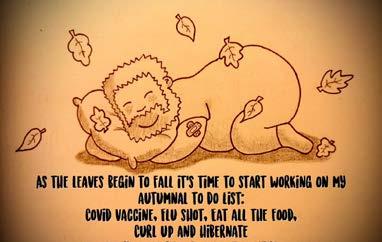


aka bob_narrow doodles again!

Spotted on Instagram!
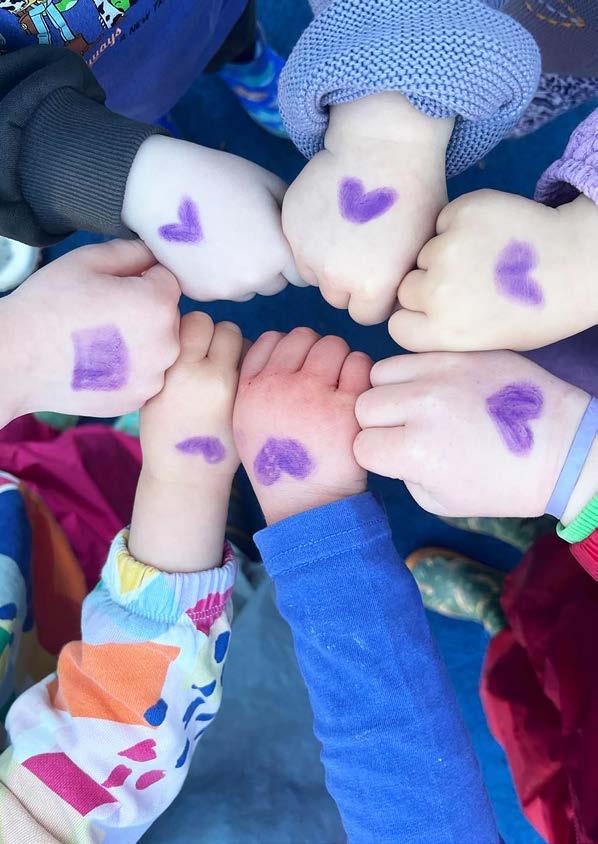
Shout out to Better Together Preschool, Naas who held a CF Day to support Ollie, their friend and student, who attends the school. CF Day was held to raise awareness of Cystic Fibrosis and wrap a hug around Ollie and all children with CF in Ireland. Well done everyone

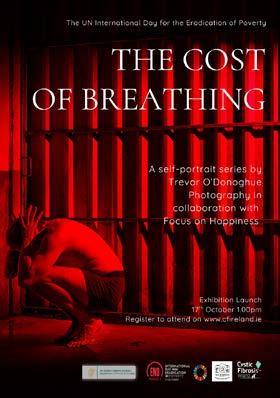
To mark the UN International Day for the Eradication of Poverty, Cystic Fibrosis Ireland in collaboration with Focus on Happiness and Trevor O'Donoghue Photography, are hosting 'The Cost of Breathing' a series of symbolic self-portraits which confront the emotional reality of poverty and Cystic Fibrosis.
Supported by CF Ireland for the International Day for the Eradication of World Poverty 2025, this series uses symbolic self portraits to confront the emotional reality of poverty.
It asks what it feels like to survive in a system that often overlooks your needs. A place where everything has a cost, even the breath in your lungs. Each image represents an emotional truth, expressed through colour and symbolism inspired by the chakra system and the emotions they reflect.
For people living with Cystic Fibrosis, poverty is an everyday reality. This is not a comfortable story. But it is one told with hope. Join us by registering here.


Name: Naisa Almeida Role: Financial Management Specialist
Based in: Dublin
I started working at CFI in 2023, awaiting my graduation in BA (Hons) Business Studies as temp role here, and I am grateful that I am part of CFI since. I also have a degree in technical tour guiding and I am a librarian as well, having worked in a university library in Brazil. These three qualifications don't have much in common, but somehow, they brought me to CFI during my journey in the Republic of Ireland, which began eight years ago. I'm very proud to know that I'm contributing a little to the CFI community, which I consider phenomenal, especially for the work everyone does, and it changes the lives of so many people..
My role involves a lot of numbers and spreadsheets, but I love working in Finance Department knowing that we're translating financial data into actionable insights, keeping the institution financially stable.
I taught myself English by listening to The Cranberries, reading their lyrics in English, and translating them into Portuguese when I was 15. They're my ultimate favorite band, and back in 2010 I saw them in my hometown, Fortaleza-Brazil. I will never forget. I never imagined years later I’d be living and working in the Republic of Ireland. My favorite songs are #1- Animal Instinct and #2 - Dreams.
"It is no bad thing to celebrate a simple life" - J.R.R. Tolkien. I believe in the simple things in life and that you don't need much to be happy.
Reading: The Silmarillion by J.R.R. Tolkien
Listening To: Petty POV with Charlotte Dobre Podcast Watching: ‘Miss Austen' on Prime Video dramas.

What: On Friday December 5th, Cystic Fibrosis Ireland are asking organisations big and small to support Christmas Jumper Day 4 CF by wearing their favourite Christmas jumper to work!
How:
1. Sign up at www.cfireland.ie

Oct 26th - Irish Life
2. We'll send you a fundraising pack
3. Ask your colleagues to wear their most seasonal looking Christmas Jumper to work in return for a €5 donation.
4. No jumper? No problem! Make a donation of €10 in return for our coveted Bah Humbug badge!
Where: In person or online at work or school!
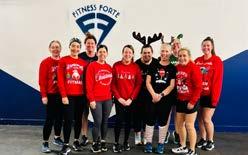
Whether you are in the 'Seasonal Jumper'club or the 'Bah Humbug' brigade, please support people with CF on Christmas Jumper Day for CF!


If you already to fundraise your CFI
What: How: 2026: What: How: Where: Feb 7th - Annual April 10th - 65 What: How: Where:

If you have donated €250 or more during any year over return a CHY3 form. We can then claim an extra 45% on receive your CHY3 form. All you need
To register your interest for these events, for more events throughout visit our website www.cfireland.ie, contact the CFI Fundraising
already have a spot for 2025, register fundraise for CFI and we will send you CFI Tshirt and fundraising pack!
Irish Life Dublin Marathon Register at www.cfireland.ie
Register today to join one of our many events throughout the year to help fundraise and support people with CF in Ireland @ www.cfireland.ie
Register your interest to secure one of our 50 spots
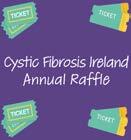
What: CFI Annual Raffle 2026 tickets on sale from Dec
Purchase tickets online at www.cfireland.ie
Where: Follow our Facebook page and other social media for more details
Our national fundraising day!
Volunteer to help sell purple roses, collect and raise vital funds for pwCF on www.65roses.ie
Dunnes Stores and other locations across Ireland

What: Good luck to all those running for CFI in 2025!
Where: New York, New York!
2026: Register your interest for the 2026 marathon today!
How: Visit www.cfireland.ie

What: Walk, jog or run 65 Km during the month
How: Get active, enjoy fresh air and support pwCF. Do a little every day or longer - it's up to you!
Where: Sign up at www.65roses.ie

What: Join an international trek at any time in the year
How: Register your interest at www.cfireland.ie
Where: Several treks available including Kilimanjaro, Machu Picchu and Everest Base camp.
over the past five years all you have to do is sign and top of your donation from revenue.Please contact us to need to do is sign it and send it back!
Back to Contents
throughout the year, or for further details on any of our fundraising events, Fundraising Team on (01) 496 2433 or email fundraising@cfireland.ie.

It is not possible to list all of the Fundraising Events that have been organised since our last edition of Spectrum, but we would like to take this opportunity to thank everyone that has volunteered and raised money on behalf of people with Cystic Fibrosis. Every cent raised helps provide a better quality of life for people with Cystic Fibrosis - please keep up the great work!
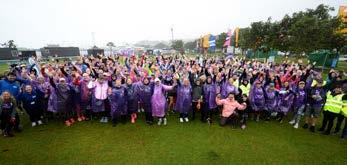
Cystic Fibrosis Ireland would like to say a huge thank you to everyone who took part in the 13th Annual Head2Head Walk on Sunday 7th September. It was a fantastic day with 420 people taking on the walk and over €45,000 raised to date. A huge thank you to the sponsors of the food and drink on the day –Aldi, Fyffes and Around Noon. Also a massive thank you to the lads from Three Six Five who got the day off to a wonderful start with a rocking warm up routine and the Blue Crew from Dublin’s Q102 who kept everyone entertained all day with some great tunes. The walk was another huge success thanks to the fantastic work of the Head2Head Walk Committee - Luke Kennedy, Glen Mc Donnell, Jem & Lorraine Downes, Mary McCarroll, and Denise O’Brien. Feedback on the day was that the team of volunteers who helped as marshals along the route were magnificent and the walkers were so appreciative of all the help provided to them to get from Howth to Bray . Special thanks also to the Gardai, the bus drivers, Daniel Kennedy our van driver and The Order of Malta Ireland – Blackrock Branch who provided medical support on the day.
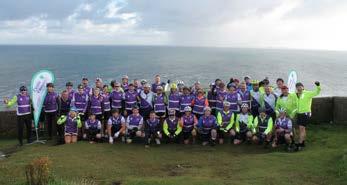
A huge congratulations to the 51 incredible cyclists who took part in the 10th annual Malin2Mizen Cycle4CF starting in Malin Head on Thursday 11th September! All cyclists arrived safely in Mizen Head on Sunday, 14th September — an amazing achievement and a milestone year for this special event. A heartfelt thank you to the support team, bike marshals, bike mechanic, local branches and of course the Malin2Mizen Cycle4CF committee and cycle leaders whose dedication make this event possible. Thank you also to everyone who donated and supported a cyclist. Your generosity helps us continue to support people with CF across Ireland. A massive thank you to our sponsors including Version 1, Cloud Assist, Maxol, Dunnes Stores, Kellehers of Macroom, H&MV Engineering, Capital Credit Union, Donegal LSP, Centra Drimoleague and Spar for helping cover costs of the event ensuring monies raised can be used to fund supports and services for people with CF. Here’s to the next chapter — we are already looking forward to our next Malin2Mizen Cycle4CF which takes place from Thursday 10th to Sunday 13th, September, 2026.
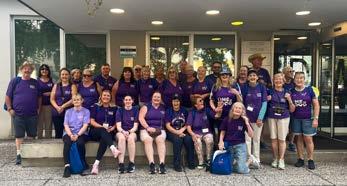
Cystic Fibrosis Ireland would like to offer huge congratulations and thank everyone who took part in our CFI International Walk in Slovenia, which took place from 16th – 23th September. Each walker did an incredible job fundraising to take part, with all funds raised helping us continue to provide vital support and services for people with Cystic Fibrosis in Ireland. A special thank you goes to our volunteers Bernie Murphy and Vinnie O’Malley, whose tireless work on the CFI International Walk Committee ensures every year’s trip is such an enjoyable experience. We are also really grateful to our partners Sunway for organising another wonderful trip for our walkers. Keep an eye on our social media for the announcement of the 2026 International Walk venue. Places always fill up quickly, so register your interest early at www.cfireland.ie, call us on 01 496 2433,
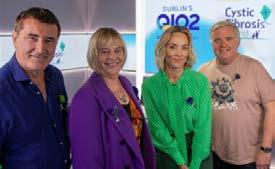
Cystic Fibrosis Ireland would like to extend a huge thank you to Dublin’s Q102 who have selected us as their charity partner. Following the launch of the partnership on September 1st, Q102 provided tremendous support advertising our Head2Head Walk in September and supporting the event on the day with their Blue Crew keeping the walkers upbeat with some great tunes during the day. They will work with us across the coming year to help promote Christmas Jumper Day 4 CF in December, 65 Roses Day in April and our 15th One in 1000 campaign to recruit 1,000 participants in the Vhi Women’s Mini Marathon in May.

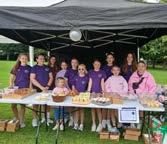
The Glen Girls have done it again! Thank you to Robyn Kelly and her friends who ran the Glen Girls Bake Sale and for choosing Cystic Fibrosis Ireland as their chosen charity. We are so excited to share that the girls raised a total of €2,191 for Cystic Fibrosis Ireland. Congratulations on a great event and thank you so much for your hard work and support!
A huge thank you to Pauric McCabe and all the people who participated in the Motorcycle Poker Run 4 CF on August 3rd for choosing Cystic Fibrosis Ireland as their chosen charity for this fundraising event. Pauric and the participants raised a total of €870 for Cystic Fibrosis Ireland and we really appreciate your kind support.


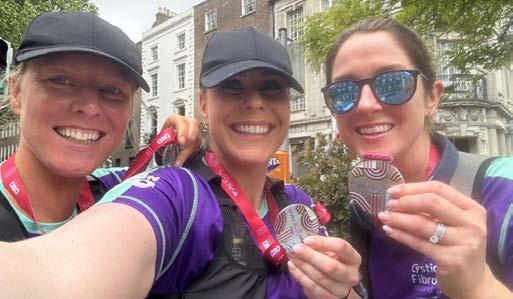
Meet Laura Cross from County Dublin! Laura has participated in this year’s VHI Women’s Mini Marathon to raise awareness about Cystic Fibrosis and raise funds for Cystic Fibrosis Ireland.
Being away from Ireland for the last 14 years, Laura raised funds for Cystic Fibrosis Canada and served on the charity Board, as well as chairing the Parents and Patient Advisory Group.
“IamaMamoftwoCFchildren.IwantedtodosomethingtoraiseawarenessforCysticFibrosisIreland.Wewereunsurehowtonavigate theIrishhealthsystem,butwiththehelpoftheCFcommunityandCFIreland,wewerewelcomedwithopenarmsandgiventhesupport and resources to settle ourselves and our children here in Ireland.
I’mnotthegreatestrunner,andIdon’tevenenjoyrunning,ifI’mhonest.However,runningissuchagoodformofphysiotherapyformy children,andIwanttoleadbyexample.IwantthemtoseetheirMambeingactiveandsay,‘IfMammycandoit,wecandoit.’
For many young people with Cystic Fibrosis (CF), the journey through paediatric hospital care is familiar territory. Regular check-ups, a trusted multidisciplinary team, and the close support of parents and paediatric-trained CF nurses. But, as they grow into adulthood, a new chapter begins: the move to adult hospital services.
This transition can be daunting. It marks not only a change of clinics but also a shift in responsibility, expectations, and support networks.
Recently, we were invited to attend Le Chéile, a special event organised by the School of Psychology, University of Galway, in collaboration with Children in Hospital Ireland and Helium Arts on 5th September. The event offered the opportunity for shared learning, dialogue, and collaboration to improve transitional healthcare experiences for young people and their families.
At the event, the newly updated resource hub, which can be found at www.SteppingUp.ie, was highlighted, offering condition-specific guidance, stories, checklists, and planning tools to smooth the move from paediatric to adult care.
Recognising the complexity of transitions, SteppingUp.ie was developed with input from both young people and healthcare professionals to be a dedicated guide for users in Ireland who are navigating the move to adult services.
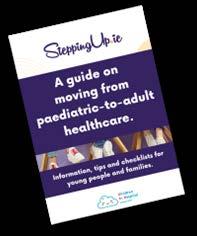
If you or someone you care for is preparing for the leap to adult care, the advice is to start sooner rather than later. Explore the new Transition Guide on SteppingUp. ie. Use its checklists. Talk to your paediatric team today about the adult service you may move into.
Our CFI member services team are also available to talk to you or any of your family members as you navigate this transition. And remember, this is a journey, and one you don’t have to travel alone.

Back to Contents
CFI are pleased to share that ALYFTREK® (deutivacaftor/tezacaftor/vanzacaftor) is available for reimbursement from 1st September 2025. Having remained in contact with Vertex throughout the Access to Medications campaign, CFI and the Access to Medications working group received the following statement from Vertex;
“VertexispleasedtoconfirmthattheCorporatePharmaceuticalUnit(CPU)hasconfirmedreimbursement inIrelandforALYFTREK®(deutivacaftor/tezacaftor/vanzacaftor)willbeeffectivefromSeptember1st,2025. ThisfollowstheEuropeanCommissiongrantingapprovalforALYFTREK®forthetreatmentofpeoplewith cysticfibrosis(CF)ages6yearsandolderwhohaveatleastonenon-classImutationinthecysticfibrosis transmembraneconductanceregulator(CFTR)geneinJuly2025.”
Emma Wallace, Senior Member Services and Advocacy Coordinator, commented, “TogetherwiththeAccessto Medicationworkinggroup,wehavecampaignedtirelesslyfortheseextensions,andthisissuchanimportant achievementfortheCFpopulationinIreland.
"ThismarksthenextmajormilestoneinourfighttomakesureeverypersonwithCFhasthecareand support they need and deserve.”
Did you know that some of the change that CFI has been instrumental in campaigning for include the Long Term Illness card, building CF units around the country including St Vincents University Hospital and more recently in Beaumont Hospital. These campaigns have always only been funded by the generous support of fundraisers and continue to be.
Clarify State Obligations Inclusion
Recommendation: The Committee State Parties, including Ireland, as access to mortgage protection independent living and must disabilities


Mandate Non-Discriminatory
Recommendation: Call on insurance providers to assess issuing blanket refusals based aligns with Article 5 (equality implementation Support Data Collection and Recommendation: Encourage data on mortgage approval home ownership among people targeted policy reforms and collection) of the UNCRPD.


Cystic Fibrosis Ireland (CFI) recently made a submission to the UNCRPD alternative report to highlight the current situation with respect to access to mortgage and specifically access to mortgage protection insurance. As such, we have challenged Article 19 – the right to Live Independently and be included in the community.
Obligations Under Article 19 Regarding Financial
Committee should provide interpretive guidance to Ireland, explicitly stating that financial services, such protection insurance are essential components of must be provided on an equal basis to persons with
Article 19 guarantees the right of persons with disabilities to live independently and be included in the community, including access to housing on an equal basis with others. Preventing individuals with Cystic Fibrosis from obtaining a mortgage due to an insurance technicality infringes upon this right and perpetuates social and economic exclusion. The recommendations put forward in the submission document were as follows:

Ensure Reasonable Accommodation in Mortgage Lending and Insurance
Recommendation: Urge the Irish State to ensure that banks and insurers offer reasonable accommodation for people with CF seeking mortgage protection insurance, such as:
• Alternative underwriting models based on individual health data,
Non-Discriminatory Access to Insurance Products


• Access to state-backed Mortgage Protection Insurance alternatives or waivers,
• Independent appeal mechanisms for denied applications.implementation
on Ireland to enact or enforce legislation requiring assess individuals on a case-by-case basis rather than based on disability diagnoses like Cystic Fibrosis. This (equality and non-discrimination) and supports Article 19’s Establish Oversight and Monitoring Mechanisms
Recommendation:
and Research

Recommend that the Irish Government establish an independent monitoring mechanism to track access to financial services for persons with disabilities, with specific indicators related to home ownership, mortgage protection insurance access, and equitable treatment in lending decisions.
Encourage the Irish State to collect and publish disaggregated approval rates, mortgage protection insurance access, and people with Cystic Fibrosis and other disabilities, to inform and support compliance with Article 31 (statistics and data Back to Contents

We continue to work as an organisation on the campaign for access to mortgages and mortgage protection products.
If you would like more information on this work please reach out to a member of the CFI Member Services Support and Advocacy Team by email at memberservices@cfireland. ie, or by phone on 01 496 2433, Monday to Friday - 9am to 5pm.


By Clodagh Landers, Senior CF Dietitian
When I started working in the CF unit in St. Vincent’s University Hospital in 2016, most of my work as a CF dietitian focused on helping people with CF gain weight, increase their BMI and avoid malnutrition. Fast-forward almost a decade, and the picture looks very different. I have witnessed the remarkable transformation in CF care since the introduction of CFTR modulators. As survival improves and CFTR modulator drugs become the cornerstone of treatment, we are compelled to ask new questions about how to support nutritional wellbeing for pwCF in the years ahead. We now need to build an understanding of how cardiometabolic factors like weight, body mass index (BMI- a measure of weight to height), body composition (percentage body fat and muscle mass), blood sugar levels, blood pressure, cholesterol levels are changing for people with CF who are taking CFTR modulators-and what those changes mean for their future care. Cardiometabolic syndrome can be diagnosed when a certain combination of cardiometabolic risk factors occur together such as high BMI or waist measurement along with two others such as high blood pressure, unhealthy cholesterol levels and poor blood sugar control. It is well known that in the general population, a diagnosis of cardiometabolic syndrome can be linked to increased risk of a cardiovascular disease. However, we don’t fully know if this risk is the same for pwCF. Other unique factors specific to CF such as diets high in saturated fat and salt, chronic inflammation, CF related diabetes, and physical activity levels may also play a role in pwCF. At the moment, research in this area is limited, especially in Ireland.
That’s why I began a Master’s research project with UCD, supported by SVUH and CF Ireland, to explore cardiometabolic wellbeing in Irish adults with CF.
I reviewed what is already known about how Kaftrio affects weight, BMI and cholesterol levels in adults with CF. International research consistently shows that weight, BMI, total cholesterol and LDL-cholesterol (often called “bad cholesterol”) show a pattern towards increasing in pwCF after starting Kaftrio. Importantly, the majority of measurements still stay within a healthy range.
Measurements of cardiometabolic risk factors of 354 pwCF who attended an annual review appointment between 2019 and 2023 were analysed. Results showed that 15% had three or more cardiometabolic risk factors present. Risk factors including high BMI and raised total cholesterol increased with age and were significantly higher in those aged over 40 years. Elevated blood pressure was more common in men, while women tended to have lower levels of HDL- cholesterol (“good cholesterol”). Twelve percent of those studied met the criteria for cardiometabolic syndrome. Rates of cardiometabolic syndrome were similar in men and women but were higher in those aged over 40 years.
To investigate changes in cardiometabolic risk factors over time, annual review results of a group of 53 adults with CF, who attended their annual review in both 2019 and 2023 were analysed. Results showed that 79% had gained weight over that time. The prevalence of overweight increased from 7.5% to 19%, and obesity increased from 2% to 6%. Total cholesterol and LDL cholesterol (“bad cholesterol”) levels also increased in this time, though for most people, remained within recommended healthy ranges. Patterns of change were similar across genders and age groups.

I studied 68 pwCF who started Kaftrio between 2019 and 2023. Within 12 months of starting Kaftrio, weight, BMI, total cholesterol, and LDL cholesterol (“bad cholesterol”) all increased with the vast majority remaining within healthy ranges. The percentage of people with a BMI of 25 or above, increased by 9% after Kaftrio. The percentage of people with a high cholesterol also increased by 9%. The percentage of people with a high LDL (“bad”) cholesterol increased by 15% after starting Kaftrio. These findings closely match results reported in other CF centres around the world.
I applied three different tools that doctors often use to estimate a person’s risk of heart disease to a group of pwCF aged over 40 years. Results showed that overall risk of heart disease in pwCF appears low, but scores varied a lot depending on which tool was used. Of the three tools, SCORE2 classified more participants as high risk (21.7%), followed by the WHO tool (11.7%). SCORE2-Diabetes classified only 8% of participants with CF related diabetes as high risk. However, since these tools don’t account for CF-specific factors like inflammation, pancreatic insufficiency, CF-related diabetes, or long-term CFTR modulator use, we need to be cautious about relying on them to predict the risk of heart disease in pwCF.
In summary, as CF care continues to evolve in the era of modulators, we must broaden our focus of clinical assessment to include cardiometabolic wellbeing.
Within the CF population, undernutrition and nutritional deficiencies can co-exist with weight gain and cardiometabolic risk factors, which presents new challenges for dietetic practice. These changes call for more individualised dietetic care so that people with CF can achieve a balanced diet that meets the demands of CF without developing preventable cardiovascular complications. For pwCF who are prescribed CFTR modulators, maintain a stable weight and BMI within or above the recommended range, have stable lung function with infrequent hospital admissions, and are not considered at risk of malnutrition, CF dietitians should interpret cardiometabolic markers in the context of CF, measure body composition, not just BMI, and support pwCF to transition from a traditional high-energy diet to a more heart healthy diet. This transition generally involves increasing dietary intake of fruit and vegetables, dietary fibre and healthy fats and reducing dietary intake of salt and unhealthy fats. Working closely with the whole CF team to reduce the risk of developing cardiovascular disease in future is essential.
The fact that we are now talking about heart health in CF is, in itself, a sign of progress. It reflects how far treatment has come: people with CF are living longer, fuller lives than ever before. Overall, weight, BMI and cholesterol levels are increasing in pwCF, and the vast majority of measurements remain within healthy recommended ranges. We still don’t know whether these changing risk factors will lead to more cases of cardiovascular disease in pwCF on CFTR modulator therapy. What is clear is that more research is needed to support development of CF-specific clinical guidelines for managing cardiometabolic risk factors and better cardiovascular risk assessment tools for use in pwCF on CFTR modulators. This will help to maximise the benefits of CFTR modulators, ensuring that longer life expectancy is matched with the best possible cardiometabolic health for pwCF.
Clodagh is a Senior CF Dietitian in St. Vincent’s University Hospital, Dublin and is also Secretary of both the Irish Nutrition and Dietetics Institute CF Interest Group, and the European Cystic Fibrosis Society Nutrition Interest Group. Over the past nine years, she has dedicated her career to providing dietetic care to pwCF and undertaking academic research in the area of CF nutrition. Her current research focuses on cardiometabolic health in people with CF. These findings have been presented at the Irish Thoracic Society (ITS) Conference (2024), INDI Research Symposium (2025), European Society for Clinical Nutrition and Metabolism (ESPEN, 2025), and the Irish Cystic Fibrosis Conference (2025), where her work was awarded first prize for “Best Poster.”

By Jen Balfe, Research and Policy Coordinator
The ‘European Cystic Fibrosis Society-Clinical Trials Network’ (or ECFS-CTN, if that’s too much of a tongue twister!), published their annual report for 2024. ECFS-CTN was founded in 2008 and ‘aims to intensify clinical research in CF and to bring new medicines to people with CF as quickly as possible.’ What’s not to love about that?! Behind the clinical research and the trials, are of course, people with CF their families and their medical teams who can all be involved in the clinical trials process in a variety of ways, be that as participants or advisors or research team members. The ECFS-CTN is supported by funding from CF Patient Organisations across Europe, including CFI.
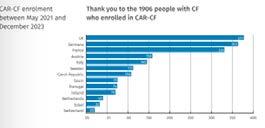
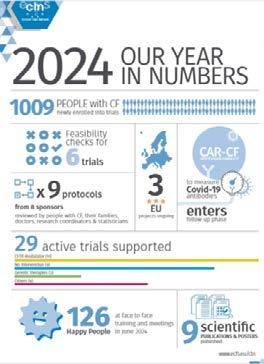
The CAR-CF trial is supported by the ECFS-CTN and as the name suggests it aims to collect blood samples from pwCF all across Europe with the aim of detecting if a pwCF has had Covid. The trial also aims to investigate how well pwCF developed immunity to Covid-19, after receiving a Covid-19 vaccination. Two questions that many people with CF and their families are certainly keen to see answered. The enrolment phase of this trial began in May 2021 and ended in December 2023 and in this time 1906 pwCF from across Europe have been enrolled. In 2024, the CAR-CF team, followed up pwCF at their routine clinic appointments, blood samples and analysed results. It is fantastic to see that 70 pwCF from Ireland were enrolled on the study and it will be interesting to find out the results when they are in, we will be sure to keep you posted!
Some people with CF (pwCF) may have experience in previous research and clinical trials, while others may have little to no experience, so over the coming months in Spectrum, we will be shining a spotlight on all things research and research adjacent! From protocols to phases, randomised controlled trials to placebos, we will be breaking down the terminology and hopefully highlighting some of the exciting and promising research happening in the CF world.
The full report can be accessed by visiting https://www.ecfs.eu/ sites/default/files/250812_ECFS-CTN_2024%20report.pdf.

Living with Cystic Fibrosis brings with it additional financial burdens. Our grants are designed to help alleviate the financial pressures experienced by our members and our member services team are available to support you every step of the way. A summary of the grant supports currently on offer are outlined below.
Exercise and physical fitness is of extreme importance for people with Cystic Fibrosis and is instrumental for preserving mental well-being and quality of life. This grant aims to alleviate the financial burden of accessing exercise for pwCF.
CFI has funds available under this scheme to assist people with CF experiencing certain financial difficulties. In efforts to ease the financial burden, the team will work with you to help and support you where possible.
CFI offers a counselling referral service and playtherapy to members who wish to speak with a professional outside of the hospital environment to work through their concerns and difficulties. Through this grant, we offer support towards the costs of a counsellor or other available services.
The CFI Fertility Grant provides financial support to people with Cystic Fibrosis and their respective partners who wish to undergo fertility assessment/treatment in the hope of becoming pregnant and are not covered by the HSE Fertility support scheme.
When a member of our community with CF passes, CFI can provide a Bereavement Grant, which aims to support families during this time by providing financial support towards the funeral costs.
For members who are undergoing Transplant Surgery, CFI provide financial assistance towards incidental expenses incurred. Transplant grants are available for members availing of surgery both within and outside Ireland.
If you need help with the process or more information on how to apply for a grant please contact our helpdesk where a member of our team will support you. We can also be reached by email at memberservices@cfireland.ie



The Cystic Fibrosis Registry of Ireland (CFRI) is the patient registry for those living with Cystic Fibrosis in Ireland. A patient registry is a secure, centralised database, containing specific health data on people with a particular diagnosis or condition.
The role of CFRI is to collect and record information on the health status of people with Cystic Fibrosis (CF) in Ireland who agree to participate. By collecting and analysing information on people with CF in Ireland, the registry can help better understand their health and wellbeing, and the treatments they receive. We analyse this data for different purposes, all with the wider aims of strengthening Cystic Fibrosis research, improving CF care, and ultimately of improving the health outcomes for those living with CF.
By participating in the registry, you’re helping to build a bigger picture of CF in Ireland and beyond. When lots of people participate, researchers and clinical teams get insights into patterns that would be difficult to spot from individual patients alone. That’s the power in numbers of a registry – the more people who take part, the better the information, and the stronger the insights are into CF, CF treatments, and CF care.
We are really lucky in the CF Registry in Ireland and are incredibly grateful for the consistent engagement and participation of over 90% of the CF population for the last number of years. Without you, the registry simply wouldn’t exist.
If you, or your child with CF, do not participate in the registry but would like to, it’s really easy to get involved. You can let your clinical team know that you’d like to participate. They will provide you with a participant information leaflet which details all the information about your involvement. Then you will be asked to sign a consent form to say that you’re happy for the registry to securely collect certain data from your, or your child’s, medical chart. The rest is then up to us at the registry. You’ll then see data from the whole Irish CF population presented in our annual reports & research available on our website.
We wanted to demonstrate some recent examples of registry impact i.e., the role the registry plays on a daily basis in informing impactful research, policy & practice.
The registry has collaborated on many projects over the years. The involvement of the registry differs depending on each project. Sometimes registry data is used for research analysis and other times, we offer statistical and analytical support for projects using real-world data. As part of our research programme, we collaborate with different clinical teams around the country to do research projects on various CF topics. Some examples of projects we have collaborated on in recent years include; Recover (Real World Clinical Outcomes with Novel Modulator Therapy Combinations in People with CF) and ICOS (Irish Comparative Outcomes Study of Cystic Fibrosis). A recent example of a successful collaboration was with the Dental School at Cork University Hospital.
Since 2022, we’ve been working with the Dental School at Cork University Hospital (CUH) to better understand oral health in people with CF. CFRI offered statistical analysis support to the project. Together with the CUH team, we studied 92 adults with CF and compared them with a matched group without CF. This work has already led to three published papers in leading dental journals . The study looked at tooth decay
(decayed, missing, or filled teeth), oral hygiene and gum health (plaque, tartar, gum inflammation, gum disease) and enamel defects (such as weak spots or thin enamel).
The study found that people with CF had more enamel defects, more plaque/tartar, and more untreated tooth decay. People with CF had less gum inflammation and gum disease than expected. This may be linked to long-term antibiotic use, but more research is needed. These findings highlight the important role of dental care in managing CF and our findings provide important information to inform practice. Key practice-based recommendations include: ensuring prevention of tooth decay at an early stage, monitoring enamel changes over time, and encouraging good daily oral hygiene practices.
The CF Registry has participated in the European Cystic Fibrosis Society Patient Registry (ECFSPR) for many years. The registry securely submits a summary of de-identified Irish data to the European Registry every year, contributing to a dataset representing over 54,000 patients from 40 countries across wider Europe. The size of this database holds incredible power to identify trends and insights on CF internationally.
A recent example of research emerging from the ECFSPR included a study using ECFSPR data to understand sustained chronic Pseudomonas aeruginosa infections and to explore clinical outcomes after one year of ETI grouped by whether or not someone had Pseudomonas aeruginosa . The data we collect on PWCF in Ireland has an impact on policy & practice at a global level!
Our Head of Research, Laura, is also part of the leadership team of the European Cystic Fibrosis Society Patient Registry (ECFSPR). This means she helps guide the direction of the European Registry, bringing in the valuable experience and insights we’ve gained from the Irish registry to this international group.
iii. Strengthening registries in Ireland: using the experience of the CF registry to support policy
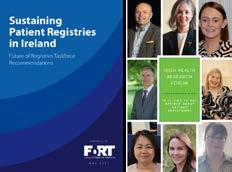
The Cystic Fibrosis Registry team, along with colleagues in dermatology registries, have been coordinating a multistakeholder group aiming to make sure the future of registries is secure in Ireland. The Cystic Fibrosis Registry in Ireland is commonly used as an example of best practice in the impact that can be achieved with a patient registry.
The group published an important report (you can also read the summary here). Robyn from the registry presented the report at the recent Irish Health Research Forum – the event was all about the importance of registries. We continue to work on this project to make sure registries in Ireland are securely funded in the long-term to ensure improved outcomes for patients in Ireland! Robyn will also act as a mentor on a forthcoming EURORDIS ERDERA Mentorship Programme on Rare Disease Patient Registries aiming to support leadership development and capacity-building opportunities for rare disease patient advocates across Europe.


If you would have any questions or would like information about participating in the registry, please contact your CF Centre or the CF Registry at info@cfri.ie. Participation is entirely voluntary. You are free to revoke your consent and withdraw from the registry at any time. We would love if you could follow us on social media or via our website. We post updates on our work and on the exciting projects we are working on. Scan the QR code below to learn more & access the latest data & reports!
Back to Contents