








Disclaimer:
This toolkit was created by the CAFAE club for educational purposes only. Please consult your physician for any medical advice surrounding your food condition (e.g. emergency medications, emergency action plans, etc.).
Support
Help each other navigate campus life with food conditions
Lead discussions surrounding dining on/off campus, social situations, sports, and more!
Educate
Meet with allergy experts in the field
Learn signs and symptoms of allergic reactions and how to respond in an emergency
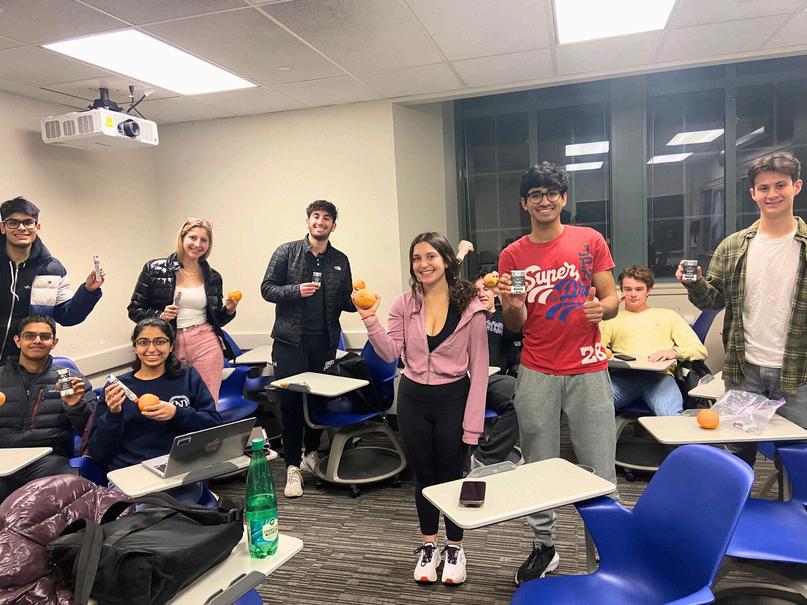
Advocate
Brainstorm ideas to improve the quality of life for students with food conditions Advocate together to create a safer, more inclusive campus for all!
The transition from high school to college can be a challenging experience, especially for someone with a food-related condition such as food allergy, celiac disease, or EoE. We created this toolkit to help all students with food conditions feel supported and excited to navigate this transition with confidence!
We hope these tools help you feel safe and prepared on Northwestern's campus so you can focus on your studies and enjoy the college experience!
Watch the video below to hear from other students with food conditions and learn about steps Northwestern has taken to support students on campus!

Make introductions! Contact NU's registered dietitian (pg. 12) to set up an appointment and meet your dining hall chefs.
Inform your Resident Advisor (RA) about your needs and what to do in the event of a reaction.
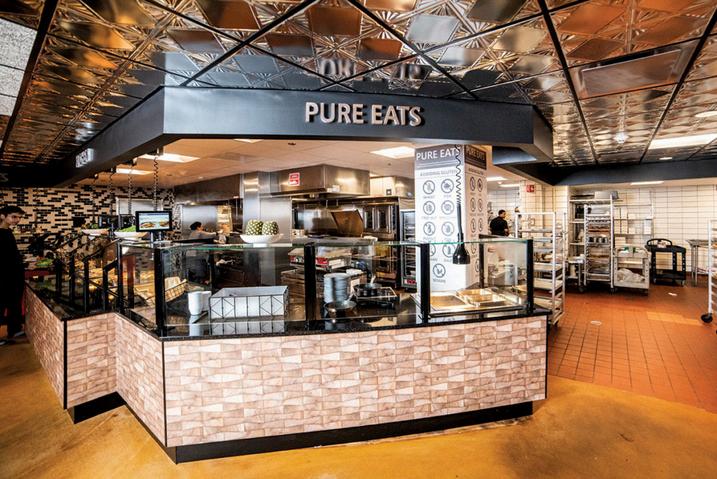
Download the 'Dine on Campus at Northwestern' app and explore the Pure Eats station to check out menus and ingredients available in all dining commons. Pure Eats avoids gluten and the top nine allergens.
Set boundaries with your roommates. Consider establishing an agreement about your allergens with your roommate. (pg. 10) Reach
to
NU (pg. 45) if you have any questions about the dining plan and/or accommodations.

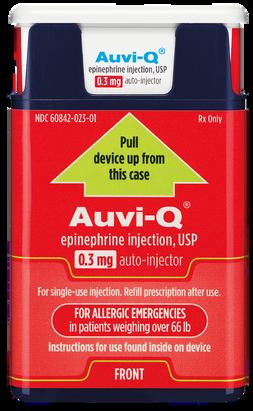
1. Epinephrine auto-injector (E.g.: EpiPen or Auvi-Q )
2. Zyrtec or other antihistamines
a. Please note that this should NOT be your first line of defense if you are having an allergic reaction
3. Food Allergy Emergency Healthcare Plan
4. Allergy-friendly snacks (pg. 23)
5. Medical ID Bracelet or Allergy Card
a. Chef card: Carrying a "chef card" that outlines the foods you must avoid is a great way to communicate your food allergies to a chef or manager at a restaurant. Download today!




Reach out to your roommate prior to move-in and let them know about your dietary needs!
Set rules that clearly outline what you need from your roommate. Consider discussing keeping allergens out of the dorm or keeping all food separated in designated containers.
Educate them about the signs and symptoms of a reaction and how to use an epinephrine auto-injector.
Designate
Here's a list of things to help you prepare in case a situation arises
Share your emergency contact info/emergency action plan with your friends!
Let friends know what your symptoms look like
Carry two epinephrine auto-injectors
Let your friends know where you keep your epinephrine and how to use it
If you're having a reaction, use epinephrine immediately, call 911, and go to the emergency room
Follow up with your doctor!

Let your phone guide you to the right spot.






Dine on Campus at Northwestern
Allergy Eats
Allergy Force
Find me gluten-free
Fig: Food Scanner & Discovery
Spokin'

Scan for NU-specific dining information
Introduce yourself to dining hall staff at the beginning of the quarter and let them know about your dietary needs.
Locate safe zones in the cafeteria with ingredients you can trust. NU Dining halls have gluten-free and allergy-friendly stations for students with cross-contact sensitivity.
Ask each dining hall's "Allergy Expert" to detail specific ingredients in dishes you are uncertain about.
On-campus dining in the Evanston campus
Elder Dining Commons
contains Kosher, Gluten-free, and Pure Eats Stations
2400 Sheridan Rd
Seabury Hall
Campus Dietitian office:
Madeleine McDonough 2122 Sheridan Rd
Stations on-campus that are prepared and avoid gluten as well as the nine most prevalent food allergens: peanuts, tree nuts, fish, shellfish, wheat, soy, eggs, dairy and sesame
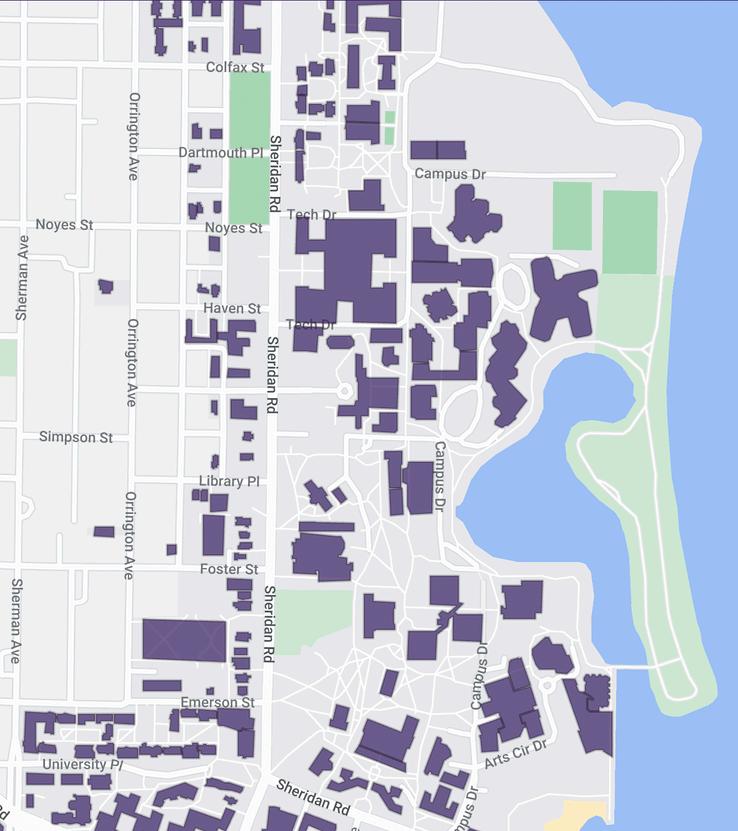
Sargent Dining Commons
contains Pure Eats and Gluten-free Station
2245 Sheridan Rd
Tech Express
market containing allergen labeled snacks
2145 Sheridan Rd
On-campus dining in the Evanston campus
Foster-Walker West & East Dining Commons
Pure Eats (Allergen Friendly Zone)
1927 Orrington Ave 1820 Chicago Ave
Buen Dia
gluten-free Mexican cuisine
Forno Pizza Co.
build your own
Starbucks
alternate milk options
Market at Norris
to-go meals with detailed ingredients
Norris University Center 1999 Campus Dr
contains Kosher, Gluten-free, and Pure Eats Stations
Don't let your allergy stop you from enjoying cafes on-campus.
Protein Bar
Cuisine: Health food restaurant
Address: 2311 Campus Dr
Notes: Nutrient-packed shakes containing fresh ingredients
Contact: (847) 467-2147
Cafe Coralie
Cuisine: Coffee Shop
Address: 2200 Campus Dr, Floor 2
Notes: alternate milk options
Fran's Cafe
Cuisine: American-style late-night meals
Address: 1865 Sherman Ave
Contact: (847) 467-2729
Lisa's Cafe
Cuisine: Day & Late night eatery with
Address: 2332 Campus Dr
Notes: market containing allergen-labeled snacks, open till late
Contact: (847) 467-2729
Kresge Cafe
Cuisine: Coffee & grab and go
Address: 1880 Campus Dr
Notes: alternate milk options
*Please be aware that this is solely a list of restaurants on-campus and is not all-inclusive and is subject to change at any time. You should always call ahead and do your own research before eating out.



1 2 3 4
Work with friends to select a restaurant that can accommodate your food allergies
Call ahead to ensure accommodations can be made
Upon arrival, identify yourself to the server and/or chef to ensure a safe meal can be prepared
Consider carrying a chef's card outlining your allergens that you can give to restaurant staff
Attending an event with food? Think about...
Asking the host what is being served; share your food allergies or dietary restrictions BYOASF (bring your own allergy-safe food)!
Pack an Ozzie to-go container from the dining hall
Don't let your allergy stop you from enjoying the food scene. Enjoy these Evanston eateries with food accommodations:
Cuisine: Mexican
Address: 711 Church St, Evanston, IL 60201
Cost: $ (free drink with Wildcard)
Notes:
Chipotle states they do not use eggs (except at locations that serve breakfast), mustard, peanuts, tree nuts, sesame, shellfish, or fish in their food
A helpful chart can be found online showing which of their items contain gluten, dairy, and soy (https://www.chipotle.com/allergens)
Due to the assembly line service, cross-contamination with possible allergens poses a risk
Contact: (847) 425-3959
Cuisine: American Cafe
Address: 525 Dempster St, Evanston, IL 60201
Cost: $$
Notes:
Gluten free Vegan options
Contact: (847) 328-6875

*Please be aware that this list is not all-inclusive and is subject to change at any time You should always call ahead and do your own research before eating out
Cuisine: Korean
Address: 720 1/2 Clark St, Evanston, IL 60201
Cost: $
Notes:
All dishes are nut-free
Separate cookware used upon request for allergen safe prep
Contact: (847) 866-7055
Cuisine: Mexican inspired breakfast and lunch
Address: 618 Church St, Evanston, IL 60201
Cost: $
Notes:
Food allergy accommodations upon request
Contact: (847) 859-6342
Cuisine: Mexican
Address: 700 Main St, Evanston, IL 60202
Cost: $$
Notes:
Peanut and Tree nut-free
Gluten-free and vegan free options
Food allergy accommodations upon request
Contact: (224) 307-2444
Cuisine: American
Address: 1601 Sherman Ave, Evanston, IL 60201
Cost: $$$
Notes:
Gluten-free, vegan options available
Ingredient list found on website
Contact: (847) 892-1700
Cuisine: Italian
Address: 1850 Sherman Ave, Evanston, IL 60201
Cost: $$
Notes:
Gluten free crusts available
Crustless pizza available
Contact: (847) 328-5400
Cuisine: American
Address: 514 Main St, Evanston, IL 60202
Cost: $$
Notes:
Gluten free
Vegan options available
Contact: (847) 869-4064
Cuisine: Mexican
Address: 914 Noyes St, Evanston, IL 60201
Cost: $
Note:
Corn shells available for gluten free guests
Contact: (847) 512-3460
Cuisine: Italian
Address: 1571 Sherman Ave Ste 1, Evanston, IL 60201
Cost: $$. 10% off with Wildcard
Notes regarding food allergies: Gluten free Vegan
Vegetarian options available
Contact: (847) 869-4064 23
Each dorm building has a communal kitchen if you need to cook safe meals. Here are a few stores to get some snacks and easy-made meals if you have food allergies.
Note: Make sure you use your own pans and utensils for cooking.
Trader Joe's
Address: 1211 Chicago Ave, Evanston, IL 60202
Cost: $$
Hours: 8am-9pm every day
Contact: (847) 733-0690
Target
Address: 1616 Sherman Ave, Evanston, IL 60201
Cost: $$
Hours: 8am-9pm every day
Contact: (847) 448-1816
Jewel-Osco
Address: 1128 Chicago Ave, Evanston, IL 60202
Cost: $$
Hours: 6am-12pm every day
Contact: (847) 869-7950
Whole Foods
Address: 1640 Chicago Ave, Evanston, IL 60201
Cost: $$$
Hours: 8am-10pm every day
Contact: (847) 733-1600
These are a few brands that provide allergy-friendly alternatives for snacks.
1. MadeGood
2. Enjoy Life
3. Superseedz
4. Daiya (Dairy and Egg-free)
5. So Delicious (Dairy-free)
6. Earth Balance (Soy, Dairy, Egg, and Gluten-free)
7. Kite Hill (Soy, Dairy, Egg, and Gluten-free)
8. SkinnyPop (Soy, Egg, Nut, and Gluten-free)
9. GoRaw (Gluten and Diary-free)
10. Safe & Fair

To ensure the brand is allergen safe, call companies or check their packaging to ensure they don't have a risk for cross-contact. Please read the ingredient labels before consumption
FOODS TO AVOID
ESSENTIAL MEDICATIONS AND THEIR LOCATION
SIGNS AND SYMPTOMS OF A REACTION
EMERGENCY PLAN ADDITIONAL INFORMATION
EMERGENCY CONTACTS

Friends, roommates, and peers could play a critical role in responding to and supporting you through an allergic reaction.
Share this guide to help inform your support system on how to best prepare for food allergy scenarios.
Be an advocate.
Know where your friend's epinephrine auto-injector is kept and how to use it! Encourage your food-allergic friends to carry their medications with them at all times.
Educate yourself on how to read a food ingredient label and identify a food allergy.
and
A food allergy is an immune system reaction that occurs soon after eating a certain food.
Reactions can range from mild to severe and potentially lifethreatening, called "anaphylaxis"
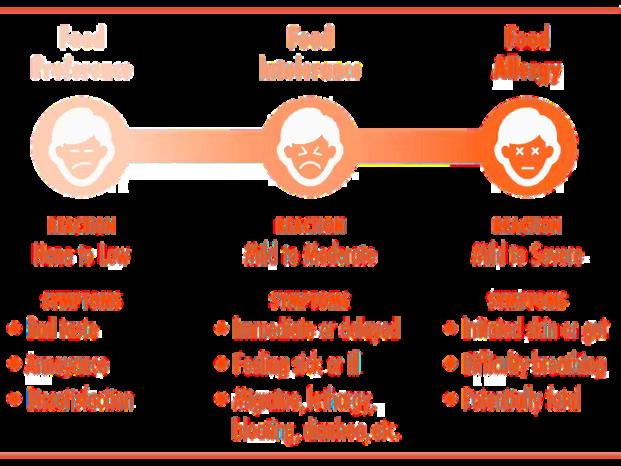

Gluten = protein composite found in the grains wheat, barley, oats, and rye.
Celiac Disease is another very common food-condition impacting college students. Although it is not considered an IgE-mediated food allergy or food intolerance, it also involves the immune system and can result in a variety of negative and severe symptoms. (shown below)
Celiac Disease is an autoimmune disorder characterized by damage to the small intestine upon gluten ingestion; the gluten triggers an immune-based reaction that attacks the small intestine's lining and prevents it from absorbing nutrients.
Celiac Disease can develop at any point in one’s life and is currently incurable. The only treatment is a strict gluten-free diet.
If you or your friends have Celiac Disease, please consider these tips to keep each other safe!
Diarrhea
Fatigue
Weight loss
Bloating and gas
Abdominal pain
Nausea and vomiting
Constipation
Skin rash
Keep two separate labeled toasters to avoid cross-contact
Consider using separate sponges, pans, and cooking utensils
Ask before you put your hand in their snack
Keep your space clean after eating
It is when someone's body has difficulty digesting certain foods. Unlike allergies, which trigger the immune system, food intolerances typically involve digestive issues. Eating these foods may cause discomfort, bloating, gas, or other digestive symptoms. It's essential to be mindful and supportive of our friends with food intolerance, as avoiding these specific foods can help them feel much better and enjoy their time together.
Some Common Symptoms:
Bloating and gas
Diarrhea
Rashes
Headaches
Nausea
Fatigue
Runny nose
Abdominal pain and cramping
Flushing of skin
Common Intolerances include:
Lactose (Milk and dairy)
Gluten (Wheat, barley, rye)
FODMAPs (food low in fermentable carbs)
Caffeine
Soy Corn
Yeast

Eosinophilic Esophagitis (EoE) is a chronic condition that affects the esophagus, the tube connecting the mouth to the stomach. For individuals with EoE, certain foods can trigger an allergic reaction in their esophagus, leading to inflammation and discomfort. This may cause difficulty swallowing, chest pain, or even food getting stuck in their throat.
Some Common Symptoms:
difficulty swallowing (dysphagia)
food stuck in the esophagus
stomach pain
weight loss
malnutrition
nausea
vomiting
lack of appetite
Steps to Help your friend:
Call for help and dial 911
To help your friends in an emergency situation
Check their emergency action plan
Learn how their symptoms present
Know where they keep their epinephrine and how to use it
If they are having a reaction, use epinephrine immediately, call 911, and go to the emergency room
Inform their emergency contacts
Be prepared to respond to an allergic reaction.
Allergic reactions can range from mild to severe. A severe reaction is known as anaphylaxis. This is when someone is having symptoms from more than one body system or if they are having trouble breathing or swallowing, have a weak pulse, or have fainted. If this is the case, administer their epinephrine auto-injector and call 911!
Mouth/ Throat
Lip/tongue swelling
Difficulty swallowing
Hoarse voice
Itchy mouth
Throat tightening
Mouth or throat tingling
Lungs
Chest tightening
Nasal congestion
Repetitive cough
Trouble breathing
Wheezing
Skin
Hives
Itching
Rash
Swelling
Neurological
Anxiety
Feeling of impending doom
Headache
Cardiovascular/Heart
Chest pain
Rapid heart rate
Fainting, dizziness, or feeling lightheaded
Low blood pressure
Gastrointestinal (GI)
Belly pain
Cramps
Diarrhea
Nausea
Vomiting


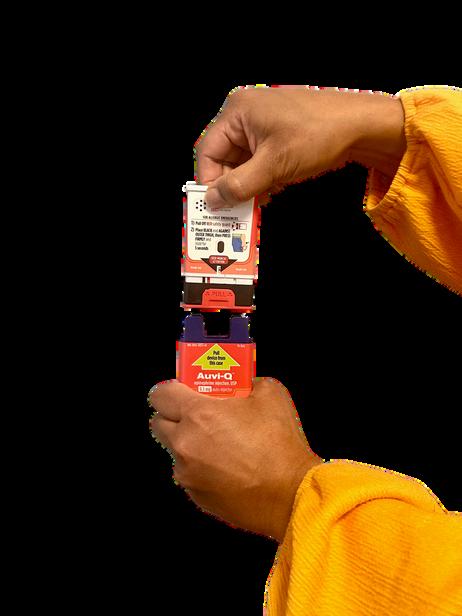
Epinephrine can save a life.
IF I HAVE ASTHMA OR BREATHING SYMPTOMS, GIVE ALBUTEROL RESCUE INHALER
IF EPINEPHRINE IS NOT NEEDED, GIVE ALLERGY MEDICINE
1.Hold neffy in the correct position

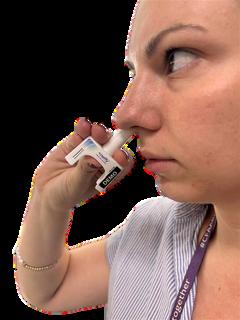
2Insertandpress plungeruntilitsnapsup
3.Call9-1-1 and GET EMERGENCYCARE

4Waitatleast5minutesfor aseconddoseifit’sneeded
Use same nostril as during the 1 dose st
e.g., found in baked goods, ice creams, candy, cereals, trail mix, etc.
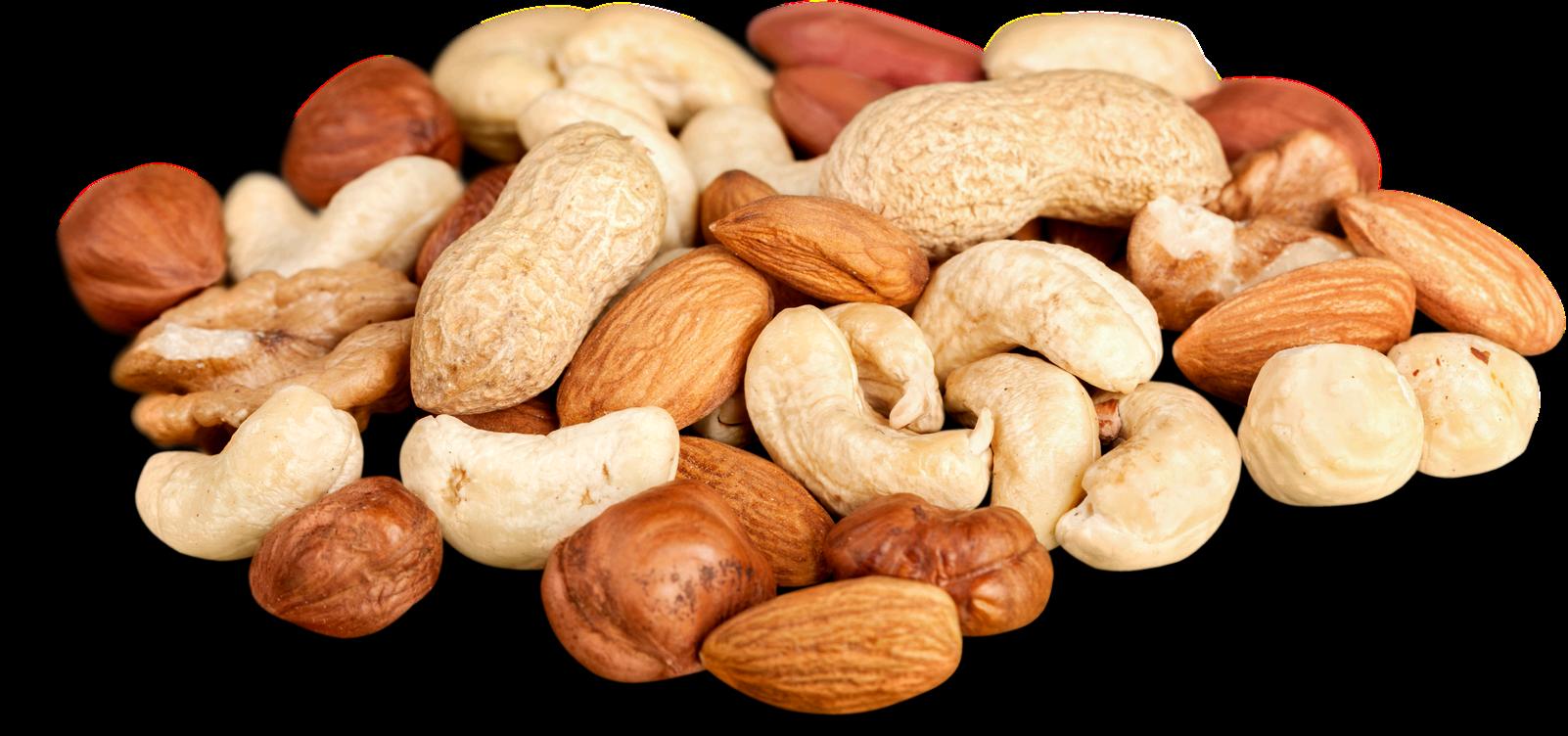
e.g., Cashews, Almonds, Walnuts, Hazelnuts, Macadamia Nuts, Brazil Nuts, Pistachio, etc.
e.g., sometimes labeled as casein, whey, lactose, etc.
e.g., sometimes labeled as albumin, ovalbumin, lysozyme, etc.
e.g., Lobster, Crab, Shrimp, etc.



e.g., Salmon, Cod, Tuna, Tilapia, etc.
e.g., found in Bread, Bulgur, Cereal, Couscous, Flour, Gluten, Noodles, etc.
e.g. found in Tofu, Edamame, Tempeh, Miso, Shoyu Sauce, soy cheeses/milks, etc.
e.g., found in Hummus, Tahini, Falafel, Burger Buns, Bakery items, etc.
These are the top 9 most common allergens, but you can develop an allergy to any food! Be mindful when sharing foods and remember to check the label for your friends' allergens!
The Top Nine Allergens MUST be included on food labels if the product contains it. However, be mindful of “may contain” statements.
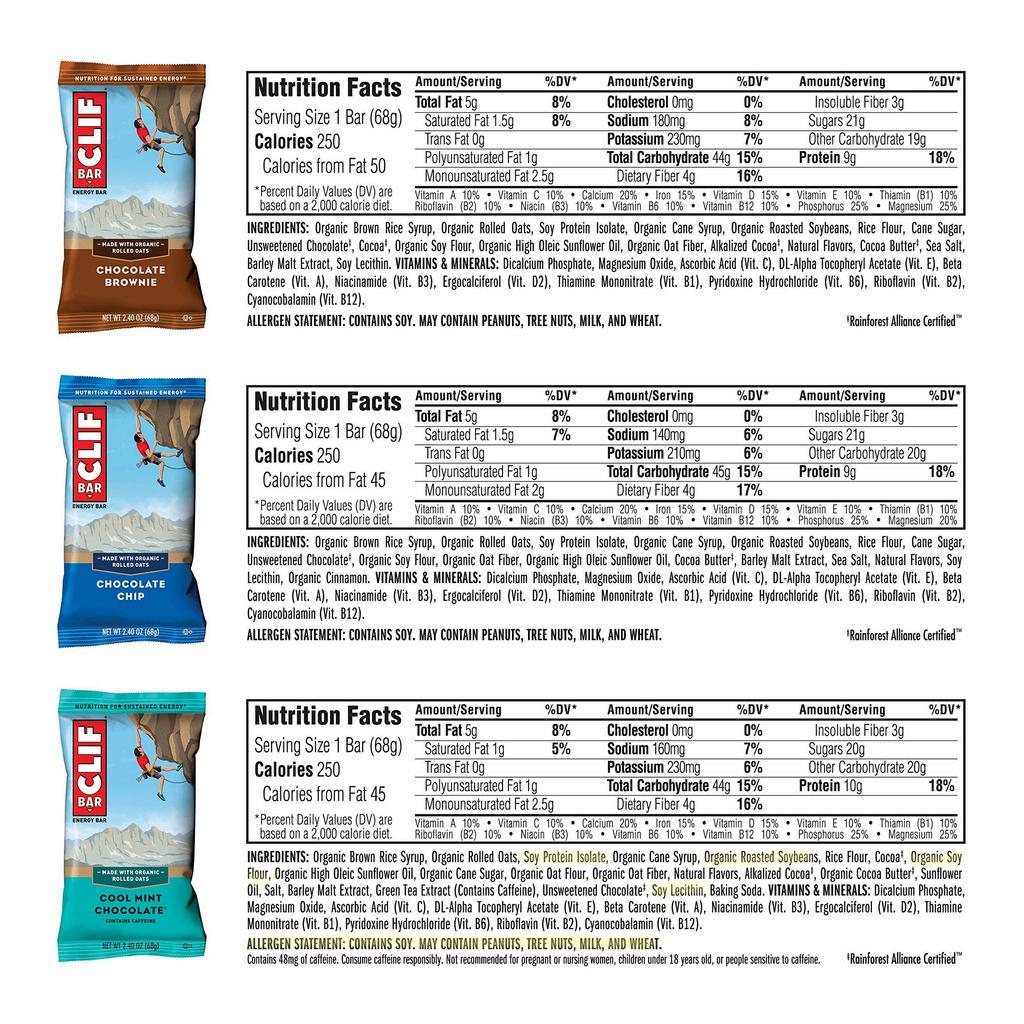
This statement alerts customers which of the top 9 allergens are in this product
Precautionary allergen labels often say 'may contain' or 'produced in a facility' regarding specific allergens They are determined by manufacturer recommendation in relation to possible cross-contact and are not required by law
When an allergen is transferred from a food containing an allergen to a food that does not contain the allergen.
If cooking with allergens, use separate cooking utensils, pots/pans, measuring cups, cutting boards, etc. and wash your prep space thoroughly after each use!
E.g. if you're baking cookies, use separate mixing bowls, baking trays, and utensils if you plan to make allergen-free options!


National Organizations committed to supporting students with food conditions
RSFO utilizes two programs to further its mission to provide life saving resources and education.
Resources: College Student Allergy Info Guide & Virtual Allergist to understand your symptoms

ARF is dedicated to changing the lives of food allergy families through education, awareness, research and advocacy.
Resources: College Prep Visiting Campus & Food Allergy College Checklist
National Organizations committed to supporting students with food conditions
American Academy of Allergy, Asthma & Immunology: a non-profit organization dedicated to food allergy awareness, research, education, and advocacy
Resources:
College Student Allergy Info Guide
Virtual Allergist to understand your symtoms
Asthma & Allergy Foundation of America: a non-profit organization dedicated to finding a cure for and controlling asthma, food allergies, nasal allergies, and other allergic diseases.
Resources:
How Can I Prevent Allergic Reaction and Manage Allergies?
Allergy & Asthma Network: An organization that unites and advocates on behalf of 60 million Americans with asthma, food allergy, and related conditions.
Resources:
A Complete Guide to Allergies
Understanding Allergies: Free Digital Download
American College of Allergy Asthma and Immunology:
A professional medical organization with trained physicians to diagnose allergies and asthma, administer immunotherapy, and provide patients with the best treatment outcomes.
Resources:
How to Prepare for College
Find an Allergist in your Area
Food Allergy & Anaphylaxis Connection Team:
A leading patient organization for people with food allergies
Resources:
College Resource Center
Food Allergy Research & Education:
A non-profit organization dedicated to food allergy awareness, research, education, and advocacy
Resources:
Preparing for College Resources

750 N. Lake Shore Dr, 6th Floor, Chicago, IL 60611
Phone: 312-503-1042
Email: cfaar@northwestern.edu
@cfaarnu
The Center for Food Allergy & Asthma Research (CFAAR) is a joint research center at Northwestern University Feinberg School of Medicine and Ann & Robert H. Lurie Children's Hospital of Chicago.
CFAAR aims to find answers and shape policies surrounding food allergy and related atopic conditions. Through their epidemiological, clinical, and community/school-facing work, they are driven to improve the daily lives of anyone impacted by a food-related condition.
The CFAAR team oversees the CAFAE Club and is passionate about supporting students with food conditions through every phase of their academic journeys. They are here to conduct research and support students in any way they can!
To learn more about CFAAR and how to become involved, please visit cfaar.northwestern.edu