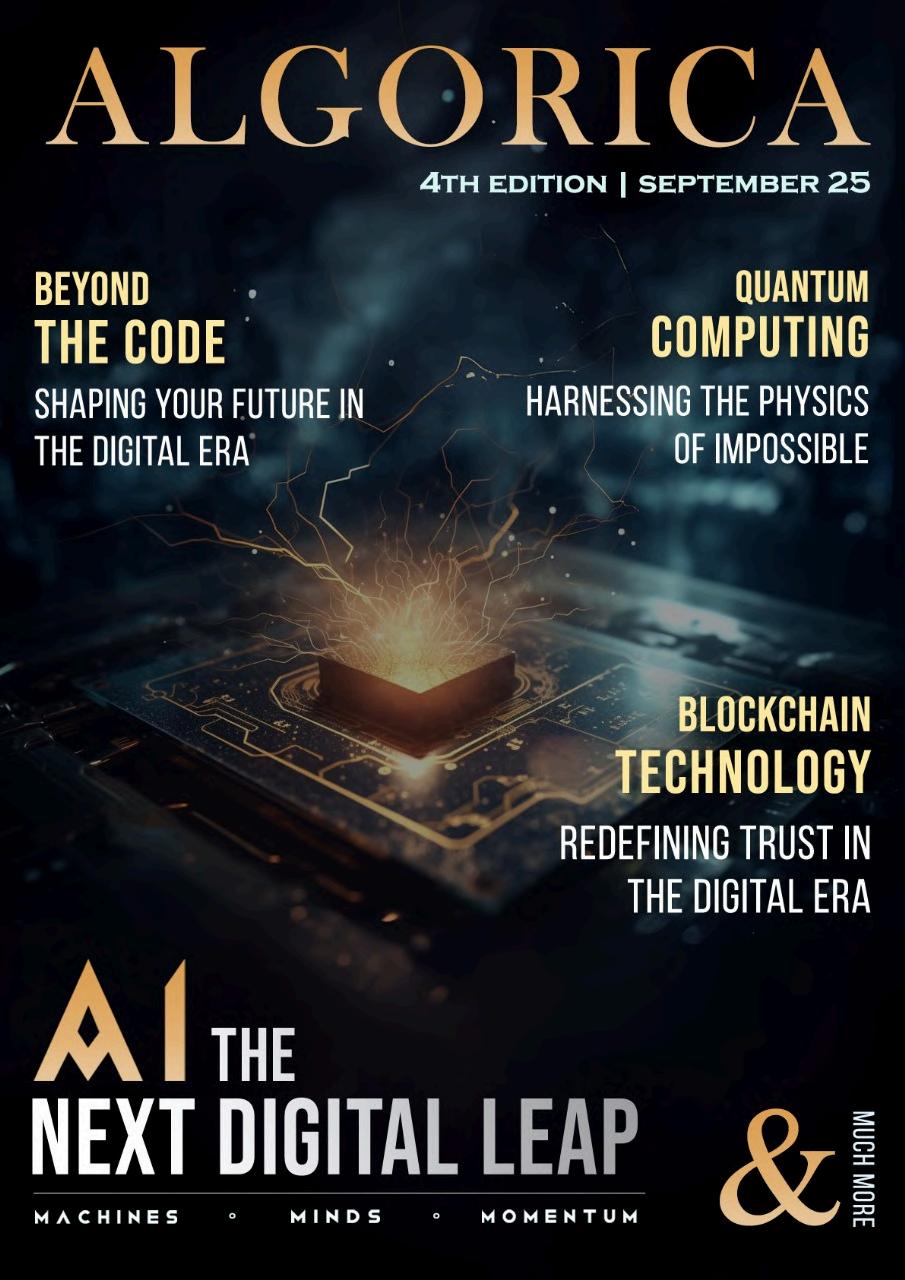





As my college journey comes to an end, I feel a deep sense of gratitude and pride while writing this message for the 2025 edition of Algorica What began as a simple idea among a few passionate students has now grown into a vibrant platform that reflects the energy and spirit of the Computer Engineering Society (CES). Being part of its first edition in 2022 and witnessing its growth over the years has been incredibly rewarding I’m especially thankful to the second-year members for bringing fresh ideas and enthusiasm, and to the third-year mentors whose steady guidance shaped this edition. I also extend my heartfelt gratitude to our Faculty Advisors, Dr. B.K. Sharma, Dr. Shailendra Pratap Singh & Assistant Professor Dr Sushil Kumar Saroj, for their constant support, and to my batchmates who stood by me through every step of this journey.
Over the past 32 years, CES has transformed into more than just a technical society it’s become a space for growth, collaboration, and discovery Through initiatives like Wield the Web, Capture the Flag, Codigo & Cludicode, CES creates countless opportunities for students to explore domains like development, ethical hacking, and Competitive Programming. Algorica, in particular, serves as the voice of this journey, offering a creative outlet and a source of inspiration Beyond technical exposure, CES supports students with internship and placement guidance, helping them build both confidence and capability. It has been instrumental in shaping the experiences of countless students, including myself
Personally, CES has played a huge role in my college life. From nervously sitting for my first induction interview to eventually leading the society as President, the journey has shaped my personality, leadership, and mindset The challenges, responsibilities, and moments of teamwork have helped me grow in ways I never imagined. As I pass the baton to the next team, I do so with full confidence in their vision and energy. To all the juniors reading this make the most of this platform. Don’t hesitate to step in, contribute, and grow CES has the power to transform your college experience, just as it transformed mine. I’ll always look back at this journey with pride, and I’m excited to see what lies ahead for CES.
Behind every polished event and every printed page lies a story that most people don’t get to see one filled with long hours, endless discussions, last-minute changes, spontaneous ideas, tight deadlines, unexpected hiccups, and, most importantly, people who keep showing up no matter what. As the Vice President of CES, I’ve had the privilege of being right in the middle of all that chaos not always in the spotlight, but always right there where the work was happening And honestly, that’s been the best part When we started working on this edition of Algorica, the goal wasn’t just to create another magazine. We wanted something real something students could genuinely connect with. Not just a polished showcase, but a collection of honest stories, raw experiences, and our perspective on tech, creativity, and student life That meant pulling late nights, rewriting content hours before the deadline, and figuring things out on the fly. But it also brought shared laughter, creative breakthroughs, and a sense of unity that only comes from building something together.
Being part of CES has been one of the most defining experiences of my college journey It gave me more than just a role it gave me a team. A crew of passionate and dedicated individuals who challenged, encouraged, and trusted each other at every step. I learned that leadership isn’t about giving orders or always being visible It’s about being there when it matters listening more than speaking, solving problems quietly, and lifting others so they can shine Yes, the technical growth was real managing events, solving challenges, and exploring new ideas but what truly left a mark was the personal growth. The ability to adapt, to remain calm under pressure, to trust the team, and to see things through, no matter how tough it got These lessons will stay with me far beyond college
Now as I get ready to step away and let the next team take over, I do so with full faith in them. To every junior whether you're already part of CES or not, I want to say this: you don't need to have all the answers, you don't need to be the loudest person in the room If you care about building, supporting and quietly solving the problems that no one else wants to touch, then you already belong here CES is more than just a society, it is a space to grow, to lead and to be part of something truly meaningful.


Solve with Code

UNDER
Event Under The CES
Ennexus
BRAIN TO BINARY
Language Guide
A Complete CP Journey
Mastering DSA
CODE. COMMIT. DEPLOY.
Web Development
Git And Github
AppVERSE
App Development - Build
Mobile Apps
Explore the Power of AI/ML
Dive into Blockchain Technology
Getting Started with Quantum Computing
Internship Ultimate Future Aspects
LEGACY
Notable AlumniConnecting Past with Present
CES:THE
Pioneers of ProgressMeet the Minds Behind the Mission
PILLERS OF SUPPORT
Mind Games Begin With Gratitude to Our Esteemed Sponsors
JOIN
Connect with Us - Let’s Build
Mastering the DesignFrom Idea to Interface




CES EVENTS UNVEILED: TECH, CODING, CHALLENGES, AND INNVOTATIONS CURATED BY THE

Sharpenyourlogic, challengeyourlimits, andrisethroughtheranksof competitive coding! Whether you're just starting out or a seasoned coder, CodeCrusadeisyourarenatomasteralgorithmsandoutsmart theclock.
Get exclusive access to the minds of our accomplished alumni. Discover career paths, industry insights, and life lessons that go beyond the classroom. Connoisseur bridges the gap between campusandcareer.
Challenge yourself in a thrilling cybersecurity quest. With tasks coveringencryption, exploitation, anddigitalforensics, CTFgivesyoua taste of real-world hacking — minus the crime. Outsmart your opponentsandclaimyourvictory!
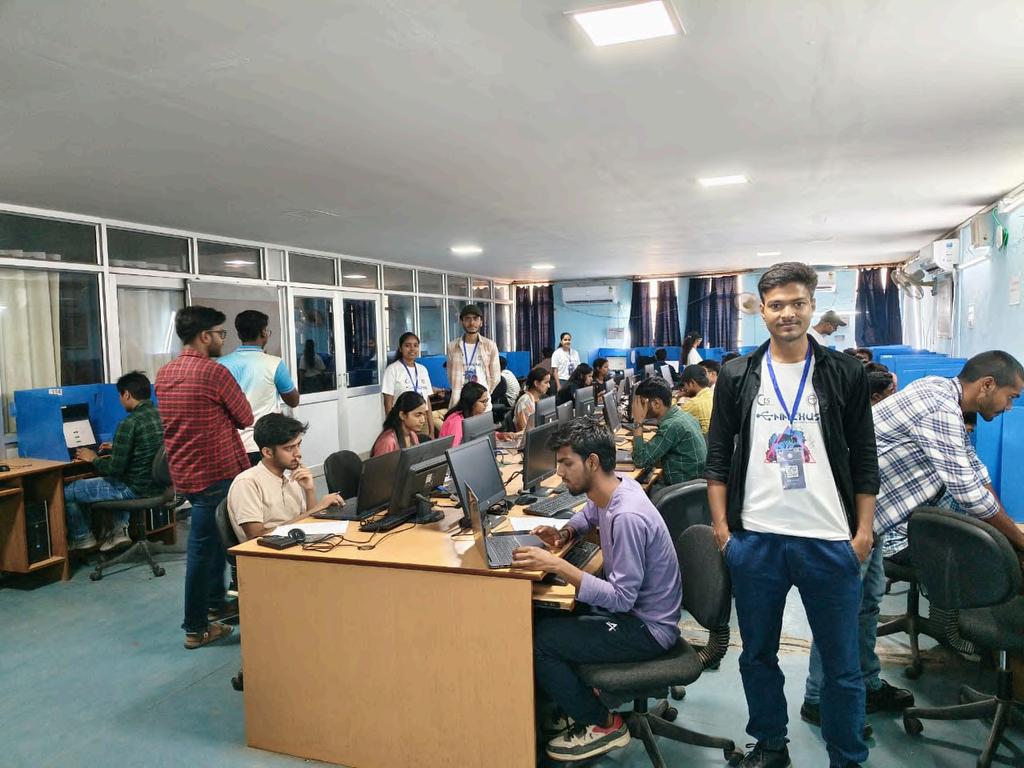
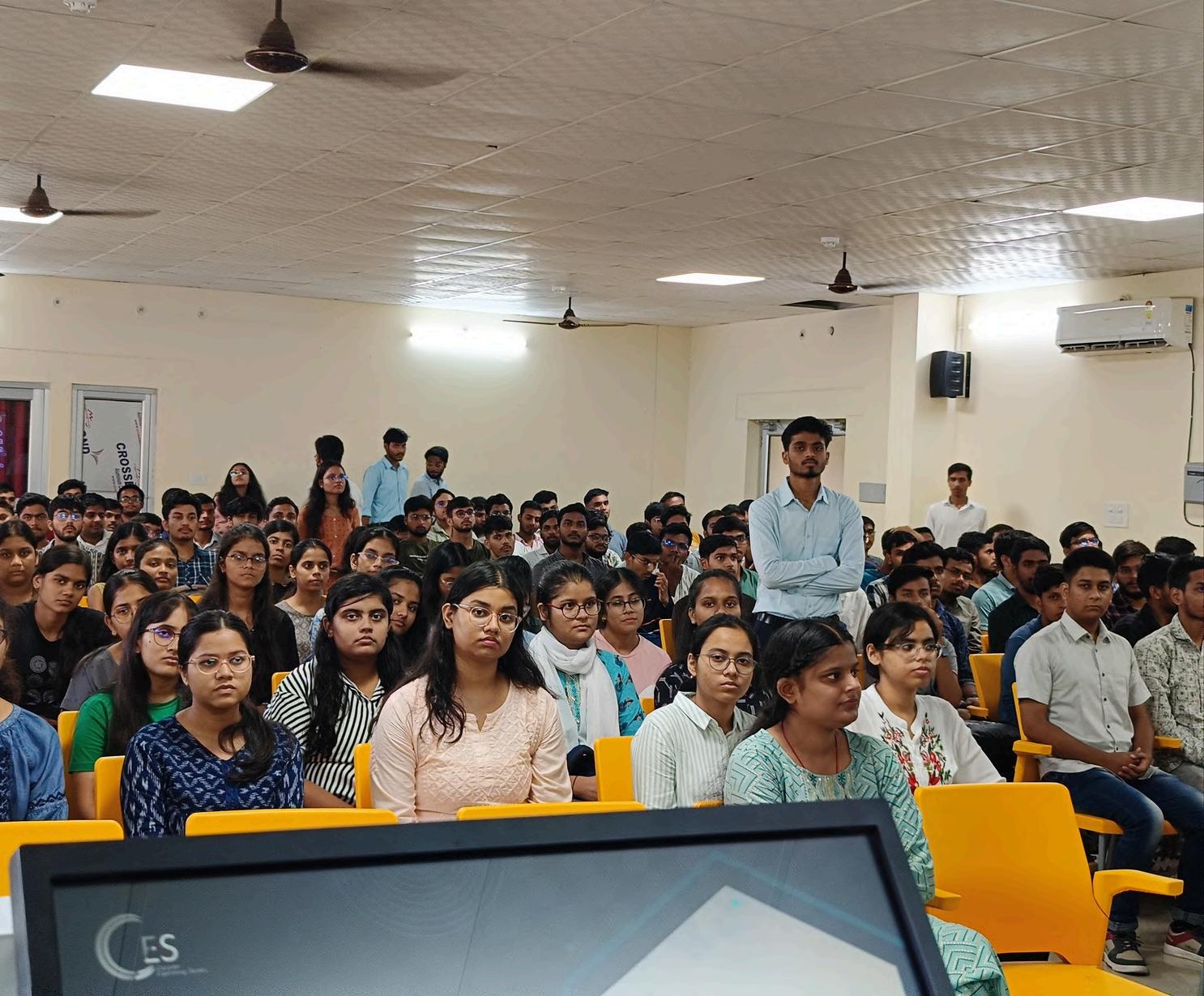
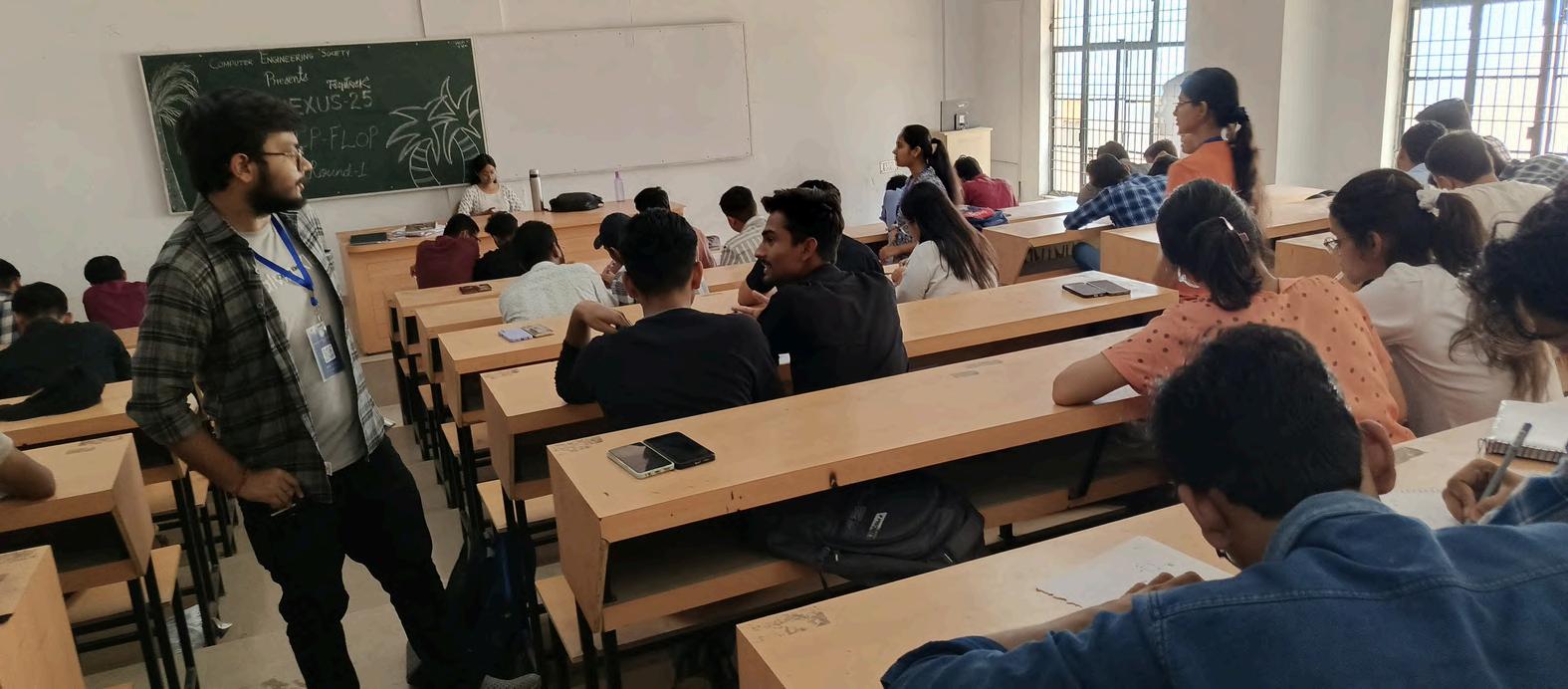
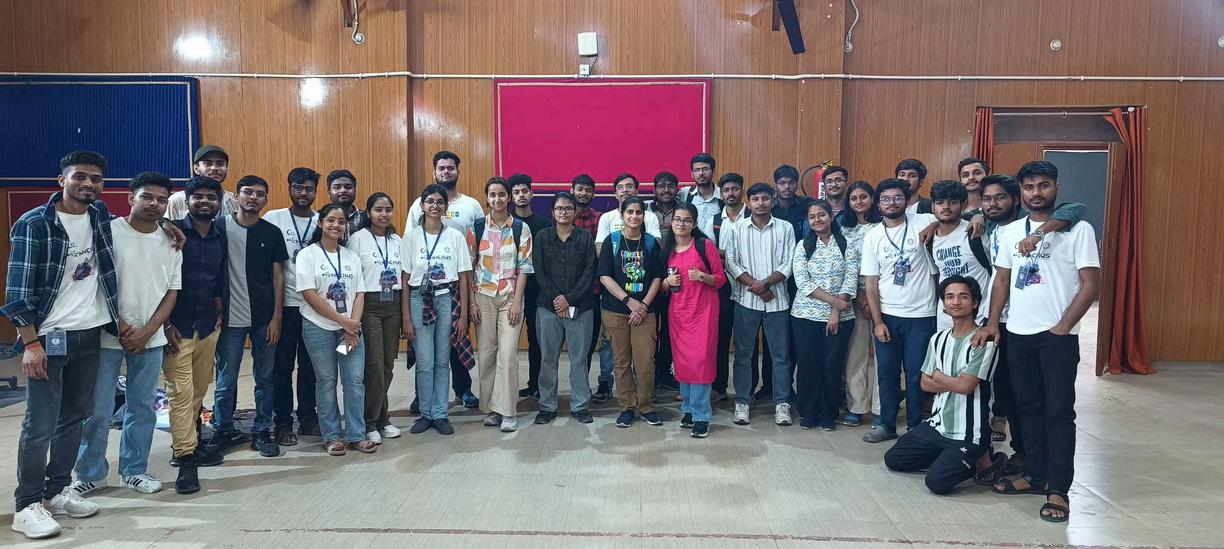
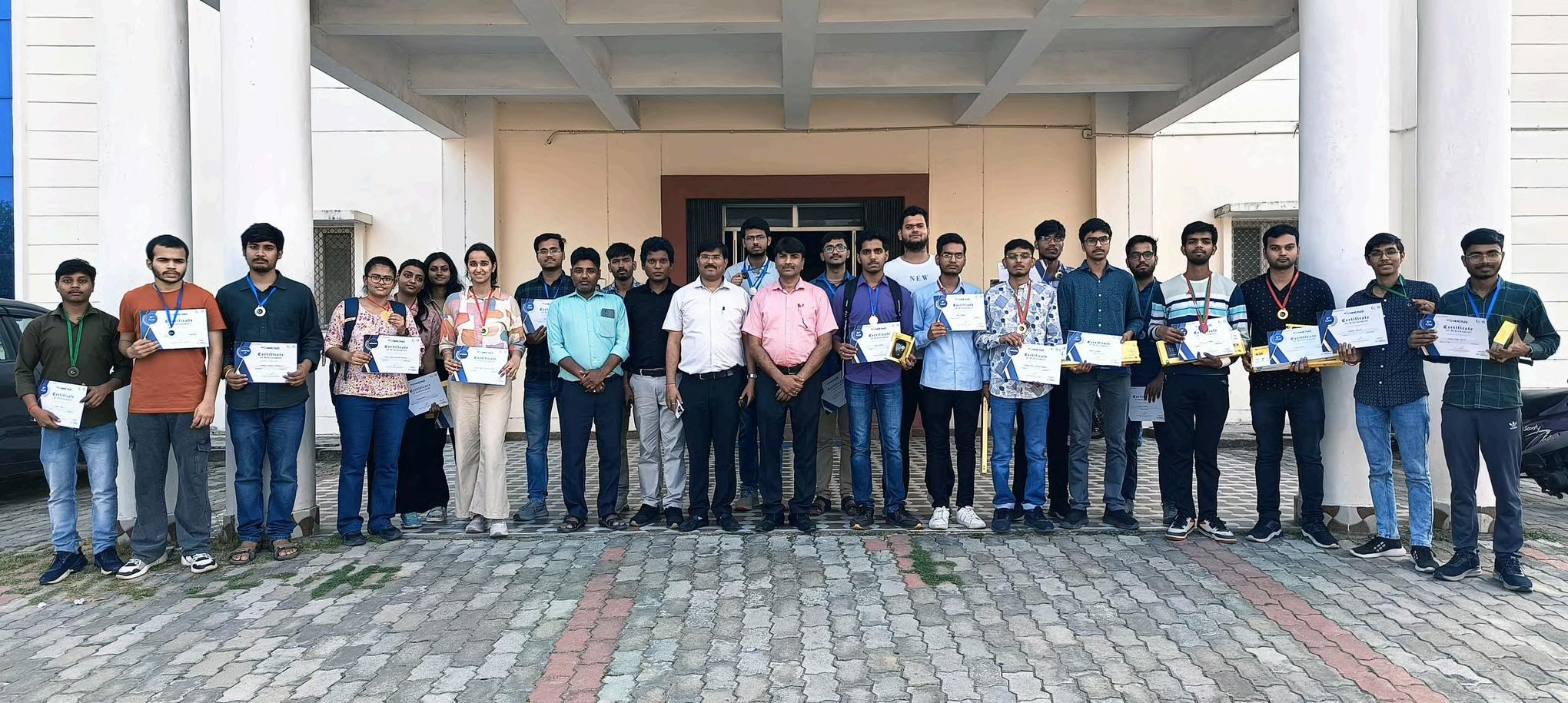
Dive into the annual celebration of technology and talent with Ennexus, theflagshipfestivalofCES. Fromthrillingcompetitionsto interactive events, Ennexus is the ultimate platform for coders, designers, andtechenthusiaststogrow, learn, andshowcasetheir brilliance.

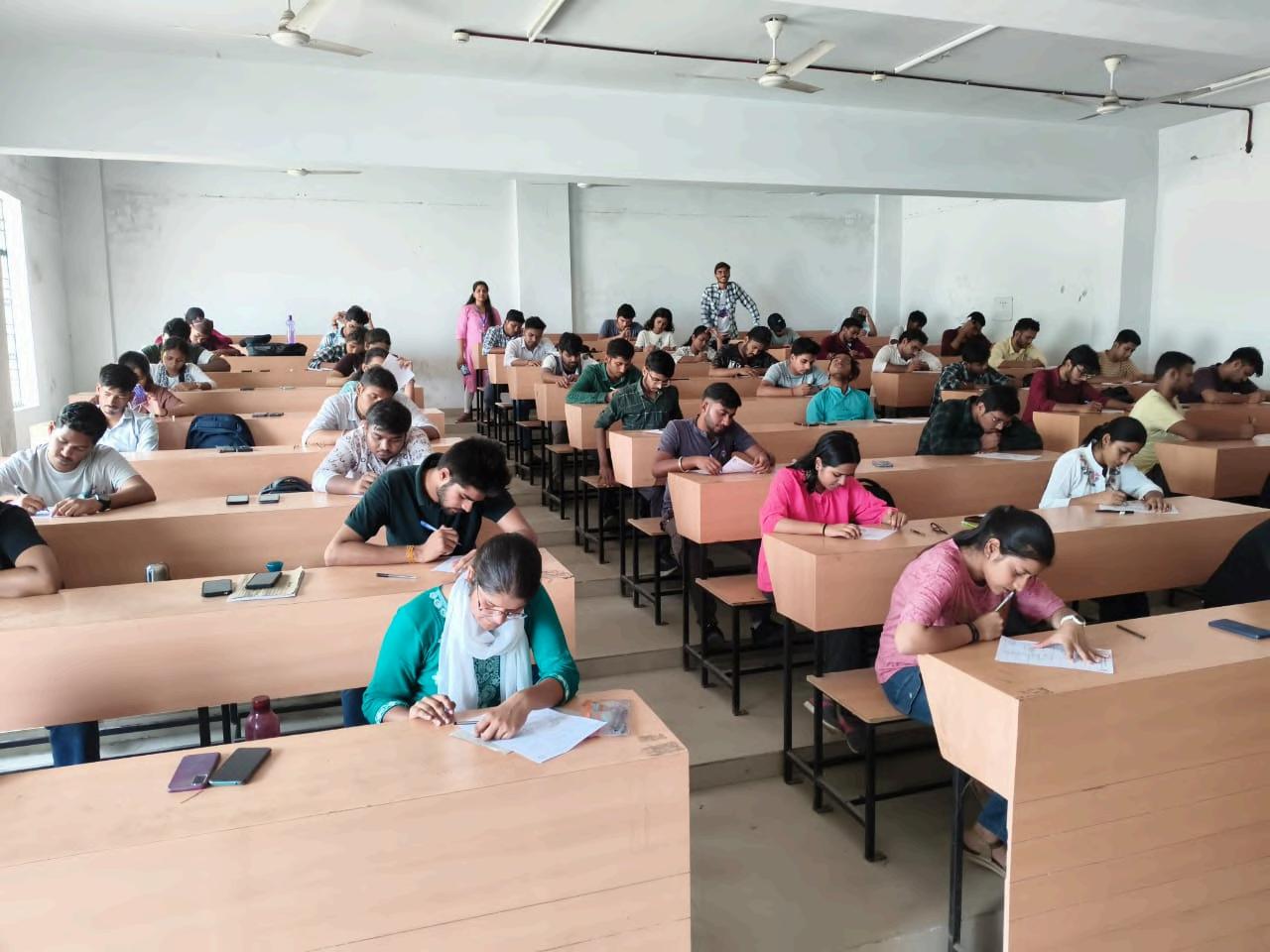
A two stage coding competition focusing on algorithmic accuracy, speed, and clarity.
Participants displayed front-end skills through a written quiz and website-building challenge.
A cyber security-themed event with crossword, buzzer, and decoding grounds that tested knowledge, reflexes, and teamwork.
A duo-based coding contest emphasizing logic, coordination, and adaptability across two strategic rounds.
A precision-based challenge to replicate a given website with pixel-perfect accuracy.
A 12-hour tech puzzle challenge filled with clues and cybersecurity tasks demanding intellect and patience.







C is procedural; C++ is its object-oriented extension. Both offer low-level control.
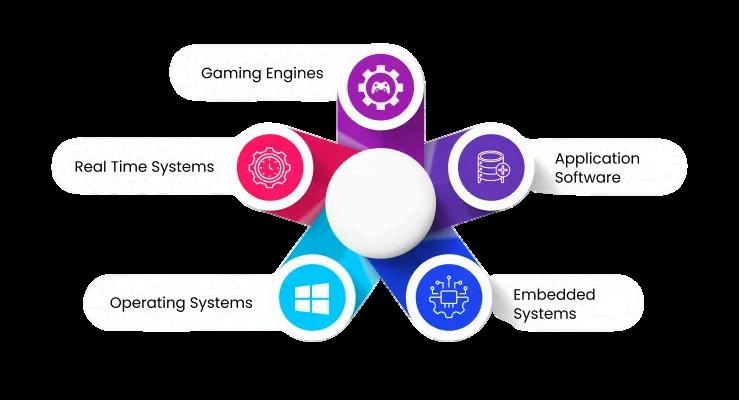
Excellent for understanding how computers work. High-performance, close to hardware.
Complex syntax, manual memory management, prone to bugs, less beginnerfriendly.
Operating systems, embedded systems, game engines (Unreal), compilers, performance-critical applications.

A high-level scripting language that runs in browsers and on servers via Node.js.
Must-know for web development. Powers dynamic, interactive websites. Works on both frontend and backend.
Async code (callbacks, promises) can be tricky, browser inconsistencies, not ideal for heavy computation tasks.
Websites, web apps (React, Angular, Vue), server-side apps (Node.js), UI interactions.
Conclusion:
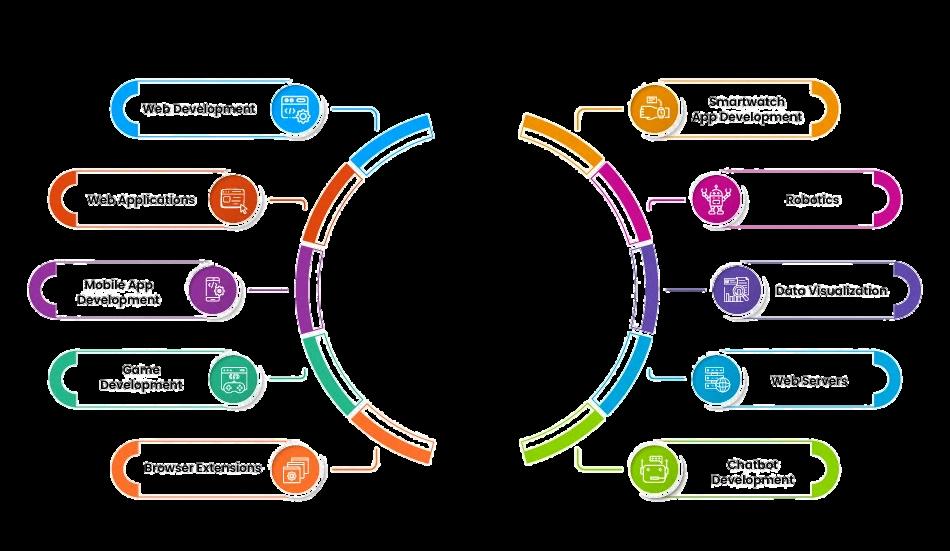
Start with C/C++ if you want deep system knowledge, game development, or embedded systems
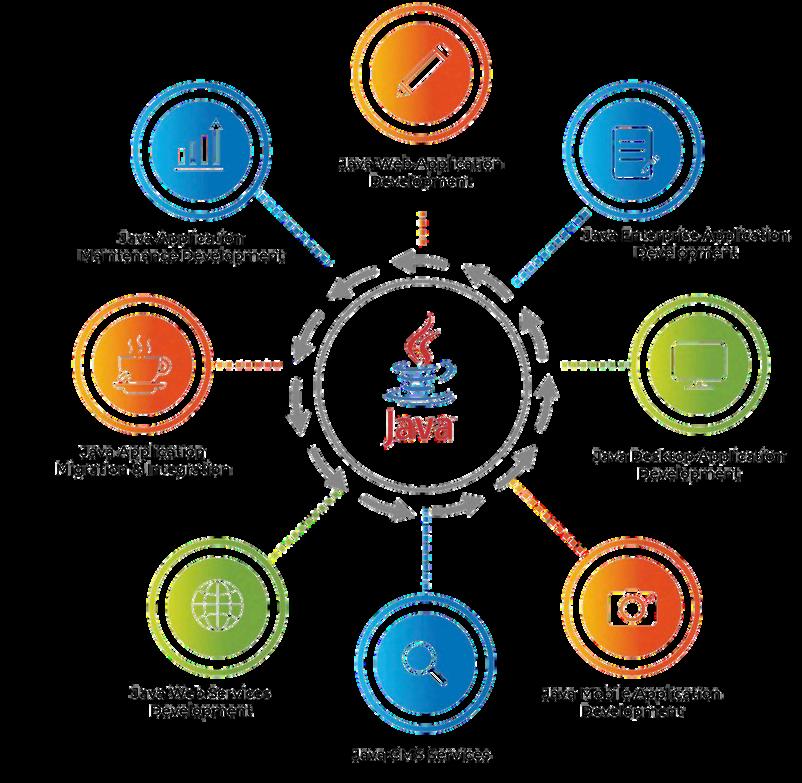
Start with Java if you aim for Android development, enterprise software, or large backend systems
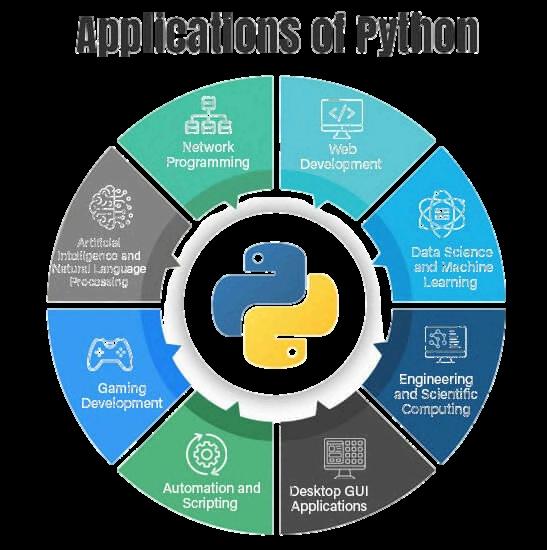
Start with Python if you're interested in AI, data science, automation, or want an easy entry point to programming
Start with JavaScript if you want to build websites, web applications, or full-stack solutions.
So, you’ve just stepped into the coding world, and suddenly everyone’s talking about “DSA” and “CP.” Confused? Don’t worry we’ve all been there. Let’s break it down!
Data Structures and Algorithms (DSA) are like you toolkit. It’s all about how you store, manag manipulate data efficiently. Think arrays, stacks, trees, sorting tricks, graphs—you name it!
DSA is the foundation of coding cracking interviews, or doing cool fast, clean, and smart.
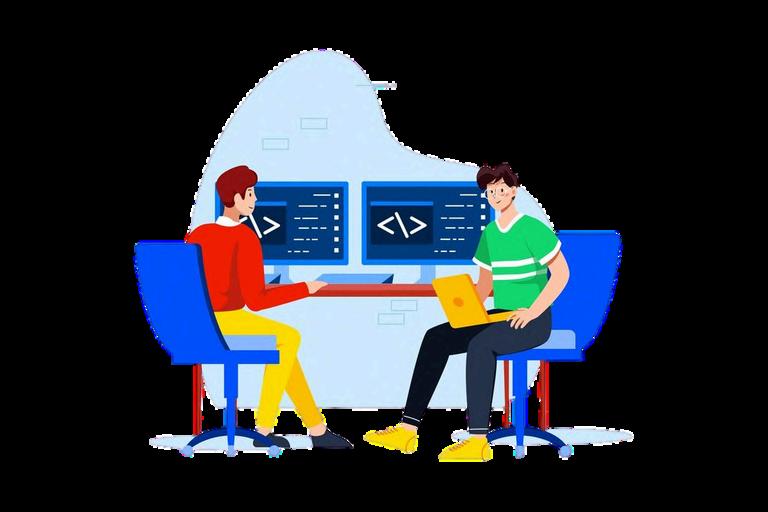
Competitive Programming, as known as CP, is a mental sport. It’s a platform where coders race against the clock to solve complex algorithmic problems and compete against each other to win the first place. It is just like any other sport where you have to compete with players around the world, the ones with fastest thinking and lowest completion time wins the competition.
Ready to test your skills against the clock? These sites host regular online coding contests you can join for free!
In a fast-moving digital world, these YouTube creators stand out for their clarity, consistency, and community impact.














































Resources :-
Codehelp with Love Babbar
Striver DSA Playlist
Kunal
Think like a coder :-





Focus on logic first: Understand why it works before coding.
Be consistent: do problems daily, Consistency > speed
Stick to one Sheet: pick one DSA sheet & one platform.
Learn from mistakes: read solution, debug, and rewrite in your own words.
Watch & code: watch a tutorial, then code it without looking again.
Make your notes: Track patterns, mistakes & tricks in a notebook or Notion.
Topic-wise practice: Master 4-5 problems on a topic before switching.
Grind Sheets :-
Web Development is the process of creating websites and web applications that run on the internet. It includes everything from simple static pages to complex, data-driven web apps like social media platforms or online stores.
The first website ever made— launched in 1991 by Tim Berners-Lee—is still live at http://info cern.ch.


Internet Basics: Grasp the concepts of HTTP/HTTPS protocols, APIs, and REST.
Command Line: Learn basic terminal commands for navigation and file management.
Databases: Get hands-on experience with both SQL (e g , PostgreSQL) and NoSQL (e.g., MongoDB) databases.
Server-Side Logic: Build scalable server-side applications using Node.js and the Express.js framework.
Authentication & Security: Implement secure user authentication with JWT or OAuth, and understand concepts like CORS and HTTPS.
APIs & Deployment: Design and build RESTful APIs and learn to deploy your applications to cloud services like Heroku or AWS.

HTML & CSS: Learn to structure content with HTML and style it with CSS. Master responsive design using Flexbox and CSS Grid.
JavaScript (ES6+): Understand variables, functions, control flow, DOM manipulation, and asynchronous programming.
Version Control: Become proficient with Git and GitHub for collaborative development and project management.


2 3 4 5


Frameworks: Choose and master a modern framework like React js, Vue js, or Angular State Management: Learn how to manage application state using tools like the Context API, Redux, or Vuex.
Styling: Utilize popular styling libraries and preprocessors such as Tailwind CSS, Bootstrap, or SASS.
Full-Stack Frameworks: Master a full-stack framework like Next.js or a specific stack like MERN (MongoDB, Express, React, Node.js).
Containerization: Learn to use Docker to containerize your applications for consistent deployment environments.
CI/CD: Set up continuous integration and continuous deployment pipelines using tools like GitHub Actions etc.



Teamwork: Collaborate without code conflicts
Backup: Save every version of your project
Portfolio: Show your skills through public projects
Industry Standard: Used by developers worldwide
Download from git-scm.com and complete the setup for your OS Set Up Your Identity git config --global user name "Your Name" git config --global user email "you@example com" Go to github.com and sign up.
Helpful Commands
Why
Shows your skills & consistency
Highlights real-world projects
Adds weight to job/internship applications Helps connect with the developer community


git commit git remote git push
�� Official Git Cheatsheet: https://education.github.com/git-cheat-sheet-education.pdf git init git add.
DIVE INTO THE APP-VERSE


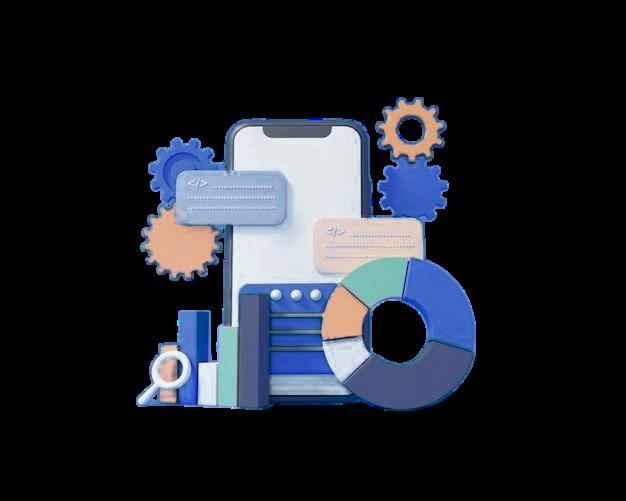
Apps aren’t just tools—they're how we live: food, fitness, fun. The best part? Anyone can build one. CS or Mechanical, fresher or senior—app dev is for you.
Java – The OG, still used in legacy apps
Kotlin – Modern, clean, beginnerfriendly (Google's official choice)
Android Studio – Design, code, test your all-in-one playground
Why Android? ✓ 70% of the world uses it ✓ Startups love it ✓ Easy launch on Play Store
Cross-Platform (Write Once, Run Anywhere!)
Why it's exciting: ✓ Single codebase ✓ Stunning UIs ✓ Preferred by startups
Tools: Flutter (Dart) → Visual brilliance | React Native (JS) → Web-to-app friendly
Swift – Fast, clean, Appleapproved
Xcode – Official IDE for iOS, iPadOS, WatchOS
Why iOS? ✓ Premium feel ✓ High freelance demand �� Mac required for development
�� 90% of startups now choose crossplatform over native!
�� GeeksforGeeks –
https://geeksforgeeks org �� Coursera –https://coursera.org �� Udemy – https://udemy.com �� Fireship YouTube –https://youtube com/c/Fireship

6.
Showthe World
Publish on Play Store , Share on GitHub Join Hackathons & Tech Clubs.
4.
Master UI/UX
Layouts, Buttons, Inputs, Navigation, Animations, Themes Use Figma for mockups
5. Add Real Functionality Build Real Projects
To-do App , Weather App , Expense Tracker , Student Attendance App
Build apps for local businesses
Get internships even as a fresher
Launch a startup
Pick one stack: Dart+Flutter, Java/Kotlin, JavaScript+React Native Start with variables, loops, UI coding. 1. GetYourTools 2. Android Studio, Xcode, VS Code Run emulators, build projects, push to GitHub 3. Future ofApp Dev Learn The Basics
AI-powered apps (health, chat, filters)
Wearables & IoT | AR/VR | Voice-first apps
Use APIs Firebase login & DB Notifications , Navigation drawers

C o r e F o u n d a t i o n s
1 Install Python and Jupyter Notebook
2.Load a dataset from Kaggle (like Titanic).
3 Use pandas to explore it and scikit-learn to model it
Build a movie recommendation system using user ratings
Learn from Kaggle’s free ML microcourses
Ever wonder how Siri understands your voice or how Netflix suggests the perfect show? That’s Deep Learning in action - supercharged ML that mimics how our brain works
What It Really Is:
DL uses neural networks to find patterns in data, like images or speech
Imagine stacking LEGO blocks - each block (layer) refines the understanding of the data
PRO TIP:
Use pre-trained models like MobileNet or ResNet
They’ve already learned the basics - just teach them your task with a little “fine-tuning.”
Ready to start? Here's how:
1 Open Google Colab
2.Use tensorflow.keras to build a simple neural net.
3.Train it on the MNIST dataset.
Build a cat vs. dog classifier using a CNN
Explore Hugging Face’s transformers library for NLP models.



1 Create a free OpenAI or Hugging Face account
2.Explore their model galleries (like DALL·E or GPT-2)
3 Play with prompts Tweak Learn Repeat
Generate your portfolio website using Vercel’s AI Playground
Fine-tune a language model using Hugging Face’s free colab tutorials
Ever noticed how ChatGPT sometimes makes stuff up? RAG systems are here to helplike giving AI a personal Wikipedia to consult before answering you.
RAG means Retrieval
Augmented Generation. Which means retrieve for the sake of making {something }
Think of it as: “Let me Google that for you before I respond”
PRO TIP:
Ready to start? Here's how:
1 Install LangChain and FAISS or ChromaDB in a Colab
2.Load a sample PDF using langchain.document loaders.
3 Ask it questions - it’ll retrieve and generate contextaware answers
Start with pre-built RAG tools You don’t need to understand vector databases on day one - just feed it docs and test queries
Build a “Company Handbook Bot” using LangChain + ChromaDB
Train a custom RAG assistant using OpenAI API + your knowledge base
t i v e R e v o l u t i o n
A u t o n o m o u s S y s t e m s
1 Install Python, LangChain, and OpenAI libraries
2 Build a simple script that loads files and responds to a task (e g, sort PDFs)
3 Slowly give it more tools - file I/O, APIs, memory
Build a Issue Triage bot that labels, summarizes, and replies to open issues
Dive into tools like LangGraph for structured multi-step task execution
Just give a little thought, what if your AI could think ahead, review its own work, and course correct without you holding its hand every step? That’s Agentic AI - a new frontier
What It Really Is:
Agentic AI = AI that plans, reflects, and adjusts its behavior to reach a goal.
Imagine a junior product manager who proposes ideas, tests them, and improves over time
PRO TIP: Agentic systems work best when you clearly define success Let them explore how, but tell them what good looks like..
Ready to start? Here's how:
1.Learn task decomposition - break big goals into sub-tasks.
2 Add a memory layer (like vector DB) so the agent reflects
3 Connect planning loops using while logic or graph flow tools
Build a research assistant that reads papers, writes summaries, and asks follow-up questions
1 Read the MCP spec to understand the structure
2 Define what your agent needs to “remember” (e g, goals, history etc)
3 Store and retrieve this context as your AI moves through tools or sessions
Connect a vector store (like ChromaDB or Weaviate) as a memory backend and serialize context using MCP’s JSON schema
Tools are great, but if you want to shape the next wave of AI - you need to peek under the hood A little math and code can take you a long way
What It Really Is:
AI is built on a mix of math (like linear algebra, stats) and code (Python, NumPy, PyTorch).
Imagine AI as a machine - math is the engine, programming is the steering wheel
PRO TIP:
Ready to start? Here's how:
1 Brush up on basic Python (loops, lists, functions).
2 Learn key math: vectors, matrices, gradients
3 Rebuild a simple neural net on your own (even if it’s just 3 lines of backprop)
Don’t learn it all at once. Pair each math concept with a small code demo - like visualizing a matrix multiplication with NumPy
Implement a neural net from scratch using only Python and NumPy. Solve small ML problems on LeetCode or Kaggle
Blockchain is a decentralized, distributed digital ledger that records transactions across multiple computers. It ensures transparency, security, and immutability by grouping data into blocks that are linked chronologically. Once recorded, information in a block cannot be altered without altering all subsequent blocks, making it tamperresistant and trustworthy.


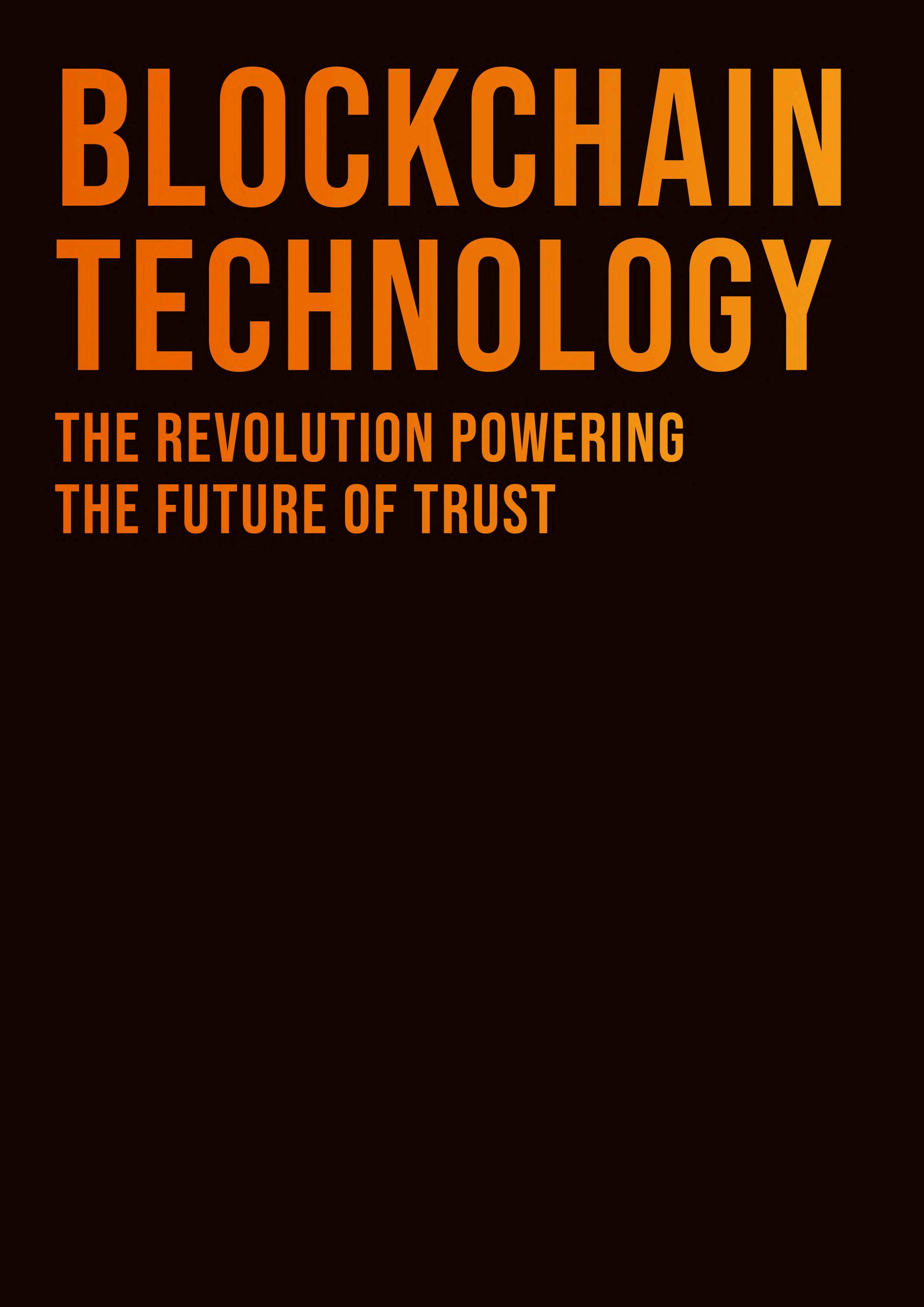
What began as an obscure project on internet forums is now at the core of a digital revolution, transforming not only but how we track, and exchange value. This is the story of blockchain — the invisible technology shaping tomorrow.


U A N T U M

Welcome to the
Imag puter that doesn’t just think in 0s and 1s… te shades in between. One that could solv s millions of times faster than today’s sup rs.

We the mind-bending world of Quantum Computing, where the rules of classical physics no longer apply, and reality behaves like a riddle.

Qubits can be built using light, ions, or even diamonds. China’s quantum satellite allows secure communication India is training a quantum-ready workforce through national initiatives
Traditional computers use bits either 0 or 1.
Quantum computers use qubits, which can be 0, 1, or both at once through superposition and entanglement, letting them process vast possibilities in parallel. This leap opens a new dimension of computation, tackling challenges in cryptography, drug discovery, AI, and climate modeling far beyond the reach of classical machines.

REAL-WORLD
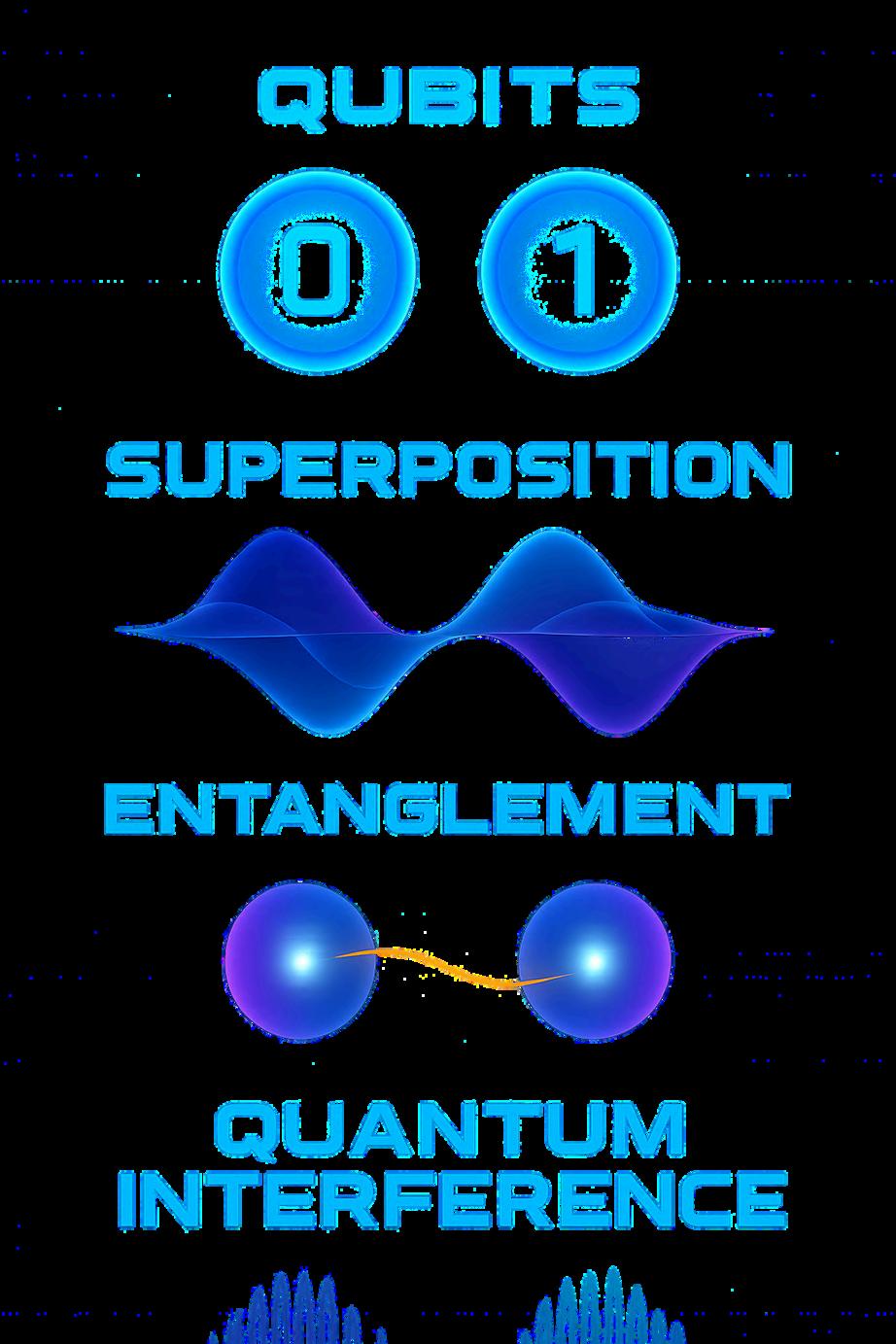
QUBITS SUPERPOSITION ENTANGLEMENT QUANTUM INTERFERENCE
Quantum computing could change the world in ways we’re only beginning to imagine:
Drug Discovery
Simulate molecular structures to speed up medical research and cure discovery.
Solve logistics, routing , and investment decisions in seconds.
Cybersecurity
Analyze huge datasets and market behavior in real-time.
Climate Modeling
In 2019, Google claimed its quantum computer solved a problem in 200 seconds that would take the world’s fastest supercomputer 10,000 years.
Cloud Quantum Access
Companies like IBM, Google, and Amazon already provide cloud access to quantum machines.
AI + Quantum Synergy
Combining Artificial Intelligence with quantum power could create machines that learn faster and optimize smarter.
Quantum Supremacy : Google solved a huge task in 200 seconds
Cloud Access : IBM, Amazon, and Google offer online quantum tools
Quantum + AI : Smarter and faster hybrid machines
India’s Push : ₹6,000 Cr national mission joins the global race
“Quantum computers won’t replace classical ones they’ll tackle problems classical ones can’t. ”
Graphic design goes beyond aesthetics it's about crafting meaningful visual communication. From branding and social media to web interfaces and advertisements, effective design influences how we perceive information and interact with the world around us. Today’s digital landscape demands tools that offer both creative flexibility and precision.
Let’s explore some of the most powerful and popular graphic design tools professionals and learners alike rely on:
A powerhouse for raster-based editing, Photoshop allows designers to create and manipulate high-quality images. Whether it's digital painting, photo retouching, or surreal composites, the software supports layer-based editing, advanced masking, and smart AI tools like Generative Fill and Neural Filters, making complex edits simpler and more intuitive

A user-friendly online platform designed for non-designers and teams. Canva supports drag-and-drop design for presentations, social media graphics, posters, and videos. With thousands of templates, smart branding kits, and real-time team editing, it’s a favorite among content creators, startups, and educators.


Specialized in vector graphics, Illustrator is perfect for logos, icons, typography, and scalable designs. Its precision tools enable designers to build responsive illustrations for everything from business cards to billboards. It’s features include auto-trace with AI enhancements and real-time collaboration.

The go-to software for publishing and print design. InDesign shines in creating brochures, magazines, interactive PDFs, and multi-page documents Features like master pages, content-aware layout, and cloud-based collaboration help streamline professional publishing workflows.
Video and animation have become essential in modern storytelling. Whether it’s a brand intro, a social media reel, or an animated explainer, motion design helps connect with audiences emotionally and visually.From sleek transitions to expressive typography, motion graphics enhance clarity, capture attention, and leave a lasting impression in every frame.
Let’s explore some of the most powerful and popular motion design tools professionals and learners alike rely on:
A professional-grade tool for video editing, used in everything from YouTube content to cinematic productions. It offers features like autotranscriptions, scene detection, and color grading. The timeline-based interface allows for high-level control over audio, visuals, and transitions.
Designed for interactive animations and game development. Animate supports both frameby-frame and tweened animation styles, with outputs in HTML5, SVG, and WebGL It’s widely used for educational games, web banners, and animated shorts.

This real-time animator brings 2D characters to life using facial expressions, lip-syncing, and full-body motion capture via webcam. Ideal for streamers, educators, and animators, it allows for instant previews and even live broadcasting of animated characters
Animate (An)
Perfect for motion graphics and visual effects, After Effects enables designers to animate text, apply particle systems, green screen effects, 3D layers, and more. It’s a must-have for creating intros, infographics, and cinematic compositions
1)
You’re in a room with three switches. One switch controls a light bulb in another room. You can play with the switches however you want, but you may enter the bulb room only once. How can you determine which switch controls the bulb?
2)
You have got someone working for you for five days and a gold bar to pay him. You must give them a piece of gold at the end of every day. What is the fewest number of cuts needed to divide the bar of gold in order to pay him 1/5th each day?
3)
There is a barrel with no lid and some wine in it. "This barrel of wine is more than half full," says the woman. "No, it's not," says the man. "It's less than half full." Without any measuring implements and without removing any wine from the barrel, how can they easily determine who is correct?


4)
There are three bags, each containing two marbles. Bag A contains two white marbles, Bag B contains two black marbles, and Bag C contains one white marble and one black marble. You pick a random bag and take out one marble, which is white. What is the probability that the remaining marble from the same bag is also white?
A digital lock has a 4-bit binary password. You don’t know the code, but you're told that after each incorrect attempt, it shows how many bits are correct in position. What’s the maximum number of attempts needed to guarantee unlocking it?
A clock shows the wrong time but ticks correctly. At noon, it shows 11:00. After 60 minutes, it shows 11:55. At what real time will it finally show the correct time again?
You have 25 horses and want to find the 3 fastest horses. You can race only 5 horses at a time, and you have no stopwatch — only the ability to observe relative placement in each race. What is the minimum number of races needed to find the top 3 horses overall?
There are 20 gloves in a drawer: 5 pairs of black gloves, 3 pairs of brown, and 2 pairs of gray. You select the gloves in the dark and can check them only after a selection has been made. What is the smallest number of gloves you need to select to guarantee getting the following?
(a) At least one matching pair
(b) At least one matching pair of each color
1) 16 attempts there are 2⁴ = 16 possible binary combinations from 0000 to 1111.
2) The clock gains 55 minutes in 60 real minutes, so it's fast by 5 minutes per hour. To gain a full hour: 60 ÷ 5 = 12 hours → It will be correct again after 12 real hours.
3) 7 races (5 group races + 1 final of winners + 1 final check for 2nd/3rd).
4) To avoid a matching pair, you could pick all black (5), brown (3), and gray (2) gloves for the same hand, 10 in total. The 11th glove must make a pair. Therefore, the answer for: a. 11 gloves
b. Worst case, you pick all 10 black, 6 brown, and 2 gray gloves for the same hand 18 total. The 19th glove ensures at least one pair of each color. Therefore, the answer for part b is 19 gloves

Landing a tech internship isn't about luck it's about strategy. Whether you're just starting your journey in tech field or already building projects, this roadmap is your step-by-step guide to becoming internship-ready. From mastering core skills to crafting a standout resume, this path ensures you're prepared, confident, and visible to recruiters.
Internships unlock your first real-world exposure to tech roles. They help you:
Understand real workflows & team collaboration
Build confidence working on live problems
Learn time and responsibility management
Avoid these traps while preparing:
Jumping into dev projects before learning fundamentals
Copy-pasting code without understanding
Having no online presence (GitHub, LinkedIn)
Web/App/MLbased personal projects
Open-source contributions Learn Git & Version Control and Host on GitHub. Add to resume + LinkedIn
1 Internship Update:
Linkedin Krishan Kumar, Youtube Arsh Goyal
2 Platform: Linkedin, Wellfound, Naukri, Indeed, AICTE
1. Master the Fundamentals
Real tool & platform section
Fundamentals: W3Schools, GeeksforGeeks, NPTEL
Coding: LeetCode, HackerRank Codeforces.
Project: GitHub, Replit, Figma Firebase
Resume: Canva,Resumake io , Overleaf (LaTeX)
Program Names
1 Goldman Sachs (3 & final year) rd
3 Career Sites: Amazon, Google , Goldman Sachs , Microsoft Tentative Months
2 Microsoft Fixathon (3 & final year) rd
3 Uber: She++ ,Uberstar (2 year) nd
4 Google Step (2 &3 year) nd rd
5.Flipkart Grid (All Year)
6 Myntra Hackerrank (3 &final year) rd
7.Agonda Technology Intern (3 Year) rd
8 Linkedin Coachin (2 ,3 &final year) nd rd
9.Atlassian: Woman in tech (2nd Year)
10 Amazon Wow,ML challenge (2 ,3 ,final) nd rd
JAN, AUG OCT-DEC NOV-DEC SEPT-NOV JULY-AUG AUG-OCT MAR-APR APR-MAY, AUG-SEPT AUG-SEPT APRIL, AUG-SEPT

A universe of possibilities — waiting to be discovered, shaped, and built by you. Whether you're drawn to solving puzzles, creating innovative tools, or simply wondering how your favorite apps and systems work, this field opens doors to every kind of thinker and creator. This section briefs you about the major career paths you can explore as a first-year computer science student — from software development and artificial intelligence to cybersecurity, data science, and beyond. Think of it not as a checklist, but as a map one that will evolve with you, guiding and inspiring you as you discover what truly excites you.


Vaishnavi Porwal ( Batch 2024 ) @Flipkart
Sejal Gangwar ( Batch 2024 ) @Flipkart
Akriti Srivastava ( Batch 2024 ) @Amazon
Anupriya Sharma ( Batch 2023 ) @BNY Mellon

Aradhya Tripathi ( Batch 2023) @Google
Ujjawal Gupta ( Batch 2023 ) @Google

Rupal Singh ( Batch 2023 ) @PhonePe
Pawan Kushwaha ( Batch 2022 ) @Amazon








oss the many domains of computer science. It also offers practical tips and roadmaps to help you build a career and secure placements in this dynamic field.
We thank our readers for their support, which inspires us to continue creating platforms that celebrate intellect, creativity, and shared learning. May Algorica always guide and enhance your technical journey. The CES team wishes you success in all your future endeavours.
/cesmmmut
/cesmmmut
cesmmmut.web@gmail.com
Everyonceinawhile,anewtechnology,anold problem,andabigideaturnintoaninnovation.
- Dean Kamen