AFGRI GROUP HOLDINGS THE IT BEHIND AGRICULTURE
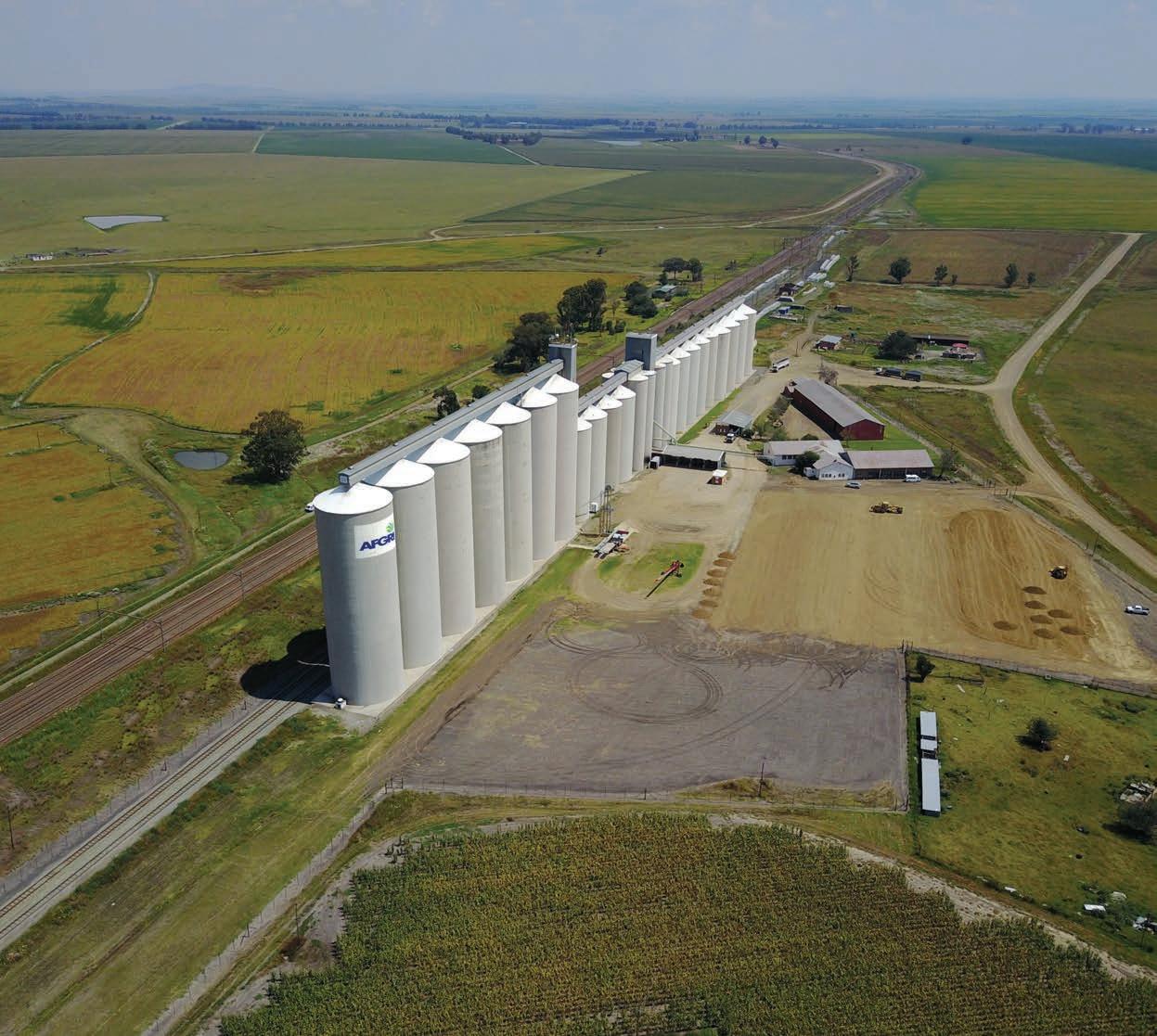
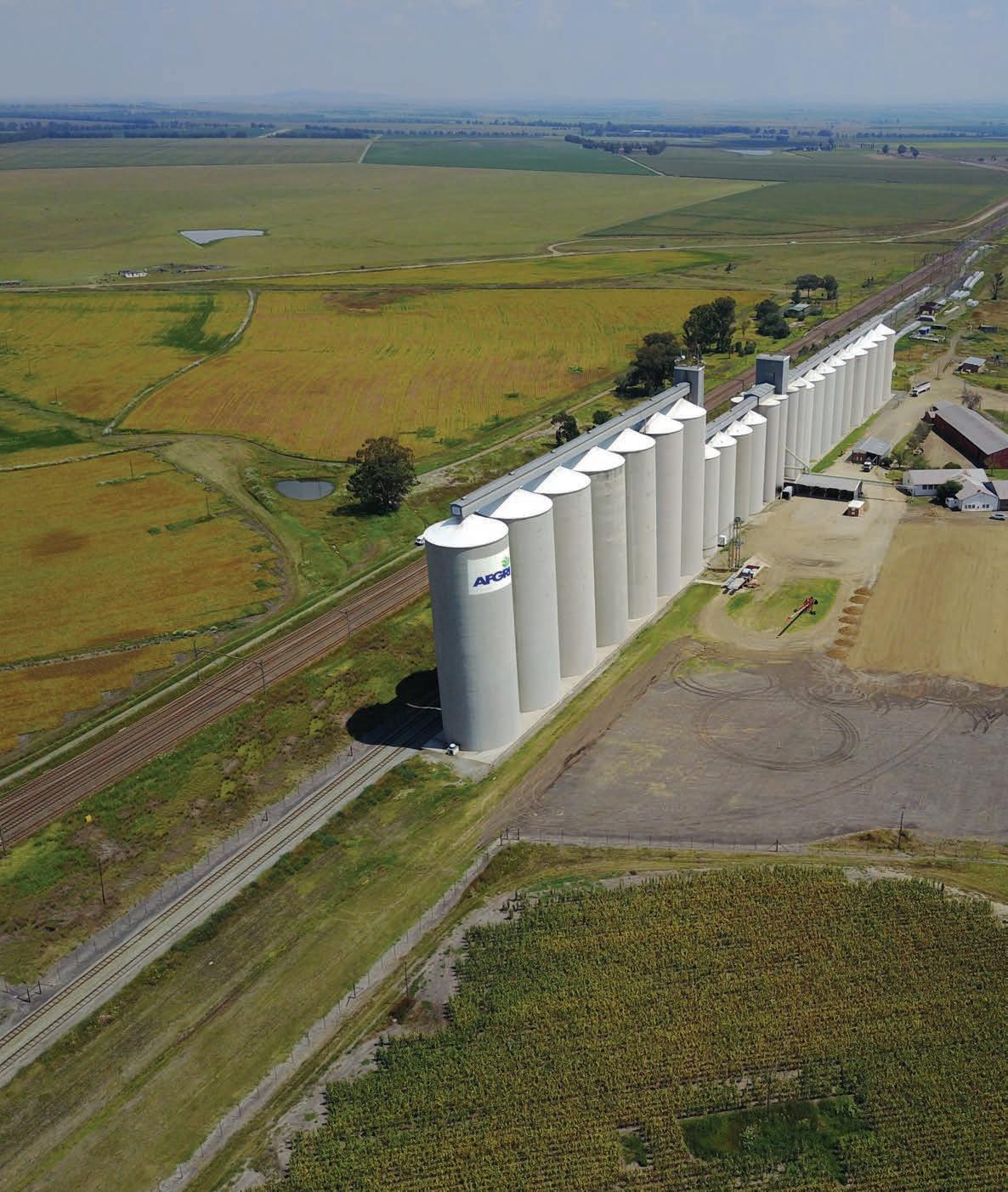
AFGRI Group Holdings was founded in 1923. It started with 29 members as the “Oos-Transvaalse Landboukoöperasie” or “Eastern Transvaal Agricultural Cooperative”, handling maize for farmers. From this beginning the cooperative grew and diversified to become the company AFGRI- “Your partner is Agribusiness.” AFGRI operates in South Africa, West Australia, Zimbabwe, and Botswana across business units including “Retail and fuel”, “Grain management”, “Equipment (John Deere and Wacker Neuson)”, “Financial services”, “Lemang agricultural services”, “Milling” and “Animal Feeds”, as well as a logistics team that offers transport services to both AFGRI business units and its customers.
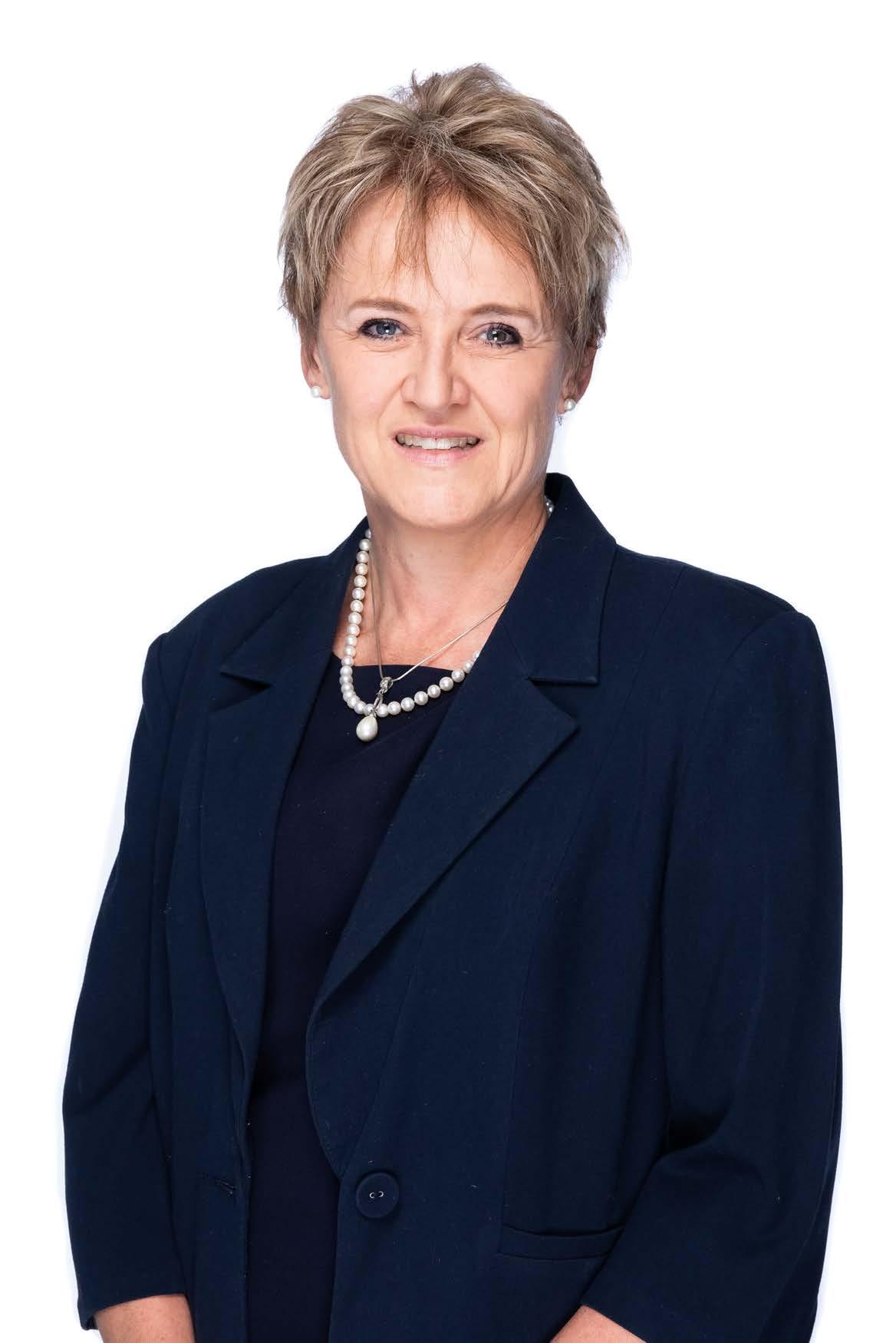
Rika Myburg, CIO officer for AFGRI Group Holdings, heads up the IT team that supports all these business sectors.
“As a centralised AFGRI IT team, we support the seven core AFGRI commercial business units, as well as the internal corporate teams,” she tells us. “Although IT offers some commercial services to external clients, it makes up only a small portion of the total IT service offering.”
The IT team consists of over 50 permanent staff members, including a diverse IT skillset with various thirdparty suppliers, such as Datacentrix, that support the team in delivering a service to
183 business sites, including a couple of 24-hour production plants.
“The diversified AFGRI business units each have unique systems needs with specialist applications that handle the core operational requirements. The finances are consolidated in the relevant ERP. Apart from a couple of OT servers at the plants, all other hosting is done in the cloud,” Myburg says. “However, the IT team is privileged to have a dedicated Innovation team that elicits and experiments with technologies to discover and execute real, commercially viable solutions that can transform our business.”
Many of these solutions are delivered through AFGRI’s single digital solution.
Indeed, in many ways, AFGRI’s IT team forms an integral part of the Group’s IT strategy, with the full support of the Group EXCO.
“The IT team has the perseverance to adapt and change, staying abreast of new technology and improving the environment on an ongoing basis,” Myburg says. “It has managed this despite lots of changes in leadership, business needs and industry trends.”
IT is a fast-moving sector, and AFGRI is no stranger to change, which means that staying flexible is essential, but Myburg also believes the IT team need to act as technology leaders within the Group.
“We are all aware that every organization has fast adopters that will invite or drive change and introducing change to them is like a fresh breeze,” says Myburg. “Unfortunately, these fast adopters are in the minority and change needs to be introduced on all layers of the organisation.”
IT MANAGEMENT IS NOT THE FIRST THING YOU CONSIDER WHEN LOOKING AT THE AGRICULTURAL SECTOR, BUT AFGRI GROUP HOLDINGS DEMONSTRATES HOW IT CAN BE THE BACKBONE OF THE COMPANY.PROJECT
Datacentrix is a leading hybrid IT systems integrator and managed services provider that leverages leading technologies to deliver business objectives to corporate and public sector organisations in Africa and the Middle East. The company partners with its customers for the long-term, equipping them with insight into digital transformation and helping to align their ICT initiatives with their business strategy. We support our clients in achieving competitiveness and resiliency throughout their digital journey, while guiding their response to the ever-changing business landscape.
Datacentrix offers deep technical expertise across a mature offering, providing proven execution capability that is endorsed by the world’s foremost technology partners, whether on-premises, hosted or in the cloud. These solutions are supported by the group’s quality operations, established processes, ethical practices and consistent service delivery. Together with our expert teams, we help customers map the technology solutions that will support data-driven, application-powered, hyper-connected business solutions that offer the right business outcomes and excellent user experiences.
Datacentrix is proud to operate in the top tiers of its technology partner programmes and has achieved some of the industry’s top certifications, including Quality, Environmental and Health and Safety; PECB Management System; ISO; Private Security Industry Regulatory Authority (PSiRA); Payment Card Industry Data Security Standard (PCI DSS); as well as various CIDB certifications.




With a strong African footprint across 35 countries and presence in the Middle East, the company is equipped to support global companies across industry sectors.

Datacentrix is a Level One (AAA) B-BBEE Contributor, with 135% procurement recognition. www.datacentrix.co.za
Fortunately, the AFGRI EXCO fully embraces the value that technology can bring to the Group. However, it can still be a challenge to persuade people to adopt new methods and technology.
“Resistance to change happens on every user level, and even within the IT team it sometimes requires a lot of effort to get users to adopt best practices,” Myburg admits. “I even battle with one of my managers to fully embrace the collaboration capability on Microsoft Teams. If IT does not adopt, how can we expect the rest of the organisation to adopt?”

participation, measurement of participation and outcomes, and exposure to surrounding stakeholders, as well as the involvement of affected stakeholders, ownership, communication with precision timing and content, and finally, training.
The key to building a successful IT shop is solid relationships between the IT, EXCO and business teams to keep the IT suppliers aligned at all times.
“Solid relationships, built on trust, can go a whole mile further than anything else, but it requires consistent engagement with the client, listening to understand their needs, involving them in decision-making and delivering on all promises,” says Myburg.
This is an ongoing and evolving process, and so the company has adopted a change management framework from Discon Specialists. That framework calls for visible executive commitment and
Over the last six years, AFGRI’s IT team has been through multiple leaders and operating models, which has taken a toll on the team, and required a special intervention to create belonging, stability, and trust within the team.
“The base of this intervention is founded in the IT people strategy, which proofed to be a critical success factor during my career, in building successful IT teams,” Myburg tells us.
Myburg is clear that this will take effort and time to resolve and build capacity to a point where the Group embraces change.
Undergoing a number of changes in leadership and strategy takes its toll in other ways as well.
“The continuous change in operating models resulted in IT
costs getting out of control and the business started embracing Shadow IT as IT was too busy adopting internally to a new model,” explains Myburg. “IT is expensive and, in an industry where IT expenses are less than 1.1% (Grovation, 2021) of the annual turnover, one needs to find innovative ideas to manage and control IT costs in a challenging business environment.”
For example, AFGRI needs to provide network capability with full failover at 183 sites, most of them in remote areas with limited infrastructure.
“Firstly, we need to understand our costs and how they compare with the rest of the industry. Hence the team is constantly busy refining our IT cost model to improve our understanding of the IT costs and optimise where necessary,” Myburg tells us. “Continuous improvement through consolidation, rationalisation and optimisation is an ongoing exercise to eliminate duplication and waste in the environment to reduce costs. We will also review all contracts and services and adjust where possible.”
“THE
HAVE UNIQUE SYSTEMS NEEDS WITH SPECIALIST APPLICATIONS THAT HANDLE THE CORE OPERATIONAL REQUIREMENTS.”
“THE
As Myburg rightly points out, for the Group’s IT strategy to succeed the team needs to understand and unite behind its strategy while managing costs. But fundamentally, the challenges they face always come down to technology.
“In the past, our operational technology has always belonged to the business, they purchased and managed it endto-end,” Myburg explains.
However, where IT has not been engaged to advise on architecturally fit devices and understand their impact on the network, challenges can arise.
“We have many unknowns in the environment, and we have to find workable and affordable solutions that will not negatively impact the business operations,” says Myburg. “This is a new journey for us, and I know it is not unique. We learn from businesses, suppliers and other customers that are in a similar position to find a workable solution.”

AFGRI’s IT team is approaching this challenge by obtaining the mandate to govern the
management of its OT devices, discovering which devices are on the network to understand the extent of the problem, and continuing with a daily discovery process. From there the team will be able to find a suitable and affordable network solution and build responsibility (RACI) charts to understand the roles and responsibilities between IT and the business role players. Finally, Myburg will be promoting continuous education for both IT and business role players alongside ongoing monitoring and continuous improvements.
It is a comprehensive effort that will involve AFGRI’s entire IT team.
“We have a very specific IT people strategy that drives IT talent management from a holistic perspective and involves every single person in the team,” Myburg tells us. “For now, the IT team plans to expand and mature our IT architecture and business process engineering practices, as well as establish an enterprise project management office.”