Meets Design





THINK BEYOND

From key terminology to architectural drawing standards, CEDIA gives you the tools to confidently bring technology into your client conversations.
Scan the QR code to find out how you can make your projects come to life.


I am excited to introduce the 2026 issue of Technology Meets Design – The Best of Smart Home Style, a publication that celebrates the best and latest expertly designed and integrated smart homes. This edition has been endorsed by the Building Designers Association of Australia.
Technology Meets Design – The Best of Smart Home Style is more than a display of beautiful homes that have been successful in reaching finalist and winning levels in the CEDIA Smart Home Awards. It applauds the collaborative achievement between smart home professionals and their partner trades, reinforcing that excellence is measured by both the finished experience and the journey it takes to get there.
As we present this year’s edition of Technology Meets Design – The Best of Smart Home Style, we’re excited to spotlight the dynamic progress and fresh initiatives that continue to highlight how the smart home industry and design build profession are intertwined.
We have curated the content to resonate especially with you, our valued colleagues in the design, architecture and homebuilder community. We believe these pages will inspire, inform, and strengthen your understanding of the CEDIA channel and demonstrate the tangible benefits that come from collaborating with a smart home professional.
The message is simple: when you partner with a CEDIA member, you’re not just enhancing your projects, you’re ensuring highly satisfied clients and exceptional outcomes.
Thank you for your continued engagement and for being part of a community dedicated to pushing boundaries and creating remarkable living spaces.
Warm regards,

Daryl Friedman Global President & CEO, CEDIA

Smart Home Awards
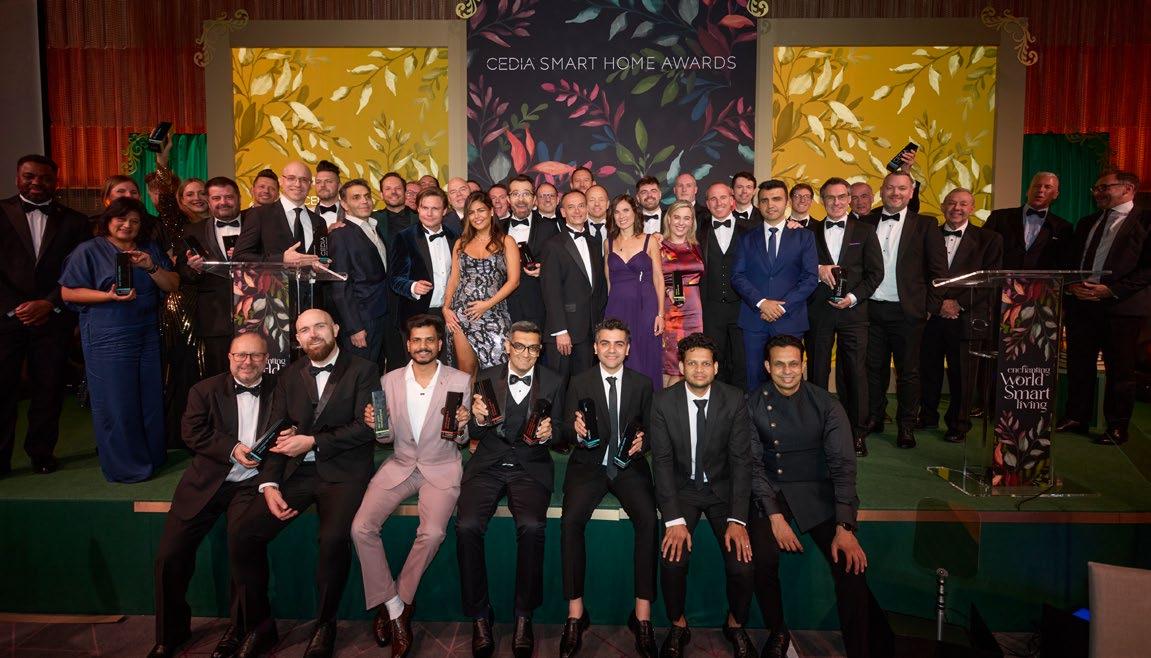
The CEDIA Smart Home Awards celebrates outstanding innovation and excellence in smart living environments. Run by CEDIA, the program acknowledges the leading projects, individuals, products, and solutions that are shaping the future of connected homes and intelligent design.
From home security and automated solutions to home cinemas and entertainment spaces, the CEDIA Smart Home Awards projects provide inspiration for the level of technology integration that consumers want in their properties.
The awards offer design build professionals valuable insights into the evolving landscape of smart technologies and their impact on residential spaces. The recognition given through these awards highlights the latest advancements, best practices, and trailblazers in the field, providing inspiration for those working at the intersection of design and technology.
We encourage interior designers and architects to follow the results of this program as a resource for understanding key trends, influential projects, and market leaders driving progress in the smart home sector.
About CEDIA
CEDIA® is the Association for Smart Home Professionals™. Established in 1989, CEDIA is dedicated to advocacy, connection, and education, and fosters a thriving community as the home for smart home professionals. Globally, CEDIA advances the rights of technology integrators by working with governmental bodies; gathers industry professionals and allied tradespeople for learning and networking; and creates trainings, standards, and certifications to ensure the continued growth of the smart home industry. CEDIA co-owns Integrated Systems Europe, the world’s largest AV and systems integration exhibition, and founded CEDIA Expo, the world’s largest residential technology show. Today, a community of over 30,000 CEDIA members from more than 80 countries deliver smart home technology solutions that enrich homeowners’ lives. Learn more about CEDIA at cedia.org
CEDIA
The Building Designers Association of Australia (BDAA) is pleased to endorse the annual CEDIA publication, recognising the valuable insights it provides into the future of smart design, technology integration, and innovation across the build environment.
CEDIA continues to demonstrate leadership in advancing the standards and capabilities of the design and construction industry through knowledge sharing, education, and collaboration. Their publication reflects a commitment to excellence that strongly aligns with the values and vision of the BDAA.

We look forward to collaborating with CEDIA through our upcoming Festival of Design and to developing a deeper partnership in 2026 and beyond. Together, our shared commitment to innovation will strengthen connections between our members, ensuring that the best people across both organisations work together to deliver outstanding outcomes for clients and communities nationwide.
Chris Knierim CEO, Building Designers Association of Australia


Technology Meets Design
Media Room vs Home Cinema: What Every Designer Should Know
Designing for entertainment in a home comes down to intention. Should the space serve as a dedicated cinematic escape, or as a flexible hub for everyday living?
When homeowners speak about creating a space for entertainment, two terms often surface: home cinema and media room. While they are sometimes used interchangeably, they carry distinct meanings that can shape the design process and the overall experience for the client. For designers of a living space, understanding these differences from a non-technical perspective is crucial.
In both styles, it is critical to allow space around the perimeter of the room between the structural walls and the walls you see to
successfully conceal loudspeakers, acoustic treatments, and other equipment. Just how much space we need depends on our performance goals for each client and their room.
Home Cinema
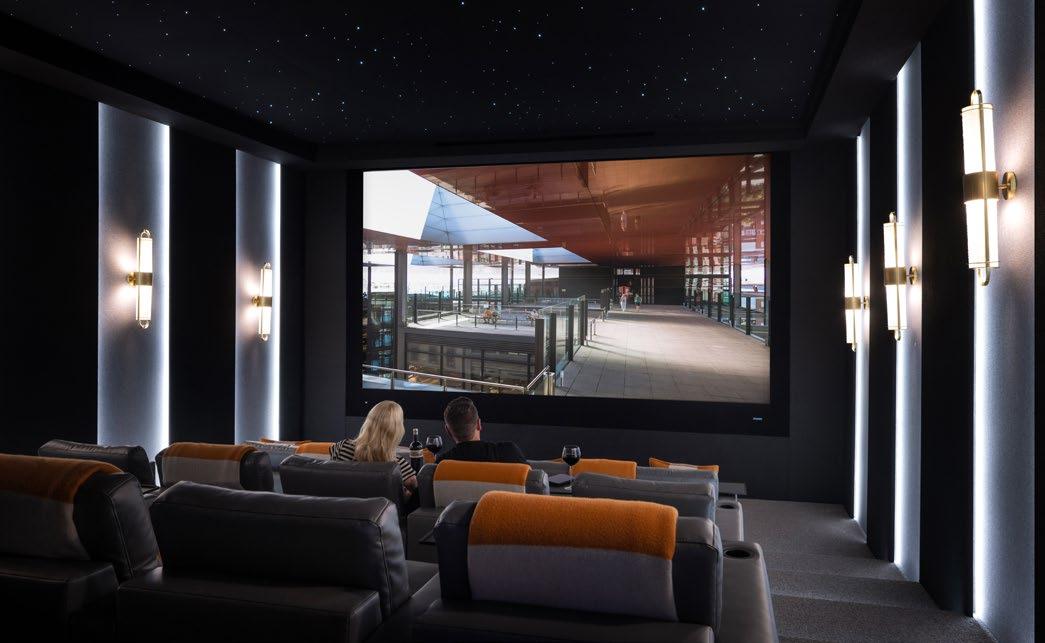
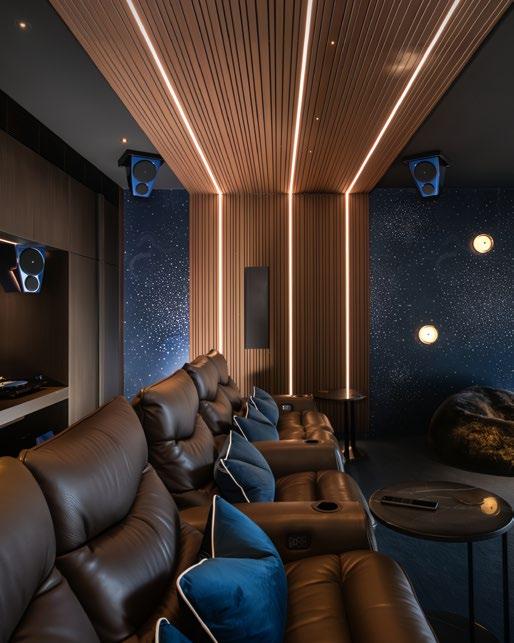
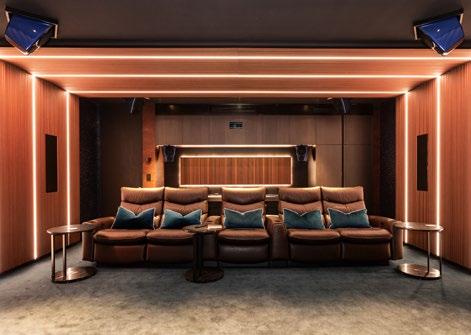
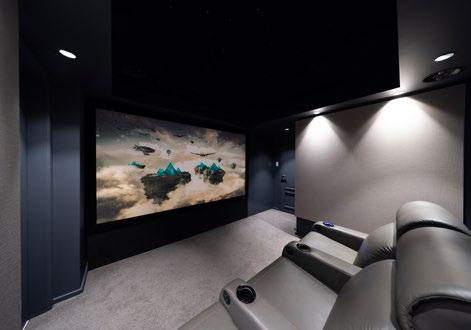
A home cinema is a room with a singular focus. Its purpose is to replicate the feeling of being in a commercial cinema, but within a private residence. The design is dedicated exclusively to film and television viewing, often centred around a large projection screen or direct display and supported by immersive surround sound.
The sound system should be tailored appropriately to the space using acoustic
treatments, the performance level your clients want, chosen together with your smart home professional, and the number of listeners. Speakers themselves should be entirely concealed or barely noticeable, to minimise visual distraction.
From a design perspective, this space is defined by control: light is minimised; colour palettes lean towards darker to reduce reflections, the finishing textures considered as shiny surfaces can impede on the visual experience, and seating is oriented in fixed rows for the best possible viewing angle. In short, the architecture and furnishings are shaped by the cinematic experience.
Media Room
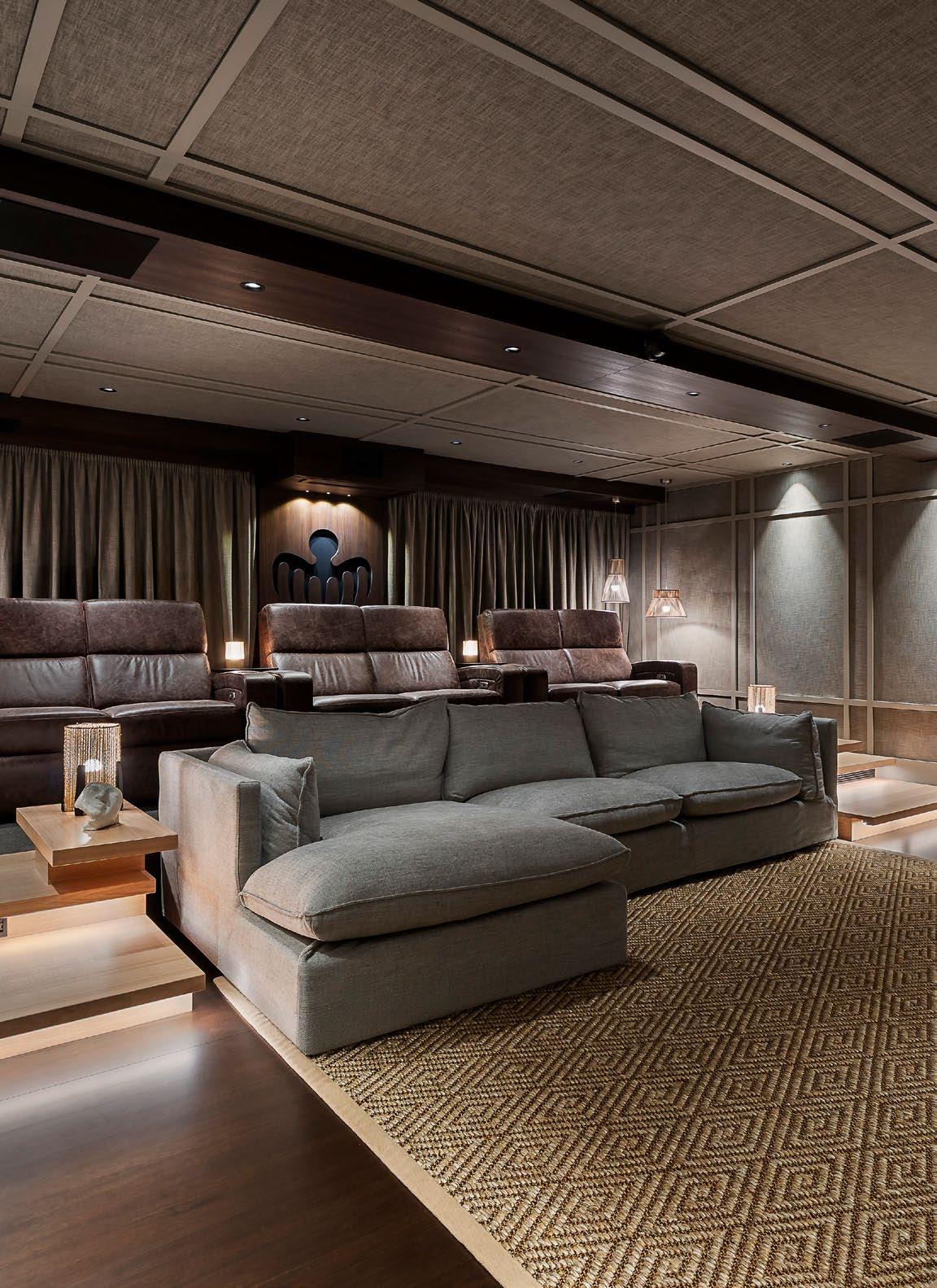
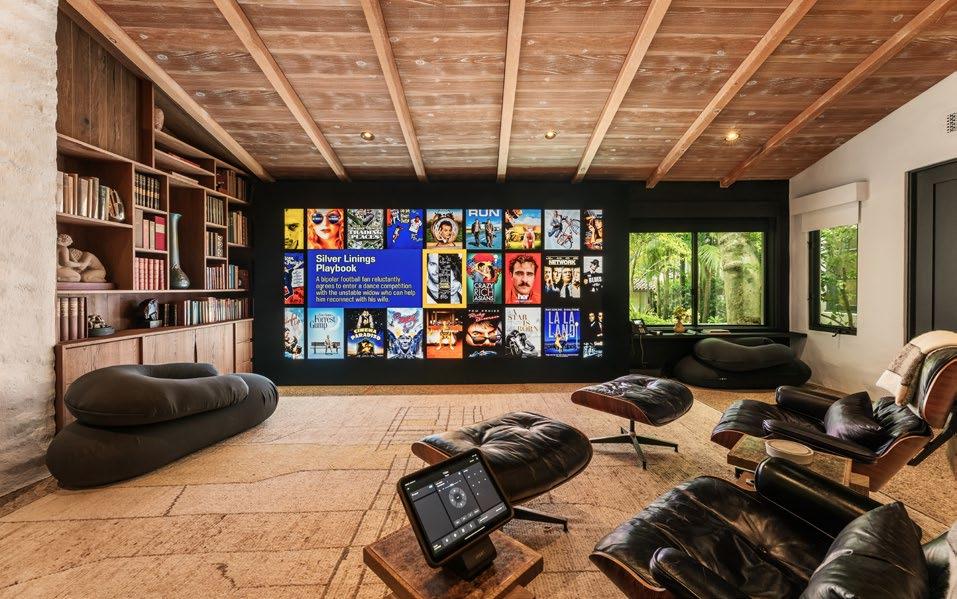
Alternatively, a media room is more flexible in function. Rather than existing purely for films, it is a multipurpose space that adapts to different forms of entertainment. Families may use it to watch television, play video games, stream music, or host casual gatherings. While the technology may still include surround sound and a large screen, the layout is less rigid.
Designers might prioritise comfort and versatility over cinematic precision, opting for sectional sofas, natural light, and décor that blends with the rest of the home. A media room is often an extension of everyday living, not a sealed-off environment.
For interior designers, the key is to recognise the lifestyle and expectations of the client. A home cinema requires a controlled environment and dedicated furnishings, whereas a media room prioritises adaptability and integration with broader interior schemes. Neither is inherently better than the other. The distinction lies in intent: is the goal to replicate cinema at home, or to create a social hub that embraces entertainment as part of daily life?
Ultimately, whether shaping a hushed, immersive cinema or a lively, multifunctional media space, the designer’s role is to ensure technology feels harmonious with form, function, and atmosphere.
Veluxa Cinema
LUXOR Integration
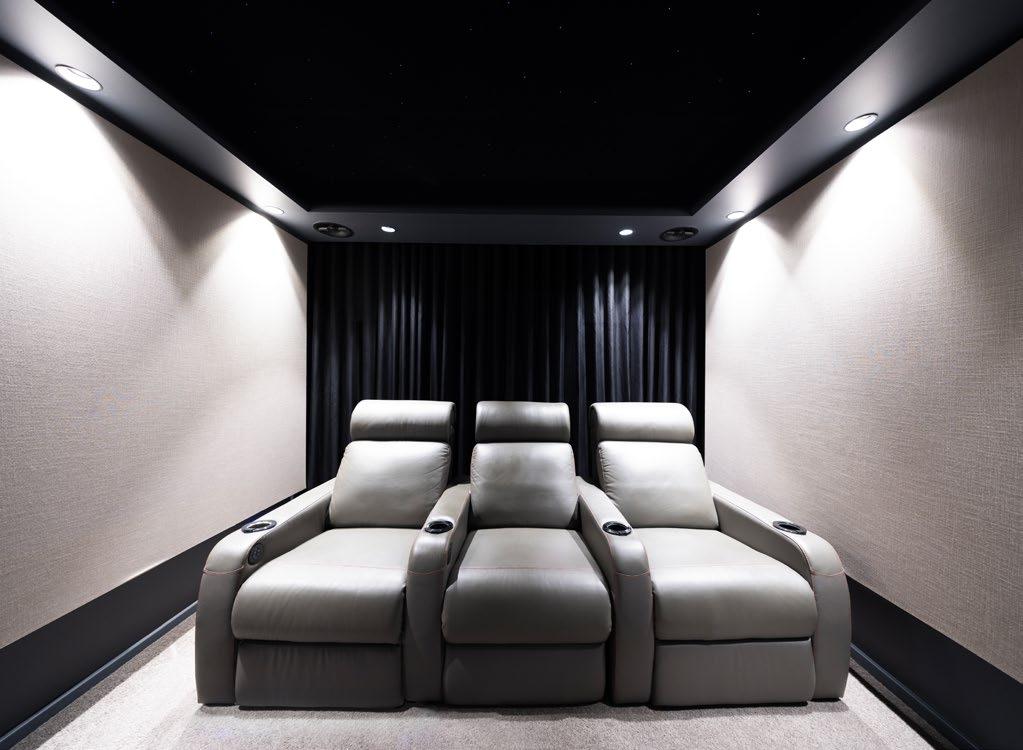
Built inside a former guest bedroom, this cinema by LUXOR Integration transforms tight dimensions into a stage for movies, music, and memory-making.
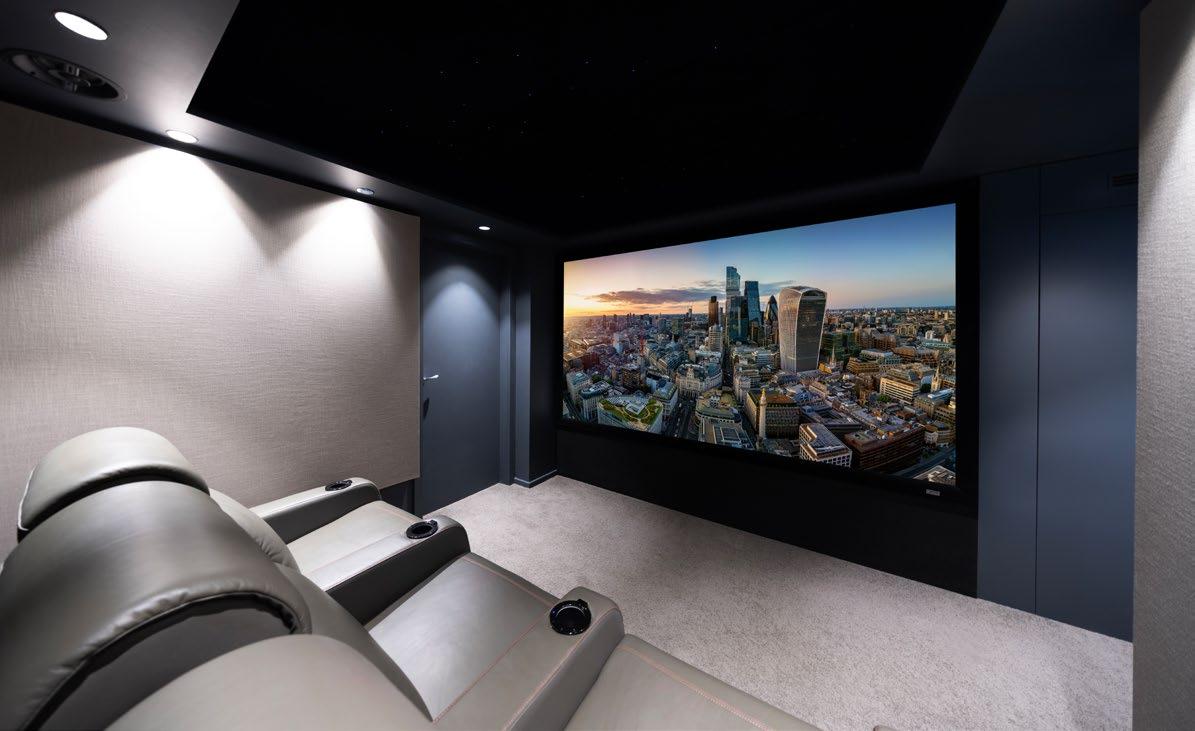
For a family who loves to sing, the brief was never going to be about silence. The goal was a room that could play loud, feel big, and still deliver the intimacy of a private cinema. But with just 11.4 square metres to work with, LUXOR Integration needed to get inventive.
The project, located in Australia, repurposed a 3m by 3.8m guest bedroom into a dual-use space for cinematic viewing and high-volume karaoke. The family’s priorities were clear: a screen as large as possible, sound that could handle concert-level playback, Control4 for familiar control, and nothing visible. The budget was firm at A$100,000.
A structural recess behind the room made all the difference. It allowed the team to install a traditional projector in a custom hushbox —
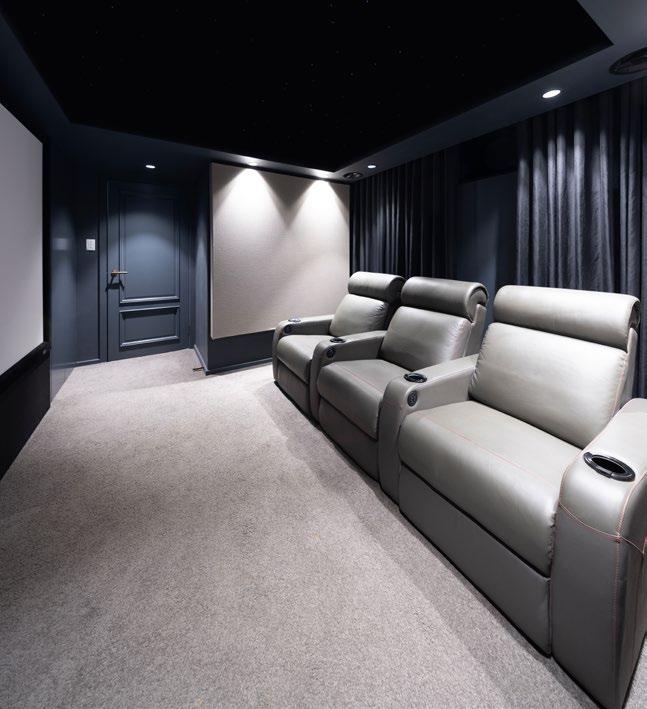
boosting image size and brightness while avoiding the cost of short-throw optics. A 116-inch 16:9 woven screen filled the front wall, chosen to support children’s shows, karaoke lyrics, and HD content. Behind it, compact Pro Audio Technology speakers and wall-mounted subwoofers were tuned for performance without crowding.
Acoustic treatments were built into a floating timber wall. A rear sheer curtain was used to hide and add depth. A black velour starlight ceiling, recessed into a coffer, added both height and a sense of theatre. The rack was hidden in joinery near the door, ventilated quietly via ducted exhaust.
Karaoke called for one unusual feature — a side stage zone that let singers perform without blocking the screen or stepping into projector light. It’s a detail that speaks volumes about the human-first mindset behind the build.
The brief was simple — make it loud, make it fun, and make it look like it was always meant to be there.
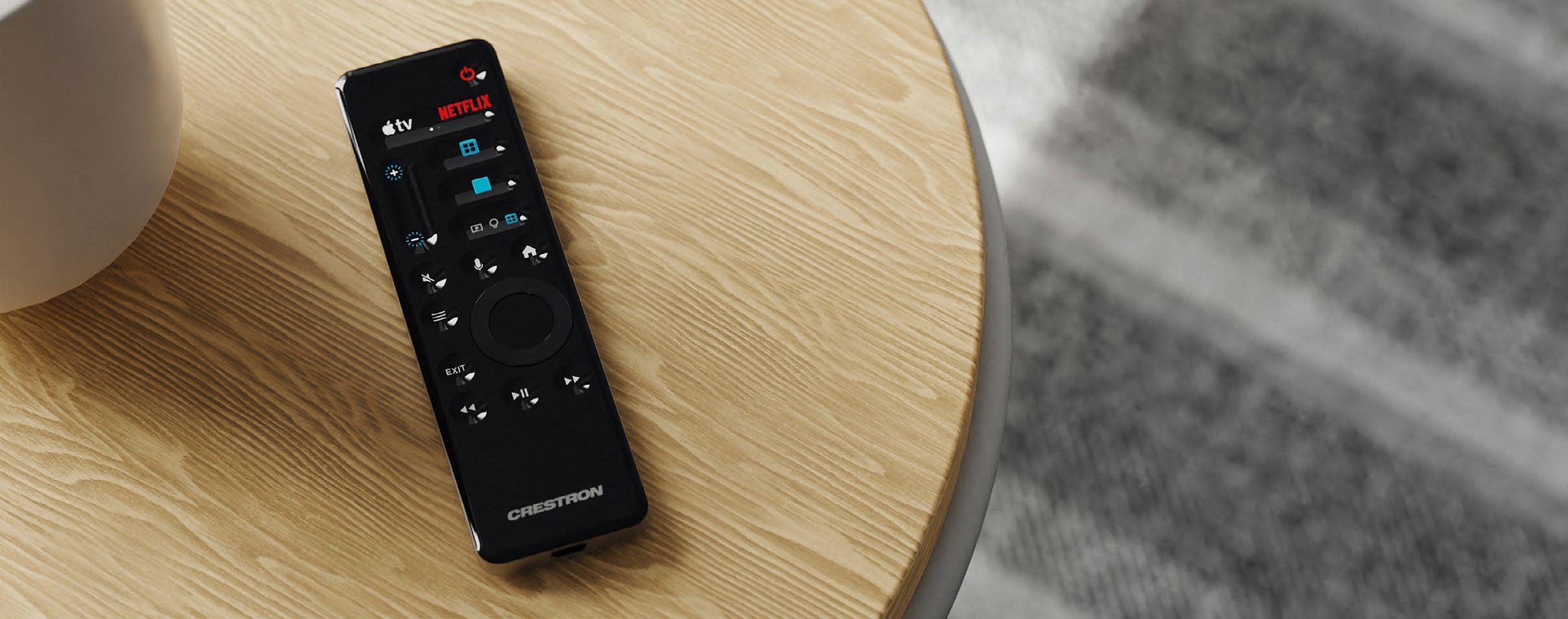
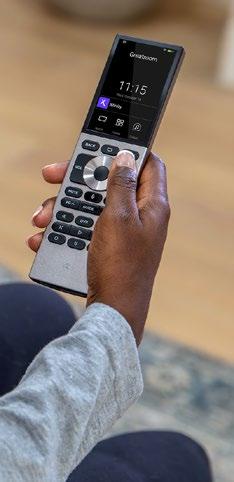
In today’s technology-packed smart homes, a simple way to control it all is more essential than ever. But simple doesn’t mean limited — it means focused. The Cevo Mini Remote delivers effortless entertainment and environment control in a smaller, ergonomically designed package you’ll want to hold onto.
Skyline Cinema
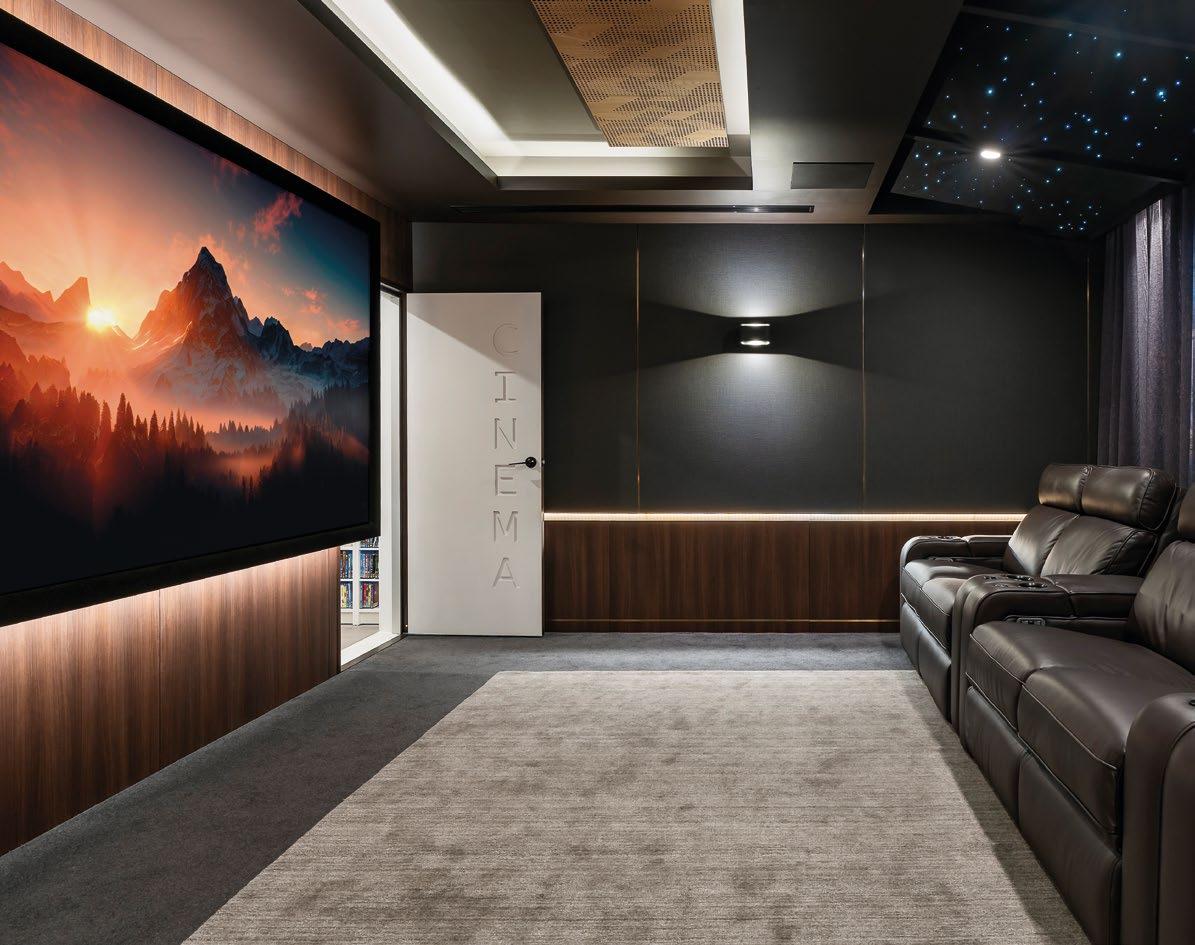
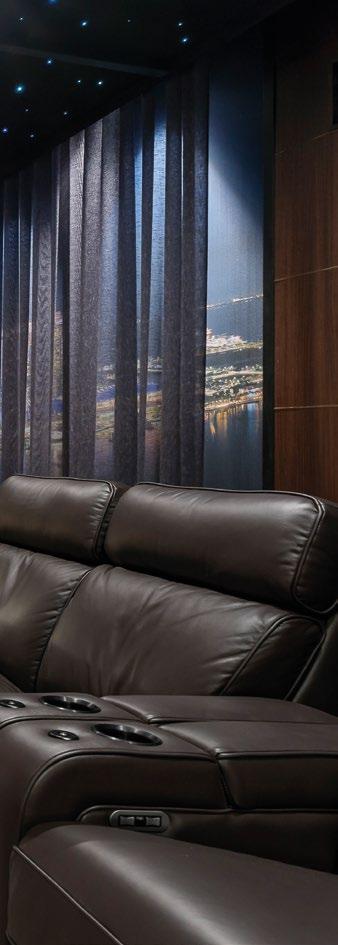
This private cinema was designed not to impress, but to transport. A familiar city view, a sense of comfort, and a room that disappears into experience.
The brief was emotional before it was technical. This wasn’t just a home cinema, it was a way home. The client, a long-time AV enthusiast, had been living abroad in Hong Kong and Singapore for over a decade. What he missed most wasn’t just the sound or the picture, but the view — the city skyline at night, just beyond the glass.
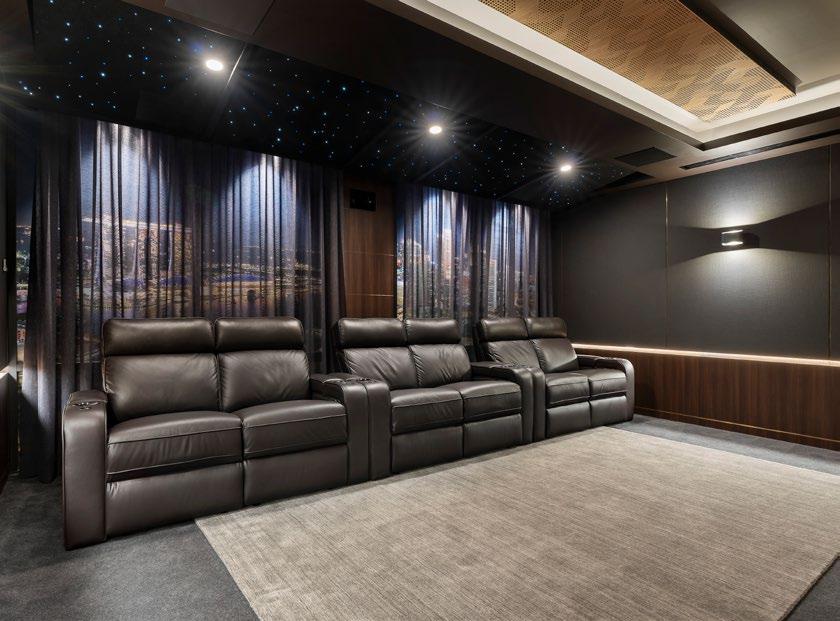
Wavetrain Cinemas was brought in early, just as the home’s construction began. There was little flexibility with the shell, so the team worked within tight parameters. The internal walls were prepared during the build, then the room was sealed for five years while the client remained overseas. When it was time to complete the space, every design choice leaned into the illusion of apartment living. The rear wall now mimics a high-rise window, with a printed cityscape lit from behind and framed by soft sheers. A single row of
six seats keeps the space open and un-stacked. Instead of overwhelming with rows of recliners or flashy hardware, the room feels calm and composed.
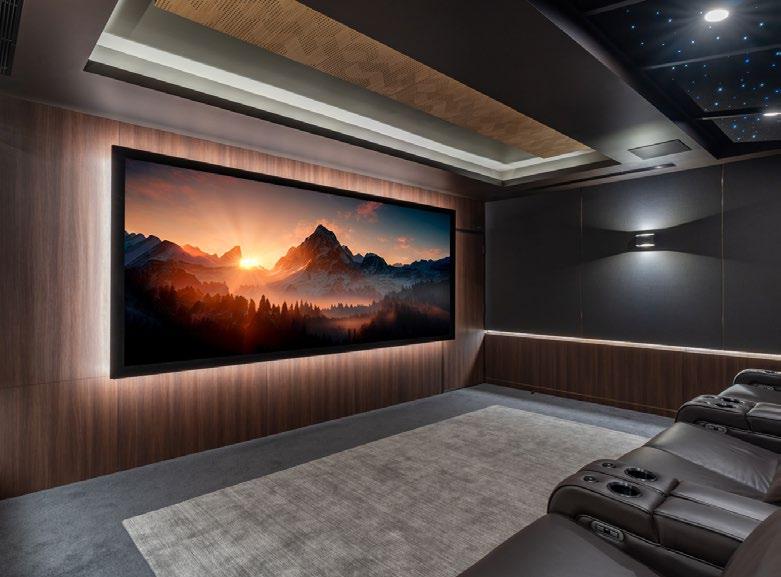
Wavetrain Cinemas delivered the acoustic design and all AV integration, while the client — an experienced hobbyist — managed his own trades and control system. There were compromises on the final specification due to shifting budgets, but none that compromised the feeling of the room. The ceiling was shaped to soften reflections and give the stars room to shine. The joinery conceals the technology; the lighting reveals the story.
And just like the city that inspired it, the Skyline Cinema feels lived in, not staged.
Wavetrain Cinemas
Serenity Cinema
Wavetrain Cinemas
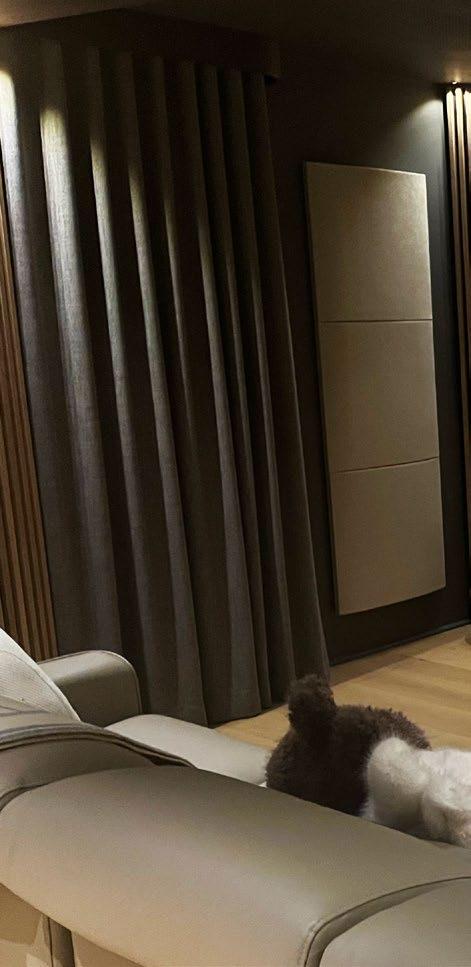
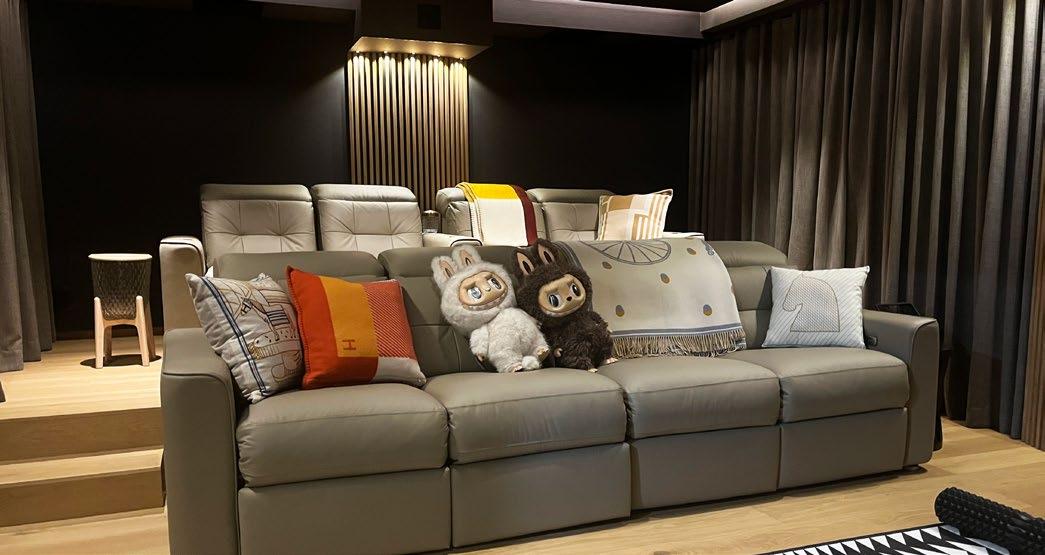
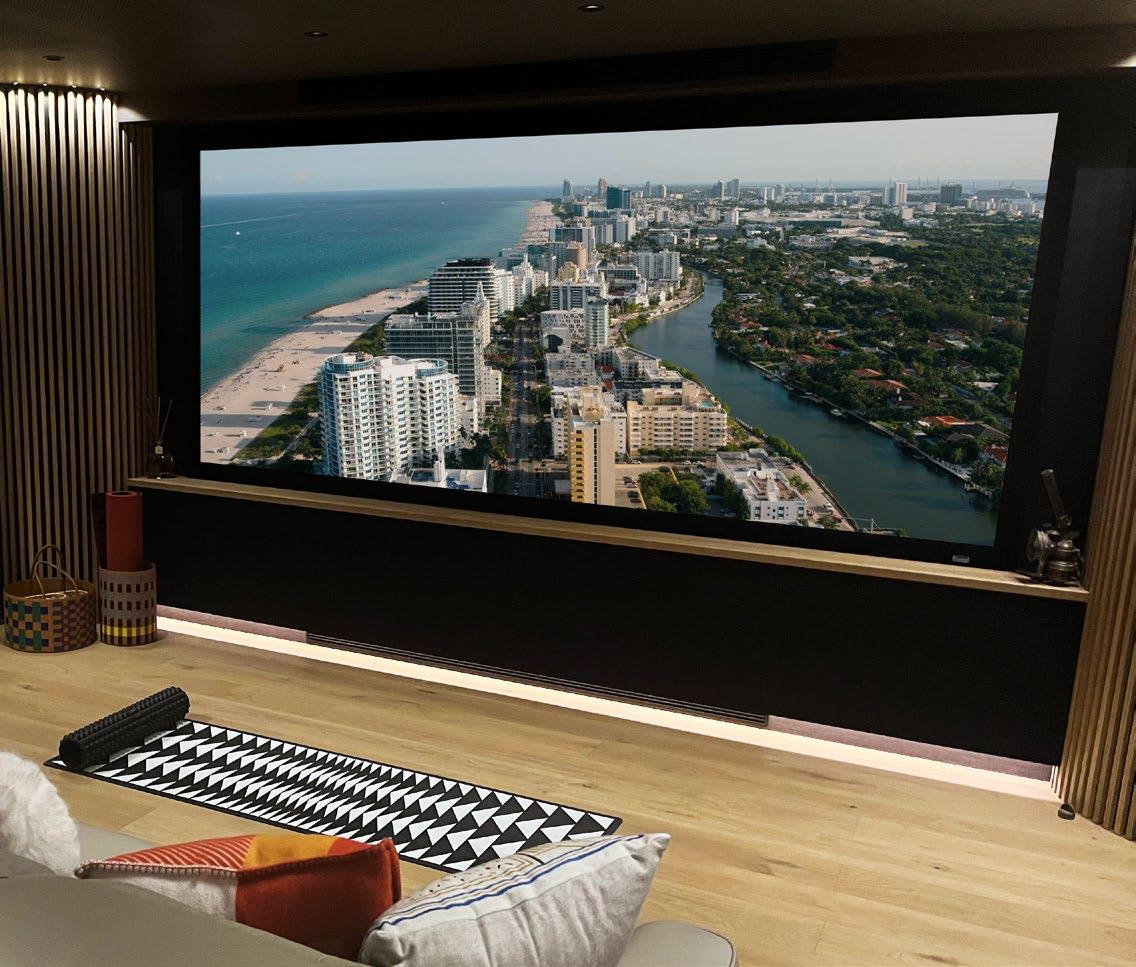
In a basement once plagued by mould and darkness, Wavetrain Cinemas delivers a cinema defined not by volume, but by stillness.
From the beginning, this project was never just about film. When the client approached Wavetrain Cinemas, the question was simple — can you make this space healthy? Hidden beneath their Australian home, the basement room had once served as a basic cinema but had since become unusable due to mould and poor airflow. With allergies and a love of music, the client wanted more than a fix; she wanted a place to breathe.
Wavetrain Cinema’s solution began with air. A new ventilation system brought in fresh, filtered airflow and gently circulated it through the space. Timber replaced carpet, synthetic fabrics replaced heavy drapery, and curtains were designed to be easily removed and aired outside. Nothing in the room was left to chance; every material was selected to resist mould, feel natural, and remain visually calm.
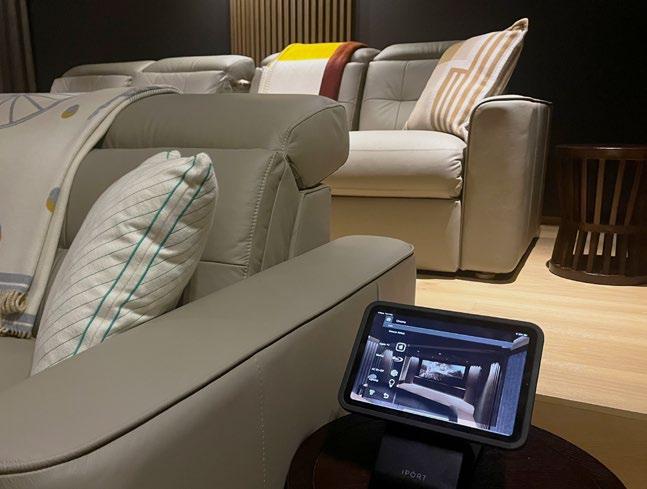
Instead of the dark, cocooned look of a traditional home cinema, this cinema feels open and serene. Slatted timber curves along the walls, creating both warmth and gentle texture. At the rear, a floating timber platform anchors the seating, while behind the walls, acoustic treatments are quietly working to soften the sound and preserve the hush. Though it houses high-performance audio and projection systems, the technology never dominates. Control is intuitive, and everything is hidden in plain sight. The client uses it as often for yoga and music as she does for movies. After completion, Wavetrain Cinemas was asked to design an entertaining space elsewhere in the home — proof, perhaps, that good design invites trust. But here, in this softly lit room beneath the earth, the original intention still holds. It is a space for retreat, rhythm and restoration.
007 Bahama Hideaway
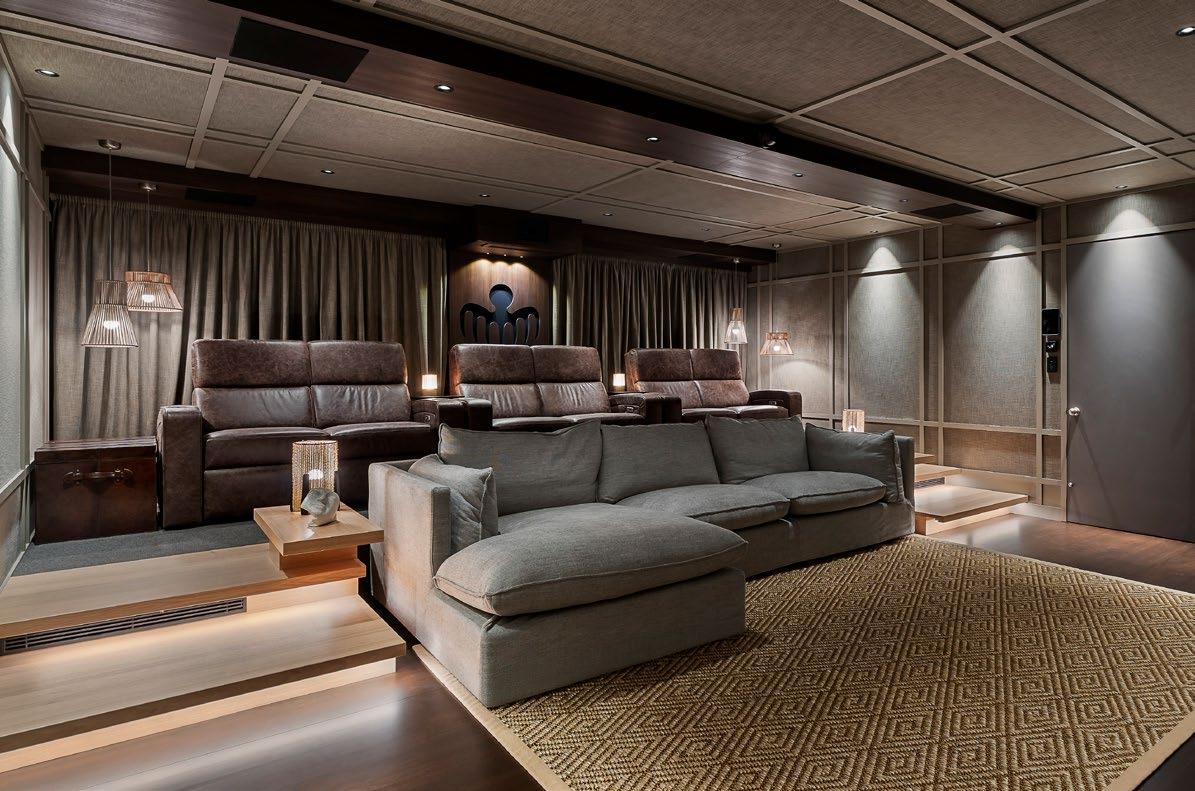
A cinematic retreat inspired by James Bond’s island escapes, this Queensland home cinema balances escapism with refined engineering to create the ultimate private screening room.
Set deep in regional Queensland, Australia, the 007 Bahama Hideaway is far more than a home cinema. It’s a masterclass in immersive design, responding to a client brief that blended performance, narrative, and the unique challenges of tropical architecture.
The homeowner, a self-confessed James Bond enthusiast, imagined a space that would feel like one of the secretive island retreats so often depicted in the franchise’s films. It needed to seat 10 to 12 guests, deliver breathtaking sound and visuals, and still feel like part of the wider home, which was designed as a relaxed, coastal paradise.
Wavetrain Cinemas, brought in to lead the full design and integration, quickly discovered the site would pose logistical and architectural challenges. The cinema sits beneath a guest bedroom and beside a multi-storey void. There was little ceiling height to work with and no tolerance for noise bleed or visual clutter. The region’s heat and humidity also meant traditional materials and systems could not be used.
Rather than compromise, the team reengineered the space from the ground up. A floating floor system and acoustic shell provide near-total isolation. HVAC was redesigned to keep the room cool without introducing vibration or airflow noise. Timber flooring was selected for durability and ease of maintenance, with acoustics balanced through diffusers and carefully tuned surfaces.
The experience is effortless. Lighting scenes gently shift as you enter the room. With one command, the screen adjusts, the system wakes and the room transforms. Everything is concealed. Speakers, cabling, even the ventilation system disappear behind textured wall panels and cabinetry, leaving only the performance.
A ceiling-mounted camera allows remote servicing from anywhere in the world — essential given the home’s remoteness — while the room’s soundproofing is so effective, you can host a full-volume concert without disturbing someone in the kitchen.
Visually, the palette is a restrained nod to Bond’s cinematic hideaways. Warm timber tones, clean architectural lines and low-glow lighting evoke a sense of tropical ease without descending into pastiche.
For the homeowner, this room is more than a place to watch films. It’s a retreat. A ritual. A daily experience that offers clarity, stillness and complete control.
Wavetrain Cinemas
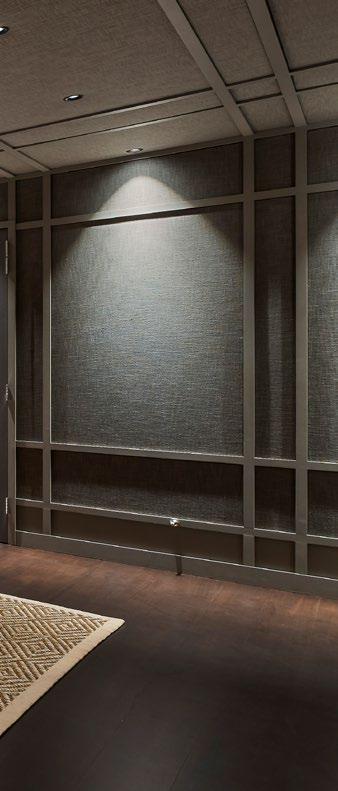
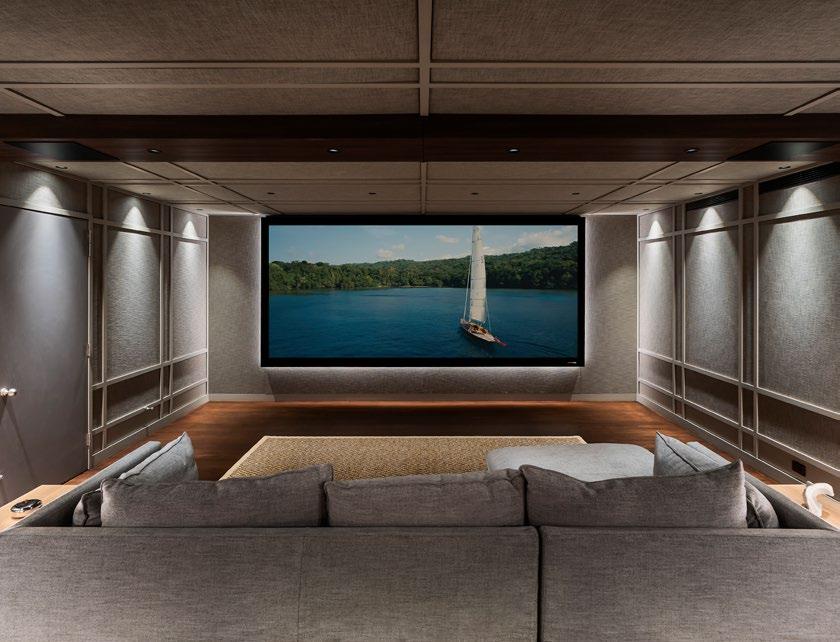
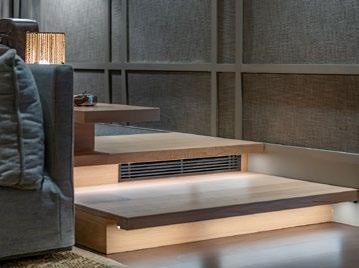
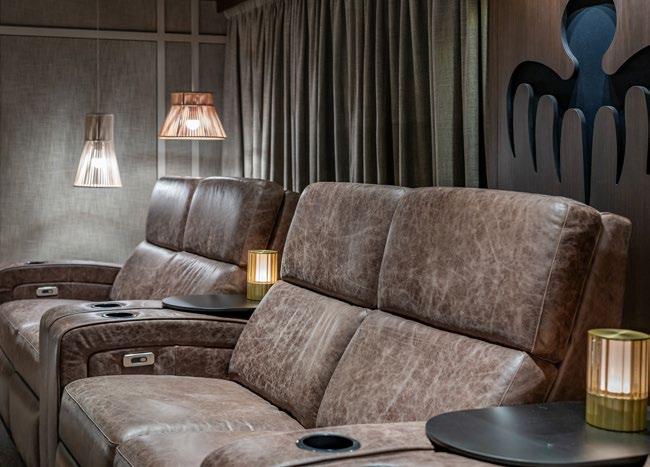
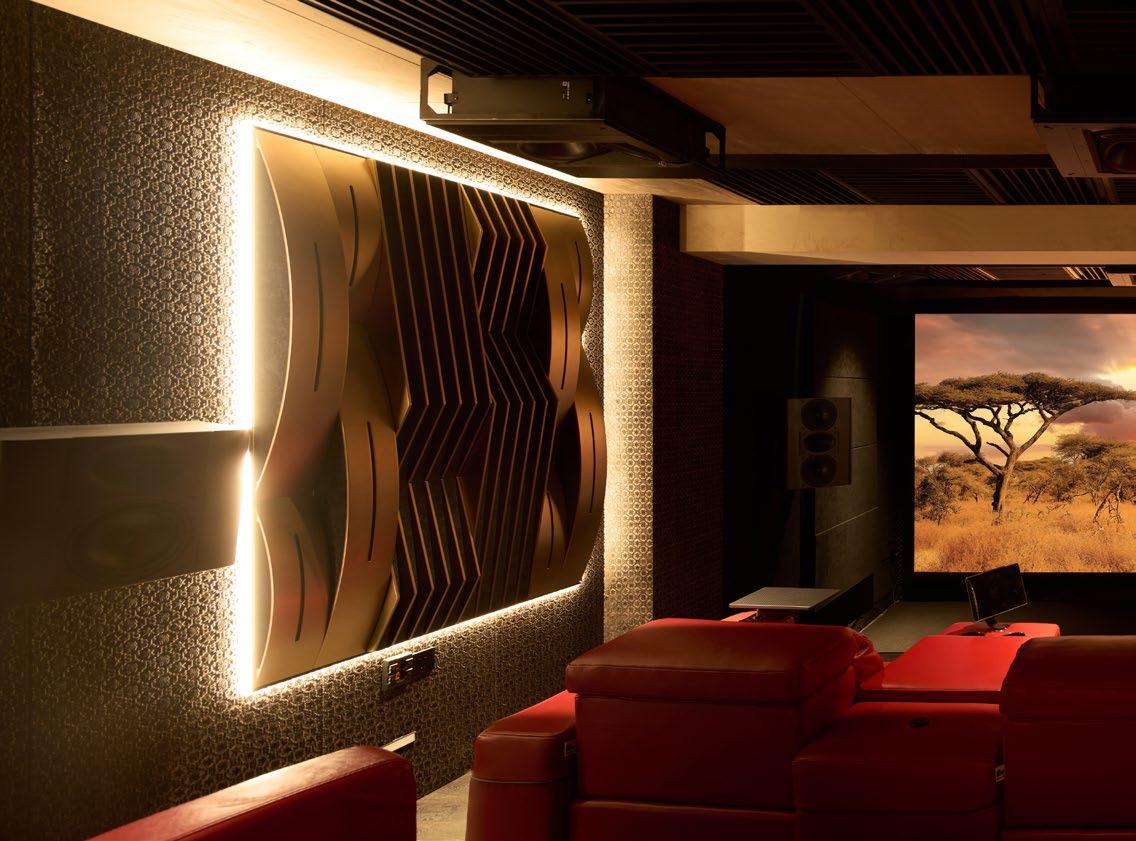
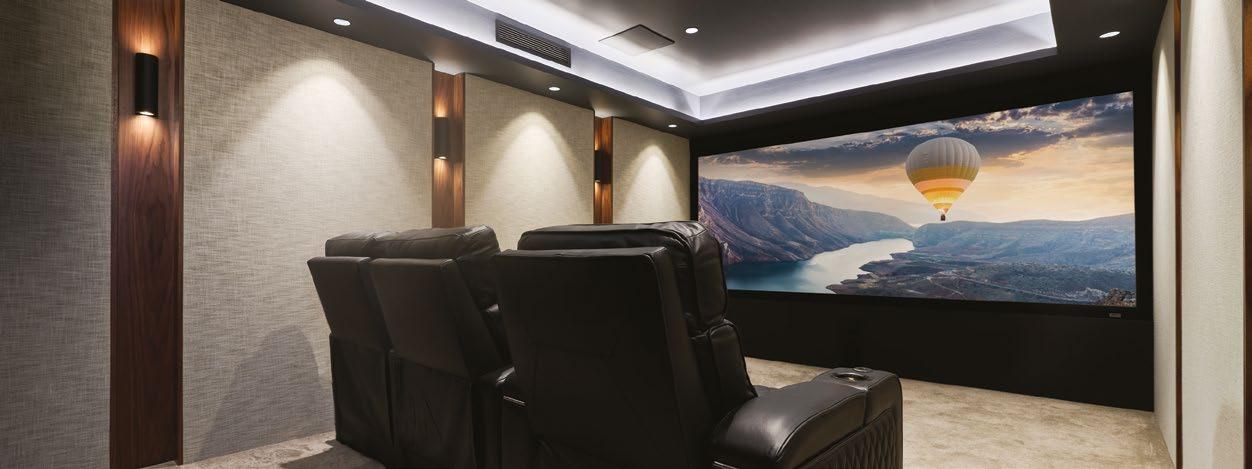
The First Waveforming Superior Cinema in China
A high-performance home cinema that rewrote the rules. This project pairs world-first audio technology with refined interior detailing to create an unforgettable, yet invisible, experience.
Mr. Chen’s request was straightforward: a small speaker system for casual viewing.
But as conversations unfolded with Miro Sound & Vision, his vision grew. He wanted something cinematic, immersive, and truly world-class. Together, they reimagined the space — not as a media room, but as a dedicated home cinema with professional-grade performance and near-total visual discretion.
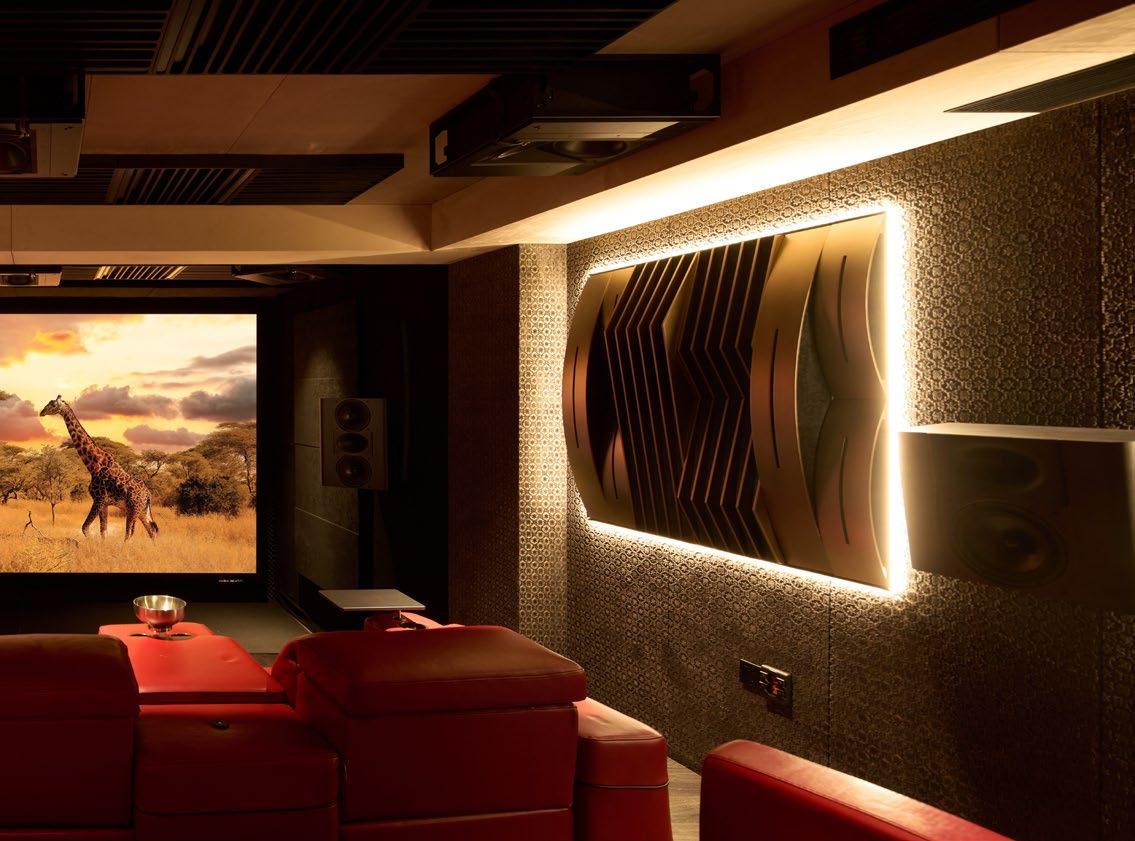
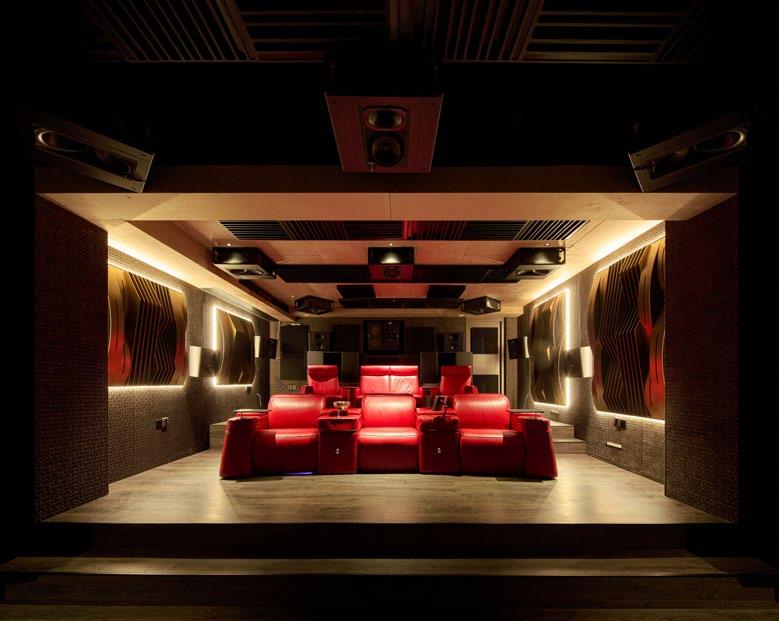
The final result became the first residential theatre in China to feature WaveForming technology, a system that delivers deep, even bass with none of the usual boom or distortion. Paired with a custom speaker layout and high-end calibration, the room now offers an enveloping soundscape that one guest described as “better than IMAX.”
The visual setup is equally impressive. A 210-inch screen displays ultra-bright, true-to-colour imagery, powered by
a commercial-grade projector placed in a separate room to eliminate noise. But none of that power disrupts the space. Speakers are built into the ceiling and walls. The screen vanishes when not in use. Lighting is automated and tuned to each activity — from films and concerts to gaming. Interior designer, Grassroots Design and Decoration, worked closely with the team to make sure performance didn’t come at the expense of elegance. Acoustic panels were transformed into sculptural wall features, while the technology was layered behind fabric, plaster, and custom joinery.
With one button, the client can shift the entire environment. Movie night, gaming session, or ambient music — the room adapts. What started as a living room upgrade became a project that set a new standard for private cinemas in Asia.
Miro Sound & Vision Ltd





Technology Meets Design
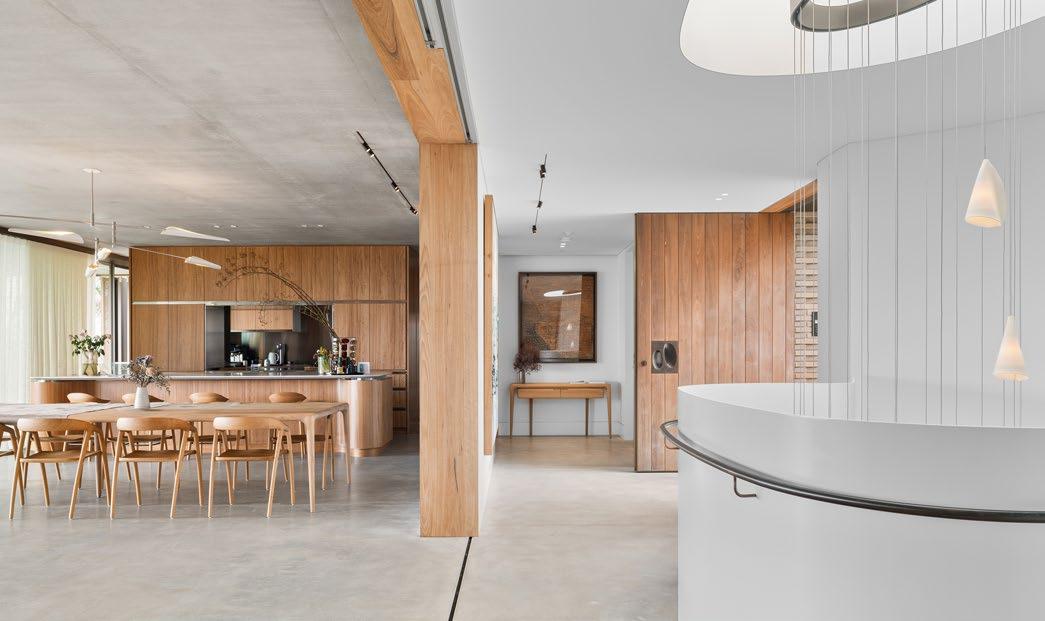
Brick to Beach
Kayder
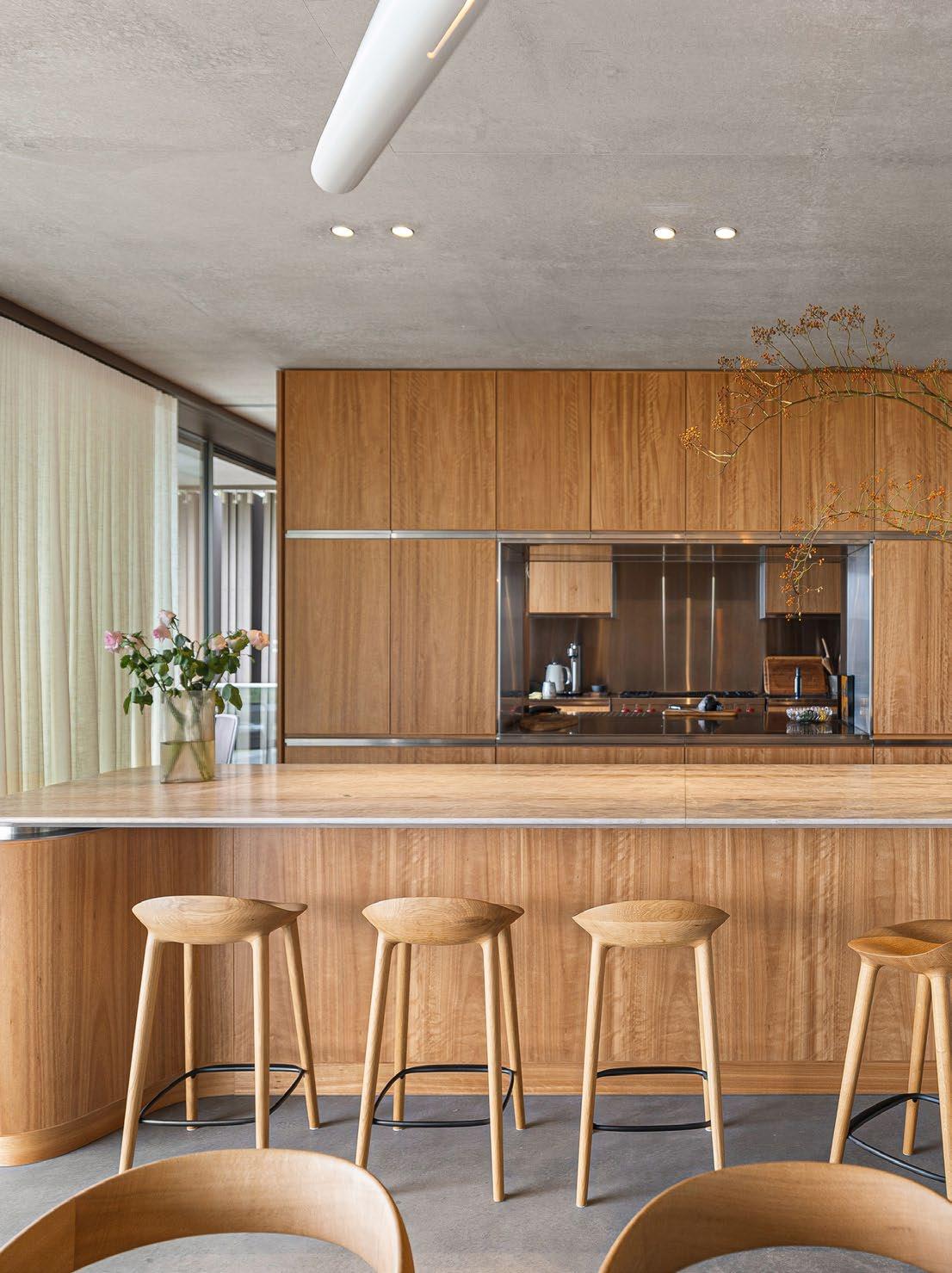
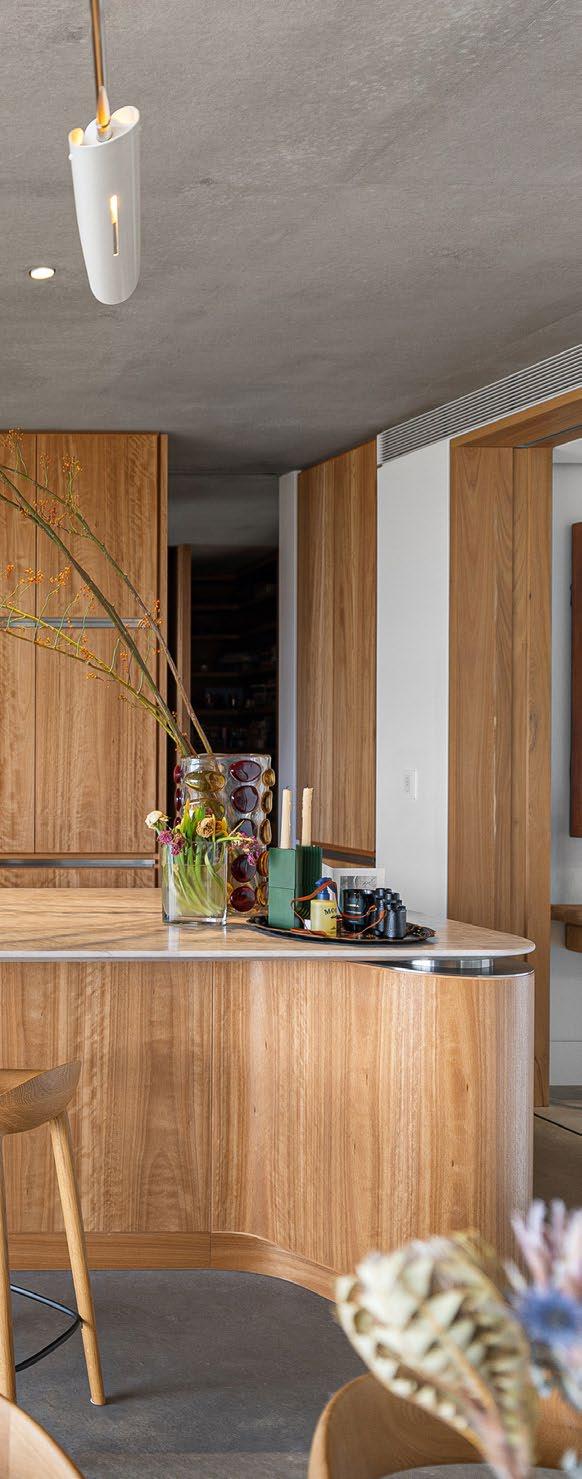
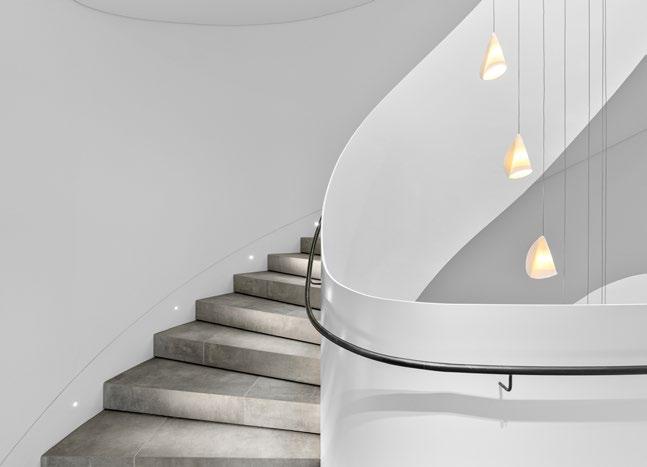
A modern coastal retreat in Australia redefines how smart homes should feel — quietly intelligent, effortlessly beautiful, and deeply in tune with its owners.
The owner of this coastal Australian home had lived with basic home automation before, but for their next chapter, they wanted more — more control, more comfort, and far less visual intrusion. Their request was for a home that felt elegant and restrained, yet quietly aware. One that could respond to the rhythms of daily life without constant input. For integrator, Kayder, and architect, Samuel Mok of EMBECE, that meant pairing technical intelligence with architectural subtlety.
The home’s systems — lighting, climate, security, audio-visual, and shading — are all unified under a single platform. But rather than showcasing this technology, the design conceals it. Motion sensors and touch panels are colour-matched to their surroundings. Heating sensors are integrated into joinery. Wi-Fi points were carefully hidden inside custom panels, designed in close collaboration with the interiors team. Even towel rails and exhaust fans operate on schedules, without needing interaction.
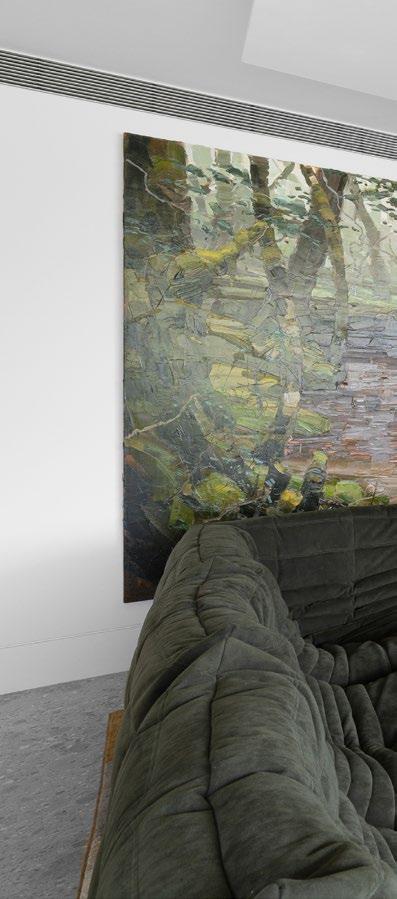
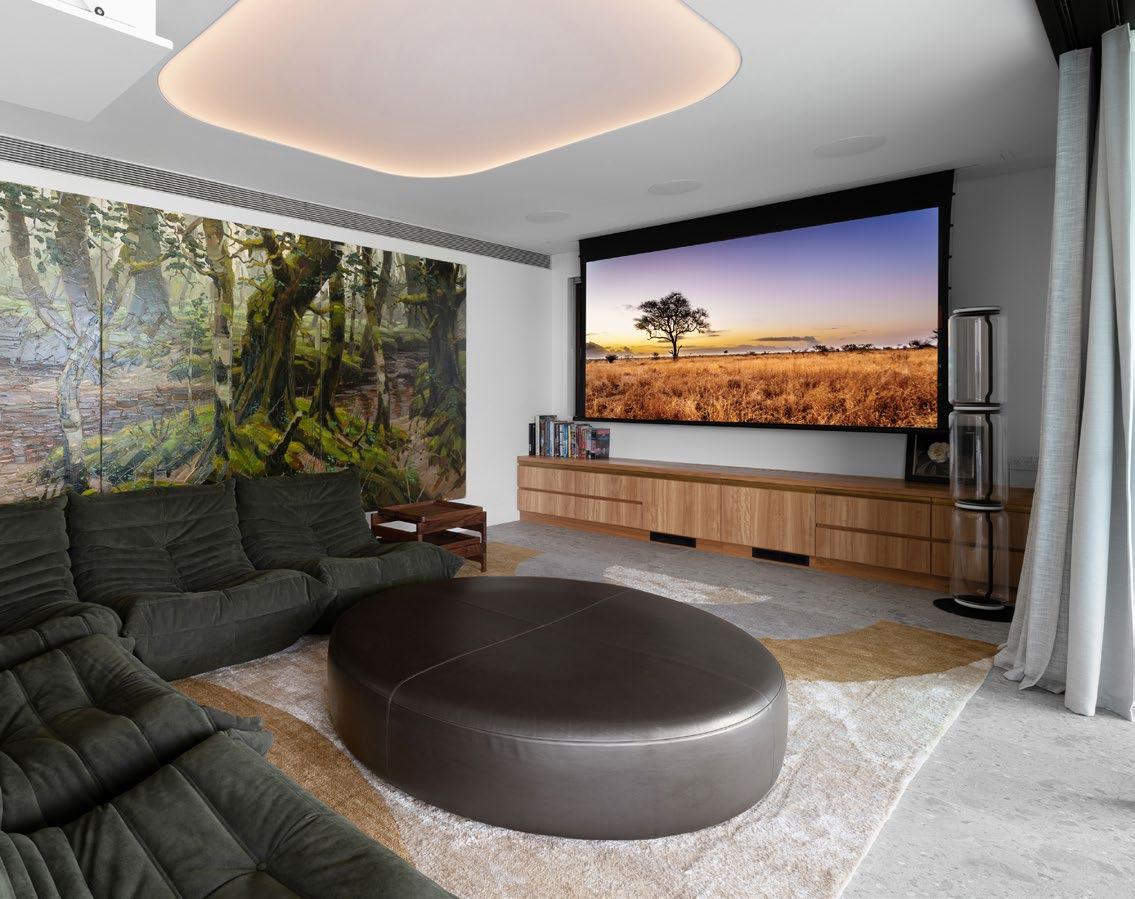
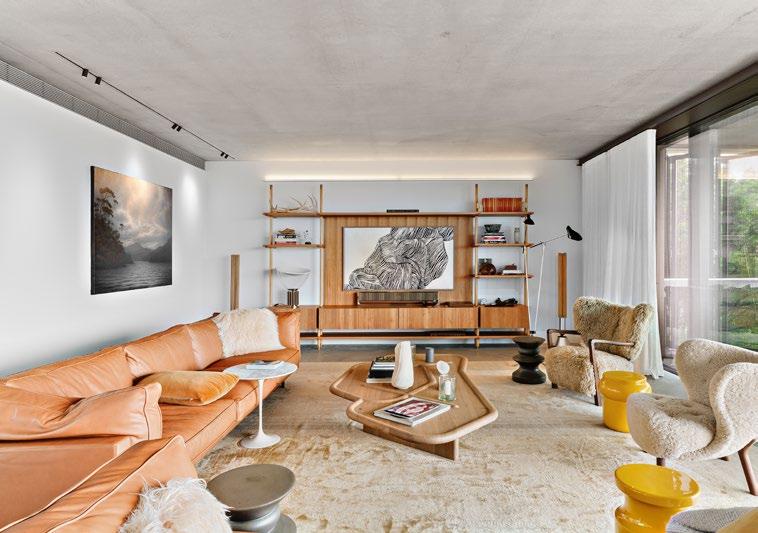
Nowhere is this more evident than in the living room. A 75-inch Frame TV blends seamlessly into the curated wall, presenting digital art when not in use. Hidden speakers maintain the room’s clean lines. In the guest quarters, a drop-down screen and ceiling-mounted projector convert the space into a private cinema. With a tap, the room transforms — then disappears again into simplicity when guests return.
These small gestures speak to a larger principle: ease without excess. The lighting knows when the room is occupied. The heating system balances floor and air temperature for year-round comfort. Climate control never competes with itself. Instead, everything works in harmony, shaped around the homeowners’ needs and schedule.
Challenges did arise. A shallow ceiling cavity meant the cinema’s projector lift wouldn’t fit as planned. Rather than compromise, Kayder engineered a custom version, working closely with the builder and equipment supplier. Every obstacle was treated as an opportunity to refine.
What makes this project special is not just what was added, but what was taken away. There are no racks of blinking equipment, no mess of remotes. Just a sense that the home is quietly listening, and responding accordingly.
Brick to Beach
Kayder
This home doesn’t show off. It just knows what to do.
Project Bianca
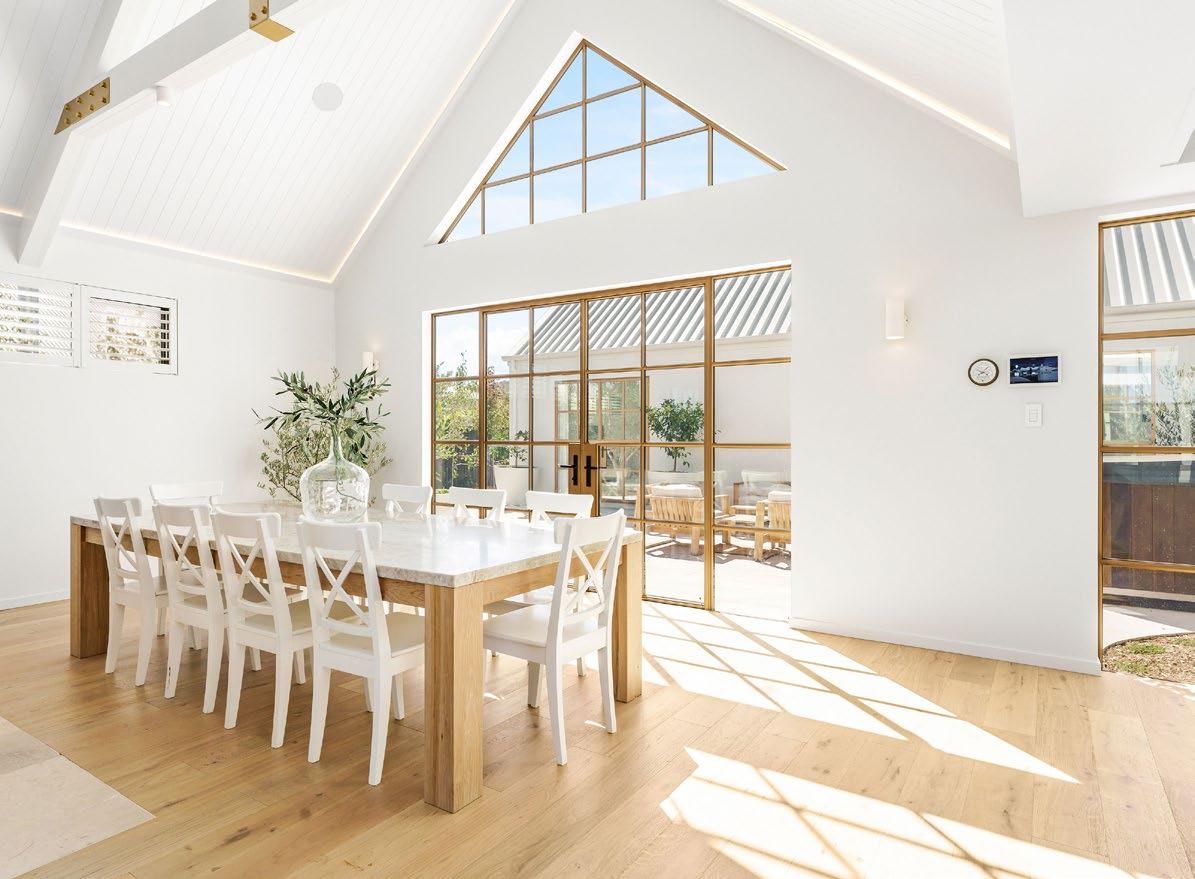
Tuscan romance meets Control4 intelligence in this Australian farmhouse, where architecture and automation dance quietly behind limewashed walls and timber beams.
There’s a stillness to Project Bianca that belies its complexity. Set among the gentle paddocks of regional Australia, this modern farmhouse channels the rustic elegance of Tuscany, where reclaimed textures and raw materials soften every edge. But beyond the limewashed walls and vaulted timber ceilings, something remarkable hums quietly in the background.
Working alongside architect, Kath Barnsley, and interior designer, Jess Hunter, Crown Electrical Solutions delivered a comprehensive Control4 smart home system that touched almost every corner of the house — without leaving a trace. The client, familiar with home automation, wanted more this time. More fluidity, less friction. A home that could think, adapt, and breathe with them.
Lighting scenes shift imperceptibly from morning glow to evening retreat. Underfloor heating begins before the first step hits the tile. Soft-close cabinetry hides touchscreens, while keyless access and high-resolution CCTV offer both freedom and peace of mind. Even the smart glass in the bathrooms respond to daylight and privacy needs.
Late in the build, when site conditions forced a shift from a hardwired to a wireless lighting system, Crown adapted seamlessly, preserving the architectural intent without compromise. Outside, the pool lights, landscape audio, and irrigation are tied to the same intuitive platform, merging house and garden into one living system.
This is not a showcase of gadgetry. It’s restraint, layered with intention. Every piece of tech bows to the architecture. Every switch that didn’t get installed? A design decision. Every scene? A reflection of how the owners want to live.
Vista House
LUXOR Integration
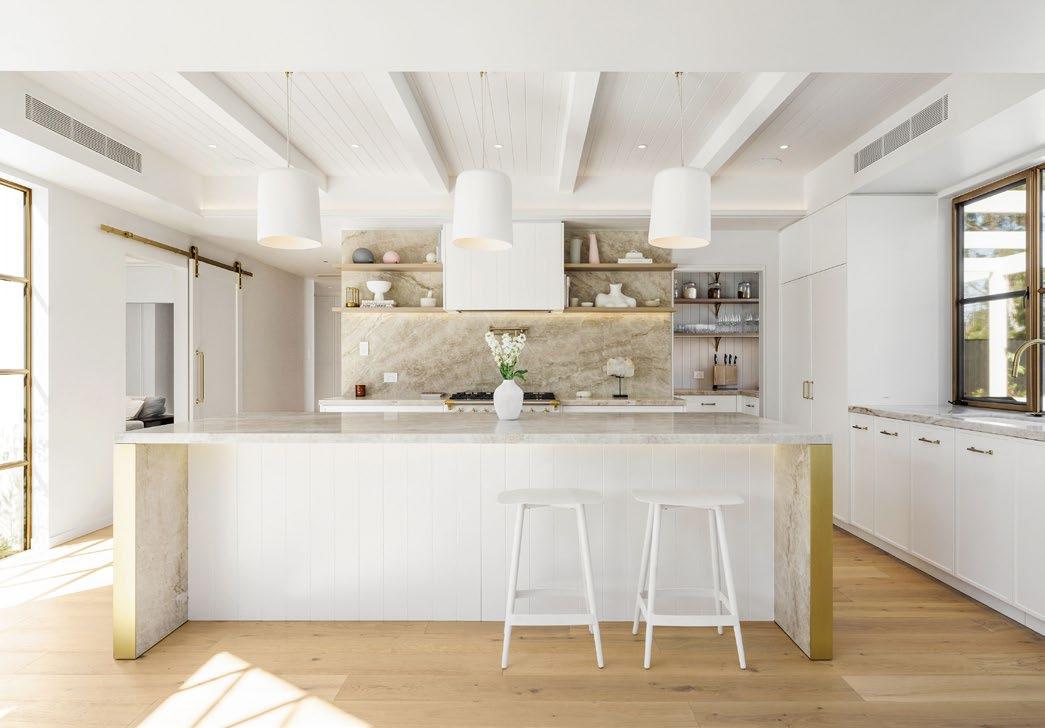
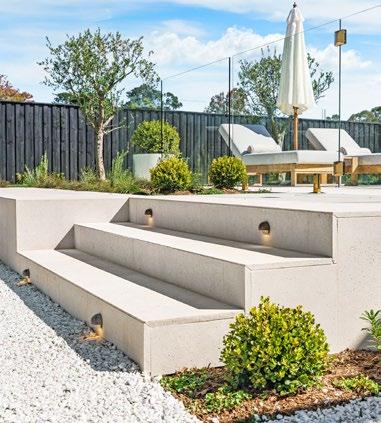
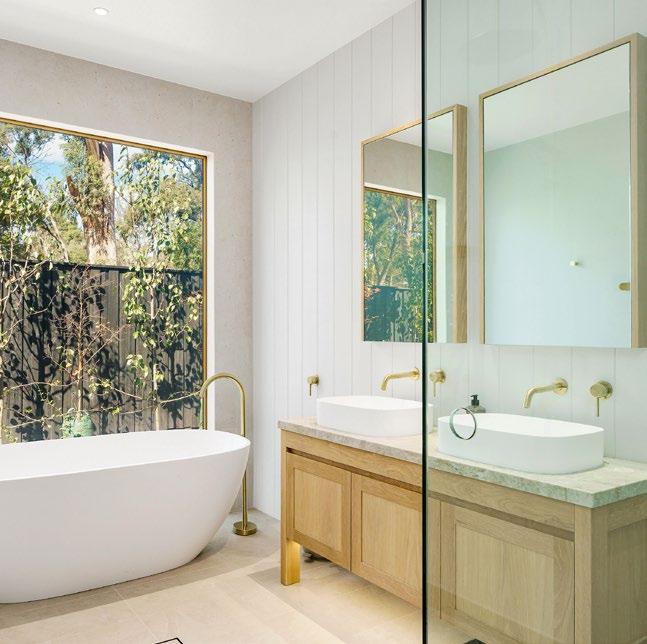
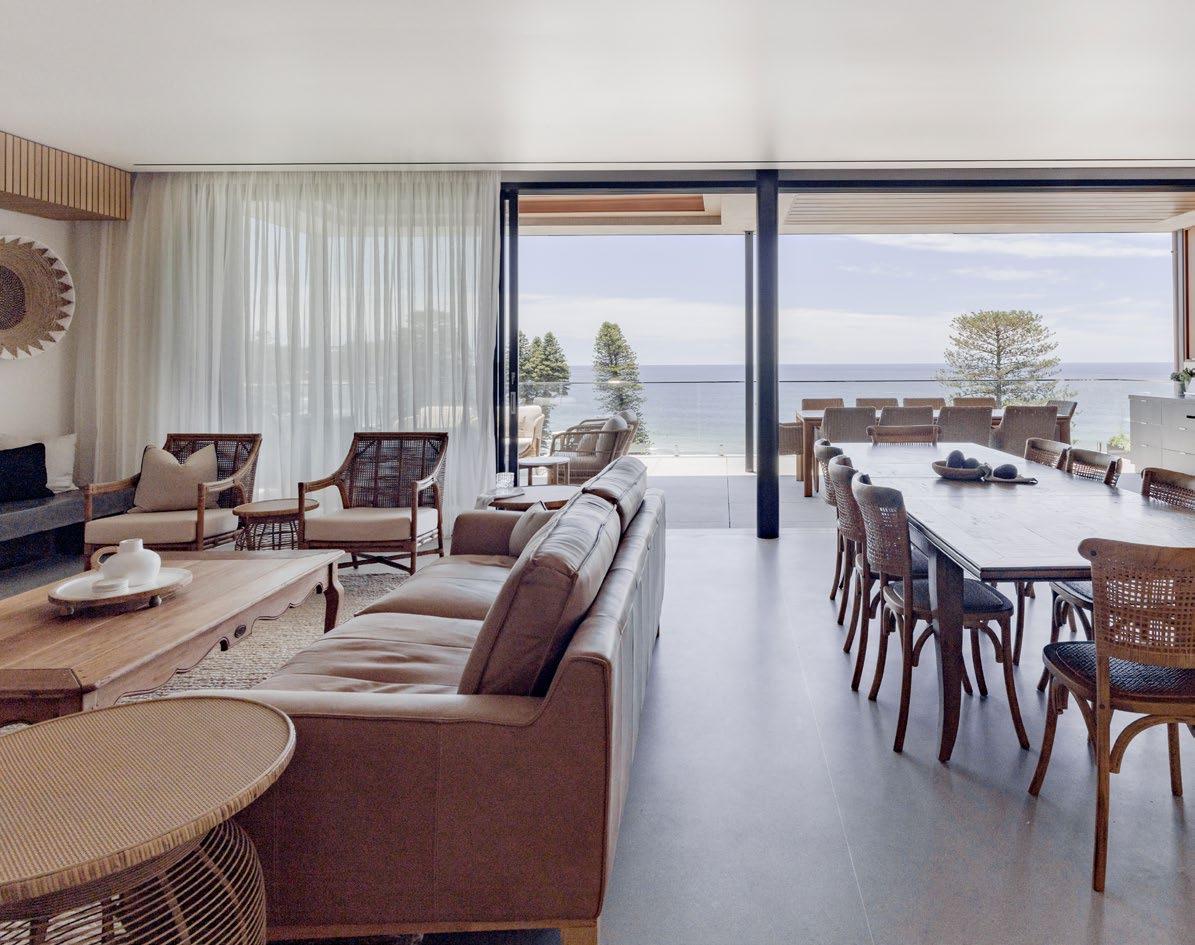
For the owners of Vista House, simplicity was the goal. Not just in form, but in function. Designed as a coastal escape for a busy family, the home needed to be welcoming, secure, and effortlessly managed from wherever they were. The result is a holiday home that anticipates its occupants — heating the floors, warming the pool, opening the blinds — all before they even arrive.
Slater Architects gave the home its calm, architectural presence. LUXOR Integration ensured that presence wasn’t interrupted by wires, keypads, or wall clutter. Lighting and climate controls are tucked away in subtle white finishes. Speakers disappear into the ceiling. All the hardware — the brains behind the beauty — was moved offsite into central locations, leaving the living spaces visually untouched.
A smart holiday retreat on the Australian coast, where control, comfort, and calm come together through considered design.
Security was a key priority. Lessons from the family’s previous home shaped a more thoughtful approach, with keyless entry for guests and service staff, and the ability to monitor and control the home from anywhere. Even the intercom was designed to fit neatly within the home’s aesthetic.
Durability also played a role. The beachside location called for materials and components that could withstand salt, moisture, and time. That same thinking extended to the pool, blinds, and outdoor areas, where the balance between performance and longevity was carefully considered.
More than just a smart home, Vista House is a quiet achievement in restraint. It puts the focus on the architecture, not the automation — and makes holiday living feel exactly as it should: simple.
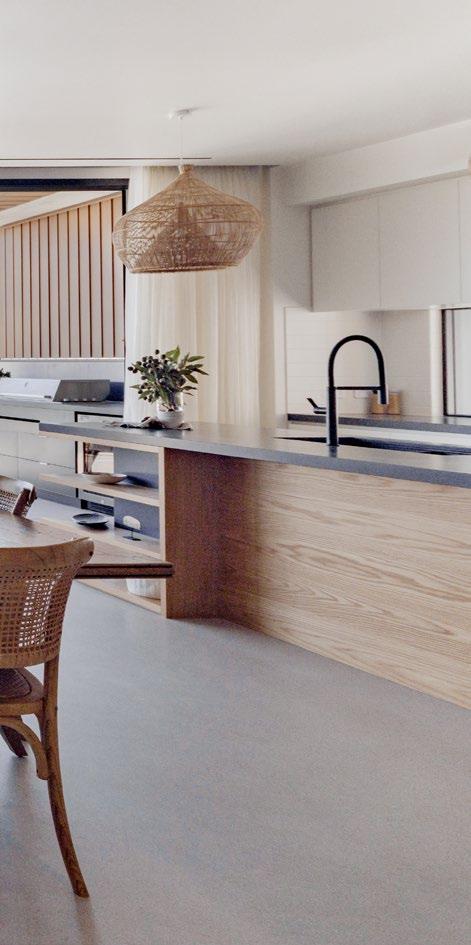
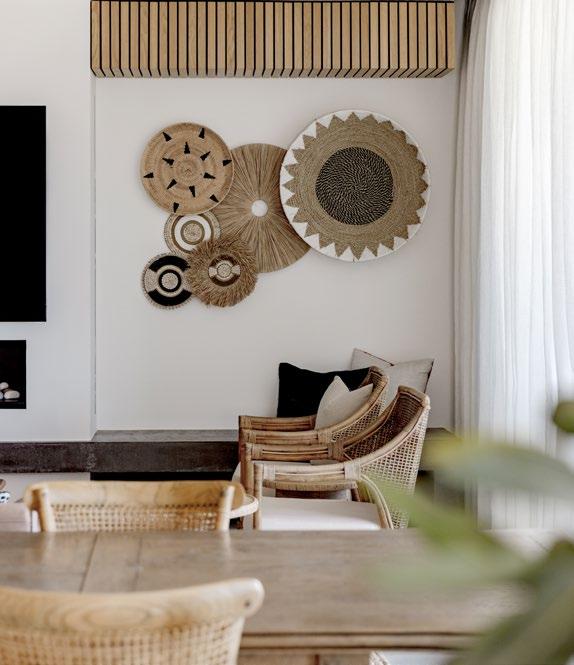
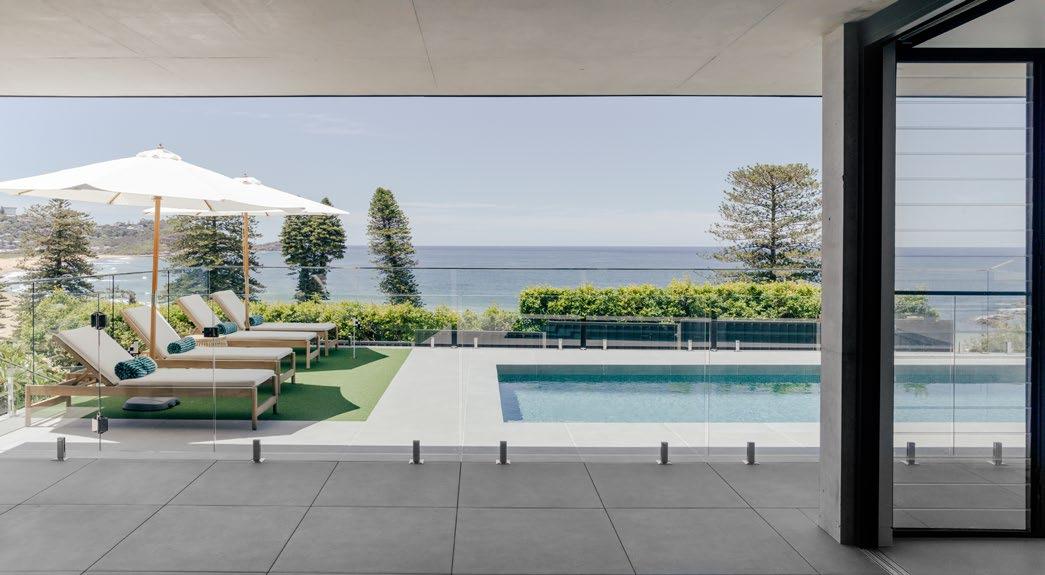
Why Early Contractor Involvement Matters in Smart Home Projects
Inviting a smart home professional into the design conversation from the beginning of a project, can mean the difference between seamless living and costly compromises.

In residential projects, the design stage is where the DNA of a home is set. Architects sketch out proportions, interior designers shape the material palette, and builders prepare the path to delivery. Yet when it comes to technology integration, many projects still treat it as an afterthought. The result is often compromised design, added costs, and systems that fall short of client expectations.
Early contractor involvement (ECI) places the smart home professional at the table from the outset. This ensures that lighting control, audiovisual systems, security, shading, networking, and environmental controls are woven seamlessly into the architecture rather than forced in later. An integrator’s role is not simply about recommending products but aligning technology with the way a client will use their home, all while protecting the architect’s and designer’s vision.
One of the most overlooked aspects of smart homes is the infrastructure. Cable runs, ventilation for racks, equipment access, and power provision must be planned into the fabric of the build. Without the integrator’s input, critical pathways may be blocked by structural beams, ceiling coffers or cabinetry. Retrofitting these later often means ripping open walls, incurring unnecessary costs and risking delays.


There are also aesthetic consequences. Without early coordination, homeowners may end up with visible switches where a flush, discreet solution could have been used. Loudspeakers might clash with carefully chosen finishes if cut-outs are decided after installation. Even the placement of lighting fittings and shading pockets needs technology input to ensure control systems operate as intended.
From a performance perspective, poor planning can compromise acoustic treatments, ventilation, and sightlines in media rooms or home cinemas. A system that looks impressive on paper may underperform simply because critical design decisions were made before the integrator’s involvement.
By contrast, when integrators collaborate with architects, designers and the build community early, the result is a home where technology enhances rather than interrupts the design, and where the client enjoys intuitive control without compromise.
In today’s market, homeowners expect both style and substance. Engaging a smart home professional early is the surest way to deliver both, ensuring the finished home is as intelligent as it is beautiful.

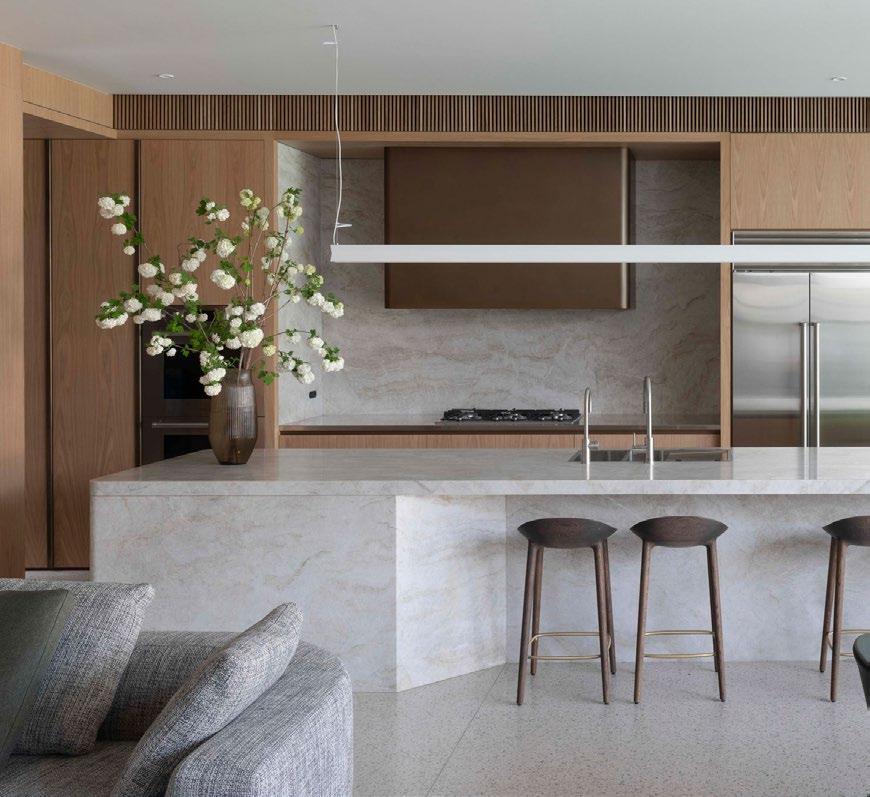
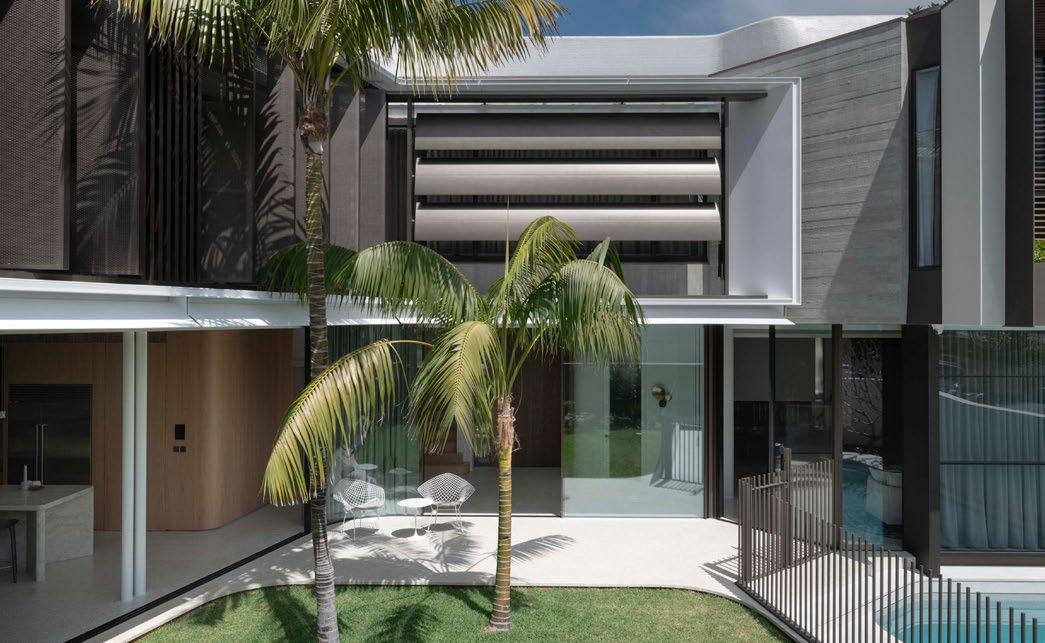
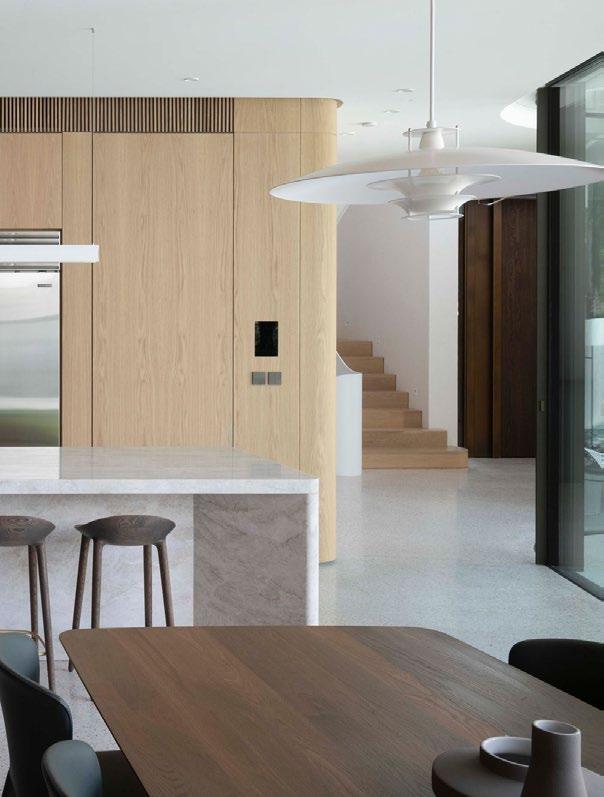
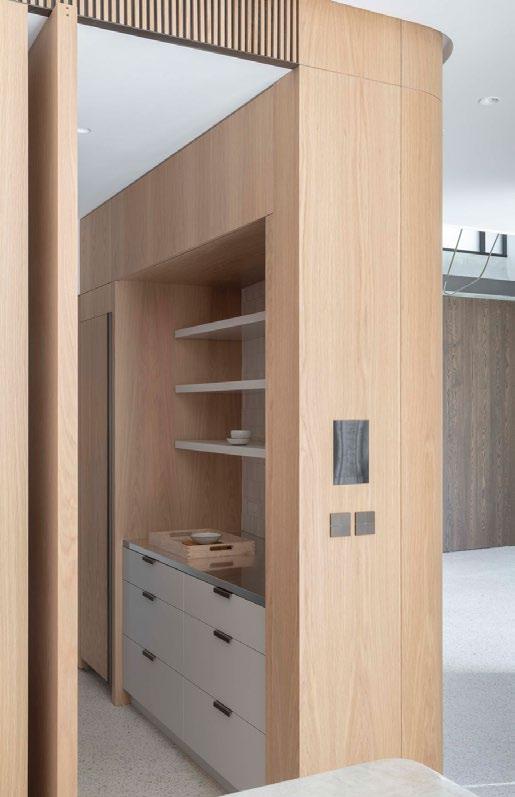
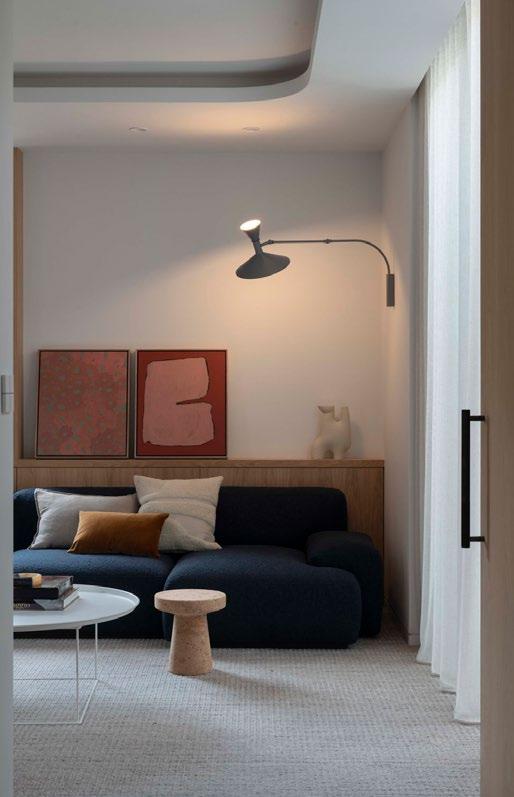
Double Bay Project
In Sydney’s Double Bay, a calm and refined family home reveals a quiet mastery of invisible technology beneath its coastal elegance.
When a young family of five set out to build their dream home in Sydney’s Double Bay, they knew exactly what they didn’t want. No flashing touchscreens. No complicated controls. No technology for technology’s sake. Just a refined, beautifully crafted house that responded to their lifestyle without intruding on it.
They partnered with Ryelec Automation, who approached the brief with care and creativity. Their goal: to design a home that felt effortless. A space where lighting, climate, shading, music, and security all worked in harmony, quietly responding to the rhythms of family life.
From the outside, the home is striking — low-carbon concrete, bronze details, and thermally-treated timber soften its modern form. Inside, the same considered layering of materials carries through, with Interni’s interiors embracing soft tones and natural textures. Ryelec’s work, though largely invisible, is what allows the space to breathe.
Each room has been designed with simplicity in mind. Subtle switches are placed exactly where they’re needed. Lighting
scenes gently adjust throughout the day. Shades respond to sun and breeze without needing to be told. Speakers are hidden entirely, yet fill the home with sound when called on. Even the TVs vanish into joinery when not in use.
More impressive is how it all connects. The entire home runs from a single app or a few discreet touchpanels, but it rarely needs input. A rooftop sensor helps the house make decisions on its own — like when to keep the rooms cool, or when to lower the blinds as the sun dips westward.
The true luxury here isn’t the technology itself. It’s how little you have to think about it.
From early showroom visits to onsite collaboration with architects and joiners, Ryelec worked closely with every trade to ensure nothing was overlooked. Even the smallest details — like the colour of a light switch or the way a door intercom sits flush to the wall — were given full design consideration.
The result is a deeply personalised home that looks and feels simple, but behaves in ways you only notice when they make your life easier.
Ryelec Automation
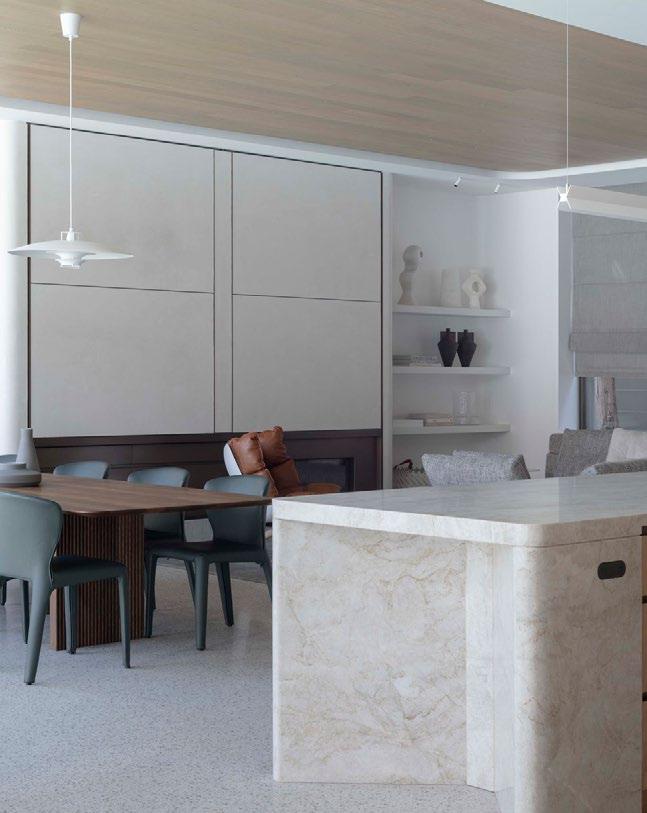
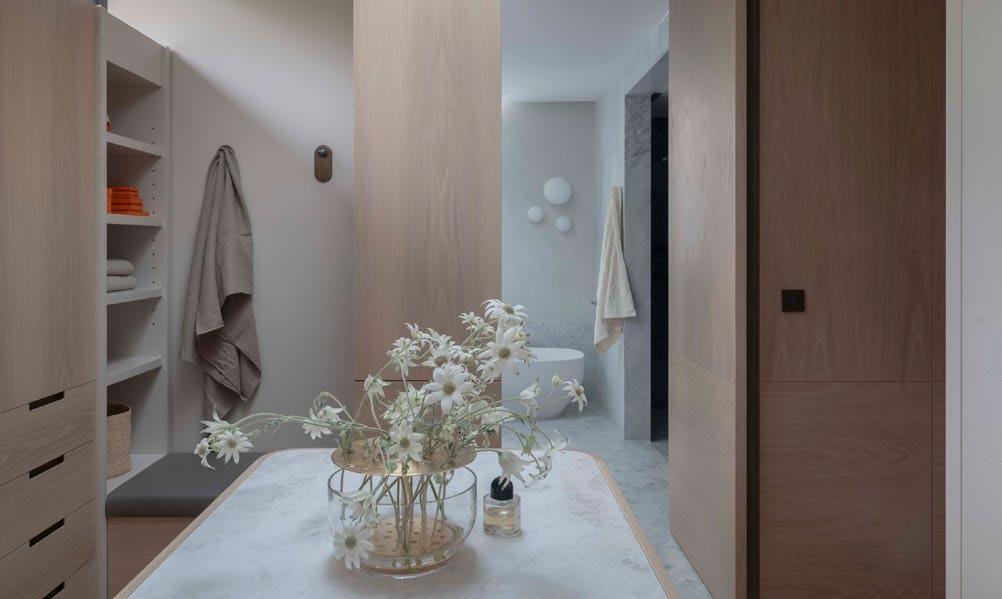
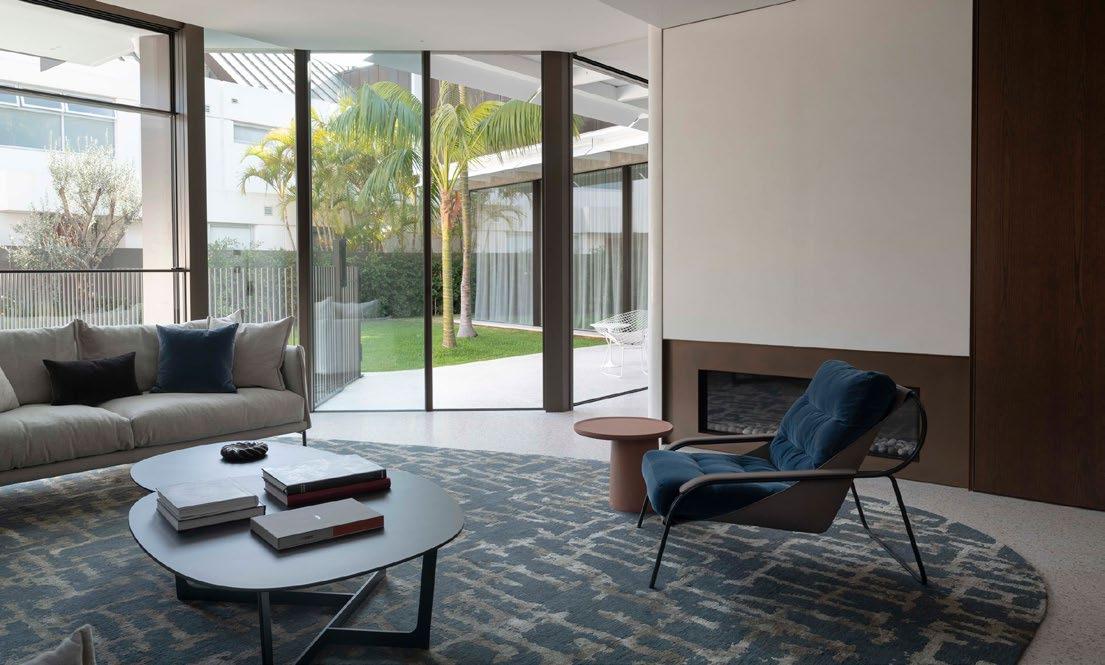
Double Bay Project
Technology fades into the background, letting the architecture speak.
Ryelec Automation
Riverdale
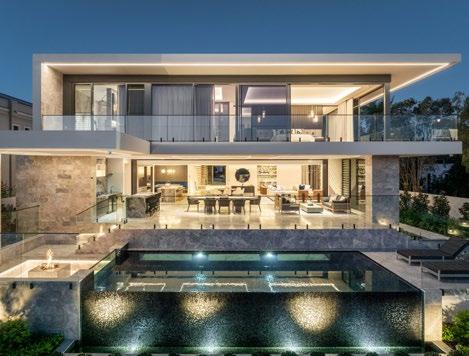
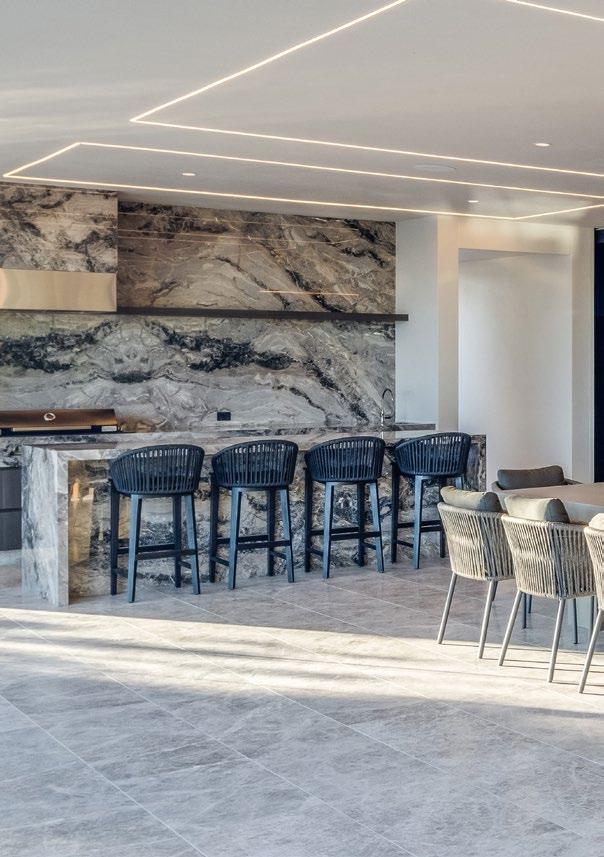
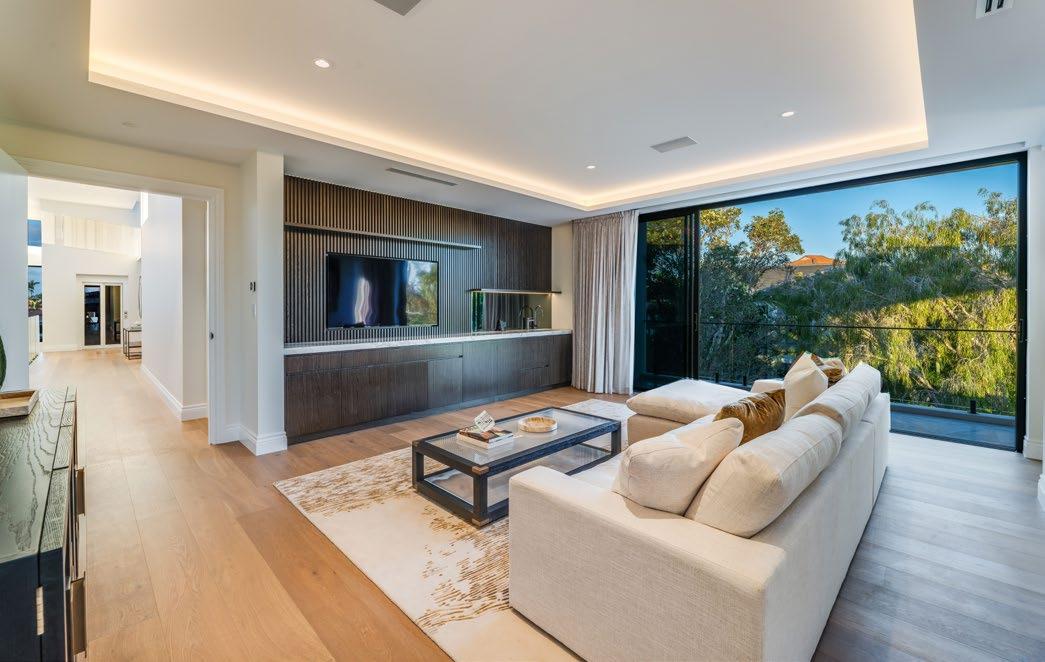
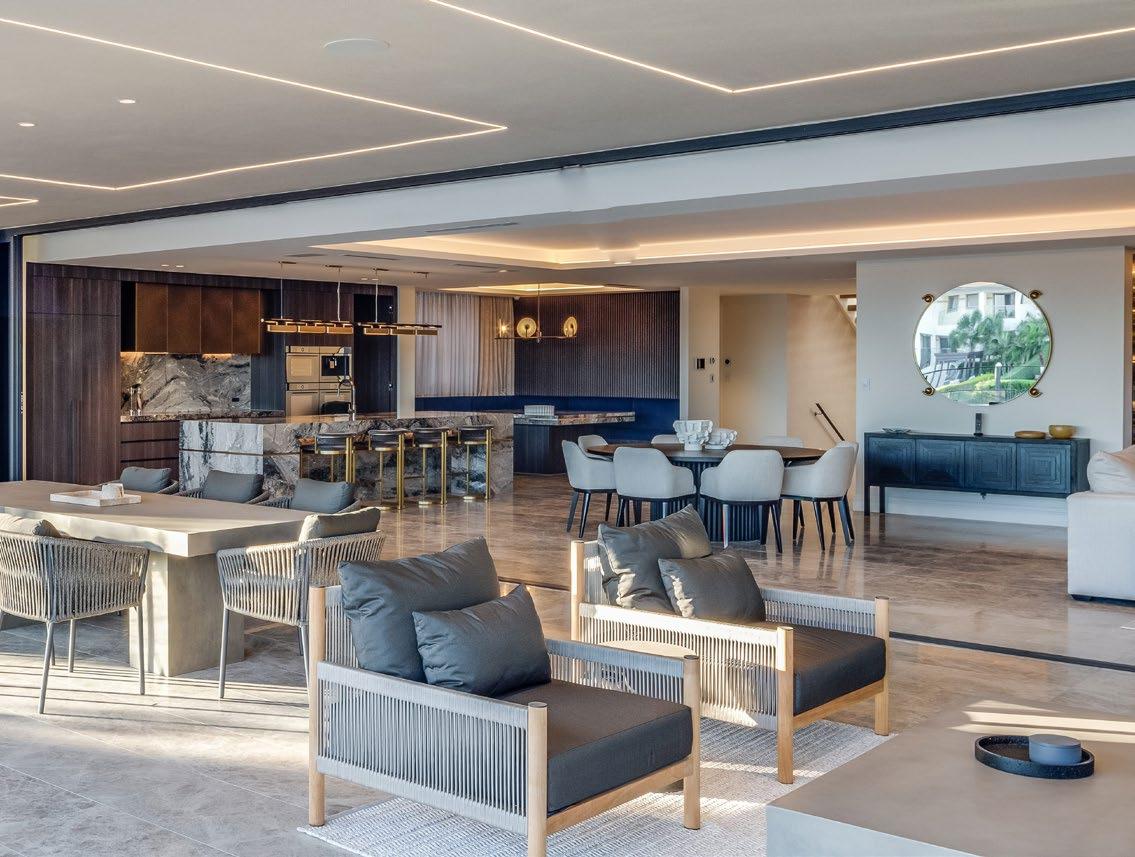
A speculative Gold Coast build becomes a powerful display of what smart luxury living can feel like when everything works in quiet harmony.
There was no client for this home. No personal wishlist. No Pinterest board. Instead, Riverdale was born from a builder’s ambition — to create a residence so polished and technically refined that it would define their reputation in one of the country’s most competitive property markets.
Bridger Automation joined the project early, tasked with making the home feel both luxurious and effortless. Their brief was simple but ambitious: everything must work seamlessly, feel intuitive, and disappear into the design. That’s exactly what they delivered.
Across the three levels of the home, lighting is soft, adaptable, and scene-based. Shades adjust automatically depending on the time of day. The temperature in each room can be fine-tuned without fuss. Whether you’re hosting friends, returning from the beach, or winding down with a film, the house responds quietly in the background.
And the technology never shouts. There are no blinking lights or oversized panels. Music flows through the ceilings, screens are flush with the walls, and control panels sit
quietly where they’re needed. Even the dedicated media room — with its oversized screen, surround sound, and cinema seating — manages to feel calming, not cluttered. Security is handled just as discreetly. Cameras, keypads, and alarms are tucked away but ready. Keyless entry adds convenience, while the entire system can be monitored remotely for peace of mind — whether you’re away for the weekend or halfway across the world.
Perhaps the greatest achievement is that all of this disappears into the architecture. Stuart Osman’s crisp lines and Beckspace Design’s soft material palette remain uninterrupted, thanks to close collaboration and shared intent across the project team.
Riverdale isn’t trying to prove how smart it is. Instead, it shows what happens when a builder, designer, and integrator work together from the beginning to create a home that feels thoughtful in every detail. Nothing is overdone. Everything works as it should.
For any buyer, it’s ready. For the builder, it’s a calling card.
Bridger Automation Pty Ltd
Award-winning products for award-winning projects...
Choose the brands trusted by the creators of multiple CEDIA Asia Pacific Award-winning projects, only from Cogworks.
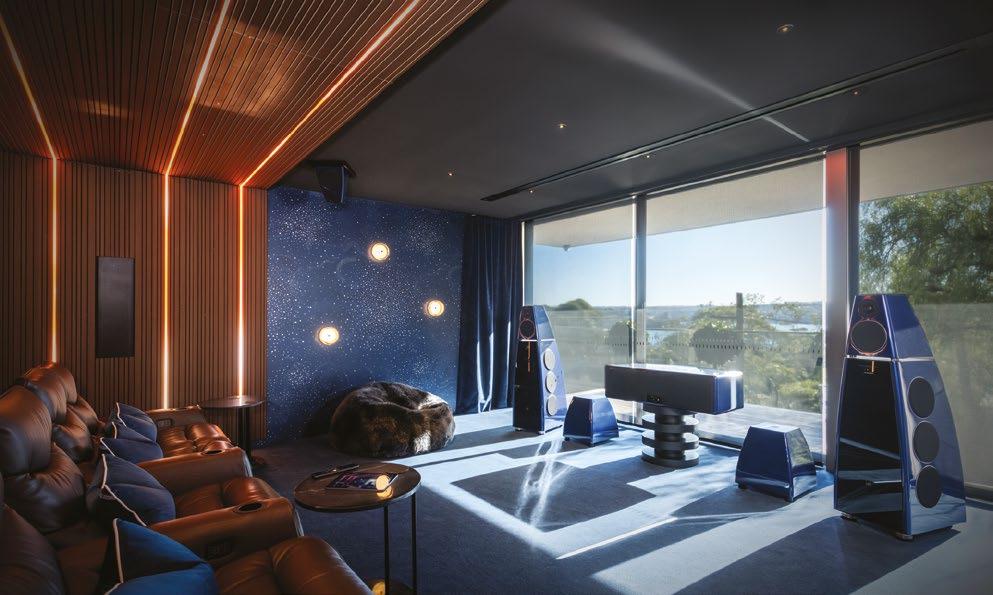
BEST SINGLE ROOM SOLUTION
‘Blue Note’ by Denote

BEST HOME CINEMA LEVEL 2
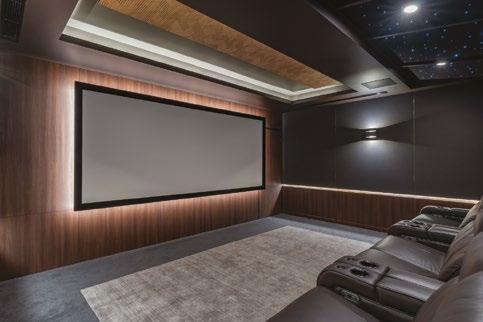
‘Skyline Cinema’ by Wavetrain

BEST HOME CINEMA LEVEL 3
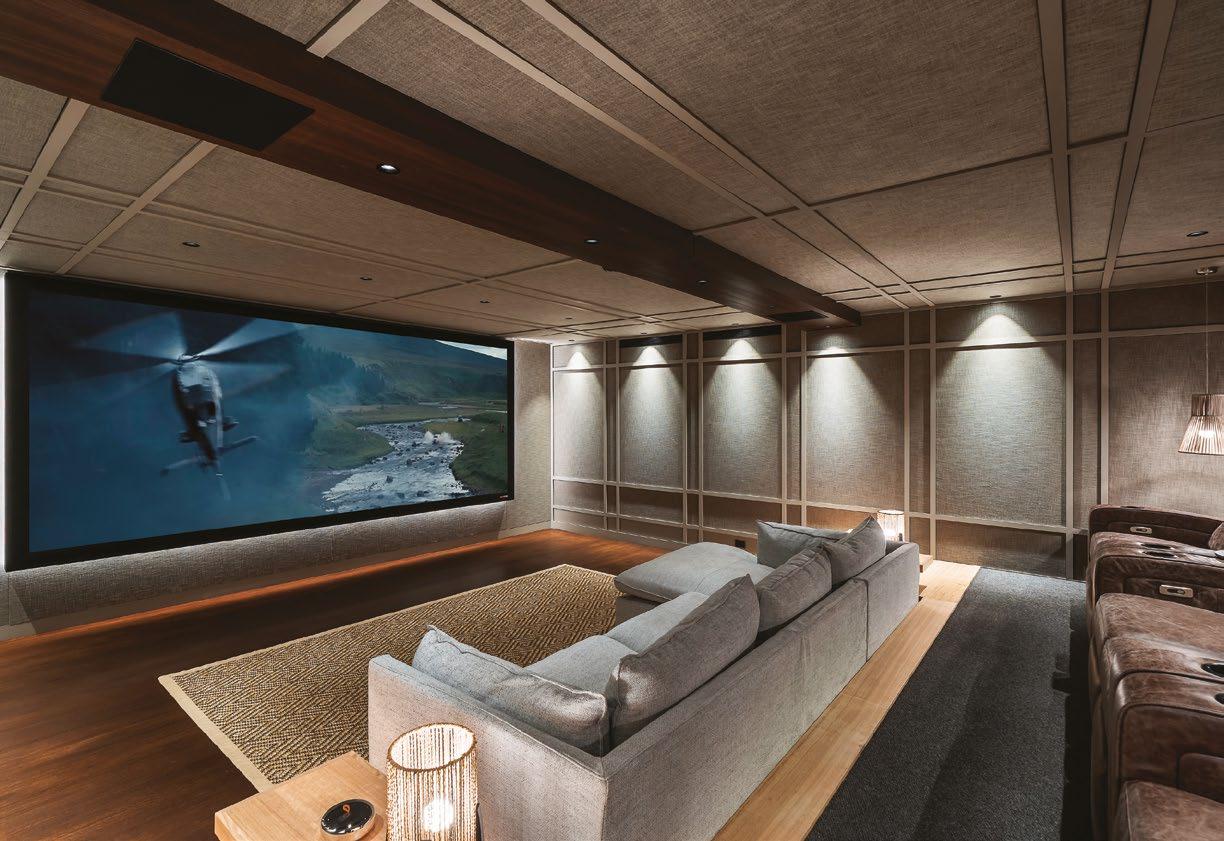
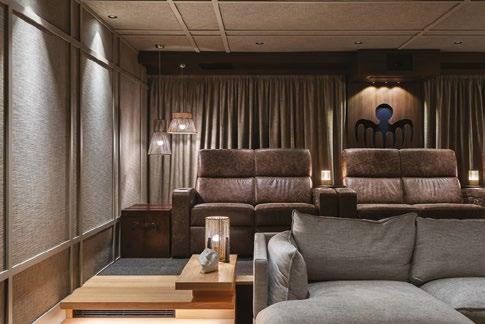
‘007 Bahama Hideaway’ by Wavetrain
PROUD SUPPLIERS OF:








Looking to create immersive experiences in your next build? Start with Cogworks.

BEST HOME CINEMA – GLOBAL ‘007 Bahama Hideaway’ by Wavetrain
Harbour View
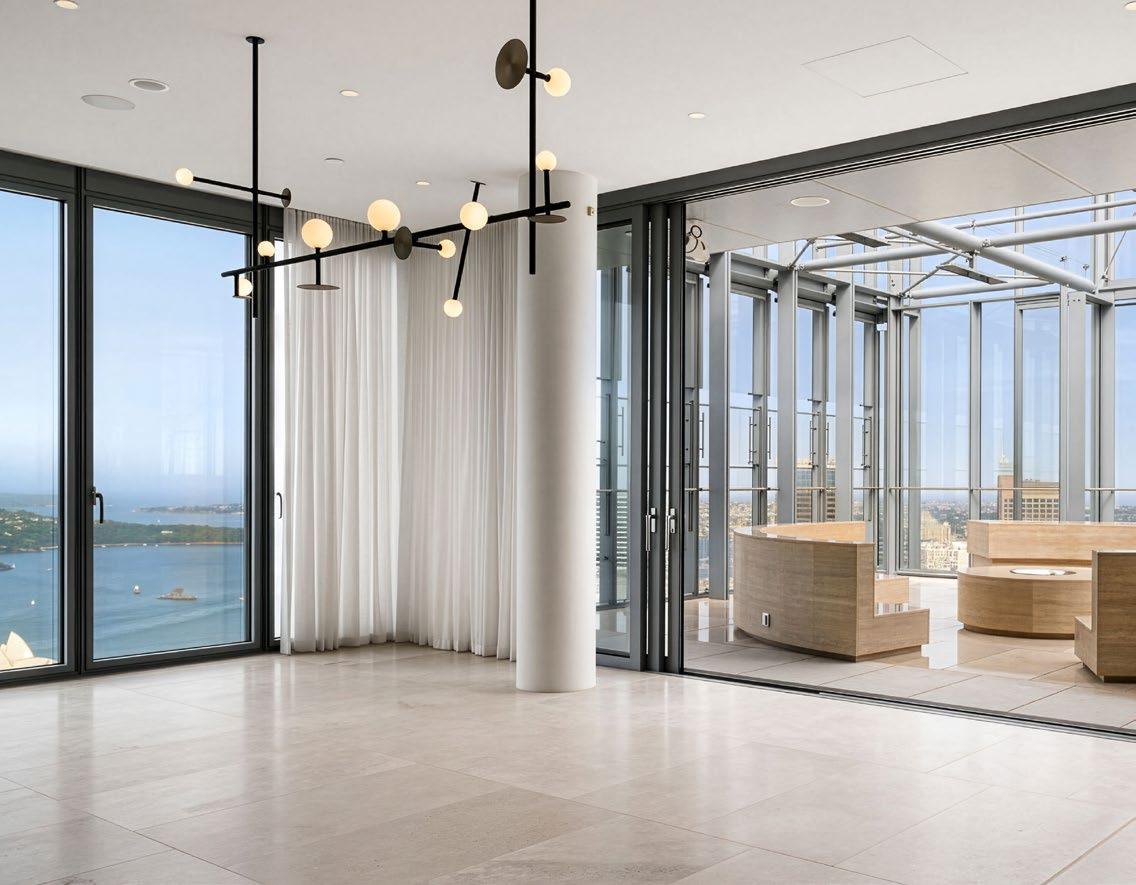
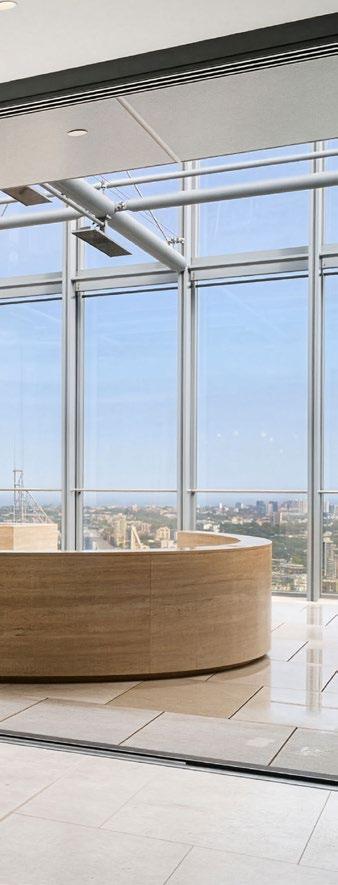
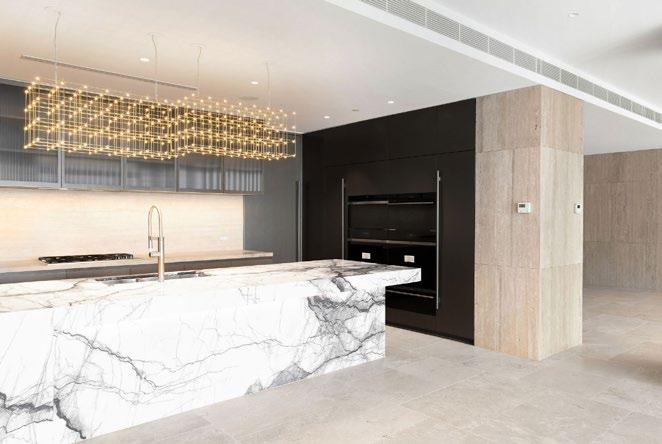
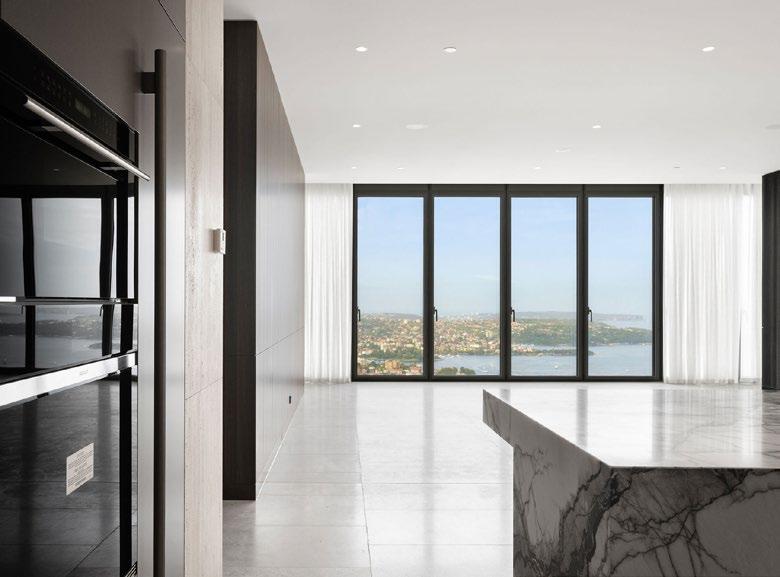
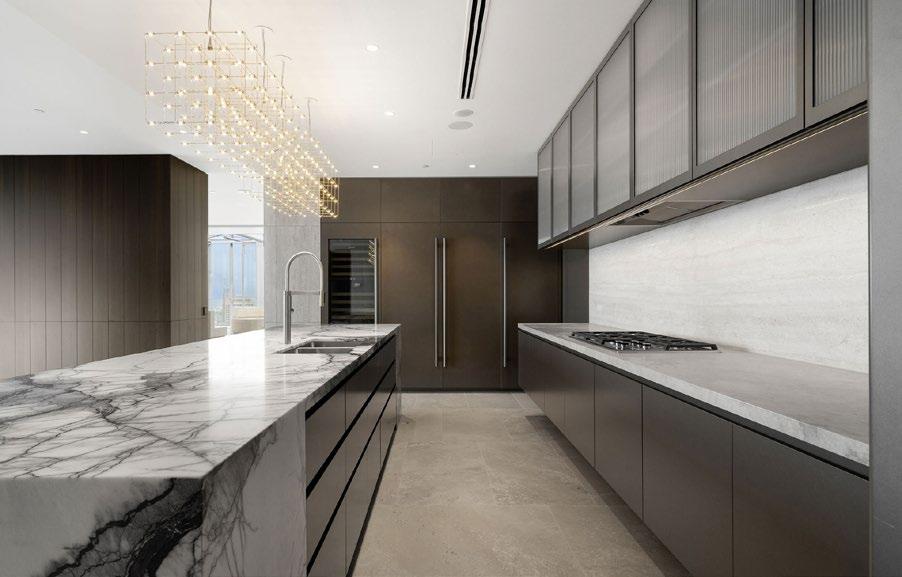
In a penthouse designed for calm above the city, technology quietly supports the rhythm of daily life.
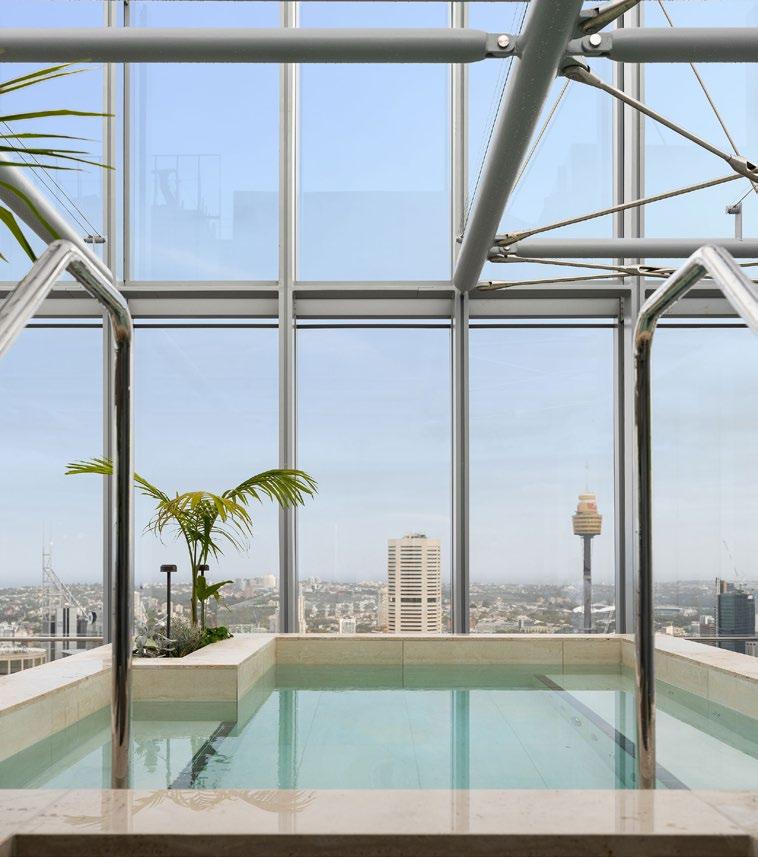
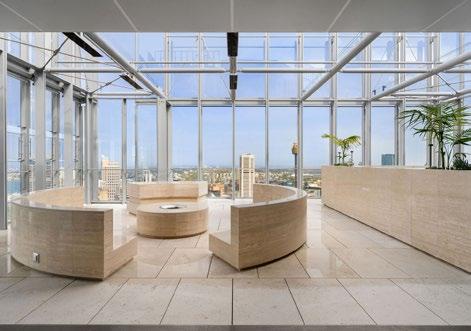
High above the harbour, this penthouse was never meant to shout. Designed as a flagship residence within a premium Lendlease tower, it had to offer a refined living experience — luxurious, yes, but grounded in quiet control and intuitive function. The brief: seamless technology that elevated the space without dominating it. Kayder, the smart home integrator, delivered just that.
Lighting shifts throughout the day to support the body’s natural rhythms. As morning arrives, blinds rise to welcome the sun. Evenings draw in with warm, dimmed scenes that soften the mood. Heating, cooling, and underfloor comfort work in the background, adjusting automatically depending on who’s home and what time of day it is. At night, a single “goodbye” button winds everything down — lights fade, shades lower, and systems sleep.
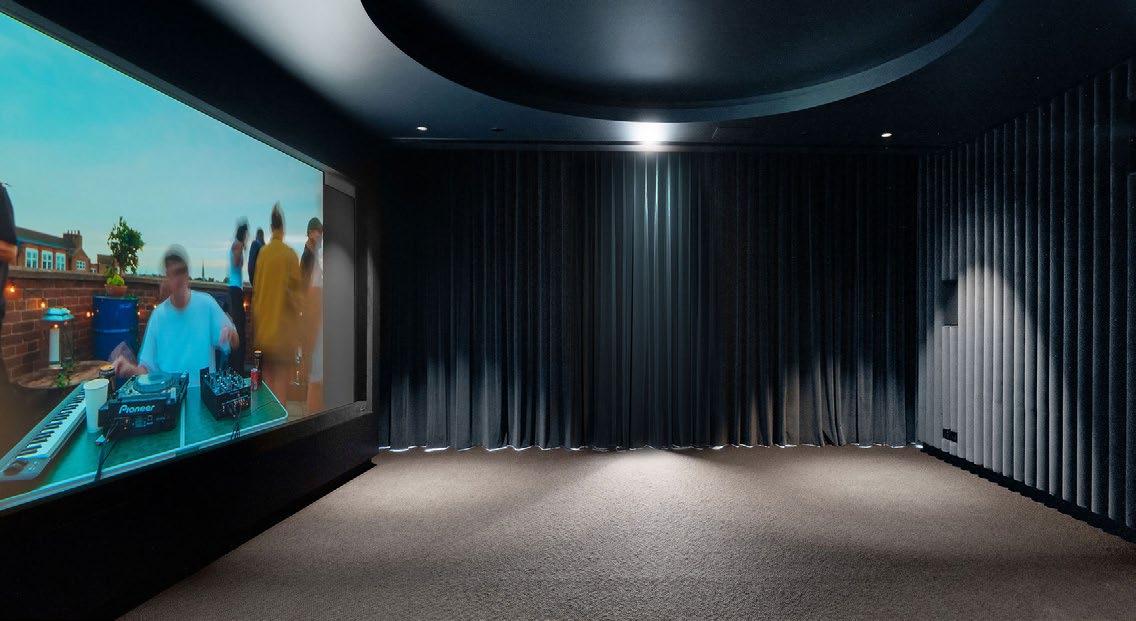
Entertainment was central to the homeowner’s vision. A media room was created not just as a place to watch films, but also to host karaoke nights. The design challenge: a space that could transform with a single tap, without sacrificing elegance. The projector was discreetly housed beyond the apartment walls; the technology carefully concealed so the experience could take centre stage.
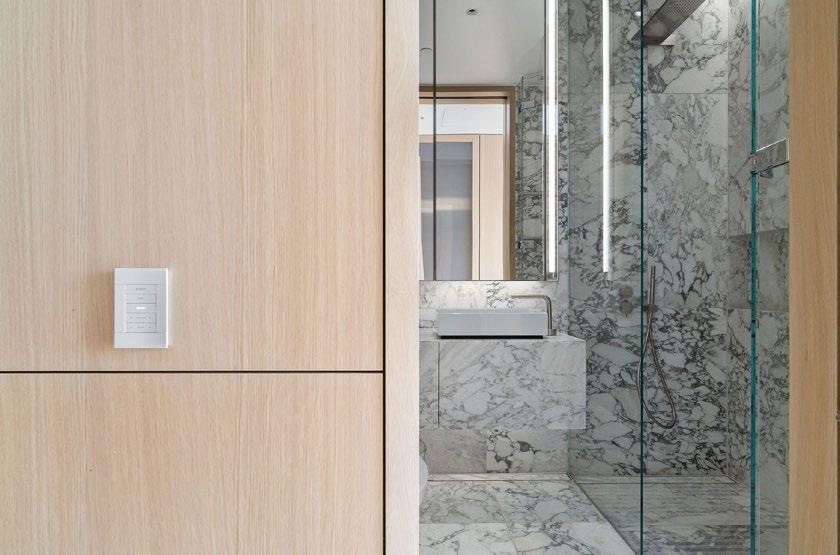
What sets this project apart is how well it fits into the building’s wider rhythm. The blinds respond to wind conditions. Access and intercom are handled through the same gentle interface. The entire system is connected, yet it remains invisible.
Kayder worked closely with Lendlease to ensure every detail — right down to speaker placement and screen joinery — was considered from the start. The result is a space that flows effortlessly, where the only thing more impressive than the views is how the home feels to live in.
Kayder
Harbour View
The technology disappears, but its impact is felt in every room.
Kayder

Luxury Residence
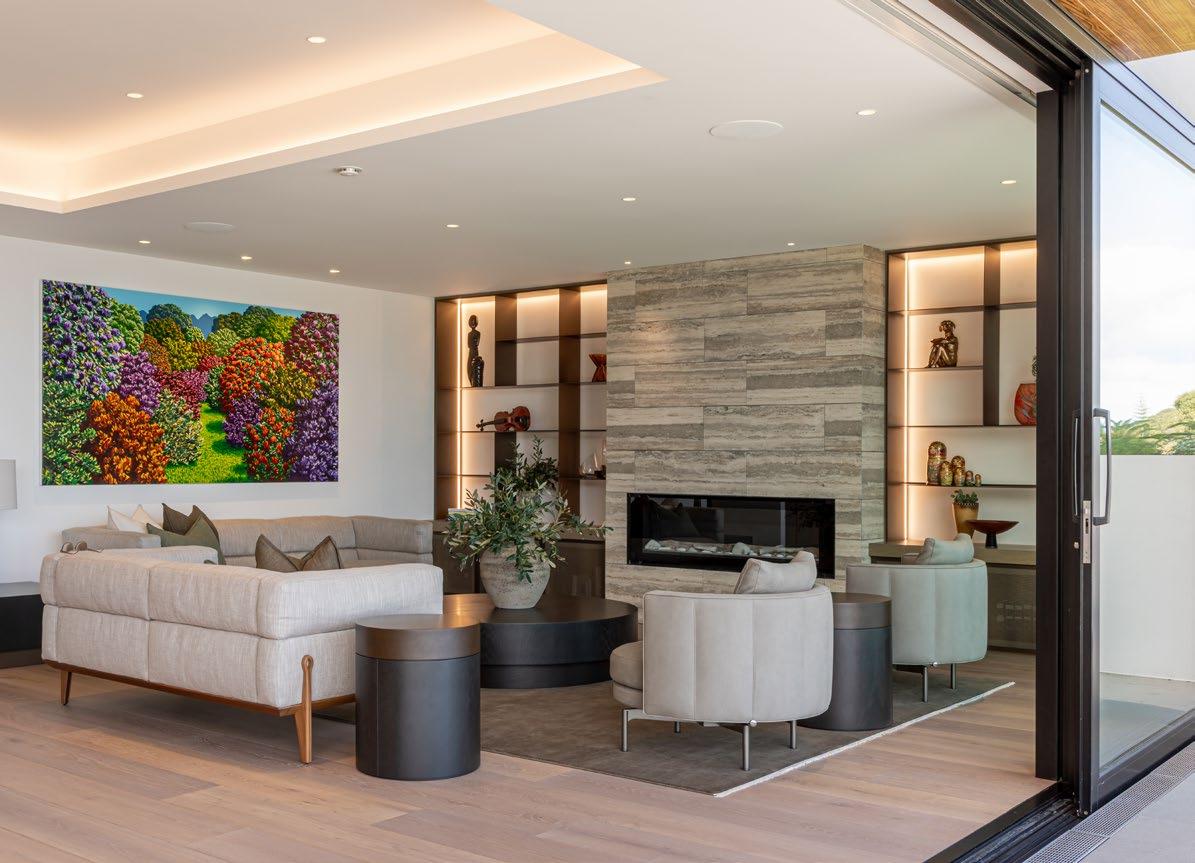
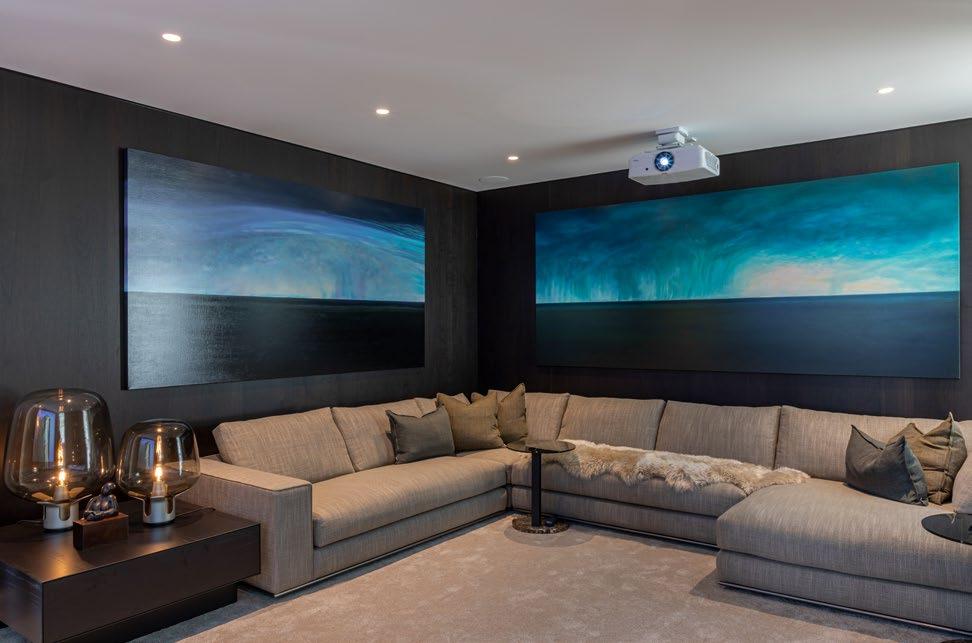
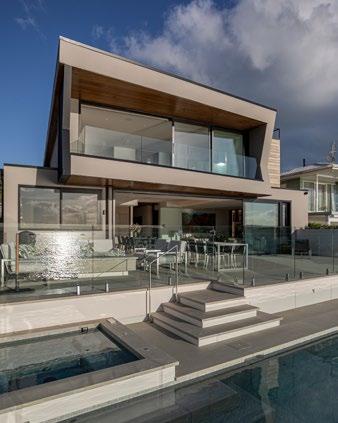
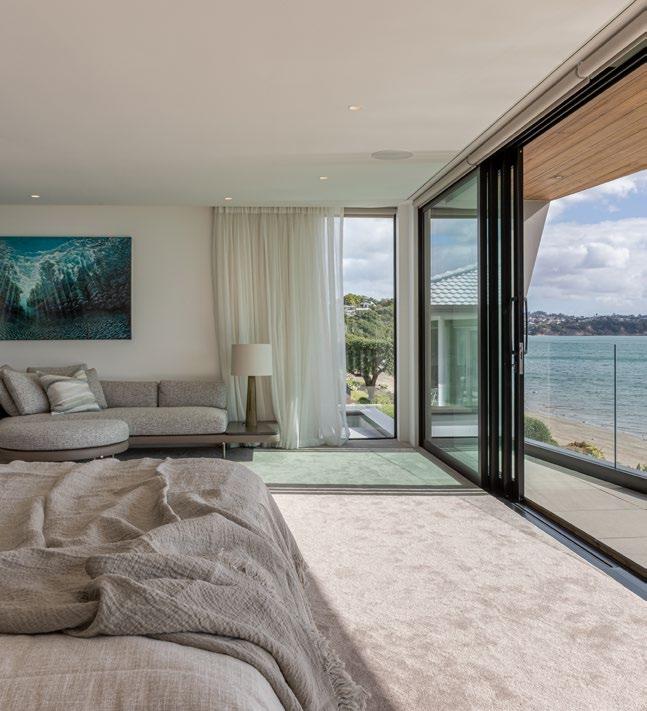
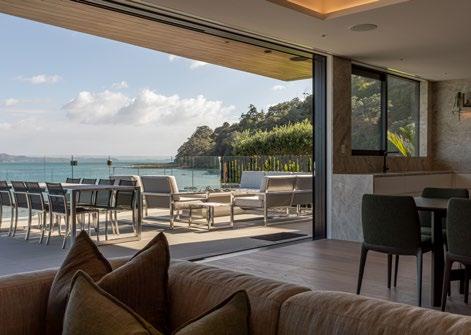
A smart coastal retreat in Tindalls Bay, New Zealand, brings together refined architecture and effortless living, with technology that works quietly in the background.
Looking out over the water in Tindalls Bay, this New Zealand home was always going to be special. The brief was clear: create a sanctuary where everything works as it should — quietly, simply, beautifully.
The owners wanted more than technology for its own sake. They wanted ease. Lighting that responds with a touch, music that fills a space without dominating it, and a home that feels calm even when it’s full of life. It also had to look clean, feel intuitive, and be ready for the years ahead.
Liquid Automation worked closely with the design team at Jessop Architects to ensure every detail felt natural. Using Crestron as the control system, the team brought together lighting, music, climate, and security into one simple system. Touchscreens were placed where they made sense, not where they might get in the way. Even the televisions waited until the interiors were complete, so nothing interrupted the flow of the space.
Music plays through invisible speakers. Lighting adapts to different moods and times of day. Access is secure and simple. Everything works together so effortlessly that the technology itself all but disappears.
This is a home built for real life, where comfort meets clarity, and every interaction feels like second nature.
Liquid Automation
Project X
Bridger Automation Pty Ltd
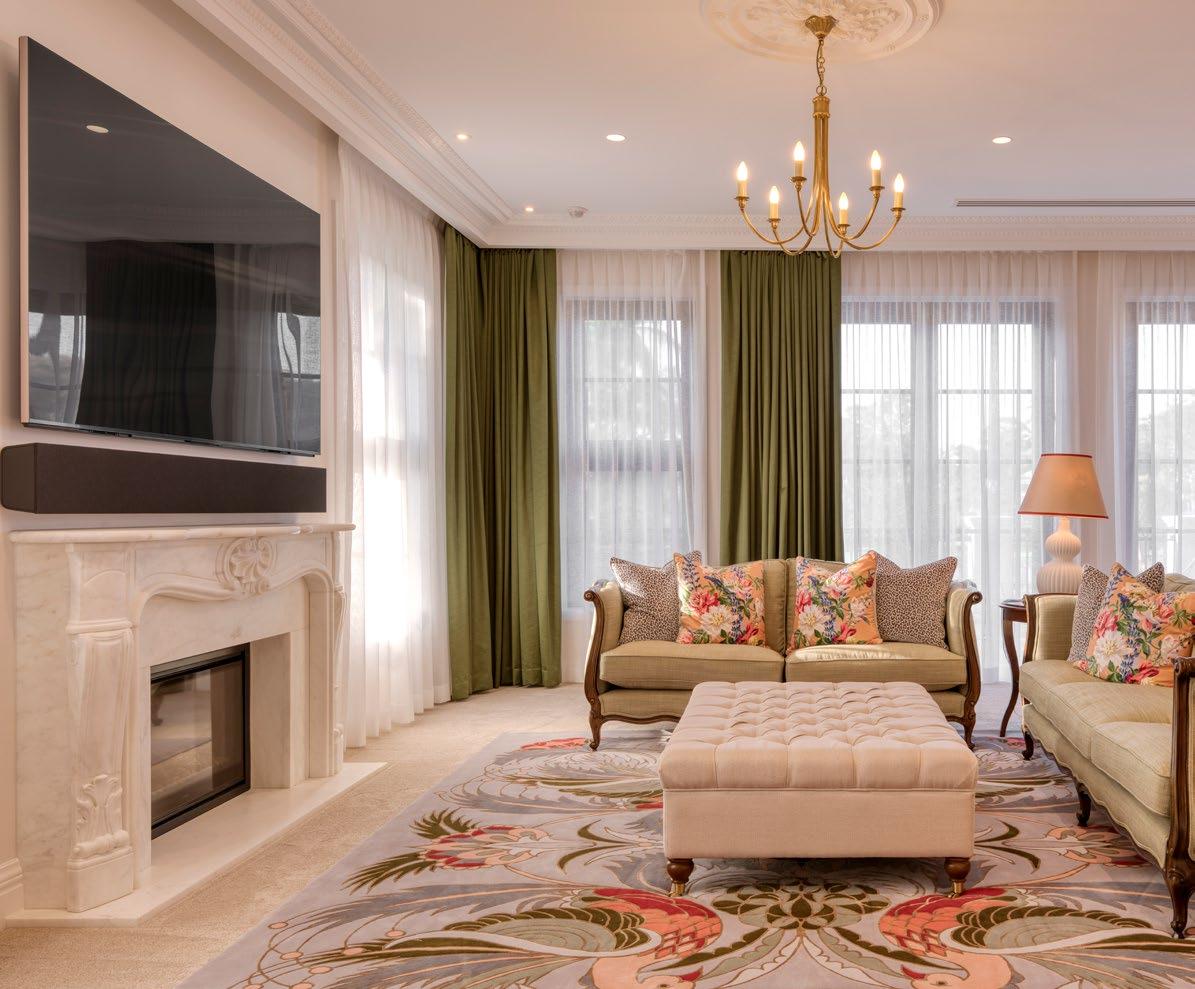
With old-world charm and quiet technological confidence, this grand Gold Coast home hides its sophistication in plain sight.
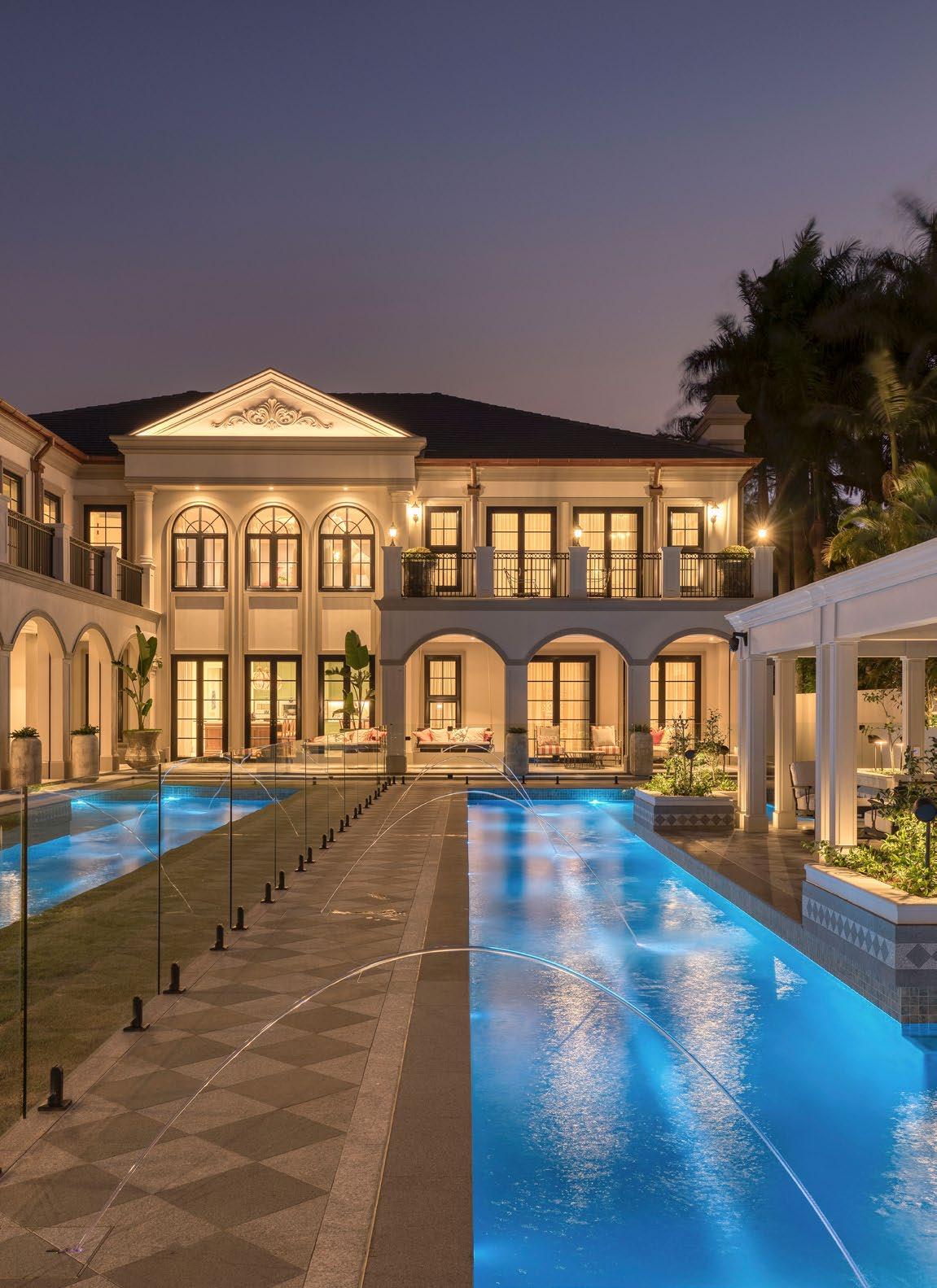
The brief was clear from the start. The owners of this grand Gold Coast home, designed by August Homes with interiors by Highgate House, didn’t want a house full of gadgets. They wanted something more refined. Something seamless. Something that respected the classical detailing that had been so carefully considered.
Bridger Automation responded with a different kind of smart home — one that didn’t shout for attention. Instead, it whispered quietly in the background, always present but never seen. The team worked closely with the architect and interior designer from the early planning stages, ensuring technology could be built into the structure, not added later as an afterthought.
Lighting was one of the defining features. Warm, inviting, and endlessly adaptable, it was designed to respond to the rhythms of the day and the mood of the moment. Speakers were hidden in walls and ceilings, their presence felt but never noticed. Even outside, audio was integrated into the landscape so that music could follow the family from indoors to the firepit, without ever disturbing the view.
Comfort was carefully curated. Climate control, lighting, shading, security, and entertainment were brought together under one easy-to-use system. The fireplace, water feature, and louvred roof weren’t just decorative. Each was designed to respond with a tap or preset scene, becoming part of the home’s daily rhythm.
By prioritising collaboration and detail, Bridger Automation delivered a highly intuitive experience that supports family life, entertaining, and quiet moments alike — without ever competing with the architecture.
How to Know When Your Client is Asking for an Integrator
Clients often describe lifestyle aspirations in everyday language. Recognising these cues helps designers know when to involve a smart home professional to ensure technology and architecture align seamlessly.
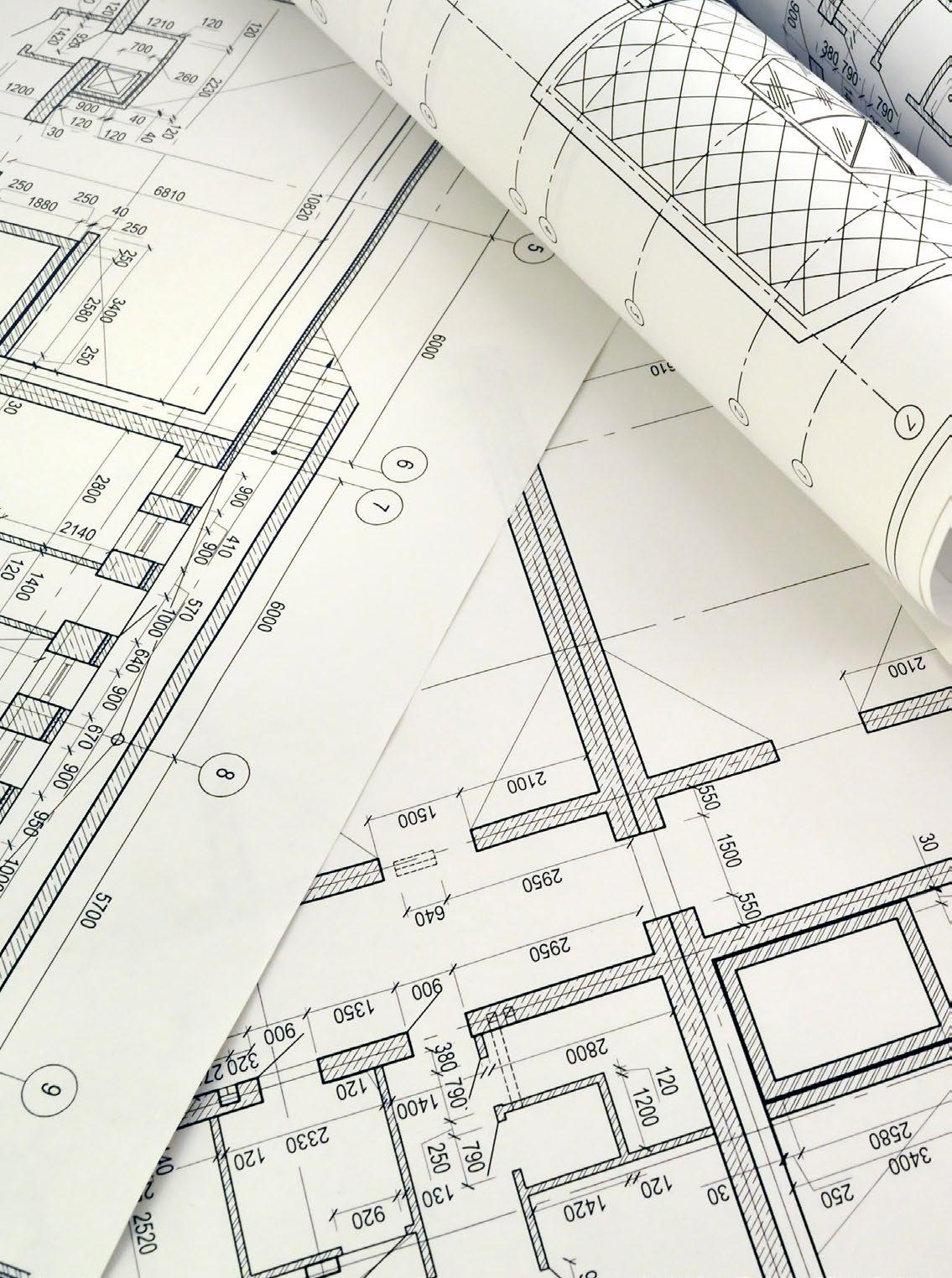
In today’s residential projects, homeowners increasingly expect their properties to do more than provide shelter. They want spaces that anticipate needs, adapt to routines and, above all, feel effortless to use. For architects and interior designers, this means learning to recognise the language clients use when they describe what they want their home to achieve.
Technology integration is not about knowing every piece of equipment on the market. Rather, it is about identifying the key phrases that suggest a professional integrator should be brought into the design conversation.
When a client mentions lighting scenes or expresses interest in dimmable lighting that changes throughout the day, this points to lighting control systems. Similarly, references to climate comfort, zoned heating and cooling, or energy efficiency highlight the need for integration of HVAC (heating, ventilation, and air conditioning).
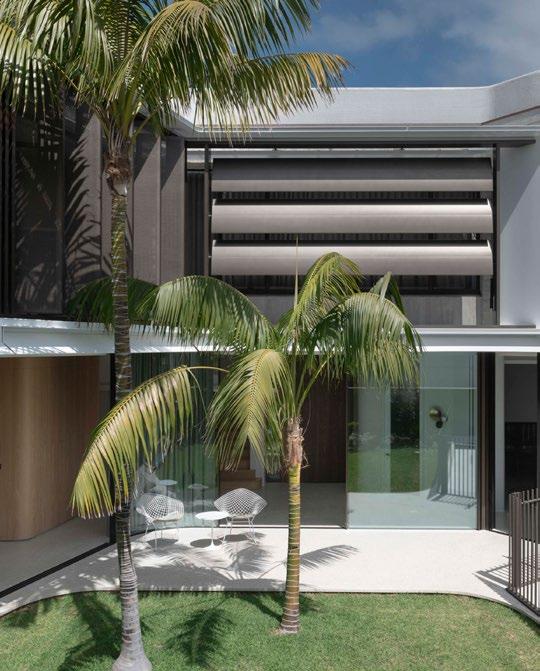
Credit: Aloud
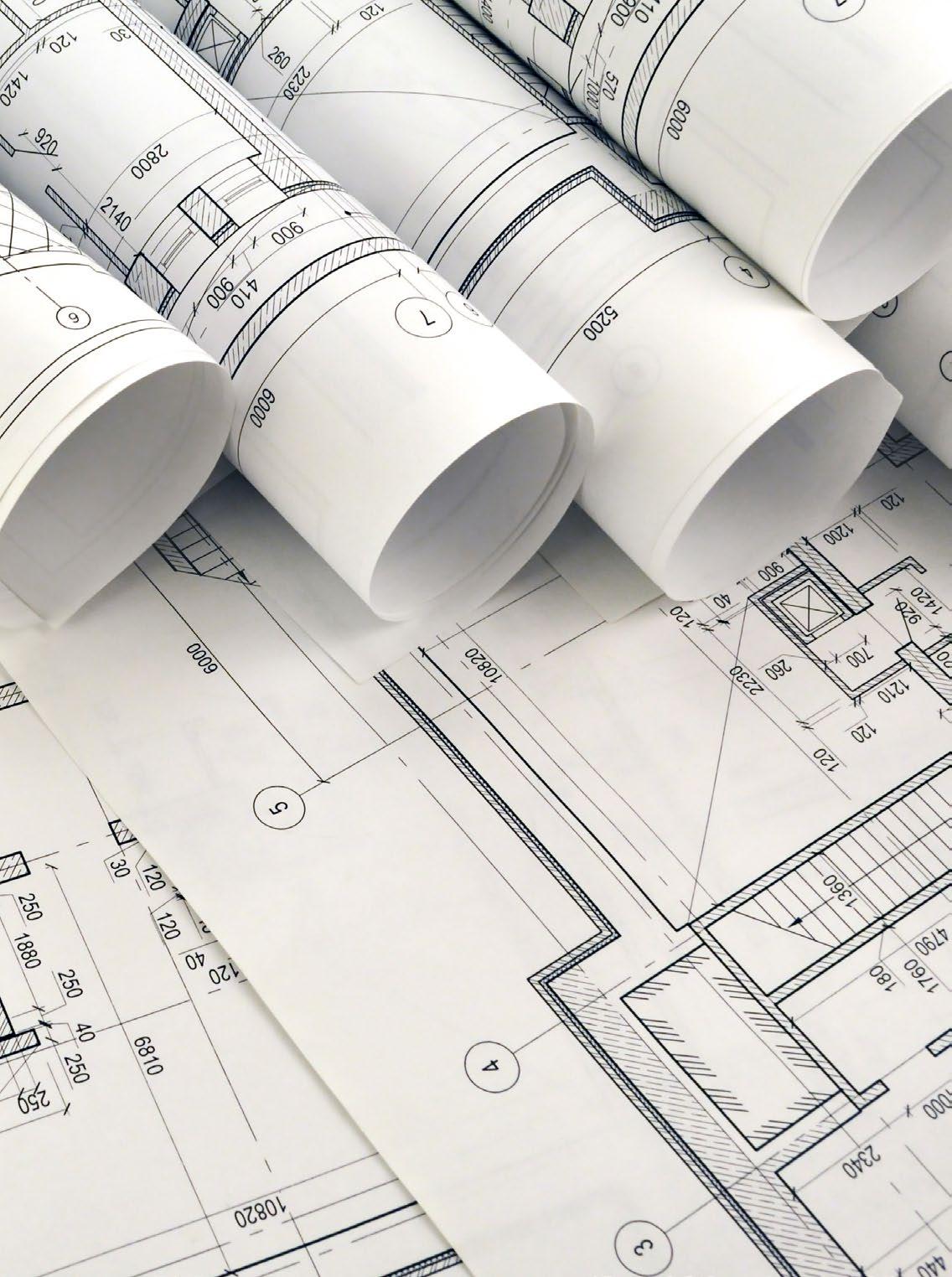
Requests for whole-home music, invisible speakers, or sound in every room indicate distributed audio. If they speak about cinema experiences at home, big screens, or surround sound, then a dedicated media room or home cinema system may be appropriate.
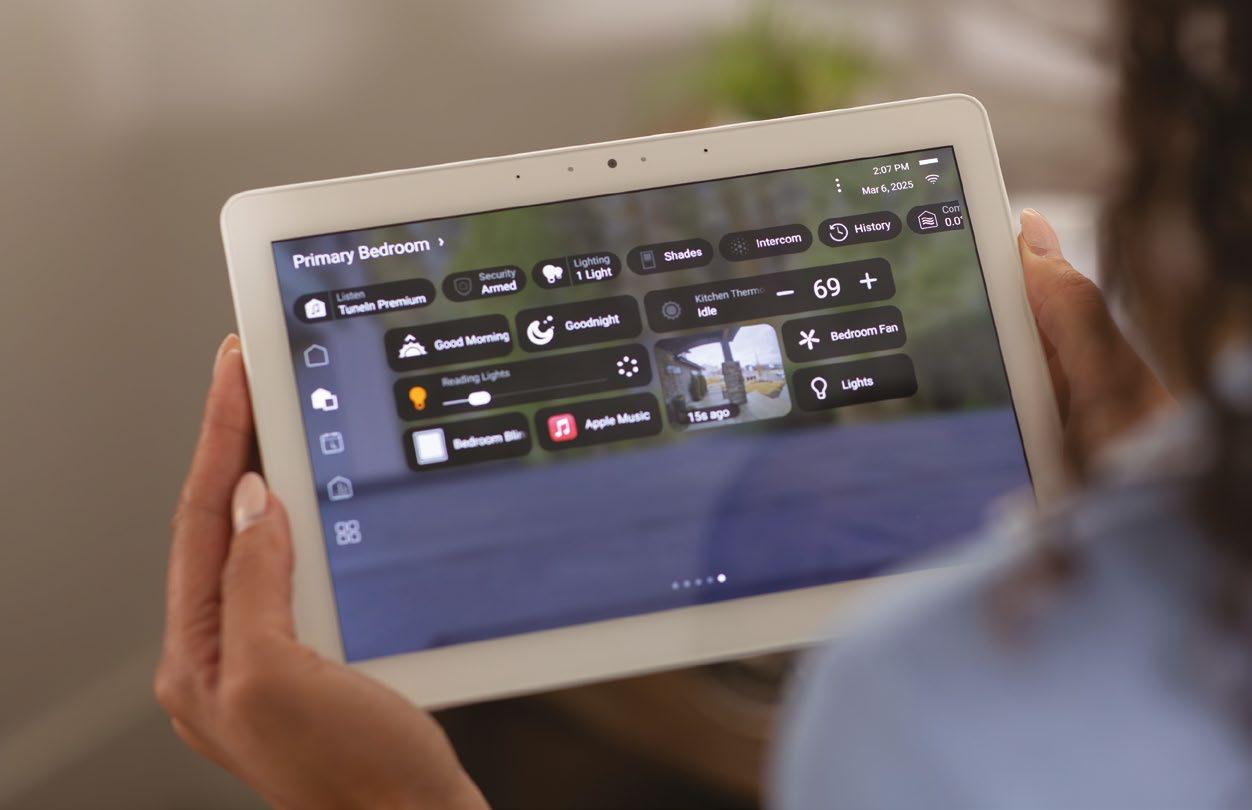
Conversations about gates, cameras, or intercoms usually fall into the realm of security and access control. When clients ask for control from their phone, one remote for everything, or automation that just works, they are describing centralised control platforms.
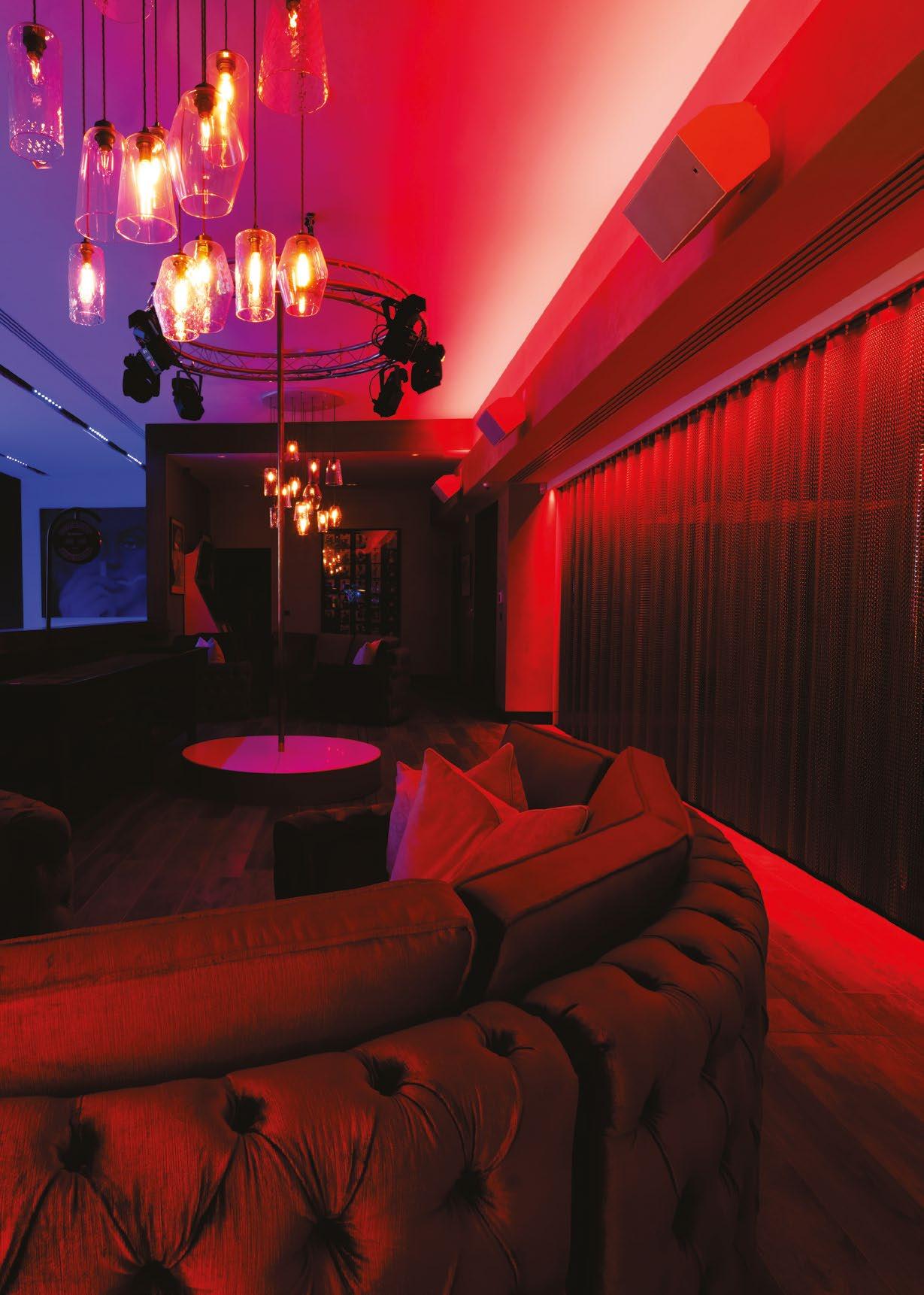
Other clues appear when they discuss lifestyle aspirations. Mentions of motorised blinds, glass that adapts to sunlight, or shading that responds automatically point to automated window treatments. Comments about pool control, spa settings, or outdoor entertaining with music and lighting often expand the conversation into exterior living spaces.
Even less obvious remarks, such as wanting the house to wake up gradually, shut itself down at night, or simulate occupancy while travelling, suggest an interest in broader automation. These are moments where design professionals should pause and bring in an integrator who can translate those desires into reliable, easy-to-use systems.
The key lies in listening carefully. Clients may not know the terminology, but their aspirations provide the roadmap. By spotting these phrases and engaging the right expertise early, architects and designers can ensure the home not only looks beautiful but also lives beautifully.
Technology Meets Design
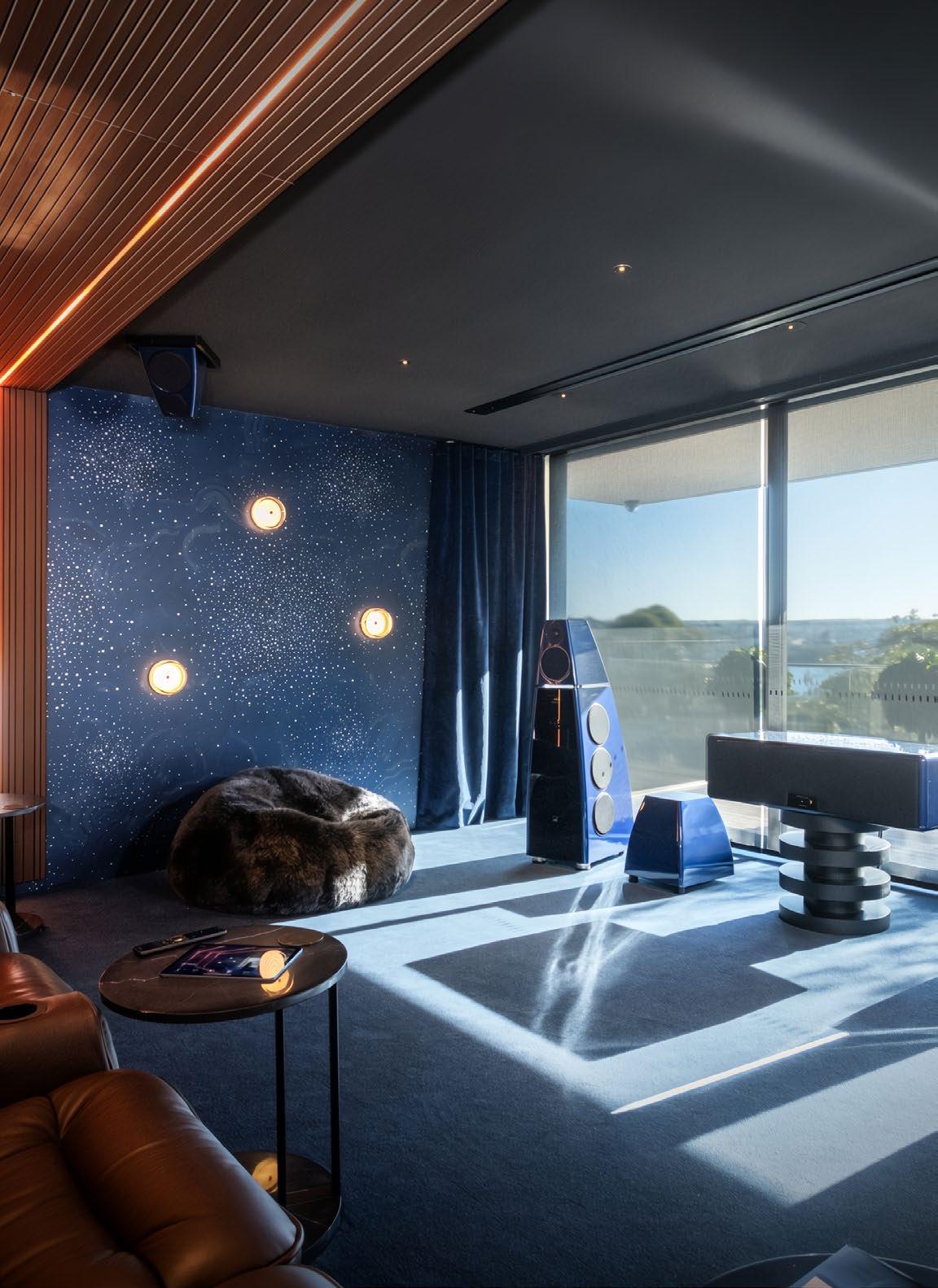
The best of Single Room Solution
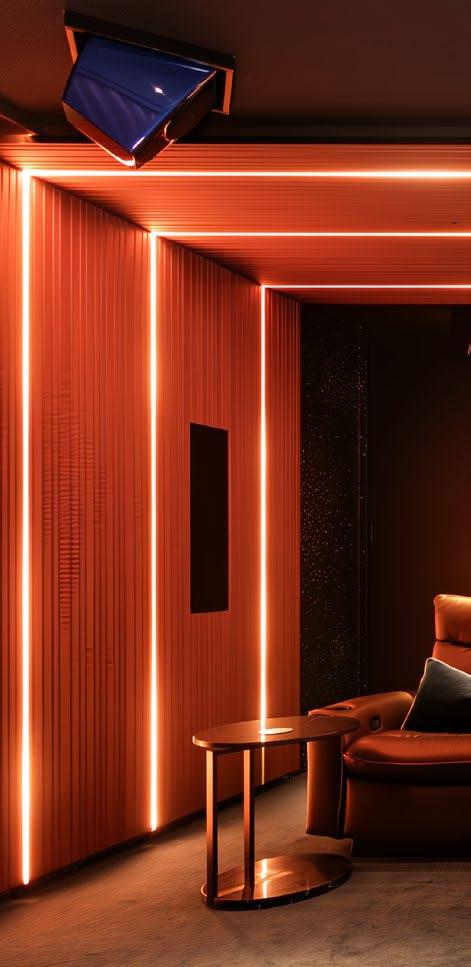
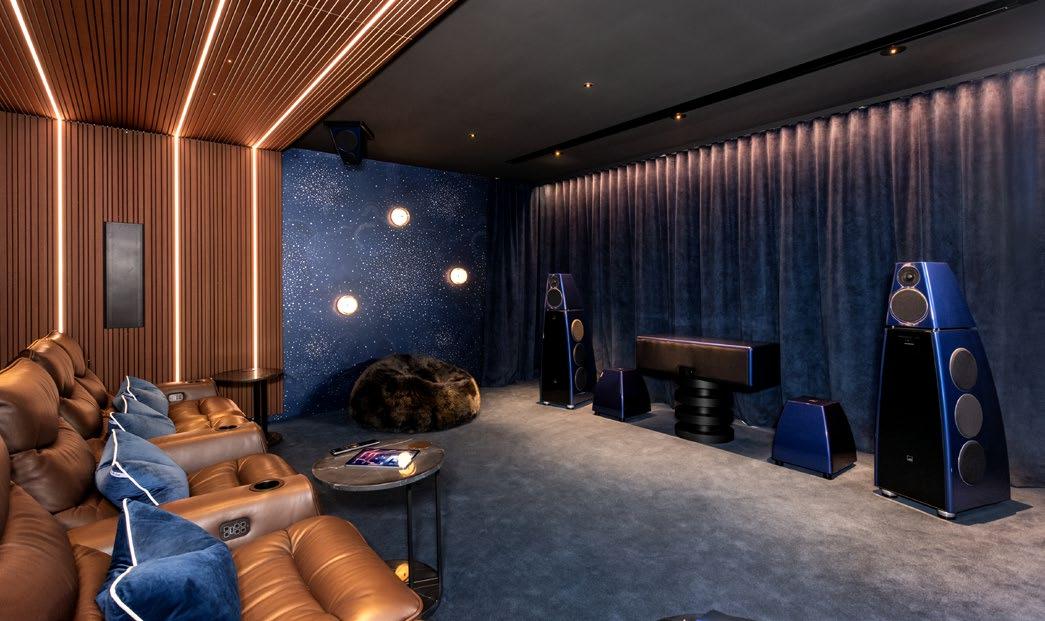
Blue Note
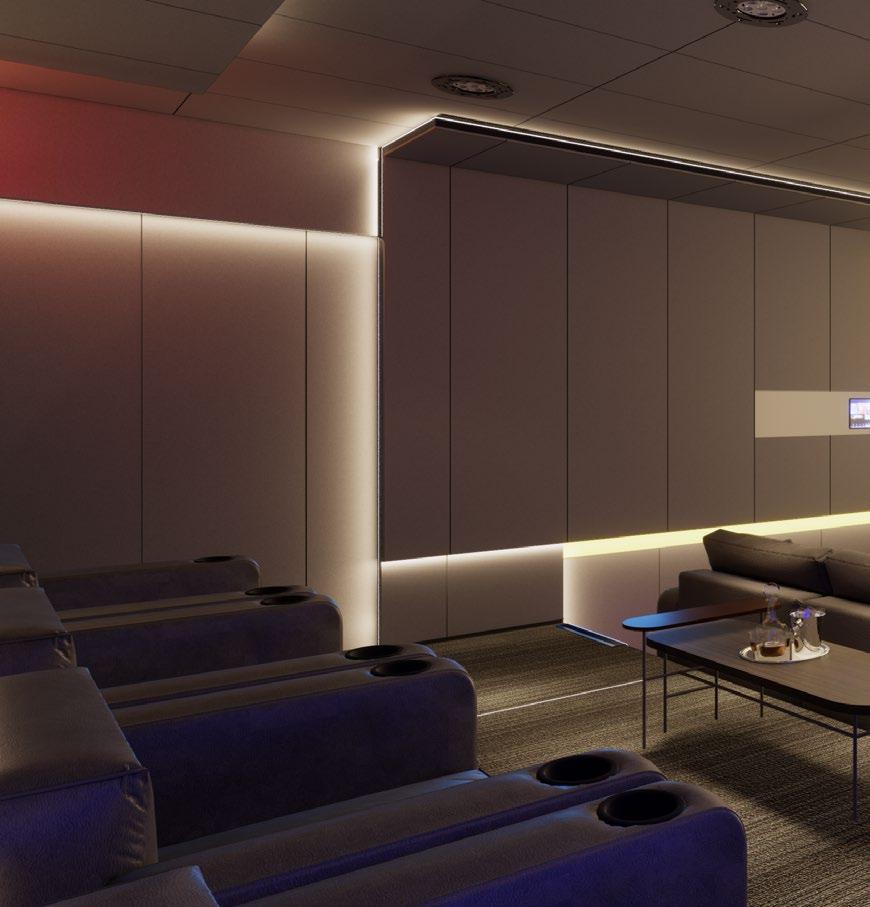
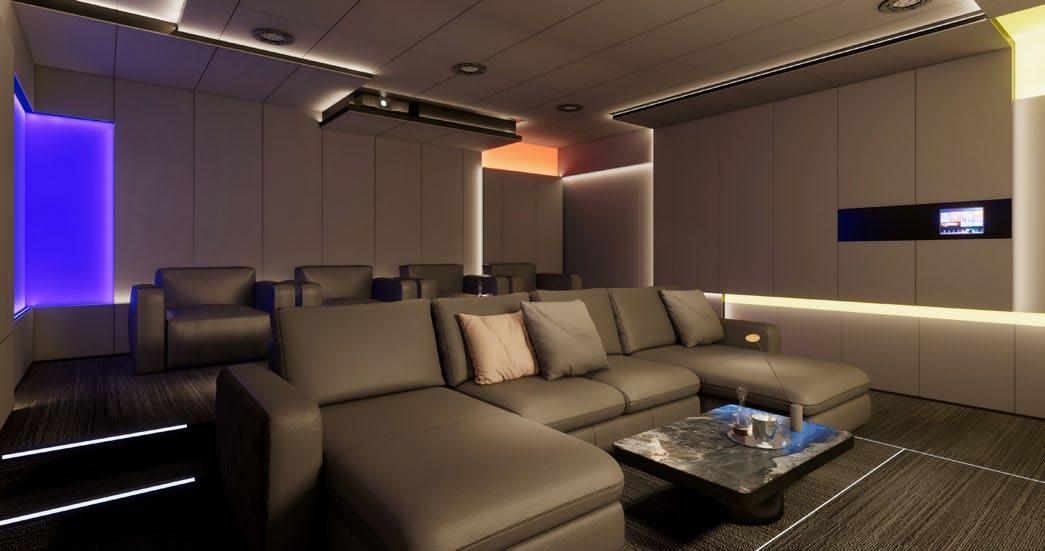
A cinematic space that sings. In one of Sydney’s finest harbourside homes, the Blue Note media room turns a former office into a showpiece of sound, style, and soul.
This wasn’t the homeowners’ first media room — but it may well be their favourite. After moving into a new North Shore home, the client approached Denote with one clear goal: create something better than they had before. They had worked together previously on a highly technical AV build, but this time, there was an added layer of trust. The client wanted performance, yes — but also personality.
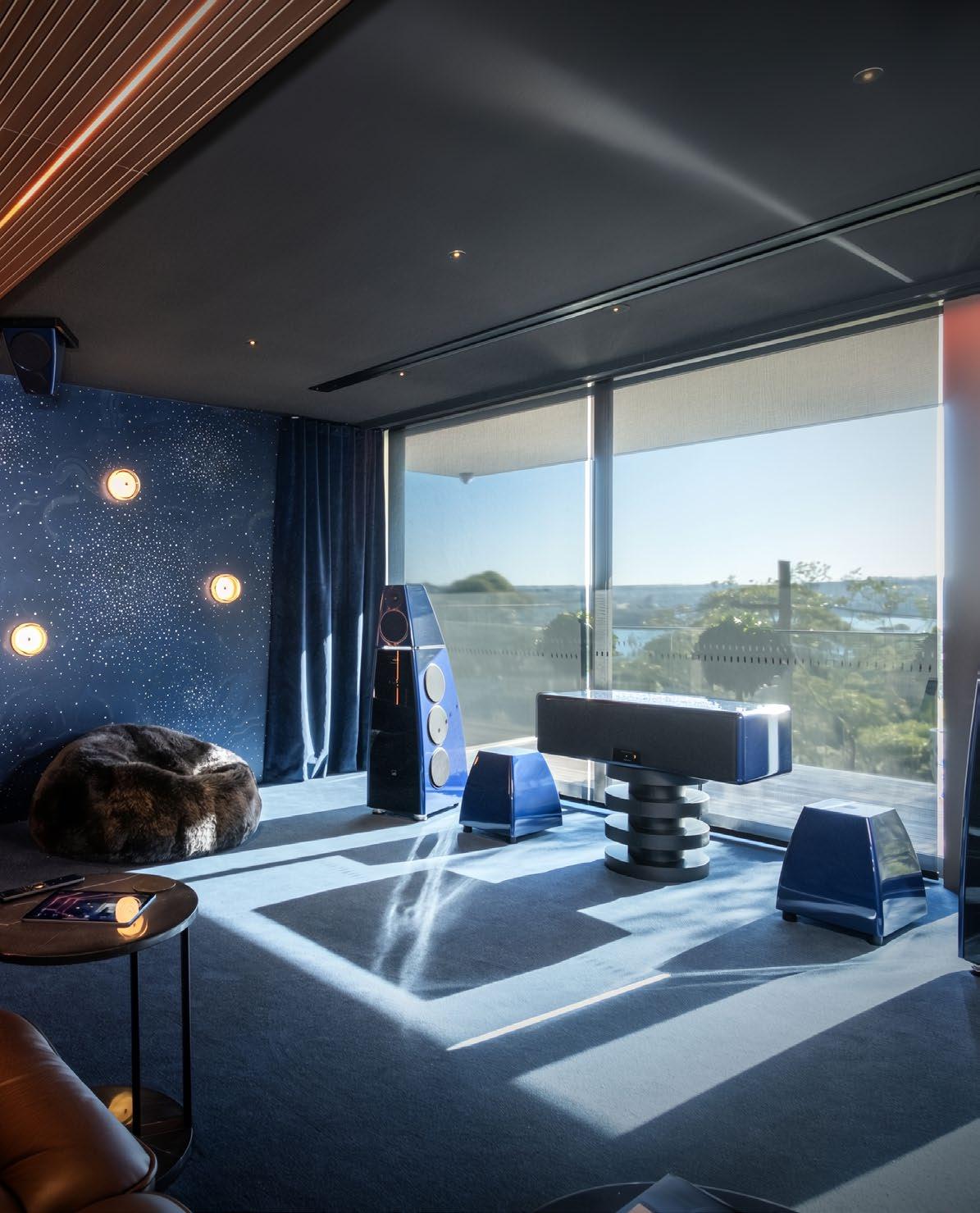
The house itself posed limits. Built into a sandstone cliff, it offered no spare space for a dedicated cinema. After assessing the layout, Denote proposed a bold move: transform the home office. Though acoustically awkward and structurally constrained, it had one undeniable feature — a framed view across Sydney Harbour. Denote reoriented the room entirely to preserve this outlook, turning a limitation into a signature.
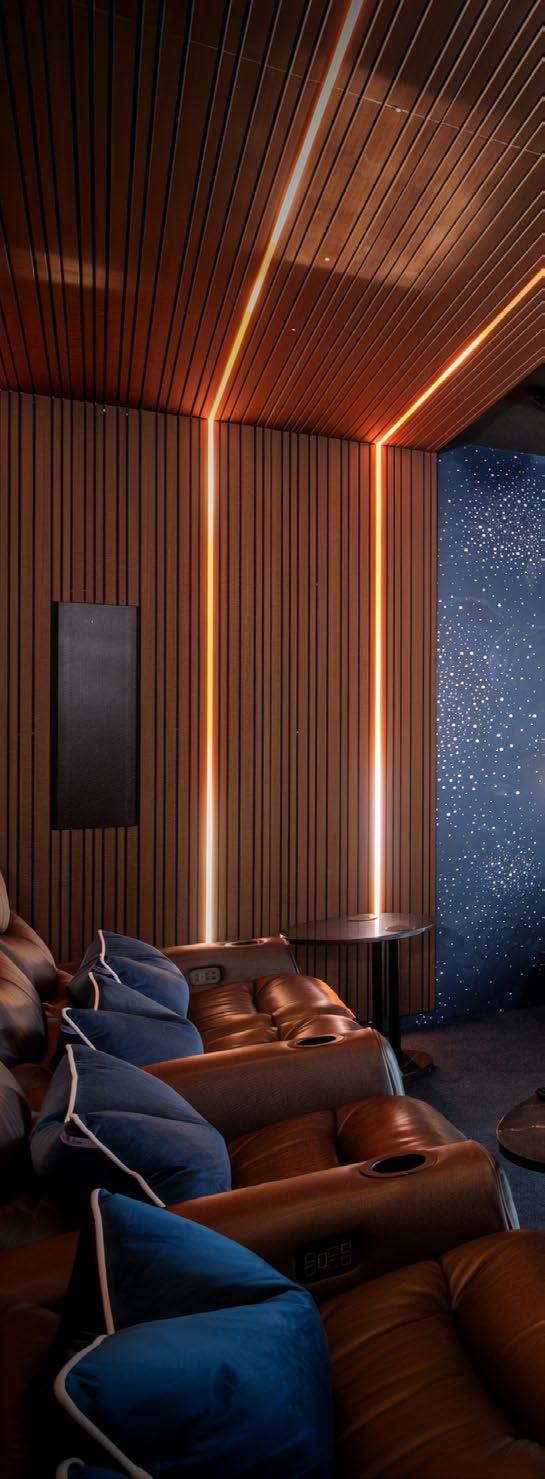
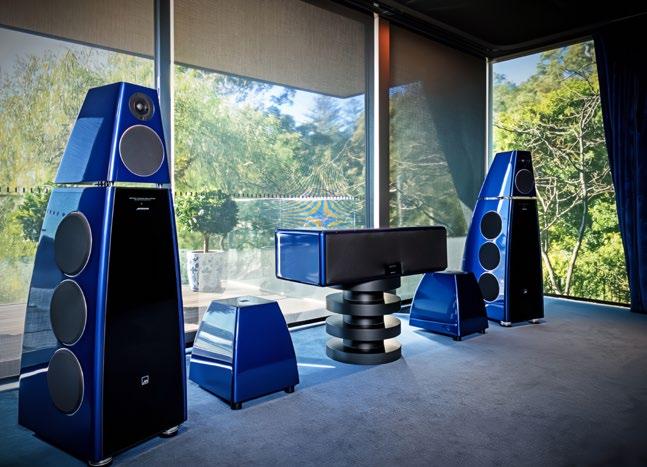
From here, the space took on a life of its own. A pair of metallic blue statement speakers, initially a happy accident, became the muse. Their vivid colour mirrored the client’s car and company logo. Instead of being tucked away, they were celebrated. Every material, finish, and lighting scene followed suit. The room was named Blue Note, after the iconic jazz label — an echo of the client’s musical passions.
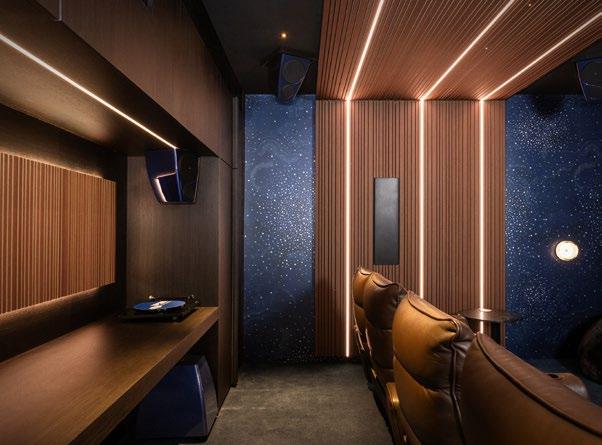
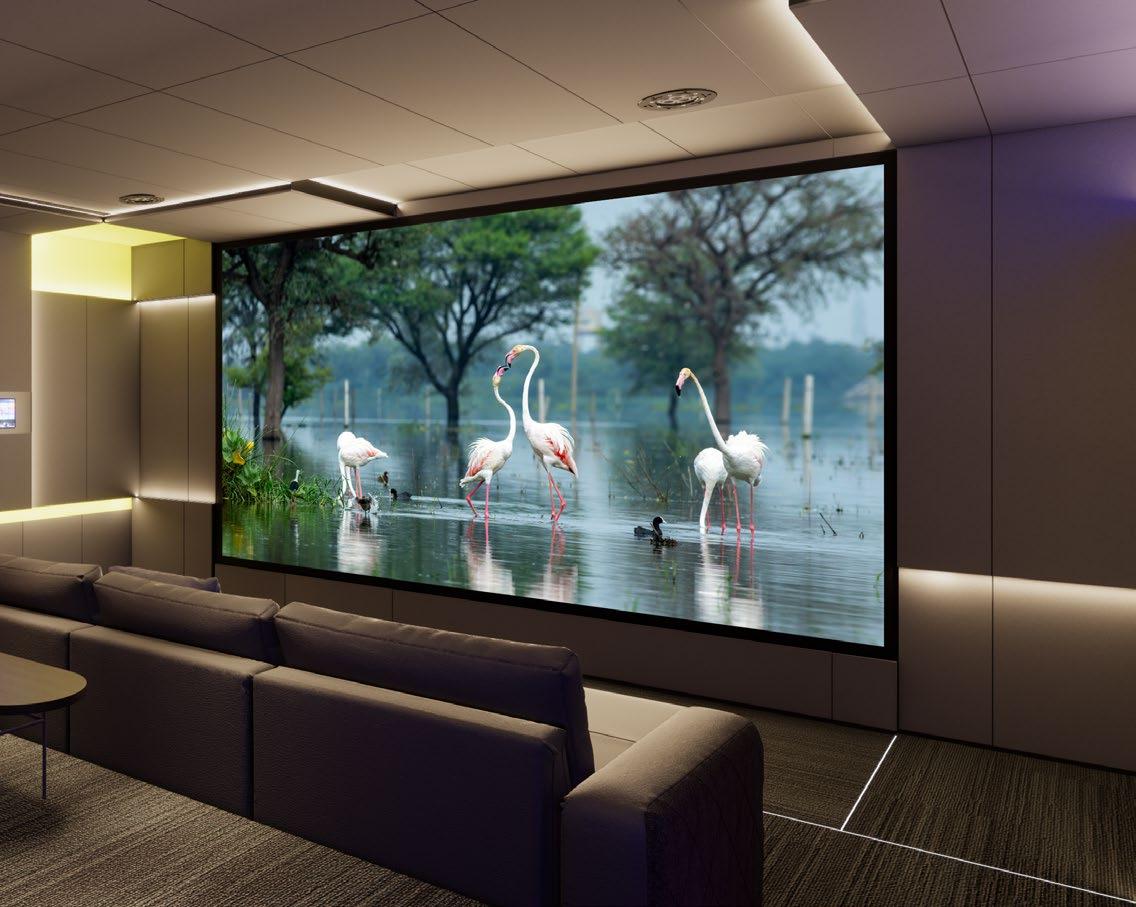
Lighting was central to the mood. Denote installed animated, colour-shifting scenes throughout the space, each named after a favourite jazz recording. Curtains glide into place at the push of a button. A concealed screen drops from the ceiling. The lights dim. The room responds like an orchestra tuning to its conductor.
Though highly engineered, it doesn’t feel clinical. There’s softness to the palette, intention to every surface, and a quiet that’s been carefully built into the structure. A work-from-home desk was seamlessly integrated without compromising the atmosphere. At its core, this is a room designed to be lived in, not just admired.
The unveiling happened just hours before the client’s closest friends arrived. Denote finished polishing the floors minutes before the door opened. The client’s response? He asked when they could start the next one.
Denote
Blue Note
Denote
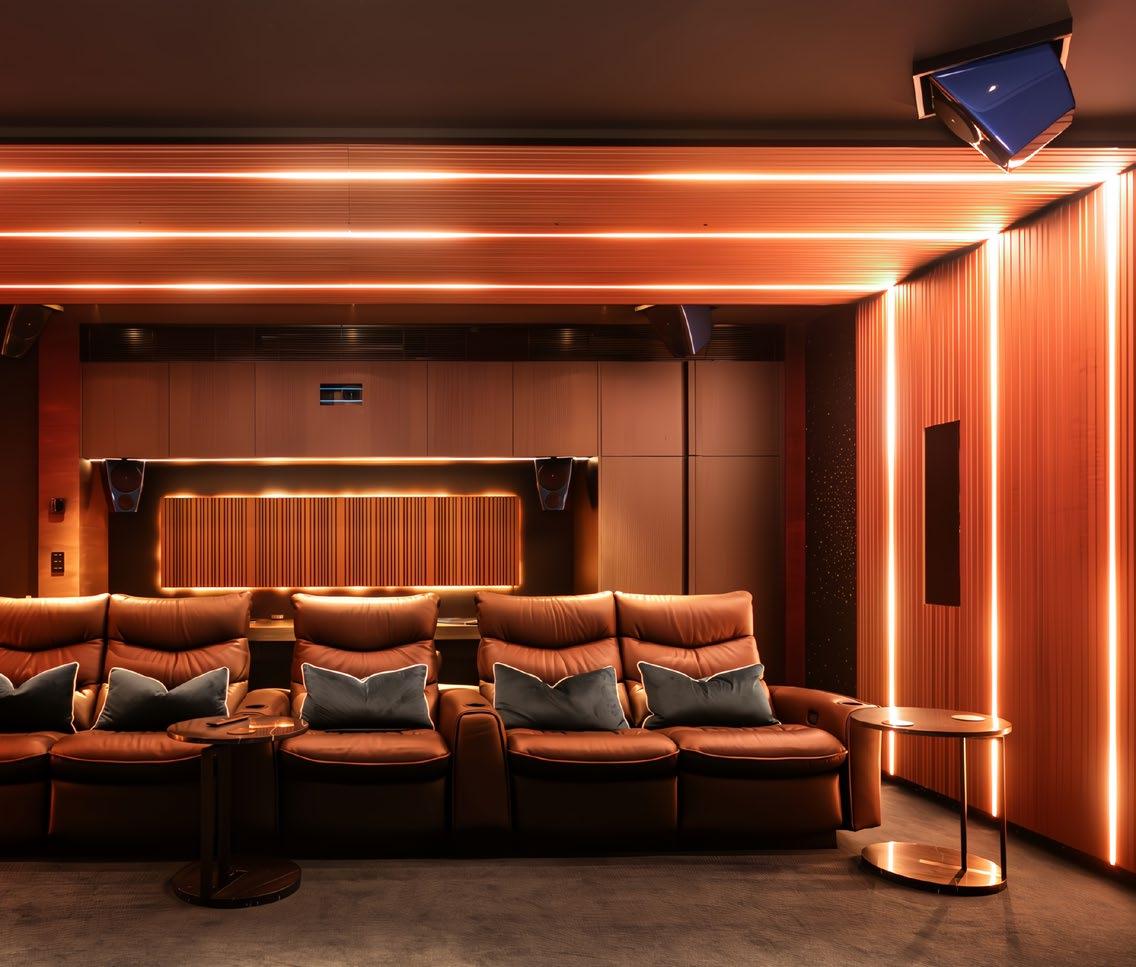
Blue Note from Denote transformed a challenging space into a standout media room.
Sentiment HiFi
High Standard Mondrian Style Media Room
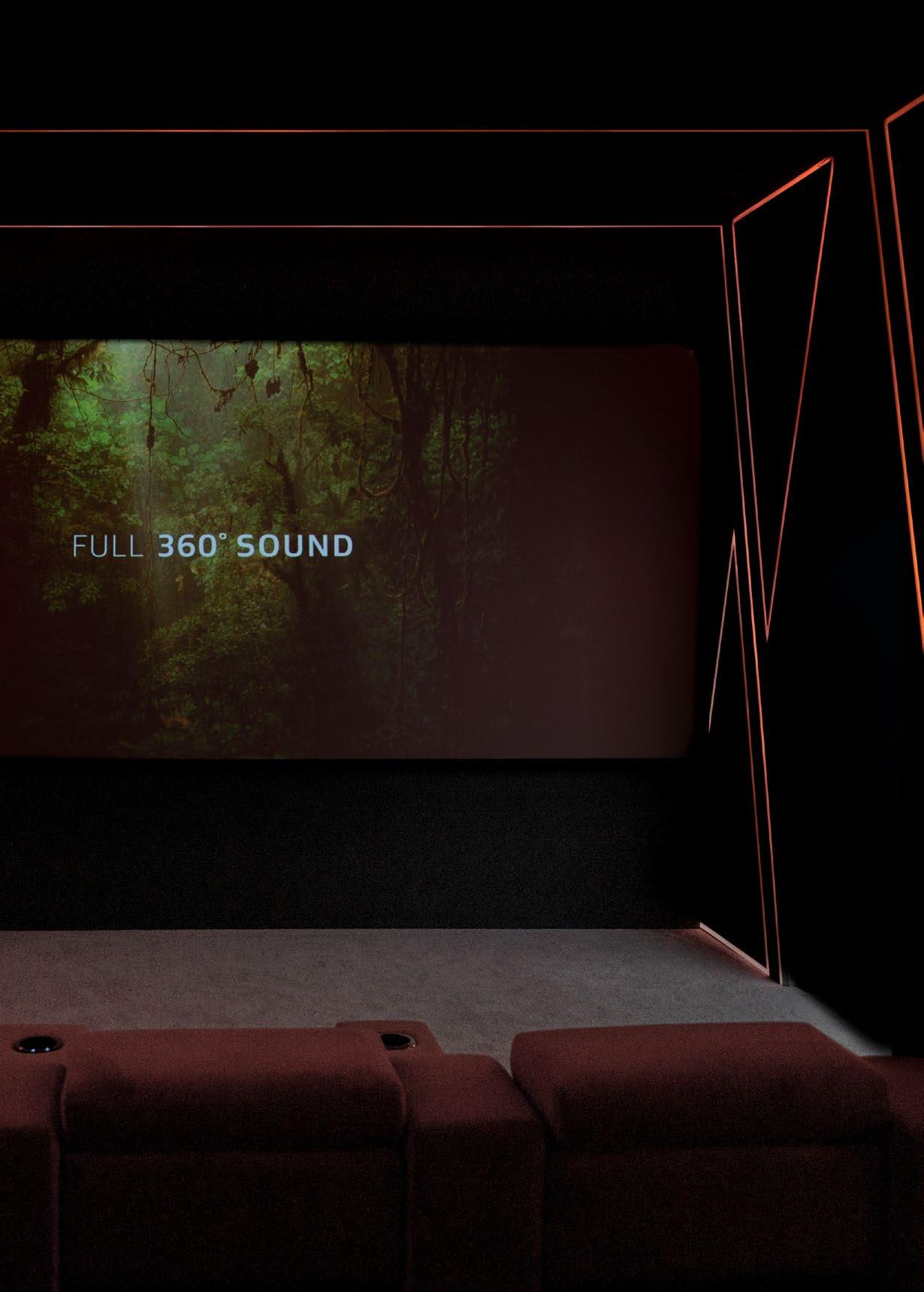
Geometry, light, and emotion come together in this Mondrian-inspired smart media room high above the city.
In a high-rise apartment in China, a client with a sharp eye for modernist design approached Sentiment HiFi with a vision that was as emotional as it was functional. They didn’t want a home cinema in the traditional sense. They wanted something transformative — a room that could shift from film screenings to karaoke parties to meditative quiet, all without losing its sense of artistry.
The design took inspiration from the geometric clarity of Piet Mondrian and the immersive, colour-saturated worlds of artist, James Turrell. With no natural light to work with, the room became a study in architectural lighting. Large, glowing panels shift colour and tone depending on the mood, behaving like windows to an imagined world outside.
But this space is more than just beautiful. It thinks. With a single button, lights soften, seating repositions itself, and calming music begins to play. For a family movie night, it becomes a cinema. For a gathering of friends, it transforms into a stage. When quiet is needed, it becomes a retreat. Even the air responds — freshening automatically when the atmosphere changes. And while the technology behind these moments is complex, its presence is invisible. What the homeowner sees is fluidity. What they feel is control.
Sentiment HiFi worked closely with the client to ensure that every gesture — every switch, shift, and scene — felt as natural as it was cinematic. The result is a room that adapts not only to how one wants to live, but to how one wants to feel.
Technology Meets Design

Technology Beyond the Home

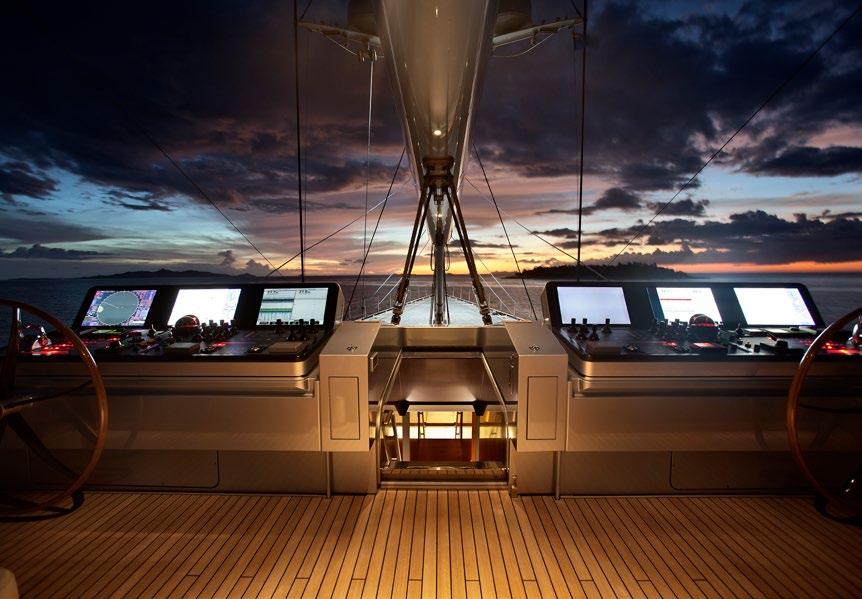
Superyacht Vertigo
A high-stakes refit transforms one of New Zealand’s most iconic yachts into a refined, intuitive space where luxury and simplicity sail in tandem.
For the owners of Superyacht Vertigo, technology should support the experience, not interrupt it.
So, when it became time to refit the yacht, the brief was clear: no clutter, no complication — just seamless control and a better way to live on water.
Liquid Automation was brought in to deliver just that. With only four months to complete the overhaul, the team replaced every element of the outdated system with a clean, streamlined solution that works equally well for private escapes and luxury charters.
Now, with a single touch, the yacht adjusts itself. Lighting, music, blinds, air conditioning — even the camera on the mast — respond through one interface. Guests can watch movies, enjoy music, or check the yacht’s speed from bed. There’s no
need to call for help, no need to learn a complicated system. Everything just works.
The team worked closely with the crew, builders, and design trades to ensure nothing disturbed the yacht’s clean lines. Speakers and touchscreens were tucked away in joinery or mounted flush into the walls. Cables and controls are hidden completely. Even the hot water system got an upgrade, allowing the engineers to check temperatures from a nearby screen, complete with a playful Star Wars alert sound.
Whether hosting a party on the aft deck or enjoying a quiet night at sea, Vertigo now delivers more than style. It offers a smart, thoughtful way to live — without ever drawing attention to itself.
Liquid Automation
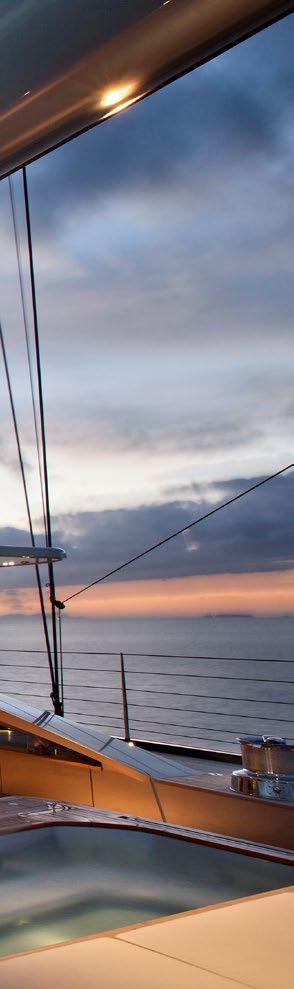
Everything feels effortless, from lighting to climate to entertainment.

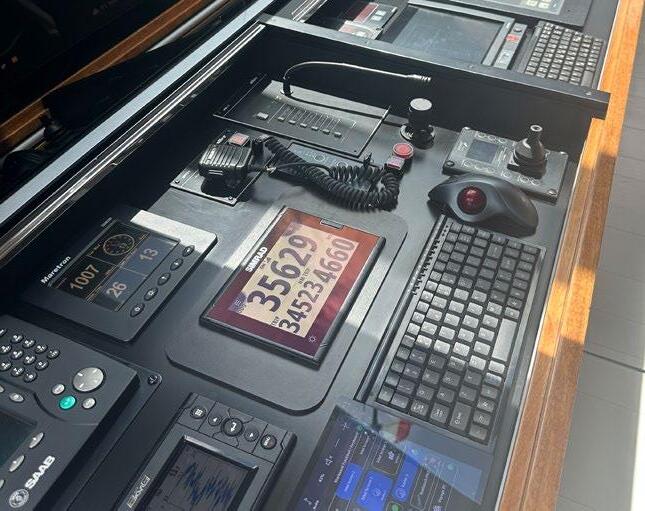
How to Design for Equipment Racks
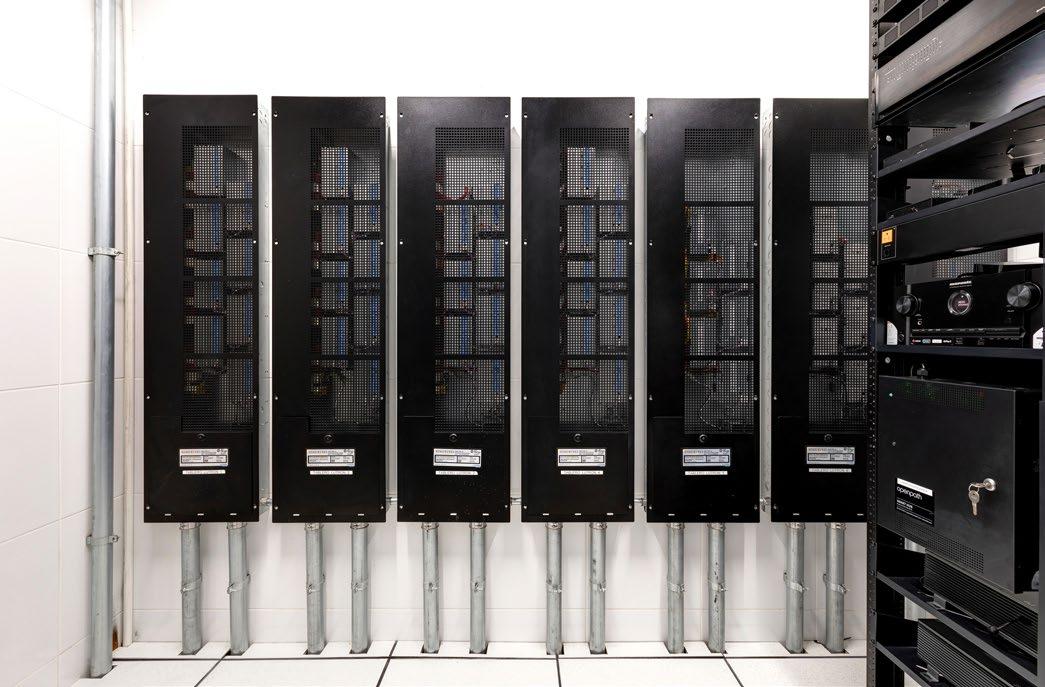
An equipment rack is the hidden heart of a smart home. For architects and designers, its placement and housing are key to performance, serviceability, and discretion.
In modern homes, the equipment rack is the quiet engine that drives every smart system. Lighting control, audio distribution, security, networking, and environmental control all converge here.
For interior designers and architects, the focus is not on what sits inside the rack, but on the environment that surrounds it. Placement, ventilation, accessibility, and discretion are the key design considerations that ensure both technical performance and architectural harmony.
A well-designed rack location is, first and foremost, about space. These enclosures are often taller than two meters and require sufficient clearance front and back for airflow and technician access. A narrow cabinet or poorly planned cabinetry may look neat at the design stage, but once installed, can make servicing a system nearly impossible. Futureproofing should also be part of the thinking. Systems evolve, and additional components may need to be added over time, so allowing for growth is crucial.
Ventilation is another essential consideration. Equipment generates heat, and without proper airflow, performance and longevity are compromised. Ideally, the rack should be housed in a dedicated cabinet or room with passive ventilation or, in larger systems, active cooling. Positioning near HVAC return air ducts can also support thermal management, but only if planned early in the architectural drawings.
Noise is a factor often overlooked. Fans, hard drives, and mechanical components create a low hum that can quickly disrupt a tranquil interior. Placing a rack adjacent to a bedroom or living space is best avoided.
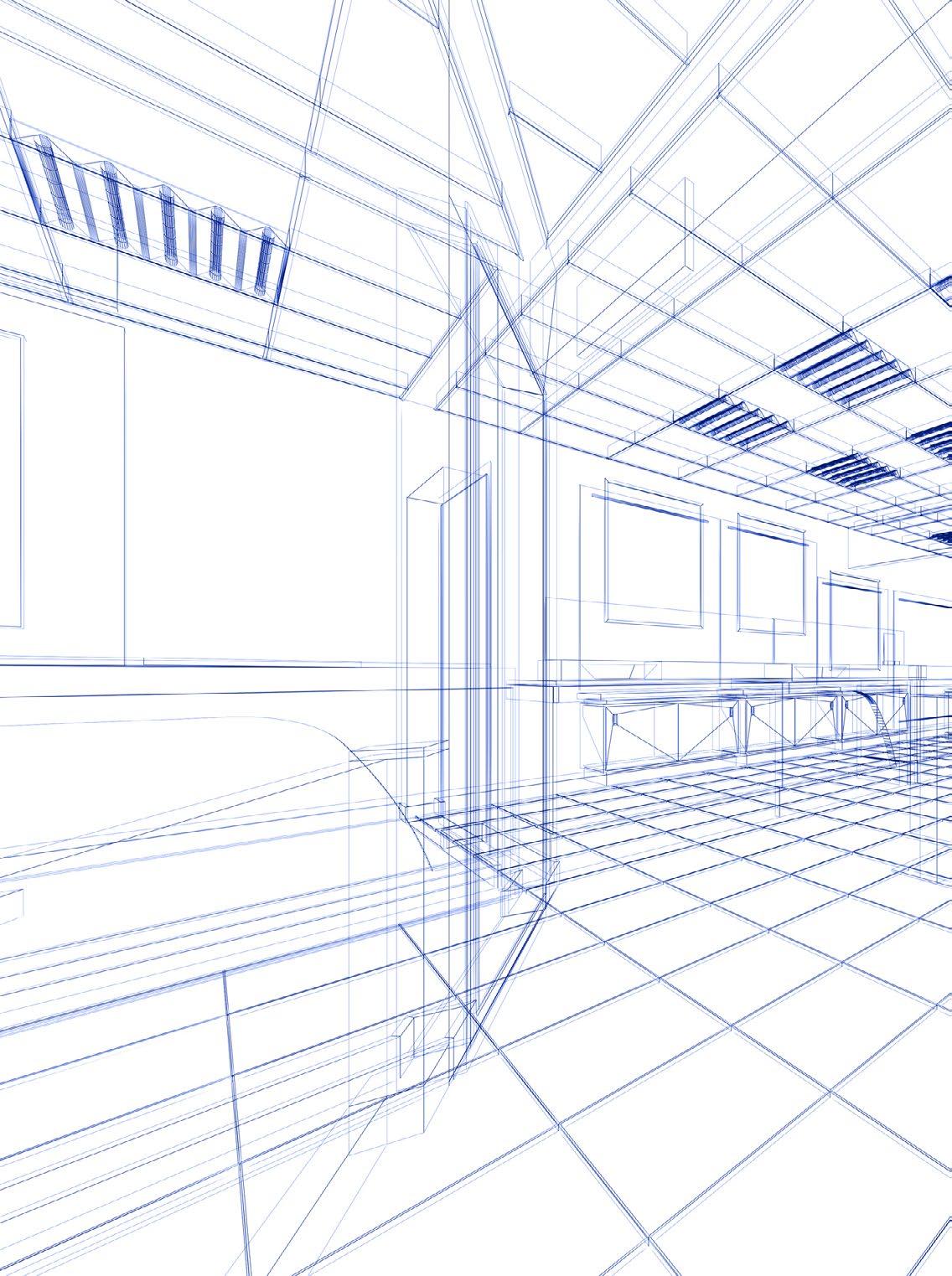
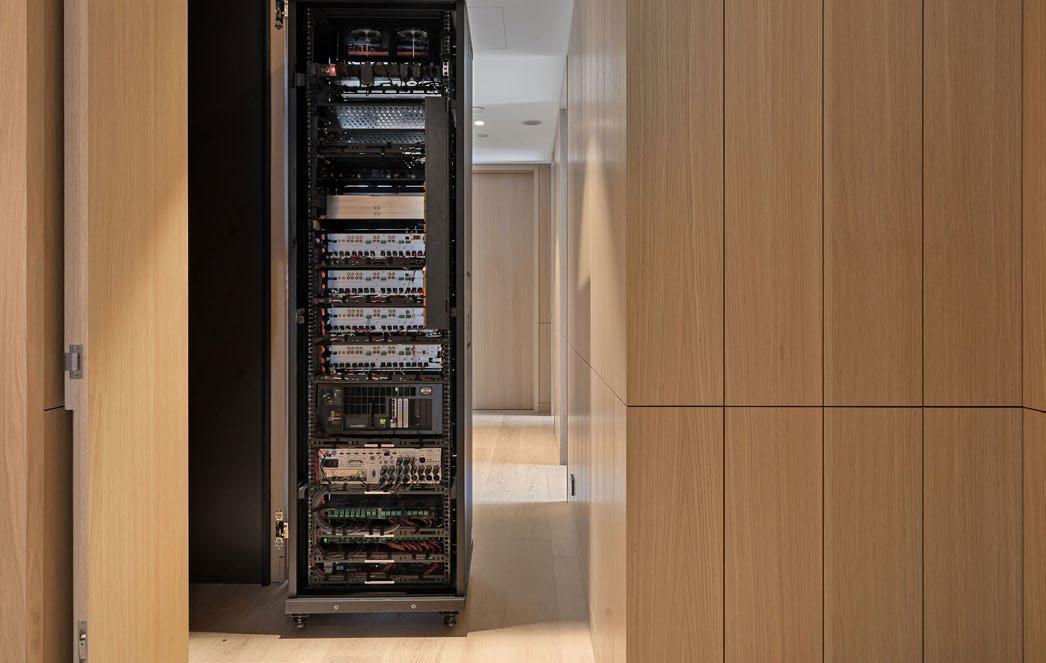
Instead, utility spaces such as basements, service corridors, or under-stair spaces can provide the ideal balance of accessibility and acoustic separation.
Accessibility cannot be overstated. Unlike decorative elements, racks require ongoing interaction by technicians. Doors should swing wide, adequate lighting must be provided, and flooring should be stable enough to allow racks to roll in and out. Designing a generous service pathway at the planning stage saves significant headaches once the system is operational.
Finally, discretion plays a major role. A rack should serve invisibly, its presence hidden behind cabinetry or within a service room, allowing the home’s interiors to shine uninterrupted. Designers who embrace this principle ensure technology never competes with the aesthetic intent.
By considering space, ventilation, acoustics, access, and concealment, architects and designers can create environments that not only house the rack securely but support the performance of the entire smart home system. Like all good design, the success lies not in the equipment itself, but in the way the surrounding architecture quietly enables it to function.
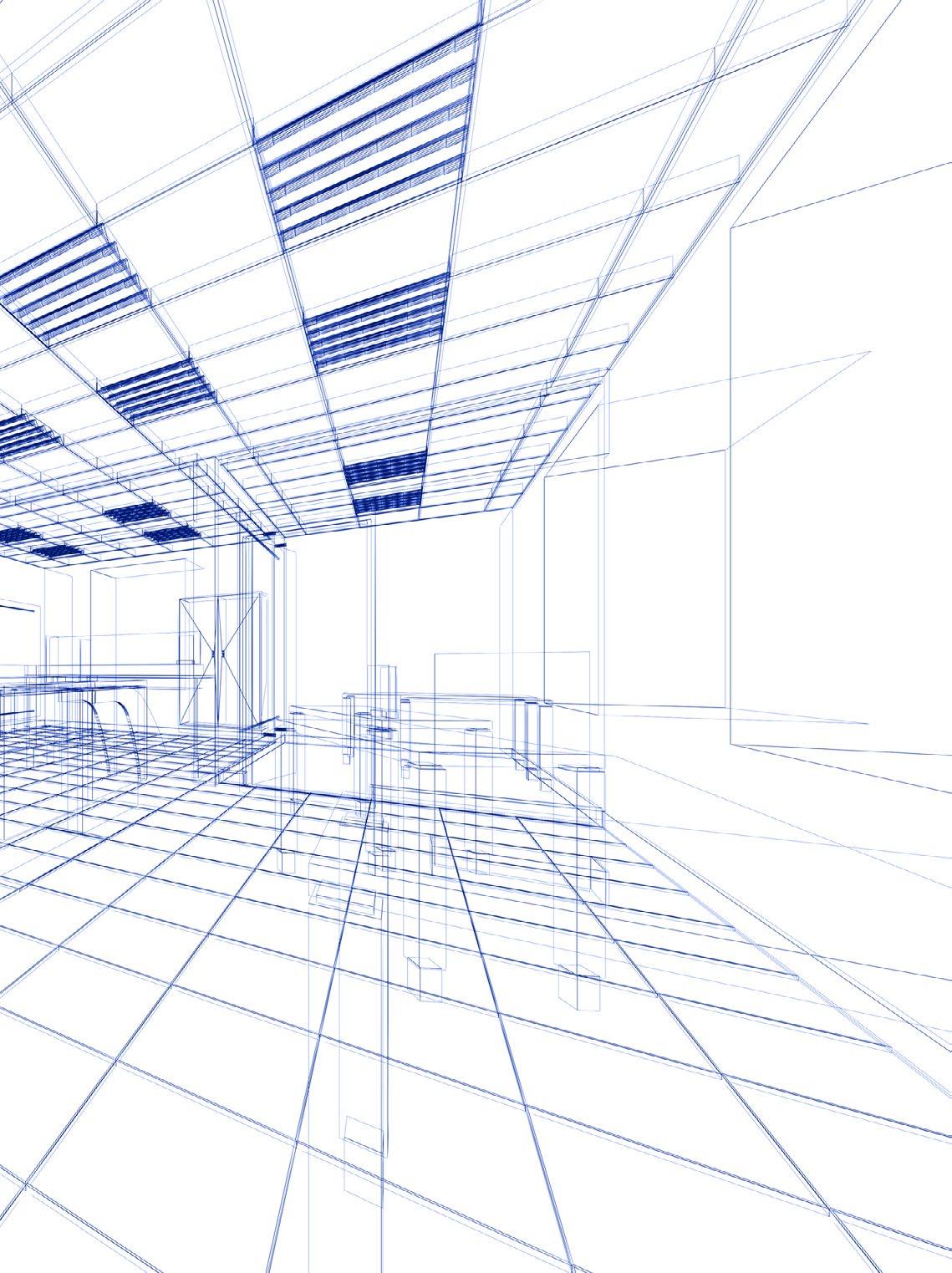
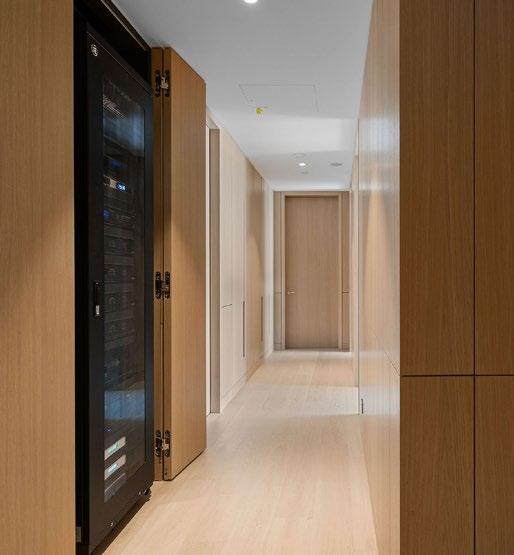
Credit: Kayder
Credit:
We’re Even Better Together
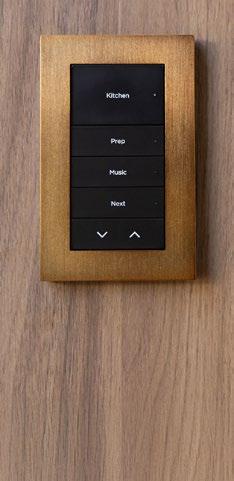
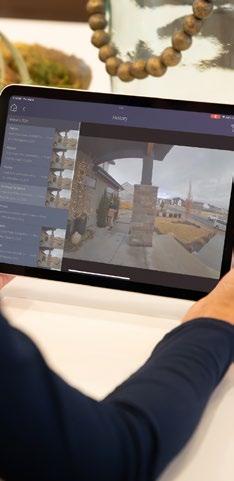
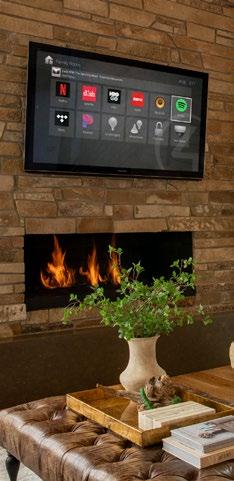
At ADI | Snap One, we’re more than just a provider of smart technology solutions; we’re your dedicated partner in creating exceptional experiences.
With a robust portfolio of over 6,000 seamlessly integrated products, we empower you to craft tailored solutions that reflect your clients’ unique preferences.
Together, we work to elevate every smart automation project, ensuring your success and complete client satisfaction. We are ready to transform ideas into reality and redefine the possibilities of smart design. Let’s elevate your projects and create remarkable spaces together! Ask us about
Visit us at adiglobal.com/snap-one/apac



Technology Meets Design
Excellence in Lighting
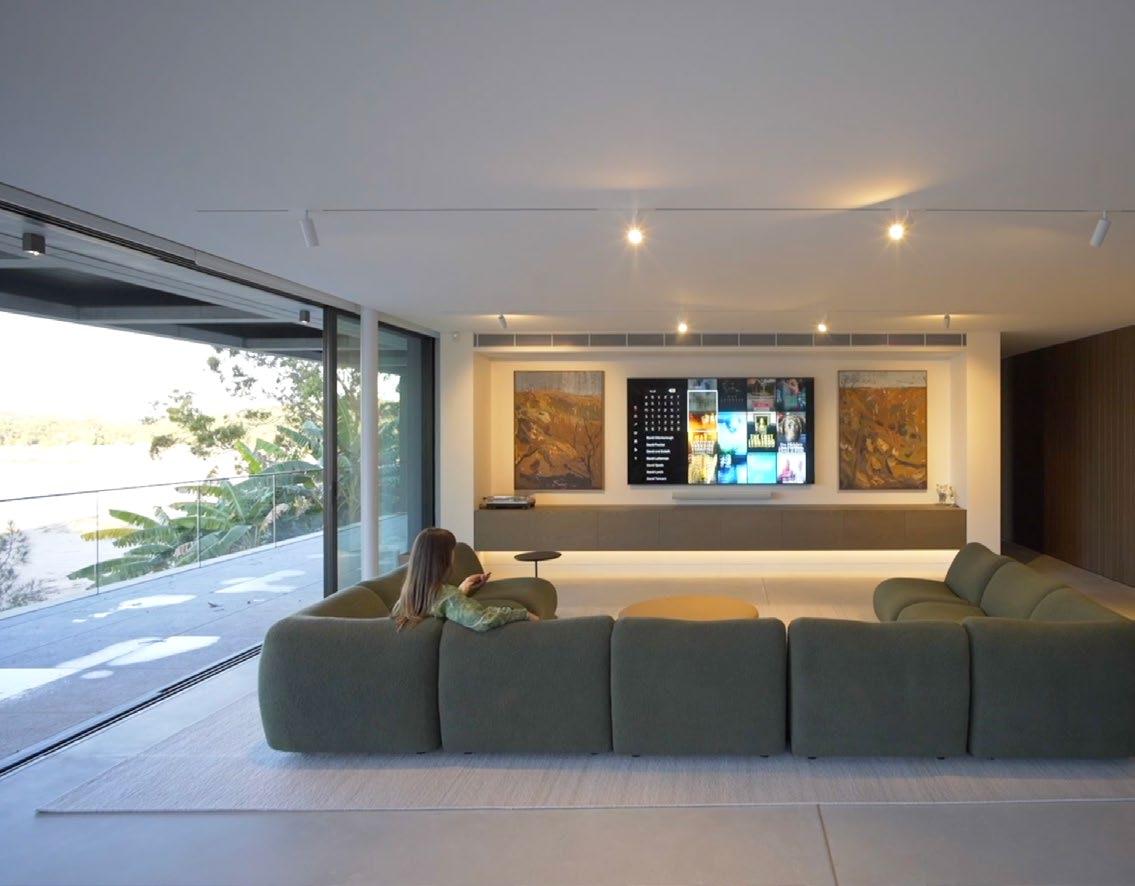
Back of the Moon Project
Perched on a bush-clad slope overlooking the sea, this soulful family retreat blends memory and modernity through quiet design and invisible technology.
Tucked between sandstone cliffs and native bushland, Maianbar is the kind of place that feels untouched by time. For one family, it’s where summer holidays have always unfolded, and where an old home — affectionately named ‘Back of the Moon’ — has been brought gently into the present.
The brief was simple but deeply personal: create a home that feels effortless to live in, no matter the season, no matter who’s staying. With the help of MHN Design Union and Lawless & Meyerson, the family restored the house with natural materials and a warm, earthy palette.
Ryelec Automation was invited to tie it all together with a smart home system that would remain invisible to the eye, but deeply responsive in use.
Lighting became the glue across the home’s split levels, connecting the bedrooms, living zones, and terraces in
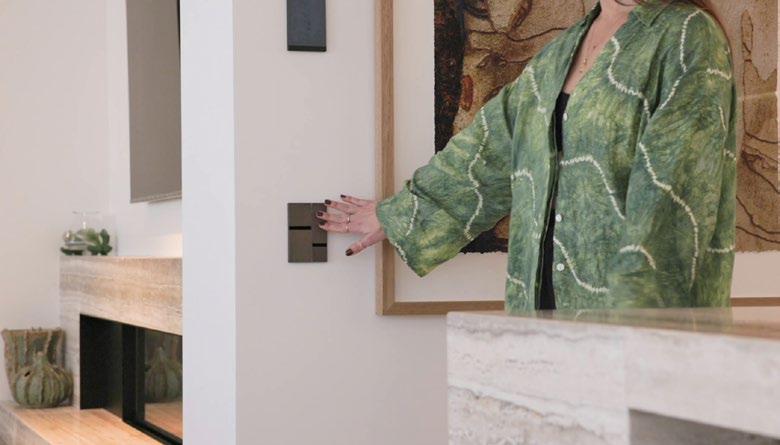
one calm rhythm. Just three carefully crafted lighting moods — bright, soft, and off — shape each space, whether it’s a quiet morning or a lively evening gathering. There’s no need for instructions or remotes. Wallmounted controls feel like sculpture; simple to use and seamlessly integrated with the home’s interior tone.
The house knows when someone arrives. Hallway lights slowly rise. Shades adjust to the sun. The temperature finds a comfortable middle ground. And when the owners aren’t there, the home keeps itself in check — efficient, secure, and always ready for their return.
For this family, the magic wasn’t just in bringing the house up to date, but in keeping its spirit intact. The result is a holiday home that quietly adapts to those within it and never asks for more attention than it deserves.
When Design Meets Technology: A New Era of Collaboration
Technology has moved from the periphery of home design to its very core. The Technology Meets Design judging panel discusses how architecture, interiors, and smart systems are finally learning to speak the same language.
When interior designer Dean Keyworth of Armstrong Keyworth began his career, a conversation about technology rarely appeared in a design meeting. “There might be a chat about where to put the television,” he says with a laugh. “But now there’s an entire chapter in my new book on smart home technology. It’s become integral to the conversation around luxury interior design.”

Dean Keyworth
Armstrong Keyworth Ltd
Dean was joined by Susie Rumbold, Sam Brunsden, Peter Warren, Tom Webster and Toni Sabatino on this year’s CEDIA Technology Meets Design judging panel. Together they represent every angle of the modern home — architecture, interiors, construction, and the increasingly vital layer of intelligent systems that ties it all together. Their collective view is that the industry is undergoing a quiet but profound transformation.
“Technology can enhance both the functionality and aesthetic of a space,” adds Toni, principal of Toni Sabatino Style. “It’s not just about control; it’s about comfort, energy awareness, and celebrating design through light and sound.
When thoughtfully integrated, it highlights the materials, art, and architecture we work so hard to perfect.”
“Technology is no longer a bolt-on,” says Sam. “It should be treated as a fundamental design layer, like mechanical, electrical, or plumbing. You can’t build a home without considering how it will connect and perform digitally.”
Beyond Luxury
For decades, smart homes were the domain of the very wealthy: large properties filled with complex control systems and cinema rooms that required an owner’s manual. That perception, says Susie, is fast disappearing.
“It goes beyond high-end residential now,” she explains. “There’s a trickle-down effect. You’re seeing elements of smart design in rental developments and mid-market projects. It’s becoming expected, and that’s the real shift.
The challenge is keeping it usable; technology only succeeds when it feels effortless.”
Toni agrees, noting that the perception of technology as an indulgence is fading fast. “We’re seeing it move from luxury to lifestyle,” she says. “Smart lighting, shading, and energy monitoring are becoming standard expectations, even in smaller or multifamily developments.”

Peter, who develops homes under the EAB Homes banner in the United Kingdom, has seen that expectation firsthand. “Whether we’re selling at £1 million or £5 million, every buyer assumes there will be some technology in the house,” he says. “The difficulty is balancing budget and expectation. People love the idea of smart features but are often surprised when they discover what they actually cost.”
For him, the solution lies in future readiness. “At the very least, we make sure the wiring infrastructure is there,” he says. “Even if clients can’t afford full automation immediately, they will have the option later. Readiness is value.”
Designing for Every Life Stage
While technology is frequently associated with convenience, the panel agrees its real power lies in adaptability. Homes can now evolve with their occupants, accommodating everything from hybrid working to ageing in place.
Sam from Dyntec, who sits on the advisory board of the International WELL Building Institute, highlights how certification frameworks are expanding to include digital wellness and senior living. “It’s about infrastructure that supports life changes,” he says. “You might design a home for a young family today, but 10 years from now it could need in-home care facilities. If the systems are in place — connectivity, monitoring, control — you can support that transition without rebuilding.”
Susie shares a similar observation from her interior design studio, Tessuto. “We often work with clients who are planning long-term residences. The brief now includes lifestyle questions: How do you consume entertainment? Do you travel frequently? Will you need
Clients want to invest in their lifestyle. Technology that supports accessibility and ageing in place ensures the home evolves gracefully with its occupants.
Susie Rumbold Tessuto
assisted living features later? These conversations help us create a specification that can adapt. Flexibility is everything.”
Dean adds that routine itself influences design. “A young couple might have unpredictable schedules, while retirees tend to have consistent habits. Technology can respond to both. Automated lighting and shading can align to routines, adjusting naturally over time. It’s incredibly powerful when it works with, rather than against, human behaviour.”
“Preparing a home for the future is part of responsible design,” says Toni. “Clients want to invest in their lifestyle. Technology that supports accessibility and ageing in place ensures the home evolves gracefully with its occupants.”
The Invisible Infrastructure
Every member of the panel points to networking as the unsung hero (and frequent villain) of the modern home.
“It still amazes me,” says Peter, “how many clients come to us saying, ‘I just want the internet to work properly.’ In new builds with reinforced concrete or thick insulation, you can have zero phone signal and patchy Wi-Fi. A beautiful home is useless if it’s not connected.”

priorities; it’s about coordination.”
Toni Sabatino Style
Peter, who frequently mediates between the two worlds on site, sees personality as part of the challenge. “Developers, designers, and integrators all come with stereotypes — the tech people seen as nerds, the designers as fussy about finishes. But when everyone drops their guard, the results are incredible. The client wins, the process runs smoother, and the project feels cohesive.”
“The best homes happen when design and technology teams stop protecting their turf,” says Peter. “It’s about communication, openmindedness, and remembering that everyone is working toward the same goal.”
Today, lighting panels and keypads are designed beautifully. They’re tactile, elegant, and can complement the room’s aesthetic. We’re finally at a stage where technology contributes to the visual story rather than interrupting it.
Sam agrees. “Audio-visual has become IT. Everything sits on a network — lighting, shading, heating, entertainment. If that backbone isn’t designed properly, nothing else functions. A good integrator understands data infrastructure as well as design aesthetics. It’s the new electricity.”
Dean nods. “There’s still an education gap among designers. We need to understand how much space a rack requires, what cooling it needs, and where access panels must go. Without that knowledge, we frustrate the integrator. It’s about cross-education between our disciplines.”
Toni highlights another layer: “So much of the conversation now is about network reliability. People think Wi-Fi is magic, but it’s infrastructure. A well-planned backbone is what makes automation truly invisible.”
Bridging Aesthetic and Technical Worlds
Historically, interior designers and integrators approached projects from different planets: one focused on appearance, the other on performance. The panel agrees that collaboration is now dissolving those boundaries.
“It used to be all about big black speakers and ugly white docks stuck on de Gournay wallpaper,” says Susie. “That’s gone, thankfully. Today, lighting panels and keypads are designed beautifully. They’re tactile, elegant, and can complement the room’s aesthetic. We’re finally at a stage where technology contributes to the visual story rather than interrupting it.”
For Sam, success depends on timing. “Too often, I’m brought in after the interiors are finalised. By then, the equipment room is too small or the ceiling grid doesn’t work for the lighting layout. Bringing consultants in early, at the same time as mechanical and electrical engineers, saves everyone headaches later. It’s not about competing
Redefining Professionalism
A decade ago, many integration firms operated more like trade contractors than consultants. Sam believes that’s changing. “We’re seeing a rise in specialist design consultants who don’t sell equipment,” he explains. “They operate like MEP (mechanical, electrical, and plumbing) engineers, producing specifications and drawings for tender, ensuring the design matches the client’s brief rather than pushing a particular brand. It’s a sign the industry is maturing.”
Susie supports this model. “Integrators should be at the table with the architect, engineer, and interior designer from day one,” she says. “They bring technical expertise that can shape the concept. When that happens, the client ends up with a product that truly reflects their needs and budget.”
Dean adds, “The role of education can’t be overstated. Designers don’t need to become technologists, but they should understand the basics: spatial requirements, ventilation, and maintenance access. It’s the same respect we show lighting or HVAC specialists.”
Overcoming Misconceptions
Despite progress, misconceptions persist — both among professionals and homeowners. “One of the big ones,” says Dean, “is the idea that everything is wireless. People think you can just do it over Wi-Fi. You can’t. You still need serious cabling if you want reliability.”
Susie laughs. “And clients always forget about access. Underfloor heating is a great example. People think there’s no equipment,

Toni Sabatino
Tom Webster Webster Harding Architects Ltd.
When Design Meets Technology: A New Era of Collaboration (continued)

then realise they need large manifolds and panels. The same goes for technology. If you want it to be invisible, you have to plan for where it lives.”
For Sam, the biggest misunderstanding is assuming technology and design are at odds. “That’s old thinking,” he says. “Invisible speakers, recessed projectors, beautifully engineered switch plates — there are so many ways to make it elegant. The earlier we collaborate, the easier it is to integrate seamlessly.”
Toni observes that many clients still see smart systems as complicated or unnecessary.
“I ask them if they’d buy a car with roll-down windows,” she says. “Technology has matured. Streaming updates and intuitive interfaces have made it accessible, not intimidating.”
The Convergence of Creativity and Control
Across continents, this convergence of design and technology signals a new mindset. In New York, Toni’s kitchen-centric philosophy celebrates open-plan spaces where lighting and automation enhance daily rituals. Her belief that technology should serve wellbeing echoes throughout her work, where lighting and control enhance the joy of everyday rituals. In London, Susie’s process-driven interiors rely on technical precision to deliver emotional comfort. In New Zealand, architect Tom Webster uses integrated systems to balance sustainability and cinematic experience.
Wherever they work, the lesson is the same: technology belongs in the design conversation from the start.
As Susie concludes, “Great design isn’t about adding more. It’s about making life simpler, calmer, and more connected. When design and technology are truly aligned, you don’t see the systems. You just feel the difference.”
Great design isn’t about adding more. It’s about making life simpler, calmer, and more connected. When design and technology are truly aligned, you don’t see the systems. You just feel the difference.
A Future of Effortless Living
Looking ahead, the panel predicts a future where systems fade entirely into the background. Susie envisions homes that quietly self-regulate: “We’re already seeing shading and climate systems that respond automatically to sunlight or temperature. People won’t need to think about it because it’ll just happen, creating comfort and efficiency without intrusion.”
Dean points to emerging artificial intelligence. “We’re heading toward unified control, where you simply talk to the home or wear a device that understands context. But that only works if everything behind the scenes is engineered correctly.”
Sam sees hardware shrinking. “When I started 20 years ago, equipment racks filled entire cupboards. Now we’re halving them every few years. Edge computing will make them smaller still. Integration will get simpler, but expectations will rise. People aren’t impressed by automation anymore; they’re impressed when it’s invisible.”
“The goal is not more gadgets,” says Toni. “It’s about homes that anticipate our needs, enhance wellbeing, and make daily life feel smoother. The best technology disappears into design, leaving only comfort and beauty behind.”
For Peter, the greatest innovation may be cultural. “We’re finally recognising the value of collaboration. For years, projects went wrong because people worked in silos. Now the word I keep coming back to is communication. When everyone’s on the same page (client, designer, integrator, builder, etc.) the handover is silent. No calls, no complaints. That’s when you know it’s worked.”
Advice for New Designers

As smart technology becomes standard, more designers are encountering integrators for the first time. The panel’s advice is simple.
“Don’t be defensive,” says Dean. “If a client wants something that challenges your aesthetic, look for solutions rather than roadblocks. Listen to the experts, they’re there to make your vision work in practice.”
“Bring them in early,” adds Susie. “It’s just good business. The sooner they contribute to the brief, the more cohesive the result.”
Sam encourages due diligence. “Choose your partners carefully. Don’t just go local or cheapest. Look for certification, experience, and scale. You’re trusting them with the home’s nervous system.”
Peter agrees. “Avoid the race to the bottom. Quality integration costs what it costs, but it adds enormous value in the long run. Collaboration and transparency beat cutting corners every time.”
Sam Brunsden Dyntec
Peter Warren EAB Homes
Best Integrated Home - Level II 2025 Finalist
Best Integrated Home - Level III 2025 Finalist
Excellence in Lighting 2025 Finalist
Best Integrated Home - Level I 2025 Finalist

Denote Kayder
Best Single Room Solution 2025 Winner
Best Integrated Home - Level I
2025 Winner
Best Integrated Home - Level III
2025 Winner
Excellence in Documentation
2025 Winner
Excellence in Support & Maintenance
2025 Winner
Excellence in Documentation
2025 Finalist
Excellence in Lighting
2025 Finalist
Excellence in Networking
2025 Finalist
Excellence in Rack Building & Design
2025 Finalist

Liquid Automation LUXOR Integration
Excellence in Networking
2025 Winner
Excellence in Rack Building & Design
2025 Winner
Technology Beyond the Home
2025 Winner
Excellence in Documentation
2025 Highly Commended
Best Integrated Home - Level III
2025 Finalist
Excellence in Lighting
2025 Finalist
Excellence in Rack Building & Design
2025 Finalist
Excellence in Support & Maintenance
2025 Finalist

Best Home Cinema - Level I 2025 Winner
Best Integrated Home - Level I 2025 Finalist
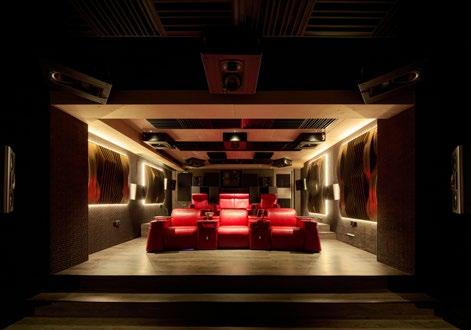
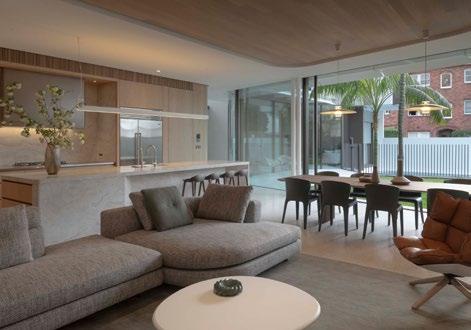
Best Home Cinema - Level III 2025 Finalist
Best Integrated Home - Level II 2025 Winner
Excellence in Lighting 2025 Winner
Technology Meets Design 2025 Winner
Excellence in Lighting 2025 Finalist

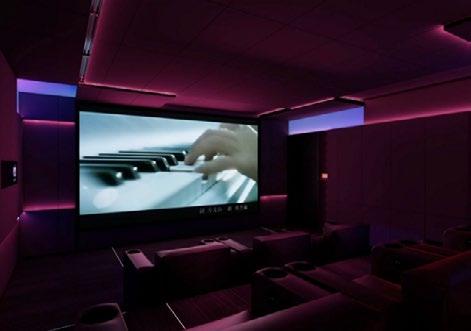
Sentiment Hi-Fi
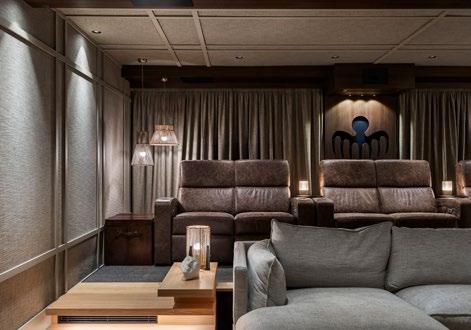
Wavetrain Cinemas
Best Single Room Solution 2025 Finalist
Global Best Home Cinema 2025 Winner
Best Home Cinema - Level III 2025 Winner
Best Home Cinema - Level II 2025 Winner
Best Home Cinema - Level I 2025 Finalist
Excellence in Documentation 2025 Finalist


Cabling Registration run by the industry, for the industry

The Australian Cabler Registration Service (ACRS) provides a fast, reliable and low-cost registration service for the electrical and communications industry.
It is illegal for anyone other than a registered cabler to install or maintain cabling that connects to the telecommunications network. So if you are installing any equipment that will connect to the network – from smart home systems to extra phone lines, monitored security and access control systems – you need a current cabling registration.
Carrying a current nationally recognised cabling registration card confirms you have completed the relevant training, gained the knowledge and have the professional experience to perform cabling work according to the wiring rules, the industry standard. The wiring rules promote safety of consumers, cablers and help to maintain the safety and integrity of our network.
ACRS often receives calls from builders and consumers to verify that the cabling contractors doing work for them are registered
Cabling which is installed incorrectly can result in your phones, internet, alarms and home wiring systems not working properly
Faulty cabling can also increase the risk of safety hazards such as electrocution and even death.
Peace of mind costs less than 60c a week! Register with ACRS and reap the benefits of being with the only Australian electrical specialist registry while avoiding a hefty fine.

Fast, reliable personalised advice and service from our expert staff
Registration card, Certificate of currency, quarterly updates providing the latest cabling news, industry issues and training information
National website listing as a registered cabler

Range of registration and renewal options – online, email, post or in person
Wholly owned subsidiary of NECA – the peak industry body for electrical contractors
Specialised cabling endorsement and skill level recognition
Register with ACRS now
Call the ACRS Cabler Registration service centre on 1300 667 771 or visit our website www.acrs.com.au