At CDC, we value transparency and accuracy. As a non-listed company, we choose to share this FY25 voluntary Sustainability Progress Update (FY25 Update) to inform our stakeholders and the broader community. New Australian mandatory climate-related disclosures as required by the Corporations Act 2001 and the Australian Sustainability Reporting Standard (AASB S2) referred to in this FY25 Update as the ASRS, came into effect in Australia from 1 January 2025. As a large organisation, CDC is part of Group 1 reporting and will publish its first report in accordance with this mandatory climate-related financial disclosure regime next year (FY26 reporting year). As such, while CDC's progress towards ASRS is reflected in this update, the FY25 Update is distinct from, and not intended as an ASRS Sustainability Report.
We’ve taken reasonable steps to present information that is accurate and based on recognised standards, protocols and methodologies. We have provided additional details regarding our data in the form of the Metrics and Performance table on page 40 to help better inform our readers of our approach. Where estimates or assumptions have been used, we’ve applied the best available data at the time and noted any qualifications, limitations or exceptions as detailed in our Appendix and Notes. This update is intended for general information only. It should not be relied upon for legal, investment or other decision-making purposes. The goals, targets and forward-looking statements included are not guarantees. They reflect our current understanding and may evolve due to changes in market conditions, regulations or other external factors.
We’ve deliberately limited forward-looking statements in this update. Where they appear, they are based on reasonable expectations at the time of publication and are subject to change. These statements may involve assumptions and projections about future strategies and operating environments that are inherently uncertain. CDC does not propose to update or revise the information in this update on an ongoing basis to reflect changes of circumstances over time. Relevant changes may be reflected in future reports issued from time to time. As such, we do not guarantee that actual outcomes will align with the statements made and we accept no liability for any loss arising from the use of this information.
About this update
This is our second annual update on our sustainability progress and approach. This FY25 Update has been prepared in respect of the operating entities of CDC Group Holdings Pty Ltd (ABN 67 612 332 073): CDC Data Centres Pty Ltd, the Australian operating entity, and CDC Data Centres NZ Limited, the New Zealand operating entity. Both entities are owned 100% by CDC Data Centres Holdings Pty Ltd (referred to in the update as ‘CDC’, ‘us’, ‘we’ or ‘our’). It covers the financial reporting period from 1 April 2024 to 31 March 2025 (FY25). It also includes data points that are historical and up to date at the time of publishing, to further contextualise our continuous sustainability progress. It outlines the ESG activities and initiatives completed during this financial year and analyses the performance metrics relevant to stakeholders and investors.
CDC thanks CSIRO for the image used on the cover of this publication, sourced from the CSIRO Science Image Library. www.csiro.au
Image title: “RS27659_BU6182 (Version 1)” – CSIRO Science Image Library. Used under Creative Commons Attribution License.
We recommend reading the FY25 Update in conjunction with our Environmental, Social and Governance Statement of Commitment, annual Modern Slavery Statement, public National Greenhouse and Energy Reporting Scheme (NGERS) data and Workplace Gender Equality Agency report. Together these documents provide a comprehensive overview of CDC’s sustainability approach. We encourage readers to view this update as a snapshot of our current position and to follow our progress through future sustainability updates.
Recognising First Nations
We acknowledge the First Nations Peoples of the lands on which we operate.
In Australia, CDC acknowledges the Traditional Owners of the lands on which we operate and pays respect to Elders past and present. We recognise their enduring connection to Country and the vital role Aboriginal and Torres Strait Islander peoples continue to play in caring for land, waters and community. Our commitment is to listen, learn and build respectful relationships that support a more inclusive and sustainable future.
In New Zealand, CDC recognises and respects Māori as Tangata Whenua of Aotearoa. We acknowledge their unique role as kaitiaki (guardians) of the land and embrace the principles of Te Tiriti o Waitangi: Partnership, Participation and Protection. We are committed to reflecting Māori perspectives and values into our sustainability journey and honouring the cultural heritage that shapes Aotearoa.
Dungala Dreaming is inspired by a traditional Yorta Yorta creation story.
Baimi the Creator Spirit called out to Gane, the great Rainbow Snake who was asleep beneath the earth. Gane awoke and set off across Country, pushing the earth into deep crevices, hills and valleys, as colours from his great body spread throughout the land covering trees, plants and all creatures. Baimi called out in a loud voice and thunder cracked as lightning flashed across the sky and rain fell. The rain filled the deep crevices and the river Dungala was formed.
Original Artwork “Dungala Dreaming ” by Siena Tieri c.2023.
Te Haumanu Toi, experts in Māori art, crafted this carving, to embody both tradition and modernity. The artwork represents data’s invisible yet vital role, blending ancient Māori wisdom with contemporary progress. The design incorporates significant Māori symbols, such as the deity Tane-niu-a-Rangi, representing knowledge and protection, and the Korowai, denoting status and unity. These elements honour cultural heritage while signifying CDC’s role as a guardian of information in the digital age.
Original Artwork “Tāne-nui-a-Rangi - The holder of knowledge” by Wyvern Rosieur, Uenuku Hawira, Maryanne Rosieur, Rerekapua Rosieur, Hokimai-anahera Rosieur c.2024.
Message from the Board Chair
CDC’s
This
sustainability journey continues to evolve with purpose, clarity and momentum.
year’s update reflects not just progress, it reflects intent. It shows how
CDC is embedding Environmental, Social and Governance principles into the way we develop, operate, govern and grow.
We’re proud to see CDC continuing to look beyond compliance to leadership as a means of creating value for all our stakeholders. By setting ambitious targets, delivering tangible outcomes and strengthening transparency across its operations, we can drive long-term value and industry-wide influence.
As part of CDC’s commitment to achieving our 2030 Net Zero Target,1 our FY25 efforts have seen over 95% of electricity used in our operational data centres matched with renewable energy certificates, achieved through our Renewable Energy Program2 in partnership with participating customers. We will expand on this achievement and the principles that guide our approach in the sections that follow.
CDC’s approach to water is another example of leadership in action, with its LiquidCore™ 3 advanced liquid cooling system eliminating ongoing water draw, saving billions of litres annually and setting a new benchmark for water efficiency and its impact on environmental stewardship in data centre operations.
We are also aware that CDC faces industry-wide challenges, including ongoing skills shortages in construction and trades, and strong competition for diversity, including genders and backgrounds in these roles. In addition, CDC’s commitment to sustainable building materials can be impacted by supply chain constraints and the need to balance sustainability with the security requirements of critical infrastructure. Addressing these challenges requires ongoing collaboration and innovation across our sector.
As a board, we see sustainability as an essential driver of long-term value. It’s how CDC manages risk, earns trust and attracts partners who share its vision for resilient infrastructure and responsible growth.
This update is for our stakeholders, customers and communities. It shows how CDC is navigating complexity with confidence, turning climate and social challenges into opportunities for innovation and leadership.
We thank the CDC team, delivery partners and suppliers for their continued dedication. Your work is shaping the future of infrastructure in Australia and New Zealand.
We look forward to supporting CDC as it continues to lead with integrity, operate with ambition and report with transparency.
Regards,
Brett Chenoweth Board Chair
Message from the CEO
Since 2007, CDC has grown from a bold idea into a cornerstone of sovereign infrastructure trusted to support the systems that keep Australia and New Zealand running.
From the beginning, we made a deliberate choice: to build infrastructure that was not only secure and scalable, but also sustainable. The ethos of clean, efficient and future-focused has guided us ever since.
Today, CDC helps secure progress. CDC is proud to serve as the foundation of the systems that keep society functioning. We see ourselves playing a vital role in supporting the data and technologies essential to national safety, security and innovation. From systems critical to our nations’ protection to those advancing research and Artificial Intelligence (AI), our responsibility grows alongside the demand for digital services and we are committed to offering them in ways that are resilient, efficient and aligned with national priorities.
We are seeking to do so, both in regions that are well established for their infrastructure footprint, as well as expanding the opportunities for job creation and economic development at scale across new regions. Our landmark plan in Western Australia reflects this commitment of purpose-built facilities to support AI and advanced technology deployments and Australia’s ambitions to remain at the forefront of innovation. These investments are about capacity and capability, enabling AI to thrive in secure, sustainable environments.
This year’s FY25 Update reflects how far we’ve come and where we’re heading. Having set and reported our targets last year, including a 2030 Net Zero Target for Scope 1, 2 and defined Scope 3 emissions, we deliberately focus on the industry challenges that matter most to our stakeholders and we have committed to prioritising the areas where we can make the greatest difference.
In FY25, we focused on the roll out of our Renewable Energy Program, which is available to our entire customer base. As a result, 95.8% of the electricity used in our operational data centres was matched with renewable electricity. We also concentrated on building a strong foundation for capturing and reporting our emissions in preparation for ASRS climate-related financial disclosures in FY26.
Our leadership in water efficiency continues with LiquidCore™, an innovative liquid cooling system designed to be the core of the data centre infrastructure. Built for resilience and supporting ever-advancing customer equipment, LiquidCore™ does not rely on ongoing water consumption or evaporation.
As Australia’s climate disclosure standards evolve, we are strengthening our ESG governance to ensure transparency and accountability.
We’ve also expanded our presence, with construction underway at our Laverton Campus in Victoria and our Marsden Park Campus in New South Wales, which will bring thousands of jobs and more than $2.7 billion to the local areas over the life of these projects. This reflects our commitment to regional resilience, economic growth and the infrastructure needed to meet tomorrow’s challenges.
CDC’s sustainability reporting isn’t only about metrics but also about mindset. From its inception, CDC has never considered sustainability as a side initiative, it’s embedded in how we design, build and operate. It’s how we turn climate risk into resilience and infrastructure into national economic and geostrategic advantage. We know expectations are rising, and we welcome that because we believe that doing the right thing deliberately, transparently and at scale is the only way to build trust and secure progress.
Thank you for joining us on this journey.
Greg Boorer Founder and Chief Executive Officer
CDC at a glance
CDC is the pre-eminent owner, operator and developer of sovereign, large-scale data centres across Australia and New Zealand. We are the Critical Infrastructure for Critical Infrastructure™ that underpins national security, economic resilience and social wellbeing.
Our customers include governments, essential services and industries that cannot compromise on the security, availability or sustainability of their digital infrastructure. In an era of increasing cyber risk and climate volatility, CDC delivers trusted, resilient and future-ready solutions.
We continue to invest in infrastructure that is scalable, efficient and aligned with national interest. From our expansion of campuses in Victoria and NSW to LiquidCore™, our advanced liquid cooling system, and our 2030 Net Zero Target,1 CDC is building for long-term resilience and impact.
CDC’s ESG strategy is built around three core pillars:
Stable planet: minimising environmental impact through energy efficiency, water conservation and a commitment to circularity.
Thriving people: supporting the wellbeing, safety and capability of our people and the communities we serve.
Trusted company: delivering secure, sovereign infrastructure with strong governance, transparency and accountability.
FY25 sustainability highlights
0.01
Maintained a world-class Water Usage Effectiveness (WUE) of 0.01 demonstrating that high-performance infrastructure can scale without draining water, while increasing infrastructure resiliency.
0.8
Our serious claims rate is 0.8 per million hours worked,significantly lower than the Safe Work Australia benchmark.
94+
Achieved a Net Promoter Score (NPS) of 94+ showing that our customers don’t just trust CDC, they actively advocate for us.
90%
90% of our data centre operations team has completed training through the CDC Academy.
Toitū Certified
Sustained Toitū Enviromark Diamond and Net Carbon Zero certifications for CDC’s New Zealand facilities.
95.8%
Offered 100% renewable electricity to our customers through our Renewable Energy Program, resulting in 95.8% renewable electricity in FY25 in our operational data centres.
12
All of our Australian data centres are Certified Strategic Facilities under the Australian Government Hosting Certification Framework bringing the total to 12 in FY25.
18
Supported 18 community-focused organisations through partnerships and sponsorships to lead meaningful initiatives in the communities we operate in.
Global growth in data
Data is exploding. From cloud platforms to AI, the digital transformation of everyday life is driving unprecedented growth in how much data the world creates and consumes.
Data powers everything, from planes in the sky and emergency response systems, to border security, banking and the apps we rely on daily. It’s behind the scenes in financial transactions, streaming services and even the way we plan cities and respond to climate events. This momentum isn’t slowing down. It’s accelerating and it needs a home.
Data centres are the efficient response to this consumer and economic demand for digital services. CDC’s data centres are the essential infrastructure that is allowing the digital economy to function, scale and thrive.
As demand for data continues to grow, we play a critical role in providing the capacity and capability Australia and New Zealand needs. With that comes responsibility.
CDC’s purpose-built facilities are designed for security, reliability and efficiency, centralising compute in high-performance environments to meet the demands of our rapidly evolving digital world. We’re building infrastructure and shaping it to serve communities, support critical services and create lasting value.
Efficiency:
Scale brings the opportunity for efficiency. We design to maximise energy efficiency, reduce emissions intensity and optimise operational efficiency. Our efforts resulted in 95% of our Target emissions abated in FY25.7
Water:
Our LiquidCore™ advanced liquid cooling system can conserve billions of litres of water, resulting in a WUE of 0.01 while maintaining energy efficiency with a PUE of 1.38.3
Our three big opportunities
Our sustainability strategy focuses on three critical areas where we can respond to the global growth in data in a way that supports Australia and New Zealand and drives positive impact: efficiency, water and climate resilience
Climate resilience is a strategic lens that informs site selection, how infrastructure is designed, built, operated and governed.
Climate resilince:
Designed for efficiency
As digital demand grows, infrastructure must scale to keep pace. CDC’s purpose-built data centres are designed to maximise energy efficiency, reduce emissions intensity and optimise operational efficiency.
CDC’s focus on efficiency is key to meeting global sustainability goals including the United Nations Sustainable Development Goals (SDGs) and supporting growing compute needs. Our approach focuses on reducing our impact on the environment while achieving measurable efficiency gains through modular construction, lower-carbon materials where feasible and smart energy systems enabled by our innovative cooling infrastructure. Integrated water management such as rainwater collection and CDC’s LiquidCore™ advanced liquid cooling systems further supports resource efficiency and overall resilience.
Efficiency also drives business value. It lowers operational costs, supports faster deployment and enables long-term scalability. Our engineering, construction and sustainability teams work to optimise water and energy use, tailoring infrastructure to customer needs with a focus on providing exactly what’s required at every CDC site.
This scalable, replicable model supports high-impact infrastructure delivery and helps shape a more sustainable digital future.
Our three big opportunities:
Maximise water effectiveness
Founded in 2007, when Australia was battling the Millennium Drought, CDC implemented LiquidCore™, an advanced liquid cooling system designed to be the core of the data centre infrastructure, offering resilience and supporting ever advancing customer equipment without relying on ongoing water consumption or evaporation.
Digital infrastructure is a core enabler to modern life and business, with cloud computing, artificial intelligence (AI) and automation driving demand for secure, high-capacity data centres. This demand places increased pressure on energy and water systems. Traditional evaporative cooling systems, which consume large volumes of water daily, are not sustainable in a world facing significant water stress and climate volatility.
CDC's LiquidCore™ is a model uniquely designed for Australia, a country shaped by drought and water stress, and built for long-term sustainability.
This water-efficient approach is not only environmentally responsible but commercially strategic. It reduces CDC’s reliance on municipal water supplies, lowers operational costs and improves resilience in regions with limited or unpredictable water access.
It also supports compliance with tightening environmental regulations and strengthens CDC’s social licence to operate. As sustainable cooling becomes a global standard, CDC’s infrastructure is already aligned with the future.
Our three big opportunities:
Built for climate resilience
At CDC, we didn’t retrofit climate resilience into our strategy; we started with it. Climate resilience is a sustainability measure and a strategic lens that informs site selection, how infrastructure is designed, built, operated and governed.
Our infrastructure is built to withstand climate volatility, with LiquidCore™, our innovative liquid cooling system that eliminates ongoing water draw and reduces environmental strain.
We’ve set Net Zero Targets across Scope 1, 2 and defined Scope 3 emissions by 2030, supported by board-level oversight and alignment with the emerging ASRS climate-related financial disclosures.
Resilience also means anticipating future risks. As extreme weather and shifting energy demands become more common, CDC continues to design infrastructure that adapts and supports long-term reliability for critical technology. Our customers rely on us to deliver secure, scalable systems that perform under pressure. In FY26, CDC will begin mandatory sustainability reporting, including climate-related financial disclosures in accordance with ASRS, expanding disclosures on environmental performance, resource use and operational impact. Resilience is integrated into the decisions we make to ensure our systems remain dependable under changing conditions and evolving risks.
Our three big opportunities:
Our sustainability strategy
Our approach to sustainability is built on three pillars: stable planet, thriving people and trusted company. These pillars guide how we design, build, operate and respond to growing demand by developing resilient infrastructure, empowering our teams to lead with purpose and meeting customer needs.
Whether it’s ensuring resilience in the context of a changing climate, improving energy efficiency or reinforcing governance and security across our systems, our decisions are shaped by our environmental and operational footprint.
We build for what matters. That means infrastructure that performs under pressure, systems that are resilient to disruption and partnerships that support innovation.
Put simply, our sustainability pillars mean our customers can progress their visions and goals with confidence, knowing CDC is prepared for what’s next. This has never been more important.
As data centers are the critical infrastructure for a digital and AI-powered future, CDC is uniquely positioned to meet the unprecedented demand from AI, supercomputers, quantum technologies and hyperscale cloud.
This demand is being driven by our customers who are rapidly adopting technologies that require significant compute power and secure, scalable infrastructure. Our facilities are designed to support high-density workloads, with our LiquidCore™ system eliminating water consumption for cooling purposes, ensuring performance, efficiency and sustainability at scale.
Stable planet:
• Water
• Carbon and energy
• Climate resilience
Thriving people:
• Safety and wellbeing
• Diversity and inclusion
• Excellence and growth
• Community impact
Trusted company:
• Trust and transparency
• Data security
• Resilience and innovation
From hosting Australia’s first higher education AI supercomputer, to supporting national defence and emergency forecasting systems, CDC is at the heart of enabling innovation and progress and with this growth comes responsibility.
We know that data centres, as a sector, are responsible for significant energy and water demand and we are deeply committed to continuing to improve our environmental efficiency while scaling our operations.
Our LiquidCore™ advanced liquid cooling systems result in billions of litres of water every year being available for the benefit of other sectors of the economy, as well as the communities around our campuses and regions, instead of being used in our facilities.
Our operational data centres also offer 100% electricity matched with renewable energy certificates through our Renewable Energy Program,2 to all customers across Australia and New Zealand.
We’ve engineered our infrastructure to be significantly more efficient than the dispersed on-premises systems used in the past. Before the development of purpose-built infrastructure like CDC’s, many customers housed their equipment across smaller facilities, often with duplicate setups that were rarely optimised for energy efficiency. Aggregating data into purpose-built data centres is approximately 67% more efficient,4 and at CDC we continue to invest in renewable electricity and modular designs to support a focus on increasing efficiency and further enhancing performance and sustainability.
At CDC, a culture of ingenuity and continuous innovation is deeply embedded within our organisational ethos. This mindset is not merely aspirational, it is operationalised through our commitment to the ongoing iteration and enhancement of our designs and processes. Our in-house engineering expertise is a cornerstone of this approach, empowering us to address complex challenges and refine our solutions to maximise both efficiency and sustainability.
An example of this mindset in action is the development and deployment of our advanced closed-loop liquid cooling system, LiquidCore™. From its inception, CDC invested in this technology, which is both designed and operated by our internal teams. The LiquidCore™ system eliminates ongoing water draw, thereby conserving billions of litres of water annually and establishing new benchmarks for water stewardship within the data centre industry.
Our
full strategy:
Stable planet
At CDC, sustainability begins with efficiency. From how we design and construct to how we power and manage our sites, our focus is on reducing waste, improving performance and creating long-term value.
We’re working toward our 2030 Net Zero Target, starting with the areas we control directly, like our operations, and extending to where strong partnerships with our customers can drive meaningful change, such as the energy used to power their equipment.
We’re driving toward zero operational waste to landfill by 2030,5 with on-site waste tracking and recycling streams for everything from organics and cardboard to batteries and e-waste.
By embedding sustainability into every facet of our strategy from design and engineering to daily operations we continue to lead in responsible infrastructure and deliver tangible benefits to our stakeholders and the broader community.
Sustainable Development Goals:
Carbon and energy
As the digital world expands and compute becomes more powerful, data centres are enabling extraordinary progress. At CDC, sustainability is about powering progress responsibly.
Purpose in practice
Celebrating 3 years of Toitū Enviromark Diamond certification
CDC has one of the largest data centre footprints across Australia and New Zealand. We’re focused on building high-performance infrastructure and continue to refine our renewable energy approach to align with global best practice and local conditions. With this role comes a responsibility to ensure that our performance is matched by deliberate action to reduce our carbon footprint.
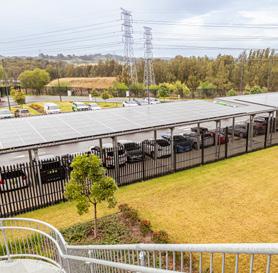
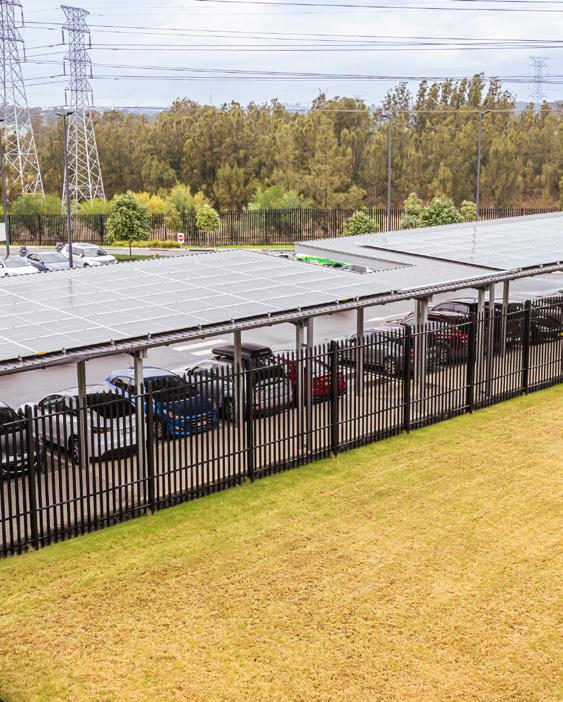
Our commitment is backed by ongoing investments in energy efficiency and low-carbon energy procurement through our Renewable Energy Program, alongside initiatives such as on-site solar infrastructure that supports employee EV charging. These efforts keep CDC focused on raising the bar for responsible data centre operations.
Our New Zealand sites have been Toitū Net Carbon Zero certified6 since our first year of operation, further demonstrating our commitment to meeting internationally recognised standards for measuring, reducing and offsetting emissions.
This certification reflects our ongoing efforts to operate responsibly and transparently and reinforces our broader sustainability goals across the region. Aggregating data into purpose-built data centres is approximately 67% more efficient than dispersed on-premises infrastructure and we’ve engineered our infrastructure to push that efficiency even further.4
Every CDC facility is designed for high performance with low impact, from construction to operations. CDC’s approach is shaped by engineers, builders and problem-solvers who design for what’s next. We build with purpose.
Our modular, flexible designs reduce waste, provide lower embodied carbon through reduced inputs and adapt to evolving technologies.
In FY25, 95.8% of the electricity used across CDC facilities was matched with renewable electricity.2 This is an industry-leading achievement as part of our commitment to continuing to develop sustainable operations. These initiatives reinforce our commitment to continuing to develop our sustainable operations.
With increasing environmental focus, CDC recognised the need to maintain a robust and transparent environmental management system (EMS) that goes beyond compliance. Achieving Toitū Enviromark Diamond certification9 consistently since 2022 reflects our commitment to climate action, energy efficiency and waste reduction.
Awarded to leaders in environmental stewardship, Toitū Enviromark Diamond is New Zealand’s top certification for organisations with enduring, high-performing sustainability systems. Achieving and maintaining a Diamond certification requires intentional investment and ongoing commitment.
CDC maintains a comprehensive Environmental Management System (EMS) that exceeds the internationally recognised ISO 14001 standard, supported by regular internal audits and leadership reviews.
Over the last year we have strengthened environmental documentation, operational controls and further embedded sustainability into procurement and waste management practices. Strong leadership engagement throughout the organisation, along with internal audits, have been vital for identifying gaps and opportunities, and enabling continuous improvement. In the coming year, our primary focus will be on improving the EMS structure.
This 3-year milestone reflects our commitment to credible highquality standards and embedding sustainability into our core operations. It also enables our customers to be confident in their long-term ESG goals, by selecting an organisation that is net zero carbon certified by Toitū in New Zealand and moving towards net zero carbon in Australia by 2030.
“This certification is a testament to our teams’ commitment, attention to detail and passion in the pursuit of an increasingly sustainable future for our data centres and the world.”
Joel Gibb Head of DC Operations NZ and Victoria
Stable planet
Our Renewable Energy Program
Our Renewable Energy Program delivered 95.8% matched renewable electricity. Empowering CDC and our customers on our journey to net zero.
In FY25, we expanded our emissions disclosures from Scope 1 and 2 to capture the Scope 3 emissions that are included in our 2030 Net Zero target. Scope 1 emissions remain low as a percentage of CDC’s emissions, reflecting the nature of our operations.7 Scope 2 covers purchased electricity from cooling infrastructure and other CDC-controlled items,8 while our defined Scope 3 disclosures cover electricity used by our customers’ ICT equipment, operational waste and business travel.9 These categories represent the areas where we can make the most immediate impact and where transparency helps us and our customers to track progress with purpose.
Behind the scenes, we are continuing to build the systems we need to support high quality data collection, evaluation and assurance, laying the foundation for ASRS climate-related financial disclosure reporting.
CDC’s Renewable Energy Program is central to this journey. Since January 2024, we've offered our customers 100% renewable energy across our entire portfolio of data centres.
The program is tailored to each region: in New Zealand, customers access renewable electricity through a direct agreement between CDC and the local energy retailer; in the ACT, customers benefit from the ACT Government’s renewable energy regime, which supplies over 95% renewable power; and across the rest of Australia, CDC matches electricity used with renewable sources by surrendering Large-scale Generation Certificates (LGCs) to the Clean Energy Regulator. This means every unit of matched electricity meets nationally recognised standards for integrity and traceability.
Nearly all customers of our Australian data centres have opted into the program. Others have implemented their own renewable energy models, and we support and recognise them as Self-managed Renewable Customers. For those still finalising their approach, CDC continues to offer guidance and support. This collective momentum means that 95.8% of the electricity used in CDC data centres is now matched with renewable energy. It reflects a shared commitment to transparency, collaboration, a low-carbon future and our continued effort to meet rising energy demands.
Stable planet
Water
Our
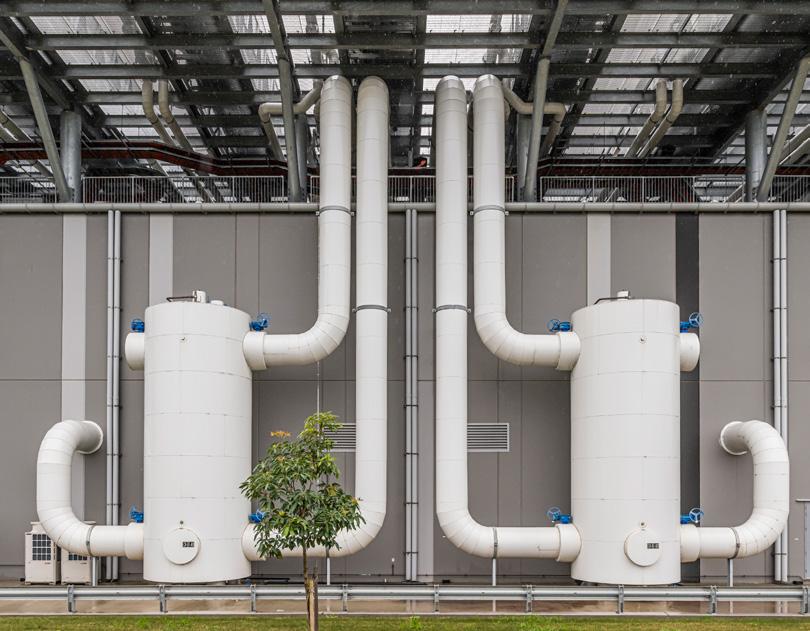
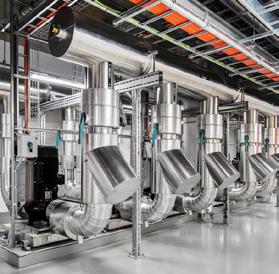
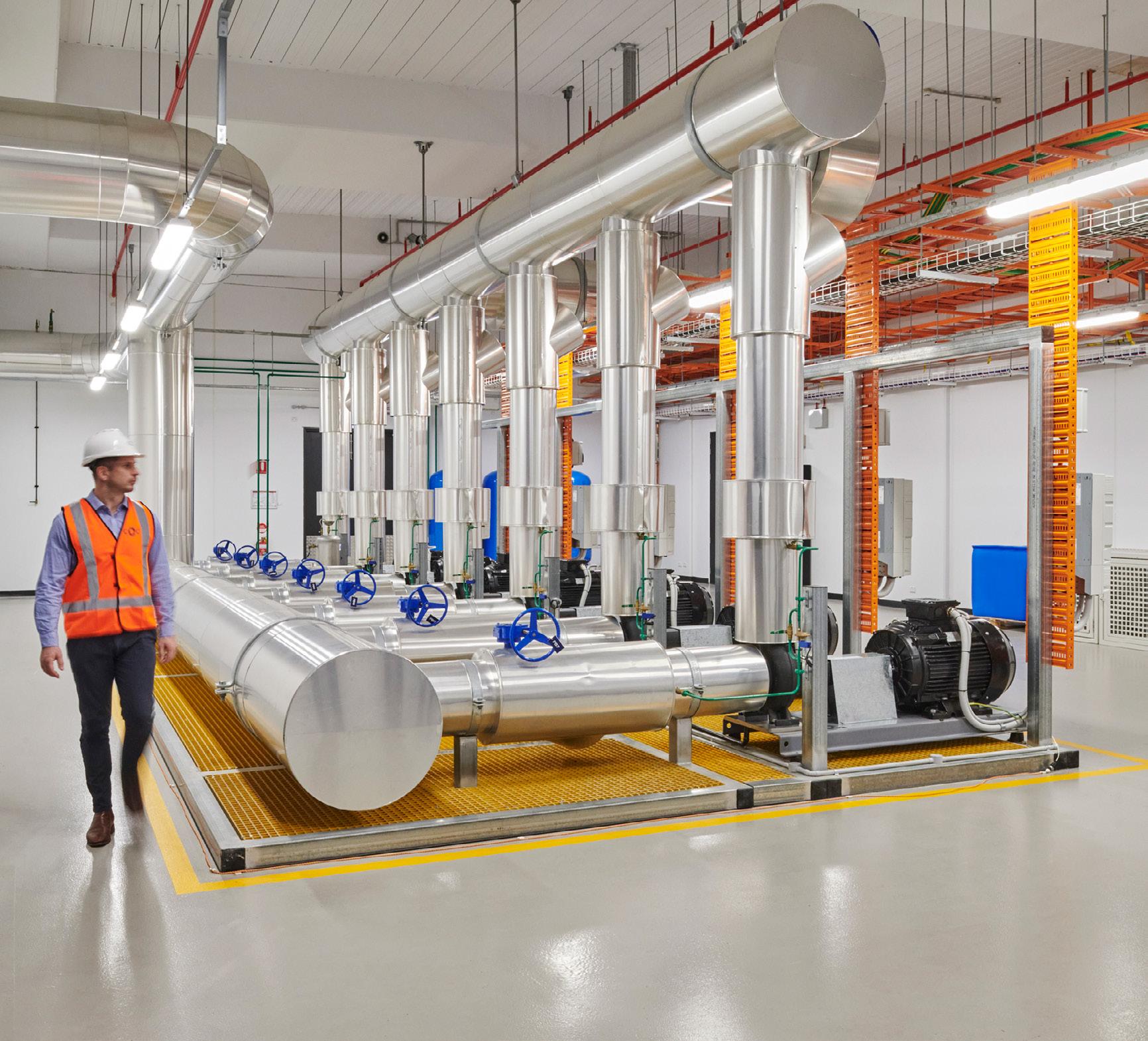
LiquidCore™ advanced liquid cooling system uses a single volume of water, continuously recirculated, eliminating ongoing water draw for cooling purposes and minimising operational water use to near zero without compromising PUE.
As data volumes grow and computing becomes more powerful, data centres are working harder than ever to cool the customer computing infrastructure. Traditionally, that means using more energy and more water. But CDC takes a different approach.
CDC’s data centres are engineered so that they do not rely on water consumption for primary cooling. While traditional data centres rely on evaporative cooling, CDC’s LiquidCore™ conserves billions of litres of water annually across our campuses.
The limited water we do use is predominantly from collected rainwater for on-site use, such as handwashing and toilets in office areas and building humidification management. This approach maintains operational efficiency and sustainability, even as our data centre portfolio grows.
This isn’t new for us, it’s built into our foundations.
CDC was founded in 2007 when Australia was still battling the Millennium Drought. Consuming substantial amounts of water for cooling was never an option when the general community was facing severe water restrictions. Our infrastructure was initially designed for the climate and community in Australia’s water-stressed regions, making us uniquely suited to operate there.
As CDC scales to meet rising demand, our water efficiency has become a strategic advantage, reducing costs and simplifying planning by removing a key infrastructure input that many in the industry still rely on. It supports growth without draining water, strengthens trust with communities and aligns with our broader ESG goals.
With a world-class Water Usage Effectiveness (WUE) of 0.01, 11 our focus is on maintaining this benchmark as we scale and continue to demonstrate that high performance and responsible resource use can go hand in hand.
Stable planet
Purpose in practice
CDC and Earth Sciences New Zealand:
A shared commitment to innovation, resilience and sustainability.
In August 2024, CDC and Earth Sciences New Zealand (ESNZ) launched Cascade, New Zealand’s most powerful supercomputer, housed across CDC’s Silverdale and Hobsonville data centres in Auckland. This $35 million investment marked a transformative moment for the country’s scientific capabilities, enabling advanced climate modelling, AI-driven forecasting and high-resolution simulations. Cascade supports critical services for ESNZ and MetService, including 24/7 weather and marine predictions, and is designed to meet the needs of agencies such as the Department of Conservation and Fire and Emergency New Zealand.
CDC worked with ESNZ to design a hosting environment tailored to ensemble modelling, AI workloads and dense compute infrastructure. Cascade was built to exceed technical and environmental requirements. It supports ESNZ’s innovative workloads, such as an AI-driven five-week forecast and AI-based nowcasting of wind and solar energy systems, leveraging a sovereign multi-petabyte archive.
CDC’s campuses were engineered for high classification workloads, ideal for sensitive government and research applications. Both sites were the first in New Zealand to achieve NVIDIA DGX-Ready Data Center certification. The centres feature enhanced floor loading and cooling infrastructure, including direct liquid cooling, and are designed to support future workloads.
Both campuses are Toitū Net Carbon Zero certified, and both hold the Diamond Enviromark,12 making CDC the only data centre provider in New Zealand with both recognitions. Diamond Enviromark is Toitū’s highest level of certification, requiring businesses to exceed international standards and demonstrate ongoing leadership. These facilities operate on 100% renewable energy and supported by certified carbon offsets. They use CDC’s LiquidCore™ cooling system, which eliminates ongoing water draw. Cascade’s energy consumption at peak load is 30% more efficient than designed, assisted by the high cooling rates achievable at CDC.
Since deployment, Cascade has achieved three times more processing power than its predecessor, enabling ESNZ to extend forecasts from two to five days, with capability to move to ten-day forecasts. This means better and faster information for New Zealanders. Cascade is also a pilot for future technology investments, including quantum computing. Cascade’s scalable design enables other institutions across the Pacific to leverage its capabilities, fostering regional collaboration and innovation.
CDC’s dedication to data sovereignty, security and sustainability ensures that essential systems are supported by robust, scalable and environmentally responsible infrastructure. The partnership with ESNZ shows how collaboration between science and industry can drive national progress and help New Zealand grow its leading capabilities.
Stable planet
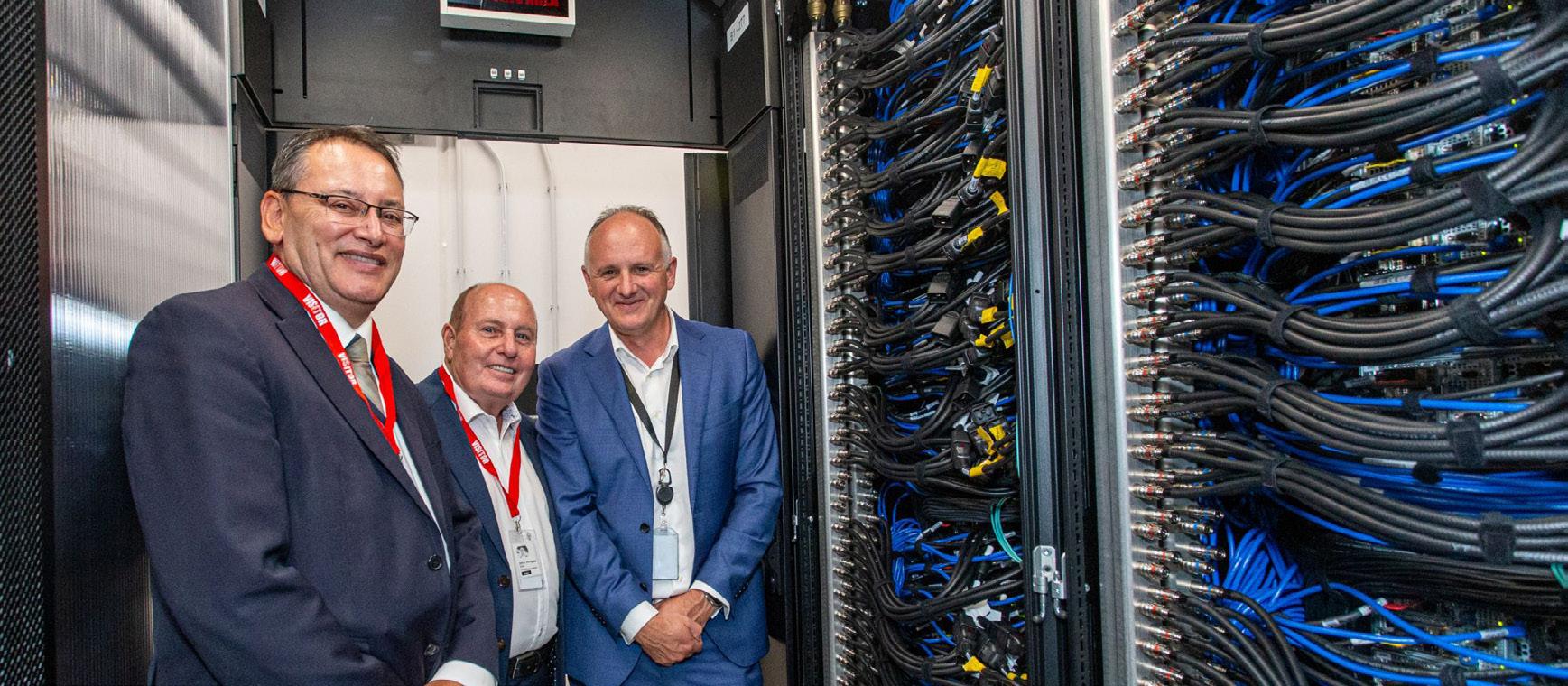
Dr Shane Reti, Minister for Pacific Peoples, Minister of Science, Innovation and Technology with John Morgan, CEO of ESNZ and Andrew Kirker, Managing Directer NZ and Hyperscale at CDC, at the official launch of Cascade. Silverdale, New Zealand.
Waste and circularity
At CDC,
waste
isn’t
just managed,
it’s minimised
by
design. Once
operational, our sites
generate very little waste and we’ve built structured systems to keep it that way.
Rethinking resource efficiency
Our commitment across the portfolio is part of our broader pledge to reach our 2030 Net Zero Target, because landfill isn’t just a waste issue, it’s a climate issue. Methane from landfill traps 86 times more heat than CO₂, and accounts for 11% of global methane emissions. 14 Sending zero waste to landfill is about resource efficiency and is a critical part of our climate strategy.
We’ve committed to achieving TRUE Zero Waste certification at all CDC operational campuses by 2030. TRUE (Total Resource Use and Efficiency) is a globally recognised framework that helps organisations rethink how materials move through their operations, aiming to divert at least 90% of waste from landfill, incineration and the environment.13 It’s about redesigning systems to reduce consumption, reuse materials and build circular processes that keep resources in use.
In 2024, our Eastern Creek Campus in NSW became the first data centre in Australia to receive TRUE Zero Waste Gold Level Certification and the first in our portfolio to be fully certified.
This milestone gave our teams a clear focus on waste diversion and best-practice reduction systems, and throughout 2025 we have continued rolling out these systems across our portfolio as we work towards our target.
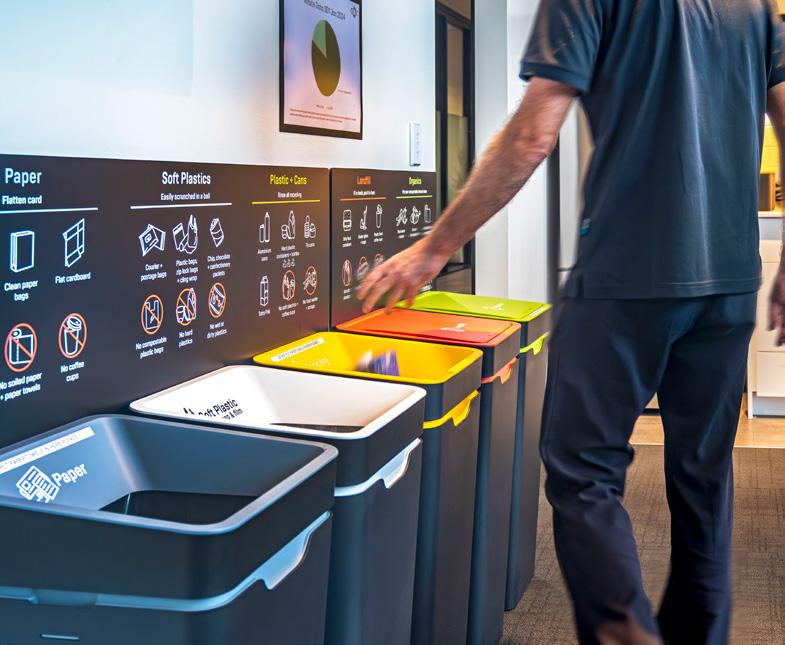
Across our campuses, we support multi-stream recycling, from organics and cardboard to batteries, timber, metals and e-waste, ensuring materials are recovered, reused and responsibly managed.
Our Zero Waste Management Plan provides the framework to get there. It sets annual goals, defines waste and recycling streams and outlines strategies to redesign, reduce, reuse and recycle.
It also assigns clear roles and responsibilities and promotes engagement and education for everyone on site, from employee to contractor, on how to prevent and manage waste.
We track operational waste monthly using Bintracker, a third-party waste tracking system and every facility operator is accountable for performance. We separate CDC-controlled waste (like office and operational materials) from customer-generated waste (like packaging from equipment installs) and we work with a single waste partner in each country to maximise recyclability and transparency.
While we seek to reduce waste, we are also rethinking how we approach it. In the short term, our ESG Stable Planet pillar prioritises operational waste which is where we have the greatest control.
We recognise that supply chain and construction waste are also important and working with our sustainabilityfocused development partners to increase our visibility in these areas.
Stable planet
Stable planet:
Carbon and energy
Targeting Net Zero carbon by 2030 for Scope 1, 2 and defined 3 (customer electricity consumption, operational waste and business travel).
World-class data centre water usage efficiency (WUE); Improve CDC’s industry leading WUE from 2023 baseline (0.02).
✓ Achieved
• In New Zealand, our facilities have been Toitū Net Carbon Zero certified since the first year of operation in 2022. This means our emissions are offset through verified carbon credits.15
• In Australia, CDC enables customers to match their equipment and data centre electricity use with renewable electricity through our Renewable Energy Program. This is achieved through the purchase and surrender of an equivalent volume of Large-scale Generation Certificates (LGCs) sourced from Australian certified renewable energy projects.
• 95% of our Net Zero 2030 target achieved when measured against FY25 emissions abated across scope 2 and defined scope 3.
• 95.8% of electricity consumed across our operational data centres matched with 100% renewable electricity.
• CDC sets the benchmark for water efficiency, with a Water Usage Effectiveness (WUE) of just 0.01.
• Our LiquidCore™ advanced liquid cooling system eliminates ongoing water draw for cooling purposes. Waste and circularity
• NSW TrueWaste Certified Gold Level certified since 2024.
Zero operational waste to landfill certification at all campuses by 2030. > Ongoing
• Every CDC site tracks operational waste on-site, by weight, across multiple streams, paper, organics, co-mingled recycling, metals, timber, batteries and e-waste. It’s all about maximising recovery, cutting landfill and making circularity part of the everyday.
We know fostering a strong culture and creating an environment where people feel safe, supported and empowered to thrive, is essential to our ability to uphold the secure, sustainable and trusted services our stakeholders depend on. That’s why we’re committed to creating a workplace where our people are equipped to excel and contribute meaningfully to everything we deliver.
Diversity is a priority at CDC because it drives better outcomes, fosters innovation and secures access to the full breadth of talent where we operate. Like much of the construction and infrastructure sector, CDC is navigating a highly competitive labour market, with persistent skills shortages in trades and technical roles across Australia.
Our full strategy:
Thriving people
At CDC, our people are central to our success and impact. They’re the reason we can design, build and maintain the critical infrastructure that powers our customers’ data and systems.
Attracting and retaining talent, particularly women and people from diverse backgrounds remains a significant industry-wide challenge, despite targeted government and industry initiatives to build a more inclusive workforce. We’re committed to continuously improving our policies, recruitment practices and programs to support a diverse and inclusive workplace in our business.
This includes offering gender-neutral parental leave, conducting annual gender pay gap analysis and launching targeted initiatives such as the Women Rising Program and Girls in ICT work experience. These efforts are designed to strengthen representation in construction and STEM and to offer pathways for women by supporting them to thrive within CDC and the broader industry.
The CDC Academy is a bespoke designed, dedicated learning capability for educating and training our people with the skills, knowledge and competencies required to drive excellence and perform to the highest standards. The Academy has expanded across new domains and is now available to 100% of CDC employees, having been already leveraged by over 90% of our front-line Data Centre Operations team.
With the foundations of the Academy firmly established, we continue to grow and expand individual training modules to meet the needs of relevant target groups across the business. The rollout focuses on building skills and capability encompassing leadership, technical, skills and safety and compliance training to holistically meet the changing needs of our growing business.
Sustainable Development Goals:
Safety and wellbeing
At CDC, safety and wellbeing are embedded in how we operate, evolve and lead.
In a high-performance environment where precision and reliability are non-negotiable, we apply the same discipline to safety as we do to infrastructure development.
Our approach centres on proactive risk management, with a sharp focus on critical risks, particularly in development and operations, where the consequences of a single decision can be critical. From elevated work platforms to crane operations and confined space entry, we manage high-risk activities with rigour, backed by robust systems and a culture of accountability.
This includes a well-established reporting culture across our workforce and contractor network, where incidents are shared openly, often within minutes and used as opportunities to learn, investigate and improve.
Our partners are active participants in this process, presenting safety insights at quarterly reviews and contributing to a shared commitment to prevention.
This commitment is reflected in our performance. In FY25 CDC has recorded zero critical incidents, involving high-risk activity, across all sites. Our serious claims rate is 0.8 per million hours worked, significantly lower than the Safe Work Australia benchmark which, at the time of publication, was 6.3.16
Our total recordable injury frequency rate stands at 1.8 per million hours worked, and our task observation program across operations continues to drive safe behaviours and identification of any potential opportunities for improvement.
These results are evidence of a safety culture that works, and one built on transparency, responsiveness and a continuous improvement mindset, focused on managing our infrastructure responsibly and protecting our people every step of the way.
Wellbeing is just as important. Through staff surveys, we asked our people what they needed to feel better supported. In response, we developed a dedicated mental health program as part of the CDC Academy.
The program includes resources on mental health, wellness and inclusion, and is designed to help our people navigate challenges and build resilience. Keeping people safe and protecting their wellbeing is about their physical safety and it’s also about making sure that they feel listened to, included and seeing their experiences and background reflected across our business. By combining safety leadership with a genuine focus on wellbeing, we’re creating a workplace where people feel protected, valued and empowered to thrive. Our mental health and wellbeing program includes sessions on diversity and recognising that overall wellbeing is stronger when everyone feels seen, supported and included.
Thriving people
“Safety is essential to our development and operations. We protect our people and those in our ecosystem by making it a priority in every decision.”
Paul Wheatley, Head of Health, Safety and Environment
CDC designs, constructs, and operates its own data centres, generating thousands of jobs, supporting local families and contributing to the economic vitality of the regions in which we operate. But this only works if our people – and those of our contractors – can trust in the safety of their workplace and go home safely at the end of each workday.
Our focus on critical risk has resulted in significant safety outcomes and enabled us to outperform the serious claim industry benchmark for our people’s safety. This reflects our dedication to caring for our people today and our communities and environment into the future.
Our Development and Operations teams work closely with our Health, Safety and Environment (HSE) team to prescribe and enact the standards we expect of our people, contractors and our approach to monitoring and maintaining them.
This includes weekly forecasting of high-risk work activities, allowing the review of upcoming works and proposed controls and daily site walks as an additional step to review that the controls are implemented.
Our positive results don’t detract from our focus on 100% compliance and opportunities are addressed immediately through a pause in work and corrective action before resuming.
This commitment to safety is reflected in our performance. During FY25, CDC recorded zero critical incidents involving high-risk activity across all sites. At the time of publication, our serious claims rate is 0.8 per million hours worked, significantly lower than the Safe Work Australia industry benchmark of 6.3.
Our total recordable injury frequency rate is 1.8 per million hours worked, and our task observation program across operations continues to promote safe behaviours and opportunities for improvement.
These results are evidence of a safety culture that works, one built on transparency, responsiveness and a continuous improvement mindset. Our approach is designed to deliver infrastructure responsibly, with a strong focus on safeguarding our people throughout each stage of the process.
Purpose in practice
CDC outperforms key industry benchmark in safety
Thriving people
Diversity and inclusion
“Since CDC launched the Academy in 2022, female participation in operations has increased fourfold. This reflects the tangible impact of our inclusive recruitment practices and our ongoing commitment to gender diversity in the areas that matter most.”
Natasha Warwick, Chief People Officer
Diversity is a commitment to changing the systems and processes that shape our workforce. We’re focused on building a more inclusive organisation by recruiting beyond the traditional data centre talent pool and leveraging skills that are transferrable across industries. This approach helps us attract people with fresh perspectives and varied experiences.
We’ve taken deliberate steps to remove bias from our recruitment process, starting with the elimination of gendered language in job advertisements and position descriptions.
Terms like Associate Service Technician, Service Technicians, contractors and stakeholders are intentionally gender-neutral, helping create roles that are inclusive of all candidates.
Our job descriptions are designed to encourage applicants from a range of backgrounds, reinforcing our commitment to diverse teams. We’re continuing to track progress at a micro level and seeing positive movement in female participation. We are confident that the programs we have in place will allow us to further boost women's participation in our workforce. We remain focused on increasing our gender ratio as we continue with the rapid growth and scale of our business.
Driving diversity through action
We recognise that operational roles like Associate Service Technician have historically reflected an industry-wide diversity gap and that’s why we’ve prioritised this area to increase participation from women.
By adopting gender-neutral language, we have seen applications from women for this role increase from 4.8% to 14%. This is a clear sign that thoughtful, equitable language can drive real change.
We report on gender data transparently in our annual sustainability update and via the Australian Workplace Gender Equality Agency and use this data to guide ongoing improvements. Our commitment to inclusion extends beyond recruitment. Training programs are designed to support individuals who are new to a role, as well as those transitioning from other fields.
We apply consistent safety and procedural standards across the organisation, ensuring that all personnel, regardless of background or pathways into CDC, are supported to succeed.
Everyone is held to the same expectations, reinforcing a culture of fairness, accountability and shared responsibility. Our goal is to create a workplace where everyone feels they belong and where diversity is reflected in policy and practice.
In Australia and New Zealand, our approach to diversity and inclusion is also reflective of our recognition and commitment to First Nations Peoples of Australia and to Māori communities in New Zealand. We remain focused on further action that will reflect the importance of partnership, participation and protection, values we are committed to embedding into our workplace culture. This work is ongoing and we will continue to build on our foundations.
Thriving people
Excellence and growth
What began as a purpose-built training hub to address the lack of industry-specific learning in the data centre sector, the CDC Academy has become a core part of how we develop talent across the business.
Every employee has access to the CDC Academy program, making it a foundational part of the employee experience. The Academy’s curriculum spans personal, professional, leadership development and compliance, with tailored pathways that align to CDC’s values and support growth at every stage of a career. Programs like Women Rising continue to expand the Academy’s impact by creating space for confidence-building, connection and career clarity.
As a key initiative, Women Rising is designed to elevate women in the technology and data centre sectors and supports career advancement by fostering leadership capability, visibility and peer networks, contributing to CDC’s broader commitment to inclusion and equity.
The Academy’s many programs are designed to build specialist skills in areas such as critical infrastructure design, energy efficiency, operational excellence and emerging technologies.
By investing in our people and providing clear pathways for professional growth, we ensure our teams are equipped to lead in technical excellence and maintain CDC’s reputation as a trusted expert in data centre performance and reliability.
The Academy is now cemented as CDC’s central learning platform, supporting a culture of continuous development and helping shape one of the most capable data centre teams in the region.
Thriving people
Community impact
CDC is committed to securing national progress and making a meaningful impact in the communities where we operate.
Across Australia and New Zealand, we support initiatives that drive productivity growth, technological and skills advancement, job creation and national progress in the clean energy transition. CDC also supports a wide range of community organisations from social charities to local sporting groups that contribute to wellbeing, inclusion and resilience across our regions.
We encourage our people to get involved in causes that matter most to them. CDC provides access to volunteer leave and reservist support, including up to ten days paid leave for recognised emergency service roles, to help turn that commitment into action.
Our employees collectively dedicated 150 hours to volunteer work, community service, emergency management and Reservist leave.
CDC also maintains relationships with Aboriginal and Torres Strait Islander organisations in Australia and Māori organisations in New Zealand. Our Indigenous Participation Plan is designed to offer employment pathways and foster growth for First Nations peoples within our business.
This plans reflects our commitment to long-term, respectful engagement and also aligns with the Australian Government's Indigenous Procurement Policy. Inclusion matters at CDC, and this plan is part of our commitment to ensuring everyone has the opportunity to contribute and be represented. We achieve more when diverse voices are a part of the conversation.
Looking ahead, we’re continuing to evolve our community impact approach with a focus on what makes a difference.
We’ll keep listening to our employees and to the communities where we operate to understand the issues where CDC can make the most meaningful contribution. Our refreshed double materiality assessment, set for release in FY26, will guide both our broader ESG governance strategy and our community impact priorities.
Thriving people
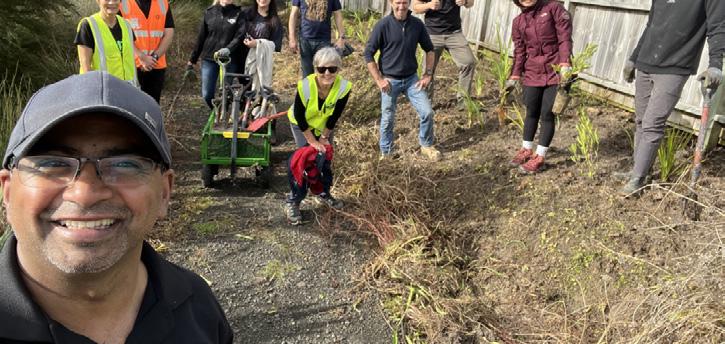
CDC NZ volunteering with Habitat Hobsonville
Purpose in practice
CDC’s commitment to community
At CDC, we recognise the significant role we play in community sustainability, creating jobs, supporting the transition to a digital economy and delivering critical infrastructure.
Just as importantly, we know our people are integral to those same communities where they live and work.
One of the most meaningful ways we create impact is by enabling our employees to contribute to the causes that matter most to them. Nikhil’s story is a powerful example of this commitment in action.
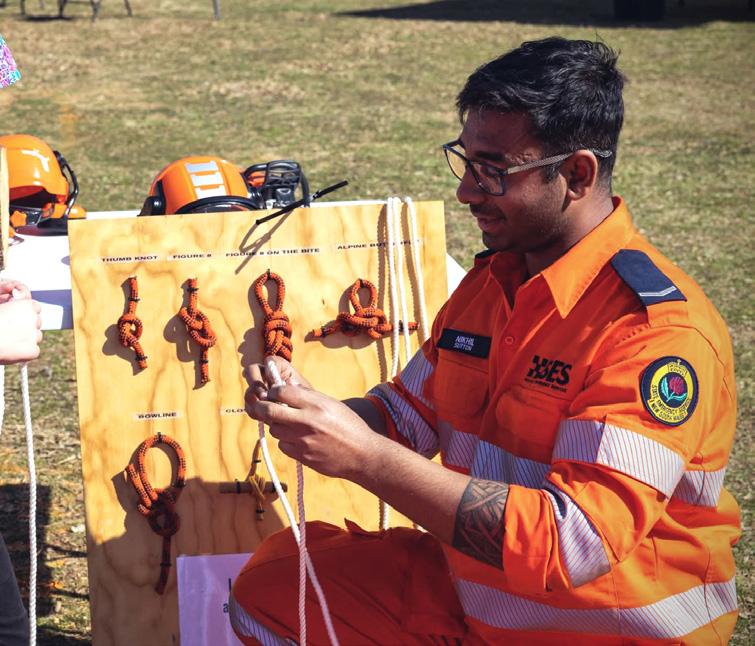
When Nikhil joined CDC in January 2022 as Legal Counsel, he brought with him experience in corporate governance and a strong desire to connect with his new Canberra community after relocating from Sydney. That opportunity came through the ACT State Emergency Services (SES), where Nikhil became an active member. Now, outside of his legal work at CDC, Nikhil dedicates his spare time to emergency response efforts responding to storms, floods, and missing persons searches, and supporting first responders and vulnerable residents. His commitment was recently tested during a fiveday deployment to North Queensland, where he and his SES team delivered supplies, repaired homes and provided welfare support to isolated communities.
CDC’s flexible approach and formal leave policies, including up to ten days of paid leave for recognised emergency service roles, have enabled him to balance professional responsibilities with emergency service commitments. This support, and that of his leadership team, was instrumental in enabling Nikhil to assist during the North Queensland SES deployment following significant flooding. CDC’s commitment to volunteering extends beyond emergency services. Employees can access additional leave for volunteering with causes of their choice, and CDC is a proud silver member of the Australian Defence Force (ADF) Reserves Supportive Employer Program, recognising our support for reservists who balance civilian careers with part-time military service.
“While the work can be challenging and sometimes hazardous, it is highly rewarding and helps build trust within the community”
Nikhil Narayan, Legal Counsel and Assistant Company Secretary
Nikhil’s story highlights how CDC’s flexibility, encouragement and formal support programs empower employees to give back in ways that are meaningful to them.
By enabling our people to contribute to their communities, CDC not only supports individual growth and wellbeing, but also builds trust and strengthens our connection to the regions we serve. This approach demonstrates our belief that creating positive community impact is as important as delivering critical infrastructure, ensuring our business, our people and our communities thrive together.
Thriving people
Nikhil Narayan at the 10 year celebration event of the NSW SES Sutton Unit, at the Sutton Oval, NSW, 10 August 2024.
Community impact
CDC builds strong connections between our operations and the communities around them by investing in initiatives that are locally relevant and aligned with our values.
Purpose in practice
From backing the Canberra Raiders to participating in the National Missing Persons Hackathon, our partnerships are purposeful and reflect our role in delivering critical infrastructure and contributing to causes that matter.
In FY25, CDC supported the National Missing Persons Hackathon as part of its broader commitment to community-focused innovation. The event, supported by law enforcement and cybersecurity organisations, invited ethical hackers and volunteers to use open-source intelligence to help generate leads on long-term missing persons cases.
Throughout the year, our community investments supported a diverse range of charities, sporting clubs and grassroots organisations that help build stronger, more resilient communities.
Our aim is to make a meaningful impact wherever we operate, including through dedicated volunteer leave that empowers our team to contribute to causes they care about. These efforts reinforce our commitment to community and highlight the role we play beyond technology.
CDC and the Canberra Raiders: A shared investment in local pride
Our partnership with the Canberra Raiders reflects CDC's strong local ties and commitment to supporting the communities where we operate. As a company founded in Canberra, we are proud to sponsor the Raiders, an investment that aligns with our values of resilience, inclusion and high performance.
While this is a formal sponsorship, it is grounded in meaningful opportunities for employee engagement and connection. The relationship, now in its eighth year, continues to grow through shared values and leadership insights drawn from the Raiders’ approach to teamwork and excellence.
“CDC is here for us in Canberra. We need that investment. We’re lucky, we punch above our weight with sponsorship, but we need it for the facilities, to get the next batch of players into our system and to continue growth, we need the investment of sponsorship. We’re just very very proud.”
CDC's support enables new opportunities for high performance, building pathways for talented, up and coming sportspeople and strengthening the spirit of community. For CDC employees, the partnership is a source of pride and connection, offering meaningful engagement and leadership insights drawn from the Raiders’ approach to teamwork and excellence. This collaboration is one of the examples of how we bring our values to life through local initiatives that reflect who we are and where we come from.
Thriving people
Don Furner, Chief Executive Officer, Canberra Raiders
Photo credit: Canberra Raiders, ACT 2025
Thriving people:
Safety and wellbeing
Diversity and inclusion
Excellence and growth
Community impact
Targets
Safety and wellbeing
Page 23
Page 25
Page 26
Page 27
Progress
Continue to achieve ISO 45001 (safety) certification at all data centres annually. ✓ Achieved • ISO45001 (Safety) maintained at 100% of all data centres.
Continue to develop and implement a mental wellness program, training CDC employees and incorporating a variety of external mental health resources. > Ongoing
Diversity and inclusion
Increase the number of women and gender diverse people across the business from 2024 levels. > Ongoing
Highlights
Develop a framework to embed the principles and purpose of First Nations Reconciliation in Australia and Māori partnership in New Zealand.
Excellence and growth
> Ongoing
• In 2025 CDC implemented a comprehensive mental wellness program comprising regular forums with expert speakers and supporting resources for staff to access.
• We have created programs focused on improving gender equity in our business and better representation of women in construction and STEM.
• We designed a cadet program, to focus on participation from women to be launched in FY26.
• Achieved ~3x increase (from 4.8% to 14%) of job applications from women for the Associate Service Technician role.
• IPP developed in FY24 in respect of Australia, with ongoing implementation.
• CDC continues to work with Indigenous owned BY Group who we have been working with since 2018 and is working to further accelerate our indigenous partnership strategy across the business.
• In NZ we are building programs to better reflect the principles of Maori partnership and community into our work plans.
Achieve 100% of CDC employees utilising the CDC Academy annually from 2025. > Ongoing
Community impact
Establish local support causes in new markets within the first year of being operational.
Increase volunteering hours and support of causes annually.
> Ongoing
> Ongoing
• CDC Academy available to 100% of CDC employees and is being leveraged by over 90% of our front-line Data Centre Operations team.
• We launched the Peak Performance Program, a training program designed to accelerate our talent leadership capability.
• We supported 18 organisations to provide community impact, including the National Missing Persons Hackathon, an event supported by law enforcement and cybersecurity organisations who invited ethical hackers and volunteers to use open-source intelligence to help generate leads on long-term missing persons cases.
• CDC employees have taken a total of 150 hours of volunteer, community service, voluntary emergency management services and Reservist leave.
We strive to uphold the trust of our customers by providing the reliable, secure, sovereign digital foundation that enables them to support Australia and New Zealand’s national security, economic resilience and social wellbeing.
We strive to uphold the trust of our people and those in our supply chains by treating them well and by holding our suppliers to the same standards.
We strive to uphold the trust of the communities we operate within by contributing to their resilience and that of their environment and in return, our sustainability enables theirs.
Our full strategy:
Trusted company
Trust is a fundamental enabler in achieving our sustainability goals, and for our customers and communities to achieve theirs.
CDC is the Critical Infrastructure for Critical Infrastructure™ - the secure, sovereign digital foundation supporting Australia and New Zealand’s national security, economic resilience and social wellbeing. Every aspect of our operations is purposebuilt to meet the uncompromising standards of customers for whom data security is non-negotiable.
Trust is central to our offering. It’s earned through our unwavering commitment to governance, data sovereignty, resilience and availability — qualities our customers rely on and will not compromise. Each of our data centres is built to the highest levels of security, with layered protections that exceed industry norms.
This includes rigorous access protocols, a highly skilled and security-vetted workforce and infrastructure designed specifically to meet the most demanding security requirements in the country.
We design with this security in mind, enabling unmatched customer protection compared to other providers. Our approach to security is evidenced by our ISO/IEC 27001 security management certification, which reflects the standards we uphold in our day-to-day operations. In a constantly evolving threat environment, CDC’s ability to guarantee secure, reliable services ultimately comes down to one thing: trust.
Sustainable Development Goals:
Trust and transparency
Our aim is to be the most trusted data centre provider in Australia and New Zealand. For us, trust is earned through action: the way we govern, secure and operate every part of our business.
Trust starts with strong governance. We align with legislation, meet regulatory requirements and embed ethics and accountability in how we lead. From board oversight to day-to-day operations, our governance is robust and deeply embedded across the business.
Security is integrated from the ground up and reflected across our culture, personnel, physical infrastructure and cyber defence. This is a comprehensive approach designed to meet and exceed the rigorous standards expected in government and critical infrastructure environments, ensuring consistent protection and operational confidence.
We take a proactive approach to risk. That means setting clear targets, monitoring progress and working closely with our customers to stay ahead of emerging threats. Our systems are designed not only to respond to disruption, but to predict and pre-empt it. Whether facing climate volatility, technology change or global uncertainty, we build resilience and continuity into every layer of our infrastructure so our customer can operate without compromise.
Trust is not a statement or a set of promises; it’s at the heart of how CDC protects data, maintains reliability and leads with integrity. Trust sits at the centre of our infrastructure, our relationships and the decisions we make every day.
Trusted company
Data security
At CDC, we play a critical role in today’s trust economy. Our data centres form the backbone of secure digital life, keeping services running and information protected so our customers can move quickly, meet their goals and operate with confidence.
Purpose in practice
Safeguarding
national progress and critical infrastructure
Our data centres are purpose-built to safeguard critical information and maintain uptime. That’s why government, research and enterprise customers trust us with their most sensitive systems.
Security is layered and built in from the ground up. We combine physical protection, cyber defence and trained personnel with governance that meets the highest standards. This integrated approach not only reinforces compliance but also provides a consistent and reliable foundation for operational confidence across every part of the organisation.
CDC holds a broad set of certifications across governance, risk and security, including ISO 9001 for quality management, ISO 14001 for environmental management, ISO 45001 for occupational health and safety and ISO/IEC 27001 for security management.17
Our infrastructure is designed to exceed the legislated security requirements for critical infrastructure entities, covering both cyber and physical domains. We continue to invest in future-ready capabilities, enabling AI, high-performance and supercomputing infrastructure. These investments reflect our commitment to long-term resilience, enabling us to face the security challenges of tomorrow.
Our infrastructure is designed to provide continuity and withstand disruption. This enables consistent performance, even under pressure. That means the data of our customers – and our customers’ customers – are always available. We anticipate risks, set clear targets and work with customers to stay ahead of emerging threats.
Recognising the importance of elevating the standard for the provision of secure data centre services to government customers, the Department of Home Affairs is overseeing the data centre Hosting Certification Framework (HCF) to assess and certify Australian data centres on behalf of the Australian Government.
The framework sets out requirements for data sovereignty, ownership structure, liability, supply chain and transparency - establishing a consistent approach for supporting sensitive or classified workloads.
Under the framework, all sensitive government data, wholeof-government system and systems at the classification level PROTECTED must be hosted using certified services. HCF-certified data centre providers demonstrate that they have the appropriate security and resilience controls in place to maintain the confidentiality, integrity and accessibility of government data.
CDC continues to design, construct and operate data centre facilities certified as HCF “Certified Strategic Facilities”. This is the highest and most stringent level of certification under the scheme. All CDC's operational facilities in Australia have achieved this certification. The most recent of these is CDC’s Brooklyn 1 data centre, located in western Melbourne. CDC sees “Certified Strategic Facility” certification as a cornerstone of our license to operate, demonstrating to the community that we are appropriately resourced and controlled to protect government data.
Beyond certification, CDC meets and exceeds government-grade security requirements, ensuring that all customers benefit from the same high standards of protection. We curate an ecosystem of partners and suppliers who align with our values, support national interest and meet our stringent security standards.
Trusted company
Trusted company
Resilience and innovation
Resilience is embedded across our business, from site selection and design through to operations and incident response.
Our data centres are engineered to perform under pressure, with features such as double-skinned walls, expanded drainage systems, rainwater storage and our LiquidCore™ advanced liquid cooling system. These design elements form the foundation of infrastructure built to withstand extreme weather conditions, including high temperatures, drought and heavy rainfall, across the facilities lifecycle. Security is equally embedded in our approach. CDC’s facilities meet international standards and hold government security accreditations, reflecting our commitment to protecting data and delivering trusted infrastructure.
Innovation underpins this approach, guiding how we evolve our designs, technologies and partnerships to meet emerging challenges. This approach gives our customers confidence that when they choose CDC, they’re choosing infrastructure that’s built to last, and a partner that is always one step ahead.
Our operational risk management takes a holistic view, integrating climate and physical security risks to support continuity, resilience and confidence in our services. CDC’s risk management systems are designed to address both physical and transition risks, including those related to climate and security. Climate risk is considered at every stage of the infrastructure lifecycle, from site selection through to design and operations. Sites are selected through rigorous due diligence processes that aim to avoid exposure to climate perils such as flood and bushfire risk.
Further detail on our approach to identifying, assessing, managing and monitoring climate risk and opportunities will be part of CDC’s ASRS Sustainability Report to be released in FY26.
Trusted company:
Be recommended as a sustainable leader in data centres as demonstrated by NPS survey results
✓ Achieved
Maintain completion of governance and ethical framework training by employees ✓ Achieved
Data security
Maintain our security arrangements throughout our growth, to a level that allows ongoing compliance with our government and industry information security-requirements.
Meet legislated security requirements for security governance, personnel, physical and information/cyber security.
✓ Achieved
• NPS Score 94+ (up from 82).18
• Programs of governance and ethical training, delivered through the CDC Academy, available to 100% of employees.
• FY25 governance and ethical training up to date.
• Certification against the updated standard ISO27001:2022.
• All 12 Australian operational data centres are "Certified Strategic - Facility" under the Australian Government Hosting Certification framework.
> Ongoing
• Completion of the 2025 Critical Infrastructure Risk Management Program. Resilience and innovation
Develop a framework for climate-related financial disclosures. > Ongoing
Drive industry innovation to embrace new technology. ✓ Achieved
• CDC has completed preparatory work to align with the ASRS framework and will publish the first report in accordance with ASRS in FY26.
• Established a dedicated engineering innovation team including in-house design and engineering focused on continious improvement in efficiency, security and other key focus areas.
• CDC continues to drive innovation along its value chain as evidenced by its LiquidCore™ innovative technology.
Governance
CDC fosters a culture of excellence and accountability with robust governance practices that are deeply embedded in our people and operations. CDC empowers its staff to make appropriate decisions, uphold ethical standards and embed integrity and accountability at the core of our work.
Sustainability is a foundational principle at CDC that is woven into how we operate, make decisions and create value. Supported by a robust ESG governance framework, it drives long-term value for CDC, our customers and our broader stakeholders.
Oversight of CDC’s sustainability and ESG strategy is led by the Board of Directors, who approves the ESG Statement of Commitment, ESG Strategy and public disclosures. The Board is supported by the Audit and Risk Committee who are responsible for assurance and transparency across disclosures, alongside the Remuneration Committee, who focuses on governance in relation to our teams. Together, they hold overall responsibility for sustainability, including climate-related issues. Governance provides the structure through which strategy is set, performance is monitored and risks are managed.
Day-to-day execution is overseen by CDC’s Senior Leadership Team, with delivery led by the Chief Strategy Officer and the Head of Sustainability, both of whom report to the CEO and the Board. With support from across the business, we continue to create a crossdisciplinary approach. Reflecting CDC’s operating model in our approach to sustainability supports our efforts to integrate and embed sustainability across our business processes and decision-making.
Our commitment to strong governance is reflected through our Code of Conduct, supporting policies, mandatory training and awareness programs. These frameworks guide our people and partners to act ethically, lawfully and in line with CDC’s expectations.
ESG Governance:
Sustainability cross-disciplinary working group
CDC’s ESG governance framework continues to evolve in support of the long-term performance and sustainability of the business.
In FY25, CDC began preparing to report in accordance with ASRS, with a focus on how climate-related risks and opportunities are overseen and managed within our broader ESG governance framework.
While our governance structure remains consistent, we’ve entered a phase of evolution by refining how ESG is embedded across the business. It’s a collaborative effort, shaped by CDC’s culture of innovation and shared belief that doing this well makes us a stronger organisation.
In FY26, CDC will publish its first report aligned with ASRS climate-related financial disclosures, sharing the outcomes of this work and demonstrating how our approach continues to evolve to meet rising expectations with confidence and clarity.
CDC Board of Directors
Chief Executive Officer
Chief Strategy Officer
Head of Sustainability
Audit and Risk Committee
Remuneration Committee
Governance
Key governance documents
CDC’s ESG-related policies and practices are embedded within its broader governance framework, supporting decision-making across areas such as climate risk, resource management, site selection and operational resilience. This integrated approach incorporates sustainability considerations into every stage of planning and performance.
Assurance and Risk Committee Charter
CDC Code of Conduct
Trading Policy
Fraud and Corruption Control Plan
Annual Modern Slavery Statement
Whistleblower Policy
Privacy Policy
CDC Supplier Code of Conduct
Information Security Policy Statement
Protective Security Policy
Quality Policy Statement
Risk Management Framework
Acceptable use of Information Technology and Information Systems
Media Relations Policy
Social Media Policy
Conflicts of Interest Policy
Environmental
Health Safety and Environment Policy
ESG Statement of Commitment
ESG Strategy
Social
Diversity, Equity and Inclusion Statement
Equal Opportunity and Anti-Discrimination Policy
Parental Leave Policy
Grievance Handling Policy
Indigenous Participation Plan
Stakeholder engagement
Stakeholder engagement at CDC is active, purposeful and deeply embedded in how we work.
Stakeholder engagement provides rich insights, shapes our thinking and helps our business and ESG strategy to remain relevant and grounded in the expectations of the people who rely on us.
To complement formal feedback processes such as our annual customer Net Promotor Score (NPS) survey,18 we use ongoing customer feedback, direct requests, government dialogue and community interactions to listen and respond in real time.
Insights gathered throughout FY25 reinforce the strength of CDC’s reputation. Stakeholders consistently recognise our leadership in data security, operational performance and customer service. They see value in our focus on reliability and resilience, and they trust us to operate in high-stakes environments.
At the same time, stakeholders are asking for more visibility of our sustainability efforts. They want to understand what we’re doing and more importantly, how we’re progressing. That call for transparency is welcome, and it shapes how we communicate through this update and through the way we show up in every interaction.
We also know that credibility matters. That’s why we choose people who are leaders in their fields to drive our work. These individuals bring deep expertise and strong industry connections, helping to build trust and strengthen our relationships.
Our engagement approach
2021 materiality matrix:
Materiality matrix
In a fast moving sector, assessing materiality is a continuous engagement. Since our first formal materiality assessment in 2021, we’ve used stakeholder insights to shape our ESG priorities and guide decision-making.
That foundational work, supported by external advisors through research, benchmarking and interviews with nearly 100 stakeholders, helped define the issues that matter most to our business, our communities and the environment. Since then, our business and engagement on this front has continued to grow.
Our three sustainability pillars; Stable Planet, Thriving People and Trusted Company, continue to reflect the themes most important to our stakeholders and to CDC’s long-term success. We recognise the value of a formal materiality assessment program as part of our ESG governance framework. It enables us to integrate stakeholder feedback and evolving priorities into our business and ESG strategy and sustainability plans in a timely and structured way.
In 2024, as part of preparing our FY24 voluntary sustainability report we conducted a Reputation pulse check to understand how our customers and stakeholder ecosystem thought we were progressing with our ESG efforts. Feedback from this pulse check indicated broad interest in greater transparency and communication about the progress that CDC has achieved towards its sustainability goals.
In FY25, we’ve continued to respond to stakeholder feedback and built on transparency and communication about our progress through multiple channels including this FY25 update. We have also built on our approach to assessing materiality, through consistent, everyday engagement with our stakeholders.
For example, our ongoing dialogue with key partners including federal and state government agencies has further sharpened our understanding of the regulatory and societal expectations facing the data centre sector. These engagements have highlighted the importance of transparency, ambitious 2030 Net Zero Targets (including Scope 3 emissions), water efficiency and inclusive social initiatives.
By listening closely and responding to these insights, we can align our ESG initiatives with stakeholder expectations and also anticipate emerging concerns as a trusted partner in a rapidly changing environment.
We regularly re-assess and respond to emerging issues that matter the most to our stakeholders.
Our iterative approach backed by timely specific and formal materiality assessments, helps CDC to stay responsive, focused and aligned with the evolving ESG landscape and that we stay connected to what matters to our stakeholders.
In accordance with best practice, we have commenced an updated formal materiality assessment which will inform our focus and ongoing approach to sustainability.
Metrics and performance
For further details on metrics, definitions, scope and boundaries and calculation methodologies, see Appendix 1. Some metrics are new in FY25 and do not have an equivalent in FY24.
Metrics and performance cont.
Stable planet
Thriving people
Continue to develop and implement a mental wellness program, training CDC employees and incorporating a variety of external mental health resources.
Metrics and performance cont.
Thriving people
and inclusion
An industry leader in diversity and inclusion
Increase the number of women and gender diverse people across the business from 2024 levels.
Develop a framework to embed the principles and purpose of First Nations Reconciliation in Australia and Māori partnership in New Zealand.
and purpose-driven
Achieve 100% of CDC employees utilising the CDC Academy annually from 2025.
Establish
Metrics and performance cont.
Australia and New Zealand’s most trusted data centres
Be recommended as a sustainable leader in data centres as demonstrated by NPS survey results
Maintain completion of governance and ethical framework training by employees
An industry leading integrated security posture
Maintain our security arrangements throughout our growth, to a level that allows ongoing compliance with our government and industry information security-requirements.
Meet legislated security requirements for security governance, personnel, physical and information/cyber security.
Achieved ‘Certified Strategic Facilities’ status under the Australian Department of Home Affairs Hosting Certification Framework for all Australian
centres29
Metrics and performance details
A. CDC Net Zero Target
CDC’s Net Zero Target aims to achieve net zero carbon by 2030 for Scope 1, 2 and defined Scope 3 (customer electricity, waste and business travel). It is a market-based target which includes all greenhouse gases.
This market-based target accounts for all emission abatement actions (including any RECs or any offsets) including actions taken by CDC on behalf of its customers, as well as actions taken by CDC’s customers, as appropriate under respective emissions categories.
B. Renewable Energy Program
The term “renewable electricity” or Renewable Energy Program when used in this FY25 Sustainability Update means that that CDC offers to customers in Australia the ability to match 100% of the volume of electricity associated with customer equipment and data centre usage by purchasing and retiring an equivalent volume of LGCs to bring the carbon factor of the consumed electricity to zero.
CDC’s purchasing of renewable electricity is a key action aimed at meeting our (defined) 2030 Net Zero Target by addressing the most material component of Scope 2 and defined Scope 3 emissions (defined includes Customer ICT load, a subset of our Scope 3 emissions).
Where CDC purchases and surrenders voluntary LGCs on its own behalf and on behalf of customers in Australia, it does so as a pass-through cost to the customer, without charging fees for this service. Customers may advise CDC if they surrender their own RECs.
RECs when used in this update, refers to renewable energy certificates which are tradable certificates representing a prescribed amount of electricity has been generated from renewable sources such as wind, solar or hydro. They include instruments such as Large-scale Generation Certificates (LGC’s) and other certificate types depending on the jurisdiction. For FY25, RECs surrendered by CDC in Australia were in the form of LGC’s.
Surrender of LGCs via the Clean Energy Regulator REC Registry in Australia generally occurs once per year in February (not aligning to CDC’s financial year).
In respect of FY25 at the time of publication of the FY25 update, CDC undertook surrender of any additional LGCs required to match the electricity noted in this update, in October 2025.
Renewable Customers
“Renewable Customers” refers to CDC Customers who are members of CDC’s Renewable Energy Program whereby renewable energy certificates are purchased, to cover the energy used by them within CDC’s data centres, matching the volume of electricity used in CDC Facilities and surrendering the associated Large-scale Generation Certificates (LGCs) to the Clean Energy Regulator.
Self-managed Renewable Customers
“Self-managed Renewable Customers” means CDC Customers who apply their corporate renewable energy program to the energy used within CDC's data centres to cover the energy used by them within CDC’s data centres.
C. Zero waste to landfill by 2030 target
The zero waste to landfill by 2030 target applies to operational waste and is defined by the achievement of zero waste certification, such as TRUE Zero Waste at CDC’s campuses. Certification requires a minimum of 90% recycling rate to be achieved, along with processes to encourage a circular economy.
D. PUE and WUE
Power Usage Effectiveness (PUE) and Water Usage Effectiveness (WUE) are calculated in accordance with ISO/IEC 30134-2:2016 and ISO/IEC 30134-9:2022, respectively. These metrics are reported across all Australian and New Zealand operational sites with ≥50% utilisation.
• PUE is defined as the ratio of total data centre facility energy consumption (kWh) to the energy consumed by IT equipment (kWh).
• WUE is defined as the ratio of total water consumption for cooling and humidification (litres) to IT equipment energy consumption (kWh), expressed in L/kWh. The 2023 baseline referred to in the data table above was 0.02.
CDC deploys LiquidCore™ advanced liquid cooling systems across our data centres, which doesn’t evaporate water for the purpose of facility or technology cooling, resulting in a near-zero WUE, whilst maintaining a highly efficient PUE. Of importance, PUE and WUE should be considered together to assess overall operational efficiency of data centres, along with location-specific environmental factors and comparable and adequate site utilisation.
E. Carbon
For investor reporting of greenhouse gas emissions (this FY25 Update), CDC reports Scope 1 and 2 emissions in accordance with the GHG Protocol Corporate Standard.
Chapter 3 of GHG Protocol Corporate Standard allows equity, financial and operational control and describes a nuanced (consolidation) approach to data centres, differentiating between customer IT electricity and overhead electricity to run the data centre infrastructure.
Whilst CDC maintains operational and financial control over its data centre facilities, it does not have operational or financial control of customer ICT equipment. Specifically, CDC does not have the authority to introduce and implement operating policies relevant to the customer ICT equipment. Therefore, in alignment with GHG Protocol, customer ICT equipment electricity consumption is classified as Scope 3 category 13 - downstream leased assets.
Methodologies used in this reporting period may be amended in future to continually improve accuracy, transparency and avoid double counting.
Australian National Greenhouse Energy Reporting scheme (NGER) is the Australian national framework for reporting company information about greenhouse gas emissions, energy production and energy consumption.
CDC reports Scope 1 and 2 greenhouse gas emissions in accordance with the National Greenhouse and Energy Reporting (NGER) scheme for its Australian data centres.
According to the facility and operational control definitions within the National Greenhouse and Energy Reporting Act (legislation.gov.au), CDC reports customer ICT equipment electricity consumption in NGER Scope 2.
Carbon Emissions Factor (CEF) Source:
• Australian based emissions: National Greenhouse Accounts Factors - DCCEEW (including for location and market based calculations for Scope 2 and Scope 3 Category 3 – Fuel and energy related emissions calculations and Scope 3 Category 13 – Downstream Leased Assets (ICT Customer Equipment)
• NZ based emissions: Measuring emissions: A guide for organisations| Ministry for the Environment for location and market based calculations with Market based residual mix factor sourced from New Zealand Residual Emissions Factor (market based) – Brave Trace.
• For Scope 3, category 5 Waste, Sources: Wastewater: DEFRA 2024 AR5. Solid waste: 1. National Australian Greenhouse Account Factors (NGA), 2024 Aug: Landfill) 2. US EPA EF Hub 2024 June AR5: Landfill where not available in the NGA and recycle. ADEME Base Carbone ® - Contributions transverses: Fonctionnement des centres de traitement AR5 : pretreatment emission factors where not accounted for in either other above two emission factor data bases.
• For Scope 3, category 6, Travel emissions sources are collected directly from the travel agents. Ground transportation such as Uber and taxis are not currently tracked.
In all location & market-based calculations, where the CEF is not available for the reporting period and at the time of calculation, the most recent available CEF has been used.
F. Scope 1
Scope 1 emissions
Scope 1 emissions include diesel used in backup generators, LPG for forklifts, refrigerants from HVAC systems and fuel used in CDC’s owned vehicle fleet. Calculations follow the NGER Measurement Determination (Australia) and NZ Ministry for the Environment guidance (2023) and align with the GHG Protocol Corporate Standard. Emissions are calculated using activity data, including by reference to invoices and metering with data generated from internal CDC energy management and finance systems, and conversion factors from carbon emissions factors (CEF14) sources outlined below. In FY25 CDC did not have medium voltage equipment containing SF6 at any of its data centres. Increase in Scope 1 is reflective of CDC’s increased online capacity during FY25.
G. Scope 2
Scope 2 emissions (location-based)
Scope 2 emissions refer to indirect emissions from purchased electricity including cooling infrastructure and other CDC-controlled items. Scope 2 locationbased emissions from grid electricity consumption are calculated using total energy consumption (in MWh), multiplied by the by the relevant grid carbon emissions factor (CEF) based on where the energy was consumed, without accounting for RECs or offsets. Emissions are calculated using activity data and conversion factors from CEF sources outlined above. Increase in Scope 2 reflects of CDC’s increased online capacity during FY25.
Scope 2 emissions (market-based)
Market-based emissions from grid electricity consumption are calculated using total energy consumption (in MWh) less mandatory and voluntary RECs, including RECs reported by jurisdictions (for example Australian Capital Territory). The residual is multiplied by the Residual Mix Factor (RMF) and the relevant grid CEFs based on where the energy was consumed. For FY25, RECs surrendered by CDC in respect of its Scope 2 emissions were in the form of LGCs.
Scope 2 emissions taking into account LGCs surrendered by CDC and CDC Self-managed Renewable Customers
These figures reflect the balance of emissions following all emission abatement actions by CDC and its CDC Self-managed Renewable Customers. The matching by Self-managed Renewable Customers of electricity consumption with renewable energy through RECs and offsets as set out in this statement has been determined by CDC based on evidence that includes customer data and declarations.
H. Scope 3
Scope 3 Indirect Emissions
In FY25, CDC undertook a GHG inventory assessment for all Scope 3 categories for the purpose of assessing data maturity, developing and testing internal calculation, measurement and reporting processes, and creating the foundations for an assurance program. For FY25, Scope 3 indirect emissions have been reported for all categories included in CDC’s 2030 Net Zero Target, specifically category 5 (waste), category 6 (business travel), and category 13 (downstream leased assets: customer electricity). As FY25 is the first year of public disclosure of these Scope 3 categories, FY24 figures are not available, as reflected in the data table.
CDC engaged KPMG to provide a private limited assurance opinion over our calculated Scope 3 emissions categories 1, 2, 3, 7, and 8. The purpose of the engagement was to assist the CDC Board of Directors in fulfilling its governance responsibilities and to inform the development of the CDC’s mandatory sustainability reporting in FY26. This work provided valuable insights to CDC as it prepares for ASRS compliance.
CDC will continue to refine its program of work and progress in line with the principle of accuracy and transparency. We will continue to build on our Scope 3 measurement and disclosures in the period ahead to support an accurate and complete assessment of CDC’s performance in alignment with GHG Protocol.
Scope 3 Category 5: Waste
For category 5, weight of landfill is derived from CDC internal waste management systems supported by a third-party waste tracking system. Emissions are calculated in accordance with National Greenhouse Accounts Factors - DCCEEW waste calculation methodology.
Scope 3 Category 6: Business travel and accommodation
For category 6, details of travel and accommodation are based on data received from CDC’s travel consultants.
Scope 3 Category 13: Downstream Leased Assets.
This category includes indirect emissions from customer electricity consumption. Customers would reflect these emissions within their scope 2 inventory.
Location-based Scope 3 Category 13: Indirect emissions from customer electricity consumption are calculated using total energy consumption (in MWh), multiplied by the by the relevant grid carbon emissions factor (CEF) based on where the energy was consumed, without accounting for renewable energy certificates or offsets. This is in line with location-based accounting methods in accordance with the GHG Protocol. Location-based emissions are estimated using activity data and CEFs as referenced above. The gross emissions do not account for any action taken by CDC on behalf of the CDC Renewable Customers and by CDC Self-managed Renewable Customers to reduce emissions associated with this electricity consumption.
Market-based Scope 3 Category 13: Indirect emissions from customer electricity consumption are calculated using total energy consumption (in MWh), multiplied by the by the relevant grid carbon emissions factor (CEF) based on where the energy was consumed and accounting for RECs or offsets.
Market-based emissions are calculated by accounting for mandatory and voluntary LGCs and RECs, including RECs reported by customers or jurisdictions (for example Australian Capital Territory), with the residual multiplied by the Residual Mix Factor (RMF).
The number of mandatory and voluntary LGCs and RECs includes those purchased and surrendered by CDC on behalf of CDC Renewable Customers in the form of LGCs.
In addition, the market-based emissions reflect the abatement action taken by CDC’s Self-managed Renewable Customers. CDC verifies the matching of electricity consumption with renewable energy through evidence that includes customer data and declarations.
TRUE Zero Waste certification
CDC Eastern Creek was awarded TRUE Zero Waste Gold Level certification in 2024. It is a three-year certification with annual audit requirements. TRUE (or Total Resource Use and Efficiency) Certification administered by Green Business Certification Inc. (GBCI) and acknowledges facilities that implement holistic waste reduction strategies, diverting waste from landfill and driving continuous improvement in environmental performance.
Diversion from landfill for NSW campus
Confirmed by True Waste certification for 12-month period ending April 24.
I. Security certifications
HCF ‘Certified Strategic Facility’ certification status achieved at all Australian data centres. CDC has achieved SOC1 Type 1 and 2, SOC2 Type 1 and 2, PCI DSS and ISO27001:2022 re-certification.
Notes
1 CDC’s Net Zero Target means net zero carbon by 2030 for Scope 1,2 and defined Scope 3 (customer electricity, waste and business travel). It is a market-based target which includes all greenhouse gases. This market-based target accounts for Renewable Energy Certificates (RECs)and offsets. For more information refer to Appendix A.
2 The term “renewable electricity” or Renewable Energy Program when used in this FY25 Sustainability Update means that that CDC offers to customers in Australia the ability to match 100% of the volume of electricity associated with customer equipment and data centre usage by purchasing and retiring an equivalent volume of LGCs to bring the carbon factor of the consumed electricity to zero. For more information refer to Appendix B.
3 LiquidCore™ advanced liquid cooling systems deployed across CDC’s data centres, does not evaporate water for the purpose of facility or technology cooling. Water savings are based on a review of publicly available data on water consumption of alternate data centre cooling systems in Australia and New Zealand including evaporative cooling, and CDC’s internal data on LiquidCore’s™ water consumption across its portfolio as at FY25.
4 67% more efficient “Aggregating data into purpose-built data centres is approximately 67% more efficient” reference sourced from the ‘Mandala Report ‘Empowering Australia’s Digital Future’
5 CDC’s zero waste to landfill target applies to operational waste and is defined by the achievement of zero waste certification, such as TRUE Zero at CDC’s campuses. Certification requires a minimum of 90% recycling rate to be achieved, along with processes to encourage a circular economy. For more information refer to Appendix C.
6 Toitū Net Carbon Zero certification is administered by Toitū Envirocare, a New Zealand-based environmental certification body accredited under ISO 14065. Certification reflects that the organisation has measured its greenhouse gas emissions to global standards (including ISO 14064-1) and Toitū’s own requirements and has committed to reducing them annually. To achieve certification, the primary focus is on continuous reduction through management plans and initiatives and then a company must compensate for its remaining unavoidable. emissions. In FY 25 CDC purchased Carbon credits totaling 209 tCO2e through the Toitu Net Carbon Zero certification process, sourced from the Native Forest Restoration Trust PFSI, to offset emissions generated by New Zealand operational activities.
7 CDC has delivered 95% against our 2030 Net Zero Target. This figure refers to the impact of abatement action taken by CDC, our Renewable Customers and Self-managed Renewable Customers in FY25 in the emissions categories included in our Target: Scope 1, 2 and defined Scope 3 (customer electricity, waste and business travel).
8 WUE is defined as the ratio of total water consumption for cooling and humidification (litres) to IT equipment energy consumption (kWh), expressed in L/ kWh. The 2023 baseline referred to in the data table above was 0.02. For more information refer to Appendix D.
9 Toitu Enviromark Diamond administered by Toitū Envirocare, a New Zealand-based environmental certification body accredited under ISO 14065. Enviromark Diamond is the highest level of Toitū Enviromark environmental certification. It recognises organisations that have implemented environmental management practices which go beyond legal compliance and established best practices. Achieving Diamond certification indicates that an organisation has adopted advanced sustainability measures and environmental management systems that meet or exceed international standards.
10 TRUE (or Total Resource Use and Efficiency) Certification administered by Green Business Certification Inc. (GBCI) and acknowledges facilities that implement holistic waste reduction strategies, diverting waste from landfill and driving continuous improvement in environmental performance.
11 “Methane from landfill traps 86 times more heat than CO₂, and accounts for 11% of global methane emissions” reference sourced from https://www. earth.com/news/landfills-emit-exorbitant-amountmethane-into-atmosphere/
12 ‘Serious claims’ represent the circumstances where a claim involves one or more working weeks of time lost. Serious claims are a subset of all accepted claims. Serious claims are the basis of reporting in Safe Work Australia analysis and data insights.
13 Scope 1 emissions include diesel used in backup generators, LPG for forklifts, refrigerants from HVAC systems and fuel used in CDC’s owned vehicle fleet. Calculations follow the NGER Measurement Determination (Australia) and NZ Ministry for the Environment guidance (2023) and align with the GHG Protocol Corporate Standard. For more information refer to Appendix F.
14 Scope 2 emissions refer to indirect emissions from purchased electricity from cooling infrastructure and other CDC-controlled items. For more information refer to Appendix G.
15 Scope 3 emissions refer to Indirect emissions from supply chain in defined categories: business travel, waste and customer's ICT equipment. For more information refer to Appendix H.
16 Carbon credits totalling 209 tCO2e purchased through the Toitu Net Carbon Zero certification process, sourced from the Native Forest Restoration Trust PFSI, to offset emissions generated by operational activities.
17 ISO standards are a set of international benchmarks for quality, safety, and efficiency developed by the International Organisation for Standardisation. CDC holds ISO 9001 Quality Management, ISO 14001 Environmental Management, ISO/ IEC 27001 Information Security Management and ISO 45001 Occupational Health and Safety Management.
18 Net Promoter Score (NPS) is a common metric used in customer experience programs. An NPS score measures customer loyalty by assessing their likelihood of recommending a given business. NPS score is measured with a single question survey and reported with a number ranging from -100 to +100, where a higher score is desirable. The NPS score is automatically calculated by customer responses to the single question (“How likely are you to recommend CDC to a friend or colleague?”)
19 PUE is defined as the ratio of total data centre facility energy consumption (kWh) to the energy consumed by IT equipment (kWh). For more information refer to Appendix D.
20 Category 5 waste: Includes emissions from third-party disposal and treatment of waste generated in the reporting company’s owned or controlled operations in the reporting year. This category includes emissions from disposal of both solid waste and wastewater. For more information refer to Appendix H.
21 Category 6 travel: Includes emissions from the transportation of employees for business related activities in vehicles owned or operated by third parties, such as aircraft, trains, buses, and passenger cars. For category 6, details of travel and accommodation are based on data received from CDC’s travel consultants. For more information refer to Appendix H.
22 Location-based Scope 3 Category 13 includes indirect emissions from customer electricity consumption and are calculated using total energy consumption (in MWh), multiplied by the by the relevant grid carbon emissions factor (CEF) based on where the energy was consumed, without accounting for renewable energy certificates or offsets. This is in line with location-based accounting methods in accordance with the GHG Protocol. For more information refer to Appendix H.
23 Renewable Customers refers to CDC Customers who are members of CDC’s Renewable Energy Program whereby renewable energy certificates are purchased either for CDC or on the customer's behalf, to cover the energy used by them within CDC’s data centres, matching the volume of electricity used in CDC data centres by surrendering the associated Largescale Generation Certificates (LGCs) to the Clean Energy Regulator. For more information refer to Appendix B.
24 Self-managed Renewable Customers refers to CDC Customers who have their own renewable energy arrangements in place which cover the energy used by them within CDC’s data centres. For more information refer to Appendix B.
25 Market-based (or net) Scope 3 Category 13 indirect emissions from customer electricity consumption and cooling energy consumption are calculated using total energy consumption (in MWh), multiplied by the by the relevant grid carbon emissions factor (CEF) based on where the energy was consumed and accounting for renewable energy certificates or offsets by CDC, CDC Renewable Customers and CDC Self-Managed Renewable Customers. For more information refer to Appendix G.
26 Confirmed by True Waste certification for 12-month period ending April.
27 The creation of new roles that did not exist before, representing growth of employment opportunities within CDC. This figure specifically excludes recruitment for back-filling of existing roles.
28 Employees as of 31 March of the reporting year who have received and acknowledged annual security awareness training within the required deadlines.
29 The Hosting Certification Framework provides guidance to Australian Government customers enabling them to identify and source hosting services that meet enhanced privacy, sovereignty and security requirements. CDC was the first to be certified under the scheme and has achieve HCF ‘Certified Strategic Facility’ certification status at all Australian data centres. For more information refer to Appendix I.
Sustainability. Secured. 2025
Assurance
KPMG have provided limited assurance over selected sustainability metrics presented in this Sustainability Update covering Total Scope 1 GHG Emissions, Total Scope 2 GHG Emissions (location-based method), Total Scope 2 GHG Emissions (market-based method) and select Scope 3 GHG emissions categories 5 (Waste), 6 (Business travel) and 13 (Downstream Leased Assets).
Assurance Report to the Directors of CDC
Conclusion
Based
We conducted our work in accordance with Australian Standard on Assurance Engagements ASAE 3000 Assurance Engagements Other than Audits or Reviews of Historical Financial Information ASAE 3000) We believe that the assurance evidence we have obtained is sufficient and appropriate to provide a basis for our conclusion.
In accordance with ASAE 3000 we have:
• used our professional judgement to plan and perform the engagement to obtain limited assurance that we are not aware of any material misstatements in the information subject to assurance, whether due to fraud or error
• considered relevant internal controls when designing our assurance procedures, however we do not express a conclusion on their effectiveness; and
• ensured that the engagement team possess the appropriate knowledge, skills and professional competencies
Summary of Procedures Performed
Our limited assurance conclusion is based on the evidence obtained from performing the following procedures:
• Enquiries with relevant CDC personnel to understand the internal controls, governance structure and reporting process of the information subject to assurance;
• Review of the relevant documentation, including relevant criteria interpretations and policies;
• Undertaking analytical procedures over the information subject to assurance;
• A site visit to Hume One and Hume Two data centre facility located in Canberra in April 2025;
• Performing walkthroughs of the information subject to assurance to source documentation and testing source documentation on a sample basis;
• Evaluating the appropriateness of the criteria with respect to the information subject o assurance;
• Reading the CDC Sustainability Progress Update 2025 in its entirety for consistency with the overall knowledge and understanding obtained during the assurance engagement.
Inherent Limitations
Inherent limitations exist in all assurance engagements due to the selective testing of the information being examined. It is therefore possible that fraud, error or material misstatement in the information subject to assurance may occur and not be detected. Non-financial data may be subject to more inherent limitations than financial data, given both its nature and the methods used for determining, calculating, and estimating such data. The precision of different measurement techniques may also vary. The absence of a significant body of established practice on which to draw to evaluate and measure non-financial information allows for different, but acceptable, evaluation and measurement techniques that can affect comparability between entities and over time.
the level of assurance obtained in a limited assurance engagement is substantially lower than the assurance that would have been obtained had a reasonable assurance engagement been performed. Accordingly, we do not express a reasonable assurance conclusion.
Misstatements, including omissions, are considered material if, individually or in the aggregate, they could reasonably be expected to influence relevant decisions of the Directors of CDC Use of this Assurance Report
This report has been prepared solely for the Directors of CDC for the purpose of providing an assurance conclusion on the CDC Sustainability Progress Update 2025 and may not be suitable for another purpose. We disclaim any assumption of responsibility for any reliance on this report, to any person other than the Directors of CDC or for any other purpose than that for which it was prepared.
Management’s Responsibility
Management are responsible for
• determining that the criteria is appropriate to meet their needs, the needs of the intended users
• preparing and presenting the information subject to assurance in accordance with the criteria;
• ensuring that the criteria are relevant and appropriate to CDC Data Centres Pty Ltd and the intended users;
• establishing and maintaining systems, processes and internal controls that enable the preparation and presentation of the information subject to assurance that is free from material misstatement, whether due to fraud or error.
Our Responsibility
Our responsibility is to perform a limited assurance engagement in relation to the information subject to assurance for the year ended 31 March 2025, and to issue an assurance report that includes our conclusion based on the procedures we have performed and evidence we have obtained.
Our Independence and Quality Management
We have complied with our independence and other relevant ethical requirements of the Code of Ethics for Professional Accountants (including Independence Standards) issued by the Accounting Professional and Ethical Standards Board, and complied with the applicable requirements of Australian Standard on Quality Management 1 to design, implement and operate a system of quality management.
KPMG
Bilyanska
Global standards
CDC’s approach to sustainability reporting is broadly aligned with global standards, including the United Nations Sustainable Development Goals (SDGs) and with reference to the Global Reporting Initiative (GRI). These frameworks have guided the analysis and measurement of CDC’s ESG performance throughout this update.
United Nations Sustainable Development Goals
The Sustainable Development Goals (SDGs) are an urgent call to action for all countries to take part in a global partnership aimed at ending poverty and other deprivations while developing strategies that improve health and education, reduce inequality and spur economic growth – all while tackling climate change and working to preserve the environment.
CDC believes that the corporate sector has a meaningful role to play in progressing these topics towards the global SDGs and CDC’s ESG strategy, pillars, targets and action have been aligned to those SDGs where CDC can have a meaningful impact and the SDGs have guided CDC’s sustainability reporting. Throughout this update references to relevant SDGs and the pillar and actions to which they align have been noted.
Global Reporting Initiative (GRI)
The Global Reporting Initiative has influenced this update and its approach to transparency. It has served as an important framework when assessing organisational accountability with respect to CDC’s impact on the economy, environment and people.
GHG Protocol
CDC applies the principles of the GHG Protocol to the calculation of emissions. See details in metrics and performance table and footnotes for more details.
Feedback
We value your feedback on our Sustainability Update.
Visit cdc.com/contact or email us directly at sustainability@cdc.com.