183,299
Dear Friends:
We are pleased to present the 2025 Impact Report for Community Care Network and its two agencies, Rutland Mental Health Services and Rutland Community Programs.
This past year marked one of the most consequential periods of change in Vermont’s health and human services system in decades. Across the state, expectations for community-based care are evolving quickly, bringing new models, new standards, and new accountability. This was a year defined by both challenge and purpose: we remained focused on meeting community needs every day, while also preparing our organization for long-term success in a rapidly changing system of care.
Even as reforms moved from policy to real-world implementation, our commitment remained steady. CCN continued to deliver essential mental health, substance use, and developmental disability services - supporting individuals and families in moments of crisis, helping people access outpatient care and community-based supports, strengthening recovery services, and partnering with others across our region to reach those most in need. In a year when many parts of the system were still adapting, our priority was clear: ensure the people who rely on CCN could continue to access services without disruption.
At the same time, much of the most important work this year happened behind the scenes. As the State advances major reforms - including Certified Community-Based Integrated Health Center (CCBHC) expectations and significant redesign in Developmental Disabilities Services - we made substantial investments in preparation. As Rutland Mental Health Services became one of the first two CCBHC agencies in Vermont, we invested financial and human resources to strengthening the infrastructure required of these new models: building clinical and operational capacity, enhancing quality and compliance
systems, improving access pathways, and advancing data and reporting capabilities to demonstrate outcomes and accountability.
This work is complex and essential. System reform requires more than good intentions; it requires strong foundations, sustainable staffing models, and modern tools to track performance and improve services in real time. In many cases, providers like CCN must build this readiness before systems and payment models are fully stabilized. This past year, we leaned into that responsibility with deliberate planning and disciplined execution.
Rutland Community Programs demonstrated remarkable resilience this year as well. Despite shifting federal priorities and uncertain funding conditions impacting grant-funded programs such as Head Start and the Senior Volunteer Programs, our teams continued to serve children, families, older adults, and community volunteers with dedication and care, while adapting operations to ensure stability and sustainability.
I am deeply proud of our CCN team. Transformational years test an organization’s resilience and culture, and our staff rose to the moment with professionalism, creativity, and compassion. Their dedication is the clearest reflection of CCN’s mission and values.
Thank you to our staff, our two Boards of Directors, community partners, and supporters for helping CCN navigate this period of change while remaining focused on what matters most: delivering high-quality care and support for our community.
With gratitude,
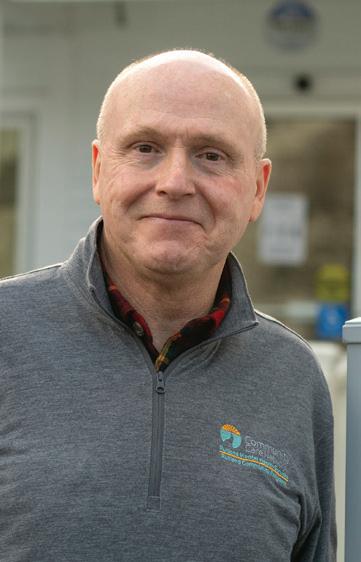
Dick Courcelle Chief Executive Officer
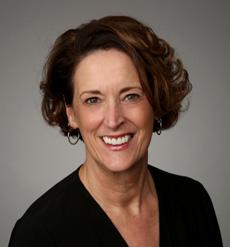
Sara King, Board Chair, Rutland Mental Health Services
"The Rutland Mental Health Services (RMHS) Board of Directors is incredibly proud of the work of the agency and its staff throughout 2025, and equally grateful to the community for its unwavering trust in our programs and services. 2025 brought significant change to the organization, its daily operations, and future planning, and the RMHS team, through its dedication, expertise and nimbleness, continued to deliver high-quality, compassionate care to all those we serve. We wish all of our clients, staff, collaborative partners and the broader community all the best in the year ahead."
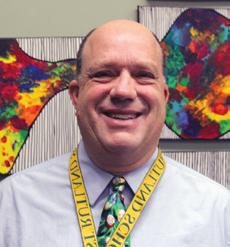
"2025 marked another year of tremendous progress and impact for Rutland Community Programs (RCP), which includes Rutland County Head Start and Early Head Start, and our Senior & Volunteer Program, also known as RSVP & The Volunteer Center. From programming and infrastructure enhancements at Rutland County Head Start – such as a new developmental classroom, expanded community partnerships, an emerging art studio, and a complete playground redesign project, to the more than 65,000 hours of community support facilitated by our Senior & Volunteer Program across its range of services and offerings, the RCP Board of Directors continues to be inspired by the RCP team and thankful for the opportunity to serve members of our community across the lifespan."
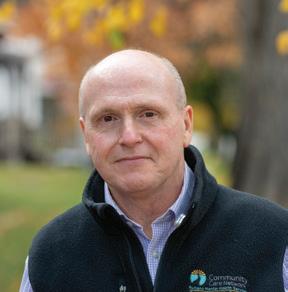
Dick Courcelle, Chief Executive Officer
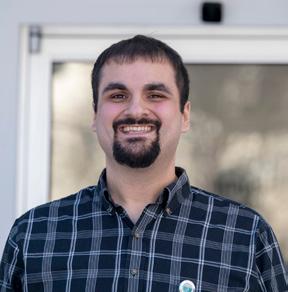
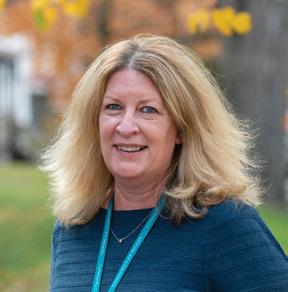
Steve Conti, Chief Financial Officer
Laura Kass, Chief Client Services Officer
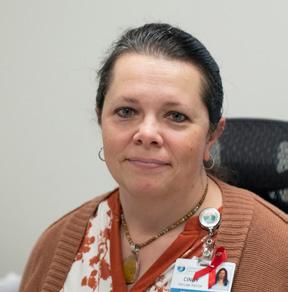
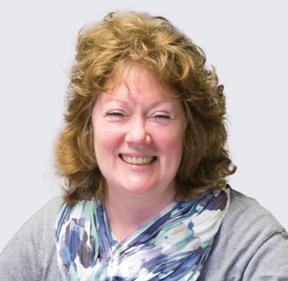
Cindy Taylor-Patch, Chief Quality Officer
Dr. Judith Tietz, Medical Director
We thank our staff for their years of service and dedication.
5 years OF SERVICE
Missy Burke, Head Start: Early Care and Education
Alyssa Czarnecki, Administration
Nicole Papke, Behavioral Health
Danielle Folk, Administration
Dee Gearwar, Administration
Erin Greeno, Behavioral Health
Mariah Merriam, Behavioral Health
Katie Michelson, Behavioral Health
Russell Perry III, Developmental Services
Jay Slenker, Board Chair
Shane Protivansky, Vice Chair
Tim O’Connor, Secretary
Steve Conti, Treasurer
Renee Bousquet, Board Member
Justine Ruhlin, Board Member
Erynn Hazlett, Board Member
Dick Courcelle, Board Member
Sara King, Board Chair
Michael McClallen, Vice Chair
Steve Conti, Treasurer
Chris Keyser, Board Member
Laird Covey, Board Member
Thelma Stoudt, Board Member
Deb Alexander, Board Member
Lillian Jackson, Board Member
Deb Quirk, Board Member
Rachel Stark, Board Member
Mitch Baroody, Board Member
Rutland Mental Health Services’ Adult, Child & Family, and Developmental Services
Standing Committees. The individuals serving on these committees offer valuable perspective, helping us provide the best possible services in our communities.
10 years OF SERVICE
Kristin Brogren, Developmental Services
Peter Chilos, Developmental Services
Kate Herrera, Behavioral Health
Laura Kass, Behavioral Health
Seana Lewis, Behavioral Health
Patty Luther, Administration
Danielle Payton, Behavioral Health
Devin Tarbell, Administration
20 years OF SERVICE
Angela Goepel, Head Start: Early Care and Education
Georgette Haviland, Behavioral Health
Tammy Brown, Volunteer Service Program and Administration
Service results and client survey feedback for July 1, 2024 to June 30, 2025
of respondents reported that the services they received made a difference.
of respondents reported that staff treated them with respect.
3,593 93,387 Under 9 days
of respondents reported that they received the services they needed.
21.5 minutes INDIVIDUALS SERVED
“
BEING ABLE TO WALK IN AND BE SEEN THE SAME DAY IS A HUGE BENEFIT. THERE’S NO WAITING FOR AN APPOINTMENT YOU GET CONNECTED WHEN YOU’RE READY. ”
- Jess Daniels, Access Manager
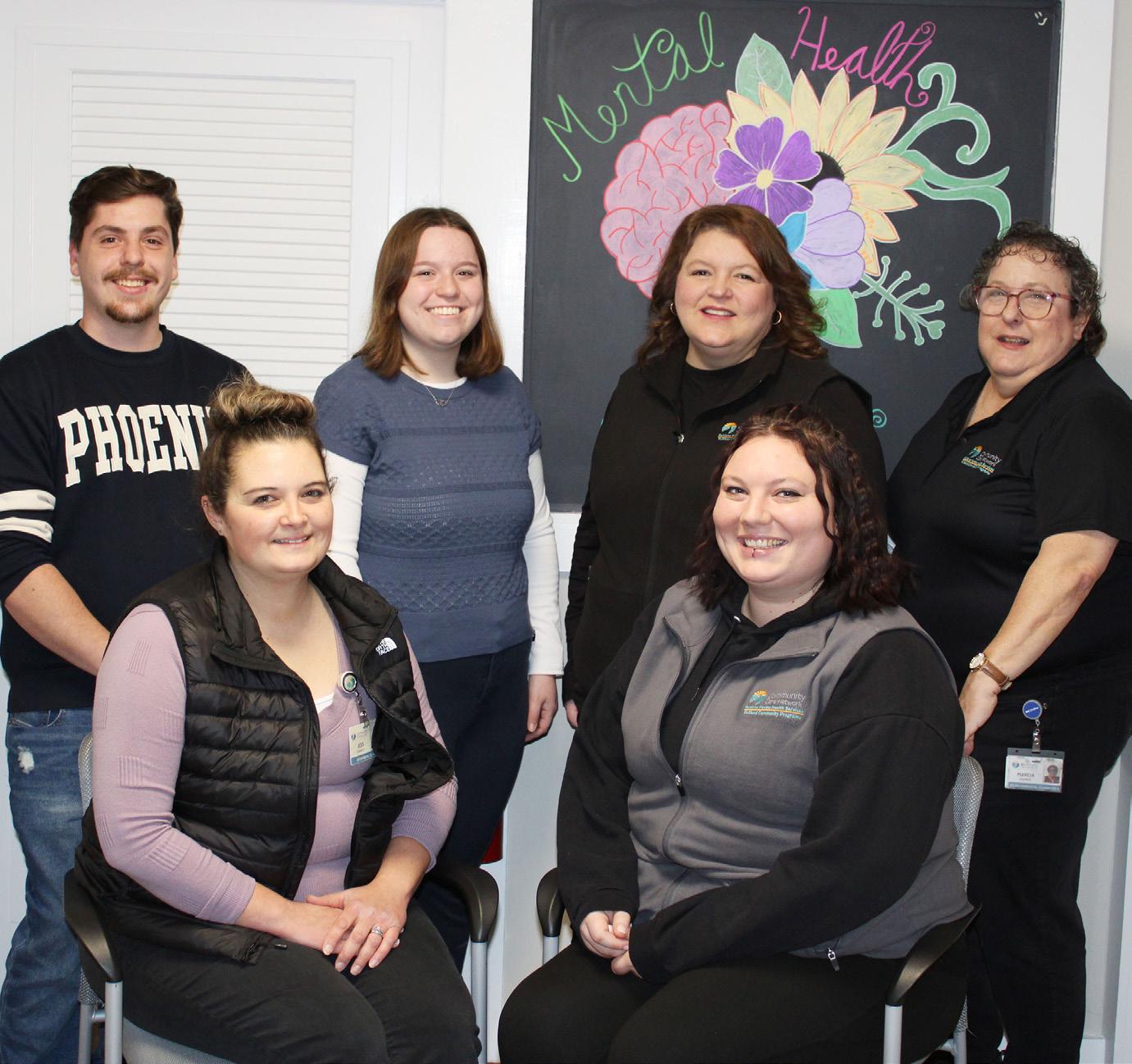
RMHS is preparing for an important expansion of its Open Access Model—an approach that offers same-day, walk-in mental health intakes and assessments. Launched in Adult Services in 2023, the model has already demonstrated meaningful impact including reduced no-show rates, faster connection to services, and stronger engagement from individuals seeking support.
Over the past year, RMHS has laid the groundwork for a fully integrated one-door Open Access system. Central to this effort is the newly established Access Team, led by Access Manager Jess Daniels. The team includes three intake specialists who serve as the first point of contact for individuals entering care, completing opening paperwork and guiding them into services. In November, the team welcomed its first dedicated Access clinician, with recruitment underway for a second to ensure full clinical coverage.
While Adult Services is currently the only program operating under full Open Access – out of 7 Court Square - the transition to a system-wide model is nearing full implementation. Once fully rolled-out, all new referrals—including Adult Services, Child & Family Services, and Early
Childhood programs—will enter care through a single, streamlined entry point at the agency’s 78 South Main Street location. Progress is already underway, with several Child & Family programs now completing their opening paperwork through the Access Team.
In 2026 Open Access will expand from its current three and a half-day schedule to a full Monday through Friday access model.
“Being able to walk in and be seen the same day is a huge benefit,” says Daniels. “There’s no waiting for an appointment—you get connected when you’re ready.”
With each step forward, RMHS is strengthening timely access to care and ensuring that every person’s first call for help is met with immediate, compassionate support.
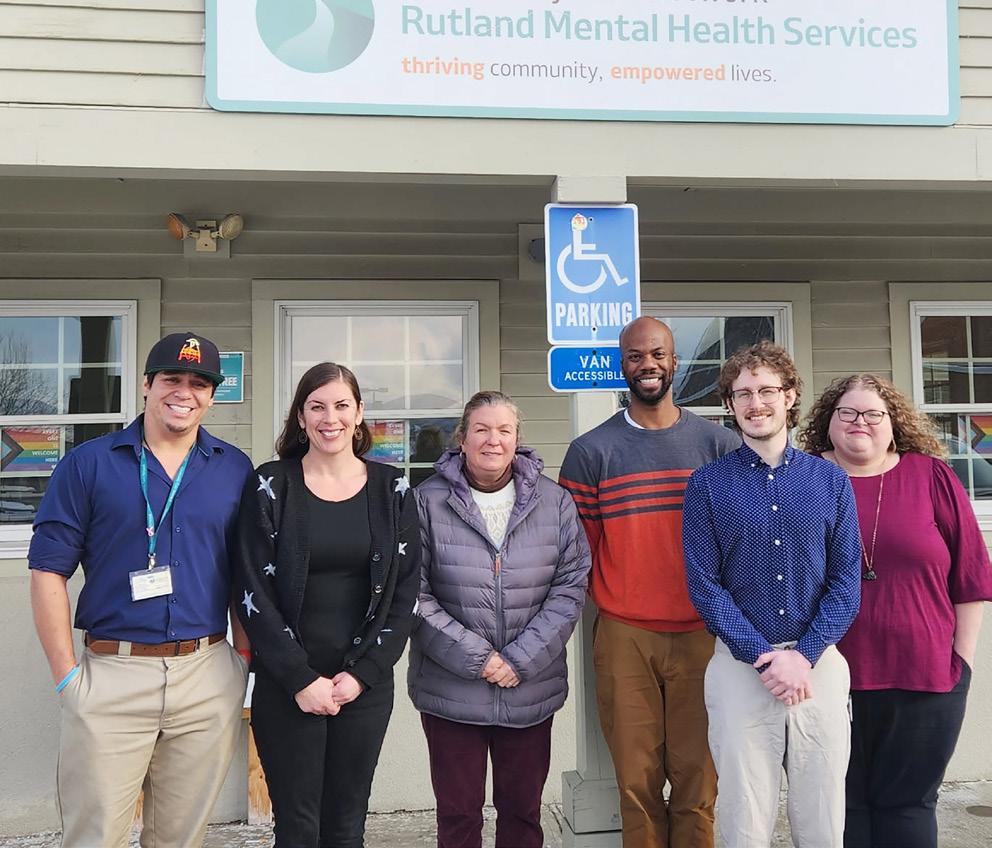
For individuals working to overcome substance use disorders, the path to recovery is often shaped by small, consistent choices. At RMHS, an updated Contingency Management (CM) model within the Substance Use Treatment and Recovery Program is helping those choices become easier and more sustainable.
CM is an evidence-based behavioral treatment that rewards positive actions tied to recovery, such as attending sessions and maintaining sobriety. “When someone has been using substances for a long time, the brain’s reward system gets hijacked,” explains Hillary Ward, RMHS Director of Adult Services. “Contingency Management helps reintroduce healthier rewards, reinforcing the behaviors that support recovery.”
With support from the Vermont Division of Substance Use Programs, RMHS streamlined its incentive structure and adopted the PEX card system, which allows funds to be loaded instantly and used like a debit card, with built-in restrictions. Clients now earn $10 for each on-time session and $20 for negative screens—higher, simpler incentives shown to be more effective than previous models.
Since launching the updated CM program in the Intensive Outpatient Program in October 2024, staff have reported increased attendance, improved retention, and stronger overall engagement. The model has also been extended into the Empowered Change step-down group, ensuring continuity of support as clients transition to lower levels of care.
In addition to improving outcomes within existing programs, CM is now being integrated into release planning through a new
partnership with Marble Valley Corrections and Probation and Parole, helping connect individuals to treatment during a critical period when the risk of relapse and overdose is highest.
Contingency Management is proving to be a practical and sustainable tool – one that not only strengthens participation in treatment, but helps clients build the consistency and motivation needed for long-term recovery.
INDIVIDUALS SERVED
292 DIRECT SERVICE HOURS
5,146 reported that they received the services they needed. 73.3% reported that RMHS staff treated them with respect. 97.4% reported that the services they received made a difference. 86.8%
My life has improved 100%. I came in and started with the Intensive Outpatient Program (IOP) and have since done the Criminal & Addictive Thinking (CAT) group, Men's group, one-on-one therapy and Seeking Safety to teach me how to stay and live clean and sober, and heal from trauma which was the root cause of my 35+ years of addiction. I am forever grateful for my sobriety. – RMHS Client “ ”
782 6,303
INDIVIDUALS SERVED DIRECT SERVICE HOURS
Community Rehabilitation & Treatment
176 3,804
INDIVIDUALS SERVED DIRECT SERVICE HOURS
Crisis / Emergency Services
1,275 1,862
INDIVIDUALS SERVED DIRECT SERVICE HOURS
*Note: Totals also include Crisis / Emergency Services provided to youths.
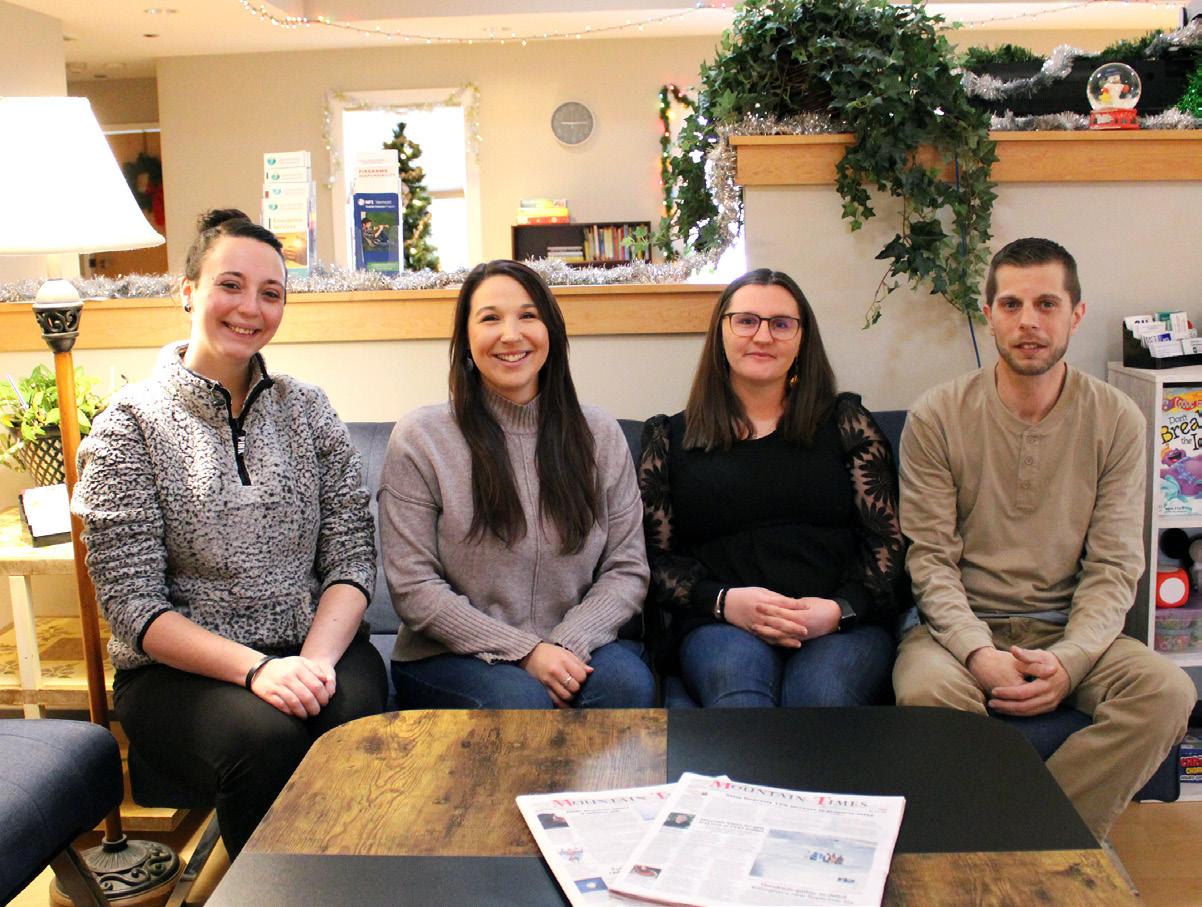
This year, RMHS launched two important new programs designed to reach community members who have historically faced significant gaps in support. The Veteran Care Navigator program and the Court Peer program provide specialized, person-centered assistance – for veterans and justice-involved individuals – helping overcome barriers and connect with essential resources. Developed under the direction of Loree Zeif, who also heads up Emergency and Crisis Services, both initiatives reflect CCN’s continued commitment as a Certified Community Behavioral Health Clinic.
“
but because some needs were simply going unmet,” says Katelyn Jax, supervisor for both new programs. “Once we opened the doors, the response was immediate. The demand shows just how needed this service truly is.”
ONCE WE OPENED THE DOORS, THE RESPONSE WAS IMMEDIATE. THE DEMAND SHOWS JUST HOW NEEDED THIS SERVICE TRULY IS. ”
- Katelyn Jax, program supervisor
Launched in June, the Veteran Care Navigator Program provides individualized support to veterans, active-duty service members, and their immediate families—regardless of discharge status or branch of service. Navigator Brodie Johnson is equipped to help individuals and families with a wide range of challenges including the lingering effects of trauma, service-related injuries, difficulty accessing resources, and stress and emotional burden carried by family members.
“We knew there was a gap in services for veterans— not because our partners weren’t doing great work,
The Court Peer Program was created in collaboration with the local court system, restorative justice, probation and parole, and community partners.
Using a needs-based screener at arraignments, Joshua Jewett, a Peer Support Specialist with lived experience, helps individuals who are justice-involved connect to treatment, housing, and basic supports—reducing barriers that often lead to repeat court involvement.
“What he’s able to do is to really walk that path with people, in making connections and getting services,” says Jax. “The hope is that they are going to have a more positive experience within the court system.”
Both programs are already making a measurable impact, strengthening CCN’s mission to meet people where they are, with compassion, dignity, and hope.
Across Rutland County, many adolescents are still grappling with the lingering effects of the pandemic – most notably heightened anxiety, chronic school avoidance and a deep sense of disconnection. For some, substance use has become a coping strategy – a way to dull overwhelming feelings. Recognizing the complexity of these challenges, RMHS offers a thoughtful and clinically grounded response through its Choices for Youth program.
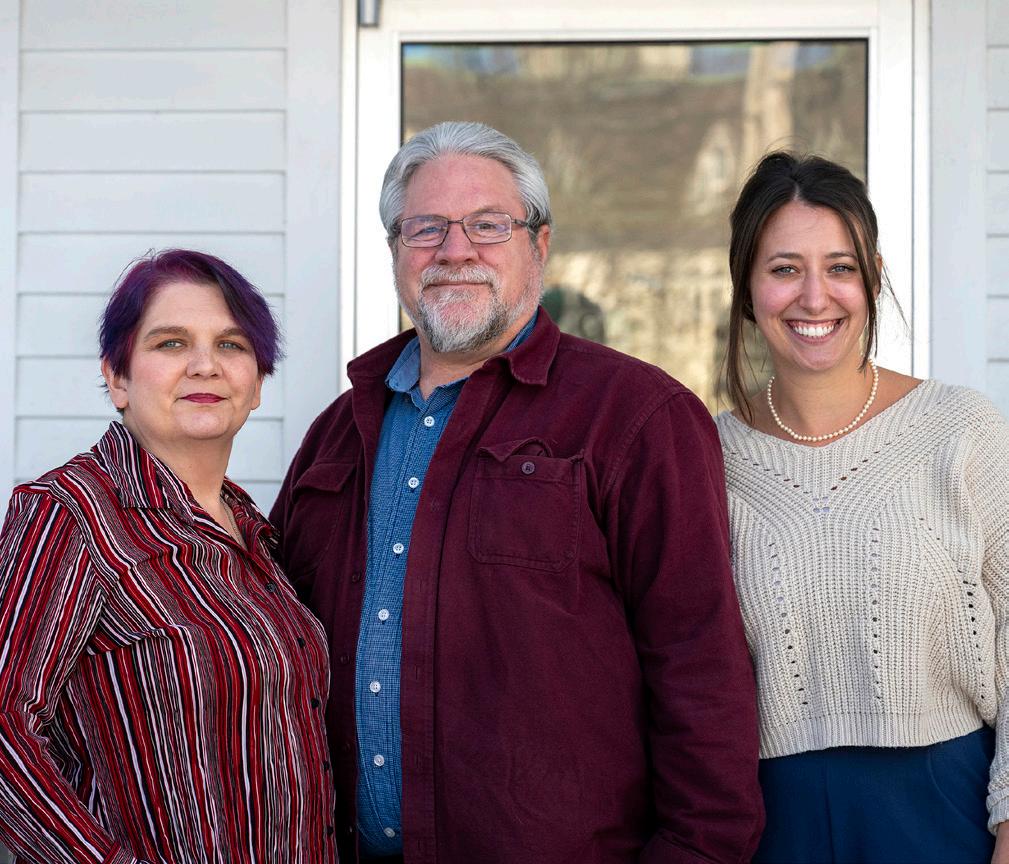
Co-facilitated by Doug Norford, Director of Child & Family Services and outpatient clinician Jordan Stevens, Choices for Youth is intentionally designed as a space that feels different from traditional treatment. The program brings together teens navigating both substance use and mental health challenges and invites them into an environment where support is built on trust and authentic connection. “We want them to have a place that’s theirs,” says Norford. “A space where, with the right amount of support and guidance, they can talk openly about what they’re facing without the pressure or judgement that they experience in other environments.”
Weekly evening sessions at 78 South Main Street blend evidencebased practices with games, art projects, shared food, and teambuilding activities. This balance allows young people to gradually engage in deeper conversations about the choices they’re making in their lives, including their substance use. Rather than imposing a “mad rush to abstinence,” the programming helps teens to consider the impact of their choices and behaviors, and how healthier strategies might better support their hopes and goals.
The results are promising. Teens not only keep coming back—they invite friends who would benefit as well. For youth who have been expelled or disconnected from school, the group often provides their only sense of community. Connections strengthen and harmful behaviors can be examined honestly rather than avoided.
With the group nearing capacity, Norford plans to expand the program, including potentially launching additional groups in surrounding communities to reduce transportation barriers.
INDIVIDUALS SERVED
799 DIRECT SERVICE HOURS
9,942 reported that they received the services they needed.
reported that RMHS staff treated them with respect.
reported that the services they received made a difference.
We feel understood in our values as parents and are blown away by the extra resources, skills and techniques that our son has brought home – and in his mind he is just ‘playing.’ We cannot be more grateful for all the hard work that has gone into helping our kiddo!
We love Rutland Mental Health Services. They've helped us a lot and we also love our therapists - they’re so caring, empathetic, and very helpful! Thank you!
–RMHS Client
–RMHS Client “ ”
I would consider my kids lucky to receive the services they need through Rutland Mental Health Services.
”
In the years following the pandemic, local childcare providers have faced extraordinary pressure. Many teachers are new to the field; others are navigating classrooms where children are showing bigger emotions and more challenging behaviors than they have seen before. At the same time, educators often lack the individualized support they need—despite the fact that they spend their days caring for our community’s youngest children.
To help meet this need, the Early Childhood Services team at RMHS has introduced hands-on, practice-based coaching in area childcare centers, funded through a Vermont Department of Mental Health Infant and Early Childhood Mental Health Consultation Grant. Since January 2025, coaches from Early Childhood Services – trained mental health professionals – have been working one-on-one with teachers in five local early education programs, providing steady, week-by-week guidance grounded in what each classroom needs most.
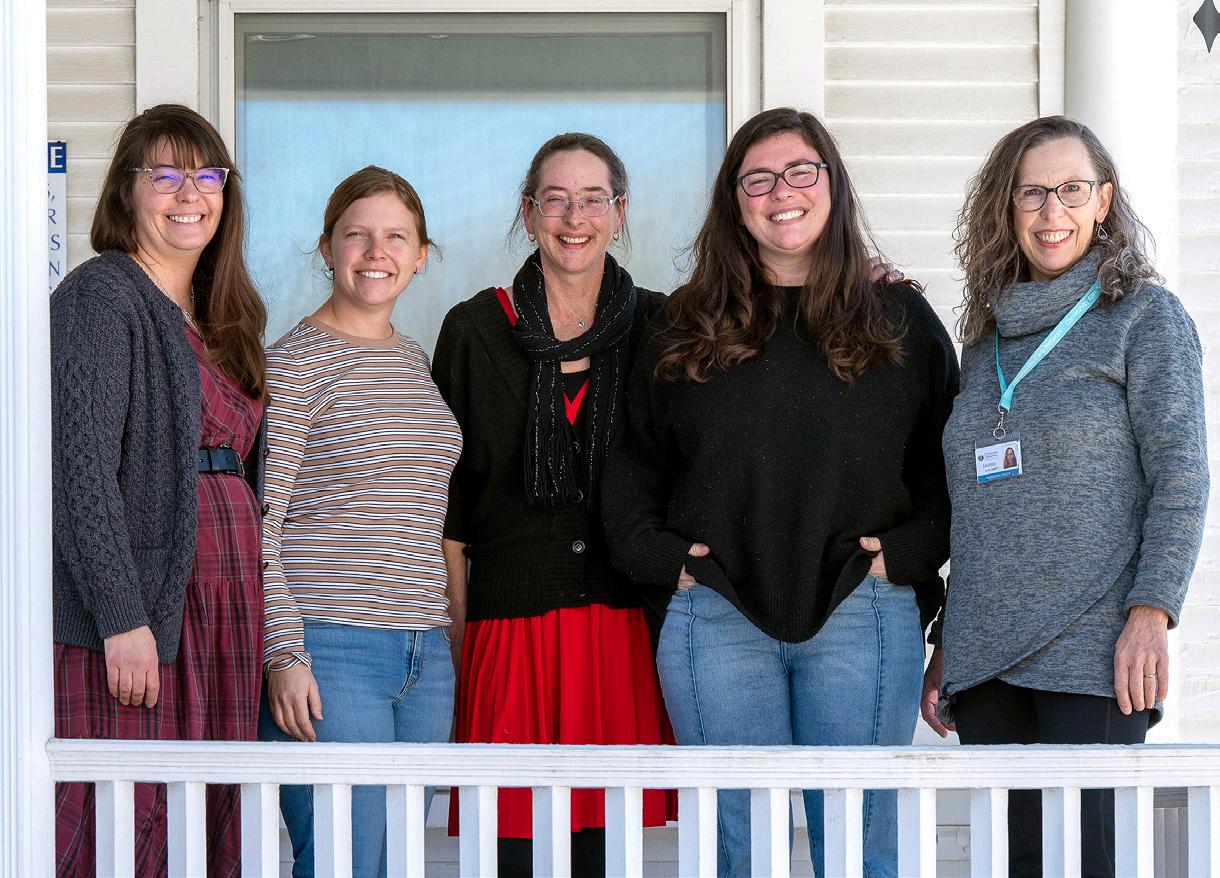
Each participating teacher began by identifying the challenges that felt most pressing—whether supporting a child with big emotions, managing tricky transitions, or strengthening bonds with children who need extra connection. Coaches then met with teachers weekly to reflect, problem-solve, and introduce practical strategies drawn from two trusted models: the Pyramid Model and Circle of Security–Classroom. In
many classrooms, coaches also modeled techniques directly with children. Some teachers participated in “bug-in-the-ear” coaching, using a small earpiece to receive gentle, real-time guidance as they practiced new skills.
Manager of Early Childhood Services, Lauren Norford, says she found early childhood caregivers hungry for coaching. “They are in a lot of distress, often overwhelmed by even typical child behavior. Working with a coach helps teachers figure out where to begin and what will have the biggest impact on their classroom.”
Already, many educators have achieved the goals they set at the start of the coaching. More importantly, they report feeling more confident, more reflective, and better equipped to build positive, nurturing relationships with the children in their care.
In a field stretched thin, this coaching is helping steady classrooms, strengthen relationships, and support the well-being of young children across our community.
COACHING HAS HELPED ME GROW AS A TEACHER AND SEE THINGS FROM A DIFFERENT PERSPECTIVE. COACHING HAS HELPED ME CONNECT MORE WITH KIDS, GET DOWN TO THEIR LEVEL AND INCREASE MY OWN UNDERSTANDING, WITH LESS FRUSTRATION. ”
- Coaching Recipient
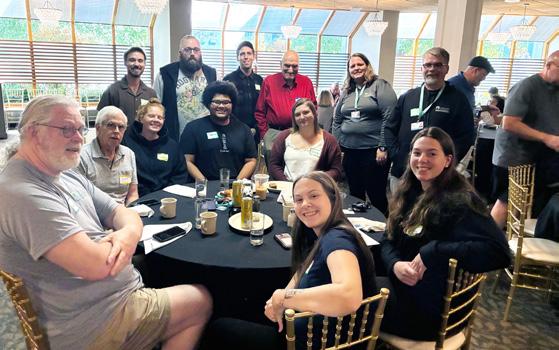
Every day in Rutland County, individuals with developmental disabilities are building skills, forming friendships, getting to work and participating in community life—often thanks to the quiet, steady support of Direct Support Professionals. These professionals, part of Rutland Mental Health Services’ Developmental Services team, play a vital role in making sure everyone in our community has real access to the world around them.
A DSP’s work is unique to each person they support. Some individuals need just a few hours a week to learn new skills or navigate a new job. Others may rely on 24/7 support. DSPs can be RMHS staff or contracted providers, including the county’s remarkable network of more than 120 Shared Living Providers who open their homes and lives to the people they support.
The scope of DSP work is broad. They help individuals access their community, pursue education or employment, strengthen independent living skills, stay connected socially, and ensure caregivers can take needed breaks. Some provide transportation or inhome coaching; others offer essential safety support for individuals with higher needs. Whatever the setting, the goal is the same: meaningful inclusion.
“There are hundreds of people in our county who would not have access to daily life in the community without our direct support professionals,” says Mary-Graham McDowell, Director of Developmental Services. “In my mind, these are the most important roles we have.”
DSPs bring empathy, curiosity, patience, humor, and a genuine desire to serve. They help people build confidence, make choices, and experience the full, integrated lives they deserve. Without them, many individuals would face isolation or unsafe situations; with them, they discover belonging, independence, and opportunity.
At its core, the DSP program is about opening doors and ensuring that every person has the support to participate, contribute, and thrive in the place they call home.
60,886
INDIVIDUALS SERVED 410 DIRECT SERVICE HOURS
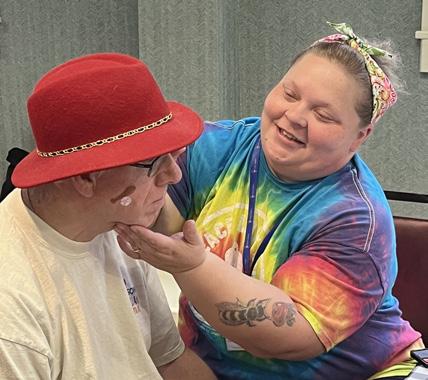
CCN’s Earle named Vermont Direct Support Professional of the Year
Jillian Earle (left), was named Vermont Direct Support Professional of the Year for 2025 by ANCOR, the nation’s leading advocacy organization for community-based providers supporting individuals with intellectual and developmental disabilities.
Earle was honored for her work as a DSP with CCN’s former Project SEARCH program, which she supported for four years dating back to 2021. Earle was one of 54 individuals selected from across the United States for recognition from a record-breaking pool of 500 nominations received by ANCOR for its annual Direct Support Professionals Awards.
“Jillian’s dedication as a Direct Support Professional has been truly transformative for the individuals she works with,” said Kathi Austin, Employment Supports Manager with Community Care Network, in April of 2025. “Through her guidance and unwavering commitment, she helps prepare individuals for meaningful employment, equipping them with the skills and confidence needed to succeed. This recognition is a testament to her impact – not only on those she supports, but also on the greater mission of fostering inclusive workplaces.”
CCN Direct Support Professional Peter Chilos continues to help the Rutland community at 90 years of age
Peter Chilos (right), not only reached 10 years of service to CCN and its clients in 2025, but he also celebrated his 90th birthday!
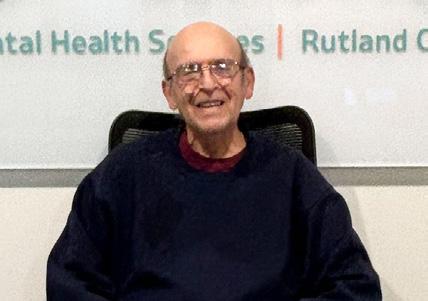
Chilos, who was featured in a November 2025 Rutland Herald article for his inspirational commitment to his work and community, is one of the many dedicated CCN Direct Support Professionals who carry out life-changing work each and every day in supporting individuals with developmental disabilities to be included and participate in our community, while maintaining their independence.
“Peter is an inspiration to so many,” said Jen Champine, Developmental Services Community Support Program Manager with CCN. “He’s always in great spirits, brings positivity to every interaction, and has lived an extraordinary life.” Champine highlighted some of his work as organizing activities, supporting individuals in reaching their goals and assisting them in finding volunteer opportunities to give back to the community.
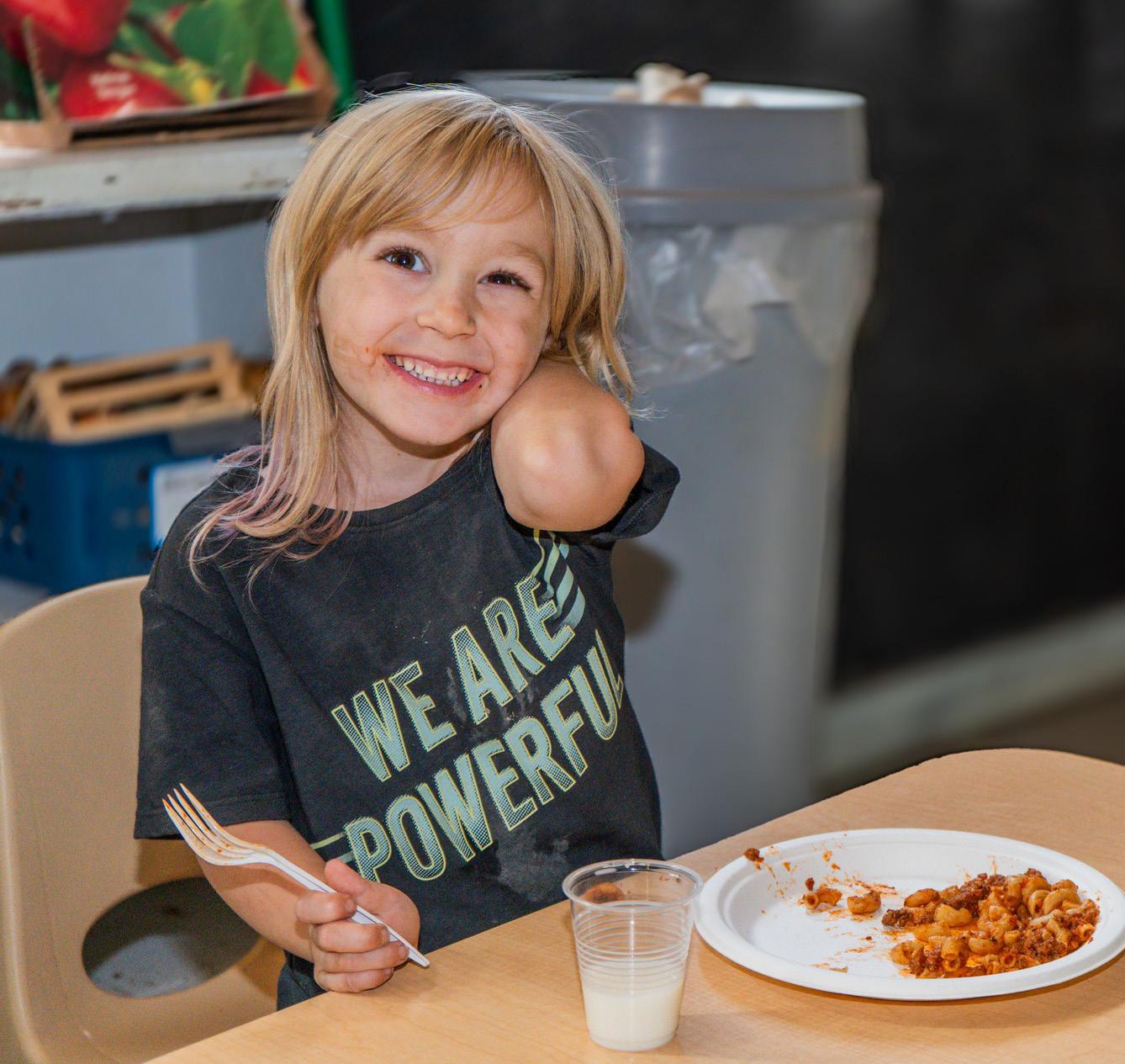
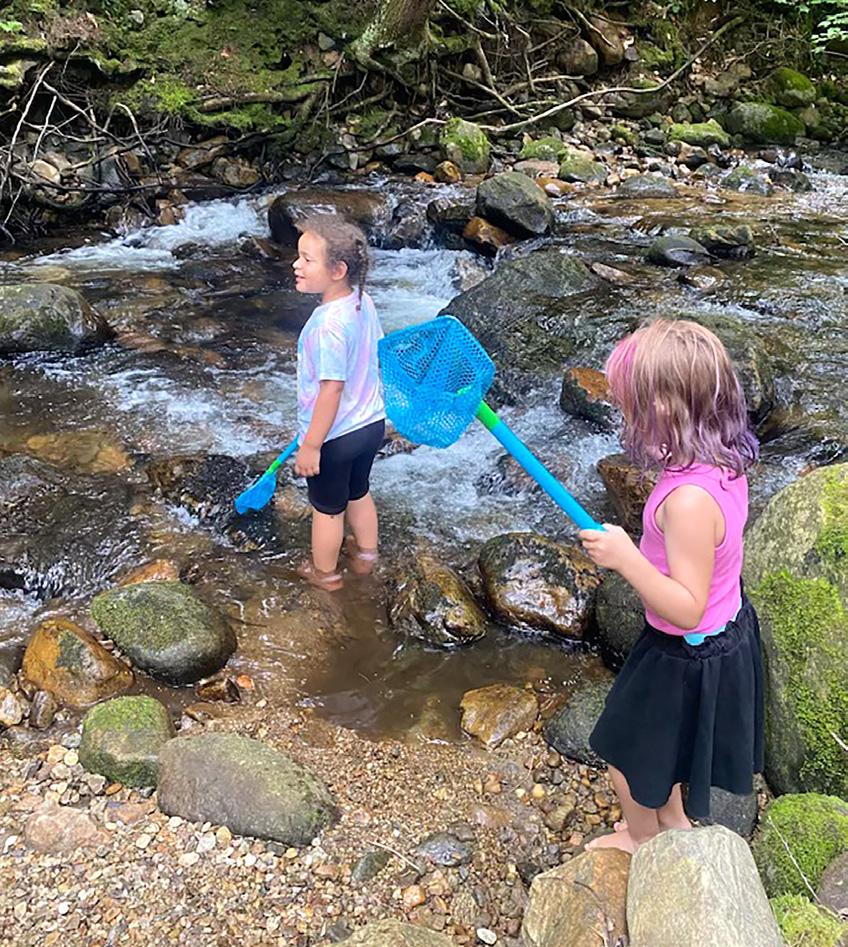
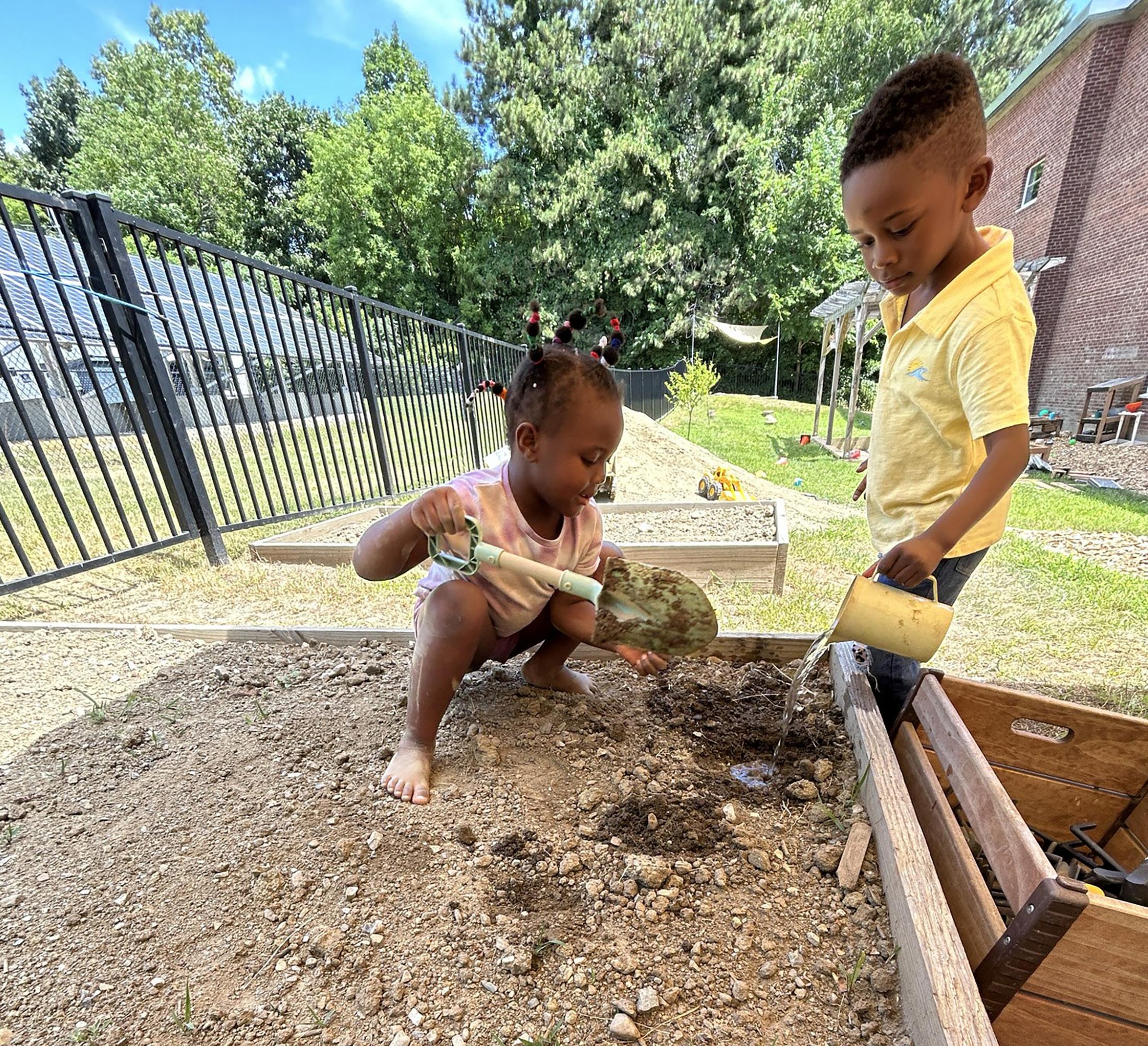
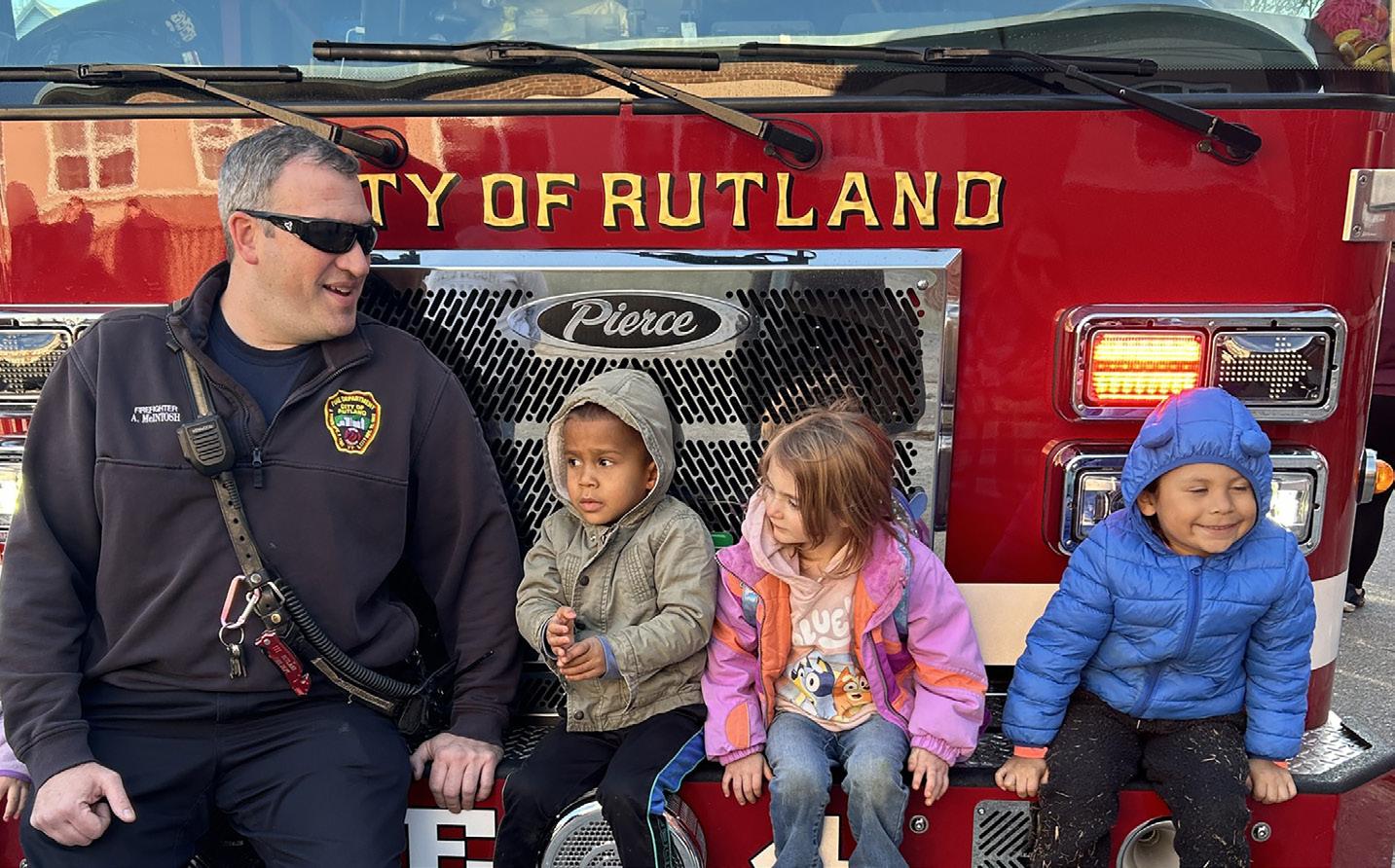
Rutland County Head Start is closing out a year defined by bold improvements—each one strengthening its ability to meet children’s needs early, creatively and in partnership with families.
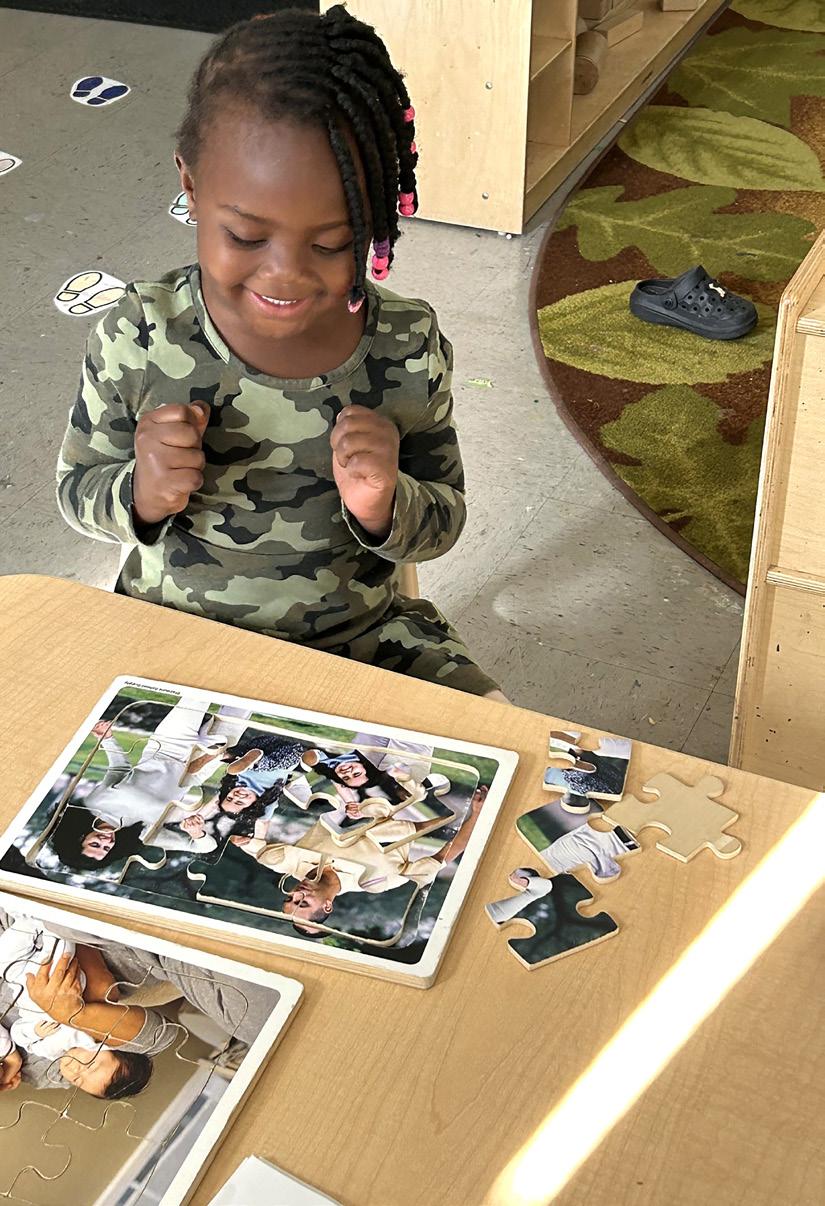
The most significant step forward was the launch of a new developmental classroom designed to support children who may not yet qualify for formal intervention services but clearly benefit from added structure and guidance. Daily small-group instruction is now provided in collaboration with Rutland City Public Schools’ Early Childhood Special Education team, allowing general education teachers to work side-by-side with a special educator.
Interim Director Lauren Weiss says the model fills a critical gap. “Too many children wait for help they need now. This classroom lets us step in early, and give them the support they need when they need it. We don’t wait for them to fail.”
The program also expanded its partnerships with Maple Leaf Clinic and others to ensure families receive clear, comprehensive evaluations and practical strategies they can use at home. These coordinated assessments have strengthened communication among agencies and created more seamless support for children.
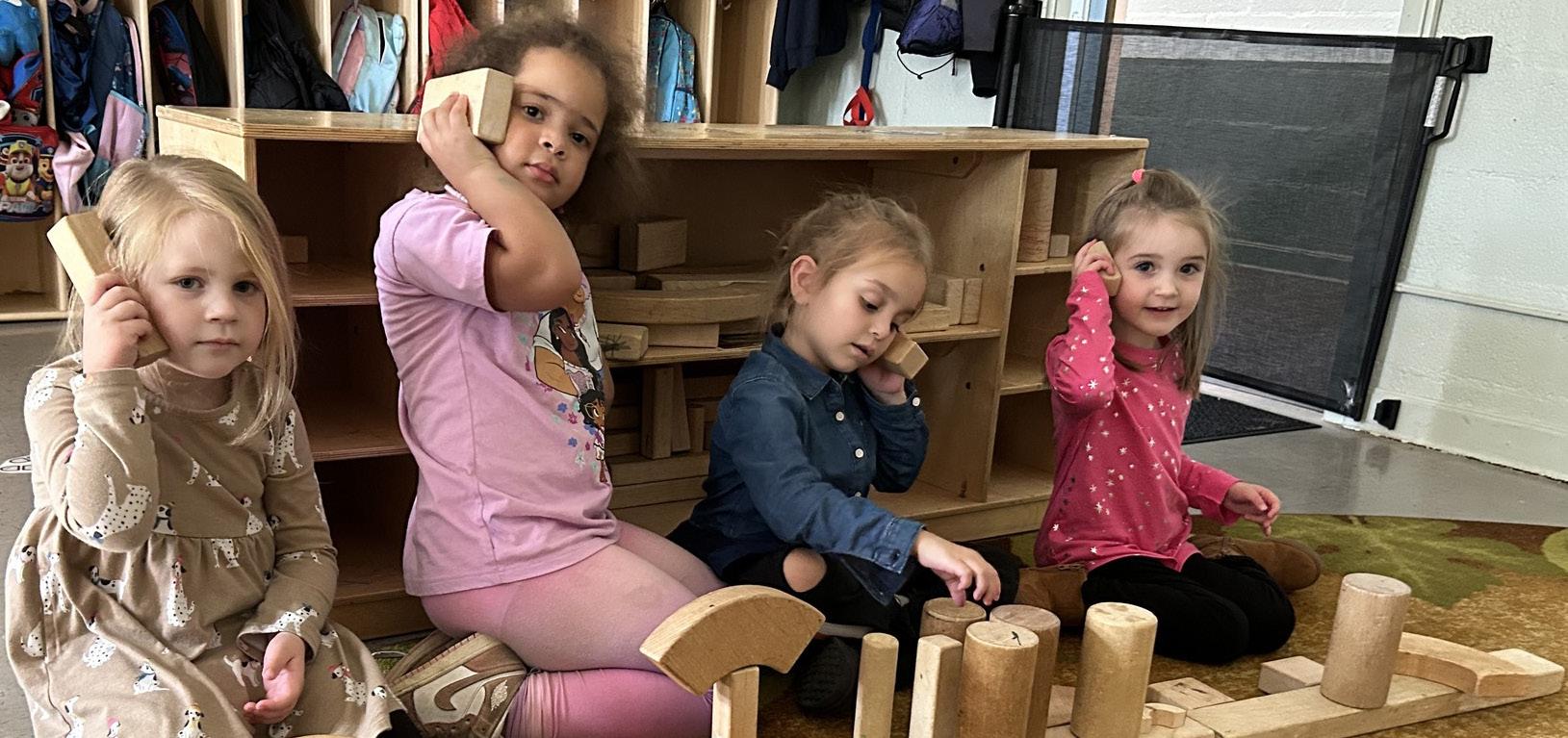
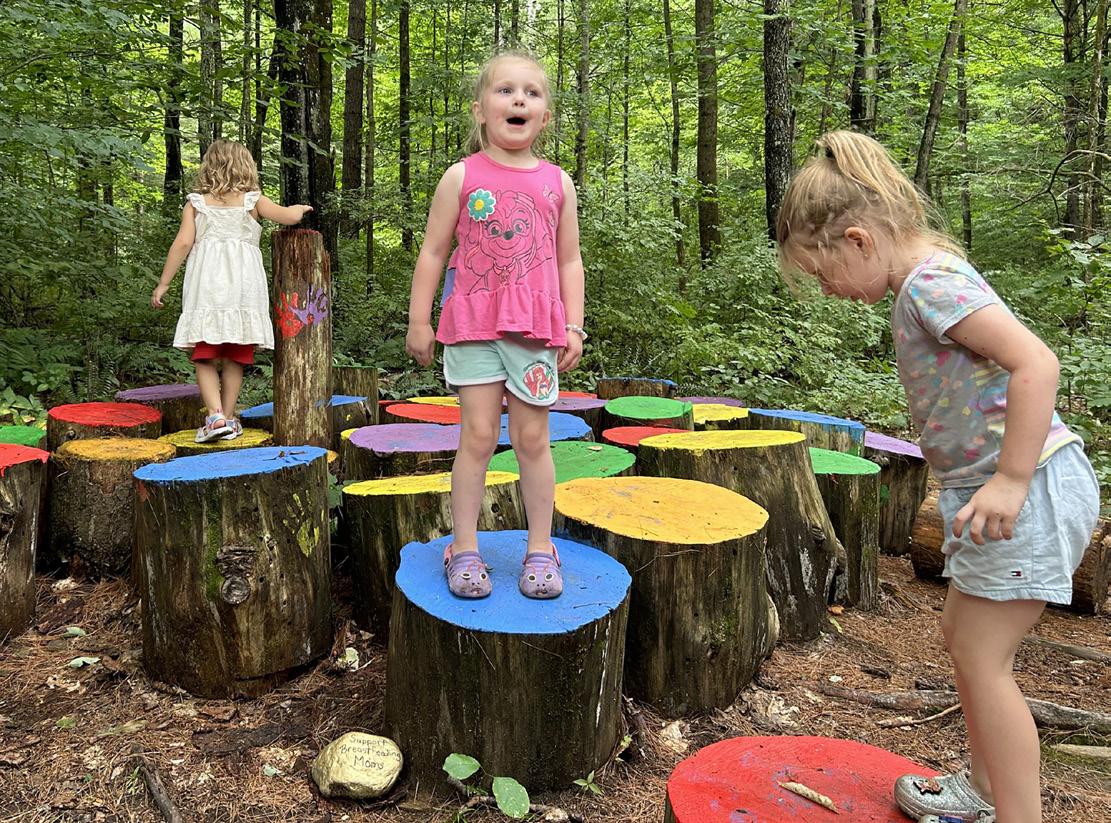
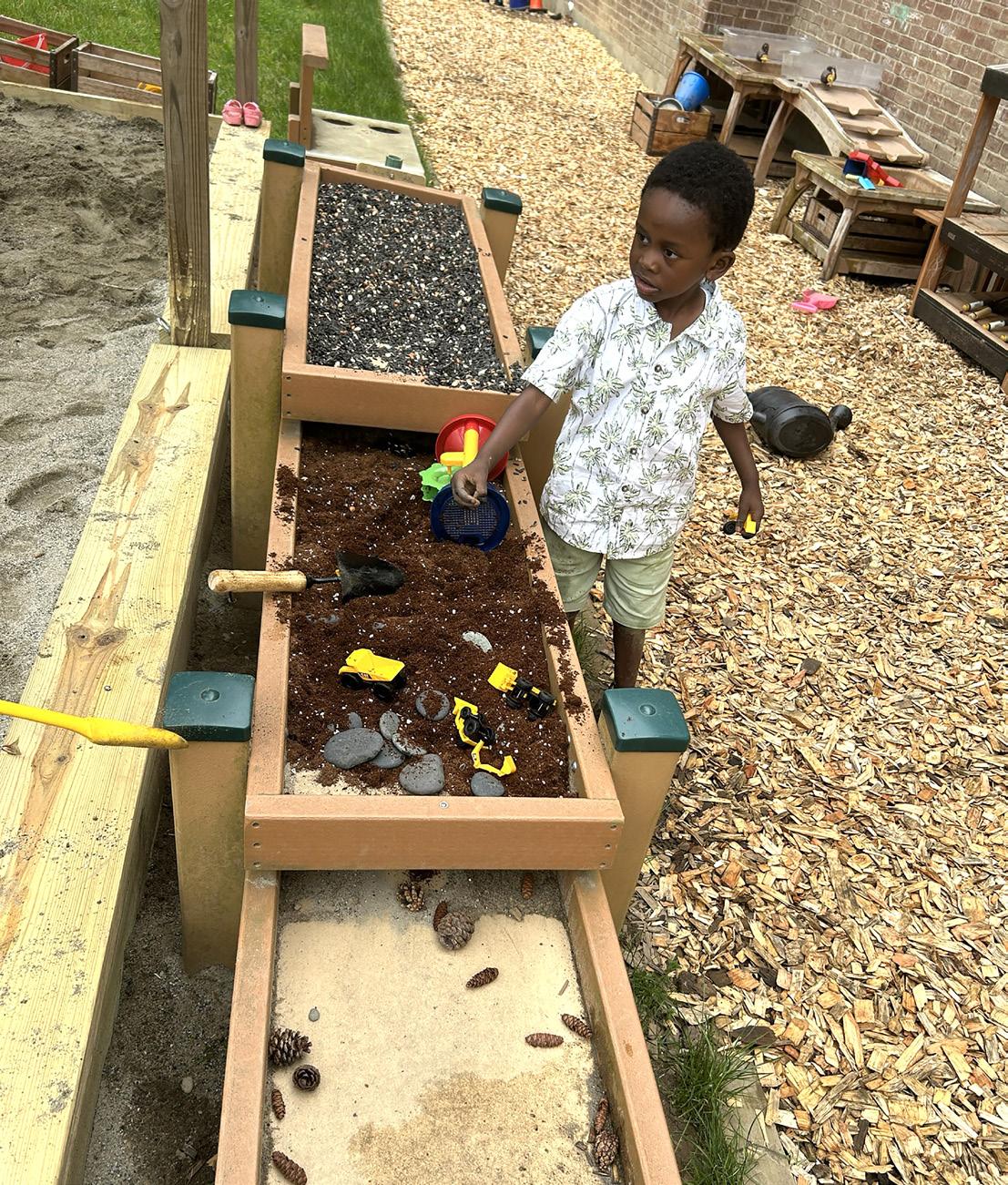
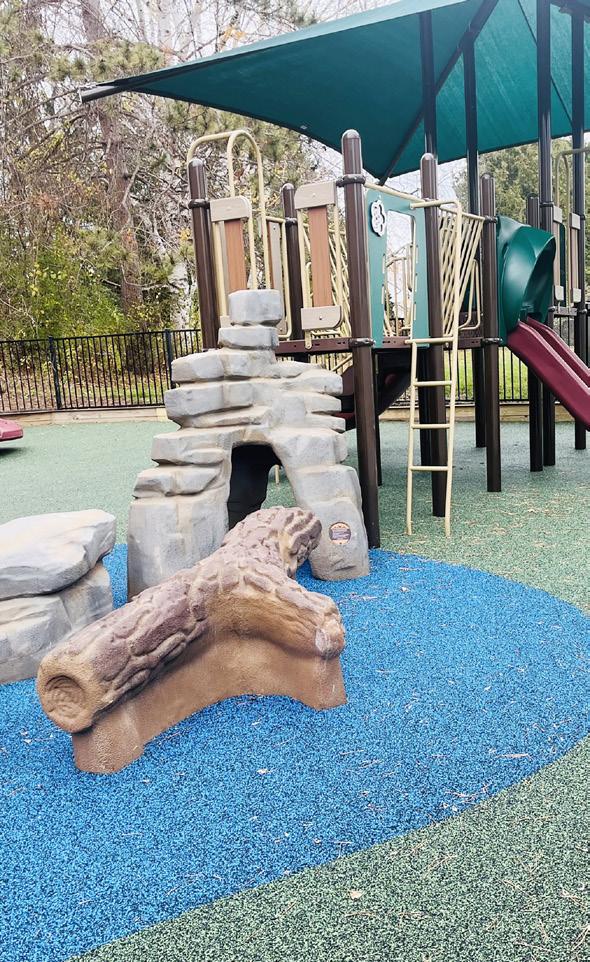
This year also brought significant improvements to the program’s physical environment. A complete playground redesign replaced cracked asphalt with a safe, forgiving surface and new climbing structures that encourage children to take healthy risks. The space has quickly become a hub of family engagement, and educators have equipped children with instant-print cameras to capture the playground from their own perspective.
Meanwhile, an emerging art studio, informed by staff training in the Reggio Emilia approach, will give children space for guided creative exploration and help teachers bring more expressive, child-led learning into their classrooms.
Looking forward, a new three-year Bowse Health Trust grant from Rutland Regional Medical Center, will extend the developmental classroom model across all classrooms, supporting a “grow your own” approach that strengthens teacher expertise and builds a more inclusive, responsive learning environment program-wide.
Together, these investments reflect Rutland County Head Start’s steadfast vision to create an environment where children, families, educators and community partners learn and thrive together.
54 children served Early
39 children served
100% staffing
100% of children received growth, hearing, vision and developmental screenings
100% of Head Start and Early Head Start children have access to preventative health care
A total of 26,024 nutritious breakfast, snack and lunch meals served to students throughout the year

HOURS OF SERVICE PROVIDED
63,353 by 478 AmeriCorps Seniors Volunteers (age 55 and over).
1,941 by 22 Volunteer Center Volunteers (under age 55).
RSVP BONE BUILDERS: ONE - 2 - ONE TRANSPORTATION PROGRAM:
• 861 Bone Builders participants at 43 different sites throughout Rutland and Addison counties.
• 266 Volunteer instructors who contributed 31,846 hours of service.
AARP TAX-AIDE PROGRAM:
• 2,357 trips to 103 clients by 17 volunteers totaling 69,337 miles of transportation assistance.
• 1,498 tax returns filed for clients by 25 volunteers across Rutland and Addison counties. Value of tax returns generated totaling $1,231,827
RSVP OPERATION DOLLS:
• 58 volunteers contributed 7,707 hours of service.
• Holiday Program: Over 1,000 Rutland County youths through 32 agencies, providing over 8,000 items.
POSTCARD PROGRAM:
• 3,382 cheerful postcards made by 30 volunteers and sent to homebound seniors and veterans throughout Rutland and Addison counties.
OTHER:
• Crisis Bag Program: Approximately 150 Rutland County youths and adults served through five agencies, providing over 1,050 items.
VETERANS CONNECTION PROGRAM:
• Held monthly meetings at a local eatery for Veterans in the community featuring various speakers. On average, 20-25 Veterans attended each month to enjoy social connections and gain resource information.
• 206 RSVP Volunteers served in other community-based positions such as at thrift stores, food shelves, local libraries, community meal sites and for Meals on Wheels and the American Red Cross, providing assistance to over 12,000 individuals across Rutland and Addison counties, including over 180 Veterans.
FOSTER GRANDPARENT PROGRAM: (July 1, 2024 to June 30, 2025)
• 20 volunteers provided over 19,986 hours of support to 351 local students, including:
• 22 Pre-Kindergarten students assisted by school readiness mentoring.
• 329 Kindergarten through Grade 12 students assisted through tutoring support at 14 different school locations.
This past year, the AmeriCorps Foster Grandparent Program celebrated 60 years of transforming lives through the simple but powerful act of giving time, attention, and love. Established nationally in 1965 and brought to Vermont a year later, the Green Mountain Foster Grandparent Program has spent six decades bridging generations and strengthening communities across Rutland, Bennington, and Addison Counties.
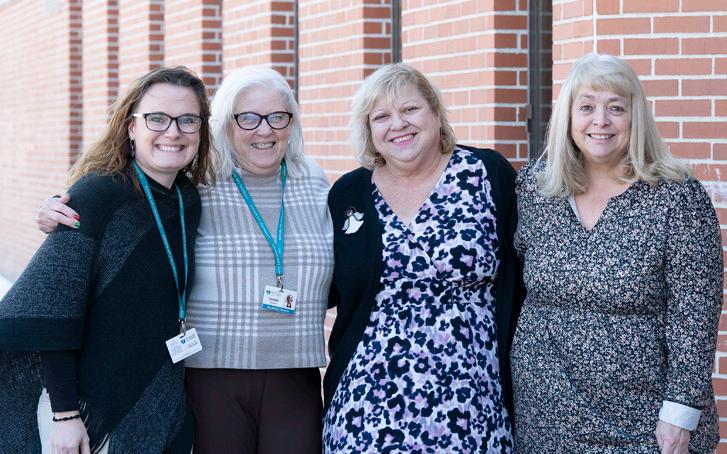
The program pairs volunteers aged 55 and older with children who could benefit from extra academic, social, or emotional support. Volunteers commit 10 to 40 hours a week in local schools, Head Start programs, and childcare centers—offering patience, encouragement, and one-on-one attention. In return, volunteers receive a modest stipend, connection, and a renewed sense of purpose.
According to Program Director Maryesa White, the heart of the Foster Grandparent Program’s success is the extraordinary commitment of its volunteers. Many reach remarkable milestones of 10, 15, even 20 years of service, becoming trusted and beloved presences in classrooms. Teachers often request the same grandparents year after year, noting how easily children open up to them, how skillfully they help students work through challenges, and how deeply their presence supports classroom learning.
Last year, 20 Foster Grandparents contributed nearly 20,000 hours of service at 14 sites. Their impact is measurable—improved academic engagement, stronger social-emotional skills, and essential school-readiness gains for Pre-K children.
Looking toward the future, White hopes to grow the volunteer team and reach even more children. “We are so grateful for every single one of our grandparents that have supported our program for so many years, and for all of our new foster grandparents who are joining our team. In such a time of uncertainty, they are truly keeping the program afloat.”
Sixty years on, the Foster Grandparent Program remains a joyful reminder that when generations come together, everyone thrives.
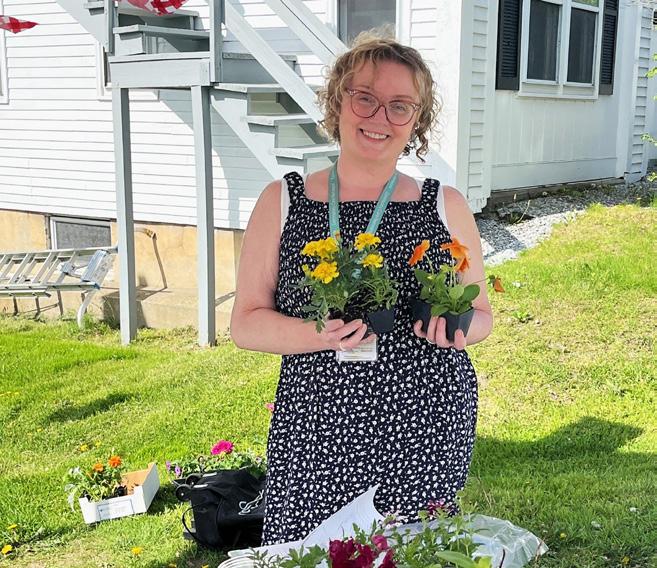

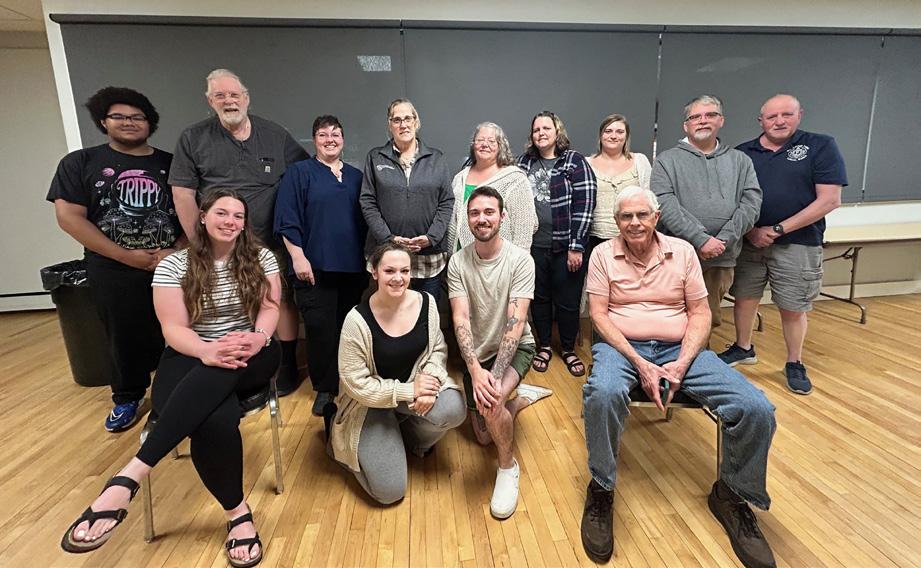
Marsha Singh distributed flowers and vegetables to employees at the committee’s Gardening for Wellness event in May.
5
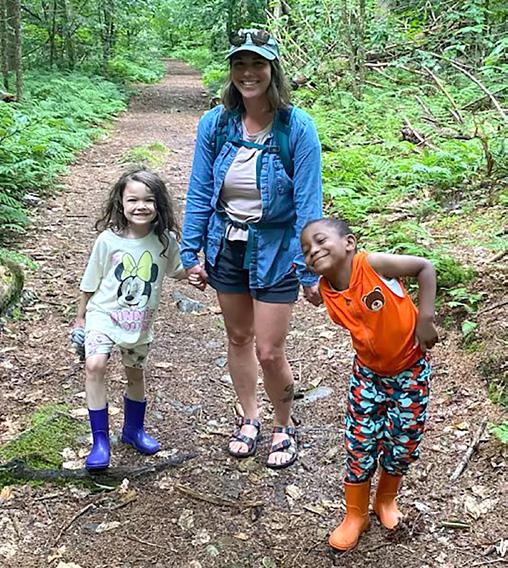
Natured-based therapeutic fun with CCN’s Vermont Outdoor Adventure Program (VOAP).
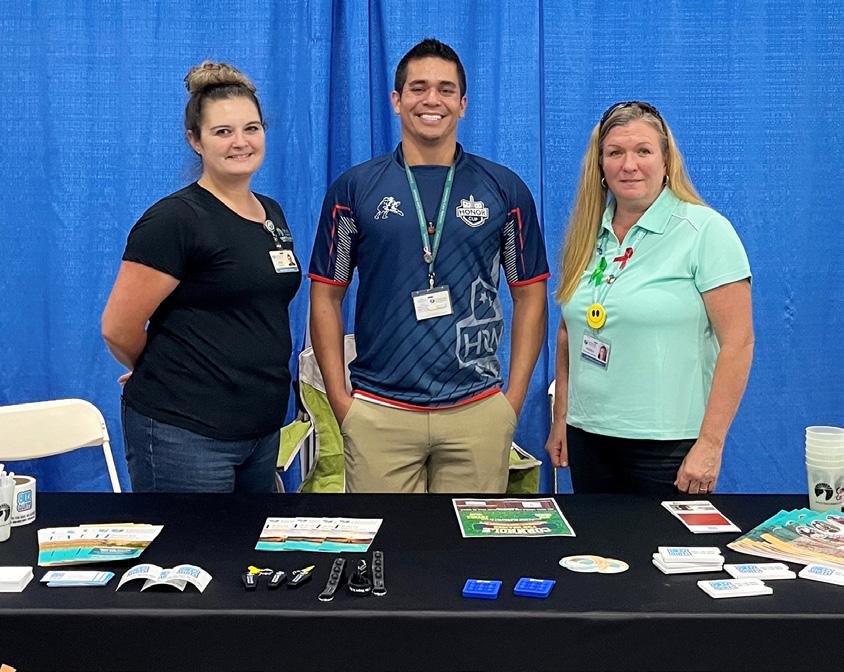
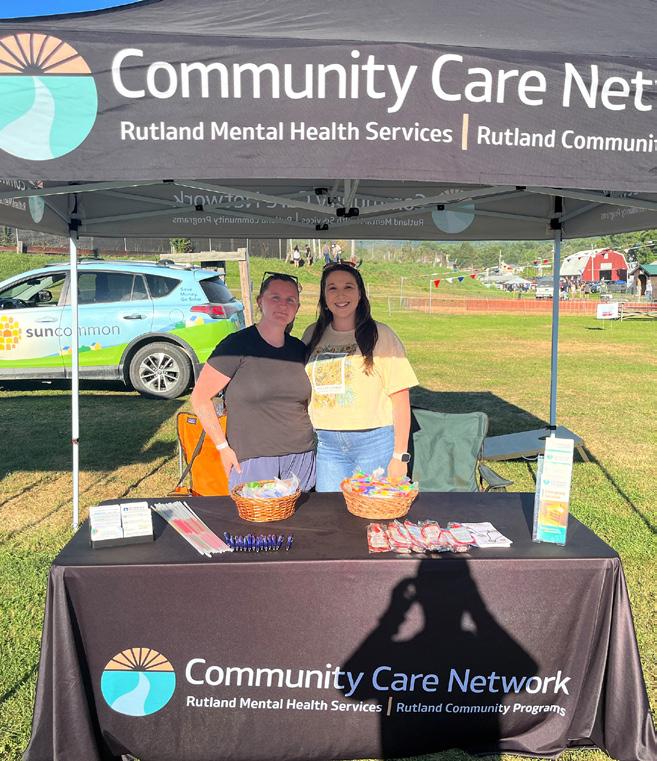
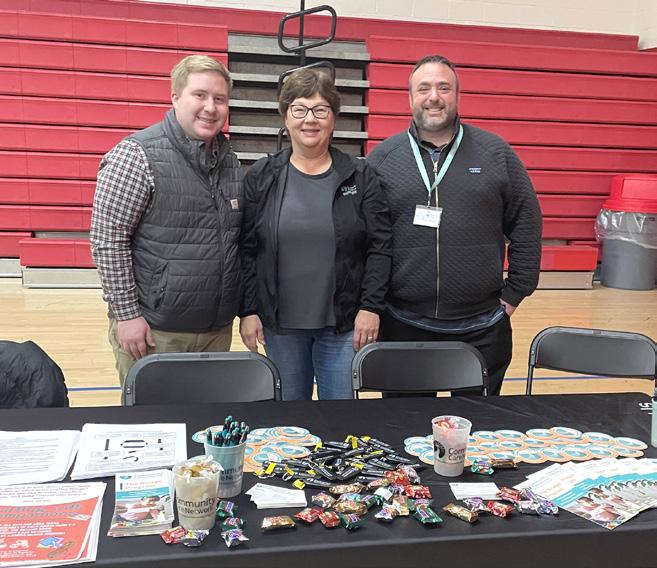
Brodie Johnson, Veteran Care Navigator (left), and Katelyn Jax, Peer Services Supervisor (right), tabled at the Vermont State Fair in August to provide information about CCN services.
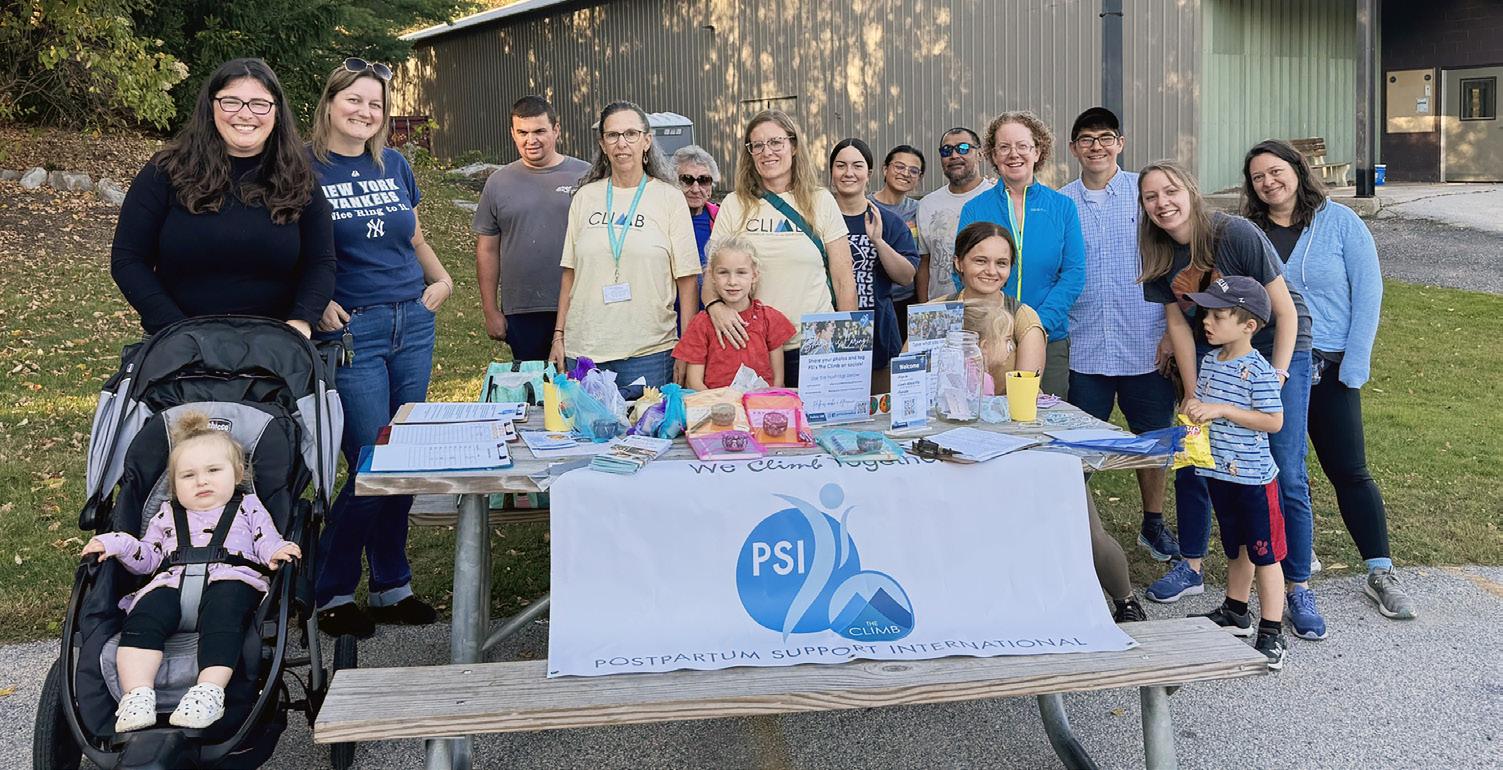
In October, CLIMB Team Rutland, led by CCN’s Lauren Norford, Early Childhood Services Manager, hosted its annual walk to raise awareness and support for parents who have been impacted by perinatal mental health challenges.
Dick Courcelle, Chief Executive Officer (middle) with 20-year CCN employees Georgette Haviland (left) and Tammy Brown (right) at the agency’s annual employee service recognition event.
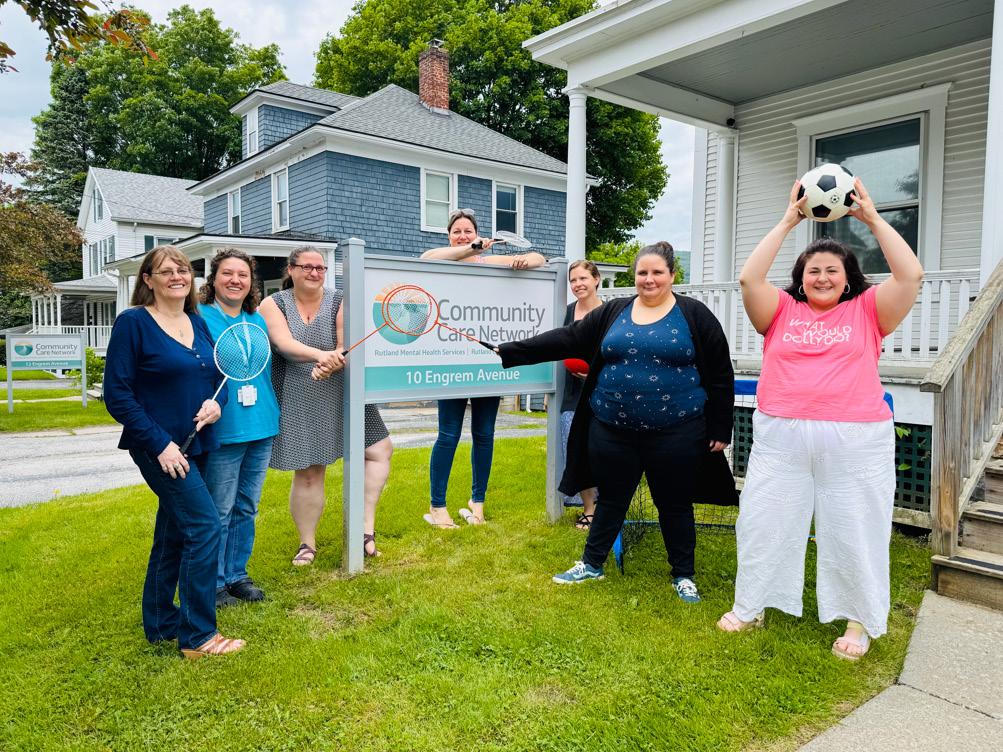
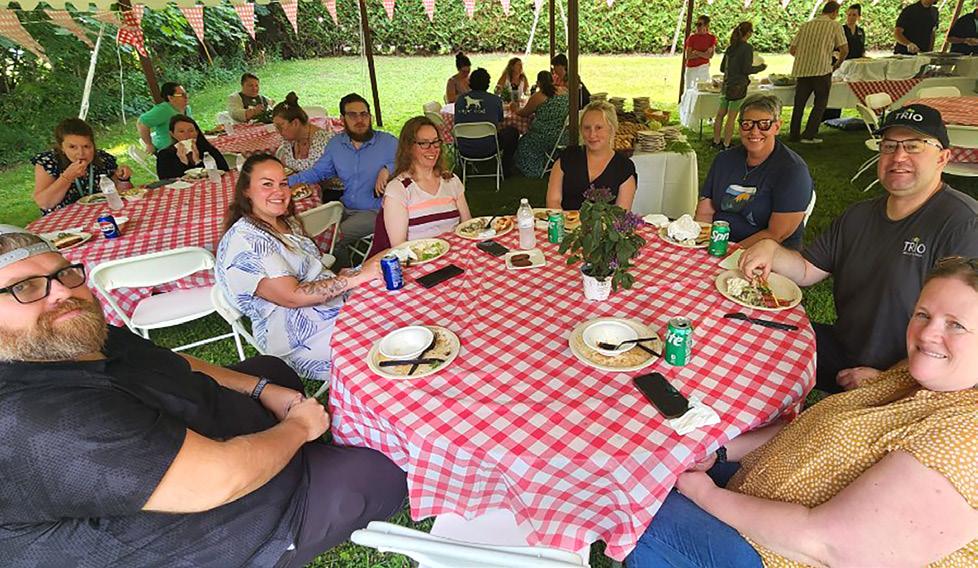
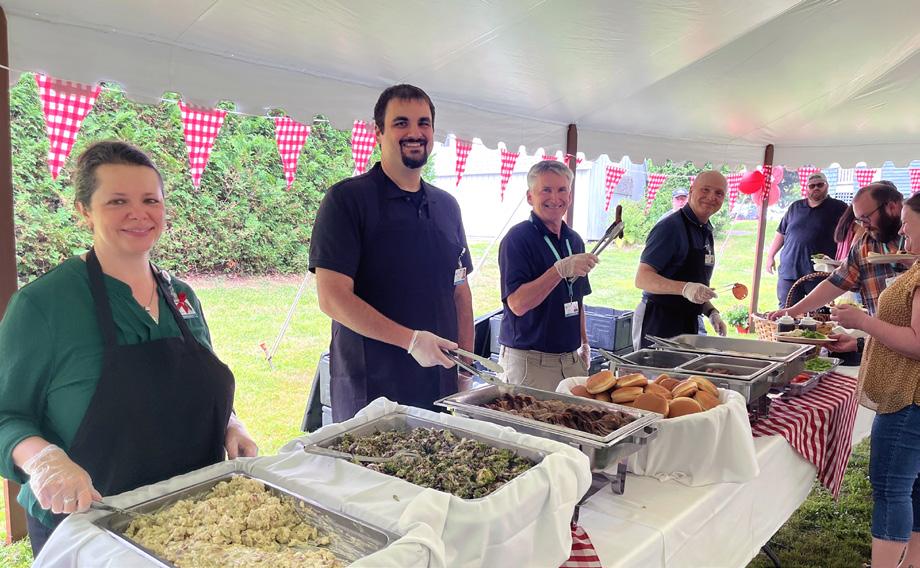
Leadership staff (left to right), Cindy TaylorPatch, Steve Conti, Randy Crossman and Dick Courcelle serve food at CCN’s annual summer employee picnic event.
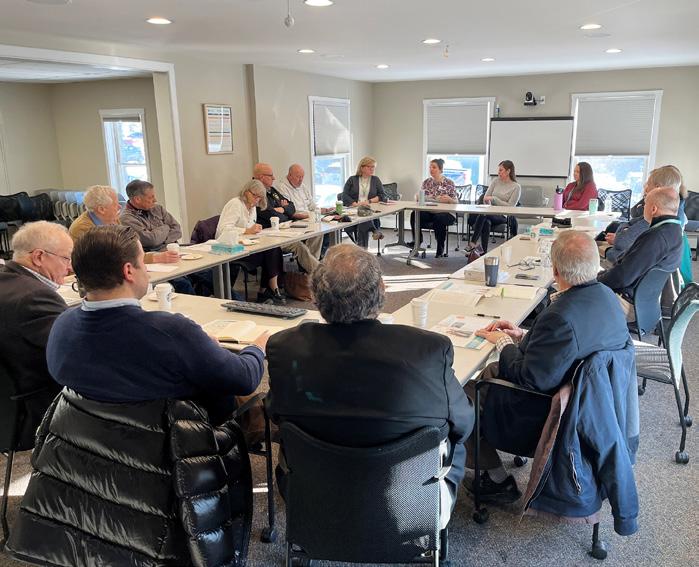
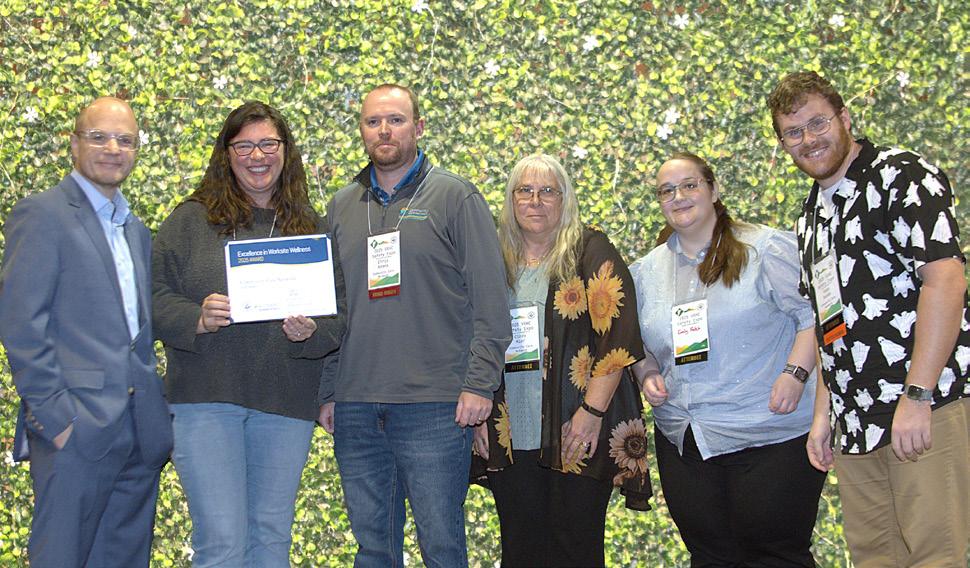
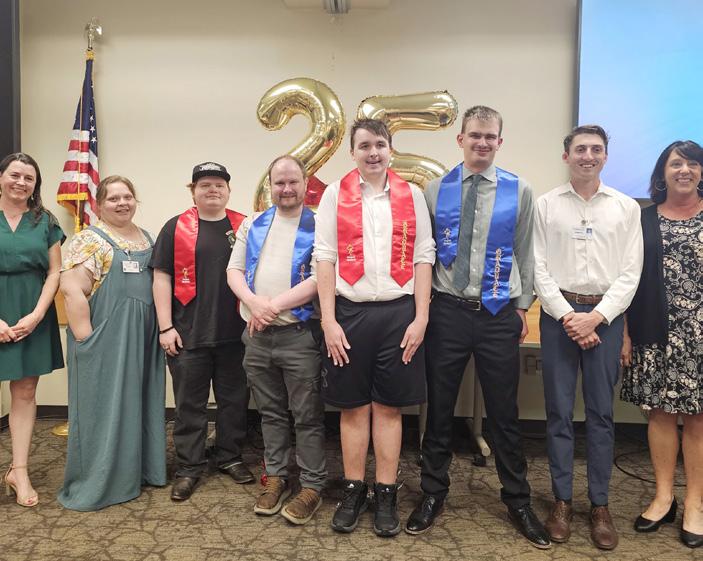
CCN leadership hosted members of Rutland County’s legislative delegation in January to continue collaborative efforts toward ensuring sustained quality care and service to Vermonters in need of assistance.
Rick Hildebrant,
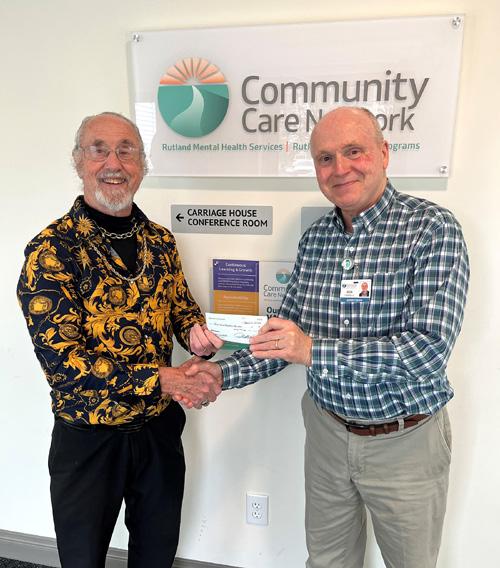
Bob Williams from the Poultney United Fund (left) presents a donation check to Dick Courcelle, CCN Chief Executive Officer, in support of the agency’s various programs and services.
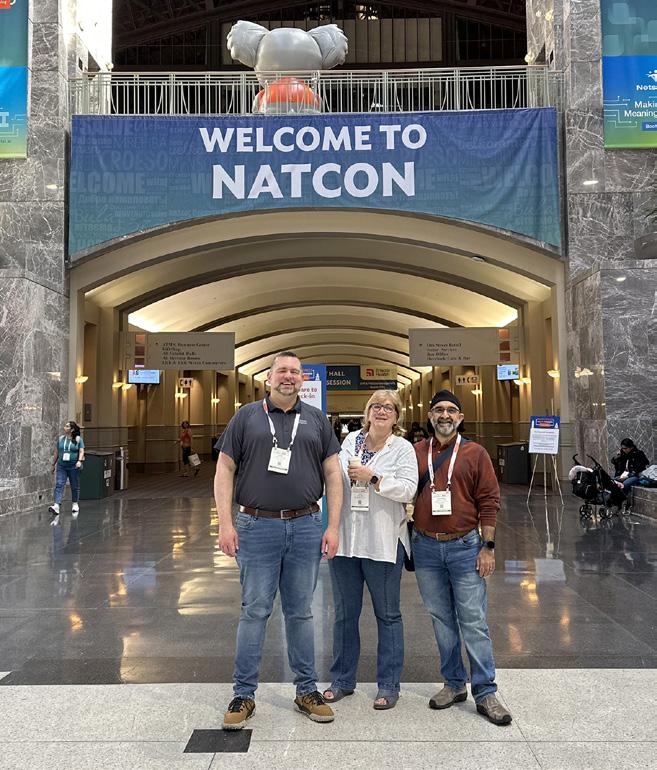
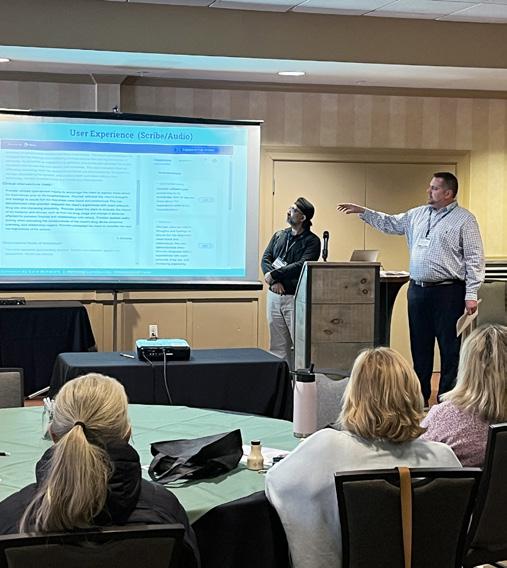
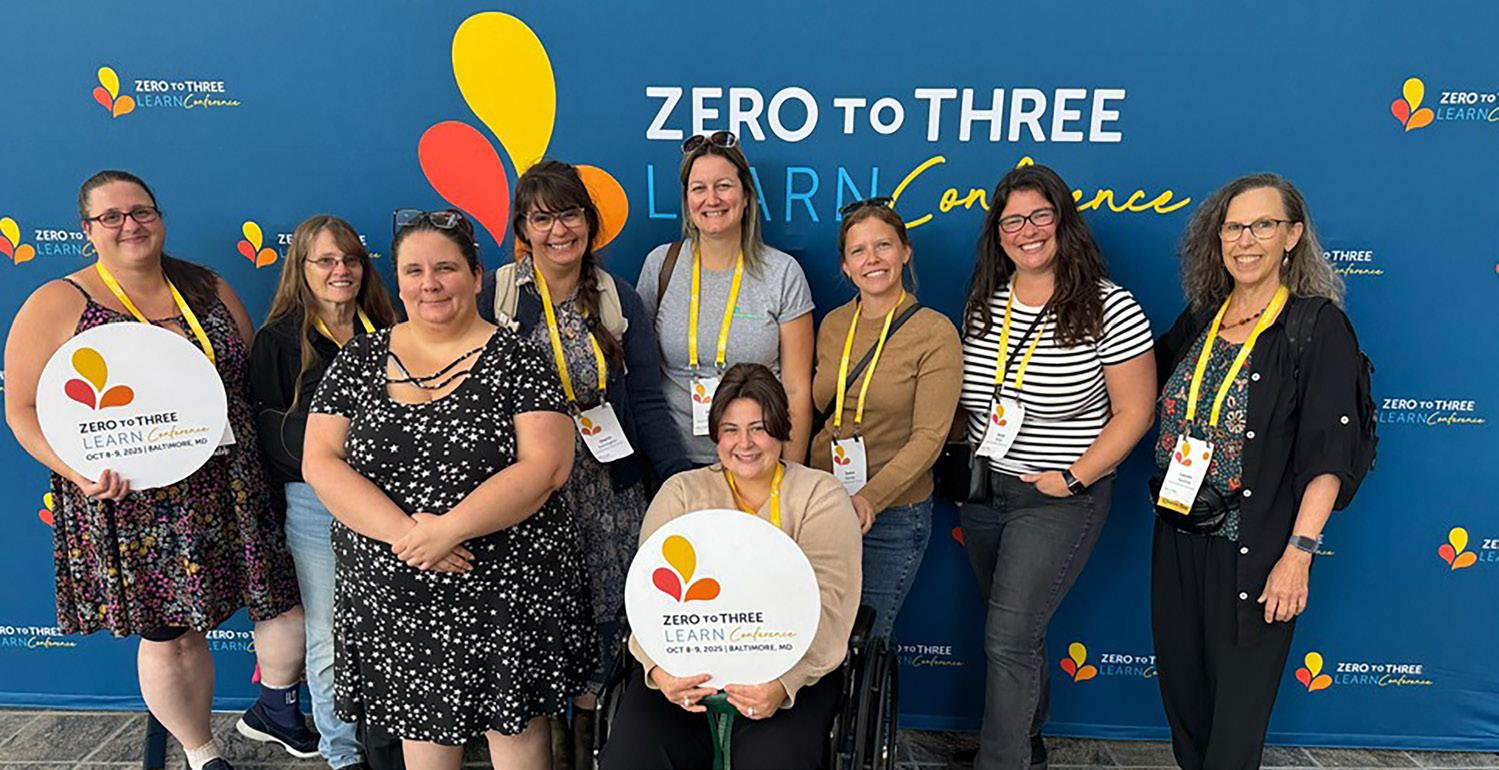
Jit Singh, Director of Information Technology (left) and Scott Louiselle, Director of Quality Improvement (right), presented at Vermont Department of Mental Health’s “Revitalizing Mental Health” Conference on how CCN has successfully utilized artificial intelligence to better
from July 1, 2024 to June 30, 2025
Community Care Network is comprised of Rutland Mental Health Services and Rutland Community Programs. The mission of CCN is to enhance the health and well-being of our communities, individuals and families through responsive, innovative and collaborative services. The programs of CCN serve more than 3,500 people each year throughout Rutland County. The dedicated staff of CCN are focused on improving the health and well-being of Rutland County residents and their families living with mental illness, developmental disabilities and substance use disorders. A list of programs appears below. For more information about the wide range of comprehensive services at CCN, please visit our website at www.rmhsccn.org.
Behavioral Health services at Community Care Network focus on person-centered, evidence-based practices designed to help people thrive within their communities. Rutland Mental Health Services offers a range of Child & Family, Adult Outpatient, Substance Use, and Residential services and programs. Our dedicated staff of caring professionals has been trained to meet federal, state and other accreditation requirements for professional development.
Available 24-hours-a-day, 7-days-a-week, providing a two-person response in the community as well as emergency assessment and supportive counseling by telephone, remotely or in person. If you or someone you know is in distress or experiencing a crisis, call (802) 7751000 or text (802) 214-2553 and a Crisis Clinician will be able to support you and will help to determine the best response for your situation.
Crisis Stabilization and Inpatient Diversion: Short-term stays for adults with acute psychiatric symptoms to help avoid the need for a higher level of care such as an inpatient psychiatric hospital or to serve as a step-down from inpatient psychiatric care to prepare for a return to community-based support.
Comprehensive services using a multi-disciplinary treatment team approach for adults with severe mental illness. RMHS offers a wide range of support options to help people remain integrated in their communities, while building strategies to live more independent and satisfying lives.
Vocational Opportunity Works: Supported employment services to individuals with mental health and co- occurring disorders.
Outpatient Treatment: Individual and group therapy includes DBT Skills Program, Anger Management, Building Resiliency, Co-Occurring, Grief & Loss, Safe Minds, psychiatric evaluations and psychiatric consultation, and targeted short-term case management.
Eldercare: Outreach mental health services to homebound elders, including clinical assessment, case management, and supportive counseling to caregivers.
Substance Use Services: Substance use treatment services, including alcohol and drug assessments for individuals age 12 and older. Includes individual and group outpatient services, intensive outpatient program (IOP), case management, Rutland County Treatment Court, Elder SUD services, and collaboration with DCF - Reach Up. Naloxone distribution site.
Substance Use Clinic Services: Medication management, including Medication Assisted Treatment (MAT) for those with substance use disorder, primary care screening and monitoring of health risks, health education and cessation support.
Welcome Home: A joint program of Rutland Mental Health Services (RMHS) and The Homeless Prevention Center (HPC) of Rutland County, providing housing and support services utilizing the Housing First model to people who experience chronic homelessness.
Embedded Case Management (Lincoln Place, Project Vision, ReachUp, SASH): Multiple partnerships and locations where case managers provide mental health services to adults experiencing emotional/ behavioral distress or substance use severe enough to disrupt their lives. These positions assist individuals with engagement, and support access to additional services.
Medication Management: Psychiatry provides comprehensive psychiatric evaluation and medication oversight for adults and children across behavioral health and Developmental Services (DS). Services
focus on accurate diagnosis and ongoing monitoring to support emotional, behavioral, and functional stability. Care is delivered collaboratively with individuals, families, and interdisciplinary teams to ensure coordinated, person-centered treatment.
Street Outreach: Community outreach, engagement, and support to unhoused and/or unconnected individuals struggling with symptoms of mental health and/or substance use. Assistance in attending to basic needs including shelter, food, medical attention, clothing, showering facilities, outdoor living supplies, Narcan, transportation as necessary, and connection to service providers.
Case Management: Helps individuals identify goals, build the skills to reach them and navigate the treatment system with ease.
Housing Support: Assistance navigating the housing market, including support with application processes, applying for subsidies and locating the right housing fit.
Outreach: Community-based support aimed to build essential life skills needed to maintain stability and reach your personal goals, from mastering daily routines for independent living, to connecting with others in our community-based outreach groups.
Wellness Wing: Includes groups to explore new hobbies, deepen current interests, and expand social support networks. Focused on practicing coping skills, life skills and self-reflection.
The Child and Family Services team is committed to providing a continuum of high-quality evidence-based supports and services that are both accessible and family-centered. Services are provided in a variety of settings including schools, communities and homes, as well as at our Outpatient and Early Childhood offices.
Early Childhood Services: Assessment, consultation, service planning/ coordination, supportive counseling and evidence based individual and family psychotherapy for infants and children age 6 and under.
Master’s level Early Childhood Mental Health Consultation is provided to childcare centers, Head Start, and childcare provider networks.
Child and Family Outpatient Services: Assessment and Individual, group and family psychotherapy services for children ages 6 to 18 experiencing mental health, behavioral and/or emotional challenges.
Community Supports: Community-based service coordination, supportive counseling and skills building activities for children, youth and families age 6 to 18 who seek assistance navigating through the local system of supports, developing coordinated service plans, building individual and family skills and achieving their self-improvement goals.
School-Based Services: Contracted supports are offered to Rutland County schools for the provision of on-site mental and behavioral health services. Schools have the option of contracting for Clinician, Case Manager and Behavioral Interventionist positions. Through these contracts, RMHS is able to provide more accessible care for students and develop more active collaborations with families, schools and treatment teams.
Rapid Response Services: Immediate, short-term child and family crisis stabilization supports, provided as an aftercare service to the 24/7 RMHS Emergency Services program. Following involvement with RMHS Emergency Services, Rapid Response can be accessed to support a family’s safety and stabilization goals as well as assist with hospital discharge planning.
Intensive Family-Based Services (IFBS): Intensive/short-term home and community-based family therapy and stabilization supports for families at risk of having a child removed from their home due to emotional or behavioral challenges, delinquency, truancy, and/or family risk factors such as domestic violence, mental health and/or parental/ caregiver substance abuse issues. IFBS services also provides support and stabilization to families who are in the reunification process with a child following an out-of-home placement.
Vermont Outdoor Adventure Program (VOAP): Daily/year-round individual and group therapeutic, experiential and adventure-based activities provided in a wilderness setting as a means of assisting children and youth in achieving their emotional and behavioral health goals.
Adolescent Outpatient Substance Use Treatment: Services for adolescents seeking treatment and support around challenges related to self-medication and substance use. Treatment utilizes a co-occurring harm-reduction model which simultaneously focuses on both substance use and mental health treatment goals.
Respite Services: Staff supported activities for children designed to offer parents/guardians regularly scheduled breaks from the stressors, attention and supervision that is often required when parenting a child who is impacted by mental, emotional and behavioral challenges.
J.O.B.S Program (Jump On Board for Success): Innovative supported employment and intensive case management service that empowers “at risk” youth, ages 16 through 21 in making healthy life choices, overcoming employment barriers, sustaining healthy relationships and managing the stressors of daily living.
Developmental Services at Community Care Network provides an array of comprehensive, person-centered supports and services to children and adults with developmental disabilities and their families.
Home Supports:
Supervised Living: Supports provided to individuals who live in their own home/apartment or that of a family member.
Staffed Living: 24-hour supports provided to one or two adults living in their own home/apartment.
Group Living: 24-hour supports for four adults living in our licensed group home.
Shared Living: Supports provided to one or two individuals living in the home of a shared living provider.
Health Services Coordination: Nurse Consultants help coordinate and monitor health care for individuals receiving staffed, group, or shared living supports.
Respite Supports: Provide family members and shared living providers a break in caring for an individual.
Community Supports: Assist adults to develop skills and social connections through volunteering, recreation, leisure, and educational opportunities.
Employment Services: Assist adults to obtain and sustain competitive employment and achieve career goals.
College Steps: Supports students living with social, communication, or learning challenges to make successful transitions into college life at Vermont State University while learning new skills and preparing for meaningful careers.
Clinical Services: Access to psychiatric services, therapies, behavioral consultation, and other clinical supports.
Emergency Crisis Services: Available 24-hours-a-day, 7-days-aweek, providing a two-person response in the community as well as emergency assessment and supportive counseling by telephone, remotely or in person. If you or someone you know is in distress or experiencing a crisis, call (802) 775- 1000 or text (802) 214-2553 and a Crisis Clinician will be able to support you and will help to determine the best response for your situation.
Transportation: Reimbursement for mileage to access community supports. Assistance for individuals requiring an accessible vehicle to acquire and maintain accessible transportation.
Bridge Care Coordination: Support for families to access and coordinate needed services and resources for children up to age 22.
Family Managed Respite: Provides families with a break from caring for their child with a disability up to age 21.
Flexible Family Funding: Available to families to support their child or adult family member to live at home.
Specialized Services in a nursing facility: Services for individuals 18 years old and older living in a nursing facility who need additional social, behavioral, or communication supports related to their disability beyond the scope of the nursing facility.
Green Mountain Foster Grandparent: Volunteers provide mentoring and role modeling for children of all ages in a variety of educational settings throughout Rutland, Bennington, and Addison Counties. These intergenerational relationships enrich both the volunteers and the children they serve. More information at www.volunteersinvt.org/ green-mountain-foster-grandparent-program.
RSVP and The Volunteer Center: Provides individuals of all ages with a variety of interesting and diverse volunteer opportunities throughout Rutland and Addison County in over 150 nonprofit agencies. Our locally-designed Signature Programs, RSVP Bone Builders and RSVP Operation Dolls and More, also respond to the needs of our communities. More information at www.volunteersinvt.org.
Early Care and Education / Rutland County Head Start: Our 5-STAR, early care and education programs prepare children and families for a successful school experience through comprehensive, integrated, family-centered services. Comprehensive programming integrates successful learning, medical, dental and mental health support; social services; and parent engagement for income-eligible, infants, toddlers, and preschool-age children and their families. More information at www.rutlandcountyheadstart.org.