Extension Connection
Sullivan County
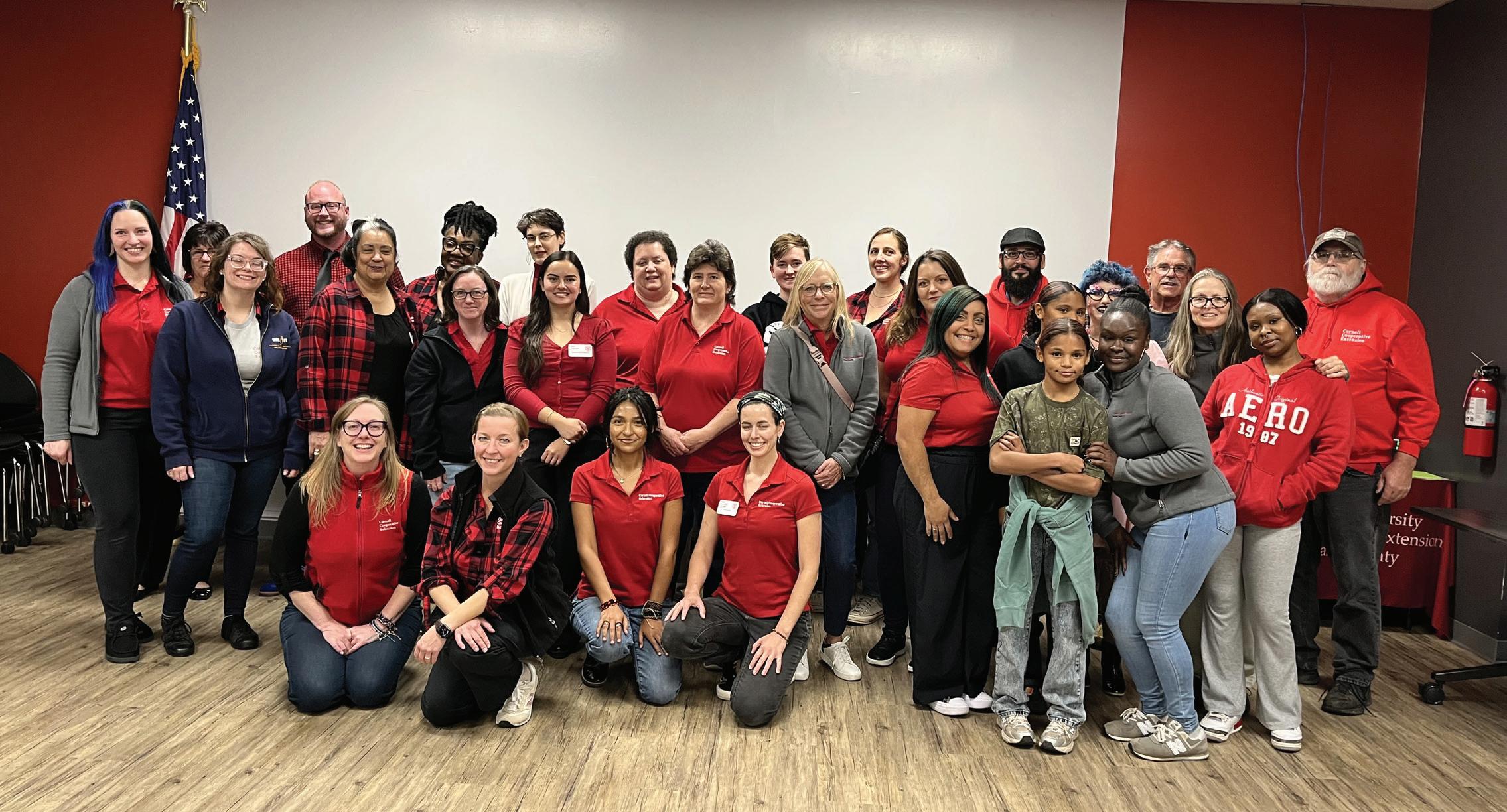
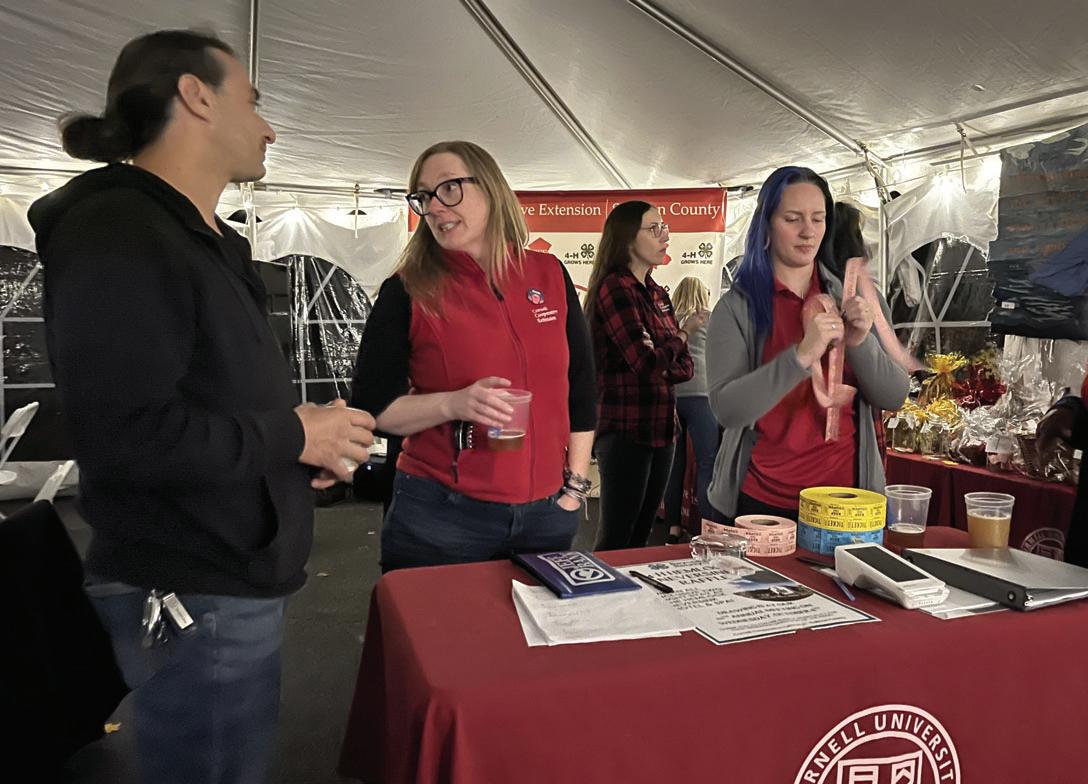
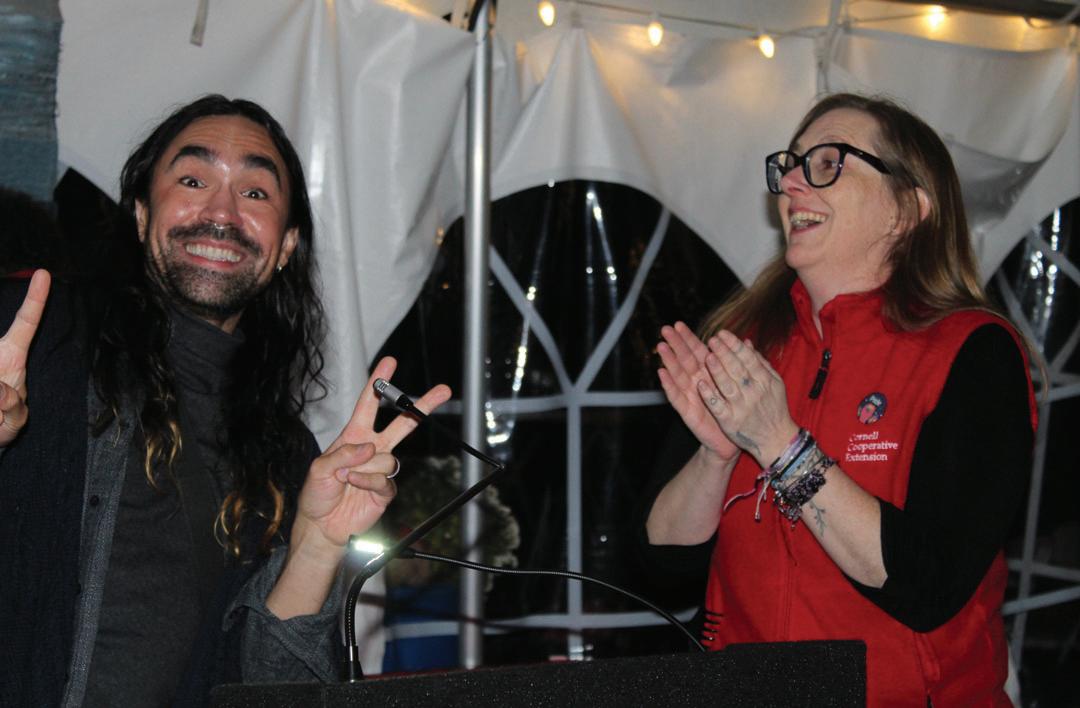
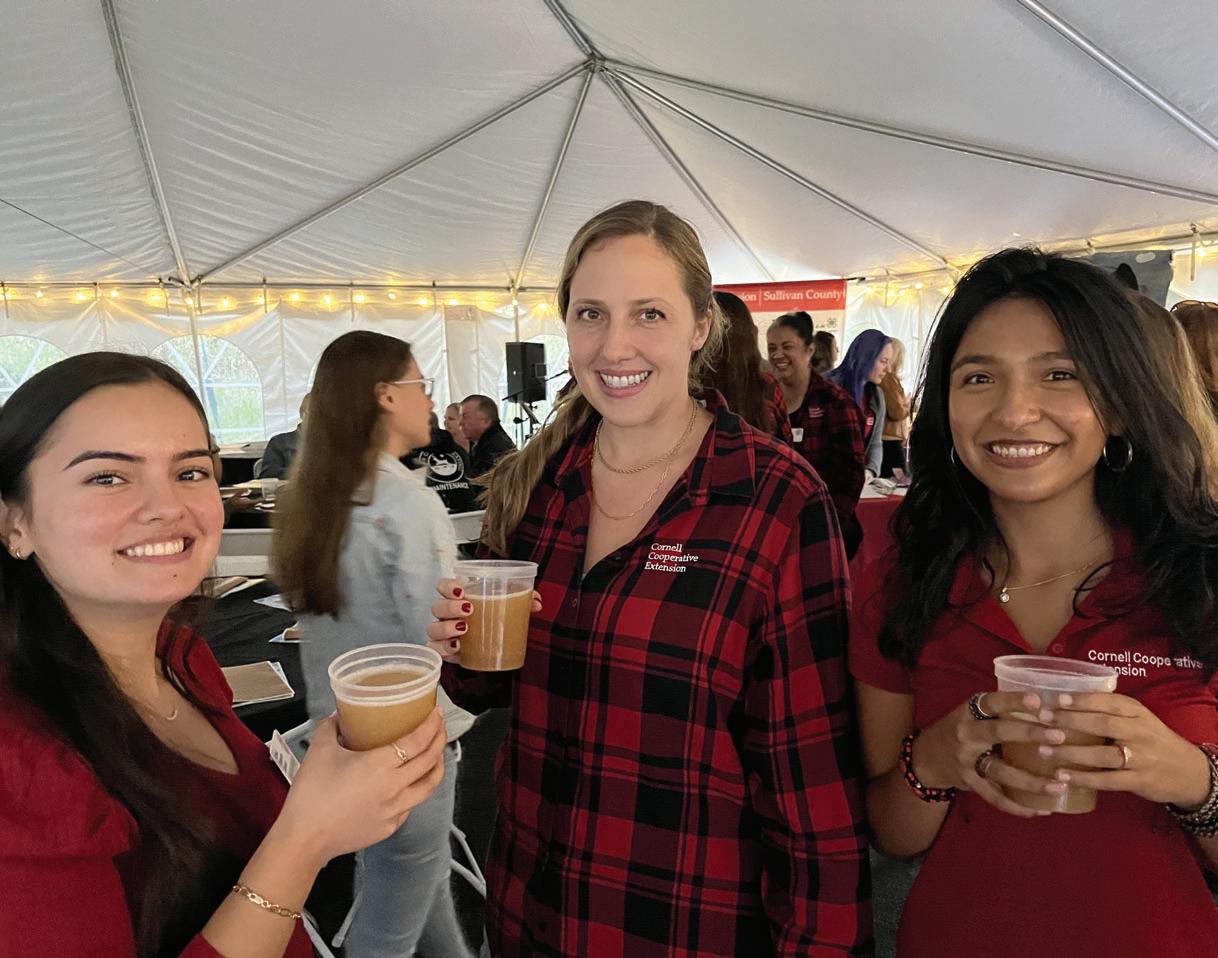
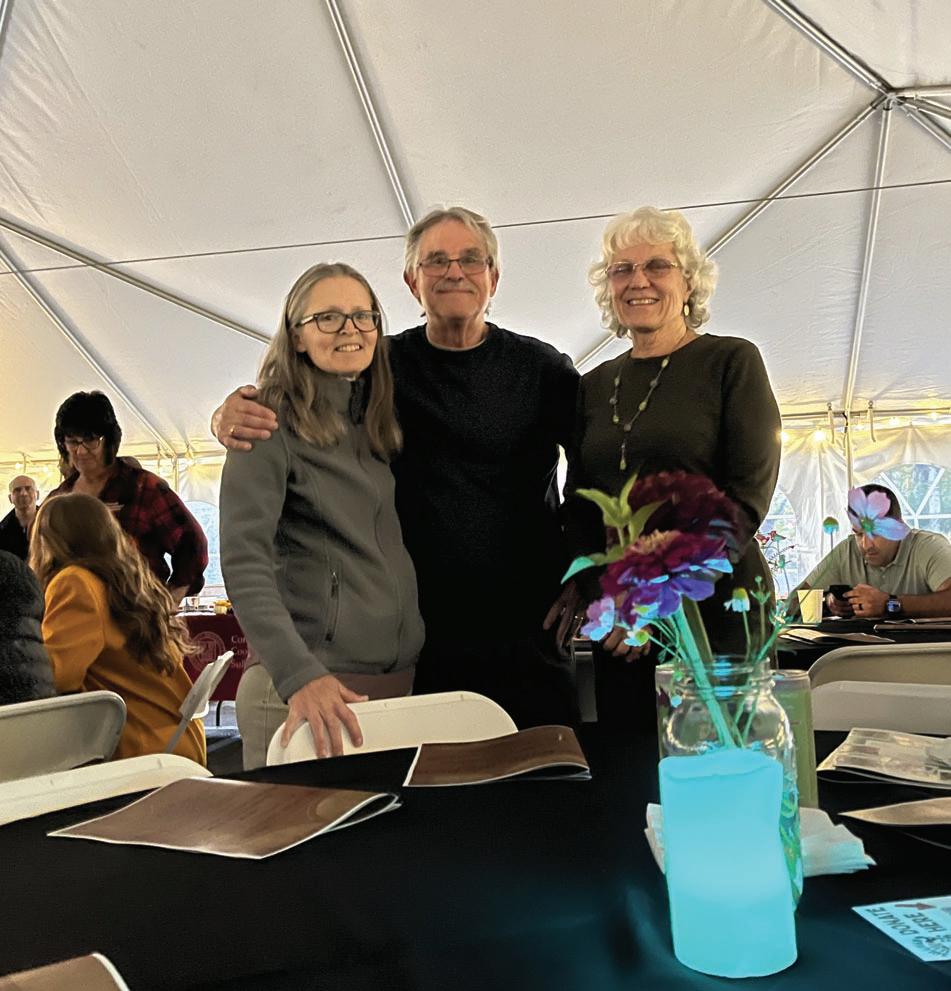
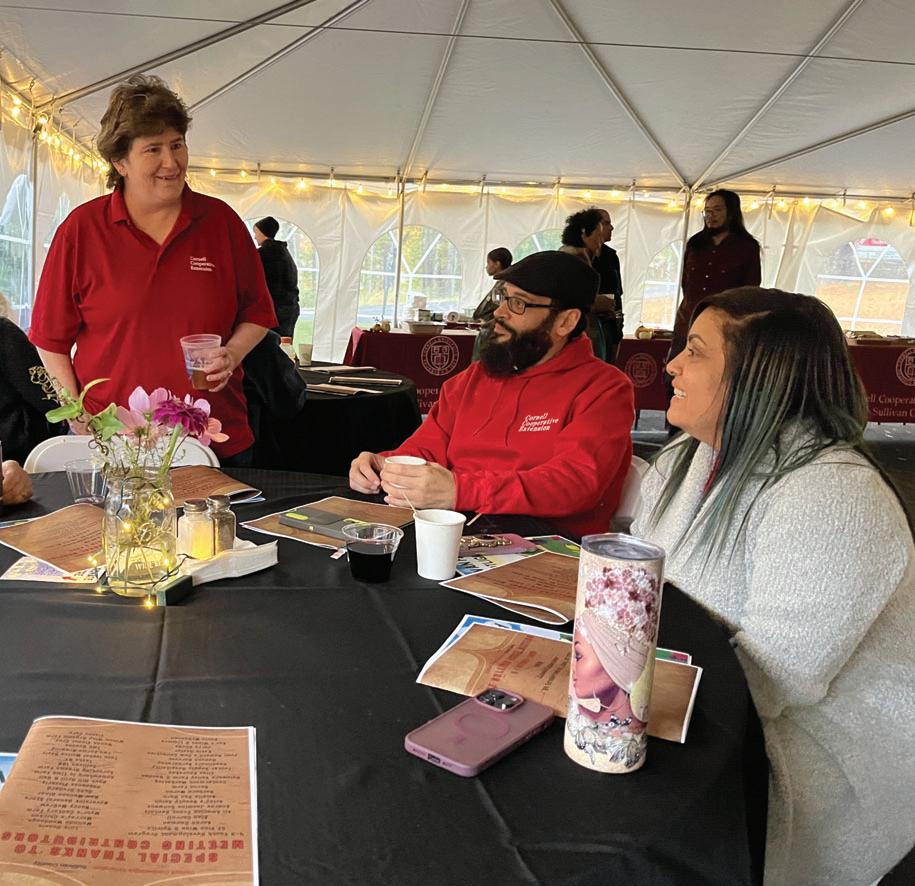
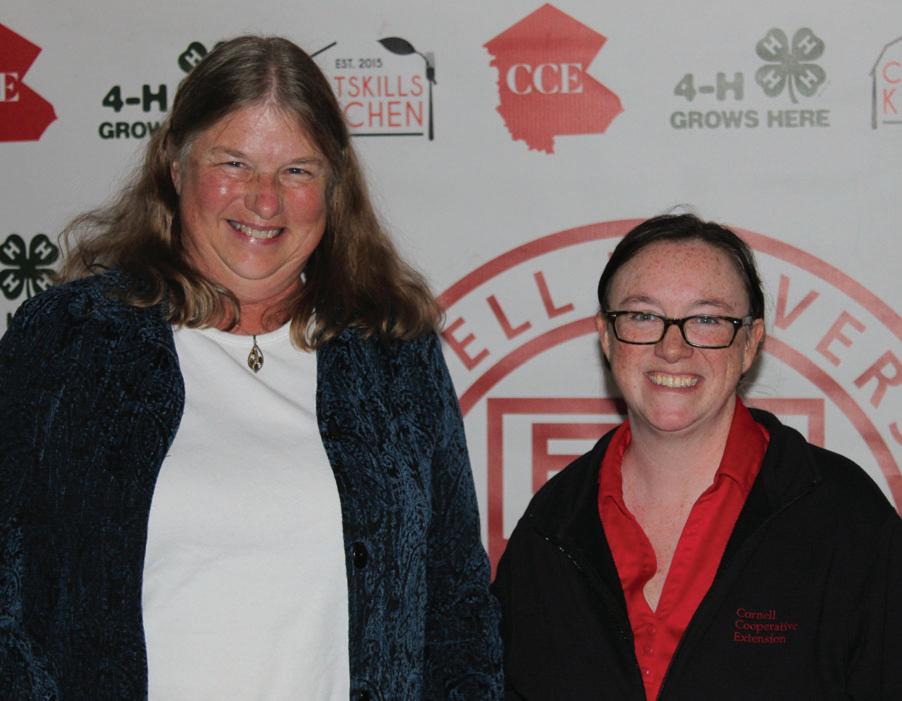
The CCE Sullivan staff are grateful to everyone who came and celebrated the year with us at our 111th Annual Meeting!

Upcoming Events & Programs
Issue Highlights Issue Highlights ssue Upcoming Events & Programs
Discover the Basics of Raising Sheep & Goats
Optimizing the Economic Return of Pasture-Raised Slow-Growth and Conventional Broilers
D.I.Y. Energy Savings Session
Passing the Torch: Farm Transfer Planning & Conservation Easements
Caregiver Cafe’ July - Dec. 2025
Farmer Mixer at Finca Seremos
Farm Business Training
See more events and opportunities on sullivancce.org/events.
Follow us on Facebook and Instagram!



Monticello High School Students Get Sumo Suits and Jousting Equipment
4-H and Universal Pictures’ “Wicked_ For Good” Encourage Youth to Lead with Their Heart and Hands as Part of the National #4HForGood Challenge - National 4-H Council
Compaction Crisis: The Unseen Battle Farmers Face Everyday
Showing Gratitude Toward Food and Your Body

CCE Spotlight: Friends of Extension, Annual Meeting Contributors, Extension Professionals of the Year
Check out some of our favorite moments from this year’s Annual Meeting on p.12!


Welcome to the Issue!
Page 3 Discover the Basics of Raising Sheep and Goats
Page 4 Compaction Crisis: The Unseen Battle Farmers
Face Everyday
Page 6
D.I.Y. Energy Savings Session
Page 8 Refrigeration for Livestock Farms
Page 10 CCE Spotlights

Page 12 Our Favorite Moments from the 111th Annual Meeting!
Page 14 Monticello High School Students Get Sumo Suits and Jousting Equipment
Page 16 Data on Healthy Community Design
Page 18 Showing Gratitude Toward Food and Your Body

Table
Table
Page 20 Unpacking the Teen Years Series
Page 21 4-H and Universal Pictures’ “Wicked_ For Good” Encourage Youth to Lead with Their Heart and Hands as Part of the National #4HForGood ChallengeNational 4-H Council
Page 22 Thanks to our Sponsors!

NotifyCCESullivan if you have
Notify CCE Sullivan if you have a change of address: 845-292-6180
sullivan@cornell.edu
OFFICE HOURS
Hours: Mon - Fri | 8:30 am to 4:30 pm
Phone: 845-292-6180
E-mail: sullivan@cornell.edu
Website: www.sullivancce.org
Facebook.com/ccesullivanagfood
Instagram.com/ccesullivan
YouTube: bitly.com/ccesullivan
BOARD OF DIRECTORS
Dawn Parsons.......................President
Alex Alorro...................Vice President
Robert Kaplan.......................Secretary
John Garigliano.....................Treasurer
Brian McPhillips...........Legislative Rep.
Patricia Claiborne.............Cornell Rep.
Erika Malmgreen
Steve Marton
Mark McLewin
Laura Quigley
Gary Silver
Gary Silverman
Nicole Slevin Nikolados
Diana Weiner
PROGRAM COMMITTEE
Heather Brown
Roberta Chambers
Nu El
Courtney Hanback
Carmela Hugel
Cathi Paci
Carol Roig
Stephen Stuart
Eugene Thalmann
Deborah Worden
EXTENSION CONNECTION
Produced by: Cornell Cooperative Extension Sullivan County Edited by: Aaron Denman & Colleen Monaghan Cornell Cooperative Extension Sullivan County provides equal program and employment opportunities.
NOTICE: Official endorsement of advertisers and their products is not intended by the acceptance of their sponsorships for the Extension Connection.
STAFF MEMBERS
Colleen Monaghan..............................................................................Executive Director
Monica Ponce-Agredano ...............................................................Ag. Program Assistant
Tracy Broyles...............................................................................SALT Program Manager
Alan Carroll...................................................................Food Systems Program Manager
Lynn Colavito..............................................Community Cupboard Program Coordinator
Martin Colavito...........................................................Prevention Programs Issue Leader
Haley Collins...................Agriculture Farmland Protection & Planning Program Manager
Wanda V. Cruz...............................................Healthy Communities Program Coordinator
Aaron Denman.........................................................Association Operations Coordinator
Eugene Doyle...................................................................................................Custodian
Drew Fuller............................................................................. CPIP Program Coordinator
Katie Gasior........................................................................Horticulture Subject Educator
Jenna Gangel..........................................................................Shop Taste NY Coordinator
Joy Leon.................................................................Nutrition & Physical Activity Educator
Kim McDonnell..................................................................................Taste NY Assistant Manager
Nancy McGraw.......................................................Educator, Caregiver Resource Center
Melinda Meddaugh.......................................................Ag & Food Systems Issue Leader
Barbara Moran................................................4-H Youth Development Program Manager
Patricia Ocasio...................................................................Prevention Program Coordinator
Shanice Owens..............................................Community Cupboard Program Coordinator
Abyssinia Pla El...................................................................................Finance Coordinator
Michelle Proscia..............................................Agriculture Production Program Manager
Tara VanHorn.........................................................................................Finance Manager
Malinda Ware................................................................Statewide Engagement Specialist
John Wilcox..........................................................................................Facilities Manager
Veronica Yangis.........................................................................Taste NY Operations Coordinator
Kayla Evans, Kaylee Hawks.....................................................................Ag Market Coordinators






COMPACTION CRISIS: THE UNSEEN BATTLE FARMERS FACE EVERYDAY
Written by Madeline Hanscom, Cornell Nutrient Management Spear Program Writer
Submitted by Aaron
Denman, Association Operations Coordinator
The effects of soil compaction on crop growth are often overlooked, especially compared to many other soil health indicators. In New York State, Kitty’ O Neil is determined to investigate its impacts on-farm.
In recent years, scientists and farmers have paid increasing attention to the impacts of soil health on crop yields. Many farmers have already adopted soil health management strategies that can protect their soil while boosting crop growth and yield. These strategies can range from nutrient management plans to reducing tillage and using cover crops.
However, compaction tends to fly under the radar, despite its potential to significantly influence crop growth and overall soil functions. Recognizing this, Kitty O’Neil, Cornell Cooperative Extension (CCE) agricultural climate resiliency specialist, took the initiative to further investigate compaction over a decade ago.
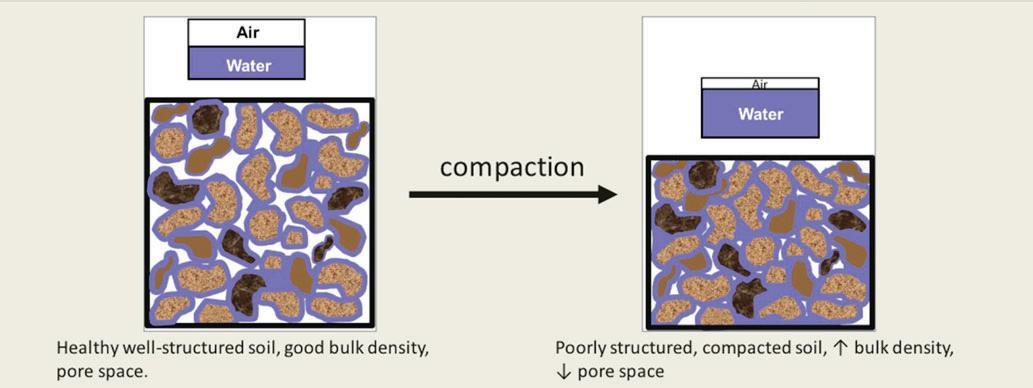
Soil becomes compacted when soil particles are compressed together, reducing porosity and increasing density.
There are a couple of key contributors to this issue that happen on-farm, O’Neil explained. Compaction is often worsened in farm fields when heavy equipment is used on wet soils — the water acts as a lubricant, allowing particles to slide and collapse under pressure.
Small tire contact area and elevated tire pressure
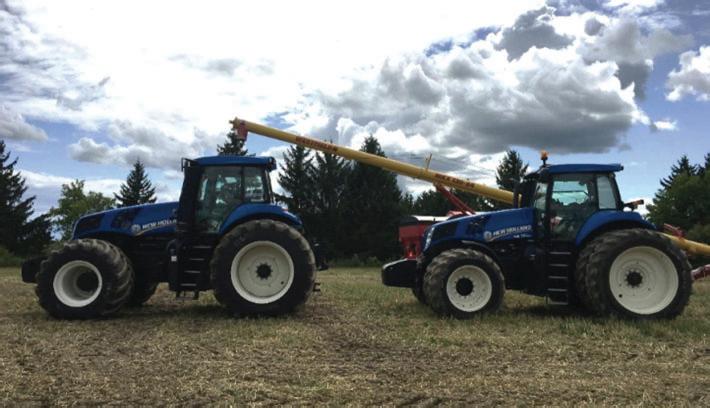
are also contributors to increased compaction, O’Neil continued. Farm equipment can be heavy, and small tire footprints combined with high tire pressures concentrate the weight on less surface area, leading to greater soil compression. With lower tire pressure and larger tire contact area, the weight can be distributed over a greater area, reducing the load per square inch.
The best way to mitigate compaction, as far as we know, is to prevent it by identifying the root of the problem and avoiding these practices, O’Neil said.
“The extent of compaction in New York agricultural fields is not well known,” O’Neil said. “What we do know is that compaction affects the ability of plants to penetrate the soil volume to find the nutrients and water that they need, and at that point they become less drought resistant. This is really crucial
when it comes to maintaining climate resilience on our farms– the more that our farms can adapt to extreme weather conditions, the better.”
Other consequences of compaction include impeded water infiltration, drainage, and gas exchange, O’Neil stated. This can lead to increased runoff and surface flooding following heavy rains– both of which can lower crop yields, increase the amount of energy needed to till a given field and contribute to soil and nutrient losses.
“Soil compaction is a form of soil degradation that is difficult for farms to detect and evaluate, mainly because it is difficult to observe from above the soil surface,” said O’Neil.
“That’s where the research comes in.” Soon after beginning her research, O’Neil found that most soil sampling protocols do not fully account for variability in a field. In other words, they don’t illustrate the
differences in compaction severity within a given farm field. She noticed that there was considerable within-field variability, due to soil type diversity and equipment travel paths, that needed to be taken into account.
O’Neil partnered with the Cornell Nutrient Management Spear Program (NMSP), working closely with Manuel Marcaida, NMSP Data Analyst, and more recently, Issa Diaz, PhD student, to address this issue.
“We amended the sampling protocol with Kitty,” Marcaida said. “We identified where to take the compaction readings then took measurements across the fields to see if our refined methods would illustrate the compaction throughout a field more accurately,” said Marcaida.
The researchers’ current work includes sampling of yield stability zones for seven farms across New York. The project, co-funded by Northern New York
Agriculture Development Program and New York Farm Viability Institute, resulted in over 8000 penetrometer compaction readings (left photo below) collected over two sampling periods. The sampling protocol allows O’Neil and the team to evaluate the relationship between compaction severity and corn silage and grain yield.
“A preliminary study conducted during 2021 on northern New York farms revealed a relationship not previously understood between soil compaction and historical crop yield,” said O’Neil. “This study suggested more severe compaction in the lower yielding zones within the fields. This resulted in expansion of the project to now include seven farms and 21 fields across New York State.”
Issa Diaz is working on processing the data collected at the seven farms. She reported that analysis is still ongoing, and more results are expected to be ready for reporting later this year.
O’Neil and the team hope to see more awareness of compaction among farmers and researchers alike, and they are excited for more results to start rolling in.
Madeline Hanscom ‘22 is a writer for the Cornell Nutrient Management Spear Program.

D.I.Y.ENERGY SAVINGSSESSION
RegisternowtoreserveaFREEenergykit ($80value!)andlearnhowtotakesimple, D.I.Y.“do-it-yourself”actionstoreduce energywasteandsavemoneyonyour utilitybills.
Alsocoveredinthesession:heatpumps, insulation,incentivesforhomeenergy upgrades,EmPower+,andHEAP.Thedo-ityourselfenergykitincludes2LEDlight bulbs,weatherstripping,doorsweep,power strip,windowinsulation,foamtapefor windows/doors,andfoamoutlet&switch gaskets.








DHI Report: September 2025








CCE Sullivan Spotlights
Program Spotlight
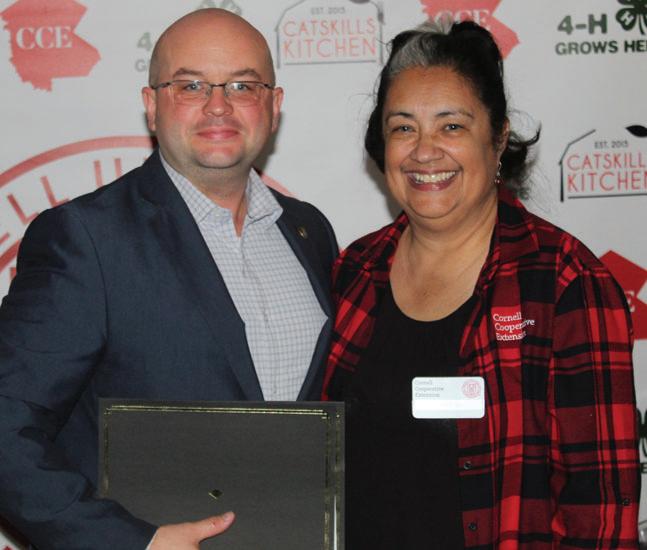
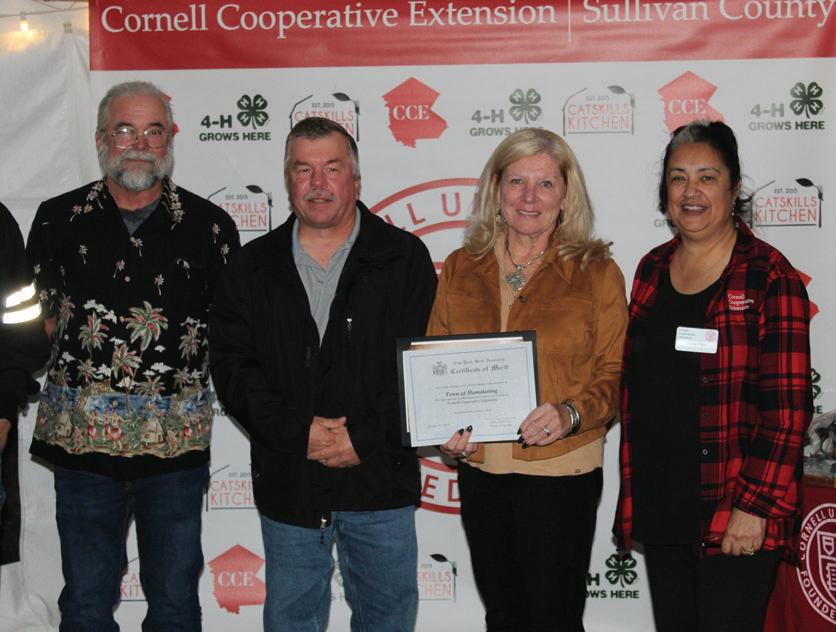
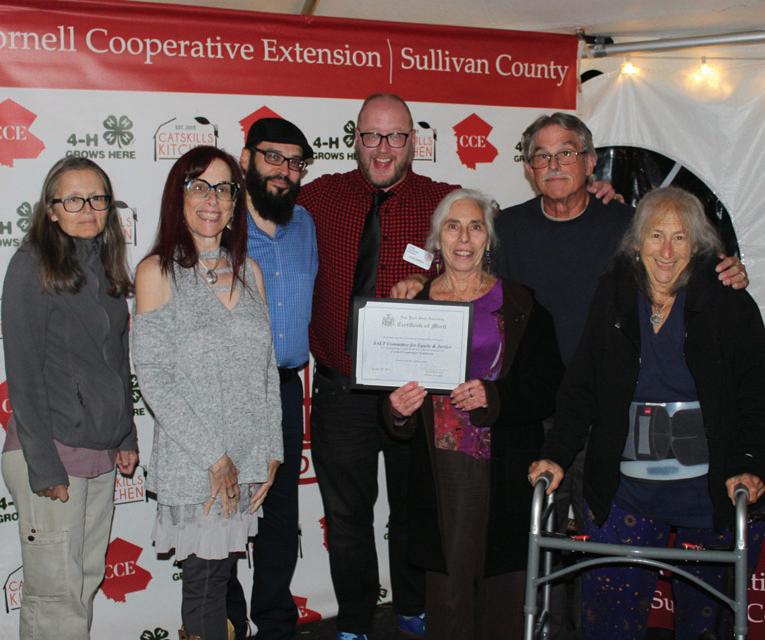
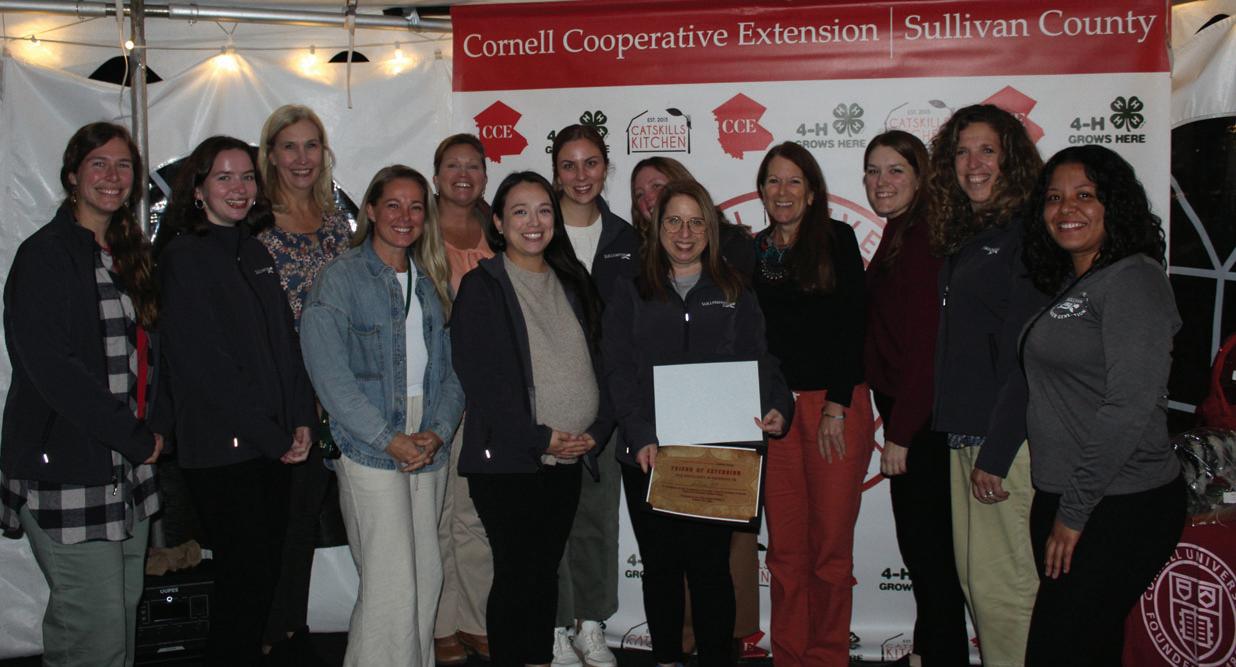
CONGRATS TO OUR FRIENDS OF EXTENSION AND THANK YOU TO OUR ANNUAL MEETING CONTRIBUTORS
Submitted by Aaron Denman, Association Operations Coordinator
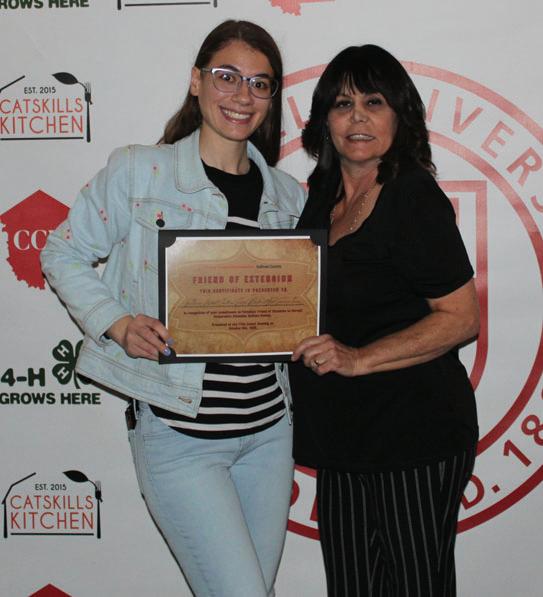
We had a fantastic Annual Meeting thanks to our Friends of Extension, the contributors of the event, and everyone who came!
Thank you to our Annual Meeting contributors:
• 4-H Youth Development Program
• 52 Vine Wine & Spirits
• Aaron Denman
• Alan Carroll
• All America Event Rentals
• Andrea Jasmine Schwenk
• Arley’s Beauty Salon
• Amelia Van Horn
• Barbara Moran
• Burns Farm
• Centermost Marketing
• Delaware Valley Farm & Garden
• Elias Kourakos
• Foster Supply Hospitality
• Headliners Barbershop
• Hudson Harvest
• Joan Howard’s Cow Collection
• Katie Gasior
• Jerry Skoda
• Kaz’s Wines & Liquors
• Kevin McDonnell
• Luis Ocasio
• Melinda Meddaugh
• Murray’s Chicken
• Myer’s Century Farm
• Nancy McGraw
• Neversink General Store
• New Munson Diner
• Ochs Orchard
• Paesanos Pizzeria
• Rock Hill Grill & Deli
• Somewhere in Time Farm
• Sprouting Dreams Farm
• Sullivan 180
• Taste NY
• Tess Isabel Molina Bayly
• Two Farms Brewing
• Two Queens
• Wanda Vionet Cruz
• Willow Wisp Organic Farm
• Yiasou Cafe
CCE Sullivan Spotlights
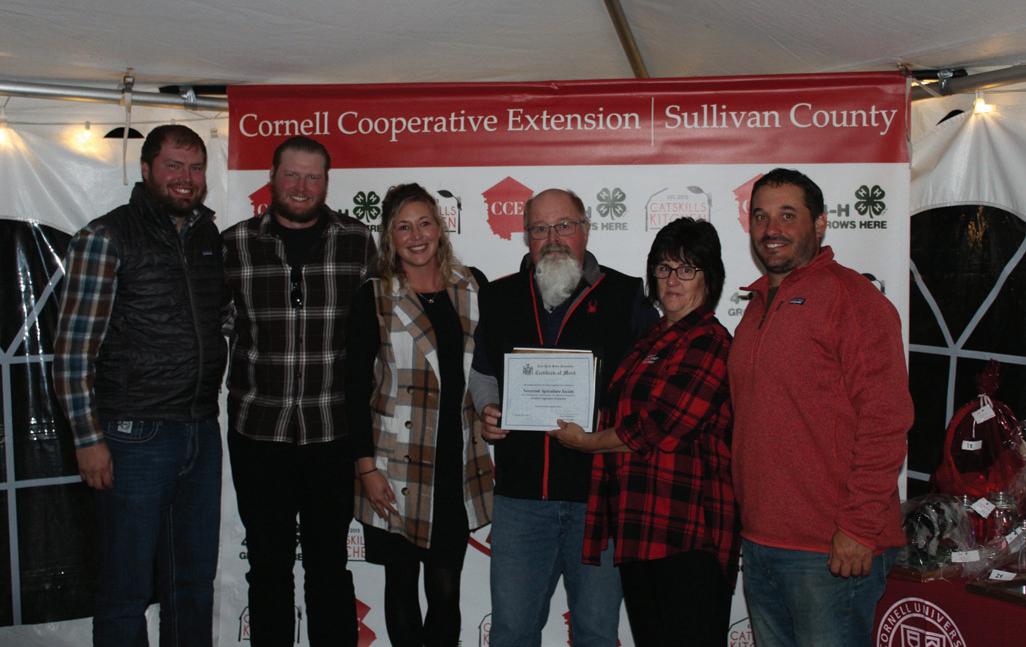
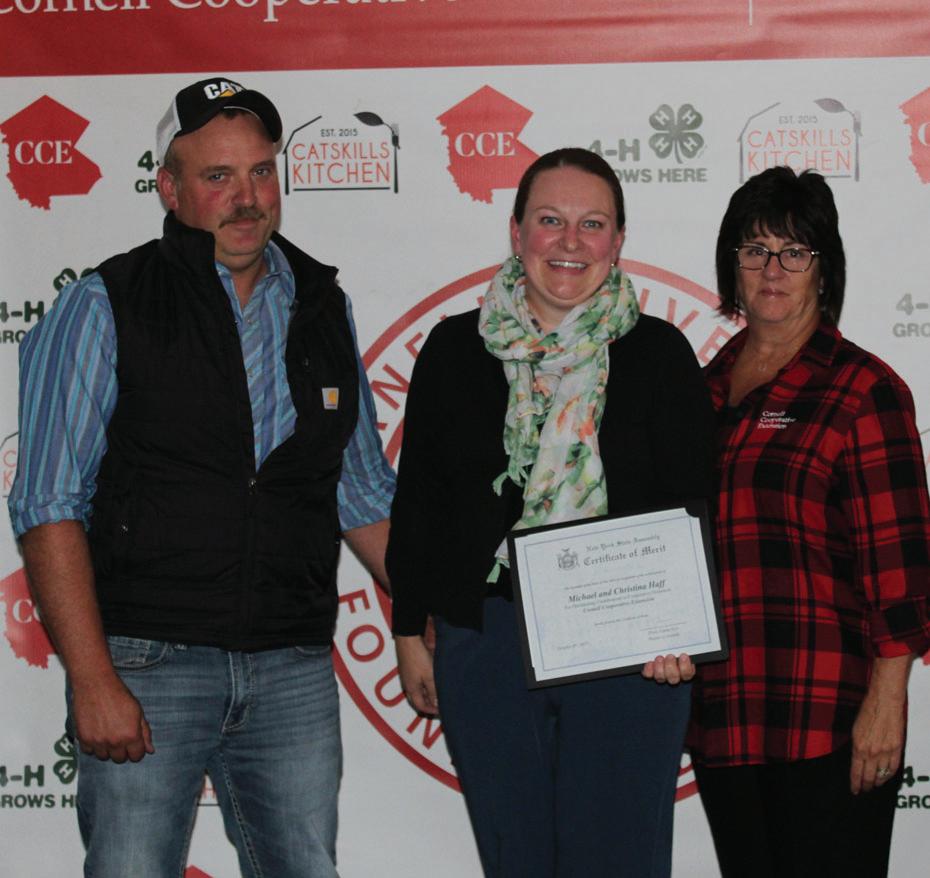
Congrats to the Friends of Extension:
• Amy Erlwein
• Brass Bee
• BOCES School Food Service Team
• Centermost Marketing
• Chief Steven D‘Agata
• Cochecton Fire Station
• Dara Smith
• Dawn Parsons
• Fallsburg Central School District
• Finca Seremos
• Liberty Central School District
• Michael & Christina Haff
• Monticello Central School District
• Neversink Agricultural Society
• Rockland Central School District Food Service Team
• SALT Committee for Equity & Justice
• Stephen Rogers
• Sullivan 180
• Sullivan West Central School District Food Service Team
• Town of Fallsburg
• Town of Mamakating
• Village of Liberty Police Department
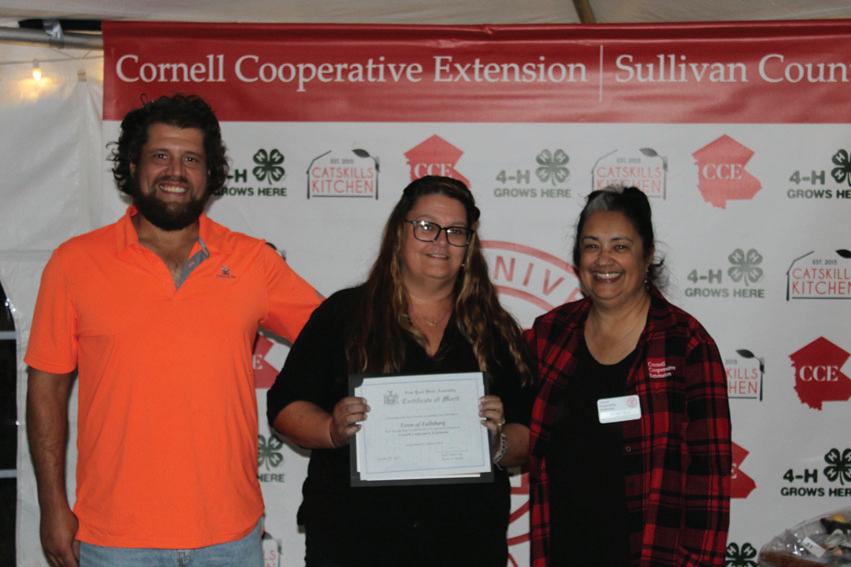
Congrats to the Extension Professionals of the Year:
Jenna Gangel - Shop Taste NY Coordinator
Barbara Moran - 4-H Youth Development Program Manager
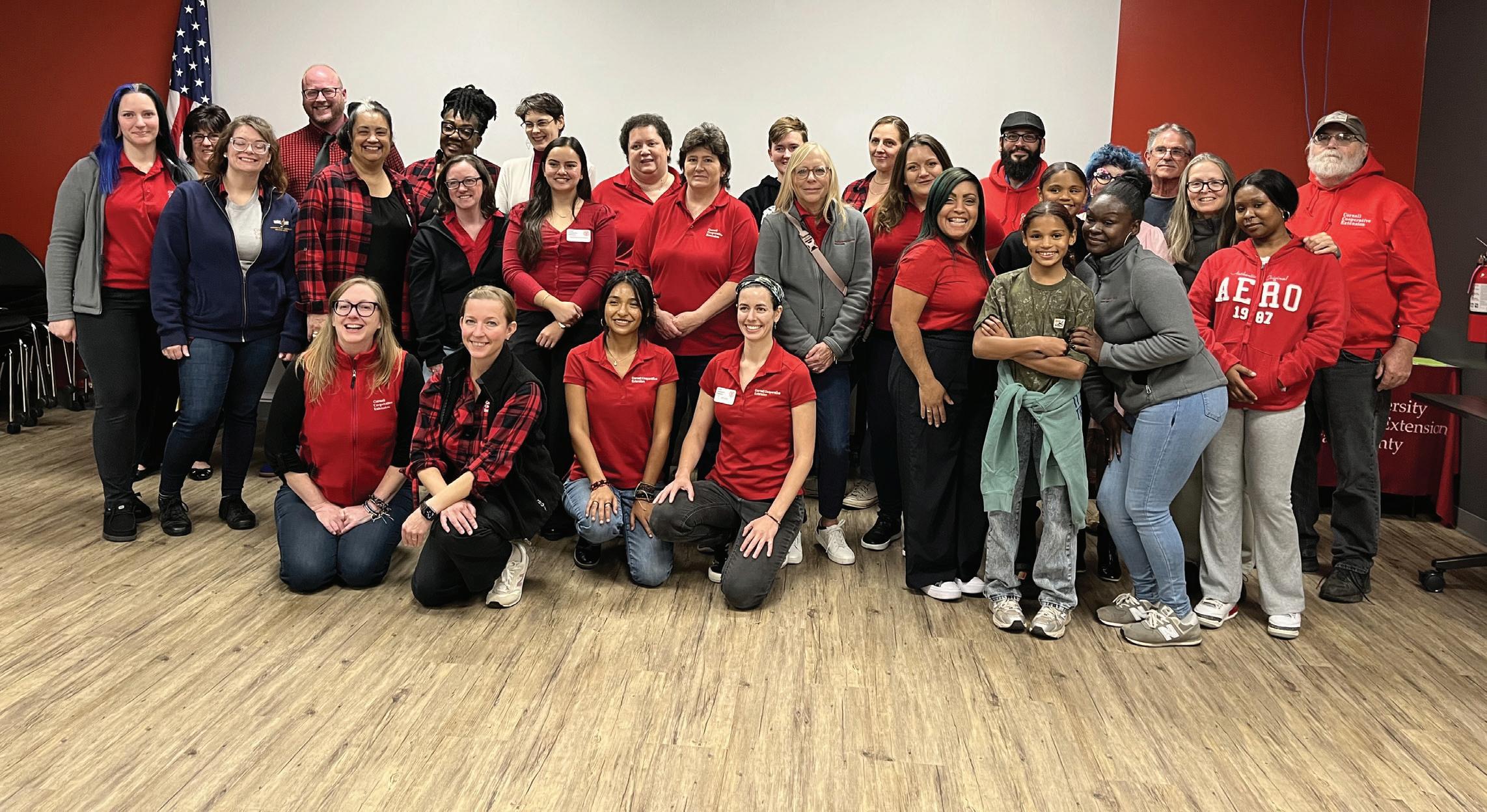




























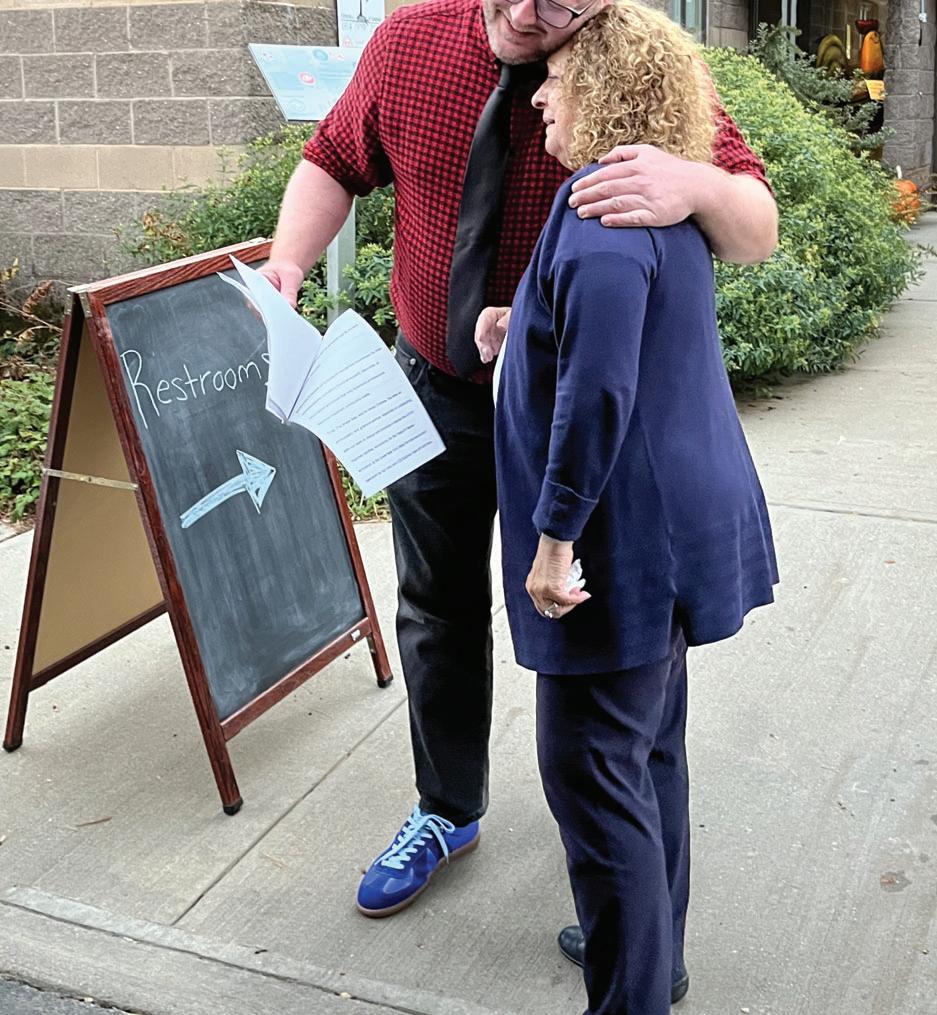
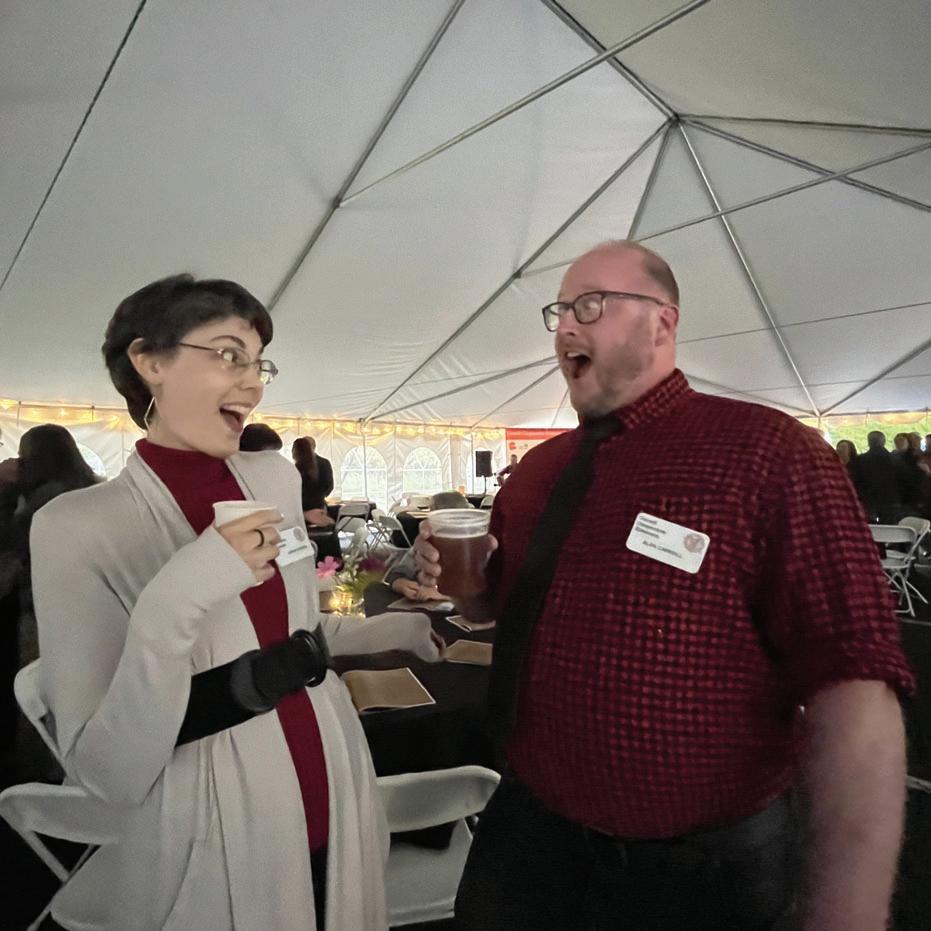
Check out our favorite moments from Annual Meeting!































nua on 1 l M one 111 e who h 1th A ng! o came Annual















We appreciate everyone who came together to make our 111th Annual Meeting into a reality!























































MONTICELLO HIGH SCHOOL STUDENTS GET SUMO SUITS AND JOUSTING EQUIPMENT
Written and submitted by
Nancy McGraw, Team Leader & Caregiver Resource Center Educator
Through the Creating Healthier Schools and Communities grant (CHSC) administered by CCE Sullivan- and in partnership with Sullivan 180 as a subcontractor -funding was provided to schools to purchase a variety of physical activity equipment this past spring and summer, with the goal of implementing some new offerings and improving physical activity while
having lots of fun.
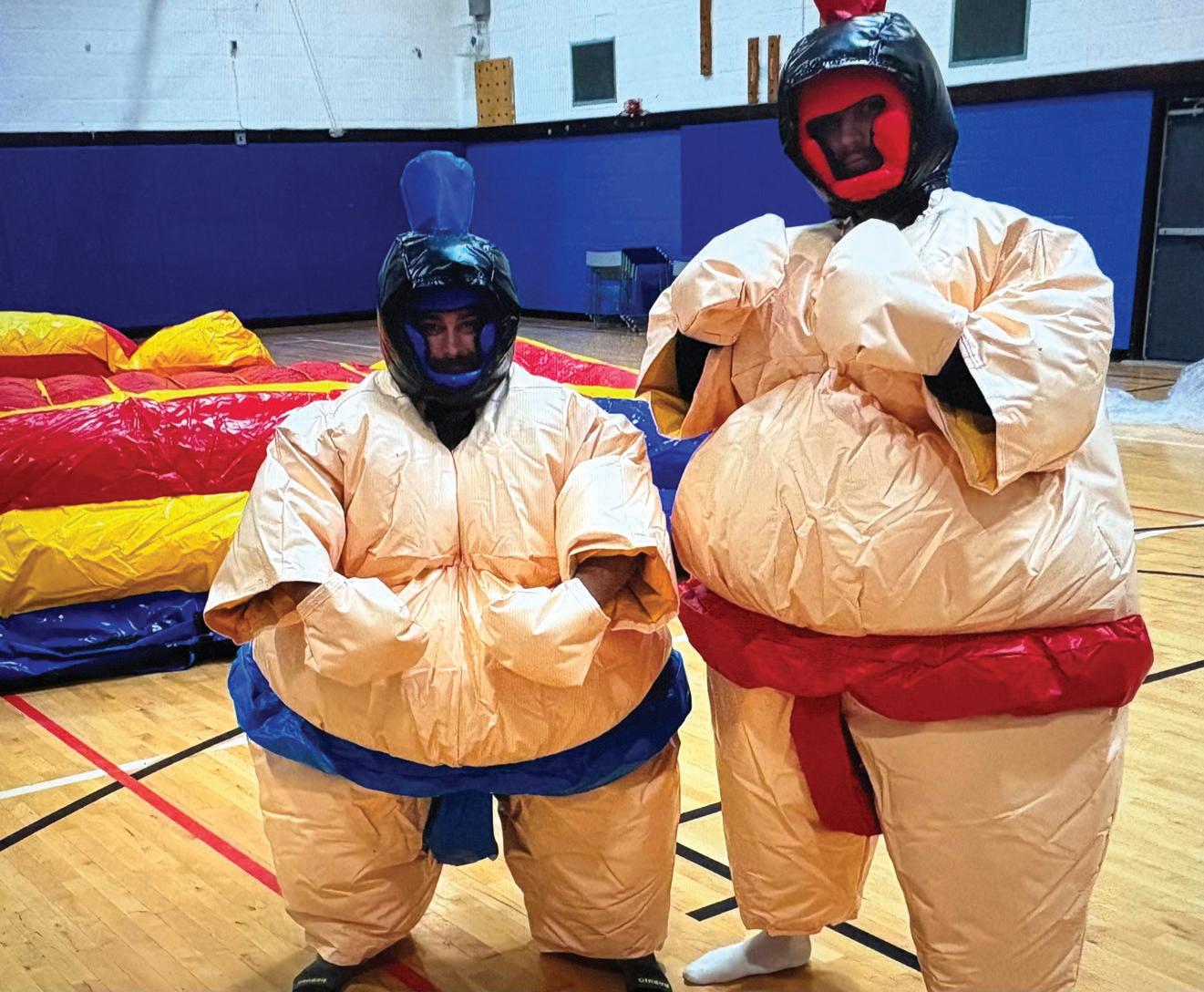
The ancient Japanese sport of sumo wrestling has caught on in schools throughout the state as a fun and silly way to increase physical activity for students. The oversized sumo suits are padded with foam to provide safety, and are physically challenging to move around in while participants are attempting to push their opponent out of the ring and score the most points. It’s a hilarious and fun way to participate in something new.
Next month we hope to feature additional schools that purchased items with CHSC funding, including gaga pits and sensory path stickers to get students moving this fall.
Jousting Equipment
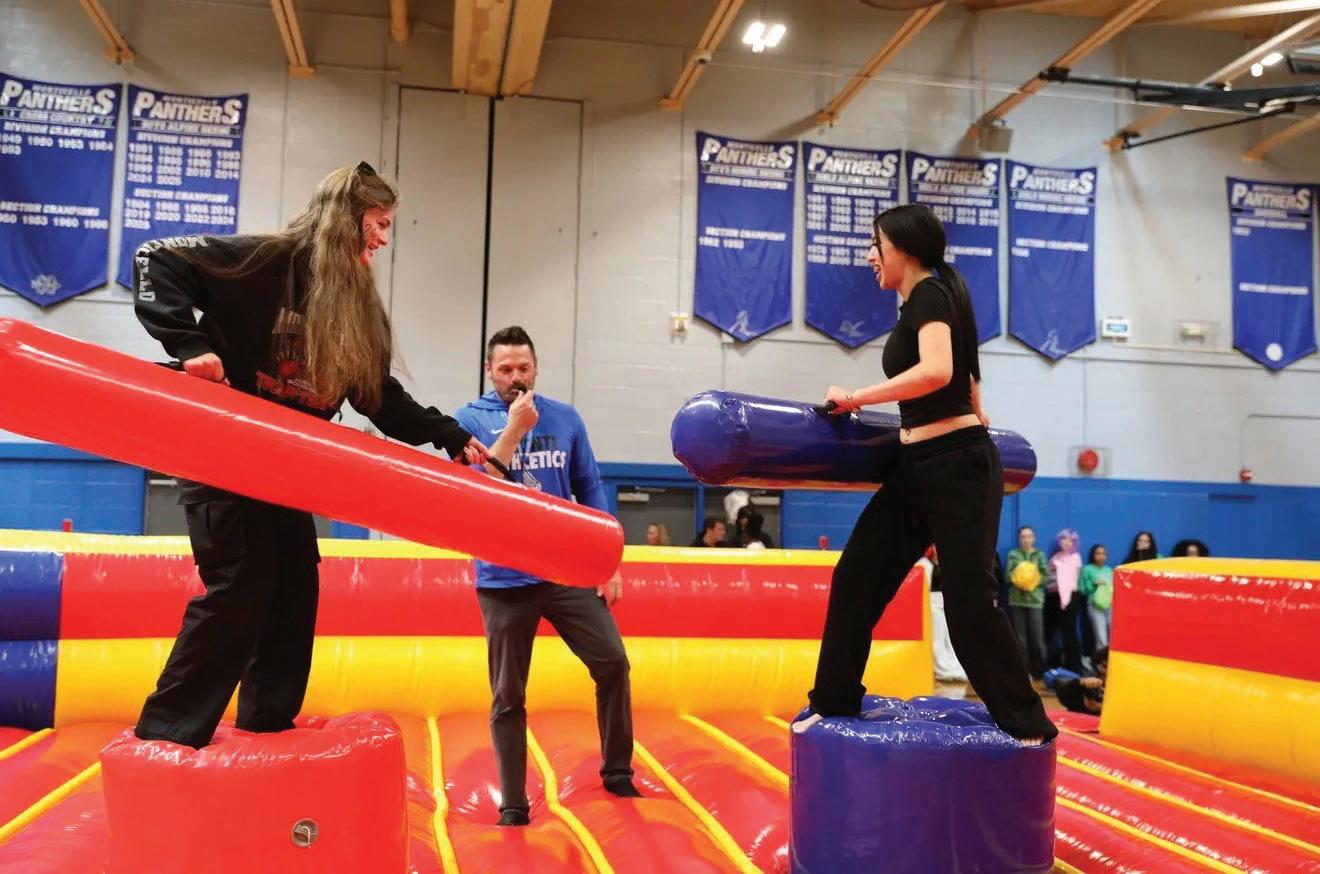
For students, “jousting equipment” doesn’t include medieval armor and lances, but modern, inflatable or foam-padded sets designed for safe physical education and recreation. These kits help students get physical exercise by developing
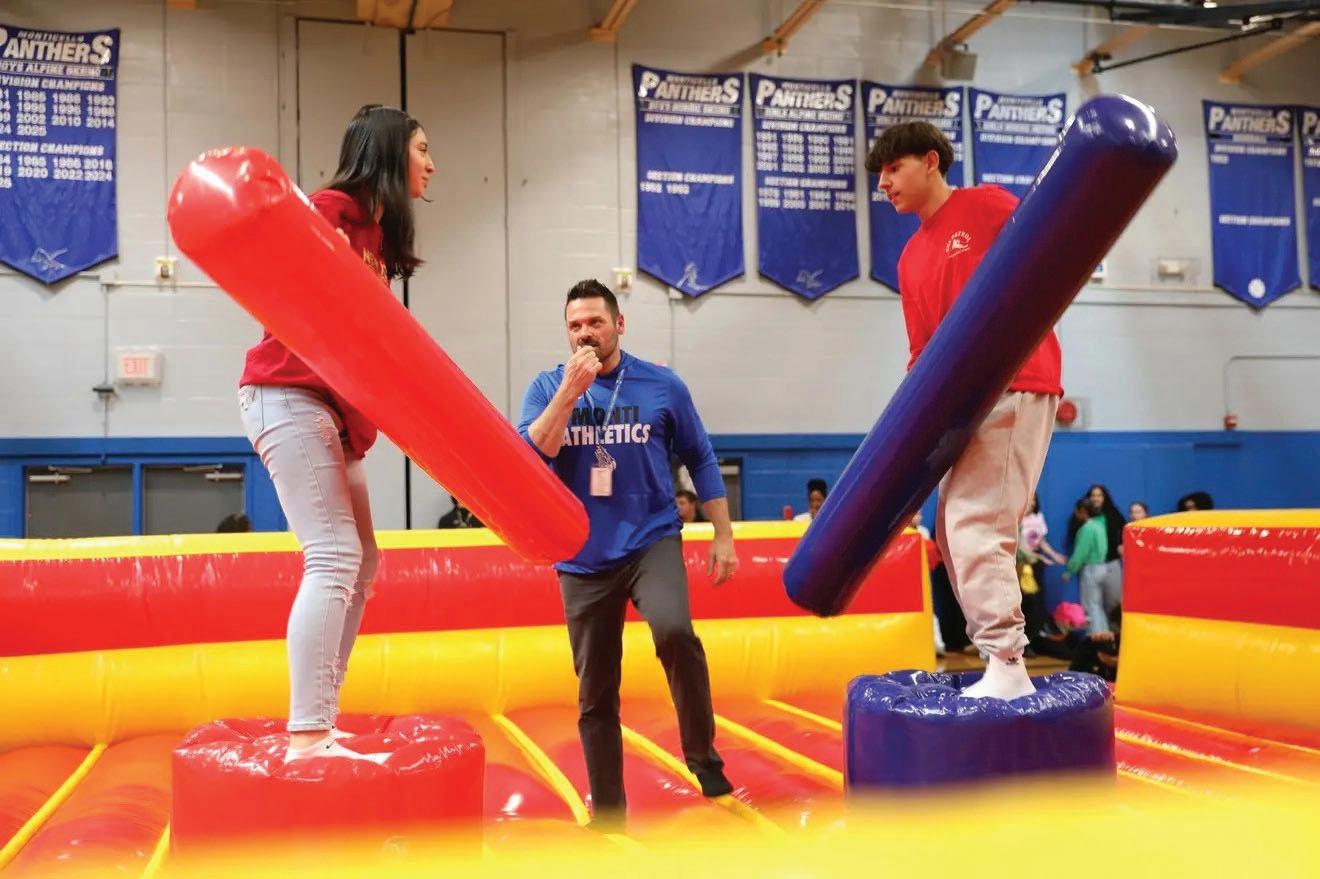
core strength, balance, coordination, and cardiovascular fitness. It’s a fun and unique experience for students and fun for everyone.
Recently featured on the Monticello School District’s website, students try out their recently received jousting equipment during a pep rally.
The CHSC project is supported with funds from the State of New York.


Below picture: Monticello High School Physical Education teachers test out new gear purchased with CHSC grant funding (photo contributed by Sullivan 180).








SHOWING GRATITUDE TOWARDS FOOD & YOUR BODY
Written by Emily Haddock, Dietitian
Submitted by Joy Leon, Nutrition & Physical Activity Educator
Gratitude. What does that word mean exactly? Gratitude means showing thanks and appreciation for what we currently have, key word being currently. Not for what we are planning for in the future or what we wish we still had. Why is this so important? If we take inventory and notice of the abundance we currently have, it brings us into the present and helps us to be more mindful. Being mindful is crucial if you are going to understand your body’s needs and internal cues.
Tips for showing gratitude for food.
• Before you begin eating PAUSE. This is absolutely crucial. It will not come naturally at first due to the fast-paced lives we live, but with practice comes habit. Take just 1 minute to notice what is in front of you.
• Reflect on your ability to eat fresh, uncontaminated, unspoiled food. This is not everyone’s experience and it is a blessing to have it.
• If you are eating fresh fruits or vegetables, take special notice. Many people are trapped in food deserts with no access to fresh produce. Even if you do not particularly like the food in front of you, know that you are very lucky to be in the position to have access to it. This access allows you to be at much lower risk for nutritional deficiencies and gives you the ability improve overall wellness.
• Notice that you have enough food on your plate to truly fill you up. You have the opportunity to not go hungry. You will be fed and your most basic needs on Maslow’s hierarchy will be met. Once fed, your body and mind will feel safe enough to plan for things beyond food.
Tips for showing gratitude for your body.
• Think about how you can take care of your current body. Not how you’d like your body to look or be, but just as it is. What would you do to nourish it? Would you still be punishing it with a grueling exercise regimen or calorie restriction if you were thinking about your present self? Probably not.
• Take a moment to make a list of what your body can do. Can you move around fairly well? Are you able to pick up your child? Are you able to bring in your groceries? Are you able to walk your dog? These tasks sound mundane, but when you take inventory of all your body is able to do, it can change your perspective. This will help to build a better relationship with yourself.
• Stop thinking of your body as just an image that others (or you) see. It is your home and it is the only body you will ever be given. It is much more than appearance. If you have poor body image it may be a good idea to stop “body-checking” for the time being. Meaning examining your body in the mirror for flaws or lack thereof. Make an effort to spend a lot less time in the mirror in general. You will find that this will naturally improve confidence and how you feel in your body.
• Now back to how to take care of your current body. Some days this may means resting. Some days this may mean eating more when your hunger sensations increase. This may mean skipping a workout to get
more sleep or getting up early to get a walk in. Really try to listen to your body. When we let it guide us we will begin to improve our mental and physical health. Once you begin practicing gratitude for food and your body you will start to change your perspective. Instead of feeling like you are not eating healthy enough or feeling like you are not in your ideal body, you will start to understand that you are (most likely) in the top percentage of the world when it comes to health. If you do have health issues, you probably have access
to resources to be able to improve and correct those. You will begin to appreciate the ability to eat nutritious foods as well as delicious fun foods. The point is to stop feeling guilt or shame about your food choices (which we know in turn makes our food choices worse and our relationship with food & our bodies poor) and to stop telling yourself “I will do …. when I am in a thinner body”. Take appreciation and care of yourself today. This is the KEY to improving and maintaining your health long term.
Emily Haddock is a registered dietitian, licensed dietitian nutritionist. She received her undergraduate in psychology from the University of Georgia and both her degree in nutrition and dietetic internship through Lipscomb University. She worked as a clinical dietitian for 4 years and then transitioned to her own practice, Music City Nutrition & Wellness, PLLC, where she has worked since early 2022.
Adapted from: 2022. “Music City Nutrition & Wellness.” Music City Nutrition & Wellness. November 2022. https://www. musiccitynutritionandwellness.com/ nutrition-and-wellness-blog/showing-


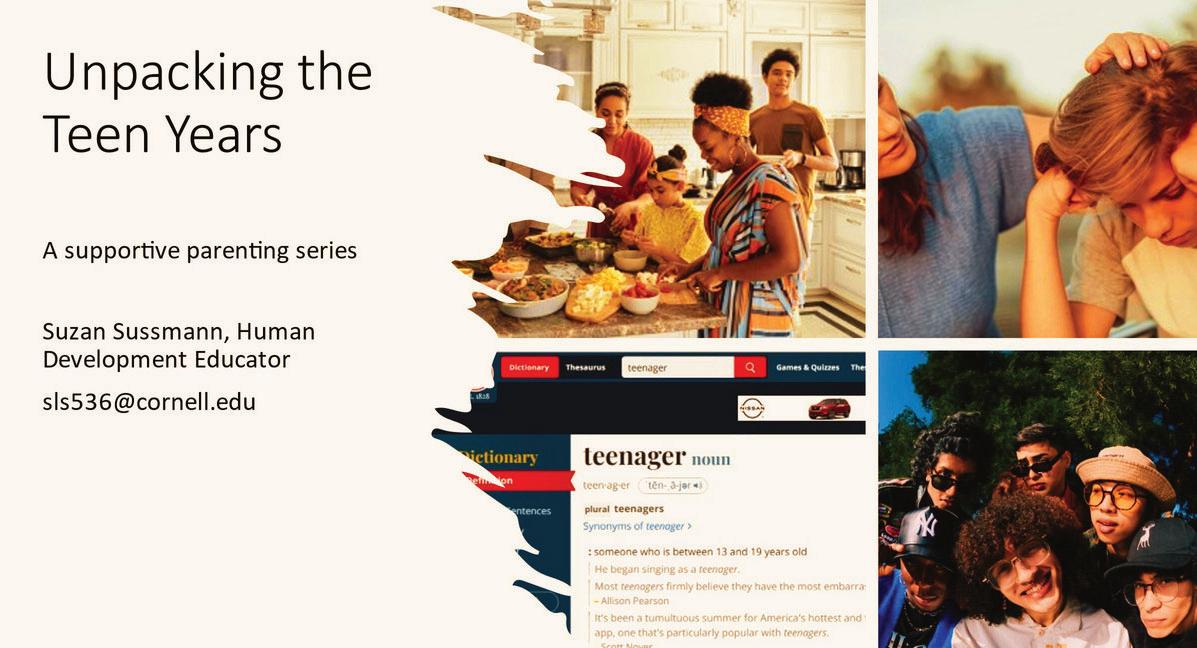

Whiletheteenyearsoftenmakeparents/caregiverstremble,itreallyisawonderful timeofgrowthforteens.Whattheyareexperiencingisreallyaspectaculartimeoflife.
Joinustolearnabout:
Changesinyourteen
Waystobuildconnectivity
Communicationstrategiesandtools
Challengingbehaviorsandknowhowtoidentifyredflags
Buildingrelationshipsforthefuture
Howapositiveapproachtoyourteenwillbenefityourrelationship

ClickHeretoRegister https://bit.ly/3BirkW1 or SCANQRCODE


VIRTUAL 4-SESSION SERIES (every other week)
other
OCTOBER 22 AND NOVEMBER 19
OCTOBER 8, 22 AND NOVEMBER 5, 19 7:00-9:00 PM
Cost: $40/person
Cost: $ld(fh $(f
$0 Solidarity (if you cannot pay at this time)

4-H AND UNIVERSAL PICTURES’ “WICKED: FOR GOOD” ENCOURAGE YOUTH TO LEAD WITH THEIR HEART AND HANDS AS PART OF THE NATIONAL #4HFORGOOD CHALLENGE
Written by the National 4-H Council
Submitted by Aaron
Denman, Association Operations Coordinator
Universal Pictures’ “Wicked: For Good” arrives in theaters on November 21, 2025
WASHINGTON, D.C. (Sep. 29, 2025) – Young people have the power to spark change, and that energy is taking center stage through a partnership between 4-H and NBCUniversal. In celebration of Universal Pictures’ “Wicked: For Good,” the epic conclusion to the global cinematic “Wicked,” phenomenon, NBCUniversal is supporting 4-H youth who show the world the powerful impact that young leaders can make when they act with purpose - and a little green.
4-H is an official nonprofit partner of the upcoming film, which opens in theaters on November 21. For 4-H’s 6 million young people, this partnership is a defining moment - one that highlights their everyday acts of good alongside the iconic “Wicked” heroines Glinda and Elphaba. These acts can include writing a thank you note, donating to a food or clothing drive,
assembling care packages, beautifying local parks or volunteering at animal shelters.
“Today’s 4-H’ers are proving you don’t need to have magical powers to change the world, you just need the courage to do good,” said Jill Bramble, President and CEO of National 4-H Council. “They’re helping neighbors, mentoring younger youth, and organizing food and toy drives, along with planting community and school gardens. The partnership with NBCUniversal shines a national spotlight on those everyday acts of good and invites even more people to get involved.”

• Post it on social media with a heart-hands symbol
• Tag 4 others to spread kindness
• Use the hashtag #4HForGood
A National Call to Action: #4HForGood Challenge
This fall, through a multiplatform campaign, 4-H will spotlight the many ways youth can create positive change. The centerpiece is the #4HForGood Challenge, a nationwide call to action inviting youth, families, and friends to:
• Do an act of good
The challenge will kick off on October 9th during National 4-H Week and run through November 21st. During this time, NBCUniversal will host a career day in New York City, with employees mentoring local 4-H’ers at NBCU’s famous 30 Rock headquarters.
“With ‘Wicked: For Good,’ we have a unique opportunity to harness the cultural momentum of a beloved film to inspire
meaningful change,” said Hilary Smith, Executive Vice President of Corporate Social Responsibility at NBCUniversal. “By partnering with 4-H, we’re turning the spotlight on young changemakers whose everyday acts of good ripple through their communities. It’s a chance to show that storytelling - especially on a scale as grand as the ‘Wicked’ films - can be a catalyst for kindness, leadership and lasting impact.”
The Tufts University longitudinal study shows youth in 4-H are:
• Nearly 4x more likely to make a positive contribution to their communities.
• 2x more likely to have the goal of being a leader.
• 2x more likely to report living life with intentionality and purpose.
• To learn more and join the #4HForGood Challenge, visit Wicked for GoodNational 4-H Council.
ABOUT 4-H
4-H, the nation’s largest youth development organization, grows confident young people who are empowered for life today and prepared for careers tomorrow. 4-H programs reach nearly six million young people across the U.S. through experiences that develop critical life skills. Through
the Beyond Ready national initiative, 4-H aims to increase that number to ten million youth annually by 2030. 4-H is the youth development program of our nation’s Cooperative Extension System and USDA and serves every county and parish in the U.S. through a network of 110 public universities and more than 3,000 local Extension offices. Globally, 4-H collaborates with independent programs to empower one million youth in 50 countries. The research-backed 4-H experience grows young people who are four times more likely to contribute to their communities; two times more likely to make healthier choices; two times more likely to be civically active; and two times more likely to participate in STEM programs.
Learn more about 4-H at 4-H.org and follow us on Facebook, Instagram, and X.
About “Wicked: For Good”
Last year’s global cinematic cultural sensation, which became the most successful Broadway film adaptation of all time, now reaches its epic, electrifying, emotional conclusion. Directed by Jon M. Chu, the final chapter of the untold story of the witches of Oz begins with Elphaba (Oscar® nominee
Cynthia Erivo) and Glinda (Oscar® nominee Ariana
Grande) estranged and living with the consequences of their choices. When a girl from Kansas comes crashing into their lives, they will need to come together one final time and truly see each other if they are to change themselves and all of Oz for good.
About NBCUniversal
NBCUniversal is one of the world’s leading media and entertainment companies. We create world-class content, which we distribute across our portfolio of film, television, and streaming, and bring to life through our theme parks and consumer experiences. We own and operate leading entertainment and news brands, including NBC, NBC News, MSNBC, CNBC, NBC Sports, Telemundo, NBC Local Stations, Bravo, USA Network, and Peacock, our premium ad-supported streaming service. We produce and distribute premier filmed entertainment and programming through Universal Filmed Entertainment Group and Universal Studio Group, and have worldrenowned theme parks and attractions through Universal Destinations & Experiences. NBCUniversal is a subsidiary of Comcast Corporation.
Adapted from: https://4-h.org/about/blog/4-h-anduniversal-pictures-wicked-for-goodencourage-youth-to-lead-with-theirheart-and-hands-as-part-of-the-national4hforgood-challenge/