Extension Connection Sullivan County

Upcoming Events & Programs Issue Highlights Issue
ssue Upcoming Events & Programs
Caregiver Café
Wellness Initiative for Senior Education (WISE)
Lawn Alternatives - How to Replace Some or All of your Grass
Agri-Culture Webinar Series
Fitness Series Winter 2025 - 2026
4-H Goat Workshop Series
Farmer Mixer at The Herbal Scoop
Building Brain-Healthy Habits
See more events and opportunities on sullivancce.org/events.
Follow us on Facebook and Instagram!



Taste the Season: Authentic Maple Syrup from Upstate New York
Thank you Wanda!
January 2026 Ag Report
Planting Seeds that Need Cold Stratification
New York State Expands the Energy Affordability Program
February - March 2026 Creating Healthy Schools Report
4-H Public Presentations

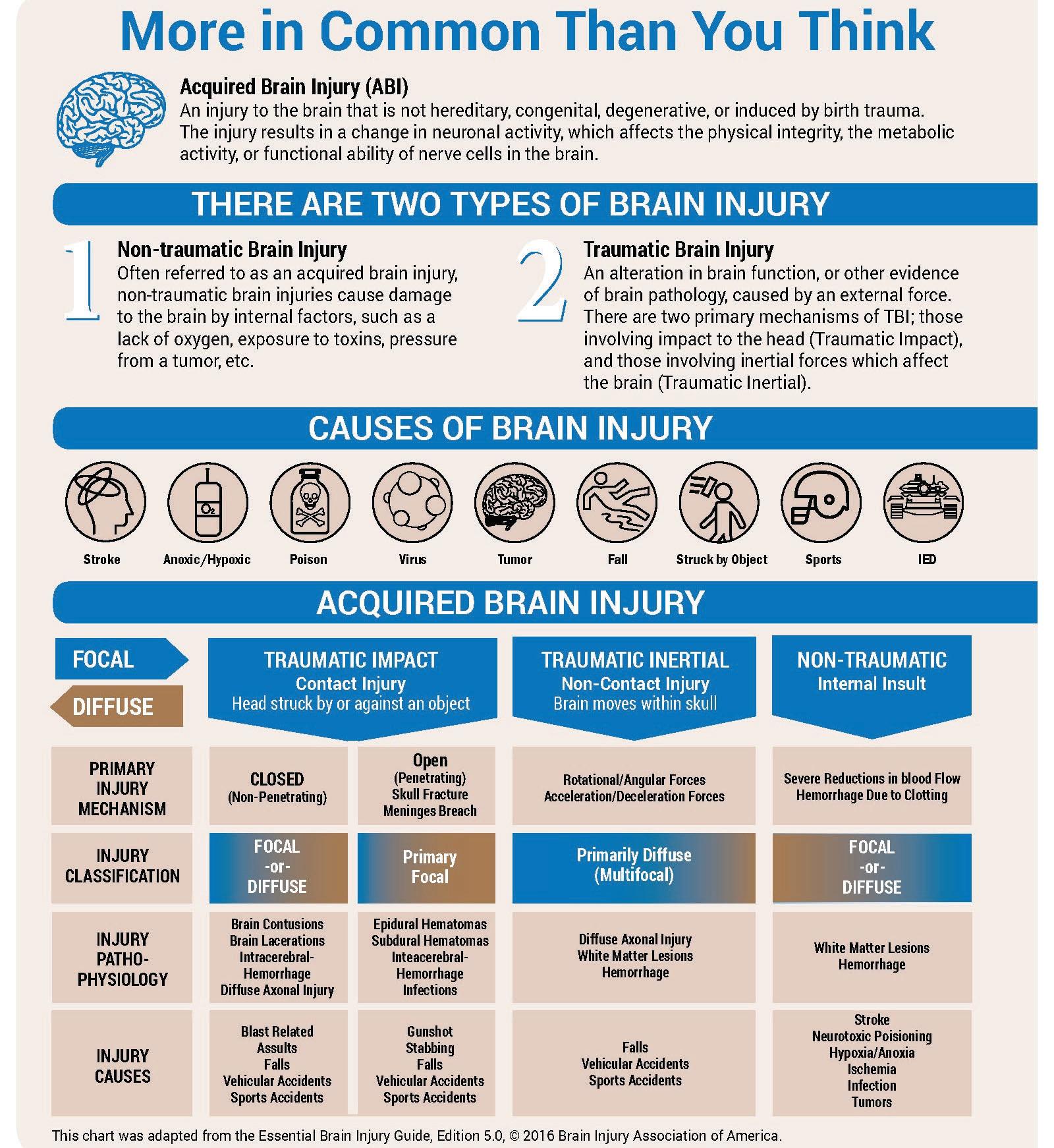
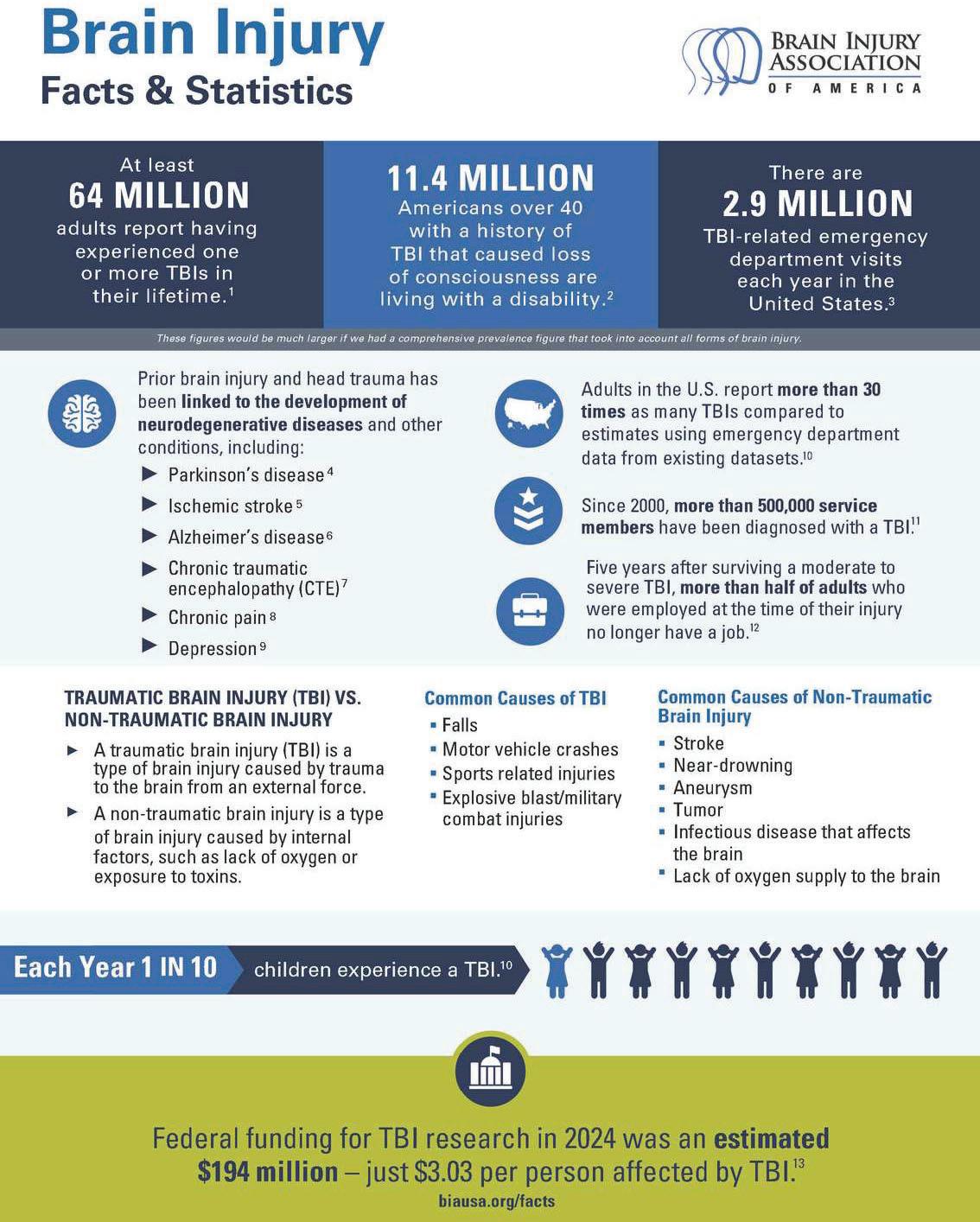
March is Brain Injury Awareness Month! Check out fast facts about the brain on p.16 and p. 17!


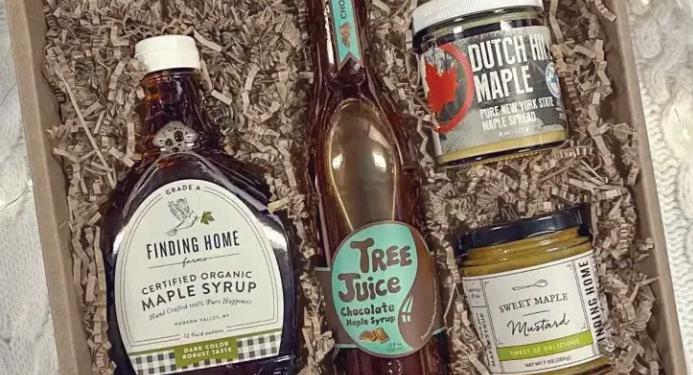
A Maple Box full of various local maple products prepared by Taste NY and ready to be shipped to your front door.
Welcome to the Issue!
Page 3 Message from Board President
Page 6 January 2026 Ag Report
Page 10 CCE Columbia & Greene Counties PRESS
RELEASE: Now Accepting Applications to Become a Cornell Master Forest Owner Volunteer
Page 11 Planting Seeds that need Cold Stratification
Page 13 New York State

Expands the Energy Affordability Program
Page 14 CCE Spotlights!
Page 15 Upcoming Events!
Page 16 Fast Facts!
Page 18 February - March 2026 Creating Healthy Schools Report
Page 20 AARP Network of Age-Friendly States and Communities
Page 22 Thank you Wanda!

Page 24 Taste the Season: Authentic Maple Syrup from Upstate New York
Page 28 4-H Article
Page 30 Nutrition Fact or Fiction!
Page 32 March is Brain Injury Awareness Month... Learn How to Prevent TBI
Page 34 Thanks to our Sponsors!
Page 36 2026 Enrollment

NotifyCCESullivan if you have
Notify CCE Sullivan if you have a change of address: 845-292-6180
sullivan@cornell.edu
OFFICE HOURS
Hours: Mon - Fri | 8:30 am to 4:30 pm
Phone: 845-292-6180
E-mail: sullivan@cornell.edu
Website: www.sullivancce.org Facebook.com/ccesullivanagfood Instagram.com/ccesullivan
YouTube: bitly.com/ccesullivan
BOARD OF DIRECTORS
Dawn Parsons.......................President
Alex Alorro...................Vice President
Robert Kaplan.......................Secretary
John Garigliano.....................Treasurer
Brian McPhillips...........Legislative Rep.
Patricia Claiborne.............Cornell Rep.
John JP Lang
Erika Malmgreen
Steve Marton
Mark McLewin
Jennifer Mitchell
Meaghan Mullally-Gorr
Laura Quigley
Gary Silver
Gary Silverman
Diana Weiner
PROGRAM COMMITTEE
Heather Brown
Roberta Chambers
Nu El
Courtney Hanback
Carmela Hugel
Cathi Paci
Carol Roig
Stephen Stuart
Eugene Thalmann
Deborah Worden
EXTENSION CONNECTION
Produced by: Cornell Cooperative Extension Sullivan County Edited by: Aaron Denman & Colleen Monaghan Cornell Cooperative Extension Sullivan County provides equal program and employment opportunities.
NOTICE: Official endorsement of advertisers and their products is not intended by the acceptance of their sponsorships for the Extension Connection.
STAFF MEMBERS
Colleen Monaghan..............................................................................Executive Director
Monica Ponce-Agredano ...............................................................Ag. Program Assistant
Tess Isabel Molina Bayly...............................................FORx Youth Program Coordinator
Tracy Broyles...............................................................................SALT Program Manager
Alan Carroll...................................................................Food Systems Program Manager
Lynn Colavito..............................................Community Cupboard Program Coordinator
Martin Colavito...........................................................Prevention Programs Issue Leader
Haley Collins...................Agriculture Farmland Protection & Planning Program Manager
Wanda V. Cruz...............................................Healthy Communities Program Coordinator
Aaron Denman.........................................................Association Operations Coordinator
Drew Fuller............................................................................. CPIP Program Coordinator
Katie Gasior........................................................................Horticulture Subject Educator
Jenna Gangel..........................................................................Shop Taste NY Coordinator
Joy Leon.................................................................Nutrition & Physical Activity Educator
Kim McDonnell..................................................................................Taste NY Assistant Manager
Nancy McGraw.......................................................Educator, Caregiver Resource Center
Melinda Meddaugh.......................................................Ag & Food Systems Issue Leader
Barbara Moran................................................4-H Youth Development Program Manager
Luis Ocasio........................................................................Prevention Program Coordinator
Patricia Ocasio...................................................................Prevention Program Coordinator
Shanice Owens..............................................Community Cupboard Program Coordinator
Abyssinia Pla El...................................................................................Finance Coordinator
Michelle Proscia..............................................Agriculture Production Program Manager
Nicole A. Slevin Nikolados.............................................Senior Administrator, Operations
Tara VanHorn.........................................................................................Finance Manager
Malinda Ware................................................................Statewide Engagement Specialist
John Wilcox..........................................................................................Facilities Manager
Veronica Yangis.........................................................................Taste NY Operations Coordinator
Kayla Evans, Kaylee Hawks, Julieth Melendez, William Wells................Ag Market Coordinators


Hello CCE Sullivan Family,


We are in the homestretch, my friends.





We have managed to battle cabin fever and the winter that never seems to end. Yesterday I even saw a bright, warm hanging orb. For those of us that might have forgotten the experience, its called “sunshine” and it sure is welcome around here!




I want you all to take a quick minute and have a look at some new programming and spotlights CCE Sullivan is rolling out in March along with our regular sessions.

March is Brain Injury Month, and we will be doing a focus article to help give a bit of understanding and help available. March is also Maple Month, and we will have a read on maple season as well. Keep in mind some maple syrup sugar makers welcome guests and open their operations for this short window of teaching. I highly suggest you wear your boots just in case you can get up close to taste the sap as it drips from the tree! Along with these Monthly focuses we have Ag Literacy Week to look forward to, plus Friday Fitness classes, Caregivers Support, and Farmer Mixers to just name a few. A little something for everyone.




Soon the sun will shine for more than minutes, and eventually we will complain about the heat of summer, but until then… stay the course, my friends. Winter will not last forever!


S i n c e re ly,

Da D wn Parsons
President, Board of Di D reectorrs P f CCESllCt
President, Board of Directors



CCE Sullivan County ccesullivanboard@cornell.edu








CCESCNewsletterSurvey2026
Whatcanwedotoimproveournewsletterforyou?
AnswerthequestionsbelowandSendbacktous!
1.Howoftendoyoureadournewsletter?
Everyissue
Mostissues
Someissues
None
2.Whichsectionsofournewsletterdoyouenjoymost?Selectupto3:
Agriculture&FoodSystems
Youth&FamilyDevelopment
Environment&NaturalResources
CCESullivanSpotlights
MonthlyFocus:FastFacts,CoolTools&NewstoUse
Community&EconomicVitality
Nutrition&HealthyFamilies
MessagefromExecutiveDirector
3.Howtoyouprefertoreadournewsletter?
InPrint
Online
4.Allinall,doyouthinkthenewsletteristooshort,toolong,orideal?
TooShort TooLong Ideal

5.Whenadditionalcontentisavailableandlinked,doyougoonlineandreadit?
NoOpinion Yes No
6.Howwouldyourateourcontent?
7. What actions, if any, have you taken as a result of reading our newsletter?
Attended an advertised event
Volunteering
Discussed an article with another person
Visited the newsletter’s webpage
Contacted the Extension Education Center
Donated to Cornell Cooperative Extension Sullivan County
Saved an article
Written a note to the editor
None
8. Please suggest additional topics that you think our newsletter should cover:
9. What do you like most about our newsletter?
10. What don’t you like about our newsletter?
11. Please put down any additional comments, suggestions, or feedback:
JANUARY 2026 AG REPORT
PAST WORKSHOPS

Lunch and Learn Webinar: Adapting to Changing Growing Seasons - January 5th. 20 registered.Brett Budde from Majestic Farm led a presentation ondifferent waysyou can adapt to variable growing season challenges like adjusting planting and harvest days, growing zones, managing risks in late spring and early frost dates and crops that workwell with changing growing conditions.
Lunch and Learn Webinar: Invasive Species and Plants - January 20th. 23 people registered. CCE Sullivan educator KatieGasiorand Kathryn Brignac (CCE Ulster) led presentations onhow you can plan for impacts of invasive plants and insects in your garden or on farm. They covered what invasive plants and insects to keep an eye out for and how toidentifythem, ways tomitigatefarm impacts, best integrative pest managementstrategiesandpreventative measures.
Lunch and Learn Webinar: Ag Energy Efficiencies -January 26th. 13 people registered.Gabriel Gurley with Ag Energy NY led a class onagricultural sector specific upgrades and technologies available to farmers, energy auditing and on farm energy use, as well as available grant funding for farm sector specific improvements andresourcesavailable to folks through the Ag Energy NY program.
TECHNICAL ASSISTANCE:
Technical Assistance/Inquiries: 91 Soil/Hay Tests: 2 Farm Visits: 3
Technical Assistance was provided on land access, ag districts, farmland preservation, Catskills Kitchen (insurance, business structures, permitting & licensing), beginning farmer, soil tests, soilhealth, interpreting results, pH correction, Cover crops: species selection, nutrient management planning,Enterprise budgeting & cost of production, funding opportunities, native gardens, invasive species. 16 total Hours of Technical Assistance.
UPCOMING WORKSHOPS:
Agri-Tourism Webinar Series
2/18: Know the Law: On Farm Risk Management & NYS Legal Requirements
2/24: Biosecurity for Farm Experiences
3/4: Creating Accessible Farm Experiences
3/18: Designing the Farm Experience: Tours, Storytelling & Visitor Engagement
3/25: Marketing Your Farm Experience
Livestock Weather Stress: Hot or Cold Webinar -February 12th: Learn how livestock respond to extreme temperatures, and what YOU can do to protect their health andproductivity
Understanding Cover Crops -February 26th: This workshop will equip farmers with a clear understanding of how cover crops improve soil health, nutrientcyclingand on-farm resilience through ecological and biological processes.
Farm to School Project:
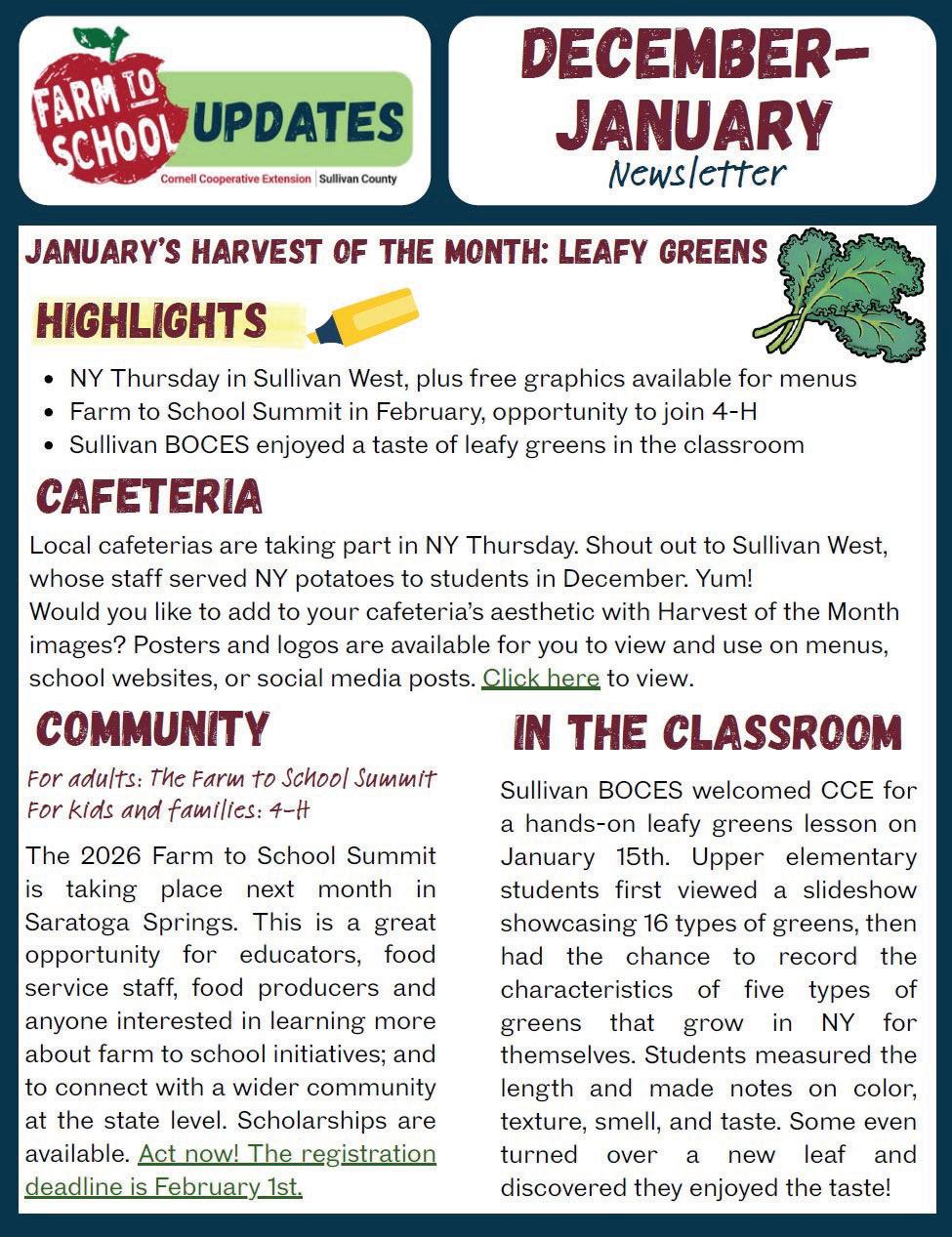
CCE Sullivan received funding from the NYS Harvest NY Program to provide farm to school education to elementary students throughout Sullivan County schools, working closely with our partners, farmers, and food service directors.The grant delivers programs connecting cafeterias, classrooms, and local farms. The team works with school districts on NY Thursdays meals featuring local ingredients, Big Apple Crunch participation, agriculture and nutrition lessons, taste tests and cooking workshops. CCE staff produce a monthly Farm to School newsletter to provide updates to the community and schools, and resources to teachers (see attached).















Contact Shane Stevens, Cornell Master Forest Owner, Regional Director
Telephone 518-622-9820 x118
Email Ss3666@cornell.edu
WebsiteCceColumbiaGreene.org
FOR IMMEDIATE RELEASE 01/20/26
Now accepting applications to become a Cornell Master Forest Owner Volunteer
The Cornell Master Forest Owner (MFO) program is now accepting applications to become a volunteer MFO. Applications must be submitted by March 1st to be considered.
Cornell Master Forest Owners (MFO) are woodland owners who have enhanced their knowledge with Cornell Cooperative Extension(CCE)tobecome volunteers in their communities.MFOsmake a difference by supporting informed decision making whilevisiting woodland owners on-site to share resources based on their knowledge and experiences. Peer-to-peer visits encourage landowners to engage in woodland activities and work towards achieving goals and improving forest management.
The online training consists ofweekly zoom sessions every Tuesday evening, March 17 through April 28 from 6:30pm -7:30pm. Participants will have access toonline coursework toviewat their own pace, including educational resources available through CCEand Cornell University’s ForestConnect program. Participants will learn to merge skills with resources to provideotherwoodland owners with encouragement through conversationwhile directingthem towards vital resources for managing woodlands. This training is open for new volunteers and previously trained volunteers seeking a refresher.
The cost is $35/person, $50/couple for new volunteers, and $18/person, $25/couple for returning volunteers.Applications can be found onour website, CornellMFO.info
In addition,Cornell Cooperative Extension of Columbia and Greene County will host aFREEZoominfosessiononThursday, February 19, from 6–7pm onlinefor those who would like to learn more.
For more information on the MFO program and training application visit CornellMFO.info
For more information on the freeMFOinfo-session, visit https://www.eventbrite.com/e/master-forestowner-become-a-volunteer-zoom-info-session-tickets-1978894933015?aff=oddtdtcreator
For more information on Cornell Cooperative Extension of Columbia and Greene Counties, visit our website at CceColumbiaGreene.org
Cornell Cooperative Extension is an employer and educator recognized for providing equal program and employment opportunities in accordance with applicable laws. The programs provided by this organization are partially funded by monies received from the Counties of Columbia and Greene.
PLANTING SEEDS THAT NEED COLD STRATIFICATION
Written and submitted by Katie Gasior, Horticulture Subject Educator
Hard to believe but despite all the snow in Sullivan County this winter –spring is right around the corner! This is the time of year I enjoy daydreaming about garden plans, and warmer weather. However – not every flower seed germinates in warm soil. Some of our native perennials here in the Catskill region require 3060 days of stratification.
Cold stratification mimics what happens outdoors when seeds drop in autumn, rest beneath snow and leaf litter through winter, and sprout in spring. Without this cold, moist period, many native species remain dormant. For gardeners, this means either sowing seeds outdoors in fall (or winter) or artificially stratifying them in a refrigerator for several weeks.
Beloved native perennials such as Asclepias tuberosa (butterfly milkweed), Echinacea purpurea (purple coneflower), Lupinus perennis (wild lupine), and Aquilegia canadensis (eastern red columbine) all benefit from 30–60 days of cold, moist conditions. Woodland species like Actaea racemosa (black

cohosh) may require even longer or more complex stratification cycles. These plants have evolved alongside the Catskills’ freeze–thaw rhythms, ensuring seedlings emerge at the right time to take advantage of warming soil and spring rains.
For home gardeners, the simplest approach is winter sowing. Seeds can be sown in pots or recycled containers in late fall or early winter and left outdoors in a protected area. Snow and rain provide moisture, and natural temperature swings trigger germination. Alternatively, seeds can be mixed with damp sand or vermiculite, sealed in a plastic bag, and placed in the refrigerator for the recommended stratification period before spring planting.
Beyond germination success, growing native perennials strengthens local ecosystems. Deeprooted species stabilize soil on slopes common throughout the Catskills. Early bloomers support emerging pollinators, while milkweeds provide critical host plants for monarch butterflies. Once established, these perennials are typically drought-tolerant, deerresistant (depending on species), and well-adapted to local soils.
Patience is key. Some natives germinate irregularly or take a year to fully establish. But by embracing cold stratification rather than fighting it, Catskills gardeners can cultivate resilient, ecologically valuable landscapes rooted in the rhythms of winter itself.
NEW YORK STATE EXPANDS THE ENERGY AFFORDABILITY PROGRAM
Written and
submitted
by Steve Bonds-Liptay, Energy Advisor
The Enhanced Energy Affordability Program (EEAP) is a 2-year pilot program that was launched in January 2026 to offer fixed discounts on electricity and gas bills for residents who don’t qualify for the Energy Affordability Program (EAP). All three utilities that service Sullivan County participate in both EEAP and EAP, though you can only be enrolled in one program at a time.
If your annual income is less than these levels, you will be eligible for the new EEAP discount:
1 person household$69,477
2 person household$90,854
3 person household$112,232
4 person household$133,609
5 person household$154,986
6 person household$176,364
7 person household$180,372
8 person household$184,380
The New York Enhanced
Energy Affordability Program (EEAP) provides monthly bill discounts for income-qualified households across New York State. Eligible customers can receive assistance based on their household size, income level, and utility provider.
The EEAP application is available to customers of Central Hudson Gas & Electric, Con Edison, National Fuel, National Grid, NYSEG, Orange & Rockland and RG&E at nyeeap.com/program. Required documents for the application include proof of income earned in the past month for all household members such as pay stubs, Social Security or pension statements, selfemployment records, or others.
To qualify, you must:
• Have an active residential electric or natural
gas account with a participating New York utility
• Have a household income below the program maximum, which varies by location and household size (see threshold amounts)
• Provide complete documentation of your entire household’s income for the last month
Note that you can’t be enrolled in both the Energy Affordability Program (EAP) and EEAP. If you are currently enrolled in EAP, you do not need to apply for EEAP.
If you have general questions on the program, eligibility requirements, or application submission check out the program FAQs at nyeeap.com/faq.
To learn more and apply online, visit nyeeap.com/ program or call (877) 400 - 2501.
CCE Sullivan Spotlights
Organization Spotlight
THANK YOU SULLIVAN 180!
Submitted by Aaron Denman, Association Operations Coordinator
This past winter, Sullivan 180 stepped into the holiday season with their annual “Peace, Love, & Lights Walk-Thru Mondays at Bethel Woods Center for the Arts” event. With the mission to stay active and connected while supporting neighbors in need, Sullivan 180 decided to make a monetary donation for every walkthru participant to a local organization helping families through the holiday season. We’re so excited and thankful that Sullivan 180 chose the Sullivan Fresh Community Cupboard at Cornell Cooperative Extension Sullivan County as a local organization to donate $1,500 of their proceeds to. “When we talk about building a healthier community, it includes ensuring neighbors have access to the resources they need to thrive.”
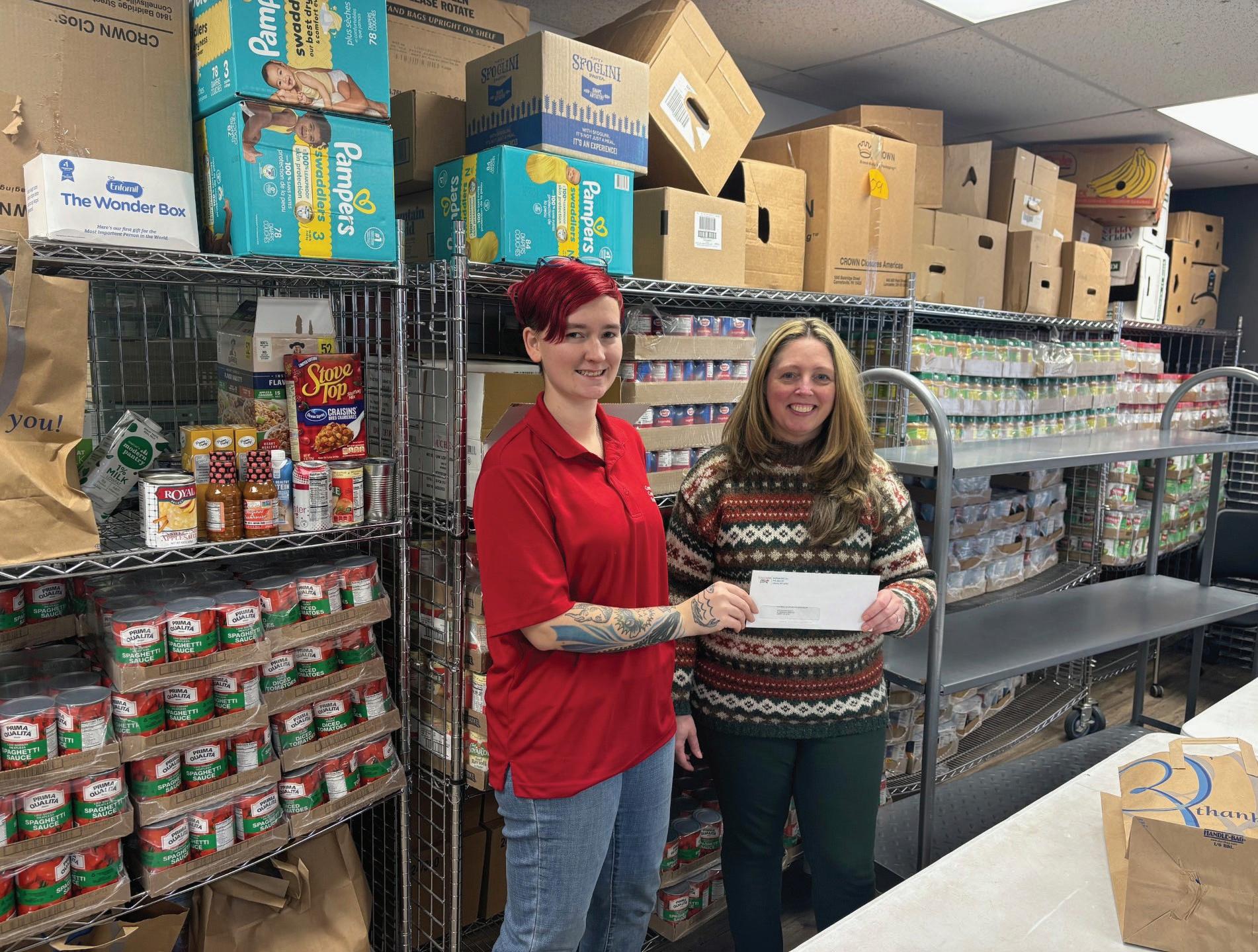


says Kellee Thelmann, Sullivan 180’s Marketing & Events Manager. “Peace, Love & Lights creates an opportunity for community members to come together in a simple but powerful way — walking side by side, giving back, and supporting families across Sullivan County.”
Their donation will be an asset not only for the Community Cupboard walk-in pantry, but also towards providing the hundreds upon hundreds of meals delivered each week to local community residents for the upcoming year. Many thanks to Sullivan 180 for their
generous donation, and we wish them luck with their next iteration of “Peace, Love & Lights” in the year to come!
Donations to the Community Cupboard are always encouraged and appreciated! If you would like to help a neighbor in need through the Community Cupboard, consider visiting our website, sullivancce. org, and clicking our “Donate” tab to submit your donation online. Donations are also accepted via mail or walkin. To learn more about the Community Cupboard, visit sullivancce.org.
Left: Aaron Denman, CCE Association Operations Coordinator
Right: Christy TerBush, Sullivan 180 Healthier Generation Senior Program Manager















































February/March 2026
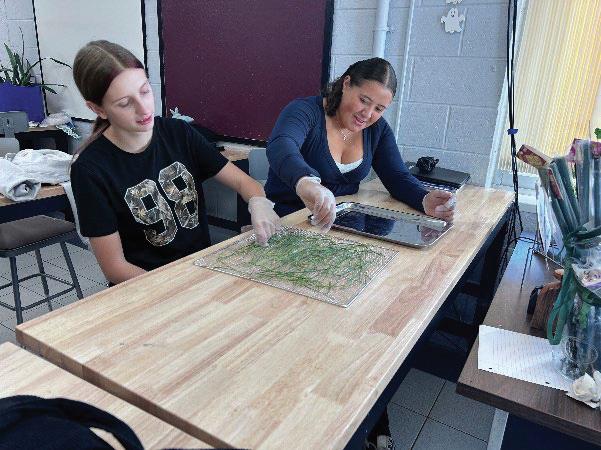
We aredelighted that the Rockland Central School District recently shared some pictures with us about how they are using thelarge commercial size food dehydrator purchased with CHSC funds last springby integrating lessons into curriculum and engaging students. In the pictures shown below, high school studentsare preparingharvested herbs and loading them into the dehydrator.
Pictured below, s and agriculturalscience classeslearn about how to prepare herbs and use the dehydrator in their lessons.

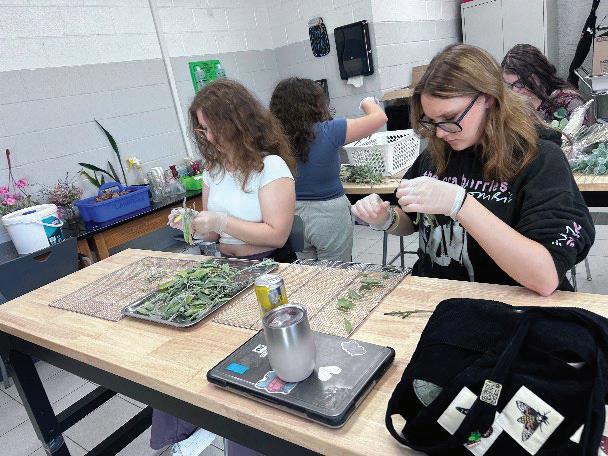
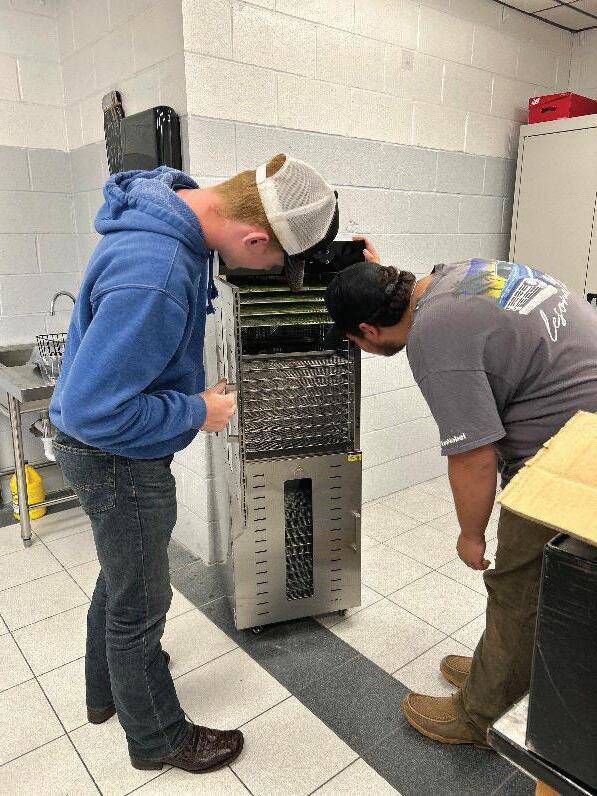
Some students have commented about how they’ve noticed the amount of hard work that goes into preparing food. They’ve alsoobserved howsuchlarge amounts of herbs go into the dehydrator but break down to create a much smaller amountwhen dried. They found it interesting that each type ofherb needsa variety of dry times in the machine.
“One of the most popular statements made by students was how the dehydrator made the room smell! Students love to walk into the classroom and experience such a refreshing scent as they enter the classroom.”
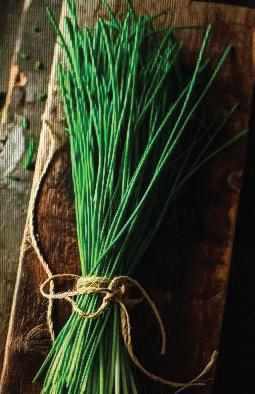
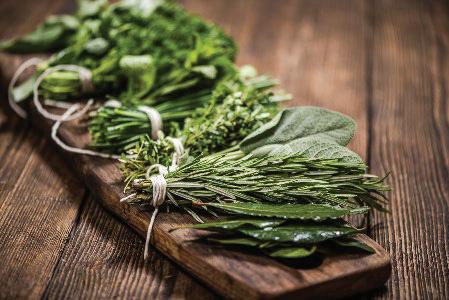
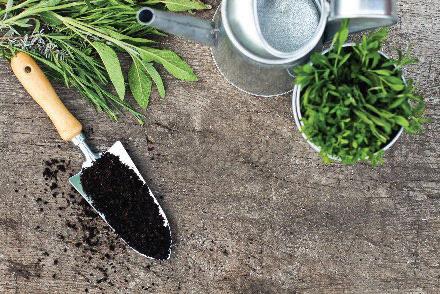
Some of the herbs being prepared by students for the dehydrator include:
Chives

“AS WE APPROACH GARDEN SEASON STAFF AND STUDENTSARE LOOKING FORWARD TO PROCESSING AS MUCH AS THEY CAN . FOOD GROWN ATBOTH THE ROSCOE CAMPUS AND LIVINGSTON MANOR CAMPUS WILL BE COMBINED, THEN PROCESSED BY OUR STUDENTS!”- RCSD



Below, students in thehome economics classreview lessons on how to usethe dehydrator.
at Rockland Central School Districtare keeping a record of how much food thestudents have processed and hope to be able to share this in the future as a demonstration of an exciting and successful CHSC project implementation!
Sage
Dill …and more!
AARP Network of Age-Friendly States and Communities
An age-friendly community is livable for
people of
all ages
America’s Population Is Rapidly Aging
According to the U.S. Census Bureau, by 2034 the nation will have more people age 65 or older than under 18. By 2060, nearly 1 in 4 people in the United States will be at least 65 years old.
This demographic shift presents an opportunity for communities that are prepared. Welldesigned, age-friendly communities foster economic growth and make for happier, healthier residents of all ages.
The AARP Network of Age-Friendly States and Communities supports the work of local, regional and state governments as they prepare for the nation’s changing demographics. Established in 2012, the network includes towns, cities, counties and states that have made a commitment to being more livable for people of all ages, and especially older adults.
The program’s framework equips local leaders and residents with resources for assessing the needs of older adults related to housing and transportation options, access to key services, and opportunities to participate in community activities. Once identified, those needs can be incorporated into an action plan.
Membership in the network:
• Serves as an organizing structure for making community improvements
• Fosters partnerships among community groups and local stakeholders
• Provides resources for identifying and assessing community needs
• Enables community improvements that benefit people of all ages
Membership provides local leaders with:
• Access to expert-led webinars and technical assistance from livability professionals
• Connections to a national network of more than 700 enrolled communities
• A private group forum for discussions, asking questions and finding answers
• Support, guidance and best-practice resources from AARP about creating an action plan and documenting progress
Membership in the AARP Network of Age-Friendly States and Communities is free!
Membership matters:
• 68% of communities successfully advanced policy changes
• 86% of communities overcame barriers
• More than 100 million people in the United States live in a community that is committed to being age-friendly.
Enrolling in the Network
Communities enroll individually or as part of a region. A governor can choose to enroll an entire state. All towns, villages, townships, boroughs, cities, counties and states seeking to enroll in the AARP Network of Age-Friendly States and Communities are required to submit a membership application. The community must also provide a letter of commitment signed by the jurisdiction’s highest elected official (e.g., a governor, mayor, county executive) or a legislative body can pass and provide a resolution in support of membership.
Learn more and find the membership application via AARP.org/AgeFriendly.
The Age-Friendly Program Process
Join the network
Develop an action plan
Evaluate the impact of the work, and create a progress report

Conduct a community needs assessment
The Program Steps
Members of the AARP Network of Age-Friendly States and Communities commit to an assessment process and cycle of continuous improvement, the steps of which typically require the member community to:
1. Establish a way to include older residents in all stages of the age-friendly process
2. Conduct a community needs assessment (AARP provides survey examples and access to an online tool)
3. Develop an action and evaluation plan based on the assessment results and submit to AARP for review
4. Implement the plan and work toward its goals
5. Assess the impact of implementing the plan and submit progress reports
6. Share solutions, successes and best practices across the age-friendly network
7. Repeat!
LEARN MORE, GET IN TOUCH
• Website: AARP.org/AgeFriendly or AARP.org/Livable
• Email: AARPAge-FriendlyNetwork@AARP.org
• Facebook: /AARPLivableCommunities
Implement the action plan, and track progress
Continue assessing community needs, setting goals, implementing plans and evaluating progress
The 8 Domains of Livability is the framework used by states and communities enrolled in the network to organize and prioritize their work. The availability and quality of these community features impact the well-being of older adults and people of all ages.


• Twitter: @AARPLivable
• Free Newsletter: AARP.org/LivableSubscribe
• Locate Your AARP State Office: AARP.org/States or call 1-888-687-2277

THANK YOU WANDA!
Written and submitted by Wanda Cruz, Creating Healthy Communities Coordinator, and Aaron Denman, Association Operations Coordinator
Creating Healthy Schools and Communities has reached the 10 year mark! With this landmark, we’d like to take a moment to appreciate Wanda Cruz, Healthy Communities Coordinator, for all she has accomplished over the years to help keep local communities safe and happy.
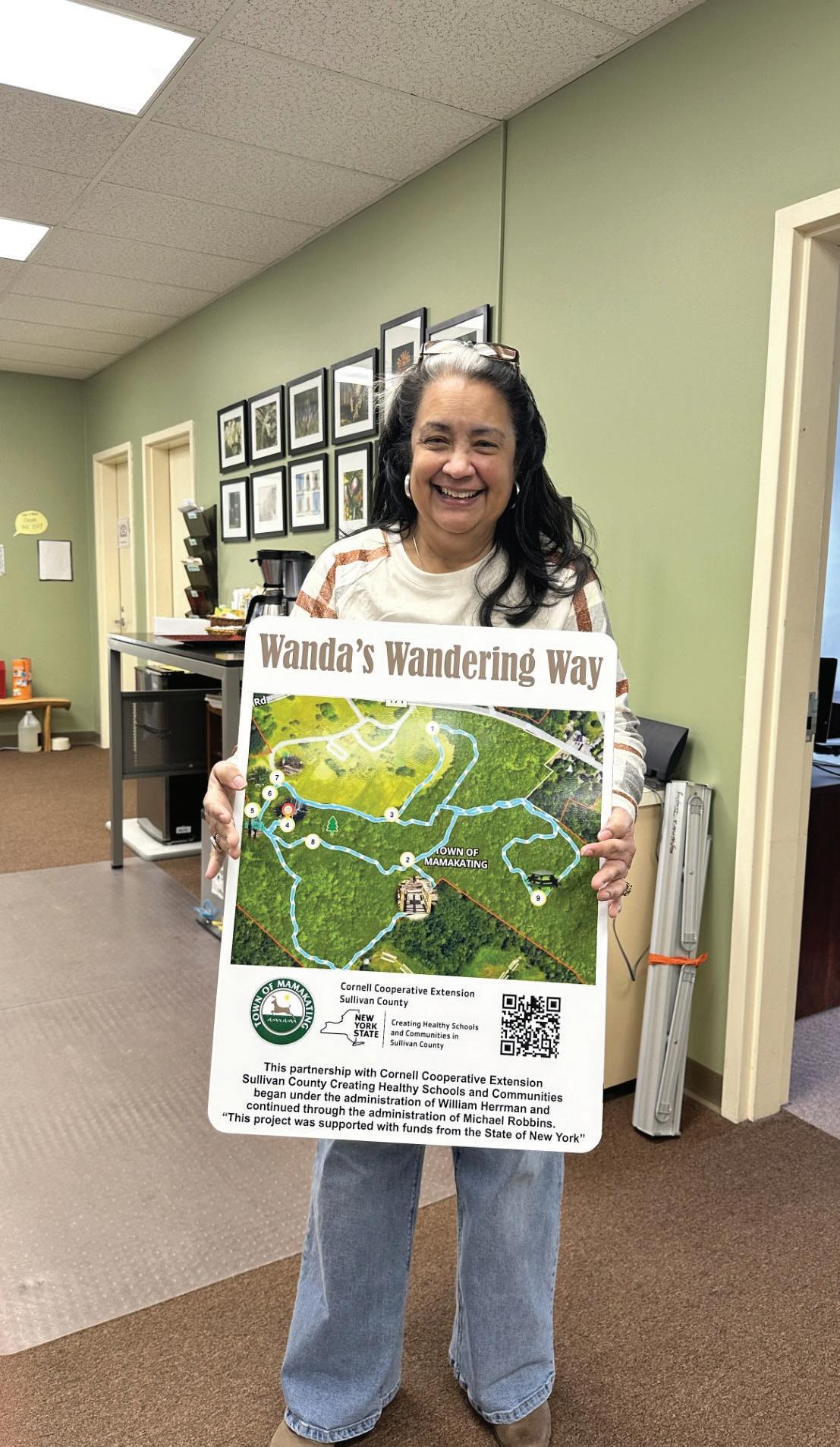
Many community members aren’t aware of just how much of an effect Creating Healthy Schools and Communities has had on the local townships. With this in mind, I asked Wanda to reflect on some of her successes over the years and showcase “Wanda’s Wandering Way,” named after her for her extended work on the project.
Q: You’ve done a lot for Sullivan County through the years! What are some of the tasks you’ve done throughout the community?
A. Assisted all local and county governments with drafting policies, community outreach and presentation related to
CHSC programing and polices that needed to be adopted in order to get started with project implementation.
B. Worked with the Town of Mamakating on
implementing signs, mulch and infrastructure for their trails, parks and Town Hall, thus making them accessible for pedestrians, cyclists, and four-legged family members. That included converting a wooded area into what is now a 9-access point trail called the Mamakating Fitness Trail.
C. Worked with the Town of Fallsburg and several partners on making their O & W Rail Trail more accessible by implementing bike and pedestrian infrastructure, directional signs that connect trail access points and destination locations through CHSC. We also provided kitchen equipment and other tools to support Food Service Guidelines at Municipal locations Building were food. That included 2 golf courses, 2 cafes and 2 concession stands as well as a Safe Routes to Schools project for an Orthodox School in South Fallsburg.
D. Coordinated the Safe Routes to Schools project, which partnerships presently include the Village of Liberty, Village of Liberty Police and their department, Liberty Central School District and a committee that includes youth and families from their school district. Their project included solar-powered
speed detector signs and Safety Pedestrian crossing signs throughout the business district and adjacent to Buckley Street which accesses the Liberty Middle and High Schools and signs pending to be installed in front the elementary school as well.
E. Assisted the Town of Thompson with color coding trail levels and providing directional signs that now prevent visitors from getting stranded thus avoiding emergency extractions that occurred prior to implementation. Other pedestrian and cyclist infrastructure were also provided.
Q: Sounds like there’s a lot to it! Are there parts of your work that you enjoy specifically that you’d like to share?
A. I love everything from the beginning to end that’s related to my work. The people I work with, the positive changes and implementations made through projects, events, and having the opportunity to see what it was to what it has become and still growing. The best of it all is knowing the positive impacts and accessibility for those who live, visit and grow within Sullivan County. It’s like looking at what was an empty canvas and is now filled with CHSC project implementations.
Q: Congrats on “Wanda’s Wandering Way!” Can you tell us who gave you the Wandering Way sign and why?
A. 10 years of working with the Town of Mamakating in turning a wooded/forest area into a trail (now known as the Mamakating Fitness Trail/MFT) which at this moment has 9 different access points and expected to keep on growing. This year we worked on directional signs with access points named after people who have been involved in this project since its beginning and have a personal connection with that access point. Wanda’s Wandering Way is an access point that in the past was not accessible but brought to my attention (on a scheduled pedestrian count event) by a person out of state who seasonally liked finding his way to that section for its serenity and beauty. He was so kind to show and send me a picture of such location. I asked Parks and Rec. to take me there and on several occasions I asked if they would consider making that area accessible to the public and they did.
Thank you again to Wanda for all the work you’ve done over the years to help keep our local communities healthy and safe!
TASTE THE SEASON: AUTHENTIC MAPLE SYRUP FROM UPSTATE NEW YORK
Written by Luciana Carvo, Program Assistant
Submitted by Jenna Gangel, Shop Taste NY Market Manager
The Taste NY program at the Hudson Valley Catskills Welcome Center & ShopTasteNY.com would like to invite you to join us in celebrating all things maple for the month of March!
Maple syrup is one of North America’s most iconic natural sweeteners, harvested each spring when sugar maple trees release sap for only a few short weeks. While Canada often gets the spotlight, New York has its own story to tell. Across the state, generations of family-run farms keep the syrup making process alive, blending Indigenous knowledge with modern methods.
It makes you wonder: how often do we stop to think about where our food comes from, or the people, the land, and history behind something as simple as what we pour on our pancakes?
This is that story.
Indigenous Knowledge: Paying Attention to the Land
Long before glass bottles and labels,
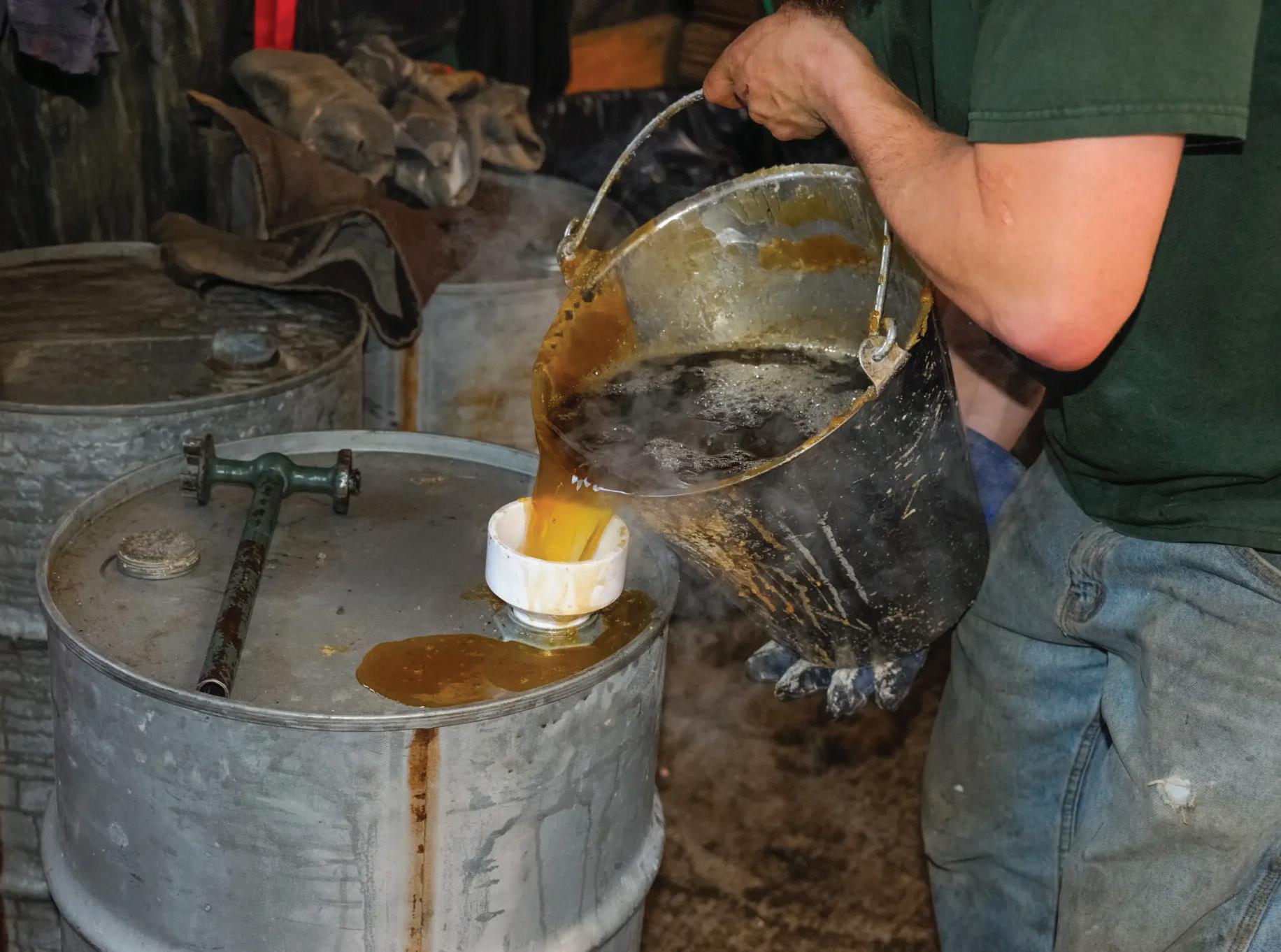

Even today, collecting maple sap takes patience – the hands-on work behind every bottle of small batch syrup.
the Haudenosaunee (Iroquois confederacy) and Algonquian nations understood what this region could offer. They recognized that New York’s vast sugar maple forests and precise freezethaw cycle created ideal conditions for sap flow, but only for a short, delicate window each year.
Walk those same woods today, and you can still pick out which trees they tapped. Come fall, sugar maple trees turn yellow and orange, while regular maple trees burn bright red. Season after season, the same signs guided Indigenous people to the right trees.
They used hand-carved stone tools to tap and collect sap, then slowly heated it over stones to concentrate it into syrup. Back then, maple syrup was more than just a treat. Its sugars actually drew moisture from meat, keeping it preserved through long winters. It softened the bitterness of herbal remedies, and in some cases, was applied to wounds for its soothing properties.
Settlers and Sugarhouses: Learning and Adapting
When European settlers arrived in New York in the 1600s, they learned the fundamentals of maple syrup production from
Indigenous people. Over time, they adapted the tools and methods, but at its core, the work remained demanding.
Each tree was tapped by hand, buckets filling slowly – sometimes overnight, sometimes not at all. Sap had to be collected daily, carried through snow and mud, and boiled down the same evening before it spoiled.
By the 1800s, many families built small sugarhouses and structured their lives around the short sap season. Weather determined everything. Some years were generous, and others were not.
Today, that work continues. But this tradition isn’t something that’s preserved in glass. It’s something people do, every season, on farms across New York. At Shop Taste New York, we bring the maple syrup tradition to you, connecting you to the farms, families, and smallbatch products that make up this centuries-old craft.
Why Buying Local Maple Syrup Matters
Most New York maple producers operate on a small scale. Many are family-run farms carrying generations of knowledge, now navigating modern challenges like climate
shifts and rising costs. Choosing local maple syrup means supporting these producers directly.
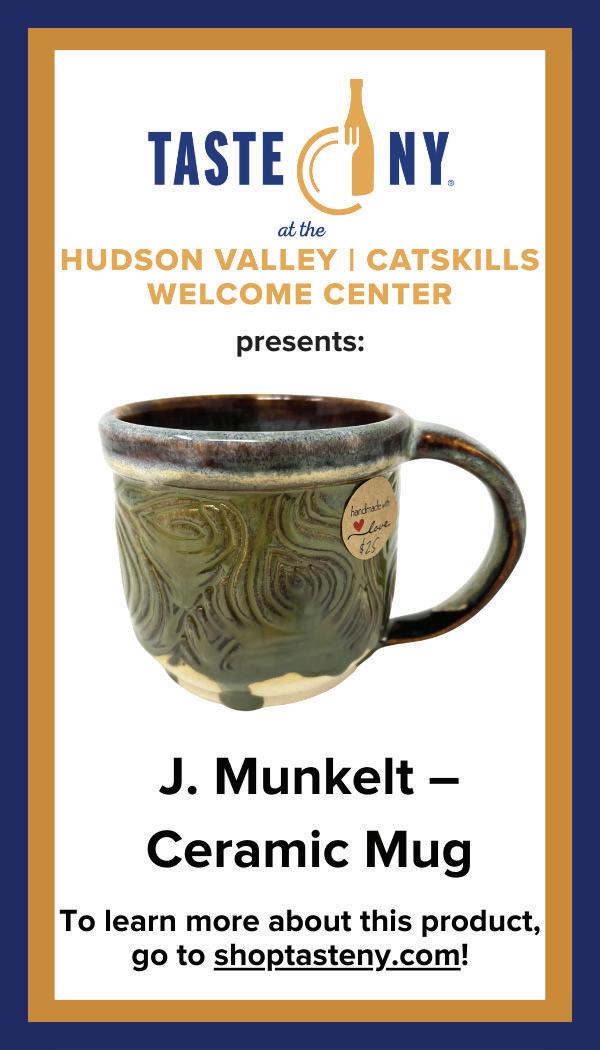
Shop Taste New York introduces you to these farms, offering products – from maple syrup to spreads and candies –that are ethically sourced, produced in New York, and selected to reflect the season, the land, and the care of the people who make them. We work directly with growers to highlight the small-batch flavors that best represent their farms and traditions.
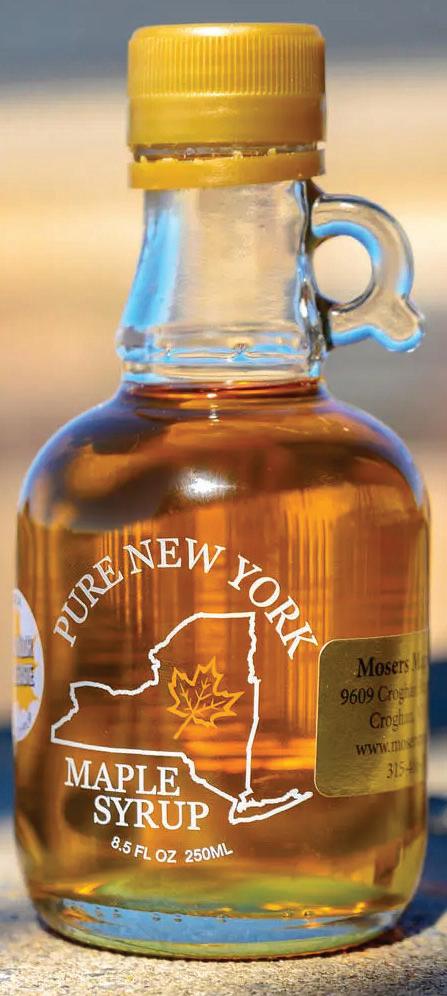
How to Spot Real Maple Syrup
Take a look at that bottle next to you. Ready? Let’s see if it passes.
1. One ingredient only: Look for “100% pure maple syrup.” If you see corn syrup or artificial flavors, put it back.
2. Check the color: Golden, amber, or dark…each shade has its own flavor, from mild to rich.
3. Smooth pour: Tilt the bottle. Real syrup flows easily and evenly, never thick or gummy.
4. Price clue: Great syrup takes time and care. If it’s suspiciously cheap, it might be too good to be true.
5. Look for origin: Labels like NY State Grown & Certified mean you’re holding syrup made by actual New York sugarmakers.
Understanding Grade & Color
You’ll notice every bottle of maple syrup has a grade and color. The grade? Always Grade A– that’s the standard for quality in stores. The color, though, is what tells the story. Here’s what each shade means:
Golden Color: The first sap of spring makes this light, golden syrup with a gentle, sweet flavor. Perfect on pancakes and yogurt.
Amber Color: This color has a rich taste. As the season progresses, the

syrup deepens to a fuller maple flavor. Works beautifully in maple cream and candies.
Dark Color: Towards the end of the season, the syrup develops a robust, bold, full-bodied flavor. Ideal for maple flavor lovers, and great for cooking.
Very Dark Color: Harvested at the end of spring season, this final batch is deep and intense. It holds up well in sauces, glazes, and baked goods.
Experiment with Flavor
So you know how to spot real maple syrup. Now here’s where it gets interesting.
From its earliest days, maple syrup has been shaped by necessity, ingenuity, and adaptation. That same instinct drives New York producers today, as they experiment with flavor while staying grounded in tradition.


One of those ways is barrel-aged maple syrup. After rye whiskey, bourbon, or rum finishes aging, the emptied barrels still carry traces of oak and spirit. Instead of discarding them, distilleries partner with maple producers, who fill those barrels with pure maple syrup and let it to rest for weeks or months. Over time, the syrup
Sunny morning, pancakes, coffee, and a drizzle of New York maple syrup to make it feel like a little celebration!


We invite you to test yo ur m ap l e k now l e d ge by correct ly answeri ng our maple related trivia question on our social s. You may be the winner of our special discount coupon ! For everyone else, our prog ram will be celebratin g Ma pl e Month with a sale on maple pro d ucts a ll t h rou gh M arc h




for you or your loved ones.
Facebook post: post:

Other producers take a different approach, building flavor after the syrup is drawn and finished. Infusions can deepen or brighten maple syrup’s natural flavor without masking it. Whole fruits and warming spices add depth. Dark chocolate melted in slowly rounds out maple syrup’s sweetness. At Shop Taste New York, we’re drawn to maple syrups that carry these creative twists –familiar yet intriguing. An invitation to experience maple syrup in new ways without losing sight of where it comes from.

Instagram post:



emerges with layers of warmth and spice.
This exchange between the distilleries and maple producers reflects the importance of keeping strong community ties, even among producers. Distilleries extend the life of their barrels, and maple producers gain a new layer of flavor without altering the syrup itself. Flavor here comes from people working together, passing materials along, and letting nothing go to waste.
Bring it Home and Make it Your Own
Choosing New York-based maple syrup goes far beyond your breakfast. It becomes part of daily rituals, shared meals, and thoughtful gifts. At our online store, you can make your own customizable maple gift box that satisfies your sweet tooth. Have trouble deciding? Start with a bottle of Finding Home Farms maple syrup, then add maple candies, spreads, or other pantry items to create a personalized gift
Shop Taste New York makes it simple to bring the distinct flavors of New York’s farms to your home. With each bottle, you’re connecting to the farmers, the land, and the generations of care that make New York maple syrup truly special. It’s a way to support rural communities, preserve local history, and enjoy the genuine taste of the season – because your choice matters.
Adapted from:
Carvo, Luciana.“Taste the Season: Authentic Maple Syrup from Upstate New York.” Shop Taste NY, February 20, 2026. https://shoptasteny.com/taste-the-seasonauthentic-maple-syrup-from-upstate-new-york/.
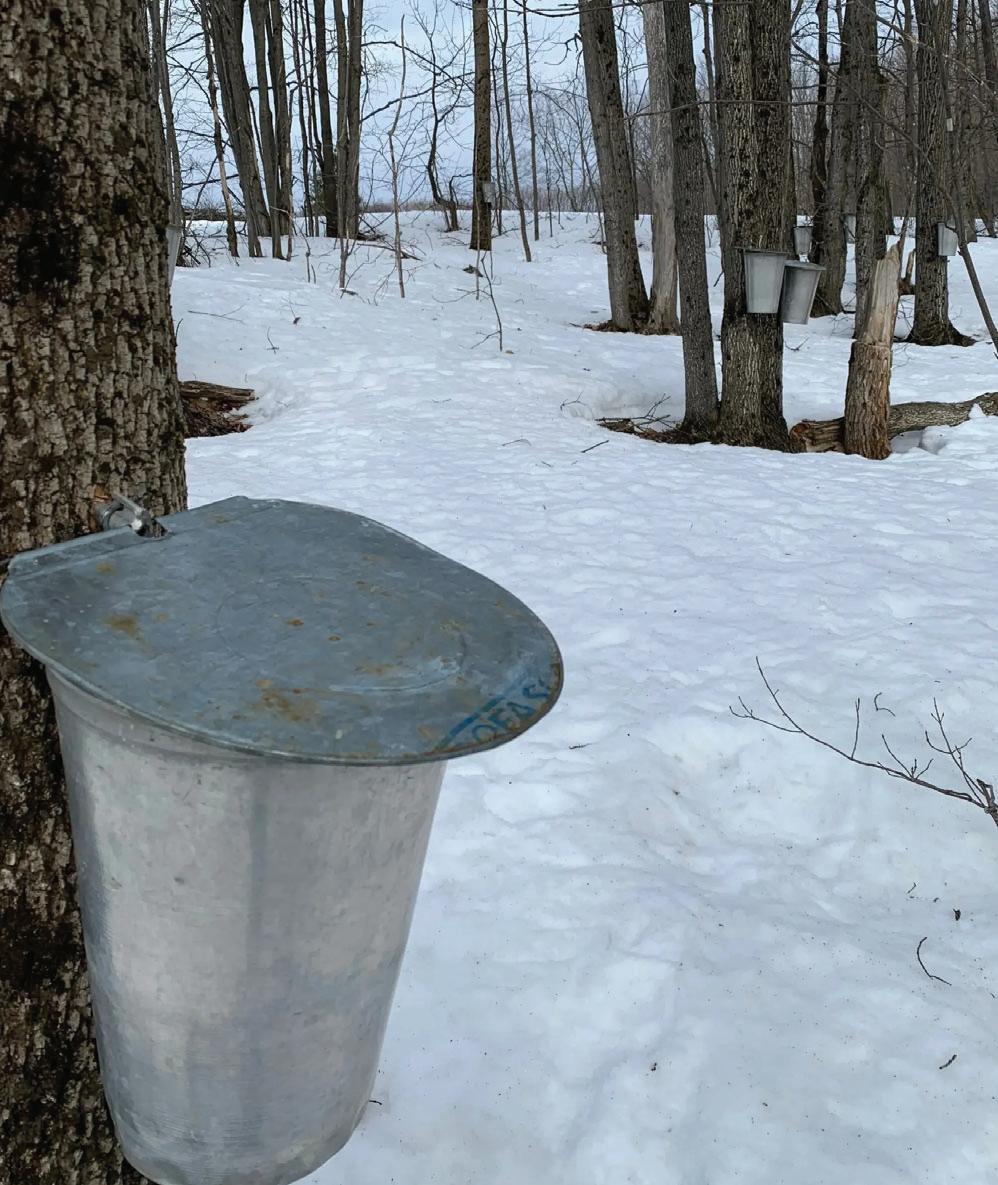

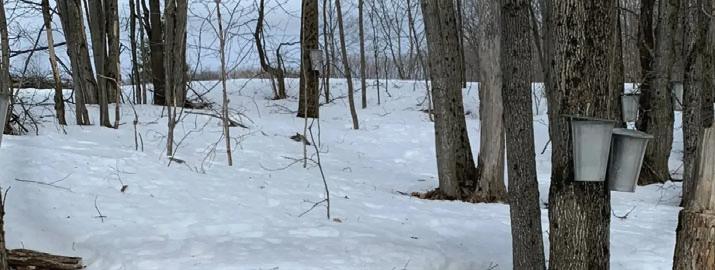
Sugar maple trees tapped at the edge of winter.

4-H PUBLIC PRESENTATIONS
Written
and submitted by
Barbara Moran, 4-H Youth Development Program Manager
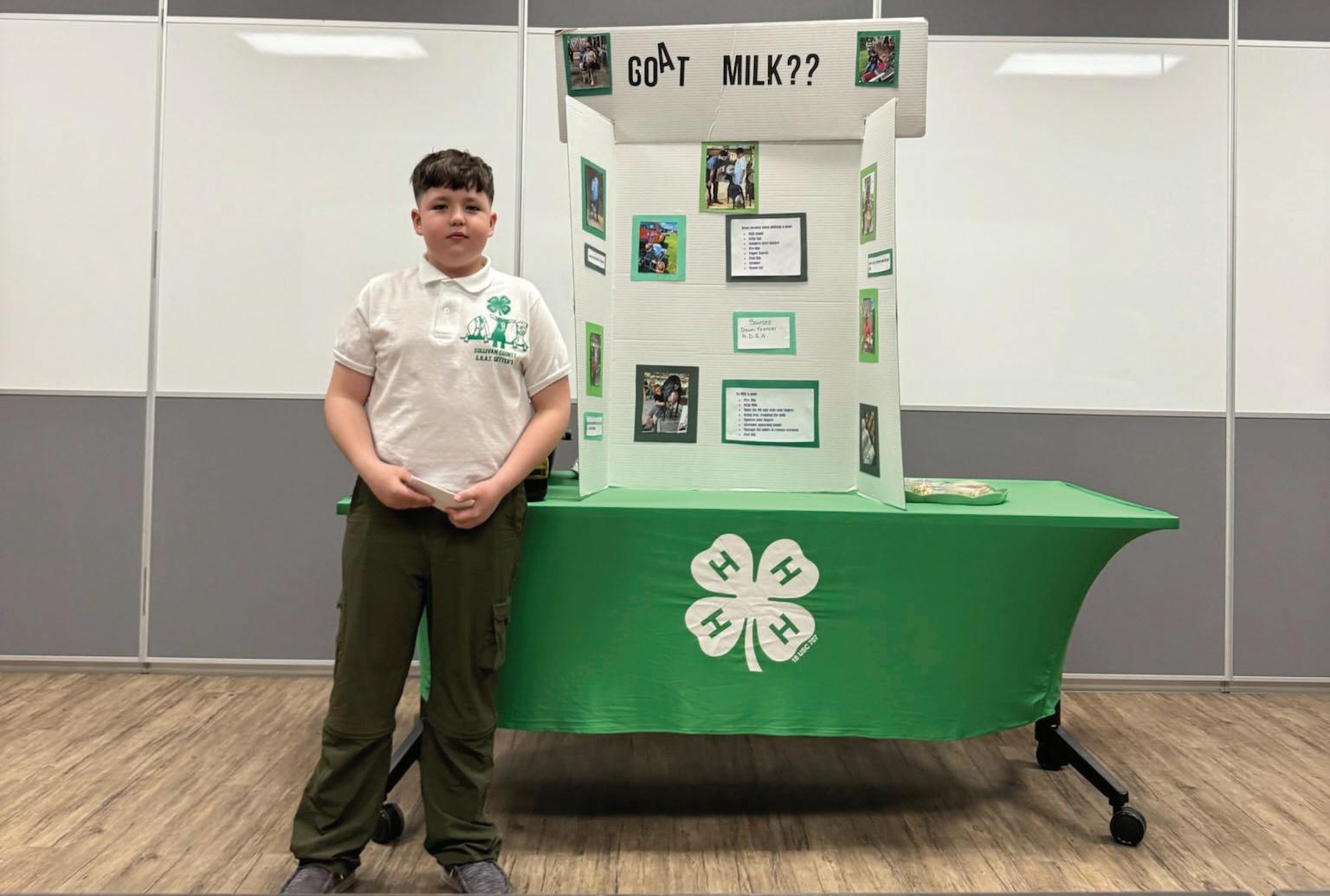
4-H Presentations are one of the most successful ways to help a young person learn how to do a public speech. They focus on 4-H’ers teaching others what they know about a particular project/subject matter. They can be formal speeches, illustrated talks, or demonstrations.
s


p erson learn how to do a p ublic s p eech. They focus on 4-H’ers teachin g can be formal s p eeches, illustrated talks, or demonstrations .
Public Presentations are used in 4-H by both leaders and members as ways of sharing information, teaching poise and gaining selfconfidence. Through public presentations, 4-H members learn to: organize their ideas and present them in a logical order, research subjects, develop confidence in themselves, listen to the opinions of others. 4-H members develop confidence, poise, self- esteem and knowledge. You can also help 4-H members view public presentations as a non-threatening and useful part of the overall 4-H experience. This year’s public presentations will take place March 9th through March 27th. To find out more about public presentations and Sullivan County’s 4-H Youth Development program, visit

s g



4 H Goat Workshop Series
2/6/26: Oh Baby!
Get ready for kidding & lambing season! Topics to include late gestational care, delivery & newborn care. Learn how to put together a kidding kit for the big day!
3/6/26: Hands On Round Robin Clinic
Get hands on experience! Topics to include: ear tagging, tattooing, castration, and injections/vaccinations!
4/3/26: Keep Healthy!
Learn all about the proper nutrition needed to keep your project animal healthy! Fun hands on activities will teach you about the goat digestion as well as how to balance a ration.
1
2
3
4
5
6
ANSWERS
Raw milk is milk that has not been pasteurized. Pasteurization removes dangerous bacteria from the milk without compromising milk’s nutritional benefits.
A vegetarian eating style can meet nutrient needs, including protein, for adults across all activity levels, if it’s well-planned and includes a variety of foods and adequate calories.
Current research supports using seed oils as part of a balanced diet, particularly as alternatives to saturated fats. As with any fat, seed oils are best used in moderation alongside a diet that emphasizes whole, minimally processed foods.
Foods and beverages that contain naturally occurring sugars, such as fruit, milk and yogurt provide important nutrients. In comparison, foods and drinks with added sugars, such as desserts and soft drinks, often contain no beneficial nutrients.
Although the body can’t use fiber efficiently for fuel, it’s an important part of a healthy diet. Fiber may help reduce cholesterol levels, help us to feel full longer, help with blood sugar control and improve digestive health.
Consuming low-mercury fish, one to two times per week, is recommended for individuals who are pregnant or breastfeeding. Moderate scientific evidence suggests that consuming lower-mercury fish during pregnancy and breastfeeding can help with baby’s cognitive development.
7 Using soap is important to fully remove bacteria and other germs from hands each time you wash your hands.
8
9
Research has shown that even a little physical activity is better than being sedentary.
For most people, nutrient needs should be obtained through food sources. When a person’s diet is lacking in certain foods and nutrients, a vitamin or mineral supplement may be required. There are also higher requirements in some cases, such as during pregnancy or with a diagnosed deficiency. Always check with a health care provider before taking a dietary supplement. FICTION
10 Registered dietitian nutritionists, also known as RDNs, are the food and nutrition experts. RDNs work in a variety of settings and help people live healthier lives. FACT
MARCH IS BRAIN
INJURY AWARENESS MONTH….LEARN HOW TO PREVENT TRAUMATIC BRAIN INJURY (TBI)
Written and submitted by Nancy McGraw, Team Leader & Caregiver Resource Center Educator
Did you know that…
• March is Brain Injury Awareness Month?
• Every 9 seconds, someone in the U.S. sustains a brain injury?
• At least 64 million Americans have experienced a brain injury?
• The average life expectancy of people with a TBI is 9 years shorter?
• Every year, 1 in 10 children experiences a TBI?
(Brain Injury Association of America, www.biausa.org/ facts )
Traumatic brain injury (TBI) results from an impact to the head that disrupts normal brain function. TBI may affect a person’s cognitive abilities, including learning and thinking skills.
Falls are the most common cause of TBI, and falling poses an especially serious risk for older adults. According to the CDC, approximately 1 in
4 Americans ages 65 and over reports falling each year. Falls lead to 3 million emergency department visits per year. Those ages 75 and older are three times as likely as those between 65 and 74 to be hospitalized from a fall. Men are twice as likely to be hospitalized as women.
When a person over 65 years old sustains a serious TBI in a fall, direct effects of the injury may result in long-term cognitive changes, reduced ability to function and changes in emotional health. Older adults who experienced loss of consciousness after a TBI were 28% more likely to report subjective memory impairment than seniors who did not experience a TBI. (Alzheimer’s Association, www.alz.org )
Home safety and dementia
Use the Alzheimer’s Association’s online tool, ALZNavigator™, and get a personalized action list on how to prevent falls and make your home safe for someone with dementia. https://www.alz.org/ help-support/resources/ alznavigator
Measures to reduce the risk of falls include:
• Using a walker or
other assistive device to compensate for mobility problems, muscle weakness or poor balance.
• Having your vision checked regularly and using glasses or contact lenses that correct for changes.
• Working with your doctor to watch for medication side effects or interactions among drugs you’re taking.
• Avoiding household hazards, such as clutter, loose rugs or bad lighting.
Other measures to reduce the risk of traumatic brain injury:
• Protecting your head by wearing a helmet and other protective equipment when biking, skating, riding ATVs, riding horses, or playing contact sports.
• Keeping your vehicle in good repair, following the rules of the road by driving safely, and buckling your seat belt.
Sources:
Alzheimer’s Association,Traumatic Brain Injury (TBI), retrieved from https://www.alz.org/alzheimersdementia/what-is-dementia/related_conditions/ traumatic-brain-injury#preventing.
Brain Injury Association of America,“Brain Injury Facts & Statistics”, Infographics retrieved from www.biausa. org/facts.



Researchshowsthereareeverydayhabitsyoucanbuildtodayto helpprotectyourmemoryandthinkingasyougetolder-even reducingyourriskofcognitivedeclineandpossiblydementia.
Joinustolearnabout:
Healthyhabitsforyourbrain,likeexercising andeatingright.
Thebrain-heartconnection.
Whybrainhealthisimportantatallages.
Buildingyourpersonalizedactionplanfor brain-healthyhabits
Date:Tuesday, March24,2026 Time:1:00pm-2:00pm









I am a full time resident of Sullivan County I am a seasonal resident from____________________to______________________
*Name:____________________________________________
Company:__________________________________________
*Address:____________________________________________
*City:___________________ *State:_______*Zip:__________
*Phone:______________________________________________
E-mail:_______________________________________________
CCESC Community Group:_______________________________
CCESC has my permission to use photos of me for marketing and educational purposes.
New Enrollee Renewal
I would like to receive my Extension Connection
Magazinevia: E-mail Mail E-mail saves important funds for programming
I would like to make an additional contribution to Cornell Cooperative Extension in the amount of:
Interests
I am a weekend resident
I am retired
I am a student
I am a(n) _________________________________farmer I am a veteran
I don’t live in Sullivan County but I work or visit often
What programs would you like to receive opportunities for (check all that apply)?
Agriculture & Food Systems
Community & Economic Vitality
Environment & Natural Resources
Nutrition & Healthy Families
Youth & Family Development
Demographic Data (OPTIONAL)
Demographic data is an important tool that informs our organization about our members so that we can better serve the people of Sullivan County. This information is maintained in a secure database and only used for reporting and program planning purposes. This is optional.
Please select all thatapply to you.
Ethnicity & Race
Asian
Black/African American
Demographics
Hispanic/ Latino/a Native American/ American Indian Other
Pacific Islander
White/ Caucasian
Gender Identity
Female
Male
Gender Not Listed