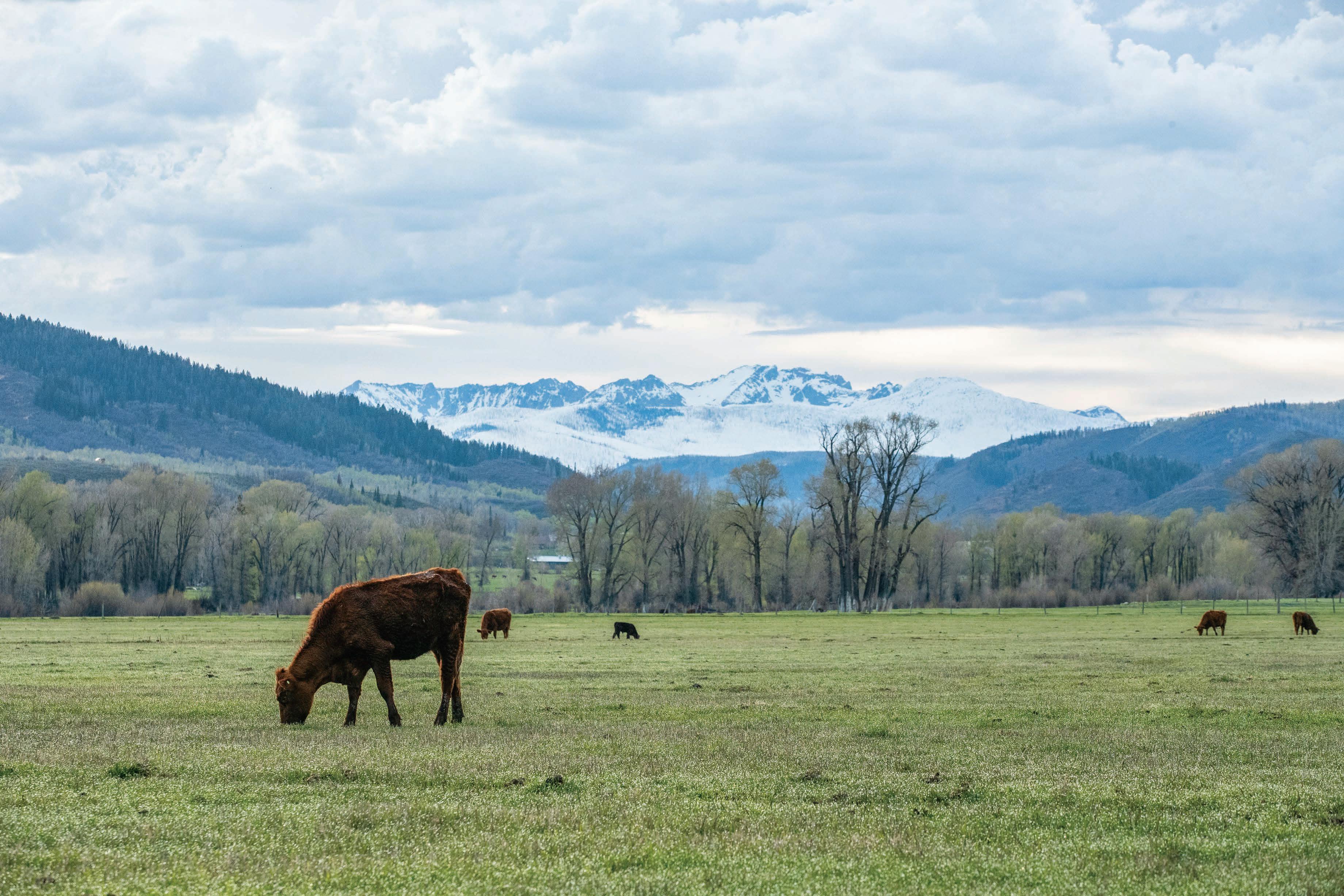
There is a word that will guide everything CCALT does in 2026. That word is gratitude. Gratitude to the more than 500 farm and ranch families across Colorado who have chosen to partner with CCALT in the conservation of their farms and ranches. They wake up every morning and, through their stewardship, their land ethic, and their commitment to the soil beneath their feet, bring the mission of CCALT to life in the most real and meaningful way possible. Gratitude to our partners, whose collaboration strengthens every project we undertake. And deep, enduring gratitude to our donors, whose investment in conservation makes the work possible.
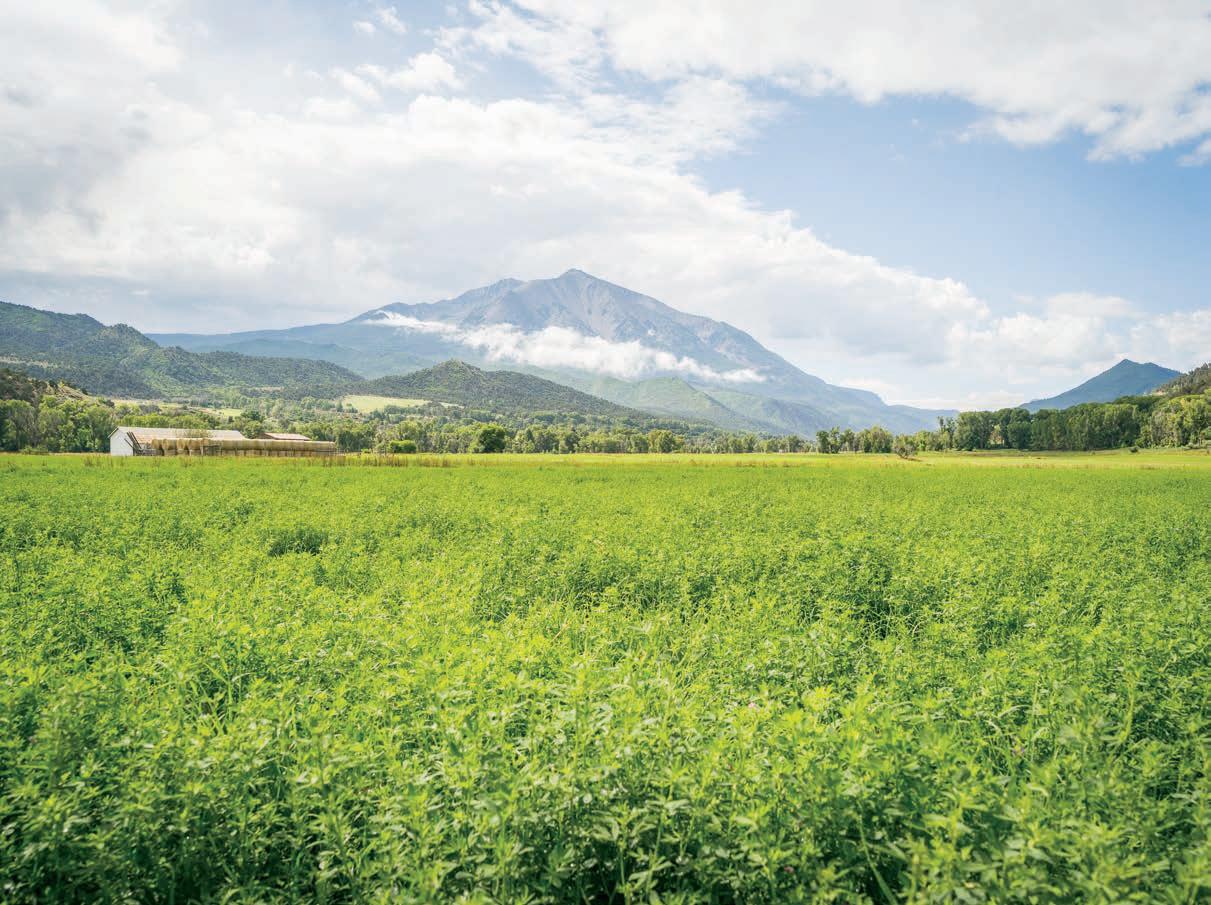
This is a year unlike any other in CCALT's history. We are closing in on a benchmark that the founders of CCALT could never have imagined: one million acres of conserved working lands. Today, we are approximately 150,000 acres away from achieving that milestone. When we cross that threshold it will represent not just a number, but a testament to the conservation and stewardship ethic of Colorado’s farm and ranch families.
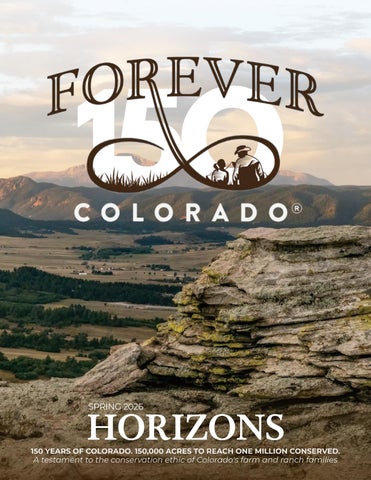
In 2026, Colorado celebrates its 150th birthday. That CCALT stands just 150,000 acres short of one million in the same year Colorado turns 150 is a convergence worth pausing to appreciate. These twin 150s tell a story about who we are as a state: a place where natural beauty and western heritage are not relics of the past, but living values — tended daily by the families at the heart of our work.
Looking ahead, we are also energized by a renewed sense of strategic purpose. In December 2025, CCALT's board adopted an updated Strategic Plan — a thoughtful, ambitious roadmap that charts our course across four interconnected priorities: Conservation, Stewardship, Capacity, and Advocacy The plan reflects our commitment to best-in-class project management, modern stewardship practices, organizational resilience, and a stronger voice for the landowner in the design of conservation. You can read more about the plan in this issue, but at its core, it reflects a simple conviction: that the families and landscapes we serve deserve an organization that is always getting better.
We are committed to that.
We invite you to be part of this extraordinary chapter in CCALT's story. Whether you are a landowner considering conservation options, a long-time donor, or someone discovering our work for the first time, there has never been a more meaningful moment to get involved. Help us reach one million acres and beyond. Help us honor the more than 500 families who have partnered with CCALT to ensure their land remains productive and working. Help us ensure that the landscapes that define this state — and the heritage they represent — endure for generations to come. And, most importantly, help us continue to serve the farm and ranch families that steward a vast majority of Colorado’s private lands.
Thank you for reading, for caring, and for being part of what makes this work possible. On behalf of the landowners, the land, and the entire CCALT team — we are grateful to you.
With gratitude and Forever Colorado,
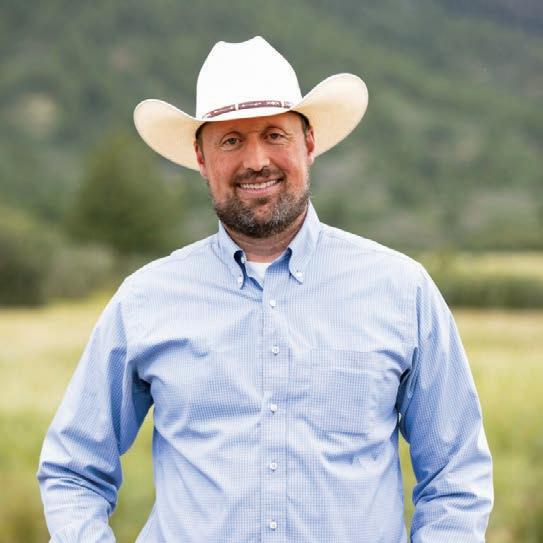
Erik L Glenn | Chief Executive Officer
CCALT recently welcomed to its Board of Directors three new members who bring extensive experience in production agriculture and working lands conservation (alphabetically): Patrick “Pat” Karney, Erin Michalski, and Sallie Miller. Their appointments to the CCALT Board of Directors began in January and will last until the end of FY28/29 (June 30, 2029), after which they may be reappointed for subsequent terms.
In addition, CCALT recognizes the distinguished service and lasting contributions to working lands conservation made by outgoing Board members John Braly, Jay Fetcher, Jen Livsey, and Ben Rogers, whose terms expired December 31, 2025.
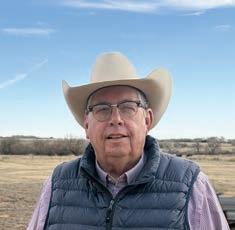
Patrick “Pat” Karney is a sixthgeneration rancher from Las Animas, CO, with a lifelong commitment to conserving working landscapes and sustaining rural communities in Colorado and beyond. He began working in his family’s feed mill at age 17 while earning an accounting degree from the University of Southern Colorado (now CSUPueblo). After assuming ownership of the business, Pat and his wife, Robin, sold the operation and purchased a ranch near Las Animas, where they continue their ranching tradition. He brings decades of leadership experience across numerous agricultural and conservation organizations to CCALT
JA Ranch in Larkspur is the location for the 2026 Forever Colorado BBQ on Saturday, August 15th. Tickets to go on sale May 1, 2026.
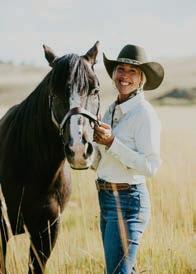
Erin Michalski is a Colorado native, lifelong agricultural advocate, and partner in her family’s multigenerational Eagle Rock Ranch, a high mountain working cattle ranch in Park County. Raised in Denver and active in Arapahoe County 4-H from the age of 11, Erin developed an early appreciation for land stewardship, livestock, and the importance of preserving working landscapes. She earned a degree in finance from the University of Virginia and spent 17 years in New York City working at UBS Investment Bank before returning home in 2016 to play an active role in the family ranch. Today, Erin is involved in ranch operations, direct-toconsumer beef marketing, and long-term planning, balancing the economic realities of modern agriculture with conservation-minded land management.
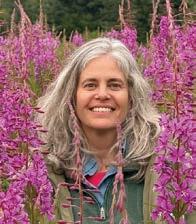
Sallie Miller is from Briggsdale, CO, and is a partner in Croissant Red Angus with her husband, Kevin, along with Austin and Katie Fischer. In addition, Sallie has worked for American AgCredit, a member of the Farm Credit System, for 25-plus years and currently serves as Director of Corporate Underwriting for the Feedlot and Dairy Sector. In this capacity, she has had the opportunity to learn about a variety of agricultural operations, as well as the importance of ensuring agricultural lands remain in production and are viable parts of the community. Sallie has been actively involved with several agfocused organizations and served as President of Colorado CattleWomen and as a Director on the Colorado Beef Council Board.
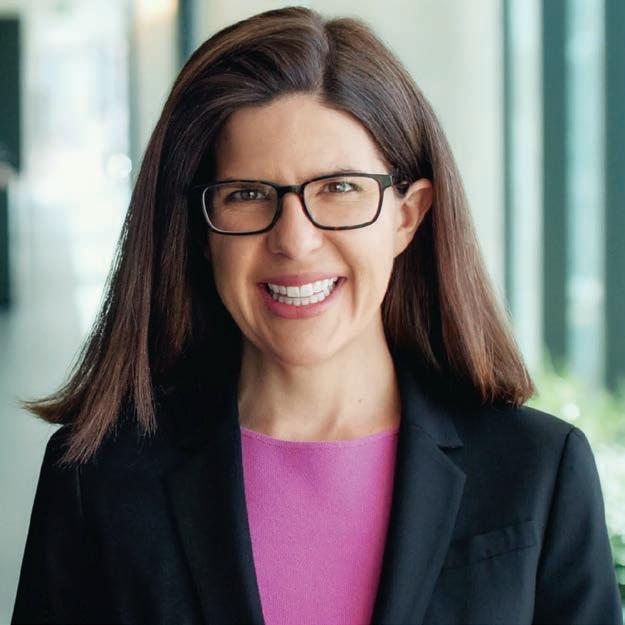
As Stacy Kourlis Guillon prepares to conclude her service as CCALT President in June, she reflects on what it has meant to lead the organization during such a pivotal moment in its continued growth, and the importance of serving agricultural families who share our commitment to the conservation of working lands.
What has it meant for you to serve as President of CCALT, particularly given your family’s deep history and connections to production agriculture in Colorado?
CCALT has allowed me to serve Colorado's agricultural community. My childhood on a sheep and cattle ranch in rural Colorado shaped me and influences the choices I make every day. I have a deep affection for ranchers and farmers, and I am so grateful to them for the service they provide to us all. The opportunity CCALT has given me to support producers and their agricultural operations –which help make Colorado what it is and what I want it to continue to be – has been a true privilege. Though I became a board member and later president intending to give back, CCALT's top-notch board, staff, and stakeholder community have taught and inspired me so much that I have gotten more than I have given.
What would you cite as being the major accomplishments for CCALT during your tenure as President?
I respect that CCALT does not chase the next golden ring; through changes in board leadership, staff, and circumstances, it stays focused on serving agricultural families looking to conserve their land – and, by
extension, serving all Coloradans. In the last two years, CCALT has both celebrated its accomplishments over the thirty years since its founding and demonstrated its fortitude going forward, as it has gracefully weathered federal funding challenges that threatened many nonprofits. In fact, CCALT has done more than weather those challenges – it has excelled, nearing the milestone of 1,000,000 conserved acres. It has also expanded the services it offers, creating innovative new tools to promote conservation that benefits agricultural producers and Colorado's environment.
CCALT often talks about the importance of partnerships and its commitment to working in close partnership with landowners, conservation organizations, and other stakeholders. Why are partnerships so fundamentally important to CCALT?
At its core, CCALT is a service organization. We serve agricultural producers and all Coloradans by conserving Colorado's western heritage and working landscapes. Accomplishing that important mission requires broad collaboration. CCALT is so special because it is a place where people from different parts of the state, life experiences, and political ideologies come together. That's not always easy, but it is essential to the work we do. First, we need strong relationships with landowners,
giving them the confidence that their perpetual partner understands and values agricultural production. And we need strong relationships with producer organizations, especially the Colorado Cattlemen's Association, our founder. But easements require a lot more than the producer community's willingness; we need strong relationships with government agencies and funders who make easements possible. More broadly, we innovate to improve and expand agricultural conservation in Colorado and beyond, and, to do that, we need strong relationships with our peer land trusts and other conservation organizations. Conservation is complex, and doing it well requires bringing together a diverse and talented team of supporters. CCALT's focus on strong partnerships makes that possible.
As you look to the future, what challenges and opportunities do you see for CCALT and working lands conservation in Colorado and beyond?
To the people of Colorado, what is your message about the importance and impact of working lands conservation?
Agricultural conservation benefits all of us. Because open space is so integral to Colorado, we tend to take it for granted. But we should not. Those scenic vistas we all enjoy are not guaranteed. And undeveloped lands offer a lot more than views and the rewarding experience of being in nature. They supply clean air, clean water, wildlife habitat, local food and fiber, and more. Keeping that intrinsic part of Colorado intact requires conserving agricultural lands.
And to the farming and ranching families of Colorado who have voluntarily chosen to conserve their working landscapes through a conservation easement and have placed their trust in CCALT in doing so, what is your message?
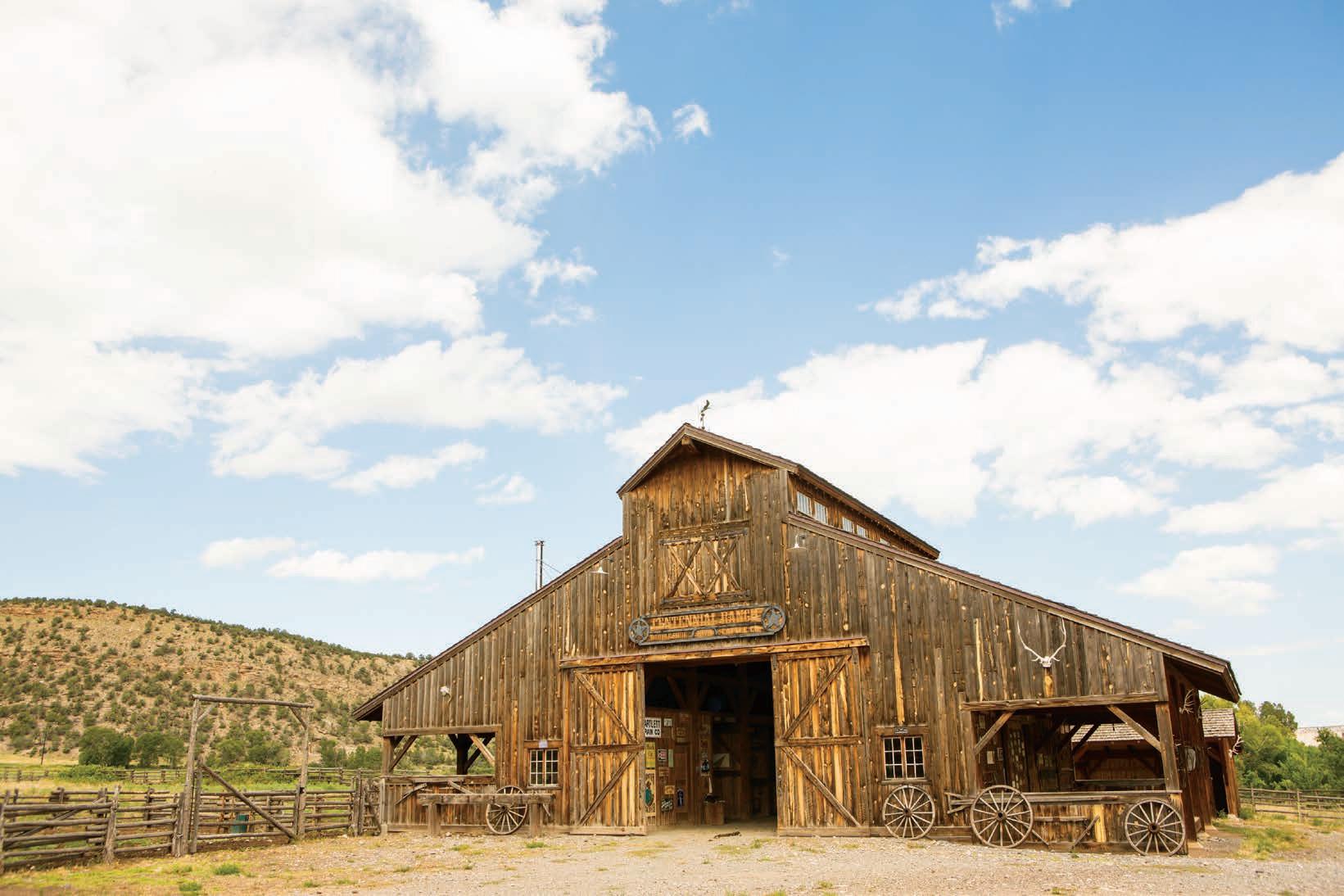
To adapt and respond to the ever-changing landscape of agriculture in Colorado, and to continue meeting the conservation needs of farm and ranch families, CCALT recently updated its Strategic Plan.
We encourage you to take a few minutes to review the plan, which can be found on the CCALT website at: ccalt org/strategic-plan/
CCALT is guided by its Mission: We partner with landowners to conserve and steward Colorado’s working landscapes and agricultural heritage for the benefit of all Coloradans
Our Vision: CCALT seeks to build a future where Colorado’s working lands, farm and ranch families, and rural communities thrive – ecologically, economically, and culturally.
Our Priorities: Conservation Stewardship Advocacy Capacity
The plan seeks to remind us of the values that drive the work we do This also acts as an invitation for everyone in Colorado – and beyond – who appreciates the importance of the working landscapes, scenic vistas, open spaces, and agricultural heritage that make our state so very special to join us in keeping it Forever Colorado.
As we look to the year ahead, our team is excited by increased opportunities
CCALT's Additive Conservation Program, led by Senior Additive Conservation Manager, Kathleen Voight, develops new tools and opportunities to support the economic, operational, and ecological resiliency of working lands. The Additive Conservation Program supports landowners who are interested in pursuing ecosystem service markets (e.g., carbon offset markets, habitat credit markets, etc.) and also landowners looking to advance other conservation projects on their land (e.g., water infrastructure improvements, wildfire mitigation projects, fencing projects, grassland restoration, etc.).
The Emery-Wilhelm Family Agricultural Resiliency Fund (ARF) helps advance additive conservation projects by providing landowners with direct financial assistance for restoration and enhancement projects on working lands. CCALT, in collaboration with generous private donors, recently developed and implemented a relief effort through the ARF to provide funding for landowners impacted by the Elk and Lee Fires in Rio Blanco County. These funds supported post-fire recovery projects including the replacement of lost fence, the reseeding of rangelands, and the improvement of water infrastructure to address post-fire flooding. Applications for the next round of funding through the ARF will open in May, with an application deadline in October.
For more information about the ARF and CCALT's Additive Conservation Program, please go to ccalt.org/landowners or contact Kathleen Voight, Senior Additive Conservation Manager at kathleen@ccalt.org.
for landowners to have the resources they need to continue doing what they love.
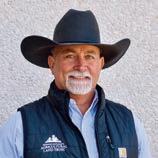
Recently recognized as one of Denver Business Journal's Leaders in Agriculture, CCALT's Stewardship Manager, Dan Skeeters, leads CCALT’s Land Transfer Navigators Program, which provides succession planning resources to help landowners prepare for the future.
Approximately 300 million acres of U.S. agricultural land – about 1/3 of the total – is expected to change hands in the next 20 years, adding to the importance of proactive succession planning.
CCALT’s next Succession Planning Workshop will be held at the Colorado Cattlemen’s Association Convention in Loveland on Wednesday, June 24. To attend the workshop, please register through the CCA website (www.coloradocattle.org).
CCALT, in collaboration with Ranching for Profit, will host an exclusive 4-day succession planning intensive course, Ranching for Generations, in Lakewood the week of December 7, 2026.
Grants of up to $10,000 are also available through the American Farmland Trust for professional services to support a farm/ranch transfer or to purchase/improve infrastructure and equipment essential to transitioning your agricultural operation.
For more information on any of these programs, reach out to Dan Skeeters at succession@ccalt.org.
Tickets to go on sale May 1, 2026. For questions or sponsorship opportunities, email tate@ccalt.org L
For CCALT, it is the greatest possible privilege to work in partnership with families from across Colorado to conserve the working landscapes, open spaces, and scenic vistas that make our state so very special.
This meaningful work is made possible through the generosity of donors who empower our mission and inspire us with their commitment and vision.
This spring and summer, as the need for conservation services continues to grow, as Colorado celebrates its 150th birthday, and as CCALT continues moving closer to reaching the One Million Acre benchmark in conserved working lands, we kindly ask you to please consider making a gift that will ensure this meaningful work continues. Thank you!