YEARS THIRTY OF WORKING IN PARTNERSHIP TO CONSERVE COLORADO
BOARD OF DIRECTORS
PRESIDENT
Stacy Kourlis Guillon Sedalia, CO
TREASURER
Tawny Halandras RH Ranch Meeker, CO
SECRETARY
Lee Rooks
Rafter 26 Ranch
Buena Vista, CO
VICE PRESIDENTS
Tom Stoever
Arnold & Porter
Kaye Scholer LLP Denver, CO
Chancy Love Denver, CO
John Braly Mason and Morse Ranch Company Monte Vista, CO
Frank Daley Single Tree Ranch Newcastle, CO
Ben Duke Fire Rock Ranch Elizabeth, CO
Jay Fetcher Fetcher Ranch
Steamboat Springs, CO
Billy Gascoigne Ducks Unlimited Fort Collins, CO
Jen Livsey Flying Diamond Ranch Denver, CO
EX OFFICIO MEMBER
Rye Austin
Malone Family Land Preservation Foundation Denver, CO
Jeff Pyatt Pyatt Lending Company Seattle, WA
Ken Mirr Mirr Ranch Group Denver, CO
Ben Rogers Russell Ranch Meeker, CO
Sara Shields San Isabel Ranch Westcliffe, CO
Sandi Turecek Stacked Lazy Three Ranch Deer Trail, CO
Legal Counsel Larry Kueter Denver, CO
Legal Counsel David Kueter Denver, CO
Erin (Karney) Spaur, Executive Vice President of Colorado Cattlemen’s Association
EMERITUS DIRECTORS:
Sue Anschutz-Rodgers Carbondale, CO
Reeves Brown Granby, CO
Tom Compton Hesperus, CO
Bill Fales Carbondale, CO
Terry Fankhauser (Posthumously)
A LEGACY OF PARTNERSHIP
30 YEARS OF CONSERVING COLORADO’S WORKING LANDS
Dear Friends,
Over the past 30 years, the Colorado Cattlemen’s Agricultural Land Trust (CCALT) has helped transform the very way land conservation is understood in Colorado and beyond. What began as a movement focused primarily on natural resources — scenic views, wildlife, and open space — has grown into an approach that places equal emphasis on the people who steward those resources. By recognizing that conservation is as much about human resources as it is about natural ones, we have been able to build stronger and more resilient partnerships with farm and ranch families, funders, conservation partners, and supporters. Building on this peoplecentered foundation of conservation, we can look back with pride on the milestones of CCALT’s first 30 years and the partnerships that made our work possible, and look ahead to what the future will hold for CCALT and private land conservation.
LOOKING BACK
Kirk Hanna (Posthumously)
Dale Lasater (Posthumously)
Penny Lewis Denver, CO
Joanne Sinclaire Sedalia, CO
Thirty years ago, the Colorado Cattlemen’s Association (CCA) made a bold and visionary decision to create a land trust dedicated to meeting the conservation needs of Colorado’s farming and ranching families.
Chief Executive Officer
Erik L. Glenn
At the time, it was a novel idea. Today, that decision stands as one of the most consequential choices ever made in support of working lands conservation anywhere in America.
In the years since, CCALT has partnered with more than 400 families to conserve
over 810,000 acres of working agricultural land, open space, and wildlife habitat — a scale of conservation that is larger than the state of Rhode Island. Along the way, we forged a partnership with the Sand County Foundation and CCA to establish the Leopold Conservation Award, celebrating land stewards whose work embodies Aldo Leopold’s land ethic. We helped found the Partnership of Rangeland Trusts in 2004, strengthening collaboration among agriculture-focused land trusts working across the West.
We were humbled to be recognized nationally with the Land Trust Alliance’s Excellence Award in 2017, a testament to the impact CCALT has had on conservation in Colorado and beyond. And in 2019, we deepened our impact in Northwest Colorado by merging with the Yampa Valley Land Trust, expanding both our footprint and our community of partners.
TODAY
That legacy and commitment to partnership continues to guide our work. Over the past 30 years, CCALT has grown from a bold idea into a trusted conservation service provider and partner, and yet our roots remain firmly grounded in Colorado’s agricultural community.
Our work remains centered on conserving the lands that are stewarded by Colorado’s farm and ranch families, ensuring they can continue to produce food and fiber, sustain wildlife habitat, and preserve Colorado’s iconic landscapes.
At the same time, CCALT is responsive to the evolving needs of the agricultural community. As the challenges facing farm and ranch families grow more complex, so too does our work. That is why we have expanded our service offerings to include Additive Conservation and the Land Transfer Navigators Program, which helps families successfully transition working lands to the next generation. These innovations are not departures from our founding mission, but natural extensions of it.
TOMORROW
Looking forward, we are filled with both determination and optimism. The next 30 years
of working lands conservation will demand innovation, adaptability, resolve, and resources. Colorado will continue to grow, the pressures on land and water will intensify, and the needs of agricultural families will continue to evolve.
CCALT is ready. Our commitment to partnership and working lands conservation remains unshakable. We will continue to bring landowners, conservation partners, donors, and funders together to conserve Colorado’s working lands. And we will continue to innovate, building strategies and tools that meet the needs of tomorrow without losing sight of our roots as a land trust founded by CCA to serve Colorado’s farm and ranch families.
On behalf of the Colorado Cattlemen’s Agricultural Land Trust, we extend our deepest gratitude to the families who have partnered with us in their conservation efforts, to the donors and partners who fuel our mission, and to all of you who believe in the enduring value and importance of working lands. Together, we are providing valuable options to farm and ranch families to stay on the land. And together, we will ensure that Colorado’s agricultural heritage and open landscapes thrive for generations to come.
Thank you for being our partners in this work— for yesterday, today, and tomorrow.
With gratitude,
Erik L. Glenn Chief Executive Officer
ON THE COVER
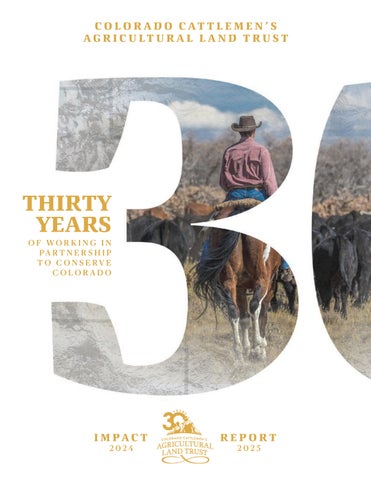
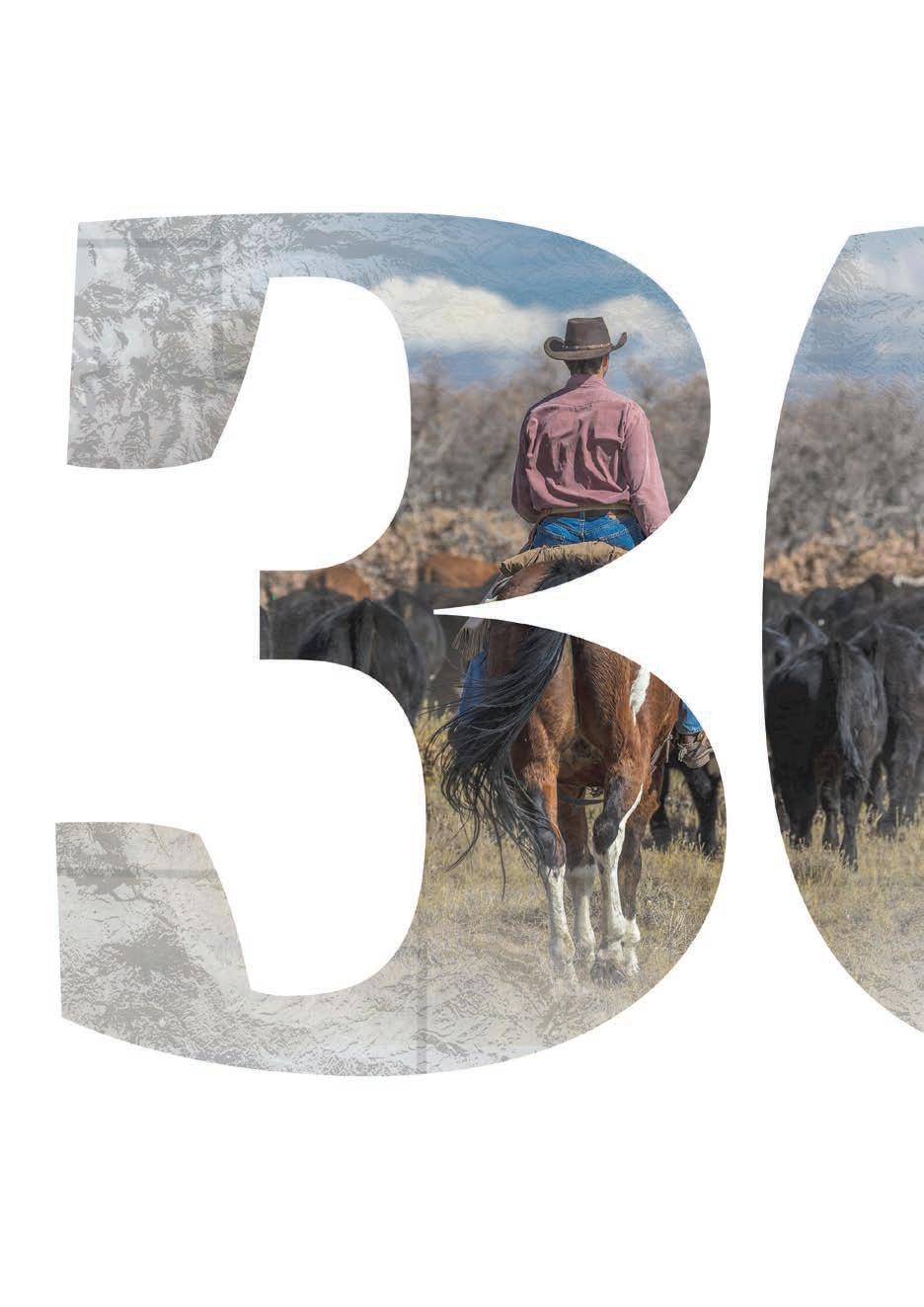
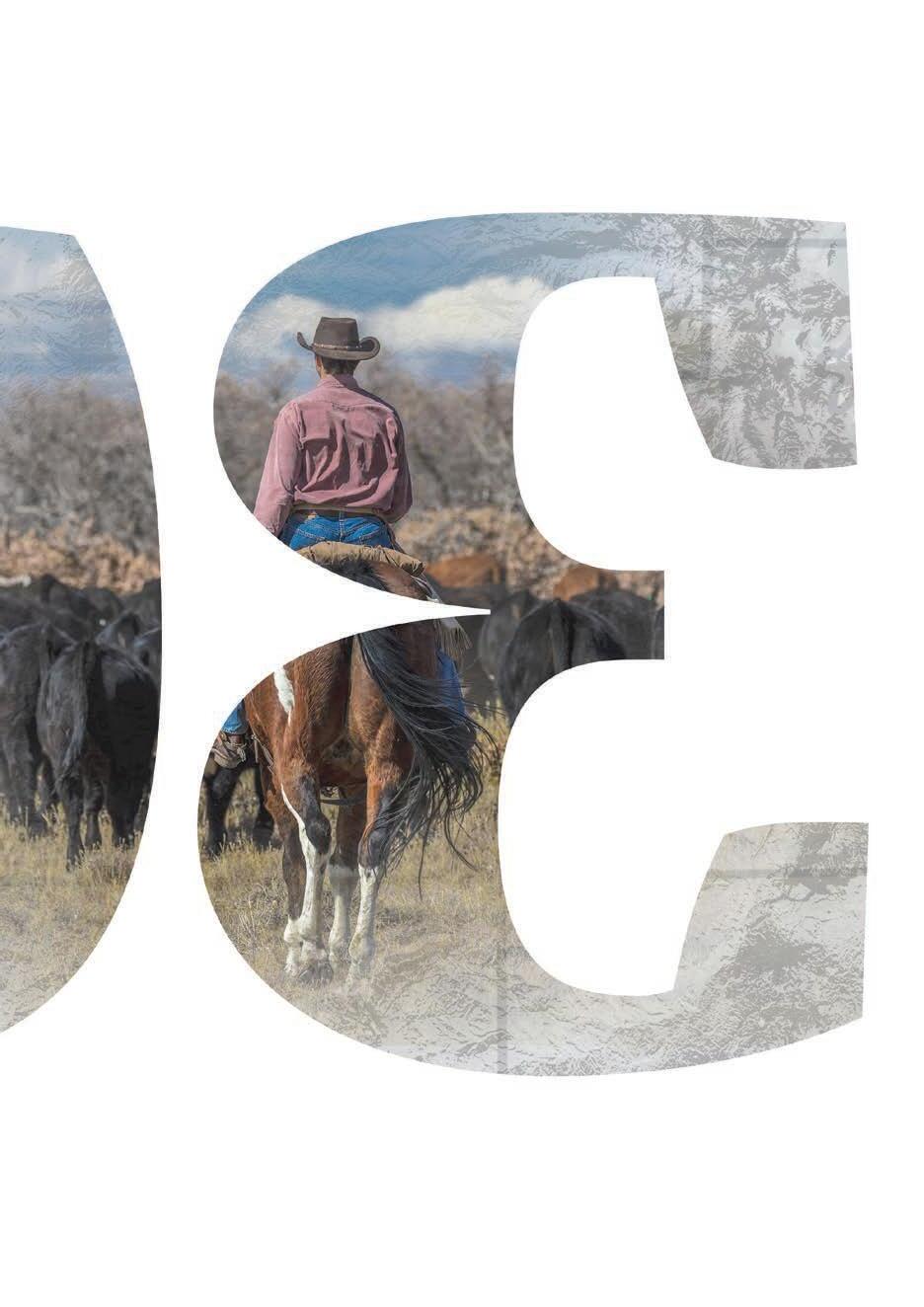
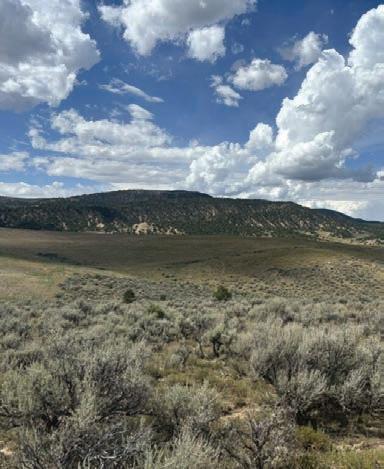
As CCALT celebrates its 30th Anniversary, we look back with appreciation to where and when it all began. The Kontny family conserved Centennial Ranch near Ridgway on November 30, 1995 — the beginning of a commitment to working lands conservation that would be transformational for farming and ranching families across Colorado.
LEGACY OF WORKING LANDS CONSERVATION: FROM ONE GENERATION TO THE NEXT
In FY24/25, CCALT partnered with nine Colorado families to conserve more than 8,150 acres of working agricultural lands, open space, and wildlife habitat for the benefit of future generations, fulfilling a commitment that began 30 years ago. Here’s a closer look at three conservation easements that exemplify the diverse history and geography of CCALT’s conservation efforts.
J+J Ain’t Lyon Ranch
Routt County, Northwest Colorado
LANDOWNERS, IN PARTNERSHIP WITH CCALT, HAVE CONSERVED MORE THAN 81K ACRES IN ROUTT COUNTY.
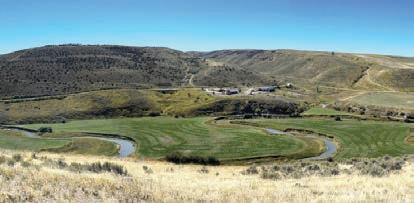
Located north of Hayden in Routt County, the Lyon family conserved 413 acres of their long-held cattle and hay operation through a partnership with CCALT and the county’s Purchase of Development Rights Program. For more than six decades, the ranch has supported irrigated hay production and livestock grazing, with Elkhead Creek flowing through the property to nourish meadows and riparian corridors. Jolene Lyon’s decision to conserve the J + J Ain’t Lyon Ranch reflects a deep-rooted commitment to keeping the land intact for future generations, even as surrounding areas face increasing development pressure.
Rockin’ S Ranch
Conejos County, San Luis Valley
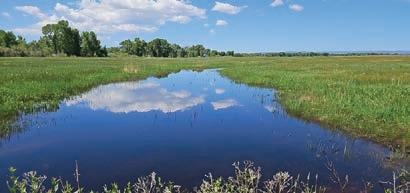
Located near Antonito and Manassa in the southern part of the San Luis Valley, the Salazar family conserved 301 acres of the Rockin’ S Ranch, a working cattle and hay operation with deep cultural and ecological roots. The Salazar’s use rotational grazing practices to increase productivity and ecological resilience. The ranch includes 1.25 miles of the Rio San Antonio and its south branch. Elliott Salazar has implemented riparian restoration projects and infrastructure improvements on the ranch that have significantly enhanced ranching operations and the natural resources of the property.
Of the conserved landscape, 219 acres are wetlands — providing essential habitat for migratory waterfowl within the Central Flyway, as well as native aquatic species. The property also contains the remains of the original Cisneros
Ecologically, the ranch provides crucial habitat for Greater sage grouse, Columbian sharp-tailed grouse, elk, and bird species such as sandhill cranes and bald eagles. The easement conserves a variety of sagebrush, shrublands, woodlands, and wetlands, contributing to a larger conservation footprint in Routt County.
homestead cabin. The conservation easement and its benefits to the local agricultural economy will help to preserve important elements of the region’s Hispanic ranching heritage. As part of a growing network of conserved lands in Conejos County, the Rockin’ S Ranch reflects the Salazar family’s enduring legacy of stewardship and their commitment to safeguarding the agricultural, ecological, and cultural heritage of the San Luis Valley.
Fritzler Ranch
Rio Blanco County, White River Valley
FY24/25 Conservation Easement Closings
Ranch County
J+J Ain’t Lyon Ranch Routt
Rockin’ S Ranch Conejos
Smith Ranch (Slater Park) Routt
Hank’s Creek Ranch Montrose
Nine Mile Ranch Rio Blanco
Tim Williams Ranch Huerfano
Anonymous Routt
Fritzler Ranch Rio Blanco
Kelly Ranch* Chaffee
*Amend and restate
Acreage Conserved for FY24/25
8,151.52 Acres
Located north of Meeker in Rio Blanco County, Ginger and Mike Fritzler conserved 1,250 acres of the Fritzler Ranch, adding to a growing corridor of conserved lands in the White River Valley. Since purchasing the property in 2011, the Fritzler family has leased the ranch to local ranchers for livestock grazing and hay production, maintaining the role of the ranch in supporting the region’s agricultural economy.
THE FRITZLER FAMILY PURSUED CONSERVATION TO ENSURE THE RANCH REMAINS INTACT AND PRODUCTIVE FOR FUTURE GENERATIONS.
The conservation easement helps safeguard diverse habitats, including dryland hay meadows, woodlands, riparian zones, and shrublands surrounding Oyler Gulch and Strawberry Creek. The property borders two other CCALT-conserved ranches and lies adjacent to the Windy Gulch Wilderness Study Area, enhancing landscape-scale connectivity for species such as pronghorn, mule deer, elk, and black bear. By conserving Fritzler Ranch, CCALT and the Fritzler family have reinforced the agricultural character and ecological integrity of Northwest Colorado’s White River Valley.
CONSERVATION IN ACTION
IMPACT OF WORKING LANDS
CONSERVATION CONTINUES TO GROW
CCALT Partners With Eagle Rock Ranch and Property and Environment Research Center to Introduce Colorado’s First Elk Migration Agreement
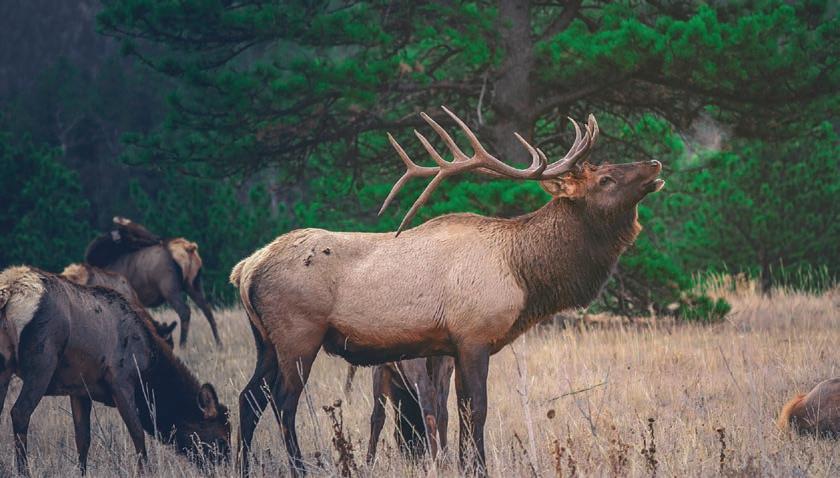
Working in partnership with Eagle Rock Ranch in Park County and the Property and Environment Research Center (PERC), CCALT in FY24/25 introduced an innovative conservation tool — an Elk Migration Agreement – through which compensation is provided directly to a landowner for protecting habitat for migratory elk herds while maintaining agricultural operations.
Grounded in a market-based model known as Payment for Ecosystem Services (PES), the Elk Migration Agreement provides compensation to Eagle Rock Ranch for leaving designated pastures ungrazed during winter months, ensuring forage availability for the Kenosha Pass elk herd, one of the largest elk herds in Colorado. The ranch remains fully operational, continuing its direct-to-consumer beef sales and agritourism offerings while serving as a pilot site for wildlife-friendly land management under the PES model. Game cameras have been deployed to monitor elk activity, offering a glimpse into how open space and rotational grazing can support migratory patterns for elk in the area.
THESE ADDITIVE CONSERVATION TOOLS REFLECT CCALT’S COMMITMENT TO MEETING LANDOWNERS WHERE THEY ARE.
For Eagle Rock Ranch, costs from elk-related impacts such as fence damage and forage loss are offset by the PES model while supporting grazing practices that build long-term pasture resilience. Under the terms of the agreement, the landowner retains full control of his herd and infrastructure. The model has already sparked interest in other infrastructure upgrades, including wildlife-friendly fencing, virtual fencing, and new water sources.
The Elk Migration Agreement is part of CCALT’s broader effort to layer conservation incentives onto working lands, with pilot programs using the PES model underway in other parts of Colorado, including the Yampa Valley, where wet meadow restoration projects are enhancing habitat for Greater sage grouse and Columbian sharptailed grouse while supporting agricultural resilience. These additive conservation tools reflect CCALT’s commitment to meeting landowners where they are, building trust, and expanding the impact of conservation through flexible, collaborative approaches.
Emery-Wilhelm
Agricultural Resiliency
Fund Provides Crucial Support for Projects
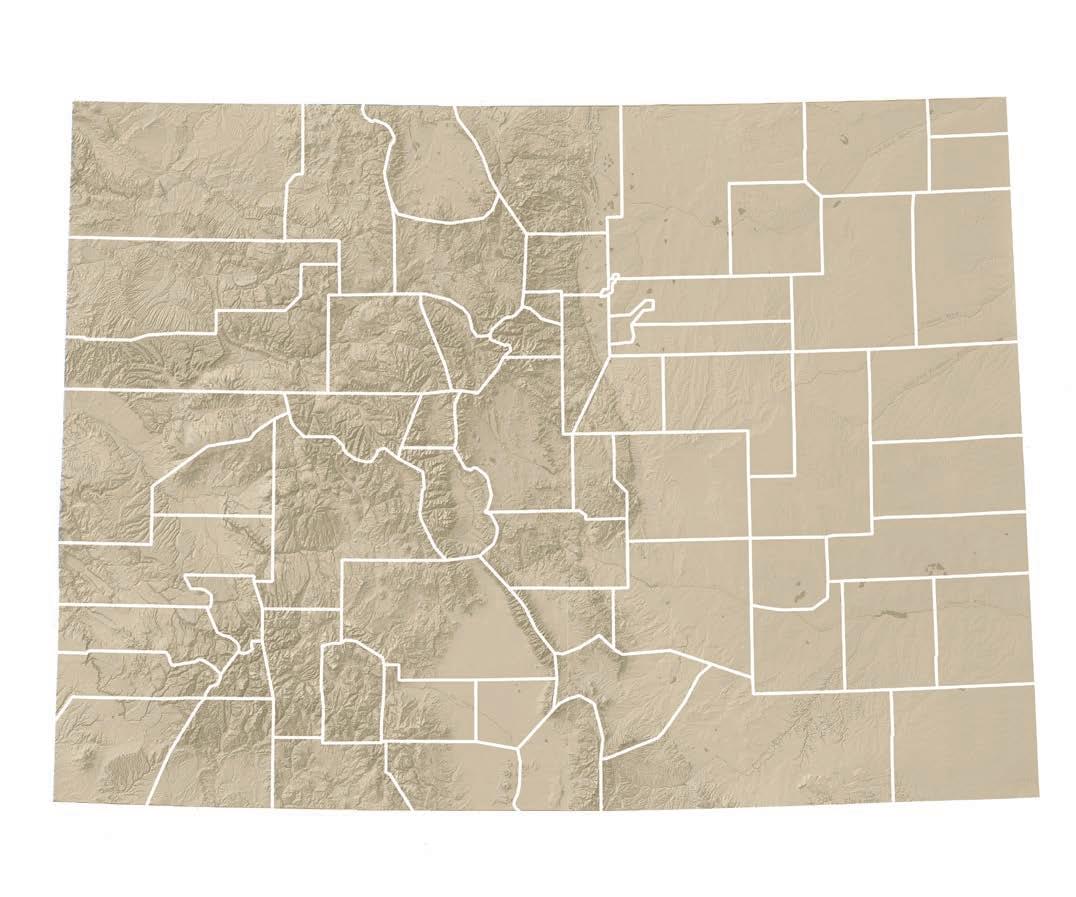
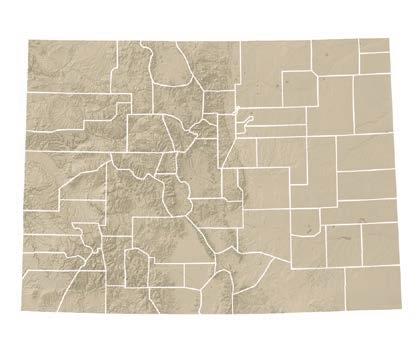
Now in its third year, the Emery-Wilhelm Agricultural Resiliency Fund (ARF) continues to strengthen the productivity, conservation, and stewardship of conserved working lands across Colorado. By awarding grants that support restoration and resiliency in agriculture, the ARF helps landowners implement projects that might otherwise be out of reach. In FY24/25, CCALT awarded $65,000 across 10 projects, bringing the fund’s total investment to over $118,000 since inception. Of the 18 projects supported to date, 15 have focused on water infrastructure, ranging from irrigation upgrades to livestock water development.
The fund reflects CCALT’s long-term commitment to landowners beyond traditional conservation easement services. By supporting ongoing land management, ARF helps conserved properties enhance their agricultural resiliency and remain efficient and ecologically sound. In many cases, ARF grants help close funding gaps for landowners who have secured partial support from federal or state programs but still face steep out-of-pocket costs. This fiscal year (FY24/25), six previously funded projects were completed. A cumulative map of ARF-supported sites illustrates the fund’s growing footprint across the state (above).
Projects are selected through a formal scoring process led by the CCALT Board’s Additive Conservation Subcommittee based upon the project’s operational benefits, alignment with conservation values, and potential co-benefits.
Wet Meadow Restoration Advances Conservation In The Yampa Valley
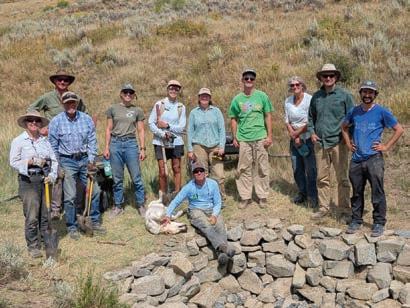
In FY24/25, CCALT laid the foundation for a multi-site wet meadow restoration initiative across conserved properties in the Yampa Valley. Working in collaboration with agricultural landowners and the Yampa Valley Sustainability Council (YVSC), CCALT advanced planning and site selection for low-tech, process-based restoration (LTPBR) efforts aimed at improving habitat for Greater sage grouse and Columbian sharp-tailed grouse. These efforts align ecological restoration with agricultural resiliency, reinforcing CCALT’s commitment to practical, landowner-driven solutions.
The restoration strategy centers on Zeedyk rock structures.
CCALT worked closely with landowners to identify priority sites, coordinate logistics, and prepare for implementation. These structures are expected to gradually restore hydrological function, reconnect meadows to their floodplains, and improve ecosystem performance over time.
While this marks the first use of the wet meadow restoration Payment for Ecosystem Services (PES) model in the Yampa Valley, CCALT utilized the PES model with its groundbreaking Elk Migration Agreement at Eagle Rock Ranch. Building on that success, CCALT plans to scale PES models to maximize ecological benefits and deepen landowner partnerships in the Yampa Valley and beyond. By combining habitat enhancement with financial incentives, CCALT is building a framework that encourages participation, fosters peer learning, and sets the stage for future restoration efforts across Colorado.
Forest Health Grassland Health Water Infrastructure
STEWARDS OF THE LAND
For 30 years, the Colorado Cattlemen’s Agricultural Land Trust and its landowner partners have made significant strides in conserving Colorado’s working lands, wildlife habitats, and open spaces for the benefit of future generations.
CCALT’s landowner partners continue to foster a sustainable future for the state of Colorado by providing healthy and locally-grown food, stewarding important wildlife habitat, and providing other ecological services that benefit all Coloradans.
8,151
8,151
6,015
4,909
4,555
Mule Deer
Greater Sage Grouse
Elk
Pronghorn
Bear
Acres of Wildlife Habitat Conserved
9
3,407
3,224
2,733
Irrigated Acres Conserved
838
New Miles Along Waterways Conserved
17.16 Water
9 Different Waterways Flow Through FY24/25 Conserved Properties
6,289 Prime Soils
Involved With Conserving Working Lands in FY24/25 Families Forest
295
288 Grasslands
599 Wetland/ Riparian
9 ANNUAL IMPACT REPORT
Moose
Bald Eagle
Sandhill Crane
Photo by DJ Glisson
By Acres
INNOVATION IN CONSERVATION
PROACTIVE SUCCESSION PLANNING
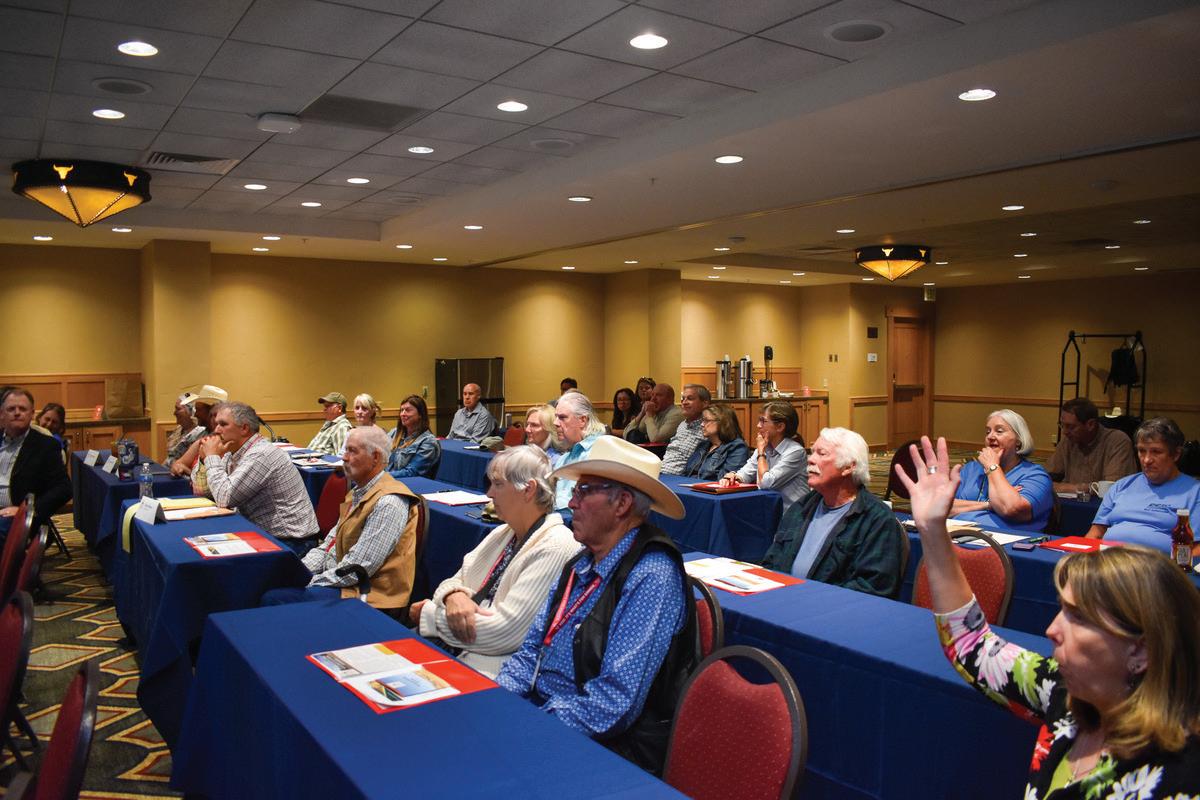
The Colorado Cattlemen’s Agricultural Land Trust is deepening its involvement in proactive succession planning to assist farming and ranching families, which is widely viewed as a cornerstone of agricultural re silience and essential in conserving the state’s work ing landscapes for future generations. In FY24/25, CCALT hosted two expert-led Succession Planning Workshops – the first in Denver in January 2025, the second in Steamboat Springs in June 2025 – as part of American Farmland Trust’s nationwide Land Transfer Navigators Program. The workshops brought together ranchers, estate planners, legal advisors, and financial experts to address the complexities of land transfer and the generational hand-off of agricultural operations. With over 300 million acres of agricultural land in the United States expected to change hands in the coming decades, the workshops offered timely, actionable strategies to help families safeguard their operations and legacy.
CCALT plans to expand its succession planning work in FY25/26 and beyond. This work will provide agricultural
families with greater access to expert guidance and peerto-peer learning opportunities. The broad goal of CCALT’s work in succession planning is to help improve successful land transfers and support the long-term viability and productivity of Colorado’s working lands.
REPI Program Brings Together Conservation and National Security
On Colorado’s Eastern Plains, CCALT has expanded its work with landowners and new partners to strengthen the longterm future of working lands. In Northeast Colorado, CCALT is collaborating with F.E. Warren Air Force Base and conservation partners through the Department of Defense Readiness and Environmental Protection Integration (REPI) Program. Weld County is Colorado’s most agriculturally productive county, consistently ranking first in the state for the value of agricultural products sold. It is also home to critical national defense assets. The REPI Program will
REPI program will provide funding for conservation easements and additive conservation projects to conserve shortgrass prairie, restore rangelands, and enhance biodiversity.
invest in grassland conservation and the long-term resiliency of agricultural operations while also promoting national security priorities. In FY24/25, REPI partners engaged in extensive planning efforts focused on implementing conservation easements, additive conservation pilot programs, and other opportunities to support local agricultural communities. These efforts are focused on identifying how CCALT can best support landowners with tools and resources that strengthen their ranching operations, conserve the ecology of the region, and advance military priorities.
MOLLY FALES A DECADE OF SERVICE TO LANDOWNER PARTNERS
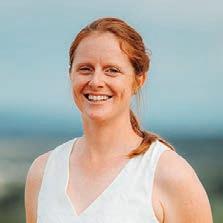
As CCALT celebrated the 30th Anniversary of its founding in 2025, our Staff Attorney, Molly Fales, marked her 10th year of service with CCALT.
HERE ARE SOME REFLECTIONS FROM MOLLY ON HER FIRST 10 YEARS:
When I started at CCALT in 2015, we were a staff of six, which quickly became seven. CCALT had conserved approximately 450,000 acres. Today, CCALT has a staff of 18 and has conserved more than 810,000 acres. Those additional 360,000 acres represent 110 new conservation easement projects, with each transac tion expanding the CCALT community.
Staff Attorney Molly Fales
While there has been significant change and growth at CCALT over the past 10 years, two things have remained constant. First, CCALT cares deeply about landowners. We do our best to meet each landowner’s needs and provide detailed, accurate information to allow landowners to make decisions. Second, I have never been bored, as each transaction brings its own challenges and creativity in problem solving is encouraged.
alternative valuation system. Each of these developments has come as part of a solution to a problem or to better enable landowners to accomplish their conservation goals.
In my time at CCALT, we have built the additive conservation program, developed the future agricultural value limitation term, and continued to work to develop a functional
While CCALT has accomplished a tremendous amount of conservation in the past 10 years, there is still more to do –more families to help, more land to conserve, more challenges to overcome. Along the way to conserving 1 million acres of working lands across Colorado, I am confident CCALT will continue doing more to better meet the needs of our landowner partners.
CCALT Modernizes Operations Through GIS Database Migration
In FY24/25, CCALT completed a full migration of its GIS database, consolidating 30 years of historical, current, and potential easement data into a modern system. This meant organizing and updating over a terabyte of records that had been stored in multiple formats across decades and bringing them into the most proven and highest-quality format available. After months of planning and dedicated effort, the result is a streamlined system with consistent projections, a standardized schema, and integrated analytical capabilities. By taking this step, CCALT has ensured that its data will
PROGRAM INTEGRATES GIS TECHNOLOGY INTO LAND STEWARDSHIP
remain accessible and flexible to the organization’s evolving needs for decades to come.
The migration was carried out with an automated approach that minimized manual work and ensured a smooth transition to the latest system. As a result, CCALT staff can now access and apply GIS data more efficiently in our day-to-day operations, and our external partners benefit from higher-quality, more flexible information. This work was an important step in establishing a strong foundation for the GIS program at CCALT.
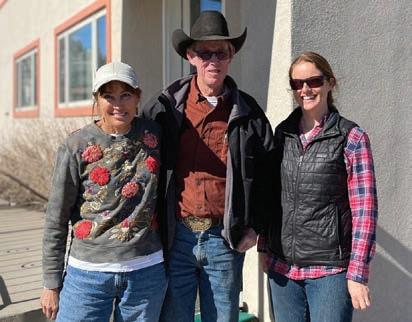
Molly with landowners Darla and Richard Bramwell at their easement closing.
EVENTS
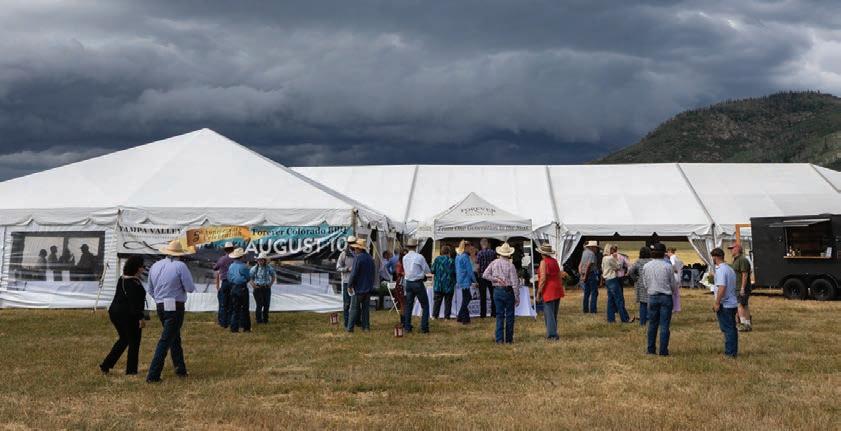
2024 Forever Colorado BBQ
August 10, 2024
More than 250 friends and supporters of working lands conservation gathered at Flying Horse Ranch in Oak Creek for the Forever Colorado BBQ on August 10th, 2024. Together we celebrated Colorado’s working lands and marked the 5th anniversary of the Yampa Valley Conservation Partnership. It was a memorable evening of community, generosity and saying thank you to the landowners who steward and conserve Colorado’s working lands.
2025 Cocktail Supper at NWSS
January 20, 2025
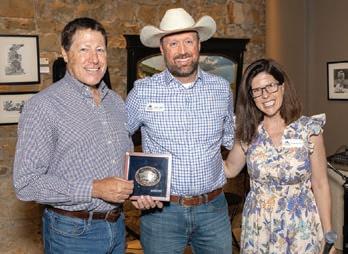
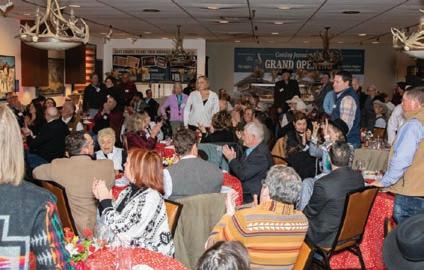
On January 20, 2025, CCALT landowners and supporters gathered at the National Western Club in Denver for our annual Cocktail Supper, graciously hosted by Sue Anschutz-Rodgers. This special evening celebrates and thanks the landowners who make conservation across Colorado possible. We look forward to hosting the 2026 dinner in the beautiful new Legacy Building at the National Western Complex.
Land & Legacy Celebration
June 5, 2025
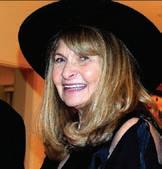
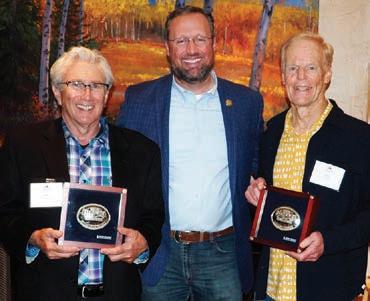
Joanne Posner-Mayer and Bill Silberstein welcomed guests to their home for CCALT’s Land & Legacy Celebration on June 5th, 2025, honoring CCALT’s 30 years of working in partnership with landowners to conserve Colorado’s working lands. The evening was made even more meaningful with Joanne’s announcement of a generous Legacy Gift to CCALT— ensuring conservation impact for generations to come. It was a night of gratitude, celebration, and vision for the future.
30th Anniversary Celebration at Fetcher Ranch
June 20, 2025
On June 20, 2025, friends and partners gathered at Fetcher Ranch in northwest Colorado to celebrate CCALT’s 30th Anniversary. Hosted by the Fetcher family, the evening brought together local community members and guests from the Land Trust Alliance to honor three decades of conservation success. It was a fitting backdrop to celebrate an important milestone in conserving Colorado’s working lands.
FINANCIAL HIGHLIGHTS
Fiscal Year 2024-25
Below is a financial performance summary from July 1, 2024 through June 30, 2025. Also provided is a three-year snapshot to show the progress CCALT has made in ensuring its financial future.
12%
Other conservation expense
$2,320,516
3.8% Management & general
$737,564
12.4%
Contributions, grants and special events
$2,342,658
3.3%
Program and other revenue
$628,090
82.2%
Conservation easements
$15,952,500
EXPENSES TOTAL 2%
Fundraising
$381,840
$19,392,420
16.2%
Grants for the purchase of conservation easements
$3,071,000
68.1% Contributions of conservation easements $12,881,500
$18,923,248 SUPPORT AND REVENUE TOTAL
CCALT’s core endowments and legal defense fund are donor-restricted and boarddesignated funds established and managed for the purpose of supporting operations and ensuring that CCALT easements will be maintained and supported in perpetuity.
CORE ENDOWMENTS AND LEGAL DEFENSE FUND
(As of June 30, 2023, 2024, 2025)
Stewardship endowment
Operating endowment Legal defense fund
$7,917,665 $1,559,641 $1,696,110
STATEMENTS OF FINANCIAL POSITION AS OF JUNE 30 2023, 2024, 2025
CCALT’s audited financial statements provide additional financial information and are available online at ccalt.org.
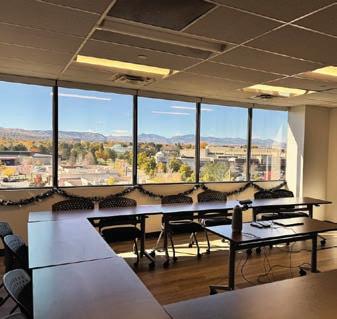
CCALT is now operating from its new headquarters office in the 1stBank Building in Lakewood, located near the Belmar District. The new headquarters address for CCALT is:
Colorado Cattlemen’s Agricultural Land Trust 550 South Wadsworth Boulevard, Suite 500 Lakewood, CO 80226 Phone: 303-225-8677
CCALT will continue maintaining regional offices with full-time staff members in Steamboat Springs, Carbondale and Del Norte.
Colorado Gives Day is the biggest 24-hour giving movement in the state and one of the most successful giving days in the nation. Please consider making a gift to CCALT as part of Colorado Gives Day. Mark your calendars for August 15, this special celebration of the 150th anniversary of Colorado’s statehood at the JA Ranch in Larkspur.