
January/February 2018 Vol. 23 Issue 1

January/February 2018 Vol. 23 Issue 1
by Larry Hovis, CBFNC Executive Coordinator
Strategic planning has been a critical aspect of CBFNC’s organizational life since our beginning. In our first dozen years, we developed a new plan every three years. Since then, our staff and councils have developed an annual ministry plan and periodically conducted wider planning dealing with more long-term issues. An important shift in our planning process took place with the development of our 2007-2008 plan. That year’s plan consisted of three main sections: a statement of our identity, mission, principles, and values; an annual ministry plan; and a section entitled, “Initiatives Shaping Future Ministries.”
The third section contained nine items that CBFNC leadership believed were important to our future. We were unsure exactly what shape they would take or how long would be required to implement them. The first of these initiatives was entitled, “Diversity,” and read as follows:
Need – CBF Christians and churches value ethnic, generational and gender diversity in our fellowship. Unfortunately, we are almost exclusively Anglo, women are still under-represented in leadership, especially pastoral leadership, and most adults who are active in our fellowship are middle-aged and older.
Action – The Coordinating Council will appoint a task force to make recommendations for increasing the diversity of our fellowship.
Note that this goal named three aspects of diversity that leaders at the time believed we needed to address: race, gender, and generation. Our first step was to appoint a “Diversity Task Force.” That group began its work and soon determined that it could not effectively address all three aspects of diversity named in the goal. Therefore, it would focus on race, specifically the relationship between our predominantly white Fellowship and African-American brothers and sisters, and was renamed the “Racial Reconciliation Ministry Team.” A separate task force was developed to pursue ministries with our Hispanic brothers and sisters.
It is now ten years later. Look to the right to see what progress we have made and what challenges remain.
Not specifically addressed in the benchmarks is our churchstarting efforts beyond the Hispanic community, which include a multicultural church in Fayetteville, African churches in Charlotte and Raleigh, and a Chinese church in Kannapolis, among others. When it comes to diversity, we are definitely a work in progress. We have come far in ten years, thank God, but we have much farther to go. May our work in the next decade be inspired by the heavenly vision of Revelation 7:9-10:
After this I looked, and there was a great multitude that no one could count, from every nation, from all tribes and peoples and languages, standing before the throne and before the Lamb, robed in white, with palm branches in their hands. They cried out in a loud voice, saying, “Salvation belongs to our God who is seated on the throne, and to the Lamb!”
n Race
Racial Reconciliation – The Racial Reconciliation Ministry Team has pursued its calling in a variety of ways: holding regional meetings to highlight the issues and bring Baptists of difference races together; leading numerous workshops at the CBFNC Annual Gathering; production of an excellent study course, The Body of Christ (www.cbfnc.org/RR); and placing divinity student interns at historically black colleges and universities.
Hispanic Ministry – Our Fellowship hired Hispanic LeaderCoach Javier Benitez who developed CBFNC’s Hispanic Network. This Network plants churches, trains leaders, and holds equipping retreats for youth, men, women, and families. Several white CBFNC congregations host and partner with Hispanic congregations.
n Gender – According to Baptist Women in Ministry, ordinations of women and women receiving calls as senior pastors are rising across the South, including in NC. In fact, our state leads the way on most of these measures. The number of women serving as staff ministers continues to grow, as do women enrolled in partner divinity schools. In most of our partner schools, women comprise at least half of the enrollment. Women also comprise over half of the CBFNC staff.
n Generation – Though partner divinity schools attract persons of all ages, many are under 35 and have engaged deeply in CBFNC life. CBFNC has also grown an impactful collegiate ministry, partnering with historic Baptist universities and starting campus ministries on non-Baptist campuses. Our gatherings continue to grow younger and more ethnically diverse.
n Race
Racial Reconciliation – Our congregations are still predominantly, almost exclusively, white. Far too many of us fail to see the advantages we inherently receive as white persons and we are reluctant to take responsibility for the racial inequities that exist in our communities.
Hispanic Ministry – Though our Hispanic brothers are visibly present at our gatherings, we have not yet learned to relate to them on a routine basis. Our ministries remain mostly separate.
n Gender – While the number of women in divinity schools, church staffs, lay leadership, and CBFNC leadership has risen, women are still a minority in pastoral leadership, and many congregations still won’t consider calling a woman pastor. Too often we hear search committees say, “We don’t think our congregation is ready.”
n Generation – While young Baptist leaders are attracted to CBFNC, most of our congregations are growing older. In many places, we are “old churches with young ministers.” Next year, as a follow-up to the 2017 Leadership Institute, CBFNC will be launching the Growing Young Initiative, in partnership with Fuller Youth Institute, to address this challenge.
by Seth Hix, CBFNC Church Engagement Coordinator
One of the best parts of my job at CBFNC is getting to know the exceptional clergy across our state. I count it an absolute privilege to sit across the table from ministers as they share their faith story and how God has led them through their vocational journey. Amidst the inevitable doubts and struggles of discernment, I always catch a glimpse of God’s assuring presence encased in the steadfast faith of our ministers. It is a real gift to hear about the personal and professional journey that has led a particular minister to a particular congregation. These inspiring stories give me great hope for the future of God’s church in North Carolina.

During a recent conversation with an experienced CBFNC female associate minister, I was struck by a statement she made. She shared that she has always felt called to be a senior pastor. Yet, until recently, she had never submitted her resume for a Senior Pastor position. Her newfound motivation stemmed primarily from reading the names of so many women in the “Ministers on the Move” section of The Gathering magazine. She was encouraged by how many women were answering God’s call, and how many CBFNC congregations were hiring them.
Her statement caught me off guard. On one hand, I was proud of CBFNC. On the other hand, I was uncomfortably aware of the tangible inequality that exists in vocational ministry. First, this minister had been forced to hide her true calling simply because she was a woman. I was reminded anew of the remarkable self-confidence and courage women in CBF life must possess in order to pursue their God-given vocational calling. Second, I realized the importance of community in nurturing a call to vocational ministry. No one does ministry alone or in a vacuum. We all need the support of a faith community (congregational or personal) to live into our calling. Part of CBFNC’s role is to create an environment in which all people feel empowered to share their vocational calling.
This conversation caused me to look more closely at how many of our churches have recently called women into ministry positions. As it turns out, her perception was correct. In two of the past three years, 40% of ministerial positions filled in CBFNC congregations have been filled by women.
Perhaps there was a time in our history when 40% of ministerial hires in CBFNC congregations would have been shockingly high. I give thanks that today is not that day! While there are some Baptists across our state who are proud of the journey that has led us to 40%, I am also glad that there are people reading this article who are disappointed in how low that number is! I hope and believe that this number will continue to increase in the days ahead.
Here’s why:


As ministry paradigms shift, more congregations are open to considering women for senior pastor positions. In fact, congregations who have recently called women as Senior Pastors include First, Huntersville; First, Hamlet; Providence, Hendersonville; Greenwood Forest, Cary; West Side, Winston-Salem; and First, Winston-Salem. Nobles Chapel, Sims, recently called a husband and wife as co-pastors.
The enrollment at many of our CBFNC partner divinity schools and seminaries shows more than half of the student population is female. It is not uncommon to walk into a seminary classroom and see more women than men. God is undoubtedly calling women into vocational ministry!
There has been a dramatic increase in resources and visibility of women in ministry. This is, in large part, due to the outstanding work of organizations such as BWIM and their state organization here in NC. Events like Martha Sterns Marshall Month of Preaching have encouraged hundreds of congregations to invite women fill pulpits for the past 10 years. While these congregations are not all in NC, the young women in the pews of those out-of-state congregations often end up in one of our partner divinity schools.
Within many of our partner congregations, we have had a generation of young people grow up with women in vocational ministry positions. So, for many of our young people, women in ministry is a cultural norm. This certainly contributes to the inspiration of more young women who will listen for and answer God’s call into ministry.
I give thanks to God for the significant impact women ministers have made in my life. And I hope that as CBFNC looks toward the next 25 years of ministry, we will continue to find new ways to encourage and cultivate God’s call in the lives women across our state.
As CBFNC’s Campus Minister at Western Carolina University (WCU) and alumnus from the class of ’95, I know the risk-taking mindset of those who thrive at this school. For most, home is way over the mountains to the east. If you’re going to succeed, you’re going to study and you’re going to build a new community.
Around four o’clock on Thursday afternoons, I’m usually heading from UNC-Asheville to WCU with a car full of food for our meal before worship. As I drive along, I can picture what some of my students are doing. I can see Bryson Shannon and Darren Beebe, the two students who lead our cook team and men’s discipleship group, playing Foosball next to the kitchen. They are hoping I’ll be a little late so they have time for just one more game.

Bryson, an Engineering major, also serves as President of the National Society of Black Engineers. Darren, a History major, has served as President of our Baptist Student Fellowship (BSF) and recently affirmed a call to ministry after serving as a student.church intern this past summer. Bryson will soon begin his master’s program at UNC-Charlotte, while Darren starts at Gardner-Webb’s School of Divinity. They are graduating in December, so who can fault them for this small diversion?
by David Stone, CBFNC Campus Minister for UNC-Asheville and Western Carolina University
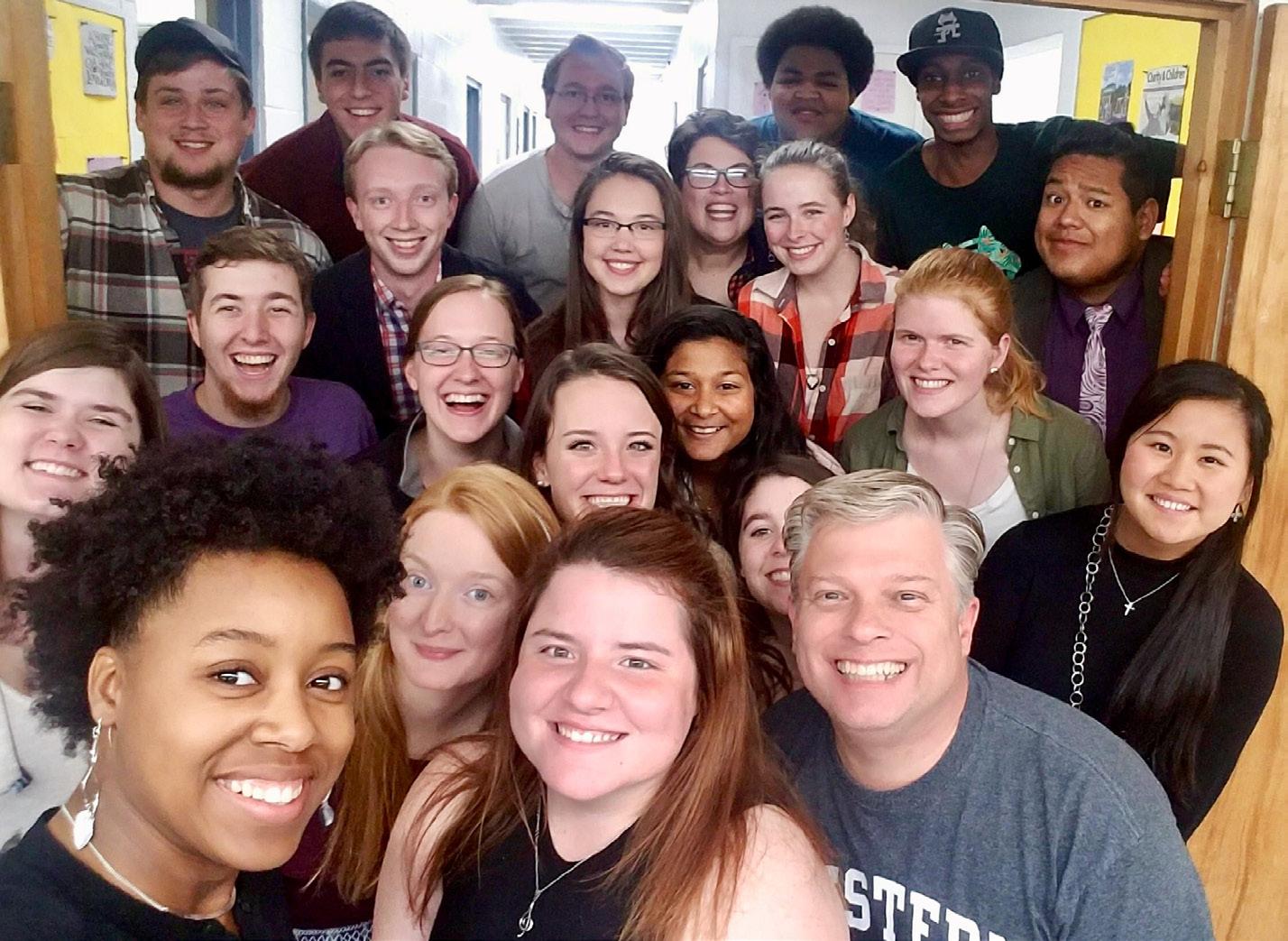
I could name several other friendships among students of diverse ethnic backgrounds–students who met during one of our meetings, at a local church, or in their residence halls. WCU’s BSF is one of the more diverse campus ministry groups in Baptist life. Native-American, African-American, HispanicAmerican, Hmong-American, and Indian-American students are building community alongside those whose ancestry can be traced back to the British Isles. In the past few years, I have seen diversity grow within the BSF community as well as in the leadership at UNC-Asheville and WCU.
What I read in the news about race relations in our country and the world does not encourage me. What does encourage me, however, is the community among college students in our CBFNC-affiliated college ministries and their willingness to take the Bible to heart, believing Peter’s testimony in Acts where he declares,
“I now realize how true it is that God does not show favoritism, but accepts from every nation the one who fears him and does what is right” (Acts 10:34-35). Our students are getting the heart of the Gospel when it comes to acceptance and looking outside their own culture. The Christian community I see displayed through them, I believe, is what the New Testament was trying to convey concerning the growth of the early church.
How freeing it must have been during the formation of the early church to hear the words like those written in the letter to the Galatians, “In Christ Jesus you are all children of God through faith, for all of you who were baptized into Christ have clothed yourselves with Christ” (Galatians 3:26,27). How freeing it can be to choose to live those words today, adhering to the promise that in Christ all racial barriers, all class barriers, and gender barriers are broken.
Baptists have a great history of ministry on college campuses in North Carolina, not only as a mission field to reach students but also as a mission field to promote the spiritual growth. For decades, Baptist efforts have been guiding college students as they build a new faith community on their campus, encouraging them to risk and see that God’s Kingdom is bigger than they imagined, addressing their hot topics and issues, and preparing young adults to better lead the future of the church.
Your support of CBFNC Collegiate Ministry helps carry out this great work. Thank you!
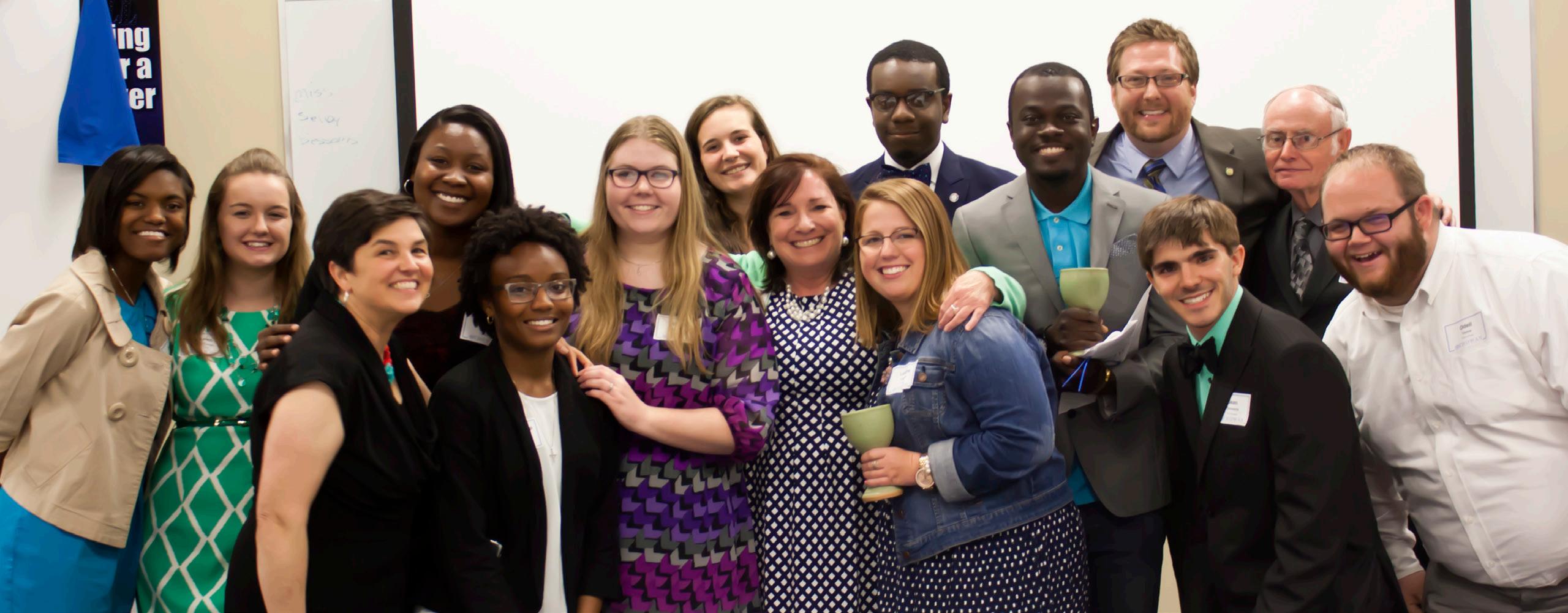
Mari Wiles relates this tale: “I used to say that I am ‘color blind’ and that I just see students. One of our students told me that was a shame because she is a beautiful shade of brown and I am missing out. I no longer say that. Lesson learned.”
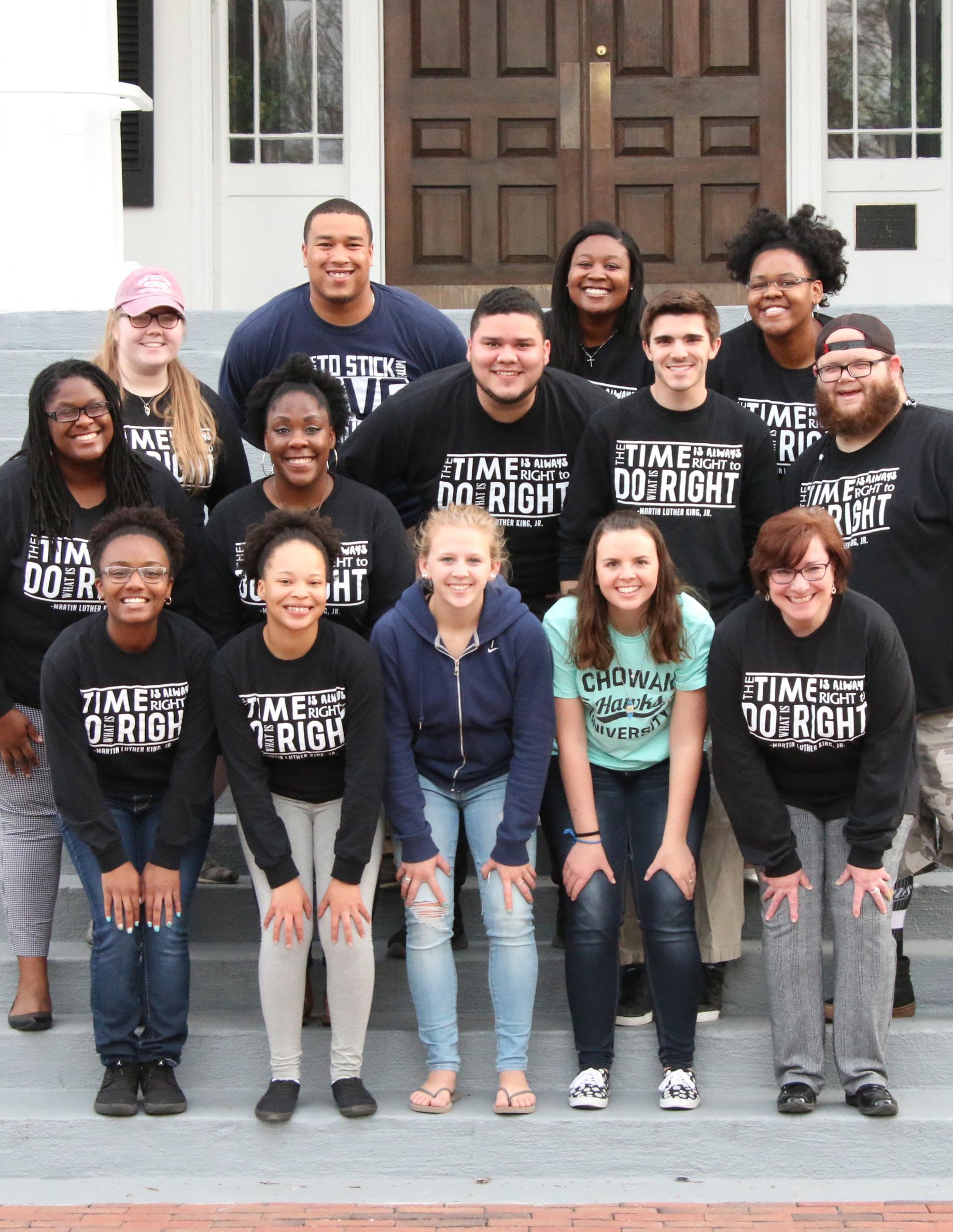
Chowan has had an exciting educational mission for the past 169 years: educate the students of eastern North Carolina in a Christian environment. Campus Ministry is given the freedom to pastor the university in this endeavor. With a radically diverse student body, we approach campus ministry and service in ways to meet the needs of our students. We have ministry options six nights a week and we offer 3-4 mission trips a year. We pray and believe that our students will do their best leading when they leave Chowan and give them the opportunity to lead here. Our ministries are student-led which means they are sometimes messy, constantly changing, and many times uncomfortable.
There is holy in the uncomfortable. Our communities are begging for truth, groaning due to the pervasive lies of division. The blessed ministry of forced interaction with others (racially other, sexually other, internationally other) that is reflected on our campus and in our ministries points us all toward the truths that we are infinitely more alike than we are different and that we are all image bearers of God. We get to learn that together.
When we wrestle with the emotional and hard topics of race, gender equality, and sexual identity, we are sharing together in the ancient Christian practice of hospitality. We encourage and invite any who will come to participate in worship, prayer, service, study, advocacy, and ministry under the Lordship of Jesus. We believe that Jesus’ table is larger than we can imagine—we aren’t gatekeepers to his invitation, rather hosts at the feast. That he feeds us all in spite of ourselves is a blessing.
We do it together. The commitment to work through it together makes it hard and messy and true and holy.

Leadership Institute | March 15
Tunes & Tales | March 15
Friday Gathering | March 16
All Are Called Forum | March 17 Registration and information: www.cbfnc.org/fitchurch Cooperative Baptist Fellowship of

Three questions for Prince Rivers, our Friday evening speaker:
Our annual theme is Fit Church. How does your ministry emphasize fitness?
Union Baptist Church emphasizes fitness in a few key ways. First, we have a strong ministry of congregational care and counseling. We have three professional counselors who are available to see members for a variety of mental health needs. We recently implemented a strategy team to focus on organizational health. We also have an active intercessory prayer team to focus on spiritual health.
What do you do to maintain fitness? (physical, spiritual, mental, etc.)
Personally, I practice the disciplines of prayer and devotional reading (almost) daily. I try to maintain an active lifestyle and exercise routine that includes high intensity interval training (HIIT).
What is your history or connections with CBFNC?
Much of my involvement with CBFNC has been through personal relationships with people like Larry Hovis, Bill Leonard, and Curtis Freeman. Currently, I serve on the board of the Baptist House at Duke Divinity School, which has strong ties to CBFNC. I have also enjoyed being the conference presenter for Church Works.
Thursday, March 15th
1:00 – 5:00pm
Leadership Institute – Mat Bloom
7:30 – 9:30pm Tunes and Tales – David Holt & Josh Goforth
Friday, March 16th
8:00 – 9:00am
8:30 – 11:00am
9:00 – 10:30am
9:00am
11:00am
11:45 – 1:45pm
1:45 – 2:45
3:00 – 4:00
4:15 – 5:00
5:15 – 6:45
7:00 – 8:30
8:30pm
9:00pm
Saturday, March 17th
9:00am – 12:00pm
9:00 – 9:30am
9:45 – 11:15am
11:25am – 12:00pm
Peer Learning Group Breakfast
Registration
BWIM Convocation
Living Water Café + Exhibit Hall Open
Opening Session
Food Truck Lunch / Exhibit Hall /Fellowship time
Workshop Session One
Workshop Session Two
Ministry Celebration and Business Session
Fellowship Dinner
Worship
Fellowship & Refreshments Following Worship
Divinity Student Gathering
Divinity Student Experience
Opening Session
Focus Groups
Closing Session
From an Annual Gathering first timer (laity):
There is a multiplied strength when the faith of Christians combine together. That was evident from the start as we were part of a group from First Baptist of New Bern, on a bus trip to attend the 2017 CBFNC Annual Gathering in Hickory. We were ready to share and communicate God’s truth with one another. We were not disappointed. Warm and welcoming described our time there. Quickly we recognized fellowship is a relationship and not an activity. Christian life was never meant to be solitary as we are reminded in Hebrews 10:25, “Not forsaking the assembling of ourselves together, as the manner of some is; but exhorting one another: and so much the more, as ye see the day approaching.” Instead, this was a time of worshipful edification, promoting the gospel, and building up of spiritual strength.
We look forward to the 2018 CBFNC Annual Gathering at Knollwood Baptist Church in Winston Salem March 15-17 knowing we will gain spiritual strength through motivation, fellowship, and encouragement. After all, there is a multiplied strength when the faith of Christians combine together. Glory be to God!
-Linda Williams from First, New Bern
A sample of workshops at the Friday Gathering
The Changing Face of Family Ministry n Moving Casual Conversations into Christ-Focused ‘Conversions’ Creating a Community Culture Where Every Story Matters n God, Evolution, the Big Bang: Why I Believe in All Three Disaster Preparedness for Aging Adults--How Churches Can Help n Multiple Religious Belonging and the Church Clergy/LayLeaders as First Responders to the Military and Veteran Population n The Seven Money Types Welcoming and Nurturing Both Visitors and New Members n The Alphabet of Errors: How to Teach the Bible Better Making Shifts Without Making Waves n Archaeology and the Bible: Friend or Foe? Conflict and Communication: Opportunities for Growth n Redefining Success Virtues, Vices, and the Quest for the Good Life n Religious Liberty for All Y’all
Our church, Hickory Rock, Louisburg, always enjoys using CBF’s Offering for Global Missions (OGM) curriculum. This year I was delighted to see that some of the featured missionaries are in our very own backyard. Or rather, we’re in their backyard, since they work in the big city of Raleigh and all around the Triangle area, while our church is in a rural county an hour north. We’re nestled between farm fields and horse pastures, while the Wyatts help refugees find homes, food, supplies, community, and support in Raleigh. They welcome people who have been through untold hardship and tragedy. Instead of just learning about them from the curriculum and videos, we invited them to speak in person.
I was glad the Wyatts agreed to visit, but that night there was a problem. The Food Bank where we get food to serve our area had come with an unexpected and huge shipment of produce. I, always susceptible to both guilt and a desire to help, agreed to take far too much food—more than we could distribute before it went bad. We needed to find people to give it to.
by Stuart Lamkin, Pastor, Hickory Rock, Louisburg
They have much to teach us about strength, struggle, resilience, and faith. Before he escaped the Congo, Pastor Felix’s parents and siblings were killed, forcing him to run through the wilderness for days without food. He made it to Nigeria and received asylum, staying there 12 years before the U.S. let him resettle here as a refugee. All that hardship and loss, yet he laughs and smiles all the time. He is a man of joy, and he has much to teach me.
Counting his current church, Pastor Felix has helped plant 15 churches, which is fourteen more than I have. He preaches with fervor and excitement; I preach softly and use a manuscript. His sermons are pointed and bold; mine are thoughtful and clever. He is always busy ministering in the trenches of his community; I enjoy watching the breeze blow through the trees outside my quiet church office window. He has much to teach me.
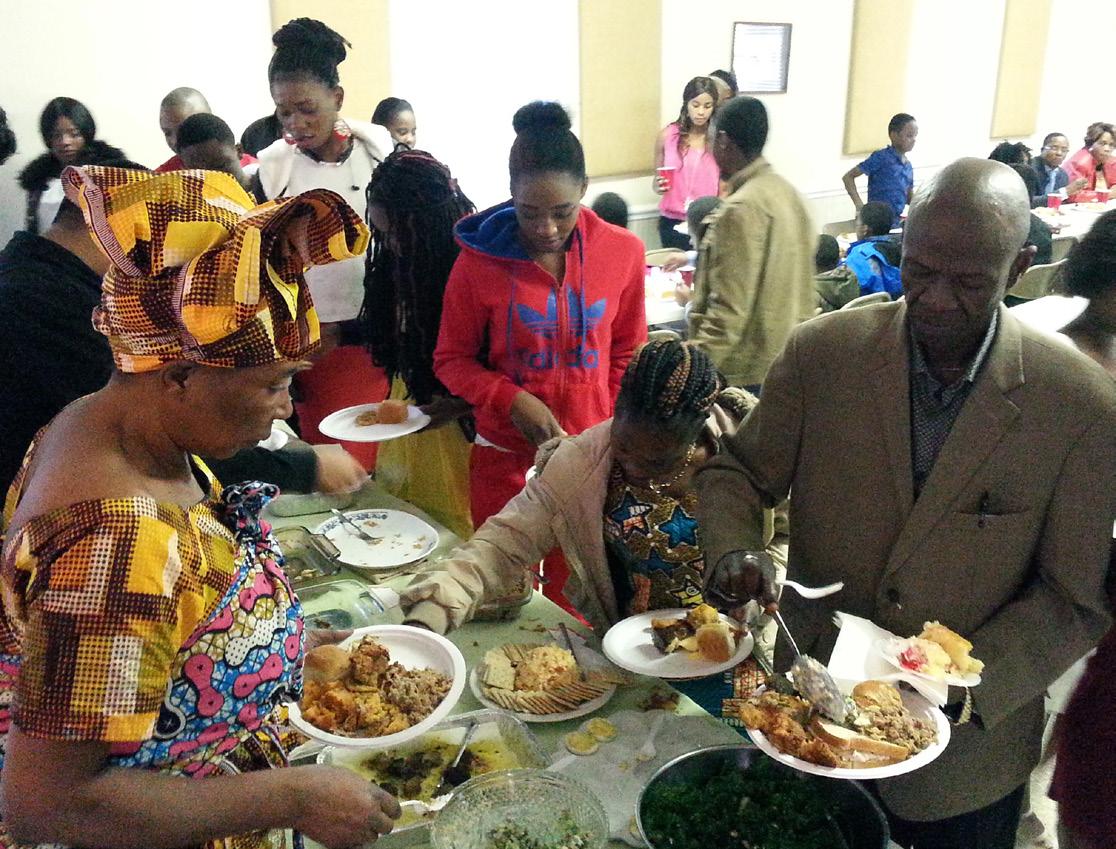

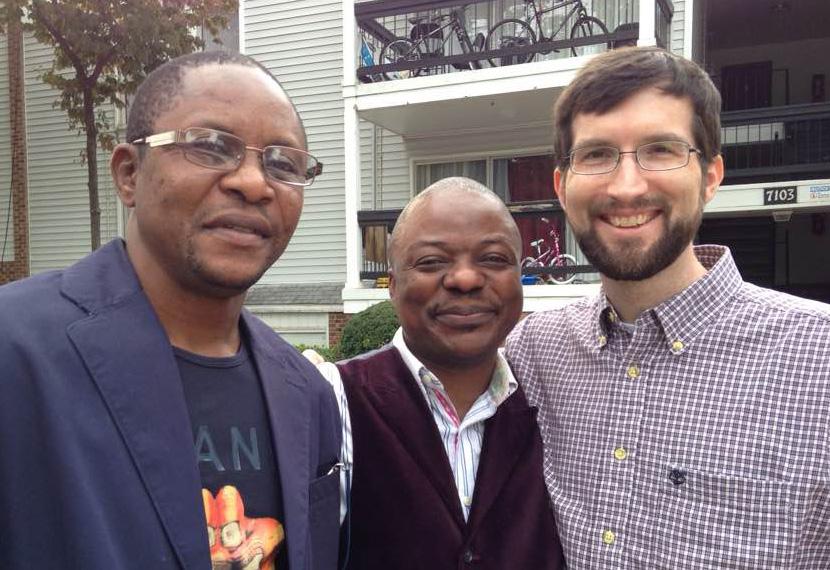
That gave Marc an idea. In one of the OGM videos, we learned about the work of Pastor Felix Iyoko and his wife Nicole. They had escaped violence in the Democratic Republic of Congo and were called to start a church in north Raleigh for other Congolese immig rants and Swahili-speaking people. Marc said that their congregation, Shiloh Restoration Baptist Church, would enjoy getting the fresh produce that I had accepted.
So we made plans. After worship one Sunday, some of us Hickory Rockers hauled the produce to Raleigh and met the Restoration folks at the apartment complex where many of them live. They were quite a joyful welcoming committee, already in the parking lot waving at us when we arrived. Marc was there to make the introductions. There were smiles all around. Many helping hands carried boxes up flights of stairs.
After, we spoke words of welcome and said prayers of thanks. While I was thankful to distribute all that food before it spoiled, I was more thankful for the honor of meeting such inspiring people.
During our first meeting, we learned that their church people love to eat fish. Coincidentally, our church people love to catch fish. So for our next visit, we delivered actual loaves and fishes, and it seemed like we gave out more than we brought.
But I didn’t want our relationship to be based on food deliveries, so I asked if we could visit their church sometime. “Of course!” they said. So more plans were made.
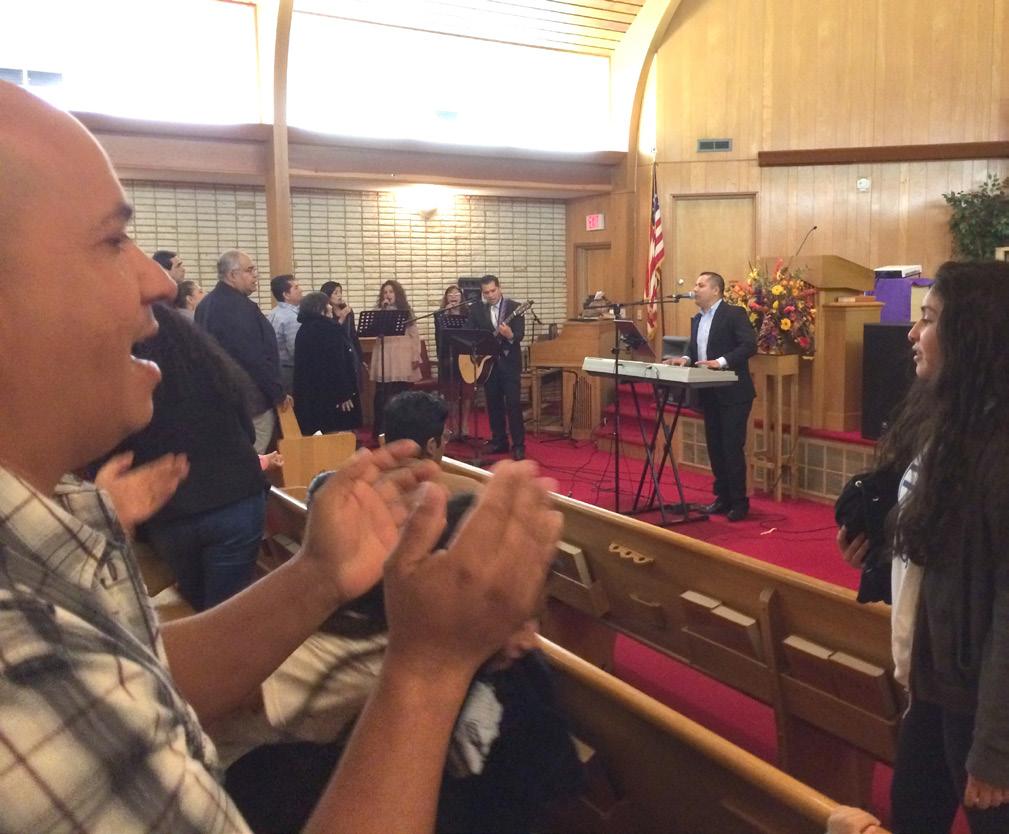
The first thing you notice when you visit Shiloh Restoration Church is the music. As you walk up, you don’t just hear it; you feel it. You can almost see it emanating from the building in visible waves. As you enter the room you also enter the sound itself as it engulfs you, enveloping you with voices and rhythms. It pulsates through your chest, pushing your heart to beat with the beat. It’s louder than any worship you’ve experienced. But it’s brighter too, with singing like angels. And it must be what heaven sounds like. (Although hopefully the volume in heaven isn’t quite as pounding.)
The words were not in English, but that didn’t matter. Some people stood, some people sat, some people clapped, and some people danced. So we didn’t quite know what to do with ourselves. This wasn’t the calm, orderly, straightforward worship we were used to, but that was why we went. We got to worship God in a different language, in a different style, and with a different culture. And it was exciting.
After their rousing worship, I returned the invitation and said they were welcome at our church anytime. They accepted. More plans were made.
On the day of the visit, what I assumed would be a small group turned out to be a great majority of Shiloh Restoration’s membership who caravaned up to our neck of the woods. It practically doubled our attendance that day, but there wasn’t time to count. I was whooshing up and down the church halls helping their kids get to Sunday School classes, helping their band get plugged into the speakers, and helping encourage our amazing cooks who were preparing lunch. Everything that day was wild, chaotic, and wonderful. Unlike usual, nobody was falling asleep in worship that day. There was too much excitement, and you didn’t want to miss anything. I’ll have to check with our older members, but I’m pretty sure that was the first time the Bible’s been read in Swahili at our little country church.
All the many languages in our worship that day—English, French, Swahili, Lingala—reminded me of Revelation 7, when God is worshiped by “every nation, tribe, people and language.” So I noted that the day was a preview of heaven. And one thing’s for sure, heaven includes a covered dish lunch with sweet tea and chocolate cake, so our day did too. During lunch, the children played outside—on swingsets in the breeze and shooting basketballs as the fall leaves blew by. It was a beautiful day, inside and out. Before they left, our guests asked to see the horses that live next door. Fortunately, the neighbors were outside and were fine with a horde of bouncing Congolese kids coming into their yard to pet the horses and take selfies.
So now the next visit is our turn. We’re planning to go back during Christmas to say hello. We want to deliver some Christmas presents to the kids in their church. Instead of our usual practice of giving shoeboxes of random items to an organization that sends them to faraway places in the world, now we’ll know exactly who needs what and where. Instead of mailing a present and never seeing a face, we can exchange gifts as part of a real relationship with a child, a family, a church. They will be gifts between friends.
I look forward to many more times of friendship and fellowship with our new sister church of Congolese immigrants. We might speak different languages, but smiles and hugs transcend language barriers. With more visits in the future, I’ll need to keep the Wyatts on retainer as international ministry consultants. I know that’s not as important as their refugee ministry at Welcome House, which provides a safe home and good food, but we certainly appreciate their guidance and their ministry of introduction. That was another reason we decided it was high time to put the Offering for Global Missions in our church budget.
by Linda Jones, CBFNC Missions Coordinator
On November 7, 2007, at 4:30 pm, Iglesia Cristiana Sin Fronteras held their inaugural worship service. In an invitational letter to area pastors and leaders, Daniel Sostaita wrote, “I am convinced that together we can work for the Kingdom of God ‘so that at the name of Jesus every knee should bow, in heaven and on earth and under the earth, and every tongue confess that Jesus Christ is Lord, to the glory of God the father.’”
I first met Daniel and his daughter, Barbara, ten years ago at a little coffee shop in King where he was planting a new church start. Barbara, 16 years old, was there to translate the discussion of connecting his work with CBFNC. Daniel was smart, passionate about ministry, and dedicated to sharing the love of Jesus with his community.
Over the years, Iglesia Cristiana Sin Fronteras has grown–more people, more ministry to the community, and deeper spiritual roots. My friendship with Daniel, his wife Irene, and their three daughters has also grown; we are family.
We’ve supported CBF’s mission work for decades, but now we’re delighted to find ourselves the recipients of that mission work. Through the Wyatts’ ministry, Pastor Felix and his wife Nicole were commissioned last summer as field personnel who build Christ’s beloved community around Raleigh. We now realize that they have ministered to us, opening the arms of their heart and welcoming us in, letting the love of Christ break down barriers and divisions. Their mission work brought them all the way to Louisburg as they extended the beloved community to us, and we are thankful. We are excited for that community and these new friendships to grow.
Much has changed over the last ten years, but not his commitment to God, to his family, congregation, and community. He took a step of faith three years ago and transitioned from bi-vocational to a full-time pastor. Daniel graduated from seminary. Irene, his wife, is always a support by his side. Barbara has been busy, graduating from Salem College, then a master’s degree from Yale University, and now pursuing a Ph.D. at UNC-Chapel Hill. Their second daughter, Daniela, graduated from Elon College last May and is working. Their third daughter, Vicky, is graduating high school and will enter college in the fall. Sin Fronteras continues its long-standing outreach focus to their community, working with Faith Action and Faith Health, providing music lessons, gathering back-to-school supplies, hosting soccer camp and “neighbor days,” and on and on!
Iglesia Cristiana Sin Fronteras’ tenth anniversary was celebrated November 12th. It was a joyous occasion with meaningful worship, great music, many guests, and delicious food at their celebratory lunch. Congratulations and “well done faithful servants” at Sin Fronteras! I’m looking forward to what the next ten years will bring.
CBFNC by Bill and Crystal Leathers, Winston-Salem in honor of Don and Carol VonCannon
CBFNC by Lou Gardner Kline, Raleigh in honor of Larry and Kim Hovis
Collegiate Ministry by Gail and Larry McAlister, Winston-Salem in memory of Amy Hardee
Wyatt Ministry by Ann Wall, Raleigh in honor of Judy Johnson
CBFNC by Jim and Jan Hylton, Winston-Salem in honor of Clay Setzer
Our encouragement and support go to the following ministers who have recently moved:
Kadeisha Bonsu to Greenwood Forest, Cary, as Director of Children’s Ministry
Carol Cloer to First, Sylva, as Youth Minister
Tommy Cook to Pullen Memorial, Raleigh, as Minister with Children and Families
Ronnie Hayes to Oak Grove, Boone, as Pastor
Kerry Peeler to First, New Bern, as Associate Pastor of Christian Education
Jacob Waldrip to First, Albemarle, as Associate Pastor of Family Ministries
When you make a move or know of someone who has changed places of ministry, let us know by e-mailing us at cbfnc@cbfnc.org
For assistance to search committees and ministers seeking vocational discernment, visit our reference and referral page on our website at www.cbfnc.org or call (336) 759-3456 or (888) 822-1944.
To contribute, e-mail smitchell@cbfnc.org.
October 2017 Contributions
Undesignated: $90,284 Designated: $156,867
November 2017 Contributions
Undesignated: $96,625 Designated: $152,772
April 2017 - March 2018
Monthly Undesignated Goal: $110,269
October - November 2017
Ardmore, Winston Salem
Benson, Benson Crabtree, Raleigh
Fair Bluff, Fair Bluff First, Ahoskie
First, Boone First, Greensboro
First, Kernersville
First, Monroe
First, Mount Airy First, Mount Olive
First, New Bern First, Statesville First, Weaverville
Forest Hills, Raleigh
Hope Valley/Iglesia Bautista Valle De Esperanza, Durham
Iglesia Bautista Misionera Roca Fuerte, Pittsboro
Iglesia Cristiana Sin Fronteras, Winston-Salem
Littleton, Littleton
Mosaic, Raleigh
Oakmont, Greenville
Peace Haven, Winston-Salem
Pfafftown, Pfafftown Zebulon, Zebulon
CBFNC ministry coordinators are available to visit your church to speak, preach, teach, consult, lead, and minister. Contact the CBFNC office for more information.
Many churches aspire to be open to all. Unfortunately, when it comes to the nitty-gritty practicalities, the road to decline is paved with good intentions. When intentions turn into intentionality, however, something like Grace Crossing, Charlotte, happens. “Our church is brave enough to remake itself when it needs to. We began as Allen Street Baptist Church, moved and became Shamrock Drive Baptist Church, moved to a local high school, and now have a new building and minister to a developing community in Charlotte. We are an agile church. I say that Grace Crossing is a 100-yearold church plant,” says Jason Blanton, pastor since 2010.
The church had to make some difficult decisions before making this move. Financially, things were very tight. Demographically, the church was made up of about sixty older white people. The church was moving into a community that was very diverse ethnically, economically, and in almost every other way. The church made the decision to focus on ministering to all persons in their new community. Since the 2013 move, the church has doubled in size, with almost all of the growth coming from the local community.
Doretha Allen visited the church alone two years ago and was overwhelmed by the welcome she received. “I wouldn’t bring my grandkids anywhere they are not wanted. But when we come here, I get so many hugs! It really goes to your heart.” Now, when Doretha attends, there are 13 others who join her! “My grandchildren love their church, their Sunday School teachers, and their pastor. They pray for our pastor by name. Jason is concerned for all of us and he really listens to your questions or concerns before giving an answer.”
by Rick Jordan, CBFNC Church Resources Coordinator
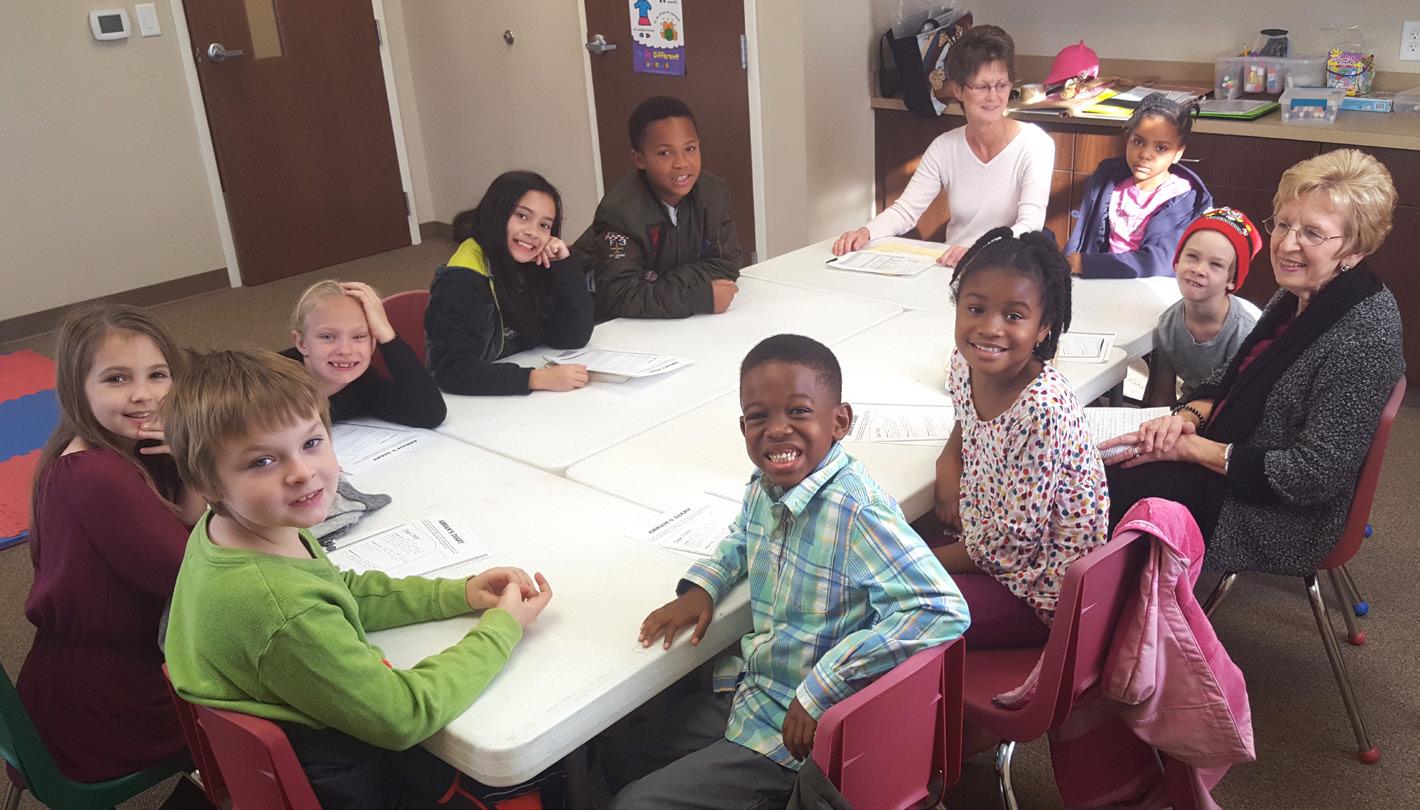
The church’s website states, Grace Crossing is a place that embraces differences - in politics, theology, and culture. What that means is that you will worship alongside people who are liberal, conservative, or somewhere in between. It means you can bring any and all of your questions, and never feel ashamed. It also means your questions are just as likely to be met with more questions than easy answers. If there is a national debate around an issue, you can be sure it is being debated in our church, and we believe that our differences make us stronger, not weaker. We are people on a journey of faith - together.
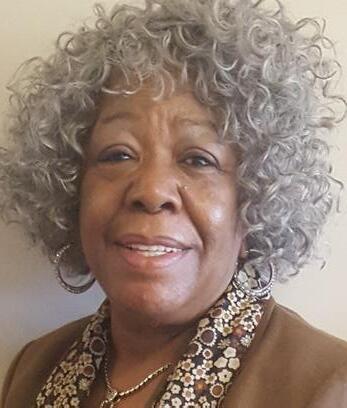
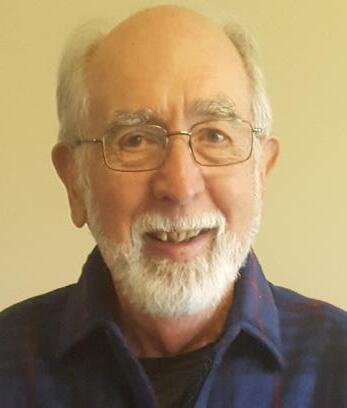
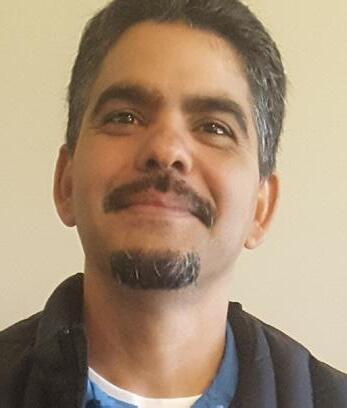
When Bob Huck moved to Charlotte, he visited a larger church but it felt impersonal to him. Bob looked up Grace Crossing on the internet and listened to some of Jason’s sermons. “He preaches from the Bible!” Bob says. He visited the church.
“The thing that first impressed me was that everyone made eye-contact. That’s very important to me.” Bob sees his diversity not in his ethnicity but in his history. He is a recovering alcoholic, sober for 40 years now, and eager to help others on their recovery road. “Not a lot of churches will let an old drunk be a deacon,” he says.
Jason notes, “We are struggling in a society that forces us to choose camps. It is a war of division and nonsense.
The church is the only solution to our nation’s divide. I believe that God has never looked on a face that he has not loved. If you can get people to start there, lots of your problems go easier.”
Nathaniel Perez was born and raised for much of his life in the Dominican Republic. He and his family attended when the church met at the high school but then the church went through “a nasty divorce” with a pastor. That was disillusioning to the Parez family, so they dropped out of church for about three years. When Grace Crossing finished building in his neighborhood, they began visiting again. “We have a patient God. I tried to ignore God for a while, but for the sake of my children God called us back to this church.”
Grace Crossing has spent years undergoing this transformation. “It has been hard for all of us. We are a weird Petri dish trying to make it work. We’ve gone through a lot of grief, pain, distrust, and financial crisis. Anything that could go bad, did. But we got back to our roots as a church that cooperates with others and actively reaches out into the community.”
Can Grace Crossing be replicated? Jason says, “Churches are like fingerprints. They can’t be replicated but you can see patterns. We cannot be franchised. A church needs to discern who it is, be unapologetic about that, and do what it does well. Most importantly, you must mean it when you say, ‘All are welcome.’”
888-822-1944 www.cbfnc.org
Cooperative Baptist Fellowship of North Carolina
Bringing Baptists of North Carolina Together for Christ-Centered Ministry
2640 Reynolda Road
Winston-Salem, NC 27106
Return Service Requested
Youth Ski Retreat
January 26-28, 2018 Winterplace
Collegiate Mid-Winter Retreat
January 27-28, 2018
Camp Mundo Vista, Sophia
Celtic Spirituality in a Baptist ContextWNCBF Gathering
January 30, 2018
First, Asheville
2018 Children’s Choir Festival
March 3, 2018 First, Greensboro
Christian Coaching Exploration Conference Call
March 6, 2018
10-10:45am Call (641) 715-0635, access code: 973776#
2018 Youth Choir Festival
March 9-10, 2018 Wingate University
2018 CBFNC Annual Gathering
March 15-17, 2018 Knollwood, Winston-Salem

Leadership Institute - Thursday, March 15
Tunes & Tales - Thursday, March 15
Friday Gathering - Friday, March 16
All Are Called Forum - Saturday, March 17
Foundations of Christian Coaching (501)
April 9-10, 2018
Christmount Conference Center, Black Mountain
Growing Young Regional Workshops
April 14, 2018: Temple, Raleigh
August 18, 2018: First, Mocksville
Establishing a Dynamic Coaching Relationship (502)
June 11-12, 2018
Christmount Conference Center, Black Mountain Register Today! www.cbfnc.org/fitchurch
CBFNC has a new home! Be sure to update our address: 2640 Reynolda Road Winston-Salem, NC 27106