This publication is intended for information purposes only and the information herein should not be applied to specific fact circumstances without the advice of counsel.
The British Columbia Branch of the Canadian Bar Association represents more than 6,900 BC members and is dedicated to improving and promoting access to justice, reviewing legislation, initiating law reform measures and advancing and improving the administration of justice.
BarTalk Publication Sales Agreement #40741008
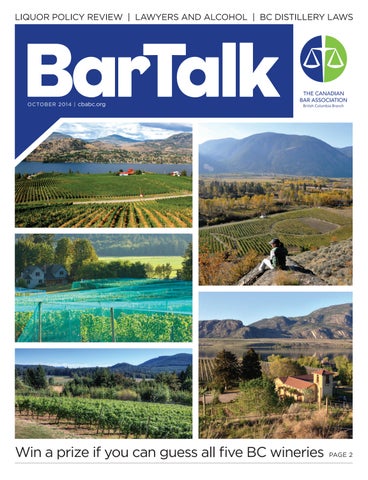
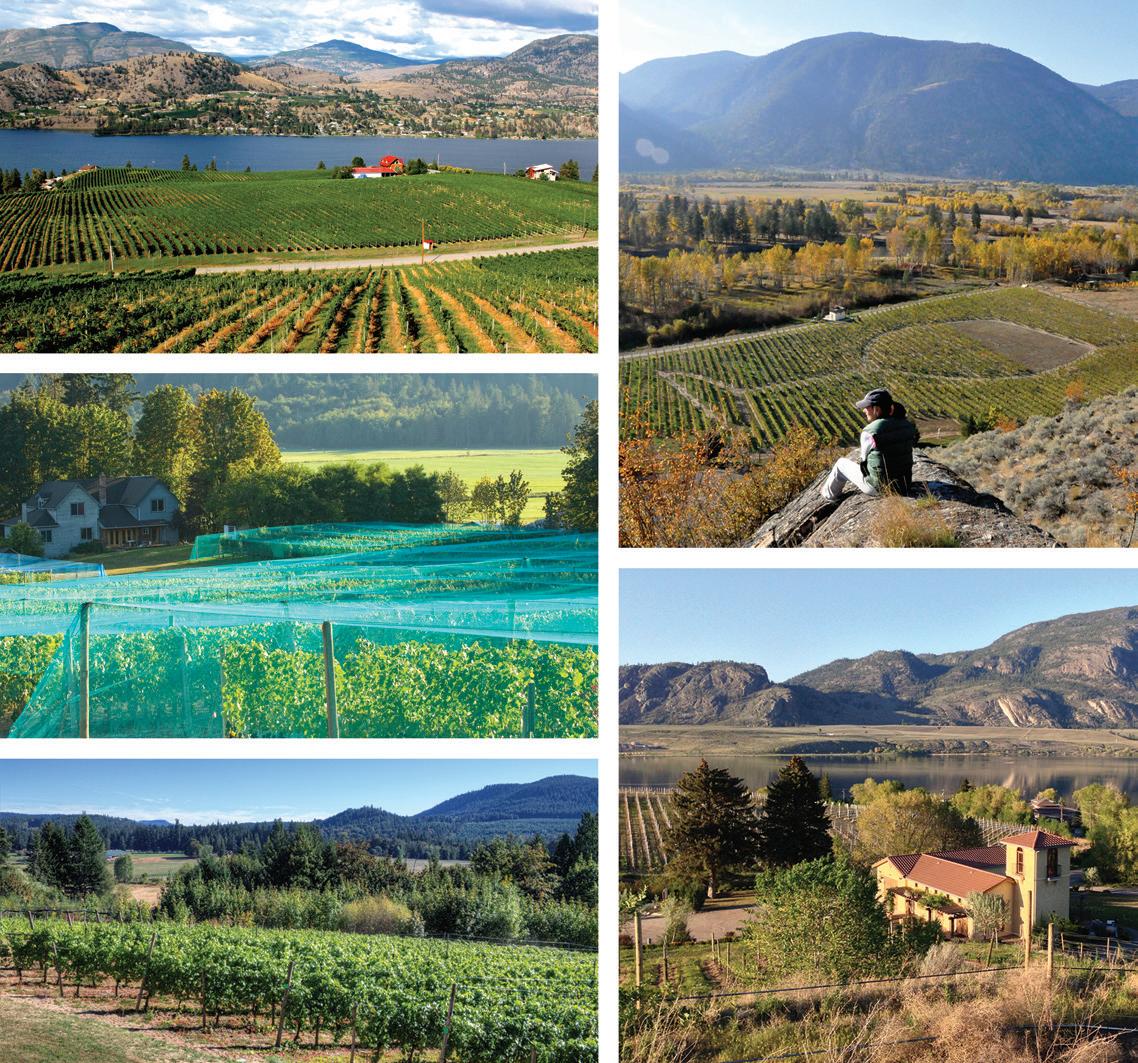
Be one of the first five people to correctly guess the name of all five wineries and win a prize package from one of the five wineries. Email your answers to bartalk@cbabc.org by October 31, 2014 for your chance to win! We will reveal the winery names and the names of the contest winners in the December 2014 issue of BarTalk.
Write Us
Send your Letters to the Editor to:
Deborah Carfrae
BarTalk Editor
JES has developed a number of resources for helping self-represented litigants. SmallClaimsBC.ca provides information about processes at all court locations throughout the province. It includes the Virtual PLEI Services and Online Dispute Resolution. SupremeCourtBC.ca is the leading source of online information regarding BC’s Supreme Court. AdminLawBC.ca helps users navigate administrative law tribunals. Both sites include Virtual PLEI Services. SupremeCourtSelfHelp.ca helps people obtain information about the Justice Access Centre. JES has also produced seven new videos and four guidebooks for CourtofAppealBC.ca
The BC Branch of the Canadian Bar Association Fax: 604-669-9601
Note: BarTalk undertakes every effort to publish letters to the editor, subject to space and editorial discretion. Letters to the editor can also be found in BarTalk Online at cbabc.org/bartalk.
Receive the latest issue of BarTalk directly to your inbox!
Subscribe by sending your full name and email address to data@cbabc.org or go to cbabc.org/bartalk/subscribe
– Lower Mainland
Orientation and Gender Conferences
Inside This Issue
An exciting issue for wine and craft beer connoisseurs. This issue of BarTalk provides our readers with an overview of some pending and major changes to the liquor laws in BC. It considers a more flexible approach to penalties imposed on licensed establishments and also highlights the assistance that the Benevolent Society and LAP provide to practising lawyers. The Executive Committee for 2014/2015 is also introduced.
News and Events
2 Win a Prize If You Can Guess All Five BC Wineries JES Resources – Self-Represented Litigants
19 Bench & Bar Dinner form
20 New CBA President Michele Hollins
Resolutions
2014 CBA President’s Award
21 Keynote Speakers at CLC
2014 CBA Legal Conference in St. John’s Sex, History and Politics with Rex Murphy
22 Bill 14 Update
CLEBC Update
Lawyer Referral Service – Did You Know?
2014 Pride Parade in Vancouver Photos
23 BC Legislative Update
Branch & Bar Calendar
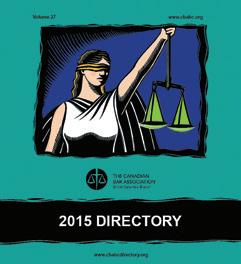
2015 CBABC Directory
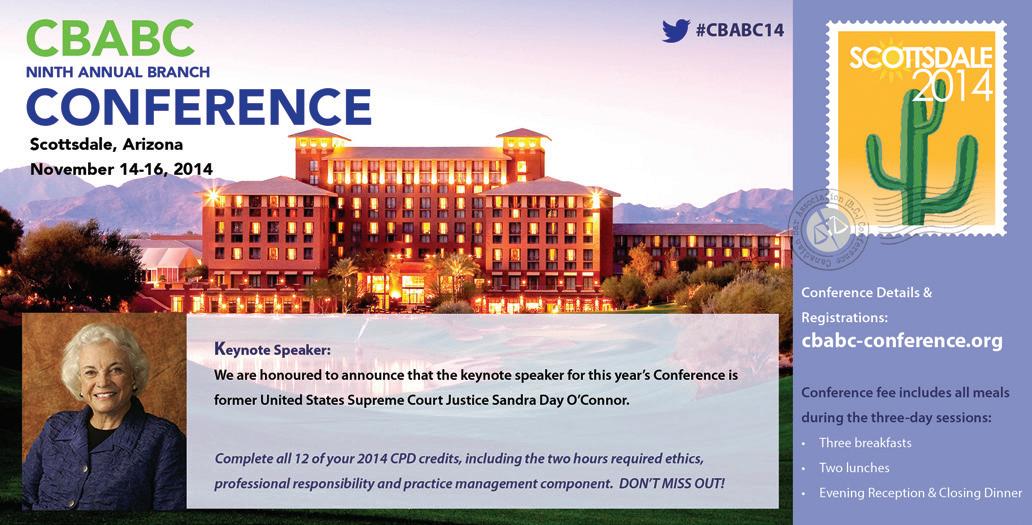
CBABC Ninth Annual Branch Conference
24 Tips from Courthouse Libraries BC
The Lawyers Show 2015
More of 2014 Pride Parade in Vancouver Photos
25 CBABC Women Lawyers Forum News
26 18th Annual VBA & CBABC Golf Tournament
Also In This Issue
FROM THE PRESIDENT
ALEX A. SHORTEN
Goals and Priorities for 2014/15
We welcome your involvement
This is my first of six BarTalk columns I will write as your President. In my role, I am standing on the shoulders of those who have preceded me and all of the volunteers and wonderful staff of our organization.
Any successes we have achieved and may achieve in the future on protecting the rule of law, supporting an independent judiciary, supporting our membership and engaging in career-long learning, are aided and supported by hundreds of people who bring expertise and passion to the various roles that they play in our organization.
My goals and the Executive Committee’s goals for this year are:
MEMBERSHIP
Improve Sections as a Value Differentiator
Sections are a high priority for our membership. We plan to review and re-organize Sections, clarify roles, strengthen programming, expand remote access and increase our focus on Solo/Small Firm practitioners’ offerings. Target and Improve PD
Based on our Operational Review, we will endeavour to increase live PD in Vancouver (2-3 hour courses); decrease PD webinars and focus only on best-sellers (e.g. updates on new legislation); and maintain PD programs outside the Lower Mainland for membership recruitment/retention value.
We will evaluate the long-term viability and profitability of the Branch Conference and develop annual online ethics content to be included with membership.
ADVOCACY – ON BEHALF OF THE PROFESSION
Represent Lawyers’ Interests in the Implementation of Law Society
Single Regulator Model
OPERATIONAL EXCELLENCE
Improve Volunteer Support and Excellence
Review and improve orientation programs, and evaluate and improve support provided to volunteers and leaders – the lifeblood of our organization.
Address the Communications Challenge
ADVOCACY INITIATIVES – ON BEHALF OF THE PUBLIC
Relentlessly Advocate for Increased Access to Justice
Continue to advocate for increases in legal aid funding, participate in the government’s Justice Summits and work with other stakeholders toward the establishment of a BC Access to Justice Commission.
Diversity in Judicial Appointments
Promote diversity in appointments to the Judicial Advisory Committee and in appointments to the Bench, particularly at the federal level, by building upon successes and transparency in recent provincial appointments.
Past President Dean Crawford has been appointed to this Law Society Committee and will participate in the discussion, monitor the process, and advocate where needed on aspects related to the scope of practice of nonlawyer practitioners as it affects our membership.
Evaluate what members want in terms of effective and relevant communications. How much is too much or not enough? What is the best way to deliver messages?
Build upon relationships with local and county Bar associations.
Increase attendance by the leadership of the Branch at meetings and events throughout the province.
We will need your help and I want to thank you in advance as I know you will all be there to help.
WHAT ELSE?
Every CBABC fiscal year (September 1 to August 31) brings expected, and some unexpected, challenges to add to the plate and our leaders and volunteers rise to meet them. Please contact me, or any member of our Executive, if you need an answer or want to get involved. We would be pleased to have you join our team.
Alex A. Shorten president@cbabc.org
EXECUTIVE DIRECTOR
CAROLINE NEVIN
The Weakness of “Better Together” Lessons
from Scotland
Last month, I was invited to speak at a Canadian Real Estate Association (CREA) conference in Nanaimo. They asked me to speak about the challenges of creating a compelling value proposition for a very diverse membership. It seems that they are experiencing some internal friction about how well or not the CREA is serving various types of members. They wanted to learn from the experiences of other organizations, and to creatively think about how to do better at serving disaffected segments of their membership.
The CBA has had cycles of dealing with this issue, when one group or another threatens to take their membership dollars elsewhere, or when a segment of the Bar decides that more autonomy is important for them to better meet their own specialized needs. In reality, the CBA is actually dealing
with some version of this challenge daily – every time a member looks at a membership invoice and decides whether there is real value in belonging to the CBA.
During the recent independence vote in Scotland, the marketing battle for votes came down to two sides presenting their version of a value proposition. You could choose to “buy” a new independent Scotland or continue to “buy” the brand of nationalism that you’d been buying for hundreds of years. Despite the fact that it’s human nature to lean toward the status quo over risk-taking behaviour, the proindependence campaign actually did the best job of expressing the value of its ideas and connecting them to the things that mattered to the people they were trying to influence.
Which brings me to the “Better Together” campaign, and its lessons for membership organizations with distinctly different groups of members within them. First, the
campaign itself was mediocre. From a marketing perspective it was boring, and when it wasn’t boring it was negative. “Say ‘No Thanks’ to Separation” was the banal tagline, with photos of average people saying why they were intending to avoid risk and stick with the UK. There wasn’t a heartstring tugged anywhere – the arguments were economic and security-based (both personal and societal), and basically built on fear. Contrast that to the powerful messages of creating a nation, of righting hundreds of years of slights and wrongs, and of being heard around the world. The positivity was over-the-top in some ways, riding roughshod over some inconvenient facts, but there is no question that the pro-independence campaign created the more powerful and positive value proposition.
So what could the anti-separation side have done better? Three key things: listening, respecting and delivering. Listening: they
didn’t take the separation threat seriously enough, so they didn’t take the time to understand who they were dealing with and what really mattered to them. Respecting: they were selling “a better UK” versus the other side’s “a better Scotland.” They focussed on why it was vitally important to Scotland that it stay part of the UK. They missed a chance to emotionally connect with the Scots about how important Scotland was to the UK, and to reflect back to its people their own pride and importance. Scottish people – like association member groups – want to know that their specialness is seen, understood and truly valued. And finally, delivering: if the UK had listened to and respected Scottish concerns and needs, there would already have been reforms and action taken that made separation a less attractive choice.
At the CBA, we work hard to listen, respect and deliver every day. We believe that if we do that well, your choice of staying or joining will be an easy one – say “yes” to being part of a better CBA!
Caroline Nevin cnevin@cbabc.org
DAVID J. BILINSKY
practicetalk Lawyers and Alcohol Facing a hidden problem
r Could’ve been the whiskey Might’ve been the gin
Could’ve been the three or four six-packs
I don’t know, but look at the mess I’m in.... r
– Music and Lyrics by Tom Paxton, recorded by The Irish Rovers.
According to the Legal Profession Assistance Conference of Canada (LPAC) (lpac.ca), studies in numerous jurisdictions have pegged the rate of alcoholism in the legal profession at between 15% and 24%. Roughly one in five lawyers are addicted to alcohol. Furthermore, they state that studies in Canada and the USA have shown that approximately 60% of
disciplinary prosecutions and malpractice claims involve alcoholism. 90% of serious disciplinary prosecutions involve alcohol abuse.
WebMD states (webmd.com/depression/alcohol-and-depression) that nearly one-third of people with major depression also have an alcohol problem (per a major study conducted by the National Institute on Alcohol Abuse and Alcoholism). Alcohol abuse and depression are both serious problems that we, as a profession, cannot ignore.
What are the signs which indicate that you, or a partner, associate, spouse or friend may be having problems with alcohol? Below is a list of several signs to look for, garnered from several websites. You:
have temporary memory loss and blackouts;
drink to cheer up;
have tried to quit drinking but can’t;
drink to be “normal” or “fit in”;
have trembling hands;
drink in secret or lie about your alcohol intake;
have anxiety, insomnia or nausea when you stop drinking;
drink in the morning;
have problems at work because of your drinking, such as being late or not going in at all;
drink in risky situations, such as before or while driving a car;
get hurt or you hurt someone else when you are drinking;
have given up other activities so you can drink;
feel guilty after drinking;
make excuses for your drinking or do things to hide your drinking, such as buying alcohol at different stores;
worry that you won’t get enough alcohol for an evening or weekend;
are having problems with family members as a result of drinking; and
have flushed skin/broken capillaries on your face.
Lawyers are very adept at hiding personal problems, including
difficulties with alcohol. The onset of alcoholism can be very gradual. Denial, combined with the fact that the progression to alcoholism can take 15 to 20 years or longer, means that many lawyers who have a problem do not face the issue until the addiction has become long-engrained. Then there is the wrongly-held belief that if you can continue to function at work and produce work, you are not addicted to alcohol.
LPAC states that lawyers aged 40 to 55 are at the greatest risk of becoming alcoholics.
DrinkingandYou.com , citing Canadian recommended guidelines, states that women should have up to two drinks per day to a maximum of 10 per week; men three per day to a maximum of 15 per week. A drink is defined as 5 oz of wine, 12 oz of regular beer or 1.5 oz of 80 proof spirits.
While studies have shown the benefits of moderate drinking, regularly exceeding the recommended
Continued on page 7 >>>
The views expressed herein are strictly those of David Bilinsky and do not reflect the opinions of the Law Society of British Columbia, CBABC, or their respective members.
David J. Bilinsky is the Practice Management Advisor for the Law Society of British Columbia. Email: daveb@lsbc.org Blog: thoughtfullaw.com
dave’s techtips
So what resources are out on the web when you want to face up to a possible alcohol issue?
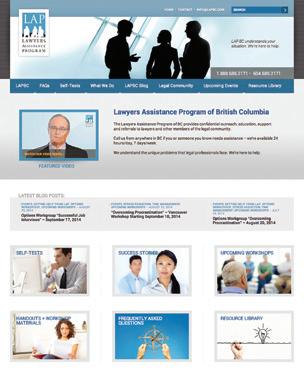
LAP (lapbc.com)
Derek LaCroix, QC and his colleagues are truly “lawyers helping lawyers” in any number of areas, including alcohol dependency, depression, stress, family, career issues and other challenges. This free and confidential service is available by telephone 24/7. This service, while funded by the Law Society of BC (LSBC), is independent of the LSBC and all inquiries
Continued from page 6
guidelines can pose significant health, personal and professional risks and cause serious problems
are strictly confidential. There are also handouts, self-tests, resources, success stories and much more on their comprehensive website. LAP can provide outreach, education and support, and can provide links to resources in the legal, mental health and recovery communities. They provide services for all members of the legal community – judges, students, staff, lawyers and their families. See page 12 for more info.
PPC
Canada (ppconline.info)
This site offers the LiveWell, BeWell and WorkWell centres. These centres offer helpful information and tools to assist you in addressing challenges and making changes to enhance your life. This confidential service, made available by the LSBC, allows you to contact them 24/7 to seek confidential help with any of life’s challenges.
Alcoholics
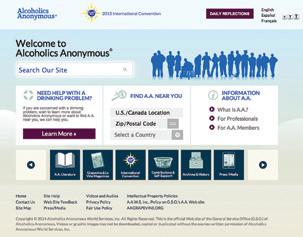
Anonymous (aa.org)
AA is an international fellowship of men and women who have
come together to support each other and deal with their alcohol problems using an underlying faith-based program. It is available almost anywhere and membership is open to anyone. Their 12-step program has helped and continues to help millions. The only requirement to join AA is a desire to stop drinking. Anonymity is the foundation of all of their traditions.
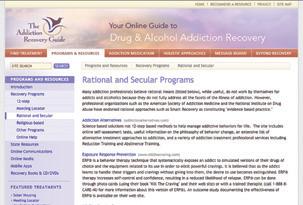
Looking for secular approaches to alcohol recovery? addictionrecoveryguide.org/ resources/recovery/rational_ and_secular lists six different approaches from behaviour therapy to cognitive, behavioural and educational methods.
Drug Rehabilitation Centres
There are a number of centres across Canada offering drug and alcohol rehab programs that use a number of different approaches. alcoholism.about.com/cs/pro/a/ blprocan.htm lists at least 31 different centres across Canada.
for you, your family and your legal career. Seek help early if you see warning signs.
After all, you don’t want to wake up one morning realizing what a mess you are in.
nothingofficial
TONY WILSON
No-One Expects the Spanish Inquisition
The Influence of the Pythons is more than just spam
Irecently had a discussion with another lawyer about the Ontario election. Instead of discussing voting patterns and demographics, I blurted out something about the “Swing” and the “Swong,” and both of us laughed because we’d seen Monty Python’s “Election Night Special” sketch in 1971 (and perhaps a hundred times since) and “got” the cultural reference. No election is safe from references to swings, swongs, Jethro Q Walrustiity, Tarquin fin bin lim bin fus top f’tang ‘ftang ftang ole biscuit barrel and my favourite quote about elections: “The election went largely as predicted except that the silly party won. This is largely due to the number of votes cast.”
Given that two colleagues of mine flew to London to see The Last Night of the Pythons in July (I’d call them miserable gits, but one of them brought me back a T-shirt), it’s probably time to remind everyone how culturally significant
the Pythons still are; how they changed humour, popular culture and more than a few words in the English language.
Case in point? Well, the name of a horrible canned lunchmeat was turned into a surreal sketch (and a funny song), which others stole years later to describe unsolicited email; something very apropos in light of Canada’s new anti-spam law. The Pythons didn’t call unsolicited email “spam” (email didn’t exist in 1970). It’s just that the “Spam” sketch got into the culture and then the culture changed the word.
Like swing and swong, words like coconut, swallow, parrot, sherry, Vicar, Proust, blancmange, brontosaurus, luxury, Belgian, nudge, wink, slug, shed, shrubbery, Burma, creosote, obvious (as in “Ron”), Larch, anchovy, elderberry, plumage, lifeboat, penguin, kamikaze (as in “Scotsman”) and even camembert (it’s a little runny sir) have been “Pythonized” into our culture and our language. Like quantum physics, “Pythonized” words and
images of “bring out your dead,” a Black Knight, and shrubberies.
phrases (whether they are woody or tinny), take on slightly sillier meanings than their standard dictionary definitions, depending on who’s in the room with you.
The “lupin” is the funniest of all flowers only because of the Dennis Moore sketch. “Albatross” can be a sea bird, but when screamed loudly, it becomes something sold like ice cream in a theater by an obnoxious lady (without wafers). The “Spanish Inquisition” can’t be referred to, even seriously, without the reply everyone expects. You can’t discuss live parrots without thinking about dead ones. Frogs are always crunchy. Bananas are dangerous. It takes four hours to bury a cat. Cheese in a cheese shop is a surprise. A dirty fork in a restaurant means the waiter will commit suicide. “It’s only a flesh wound” is said when someone is seriously injured. And medieval history will always conjure up
How Karl Marx could be a contestant in a game show, (hoping to win that beautiful lounge suite) or an Icelandic saga could morph into promotional film for “North Malden,” are but three… no two... two illustrations of their surreal and absurd comedy; comedy rarely tied to the curse of a punch line. Judges, lawyers and particularly accountants weren’t safe from mockery, but neither was religion. In the Life of Brian, religious zealots argue about whether gourds or shoes are symbols of the divine, more or less explaining the entire history of religious schisms.
I don’t know how long I have before I shuffle off this mortal coil, run down the curtain and join the bleedin’ choir invisible, but I would hope that at my memorial service, those in attendance would break into a rousing rendition of “Always Look on the Bright Side of Life.” There will be lots of wine, together with Lobster Thermidor aux crevettes with a Mornay sauce, garnished with truffle pâté, brandy and a fried egg on top. And Spam. (Baked beans are off).
feature 2014/2015 EXECUTIVE COMMITTEE
Alex A. Shorten PRESIDENT
Alex Shorten, Barrister & Solicitor
Vancouver
Dean Crawford PAST PRESIDENT
Coutts Pulver LLP
Vancouver
Kenneth Armstrong OFFICER
Stewart & Company
Vancouver
Alison Oxtoby OFFICER
Kelowna
Krystle Gill EQUALITY & DIVERSITY REPRESENTATIVE
HART Legal
Victoria
To read more about each Executive
Jennifer Chow VICE PRESIDENT
Department of Justice Canada
Vancouver
Michael Welsh SECRETARY-TREASURER
Mott Welsh & Associates
Penticton
Audra M. Bayer OFFICER
MacLean Law
Kelowna
William (Bill) Veenstra OFFICER
Jenkins Marzban Logan LLP
Vancouver
Erin L. Crocker YOUNG LAWYERS REPRESENTATIVE
Perry & Company
Smithers
Keep Current A review of provincial Section meetings
Young Lawyers Lower Mainland
Meeting in Review: July 24, 2014
Topic: Monte Carlo Experience
CBABC Sexual Orientation and Gender Conferences (SOGIC)
Meeting in Review: August 3, 2014
Topic: Lawyers with Pride 2014
Young Lawyers Kootenays
Topic: Introducing a New Section in the Kootenays
CBABC Aboriginal Lawyers Forum
Upcoming Event: November 28, 2014
Speaker: Former British Columbia Supreme Court Justice Lynn Smith
Topic: CBABC Aboriginal Lawyers Forum 5th Annual Holiday Banquet
Young Lawyers Lower Mainland
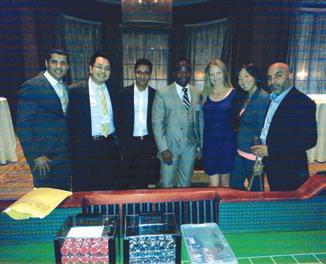
uYoung Lawyers are aware of the benefits of building collaborative inter-professional relationships. One of the goals of the Young Lawyers – Lower Mainland Section’s Executive Team has been to provide young lawyers’ opportunities to build inter-professional relationships that will help them grow their legal practice and better respond to clients’ needs. In early 2013, Melanie Magnusson, Chair of the Young Lawyers – Lower Mainland Section, Mirza Rahimani, of the Young Chartered Accountants (now Chartered Professional Accountants) and Troy Peart of the Certified Financial Analysts came together to create a fun event that would encourage interaction between the organizations’ members. On July 24, 2014, more than 200 young professionals arrived at the Vancouver Club for the 2nd Annual “A Monte Carlo Experience.” This sold-out event was a grand success. The room was alive with excitement as attendees enjoyed a stylish evening of networking, fundraising, and fun. The Section thanks the event sponsors who were integral to the success of the event. If you or your firm wishes to sponsor the event next year, contact the Sections Department.
CBABC Sexual Orientation and Gender Conferences (SOGIC)
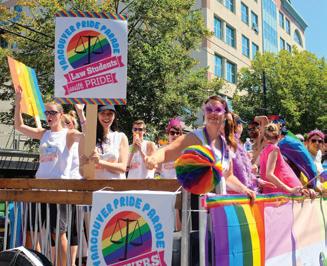
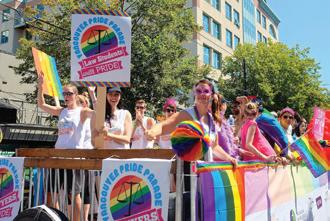
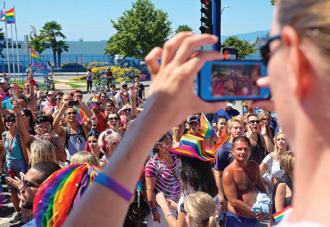
uOn August 3rd, the streets of downtown Vancouver were filled with colourful floats making their way to Stanley Park’s Sunset Beach in celebration of
the 36th Annual Vancouver Pride Parade. Among the hundreds of vibrant floats was “Lawyers with Pride” organized by SOGIC volunteer Jonathon Braun. CBABC SOGIC Section members, including law students and lawyers, joined other members of the justice community in the parade on this beautiful sunny day, and the crowd’s energy was infectious! Vancouver Pride Parade is one of the most colourful, diverse parades and attract hundreds of thousands of people celebrating the LGBTTQ communities and other affiliated groups. For those interested in sponsoring next year’s float or volunteering, contact the Sections Department.
Young Lawyers Kootenays
uSince the inception of the Young Lawyers – BC North, which is currently chaired by Erin Crocker and Nina Purewal, there has been an increased interest in creating Sections focused on the development of Young Lawyers throughout BC. The new Young Lawyers Section in the Kootenays chaired by Katie Diehl aims to encourage lawyers with less than 10 years of practice to participate in opportunities for networking and continuing legal education focused on issues which arise early on in practice. The Section Executive aims to create events in conjunction with the local Bar to benefit young lawyers. Proposed events include meeting with local judges and senior practitioners, social gatherings, and practicefocused meetings. The Section Executive encourages members in the Kootenay area to attend and participate in upcoming events.
If you are interested in creating a new Section in your area contact the CBABC Sections Department.
CBABC Aboriginal Lawyers Forum
uThe CBABC Aboriginal Lawyers Forum (ALF) is hosting their Annual ALF Holiday Banquet on Friday, November 28 at The Fairmount Hotel, Vancouver. This year’s banquet guest speaker is The Honourable Justice Lynn Smith (BCSC, retired). In 2005-2006, Justice Smith was the Executive Director of the National Judicial Institute on secondment from the court. She is a Judicial Associate of the National Judicial Institute and serves on the faculty
of the Charter and Evidence Workshops as well as the New Federally-Appointed Judges Program. The ALF Special Contribution award will be presented at the event. This award is given to a law firm or an individual that has shown a special and consistent dedication to Aboriginal people in the field of law. This award recognizes a firm or individual’s contribution to ALF addressing the various issues facing Aboriginal law students and lawyers. The inaugural winning law firm was Callison & Hanna. This annual banquet is wellattended by members of the legal community; last year’s event sold out and it is anticipated this year’s will be just as popular. Purchase your tickets early online.
The 2014/2015 CBABC membership year has begun and with your CBABC Membership you receive unlimited access to 78 BC Sections and 41 National Sections. As a BC member:
Register online for any Section meeting/event without enrolling in Sections.
Access online Section resources such as minutes, legislative updates, news items and discussion board.
Enroll in your preferred Sections to receive email notifications of meetings, news and updates.
features
DAVID HAY AND DEREK LACROIX, QC
The CBA (BC) Benevolent Society and LAPBC
Right up the road is a helping hand
THE CBA (BC) BENEVOLENT SOCIETY
Lawyers are expected to help people through their difficulties. They are not expected to have difficulties of their own, or admit to having them, and thereby show any weakness. But lawyers are human and it is because of their humanity that they suffer, usually quietly, and alone.
Despite the mythology and the fancy education, lawyers often have nowhere to turn when a problem becomes a crisis. Fortune can turn very quickly – the progressive impact of alcohol, drugs, stress, or other unforeseeable health reversals can eliminate a lawyer’s means of survival.
The CBA (BC) Benevolent Society’s purpose is simple. We exist to respond discretely to a crisis in a lawyer’s or articled student’s life, and to provide emergency funding and a measure of dignity to the applicant and his or her family. We pass no judgment and offer no red tape. Our directors assess an applicant’s circumstances within one week and, if they fit the society’s mandate, financial support (benevolence) comes quickly.
The society’s money is raised annually through the various Battles of the Bar Bands occurring throughout the province. Lawyers and students in Kelowna, Victoria, Nanaimo and Vancouver all get their rock God on in support of their fallen colleagues. Rock and roll has some features
similar to the practice of law. There are lofty highs, abysmal lows, and an always-demanding clientele. The fit is uncanny.
If you or someone in the profession needs help, we hope you will consider coming to us. Some of our profession’s finest men and women have needed help. You are not alone and there is no shame in being vulnerable.
LAWYERS ASSISTANCE PROGRAM OF BC
Practising law is a fabulous way to make a contribution to society and to make a good living doing it. It is also a profession fraught with potential problems.
(or even think you might be about to have a problem) of any kind. There are several ways to be involved with the LAP.
1. Ask for assistance for yourself.
2. Attend one of our “Healthy Living” Seminars or one of our ongoing support groups.
3. Volunteer to help others.
4. Call in and let us know if you observe another member who may be in distress.
Each call we receive is treated as confidential. We treat each communication as having solicitor/ client confidentiality.
Research out of Johns Hopkins University found law to be the #1 profession for major clinical depression; it also has rates of alcohol abuse at more than double the general population. Many of our colleagues will fall prey to one of these debilitating diseases. The Lawyers Assistance Program (LAPBC) is here to help.
Law also has a tradition of lawyers helping one another. The LAPBC has grown from that tradition, as has the Benevolent Fund, with whom we often work in collaboration. We are available to offer a variety of support. We have trained lawyer/counsellors and we have many trained and empathetic volunteers around the province. Give us a call if you have a problem
LAP also offers a wide variety of educational, informational and supportive programs across the province. We provide assistance to lawyers and their families, judges, students, and support staff. The LAP has become one of the most popular initiatives within the legal community. We are an independent, non-profit society. The Law Society has respected, in fact supported, the necessary independence of the LAP.
If you or someone you know is having a problem, please call us at 604-685-2171, toll free 1-888685-2171 or visit our website at lapbc.com.
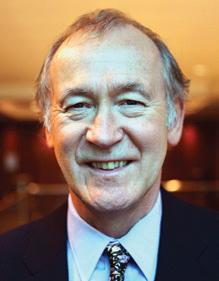
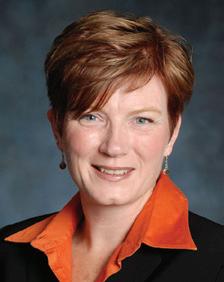
L-R: David Hay is President of the CBA (BC) Benevolent Society and Derek LaCroix, QC, is the Executive Director of LAPBC.
BC Introduces Major Changes to Liquor Laws Reforms expected through 2015
The BC government is in the midst of implementing significant changes to BC’s liquor laws and policy. The changes result from modernization recommendations contained in a report written by MLA John Yap, following last year’s Liquor Policy Review. The report was wide-ranging and included 73 recommendations related to most sectors of the industry. Many of the more specific recommendations are summarized below.
Changes that will affect BC’s wineries include: increased promotion of BC wine products, simplifying licensing requirements for low risk activities such as picnic areas at wineries, streamlining licensing processes for wineries, allowing the sampling and sale of wine at farmers’ markets, making it easier for consumers to purchase wine at tasting events (including temporary on-site private and government stores), and allowing secondary tasting rooms for wineries.
Changes that will affect restaurants and bars include: allowing happy hour specials subject to minimum pricing guidelines, allowing minors into pubs with their families subject to guidelines, removing the requirement to order food in restaurants when ordering a drink, and flexibility in operating an establishment so as to allow conversion from food-primary to liquor-primary at a certain hour.
Changes affecting various other sectors include: an appeal process for decisions of the licensing branch, loosening of the requirement to use fenced off “beer gardens,” an overhaul of the special occasion licensing system, simpler licensing for stadiums and theatres, removing restrictions on sampling alcohol, allowing off-site storage for private licensees, allowing growler service in retail stores, and site-wide licensing for hotels.
In addition, and significantly for consumers, the government has also announced changes to both the retail and wholesale sectors for liquor distribution. The current plan creates two new ways to sell liquor in grocery stores: the first is a
Nevertheless, aside from the new VQA licenses, the current moratorium on issuing new private retail licenses will be maintained so the only way to open a “store within a store” is to move an existing store. The current 1 km distance separation rule for liquor retailers will be maintained (and expanded to include government stores). The 5 km maximum relocation rule for retailers will be eliminated, allowing licensees to move stores from rural areas to more populous urban ones.
Finally, the government has also announced that BC’s byzantine wholesale pricing structure for liquor will be revised, a new percentage-based wholesale markup system will be introduced, and all retailers (both government and private) will pay the same wholesale price for liquor products (apparently the current intention is that restaurants/ hotels/bars will not be included in this policy).
The report was wide-ranging and included 73 recommendations related to most sectors of the industry.
“store within a store” model where alcohol will be sold in a segregated area of the grocery store with its own cashier, and the second is the ability to obtain one of a limited number of new licenses that will permit the sale of BC VQA wines on regular grocery store shelves.
The changes are being implemented over a staggered time frame ending in 2015. For up to date information on the progress of implementation, the Liquor Control and Licensing Branch maintains a table here (with links to supporting documents): pssg. gov.bc.ca/lclb/policy/index.htm.
In addition, a complete re-write of the existing Liquor Control and Licensing Act is scheduled to be introduced in spring 2015.
Mark Hicken is a wine industry lawyer in Vancouver and President of the Modernize Wine Association of BC.
MARK HICKEN
features
MICHAEL WELSH
BC Distillery Laws Enter the 21st Century
Removing “Daft Regulations”
Our daughter recently got married in a castle in Inverness, where we men wore kilts – an interesting experience – and I visited some wonderful Speyside scotch distilleries, enjoying a culture where the making and service of spirits is relatively free of arbitrary or unduly restrictive rules. In BC, we are finally seeing some movement in this direction, fostering a blossoming of local craft distillers. So in the “spirit” of both places, I highlight positive changes in BC’s regulatory framework allowing this small renaissance, and talk about and review single malt scotch.
BC’s liquor laws are a product of prohibitionist attitudes that government should discourage alcohol use. That such laws have continued well into the 21st century was an embarrassing hindrance to intelligent alcohol production and consumption. The BC government, in 2013, commissioned the “Yap Report” (referred to in Mark Hicken’s article on p. 13) that made wideranging recommendations in alcohol regulation. With distilleries, the report noted: “Many presentations, particularly from manufacturers, spoke of the significant requirements and criteria that need be met to obtain a manufacturer’s licence... while high standards must be required for any approval related to alcohol production, there may be opportunities... to streamline the approach.”
Minister Coleman began immediate implementation, he said, “to remove daft regulations” under the Liquor Control and Licensing Act to:
allow breweries and distilleries to have on-site lounges or tasting rooms like wineries;
eliminate the “tied house rules” where alcohol manufacturers could not sell their own products in any off-site restaurant or lounge they owned, and allow up to three off-site partnerships;
simplify rules on how liquor manufacturers may promote their products in bars and restaurants; and
“malting” the barley that converts the starch to sugar before it is fermented to make the beer-like “wort,” that is double-distilled and barrelaged. Malting barley involves it being soaked in water, germinated and kiln-dried. Traditionally, peat was the fuel imparting that smokiness. With modern heat sources, the use of peat became a matter of style. Unpeated whiskies find a large following in Asia, peated ones appeal more to the North American market and Europe in between. Within the peated range there are lightly and heavily-peated versions.
give BC distilleries using entirely BC agricultural raw materials exemptions from BCLDB markups and fees when selling directly to customers and restaurants, enjoying what winemakers call “farm gate” status.
The Sun reported that when Okanagan Spirits previously sold its $45 Poire William brandy at its Vernon distillery, it netted back $28.08, while through any other retailer in the province it netted $16.03. Under “farm-gate” status, it nets $37.80.
Now to the single-malt. Why do some, like Lagavulin or Laphroaig from Islay, have “smoky” aromas and flavours, while others, like Glenlivet from Speyside do not? The difference is from the method of
Here is a fine example of each: BENROMACH 10 year (SKU223461, $79.99): From a family-owned and smallest distillery in Scotland, where computerized production lines are eschewed for old-fashioned manpower from its threeman team, this awardwinning Speyside distillery makes a lightlypeated whisky redolent with sweet spiced orange, ginger and smoky chocolate aromas and flavours on a long-malted finish.
ABERLOUR DOUBLE CASK 12 year (SKU922658, $62.99): This Speyside distillery, like many Scotch distillers, is part of the Pernod Ricard group. The 12 year is unpeated displaying sweet fruit aromas and flavours of dried apple, red apple peel, ginger and dried apricots, with notes of toffee and cinnamon and a warm peppery finish.
Michael Welsh, a Penticton lawyer, usually writes about wine. He operated a commercial vineyard for a decade, was president of the BC Grape Growers’ Association and is a BCVQA wine judge. He is also a single malt scotch aficionado.
MICHAEL KALE
A More Flexible Approach
Discussion paper seeks comments on enforcement penalties
On January 31, 2014, the BC government released its Liquor Policy Review Final Report, which made 73 recommendations to modernize and relax BC liquor laws. Recommendations 11 and 12 in the Report suggests that the current penalties for contravention of liquor laws and regulations be reviewed to ensure that BC’s penalties are appropriate, both in comparison with other provinces and in relation to the size and focus of licensed establishments. On August 29, 2014, the government issued a Discussion Paper for Consultation and invited stakeholders to comment on the Penalty Schedule under the Liquor Control and Licensing Regulation
In comparison with other provinces, BC falls in the middle with respect to imposing penalties –considerably higher than in Alberta but lower than in Ontario; whether by way of monetary fine or licence suspension. Currently, the range of penalties imposed in BC for a first offence is 1 to 15 days licence suspension and/or fines up to $10,000.
The Discussion Paper identifies various issues to be considered, which may lead to changes to penalties imposed for non-compliance. When the Penalty Schedule was introduced in 2001, the objective was to foster consistency in enforcement actions. While con-
sistency may be laudable, the Discussion Paper recognizes that the penalties outlined in the Penalty Schedule may affect licensees differently depending on the type of licence and/or the size of operation.
Implementation of the Report’s recommendations requires the issue of proportionality in enforcement be carefully considered. For example, a liquor primary licensee must not operate its business at all during a suspension, while a food primary licensee may continue to serve food, just not liquor, while its liquor licence is suspended. Given that a food primary licensee may now serve alcohol without serving food, this will result in inequities in the impact of penalties for these types of licensees. As such, monetary penalties may be preferable to suspensions in the future. The concern will be that such penalties are high enough to represent a true deterrent and not a cost of doing business, without putting smaller licensees out of business.
suspensions versus monetary penalties may result in “perceived inequitable treatment.”
Some of the other issues identified in the Discussion Paper include whether:
additional flexibility in the imposition of penalties is appropriate – both with respect to the penalty imposed by the Liquor Control and Licensing Branch, and with respect to licensees being able to choose between a fine or suspension;
current penalties are sufficient to promote voluntary compliance;
the current timeframe of 12 months should be increased to 24 or 36 months when determining whether a second or subsequent contravention has occurred with its resulting higher penalties;
to introduce variable penalties based on liquor volume purchases from the Liquor Distribution Branch; and
to introduce monetary penalties for second and subsequent contraventions (which currently require suspensions).
Interestingly, the Discussion Paper introduces the idea that the cultural make-up of a region of a given business may affect the impact of a fine or suspension imposed on a licensee and how cultural make-up and the stigma and loss of reputation associated with
The government has invited stakeholders to provide comments and suggestions regarding the Discussion Paper until September 30, 2014. The full Discussion Paper can be accessed at pssg.gov.bc.ca/ lclb/docs-forms/penalty-scheduleconsultation.pdf.
Michael Kale is a corporate commercial lawyer with Richards Buell Sutton LLP in Vancouver who regularly advises owner-managers in the hospitality industry.
KEVIN YEE
I’ll Have a Beer to Go, Please Craft beer and growlers in BC
To the tune of Billy Joel’s “Piano Man:”
It’s one o’clock on a Saturday, the regular crowd shuffles in. There’s an old man sitting next to me takin’ sips of his hefeweizen. He says, “Son, can you pour me a pale ale, I’m not really sure how it goes. But it’s crisp and it’s sweet, and I knew it complete, when I came here one month ago.”
This is the scene of a tasting room in one of many new breweries in the Lower Mainland. Craft breweries are popping up all over BC. According to Ken Beattie, Executive Director of the BC Craft Brewers Guild, BC had 55 craft breweries a year ago. We now have more than 70. Next year, we’ll have more than 100. This explosion has also fueled the use of growlers.
Growlers are glass jugs for customers to get take-out beer. You can drop by many breweries to sample the latest batch, fill your growler, and take beer home to enjoy. It’s a great way to meet the brewmaster and learn about craft beer while getting beer straight from the source.
Growlers date back to the 1800s, before mass production. People would go to the saloon and fill up a pail or pot of beer. The name comes from the growling sound of carbonated air escaping. According to Mr. Beattie, growlers came roaring back two years ago
as liquor laws relaxed for tasting lounges at breweries.
Storm Brewing in Vancouver started filling growlers just a year ago. Its owner James Walton finds it a great way to meet his customers. Nearby, Parallel 49 Brewing has been filling growlers for just over two years and now, they are filling 1000 each week.
Selling beer in refillable containers was addressed in the BC Liquor Policy Review This report was submitted to the government in November 2013. It made 73 recommendations to modernize our liquor laws that are being considered by policy makers. One was
“Personally I would love to be able to fill my growler anywhere – the idea of being able to get a fill of something from outside of Vancouver/BC/Canada that isn’t available in bottles really appeals to me. Not only the convenience and variety but also the reasons why growlers are so awesome like the lower environmental impact, not having to pay the bottle deposits and tasting a few different things before choosing.”
The BC Craft Brewers Guild has a different view. They want to promote the interactions between beer enthusiasts and brewers that can’t be replicated in a conventional retail environment. Mr. Beattie adds, “we can be assured of the quality if the beer is from the source. This way, it’s the freshest beer possible – from the tank right into the growler.” Also, keeping growler filling at the breweries will support local brewers and promote beer tourism.
Craft brewing and growler use will only continue growing. We will have to wait and see how new liquor laws address and affect this trend.
expanding growler refills to liquor stores. This is a contentious issue.
The consumer advocacy group CAMRA BC (Campaign for Real Ale BC) has followed this issue closely. While CAMRA has no official position yet, its president Adam Chatburn shared his own views:
Craft brewing and growler use will only continue growing. We will have to wait and see how new liquor laws address and affect this trend. As the liquor policy report pointed out, it was only a few decades ago when BC turned its wine industry into a huge success story. Perhaps BC can tap into its tremendous potential and become a renowned place for great craft beer.
Kevin Yee practises civil litigation and personal injury law at Stevens Virgin. He thanks Ken Beattie, Adam Chatburn, James Walton, and Scott Venema for their valuable insight.
guest
Can Lawyers Keep People From Getting Sick?
Access to justice as a determinant of health
Advocates for a comprehensive legal aid system to assist those people that cannot afford to hire a lawyer often point to the potential cost savings for the legal system if we provide advice and representation to unrepresented parties who bog down the system. While those cost savings are certainly real and wellestablished, there are other less explored savings that reverberate outside of the justice system.
Health and well-being correlates strongly to a person’s income level (go to policyalternatives.ca/costofpovertybc for more info). People living on a low income have higher rates of illness and disability. Per capita, healthcare expenditures consistently increase as income levels decrease. Lower income people are also the least able to afford legal advice and representation when they have a legal problem.
It is not hard to imagine how basic issues like the safety and stability of your work, the security and state of your home, what you are able to eat, or whether you suffer discrimination might negatively affect your income level and health.
The Community Legal Assistance Society (CLAS) provides legal assistance to vulnerable and low income people on issues related to housing, income security, human rights, mental health and workers’ rights. In doing this work, CLAS
regularly witnesses how unresolved legal problems can create or exacerbate health problems, and where legal assistance helps to resolve or avoid health consequences. These are some examples of the kinds of issues that CLAS sees:
A child with asthma living in a rental unit with mould that the landlord refuses to repair, despite administrative orders to do so.
A worker with a high-risk pregnancy who is fired for needing to take time off, and now cannot secure new employment before the birth of her child.
A person who finds a rental unit he can afford on his fixed income that will provide him stability, but the landlord denies his tenancy application simply because he receives disability benefits.
A person with diabetes who has stopped receiving income assistance due a technicality and can
Per capita, healthcare expenditures consistently increase as income levels decrease.
no longer afford the healthy food required to manage her health without medical intervention.
A First Nations woman who is unable to get appropriate medical treatment because of discriminatory assumptions about her health.
A worker who has suffered a serious illness as a result of unsafe working conditions, has experienced a significant reduction in income, and is not receiving adequate compensation. The stress of these conflicts can exacerbate underlying health issues, and many of the situations themselves have direct costs for the client’s health and well-being. Early and accessible legal assistance to resolve these kinds of legal issues can significantly reduce negative health consequences. That, in turn, can reduce public expenditures on immediate healthcare needs as well as long-term healthcare costs down the road. This is all on top of reducing the additional costs associated with unrepresented parties in our administrative and court justice systems. Over the past 12 years, poverty law legal aid that might assist clients with these kinds of issues has been nearly eliminated in BC. It’s time to recognize the critical role that the legal profession – especially those providing legal services to low income individuals –can play in helping to keep British Columbians healthy.
Kendra Milne is a staff lawyer at the Community Legal Assistance Society. Her work focuses on housing and income security for low income people. For more information, visit clasbc.net
KENDRA MILNE
PERMINDER S. TUNG
Lighting the Way
To a better, more
equal judiciary
Recently, I found myself telling an inner city Law 12 class that what uniquely equipped them to succeed in the job market today is a sense of “equality.” Our discussion revolved around law – the profession is ancient and is somewhat resistant to change. We focused less on the apparent negative feelings that stem from that past and moved on to the positive light of the future. I wanted to instill the dream: equal rights and opportunities irrespective of gender, ethnicity, religion, or orientation. An optimist might fuel these young champions of equality and instill positive citizenship. I hope they make good in the world.
My passion for diversity comes from the fact that I was born and raised in Surrey, BC to first generation Punjabi speaking Indian immigrants. I have a Chinese last name. Imagine a field hockey pitch covered with ice and a mish mash of burgers, fries, hot dogs and pizza with the aroma of curries, sweets and of course butter chicken. I’m now vegetarian – thanks Vancouver.
In my view, to succeed in the world it is important to know who you are and be comfortable with it. What is important is what you do and how you do it, not where you come from or what you look like. Diversity is what drives better insights and better decisions. It is the backbone of innovation and advancement. We are animals – in nature,
if we relied on one food source our chances of extinction increase drastically. The business world is penalized as well – Kodak missed the digital revolution, recognize that name? What does this mean for the legal profession, and specifically
and lawyers who were courageous and inspirational in sharing their experiences and views on diversity.
The diversity statistics in our courts are alarming and the panel agreed that it is cause for concern. We need to practice what we preach and exemplify those beliefs through our actions. We need to have a sense of urgency when it comes to diversity. Imagine British Columbians collectively challenging our court system as unreflective of its people. We need to be courageous as people from different backgrounds and put forward applications for
the judiciary? After all, our courts should be reflective of the patchwork quilt of society, right? The CBA is committed to this cause.
On May 27, 2014 the CBA cohosted the second installment of
The profession is ancient and is somewhat resistant to change.
Building Diversity on the Bench. The event was sponsored by the Law Society of BC, the South Asian Bar Association, the Federation of Asian-Canadian LawyersBC, and the Canadian Association of Black Lawyers. The event was well-attended and webcast across BC. The speakers included judges
appointment to the Bench. A diverse judiciary is one of the best ways for lawyers to be a force for good in the world. This is our calling. Someone who enters the legal system, for personal or business problems, will need to see their world reflected on the Bench.
I might be a little bright-eyed and optimistic, but we are being handed a torch to a future of greater diversity. We need to light the way to a better, more equal court. For information about applying to the Bench, consult the local provincial and federal courts.
Perminder S. Tung is a partner at Lindsay Kenney LLP. He practises Plaintiff Personal Injury Litigation. He is also an elected CBA Westminster County Representative.
The Law Society of BC and the Canadian Bar Association BC Branch warmly invite lawyers and judges to attend the 30th Annual Dinner for the Bench and Bar.
Bench & Bar Dinner
Date: November 6, 2014
Time: 5:45 pm Reception (cash bar) 6:30 pm Dinner
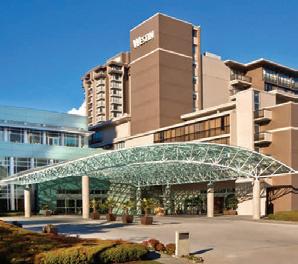
Place: Westin Bayshore Stanley Park Ballroom 1601 Bayshore Drive Vancouver
Dress: Business attire
Ticket: $100 (GST included)
Mail, email or fax (fax orders require payment by credit card) your ticket order to:
Canadian Bar Association, BC Branch - Attention: Events 10th Floor – 845 Cambie St. Vancouver, BC V6B 5T3
Email: events@cbabc.org
Tel: 604.646.7855
Fax: 604.669.9601
Join the Law Society Benchers and CBABC Executive in paying homage to those who have made outstanding contributions to the cause of justice in BC.
The Dinner will feature the presentation of the Law Society Award and CBABC Georges A. Goyer, QC Memorial Award for Distinguished Service. Tickets are limited. Don’t be disappointed; order early.
Cardholder name Card no.
*please make cheque payable to Canadian Bar Association, BC Branch
news&events
New CBA President Michele Hollins
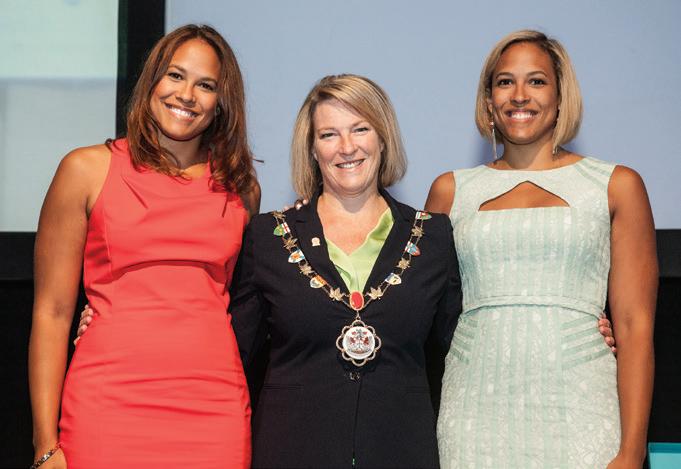
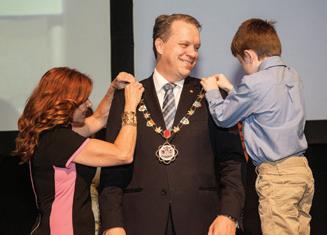
On the closing day of the CBA Legal conference, Michele Hollins was sworn in as CBA President, receiving the chain of office from Fred Headon.
Saskatchewan native and Calgary resident Michele describes herself on Twitter as someone who “Loves the law, NFL, food, wine, my daughters, CBA, being outside and life, obviously not in that order.”
As president, Michele will be taking on a leadership role in the association’s two biggest initiatives, Access to Justice and Futures. The final report from the Futures Initiative, she says, touches on some issues that are “nearest and dearest” to her: women in the profession, diversity and wellness among lawyers.
As president she will also have a role in the CBA Re-Think – an organization-wide analysis of the association’s value proposition. Everything is on the table, she told
the CBA Legal Conference’s closing plenary. “A year and a half from now, we plan to have reshaped our organization into a new and revitalized one that will be valued by and more relevant to members.”
She invited delegates to offer up their “complaints, ideas, suggestions, and accolades” to help the CBA chart its course.
Read the article about the new CBA president by National Magazine’s Katya Hodge
Resolutions presented at Council in St. John’s showed the wide range of our association’s interests, from supporting diversity and inclusion in CBA leadership to advocating equality on corporate boards; from addressing access to justice issues to promoting the rule of law as a global development goal.
Resolutions were also proposed to take care of some CBA housekeeping items, primary among them a request to Council to temporarily repeal a sentence in Bylaw 1 that would allow a deficit budget for the 2014-15 fiscal year.
Check the CBA website to see the resolutions that were passed CBA NATIONAL NEWS
The Honourable Irwin Cotler of Montreal and Simon Fodden of Toronto, creator of the blog SLAW, are the recipients of the Canadian Bar Association’s (CBA) 2014 President’s Award.
The award recognizes the significant contribution of Canadian jurists to the legal profession, the CBA, or the public life of Canada.
CBA NATIONAL NEWS
Michele Hollins pictured with daughters Kacie and Jess.
Fred Headon’s family helping to pass the chain of office.
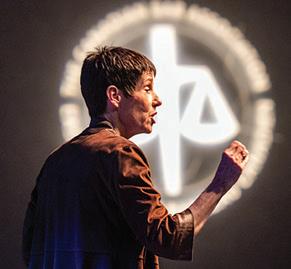
Check out nationalmagazine.ca for coverage of the presentations from this year’s keynote speakers: Lyn Heward (pictured above), former Director of Creation for the world renowned Cirque du Soleil; professional curmudgeon Rex Murphy; and Zita Cobb, who is trying to introduce a sustainable economy into her Fogo Island birthplace. Also, Christine Healy, VP Commercial Negotiations for Statoil, talked about what Canada can learn from Norway’s offshore oil experience.
2014 CBA Legal Conference in St. John’s
The headline item from this year’s CBA Legal Conference in St. John’s, N.L., was the release of the final report from the Legal Futures Initiative.
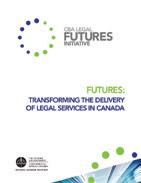
Futures: Transforming the Delivery of Legal Services in Canada is the product of two years of research and consultation with stakeholders in and outside of Canada’s legal system. The report’s recommendations touch on everything from the need to change the way we educate lawyers to the need to liberalize the regulations governing the profession in order to better serve clients.
“The bad news – for some – is that some fundamental aspects of our profession must change – and quickly,” outgoing CBA president Fred Headon told the conference’s opening plenary.
“The good news – for all – is that the 22 recommendations set out in Futures will open up new worlds of opportunity for lawyers,
Sex, History and Politics with Rex Murphy
in large, medium or small firms, for sole practitioners, in-house counsel, and those working in government or in other nonprofit organizations.”
The CBA Legal Futures Initiative sees plenty of opportunity for Canadian lawyers who embrace new ways of working. To seize these opportunities we need better trained, more resilient and flexible lawyers who are ready to work more effectively with others. To better meet clients’ needs, the legal profession needs to become more inclusive of lawyers from a variety of cultural and socio-economic backgrounds and at the same time embrace the opportunities provided by working more closely with professionals from other disciplines.
Visit cbafutures.org to read the report, watch the video and see some of the tools we’ve developed.
Read more on the Futures: Transforming the Delivery of Legal Services in Canada
Rex Murphy’s breakfast address to the 2014 CBA Legal Conference in St. John’s referenced everything from Paris Hilton to 19th-century Newfoundland jurisprudence in the matter of missing goats; and ranged from pre-marital chastity to the outpouring of generosity –followed by gratitude – in the aftermath of the 9/11 terror attacks. The professional curmudgeon showed off his storytelling chops and elicited more than one belly laugh – no mean feat at 8:00 a.m.
Read full blog
news&events
LAWYER REFERRAL SERVICE Did You Know?
Bill 14 Update
Justice Statutes Amendment Act, 2014, has largely come into force, fixing a key problem under the Family Law Act (FLA) that left estate practitioners aghast.
“Family property” under the FLA includes the increase in value, since the time the relationship began, of “excluded” property. “Excluded” property involved “property held in a discretionary trust,” with the effect that the increase in value of all assets in a discretionary trust could be captured within “family property” on spousal breakdown.
Bill 14 rectified this by amending the wording to “a spouse’s beneficial interest in property held in a discretionary trust.”
More info on Bill 14
NEWS
CLEBC Update
SELF-PACED ELEARNING
CLEBC’s Self-Paced eLearning modules are an excellent vehicle for obtaining CPD credit while working at your own pace. Easily accessible in a one to two-hour program, self-paced elearning provides video, quiz questions, and reference materials. The programs are available on demand for two weeks from your date of purchase.
That LRS is funded 100% by the Law Foundation of BC.
That LRS will be celebrating 60 years in service in 2015.
That without lawyers this program would not exist.
That 2,018 lawyers are currently registered in LRS.
That all practising lawyers in BC are welcome to join.
Call 604-687-3221 or 1-800-663-1919 or email lawyerreferral@cbabc.org.
Nine modules are now available (with more to come):
Accidental Waiver of Privilege
Cashing in Your Chips – Selling (or Purchasing) a Practice
Email—Preventing a Mailstrom
Procrastination
Social Media: Managing your Reputation and Legal Brand
The Bad Cheque Scam: Don’t Get Caught
Understanding and Overcoming Perfectionism
Implied Undertakings
Trust Accounting – Proper Practice and Pitfalls
Self-Paced eLearning modules
are dynamic and interactive; you have control of the content, including the order in which you view the content, when and how often you view the content, when and how you view the reference materials, and when you answer or re-answer the questions.
This new format is especially welcome if you do not have access to our usual course locations, or don’t have time to devote to a full-day course. Visit the CLEBC website at cle.bc.ca for more information.
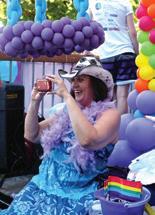
2014 Pride Parade in Vancouver photos courtesy of SOGIC
Current from June 25, 2014 to August 26, 2014
Legislative Update is provided as part of the CBABC legislative and law reform program. It is a service funded by CBA membership fees, and is, therefore, provided as a benefit of CBA membership. The full version of Legislative Update is now only published online and available to CBA members exclusively at cbabc.org
PROTECTED AREAS OF BRITISH COLUMBIA AMENDMENT ACT, 2014, S.B.C. 2014, C. 11 (BILL 11)
Section 2 is in force July 28, 2014
OCTOBER
3 CBABC PD Seminar: Leading Innovation in Client Care 13 Thanksgiving Day
22 Joint Conference with CLEBC: Estate Planning Update 2014
23 Joint Conference with CLEBC: Estate Litigation Update 2014
24 Joint Conference with CLEBC: Solo and Small Firm Conference 2014
NOVEMBER
6 Bench & Bar Dinner Vancouver
11 Remembrance Day
14-16 CBABC Ninth Annual Branch Conference Scottsdale, Arizona, USA REACH
Advertise in the 2015 CBABC Directory and reach lawyers and business professionals in BC and the Yukon!
Contact Sales for more information: 604-646-7856 / 1-888-687-3404 ext. 318 / ads@cbabc.org
news&events
TIPS FROM
This issue of BarTalk is dedicated to wine and other alcohol-related legal topics. While you may assume that this has no bearing on legal research tips, Courthouse Libraries BC is delighted to assure you that all roads lead to legal research (okay, maybe just most of them). We have had major changes in our legislation over this last year concerning alcohol for British Columbia. Which brings us to the question: just how do you track changes in legislation and keep an eye on what is coming up?
CANLII: One of our favourite go-to’s, CanLII continues to deliver in the area of legislation as well. Once you have brought up the Liquor Control Act in CanLII, simply select the date of one of the previous versions of the legislation in the table above. Now clicking on “compare legislation” will bring you up a side-by-side tracked comparison of all of the changes that occurred between the versions. This is an invaluable tool for quickly determining just what did change in the law.
BC LAWS: Naturally, the BC Laws site is the primary publisher of current laws but did you know that the Queen’s Publisher is moving all their previously paid material from QP LegalEze over as well? In a transition already underway, BC Laws will now host for free all of the historical statutes, Orders in Council, regulations and other great legislative goodness previously only available with a subscription. Look for this to grow over the coming months.
QUICKSCRIBE: Is a local family company that has specialized in making BC legislation accessible and timely. They have always had an incredibly easy to read flagging feature for reviewing sections of legislation that have changed and some very efficient alert services. Now they’ve launched Quickscribe 2.0 bringing peer-contributed annotations as well –an excellent tool for understanding the impact of new laws. You can access Quickscribe for free at Courthouse Library locations across BC. These are just three quick tools for staying on top of changes to BC legislation, liquor and otherwise.
More of 2014 Pride Parade in Vancouver
What Lawyers Do in the Community –
Do you know someone who does extra work in your community or abroad? If so, send your ideas to bartalk@cbabc.org
Submission deadline is Nov. 26, 2014
BarTalk welcomes new authors, contributors and content suggestions — simply send your request to bartalk@cbabc.org.
For the second consecutive year, the CBABC WLF formed an impressive team of women lawyers who participated in the annual Ovarian Cancer Canada “Walk of Hope” on September 7. This year, the CBABC WLF team raised more than $6,000 to help bring awareness about ovarian cancer – a job well done! For more information about ovarian cancer and how it can be detected and treated, please visit Ovarian Cancer Canada at ovariancanada.org. Together, we can all make a difference in the lives of the many women, their families and friends who are affected by this disease.
Thanks to everyone who supported this year’s CBABC WLF team!
In keeping with tradition, the CBABC WLF plans to host another fabulous Fall Potluck, which will be held on October 30. The theme for this year’s Fall Potluck will be “Halloween.” Watch for further details and registration instructions so you can come and enjoy this festive evening of eating, drinking and socializing with other women lawyers. We hope to see you there!
CBABC WLF Mentoring Program
The CBABC WLF’s 2014 Mentoring Program is approaching the end of another successful year! Participants, please stay tuned for details regarding this year’s Mentoring Program “Wrap-Up” event to be held in November. Women lawyers who wish to participate as mentors or mentees in next year’s Mentoring Program are reminded that applications for 2015 will be available in early November. Please watch for further details so you do not miss your opportunity to participate in this remarkable program next year!
news&events
ANNUAL EVENT RECAP
2014 Golf Tournament
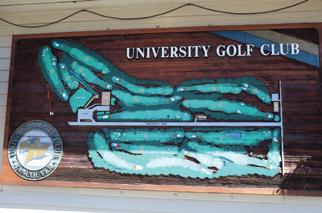
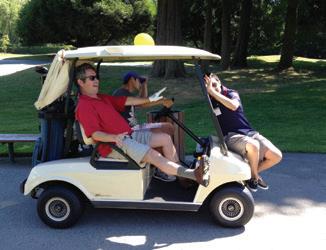
The 18th Annual Canadian Bar Association/Vancouver Bar Association Golf Tournament held on July 16, 2014 at the University Golf Club raised more than $9,000 in support of the Law Students Awards funds.
WINNING TEAM WITH A SCORE OF 55:
(See photo to the right)
Matt Somers
Scott Somers
Arif Nuraney
Faizal Nuraney
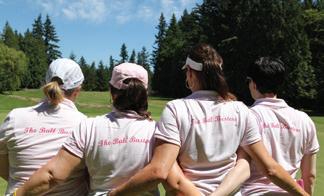
MOST HONEST GOLFERS:
(See photo to the right)
Sandra Kovacs
Maureen Crockett
Janice Shomphe
Krista Green
MEN’S CLOSEST TO THE PIN WINNER:
Jamie Gopaulsingh
LADIES’ CLOSEST TO THE PIN WINNER:
Rebecca Darnell
STRAIGHTEST DRIVE WINNER:
Ryan Vogt
MEN’S LONGEST DRIVE WINNER:
Faizal Nuraney
LADIES’ LONGEST DRIVE WINNER:
Stephanie Melnychuk
The CBABC and the VBA thank our Hole Sponsors:
ZSA Legal Recruiting
Continuing Legal Education Society of BC
Law Society of BC
Still Creek Press
ProGroup Sales and Leasing
Thank you to our supporters who added to the fun for the golfers as they made their way around the course:
The Lazy Gourmet
Happy Water
RedBull
Adams Golf
Thank you to those who donated the spectacular prizes and items for the Silent Auction:
BC Golf
BC Lions
Canadian Bar Insurance Association (CBIA)
CBABC
Charest Reporting
Dye & Durham
eForensic Services Inc.
Forbidden Vancouver
Four Seasons Vancouver
Harbour Air Seaplanes
Harbour Towers Hotel & Suites
Helijet
Hilton Vancouver Airport
Innergy Corporate Yoga
Law Courts Inn
Magnolia Hotel
Marriott Pinnacle / Renaissance
NYRC
Park ‘n Fly
Reportex Agencies
Sheraton Wall Centre
Stargate Connections
Steve Nash Fitness World & Sports Club
Terminal City Club
The Comedy Mix
The Printing House
Trial Lawyers Association of BC
University Golf Club
UBC
UVic
Van Houtte
Vancouver Canadians
Wedgewood Hotel and Spa
Westin Wall Centre
Yuk Yuks Comedy Club
WINNING TEAM WITH A SCORE OF 55
Graduate Fellowships
The Law Foundation will issue up to six graduate fellowship awards of $15,000 for the 2015-2016 academic year. Applicants must be: residents of British Columbia; graduates of a British Columbia law school; or members of the British Columbia Bar. In order to be eligible, applicants must devote themselves primarily to their full-time graduate studies in law or a lawrelated area. Current recipients of a Legal Research Fund grant from the Foundation are ineligible to receive Graduate Fellowships.
Applications will be assessed by the Fellowships and Research Committee composed of a minimum of three Governors of the Law Foundation and one representative from each of the law faculties of Thompson Rivers University, the University of Victoria and the University of British Columbia. In assessing applications, the Committee will consider not only a candidate’s academic achievements but the likelihood of furtherance of the objectives of the Law Foundation and the possible benefits to the public of British Columbia from making an award to a candidate.
All applications and supporting material must be received at the Law Foundation offices by January 7, 2015 Late or incomplete applications will not be considered. Please note that there is a simplified process for students wishing to apply for a second or subsequent Fellowship. For more information about the Fellowships and the application process, please refer to the Law Foundation website at lawfoundationbc.org (under Funding Available/Graduate Fellowships).
The Role of a Law Foundation Governor
In 2013, the Law Foundation funded 88 continuing and ontrack programs and 26 projects – providing more than 89,000 people with legal information, advice, summary service or representation from foundation-funded advocates or lawyers, in all regions of the province. The success of the Law Foundation depends to a large extent on the volunteer board of governors (the “Board”). The Foundation is administered by a Board of 18, which is responsible for governing the Foundation and making all decisions concerning grants.
The membership of the Board is composed of:
The Attorney General or appointee;
Three persons, not lawyers, appointed by the Attorney General;
12 members of the Law Society or the judiciary, appointed by the Benchers of the Law Society to represent the geographical areas of the province; and
Two members of the Law Society appointed by the BC Branch of the Canadian Bar Association.
Each Board member attends three Board meetings a year, participates in two working committees and, as a Liaison Governor is responsible for monitoring approximately five specific programs through updates and a yearly site visit.
Before each meeting, Board members are given extensive materials (sometimes as much as three-inch binders worth) to review before the meeting. Fortunately, this material is all available electronically now. Board and Committee meetings are busy (Board meetings take up five days in a year) but current and past Board members report that the experience is positive. A unique aspect of being on the Law Foundation’s Board is the opportunity Board members have to visit the organizations around BC that the Foundation funds. Some Board members go as far as Haida Gwaii or Fort St. John for on-site visits with program directors to see in person the important work done by Law Foundation grantees.
L-R: Governor Eileen Vanderburgh, Program Director Michael Seaborn and advocate Anne Fletcher at a site visit in Bella Coola.
professionaldevelopment
EMAIL: PD@CBABC.ORG
\ WEBSITE: CBAPD.ORG
CBABC Professional Development courses are designed to meet the needs of lawyers while still maintaining the opportunity to network and advance one’s career, practice and business. We pride ourselves in bringing courses to lawyers that will provide the required professional responsibility and ethics, client care and relations, and practice management component for 2014 Law Society of British Columbia reporting.
Webinar Repeats
You can catch up with your CPD hours at your own pace by watching one of the Webinar Repeats. Contact pd@cbabc.org for more details.
Did you miss any of our recent live Webinars?
Walking that Fine Thin Line: Roadside Drug & Alcohol Testing in BC Speakers: Paul Doroshenko, Acumen Legal Corporation and Jay Fogel, Crown Counsel, BC Ministry of Justice
The practical implications of Sivia and other leading decisions will be discussed in this webinar. A practical review of the Criminal Code roadside drug and alcohol testing provisions and the BC IRP program, including the appeal process, will be scrutinized. Discrepancies in testing will be explored.
Advising your Clients or their Family on Disability Trusts Speakers: Ivan C. Elieff, Legal Services Branch-Health and Social Services; Hugh S. McLellan, McLellan Herbert; and Michael Turanski, SDSI-CFD Legislation, Litigation and Appeals Branch
This webinar will provide you with practical information on how to advise clients regarding effective income and asset management under the BC Employment and Assistance Program (BCEA). Discover how to have success on reconsiderations and appeals.
Be able to advise families on how to assist family members with disabilities without impacting eligibility for assistance. Learn about drafting trusts in order to be eligible for the BCEA.
Upcoming Joint Conferences
IN PARTNERSHIP WITH CLEBC
Estate Planning Update 2014
Date: October 22, 2014
Location: Pan Pacific Hotel, 999 Canada Place, Vancouver Course Chair: Elaine E. Reynolds, QC, Legacy Tax + Trust Lawyers
Estate Litigation Update 2014
Date: October 23, 2014
Location: Pan Pacific Hotel, 999 Canada Place, Vancouver Course Chair: Helen H. Low, Fasken Martineau DuMoulin LLP
Solo and Small Firm Conference 2014
Date: October 24, 2014
Deadline December 2014: Get Involved in the Evolution of Adult Guardianship Law in BC Speakers: Kathleen Cunningham, Public Guardian and Trustee; Jennifer A. Davenport, Public Guardian and Trustee; and Deidre J. Herbert, McLellan Herbert
This webinar will make clear what law is in force and what is not. Discover from the Public Guardian and Trustee how it will implement and administer these new laws. Take this webinar and be ready to answer your clients’ questions and advise your clients before these laws take effect.
CBABC offers an extensive library of Webinar Repeats. Go to cbabc. org/Professional-DevelopmentResources/CPD-Programming/OnDemand-CPD to see the full list.
Location: Pan Pacific Hotel, 999 Canada Place, Vancouver Course Chair: David J. Bilinsky, Practice Management Advisor, Law Society of BC
Residential Real Estate Conference 2014
Date: December 4, 2014
Location: Pan Pacific Hotel, 999 Canada Place, Vancouver Course Chairs: Paulina Kam, Lando & Company LLP and Timothy J. Lack, Lunny Atmore LLP
Special CBABC Member Rates:
an additional 10% off course registration fees, or a special group live webinar rate
Contact CLEBC Customer Service for details: Tel: 604-893-2121 / toll free: 1-800-663-0437 (in Canada) Email: custserv@cle.bc.ca
\ For a complete list of registration details and requirements, please contact the Professional Development Department 604-646-7866 or 1-888-687-3404 ext. 329 or email pd@cbabc.org.
barmoves
Who’s Moving Where and When
Roni Jones has joined Oyen Wiggs Green & Mutala LLP as an associate after completing his articles with the firm. His practice focuses on intellectual property law, with emphasis on mechanical and industrial technologies.
Parveen B. Karsan has joined Koffman Kalef LLP as a partner practising in the areas of corporate taxation, tax litigation and estate planning.
Thomas S. Wachowski has joined Koffman Kalef LLP as a partner practising in the areas of securities, corporate finance, private equity and mergers & acquisitions.
JoAnne Barnum joined Harper Grey LLP as an associate with the Commercial Litigation group upon completing her articles with the firm and call to the Bar on May 21, 2014.
Michael Robinson joined Harper Grey LLP as an associate with the Insurance Law and Health Law groups upon completing his articles with the firm and his call to the Bar on June 10, 2014.
Dustin Klaudt joined Legacy Tax + Trust Lawyers in June. Before joining the firm, he was articling at Clark Wilson LLP. He is practising in the areas of estates and trusts litigation, estate administration, and estate planning.
Ad spot
7.4583 in x 3.0348 in
When your client remembers the BC Cancer Foundation in their will, they’ll be supporting world-renowned research in BC that is shaping the future of cancer care.
Please be sure to use the full legal name of our organization: BC Cancer Foundation Registration Number: 11881 8434 RR0001
For more information, please contact Isabela Zabava, LL.B at 604.877.6040 or legacy@bccancer.bc.ca. www.bccancerfoundation.com
SPACE IS AT A PREMIUM AND AVAILABLE ON A FIRST-COME FIRST-SERVED BASIS SO SEND YOUR BAR MOVE (MAX. 30 WORDS) AND A HIGH-RESOLUTION PHOTO TO CBA@CBABC.ORG NOW. TO VIEW ALL BAR MOVES GO TO CBABC.ORG/BT/BM_1410
Ash R. Ayliffe
launched FV Employment & Disability Law, a workplace law boutique serving the Fraser Valley.
July & August 2014
Regular Members
Eric Bohm Blake, Cassels & Graydon VancouverLLP
John Andrew Dickieson Vancouver
Phebe Chan
joined Richards Buell Sutton LLP. Phebe is an immigration and business lawyer specializing in work permits for the technology and LNG industries and business investment programs. She is fluent in Cantonese.
Sean Foote joined Harper Grey LLP as an associate with the Health Law and Insurance Law groups upon completing his articles with the firm and call to the Bar on August 1, 2014.
Joy Ren has joined McCarthy Tétrault as an associate in the Real Property & Planning group. Ms. Ren’s practice will cover a broad spectrum of commercial real estate matters.
Adrienne Murray joined Hammerberg Lawyers’ Strata Property group. Adrienne assisted with the drafting of the Strata Property Act and is the former Deputy Superintendent of Real Estate for British Columbia.
Graham Fulton Blake, Cassels & Graydon VancouverLLP
Isabel Gowda Cox, VictoriaTaylor
Marie Diane Louise Irvine Victory Square Law Office LLP
Vancouver
Bianca C. Jaegge Guild Yule LLP Vancouver
Vanessa A. Knutson Guild Yule LLP Vancouver
Matthew A. MacCallum MacCallum Law Group LLP Langley
Spencer L. MacLean MacLean Law Surrey
Gavin Mah Blake, Cassels & Graydon VancouverLLP
F. Scott A. Murray Farris, Vaughan, Wills & Murphy LLP
Vancouver
Michelle Stimac Waterdown
Sarah Vefghi ICBC-Claims Legal Services Department Vancouver
Mark A.Witten Ministry of Justice-Legal Services Branch-Civil Litigation Vancouver
Articling Students
Joseph D. Antifaev Guild Yule LLP
Vancouver
Meghan Bell Harper Grey LLP
Vancouver
Rita Davie Lackowicz & Hoffman Whitehorse
Steven Evans
Miller Thomson LLP
Vancouver
Eric Girard Harper Grey LLP
Vancouver
Madeleine Hodgson
Bull Housser
Vancouver
Tom Ladner
Borden Ladner Gervais LLP
Vancouver
Stephanie Low Richards Buell Sutton LLP
Vancouver
Zakhir Nathoo Borden Ladner Gervais LLP
Vancouver
Melissa Perry
Bull Housser
Vancouver
Jordan Regehr Miller Thomson LLP
Vancouver
Isabel Romeral Miller Thomson LLP
Vancouver
Bruce Rose-Innes Blake, Cassels & Graydon LLP
Vancouver
Caitlin Sehon
Vancouver
Cory Sterling Dentons Canada LLP
Vancouver
Christopher Thompson Thorsteinssons LLP
Vancouver
Julia Wolfe North Vancouver
\ To view all new members, including Law Students, please visit cbabc.org/bt/nm_1410
The path to extraordinary is often the path of more resistance. But it can lead to great things, like the all-new 2015 C-Class. Learn more at AllNewC.ca
Be the first to see and experience the C-Class in full panoramic 3D, right now. Download our free Augmented Reality app by searching ‘all-new Mercedes-Benz C-Class’ through the Apple iTunes store or Google Play.
As a member of the CBABC, you are entitled to an exclusive offer. For more details, visit bitly.com/mbcorporate