
peace throughout October
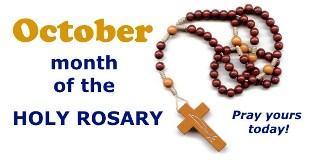
VATICAN CITY (CNS) Pope Leo XIV asked Catholics to pray the rosary each day in October for peace.
The pope made his request at the end of his weekly general audience Sept. 24 and the day after he said he had spoken again with the pastor of Holy Family Church in Gaza City, the only Latin-rite Catholic parish in Gaza.
“Thanks be to God everyone in the parish is fine,” but the Israeli strikes “are a little closer,” the pope told reporters in Castel Gandolfo Sept. 23 before heading back to the Vatican after a day’s rest. The parish is offering refuge and assistance to hundreds of Gaza residents.
(Please turn to page 2)
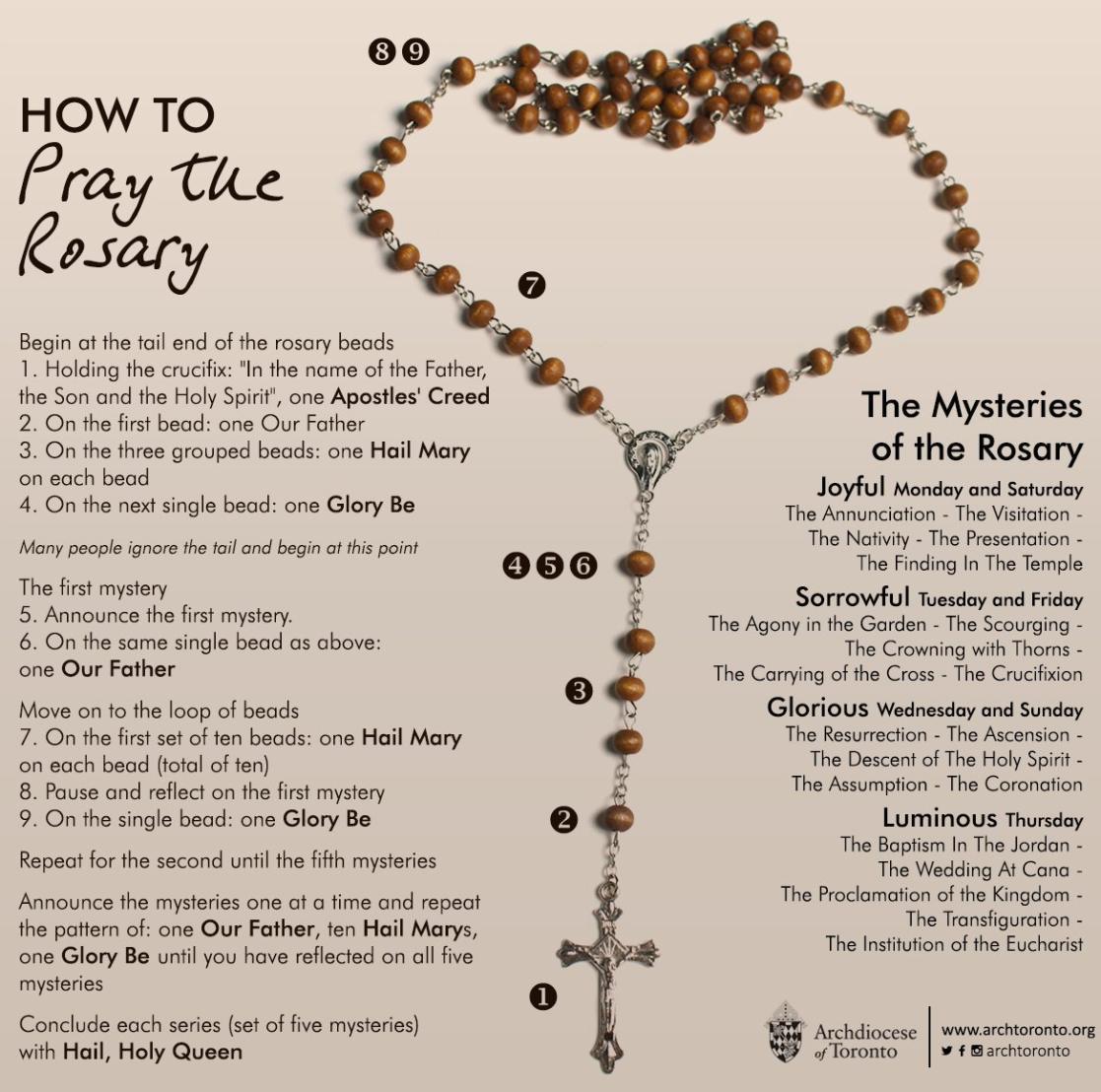
How to pray the Rosary - p2
Oldest organ in the Christian world sounded for first time in 800 years - p3
A Christian Perspective on Social Issues - p4
Sunday Scripture - p5
Sisters of Mercy and friends celebrate Mercy Day 2025 - p6
Pope praises women’s religious orders for courage, generosity - p6
Sr.InnocentVirginprofessesPerpetual Vows - p7
Situation in Gaza a disaster, says cardinal - p8
Children’s Page - p9
Letters to the Editor - p10
Baptism at Rupunau - p10
Priesthood Sunday - p10
7 Baptisms and 2 weddings at Maruranau - p11
TheSignofPeace–areflectionofwhoweare - p12
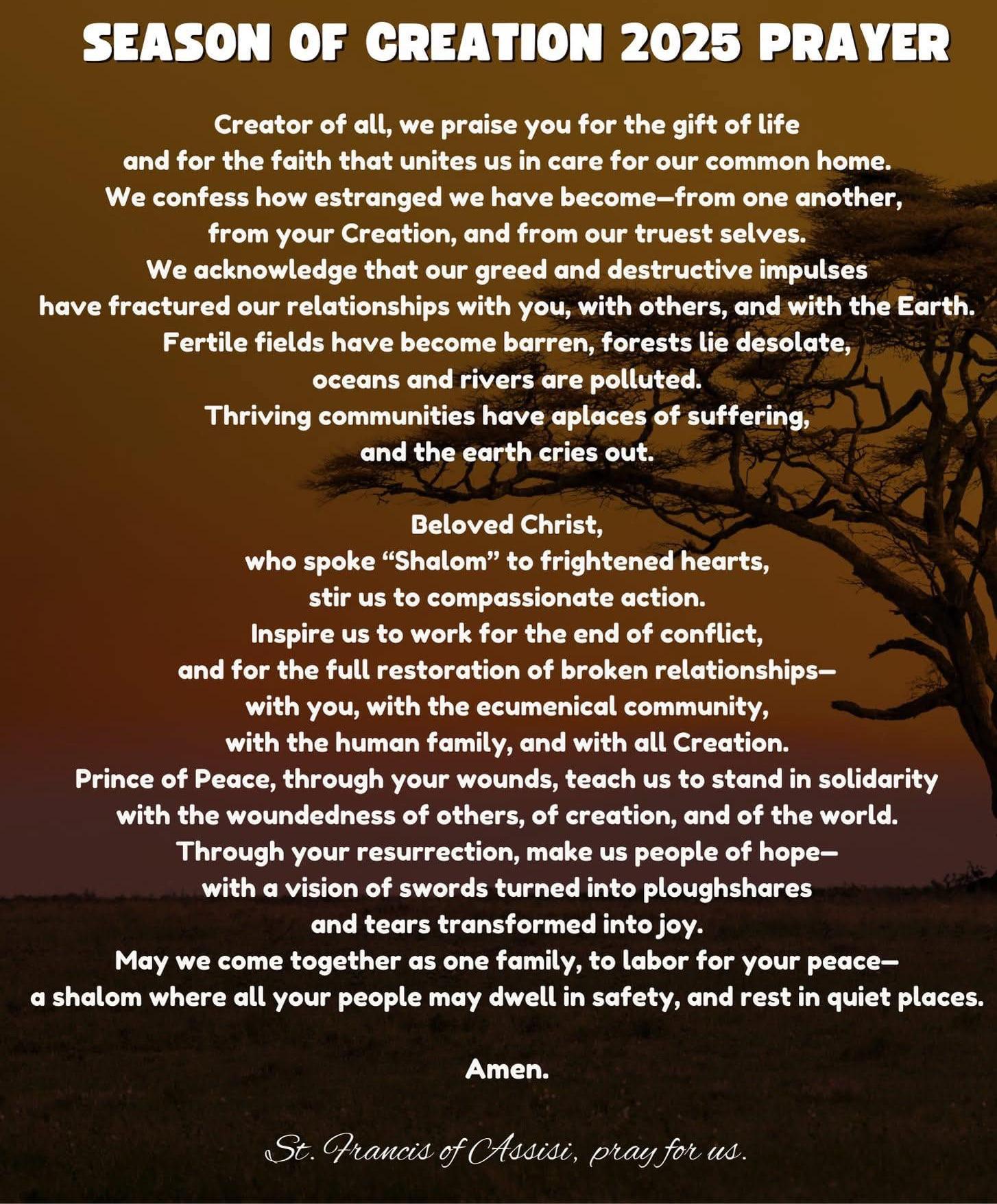
Season of Creation 2025 prayer - p13
Seminar at Katu'ur - p14
Saint of the Week - p14
Bishop’s
Engagements
Sunday, September 28th
09:00hrs – Mass & Confirmation at Holy Rosary, Kitty
Monday, September 29th
07:00hrs– Travel to Lethem, Region 9
Tuesday, Sept. 30th to Thursday, October 2nd
09:00hrs– Music Workshop in St. Ignatius
Friday, October 3rd
Travel to Karasabai
Sunday, October 5th
09:00hrs – Centenary Anniversary Mass & Confirmation, St. Therese, Karasabai, Region 9
Monday, October 6th
10:00hrs– Return toGeorgetown.
Francis Alleyne OSB
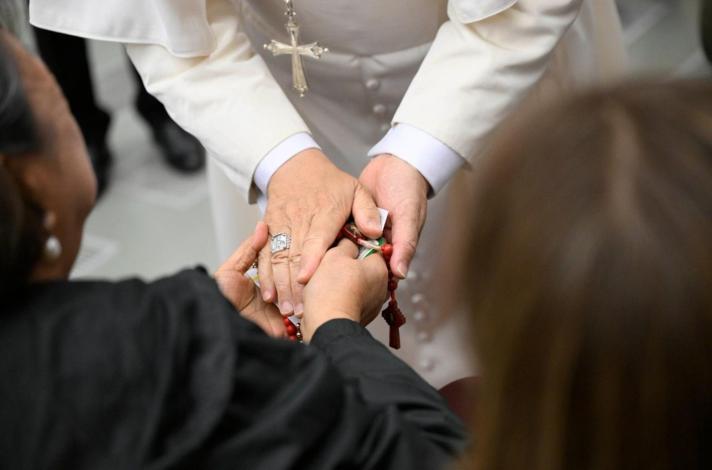
Pope Leo greets people gathered in the Paul VI Hall ahead of the General Audience on Wed. Sept. 24th 2025 (photo: Vatican Media)
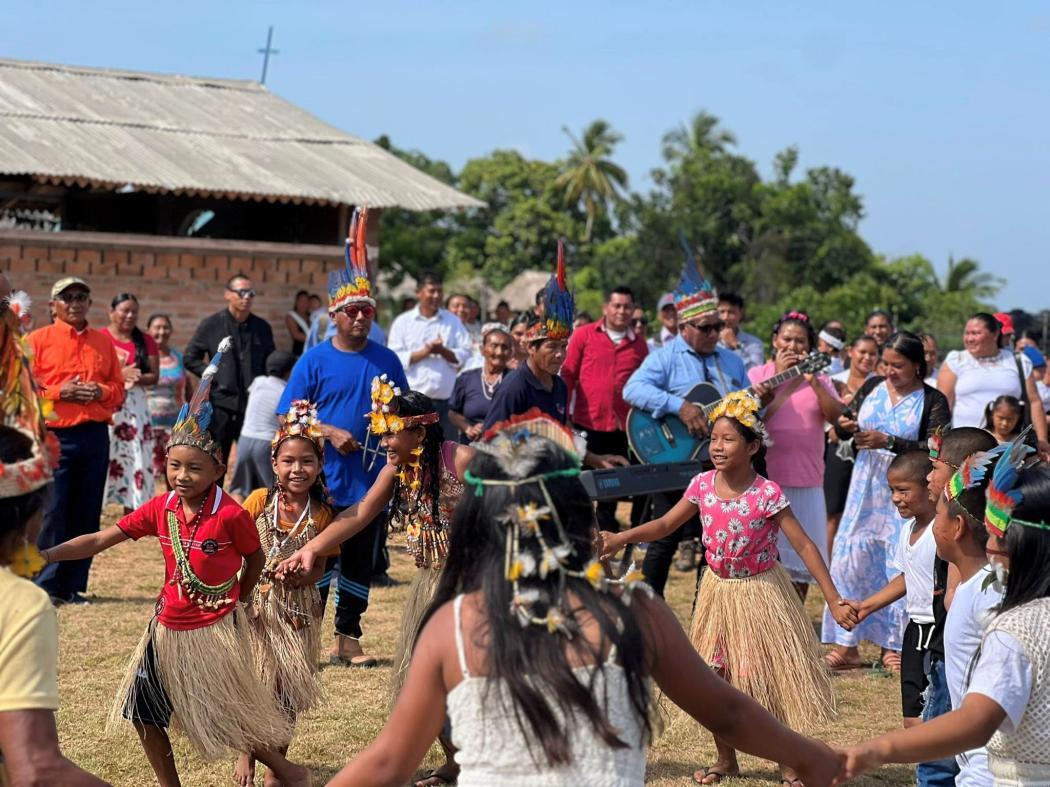
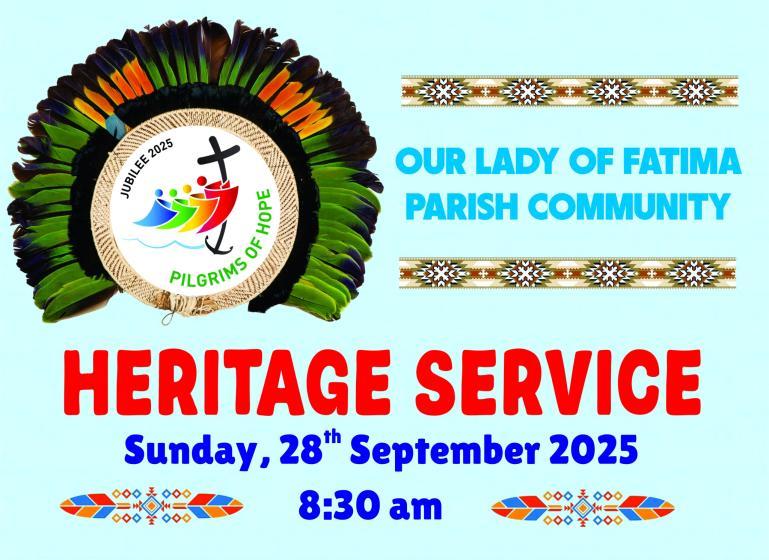
A traditional welcome at St Augustine Church, Maruranau, Deep South Rupununi, Region 9, Essequibo, Guyana, Sat., Sept. 13th. 2025. September is Indigenous Heritage Month (photo: Catholic Media Guyana) ❖
The Jubilee Prayer
peace
(From P1)
Britain, Canada and Australia formally recognized Palestinian statehood Sept. 21, joining the Holy See and more than 150 countries that already had done so. Asked if that could help the situation, Pope Leo told reporters it “could help, but at this moment there really is no willingness to listen on the other side, so dialogue is currently broken.”
Regarding Russia’s continued attacks on Ukraine, Pope Leo said that “someone is seeking an escalation, and it is continually becoming more dangerous.”
Father in heaven, may the faith you have given us in your son, Jesus Christ, our brother, and the flame of charity enkindled in our hearts by the Holy Spirit, reawaken in us the blessed hope for the coming of your Kingdom.
May your grace transform us into tireless cultivators of the seeds of the Gospel.
May those seeds transform from within both humanity and the whole cosmos in the sure expectation of a new heaven and a new earth, when, with the powers of Evil vanquished, your glory will shine eternally.
May the grace of the Jubilee reawaken in us, Pilgrims of Hope, a yearning for the treasures of heaven. May that same grace spread the joy and peace of our Redeemer throughout the earth.
To you our God, eternally blessed, be glory and praise for ever.
Amen



What is needed, he said, is to “halt military advances” and come to the negotiating table.
At the end of his audience Sept. 24, Pope Leo noted that October was approaching and that with the Oct. 7 feast of Our Lady of the Rosary, the Catholic Church traditionally dedicates the whole month to praying the rosary. “I invite everyone to pray the rosary every day during the coming month for peace personally, with your families and in your communities,” he said.
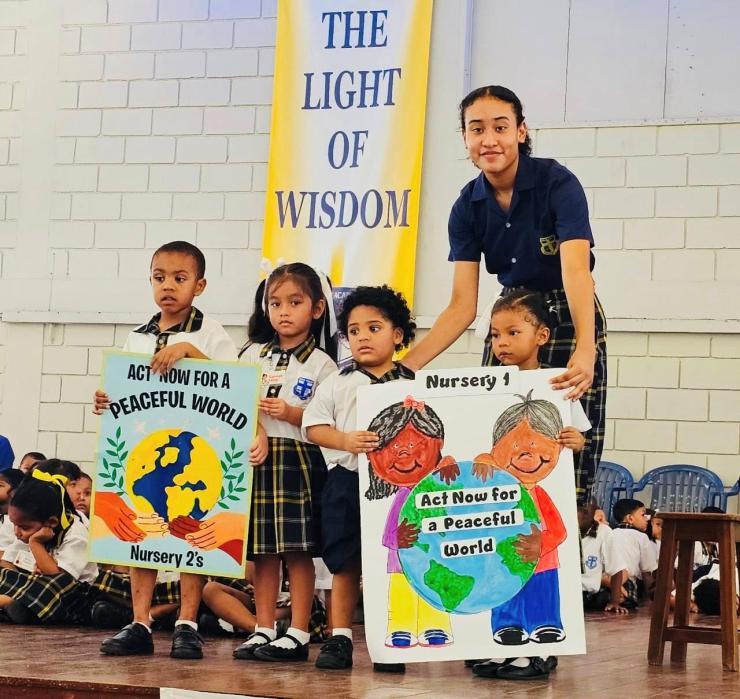
On Frid. Sep. 19th, Marian Academy held their Peace Day celebrations. The UN International Day of Peace is observed on September 21st each year.
The pope also invited Vatican officials and employees to pray the rosary together every October evening at 7 p.m. in St. Peter’s Basilica. And he invited everyone to St. Peter’s Square
Oct. 11 to pray the rosary together “during the vigil of the Jubilee of Marian Spirituality, also remembering the anniversary of the opening of the Second Vatican Council,” which began Oct. 11, 1962.❖
Oldest organ in Christendom sounded for first time in 800 years, leaving organist speechless
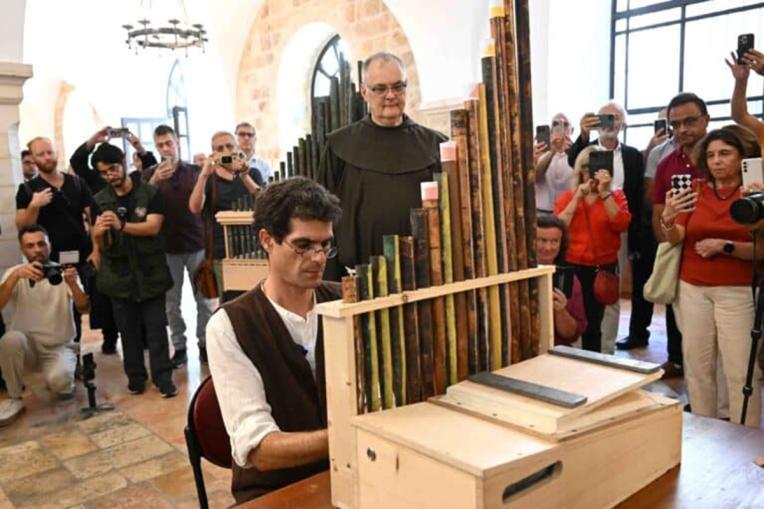
David Catalunya, a Valencian musician and musicologist, plays the oldest organ in the Christian world at the Franciscan Monastery of St Saviour in the Old City of Jerusalem Sept. 9, 2025. The 11th-century organ was silent for 800 years until a five-year international research project reconstituted it with its original pipes and sounds. (OSV News photo/Debbie Hill)
JERUSALEM (OSV News) After 800 years of silence, the pipes from the oldest organ in Christendom played again, filling the reception hall of Jerusalem’s Franciscan Monastery of St. Saviour with the unique sound of the 11th-century liturgical chant, Benedicamus Domino FlosFilius.
It was performed by Spanish researcher and organist David Catalunya, marking the highlight of a five-year international research project sparked by his rediscovery of 222 ancient bronze pipes.
Sounding unlike any other modern organ, the notes elicited from the 16 selected pipes six of which were original displayed on a wind-chest constructed specifically for them by master organ maker Winold van der Putten, were a rich combination of three different registers at Catalunya’s performance during a press presentation of the organ pipes on Sept. 9.
“It’s very, very like celestial music,” Catalunya said. “The emotion I felt when I heard the sound revealing itself after 800 years of silence was like opening the tomb of a pharaoh. It came to us as a surprise indeed. The following days, myself and my team were like floating inside adream.”
“We couldn’t really believe it. I spent the following nights without sleeping,” he added. “It is the oldest organ in Christendom, possibly the oldest musical instrument in the world maintainingits original sound.”
Dubbed the Bethlehem Organ, it is believed to have been located in the chancel of the Nativity Church in Bethlehem, an area now under the jurisdiction of the ArmenianChurch, he said. It consists of 18 pipes for every note, something very different from modern organs, which normally have only five or six pipes for every note, he said. To experience the full sound of the entire instrument, a replica needs to be built, which is the next stage of the project, Catalunya added.
The research project is supported by the Complutense Institute of Musical Sciences of Madrid, in collaboration with the Franciscan Terra Sancta Museum and the Custodyof theHoly Land.
The organ pipes and their reconstructed organ case built by a local craftsman will be displayed at the Music Cloister of the future Terra Sancta Museum Art & History, currently under construction led by Franciscan Father Stéphane Milovitch and supported by the Belgian government. Several replicas are also planned for display in Bethlehem and in Europe.
The organ was originally built in France in the 11th century and was used for nearly a century in a church in France, possibly near Paris or the Abbey of Fleury, said Catalunya. It was transported to the Holy Land and Bethlehem by the Crusaders a century later, where it sounded in the Church of the Nativity for another century.
Then it was painstakingly dismantled and the pipes buried underground along with a set of bells to protect them on the eve of the invasion of the Muslim Khwarezmian Turks in 1244, known as theSiege of Jerusalem.
“European Christians brought to the Basilica of Bethlehem the most avant garde musical instrument then used in worship, the organ. An instrument designed to become the emblem of sacred music,” said Álvaro Torrente, director of the Complutense Institute of Music.
“Today virtually every Christian church has an organ. But in the 11th century, this was still a novelty.
The men who carried this organ to Bethlehem were driven by the same desire for the finest voices and instruments in the world to embellish the liturgy of theBasilica Nativity,” he said.
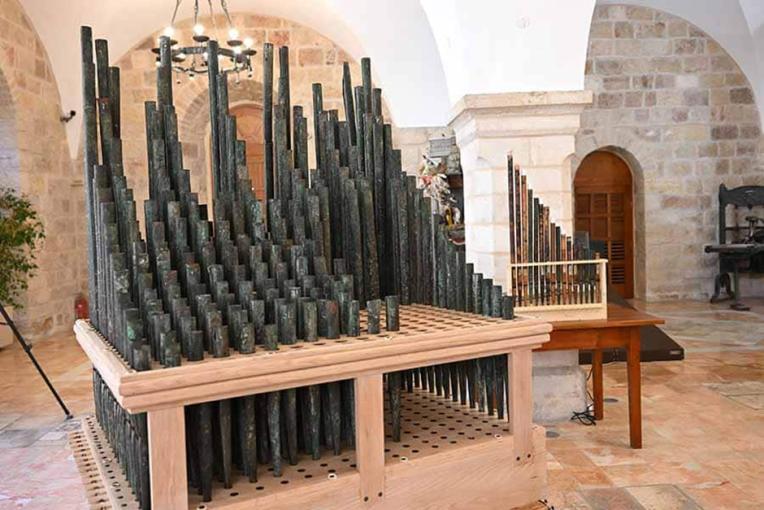
The pipes were preserved in almost meticulous condition thanks to the dry climate and the fact they were made
The oldest organ in the Christian world is seen at the Franciscan Monastery of St. Saviour in the Old City of Jerusalem Sept. 9, 2025, after 800 years of silence. A five-year international research project reconstituted the 11th-century organ with its original pipes after the rediscovery of the organ’s 222 ancient bronze pipes. (OSV News photo/Debbie Hill)
from copper and carefully hidden by the Franciscans, Catalunya added.
Original markings by the pipe maker 800 years ago remain visible on the pipes and provided invaluable information for the researchers about how they were made, Catalunya said, allowing them to make the reproductions in the exact same way. Despite being a thousand years old, the pipes produce a surprisingly full and authentic sound, capable of filling large architectural spaces, headded.
The researchers took over 5,000 measurements of the pipes and reconstructed the organ case.
“It’s apparent that their makers knew very well what they wanted to hear,” said Koos van de Linde, a leading organ researcher. “It was extremely moving to hear how some of these pipes became alive again after about 700 years under the earth. After 800 years of silence, the hope of the crusaders who buried them, that the moment would come when they would (sound) again … was not invain.”
Van de Linde called it “a great honor to be a witness of this and to be involved in that resurrection.”
When reconstructing the instrument organ maker van der Putten said he did not try to get the sound he wanted to hear from the pipes but tried to discover the sound that the old material supplied him with.
“That’s the most important way when you restore instruments, not to put yourself in front, but to put the material in front and listen to that,” he said.
“It was opening new visions. You have here old pipes telling you things by its form. I am 75 years old and I consider this the crown ofmy work.”
Father Eugenio Alliata, a Franciscan archaeologist from the Studium Biblicum Franciscanum, said the collective memory of the hidden treasure had been kept alive for centuries but was finally discovered almost by chance in
1906 during the establishment of the Casa Nova Franciscan pilgrim hospice in Bethlehem, adjacent to the Church of the Nativity in what was once the Catholic parish cemetery.
Excavations of the site by archaeologists from the Studium Biblicum Franciscanum uncovered the hidden 222 bronze pipes, a carillon of 13 bells and other liturgical objects. They were transferred to the Franciscan Archaeological Museum of the Convent of the Flagellation but for over a century the discovery went practically unnoticed in academic circles.
“It is a treasure hidden for eight centuries and then overlooked for more than 100 years, until my dear colleague David recognized that those pipes constitute a unique testimony to musical practice, not only here in Jerusalem, but across Europe,” noted Torrente.
“Before the discovery, there was no organ dated from the 15th century. Thus, the instruments take us four centuries back, offering a completely new perspective on medieval music.”
He said the organ also provided a unique window into medieval European music making, engineering and craftsmanship which could reshape the understanding of culture in the
A Christian Perspective on Social A timely Gospel reading
By GHK Lall
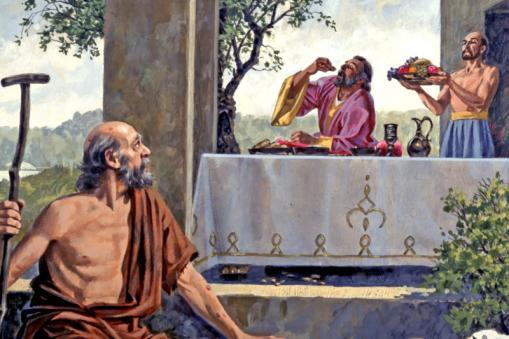
This week’s gospel reading from St Luke should have some resonance for Guyanese. Chapter 16:19-31 presents a terrible contradiction in circumstances. One man enjoys a grand banquet dayafter day, while another longs for a scrap or two from the rich man’s loaded table. Their individual conditions could not have been more apart. One is wealthy and without a care, the other is a beggar, and cannot even begin to counthis cares.
Hunger around a table of plenty, in an era of great national prosperity. There is something disturbing about that picture. It is more than troubling. It offends. When was the last time that a word of negativity, even slightly, been said about Guyana’s economy? But there is a handful of the superrich, and there are multitudes of thesuper poor. When a family labors at the margins, when citizens do not have access to basic food items because they don’t have the money in hand, then all I am seeing is the rich man feasting on his fine foods, and the beggars with their hands outstretched to grab any crumb that comes their way. Except that it doesn’t come, or when it does that’s it. Meaning, what is never enough to make that poor man or woman or child forget the pangs of hunger that are like round-the-clock daggers in the stomach.
This is more than a contradiction. It is a calamity from head to toe. So many lavish natural resource gifts, and this is where too many Guyanese languish. So many glorious headlines about the world class wealth of Guyanese, and so many of them are lost at the foot of the economic ladder. A picture of the foot of that rich man’s table (outside his gate) in St Luke’s Gospel should come to mind. The picture would be incomplete if the sore-plagued poor man does not make it into the lens of our consciousness.
I read of one of the highest Gross Domestic Product in the world, and Guyanese are the owners of that distinction. So, how could there be that many poor men and women in
Guyana? I learn that Guyanese are designated as ‘high-income’ by no less a distinguished organization of global reach than the World Bank. But there are those hundreds of thousands of Guyanese from a small population of less than a million, who do not have enough to eat. According to the World Bank’s own definition, that ‘highincome’ classification that now rests so proudly on Guyana means that Guyanese, on average, have earnings of several million dollars annually. But there are thousands of minimum wage workers in Guyana’s private sector, who do not know what it is to have an income of a million dollars a year. On the other hand, there is the less than one percent among Guyana’s citizens who may have difficulty counting their millions, and who are stuffed into some level of obesity by the fat and cream on their tables.
When taken together, I assert that this is a replay of St Luke’s rich man having a whale of a time, and Lazarus the beggar left to fend off the dogs. The world isn’t flat, but it can be highly uneven. But the world of Guyana should not be this uneven. Not when the rich graces of divine providence have been showered on Guyanese. Not some of them, but all of them. At this time, there’re some of us, who stand as sentinels, like Abraham, and grieve over the injustice that is the lot of the poor in an extremely rich country. When the numbers are so high, and the narratives so sweet, then what is happening to the impoverished in Guyana (the
have nots) is just what should not be. There can be neither excuse nor explanation as to why so many poor Guyanese are left in that sticky state for so long.
From scripture, there are repeated alerts of God widows to orphans, among others trapped in such situations. There are also those insistent warnings of divine anger that flares when the poor are disadvantaged, and promises that the scales will be balanced when that time has come. There were those who laughed and scoffed at such cautions before. The same is occurring right here in our time,and for that there will be a reckoning. Even the brothers may not be spared.
Gracious and loving God, we thank your for the gift of our priests. Through them, we experience your presence in the sacraments. Help our priests to be strong in their vocation.
Set their souls on fire with love for your people.
Grant them the wisdom, understanding, and strength they need to follow in the footsteps of Jesus. Inspire them with the vision of your Kingdom.
Give them the words they need to spread the Gospel.
Allow them to experience joy in




FIRST READING: Amos 6:1. 4-7
Those who sprawl and those who bawl will be exiled
The almighty Lord says this:
Woe to those ensconced so snugly in Zion and to those who feel so safe on the mountain of Samaria,
Lying on ivory beds and sprawling on their divans, they dine on lambs from the flock, and stall-fattened veal; they bawl to the sound of the harp, they invent new instruments of music like David, they drink wine by the bowlful, and use the finest oil for anointing themselves, but about the ruin of Joseph they do not care at all. That is why they will be the first to be exiled; the sprawlers’ revelry is over.
Responsorial Psalm Psalm 145
Response: My soul, give praise to the Lord.
1. It is the Lord who keeps faith for ever, who is just to those who are oppressed. It is he who gives bread to the hungry, the Lord, who sets prisoners free. Response
2. It is the Lord who gives sight to the blind, who raises up those who are bowed down. It is the Lord who loves the just, the Lord, who protects the stranger. Response
3. He upholds the widow and orphan but thwarts the path of the wicked. The Lord will reign for ever, Zion’s God, from age to age. Response
SECOND READING: 1 Timothy 6:11-16
Do all that you have been told until the Appearing of the Lord.
But, as a man dedicated to God, you must aim to be saintly and religious, filled with faith and love, patient and gentle. Fight the good fight of the faith and win for yourself the eternal life to which you were called when you made your profession and spoke up for the truth in front of many witnesses.
We all have been given great power by God in the form of Time, Talents, and Treasure. Today’s readings remind us that this power is meant to be used for great good. And, the failure to do so has eternal consequences.
Now, before God the source of all life and before Christ, who spoke up as a witness for the truth in front of Pontius Pilate, I put to you the duty of doing all that you have been told, with no faults or failures, until the Appearing of our Lord Jesus Christ, who at the due time will be revealed by God, the blessed and only Ruler of all, the King of kings and the Lord of lords, who alone is immortal,
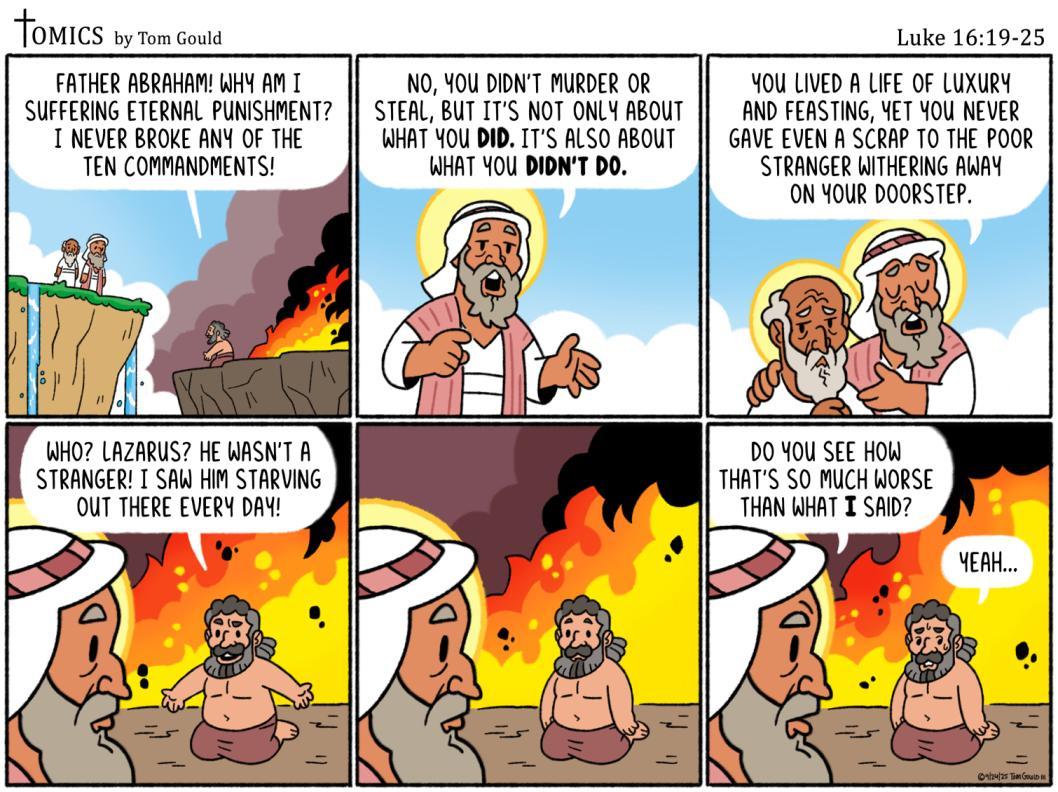
We see the urgency for us to put our powers to good use in today’s Gospel passage from Luke. Our Lord tells the rather chilling parable of the rich man who ignored poor Lazarus during their lifetimes. At the moment of the rich man’s death, he goes down to the netherworld while Lazarus is taken to the eternal joy and comfort in the bosom of Abraham. The rich man keenly regrets his indifference towards the needs of Lazarus, but it is too late for regret. His choices have played out, and now the rich man will face
whose home is in inaccessible light, whom no man has seen and no man is able to see: to him be honour and everlasting power. Amen.
GOSPEL: Luke 16:19-31
Good things came your way, just as bad things came the way of Lazarus. Now he is being comforted here while you are in agony.
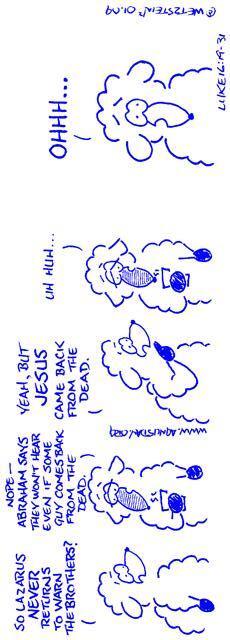
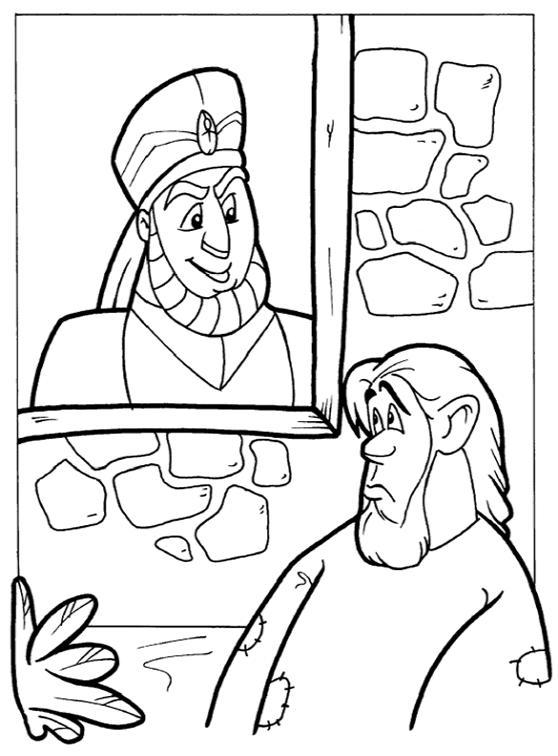
Jesus said to the Pharisees: ‘There was a rich man who used to dress in purple and fine linen and feast magnificently every day. And at his gate there lay a poor man called Lazarus, covered with sores, who longed to fill himself with the scraps that fell from the rich man’s table. Dogs even came and licked his sores. Now the poor man died and was carried away by the angels to the bosom of Abraham. The rich man also died and was buried.
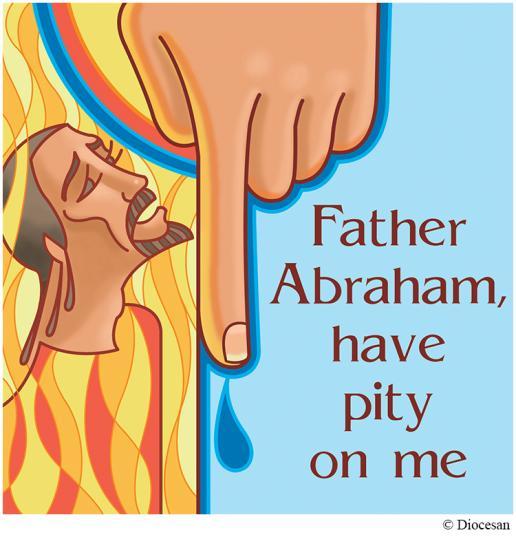
‘In his torment in Hades he looked up and saw Abraham a long way off with Lazarus in his bosom. So he cried out, “Father Abraham, pity me and send Lazarus to dip the tip of his finger in water and cool my tongue, for I am in agony in these flames”. “My son,” Abraham replied “remember that during your life good things came your way, just as bad things came the way of Lazarus. Now he is being comforted here while you are in agony. But that is not all: between us and you a great gulf has been fixed, to stop anyone, if he wanted to, crossing from our side to yours, and to stop any crossing from your side to ours.”
‘The rich man replied, “Father, I beg you then to send Lazarus to my father’s house, since I have five brothers, to give them warning so that they do not come to this place of torment too”. “They have Moses and the prophets,” said Abraham “let them listen to them.”. “Ah no, father Abraham,” said the rich man “but if someone comes to them from the dead, they will repent.” Then Abraham said to him, “If they will not listen either to Moses or to the prophets, they will not be convinced even if someone should rise from the dead”.’ ❖
the consequences of his failure to use the gifts God gave him. Pursuit of God’s kingdom and care for the poor are not trifling matters. Our Lord makes this clear to us over and over in the Scriptures and the constant teachings of our 2,000 year-old Church. We are free to ignore these teachings and live instead for ourselves. But there will be tragic results for us in the end. And, because we are made for eternity, living selfishly on this earth doesn’t really bring us true happiness anyway.
So how can we use our great powers for great good? By embracing a stewardship way of life. By putting God first in all areas of our lives in the way we spend our time, the ways we share our talents, the ways we give of our financial resources. Stewardship living calls us out of our comfort zone and into commitment to the Lord and the things that matter to Him.❖
[www.catholicsteward.com/blog/ ]
Sisters of Mercy and friends Gospel Reflection
It is sometimes good to be bothered and challenged by one of Jesus’ parables, to find ourselves drawn to grapple with it, wondering what point Jesus is trying to get over to his listeners, and to us. As we consider today’s parable, we may think that it is not addressed to us. We might say: “But I am not rich nor am I miserably poor.” But the parable is not just about money. Even though we may not be rich in material things, we all still have something we can share with someone in need. Therefore, the question we may ask is: “Who is sitting outside my ‘gate’, begging, not necessarily for bread, but maybe for a word of recognition, or a bit of companionship, or a little love, or for forgiveness.” These are the things people are longing for and which we can all share no matter how poor we are.
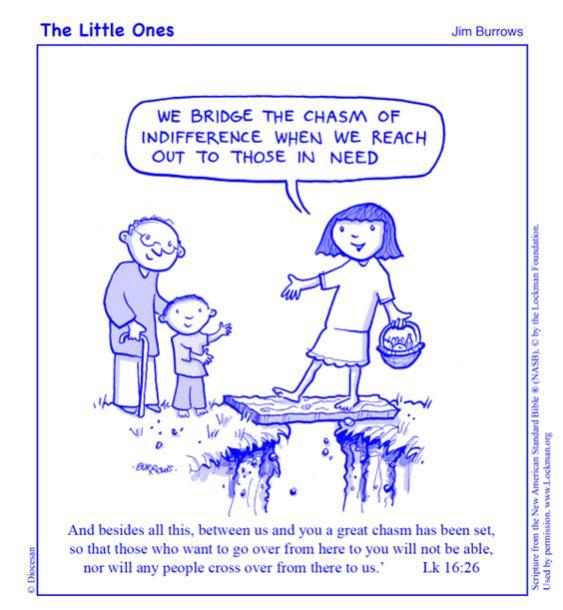
The sin of the rich man was not in what he did, but rather in what he did not do. If we reflect seriously on the idea of sin, we will see that it is not only about doing wrong, but also about not doing good. There is the sin of inactivity, of doing nothing when something needs to be done. It is a poverty of the heart, of being indifferent. We are indifferent when we are unconcerned about what is going on around us, when we are uncaring about injustices we encounter, when we are unmoved by the plight of those who are lonely and just in need of our company. As Mother Teresa said: “The biggest disease in the world today is the feeling of being unwanted. And the greatest evil in the world today is lack of love – the terrible indifference towards one’s neighbour which is so widespread.”❖
[
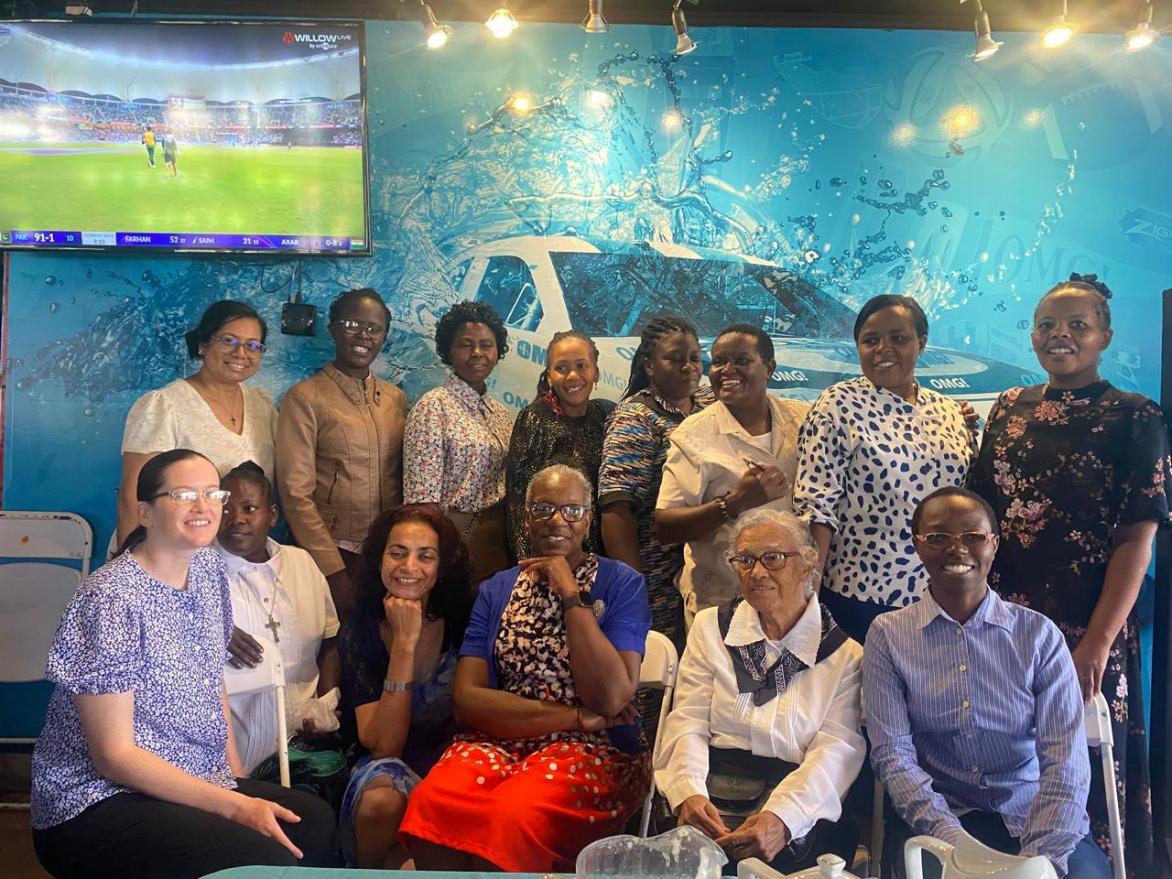
Last Sunday September 21st, parishioners of St. Teresa and Holy Rosary joined together with the Sisters of Mercy, Mercy Associates and friends to celebrate Mercy Day. Mass was celebrated by Msgr. Terrence Montrose. Special mention was made of Sr. Catherine Marie Glyn-Williams RSM who celebrated 65 years in Religious Life on September 8 and Msgr. Terrence Montrose who celebrated 50 years as a priest on August 10.
Mercy Day, celebrated annually on September 24th, is the anniversary of the opening of the first “House of Mercy” by Catherine McAuley in Dublin, Ireland, in 1827. It is a significant feast for the Sisters of Mercy, as
they celebrate their enduring legacy of compassion, hospitality, and service to the poor, sick and uneducated.
Apostolates of the Sisters of Mercy in Guyana include the St. Joseph Mercy Hospital, Mercy Resident Care, St. John Bosco Orphanage, St. John Bosco Academy, St. Bernadette’s Hostel, and Mercy Wings Academic Foundationeach a living testimony of compassion and service.
Today, under the guidance of Sister Julie Matthews RSM, the community is blessed with:
• 8 Professed Sisters: Srs. Julie Matthews, Catherine Marie GlynWilliams, Denise Lyttle, Elizabeth
Pope praises women’s religious
VATICAN CITY (CNS) In its religious orders, the Catholic Church has an array of strong, courageous and generous women who care for the poor, defend peace and share the Gospel message of salvation in Christ, Pope Leo XIV said.
Meeting Sept. 22 with four communities holding their general chapters in Rome, Pope Leo singled out the Discalced Carmelite Sisters of the Holy Land.
“What you are doing is important: your vigilant and silent presence in places sadly torn by hatred and violence, your witness of trusting abandonment to God, your constant prayer for peace,” the pope told them. “We all accompany you with our prayers and, also through you, we draw close to those who suffer.”
The women present for the audience also included members of the Sisters of St. Catherine, the Salesian Missionaries of Mary Immaculate and the Sisters of St. Paul of Chartres.
The founders of the four religious orders, the pope said, were “deeply united to God and thus consecrated to his service and to the good of the whole church, committed to planting and strengthening in the hearts of their brothers and sisters the kingdom of Christ, which they first felt alive within themselves and wanted to spread to every part of the earth.”
In the women’s religious orders, he said, “God has found not one, but many strong and courageous women, who did not hesitate to take risks and face difficulties to embrace his plans and respond with a ‘yes’ to his call.”
The women cared for “the moral and material miseries in the most abandoned places of society,” the pope said, and standing firmly with those in need, they even endured violence or lost their lives in wars. Saying the church still needs generous and courageous women, Pope Leo thanked the sisters “for the good you do in so many countries and in so many different contexts.”❖
Small, Margaret Regina Eckart, Anna Regina Gakuhi, Francine Pestano, and Celine Marie Kirsch
• 4 Discerners: Damaris Onderi, Angela Amakobe, Paulinesarah Iruki, and Goldmare Mohareb
• 4 Candidates: Damaris Kitili, Loise Waithaka, Lydiah Waruguru, and Mary Kariuki
• 1 Transfer Sister: Sr. Mary Lawrence
We give God thanks for the gift of our Sisters of Mercy, and we pray for their continued mission of compassion and service. ❖
(Adapted from St. Teresa's RC Church, Guyana Facebook page and Catholic Media Guyana Facebook page)
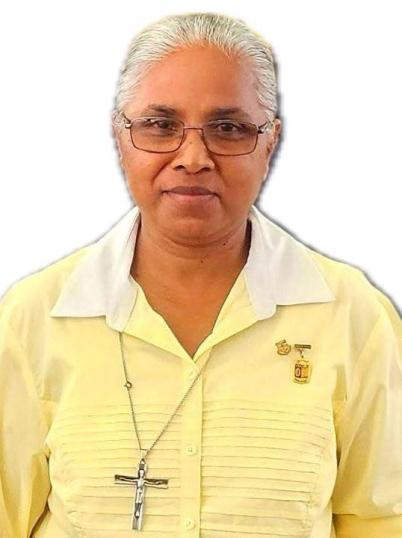
Congratulations to Sister Shelly Jhetoo OSU, Ursuline Sister of the Roman Union, who on Monday September 15th celebrated 25 years of Religious Profession in faithful service to God and His people.❖(Adapted from Catholic Media Guyana Facebook page)
Sr. Mary Innocent Virgin professes Perpetual Vows
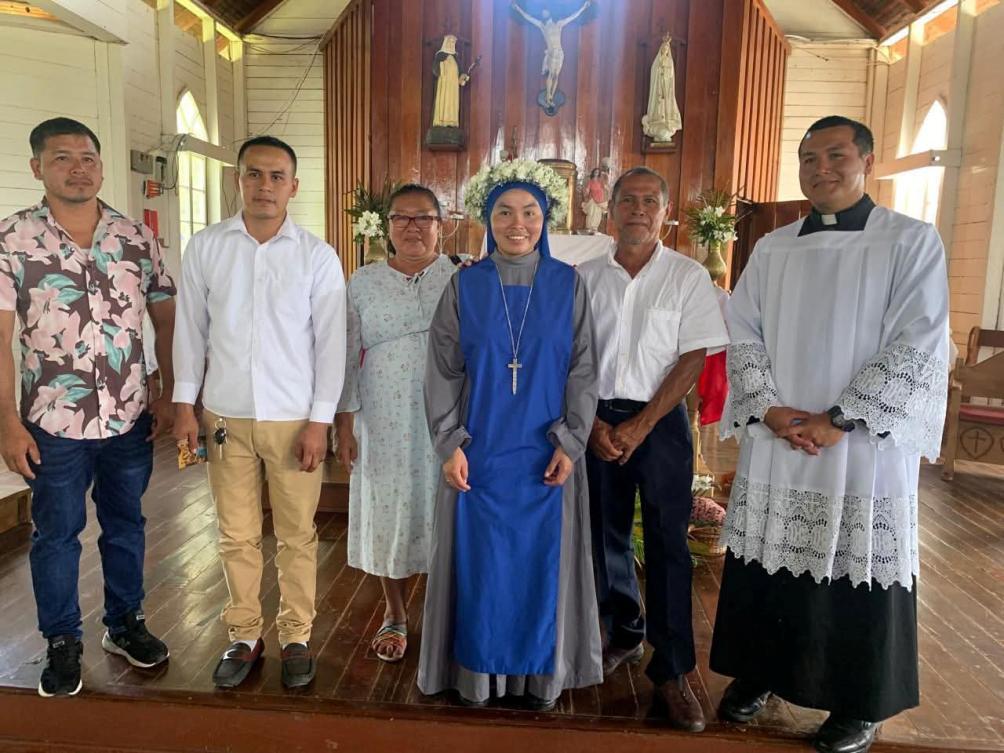
On Sunday, September 14th, at Santa Rosa Parish, Moruca, Region One, Essequibo, Guyana, Sr. Mary Innocent Virgin professed her perpetual vows. These vows of poverty, chastity, obedience, and Consecration to Mary are the final, lifelong promises an SSVM sister makes to God and her religious community, dedicating her entire life to His service and to the mission of the Church.
The ceremony held special meaning, taking place in her home parish where she grew up
and first felt the call to religious life at the age of six, after watching a movie about Mother Teresa. She remembers thinking, “Oneday I want to be likeher.”
Sr. Innocent Virgin first encountered the Servants of the Lord and the Virgin of Matará (SSVM Sisters) in 2012 during a Popular Mission in Santa Rosa. She later joined their annual Summer Girl’s Camp and, at fifteen, expressed her desire to enter religious life. She was asked to wait until she wasolder.
Journeying with the Word of God
MAKING THE WORD OF GOD YOUR OWN
Step 1: Lookattoday’sReadingsprayerfully.
1st Reading: Amos, the prophet, speaks to the rich of his time. Their crime is that they could not care less for the plight of the poor. Their conduct will bring ruin to all.
2nd Reading: These words of encouragement from Paul is addressed to Timothy, a young leader of the Church as he begins his ministry. They list the virtues he is encouraged to practice.
After completing secondary school, she entered the convent in Charity in 2017. Her family, especially her father, was very supportive - he encouraged her with the words, “You have chosen thebest.”
Sr. Innocent Virgin is currently serving as a missionary in the Philippines, working in a home with 38 girls from difficult family situations. She returned to Guyana to profess her vows and become a spouse of Christ forever.❖
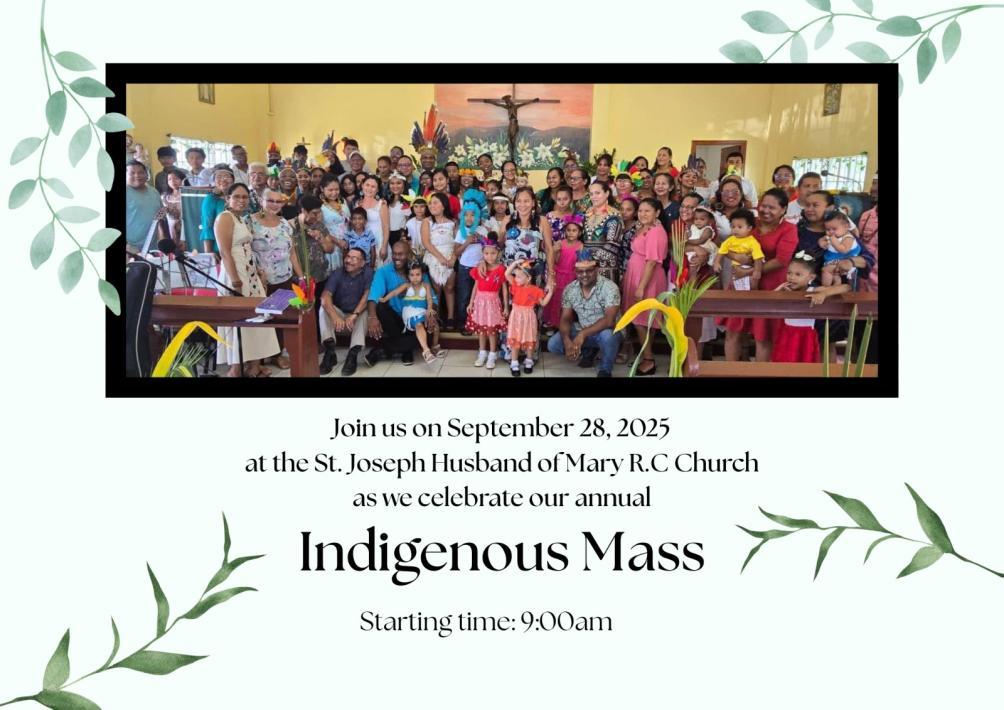
Gospel: The parable of the rich man and the beggar reminds us of the need to open our eyes to the misery of the poor, especially when it is close to home.
Step 2: ApplyingthevaluesoftheReadings toyourdailylife.
1.Imagine the scene in the First Reading, the prophet’s angry face and his listeners’ selfrighteous looks. Where would you be standing in the picture? Would you be hiding behind someone?
2.The rich man and his family heard but did not pay attention with their hearts. They needed a special messenger to come to them. Do you think you have this problem?
3.Sometimes we think we deserve something because of our hard work, our talent, who we are. Is this attitude something in your life you feel you need to address?
4.Two Commandments ask us not to murder or steal. We might never kill anyone or steal anything. But in my life, am I killing the dignity of another? Am I stealing their God-given right to be somebody and to make something with their lives?
Step 3: Accepting the message of God’s Wordinyourlifeoffaith.
The mission of the Gospel is to liberate human beings for the sake of justice. Justice happens when persons are free to become all that God intends them to be.
Help us in your mercy, O God, to see those things we would rather avoid seeing and give us the strength to do the things you would have us do.
Step 4: Somethingtothink&prayabout
1.To be God’s chosen people is a special calling that comes with responsibility and accountability. What does this mean in our life as a Catholic?
2.How do you see your life being different knowing you are a ‘chosen’ person?
3.Pray for the grace not to be indifferent to the needs of others, especially when you can meet those needs.❖
[From: Journeying with the Word of God, The Religious Education Department, Diocese of Georgetown, Guyana ]
Situation in Gaza a ‘disaster,’ two-state solution ‘less and less
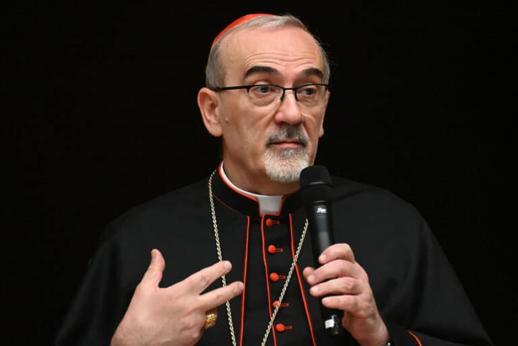
(OSV News) - In an interview before the second anniversary of IsraelHamas war, Cardinal Pierbattista Pizzaballa, Latin patriarch of Jerusalem said that “what is happening militarily in Gaza is a disaster,” with the consequences of a “human devastation,” and “brutalization of mutual relations between Israelis and Palestinians.”
“There is no longer any trust, no human interest of one side in the other. It is an inhumanity that is almost incomprehensible,” the cardinal told German Catholic news agency KNA.
Asked whether there is a way out of the conflict, he said, “This is a matter for local and international politics. This is a matter for local and international politics.
“The only thing the faithful can do is pray and provide humanitarian aid as much as possible. And international pressure can also be maintained” through the media. “We must not remain silent about these events,” he said.
Referring to the situation of the more than 450 remaining Christians in Gaza the cardinal said: “We are trying to help them as much as possible and provide humanitarian support. We are trying to bring in medical supplies, because the health situation in particular is very problematic. We want to help as many people as possible in Gaza, not just the Christian community.”
Regarding security, “the complex is not particularly stable,” Cardinal Pizzaballa said. “These are old buildings, so even a powerful pressure wave is enough to cause destruction.”
Asked about the future of Christian community in Gaza, he said that “certainly not all of them” will leave. “Some wouldn’t even know where to go, not all of them have the means to leave. The parish center will undoubtedly remain. There will still be Christians, a Christian community in Gaza,” the cardinal told KNA. In this situation, he admitted “it is extremely difficult to talk about future projects and prospects. We don’t know or understand what is happening, what is developing where. The only people talking at the moment are the extremists. You can’t predict the future here. It is therefore difficult to
say a word of hope which is actually our wish.
It would be too easy to say that things are changing, but we don’t know how or when. Of course we provide humanitarian aid, maintain schools, work in the health sector. We try to get those who are out of work back into work that’s not easy,” the Latin patriarch said.
He said the church in the Holy Land receives “a great deal of support from the universal church. Many dioceses around the world support us, including in Africa. They send contributions for material aid. And they send us solidarity letters and letters of solidarity,” which the cardinal appreciated.
“Pope Leo also keeps in touch with the community in Gaza. He speaks publicly about our situation. He does what he can do. Vatican diplomacy is also working for us as far as it can in this difficult situation. What we can do: speak out in a respectful manner, but with clear language,” Cardinal Pizzaballa said.
He said that “the Palestinians need not only humanitarian, but also human, psychological support: They want to be recognized in their dignity as a people, and this should be done. What will happen here politically in the future is a mystery to me. The two -state solution remains the ideal solution for me, but it seems less and less real.”
On Sept. 14, the Latin patriarchate announced that in order to “do our part through a concrete sign,” in the Jubilee Year of Hope, the patriarchate “decided to forgive all debts of all the families to the schools of the Latin Patriarchate for the years prior to the Jubilee, that is, up to and excluding the 2024-2025 school year.”
It “was not an easy decision to make because of the costs involved,” the patriarchate said. “Nevertheless, we feel it is necessary to make this gesture and to once again trust and rely on God and his providence.”
“The debt cancellation applies to all families, we cannot differentiate,” Cardinal Pizzaballa told KNA. “Of course, we checked the expected expenses in advance: It’s a large sum, we’re looking at around 10 million shekels,” he said of the equivalent of around $3 million “half of which are old, nonrecoverable debts, of course. The other half is real debt.”
Asked about a possible papal visit to the Holy land, the cardinal told KNA that “the political, social and religious conditions have to be right. Before we talk about a papal visit, we have to work to ensure that there is an openminded climate in the Holy Land.”
Why shouldn’t Pope Leo come as a “mediator” for peace, KNA asked, to which the cardinal replied: “It is not the task of the church to mediate directly. Its task is to help mediate.”❖

Dear Girls and Boys,
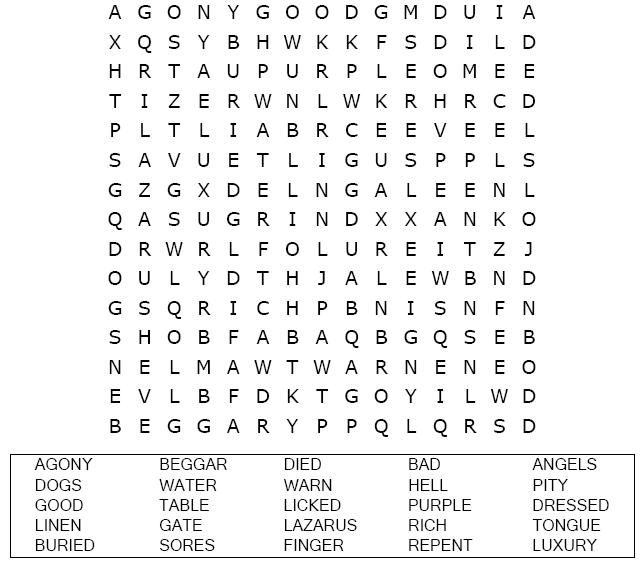
In today’s Gospel reading, Jesus tells the story of the rich man and Lazarus.
There once was a rich man, expensively dressed in clothes of the latest fashion. He lived in a beautiful house and ate the very best food. A poor man named Lazarus, all covered with sores, had been put outside the door of the rich man's house. All he wanted was a meal from scraps off the rich man's table. Dogs that passed by him stopped and licked his sores. Do you think the rich man ever offered to share the food from his table? Did he ever stop to offer Lazarus one of his nice suits of clothes? No way! He passed by Lazarus as if he wasn't even there.
Finally, Lazarus died and was carried by angels up into Heaven to be with Abraham. There he enjoyed all of the comforts that he never knew when he was on earth. He was happier than you can imagine. The rich man also died and was buried. Well, the place where the rich man went was really hot. We are sure you can guess where that was! He was miserable. The rich man looked up into Heaven and saw Abraham with Lazarus standing by his side. He cried out, "Father Abraham, send Lazarus down and let him dip his finger in water to cool my tongue." Abraham answered, "Don't forget that when you were living you had all your good things and Lazarus had nothing. Now he is well cared for and you are in great pain. And besides, there is a deep ditch between us, and no one from either side can cross over."
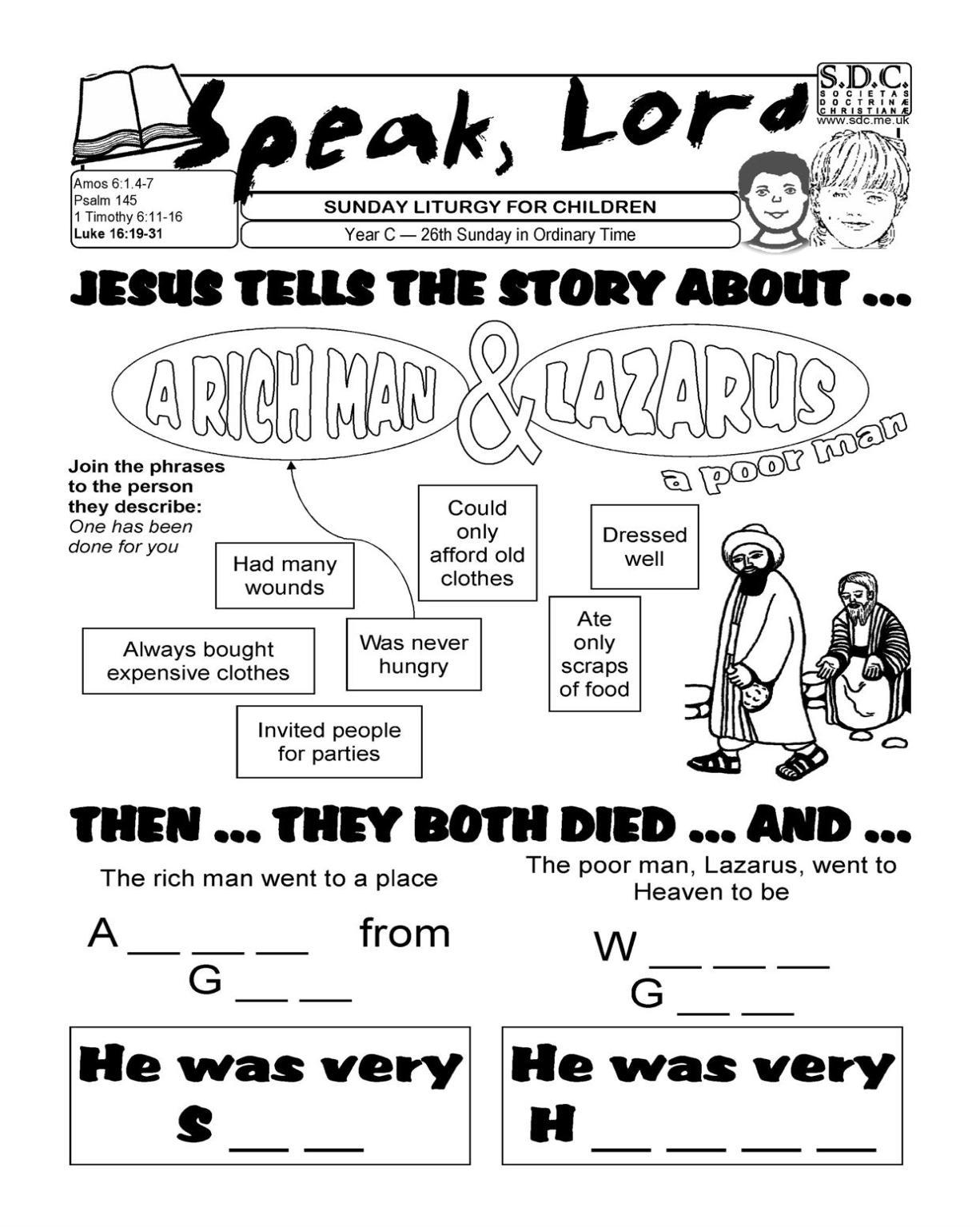
Even though he didn't have very much when he was on earth, Lazarus trusted in God to take care of him. That is what God did. He sent his angels to take Lazarus to Heaven. The rich man, on the other hand, didn't think he needed anyone. He sure didn't need God. He had everything that he needed. At least, that is what he thought. There is an important lesson to be learned from the story of the rich man and Lazarus. We choose where we will place our trust. We can trust in God or we can trust in ourselves. If we put our trust in the wrong thing, we will find ourselves wishing that we could trade places.
Father, we trust in your unfailing love; our hearts rejoice in your salvation. In Jesus' name we pray. Amen. ❖

Dear Editor,
Readers of Stabroek News Sunday edition (9/21) were treated to an extra-ordinary commentary from the Chairperson of the Constitutional Reform Commission (CRC) former Chancellor Carl Singh. Chairman Singh’s comments were what one would expect from an external observer, bemoaning the fact that “everything that happens to the Commission is determined by the membership.” The Chair laid out a catalogue of reasons – from finding chairs to invasion from Venezuela - to defend why the CRC has produced little to nothing over the past three years. He also invoked the fact that many Commission members needed to be educated about constitutional reform before starting their work – which raises a host of issues about selection to the Commission. Whether Commission members were remunerated for all of this nothingness is unknown. While non-performance in itself is sufficient to conclude that the life of the CRC ought to be closed down, a more cogent reason for reaching the same conclusion is the fact that the Commission from its inception was not seen as part of organically evolving law in Guyana. Towards the end of the Constitutional
GHRA: Current procedure for Constitutional Reform ignores relevant laws
then Commission addressed the issue of continuous future reform. This resulted in the Constitutional (Amendment no.6) of 2001 passed by the National Assembly on June 21, 2001 and assented to on 31 July 2001 by former President Bharrat Jagdeo. When assented, the ‘Official Remarks’ of the Constitutional Reform Commission stated that this Act be inserted after Article 119 of the Guyana Constitution and referred to as the Parliamentary Standing Committee for Future Constitutional Reform Process. The pertinent clauses of that Act are as follows:
119A (1) The National Assembly shall establish a Standing Parliamentary Committee for Constitutional Reform for the purpose of continually reviewing the effectiveness of the working of theConstitutionandmakingperiodic reports thereon to the Assembly, with proposals for reform, asnecessary.
(2) In its work the Committee shall have power to co-opt experts or enlist the aid of other persons of appropriate expertise, whether or not such experts or other persons are members of the Assembly.
This law intended to guide the continuous process of Constitutional Reform has been ignored by the Ministry of Legal Affairs, Parliament and the Constitutional Commission headed by former Chancellor Singh. Moreover, Singh also introduced
Commission should be restructured for legal reasons since the PNC has been replaced by We Invest in Nationhood (WIN) as leader of the Parliamentary opposition. The badly written law creating the CRC specifically named the PPP and the PNC to occupy the 50% of the seats on the Commission.
No matter what motivated the former Chancellor to raise this matter it provides an opportune moment for both the PPP and the PNC to adjust to the new facts of political life created by WIN. WIN have changed the political calculus in ways that require both the ruling party and the PNC to obey the rules, given they are not above the law. To a lesser extent, the same conclusion applies to the Forward Guyana Movement (FMG), especially in matters related to Regional politics. The obvious action required to correct all of the above obstacles is for Parliament to create the Standing Parliamentary Committee in order to create the appropriate mechanism to addressConstitutional reform.
The Chairman of the CRC emphatically stated that the matter of re-structuring the CRC was nothing to do with himself or the Commission. This is incorrect, both he and the Commission members could, as a matter of principle, resign.
Executive Committee Guyana Human Rights Association
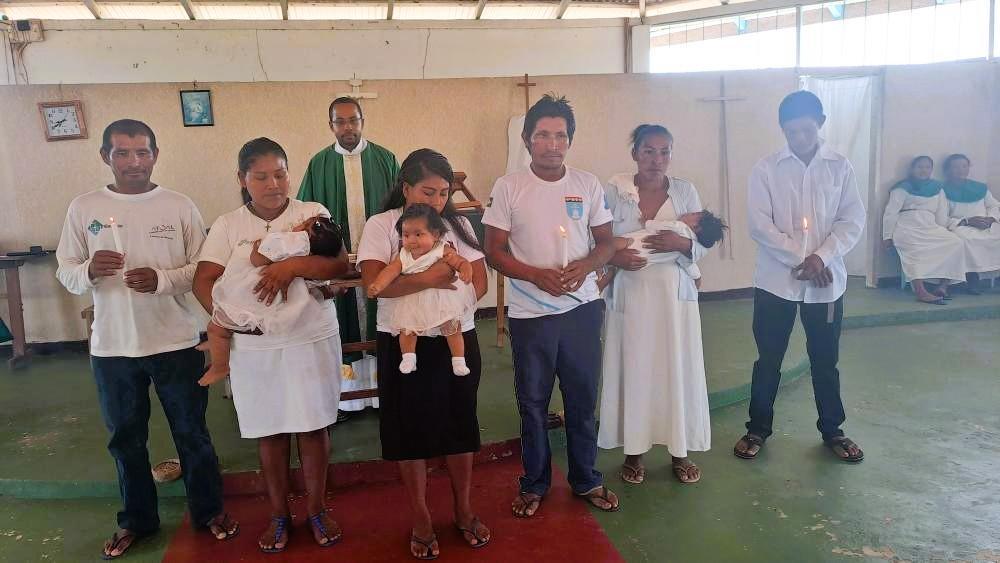
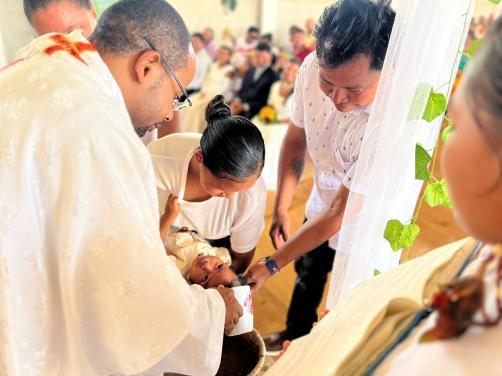
Three babies were baptised last Sunday September
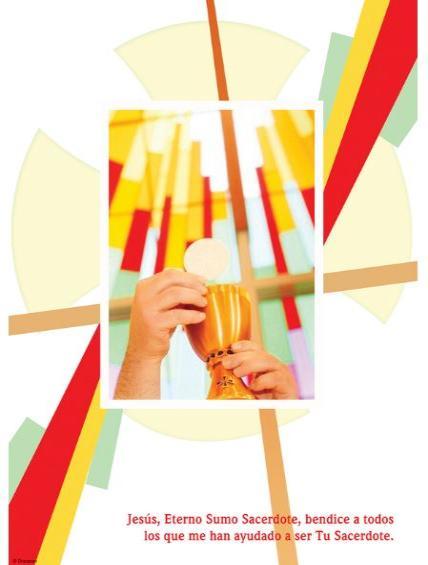
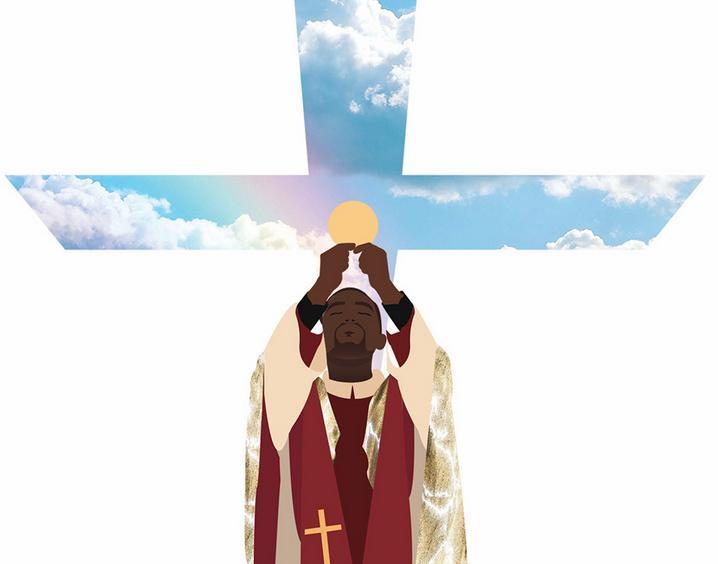
Priesthood Sunday September 28 2025
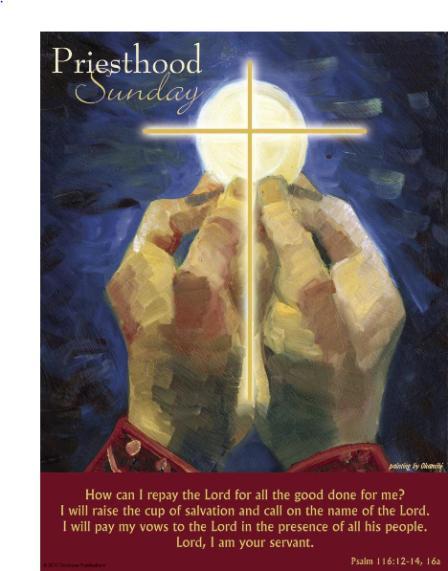
This day also specifically honours priests, without whom the Holy Sacraments could not be conferred, for a single day out of the 365 days of the year during which they tirelessly serve their parishes. Celebrate and thankapriesttoday! ❖
September 1 - October 4


21st at St. Stephen's Church, Rupunau, South Central Rupununi, Region 9, Essequibo, Guyana. (Adapted from Robert Bellarmine R.C Church Aishalton Facebook page)
On Saturday, September 13th, the community of St. Augustine RC Church in Maruranau, Deep South Rupununi, Region 9, Essequibo, Guyana, joyfully welcomed seven new members through the Sacrament of Baptism. In addition, two couples exchanged vows, conferring their love for each other through the Sacrament of Holy Matrimony.
The church, filled to capacity, was vibrant with the singing of the Responsorial Psalms and hymns in the Wapichan language, bringing the community together in culture, faith and love.
At the end of the Mass, Parish Priest Fr. Joel Thompson SJ encouraged the congregation to live out their faith, especially during these challenging times and even more so as we celebrate our Jubilee Year as pilgrims of hope. (St Ignatius Mission FB page).❖
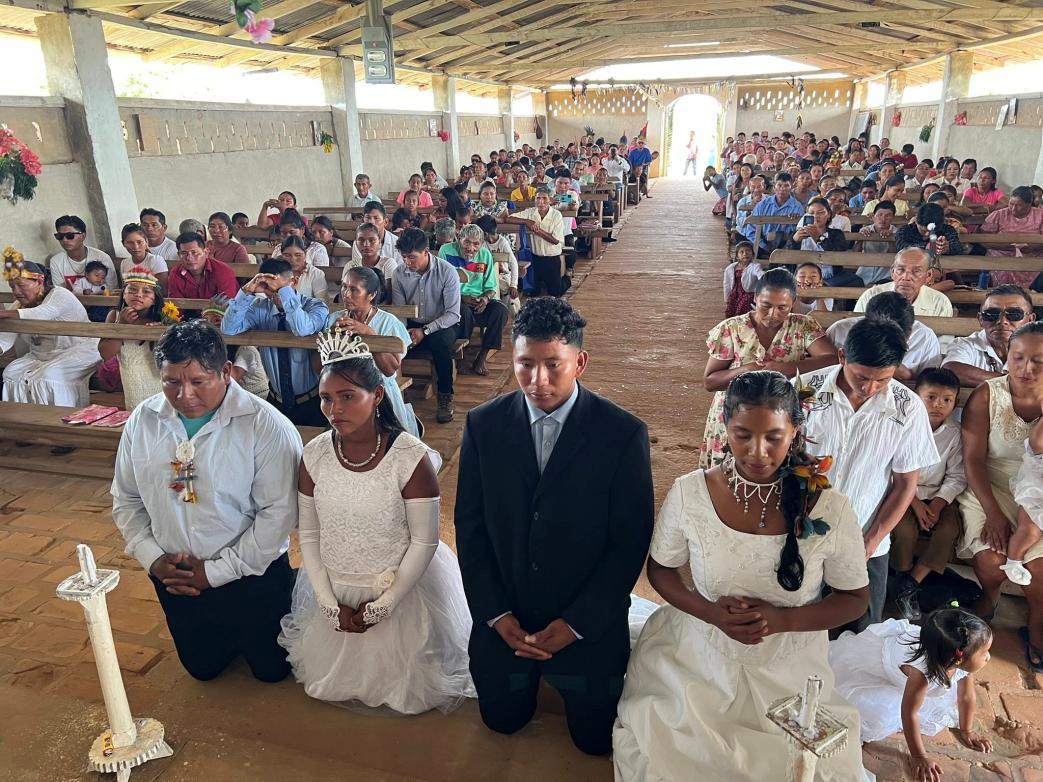
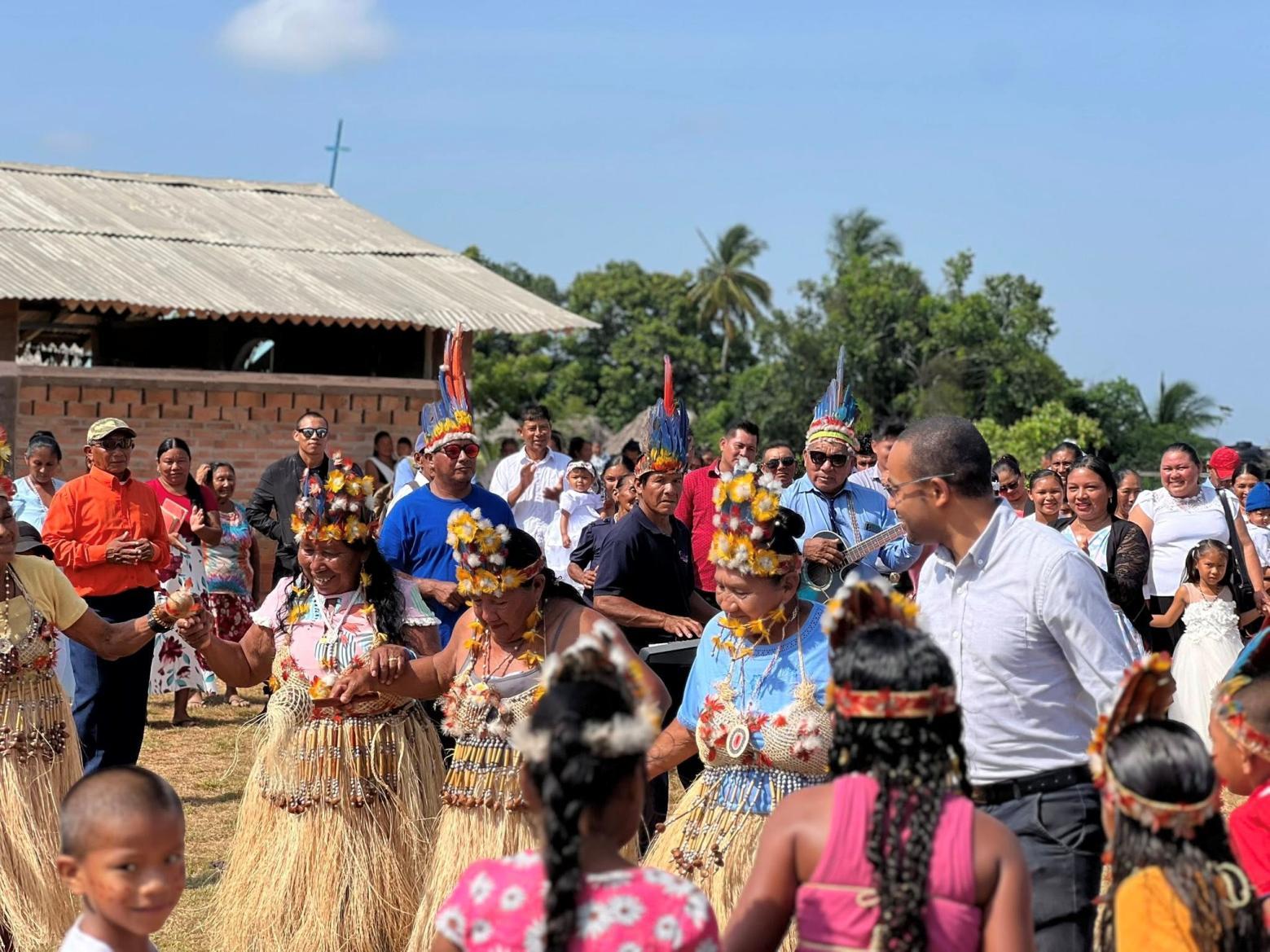
Parishioners of St Augustine Church, Maruranau, Deep South Rupununi, Reg. 9, Essequibo, Guyana, give a traditional welcome to Fr. Joel Thompson SJ, Sept. 13th.
The Sign of Peace – a reflection of who we are
The following is the Conversations with Archbishop J column by Archbishop Charles Jason Gordon in The Catholic News of Trinidad & Tobago of August 17-23 2025:
Q: Archbishop J, why have we ‘become Asian’ with the Sign of Peace?
We were having a perfectly normal conversation when the question emerged: “Why have we become Asian with the Sign of Peace?”
The reference was to how our way of exchanging the Sign of Peace has changed before, during, and after Covid.
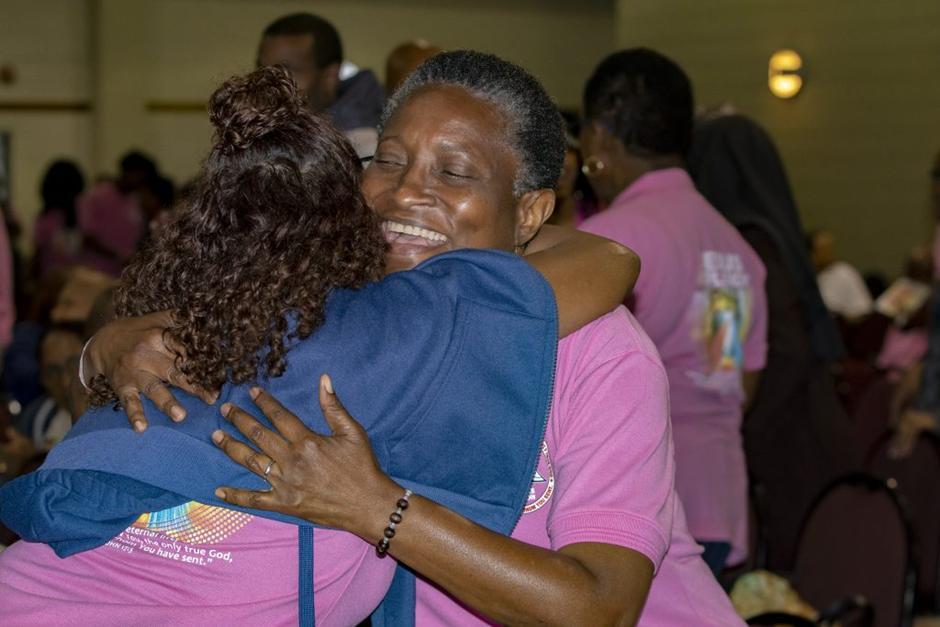
Before the pandemic, the Sign of Peace in many of our parishes was a joyful, Caribbean affair. We would move all over the church, hugging and kissing everyone we could reach. If we saw someone we hadn’t met in a while, we stopped for a warm smile and a quick word.
The music played on upbeat, engaging, irresistible. There was movement, laughter, and a sense of welcome in what some might call disorder but was, in truth, an expression of communion before we received the Lord.
I remember Archbishop Edward J Gilbert walking down the centre aisle of the Cathedral, shaking hands with people on both sides. It was warm, inclusive, Caribbean. We were greeted, hugged, kissed. We were loved.
Then came Covid
Overnight, everything changed. The hugs and kisses were replaced with the clasped hands and bow of greeting familiar in Asian cultures. We no longer moved around; we barely extended ourselves beyond our immediate pew neighbours. The touch was gone.
In came the hand sanitiser first from liturgical officers stationed along the communion line, then from our own personal bottles carried in handbags and pockets. The new ritual of sanitising sent a very different message: even in worship we needed to keep our distance.
Years after the official end of the pandemic, this habit lingers. We might call it ‘long Covid’ not the medical condition, but the social after-effects that have reshaped our behaviour.
A curious duality
What strikes me is that outside of church, we have mostly returned to normal. In the car park, in the supermarket, on the street, we hug, kiss, and shake hands freely.
But inside church, we switch codes. Our behaviour changes more reserved, quieter, less expressive. This is not entirely bad. In the house of God, reverence is fitting. But the change has gone beyond reverence. This duality has intrigued me for years. In a fete, a social event, or a family lime, we are in full voice. But in church where the joy is eternal and the love is divine do we hold back?
David’s dance and Michal’s contempt
Scripture gives us a striking example in the Second Book of Samuel. When the Ark of the Covenant was brought into the city, there was liturgy “And David danced before the Lord with all his might So David and all the people of Israel brought up the Ark of the Lord with shouts of joy” (2 Sam 6:14–15).
David’s worship was wholehearted, bodily, exuberant. But not everyone approved: “Michal looked down from her window. When she saw King David leaping and dancing before the Lord, she was filled with contempt” (v 16).
This is our paradox. We admire David’s zeal yet fear Michal’s scorn. In our culture, we let ourselves go in Carnival, in parties, in sport. But in church where joy is eternal do we hold back?
The purpose of the Sign of Peace
The Church teaches that the Sign of Peace serves a profound purpose:
1. Peace and Unity
2. Ecclesial Communion
3. Preparation for Communion
The General Instruction of the Roman Missal (GIRM) says:
“The Rite of Peace follows, by which the Church asks for peace and unity for herself and for the whole human family, and the faithful express to each other their ecclesial communion and mutual charity before communicating in the Sacrament” (GIRM 82).
The tradition is ancient. The Synod of Bishops (2004) recalled:
“The risen Lord appeared in the midst of his disciples, offered them his peace and prepared…‘the table of peace.’
The peace and salvation of souls given
in the Eucharist is Christ himself” (The Eucharist: Source and Summit, 42).
For St Cyril of Jerusalem, the Sign of Peace was reconciliation itself:
“This kiss blends souls one with another banish[es] all remembrance of wrongs Greet one another with a holy kiss” (Catechetical Lecture 23).
This is not a casual greeting. It is a sacred act in which we embody Christ’s peace, extend forgiveness, and prepare our hearts to receive Him.
Culture meets Liturgy
The GIRM allows bishops’ conferences to determine the form of the gesture “in accordance with the culture and customs of the peoples,” with the caution that it be “sober” and limited to those nearby.
Here lies the tension: Our Caribbean warmth is life-giving and communal. But the Sign of Peace is also a moment within the Eucharistic sacrifice sacred, intentional, oriented towards the altar.
Before Covid, we leaned into warmth but sometimes lost sight of the liturgical centre. Now, post-Covid, we lean into sobriety but risk losing the human warmth that makes peace tangible.
Finding the balance
The challenge is not to choose between culture and liturgy, but to integrate them. Caribbean warmth can coexist with liturgical dignity. The Sign of Peace should feel like an authentic expression of who we are and, at the sametime,asacredactofunityinChrist
Perhaps that means restoring physical contact handshakes, embraces within reasonable bounds. Perhaps it means teaching again what this moment signifies, so that even a simple handshake is charged with meaning: reconciliation, unity, love.
It certainly means avoiding extremes. We do not need to roam the entire church as if at a wedding reception. But neither should we reduce the gesture to a nod that feels cold or perfunctory.
The deeper invitation
Jesus says in John 14:27: “Peace I leave with you; my peace I give to you. I do not give to you as the world gives.” This is the peace we exchange His peace, not ours. It is not merely good manners; it is a sacramental sign of what we are about to receive in the Eucharist.
When we offer the Sign of Peace, we become instruments of that peace. We look the other person in the eye. We mean what we say. We receive their peace in return.
This is the deeper invitation: to bring our whole selves our Caribbean heart, our reverence for God’s house, our openness to Christ’s peace into one unified act. Not a ‘church face’ and a ‘real-life face,’ but the same joyful, reverent heart in both spaces.❖
Key message
The Sign of Peace is an ancient and sacred rite that expresses unity, reconciliation, and love before we receive the Lord. In the Caribbean, it should carry our cultural warmth and dignity, reflecting both who we are and who we are becoming in Christ.
Action Step
The next time you offer the Sign of Peace, be conscious that you are an instrument of God’s peace. Offer it with warmth, dignity, and the awareness that you are preparing to receive the Prince of Peace Himself.
Scripture reading John 14:27
Seminar at Katu'ur
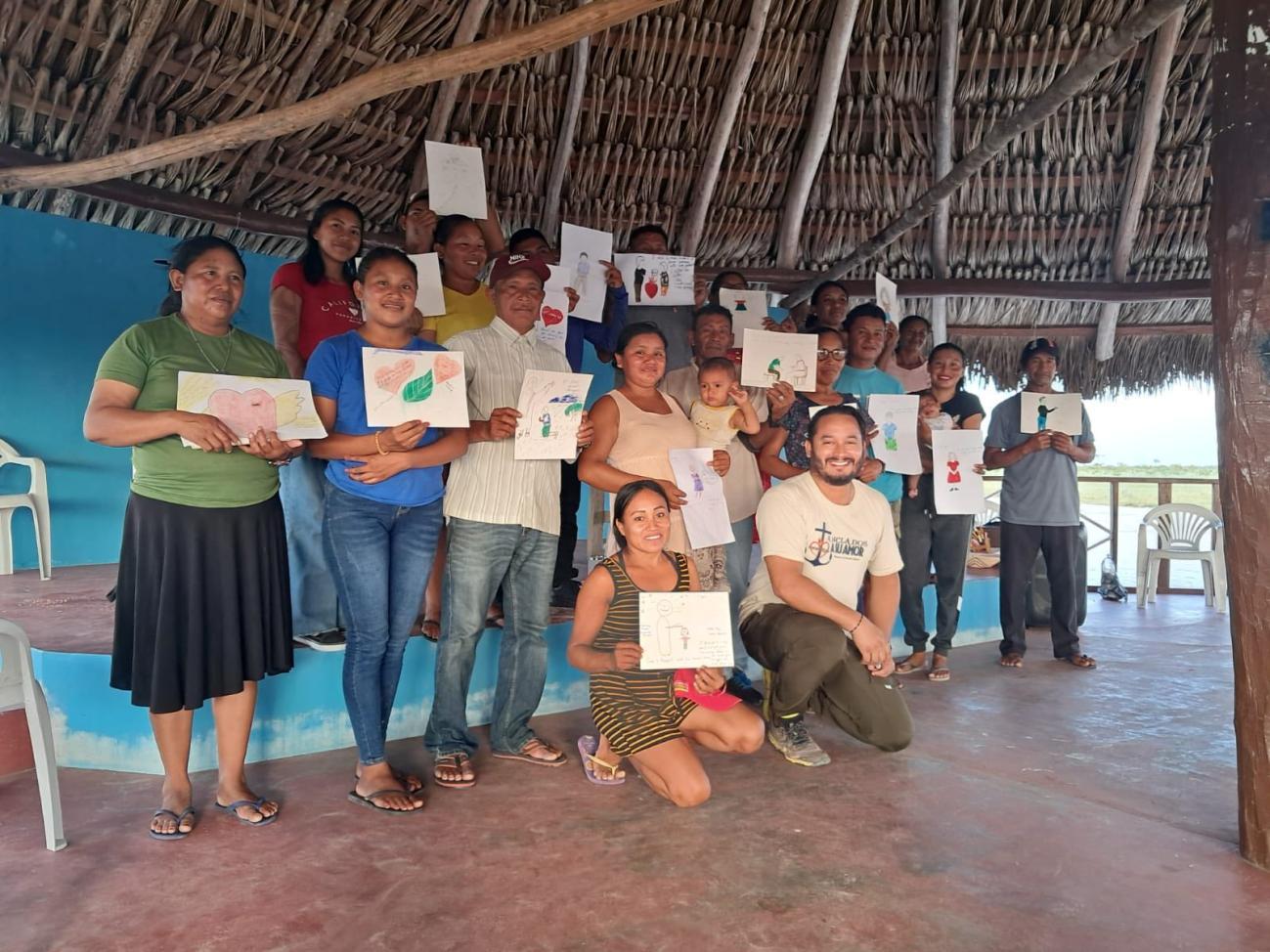
Seminar-Workshop on the topics of God’s Love and Self-Esteem was held for both youths and
The sessions were conducted by Jesuit Scholastic José Rodríguez Guyana FB page)
October 4th
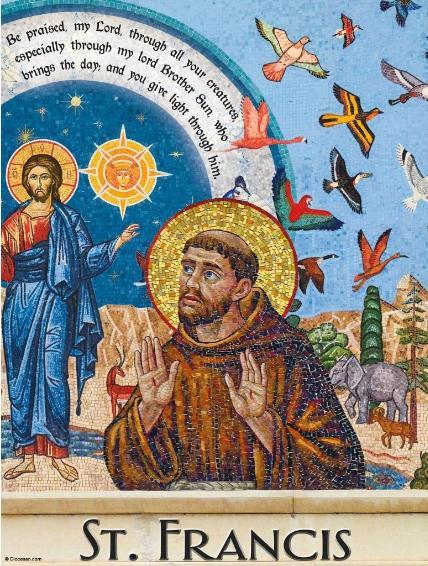
St Francis of Assisi
Patron Saint of ecology
Francis was born in Assisi, Italy in 1182. He was a light-hearted youth, but changed, giving up his inheritance, offering his whole life to God and embracing poverty. He gathered followers around him, instituting a Rule that was approved by Pope Innocent III. The result was the Franciscan Order, known for preaching and for the love of poverty.
Francis was torn between a life devoted entirely to prayer and a life of active preaching of the Good News. He decided in favor of the latter, but always returned to solitude when he could. He died in 1226 at the age of 44.
Saint Francis: Patron Saint of ecology, inspiration to thousands, claimed by people of all faiths as well as by those with no particular faith, a truly “catholic and apostolic man.” Though born in the 13th century, he belongs to all ages.❖ [franciscanmedia.org & salfordliturgy.org.uk ]