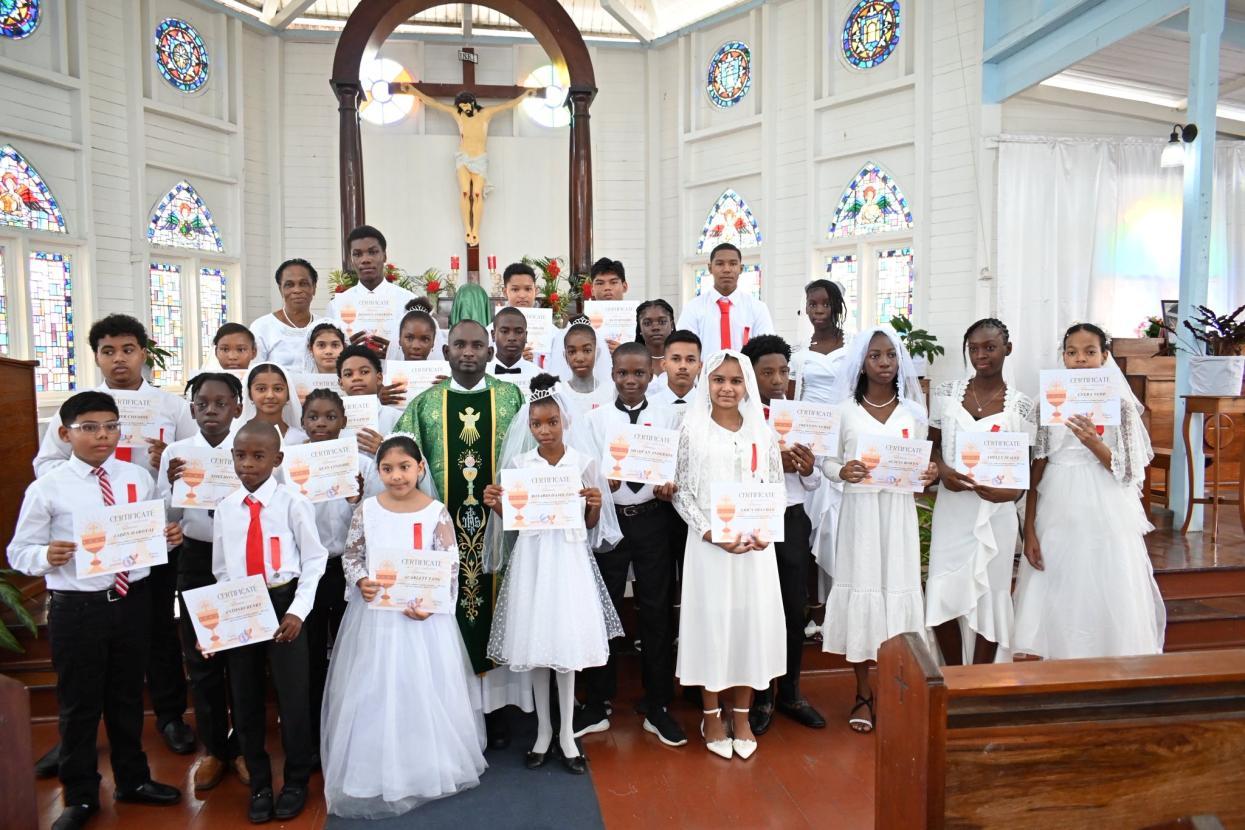
09:00hrs – Mass & Confirmation at Holy Rosary, Kitty
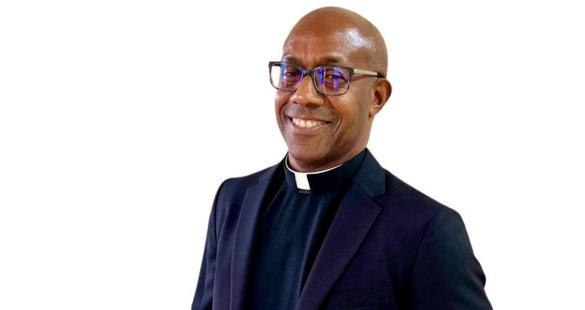
Francis Alleyne OSB
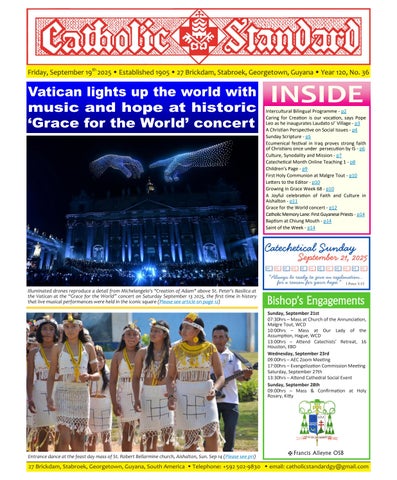
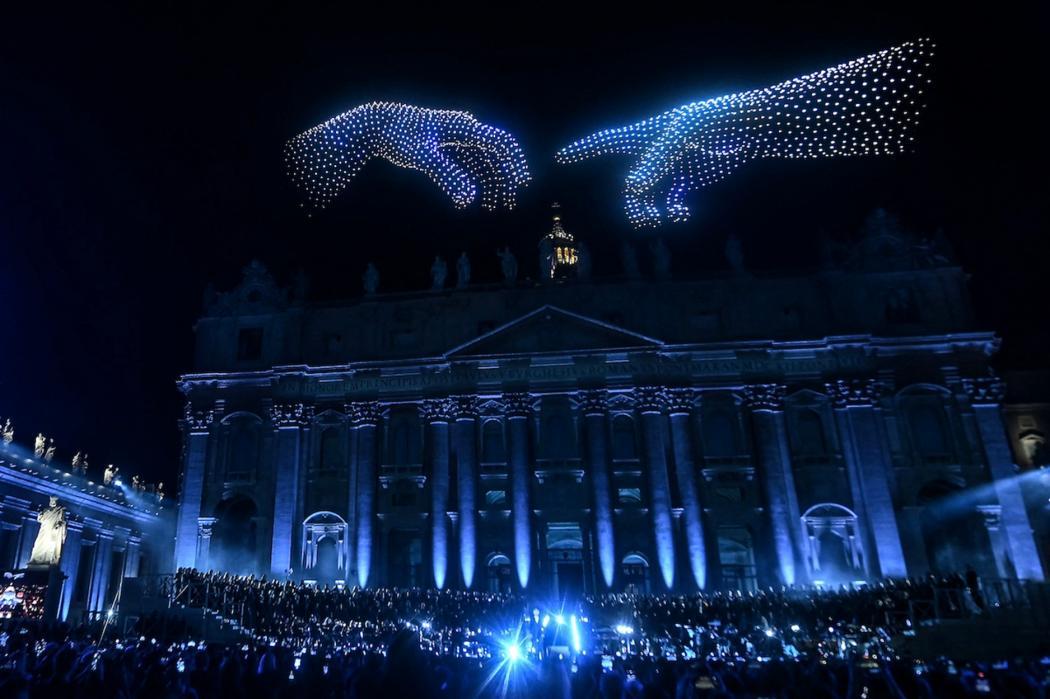
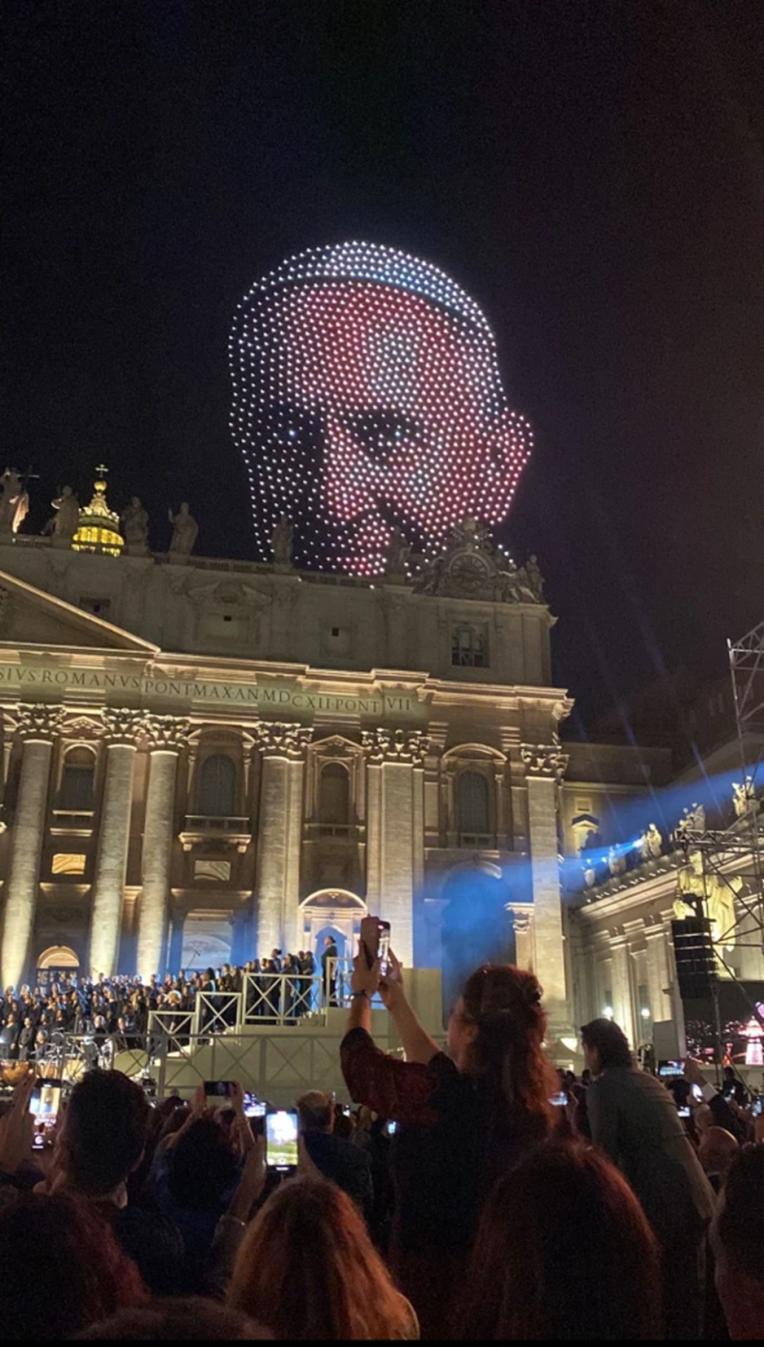
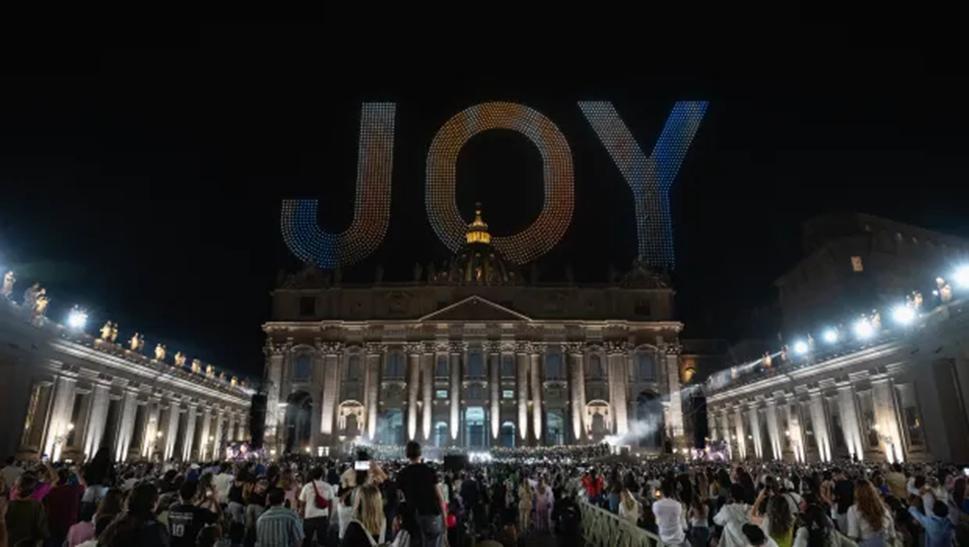
Illuminated drones reproduce a detail from Michelangelo's "Creation of Adam" above St. Peter's Basilica at the Vatican at the “Grace for the World” concert on Saturday September 13 2025, the first time in history that live musical performances were held in the iconic square (Please see article on page 12)
The Jubilee Prayer
Intercultural Bilingual Programme
Father in heaven, may the faith you have given us in your son, Jesus Christ, our brother, and the flame of charity enkindled in our hearts by the Holy Spirit, reawaken in us the blessed hope for the coming of your Kingdom.
May your grace transform us into tireless cultivators of the seeds of the Gospel. May those seeds transform from within both humanity and the whole cosmos in the sure expectation of a new heaven and a new earth, when, with the powers of Evil vanquished, your glory will shine eternally.
May the grace of the Jubilee reawaken in us, Pilgrims of Hope, a yearning for the treasures of heaven. May that same grace spread the joy and peace of our Redeemer throughout the earth.
To you our God, eternally blessed, be glory and praise for ever.
Amen
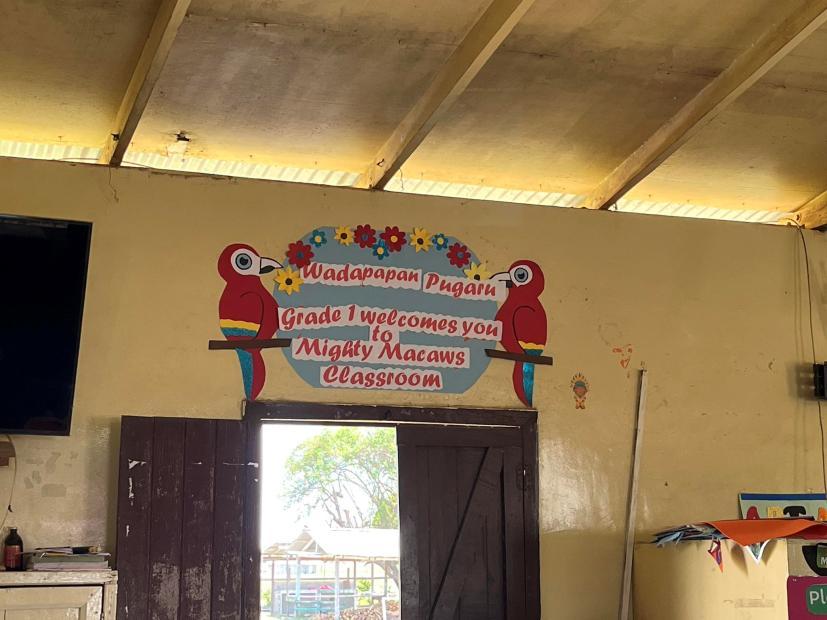
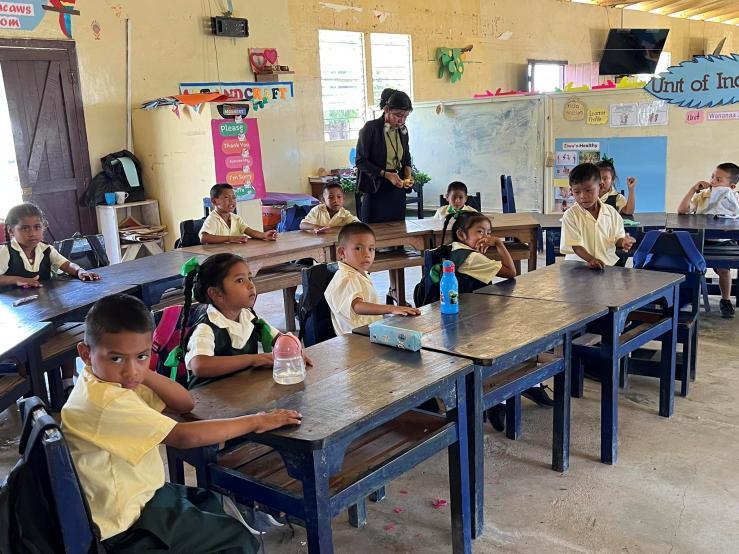
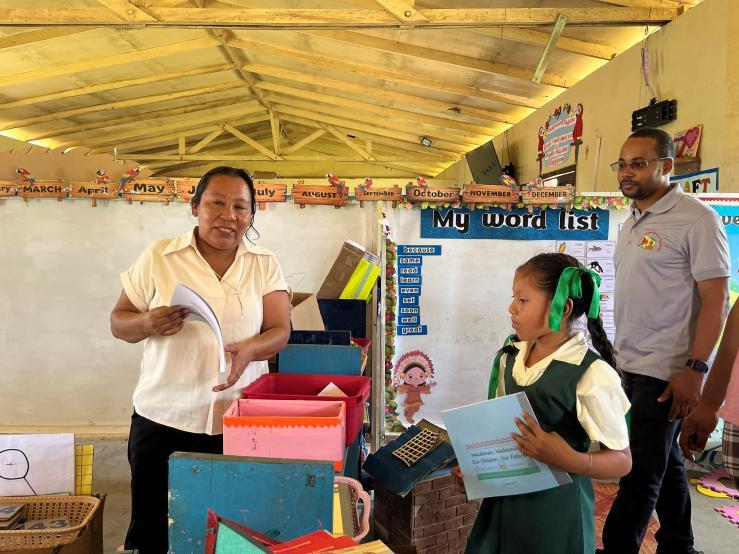
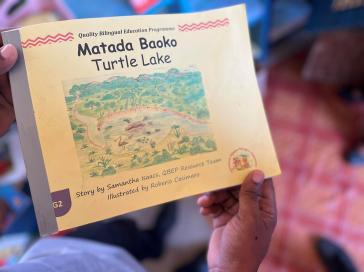
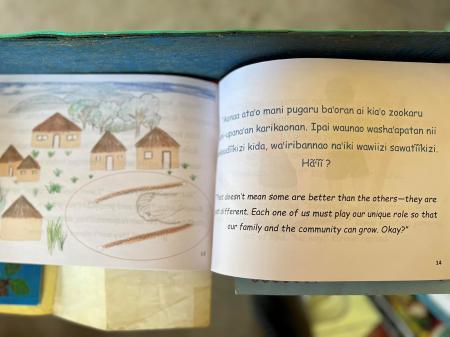
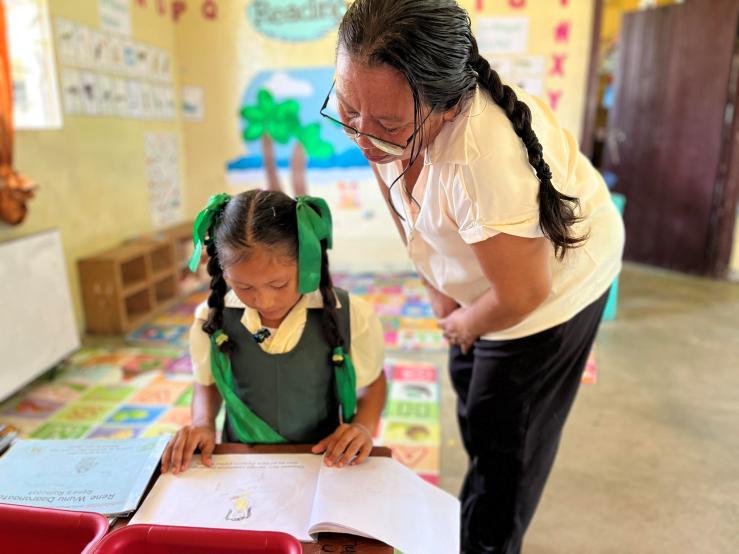
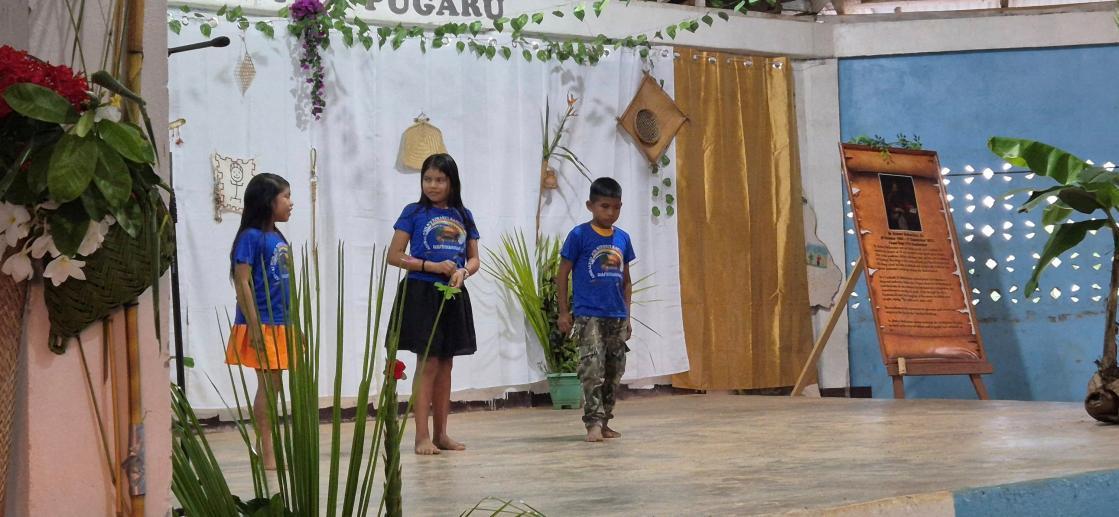
Catholic Media Guyana recently visited the Quality Bilingual Education Programme (QBEP) in the Deep South Rupununi, Region 9, Essequibo, Guyana - an innovative collaboration between the Jesuits, the Ministry of Education, and four Wapichan communities: Aishalton, Sawariwau, Karaudarnau,and Maruranau
The QBEP integrates Wapichan culture, values, and language with the national curriculum, helping children in Grades 1 and 2 strengthen learning while appreciating their heritage.
At Karaudarnau Primary School, we met Head Teacher Ms. Cheryl Stephens, teachers, and students whose joy in learning through their mother tongue was evident. Fr. Joel Thompson SJ, chair of the QBEP Team, noted that this model of education is holistic, contextual, and responsive to the needs of Wapichan children. By weaving songs, stories and traditions into classroom learning, the programme fosters cultural pride, builds confidence, and encourages active involvement by parents and grandparents.
Launched in 2018, the QBEP continues to thrive with the support of the Jesuits, the Ministry of Education, teachers, communities, and students. Recognized as a model of intercultural bilingual education in Guyana, it also aligns with the UN's International Decade of Indigenous Languages (2022-2032). Plans are underway to expand into additional primary grades, with ongoing evaluation ensuring impact and sustainability.❖
(Catholic Media Guyana)
Caring for Creation is our vocation, says Pope as he inaugurates Laudato si
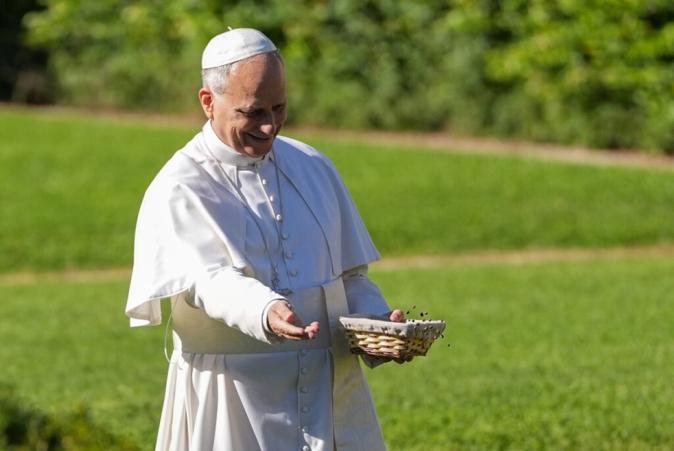
Pope Leo XIV feeds fish at a pond in the Pontifical Gardens of Castel Gandolfo, Italy, Sept. 5, 2025. The pope inaugurated Borgo Laudato Si’ the same day, opening the historic papal residence as a center dedicated to the principles of care for creation and human dignity outlined in Pope Francis’ encyclical Laudato Si’. (CNS photo/Lola Gomez)
VATICAN CITY (CNS) Surrounded by formal Italian gardens, ancient Roman ruins and long avenues of lush trees, Pope Leo XIV inaugurated a new “zero environmental impact” complex devoted to promoting Pope Francis’ teachings on caring for creation at the papal gardens in Castel Gandolfo.
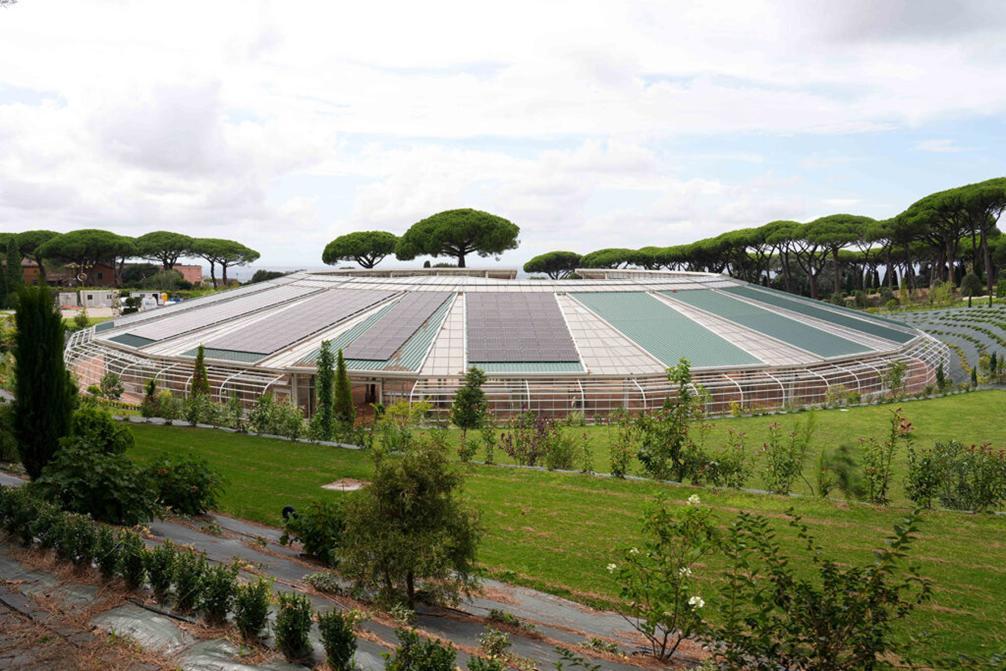
A newly built circular greenhouse, reminiscent of Bernini’s curved colonnade in St. Peter’s Square, and two new buildings, all topped with solar panels, make up the heart of Borgo Laudato Si’ a project dedicated to promoting integral ecology, sustainability and a circular and generative economy.
Caring for creation “represents a true vocation for every human being, a commitment to be carried out within creation itself, without ever forgetting that we are creatures amongcreatures and not creators,” Pope Leo said in his homily during a prayer service in the greenhouse Sept. 5. The service was attended by employees and their families, members of the Roman Curia, representatives of partner companies and organizations supporting the project, and other special guests.
“Borgo Laudato Si’, which we are inaugurating today, is one of the church’s initiatives aimed at fulfilling this vocation to be protectors of God’s handiwork: a demanding but beautiful and fascinating task, which represents a major aspect of the Christian experience,” he said.
The initiative, which seeks to make concrete the church’s teaching about integral ecology, “is a seed of hope that Pope Francis has left us as his legacy,” he said, and it represents “a synthesis of extraordinary beauty, where spirituality, nature, history, art,
Andrea Bocelli and his son, Matteo, sang “Dolce Sentire,” which was inspired by St. Francis of Assisi’s Canticle of Creation. The ecumenical Season of Creation runs from Sept. 1 to Oct. 4,the feastof St. Francis.
The Borgo, which means “village” or “hamlet” in Italian, extends over 85 acres of gardens and 50 acres of farmland, and is home to cows, horses, donkeys, chickens and other small animals.
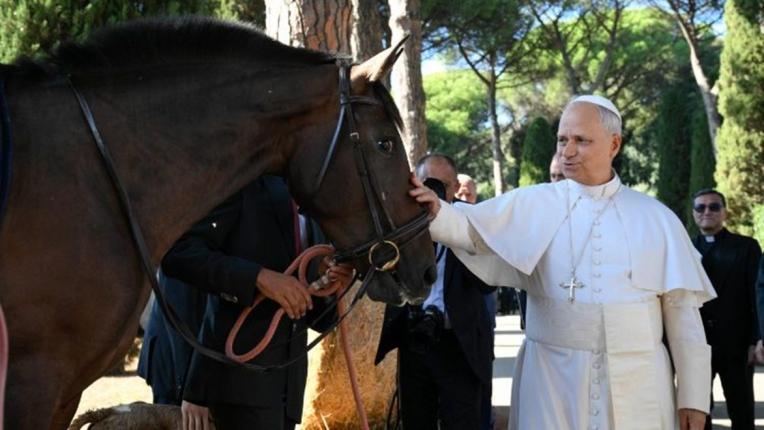
During his two-hour visit, Pope Leo greeted a few of the furry residents, including a white Andalusian horse, named “Sale Rosso” (Italian for “Sal Roja”), that was gifted to him as a reminder of the horses he used to ride to reach rural areas when he was bishop of Chiclayo, Peru. Clicking his tongue to greet it, the pope rubbed the horse’s muzzle and fed it a small chunk of carrot.
He also petted a newborn calf named “Domenico” because it was born on Sunday (“Domenica” in Italian) and a brown pure-bred Spanish horse.
The pope arrived at the papal property in Castel Gandolfo, just 15 miles southeast of Rome, in the late afternoon to greet the project’s gardeners, farmers, engineers, staff and their families.
He first prayed in the Garden of the Little Madonna, where he had celebrated Mass “for the care of creation” in early July, soon after the Vatican announced that a new formulary of prayers and biblical readings for the Mass would be added to the Roman Missal.
Run by the Vatican’s Laudato Si’ Center for Higher Education, Borgo Laudato Si’ aims to send the message that “ecological conversion is possible and arises from the encounter between faith, responsibility and hope,” Cardinal Fabio Baggio, director general of the center and undersecretary of the Dicastery for Promoting Integral Human Development, said in his opening remarks.
“This conversion will enable us to transform reality and build a more just and fraternal world,” he said.
The center is open to everyone, organizers said, and it will feature educational programs for students of all ages and from all over the world, and retreats for business leaders desiring to adhere more closely to the Catholic principles of caring for creation and protecting human dignity.
The center currently runs a vocational training program in gardening and agriculture for vulnerable and marginalized individuals, and it plans to sell products produced on the farm to the public, including cheese, olive oil and wine that will carry the label “Laudato Si’.”
It also plans to open a restaurant in the spring of 2026 using only locally grown and sourced products. Chicago natives Art Smith, a chef, and Phil Stefani, a restaurant owner, will operate the restaurant and catering services.
Salesian Sister Alessandra Smerilli, a member of the board of directors of the Laudato Si’ Center for Higher Education and secretary of the Dicastery for Promoting Integral Human Development, told reporters Sept. 2 that they want to “generate economic growth and profits, but these profits should not enrich a select few; rather,
they should be put back into circulation” at the center to support its programs and workers.
This so-called generative and circular economy also seeks to generate no waste by using all materials responsibly and by protecting the human person from a “throwaway” mentality,shesaid.
“The activities that will be carried out here have this objective, starting with agriculture, everything we see here in the orchards, catering, everything that can be set up must be based on this, and wants to be a model of this,” she said.
U.S. Father Manuel Dorantes, administrative-management director of the Laudato Si’ Center for Higher Education, told reporters Sept. 2, “the message that Pope Francis wanted to send is that if we, the smallest citystate in the world, can do this, what is the potential for other states that are bigger than us, that have more resources than us, and that have wonderful talents and wonderful territory that God has given them?” “They need to be the protagonist of their own people. And therefore, the pope is now being the protagonist of his own territory to create a model that can inspire people, that a world can be different if we work together,” he said.❖
A newly-constructed greenhouse, which is part of Borgo Laudato Si’, stands on the papal property in Castel Gandolfo, Italy, Sept. 2, 2025. Pope Leo XIV inaugurated the site Sept. 5, 2025, which includes gardens, farmland, historic villas and educational spaces dedicated to being a model where the care of creation and the defense of human dignity are taught and lived, and are open to all. (CNS photo/Lola Gomez)
Pope Leo XIV inaugurates the Laudato sì Village (@Vatican Media)
A Christian Perspective on Social Heritage Month
By GHK Lall
This September has been loaded with more energy than usual. School reopening. Traffic tightening. Governance competition intruding. And, heritage month celebrating. Amerindian Heritage Month to be specific. It is the latter on which this week’s perspective is focused. It is the largest sub-constituency, by far, in the Roman Catholic sphere in Guyana. There is something not so grand about these first citizens of this rich land. The treatment they have received. The exploitations to which they have been subjected. The disadvantages that they have endured. When the discussion is of the indigenous community, the season of platitudes is never ending, and awash with the sweet-smelling flowers of care, of how much has been done for them (vs the competition), and how much more is planned for them that outdistances whatever the competition could bring to the table. There is a contradiction, something that clashes, with all the speeches intended to be motivational, usher in a new era of good feeling, even prospering. After all of this, there is this mystery that defies resolution. The indigenous communities of Guyana remain poor and deprived and depressed, to the largestextent possible.
The indigenous have heard about an array of programs designed to lift
their lot. They remain at the bottom of Guyana’s economic skyscrapers. They have absorbed so much from so many about how well they care. Yet, the indigenous have to look to their roots, to their land and their traditions, to scratch out a living. How can that be in aland so rich, what’s part of their heritage more than all other Guyanese? They are surrounded by riches in the deep underground, riches above ground, and riches in their waters. They remain doggedly poor, constantly distressed.
Who is going wrong? How are they doing wrong? The first flakiness is to dismiss the people native to Guyana’s soil as children of a lesser god. To regale privately in these politically sensitive times that they are citizens of a lesser intelligence. The powerful and exploitative have done that before, at different times, and under various umbrellas, and keep getting away with such slurs, such malpractices. When the people of the forests cry out, when it is too much to take, the powerful run with a dollar and a bridge, or some facility to assist with potable water. The sun rises and the sun sets and there is that consistency of reactions. On other occasions, when the indigenous complain about encroachment on their sacred spaces, the law is brandished against them, while they are banned from their own once free spaces.
But in this heritage month, all of this will be overwhelmed by a barrage of all the good that is being done, and is in mind, for the indigenous. Still, they remain stuck where they are, but for a resourceful and brave few, who by sheer initiative manage to separate from their umbilical cord is connected. What’s the answer to this indigenous puzzle that is not that much of a puzzle?
The first efforts must be centered on recognizing these citizens, treating these indigenous sons and daughters, as equals. The moment they are held as inferiors to be exploited (and paid off in tight situations), as people who don’t have the fullest idea of the true value of their riches, then the road to recovery and some degree of equity is rocky and steep. There can be all the lovely celebrations involving a few hundred to make them feel special for a moment. But let there are tens of thousands far from the city, who languish in the same state as they have known for centuries. Or, to narrow this considerably, sinc independence.
There can be one or two, or a few, at the table of national deliberation for window dressing. But what about the thousands who exist outside the backdoor, and out of sight? Often in life, there is awareness of blood brothers treated like dirt by their own brothers. For money. Because of rich inheritance. One doesn’t have to have too much of an imagination to appreciate how outside brothers, or no brothers at all, are treated, when so much is at stake. The record speaks. Talk is cheap. Then, there are actions that impoverish, and continue that cycle. The Church should have a voice in this. The biggest constituency is owed that interest,attention.❖
Gracious and loving God, we thank your for the gift ofour priests. Through them, we experience your presence in the sacraments. Help our priests to be strong in their vocation.
Set their souls on fire with love for your people.
Grant them the wisdom, understanding, and strength they need to follow in the footsteps of Jesus. Inspire them with the vision of your Kingdom.
Give them the words they need to spread theGospel.
FIRST READING: Amos 8:4-7
Against those who ‘buy up the poor for money’ Listen to this,you who trample on the needy and try to suppress the poor people of the country, you who say, ‘When will New Moon be over so that we can sell our corn, and sabbath,so thatwe can market our wheat? Then by lowering the bushel,raisingthe shekel, by swindling and tamperingwith the scales, we can buy up the poor for money, and the needy for a pair of sandals, and geta price even for the sweepings of the wheat.’
The Lord swears itby the pride of Jacob, ‘Never will I forget asingle thingyou have done’
RESPONSORIAL PSALM: Psalm 112
Response: Praise the Lord, who raises the poor.
1. Praise,Oservants of the Lord, praise the name of the Lord! May the name of the Lord be blessed both nowand for evermore! Response
2. Highabove all nations is the Lord, above the heavens his glory. Who is like the Lord,our God, who has risen on high to his throne yet stoops from the heights to look down, to look downupon heaven and earth? Response
3. From the dusthe lifts up the lowly, from the dungheap he raises the poor to set him in the company of princes, yes,with the princes of his people. Response
SECOND READING: 1 Timothy 2:1-8
There should be prayers offered for everyone to God who wants everyone to be saved.
My advice is that,firstof all,there should be prayers offered for everyone – petitions, intercessions and thanksgiving – and especially for kings and others in authority, so that we may be able to live religious and reverent lives in peace and quiet. To do this is right, and will please God our saviour: he wants everyone to be saved and reach full knowledge of the truth. For there is only one God, and there is only
After today’s readings, we can’t say we have not been warned about the dangers of mixed up priorities. God’s Word is so very clear today on the necessity of putting Him first in all areas of our lives.
one mediator between God and mankind, himself a man, Christ Jesus, who sacrificed himself as a ransom for them all. He is the evidence of this, sent at the appointed time, and I have been named a herald and apostle of it and lie
In every place, then, I want the men to lift their hands up reverently in prayer, with no anger or argument.
GOSPEL
Luke 16:1-13
You cannot be the slave both of God and of money Jesus said to his disciples, ‘There was a rich man and he had a steward denounced to him for being wasteful with his property. He called for the man and said, “What is this I hear about you? Draw me up an account of your stewardship because you are not to be my steward any longer.” Then the steward said to himself, “Now that my master is taking the stewardship from me, what am I to do? Dig? I am not strong enough. Go begging? I should be too ashamed. Ah, I know what I will do to make sure that when I am dismissed from office there will be some to welcome me into their homes.”
Then he called his master’s debtors one by one. To the first he said, “How much do you owe my
We see this in the First Reading from Amos. The Lord has harsh words for those who would take advantage of the poor, and whose priorities are not aligned with God’s.
In the Second Reading from St. Paul’s letter to Timothy, Paul gives us the antidote to the self-centeredness condemned in our First Reading. The antidote is to imitate Christ, “who gave Himself as a ransom for all.” Rather than thinking of Himself and how to “get ahead,” Christ gave Himself away completely for our sake. That is how we are to live.
was the Here, take your bond; sit To another he One was the reply. The Here, take your bond and write
The master praised the dishonest steward for his astuteness. For the children of this world are more astute in dealing with their own kind than are the children of light.’
‘And so I tell you this: use money, tainted as it is, to win you friends, and thus make sure that when it fails you, they will welcome you into the tents of eternity. The man who can be trusted in little things can be trusted in great; the man who is dishonest in little things will be dishonest in great. If then you cannot be trusted with money, that tainted thing, who will trust you with genuine riches? And if you cannot be trusted with what is not yours, who will give you whatis your very own?
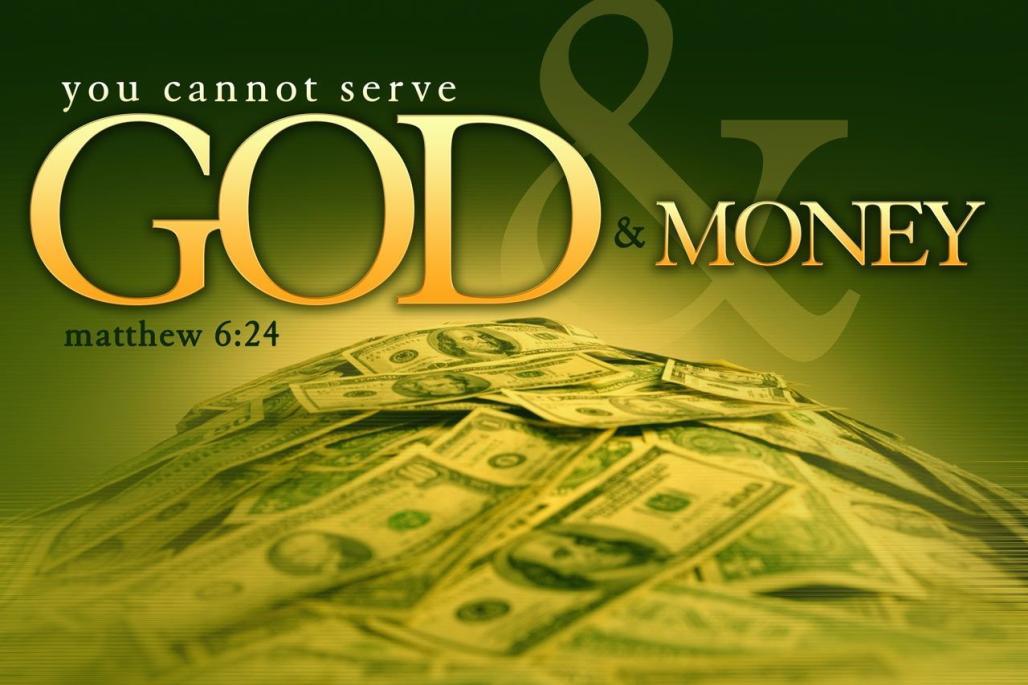
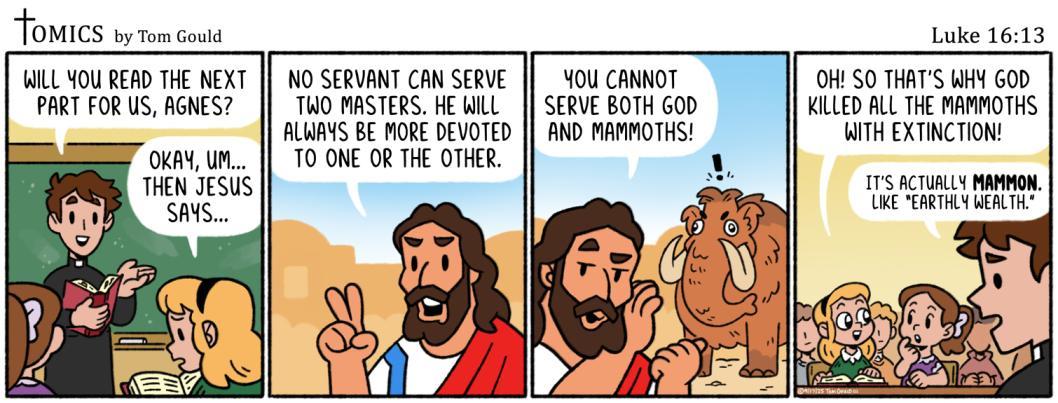
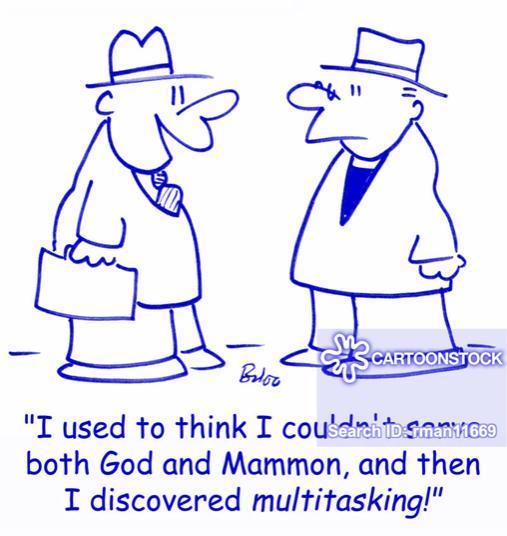
‘No servant can be the slave of two masters: he will either hate the first and love the second, or treat the first with respect and the second with scorn. You cannot be the slave both of God and of money.’❖
In our Gospel passage from Luke, the Lord shows us how to bridge the gap between worldly thinking and priorities, and eternal thinking and priorities. Jesus tells the parable of the corrupt but clever steward who is about the get fired when the master discovers the steward has been squandering his property. Realizing his imminent unemployed status, the clever steward reaches out to the various debtors of his master to wheel and deal with them, making friends who would look out for him when he became jobless.
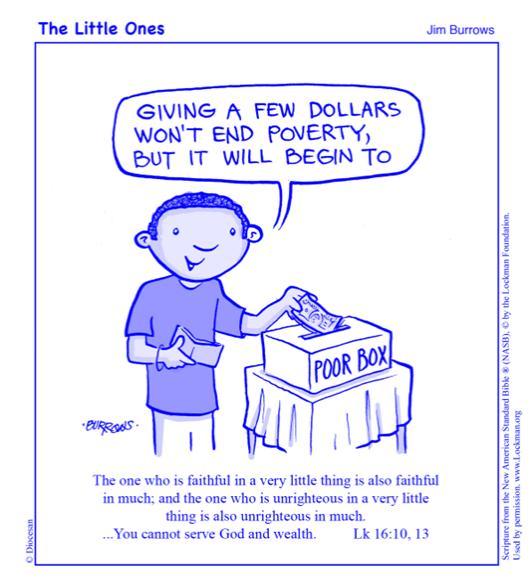
What if we put that kind of effort into our own tasks as good stewards of all God’s gifts to us? Into our ministries, into the ways we could make more time for prayer as individuals, as couples, as families and as a parish? What if we got as creative as the “bad steward” in the use of our finances so that we could give more generously to the poor and to the advancement of God’s kingdom on the earth?
That’s our lesson and our challenge. ❖ [www.catholicsteward.com/blog/ ]
under persecution by Islamic State Gospel Reflection
Although the Book of Amos was written some 800 years before the birth of Christ, it has a very modern touch to it. It describes a profit-driven economy from the point of view of those who stand to gain the most. In their view, those at the bottom of the economic ladder are there to be exploited to make more profits. Even the Sabbath, the Lord’s Day, which is just about the only time the poor can get any kind of rest, is seen by the rich as a wasted opportunity for conducting business. Once profit becomes the only principle of business, such matters as false weights, high prices and poor quality goods can easily be defended and excused. But as the prophet Amos points out, there is one problem with that kind of thinking – God sees all this and takes note. It will do us well to keep this in mind.
Greed for money has brought about the downfall of many people. We often read of so many people in high places being accused of corruption. And when they are caught they pay with a lot of more than just money. They pay with loss of self-respect, dignity and their good name. And once we have lost our good name, it is difficult, if not impossible to regain it. Money is given such importance in the world we live in that it can easily become our god. We can put it before honesty, before justice and even before family life. Just think of the number of persons who pursue the Lotto dream or the hope of winning it big at the betting shop. Jesus points out clearly that you cannot serve both God and money. When you are concerned only with money, you stop seeing others and only see yourself.❖
[From: Journeying with the Word of God, The Religious Education Department, DioceseofGeorgetown, Guyana ]
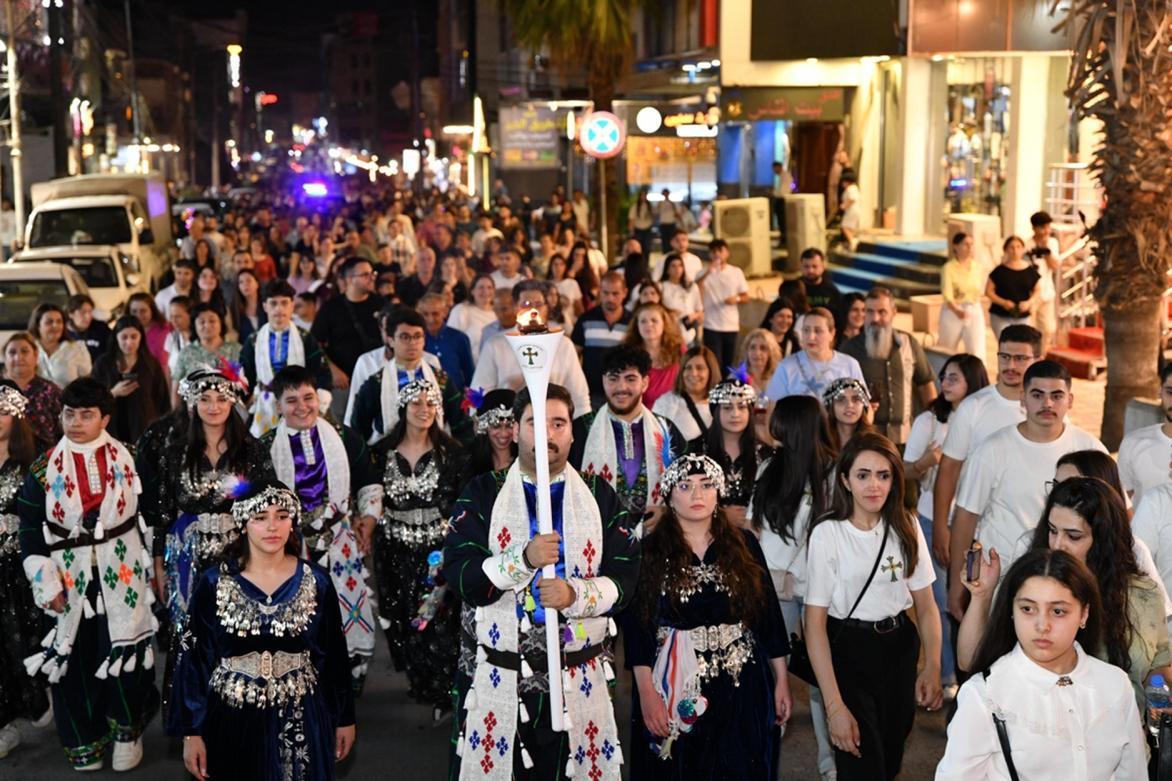
From Sept. 9-13, 2025, believers from the Chaldean, Assyrian, Syriac Catholic and Syriac Orthodox churches joined together in Erbil for the Festival of the Cross. The multi-day celebration included candlelight processions, prayers, concerts, sports and cultural events to mark an extended celebration of the Sept. 14 feast of the Exaltation of the Holy Cross. (OSV
ERBIL, Iraq (OSV News) Christians in northern Iraq have marked a powerful milestone of faith and survival.
From Sept. 9-13, believers from the Chaldean, Assyrian, Syriac Catholic and Syriac Orthodox churches joined together in Erbil for the Festival of the Cross. The multi-day celebration included candlelight processions, prayers, concerts, sports and cultural events to mark an extended celebration of the Sept. 14 feast of the Exaltation of the Holy Cross.
Chaldean Archbishop Bashar Warda of Erbil, who has been working with leaders from other churches to plan the events, told pontifical charity Aid to the Church in Need which helped support the celebrations that the festival was a sign that the Islamic State group, or Daesh, that invaded the region a decade ago did not succeed in harming the faith of Christians.
“The timing of the festival is deeply symbolic. A decade ago, Daesh sought to erase Christianity from this land. Today, the very same communities will raise the cross high in public squares, in churches, and in joyful processions,” he said. “What once was meant to be silenced has become a proclamation faith has survived, and hope is stronger than death.”
Islamic State group persecution of Iraqi Christians
The Islamist extremist group controlled parts of the Nineveh Plains in northern Iraq from 2014 until 2017. More than 120,000 Christians sought refuge in
Erbil in Iraq’s semi-autonomous Kurdistan region after fleeing their homes in August 2014.
ACN supported Christian refugees who fled in 2014, and following the defeat of Islamic State group helped rebuild Christian towns and villages, allowing communities to return to their homes.
The festival began Sept. 9 with a 1.3 mile candlelight procession in the Erbil suburb of Ankawa from the Chaldean Shrine of St. Elijah to the Assyrian Cathedral of St. John the Baptist, where a meal followed prayers and a homily by Mar Awa III the Assyrian Church of the East’s Patriarch.
A packed program included prayers, music, cultural events, sporting activities and competitions in the lead up to the vigil of the Exaltation of the Holy Cross on Sept. 13.
An annual event to boast faith
The five-day festival is now set to be an annual event in the churches’ calendars, following ecumenical celebrations in 2024. The 2025 festival builds upon previous year’s activities “aiming not only to repeat its success, but also to expand its scope, deepen its content, and involve more youth and families from across the different churches,” Archbishop Warda told ACN.
The prelate also paid tribute to the Joint Youth Committee, composed of 20 volunteers from all four churches, who have played a lead role in organizing the event. He said: “Young people from all churches planned the festival together organising prayers, sports,
marathons, concerts, children’s games and cultural events.”
He said that “their collaboration became a visible sign of a new future. Older generations watched with admiration as the youth discovered that what unites them their faith in Christ is far greater than what divides them. In their hands, the dream of Christian unity in Iraq is already becoming a lived reality.”
The festival is seen as vital to the future of Christianity in the country. According to Saddam Hussein’s last census, there were 1.4 million believers, but numbers have fallen to well below a quarter of a million. Hussein served as the fifth president of Iraq from 1979 until he was overthrown in 2003 during the U.S. invasion of Iraq and executed in 2006. The death of the dictator brought a power vacuum that led to a devastating insurgency and sectarian civil war, widespread violence and insecurity, and the rise of extremist groups like the Islamic State group.
Archbishop Warda said the Festival of the Cross is “more than a local celebration” it’s a “message to the global church.
“From the land of Abraham, where Christians suffered exile and persecution, comes a word of hope we are still here,” he said. “We are one in Christ. The cross has not been silenced, and in Iraq, a small and wounded church has shown the world the power of unity, the courage of faith, and the joy of resurrection life.”❖
Culture, Synodality Mission
By Fr. Don Chambers
The Caribbean is a place where cultures and faith traditions have intertwined for centuries. Yet, when certain cultural practices are incorporated into Christian blessings, they are often met with suspicion even hostility. This was evident in two recent episodes. On 17 November 2013, the Jamaica Gleaner published an article titled “Salty Ritual leaves youth ministry staff concerned,” reporting unease over Rev. Marjorie Lewis’ (then President of the United Theological College of the West Indies) use of salt to bless the Ministry of Youth offices. On 28 August 2025, the Gleaner also reported that government minister Daryl Vaz had used white rum to bless several new school buses. The Jamaica Council of Churches, not having prior knowledge of Mr. Vaz’s action, which was carried out after the official blessings, quickly distanced itself from the act. At the same time, the Jamaica Umbrella Group of Churches publicly condemned the trend of “bus blessings” that involved the use of rum and salt, as reported in the Jamaica Observer on September 2, 2025.
The adverse reactions raise an essential question: Why do Caribbean Christians many of whom are descendants of enslaved Africans react so negatively to these cultural symbols? Why should salt or white rum, when used in a context of blessing, provoke such concern? I admit that I, too, have felt uneasy. White rum and salt are not part of the traditional Christian rite of blessing. But why does that fact alone make me recoil?
Salt, after all, is biblical: the Old
Testament refers to salt as a symbol of covenant, preservation, and blessing. White rum is admittedly more complex. Its cultural associations in the Caribbean are deeply layered linked to rum bars, drunkenness, and male boisterousness. This stigma clings to it, leading many to see it as intrinsically Yet, in Afro-Caribbean religious practices such as Revivalism, white rum is not a tool of vice but an instrument of ritual blessing poured on graves, sprinkled on foundations, or used to ward off evil. Both rum and salt, then, are not inherently evil. Rather, our discomfort reflects religious and cultural biases that we have inherited.
Journeying with the Word of God
This raises a deeper theological question. Within the Catholic tradition, when missionaries enter new cultural contexts, they are called to discern what is good, what is harmful, and what can be transformed. The Church has long embraced this principle of inculturation. We forget that Christmas itself incorporated pre-Christian cultural practices lights in the winter darkness, evergreens as signs of hope now naturalised within Christian worship. Why, then, should rum and salt be automatically dismissed? Why should the conversation end at condemnation?
Perhaps a different approach is necessary. Instead of making public rebukes, the churches could consider engaging in dialogue practising careful listening with the communities that perform these rituals. What values underpin sprinkling salt or rum? How do these symbols connect people with God, community, and creation? What elements
could be incorporated into Christian practice in a way that enriches faith while gently transforming what is unhealthy? Perhaps the answer lies in Catholic Church’s celebration of October as Mission Month and World Mission Sunday on 19 October 2025 sheds light. This year’s theme Missionaries of Hope Among All Peoples reminds us that hope is at the very heart of Christian mission. In his message, Pope Francis insists that every baptised person is called to be a “messenger and builder of hope” in a world overshadowed by uncertainty and despair. The controversies around salt and rum need not be battlegrounds. They can be opportunities to practise this very mission of hope entering dialogue with cultural practices, not to dismiss them outright, but to discern the seeds of the Gospel thatmay already be present. The Catholic Church’s synodal journey provides a model: intentional listening, mutual dialogue, and communal discernment. Synodality is not about strict rules but about asking together, “What is the Spirit saying to the Churches?” If we apply this to the conversations on cultural blessings, we may find that God is inviting us to explore new expressions of grace rooted in the Caribbean story. Ultimately, salt and rum are gifts of the earth and creations of human hands. The key question is whether we instinctively reject them or listen for how God might speak through them, transforming everyday objects into signs of grace. This goes beyond simply settling an argument about ritual practice. It is a deeper calling to become ‘missionaries of hope’: to show through our actions that God can speak through everything, even the most humble or contested items on our tables and in our rituals. By approaching our culture with openness, patience, and discerning love, we become not only guardians of tradition but also builders of bridges where suspicion once reigned blessing our communities in ways that are genuinely Christian and profoundly Caribbean.❖ Fr. Donald Chambers of the Archdiocese of Kingston, Jamaica, is the General Secretary of the Antilles Episcopal Conference of Bishops.
MAKING THE WORD OF GOD YOUR OWN
Step 1: Lookattoday’sReadingsprayerfully.
1st Reading: Amos spoke words of justice on behalf of the poor and oppressed. He is ruthless in unmasking exploitation, especially when it is hiding under the cover of religion.
2nd Reading: Paul recommends to Timothy and to all Christians that prayer should be said for all kinds of people, especially for those who are in positions of responsibility insociety.
Gospel: Jesus uses example of a cunning person’s actions to show how people can be ruthless in looking after their own interest. He says that we can all learnsomethingfrom such a person.
1.It is said that for evil to triumph, all that is necessary is for good people to do nothing. Do you think this is a true statement?
2.Jesus says that we “cannot be a slave both of God and of money.” Do you think he is saying thatwe musttry our best to do withoutmoney?
3.The prophet Amos says that our Sunday worship becomes a lie if we are dishonest in our dealing with others. Do you have any personal experience of this?
4.“Good habits are not achieved by a few great deeds but by a lot of little ones.” What is this statementsaying to you?
Step 3: Accepting the message of God’s Wordinyourlifeoffaith.
Everything we have, whether possession or ability, comes to us as gifts from God. But such gifts come with a responsibility called stewardship. This means that we are to use our gifts generously and responsibly. They are to be used for the glory of God and in the service of others. It would be dishonest stewardship on our part if we use our God-given gifts selfishly.
Step 4: Somethingtothink&prayabout
1. List some of the things in your family, your work place and your parish community that you need to look atinthe lightof the Gospel.
2. If you are an employer, ask yourself how better you can treatyourworkers aspersons,notasobjects.
3. If you are an employee, ask yourself how better you can behave towards your employer with honesty and goodwill.
4. Pray for the grace to avoid the temptation to allowmoney to become an evil inyour life.❖
[From: Journeying with the Word of God, The Religious Education Department, Diocese of Georgetown, Guyana ]
JESUS IS OUR HOPE
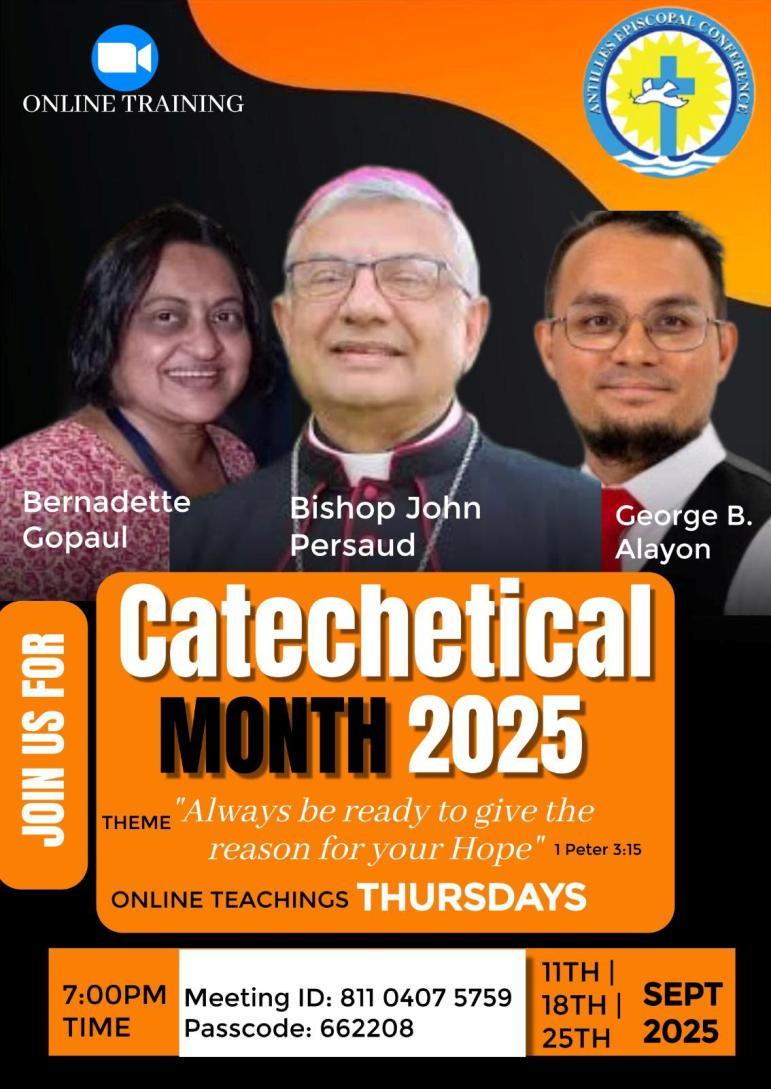
The AEC Evangelization Commission/ PMS has organized three online Teachings for all involved in catechetical programs and parish ministry, as part of the choice of the AEC Bishops to move the Caribbean Church forward on the path of being a synodal Church with a vibrant heart for mission and evangelization. The three Teachings develop on the theme for Catechetical Month 2025: “Always be ready to give the reason for your hope” (1 Peter 3:15)
Bishop John Persaud, Bishop of Mandeville, Jamaica, and Chair of the AEC Catechetical Commission, was the first speaker. This is a summary of his profound and lively talk:
Bishop John first focused on Hope as one of the three theological virtues: FAITH, HOPE AND CHARITY. These theological virtues dispose Christians to live in a relationship with the Holy Trinity. Faith, hope and charity are infused by God into the souls of the faithful to make them capable of acting as his children and of meriting eternal life. They are the pledge of the presence and action of the Holy Spirit in the faculties of the human being.
Hope is probably the most misunderstood and abused of the theological virtues. Most people understand hope as wishful thinking, as in "I hope something will happen." For many it is the ‘last resort virtue’: when you have tried everything else and nothing works then you ‘hope’.
This however, Bishop John insisted, is not how in the Christian tradition hope is understood and taught. And it certainly is not what the Bible means by hope.
In our Christian biblical culture of faith, Hope is born of trust in God and a deep trust in God's promises.
Bishop John first gave some biblical textsfromtheOldTestament:
• Hope is a fundamental component of the life of the righteous:
“There is surely a future hope for you, and your hope will not be cut off.” (Proverbs 23:18).
• Withouthope,lifelosesitsmeaning:
“My splendor is gone and all that I had hope from the Lord.” (Lamentations 3:18) “My days are swifter than a weaver’s shuttle, and they come to an end without hope.” (Job 7:6)
• In death there is no hope:
“For the grave cannot praise you, death cannot sing your praise; those who go down to the pit cannot hope for your faithfulness.” (Isaiah38:18)
“Where then is my hope – who can see any hope for me.” (Job 17:15)
• The righteous, who have this trustful hope in God, have a general confidence in God’s protection and help:
“For I know the plans I have for you, declares the Lord, plans to prosper you
and not to harm you, plans to give you hope and a future.” (Jeremiah 29:11)
Then Bishop John turned to the New Testament, where the idea of hope is the recognition that in Christ is found the fulfillment of the Old Testament promises: “In his [Jesus’] name, the nations will put their hope” (Mt. 12:21).
“Praise be to the God and Father of our Lord Jesus Christ! In his great mercy he has given us new birth into a living hope through the resurrection of Jesus Christ from the dead.” (1 Peter 1:3).
Christian hope is rooted in faith in the divine salvation in Christ:
“For through the Spirit we eagerly await by faith the righteousness for which we hope.” (Galatians 5:5)
Trustworthy promises from God give us hope:
“God did this so that, by two unchangeable things in which it is impossible for God to lie, we who have fled to take hold of the hope set before us may be greatly encouraged. We have this hope as an anchor for the soul, firm and secure.” (Hebrews 6:18-19)
By contrast, those who do not place their trust in God are said to be without hope: “Remember that at that time you were separate from Christ, excluded from citizenship in Israel, and foreigners to the covenants of the promise, without hope and without God in the world.” (Ephesians 2:12)
Bishop then delved deep into a spirituality of hope. Some of his main points:
• HOPE IS A TASK: Hope is a task that Christians have a duty to cultivate and put to good use for the sake of all their brothers and sisters. God is faithful to us; our task is to respond to this faithfulness. But take care: it is not we who generate this faithfulness; it is a gift from God that works in us if we allow ourselves to be molded by His power of love and by the Holy Spirit who acts as a breath of inspiration in our hearts.
• THE CHRISTIAN MUST RADIATE HOPE: Hope is not an empty word, or a vague desire of ours that things may turn out for the best; it is a certainty, because it is founded on God's fidelity to his promises. This is why it is called a theological virtue: because it is infused by God and has God as its guarantor. The Holy Spirit is the ever gushing source of Christian hope: "May the God of hope fill you with all joy and peace in believing, so that you may abound in hope by the power of the Holy Spirit”. (Romans 15:13)
• HOPE IS NOT A PASSIVE, BUT AN ACTIVE VIRTUE: Hope is not to be misunderstood as though it were a passive virtue, which merely waits for things to happen. Rather, it is a supremely active virtue that helps make them happen.
• CHRISTIAN HOPE SHOULD BE SHARED WITH GENTLENESS AND REVERENCE: We learn this in the theme of this year’s Catechetical Month 2025: “Always be prepared to give an answer to everyone who asks you to give the reason for the hope that you have. But do this with gentleness and respect.” (1 Peter 3:15). It is not so much the strength of the arguments that will convince people, but rather the love that we know how to put in them. This is the first and most effective form of evangelization.
• HOPE: AN ESSENTIAL PART OF THE LIFE OF THE DISCIPLE: Bishop John turned to late Pope Francis’ bull of indiction for the Jubilee 2025, titled “Spes non confundit,” which states that Christian hope is certain because it is based on the unwavering love of God, from which nothing can separate us. This concept is also supported by the biblical passage of Romans 5:5, which says that “hope does not disappoint, because the love of God has been poured out within our hearts through the Holy Spirit”. “Hope is the
sure and steadfast anchor of the soul . . . that enters . . . where Jesus has gone as a forerunner on our behalf" (Hebrews 6:19)
• HOPE IS ALSO A WEAPON THAT PROTECTS US IN THE STRUGGLE OF SALVATION: "Let us put on the breastplate of faith and charity, and for a helmet the hope of salvation." (1 Thessalonians 5:8). It affords us joy even under trial: "Rejoice in your hope, be patient in tribulation" (Romans 12:12)
• HOPE IS EXPRESSED AND NOURISHED IN PRAYER: “May our LordJesus Christ himself and God our Father, who loved us and by his grace gave us eternal encouragement and good hope.” (2 Thessalonians 2:16), bless andkeepyoualways:
o In a FAITH that gives you the capacity to see through the eyes of God,
o In a HOPE that allows you to trust in His promises,
o And a LOVE that surrenders all to Him in thanksgiving and joy.❖
Dear Boys and Girls, Catechetical Sunday
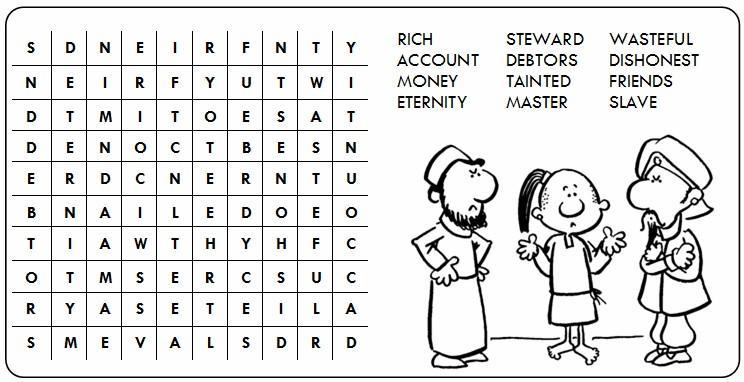
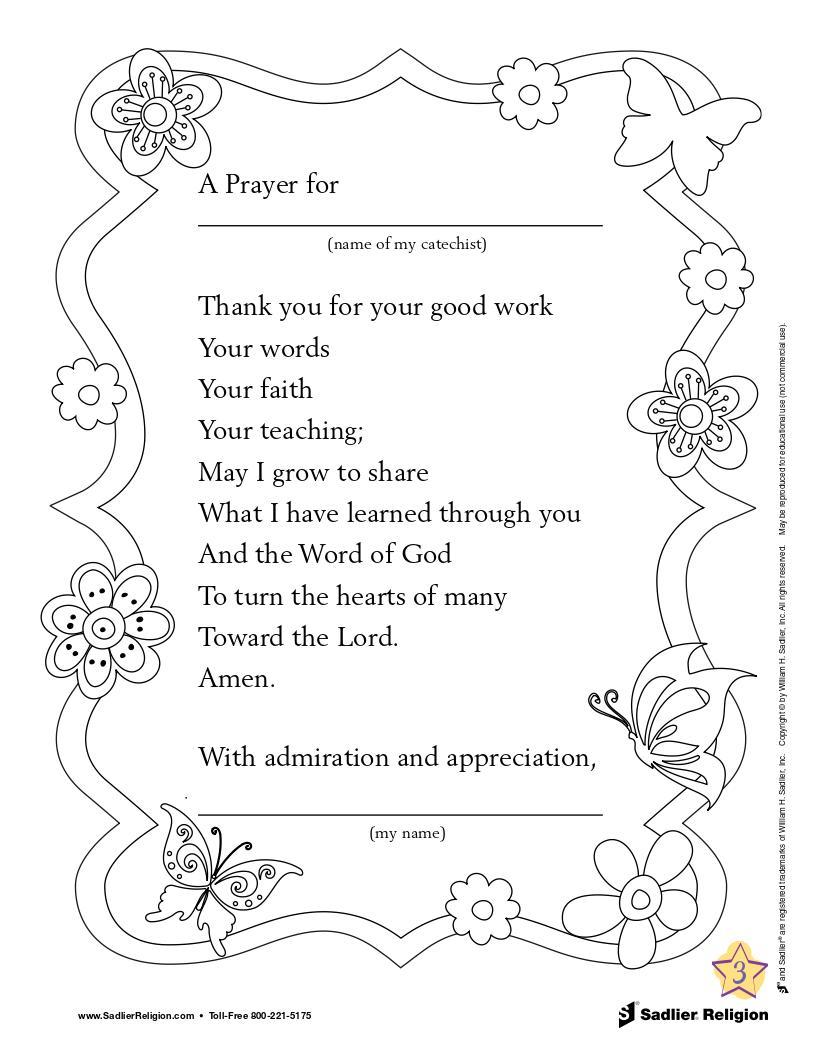
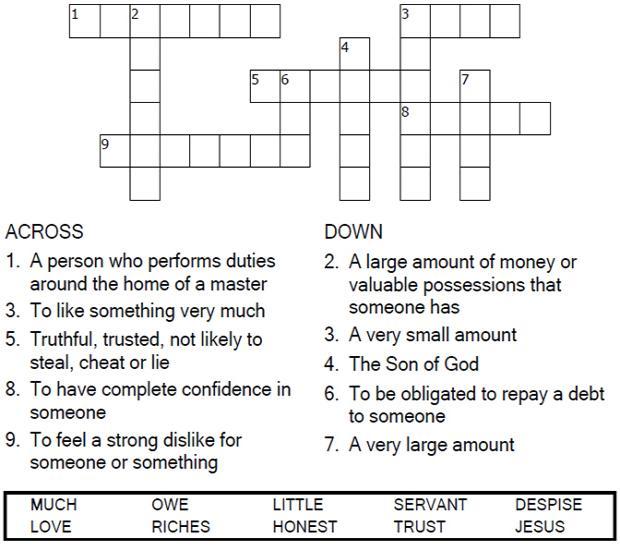
Today Sunday September 21st 2025 is Catechetical Sunday. On Catechetical Sunday, we acknowledge the dedication of those who serve as catechists in our parish family. On Catechetical Sunday, parents and guardians are also honored because they are the true first catechists, sharing the Catholic faith with their families. Print out the Prayer for my Catechist at right, colour it and add the names, and give it to your Catechistor Sunday School Teacher.
Honesty is the Best Policy
In today’s Gospel, Jesus told his disciples a story to teach them about honesty. He told them about a rich man who had a manager, and the manager was using the man's money for himself. When the rich man discovered that the manager was wasting his money, he called him in and fired him. After telling this story, Jesus said to his disciples, "Whoever can be trusted with very little can also be trusted with much, and whoever is dishonest with very little will also be dishonestwith much."
If you and I make sure that we are honest in the small things, then we can be sure that we will be honest in the bigthings. If people know that they can trust us in small things, they will know that they can trust us in the bigthings too.
Dear Father, help us to remember what Jesus taught about honesty and help us to be honest in every situation big or small. In Jesus' name we pray. Amen. ❖
First Communion at Malgre Tout
On Sunday, September 7th, 2025, twenty-seven young Catholics received the Sacrament of First Holy Communion at Our Lady of the
Dear Editor,
We know that even saints were fallible while on Earth, but St Robert Bellarmine did not make a mistake in admonishing his friend Galileo, as your article implies. In fact, the erudition in his rebuttal of Galileo’s theory is as
church, Malgre Tout, WestBank Demerara, Region 3. At the conclusion of the Mass, Parish Priest Fr. Francis Savarimuthu also
offered a special blessing for students and teachers as they prepared to return to school for the Christmas Term.❖ (Catholic Media Guyana FB)
Cardinal Bellarmine was right
valid today as it was then. Even top physicists in the world will have to admit there is still no unambiguous proof that the Earth goes around the Sun; it is certainly a nice, convenient theory that makes the textbooks today, but, as I have pointed out in these pages from time to time, it is still only a belief. And, while the Church has apologised for its treatment of Galileo, it has not changed from its infallible position that the Earth does
notmove [Ps 92(93):1].
Alfred Bhulai Exaudi Domine justitiam
By Renika Anand
The power of thoughts
Albert Pike, an American author and poet once said “A human thought is an actual existence, and a force and power, capable of acting upon and controlling matteraswellasmind.”
Growth is a multi-faceted process. As we go through this process, many of us choose specificparts of ourselves to intentionally nurture and develop. We make choices that we believe will lead to the development of a better version of ourselves. There is, however, one specific part of ourselves that is objectively the most important focus in this journey. This is our mind.
Have you ever taken note of what you think about for most of the day? How do these thoughts make you feel? Ultimately, how do these thoughts lead you to act?
The modern era has become one where we spend most of our time absorbing information in the form of media or literature while we spend less time practicing the art of thinking. As such, we have failed to acquire the ability to train our thoughts and direct them in a positive and productive manner.
Our mind and thoughts define who we are. The manner in which you think has a way of presenting itself in your emotions and subsequently in your actions. As such, we have a responsibility to guard our minds and teach ourselves the rightway to think.
Above all else, guard your heart, for everything you do flows from - Proverbs 4:23 ❖
Annunciation
A Joyful celebration of Faith
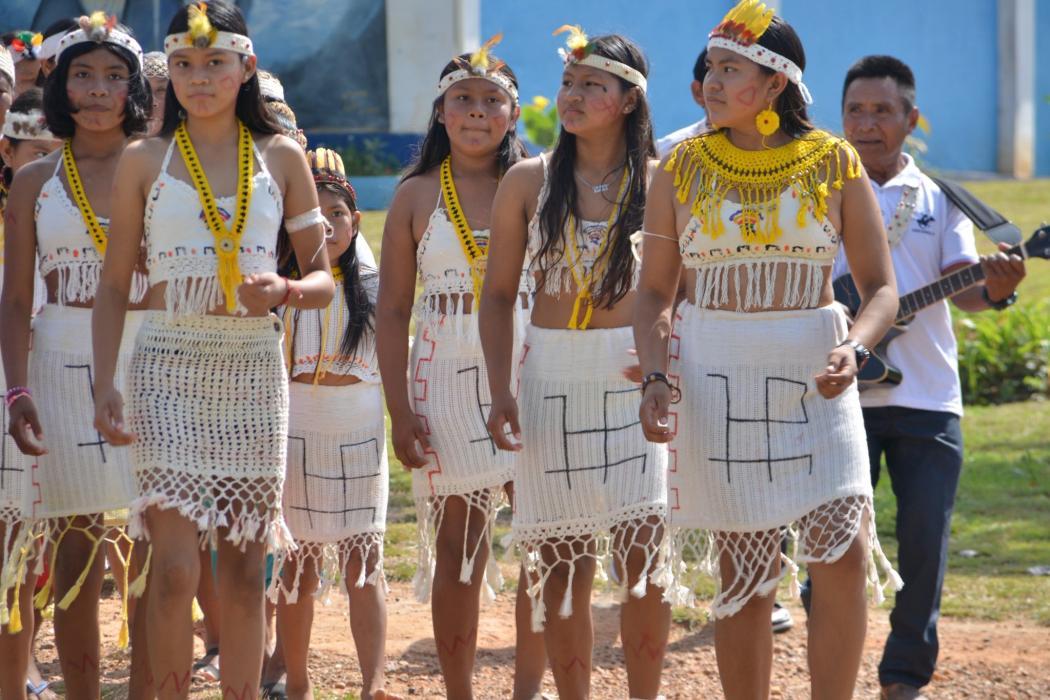
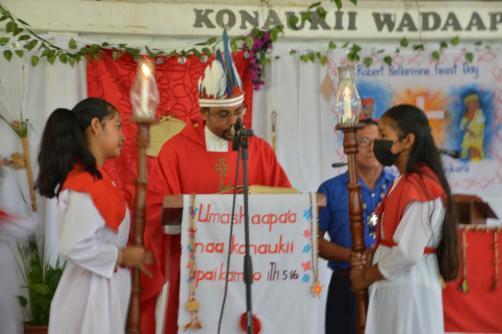
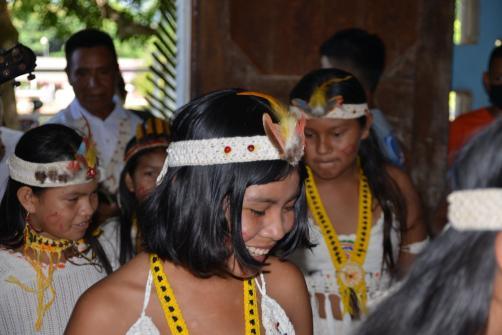
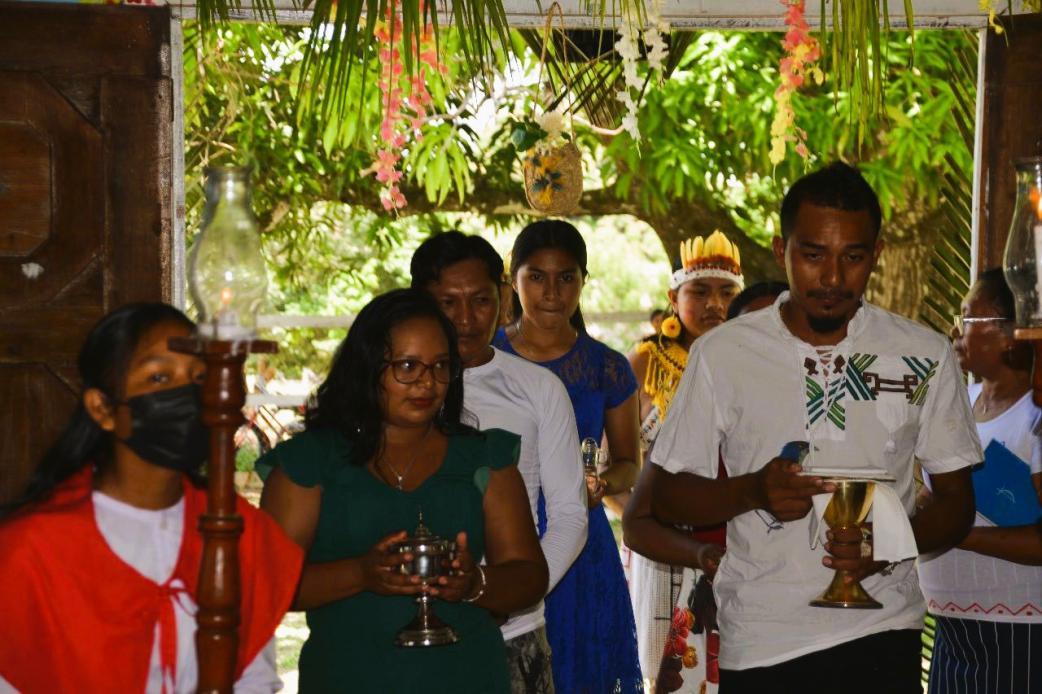
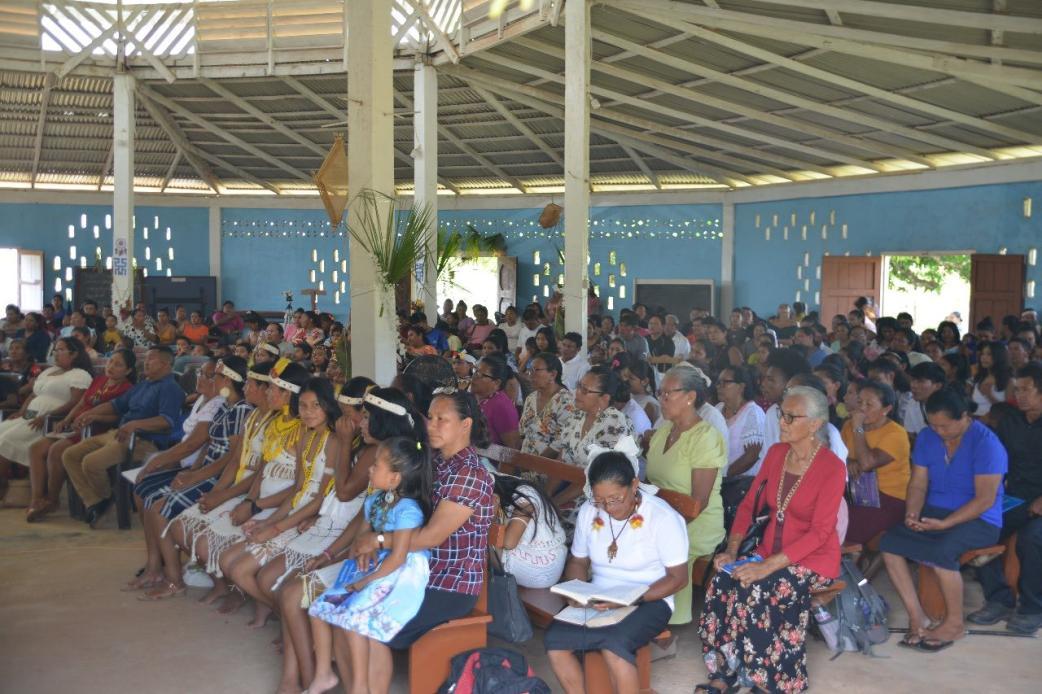
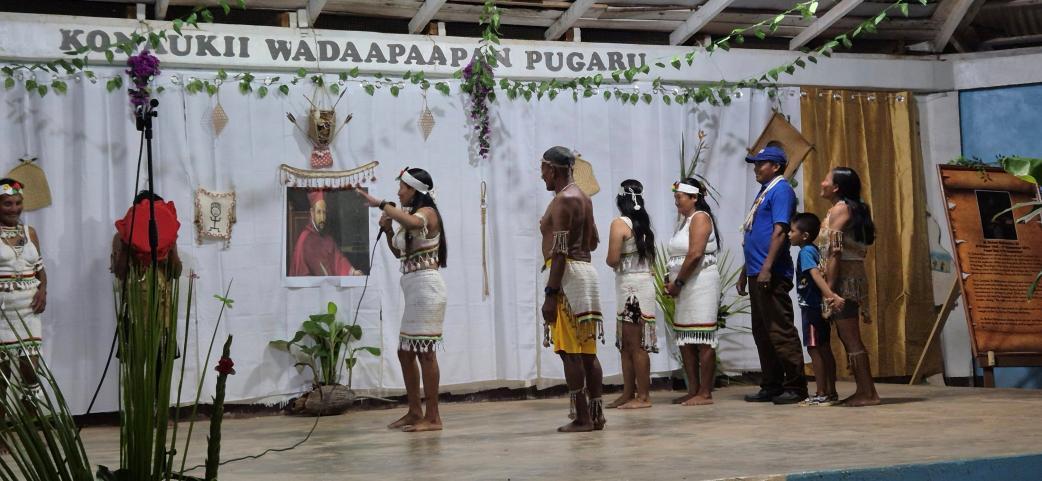
On the sunny and serene morning of Sunday September 14th, the peaceful village of Aishalton in the Deep South Rupununi, Region 9, Essequibo, Guyana, came alive as the community of St. Robert Bellarmine and its surrounding areas gathered to joyfully celebrate their Patronal Feast. The day was a beautiful reflection of unity, faith, and rich cultural heritage. The highlight of the celebration was Holy Mass, which was said in both English and Wapichan - a powerful testament to the community’s living faith and deep respect for its Indigenous roots. From the entrance dance performed gracefully by the parishioners to the soulful hymns, scripture readings, and prayers of the faithful in Wapichan, the entire liturgy radiated a spirit-filled atmosphere that moved all whowerepresent.
In his homily, parish priest Fr. Joel Thompson SJ, reminded the faithful of the significance of the Cross in the life of a Christian. He emphasized that the Cross must be more than just a symbol, it must be the very example of our faith. “The Cross teaches us first to love God wholeheartedly, and then to extend that same love to our neighbours,” he noted. His message was both a challenge and an encouragement, calling the congregation to live out their faith boldly and lovingly in everyday life. He concluded his homily with a heartfelt reminder: “Let the Cross be the symbol that leadsand inspiresus to love moredeeply”.
At the Mass eleven New Extra Ordinary Minsters of Holy Communion were commissioned. After the Mass, the celebration continued with a lively cultural programand lunch.
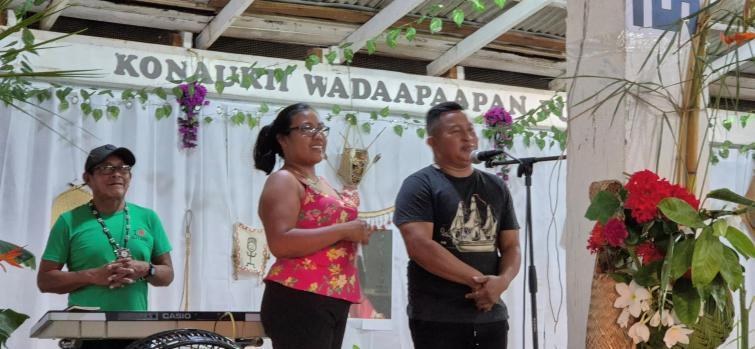
The feast day celebrations had begun the preceding evening, Saturday, September 13th, with a vibrant cultural concert. Participants, both young and old, came together to make the event a resounding success. The evening featured lively performances of dance, poetry, and song, along with an engaging segment on naming body parts and animals in Wapichan, all of which set the tone for a memorable celebration.
The Patronal Feast of St. Robert Bellarmine in Aishalton was more than just an event - it was a vibrant expression of faith in action, a celebration of cultural heritage, and a reminder that in the heart of the Rupununi, both God and community remain at the centre of life. (Adapted from Catholic Media Guyana Facebook page) ❖
Under the Rome night sky, the over eighty thousand people gathered in St. Peter’s Square gasped and cheered as 3,500 drones lit up above the basilicaforming a radiant image of Pope Francis. The beloved pontiff, who passed away in April, appeared smiling in lights over the Vatican, a breathtaking tribute that clearly moved the crowd.
It was a fitting climax to an unprecedented evening of music and hope at the “Grace for the World” concert - a free, star-studded event that turned the heart of the Vatican intoastageforunity.
Music and fraternity on a globalstage
In a landmark cultural and spiritual celebration, the Vatican transformed St. Peter’s Square into an open-air concert venue, bringing together global music stars with a powerful
Grace for the World’ concert
News Live. In fact, it was the first time the Vatican partnered with major media platforms to beam the celebration of hope across the globe.
The event marked the conclusion of the two-day World Meeting on Human Fraternity,which broughttogether500 participants, including Nobel laureates, academics, cultural leaders, and experts in technology and the environment. Fifteen dialogue panels explored themes such as peace, care for the planet, technology’s impact, and the future of humanity.
In his greeting to the audience, Cardinal Mauro Gambetti, archpriest of St. Peter’s Basilica and president of the Fratelli Tutti Foundation, proclaimed: “In the midst of shadows, we see the possibility of a rebirth: the capacity to resist,to innovate, to build bridges.”
all shared “one single message of brotherhood and peace,” as Bocelli has previously shared when talking of the concert's objectives. From soaring hymns to pop anthems, the music became a universal language of unity that transcended cultures. And the lightshowwas momentous!
Momentsofunity&joyfultribute
Perhaps the most striking moments were those that highlighted unity beyond Catholic borders. In one touching instance, the Archbishop of Canterbury (spiritual head of the Anglican Communion), who was in attendance, invited everyone to give a round of applause for Pope Leo XIV in honor of his 70th birthday on Sunday Sep 14 - his first birthday as pope.
message of fraternity.
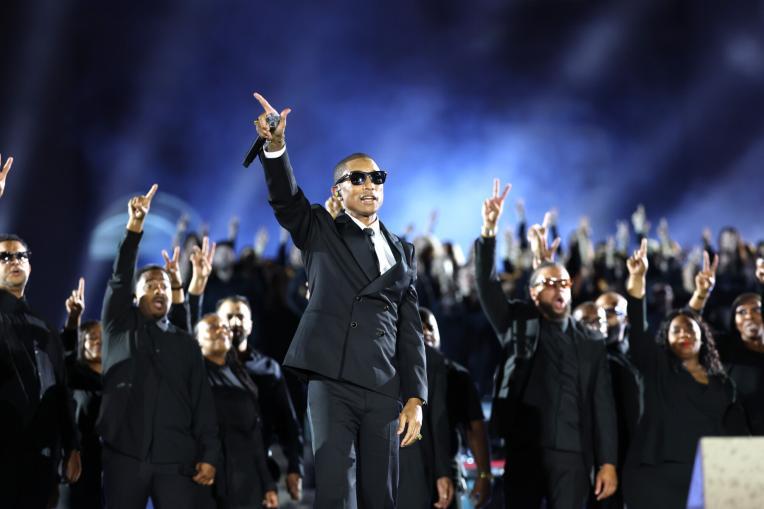
Co-directed by an unlikely duo American pop icon Pharrell Williams and Italian tenor Andrea Bocelli - the “Grace for the World” concert marked the first time in history that live musical performances were held in the iconic square
Supported by the Holy See, the show capped the third World Meeting on Human Fraternity and served as a joyful highlight of the Catholic Church’s Jubilee Year 2025, known as the Jubilee of Hope. In fact, the whole initiative was born from Pope Francis’ vision for 2025 as a year dedicated to hope and renewal, and this night felt like the living embodiment of that vision.
Tens of thousands of attendees - from pilgrims and locals to clergy and world leaders - packed the square, while audiences worldwide tuned in via live stream on Disney+, Hulu, and ABC
Alongside the music came urgent appeals for peace and justice. Nobel Peace Prize laureate Kailash Satyarthi, Mozambican activist Graça Machel Mandela, and Iraqi Nobel laureate Nadia Murad all called for an end to warandviolence,urginggreatercommitmenttohumandignityandfraternity
FromBocelli to JellyRoll...
The concert program itself bridged genres and nations: Pharrell Williams performed with the soulful Voices of Fire gospel choir from his hometown, and Andrea Bocelli lent his operatic brilliance Bocelli,apracticingCatholic and one of the world’s mostacclaimed tenors, opened with Schubert’s “Ave Maria,” transforming the square into a place of silence and emotion.
They were joined by a remarkably diverse lineup of artists - Colombian pop superstar Karol G, American R&B legend John Legend, hip-hop duo Clipse, country-rapper Jelly Roll, gospel singer Teddy Swims, BenineseFrench artist Angélique Kidjo, and even the Diocese of Rome’s ownchoir.
Each brought their unique sound, yet
The crowd burst into warm applause and laughter at the bishop’s ecumenical gesture. It was a spontaneous show of affection for the pontiff and a symbol of Christian unity in action. Pope Francis himself had often stressed the importance of Christians walking together, and here was a Protestant archbishop leading a birthday salute to the Catholic Pope a moment of fraternity that he surely would have loved.
The late Pope Francis was everpresent in spirit throughout the evening. Beyond the dazzling drone portrait of Francis smiling over the Vatican, the concert’s very theme echoed his guidingideals.
Pope Francis had established the Fratelli Tutti Foundation to promote human fraternity and named this Holy Year the “Jubilee of Hope.” He was also deeply devoted to the Virgin Mary under the title Salus Populi Romani (“Protectress of the Roman People”). During the dark days of the pandemic, Pope Francis dramatically brought that ancient icon from a Marian basilica to St. Peter’s Square to pray for the world’s deliverance (please turn to page 13)
Illuminated drones portray Pope Francis above St. Peter's Basilica at the Vatican on Saturday, September 13, 2025. Credit: Eva Fernández
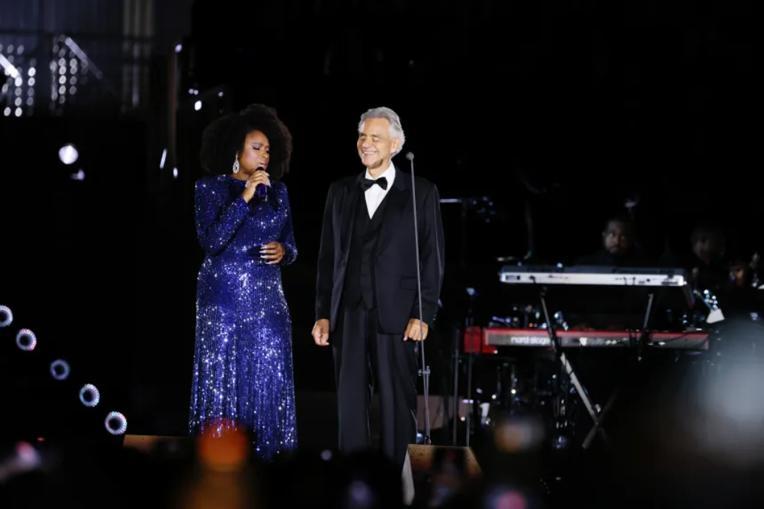
Jennifer Hudson and Andrea Bocelli perform during the 'Grace For The World' event at St. Peter's Square Sat. Sep 13. Ernesto Ruscio/WireImage/Getty Images
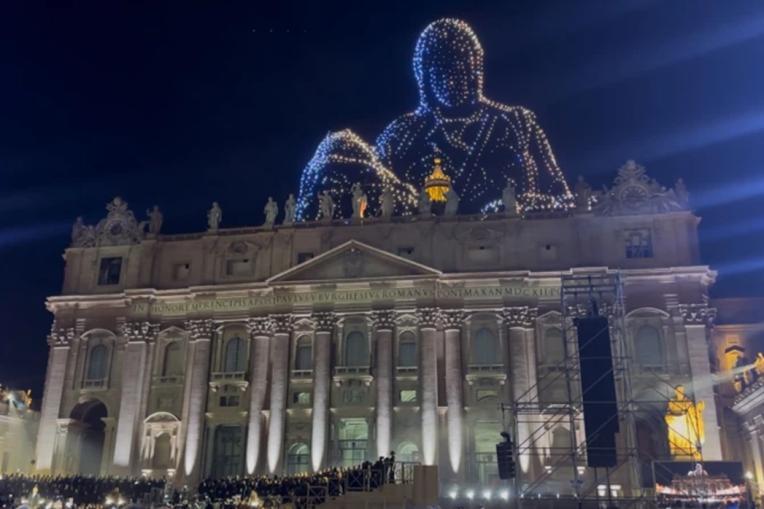
Illuminated drones reproduce Michelangelo’s “Pietà” over St. Peter’s Basilica at the Vatican on Sept. 13, 2025. | Credit: Courtney Mares/CNA
That powerful image of the Pope pleading for mercy in an empty, rainsoaked square is seared in collective memory - a testament to hope shining in despair.
Now,ina far more celebratory fashion, hope was shining again in St. Peter’s Square. One could sense Francis’ blessing on this night of harmony; it was as if his devotion to unity and hope had guided the event’s spirit. Cardinal Gambetti affirmed that sentiment, calling the concert a “symbolic embrace” meant to spread “the joy of fraternal love” to the whole world.
“A message of unity and grace”
The true beauty of the concert was that is was carefully crafted to be more than entertainment - it was a call to solidarity. When reflecting on the significance of performing in the shadow of St. Peter’s Basilica - in the run up to the big event - Pharrell Williams observed:
“This is a rare cultural moment where the world stops and collectively tunes in. It is a message of unity and grace for all of humanity."
Bocelli had echoed that sense of mission, urging, “Let us shine a spotlight on humanity with music from the very heart of Christianity and the most important spiritual square, reaching the entire world with a single message of brotherhood and peace.”
Under their co-direction, the show indeed feltlike “grace for the world”a prayerful spectacle using art and beauty to uplift the human spirit. Even the visual elements carried spiritual symbolism. During one moving number, waves of light and color danced across the facade of St. Peter’s, and later the drones formed other inspiring images - a dove of peace and Michelangelo’s Creation hands.
The blending of modern technology with Renaissance imagery was striking. “A spectacular aerial drone and light show featuring imagery inspired by the Sistine Chapel,” had been promised - and it delivered, leaving spectators in awe. Many in the audience had tears in their eyes as they looked upward. It was as if the heavens themselves were joining the chorus, projecting hopeabove the faithful.
Resonance Around the World
The impact of the evening continued well after the last note. On social media, viewers and attendees shared their personal reactions, revealing how deeply the concert touched them.
One commenter watching American artist Jelly Roll’s performance wrote “Crushed it! This is what our world needs right now more than ever. Thanks for leading us, Jelly!” as shared by Soap Central gratitude for a song of struggle and redemption that really hithome in these troubled times.
(From Page 12)
Pharrell Williams and the Voices of Fire gospel choir perform onstage during the “Grace For The World” event at St. Peter’s Square on September 13, 2025.
Another attendee who was present in the Square described the moment as almost transcendent: “Being present for this song … it’s truly something spiritual with the whole crowd singing, raising hands to God; I’ll never forget it. My husband, who isn’t a religious guy, said the same. It really was somethingto experience.”
Such reactions capture the extraordinary atmosphere that night a sense that something sacred and unifying had occurred, even for those who might not usually step foot in a church. The concert really struck a chord far beyond the Vatican walls, resonating in hearts across different faiths and backgrounds.
Harmony and hope as Pope Francis’ legacy
For many, the Vatican’s great concert was more than a one-night event - it felt like the dawn of a hopeful new
chapter. It demonstrated the unique power of music to break down walls andremindus ofoursharedhumanity, offering the world a chance to pause and see what it looks like when many voices choose to harmonize in unison. And at a time when headlines are often filled with conflict and division, this night of grace offered a counterpoint: an image of the world not as a collection of strangers, but as one family united in song and purpose.
Pope Francis often spoke about the “culture of encounter” - meeting others with openness, fostering solidarity, and finding God in the joys and sorrows of everyday people. This concert, held in the very piazza where he had welcomed millions during his papacy, embodied that ethos. Even though Francis could not be there in person, his spirit of encounter lived on in every note sung and every hand joined.
It was evident in the diverse roster of performers embracing each other on stage, in the Anglican and Catholic leaders applauding each other, and in
the mixed crowd swaying as one to a gospel chorus. It was as if the “Jubilee of Hope” he envisioned had taken musical form for an evening - hope made audible.
As the final hymn drifted into the night sky and St. Peter’s Square grew still, there was a sense that something holy had passed through. The Vatican had not only hosted a concert, but had become, if only for a moment, the world’s open-air sanctuary. Music and light carried the hope of unity from Rome’s heart into countless homes and hearts across the globe. And so the true encore begins noton stage, but in every act of kindness and reconciliation inspired by that night. For in the harmony of voices and the glow of grace, the world glimpsed what Pope Francis so often longed for: a humanity that sings together as one.
(From ALETEIA and CNA) ❖
The “Grace for the World” concert may be viewed on YouTube: https://www.youtube.com/watch? v=YkE8RW1pxAs&list=RDYkE8RW1p xAs&start_radio=1
By Francis Canzius
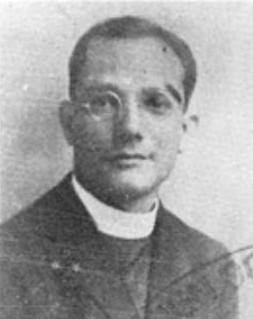
First Guyanese Priests
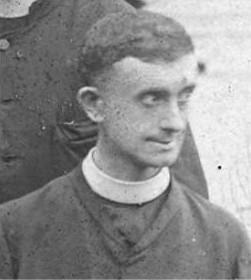
Fr. John Victorine was the first Guyanese to be ordained a Diocesan Priest. He was trained and ordained in Rome and began serving the church in Guyana in 1897, serving for a total of fifty years. He was stationed at Sacred Heart until 1919, while there he
assisted at Holy Rosary and Meadow Bank, after which he was appointed Parish Priest of New Amsterdam up to the time of his death in1947.
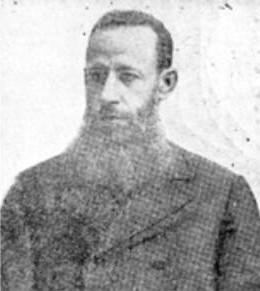
The first Guyanese to be ordained a Jesuit Priest was Fr. Ignatius Koch SJ. He entered the Belgian Province of the Society in 1878. Earlier in life he had been the captain of a ship plying the West Indian waters. As a priest he worked in India. He died in Italy in 1906.
The first Guyanese Jesuit priest to work in Guyana was Fr. Anselm Marques SJ, who was ordained in 1930. He returned to the country in 1932 and joined the Staff of St. Stanislaus College, where he was a former student. Fr. Marques also served in the parishes of Sacred Heart, Meadow Bank, and Bartica in 1948, and also in Barbados. He later left Guyana for England.❖
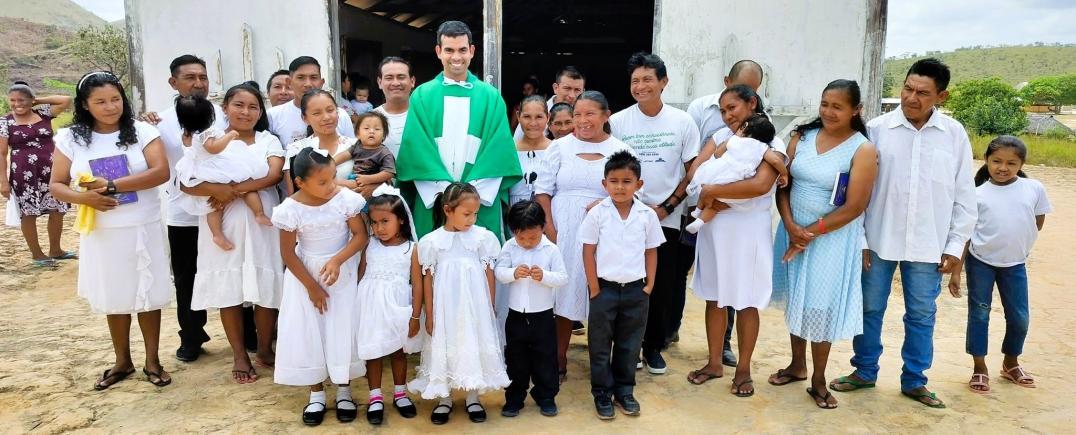
Baptism at Chiung Mouth
Saint of the Week
September 21st
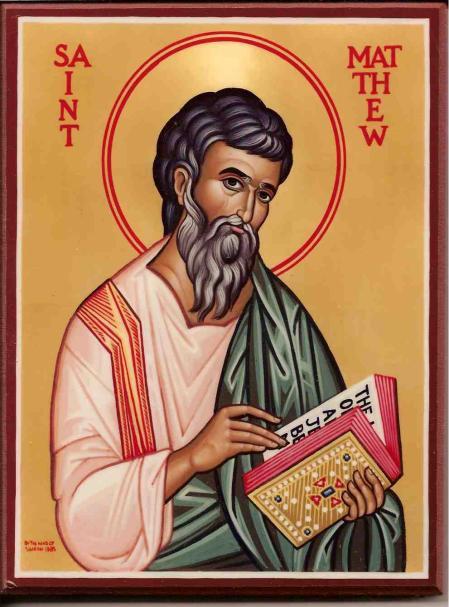
Saint Matthew
Apostle and Evangelist
Saint Matthew was born at Capernaum. He was a tax-collector when called by Jesus. He wrote his Gospel in the Hebrew language, and tradition has it that he preached the Faith in the East.
Saint Matthew’s gospel has pride of place in the canon of the New Testament. Its purpose was to convince Jews that the Messiah had come in the person of Jesus, our Lord, and that all the promises of the messianic kingdom, the promises God made to his people, the Jews, had been fulfilled in him.
Saint Matthew is the Patron Saint of Accountants, Bankers, Bookkeepers and Tax collectors.❖
[ salfordliturgy.org & catholicireland.net ]
Sacrament of Baptism at St. Mary’s Church, Chiung Mouth, Region 8, Essequibo, Guyana, Monday, September 15th, 2025. ❖ (Catholic Media Guyana Facebook page)