
the faithful commitment of all -saysBishopFrancisinLentenmessage
Dear Sisters and Brothers in Christ,
As we enter the holy season of Lent, the Church invites us once again into a sacred time of restraint, reflection, and renewal. These forty days are not merely a personal spiritual exercise; they are a communal journey. We walk together toward the Cross and toward the hope of the Resurrection.
Lent calls us to restraint not as an end in itself, but as a way of making space: space for God’s voice, space for one another, and space for the deeper movements of the Spirit. In fasting, we learn freedom. In prayer, we rediscover communion. In almsgiving, we renew our solidarity with those on the margins. Each discipline reminds us that conversion is both personal and ecclesial.
The recent Synod on Synodality has reaffirmed something ancient
intrinsic to the life and mission of the Church. We are a people who journey together - in communion, through participation, for the sake of mission. This Lenten season offers us an opportunity to embody that vision more intentionally.
To journey together means to listen deeply and respectfully. It means to engage in dialogue marked not by fear or division, but by charity and truth. It means discerning together what the Spirit is saying to the Church today and being willing to decide and act together at every level of ministry and participation in the life of the Church.
Lent sharpens our awareness that participation in the Church’s life is not optional; it flows from our baptism. Each of us is called to co-responsibility for the Church mission. Clergy, religious, and laity alike share in Christ’s prophetic, priestly, and kingly mission. The renewal of the Church depends not on a few, but on the faithful commitment of all.
World Marriage Day 2026 at Diamond - p2
PopeexplainswhyCatholicsfastduringLent - p3
Cuban bishops postpone ‘ad limina’ visit, citing current instability and uncertainty - p3
AChristianPerspectiveonSocialIssues - p4
Sunday Scripture - p5
Head of Ukrainian Catholic Church meets with Pope Leo, calls Ukraine ‘wounded but alive’ - p6
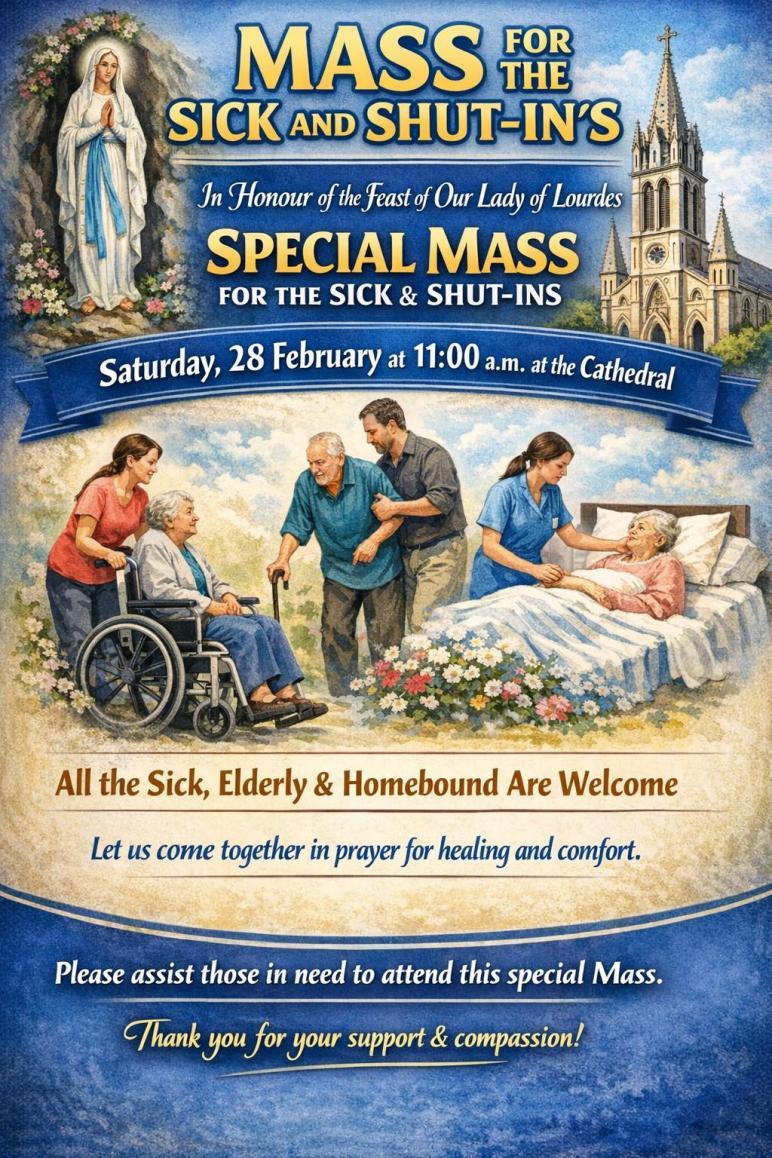
Pope Leo XIV prays at Vatican’s Lourdes grotto for the sick on World Day of the Sick - p7
Pope meets leaders of chastity apostolate for Catholics with same-sex attractions - p7
High-ranking US Catholic bishops join call for Trump to apologize over racist video - p8
Children’s Page - p9
ME celebrates World Marriage Day - p10
Faith in Practice Week 2 - p11
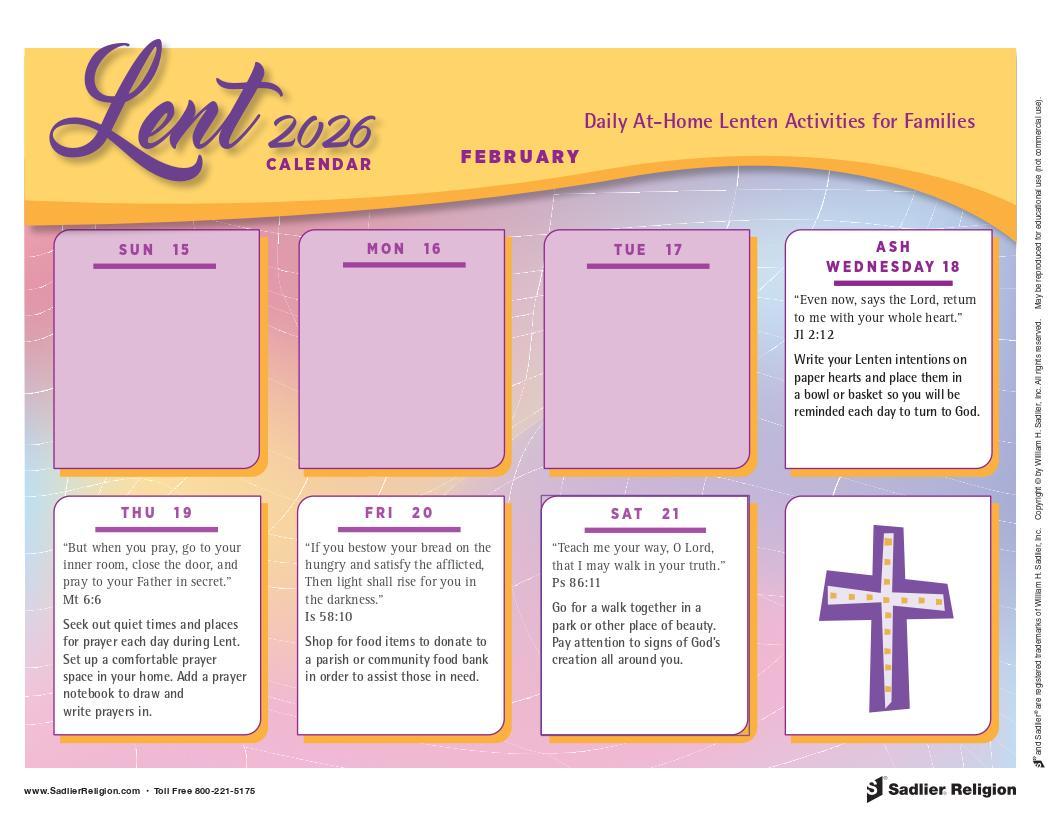
Daily Lenten Activities for Families - p12
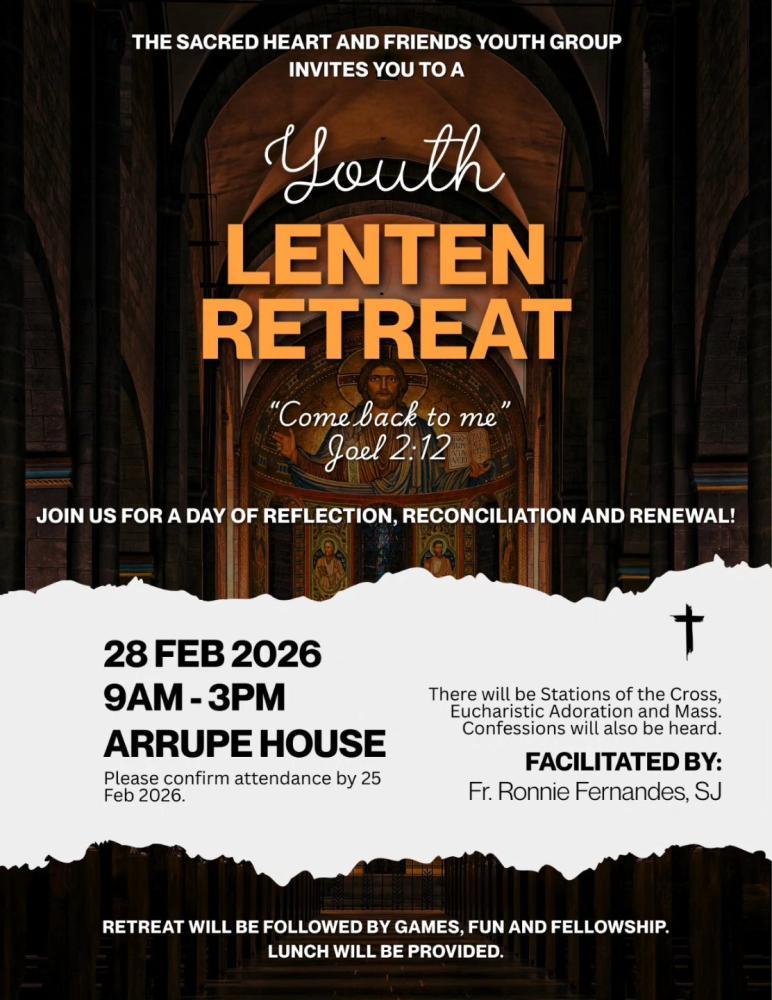
Lenten & Easter Music Workshop - p14
February 18th


Sunday February 15th
08:00hrs – Mass at St. Joseph Church, Henrietta, Essequibo Coast Return to Georgetown
Monday February 16th
19:00hrs – Synod Team Meeting
Tuesday February 17th
18:00hrs – DPC Meeting
Wednesday February 18th
17:00hrs – Ash Wednesday Mass at Cathedral
Sunday February 22nd
7:30hrs – Mass at Cathedral
Francis Alleyne OSB
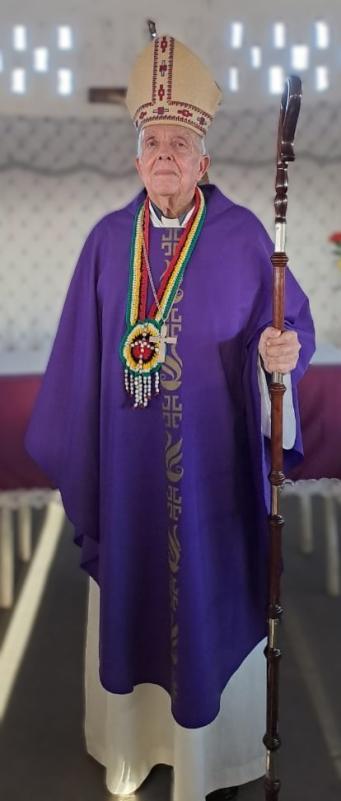
His Lordship Bishop Francis Alleyne OSB has given the following Lenten message:
World Marriage Day 2026 at Diamond
By Bonita Sampson
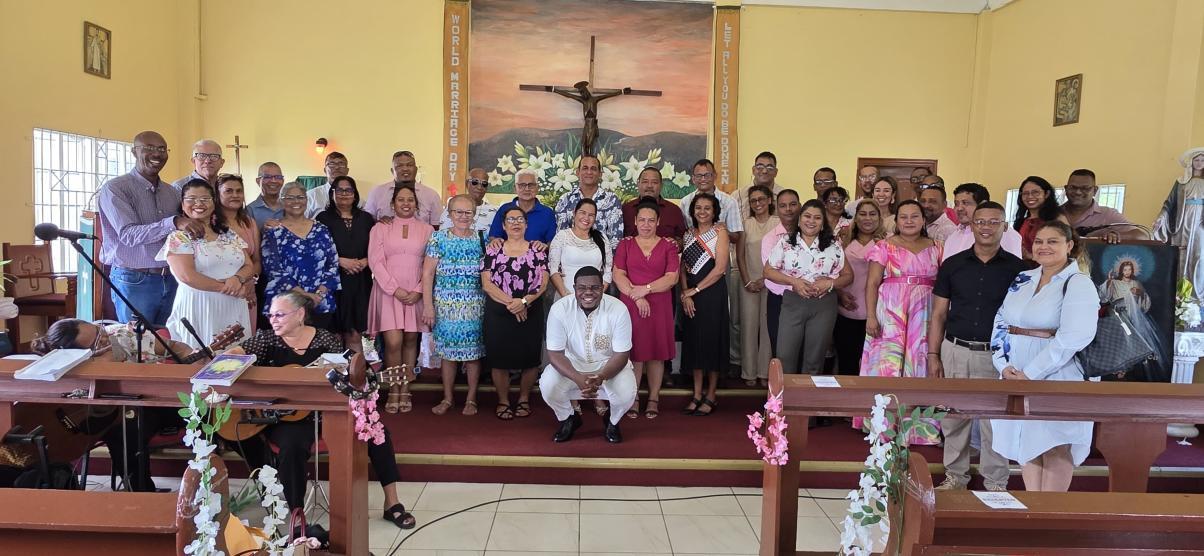
World Marriage Day 2026 was celebrated on Sunday, February 8th 2026 at St. Joseph, Husband of Mary, Diamond. We were blessed to have in attendance nineteen couples at mass. At the beginning, these couples processed into church to Canon in D major and during mass there was renewal of vows followed by a blessing by our celebrant Rev. Fr. Careme Couassi Nazi Boni Eglo, who is new to our diocese and hails from Benin, West Africa.
The day's celebration closed off with the singing of the Marriage Encounter theme song There's a new world somewhere We continue to pray for all married couples that God may bless and strengthen their union that they may continue to honour their wedding vows through the ups and downs, in sickness and in health. We also pray for those contemplating marriage. May God guide their hearts to discern His will, and grant them wisdom, peace, and trust in His plan.❖
Bishop’s Lenten
Message
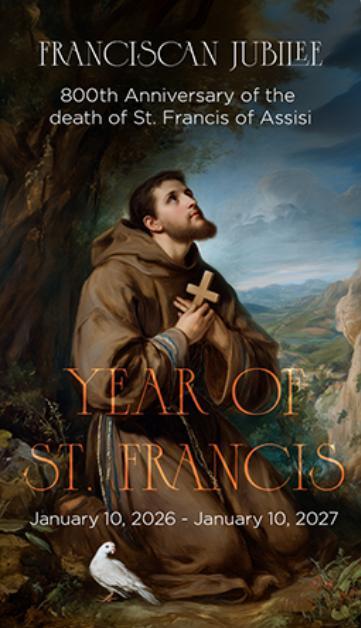
Year of St. Francis Jubilee Prayer
Saint Francis, our brother, you who eight hundred years ago went to meet Sister Death as a man at peace, intercede for us before the Lord. You recognized true peace in the Crucifix of San Damiano, teach us to seek in Him the source of all reconciliation that breaks down every wall.
You who, unarmed, crossed the lines of war and misunderstanding, give us the courage to build bridges where the world raises up boundaries.
In this time afflicted by conflict and division, intercede for us so that we may become peacemakers: unarmed and disarming witnesses of the peace that comes from Christ.
Amen - Pope Leo XIV
This shared responsibility requires transparency and accountability virtues rooted in the Gospel itself.
Walking in the light, as Christ is in the light, builds trust and strengthens communion. Where there is honesty, humility, and a willingness to learn, there the Spirit fosters authenticrenewal.
Above all, our Lenten journey directs us outward in mission. The Church does not exist for herself. As we repent and are renewed, we become more capable of witnessing to Christ in a world longing for hope, healing, and meaning. Our communion becomes credible when it bears fruit in service, justice, reconciliation, and joy.
May this Lent be a season in which we not only give up what hinders us, but take up more intentionally the call to walk together. May our prayer lead to deeper listening, our fasting to greater solidarity, and our almsgiving to renewed commitment to Christ’s mission.
Let us entrust this journey to the Lord who walks with us, purifies us, and calls us ever forward. And may the grace of this holy season prepare us to celebrate with renewed hearts the victory of Easter.❖

Pope Leo explains why Catholics fast during Lent
(OSV News) – The ancient practice of fasting from food during Lent can free us from complacency and lead us to “hunger” for God, Pope Leo XIV said in his 2026 Lenten message.
Ahead of Ash Wednesday, which marks the start of the 40-day liturgical season of Lent, this year on Feb. 18, the pope encouraged people to embrace the “ancient ascetic practice” of abstaining from food, as well as “refraining from words that offend and hurt our neighbor.”
Lent is a time to “place the mystery of God back in the center of our lives, in order to find renewal in our faith and keep our hearts from being consumed by the anxieties and distractions of daily life,” the pope said.
“Abstaining from food is an ancient ascetic practice that is essential on the path of conversion,” he wrote.
“Precisely because it involves the body, fasting makes it easier to recognize what we ‘hunger’ for and what we deem necessary for our sustenance.”
The purpose of fasting Fasting, he added, helps to identify and properly order our “appetites,” “keeping our hunger and thirst for justice alive and freeing us from complacency.”
In the message, titled “Listening and Fasting: Lent as a Time of Conversion,” and released by the Vatican on Feb. 13, the pope drew on the fifth-century theologian St. Augustine to reflect on “custody of the heart” regarding “the tension between the present moment
and future fulfillment.”
Quoting Augustine’s work “The Usefulness of Fasting,” Pope Leo cited the saint’s observation, “‘In the course of earthly life, it is incumbent upon men and women to hunger and thirst for justice, but to be satisfied belongs to the next life.’”
Pope Leo said that “understood in this way, fasting not only permits us to govern our desire, purifying it and making it freer, but also to expand it, so that it is directed towards God and doing good.”
He cautioned that fasting must be “lived in faith and humility” rather than pride and should be grounded in communion with the Lord.
“As a visible sign of our inner commitment to turn away from sin and evil with the help of grace, fasting must also include other forms of self-denial aimed at helping us to acquire a more sober lifestyle, since ‘austerity alone makes the Christian life strong and authentic,'” Leo said.
‘Disarming our language’
The pope also highlighted what he called “an unappreciated form of abstinence: that of refraining from words that offend and hurt our neighbor.”
“Let us begin by disarming our language, avoiding harsh words and rash judgement, refraining from slander and speaking ill of those who are not present and cannot defend themselves,” he said, urging Catholics to cultivate kindness “in our families, among our friends, at work, on social
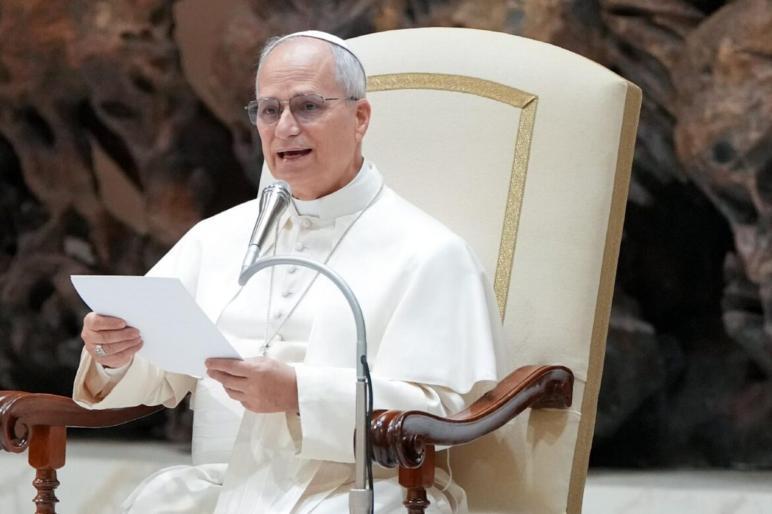
Pope Leo XIV speaks to visitors during his weekly general audience in the Paul VI Audience Hall at the Vatican Feb. 11, 2026. On Feb. 13, Pope Leo released his first Lenten message, in which he encouraged Catholics to rediscover the power of fasting this Lent. (CNS photo/Lola Gomez)
media, in political debates, in the media and in Christian communities.”
Leo encouraged Catholics to make room in their lives to listen to the word of God at Mass and by reading Sacred Scripture, noting that fasting is a concrete way to prepare to hear the word of God.
“The Lenten journey is a welcome opportunity to heed the voice of the Lord and renew our commitment to following Christ,” he said.
The pope also encouraged parishes, families and religious communities to
“undertake a shared journey during Lent,” emphasizing “the communal aspect of listening to the word and fasting.”
On Ash Wednesday, Leo will preside over the traditional procession on Rome’s Aventine Hill from the Benedictine Monastery of St. Anselm to the Basilica of Santa Sabina, where he will celebrate Mass.
“Dear friends, let us ask for the grace of a Lent that leads us to greater attentiveness to God and to the least among us,” he said.❖
Cuban bishops postpone ‘ad limina’ visit, citing current instability and uncertainty
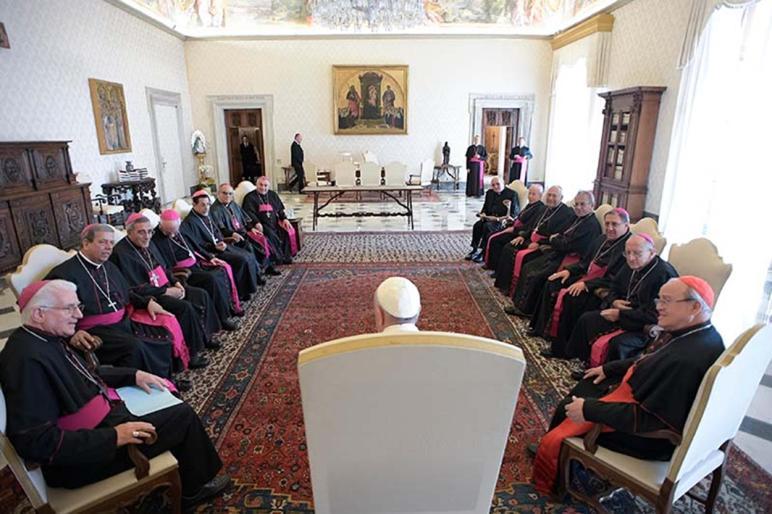
Pope Francis meets with Cuban bishops during their 2017 ad limina visit to the Vatican. The bishops of Cuba have postponed their planned "ad limina" visit to Rome Feb. 16-20, 2026, after government authorities announced that airlines could no longer refuel due to U.S. tariff threats against countries supplying oil to the island nation. (CNS photo/L'Osservatore Romano)
(OSV News) The bishops of Cuba have postponed their planned “ad limina” visit to Rome after government authorities announced that airlines could no longer refuel due to U.S. tariff threats against countries supplying oil to the island nation.
According to the Spanish news agency EFE, Vatican sources said the bishops would be unable to travel to Rome for the visit, scheduled for Feb. 16-20, “because current conditions do not allow it.”
On Feb. 12, the Conference of Catholic Bishops of Cuba issued a brief
statement explaining that they had asked Pope Leo to “postpone the ad limina visit to a date later than originally planned,” citing “the worsening socio-economic situation in the country, which is causing so much instability and uncertainty.”
Ad limina visits a requirement
Catholic bishops are required to fulfill an “ad limina apostolorum” (“to the threshold of the apostles”) to pray before the tombs of Sts. Peter and Paul and report on the state of their dioceses to the pope. Canon law recommends “ad limina” visits take place every five years, but the visits usually take place every seven to 10 years, given the number of bishops around the world and the pope’s busy schedule.
The last “ad limina” visit by the Cuban bishops was in May 2017, nearly nine years ago.
Several news sites reported that the bishops announced the postponement Feb. 8.
U.S. President Donald Trump issued an executive order Jan. 29 stating that the Cuban government’s policies posed “an unusual and extraordinary threat” to the United States and threatened to levy tariffs against any country “that
directly or indirectly sells or otherwise provides any oil to Cuba.”
Raising ‘alarm bells’
Following the Trump administration’s directive, the Cuban bishops published a message Jan. 31 warning that the “elimination of all possibility of oil entering the country raises alarm bells, especially for the most vulnerable.”
Citing St. John Paul II, the bishops said that “Cuban people cannot be deprived of ties with other peoples” especially when “isolation indiscriminately affects the population, increasing the difficulties of the weakest in basic areas such as food, health, or education.”
After the release of the bishops’ message, Pope Leo XIV said he was troubled by the news “regarding an increase in tensions between Cuba and the United States of America, two neighboring countries.”
“I echo the message of the Cuban bishops, inviting all responsible parties to promote a sincere and effective dialogue, in order to avoid violence and every action that could increase the suffering of the dear Cuban people,” Pope Leo said during his Sunday Angelus address Feb. 1. ❖
A Christian Perspective on Social Issues
Peer deeply inside
By GHK Lall
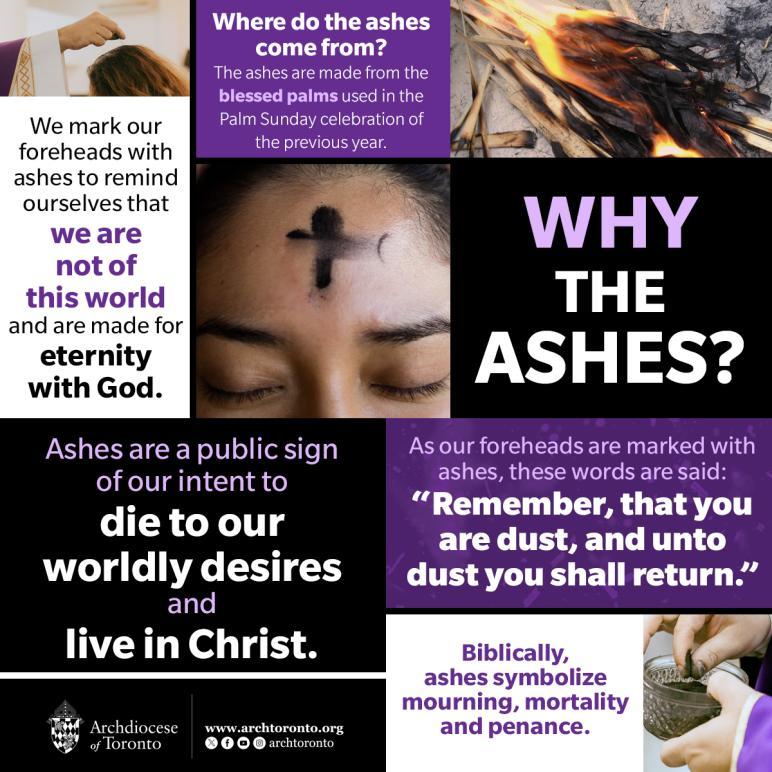
It’s that time. The journey has begun. What is the Season of Lent? It is a long one. There is the private, audible to the person only, the man or woman of prayer. And God Almighty. The visible: public worship in the company of other believers, observers. There is fasting which isn’t broadcast. Just like penance, the self-sacrifices made to instill physical and spiritual discipline. Happening quietly; what may have started as tough for some grows easier, a reflex, as the days lengthen. Then, there is sharing of the fruits of gifts received with those who could use a gift or two themselves; likely many. No one has to know, save the giver and the receiver. And God in heaven who watches, nods. Efforts to please himare blessed. But what else is the Season of Lent? What else could there be, when such a wide range of obedient Christian activity is followed in the days and weeks of Lent? What is left? What is left, and needed, is to look outward, then look inward. Deep inside. The questions come. What kind of person have I been? What kind of Christian worshipper, Catholic believer, do I want to be, pray to be? What do Jesus and God our Father expect from each of us? We can’t be the same when Lent ends as when it started. Something should have been corrected, tightened. There ought to have been some sincere selfexamination, then self-assessment, then pleadings for help with selfcorrection. The spirit is willing. The flesh is weak. The challenges, the deficits, are still present, not decreasing, not going anywhere.
The world - local and foreign - is hostile, aggressive, angry, and hateful. Where do I stand, in and out of Lent? There are huge numbers who are dissatisfied, terribly unhappy at conditions, with decisions. How does that impact my trust in God? What do those situations in the environment, near and far, do to my relationship with others? What are the resolves that stir for peace in a world of upheaval and distress? A radically changing world, where trust is at a low ebb, because word given is not honored. What contributions would I like to make, and commit to deliver, for there to be social justice, a system of operation, of practice, of life in which there can be confidence, even joy?
The general tendency is to stand aside. There should be others to fill the void. Jesus didn’t shrink from tough situations. He didn’t go looking for conflict. The record of Scripture showed that he didn’t incite any. Go the extra mile. Be humble. Make the sacrifice. What a world it would be, if only more took those commands to heart! How much of a different servant, person, citizen, believer, follower of Christ, and a man or woman of God would I be? Not to be of the crowd, or go along with it, can come with a price. The whips and
sticks come out, and they can be unsparing. Jesus can testify. The apostles and saints, too. Faith and courage, wisdom and righteousness, and an inseparable relationship with the Father, through the Son inspires, fortifies, and powers forward. The Father-Son relationship cultivated enables all the other parts that make for a Christian and Catholic of substance.
When the salt of the earth and the light of the world stand on the sidelines, retreat from responsibility, it is inevitable that the forces of darkness intensify and advance. Jesus was of the light, and he held that before a world where many couldn’t handle it. Jesus was of commanding and infallible truth, and his adversaries wanted no part of such truth. Men of deviousness
and deceptions have no use for truth of light. They fear and hate those. It says much, whether that state prevails in the first century or the twenty Prophets have been taken out. The sons of darkness eliminated the lesser ones, and even the son was not spared. This is how determined the foes of light and truth were and are. So, where does all this leave me? It question for everyone. Everyone. We repent and offer penances. We pray. We fast. We share. Studying the times, the tense environment, should convey and convince that there is a little more that can be done. Lots more. Great sacrifices may be called for, compulsory. May the power of the Holy Spirit instill a Christlike courage and willingness. Bless us, Lord.
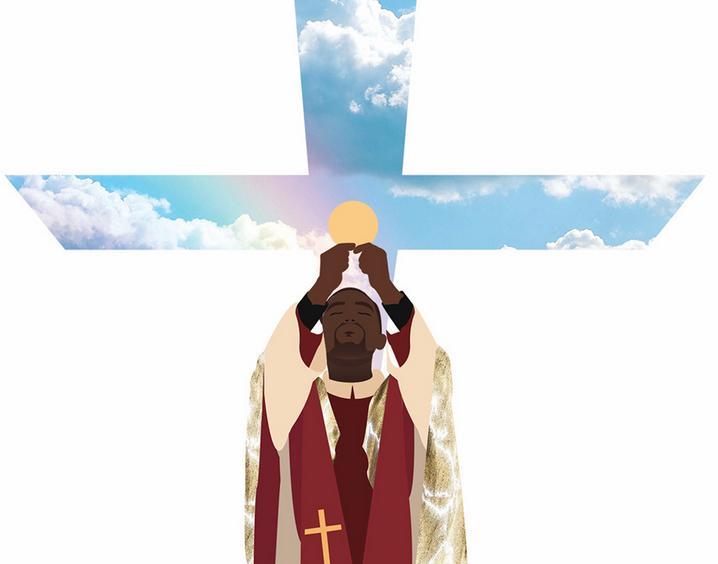
Gracious and loving God, we thank your for the gift of our priests. Through them, we experience your presence in the sacraments.
Help our priests to be strong in their vocation.
Set their souls on fire with love for your people.
Grant them the wisdom, understanding, and strength they need to follow in the footsteps of Jesus. Inspire them with the vision of your Kingdom.
Give them the words they need to spread the Gospel.
Allow them to experience joy in their ministry.
Help them to become instruments of your divine grace.
We ask this through Jesus Christ, who lives and reigns as our Eternal Priest. Amen

‘Growth is the only evidence of life.’ Saint John Henry Newman (1801-1890)

First Reading Ecclesiasticus15:15-20
He never commanded anyone to be godless If you wish, you can keep the commandments, to behave faithfully is within your power. He has set fire and water before you; put out your hand to whichever you prefer. Man has life and death before him; whichever a man likes better will be given him. For vast is the wisdom of the Lord; he is almighty and all-seeing. His eyes are on those who fear him, he notes every action of man.
He never commanded anyone to be godless, he has given no one permission to sin.
Responsorial Psalm Psalm 118
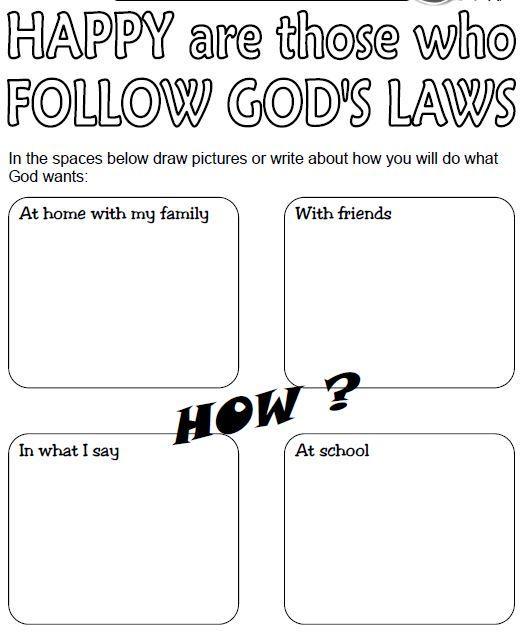
Response: They are happy who follow God’s law!
1. They are happy whose life is blameless, who follow God’s law!
They are happy those who do his will, seeking him with all their hearts. Response
2. You have laid down your precepts to be obeyed with care. May my footsteps be firm to obey your statutes. Response
3. Bless your servant and I shall live and obey your word.
Open my eyes that I may consider the wonders of your law. Response
4. Teach me the demands of your statutes and I will keep them to the end. Train me to observe your law, tokeepitwithmyheart. Response
Second Reading 1Corinthians 2:6-10
God predestined to be for our glory before the ages began.
We have a wisdom to offer those who have reached maturity: not a philosophy of our age, it is true, still less of the masters of our age, which are coming to their end. The hidden wisdom of God which we teach in our mysteries is the wisdom that God
Today’s readings challenge us to reflect on the true state of our hearts as it relates to stewardship. Do we think of stewardship as something we
predestined to be for our glory before the ages began. lt is a wisdom that none of the masters of this age have ever known, or they would not have crucified the Lord of Glory; we teach what scripture calls: the things that no eye has seen and no ear has heard, things beyond the mind of man, all that God has prepared for those who love him.
These are the very things that God has revealed to us through the Spirit, for the Spirit reaches the depths of everything, even the depths of God.
Gospel Matthew 5:17-37
You have learnt how it was said to your ancestors; but I say this to you.
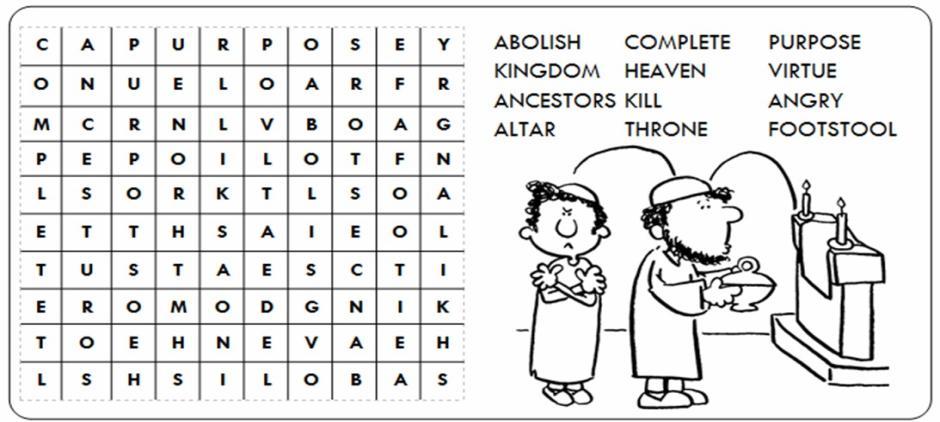
Jesus said to his disciples: ‘Do not imagine that I have come to abolish the Law or the Prophets. I have come not to abolish them but to complete them. I tell you solemnly, till heaven and earth disappear, not one dot, one little stroke, shall disappear from the Law until its purpose is achieved. Therefore, the man who infringes even one of the least of these commandments and teaches others to do the same will be considered the least in the kingdom of heaven; but the man who keeps them and teaches them will be considered great in the kingdom of heaven.
‘For I tell you, if your virtue goes no deeper than that of the scribes and Pharisees, you will never get into the kingdom of heaven.
take care of once a year, simply a matter of ticking off boxes on a commitment card or do we choose to embrace it as a spirituality and way of life that allows us to grow in conformity to Christ every day?
Our first reading, from the book of Ecclesiasticus , teaches that our good God has given us freedom to make this choice “Before man are life and death, good and evil, whichever he chooses shall be given him.” The concept of stewardship helps us to
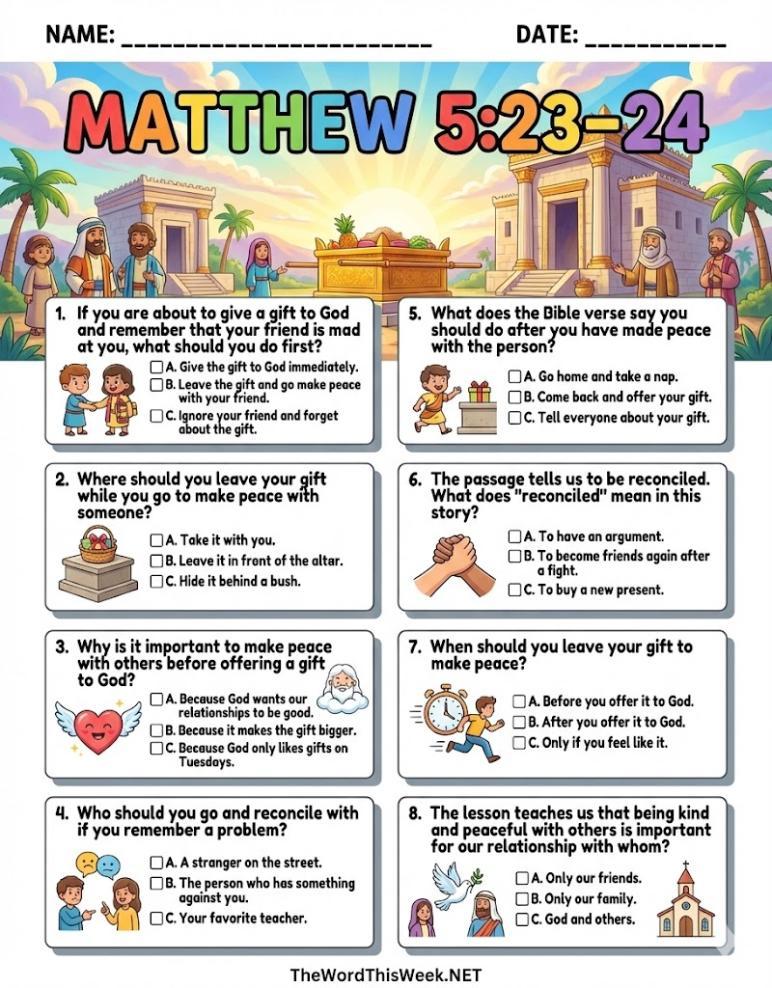
‘You have learnt how it was said to our ancestors: You must not kill; and if anyone does kill he must answer for it before the court. But I say this to you: anyone who is angry with his brother will answer for it before the court; if a man calls his brother “Fool” he will answer for it before the Sanhedrin; and if a man calls him “Renegade” he will answer for it in hell fire. So then, if you are bringing your offering to the altar and there remember that your brother has something against you, leave your offering there before the altar, go and be reconciled with your brother first, and then come back and present your offering. Come to terms with your opponent in good time while you are still on the way to the court with him, or he may hand you over to the judge and the judge to the officer, and you will be thrown into prison. I tell you solemnly, you will not get out till you have paid the last penny.
‘You have learnt how it was said: You must not commit adultery. But I say this to you: if a man looks at a woman lustfully, he has already committed adultery with her in his heart. If your right eye should cause you to sin, tear it out and throw it away; for it will do you less harm to lose one part of you than to have your whole body thrown into hell. And if your right hand should cause you to sin, cut it off and throw it away; for it will do you less harm to lose one part of you than to have your whole body go to hell.
‘It has also been said: Anyone who divorces his wife must give her a writ of dismissal. But I say this to you: everyone who divorces his wife, except for the case of fornication, makes her an adulteress; and anyone who marries a divorced woman commits adultery.
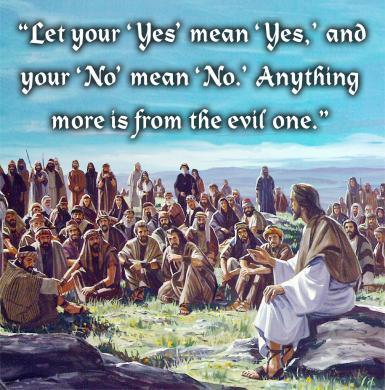
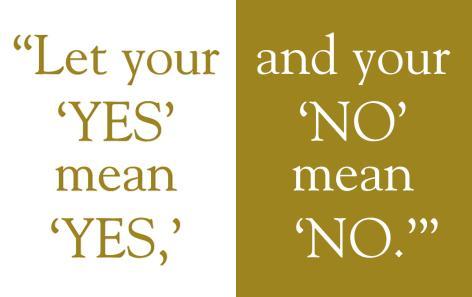
‘Again, you have learnt how it was said to our ancestors: You must not break your oath, but must fulfil your oaths to the Lord. But I say this to you: do not swear at all, either by heaven, since that is God’s throne; or by the earth, since that is his footstool; or by Jerusalem, since that is the city of the great king. Do not swear by your own head either, since you cannot turn a single hair white or black. All you need say is “Yes” if you mean yes, “No” if you mean no; anything more than this comes from the evil one.’❖
live out the fundamental choice to put God first. Stewardship is meant to be embraced as a way of life - a life that involves a continuous conversion of heart.
In our Gospel passage, from Matthew, Jesus illustrates the difference between an external observance of the law and a true conversion of heart, saying, “You have heard that it was said you shall not kill But I say to you, whoever is angry with his brother will be liable to judgment.”
Our Lord is asking us not only for exterior acts, but for a true change of heart. In stewardship terms, that means seeing everything as a gift from Him,to be used forHis glory and the good of others.
In the week ahead, let us examine the state of our hearts to ask ourselves if we have chosen to allow stewardship to become a way of life for us. Only then we will experience its true depth and heart-changing possibilities. The choice is ours. ❖
Gospel Reflection
Intoday’sGospel we hear Jesus talking about the importance of the Commandments. And in the First Reading, written some two hundred years before Jesus was born, a Jewish wise man is convinced that it is impossible to live as God would have us live or to have true wisdom unless we obey God’s Commandments. He argues that God has given human beings free will, that is, the ability to choose life or death. Free will is basic to the belief of Christians for we are not robots who are programmed to act in an automatic and predetermined way. We are free and able to choose that which is good and life-giving and to reject what is evil and lifedestroying. Because of this we cannot escape the responsibility that rests on us. We are answerable for what we do because of the choices we have freely made.
Jesus saw that the commandments were being interpreted in a very negative way which could lead to people doing the barest minimum. He turned them around so thatobedience to the law would not be rooted in fear. He wanted the law to be based on love. Therefore, instead of going against or doing away with the old law, the new law of love goes beyond and makes it perfect. So, instead of the negative outlook in “You must not kill” we have the positive “You must love your neighbour”. The sense of responsibility shifts when instead of “You must not steal” we think instead of “You must share your goods and time with your neighbour when he or she is in need.” Jesus said that all of God’s commandments could be reduced to only two: love of God and of neighbour. Actually, when you think of it, there is only one law – the law of love. ❖
[From: Journeying with the Word of God, The Religious Education Department, Diocese of Georgetown, Guyana ]
with Pope, calls Ukraine ‘wounded but alive’
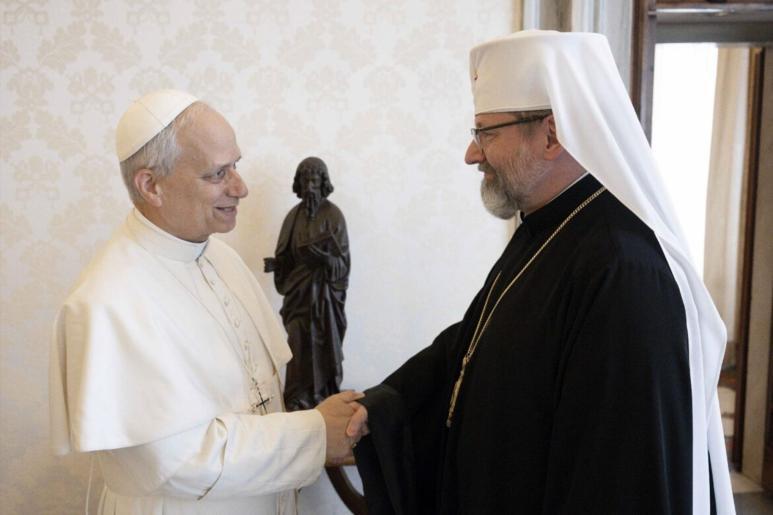
Pope Leo XIV greets Major Archbishop Sviatoslav Shevchuk of Kyiv-Halych, head of the Ukrainian Greek Catholic Church, in the library of the Apostolic Palace at the Vatican May 15, 2025. Major Archbishop Shevchuk had his second personal audience with the pope Feb. 12, 2026, at the Apostolic Palace and briefed the pontiff on the situation in Ukraine as Russia's full-scale invasion reaches the four -year mark. (CNS photo/Vatican Media)
(OSV News) The head of the Ukrainian Greek Catholic Church met with Pope Leo XIV, briefing the pope on the situation in Ukraine as Russia’s fullscale invasion reaches the four-year mark.
Major Archbishop Sviatoslav Shevchuk spoke with Pope Leo at the Apostolic Palace Feb. 12, the second personal audience the prelate has had since meeting with the pope days after his election, said the UGCC press office in an update released shortly after the meeting.
Pope’s ‘solidarity and support’
During his most recent papal meeting, Major Archbishop Shevchuk thanked Pope Leo for the “solidarity and support” he has shown to Ukraine.
That support has included diplomatic efforts by the Vatican to end the conflict and to secure the return of prisoners of war. Major Archbishop Shevchuk provided Pope Leo with lists of prisoners and missing persons whose names he had received from families.
Under both Pope Leo and the late Pope Francis, the Vatican has also worked for the return of thousands of Ukrainian children who have been systematically deported by Russia, forcibly stripped of their Ukrainian identity and placed for adoption in Russian families, with many

Message us giving your name & number at +592

children militarized.
International Criminal Court
The International Criminal Court has issued arrest warrants for Russian President Vladimir Putin and child commission Maria Lvova-Belova for the deportations, which began in 2014 and which violate internationallaw.
Major Archbishop Shevchuk thanked Pope Leo for the Vatican’s “important mission in saving human lives, in which the Holy See has been systematically involved since the beginning of the full-scale war in Ukraine,” said the UGCC press office.
Pope Leo and Major Archbishop Shevchuk also discussed the UGCC’s pastoral ministry amid Russia’s ongoing attacks, which continue assaults launched in 2014, and which have been declared a genocide in two joint reports from the New Lines Institute and the Raoul Wallenberg Centre for Human Rights.
Russia’s most recent assaults have particularly targeted civilian infrastructure and energy systems amid winter.
Speaking to Ukrainian Catholics in Rome during a Feb. 8 Divine Liturgy,

Major Archbishop Shevchuk referencing the dire conditions faced by Ukrainians lacking heat said, “I have come to you today from frozen but indomitable Kyiv as a witness to the indomitability of our people.”
Major Archbishop Shevchuk said that Pope Leo “was impressed that our Church has developed and is actively implementing its pastoral plan ‘Healing the Wounds of War.'”
The plan seeks to address the physical, emotional and spiritual consequences of Russia’s war on Ukraine. In the U.S., the UGCC’s Archeparchy of Philadelphia has a dedicated charitable fund of the same name for projects associated with the pastoral plan.
UGCC ‘unites’ Ukrainians
Pope Leo was also pleased that the UGCC “is a space of solidarity and unity that unites Ukrainians in Ukraine with the global Ukrainian community,” said Major Archbishop Shevchuk.
The two also reflected on the global reach of the UGCC, with Major Archbishop Shevchuk stressing that “our local Church of Kyiv Christianity is Ukrainian in origin, but it is not a Church only for Ukrainians instead, it is open to the proclamation of the Gospel to all peoples, precisely thanks to its full visible communion with the Successor of the Apostle Peter.”
At the conclusion of his audience, Major Archbishop Shevchuk extended once again an invitation to Pope Leo to visit Ukraine.
’
‘Dove of Peace in Time of War
He also presented the pope with “The Dove of Peace in Time of War,” a ceramic sculpture by Italian artist and cardiologist Luciano Capriotti.
The work includes a metal fragment from a Russian missile leveled at the eastern Ukrainian city of Kharkiv.
Reflecting on the piece, Major Archbishop Shevchuk said, “This wound provokes great pain for the bird, but we see that it is not dead it is alive.
“This is a beautiful symbol of modern wounded but alive Ukraine,” he said.
Speaking to OSV News shortly after meeting with Pope Leo, Major Archbishop Shevchuk said he had obtained “a special blessing of the Holy Father to me, for the people of Ukraine and for the Ukrainian Greek Catholic Church.”❖
For 121 years, the Catholic Standard has been sharing the Gospel of Jesus Christ.
Now reaching 10,000+ followers on Catholic Media Guyana Facebook plus going straight to your inbox and WhatsApp, our vibrant weekly e-paper is a trusted source which delivers informative and inspiring stories from across the diocese and around the world.
Want to promote your business or event? Advertise with us! Call 675-4542 or email catholicstandardgy@gmail.com ❖
Pope Leo XIV prays at Vatican’s Lourdes grotto for the sick on World Day of the Sick Journeying with the Word of God
VATICAN CITY (OSV News)
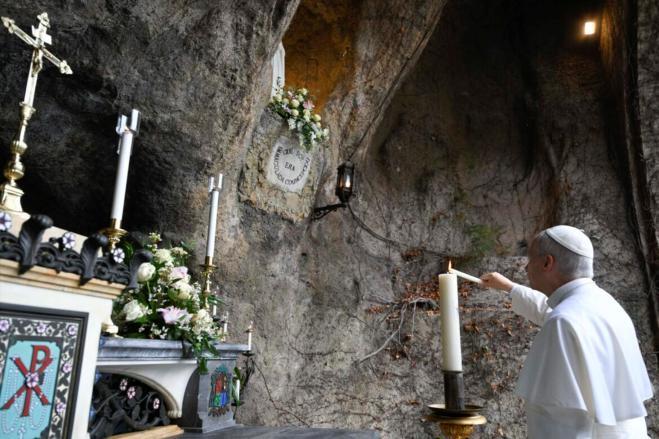
Pope Leo XIV prayed with the sick at the Lourdes grotto in the Vatican Gardens on Feb. 11, asking Our Lady of Lourdes to accompany all those who suffer in the world.
Shortly after his Wednesday audience, the pope lit a candle in the Marian grotto and knelt in prayer before the statue of Our Lady of Lourdes on the World Day of the Sick. He was joined by about a dozen people in wheelchairs accompanied by their caregivers who sang “Immaculate Mary,” the popular Lourdes hymn. The pope thanked those present for joining him in prayer and reflected on Mary’s role in accompanying people through suffering.
“It is a very beautiful day that
reminds us of the closeness of Mary, our mother, who always accompanies us and teaches us so much: what suffering means, what love means, what it means to entrust our lives into the hands of the Lord,” Pope Leo said. He prayed for God’s blessing on the sick and all those who care for them, including doctors, nurses and others who provide support in difficult moments.
World Day of the Sick
The Catholic Church marks the World Day of the Sick each year on Feb. 11, the feast of Our Lady of Lourdes. The world day was instituted by Pope John Paul II in 1992, a year after he had been diagnosed with Parkinson’s disease.
Thefeast day markstheanniversary
of the first apparition of Our Lady of Lourdes to St. Bernadette Soubirous in 1858 in Lourdes, France. The 14-year-old girl saw the Blessed Virgin Mary standing in a small grotto. During a total of 18 apparitions over the course of six months, thousands of people gathered around Bernadette to witness these events. A new spring surged where Bernadette had been instructed to drink, and many miraculous healings occurred. Today, Lourdes is a Marian shrine visited by millions.
The Lourdes grotto in the Vatican Gardens dates back to Pope Leo XIII, who decided near the end of his life to install a reproduction of the Lourdes grotto in France. It was solemnly inaugurated in 1905 by his successor Pope Pius X.
In his message for the 2026 World Day of the Sick, Pope Leo urged Catholics to embrace a “Samaritan spirit” and to give of themselves “for the good of all who suffer, especially our brothers and sisters who are sick, elderly or afflicted.” The pope also imparted an apostolic blessing to all who are sick, to their families and to those who care for them, including pastoral and health care workers.
Pope Leo’s message concluded with the following prayer to the Blessed Virgin Mary, Health of the Sick, “Sweet Mother, do not part from me. Turn not your eyes away from me. Walk with me at every moment and never leave me alone. You who always protect me as a true Mother, obtain for me the blessing of the Father, Son and Holy Spirit.”❖
Pope meets leaders of chastity apostolate
ROME (OSV News) Pope Leo
XIV met Feb. 6 with leaders of Courage International, a Catholic apostolate that provides spiritual support to people with same-sex attraction who seek to live chaste lives in accordance with Church teaching.
The private audience included Bishop Frank J. Caggiano of Bridgeport, Connecticut, who chairs the group’s board of bishopsand FatherBrian Gannon, the executive director of Courage International, as well as Angelo Sabella, a longtime Courage member.
According to a statement from the organization, the private meeting was an “opportunity to share with the Holy Father the works of the apostolate, to provide pastoral accompaniment to persons who experience samesex attraction but who strive to live chaste lives or to accompany family members who have a loved one who identifies as LGBTQ.” Founded in 1980 by Father John Harvey at the request of thenCardinal Terence Cooke of New York, Courage has grown to more than 160 chapters in 15 countries. The group received canonical status as a diocesan clerical association of the Christian Faithful in 2016.
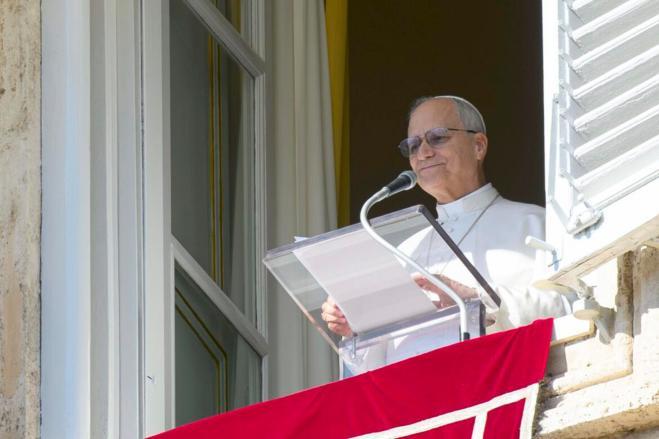
Pope Leo XIV prays the Angelus in St. Peter's Square at the Vatican, Feb. 1, 2026. Pope Leo met Feb. 6 with leaders of Courage International, a Catholic ministry that provides spiritual support to people with same-sex attraction who seek to live chaste lives in accordance with Church teaching. (OSV News photo/Matteo Pernaselci, Vatican Media)
Courage’s five core principles emphasize chastity, prayer, fellowship, support and setting a good example. The group also operates EnCourage, a related apostolate with more than 100 chapters in eight countries that supports families and friends of people who identify asLGBTQ.❖
MAKING THE WORD OF GOD YOUR OWN
Step 1: Lookattoday’sReadingsprayerfully.
1st Reading: This passage deals with the free will God has given to us, the freedom to choose between good and evil and the fact that we have to face the consequences of our choices.
2nd Reading: Paul compares the wisdom that comes from human philosophy with true wisdom that comes only to us from God’s Spirit.
Gospel: Jesus did not come to set aside God’s commandments but to give new meaning to them byshowingthattheyarepositiveinoutlook.
Step 2: ApplyingthevaluesoftheReadings toyourdailylife.
1.“Do not imagine that I have come to abolish the Law or the Prophets.” What could have been the situation that prompted Jesus to use these words?
2.Jesus insists that if a man looks at a woman lustfully, he has already committed adultery with her in his heart. Can this also refer to other things we just think about but do not do?
3.The First Reading says that keeping the commandments is a personal decision. Whether we keep them or not is all up to us individually. What do you think would be the consequences if we do not keep the commandments?
4.Moral behaviour is an important part to Christian living. Could you challenge the Church on any of its moral teachings?
Step 3: Accepting the message of God’s Wordinyourlifeoffaith
Jesus showed that the Commandments teach attitudes of reverence and respect – reverence for God, for God’s name and for God’s day, and respect for parents, for life, for the property of others, for truth, for the good name of another person, and for oneself. As Christians we must take responsibility for our own wrongdoing, rather than laying the blame on God or on others. We have the freedom to do what is wrong just as we have the freedom to do what is right
Step 4: Somethingtothink&prayabout
1.Reflect honestly on your life. Would you say you have a lot of anger bottled up inside? Do you feel you need to deal with your anger? Does your anger erupt every now and then, making life difficult for those close to you? Is it possible to put your anger to good use?
2.Pray that you will keep God’s laws not because of fear of punishment, but because you are sure it is the right thing to do. ❖
[From: Journeying with the Word of God, The Religious Education Department, Diocese of Georgetown, Guyana ]
Pope Leo XIV lights a candle as he prays in the Lourdes Grotto at the Vatican Gardens on the World Day of the Sick Feb. 11, 2026. (OSV News photo/Simone Risoluti, Vatican Media)
High-ranking US Catholic bishops join call
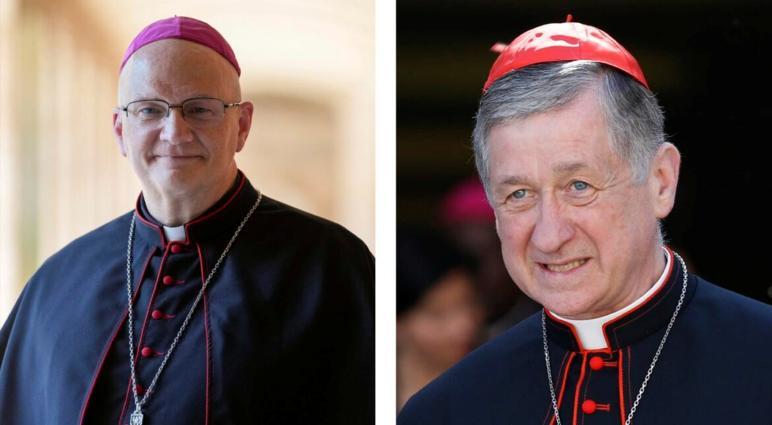
Archbishop Edward J. Weisenburger of Detroit and Cardinal Blase J. Cupich of Chicago are pictured in a combination photo. The two prelates are calling for President Donald Trump to apologize for a racist video of former first couple President Barack and Michelle Obama posted from his social media account. (CNS photo/Lola Gomez/Paul Haring)
WASHINGTON (OSV News) Two more Catholic bishops issued statements objecting to a video posted on President Donald Trump’s Truth Social account late at night Feb. 5 that depicted former first couple President Barack and Michelle Obama as apes a well-known racist trope used to disparageBlackAmericans.
The video was deleted by noon the following day after widespread outrage denounced the content as racist, but Trump has refused to apologize over the incident.
White House officials at first defended the post an AI-generated clip, set to music from “The Lion King,” that depicted prominent Democrats as animals and superimposed the Obamas’ faces over two apes and called the bipartisan condemnation “fake outrage.” But they later claimed Trump did not post the now-deleted video and alleged an unnamed staffer did it. In comments to reporters on Air Force One the evening of Feb. 6, Trump declined to apologize for the video’s posting but claimed he had not watched it in its entirety.
“I gave it to the people, generally they’d look at the whole thing, but I guess somebody didn’t,” he told reporters.
Bishop Weisenburger: Video ‘deeply offensive’
Lawmakers and faith leaders including prominent Black Catholic leaders were among those who condemned the video and its apparent promotion by the president.
But two high-ranking Catholic prelates issued statements Feb. 9, calling on the president to take responsibility and apologize.
In a Feb. 9 statement posted to social media, Archbishop Edward J. Weisenburger of Detroit said, “It is very disturbing that anyone, much less the President of the United States or his staff members, should see racist memes as humorous or appropriate
expressions of political discourse. They are deeply offensive and must be condemned in the strongest terms.”
“I join my voice to the many calling for a public apology with full acceptance of responsibility, and I also bristle at claims from the White House that the rage many of us feel is ‘fake,'” Archbishop Weisenburger said. “Beyond the necessary apology, I also believe that we all must examine our conscience, individually and collectively. We need to recognize and acknowledge how prevalent racism continues to be in our society and commit ourselves to vigilance in counteracting its harm.”
“As Catholics, we believe that every person is made in the image and likeness of God. This sacred truth compels us to treat every human being with dignity, respect, and love,” he continued. “We must recommit ourselves to vigilance in counteracting the wounds caused by the evil of racism as truly wearecalledtobeonehumanfamily.”
Cardinal Cupich: ‘Our shock is real’
Cardinal Blase J. Cupich of Chicago said in a Feb. 9 statement that “Portraying human beings as animals less than human is not new.” “It was a common way in past centuries for politicians and others to demean immigrant groups as each arrived, the Chinese, Irish, Italians, Slavs, Jews, Latinos and so on,” he said. “Cartoons, ‘news’ articles, even theatrical productions carried the message that these ‘others’ were worthy of ridicule. It made it easier to turn a blind eye to their privation, pay them pitiful wages and mock their ‘foreign’ religion even as the country needed their labor. It immunized the national conscience when we turned away shiploads of refugees, lynched thousands and doomed generations to poverty.”
“We tell ourselves that those days belong in the past that even sharing that history is harmful to the fantasy
of equality we strive to create,” he continued.
Cardinal Cupich argued, “If the President intentionally approved the message containing viciously racist images, he should admit it. If he did not know of it originally, he should explain why he let his staff describe the public outcry over their transmission as fake outrage.”
“Either way he should apologize,” he said. “Our shock is real. So is our outrage. Nothing less than an unequivocal apology to the nation and
to the persons demeaned is acceptable. And it must come immediately.” ❖
Dear Girls and Boys,
In today's Gospel reading from the Sermon on the Mount, Jesus said, "You have heard that it was said to people long ago, 'You must not murder. If you commit murder, you will be subject to judgement.' But I say, even if you are angry with your someone, you are subject to judgment." He went on to say that you will be face God's judgment if you call someone a bad name or curse them. What did Jesus say we should do if we are guilty of any of these things? He said, "If you are presenting your offering to God and you remember that you have said something that hurt another person, leave your gift at the altar and go and ask forgiveness from that person. Then come back and offer your gift to God."
Before we give our offerings at Mass each week, perhaps we should ask ourselves a few questions. Have I been angry with someone this week? Have I had any arguments lately? Have I called someone a bad name? Have I said something about someone that wasn't true? If so, we should ask God to forgive us and we should go to the person we have hurt and ask them to forgive us. When we have done that, God will be pleased with our offering. Heavenly Father, we would not think of committing murder, but we sometimes say things in anger that hurt other people. Help us to guard against hateful and hurtful words and forgive us as we ask those we have hurt to forgive us as well. In Jesus' namewepray, Amen.❖
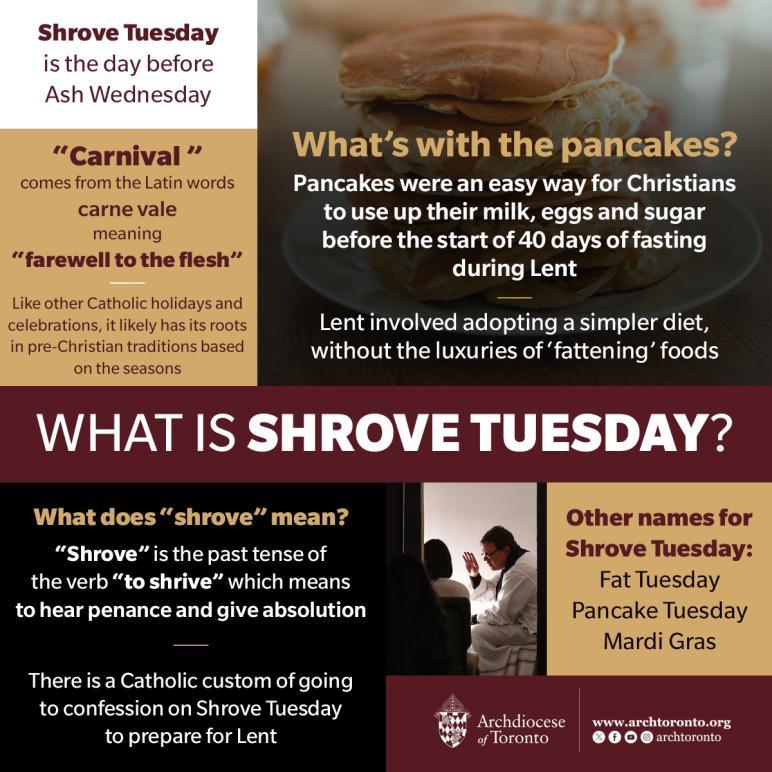
Ash Wednesday is Feb. 18th
Marriage Day with evening of love and reflection

A total of 19 couples, along with His Lordship Bishop Francis Alleyne OSB, and Msgr. Terence Montrose, gathered at Our Lady of the Mount, Meadow Bank, as Worldwide
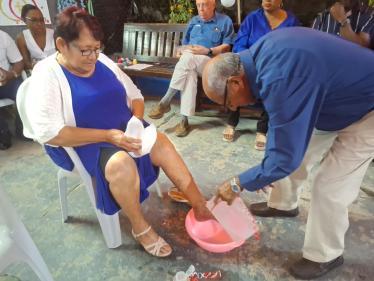
Marriage Encounter Guyana observed World Marriage Day on Saturday, February 7, 2026, with an evening of love and reflection.
One of the activities included a blindfolding game, where husbands, while blindfolded, were challenged to identify their wives by recognizing their wives’ handshighlighting trust,intimacy, and familiarity within marriage.
The evening also featured the symbolic washing of feet, recalling how Jesus washed the feet of His disciples. This powerful gesture symbolized humble

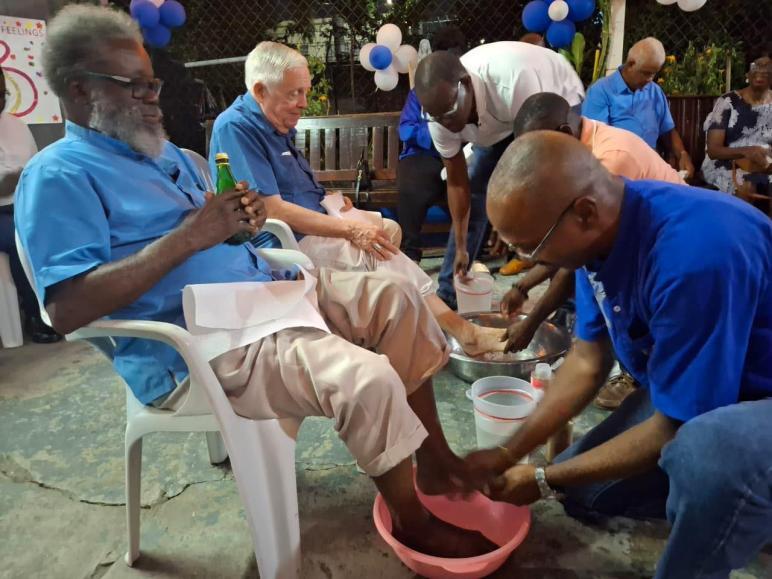
service, self-giving, and love for one another within the sacrament of marriage.
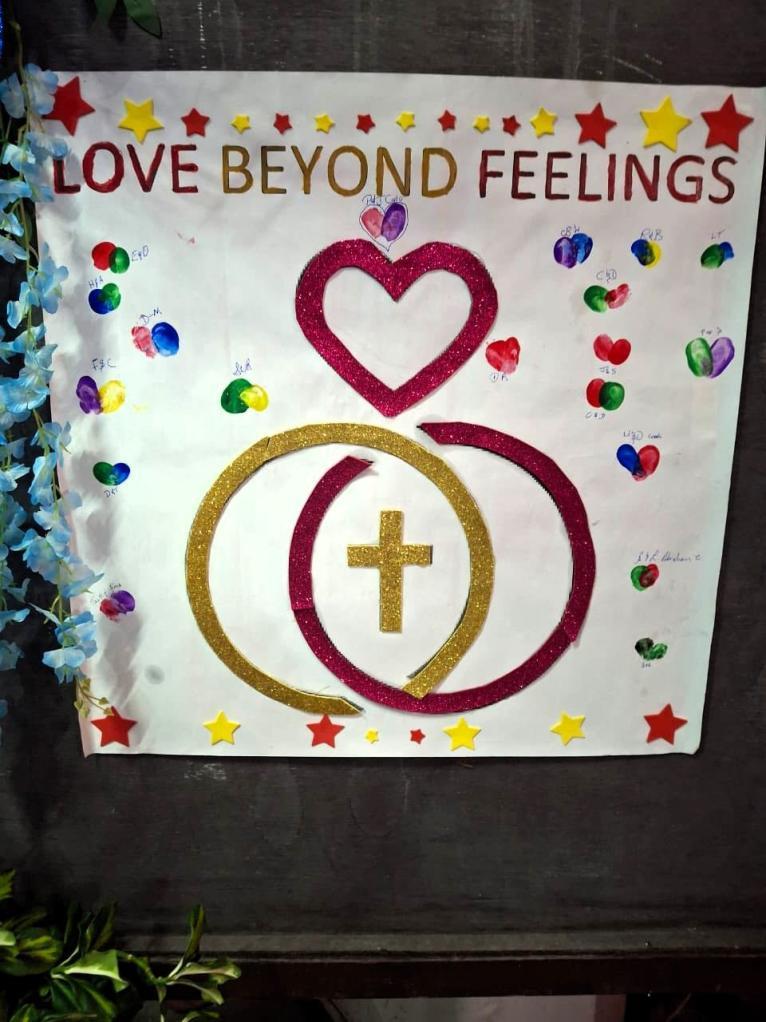
Another meaningful moment involved the thumbprints of each husband and wife, which were placed together to form a heart, symbolizing the unity of
the couple and the love they share.
The celebration ended with hearts full, spirits lifted, and a renewed appreciation for the beauty of marriage lived in love and service.❖ (Catholic Media Guyana)


Living Lent to Renew Relationships
By Fr Joel Thompson SJ
All of the Church’s liturgical seasons, devotions, and sacraments are Christ-centered. They are not simply traditions we repeat annually. They draw us into the life, death, and resurrection of Jesus Christ so that we may love God and neighbour more deeply. This week we explore Lent and how to move beyond simply “giving up chocolates and sweets.”
40 Days of Preparation
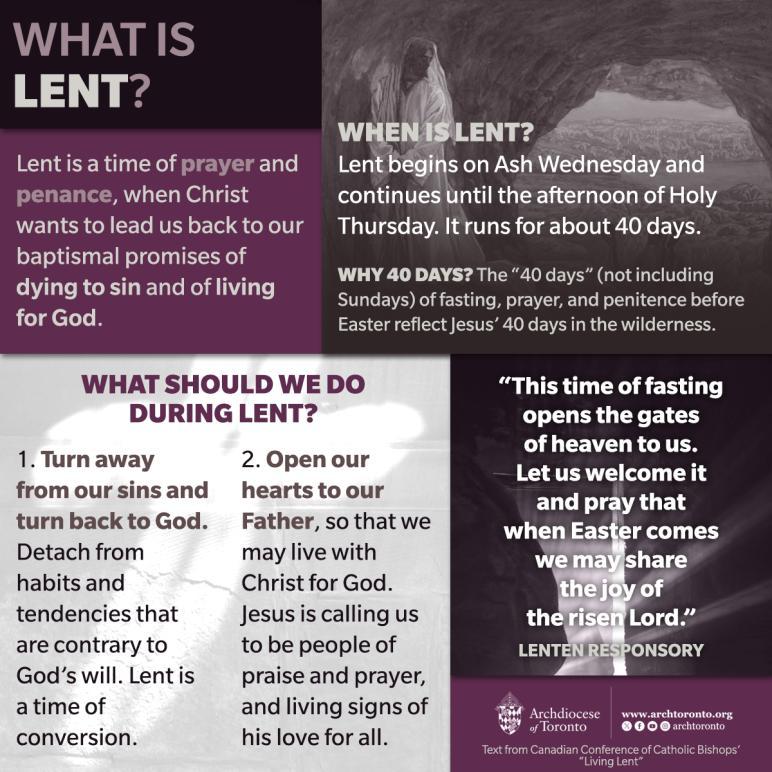
Lent is shaped by Christ’s forty days in the desert, where He fasted, prayed, and faced temptation (Matthew 4:1–11). Jesus did this to prepare for His mission. We also enter Lent toprepare forourmission.
Our mission as Christians is simple, but not easy.Jesus sums it up:
“Go therefore and make disciples of all nations, baptizing them in the name of the Father and of the Son and of the Holy Spirit, and teaching them to obey everything that I have commanded you” (Matthew 28:19–20).
Our mission is active evangelization through word and deed: baptizing, teaching, serving the marginalized, and transforming society through lives of service and charity. Love is the way we carry out this mission. As Jesus teaches:
“You shall love the Lord your God with all your heart and you shall love your neighbour as yourself” (Matthew 22:37 –39).
Lent, therefore, is a season for examining our relationships: with God, with others, and even with creation. We are invited to ask one simple, searching question:
What is stopping me from loving God above all else, and loving others as I should? That is the central Lenten question.
When Does Lent Begin and End?
Lent begins on Ash Wednesday and ends just before the Mass of the Lord’s Supper on Holy Thursday begins. Although Lent is often spoken of as “40 days,” Sundays are not counted, because every Sunday is the Lord’s Day as we gatherand celebrate.
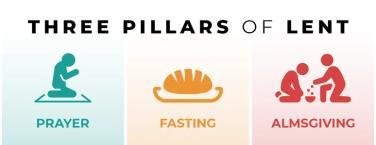
The Three Pillars of Lent
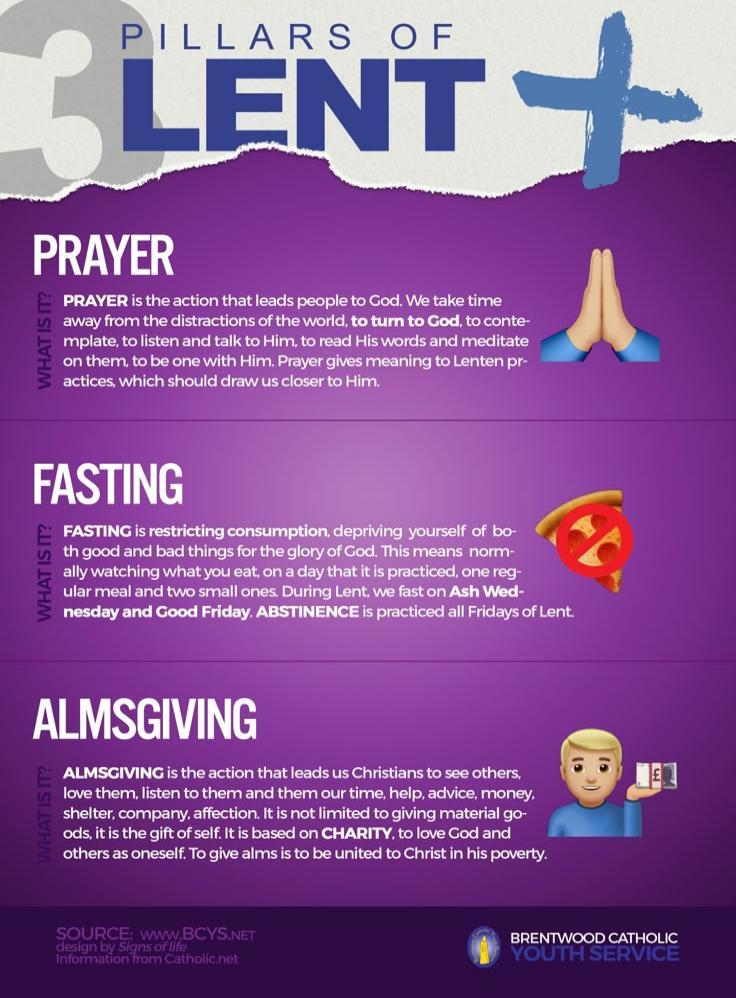
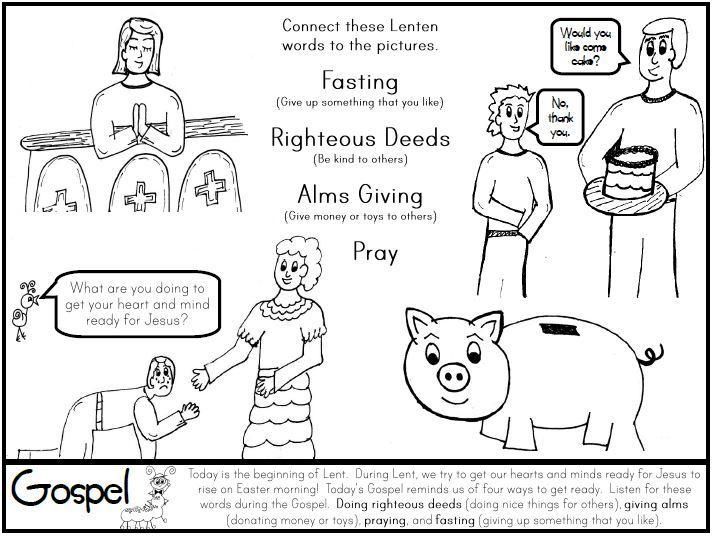
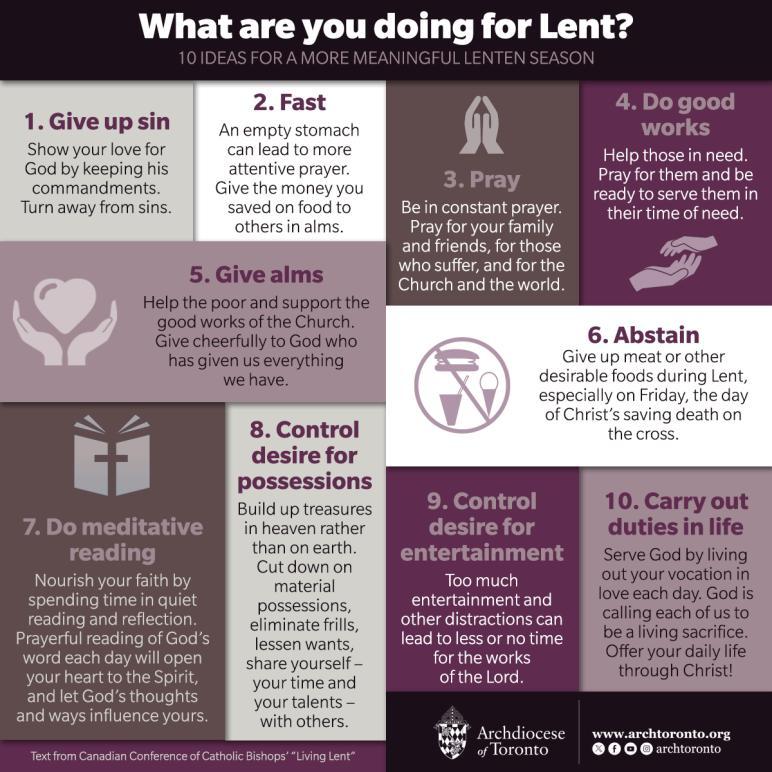
The traditional practices of Lent (Matthew 6:1-18) are prayer, fasting, and almsgiving. The Catechism describes these as “the traditional forms of penance” (CCC 1434). These pillars are not meant to make us miserable but to
renew our relationships.
Prayer: Learning to Listen Again
Prayer raises our hearts and minds to God and helps us recognize His presence in and around us. God is always speaking. But Lent asks us honestly: Are we making time to listen? Many of us pray only when we are in trouble. Lent invites us to pray more faithfully, more simply, and more deeply. Even ten minutes daily can begin to change our hearts.
Fasting:BeyondChocolates
Many Catholics associate fasting with “giving up something,” like sweets or snacks. That can be a good start. But fasting goes deeper. It is a bodily discipline that helps us grow in self-control. It teaches us that we do not live only for comfort and trains us to put God first.
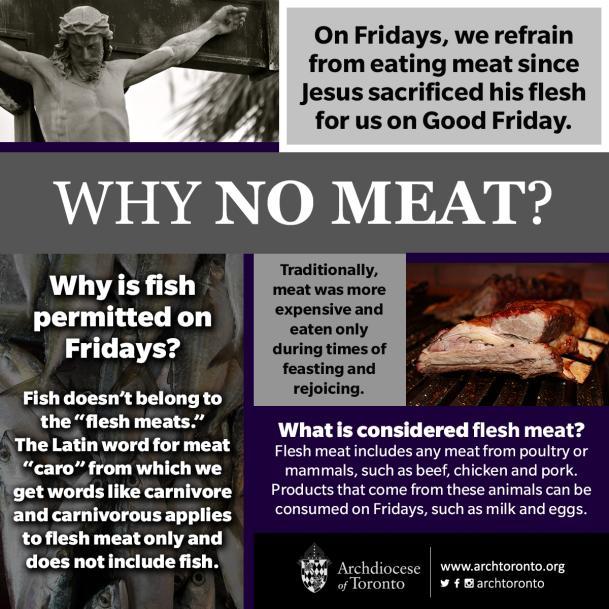
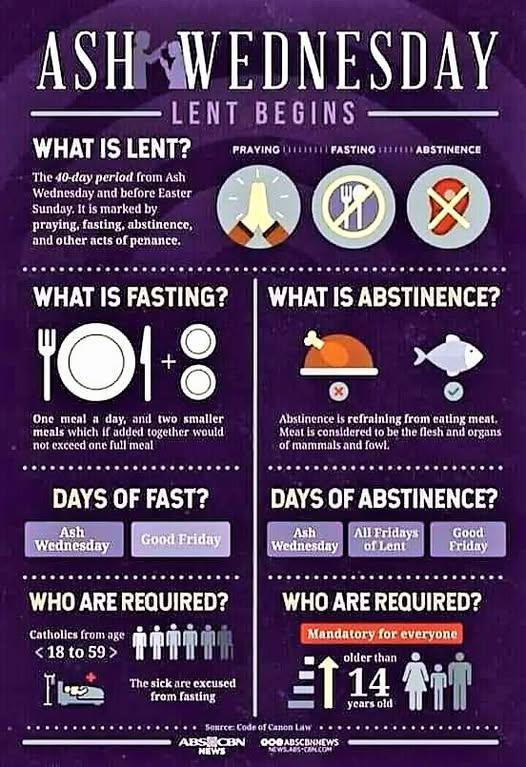
The Church requires fasting on Ash WednesdayandGoodFridayfromage 18 until 59 (Code of Canon Law, can. 1251-1252). Local practice varies, but many observe one main meal (or one main meal with two smaller meals that together do not equal another full meal). The Church also requires abstinence from meat on Ash Wednesday and all Fridays of Lent (and Good Friday) unless a solemnity (like the Annunciation) falls on a Friday. Abstinence applies from age 14 onward (canon 1252).
But Lent is not only about food. It is also a time to fast from anything weakening our relationships or damaging our spiritual life: gossip, pride, selfishness, anger, greed, lust, alcohol abuse, constant negativity or unhealthy social media habits. This is where fasting becomes a form ofhealing.
Almsgiving: Love That Becomes Concrete
Lent calls us to think less about ourselves and more about others. Charity can include visiting the elderly or sick, helping a struggling neighbour, donating food or clothing, and giving to the poor. Jesus makes the meaning unmistakably clear: “Whatever you did for one of these least brothers and sisters of mine, you did for me” (Matthew 25:40). Christ receives what we give.
Lent Renews Relationships
Lent is a season of grace. It is a time to renew relationships with God, with others, with the Church, and with ourselves. This renewal is made real especially in the sacrament of reconciliation (confession) This Lent, let us ask with honesty: What is stopping me from loving God more? What is stopping me from loving others better? And then let us take the next step, one prayer, one sacrifice, and one act of charity at a time.❖



GlorifyingGodThroughMusic: Saint of the Week
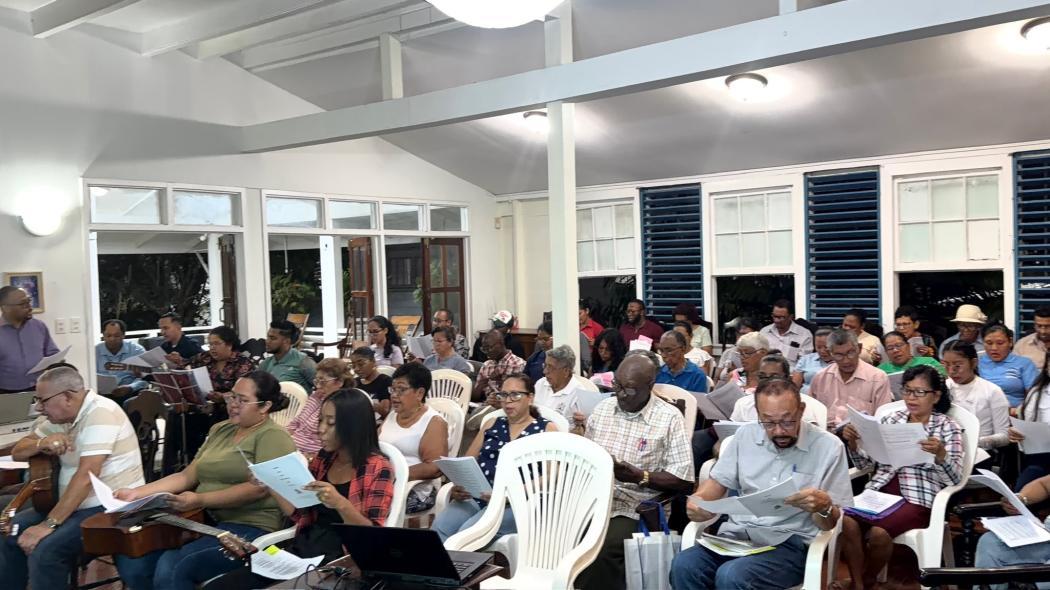
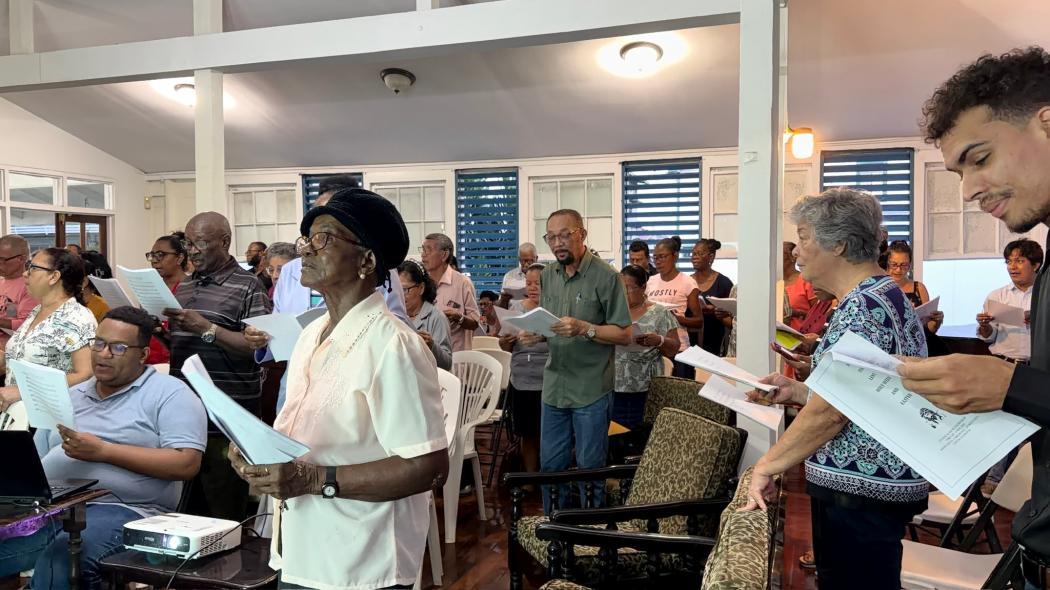
The well-known saying, often attributed to St. Augustine of Hippo, “He who sings prays twice,” perfectly described the atmosphere during the two-day Lenten & Easter Music Workshop held on Tuesday February 10th and Wednesday February 11th at Bishop’s House, Brickdam, Georgetown. Musicians and choir members journeyed from as far as Bartica, the West Bank, East Bank, and East Coast, and joined representatives from the Central, South and North Georgetown Clusters of the Diocese to participate in this enriching experience. The workshop, organized and facilitated by Mr. Justin Thompson, began with the teaching of the Responsorial Psalms for Ash Wednesday and the Sundays of Lent. On Day Two, attention turned to the Responsorial Psalms for Holy Week and Easter, along with hymns for Palm Sunday. These sessions were facilitated by His Lordship Bishop Francis
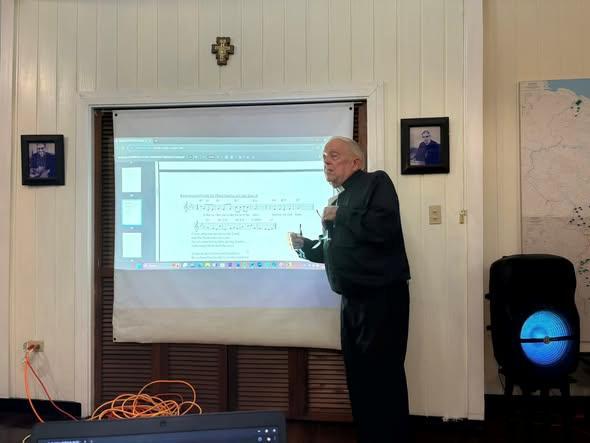
Cecil Bovell DSM, and Mr. Dan Schutte,amongothers.
Many participants described the
mation, please contact Ms. Angie Sukhai of the Religious Education Department on +592 610-5706 ❖
that unmarried soldiers fought better than
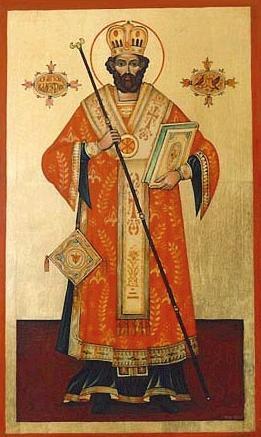
would have been much more popular than just one woman and one man living together. And yet some of them seemed to be attracted to the Christian faith. But obviously the church thought that marriage was very sacred between one man and one woman for their life and that it was to be encouraged. And so it immediately presented the problem to the Christian church of what to do about this. The idea of encouraging them to marry within the Christian church was what Valentine was about. And he secretly married them because of the edict.
Valentine was eventually caught, imprisoned, tortured, and beheaded for performing marriage ceremonies against the command of the
St. Valentine is the Patron Saint of engaged couples, happy marriages, love, lovers, bee keepers, epilepsy, fainting, greetings, plague, travellers and young people. He is represented in pictures with birds and roses and his feast day is celebrated on February 14.❖
[From http://www1.cbn.com/st-valentine-real-story & http://www.catholic.org/saints/saint.php?saint_id=159 ]