
Friday, December 5th 2025 Established 1905 27 Brickdam, Stabroek, Georgetown, Guyana Year 120, No. 47
Friday, December 5th 2025 Established 1905 27 Brickdam, Stabroek, Georgetown, Guyana Year 120, No. 47
Pope issues apostolic letter on the Creed, marking anniversary of Nicaea - p2
On first trip, pope highlights paths to peace - p3
A Christian Perspective on Social Issues - p4
Sunday Scripture - p5
The Word and the World - p6
Malgre Tout men “Pray and Play” - p7
Children’s Page - p9
Don’t start Christmas too early - p10
Pope’s December prayer intention - p11
Cathedral Memory Lane 9 - p14
December 7th: Second Sunday of Advent 08:30hrs – Mass at St. Catherine, Kuru Kururu, East Bank Demerara.
10:30hrs – St. Jerome, Supply, EBD
Monday, December 8th
17:30hrs – Feast of the Immaculate Conception Mass at Cathedral, Brickdam
Tuesday, December 9th
09:00hrs – Presbyteral Council Meeting, Bishop’s House
Wednesday, December 10th
07:00hrs – SynodImplementationvia Zoom
Saturday, December 13th
17:00hrs – Centenary Mass at the Cathedral of the Immaculate Conception, Brickdam
Third Sunday of Advent: December 14th
07:30hrs–MassatSt.JosephtheWorker,Linden 10:00hrs – Mass at Our Lady of Mount Carmel, Wismar
15:00hrs–MassatOurLadyofLourdes,SilverHill
Father in heaven, may the faith you have given us in your son, Jesus Christ, our brother, and the flame of charity enkindled in our hearts by the Holy Spirit, reawaken in us the blessed hope for the coming of your Kingdom.
May your grace transform us into tireless cultivators of the seeds of the Gospel.
May those seeds transform from within both humanity and the whole cosmos in the sure expectation of a new heaven and a new earth, when, with the powers of Evil vanquished, your glory will shine eternally.
May the grace of the Jubilee reawaken in us, Pilgrims of Hope, a yearning for the treasures of heaven. May that same grace spread the joy and peace of our Redeemer throughout the earth.
To you our God, eternally blessed, be glory and praise for ever.
Amen


VATICAN CITY (CNS) When Christians recite the Creed, it should prompt an examination of conscience about what they truly believe and what kind of example of faith in God they give to others, Pope Leo XIV wrote.
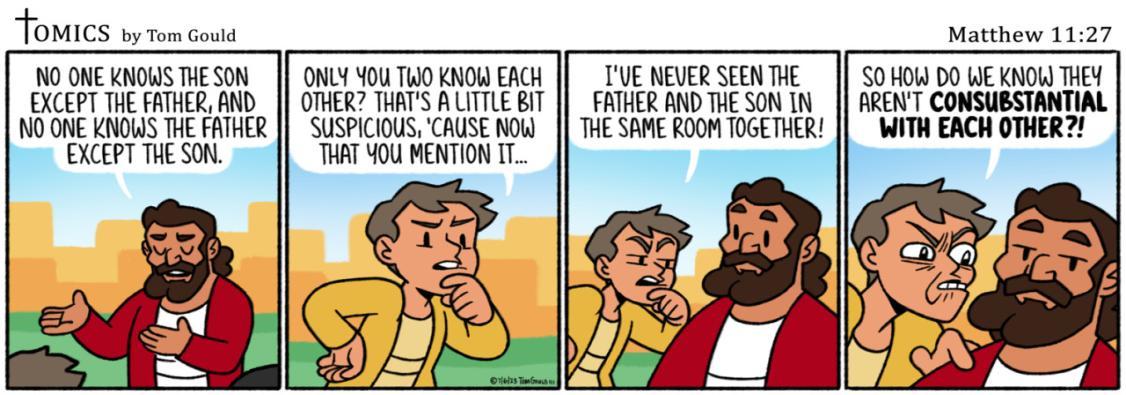
“Wars have been fought, and people have been killed, persecuted and discriminated against in the name of God,” he wrote. “Instead of proclaiming a merciful God, a vengeful God has been presented who instills terror and punishes.”
Publishing “In Unitate Fidei” (“In the Unity of Faith”) Nov. 23, Pope Leo marked the 1,700th anniversary of the Council of Nicaea and its Creed. He said he wanted it released in anticipation of his visit to Turkey Nov. 27-30 to celebrate with Orthodox and Protestant leaders the anniversary of the Creed Christians share.
The bishops who had gathered in Nicaea in 325 had survived antiChristian persecution, the pope said, but were facing the fracturing of their communities over disputes regarding “the essence of the Christian faith, namely the answer to the decisive question that Jesus had asked his disciples at Caesarea Philippi: ‘Who do you say that I am?'”
“Arius, a priest from Alexandria in Egypt, taught that Jesus was not truly the Son of God,” the pope explained. Arius taught that “though more than a mere creature,” Jesus was “an intermediate being between the inaccessible God and humanity. Moreover, there would have been a time when the Son ‘did not exist.'”
The challenge facing the bishops, he
said, was to affirm their faith in one God while making it clear that, as the creed now says, Jesus is “the Only Begotten Son of God, born of the Father before all ages true God from true God, begotten, not made, consubstantial with the Father.”
The bishops, he said, knew “no mortal being can, in fact, defeat death and save us; only God can do so. He has freed us through his Son made man, so that we might be free.”
In affirming monotheism and the true humanity and divinity of Christ, the pope said, “they wanted to reaffirm that the one true God is not inaccessibly distant from us, but on the contrary has drawn near and has come to encounter us in Jesus Christ.”
“This is the heart of our Christian life,” Pope Leo wrote. “For this reason, we commit to follow Jesus as our master, companion, brother and friend.”
The version of the Creed recited by most Catholics at Mass each Sunday and shared with other mainline Christians is formally called the Nicene-Constantinopolitan Creed, because it includes an article of faith inserted by the bishops at the First Council of Constantinople in 381 about the Holy Spirit.
Western Christians say: “I believe in the Holy Spirit, the Lord, the giver of life, who proceeds from the Father and the Son, who with the Father and the Son is adored and glorified, who has spoken through the prophets.”
A footnote in the pope’s letter said that the phrase known as the “filioque” and proceeds from the Father and the Son “is not found in
the text of Constantinople; it was inserted into the Latin Creed by Pope Benedict VIII in 1014 and is a subject of Orthodox-Catholic dialogue.” Recent popes, including Pope Benedict XVI, Pope Francis and Pope Leo, have omitted the phrase at ecumenical prayer services.
In his letter, Pope Leo affirmed the Catholic Church’s commitment to the search for Christian unity and said, “The Nicene Creed can be the basis and reference point for this journey.”
And he prayed that the Holy Spirit would come to all Christians “to revive our faith, to enkindle us with hope, to inflame us with charity.” “The Nicene Creed does not depict a distant, inaccessible and immovable God who rests in himself, but a God who is close to us and accompanies us on our journey in the world, even in the darkest places on earth,” Pope Leo wrote.
Reciting the Creed, he said, should prompt Christians to “examine our conscience.”
The questions they should ask, he wrote, include: “What does God mean to me and how do I bear witness to my faith in him? Is the one and only God truly the Lord of my life, or do I have idols that I place before God and his commandments? Is God for me the living God, close to me in every situation, the Father to whom I turn with filial trust?”
And, he continued with more questions: “Is he the Creator to whom I owe everything I am and have, whose mark I can find in every creature? Am I willing to share the goods of the earth, which belong to everyone, in a just and equitable manner? How do I treat creation, the work of his hands? Do I exploit and destroy it, or do I use it with reverence and gratitude, caring for and cultivating it as the common home of humanity?”
Believing that God became human in Jesus means “that we now encounter the Lord in our brothers and sisters in need,” the pope said. That is why Jesus said, “As you did it to one of the least of these brothers and sisters of mine, you did it to me.”
The Creed “does not formulate a philosophical theory,” Pope Leo wrote. “It professes faith in the God who redeemed us through Jesus Christ. It is about the living God who wants us to have life and to have it in abundance.”❖
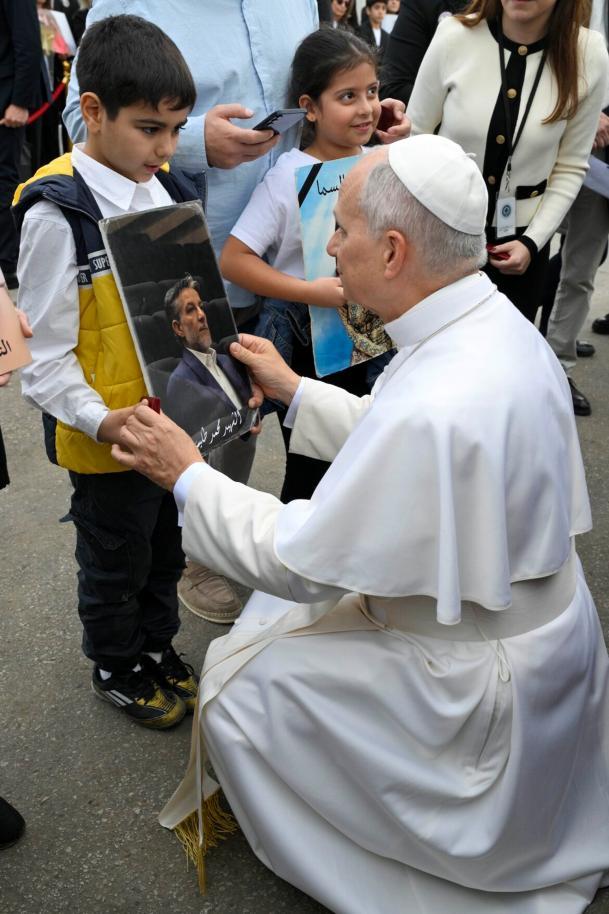
Pope Leo XIV kneels to speak to a boy in Beirut, Lebanon, Dec. 2, 2025, during a meeting with families of victims and with survivors of a deadly 2020 port explosion. The boy is holding a photo of his father, who died that day. (CNS photo/Vatican Media)
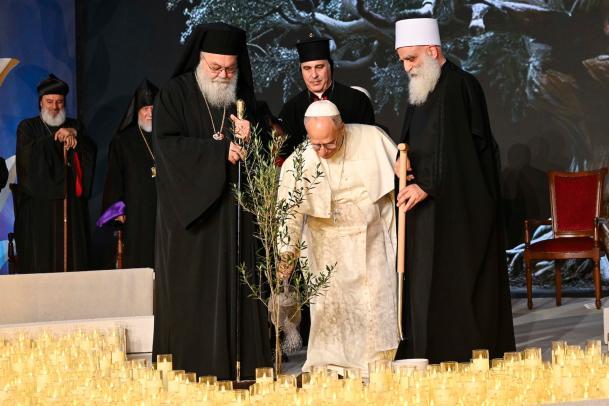
Pope Leo XIV waters an olive tree after he and other religious leaders planted it during an ecumenical and interreligious meeting in a tent at Martyrs' Square in Beirut Dec. 1, 2025. With the pope are Greek Orthodox Patriarch John X of Antioch, left, and Sami Abi Al-Muna, spiritual leader of Lebanon's Druze community, right. (CNS photo/Vatican Media)
VATICAN CITY (CNS) Visiting two countries over six days on his first foreign papal trip, Pope Leo XIV preached unity, dialogue and respect for differences as the only paths to peace.
Spending time with Catholics, other Christian leaders and top Muslim clerics in Turkey
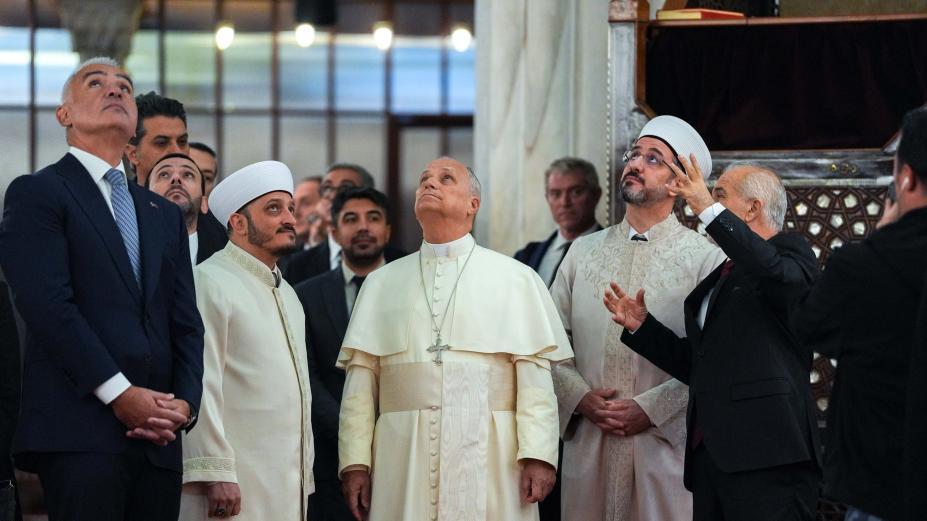
Pope Leo XIV looks up at the ceiling of the Sultan Ahmed Mosque, more commonly called the Blue Mosque, in Istanbul, Turkey, during a visit Nov. 29, 2025. Kurra Hafiz Fatih Kaya, the imam of the mosque, is to the right of the pope; Emrullah Tuncel, the mufti of Istanbul, is to the left of the pope; and Askin Musa Tunca, the mosque's muezzin, wearing a suit and tie, is guiding the visit. (CNS photo/Lola Gomez)
talks, lunches and late evening meetings with the leaders.
“The more we can promote authentic unity and understanding, respect and human relationships of friendship and dialogue in the world, the greater possibility there is that we will put aside the arms of war, that we will leave aside the distrust, the hatred, the animosity that has so often been built up and that we will find ways to come together and be able to promote authentic peace and justice throughout the world,” he told reporters flying back to Rome with him Dec. 2.
The three iconic moments of the trip were his prayer with top Christian leaders Nov. 28 at the site of the Council of Nicaea, his visit to the Blue Mosque in Istanbul Nov. 29 and his prayer Dec. 2 amid the rubble of the Beirut port explosion in 2020.
The whole trip was planned to commemorate the 1,700th anniversary of the Council of Nicaea and its drafting of the Creed that mainline Christian communities still recite today.
said that at a time when humanity is “afflicted by violence and conflict,” the world “is crying out for reconciliation.”
“The desire for full communion among all believers in Jesus Christ is always accompanied by the search for fraternity among all human beings,” he said. “In the Nicene Creed, we profess our faith ‘in one God, the Father.’ Yet, it would not be possible to invoke God as Father if we refused to recognize as brothers and sisters all other men and women, who are created in the image of God.”
The desire to reach out and form relationships with others also was on display when Pope Leo, like his two immediate predecessors, removed his shoes and entered the socalled Blue Mosque in Turkey’s capital; he spent about 20 minutes inside but did not appear to pause for prayer as Pope Benedict XVI and Pope Francis had done.
also injured some 7,000 people and left an estimated 300,000 people without homes.
Standing amid mountains of rubble, piles of burnt-out cars and heaps of tattered clothing and cloth, the pope was joined by family members of those killed and by people still bearing the scars of injuries they suffered that day.
They carried photos of the loved ones they lost and signs appealing for the government to seriously investigate who was at fault for allowing the chemicals to be stored there.
A young woman, crying, asked Pope Leo for a hug, which the pope gave her before putting his hand on her head and blessing her.
At Mass afterward, he said, “I prayed for all the victims, and I carry with me the pain, and the thirst for truth and justice, of so many families, of an entire country.”
Nov. 27-Nov. 30 and Lebanon
Nov. 30-Dec. 2, the pope made formal speeches about how believing in God as the father of all means recognizing one another as brothers and sisters.
But he also set aside time in a packed schedule for private
Orthodox Ecumenical Patriarch Bartholomew of Constantinople hosted the ecumenical prayer service and the common recitation of the Creed on a platform overlooking the ruins of a Christian basilica in Iznik, site of the ancient Nicaea, about 80 miles southeast of Istanbul.
With the Greek Orthodox patriarchs of Antioch, Alexandria and Jerusalem or their representatives and with representatives of other Orthodox, Anglican and Protestant churches, Pope Leo
Instead, he listened to Askin Musa Tunca, the mosque’s muezzin who calls people to prayer five times a day, explain the building, its construction and how Muslims pray. And the pope asked questions.
The Vatican press office said afterward that Pope Leo visited the mosque “in a spirit of reflection and attentive listening, with deep respect for the place and for the faith of those who gather there in prayer.”
On his last morning in Beirut, he laid a wreath, lighted a candle and prayed silently at a memorial to the more than 200 people killed when improperly stored chemicals exploded at the port; the blast
And after Mass, before heading to the airport, he told the people, “During these days of my first apostolic journey, undertaken during this Jubilee Year, I wanted to come as a pilgrim of hope to the Middle East, imploring God for the gift of peace for this beloved land, marked by instability, wars and suffering.”
Even when it seems peace is far off, Pope Leo said, “I invite you to lift your gaze to the Lord who is coming! Let us look to him with hope and courage, inviting everyone to set out on the path of coexistence, fraternity and peace. Be artisans of peace, heralds of peace, witnesses of peace!”❖
By GHK Lall
It’s another interval of solemn times in the Church. Coming before God, connecting to his divine existence. Advent already is at the halfway mark. The early morning novenas, a thoroughly Guyanese tradition, are a few days travel to the corner. The Octave of Christmas looms just behind. It is that time in the calendar, in the year, when the days of prayer and hope roll into each other.
Jesus came and we look forward to him coming again. Part of the mystery of our faith. If there isn’t that surge of faith, that outgrowth of hope, when all these events come together, so to speak, then when will those ever be, if not now? Mary believed. Joseph believed. The wisemen came with their star and hope. Where is ours, yours, mine? The Holy Family’s flight to Egypt, one punishing journey, and still, they are plodding along, believing. They must have been running over, drowning, with prayers to on high. The lengths to which the devil, through his human agents, went to snuff out Jesus, so that death and darkness continue. The other side of that is the strength that comes from heaven, which helps to boost faith in times of adversity. Joseph and Mary manifested that strength and that faith.
Adversity is all around today. America is in a state of uncertainty, with much
ripping out and readying to rebuild. Pope Leo XIV has drawn attention to that situation (those at the margins, and on the high seas). Ukraine is a long way from thinking of rebuilding, with more destroying happening as regular features in the day. Next door to Guyana is Venezuela. The ships of steel, and weapons made of much the same, are being stockpiled on the waters. In sum, and whether one looks right, or looks left, the present is bleak, the future looks bleaker. This is when Jesus must become that central figure in our lives.
As we wait with patient eyes of faith, there is surrendering in prayer to God. In the midst of a world of heavinessnoise, anger, emptiness-let there be the faith that finds peace in Jesus. A quiet soul can be ours. A clearheaded vision of where God wants us to be, and how we must do our best to fit in his consideration, through his grace. The world is caught up in its fevered priorities. God and Jesus may (may) be mentioned, but then again only in passing. There is a time for God. There is a time to take advantage of the bounties of the land, and for which the competition is fierce. There is that race, and then the race that has to be run for life. St Paul spoke of that one. When a caring, generous, God is shoved aside, it is a good time to recall that parable of the man who built new storehouses, only to lose his hold in
life. Storing treasures in heaven means that Jesus is stored in our hearts. Not just lips, and then quickly forgotten. But in the heart, where he grows and grows.
The distractions are many, and they are so easy to dabble in, get trapped. The temptations are all around, and who is strong enough to manage those treacherous seas, on his or her own? When Jesus is with us, part of us, that’s our lifeline to the Father in heaven. Hold tight. Hold all the time. The adversary is pretty shifty and slippery. We take our eyes away from the essence of our existence, and the danger doubles. Who is prowling, roaring like an enraged lion? When he and his unholy cast cannot overpower frontally, they then approach from sideways or behind to drag into their orbit. Oh, what is one lapse, and only for one minute? God is loving and merciful. It is unwise to let matters get so far out of hand. The devil is very stingy in relaxing his death grip.
The call of Advent: keep eyes on the prize. Keep knees bended in prayer. Keep reaching for God. Those who keep seeking will end up finding the peace of Jesus, and the love of the Father. The season of Advent is another opportunity to connect and stay connected to our heavenly Father. Meanwhile, we wait on the second coming of our Lord Jesus Christ. Come, Lord Jesus, come.❖
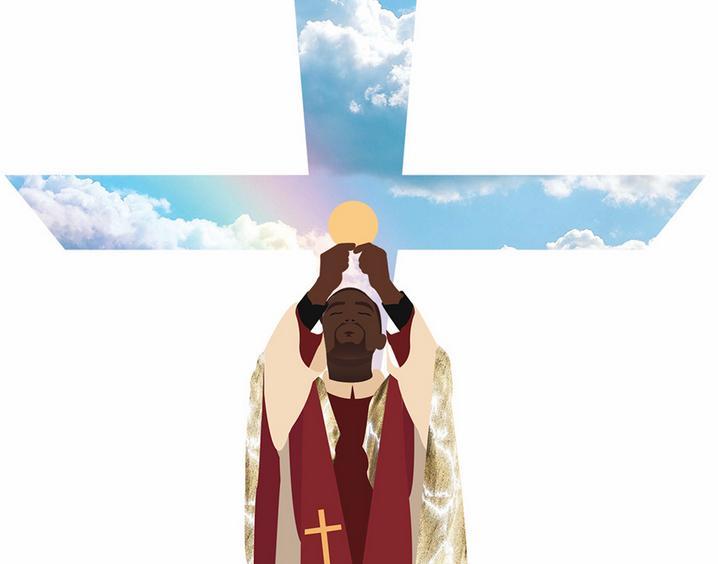
Gracious and loving God, we thank your for the gift of our priests. Through them, we experience your presence in the sacraments. Help our priests to be strong in their vocation.

Set their souls on fire with love for your people.
Grant them the wisdom, understanding, and strength they need to follow in the footsteps of Jesus. Inspire them with the vision of your Kingdom.
Give them the words they need to spread the Gospel.
Allow them to experience joy in their ministry.
Help them to become instruments of your divine grace.
We ask this through Jesus Christ, who lives and reigns as our Eternal Priest. Amen

First Reading: Isaiah 11:1-10
Hejudgesthewretchedwithintegrity
A shoot springs from the stock of Jesse, a scion thrusts from his roots: on him the spirit of the Lord rests, a spirit of wisdom and insight, a spirit of counsel and power, a spirit of knowledge and of the fear of the Lord. (The fear of the Lord is his breath.) He does not judge by appearances, he gives no verdict on hearsay, but judges the wretched with integrity, and with equity gives a verdict for the poor of the land.
His word is a rod that strikes the ruthless, his sentences bring death to the wicked. Integrity is the loincloth round his waist, faithfulness the belt about his hips.
The wolf lives with the lamb, the panther lies down with the kid, calf and lion cub feed together with a little boy to lead them. The cow and the bear make friends, their young lie down together. The lion eats straw like the ox.
The infant plays over the cobra’s hole; into the viper’s lair the young child puts his hand. They do no hurt, no harm, on all my holy mountain, for the country is filled with the knowledge of the Lord as the waters swell the sea.
That day, the root of Jesse shall stand as a signal to the peoples. It will be sought out by the nations and its home will be glorious.
Responsorial Psalm: Psalm 71:1-2,7-8,12-13,17
Response: In his days justice shall flourish and peace till the moon fails.
1. O God, give your judgement to the king, to a king’s son your justice, that he may judge your people in justice and your poor in right judgement. Response
On this Second Sunday of Advent, our second reading from St. Paul’s letter to the Romans encourages us to focus our Advent preparations in this way:
2. In his days justice shall flourish and peace till the moon fails. He shall rule from sea to sea, from the Great River to earth’s bounds. Response
3. For he shall save the poor when they cry and the needy who are helpless. He will have pity on the weak and save the lives of the poor. Response
4. May his name be blessed for ever and endure like the sun. Every tribe shall be blessed in him, all nations bless his name. Response
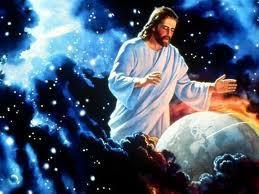
Christ is the Saviour of all people
Everything that was written long ago in the scriptures was meant to teach us something about hope from the examples scripture gives of how people who did not give up were helped by God. And may he who helps us when we refuse to give up, help you all to be tolerant with each other, following the example of Christ Jesus, so that united in mind and voice you may give glory to the God and Father of our Lord Jesus Christ.
It can only be to God’s glory, then, for you to treat each other in the same friendly way as Christ treated you. The reason Christ became the servant of circumcised Jews was not only so that God could faithfully carry out the promises made to the patriarchs, it was also to get the pagans to give
“Welcome one another, then, as Christ welcomed you, for the glory of God.” And how does Christ welcome us? With unconditional love.
This is the essence of Christian hospitality, a vital aspect of stewardship living. Fully embraced, it has the power to transform our lives and the lives of those who experience it through us. The practice of Christian hospitality is also a way for us stewards to answer the call of John the Baptist, in our Gospel passage from Matthew. His words apply just as much to us today
glory to God for his mercy, as scripture says in one place: For this I shall praise you among the pagans and sing to your name.
Gospel Acclamation Lk 3:4.6
Alleluia, alleluia!
Prepare a way for the Lord, make his paths straight.. and all mankind shall see the salvation of God Alleluia!
Gospel: Matthew 3:1-12
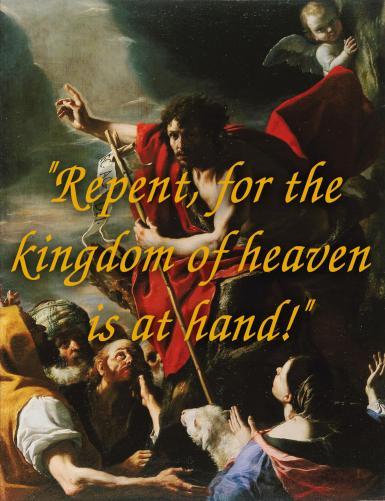
Repent for the kingdom of heaven is close at hand. In due course John the Baptist appeared; he preached in the wilderness of Judaea and this was his message: ‘Repent, for the kingdom of heaven is close at hand’. This was the man the prophet Isaiah spoke of when he said:
A voice cries in the wilderness: Prepare a way for the Lord, make his paths straight.
This man John wore a garment made of camel-hair with a leather belt round his waist, and his food was locusts and wild honey. Then Jerusalem and all Judaea and the whole Jordan district made their way to him, and as they were baptised by him in the river Jordan they confessed their sins. But when he saw a number of Pharisees and Sadducees coming for baptism he said to them, ‘Brood of vipers, who warned you to fly from the retribution that is coming? But if you are repentant, produce the appropriate fruit, and do not presume to tell yourselves, “We have Abraham for our father”, because, I tell you, God can raise children for Abraham from these stones. Even now the axe is laid to the roots of the trees, so that any tree which fails to produce good fruit will be cut down and thrown on the fire. I baptise you in water for repentance, but the one who follows me is more powerful than I am, and I am not fit to carry his sandals; he will baptise you with the Holy Spirit and fire. His winnowing-fan is in his hand; he will clear his threshing-floor and gather his wheat into the barn; but the chaff he will burn in a fire that will never go out.’❖
as they did to the people awaiting the Saviour’s arrival. John says, “Repent, for the kingdom of heaven is at hand!” And he recalls the words of the prophet Isaiah, “Prepare the way of the Lord, make straight his paths.” There is a definite connection between repentance and effective hospitality.
How can we make repentance a regular part of our everyday lives? We can make an “examination of conscience” a daily part of our prayers, thanking God for the times we said “yes” to Him, and asking forgiveness for the
times we chose our own will. We can, and should, go to Confession this Advent. We can reach out to a family member or friend where there is distance or discord and make peace. As we “straighten the paths” of our own hearts and minds, we become more hospitable people, better stewards of God’s grace and mercy, far more open and ready to invite others into our lives, homes, and parishes. This is preparation fitting for our merciful Saviour. ❖
[www.catholicsteward.com/blog/ ]
The Advent message is filled with bright promises of the wonderful things that will accompany the coming of the messiah. The world will be turned upside down. The poor will see justice done, the weak will no longer be exploited and there will be no more wars. The picture painted by the prophet is an inspiring one but Christ has come and yet little seems to have changed. Look at the state the world is in. There are still wars being waged, people being slaughtered, many times in the name of religion, and peace is still a dream. Many suffer severely from hunger and starvation and the poor and powerless are still being exploited by the powerful. So then, what has happened to the prophet’s promise?
The marvellous Advent vision of a new world in which there is no violence and in which all people live in peace and harmony with each other and with nature must first be brought about in our own lives. As Ghandi once said, we must be the change we want to see in the world. So then, every time we forgive, every time we help a child grow, every time we show compassion to a suffering person, every time we take care of our environment, every time we look after animals because they too are God’s creatures, every time we work for justice and peace among people, we are making the Advent vision come true. Jesus had a name for this new world. He called it the ‘Kingdom of God’. To announce this kingdom, John the Baptist calls for repentance. To repent demands a change in our priorities and accordingly a change in our lives. Only changed people can bring about a changed world. ❖
[From: Journeying with the Word of God, The Religious Education Department, Diocese of Georgetown, Guyana ]
By Mike James
For Wednesday of this the first week of Advent, the Gospel reading from Matthew makes this moving introduction to what Jesus is about to do, ‘He summoned his disciples and said, "My heart is moved with pity for the crowd, for they have been with me now for three days and have nothing to eat. Idonotwanttosend themawayhungry, for fear they may collapse on the way." We are all familiar with what Jesus did next. So striking is the action that it is the only Miracle that Jesus worked that is recounted in all of the 4 Gospels, and in 6 different versions altogether. St John, writing In his old age to disciples who were already familiar with Jesus’ scores of miracles reported by Matthew, Mark and Luke, selects only seven of what he calls the signs Jesus did the confirm that He was the son of God, six of which no other evangelist mentions, and this one, which he just can’t help including.
Earlier this year, on the Feast of Corpus Cristi, the Body of Crist, 22 June, Pope Leo XIV referred to this miracle with the following urgent message: “Today, in place of the crowds mentioned in the Gospel, entire peoples are suffering more as a result of the greed of others than from their own hunger. In stark contrast to the dire poverty of many, the amassing of wealth by a few is the sign of an arrogant indifference that produces pain and injustice. Rather than sharing, it squanders the fruits of the earth and human labour. Especially in this Jubilee Year, the Lord’s example is a yardstick that should guide our actions and our service: we are called to share our bread, to multiply hope and toproclaimthecomingofGod’sKingdom.”
Leo follows the example of Francis in putting the word of God into striking application in today’s world.
Two weeks ago in November, the Gospel reading recounted Jesus’s weeping over Jerusalem, saying in part, “If this day you only knew what makes for peace–but now it is hidden from your eyes. For the days are coming upon you when your enemies will smash you to the ground and your children within you, and they will not leave one stone upon another within you because you did not recognize the time of your visitation.”
The Vatican News website then quoted a Pope Francis 2015 homily on the reading from Luke 19:41-44
“Jesus weeps, because we have chosen the way of war, the way of hatred, the way of hostility”. This is even more glaring now that “we are approaching Christmas: there will be lights, there will be celebrations, trees lit up, even nativity scenes... all decorated: the world continues to wage war, to wage wars. The world has not comprehended the wayof peace”. (…) “What shall remain? Ruins, thousands of children without education, so many innocent victims: and lots of money in the pockets of arms dealers. Jesus once said: ‘You cannot serve two masters: either God or riches.’ War is the right
choice for him, who would serve wealth: 'Let us build weapons, so that the economy will right itself somewhat, and let us go forward in pursuit of our interests. There is an ugly word the Lord spoke: ‘Cursed!’ Because He said: ‘Blessed are the peacemakers!.’ The men who work war, who make war, are cursed, they are criminals. A war can be justified – so to speak – with many, many reasons, but when all the world as it is today, at war – piecemeal though that war may be – a little here, a little there, and everywhere – there is
no justification – and God weeps. Jesus weeps.” (Pope Francis, Santa Marta, 19 November 2015)
As Christmas draws nearer and the drums of war grow louder even to our own Caribbean Sea and shores, Jesus invites us to follow him and apply his words and signs to the world big out there and small it home.
Vatican News offers us daily the Word of the Day from recent popes to help us follow the call of Jesus this Christmas at https://www.vaticannews.va/en/wordof-the-day.html ❖
For 120 years, the Catholic Standard has been sharing the Gospel of Jesus Christ.
Now reaching 10,000+ followers on Catholic Media Guyana Facebook plus going straight to your inbox and WhatsApp, our vibrant weekly e-paper is a trusted source which delivers informative and inspiring stories from across the diocese and around the world.
Want to promote your business or event? Advertise with us! Call 675-4542 or email catholicstandardgy@gmail.com ❖
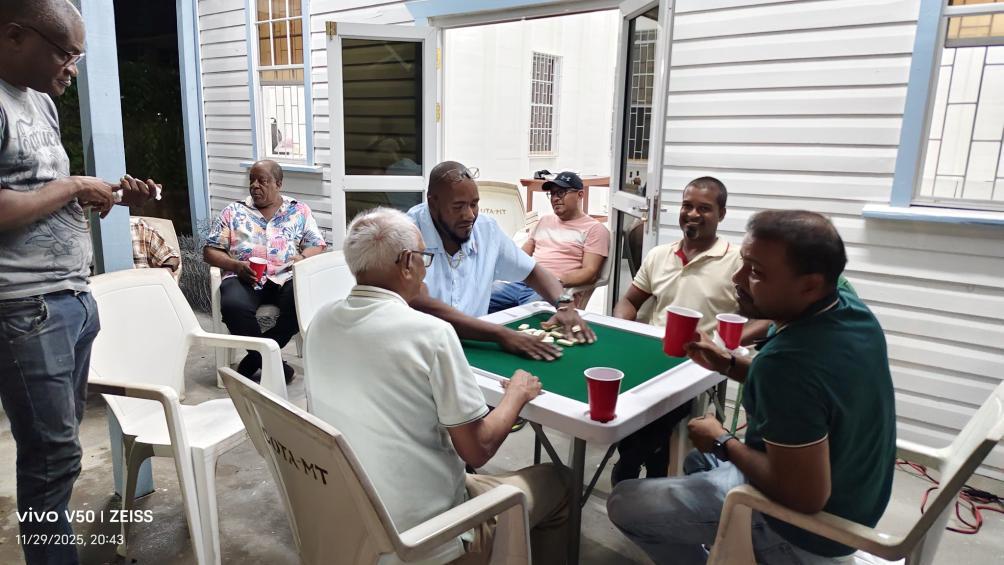
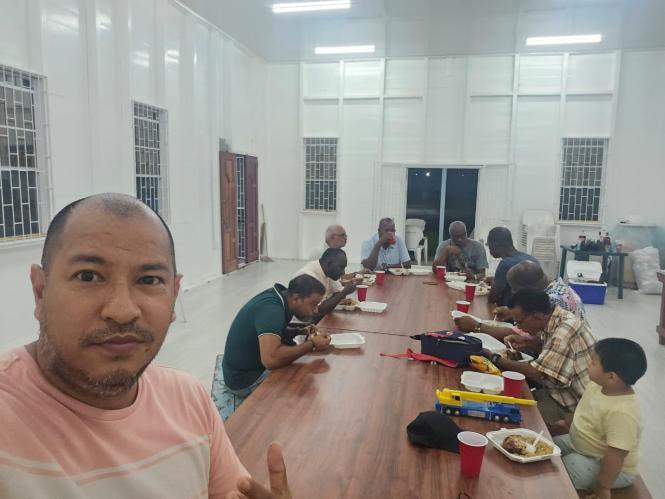
On Saturday, November 29, 2025, the men of Our Lady of the Annunciation Parish, Malgre Tout, Region 3 gathered for a special “Pray and Play” event.
The day offered moments of prayer, reflection, and recreation, giving the participants an opportunity to strengthen their faith and build stronger bonds of brotherhood within the parish community.❖ (Catholic Media Guyana FB)
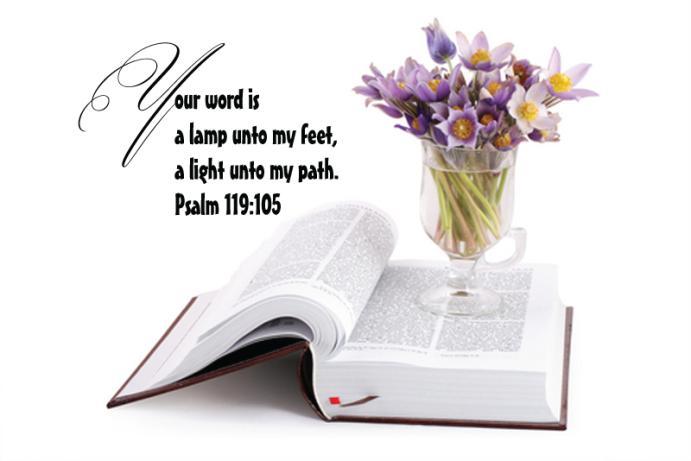
MAKING THE WORD OF GOD YOUR OWN
Step 1: Lookattoday’sReadingsprayerfully.
1st Reading: The prophet offers us a vision of a future in which the needy will be cared for and in which all creation will be at peace.
2nd Reading: Paul talks to the Romans about the importance of hope and that they should treat others in the same friendly way in which Christ treats us.
Gospel: We hear once more the voice of John the Baptist urging us, as he urged the people of his time, to repent and prepare a way for the Lord.
Step 2: ApplyingthevaluesoftheReadings toyourdailylife.
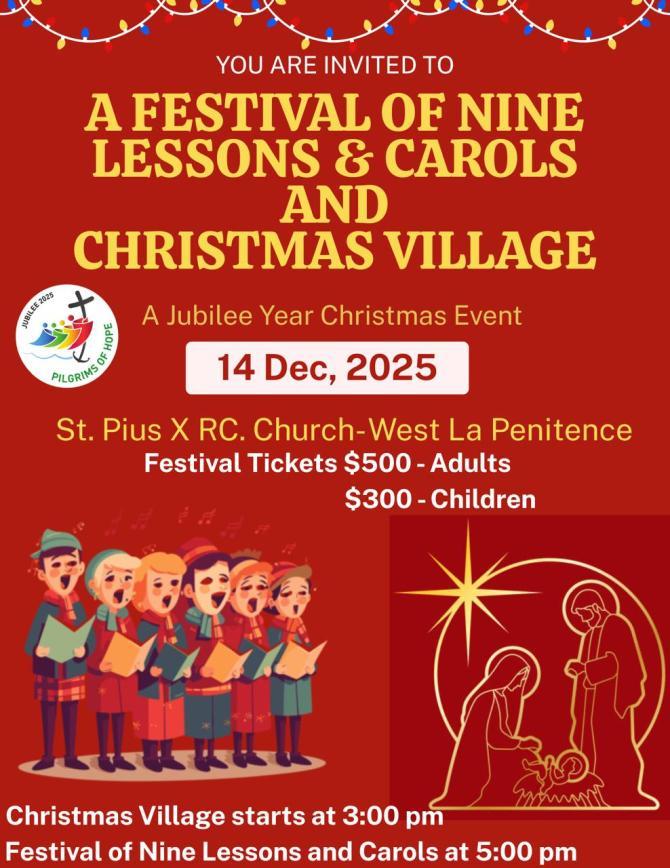
The South Georgetown Cluster of parishes (St. Pius X, Our Lady of the Mount and Holy Spirit) will hold a Festival of Nine Lessons and Carols as well as a Christmas Village on Sunday December 14th at St. Pius X church, West La Penitence, Georgetown.
The Festival of Nine Lessons and Carols is a beautiful and meaningful Christmas tradition. Through scripture readings and carols, we will journey from creation, to the fall of humanity, and ultimately to the joyful birth of Jesus Christ.
Before the service begins, all are invited to explore the festive Christmas Village, filled with delicious holiday foods, drinks, and treats for the entire family to enjoy.
As we prepare our hearts for the coming of Jesus this Christmas, all are encouraged to gather, celebrate, and share in the true spirit of the season. ❖
1.Isaiah’s prophesy seems to be turning the world upside down. What do you think is his reason for painting such an inspiring image?
2.John the Baptist is harsh as he confronts some people who were coming for baptism. In what way is he also confronting you?
3.John is right to condemn those who come seeking baptism without the proper attitude because rites alone do not save. What is this statement saying to you about your own baptism?
4.The great call of John the Baptist to the people of his time was for repentance. Why do you think this call is still relevant today?
Step 3: Accepting the message of God’s Wordinyourlifeoffaith.
Preparing a way for the Lord means humbling ourselves, admitting our sinful and thoughtless past and reaching out to God through better relationships with others. We are all accountable, not just for our sins, but for everybody and everything and when we understand and act on this, the kingdom of God will no longer be a dream but a reality.
Step 4: Somethingtothink&prayabout
1.Christians are called to ease the pain of the world. They are mostly ordinary people who help bring about God’s kingdom by being kind, truthful, honest, and just in their all their dealings with others. Even though we will never change things completely, the struggle is good for it awakens all that is good in us.
2.Name an area of your life or a behaviour that you feel the Lord is calling on you to change. What is it that is standing in your way of making the change?
3.Pray that you will always have the courage and the strength to be a peacemaker even in the most difficult of moments.❖
[From: Journeying with the Word of God, The Religious Education Department, Diocese of
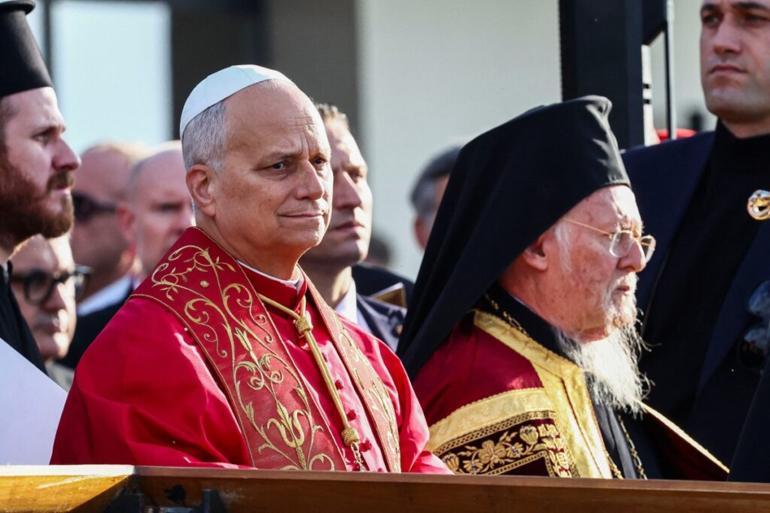
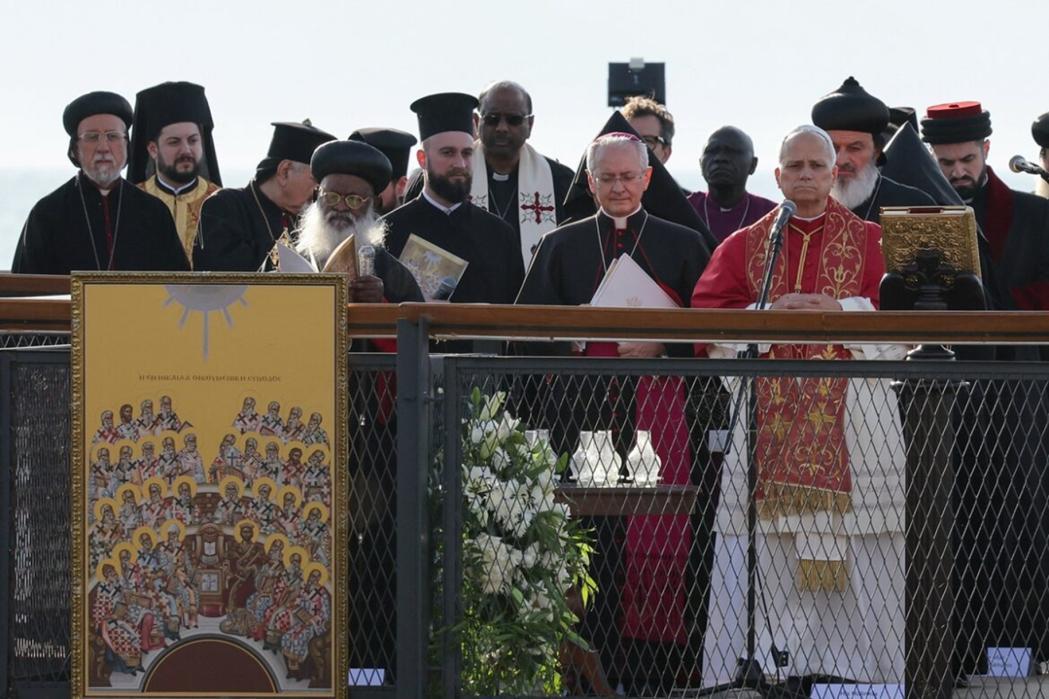
spiritual leader of the Eastern Orthodox Church, participate in an ecumenical prayer service near the archaeological excavations of the ancient Basilica of St. Neophytos, during his first apostolic journey, in Iznik, Turkey, Nov. 28, 2025. (OSV News/Yara Nardi, Reuters)
IZNIK, Turkey (CNS) Although the ancient city of Nicaea lies in ruins and the geographic center of Christianity has shifted West, Pope Leo XIV and Christian leaders gathered at an archaeological site in Turkey to celebrate the enduring faith set out in the Nicene Creed.
Orthodox Ecumenical Patriarch Bartholomew of Constantinople hosted the ecumenical prayer service and the common recitation of the Creed Nov. 28 at Iznik, site of the ancient Nicaea, about 80 miles southeast of Istanbul.
With the Greek Orthodox patriarchs of Antioch, Alexandria and Jerusalem or their representatives and with representatives of other Orthodox, Anglican and Protestant churches, Pope Leo marked the 1,700th anniversary of the Council of Nicaea the primary motive for his first foreign trip as pope.
The joint recitation of the Creed did not include the phrase known as the “filioque” the statement that the Holy Spirit “proceeds from the Father and the Son” since the phrase is not used by the Orthodox because it was inserted into the Latin Creed by Pope Benedict VIII in 1014.
Recent popes, including Pope Benedict XVI, Pope Francis and Pope Leo, have omitted the phrase at ecumenical prayer services.
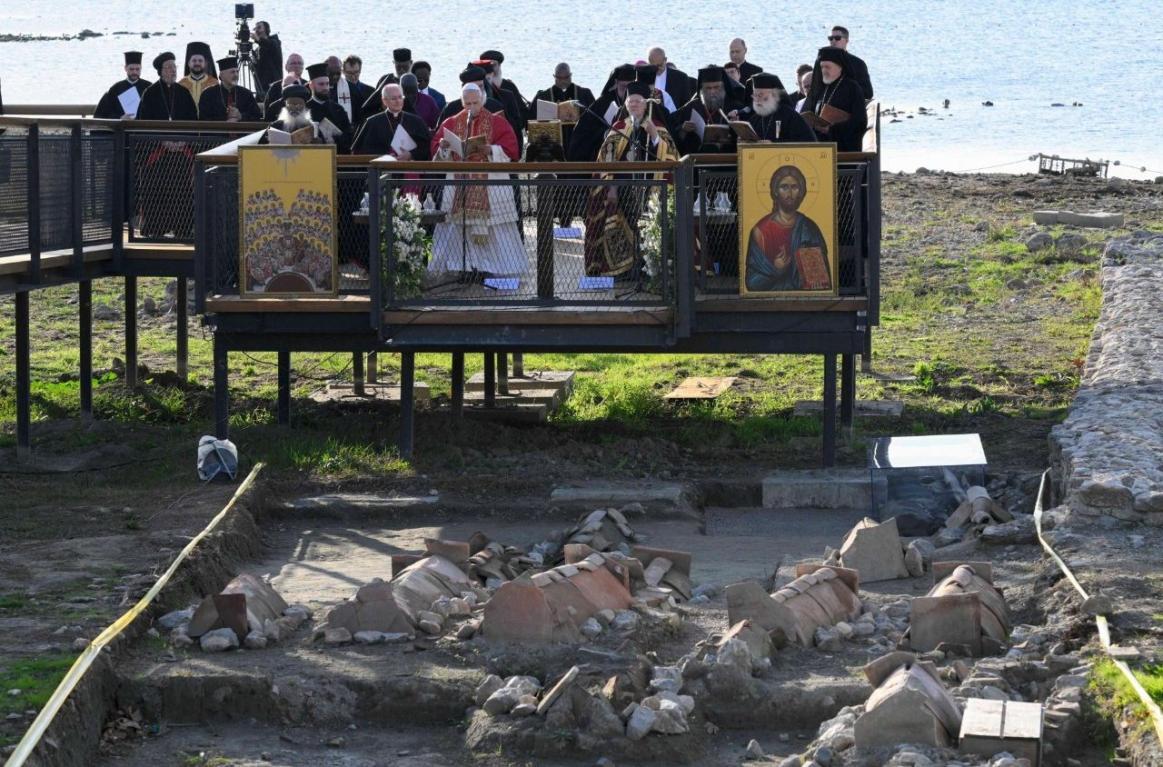
Standing on a platform overlooking the remains of the Basilica of St. Neophytos, now partially submerged in Lake Iznik, the church leaders took turns leading the prayers in English, Greek and Arabic and lighting candles as a Catholic choir, singing in Latin, and an Orthodox choir, singing in Greek, alternated.
Patriarch Bartholomew, welcoming the pope and other guests, noted that “despite so many intervening centuries and all the upheavals, difficulties and divisions they have brought, we nevertheless approach
Father.’ Yet, it would not be possible to invoke God as Father if we refused to recognize as brothers and sisters all other men and women, who are created in the image of God.”
Though united by faith, the Russian Orthodox Church the largest of the world’s Eastern Orthodox churches was not represented at the service. The Russian church broke relations with the Ecumenical Patriarchate over the recognition in 2018 of the autonomy of the Ukrainian Orthodox Church.
Belief in God the father, Pope Leo said in Iznik, means “there is a universal fraternity of men and women regardless of ethnicity, nationality, religion or personal perspectives.”
for Christians, who risk reducing Jesus Christ to a kind of charismatic leader or superman, a misrepresentation that ultimately leads to sadness and confusion,” he said.
At the time of the Council of Nicaea, the pope said, Arius a priest from Alexandria in Egypt had denied the divinity of Christ, reducing him to “a mere intermediary between God and humanity, ignoring the reality of the Incarnation such that the divine and the human remained irremediably separated.”
“But if God did not become man, how can mortal creatures participate in his immortal life?” Pope Leo asked.
this sacred commemoration with shared reverence and a common feeling of hope.
”
The power of this place enduresforever
“The power of this place does not reside in what passes away, but in what endures forever,” he said.
Speaking after the patriarch, Pope Leo told his fellow Christian leaders that at a time when humanity is “afflicted by violence and conflict,” the world “is crying out for reconciliation.”
“The desire for full communion among all believers in Jesus Christ is always accompanied by the search for fraternity among all human beings,” he said. “In the Nicene Creed, we profess our faith ‘in one God, the
With many of the Christian leaders, especially the Oriental Orthodox, coming from nations that recently faced or are facing war and persecution, Pope Leo said Christians must give concrete witness to their belief that all people are children of one God and therefore brothers and sisters to each other.
“Furthermore, we must strongly reject the use of religion for justifying war, violence or any form of fundamentalism or fanaticism,” he said. “Instead, the paths to follow are those of fraternal encounter, dialogue and cooperation.”
The pope also repeated a concern he had mentioned during a meeting with Catholic leaders earlier in the day: the risk that many Christians have departed from the Nicene Creed’s firm belief in the divinity of Jesus.
“This question is especially important
The pope told the Christian leaders that sharing the same faith in Jesus and being able to recite the Creed together means there “is a profound bond already uniting all Christians.”
“We are all invited to overcome the scandal of the divisions that unfortunately still exist and to nurture the desire for unity for which the Lord Jesus prayed and gave his life,” the pope said.
“The more we are reconciled, the more we Christians can bear credible witness to the Gospel of Jesus Christ, which is a proclamation of hope for all.”
Patriarch Bartholomew told the leaders that with “the fervor of the faith of Nicaea burning in our hearts,” they must “run the course” of Christian unity in fulfillment of Jesus’ prayer for the unity of his disciples.
“And, finally,” the patriarch said, “let us love one another that with one mind we may confess: Father, Son and Holy Spirit Trinity consubstantial and undivided.”❖
Dear Girls and Boys,
"Are you ready for Christmas?" You will hear that question many times over the next several weeks. What do people mean when they ask that question? Well, they usually mean is your Christmas tree up and your house decorated? However, there is another question that we should be asking ourselves today. It is, "Are you ready for the Christ of Christmas?"
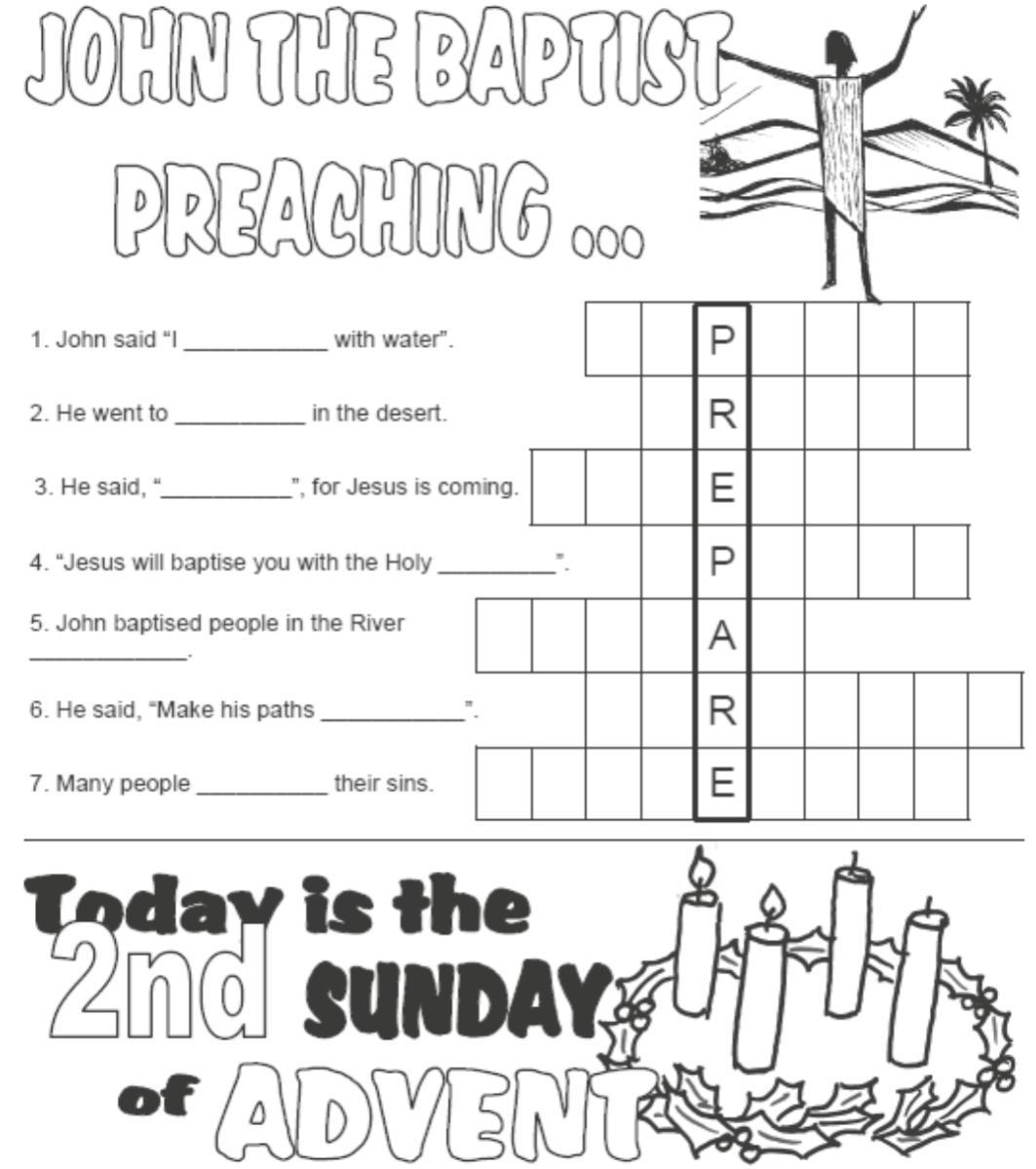
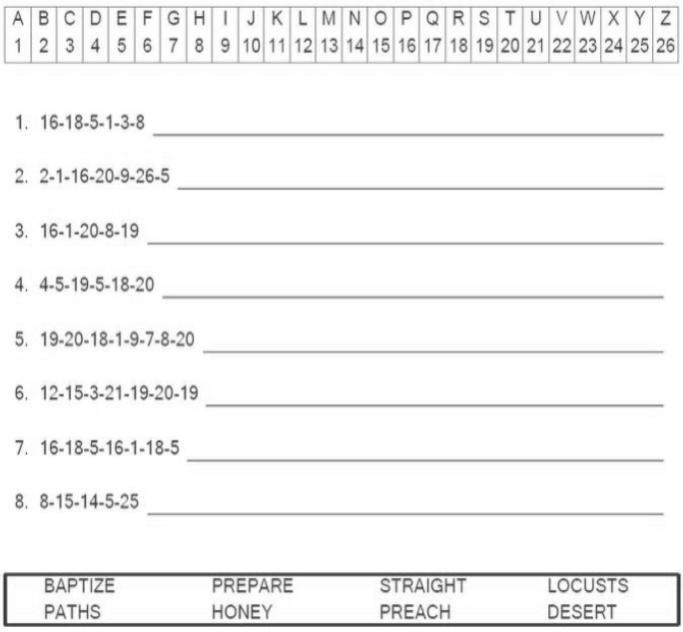
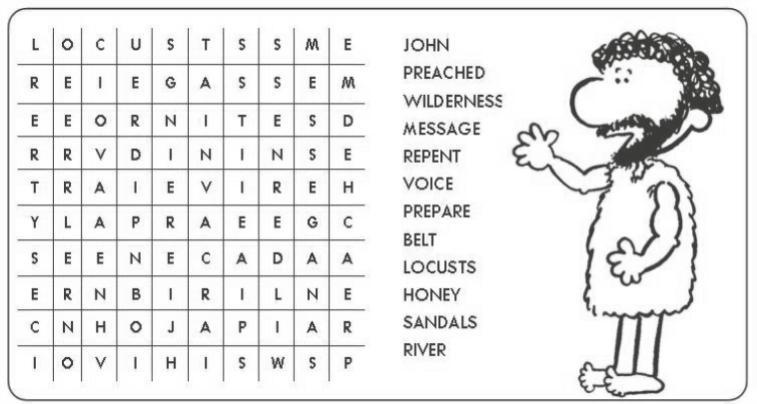
Many years ago, a man called John the Baptist preached about what it means to be ready for Jesus. John the Baptist was a different kind of man. He wore clothes made of camel's hair with a belt around the waist. He ate locusts (grasshoppers) and wild honey. John the Baptist travelled throughout the wilderness of Judea. His message to the people was, "Repent, for the kingdom of heaven is near."
Do you think people would listen to someone dressed in camel skins and eating locusts and wild honey? Well, they did! People came to John the Baptist from all over the entire area. They confessed their sins to God and were baptized by John in the Jordan River.
After John baptized the people, he told them, "I baptize you with water for repentance. But there is one coming who is more powerful than I. He will baptize you with the Holy Spirit." Who do you think he was talking about? Right! He was talking about Jesus. John the Baptist wanted the people to repent of their sins so that they would be ready for Jesus.
During this special season of the year, as we get ready for Christmas, we need to make sure that we are ready for the coming of the Christ of Christmas. We need to look into our hearts and ask God to make us clean so that we can walk with Jesus each day of our life. Let's ask him to do that now.
Dear Father, we want to be ready for the Christ of Christmas. Prepare our hearts for his coming. In Jesus' name we pray, Amen. ❖

The following article from The Catholic News of Trinidad and Tobago of December 7-13 2025 is by Fr. Robert Christo, Vicar for Communications of the Archdiocese of Port of Spain:
In the Caribbean, Christmas is different and it does not tiptoe in. It comes dancing in 100 days of paranging*, smelling of ham, sorrel, and ponche-de-crème. But before all of that, our elders used to say: “Cool yuhself. Everything does have it time.”
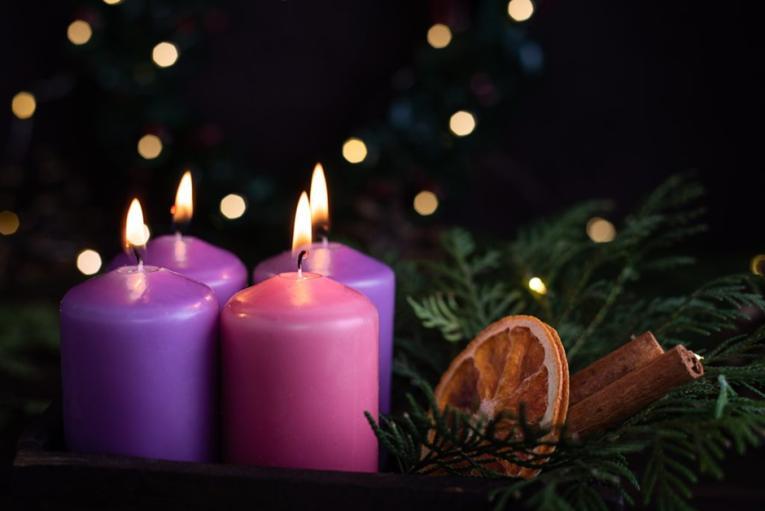
That old Caribbean wisdom is exactly why the Church gives us Advent. Because if Christmas is going to be real, Advent must be essential. When Christmas means little, Advent means nothing
For many people today, Christmas begins in July. Lights up by October. By November, we eating pastelle. By early December, some people already “fed-up of Christmas.”
And Christmas Day itself is an anticlimax. Everybody tired, overspent, overwhelmed. You cannot even participate actively, far more joyfully, in the Christ-Mass. But that is because, without Advent, we reach the feast without the hunger. We reach the glory without the longing.
The meaning of Christmas determines the necessity of Advent. If Christmas is only festivity, shopping, lights, fete, and noise, then Advent is nonessential. But if Christmas is truly the birth of God-made-flesh, God touching matter, God entering the soil of this world to save us, then Advent is not
optional. It becomes sacred. As Romans 13:11 says, “The hour has come our salvation is nearer.” Advent is the hour of waking up.
Three ‘comings,’ one season
Advent is not only a countdown to December 25. The Church, long before the 7th century when Advent became full liturgical practice, taught that Advent means ‘coming’ in three ways:
• Christ came visibly in Bethlehem
• Christ will come again at the end of time
• Christ comes now, hidden but real, in the sacraments, in prayer, in strangers, and in every moment of grace
So, Advent is not nostalgia. It is discipline training to recognise Christ’s coming then, coming at the end, and coming in the in-between times now.
A Caribbean Advent: before the lights, fix the wiring
We grew up in homes where preparation was a serious thing fruits soaking in grog from July, curtains tucked away for ‘big-people Christmas’, tar ham bubbling in the old pitch-oil oven for hours by the breadfruit tree and somebody painting the step red way
past midnight on Christmas Eve, still sticky on Christmas morning. But hear the truth: all of that was meant to heighten Christmas, not replace it.
Sometimes, we prepare the house so hard that we forget to prepare the heart. And a house well ‘put way’, while sneaking to peep at the neighbour’s new curtains, with a heart untouched, is like a freshly painted wall covering mould. It might look real good, but it’s not healed. Advent is the season to scrub the soul.
• Scrub the dirt of ignorance with the detergent of knowledge
• Pull down the cobwebs of hate, pride, false pride, greed, and lust with the long broom of humility
• Sweep away the dust of lies with the broom of honesty
• Vacuum the corners of resentment with clear, straight thinking
• Power-wash the grime of selfishness with the water of mercy
• Paint the wall of your life not maroon or signal red, but with hope, prayer, church, and charity
• Hang new curtains of peace, forgiveness, and common sense Only then will Christmas shine.
If Christmas is “peace on earth” (Lk 2:14), then Isaiah 2:4 is also true: nations must stop training for war. That means Advent must be a season of conversion. If Christ is truly our peace (Eph 2:14), then becoming authentic peacemakers (Mt 5:9) takes time and discipline. It takes Advent time. You cannot microwave holiness.
Do not start Christmas too early
Obey God in every detail. The Church gives us four precious weeks because the gift is great. Starting Christmas too early is like opening the oven before the black cake rise. You end up with a crack in the middle.
Advent reminds us how to wait:
A – Awaken to God’s voice
D – Deepen your longing
V – Vacuum out the clutter of sin
E – Enter into prayer and silence
N – Nurture acts of mercy
T – Trust that Christ is coming Advent is necessary. Christmas is nothing less than the coming of an invisible God as human and Saviour. And if Christmas is that important, then Advent is God’s way of preparing our soil.
Wait. Watch. Scrub. Pray. Slow down. And let the real Christmas find room in you. For once.❖
* In Trinidad, parang is a festive folk music and tradition, largely performed around Christmastime, traditionally involving groups (parranderos) going house-to-house or to events to serenade people with lively songs, accompanied by instruments like the guitar, cuatro, and chac-chacs. In exchange for the entertainment, parranderos are traditionally given food and drink. Derived from the Spanish "parranda" (spree/fête), parang is a cultural celebration of music, food, drink, and community.


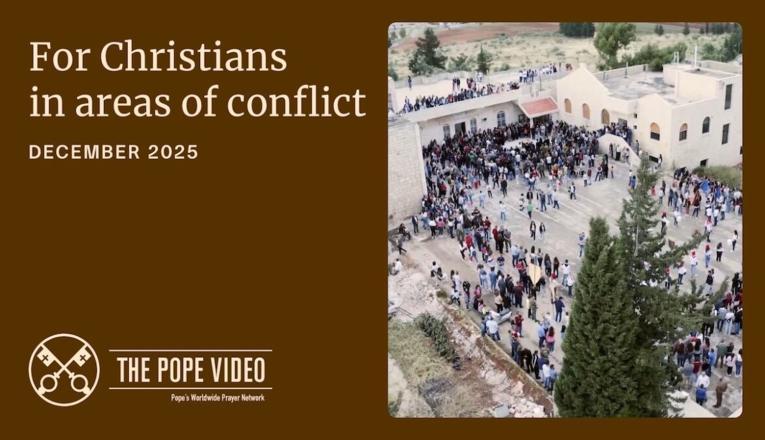
VATICAN CITY (CNS) Pope Leo XIV has asked Catholics to join him in praying for Christians living in areas of war or conflict, especially in the Middle East.
May they “be seeds of peace, reconciliation and hope,” he said.
The pope’s video sharing his prayer intention for December was distributed Nov. 26 by the Pope’s Worldwide Prayer Network.
“Today we pray for Christians living amidst wars and violence. Even surrounded by pain, may they never cease to feel the gentle kindness of your presence and the prayers of their brothers and sisters in faith,” he prayed in the video.
Only through God, “and strengthened by fraternal bonds, can they become the seeds of reconciliation, builders of hope in ways both small and great, capable of forgiving and moving forward, of bridging divides and of seeking justice with mercy,” Pope Leo said. “Lord Jesus, who called blessed those who work for peace, make us your instruments of peace even where harmony seems impossible,” he prayed.
“Holy Spirit, source of hope in the darkest times, sustain the faith of those who suffer and strengthen their hope,” the pope prayed. “Do not let us fall into indifference, and make us builders of unity, like Jesus.”❖


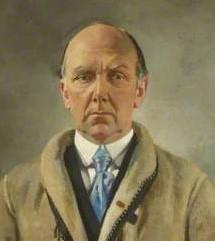
By Francis Canzius SirLeonardStokes–ArchitectoftheCathedral
On hearing of Leonard Stokes being in the West Indies, Bishop Galton invited him to come to British Guiana. Stokes - being a Catholic - readily agreed. He was at the time president of the Royal Institute of British Architects. Stokes’ design was to be in ferro concrete of Romanesque Architecture, meaning large and robust buildings, thick walls, round and pointed arches and vaulted
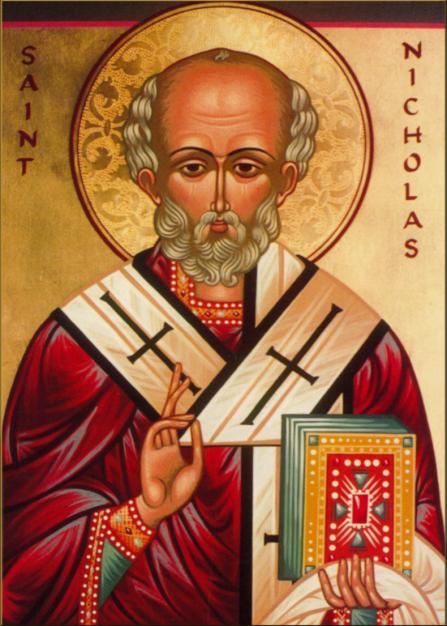
December 6th: Saint Nicholas (March 15, 270 – December 6, 343)
St. Nicholas was born circa 270 AD in Patara, Lycia, an area that is part of present-day Turkey. He lost both of his parents as a young man and reportedly used his inheritance to help the poor and sick. He later served as bishop of Myra.
There are many stories about St. Nicholas of Myra. Perhaps the best-known story about St. Nicholas concerns his charity toward a poor man who was unable to provide dowries for his three daughters of marriageable age. Rather than see them forced into servitude, Nicholas secretly tossed a bag of gold through the poor man’s window on three separate occasions, thus enabling the daughters to be married. Over the centuries, this particular legend evolved into the custom of gift-giving on the saint’s feast. In the English-speaking countries, Saint Nicholas became, by a twist of the tongue, Santa Claus further expanding the example of generosity portrayed by this holy bishop. St. Nicholas is believed to have died on December 6th, 343.❖
ceilings, which some described as artistry in concrete.
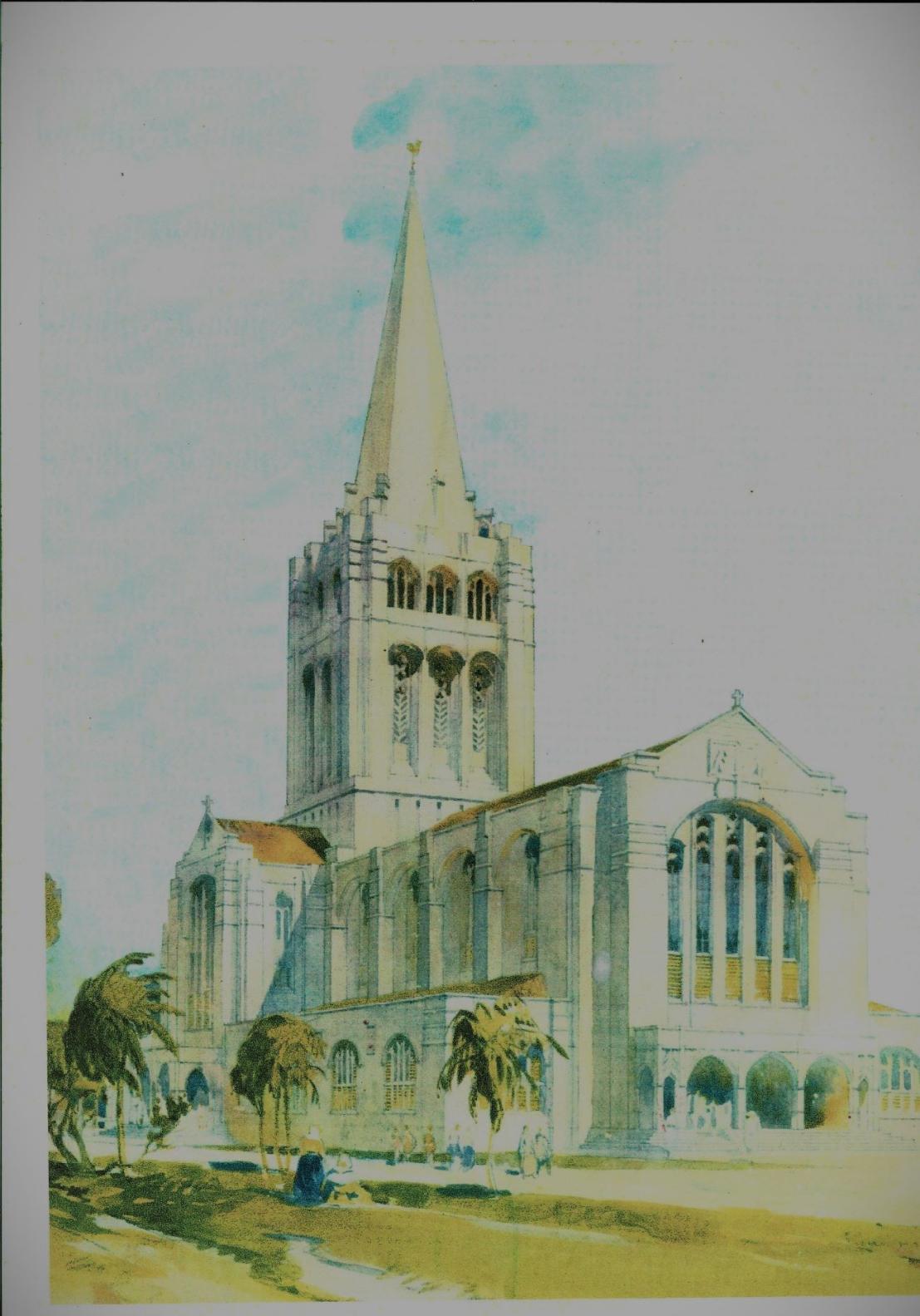
The construction was carried out by the Considere Construction Company. The estimated cost was $200,000. The tower was never built, owing to funds being exhausted. The tower was planned to take the building to 180 feet and would have included a bell-ringing chamber, and a spire topped with a rooster.
The picture above shows Stokes’ drawing of the complete Cathedral building.❖
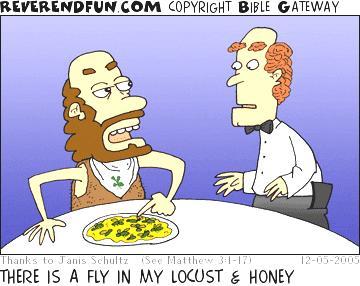
“There’s a fly in my locusts and honey” John the Baptist at a restaurant