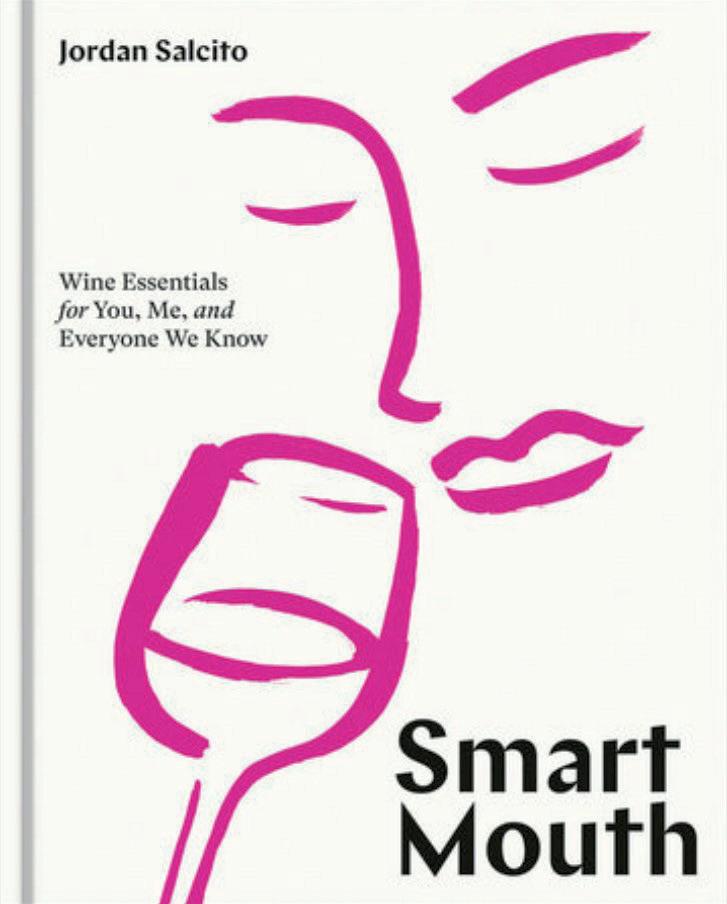
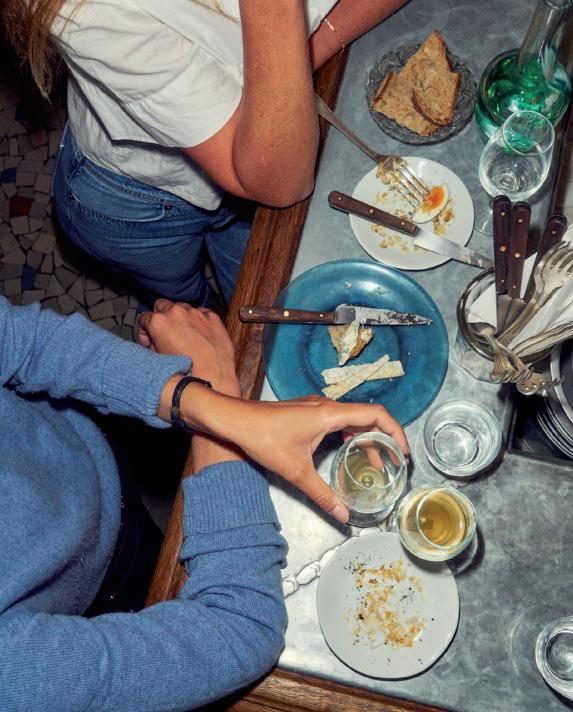
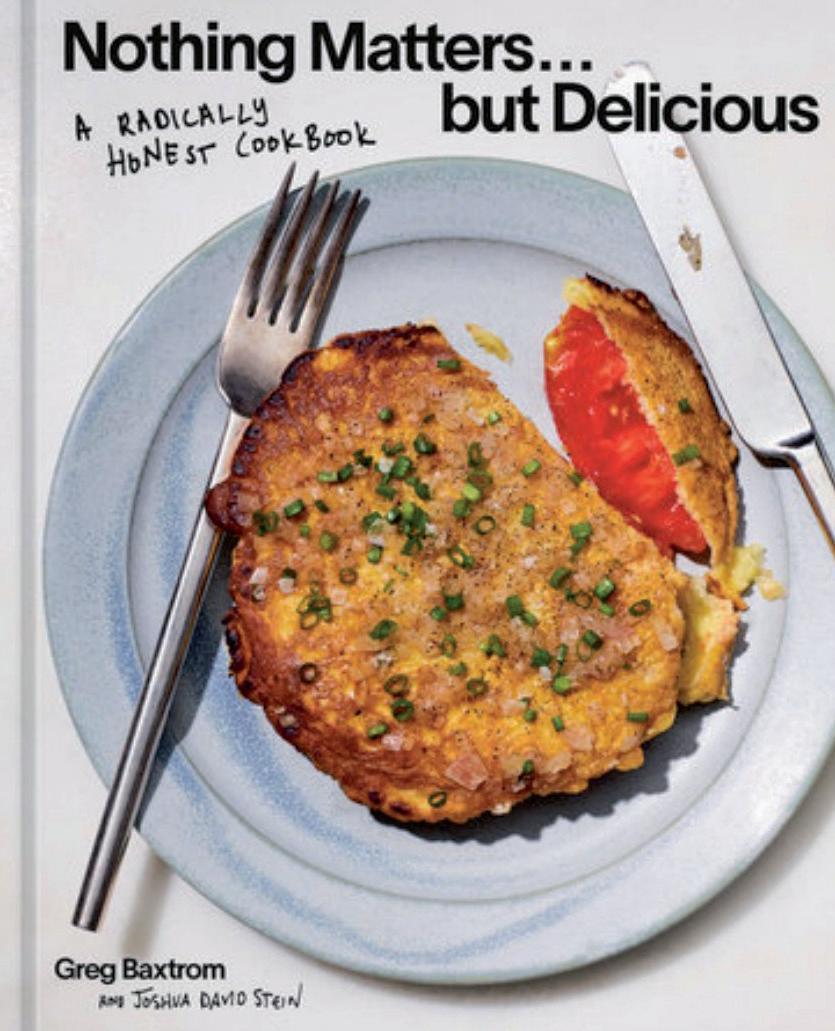
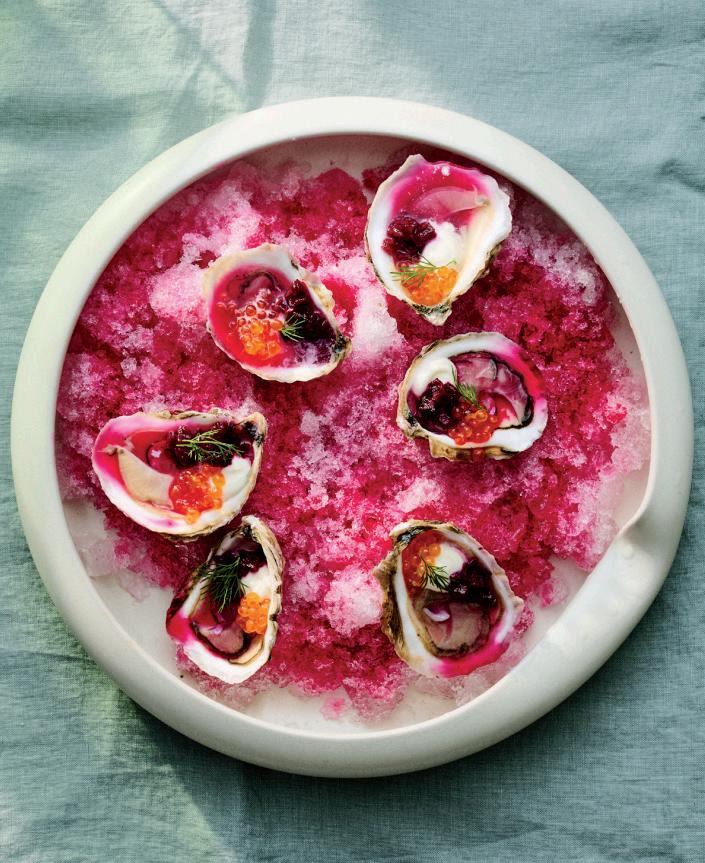
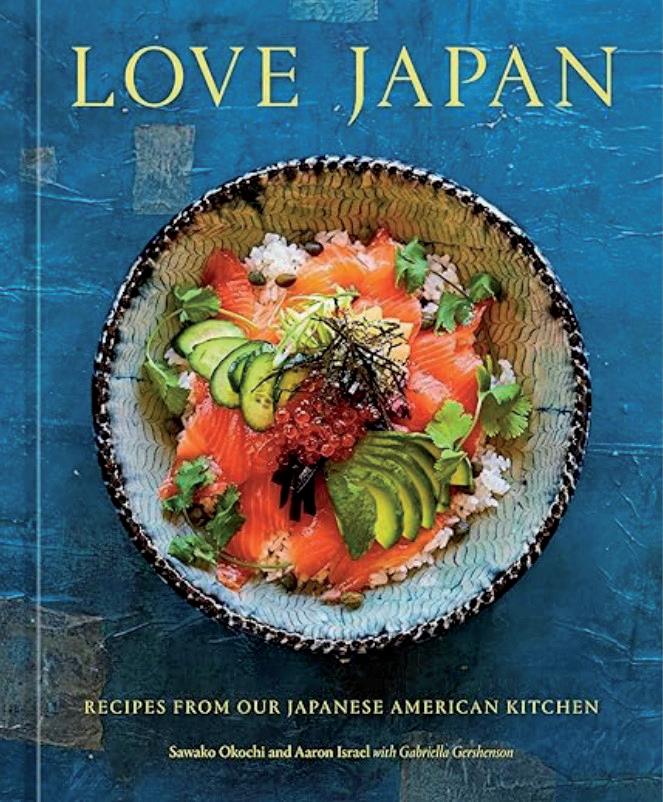
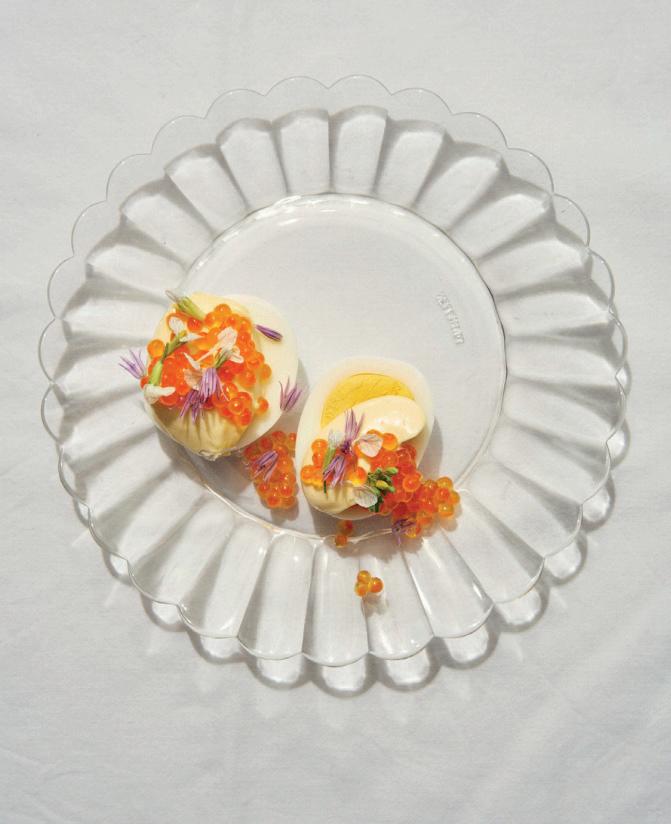
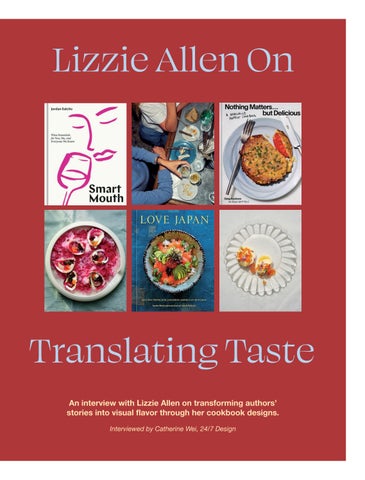
An interview with Lizzie Allen on transforming authors’ stories into visual flavor through her cookbook designs.
Interviewed by Catherine Wei, 24/7 Design
A peek at Lizzie’s recipe for book design.
“Love
that
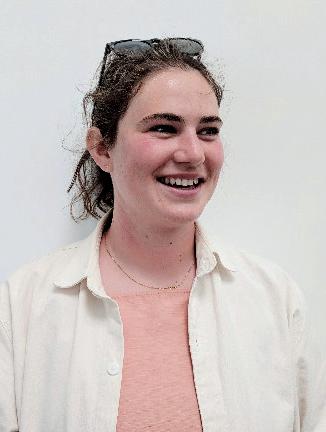
Lizzie Allen graduated from the University of Washington in 2015 from the Visual Communication Design department. She is now the Associate Art Director at Ten Speed Press, a publishing house specializing in designing
A look at how Lizzie first discovered book design and the early influences that shaped her creative foundation.
“It was just a happy accident!”
When did you realize book design was what you wanted to have as your career?
One of my senior capstone projects was in publication design. I designed a publication about makers in the Pacific Northwest. At the time, I didn’t intend to get a job in book design. I was applying for jobs after school, and I was hired as a temporary designer at a publishing house in the Bay Area where I was living. I had a great understanding of typography from school. I was able to do layouts and stuff, and it just made so much sense for how my brain works. I think I just kind of fell into it unintentionally. I didn’t really set out to have this career in book design; it sort of opened itself up to me, and I was happy to stay.
What advice would you give to a student looking to get into book design or similar roles that combine typography and photography?
My boss gave me this advice almost ten years ago. Don’t go down this career path if you don’t really love it. It’s definitely not the best paying job, and it’s kind of a dying industry. I ignored all of that and just went for it. I’ve seen that it’s hard for people to get into this industry, but there’s a lot of opportunity around marketing design and things that circulate book design itself. If you can get into a publishing company, it’s much easier to jump around jobs. It’s a hard world. I want to encourage anyone who is looking to go down this path and are truly passionate. There’s a lot of different things you can do related to this area of work as well, such as magazines or advertisements. I feel like you just gotta get your foot in the door somehow, like an internship. If I learned anything about the design industry, it’s to establish connections. People just get jobs from people they know. Just talking to people, there’s always going to be people that want to help.
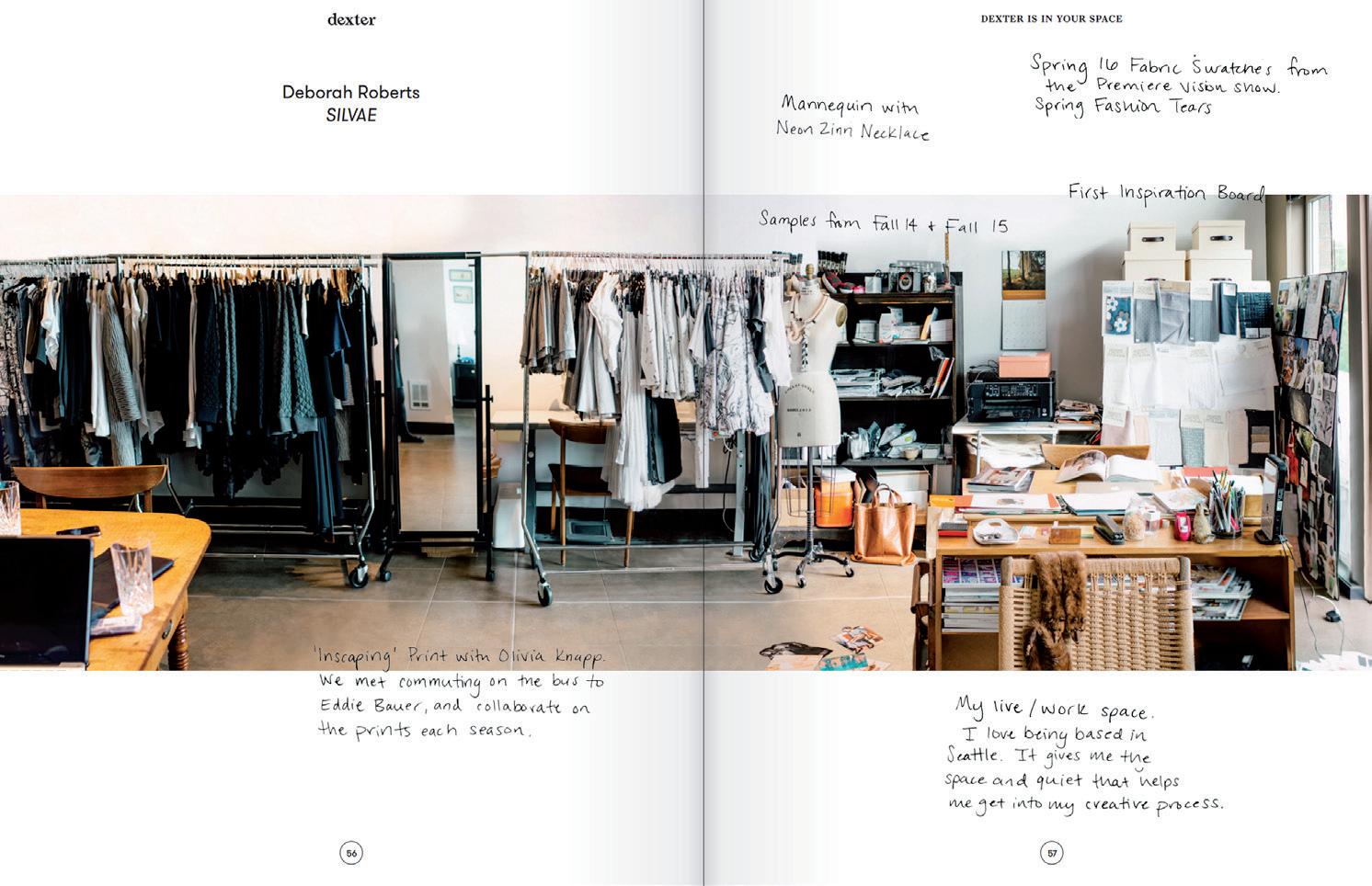
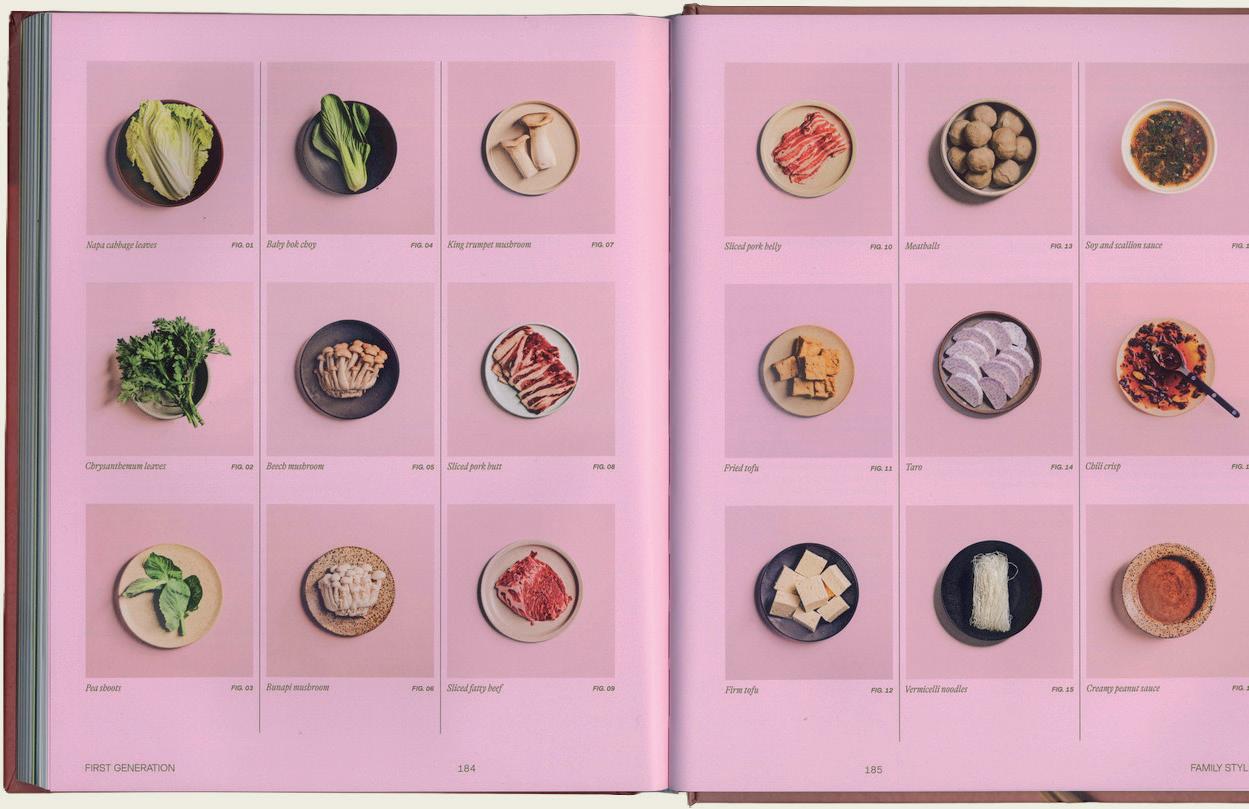
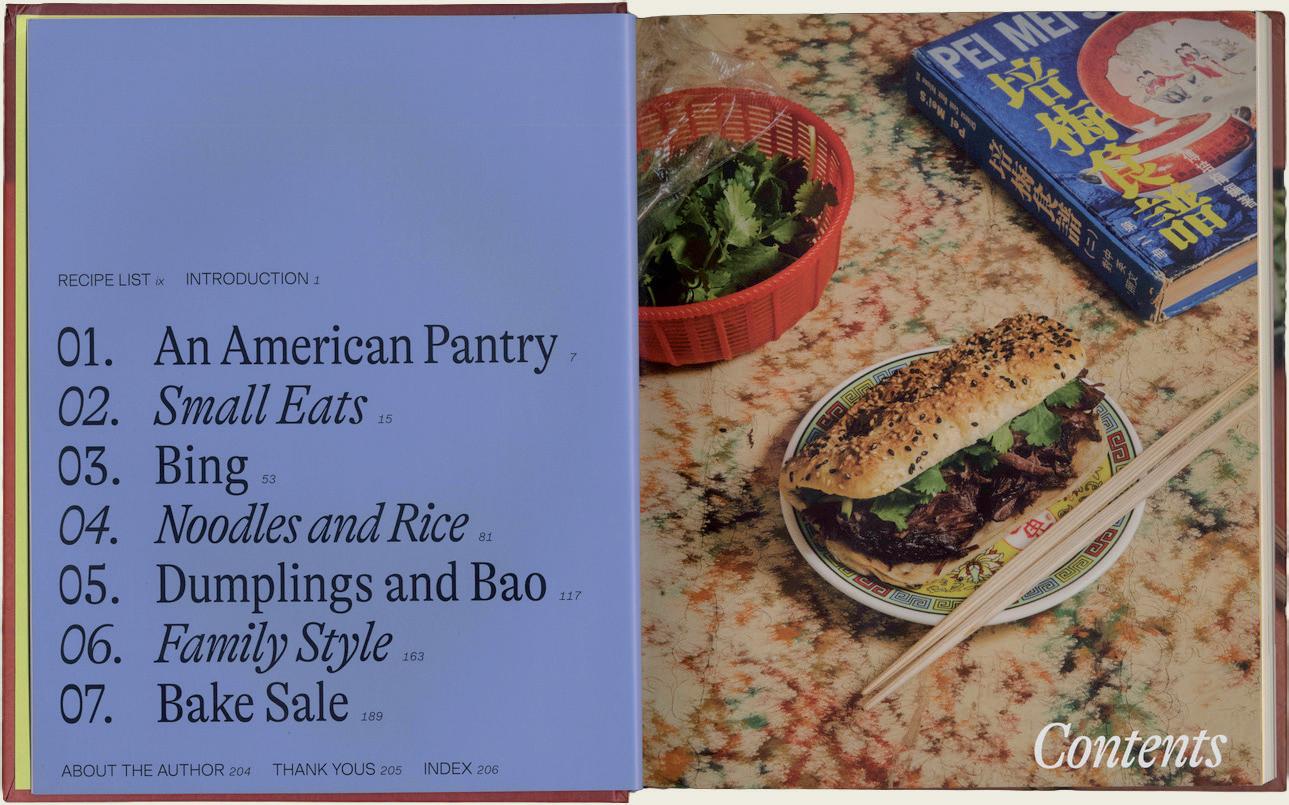
A glimpse into Lizzie’s daily workflow, collaborations, and the realities of working in publication design.
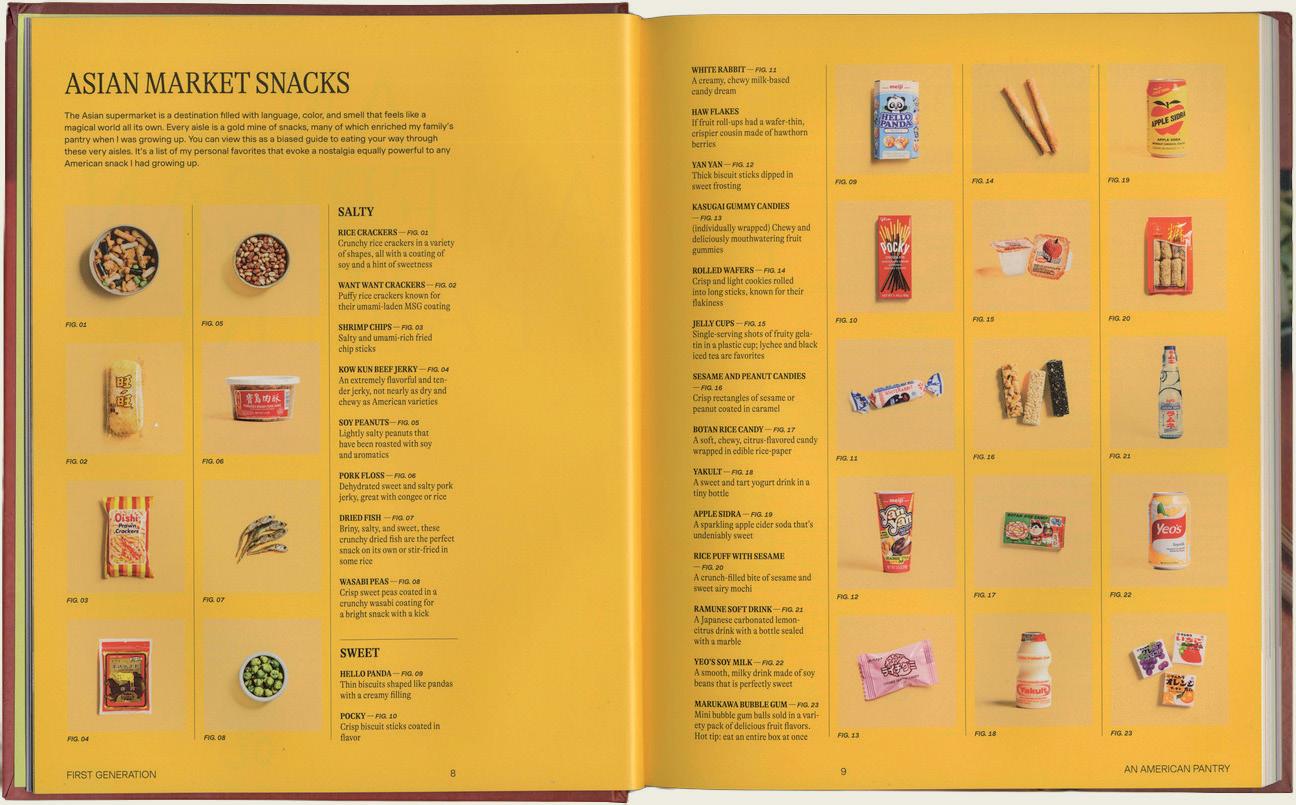
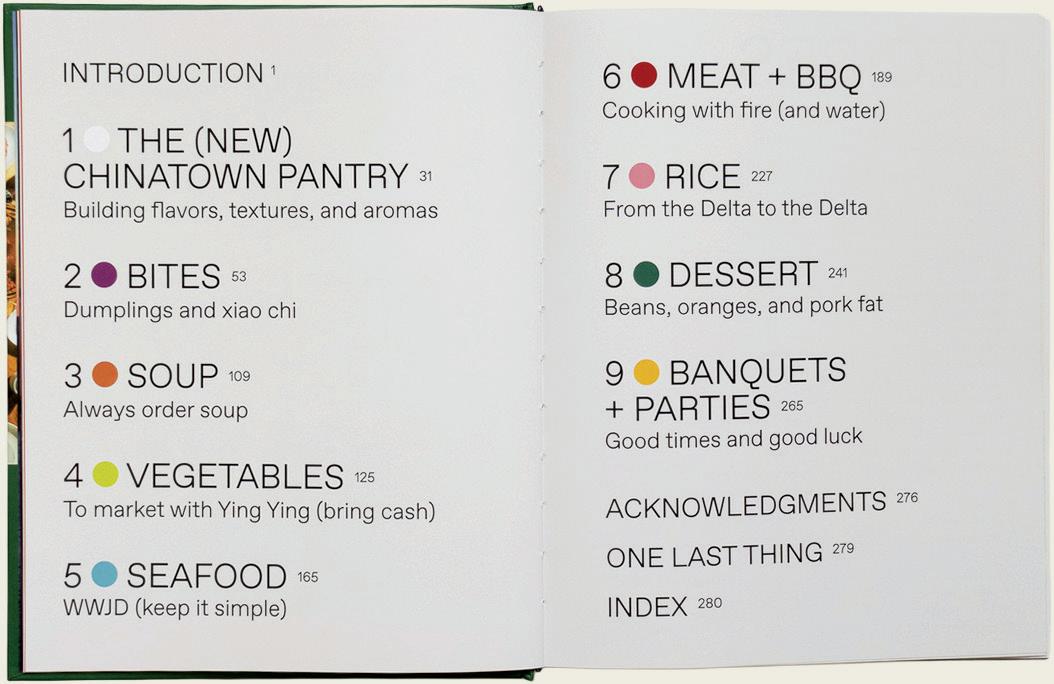
Why did you choose to work at your current company, and how did you become hired there?
Like I said earlier, I didn’t actually plan to get a career in book design. I happened to be offered this job, but the company I work for is definitely one of the top tier publishers in the types of books that I work on. We publish cookbooks, wine books, and books for other drinks, as well as nonfiction work. The main reason I’ve stayed with my current company is because there’s not really anywhere else where I get the same amount of creative freedom. I also get a lot of vacation, and there’s so many other day-to-day reasons that it’s amazing to work there.
What is a typical day at Ten Speed Press like for you?
It’s a super chaotic blend for me. I work on probably like 10 projects at a time that are at various stages of the process. In one day, I’ll be having a kickoff meeting with an author to start talking about how they want their book to look. I’ll be planning a photoshoot and building a mood board for another book that’s having photos taken like months out. All the while, I’m designing layouts for another book, and sending that to the editor to review for feedback. And then I’ll have a cover meeting with the publishers and leadership, sending a whole lot of emails. It’s a lot of different little things every day.
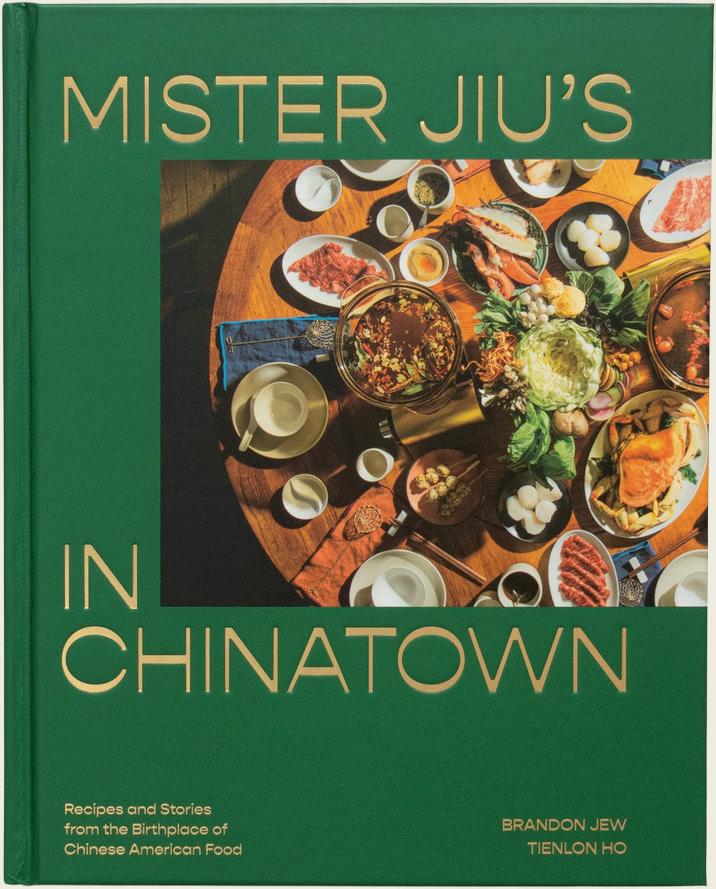
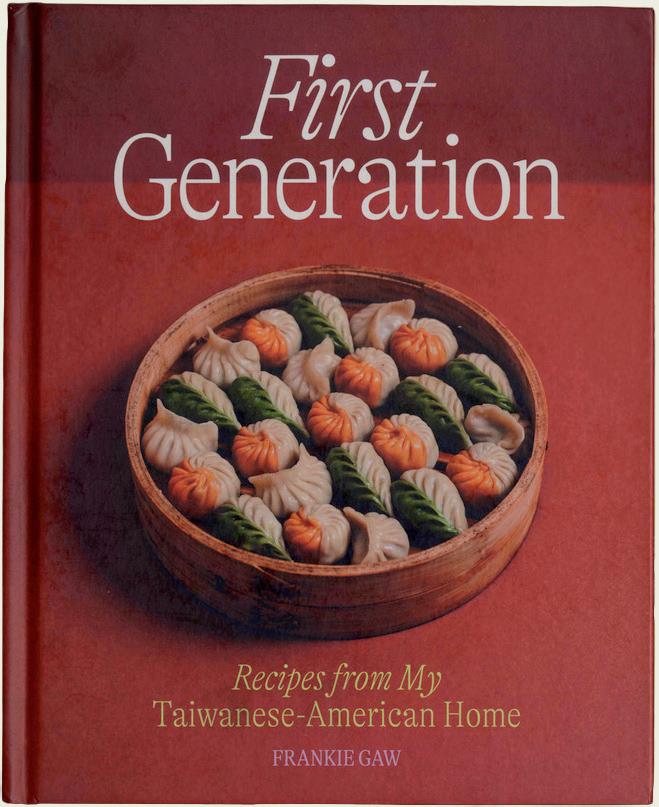
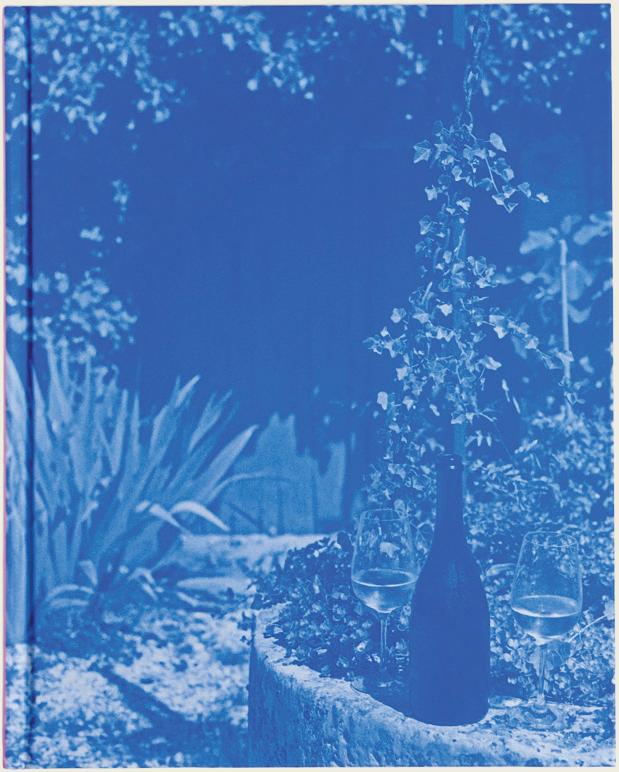
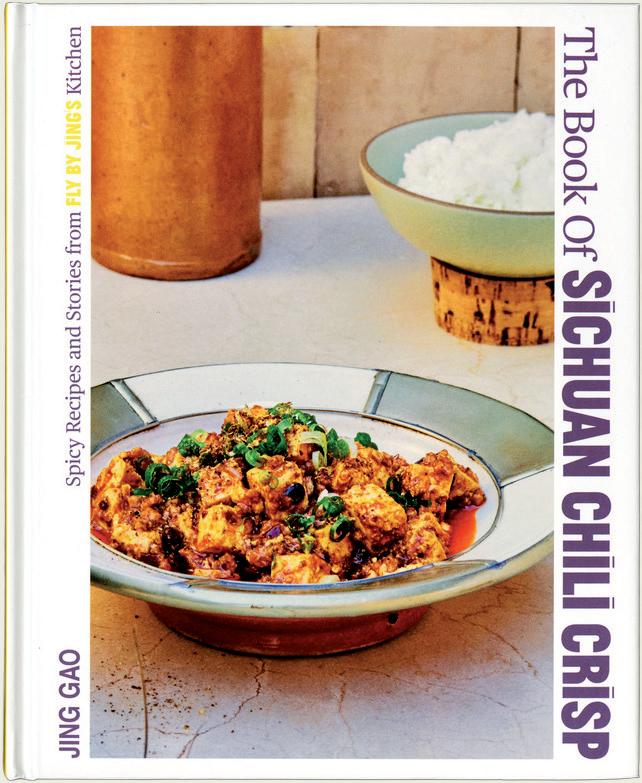
An exploration of Lizzie’s design process: how she chooses type, builds visual ideas, and translates authors’ ideas.
How do you establish the balance between honoring the author’s voice and your own visual style?
How do I balance it? Sometimes they know what they’re talking about and sometimes they don’t. If I’ve learned anything in just like, being a designer for 10 years, it’s that it’s not really about me at all. Personally, I find it very satisfying to deliver a product for someone that they’re happy with where I’m also satisfi ed with the design of the work. All of my books are probably not exactly the choices I would make. That’s expected though, because I work for a client. Essentially the client, author, editor, and publisher have to weigh in on what something’s going to look like. The types of books that I work on are within a constraint of, you know, they’re not art books. They’re mass produced, meant to sell 10s, 20s, hundreds of copies. So I think trying to find a balance of something that I think looks interesting and is successful at conveying the information is how I balance that. Sometimes, if authors have bad taste, I often will just kind of lean into it and like, I’m not gonna fight it. I’ll just try to bring it a little closer to something that looks nice.
“It’s satisfying to pull a concept out of someone’s brain and recontextualize it on a page.”
When working with an author that didn’t have a vision for font, color, and style already established for their works, how do you take the first steps in developing a design direction for the project?
I would say half of my authors are this way, where sometimes they actually do have a visual direction or have already worked with a designer and know about fonts, know about color, and know more of the visual language. For the other half that don’t, it’s sort of just conversations with them and trying to hone in on things that they like. Sometimes I’ll ask them to send me visual inspiration for other books they like, but sometimes, it’s not super helpful and takes longer to develop a creative direction. Sometimes I can just listen to them talk about their hopes and dreams for the book, distilling that down into fonts, colors, and layout. And, you know, I’ll work with them to make sure that it aligns with their vision. Because sometimes these people have been working on their books for like, five to ten years, and I’m the very last point at which some creative practice is taking place. I just really want to make sure that I’m accurately bringing their vision to life.
A closer look at Lizzie’s personal aesthetics and preferences.
What are your favorite colors to use? And what about typefaces?
I love a maroon and powder blue combo, maybe like a little red-orange mixed in there as well. And my favorite type combo, I don’t know. I can’t pick a favorite font. They’re all my favorites. I do recall using a really fun font called RG Quasar for this book. I use it with a very clean sans serif.
What is your favorite genre to design books for?
Cookbooks are my favorite. I mean, that’s just most of what I do for my company. I also freelance on top of that, and people just hire me to do cookbooks because it’s such a niche, specialized kind of skill. I think I would also like to do more art books, art photos, and other types of books that give me content.
24/7 Design is a series of 19 interviews conducted by students in the Design 376 Typography course at the University of Washington. Each student interviewed a designer and crafted a newspaper spread to highlight these thoughtful journeys.
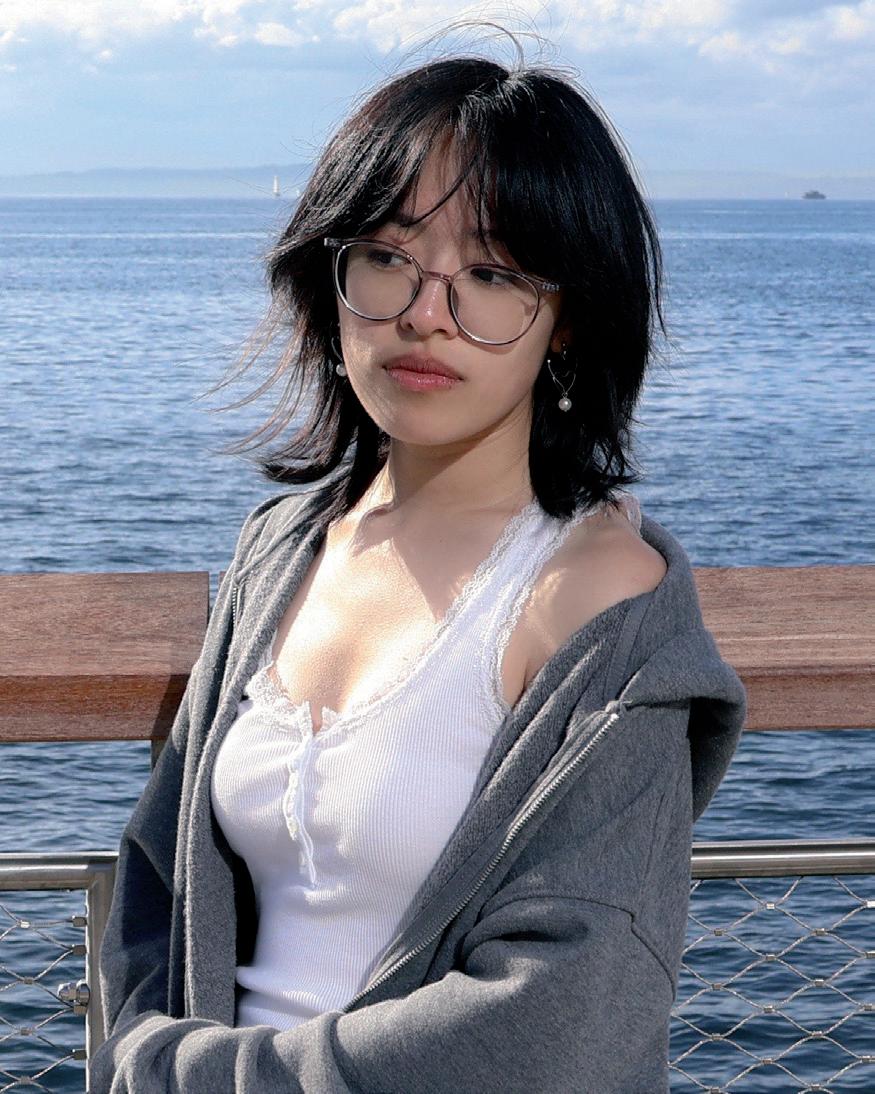
Catherine Wei is a Visual Communication Design major at the University of Washington. She has a love for both photography and design, and is especially drawn to the places where the two disciplines overlap. Her interests have inspired her to interview the cookbook designer, Lizzie Allen, whose works blend imagery and design into compelling experiences on the page.
cattolin.framer.website