

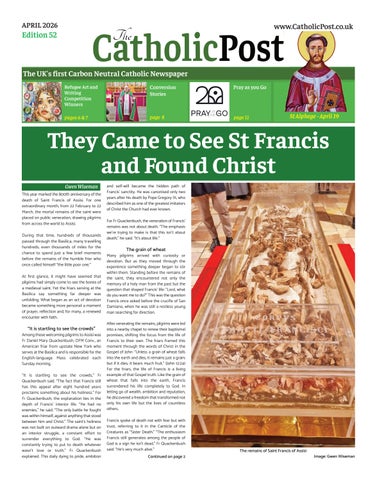
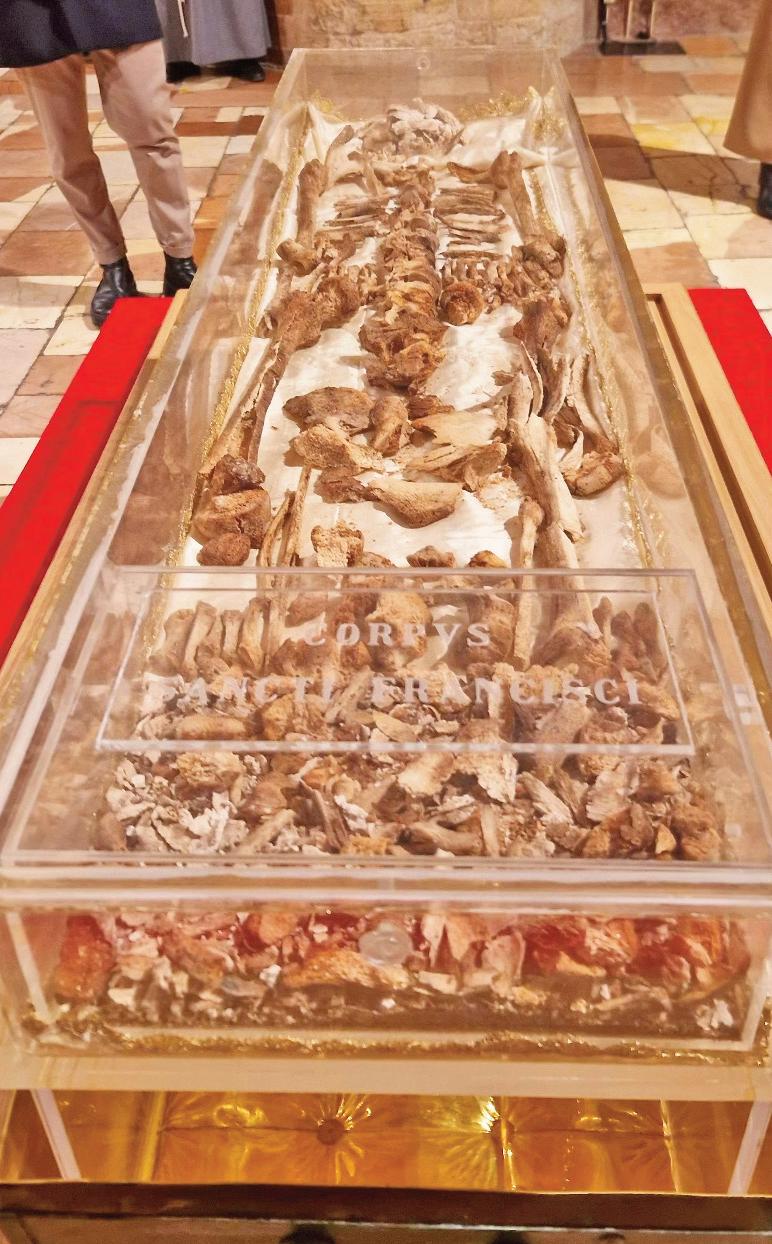
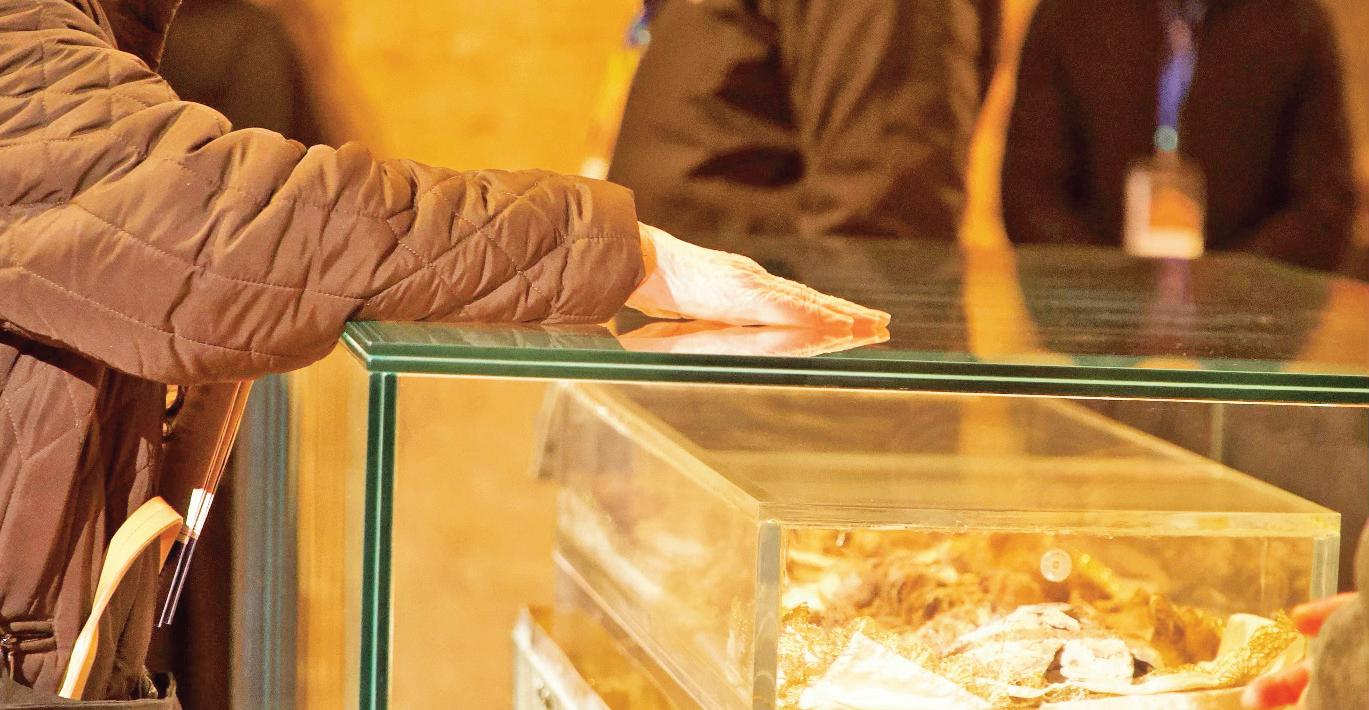
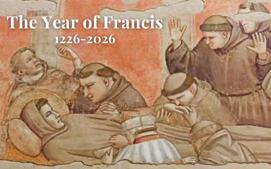
This year marked the 800th anniversary of the death of Saint Francis of Assisi. For one extraordinary month, from 22 February to 22 March, the mortal remains of the saint were placed on public veneration, drawing pilgrims from across the world to Assisi.
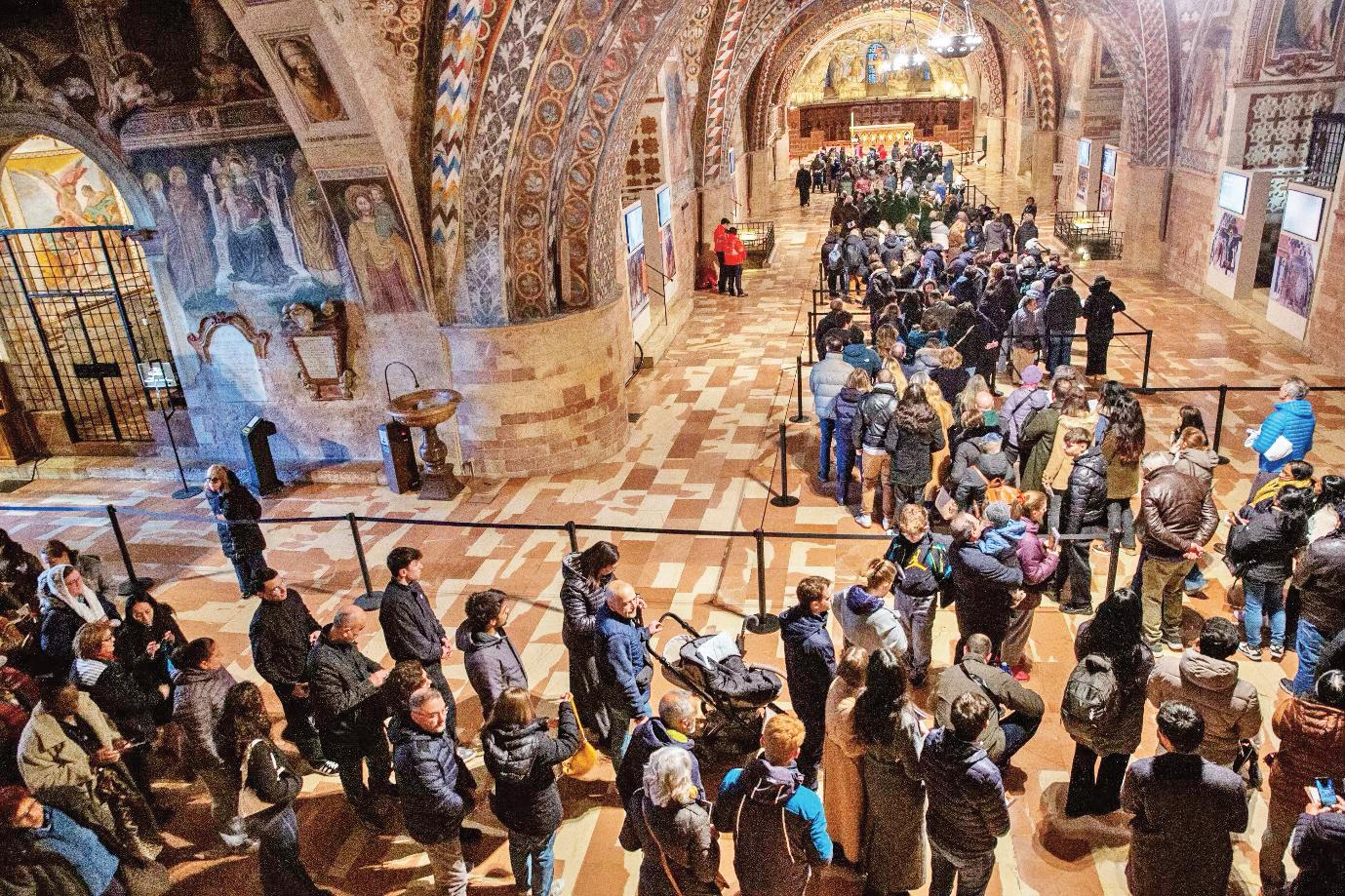
During that time, hundreds of thousands passed through the Basilica, many travelling hundreds, even thousands of miles for the chance to spend just a few brief moments before the remains of the humble friar who once called himself “the little poor one.”
At first glance, it might have seemed that pilgrims had simply come to see the bones of a medieval saint. Yet the friars serving at the Basilica say something far deeper was unfolding. What began as an act of devotion became something more personal: a moment of prayer, reflection and, for many, a renewed encounter with faith.
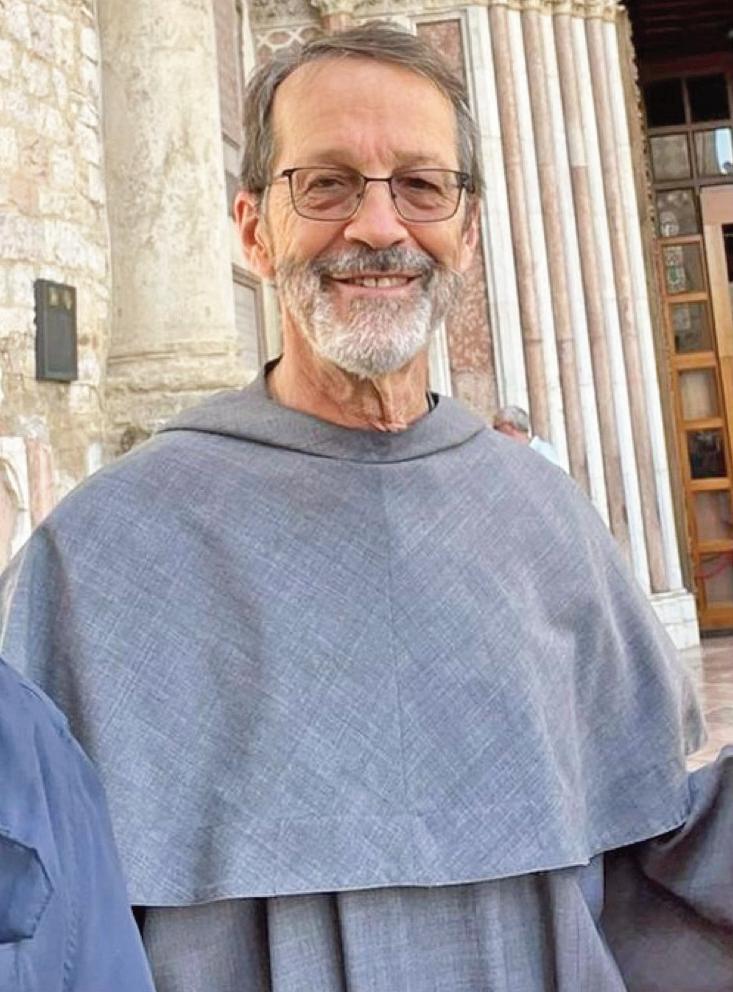
“It is startling to see the crowds” Among those welcoming pilgrims to Assisi was Fr Daniel Mary Quackenbush, OFM Conv., an American friar from upstate New York who serves at the Basilica and is responsible for the English-language Mass celebrated each Sunday morning.
“It is startling to see the crowds,” Fr Quackenbush said. “The fact that Francis still has this appeal after eight hundred years proclaims something about his holiness.” For Fr Quackenbush, the explanation lies in the depth of Francis’ interior life. “He had no enemies,” he said. “The only battle he fought was within himself, against anything that stood between him and Christ.” The saint’s holiness was not built on outward drama alone but on an interior struggle, a constant effort to surrender everything to God. “He was constantly trying to put to death whatever wasn’t love or truth,” Fr Quackenbush explained. This daily dying to pride, ambition
and self-will became the hidden path of Francis’ sanctity. He was canonised only two years after his death by Pope Gregory IX, who described him as one of the greatest imitators of Christ the Church had ever known.
For Fr Quackenbush, the veneration of Francis’ remains was not about death. “The emphasis we’re trying to make is that this isn’t about death,” he said. “It’s about life.”
The grain of wheat
Many pilgrims arrived with curiosity or devotion. But as they moved through the experience something deeper began to stir within them. Standing before the remains of the saint, they encountered not only the memory of a holy man from the past but the question that shaped Francis’ life: “Lord, what do you want me to do?” This was the question Francis once asked before the crucifix of San Damiano, when he was still a restless young man searching for direction.
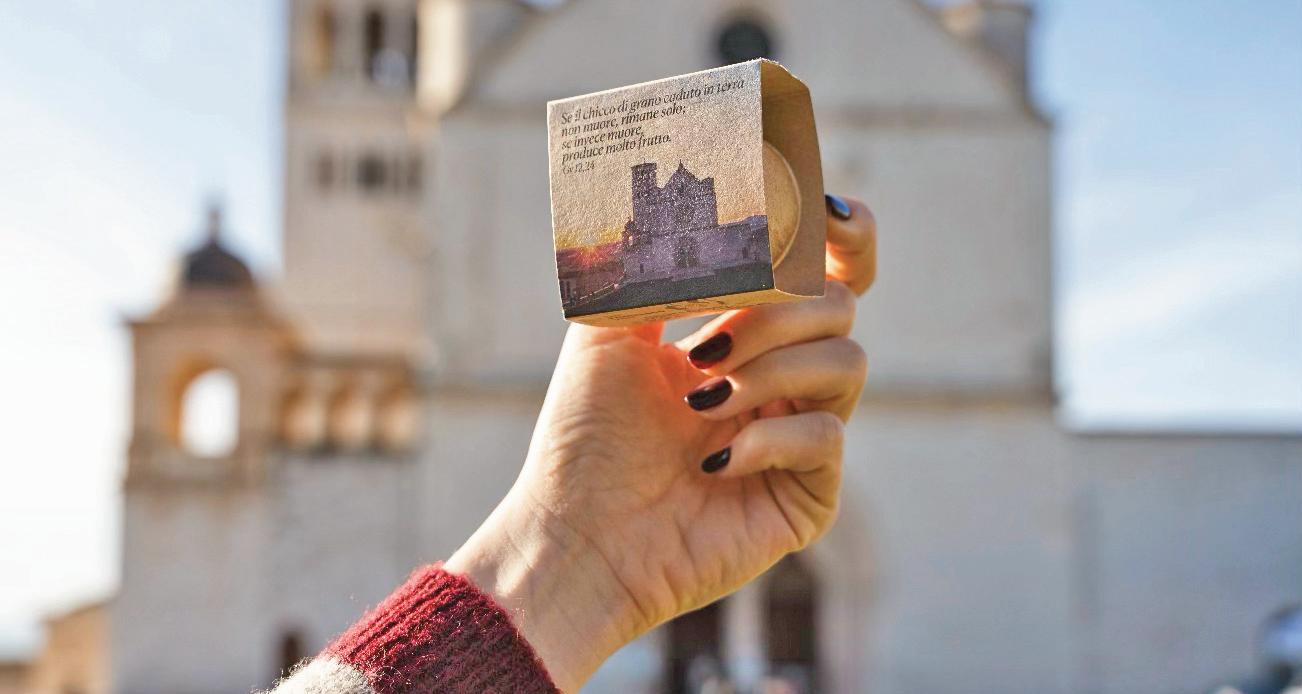
After venerating the remains, pilgrims were led into a nearby chapel to renew their baptismal promises, shifting the focus from the life of Francis to their own. The friars framed this moment through the words of Christ in the Gospel of John: “Unless a grain of wheat falls into the earth and dies, it remains just a grain; but if it dies, it bears much fruit.” (John 12:24)
For the friars, the life of Francis is a living example of that Gospel truth. Like the grain of wheat that falls into the earth, Francis surrendered his life completely to God. In letting go of wealth, ambition and reputation, he discovered a freedom that transformed not only his own life but the lives of countless others.
Francis spoke of death not with fear but with trust, referring to it in the Canticle of the Creatures as “Sister Death.” “The enthusiasm Francis still generates among the people of God is a sign he isn’t dead,” Fr Quackenbush said. “He’s very much alive.”
Continued on page 2

CONTACT US:
The Catholic Post is published by its owners CathCom Limited and is wholly independent of and separate from any previous newspaper.
The Catholic Post is published on the last Sunday of the month previous to publication date.
EDITOR:
Nick Layton
email: editor@catholicpost.co.uk
ADVERTISING: CathCom Ltd. 01440 730399
ads@cathcom.org
DESIGN & LAYOUT:
David Lodge, davidl@cathcom.org
PUBLISHED BY:
CathCom Ltd. N2 Blois Meadow Business Centre, Blois Road, Steeple Bumpstead, Haverhill, Suffolk CB9 7BN 01440 730399
ARTICLES TO:
The Catholic Post email: editor@catholicpost.co.uk or davidl@cathcom.org
Please send articles for publication by email, supplying any photos separate to the text We welcome contributions
Here are answers to some basic questions about writing for The Catholic Post
How long should articles be?
Usually it seems to work out best if contributors simply say what they have to say and let us worry about finding a spot for it in the paper.
What is the submission procedure?
Please send as a Word file attached to an e-mail. To submit articles for publication, send to editor@catholicpost.co.uk
Charts, graphs, and photos should be submitted as separate PDFs. Electronic photos should not be embedded or pasted into a Word document as this reduces their quality.
Photographs and Illustrations
Photographs and Illustrations should be supplied electronically as high resolution JPEG (*.JPG) files).
Photographs and illustrations should be sent in colour with a resolution of 300 dpi and a minimum size of 100 mm x 100 mm when printed (approx. 1200 pixels wide onscreen).
Computer print-outs are not acceptable. Screen captures are not ideal as they are usually not very high
Parental permission should be sought before submitting photographs of minors.
Source information -
DW = Diocesan Website.
ICN = Independent Catholic News
Views expressed in The Catholic Post are not necessarily those of the editor Last date for copy is the LAST DAY of the month prior to publication.
The harvest in the confessional Eight centuries later, the fruit of Francis’ life continues to appear in quiet but unmistakable ways. “The question isn’t how many people have come,” Fr Quackenbush reflected. “The question is: how has this experience impacted their relationship with Jesus?” Nowhere was that question more visible than in the confessional.
Among those assisting during the veneration was Fr David Zimmer, a retired priest of the Diocese of Bismarck in North Dakota, USA, who had come to Assisi as a volunteer to hear confessions in English. Since his first visit in 1989, Fr Zimmer had returned again and again, drawn by what he describes as the unmistakable spiritual atmosphere of the place. Yet even after decades of priestly ministry, he was unprepared for what he encountered in the confessional during these weeks. “It was astounding,” he said. “The sincerity, the honesty, the authentic experience of reconciliation.”
for inner healing. “When the hurt begins to be healed,” he said, “forgiveness often comes naturally.”
For many pilgrims, the decision to step into the confessional came unexpectedly. “I would say about half the people who came to me were surprised themselves that they were there,” Fr Zimmer said. “They would say, ‘I didn’t think this would be part of the experience, but I’m glad it is.’” Some had not been to confession for years. Others had come simply out of curiosity, not expecting the experience to lead them toward the sacrament. Yet something about the encounter with Francis, the brief moment before the saint’s remains, the renewal of baptismal promises and the atmosphere of prayer seemed to open hearts. “I was convinced something was happening to them as they passed by the bones of Saint Francis,” Fr Zimmer said. “Something was moving their hearts toward reconciliation.”
From the confessional he heard the stories of pilgrims from Indonesia, South Korea, Iran, the Philippines, Ireland, England and the United States. “You become aware of how big our Catholic Church really is,” he said. Despite the diversity of cultures, the struggles people brought were often strikingly similar.
“Relationships are complicated,” Fr Zimmer said. “Many people struggle to forgive.” He shared a wisdom given to him by a Trappist monk: that forgiveness frequently requires an earlier step many people overlook, the need
For Fr Zimmer, witnessing these encounters has been one of the most humbling experiences of his priesthood. “The story of Francis is a story of conversion,” he said. “And that story is timeless.” Like the conversion of Saint Paul, Francis’ encounter with Christ changed the course of his life and helped renew the life of the Church. “We all need conversion,” Fr Zimmer said. “At every stage of life.”
Hearing confessions in Assisi during this extraordinary moment, he said, renewed his own sense of vocation. “It reminds me why I said yes to the priesthood in the first place.”
The harvest continues Like the grain of wheat that falls into the earth and bears fruit, Francis’ life continues to invite others to conversion - dying to self, being reconciled with God and rising renewed through grace. Eight centuries after his death, the question Francis once asked before the crucifix of San Damiano still echoes: “Lord, what do you want me to do?” The faithful discovered that the answer lies where Francis himself began through prayer, repentance and the sacraments of the Church. What started as a visit quietly became something closer to a retreat, where many encountered three of the Church’s sacraments: baptism renewed, sins forgiven and Christ received in the Eucharist. The Gospel words chosen by the friars have come alive before their eyes: “Unless a grain of wheat falls into the earth and dies, it remains just a grain; but if it dies, it bears much fruit.”
indcatholicnews.com
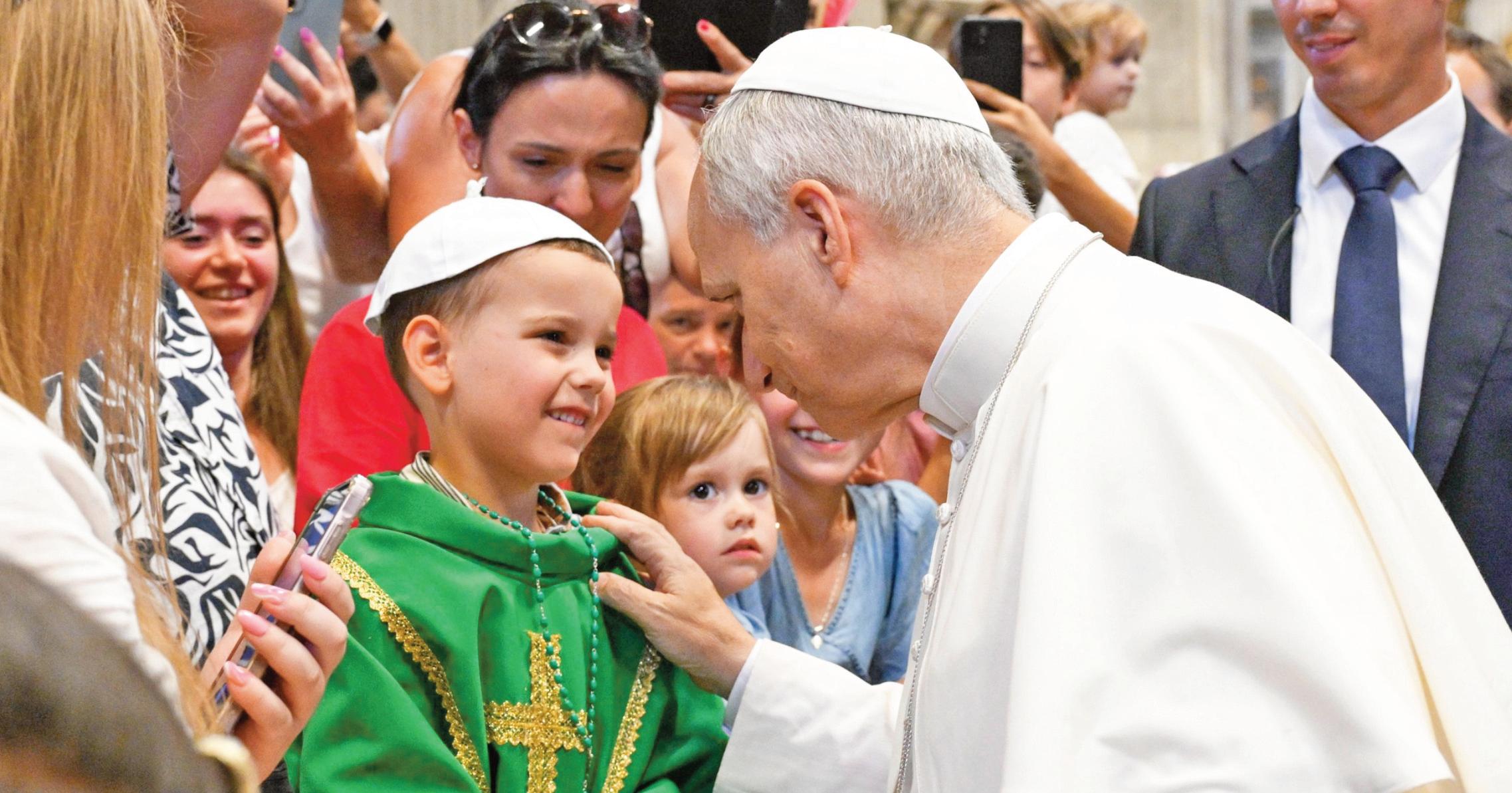
“In a world marked by divisions and tensions, the Church unites her members through their faith in Christ and His love and therefore has the mission to reach out to everyone”, Pope Leo said recently in his General Audience in St Peter's Square
“Unified in Christ, Lord and Saviour of every man and woman, the Church can never turn inwards on herself, but is open to everyone and is for everyone," he said.
“It is a great sign of hope - especially in our times, traversed by so many conflicts and wars - to know that the Church is a people in which women and men of different nationalities, languages, and cultures live together in faith," he continued.
“It is a sign placed in the very heart of humanity, a reminder and prophecy of that unity and peace to which God the Father calls all His children," he said.
Pope Leo XIV continued his catechesis series on the Documents of the Second Vatican Council, focusing again on the 1964 Dogmatic Constitution on the Church, Lumen Gentium. In this week's catechesis, he reflected on the alliance that God has created with His people and what this means for the Church and every Christian.
“In the Church there is, and there must be, a place for everyone," he said, adding that "every
Christian is called to proclaim the Gospel and bear witness in every environment in which he or she lives and works."
The Pope explained that God “wishes to save every person," and He thus carries out His “work of salvation in history" by "choosing a real people and dwelling among them."
He highlighted that, in the Old Testament, God called Abraham, promised him numerous descendants, and then freed these descendants from slavery and made a covenant with them.
“The identity of this people is given by God's action and by faith in Him," the Pope said, adding that “they are called to become a light for other nations, like a beacon that will draw all peoples, the whole of humanity, to itself."
In Lumen Gentium, the Second Vatican Council explains that this mission takes its fuller meaning in light of “that new and perfect covenant, which was to be ratified in Christ, and of that fuller revelation which was to be given through the Word of God Himself made flesh," the Pope underlined.
“Indeed, it is Christ who, in giving His Body and His Blood, unites this people in Himself and in a definitive way."
Pope said this is truly the identity of the Church today: “the people of God who draw their existence from the body of Christ and who are themselves the body of Christ." It is “made up of women and men from all the peoples of the earth" who are united not by “a language, a culture, an ethnicity" but by Jesus.
“Those who belong to it do not pride themselves on merits or titles, but only on the gift of being, in Christ and through Him, daughters and sons of God," the Pope continued.
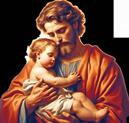
Children are tomorrow’s leaders. Whilst initially moulded on their parents, they are also shaped by the joys, influences and troubles of the world. May God protect all children, whether they live, in peaceful lands or those torn by war.
A Parent’s Prayer to St. Joseph O glorious St. Joseph; to you God committed the care of His only begotten Son amid the many dangers of this world. We come to you and ask you to take under your special protection the children God has given us. Through holy baptism they became children of God and members of His holy Church. We consecrate them to you today, that through this consecration they may become your foster children. Guard them, guide their steps in life, form their hearts after the hearts of Jesus and Mary.
He pointed out that “above any task or function" in the Church, what is truly important is being "grafted onto Christ" and being “children of God by grace." That is “the only honorary title we should seek as Christians," he insisted.
“Consequently, the law that animates relationships in the Church is love, as we receive and experience it in Jesus; and her goal is the Kingdom of God, towards which she walks together with all humanity."
Explaining that the Church is made up of the people of God united and chosen by Christ, Pope Leo then emphasized that the mission of the Church and of every one of her faithful is to spread the Gospel to all.
The Council, through Lumen gentium, reminds us that “all men are called to belong to the new people of God," meaning that “this people, remaining one and unique, must extend to the whole world and to all ages," so that God's intention of gathering together all “his children" may be fulfilled.
“Even those who have not yet received the Gospel are therefore, in some way, oriented towards the people of God," he continued, adding that the Church “is called upon to spread the Gospel everywhere and to everyone, so that every person may enter into contact with Christ."
This invites the Church to be open to all, meaning welcoming different cultures while at the same time “offering them the newness of the Gospel to purify them and to raise them up."
“In this regard, the Church is one but includes everyone," the Pope concluded, citing also French Jesuit Father Henri de Lubac, who said, “The unique Ark of Salvation must welcome all human diversity into its vast nave."
St. Joseph - who felt the tribulation and worry of a parent when the child Jesus was lost, protect our (their) dear children for time and eternity. May you be their father and counsellor. Let them, like Jesus, grow in age as well as in wisdom and grace before God and men. Preserve them from the corruption of this world, and give us the grace one day to be united with them in Heaven forever.
Amen
May we encourage all faithful people, of the great need today for prayer for peace in our torn world. Our Lady asked the visionaries at Fatima to “Pray the Rosary every day to obtain peace for the world and the end of the war.” In believing in the promises of Our Lady and of the Holy Rosary we can do something very powerful and positive, which not only lifts our own mental state but, more importantly, empowers Our Lady to assist and intercede for Peace.
www.crownofthorns.org.uk
email: office@crownofthorns.org.uk
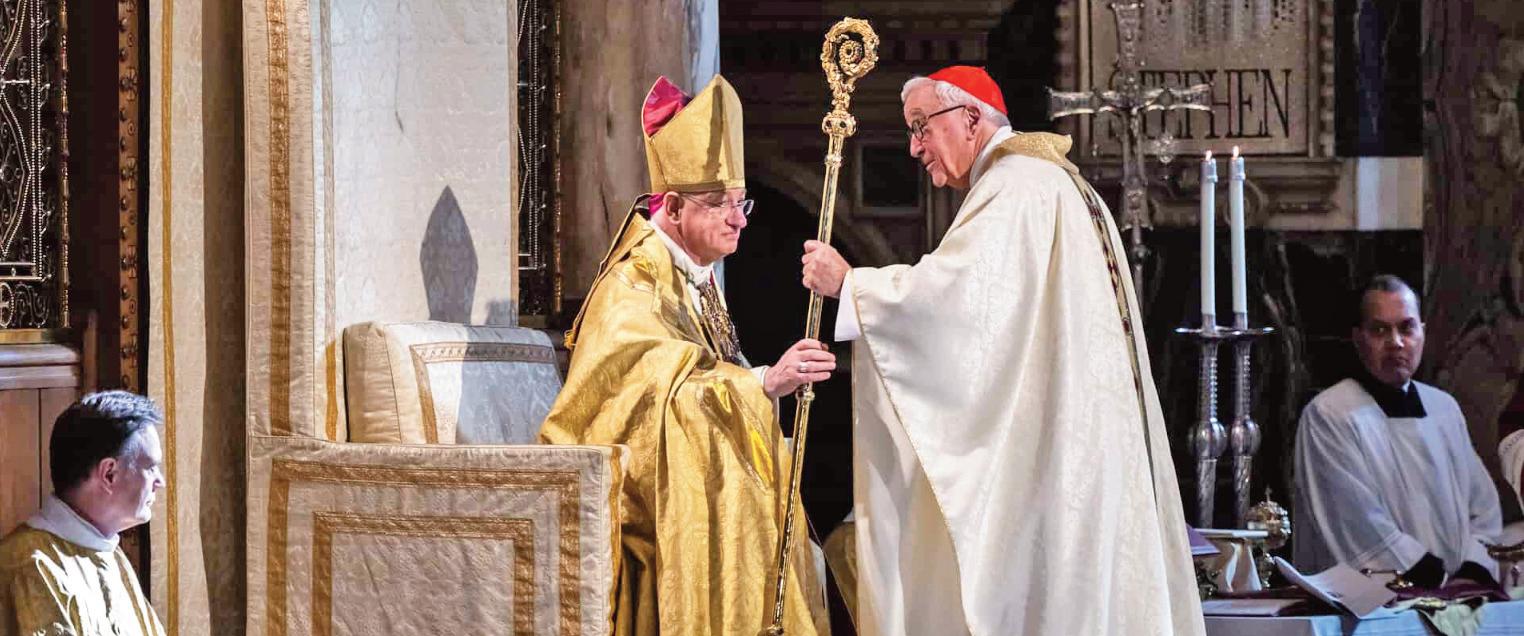
Twelfth
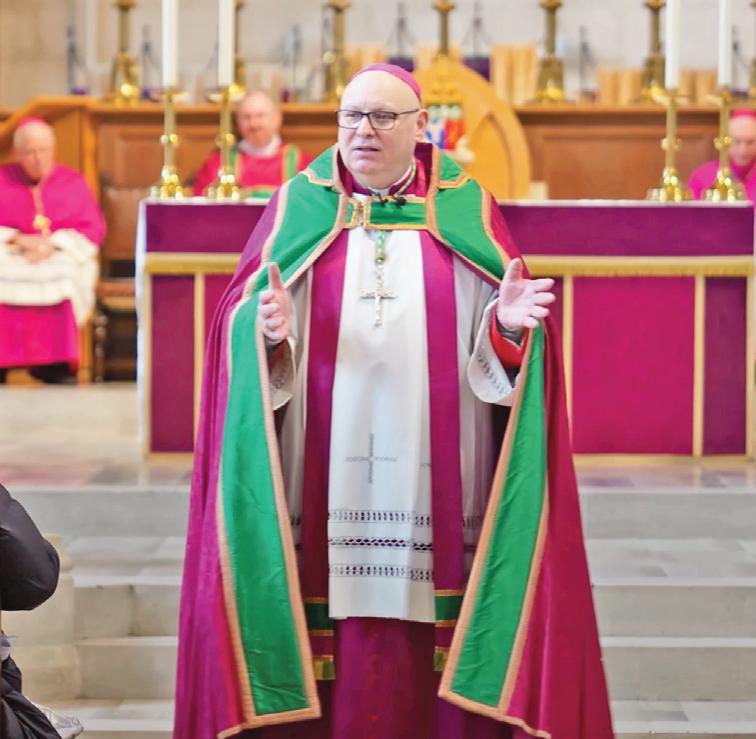
The Most Reverend Richard Moth was installed as the Twelfth Archbishop of Westminster during a Mass of Installation at Westminster Cathedral at 12 noon on Saturday, 14 February 2026
The Mass of Installation followed a Service of Solemn Vespers held in the Cathedral on Friday evening, attended by clergy, religious, and representatives of schools, parishes and Catholic organisations from across the Diocese of Westminster. To the sound of a fanfare specially composed by Simon Johnson, Master of Music, Archbishop Moth entered the Cathedral through the Great West Door and was greeted by the Provost, Canon Shaun Lennard.
The rite of reception draws on an ancient Pontifical used at Canterbury during the time of Archbishop Chichele (1414–1443). It has been customary in Westminster since the restoration of the Catholic hierarchy in England and Wales in 1850 and the appointment of Nicholas Wiseman as first Archbishop of Westminster.
The moment of Installation followed the public reading of Pope Leo XIV’s Apostolic Letter by Canon Jeremy Trood, Chancellor of the Diocese of Westminster. Canon Lennard then pronounced the formula of Installation:
By his authority I, Shaun Lennard, being Provost of the Metropolitan Chapter of Westminster, do install you, the Lord Richard, Archbishop in this Church of Westminster, in which may our Lord Jesus Christ guard your going in from henceforth, now and for evermore.
Following the Installation, the ArchbishopEmeritus, Cardinal Vincent Nichols, presented Archbishop Moth with the Westminster crozier, symbol of his office as bishop. The Provost and Canons of the Metropolitan Chapter then greeted the new Archbishop, followed by representatives of the diocesan clergy, ethnic chaplaincies, and pastoral and administrative bodies. The Archbishop of Canterbury, Dame Sarah Mullally, then greeted Archbishop Moth on behalf of the copresidents of Churches Together in England, offering a word of welcome:
“I stand here also as one who has recently been confirmed as Archbishop of Canterbury and who awaits installation. In the months ahead, you and I will share a particular responsibility as Presidents of Churches Together in England, and I very much look forward to working with you to deepen our relationships and to strengthen our shared Christian witness.”
Following the conclusion of the installation rite, Archbishop Moth celebrated a Pontifical Mass. The prayers and readings were those of the Feast of Saints Cyril, Monk, and Methodius, Bishop. The Gospel was proclaimed by Deacon Paul Christian, Cathedral Chaplain and Family Link Worker for Caritas St Joseph’s.
The Mass Deacons were Deacon Adrian Cullen, Director of the Diaconate Programme
for the Diocese of Westminster, and Deacon Jon Harman, Formation and Spirituality Adviser for the Diocese of Arundel and Brighton.
In his homily, Archbishop Moth called on the Diocese to “fan into flame the gift of God,” reflecting on Saint Paul’s exhortation that “God gave us a spirit not of fear, but of power and love and self-control.” He emphasised that the power given by the Holy Spirit is not one of domination, but of service, a self-giving love modelled on Christ.
He emphasised that the Church’s mission flows from prayer and the Eucharist, and that the gifts received in Baptism and Confirmation are to be lived out courageously in daily life. He called on the Diocese to renew its commitment to evangelisation, ensuring that the light of the Gospel shines in parishes, schools, homes and workplaces, and in the public square.
He encouraged engagement with the pressing issues of our time, including peace, human dignity, the right to life at every stage, the protection of the vulnerable, the plight of refugees and care for creation.
Acknowledging past failures, especially where the vulnerable have been harmed, the Archbishop reaffirmed his commitment to safeguarding, accountability and learning from those who have suffered.
Marking the Feast of Saints Cyril and Methodius, he reminded the faithful that mission must be rooted in prayer, sustained by the Eucharist and marked by patience and perseverance.
Concluding, he expressed hope that the Diocese of Westminster will continue to serve
Christ and society by fanning into flame the gift of the Holy Spirit, nurtured through prayer.
The Bidding Prayers were read by representatives of diocesan services, including Caritas Westminster, the Education Service, Westminster Youth Ministry, the Safeguarding Service, the Agency for Evangelisation and the Communications Office.
The altar frontal and vestments worn by Archbishop Moth and the Deacons were made by Watts & Co in 2009 from specially woven gold fabric featuring Byzantine-inspired designs based on vestments in the Cathedral collection created in 1928 for Cardinal Bourne.
The principal chalice used by the Archbishop dates from 1529 and was crafted in silver-gilt during the reign of King Henry VIII, predating the Reformation. Donated to the Cathedral by Baron Antonio French and his sisters, it has traditionally been used on Maundy Thursday and in recent years at the Ordination of Priests.
The Archbishop’s crozier and other liturgical vessels form part of a distinguished set of Italian silver-gilt ecclesiastical plate that once belonged to Cardinal Edward Henry Howard (1829–1892), former Cardinal Archpriest of St Peter’s Basilica in Rome.
Towards the end of the Mass, during the singing of the Church’s great hymn of thanksgiving, the Te Deum, Archbishop Moth was led around the Cathedral to bless the people, and in doing so, paused briefly for prayer at the tomb of one of his predecessors, Cardinal Cormac Murphy-O’Connor, the 10th Archbishop of Westminster (2000-2009), and 3rd Bishop of Arundel and Brighton (19772000).

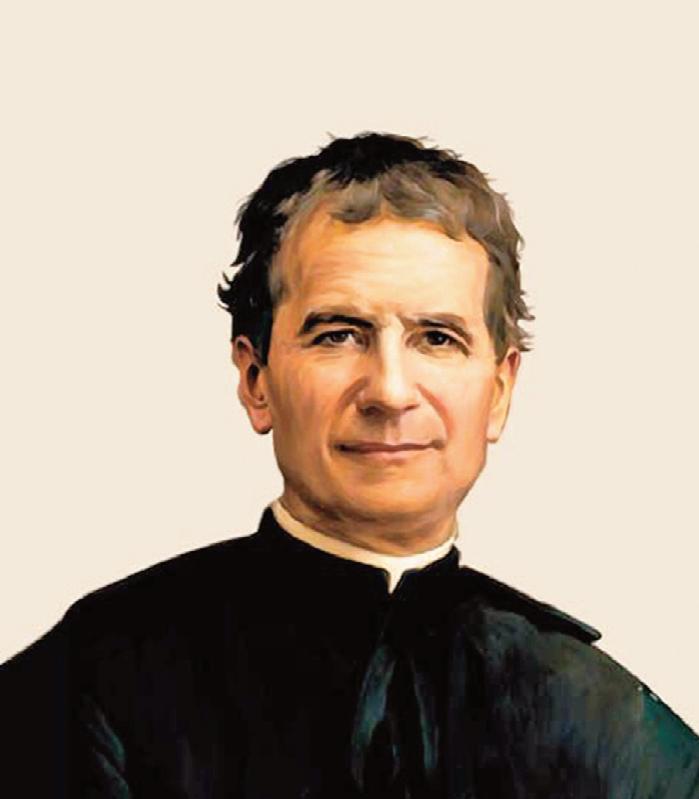
“Peace be with you all: Towards an ‘unarmed and disarming’ peace”
I was called some years ago by a worried mother of a teenage girl. She had come down to breakfast to announce that she no longer wanted to be called Mary but would answer only to Teresa. Her mother was shocked. She was named after a dearly loved aunt who died just a year ago. It felt like an insult her mother told me and it wasn’t an easy ending to a lovely spring morning. 'Teresa' persisted in blanking her mother unless she used her new name. "She seems like a stranger to me now" her mother said in despair. This, in many forms is the experience of many parents who see their teenage children change beyond recognition. Teresa’s change of name has persisted to this day and the family has adjusted. "I will always love her whatever she calls herself" her mother confided in confusion on the phone.
In Matthew 25:35, Jesus states, "I was a stranger and you welcomed me" and we often read that verse in terms of foreigners, refugees and new acquaintances. Teresa reminds us that when we think we know someone well they can still surprise us. They can become strangers even in the same family. We have a picture of other people in our mind, we say we can predict how they will act, but often they do not follow the script we have written for them. They become strangers to us, at least for a while. It is disturbing especially when they are close family or friends. So, when people upset us, surprise us and change can we welcome them as Jesus asks? Or do we filter our affections until they return to ‘normal’? Can we respect their freedom to be different, to explore new ways of living and choosing? Can we allow them that freedom as adults even if it looks weird or wonderful? That of course, is how God deals with us, giving us a radical freedom to choose our way in life. When loved ones change suddenly, we get frightened on their behalf, and we need to express our concern as well as offer guidance when it can be heard. But we also need to guard against condemnation and isolation. There is also the tendency to passive aggression, the long silences, the sarcastic comments, the failure to show the usual signs of care and respect for someone who has become a stranger.
I mention all the above because it is at the core of Pope Leo’s theme for 2026.
Many commentators have taken this to refer to the many horrendous conflicts taking place in Europe, in Africa and parts of Asia. It is seen as a plea for world peace and is a muchneeded reminder not to escalate conflict between nations by making them into strangers. It is much easier to do violence to others if we see them as different, damaged and demonic. The same point was made by Nelson Mandela on a visit to Parliament in 1996.
“Racism is a blight on the human conscience. The idea that any people can be inferior to another, to the point where those who consider themselves superior define and treat the rest as subhuman, denies the humanity even of those who elevate themselves to the status of gods."1
It is the same blight on the conscience that allowed the extermination of Aborigines in Australia, Native Americans in the USA and at present there are over a million Rohingya people in camps escaping violence in Myanmar. How can we do this to one another? Simply by making them strangers, excluding and closing our hearts and minds to them. Why do we do it as nations? Fear. Fear of losing the status quo, the things we take for granted, the entitlements that we see as our rights even if others suffer because of them.
These fears can be seen being worked out in real time in Iran at present. Fear is running like a virus through a population that is desperate for peace and for stability. The fear is built on a long history of hurt and mistrust. Shame that is not recognised leads to defensiveness and a misuse of power that leads those in power to get their retaliation in first. Dialogue is impossible and peace evaporates. As Pope Leo said on St David’s day this week.
“Stability and peace are not built with mutual threats, nor with weapons, which sow destruction, pain, and death, but only through a reasonable, authentic, and responsible dialogue.”2
Pope Leo is challenging us in his peace theme to approach such challenges “unarmed”
without hostility to others and with an enquiring mind. When defensiveness is replaced by openness “heart can speak to heart,” as St Francis de Sales reminds us, and peace can be pursued. To approach the stranger ‘unarmed’ takes courage and a faith in God’s presence that can only be sustained by prayer. To be unarmed is not to be totally in control and allow God to be God in the uncertainty. To be unarmed is to feel the arms of God around you as you speak your truth in love to the stranger. That unarmed approach is what brings about a disarming of the tension and unlocks goodwill and trust for a different future. At an international level these are huge issues. We need politicians to challenge some of the more self-centred concerns of their voters which can leave leaders with limited opportunities for a disarming peace. The political situation is beyond most of us to influence individually. We can however approach family and friendships with an unarmed and disarming peace as Teresa’s Mother did with her strange teenager.
In family and friendships what might it mean to be ‘unarmed’? Sometimes it can feel that world war three has broken out in our own kitchen and you feel like calling in the UN. More often there is cold war unfolding, sometimes for months, between two family members or friends. Nothing is said but diplomatic relations have definitely been broken off. It is hard to know how to lower your defences, to be unarmed in that silent war. As usual, the Gospel comes to help us with a challenge in Luke 6. 27 and-36:
Love your enemies, do good to those who hate you"
Be merciful, just as your Father is merciful.
It’s easy to see this as naïve and even impossible advice from Jesus. But it can’t be, because this is what Jesus did himself. He cut through boundaries, welcomed the stranger, the leper, women and gentiles with an unarmed and disarming peace. Eventually he
gave his life rather than depart from the merciful openness of his Father. There’s the key. Jesus was living in the constant presence of a loving Father who gave him strength to be unarmed and be merciful. So, in our family war zones we might want to remember that we are just a breath away from the love and mercy of God, which is ‘closer than our jugular vein’ as our Muslim brothers and sisters say. When we know that we are loved by God, really know it, it makes us stronger, more honest more compassionate and patient and we become unarmed and able to help others disarm too. In our Salesian tradition we use the word ‘amorevolezza’ which is often translated from Italian as loving kindness.
It is lived out in many small gestures of care, appreciation, concern, delight and understanding. It is communicated by small gesture from a word in the ear, a hug, a simple thoughtful act like making a cup of tea, a thankyou and above all just a smile. This constant flow of loving kindness is what helps to disarm our relationships and allows us to deal with bigger differences when they arise. However, you can’t do any of these things well unless you, like Jesus, are in touch with your Father in heaven as described by Matthew 5.45.
May you be children of your Father in heaven. He causes his sun to rise on the evil and the good and sends rain on the righteous and the unrighteous.
So, when you are next at mass and are invited to share a sign of peace, take the risk of sharing this unarmed and disarming peace and not just being ‘nice.’ Decide to be a peacemaker wherever you can in your own life and trust Jesus’ words.
“Do not let your hearts be troubled, do not be afraid” (Jn 14:27)
1 Nelson Mandela during an Address to the Joint Houses of Parliament, Westminster Hall, London, England, 11 July 1996 2 Sunday Address March 1st 2026

Winners have been announced in a media competition for young people in Britain and Ireland on the subject, "Becoming a refugee is never a choice, but how we respond is." It is a quote from the United Nations Secretary General-Secretary, António Guterres, who is a Catholic.
The annual competition of the Columban Missionaries attracted a record 349 entries across Britain and Ireland, the highest number in the nine years the Columbans have run a Schools Competition. Young people 13-18 years were asked to produce a piece of writing (prose or poem) or image that explored perceptions of people seeking sanctuary, considering practical examples of welcome and solidarity.
Every entry was positive about the Church's stance of 'welcoming the stranger' despite recent threats and animosity against people seeking sanctuary in Britain and Ireland. In Britain, winners' names have been anonymised amidst the tensions. James Trewby, Coordinator of the Columban Justice, Peace and Ecology Team and a competition organiser in Britain, reflects that, "it is a testament to the courage and commitment of the schools that they are willing to stand up and witness to living out Catholic Social Teaching."
Entries from 31 schools in England, Wales and Scotland were judged by media experts who praised the high quality of all the entries shortlisted: Ruth Gledhill (Assistant Editor at The Tablet), Josephine Siedlecka (Founder and Editor of Independent Catholic News - ICN), Columban Father Tim Mulroy (a former Columban Superior General and is now based in Britain), Lexi Moulton (an art teacher involved in Columban programs with refugees), James Trewby, and a group of 14 people with lived experiences of migration from Hope Garden in Birmingham.
The winning piece of writing came from A. (18), St Thomas Aquinas Catholic School and Sixth Form in Birmingham, which is a School of

where they come from
Sanctuary. Runners Up were A. (18), St David's Catholic Sixth Form College in Cardiff and J. (15), Holy Trinity Academy in Telford, Shropshire. The winner wrote: "Refugees do not choose their journeys, but we can choose to walk beside them. And in doing so, we may discover that welcoming the stranger does not diminish us, but it transforms us." Headteacher Chris Martin wrote: "We are delighted that a student in our 6th form, has written so passionately and eloquently about supporting refugees. He has shown real faith in action by reflecting on what refugees encounter by fleeing their
homes and we should welcome each person into a new and strange environment."
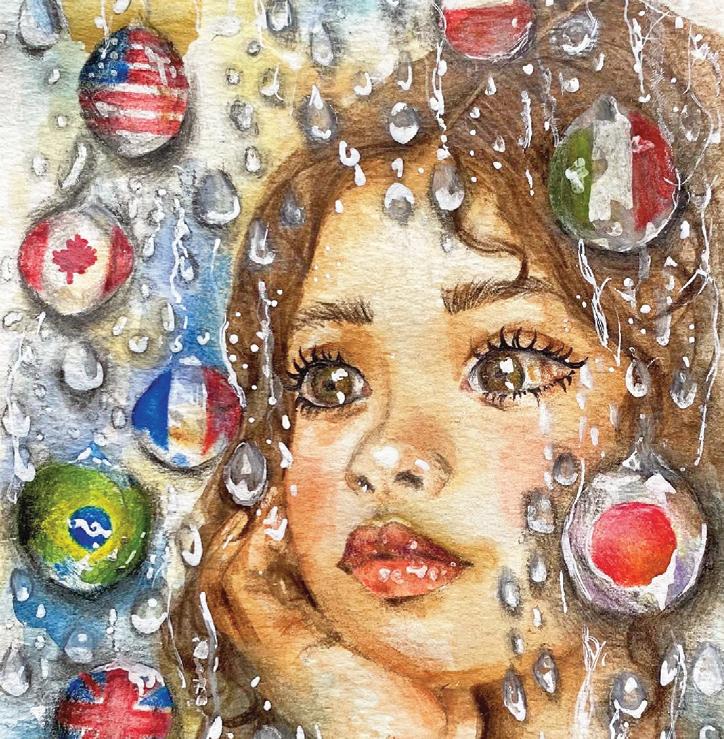
The winning image came from G. (14), The Holy Cross School, New Malden. Runners up were K. (16), Sacred Heart of Mary Girls' School in Upminster, East London and J. (15), Loreto Grammar School in Altrincham, Greater Manchester. Ms Rita Peneda, art teacher to the winning artist wrote 'I am so proud of G. for her winning piece. Her originality in detailing world flags within raindrops displays both impressive artistic skill and a deeply
sensitive heart that embodies the values of kindness and solidarity we cherish at Holy Cross School."
The Hope Garden Refugee Group "admired the talent of the young people and their understanding of the topic." The Columbans thanked all the young people who entered the 2026 competition and the judging panels. Former themes of the Competition have focused on Climate Change, Migration, Throwaway Culture, Racism, 21st Century Changemakers, Peace, Biodiversity and, last year, 'Jubilee: Pilgrims of Hope.'
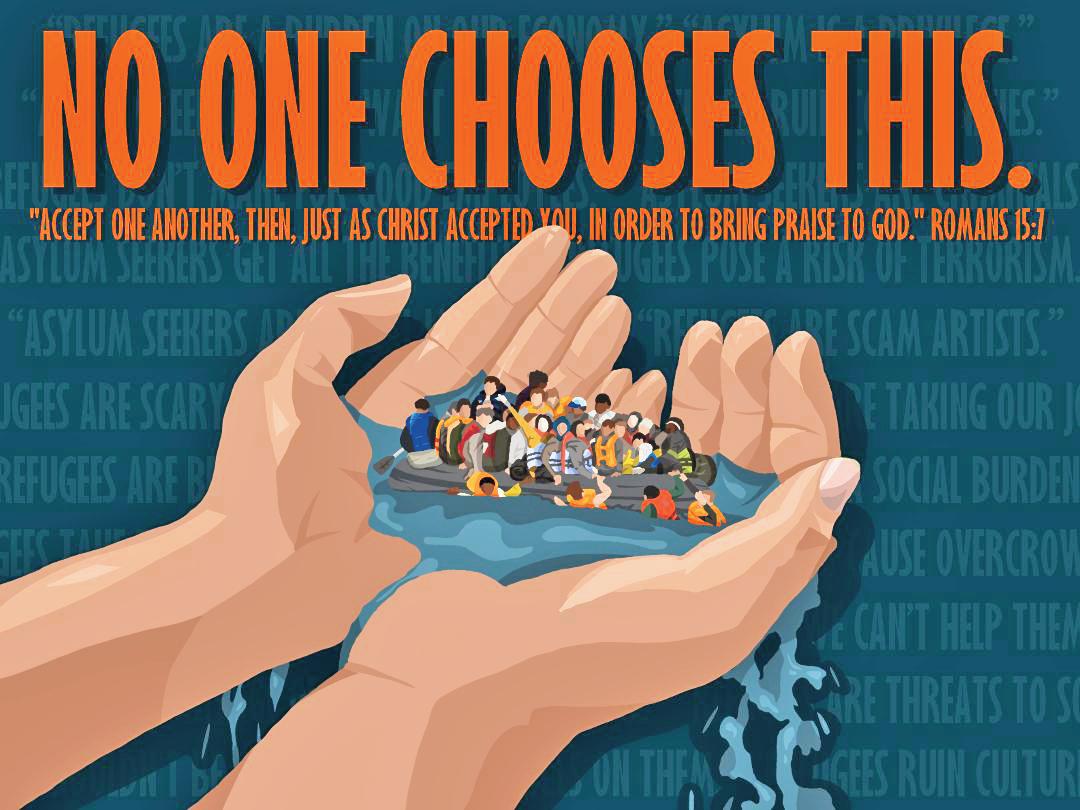
2nd Place - 'In Your Hands' - The image shows a boat of refugees in rough waters representing the thousands of refugees who arrive on small boats in the UK cupped in a pair of hands. These hands represent us and how their new life and comfort depends on our actions. Faintly in the background appear quotes of stereotypes about refugees, but instead of believing these stereotypes we should be welcoming and hospitable towards them because, as stated in the image, no one chooses this. The bible verse Romans 15:7 perfectly encapsulates our moral duty as Christians to accept and support refugees.
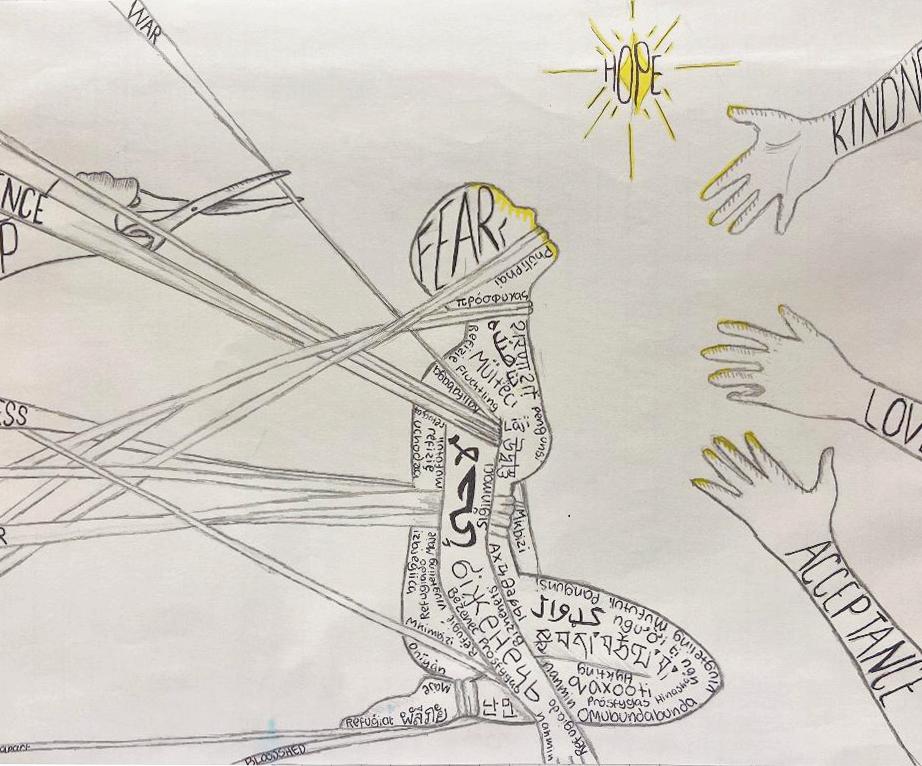
3rd Place - 'Becoming a refugee is never a choice. But how we respond is'Figure representing refugees filled with the word 'Refugee' in many languages including the languages of countries in conflict. They are being held back by the outcomes of war and violence however, hands representing help and acceptance is freeing them allowing them to reach hope.
No one plans to become a refugee. No child dreams of crossing borders in the dark, carrying only a schoolbag filled with documents instead of books. No parent chooses to leave behind the house they built, the neighbours they loved, or the language that shaped their childhood. To become a refugee is not an ambition, a lifestyle, nor a preference. It is the consequence of danger so great that staying becomes impossible. And yet, whilst those forced to flee have no choice, we - those who receive them - do. Our response is the part of the story that is still in our hands.
Across Britain and Ireland, public debate often reduces refugees to statistics or headlines. However, behind every statistic, there is a person whose life has been disrupted. As of late 2022, over 43 million children were estimated to be forcibly displaced, including those displaced by conflict and violence (UNICEF). It is too easy to throw around statistics; to actually envision one of these children, who has enjoyed the thrill of playing football in a courtyard or who has fought with their sibling over who would get the last biscuit is to truly stand in solidarity. Catholic Social Teaching asks that we do exactly this: to picture the child and not the statistic. This principle of huma ndignity taught to us by St. Catherine of Siena tells us to see the refugee as someone who has been made 'Imago Dei' and therefore deserves safety, respect, and hope.
My own understanding of this did not come from personal displacement, but from the environment I grew up in. As a white boy in a primary school where most of my classmates were from Middle Eastern or African backgrounds, I was, unusually, in the minority. Many of my friends had parents or grandparents who had fled conflict in Pakistan, Syria, or Afghanistan. One family I knew had left Iran after political unrest made it unsafe to stay. At the time, I did not understand the profundity of their stories. To me, they were just the guys I played cricket with and exchanged snacks with, sat next to in lessons. Now I look back and realise that their presence shaped my sense of community long before words could describe it.
Growing up in that environment taught me something hugely important: refugees are not "others." They are classmates, neighbours, and friends. Their cultures, languages, and histories were part of the very fabric with which I grew up. So when I think I hear those debates currently, and I think I hear refugees portrayed as enemies or strangers, I think of the people I grew up with, the people who lived the story of resilience, of hope, and of safety.
"Welcome the stranger," is a moral imperative grounded in Scripture itself: "I was a stranger, and you welcomed me"(Matthew 25:35). This moral imperative needs to be taken up with solidarity, as reminded by Pope Leo XIV in 2025, who noted that "our unity will then value each person's history, as well as the social and religious culture of every people," combating,
as it does, the fear of the stranger as outside threat and embracing diversity as blessing in itself.
Across Britain and Ireland, there are countless examples of ordinary people choosing compassion. Parish halls converted into warm spaces for asylum seekers. Schools organising uniform drives for newly arrived pupils. Community sponsorship groups preparing homes for families they have never met. These acts may seem small, but they form a culture of encounter - one in which strangers become neighbours.
Still, our response is not always generous. Public discourse can be shaped by suspicion, misinformation, or political rhetoric. Some argue that offering sanctuary is a burden. Yet Catholic Social Teaching reminds us of the common good: the idea that society flourishes when the most vulnerable are protected. Refugees are not drains on our communities; they are contributors. Many become nurses, engineers, teachers, entrepreneurs. Their resilience is not only personal: it strengthens the places where they settle.
Moreover, the Church teaches the principle of preferential option for the poor, urging us to prioritise those in greatest need. Refugees, who have lost homes, livelihoods, and often family members, are among the most vulnerable people in the world. To turn them away is not neutrality; it is a choice that contradicts the Gospel. Many tend to even preach religion in countries such as the US,
however many of us forget that Jesus himself was a refugee from areas within modern-day Palestine, as well as most of the Israelites being refugees escaping slavery and persecution from Egypt in Exodus.
The question, then, is not whether refugees deserve help: they do. The question is what kind of people we choose to be. Do we construct walls of indifference or bridges of compassion? Do we allow our policies and our approach to be dictated by our fears, or our loves?
To be a refugee is not one's choice. To be empathetic is. Responding with justice is. Responding with welcome is. And these choices define not only the lives of those who seek sanctuary, but the moral character of the societies they enter.
In the end, the theme of this competition is not only about refugees. It is about us. It is about whether we believe that every person, regardless of birthplace or circumstance, carries an unchanging dignity, as Pope Leo XIV said, a dignity that remains whether we are "living in our native land or in a foreign country." It is about whether our communities of faith will choose to embody the love we profess.
Refugees do not choose their journeys. But we can choose to walk beside them. And in doing so, we may discover that welcoming the stranger does not diminish us, but it transforms us.
"Jesus has come into my heart and my life has changed"
Across England and Wales, this year’s celebrations of the Rite of Election have brought positive news with several dioceses reporting a noticeable increase in the number of adults preparing to be received into the Church at Easter, with churches filled by catechumens, candidates, sponsors and families gathered for this important step in their journey of faith.
The Rite of Election, which usually takes place during the early weeks of Lent, marks the moment when those preparing for Baptism formally declare their intention to enter the Church. Their names are enrolled in the Book of the Elect and they are affirmed by Bishops as they continue their preparation for the sacraments at the Easter Vigil.
This year, diocesan reports suggest a growing number of people responding to
In ten moving conversion stories recorded at the recent Rite of Election at St George’s Cathedral, a life-changing encounter with the Lord Jesus is at the heart of every journey. These testimonies reveal the transformative power of opening one's heart to Jesus and responding to His call.
the call of faith. Cathedrals and parish churches in (amongst others) Westminster, Arundel & Brighton, Nottingham and Birmingham have welcomed large groups of candidates and catechumens, some drawn by personal spiritual searching, others through friendships, family members or encounters with parish communities. In Shrewsbury, the numbers were so great that two consecutive Rite of Election Masses were required.
For many parishes, the increased numbers have been a sign of quiet but genuine renewal. In a society often described as increasingly secular, the sight of hundreds of adults publicly choosing the Catholic faith has been a source of encouragement and optimism for us all.
Southwark Diocese have shared stories of some of its converts.
rcaos.org.uk
This year, the Archdiocese of Southwark saw the highest number of converts for 15 years, with over 590 adults from 112 parishes across South London and Kent, formally declaring their desire to enter into full communion with the Church.
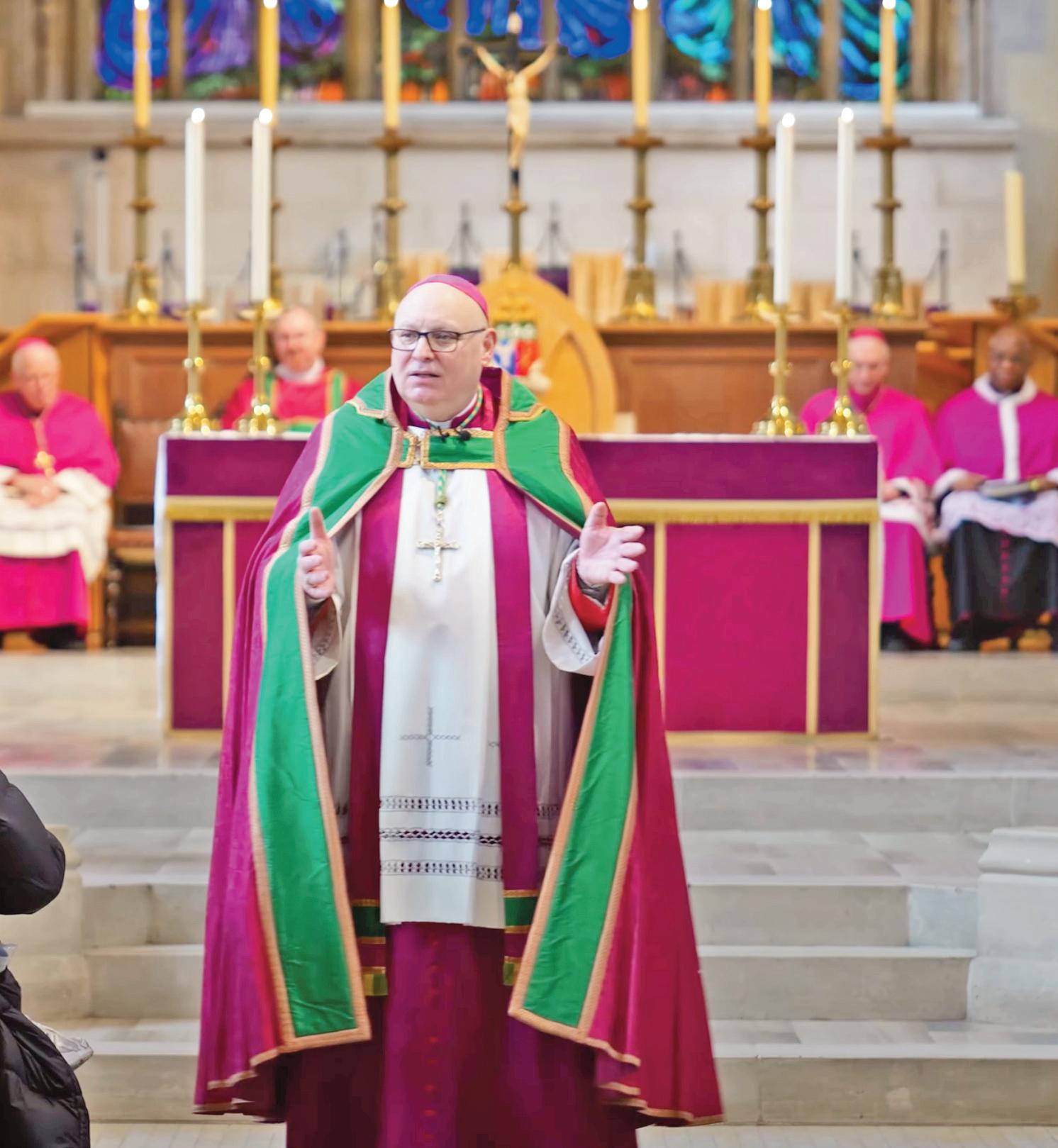
An Encounter with the Living Christ
The shared experiences of these "catechumens" (those seeking Baptism) and "candidates" (those already baptised in other traditions) reveal a diverse group of people united by a singular focus: a deepening relationship with Jesus Christ.
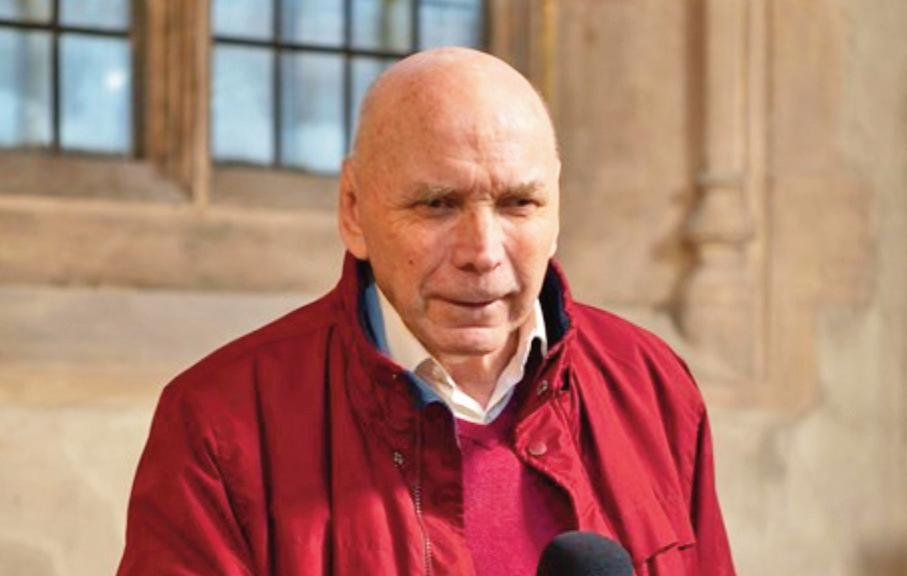
For many, the journey has been defined by a newfound interior stillness. Jade (Holy Family, Thanet), who will be received into the Church this Easter, says the process has transformed her home life:
"It’s really changed my life actually, in a lot of ways. I’m a lot more calm and peaceful. It’s changed the way I live my life and my son, who is 15, is being baptised and received as well. It has really changed our family life."
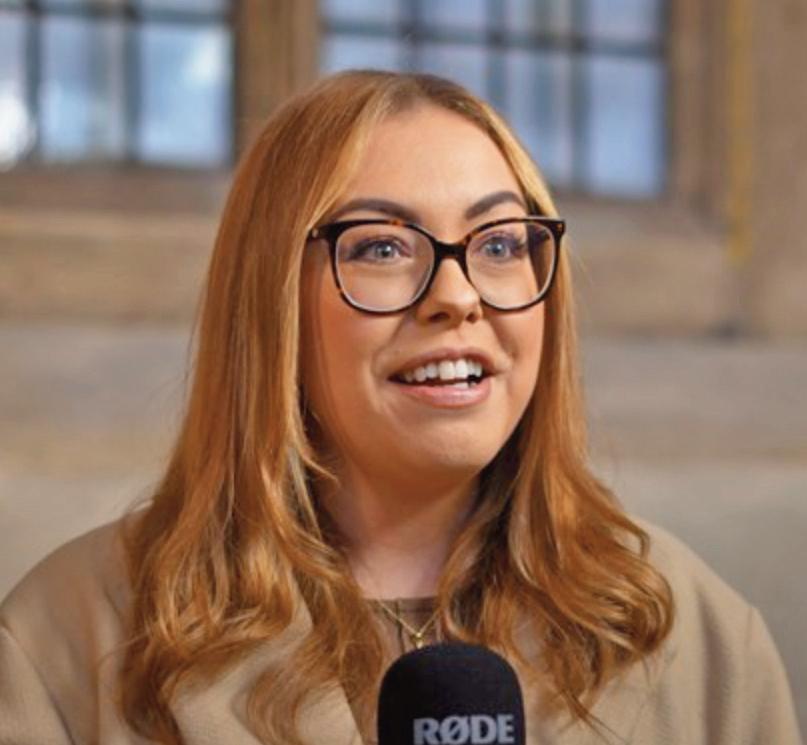
Others spoke of the Real Presence of Christ in the Eucharist as the turning point. Zach (St Thomas', Sevenoaks) described witnessing a Corpus Christi procession as a "life-changing experience," noting that the process has made him "feel so much more strongly in favour of Christ".
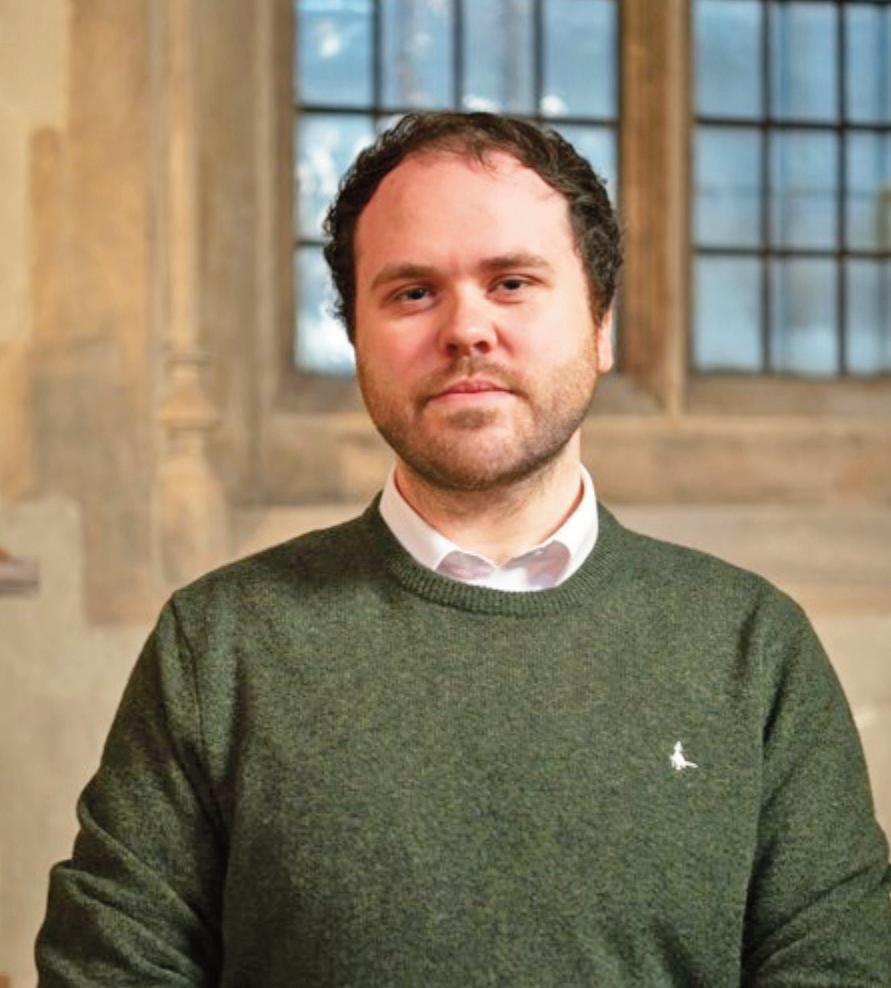
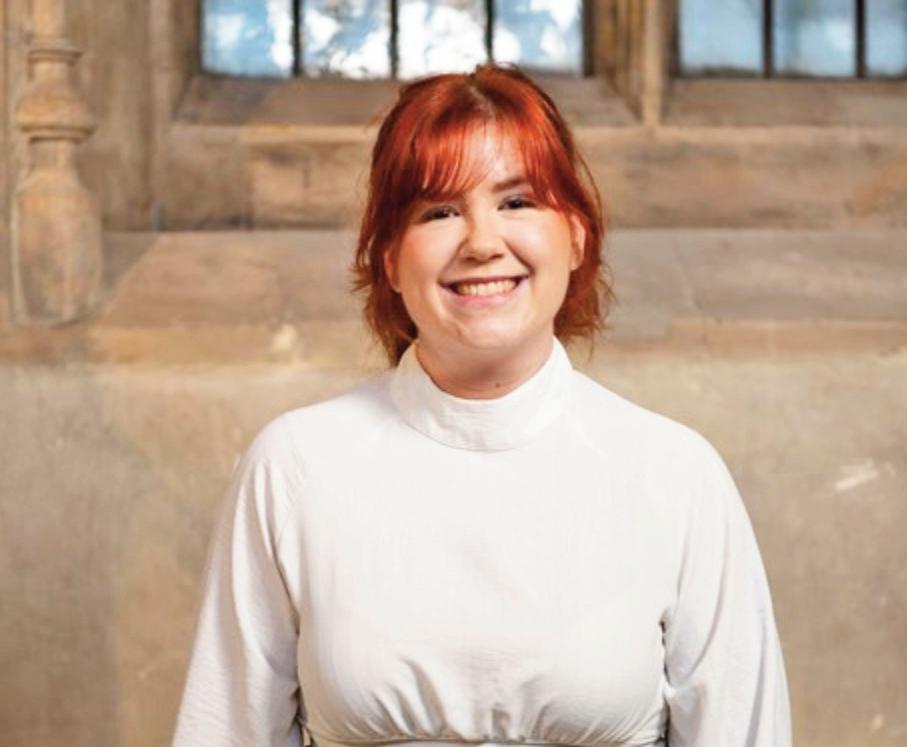
Emma (Our Lady Help of Christians, Blackheath), a former agnostic, echoed this sentiment through her experience of Eucharistic Adoration:
"My relationship with Christ has grown deeper... I just feel at peace at adoration, it’s almost like Christ brings a wholeness that you’ve been searching for your whole life."
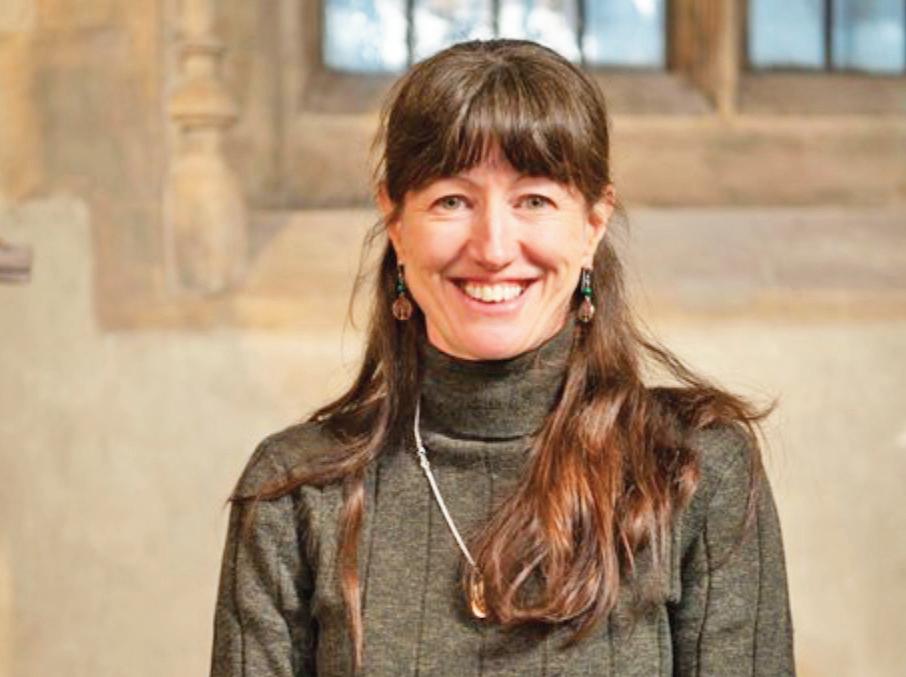
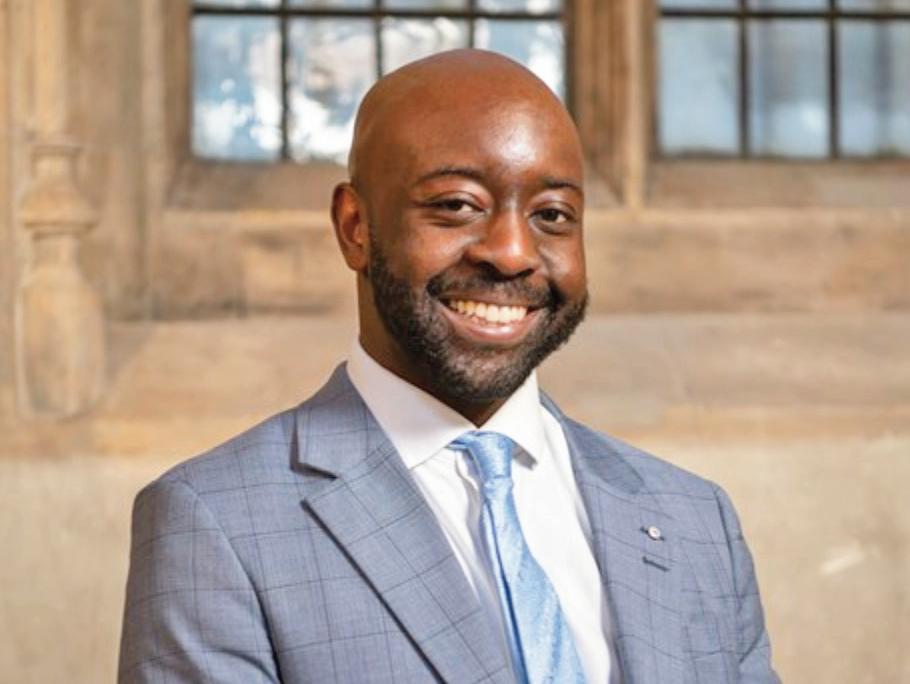
The data from this year’s Rite of Election highlights the increase in young people joining the Church, with 50% of converts aged 35 and under. However, the testimonies prove that the call of Christ knows no age limit. Colin, 78, (Holy Family, Thanet), who is preparing for Baptism, summed up his conversion beautifully:
"I’ve opened the door and Jesus has come into my heart and my life has changed."
up as a
your heart and be open to what the truth is, it is undeniable that the Catholic faith is the true faith."
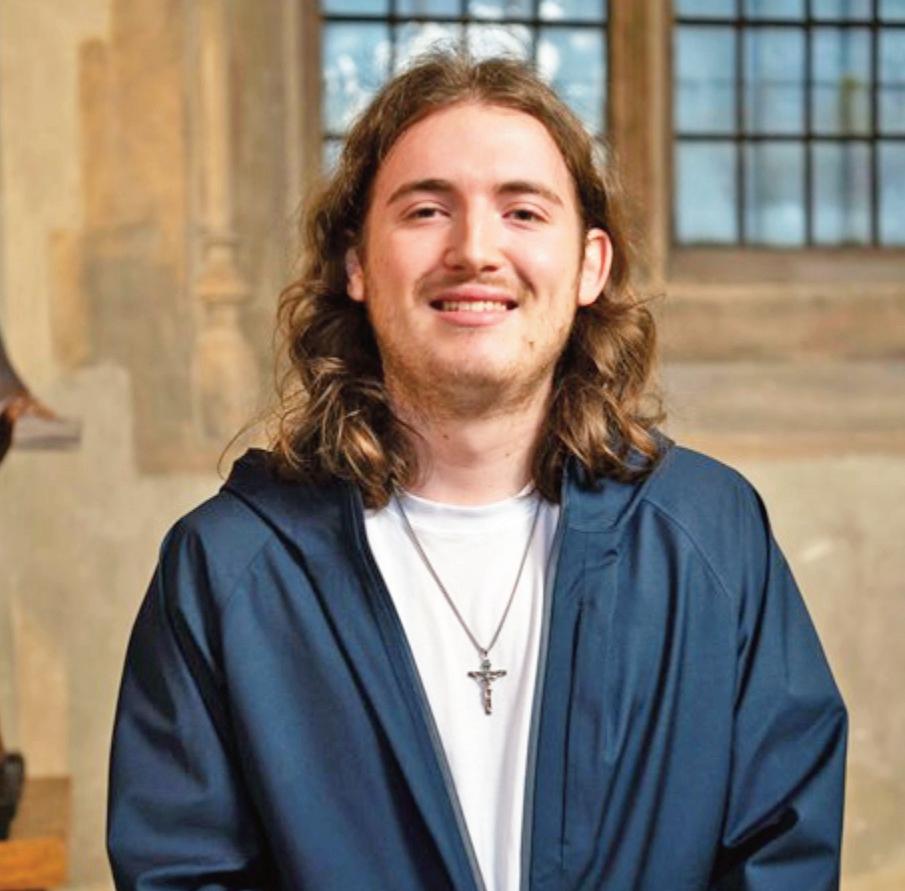
For those returning to their roots or completing their initiation, the process is one of surrender. Ben (St Stephen’s, Welling) said:
"I read 'trust in the Lord with all your heart and in all your ways acknowledge him, and he will make your path right.' When I read that, I thought, you just have to let go and give it to Christ."
Ryan (St Stephen’s, Welling), who was baptised but is now taking the final step, had words of encouragement for others and said:
“If you are like me, who was raised Catholic and for some reason never got confirmed, do it!”
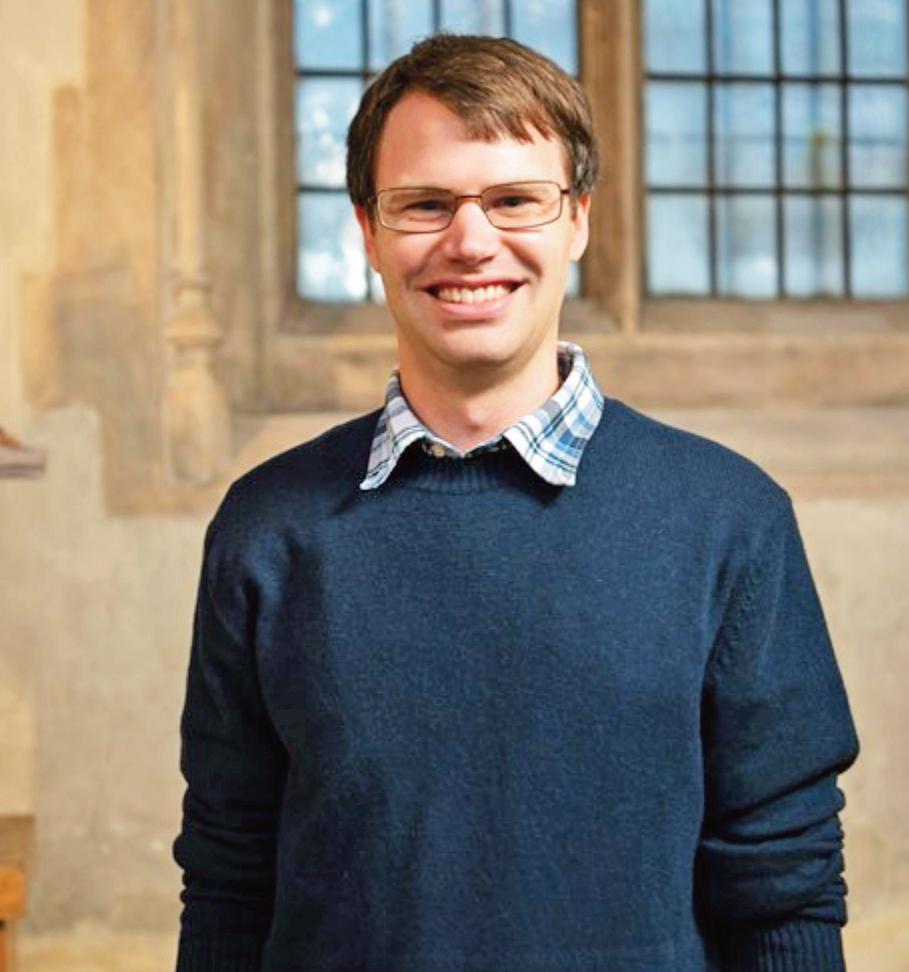
(Our Lady Help of Christians, Blackheath), who was raised Catholic but had not received the sacraments, said of Baptism that she knew “that it would bring me closer to God."
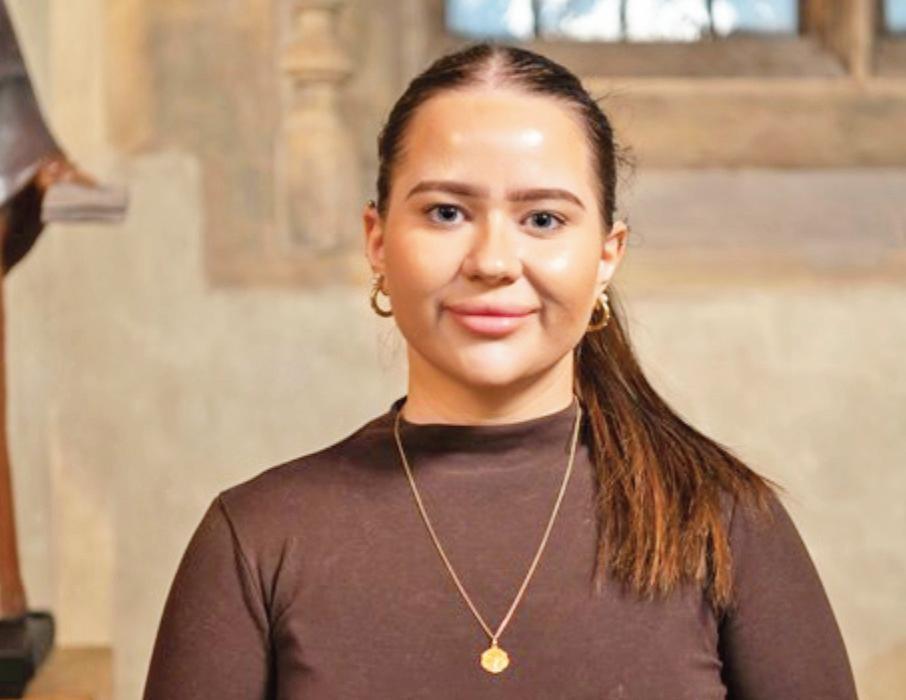
Darren (Saint Matthias, Worcester Park), a school governor, described the "amazing journey" of the Come and See programme, which has sparked "interesting, exciting discussions" with his Catholic nieces.
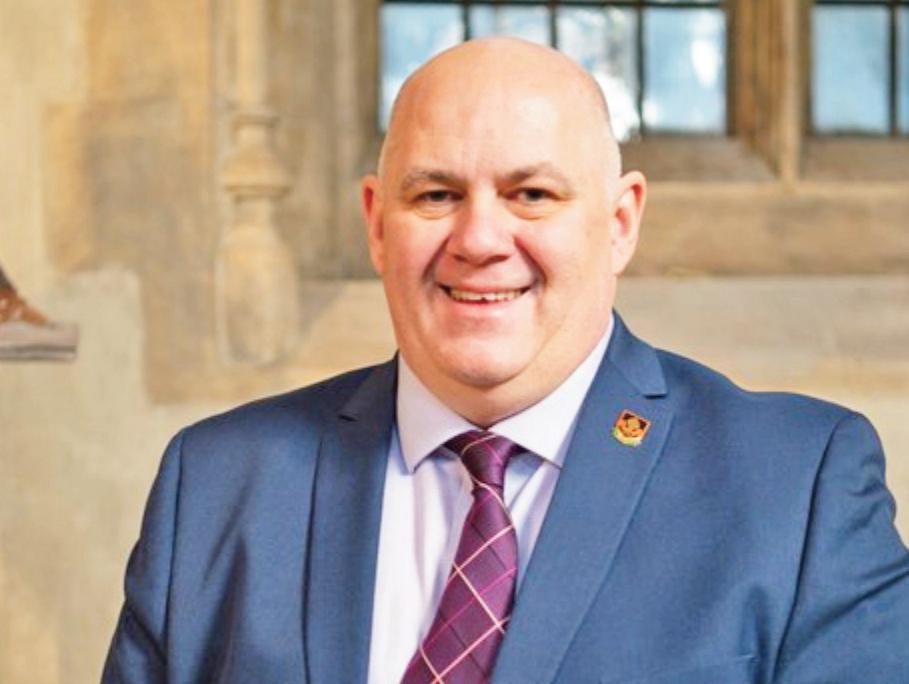
Darren Growth in the Archdiocese
The 2026 catechumens and candidates shows the impact of evangelisation across the Archdiocese, with converts coming from 112 parishes compared to 97 in the previous year. Of those being received, 57% are women and 43% are men. While the youth presence is strong, the Archdiocese also welcomes its oldest catechumen at 81 and oldest candidate at 88.
At the Rite of Election, Archbishop John Wilson spoke of how “joyful” he felt that people answered the call to Jesus. In a message to the catechumens and candidates he said:
“I hope today, within the context of your story and your journey, that powerfully, you know the Lord Jesus loves you”.
Please pray for Jade, Ben, Emma, Colin, Daniel, Noami, Zach, Skyler, Ryan and Darren - and all who hear Jesus calling them to His Church.

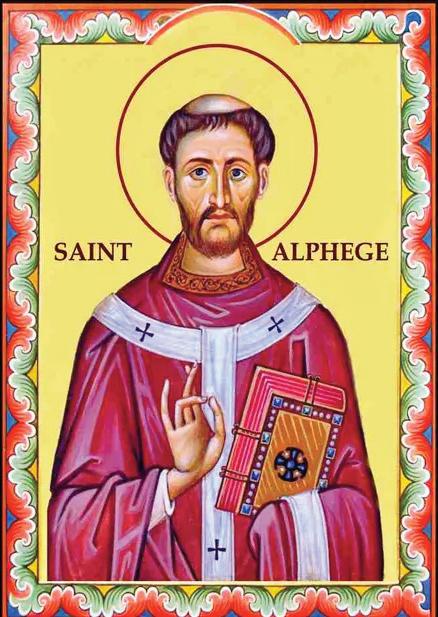
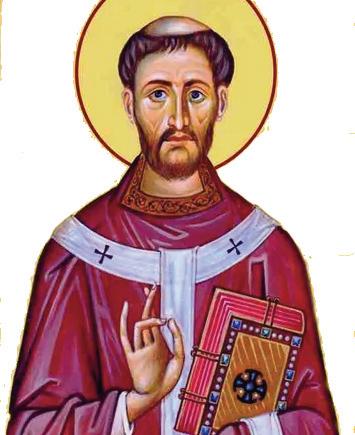
In the spring of 1012, a frail, starving archbishop stood before a jeering crowd of Viking warriors and refused to save himself. That man was Alphege of Canterbury — and his defiance in the face of death remains one of the most quietly extraordinary acts of courage in the history of the English Church.
Born around 953 in Gloucestershire, Alphege felt the pull of monastic life from an early age. He became a monk at Deerhurst, then a hermit at Bath, earning a reputation for severe holiness and deep compassion for the poor. His gifts were impossible to ignore. He rose to Bishop of Winchester, then, in 1006, to Archbishop of Canterbury — the highest ecclesiastical office in England.
Four years later, Danish raiders sacked Canterbury, burning the cathedral and taking Alphege captive. Rather than flee, he had walked boldly into the midst of his attackers, crying out: "Spare those poor innocent victims — turn your fury rather against me." They obliged, dragging him away in chains. What happened next speaks to the
extraordinary nature of the man. When an epidemic swept through the Viking camp, the terrified Danes released him. Alphege did not seize the moment to escape or seek revenge. Instead, he turned immediately to the sick — blessing bread and distributing it among his former captors, and by tradition healing many of them of their affliction. The man they had imprisoned as a prize now tended to them as a servant.
Recaptured and brought before his captors once more, he refused their demand for a ransom of three thousand pounds of silver. He would not allow his devastated flock to be bled further on his account. At a drunken feast in Greenwich, enraged by his refusal, the Vikings pelted him with bones and stones. He died on April 19, 1012 — standing firm to the last.
St. Alphege was canonised in 1078. His legacy endures not only in martyrdom, but in mercy — a man who healed the very hands that would later destroy him.
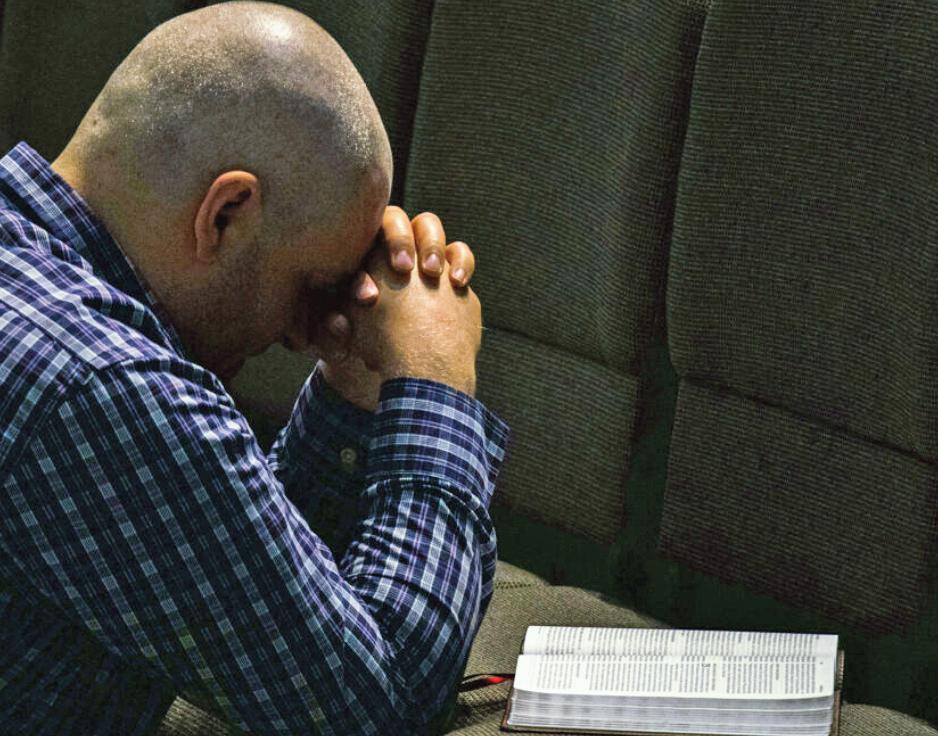








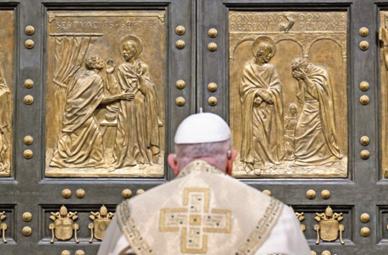
Fr Alvan Ibeh explains why prayer should be a constant attitude of the Christian heart, reminding us that even when God seems silent, every prayer offered according to His will is heard and never ignored.
Prayer is one of the spiritual pillars of our Lenten journey. The fact that it is emphasised so much during Lent doesn’t mean that it is only during Lent that we should pray more, fast more, or give more. Prayer shouldn’t be something we are reminded to do only during Lent or Advent. Rather, as serious Christians who are not only interested in religious practices, it should be an attitude. It should be something I do every day, every hour, every moment. It is something I do consciously and unconsciously.

Remember, no one reminds us that we should communicate with our friends and families. Some of them we can spend hours on the phone chatting with. But truth be told, if I am asked, “When was the last time you spent an hour in prayer, talking only to Him whose love for you is immeasurable and invaluable?” what will my answer be? What will your answer be?
Sometimes we feel like not praying any more, perhaps because our prayers are not being
answered or have not been answered. We feel like spending time praying over and over again for a particular thing is not worth it any more. Have you ever felt that way before? Surely, I have. There came a time when I said to myself that it was clear that God was either not interested in what I was asking Him, or that what I was praying for did not make any sense to Him. That very day, I made up my mind never to pray again. But it was still that same day that God proved to me that He had always been there with me, even without me noticing His presence. It was that one encounter on that faithful day that convinced me that God is ever present and does not leave nor forsake us.
He promises us in Hebrews 13:5, 1 Chronicles 28:20, and Deuteronomy 31 that He will never leave nor forsake us. Note that it does not say “I may never”, but “I will never”, which is a great assurance that can be trusted with all our hearts. Numbers 23:19 reminds us that “God is not human, that he should lie, not a human being, that he should change his mind. Does he speak and then not act? Does he promise and not fulfil?”
It was that same day that I realised that the voice of prayer is never silent. Whatever prayer we make according to God’s will is heard by Him. So the question is: what am I praying for? Is it according to God’s will for me? If we know
that when we pray according to His will He hears us, then we should continue to pray and never lose heart (Luke 18:1). We will never lose our confidence in asking for whatever we need, even when the answer is not coming when or how we want it (1 John 5:14).
In this season of Lent, dear friends, I want to remind you that even when lips cannot speak, in sickness, grief, exhaustion, or doubt, the heart still prays. Scripture reminds us that “the Spirit himself intercedes for us with groanings too deep for words” (Romans 8:26). God hears what others cannot hear: silent tears, hidden fears, and unspoken gratitude.
So when you feel that heaven is quiet, remember that prayer is not measured by noise but by presence. As long as the heart turns towards God, even wordlessly, the voice of prayer is still speaking, and when there is a voice speaking, there is surely an ear listening closely. So never get tired of raising your voice to the heavens in prayer. God sometimes takes His time so that He can give you something for which you will never stop being grateful. So keep praying until something happens.
Wishing you a blessed and glorious Easter.
Pray As You Go, the free prayer app from the Jesuits in Britain, celebrates 20 years of helping Catholics and seekers alike find space for daily prayer and reflection
What began in March 2006 as a Lenten experiment by Fr Peter Scally SJ, a British Jesuit priest who recorded short podcasts for commuters using Ignatian prayer, has grown into a global ministry. Today, Pray As You Go serves over half a million people annually, with more than 134,000 active users each month. Many users return frequently, averaging nearly seven sessions and over 34 minutes of prayer each month.
The largest audiences are in the United States (65,260 monthly users) and the United Kingdom (23,316), but the community now stretches to many other countries, including Australia, South Africa and the Philippines.
Angelique, a Pray As You Go user, said: "I have prayed with Pray As You Go since 2008 and it has been a great blessing to me. My daughter now prays with it too and shares the meditations with her husband and young children."
Emma Hudson, Director of Pray As You Go, said: "Life can feel rushed and overwhelming, and it's easy to go days without a moment to pause. Over the past 20 years, Pray As You Go has become a quiet companion for hundreds of thousands around the world, helping them find a little time to be still and reconnect, wherever they are.
"Looking back, it's been wonderful to see how the journey has unfolded, but we're even more excited for the future. With our recent rebranding, new resources in development, and a new monthly series with the Pope's Worldwide Prayer Network, there is so much to look forward to as we continue this journey together."
The Pray As You Go app is available on both the Apple App Store for iOS devices and Google Play so listeners can easily install it on their phones or tablets. You can also use the website prayasyougo.org to begin.
Each day, a new 10-13-minute session is released, combining music, scripture and reflective questions. Rooted in the spiritual exercises developed by St Ignatius of Loyola in the 1500s, users are encouraged to use their imagination and senses to meet God in their everyday lives.
Music is central to the experience. From classical and chant to choral and contemporary pieces, each meditation is carefully crafted to help listeners enter more deeply into prayer.
Beyond the daily meditation, the platform offers guided prayer series, digital retreats and the Examen, a short reflective prayer to review the day and notice where God has been present.
As Pray As You Go marks its 20th anniversary, its focus is turning towards families, schools and young people, with new resources being developed specifically for children, parents and educators.
The ministry is also expanding Sign As You Pray, making prayer more accessible for the Deaf community. Resources are currently available in British Sign Language (BSL) and American Sign Language (ASL), with Irish Sign Language launching in March.
Pray As You Go remains entirely free. The service is sustained by generous donations and the gift of time and talent from contributors around the world.
Donations helps ensure that this digital sanctuary continues to grow and reach those
who need it most. Donate today by scanning the

Since Israel's latest onslaught on the country, most of the villages in Southern Lebanon have been displaced. People are fleeing en masse and overwhelming the streets of Beirut.
But residents of one ancient Christian village in southern Lebanon are refusing to leave.
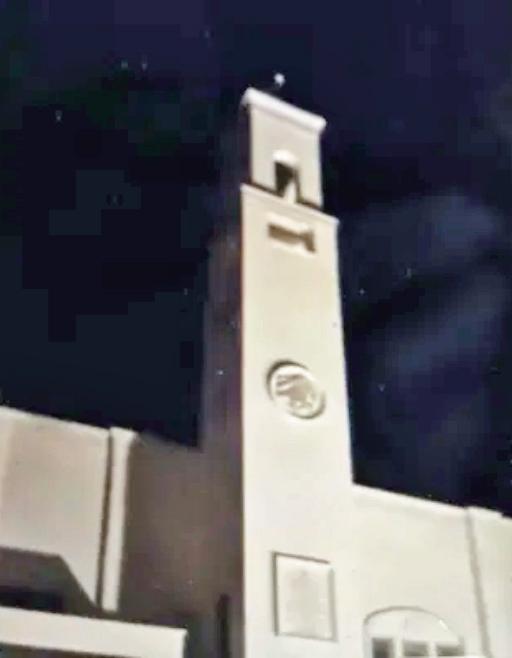
The caption posted with this video link which is being shared widely says: "The residents of the southern town of Alma alShaab gathered in the church courtyard and rang the bells, refusing to leave their town, chanting: "The bells of Alma will keep ringing!"
While fear spreads and many prepare to flee, the Christian families of this border village are standing stand firm.
"We are peaceful," they say. "We want to remain on our land and in our country. This is our village. These are our homes. We do not want to leave."
Their voices are not defiant but deeply rooted-like the cedar trees that have witnessed generations of prayer and perseverance.
They appeal not for weapons, but for protection. "Help us stay here. We ask the Lebanese government and the Lebanese
Army to stand by us. We want only the Lebanese government and the Lebanese Army."
And still, the bells continue to ring: They ring as a declaration of presence. They ring as a refusal to surrender hope. They ring as a prayer cast into the uncertain sky. As tensions rise, the world may not look away. May we unite in prayer-for their safety, for restraint, and for peace to guard every home beneath those steadfast bells.
For resources on how to Pray with the Pope, either on your own or in groups, use this QR code.

Conflicts and tensions exist that threaten people's lives and their ability to live together. Some can drag on for years if the path of dialogue and reconciliation has not been chosen. This is particularly concerning for the most vulnerable and for future generations.
In his prayer intention for March, Pope Leo invites us to pray that nations lay down their weapons, adopt diplomacy and justice, and seek true security founded on trust and solidarity among peoples. The Holy Father invites us to pray that "every kind word, every gesture of reconciliation, and every choice for dialogue be seeds of a new world."
Pope Leo prays:
In the name of the Father, and of the Son, and of the Holy Spirit. Amen. Lord of Life, you shaped every human being in your image and likeness. We believe you created us for communion, not for war, for fraternity, not for destruction. You who greeted your disciples saying, "Peace be with you," grant us the gift of your peace and the strength to make it a reality in history.
Today we lift up our prayer for peace in the world, asking that nations renounce weapons and choose the path of dialogue and diplomacy.
Disarm our hearts of hatred, resentment, and indifference, so we may become instruments of reconciliation.
Help us understand that true security does not come from control fueled by fear, but from trust, justice, and solidarity among peoples.
Lord, enlighten the leaders of the nations, so they may have the courage to abandon projects of death,
halt the arms race, and place the lives of the most vulnerable at the center. May the nuclear threat never again dictate the future of humanity.
Holy Spirit, make us faithful and creative builders of daily peace: in our hearts, our families, our communities, and our cities. May every kind word, every gesture of reconciliation, and every choice for dialogue be seeds of a new world. Amen.
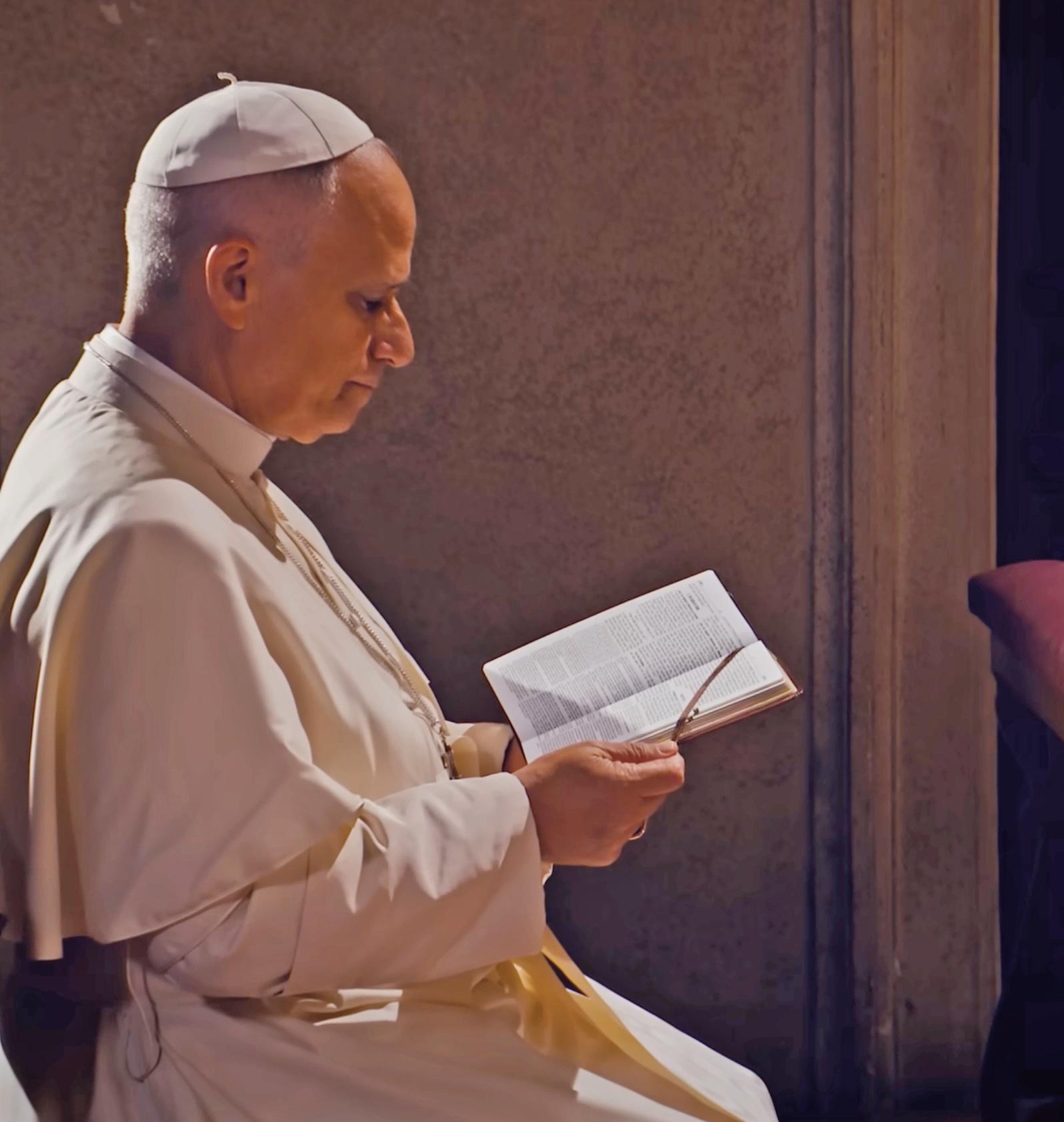
Vatican Media In these times of conflict, “the task of journalists, in verifying the news so as not to become a megaphone for power, becomes even more urgent and delicate - and indeed, essential," he continued.
In a meeting recently with Italian journalists from Rai 2, the Italian state-owned TV channel, on their 50th anniversary, Pope Leo warned against the media becoming a “megaphone" for power, especially in times of conflict. “Always, but especially in the dramatic circumstances of war such as those we are experiencing, information must guard against the risk of turning into propaganda," he said.
The Pope highlighted that it is the media's job “to show the suffering that war always brings to populations, to show the face of war, and to tell it through the eyes of the victims so that it does not turn into a video game."
He acknowledged that “it is not easy within the few minutes of a news broadcast and its analysis segments," but underlined that "this is the challenge."
Reflecting on this anniversary, the Pope highlighted the importance of bringing a human perspective to the media in the face of rapid technological developments.
He noted that various changes have occurred in television journalism in the last decades, such as "the transition from analog to digital." But he emphasized “no technological innovation can replace creativity, critical discernment, and freedom of thought."
“Since the challenge of our time is that of artificial intelligence, I think of the need to regulate communication according to the human paradigm and not the technological one," he said, adding that this means, “ultimately, knowing how to distinguish between the means and the ends."
The Pope also noted the importance of openness in the media and of not trying to simply confirm one's own perspective.
He applauded Rai journalists for their “secularism and the pluralism of news sources," even in state television. He defined secularism as “a rejection of ideological preconceptions and as an open-minded view of reality."
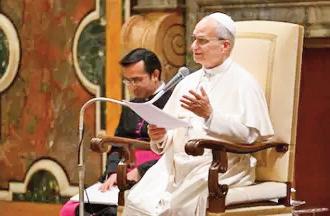
“We all know how difficult it is to let ourselves be surprised by facts, encounters, the perspectives, and the voices of others; how strong the temptation is to seek out, see, and listen only to what confirms our own opinions," he said.
“But there can be no good communication, nor true freedom and healthy pluralism, without this openness."
Praising Rai, the Pope said that throughout its history they have always presented diverse cultural perspectives. This diversity, "especially when animated by a spirit of friendship, has been an added value" to the identity of the news broadcaster.
It has been “a source of richness, and an example of dialogue that still has much to teach us today - in an era dominated by polarisation, ideological closed-mindedness, and slogans that prevent us from seeing and understanding the complexity of reality."
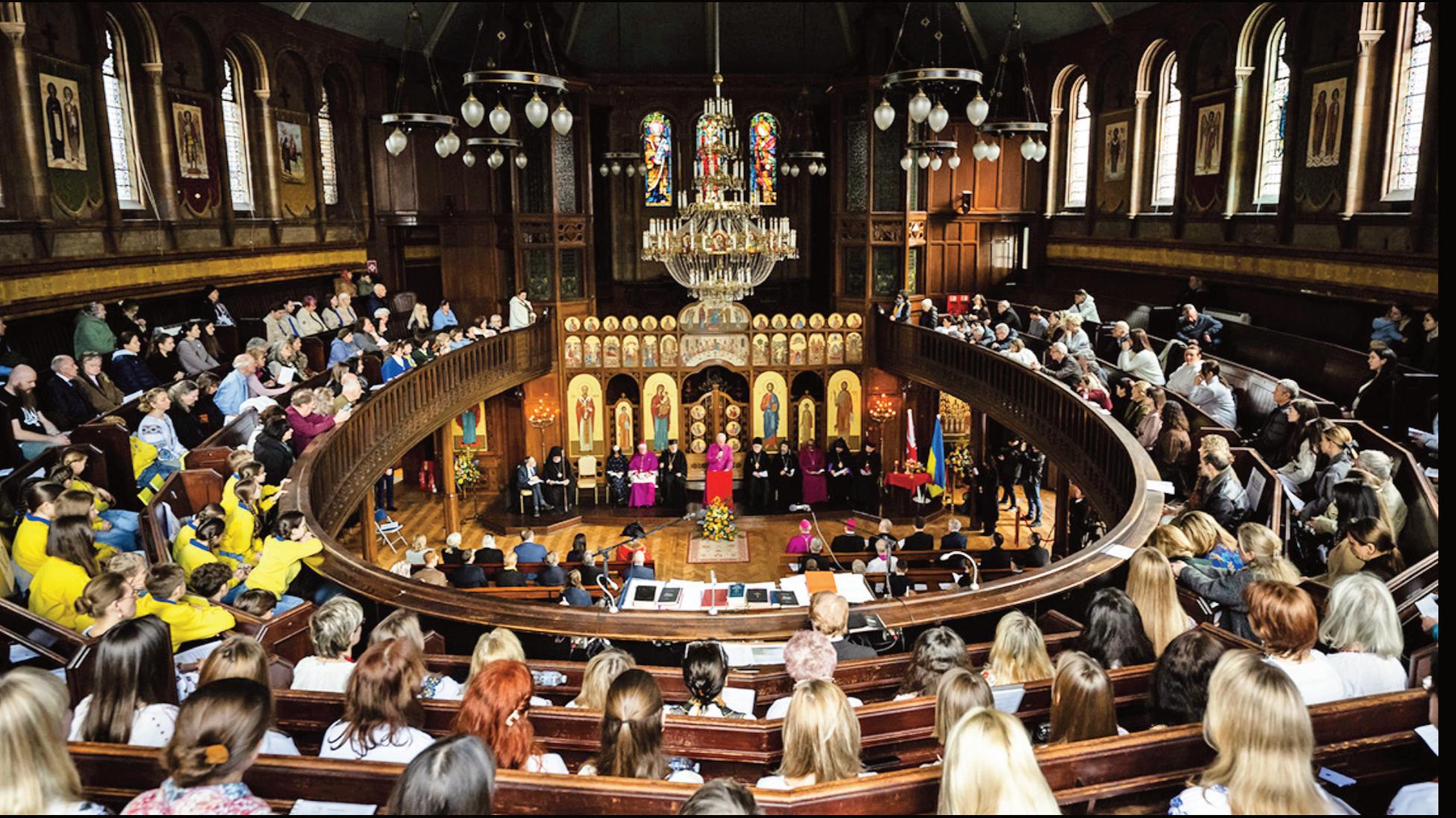
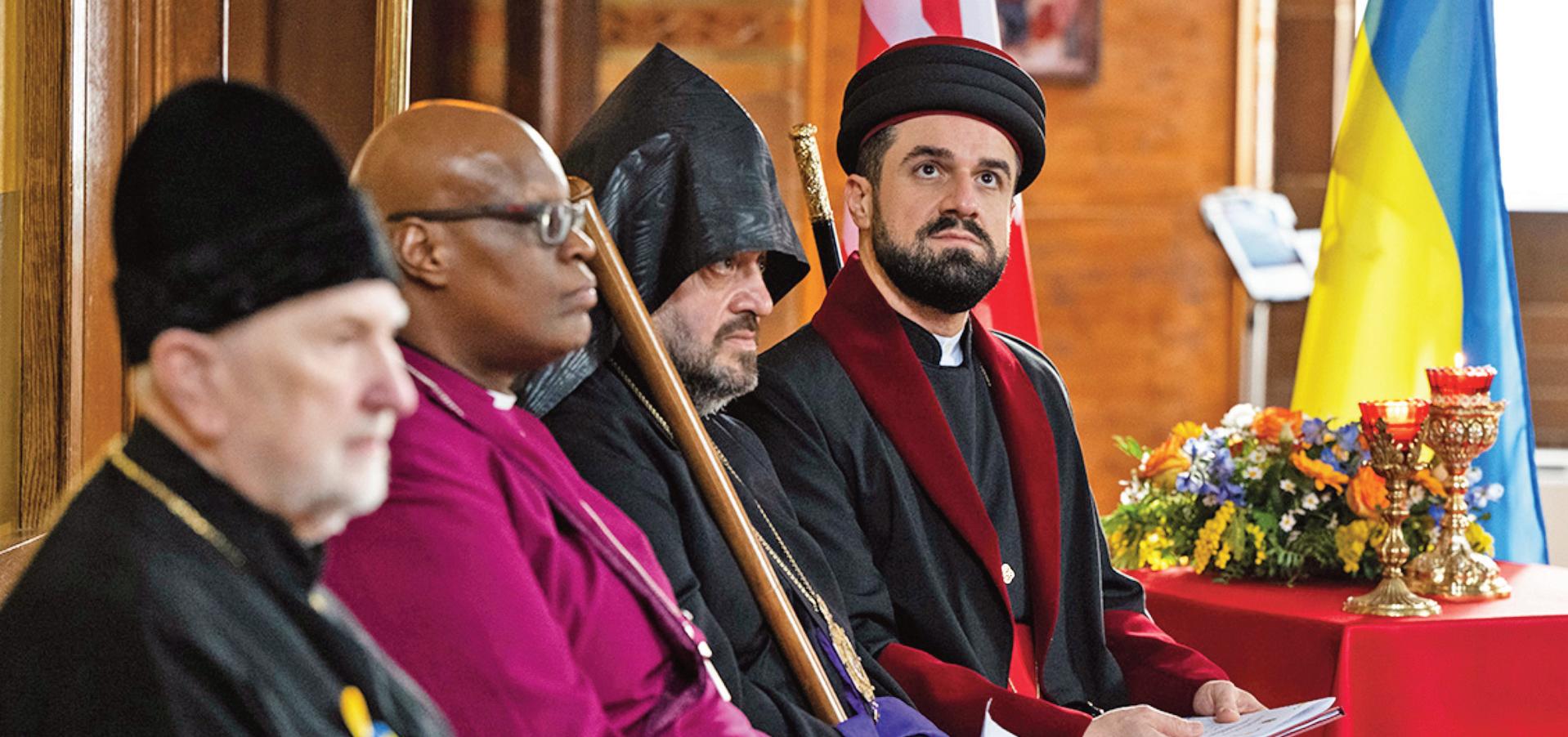
The Right Reverend Kenneth Nowakowski, the Eparchial Bishop of the Ukrainian Greek Catholic Eparchy of the Holy Family of London, led a special interfaith prayer service in his cathedral on 24 February to mark the fourth anniversary of the full-scale invasion of Ukraine by Russian armed forces.
Religious leaders from different faith communities offered prayers from their own traditions.
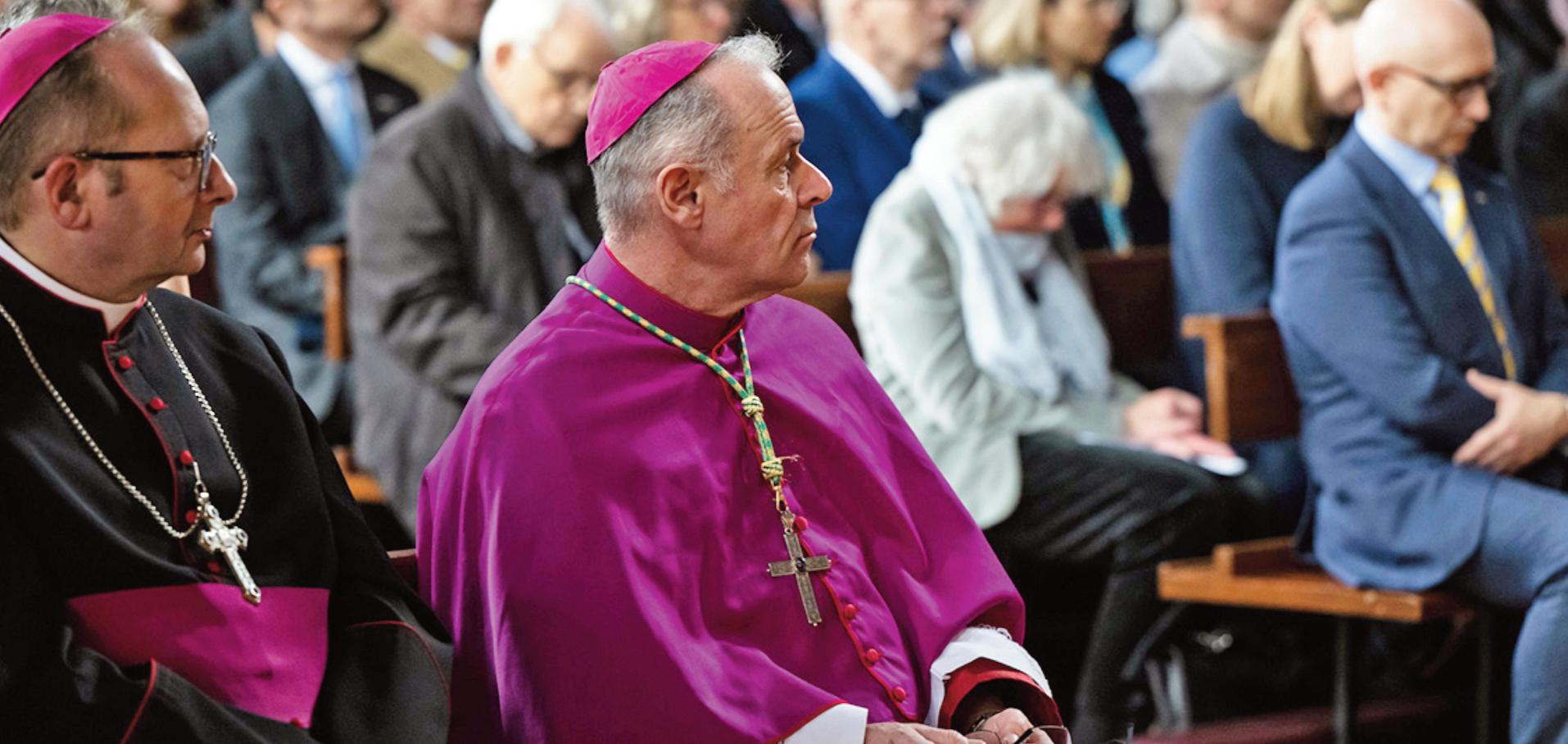
Bishop Jim Curry, an auxiliary bishop for the Diocese of Westminster, attended the service alongside Orthodox Archbishops and Bishops, Rabbis, and representatives from the Church of England and ecumenical bodies.
The Right Reverend Paul Mason, Catholic Bishop of the Forces, and the Right Reverend David Waller, Bishop Ordinary of the Personal Ordinariate of Our Lady of Walsingham, were also in attendance.
The congregation observed two minutes of silence in remembrance of all those who have lost their lives in defence of Ukraine, before the
service continued without the use of lights in order to stand in solidarity with Ukrainians who have had to endure hours-long daily power outages. Russia has destroyed much of the country’s energy infrastructure, leaving millions of Ukrainian citizens without electricity, heating and water during the freezing winter temperatures.
The service included several musical contributions with prayerful reflections accompanied by St Mary’s Ukrainian Children’s Choir, the Cathedral Quartet VIVO, String Quartet MODUS, and the Songs for Ukraine Choir.
The community remains hopeful that this unjust war will soon come to an end and that a peace founded on justice will prevail. Bishop Kenneth Nowakowski OBE said, “We are extremely grateful for the overwhelming support for Ukrainian citizens who have fled harm’s way and have arrived over the past four years to find welcome and shelter here in the United Kingdom. We also want to express our gratitude to the Government and the people of the UK for standing in true solidarity with the people of Ukraine.”
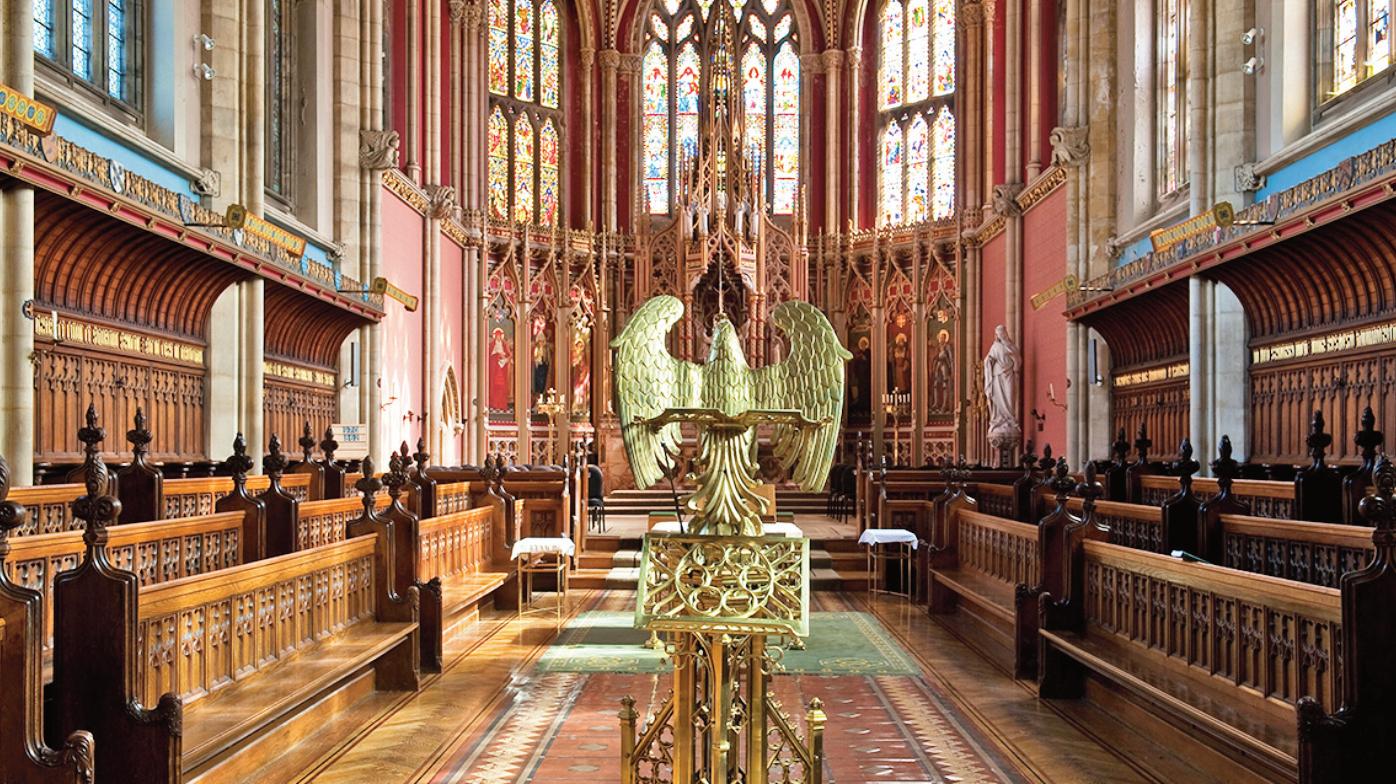
Ushaw Historic House, Chapels and Gardens has been awarded £400,000 to secure its long-term future as a heritage destination, conserve its architecturally and historically significant assets, and to enhance the visitor experience.
Formerly Ushaw College, a Catholic seminary and Licensed Hall of Residence for the University of Durham, the site spans 550 acres and its rich history is rooted in the north of England’s Christian heritage – beginning over a millennium ago with St Aidan in Lindisfarne.
The National Lottery Heritage Fund has awarded £250,000 and Historic England has granted £150,000 to support the next phase of development at this nationally significant heritage site.
The funding will underpin a major project titled: ‘Unlocking Ushaw: Heritage, Community and the Spirit of Emancipation’. Building on ten years of development, this project marks a
strategic shift from experimental growth to a long-term, sustainable plan that will guide Ushaw over the next decade.
The project focuses on three key strands: Estate master planning: Unlocking the potential of Ushaw’s 15 listed buildings and 550 acres of gardens, grounds and landscapes through a comprehensive conservation and reuse strategy.
Community engagement: Involving residents, stakeholders and visitors in shaping Ushaw’s future, ensuring its heritage is accessible, inclusive and valued by all.
Audience development: Understanding and expanding Ushaw’s audience to increase engagement and resilience, with a focus on regional and inbound tourism.
These interlinked initiatives will culminate in 2029/2030, coinciding with the commemoration of 200 years of Catholic
Emancipation, when Ushaw will unveil its longterm vision informed by this extensive master planning and community consultation work.
“These grants from The National Lottery Heritage Fund and Historic England are a powerful vote of confidence in Ushaw’s journey to date and in our ambitions for the future,” said Lucy Jenkins, Co-CEO at Ushaw. “Unlocking Ushaw builds on our first decade as a heritage visitor attraction, enabling us to care for this extraordinary place while opening it up more fully to communities, with a programme of activities underpinned by values of care, collaboration and social impact. This investment allows us to plan for longterm sustainability, ensuring Ushaw remains a living, relevant heritage site for generations to come.”
Helen Featherstone, Director, England, North at The National Lottery Heritage Fund, said: “We’re delighted to support the Unlocking Ushaw project to work towards a strong and
resilient future for the site and establish it as a major visitor attraction, thanks to money raised by National Lottery players. It is fantastic news that Ushaw are now one step closer to revitalising the site and putting its local communities of at the heart of their plans to shape the future of this fascinating site.”
Lianna Francis-Kelly, Historic England’s Partnerships Team Leader, North East Regions, said: “Ushaw has a special place in the history of the Roman Catholic Church in England, and the vast complex includes architectural gems by leading architects of the Gothic Revival.
“We’re delighted to be supporting the Unlocking Ushaw project, which will engage local people in identifying the potential of under-used and at-risk parts of the estate, increasing the site’s value as both a community asset and a unique visitor attraction for the North East.”
Dan Sobey
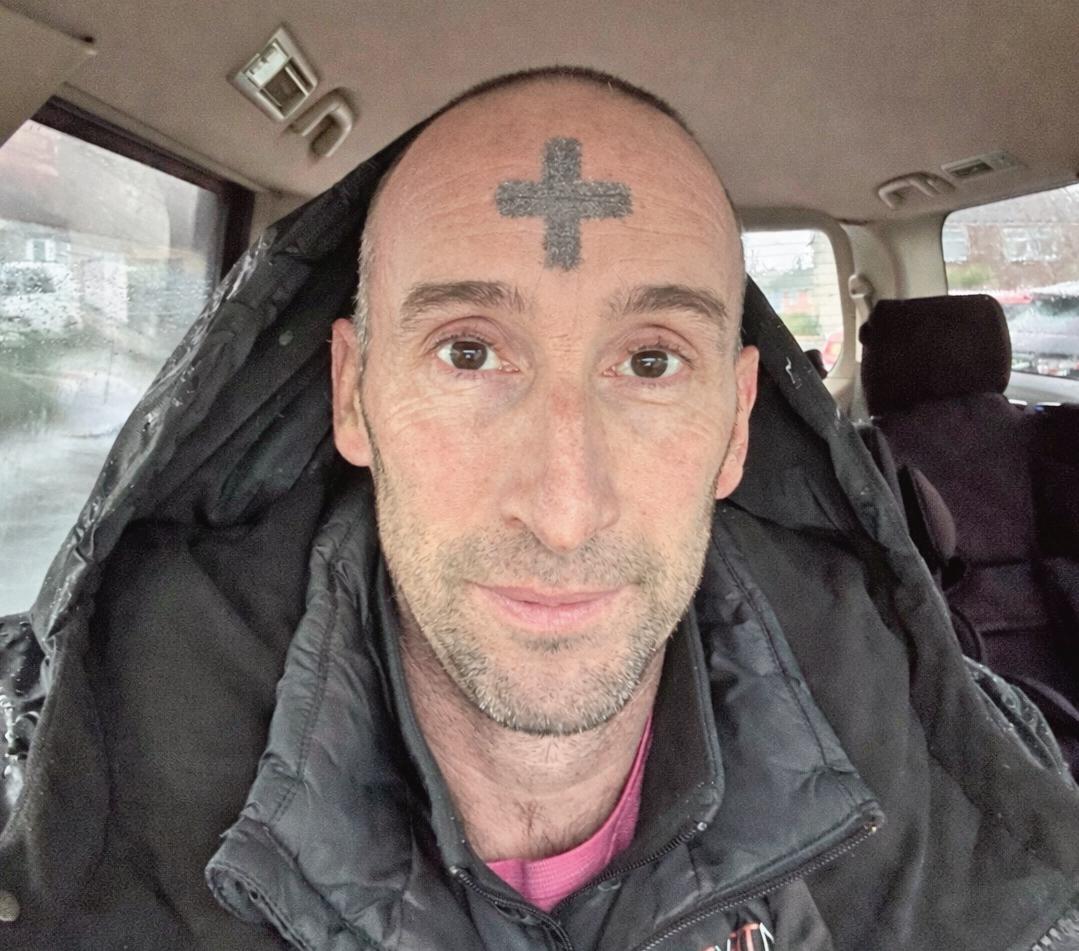
“Remember you are dust, and to dust you shall return.”
These were the words of Fr Daniel as he traced the sign of the cross on my forehead on Ash Wednesday. Found in the book of Genesis, they are a reminder of our mortality — and of our humility.
I’ve been to Mass on Ash Wednesday before. I’ve listened to podcasts and homilies about symbolism, repentance, and human frailty. But this time, as I returned to my pew and later knelt after Communion, I found myself not reciting prayers so much as entering into conversation.
A colloquy — the kind you’d have with your closest friend.
With Jesus. With God.
And maybe, if I’m honest… with myself.
Whenever I question whether it’s “just me” talking to myself, I’m reminded of my old Nan.
Nanny Christina.
She was an Irish woman who ran a full commentary on whatever she was doing — out loud. By the time I knew her, she had lived alone for many years as a widow. During school holidays I’d spend days helping her with jobs, usually gardening, my payment a homemade pasty (she’d married a Cornishman… and they were good!).
One day I walked into the kitchen and there she was in the larder, deep in animated conversation — with herself.
“You alright, Nan?” I asked.
“Of course I am, Danny-boy,” she replied in her southern Irish accent.
“So… who were you talking to?” She paused.
“In order for an Irishman to find their equal, they have to talk to themselves — or converse with the Almighty.”
And that was that.
So as I knelt there on Ash Wednesday, dust marked on my forehead, I entered my own conversation — with myself or with the Almighty — and a thought came to mind: The atoms running through my body were formed in an exploding star billions of years ago. Literally.
Physically speaking, my body is made of matter that has existed since before the Earth began. Dust — stardust. Ancient. Recycled through time and space.
Which means, in a sense… I am older than I look.
The “stuff” I am made of has been here since the beginning and will continue long after this particular arrangement of it is gone.
It’s a reflection I’ve had before, but Ash Wednesday invites me to sit with it more deeply.
The weather here in Plymouth lately has been relentless — rain, floods, grey skies — and yet I love it. Walking or cycling in full wet-weather kit, I feel cocooned in a bubble of my own making. It allows space for movement and meditation to merge.
On one such morning ride, I diverted off the roads and into the wooded areas Plymouth has to offer. The rain had eased. The air was cold and crisp. A few others were out — walking dogs, getting their steps in while it was momentarily dry.
Then the sun appeared.
I stopped cycling, closed my eyes, and felt its warmth on my face. I listened to leaves rustling as a breeze moved through them. Then higher — birdsong overhead, and the honking call of Canada geese echoing across the pond beside me.
And it struck me again.
Everything here — the trees, the birds, the water, the geese, me — is made of the same ancient substance.
Stardust.
I remembered: I am dust. And like me, everything within my sight and hearing will one day return to dust.
There is something deeply humbling about that.
A smile crept across my face at the whim of nature that means I exist in this body, right now — rather than in the squirrel that darted away when it decided my bike was getting a little too close.
One of my favourite psalms is Psalm 139: “You knit me together in my mother’s womb…
For I am fearfully and wonderfully made.” Formed in a womb. Forged in a star. Held in grace.
If we are all shaped from the same dust — the same exploded star — then we are not separate.
We are connected. We are, each of us, wondrously made.
And that makes suffering harder to ignore.
When I see someone struggling, something in me responds. Because at the most fundamental level there is no true “them” and “me” — only different expressions of the same ancient matter, animated for a while.
My Dad used to say: “There, but for the grace of God, go I.”
These days I gently shift it to: “There, because of the grace of God, go I.”
We are all pilgrims on this sacred journey of life. I’ve wandered off the path before. I’ve needed help before. I will likely need help again.
If we are all embodiments of the same stardust, then perhaps grace is simply recognising that — and choosing to help, to respect, to value whatever form that dust has taken in front of us.
Ash Wednesday reminds us we are dust. Science reminds us we are stardust.
Faith invites us to live like that matters.
Namaste
Have a beautiful day.

You can use both sets of clues to solve the puzzle: the solutions are the same.
CRYPTIC Across
7 Henry tracks Tolkien's mine to reach Solomon's temple (6)
8 Awful creature! (6)
9 Acre in Alaska's fine, in retrospect, for Hebrew port (4)
10 He came back after nudge, one by a spirited lass (8)
11 This book's dull...also cut (7)
13 Irish saint's oddly evoking good old Exodus (5)
15 She, unfaithful to the prophet, married raver, it's going round (5)
16 Occupation Ulster's withdrawn from, coming to an end (7)
18 Psalm setting, before/after? – a tight one (8)
19 Spring fast with hospital department appeal ending (4)
21 One of Cain's descendants turned bad in Paris, taking 17's heart (6)
22 Unwanted buildup of swabbies, one on top of the other (6)
CRYPTIC Down
1 City that's ultimately shabby, on the other hand is the capital of Kosovo (4)
2 Some versions have this chap meeting Jesus in hero's temple in error (5,3,5)
3 Guy retired after return of writer's block (7)
4 Doctor regularly looks into muscles – they used to read a lot from them (5)
5 Hear old priest's moving 'Hallelujah' (6,3,4)
6 Someone Paul addressed after show, one decked in brown (8)
12 Oxford guy, a leading chap, who's been to Mecca to get David's boy (8)
14 Graduate is, with anger over race, wearing a clerical head covering (7)
17 New report supports pharaoh who killed Josiah (5)
20 Arkwright's circle is embraced by revolutionary dynasty (4) QUICK Across
7 Mountains where Abraham was told to sacrifice Isaac (6)
8 Deadly; subject to death (6)
9 Variation in spelling of Acre in the OT (4)
10 Infamous son as described in Jesus' parable (8)
11 One of the Synoptic Gospels (7)
13 St ----- of Glendalough, Co Wicklow, d 618? (5)
15 Son of Japheth and wife of Hosea bearing the same name [Gen] (5)
16 Occupation of the apostle brothers Andrew and Simon Peter (7)
18 Common designation of Psalm 51, set to music by Allegri and others (8) 19 Post-Shrovetide fast (4)
21 Descendant of Cain: 20's father (6)
22 Fearsome person: kind of sauce (6) QUICK Down
1 Archbishopric second only to Canterbury in importance in the C of E (4)
2 Popular name of a Pharisee, possibly, who hosted Jesus in Bethany (5,3,5)

3 Meeting of a knightly order (7)
4 Pulpits or reading desks in early Christian churches (5) 5 English translation of 'Hallelujah!' (6,3,4)
6 Citizen of an NT Roman province (8)
12 Fourth son of David (8)
14 Cap worn commonly by RC clerics (7)
17 Pharaoh, the slayer of Josiah at Megiddo (5)
20 Captain for 40 days and nights (4)