

Value-Added Products as Tool for Management of Invasive Lionfish Phil Karp Independent Citizen Scientist pkarp24@gmail.com @pkarp24
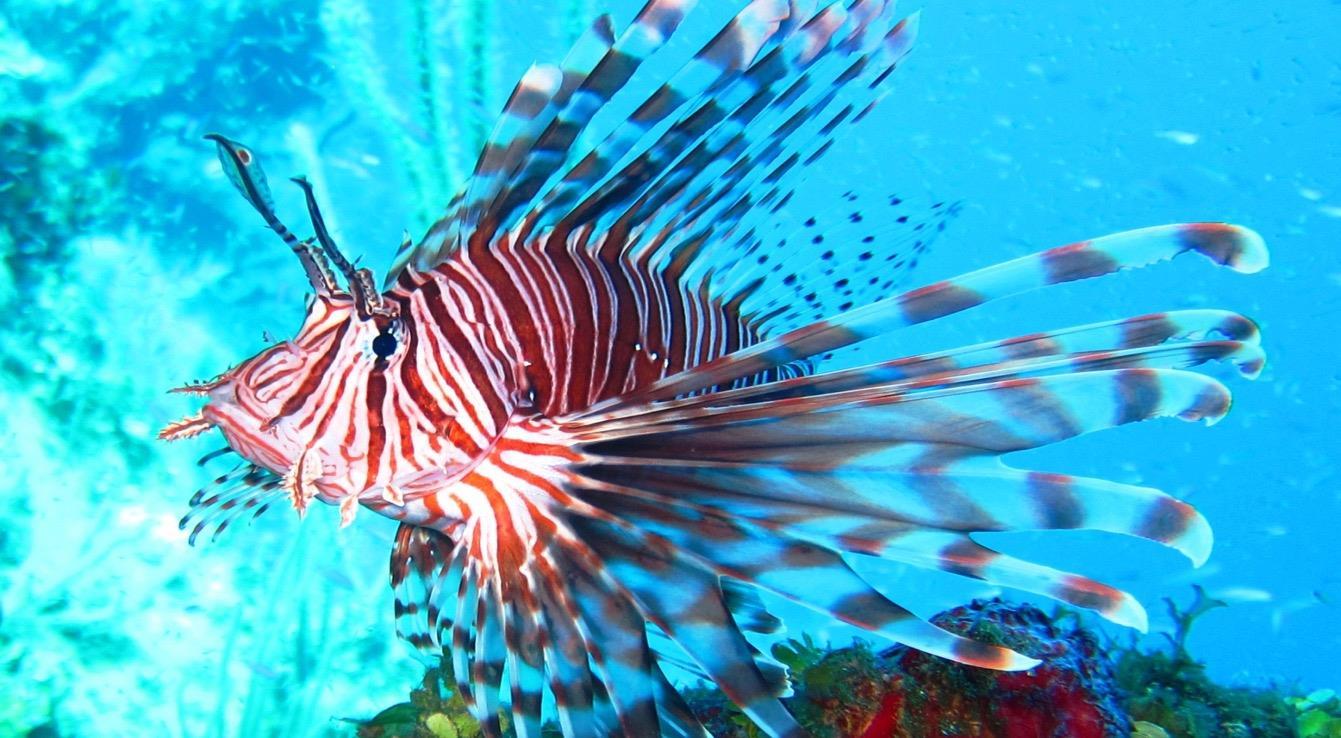

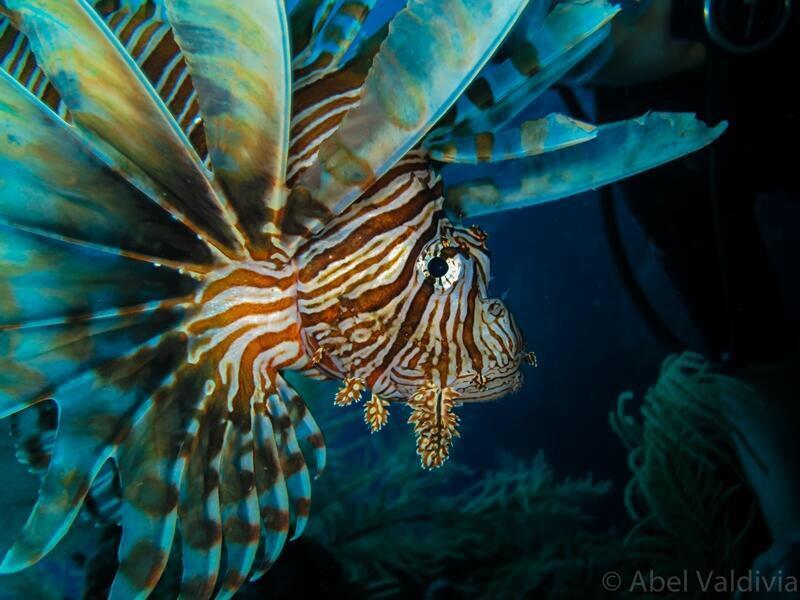
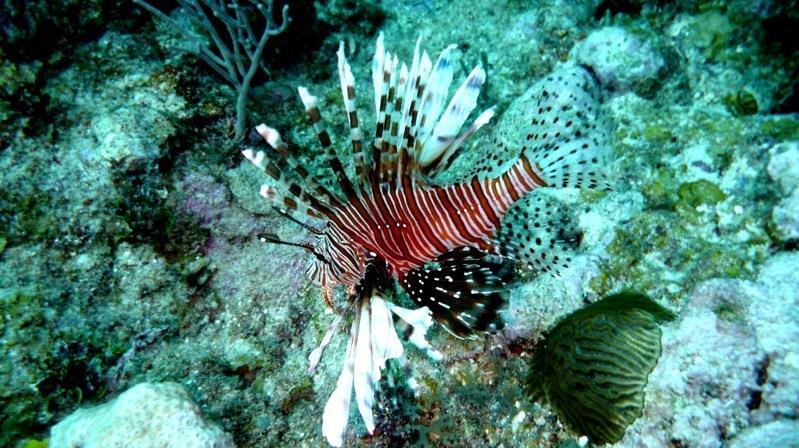
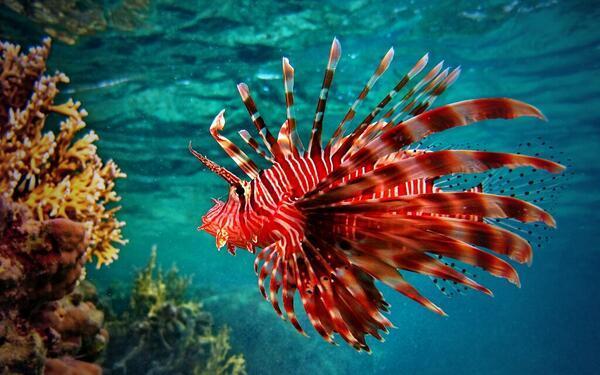
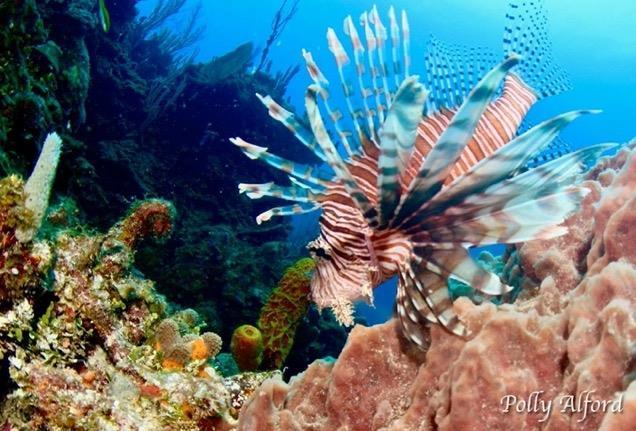
This species of lionfish, Pterois volitans along with closely related Pterois miles pose a serious threat to Western Atlantic, Caribbean, and Mediterranean marine ecosystems and fisheries
Photo Credit: G. Kirkwood
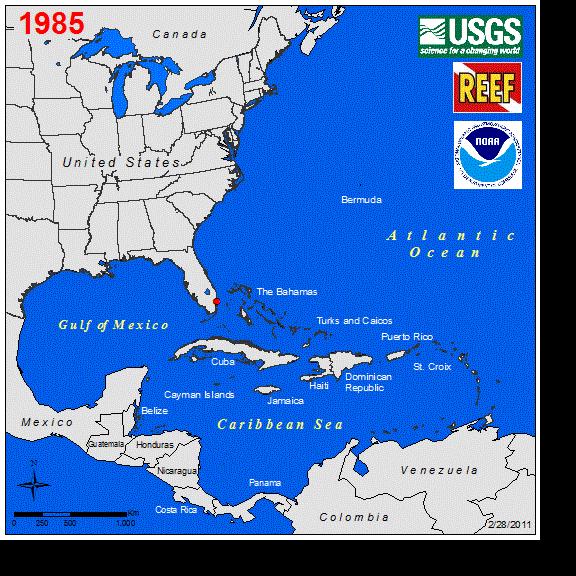
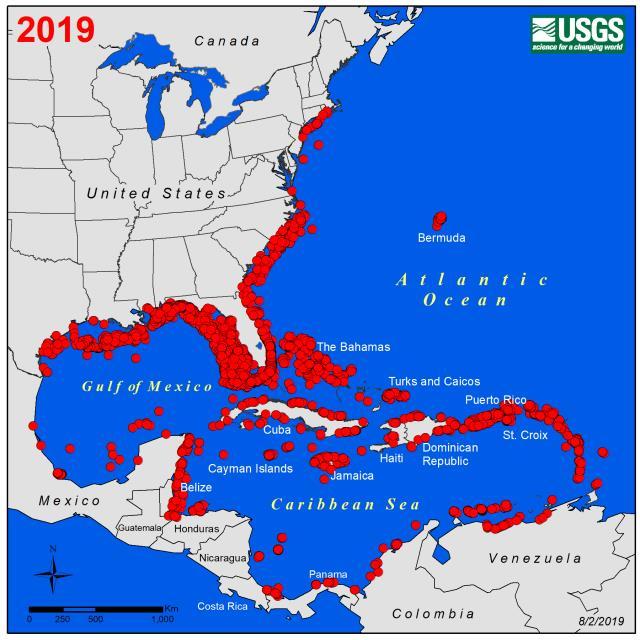
Population Densities in Atlantic up to ten times those found in native range
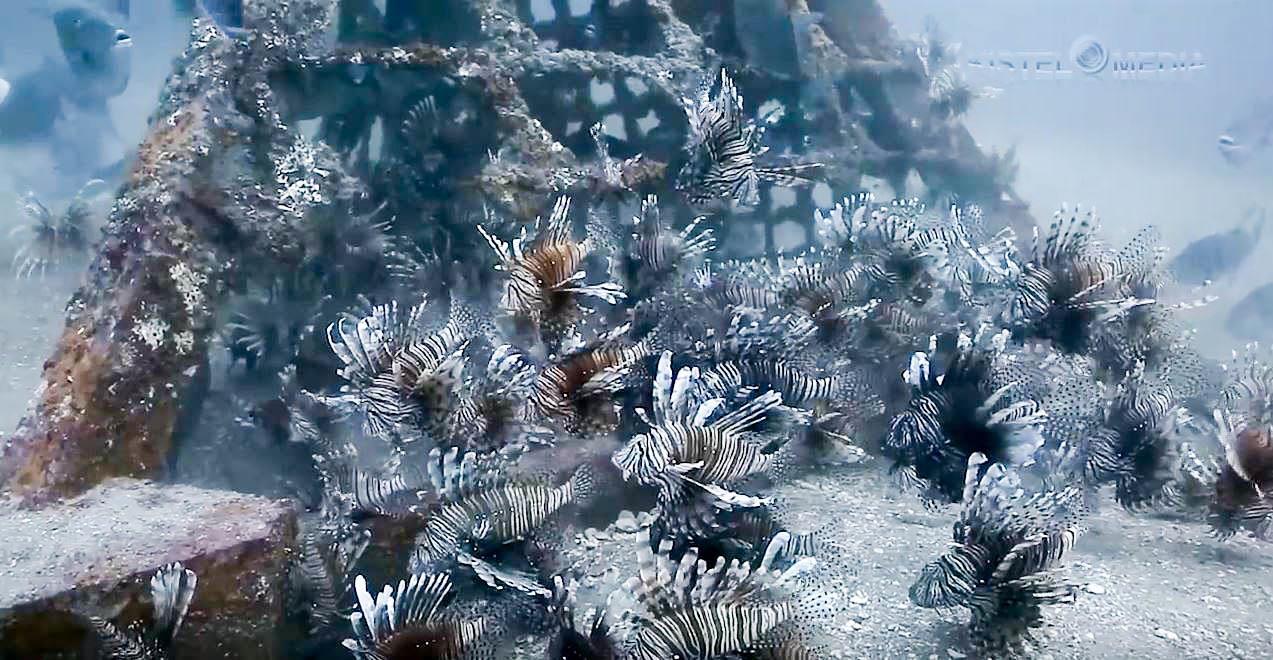
What’s the problem?
• No native predators
• Consume juveniles of commercially important fish
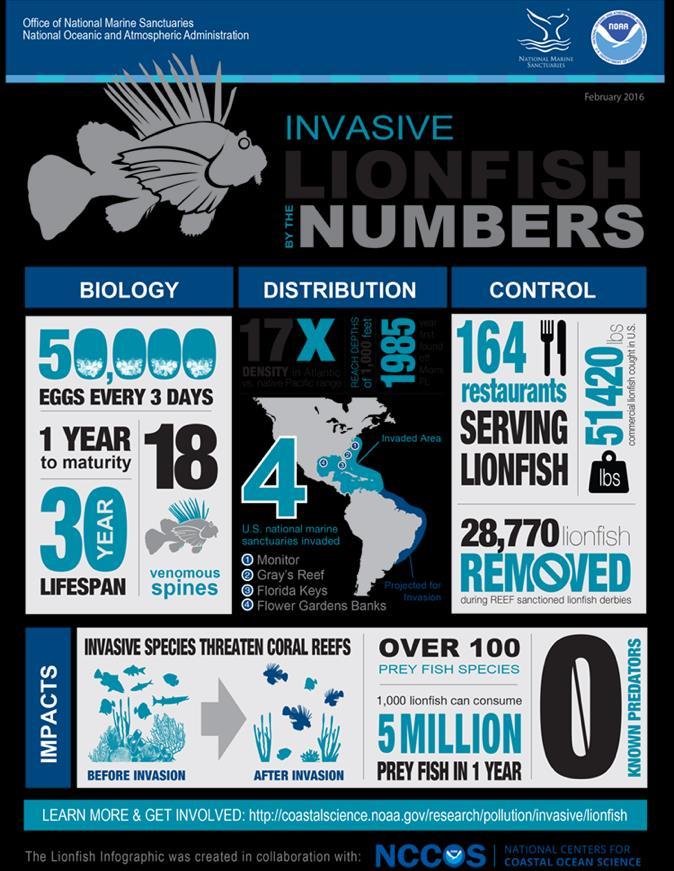
• As well as biologically important species
• High growth & feeding rates
• High reproductive rate
• Reach sexual maturity at 12 months
• Year round spawning
• Multiple spawning each month
• Venomous spines
• Highly adaptable
• Found in mangrove, rocky bottom & coral reef environments
• Found at depths up to 300 meters
• Can survive in low salinity
• Indiscriminate feeders; prey on more than 120 native species
• Can reduce native fish populations by 90% in a matter of weeks
• Some local extinctions
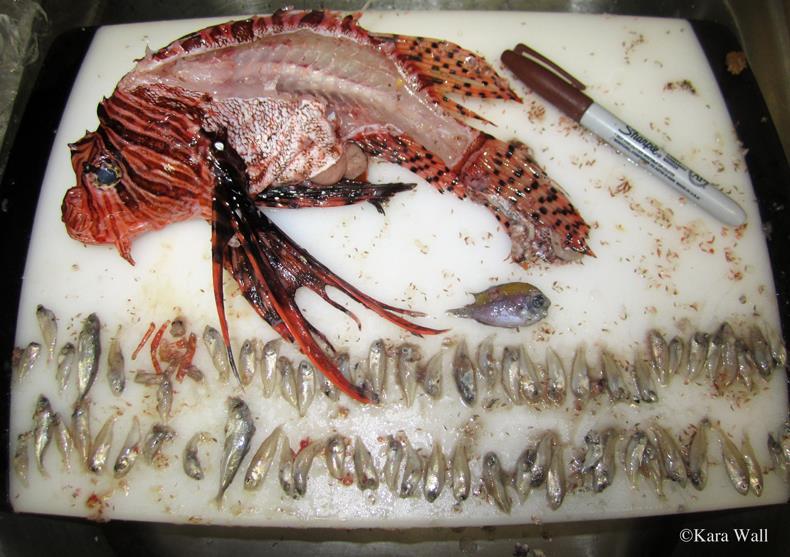
Management Strategies
Broad agreement that eradication is impossible
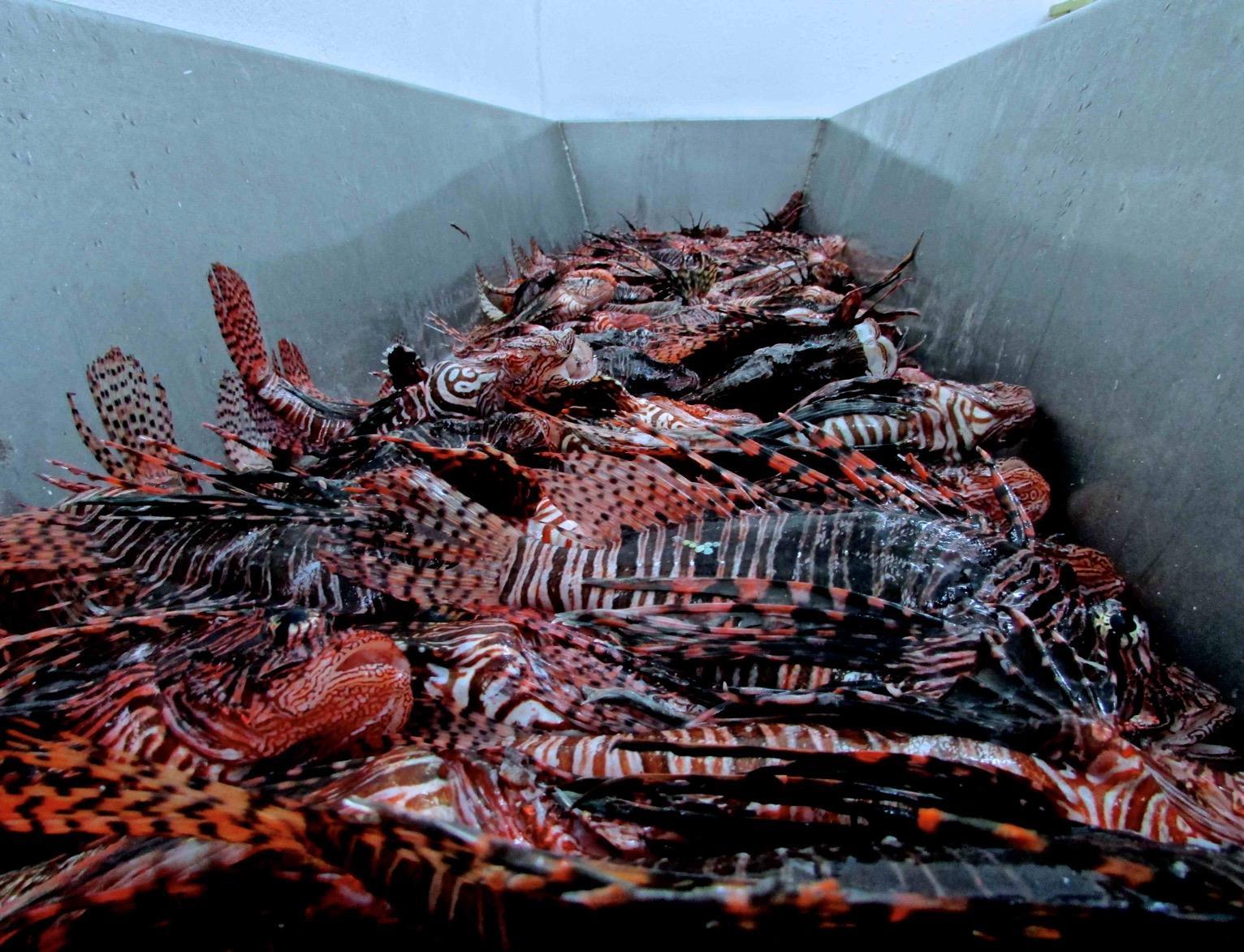
Only solution is to control lionfish population densities via – Regular Removals (Marine Protection Agencies & Volunteer Divers
Challenge: How to undertake these removals on a financially sustainable basis
•
•
•
Development of markets
for lionfish products offers one set of Solutions
Development of a series of vertical markets can provide a sustainable approach to suppress invasive lionfish populations and provide an alternative income source for fishing communities, supporting fisheries management and native fish stock recovery
Vertical Market #1
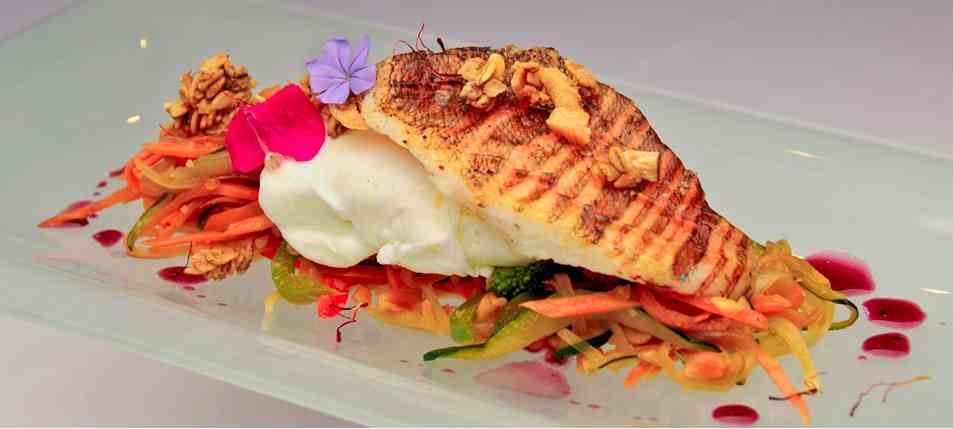
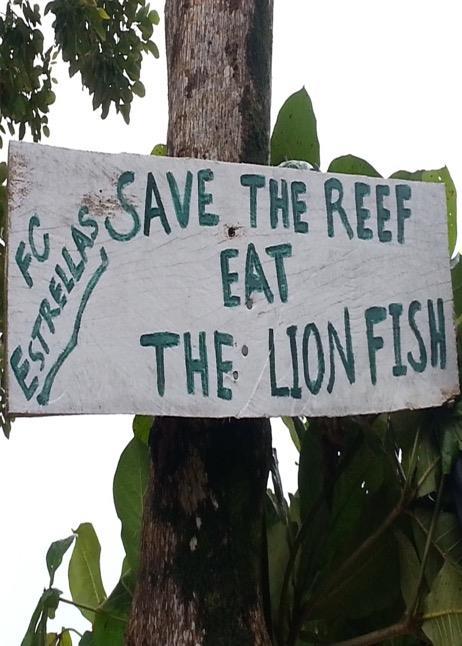
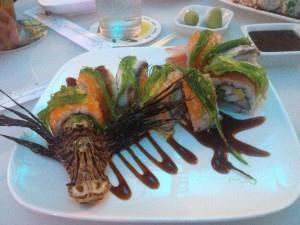
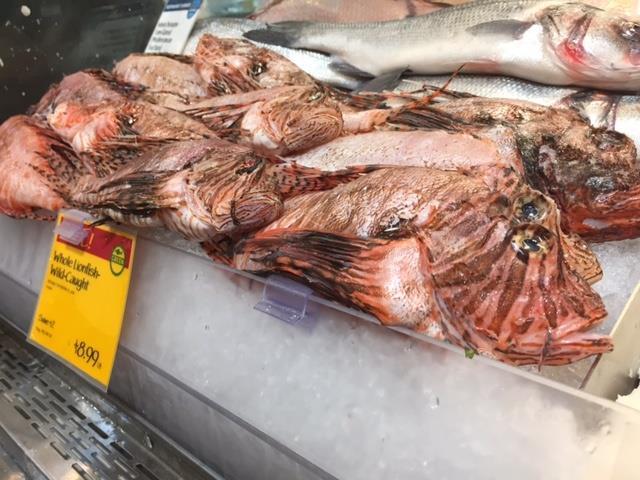
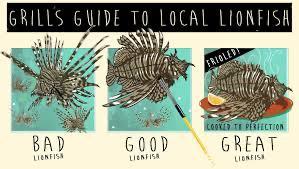
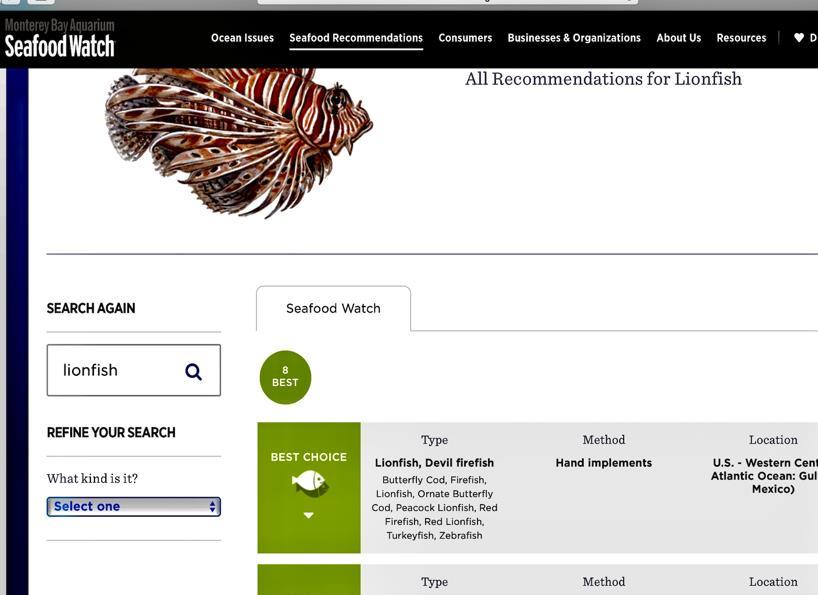
➢Fishers ➢Seafood Sellers ➢Restaurants / Chefs Eat’em to Beat’em! Eat da Lion!

Vertical Market #2
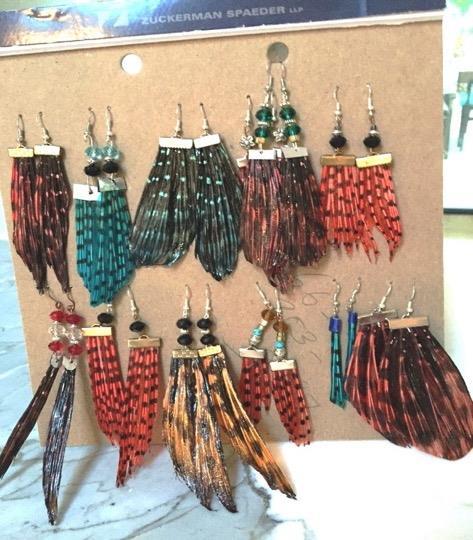
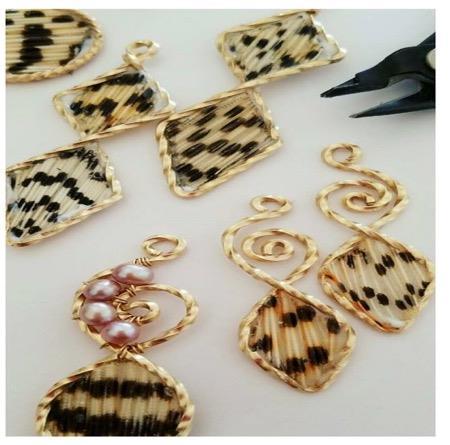
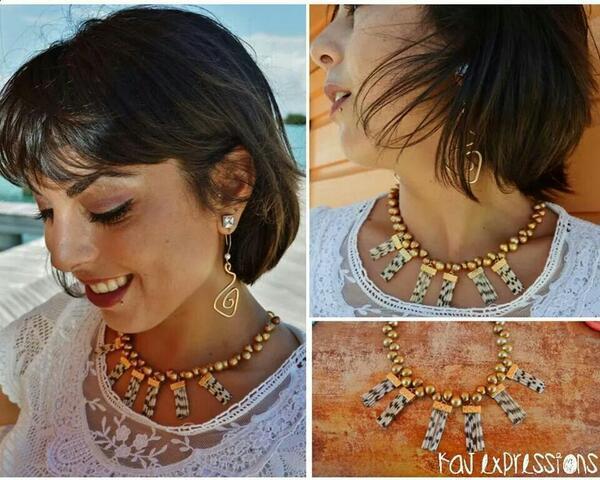
Lionfish Jewelry and Handicrafts
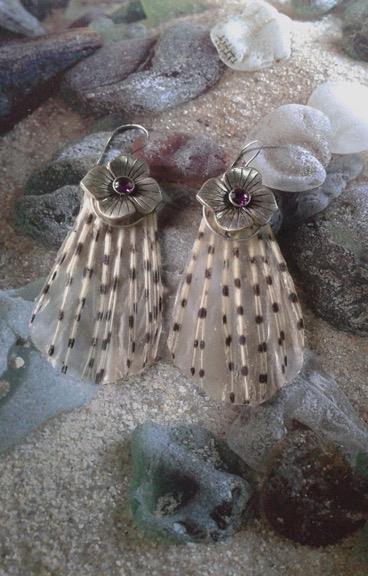
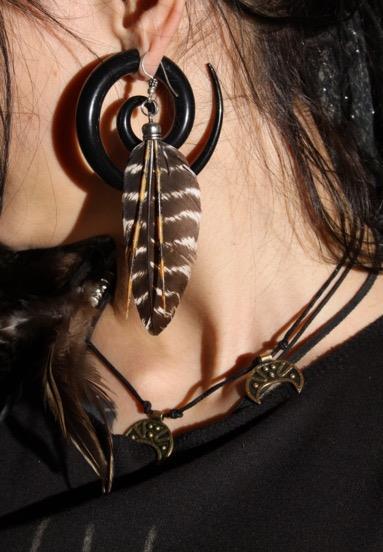

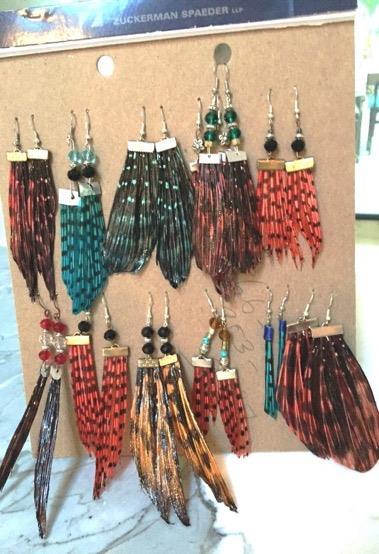
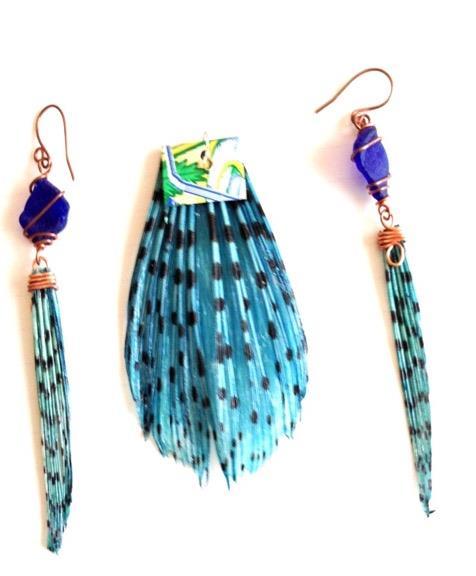
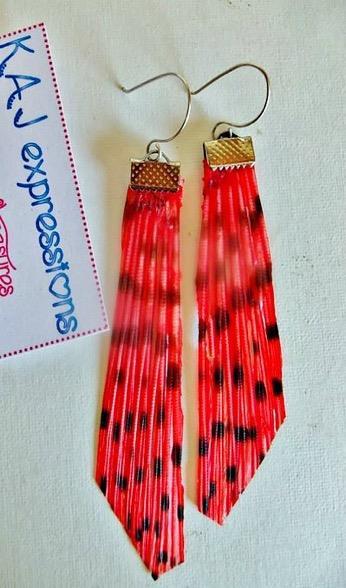
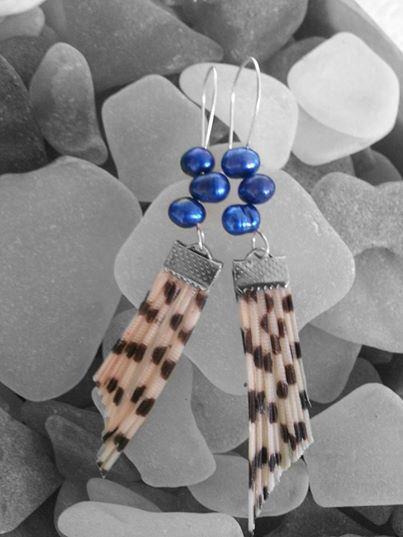
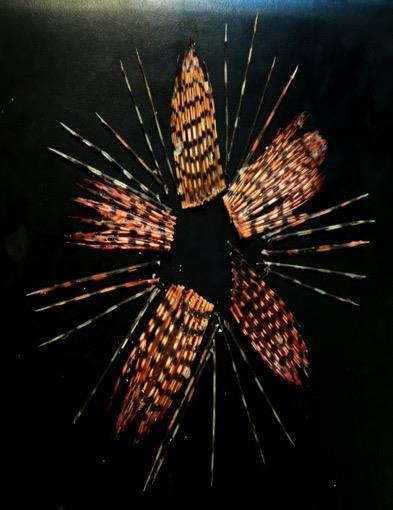
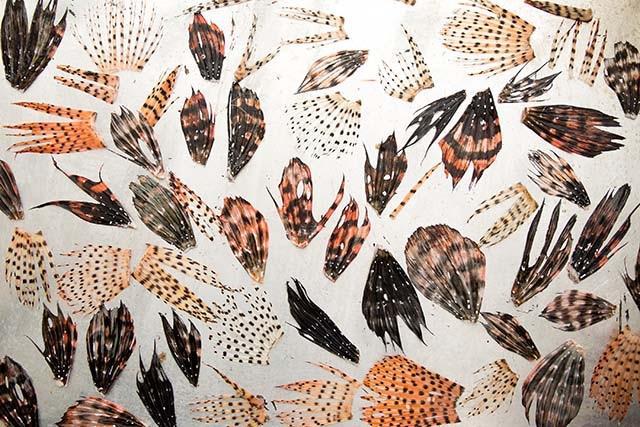
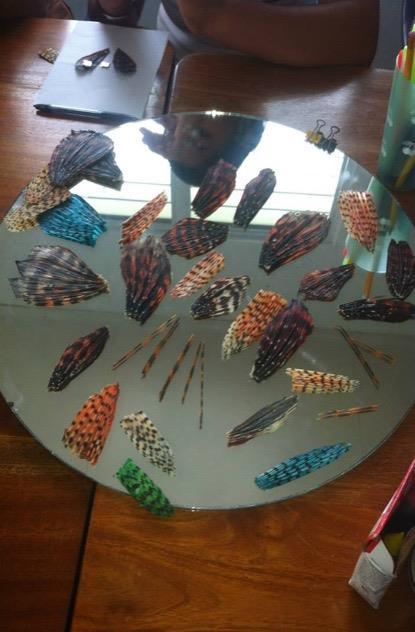
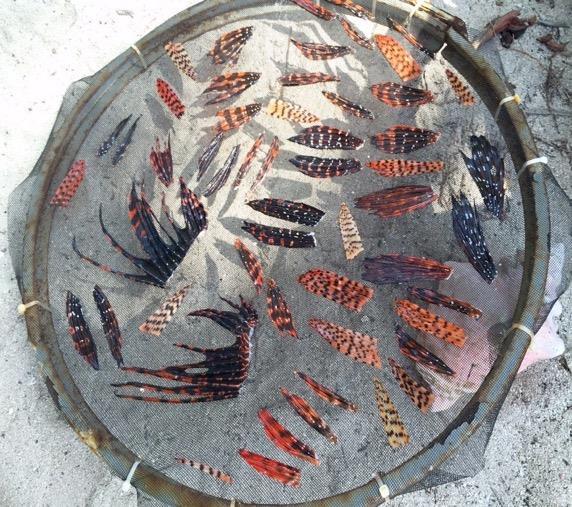
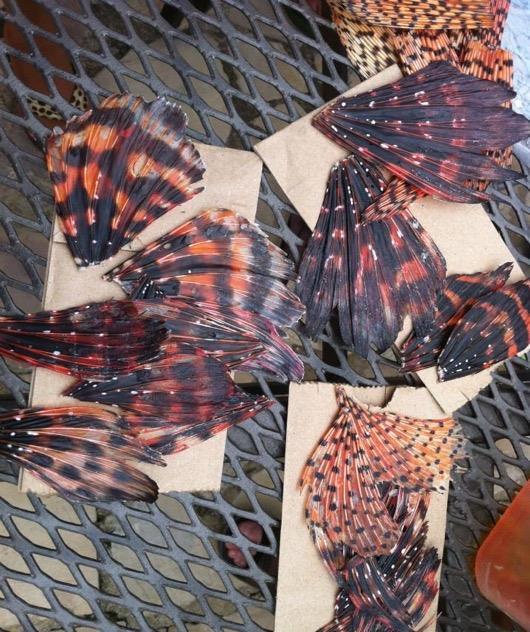
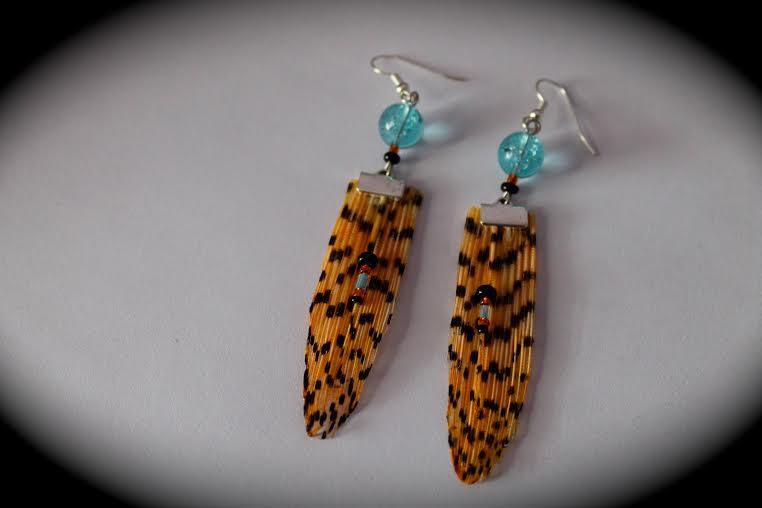
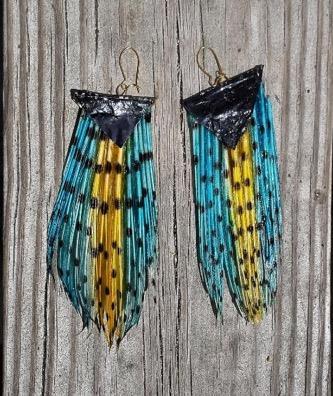
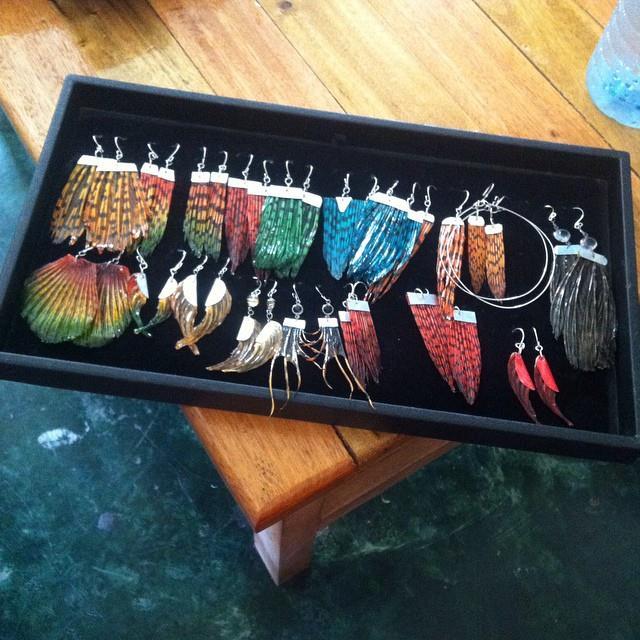
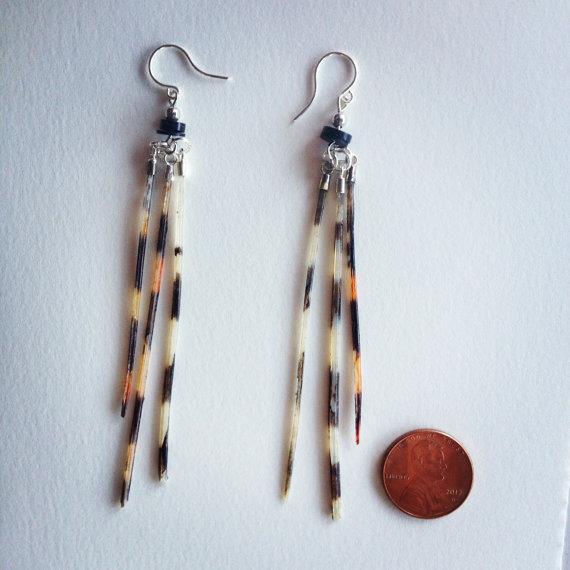
Lionfish spines, fins and tails can be dried and preserved in a variety of shapes and colors
Key Challenge for Lionfish Control
Resulting in attractive material for use in jewelry
•
•
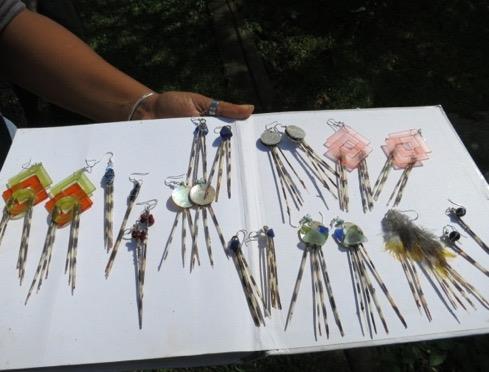
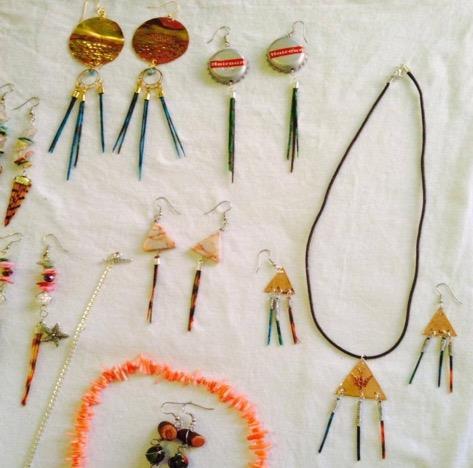
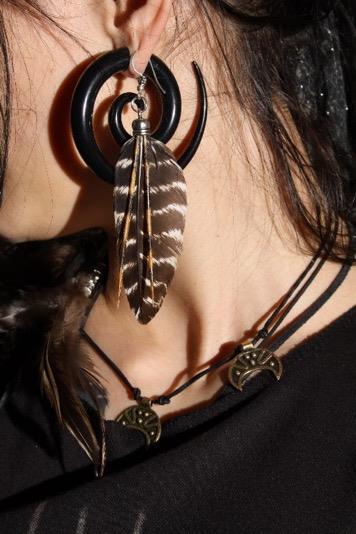
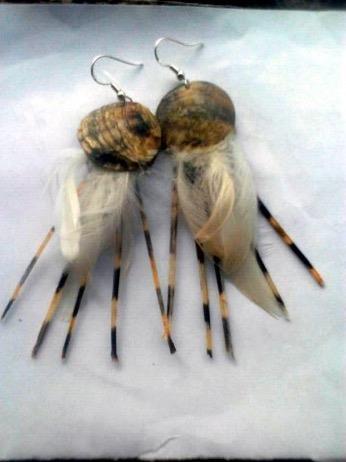
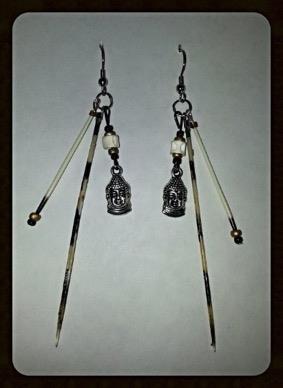
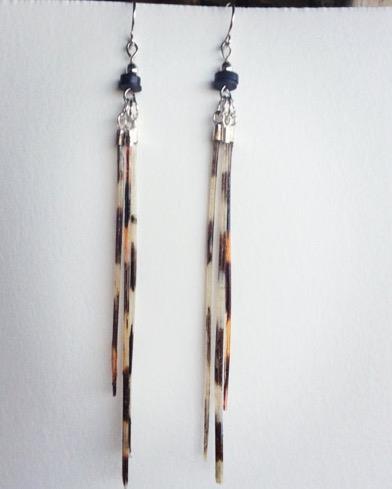
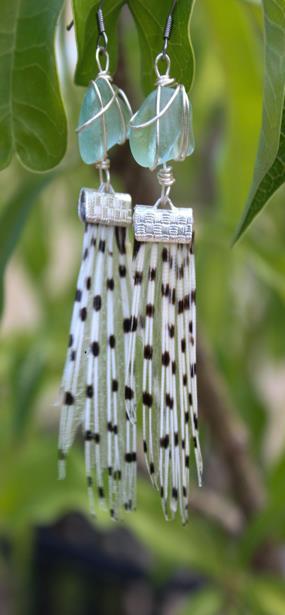
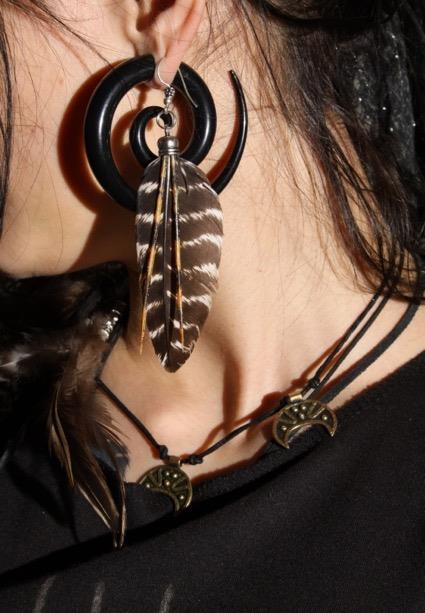
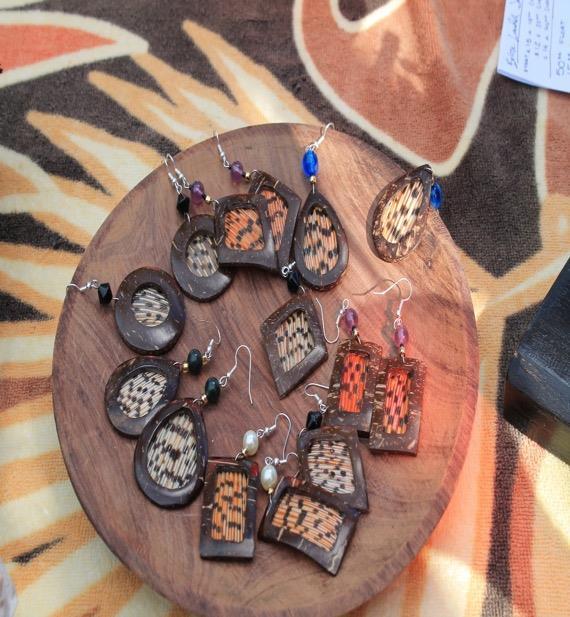
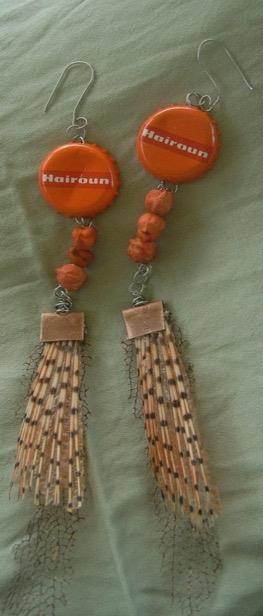
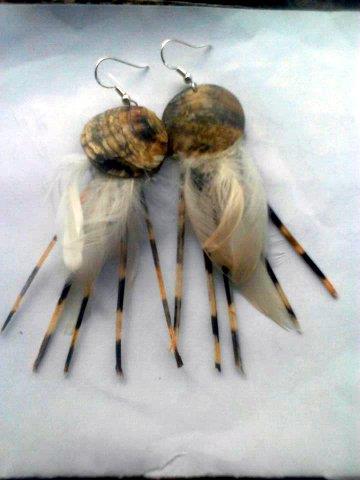
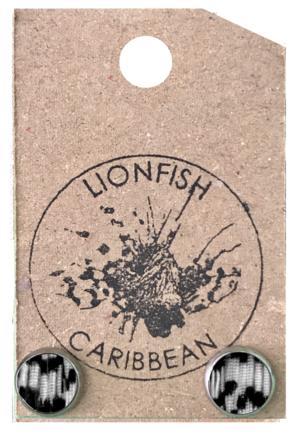
A variety of jewelry items can be produced, using spines….

Challenge for Lionfish Control
Key
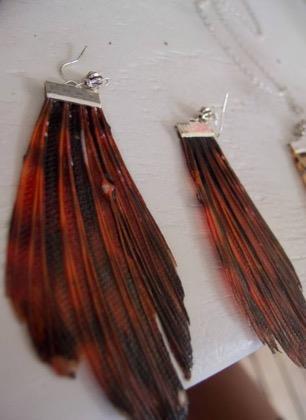
And fins / tails
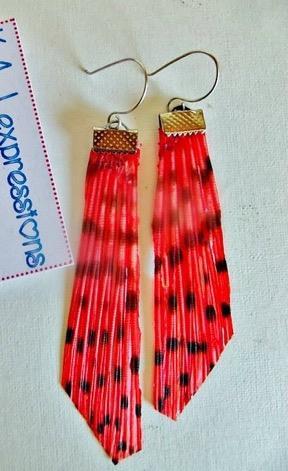
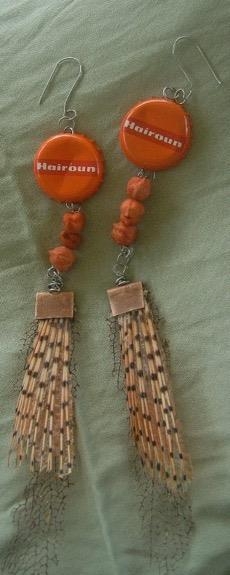
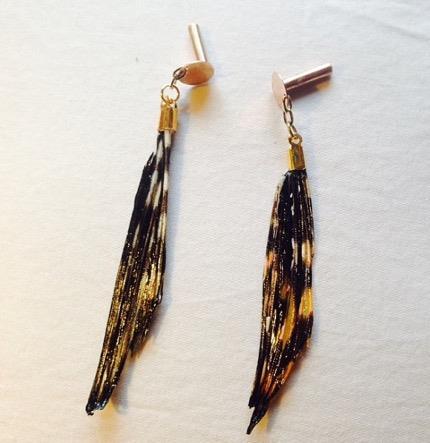
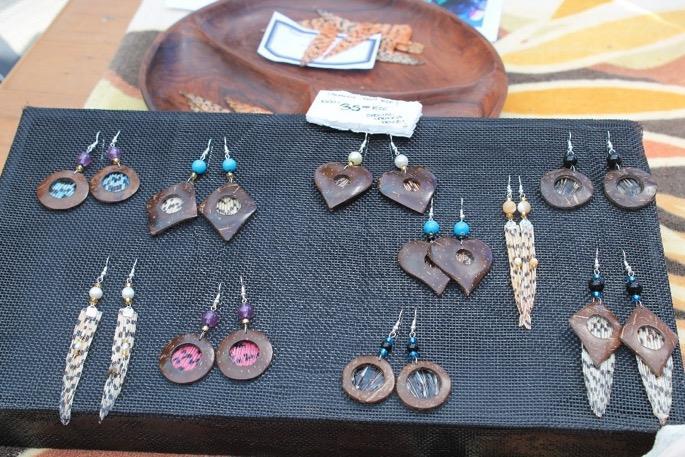
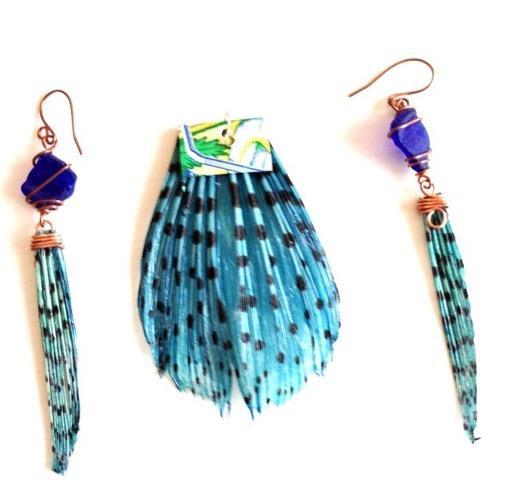
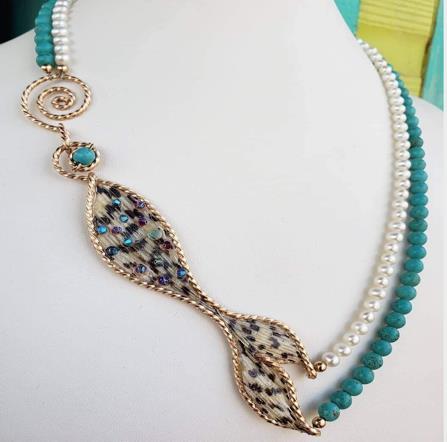

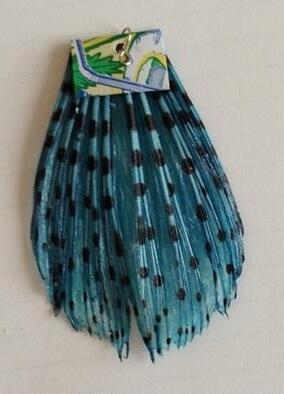
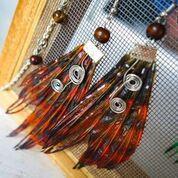
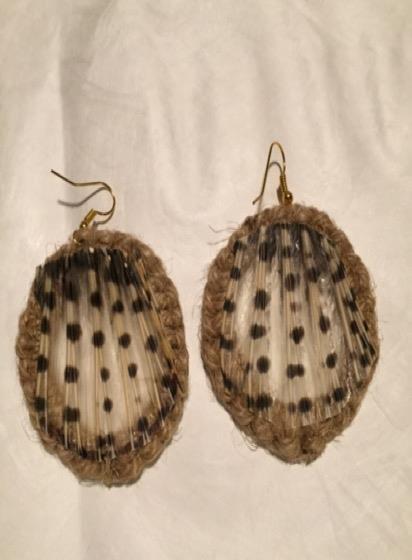
Some innovative artists are using other parts of the fish such as pectoral fins and operculum
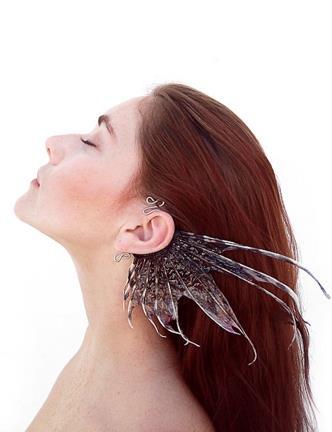
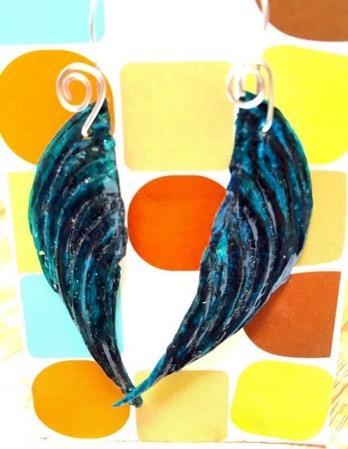
Key Challenge for Lionfish Control
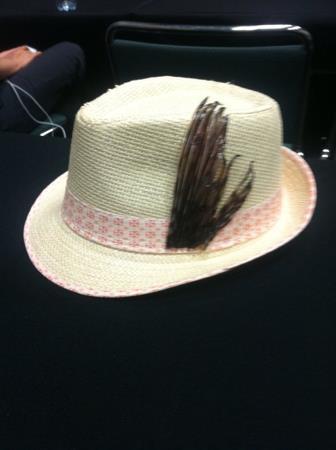
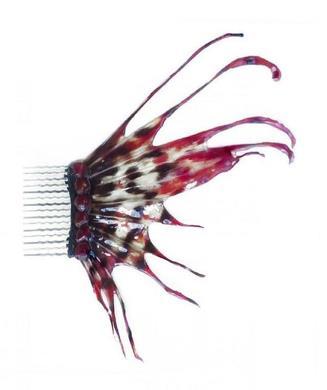
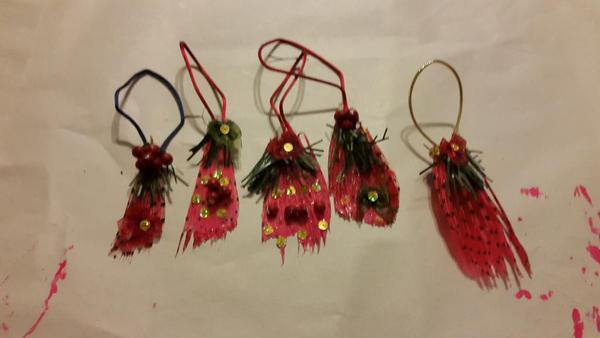
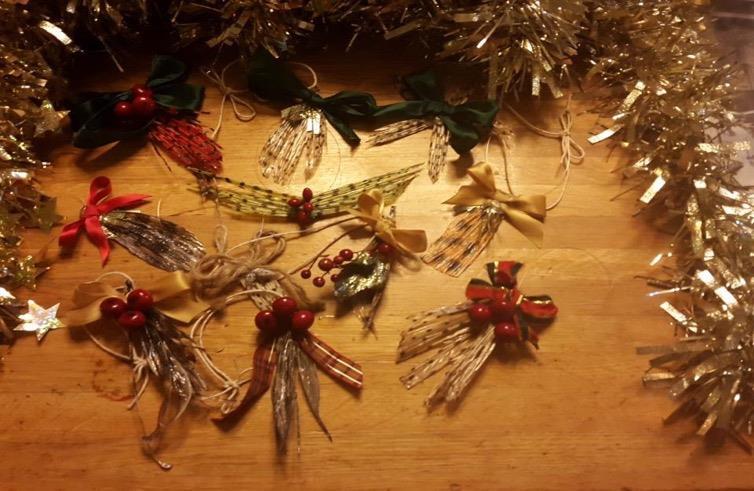
And making other types types of products such as Christmas ornaments and hair stylizers
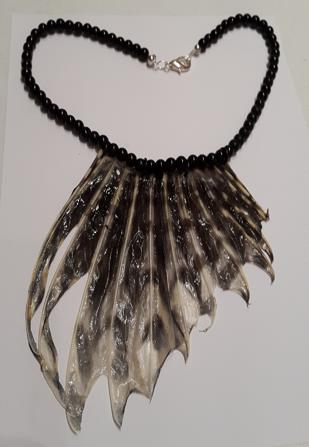
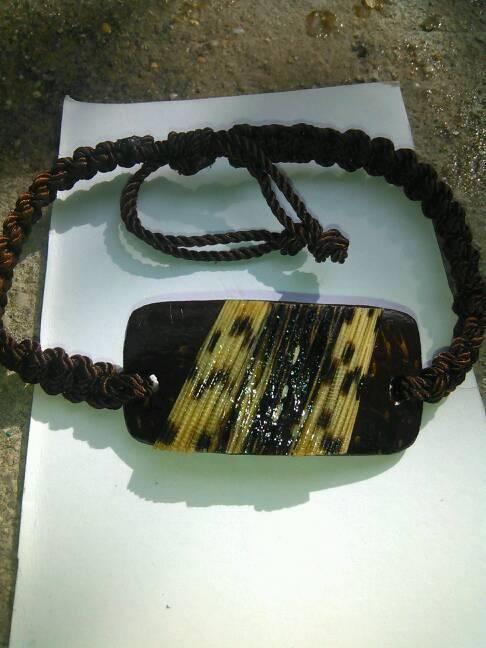
And mixing with other materials such as sea glass, feathers, coconut shell and husk, and even bottle caps!
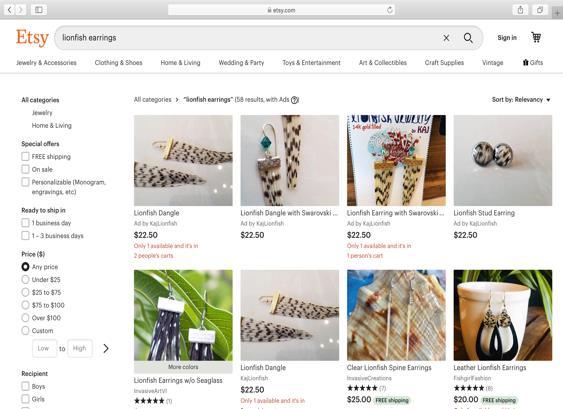
Where is lionfish jewelry being produced?
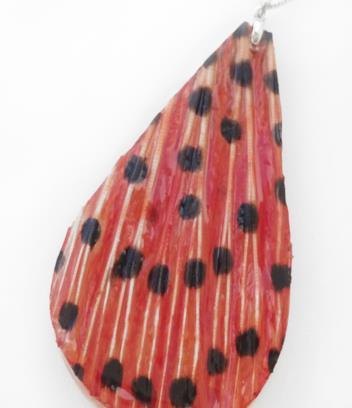
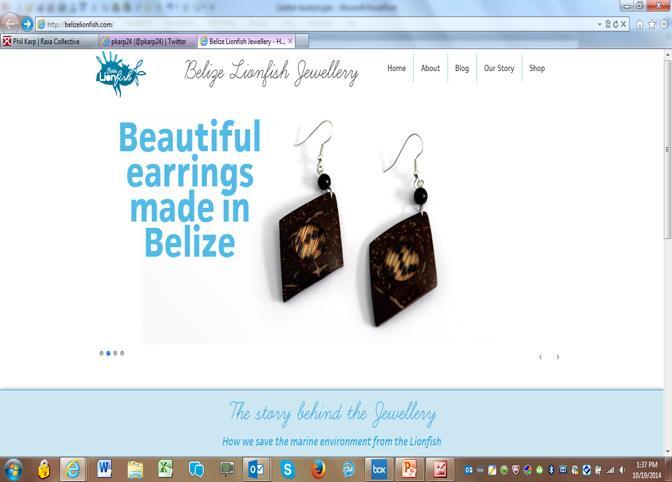
Key Challenge for Lionfish Control
• Clusters of production in Belize, Colombia, Grenada and St. Vincent & the Grenadines
• Individual artists in Aruba Bahamas, Bermuda
Curacao, Cyprus. Puerto Rico, Mexico, Turkey, USVI , and various parts of the United States
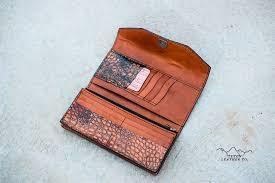
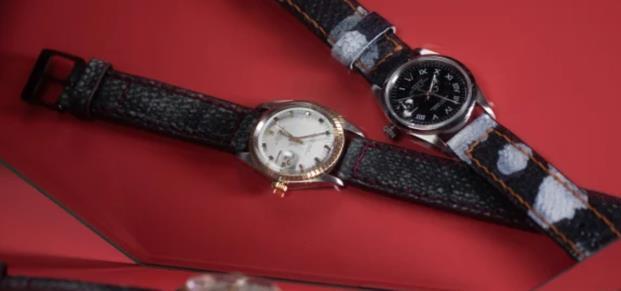
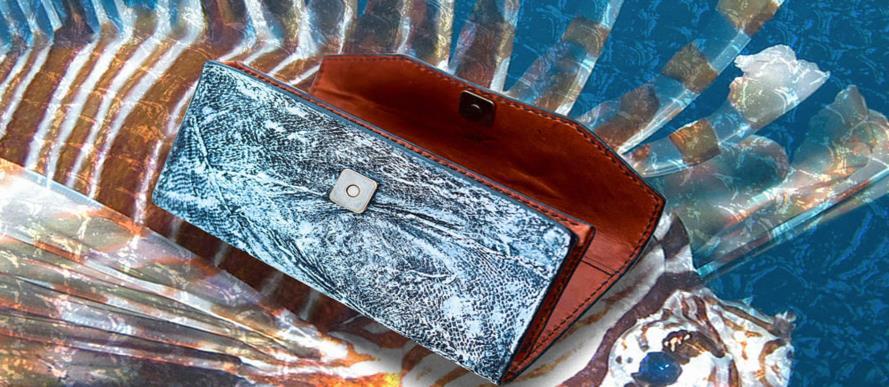
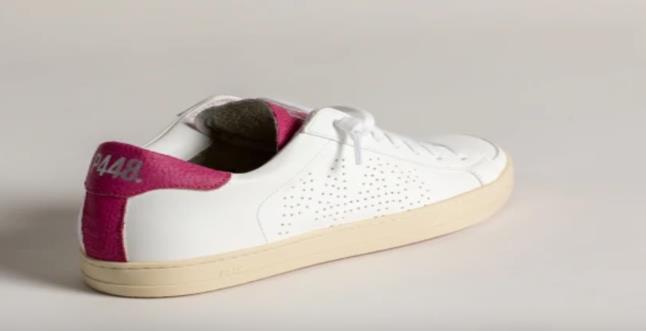
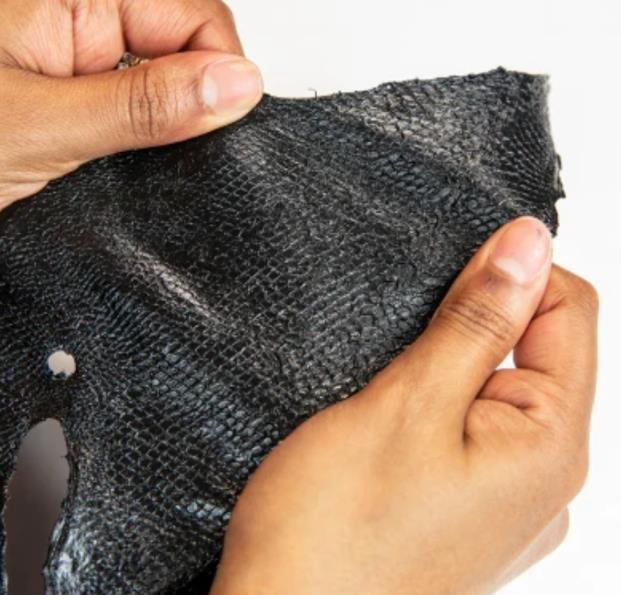
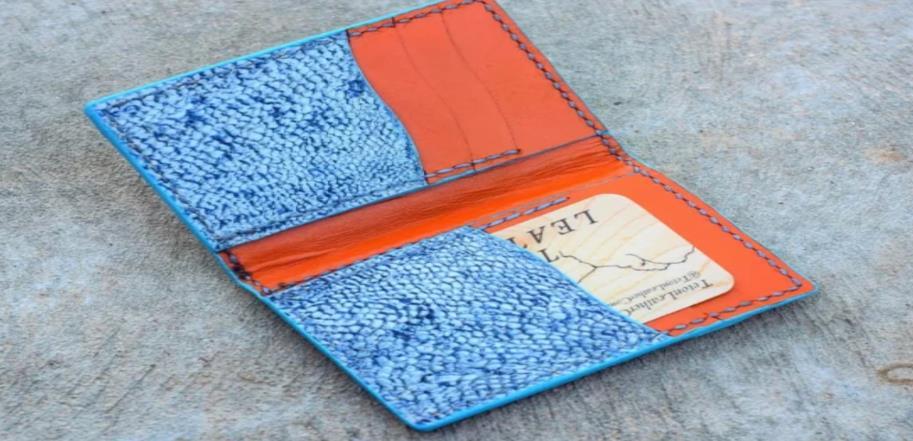
Another new value-added product: Lionfish Leather!
OK, so lionfish jewelry is cool… but how does this address the challenge of managing the invasion?
Some empirical evidence from Belize, the Bahamas, Grenada and the Grenadines
Incentivizing Removals
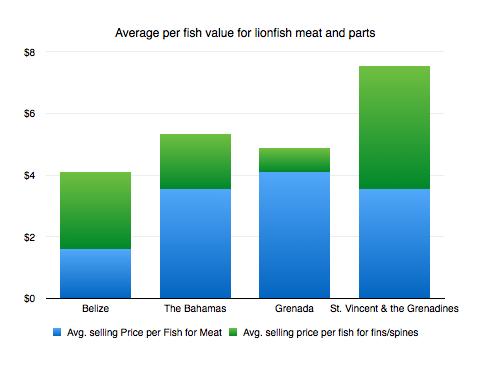
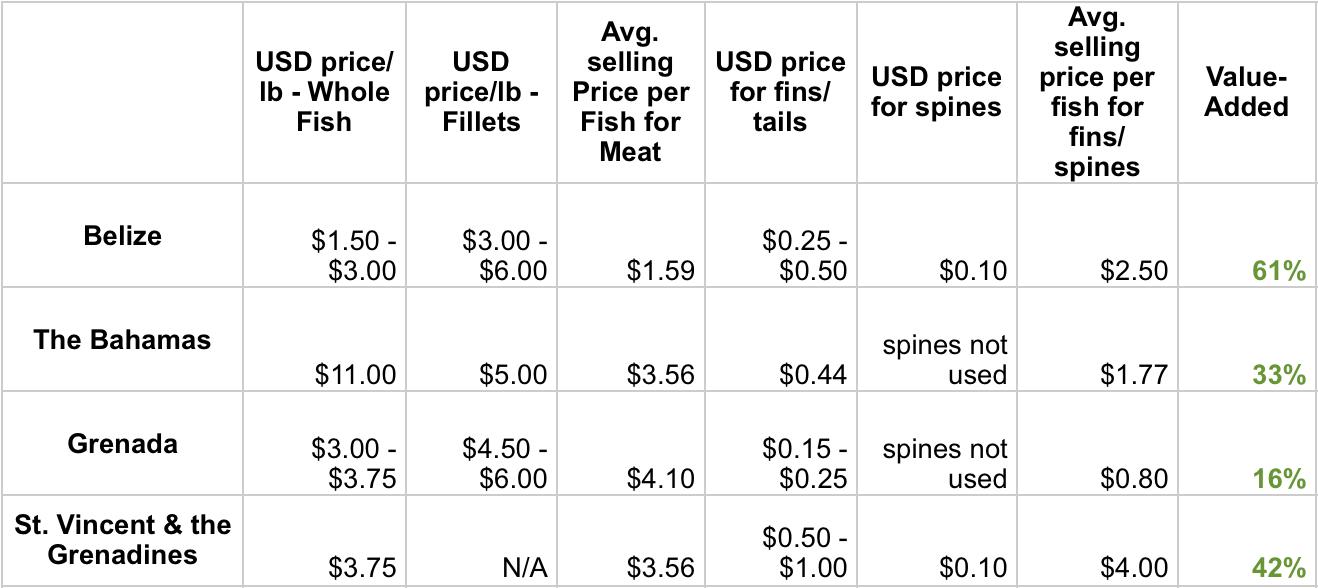
Experience from Belize, The Bahamas, Grenada and St. Vincent & the Grenadines demonstrated that sale of fins and spines can increased landed value of lionfish by up to 40 percent
Livelihood Contribution
Survey of 35 lionfish jewelry artists from Belize, Bahamas, Grenada, and St. Vincent and the Grenadines
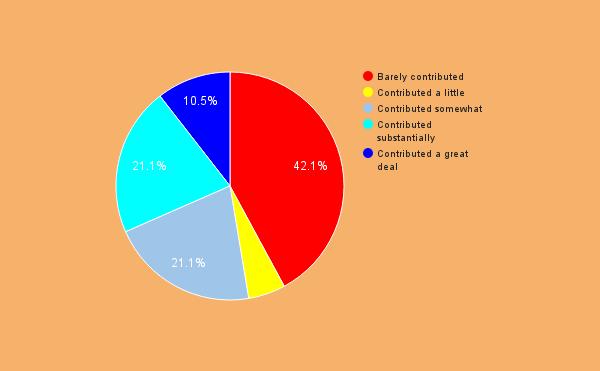
• More than 82 percent indicated that production and sale of lionfish jewelry contributed substantially or a great deal their household income
• Jewelry artists also reported enhanced self-worth and sense of contribution to their communities.
Control Lionfish jewelry production also has important ancillary benefits, including
Key Challenge for Lionfish
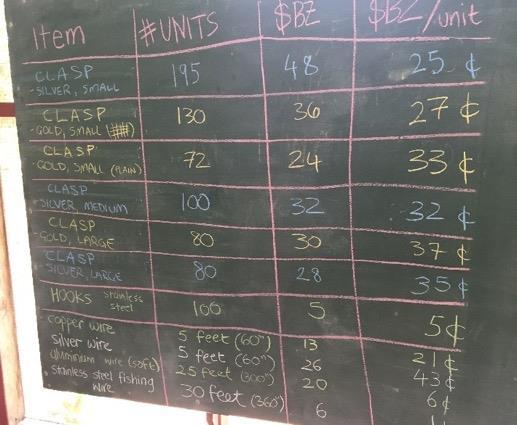
• Empowerment and new livelihood opportunities for women
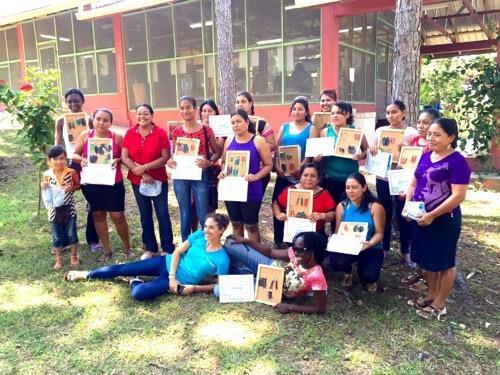
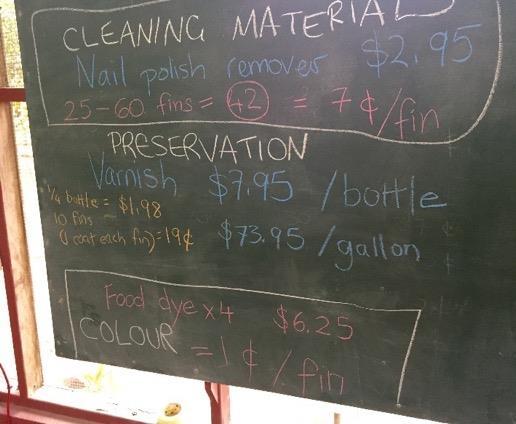
• Acquisition of new business skills
• Increased household income
• Raised awareness about the threat posed by invasive lionfish
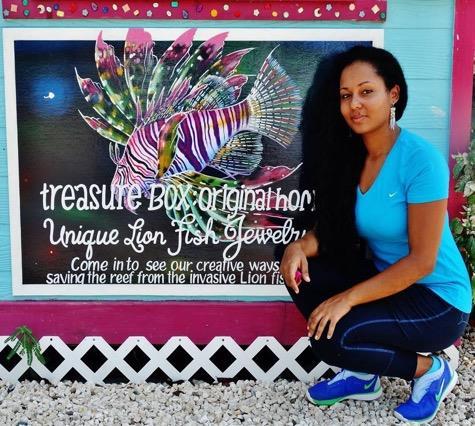
Key Challenge for Lionfish
Control Lionfish jewelry initiatives are most effective when
• Included as part of an integrated lionfish management program
• Include training in small business skills along with jewelry making
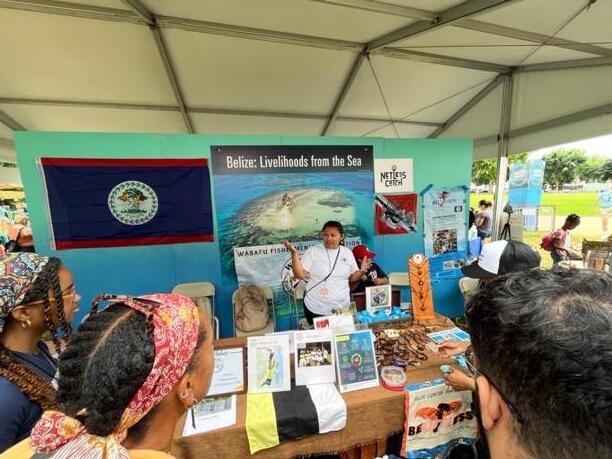
• Involve jewelry artists in awareness raising about the threat posed by invasive lionfish
• Involve fishers in fin harvesting & preservation
• Combined with commercialization of lionfish skins
Conclusions
▪ Value-added products have an important role to play in managing invasive lionfish
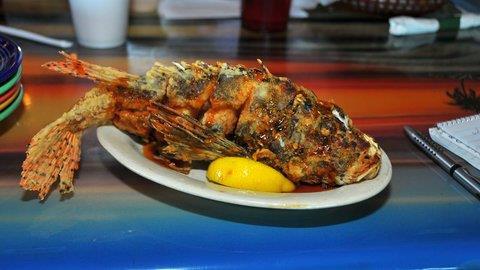
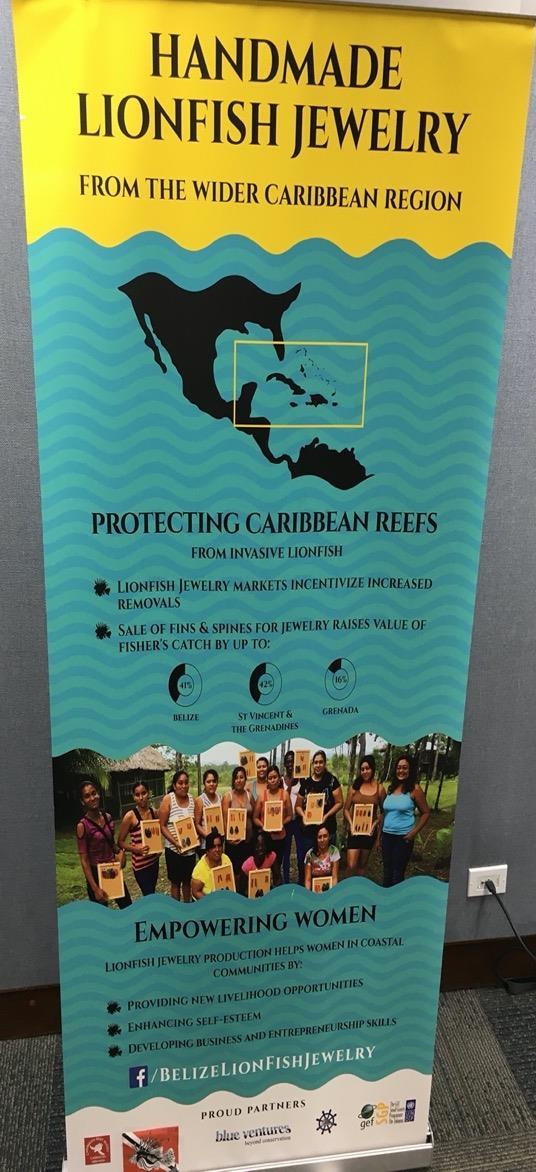

▪ Development of vertical markets in both seafood and jewelry can help support regular removals and a financially sustainable basis
▪ Moreover, lionfish jewelry production has important ancillary benefits, particularly for women