UPDATES CFMC

JUNE 2025
The Caribbean Fishery Management Council (CFMC) newsletter contains activity announcements, facts on various marine species, and valuable information on fishing and the regulations that govern this activity in federal waters around Puerto Rico and the U.S. Virgin Islands.
LANE AND MUTTON SNAPPERS IN THE ISLAND-BASED FISHERY MANAGEMENT PLANS
LANE AND MUTTON SNAPPERS IN THE ISLAND-BASED FISHERY MANAGEMENT PLANS
The lane snapper (Lutjanus analis) and the mutton snapper (Lutjanus analis) have management measures included in the Island-Based Management Plans Both species are classified as Reef Fish, belong to the Snapper family (Lutjanidae), and are part of Snapper Unit 3 in the management plans. Here we share relevant data on the lane snapper and the mutton snapper that appear in these management plans and provide you sources where you can find more information.
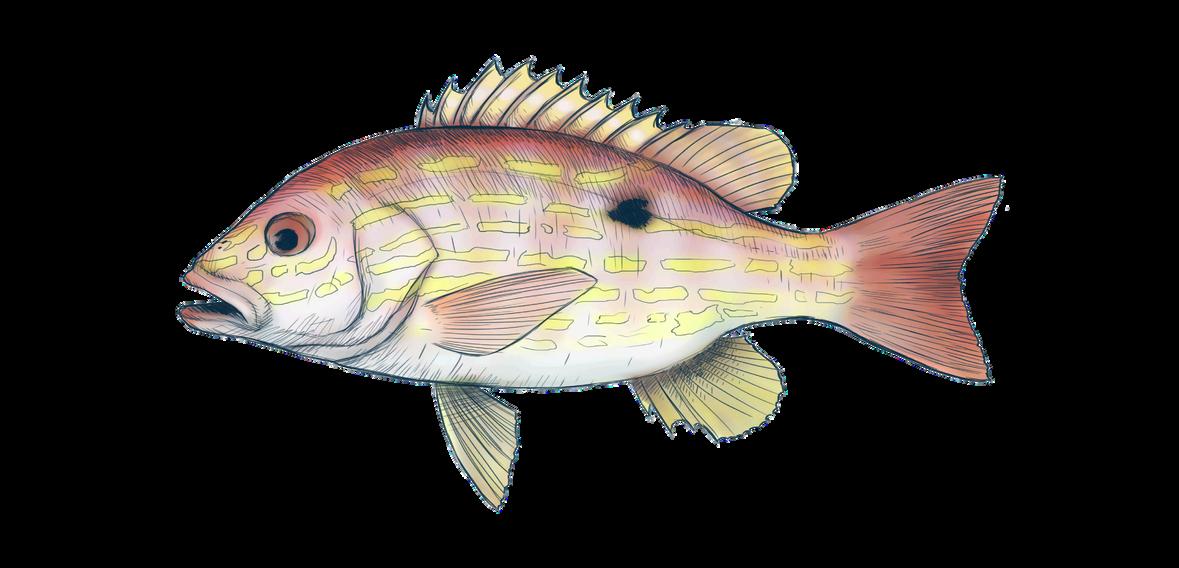
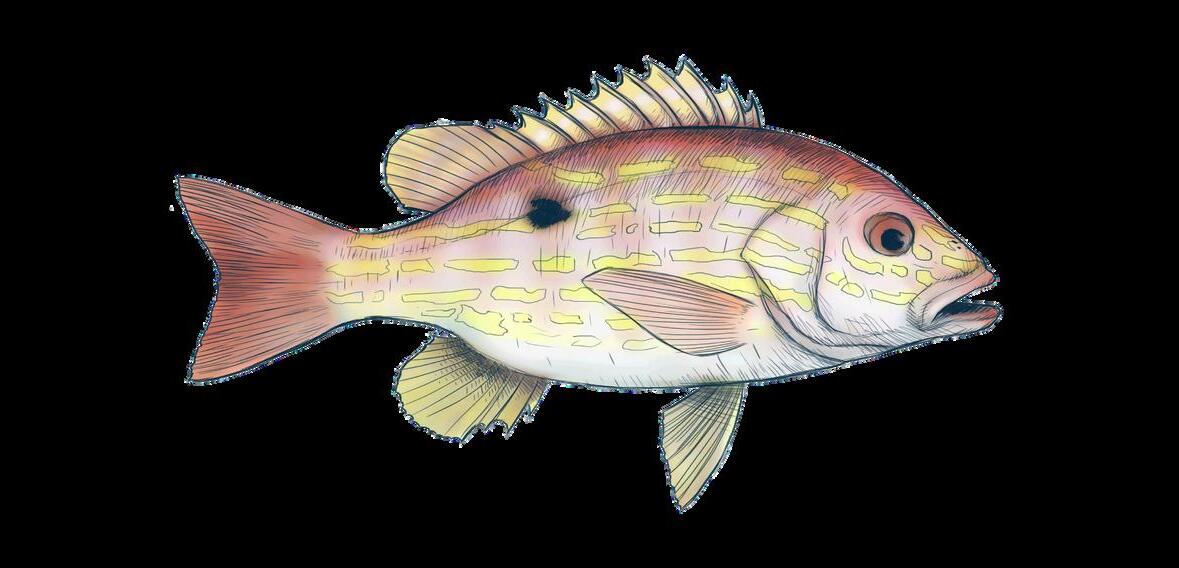
Lane Snapper | Arrayao | Lutjanus synagris
Lane Snapper | Arrayao | Lutjanus synagris
Habitat
Lane snapper occur in the Western Atlantic from Bermuda and North Carolina (USA) to southeastern Brazil, including the Gulf of Mexico and Caribbean Sea. Lane snapper are found over all bottom types, but are usually encountered around coral reefs and on vegetated sandy areas, in turbid as well as clear water, from 10-400 m depth (30-1,300 feet approximately).
Diet
This species feeds at night on small fishes, bottom-living crabs, shrimps, worms, gastropods (invertebrate mollusks, eg. snails) and cephalopods (f. ex. octopus, squids, sepias).
Reproduction
This fish often forms large aggregations, especially during the spawning season. Most spawning occurs from March to September in the U.S. Caribbean and, with greater intensity, between April and July Spawning is believed to peak in June and July around the full moon

Seasonal Closure
Fishing for lane snapper is prohibited in federal waters of the U.S. Caribbean (PR & USVI) from April 1st to June 30. It is prohibited to catch transport, sell, buy, or consume the species during the closure.
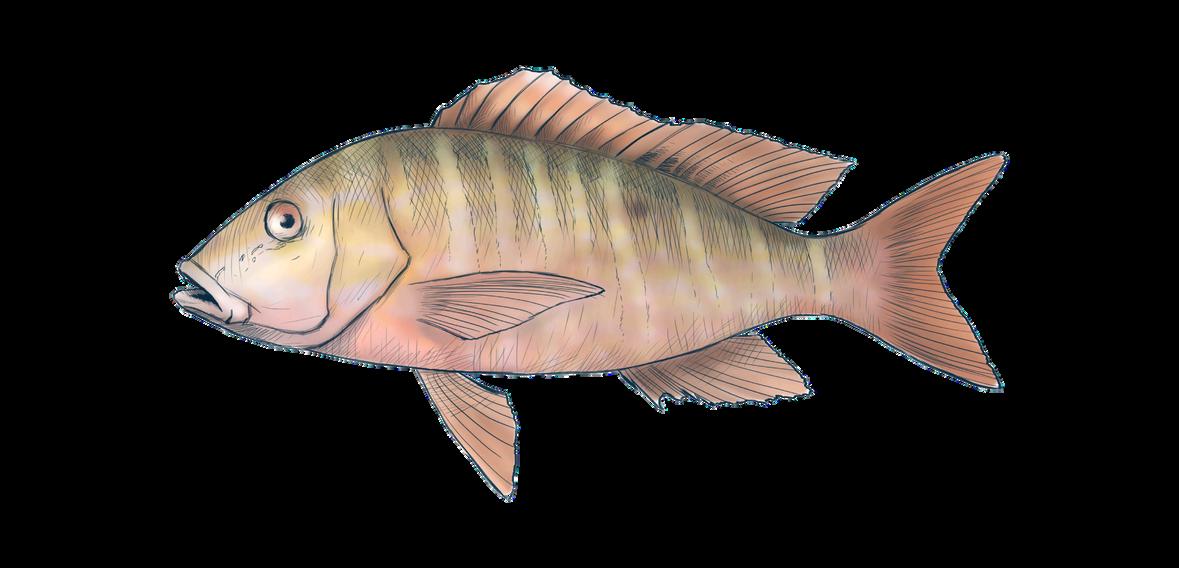
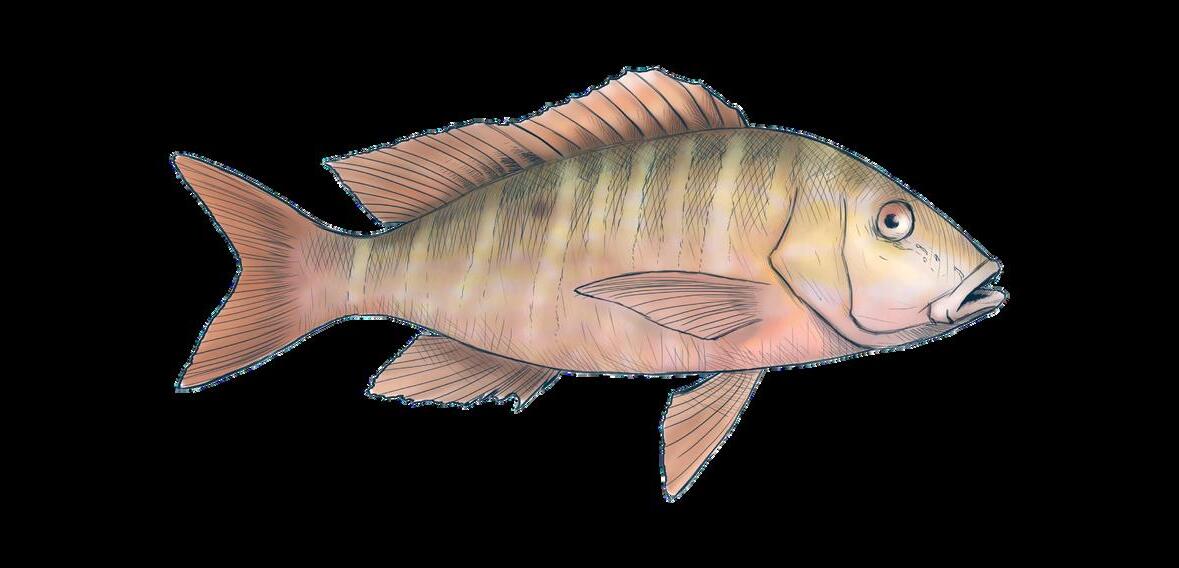
Mutton Snapper | Sama | Lutjanus analis
Mutton Snapper | Sama | Lutjanus analis
Habitat
Mutton snapper occur in the Western Atlantic as far north as Massachusetts (USA), southward to southeastern Brazil, including the Caribbean Sea and the Gulf of America. It is most abundant around the Antilles, the Bahamas, and off southern Florida (USA). Mutton snapper can be found in both brackish and marine waters from 25-95 meters depth (80-310 feet approx.). Juveniles generally occur closer to shore, over sandy, vegetated (usually Thalassia) bottom habitats, while large adults are commonly found offshore among rocks and coral habitat.
Diet
It feeds both day and night on fishes, shrimps, crabs, cephalopods, and gastropods.
Reproduction
Spawning occurs in aggregations. Individuals have been observed in spawning conditions in the U.S. Caribbean from February through July. Some degree of reproduction occurs from February to June, but that spawning activity generally peaks during the week following the full moon in the months of April and May. Spawning aggregations are known to occur north off St. Thomas and south of St. Croix, USVI in March, April, and May.
Seasonal Closure
Fishing for mutton snapper is prohibited from April 1st to June 30 in federal waters of the U.S. Caribbean and USVI local waters. The closed season for mutton snapper in Puerto Rico local waters is from April 1st to May 31st. It is prohibited to catch transport, sell, buy, or consume the species during the closure.
LIMITS FOR RECREATIONAL FISHING IN THE U.S. CARIBBEAN FEDERAL WATERS
There are limits for the recreational fishing of snappers, groupers and parrotfishes in the U.S. Caribbean. These limits include the lane snapper and the mutton snapper, as well. The allowed quantity for recreational harvest is the following: 5 fish per person/day, of which no more than 2 may be parrotfish, or if 3 or more persons are aboard, 15 fish total per vessel/day, of which no more than 6 may be parrotfish.
1 DAY 5 1 DAY 15
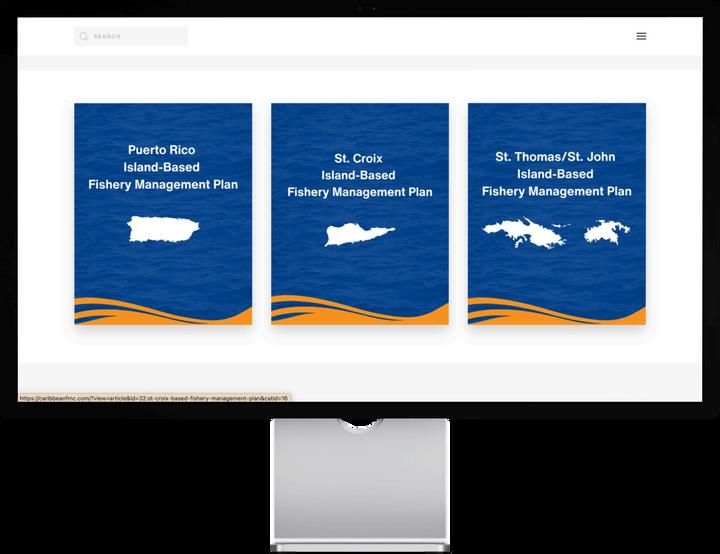

Local waters comprise the following limits:
Puerto Rico: 0-9 nautical miles
U.S. Virgin Islands (USVI): 0-300 nautical miles
The U.S. Exclusive Economic Zone in the Caribbean comprises the following limits:
Puerto Rico: 9-200 nautical miles
U.S. Virgin Islands (USVI): 3-200 nautical miles
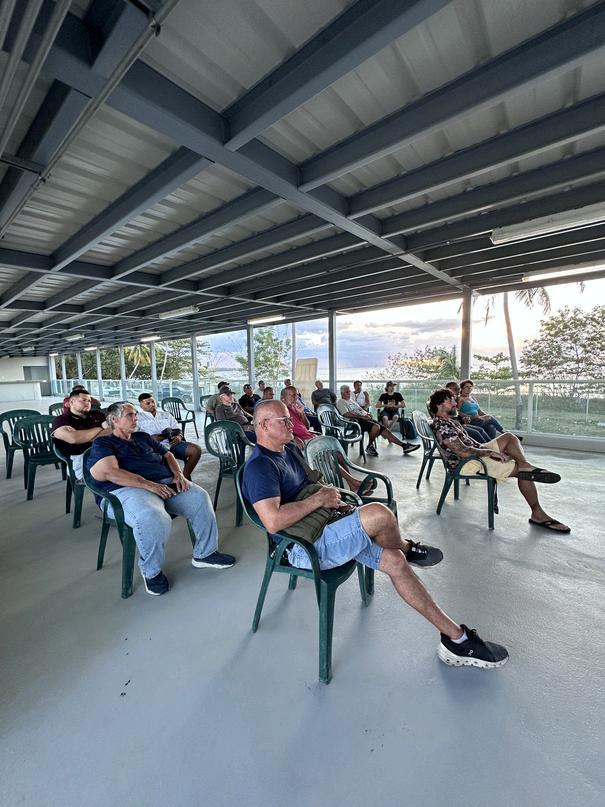
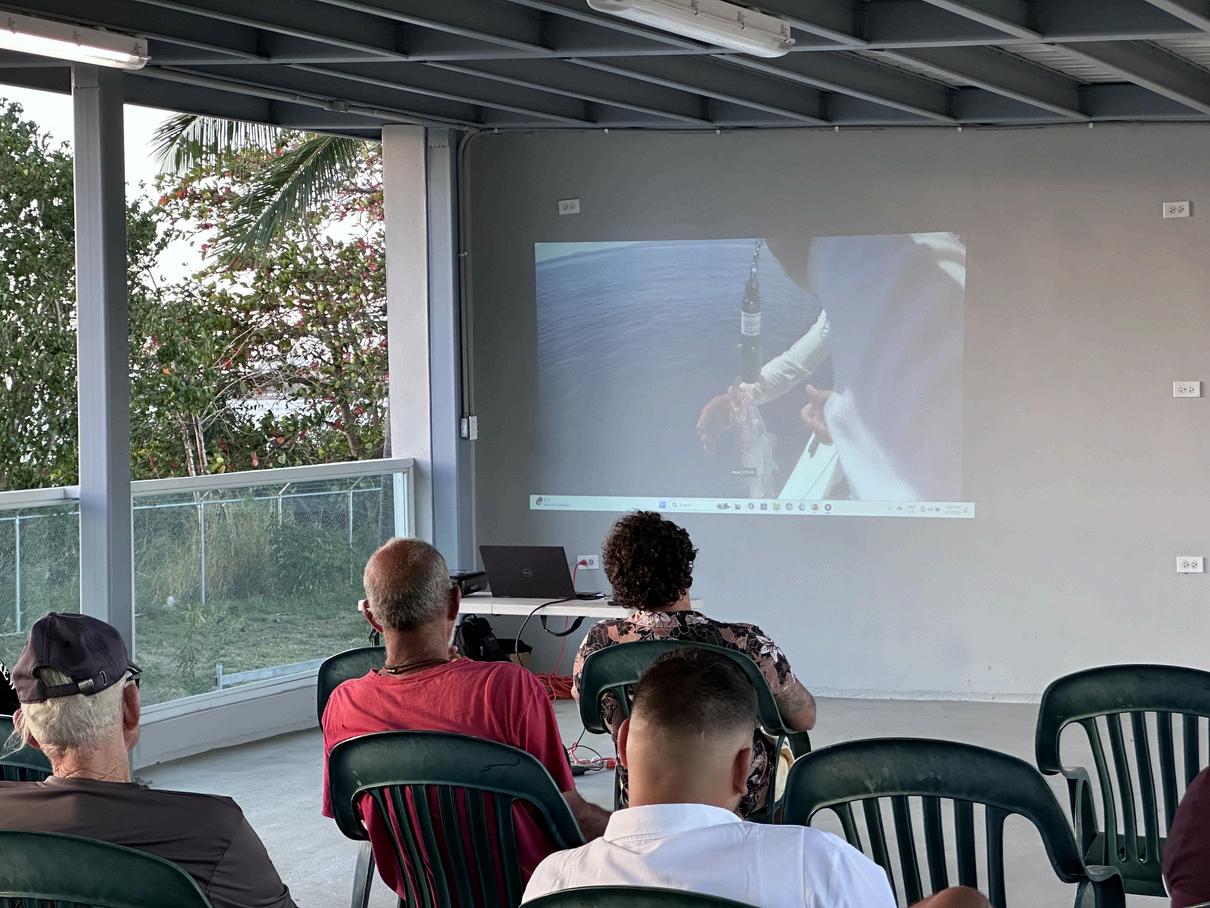
We continue with educational efforts on the use of the descending device (Salvapeje / Assist the Fish). To coordinate a workshop in Puerto Rico or the U.S. Virgin Islands please send us an email to meetings.cfmc@gmail.com.



Writing: Cristina D Olán Martínez (CFMC) | Design and layout: Rosana López Muñoz (Rosana Studio)
Review: Miguel Rolón (CFMC), Diana Martino (CFMC) y Jannette Ramos García (Presidenta OEAP)
Illustrations: Puerto Rico Sea Grant