UPDATES CFMC
APRIL 2026
The Caribbean Fishery Management Council (CFMC) newsletter contains activity announcements, facts on various marine species, and valuable information on fishing and the regulations that govern this activity in federal waters around Puerto Rico and the U.S. Virgin Islands.
SARGASSUM TRACKER SARGASSUM TRACKER CARICOOS CARICOOS
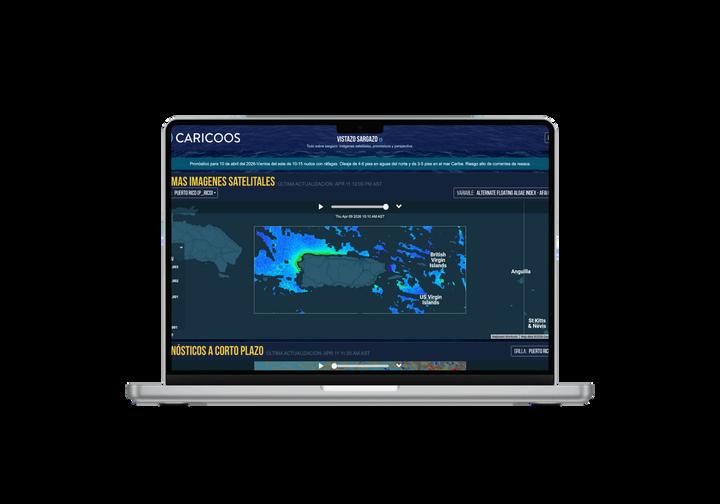
The Caribbean Coastal and Ocean Observing System (CARICOOS) offers a variety of products and tools that provide valuable information for fishers, boaters, managers, residents, and users of the coasts of Puerto Rico and the U.S. Virgin Islands. One of these products is the Sargassum Tracker.
“This tracker is a set of tools that provides images highlighting the presence of sargassum in the region’s waters. It also includes a product that forecasts the amount (in kilograms) of sargassum expected to arrive per meter of coastline,” Professor Julio Morell, Executive Director of CARICOOS, explained.
Sargassum in the Christiansted Boardwalk area, St. Croix, USVI.

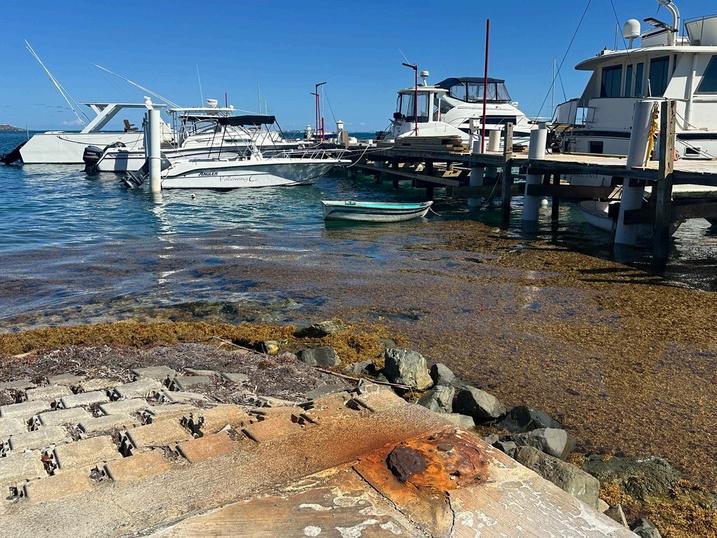
Photo: Jannette Ramos García
Using ocean circulation models and satellite data, the Sargassum Tracker estimates weekly concentrations per meter along the coastlines across Puerto Rico and the U.S. Virgin Islands. It helps communities, managers, and industries to prepare for, respond to, and minimize the impacts of sargassum.
“This product provides information needed by managers and other entities responsible for removing sargassum from our coasts; such as the Puerto Rico Department of Natural and Environmental Resources (PR-DNER) and hotels, among others. Similarly, fishers use the images to designate fishing areas, since pelagic fish like dolphinfish (mahi) are frequently
You can access the tracker at the following link: https://www.caricoos.org/sargassum.
associated with sargassum “islands”,” added Morell, who also highlighted that the tracker was developed and is operated in collaboration with Dr. Chuanmin Hu of the University of South Florida. Fishers, port industries, coastal managers, tourism operators, and local communities benefit from actionable information that helps anticipate sargassum influxes and prevent disruptions to electricity, and water services and coastal infrastructure. These tools also help to: respond to emergencies, protect marine and coastal ecosystems, reduce public health risks, and sustain fisheries, tourism, and local livelihoods affected by sargassum

CLOSED SEASONS FOR
MUTTON SNAPPER AND LANE SNAPPER
MUTTON SNAPPER AND LANE SNAPPER
MUTTON SNAPPER AND LANE SNAPPER
Mutton snapper and lane snapper are subject to closed seasons during the months of April, May, and June. Details are provided below.
Mutton Snapper | Sama | Lutjanus analis
Fishing for mutton snapper is prohibited f April 1 to June 30 in U.S. federal waters o the Caribbean and local waters of the U.S Virgin Islands.
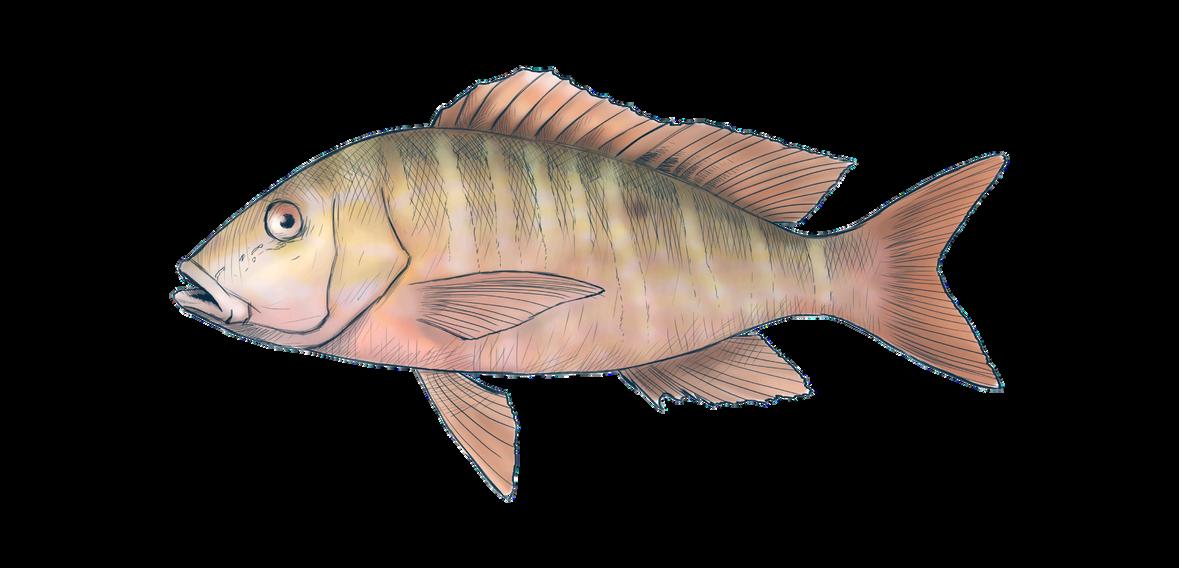
Fishing for mutton snapper is prohibited i local waters of Puerto Rico from April 1 to May 31.
Lane
Snapper
|
Arrayao
| Lutjanus synagris
Fishing for mutton snapper is prohibited from April 1 to June 30 in U.S. federal waters of the Caribbean and in local waters of the U.S. Virgin Islands.
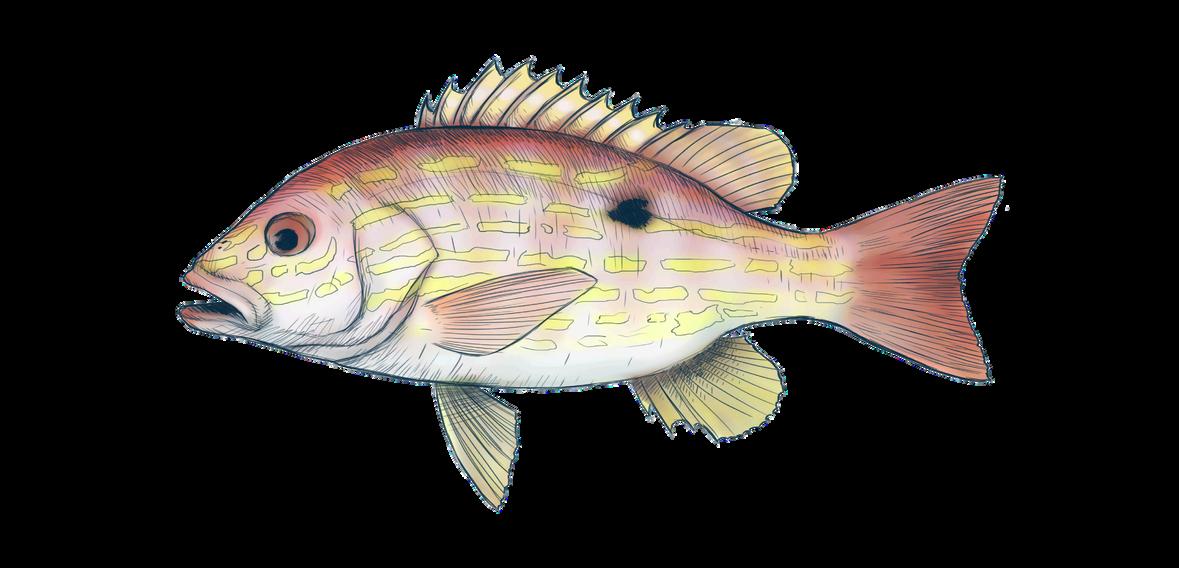
There is no closed season in local waters of Puerto Rico.
Visit https://www.instagram.com/bigfishinitiative/ and follow the Big Fish Initiative on Instagram. You will find valuable and engaging content about fish spawning aggregations in our Caribbean region.
bigfishinitiative
Writing: Cristina D. Olán Martínez (CFMC) | Design and layout: Rosana López Muñoz (Rosana Studio) | Illustrations: Puerto Rico Sea Grant | Review: María del Mar López-Mercer (NOAA Fisheries/SERO), Miguel Rolón (CFMC), Diana Martino (CFMC) y Jannette Ramos García (Presidenta OEAP)