Arab American Heritage Month
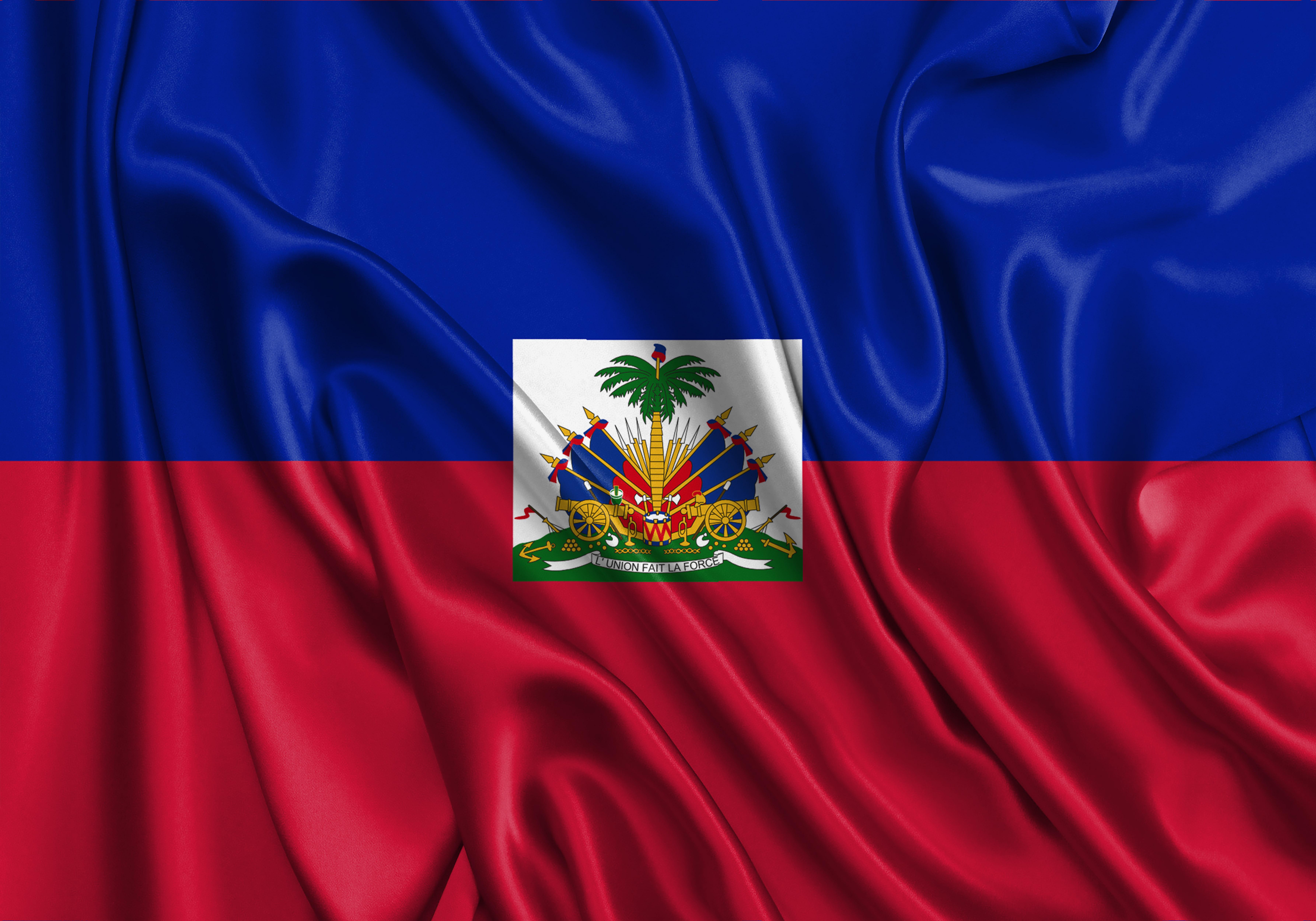
Haitian Flag Day 2023
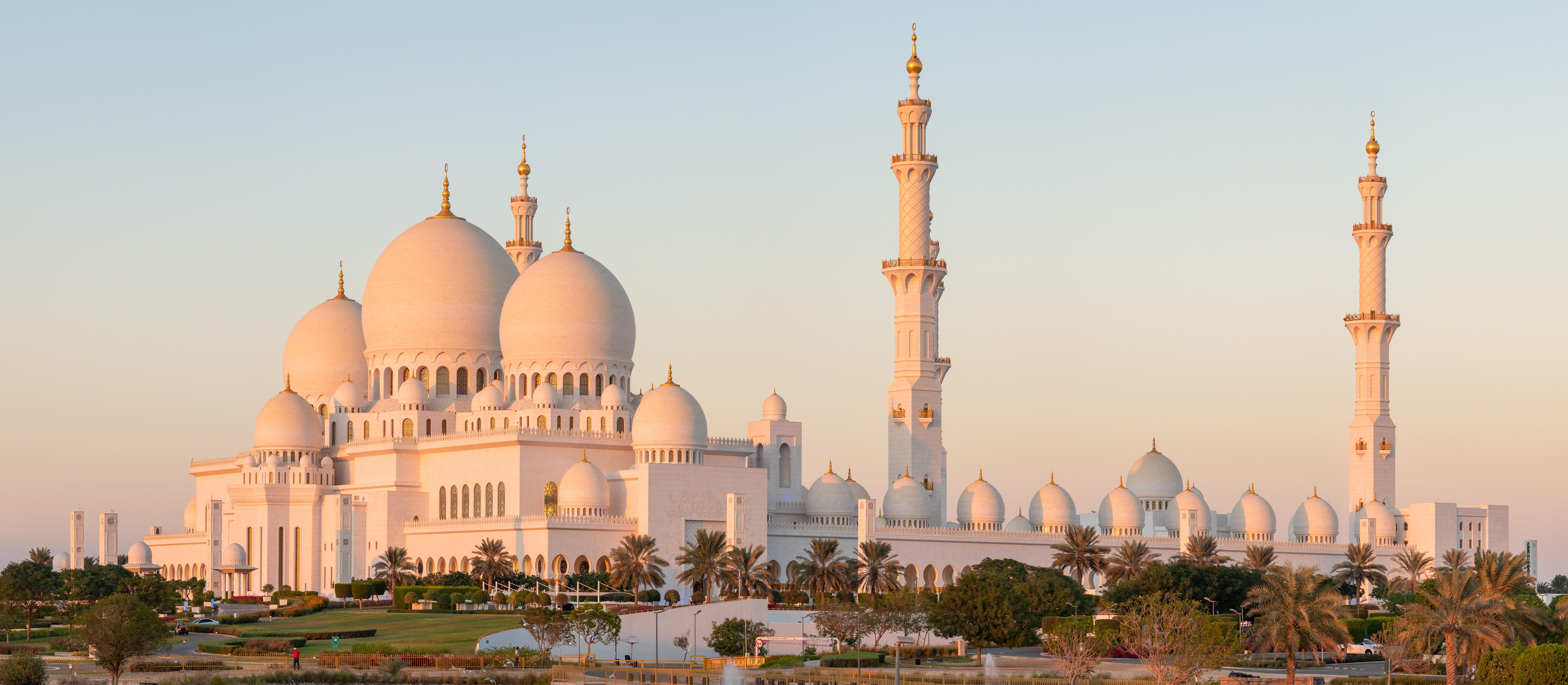
Arab American Heritage Month is an annual observance held in the United States during the month of April. It is a time dedicated to recognizing and celebrating the contributions and rich cultural heritage of Arab Americans to American society. This month-long celebration aims to raise awareness about Arab culture, traditions, history, and the diverse experiences of Arab Americans.
Arab Americans have made significant contributions to various fields, including art, music, literature, science, politics, and business. They have played a vital role in shaping the cultural fabric of the United States, enriching it with their customs, language, cuisine, and artistic expressions. Arab American Heritage Month serves as an opportunity to honor their achievements and promote understanding and appreciation of Arab culture and heritage among the wider American population.
Arab culture has also left its mark on the Caribbean region, where Arab immigrants have settled and established communities over the years. Arab traders and merchants have had a long history of interaction with the Caribbean, dating back centuries. They played a crucial role in the transatlantic trade, fostering economic ties between the Arab world, Europe, Africa, and the Americas.
In the Caribbean, Arab culture has influenced various aspects of life

including


Continued on Page 4
Haitian Flag Day, observed annually on May 18th, is a significant national holiday in Haiti, commemorating the establishment of the Haitian flag during the Haitian revolution and celebrating the country's independence from the French. On this historic day in 1803, the flag was proudly raised for the first time, symbolizing the birth of Haiti's first republic and serving as a beacon of hopeduringthecolonialera.
The Haitian flag holds deep meaning as a powerful symbol of patriotism and nationalism, representing the cultural heritage and resilience of the Haitian people. It stands as a testament to their unwavering spirit and their successful struggle to reclaim their land from oppressive forces.
DuringtheArcahaieCongressonMay 18,1803,theHaitianflagwasofficially approved. Designed by Jean-Jacques Dessalines, the flag featured the removal of the white center from the French tricolor, and the remain-ing horizontal bands were stitched together by Catherine Flon, Dessalines'goddaughter,transforming
it into the bi-color flag we know today. The blue section represents Haitians of African heritage, while the red section represents "Gens de couleur," meaning "peopleofcolor"inFrench.
Throughout history, the Haitian flag has undergone modifications. In 1804, the bands were changed to a vertical arrangement,andonafewoccasions,a red and black variant was used. The currentdesignoftheflag,whichwesee today, was officially approved on February 17, 1986, following the resignation of Jean-Claude Duvalier. Its continued significance was reaffirmed a year later with the official approval of the March 29, 1987, constitution.
The establishment of the Haitian flag marked a pivotal moment in the country's history, and since then, May 18th has been observed as an annual event. In 1919, the Haitians, both within the country and in various U.S. cities with sizable Haitian populations, come together to commemorate and enjoy this special day, embracing their heritage and rejoicing in the spirit of liberation.
4 FREE Your Passport to the Caribbean American Community Apr/May 2023 1 www.caribbeanamericanpassport.com
14

www.caribbeanamericanpassport.com 2
Guenet Gittens-Roberts Owner/Publisher/Editor

LIFEST Y LE
CulturalIdentity and it's Importance in current Society
Samuel J. Roberts Owner/Publisher/Editor
In today's society, cultural identity holds immense significance as it shapes the fabric of our diverse and interconnected world. As globalization continues to accelerate and societies become more multicultural, the preservation and appreciation of cultural identity are crucial for several reasons.
Firstly, cultural identity provides a sense of belonging and individuality. In a world that often feels fast-paced and overwhelming, identifying with a particular culture allows individuals to ground themselves and find solace in their roots. Cultural identity serves as a compass that guides people in navigating their lives, forming a strong foundation for their values, beliefs, and traditions. It offers a source of stability and continuity, giving individuals a sense of purpose and direction amidst the constant changes and challenges of modern society.
Moreover, cultural identity fosters diversity and inclusivity. In today's multicultural societies, it is essential to celebrate and embrace the unique perspectives and experiences that different cultures bring. Cultural diversity enriches our understanding of the world, promotes tolerance and empathy, and breaks down barriers between communities. By valuing and respecting cultural identities, we create an environment where all individuals feel seen, heard, and valued, regardless of their background. This inclusivity cultivates a sense of unity and harmony, strengthening social cohesion and reducing social divisions.

Cultural identity also fuels innovation and creativity. When individuals are encouraged to embrace and express their cultural identity, they bring diverse perspectives and experiences to the table. This rich tapestry of cultural diversity becomes a breeding ground for innovative ideas and creative problem-solving. Cultural identity serves as a wellspring of inspiration, influencing artistic expressions, literature, music, fashion, and other forms of cultural production. By encouraging individuals to embrace their cultural identity, societies can tap into this wealth of creativity and innovation, driving progress and enriching the cultural fabric of humanity.
Furthermore, cultural identity strengthens social cohesion and resilience. In a world often marked by social and political tensions, cultural identity becomes a unifying force that helps communities withstand challenges and build resilience. It promotes solidarity and cooperation among individuals who share a common cultural heritage, allowing them to work together to address social issues, advocate for their rights, and
preserve their cultural autonomy. Cultural identity fosters a sense of pride and collective identity, empowering communities to navigate adversity and build strong bonds of support.
Cultural identity is of utmost importance in today's society. It provides individuals with a sense of belonging, promotes diversity and inter-cultural understanding, preserves cultural heritage, fuels creativity and innovation, and strengthens social cohesion. Embracing cultural identity not only enriches the lives of individuals but also fosters a more inclusive, tolerant, and harmonious society. By recognizing and valuing cultural diversity, we can build a world where people are free to express their unique identities, while also appreciating and learning from the cultural richness that surrounds them.
1969 Alafaya Trail • Orlando, FL 32828 Office: 407-427-1800 Fax: 407-386-7925
Toll Free: 877-220-8315
For Media Information email: Publisher: sroberts@caribbeanamericanpassport.com Info: .Info@caribbeanamericanpassport.com
Should you desire to review past copies of the publication go to http:// caribbeanamericanpassport.com and click on the 'Print Archive'.
Publisher&Editor...................................................................................Sam Roberts
Publisher ............................................................................. Guenet Gittens-Roberts
Editor&ContributingWriter ....Aleia Roberts
Contributing Writers: Tony Dyal

Contributing Photographers King Visual
Dillia Castillo
Central Florida Distribution......................................................... .Danielle Browne
South Florida Distribution.............................................................Norman Williams

NorthFlorida Distribution Kadeem Roberts
Tampa Distribution...................................................................................Julian Pina
www.caribbeanamericanpassport.com
3
rights
Copyright (C) 2016 GGR Marketing & Public Relations. All
reserved.
The Caribbean Community and CARICOM
 By Staff Writer
The Caribbean Community and Common Market, known as CARICOM, has played a significant role in the development and integration of the Caribbean region over the past 50 years. Founded on July 4, 1973, CARICOM was established to promote economic cooperation, political coordination, and social integration among its member states. Over the years, CARICOM has made notable strides in fostering regional unity, addressing common challenges, and enhancing the overall well-being of its member countries. Here, we explore the role and importance of CARICOM in shaping the Caribbean region.
One of the primary goals of CARICOM has been to promote economic integration and cooperation among member states. Through the Caribbean Single Market and Economy (CSME), CARICOM aims to facilitate the free movement of goods, services, capital, and skilled labor within the region. This integration has created opportunities for regional trade and investment, leading to increased economic growth, job creation, and improved standards of living. CARICOM's efforts have also helped to attract foreign investment and enhance the competitiveness of Caribbean economies on the global stage.

CARICOM has also played a vital role in addressing common challenges faced by its member states. The region is susceptible to natural disasters such as hurricanes, flooding, and earthquakes. CARICOM has responded by establishing the Caribbean Disaster Emergency Management Agency (CDEMA) to coordinate disaster preparedness, response, and recovery efforts. This collaborative approach has strengthened the region's ability to respond effectively to natural disasters, minimize loss of life and property, and support affected communities.
Additionally, CARICOM has been instrumental in advancing regional cooperation in key areas such as health, education, and security. The Caribbean Public Health Agency (CARPHA) was established to address public health issues and strengthen the region's capacity to respond to health emergencies. CARICOM has also focused on promoting education and human resource development through initiatives such as the Caribbean Examinations Council (CXC)and the CARICOM Single Market and Economy Skills Certification program. Furthermore, CARICOM has facilitated cooperation in security matters, including the sharing of intelligence, joint law enforcement operations, and the establishment of the CARICOM Implementation Agency for Crime and Security (IMPACS), aiming to combat transnational crime and maintain regional stability.
CARICOM's role in regional diplomacy and representation on the global stage cannot be overstated. The organization provides a united voice for the Caribbean countries in international forums, advocating for their interests and concerns. Through CARICOM, member states have collaborated on global issues such as climate change, sustainable development, and trade negotiations. The collective strength of CARICOM has enabled the region to have a more significant impact on the global stage and fostered partnerships with other regional blocs and international organizations.
Furthermore, CARICOM has fostered a sense of Caribbean identity and cultural exchange. The organization has promoted the preservation and celebration of Caribbean
culture, heritage, and arts. Initiatives such as CARIFESTA (Caribbean Festival of Arts) bring together artists, musicians, and performers from across the region, showcasing the vibrant cultural diversity of the Caribbean. CARICOM has recognized the value of cultural heritage in fostering social cohesion, national pride, and tourism development.
In recent years, CARICOM has also emphasized the importance of addressing non-communicable diseases (NCDs) such as diabetes, cardiovascular diseases, and cancer. The region faces significant challenges in combating NCDs, and CARICOM has played a crucial role in raising awareness, implementing prevention strategies, and advocating for international support to address this public health crisis.
Over the past 50 years, CARICOM has played a central role in promoting regional integration, economic cooperation, and addressing common challenges within the Caribbean region. The organization has facilitated economic growth, improved disaster management, strengthened health systems, advanced education, and promoted cultural exchange. CARICOM's collective efforts have enhanced the region's resilience, global representation, and overall wellbeing. As the Caribbean continues to face evolving challenges and opportunities, the role of CARICOM remains essential in fostering unity, solidarity, and sustainable development for the benefit of its member states and the wider Caribbean community.
4 www.caribbeanamericanpassport.com
For Some, Marijuana Remains a Gateway to Trouble
Editor’s note: This commentary is provided by the Medical Marijuana Education and Research Initiative (MMERI) of Florida A&M University.
Cannabis has come a long way in American culture, traveling a path that has taken it from a demonized drug to a widely accepted — and legalized — medicinal and recreational substance. Florida is one of 37 states along with D.C. that allow medical marijuana use for certain treatments.
Still, cannabis’ popularity hasn’t swayed some who view unregulated marijuana as an accessory to criminal activity, a gateway drug, and has a negative impact on the Black community.
Bobby Green is a captain in the Leon County Sheriff’s Office, where he has worked for nearly 30 years. He views marijuana use as dangerous, even if it’s legal because more people will use it and drive or work while they’re impaired. Capt. Green has seen lives devastated by marijuana, ranging from violent drug deals to arrests and incarceration for possession to loss of jobs or athletic scholarships for failing drug tests.
He said he believes the change in attitude toward cannabis has created a false impression that there aren’t consequences for using it illegally, such as in Florida.
But being arrested for possession of marijuana still poses the risk of criminal prosecution and jail time.
Getting arrested for distributing marijuana is another thing entirely, and Capt. Green says law enforcement continues to aggressively target people suspected of selling weed. Street-grade
marijuana is much more powerful than it used to be 10 or 20 years ago, and he says if it’s laced with fentanyl, it could be deadly.
While medical marijuana use is legal under a qualified physician’s care in Florida, patients can still run into trouble with law enforcement, Capt. Green explains.
“If they don't have their registry card or the medical marijuana is not packaged correctly, that can be an arrestable offense,” he warns.
Anthony Durden, a Miami-based street minister and recovered drug addict, says he believes that cultural norms in the Black community have changed with the popularization of cannabis by Black entertainers and sports figures.
“It's hard to convince young people that [marijuana is] harmless when they see their entertainers and athletes celebrate it and when they've been given platforms to promote it,” says Durden, who has been clean and sober for 19 years.
Visit https://bit.ly/UnregulatedCannabis to watch MMERI’s Conversations on Cannabis Virtual Forum featuring Leon County Sheriff’s Office Captain Bobby Green and Anthony Durden, a Miami street minister and recovered drug addict, discuss unregulated cannabis use is illegal and its dangerous side effects.

www.caribbeanamericanpassport.com 5
Asian American Month Celebrations


Asian American Heritage Month is an annual celebration in the United States that takes place in May. It is a time to honor and recognize the contributions, achievements, and rich cultural heritage of Asian Americans and Pacific Islanders (AAPI) in the country. This month-long celebration provides an opportunity to raise awareness about the diverse histories, cultures, and experiences of the AAPI community, while also promoting understanding and appreciation of their contributions to American society.
Asian American Heritage Month originated from a week-long commemoration in 1977 when Congress introduced a resolution to honor the first Japanese immigrants who arrived in the United States on May 7, 1843. The celebration expanded to a monthlong observance in 1990 when President George H. W. Bush signed a bill designating May as Asian Pacific American Heritage Month.
Throughout Asian American Heritage Month, various events and activities are held to highlight the achievements and contributions of Asian Americans. These events include cultural performances, art exhibitions, film screenings, workshops, lectures, and panel discussions that showcase the diversity and richness of Asian American history and culture. It is also a time to recognize and honor notable Asian American figures who have made significant contributions in various fields, such as arts, sciences, politics, business, and activism.
Asian American Heritage Month serves as an opportunity to address issues facing the AAPI community and promote inclusivity. It provides a platform for dialogue, education, and advocacy on matters such as racial discrimination, immigration, social justice, and cultural representation. It is a time to promote unity, celebrate diversity, and foster understanding among all communities.
The celebration of Asian American Heritage Month holds great significance in today's multicultural society. It highlights the importance of acknowledging the experiences and contributions of Asian Americans, who have played a significant role in shaping the history and fabric of the United States. It promotes a sense of belonging and pride among Asian Americans, validating their identities and narratives. It also encourages cross-cultural exchange, fostering mutual respect and appreciation among different communities.
Asian American Heritage Month is not only a time to celebrate achievements but also an opportunity to address ongoing challenges. It helps shed light on issues such as xenophobia, racism, and discrimination that Asian Americans continue to face. By raising awareness and promoting understanding, it seeks to create a more inclusive and equitable society for all.
Asian American Heritage Month serves as a significant celebration to honor the diverse contributions, achievements, and cultural heritage of Asian Americans. It provides a platform to educate, raise awareness, and promote understanding and appreciation for the AAPI community. By recognizing their history, culture, and achievements, the celebration fosters a sense of pride, belonging, and unity. It also encourages dialogue and advocacy on important issues impacting Asian Americans, aiming to create a more inclusive and equitable society.
www.caribbeanamericanpassport.com 6
ApostleDr.S.ReginaPierreRobertson NewDimensionsGlobal
Have you ever heard it said that forgiveness is not about others, it is about you. This statement is true. Nevertheless, in its totality, it cannot be envisioned or understood to the fullest, if we negate the inclusion of culture, race, socioeconomic status, ethnicity, cultural norms, and mores which changes from time to time, and from place to place. Individually or collectively, these variables have the propensity to cloud our vision and decision-making capabilities as they are constantly impinging on His Truth about what forgiveness is and is not. Yet, the authenticity, veracity, and implications of what forgiveness really entails can only be understood in its entirety when placed within its proper context, which is this; Forgiveness in the eyes of your Creator is a constant, His Word is immutable, and does not change irrespective of the circumstances you have had to encounter. This reality is laid at your feet because of a reasonable, yet deeply profound question asked by the Disciple Peter, “Lord how many times must I forgive anyone who comes against me? Up to seventy times?” Peter posed the question, then added what he believed to be a reasonable answer. But Peter was given a reply, which on the surface appeared to be an insurmountable feat, an impossible undertaking, one loaded with that which was meant to convey an indelible truth to you and I about “loving your brother as you say you love your Creator” Thus, the answer came, “No Peter, up to seventy times seven in one day,” thus alluding to His Eternal Truth that each day brings with it a new start to the count of forgiveness; yesterday’s count cannot be rolled over into today’s count.
Having understood this, we are therefore brought to a new dimension of enlightenment about the genesis of His expectations of us, which is this, “True Forgiveness occurs when those emotions of unforgiveness are changed to warm, loving, compassion, caring, altruistic emotions resulting from a heartfelt transformation. Forgiveness is both an act and a process” (Everette Worthington Jr. Care and Counsel Bible, 2001). Thus, the power of this process rest in the love and compassion we demonstrate toward each other. Indeed, The Power Is in The Love.
As you pursue this journey to apprehend your Divine Destiny, it is important to note that forgiveness has a flip side whose name is unforgiveness. So, what is unforgiveness about. Again, Worthington Jr. (2001) schools us on this truth, that “Unforgiveness is a set of delayed emotions that consists of resentment, bitterness, hatred, hostility, anger, and fear. These emotions arise in a person because of a transgression that has wounded them psychologically or physically.” And, though the writer reminds us that the emotions of anger and fear are not to be linked to unforgiveness, we are to be cognizant of the fact that where there is constant mental repetition of these emotions, where you find it difficult to release yourself or others for an “offense” this has the potential to eventually lead to unforgiveness.
Keeping this in mind; have you ever been told, or said to someone, “It's Ok, I forgive you.” Sounds easy does it not. But it is easier said than done, for It takes courage to forgive others and yourself.
Forgiveness is not an overnight feat or accomplishment. Or have you ever said or been told, “I’ll never forgive you.” Words that are repeated because of the depth and intensity of the pain, shame, and stigma emanating from the crucibles of your soul. Therefore, a deliberate decision is made not to address the “why” of an offense. This decision creates a perfect storm for the accumulation and accommodation of a plethora of erroneous information. Thus, a scenario is now set to take you down a road of self-depreciation and self-doubt with all the implications that are tied to becoming overwhelmed by the issues and circumstances of life, meanwhile nurturing a mindset that is counter productive to your reason for being on this earth.
Understanding these occurrences, leads to a conscious awakening which brings you to the realization that the process of becoming your authentic self is uniquely tied to the mission you were sent to accomplish on behalf of the One who created you. Once it is understood that being here was never about you, your focus changes and it becomes evident that a shift, a transformation is required to move you from your current psychological place of abode. It takes a new mindset to catapult you “there” to embrace His truth that the time is now, if ever, to embrace new learning, unlearn erroneous information, and relearn about the power that lies within the process of forgiveness.
Forgiveness is about going to a new dimension in your spirit to unlock and release the chains of unforgiveness which have kept your soul in prison. A place where negative emotions have held you captive because of your inability or unwillingness to let go of past and present incidents and accidents; where your mind, will, emotions and your body can only be released when you make an intentional and free will decision to forgive others, and most importantly, yourself. Suffice it to say that Forgiveness is the panacea, the treatment modality for learning new ways of letting go and letting God take care of instances of those things which you have allowed to hold you hostage. A stumbling block to your forward move and progress in life.
Whatever your stumbling block is, you must be prepared to embrace the courage and strength to recognize, categorize, and address the problem. Wherever it is planted it must be uprooted and destroyed through forgiveness. Even when you have experienced mental, physical, psychological, financial, and even spiritual abuse, be willing to admit that Your Divine Purpose and Destiny is incumbent upon your brevity to seek the support, that is needed to be free in every aspect of your being. If you have convinced yourself that you are unable to do so independently, know that you are not alone. You are never alone.
Let nothing deter you form seeking, accepting, and embracing the keys to unlocking your Divine Destiny. Forgiveness is Life Changing. It Belongs to You. Embrace It.
8 TRUE FORGIVENESS: THE KEY TO UNLOCKING YOUR DIVINE DESTINY
www.caribbeanamericanpassport.com


12 www.caribbeanamericanpassport.com
CHTA celebrates Caribbean resilience as ForwardKeys data reveals strong start to the New Year
U.S. Virgin Islands tops Caribbean recovery; Curaçao registers impressive results
FORT LAUDERDALE, Fla. (April 6, 2023) — The Caribbean Hotel and Tourism Association (CHTA) is applauding Caribbean tourism stakeholders for their exceptional efforts in leading the global travel rebound this year, noting in particular the strides made by the U.S. Virgin Islands (USVI) and Curaçao.
New research from ForwardKeys, a strategic data partner of CHTA, reveals that international arrivals to the Caribbean for the first two months in 2023 are behind by only one percent when compared to the same period in 2019. In contrast, Europe is registering a 25 percent lag, while Asia-Pacific is 54 percent behind. Total international inbound is trailing by 31 percent compared to the same period in 2019.

“These are impressive results for our region,” stated CHTA President Nicola Madden-Greig, who expressed her gratitude for the close collaboration and smart partnerships between health organizations, hospitality leaders, businesses, governments, the Caribbean Tourism Organization, airlines, and the hard-working staff in the visitor industry that helped to achieve such a strong recovery.
According to ticket booking data for arrivals through the end of March, the USVI has recorded an impressive increase of more than 22 percent compared to the same period in 2019, leading the region. Following closely behind is St. Maarten, with a growth rate of 18 percent, while Guadeloupe and Turks and Caicos are tied at 17 percent. The USVI has also received top marks for its resilience measured by arrivals growth for the first two months of the year compared with 2019.
An important factor contributing to the growth of Caribbean tourism is the increase in travelers from South America. Colombia and Argentina are among the top-growing international markets to the region, with growth rates of 50 percent and 15 percent, respectively. Curaçao, Jamaica and Aruba have seen the greatest increases in business from Argentina.
Curaçao is also leading the region in terms of welcoming visitors from South America, primarily through the growing Panama City hub, followed by the Dominican Republic and Aruba.
who typically have to connect to reach their destination. “ForwardKeys has uncovered the growth of Panama City as a gateway to the Caribbean for trips from South America. Miami is, on the contrary, losing its market share (for connections to the region from South America),” said Ponti. However, he also noted that limited air capacity remains one of the main challenges hindering growth in some emerging markets for the Caribbean.
Meanwhile, Curaçao has also shown impressive growth in the U.S. market, with Grenada and Antigua and Barbuda following closely behind. For the French market, St. Barts, St. Maarten and Puerto Rico are seeing the highest rates of increase.
According to ForwardKeys, there has been a rise in flight searches from Canada, which is welcome news for the region as travel from Canada has been slower to recover.
Demand for spring and summer travel to the Caribbean is expected to surpass 2019 levels, with spring arrivals projected to exceed 2019 figures by 20 percent and summer arrivals set to eclipse pre-pandemic records by 48 percent.
Madden-Greig offered words of encouragement to Caribbean tourism stakeholders, emphasizing the importance of continuing to pursue cooperative efforts and dedication to strengthening the region's crucial tourism industry.
For further information, visit www.caribbeanhotelandtourism.com.
 Olivier Ponti, VP of Insights at ForwardKeys, highlighted the importance of regional hubs for travelers from South America
The Skatalites’ Saxophonist Lester Sterling
I crested an announcement flyer of Mr. Lester Sterling’s passing and forgot to include his birth and the dash to his death.
It was drawn to my attention after I published his passing. How could I have left out the important aspect of what he did during the “dash”? I smiled at the thought that Lester Sterling probably transitioned from “heaven” to “earth” as a trumpeter. With that in my head I imagined the angel Gabriel must have trained him very well before releasing him to us. “He appeared to the public as a trumpeter in the Jamaican Military Band in the 1950’s and played trumpet inÅValBennett's band in 1957.[1]ÅIn the late 1950s and early 1960s, Sterling played regularly as a studio musician, along with most of the future Skatalites members, in bands such asÅClue J & His Blues Blasters”. According to Wikipedia. So, I wasn’t too off by not mentioning his birth.
Throughout the annals of music history, this musician has etched his name indelibly into the hearts and minds of generations of Sak lovers.
This iconic figure possesses an exceptional ability to convey emotions and captivate listeners with his unique artistry. Among the legends that stand out, Lester Sterling is that one saxophone player whose name has become synonymous with passion, innovation, and sheer brilliance.
This article celebrates the life and musical contributions of an iconic saxophonist whose melodies continue to resonate with audiences around the world. Lester Sterling dabbled with various instruments, but it was the alto saxophone that truly captured his heart. From the moment he first held the instrument, a profound connection was forged that would define his lifelong journey.

Lester Sterling emerged during a time when ska was undergoing the birth of the beginning of the music that originated in Jamaica. He was a humble mastermind of his musical craft, he became a pioneer, redefining the boundaries of the genre and introducing new dimensions to its sound. His signature style blended traditional ska with elements of calypso and reggae creating a fusion that captivated audiences worldwide. With his flawless technique, mesmerizing improvisations, and a seemingly innate ability to channel raw emotions through his saxophone, he elevated it to new heights and became an inspiration for countless musicians.
The impact of Lester Sterling's music cannot be overstated. His recordings, often marked by their lyrical beauty and infectious grooves, served as a catalyst for a whole new generation of musicians. He brought the saxophone into the mainstream consciousness and established it as a vital instrument in popular music. His influence transcended genre boundaries, touching artists in various fields and inspiring them to explore new sonic territories. Over the course of his career, Lester Sterling collaborated with an array of legendary musicians, like Byron Lee and the Dragonaires, Bob Marley and Prince Buster to name a few.
By Rosemarie Roth
He leaves an indelible mark on each project. His ability to seamlessly adapt to different styles and collaborate with diverse artists further cemented his reputation as a musical chameleon. Through his collaborations, he expanded the saxophone's reach, intertwining its soulful sound with an assortment of musical genres and creating unforgettable moments in music history.
Beyond his musical accomplishments, Lester Sterling was a loving husband, a brother, an uncle, a friend, and a mentor. He was honored by the Jamaican Cultural Connection as a local hero at their National Heroes Baquet in 2018. He blew the Sax like a champion before a breathless audience. He also used his platform to advocate for mentoring of the youth. He believed in the transformative power of music as a unifying force and utilized his performances to address important social issues. His commitment to humanitarian causes has left an enduring legacy that extends beyond the realm of music.
Mr. Lester will forever be remembered as a trailblazer, an “icon” whose melodies touched the souls of millions. His virtuosity, innovation, and unwavering dedication to his craft of music will continue to resonate with listeners of all ages, bridging gaps between generations and reminding us of the enduring power of this “art”.
As we celebrate his legacy, we are reminded of the transformative and everlasting impact that one individual can have on the world by the time the “dash” is completed.
His funeral will be held at the Divine Remnant of Truth in Orange City Florida on Saturday June 10, 2023, and then his body will be laid to rest in the land of his birth, Jamaica. His body will be laid to rest as he has already returned to his place of origin. Rest in Eternal Peace Sir. Lester!
Hon. Peter Gracey, Sandra Fatmi-Hall, Pastor Irah Martin, Pastor Zachariah Henry, Pastor Rosemarie Roth, local pastors, Fab Five, Mr. Leroy Graham, Mr. Carlos Malcolm, Pastor Naomi Gayle, Mr. Louis Witter, John Perry, Danny Buster, his lovely wife Mrs. Teresa Sterling, family, and friends will pay respect to his memory.
12 www.caribbeanamericanpassport.com
Mastermind behind the assassination of Haitian President Moise sentenced to life in prison.
On July 7, 2021, the world was shocked by the assassination of the 53-year-old Haitian President Jovenel Moise. The attack took place at his private residence in Port-au-Prince, where he was killed, and his wife, Martine, injured. The incident triggered widespread condemnation and raised concerns about the unstable political situation in Haiti.

Fast forward to January 2022, a 51-year-old Haitian-Chilean businessman named Rodolphe Jaar was detained in the Dominican Republic and arrived in South Florida. He has dual Haitian and Chilean citizenship and pleaded guilty to conspiracy to commit murder or kidnapping outside the United States, and to providing material support resulting in death.
On Friday, a federal judge sentenced Jaar to life imprisonment for his role in the assassination of President Moïse. According to US prosecutors, Jaar helped Colombian mercenaries get weapons to carry out the killing. Court documents showed that the conspirators initially planned to kidnap the Haitian president, and later changed the plan to kill him instead. Jaar was responsible for supplying weapons to Colombian mercenaries for the operation, and several former South American soldiers also stayed in a house controlled by Jaar.
Jaar is the first person to be convicted and sentenced in what US prosecutors have called a broad plot by conspirators in Haiti and Florida to reap lucrative contracts under a new administration. He received the maximum sentence he faced despite pleading guilty and pledging to cooperate with investigators in hopes of receiving a lighter sentence.
During a 10-minute court hearing on Friday, Judge José E. Martínez handed down the sentence at the federal court in downtown Miami. Jaar, who entered the courtroom handcuffed and with shackles on his ankles, wearing a prisoner’s beige shirt and pants, listened to the judge’s ruling with his head bowed. He declined to make statements to the judge and has the right to appeal the sentence within two weeks.
The assassination of President Moïse was carried out by a heavily armed commando unit that included 26 Colombians and two Haitian Americans, according to Haitian lawmakers. The authorities had said then that 15 Colombians were captured, as well as two Haitian Americans. Three of the assailants were killed, and eight remained on the run.

Jaar’s sentencing comes amid ongoing investigations into the assassination and the role played by other individuals. In addition to Jaar, there are ten other defendants in Miami: former Colombian soldiers Mario Palacios and Germán Alejandro Rivera García; former Haitian Senator John Joel Joseph; Haitian-Americans James Solages, Joseph Vincent, and Christian Emmanuel Sanon; American Federick Joseph Bergmann; Colombian Arcangel Pretel Ortiz; VenezuelanAmerican Antonio Intriago, and the Ecuadorian-American financier Walter Veintemilla.
Judge Martínez set a hearing for August 21 to hand down a possible fine. The sentencing of Jaar is a significant milestone
in the investigation into the assassination of President Moïse. The conviction and sentencing of Jaar demonstrate the commitment of the US justice system to hold accountable those who participated in this heinous crime. The families of President Moïse and the Haitian people deserve justice, and the US government is working together with its international partners to bring the perpetrators to justice.

13 www.caribbeanamericanpassport.com
Hurricane Season is here...Get Prepared
Preparing for Hurricane Season: Safeguarding Lives and Property
Hurricane season brings with it the potential for devastating storms that can pose significant threats to both lives and property. To ensure the safety and well-being of individuals and communities, it is essential to be wellprepared in advance. By taking proactive measures and implementing effective plans, individuals can minimize the risks associated with hurricanes. In this article, we will explore key steps and precautions for hurricane preparation, emphasizing the importance of early planning and readiness.
1.Stay Informed:
One of the first steps in hurricane preparation is to stay informed about weather conditions and updates. Regularly monitor weather forecasts, local news, and official bulletins issued by meteorological departments. Familiarize yourself with the various categories of hurricanes and their potential impacts. This information will enable you to make informed decisions regarding evacuation, securing your property, and ensuring the safety of your loved ones.
2.Create an Emergency Plan:
Developing a comprehensive emergency plan is crucial for hurricane preparedness. Identify evacuation routes and nearby shelters in case you need to leave your home quickly. Establish a communication plan with your family, including designated meeting points and emergency contact information. Assign responsibilities to family members to ensure everyone knows their role during an emergency.
3.Assemble an Emergency Kit: Prepare a well-stocked emergency kit that includes essential supplies to sustain you and your family for at least three days. This kit should include non-perishable food items, drinking water, medications, first aid supplies, flashlights, batteries, a portable radio, important documents, cash, and clothing. Remember to periodically check and replenish the supplies in your kit to keep them up to date.
4.Secure Your Property:
Protecting your home and property from hurricane damage is vital. Reinforce doors and windows with storm shutters or plywood. Trim trees and shrubs near your house to reduce the risk of falling branches. Secure outdoor furniture, garden tools, and other loose objects that could become dangerous projectiles in high winds. Consider investing in a generator to provide backup power during power outages.
5.Review Insurance Coverage:
Review your insurance policies to ensure they adequately cover hurricane-related damages. Standard homeowners' insurance may not cover certain hazards associated with hurricanes, such as flooding. Consider purchasing separate flood insurance if you live in a flood-prone area. Document your valuable possessions by taking photographs or creating a video inventory to expedite the claims process if necessary.
6.Safeguard Important Documents:
Make copies of important documents such as identification cards, passports, insurance policies, and medical records. Store these copies in a waterproof and fireproof container or upload them to a secure online storage service. Keeping these documents safe will facilitate the recovery process in the aftermath of a hurricane.
Hurricane preparation is a vital responsibility that should not be taken lightly. By staying informed, creating an emergency plan, assembling an emergency kit, securing your property, reviewing insurance coverage, and safeguarding important documents, you significantly increase your chances of weathering the storm safely. Remember, early planning is the key to minimizing risks and ensuring the well-being of yourself, your family, and your community. Take the necessary steps now, and let preparedness be your shield against the fury of hurricanes.

16 www.caribbeanamericanpassport.com
"King David" - David Rudder

David Rudder is a Trinidadian singer-songwriter and calypsonian who has had a significant impact on the Caribbean region through his music. Rudder's music has been influential in promoting Caribbean culture, raising awareness about social and political issues, and showcasing the unique sound and style of Trinidadian calypso music.
Rudder's music has played an important role in promoting Trinidadian and Caribbean culture on the global stage. His music blends elements of calypso, soca, and other Caribbean rhythms to create a unique sound that has won him fans around the world. His songs often celebrate the Caribbean's vibrant culture, highlighting the region's food, music, and traditions.
In addition to celebrating Caribbean culture, Rudder's music has also raised awareness about social and political issues affecting the region. Many of his songs address issues such as poverty, crime, corruption, and social inequality, and call for action to address these problems. For example, his song "Haiti" highlights the plight of Haitians living in poverty and calls for a greater commitment to helping the country.
Rudder's music has also helped to showcase the unique sound and style of Trinidadian calypso music. Calypso is a traditional music style that originated in Trinidad and Tobago, and Rudder has helped to bring this genre to a wider audience through his innovative and dynamic approach. He has also incorporated elements of soca, a faster-paced dance music that has become popular in the Caribbean, into his music, creating a style that is uniquely his own.
Overall, David Rudder's impact on the Caribbean region through his music has been significant. He has helped to promote Caribbean culture, raise awareness about important social and political issues, and showcase the unique sound and style of Trinidadian calypso music. His contributions to the region's music scene have made him a beloved icon in the Caribbean and beyond.


14 www.caribbeanamericanpassport.com
A Grouse for Mr. Vishwas
Tuesday was Indian Arrival Day in Trinidad. Although I believe that while the politicians, contractors, doctors, lawyers and “business” people have all arrived, but the rest of us have not reached, I found one Indian who without ever reaching Trinidad did not give a dam. Worse, he was the real thing and not, like many of the Trini politicians, just a phoney. I know we have all heard about brain drains, but what about drain brains?
Most of us have read, or heard of A House For Mr Biswas by Vidia Naipaul. Now India has its own no-bell prize, “A Grouse For Mr. Vishwas.” Picture this. Rajesh Vishwas, a food inspector, last week dropped his phone in the Paralkot reservoir in central India. He tried to take a selfie with his $1,200 Samsung phone. He first sent divers into the reservoir and then ordered the entire reservoir drained. It took more than three days to drain the roughly 530,000 gallons of water from the reservoir. When his phone was found at the bottom, to the disappointment of Mr. Vishwas, and to nobody else’s surprise, the smartphone was neither smart nor religious enough to keep on working or walking in water. So, what did both Vishwas and the fish say when they saw the phone being dragged out of the water? Dam
Although there are people who feel that the spelling of the name “Vishwas” would be better by replacing the “w” with another “s” at the end, he is not the only Indian arrival in the brew. While Indira Gandhi said, “Corruption is in the blood of Indians”, stupidity is supposedly second in the stream. There are indeed many contenders for “the stupidest politician in India”. One writer chose as “the most-hated poster boy of the Congress Government, S. Digvijay Singh, who runs his mouth almost always, putting himself and his party in an awkward situation”. After the Mumbai blasts, Singh said, “India is better than Pakistan where blasts take place every day, every week.”
The same writer added as his second in common a member of the famous Gandhi family, political rulers of the country for many years. He commented, “The scion of the Congress government, Rahul Gandhi, is all talk, no brains … To say “poverty is a state of mind” is not being philosophical ... .” Gandhi is also quoted as saying, “Indian women enjoy it. I want to provide them more of such enjoyment”, “10 out of seven youths in Punjab are hooked on to drugs”, and “politics is in your shirt and pants”. Thinking about this I realised it could not be a “Lazy Boy Ash Black” or “Herbivorous Pea Dragon Jeans”. My choice would be a “Drop Crotch Harem Pants” for all the Jeans and Dinahs in town. However, as Indian female politician, Mamata Banerjee, of West Bengal said, “Rape cases are on a rise in the country because men and women interact with each other more freely now,” She also said, when the leader of the Student Federation of India was killed by the police, “It is a small and petty matter.”
NOT ALONE.
However, India is not alone in the stakes for the world’s worst politicians. One who is among the leaders in the field is Tony Abbott, the British-born politician who was Australia’s prime minister from 2013 to 2015, a period of one year and 25 weeks. When commenting on a soldier’s death overseas to one of the soldier’s friends, he said, “Shit Happens.” Abbott also winked at a phone sex worker during a radio talk-show. Worst, he claimed, “It is a man’s right to demand sex, and a woman’s right to withhold it,
By Tony Deyal
but both must be used in moderation.” He was the minister for women at the time. A former Mexican senator, Gutiérrez de la Torre, chairman of the Institutional Revolutionary Party in Mexico City, ran a prostitution business on behalf of the ruling party at its offices in the nation’s capital. It was financed by public money.
Some people argue that as a politician Vishwas should have known better. However, he is definitely not alone in this field or lake. There are other politicians who themselves, and not their phones, reach rock bottom. I must apologise to my friend from Siparia, Trinidad, whose nickname was ‘Rock’ because of his football skills and would have ‘cuffed’ me down for any such comment on his rear or rare end. One of my favourite stories is proof that while some people, like the Indians who have suspended Vishwas because he is not worth a dam, give a dam about the dams, there are others who stand in the middle and end up with mud on their faces. In Michigan, the politicians ruled that there would be no building without a permit. On that basis they sent a letter to Mr. Stephen Tvedten demanding that he “cease and desist” the construction of two dams on his property. The problem was that it wasn’t Tvedten building the dams, it was a family of beavers.
STUPIDEST POLITICIANS
As a believer and not a beaver, I tried to find out who are “The Top Ten Stupidest Politicians” in the world. One list included Donald Trump (of course) and Sarah Palin. Then I thought of the Caribbean politicians in the mix with some leading the charge of the shite brigade. Before any of you are angry because I used this term, Wiktionary said, it is “A foolish or deceitful person who is useless.” In terms of Jamaica, The Gleaner, wrote, “Politicians in Jamaica are among the worst paid in the region, but that could be a reflection of the performance.” The Gleaner makes the point that almost a J$100 billion is being suck annually from the national economy by crime and corruption.
Former Trinidad prime minister, Kamla Persad-Bissessar, immediately after Tropical Storm Tomas hit Barbados, St Lucia and St Vincent and the Grenadines made it clear, “We will have to look at ways in which we would be able to assist. But you would recall my comments earlier this year, when I said there must be some way in which Trinidad and Tobago would also benefit.” The Barbados government was taken to task by the Barbados Today (BT) newspaper which quoted talk show host and attorney-at-law, Sade Jemmott, “I honestly hate how this government insists on making unforced errors. Like why in this climate would you just up and rename Independence Day of all things?” BT added, “This reflects the sentiment of many people who are still baffled by the decision. It is what the Americans might term being ‘tone deaf’. The one good thing that came out of it all is that whether our prime ministers preached, or Samsung, we still have a way to go to catch up with the US and India.
*Tony Deyal was last seen asking the Prime Minister of Trinidad who shut the floodgates to stop the free money coming to his country from the Gates Foundation? This leads to the global question, “What do they call any Prime Minister when the person enters Parliament?” An inside joke.
www.caribbeanamericanpassport.com 15

7 www.caribbeanamericanpassport.com