LOVEAT FIRSTSIGHT
Marc Chagall exhibit celebrates affection at the LSU Museum of Art
BY ROBIN MILLER Staff writer
Ah, to be loved the way Marc Chagall loved love.
Yet saying he was in love with love would be an understatement. For him, love was something more — something that couldn’t be contained by words.
So, he expressed it in art, where pictures speak their own language of love.
And Chagall’s pictures spoke loudly on Feb. 12, when the LSU Museum of Art opened “Daphnis and Chloe and Other Lovers: Lithographs by Marc Chagall.”
The show, presented by the Park West Foundation, runs through May 24.
“We planned it this way, because the show not only opens in time for Valentine’s Day, but it’s
‘DAPHNIS AND CHLOE AND OTHER LOVERS: LITHOGRAPHS BY MARC CHAGALL’
WHEN: Through May 24. Hours are 10 a.m.-5 p.m.Tuesday through Saturday, with extended hours to 8 p.m. on Thursday, and 1-5 p.m. Sunday.
WHERE: LSU Museum of Art in the Shaw Center for the Arts, 100 Lafayette St. ADMISSION: $5 age 13 and older Children age 12 and younger are admitted free.
ALSO: The museum will kick off the exhibit with a ‘Champagne & Chagall’ reception featuring special guest Rodolphe Sambou, consul general of France in Louisiana. Tickets are $20.Attendees must be age 21 and older VISIT: lsumoa.org
also up during the spring,” said Michelle Schulte, the museum’s senior curator and director of programming. “When you see Marc Chagall’s work, it’s so
BY MADDIE SCOTT Staff
ä See CHAGALL, page 1G
See ROSES, page 1G
STAFF PHOTO BY ROBIN MILLER
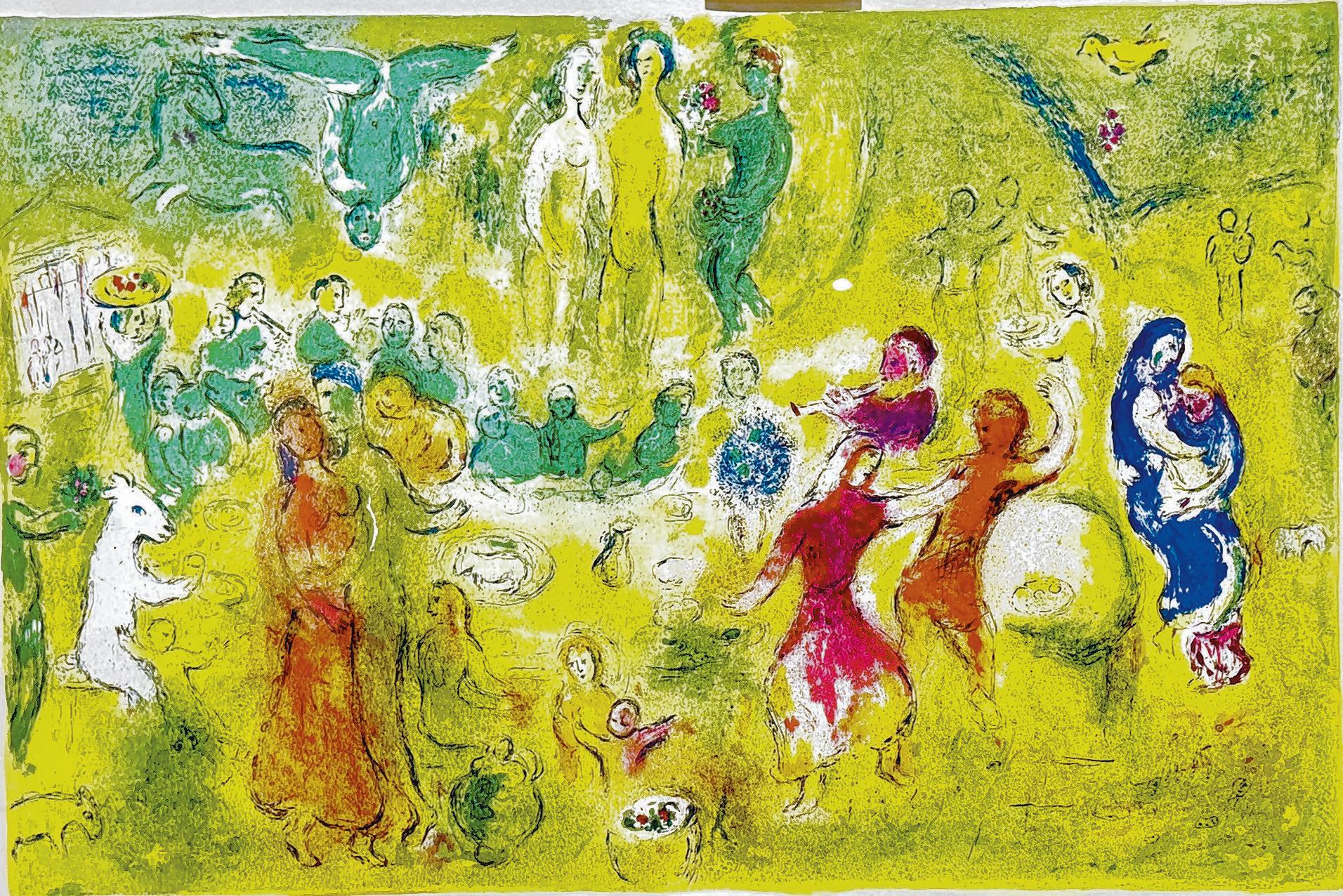
Marc Chagall’s lithograph, ‘Wedding Feast in the Shrine of the Nymphs,’ is No. 40 in a folio of 42 lithographs he created to illustrate Greek writer Longus’ story ‘Daphnis and Chloe.’ The piece, from the collection of the Park West Gallery, is featured in the LSU Museum of Art’s exhibit, ‘Daphnis and Chloe and Other Lovers.’
PROVIDED PHOTO BY THE COLLECTION OF THE PARK WEST GALLERY
Marc Chagall’s lithograph, ‘Midday in Summer,’ is among 42 of his lithographs featured in the LSU Museum of Art’s exhibit, ‘Daphnis and Chloe and Other Lovers.’ The show runs through May 24. The piece is from the collection of the Park West Gallery.
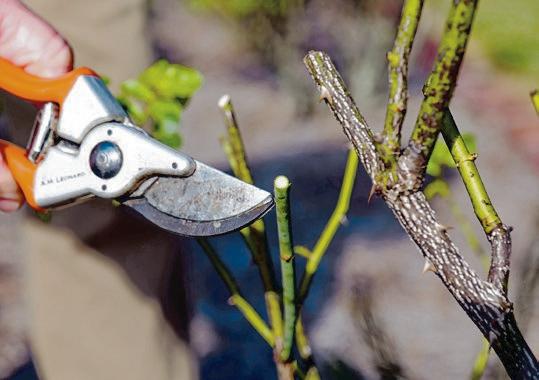
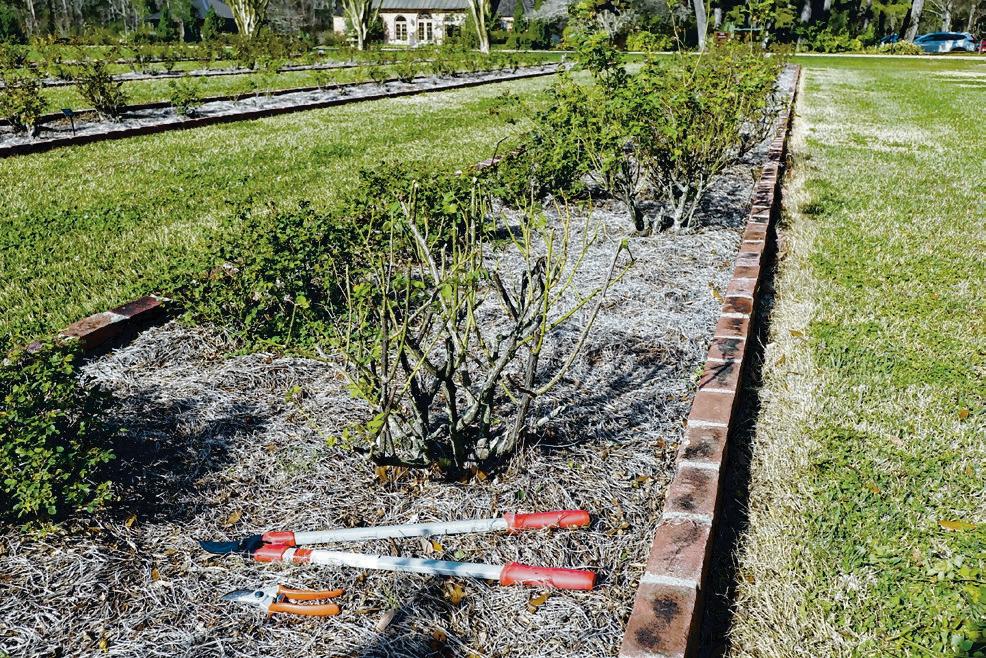
LSU AGCENTER PHOTO BY RANDY LABAUVE Sharp pruners make clean cuts, which is important for efficiency as well as the plant’s healing process.
Les Amis Bake Shoppe’s King Cake Balls
AMIS BAKE SHOP
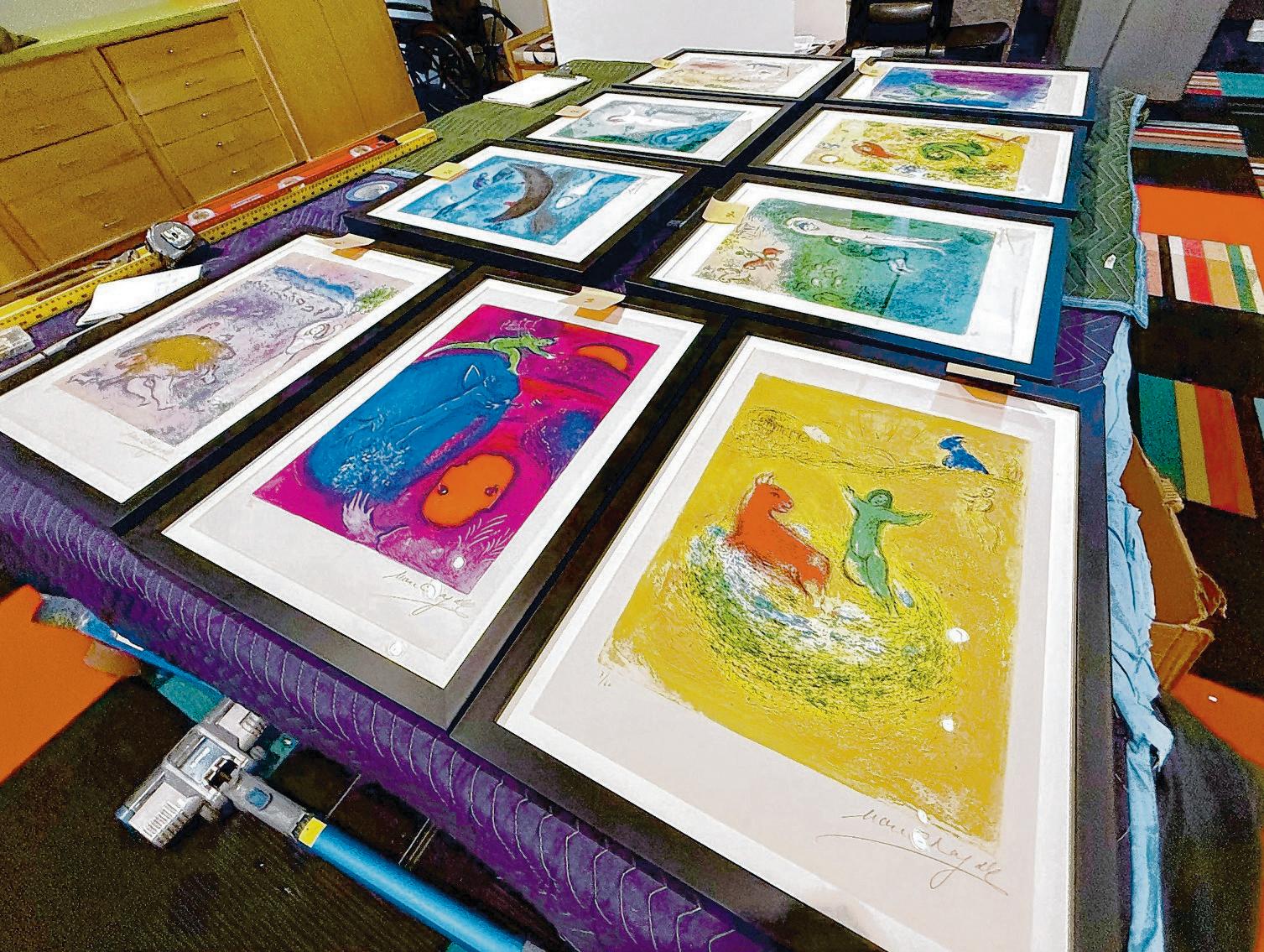
Marc Chagall’s lithographs illustrating the Greek myth, ‘Daphnis and Chloe,’ await installation for the LSU Museum of Art’s exhibit, ‘Daphnis and Chloe and Other Lovers,’ openied Feb 12 The lithographs are from the collection of the Park West Gallery.
CHAGALL
Continued from page 2G
colorful, and though most people equate it with pastels, it’s honestly filled this whole rainbow of colors. It’s so colorful and happy like springtime.”
Focuses on lithographs
The show focuses on Chagall’s folio of 42 lithographs depicting the mythical tale of Daphnis and Chloe, the main characters of the second-century novel written by Greek author Longus. Also included are a few lithographs depicting characters from other love stories, along with a few of Chagall’s circus scenes.
But the true stars of this show are a boy and girl who were abandoned when they were infants.
“Daphnis is adopted by a goat herder, and Chloe is adopted by a shepherd,” Schulte said. “They grow up together and they learn about love by being with one another.”
The lithographs are hung in order, telling the full story of this inseparable couple, following them as they morph from friends to life partners.
“When you read the story, it’s strange, but then you remember to put it into context,” Schulte said. “This is Greek mythology. And so in 1932, Chagall was asked by a very well-known publisher, Stratis Eleftheriades, who was known as Tériade, to create a set of lithographs illustrating this ancient love story.”
That should have been a nobrainer for this artist of love, right? But Chagall declined the assignment at first.
“He didn’t want to step on the toes of his close friend, artist Pierre Bonnard, who had an illustrated version of the same novel,” Schulte said.
It wasn’t that the commission didn’t appeal to Chagall — it did. The love between characters Daphnis and Chloe was all consuming, something Chagall understood.
Bella was his world
The artist’s first wife, Bella Rosenfeld Chagall, was his world. He married her in 1915, and together, they survived the Bolshevik Revolution, which they escaped in 1923 for Paris at a time when Jews were being persecuted in Europe.
Yes, Chagall was Jewish, born in 1887 in a Hasidic
ROSES
Continued from page 2G
Jewish community in the small Russian town of Lionza.
“The town is now in Belarus,” Schulte said. “He met Bella in the city of Vitebsk, and she was literally the love of his life. They eventually had to escape Paris for America.”
Through it all, Chagall was making art, first in Russia as one of the country’s most distinguished artists, and as a member of the modernist avant-garde movement. He also was founder of the Vitebsk Museum of Modern Art and People’s Art School. He developed his own style of modern art based on his ideas of Eastern European and Jewish folklore. Some of his fans might call it whimsical, but Schulte sees it as something more.
“You get swept away by it,” she said. “The people in his artwork are floating and it’s cloud-like. The colors actually move the figures You’ll often see figures that look like they’re floating, but the colors that he uses actually support them in that space. So, it makes sense.”
Chagall also fills his work with symbolism
“When you start to break it down, you’ll see a lot of farm animals, and those come from everything from folktales that he learned in childhood to memories of the small town where he grew up to symbolism from Jewish tradition,” Schulte said. “He also liked to symbolize himself as an animal, so you’ll often see him as a goat or a horse. And his wife Bella gave him a bouquet of flowers when they first met, so you’ll also see lots of flowers.”
Dichotomy of life and work
Still, there’s a lingering dichotomy between the bright joy in Chagall’s artwork and his real-life darkness.
“What always impresses me when I study Marc Chagall is how easily he could have not been in love with love,” Schulte said “His life was charged with so many different things from revolution to world wars to the Holocaust, and the persecution of the Jewish faith leading up to the Holocaust. There was also the displacement afterwards.”
Then came the biggest blow — the death of Chagall’s beloved wife Bella from a strep throat infection at age 49 on Sept. 2, 1944, while vacationing in Adirondacks in New York. The couple had already settled in New York City, where his work was managed and rep-
resented by Pierre Matisse, son of fellow artist Henri Matisse.
Chagall was so heavy in grief that he stopped working. When he returned to his studio months later, most of his works were memorials to Bella.
Chagall would later leave his mark on the art world in various ways He’d create a tribute painting to famous composers, actors and dancers on the ceiling of the Paris Opera. He’d also design stained glass windows for Hebrew University’s Hadassah Medical Center in Jerusalem, the United Nations and the Chicago Institute. Watch closely the next time “Ferris Beuller’s Day Off” is on television. Chagall’s four stained glass panels, “The Four Seasons,” are prominently featured in Ferris’ visit to the Chicago Institute.
And while perusing old movies, check out the 1987 film, “Moonstruck,” where Cher’s character stands in awe of Chagall’s murals in the lobby of the Metropolitan Opera House. Valentina inspiration
Chagall wouldn’t spend the rest of his life without love. He met Valentina Brodsky, who he married in 1952.
“He was rejuvenated by his love for Valentina,” Schulte said “He called her VaVa, and he eventually relented and told the Greek publisher that he would illustrate Longus’ novel. These illustrations were really based on his love for his new wife, Valentina.”
This love fills the LSU Museum of Art’s Foyer and Louisiana Machinery Gallery in giddy happiness, where Daphnis and Chloe float through a vibrant dreamscape. It should be mentioned that some of the prints, though impressionistic, depict adult themes.
Chagall’s limited edition lithograph folio was published in 1961. The museum will kick off this celebration of love with a “Champagne & Chagall” event at 6 p.m. Feb. 12, featuring special guest Rodolphe Sambou, the Consul General of France in Louisiana.
“We’re almost out of tickets for this event,” Schulte said, “but his is just a great way to start this beautiful show.”
And as Valentine’s Day approached, Chagall’s love shines through.
Email Robin Miller at romiller@theadvocate. com.
Bite into this unique coffee and pie tour
BY CHERÉ COEN Contributing writer
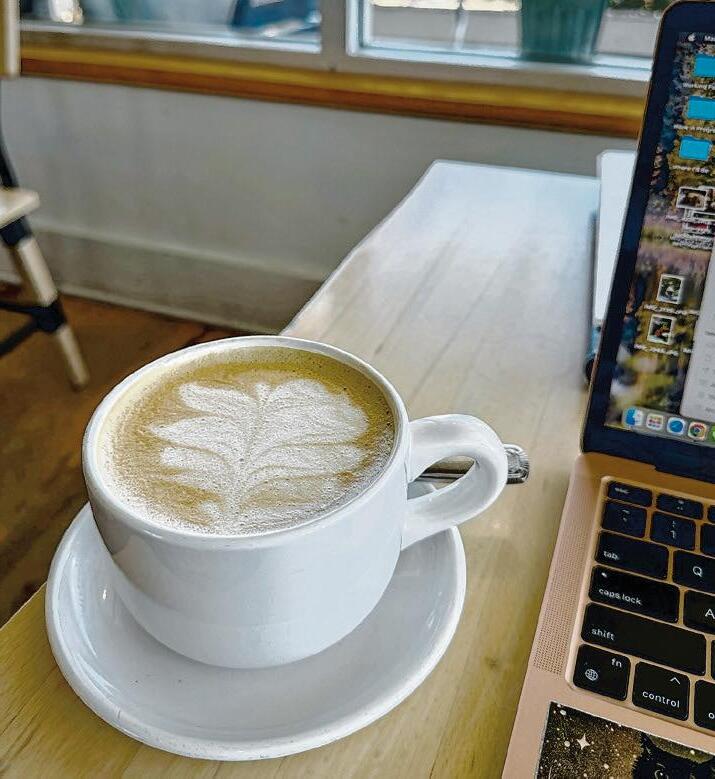
Nothing seems to beat the winter blues like a hot cup of coffee and a sweet slice of pie, one to warm the insides and another to brighten the mood.
We’ve compiled a few of our favorite places that serve both, some of which are quite unique.
Arkansas’ ‘Possum Pie
There are so many places to pause for pie in Arkansas that food historian Kat Robinson dedicated an entire book and documentary to the Natural State’s pies: “Arkansas Pie: A Delicious Slice of The Natural State.” The state’s trademark dessert, one that visitors can find on just about any menu, takes its name from an unlikely place — and nobody can really explain why The possum pie doesn’t contain its namesake, or some nonanimal ingredients found in other states, but “rather a cream cheese layer (sometimes substitute with a sour cream or vanilla pudding instead), a chocolate custard layer and a whipped topping layer,” writes Robinson on her blog, “Tie Dye Travels.”
I’ve had a delicious slice of possum pie with a hot cup of coffee at Mather Lodge Restaurant, after hiking down into a canyon to witness the 95-foot Cedar Falls of Petit Jean State Park outside Little Rock. Robinson has favorites as well.
“Best place for possum pie in Arkansas is a toss-up — Stoby’s of Conway or Tusk and Trotter of Bentonville,” Robinson said Texas: Coffee and a show
Years ago, I had the pleasure of visiting a variety of Houston coffee shops with my caffeine-loving friend Sharon Connors, who can sniff out a lavish latte with aplomb.
A favorite of Connors was Siphon Coffee, where the coffee is slowly siphoned from a boiling round pot into a glass container filled with coffee grounds, then dripped back into the glass bulb for consumption
The process — which takes several minutes — is as much fun to watch as enjoy Connors has since left Louisiana for Colorado but still dreams of Jane Wild’s scratch-made pastries, including her delectable pies, at Jane and the Lion Bakehouse.
“Her pies were to die for,” Connors said, adding that Wild serves up a mean cup of coffee as well.
Mississippi: Coastal coffee
Visitors to Coastal Mississippi can immerse themselves in caffeine from one end of the state to the Alabama border There’s the Mockingbird Café in Bay St. Louis, located in a historic home that’s become such a community gathering space it’s been called the “Living Room of the Bay.”
Visitors to Pass Christian Books in Pass Christian can enjoy a cup from partner Cat Island Coffeehouse as they peruse titles or just relax on the porch overlooking the Gulf. In Long Beach, Bankhouse features on-site roasting inside a former bank building, and Bright Eye Brew Co. in Ocean Springs delivers big coffee flavors from a small coffee shop on Government Street.
As for pie, Fleur de Lis Gourmet Bakery in Gulfport serves up a variety of delectable desserts, including lemon blueberry, fruit tarts, Dutch apple and chocolate.
To combine the two, try Lounge Nocherie in the Scarlet Pearl Casino of D’Iberville, where pastries are baked fresh daily that guests can enjoy by a dual-sided fireplace.
“It’s an amazing bakery where you can purchase cakes, pies and other pastries to-go, but it’s also an amazing coffee shop with beautiful decor, so you can purchase small tart-sized pies that you can purchase with your coffee and enjoy in a beautiful space,” said Patricia Meagher, director of communications and engagement for Coastal Mississippi tourism.
Georgia: A pie in the hand Sometimes a pie doesn’t need a fork. Fold
over the pastry with the goodness inside and you have handheld fried pies that are the rage in the north Georgia mountains. All kinds of fruit are grown above Atlanta not just peaches and several orchards serve up fried pies in addition to their mostly harvests of apples. Folks like Reese Orchards in Ellijay and Mercier Orchards in Blue Ridge have a hard time keeping their crispy, fruit-filled pies on the shelf; they’re that good.
Closer to Atlanta, in the historic town of Roswell on the Chattahoochee River Land of a Thousand Hills coffee shop works with local coffee farmers in Rwanda and reinvests in communities, so you’ll feel good about drinking their coffee. They offer locations throughout the Atlanta area, but in Roswell, guests may enjoy craft lattes and chocolate croissants inside the quaint building that was once a home or on the lawn when the weather’s cooperating.
A kumquat party in Florida
Warm up with organic craft coffees at Amavida’s several locations in the Florida Panhandle, including Seaside, Rosemary Beach and in the St. Andrews neighborhood of Panama City, where the walls are full of board games, artwork and colorful murals. There’s even Amavida Donuts served from a vintage truck on the Central Square in Seaside.
For something truly Florida, not to mention unique, folks in Dade City create a decadent pie that’s native to this part of the world and celebrated every January. Kumquats are harvested this time in Pasco County, just outside of Tampa, and to honor this small but mighty citrus, the residents of Dade City throw a party The annual Kumquat Festival in Dade City this year Sunday March 8 not only sells the fruit but serves up all kinds of dishes featuring kumquats, including pie. The popular Kumquat pie, the official pie of Pasco County, is akin to Key Lime, created with condensed milk and lemon juice. The following is a recipe by Rosemary Gude.
STAFF PHOTO BY ROBIN MILLER
LSU AGCENTER PHOTO BY RANDY LABAUVE Valentine’s Day was a reminder that it’s time to prune everblooming roses.
Rosemary’s Kumquat Pie
With films in production, is La. film industry back?
With an unprecedented 16 Oscar nominations for Louisiana-shot
“Sinners” this year, the film has put Louisiana front and center with not just viewers, but with the all-important Hollywood studio executives who decide where films are shot.
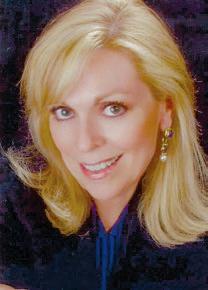
Leslie Cardé
However, other hit films like “Hit Man” and “People We Meet on Vacation” also shot in the state can only do so much to lure productions here It takes a coordinated marketing effort to promote the state as a film hub.
Film Louisiana has been actively promoting the state.
“We were out in L.A. in October,” said Jason Waggenspack, president of Film Louisiana and CEO of The Ranch Film Studios. “We had really great conversations with all the studios, and I’d say 50% of the studios actually told us they were looking at Louisiana pretty hard because we have such a great tax credit, and obviously, we have such great crews. And now we’re starting to see more things come back domestically and here in Louisiana.”
This month, Louisiana has six film productions either in prep or already shooting. That includes:
n “Ally Clark,” starring Viola Davis at Celtic Studios in Baton Rouge
n “A Christmas Kind of Love,” with Second Line Stages in the Lower Garden District
n “Goodbye Girl,” at University of New Orleans’ Nims Center Studio
This influx of films in January means more production now than all of last year, in terms of major Hollywood studio films
“It was very bleak last year, probably the roughest time for our membership in recent history,” said Simonette Berry, business agent for the film workers’ union IATSE Local 478 and an executive board member of Film Louisiana.
“Let’s remember that at the height of things in 2021 and 2022, we could have 28 productions on the ground at one time I’ve been part of this
Coogler
industry since 2012, and my husband since 2008, but he’s no longer working in film right now He is working in an outside industry where he’s using the film skills that he has as a plasterer and a sculptor constructing sets. Like many people in our union, he’s had to find outside work.”
It’s hardly a singular incident for industry folks behind and in front of the camera.
For well-known actor Lance Nichols, who hasn’t worked in film or television in Louisiana for over a year, diversity has been what’s saved him. He’s known for his stage productions as well as commercial work and willing to travel.
He starred in the one-man play
“How I Learned What I Learned” about the life of August Wilson, to rave reviews at Le Petit Theatre and is currently shooting a series, “Sugar Creek Amish Mysteries” in Ohio. But this actor, who has more than 230 screen productions under his belt, says he’s well aware others haven’t been as fortunate.
“On one of my business trips, I was walking through MSY airport to my gate, and as I passed the Mac store, I heard someone from inside say, “Lance,” so I went into the store and saw someone who worked with me on many, many sets as head of the makeup departments. She asked where I was go-
ing and I told her I was heading out of town for work. She told me she hadn’t worked in the film industry in two years, which was why she was selling makeup. It broke my heart.”
During the writers and actors strikes of 2023, many studio heads found themselves shipping productions out of the U.S. to Canada and Europe, where labor costs were lower and there were no health care costs and pension plans to deal with.
“Some directors like Richard Linklater (“Hit Man”) had relationships and were willing to keep their projects here domestically, while producers who had ties to New Orleans were bringing projects like “People We Meet on Vacation” here, but those projects were dwindling by the end of 2023,” said Carroll Morton, director of Film New Orleans, out of the mayor’s office. “You’ll have creators like Taylor Sheridan (‘Yellowstone,’ ‘Landman’) who prefers to shoot in Texas where he lives, but is bringing his latest show ‘Frisco Kings’ (formerly NOLA Kings’) to shoot 3-4 weeks in New Orleans. But to be successful and become a film
hub once again, you must have an economic development plan, because the name of the game here is money and return on investment.”
To that end, the state has tweaked its tax credits and is now in line with other states that have already revised theirs. Considering that Louisiana has such diverse locations, Film Louisiana put together a Locations LookBook for studio heads, detailing how the state can shift from a French Quarter scene to rural train tracks, forests and gorges, prisons and giant stadiums to massive lakes, beautiful skylines and typical small-town America.
But the ultimate incentive may be the bottom line, and to that end, Katie Pryor, executive director of the Baton Rouge Film Commission and founder of FILMUSA, has been thinking outside of the box and working on getting a federal tax credit in addition to the state’s.
“We’re in a membership association of film commissioners across the U.S., with over 115 members,” Pryor explained. “The long and short of it is there is no one striking difference between the U.S. versus other production-heavy countries which offer their own
country incentives, except that we are lacking two things — a federal film office and a federal film incentive. It’s imperative for us to be globally competitive.”
So, is the current surge in production a trend or a blip? Consider Curtis Jackson’s (rapper 50 Cent) recent investment in Shreveport and his contract promising upcoming films. And, casting directors say they’re hearing about productions now coming in March, April and even the summer For casting director Liz Coulon, who is working on two of the six films in production, it’s been a sudden whirlwind.
“I know that this is confusing for casts and crews to know how to get involved again in these productions, so I would give you some tips,” said Coulon. “For actors, make sure you have current headshots and resumés on mycastingfile.com, and if you want to reach out to casting directly, and you don’t already have agency representation (those people should reach out to their agents), you can email your material to submit@ couloncasting.com. No phone calls, please.”
Since Katie Pryor believes that fortune favors the prepared, she is starting a high school in Baton Rouge that will prepare today’s creative kids to work in the film industry with a facility that will be on a par with similar institutions in L.A., New York and Atlanta.
“It’s called the Louisiana Academy of Production, and I’m the founding board president,” said Pryor “It’s production-based and all about behind-the-scenes filmmaking You can learn the business side, concentrate on production or cinematography, or even learn hair and makeup. Our first ninth grade class at the charter school will begin in the fall.” Louisiana has the infrastructure, talent and know-how, according to Pryor She sees no reason why this state can’t lead the industry in production once again.
Contact Leslie Cardé at lesliecardejournalist@gmail.com.
With thousands of Shell employees acrossthe state, weare working everyday to
States Together,weare powering progress forabrighter future. Louisiana is whereweliveand we’reproud to call it home
As thelargest deep-wateroperator in theGulf of America, Shellhas along history of leading theway in producing thesecure, reliable energy our world needs. None of this would be possible without thedrive and innovative spirit of generations of Louisianians
Pryor
Nichols
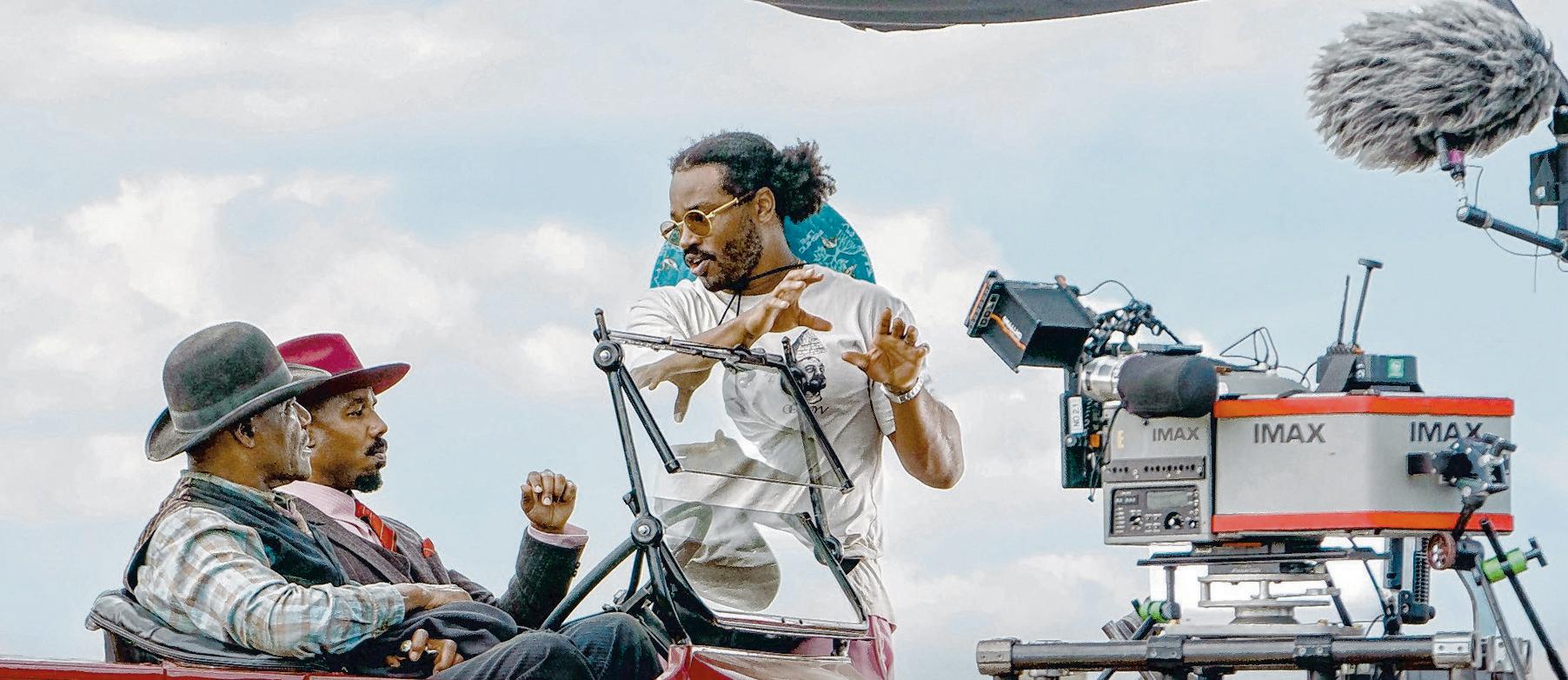
PROVIDED PHOTO BY WARNER BROTHERS
Ryan
directs Delroy Lindo and Michael B Jordan in ‘Sinners.’