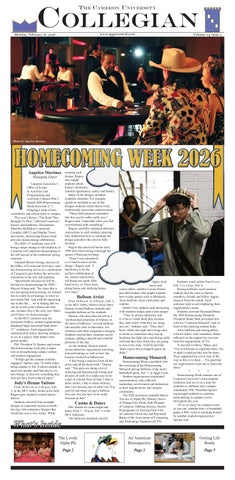
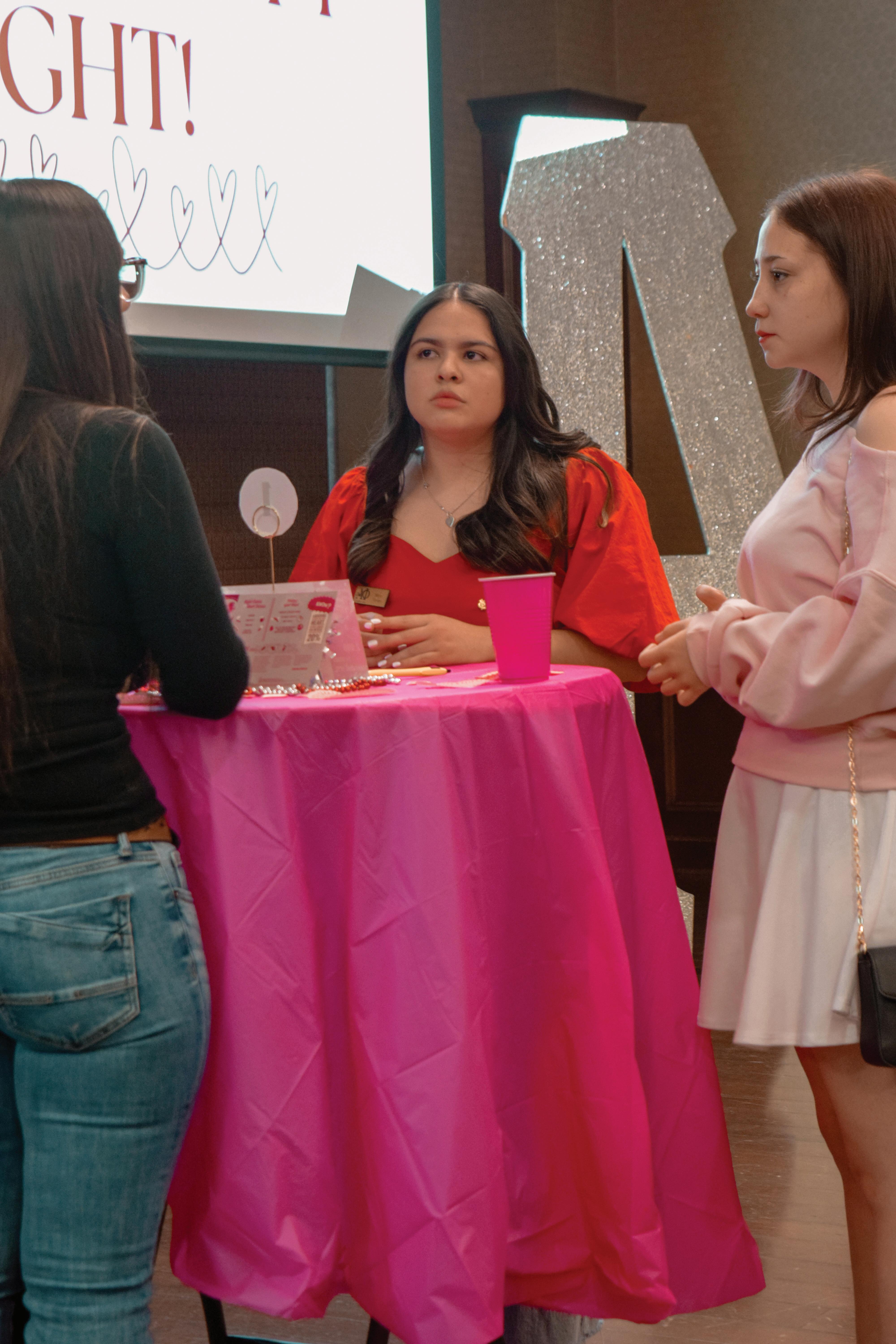
Cameron University’s Office of Events & Activities and Programming and Activities Council (PAC) hosted 2026 Homecoming Week from Feb. 2–7, bringing a week of arts, community and school spirit to campus.
This year’s theme, “The Road That Brought Us Here,” reflected Cameron’s history and traditions. Decorations filled the McMahon Centennial Complex (MCC) and Shepler Tower mezzanine, showcasing themes from previous homecoming celebrations.
The 2026–27 academic year will bring a major change to the tradition, as Cameron will celebrate homecoming in the fall instead of the traditional spring semester.
Alannah Meyers-Young, director of the Office of Events and Activities, said this homecoming serves as a celebration of Cameron’s past before the university transitions to the new fall tradition.
“Specifically because we will be having two homecomings for 2026,” Meyers-Young said. “So, since this is our last spring homecoming, we wanted this to really be an homage to what we previously had. And with the upcoming one in the fall … we’re hoping that we can tie in this year’s theme into that one, because this is the only year where you’ll have two homecomings.”
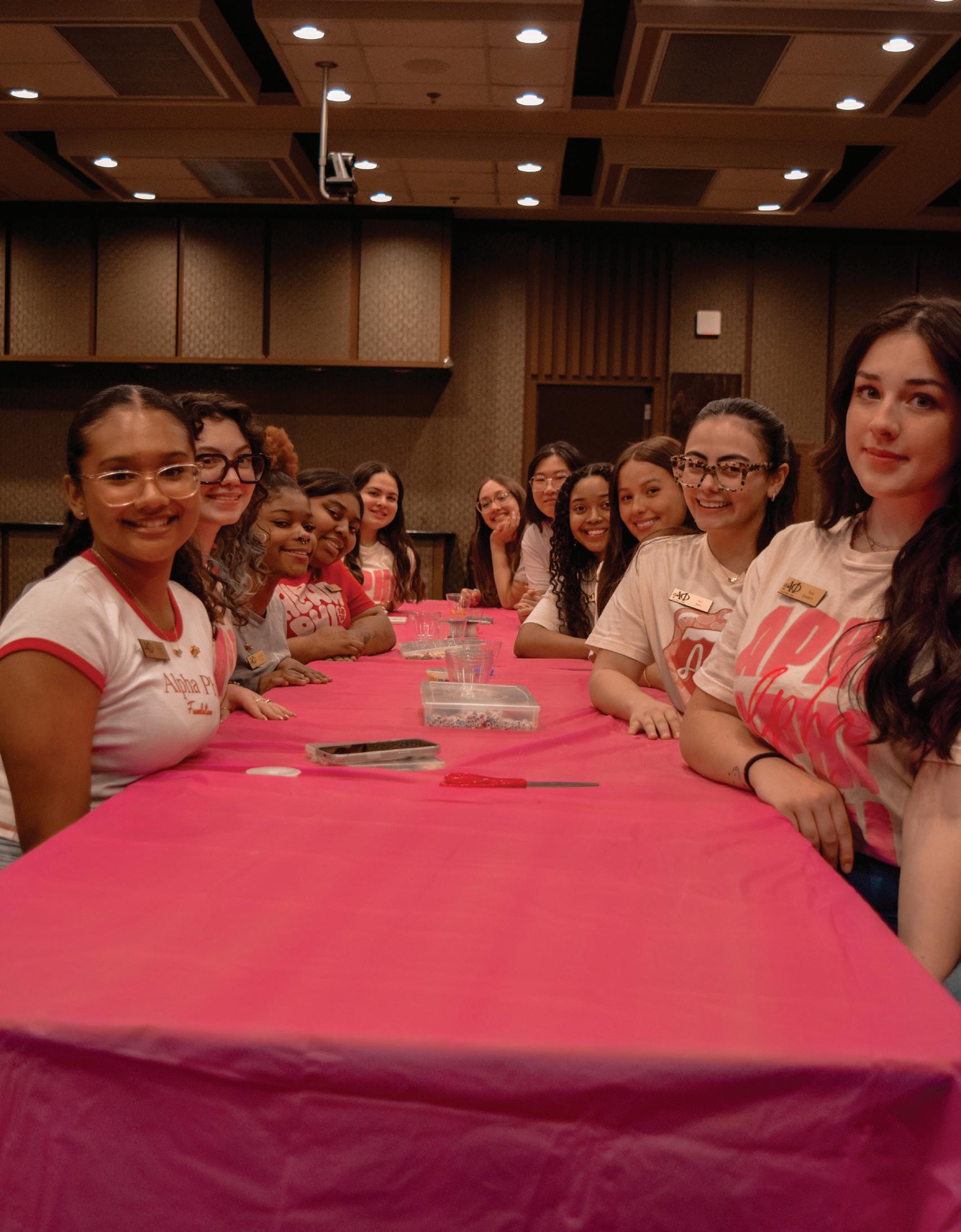
At the MCC entrance near the Inasmuch Gallery, student organizations displayed large decorated foam letter “C” sculptures. Each organization customized its letter, allowing students to see at a glance what makes each group unique.
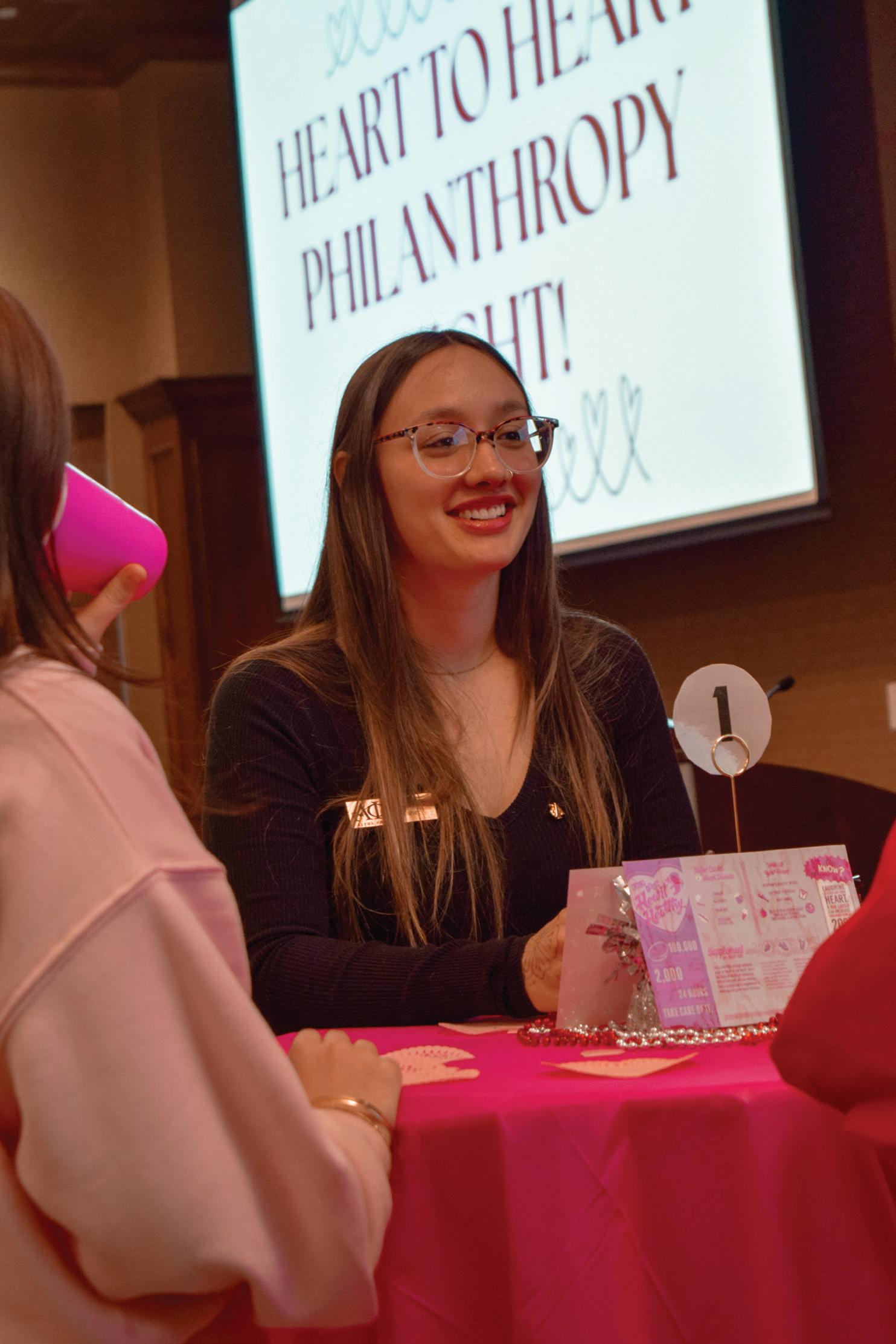
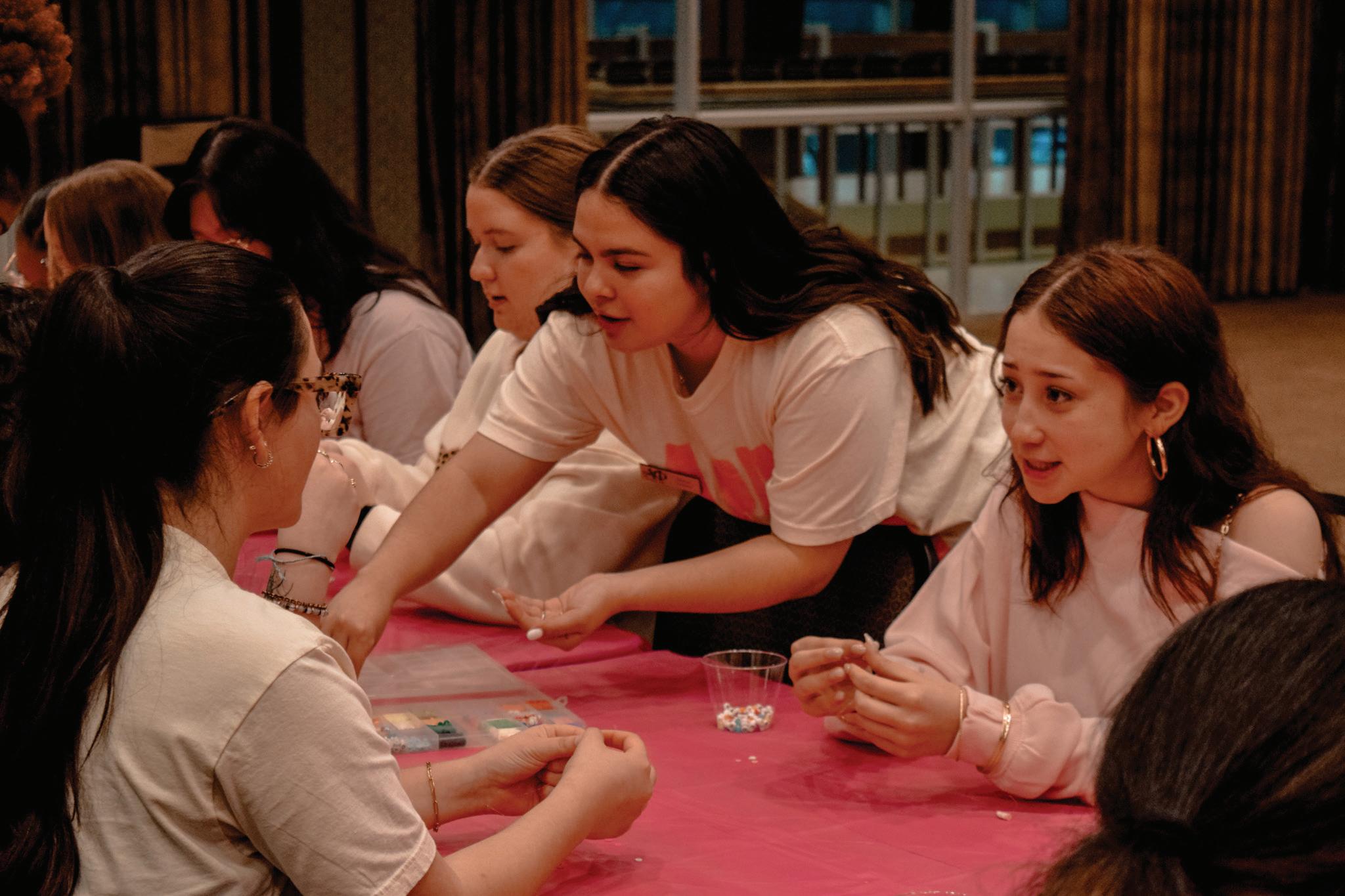
PAC President Ty Spence said events like homecoming week play a major role in strengthening campus culture and student engagement.
“It helps get the campus students engaged,” Spence said. “It really helps bring campus to life. It allows people to meet new people, and then also to try new things, to discover something they may not have known they’d enjoy."
Jody’s Henna Tattoos
From 10:30 a.m. to 2:30 p.m., Feb. 2, in the MCC lobby, henna artist Jody Rogers gave students custom henna tattoos.
Students selected from example designs or requested custom artwork, leaving with temporary designs that would last one to two weeks. While
What’s Inside
creating each design, Rogers also taught students about henna’s chemistry, cultural significance, safety and history.
Many of the designs included symbolic elements. For example, spirals as included in one of the designs students could choose from, traditionally represents empowerment.
“These little physical reminders like this can be really really nice,” Rogers said, “especially when you feel overwhelmed with something.”
Rogers carefully explained aftercare instructions to each student, ensuring they understood how to maintain the design and allow the color to fully develop.
Rogers has practiced henna since 1999 after discovering it through her spouse’s Pakistani heritage.
“Once I was introduced to it I had to know all the things,” Rogers said. “I find henna to be the perfect combination of art, science and history. All things my nerdy little heart loves, so I have been doing henna and studying henna ever since.”
Balloon Artist
From 10:30 a.m. to 2:30 p.m., Feb. 3, in the MCC lobby, balloon artist Haley Damon created balloon animals and wearable balloon art for students.
Damon, who describes herself as a “professional proprietor of whimsy in the form of balloons,” twisted balloons into animals such as dinosaurs, sea creatures and other imaginative designs. Students carried their creations across campus, adding a playful and colorful presence to the day.
As she worked, Damon shared stories about her experiences traveling and performing, as well as how she became involved in balloon art.
“I like being a reprieve from all the stress and all the hard work,” Damon said. “You guys are doing a lot of studying and learning and testing and all sorts of stuff. It is really nice to be a part of a break from all that. I like to share smiles, I like to share whimsy, that’s my favorite part of what I do. You can't be sad when you get a balloon. You can- but you have to be really focused on that.”
Casino & Dance
PAC hosted its casino night and dance from 7 - 10 p.m., Feb. 5 in the MCC ballroom. The ballroom included colorful
lights, loud music and casino tables. Jackbox Casino Parties provided dealers who taught students how to play games such as blackjack, Texas hold’em, three-card poker and roulette.
Dealer Vera Addams said interacting with students makes each event unique.
“They’re always optimistic and it is fun to watch them play because they don't know what they are doing just yet,” Addams said. “They don't know what's the right and wrong rules to break so sometimes they end up breaking the right rules and doing really well and then they think they are going to win every time. And I'm just like ‘don't expect this to happen again my dude.’”
Homecoming Monarch
Homecoming Week concluded with the crowning of the Homecoming Monarch during halftime of the men’s basketball game, Feb. 7, in Aggie Gym.
Student organizations nominated representatives who reflected leadership, involvement and dedication to their organizations and campus community.
The 2026 nominees included Marya Trevino of Alpha Phi, Hanna Chaves of Omega Zeta Theta, Seth Pleasant of Cameron Tabletop Society, Austin Pennypacker of Turning Point USA at Cameron University and Raymond Butac of the Association of Computing and Technology Students (ACTS).
Students voted online from 8 a.m., Feb. 3, to 5 p.m., Feb. 4.
During halftime, each nominee walked onto the court as family members, friends and fellow Aggies cheered from the stands. Each nominee wore a sash displaying their organization’s name.
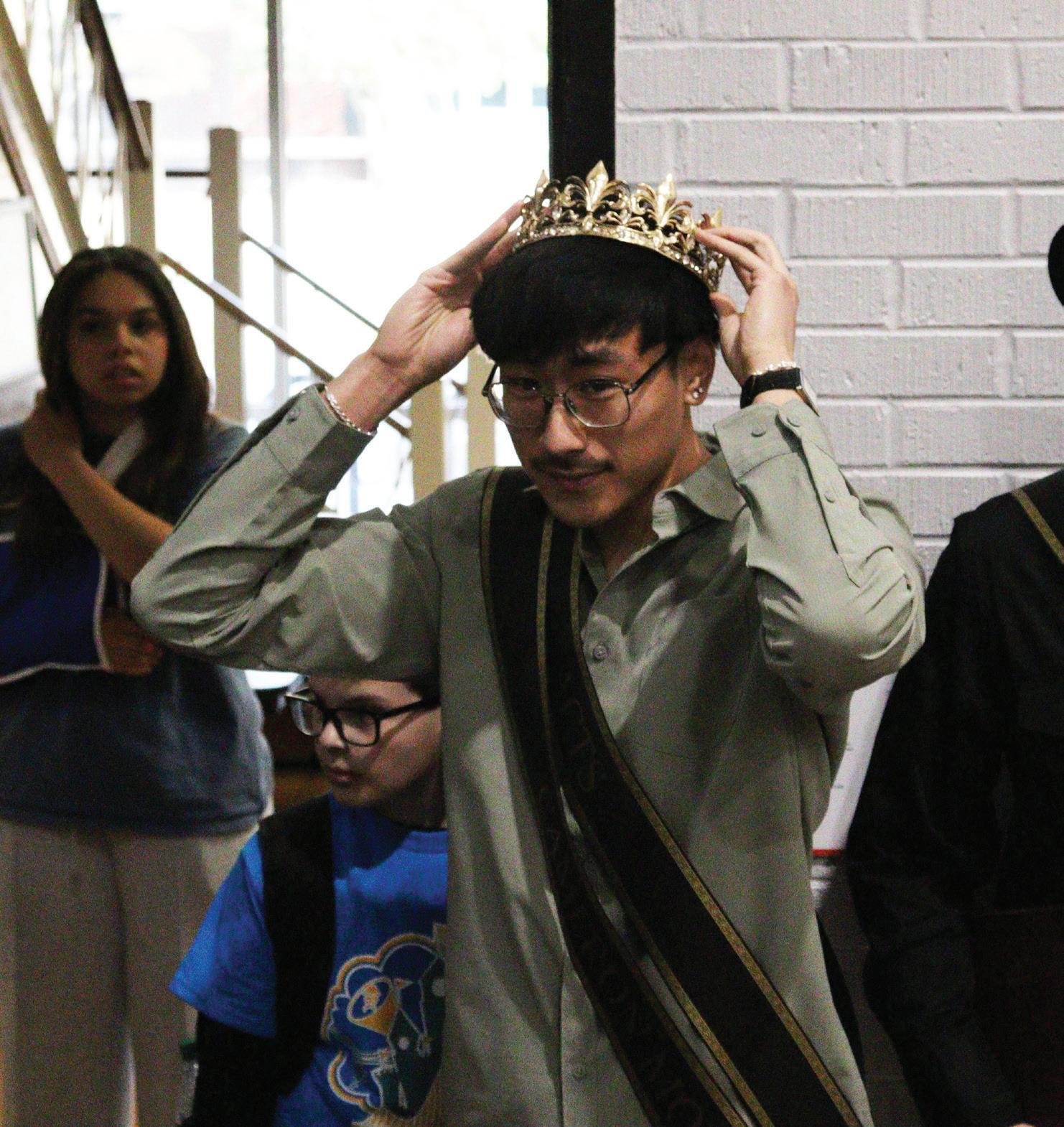
Students crowned Raymond Butac the 2026 Homecoming Monarch. President Shane Hunt presented him with his “Cameron Monarch” sash in front of the cheering student body.
After halftime and taking photos with his fellow court members, Butac reflected on the support he received from his organization ACTS.
“I owe this to them,” Butac said. “I’m so fortunate to represent them. I'm so glad I could get this win for them. They supported me every step of the way so this is to them … I'm glad that my organization trusts me to represent them.”
* * *
Homecoming Week remains one of Cameron University’s most popular traditions and serves as a time for students to celebrate their campus community. PAC President Spence encouraged students to continue participating in campus events throughout the year.
“Go to as many on-campus events as you can, whether that’s a basketball game, a PAC event or anything hosted by another student organization,” Spence said.
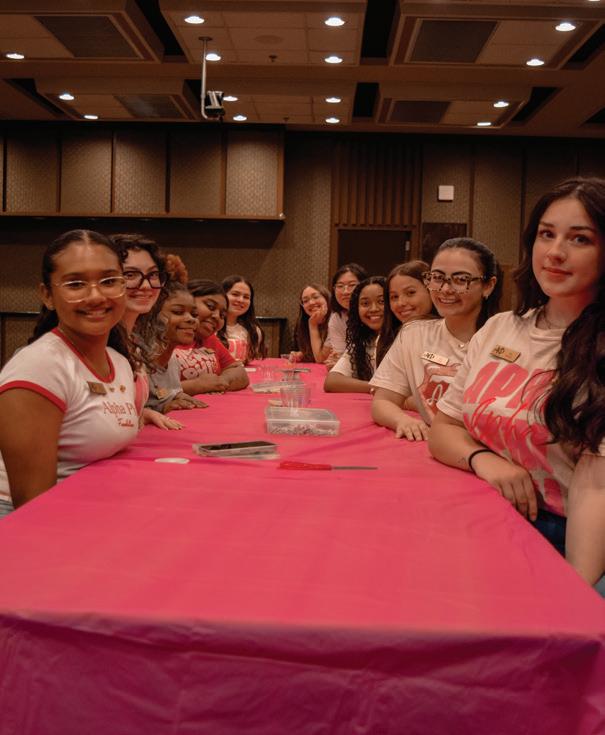
The Lovely Alpha Phi
Photos by Angelica Martinez
Rachel Nunn Copy Editor
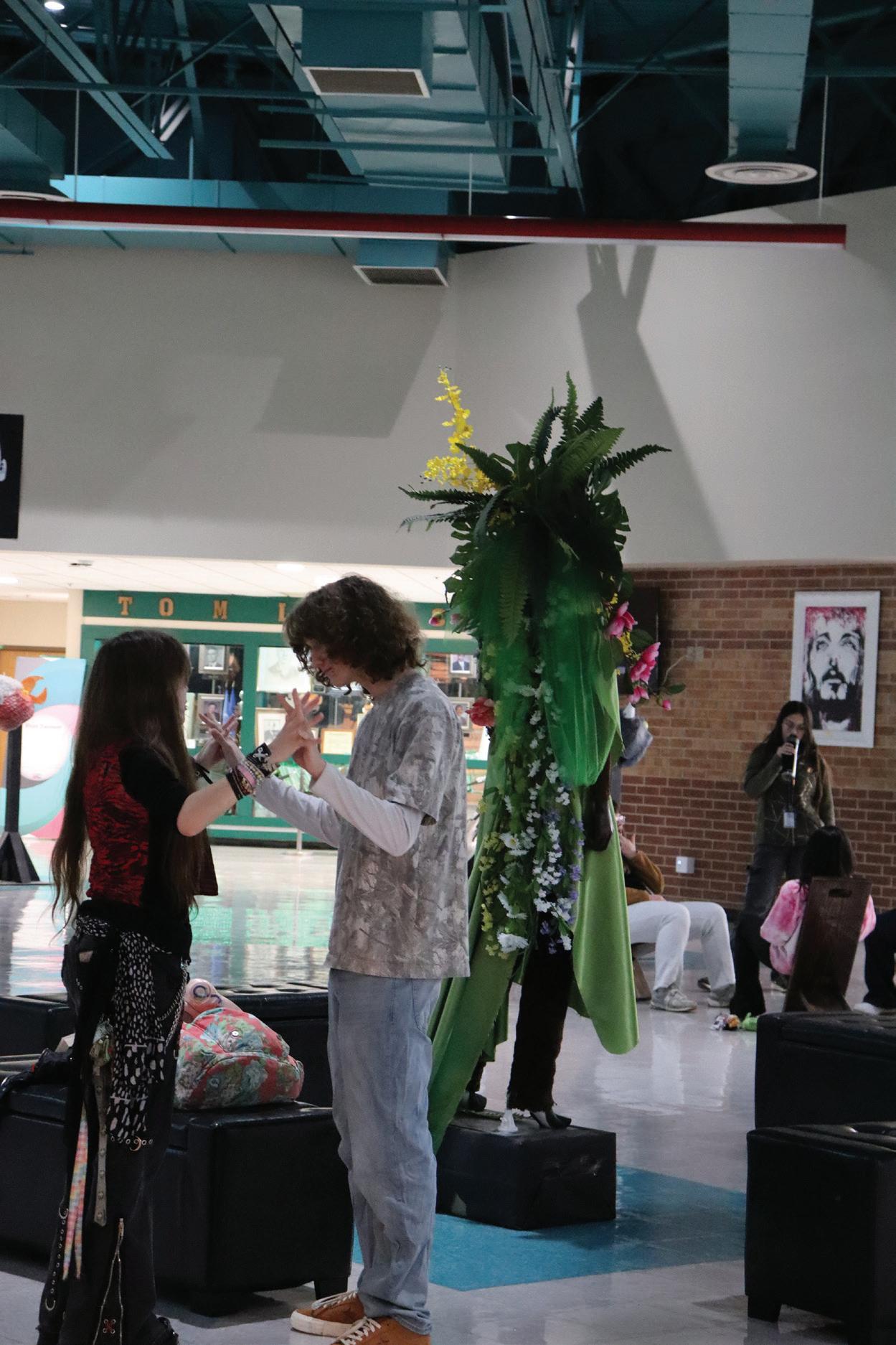
At 7 p.m., on Feb. 2, in Nance Boyer 2060, the Writer’s Studio hosted the semester’s first Visiting Writer event. Indigenous poet, entrepreneur and defender of the freedom to read, Heather Hall spoke about becoming a poet and the impacts her culture and community have had on her craft and life.
Hall owns and operates Green Feather Book Company in her hometown of Norman, Oklahoma, where she focuses on highlighting indigenous writers who are under-represented in the publishing world. Hall ensures that her customers have the opportunity to read from an array of Natives in a variety of genres.
Over the past couple of years, Hall has built writing communities with various interests, while remaining an advocate for opposing book bannings. One of her efforts is poetry slam, which is a three minute reading from any genre that often focuses on personal struggles or social issues, performed in front of an audience of judges. Hall also helps support and host poetry readings, in which an assortment of verses are performed aloud for an audience, either from the reader’s own writings or another poet’s work.
“About a year after I started reading and performing poetry, I went to Medina’s for the first time and found my people,” Hall said. “I found poets older than myself, who could usher me along in my performance and in my writing.”
As a writer trying to get their foot in the door, Hall found that the learning curve can be challenging for many writers. The fear of reading your work aloud can be intimidating for new
writers, but practicing is important for growth and strengthening your craft. It’s helpful to surround yourself with like-minded people who share a love for writing and reading.
Hall shows writers that, regardless of experience or proficiency level, all they need to do is dip their toes in the water and try it out. That courage is the beginning of starting a community and, coupled with the commitment to keep trying, is what shapes a writer and poet.
“Building a community is as simple as being there,” she said, “as simple as sitting in the seat that you’re sitting in and participating in something that has the potential to evolve and snowball into something very different than you ever imagined.”
look back on and go, ‘Wow, I didn’t know that was gonna last that long.’”
“Building a community is as simple as being there, as simple as sitting in the seat that you’re sitting in and participating in something that has the potential to evolve and snowball into something very different than you ever imagined.”
- Heather Hall Visiting Writer
Taking these steps to put yourself out there may be difficult at first, but it’s an important part of the process. There are many people who are talented writers who never put themselves out there and could benefit from immersing themselves in a writing community as they grow their confidence. The community foundation helps to promote growth outside of their writing skills, helping people to flourish alongside one another while also creating beautiful art.
“The steps that you take today to build community,” Hall said, “are the steps that later you
In the 1990s, for poetry readings they would sign off with, “The night is young, hug a poet and goodnight,” Hall said, which continued for the next 30 years. This was the poetry reading tradition, and it left a sustaining impact that has been carried on for so long.
Once Medina’s closed back in the ‘90s, local poets went without a home to share their work, so they had to find a new way to keep the spark alive.
“We had a phone chain,” Hall said. “You had a list of names and numbers, and we literally cut the list into spots and we each had three numbers to call. The first person would call the three numbers and say, ‘this is where we’re meeting this week.’ Those three people would call their three people.”
This continued on until the 150250 people were all called to be notified which home they were meeting in that week. What started with poetry readings and the commitment to keep their dreams alive helped to sustain the writers’ voices and kept their words and stories flowing, even when they had no place to share their work outside of their own homes.
For more information about future Visiting Writers or events, please feel free to contact Professor Chaffins: lellis@cameron.edu.
Photos by Mason Route
History will remember
A retrospective on America
Steven Utter Staff Writer
I wrote the following opinions in August of 2025. I was venting out my growing frustration with the reintroduction of the Trump administration and the failures of the democratic party.
At the time I was resistant to publishing my thoughts, knowing they would be considered controversial on either side of the political aisle.
Since then, the temperature in America has only risen and my frustration has grown into outright belligerence.
Silence is not an option for me any longer.
ICE and Border Patrol agents have been murdering law abiding citizens in the streets. Journalists have been arrested for reporting news. Immigrants are being strangled to death in concentration camps. Children are disappearing.
We bombed Iran. We invaded Venezuela and kidnapped President Maduro along with his wife. We failed to stop the genocide in Gaza.
We have all but abandoned Ukraine and have ostracized ourselves from our allies in the EU.
Not least of all, the Department of Justice released millions of documents in the Epstein files implicating wealthy and powerful men across the world including Trump himself, regardless of what he
and more, but I could never have predicted just how fast we would reach this point.
Make no mistake. We, the people of America, directly caused all of this; Democrats, Republicans, Independents; voters or not.
Over the course of generations our complacency with our tragically unqualified, unethical and dishonest leadership has led to the full erosion of the guard rails meant to prevent the rise of a tyrant within America.
While I stand by the opinions I wrote last year, let me be clear that I am not intending to equivocate both sides of our current discourse.
Trump and his cronies are the clear and present danger, but it would be a mistake to forget that sooner or later the pigs always start wearing clothes.
Trump has destroyed any illusions that we would be able to stop another like him from going even further into authoritarianism, and there is no real reason to believe that person could not be a democrat.
We need to wake up and remember that the rest of the world is watching.
History will remember what we do now. We, as a nation, must re-evaluate the identity and role of America, especially in light of the current state of world democracy, particularly within America itself.
Our leaders taught us since before we could read that Americans are “the good guys.” They told us that America is a beacon of freedom and hope for the world.
lied to.
America has consistently been aggressive and unwelcoming to other cultures since its inception. As invaders from across the Atlantic, our ancestors settled on stolen land and called the indigenous people “savages.” We slaughtered and raped them while unwittingly spreading foreign diseases that ravaged their communities further.
We then consumed the West like a termite infestation, taking everything in sight for ourselves and pushing out anyone in our way while calling it “manifest destiny,” claiming our Christian god gave us the right to take everything we wanted.
We brought in immigrants from around the world as slaves or indentured servants and acted like we were doing them a favor by enslaving them or putting them in hard labor positions for bare minimum wages while creating multiple racial slurs for each and every ethnic group that arrived. We shoved them into corners where we didn’t have to look at them, segregated them in schools, churches, housing, public bathrooms and everywhere in between.
Eighty years ago, we dropped two nuclear bombs on Japan. To this day, we are the only nation to have ever dropped nuclear bombs on another population, and we did it twice in a matter of days.
We caused 200,000 deaths including those who later died from the radiation poisoning. So many
We have invaded and attacked Vietnam, Kuwait, Iraq, Iran, Afghanistan and more all falsely in the name of protecting democracy. Then we abandon the people of those nations to fend for themselves in a power vacuum knowing exactly what that means for them, a new despot in place of the old one.
Our leaders do all this so that we can come in and steal resources while generating blood money for more weapons from American taxpayers who have been sold these lies.
We know all of this to be true, it’s written plainly in our history books. Victories of war decide how history remembers them, and yet we still can’t hide what we have done even from ourselves.
The core of the issue is that the government has strategically dumbed down and brainwashed the American population over the course of decades.
The prime example being that they force children to recite the pledge of allegiance daily before they are old enough to understand what any of it means.
I once believed that we had a chance to course correct ourselves by acknowledging the atrocities of the past and learning from them, yet I now fear that we are in an unrecoverable state created by endless amounts of corrupt leaders and a sleepwalking population.
Steven Utter Staff Writer
Most of our society considers voting to be our duty as Americans, an obligation we cannot ignore. I want to present you with the idea that abstaining from voting is, in itself, a vote when presented with unacceptable choices.
Abstaining is not apathy. It is a deliberate protest against a broken system.
When we vote simply out of obligation or when we vote for “the lesser of two evils,” we abandon our own values, and we perpetuate continued cycles of elections with terrible candidates who do not have our interests in mind.
When we refuse to vote we send a message that these options do not represent us. If enough of us abstained from voting, just one time, we would force systemic change from both sides of the political aisle.
I hope that there are others who share this understanding, and some survive the inevitable fall of our empire (as all empires eventually fall) to ensure history’s lessons are not forgotten.
choices. Our blind participation only validates a system that ignores our dissatisfaction.
Withholding our votes does not equal disengagement. We who abstain from voting can also drive change through activism, grassroots organizing and third-party movements. We are still able to vote in local down-ballot races while not endorsing unfit national candidates purely based on party allegiance and a sense of obligation.
We need to demand reforms such as ranked-choice voting, open primaries and significantly better vetting of candidates. We need politicians who earn our vote, not coast off of our distaste for their opponent.
Refusing to vote is a legitimate expression of democratic discontent and a right that we all share as Americans.
Compulsion breeds compliance, not consent or meaningful engagement.
Democracy thrives when participation is meaningful, not mandatory. We should respect those who withhold their votes to demand better.
Sometimes the strongest statement is to not say anything at all.
Graphic by Fabiola Perez-Aponte
The category is: Black Films
Makayla Flenoury A&E Editor
In today’s society, films that are meant to depict Black history, Black social issues, center Black humor, or even feature predominantly Black casts are often categorized as “Black Films.” This raises many questions for me, but I keep coming back to one: Why?
Film genres are traditionally categorized by shared characteristics in form, style, subject matter and events. For example, horror films rely on fear. The genre branches into subgenres such as psychological horror, body horror and supernatural horror. These labels describe the storyline and what to expect.
Race does not operate in the same way.
Labeling a film as a “Black movie” does not provide insight into
except for stereotypical assumptions. Audiences may expect the film to rely on stereotypes or to appeal exclusively to black audiences. This expectation stems from the development of African American filmmakers throughout history.
Historically, the film industry has portrayed African Americans in a negative light. In the mid-19th century (1830s – 1870s), minstrel shows were a popular form of theater. These shows were performed mainly by white actors wearing blackface to portray racial stereotypes. Early filmmaking continued this trend with movies like 1915’s Birth of a Nation. The film openly portrayed African Americans as violent and immoral.
In response, Hollywood created the “Race Films” to filmmakers and movies created
representation and opportunities.
The most influential “Race Film” director was Oscar Micheaux. He is credited with becoming the first major African American filmmaker. According to the Los Angeles Film School, Micheaux was an ambitious writer and published several novels that he later turned into movies. According to Rotten Tomatoes, Micheaux directed and produced 42 feature films from 1919 to 1948. The Homesteader (1919) was his most successful and revolutionary film.
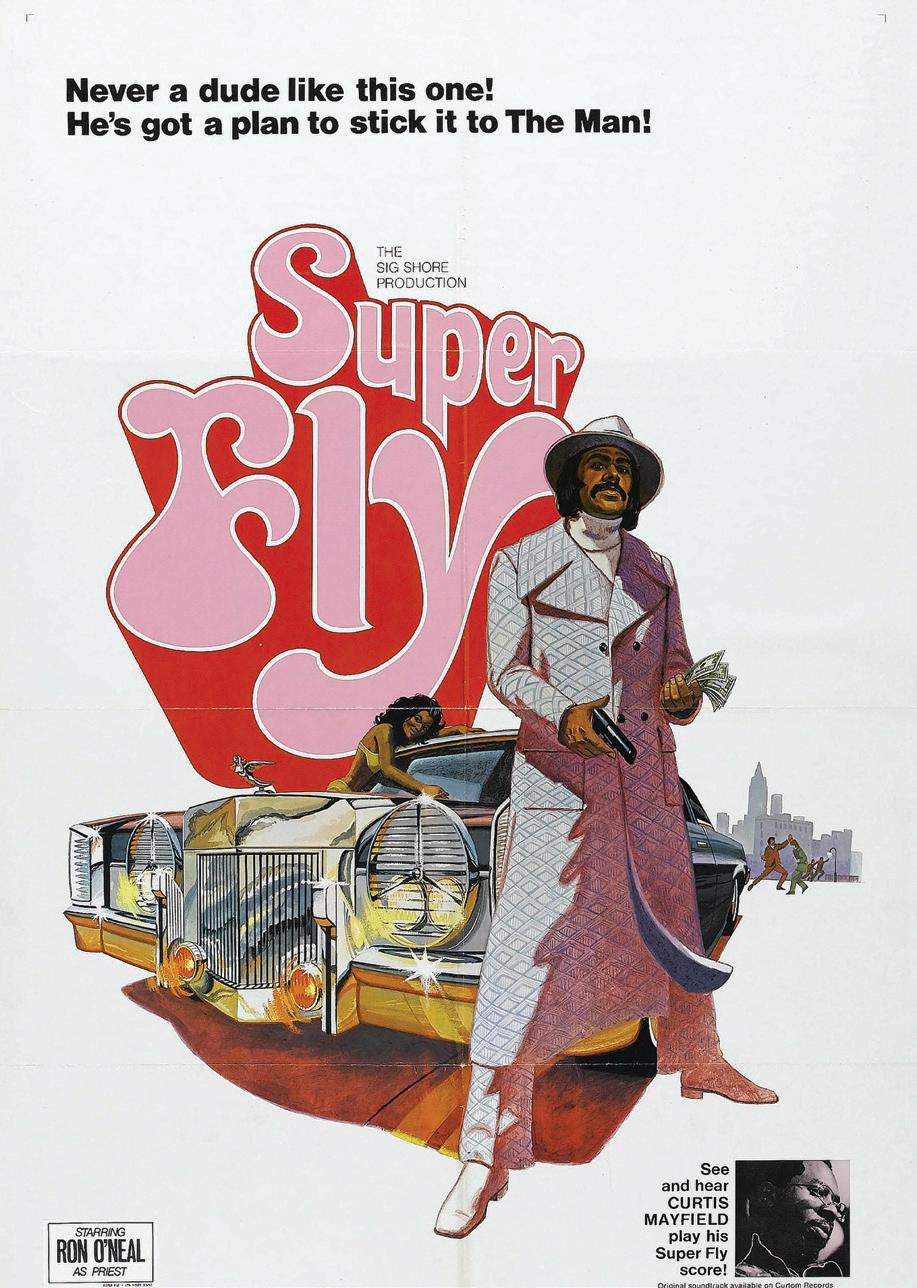
By the 1970s, the subgenre of Blaxploitation emerged. The name is a combination of “black” and “exploitation”. StudioBinder defines the term as a wave of independently produced genre films, predominantly made by Black crews for Black audiences. Common subjects were crime, drugs and racial tension.
According to the College of Charleston, the term was coined by Junius Griffin, the president of the Beverly Hills Hollywood chapter of the National Association for the Advancement of Colored People (NAACP), in 1972. Despite Blaxploitation’s success, Griffin argued
these films were harmful and portrayed stereotypes about Black communities.
According to StudioBinder, two movies are considered Blaxploitation’s founding films: Melvin Van Peebles’s “Sweet Sweetback’s Baadasssss Song” (1971) and Gordon Parks’ “Shaft” (1971).
The genre even had several subcategories, including crime, action, horror, coming-of-age and musical. These categories already existed within cinema, yet films rooted in black culture were treated as different and required a different label.
According to The Independent Student Voice of Savannah State University, Blaxploitation films disappeared as quickly as they came. The market became oversaturated with Blaxploitation films. Though the era was short-lived, it left a huge impact on the film industry.
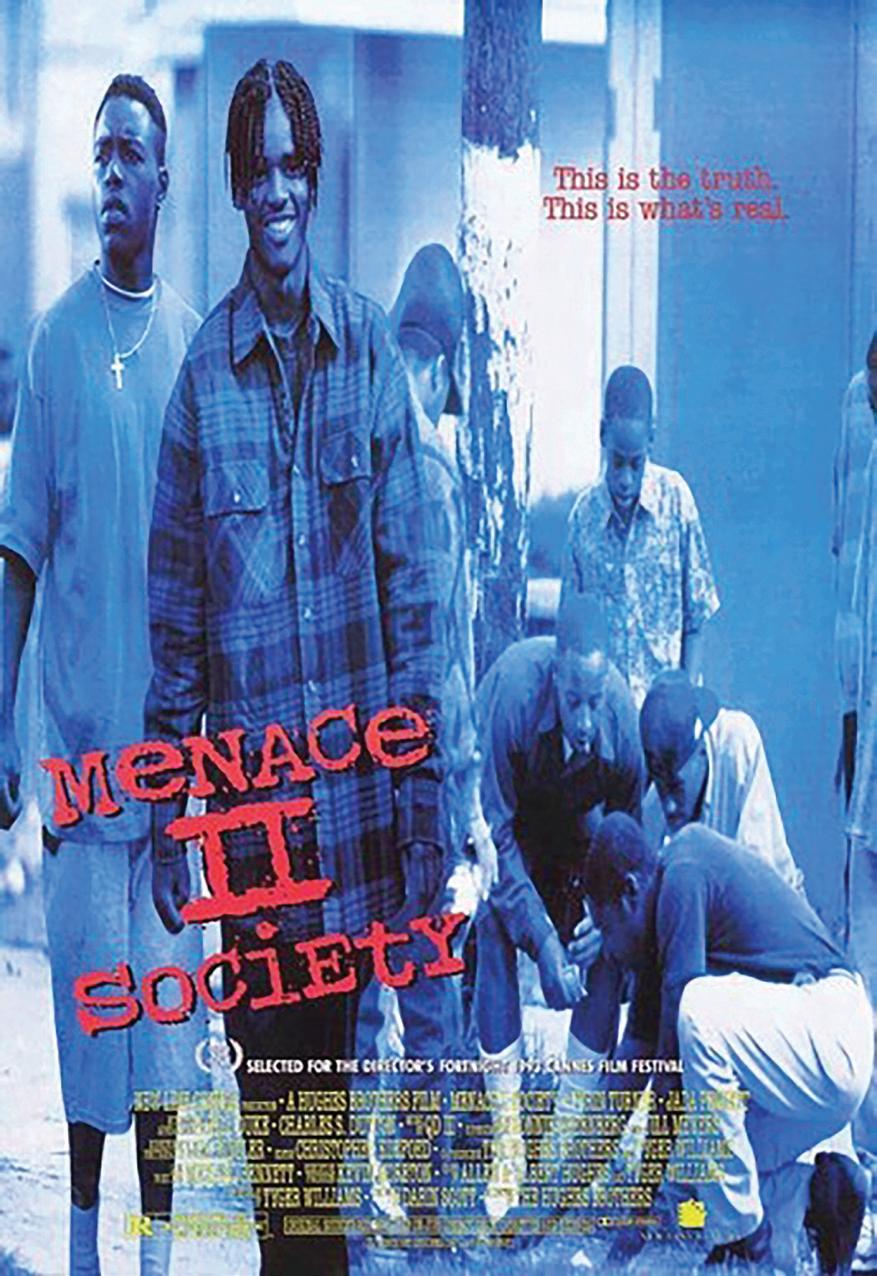
In the 1980s and 1990s, the time for the Black New Wave. According to Shotdeck, films created in the Black New Wave prompted a new consideration of the Black experience in America and were supposed to serve as a chain breaker for the racist Hollywood system.
Many filmmakers considered Spike Lee’s “She’s Gotta Have It” (1986) the starting point for the Black New Wave. Lee’s film sparked major inspiration for other Black filmmakers, one of whom was John Singleton. “Boyz n The Hood” (1991) was the first debut feature for a Black filmmaker backed by a major studio (Columbia Pictures).
The popularity of the Black New Wave died down, as every era does, but Hollywood started to step back into the racist system. The category of “Black Films” is already rooted in oppression and stereotypes, which never truly went away.
Now, the label “Black film” often limits a movie’s value and reach. Films with a predominantly Black cast, Black humor, or Black historical narratives are often assumed to be only for Black audiences, regardless of their themes or artistry.
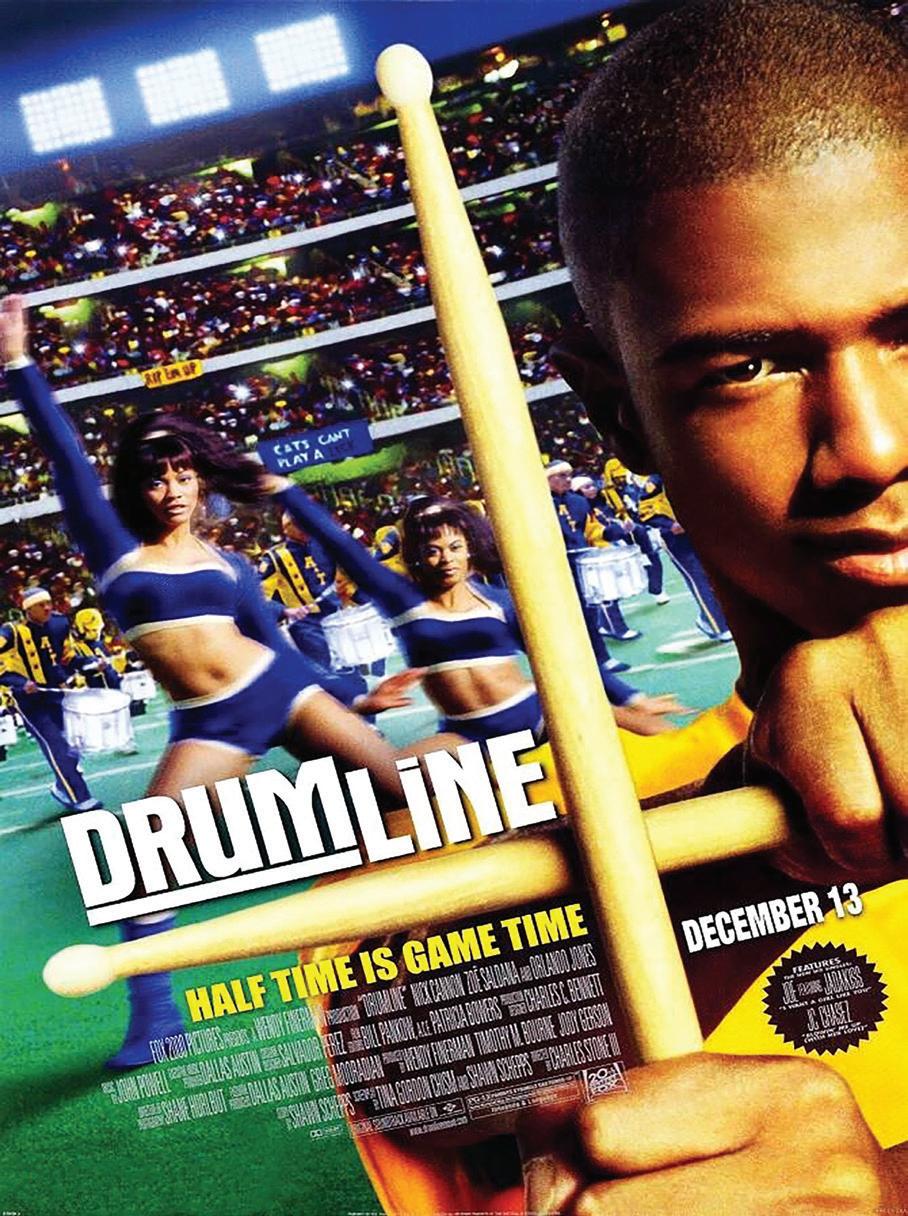
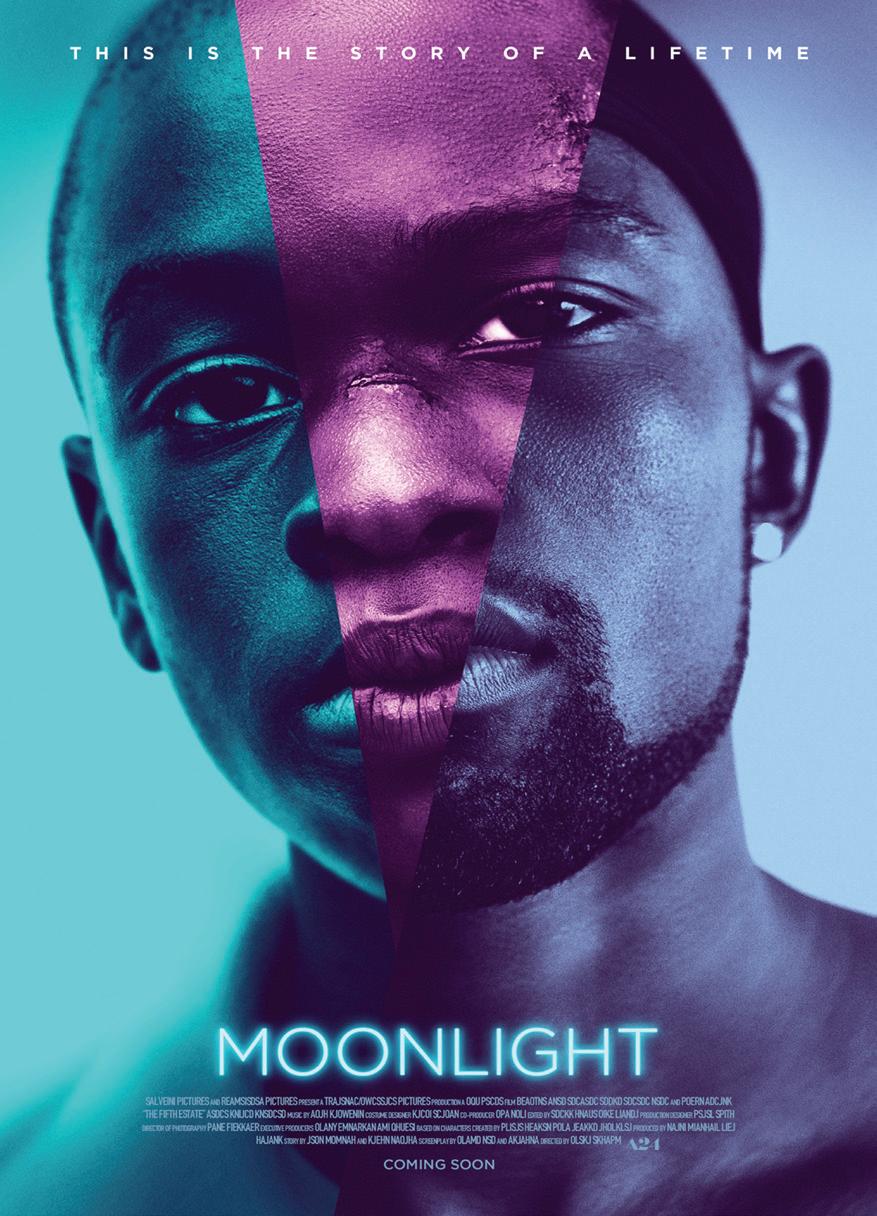
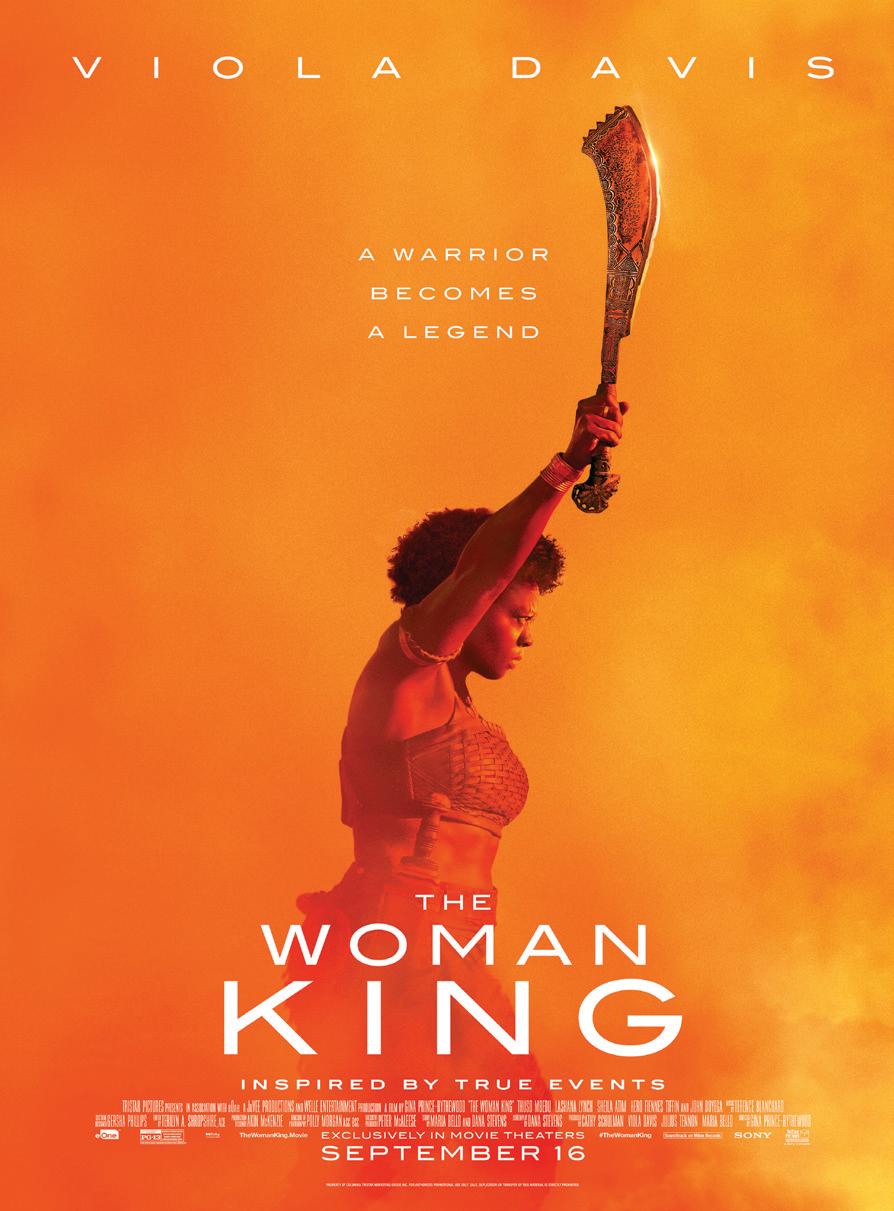
Films that represent Black history are stories that are for a broader audience. When films are narrowly categorized, it can’t bring the awareness it can bring. Oftentimes, to get a message of racial or systemic issues across to a larger audience, it’s often done in a fictional sense, like “Zootopia” or “Avatar.” Similarly, films based on Black humor can be harmful within the community. For example, it’s easy for a “Black card” to be deemed invalid because that person hasn’t seen “Friday” or “Scary Movie.”
Even so, African American filmmakers have not stopped working, and many movies have become revolutionary in modern times. Spike Lee, the creator of the Black New Wave, is still alive and working today. He directed “Do the Right Thing” (1989), “Malcolm X” (1992), and many more films. Ryan Coogler directed and produced many popular films, like “Creed” (2015), “Black Panther” (2018), and “Sinners” (2025). Jordan Peele created many amazing horror films like “Get Out” (2017), “Us” (2019), and “Nope” (2022).
There are many more African American filmmakers out there. These filmmakers have contiuned to spread the African American influence across all genres.
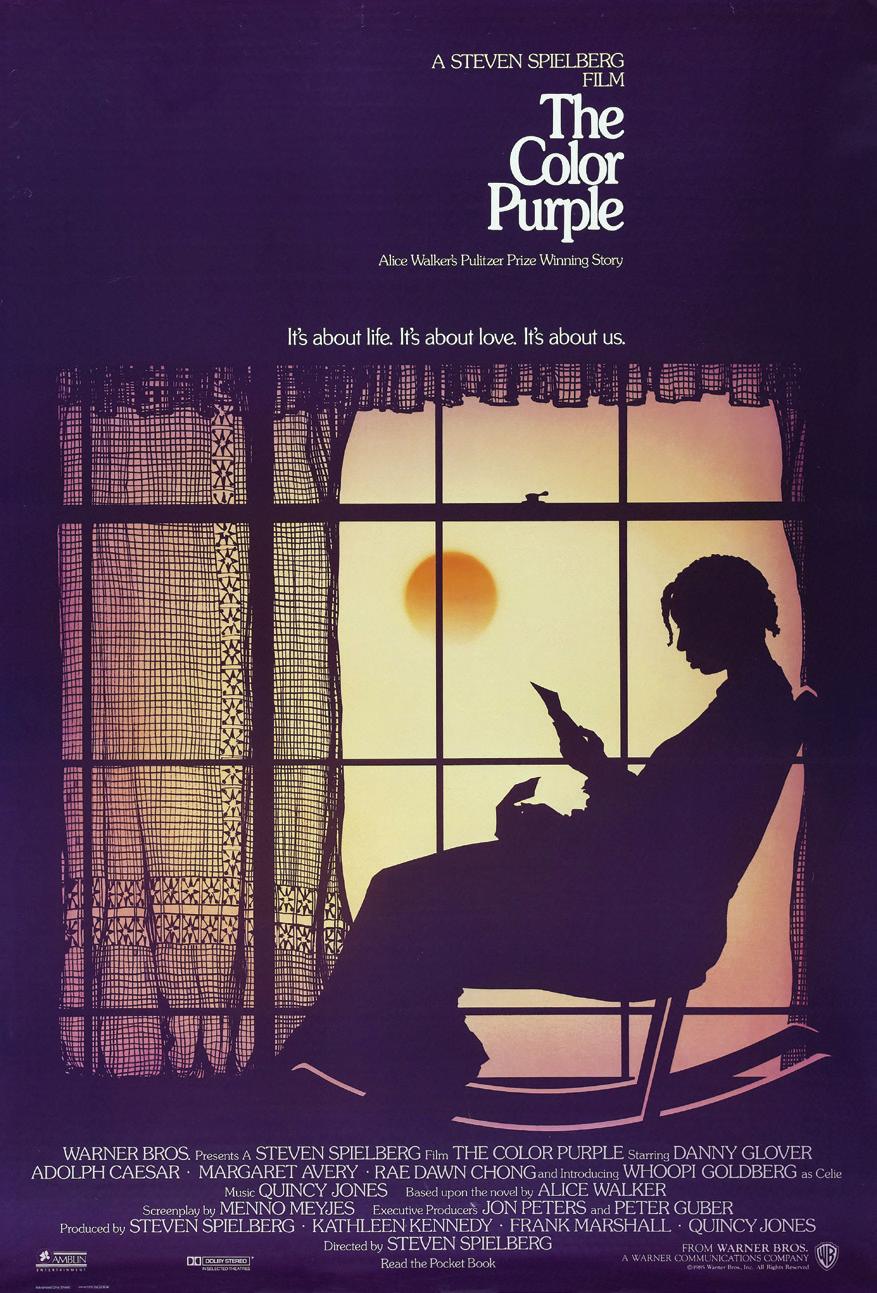
Influential movies THROUGHOUT THE DECADES
Courtesy graphics
Courtesy graphics
Community Outreach
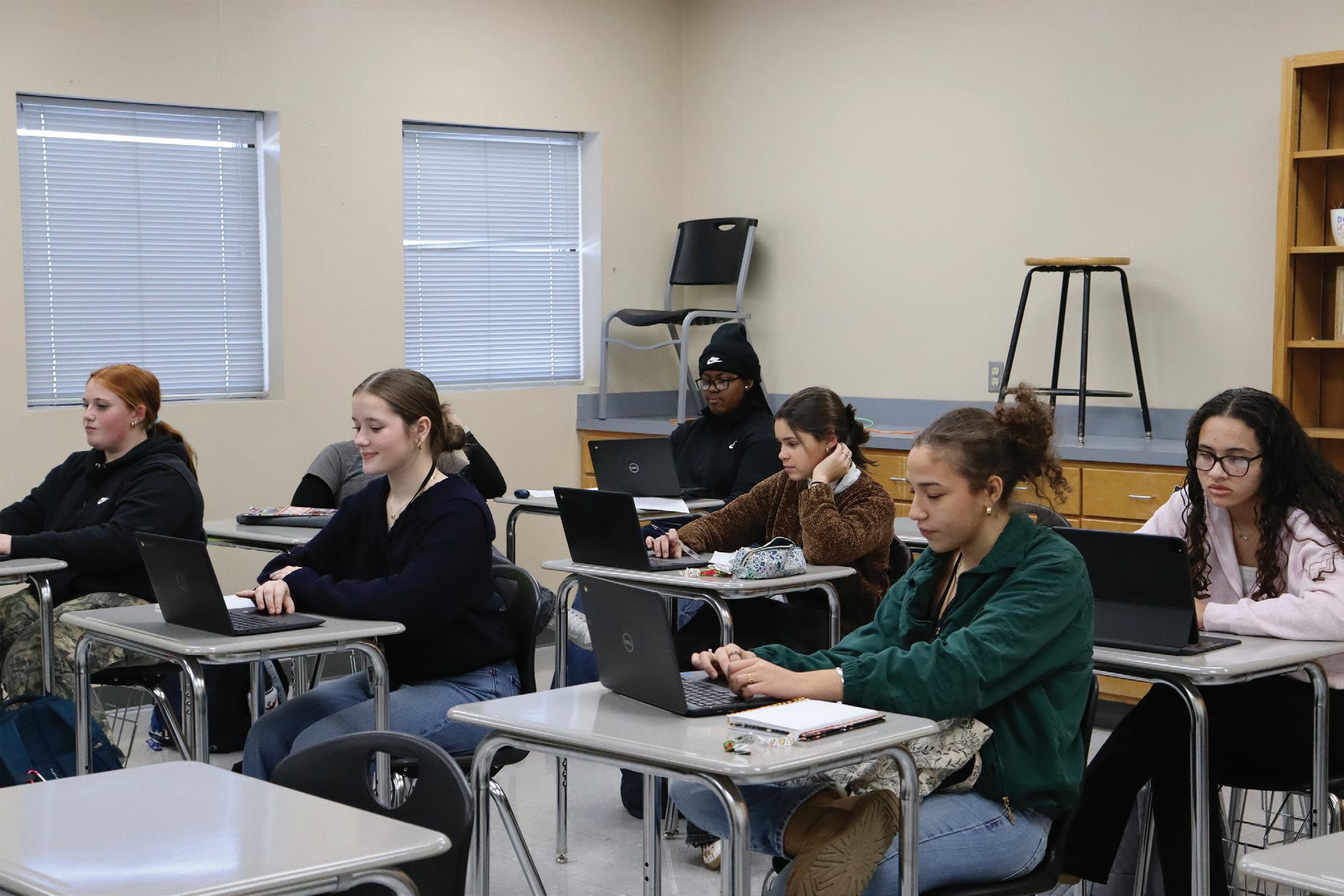
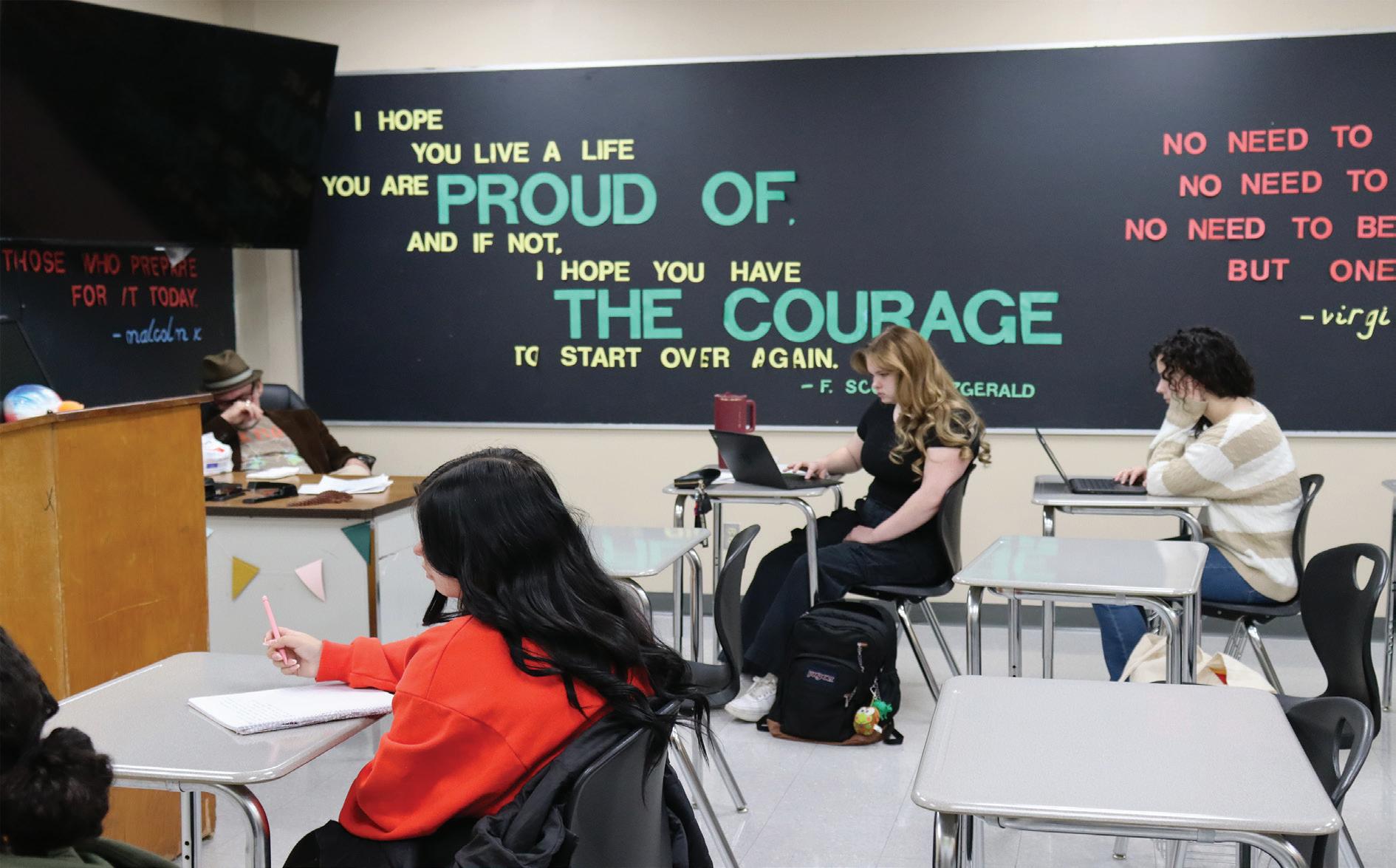
Students Prepare for the College Life
The Life Ready Center, or as it’s known to Lawton Public School students, LRC, is a collaborative institution brought together by LPS to provide classes to students in any of the three home schools in Lawton.
The LRC offers students the opportunity to take concurrent classes, meaning that while enrolled in high school, students can take college classes that count for both high school and college credit.
The LRC has now been open for five years and has seen tremendous change in enrollment and the classes that it offers.
Library Media Specialist at the LRC and adjunct professor for Cameron, Maureen DuRant, said that the change is visible.
“We had a concurrent component,” DuRant said. “We had classes at the high school, then they conceived the LRC. We started with 600 students
year we have about 2,200 students coming through.”
That number represents the total number of students enrolled at the LRC; however, concurrent enrollment has fluctuated over the years, with 266 students enrolled in concurrent classes for the Spring 2026 Semester.
DuRant brought up that while the LRC is there to be a helping hand to students taking concurrent courses, it is on the individual student to succeed in the classes.
DuRant compared the LRC to a cocoon for students, supporting them until they feel ready enough to move on.
“Students had to go to Cameron for any support and tutoring and so forth,” DuRant said. “And we’ve been able to really offer our students a lot of support here.
“Do what you’re supposed to do, and you can achieve anything you want to; it’s on you.”
The concurrent classes give students the experience of what college life could be like, as well as the difficulty
Library Media Specialist Assistant for the LRC Megan Billings said that the time students dedicate to concurrent classes helps them in the future.
“I think our students are a little bit more prepared than others,” Billings said. “Our students who continue on into Cameron, they’ll already have built relationships with professors there.”
Eleventh-grade concurrent enrollment student Annemie Sharp has nothing but great things to say about the program.
“The professors are very helpful and accommodating,” Sharp said. “I’ve learned a lot and made so many friends from other schools.”
Sharp understands that these classes affect her future, and she said the extra work is worth it.
The LRC offers individuals a high school experience that is tailored to their interests.
Billings said that’s what makes the LRC run so smoothly.
“It allows students to choose the
high school years,” she said.
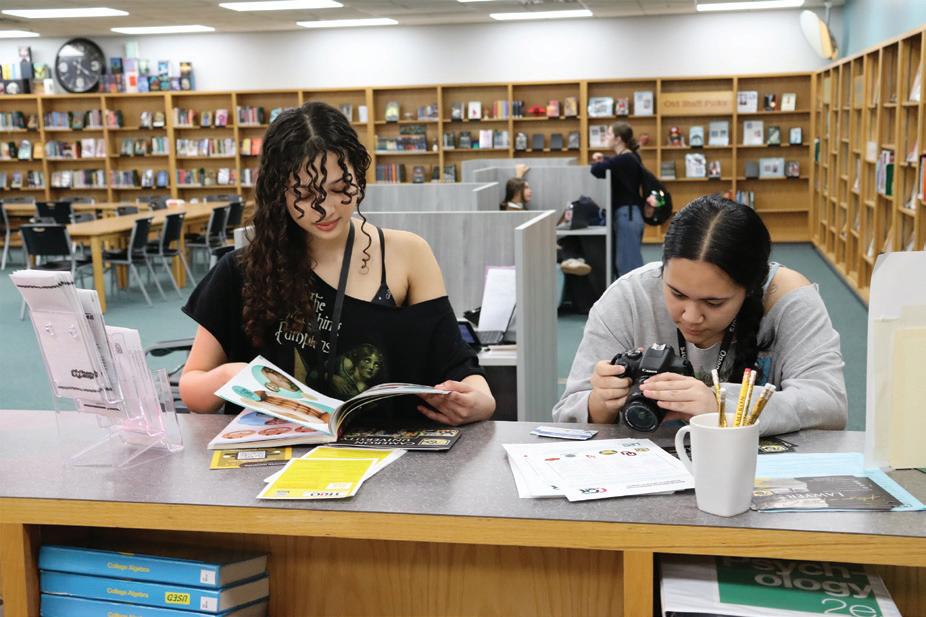
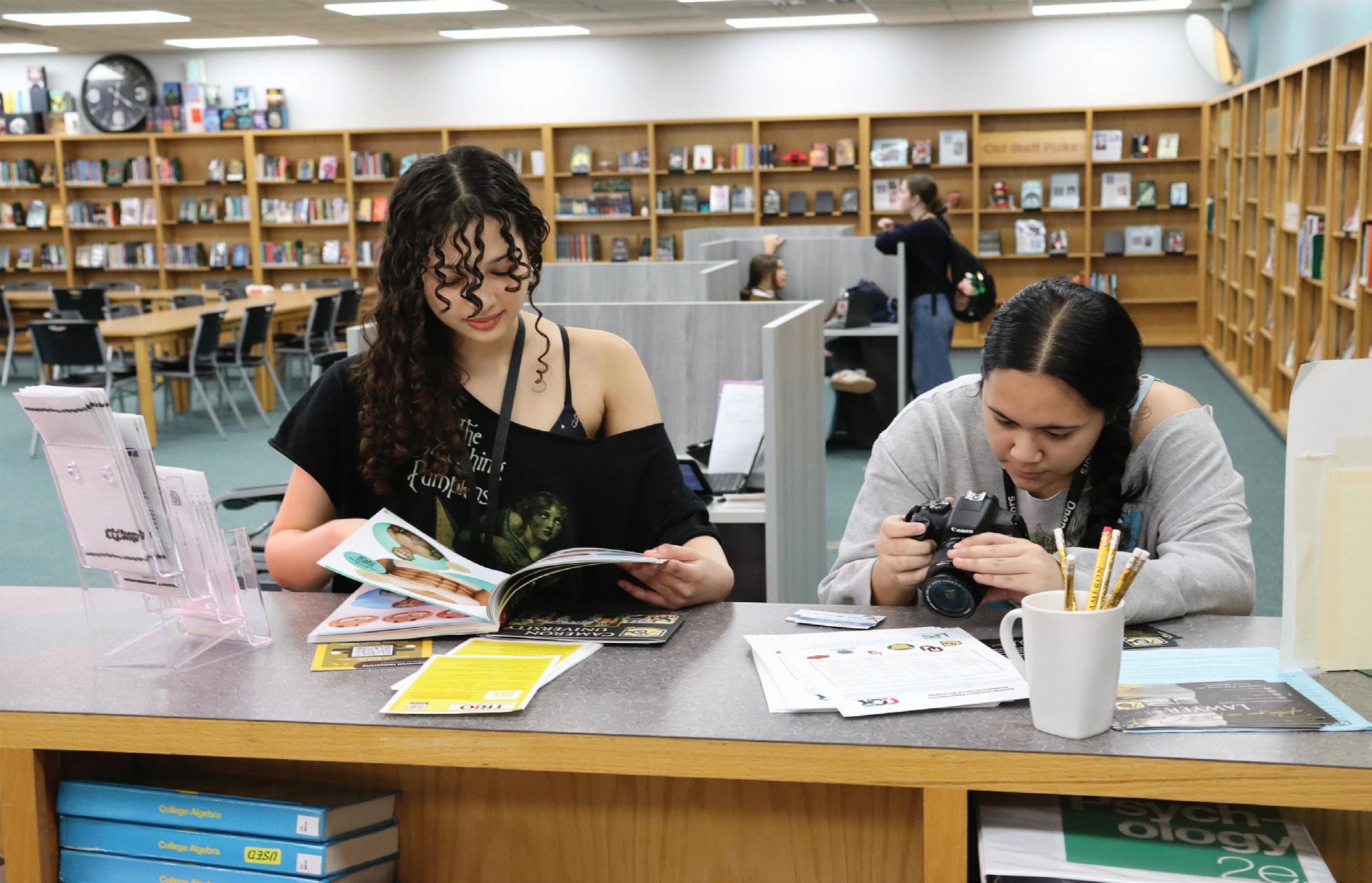
The LRC library has become a sort of meeting place for concurrent students to interact with one another and do classwork together.
Billings said the library is a place where students can unwind after class.
DuRant said the library tries to fill the many needs that concurrent students may have. They provide free textbooks and scantrons for all classes, as well as becoming an IT hub helping students with login and Blackboard issues.
DuRant said an important part is to let the students advocate for themselves to prepare them for the future.
She said focusing on what the students want their futures to look like is key.
“Don’t push people into doing something that they don’t want to do, or they’re not ready to do,” she said. “It’s not about what we want.”
Billings and DuRant are proud of what the LRC has been able to complete, but their eyes are looking toward the future.