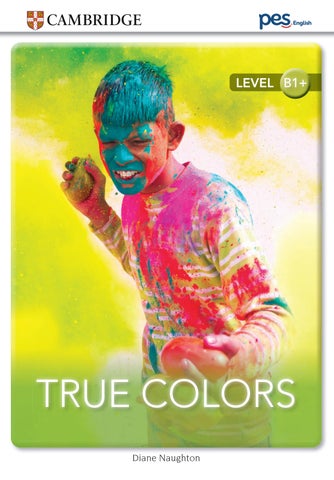











LEVEL B1+
Diane Naughton
TRUE COLORS






Cover image: © Shutterstock 3, 4 (tcr), (tr), 4–5 (spread), 6, 9, 10, 11, 12, 16 (tc), (bc), 17, 24, 25 © iStock; 4 (tl), (tcl), 14–15, 21 (cr) © Thinkstock; 7 © Shutterstock; 8 © SuperStock; 13 © Corbis; 18–19, 22–23 © Newscom; 20–21 (spread) © AP Images
READERS
Series editor: Bob Hastings



TRUE COLORS

Naughton



Diane
B1+ Cambridge
Shaftesbury Road, Cambridge CB2 8EA, United Kingdom
One Liberty Plaza, 20th Floor, New York, NY 10006, USA
477 Williamstown Road, Port Melbourne, VIC 3207, Australia
314–321, 3rd Floor, Plot 3, Splendor Forum, Jasola District Centre, New Delhi – 110025, India
103 Penang Road, #05–06/07, Visioncrest Commercial, Singapore 238467 Avenida Paulista, 807 conjunto 2315, 01311–915, São Paulo, Brazil
Cambridge University Press & Assessment is a department of the University of Cambridge. We share the University’s mission to contribute to society through the pursuit of education, learning and research at the highest international levels of excellence.
www.cambridge.org
© Cambridge University Press & Assessment 2014
This publication is in copyright. Subject to statutory exception and to the provisions of relevant collective licensing agreements, no reproduction of any part may take place without the written permission of Cambridge University Press & Assessment.
First published 2014
Special PES English Edition 2022 20 19 18 17 16 15 14 13 12 11 10 9 8 7 6 5 4 3 2 1
Printed in Brazil by Forma Certa Grafica Digital LTDA
ISBN 978-1-009-33085-5 Reader
Cambridge University Press & Assessment has no responsibility for the persistence or accuracy of URLs for external or third-party internet websites referred to in this publication, and does not guarantee that any content on such websites is, or will remain, accurate or appropriate.
Layout services, art direction, book design, and photo research: Q2ABillSMITH GROUP Editorial services: Hyphen S.A.
Audio production: CityVox, New York



Contents Before You Read: Get Ready! ................... 4 CHAPTER 1 What Is Color? ................................................ 6 CHAPTER 2 The Color of Culture ..................................... 10 CHAPTER 3 The Color of Nature ...................................... 14 CHAPTER 4 Celebrations of Color .................................... 18 CHAPTER 5 What Do You Think? ..................................... 24 After You Read ................................................ 26 Answer Key ...................................................... 28 Glossary
Before You Read:
Ready!

Words to Know


Get
Our world is full of beautiful colors, in nature and in the things we make. For many people colors have special meanings. Read on and find out more.
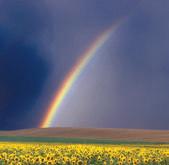
Look at the pictures. Then complete the definitions below with the correct words. rainbow dye wavelength refl ect 1 : the distance between the top part of two waves of energy 2 : a half circle with seven colors; it appears in the sky when there is sun and rain 3 : send back light, heat, energy, or sound when they touch something 4 : change the color of something, like hair or clothes 4
Words to Know
Read the sentences. Then complete the sentences with the correct highlighted words.
A bride is a woman who is getting married or has just gotten married.
To decorate is to add things, like balloons, to make something more attractive.
A symbol is a sign, shape, or thing that is used to mean something else – its meaning is recognized by other people.
Some people believe that when a person dies, the spirit lives on after the death of the body.
A ceremony is a traditional or religious act that celebrates an important belief or experience.



1 We’re going to the house for Julie’s birthday party tonight.
2
3


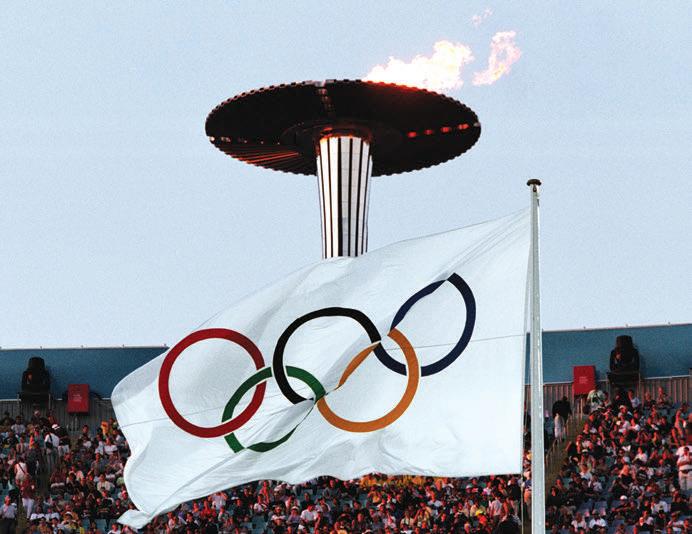
The opening of the Olympics was very exciting.
He gave her a beautiful ring as a of his love.
4 The looked beautiful in her long white dress.
5



Some people say they have special powers that allow them to speak with the of someone who has died.
EVALUATE

This book is about color. Think of ten ways in which color is important in your life. How would your life be different if there were no colors?

5
What Is Color?
COLORS CAN CHANGE THE WAY WE FEEL AND EVEN OUR BEHAVIOR. BUT WHAT ARE THEY?
Seeing things in color is something we rarely think about. It’s something we enjoy: a beautiful flower garden, a brightly colored bird, or a bride’s wedding dress. And colors can also be used to tell us what to do and what not to do: a green traffic light means we can go, a person with a white flag wants to stop fighting and talk, and a red sign can mean danger.
But why do we see different colors? Color is really light. Light travels in different wavelengths. The colors we see depend on the type of wavelength that something reflects. For example, when a ball appears to be red, the wavelength it reflects is long. If a ball seems to be blue, the wavelength it reflects is short. The green wavelength is somewhere in the middle. These three colors, red, blue, and green, are called primary colors.


CHAPTER 1
6
When light wavelengths reach the eye, they act on special nerve cells 1 called cones. These cones send an electrical message to the brain, and the brain tells us which color we have seen. In the human eye, there are three types of cones connected to the primary colors. And the color we see will be a result of their shared action.
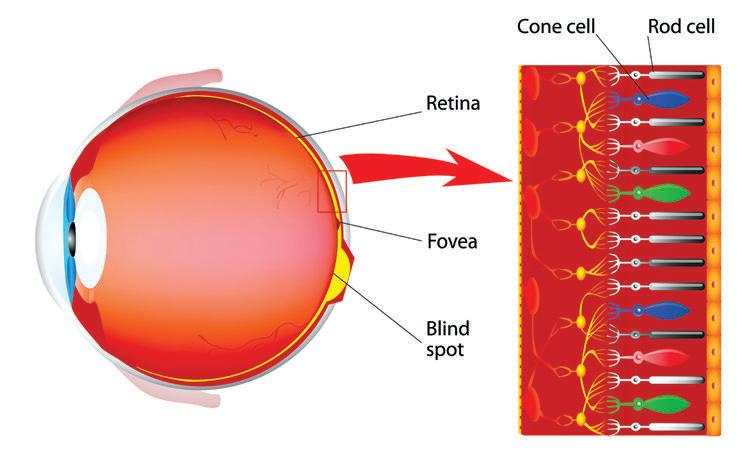
When light is reflected from a tomato, for example, only the red cone will send a message to the brain. So we will see red. When all three types of cone receive the same amount of red, green, and blue wavelengths, we see white. This is because white reflects all the light wavelengths it receives. Something black reflects no light wavelengths at all, so in science, black is not really a color.
1 nerve cells: very small parts of the body that carry messages
7
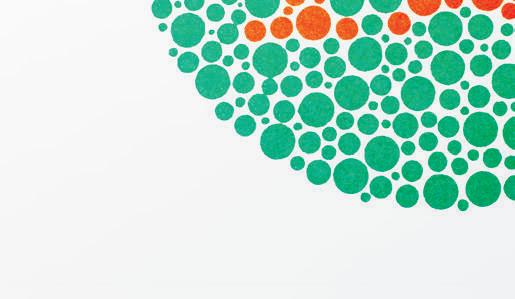
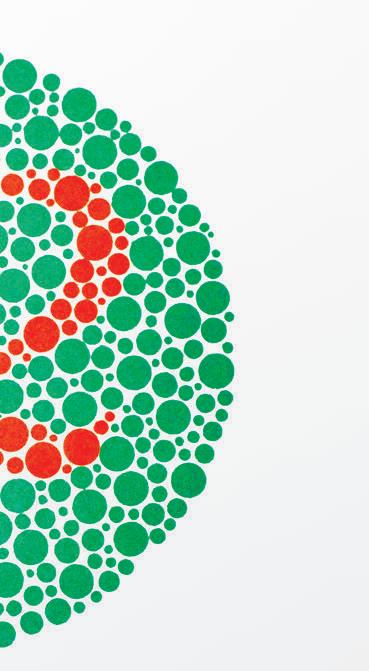
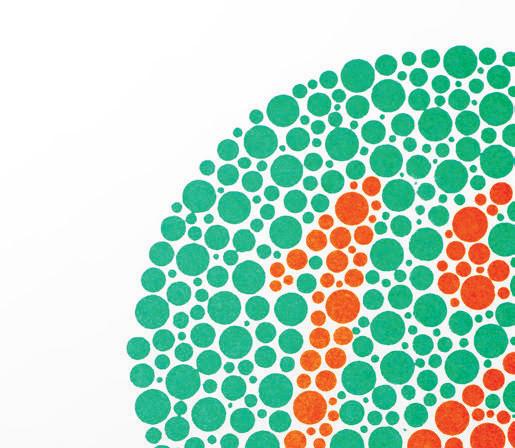
Can you see a number in the dots? If not, you may be color-blind.

We see other colors such as orange, purple, or yellow when all three cones are in action, but receive different amounts of wavelengths. Then the primary colors are mixed.
Some people are color-blind. In most cases, this doesn’t mean they can’t see any colors. It means they have difficulty seeing the difference between some colors, usually red and green. These people are born with one cone that doesn’t work well. Interestingly, color blindness is much more common in men than in women. Although about eight percent of men are color-blind, only around one percent of women are.
8
Many animals don’t see colors like humans do. Birds, for example, see more colors than we do because they have four or more types of cones. Dogs and cats have only two types of cones, connected to blue and green, and they see fewer colors than we do.
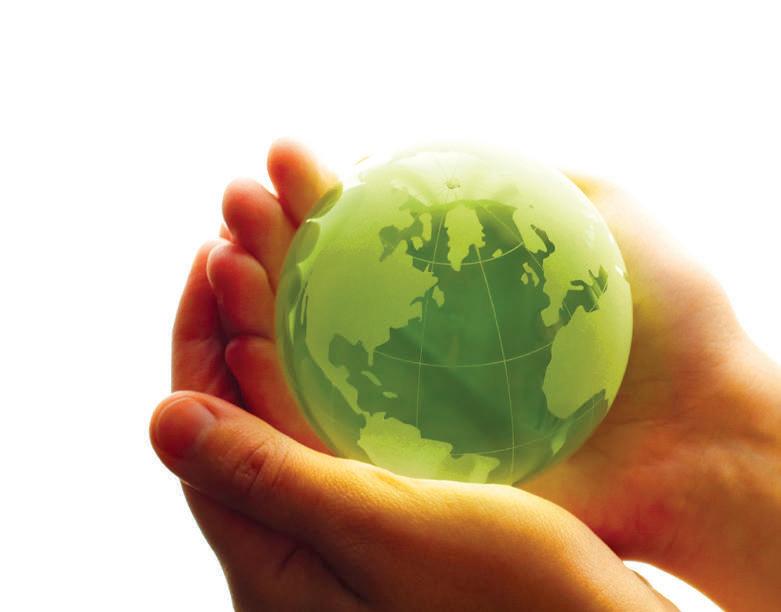
But color isn’t just a scientifi c matter. It’s part of our personality and the way we think and behave. Color is deep in our culture, and it helps us experience our world. For example, in recent years, the color green has become an international symbol for taking care of the environment. Thanks to colors, we can understand each other in spite of nationality or language. But be careful! It’s not always that easy. What color would you expect a Chinese bride to wear on her wedding day? Or a traditional Irish bride? Read on and fi nd out!
APPLY


What problems do you think color-blind people have in everyday life? How could they solve those problems?



9
2
The Color of Culture
THINK ABOUT THE COLOR WHITE. WHAT DOES IT MEAN TO YOU? FRESH SNOW, PEACE, OR UNHAPPINESS? YOUR ANSWER WILL DEPEND ON YOUR CULTURE!
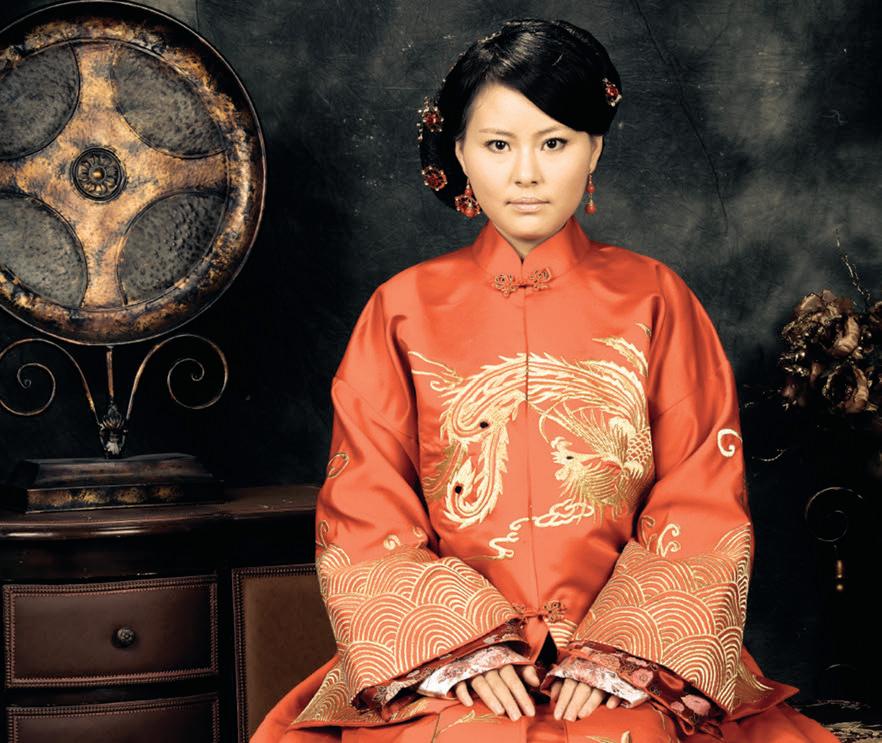
If a young Chinese bride told her parents she was getting married in white, they probably wouldn’t allow the marriage to happen. This may seem strange to you, because in many Western countries white is a typical color for a bride’s wedding dress. But in China, the color white is a symbol of unhappiness and death. Not a good choice of color for a wedding, then!
In fact, colors have been used since the beginning of time as symbols of the way people think and behave. In Ireland, for example, brides traditionally wore blue to show that they were pure. These color symbols depend
CHAPTER
10
on the culture and history of a society, and they can be very different from country to country. This can make international communication diffi cult at times.
What do you think the color red means? Traditionally in China it’s the symbol of happiness and good luck. People often give money in a red envelope as a present at weddings or the New Year.

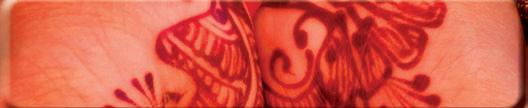
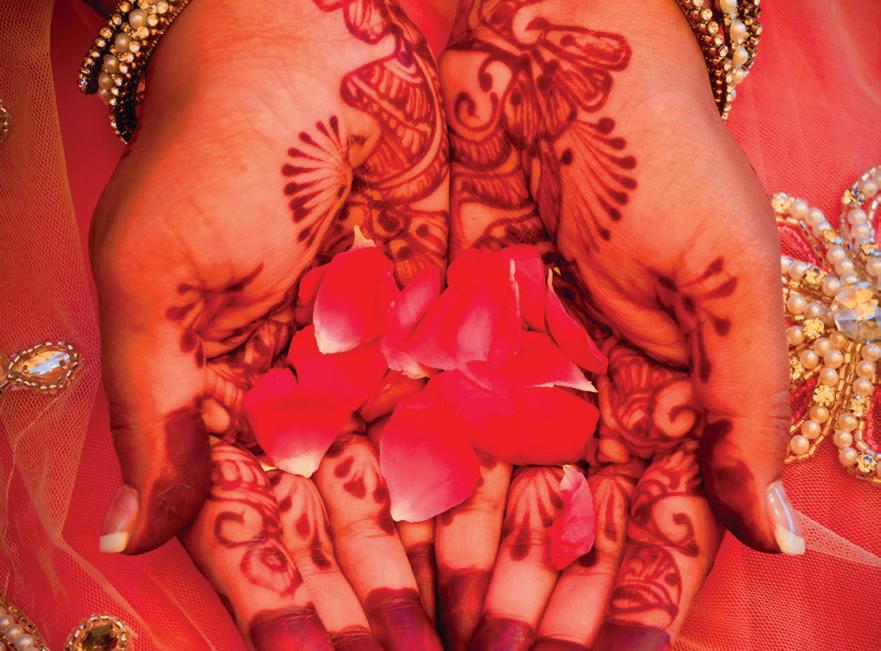
In India, red is a symbol of pure things, and it is used a lot during marriage ceremonies. On the day of the wedding, the bride’s hands are painted with a reddishbrown dye called henna. She wears a red dress. And before the bride enters her new home, she washes her feet in red water. Red is used as a symbol to show how the girl stops being a child and starts life as a woman.
APPLY


Think about your own culture. What colors are symbols for good or bad luck?

11
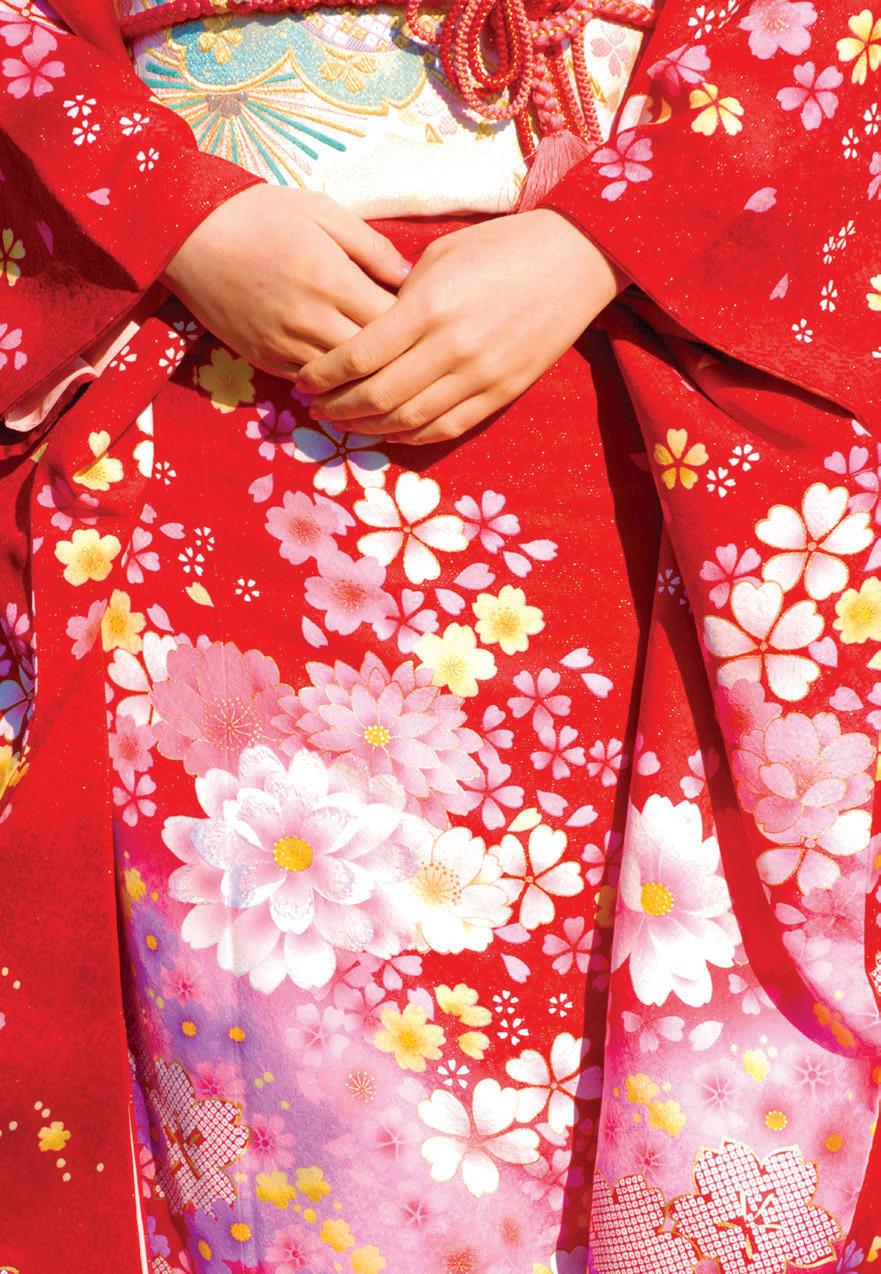
People from different countries communicate their culture through their national dress. In Japan, for example, the colors and patterns on a kimono have great meaning. Natural dyes from plants are used, and people believe that the spirit of the plants is brought to the kimono through the dye. A purple kimono means true love because the dye comes from a plant that has very long roots.2 Blue dye comes from a plant that is often used as a medicine when somebody has been bitten. So if you wear a blue kimono, you will be protected from snakes and insects. Red kimonos are the most popular among young women because they are a symbol of youth, beauty, and love. However, the love may not last – red dye disappears easily when clothes are washed!
2 root: the part of a plant that grows down into the earth

12
In English, colors are symbols for all kinds of ideas. If we say a business is in the red, we mean it’s losing money. If you have a green thumb, you’re good at making plants grow. When you feel blue, you’re sad. And if you’re the black sheep of the family, you are different from the other members of your family. In fact, you’re probably a rebel!3
Colors reflect the differences between cultures and countries, but they also bring people together. In sports like football, the whole team and many of their fans wear the same colors to show that they’re on the same side. In the Olympic Games, each country shows its identity through the colors of its flag. And the Olympic flag is a symbol of the whole world as one!
3 rebel: a person who refuses to do what other people say
13
The Color of Nature
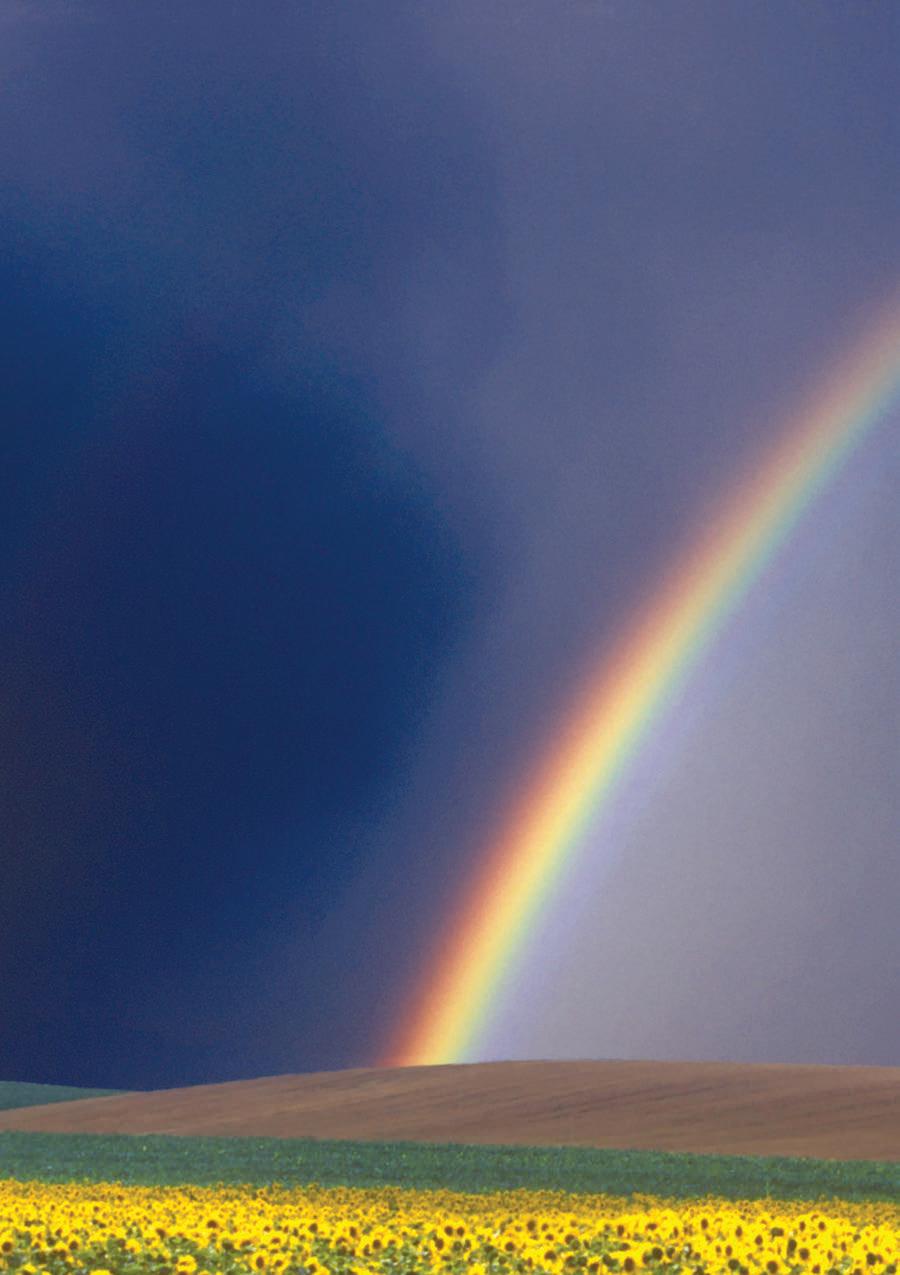
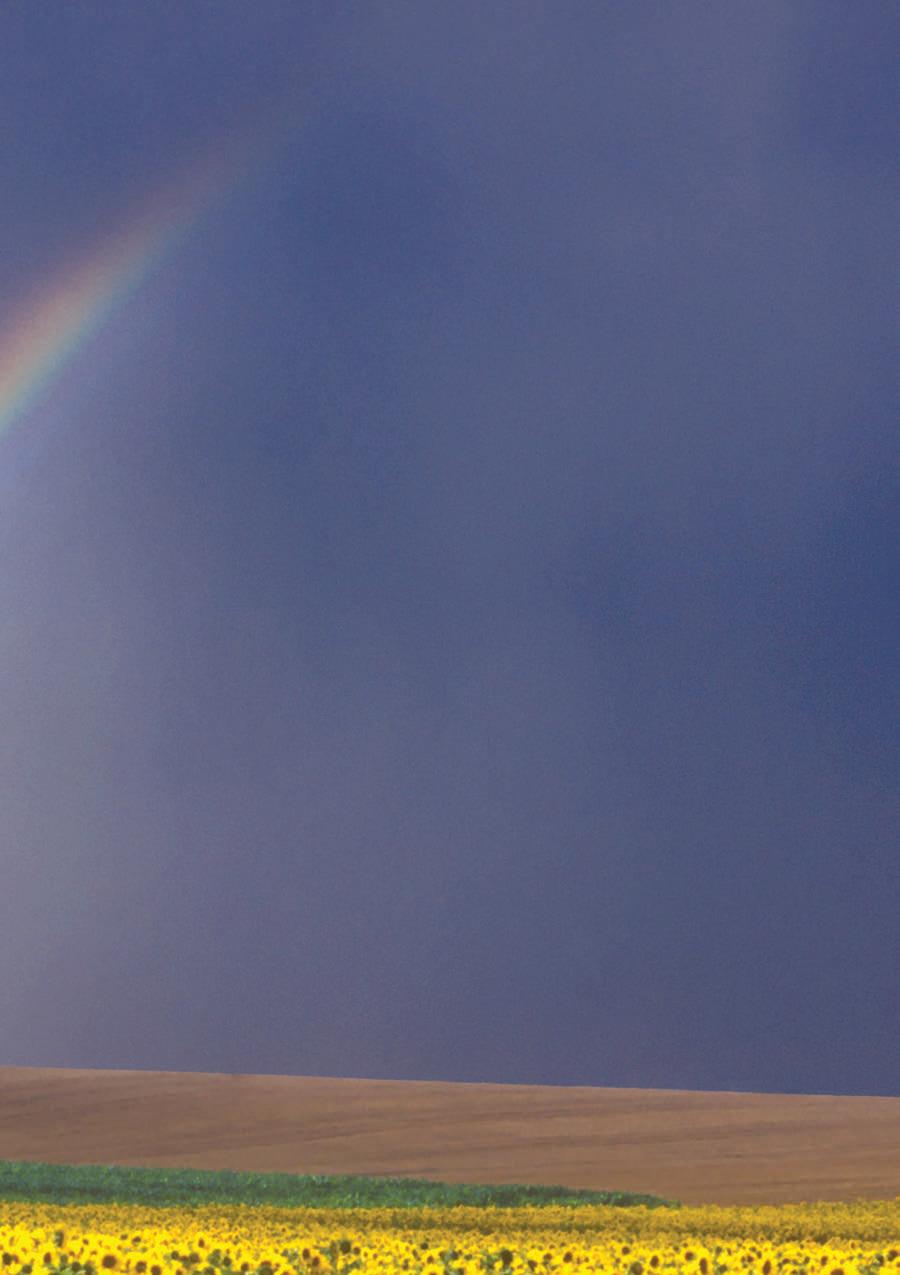
Because of its beauty, the rainbow has been a symbol for many things. In ancient Greece, Iris was the goddess4 of rainbows. When the Greeks looked out to sea and saw a rainbow, they thought it connected the sea with the clouds. Iris filled those clouds with water from the sea to make rain. In pictures, she appears with golden wings and a jug5 in her hand.
The Aborigines6 of Australia traditionally believed in the Rainbow Serpent, a magical snake that lived under the ground and controlled oil and water. The Aborigines thought that long ago Australia was a huge, flat country.
4 goddess: the spirit of a woman that people pray to
5 jug: a large thing we can pour water from
6 Aborigines: the people who first lived in Australia
LOOK OUT OF THE WINDOW. WHAT DO YOU SEE? A WONDERFUL WORLD FULL OF MAGICAL COLORS! TAKE A RAINBOW, FOR EXAMPLE . . .
CHAPTER 3 14
The Rainbow Serpent lived alone in the South, but he wanted to find his own people. So he moved across the country making big mountains, rivers, and valleys as he went. And the geography of Australia was changed forever. But what is a rainbow? Many scientists had asked this question until, in the 17th century, Isaac Newton found an explanation. He showed that white light had all the colors of the rainbow. Rainbows happen when light enters a raindrop. Light bends7 in water, and the amount it bends depends on the wavelength. As a result, the light divides into different colors. And because the raindrop is round, the light is reflected in the shape of a rainbow.
We see rainbows all over the world, but there are some things we can only see in certain countries. In Australia, for example, there are many incredible natural sights. One is the Great Barrier Reef, a beautiful underwater world full of colorful coral and more than 1,500 different kinds of fish. It’s so big it can be seen from space. Another important sight is Uluru, a huge red rock, known in English as Ayers Rock.
7 bend: change the direction or shape of something so that it’s no longer straight




15
People don’t just enjoy looking at the beautiful colors of nature, they also use them to make things. In some parts of the world, we can fi nd a blue-green stone called turquoise. Turquoise means “Turkish stone” and it originally arrived in Europe from Turkey.
Native Americans 8 also used it almost 2,000 years ago. They believed turquoise attracted good spirits because it has the blue of the skies and the green of the Earth.
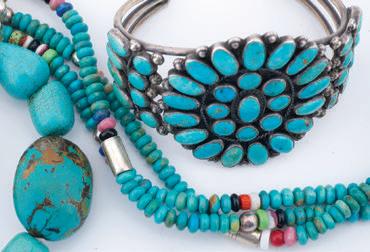
They made beautiful jewelry from it. Or they made animal shapes that were put near the bodies of dead people to protect them. Today, turquoise is also the name of the color.
8 Native Americans: the people who lived in North America before the Europeans arrived
16
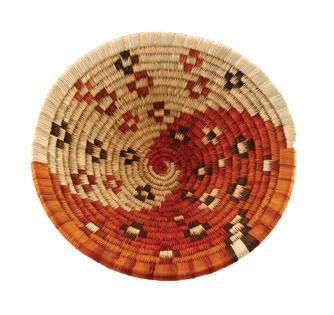
In Botswana, in Africa, colorful baskets have been used for thousands of years. They are different shades of brown, orange, and cream and they are decorated with many patterns. The women who make them use dyes from local plants and trees. These days, many tourists buy the baskets to take home as souvenirs.
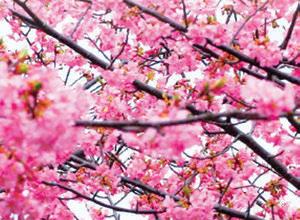
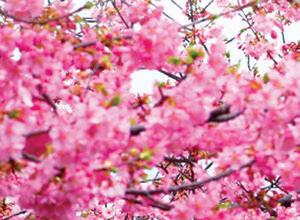
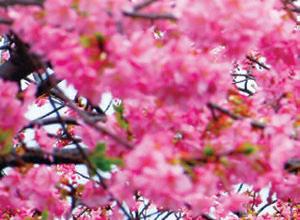
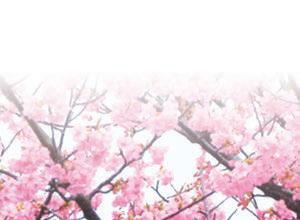
When the seasons change, the colors of nature change, too. In Japan, the TV weather news gives daily information about where cherry trees are in fl ower. This starts in the south in March, and slowly moves north. When the fl owers appear, people have picnics under the trees. This is called Hanami .
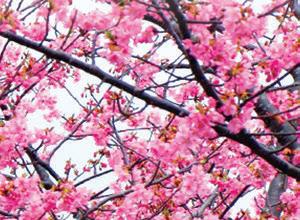
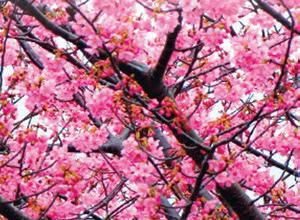
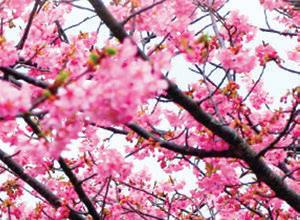
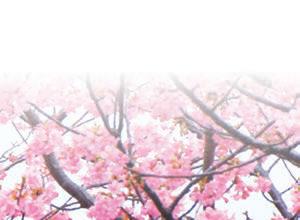
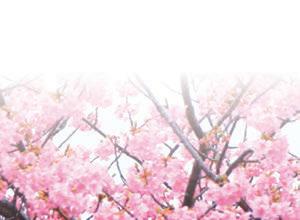
Cherry tree fl owers are a beautiful pink color, but they only last for a few weeks. They are a symbol for simple, pure things, and of how quickly human life comes and goes.
17
Celebrations of Color
OUR WORLD IS AT ITS BRIGHTEST AND MOST COLORFUL DURING FESTIVALS AND CELEBRATIONS!
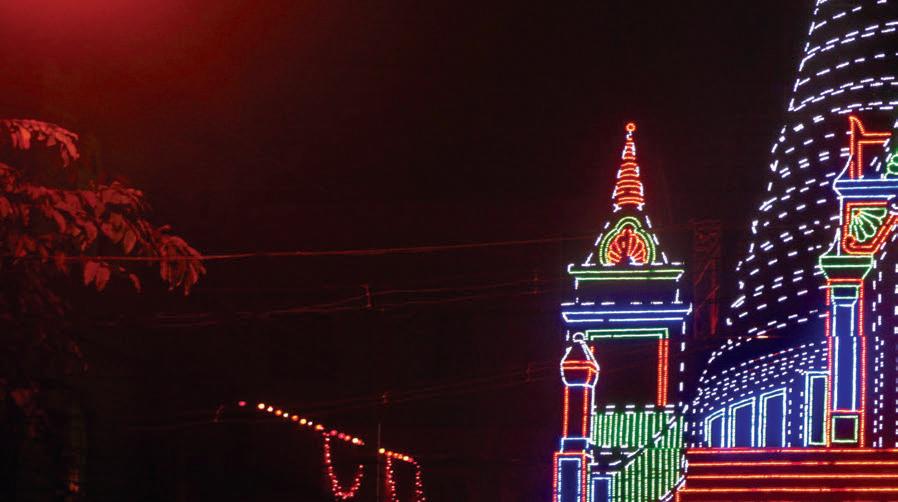
People have been organizing festivals and ceremonies for centuries. Sometimes they do this to celebrate a good thing that has happened. Sometimes they do it as a kind of prayer to their gods for the dead. At times, they are trying to frighten away bad spirits and stop illnesses. In all cases, colors are present – in paintings or typical clothes or to decorate houses and streets.
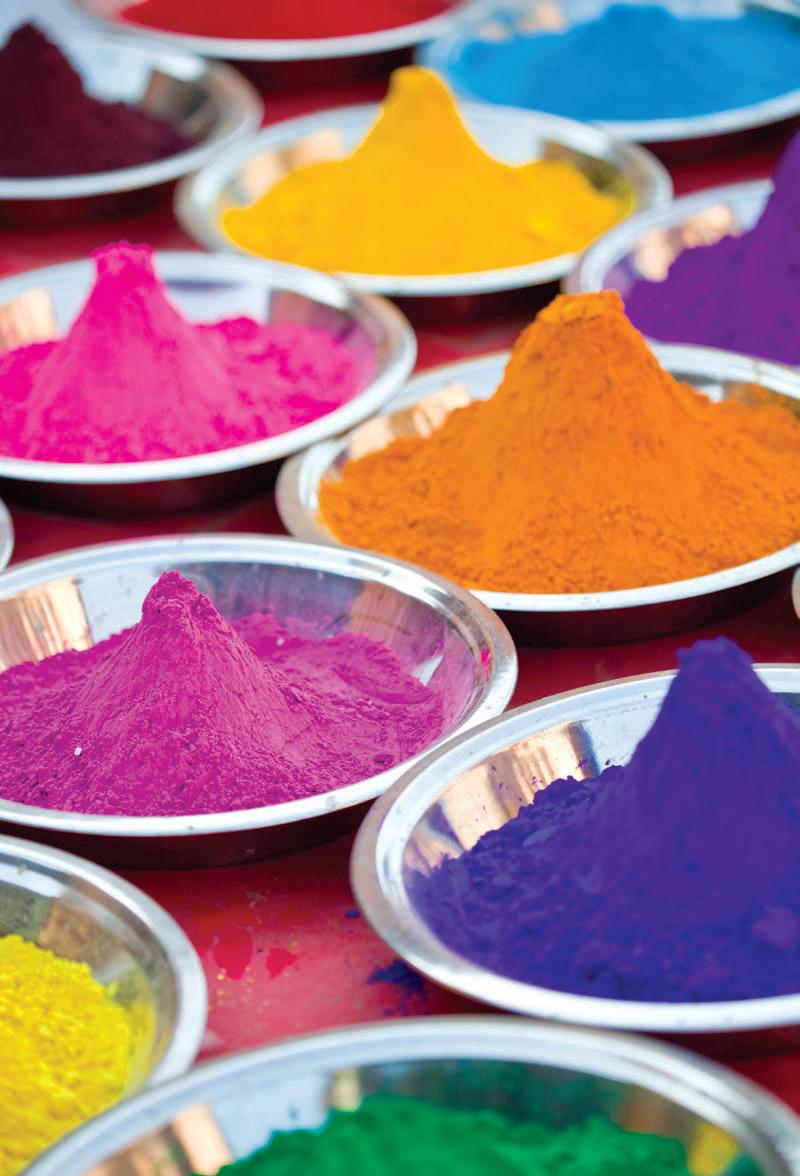
In India, color is everywhere. It’s art, it’s fashion, and it’s food. A walk through a typical spice9 market will make your senses come alive. But never is India as colorful as during Holi.
The Holi festival dates back many centuries, and it is enjoyed by Hindus10 all over the world. It celebrates the beginning of spring. People have fires in the streets. They burn old wood and leaves to make way for new plants.
9 spices: plants that we put in food to give it more flavor
10 Hindu: a member of the Hindu religion, the main religion in India
CHAPTER 4 18
In most places, the festival lasts one day. Many normal rules of behavior are forgotten, and people celebrate wildly. They throw colored powders and water at each other. Everybody mixes together – men and women, young and old, rich and poor – having fun and being happy.
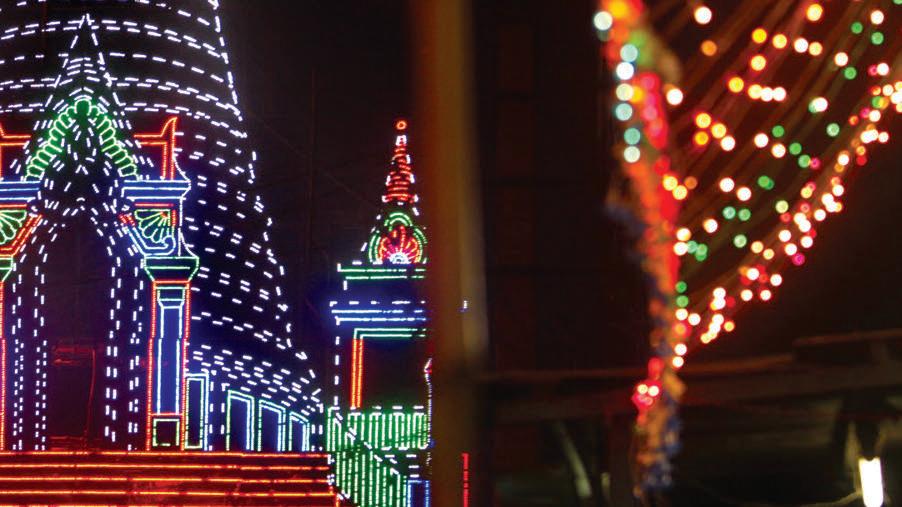
Another Hindu celebration is Diwali, the festival of lights. It takes place in the fall and celebrates how good beats bad. It is also a symbol for how humans can find a light inside themselves and progress towards greater knowledge.
During this festival, women paint their hands with henna, and homes are decorated with colorful paper lanterns . People also do paintings on the sidewalks. These are usually of natural things, like animals or flowers. And they are drawn with unbroken lines that stop bad spirits from coming into our world.
19
China is colorful, too, especially at New Year. A traditional story tells of a monster, Nian, that used to attack people in villages, especially young children. One day, the monster was afraid of a child dressed in red, and people discovered Nian’s fear of this color. Now red is a symbol at New Year: people wear new red clothes, they decorate their houses with red lanterns, and they have fireworks covered in red paper.
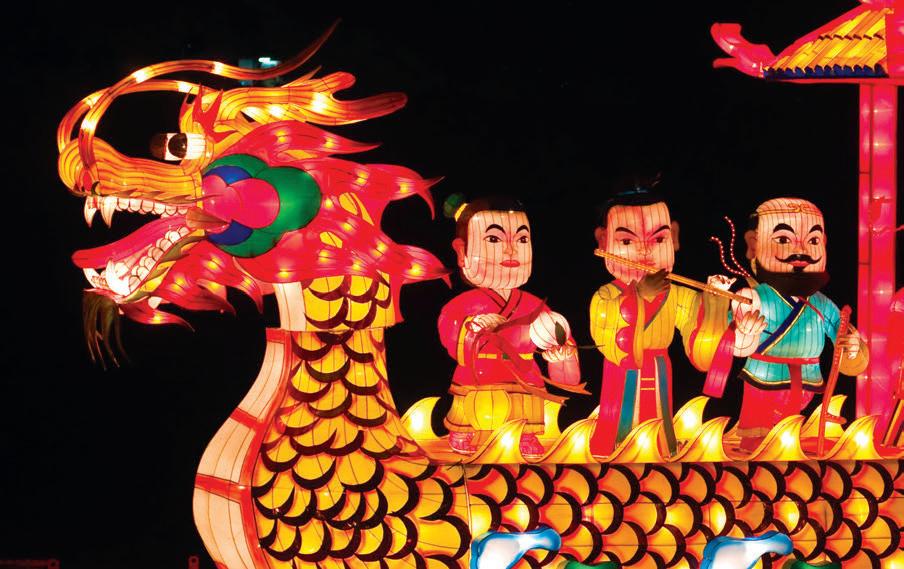
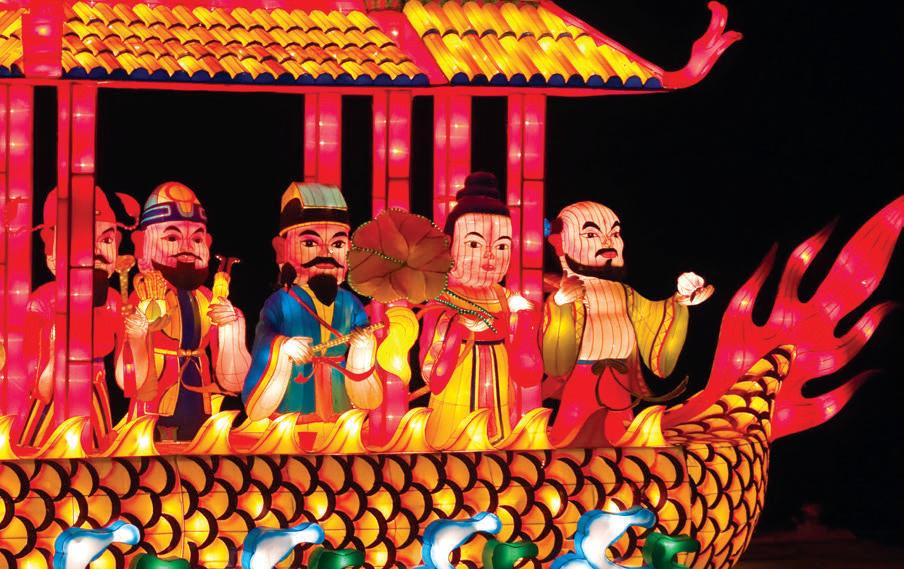
The Dragon Boat Festival is 2,500 years old. It is a symbol of a Chinese hero called Qu Yuan. Long ago, this man threw himself into a river in order to complain about a bad government. People threw food into the river to stop the fish eating his body. And now they have dragon boat races to celebrate this. The boats are brightly colored with a dragon head and a dragon tail.11
11 tail: part of the body of an animal that comes from the bottom of its back
20
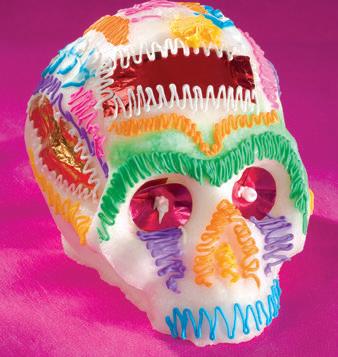
In Mexico, a very colorful but sadder celebration is the Day of the Dead. People believe that on November 1, children can return from the dead. They can come back to the Earth as spirits and spend a day with their families. On November 2, it’s the turn of the adult spirits. In many villages, people decorate their homes with bright colors to please the child spirits. Maybe the strangest but most typical things on the altar are the sugar skulls. These are symbols of the spirits and have the dead person’s name on them.
21
In the Southwestern United States, the Navajo people traditionally celebrated a ceremony to help sick people. This ceremony could last as long as nine days and nights. A medicine man called the Singer directed the making of a sand painting. This painting told a story and used four main colors: white, blue, yellow, and black. Each color was a symbol for one of the four important mountains in the area where they lived.
The sick person had to sit on the painting and wait for the spirits that were called during the ceremony. The painting was believed to be a kind of path. Humans could communicate with the gods through this path. Meanwhile, the Singer sang and prayed.
22
Then the painting had to be destroyed before the sun came up on the last day, or bad things would happen to the sick person and the Singer.
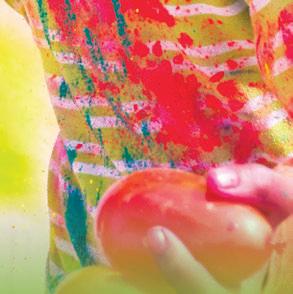
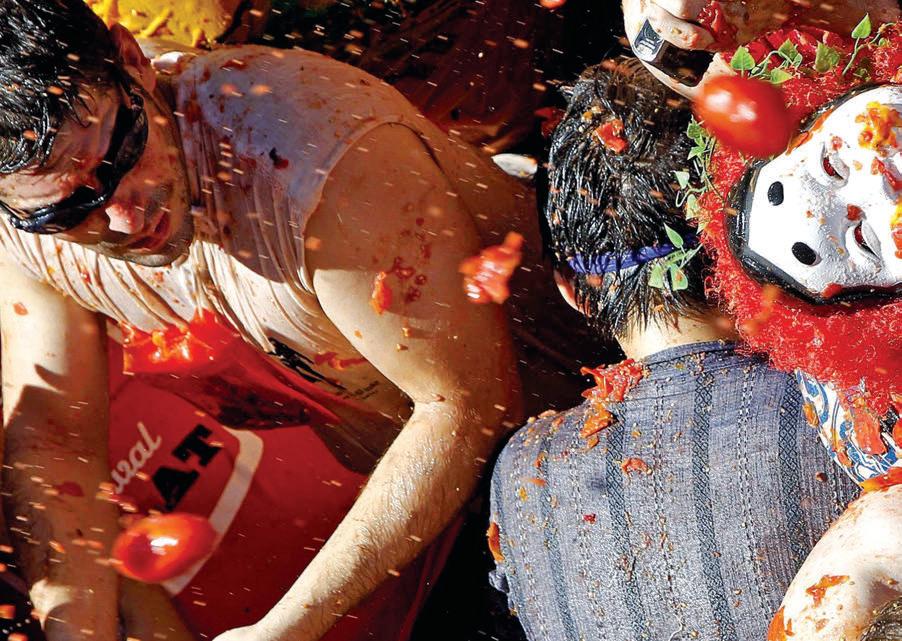
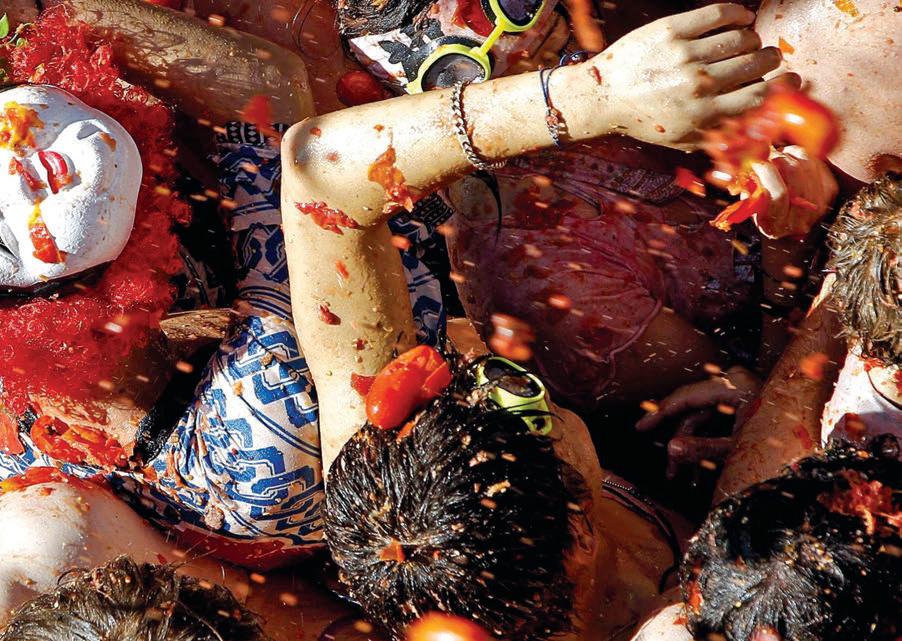
Maybe one of the reddest and certainly one of the craziest festivals is La Tomatina , which takes place in Buñol, Spain, at the end of August. The festival is a week long and includes music, dancing, fireworks, and a cooking competition. It is full of color all the way through, but at the end, on the last Wednesday in August, things get even more colorful. On this day, there is a huge tomato fight. About 30,000 people fill the main square of the town and throw tomatoes at each other. Sound like fun? Well maybe, but then it depends on how messy you like to be!
23
What Do You Think?
What is your personality color?
It is normally your favorite color or a color that you find attractive and exciting. You may have decorated your house or bought a car or bike in this color. You might like wearing this color. But what does it say about you? Some people believe that it tells us a lot about the kind of person you are. Do you agree with them?
Read about your favorite color or colors. Do you agree with these descriptions?
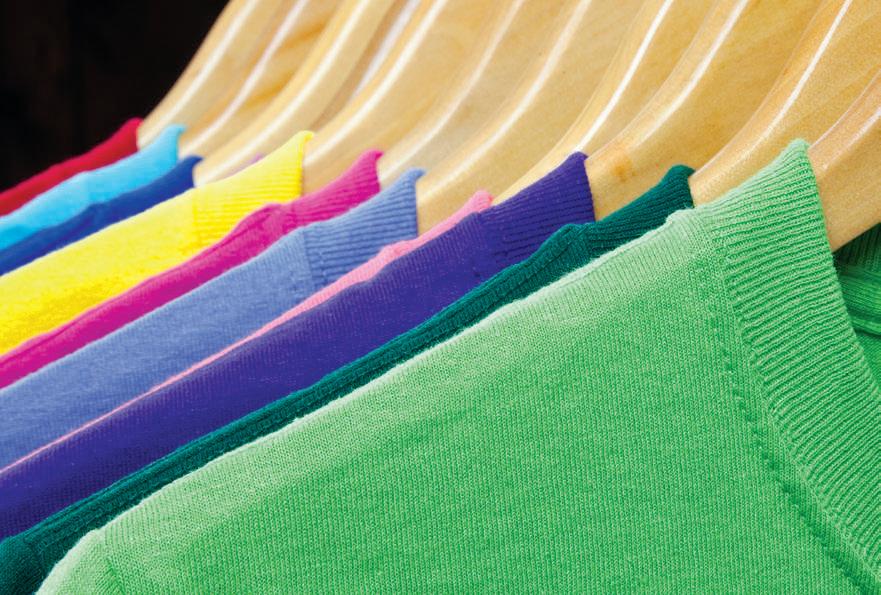
RED: You like a lot of action. You have energy, and you love to experience life through the fi ve senses.
ORANGE: You need to feel part of a group and mix with people. You like to have clear goals.
CHAPTER 5
AND WHAT ABOUT THE COLORS YOU CHOOSE? HOW IMPORTANT ARE THEY? WHAT DO THEY SAY ABOUT YOU?
24
YELLOW: You want order in your life, and you like to use your mind to create original ideas.
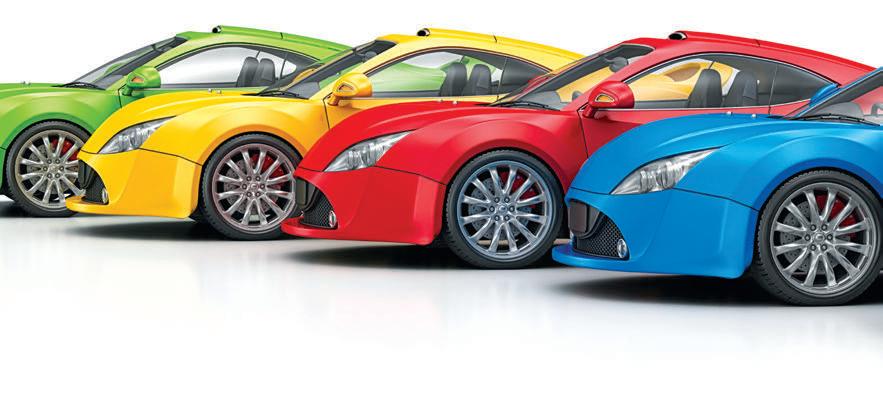
GREEN: You have a deep need to belong and feel safe. You want to love and be loved by others.
BLUE: You want to be at peace with yourself, and you need to be true to your own values.
PURPLE: You need to feel safe in your feelings, you like to help others, and you want things to be perfect.
BROWN: You want a safe, simple, and comfortable life with family and friends close by.
BLACK: You have a need for power and control because you don’t always feel confident.
WHITE: You want a very simple life, and you don’t like depending on others.
GRAY: You are cool and calm. You like to keep the peace and avoid arguments.
25
After You Read Choose the Correct Answers Read the sentences and choose A , B , C , or D . 1 Human beings can see different colors because waves of light are . A the same length B different lengths C always blue or red D usually pure white 2 Human beings see fewer colors than . A dogs B cats C birds D all animals 3 A Chinese bride never wears the color . A blue B white C red D green 4 In Japan, if you want to be in love all your life, you shouldn’t wear a . A red kimono B purple kimono C blue kimono D colored kimono 5 The Greek Goddess Iris was responsible for . A making special jugs B the colors of the rainbow C controlling the seas D making it rain 26
8
stops traveling in a straight line when it travels through
rainbow
air
pictures people draw during Diwali protect them from
ideas
illnesses
weather
A sand painting traditionally had to be destroyed before
A it was finished
it became old
the night ended
the day ended
Text Completion
Complete the text about colors with the words from the box. blue dye meanings monster powders symbol
Color is very important in our society because it can have many different 1 . In China, for example, red is a 2 of good luck, and traditionally it is also a color that frightened the 3 Nian. In Japan, it might be a good idea to wear a 4 kimono for a walk in the country because the 5 will protect you from insects. In India, you will be covered in 6 of all different colors during the fun of Holi.
6 Light
. A water B earth C a
D the
7 The
bad . A
B
C
D spirits
.
B
C
D
27
Answer Key Words to Know, page 4 1 wavelength 2 rainbow 3 reflect 4 dye Words to Know, page 5 1 decorate 2 ceremony 3 symbol 4 bride 5 spirit Evaluate, page 5 Answers will vary. Apply, page 9 Answers will vary. Apply, page 11 Answers will vary. Choose the Correct Answers, page 26 1 B 2 C 3 B 4 A 5 D 6 A 7 D 8 C Text Completion, page 27 1 meanings 2 symbol 3 monster 4 blue 5 dye 6 powders 28
Glossary
decorate ( verb ): make something look more attractive by putting things on it. Many people buy a tree to decorate at Christmas. dragon (noun): a large animal from stories. It breathes re and often has wings. In some video games, like Warcraft, you have to ght against dragons. dye ( noun / verb ): something used to change / change the color of something, like hair or clothes. Lilly dyed her hair brown when it started to go gray. lantern ( noun ): a special kind of light that people can carry around. We’re going to put paper lanterns in the trees in the garden for the party tonight. personality ( noun ): what makes one person different from others. My teacher has such a nice personality – she’s very kind and patient. rainbow (noun): half circle with seven colors that we sometimes see in the sky when there is sun and rain. Red, orange, yellow, green, and blue are ve of the colors of the rainbow. Do you know the other two? symbol ( noun ): a sign, shape, or thing that is used to mean something else. A white bird is often used as a symbol for peace.
2
By Diane Naughton Series editor Bob Hastings























TRUE COLORS
Is a tomato actually red? Should you wear white on your wedding day in China? Explore how we see colors, how colors make us feel, and what colors mean in our cultures and celebrations. Reader level A1 A1+ A2 A2+ B1 B1+ B2 B2+ Headwords 400 450 700 900 1,200 1,400 1,800 2,000 Cambridge READERS 2007.07625