ENJOYING THE SUMMER SUNLIGHT
reetings, park supporters! Summer is prime time for outdoor recreation, and the long days have been perfect for those of us adventuring in state parks. We hope it’s been a great season for you so far and that you’re making the most of activities like hiking through the redwoods, camping on a river, or lounging in the sun on the beach. Earlier this summer, we celebrated the second annual California State Parks Week. Hopefully, you made it out to one of the events or joined one virtually!
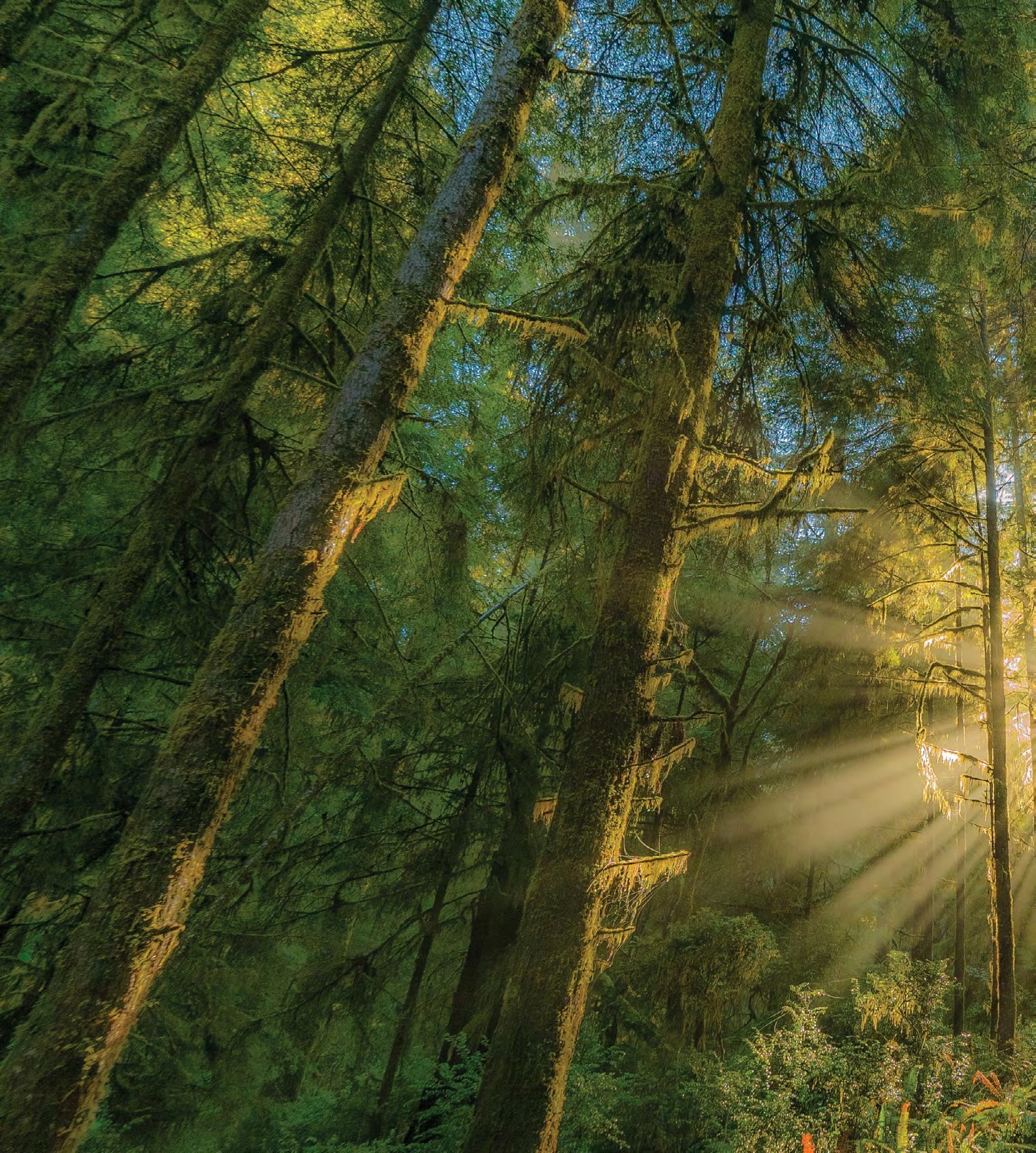
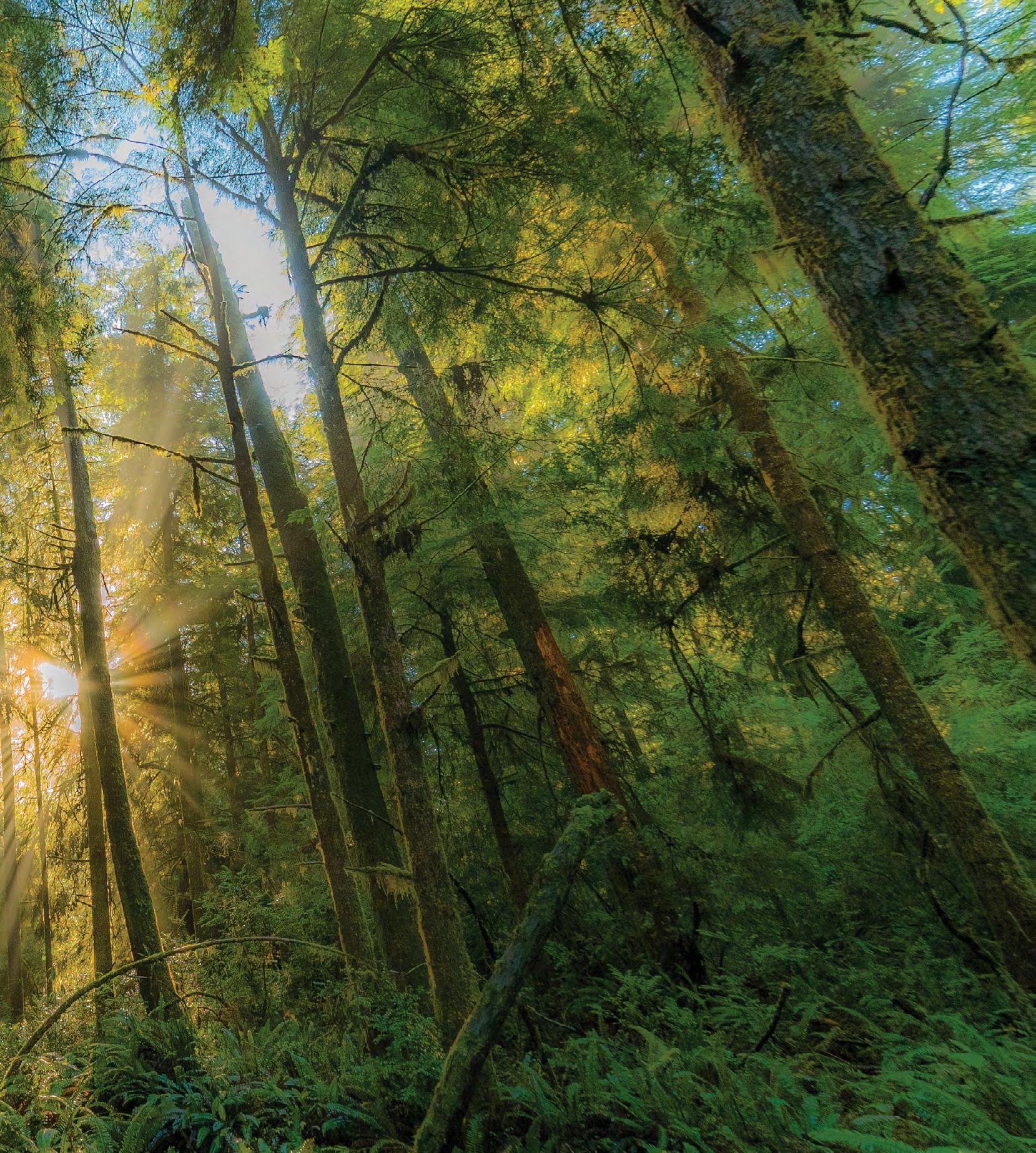
Humboldt Redwoods State Park
In this issue of Parklands, you’ll learn about our recent volunteer work in Humboldt County, a special project at Mount Diablo State Park, some incredible super blooms in Southern California, and our efforts toward building wildfire resilience in state parks. For the wildlife lovers out there, you’ll also hear about a special species we’re helping on the Central Coast.
As always, thank you for your collaboration with and commitment to California State Parks Foundation. You make parks better places for all visitors, so they can be places of refuge for everyone.
A LETTER FROM OUR EXECUTIVE DIRECTOR
Hello, park lovers!
It’s been a tremendously impactful time at California State Parks Foundation. The second annual California State Parks Week in June was a smashing success. I explored a new experience, the first day’s theme, at Black Miners Bar on Lake Natoma (Folsom Lake State Recreation Area) by horseback riding, kayaking, and stand-up paddleboarding.
California State Parks Week is an opportunity to invite all Californians to have fun and meaningful experiences in state parks. It inspires people to trek to a new park, or to visit parks for the first time, and hopefully encourages them to steward public spaces long term. We were thrilled to provide $50,000 in grants to assist parks in planning almost 200 welcoming and inclusive events.
As we celebrate parks and their users, we must also remember what it takes to maintain them so they thrive now and for future generations. A focus of our advocacy work has long been additional investment in deferred maintenance. The amount of work parks need to function their best has been mounting for years – the Legislative Analyst’s Office estimates that $1.2 billion is needed.
In 2021, a year when we had a huge budget surplus, Governor Newsom pushed $185 million to fund that to-do list. Park supporters rejoiced and pushed for more investment in 2022, a year with another budget surplus. No dice. And now, as we face a huge deficit, the Governor and the Legislature are clawing back $31 million of the money we celebrated two years ago. All is not lost. The Governor has signaled interest in a climate resilience bond and two bills that would invest in climate resilience, including projects in state parks, which are moving forward in the Legislature. At Park Advocacy Day in May, we pushed for $500 million that would go toward deferred maintenance – half of the backlog – in any bond that goes before the voters in 2024. We’re continuing to push for funds to reduce that backlog and enhance state parks.
If you’re reading this, I know you love state parks and want them to thrive. Thank you! Your support helps us fight, every day, to ensure just that.
Until next time,

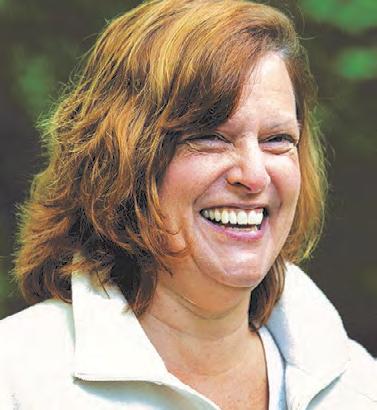
Rachel Norton Executive Director
BIKE SAFETY AT MOUNT DIABLO STATE PARK
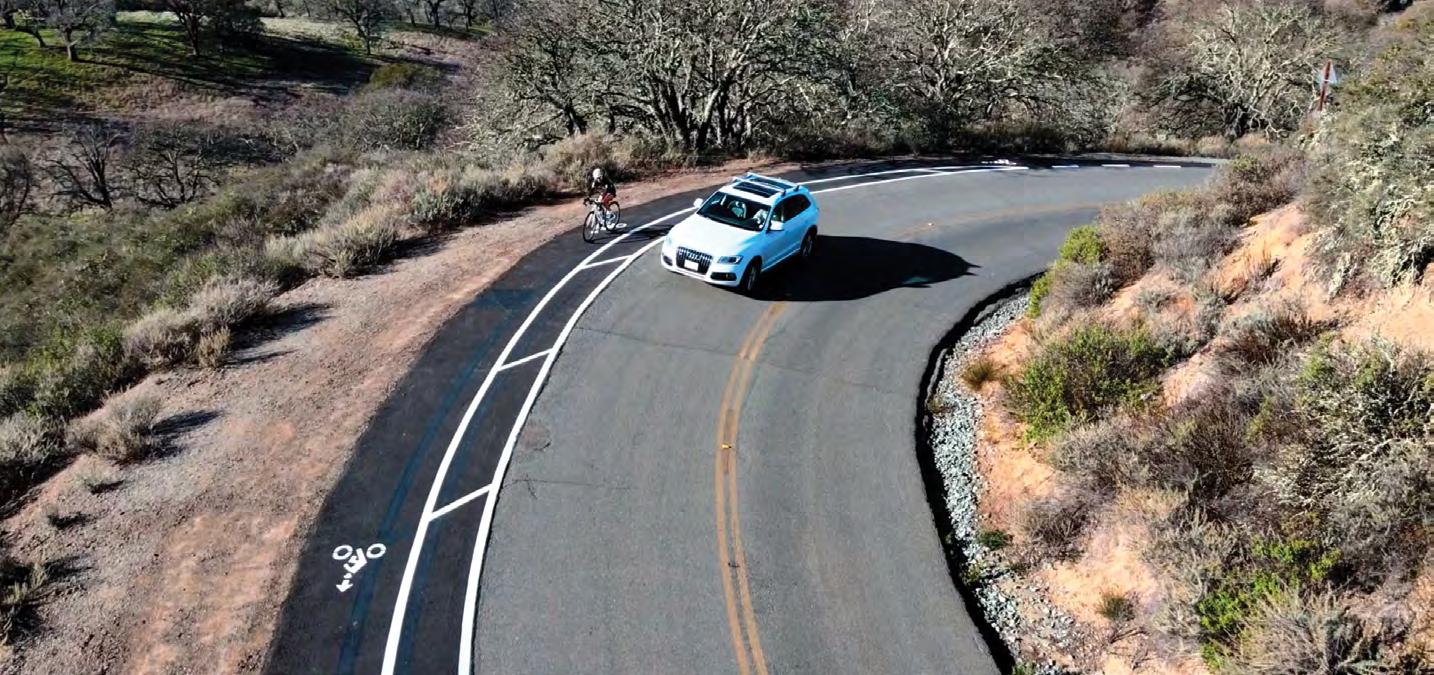
For many years, cycling in Mount Diablo State Park has been dangerous. From 2010 to 2014, there was an average of 23 car and bike collisions per year. According to California State Park officials, there were frequently road rage showdowns between drivers and riders.
To improve bike safety at the park, we’ve partnered with Mount Diablo Cyclists and the California Department of Parks and Recreation. Together, we are working on phase two of building bike safety turnouts. These turnouts allow bicyclists, who move at slower speeds as they pedal uphill, to pull out of the main traffic lane into their own lane so that vehicles can pass safely. After the first turnouts were created, collisions dropped to three accidents in two years, and road rage significantly diminished.
With the recent completion of 30 bike turnouts in 2022, there are now 45 total at Mount Diablo State Park.
To complete the safety plan, 43 more turnouts are needed.
For phase two, the partners will complete as many bike turnouts as possible, depending on the funds raised, with proceeds from the 2022 Mount Diablo Challenge Memorial Ride and an initial gift made from the estate of Joe Shami. Known by locals as “The Legend of Mount Diablo,” Joe had a passion for Mount Diablo State Park and cycling that was exemplified by over a decade of weekly trips up the mountain well into his 80s. Tragically, Joe was struck and killed by a vehicle while riding his bicycle in Lafayette. Although he is not with us today, Joe left a special gift in his will to California State Parks Foundation to fund additional bike turnouts on Mount Diablo.
Learn more about the bike turnout project and how to get involved at calparks.org/biketurnouts.
A WILDFLOWER ROAD TRIP
BY RANDY WIDERA, DIRECTOR OF PROGRAMS
his past spring, I visited three amazing state parks on a trip from Santa Cruz to Los Angeles. The first stop on my adventure was Arthur B. Ripley Desert Woodland State Park. This 560-acre park protects and preserves a remnant island of native Joshua tree and California juniper forest. This rare habitat once covered much of the valley floor, but most was lost to the agricultural boom beginning in the late 1800s. Among these beautiful stands of resilient trees, you can also find a variety of wildflowers that include tidy tips, desert sage, sun cups, silver puffs, and comet blazing stars. While walking the self-guided
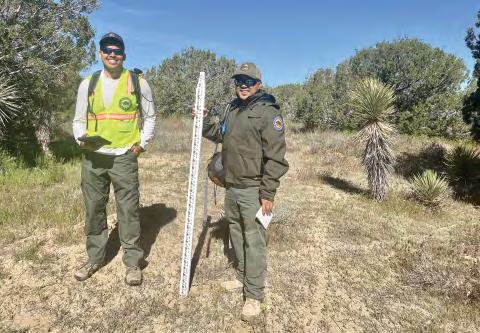
trail I ran into Luis De Vera, a state parks environmental scientist who worked on a project California State Parks Foundation funded to restore this forest after the 2020 Lake Fire. He and his colleague were surveying these rare trees as part of their ongoing monitoring of the forest health.
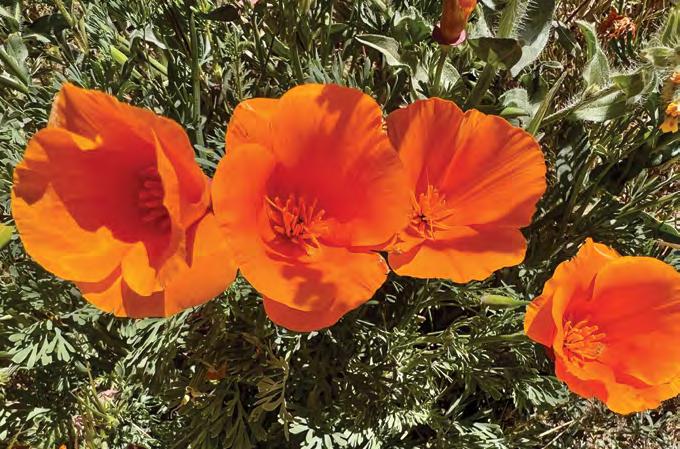
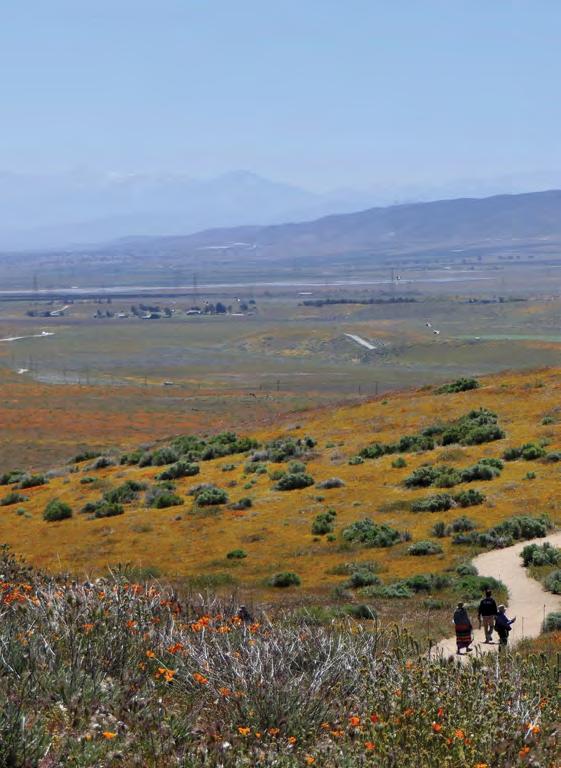
For my next stop, I traveled seven miles east to Antelope Valley California Poppy State Natural Reserve to experience the super bloom with thousands of other visitors. Located in northern Los

Arthur B. Ripley Desert Woodland State Park
Antelope Valley California Poppy State Natural Reserve
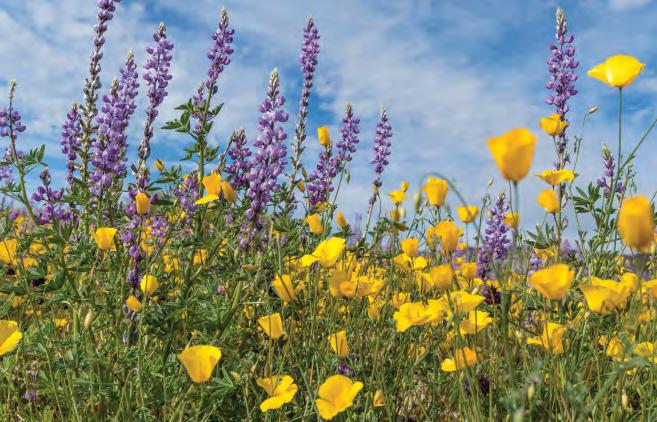
Angeles County and the southeast portion of Kern County, Antelope Valley is at the western tip of the Mojave Desert. There I met the park docent, Ann, who has been a volunteer for 45 years. Along with dozens of other volunteers, Ann roamed the preserve answering questions and helping visitors stay on the trail as they walked in a trance from the overwhelming sight of wildflowers. This was an incredible year for California poppies, and intermingled within the carpet of orange were lupine, owl’s clover, and fiddleneck. In 1974, California State Parks Foundation purchased 940 acres of wildflower land here and deeded it to the Department of Parks and Recreation. This became California’s first “Poppy Park,” and it continues to inspire park-goers like me to this day!
After traveling east for another 45 minutes, I stopped at my last
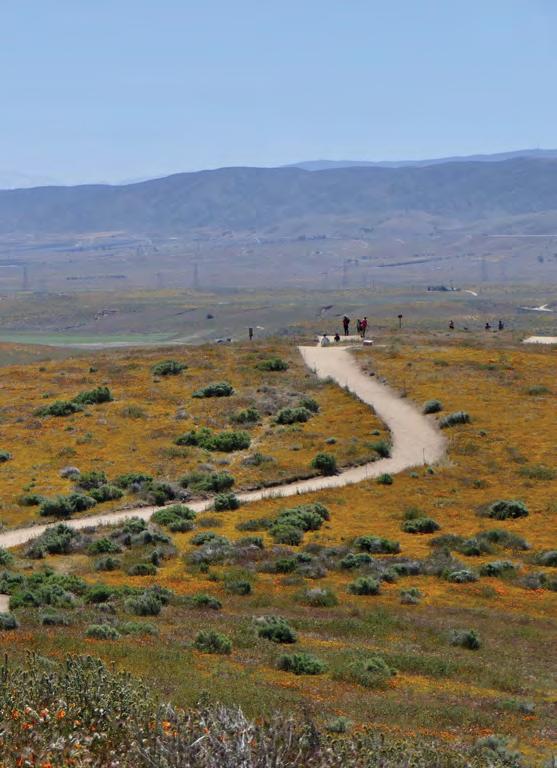
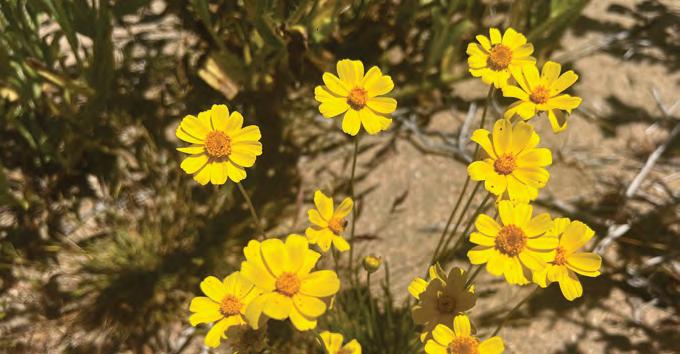
destination, Saddleback Butte State Park. I had the park to myself and hiked up to the ridge to see the snow-covered San Bernardino Mountains and across Antelope Valley. I was in the high desert here, but the wildflowers were just as abundant. It was hard to walk more than 20 feet without finding a new species. I was greeted by California evening primrose, woolly daisy, Davy gilia, coreopsis, and goldfields.
The spring blooms at all three parks were incredible, but remember that there is so much to learn at these parks in addition to viewing wildflowers. There’s the rich history of the first peoples of Antelope Valley, including the Kawaiisu, Kitanemuk, Serrano, and Tataviam; miles of trails to explore; camping; and more. California state parks are special places, and their stories are always ready for you to discover.
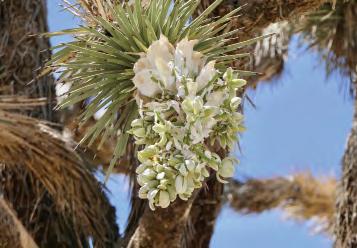
Saddleback Butte State Park
DISABLED HIKERS: CREATING INCLUSIVE OUTDOOR CULTURE
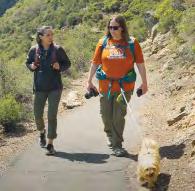
ecently, we joined Syren Nagakyrie, founder of Disabled Hikers, on a hike at Mount Tamalpais State Park. Disabled Hikers is a leading advocate for inclusion and accessibility in the outdoors, guided by disability justice principles. We learned about their unique trail rating system, discussed the trail guidebook they are working on, and heard how they’re shifting the culture of exclusion in the outdoors.
While hiking with Syren and their dog, Benji, we saw firsthand how Disabled Hikers is creating the inclusive outdoor culture they seek. During our hike, Syren often stopped to take notes on the grade of the trail, cracks in the pavement, areas to stop and rest, and what sections are wheelchair accessible. It is a detailed and time-intensive process. They will repeat this process for every park and every trail they are rating for their Disabled Hiker’s Guide to Northern
California. The guidebook Syren is currently working on will cover several parks, including Humboldt Redwoods State Park and Auburn State Recreation Area, just to name a few.
This level of detail is not often found in a typical trail rating system. Disabled Hikers’ Spoon Trail Rating System, created by Syren and based on an understanding of spoon theory, is a way for people living with disabilities and chronic illness to decide if a specific trail is right for them. Spoon theory is a metaphor for the energy rationing that many people with disabilities and chronic illness must do daily. The spoons represent the amount of energy you start your day with. Each daily task or activity may take a certain number of “spoons,” and this number is different for each person.
In discussing park experiences and how to create welcoming parks for all, Syren shared, “My identity as a disabled and queer and trans person is really integral to how I experience the world and the parks – and for me it’s about claiming that identity.” Building positive and collaborative relationships among people both with and without disabilities will create stronger physical and cultural accessibility so we can begin to realize an outdoor culture that is truly inclusive and welcoming to all.
To read more, visit calparks.org/ disabledhikers
VOLUNTEER IN HUMBOLDT COUNTY
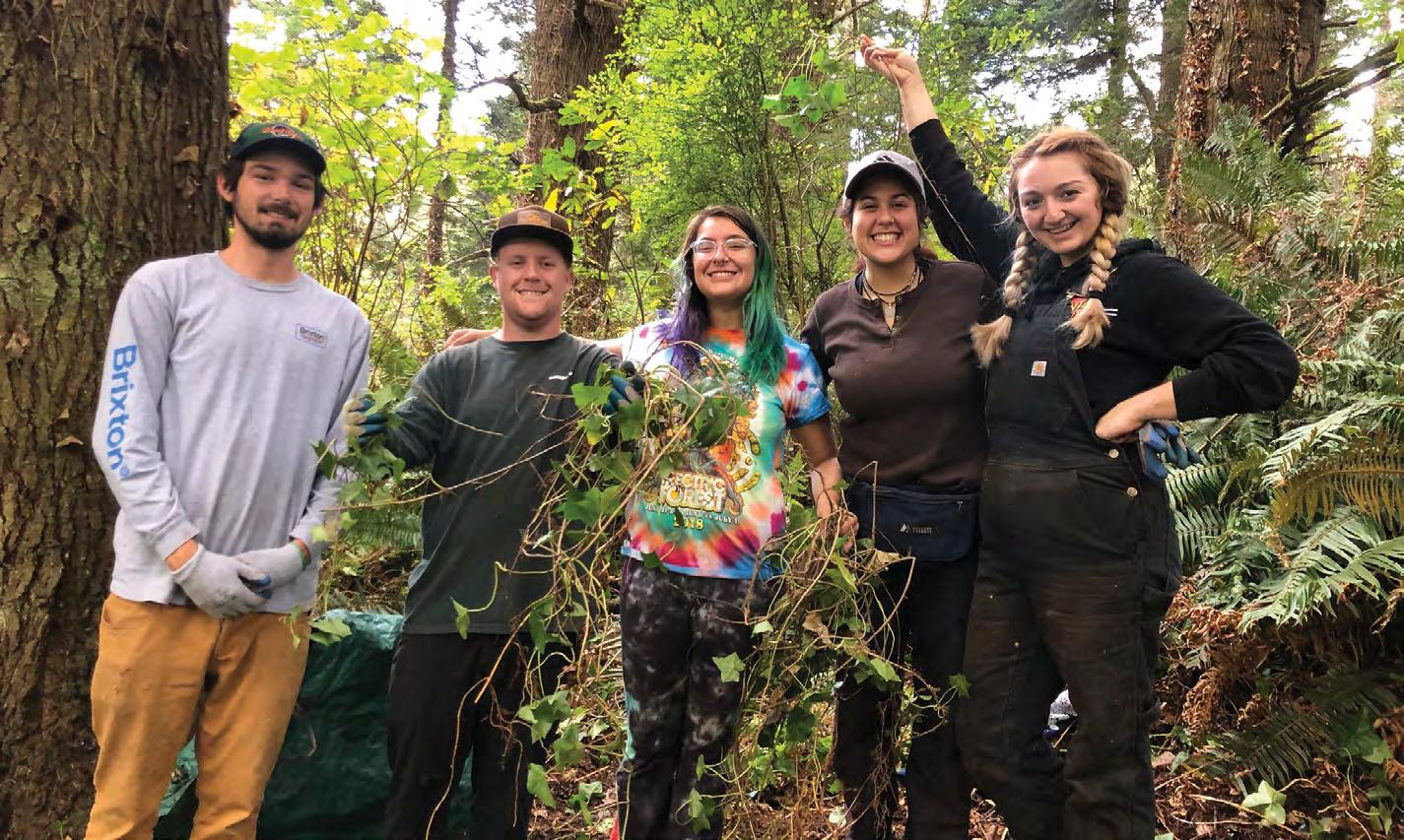
id you know our volunteer program supports vital habitat restoration projects at three parks in Humboldt County? Our workdays at Trinidad State Beach, Sue-meg State Park, and Humboldt Lagoons State Park help ensure the consistent upkeep of these essential parklands. Right now, these parks don’t have enough staff or volunteers to maintain the ongoing management to protect their vital habitats. We’re looking for new, dedicated volunteers and Volunteer Core Leaders to get involved!
n At TRINIDAD STATE BEACH and SUE-MEG STATE PARK, volunteers focus on restoring the Sitka spruce forest and coastal scrub habitats. Removing non-native plants allows space for more Sitka spruce trees and other native plants to grow. If left unchecked, invasive plants will spread, suppress native vegetation, and overtake entire areas of the park. English ivy is especially tricky, as it is a type of plant that will continue to grow even after being pulled from the soil. A single inch of the stem will create a new plant! As spaces are cleared of invasives, native species return, like false lily of the valley and bracken ferns.
n HUMBOLDT LAGOONS STATE PARK prioritizes western azalea grove protection projects. Volunteers remove competing vegetation around the vulnerable western azaleas. This grove contains some of the only continuous stands of native and wild azaleas left in Northern California, attracting park visitors with its spectacular flower display during the blooming season!
Experience these unique habitats by joining our volunteer workdays. Our Trinidad State Beach workday on September 9 also includes free camping at nearby Sue-meg State Park on both Friday and Saturday nights. Find all upcoming workdays at calparks.org/volunteer.
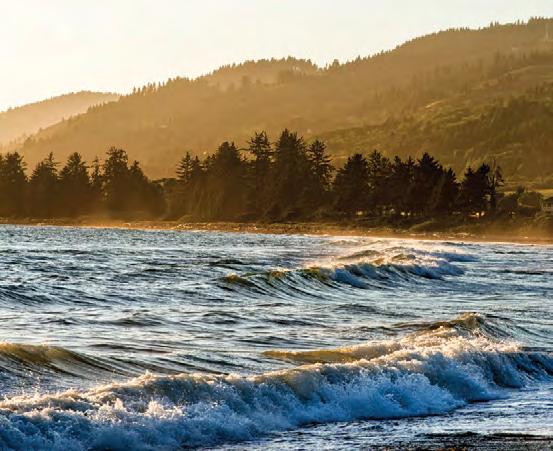
PELICAN STATE BEACH
This summer, why not visit California’s northernmost state park? Only a three-minute drive from the Oregon border, this secluded stretch of sand will scratch your seaside itch and get you away from the summer beach-going crowds. Share your adventures with us!
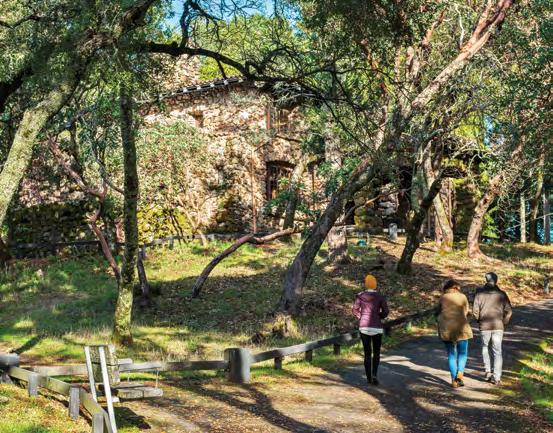
JACK LONDON STATE HISTORIC PARK
Take a trip to the redwood forest and learn about the life of author Jack London at his historic writer’s cabin. Located in Sonoma County, this park offers a number of family-friendly hikes and historical experiences for a late summer trip.
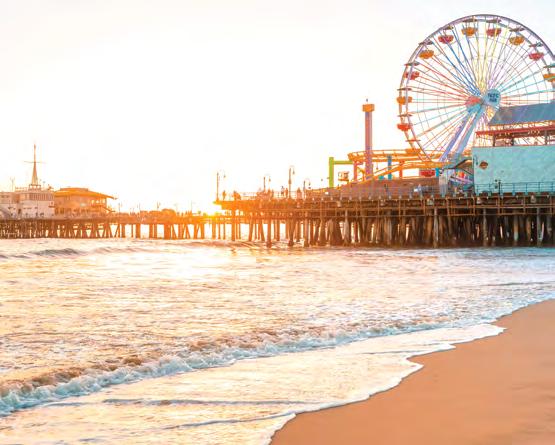
SANTA MONICA STATE BEACH
If the Barbie movie piqued an unknown inner desire to have your true SoCal beach moment, you need to make your way to Santa Monica State Beach. Strap on those rollerblades and a monochrome hot pink outfit, and you’ll fit right in.
(Bleach blonde hair not required.)
STATE PARKS TO VISIT THIS SUMMER
here are so many ways to have fun in California’s 280 state parks this summer! Whether you’re taking the kids on a weeklong vacation to the lake or visiting your local park after work for some solitude, we encourage you to get outside and enjoy the warm weather in whatever capacity you can! From north to south, enjoy these state parks responsibly this summer.
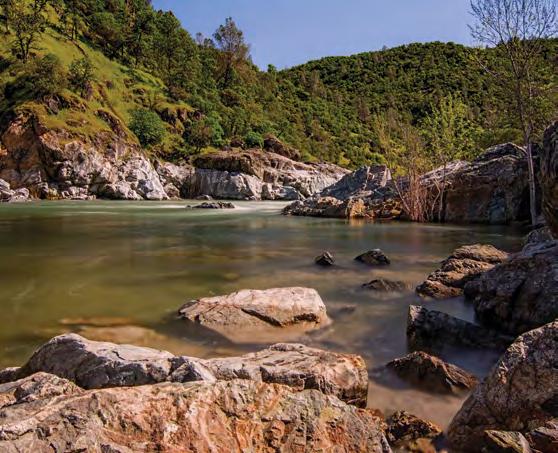
SOUTH YUBA RIVER STATE PARK
It is hard to beat a refreshing dip in the South Yuba River. Chilly, clear waters and warm, smooth river rocks offer the perfect place to spend an afternoon. After such a wet winter, rivers are still high, so be sure to use good river safety!
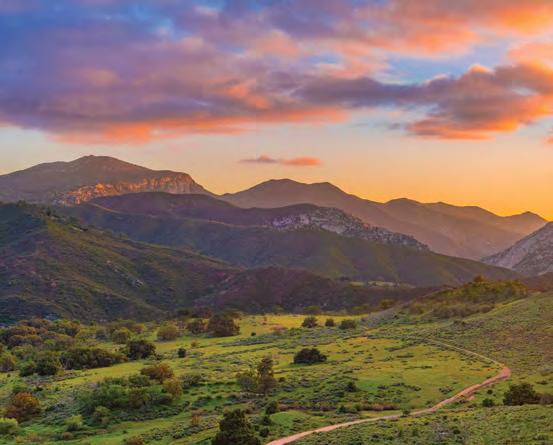
PALOMAR MOUNTAIN STATE PARK
While it might be a good idea to save your trip to the desert for the winter or spring, Palomar Mountain State Park outside San Diego offers a unique oasis on the edge of the Colorado Desert. At 5,000 feet above sea level, evenings are cool even during the hottest summer months.
BUILDING WILDFIRE RESILIENT PARKS: WHAT WE’VE LEARNED
alifornia State Parks Foundation is tackling climate change headon, and a major part of that is making parks more resilient to wildfire. It’s critical for parks to recover from and adapt to wildfires, which are happening more frequently and becoming more severe as the climate becomes warmer and drier. To meet this challenge, we fund partners who research the best strategies to combat wildfires and implement their solutions in state parks. These are a few solutions our grantees have found most successful:
REDUCING WILDFIRE FUEL IN PARKS
Fuel reduction is a key part of building wildfire resilience and includes clearing out brush, overgrown vegetation, and dead trees that make fires larger and more destructive. One grantee, the Gold Discovery Park Association, removed excess fuel that threatened historic structures at Marshall Gold Discovery State Historic Park. Many of the surrounding trees were over 100 years old, so a certified arborist was hired to make sure they were not damaged by the work. Built-up fuel was also removed in other locations around the site, including areas with important native plants. This work is an excellent model for removing excess fuel while preserving valuable habitat, and it can be an example for other state parks that want to reduce their wildfire risk.
REMOVING PLANTS VULNERABLE TO WILDFIRE
Another way to increase wildfire resilience is by removing nonnative plants that are more susceptible to wildfire than native plants. Some non-native plants can also regrow faster after a wildfire than native plants, which further increases the risk of another fire. The Student Conservation Association addressed this threat by removing English ivy and other invasive species that had overrun important habitat at Azalea State Natural Reserve. This not only reduced the risk of wildfire in the reserve but also helped protect the surrounding neighborhoods and safeguard California’s native western azalea, grand fir, and Sitka spruce, which are all considered sensitive habitats. The work at this park illustrates the wide-ranging benefits of removing invasive species and can be a model for other parks.
We will continue to learn and work with partners to support wildfire resilience in state parks. By continuing to grow our expertise, we can be a key player in building a climate resilient California state park system.
FRIENDS OF CHINA CAMP HONORED WITH GRASSROOTS CHAMPION AWARD
t this year’s Park Advocacy Day, we honored Friends of China Camp with the 2023 Grassroots Champion Award. Friends of China Camp is a wonderful living example of the importance of our sponsored legislation, Senate Bill 668 (Dodd). SB 668 would allow California State Parks to continue to work with nonprofit or local government organizations that operate state parks in perpetuity. Currently, 14 California state parks are operated completely by these sorts of partnerships, and a further 46 manage at least part of operations. These park operators put in the daily work to make sure parks stay open and run smoothly, and removing the sunset clause would allow these partners to continue their hard work and plan for the future.
Over a decade ago, when then-Governor Schwarzenegger proposed closing up to a third of the state park system, Friends of China Camp was one of the first nonprofit organizations to take on a newly devised partnership model created by legislation sponsored by California State Parks Foundation in 2011 (AB 42, authored by then-Assemblymember Jared Huffman) as a park operator. Friends of China Camp now handles all operations and management and is committed to keeping China Camp State Park open and thriving for our community.
At Park Advocacy Day, Executive Director Martin Lowenstein accepted the award on behalf of his organization and the volunteers who make their work possible. “China Camp's volunteers donate their resources of time, money, and expertise to help maintain and operate a state park unit in a way that, I hope, makes California State Parks Foundation, California State Parks, and the local community proud," Lowenstein said.
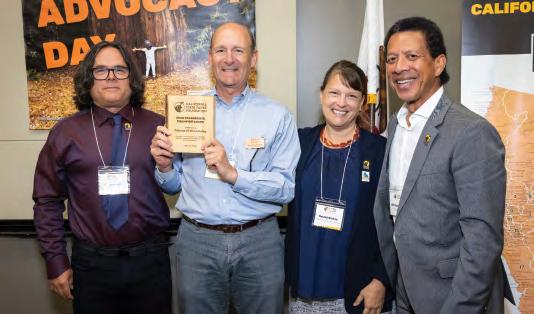
California State Parks Foundation’s Director of Programs Randy Widera, Executive Director Rachel Norton, and Board Chair Birt Johnson Jr. with Martin Lowenstein, Executive Director of Friends of China Camp.
GET TO KNOW SMITH’S BLUE BUTTERFLY
Have you ever spotted this tiny butterfly on the Central Coast?
This butterfly has a one-inch wingspan and is identifiable by its distinctive pattern. Keep in mind that males and females look different: males are bright blue on the upper sides of their wings, and the females are browner. Both have a black checkered edge on their front wings.
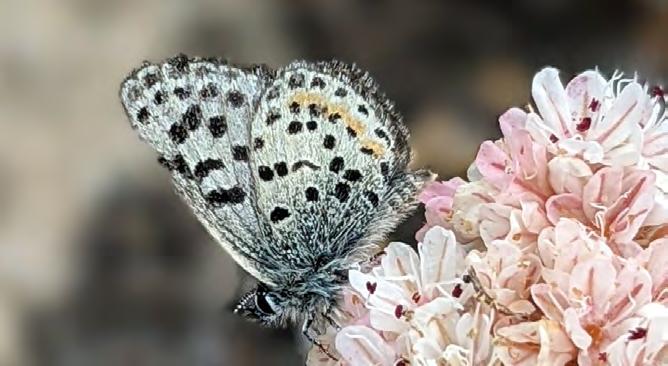
The butterfly is completely dependent on two native plants –seacliff buckwheat and coast buckwheat – and spends its whole life within a few hundred yards of these plants. Our volunteer efforts at Garrapata State Park and Fort Ord Dunes State Park support the butterfly and allow the plants to flourish. We remove invasive species that threaten the native vegetation Smith’s blue butterfly relies on and, during the fall and winter, we focus on planting seacliff and coast buckwheat.
More than half of the butterfly’s habitat has been destroyed, and the species needs help to survive. Their habitat is threatened by factors like development, invasion of non-native plants, and more.
Smith’s blue butterfly is federally endangered and only found within Central California’s coastal dune and grassland habitats.
Its namesake is Claude Smith, one of two UC Berkeley undergraduates who discovered the butterfly while hiking the Big Sur coast in 1948.
The adult population is only active from June to September, which is connected to the flowering of buckwheat plants. This is when they mate and lay eggs. Keep an eye out for the butterflies fluttering around during this time!
Join our volunteer workdays at Garrapata State Park or Fort Ord Dunes State Park to help us protect and restore habitat for Smith’s blue butterfly! Learn more at calparks.org/volunteer.
PIGEON POINT
LIGHT STATION RESTORATION
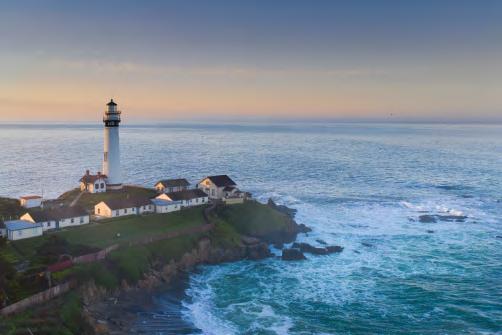
Just south of Pescadero, a Central California landmark stands tall: the 115-foot-tall Pigeon Point Lighthouse. At 151 years old, the lighthouse has fallen into disrepair and has been desperately in need of major restoration for decades. Visitors have been unable to go inside the lighthouse since 2001 due to risk of collapse. For over 20 years, California State Parks Foundation has been working to make the restoration a reality, raising over $3 million in funds to protect the Fresnel lens and complete design and construction drawings. With our encouragement in 2021, the park was awarded over $18 million in state funding. This will make it possible for visitors to once again ascend the winding staircase and get coastal views from the top of the lighthouse.
Construction is set to begin this fall! California State Parks Foundation is excited to work with California State Parks and our fellow park partners to see this project through to completion and has given a grant of over $850,000 to help with the final phase of the work.
ENTER OUR PHOTO OF THE MONTH CONTEST!
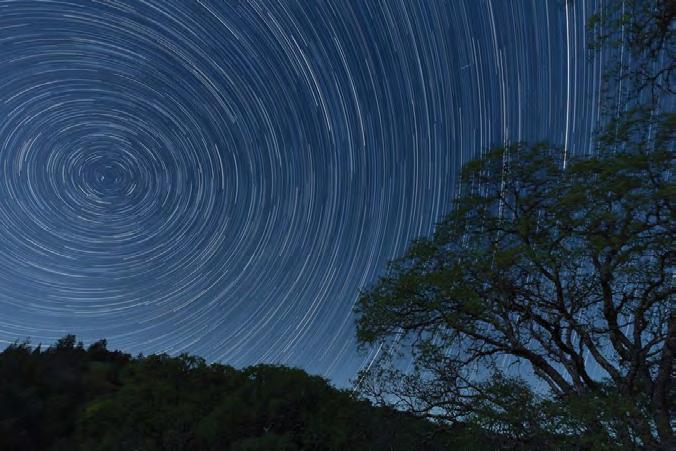
Share your best park photos by using #MyCAStatePark and tagging @CalParks on Twitter and Instagram, and California State Parks Foundation on Facebook. Flickr group members can still participate too! One photographer will be featured every week, and on the last Friday of each month, one grand prize winner will receive a California State Parks Annual Pass. This photo of Henry W. Coe State Park from @kristy.a.andrews was one of our most recent winners on Instagram.

YOUR PARKS LEGACY
Because California state parks have played a role in your life as places of solace and inspiration, and because you value protecting nature for future generations, we invite you to leave a legacy. You can keep your vision alive in perpetuity — to protect and preserve the California state park system for the benefit of all — by including California State Parks Foundation in your will, trust, or other legacy plan. In doing so, you’ll make an impact that lasts forever.
You will join a group of passionate California state parks supporters dedicated to protecting the parks during and beyond their lifetimes. Benefits of membership include invitations to our popular Insider Tours, our Brief newsletter, plus the other benefits you already receive as a member.
Learn more at calparks.org/legacy.
33 New Montgomery Street
Suite 520
San Francisco, CA 94105 members@calparks.org
California State Parks Foundation is an independent, membersupported nonprofit dedicated to protecting and preserving the California state park system, for the benefit of all.
Stay Connected Visit us online at calparks.org and follow us on social media: @calparks @calparks /calparks
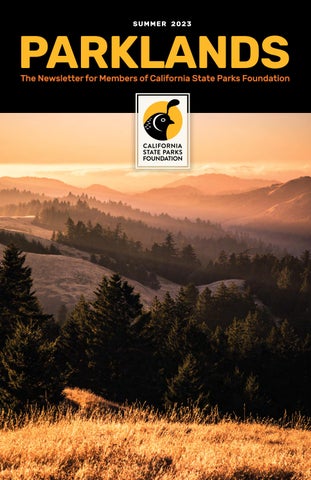
Front cover photo: Mount Tamalpais State Park