The Newsletter for Members of California State Parks Foundation
i there, fellow park lover. A lot has happened in the past few months, and we’ve been busy adjusting to the new normal and ensuring parks remain whole during this time. If you’ve had a chance to (safely) visit your state parks during the
pandemic, we hope they’ve been restorative and grounding places for you.
Parks have felt more like sanctuaries recently. Is it the sound of the breeze through the trees? The warmth of the sun? The crunch
of dirt and gravel under foot?
Whatever it may be for you, parks offer respite for a few hours, and that has been so needed amid the stress of this year.
At the same time, we recognize how much work still needs to be done to improve equitable access to these places. Not everyone has the privilege of visiting parks and benefiting from all they have to offer. It’s up to all of us to make outdoor experiences attainable for
everyone, regardless of a person’s race, physical ability, or socioeconomic background.
We’ve once again been reminded that our parks are essential, and we are so grateful to have supporters like you who make our work possible. If we’ve learned anything this year, it’s that every single one of us has the power to make a difference – and that collectively, we are a powerful force for parks.
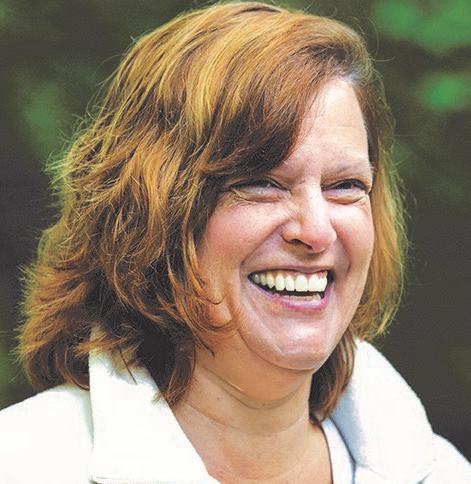
Hello friends –
I think I can safely say that 2020 hasn’t gone the way any of us planned, and it’s difficult to know when, or even if, life will return to “normal.” The pandemic and the resulting economic crisis hit state parks hard.
First, many parks had to close or alter the ways they receive visitors in order to keep workers and park users safe. That was complicated, expensive, and discouraging to Californians, who needed parks more than ever to support health, happiness, and quality of life during an unprecedented time. Second, because of revenue losses and skyrocketing expenses, state parks faced huge budget cuts. With your help, we fought hard to keep parks whole. And the legislature listened, passing a budget that restored many (not all) of the proposed cuts. But the crisis is not over, and budgets will be stretched until the state economy begins to recover.
We stepped up this summer with $100,000 in grants to support parks and park partners that are struggling financially – paying for safety upgrades, staff that would otherwise have to be let go, and park improvement projects that would have been halted.
Like you, spending time in parks is the best way I’ve found to stay centered, calm, and mindful on difficult days, and I’m grateful that I can access parks without putting myself at risk. There is clear evidence that groups most affected by COVID-19, such as Black and Latinx people, low-income people, and undocumented people, are far less likely to have that access.
If expanding access was a worthy goal before COVID-19, it is even more crucial today. There are national conversations occurring on how to root out racism and its resulting inequalities and disparities in our criminal justice system, our economy, our schools – and yes, our parks. A thriving, healthy state parks system depends on a thriving, healthy California. You and I are obligated to acknowledge that many of our communities aren’t thriving.
Fighting for safe access to parks and nature in every community, and protecting parks from threats, such as budget cuts, development, and the devastation of climate change, is how we can ensure that every Californian has the chance to feel welcomed and connected to these special places, now and in the future.
Warmly,
Rachel Norton Executive Director
ur work wouldn’t be possible without you and the thousands of other park lovers who support us. Members, donors, park partners, and volunteers all collectively help carry out projects and programs for state parks and the millions of Californians who use them. These numbers reflect recent work you made possible. Thank you!
$100,000
1,255
5,367
125
in grant funding awarded to park partners in response to the COVID-19 crisis advocates urging California lawmakers to support parks in the state budget volunteer workdays
21 214
100%
2,154 volunteers in state parks
Earth Day grants distributed to parks and partner groups throughout the state grassroots advocates engaged at our virtual Park Advocacy Day
6
of park staff felt our volunteer workdays had a noticeable positive impact on state parks webinars hosted on the value of state parks webinar attendees
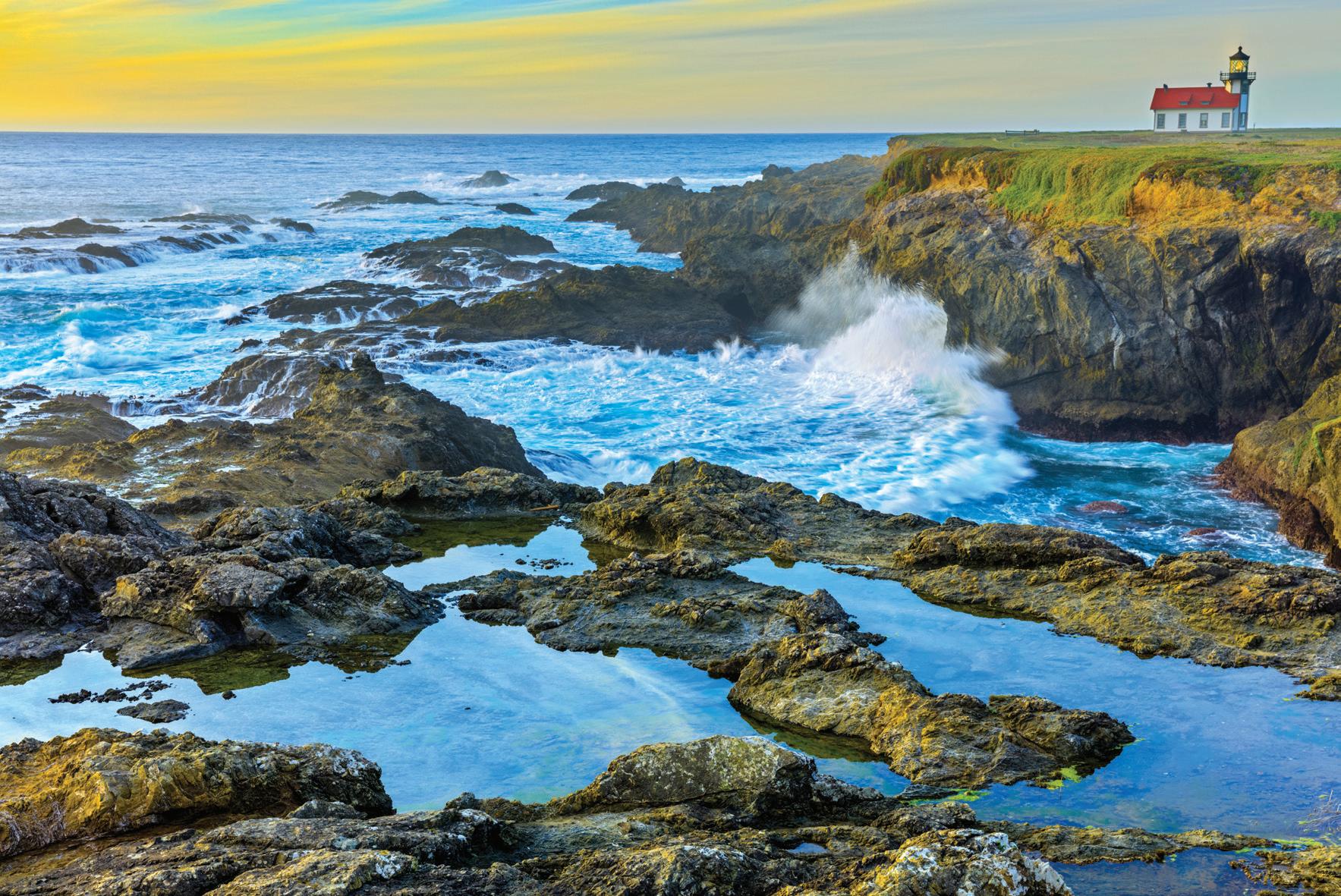
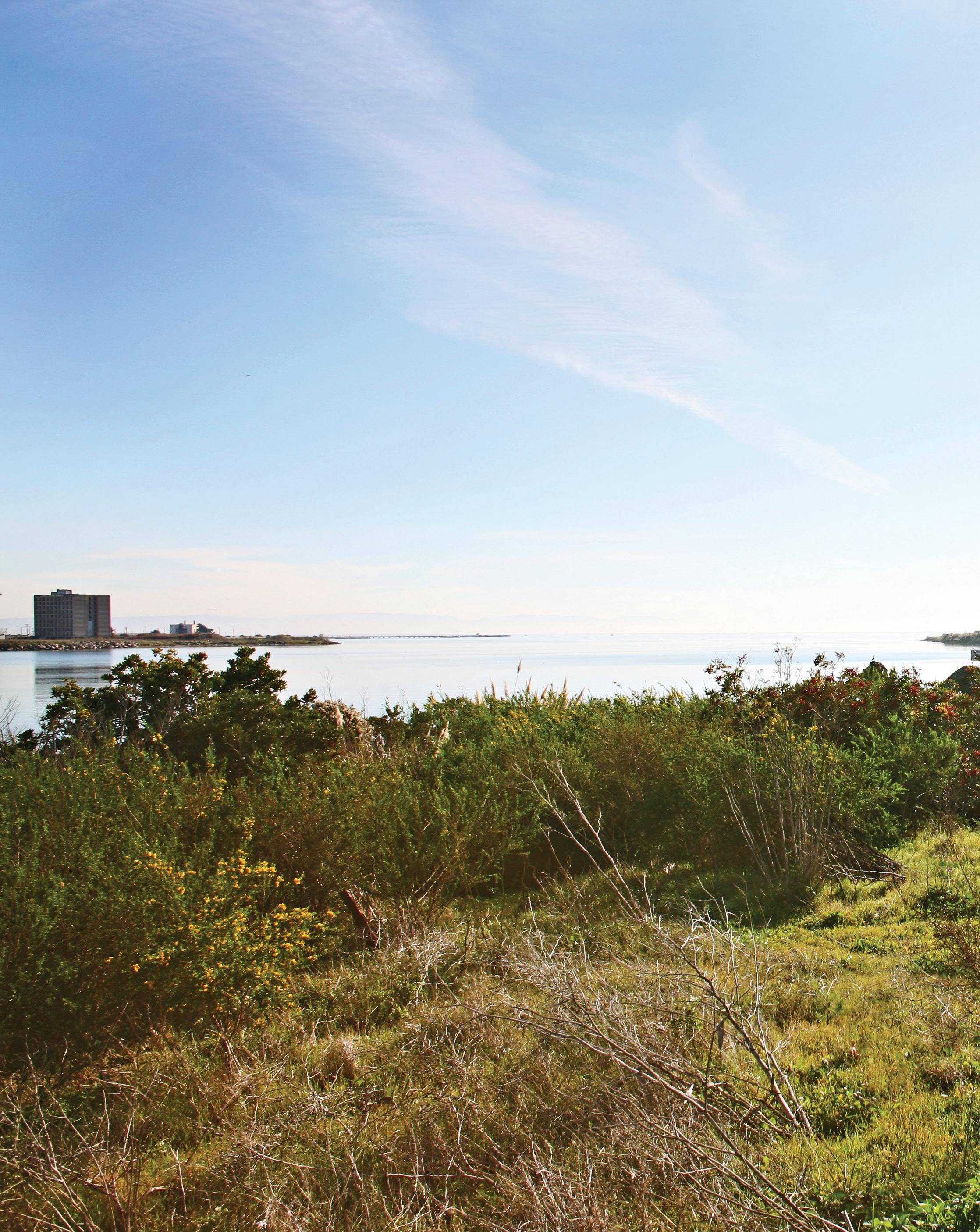
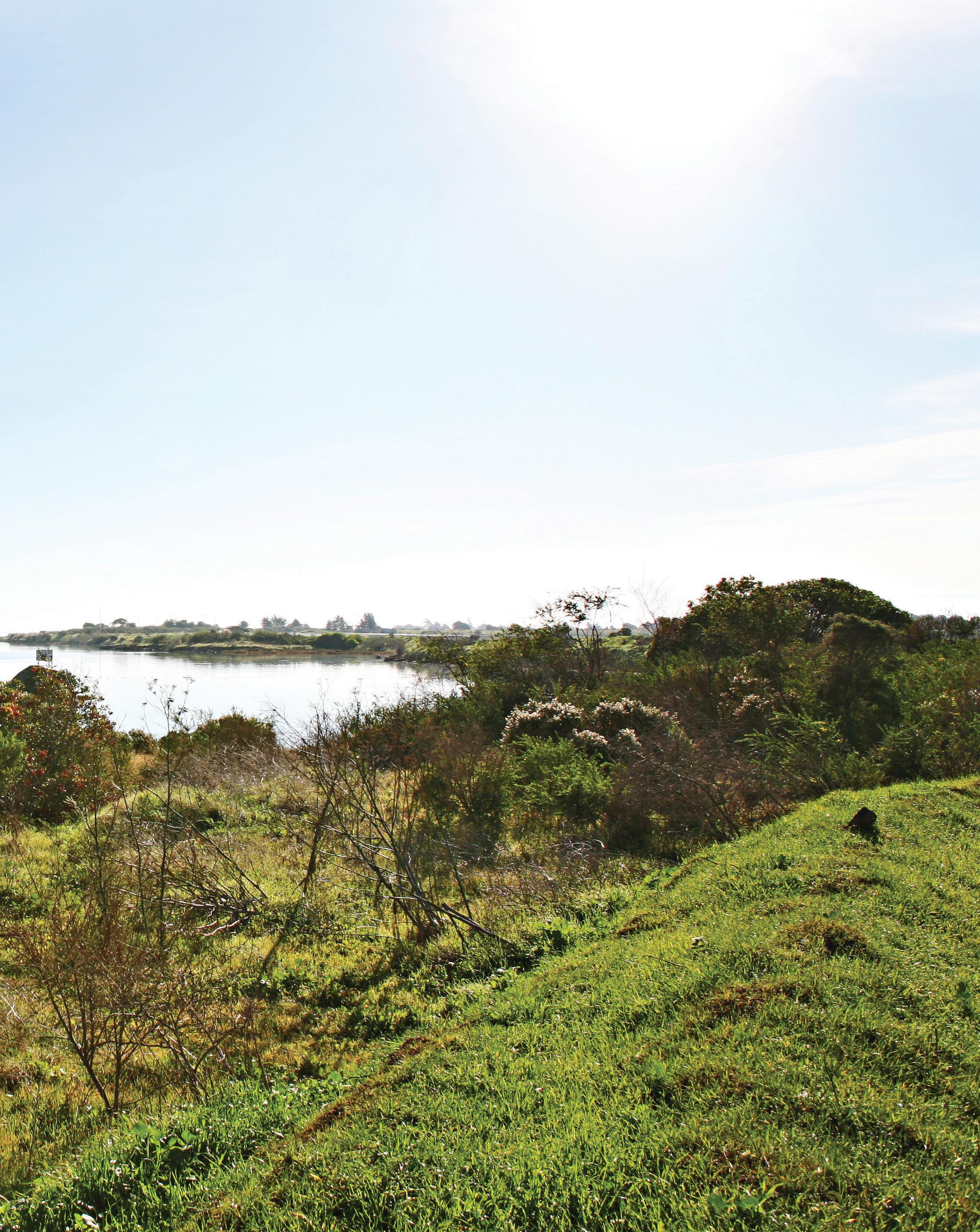
Improvements to Candlestick Point State Recreation Area include planting, infrastructure projects, and completion of the Bay Trail.
alifornia State Parks Foundation and the Department of Parks and Recreation broke ground at Candlestick Point State Recreation Area this July. For the past 20 years, we’ve been deeply committed to restoring the Yosemite Slough portion of the park and opening it to the community for public access, education, and improvement of community health.
The new park improvements will include the infrastructure needed to maintain and operate the park’s north shoreline area, along with planting more than 4,000 plants, trees, and shrubs.
Historically, the area was a tidal marsh inhabited by the Ramaytush Ohlone people and a critical
stopover for migrating birds – but it was altered during industrial development and over time became covered with dilapidated warehouses and construction debris. In June 2012, we successfully completed Phase 1 of the project, which involved restoration of the wetlands on the north side. For Phase 2 – which we started this year — the project is broken into subphases that address access and visitor usage.
Our current focus is Phase 2A, which involves extensive planting and paves the way for increased public access and usage of the Bay Trail. As we work on Phase 2A of this project, we remain steadfast in achieving our vision of increased park access in southeastern San Francisco, one of the most park-poor and underserved areas of the city.
To learn more about the Yosemite Slough restoration and access project, visit calparks.org/yosemiteslough
Support for Phase 2 is generously provided by California State Coastal Conservancy, the Richard and Rhoda Goldman Foundation, the California Natural Resources Agency (Urban Greening), Hellman Foundation, William Randolph Hearst Foundation, S.D. Bechtel, Jr. Foundation, the Barkley Fund, Arlin Weinberger, Union Bank of California, California State Parks, and California State Parks Foundation Board Members.

The plants for this project are composed of nearly 100% native Bay Area plants, with the goal of mimicking the coastal sage scrub and oak woodland ecotypes. These are some of the many plants you’ll find once the planting has finished:
CALIFORNIA SAGEBRUSH 877
PURPLE NEEDLEGRASS 876
SILVER LUPINE 760
CALIFORNIA BUCKWHEAT 713
YELLOW EYED GRASS 413
COYOTE BRUSH 335
CANYON PRINCE WILD RYE 243
SKYLARK CALIFORNIA LILAC 180
DOUGLAS IRIS 177

Plus, over 500 other trees, herbs, shrubs, and grasses.
hile this year’s Earth Day looked a bit different, it still focused on Californians making the most out of their state parks. Due to COVID-19, we redirected $75,000 in funds to help address immediate needs in our parks, in place of hosting our annual Earth Day events across the state. For the safety and wellbeing of Californians, many parks had to temporarily close – but with the help of the PORTS (Parks Online Resources for Teachers and Students) program, K-12 students were able to continue connecting with their state parks through interactive, virtual field trips.
California State Parks Foundation has been a long-time partner and supporter of PORTS, which was launched in 2004 by the Department of Parks and Recreation so students experiencing geographic and socioeconomic barriers could participate in state park programs. Now, with COVID-19 affecting all aspects of life, these remote classrooms have become even more essential, allowing students to interact directly with park professionals and access their state parks no matter the circumstance.
Distance learning is critical right now, and we wanted our grant funding to reflect the importance of that. Since we had to cancel all our in-person Earth Day events, we shifted some of those funds to PORTS virtual learning opportunities.
Leo Carrillo State Park, South Carlsbad State Beach, and Angel Island State Park all received grant funding from California State Parks Foundation to help purchase equipment and implement distance learning programs to educate the public about these beautiful parks and their resources.
It’s an important time to continue investing in our green spaces, and the Earth Day 2020 effort was an example of what we can achieve together. Your support is making these learning opportunities possible for students! Visit calparks.org/earthdaygrantees for more information and the full list of grantees.
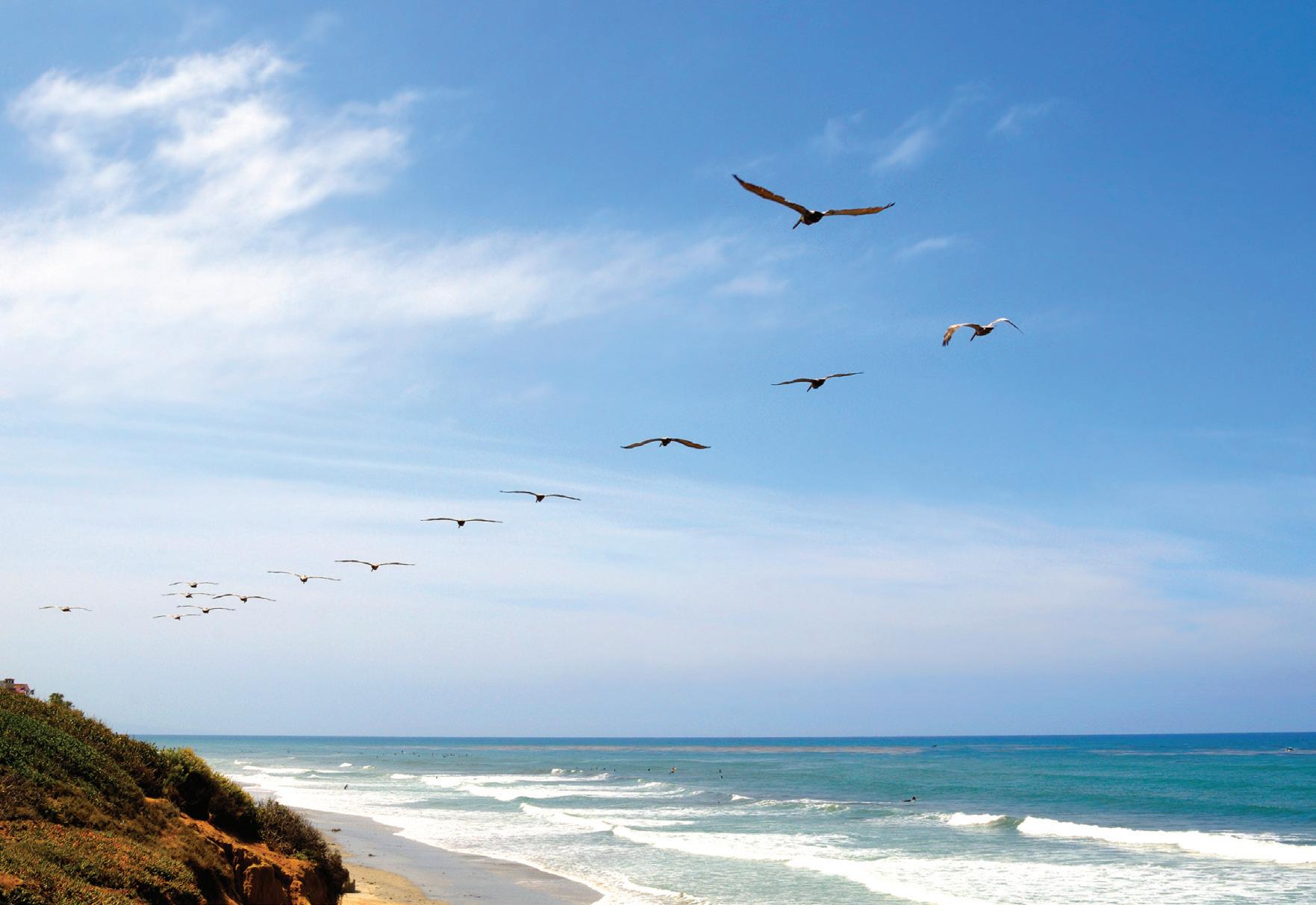
Bringing together strong voices for parks and park users.
n this historic moment for racial justice, building equity in the outdoors starts from within.
We believe access to California’s state parks is a fundamental right – and everyone deserves to experience the benefits they provide. As an advocacy organization, we believe in systemic change to ensure more opportunity and inclusivity for future generations.
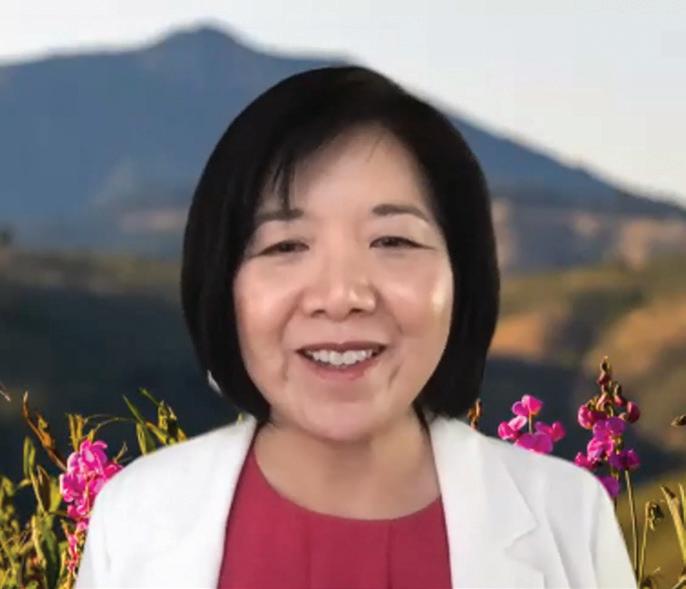
Throughout the summer, we held discussions on pressing issues facing parks — one of our most attended being Building Equity Outdoors. We were joined by long-time leader in outdoor inclusion, Katherine Toy. The newly appointed State Parks and Recreation Commissioner discussed how to meet the moment and come together to build a more just world, in the outdoors and beyond.
“When there is a presence of an absence, you end up with an absence of presence,” Katherine Toy quoted Jack Tchen from NYU. These words became the basis for the conversation, as she recognized the absence of people of color in our parklands.
While there is much access-related work to be done (through methods such as providing transportation and reducing entrance fees), this is only the first step. Visitors must have positive and meaningful experiences — they have to want to come back. Who do they see when they arrive? What cultural landmarks have we chosen to preserve? What do we value and showcase? Whose history and stories are being told?
When we answer these questions and visitors feel safe and welcome, we can instill a sense of connection to parks and a sense of belonging.
While we and the outdoor sector as a whole have a long way to go, we’re committed to making change. We must look within and reform our own systems to uplift the experiences of others and create a state parks system that is truly for the benefit of all.
To watch the Building Equity Outdoors webinar and view others, visit calparks.org/webinars
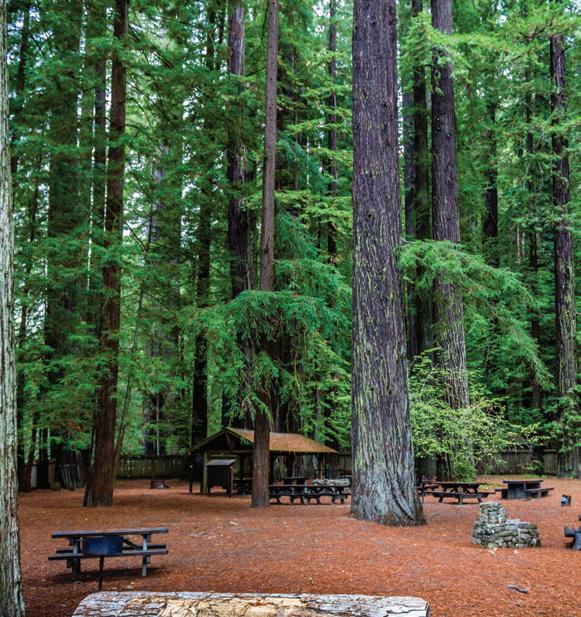

Twenty miles south of Eureka lies this small state park, less trafficked than the other betterknown redwood state parks. Don’t discount it, however, as Grizzly Creek Redwoods was used as a filming location for the movie Return of the Jedi.
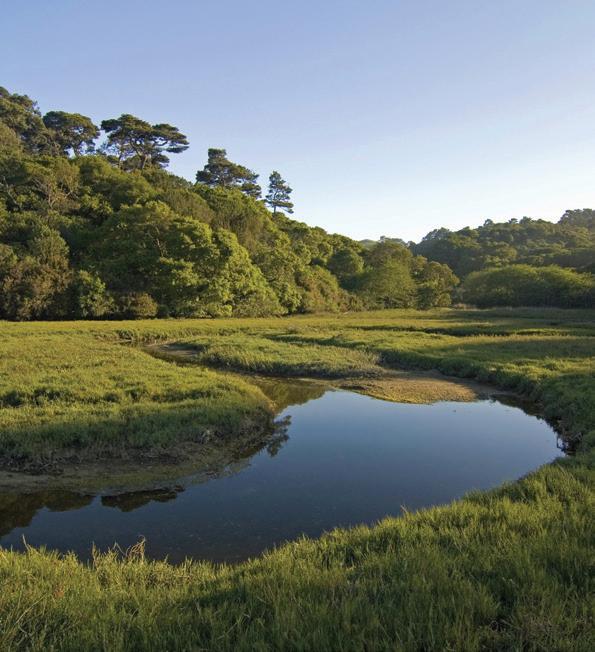
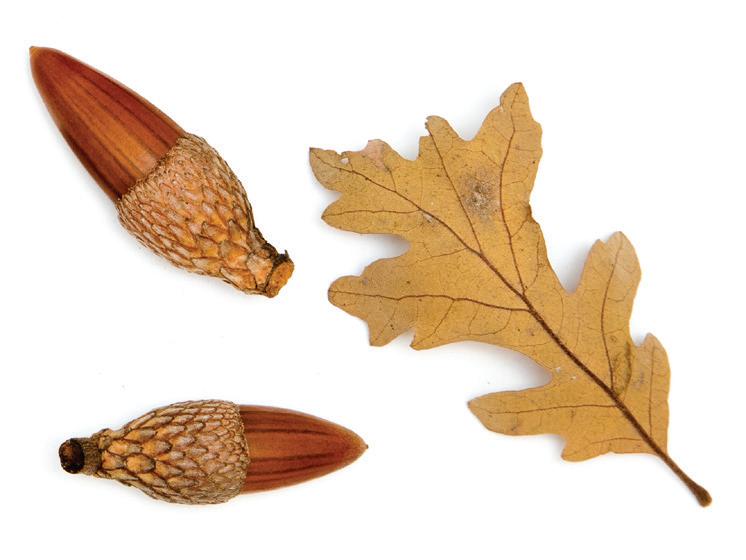
When visiting this ancient forest, you’re entering one of the rarest habitats in California: the riparian woodland. This type of environment supports many microclimates, including a valley oak forest. Some of these oak trees are more than 60 feet tall and have a circumference of up to 17 feet!
Tomales Bay State Park in Marin County offers foggy, peaceful mornings and breathtaking views of the California coast. Oyster farming and dairies have long been a staple of life in this region, and you can easily view the picturesque landscapes and lose yourself as you drive to the north end of the park.
This centuries-old park is full of moss-draped oak trees and a variety of unique plant life. The year-round climate is mild, and it’s located only eight miles from San Luis Obispo. Originally, the region was home to the Chumash and Salinan tribes, who named it Los Osos for the grizzly bears that once roamed the area.
s we all continue to be conscious of social distancing, we wanted to compile a list of less-visited state parks you can visit this fall. Autumn is a beautiful time in California, and we hope you make the most out of these gems closer to home! Before you venture out for a park excursion amid COVID-19, make sure you’re prepared by following our tips at calparks.org/staysafe.
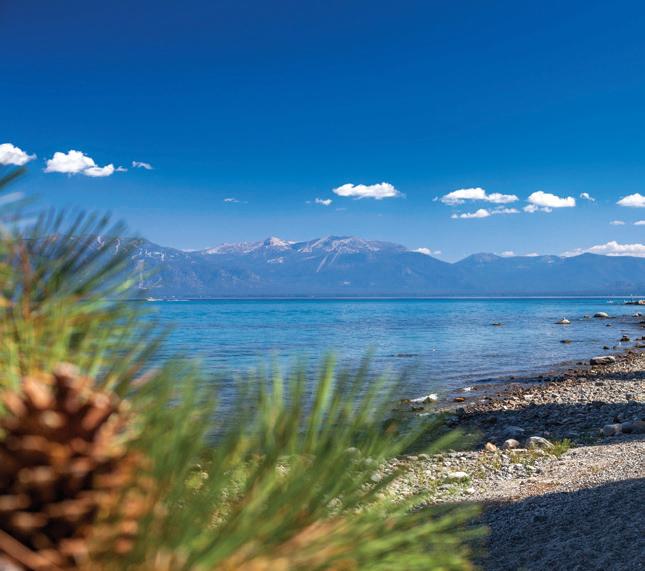
This pine-filled park is the largest of the state parks at Lake Tahoe. Experience the grandeur of the area by using the many trails that offer excellent views of the lake! You can take a step back in history by visiting trails that were used in the 1960 Winter Olympics, which took place in Squaw Valley.

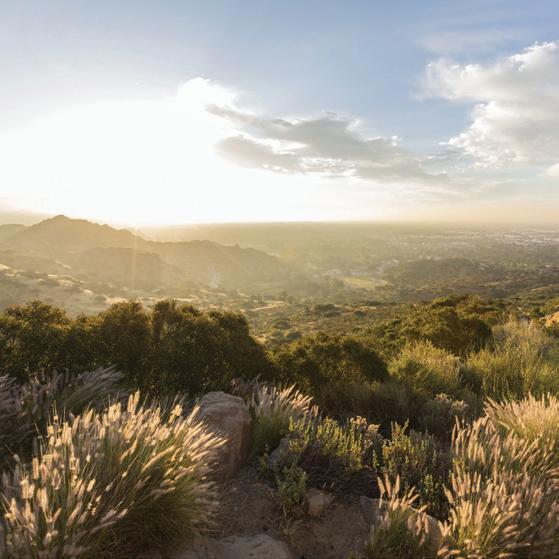
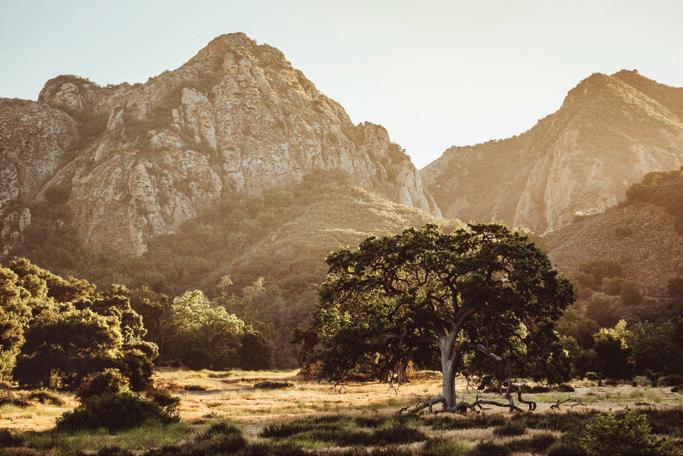
Located on the border between Los Angeles and Ventura counties, this park has panoramic views of high ridges and deep canyons. The rugged natural landscape offers 360-degree views of the Los Angeles valley and features many historic Chumash sites, including grinding basins and camp sites.

In celebration of our 50 years protecting and preserving the California state parks system, we’re honoring exceptional champions who have advocated for parks through the years.
n 1978, we hired a new temp to log checks and make camping reservations for members. This serendipitous work placement started the 42-year working relationship between California State Parks Foundation and Beverly Clark. After quickly excelling in the office, she was offered a permanent position that same year.
As our former office manager, Clark was an integral part of building the organization. From manually booking camping reservations for members in the 1970s, to setting up the very first office computers, she has seen us evolve through it all.

She had, and still has, a clear vision for state parks. “To me, the future of state parks looks like no one worrying about how to visit or get to these places. Everyone should be welcomed up and down the state – whether they’re black, white, purple, or green. It shouldn’t matter.”
Clark even started laying the groundwork for the access work we do today, advocating for more representation outdoors.
“I remember a meeting back in the day when we were discussing people of color visiting parks, and how we could encourage that more. I said, ‘First of all, you need to stop putting only white people in photos, because black people are not going any place where they see all white.’ Representation matters. They took it in stride, and I started seeing change.”
Without a doubt, our organization would not be what it is today without the tireless commitment of Beverly Clark. If there is a single factor essential to the success of any parks system, it is the people, and she is a true park champion.
To read more about Clark and her connection to California state parks, visit calparks.org/beverlyclark
The impacts of COVID-19 have been felt by every individual, family, community, business, and industry. California’s parklands are no exception. We launched this summer 2020 grant round to ensure parks are supported during the pandemic.
s COVID-19 remains a threat throughout California, it’s more important than ever that we get much-needed funds into the hands of organizations working in our state parks. The Keeping Parks Whole grant round is focused on helping state park organizations during these trying times. We awarded 20 grants to groups across the state, including:
n Outdoor Outreach, who will conduct programming around COVID-19 and connect youth to state parks near them, like Cuyamaca Rancho State Park and Torrey Pines State Beach. Part of this programming will include lessons on individual impact and how to be a safe and responsible user of public lands.
n Friends of Sutter’s Fort, who will use the funding to move programming online. In a typical year, over 50,000 students visit Sutter’s Fort for free or at a reduced cost. Although physical trips are not as possible at this time, funding will allow students to experience Sutter’s Fort State Historic Park from the safety of their homes.
n Los Angeles River State Park Partners, who will be using the funding in Los Angeles State Historic Park for a socially-distant event, procession, and altar to honor and remember victims of COVID-19, many of whom were people of color and disproportionately impacted by the virus.
These are just a few of the grants we awarded to incredible organizations that are dealing with the impacts of COVID-19. To see a list of all the grantees and their projects, visit calparks.org/keepingparkswhole
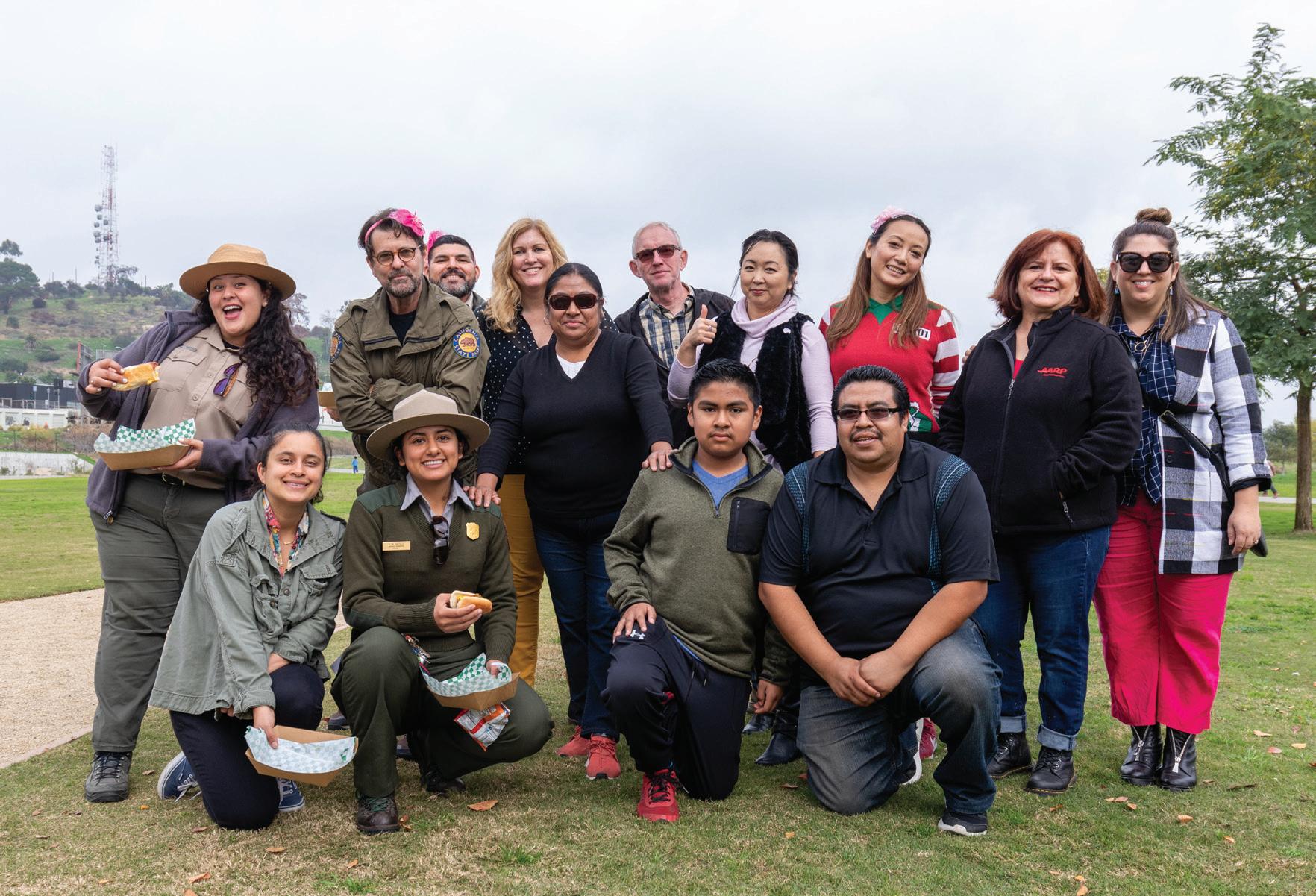
ravel has certainly changed this year, but road tripping to a California state park and camping is a good way to stay safe and get in touch with your local attractions. They may be closer to home, but they’re no less charming! Fantastic camping options abound in California, but here are some staff favorites:
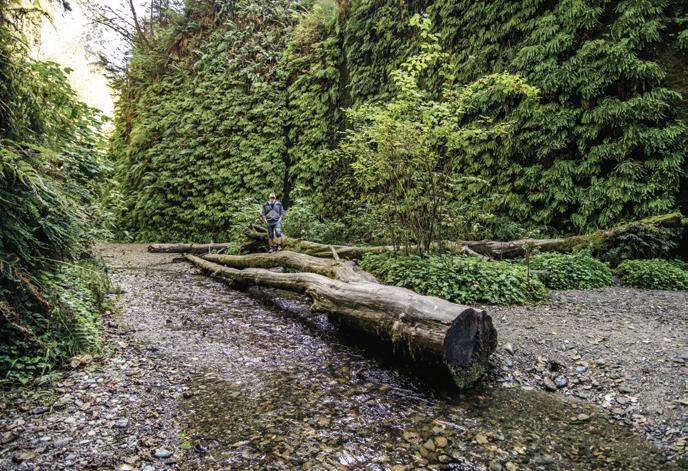
“Staying in Elk Prairie Campground at Prairie Creek Redwoods State Park is ideal. There are hiking options in the redwoods, Gold Bluffs Beach, and Fern Canyon – and there are a ton of elk which are amazing to see in person!”
– Haley, Programs and Advocacy Coordinator
“Austin Creek State Recreation Area is a hidden gem in the Guerneville area. The sunsets from Vista Point at the campground entrance are incredible! The drive to the campground is a narrow winding road, but the views and intimate 23-spot campground are worth it.”
– Ashley, Director of Engagement
“The yurts at Bothe-Napa Valley State Park are a fun way to change up the camping experience, and they are great for introducing first-time campers to spending a night outdoors!”
– Sam, Institutional Giving Officer
“Donner Lake at Donner Memorial State Park is our family favorite. It’s very accommodating to families and young children. There’s fishing, kayaking when the weather is warm, and you can roll around on bikes and scooters.”
– Holly, Director of Programs and Advocacy
“It’s incredible to wake up on a foggy morning among the towering redwoods at the Blooms Creek Campground in Big Basin Redwoods State Park. The extensive hiking trails throughout the park also give way to amazing views of the Monterey Bay, my favorite region of California.”
– Alex, Communications Coordinator
surf spots.”
– Randy, Director of Philanthropy

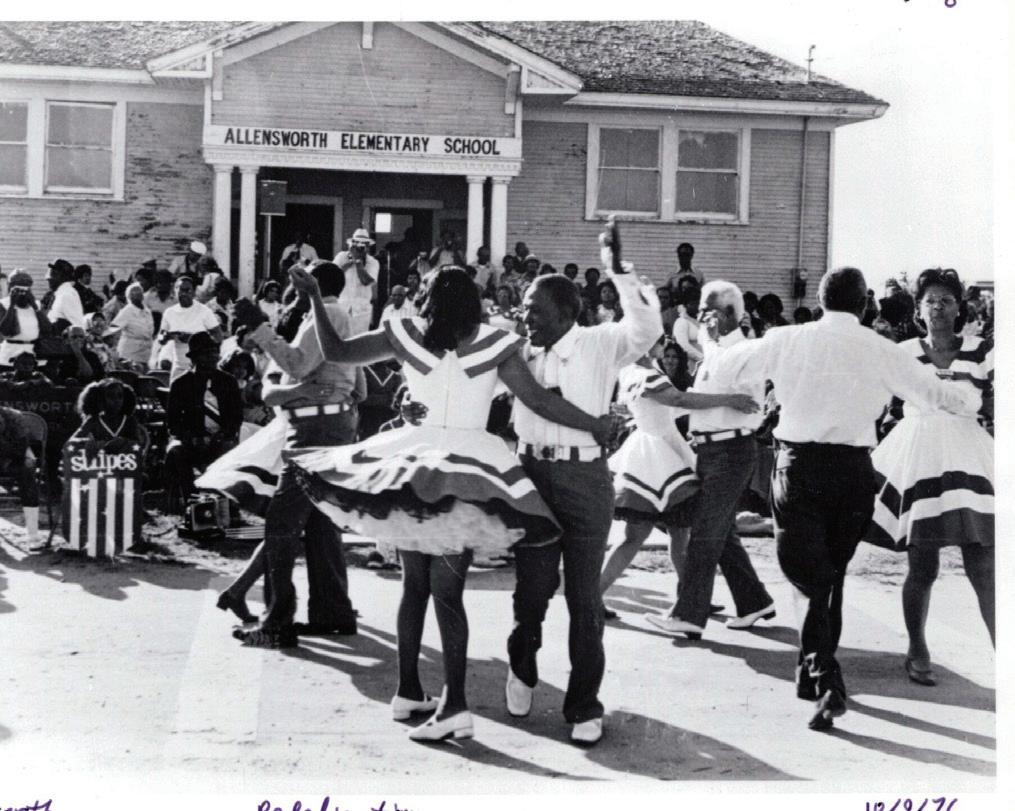
n 1969, Allensworth – the only California town founded, financed, and governed by Black Americans – was threatened with sale. County officials planned to sell over a dozen Allensworth properties to local ranchers.
Ed Pope, a young Black landscape architect and former resident of Allensworth, stepped up and prepared a proposal to preserve the historic town. He stated that the lack of representation of the Black experience in the California state parks system and the ongoing civil rights struggles should justify saving Allensworth.
William Penn Mott, Jr. (Director of the California Department of Parks and Recreation at the time and future founder of California State Parks Foundation) read Pope’s proposal and was supportive of the idea. In a 1969 letter to Governor Ronald Reagan, Mott wrote, “I believe we have been delinquent in our historical perspective and interpretation program in not having given attention to the contributions made by our Black citizens. The Allensworth project, at first glance, appears to me to be one which could give us a start in correcting that deficiency.”
Governor Reagan approved exploration of the project. The Allensworth Advisory Committee was formed, composed of leading Black historians, civic leaders, and former Allensworth residents, including Pope. Based on the recommendations of the committee and the outpouring of support for the project, the legislature decided to preserve Allensworth as a state historic park.
In October 1976, Colonel Allensworth State Historic Park officially opened. More than a thousand visitors attended the dedication of the park, which included the dance presentation pictured above. The dedication is still celebrated each year as a symbol of hope and to reaffirm the vision of the town’s pioneers.
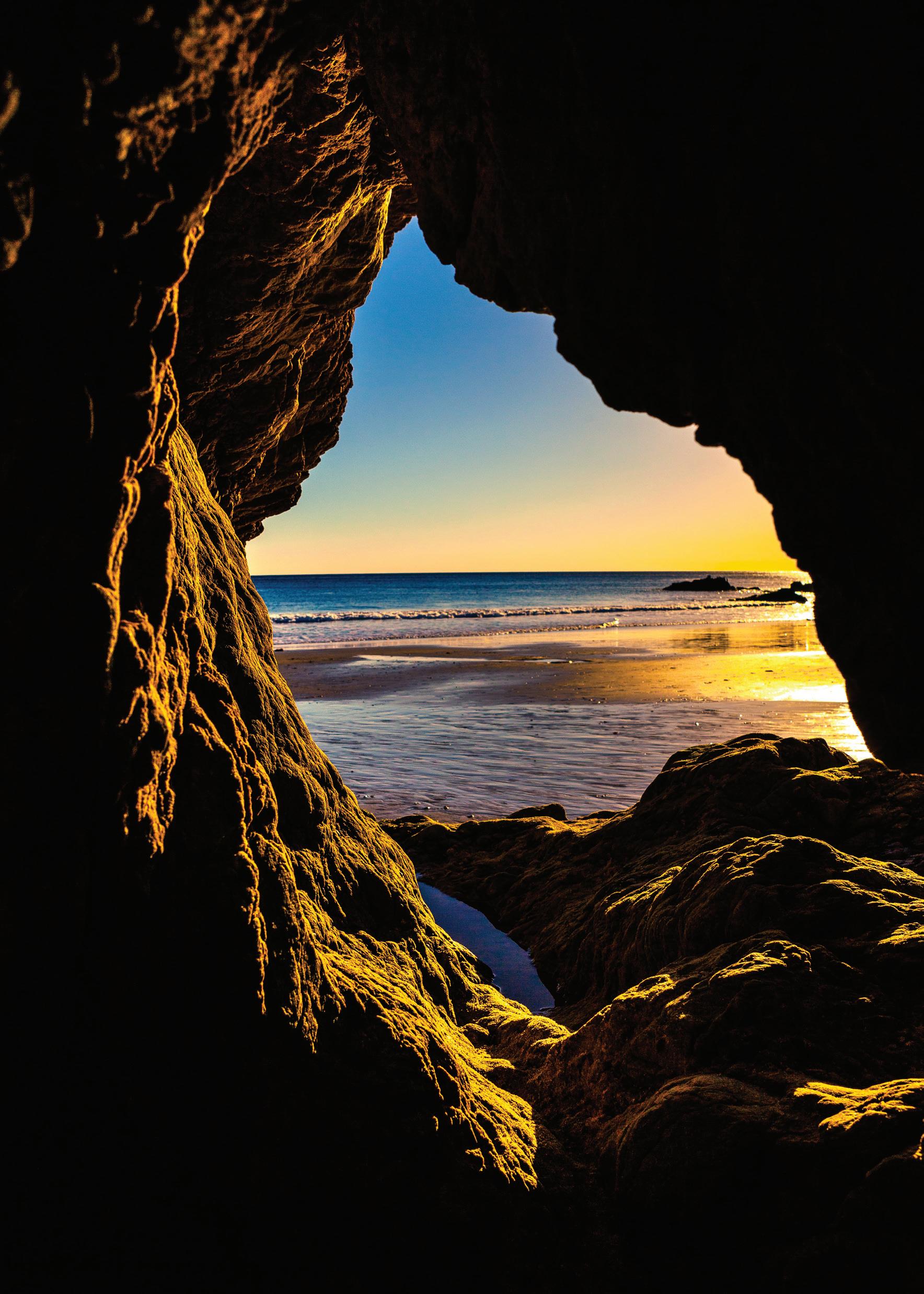
California State Parks Foundation is an independent, membersupported nonprofit that mobilizes a diverse network of Californians to be active champions for our state parks. Stay Connected Visit us online at calparks.org and follow us on social media: @calparks @calparks /calparks Front cover photo: Leo Carrillo State Park California State Parks Foundation 33 New Montgomery St., Suite 520 San Francisco, CA 94105 members@calparks.org
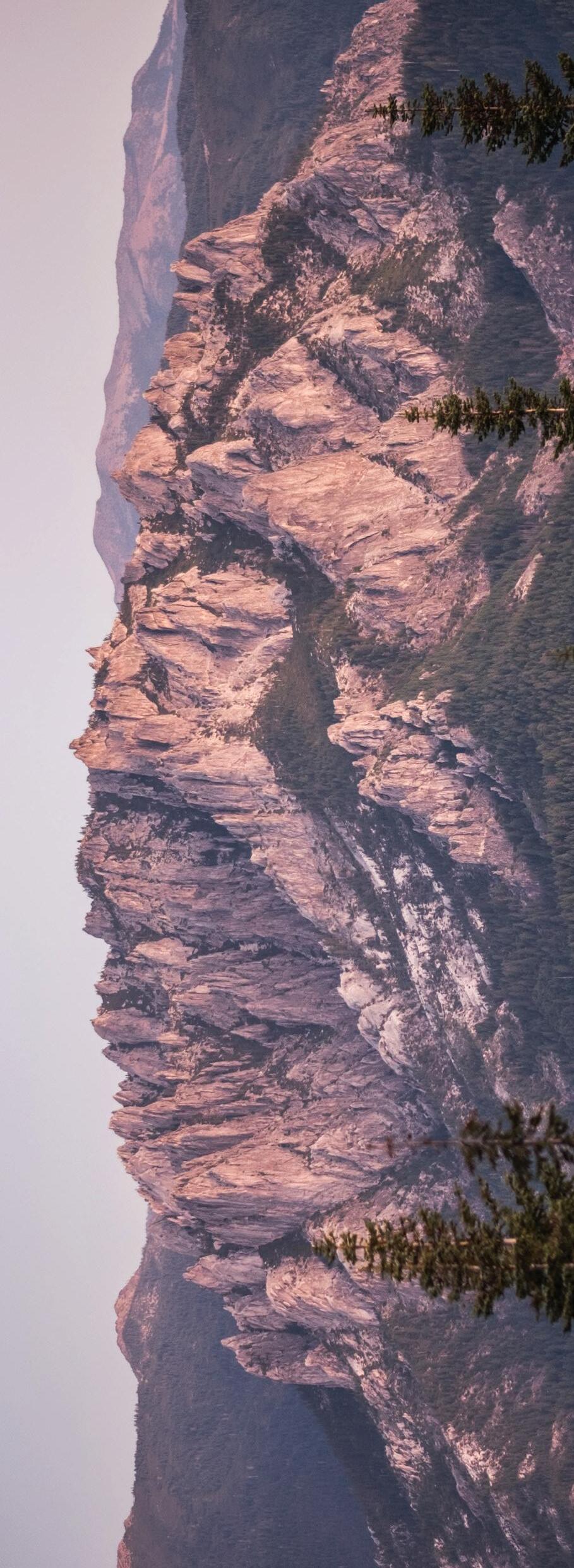
Castle Crags State Park