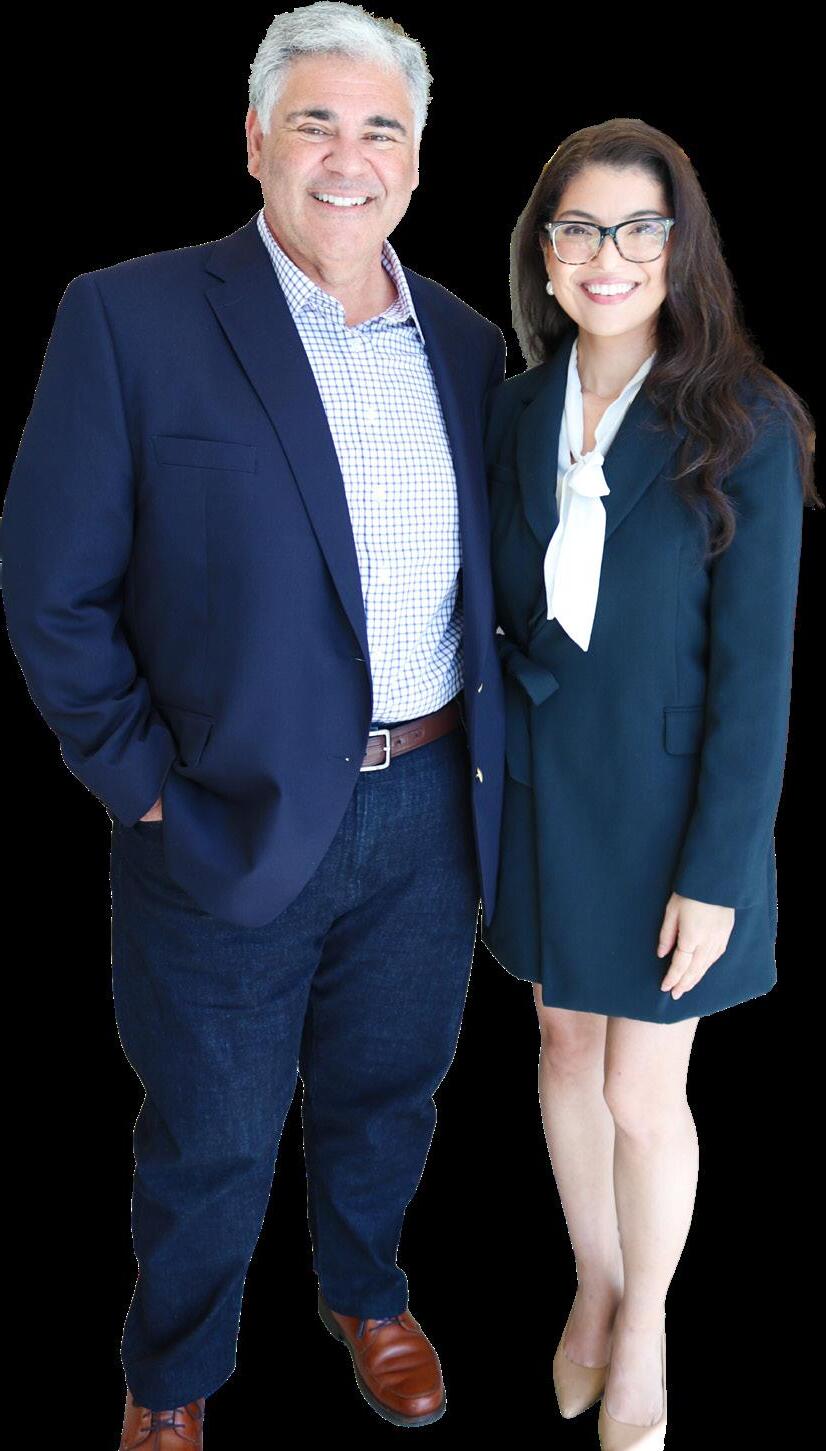
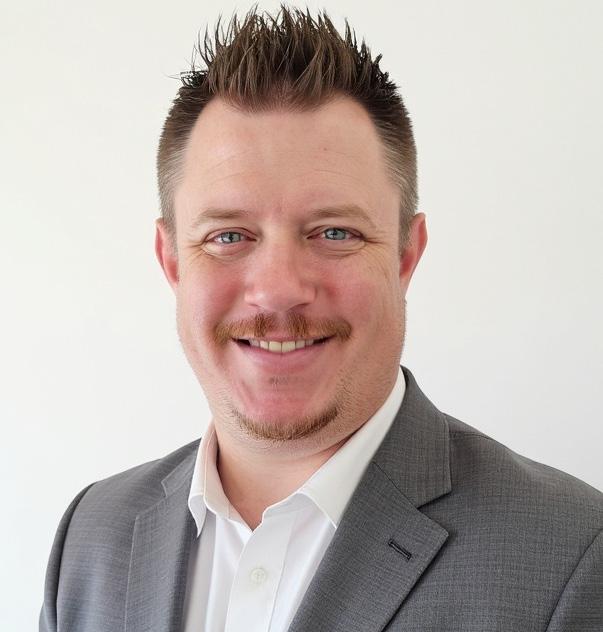
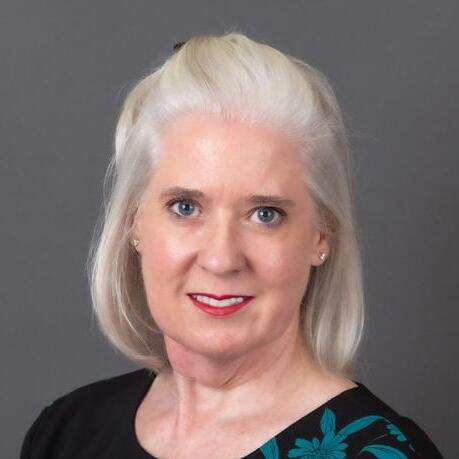
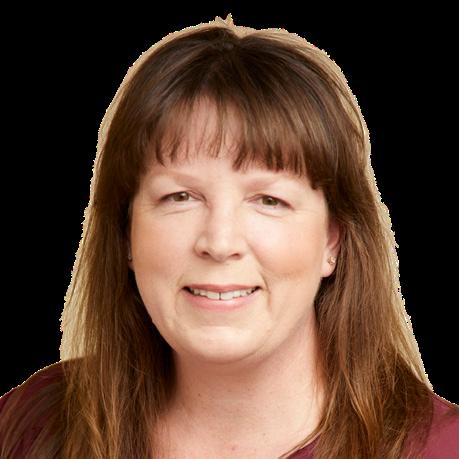
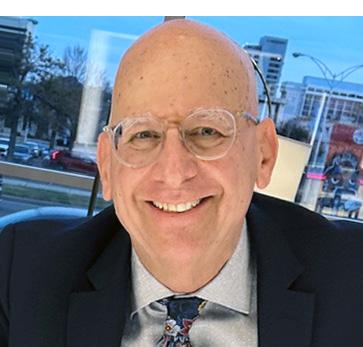
Jeff Farnsworth, CAMEx, CCAM-PM.ND Steward Property Services, Inc.
Andrew Hay, CAMEx, CCAM-ND.PM The Helsing Group, Inc., ACMC
Devin Langley, CCAM-PM.ND.CI The Management Trust –Central California
Lorena Sterling, CAFM Community Association Financial Services
Scott Swinton, CCIP Unlimited Property Services, Inc.
Vision Magazine is released digitally by CACM four times annually to members, industry partners and supporters of the California Association of Community Managers.
Magazine content copyrighted 2025. All rights reserved. No part of this publication may be reproduced without written permission from CACM.
Opinions expressed by authors do not necessarily reflect the policies of CACM. Mention of any product or service does not constitute an endorsement by CACM. CACM assumes no responsibility for return of photos or art and reserved the right to reject any editorial or advertising materials. CACM does not assume responsibility for the accuracy of articles, events or announcements listed.
Please address comments and suggestions to: California Association of Community Managers, Inc. 23461 South Pointe Drive, Ste. 200, Laguna Hills, CA 92653 949.916.2226 | communications@cacm.org
Attention CACM members: Have you changed jobs or moved to a new location? Reach out to us at communications@cacm.org to update your profile so you don’t miss your next Vision magazine or any other important CACM communications.
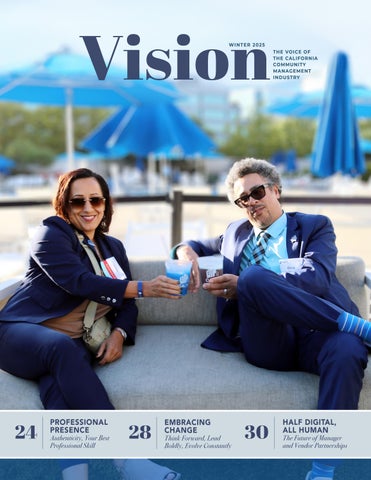
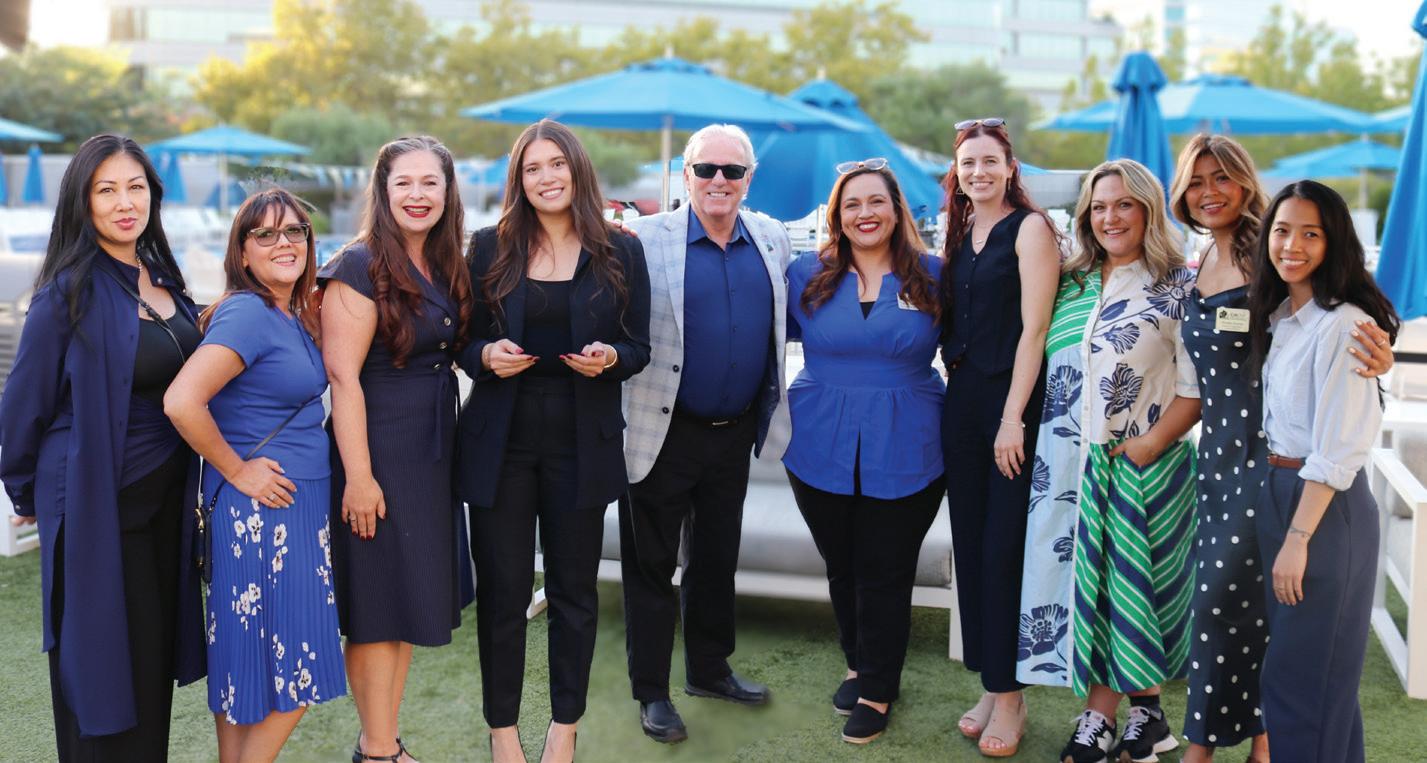
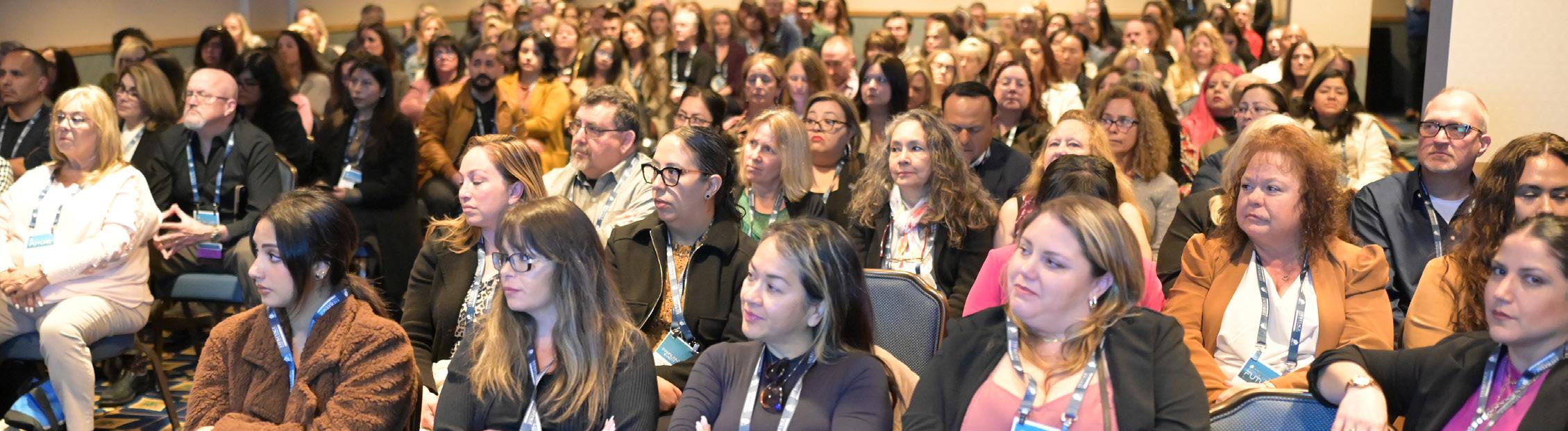
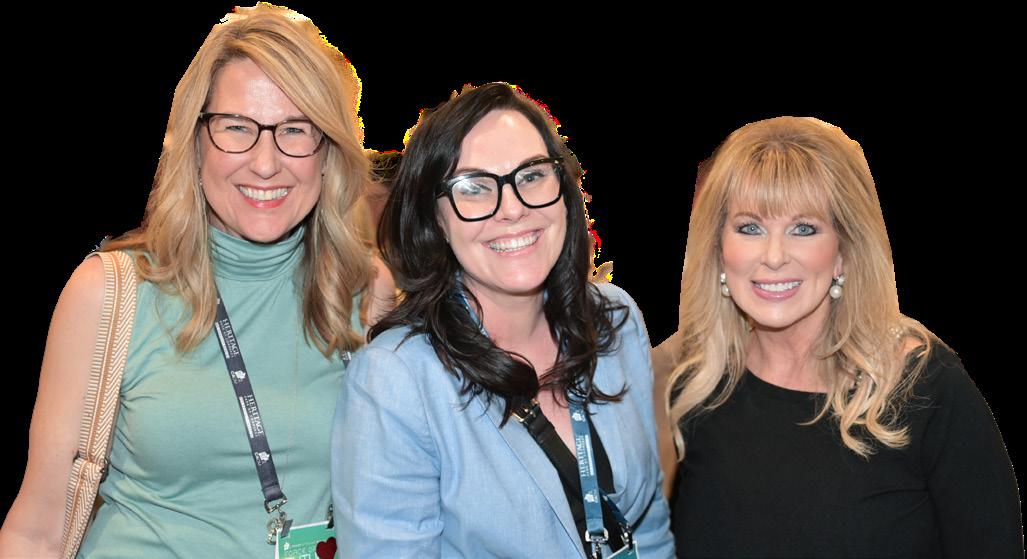
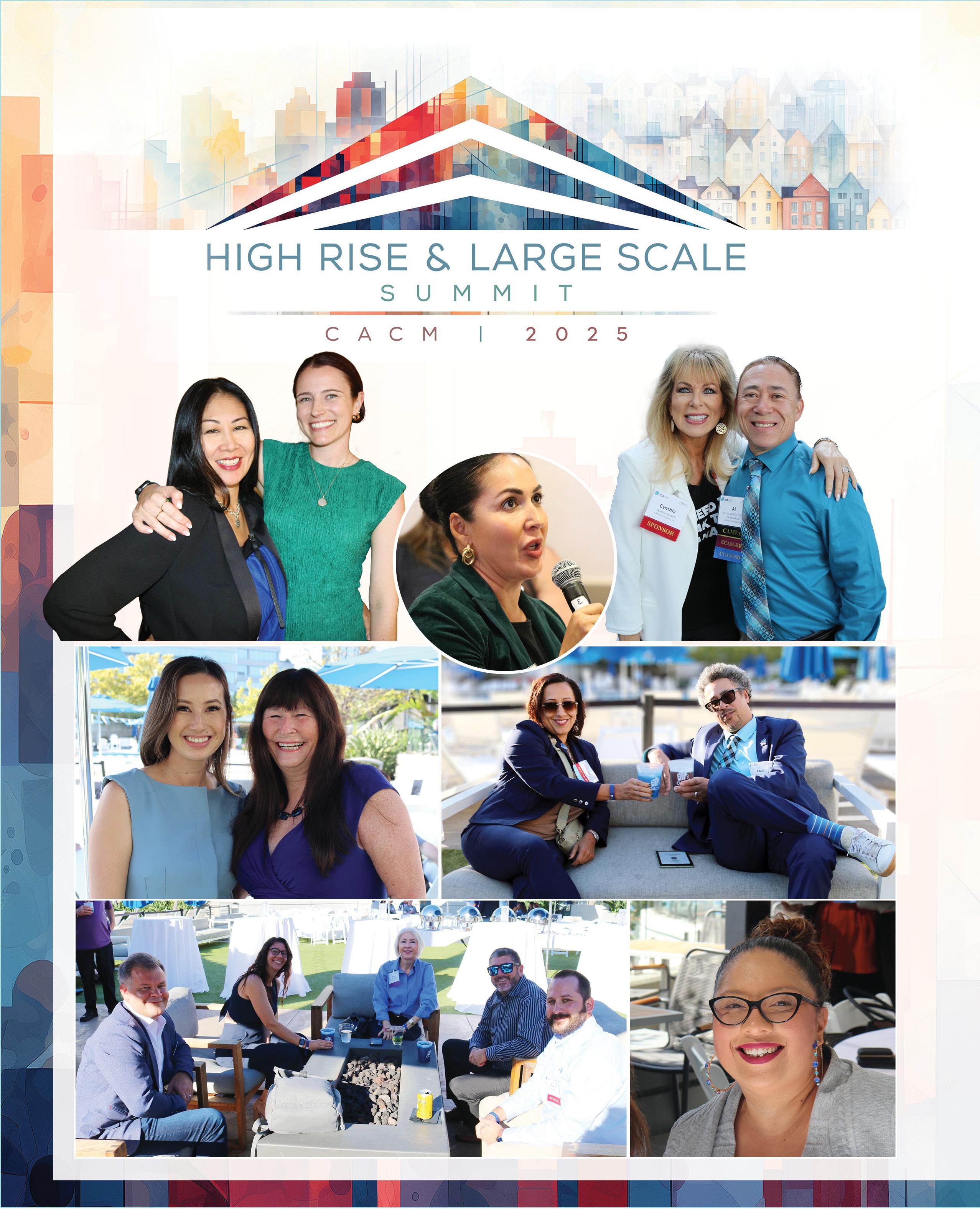
It was a sea of blue—were you there too? Our High Rise and Large Scale Summit brought together industry leaders, bold ideas, and plenty of unforgettable moments. Check out all the highlights from this year’s summit on page 48!
TURNING THE PAGE: REFLECTING ON 2025 & GEARING UP FOR AN EXCITING 2026
ENHANCING YOUR PROFESSIONAL PRESENCE: YOU ARE MORE THAN A PROMPT By Jeff Farnsworth, CAMEx, CCAM-PM.ND
THE EXECUTIVE CORNER: THE 2026 OUTLOOK By Adam Balkom
EMBRACING CHANGE IN A CHANGING INDUSTRY By Andrew Hay, CAMEx, CCAM-ND.PM
THE DIGITAL REVOLUTION MEETS HUMAN CONNECTION: CAN MANAGERS AND VENDORS STILL SYNC? By Scott Swinton, CCIP
BLAST FROM THE PAST: CACM THROUGH THE AGES By Celeste Huecias
BEYOND THE ALGORITHM: HIRING AND RETENTION IN COMMUNITY MANAGEMENT By Anne Lackey
FROM BURNOUT TO BALANCE By Devin Langley, CCAM-PM.ND.CI
PRACTICAL APPLICATIONS OF AI FOR COMMUNITY ASSOCIATION MANAGEMENT By Mitchell Drimmer
WHO DOES THE HOA MANAGER REALLY WORK FOR? By Mike Yarman, CCAM-LS.LM
AI AND THE FUTURE OF CAM MARKETING By John Leutermann
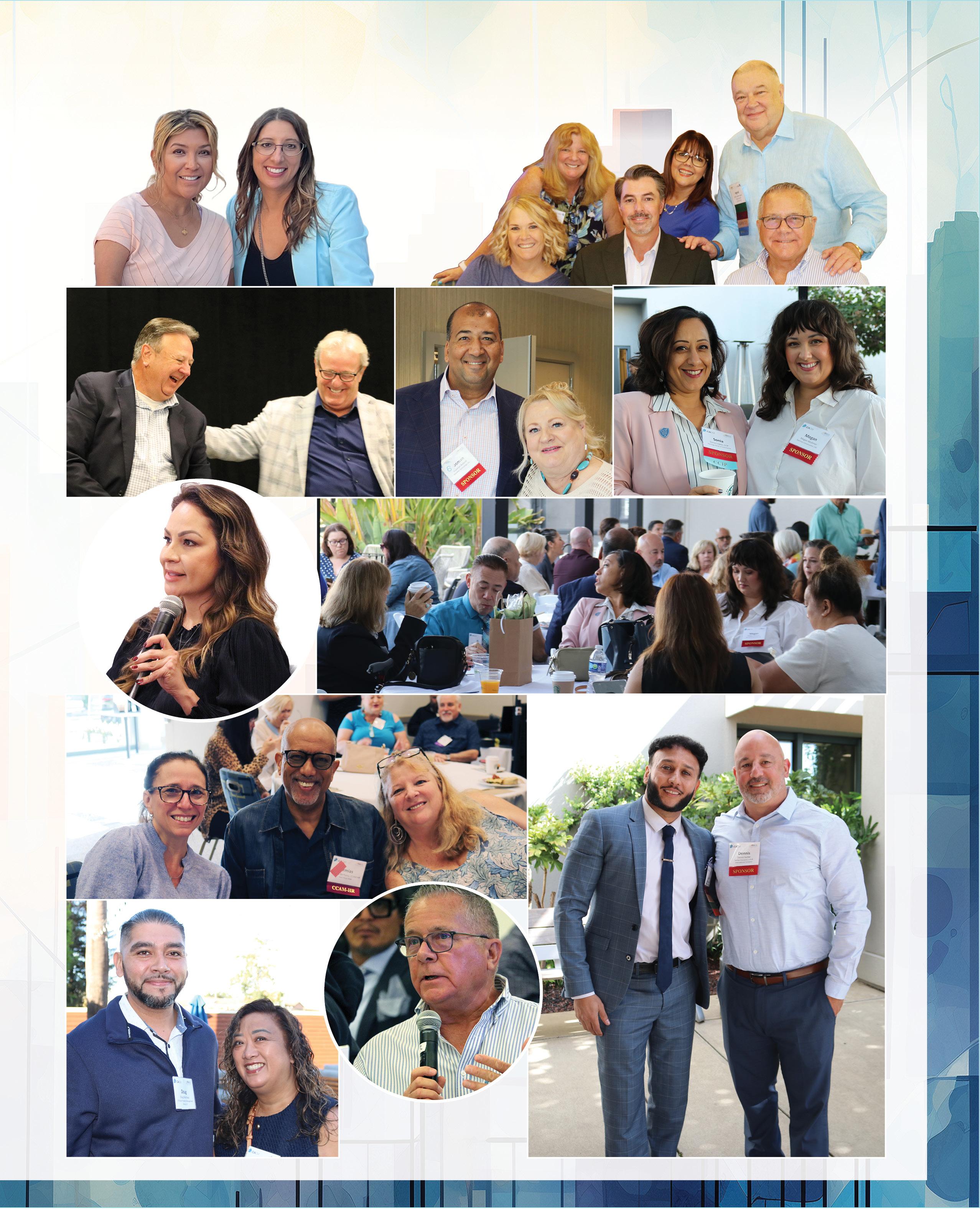
HIGH RISE AND LARGE SCALE PHOTO GALLERY
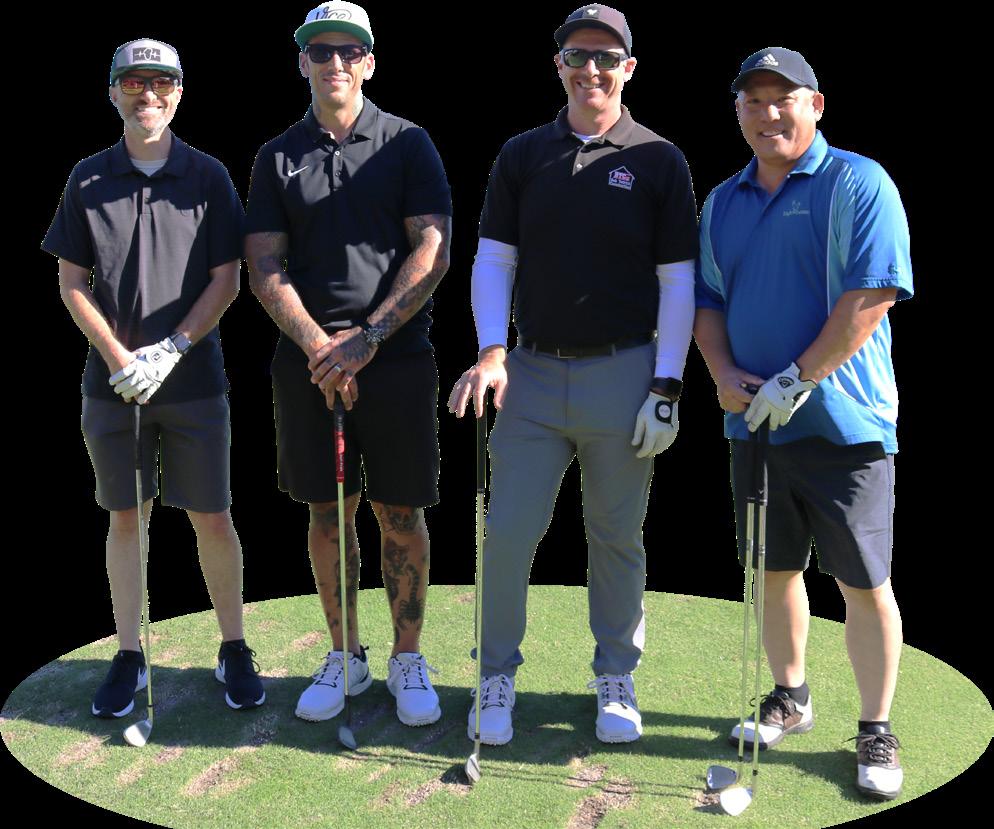
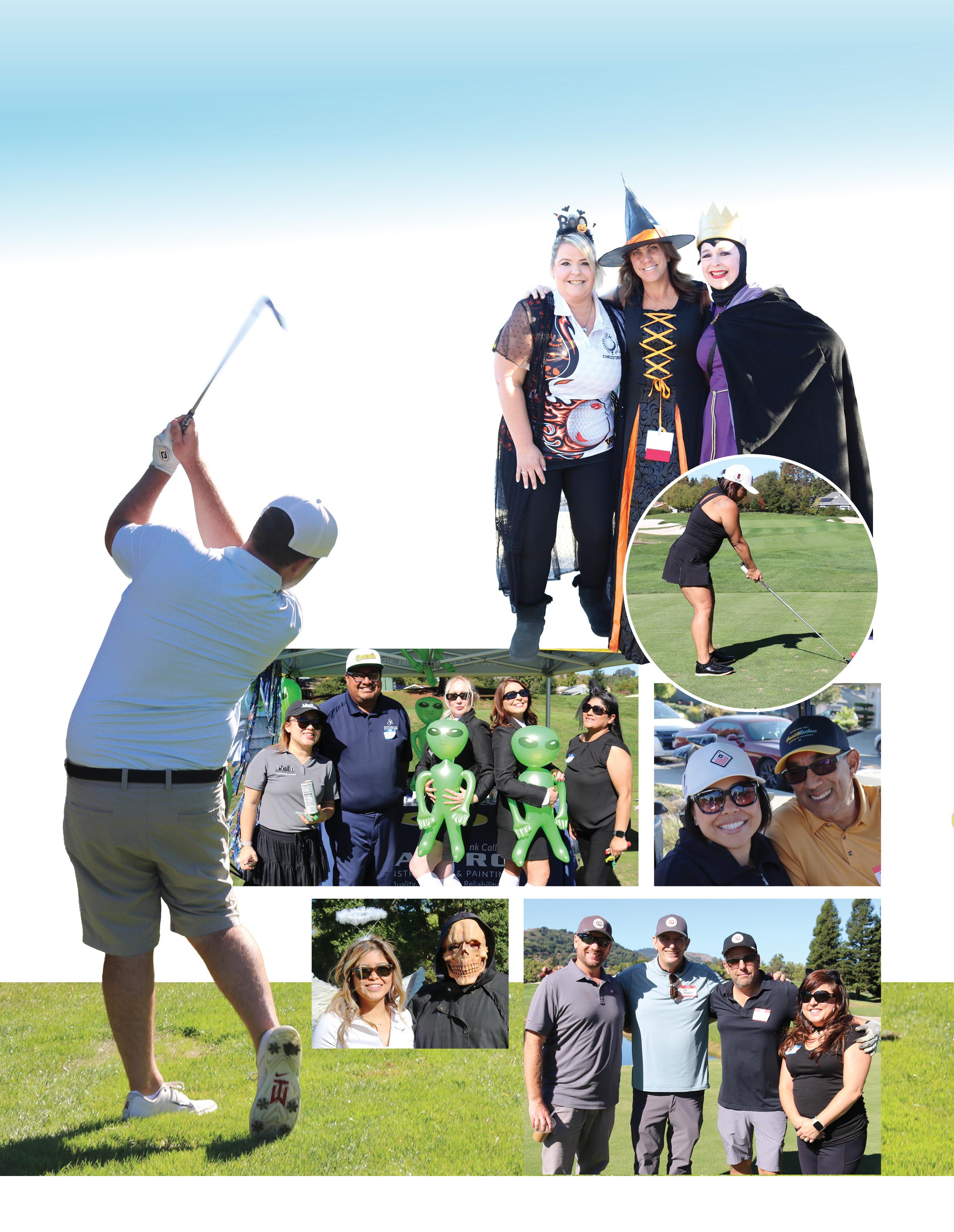
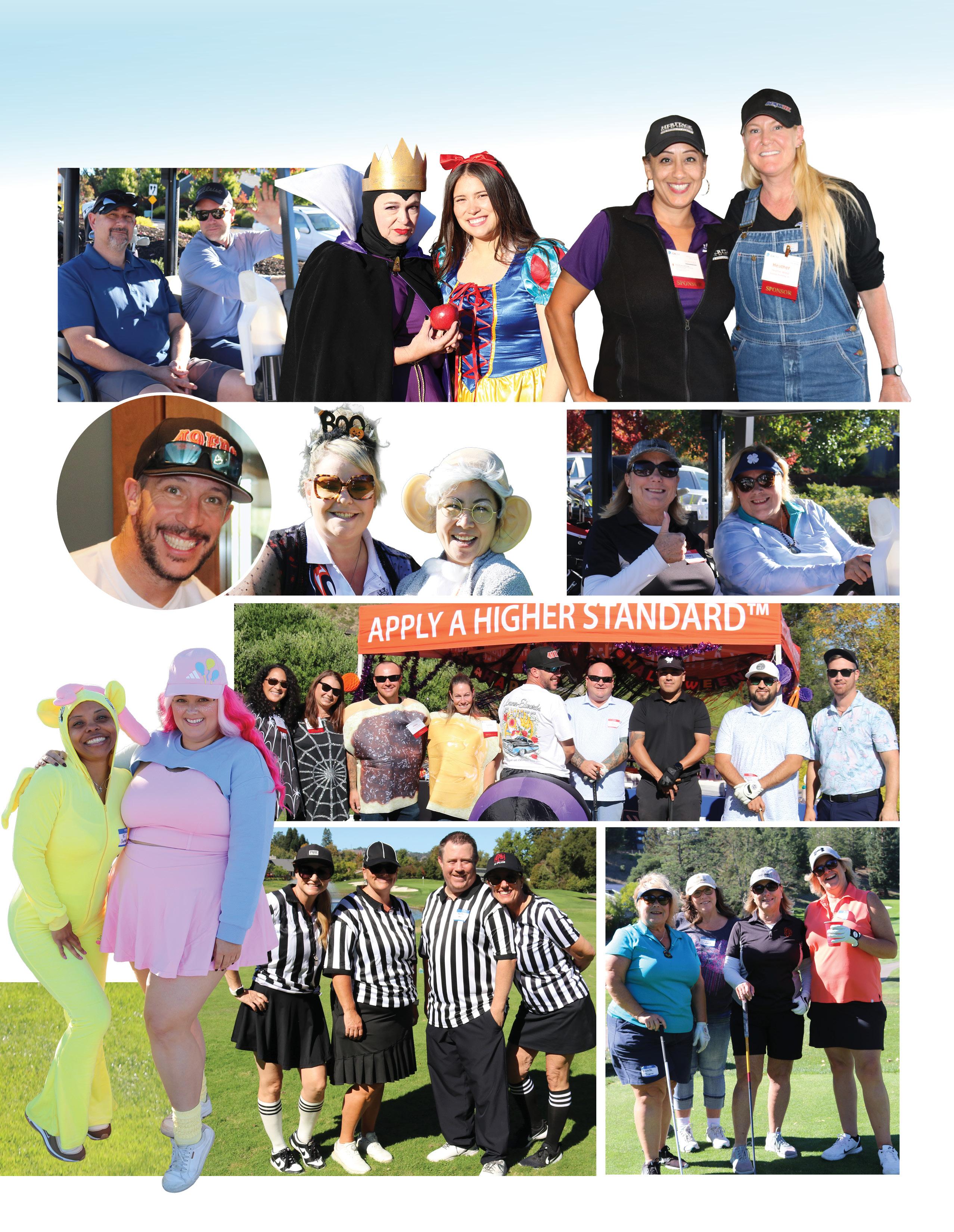
NORCAL GOLF: TRICK OR TEE
GALLERY
CEO’s message
Do you believe in Santa? I do. It’s not a religious thing to me though. Santa, to me, embodies a season. ‘Tis the Season, Jingle Bells, Christmas lights and trees. It all offers a brighter time of year. A happier time of year. “The Holidays” to me is a time of year where I can put down any guard rails I might have in place. It’s a time of year when random strangers say, “Happy Holidays”, “Merry Christmas” or any number of holiday sentiments, and without a prompt to do so. Life seems to simply be easier during the holidays. It helps me start thinking about the possibilities of the New Year. A new opportunity to do something special.
As I look at the possibilities in 2026, I find myself reflecting on what an incredible year 2025 has been for CACM and for our members across California. From educational events and regional gatherings to the 2025 Law Seminar & Expo, this year has been filled with learning, connection and meaningful progress for our community management professionals.
This edition of Vision is all about living in a digital world. We’ll reflect on how the industry has evolved, where it may be heading, the growing role of AI and most importantly, the relationships that keep us grounded. No matter how much technology we adopt, we must never leave our genuineness and humanity at the door. Within these pages, you’ll find articles that speak to everyone: the new manager navigating their first community, the entrepreneur seeking innovation, the executive leading through change and even those simply trying to make sense of how quickly our world is transforming.
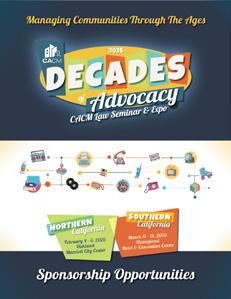
As we look ahead to 2026, there’s much to be excited about. Our upcoming California Law Seminar & Expo will kick off the year with the theme of Decades of Advocacy. We’re also proud to be expanding our educational partnerships and opportunities, ensuring our members have access to the very best professional development tools and experiences.
On behalf of the entire CACM team, THANK YOU! Thank you for your continued commitment, passion and professionalism. Your efforts, every single day, make this community what it is: a network of individuals who care deeply about the people and places you serve. Here’s to a joyful holiday season and a bright, inspiring year ahead.
Merry Christmas to All, and to All a Good Night.
Thomas Freeley, CAMEx, CCAM CEO of CACM
members in the news
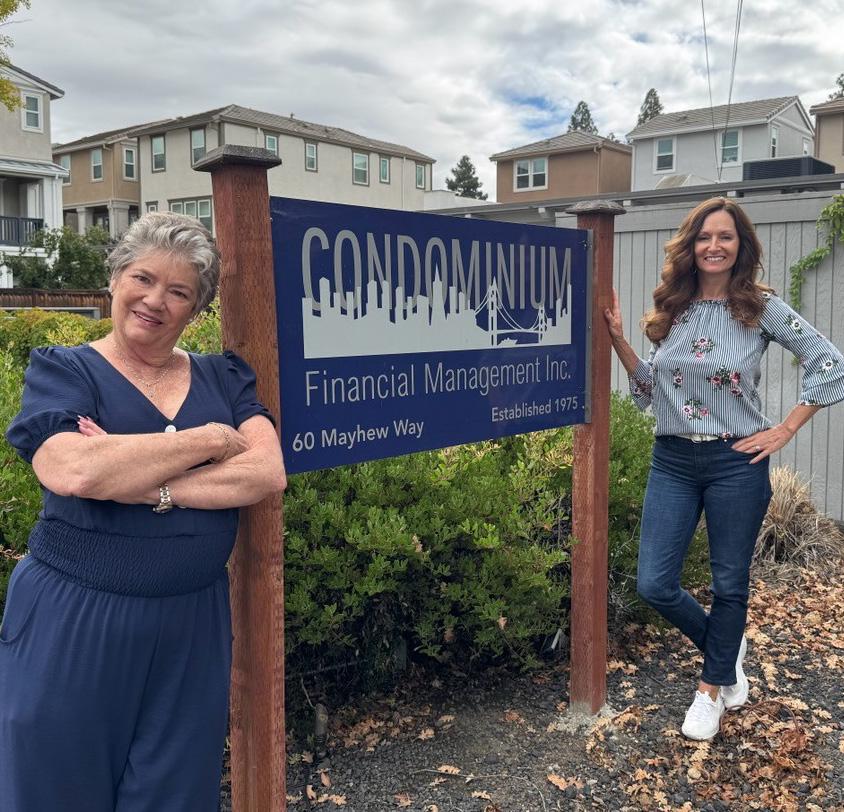
Condominium Financial Management, Inc. Marks 50 Years of Family Leadership and Industry Impact
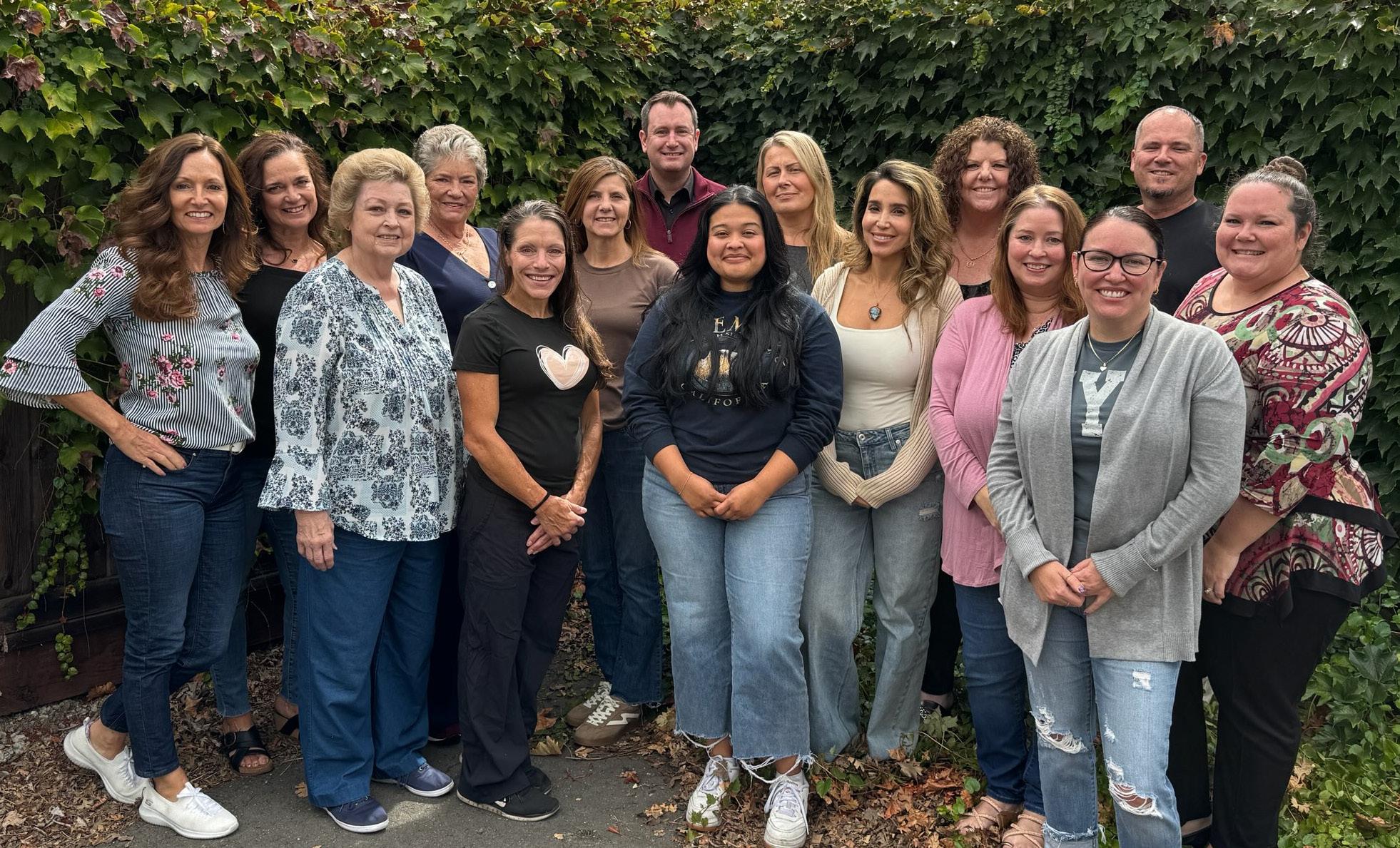
Condominium Financial Management Inc., ACMC (CFM) is celebrating its 50th year in business this year! Linnea Juarez, CCAM, CACM Lifetime Achievement Award recipient, founding member and a celebrated educator in the industry, continues in her role as CEO to this day. Her daughter, Stacie Donnelly, CCAM, joined CFM after graduating college 31 years ago, and oversees all company processes and day-to-day client management. This mother and daughter team have both served on the Board of Directors in the past and look forward to continuing the work they have always done while continuing to advocate for the industry! With a staff of 16, CFM has been celebrating this milestone all year starting with a weekend getaway at Dawn Ranch in Guerneville. This was followed by a catered celebration onsite at CFM’s first client, who joined in 1975 and is still a client today! Cheers to the next 50 years CFM!
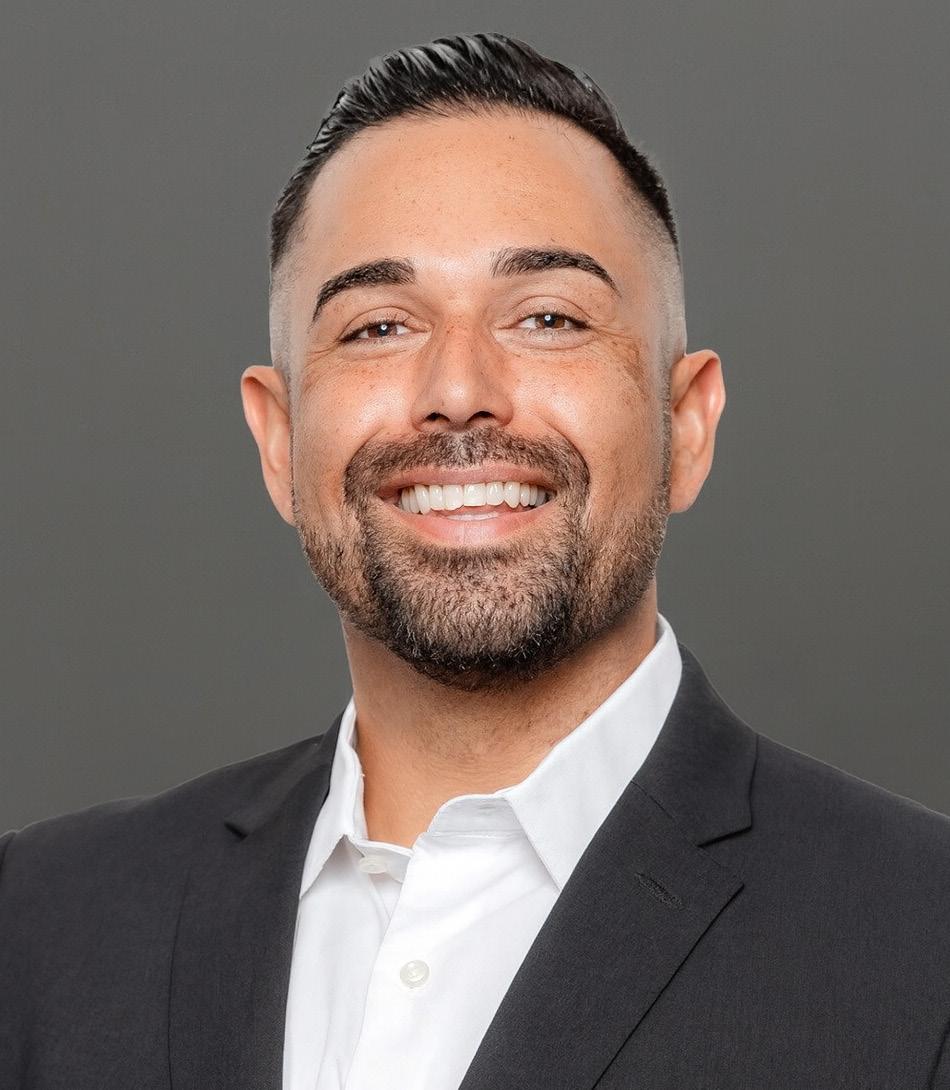
Cang Le Opens Boutique Firm!
Exciting news! Congratulations are in order for Cang Le, Esq. On September 25, Cang announced the opening of Le Firm, a boutique California law practice dedicated to serving HOA boards and businesses. With over 20 years of experience in HOA and business law, Cang aims to assist clients with high-stakes litigation and appeals, dispute resolution, mediation, arbitration, board training, compliance guidance and more. Congratulations on this exciting new chapter, Cang—we can’t wait to see what the future holds for you and Le Firm!
Cang Le
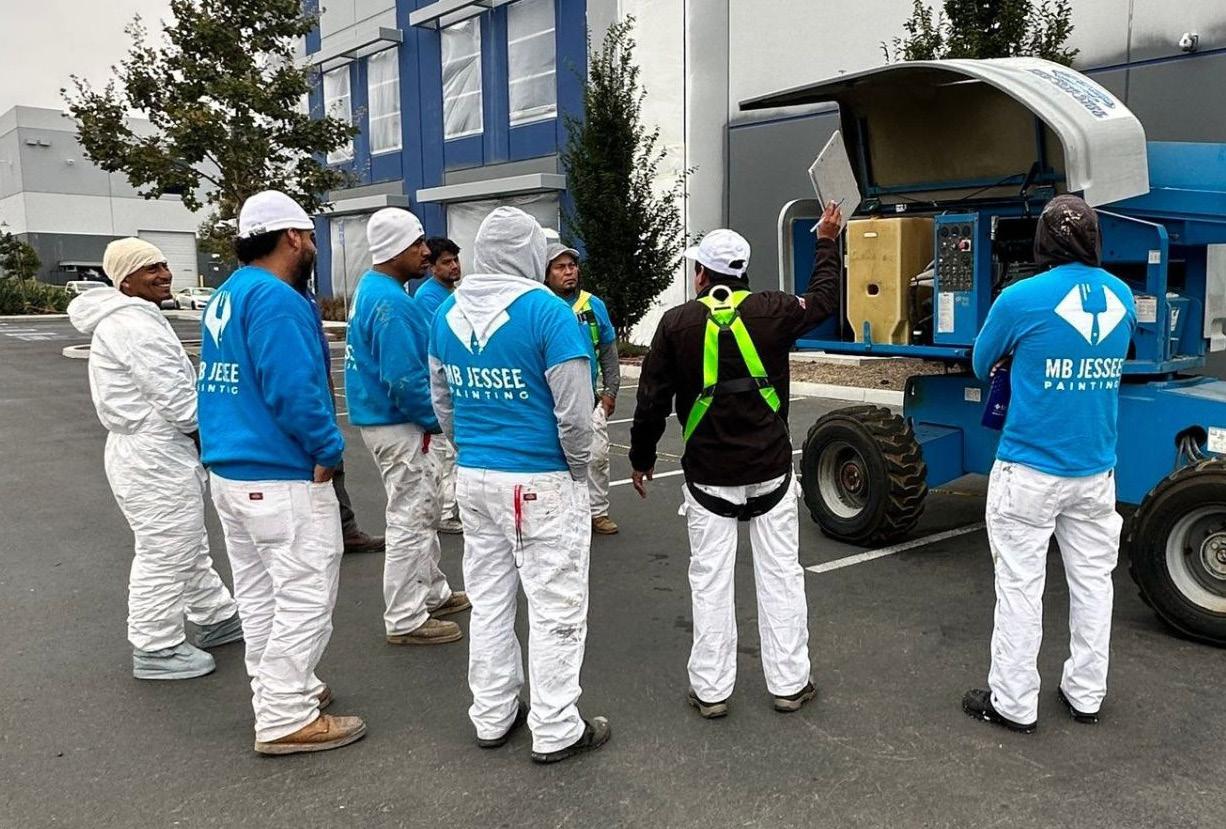
MB Jessee Achieves National Recognition for Safety Excellence
Congratulations are in order! MB Jessee Painting, Inc. has been nationally recognized with the Summit Safety Certification, an elite credential reserved for companies that meet the most rigorous safety standards in the industry. This isn’t just a badge to display— it’s proof that MB Jessee’s culture of safety runs deep and is verified at the highest level. Earning this distinction required a dedicated committee overseeing every guideline and compliance marker, demonstrating a living, breathing focus on safety every day and on every project. From real-time tracking and documentation to daily jobsite assessments and leadership aligned on consistent protocols, MB Jessee continues to set the standard for safety excellence. Congratulations to the entire team on this incredible achievement!
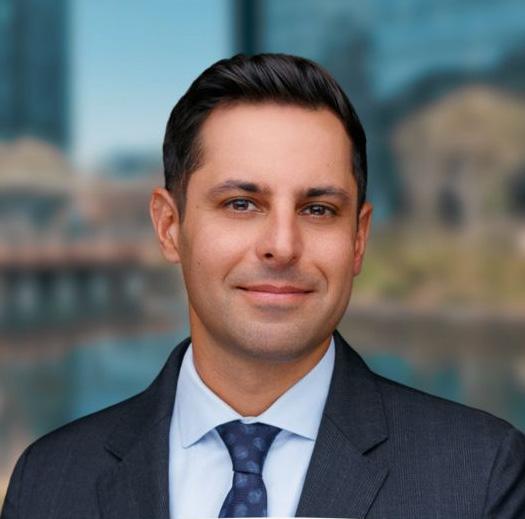
Celebrating 13 Years: Pejman D. Kharrazian, Esq. Marks #Epstenversary!
Congratulations to Pejman D. Kharrazian, Esq. on celebrating his 13th anniversary with Epsten APC! Pejman brings nearly two decades of experience working with community associations, including his time as a community association manager before becoming an attorney. Throughout his 13 years at Epsten, APC he has made significant contributions through his expertise, dedication, and professionalism. In addition to his work at the firm, Pejman actively contributes to CACM by participating in events and frequently writing for the CACM Law Journal. Congratulations, Pejman—we look forward to seeing you continue to thrive and make an impact for many years to come!
Advance Construction Technology Welcomes David Mosse to SoCal Business Development
Advance Construction Technology, LLC (ACT), recently announced the addition of David Mosse to its Southern California Business Development team. Born and raised in Orange County, David brings more than 15 years of construction experience, including nine years in the HOA sector specializing in large-scale reconstruction and post-construction defect projects. Earlier in his career, he owned and operated a home remodeling business, giving him valuable insight from both the client and contractor perspectives. ACT President Rob Rosenburg shared, “As ACT continues to expand across California, we’re excited to welcome David to our team. His experience in the HOA industry, particularly in large-scale reconstruction and post-construction defects, will be instrumental in driving our continued growth.” Congratulations David on this new role at ACT—we look forward to seeing the impact you will make!
Pejman D. Kharrazian
David Mosse
* OPTION AVAILABLE WITH ROOF REPLACEMENT
Roseman Law, APC Celebrates Milestone Anniversaries for Michael D. Poole, Esq. and Kristen Roseman
Congratulations are in order to Senior Attorney Michael D. Poole, Esq., on his three-year anniversary with Roseman Law, APC. The firm took to social media to celebrate stating that Michael’s professionalism, dedication and thoughtful approach continue to elevate both his colleagues and the clients he serves. His commitment to excellence and collaboration exemplifies the firm’s values and contributes greatly to its ongoing success. Congratulations, Michael, on this milestone and the positive impact you continue to make!
Congratulations to Kristen Roseman as well! Kristen celebrates her two-year anniversary as Director of Firm Growth and Development at Roseman Law, APC. The firm stated that Kristen’s leadership, collaboration and commitment have been instrumental in strengthening their culture and driving continued success. Her ability to connect and support team members has made a lasting impact across the organization. Congratulations, Kristen, on this milestone and the difference you continue to make every day!
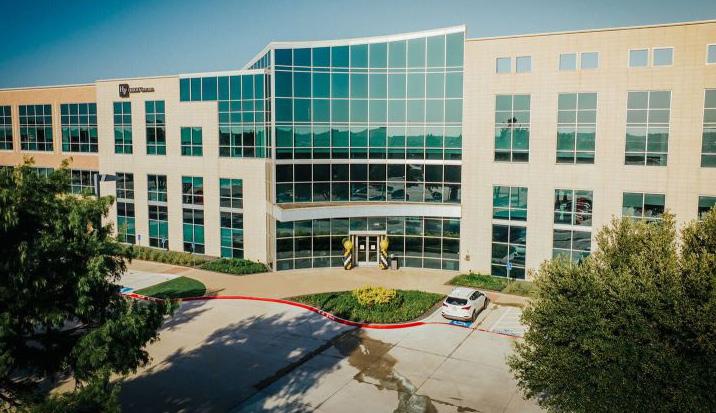
TownSq Opens New Global Headquarters in Richardson, Texas
TownSq has officially opened its new 160,000-square-foot global headquarters in Richardson, Texas. The company states that this is a major milestone in its mission to drive innovation across the HOA and real estate technology industries. The new facility brings together technology, service and implementation teams under one roof, enhancing collaboration and supporting continued growth as TownSq surpasses 100,000 communities served worldwide.
Varsity Painting’s Mandi Newton Honored as HIF Volunteer of the Year
Congratulations to Mandi Newton, CCIP, of Varsity Painting for receiving the Ron Granville Volunteer of the Year Award from the Housing Industry Foundation (HIF)! Mandi shared, “I’m so honored to receive the Ron Granville Volunteer of the Year Award from HIF! It’s been such a privilege to be part of this amazing organization and its mission. Thank you to everyone who makes this work so meaningful.” Since 1989, HIF has been dedicated to helping individuals and families thrive through sustainable housing, providing emergency grants, affordable housing opportunities, and renovation support for shelters and community centers. Mandi’s dedication and contributions have made a meaningful impact on HIF’s mission, and we congratulate her on this well-deserved recognition!
Michael D. Poole
Kristen Roseman Mandi Newton
from the roundtable
A MESSAGE FROM THE BOARD
The homeowner’s association (HOA) community has been profoundly shaped by the ongoing digital revolution. Where managing a neighborhood once involved stacks of paperwork, in-person meetings and endless phone calls, it is now an experience transformed by software, mobile apps and now artificial intelligence (AI). This shift has provided tools that enhance efficiency and transparency but has also introduced new challenges and a complex generational divide. To truly understand modern HOA life, one must examine both the triumphs and tribulations of its digital evolution.
For decades, HOA management relied on a manual, hands-on approach. Board members and managers were “jacks of all trades,” personally handling a wide array of responsibilities. Many managers are still trying to keep this model alive.
This traditional model, while familiar, was defined by its limitations. Manual processes created bottlenecks, increased the likelihood of errors, and made it difficult to scale operations effectively.
The rise of digital solutions, accelerated by the COVID-19 pandemic, has introduced a more streamlined and responsive approach to HOA management. Modern HOA management platforms act as centralized digital hubs, providing a suite of integrated features.
The next wave of digital evolution promises even more sophisticated tools. AI-powered capabilities are poised to redefine the HOA manager’s role, transforming them from a “jack of all trades” to an “AI orchestrator”.
Chatbots trained on HOA’s bylaws can provide instant, 24/7 answers to resident questions about rules, amenities, and events. AI-enhanced accounting systems can automatically code invoices, match transactions, and generate reports, further increasing efficiency. AI-powered surveillance systems can monitor entry points, identify suspicious activity, and send real-time alerts.
The digital journey for HOAs is ongoing, and success depends on a thoughtful and strategic approach. Boards must carefully evaluate new tools and consider their community’s unique needs, budget and technological readiness. Addressing resident concerns, prioritizing cybersecurity, and providing adequate training for board members and homeowners are crucial steps toward a smooth and successful digital transition. By embracing digital innovation mindfully, HOAs can build stronger, more efficient and more engaged communities for the future.
With all this said AI can make mistakes, so you must always doublecheck the responses.
And as always remember to embrace the journey, trust the process and never stop learning!
Joe Price, CAMEx, CCAM CACM Board Chair
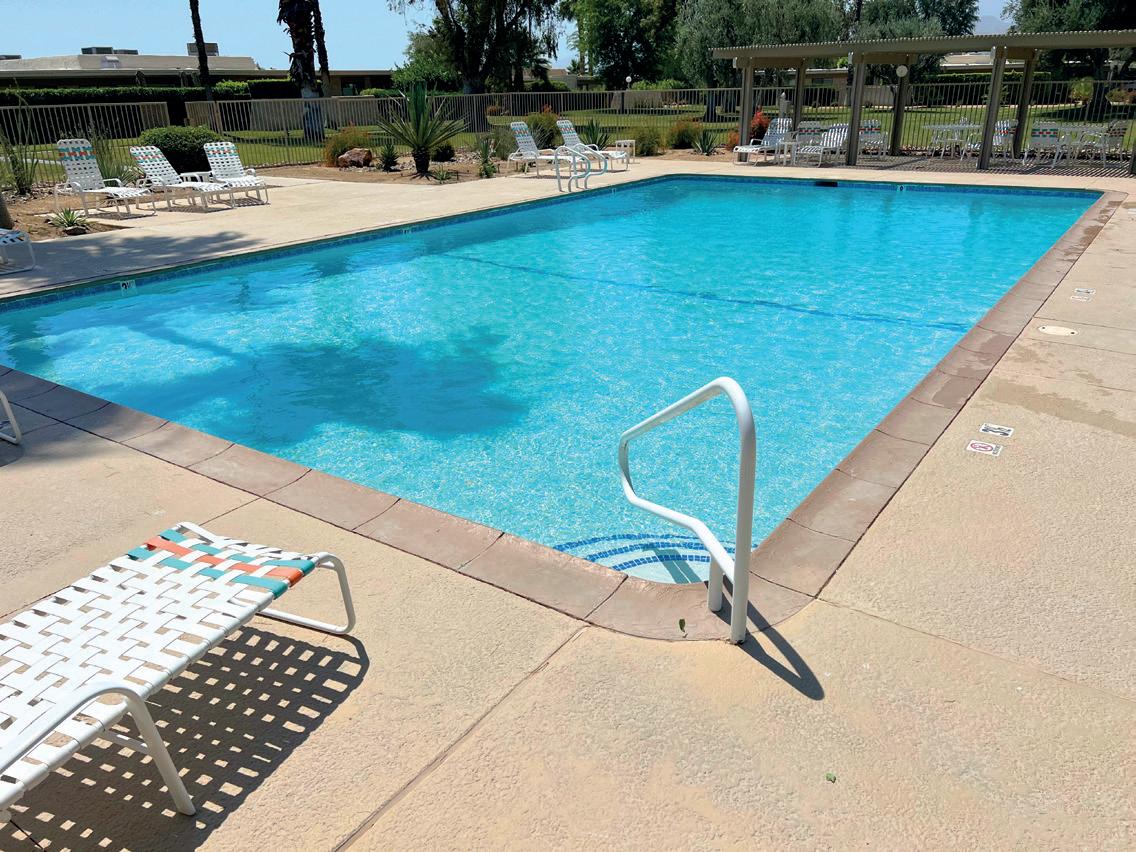
Our team of certified specialists transform aging commercial pools into stunning aquatic showpieces that enhance property value and resident satisfaction.
Commercial Pool Replastering
Revitalize your pool's appearance with premium finishes.
Complete Pool Renovation
Comprehensive transformation from concept to completion.
Equipment Upgrades
Energy-efficient systems that reduce operational costs.
Proud to serve prestigious Southern California area properties including:
•Hilton LAX Airport
•Four Seasons
•Indian Ridge Country Club
•Indian Wells Country Club
•La Quinta Resorts
•Luminaire
"Gardner Remodel transformed our dated community pool into a resort-quality amenity that our residents absolutely love.
Their professionalism and attention to detail were exceptional throughout the project."
—John Martinez, Board President, Desert Falls Villas HOA
Credentials:
•Long-standing NPC Member
•Authorized PebbleTec® Applicator
•50+ Years Commercial Pool Experience
•5-Star Rated by Property Managers
What an amazing time our TARC CONSTRUCTION, INC. team had this past Monday at the CACM Trick or Tee Golf Tournament. We were proud to be the Premier Sponsor, enjoyed a beautiful day seeing our valued clients and respected colleagues at the Moraga Country Club, and embracing the spirit of the day. Congratulations to our raffle winner; we cannot wait to see you all again soon!”
— Wendy Miller, CCIP, TARC Construction, Inc.
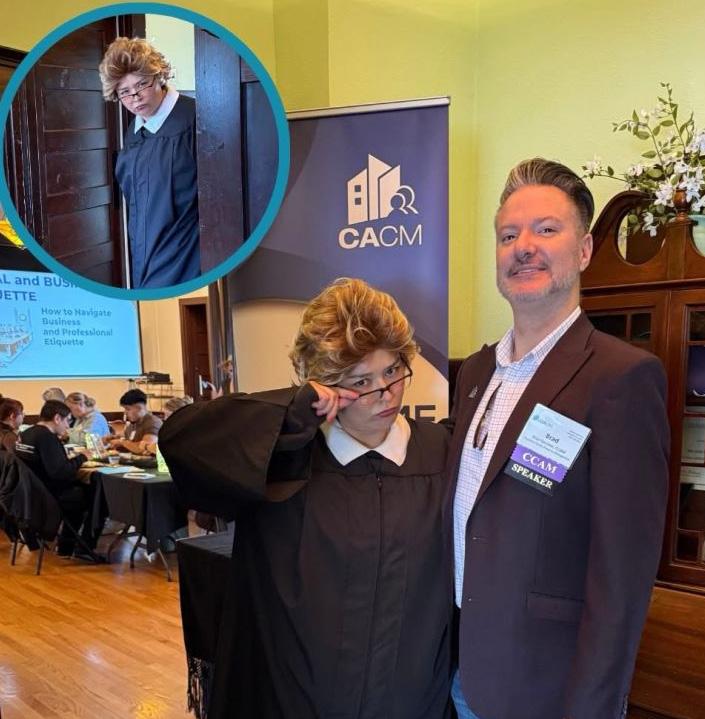
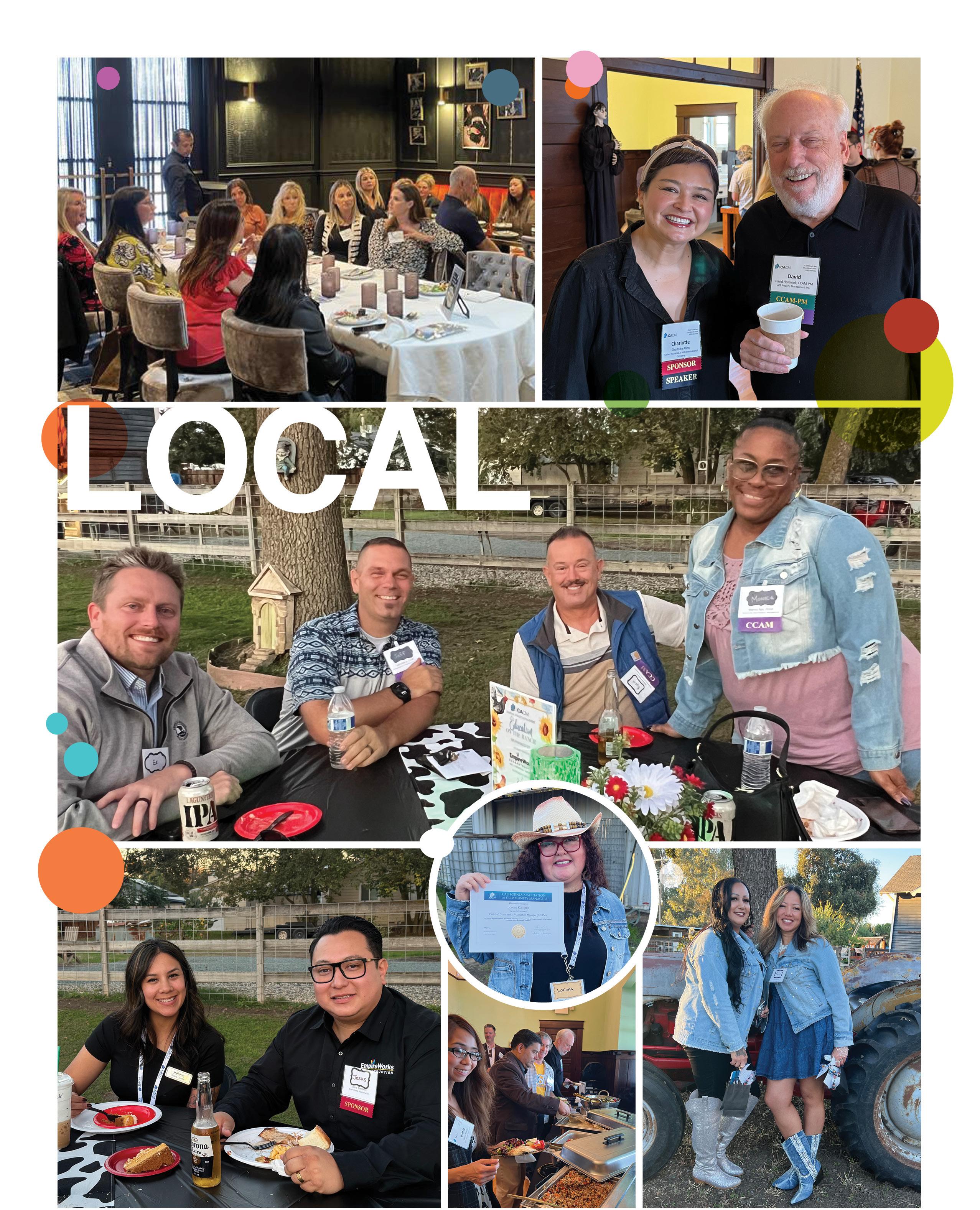
There’s not much I won’t do for good education. And when the talented and knowledgeable Brad Bacome puts together a presentation like no other and asks you to wear a wig, well…. You oblige. �� Thank you for this fun opportunity and all the support CACM.”
— Charlotte Allen, Socher Insurance A HUB International Company
Today I attended the CACM Fall Forum in the Coachella Valley. This was my first event as a Certified Community Association Manager (CCAM)!
After a decade of managing communities exclusively in Florida, transitioning to California has been a humbling and energizing journey. Thank you Melissa Hurtado for guiding me through the path to earn this California focused credential.
The education provided by CACM, along with the generous insights from industry partners, has made a meaningful impact.
Here’s to growth, grit, and another hard-earned credential on the signature line!”
#WeMadeit
— Ana Arias, CCAM
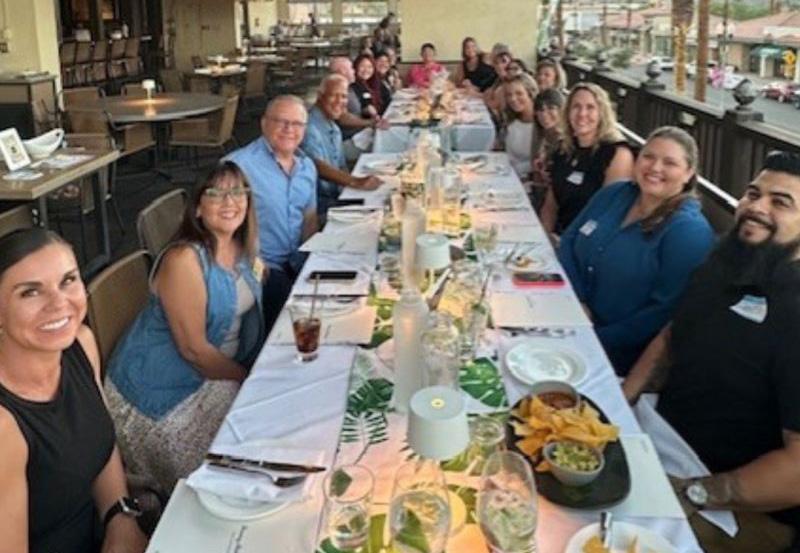
Thank you CACM and our sponsors Hotwire Communications Ltd , EmpireWorks Reconstruction and HOA Invest & 1120 Invest for the wonderful dinner and evening. It was a pleasure to connect with everyone and exchange insights on the latest in our industry. I’m already looking forward to reconnecting at the next event.
#WeMadeit
— Reema D. Hawartheh, CCAM
“ Friyay vibes! ��
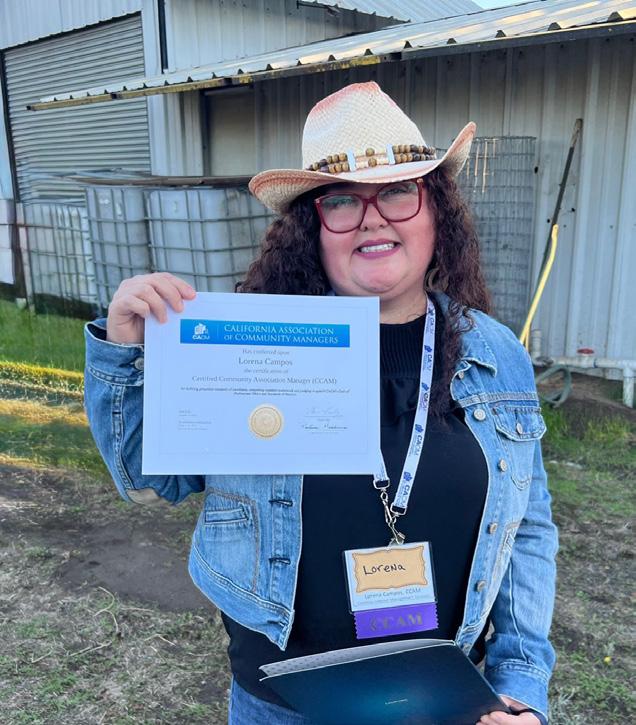
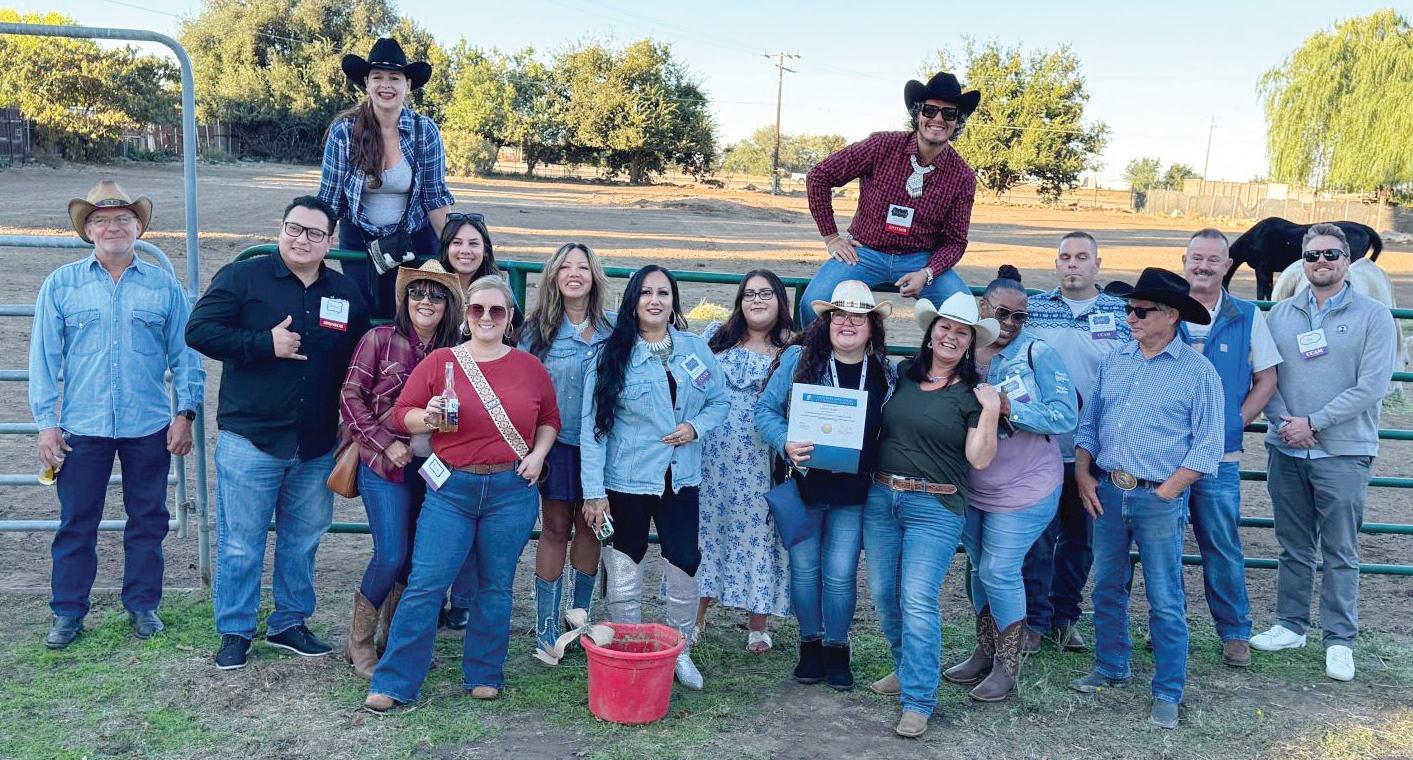
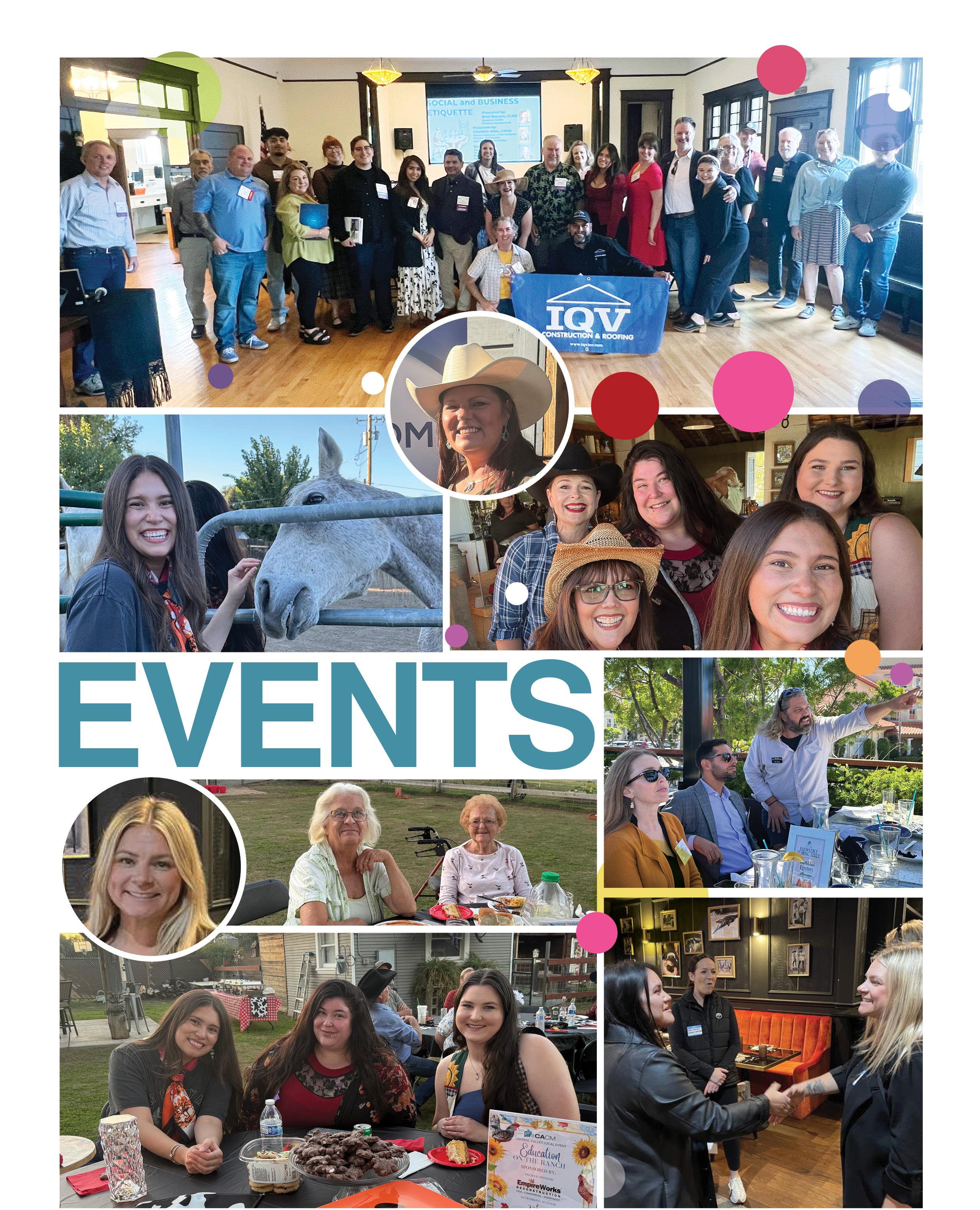
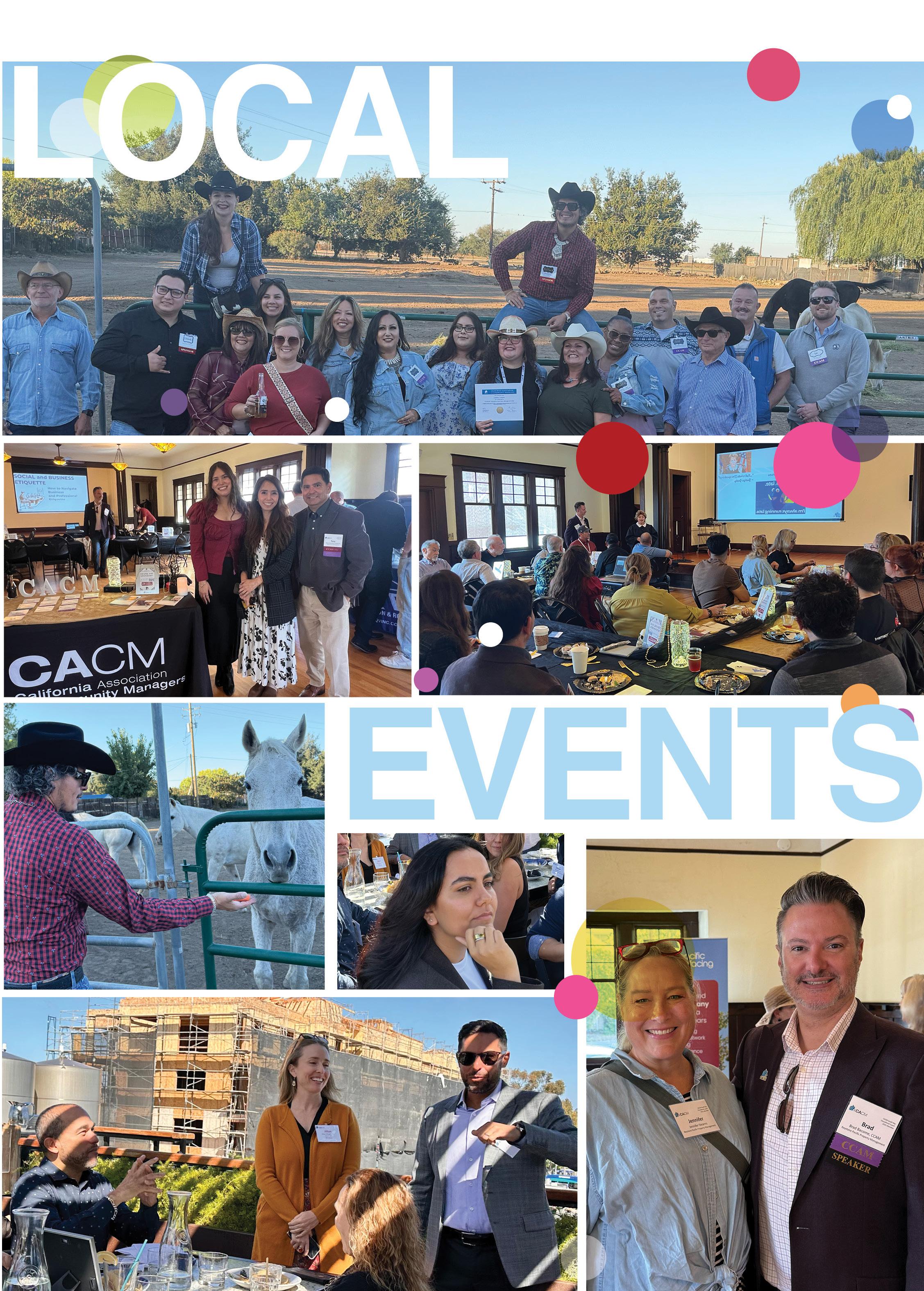
Thank you to CACM for hosting Education on the Ranch! It was such a fun and engaging way to learn while connecting with colleagues and enjoying a little ranch life — even got to feed the horses! ��
A special thank you as well for awarding me with my CCAM certificate at the event — such a
meaningful and memorable moment! Always a pleasure spending time with our industry friends.
Still enjoying the moments from last week. Thank you again to CACM for the opportunities to be educated, network and feel valued. This large scale / high rise was one for the books! I had the honor to speak on a panel for mental health and it did not disappoint!! It was so great to see everyone so engaged! And keynote speaker Robin Kaulana A. Romo, MCAM-HR, PCAM did an ABSOLUTELY fantastic job! So so proud of you! You are such an inspiration!
#cacmstrong #largescalecommunities #professionalgrowth #continuingeducation — Christina French-Hokafonu, CAMEx, CCAM-LS.HR.PM.ND.AA.LM, CAFM
yousaid it!
What an incredible experience we shared at the CACM High-Rise and Large Scale Summit here in beautiful Northern California! The weather was stunning, but even more amazing was the chance to connect with so many industry colleagues, many of whom have become true friends and mentors.
This event marked a huge milestone for me: my very first keynote speaking engagement. While I didn’t deliver the flawless performance I’d hoped for, I feel so incredibly fortunate to have been surrounded by such an inspiring and supportive community. Your encouragement lifted me up every step of the way.
I want to extend my heartfelt thanks to the entire CACM team and Board of Directors for trusting me
✨ Great conversations, fresh insights, and powerful connections at CACM in Walnut Creek last week!
It was energizing to be surrounded by industry leaders, property professionals, and forward-thinking minds all focused on elevating our communities and improving how we manage reserves, assets, and long-term planning for HOAs and high-rise buildings.
Grateful for the chance to catch up with colleagues, make new connections, and be part of shaping what’s next in our industry.”
#WeMadeit
— SmartProperty
with this opportunity and taking a leap of faith in me. It was an honor to stand on that stage, and I hope I made you proud. Your unwavering support over the past 15+ years has been the foundation of my professional journey. I truly wouldn’t be here without you.
To my amazing team at CitiScape/FSR, you are my rock. I couldn’t do any of this without you. Your dedication, passion, and spirit inspire me every single day. I see you, I appreciate you, and I am grateful for each and every one of you. Here’s to many more years of teamwork, growth, and yes, plenty of fun and shenanigans! ��
To my OG mentors- Beverly Wilson, Helene Dellaninni, Patricia Klock , John Gill , and Rolf Crocker- Thank you for taking me under your wing when I was just starting out. Your guidance, encouragement, and belief in me have shaped the manager and person I am today. I am forever grateful for your wisdom and support.
And to all my friends who cheered me on, reminding me that I could do this and wouldn’t fall (literally or figuratively!), thank you from the bottom of my heart. Your faith in me gave me the confidence to step up and shine. I love you all and am so thankful to have you in my corner.
Here’s to continued growth, connection, and success—together!”
— Robin Romo, MCAM-HR
�� Yesterday, CACM invited Maria Kao and Susanne Darner, CMCA, CCAM-HR to speak on a topic every community manager encounters: Conflict Resolution – Best Practices. Whether it’s a homeowner, board member, or vendor, conflict is inevitable — but how we communicate and respond makes all the difference. �� We shared strategies on identifying communication styles, diffusing tense situations, and resolving long-standing issues with professionalism and empathy. The room was tense among managers recounting tough encounters but by the end of the lunch, everyone felt motivated to try some of the tips shared.
#CACM #ConflictResolution
#CommunityManagement
#HOALeadership #PropertyManagement
#ProfessionalDevelopment
#IndustryInsights
— Briscoe Prows Kao Ivester & Bazel LLP
NextStep was proud to attend the CACM Large Scale/HighRise Summit in Walnut Creek!
We make it a priority to stay ahead on the latest laws, technology, and industry trends—and CACM continues to be an invaluable partner in helping us do just that. By keeping our knowledge current, we ensure our communities thrive and our clients receive the best service possible.
A special thank you to the panelists whose informative sessions added so much value, and to CACM and the industry partners who continue to make these events possible!”
— Next Step Community Management
spotlight on spotlighteducation on education
Turning the Page: Reflecting on 2025 and Gearing Up for an Exciting 2026
As the year winds down and we prepare to close the 2025 chapter, CACM’s Education Department is filled with gratitude and excitement for all that’s been accomplished and all that’s to come.
From our spring and fall educational events to the 2025 California Law Seminar & Expo and all the educational lunches in between, this year has been nothing short of incredible. We’ve seen our members and industry partners come together to share ideas, strengthen connections and continue growing in their professional journeys.
We also want to say a special thank you to our incredible instructors for your volunteerism and unwavering support this past year. Your dedication to sharing your
expertise and guiding managers elevates the quality of education we provide and strengthens the entire community. We deeply appreciate the time, expertise and
What’s to Come!
Just because the year is coming to an end doesn’t mean we’re slowing down! As we begin to flip the page to 2026, our team is already gearing up for one of our most anticipated events of the year: the California Law Seminar & Expo. This year’s theme, Decades of Advocacy, will take attendees on a journey through the eras of community management and exploring how our industry has evolved and adapted across the ages.
Another exciting opportunity launching this spring is our new partnership with Santiago Canyon College. This collaboration provides another pathway for managers to earn their certification while also introducing more individuals to the world of community management. It’s a fantastic way for new professionals to see how this career can make a lasting impact. More information about this partnership can be found on our website.
passion you bring to every session. Your contributions make a lasting impact and inspire continued growth across our industry.
Looking to plan ahead? Our first-quarter 2026 education courses are now available! While our new Education Catalog is being finalized, you can get a head start on your professional development by viewing the course listings on page 56.
Welcome Jessica!
spotlight on spotlighteducation education
As we prepare for the exciting things ahead in 2026, we’re also making some internal enhancements to ensure a seamless experience for our members. That includes expanding our Education Department with a new team member, Jessica LoVerso.
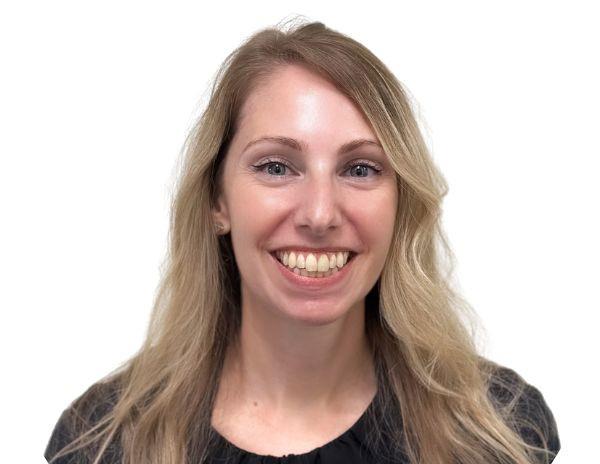
Jessica joins CACM as our Education Events Coordinator from Santa Ana, California. Working under the Director of Education, she specializes in coordinating speakers, panelists, topics and more for our educational programs, as well as collaborating with our Events Director to deliver meaningful and engaging experiences for our members.
Jessica has found a true passion for the nonprofit world and brings valuable experience coordinating events in her previous roles, making her a perfect fit for this position. A proud first-generation college graduate, Jessica earned her bachelor’s degree in psychology and forensic science from Syracuse University, and later obtained her master’s in forensic psychology from The Chicago School of Professional Psychology in Washington, D.C. When she’s not bringing CACM events to life, you can usually find her at
2025 Course Catalog Available
The 2025 Professional Development Catalog was released in January. Use this professional development guide to plan for certification, recertification or specialty designations in 2025. Every
the library or a local bookstore (most likely with a MoonGoat coffee in hand) happily lost in the stacks.
We’re thrilled to have Jessica on board and can’t wait for you to meet her as she helps us take our educational programming to new heights.
As we look ahead to a new year filled with learning, connection and growth, we want to thank you for being part of our journey. Whether you joined us in person, online or somewhere in between, your dedication and enthusiasm are what make our community so special. Here’s 2026, a year of continued advocacy, advancement and opportunity for all.
CACM course is included, as well as credits obtained, pricing and dates the course is offered. The catalog also explains each certification offered and the steps to attaining and maintaining it. Download it now.
Jessica LoVerso
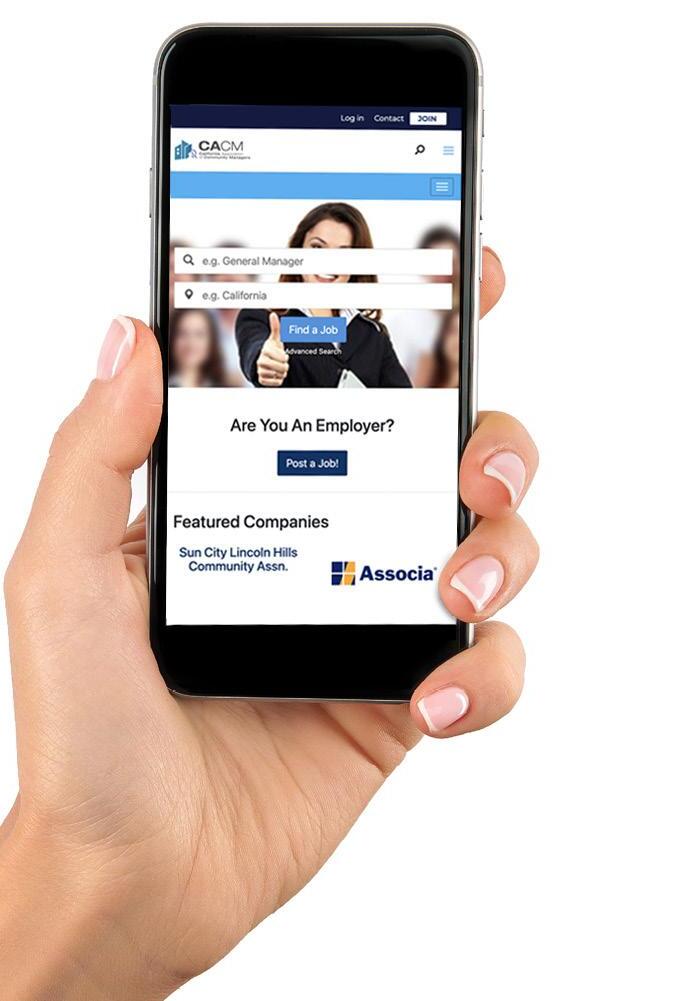
ARE YOU LOOKING TO HIRE?
Let CACM help you!
CACM is committed to our members’ professional success. Whether you are hiring or looking for the next industry-specific position, the Career Center is your “go-to” resource. Bookmark the Career Center and visit often.
Jobs can be posted for 30 or 60 days and are optimized for mobile and SEO. Premium and enhanced posts include increased visibility.
On top of posting your job opening, CACM delivers new job posts directly into email inboxes through its monthly Job Watch email and in its monthly MyCommunity member newsletter – both are sent to all of CACM’s members.
JOB WATCH MONTHLY EMAILS:
Average open rate: 33%;
Average click through rate: 7%
POSTING YOUR JOB IS AS EASY AS:
2
Please ensure you select your membership type before purchasing (we want to make sure you receive your discount!). You’ll also find there is a live chat feature on the page. Those individuals are ready to assist you with any questions you have in real time.
3
If, after this, you still need assistance, please feel free to reach out to help@ webscribble.com, and a representative from the company that supports CACM’s Career Center will further assist you in answering your questions and assisting you with your posting.
achieving professional excellence
Congratulations Managers & Industry Partners
It is with great pride that we recognize managers, and now industry partners, who have taken the next step in their professional career by pursuing advanced educational opportunities. Congratulations to our newest Master of Community Association Management (MCAM), Certified Community Association Managers (CCAM), Certified Community Association Financial Manager (CAFM), California Certified Industry Partner (CCIP) and Specialty Certificate recipients for the period of July 1 - September 30, 2025.
CCIP
Chad Colton, CCIP
Sonia Lopez, CCIP
Teresa Tomaszewski, CCIP
Zachary T. Wells, CCIP
CCAM
Abigail M. Mian, CCAM
Adrianna Gonsalves, CCAM
Alisa E. Cecchetti, CCAM
Ana Arias, CCAM
Antonio A. Ayala, CCAM
April Lockner, CCAM
Ariana Vasquez, CCAM
Ashley L. Brisendine, CCAM
Avery Patentreger, CCAM
Blanca Contreras, CCAM
Cassandra Garcia, CCAM
Chris Perret, CCAM
David B. Melaugh, CCAM
Emmanuel C. Hernandez, CCAM
Fabiana A. Spinelli, CCAM
Faith H. Arikawa, CCAM
Felecia B. Chambers, CCAM
Jaimie I. Lopez, CCAM
Janet Figueroa, CCAM
Jason Perez, CCAM
Jennifer B. Meacham, CCAM
Jennifer Crocker, CCAM
Jessica N. Hubbard, CCAM
Jessica V. Reese, CCAM
Jessie LaPonzina, CCAM
Jodi Kay, CCAM
Juan J. Montano, CCAM
Kelly Rankin, CCAM
Krystina Romero, CCAM
Lorena Campos, CCAM
Lori L. Poulsen, CCAM
Luanne R. Hiney, CCAM
Mandy Wideman, CCAM
Mariah G. Zepeda, CCAM
Mariah V. Ferrer, CCAM
Megan Dias, CCAM
Melissa T. Jimenez, CCAM
Michael F. Gaylord, CCAM
Nathaly Borges, CCAM
Naushaba Merchant, CCAM
Nikole Suarez, CCAM
Rachel Bernhard, CCAM
Raymond J. Holcombe, CCAM
Rob Shelton, CCAM
Sabrina M. Italia, CCAM
Samantha E. Anderson, CCAM
Sana N. Issa, CCAM
Sandra L. Rush, CCAM
Sean Freeley, CCAM
Thomas Eby, CCAM
Thomas I. Campbell, CCAM
Tiffany White, CCAM
Timothy Wilson, CCAM
Tonya R. Bates, CCAM
Tyler Mondragon, CCAM
CAFM
Caroline A. Cormier, CCAM, CAFM
Gretchen L. Redewill, CCAM-PM.
LM.AA, CAFM
Joe Hedges, CAFM
Michael Mumbert, CAFM
ACTIVE ADULT
Christine Alfaro, CCAM-PM.AA
Cody E. House, CCAM-ND.LS.PM.AA
Gretchen L. Redewill, CCAM-PM.LM.AA, CAFM
HIGH RISE
Richard Millican, CCAM-HR
Tyler J. Matheis, CAMEx, CCAM-PM. HR.LM.AA.CI, CAFM
LARGE SCALE
Daniel Khamudis, CCAM-HR.ND.LS
LIFESTYLE MANAGEMENT
Eugene Osipov, CCAM-LS.AA.LM
NEW DEVELOPMENT
Veronica P. Rodriguez, CCAM-PM. ND
The Road to 2026: Laws, Change and What Comes Next
The 2025 legislative session adjourned on September 12th and the Governor’s deadline to sign or veto bills was October 13th. The Legislature will reconvene on January 5th.
By Jennifer Wada, Esq.
AB 130 Committee on Budget: HOA penalty cap
Here is a recap of the major bills that we followed this year: change in the law was necessitated by confusion about whether associations that wanted to use recycled water in common areas had to install dual plumbing throughout the association.
SIGNED AS PART OF THE STATE BUDGET: EFFECTIVE AS OF JUNE 30, 2025. This budget trailer bill contained a provision that caps HOA penalties and fines at the lesser of the schedule of penalties, or $100. The law allows the cap to be exceeded if the violation may result in an adverse health or safety impact on the common area or another member’s property. No late charge or interest may be imposed on a penalty, and a member can cure the violation prior to the meeting where board is discussing or imposing discipline. Furthermore, no penalty can be imposed if curing the violation would take longer than the time between the notice and the meeting, and the member provides financial commitment to cure. Because this provision was inserted in a lastminute budget move, many legislators did not have visibility into, or an understanding of, the impact of this policy change. We will be working with CAI on follow-up legislation that seeks to address the negative impacts of the cap. In the meantime, as previously requested by CACM, please contact your legislators and educate them on the negative impacts of this law. You can find your legislator here. Please reiterate that we are not opposed to AB 130 as a whole; rather, we are concerned about this specific provision which was included at the last minute and needs to be addressed.
SB 31 McNerney: recycled water
EFFECTIVE JANUARY 1, 2026
This bill clarifies that outdoor irrigation of common areas that doesn’t enter residential boundaries is not considered residential and therefore, doesn’t require a dual plumbed system. This
This bill was sponsored by the California Association of Realtors and requires the balcony inspection report to be provided as part of the document disclosures. SB 410 also makes the balcony inspection report an “association record” and requires additional information be included in the report, such as the total number of exterior elevated elements in the condominium project and the number of EEEs inspected. It is important to note that CAR introduced this bill in response to allegations that managers were failing or refusing to provide balcony inspection reports and this was a cause of transactions falling through. The legislative analysis of this bill includes a statement by the author, as informed by CAR, that reads: “Due to state-mandated requirements on balcony inspections for Homeowner Associations (HOAs), many lenders require compliance with the State’s inspection mandates as a condition of loan approval. In some cases, repairs to balconies not connected to a sale have also been placed as a prerequisite for loan approval. Some of these requirements have caused transactions to breakdown, as HOA managers have failed to provide necessary copies of balcony inspection reports, nor conduct required inspections. Further, State law is also unclear on whether HOAs are required to share inspection reports. SB 410 will provide clarity in State law by requiring that HOAs provide copies of balcony inspection reports in the suite of documents they
are required to provide to homeowners during the purchase of HOA managed properties. This will ensure that buyers will have the necessary information in order to meet loan requirements and increase transparency on the condition of balconies and other exterior elements.”
We worked with CAR to maintain this legislation as a disclosure bill only. However, CAR continues to be interested in addressing the issue of sales falling through because of new Fannie and Freddie requirements. CACM will be watching this issue closely to ensure that managers are not exposed to liability and being obligated to guarantee the structural soundness of any structure, as this is outside of their expertise.
SB 625
Wahab: Rebuilds after Disasters
EFFECTIVE JANUARY 1, 2026
This bill voids any provision in governing documents that prohibits a substantially similar reconstruction of a residential structure destroyed or damaged in a disaster. It requires expedited review, if required, by a board (which includes an architectural committee) of a rebuild application to be processed (deemed complete or incomplete) within 30 days.
SB 770 Allen: EV charging stations: insurance
EFFECTIVE JANUARY 1, 2026
This bill deletes the requirement that an owner who installs an EV charger in the common
area is required to provide a certificate naming the association as an additional insured. The author’s reasoning for this bill was that the insurance requirement was an impediment to getting EV chargers installed since it was alleged that insurance companies are not offering this type of insurance. While this is in dispute, this bill passed through the process easily.
AB 739
Jackson: manager regulation
STALLED UNTIL 2026
This bill seeks to require managers to be licensed as real estate brokers. This bill was initially brought to the Assemblymember by the Inland Valley Realtors Association to “get standard document fees under control.” The sponsor’s purpose of the legislation expanded, however, to include the need to ensure the manager has a fiduciary duty to the homeowners, as well as to provide a more “neutral” body for complaints about a manager or management company. While we were able to stall the bill this year, the author intends to pursue the bill next year. We are currently in discussions with the author and other stakeholders regarding alternative approaches that would enhance consumer protection without burdening managers with unnecessary bureaucracy and compromising their position as independent, third-party agents and private companies.
Aside from the penalty cap, we were able to either stop or significantly improve almost all the remaining CID bills. We have already moved
on to preparing for 2026 and are certain that it will be a monumental year for the community management industry. We will likely be dealing with serious attempts to regulate the industry generally, including the fees that it charges. Your collective attention and energy are especially important this year. Please stay tuned for future calls to action and know that we are working on your behalf to show Sacramento how community managers are true safeguards of homeowners and the communities they serve.
Jennifer Wada, Esq., is an attorney, CACM’s legislative advocate and principal of Wada Government Relations in Sacramento.
CACM’S FIRST EVER PODCAST IS HERE WE ARE LIVE!
In the fall of 2024, we took an exciting leap into the world of podcasting! Our first podcast, CACMCHAT: The HOA Life, is growing rapidly, with over 1,500 downloads and 21 episodes—and counting!
This bi-weekly podcast is designed for anyone involved or interested in community associations. We dive into real-life stories, industry trends and best practices from professionals working in California’s community association management sector. No topic is off-limits!
Some of our most popular episodes explore key topics like reducing burnout, reserve management tips, mental health and more. Our host and CEO, Tom Freeley, shares that the podcast’s main goal is to elevate the industry and shed light on “the reality behind community association management and what a manager actually goes through on a day-to-day basis.”
Episodes also tackle evolving HOA laws, emerging technologies and the changing workforce. Plus, expert guests join us to provide insights and guidance on these pressing topics.
One enthusiastic listener shared:
“They’ve already had some incredible guests, and I’m eager to see what’s next. If you manage an HOA, you must subscribe. Heck, if you LIVE in an HOA, subscribe! Better yet, if you’re curious about what’s happening behind the scenes in California communities, I highly recommend this podcast.”
You can tune in and stream CACMCHAT: The HOA Life on Spotify and Apple Podcasts . Subscribe directly from our website, where you can also submit questions and topic ideas at podcast@cacm.org. If you haven’t tuned in yet, now’s the time—listen and subscribe today!
maintaining high standards
New Individual Manager & Management Company Members
CACM members further their success in the industry and benefit by partnering with colleagues to share new ideas and best practices. Please join us in welcoming these new members from for the period of July 1 - September 30, 2025.
MANAGER ProPLUS
Steven Acosta
Blanca Contreras , CCAM
Rita Galan
Christopher Rhodes
MANAGER Pro
Manisha Ali
Isabel Arebalo
Shahad Baldawy
Maria Banning
Tonya Bates, CCAM
Sheri Bejar
Brian Bosse
Kristen Bowlin Barnett
Kathy Cabrera, CCAM
John Callanan
Victoria Calvert
Lorena Campos, CCAM
Arsee Coaston
Deidre Davis-Adams
Karen Decker
Megan Dias, CCAM
Donald Disbro
Juliane Douglas
Ryan Ernst
Alfonso Galindo
Itzel Gastelum
Timea Griset
Cindy Heeter-Bickford
Len Heinz, CCAM
Andrea Heltsley
Kathryn Herrera
Luanne Hiney, CCAM
Francesca Holmbo
Mary Ishida
Rhonda James
Darcie Jenson Shoaf
David Joseph
Anet Khoudian
Linette Lacy
Liying Liu
Curtis Lopez-Galloway
Kimberly Lopez-Scott
Humberto Lozano
Vicky Lukasik
Jose Martinez
Jennifer Meacham, CCAM
Shaun Mingus
Connor Moody
Andrea Morfin
Tiffany Nguyen
Eric Oliva
Marina Padilla
Chris Perret, CCAM
Winnie Poon, CCAM
Lisa Ray
Michelle Salazar
Matthew Samson
Hope Sang
Eric Schera
Kiana Sherburn-Vucina
Christina Smiley
Michael Smith
Roxanne Smith
Heather Stevenson, CCAM
Ashley Struiksma
Christina Telles
Ashlie Tsair
Ashley Varela
Kimberly Wagner
Jayana Walz
Tiffany White, CCAM
Timothy Wilson, CCAM
Brooke Wright
Lauryn Yusi
Enhancing Your Professional Presence
YOU ARE MORE THAN A PROMPT_
By Jeff Farnsworth, CAMEx, CCAM-PM.ND
The community association manager who answers a board member’s 11 PM panic call about a broken main water line doesn’t sound like anyone else. Their voice, calm, directive and reassuring, becomes the steadying force in chaos. That manager isn’t interchangeable. They’re irreplaceable.
Yet open LinkedIn today, and you’ll find hundreds of community managers whose profiles read nearly identically. Generic descriptions of “board relations” and “vendor management.” Stock photos. Buzzwords that could describe anyone in any profession. When algorithms can generate professional bios and respond to inquiries, how do you ensure your actual presence cuts through? The answer isn’t trying harder to be professional. It’s being more specifically yourself.
SHARE THE LEARNING CURVE
Consider the difference between these two LinkedIn summaries:
“Experienced community association manager with strong communication skills and vendor relations expertise. Committed to excellence in property management.”
versus
“I once talked a board out of panic-firing a landscaper by showing them side-by-side photos of the same lawn taken three weeks apart. Sometimes the grass just needs time to grow. I manage communities by remembering that patience and evidence matter more than immediate reactions.”
The first could be anyone. The second is someone with a perspective. Algorithms excel at producing the first example. They struggle with the specificity and memory of the second.
With nearly 3,000 members in CACM and countless managers across California pursuing certifications like CCAM and MCAM, your challenge isn’t listing credentials everyone else has. It’s revealing what those credentials look like in practice. Post case studies, not accomplishments. Instead of “Successfully managed reserve study implementation,” write about the homeowner who initially opposed the special assessment but later thanked you when the roof replacement came in under budget. Show your thinking process, your stumbles, your solutions. Share the learning curve. When you complete continuing education coursework, whether through CACM’s 200-plus annual courses or ECHO’s educational programming—don’t just add it to your credentials section. Write about the specific concept that changed how you approach a recurring problem. What did you believe before this training? What shifted?
Document the unglamorous wins. The board meeting where you prevented a lawsuit by suggesting a 48-hour cooling-off period. The vendor relationship you salvaged by admitting your own communication mistake first. These stories demonstrate judgment, restraint and self-awareness; qualities automation can’t replicate. California’s Davis-Stirling Act creates complex regulatory terrain that requires not just knowledge but interpretation and application. When you navigate a particularly thorny Civil Code section to help a board make a difficult decision, that’s worth sharing. Not the legal citation alone, but how you translated statutory language into practical guidance for volunteers who may never have managed anything more complex than their household budgets.
BECOME A RESOURCE
Attending webinars has become passive consumption for many professionals. We log in, half-listen while answering emails, and log off with a completion certificate. That approach makes you invisible. ECHO offers more than 80 online and in-person meetings annually, and CACM hosts numerous educational events including their NorCal and SoCal Law Seminars. These aren’t just boxes to check—they’re opportunities to become visible. Use these in person opportunities to ask questions and make yourself visible to colleagues and presenters. After a webinar on new legislation affecting homeowner associations, write a post describing how you’re implementing that guidance in your communities. Tag the presenter. This transforms passive attendance into active engagement that others can see.
Become a resource, not just a participant. When webinar or panel discussions turn to topics you know well (perhaps you’ve managed high-rise communities for years or have deep expertise in navigating architectural review conflicts) offer to
share templates, checklists or experiences with attendees. Volunteer to be a speaker or share the topic with a panel. This forges industry relationships that lead to learning, growth and business opportunities. Practicing and becoming comfortable speaking in front of your peers can build confidence and help you seize opportunities you didn’t know were available.
Completing courses isn’t enough. You need to demonstrate applied knowledge. As you progress through CACM’s certification pathways—from the foundational CCAM covering California governance, finances and maintenance laws through the specialized certifications in large-scale, portfolio or new development management—create learning artifacts that codify your understanding. A decision tree for determining when to call emergency board meetings. A comparison chart of insurance policy types relevant to California associations. A checklist for vetting contractors that incorporates both DavisStirling requirements and lessons you’ve learned from vendor failures. Don’t be afraid to share these with your colleagues. Teach what you learn. The best evidence you understand material is your ability to explain it to others. After completing a course on California-specific governance requirements, offer to train others within your management company. If you work independently, consider presenting at a local ECHO educational seminar or CACM regional event. Study how experienced professionals translate dense statutory language into actionable guidance, then develop your own voice for doing the same.
PROBLEM SOLVING OVER SELF PROMOTION
Joining too many online communities not only presents unorganized distraction but also gives you no meaningful presence. Strategic digital networking requires structure. Choose platforms where problem-solving happens rather than self-promotion. Look for spaces where people ask genuine questions and provide substantive answers. ECHO’s interactive online community and CACM’s networking events create environments focused on solving actual management challenges rather than broadcasting credentials. When someone posts a complex scenario, say, navigating a conflict between architectural guidelines and homeowner religious expression, take time to craft a thoughtful response. Acknowledge competing interests. Suggest a process rather than a simple answer. Stay away from flippant or negative responses that criticize or judge. One deeply helpful response creates more professional presence than fifty quick reactions.
Here’s what algorithms struggle with: context memory, emotional reading, moral reasoning and principled flexibility. You demonstrate these daily. Many boards seem focused on response time and technology, but it is the human connection that solidifies the long-term success of our relationship with the community. Leverage that you remember their community’s particular culture, that you recognize when a financial decision has emotional roots, that you
ALGORITHMS STRUGGLE WITH CONTEXT MEMORY, EMOTIONAL READING, MORAL REASONING
AND PRINCIPLED FLEXIBILITY.
know which rules to enforce strictly and which require gentle persuasion. Share moments of judgment. When you describe your unique talents, write about the time you advised a board against pursuing a violation they had legal grounds to enforce because you recognized it would fracture the community. Explain your reasoning. This reveals the ethical dimension of your work.
Every skilled manager develops a signature approach shaped by their specific experiences, values and lessons learned. Some managers excel at defusing tension through humor. Others bring calm through radical transparency. Some build trust by acknowledging uncertainty. Others through demonstrating competence. Your professional presence shouldn’t disguise this signature—it should amplify it. When you write a LinkedIn post, ask: Could this have been written by any manager, or does it sound like me? When you participate in an ECHO workshop or CACM law seminar, ask: Am I bringing my genuine questions or generic ones? When you complete coursework, ask: Can I demonstrate what I learned through concrete application?
BE GENUINE
The managers who remain visible and valuable aren’t those with the most polished profiles. They’re the ones board members specifically request, the ones colleagues call with questions, the ones whose perspective feels distinct. That distinction doesn’t come from being more professional than others. It comes from being genuinely yourself in your professionalism. Your professional presence isn’t built by accumulating credentials everyone else has. It’s built by revealing how you think, what you value and how you solve problems in ways specific to you. As competence becomes easier to imitate, authenticity becomes harder to replace. I recently heard on a podcast a discussion of how rapidly artificial intelligence is being deployed in the workplace. The speaker said, ‘The question is not whether AI can replace my job, but how quickly I can evolve my skills beyond what a machine can do.’ For community managers, that evolution happens through the relationships you build, the judgment you demonstrate and the specific voice you develop across every digital interaction. Enhancing your professionalism in today’s world is about making what’s already irreplaceable about you impossible to ignore.
Jeff Farnsworth, CAMEx, CCAM-PM.ND, is the CEO of Steward Property Services, Inc., and has more than 15 years of experience providing management services in Northern California.
the executive corner
OUTLOOK
AS 2025 COMES TO A CLOSE, MANY OF US ARE REFLECTING ON WHAT WORKED, WHAT DIDN’T AND HOW TO PREPARE FOR THE YEAR AHEAD. THE BEST WAY TO POSITION YOUR COMPANY FOR SUCCESS IN 2026 IS TO UNDERSTAND THE TRENDS SHAPING OUR INDUSTRY — SO YOU CAN PRIORITIZE THE PROJECTS THAT WILL TRULY MOVE THE NEEDLE.
HERE ARE SIX MAJOR FORCES DRIVING CHANGE ACROSS COMMUNITY MANAGEMENT AND WHAT THEY MEAN FOR YOU.
BY ADAM BALKCOM
6 TRENDS RESHAPING THE FUTURE OF COMMUNITY MANAGEMENT
CONSOLIDATION CONTINUES
If it feels like you’re hearing from someone new every week asking to buy your company, you’re not imagining it — the wave of consolidation is accelerating.
10 years ago, this wasn’t the case. But now, private equity firms have set their sights on community management. Why?
• It’s a recession-resistant industry.
• It offers stable, subscription-style revenue.
• There’s massive untapped potential in ancillary income streams.
• And many owners are at or near retirement age.
Even Ivy League MBA programs are starting to discuss our industry — not how to manage communities better, but how to invest in them.
While this trend brings challenges, it’s also driving a massive leveling up of the industry. The pressure is forcing owners and executives to modernize their systems, embrace technology and operate more strategically.
The opportunity: If you stay current with technology and strong in your culture, you’ll be positioned not as a target — but as a leader in the new era of professionalized management.
ASSOCIATION GROWTH OUTPACING MANAGEMENT COMPANIES
When we launched CAM Leadership Institute five years ago, the industry was far less collaborative. Owners were hesitant to share what was working — or what wasn’t. But things have changed.
Today, the number of associations continues to grow dramatically:
• In 1970, there were fewer than 20,000 associations.
• In 2024, there were nearly 450,000.
• Meanwhile, the number of management companies has only grown from under 1,000 to roughly 10,000.
That means demand for professional management is increasing faster than supply. There’s plenty of business to go around.
Now more than ever, collaboration over competition is key. Share what’s working. Be open about your challenges. The more we exchange ideas as owners and executives, the more we all rise together.
The opportunity: Community over Competition. Let’s continue to lift each other up and evolve together as an industry.
5 3
ANCILLARY REVENUE BECOMES ESSENTIAL FOR PROFITABILITY
Base management fees have stayed relatively flat while expenses have climbed. Rising payroll costs, inflation and slower resale revenue have all squeezed margins — and ancillary income has become the difference between surviving and thriving.
We’ve seen larger firms acquire smaller ones and instantly double profitability by layering in new revenue streams. In some cases, the buyer’s ancillary programs alone covered the debt payments for the purchase — essentially allowing them to “buy the company for free.”
While we encourage companies to continue raising management fees, ancillary revenue is no longer optional. It’s the competitive edge that determines who can reinvest in their team, technology, and client experience.
The opportunity: Identify two to three highintegrity ancillary services you can expand in 2026. Do it ethically, transparently and strategically — so it strengthens both your client relationships and your bottom line.
4
REMOTE TEAMS ARE NOW THE NORM
Before 2020, only the most forward-thinking companies were hiring remote team members abroad. Then COVID-19 hit, and the model exploded.
By 2023, outsourcing was on every conference agenda. In 2024, AI stole the spotlight — but now, in 2025, companies are rediscovering the power of remote teams. Those that started early are now seeing huge gains in consistency, affordability and morale.
If you haven’t started yet, begin with one role, such as accounting or customer service, and learn as you go. The key is to treat your offshore team just like any other employee: invest in training, accountability and inclusion.
The opportunity: A blended workforce is now a competitive advantage. Start small, learn fast and scale what works.
THE USE OF AI IS GROWING FAST
AI can feel overwhelming, but it’s already transforming our industry in waves:
• Wave 1
Getting comfortable using tools like ChatGPT to boost productivity.
• Wave 2
Industry software platforms rolling out embedded AI features (like first drafts of budgets or auto-generated communications).
• Wave 3
Larger firms — especially those backed by private equity — developing custom internal AI systems to automate operations and decision-making.
If you’re just getting started, focus on three steps:
1. Talk to ChatGPT and explore what’s possible.
2. Define and document your core processes.
3. Make sure you’re maximizing your current software’s capabilities before adding new tech.
The opportunity: AI won’t replace community management — but the managers who use it effectively will outperform those who don’t.
6
THE RISE OF SELF-SERVICE MANAGEMENT
A new segment of the market is emerging, communities that can’t afford full management but still need professional support. Forwardthinking companies are responding with self-service management models — offering stripped-down packages powered by technology and outsourcing.
For some companies, this has become their most profitable division. The combination of automation, virtual support and scalable systems allows them to deliver value at a lower cost while maintaining strong margins.
The opportunity: If you have the systems and tech in place, self-service management can open an entirely new market segment and help your company weather economic fluctuations.
Our industry is evolving faster than ever. Consolidation, technology and globalization are reshaping what it means to lead a management company. But change isn’t something to fear — it’s an invitation to grow.
Those who stay curious, connected and committed to continuous improvement will not just survive this wave of transformation — they’ll thrive because of it.
Let’s make 2026 the year we rise higher, together.
ABOUT THE EXECUTIVE CORNER
This is a new column for Vision Magazine that will be included in every issue. It is written by staff at CAM Leadership Institute, an organization that focuses on community management company owner and executive leadership development. CAM Leadership Institute hosts mastermind groups attended by almost 100 management companies from across the country every month, which gives them unique insight into the industry. In each edition, the staff at CAM Leadership Institute will provide a column specific to management company owners and executive leadership teams.
Adam Balkcom is the lead facilitator for CAM Leadership Institute.
EmbracingCHANGE in a Changing Industry
HOW FORWARD-THINKING MANAGERS LEAD THE WAY
By Andrew Hay, CAMEx, CCAM-ND.PM
The HOA management industry has always evolved, but in recent years, the pace of change has accelerated faster than many imagined. From cloud-based accounting systems and AI-driven maintenance tracking to digital board meetings and online homeowner portals, technology continues to reshape how managers serve their clients and run their operations.
For many community association managers, these changes can feel relentless. Yet the truth is that embracing technology, and change more broadly, is no longer optional. It’s a defining characteristic of professionals who add lasting value to their employers and clients. Those who resist risk becoming stuck in outdated habits, while those who adapt become trusted leaders in a rapidly modernizing industry.
So why do humans resist change? Change is scary and unknown. It is in our DNA to fear the unknown and resist breaking away from the status quo. Resistance to change isn’t limited to managers. Homeowners and HOA boards often struggle with it too. A board that has tracked violations on paper for 20 years might push back on a new mobile inspection app. A treasurer that used to sign paper checks may be uneasy approving invoices online.
As Managers, we are often caught in the middle—expected to lead digital transformation while also managing the human side of it. Understanding the psychology behind resistance helps.
Here are some common reasons we resist change:
• COMFORT WITH FAMILIAR ROUTINES
Old systems, even if inefficient, feel safe. Both managers and board members often prefer “the way we’ve always done it” because it’s predictable.
• FEAR OF TECHNOLOGY OR ERROR
The worry that something might go wrong with a new platform or that “it’s too complicated” can delay adoption.
• TIME PRESSURES
When everyone is stretched thin, learning a new tool can feel like an added burden rather than a time-saver.
• PERCEPTION OF VALUE
Boards may not immediately see how new systems improve service or save them from increases in pricing. Managers often see the change as extra work instead of long-term investment.
Recognizing that clients share these same concerns allows managers to lead with empathy, and with example. A manager who learns, adopts and champions new systems first can demonstrate the benefits firsthand, often turning skeptics into supporters. Sometimes it’s good to remind executives that lead time is important when implementing change, and that message is best delivered if you are open to the positive impacts of said change instead of telling them why it won’t work for you and ‘your’ clients.
Positive dialogue around changes being implemented creates an opportunity for you to impact the change as a leader or champion instead of being a cranky bystander. Leadership in HOA management isn’t only about directing others—it’s about modeling adaptability. When managers embrace new tools and processes with a positive attitude, they set the tone for their teams and clients alike.
Imagine two managers faced with the same new technology rollout. One says, “This is another headache I didn’t ask for.” The other says, “Let’s figure out how to make this work for our team and our clients.” The difference in tone not only influences internal staff but also the client’s perception of the company.
Clients notice how their managers respond to change. A manager who is proactive, curious and communicative about why a new system matters builds trust and credibility. That attitude sends a clear message: this person isn’t just keeping up; they’re leading forward.
Adaptability and technological fluency have become major differentiators for HOA managers. Those who lean into change position themselves as problemsolvers and strategic partners rather than administrative middlemen.
Management companies are investing heavily in software and systems that improve efficiency, compliance and client experience. Managers who engage early—learning the platforms, providing feedback and helping others—become internal champions. They often become the go-to person for implementation or training, which raises their professional visibility and influence. Employers value employees who not only adapt but also drive adoption. A manager who helps the company transition to a new communication or financial platform isn’t just doing their job—they’re contributing to the company’s evolution and reputation.
Clients increasingly expect digital access to data and streamlined communication. Boards want transparency, real-time reporting, and convenient tools for decision-making. A manager who confidently explains and demonstrates these benefits helps
boards see the “why” behind the change. Managers who help clients understand and embrace technology become essential partners in their communities’ success.
On an individual level, embracing change builds resilience. Each new system, platform or workflow you master increases your adaptability and your market value. Over time, this creates a professional identity centered on progress rather than preservation. A forward-thinking manager doesn’t wait for change to arrive; they anticipate it, learn from it and leverage it to make their communities run better. As you develop the skill of change management, you will find you gain more control over the process and the outcomes.
Becoming a manager who thrives in change isn’t about being a “tech expert.” It’s about being open, curious, and willing to learn. The most respected professionals aren’t the ones who know everything— they’re the ones who aren’t afraid to figure it out. Here are some practical ways to cultivate that mindset:
• REPLACE FRUSTRATION WITH CURIOSITY
When confronted with a new system, start with “What does this make possible?” rather than “Why are we doing this?” Curiosity transforms annoyance into engagement and leads to discovery of unexpected benefits.
• GET INVOLVED EARLY
Volunteer to test new platforms or participate in pilot programs. Early adopters shape how systems are rolled out and gain valuable insight before everyone else.
• EDUCATE AND EMPOWER CLIENTS
When rolling out new tools for your communities, take time to guide board members through the “why” and “how.” Host short demos or tutorials. Your willingness to teach—and your patience—can turn resistance into appreciation.
Technology will continue to reshape HOA management—from AI-assisted financial reviews to predictive maintenance analytics and digital board governance. Managers can either view these changes as disruptions or as tools that make their jobs more impactful and their clients’ communities more successful.
Forward-thinking managers understand that embracing change—especially technology—isn’t about keeping up with the times; it’s about leading them. It’s about being the person who guides clients through uncertainty, models adaptability for colleagues and turns every new challenge into an opportunity for improvement.
Change will continue to come. The question is: will you resist it, or will you embrace it?
When managers embrace new tools and processes with a positive attitude, they set the tone for their teams and clients alike.
Andrew Hay, CAMEx, CCAM-ND.PM, is a CACM board of directors’ member and CEO of The Helsing Group Inc., ACMC
The Digital Revolution Meets Human Connection
Can Managers and Vendors Still Sync?
By Scott Swinton, CCIP
I dropped a stack of 2x4s on my thumb the other day. The cooperation between my brain, shoulder, arm and hand was magnificent. The response time was to be admired. Admittedly, it was a bit chaotic after that, but the symbiosis of the systems was dazzling. My thumb profited from the nanosecond electrical response mechanism established between the thumb and the brain. It was further supported by a robust and efficient on-site system of muscles that could rapidly execute a rescue mission. Other systems also came into play with, admittedly, diminishing efficacy: my lower extremities to dance about, and my mouth – both to vocalize the intensity of the event and also, for whatever reason, to provide a warm moist place of respite as it throbbed.
If only all systems in our lives worked in such harmony. In the HOA management ecosystem, we search for such connection, harmony and symbiosis. The manager/vendor relationship is of high importance in the ecosystem. If only managers and vendors could find less throbbing and more symbiosis.
A post COVID-19 mindset blended into the digital era has changed the way management and vendors interact. Is this rethinking of the relationship helping or hurting the customers? We tend to see great promise in new digital solutions. And some have worked, while some have left us less than dazzled. Is reduced personal interaction between managers and vendors having an impact for good or for ill? Because that is the path down which many of the digital solutions have led.
The following are some thoughts around the impact and value of our post COVID-19 Digital Revolution.
Resurrecting the Lunch and Learn
Lunch and Learns were once the holy grail for vendors. Most managers benefited from them, and vendors were satisfied walking away with a few leads. And then the pandemic derailed Lunch and
Learns. Everyone tried to pivot virtually, but frankly the vendors missed the exposure, and the managers missed the free sandwiches. Digitizing it was a noble attempt. But it’s possible that there’s no useful digital alternative to a Lunch and Learn. Looking at a roast beef sandwich online just isn’t the same, right? Door Dash the food and present from Zoom? Maybe.
Despite the hurricane of digital options out there today, I’m increasingly sensing a desire to get back to meeting other people, in person. I think COVID-19 found us stressed and ready for a vacation. We took that vacation and called it social distancing. Now we’re all realizing it’s time to come back. Stack the sandwiches on a platter and queue up the Power Point. There’s an even chance that you’ll find managers hungry again.
Maintaining Trust
The sandwiches aren’t the only thing that have diminished during the digital revolution. In a remote environment, “trust but verify” is often missing half the imperative. You may have confidence in your vendors, but verifying in a virtual world can be tough. Getting onsite has become tricky. So, is it necessary to engage in-person to maintain or develop credibility? Probably not essential. Trust certainly can be developed at a distance with little or no personal interaction. How then, in the digital era, is the best method for an onsite vendor and a remote community manager to cultivate this credibility? Same as always. Competently and timely do what you say you’ll do.
But it can go further than that. In the digital era, now even more than before, you can go beyond just doing; you can also prove or show your veracity. A vendor can share video and photos effortlessly, and a manager can transfer informative documents, photos and contact information in a few keystrokes. Better than just doing what you promised, show your work. Managers and
vendors alike will gain credibility with the customer as the unsolicited backup for the work accomplished accompanies a report or invoice.
Optimizing the Process
Whether in the digital age, or the next age, what makes a truly valuable vendor? Let’s explore some elements that you may be able to share with your board. Because understanding these three concepts can help both streamline your workflow and also fortify your relationship with the vendor and the customer.
Historical Knowledge
Customers often don’t realize the value of a manager or vendor with tenure. The value of 10 or 20 years of archival knowledge is immense. New to a community? Building trust with a partner – either manager or vendor who has those archives is important. Some of those archives are stored in the brains of the vendor and manager, but often those archives can also be quite easily shared. A literal download of historical and relevant documentation is now as simple as logging into a shared folder on the cloud. Tap into this resource when entering new relationships and gently remind the customer of the value in this resource when they are considering ending a relationship.
Change Orders
We’ve seen the cartoon – The small Zodiac named Original Contract tied off to the Yacht named Change Order. This is often the understanding about contractors and their change orders. True, there are bad contractors who intentionally undersell and ignore underlying issues with the intent to upsell later through Change Orders. That practice is sleezy and customers should beware. But with the aging inventory of California Condos and other HOA structures, Change Orders for truly unforeseen issues is a growing reality. While a competent construction manager or contractor should be preparing the customer with healthy budget contingencies, hidden and unforeseen conditions are becoming immensely difficult to predict. How do you stay ahead? Use technology to communicate clearly and in a timely manner. Apps such as CompanyCam and Bluebeam are very useful for documenting the changing conditions onsite and for sharing them quickly with the customer. Photos and videos of updated site conditions are not only verifiable, but also efficiently shared.
True service, empathy and connection can only happen when we’re unplugged.
Multiple Bids
Three-bid policies are important. If you have no point of reference, then you really don’t know if you’re getting the best value. And it’s just so easy to just hit SEND three times – and oh, don’t forget to swap [ENTER NAME HERE] with the name of your vendor. But what if getting three bids actually reduces the value for your customer?
You might consider that repeatedly pressing vendors for prices and not awarding them jobs could negatively affect your customer by reducing your pool of interested vendors. You may reduce your pool to a highly priced or poorly equipped set, neither of which serves your customers’ best interest. There is much to say on this topic, especially around ethics, so apply these principles carefully. But one thing to consider is to limit competitive bidding, only when the stakes are reasonably high. Ascertain the full impact of putting a job out to bid and avoid it if a relationship can take its place.
Use AI and internet searches to verify the cost of a trusted contractor’s proposal to do work. If the cost proves reasonable, then subjecting the contractors and management staff to the three-bid gauntlet may not be necessary. Keeping your best vendors honest with hard questions is important but keeping them on the project is equally so. And of course, always talk to your attorney.
Enjoy the sparkle of technology as you navigate the digital era. But don’t forget about the personal touch. If The Matrix taught us anything, it’s true service, empathy and connection can only happen when we’re unplugged.
Scott Swinton, CCIP, is the General Contractor and Certified Construction Manager at Unlimited Property Services, Inc. He has many years of lessons learned under his belt in the CID industry.
serving your communities
New Industry Partner Members
CACM members further their success in the industry and benefit by partnering with colleagues to share new ideas and best practices. Please join us in welcoming these new members from the third quarter of 2025 (July 1 - September 30.)
NEW Industry Partner Plus Members
A & J Fencing
Concord I (925) 939-2105 http://www.aandjfencing.com
Citra Pest Control San Jose I (408) 642-5390 https://www.citrapro.com/
Elemental Roofing Benicia I (707) 771-5229 https://elementalws.com/
Environmental Remedies, LLC
Hayward I (619) 633-7555 https://env-rem.com/
Majestic Tree Service San Jose I (669) 201-9067 https://www.majestictreeservice.com/
NC Roofing Solution, Inc.
Walnut Creek I (415) 717-3545 https://ncroofingsolution.com/
Terra Landscape San Leandro I (510) 562-4000 http://terralandscape.com/
TimberTech & TruExterior Siding & Trim Healdsburg I (209) 639-9736 http://www.capital-lumber.com/
NEW Industry Partner Members
All Bay Construction Solutions, Inc. Antioch I (925) 308-5919 http://www.allbayconstruction.com
Brown Construction
Daly City I (916) 857-5212 https://www.brown-gc.com/
Celoseal Roofing Inc. Orange I (714) 998-2990 http://www.celosealroofing.com
East West Building Works San Jose I (408) 287-5577 http://www.ewbw.org/
Foothill Roofing Services
El Dorado Hills I (916) 317-2237 http://www.foothill-service.com
Hammer Head Security Stockton I (209) 227-6566 https://www.hammerheadsecurity.com/
LiftMaster
Oak Brook I (630) 207-9877 https://www.liftmaster.com/for-pros/liftmaster-gatedcommunity
Surf City Pools San Diego I (858) 209-4259 https://www.sdsurfcitypools.com/
The Raja Law Center Laguna Niguel I (714) 677-7919 https://rajalawcenter.com/
XO Window Systems Santa Ana I (949) 282-4441 https://xowindowsystems.com/
Zienix Property Services Ontario I (909) 772-1209 https://zienixpropertyservices.com/
Blast from the Past CACM Through the Ages
By Celeste Huecias
As we close out 2025, it’s easy to reflect on all that has changed over the past year. From new laws and legislative updates to trending memes and cultural shifts, the only constant has truly been change itself. One area that continues to evolve faster than ever is the digital landscape. Every week seems to bring a new update, system or implementation that reshapes the way we work and connect. Whether it’s the rise of AI, electronic voting or new communication tools, technology has touched nearly every aspect of our professional world.
With great change comes not only great responsibility but also the opportunity to pause and reflect on how far we have come. This issue focuses on Living in a Digital World, but before we dive into the future, it’s worth taking a look back. How did we get here? What tools, trends and moments shaped the foundation of where we are today? No need to go back to the Stone Age, just a brief look at our industry’s journey reveals incredible growth and transformation. We’ve come a long way, and it’s inspiring to see how time and technology have shaped who we are as a community. Check out this archive of CACM through the years and see just how much has changed!
The formative years
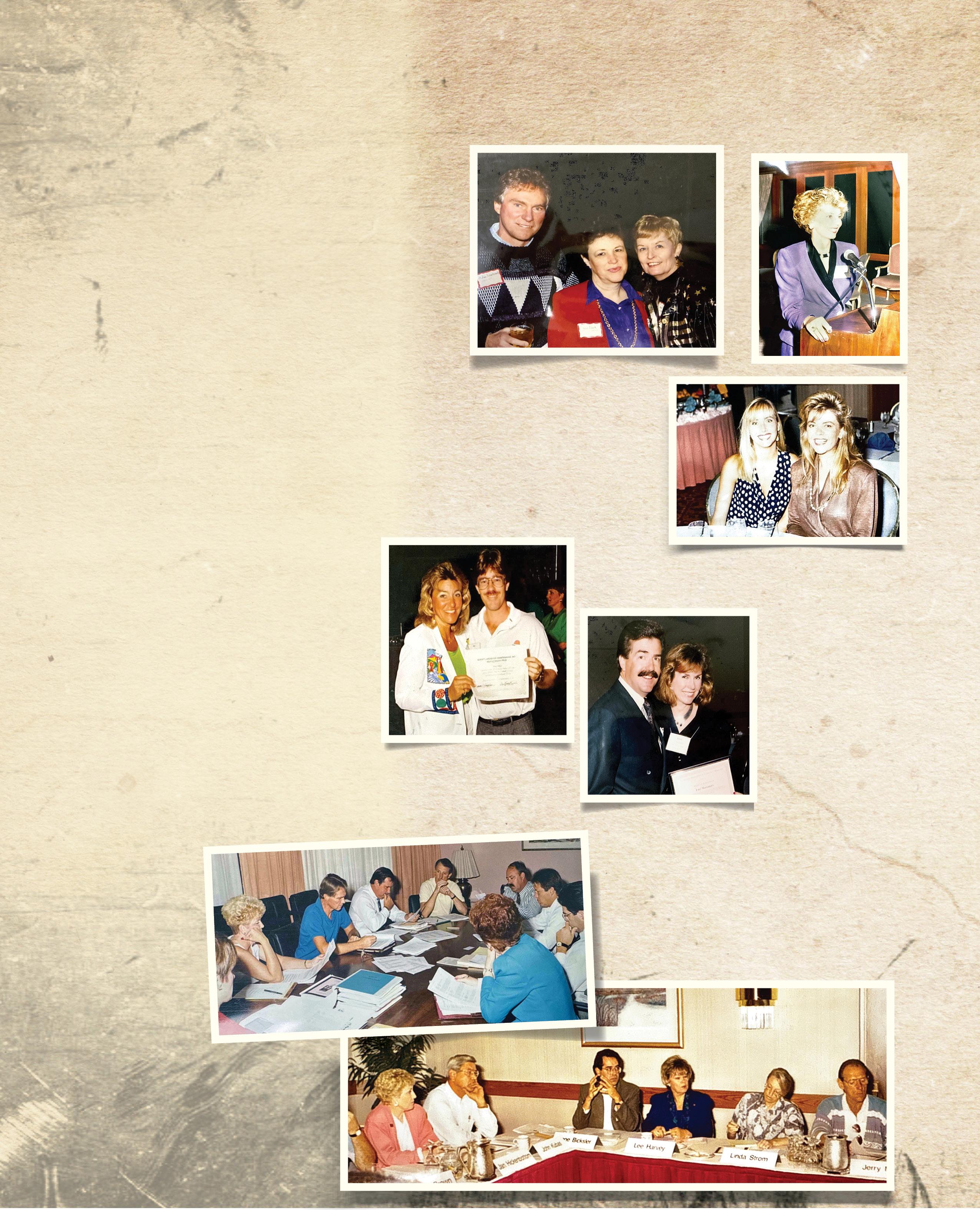
Though these photos may lack a date, the evidence is clear the outfits scream these weren’t taken yesterday. Just look at those smiling faces at one of the first few events CACM hosted.
Certification strong
Though we may have streamlined the process of how you receive your certification, we still like to hand deliver when we can! But back then it was the only option, certifications served with a smile!
Meetings missing something
Looks like these meetings are missing the snazzy squares with names and capability to share screen. Though Zoom and Teams has become a vital resource in meeting with people, we can’t help but admit that seeing everyone in one room is quite the sight to see.
Sponsors still seen today
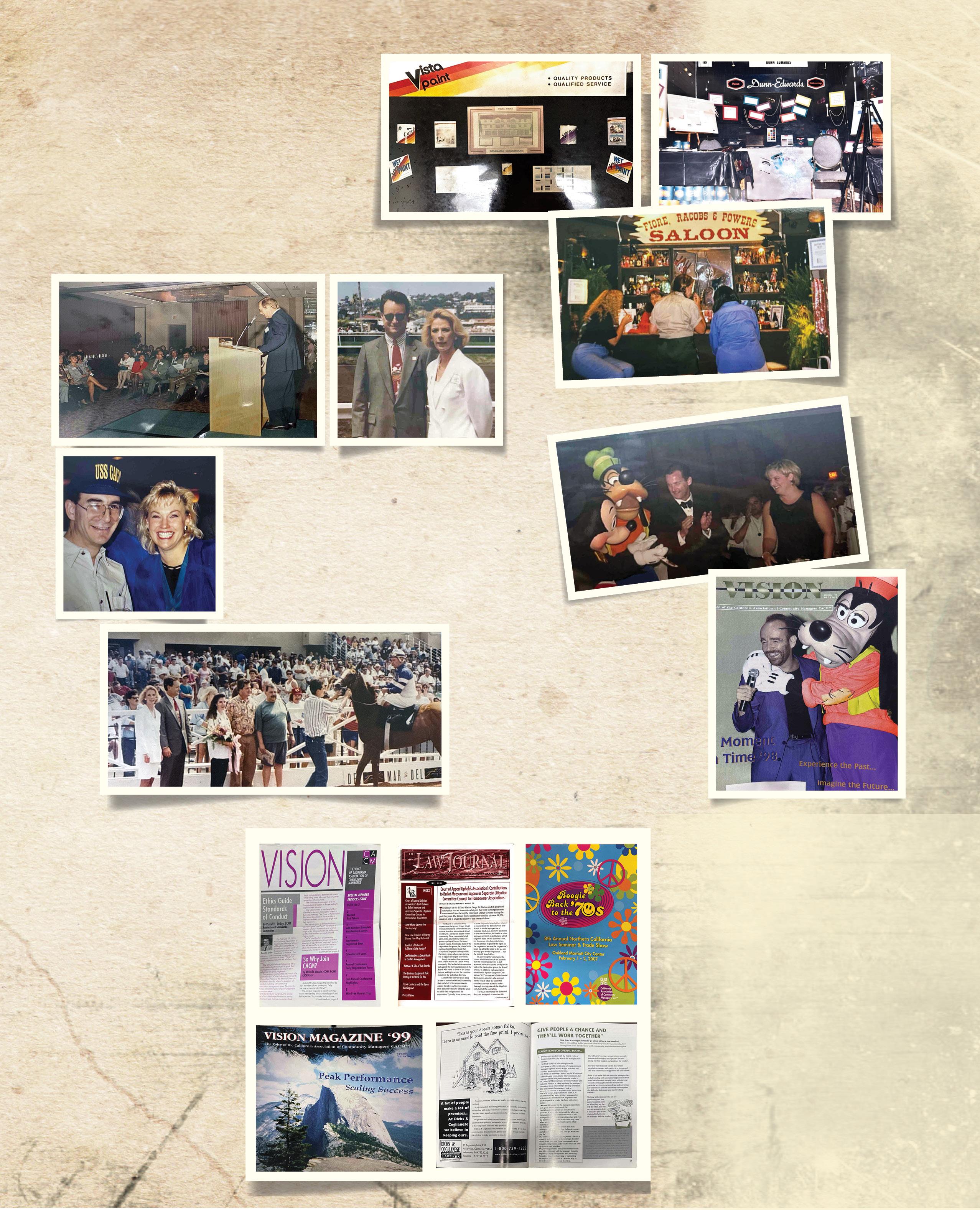
We love all our industry partners here at CACM, they are integral to the organization jut like our managers. But we do love seeing booths from industry partners back in the day who have remained partners today. Just few years in difference even changed how crazy the booths can be!
Publications through the ages
Law journal, Vision magazine and even our expo brochures have changed since we first started. What began as a small journal has developed into a digital publication with six to eight different articles by different attorneys. Our vision magazine has developed from colorless columns and ads to digital first with active links while still providing meaningful articles, colorful ads and photo galleries. Though our expo brochure has ceased to exist, all that was once printed is now available in your pocket on our app.
Events can be fun
We are not lying when we see you won’t want to miss one of our events! These memories last a lifetime and some of them we still get the opportunity to look back on. From Day at the Races, to holiday receptions and even USS CACM (I’m still trying to figure out what that event was about) our events provide fun for everyone.
Partnering with Disney
A partnership that has lasted a while! The magic of Disney is carried on through today at our Southern California Law Seminar and Expo and what a special moment captured at one of our first events at Disney and one even made the cover of the 1998 spring Vision Magazine. Strangely, Mickey and Goofy haven’t aged a bit!
While it may be easy to compare the pros and cons of the digital age, I find it more meaningful to look back on these memories and use them as a source of inspiration. How can we bring moments like that to life again? How can we keep meaningful connection at the forefront? Don’t let the change shake you, embrace it and aim to continue making more memories!
Celeste Huecias is Communications Manager at CACM, which she joined in May 2024.
Beyond the Algorithm:
HIRING & RETENTION in Community Management
By Anne Lackey
You’ve hired the same person three times this year: different name, same résumé, same interview answers and the same six-month shelf life.
Digital tools were supposed to solve your hiring problems. Instead, they just made it easier to move fast. You can post multiple job boards in minutes, screen résumés automatically and schedule interviews instantly.
When your maintenance supervisor quit during pool season, you posted the job that afternoon, screened 80 applications by morning and hired someone by the end of week. It felt like the problem was solved, but six months later, residents were complaining, and you were back to square one.
The digital tools worked as designed. They filled a seat, but they didn’t help you hire someone who would stay.
SPEED CREATES THE TRANSACTIONAL TRAP
The problem isn’t the tools themselves. It is the way they push managers into treating hiring like a transaction. Get a body in the chair, move on. But community association management isn’t transactional work. It’s relationship work.
When you hire transactionally, you get transactional employees. These are people who leave for a dollar more per hour or at the first sign of difficulty. Digital speed makes it easy to miss the qualities that actually matter: judgment, composure and the ability to build trust under pressure.
DEFINE SUCCESS BEFORE YOU POST
Before you post a job, clarify what success means in this role. That starts with values: how do you expect people to treat residents, boards, and each other? Without that clarity, you hire credentials and hope chemistry shows up later. Hope is what keeps you re-posting every six months.
Next, name the real challenges. What broke the last hire? Was it workload? Politics? Lack of support? If you can’t name what’s hard, you can’t screen for someone who can handle it.
Turn this into a practical exercise. Before your next interview, finish this sentence: “The last person in this role struggled because…” Write down the exact challenge, then describe it to the candidate. Ask, “How would you handle this?” Listen for nuances. That one conversation will reveal more than any résumé keyword ever will.
PEOPLE BEFORE SYSTEMS
One of the biggest traps is believing the right system will solve people-problems. A new applicant tracking system (ATS), better screening questions or a slick onboarding checklist may be progress, but efficiency tools can’t fix judgment problems. You’ll just make the wrong hire faster.
Take the ATS as an example. You set it to flag résumés with keywords like “CAM license,” “property management” and “HOA.” Candidate A checks all the boxes and rises to the top, but in practice they escalate conflict and frustrate residents. Candidate B has 10 years of resort management experience, where they calmed angry guests, coordinated staff and kept operations running smoothly. Their résumé says, “guest relations” instead of “resident relations,” so the ATS screens them out before you ever see their application. The system rewards keywords, not judgment. Yet judgment is exactly what determines whether someone stays and succeeds.
That is why the right people improve your systems, but the right system will never guarantee the right people. Hire for the qualities that matter most, then let them help refine your processes. What you cannot do is automate your way toward character.
Even in the application process, candidates are testing you. When someone submits a thoughtful question through your portal, are you using automation to avoid conversation, or to enable it? An autoreply will not win over the kind of professional you want to keep.
HONESTY BUILDS STAYING POWER
Speed makes it easy to repeat the same mistakes, but it also tempts managers to
oversell jobs. You copy last year’s posting, highlight the positives and gloss over the challenges. The result is predictable: the new hire discovers reality, becomes discouraged and leaves.
Instead, tell the truth. If you need a community manager, say it plainly: “Three evening board meetings a month. Emergency calls sometimes on weekends. You will enforce rules while maintaining relationships. Those priorities can conflict. How have you handled that before?”
The people who last are the ones who knew the reality up front and wanted the job anyway.
RETENTION COMES FROM ATTENTION
Even when you hire well, retention depends on how you treat people once they are in the role. Onboarding paperwork does not mean someone is integrated. People stay when they feel seen and supported.
That means giving specific feedback: “When that board member tried to derail the discussion, you redirected without making him feel dismissed. That kept the meeting productive. That is the judgment we need.”
It means backing staff in unreasonable situations: “The board wants staff available until 10 PM every night. That is not sustainable. Let’s propose a rotating on-call system for true emergencies.” You are protecting your team while still serving the community.
And it means helping staff adapt when expectations shift. “The new board wants different reporting formats. That does not mean the old way was wrong. It means boards have different styles. Let’s adjust.” You keep them from internalizing change as failure.
If you are hiring now, slow down one interview conversation. Ask one scenario-based question that gets at the challenge that broke your last hire. Listen for judgment and resilience. If you are not hiring, keep one strong contact warm. Meet someone promising? Set a reminder to check in three months from now. That is how you avoid starting from scratch in a crisis.
Community association management is relationship work in a digital world. Your competitive edge is not your software. It is knowing when to use it and when to set it aside. The companies winning on talent are not the ones with the flashiest systems. They are the ones who remember that people want to work with people, and who make connections intentionally.
Some things get better when you go fast. Others require time and judgment. The wisdom is knowing which is which.
The right people can improve any system, but no system can replace the right people. You can’t automate character.
Anne Lackey is the co-founder of HireSmart Virtual Employees, hiresmartvirtualemployees.com, a fullservice HR firm helping others recruit, hire & train top global talent.
RECLAIMING
FROM BURNOUT TO BALANCE
Mental Wellness
IN COMMUNITY MANAGEMENT
By Devin Langley, CCAM-PM.ND.CI
The role of a Community Manager in the HOA industry is unlike any other. We are the jack of all trades—and the master of more than a few. On any given day, we’re gathering bids, reviewing contracts, managing conflicts, and navigating difficult personalities. We build relationships with board members, homeowners, vendors and colleagues, often acting as the glue that holds a community together.
But the job doesn’t stop there. We prepare board meeting reports, monitor work orders, create budgets and analyze financials. We juggle expectations from every direction—sometimes literally dancing backwards in high heels, metaphorically speaking, to keep everything moving forward. The pace is relentless, the demands are high and the emotional toll is real.
Despite the critical role we play in maintaining the health of communities, the mental health of Community Managers is often overlooked and increasingly strained by the digital world we operate in. In today’s fast-paced, tech-driven environment, many of our interactions with clients, board members and colleagues happen through screens and apps like Zoom, Slack, Teams and email. While these tools offer convenience and speed, they also blur the boundaries between work and personal life, creating an “always-on” expectation that can be mentally exhausting.
The lack of face-to-face connection can also make it harder to build trust, resolve conflict and feel genuinely supported. Digital communication often lacks nuance of in-person interactions, leaving managers to interpret tone, manage miscommunications, and respond to urgent issues without the benefit of human context. This constant digital engagement can lead to emotional fatigue, isolation and a sense of being perpetually accessible, further compounding the stress that already comes with the job.
When I asked Robin Romo, MCAM-HR, PCAM of CitiScape Property Management, if she could share a time her mental health was challenged in this profession, she candidly shared a personal experience that underscores the mental health crisis many community managers face. In 2023, Robin found herself in an unsustainable situation, working over 16 hours a day due to staffing challenges and other work-related concerns. Like many in our profession, she prioritized the needs of others, dropping everything to solve problems while neglecting her own well-being.
The chronic stress culminated in a stroke, forcing her to take a three-month leave of absence. Her story is a powerful reminder that even the most experienced and dedicated professionals are not immune to burnout and that the cost of ignoring mental health can be life-altering.
TRUE WELL-BEING COMES FROM EMPATHY, CONSISTENCY, AND CREATING SPACE TO BE HUMAN, EVEN IN HIGH-PRESSURE ROLES.
Karen Kokowicz, CMCA, CCAM, PCAM, is passionate about mental health in our industry. So much so that she founded Happy Minds Network, a wellness initiative designed to create space where mental health is not only encouraged but normalized. Karen believes that true well-being doesn’t come from grand gestures—it’s built through empathy, consistency and creating an environment where it’s okay to be human, even in high-pressure roles.
Karen further notes that for far too long, our profession has celebrated endurance over balance—rewarding those who work the longest hours or handle the toughest communities without complaint. This culture has made vulnerability feel unsafe, and asking for help can be mistaken for weakness.
Her recovery from burnout began when she gave herself permission to pause. She started setting firmer boundaries, delegating responsibilities and being honest—both with herself and her team—about what was sustainable. She learned to view self-care not as an indulgence, but as an act of leadership.
So, what steps can a Community Manager take on their own mental wellness journey without adding one more thing to the to-do list?
START WITH AWARENESS
Recognize that burnout is real, and that no one is immune. Robin Romo reflects on this with a piece of advice she would give her younger self: You are not Superwoman—you cannot do it all. Setting limits is not a weakness—it’s a necessity.
ESTABLISH BOUNDARIES
Be clear about what behavior is acceptable and what is not. Learn to triage tasks and prioritize effectively to avoid feeling overwhelmed. Know when to walk away from escalating situations rather than pushing through and risking further stress.
RECLAIM PERSONAL TIME
Technology can be both a tool and a trap. Configure your phone so only emergency contacts or business-critical partners can ring through after hours. Silence all other notifications until morning. Avoid checking email after hours, and if you must respond, use delayed delivery to maintain healthy boundaries.
INTEGRATE WELLNESS INTO YOUR DAY
Subtle shifts can have a meaningful impact. Play music while you work. Incorporate micro-breaks from screen time every hour—step away from your computer, stretch, hydrate, or simply gaze out the window. These small resets refresh your mind and reduce fatigue.
Mindfulness apps like InsightTimer offer free tools for meditation, breathwork and mental clarity, while Headspace provides accessible resources for managing stress, anxiety and sleep. These tools are designed to fit into busy schedules and can be easily accessed from your phone—whether during a lunch break in your car or winding down before bed.
TAP INTO COMMUNITY SUPPORT
Initiatives like the Happy Minds Network provide safe spaces for Community Managers to connect, share experiences and access mental health resources tailored to the unique challenges of the HOA industry. These networks foster a sense of belonging and add tools to our professional toolkit.
MAKE TIME FOR HUMAN CONNECTION
If you work remotely, spend a few days in the office to build camaraderie with your team and peers. When possible, pick up the phone instead of sending another email— sometimes a real conversation can resolve more than a dozen messages. Seek out mentorship opportunities and check in with your teammates. Chances are, they’re navigating similar challenges and could benefit from a moment of connection just as much as you.
In a role that demands constant connectivity, intentional digital detox practices can help restore balance and protect mental health:
SCHEDULE SCREEN-FREE TIME
Designate specific hours—especially mornings or evenings—as screen-free zones. Use this time to read, reflect or engage in non-digital activities.
USE “DO NOT DISTURB” FEATURES
Customize your devices to silence non-essential notifications during off-hours. Let only priority contacts ring through.
CREATE TECH-FREE ZONES
Establish areas in your home or workspace where devices are not allowed—such as your bedroom or dining area. Digital Declutter: Regularly audit your apps and notifications. Remove anything that doesn’t serve a clear purpose or adds unnecessary stress.
MINDFUL TRANSITIONS
Take a few moments before and after meetings to breathe and reset. Avoid jumping from one digital task to another without pause.
These small but intentional habits can help Community Managers reclaim mental space and reduce the overload that comes with constant digital engagement.
Community Managers are the backbone of the HOA industry, balancing complex responsibilities with professionalism, empathy, and resilience. But we cannot continue to pour from an empty cup. By acknowledging the mental health challenges inherent in our roles, setting boundaries, embracing wellness and fostering connection, we can begin to shift the culture from one of silent endurance to one of sustainable support.
Devin Langley, CCAM-PM.ND.CI, is the Vice President of Community Management at The Management Trust-Central California with over 18 years of experience.
Practical Applications of AI for Community Association Management
AI Can Artificial Intelligence REPLACE community association managers?
By Mitchell Drimmer, CMCA, LCAM
Personally, I think that’s a pretty hard and fast “no.” No robot can truly replace a real, live human being. But innovation has always struck fear in the masses. Just as with revolutionary advancements of the past, like the printing press, the lightning rod, railroads, telephones, photography, X-rays, automobiles, in-home electricity, radio, nuclear power, cell phones and even television, AI is the “devil we do not know and therefore must fear” (but with television, they may have been onto something!)
This is natural, but it can hold back businesses from leveraging the full potential of valuable technology.
While I cannot speak to all applications of AI in the unlimited number of enterprises that may use it, there can be no doubt that this technology presents incredible value for the community association management industry.
Don’t misunderstand—this is not to say that robots should be handling the affairs of community associations. AI should not be seen as a tool to replace humans. When leveraged properly, it can both assist the community association manager and help them keep their job (even if that sounds counterintuitive).
Using AI to Retain Managers and Clients
Client and manager turnover is a persistent issue in the industry. It’s one that has many, from executives to Board members, seriously considering AI usage. Because if technology can completely eliminate some of the workload burning out managers and community volunteers, that’s a good thing, right?
Only if you do it right.
For example, allowing AI to selectively engage with your association members in order to avoid tedious engagement entirely would surely free up time! But it would also remove a core element of the community. Engagement can be timeconsuming, but replacing a person with an AI tool may be irresponsible.
AI isn’t here to replace managers; it’s here to help them do their jobs better.
When inserted properly (the provision “properly” being critical) into the workings of a community association and a community association management company, AI can drive retention not only in managers but in clients as well.
Retain Your Managers
Every day, managers are expected to provide...more. More specialized information, more knowledge of how to adhere to current or new regulations, more engagement with vendors, residents, lawyers, board members, just more everything. This expanding list of responsibilities is whittling down the already precious time managers have available to dedicate to each community in their portfolio.
Fortunately, many of the questions that managers get day to day can be answered with AI.
That’s not to say a bot will be fabricating an answer out of thin air but rather will be a designated traffic cop to help lead people to the knowledge they need. When your managers use the right tools to free up time in their day to tackle the more important tasks, management can become more manageable.
AI has other practical applications for HOA managers as well and can be incredibly powerful when implemented correctly. Allowing a technology tool to reference historical data and create understandable assessments that help Board members make informed decisions can also help managers save time and effort.
Retain Your Clients
A good residential experience is very important in community association retention, and the best path to providing that lofty goal is stronger support for managers and boards.
When managers become overwhelmed, the relationships between managers and boards begin to wear thin. Fewer answered emails and phone calls lead to hurt and frustration. And when management companies are forced to replace managers who quit, that relationship with a community must completely restart.
I suspect this is a big reason why self-management in community associations is becoming more and more popular. And though that is not necessarily a bad thing, it does mean management companies are struggling with community turnover on top of manager turnover.
When properly leveraged, AI can help managers thrive by reducing tasks that can be well served by innovation and automation. When implemented as a self-help tool to guide users in the right direction, homeowners take up less manager time and get answers more immediately, keeping them happier with less effort.
Expeditious, accurate responsiveness to important questions saves the manager time, which saves the association money and reduces board frustration, all of which helps the management company retain a client.
Properly Applied AI Supports Managers and Strengthens Communities
The rise of AI is happening whether we like it or not. While the technology is still largely in its infancy and has a lot of big milestones to accomplish, the future of AI looks bright. Today, management companies and HOAs have a lot of strong options for practical AI application and embracing that technology is how they can be best prepared for tomorrow.
With the right tools, managers can focus on what matters and make management more manageable.
A practical guide designed to help managers and board members navigate the complexities of collections.
Mitchell Drimmer is the President of Axela Technologies, a licensed community association manager and author of The Art of Collections for Community Associations.
Lessons from the Past, Tools for Tomorrow
Communities have evolved and so has the industry that manages them. From navigating complex legal landscapes to adopting the latest technologies, community management is shaped by decades of experience and advocacy. At this two-day conference, CACM will guide you through the insights of the past while equipping you with strategies, tools and perspectives to meet the challenges of today and tomorrow. Explore how history informs innovation, from legal trends and best practices to the adoption of emerging technologies.
Why Attend
Build Your Career
The strategies you learn at the CACM Law Seminar will enhance your professional skills and help you to successfully guide your communities.
Connections With Colleagues & Mentors
If catching up with colleagues and mentors is on your high list of priorities, then you can look forward to the largest gathering of California community management professionals at the Law Seminar. Expand your professional network and build powerful relationships.
CACM Expo Hall
Region-Specific Content
CACM’s Education team has pulled together California’s best and brightest to lead this year’s educational sessions. Although content is relevant for the entire state of California, these experts will focus their teachings on either the Northern California or Southern California regions making the conversations unique to the area in which you serve communities.
Earn up to 12 CEUs*
Attend the Law Seminar & Expo and receive 8 CEUs for recertification. Take one of our two Ethics courses being offered the day before the Law Seminars to earn an additional 4 CEUs.
Cost to Attend
Industry partners will showcase a memorable period from our past or their vision for the future. Upon entering the trade show floor, you will be transported to another place and time as you visit the various booths. CACM is proud to continue our leadership role hosting the largest Expo for the California community management industry that features a vast array of exhibits, all while networking with the “who’s who” of the industry.
Sponsorship Opporunities
Interested in sponsoring the largest event in the California community management industry? Download our opportunities and email marketing@cacm.org.
BY: Mike Yarman, CCAM-LS.LM
Who Does the HOA Manager Really Work For?
The Challenges and Realities of Community Association Management
If you ask a group of homeowners, “Who does the HOA manager work for?” you’ll get a range of answers. Some will say, “They work for the board.” Others insist, “They work for us—the homeowners— we pay their salary!” And still others believe the manager is simply an extension of the management company. The truth is both simpler and more complicated: the HOA manager works for the corporation, the legal entity that is your homeowner’s association.
The Manager’s True Role
An HOA is a nonprofit mutual benefit corporation governed by the Davis–Stirling Act and its own governing documents. The corporation is overseen by an elected Board of Directors, who act as fiduciaries for all owners. The manager, whether hired directly or through a management company, is an agent of that corporation. Their job is to carry out the policies set by the board and ensure the day-to-day operations of the association are handled responsibly and legally.
That means the manager does not work for any one director, any single homeowner or even the management company’s priorities. Their duty is to the corporation itself, and by extension to the community as a whole.
The Balancing Act
This structure creates some of the most difficult challenges in the profession. Managers are:
ANSWERABLE TO THE BOARD
Directors make decisions by majority vote. Even when a manager receives conflicting instructions from individual directors, they must defer to the board’s collective decisions.
SERVING THE HOMEOWNERS
Every homeowner feels like the “boss,” especially when their assessments fund the association. Managers must respond respectfully, even when requests are outside their authority or contrary to board policy.
BOUND BY LAW
Managers must follow the Davis–Stirling Act, labor laws, fair housing requirements and other regulations. Sometimes, this means telling both the board and homeowners “no,” even when the request seems reasonable.
ACCOUNTABLE TO VENDORS
Managers negotiate and oversee contracts with landscapers, security companies and maintenance providers, but they are not the vendor’s employer. They must balance holding vendors accountable while maintaining good working relationships.
Common Pitfalls and Misunderstandings
Because of this balancing act, HOA managers often find themselves in tough situations:
CONFLICTING AUTHORITY
One director gives an instruction, but the board never voted on it. If the manager acts, they risk criticism from the rest of the board.
UNREALISTIC EXPECTATIONS
Homeowners sometimes believe the manager can waive rules, approve exceptions, or spend money outside the budget. In reality, the manager must enforce policies fairly and transparently.
THE BLAME GAME
When things go wrong, an assessment increase, a special project delay or a denied architectural request, the manager is often the first target, even when they are simply implementing Board decisions.
BURNOUT AND TURNOVER
This constant pressure, combined with long hours, heavy workloads and high emotional demands, is why the HOA management field has one of the highest burnout rates in property-related professions.
Why This Matters
Understanding who the manager really works for helps reduce conflict and improves community life. Homeowners and directors alike benefit when they recognize that the manager is not an adversary, but a professional resource, administrator and compliance officer for the corporation.
In the end, a good manager is most successful when the board sets clear policies, homeowners communicate respectfully and everyone remembers that the true “boss” is the corporation itself, not individuals, but the collective community.
THE HOA MANAGER WORKS FOR THE CORPORATION THAT IS YOUR HOMEOWNERS ASSOCIATION.
Mike Yarman CCAM-LS. LM became a CCAM in 1997 and has been working in the industry for even longer. He’s the general manager and COO of the Rinconada Hills Association in Los Gatos.
of CAM Marketing
AI has moved from buzzword to a practical marketing tool. What started as a Silicon Valley headline has become something CAM firms actually need to pay attention to. AI is already changing how potential clients find us, how we create proposals and how we communicate with the communities we serve.
Here’s what matters: the way boards and HOAs research management companies have changed dramatically in just the past year. Firms that adapt will gain an edge. Those that don’t will struggle to get noticed let alone win new business.
By John Leutermann
How Prospects Find You Now
Board members searching for new management companies no longer scroll through pages of Google results. They’re asking ChatGPT, Perplexity or using Google’s AI summaries for quick, confident answers.
If your firm isn’t represented in quality online content case studies, reviews or articles you won’t show up in those AI-generated responses. And if you’re not in the answer, you might as well not exist.
Generic website copy won’t cut it anymore. You need content that proves expertise: detailed guides on reserve studies or special assessments, insights on industry trends and real examples of problems you’ve solved.
Proposals in the AI Era
Modern AI tools can read RFPs, extract key requirements and draft responses in a fraction of the time. They can even analyze past winning proposals and suggest which case studies or qualifications to include.
But here’s the catch: when everyone uses the same tools, proposals start to sound the same. The winning firms won’t be the ones with the slickest AI-generated copy. They’ll be the ones who use AI for boilerplate tasks, then add what AI can’t replicate—insight into the community’s unique situation, examples from real experience and authentic problem-solving.
Use AI to save time, but don’t let it strip out what makes your firm worth hiring.
Improved Client Service
Think about how much time your team spends answering repetitive questions like parking rules, architectural requests, meeting schedules. Chatbots can handle these anytime, freeing managers to focus on higher-value work like mediating disputes or handling complex violations.
These tools can also spot patterns across properties. If three units report the same issue in two months, or the pool heater keeps breaking, the system flags it before it becomes a bigger problem.
AI monitoring tools can even scan social media and community forums to catch resident complaints before they surface at board meetings.
The key is balance. Homeowners still expect real human conversations for sensitive issues. AI should enhance those interactions, not replace them.
Smarter Marketing
AI is also reshaping how firms market themselves. Email platforms can test subject lines and send times automatically. Social media tools reveal which posts perform best, helping you focus on what resonates.
You can segment your prospect list to tailor content for high-rise condos versus suburban HOAs, which have very different priorities. Some systems can even flag which prospects engage with your content most, helping your team focus your outreach on the right leads.
What You Should Do Now
Start by reviewing your digital footprint. Does your website offer genuinely useful information? When did you last publish a case study or client testimonial? Are you writing articles or speaking at industry events?
Then, test one or two AI tools in a focused area like proposal drafting, social scheduling or customer support. Learn what delivers real value before committing to expensive systems.
Also, make sure your team understands how AI search differs from traditional SEO. Content must now be written to answer questions clearly and demonstrate authority because that’s what AI pulls from.
The Bottom Line
AI is already part of CAM marketing. Should you be using it? Absolutely, but wisely.
The firms that succeed will know where AI adds efficiency and where it gets in the way. Use it to handle repetitive work and surface data insights, but never let it replace the personal expertise and relationships that define great management.
Start experimenting now with tools that save your team time or improve client experience. But keep your focus where it’s always belonged: delivering great service and building strong communities.
If your firm isn’t part of quality online content, you won’t appear in AI-generated answers. If you’re not in the answer, you might as well not exist.
John Leutermann is the president of Big Rock Marketing, with over 15 years of digital marketing experience and has a proven track record of driving growth for businesses within the community association management industry.
NORTHERN CALIFORNIA
Moraga Country Club
October 20, 2025
Thank you to our sponsors for the first second quarter of 2025 (July 1 - September 30) for their generous contributions. The next time you encounter a CACM Sponsor, please join us in acknowledging the work and generosity of these supportive members.
Advance Construction Technology (ACT)
Alta Roofing & Waterproofing
AMS Construction Services
Andre Landscape Service, Inc.
Angius & Terry LLP
Arbor MD Tree Care, Inc.
Association Reserves
AvidXChange
AWT Construction Group, Inc.
Axis Construction
Beaumont Tashjian
Berg Insurance Agency
BluSky Restoration Contractors
Bonney Plumbing, Electrical, Heating & Air
Briscoe Prows Kao Ivester & Bazel, LLP
BRIXCO Construction, Inc.
Broadband Agreements by MFC
Brown & Brown
BTC Bob Tedrick Construction, Inc.
BuildingLink.com
Cagwin & Dorward Landscape Contractors
California Builder Services
CalPro Construction & Painting
CAM Construction & Painting
Celoseal Roofing Inc.
Certified Restoration
Chaix Law
Chapman & Intrieri, LLP
Citadel Roofing & Solar
Cline Agency Insurance Brokers
CM2 & Associates, Inc.
Columbia Bank formerly Pacific Premier Bank
CommonArea Financial
Condo Control
Core Environmental Solutions
Del Conte’s Landscaping, Inc.
DrBalcony
Duro-Last Roofing
ECC Exteriors
EmpireWorks Reconstruction
EntryOne
eUnify
Fenton Grant Kaneda & Litt, LLP
First Citizens Bank
Flanagan Law, APC
GB Group Construction & Painting
Heritage Bank of Commerce
Hotwire Communications
Hughes Gill Cochrane Tinetti, P.C.
ICS4S
IQV Construction & Roofing
J.J. Commercial Water Heaters
JGB Restoration
JPA Landscape & Construction, Inc.
Keith Stonebraker Insurance Agency
LaBahn’s Landscaping
LaBarre Osksnee Insurance
Life Specialty Coatings
McKenzie Mena, LLP
Metro Elevator
The Miller Law Firm
MindMe Technology, Inc.
Mission Landscape Companies, Inc.
National Protective Service
Nautilus Reconstruction, Contracting & Consulting
O’Connell Landscape Maintenance
One Structural Inc. dba Balcony1
Pacific Green Landscape, Inc.
Pacific Surfacing, Inc.
Painting Unlimited, Inc.
PaveMasters
PCW Contracting Services
Pilot Painting & Construction
Pinnacle Financial Partners
Platinum Security, Inc.
Premier Commercial Painting
Pro Star Mechanical Services
Protec Building Services
Pro-Tech Painting Company
Pro-Tek Electrical & Lighting Inc.
Recon360, LLC
Richardson I Ober
Saarman Construction, Ltd.
San Diego Roof Doctor
ServBank
Servpro of Sorrento Valley SmartProperty, Inc.
Socher Insurance, a HUB International Company
Stay Green, Inc
Storm Water Innovative Solutions
StormWater Pros, IE, LLC
Strategic Sanitation Services
TWM Roofing Inc.
Unified Steel, aka Westlake Royal Roofing Solutions
Urban Painting
Vantaca
Varsity Painting
Western Alliance Bank
Whit’s Painting , Inc.
XO Window Systems
upcoming courses
Course Calendar
THE BASICS OF ASSOCIATION MANAGEMENT
Zoom
Session 1 of 8 CMM 101
Jan 6
9:00 AM - 11:00 AM
Session 2 of 8 CMM 101
Jan 7
9:00 AM - 11:00 AM
Session 3 of 8 CMM 101
Jan 13
9:00 AM - 11:00 AM
Session 4 of 8 CMM 101
Jan 14
9:00 AM - 11:00 AM
REGISTER
CALIFORNIA LAW
Zoom
Session 1 of 8 CMM 121
Jan 6
1:00 PM - 3:00 PM
Session 2 of 8 CMM 121
Jan 7
1:00 PM - 3:00 PM
Session 3 of 8 CMM 122
Jan 13
1:00 PM - 3:00 PM
Session 4 of 8 CMM 122
Jan 14
1:00 PM - 3:00 PM
REGISTER
Session 5 of 8 CMM 102
Jan 20
9:00 AM - 11:00 AM
Session 6 of 8 CMM 102
Jan 21
9:00 AM - 11:00 AM
Session 7 of 8 CMM 102
Jan 27
9:00 AM - 11:00 AM
Session 8 of 8 CMM 102
Jan 28
9:00 AM - 11:00 AM
Session 5 of 8 CMM 123
Jan 20
1:00 PM - 3:00 PM
Session 6 of 8 CMM 123
Jan 21 1:00 PM - 3:00 PM
Session 7 of 8 CMM 124
Jan 27 1:00 PM - 3:00 PM
Session 8 of 8 CMM 124
Jan 28 1:00 PM - 3:00 PM
FOUNDATIONAL ETHICS
Zoom CMM 130
Session 1 of 2
Jan 8
9:00 AM - 11:00 AM
REGISTER
All educational courses are held on Zoom except when indicated. Please contact a member of the Education Department for further details and schedule. Click on courses below to register.
ADVANCED ETHICS
Zoom
Session 1 of 2
Jan 15
9:00 AM - 11:00 AM
REGISTER
ETHICS MASTERY
LDR 500
Session 2 of 2
Jan 15 1:00 PM - 3:00 PM
Zoom LDR 500
Session 1 of 2
Jan 22
9:00 AM - 11:00 AM
REGISTER
ADVANCED ETHICSNORCAL LAW SEMINAR
Zoom
Feb 4
12:30 PM - 4:30 PM
REGISTER
INSURANCE PRINCIPLES
Session 2 of 2
Jan 22
1:00 PM - 3:00 PM
CCIP: ENHANCE YOUR PROFESSIONAL PRESENCE
Zoom CIP 200
Session 1 of 2
Jan 27
9:30 AM - 11:30 AM
REGISTER
RESERVESWHAT, WHY, HOW
Zoom
Jan 29
9:00 AM - 12:00 PM
REGISTER
Session 2 of 2
Jan 27 1:30 PM - 3:30 PM
FIN 200
Session 2 of 2
Jan 8 1:00 PM - 3:00 PM
ETHICS MASTERYNORCAL LAW SEMINAR 1
Zoom LDR 550
Feb 4 12:30 PM - 4:30 PM
REGISTER
ETHICS MASTERYNORCAL LAW SEMINAR 2
Zoom LDR 550
Feb 4
12:30 PM - 4:30 PM
REGISTER
LDR 500
Zoom INS 200
Feb 10
9:00 AM - 12:00 PM
REGISTER
EXPLAINING FINANCIAL STATEMENTS
Zoom
Session 1 of 3
Feb 10
1:00 PM - 3:00 PM
Session 2 of 3
Feb 17
1:00 PM - 3:00 PM
REGISTER
CALIFORNIA LAW
Zoom
Session 1 of 8 CMM 121
Feb 11
9:00 AM - 11:00 AM
Session 2 of 8 CMM 121 Feb 12 9:00 AM - 11:00 AM
Session 3 of 8 CMM 122 Feb 18
9:00 AM - 11:00 AM
Session 4 of 8 CMM 122
Feb 19
9:00 AM - 11:00 AM
REGISTER
FIN 220
Session 2 of 3
Feb 24
1:00 PM - 3:00 PM
Session 5 of 8 CMM 123 Feb 25 9:00 AM - 11:00 AM
Session 6 of 8 CMM 123 Feb 26 9:00 AM - 11:00 AM
Session 7 of 8 CMM 124 Mar 4 9:00 AM - 11:00 AM
Session 8 of 8 CMM 124 Mar 5 9:00 AM - 11:00 AM
THE BASICS OF ASSOCIATION MANAGEMENT
Zoom
Session 1 of 8 CMM 101
Feb 11
1:00 PM - 3:00 PM
Session 2 of 8 CMM 101
Feb 12
1:00 PM - 3:00 PM
Session 3 of 8 CMM 101
Feb 18
1:00 PM - 3:00 PM
Session 4 of 8 CMM 101
Feb 19
1:00 PM - 3:00 PM
REGISTER
Session 5 of 8 CMM 102
Feb 25
1:00 PM - 3:00 PM
Session 6 of 8 CMM 102
Feb 26 1:00 PM - 3:00 PM
Session 7 of 8 CMM 102
Mar 4 1:00 PM - 3:00 PM
Session 8 of 8 CMM 102
Mar 5 1:00 PM - 3:00 PM
ETHICS MASTERYSOCAL LAW SEMINAR 2
Zoom LDR 550
Mar 11
12:30 PM - 4:30 PM
REGISTER
ADVANCED ETHICSSOCAL LAW SEMINAR
Zoom LDR 550
Mar 11
12:30 PM - 4:30 PM
REGISTER
FOUNDATIONAL ETHICS
Zoom CMM 130
LARGE SCALE MANAGEMENT
Zoom SPC 410
Session 1 of 6
Mar 24
1:00 PM - 3:30 PM
Session 2 of 6
Mar 25
1:00 PM - 3:30 PM
Session 3 of 6
Mar 31
1:00 PM - 3:30 PM
REGISTER
Session 4 of 6 April 1 1:00 PM - 3:30 PM
Session 5 of 6 April 7 1:00 PM - 3:30 PM
Session 6 of 6 April 8 1:00 PM - 3:30 PM
STRATEGIC FINANCIAL PLANNING
Zoom FIN 320
Session 1 of 2
Mar 25
Zoom BDA 300
Session 1 of 2
Feb 17
9:00 AM - 11:00 AM FUNDAMENTALS OF EFFECTIVE GOVERNANCE
REGISTER
Session 2 of 2 Feb 24
9:00 AM - 11:00 AM
CCIP: FOUNDATIONAL ETHICS
Zoom CIP 300
Session 1 of 2
Feb 24
9:30 AM - 11:30 AM
REGISTER
Session 2 of 2 Feb 24 1:30 PM - 3:30 PM
CONFLICT RESOLUTION
Zoom CMM 220
Session 1 of 2
Mar 3
9:00 AM - 11:00 AM
REGISTER
Session 2 of 2
Mar 3 1:00 PM - 3:00 PM
ETHICS MASTERYSOCAL LAW SEMINAR 1
Zoom LDR 550
Mar 11
12:30 PM - 4:30 PM
REGISTER
Session 1 of 2
Mar 17
9:00 AM - 11:00 AM
REGISTER
BUDGETING
Zoom
Session 1 of 2
Mar 18
9:00 AM - 11:00 AM
REGISTER
Session 2 of 2
Mar 17 1:00 PM - 3:00 PM
FIN 300
Session 2 of 2
Mar 19
9:00 AM - 11:00 AM
CCIP: HOA CORE PRINCIPLES
Zoom CIP 100
Session 1 of 5
Mar 24
10:00 AM - 12:00 PM
Session 2 of 5
Mar 31
10:00 AM - 12:00 PM
Session 3 of 5
April 7
10:00 AM - 12:00 PM
REGISTER
Session 4 of 5 April 17 10:00 AM - 12:00 PM
Session 5 of 5 April 21 10:00 AM - 12:00 PM
9:00 AM - 11:00 AM
REGISTER
Session 2 of 2 Mar 26 9:00 AM - 11:00 AM
CCIP: ADVANCED ETHIC
Zoom CIP 400
Session 1 of 2
Mar 26
9:30 AM - 11:30 AM
REGISTER
Session 2 of 2 Mar 26 1:30 PM - 3:30 PM
THE BASICS OF ASSOCIATION MANAGEMENT
Zoom
Session 1 of 8 CMM 101
Mar 31
9:00 AM - 11:00 AM
Session 2 of 8 CMM 101
April 1
9:00 AM - 11:00 AM
Session 3 of 8 CMM 101
April 7
9:00 AM - 11:00 AM
Session 4 of 8 CMM 101
April 8
9:00 AM - 11:00 AM
REGISTER
Session 5 of 8 CMM 102 April 14 9:00 AM - 11:00 AM
Session 6 of 8 CMM 102 April 15 9:00 AM - 11:00 AM
Session 7 of 8 CMM 102 April 21
9:00 AM - 11:00 AM
Session 8 of 8 CMM 102
April 22
9:00 AM - 11:00 AM
Please Note: In order to receive CEU course credit all modules within the course must be completed.