
Structural BIM: Improving Accuracy and Coordination in Modern Construction

Multiple teams, interconnected systems, increasingly complex designs — managing all of that through separate drawings and siloed workflows breaks down fast.
Structural BIM is the practical fix.

The Problem with Traditional Workflows
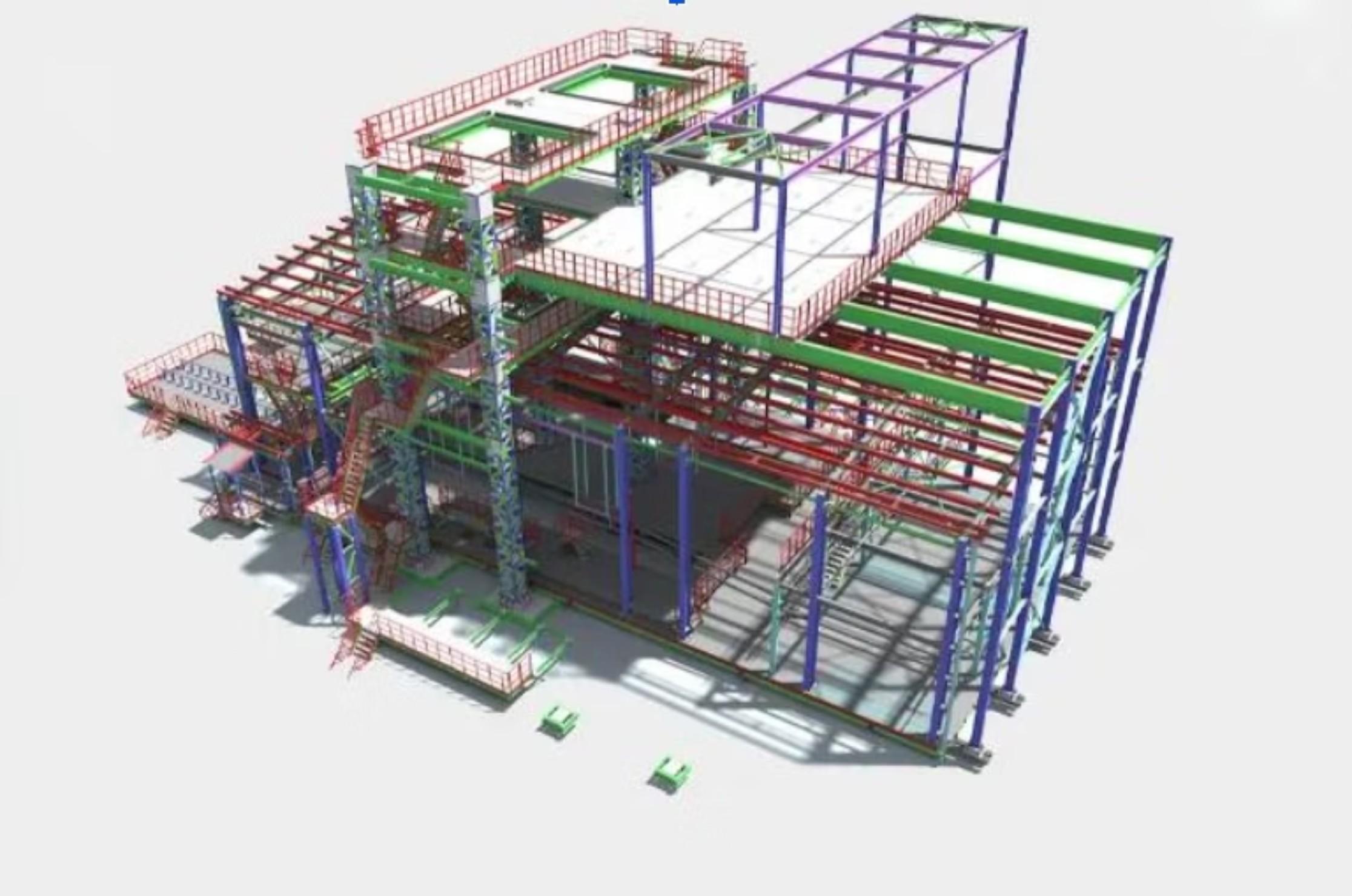
Siloed. Fragmented. ErrorProne.
When each team works from their own set of documents, coordination problems are almost guaranteed on complex projects.
Structural BIM replaces that fragmentation with a shared 3D model that reflects the actual structure — keeping everyone aligned from design through execution.
What Is Structural BIM?
Structural BIM applies Building Information Modeling specifically to structural systems — beams, columns, slabs, and connections.
Beyond Geometry
Models carry data alongside geometry, not just where elements sit.
Shared Source of Truth
Behavioral Insight
Easier to understand how structural elements behave and interact.
One model replaces multiple disconnected 2D drawings.

Why Structural BIM Matters

Coordination Before Construction
Structural BIM pulls disciplines into a shared environment, making conflicts easier to catch before they become field problems. Engineers and contractors can see the structure before a single beam is placed — reducing execution errors and keeping the project consistent across all stages. Coordination is further strengthened when combined with structured BIM outsourcing services.

How Structural BIM Is Used

Coordination
Perform clash detection with architectural and MEP.
Design
Develop accurate structural systems for buildability.
Construction
Plan sequencing and execute on-site efficiently.
Facility Management
Use the model for maintenance and longterm asset care.
The model doesn't get shelved after handover — it becomes a long-term asset for maintenance and facility management, not a one-time deliverable.
Clash Detection: Catching Problems Early
What It Is
Clash detection checks that structural elements don't conflict with architectural or MEP components — a critical step in BIM coordination workflows.
• Identifies conflicts digitally before they appear on-site
• Reduces costly rework and delays
• Keeps all disciplines aligned in one model

Tools of the Trade
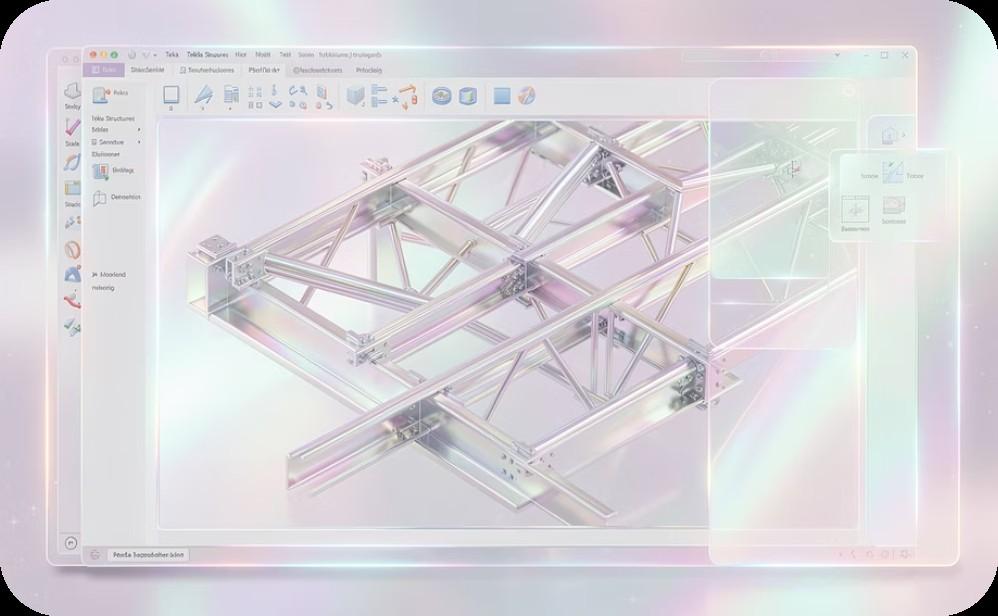
Tekla Structures
Industry-leading tool for detailed steel and concrete structural modeling, fabrication-ready outputs.
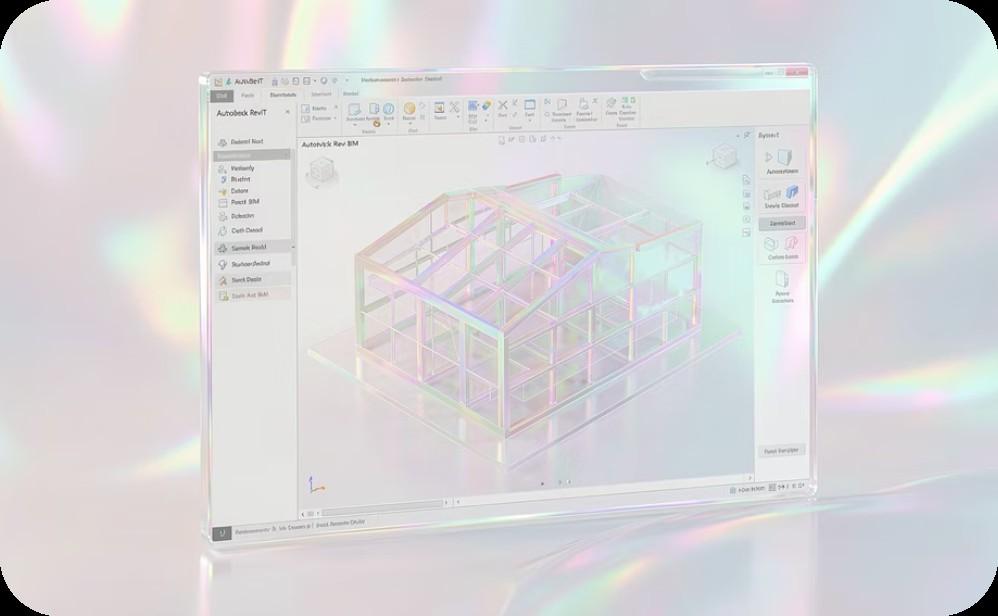
Autodesk Revit
Supports multi-discipline coordination and produces drawings that go directly to fabrication without a separate translation step.
The Real Benefits

Fewer Surprises
Coordinated models mean fewer on-site conflicts and less rework.

Clearer Communication
Stakeholders work from the same information — no scattered documents or inboxes.

Timelines Hold
Better decisions, less rework, and more predictable project outcomes.
The Role of External Support
Bringing in Specialists
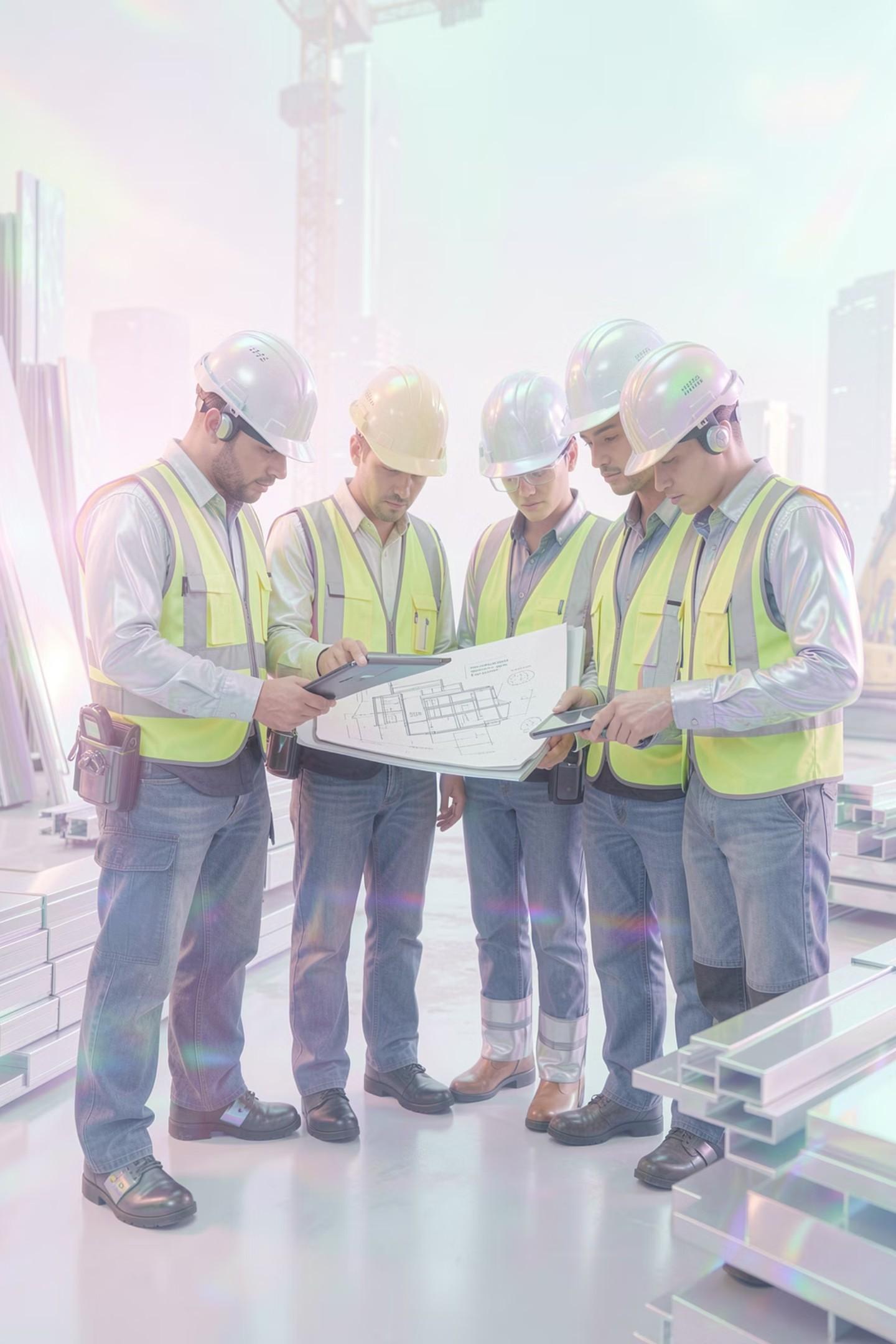
On large or complex projects, many organizations bring in external teams to manage Structural BIM — keeping the process consistent and methodical rather than reactive.
Companies like Caliber Tech Solutions integrate into the project team, handling modeling, detailing, and coordination as part of the workflow through dedicated BIM outsourcing services.
What External Teams Handle
• Structural modeling and detailing
• Multi-discipline coordination
• Clash detection and resolution
• Consistent process management

Coordination Is No Longer Optional
Structural BIM has become a straightforward way to manage complexity — better coordination, fewer errors, and a clearer picture of the structure before execution begins.
As projects grow more demanding, this level of coordination is essential — not a nice-to-have.