

Why more construction teams are choosing external support — and how it fits into the way projects actually get done.

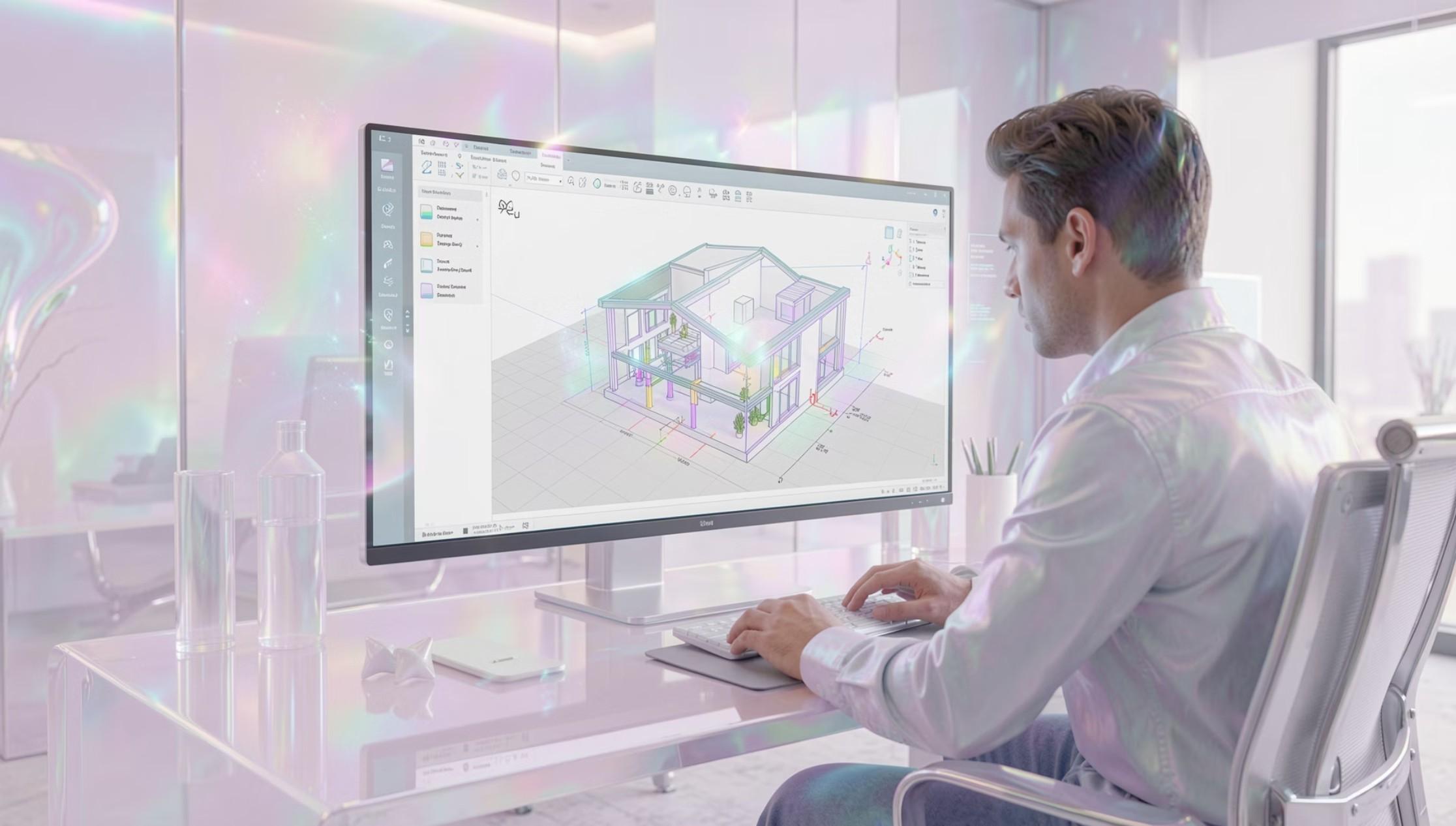
BIM outsourcing means passing specific tasks — modeling, coordination, documentation — to an external team using the same tools: Revit, Tekla, Navisworks.
Their focus is entirely on BIM deliverables: building models from drawings, detecting clashes, or preparing construction-ready documentation.

It's not a replacement for internal teams — it works more like an extension.
It usually comes up when a few issues keep repeating.
Software, hardware, training — it adds up fast for teams with inconsistent workloads.
Hiring experienced BIM professionals isn't always quick — projects start before teams are ready.
External teams keep things moving when timelines are tight.
Scale up for a few months, then scale back — without long-term commitments.
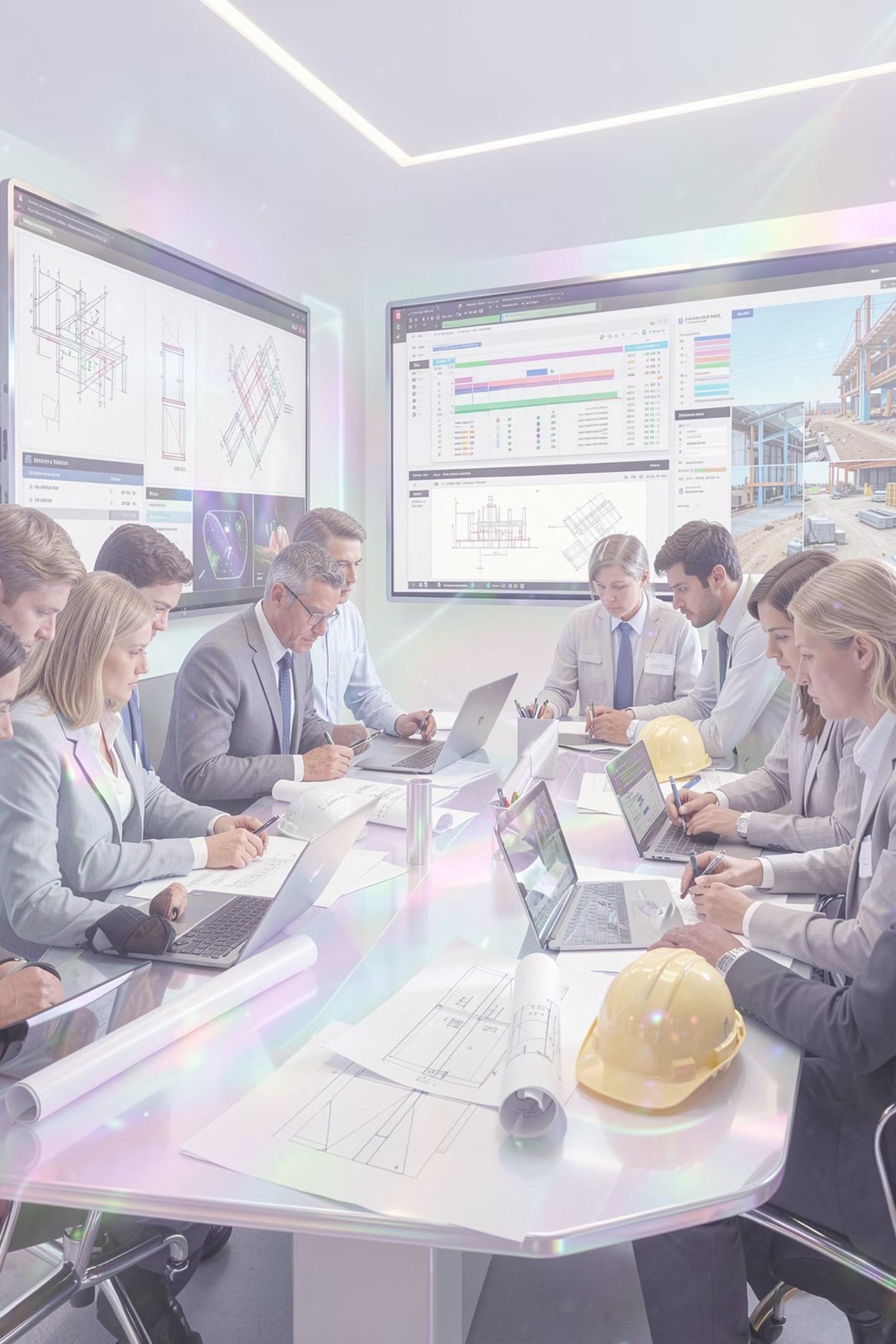

Problems caught before construction begins, not after.

Your team stays focused on core decisions, not repetitive modeling tasks.

Models and drawings produced on schedule, keeping projects on track.

Early problem detection means fewer costly corrections on site.

Detailed models for structural, architectural, or MEP systems. Clash Detection
Identifying where different systems overlap or interfere before construction.
Linking models with timelines and costs — especially useful for planning. Documentation
Construction-ready drawings that can be used on-site, not just reviewed.

India comes up often in BIM outsourcing conversations for practical reasons — a large pool of trained engineers, teams already accustomed to international workflows, and significantly lower costs than Western markets.
Time zone differences also help keep work moving almost around the clock.

Companies like Caliber Tech Solutions work with global construction and engineering firms, providing BIM support that integrates with ongoing projects rather than functioning in isolation.
It's not limited to one type of project. Anywhere coordination is complex, BIM outsourcing tends to make sense.

Commercial Buildings
Industrial & Warehouses

Infrastructure Projects

Energy
Developments
Outsourcing works — but only when handled properly. Most issues aren't technical. They come from unclear expectations or poor coordination at the start.
Misaligned expectations between internal and external teams.
Differences in workflows, naming conventions, or deliverable formats.
Sharing project data externally requires clear protocols and agreements.
Quality varies without defined standards and regular review checkpoints.



Making real-time collaboration across teams seamless.
Reducing repetitive modeling and documentation work.


Extending BIM's value well beyond the construction phase.
Checking models and identifying issues faster than ever.

BIM outsourcing isn't really about cutting costs. It's about handling projects in a way that makes sense — managing workload, avoiding delays, and keeping coordination under control.
When done properly, it fits into the workflow without disrupting it.
Working with experienced partners like Caliber Tech Solutions ensures consistency, accuracy, and alignment across every stage of a project.