


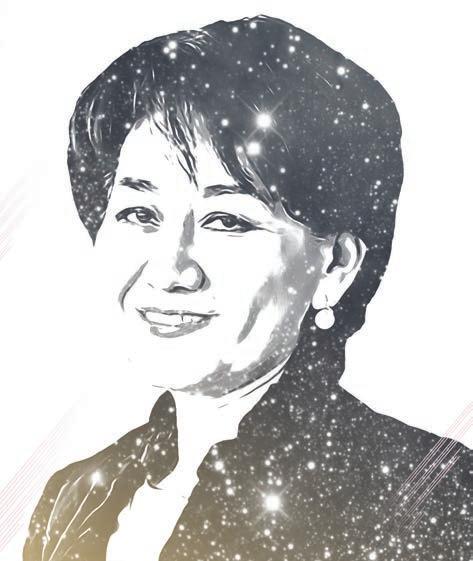
Oyun Sanjaasuren, CALD Chairperson
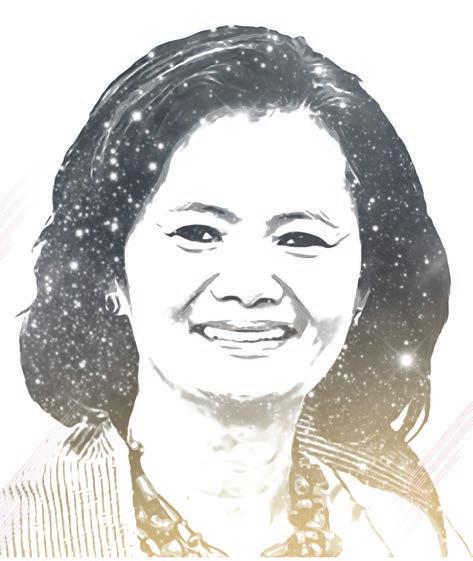
Mu Sochua, CALD Women’s Caucus Chair
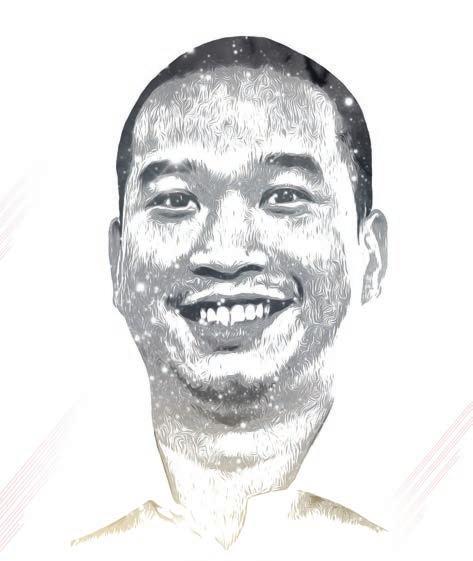
Nant Thananan, CALD Youth Chair
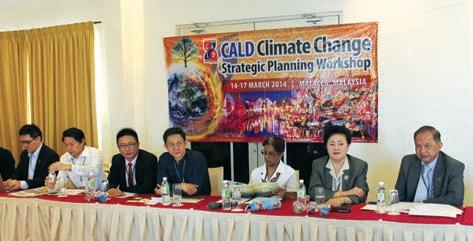
CALD Climate Change Strategic Planning Workshop 14-17 March | Malacca, Malaysia
CALD General Assembly 2014 11-14 April | Siem Reap, Cambodia
CALD Climate Change Observation Trip to Typhoon Haiyan-Devastated Areas 1-5 May | Leyte, Philippines
CALD Indonesia Election Mission 8-11 July | Jakarta, Indonesia
5th CALD Party Management Workshop 8-11 August | Rangoon, Burma
CALD Youth Climate Change Communications Seminar & Youth Camp 19-22 September | Ulaanbaatar, Mongolia
CALD-LI-EFN-FNF Conference 7-10 November | Hong Kong
CALD Taiwan 9-in-1 Election Observation Mission 24-27 November | Taipei, Taichung, and Tainan, Taiwan
Struggles & Victories
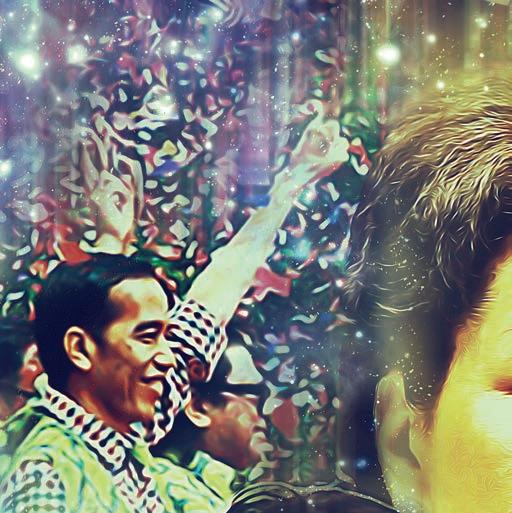
Joko Widodo
Graham Watson
Juli Minoves–Triquell
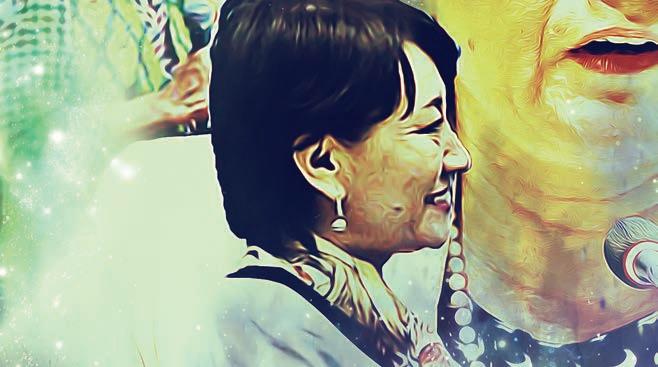
Emily Lau
Martin Lee
Cecilia Wikström
Ing-wen Tsai
THAT DEMOCRACY is a continuing struggle is probably the greatest lesson that the year 2014 reaffirmed for liberals and democrats in the Asian region.
Existing democracies, as noted by U.S. political scientist Larry Diamond, can always become more democratic –more liberal, constitutional, competitive, accountable, inclusive, and participatory. Alternatively, they can also become less democratic – more illiberal, abusive, corrupt, narrow, unresponsive, and unaccountable. Asia has witnessed both trends in 2014, and the Council of Asian Liberals and Democrats, being the foremost platform for discussion of issues affecting democracy and liberalism in the region, reflected these realities in its 2014 events.
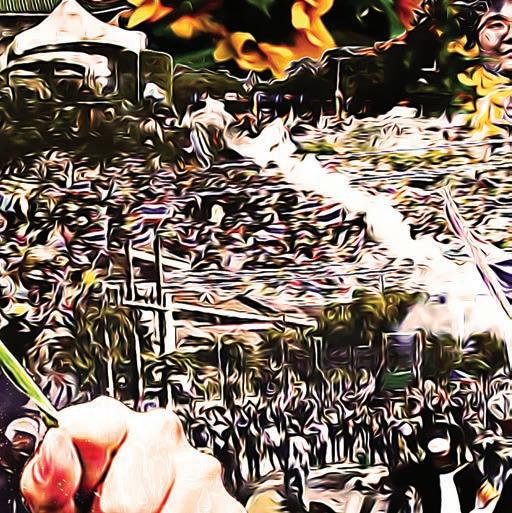
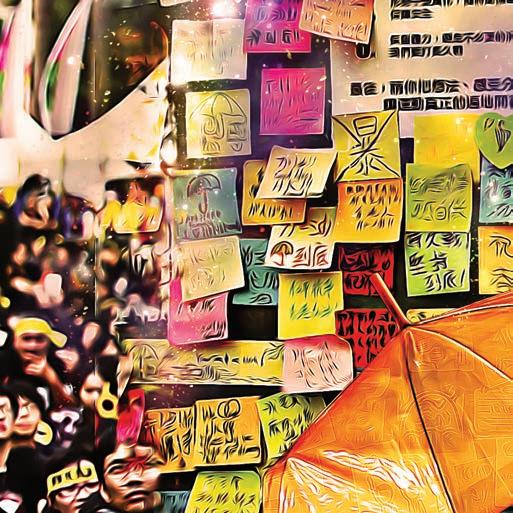
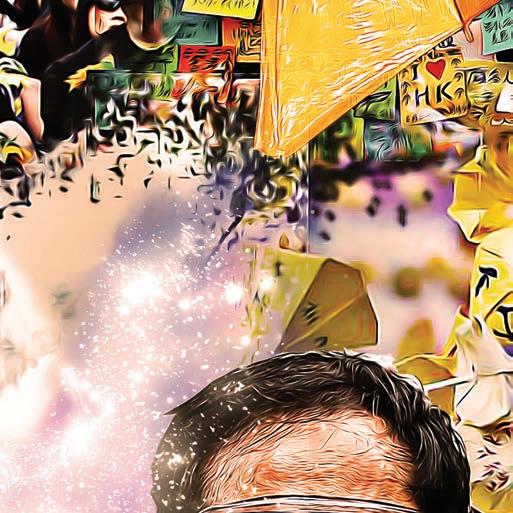
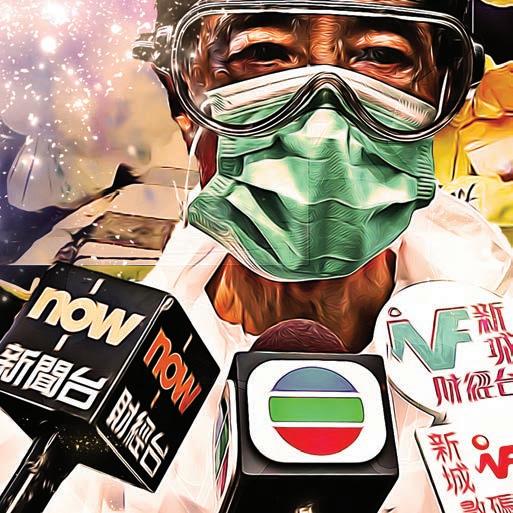
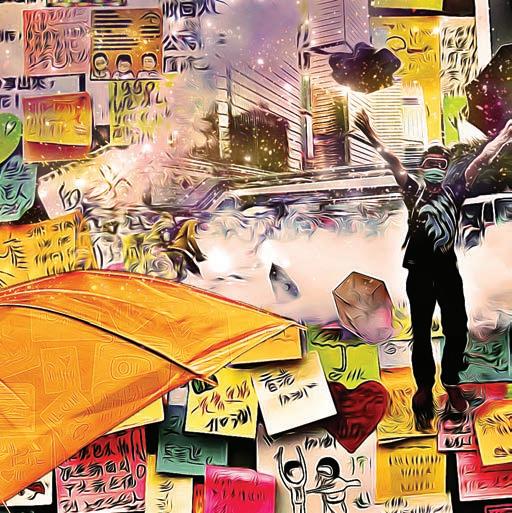
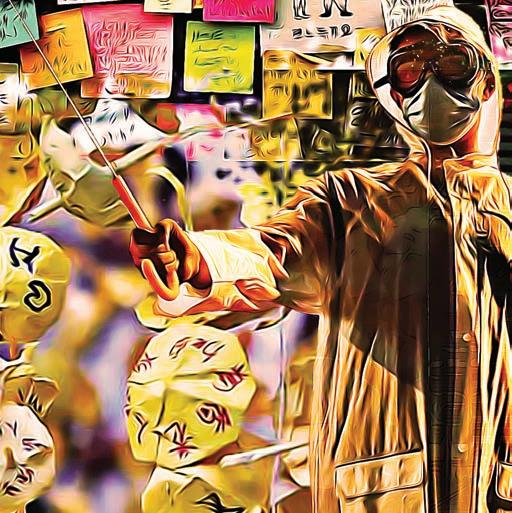
One of the most notable CALD events in 2014 was the conference on liberalism and inequality held in Hong Kong in November. While the conference topic in itself generated a significant level of interest, the circumstances under which the event took place made it even more interesting. The conference was held when Hong Kong was in the midst of the so-called “Umbrella Revolution,” which stemmed from the call for a more democratic election of the city’s Chief Executive in 2017. This provided the conference participants with the opportunity to interact with the protesters, and to personally witness democracy at work. While the demonstrations have since been halted, there is a growing sense that it may be difficult for Hong Kong – one of China’s two Special Administrative Regions — to contain the advance of democracy in the years to come.
Burma, which is also known as Myanmar, is another country where democratic strides appear to be moving in the right direction. Without the necessary institutions in place, however, these advances might not be sustainable in the long run. It is in this light that CALD held the


5th CALD Party Management Workshop last August in that mainland Southeast Asian state. In this workshop, resource persons from CALD member-parties shared experiences and best practices on election and party management with members of the National League for Democracy (NLD). NLD is currently preparing to contest the 2015 general elections, which many observers believe is a critical turning point that may help determine whether Burma will be marching toward democracy or will return to its authoritarian past.
In 2014, two countries also held crucial elections that saw the victory of two CALD member-parties: the Indonesian Democratic Party of Struggle (PDIP) and Democratic Progressive Party (DPP) of Taiwan. CALD was able to witness these triumphs firsthand through election missions in Indonesia and Taiwan in July and November respectively. The victory of Joko “Jokowi” Widodo in the presidential elections was considered by many as ushering in a new era in Indonesian politics, as the self-effacing former Jakarta governor is the first elected president from outside the military or political establishment. In Taiwan, the surprising results of the 9-in-1 local elections for the main opposition party, the DPP, placed it in a good position as it prepares for the general elections in 2016. In Indonesia and Taiwan, therefore, there is a lot of confidence on further democratic deepening and consolidation.
Democracy, however, is more than about elections. For it to be truly consolidated, a democratic culture based on the principles of inclusiveness, tolerance, and pluralism must also be encouraged. Sadly, it is in this respect that a number of Asian countries still have some work to
do. In a CALD conference on minorities and indigenous peoples last April in Siem Reap, Cambodia, it became clear that much more needs to be done to protect and empower these vulnerable groups, even in more mature Asian democracies. The CALD statement adopted at the end of the conference took note that the inclusion and acceptance of minorities and indigenous peoples in society’s social fabric is a continuing challenge confronting Asian countries.
Another continuing challenge in the region is climate change, and countries in Asia are being tasked to do more about this phenomenon, which threatens life, property, and one’s overall sense of security. Last year, CALD held a number of climate-change events that showed its commitment to climate-change adaptation, enviromental protection, and sustainable development. In March, it held a climate-change strategic planning workshop in Malacca, Malaysia in order to prepare the CALD Youth for its role in the network’s climate-change program. Two months after, in May, select representatives from CALD Youth went to ground zero of Typhoon Haiyan in central Philippines. This observation trip provided the participants with an opportunity to understand the science of how climate change produce supertyphoons like Haiyan, to learn the issues and problems that arose in responding to disasters of such scale, and to help in CALD’s rehabilitation/reconstruction efforts in select areas.
Ulaanbaatar hosted CALD Youth in September for another climate-change event that included a communications workshop and an exposure trip, which showed the participants the environmental problems
that Mongolia has to deal with. CALD concluded its climate-change events for the year with a seminar on the sidelines of the Hong Kong conference, where the President of Climate Parliament, Sir Graham Watson, delivered the keynote address. A longtime friend of CALD, Sir Watson unfortunately lost his European Parliament seat in May 2014, but this did not stop him from pursuing his climate-change advocacy among parliamentarians. In the same vein, I also have had to give up my position as Mongolian Minister of Environment and Green Development because of changes in my country’s governing coalition, but I was privileged to be chosen as CALD Chairperson and Inaugural President of United Nations Environment Assembly (UNEA) in April and June respectively.
The year 2014 indeed showed that democracy is a continuing work in progress. The task for liberals and democrats, therefore, is to ensure that in spite of the democratic setbacks and changes in personal circumstances, our commitment to democracy does not falter. As U.S. politician Lee Hamilton once said, “(Democracy) is not a product but a continual process. It is preserved not by monuments but deeds. Sometimes it needs refining; sometimes it needs amending; sometimes it needs defending. Always, it needs improving.”



“For [democracy] to be truly consolidated, a democratic culture based on the principles of inclusiveness, tolerance, and pluralism must also be encouraged. ”

Mo Sochua
2014 WAS a great year for speaking up in Asia. The whole world witnessed how the Hong Kong Umbrella Movement strove and fought to try to claim the freedom that had been promised but had now been compromised.
It was heartwarming to see that a huge percentage of these peaceful and silent protesters were students and women.
It was both a pleasure and honor for me to start 2014 by representing the CALD Women’s Caucus and Liberal International at the Geneva Summit for Human Rights on February 25 at the International Conference Center in Varembe. The event was graced by human-rights victims, activists, and leaders. I was given the chance to serve as one of the speakers during the Summit, alongside women leaders such as Tibetan MP Thenzon Dardon and activists Naghmeh Abedini (Iran), Rakhshinda Perveen (Pakistan), and Dalia Ziada (Egypt). This brought pride and joy not only to the CALD Women’s Caucus, but also to all the women in world who are continuing to fight and speak for their own freedom.
During the early part of April, CALD had its General Assembly in Siem Reap, Cambodia wherein the CALD Women’s Caucus had the opportunity to have a special session. The event’s theme “Protecting and Empowering Minorities and Indigenous Peoples: An Asian Discourse” was very timely and perfectly appropriate to the host country and party; after all, Cambodia was and is in the midst of battling and addressing the issues concerning minorities and indigenous peoples. These minorities and indigenous groups share almost the same vulnerabilities as women and children. We all have the same cry for justice and genuine freedom.
Before the year ended, CALD was able to have the biggest conference of 2014 in Hong Kong. It was indeed a very interesting time — discussing liberalism on promoting


“Yet for all these enormous changes, we are just at the start of our real battle.”

growth and reducing inequality while witnessing the Umbrella Movement fight for the rights of the people of Hong Kong. In line with this, the CALD Women’s Caucus was able to discuss the issue of the growing number of migrant workers in Asia. Unfortunately, far too many migrant workers, especially women, across the region continue to endure mistreatments and abuse from employers and agencies. I believe that the effective solution to these endless stream of cases is ratification and strict observation of the International Convention on the Protection of the Rights of All Migrant Workers and Members of Their Families. As of 2014, 47 states have already ratified this United Nations multilateral treaty. But we have to be more aggressive in addressing these matters by involving more institutions and political players to raise awareness and experience more concrete actions.
We have also seen a fundamental transformation for women in one of the most conservative countries and religion in the world this year. In Saudi Arabia, the late King Abdullah, who was discreetly a strong advocate for women, had slowly allowed women’s rights to advance under his reign. These ranged from granting women the right to enter simple professions to allowing them to vote and run as candidates in the Saudi local elections. This very bold action within an extremely conventional monarchy system is proof that the importance of democracy to society is being seen, felt, and acted upon in every corners of the globe.
Yet for all these enormous changes, we are just at the start of our real battle. As Asia continues to embrace such transformations, the CALD Women’s Caucus will
continue to bring attention to human rights and democracy for women. The unique and intimate discussion and training with the Women’s Wing of the National League for Democracy in Burma, which I was fortunate to witness and be part of, were just the beginning of developing and strengthening the goals of the CALD Women’s Caucus. We will continue working to empower women and make them speak and achieve equality and liberty.
This year has been a year of growth and development for Asia and CALD Youth.
We have witnessed our friends in Hong Kong struggle for their rights against an oppressive regime. We also saw the transformation of Taiwanese politics where liberal values triumphed in many constituencies. We saw the Philippines grow stronger as they recover from the typhoon disaster.
Within CALD Youth, the plan to have a permanent committee for climate change program is in motion. Our climate-change program will become more concrete and soon will involve networks of outside allies. We were also given a chance to elevate our cause to a more global stage through Hon. Oyun Sanjaasuren, CALD Chairperson, who promised to present our climate change program to the United Nations.
We hope that all the structural developments will become a solid foundation for a fruitful 2015.






CALD Climate Change Strategic Planning Workshop
14-17 March | Malacca, Malaysia


In recognition of the year of climate action, CALD began 2014 with a workshop aimed at coming up with strategies on how to make its climate change programs more efficient, as well as for these to be able to raise awareness and provide the most recent data on the state of climate change in Asia. The event, which was hosted by Parti Gerakan Rakyat Malaysia (PGRM), with the support of Friedrich Naumann Foundation (FNF), also exposed delegates to the environmental initiatives of the Malaysian federal government and those of the state of Malacca.
With the theme relating to minorities and indigenous groups, the CALD General Assembly (GA) Conference aimed to assist its member-parties and other stakeholders in formulating policy responses to protect and empower minorities and indigenous peoples in Asia. The conference also had a special session on women, who to a large extent share many of the issues concerning marginalized communities. The event in the end paved the way to drafting a resolution clarifying CALD’s stance to the issues confronting marginalized sectors.

Climate Change Observation Trip to Typhoon HaiyanDevastated Areas
1-5 May | Leyte, Philippines


11-14 April | Siem Reap, Cambodia


In early July, CALD sent an election observation mission in Jakarta to witness one of the world’s biggest electoral exercises, and Indonesia’s third presidential elections since the ouster of the dictator Soeharto in 1998. Indonesia has made remarkable strides in consolidating its democracy, making it a model for the rest of the region. The CALD election mission — held in cooperation with the Indonesia Democratic Party Struggle (PDI-P), with FNF support — was thus an opportunity for participants to share experiences and best practices on various aspects of electoral process. It also enabled them to witness first-hand the tense competition between PDI-P’s Jokowi and Jusuf Kalla and Gerindra-led coalition’s Prabowo Subianto and Hatta Rajasa.


As yet another follow-up to previous CALD initiatives on climate change, the Council summoned a delegation with participants from Cambodia, Hong Kong, Malaysia, Mongolia, Taiwan, and the Philippines to return to Haiyan-devastated areas in Eastern Visayas. The observation trip was organized as a part of CALD’s continuing effort to provide assistance to the victims of the super typhoon, and to promote awareness of climate change impacts. In the 2 May briefing that marked the start of the trip, Presidential Adviser on Environmental Protection Neric Acosta focused on the rehabilitation projects, their impacts, and other possible interventions that the victims may need. The highlight of the visit came on 4 May, when participants had the chance to visit the beneficiaries of CALDsponsored shelters.
Election Mission
8-11 July | Jakarta, Indonesia





5th CALD Party Management Workshop

8-11 August | Rangoon, Burma
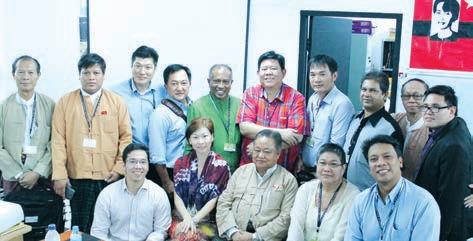
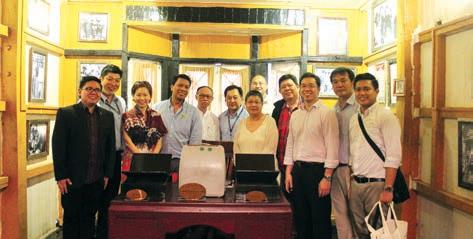
In August, CALD convened in Rangoon for the 5 th CALD Political Party Management Workshop that had the theme, “Project 2015: Winning Elections Toward Continuing Reforms.” The Burmese opposition National League for Democracy (NLD) hosted the event that included some 40 prospective candidates and campaign officials from the party as participants. The threeday workshop aimed to equip the CALD member-parties and the NLD with the knowledge and skills in winning elections. Aside from those from NLD, participants from Cambodia, Malaysia, Singapore, Sri Lanka, Thailand, and the Philippines shared their experiences on campaign strategies, organization, communication, dirty tricks prevention, resource mobilization, and poll watching and canvassing.
With CALD continuing to push for climate action, a climate change communications seminar and workshop was organized in September. The event, held in the Mongolian capital, was spearheaded by CALD Youth and hosted by the CALD chair-party Civil Will Green Party (CWGP). The seminar tackled the use of new media and social media to spread and maintain awareness about climate change among the youth, while the youth camp served as an experimental and hands-on activity for leadership capacity-building on climate change. Gang Badoy, founder of RockEd Philippines, reminded participants about the importance of communication strategies in making climate change understandable to the public, noting, “If you want to say something, you have to choose the best language to say it and where to say it.”




19-22 September | Ulaanbaatar, Mongolia


CALD-LI-EFN-FNF Conference

7-10 November | Hong Kong
CALD capped its series of activities for the year with an election mission in Taiwan in late November. Hosted by the Democratic Progressive Party of Taiwan (DPP), and with FNF support, the mission was organized to enable participants to witness the largest ever election in the history of electoral process in Taiwan. But the participants from Thailand, Malaysia, Hong Kong, Singapore, the Philippines, and Germany not just personally witnessed the campaign strategies of local candidates, they also met the candidates themselves. The results of the 9-in-1 elections held on 29 November eventually revealed majority of Taiwan as having voted for the DPP. In reaction, the party’s chairperson, Dr. Tsai ing-wen, said in part, “Tonight’s election results are a historical prologue for change. As a politician, we only have one principle: facing with the power of the people, we should only become more humble.”


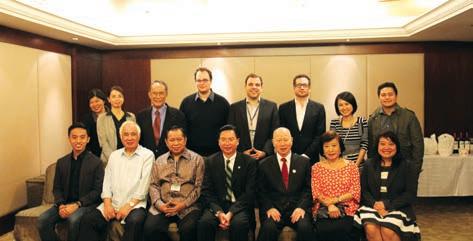
Some 200 liberals from all over the world convened in Hong Kong in November, their conference coinciding with the so-called “umbrella protests” there. The conference, highlighting the theme “Liberalism: Promoting Growth, Reducing Inequality,” brought together government officials, political party leaders, businessmen, academics, policy advisors, among others, to discuss how the liberal economy relates to wealth production and inequality. CALD, in cooperation with the Liberal International (LI) and Economic Freedom Network (EFN), organized the event, which was supported by FNF.



CALD Taiwan 9-in-1 Election Observation Mission
24-27 November | Taipei, Taichung and Tainan, Taiwan



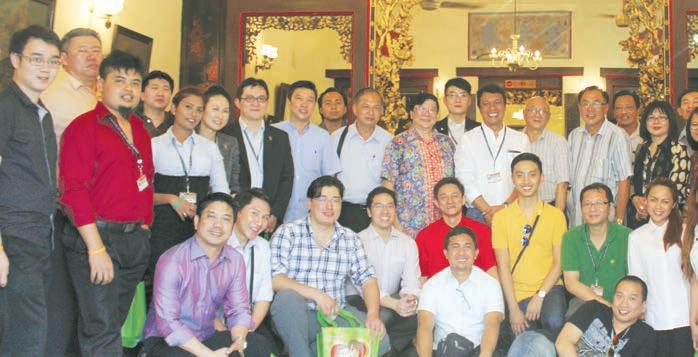
WITH 2014 declared by the United Nations as the Year for Climate Action, it was only apt that CALD would begin the year with a strategic planning meeting on its climate-change initiatives. On 14-17 March, delegates from eight CALD member-parties converged in the historic city of Malacca in Malaysia to strategize on how to make CALD’s climate change programs more effective. In the process, the event also exposed the delegates to the environmental initiatives of the Malaysian federal government and those of the state of Malacca.
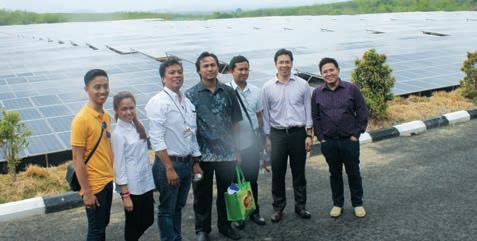
Jaya Singam Rajoo, Undersecretary of the Sustainable Energy Division, Ministry of Energy, Green Technology and Water (KeTTHA) of the Federal Government of Malaysia, in fact had a presentation in which he discussed how Malaysia is addressing climate change by promoting renewable energy and energy efficiency. He also noted that at the 15th Conference of Parties in 2009, Malaysian Prime Minister Abdul Razak had declared the country’s commitment to a 40 – percent cut in its carbon-dioxide emissions by 2020 compared to 2005 levels.
CALD Secretary General Dr. Neric Acosta, who is also the Philippine Presidential Adviser for Environmental Protection, then took to the podium to present the latest
CALD SECRETARIAT
Neric Acosta
Celito Arlegue
Paolo Zamora
Paul Rafael
Jorgia Salonga
CIVIL WILL GREEN PARTY (MONGOLIA)
Khuder-Yan Byambasuren
Erkhembayar Myagmarjav
Monsor Nyamdavaa
DEMOCRAT PARTY THAILAND
Thienchai Suwanpen
Nant Thananan
DEMOCRATIC PARTY OF HONGKONG
Richard Tsoi
Teddy Hui

data on the impacts of climate change in Asia. He then said, “This workshop should behoove and challenge us all to see where we must begin in our political parties and in our communities as regards climate change. Whatever we generate amongst ourselves here, we can elevate to our respective mother parties, and hopefully, to the legislative policy directions of our countries as well.”
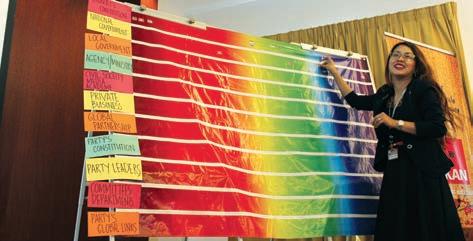
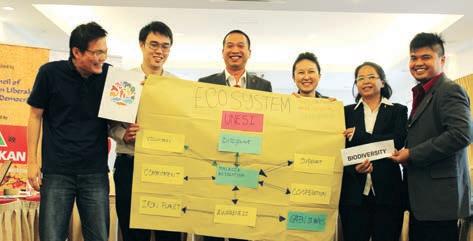
Then it was down to the workshop nitty-gritty, which had the objective of harmonizing CALD’s three climate-change programs and coming up with a consolidated action plan. First, the delegates were provided with an overview of the CALD programs Climate Change I (2011-2015) – Formulating the Liberal Climate Change Agenda; Climate Change II (2013-2016) – Identifying Best Practices in Climate Change Adaptation; and Climate Change III – Promoting Best Practices in Climate Change Response and Adaptation (2014-2018). The participants were then grouped according to their country and asked to assess their country and party’s initiatives on environmental protection, sustainable development, and climate change. This self-rated assessment yielded key priority areas for the participants to work on during the next session: water-related issues; pollution; ecosystem
DEMOCRATIC PROGRESSIVE PARTY OF TAIWAN
Ming-je Chiou
Sophie Yeh
Ming-Yen Yu
FRIEDRICH NAUMANN FOUNDATION
Vera Jassini Putri
INDONESIAN DEMOCRATIC PARTY OF STRUGGLE (PDI-P)
Umi Lasminah Arnita
LIBERAL PARTY OF THE PHILIPPINES
Lawrence Fortun
Mary Marjorie Martin
OFFICE OF THE PHILIPPINE PRESIDENTIAL ADVISER FOR ENVIRONMENTAL PROTECTION
Bryan Montances
SINGAPORE DEMOCRATIC PARTY
Jufri Salim
Surayah Akbar


management and biodiversity; alternative energy, and forest protection and rehabilitation.
The last session encouraged the participants, grouped per priority area, to act as if they made up delegations in the United Nations General Assembly (UNGA) that had to convince each other to vote for their respective action plans. This resulted in a friendly competition among the members of the different delegations, with the delegates trying to be as substantive and creative as possible in their respective presentations. The proposal of the winning delegation was then calendared for discussion in the upcoming CALD Executive Committee meeting.
Parti Gerakan Rakyat Malaysia (PGRM) hosted the workshop, with FNF support.
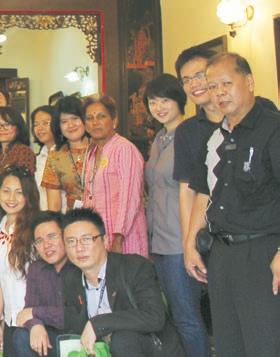




MAJORITY OF the countries in Asia can be considered as “multicultural societies” – meaning their demographic profile is highly diverse or heterogeneous. The term “multicultural,” however, implies recognition of and respect for cultural diversity, and unfortunately, this has not always been the case. Marginalization of minorities and indigenous peoples remains to be a painful reality in Asia and in other parts of the world. Here in Asia, one only has to look at the headlines and note the plight of peoples such as the Rohingya in Burma, the Tamils in Sri Lanka, the Uighurs in China, and the Muslims in Thailand.
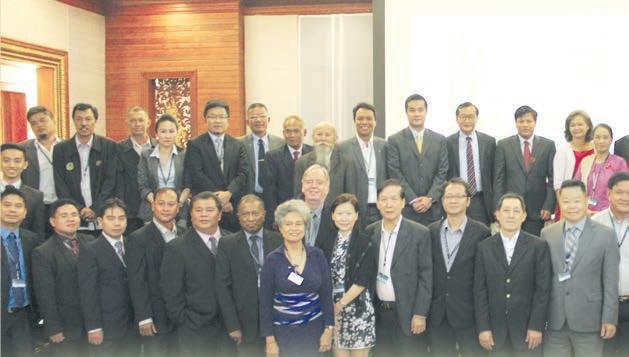
For its 2014 General Assembly (GA) Conference, CALD thus decided to have as theme “Protecting and Empowering Minorities and Indigenous Peoples: An Asian Discourse.” The conference, held in early April in Siem Reap, the ancient capital of the Khmer Empire,
CALD SECRETARIAT
Neric Acosta
Celito Arlegue
Paolo Zamora
Paul Rafael
Jorgia Salonga
Francis Banico
CALD WOMEN’S CAUCUS
Mu Sochua
CALD YOUTH
Bulgan Bayasgalant
CAMBODIAN HUMAN RIGHTS AND DEVELOPMENT
ASSOCIATION (ADHOC)
Nay Vanda

was actually aimed at assisting CALD member-parties and other stakeholders in formulating policy responses to protect and empower minorities and indigenous peoples in Asia.
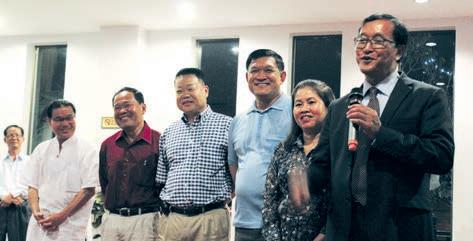
“We have many minorities and indigenous peoples in Asia, and we have been witness to the various issues and problems that they confront,” said CALD Chairman Sam Rainsy in his welcome remarks.” For this reason, it is very topical and helpful to organize this conference on protecting and empowering minorities and indigenous peoples, so that we, in our capacity as political or party leaders, can better respond to their marginalization.”
Five sessions, plus a special one on women, made up the conference. Session One, Profiling Asia’s Minorities and Indigenous Peoples, discussed two culturally diverse countries, the Philippines and Burma, which is
CAMBODIA NATIONAL RESCUE PARTY
Sam Rainsy
Saumura Tioulong
Latt Ky
Keo Phirum
Teav Vanol
Seng Mardi
Hong Sok Hour
Kimsour Lim
CENTER FOR SOCIAL DEVELOPMENT (CAMBODIA)
Lao Mong Hay
CIVIL WILL GREEN PARTY (MONGOLIA)
Tumenjargal Magaadai
Gan-Ochir Zunduisuren
Ganbat Tseepel
DEMOCRAT PARTY THAILAND
Kiat Sitthee amorn
Kasit Piromya
Prakob Chirakiti
DEMOCRATIC PARTY OF HONG KONG
Yiu Cheong
Richard Tsoi
Nok Hin Au
DEMOCRATIC PROGRESSIVE PARTY OF TAIWAN
Sophie Yeh
Ping-Ya Hsu
Shih-Chung Liu
FRIEDRICH NAUMANN FOUNDATION
Hans-Georg Jonek
Kim Sophanna
LIBERAL PARTY OF THE PHILIPPINES
Rene Relampagos
Francis Gerald Abaya
Lawrence Fortun
LIBERAL PARTY OF SRI LANKA Newton Peiris
NATIONAL COUNCIL OF THE UNION OF BURMA Nyo Myint
NATIONAL LEAGUE FOR DEMOCRACY (BURMA)
Naing Ngan Lin
Than Ngwe
OFFICE OF THE PHILIPPINE PRESIDENTIAL ADVISER FOR ENVIRONMENTAL PROTECTION
Bryan Montances
PARTI GERKAN RAKYAT MALAYSIA
Raja Muharimi Bin Raja
Muhammad
Chia Gim Tiong
Lau Yew Wee
SINGAPORE DEMOCRATIC PARTY
Jaslyn Go
Jufri Salim
Wee Nam Wong


also known as Myanmar. Philippine lawmaker Francis Gerald Abaya examined the experience of Muslims around the Philippines in light of the recent passage of the Comprehensive Agreement on the Bangsamoro (CAB) entered into by the government with the Moro Islamic Liberation Front (MILF). Burmese MPs Than Ngwe and Naing Ngan Lin meanwhile traced the plight of marginalized groups in their country from British colonization to the rule of the military junta.
The situation in Thailand, Cambodia, and Sri Lanka were taken up in the second session, Looking into the Causes of Economic Exclusion and Discrimination. In his presentation, former Thai Foreign Affairs Minister Kasit Piromya pointed out that marginalization of Thai Muslims cannot be addressed unless peace is secured in southern Thailand. In the case of Cambodia, Latt Ky of the Cambodian Human Rights and Development Association (ADHOC) called for full disclosure of information and stricter implementation of the laws with regard to land concessions, which usually lead to displacement of indigenous peoples. National Organizer of the Liberal Party of Sri Lanka, Newton Peiris, concluded the session with a discussion on the implications of the end of the civil war on Sri Lanka’s Tamil population.
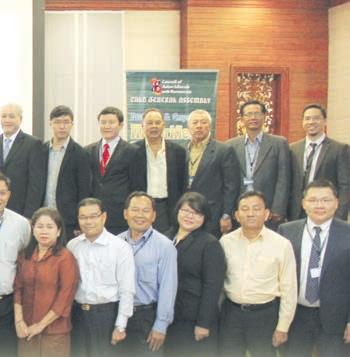

The second day opened with a special CALD Women’s Caucus session chaired by Cambodian parliamentarian Mu Sochua. Highlighted during the session was the work of the group of Kimsour Lim, a young female activist, to save Areng Valley in southwest Cambodia from “development aggression.”
Session Three, Responding to Marginalization: Assimilation vs. Integration, covered two countries with clear ethnic policies: Malaysia and Singapore. Parti Gerakan Rakyat Malaysia’s Lau Yew Wee discussed how the New Economic Policy (NEP), a socio-economic affirmative action program by the Malaysian government, had significantly improved the economic conditions of the bumiputra. In the case of Singapore, Wong Wee Nam of Singapore Democratic Party noted that while there is a semblance of ethnic harmony in the city-state, much more needed to be done to build an inclusive and cohesive Singaporean society. Capping the session was Myanmar Peace Center’s Nyo Ohn Myint’s presentation, which highlighted the importance of trust-building in the process of crafting Myanmar’s ethnic policy.



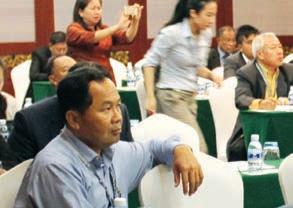
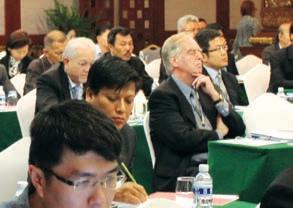

In the fourth session, What Party Leaders and Policy-Makers Can Do, Shih-chung Liu of Democratic Progressive Party of Taiwan and Richard Tsoi of Democratic Party of Hong Kong shared their experiences on how their respective countries and political parties, by establishing relevant institutions and crafting the necessary policies, protect and empower their minorities and indigenous peoples. In particular, they emphasized the importance of education, social welfare, and legal protection in addressing discrimination and economic exclusion of marginalized groups.
The last session was a world café where the delegates were divided into three groups to assist in drafting CALD’s position on minorities and indigenous peoples. Facilitated by Democrat Party of Thailand’s Prakob Chirakiti, Philippine MP Lawrence Fortun, and Democratic Progressive Party of Taiwan’s Sophie Hsu, the world café concentrated on major issues of marginalized groups in Asia; instruments to address marginalization; and what CALD can do to improve the plight of minorities and indigenous groups.
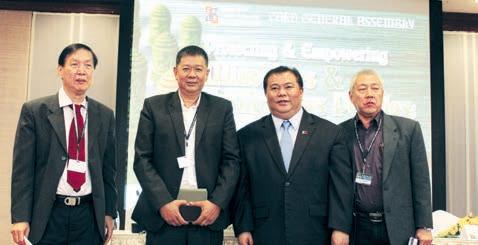
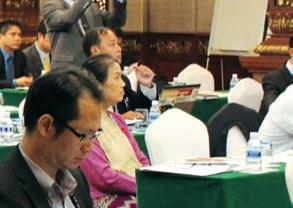

“As liberals and liberal democrats, we understand minority rights as a fundamental tenet of democratic space that complements majoritarian rule,” CALD Secretary General Neric Acosta noted. “In a democracy, numerical strength or victory in electoral terms would not mean in any way that majoritarian rule will be done at the expense of minority rights. Minority rights are inalienable rights, and no one, not even those who win elections, has the right to infringe on these.”



CALD HAD already done a quick trip in January to extend whatever help it could to the areas hit hard by the supertyphoon Haiyan. Four months later, however, the Council was back in central Philippines, with its contingent this time being made up not only of Filipinos, but also those from Cambodia, Hong Kong, Malaysia, Mongolia, and Taiwan. Although billed as an observation trip, the visit to Eastern Visayas was actually part of CALD’s continuing effort to provide assistance to Haiyan survivors and to promote greater awareness of climate-change impacts.
The trip’s official program started in the morning of 2 May, when the Office of the Presidential Adviser on Environmental Protection (OPAEP) led a briefing on the post-Haiyan disaster management and reconstruction plan. Afterward, the participants were given a short tour of the National Museum of the Filipino People in Manila, followed by an OPAEP-hosted lunch.
In the afternoon, the participants flew to Tacloban City, which had one of the highest death tolls due to Haiyan and had as much as 80 percent of the buildings, homes and establishments there are destroyed. After dinner, Victor Julius Ferrer of Operation Compassion gave a briefing on the Transitional Shelters Project, the major

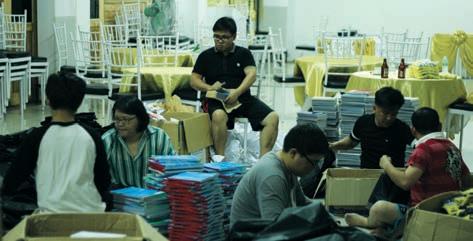
beneficiary of donations collected by CALD. Through this initiative, CALD was able to support the construction of two clusters of transitional houses, with a cluster having 10 houses each. The briefing was followed by the assembly of 1,000 educational kits for the schoolchildren of the municipalities of Tabon-Tabon and Mayorga, south of Tacloban City.
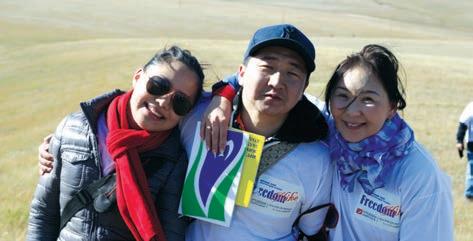
The next day, 3 May, began early with the Freedom Run organized by the FNF Philippine Office, which attracted some 1,000 participants, most of whom had been affected by Haiyan. Next on the CALD delegation’s agenda were briefings by the United Nations Development Program (UNDP) and United Nations Office for the Coordination of Humanitarian Affairs (UNOCHA). Representatives of both UN agencies praised the resilience of the typhoon survivors, who showed extraordinary determination and courage amidst the devastation. This stance, said the UNDP and UNOCHA officials, has never been seen before, especially in comparable disasters in Aceh, Indonesia or in Haiti.
The day ended with the distribution of the educational kits in the two chosen municipalities, and with a symbolic home-building activity in the Municipality of Mayorga. Vice Governor Shefferd Tan of Southern Leyte,



a member of the Liberal Party of the Philippines hosted the dinner that night.
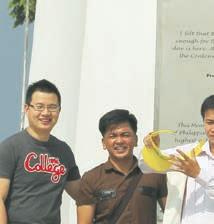
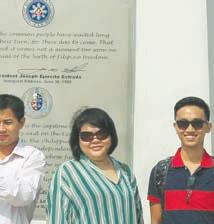
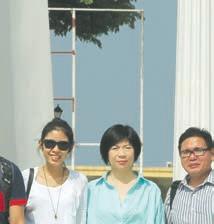
The highlight of the trip came on 4 May, when the CALD participants had the chance to visit the beneficiaries of CALD-sponsored transitional shelters. They all shared lunch, which was done in “boodle fight style” – – a first for many of the participants, who expressed appreciation for the spirit of camaraderie and unity that goes with the feast.
“This mission yet again to Leyte showed us what truly is indomitable in the Filipino spirit. So many of those we met lost property, livelihood, homes and loved ones,” said Philippine Presidential Adviser Neric Acosta, who also heads the CALD Climate Change Committee. “But we were witness to such inspiring grit and resiliency in the face of unspeakable tragedy.”
He added, “With sustained help from the government, private entities and organizations like CALD, the people of Eastern Visayas will no doubt rise, recover and prevail — a living testament to the belief and simple exhortation: Kung kayang isipin, kayang gawin (If we can think it, we can do it).”

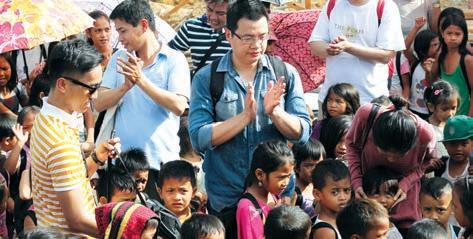




AS A network of liberal and democratic political parties, CALD puts premium on the importance of elections as a means of contesting political power and of exacting accountability from ruling governments. It is for this reason that election missions have become a staple in CALD’s line-up of activities, and in the past years, these events were held in countries like Taiwan, the Philippines, Cambodia, South Korea, and Indonesia. In July 2014, CALD returned to Indonesia to witness one of the world’s biggest electoral exercise – with 186 million registered voters trooping to around 500,000 polling stations in a single day.
Since the ouster of the dictator Soeharto in 1998, Southeast Asia’s largest state — and biggest economy — has made significant strides in consolidating its democracy, making it a model for the rest of the region. On 9 July 2014, Indonesia was to hold its third direct presidential elections; CALD wanted to be there to see the predicted tight electoral contest between Indonesia Democratic Party of Struggle (PDIP)-led coalition’s Joko ‘Jokowi’ Widodo and Jusuf Kalla, and Great Indonesia Movement Party (Gerindra)-led coalition’s Prabowo Subianto and Hatta Rajasa.
CALD EXECUTIVE COMMITTEE
Neric Acosta
CALD SECRETARIAT
Celito Arlegue
Paolo Zamora
Jorgia Salonga
CAMBODIA NATIONAL RESCUE PARTY
Monovithya Kem Ky Wandara
CIVIL WILL GREEN PARTY OF MONGOLIA Rentsendorj Lkhagvadulam Rinzaan Bulgamaa
DEMOCRAT PARTY OF THAILAND
Boonyod Sooktinthai Kiatisak Songseang
DEMOCRATIC PARTY OF HONG KONG
Chai Man Hon Sin Chung-Kai

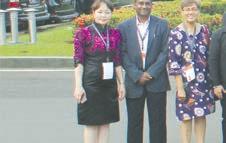
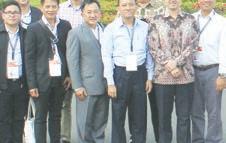
And so on the eve of the presidential polls, the CALD election mission’s participants from Burma, Cambodia, Hong Kong, Malaysia, Mongolia, the Philippines, Singapore, Taiwan, and Thailand, together with PDI-P and FNF officials, gathered in Jakarta for the welcome dinner. Moritz Kleine-Brockhoff, Resident Representative of FNF Indonesia Office, then provided a briefing on Indonesian presidential elections, candidates, and political-party coalitions.
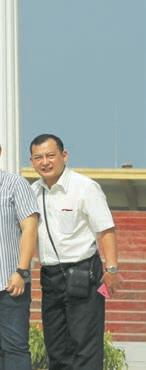
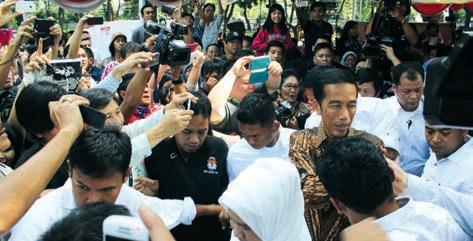
Election Day had the mission delegates starting out bright and early to observe the voting process in the Menteng and Senopati districts. The CALD delegates were treated to a surprise at a precinct in Menteng when presidential frontrunner Jokowi arrived to cast his vote. The CALD contingent then visited the Jokowi-JK Media Center for a briefing by Pak Deddy Y. Sitorus on PDI-P’s presidential campaign. From there, the delegation went to Soekarno-Hatta Proclamation Monument to listen to Jokowi’s first major speech after the polls have closed.
“Today, a new Indonesia has been built,” Jokowi said in part. “Today is a new era. I want to reiterate that today’s victory is not the victory of Jokowi-JK, not the victory of
DEMOCRATIC PROGRESSIVE PARTY OF TAIWAN
Huai-Hui Hsieh
Hui Chen Liu
INDONESIAN DEMOCRATIC PARTY OF STRUGGLE (PDI-P)
Hanjaya Setiawan
Hasto Kristiyanto
LIBERAL PARTY OF THE PHILIPPINES
Edgar Erice
Marcelino Teodoro
Stephen Cruz
NATIONAL LEAGUE FOR DEMOCRACY (BURMA)
Kyaw Htwe
Khin Zaw Linn
PARTY GERAKAN RAKYAT
MALAYSIA
Yap Wen Piau
Wong Oi Foon
SINGAPORE DEMOCRATIC PARTY
Jeffrey George
Chee Soon Juan
Clarence Zeng







the party but the victory of the people of Indonesia. Our task today is to monitor the results of the quick count today until the final count by the KPU (General Elections Commission) – until it reaches the official count.”
In the evening, Masykurudin Hafidz of People’s Voter Education Network (JPPR) shared the election watchdog’s initial assessment of the elections. He expressed concern that both presidential candidates claimed victory based on conflicting results of various quick counts, and emphasized the need for vigilance to ensure that the official results reflect the will of the people. The participants capped the night with an open sharing of insights at the home of FNF’s Kleine-Brockhoff.
On 10 July, the last day of the mission, the participants met Pak Hanif Dhakiri, MP from PDI-P’s coalition partner Nation Awakening Party (PKB). This was followed by a plenary with KPU officials, where the participants raised questions and shared their thoughts regarding the conduct of the polls. The CALD delegates also met members of other election missions, particularly those of members of a big delegation from Burma, a country that was soon to hold general elections in 2015.
After lunch, Pak Sidarto Danusubroto, Speaker of the Indonesia’s People’s Consultative Assembly (MPR), received the delegates in the Indonesian Parliament. Afterward, a debriefing session chaired by CALD Secretary General Neric Acosta was held at the FNF Indonesia Office, where Kleine-Brockhoff informed the participants that all established and credible quick count organizations attest to the victory of the JokowiJK tandem.
The farewell dinner was hosted by PDI-P, with a key member of the campaign team, Pak Hasto Kristiyanto,
expressing his gratitude to the delegation on behalf of the party.
Acosta said in reply, “We are so impressed by the Indonesian people’s trust and confidence in the electoral process. And this stance is awe-inspiring considering that the country is a younger democracy compared to others in the region. Indeed, Indonesia has come a long way in terms of consolidating its democratic gains.”
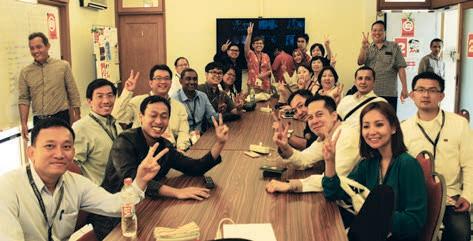



ONCE AN international pariah, Burma – also known as Myanmar – has been earning accolades in recent years for what seemed to be genuine reforms implemented by the government of President Thein Sein. But observations of the reforms having stalled began mounting in 2014, with unresolved ethnic conflicts and continued threats to press freedom among the problems cited.
Yet there were still opportunities to keep Burma on the reform track, among them the general polls in 2015. With the opposition National League for Democracy (NLD) once more expected to lead the way toward significant change, it was fitting that CALD took to having its 5th Political Party Management Workshop in Rangoon.
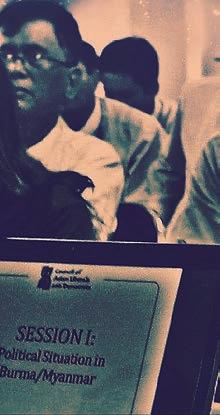
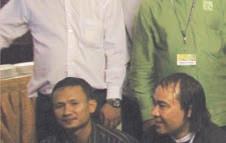
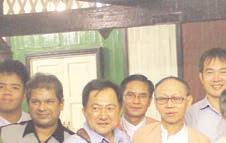
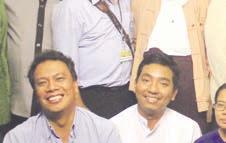
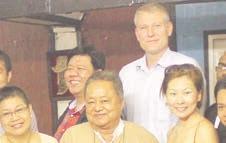
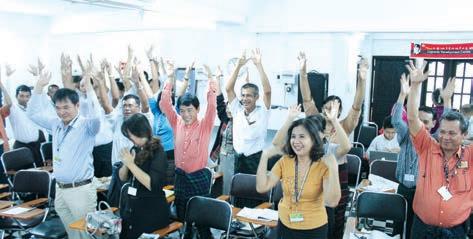
The three-day workshop was hosted by NLD itself in its Capacity Development Centre on 8-11 August. Aimed at equipping CALD member parties and the NLD with the knowledge and skills in winning elections, drawing from electoral theory and practice in the Asian context, the workshop was actually the first part of a two-phase program. (Phase Two was to be conducted in March 2015.)
Called “Project 2015: Winning Elections Toward Continuing Reforms,” the workshop had around 40 prospective candidates and campaign officials from the NLD as participants. CALD members from Cambodia,

Malaysia, the Philippines, Singapore, Sri Lanka and Thailand also came to share their experiences on various aspects of the campaign plan such as strategies and tactics, organizing, communications, intelligence gathering and dirty tricks prevention, financing and resource mobilization, and poll watching and canvassing.
Concepcion ‘Chit’ Asis, former Director General of the Liberal Party of the Philippines, facilitated the workshop with the support of Dr. Julio ‘July’ Teehankee, Liberal Arts Dean of De La Salle University, Philippines. Part One of the workshop dealt with the current political terrain and electoral framework in Burma and how these would affect the upcoming elections. Two issues stood out: one was the move to amend the 2008 constitution, particularly the provision dealing with constitutional amendments; the other was attempt to change the electoral system from ‘first-past-the-post’ to proportional representation or some kind of a mixed system.
The mechanics of ‘winning elections: what, why and how’ was discussed in the workshop’s Part Two, with the goal of helping the NLD set up a national campaign structure.
Said Dr. Myo Aung of NLD’s Central Executive Committee: “The workshop has been very helpful because the participants include the party’s main organizers, and most


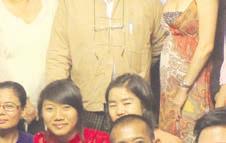
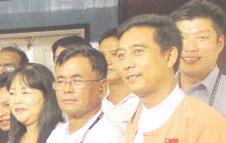




of them never had the opportunity to attend a workshop of this kind of international standards.”
One of the participants, Daw Mya Mya Htay, also commented, “In the past 25 years, we only had experience of two elections. That is why it is very useful for us to learn from the experiences of other countries, so that we can work more effectively in the upcoming elections.”
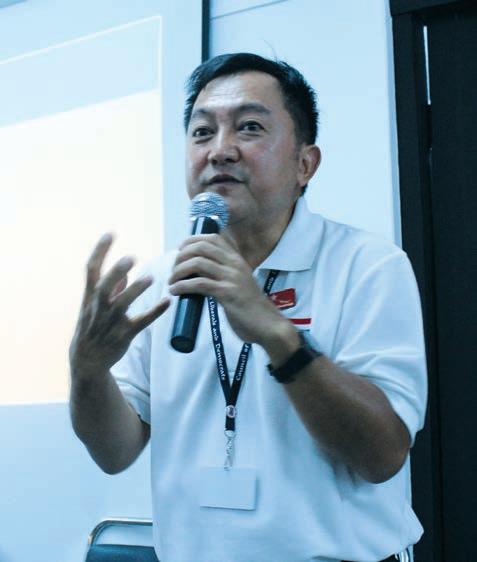



EFFECTIVE COMMUNICATION regarding climate change is crucial to efficient and sufficient climate action. But while a wealth of information about climate change is produced every year, it is not always accessible to those who need it most. Moreover, the data have not always been able to attract a significant amount of coverage. And in the few times that they do, the information often fails to grab the attention of the general public.
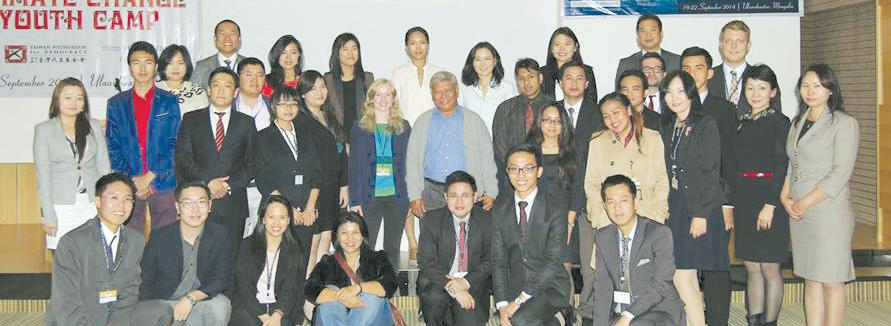
Recently, the so-called ‘new’ as well as social media have played vital roles in bringing about political and regime change in many countries across the globe. These media clearly have potential as tools for social advocacies and campaigns, including those aimed at engaging the public on climate action. And so when CALD Youth convened in Mongolia on 19-22 September for the Climate Change Communication Seminar and Youth Camp, it zeroed in on the use of new and social media to promote climate change awareness among the youth. It helped the youth, of course, who happen to be the primary users of such media.
CALD CLIMATE CHANGE COMMITTEE
Neric Acosta
CALD SECRETARIAT
Celito Arlegue
Paolo Zamora
Paul Rafael
CAMBODIA NATIONAL RESCUE PARTY
Kim Sophea
Khean Vises
CIVIL WILL GREEN PARTY (MONGOLIA)
Khosbayar Garav
Tsogzolmaa Jamsrandorj
Monsor Nyamdavaa
Tsetsenbaatar Tsetsenchimeg
DEMOCRAT PARTY THAILAND
Nant Thananan Krittinai Ritthichai
DEMOCRATIC PARTY OF HONG KONG
Teddy Hui
Andrew Wan
DEMOCRATIC PROGRESSIVE PARTY OF TAIWAN
Chia-Ying Cheng Yun-Ping Lee

Hosted by CALD chair-party Civil Will Green Party (CWGP), the joint events hoped to promote climate-change awareness, environmental protection, and sustainable development among the participants and encourage their appropriate responses to the issues involving these. While the seminar sought to equip participants with effective communication strategies they could use with new and social media to spread awareness about climate change, the youth camp served as an experiential and hands-on activity for leadership capacity-building on climate change.
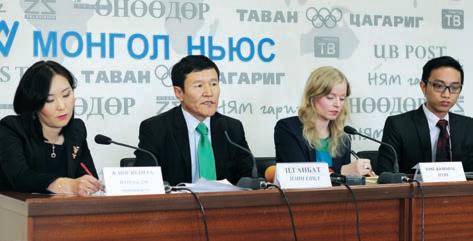
The twin events commenced with a press conference at the 25th TV station attended by Daramdorj Damdinsuren, Cabinet Secretary, CWGP; Paul Rafael, CALD Program and Administrative Officer (Youth & Climate Change); Tone Bjorndal, Climate Change Program Manager, International Federation of Liberal Youth (IFLRY); and Tsogzolmaa Jamsrandorg, Co-Founder, Member of the Board of Directors, and Vice President for Media, CWGP. Rafael replied to a query on the vulnerability of countries
FREIE DEMOKRATISCHE PARTEI
Henning Höne
FRIEDRICH NAUMANN FOUNDATION
Armin Reinartz
INTERNATIONAL FEDERATION OF LIBERAL YOUTH
Tone Bjorndal
LIBERAL PARTY OF THE PHILIPPINES
Izelle Iamly Deloso Ferry Irish May Hernandez Santiago
NATIONAL LEAGUE FOR DEMOCRACY (BURMA)
Nay Htet Win Soe Moe Thu
PARTI GERAKAN RAKYAT
MALAYSIA Rax Chay Tong Seng Prabagaran a/I Vythilingam
ROCK ED PHILIPPINES
Gang Badoy
SINGAPORE DEMOCRATIC PARTY
Sarah Sidek
Clarence Dorai
SUBIC BAY METROPOLITAN AUTHORITY
Felicito Payumo
THE ASIA FOUNDATION (MONGOLIA) Ariunaa Norovsambuu
WILDLIFE CONSERVATION SOCIETY (MONGOLIA) Onon Bayasgalan



to climate change: “Climate change is a phenomenon that puts everyone at risk. In the past years, however, the Asia Pacific seems to be the most vulnerable region to the adverse impacts of climate change. In this regard, we in CALD Youth recognize the need to act now, and the potential of the younger generation to be at the forefront of the movement and campaign for climate change awareness.”
CWGP General Secretary Ganbat Tseepel and CALD Youth Chairperson Nant Thananan officially opened the seminar at Ulaanbaatar Hall of the Corporate Hotel and Convention Center on 19 September. Among the line-up of resource persons were experts in communication, youth networking, and policy-making. Gang Badoy, for instance, is the founder of RockEd Philippines, a successful volunteer group espousing alternative education. At the seminar, Badoy emphasized the importance of good communication strategies in making climate change understandable to the general public. While talking about climate change needs to be based in science, Badoy noted that it still “needs clarity. It needs to be sexy to the young. Our challenge is to present it into digestible form.”
IFLRY’s Tone Bjorndal, meanwhile, tackled how social media could be tapped to promote climate-change awareness while highlighting three important guidelines about the message. First, it should tell a story that people can relate to. Second, it should impart key information on climate change. Third, it should have a positive spin to generate the desired response.
That every successful communication campaign should start with a good message – and a good message should be based on established, well-founded information –was conveyed in the presentations of former Philippine legislator Felicito Payumo and Gerelt-Od Tsogtbaatar
of the Climate Change Coordination Office, Mongolian Ministry of Environment and Green Development. By looking at the issues in Bataan National Park in the Philippines and Mongolia’s Climate Change Action Program respectively, these policy-makers/implementors emphasized the need for climate-change programs to be properly communicated to the general public.
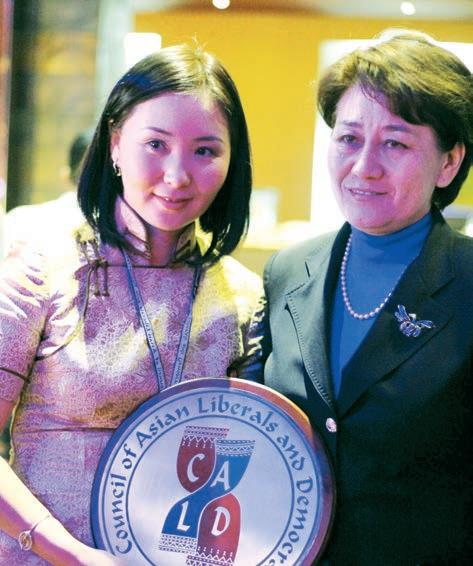
The next day had the participants being formally welcomed by CALD Chairperson and Mongolian Minister for Environment and Green Development Oyun Sanjaasuren and CWGP Head of Foreign Relations Gan-Ochir Zunduisuren. Chuluun Togtokh, Adviser to Minister Oyun, then provided a detailed presentation on Mongolia’s climate change issues and challenges. Henning Hone, Member of Parliament (North RhineWestphalia) from Germany’s Freie Demokratische Partei (FDP), delivered the keynote address, in which he explained how communities react to climate change as an issue and how climate-change advocates should provide sound solutions that would not disrupt people’s daily living.
“We need smart solutions that do not affect the standard of living because we want people to want to act against climate change,” he pointed. “We do not want them to feel that (the solution) is something that is hurting them. We want to make them feel that it is something that is helping them.”
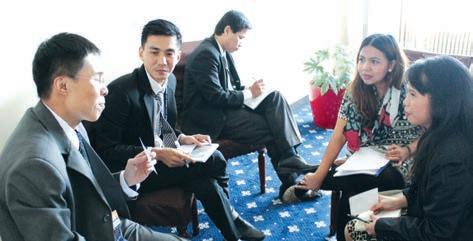
Three workshops followed, which were facilitated by Asia Foundation’s Ariunaa Norovsambuu, CWGP’s Monsor Nyamdavaa, and RockEd’s Badoy. In the first workshop, Visual Explorer, the participants were given pictures related to climate change and were asked: (1) How do we see a world with climate change? and (2) What should be our response? The second workshop was a world café, during which the participants
discussed how to sell climate change to their respective political parties, how to tap youth networks for climate change campaigns and how CALD Youth could help in this regard. In the last workshop, the participants were asked to group themselves by country, tackle their climate-change issues, and come up with a communications campaign or action plan.
The day was capped by a sumptuous dinner that also featured a ceremonial handover of CALD Chairmanship from the Cambodia National Rescue Party (CNRP) to the CWGP. In her acceptance speech, Minister Oyun pledged her commitment to the ideals that CALD have espoused and fought for in the past 20 years.
“It is a huge challenge to promote liberal values in Asia,” she also said. “It (CALD) only goes forward and succeeds because we have a huge conviction in our ideology, our liberal values for freedom of choice, (for) democracy, for good governance…and sustainable development.”
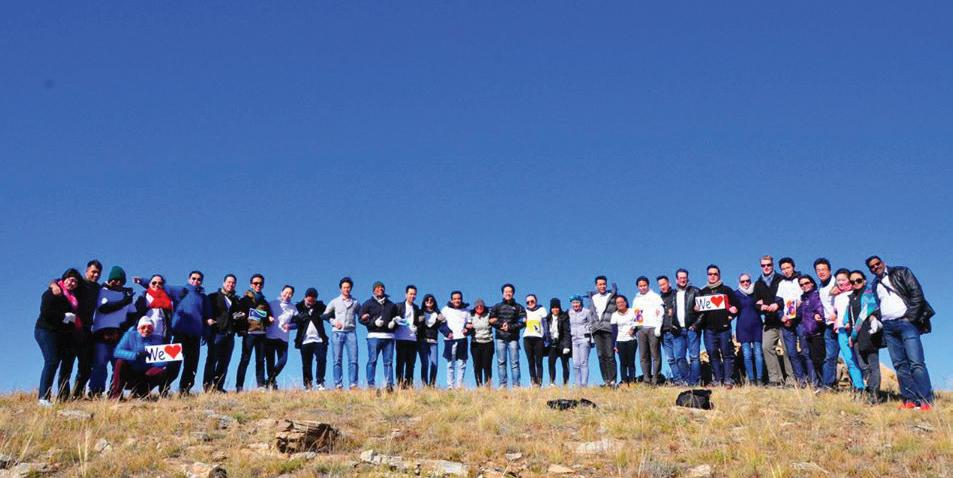
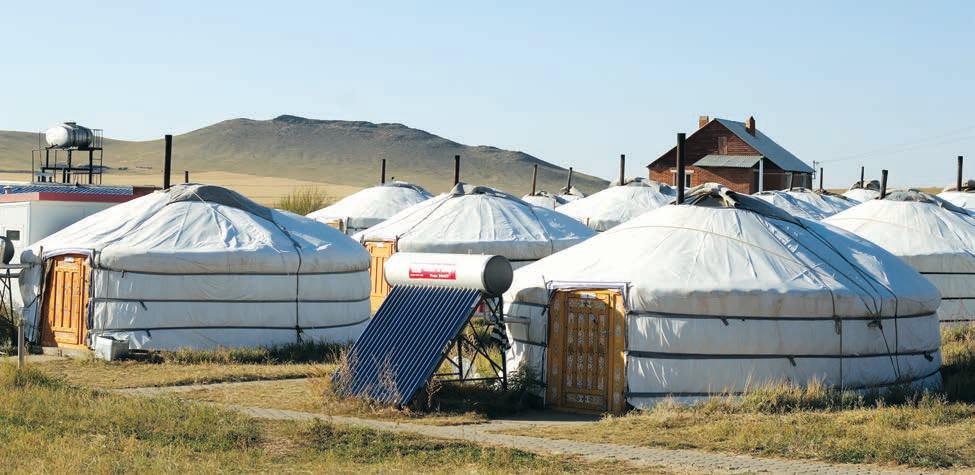
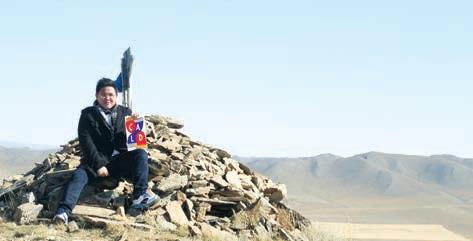
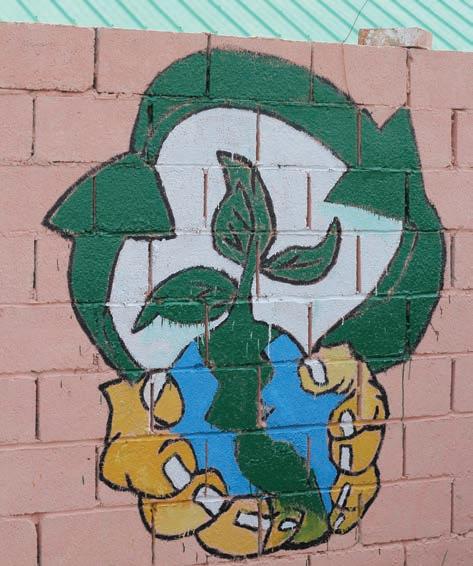
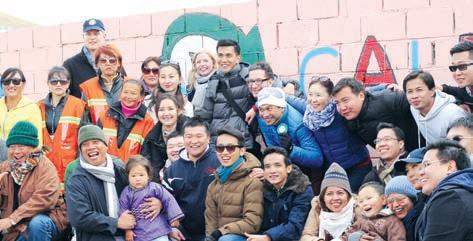
The participants then spent the next two days to exploring the Mongolian countryside – with community work at the Ger district, a case study of nomadic Mongolian household, and a hike at the Khustain Nuruu National Park.
Reflecting on the seminar and youth camp, CALD Youth Chair Nant said, “The trip gave us a perspective of the raw natural beauty of the world and the need to preserve it. I think that the inspiration we all got from the trip will be forwarded to our networks in each of our countries. Invigorated by our Mongolian sojourn, CALD Youth will continue with more climate-change projects based on the one we had in Mongolia, which has become our new benchmark for future events.”



THE GAP between the rich and the poor is increasing. In January 2014, a report released by Oxfam International highlighted this worrisome trend. It noted, for instance, that almost half of the world’s wealth is now owned by just one percent of the population. The wealth of the one percent richest people in the world amounts to $110 trillion or 65 times the total wealth of the bottom half of the global population. Seven out of 10 people live in countries where economic inequality has increased in the last 30 years.
That inequality is increasing, despite the global economic expansion since the end of World War II, raises questions on whether the rising “neoliberal” tide indeed lifts all boats or if it lifts only the yachts of the wealthy. Does the “invisible hand of the market” promote the general interest of all, or does it only cater to the whims of the elites?
CALD SECRETARIAT
Celito Arlegue
Paolo Zamora
Paul Rafael
Jorgia Salonga
Francis Banico
Francis Miguel Panday
CALD YOUTH
Nant Thananan
CALD CLIMATE CHANGE COMMITTEE
Neric Acosta
CAMBODIA NATIONAL RESCUE PARTY
Sam Rainsy
Saumura Tioulong
Kem Monovithya
CIVIL WILL GREEN PARTY (MONGOLIA)
Oyun Sanjaasuren Purevgardi
Ganbat Tseepil
Gan-Ochir Zunduisuren
DEMOCRAT PARTY
THAILAND
Monthip SriratanaTabucanon
Kasit Piromya
Kiat Sittheamorn
DEMOCRATIC PARTY OF HONG KONG
Sin Chung-kai
Emily Lau
Albert Hu
Helena Wong
Lo Kin-hei
Leong Kah-kit
Au Nok-hin
Andrew Wan
Ramon Yuen
Wuchi Wai
Florence Chan
Alfred Lai

These questions and more were front and center in the international conference “Liberalism: Promoting Growth, Reducing Inequality” that took place on 7-10 November in Hong Kong, one of the world’s economic and financial capitals. Organized by CALD, Liberal International (LI), and the Economic Freedom Network Asia (EFN Asia), with the support of FNF, it had in attendance around 200 liberals—government officials, political party leaders, businessmen, academics, policy advisors, among others –who discussed how the liberal economy relates to wealth creation and inequality. By coincidence, a homegrown pro-democracy protest was ongoing in Hong Kong at the time of the event.
The conference commenced with a joint session between CALD and EFN on 7 November. Singapore Democratic Party
Kitty Chan
Alan Leong
DEMOCRATIC PROGRESSIVE PARTY OF TAIWAN
Ketty Chen
BI-Khim Hsiao
Ya-Wei Chao
Maysing Yang
FRIEDRICH NAUMANN FOUNDATION – CAMBODIA
Kim Sophanna
FRIEDRICH NAUMANN FOUNDATION – GERMANY
Wolfgang Gerhardt
Markus Loning
Olaff Kellerhoff
FRIEDRICH NAUMANN FOUNDATION – INDONESIA
Moritz KleineBrockhoff
Katharina WeberLortsch
Vera Putri
Nur Rachmi
FRIEDRICH NAUMANN FOUNDATION – KOREA
Lars-Andre Richter
Kim Eun-Hee
FRIEDRICH NAUMANN FOUNDATION – MYANMAR
Ashley Pritchards
FRIEDRICH NAUMANN FOUNDATION – PHILIPPINES
Jules Maaten
Narwin Espiritu
FRIEDRICH NAUMANN FOUNDATION – THAILAND
Siegfried Herzog
Kewalin Sa-ngapet
Miklos Romandy
Armin Reinartz
Felix Schilling
Andrea Lauerbach
FRIEDRICH NAUMANN FOUNDATION – VIETNAM
Hans-George Jonek
INDONESIAN DEMOCRATIC PARTY OF STRUGGLE (PDI-P)
Hanjaya Setiawan
Sudiyatmiko Aribowo
LIBERAL INTERNATIONAL
Juli Minoves
Emil Kirjas
Tamara Dancheva
Robert Wintraecken
William Townsend
Jessie Chou
LIBERTY INSTITUTE INDIA
Barun Mitra
LIBERAL PARTY OF THE PHILIPPINES
Joseller Guiao
Henedina Abad
Chito Gascon
NATIONAL AWAKENING PARTY INDONESIA Lukluk Nur Hamidah
PARTI GERAKAN RAKYAT OF MALAYSIA
Edmund Lau Chai
Ming
Yap Kim Heng
Jayanthi Balaguru
SINGAPORE DEMOCRATIC PARTY
Chee Soon Juan
Jaslyn Go Christopher Ang
URI PARTY OF SOUTH KOREA
Jay Kun Yoo





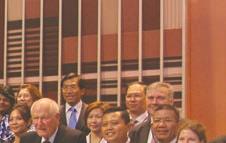
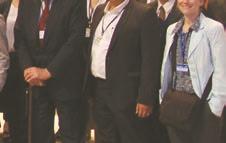



(SDP) Secretary General and former CALD Chairperson Chee Soon Juan started the debate by drawing on the experiences of Singapore and Hong Kong. “Democratization is essential in Singapore and Hong Kong to overcome income inequality,” he said. “To reduce income inequality, we have to have an opposition voice.”
Emily Lau, Chairperson of the Democratic Party of Hong Kong, delivered the keynote address in the joint session. Lau also highlighted the interplay between economics and politics in her speech, and told the audience that the international community should not wait for signals from the Hong Kong people on what to do about the political situation there that happened to be heating up. She remarked, “As liberals and democrats, I think you already know what to do. So do what you think is right for the cause of freedom and democracy.”
The discussion continued in the official opening of the CALD-LI Conference on 8 November. LI President Juli Mioves-Triquell and CALD Chairperson Oyun Sanjaasuren shared the stage with Democratic Party of Hong Kong founder Martin Lee, who is also an individual member of both CALD and LI. In his keynote address, Lee noted that the timing of the conference could not have been more appropriate, since Hong Kong then seemed to be in the cusp of democratic development. He also came up with a proposal for the delegates: “Nominate the people of Hong Kong for the Nobel Peace Prize as a way to support democracy in Asia.”
A world café session on the conference theme followed, focusing in particular on how to promote liberal policies (rule of law, property rights, market economy) that address inequality and foster development. In the afternoon, key officials of CALD and LI had an in-depth discussion of the political situation with Jasper Tsang, President of the Hong Kong Legislative Council. By that
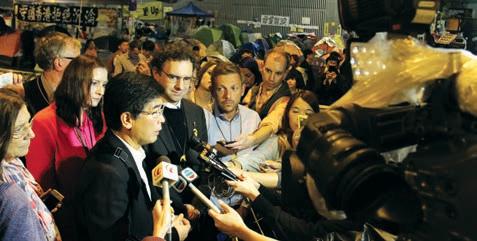
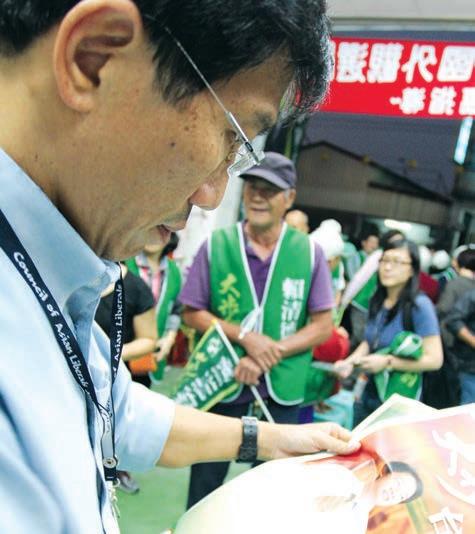
evening, a spontaneous decision was made by CALD and LI delegates to go to Admiralty and show support to the youth of Hong Kong, the prime movers of the so-called Umbrella Movement.
Among the other highlights of the event were: CALD Seminar on the Liberal Climate Change Agenda (7 November); Joint Session of International Network of Liberal Women (INLW) and CALD Women’s Caucus (9 November); and CALD Women’s Caucus Seminar on Migrant Workers (9 November). CALD and LI Executive Committee meetings also took place on 9 November.
Commenting on the political situation in Hong Kong, CALD Chairperson Oyun Sanjaasuren said, “The unfolding story of Hong Kong is the story of all of us. At one point in our development as a democratic nation, we too have struggled for free and fair elections, we too have called for universal suffrage, we too have demanded our right to chart our own destiny as people. That is why what is happening here in Hong Kong resonates with all of us. The call for genuine, universal suffrage goes with our very nature as human beings – we all desire to have a free choice.”



TAIWAN MAY be tiny, but its 29 November nine-in-one elections had epic proportions. Nine categories of elected office were at stake, ranging from mayor and heads of large counties to chiefs of small villages. In all, the people of Taiwan would be choosing who should be occupying 11,130 seats.
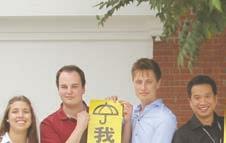
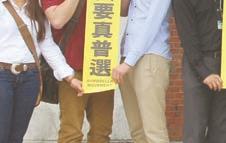
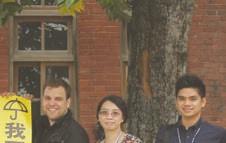
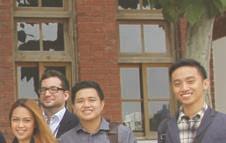
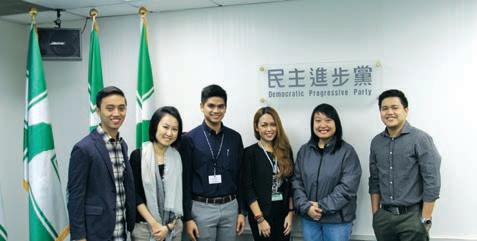
Not one to miss such an event, CALD, with the support of the Democratic Progressive Party of Taiwan (DPP) and FNF, spearheaded an election observation mission in Taiwan with a visit on 24-27 November to three major cities: Taipei, Taichung, and Tainan.
A dinner with officials of DPP and the Taiwan Foundation for Democracy (TFD) marked the start of the mission, which had delegates from different CALD member parties across Asia, and two from the German Liberal Youth. DPP Secretary General Joseph Wu officially welcomed the delegates with a toast, after which everyone had dinner spiced up with exchanges of views and perspectives about the significance of the elections.
On 25 November, the CALD delegation’s day began with an informative and comprehensive briefing about the dynamics and system of election in Taiwan at the Central Election Commission (CEC). The CALD team then headed to Tainan, the Green City of the South, through

the High-Speed Rail. In Tainan, they were able to have a short and informal interview with Mayor William Lai of the DPP, who was widely favored to be re-elected, as well as with other candidates.
The next day saw the election mission observers in Taichung City in central Taiwan, where a close race was predicted between the incumbent Jason Hu of Koumintang (KMT) and DPP’s Lin Chia-lung. While the visit was short one, the members of the CALD delegation were able to ask several questions about the background of the candidates, their campaign strategies and techniques, and how the DPP challenger would manage to reorganize the city if he wins.
The CALD mission headed next for the headquarters of Dr. Ko Wen-je, an independent candidate in Taipei City, whom the DPP had opted to support. The delegates witnessed firsthand the widespread support for Dr. Ko from all sectors of society. The CALD team also had the chance to post questions about the campaign in a forum facilitated by the President of Taiwan Brain Trust and former DPP Director for Foreign Affairs Shih-Chung Liu.
The CALD team’s itinerary on the mission’s last day, 27 November, led it to the DPP head office in Taipei. Secretary General Wu thanked the CALD delegates and


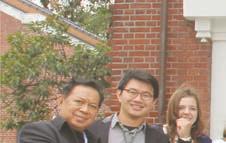







other election observers for visiting Taiwan and for their interest in the polls. Together with DPP Foreign Affairs
Director Dr. Ketty Chen, Wu entertained some questions and enlightened the observers about the major political issues, the economic situation, the Sunflower Movement, their support for Hong Kong, and the elections in general. A delicious luncheon formally ended the mission.
DPP would eventually clinch 47.56 percent of the popular vote, trouncing KMT, which got 40.7 percent. DPP won most of the key races, including those in Taipei, Taichung, and Tainan.
“We can rejoice, but starting from tonight, we must also view the Chinese Nationalist Party’s “defeat as a lesson,” said DPP Chairperson Dr. Tsai Ing-wen after the election results became known. “Because if a government does not stand on the side of the people, the people will take back the right to govern they have entrusted with us.”
“Tonight’s election results are a historical prologue for change,” she added. “As a politician, we only have one principle: facing with the power of the people, we should only become more humble.”

































Under
(Translated by Matthew Hanzel)
WE JUST took the oath, an oath of which possesses a deep spiritual meaning, which stresses the commitment to work hard to achieve our common will as a great nation.
This is the time to unite our hearts and hands. This is the time for us to continue the extremely difficult test of history, which is to achieve and realize a sovereign Indonesia in politics, self-reliant in economics, and possessing a self-identity in culture.
I am certain we will be able to carry this extremely difficult test of history with unity, cooperation [gotong royong], and hard work. Unity and gotong royong are the conditions for us to become a great nation. We will never be great if we are trapped in division and disunity. And we will never be truly free without hard work.
The government that I lead will work to ensure that all people in all corners of the country can feel the presence of government services. I also invite all state agencies to work in high spirit in conducting their respective tasks and functions. I am sure that this country will be stronger and dignified if all state agencies work, bearing the mandate as given by the Constitution.
To all fishers, laborers, farmers, meatball vendors, street vendors, drivers, academicians, teachers, National Armed Forces, National Police Force, and professionals, I call for hard work, shoulder to shoulder, in cooperation. This is the historical moment for all of us to move together to work, work, and work.
Distinguished audience, we want also to be present among nations with respect, with dignity, with pride. We want to be a nation that can create its own civilization. A creative great nation that can contribute nobility to the global civilization.
We have to work really hard to revive Indonesia’s status as a maritime nation. Oceans, seas, straits, and gulfs are the future of our civilization. We have been showing our backs too long to these seas, to these oceans, to these straits, and gulfs.
This is the time for us to return to them so that “Jalesveva Jayamahe” – “It is at sea that we are glorious,” as the motto of our ancestors goes — may ring once more.
Brothers and sisters of the nation, the hard work to build a nation is not merely the work of a president, a vice president, or any members of the government that I lead. It requires the support of a collective
power, which is the unity of the entire nation.
The next five years will be a defining momentum as a free nation. Therefore, work, work, and work is the main thing. I am confident, with hard work and cooperation, that we will be able to protect the entire nation of Indonesia and all of its people, to increase people’s prosperity, to educate our people and improve their lives, and to be involved in the world order based on freedom, perpetual peace, and social justice.
Brothers and sisters of the nation, on behalf of the people and government of Indonesia, I express my gratitude and respect to Your Excellencies, heads of state and government, and special envoys from partner states.
I am stressing, under my administration, Indonesia — as the third largest democracy with the largest Muslim population on earth, as an archipelagic state, as Southeast Asia’s largest country — will always conduct an “independent-and-active” foreign policy, to serve national interest, and to be involved in the world order based on freedom, perpetual peace, and social justice.
At this historical moment, allow me to personally, and on behalf of Vice President Jusuf Kalla, and on behalf of the people of Indonesia, to express our thanks and gratitude to
“We will never be great if we are trapped in division and disunity. And we will never be truly free without hard work.”
Prof. Dr. Susilo Bambang Yudhoyono and Prof. Dr. Boediono, who have lead the government for the last five years.
Distinguished audience, to end this speech, I invite brothers and sisters of this nation to remember what our first president, Bung Karno, once said: That to build Indonesia to be a great country, a strong country, a prosperous country, a peaceful country, we have to possess the soul of cakrawati samudera, the soul of a brave sailor going through the rough and rolling waves.
As a captain trusted by the people, I invite all people of this nation to get on board this Ship of the Republic of Indonesia and sail together to the Great Indonesia. We will be in full sail. We will face all storms and waves with our own strength. I will stand under the people’s will and under the Constitution. May the One Almighty God always bless our common efforts.
Wassalamualaikum Warahmatullahi Wabarakatuh
God bless us
Om Shanti Shanti Shanti
Nammo Bhudaya
Merdeka !! Merdeka !! Merdeka !!

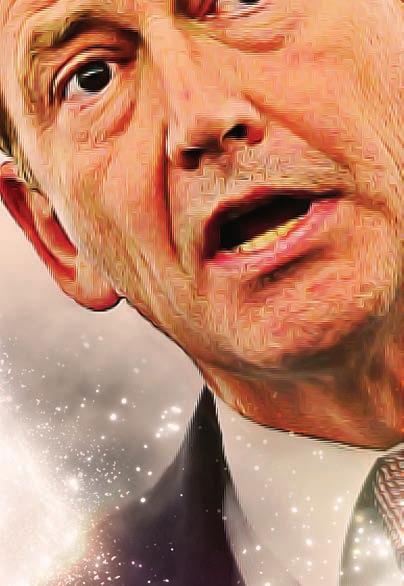

President, Alliance of Liberals and Democrats for Europe Party Chairperson, Board of Trustees of Climate Parliament
IT IS a pleasure to be with people who have chosen to be curious and to remain optimistic.
Compared to our opening speaker Sam Rainsy, my qualifications to speak on this subject are not great. If I have any, it is perhaps having worked here in Hong Kong twenty-five years ago, having traveled widely in Asia then and having maintained an active interest in the development of this part of the world. I have even invested ten years in trying to learn its most widely spoken language.
This morning I would like to share with you six thoughts and one warning.
It is often said that the 21st century will be the Asian century. I have heard it predicted that by 2020 Hong Kong will be the world’s financial capital and that by 2050 it will be Beijing. Asia is the world’s most populous continent and its most dynamic.
The collapse of Lehman Bros. in 2008 caused less damage to Asia’s economy than to those of the West, perhaps because Asian countries learned the lessons of their own financial crisis ten years earlier and put in place the foundations of the liberal economy that Europe and America allowed to slip, at great cost. As we emerge from recession, Asia is well placed.
If you exclude the Indian subcontinent, Asia is less affected than other regions by the grindingly stubborn continuation of conflict between the three great Abrahamic religions. I do not overlook the challenges of radical Islam in Indonesia or the Philippines; or indeed the phenomenon of militant Buddhism in Burma, for which Abraham cannot take the blame. But by and large Asia has learned that capitalism works better if religion is kept in the home.
Asia is however plagued by nationalism – and perhaps particularly by nations not having learned to say sorry to each other for past atrocities. And this is a huge potential danger to peace. It may perhaps best be overcome by turning powder kegs into peace projects, as I suggested in my remarks at the CALD seminar on Friday. If the Spratly islands and the Diao-yu (or Senkaku) islands were used for the exploitation of wind energy and the regeneration of fish stocks, and the huge benefits shared jointly by those who claim them, peace might prosper.
FREEDOM
Perhaps the greatest cause for liberal celebration is that freedom and democracy have taken root in Asia. This was not the case twenty years ago. Recent elections in India and Indonesia again show that the ballot is mightier than the bullet. And in the long term, democracy gives these
countries a huge advantage over China. But even the dinosaurs in the Zhongnanhai are now more cautious about using bullets, or at least anywhere where the world’s press is well represented.
Hong Kong’s Occupy Central movement may not have a clear road map – which would explain why they are occupying Admiralty District instead – but they clearly have a cause. And Napoleon was right: “L’esprit est plus puissant que l’epee — The spirit is more powerful than the sabre.”
There are of course centers of unreconstructed conservatism in Asia, as there are in Europe. And I think not only of North Korea and the Vatican. Just as Russia is now the main threat to peace in Europe, communist China remains for liberals the greatest source of worry here in Asia. True, reform in Beijing continues apace – in international affairs such as global financial stability and combatting climate change, for example, the PRC is proving a constructive partner –but if indeed Deng Xiao Ping wanted to condemn Marxist-Leninist-Mao Zedong thought to the crematorium of history, as Martin Lee suggests, his successors appear to be revisionist.
If the power of an idea can be measured by the strength with which it bounces back after every defeat, look at how the ideas of that great American Liberal Woodrow Wilson continue to rebound. In Europe the self-determination of peoples, accepted by northern Europeans, has not yet convinced the southerners, as a comparison between Scotland and Greenland on one hand and Catalonia and Serbia on the other will show. Here in Asia, the cases of Taiwan and Hong Kong are prominent; but separatist movements in the Philippines seem less evidently rooted in popular support and less likely to prevail.
Chairman Mao said that women represent half the sky (ban bian tian). The women’s movement in Asia is a demonstration of this. Who would have foreseen, even twenty years
ago, the rise of women in business and politics here, or that the Fourth World Conference on Women in Beijing would have such an impact!? They say that a woman is like a tea leaf. You never know how strong she is until she is in hot water! I salute Dr. Oyun for making sure that CALD is at the forefront of this agenda. I also have much sympathy with her. As the writer Joseph Conrad observed, being a woman is a terribly hard job, since it consists principally in dealing with men.
One thing which surprises me about Asia is that its view of the West is still dominated to a large extent by North America, to the detriment of Europe. This may well be Europe’s fault: our
“To preserve our planet we need to improve social health and economic vitality at one and the same time.”
failure to unite more quickly, our failure to create the economic dynamism of the U.S.A., the jealous competition between our larger member states, the drag factor of three centuries of exploration and colonization. But China has started to rebalance its relations with the West; and a more balanced outlook might help in other Asian countries, too.
The biggest area of common concern is the Earth’s climate. At the moment we are heading for disaster. We need to decarbonize, and fast, starting with a switch from fossil fuels to low-carbon or no-carbon energy sources. But we need also to stabilize the world’s population, because the planet has a limited carrying capacity. And all our
experience tells us that people have fewer children only when they are wealthier and they know that either they or the State will provide for health care and an adequate old-age income.
That is why I want to finish with a warning to liberals, particularly to liberals in Asia. In the program for this meeting is a quote from Milton Friedman; and on Friday night we heard from the Lion Rock Institute. Both preach a form of neo-liberalism that castigates John Locke’s idea of a social contract. Both preach an ideology of the market that Adam Smith never subscribed to. Why did he not? Because market ideology tricks people into confusing buying power with voting power and thus robs us of the civic freedom by which we control the social consequences of private choices.
Liberals must recognize that we need regulation where the gains from remedying market failure — for consumers, employees or the environment — outweigh the cost of government intervention.
It is arguable that Hayek is a Liberal. Milton Friedman is not. Friedman wanted to exchange social cohesion and a broad-based middle class for economic dynamism and personal freedom. In the process we appear to have abandoned what used to be referred to as the common good.
To preserve our planet we need to improve social health and economic vitality at one and the same time. This requires a new social contract. It must be based on a vision of global markets, yes, but also of global social concern. To fit the post-Industrial Age it must be able to reconcile the competing demands of flexibility and fairness.
As John F. Kennedy argued, if a free society cannot help the many who are poor, it will not save the few who are rich. And if we preach neo-liberalism we will not even save ourselves, as our friends in Germany’s Free Democratic Party are discovering
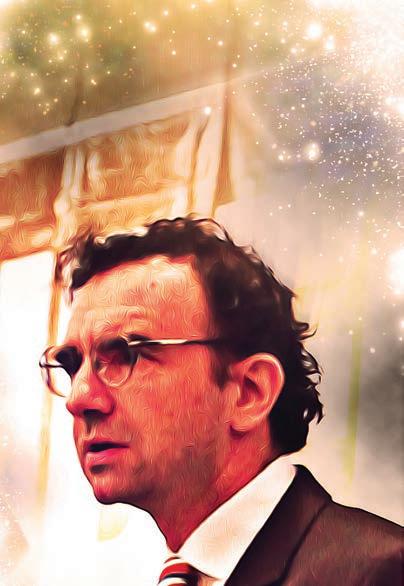


LIBERALISM, MAJORITARIANISM, and fundamentalism, have been promoted as miracle solutions to chaos, weakness, and corruption. The rise of Liberal governments and movements promised strength, order, and recovery. This summer, one Prime Minister in my continent argued that he wanted to teach real liberal democracy. More concretely, he indicated his preference for Liberal governments in Europe and gave us examples in the experience of Russia and Turkey.
On the enormity of the pronouncement, I realized our task as liberals is to debunk such emerging philosophy of strength and reach out to the younger generations. One sign of the dangerous path of illiberalism is the ruthless scapegoating in Russia because of propaganda. But when should Liberal countries and NGOs come into the rescue in internal politics? As liberals, we must fight back. The question is how, and where do we start.
There is no easy answer, but we must come together with a clear message and a consistent strategy. Democracy for us is not just pure election — electing officials in the office and letting them rule during a certain period of time. Democracy means the decisions that respect the rights of the minority. It means the defense of human rights, and also the capacity to make one’s voice heard, and interact with the officials
at all times, freedom of expression and of the press, among others.
Liberals today are heirs of those humanist and rationalist thoughts of the 18th century. What the liberals then and now really promote is the idea of tolerance, and we fight for the freedom to express our ideas. This of course is often anathema to fundamentalists who consider ideas as battlegrounds. But one can hold religious conviction — be it Christian, Muslim, Jew, or Hindu, or any other belief — and still respect other people’s convictions, and still allow interaction and debate. Liberalism and religion are, in a way, compatible.
We are gathered today here in Hong Kong, which has captivated the minds of liberals everywhere. Young people demonstrate peacefully their love for freedom for days and days, rain or shine. They teach us a lesson that freedom and democracy can never be taken for granted. Their fight for illiberalism implies courage and determination.
My dear delegates, in my years in the bureau of Liberal International, I have seen numerous cultures, religious traditions, and economic backgrounds. It is time to start here in Asia. In the end, let us not fall into the trap of only being defensive. Let our philosophy be seen as a philosophy of comfort.
Legislative Councilor, Hong Kong
Chairperson, Democratic Party of Hong Kong
WELCOME TO Hong Kong. Welcome to the Umbrella Movement. To those who haven’t been in the umbrella square, you should go there. Otherwise you’re going to regret it because this is not just significant in my city, but also significant in the contemporary history of China. But don’t ask me how it’s going to end just yet.
This morning I had the pleasure of receiving a delegation from Germany, Global Bridges. It’s the second time they have come to see me. The German Consul General was also there, and they were riveted by what’s happening in the square. And not just because today is the 41st day of the occupation but also because it is so peaceful.
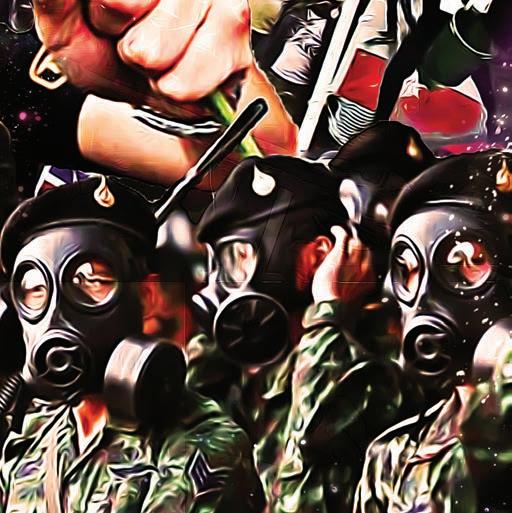
On the 28th of September the police fired teargas at the crowd — and I guess in your countries, the police have fired teargas at rioters. But on that occasion there was no rioting. Nobody was throwing rocks or burning cars, they were just standing around. But the police fired teargas at them, and what did the people do? They opened their umbrellas and then, when the gas dispelled, the crowd surged in. And there were tens of thousands or hundreds of thousands of people.
But I was not there; so where was I? I was placed under arrest by the police that morning because we were trying to push some equipment to the square. Because we
expected a huge assembly, and the police said “No! You can’t, because that’s an illegal assembly. And you are not allowed to take equipment in.” But I said, “I’m going to do it.” He said “You’re not!” I said, “I am!”
There were five of us; apart from myself, there were my colleague Albert Ho, also a Democratic Party legislator, a legislator from the Labor Party, Dr. Fernando Ger, Professor Joseph Chang, and Dr. Yung Sab. We were going to push the equipment in, but the police said, “We’re going to confiscate the equipment.” I said, “You will not! I’m going to push them in.” He said “No! You are under arrest! Because we were going to confiscate the equipment and you want to push them in!?” So we were arrested that morning around noon. And there were quite a number of people there, trying to push the equipment in. And before we got into the police car we told them, “Please! Please stay calm.” I know they were very angry, but I said, “Stay calm, don’t fight with the police.” And we stayed there until 11 p.m. By the time we were let out, they had already fired the teargas, 87 rounds.
Ladies and gentlemen, this is all because we want more freedom. We want democracy and less inequality. Because we don’t have a democratic system, and that is why the policies are so much skewed toward the business community. Now, don’t get me wrong; I am very, very much




in favor of a business-friendly environment so that investors from all over the world will come to invest in Hong Kong, and to do business here, and prosper. How else are we going to find employment for my people?
But for so many years, we’ve been denied the right to elect the government. And then Beijing promised that in 2017 we can elect a Chief Executive who is the head of the executive authorities by universal suffrage.
Right now we have Chief Executive C.Y. Leung, who was chosen in 2012 by a committee of 1,200 people who were mainly drawn from functional constituencies, meaning the big businesses, the professional people. So when Beijing said “Okay, in 2017 you may choose your Chief Executive by universal suffrage,” we all said, “Oh great!”
Then on the 31 st of August, the National People’s Congress Standing Committee, China’s parliament, made a decision, saying, “Yes, you can elect via universal suffrage in 2017, but there would be a nominating committee.” This is also in the Basic Law, our mini constitution propagated by Beijing in 1990. It refers to a nominating committee, and Beijing said that this would be constituted the same way as the election committee that selected C.Y. Leung in 2012. That means it would still be controlled by business and professional people – mainly, of course, those very close to the property tycoons. And once more, to be valiantly nominated as a candidate, you would need the support of more than five of the members of the committee. So if you have 1,200, you need at least 601 votes to be nominated. And, to add insult to injury, you can have at most three candidates — two or three candidates.
Many people, were angry, shocked, and some were in tears — in tears because they had trusted Beijing. They thought that they would have genuine election, but when they saw that, they knew that it would not be.
It would just be a process controlled by Beijing and their tycoon friends. That’s why people demonstrated and we had the Occupy Central Movement. But we had students boycotting their classes, and then the crowd swelled, and then we had the teargas and we now have the Occupy Movement.
So, how is it going to end? I don’t know. We wanted to talk to the authorities, but Chief Secretary Carrie Lam turned us down. They had talks with the students only once, the students wanted to talk again, they refused, now the students are planning to go to Beijing, and the people in the streets, they don’t want to leave. How are we going to end this? I don’t want violence, I don’t want bloodshed. Many foreign
“Ladies and gentlemen, this is all because we want more freedom. We want democracy and less inequality.”
journalists came, and they were stunned. Why? These journalists were covering Afghanistan, Ukraine, Iraq, Africa and elsewhere where there is so much bloodshed and slaughtering and beheading — and when they get to tiny Hong Kong, it’s so peaceful, just umbrellas.
So this is very precious. As I told my friends from Global Bridges this morning, the international community should encourage this, particularly in a world full of violence and slaughter. Those people are also struggling for democracy and human rights but here, my people have chosen to struggle with peace and non-violence.
I don’t know how many groups there are here, CALD and the others — I don’t know what you’re going to say at the end of the conference
or whether you’re going to say anything at all. Some of you are featured in the newspapers, because the conference is news worthy. But Beijing is also very worried about international interference. Actually when you chose the date, you didn’t know that this was going to happen. Now it has happened and now you are here. Of course many people are looking at you with very close interest, to see if you would dare to interfere in Hong Kong and China’s affairs. But as a human rights defender who has worked for democracy for so long, I have always said that human rights and democracy transcend national boundaries, and these are matters people all over the world should care about.
My friends from Global Bridges asked me, “What should we do?” I said it’s not a question of what you should do or me telling you what you should do. It’s what you, as a decent, upstanding human being, when you see such things happening, decide what to do. And so my dear friends, you are here in the thick of things, and no doubt you will enjoy yourself, but I certainly hope that before you leave, you will leave some remarks for your friends who are struggling for democracy and human rights here. And with Dr. Chee Soon Juan, of course we try very hard too, with Singapore. When I saw Dr. Chee, I actually said that we’re moving closer to each other, Dr. Chee, because we will be in jail soon.
Anyway, my dear friends, welcome to Hong Kong! Welcome to this fight for democracy and freedom! And I hope you will all fight with us!
Founding Chairperson, Democratic Party of Hong Kong
Individual Member, Council of Asian Liberals and Democrats
Individual Member, Liberal International
DURING THE first seven days of this lovely Umbrella Movement, it poured every day, sometimes for long, sometimes for short. All of our students, both from the universities and secondary schools, have been baptized to democracy. They are all wet.
They wanted to make sure it’s going to be a lovely movement. 2012 came up the idea of “Love and Peace,” telling everybody not to come unless they agree with us that they would not use any force at all, that they must support us with peace and love. I thought they were crazy because those are the words I hear inside the church. But I see school children sitting down in the streets doing their homework, and at the end of the day, they are cleaning up the streets of Hong Kong. Of course you have seen how the police attacked the protesters on Day One with teargas. Well, this single movement has succeeded beyond the Occupy Central’s thought that they will be just a few thousand people, and they would occupy Central as a sign of protest.
Hong Kong people have always been into democracy, looking for the promise they have given us. In the signed Basic Law, which is our constitution, there is a provision that the Chief Executive is to be elected by universal suffrage, but little did we know that Beijing would choose all the candidates. Deng Xiao Ping, the architect of the “one
country, two systems” policy, came up with this idea, and he decided not to break from the socialist roots. In the 1980s, China was already losing investments, so I think that was the time he was already looking at Hong Kong, which practiced capitalism, and was far more successful than any other country that practiced capitalism. But here human rights are protected under the rule of law. That is why we wanted to make sure that we keep our core values. At the moment, Beijing wants to control Hong Kong more than anything else, but Hong Kong is still holding on to the “one country, two systems” policy. Yet when the British flag came down and the Chinese flag went up, it seems it meant there would be simply “one country.”
How can Hong Kong people grow democratically when they cannot even democratically vote their leaders? I want to reiterate a statement from a student named Joshua Wong. He said, “It’s time to fight for democracy of my generation, and our next generations.” Students have beautified the term democracy. The people of Hong Kong have redefined it in a peaceful protest and become lovers of peace and democracy.
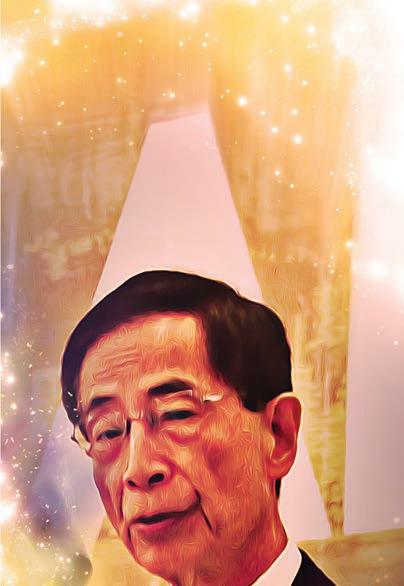





GENDER EQUALITY has always been among the core values for liberals on every continent. It is no coincidence that many of the pioneers who have opened up the doors for women in the fight to vote; in the right to control one’s own sexuality and body, finances and in extension the right to choose and the right to make informed decisions concerning your own life, have been liberals. Liberals everywhere have always fought for gender equality.
Let me be personal just for a moment. When my grandmother was born in the very north of Sweden, women in my country did not have the right to vote. When my mother studied in the university, women were not allowed to be ordained as priests for the church. In only two generations, we overcame these in my country, I was ordained as a priest in 1994 and I became a member of the National Parliament in 2002, and an MEP in 2009. Everything is feasible and nothing is impossible. A recent survey published by the World Economic Forum concluded that Liberal governments are the most progressive worldwide when it comes to promoting gender equality. Currently six Liberal governments are in the worldwide Top Ten list for this, which is an achievement.
A few weeks ago, I had the honor of hosting a dinner in Brussels with Liberal leaders from Africa. Among of the things that we discussed were
if and how we can work together toward gender equality, how we can learn from one another, and how we can share the best practices. I can assure you that those discussions could well have been discussions within my local party group, with my constituents in Sweden, and this is encouraging.
Through the Liberal International we must recognize the broad network of liberals across the globe that we can cooperate with and learn from. Liberal International is a political international organization that has a standing Human Rights Committee with the advancement of the cause of women’s rights as a core priority – and we should be proud of that, because over the last three years we have raised the issue of preventing and eliminating domestic violence and female genital-mutilation, as well as promoted female participation and equal access to education for all women and girls. We have done this together and we keep up this good work.
One of the key priorities for the moment is the unique international campaign to get the support extension of the Istanbul Convention on preventing and combating domestic violence. This convention is currently the most far-reaching instrument addressing violence against women as both a form of discrimination and as a human rights violation. Liberal International is already advocating for this within the UN Human Rights
“...even though there might be from time to time momentary setbacks, there is no turning back the clock on such fundamental values as the right of women and girls to enjoy exactly the same rights and opportunities as men.
Council, but we do need many, many more allies.
Since violence against women is a manifestation of gender inequality and violation of human rights, it is rooted in the inequalities between men and women. Estimates about the scale of the problem are alarming and even though you’re eating, I will tell you the alarming figures. They’re disgusting: One in three women on this planet will be raped or beaten during her lifetime. Even further on, one out of five women in the EU’s 28 member states suffers physical violence at least once in her life. One out of 10 women in Europe suffers from sexual violence in her lifetime. When it comes to other continents, I am not updated on the figures; but this is alarming enough.
On the EU level, we are tackling the problem in various ways but we don’t have a binding instrument designed specifically to protect women from violence. Instead the member states have adopted different approaches to the problem. In a resolution quite recently, in February 2014, the European Parliament called once again on the Commission to devise an EU strategy for tackling violence against women, which would include the drafting of a directive laying down minimum standards. It also called the EU and the member states to sign and to rectify the Council of Europe Convention on Preventing and Combating Violence Against
Women. The European Parliament also invited the Commission to present a strategy and an action plan and to declare a European year for ending violence against all women within the next three coming years. So, there are still two more years for them to deliver, and we as liberals are going to keep on harassing them. That was supposed to be a joke. Despite all the efforts, violence against is unacceptable and should and must be stopped.
I hope that we liberals can join forces across the world in promoting the universal adoption of the convention that I mentioned before: the Istanbul Convention. As the first step, I want to encourage all of you to make sure to push your own member parties to take this position. And then let’s make sure that we fight within the national parliaments and governments on this.
Dear Liberal friends, even though all of us stand on the shoulders of Liberal giants who have preceded us in the struggle for gender equality, and even though we have a lot to be proud of, we still have many challenges ahead of us. Together in the international movement, we can and we will change the world for the better. Because even though there might be from time to time momentary setbacks, there is no turning back the clock on such fundamental values as the right of women and girls to enjoy exactly
the same rights and opportunities as men.
I must tell you that I am proud that a girl from Pakistan, Malala Yusufsai, has taken this up and has now been awarded the Nobel Peace Prize. We should take her as a role model – and stand with her when she’s speaking about women and girls who should have exactly the same rights as men. It is up to us as liberals to deliver on this.




THIS ELECTION has been going on for a while now. And in a few hours it is coming to an end. As chairperson of Taiwan’s largest opposition party, I have a few words I want to share with people from across the nation.
Voting is a responsibility for every citizen – and how we display that responsibility is dependent on how we cast that ballot. How each one of us votes tomorrow will determine our future — what government this country will have and how it will take care of and service the people.
For the past couple of years, we’ve chosen the current administration in the belief that they could give our people a better life. This was the people’s choice and the DPP has respected that choice. We, too, hoped that the government would meet those expectations.
Therefore, today, on the day before the elections, we have just one humble request. We ask that everyone throw away their prejudice and their history. We ask that the public calmly and thoughtfully answer one simple question: “Are you better off than before?”
If the answer is yes, this means that the government has done a good job. And we should commend that. If your life hasn’t improved, it means that the government has not performed up to our expectations
and this deserves to be reflected in the ballot box.
A positive answer to this simple question is why the government exists at all. But the current administration will try to tell us that this isn’t the case. Which is why in the last stages of the campaign, we continue to see the opposing camp use melodrama, anger, and tactics to discredit us, and threats to influence this election. They’ve even invited major corporations to join them onstage.
These are not the signs of a mature democracy. And, as a result, they shouldn’t influence our final decision. As citizens, our main responsibility is to evaluate the current administration during every election. No other issue should cloud your judgment. The ballot you will hold in your hand will be the main factor in determining whether the government should be humble, and whether it should listen to the people.
If a government seeks to avoid responsibility, to place blame and then fool itself into a more favorable impression than it deserves, then it should accept the blame and criticism from the people. If this is a failure of an administration – but it manages to sustain itself through election tactics – then this will hurt our democracy.
“...please stand up and cast your vote. Complaining will not bring about change. Action will. “
Democracy should not make people feel like they have no other choice. Democracy should not also let people feel hopeless. Democracy should be a fair challenge. And if a failed administration can use tears, sympathy, threats, scams, falsehoods, and half-truths to sustain itself, then this is how they will act toward the people. They’ll take care only of the voters they want to care for and our society will continue to be divided and in perpetual conflict.
Of course, other than grading the administration, an election is also about the choice of ideals and policies. In central Taiwan, the DPP has promoted the idea of regional governance. Our hope is to shake central Taiwan up for the better. This isn’t for the purpose of putting certain individuals into power; it’s to set for ourselves a better standard for governance – for both our cities and our country.
For many years, central Taiwan has languished under successive KMT administrations. In comparison, we have promoted sustainable policies and suitable candidates. No other candidates are more suitable than our three candidates. We believe we have the abilities to bring to the people change. And we hope that the people can give us their support.
I would like to also remind our younger friends to come out to
vote. This ballot will determine the life you will lead. Do you still want an unjust administration that has lost your trust and forces you onto the streets in protest? Do you still want to bear an administration that thinks about short-term profits while taking away your opportunities for the future? If you want justice, the simplest method isn’t to head out onto the streets. It’s to make sure that you cast your vote for people who are qualified to manage this country.
In a few hours, all election activities will end. This has been an election bursting at the seams with news and information. Sometimes it may feel like it’s difficult to differentiate what’s true and what’s false, what’s real and what isn’t. So at this time, if you feel that you still cannot decide on a candidate, I want to tell you this: This time, believe in what you have seen over the past few years.
If you see Taiwan as we do, then please tell President Ma Ying-jeou that this isn’t the Taiwan we want through your vote. Your vote will be a wake-up call for them; it’ll lead them to reflect. If the KMT loses an election, it won’t be the end of Taiwan. Taiwan will become better.
“Winning Back Taiwan, Starting from the Ground Up” is the DPP election objective. Taiwan doesn’t belong to the KMT or to the DPP;
Taiwan belongs to everyone. Winning back Taiwan represents our promise to the people. They have given us the responsibility for bringing about change. And for this, we must continue to work harder –to help the people win back values of equality, justice, and democracy. This is the real purpose for winning back Taiwan.
As the chairperson of the DPP, I want to sincerely tell the Taiwanese people: Tomorrow, please stand up and cast your vote. Complaining will not bring about change. Action will. Your vote will help evaluate the current administration. Your ballot is a decision – and entrusting that to the DPP will be our deepest honor and responsibility. So this time, we ask that you believe what you have seen. This time, we also ask that you trust in your children – and vote for your children. Many years later, our children will be the ones telling us: 2014 — that was the year that our generation made the right choice.
As in past experience, we may see unexpected incidents take place during the final stages of the campaign. I want to ask voters to have faith in your decision. Don’t be swayed by these events. We also express our hope for a peaceful election tomorrow.
God bless Taiwan.

No. 1 S. 2014 – Issued 9 January
Condemns in strongest terms the 3 January violent crackdown on peaceful protests in Cambodia, the ban on all public assemblies and protests, and the judicial harassment against members of Cambodia National Rescue Party (CNRP), union leaders, and other human rights defenders; demands the immediate and unconditional release of union leaders, workers, and other protesters still in detention; and calls on the international community to intensify pressure on the Cambodian government to stop its repressive acts, conduct an independent investigation of the crackdown, and institute genuine, inclusive political reform.
Resolution No. 2 S. 2014 – Issued 22 January
Appeals for maximum restraint and calm in addressing the ongoing Thai political crisis; rejects any form of violence in pushing for any political agenda; and urges all sides to come up with constructive and mutually agreed political reforms that could help move the nation toward genuine reconciliation.
Resolution No. 3 S. 2014 – Issued 31 March
Calls for immediate and urgent measures to mitigate the Southeast Asian transboundary and transnational haze occurrence; echoes the provisions stipulated in the ASEAN Agreement on Transboundary Haze Pollution; and calls for all parties to the agreement to dutifully fulfill their obligations in their commitment of developing national policies and implementing action plans to the regional pursuit of preventing and monitoring transboundary haze pollution, and heavily penalize organizations which breach the agreement
Resolution No. 4 S. 2014 – Issued 13 April
On issues of minorities and indigenous peoples in Asia: Underlines that fundamental rights and freedoms of minorities and indigenous peoples should be respected and promoted at all times; recognizes the importance of extending special protection to women and children belonging to minorities and indigenous peoples; recognizes further the plight of members of the lesbian/gay/bisexual/transgender (LGBT) community who to a large extent share the same experiences of marginalization and exploitation; and condemns development aggression and forced resettlement.

On instruments to address issues of Asian minorities and indigenous peoples: Calls for more e ective implementation of relevant international and regional human rights instruments with regard to the rights of minorities and indigenous peoples; encourages ASEAN, SAARC, and other Asian subregional groupings to adopt specific standards and policies for minorities and indigenous peoples; urges Asian countries to establish e ective mechanisms that institutionalize the full and substantive participation of minorities and indigenous peoples on matters that concern them; encourages the participation of women in dialogues and peace negotiations relating to the issues and concerns of minorities and indigenous peoples; and a irms that one way to address discrimination is by engendering multiculturalism in education.
On the role of CALD: Encourages CALD member-parties to review the policies of their respective countries in relation to minorities and indigenous peoples and to take necessary action should these prove inadequate; requires CALD member-parties to ensure that their platforms of government incorporate the issues and concerns of minorities and indigenous peoples; urges CALD member-parties to have a specific mechanism to monitor compliance of its members to various instruments protecting and empowering marginalized communities; and encourages CALD to increase its exposure and commitment to the issue of rights of minorities and indigenous peoples.
Calls for a halt to the planned construction of the Cheay Areng hydroelectric dam in Southwest Cambodia; condemns the project, which was forced upon indigenous peoples without consent or dialogue; and urges all relevant government decision makers to ensure that all their subsequent actions with regard to this project are guided by transparency and accountability, and are in line with national and international laws and standards.
Urges the Taiwanese government to look into the safety standards of Taiwan’s three existing nuclear facilities and to halt all activities relating to the construction of a fourth nuclear power plant until a er the results of a suggested referendum on it become known; and expresses belief that Asian countries should seriously consider alternative energy policies.


THE HEAVY-HANDEDNESS of the state and the utter disregard of authorities for people’s rights in some countries had CALD issuing strongly worded statements in 2014. On 25 May, for instance, CALD released its first statement of the year expressing extreme concern over how the ruling Kuomintang party in Taiwan had cut short a vital deliberation process in the legislature concerning Taiwan’s trade pact with China. The move had sparked a protest that led to a crackdown by riot police.
In its statement, CALD noted, “While the quest for greater economic integration is beneficial, CALD believes it is vital and necessary to respect parliamentary procedures and inclusive deliberations before policies are enacted.” It then condemned the actions of the KMT “that weaken democratic institutions and process and undermine the voice and rights of the people.”
Exactly a month later, CALD issued a statement in which it enjoined China and the international community “to respect the fundamental right of the Hong Kong people to chart their own destiny as promised in the Sino-British Joint Declaration.” The statement was in response to Beijing’s insistence to have a 1,200-member nomination committee shortlist candidates for the post of Hong Kong chief executive based on criteria set by the mainland. “CALD believes that this process will not only reverse the democratic gains that the Hong Kong people fought for since the 1997 handover,” said the Council, “ but also further weaken the territory’s democratic institutions and tighten the grip of Beijing on what is supposedly an autonomous Hong Kong government.”
The situation in Hong Kong would only worsen, however. By 30 September, CALD had another statement on the growing political crisis there, triggered in part by the violent attempts of Hong Kong authorities to end protests by students and activists. CALD appealed to the Hong Kong government “to exercise maximum restraint, calm, and sobriety in handling the escalating tensions in the territory” and stressed that it recognized “the rights of the people of Hong Kong to express their political views and to petition the government for redress of grievances.”
But Hong Kong – and for that matter, Taiwanese – –authorities were apparently not the only ones trying to tamp down peaceful protests with brutal force. Earlier, on 22 July, CALD had also issued a similar statement

condemning a violent crackdown on demonstrators. This time, the target recipient of CALD’s words was Phnom Penh, which by then had even resorted to arresting eight members of the opposition Cambodia National Rescue Party, seven of whom were elected lawmakers.
CALD “strongly” condemned the 15 July arrest of the CNRP members, while also pointing out that since January, non-violent protests in Cambodia had “routinely been violently pushed back by armed security forces.” The Council called for the immediate and unconditional release of the CNRP members, while also expressing support for the opposition party’s “call for greater public involvement in political discourse.”
While protests were the predominant subject matter of CALD’s statements, polls took center stage in most of its letters. Among them was one addressed to Daw Aung San Suu Kyi, Chairperson of the National League of Democracy in Burma, in which CALD asked if NLD would be interested in a workshop on election polling or monitoring. At the same time, the 28 April letter expressed the Council’s sincere gratitude and appreciation to NLD for sending delegates to the CALD General Assembly Conference in Cambodia.
A 29 May letter to Sir Graham Watson, President of the Alliance of Liberals and Democrats for Europe Party, meanwhile expressed CALD’s sadness over the results of European Parliament elections in the United Kingdom and Germany. CALD wrote that while the ALDE Party’s platform “apparently did not resonate to the electorate this time, we continue to believe that the relentless spirit for unity, cooperation, and integration, which the liberals hold dear, will eventually pave the way toward a new beginning for Europe and for European Liberals.”
Several members of the CALD family in Asia fared better at the polls. Dato Mah Siew Keong, President of Parti Gerakan Rakyat Malaysia, was among the earliest to score victory, recapturing the parliamentary seat he had held previously in by-elections held on 31 May. Said CALD in its 2 June missive to the PGRM head: “We learned that this victory came after a grueling campaign, but in the end, the Teluk Intan constituency has correctly decided to put their trust in you.”
The Indonesian Democratic Party of Struggle, for its part, had led the 9 April Indonesian parliamentary elections with close to 20 percent of the total votes cast, making

it one of the biggest electoral winners in the CALD family in 2014. In its 28 April congratulatory letter addressed to Dr. Andreas Hugo Pareira, PDI-P Defense, Security, and International Affairs Chairman, CALD said that the win put the party “on solid ground as it prepares for the presidential elections in July 2014.”
Indeed, less than three months later, CALD was congratulating PDI-P’s Joko Widodo for having won the presidency in Indonesia. Said CALD in its letter dated 22 July: “Your fellow democrats from all over Asia are very proud of your victory, which we believe is a triumph of democracy in Indonesia and in the Asian region.”
“We are confident,” it added, “that under your leadership, Indonesia will reach greater heights in protecting individual liberties, safeguarding democracy, and empowering the citizenry.”
Other CALD member parties that had stellar showing in their respective countries’ elections were the CNRP and the Democratic Progressive Party of Taiwan. CALD’s 19 May letter addressed to CNRP President Sam Rainsy extended the Council’s warmest congratulations to the party for its “substantial gains” in Cambodia’s 18 May subnational elections. “From 579 seats in 2009, CNRP now has 764 councilors at the local level – an increase of more than 30 percent,” said CALD. “More importantly, the party is now represented in all the districts across the country.”
Observing that the elections and “political developments show that the CNRP is gaining ground in bringing democracy at the grassroots level,” CALD was also prompted to remark, “This is real democracy at work and we at CALD could not be prouder of your success.”
DPP’s turn to taste electoral triumph came in late November. Addressing its 1 December letter of congratulations to DPP Chairperson Dr. Tsai Ing-wen, CALD called the party’s showing in Taiwan’s 29 November local polls as “a resounding victory.” It also said that the Taiwanese people had “undeniably heeded your call for change and for more people-centered governance.”
Interestingly, CALD had sent a letter to Tsai months earlier in which it had expressed its wholehearted support for her vision of “restructuring and realigning the DPP’s trajectory to establish renewed and stronger connection with the Taiwanese people.” Actually

meant to congratulate Tsai for her election as DPP’s 15th chairperson, the 3 June letter had also said that CALD trusted that through Tsai’s leadership, “DPP will regain the trust of the electorate to steer the country to greater heights in protecting individual liberties, safeguarding democracy, and empowering the citizenry.”
Many members of the CALD family were elected to significant posts in various international organizations as well. In fact, no less than CALD Chairperson Oyun Sanjaasuren was elected as the first President of the United Nations Environment Assembly on 23 June. Said CALD in its 24 June letter to Dr. Oyun: “We believe that the more than 1,200 participants from over 160 countries that met in Nairobi, Kenya made an excellent choice…considering your expertise in and commitment to environmental, climate change, and development issues.”
A changing of the guards at Liberal International in late April meantime had CALD writing a letter of thanks as well as several congratulatory notes. CALD first extended its deepest gratitude and appreciation to outgoing LI President Hans van Baalen in a letter in which it noted LI’s support to CALD and its member-parties under his leadership. It then welcomed LI’s new President, Dr. Juli Minoves, “with renewed hopes.”
CALD also congratulated Taiwanese MP Bi-khim Hsiao for her designation as Honorary Vice President of LI, as well as DPP’s Shih-chung Liu and Democrat Party of Thailand’s Kasit Piromya, who were both elected as Bureau Members in LI.







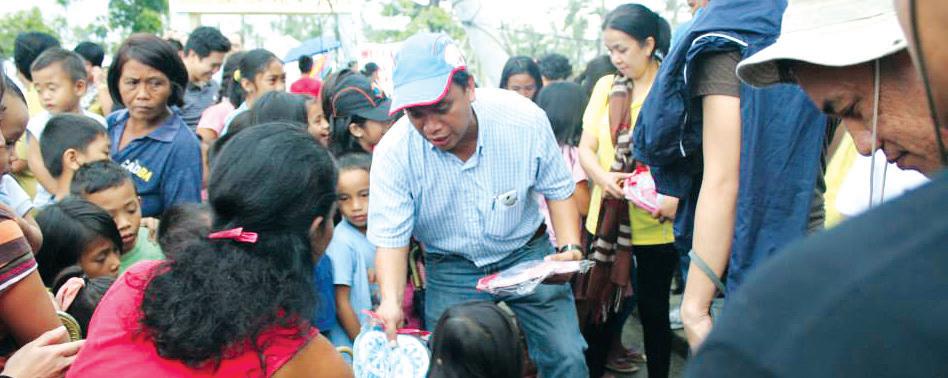
MORE THAN two months after Supertyphoon Haiyan slammed through it, much of Eastern Visayas was still in shambles, and even getting from one barangay to another was a challenge. At a powerful 300 kms per hour, Haiyan had been the strongest typhoon yet in modern Philippine history, and it had left at least 6,000 people dead. Altogether, 16 million people were affected by Haiyan, and many of them had remained in dire need of help when a contingent from CALD came calling in late January.
Boxes and boxes of donations from international and local partners and friends accompanied the CALD team led by then CALD Secretary Neric Acosta on the mission trip to Leyte. Making the trip on 30 January with CALD were members of the Office of the Presidential Adviser for Environmental Protection (OPAEP), the Laguna Lake Development Authority (LLDA), the Philippine
Climate Change Commission (PCCC), the Philippine Medical Association (PMA), the Philippine Disaster Recovery Foundation (PDRF), Feed the Hungry Minds (FHM), Environmental Science for Social Change (ESSC), and PTT Philippine Corporation. Traveling via a C-130 from Manila, the 30-member delegation landed in Tacloban by noon that day.
Almost immediately after touching ground, the team was making its way across Leyte. After all, it had a jampacked agenda: (1) conduct site visits; (2) conduct area assessments for education and livelihood programs; (3) dialogue with residents; and (4) had meetings and consultations with local officials.
Mayors of the towns of Tabon-Tabon, Julita, La Paz, and Mayorga welcomed the visitors from Manila. Based on the feedback the delegation received, areas
were revealed to have similar major concerns and top priorities: livable shelter and construction materials most especially roofing; reconstruction of classrooms; school supplies; medicine for children and women; and alternative livelihood programs. Residents also needed counseling and therapy to help them recover from the severe trauma caused by the supertyphoon.
For all the destruction wrought by the killer typhoon, however, the delegation was struck by the ability of Leytenos to remain hopeful that their communities would be able to rise again. And amid the rubble and toppled trees, children were still laughing and playing, residents chatted with each other, and almost everyone had a ready smile even for the most inquisitive of visitors. Such scenes were more than enough for CALD to resolve to help build back a better Eastern Visayas.
THEY ALWAYS have a never-ending list of activities and to-dos, but the FNF Philippine Office and CALD made for a formidable never-say-die force. Still, a reset never hurt anyone, and so FNFCALD took a break from office work to set goals, plot plans, and refresh and recharge the team toward a new and dynamic energy for 2014 and beyond. Make that two breaks, since the team development activities were actually divided into two main parts.
First came a series of lectures on marketing and communications for programs on governance and political participation. Conducted by organizational
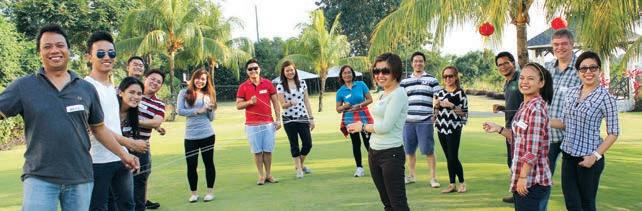
development specialist Lulu Moguel and Campaigns & Grey Group Chairperson Yoly Ong, the lectures were held on 27 January at the FNF-CALD Makati office. By that day’s end, they had raised the FNF-CALD team’s ability to read and anticipate public perception and needs. In addition, they instilled among the participants a sense of awareness on how to make programs (e.g. participatory governance) more attractive and able to ensure better citizen engagement with the use of marketing and communications.
The second round of ‘project recharge’ was held days later at the Thunderbird
Resorts in Angono, Rizal. Facilitated by Christina Otero on 3-4 February, the teambuilding workshop had activities that fostered mutual understanding among individual personalities while encouraging harmony and cooperation amid diversity. A session was also arranged in which administrative concerns were discussed and as well as possible solutions and options that can be considered.
It was certainly a break that refreshed the entire FNF-CALD team and readied its members for yet another fruitful and meaningful year.
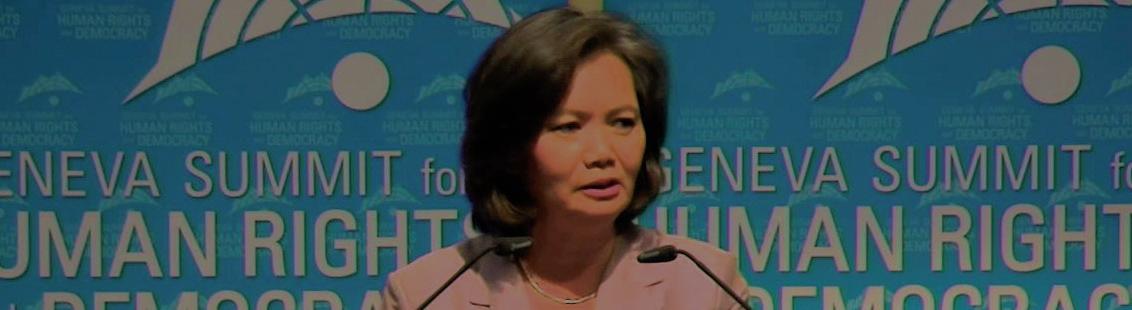
CALD HAD more than a front-seat presence at the 6th Geneva Summit for Human Rights and Democracy held on 25 February. CALD Women’s Caucus Chair and Cambodian opposition MP Mu Sochua was one of the distinguished speakers, sharing the stage with the likes of Tibetan Member of Parliament and women’s rights activist Teniz Dhardon Sharling; Canadian MP Irwan Cotter; Freedom Rights Project co-founder Jacob Mchangama; and UN Watch Executive Director Hillel Neuer.
Held at the International Conference Center in Varembe, Geneva, Switzerland, the Summit took place on the eve of the annual UN Human Rights Council Session. It was sponsored by some 20 international human rights watchdogs to “to shine a spotlight on urgent human rights situations that require global attention” and attracted hundreds of human-rights victims, activists, and leaders from countries such as Cuba,
Iran, Kazakhstan, North Korea, Pakistan, and Russia. Speakers and participants alike shared with one another their experiences and struggles in their fight for freedom and democracy.
Mu Sochua, who also represented CALD partner Liberal International at the Summit, spoke at the parallel forum which dealt with how diplomats, lawmakers, and activists can make a difference in human-rights protection and promotion. Reflecting on the current political situation in Cambodia, she observed, “[G]rassroots empowerment is most cost-effective for long-lasting democracy and for the preparation for transfer of power in emerging democracies.” It is in this light that the Cambodia National Rescue Party (CNRP) to which she belongs, has been mobilizing and empowering the grassroots to actively participate in the political process.
Cambodia, which has been under the rule of Prime Minister Hun Sen for almost three decades now, has had a spotty human-rights record for years. Juliette de Rivero, Geneva director of the global rights monitor Human Rights Watch, has said, “Hun Sen’s government violates human rights on a daily basis by violently preventing the opposition, trade unions, activists and others from gathering to demand political change. Countries at the Human Rights Council should condemn this brutal crackdown and insist the Cambodian government engage in serious reforms.”
While the Summit was ongoing, Mu Sochua received the positive news that the ban on public assemblies, imposed by the Cambodian government at the height of the protests in January had been lifted. The Cambodian MP, however, pointed out that there is much more needs to be done to improve the human rights situation in her country.
The Civil Will Green Party (CWGP) of Mongolia is the new CALD Chair-Party for the term 2014-2015.
In handover ceremonies held on the sidelines of the CALD General Assembly 2014 in Siem Reap, Cambodia in midApril, the CALD Chair-Party position was formally transferred from the Sam Rainsy Party of Cambodia to CWGP.
CALD rotates the Chair-Party position among its full member-parties on the basis of year of membership. CWGP is the newest member of CALD, having joined the network in 2011.
As CALD welcomed the leadership of CWGP, it also bade farewell to Sam Rainsy (CALD Chair, 2012-2013) and Neric Acosta (CALD Secretary General, 2005-2013).
Oyun Sanjaasuren, Mongolian Minister of Environment and Green Development and Member of Parliament, is the new CALD Chair. In her acceptance speech delivered by Ganaa Zunduisuren, CWGP’s Secretary of Foreign Relations, Minister Oyun expressed her gratitude to CALD for the trust, confidence, and honor given to CWGP as Chair-Party. She also pledged to uphold the liberal and democratic values that have become the cornerstones of CALD in the past two decades.
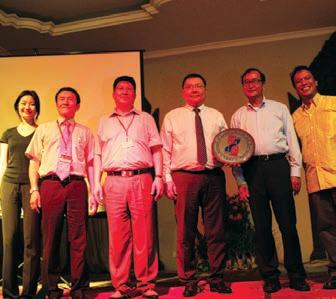
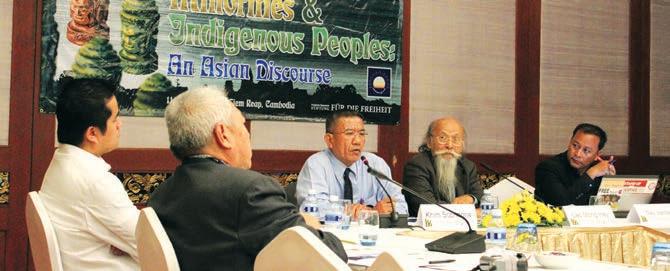
AN EXTRA listening ear to help one think things through never hurt anyone – and the Cambodian members of the CALD family certainly have had a lot to think about since July 2013. On the sidelines of the 2014 CALD General Assembly in Siem Reap, Cambodia, a forum was thus held on a political crisis that had been gripping Cambodia for months, with three distinguished resource persons sharing their thoughts on how to move forward from the political stalemate.
In his presentation, Khim Sophanna, FNF Cambodia Program Manager, provided a background on the crisis, which stemmed from the July 2013 general elections and questions regarding its credibility. The polls have seen the ruling Cambodian People’s Party (CPP) win by a very slim margin, but the opposition Cambodian National Rescue Party (CNRP) – a CALD member party – had contested the results, claiming election fraud. Protests have been held since, but the situation has become tenser after a particularly violent crackdown on protesters in January. Still, Khim Sophanna expressed optimism that a political compromise acceptable to both parties remained possible.
Like Khim Sophanna, Nay Vanda, Human Rights and Legal Aid Deputy Head of the Cambodian Human Rights and Development Association (ADHOC), highlighted the strengths and weaknesses of the two main protagonists in the conflict: CPP and
CNRP. More importantly, he pointed out the consequences of the impasse, as well as the possible scenarios that could happen should the crisis persist. He then suggested as ways forward the reform of electoral bodies and processes; political amnesty for those who committed abuses; and power-sharing arrangements that accommodate the two major parties.
For his part, Lao Mong Hay, Legal Unit Chief of the Center for Social Development, went deeper into the roots of the conflict by highlighting the routine human-rights violations and abuses of the incumbent government. A delegate to the 1993 Paris Peace Accords, he also related how Prime Minister Hun Sen had been using the classic “divide-and-rule” tactic by sowing discord between Sam Rainsy and Kem Sokha, CNRP’s president and vice president, respectively. Lao Mong Hay said that Hun Sen had been implying that he and Sam Rainsy already reached an agreement, but the main stumbling block to it was Kem Sokha.
“There was no such agreement,” said Mu Sochua, Cambodian parliamentarian and one of CNRP’s key figures. “There is no way we can forego our demand for reform of election commission and holding of early elections. Our people expect nothing less.”
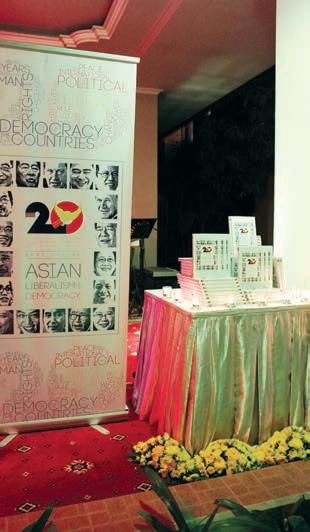
IT ALREADY had its hands full with its 2014 General Assembly in April in Siem Reap, Cambodia, but CALD still found time to launch its latest publication, 20 Speeches that Define Asian Liberalism and Democracy, on the sidelines of the main event.
The book, a tribute to CALD’s 20th founding anniversary, is a compilation of 20 speeches delivered in CALD events, or by CALD personalities in other notable gatherings. In his foreword, then CALD Secretary General Neric Acosta emphasizes the importance of free speech, diversity of views, and open dialogue – liberal values that had guided the book’s publication. CALD Chairperson Sam Rainsy, meanwhile, writes in his introduction: “CALD’s history is a history of democracy and freedom in Asia. Through the speeches in this compilation, we hope you join us in reliving that history so that together, we can chart our next steps toward a more democratic and progressive region.”
Among the speeches included are the Nobel lectures by the late South Korean President Kim Dae Jung and
Burmese opposition leader Daw Aung San Suu Kyi, as well as those by the late Philippine democracy icon Corazon ‘Cory’ Aquino, incumbent and former heads government such as Benigno S. Aquino III of the Philippines and Abhisit Vejjajiva of Thailand, and political opposition leaders Sam Rainsy (Cambodia), Su Tseng-chang (Taiwan), and Chee Soon Juan (Singapore). The topics discussed in the speeches include not only liberalism and democracy, but also human rights, free trade, labor migration, and even climate change, among others. Philippine Budget Secretary Florencio Abad in his speech even manages to weave together CALD’s history so far and his own political journey.
FNF Project Director for Vietnam and Cambodia Hans-Georg Jonek said in his review of 20 Speeches: “My wish is that this book provides, to many, many readers, non-liberals as well as liberals, non-democrats as well as democrats, non-Asian as well as Asian, non-governors as well as governors, similar insights and findings and strengthens the motivation to advocate and defend liberal and democratic values.”
CONSIDERING THE magnitude of the destruction wrought by Supertyphoon Haiyan (local name: Yolanda) in central Philippines in November 2013, no one expected the areas it hit to recover quickly. For sure, more than six months later, there were visible signs that things were moving forward in several of the affected communities. Still, it was obvious that despite the unceasing support of groups from both public and private sectors, local and foreign, the road to full recovery and rehabilitation for Haiyan-hit areas remained long and arduous.
In late June, CALD made yet another visit to Leyte in Eastern Visayas as part of its continuing efforts to aid Haiyan survivors. Teaming up with the Office the Philippine Presidential Adviser for Environmental Protection (OPAEP) and
the Laguna Lake Development Authority (LLDA), both of which are headed by former CALD Secretary General Neric Acosta, as well as partners from the private sector, CALD organized “Tindog Visayas, Tanum para sa Paglaum (Stand Up Visayas, Plant for Hope,” a series of advocacy activities for different areas affected by Typhoon Haiyan. Primarily aimed at building sustainable and resilient communities in post-Haiyan Leyte, the project focused on proper resilience management that incorporates disaster preparedness that adapts to the adverse impacts of climate change.
Tindog Visayas actually had two components. First was a symposium, which was held on 19 June in Sogod, Southern Leyte. Among those who gave the welcome remarks were Dr. Jane Labastida, Vice President for Academics
of Southern Leyte State University; Sogod, Southern Leyte Mayor Imelda Tan; Southern Leyte Governor Roger Mercado; and Secretary Acosta. Former Philippine legislator and Subic Bay Metropolitan Authority head Felicito Payumo, delivered the keynote speech.
Session One of the symposium, Taking Stock: Where Are We Now, assessed the current situation in Leyte, focusing on the environment, economy and livelihood, infrastructure, social services, and governance. Successes and gaps of ongoing programs and initiatives were also discussed. Session speakers included Leonardo Sibbaluca, Region 8 Executive Director of the Department of Environment and Natural Resources (DENR); Robert Castañares, Regional Governor of the Eastern Visayas Chamber of Commerce and Industry;

CALD had reason to raise its glass on 23 June, when its chairperson, Oyun Sanjaasuren, was elected as the first President of United Nations Environmental Assembly (UNEA). Oyun, who also serves as Mongolian Minister for Environment and Green Development, was chosen by more than 1,200 participants from 193 countries that met in Nairobi, Kenya for the UN body’s inaugural session.
UNEA is the new governing body of the United Nations Environmental Programme (UNEP). Unlike its predecessor, the UNEP Governing Council, UNEA has universal membership. According to UNEP, this means “all the 193 United Nations Member States, Observer States and other stakeholders participate in discussions and decision-making
on issues that affect the state of the environment and global sustainability.”
“The next two years will be critical for achieving progress on environmental, climate change, and post-2015 development agenda issues,” said Oyun, who holds a PhD in Earth Sciences from Cambridge University, in her acceptance speech. “It is the historical responsibility of the UNEA, UNEP, and us, Environment Ministers, to get it right. We do not have the luxury of time.”
The CALD chairperson’s election as UNEA head came at a time when CALD was also spearheading environmental initiatives for political parties in Asia. CALD embarked on a climate-change program in 2011; in the three years since, the network has made significant
inroads in making climate change a foremost liberal agenda among its member-parties. In 2012, CALD adopted a historic statement on climate change that became an overarching framework in instilling environmental consciousness in its members and the general public.
In a congratulatory letter signed by Philippine Presidential Adviser for Environmental Protection Neric Acosta, CALD pledged its full support to Oyun’s commitment to advance environmental, climate change and post-2015 development agenda issues globally. The letter also conveyed CALD’s confidence that under Oyun’s leadership, “UNEA would become a stronger and more powerful voice for the cause of the environment worldwide.”
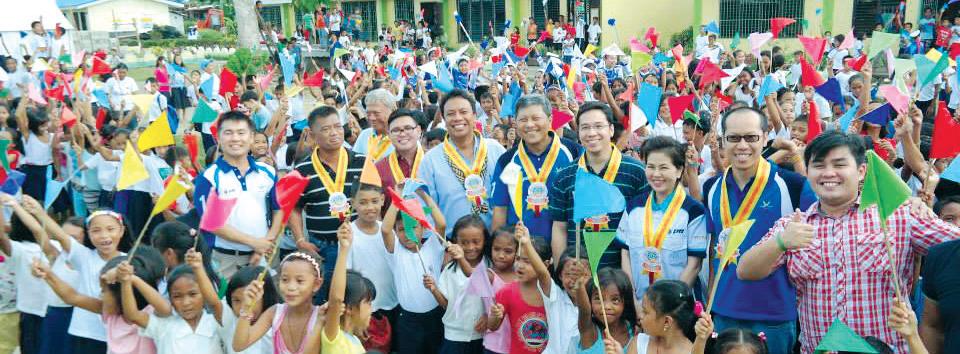
Rolando Asis, Region 8 Director of the Department of Public Works and Highways (DPWH); Nilda Oliva, Head of the Protective Services Unit Head of the Department of Social Welfare and Development, Region 8; and Dr. Efleda Bautista of the People Surge Alliance of Yolanda Survivors.
Session Two, Building Stakes: Where We Want to Go and How to Get There, focused on various options and innovative ideas toward building climate change-resilient communities in
post-Yolanda Leyte. Among the speakers were Haydee Jacklyn Malubay, Vice President for Planning and Development of JFH BN Development Corporation; Assistant Secretary Rolando Cusio from Office of the Presidential Adviser for Political Affairs; Ryan John Whisnant, Public-Private Partnership Specialist for Philippines B +WISER and USAID contractor; and Southern Leyte Vice Governor Sheffered Lino Tan.
Aside from the symposium, Day One of Tindog Visayas featured a
ground-breaking ceremony and turnover of newly built classrooms funded by the PTT Philippines Corporation at the Tabon-Tabon Elementary School.
Day Two, however, was all action, with CALD and its partners up and about very early to participate in a public triathlon consisting of a foot race, cycling, and an uphill trek. Finishing it all off was a tree-planting activity at the summit of Mt. Nacolod in Sogod.
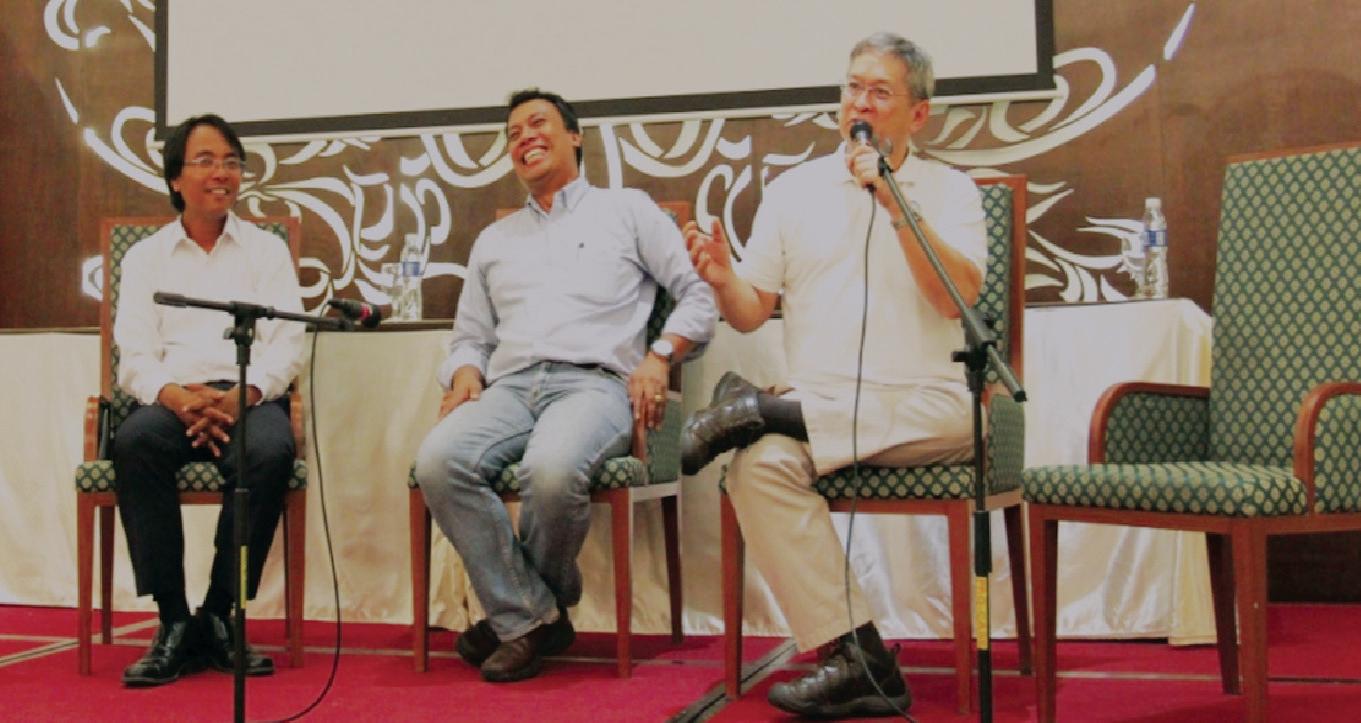
FOR more than two decades now, Palawan province in southwest Philippines has managed to keep its ecology pristine, thanks to the policies that put the environment on the frontrow. It is a stance that has earned it not only praises, but also profits, with many visitors appreciating its untouched beauty. Yet for all its green consciousness, Palawan has not been spared the effects of climate change.
For two days in November, the CALD Secretariat joined the Philippine Climate Change Commission (PCCC), World Wildlife Fund (WWF) Philippines, and the Office of the Presidential Adviser on Environmental Protection (OPAEP) in Puerto Princesa City, Palawan’s capital, for “The Business of Climate Change: An Economic Outlook Breakfast and Symposium.” Hosted by the Palawan Chamber of Commerce, with the support of the Puerto Princesa City Government, the event aimed to present the economic and political issues related to climate change in the Philippines.
Specifically, though, it wanted to promote climate change awareness, and encourage appropriate responses among the participants, especially the business sector, to climate-change impacts. In the end, the symposium was able to provide comprehensive and eye-opening facts regarding climate change and how it affects Palawan.
Among other things, it tackled the different environmental problems now facing Palawan and the possible solutions and preventive measures that the local government and other stakeholders may take into consideration.
The event attracted a wide variety of participants, ranging from government officials and businessmen, to academics, activists, and students. On Day One, 14 November, a workshop enabled the participants to provide inputs and brainstorm on climate-change adaptation and Palawan’s future. Philippine Commissioner on Climate Change Naderev ‘Yeb’ Saño spearheaded the workshop with his very informative presentation that raised the question, “Is climate change for real?” He then proceeded with a very substantial and moving report on how to understand and adapt to climate change.
The Breakfast Symposium on 15 November meanwhile created a spectrum of understanding and enlightenment about global warming among the participants, especially during the open forum. Smart and interesting exchanges showed the participants’ interest on and concern about climate change. To a large extent, this was due to the provocative inputs of the speakers, the so-called “triumvirate of environmental politics” in the Philippines: Lory Tan of WWF, Commissioner Saño,
and Secretary Neric Acosta, who is the Presidential Adviser on Environmental Protection.
Acosta, who is also the head of the CALD Climate Change Committee, had pointed out: “There is such a thing as limit to growth; there is such a thing as sustainable development. We aim not to stop businesses, but to make them sustainable. What will happen to Palawan if we utilize all its resources? This is the last frontier. You cannot protect what you cannot value; you cannot value what you do not understand.”
He ended his presentation by saying, “We are really part of the web of life, and there is a saying that goes only when the last river is dried up, when the last fish died, when the last tree has fallen, then perhaps we will know and realize that we really cannot eat money. I am not saying that we do not need money, as I keep on saying, but we should appreciate currencies on how it should be appreciated, which is investment in the sustainability of ecosystem, because that’s where we all come from, and that’s where we will all return.”
CALD Climate Change Strategic Planning Workshop
Acosta, Neric
Presidential Adviser for Environmental Protection, Philippines
Secretary General, Council of Asian Liberals and Democrats
Arlegue, Celito
Executive Director Council of Asian Liberals and Democrats
Rafael, Paul Program and Administrative Officer Council of Asian Liberals and Democrats
Rajoo, Jaya Singam Under Secretary of the Sustainable Energy Division Ministry of Energy, Green Technology and Water (KeTTHA)
Thananan, Nant Chairperson, CALD Youth Democrat Party of Thailand
Woon, Ong Khang Chairman, International Affairs & Relations Bureau Parti Gerakan Rakyat Malaysia
CALD 2014 General Assembly
Abaya, Francis Gerald Member of the Philippine House of Representatives Liberal Party of the Philippines
Acosta, Neric Presidential Adviser for Environmental Protection, Philippines Chair, CALD Climate Change Committee
Immediate Past Secretary General, Council of Asian Liberals and Democrats
Cheong, Tsoi Yiu Vice Chairperson Democratic Party of Hong Kong
Chirakiti, Prakob Former Member of Parliament Democrat Party of Thailand
Fortun, Lawrence Member of the Philippine House of Representatives Liberal Party of the Philippines
Go, Jaslyn
International Liaison and Assistant Treasurer Singapore Democratic Party
Son Chhay Member of Parliament, Cambodia
Cambodia National Rescue Party Hay, Lao Mong Chief of Legal Unit, Center for Social Development Delegate to the Paris Peace Conference on Cambodia
Hsu, Sophie English Editor, Department of International Affairs
Democratic Progressive Party of Taiwan
Jonek, Hans-Georg Project Director
Friedrich Naumann Foundation, Cambodia and Vietnam
Lim, Kimsour Cambodian Youth Activist
Liu, Shih-chung Director, Department of International Affairs Democratic Progressive Party of Taiwan
Mu, Sochua Chairperson, CALD Women’s Caucus Cambodia National Rescue Party
Myint, Nyo Ohn
Technical Team Member Myanmar Peace Center
Nam, Wong Wee Member, Singapore Democratic Party
Ngwe, Than Member of Myanmar Parliament National League for Democracy, Myanmar
Peiris, Newton National Organizer Liberal Party of Sri Lanka
Piromya, Kasit Former Minister of Foreign Affairs, Thailand Democrat Party Thailand
Relampagos, Rene Member of the Philippine House of Representatives Liberal Party of the Philippines
Sam, Rainsy President, Cambodia National Rescue Party
Former Chairperson, Council of Asian Liberals and Democrats
Sophanna, Khim Program Manager
Friedrich Naumann Foundation, Cambodia Office
Tioulong, Saumura Member of the Cambodian National Assembly
Cambodia National Rescue Party UN Office for DRR Parliamentary Champion 2012-2014 Member, UNISDR Advisory Group of Parliamentarians for DRR
Vanda, Nay
Deputy Head of Human Rights and Legal Aid Cambodian Human Rights and Development Association (ADHOC)
Wee, Lau Yew Chairman of Service Centre Division Kuala Terengganu Parti Gerakan Rakyat Malaysia
Zunduisuren, Gan-Ochir Head, Foreign Relations Civil Will Green Party of Mongolia
CALD Climate Change Observation Trip to Typhoon Haiyan-Devastated Areas
Acosta, Neric Presidential Adviser for Environmental Protection, Philippines Chair, CALD Climate Change Committee
Immediate Past Secretary General, Council of Asian Liberals and Democrats
Ferrer, Victor Julius Field Operations Officer BP Operation Compassion, Inc.
Ongkiko, Jose Abraham “Sonny” Early Recovery Area Coordinator Yolanda Response Programme United Nations Development Programme Philippines
Wright, Lesley Communication and Information Specialist Yolanda Response Programme United Nations Development Programme Philippines




CALD Indonesia Presidential Election Mission
Acosta, Neric Presidential Adviser for Environmental Protection, Philippines Chair, CALD Climate Change Committee
Immediate Past Secretary General, Council of Asian Liberals and Democrats
Brockhoff, Moritz Kleine Project Director FNF Indonesia Office
Chee, Soon Juan Secretary General,
Singapore Democratic Party Former CALD Chairperson
Ang, David
National Deputy Treasurer Parti Gerakan Rakyat Malaysia
Asis, Concepcion
Over-all Workshop Facilitator / Resource Person
Former Director General Liberal Party of the Philippines
Go, Jaslyn
International Liaison and Assistant Treasurer
Singapore Democratic Party
Htein, U Win
Member of the Central Executive Committee
National League for Democracy
Kleine-Brockhoff, Moritz
Bjorndal, Tone
Climate Change Programme Manager
International Federation of Liberal Youth
Damdinsuren, Daramdorj
Cabinet Secretary
Civil Will Green Party of Mongolia
Höne, Henning
Member of Parliament, North Rhine-Westphalia
Spokesperson for Climate Change, Environmental Protection, Nature Conservation and Consumer Protection
Freie Demokratische Partei
Dhakiri, Pak Hanif Secretary, National Awakening Party (PKB)
Hafidz, Pak Masykurudin People’s Voter Education Network (JPPR)


Kristiyanto, Pak Hasto Campaign Spokesperson, Indonesian Democratic Party of Struggle (PDI-P)
Setiawan, Pak Hanjaya Head, Department of Indonesian Democratic Party of Struggle (PDI-P) International Affairs
Sitorus, Pak Deddy Y. Member of the Widoo-Kalla Campaign Advisory Team
Sudharto, Pak Spokesperson of the Indonesian People’s Consultative Assembly
Widjajanto, Pak Andi Member of the Widoo-Kalla Campaign Advisory Team Lecturer, University of Indonesia
Widodo, Joko President-elect, Indonesia
National League for Democracy prepares for elections
Acosta, Neric Presidential Adviser for Environmental Protection, Philippines Chair, CALD Climate Change Committee
Immediate Past Secretary General, Council of Asian Liberals and Democrats
Resident Representative Indonesia and Project Director
Malaysia
Friedrich Naumann Foundation for Freedom
Narith, Oeur Director, Department of Mass Movement
Cambodia National Rescue Party
Oo, U Tin Patron
National League for Democracy
Peiris, Newton
National Organizer Liberal Party of Sri Lanka
Sukthinthai, Boonyod Former Member of the Thai Parliament Democrat Party of Thailand
Teehankee, Julio
Dean, College of Liberal Arts
De La Salle University – Manila Liberal Party of the Philippines
CALD Youth Climate Change Communications Seminar & Youth Camp
Acosta, Neric Presidential Adviser for Environmental Protection, Philippines Chair, CALD Climate Change Executive Committee
Immediate Past Secretary General, Council of Asian Liberals and Democrats
Badoy-Capati, Therese “Gang” Founder, RockEd Philippines
Norovsambuu, Ariunaa Program Coordinator, Urban Services Program
The Asia Foundation – Mongolia
Nyamdavaa, Monsor
Vice President of Civil Will Green Youth Association
Civil Will Green Party of Mongolia
Payumo, Felicito
Former Chairman and Administrator
Subic Bay Metropolitan Authority, Bases Conversion Development Authority
Former Congressman, First District of Bataan
Sanjaasuren, Oyun
President, United Nations Environmental Assembly Minister, Environment and Green Development – Mongolia Co-Chairperson, Civil Will Green Party of Mongolia
Chair, Council of Asian Liberals and Democrats
Thananan, Nant Chairperson, CALD Youth Democrat Party of Thailand
Togtokh, Chuluun Adviser to the Minister Ministry of Environment and Green Development – Mongolia
Tseepel, Ganbat
General Secretary
Civil Will Green Party of Mongolia
Tsogtbaatar, Gerelt-Od Head, CDM National Bureau
Climate Change Coordination Office
Ministry of Environment and Green Development
Zunduisuren, Gan-Ochir
Head, Foreign Relations
Civil Will Green Party of Mongolia
CALD-LI-FNF-EFN Hong Kong Conference
Abad, Henedina
Deputy Speaker
Philippine House of Representatives
Former CALD Women’s Caucus Chair
Acosta, Neric
Philippine Presidential Adviser on Environmental Protection Head, CALD Climate Change Committee
Former CALD Secretary General
Arlegue, Celito
Executive Director
Council of Asian Liberals and Democrats
Balaguru, Jayanthi
Vice Chairperson, CALD Women’s Caucus
Parti Gerakan Rakyat Malaysia
Chai Ming, Edmund Lau
Environmental Bureau Chairperson Parti Gerakan Rakyat Malaysia
Chee, Soon Juan Secretary General, Singapore Democratic Party
Former Chairperson, Council of Asian Liberals and Democrats
Chen, Ketty
Acting Director, Department of International Affairs Democratic Progressive Party
Chua, Tian
Vice-President
Parti Keadilan Rakyat, Malaysia
de Vos van SteenwijkGroeneveld, Margaret President, International Network of Liberal Women
Falkner, Kishwer Vice-President, Liberal International LibDem Foreign Affairs
Spokesperson House of Lords, United Kingdom
Gerhardt, Wolfgang Chairman of the Board of Directors
Friedrich Naumann Foundation for Freedom
Go, Jaslyn International Liaison and Assistant Treasurer
Singapore Democratic Party
Guiao, Joseller
Member, Committee on Ecology and Natural Resources
Philippine House of Representatives
Gascon, Chito
Member of the Human Rights Victims Claims Board Commission on Human Rights, Philippines
Herzog, Siegfried
Regional Director, Southeast and East Asia Office
Friedrich Naumann Foundation for Freedom, Thailand
Hsiao, Bi-khim
Member of Legislative Yuan
Democratic Progressive Party Taiwan
Former Secretary General, Council of Asian Liberals and Democrats
Ho, Albert
Legislative Councilor, Hong Kong
Democratic Party of Hong Kong
Kem, Monovithya
Member of Permanent Bureau and Deputy Director for Public Affairs
Cambodia National Rescue Party
Kirjas, Emil Secretary General, Liberal International
Kleine-Brockhoff, Moritz
Resident Representative
Indonesia and Project Director
Malaysia Friedrich Naumann Foundation for Freedom
Lau, Emily
Legislative Councilor, Hong Kong Chairperson, Democratic Party of Hong Kong
Lee, Martin
Founding Chairperson, Democratic Party of Hong Kong
Individual Member, Council of Asian Liberals and Democrats and Liberal International
Loning, Markus
Vice-President, Liberal International Former Commissioner for Human Rights, Germany Free Democratic Party of Germany
Maaten, Jules
Country Director
Friedrich Naumann Foundation for Freedom Philippine Office
Minoves, Juli
President,
Liberal International, Andorra Former Andorran Minister of Foreign Affairs
Mitra, Barun
Director, Liberal Institute, India
Piromya, Kasit
Former Minister of Foreign Affairs, Thailand
Democrat Party Thailand
Reinartz, Armin
Senior Analyst
Southeast and East Asia Office
Friedrich Naumann Foundation for Freedom, Thailand
Sam, Rainsy
President, Cambodia National Rescue Party
Former Chairperson, Council of Asian Liberals andDemocrats
Sanjaasuren, Oyun Chairperson, Council of Asian Liberals and Democrats President, United Nations
Environmental Assembly Minister of Environment and Green Development, Mongolia Co-chair, Civil Will Green Party of Mongolia
Shah, Parth President, Centre for Civil Society, India
Sin Chung Kai Legislative Councilor, Hong Kong
Democratic Party of Hong Kong Individual Member, Council of Asian Liberals and Democrats
Sittheamorn, Kiat Deputy Leader, Foreign Affairs and Econmics Democrat Party, Thailand
Suthiwart-Narueput, Sethaput Executive Chairman, Thailand Future Foundation
Sriratana-Tabucanon, Monthip Member, CALD Climate Change Committee Recipient, 2009 Asian Environmental Compliance and Enforcement Network (AECEN) Award
Former Member of the Parliament, Democrat Party of Thailand
Tioulong, Saumura Member of the Cambodian National Assembly Cambodia National Rescue Party
UN Office for DRR Parliamentary Champion 2012-2014 Member, UNISDR Advisory Group of Parliamentarians for DRR
To, James Legislative Councilor, Hong Kong Democratic Party of Hong Kong
van der Laan, Lousewies Vice-President, ALDE Party D66, Netherlands
Watson, Graham President, Alliance of Liberals and Democrats for Europe Party Chairperson, Board of Trustees of Climate Parliament
Wijesinha, Rajiva Member of the Parliament, Sri Lanka
Former Chairperson, Council of Asian Liberals and Democrats
Wikstrom, Cecilia Vice-President, Liberal International Folkpartiet Liberalerna, Sweden
Wong, Helena Legislative Councilor, Hong Kong Democratic Party of Hong Kong
Work, Andrew Co-founder, New Work Media Co-founder, Lion Rock Insitute, Hong Kong
Stacey, Bill Chairperson, Lion Rock Institute, Hong Kong
Yang, Maysing Vice-President, International Network of Liberal Women Democratic Progressive Party Taiwan
Yoo,Jay Kun Former Member of Parliament Uri Party, South Korea
Zunduisuren, Gan-Ochir Head, Foreign Relations Civil Will Green Party of Mongolia

Contact
House #576, National Road N2, Sangkat Chakangres Leu, Khan Mean Chey, Phnom Penh, Cambodia
T: +855 012 90 5775
T: +855 012 92 5171 srphqpp@gmail.com nationalrescueparty.org
The Cambodia National Rescue Party (CNRP) is a Cambodian electoral alliance between the two main democratic opposition parties, the Sam Rainsy Party and the Human Rights Party. It was founded in mid-2012 for the purpose of running together in the 2013 Cambodian general election. The Cambodia Democratic Movement of National Rescue, the transitional body ahead of the union, has established working groups to unite the two and is in the process of creating a joint national platform and common party policies. It is currently the second largest political party in Cambodia, after its rival the Cambodian People’s
Contact
Eyvonne Yimen International Relations Bureau
Level 5, PGRM, No. 8 Jalan Pudu, Cheras, 56100, Kuala Lumpur Malaysia
T: +60 3 9287 6868
F: +60 3 9287 8866 www.gerakan.org.my
Since it was founded in 1968, the Parti Gerakan Rakyat Malaysia (PGRM) has experienced growth and strength despite external challenges and internal problems. Through sincere leadership, pragmatic strategies, and non-communal approaches, PGRM obtained mass support to strive for an egalitarian united Malaysia, characterized by racial harmony, social justice, economic equity, political democracy, and cultural liberalism. PGRM’s receptivity to people’s criticisms and advices, and its sensitivity to their needs and aspirations are two major factors that contribute in making it a
The Liberal Party began as a think tank called the ‘Council for Liberal Democracy’ the first institution to criticize the all-embracing statism of the colonial and immediate post-colonial periods. In espousing free economic policies together with wide-ranging political freedoms, the Council, and then the Liberal Party, opposed to both the authoritarian crony capitalism of the
Party. The CNRP won 44.46% of the total votes in the 2013 elections, accounting to 55 seats out of the 123 seats in Parliament.
The party principles and values: rule of law and democracy, with social merit and harmonization, as well as mutual respect of interest in international affairs and neutrality of Cambodia. The party believes in the strengthening of freedom and human rights, institution of free and fair elections, and defending Cambodia’s “national integrity”. Its official motto is “rescue, serve, protect.”
Leaders
Sam Rainsy President
Kem Sokha Vice President
Teng Deux Director, Department of International Relations
Nuch Ramo Head Office, International Politics and Security
Pok Marina Deputy Chief, Cabinet to the First Vice President of Cambodia National Assembly, Foreign Affairs
dynamic and resilient political force in Malaysia.
As Gerakan expands its organisational base, it will strive to harness greater influence at both the grassroots and governmental levels. The Party will seek the partnership with the people based on the principle that: MALAYSIAN NATIONALISM is the most effective weapon to combat the root causes of communalism, extremism, religious fanaticism, and cultural chauvinism.
The International Relations and Affairs Bureau under the leadership of Mr. Liang Teck Meng is to reflect the party’s
commitment to playing a greater and more meaningful role in the international and regional political arena. Besides council meetings, members of the Bureau and members of Gerakan regularly participate in CALD conferences, workshops and other programs.
Leaders
Mah Siew Keong
National President
Cheah Soon Hai
Deputy President
Liang Teck Meng
Secretary General
United National Party and the socialism of the Sri Lanka Freedom Party. Both major parties are now, in theory, in favor of wide freedoms, but to ensure that these are understood and entrenched, there is still need of coherent liberal activism.
2010 is a year of major elections for Sri Lanka, with the Presidential elections held in January. This made an effect that all parties rallied around either of the two main contenders. The Liberal Party continued to support then incumbent President Mahinda Rajapakse. After the victory at the parliamentary elections that followed in April, the party won a slot in the national list of the winning United Peoples Freedom Alliance Coalition and Prof. Rajiva Wijesinha was
Contact
No. 88/1, Rosmead Place, Colombo 7, Sri Lanka
T: +940112691589
F: +940112691589
M: +9400777 733347
kamaliberal@yahoo.com liberalparty-srilanka.org
nominated as an MP from the national list after the election.
The Party has chaired the Council of Asian Liberals and Democrats in 2010, and the party has led delegations to meet with Aung San Suu Kyi in Burma, as well as to meetings of the Liberal International, the Italian Alliance of Democrats and the Liberal Democrat Conference in Britain. In Sri Lanka the Council of Asian Liberals and Democrats continued discussion with all the parties on reconciliation, and in 2011 Professor Rajiva was appointed Advisor on Reconcillation to the President, who also put him on the government team to negotiate with the Tamil National Alliance. Liberal volunteers contribute to the Reconciliation website: www.
The Democratic Progressive Party (DPP) was founded on 28 September 1986 as the first Taiwanese born political party in Taiwan and as the first opposition party created during the Martial Law period. At the time of the DPP’s founding, Taiwan existed under the authoritarian control of the Chinese Nationalist Party (KuomintangKMT), which colonized Taiwan after losing the civil war against the Chinese Communist Party of China in 1949.
peaceinsrilanka.org and the Youth Forum blog: www.reconcillationyouth forum.com. The United Kingdom membership tweets as UKLPSL and has a remarkable number of followers including the Australian Prime Minister. It helps to maintain Professor Wijesinha’s personal log, www.rajivawijesinha.word press.com. The party contested a few local elections on its own in 2011, and was able to return two members to the Ridigama Pradeshiya Sabha in Kurunagala District.
Liberal Party of Sri Lanka held its annual congress on the 17th of December 2013 and following members were elected as office bearers in the national committee.
Contact
James J.
F. Huang Director Department of International Affairs
10F, No 30, Pei-ping, East Road, Taipei Taiwan
T +886 2 23929989
F +886 2 23930342 foreign@dpp.org.tw www.engilsih.dpp.org.tw
Founded mainly by family members and defense lawyers of political prisoners held by the KMT. The DPP consisted of political activists who risked their freedom and lives to transform Taiwan’s political landscape. With the arrival of the DPP, a new era of rapid democratic change began in Taiwan, transforming a nation previously forced to endure decades of one-party authoritarian rule.
The DPP has since evolved into a party dedicated to ensure social and political justice within Taiwan. The DPP has championed social welfare policies involving the rights of women, senior citizens, children, labors, indigenous peoples, farmers and other disadvantaged sectors of society.
On the political front, the DPP has won many battles for free speech, free press, the freedom of association and respect for human rights. In 2000, Taiwan entered a new period of democracy when the DPP became the first ruling party in Taiwan other than KMT.
Under two administrations with eight years in government, the DPP earned valuable experience as a young party. Currently, as Taiwan’s major opposition party, the dip continues striving to preserve democracy and to ensure a balanced and fair system of government that represents the will of the Taiwanese people.
For 2011, the DPP aligned itself with the current trend changes in Taiwan, listening to the voices of public and issuing the 10-Year Policy Platform, a policy package that includes major recommendations for Taiwan in the aspects of international and cross strait affairs, gender equality, social fairness, and economic development.
In 2012, the DPP entered the presidential election race under the leadership of Dr. Tsai Ing-wen as the party chair and the first female presidential candidate in Taiwan. Although
Leaders
Rajiva Wijesinha Leader
Kamal Nissanka Secretary General
Swarna Amaratunga President
Newton Pieris National Organizer
Ananda Stephen Deputy Secretary General
Sarath Buddadasaaa
Roshan Chandralal Vice Presidents
Rathnasiri Kottege Treasurer
defeated by the incumbent KMT president, the DPP was able to garner a support rate of 45% an increase of 4.08% from the 2008 presidential election. Additionally, the DPP also won 40 legislative seats, and increase of 13 seats from the last legislative election.
From June in 2014, the party has been headed by Dr. Tsai. In 2014, the Democratic Progressive Party had received 13 seats in this election – the best ever showing. This election result was a victory for the Taiwanese people. It also represents the shouldering of responsibility from our younger generation.
Internationally, the DPP continues to adhere to the principles of democracy, human rights, and good governance through close alliances with democratic countries around the world. The DPP is a member of Liberal International and a founding member of the Council of Asian Liberals and Democrats.
Leaders Tsai Ing-wen Chair
Joseph Wu
Secretary General
Contact
Andreas Pareira Chairperson for Defence, Security and International Affairs
Hanjaya Setiawan Department Head for International Affairs
Partai Demokrasi
Indonesia Perjuangan Jl. Raya Lenteng Agung No. 99, Jakarta Selatan, Indonesia
T: +62 21 7806028
T: +62 21 7806032
F: +62 21 7814472 www.pdiperjuagan.or.id
The ideology of PDI Perjuangan (Partai Demokrasi Indonesia Perjuangan – Indonesia Democratic Party of Struggle) is based on Pancasila (Five principles) derived from the old indigenous Indonesian philosophy and way of life. Pancasila reflects Indonesian nationalism, humanity and internationalism, democracy, social justice and belief in one God. PDI Perjuangan faces a constant challenge to become the uniting power of Indonesia and is always in the forefront of supporting social diversity in Indonesia. Equality among citizens is the basic foundation of its unity in diversity.
In the current Indonesian democracy, PDI Perjuangan plays its role to fulfill people and state sovereignty by strengthening democratic institutions, mechanisms, and political practices. It also aims for a self sufficient economy in the globalized era to bring prosperity
Contact
Jaslyn Go International Liason
12A Jalan Gelanggang Singapore 578192
T: +65 6456 4532
F: +65 6463 4532 sdp@yoursdp.org www.yoursdp.org
The Singapore Democratic Party (SDP) was constituted in 1980. It believes in, and is working toward restoring human, civil, and political rights in Singapore; fostering a vibrant and dynamic society based on pluralism and diversity; cultivating a transparent and accountable political system; establishing an economic system based free competition and equal opportunity for all; removing all policies and practices that discriminate against the less fortunate, women, and minorities, and cooperating with democratic parties and organizations in Asia to achieve peace and sustainable development in the region.
It is the first opposition in Singapore to have a youth wing (Young Democrats)
and social welfare to the people. A nationalist party, PDI Perjuangan maintains a political strand for pluralism, social welfare, and the sovereignty of the people.
In April 2010, PDI Perjuangan held its third party congress in Bali, in which Megawati Soekarnoputri was re-elected as party chair-woman. The congress also solidified the party’s decision to become a major opposition to the government. In addition, the party restructured the organization in 33 provinces, over 500 districts, and more than 6,000 sub districts, down to the village level.
PDI Perjuangan marked another glorious step towards the 2014 general elections when its candidate Joko Widodo, defeated the incumbent governor in the Jakarta gubernational election last 2012. He then ran and won the presidential elections in July 2014 with more than 53 percent of the votes garnered
nationally over rival Prabowo Subianto who garnered just less than 47 percent. PDIP won 19% of legislative votes in the parliamentary elections in April of the same year.
Leaders
Megawati Soekarnoputri General Chairperson
Tjahjo Kumolo Secretary General
and to deploy Internet as an alternative media. It uses blogging, political videos, and online forum to reach out to the people. The Central Executive Committee (CEC) governs the party with Mr. Jeffrey George as chairman and Chee Soon Juan its secretary-general. Party leaders and members have had to endure a series of government-orchestrated court cases, and even imprisonment, for exercising their fundamental rights to freedom of expression and assembly in the recent past. During the 2011 general elections, the party garnered 36.8% of the valid votes in the constituencies it contested. The SDP was touted to be the most “improved” opposition party, making the largest gain in the share of votes.
Leaders
Jeffrey George Chairman
Chee Soon Juan Secretary General
John Tan Vice Chairman

Contact
Gan-Ochir Zunduisuren International Officer Secretary of Foreign Relations
Freedom Square Orange Plaza – 606 Chingeltei, District 15141, P.O Box – 90 Ulaanbaatar, Mongolia
T: +97611319006
F: +97611319006 info@civilgreen.mn www.civilgreen.mn
The Civil Will Party (CWP) the precursor of the current Civil Will Green Party (CWGP) was established on March 9, 2000 when Oyun Sanjaasuren was elected as the Chairman and Z. Narmandakh as the Secretary General. The party won their first seat in the parliamentary election that same year. In 2005, the CWP strengthened its activities by establishing the Civil Will Youth Wing and soon after this the CWP also structured the party to have their own senior, women youth and student organizations. In January 2006, the special session of the Fourth National Convention was held and the CWP officially announced that it would work as the opposition in the Parliament. In 2009, the party formed a coalition with the Democratic Party for the presidential election which resulted in victory. Elbegdorj Tsakhia was elected and became the first democratic president of Mongolia.
The CWP consists of the following organizations: the
Contact
Kiat Sittheamorn Deputy Leader (Foreign Affairs and Economics)
67 Setsiri Road, Samsannai Phayathai, Bangkok 100400, Thailand
T: +66 0 2270 0036
F: +66 02279 6086 public@democrat.or.th www.democrat.or.th
National Convention which is gathered once in every four years; the National Committee which consists of 200 members gathered annually; the Political Council with 36 members gathered on monthly; and the Monitoring Council consisting of 5 members. The main executive organization of the party is the Secretariat under the direct management of the Secretary General.
The municipal branches of the party operate at the grassroots level. There are 6 policy committees within the party that operate in the field of Budget and Finance, Education, Science and Culture, Legal Activities, Foreign Relations and Security.
After the 2012 election, the party obtained two seats in parliament and is now one of the junior partners in the government. In Grand National Coalition Government, established to address economic slowdown and to introduce major policy
and legal reform, CWGP’s deputy chair M.Khurelsukh serves as Deputy Minister of Ministry of Environment and Green Development to continue policies and actions initiated by long time standing leader and party chairwoman Oyun Sanjaasuren, who is president of United Nations Environment Assembly, representing the Mongolian Government. In addition, the party obtained its first ever seat in Capital City Representative’s Council.
Leaders
Oyun Sanjaasuren Co-chair
Demberel Sambuu Co-chair
Khuder-Yan Byambasuren Secretary General
Enkhtuya Chuluunbaatar Acting Head of Secretariat
The Democrat Party(DP), founded in 1946, is the oldest political party in Thailand, and is one of the oldest in Southeast Asia as well. Since its inception over 60 years ago, the Democrat Party has held ideologies that oppose all forms of dictatorship, and is committed to the promotion of democracy for the people, and most importantly by the people. The survival and existence of the DP has not come easily. The Party had to go through political struggles throughout its history that has four periods:
1 st Period (1946-1967) Party Building, ProDemocracy and Anti-Dictatorship
2 nd Period (1968-1979) Party Rehabilitation and Democracy Promotion
3 rd Period (1979-1990) Policy Improvement and Participation in National Administration
4 th Period (1991-Present) Leading Party of Opposition and Coalition Government
Throughout its history, the DP has always stood firm on the principles of democracy, freedom, transparency, accountability and public participation. These principles, stipulated in the Party Guidelines, have guided the
Party in the last six decades, and will continue to guide it for many years and generations to come.
Under the leadership and guidance of Mr. Abhisit Vejjajiva and the Executive Committee, DP aims to provide the Thai public with a viable responsible political alternative to the populist political environment that has been permeating the Thai atmosphere since 2001. Through various schemes and measures implemented since 2008, especially the People’s Agenda, the Party has been able to steer national development toward a new direction. It uses the idea of “policy for the
people, and by the people”, which highlights the point that “People must come first”. The Party has assured the inclusiveness of its socio-economic policy and measures. Programs such as 15 years of free education, income-guarantee initiative for farming population, debt relief and access to

Contact
Josephine “Nene” Sato
Director General, Liberal Party of the Philippines
Stephen Roy Cruz
Deputy Director General for Admin & Finance crux.stephen@gmail.com scruz@liberalparty.org.ph
M: +639175421883
Marjorie Martin
Deputy Director General for Legal mpmartinlaw@gmail.com martin@liberalparty.org.ph
T: +639178740300
Liberal Party of the Philippines
T: +63 2 709 3826
T: +63 2 709 3817
M: +63 917 533 8452
M: +63 999 888 9482
F: +63 2 709 3829 www.liberalparty.org.ph
OBSERVER PARTIES
The Liberal Party (LP) was founded on January 19 1946 by Manuel Roxas from what was once the “Liberal Wing” of the old Nacionalista Party. Two previous Presidents of the Philippines elected into office came from the LP: former President Elpidio Quirino and former President Diosdado Macapagal. Two other Presidents came from the ranks of the LP, being former members of the Party that chose to follow a different path and joined the Nacionalistas: Ramon Magsaysay and Ferdinand Marcos.
During the days leading to Martial rule, Marcos would find his old Party as a potent roadblock to his quest for one-man rule. Led by Ninoy Aquino, Gerry Roxas, and Jovito Salonga, the LP continued to fight the dictatorship at all cost. Many of its leaders and members were prosecuted and even killed during this time.
In recent times, the LP was instrumental in ending more than half-a-century US military in the Philippines with its campaign in the
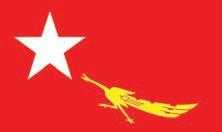
micro-credits, and social and health security scheme had been launched when they were in government.
National League for Democracy (NLD) is a Burmese political party founded on 27 September 1988. Its Chairperson is Daw Aung San Suu Kyi, Member of Parliament, Nobel Peace Prize laureate, and daughter of Aung San, a pivotal figure in the Burmese
Senate during 1991 to reject a new RP-US Bases Treaty. This ironically cost the Party dearly, losing the elections of 1992. In 2000, it showed its mettle by standing against the corruption of the Estrada Administration, actively supporting the Resign-ImpeachOust initiatives that led to People Power II. In 2004, it again stood its ground as the Party withdrew its support from President Gloria Macapagal Arroyo following controversies of her election into office.
In 2009, the Party mounted a historic campaign for the 2010 elections with Senators Noynoy Aquino and Mar Roxas as frontrunners following the death of former President Corazon Aquino and widespread calls for genuine change in the country.
The LP has successfully reclaimed the national ruling party status with the momentous victory of President Noynoy Aquino in the last May 2010 national elections, together with majority of its allies in the House of Representatives and local government units
Leaders
Abhisit Vejjajiva Leader
Juti Krairiksh Secretary General Chavanond Intarakomalyasut Spokesperson
Leaders
Benigno Aquino III Chairperson
Franklin Drilon Vice Chairperson
Feliciano Belmonte Jr. Vice Chairperson
Joseph Emilio Abaya Executive President and Acting President
independence movement of the 1940s. The NLD was formed in the aftermath of the 8888 Uprising, a series of protests in favour of democracy which took place in In August 8, 1998 and was ended when the military took control of the country through a coup.
The party won a substantial parliamentary majority in the 1990 Burmese general election. However, the ruling military junta refused to recognize the
Contact
97B West Shwegondaing Road, Bahan Township, Yangon, Myanmar
T: +95 1 555 156 info.nldburma@gmail.com
result. On May 2010, the party was declared illegal by the junta after refusing to register for the elections in November 2010. The following year, NLD announced its intention to be a political party in order to contend future elections and on December 2011, Burma’s Union Election Commission approved their application for registration. In the 2012 by-elections, NLD won
Contact
DPJ International Department
1-11-1 Nagata-cho, Chiyoda-ku, Tokyo 100-0014 Japan
T: +81 3 3595 9988
F: +81 3 3595 7318 www.dpj.or.jp
ASSOCIATE MEMBER
Liberal Forum Pakistan

Contact
No S1, Second Floor, Rawal Arcade, F-8 Markaz, Islamabad, Pakistan
F: +92 51 225 6458
T: +92 51 225 6459 info@lfp.org.pk www.lfp.org.pk
43 seats out of the 44 seats it contested.
The party advocates a non-violent movement towards multi-party democracy in Burma, which had been under military rule from 1962 to 2011. Furthermore, the party supports human rights (including broadbased freedom of speech), the rule of law, and national reconciliation.
The party flag has a peacock in it which is a prominent symbol of Burma; the Peacock was numerously featured a number of times in Burmese monarchic flags as well as other nationalist symbols in the country. It is also associated with decades-long democratic struggle against military dictatorship. The NLD party symbol is adopted from the Myanmar (Burmese) Student Union flag.
The Democratic Party of Japan (DPJ) was created in 1998, when reform-minded politicians fromvt a number of opposition parties came together with the aim of establishing a genuine opposition force capable of taking power from the long-ruling Liberal Democratic Party (LDP). Former Prime Ministers Tsutomu Hata and former party presidents Yukio Hatoyama and Naoto
Kan, who both later served as Prime Minister, were among those instrumental in establishing the new party. The DPJ has since grown in size at successive elections. It was further strengthened by a merger with the Liberal Party, led by Ichiro Ozawa, in 2003. In 2009, the party won a landslide election victory, bringing about an historic change of government. At present, the DPJ serves as
an opposition party in the LDP-led government of Shinzo Abe.
Liberal Forum Pakistan (LFP) is promoting liberal values in Pakistan’s polity by creating awareness about positive features of democracy, freedom, and secularism. It works toward these objectives by publishing and disseminating literature about liberalism throughout the country; and by holding consultations on related issues. It also releases a bi-monthly magazine in Urdu that is the only regular publication covering liberal issues in South Asia.
LFP regularly organizes functions in all major urban centers and in places where it has active chapters. The membership of the organization is open
to all, subject to approval by LFP’s Membership Committee; a chapter can be formed once it has twenty members. The overall supervision of the organization is in the hands of a Board of Directors that is headed by a Chairperson who is also the Chief Executive of the organization. The four provinces are headed by provincial presidents.
LFP also has a youth wing by the name of FYG (Future Youth Group), which holds activities similar to LFP amongst the younger segments of the population. LFP has a website that gives up-to-date information about liberal developments. In 2010, LFP continued its
movement to promote liberalism in Pakistan and expanded its membership to approximately 2,000 members who pay an annual fee and receive a bi-monthly magazine, Liberal Pakistan. Thirty-six chapters are currently functional throughout the country. During that year, LFP held seminars on topics ranging from opposing corruption to promoting liberal values, including good governance, secularism, and the right to information. These activities garnered publicity in the local media. LFP also spread its advocacy through publications on corruption and individual liberty
H.E Abdurraham Wahid
Martin
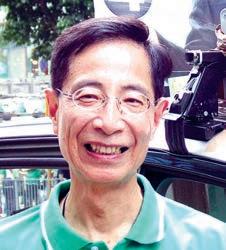
Chung-Kai Sin
H.E. Abdurrahman Wahid served as the fourth president of the world’s most populous Muslim nation, Indonesia, from 1999-2001. He was an important figure among religious groups and political movements during the restoration of freedom and democratic rights after 32 years of the Soeharto dictatorship.
More popularly known as “Gus Dur,” he showed fellow
Martin C.M. Lee (Lee Chu Ming) is the founding chairman (1994 – 2002) of the Democratic Party, which is one of the largest and most popular political parties in Hong Kong. Prior to the founding of the Democratic Party in October 1994, Lee was chairman of the United Democrats of Hong Kong — Hong Kong’s first political party that won the first-ever democratic elections to the territory’s Legislative Council in 1991.
Mr. Chung-Kai Sin is an elected Legislative Councillor of Hong Kong serving a term of 4 years from Oct 2012 to Sep 2016. He is the Deputy Chairman of Democratic Party since 2006, and has served as a member of the Central Committee of Democratic Party of Hong Kong since the party was founded in 1994.
Sin served as a Member of Legislative Council from 1995 – 1997 representing New Territories South and 1998 to 2008 representing the Information Technology Sector. Sin has a long public service record. Sin served as a member of the Housing Authority from 2001 to 2009 and a board of director Hong Kong Mortgage Corporation Limited from 1999 to 2009.
Indonesians his lifetime commitment to public service and the promotion of liberal democracy and staunchly defended human rights, ethnic minorities, and Indonesia’s secular tradition. Wahid headed the Nahdlatul Ulama (NU), Indonesia’s largest Muslim organisation.
His position as a moral leader was transformed, however, when he and his supporters
Since its establishment, the Democratic Party has committed efforts to advancing democracy and safeguarding human rights and the rule of law in Hong Kong. In 2008, the Democratic Party merged with another pan-democratic party The Frontier, and further strengthened its political influence in Hong Kong. Lee was also a popular elected Legislative Councillor from 1985 to 2008.
formed the National Awakening Party (PKB) following the dramatic fall of President Soeharto. He became the Chairman of its Advisory Council and its official presidential candidate in 1999. Though dominated by NU members, Wahid promoted PKB as a party that is non-sectarian and open to all members of society. Wahid passed away in 2009.
Contact
704A, Admiralty Centre, Tower I, 18 Harcourt Road, Central, Hong Kong
T: +852 2529 0864
F: +852 2864 2829 oml@martinlee.org.hk www.martinlee.org.hk
He served as an elected representative at all three tiers of the Government –Legislative Council, Regional Council (abolished by the HKSAR Government in 1999) from 1988 to 1994 and the Kwai Tsing District Council from 1985 to 2003.
Born and educated in Hong Kong, Sin obtained his Bachelor of Science degree from the University of Hong Kong in 1982 and his Master in Business Administration degree from the Chinese University of Hong Kong in 1997. Chung Kai is a life and fellow member of the Hong Kong Computer Society. Mr. Chung-Kai Sin is married to Yvonne Ying Yee Chan. They have two sons Clement and Ryan who are studying in the US.
Contact
4/F, Hanley House, 778 Nathan Road, Mongkok, Kowloon, Hong Kong
T: +852 2397 7033
F: +852 2397 8998
cksin@sinchungkai.org.hk www.sinchungkai.org.hk
Daw Aung San Suu Kyi
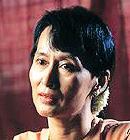
Daw Aung San Suu Kyi is a Nobel Peace Laureate, Burma’s leader of the opposition, and one of Asia’s most revered icons of democracy. She is also the founding General Secretary of the National League of Democracy.
“The Lady” has spent most of her life committed to the people of Burma’s struggle
for justice, freedom, and democracy. Much of the last two decades has seen her locked up, but in 2010, she was released from house arrest. In 2012, she contested a by-election and won a seat in parliament.
Contact contact@nldburma.org
The Friedrich-NaumannStiftung für die Freiheit (FNF) is an independent, nonprofit, nongovernmental foundation committed to promoting the value of freedom worldwide. FNF seeks to promote this core liberal value by working to strengthen: human rights and the rule of law, liberal participatory democracy, and a free market economy.
Funded by the German parliament, the Foundation supports a wide range of activities in 65 different countries. Its partners include parliaments, political parties, universities, think tanks, research institutions,
NGOs, the media, business associations, and community organizations. Its key tasks are civic education, policy dialogue, and consultancy to help find liberal solutions for the problems facing our societies.
FNF has worked in partnership with CALD since 1993. They have collaborated to organize conferences, meetings, networking opportunities, and publications designed to further policy dialogue and cooperation among like-minded Asian political parties.
Contact
29 BBC Tower, 25th Floor, Sukhumvit 63 Road, Bangkok 10110 Thailand
T: +662 365 0570
T: +662 365 0567
F: +662 714 8384 contact@fnst.org www.fnfasia.org
Alliance of
The Alliance of Liberals and Democrats for Europe (ALDE) in the European Parliament brings together MEPs from liberal and democratic parties across the European Union. The members share the common values and promote an open-minded and forward-looking approach
to European Union politics. ALDE stands for individual liberty, a free and dynamic business culture, economic and social solidarity, sustainability in taking actions, protection of the environment and respect and tolerance for cultural, religious and linguistic diversity.
Contact
European Parliament, Rue Wiertz, B- 1047 Brussels, Belgium
T: +32 2 284 2111
F: +32 2 230 2485 aldegroup@europarl.europa.eu www.alde.eu
Liberal International is the world federation of liberal political parties. Founded in 1947, it has become the pre-eminent network for promoting liberalism, strengthening liberal parties, and promoting liberal democracy around the world. There are a number of common principles that unite all liberal parties from Africa, the Americas, Asia, and Europe: human rights, free and fair elections,

Taiwan’s peaceful transition to democracy is not only a historical accomplishment for its 23 million people, but a landmark in the worldwide spread of democracy. Only after years of struggle and effort could this transformation take place. This history must not be forgotten, for it shapes the cornerstone of Taiwan’s continued commitment to the principles of democracy and human rights.
The Taiwan Foundation for Democracy (TFD) was established with an inter-related, two-tracked mission in mind. Domestically, the TFD strives to play a positive role in consolidating Taiwan’s democracy and fortifying its commitment to human rights; internationally, the Foundation hopes to
multiparty democracy, social justice, tolerance, social market economy, free trade, environmental sustainability, and a strong sense of international solidarity. Although there is diversity among liberal parties owing to the application of these principles in different national circumstances, all LI members adhere to the organization’s manifesto.
Contact 1 Whitehall Place, London, SW1A 2HD
T: +44 20 7839 5905
F: +44 20 7925 2685 all@liberal-international.org www.liberal-international.org
become a strong link in the global democratic network, joining forces with related organizations around the world. Through the years, Taiwan has received valuable long-term assistance and stalwart support from the international community, and it is now time to repay that community for all of its efforts.
The Ministry of Foreign Affairs initiated the Taiwan Foundation for Democracy project in 2002. After much research and careful evaluation, the Ministry integrated the required resources from many sectors of society. In January 2003, the Ministry obtained the support of all political parties to pass the budget for the Foundation in the legislature. The TFD formally came into being
National Democratic Institute for International Affairs

The National Democratic Institute for International Affairs (NDI) is a nonprofit organization working to strengthen and expand democracy worldwide. Calling on a global network of volunteer experts, NDI provides practical assistance to civic and political leaders advancing democratic values,
practices, and institutions. NDI works with democrats in every region of the world to build political and civic organizations, safeguard elections, and to promote citizen participation, openness, and accountability in government.
on 17 June 2003, with its first meeting of the Board of Trustees and Supervisory Board. At that meeting, Legislative Yuan President Wang Jin-pyng was elected its first chairman. According to its by-laws, the TFD is governed by a total of 15 trustees and five supervisors, representing political parties, the government, academia, nongovernmental organizations, and the business sector.
Contact No.4, Alley 17, Lane 147, Section 3, Sinyi Road, Taipei 106, Taiwan
T: +886 2 2708 0100 F: +886 2 2708 1148 www.tfd.org.tw
Contact 455 Massachusetts Ave., NW, 8th Floor Washington, DC 20001
T: +1 202 728 5500 F: +1 202 728 5520 www.ndi.org

RELIAL (Red Liberal de América Latina), the Liberal Network of Latin America, is a Latin America-wide network civil society organizations, political parties, think tanks, and research-institutes.
RELIAL is forming the institutional frame for leaders and opinion makers, academics, intellectuals, business people, and personalities

from the region who share and profess the ideas of individual freedom, limited government, the market economy, the rule of law, and a free democratic system in the continent
Contact
Cerrada de la Cerca Nº 82
Col. San Angel Inn México DF 01060
T: +5255 5550 1039
F: +5255 5550 6223
info@relial.org www.relial.org
Contact
Via di Sant’Andrea
delle Fratte, 16 Rome Italy 00187
T: +39 06 6953 2367
F: +39 06 6953 2206
info@allianceofdemocrats.org www.allianceofdemocrats.org
In an interdependent world faced by challenges, global responses are vital. This is the reason why the Alliance of Democrats, an international network of liberal democratic, centrist, and progressive political parties from all five continents, was initiated by various leaders from the European Democratic Party and the U.S. Democratic Party in 2005.
From 2005 to 2008 the Alliance of Democrats, which now includes over 60 political parties, organized several meetings and international conferences for strengthening the political dialogue between like-minded democratic political parties with the ambition to build a common “Global Agenda.”
The founding event was the meeting with the theme “Rebuilding Transatlantic Relations: a dialogue between US and EU Democrats” held in Rome on 24-25 February 2005 with the attendance of the Chair of the New Democrat Coalition of the U.S. Democratic Party at the U.S. Congress, Rep. Ellen Tauscher, François Bayrou, Francesco Rutelli, Bronislaw Geremek, and Graham Watson. Romano Prodi, former President of the European Commission and EDP Honorary President, delivered the closing remarks.
The conference participants agreed on the need for a stronger and more structured relationship between the EU democratic parties and the U.S. Democratic Party, in order to strengthen the transatlantic political and economic relations. With this, the Chairperson of the New Democrat Coalition, Rep. Ellen Tauscher, and the Co-Presidents of the European Democratic Party, Francesco Rutelli and François Bayrou, a Manifesto on EU-US Relations calling for closer links between democratic parties on the two sides of the Atlantic, and agreed to establish the Alliance of Democrats.
Following its engagement to continue building closer relationships with other like-minded parties and organizations around the world, and especially to establish sound links with Asian democrats, the Alliance of Democrats promoted a conference with the theme “A New Europe/Asia Strategic Partnership: The Future is Now: A Dialogue between Asian and European Democrats” on 1-2 December 2005.
The Conference took place in Rome, with the participation of many Asian political leaders representing major political parties such as the
Indian Congress Party and members and observer-parties from CALD.
In a closed-door seminar, politicians and experts focused on issues such as economic integration between the two continents, international security, energy, multilateral cooperation, and global democracy. The seminar helped set up a common political agenda and a permanent network between Asia and European Democrats. Promoting sustainable development, increasing international security while fighting terrorism, and promoting human rights and democracy were the core issues of the discussions. Participants committed themselves to strengthening political dialogue, increasing cooperation and integration between Europe and Asia, and acting in favor of a closer partnership and integration between the European and Asian economies.
The Board of Directors consists of Francois Bayrou, Francesco Rutelli, and Ellen Tauscher as Co-Chairs. Gianni Vernetti, Italian MP and former Secretary of State for Foreign Affairs, was appointed Coordinator of the Alliance of Democrats.



The Council for Asian Liberals and Democrats (CALD) was inaugurated in Bangkok in 1993, with the support of then Thai Prime Minister Chuan Leekpai and South Korea’s Kim Dae-Jung. CALD, which offers a unique platform for dialogue and cooperation, is the only regional alliance of liberal and democratic political parties in Asia.
CALD was formed out of the recognition of leaders of like-minded political parties in Asia of the need for a dynamic forum promoting discussion and exchange of ideas regarding trends and challenges affecting democracy, human rights and the rule of law in the region. The chair parties of CALD since its inception to the present have been the Democrat Party of Thailand or DP (1993- 1995; 2002-2004), the Democratic Progressive Party of Taiwan or DPP (1995-1997, 2004-2005), the Liberal Party of the Philippines or LP (1997-1999, 2005-2007), the Singapore Democratic Party or SDP (2007-2010), the Liberal Party of Sri Lanka or LPSL (1999-2000, 2010-2012), the Sam Rainsy Party of Cambodia or SRP (2000-2002, 2012-2014), and the Civil Green Party of Mongolia (2014-2016).
The other members of CALD are the Parti Gerakan Rakyat Malaysia (PGRM) and the Indonesian Democratic Party of Struggle (PDI-P). The Liberal Forum Pakistan (LFP) is an associate member while the Hong Kong legislators Martin Lee and Sin Chung-kai are individual members. In 2010, CALD bestowed honorary individual membership to Daw Aung San Suu Kyi. The National League for Democracy (NLD) of Burma, the National Awakening Party (PKB) of Indonesia, and the Democratic Party of Japan (DPJ) are observer parties.


Through CALD, political parties, groups, and individuals have a continuing discussion on the developments occurring in the various countries of the region. The aim is to assess the possibilities for liberal solutions to problems facing Asian democracies.
Accordingly, CALD organizes network meetings including those with its partners (Friedrich Naumann Foundation, Liberal International, Alliance for Liberals and Democrats for Europe, Alliance of Democrats, Taiwan Foundation for Democracy, and the National Democratic Institute for International Affairs), international conferences on vital issues affecting the region, and regular workshops on communication, political management, and women in politics. It also sends missions for various advocacies, sponsors internship programs in its secretariat and in the European Parliament, as well as maintains a website, a social network group account and a weekly electronic newsletter.

CALD SECRETARIAT
Celito Arlegue CALD Executive Director
Paolo Antonio Zamora CALD Senior Program O icer
Paul Kristofer Rafael CALD Program and Administrative O icer, Youth and Climate Change
Jorgia Antoinette Salonga CALD Program and Administrative O icer, Youth and Women
Francis Rafael Banico CALD Project O icer
Francis Miguel Panday CALD Project Assistant
CALD ANNUAL REPORT 2014
EDITOR
C.C. Balgos
LAY-OUT & ART DIRECTION
Michael A. Gadi



Hon. Oyun Sanjaasuren, MP CALD Chair
Hon. Demberel Sambuu, MP CALD Secretary General
Unit 410, 4/F La Fuerza Plaza 2, 2241 Don Chino Roces Ave. corner Sabio St., 1231 Makati City, Philippines
Telephone +63 2 819 6071
Mobile +63 998 576 0877
Facsimile +63 2 819 6055
info@cald.org www.cald.org


facebook.com/asianliberals @asianliberals @asianliberals