This month feels like a milestone in more ways than one. My oldest daughter, Eleanore just turned 18. A moment that’s equal parts joyful and nostalgic, all a little bittersweet. I’ve been a witness to her childhood, and she has been a witness to my motherhood. Watching her grow has reminded me that motherhood isn’t just something I do; it’s the one thread that runs through everything else in my life. It shapes how I work, how I love, and how I see the world.
I am deeply grateful to have a job and a platform that allows me to grow alongside my children. In every story we share, every family we highlight, and every idea we offer
in Cache Valley Family Magazine , I see reflections of the community that surrounds us — neighbors who lift each other up, parents who are navigating the same joys and challenges, and children who remind us daily what really matters.
Motherhood, like community, is not a solo journey. It’s woven through our shared experiences, our laughter, our mistakes, and our celebrations.
Thank you for being part of this community, for letting us into your lives, and for allowing us to witness the beautiful, messy, meaningful moments of family life together.
Publisher & Editor in Chief
EMILY BUCKLEY
Copy Editor TARA BONE
Cover Photography
HEATHER PALMER
PHOTOGRAPHY
Layout Design
ELISE CREATES, LLC
Contributing Writers
MARK ANDERSON
LAUREN BERTOLDO
BETH BLAKE
TARA BONE
EMILY BUCKLEY
VALERIE DAINES
TYSON S. HORKLEY, M.D.
CHELSEA PETERSEN, LMFT-CEFT
CARI PHILLIPS, MS
FRANK SCHOFIELD
CHIARA ELWOOD SORENSON HAILEY WESTENSKOW
MARYBETH WILSON, FNP-BC WIL WOOD
Please
PHONE NUMBER (435) 764-0962
MAILING ADDRESS PO Box 6831 North Logan, UT 84341
EMAIL
info@cachevalleyfamilymagazine.com
WEBSITE cachevalleyfamilymagazine.com
FACEBOOK /cachevalleyfamilymagazine
YOUTUBE /cachevalleyfamilymag
INSTAGRAM @cachevalleyfamilymag TO ADVERTISE call (435) 764-0962 or email ads@cachevalleyfamilymagazine.com
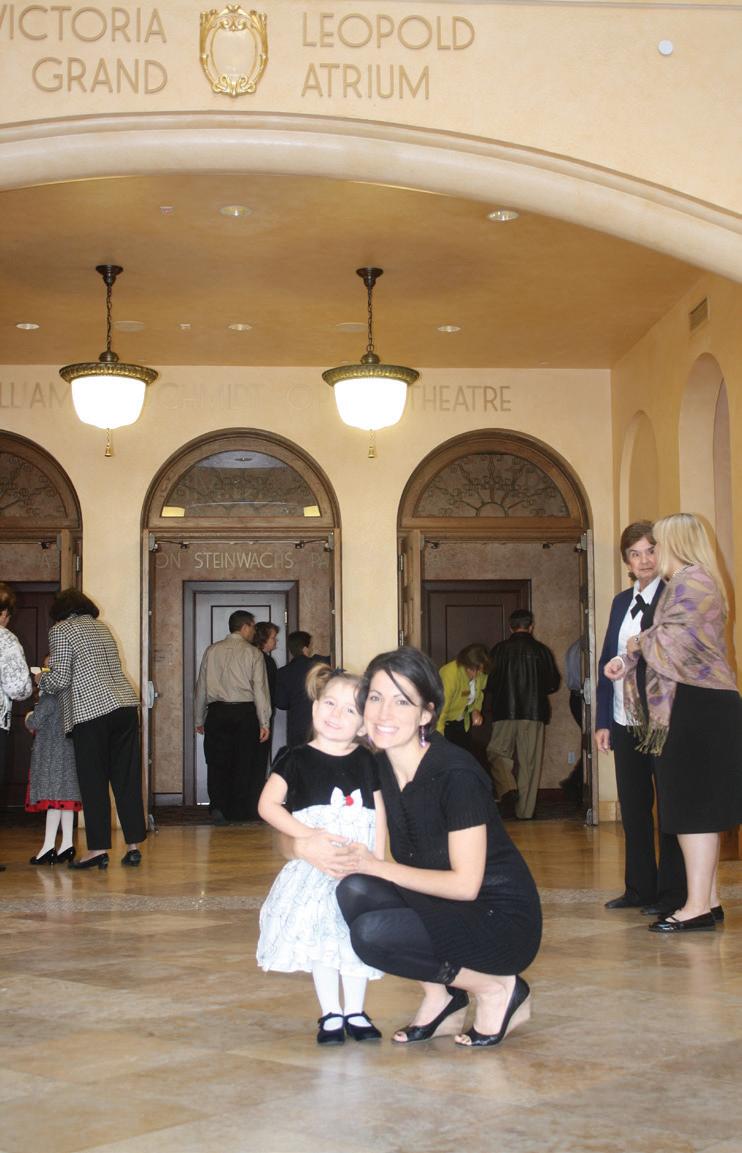
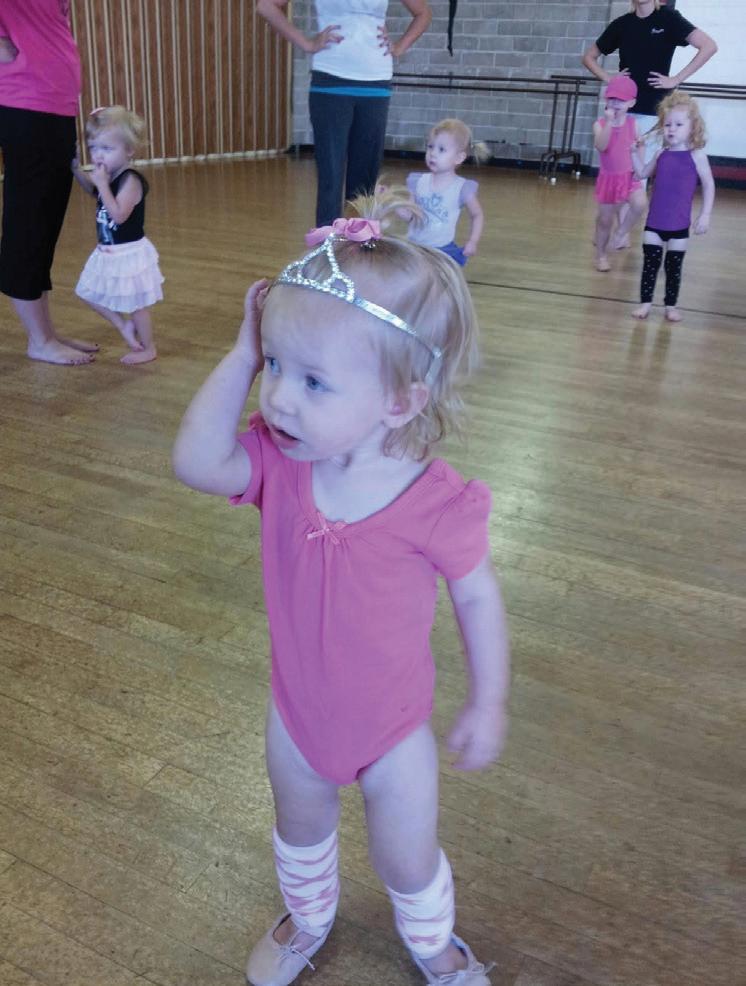
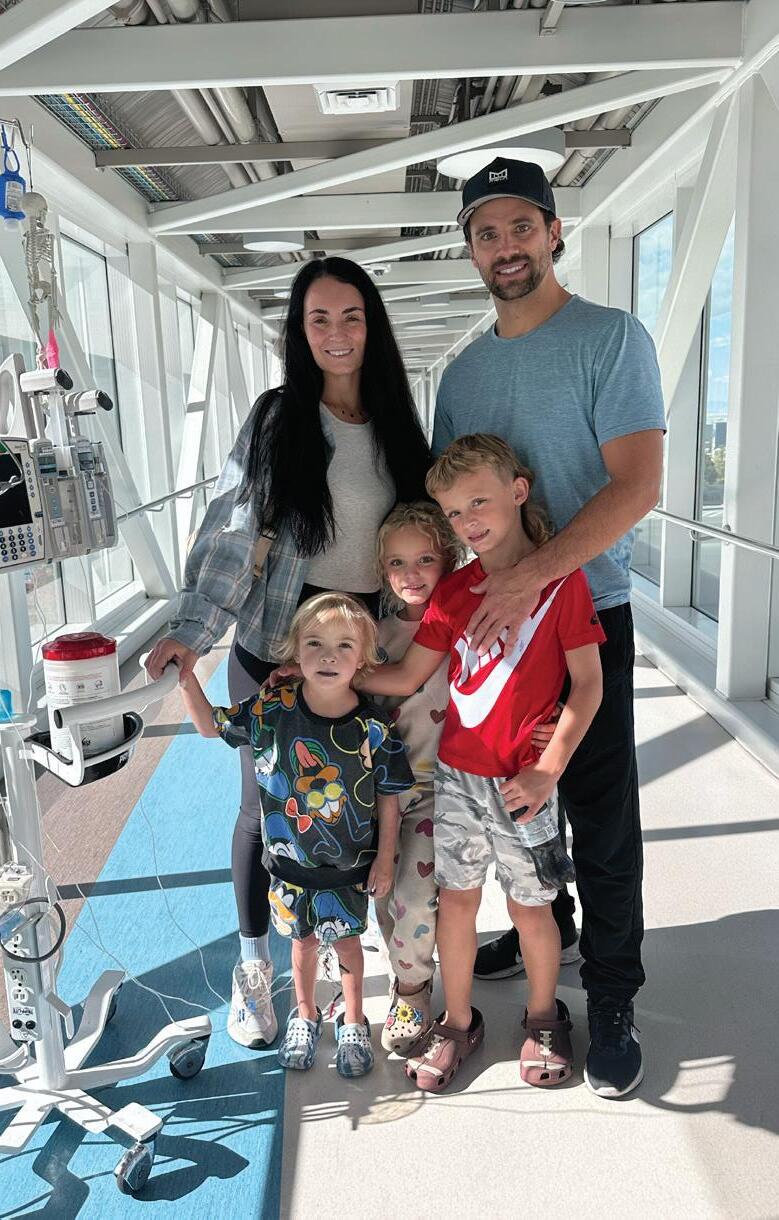
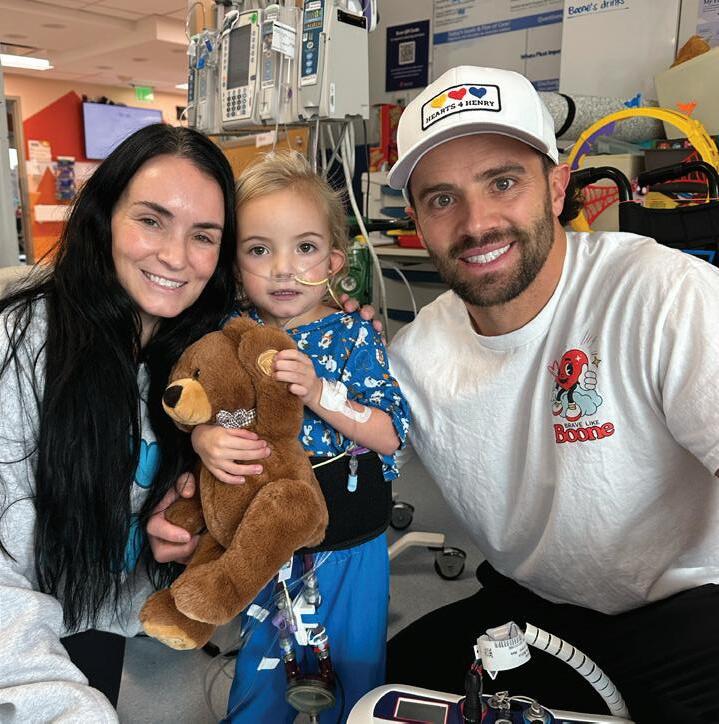
Emily and Eleanore in December 2010. Emily and Eleanore in January 2025.
FAMILY MATTERS
Trade Resolutions for Recreation in 2026 ... pg 16
EDUCATION UPDATE
Cache County School District:
Spilling the Sweet Tea on Our Amazing Students ... pg 10
Logan City School District:
Growing Up Digital: Helping Children Use Technology — and Cell Phones — in Healthy Ways ... pg 11
BEST-IN-CLASS YOUTH SPOTLIGHT
Meet Kate Baldwin: Local 14-Year-Old Dancer
Turns Hard Work into National Wins ... pg 21
COVER STORY
Brave Like Boone: Born With Half a Heart — Now Whole ... pg 24
MAKING A DIFFERENCE
Warming Hearts and Saving Lives:
An Inside Look at Cache Valley's Warming Center ... pg 37
Women and Heart Health: The Risks We Can't Ignore ... pg 19
Growing Kindness: How Sharing Plants and Produce Builds Community ... pg 28
Awe: The Antidote to Cynicism ... pg 30
Finding Steady Ground in a Slower Season: A Therapist's Guide to Winter Wellness ... pg 33
Winter in Cache Valley: 9 Family Adventures You Can Do for Free (or Nearly Free) ... 35
Close to Home or Hit the Road: Family-Friendly Spring Break Plans ... 39
Visit the Art Museum (Yes, Even with Kids!) ... 42
Warm Hearts, Kind Hands: Books That Inspire Kids to Be Kind ... 44
Backed by Advanced Technology
We diagnose and treat environmental allergies, asthma (including biologics), food allergies, eczema, chronic hives, insect sting reactions, and immune deficiencies.
Services include:
› Allergy shots
› Food and antibiotic challenges
› Patch testing
Make 2026 the Year of Active Kindness
New Year’s resolutions. If the concept brings you a sigh instead of a smile, you’re not alone. But the process doesn’t have to be overwhelming! Are you looking for a New Year’s resolution that will be rewarding to do together as a family? Make 2026 the year of increasing your opportunities to practice active kindness.
BETH BLAKE contributing writer
Active kindness is much more than an absence of meanness. Active kindness means being acutely aware of others and intentionally looking for ways to brighten someone’s day.
“Every act of kindness creates a ripple that reaches further than we can see. When we give without expecting anything in return, we help build a stronger, more caring Cache
Valley, one small act at a time.” This statement comes from a social media post by Cache Community Food Pantry, one of the many organizations in Cache Valley where kindness finds a meaningful outlet.
There are so many ways to practice active kindness — here are some ideas to get started!
...continued on next page
continued from previous page...
Kindness at Home
• Make a goal as a family to practice only “positive gossip.” Commit to singing each other’s praises behind each other’s backs.
• Leave “compliment confetti” for a family member going through a tough time. Grab a stack of sticky notes, write thoughtful compliments on each one, and cover their door.
• Create a “kindness bingo” game with simple acts of kindness. The first child to complete the card earns a special trip with a parent to the store to pick a treat of their choice for a family member. They also get to decide how and when to surprise them.
• Write an actual letter and mail it to grandma and grandpa.
• Create an “I noticed” jar.
Throughout the day, family members can write down positive things they notice about one another. Read them together at dinner or at the end of the day.
Kindness in Our Community
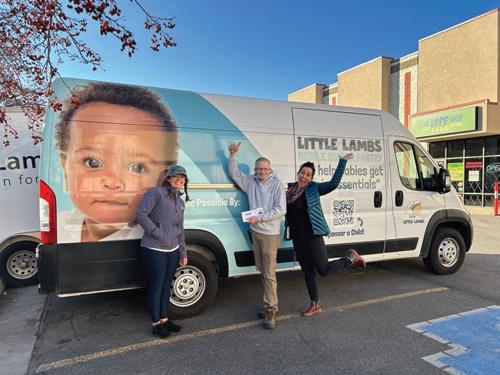
• Create “blessing bags” together as a family: Fill freezer bags with hygiene essentials, healthy snacks, clean socks, and other necessities. Keep a few on hand to give to people you see who could use extra help.
• Many senior living centers in Cache Valley host community activities designed to build connection for residents. Learn about these opportunities and attend together as a family. Keep an eye out for a grandparent you could “adopt.”
• Support local businesses, restaurants, and events.
• Become a trainee cheerleader.
Be patient and encouraging with anyone who is learning a new role, and if possible, let their manager know they are doing a great job.
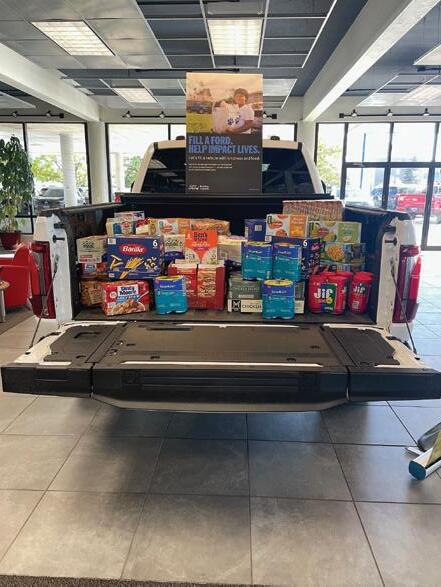
• When shopping for cleaning supplies, pick up a few extras and donate them to CAPSA.
National Random Acts of Kindness Day is February 17. Here are some fun ways to celebrate:
• Bring three single roses or small bouquets to the front desk of an assisted living center. Ask the receptionist to give them to three residents who may be having a difficult day.
• Go to the grocery store and choose a cashier’s line. Pretend you can’t decide which candy bar to buy and ask the cashier for their favorite. Purchase it, then hand it to them as you leave and tell them they’re doing a great job.
• Paint rocks with positive messages
and leave them around town for people to find.
• Leave a treat for your mail carrier (and don’t forget to put up the flag).
• Have old, soft blankets you’re no longer using? Donate them to an animal shelter.
Doing acts of kindness together as a family is both fun and rewarding. It’s also a powerful way to teach what Logan City School District Superintendent Frank Schofield describes as one of the most important lessons children can learn.
“Helping children understand kindness and to demonstrate kindness to others contributes to their well-being and the well-being of others,” said Mr. Schofield. “Kindness is the core motivation behind being an upstander and protecting others
from harm. Kindness encourages personal connection, helping each of us develop relationships that provide happiness and health.”
No matter how big or small your resolutions are, the new year is a wonderful time to reflect and look for
ways to be better and happier in the months ahead. A year of practicing active kindness can strengthen family bonds, create new friendships, and have lasting effects for years to come. In fact, 2026 might just turn out to be your family’s best year yet.
Spilling the Sweet Tea on Our Amazing Students
“Spilling the tea” is common slang for sharing juicy news. At Cache County School District, we spill sweet tea by highlighting the daily acts of kindness, excellence, and community-building that fill our schools. Because February is a month commonly associated with love and friendship, we’re “spilling the sweet tea” about some of the wonderful things happening in our district!
World Kindness Day at Heritage Elementary School
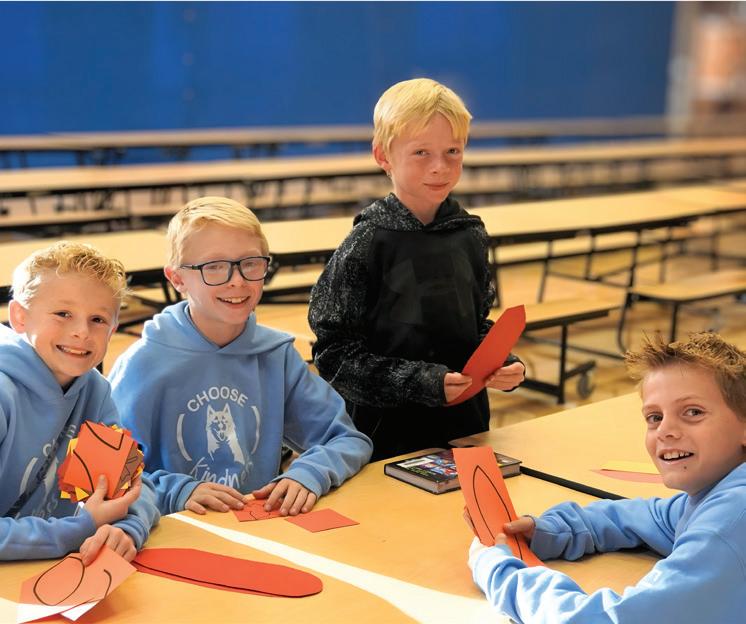
Kindness has become a buzzword for the Heritage Huskies. The school’s Kindness Committee, composed of 6th graders and led by school counselor Matt Mallory, spends each school year engaging in service projects, developing leadership skills, and setting a positive example for younger students.
In November, Kindness Committee members led students of all grades in celebrating World Kindness Day. Students wrote encouraging messages to teachers and lunch staff, wrote thank-you letters to local veterans, and decorated the school’s entryway sidewalk with positive quotes and artwork.
CARI PHILLIPS, MS Cache County School District communications specialist
Unified Sports Special Olympics
A pillar of our district’s Special Education program is creating opportunities for students of all abilities to build friendships and practice teamwork. These efforts come together beautifully in our middle school Unified Sports programs. At this year’s second-annual Special Olympics soccer tournament, students from Spring Creek, North Cache, and South Cache middle schools came together in friendly competition.
Students with disabilities and their peer mentors provided water for teammates, acted as cheerleaders, and played on the field. “It’s really fun to watch everyone get so excited,” a North Cache peer mentor said. “I love to help encourage my friends, and we help each other have a good time.”
Green Canyon High School
Ambassadors Build Bouquets for Assisted Living Center
The Green Canyon Ambassadors place a high emphasis on service. Throughout the year, they coordinate opportunities to brighten up the lives of students,
staff, and community members. One recent project involved community partnerships and a bright idea.
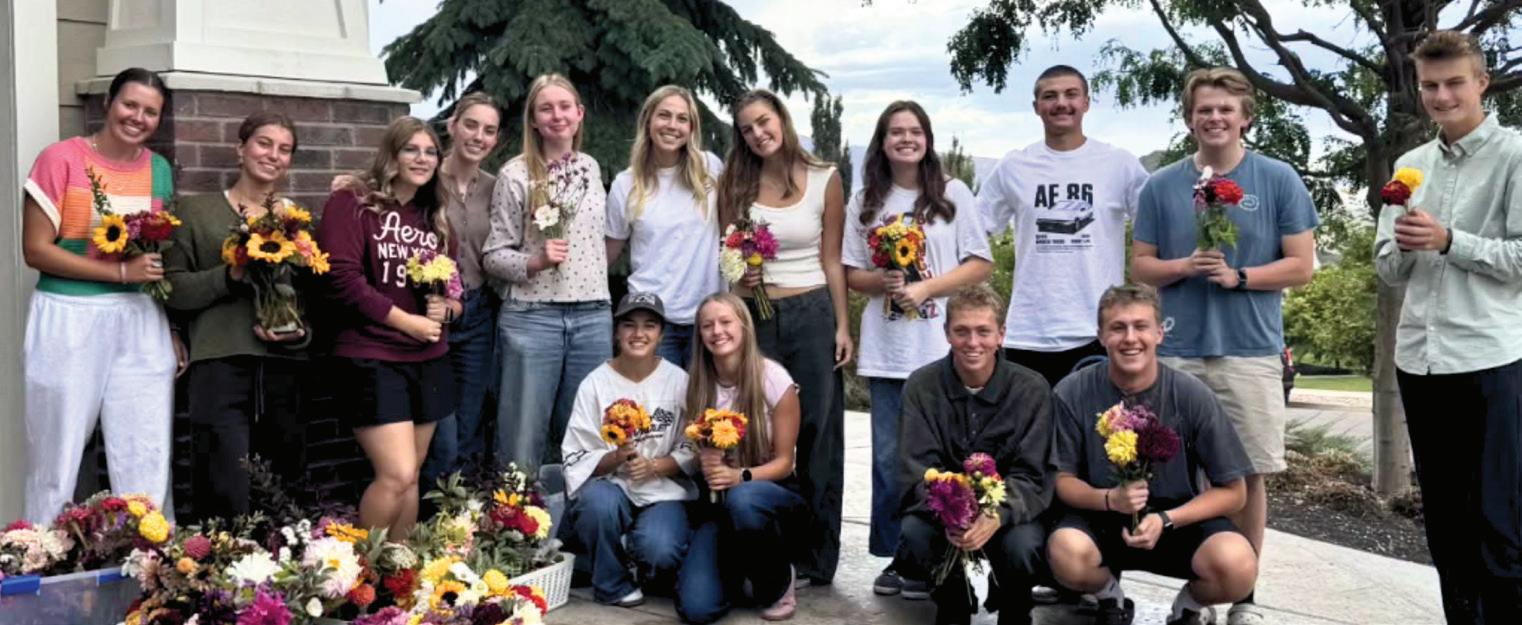
Ambassador Norah Mortensen coordinated with the Harvest for Her Flower Farm to provide hundreds of flowers for an assisted living facility in Logan. The Wolfpack Ambassadors assembled the flowers into bouquets and spent an afternoon distributing them. Students were met with “big smiles and awesome stories.”
We are so proud of all our students and staff who make Cache Valley such a great place to be. Do you have “sweet tea” to share with us? Follow us on Instagram and Facebook, share your story, and then tag us with #SpilltheSweetTeaCCSD!
Growing Up Digital: Helping Children Use Technology — and Cell
Phones
—
in Healthy
FRANK SCHOFIELD
Logan City School District Superintendent
One parenting decision that has become increasingly important, and sometimes debated, is how much technology children should use, and at what age. For many families, the question has shifted from “Should my child use screens?” to “How do I set healthy limits?” Research from child-development experts shows that while technology can support learning and connection, clear boundaries are essential for protecting children’s sleep, mental health, relationships, and overall well-being.
Why Boundaries Matter
Children’s brains develop through movement, conversation, play, and realworld problem solving. Excessive or unsupervised technology use, particularly passive scrolling or late-night phone use, can crowd out these essential experiences. The American Academy of Pediatrics (AAP) emphasizes that it’s not just the number of hours on screens that matters, but whether technology interferes with sleep, physical activity, schoolwork, or family relationships.
Smartphones add extra complexity. Unlike shared family devices, phones are personal, portable, and always
connected. Heavy smartphone use among children and teens has been linked to sleep disruption, distraction at school, and increased anxiety and depression, particularly with social media.
Age-Specific Recommendations
• Infants and Toddlers: Children under 18 months benefit little from screens, except for video chatting. From 18 months to age 2, limited, shared viewing can be appropriate when parents are actively engaged. Smartphones should not be used independently.
• Preschoolers (ages 2–5): The AAP recommends no more than one hour per day of high-quality programming. Phones and tablets should be used intentionally, not as default entertainment. Co-viewing helps children connect screen content to real life and reduces overstimulation.
• Elementary-Age: Technology can support schoolwork, creativity, and communication. Many parents consider a first phone at this stage, but specialists recommend delaying smartphones as long as possible and starting with limited devices.
• Tweens and Teens: For older children, the focus shifts from strict time limits to balance, responsibility, and self-regulation. Adolescents benefit most when families set clear expectations around phone use, social media, online behavior, and sleep, revisiting those expectations as maturity increases.
Special Considerations for Phones
• Timing Matters: There is no single “right” age for a first phone, but earlier access often increases exposure to online risks. Parents should consider why their child needs a phone and choose the least powerful device that meets that need.
Ways
• Sleep and Phones Don’t Mix: Notifications, blue light, and latenight scrolling disrupt rest, which is critical for learning and emotional regulation. Experts recommend keeping phones out of bedrooms overnight and turning screens off at least an hour before sleep.
• Social Media Requires Guardrails: Social media platforms are designed to capture attention and encourage comparison. Heavy use can increase anxiety, loneliness, and body-image concerns. Delaying social media until early adolescence and setting clear rules around privacy and online behavior can reduce risk.
Practical Strategies for Parents
• Create a Family Technology Plan: Define when, where, and how devices can be used.
• Set Tech-Free Zones: Bedrooms, meals, and family gatherings can be phone-free.
• Model Healthy Habits: Children notice how adults use technology.
• Use Parental Controls: Tools can help but should not replace conversations.
• Teach, Don’t Just Restrict: Help children recognize when technology helps — and when it starts to cause stress or distraction.
Technology, including cell phones, is now a permanent part of childhood. Rather than eliminating screens altogether, families can help children develop healthy, intentional relationships with devices. With clear limits, active engagement, and expectations that evolve, technology can become a useful tool, preparing children to navigate a digital world with balance and confidence.
Keeping kids healthy and happy.
Our skilled doctors help kids throughout their childhood get better faster so they can enjoy it.
Accepting New Patients
Call or scan the QR code to schedule. 435-716-1940
As a parent, it’s natural to wonder how often your child needs checkups and why these visits matter. I have worked as a pediatrician in Cache Valley for 18 years, and during that time I have had many rewarding interactions with the patients and families I serve. Some of the most meaningful experiences come from the relationships developed through regular well-child exams. Parents often ask when children should have these visits and why they are important. I’d like to share a few perspectives from my experience.
In the first two years of life, the recommended well-child visit schedule generally aligns with the vaccine schedule. Once a child reaches age 2, we typically recommend annual wellness exams through adolescence. In some cases, we may suggest an additional visit at 30 months if there are concerns about growth or development.
One of the most valuable aspects of well-child visits is the opportunity to build relationships with both the child and their family. These ongoing relationships help physicians better understand each patient, while also allowing families to develop trust in their provider. That trust becomes especially important when difficult or complex decisions arise. Strong
TYSON S. HORKLEY, M.D. pediatrician, Intermountain Budge Pediatrics
relationships allow us to work together to customize care that best meets a child’s individual needs.
Another key component of well-child visits is keeping children up to date on recommended immunizations. Most visits in the first 18 months of life include opportunities to receive important vaccines. Additional immunizations are given between ages 4 and 5 before starting kindergarten, again around ages 10 to 12 prior to middle school, and once more around
age 16. These visits play an important role in helping keep children healthy.
For children who participate in sports or other organized activities, the annual wellness exam also provides the opportunity to complete required physical forms. Completing these forms during a scheduled well visit can eliminate the need to scramble for last-minute appointments and ensures the exam is performed by a provider who knows your child well.
...continued on next page
continued from previous page...
Well-child checks also allow us to assess and track a child’s development over time. Development is evaluated through a combination of standardized screening tools and direct observation. These screenings can identify developmental delays early, allowing for timely intervention that may significantly improve outcomes. Behavioral concerns can also be identified and addressed, and when needed, early referrals to mental health professionals can be made — often at an age when interventions are most effective.
For older children and adolescents, well visits include assessments of mental health and pubertal
development. These visits provide opportunities to identify and treat common concerns such as anxiety and depression. Discussions may also include physical activity, academics, substance use, and sexual health. Lab screenings may be recommended when indicated based on a child’s history and exam.
Routine wellness exams can also uncover previously undiagnosed health concerns. Conditions such as heart murmurs, scoliosis, tumors, or testicular problems are sometimes discovered during these visits. While these conditions are uncommon, they can go unnoticed until they become more advanced or symptomatic. Early detection can make a significant difference.
In short, well-child visits are about much more than a quick check or a vaccination. They provide a chance to:
• Build a trusted partnership with your child’s doctor
• Keep immunizations up to date
• Track growth, development, and behavior
• Complete school and sports forms
• Identify and address potential health concerns early
Most insurance plans cover routine well-child visits, so if your child hasn’t had a checkup in the past year, now is a great time to schedule one. Regular visits give your child the best chance to grow up healthy, happy, and thriving — and give you peace of mind every step of the way.
Did you know?
Winter is the best time of year to take advantage of the benefits of laser skin care.
Whether it’s hair removal, addressing age spots, fine lines and wrinkles, or improving overall skin health, doing treatments during the winter months, when you are less likely to be in the sun, will speed healing and allow you to repeat the treatments that require multiple visits.
The Young Skin Care Medical Spa at Rocky Mountain Dermatology is not only staffed by the most experienced skin experts in the region, but they also have the right dermatologist approved treatments for whatever skin care needs you may have.
If you’re not sure what laser skin treatments are right for you, start by scheduling a consultation with one of our skin experts today. They can evaluate the condition of your skin and recommend the right treatment options based on your health and desired results. And if they find your skin concern would be best resolved medically by a Dermatologist, you will be referred over to the awardwinning dermatology team led by Dr. Robert Young.
By the time the summer rolls around, your skin will feel better, look refreshed, and be healthier than ever.
FAMILY MATTERS
Trade Resolutions for Recreation in 2026
January is National Hobby Month! It’s the perfect time to take a step back from all the gym and budget resolutions and set a few goals that include exploring new family hobbies in 2026.
As the saying goes, all work and no play isn’t much of a life. Hobbies like gardening, knitting, playing a musical instrument, hiking, or cooking can spark learning, build a sense of community, and boost overall physical and mental well-being. And they’re fun too … who doesn’t want more fun with our families?
Whether your family prefers quieter indoor activities or loves getting outside, Cache Valley offers plenty of unique hobbies to explore. In this issue’s “Family Matters,” local parents share activities their families love and some new hobbies they hope to try this year.
TARA BONE contributing writer
Sports: Skimo
Short for ski mountaineering, Skimo racing is a human-powered endurance competition that combines uphill climbing and downhill skiing on mountain terrain. This sport is making its official debut at the 2026 Milano Cortina Winter Olympics, but Cache Valley-ites don’t have to just sit and watch! There is a local group named Bear River Skimo; email coach Peter Adler at adlerpeterb@gmail.com for more information.
Ultimate Frisbee
Did you know there’s a league for ultimate frisbee in Cache Valley? Cache Valley Ultimate runs leagues for players of all ages and abilities during summer months at the outdoor Hansen Family
Sports Complex fields. Check out cachevalleyultimate.org or more information.
Nature in Cache Valley: Hike, walk, fish, or kayak in our beautiful backyard! Tips: Utah State’s Outdoor Programs offers a large selection of rentable outdoor gear at low rates. Ranging from camping gear, water gear, and winter gear, students and community members can rent equipment at low-cost day or weekend rates.
More information available at usu.edu/ campusrec/outdoor/op-shop
Local hiking Info: cachehikers.org
Top water spots: Hyrum Lake State Park and Bear Lake year-round (great ice fishing during colder months), Logan River’s 1st, 2nd or 3rd Dams,
Cutler Marsh Marina, and Porcupine Reservoir.
Check out the Porcupine Reservoir salmon run mid-September to early October, where bright red Kokanee salmon swim up the East Fork of the Little Bear River to spawn.
New Stokes Nature Center
Experience bird watching and learn about nature at a new park in Nibley. This spring, Stokes Nature Center is opening a new community nature park at 100 W. 2600 South, Nibley. The goal of the park is to preserve nature while allowing human interaction. The park includes yurts for outdoor classrooms, natural playscapes, pollinator gardens, wildlife viewing, restrooms, and trails.
Brain Teasers: Rubik’s Cubing Rubik Cubes aren’t just toys anymore. Serious “speekcubbers” participate in competitions throughout the state. There are lots of tutorials on YouTube
that teach the lingo and cubing ins and outs — it’s a hobby for all ages. There are a World Cube Association and a local Utah Cubing Association. Check out utahcubing.org for competition location and information.
Become a Puzzler
Join the Utah Jigsaw Puzzle Association (UJPA) and connect with other puzzlers in Utah, including Cache Valley to find local Facebook groups, puzzle swaps, or state-level competitions and activities. Visit UJPA for more info utahjigsaw.org
The Arts: Paint Night
One mom said their family likes to have Bob Ross family paint nights. They find step-by-step, kid-friendly ideas on YouTube, pick up art supplies on sale at Hobby Lobby, and paint away.
Learn a Musical Instrument: check out Logan Music Academy, The Book Table, or KSM Music for teachers and information. Or make it really easy
— one local family purchased simple harmonicas for nieces and nephews and printed easy harmonica songs for them. Harmonica.com is a straightforward place to learn more.
Animal Lovers: Dog
Handling
The Cache Humane Society and Cache County Animal Services both offer opportunities for individuals and families to take a dog out for a day. These “Day Out” programs help dogs socialize while giving potential adopters a chance to see whether a pet is a good fit — at home and out doing everyday activities like walking, hiking, or basic training.
To sign up as a Day Trip Volunteer with Cache County Animal Services, call 435-755-1300 or visit 1165 W. Gateway Drive in Logan. To volunteer with the Cache Humane Society or learn more about their volunteer options, visit cachehumane.org/get-involved/volunteer. $9.49 Quart of soup and loaf of bread for Regular price $11.99. O er expires March 15, 2026. O er not available at our 400 North location.
Care that comes from the heart...
FROM WINTER SNIFFLES AND FLU SHOTS TO ROUTINE CHECKUPS AND WOMEN’S HEALTH, WE’RE HERE TO KEEP YOUR FAMILY HEALTHY, COMFORTABLE, AND CARED FOR ALL SEASON LONG. BECAUSE WHEN YOUR FAMILY FEELS GOOD, THERE’S MORE TIME FOR WHAT REALLY MATTERS: CONNECTION, WARMTH, AND MAKING MEMORIES TOGETHER.
PEDIATRICS:
Ryan Bell, MD
Tanner Duncan, DO Russel McKenna, DO
FAMILY MEDICINE:
Madi Cutler, PA-C
Kacie Lofgran, FNP-BC
Jeremy Starr, DO
WOMEN’S HEALTH:
Madi Cutler, PA-C
Kacie Lofgran, FNP-BC
Marybeth Wilson, FNP-BC
Hours that fit your family’s schedule:
Monday-Thursday: 8 a.m. to 8 p.m.
Fridays: 8 a.m. to 5 p.m.
Saturdays: 8 a.m. to Noon
Nurse phone hours: 8 a.m. to noon and 2-4 p.m. Monday-Friday
From Candy Hearts to Real Heart Health Women and Heart Health: The Risks We Can’t Ignore
Across cultures and centuries, the heart has become the world’s shorthand for love: woven into art, stamped onto letters, and now tapped out in digital form with emojis. While our hearts often get credited for feelings of love, women’s hearts are doing far more behind the scenes, beating tirelessly through every season of life. Yet heart disease remains the leading cause of death in women. February is the perfect time to shift the conversation from nostalgic candy hearts inviting us to “Be Mine” to the heart that matters most — the one that keeps us alive.
MARYBETH WILSON, FNP-BC women's health, Canyon Medical Group
The first step in prioritizing heart health is understanding risk factors Diabetes, high blood pressure, obesity, smoking, and a family history of heart disease are well-recognized risk factors among both males and females. Individuals who experience migraines, depression, and autoimmune disease are also at additional risk. While these conditions affect both men and women, they occur more frequently in women and may contribute to an increased burden of disease over time.
Women also have unique risk factors for heart disease that are often missed, yet these female-specific factors deserve careful consideration. Looking at
irregularities in women’s reproductive stages can provide subtle warning signs of possible future disease.
Menstrual cycles can offer valuable insight into heart health. For example, starting menstruation before age 12, experiencing menopause before age 40, or having irregular periods related to polycystic ovarian syndrome (PCOS) are all reproductive factors associated with an increased risk of heart disease. Pregnancy-related complications also play a role. A history of infertility, miscarriage, or stillbirth — as well as high blood pressure, gestational ...continued on next page
HEART-HEALTHY HABITS THAT MATTER
• Aim for 30 minutes most days
• Choose activities you enjoy — walking counts
• Start small and build consistency
• Add more fruits and vegetables
• Choose whole grains and beans
• Include healthy fats like olive oil, avocados, and fish
• Limit red and processed meats
continued from previous page...
diabetes, or preterm labor — can increase long-term cardiovascular risk.
Reproductive-related risk factors are just one part of evaluating heart disease burden. The next step is knowing a few crucial numbers by visiting your trusted health care provider. Evaluation of blood pressure, along with a set of labs, provides further information. Ideally, initial cholesterol panels and diabetes screening should be completed at least once during the teenage years and more frequently in adulthood. Your health care provider can make recommendations on specific testing. Recent research indicates that all women should have a lipoprotein(a) level checked, ideally before menopause. Lipoprotein(a) is a particularly harmful form of cholesterol that has a strong tendency to build up in the arteries, increasing the risk of blockage and heart disease. This specialized test only needs
to be done once, as it is an inherited characteristic that doesn’t change. Once you understand your risks, the final step is adopting lifestyle habits that are beneficial to your heart. With so much information online, along with exercise and diet trends, knowing where to begin can feel overwhelming. Keeping goals simple is a good first step.
First, move your body. Research is clear: Exercise has a positive impact on nearly every aspect of health, both mental and physical, while being particularly beneficial for the heart. Individuals with several risk factors for cardiovascular disease are far less likely to suffer a heart attack if they stay physically active compared with those who do not. There is no onesize-fits-all approach to exercise. The best strategy is engaging in an activity you enjoy and aiming for a minimum of 30 minutes most days of the week. If you aren’t currently active, set small,
attainable goals — such as a walk around the block after lunch.
When it comes to diet , balance is key. Try incorporating a variety of fruits and vegetables, along with heart-healthy beans and lentils. Whole grains such as oats, whole-wheat bread, quinoa, and wild rice have heart-positive effects, as do heart-healthy fats like olive oil, avocados, and fish. The easiest way to make heart-healthy changes is by adding one additional fruit or vegetable each day or swapping white bread for whole wheat. Continue to enjoy red or processed meats, but make an effort to limit the amount you eat.
Women are often the heart of our homes and the heartbeat of our communities, yet women’s risk factors for heart disease are commonly overlooked. By recognizing these differences, listening to our bodies, and prioritizing prevention and care, we can protect the hearts that do so much to sustain families and communities.
An ongoing series of articles written about teens who are excelling in their unique areas of interest and talent.
Meet Kate Baldwin: Local 14-Year-Old Dancer Turns Hard Work into National Wins
Kate Baldwin discovered her passion for dance as a 16-month-old in a “mommy and me” dance class wearing a pink leotard, tiny leg warmers, and ballet slippers. Years later, the 14-year-old Mountain Crest High School (MCHS) student from Paradise is still dancing — only now it comes with national titles, elite training opportunities, commercial projects, her own dance wear line, and an LA talent agent.
But at the heart of it all, Kate said, “I just love to dance. I love dance because it’s a big part of who I am and the
TARA BONE contributing writer
journey that it has brought me on is amazing and wonderful.”
At just 4 years old, Kate entered her first dance competition when she begged her mom, Shanda, to do a solo dance at a local competition. Her older sister Sophie was competing and Shanda decided to enter Kate in the pre-division for preschool to 2nd graders.
“I laughed because I’d never seen a 4-year-old do a solo, but she started crying and I thought, well, I’ll just let her do one to keep her happy,” Shanda said. “She ended up winning overall and took off since then.”
With a lot of hard work — Kate trains around 30 to 35 hours a week — Kate has a long list of successes in the dance world. She’s currently Miss Teen Drill Utah 2nd runner up and will represent Team Utah this March at Nationals. She’s earned five national titles over the years at various national conventions and competitions and was a top-12 finalist at the world-renowned YAGP (Youth American Grand Prix) Ballet Finals. She is also a two-time National Duet Champion with her older sister, Sophie, for Velocity Dance Convention. ...continued on next page
Images courtesy of the Baldwin family.
continued from previous page...
Kate has trained in many styles of dance, including ballet, lyrical, contemporary jazz, musical theater, hip hop, modern jazz, funk, jazz fusion, and industrial dance. She says her favorite styles are ballet and musical theater because ballet is calming and flowy and musical theater because it’s fun and she loves to act.
Kate’s been part of many dance teams and recently has loved being part of MCHS’s drill and cheer teams. She says it combines her love of MCHS
and dance, so it’s “a perfect fit.” She also values her training at Cache Valley Civic Ballet where she’s a senior Company member. She’s excited to be part of their spring production of The 12 Dancing Princesses as one of the princesses.
Somehow Kate finds time to train at Creative Arts Academy in Bountiful on their Advanced High School Team and The Crew Dance Studio in Burbank, California. She’s also a MVA+ demonstrator for Velocity Dance Convention, a company assistant for
The Streetz Dance Convention, a Killer B assistant for Lacey Schwimmer’s The Ballroom Project, and an ambassador for Prodigy College Dance Convention. Juggling school, family, and her dance commitments can be challenging, but with the support of her family and teachers, she says it’s all worth it.
“I love all my teammates and coaches and can’t imagine not doing any of them,” she said. “The best part of dancing is how much I grow as a dancer and a person. It can be very stressful and hard at times, but it always gets
better and I will always love what I’m doing.”
Through the ups and downs, Kate says her sister Sophie has been the reason she’s kept dancing and is grateful for the support of her family. Shanda says their family does a lot of divide and conquer and calls her husband, Kate’s dad, Travis, “the world’s best dance dad.” She adds, “He’s her good luck charm.”
Kate’s been fortunate to receive financial scholarships to train at elite programs across the United States. Last summer she spent three weeks in Connecticut at the Bolshoi Ballet intensive, as well as two weeks in New York City training at Steps on Broadway and NYCDA Summer Intensive at Pace University. She was also chosen by Clear Talent Group LA and has commercial opportunities through them and is a Club Five member and model for Five Dancewear. She even got to design her own dance wear line at age 11.
So, what is Kate’s secret to success? She says it can be summed up by a quote her mom taught her: “Hard work beats talent when talent doesn’t work hard.” Kate says she’ll keep working hard and putting her best foot forward in dance and life.
Sisters Sophie and Kate Baldwin have enjoyed dancing together throughout childhood.
Brave Like Boone: Born With Half a Heart — Now Whole
A story of courage, love, and extraordinary generosity
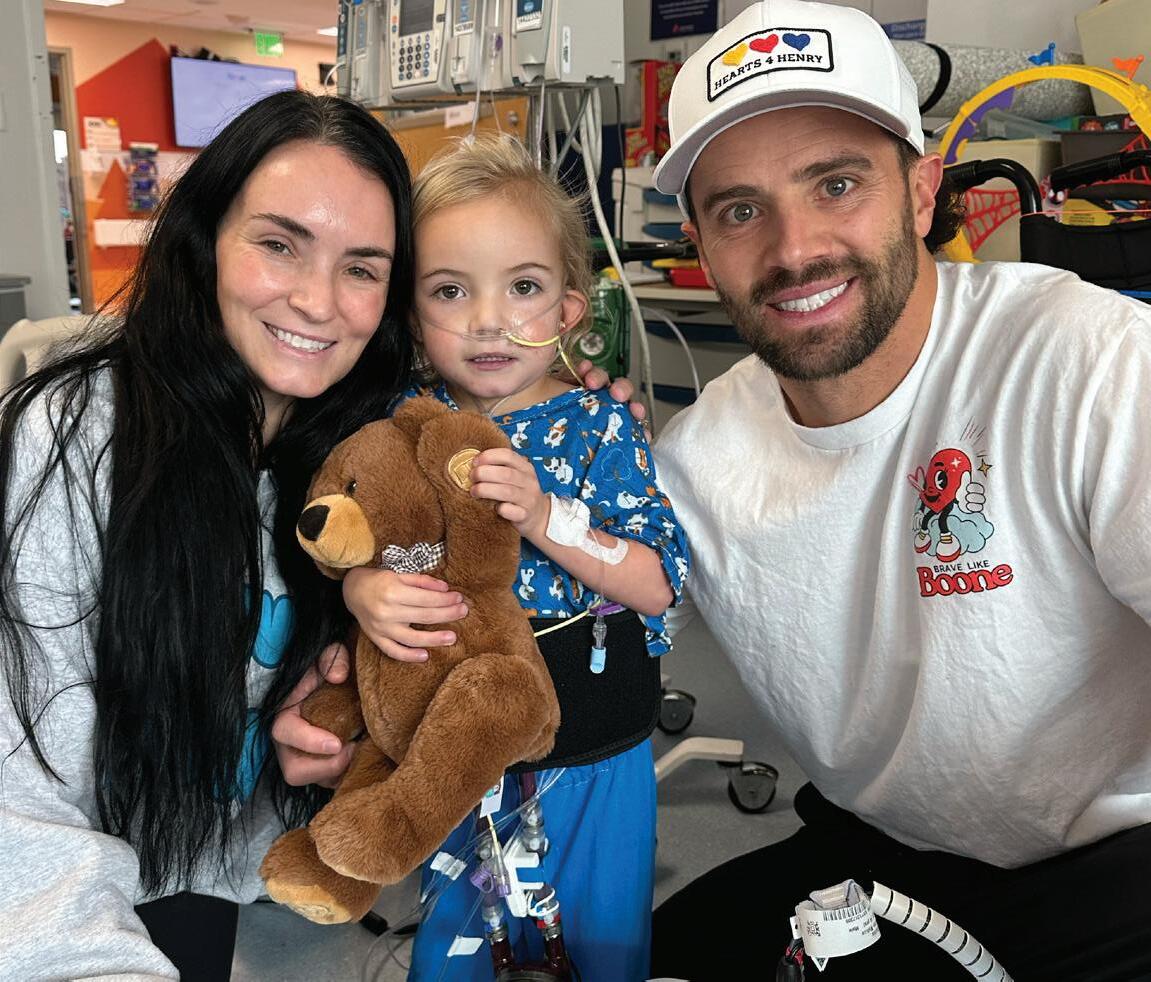
At first glance, Boone Bybee looks like any other 4-year-old boy: brighteyed, quick to laugh and endlessly in motion. He runs laps through his home now, something his parents, Bailey and Brad Bybee, once wondered if they would ever see. If you met Boone today, you might be
EMILY BUCKLEY editor in chief
surprised to learn about the journey that began long before he took his first breath.
When Bailey was expecting Boone, her third child, she went in for her 20-week ultrasound and received news that changed everything.
“We found out that he essentially had half of a heart,” Bailey said. Further testing confirmed the diagnosis: hypoplastic left heart syndrome, or HLHS, a severe congenital heart defect in which the left side of the heart does not fully form.
Doctors laid out three options for Bailey and Brad.
“They actually gave us a choice to terminate the pregnancy, choose not to intervene and let him pass away at birth, or we could choose the surgical route,” Bailey said. “We always knew we were going to choose life for him.”
Because Boone would need immediate specialized care, Bailey planned to deliver at the University of Utah in Salt Lake City so Boone could be transported directly to Primary Children’s Hospital. When Bailey went into preterm labor at 32 weeks, she was life-flighted to Salt Lake City and placed on strict bed rest for six weeks.
During that time, their young family was split. Bailey remained in Salt Lake City near the hospital where she would deliver Boone, while Brad stayed home caring for their older children, Baxter (Bax), now 8, and Briar, now 6.
Through diligent bed rest, Bailey
was able to carry Boone to 37 weeks gestation, an important milestone to give his already strained heart the best chance at survival. After birth, Bailey and Brad were able to hold their baby boy for just a few minutes before he was whisked away to Primary Children’s Hospital.
Baby Boone was immediately started on medication to keep a hole in his heart open, something that would normally close after birth.
“If his would have closed, that’s what would have taken his life,” Bailey said.
At just three days old, Boone underwent his first open-heart surgery.
“We were prepared for it,” Bailey said, “but it was still super hard to send him.”
That first hospital stay lasted about a month before Boone came home on oxygen and with a feeding tube. His second surgery followed at 4 1/2 months old.
The plan had always been a series of three surgeries: two in infancy and a third around age 3.
“They do it in a three-part series,” Bailey said. “If they did it all at once, it would just be too much on his little body.”
But by age 3, Boone’s condition began to worsen.
“He was living at about 15% heart function,” Bailey said. “His heart literally was just barely pumping.”
Instead of moving forward with the third surgery, doctors made a difficult call.
“They just didn’t think he would tolerate going through another surgery,” she said. “So, we started to work toward a transplant.”
Last August, Boone’s condition deteriorated further, and he was admitted to the hospital to wait for a heart, a waiting period they were ...continued on next page
Photos courtesy of the Bybee family.
continued from previous page... warned could last months or even years, if he could survive that long.
“He waited for a heart for 68 days,” Bailey said. “Most kids his age who are waiting for hearts wait for a year or more.”
As Boone’s condition continued to decline, doctors turned to extraordinary technology to keep him alive: a Berlin Heart, an external heart pump.
“It was another open-heart surgery,” Brad said. “Two big tubes went up into his heart and pretty much took the place of his heart.” Boone was connected to a machine that pumped blood through his body.
Despite the intensity of it all, Boone amazed everyone.
“I have videos of him playing baseball with [his Berlin Heart attached],” Bailey said. “From the state he was in before to that, he actually felt better on it.”
When the call came that a donor heart might be available, it came with uncertainty.
“They told us, ‘Don’t have your hopes up too high,’” Brad recalled. Boone was one of several candidates.
What followed were nearly two long days of waiting, blood tests, compatibility checks, and cautious optimism.
“They didn’t tell us it was 100% until they physically saw the heart,” Brad said.
The surgery took hours.
“Those calls are kind of gut-wrenching,” Bailey said. “It could go either way.”
But this time, it went right.
In November, Boone received his new heart. He recovered in the hospital for another 15 days, for a total of 83 days in the hospital before coming home.
The joy of Boone’s transplant came with deep, complex grief.
“One mom’s loss saved another little boy,” Bailey said quietly.
“I didn’t realize how hard it was going to be,” she admitted. “I wasn’t praying for someone’s child to die. But if something inevitable happened, I hoped they would choose to donate.”
The Bybees do not yet know the donor family, but the connection is profound.
“I just want to hug them and say thank you,” Bailey said. “They saved Boone.”
Brave like Boone
Editor’s
Note: Why Organ Donation Matters
Boone’s story is one of courage, faith, medicine, and an extraordinary act of generosity. A heart transplant does not happen without unimaginable loss. Behind every life saved is a family who made a selfless decision to donate in the midst of profound grief.
Across the United States, thousands of children are waiting for life-saving organ transplants. For many, the wait can be one to two years or longer, and not every child survives long enough to receive the gift Boone did. Organ
donation is carefully regulated, ethically guided, and handled with deep respect for donor families.
If Boone’s journey has stirred your heart, we encourage you to learn more about organ donation, talk with your loved ones, and consider registering as a donor. One choice can save multiple lives and create stories of hope that ripple through families and communities for generations.
To follow Boone’s ongoing journey, visit @bravelikeboone on Instagram.
Through Boone’s story, shared publicly on Instagram at @bravelikeboone , the family hopes to open hearts and minds about organ donation.
“There are so many kids waiting,” Bailey said. “Sometimes they don’t make it.”
Today, Boone is healthier than he has ever been, but the journey is far from over.
“They say it’s like switching one disease for another,” Bailey said. Boone takes 13 to 14 medications twice a day to suppress his immune system so his body does not reject his new heart. “They’re awful,” she laughed.
He also undergoes frequent
procedures to monitor rejection, and infection is a constant concern. Another reality: Donor hearts typically last 12 to 15 years.
“Someday he’ll need another one,” Bailey said. “That’s hard to think about.”
Still, the difference is undeniable.
“He just has more life,” she said. “Before, he was always tired. Now he just runs. He does laps in our house.”
“He feels free,” Brad added. “He never knew that before.”
Boone’s journey has shaped their entire family.
“I feel like it’s taught our kids empathy,” Bailey said. “Briar is Boone’s little protector and [both of
our older kids] really know how to look out for others.”
For Bailey and Brad, perspective has shifted permanently.
“People will say, ‘We don’t know how you do it,’” Brad said. “You don’t have a choice. You just do it. And we hope we’ve done it as well as we could have.”
Being home together now feels like a miracle.
“Just being together — that’s something we don’t take for granted,” Bailey said.
Boone may carry another child’s heart in his chest, but he carries something else, too: resilience, courage, and a life fiercely chosen.
Growing Kindness: How Sharing Plants and Produce Builds Community
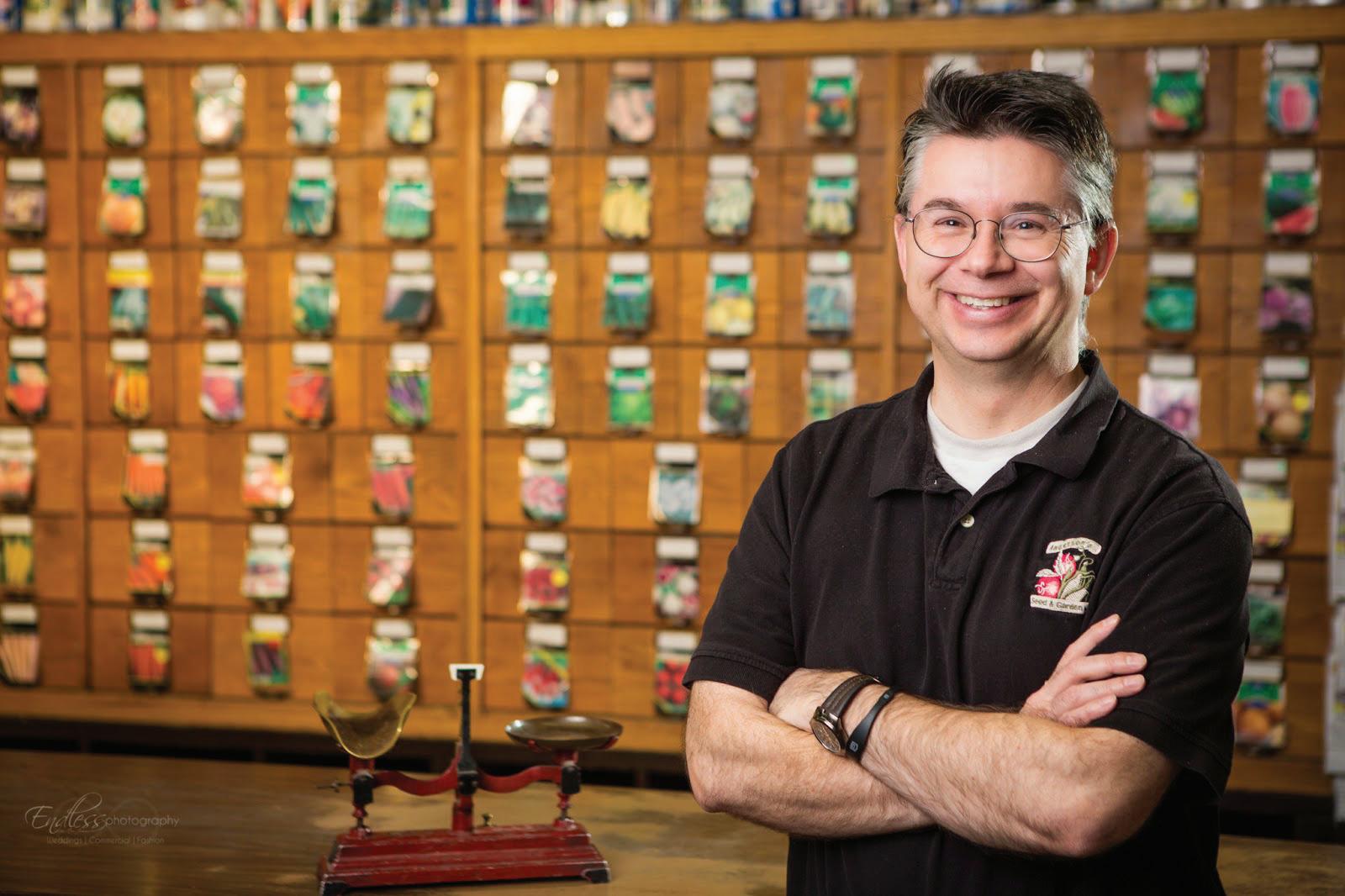
Every year I have gardeners stop to visit with me at our business, and our conversation naturally evolves into questions about my very own garden: “So, how big is your garden?”
“Oh,” I tell them, “it’s not very big. I think it’s about 8,000 square feet.”
After they pick their jaw up off the floor, we discuss ways I minimize my labor input while maximizing garden output. Believe me, an 8,000-squarefoot garden can produce a lot of vegetables. However, a garden that size — maximized to optimum production — produces more than
MARK ANDERSON owner, Anderson's Seed and Garden
you can possibly use, freeze, dry, or can, and more than your extended family and many of your neighbors can use. It’s a lot.
For example, I grew a 30-foot row of carrots that is 10 inches wide. We’ve used them consistently all fall and winter, and I’ve given away about 40 pounds. Our spare refrigerator has three two-gallon bags full of carrots in it, and I still have about 10 feet of row left to dig in the garden. See what I mean?
The rest of that common conversation goes something like
this: “What do you do with all that produce?”
“I love growing it,” I tell them, “but nothing makes me happier than sharing our garden excess. I give it away.”
Family, neighbors, friends, customers at the store, Cache Community Food Pantry, the people down the street that I don’t really like — we give it away to all of them. Depending on the size of your garden, you can do it too. There are very few things as satisfying as growing a garden for fun and then giving it to someone in
need, someone who wants to taste something new, or someone who has never tried garden-fresh vegetables. It makes my day. It could make yours, too.
When it comes to what plants to grow for the most return on your investment (ROI), our garden contains a wide variety. Nirvana or Eden varieties of corn are consistently the most requested items I grow. This corn is so sweet and delicious you can eat it raw. Unusual varieties of tomatoes with unique tastes, colors, shapes — or all of the above — are probably next on my list: Cherokee Purple, Brandymaster, The Purple Tomato, Chocolate Sprinkles, Purple Boy, Lemon Boy Plus. The number of unique tomato varieties is nearly endless.
We give away onions, squash, cucumbers (except this year — my crop was the worst I’ve ever grown!), potatoes, pumpkins, cantaloupe (one
of the best producing years ever for us — go figure, since they were right next to the cucumbers!), peppers, and nearly everything else we grow. These just happen to be my heaviest producers, which means we have excess — and we share it around. When your friend raves for days about the cantaloupe they tried or the corn they roasted at their BBQ, it puts a smile on your face, and theirs, too.
As much as I enjoy giving away my harvest, I’m a little more reluctant to give away plants. I have a few friends who thrive on sharing plants, but they also grow flowers, herbs, and ground covers that multiply like weeds: iris, daylily, dahlia, thyme, mint — the list goes on. I remember my father crawling around on his hands and knees at age 90, digging up iris, dividing them, and sharing them around the neighborhood. It’s a lot of work. I’ll stick to my carrots. A little loose soil, a digging fork, and five
minutes of work gives me a grocery bag full to share.
Try it. I think you’ll enjoy giving your harvest or plants away so much that you’ll get hooked forever. When planning your garden for this coming year, keep in the back of your mind what will produce more than you could ever use — so you have a great excuse to start sharing. Giving away what you grow yourself is so much better than giving something you purchased. It has more meaning, more love and time invested, and it nearly always gets reciprocated in some way. The more you give, the more you get back — in so many different ways.
Come ask me about my garden sometime. Not only will I help you maximize your production, but I might even share some of my “harvest” with you too.
Awe: The Antidote to Cynicism
In writing this, I kept bouncing between the words awe, hope, and wonder. I still don’t know which one to go with, but in my mind they’re all closely related. It seems like as we age, we become cynical and pessimistic, and I don’t like that. Kids aren’t cynical until they learn to be. Old, wise people aren’t cynical either. What is it about the bookend phases of life that are more open to awe than the middle?
Dumbledore and Gandhi are educated and experienced and have many reasons to be cynical and untrusting, and yet they seem to have arrived again at the place where potato bugs and staring at the moon are cool. It feels like awe, hope, and wonder may be the antidote to cynicism, and if so, I want more of that in my life.
Oxford defines awe as “a feeling of reverential respect mixed with fear or wonder.” Sounds like it could be uncomfortable. Does one actually want to feel awe? I would say yes. What does awe look like? I think it looks like letting a moment breathe to see if something sinks in. It can look like closing your eyes while listening to live music and imagining what the notes look like behind your eyelids. It can be staying in a hug when your friend doesn’t let go. It can be letting that bubble rise when you feel a cry building in your throat. It can look like putting your phone down when someone asks you something “for real.” It can quite literally be stopping and smelling the roses. It seems that to feel awe, it is necessary to slow down and notice what is happening around you.
When we’re young, we don’t think of reasons not to do something — we
WIL WOOD contributing writer
just go for it. As we age, we learn to protect our vulnerabilities. Stick with me through this experience. I went into my garage one night at 11:07 p.m., where my son, Liam, was playing the guitar and singing. Just like the band Weezer sings, “In the garage, I feel safe, no one cares about my ways. In the garage where I belong, no one hears me sing this song.”
Liam was covering a Mt. Joy song in which the vocals go high, and there he was, singing in a range I hadn’t heard him venture into before. Liam was up high in falsetto, singing with abandon. It wasn’t perfect, but I could see the makings of a new arrow in his musical quiver. To me, singing in falsetto seems reckless. It feels like leaving firm ground for a tight wire, where if you falter in either direction you’ll crack or fail. There are plenty of reasons not to sing in falsetto.
As I stood there listening to Liam sing his heart out in uncharted territory, I wished my mom could hear him. She would’ve listened in awe, as she did before she died, and written the songs down in her tremor-stricken handwriting so she could look up the originals later. She would be so proud of him now. She was so proud of him then (when he was singing through the cracks in his pubescent voice and unlearned vocals) and I think what she heard then is what is so easy to hear now when Liam performs. She played the part that rocket boosters play. She loved and cheered him on and propelled him to where he is today by believing in him. If rocket boosters were
not inanimate objects, I think they’d be stoked to know they pushed a spaceship out of the atmosphere. I know my mom would be bursting with pride — yet totally unsurprised — to see what he’s doing today.
Hope, wonder, awe, the willingness to fail, the ability to respond positively to imperfection — for those things to happen, an openness is necessary. We need to let it happen. Whether it’s the world or me getting older and more cynical, I see a pattern of shutting things down before they have a chance to start, of picking a flower before it blooms, and of prematurely casting a judgment.
If you’ve made it this far, I hope some of these disparate thoughts have helped you think about how you respond to a moonrise, or the opportunity to walk your own tight wire of singing falsetto.
As we let awe in, “the ordinary comes alive, the extraordinary takes care of itself.”
While I was busy having writer’s block on this essay — feeling something strong yet not quite able to get it out — I stumbled across a blog post by Nick Cave, an Aussie musician, where he replies to a parent worried she was going to pass her cynicism on to her child. His conclusion brought me to tears:
“Unlike cynicism, hopefulness is hard-earned, makes demands upon us, and can often feel like the most indefensible and lonely place on Earth. Hopefulness is not a neutral position either. It is adversarial. It is the warrior emotion that can lay waste to cynicism. Each redemptive or loving act, as small as you like, such as reading to your little boy, or showing him a thing you love, or singing him a song, or putting on his shoes, keeps the devil down in the hole. It says the world and its inhabitants have value and are worth defending. It says the world is worth believing in. In time, we come to find that it is so.”
In this season of starting fresh, I hope we can all have the courage to have hope — to lay waste to cynicism, to notice the things all around us that inspire reverential respect, to sing falsetto in the garage until the day we’re ready to take it to the stage. Awe isn’t something we lose; it’s something we forget.
THE heart OF EVERY OLO HOME IS YOU
The heart of a home isn’t just the kitchen or the living room.
It’s where mornings begin, conversations linger, and traditions take shape.
As Cache Valley’s semi-custom home builder, OLO Builders puts you at the center of the process— creating homes designed around how you live, gather, and grow. With thoughtful personalization, an efficient 130-day build time, and a 10-year builder warranty, your home is built with intention from the very start.
Because when a home is designed around what matters most, it doesn’t just look right - it feels right.
Cache Valley’s Semi-Custom Home Builder 130-Day Build Time | 10-Year Builder Warranty Peter Dettore - 435.232.0533 olobuilders.com
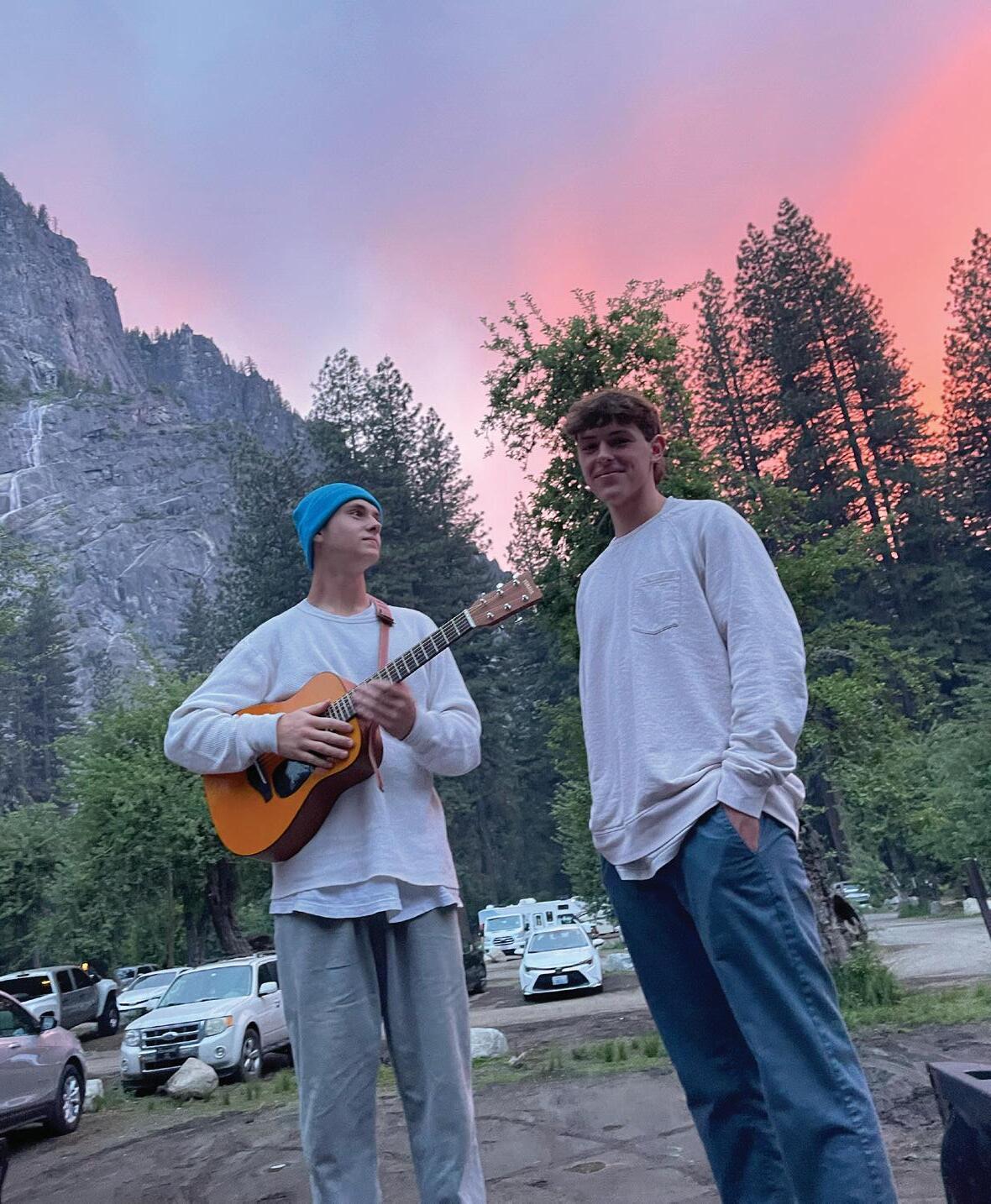
Wil's son, Liam, amd his friend Henry Olson in Yosemite National Park.
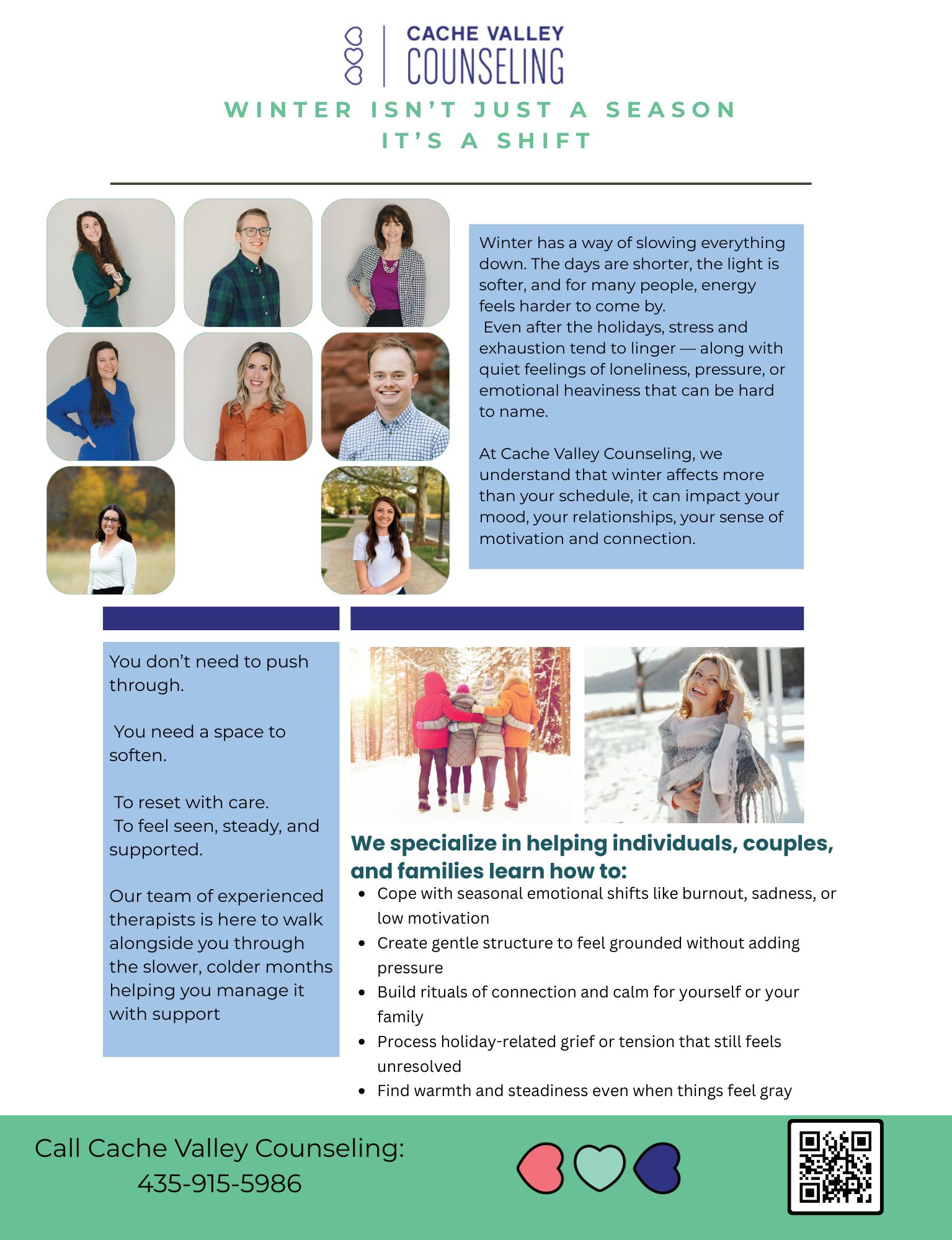
Finding Steady Ground in a Slower Season: A Therapist’s Guide to Winter Wellness
CHELSEA PETERSEN, LMFT-CEFT
licensed marriage and family therapist and founder, Cache Valley Counseling
January tends to show up with big energy, resolutions, fresh starts, and the pressure to become a “new you.” But what if you're still tired from the holidays? What if you're not ready to hit the ground running?
Winter naturally invites us to slow down, reflect, and reset, but that rhythm doesn’t always match the messages we’re fed about productivity and self-improvement. If you're feeling emotionally heavy, physically drained, or unsure where to begin, you're not alone. And you're not behind.
Here’s how to navigate the winter months with more steadiness, selfcompassion, and care.
Let Rest Be Productive
After weeks of holiday stimulation like travel, family time, financial pressure, and social energy, it’s common to feel foggy or worn out. Your nervous
system may still be in recovery mode. And yet, January often tells us to push harder.
Instead of forcing motivation, try honoring your need for recovery. Rest doesn’t mean doing nothing. It means creating conditions where your mind and body can recalibrate. Take a nap, say no to extra obligations, or embrace slower mornings without guilt. Rest is not a reward for productivity. It’s part of how we sustain it.
Set Gentle Goals (Not Harsh Deadlines)
Resolutions often fail because they’re rooted in self-criticism statements like: I need to be better, I should have more discipline, this year must be different. Change sticks best when it’s rooted in self-compassion.
Instead of rigid goals, try asking: What kind of support do I need right now?
Chelsea
Petersen, LMFT-CEFT
What habits would help me feel more like myself? What rhythms feel realistic, given my season of life?
...continued on next page
continued from previous page...
Start small. A ten-minute walk. Drinking water in the morning. A weekly journal check-in. Gentle structure can help you feel grounded without tipping into burnout.
Acknowledge the Winter Blues Without Shame
Seasonal Affective Disorder (SAD) and seasonal mood shifts are real, especially in climates where winter brings long stretches of cold, darkness, and isolation. You might feel less motivated, more irritable, or emotionally numb.
This doesn’t mean something is wrong with you. It means your environment is affecting your body and brain. You can try light exposure (natural or therapy lights), regular movement, connection with others, or speaking with a therapist to help support your mood during this time.
Remember, you don’t need to be constantly “happy” to be OK. Emotional neutrality, feeling stable, calm, or OK-ish, is still a good place to be.
Rebuild Routine at Your Own Pace
Structure can be comforting after the disarray of the holidays, but it doesn’t have to be rigid. Think of your routine like scaffolding, something flexible that supports you, not something that confines you.
Pick one or two anchor points in your day. Maybe it’s a consistent wake time, a daily walk, or a moment of quiet before bed. Let those anchors help you find rhythm again.
If your routine falls apart one day, that’s not failure. That’s being human. Start again tomorrow. Routines are made to be returned to, not mastered perfectly.
Make Space for Meaning, Not Just Milestones
There’s nothing wrong with setting goals in the new year, but goals that are disconnected from your values tend to fizzle out. Ask yourself: What do I want to feel more of this year — Peace? Purpose? Joy? Connection?
Let those feelings guide your decisions. Not everything has to be measurable. Sometimes the most important progress is internal, feeling more
emotionally steady, being kinder to yourself, or showing up differently in your relationships.
Remember That You’re Allowed to Need
Support
You don’t need to wait until things are falling apart to reach out for help. Whether you’re carrying quiet sadness, struggling to reconnect with your goals, or just needing a space to talk things through, therapy is here for all of it.
You’re allowed to say, “I’m not doing terribly, I just don’t feel quite like myself.” That’s reason enough to seek support. You deserve steady ground, even if the season around you feels uncertain.
Winter is a season of reflection, not reinvention.
Let yourself move slowly. Make room for quiet joy. And above all, be gentle with yourself.
The year ahead doesn’t need a newer, shinier version of you. It just needs you that’s grounded, resourced, and ready to move forward, one small, steady step at a time.
Winter in Cache Valley: 9 Family Adventures You Can Do for Free
(or Nearly Free)
VALERIE DAINES contributing writer
Winter in Cache Valley doesn’t have to mean staying cooped up indoors — or spending a lot of money. From snowy outdoor adventures to cozy indoor fun, there are plenty of ways to make meaningful family memories all season long without stretching your budget. Here are nine easy, affordable ways to enjoy winter together.
Take a Winter Hike
The Bonneville Shoreline Trail, Logan Highline Trail, and Blacksmith Fork Canyon are all beautiful (and accessible) in winter. Bundle up and
enjoy the quieter trails and snowy views.
Visit Hardware Wildlife Management Area
Stop by Hardware WMA to see the elk up close and explore the free educational center. For a small additional cost, you can add a memorable sleigh ride (typically $5–$12.50 depending on age).
Explore Art at USU’s Nora Eccles Harrison Museum of Art
The museum hosts a Free Community Art Day on the second Saturday of every month at 10 a.m. Families can learn about art and create their own masterpieces. Open to all ages.
Go Sledding
Classic winter fun never goes out of style. The Hyrum Gibbons Mount Logan Park, Lundstrom Park, and Salt Hollow Park are local favorites for a day of sledding and laughter.
...continued on next page
continued from previous page...
Warm Up with Hot Cocoa
Enjoy hot cocoa at local favorites like the Aggie Chocolate Factory or The Crêpery. Bonus tip: If its actively snowing, In-n-Out often offers hot cocoa for kids!
Take Advantage of Free Library Programs
With quite a few local libraries in the Valley, we have access to a wide variety of free activities, including storytime, drawing clubs, chess nights, garden clubs, crafting clubs, and more. Check your library’s website for schedules and age groups.
Ice Skate at The Laub Plaza OR GEORGE S. ECCLES ICE CENTER
Public skating at Laub Plaza is affordable at $3 to $5 per person, with skate rentals available for an additional $3. Skate Tuesday through Friday from 6 to 9:30 p.m., or visit on Monday evenings for Family Night, featuring $3 admission and free skate rentals.
The Eccles Ice Center in North Logan offers year-round indoor skating for $8 plus $2 for skate rentals. They offer family night specials and half-off public skate sessions. Check their calendar at ecclesice.com.
Attend a Free Maple Workshop
Learn how to tap maple trees at this free workshop on Saturday, February 7, from 10 a.m. to Noon or 1 to 3 p.m. at the USU Ag Systems Technology and Education Building (1488 N 800 E, Logan). Participants leave with a free tapping system. Registration required at givebutter.com/snc-maple-2026
Create Cozy Connections at Home
Some of the best winter memories happen right at home. Invite a neighbor or another family over and keep things simple:
• Host a soup night or casual dinner with board and party games.
• Set up a hot cocoa or herbal tea bar with homemade treats and desserts.
• Plan a popcorn-and-movie night or a classic family game night.
• Try a craft afternoon, puzzle challenge, or bake-off together.
These low-cost gatherings build community, help kids form friendships, and remind us that winter is a perfect season for slowing down and connecting.
Warming Hearts and Saving Lives: An Inside Look at Cache Valley’s Warming Center
HAILEY WESTENSKOW contributing writer
"No one has spoken to me faceto-face in more than six months. I felt like I was invisible."
This was one of the first comments Heather Crockett heard when she opened her first season as executive director of The William A. Burnard Warming Center in Logan this winter. New to the homelessness response side of non-profit work, she had much to learn about the individuals experiencing homelessness in Cache Valley.
"Most of our guests are employed," she said. "I never would have thought that. That's just not the picture that you have of most homeless people, but over 50% of our guests have employment, and they've just had different issues."
After a decade at United Way of Northern Utah, she found herself immediately invested in the mission of the Warming Center. "What I love about
this is that there are simple questions to ask to know if I've been effective or not," she said. "Is the center open? Are there enough volunteers? Is there food? And if so, it's been really purposeful and meaningful just to be able to know if I've been effective that day."
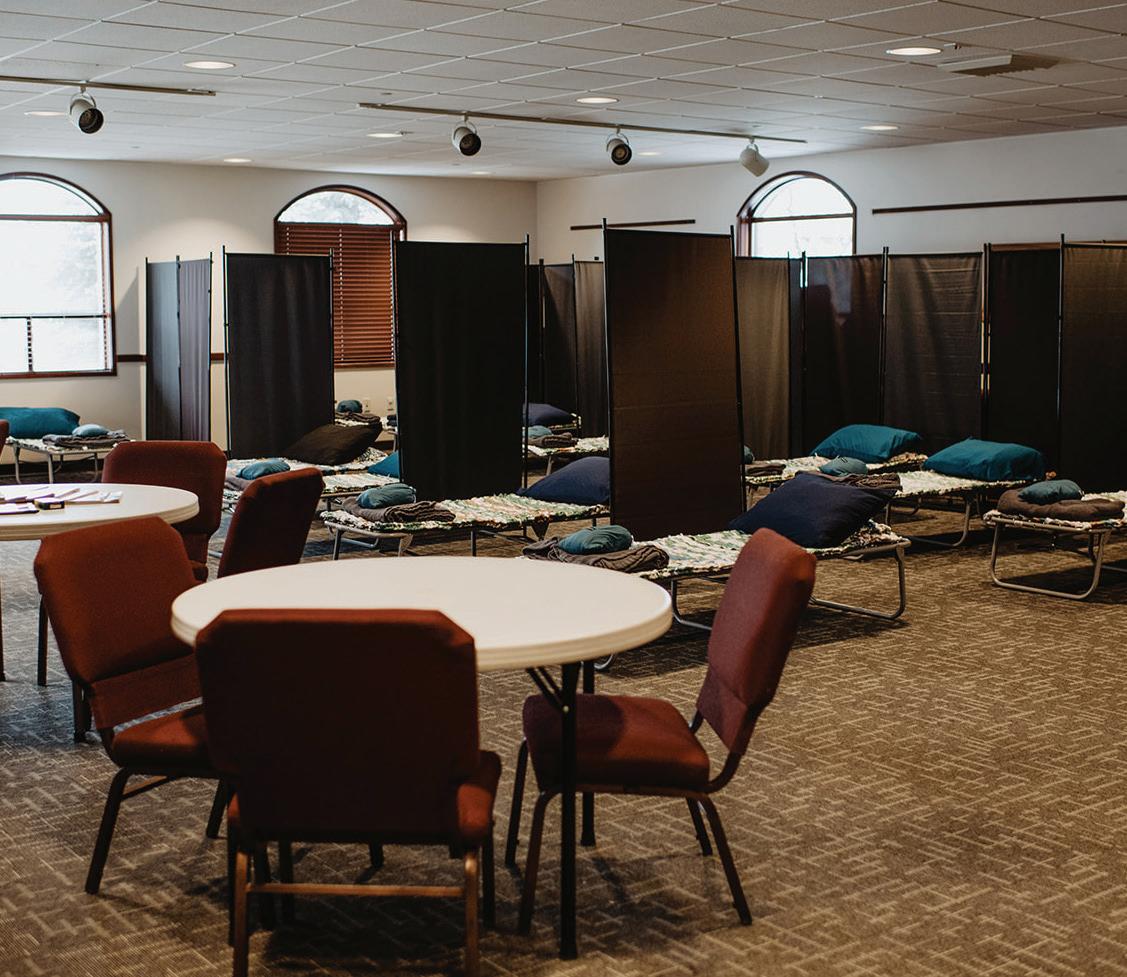
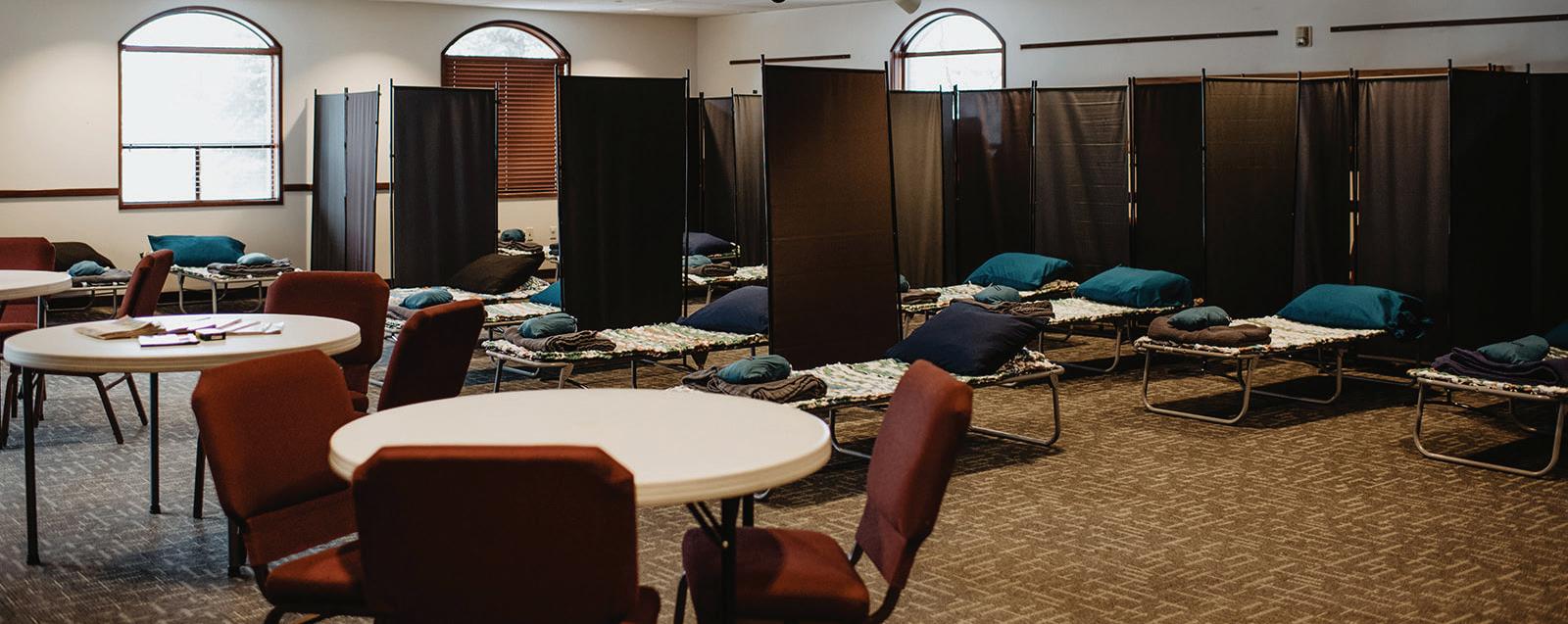
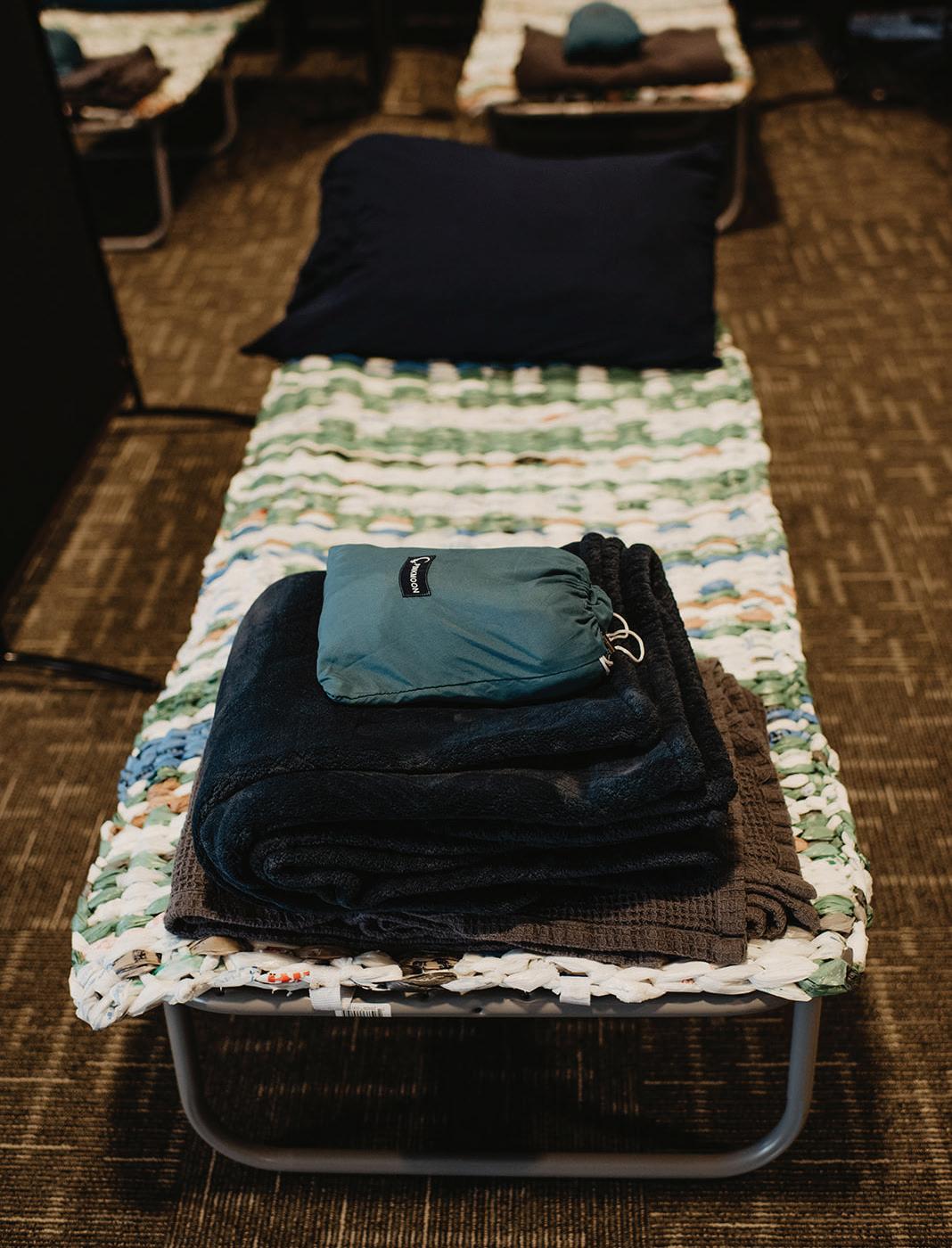
The William A. Burnard (WAB) Warming Center is currently hosted in a room at St. John's Episcopal Church and provides "safety, warmth, and care for unhoused individuals and families on the coldest nights of the year in Cache Valley." Each night, the warming center is constructed as volunteers set up cots and grocery bag mats donated by the Cache Valley Humanitarian Center, complete with sheets, blankets, and pillowcases. Guests are able to stay between 7 p.m. and 8 a.m. every night during the season, which runs from the end of November through mid-April. They can also enjoy reheated frozen nutritious meals provided by USU
students, as well as resources such as hygiene products, donated coats, and clothing. Sixty-three volunteers are needed each week to keep up with the current demands, with several volunteers contributing to more than one shift per week.
Additionally, a case manager is on-site to provide support to help guests work through the next steps toward housing. For the majority of the guests, this Center is only temporary as they segway back into housing. "They're down on their luck, had a car accident, medical bills, or different things that have impacted their ability to stay housed," Heather said.
One example is Zach, a retired veteran who became homeless in December 2022 during the WAB Warming Center's first season and shared his experience on the Bonded Bros podcast.
...continued on next page MAKING
continued from previous page...
Battling severe PTSD and alcoholism, Zach had lost everything, including his truck, home, and wife. Sitting outside Smith's Marketplace one frigid day, he learned about the Warming Center from a passerby. On his first night, a volunteer looked him in the eyes and said, "We'll love you here. We'll help you with what we gotta do here, and we'll treat you like you want to be treated."
That simple act of dignity sparked everything. Staff immediately asked what he needed, helped connect him with counseling, and supported him as he rebuilt his life. Three years later, Zach is back home with his wife, nearly finished with his bachelor's degree in psychology, and working at Logan River Academy. "If it weren't for them, my parents would have been burying me three years ago," he said. The Warming Center is now facing a critical challenge. Nearly every night, they're approaching fire code capacity, and Heather worries about having to turn people away. "I'm going to have to shut my doors and say, sorry, there's no more room at the inn, and that is the last thing I want to tell somebody," she said. The church has offered an upstairs classroom to expand capacity, but it requires two overnight paid staff, plus additional cots and blankets — a total of $20,000 is needed for the remainder of the season.
While the Center currently only operates from November through mid-April, Heather stresses that the need extends beyond winter. "The misconception that we are only needed during the cold months is just false. We are needed year-round," she said, pointing to guests who need safe storage for medications like insulin or who've told staff the Warming Center prevented them from committing suicide. "That risk doesn't go away just because the temperature changes," Heather said.
Families can help in several ways. The Center partners with USU basketball teams for quarter donation drives (guests are allowed two loads of laundry per week). Food drives for shelf-stable items are always needed when feeding up to 40 people nightly. Volunteer shifts run mornings (6 to 8:30 a.m.) and evenings (6 to 11 p.m.), and tours are available for families who want to show their children what the Warming Center looks like.
Financial donations can be sent to The William A. Burnard Warming Center, P.O. Box 344, Logan, UT 84323, and those wishing to donate to the Center's Amazon wishlist can visit wabwarmingcenter.org/donate-2.
Heather’s message to Cache Valley families is simple: "[Those who need this service] are people too, and sometimes they just need a little bit of help in order to get back on their feet again."
Close to Home or Hit the Road: Family-Friendly Spring Break Plans
EMILY BUCKLEY editor in chief
February is the perfect time to think about spring break. The holiday rush is over, the kids are counting days, teachers are tired, and parents are somewhere between wanting a getaway and wondering if it’s worth the effort. The good news? Spring break doesn’t have to mean expensive flights, packed theme parks, or a week that leaves you more exhausted than when you started.
Some of the best family spring breaks are built around simple plans, realistic expectations, and destinations close enough that travel doesn’t take over the whole week. Whether you’re staying close to home or dreaming a little bigger, now is the perfect time to plan.
First Things First: A Few Planning Tips That Save Everyone’s Sanity
Before choosing a destination, a few small decisions can make a big difference:
• Anchor your days with one main activity. Consider anything beyond that a bonus.
• Build in rest time. Kids don’t need wall-to-wall excitement to feel like they’ve had a great break.
• Let each child choose one thing. Even small input goes a long way toward buy-in.
• Remember memories matter more than perfection. Something will go wrong — and that’s OK.
Close to Home: Salt Lake City Staycation
Sometimes the best spring break is one where you can pack lightly and still feel like you’re somewhere new. Salt Lake City has plenty of family-friendly options that let you enjoy a change of scenery without a long drive or flight.
Where to stay:
When we want to feel like we are on vacation in Salt Lake City we stay at the Little America Hotel in Downtown. Make sure you get a tower room to feel a little luxury without a huge price tag or going far way. We love the indoor-outdoor pool for the kids, the coffee shop diner, and the great location for exploring downtown or to take the TRAX.
What to do in Salt Lake City:
• Utah Jazz Game: The energy of a live sporting event, even for kids who aren’t big sports fans is just fun! Even the cheap seats near the top let you experience the action. The Delta Center has lots of fun concession options to add to the vibe.
• Park City and the Olympic Park: Spend a day in Park City: Take the fare-free hop-on, hop-off trolley along historic Main Street. Then head over to the Utah Olympic Park to watch ski jumpers soar, try the alpine slide, or explore the interactive exhibits at the Olympic Museum. Even our teens got into testing the balance and agility courses (a hilarious family competition!).
...continued on next page
continued from previous page...
• Natural History Museum of Utah: If you have dino lovers in your family, spend some time at the Natural History Museum for hands-on exhibits, giant dinosaur skeletons, and enough curiosity to keep kids engaged for hours.
• Clark Planetarium: You and your kids can feel like astronauts for the day! The Planetarium features over 10,000 square feet of free, hands-on exhibit space, as well as the breathtaking Hansen full-dome and Northrop Grumman IMAX theatres. They have some great under-the-sea films scheduled for this spring.
• Spring skiing: Spring skiing in Salt Lake means t-shirt weather on the slopes — my favorite kind of ski day! Salt Lake City’s four resorts, Alta, Brighton, Snowbird, and Solitude, offer varying levels of family-friendly perks — many offering free skiing for young children.
• Take a hike: There are hikes for all levels from the paved Jordan River Trail or the Porter Rockwell
Trail in Sugar House that both work great if you have kids still in strollers to the 2.5 mile Living Room Hike near the University of Utah that offers spectacular views of the Valley or the more challenging Bells Canyon Trail with a 1,515 elevation gain and a waterfall reward.
Staying local doesn’t have to feel ordinary. Sleep in, enjoy leisurely breakfasts, explore a few sites, and take a break from the usual routine — your family will return home refreshed, not frazzled.
Bigger Adventures: Family Road Trips
If you’re looking for adventure, flexibility, and a chance to make memories that last, a road trip is hard to beat. Two years ago, we rented a Sprinter travel van and drove to the Kitsap Peninsula in Washington state. It remains one of our favorite family trips.
The van was spacious enough for three teenagers, two elementary school kids, two parents, luggage for a week, and quite a few emergency snacks and road-side lunches. Our time in the
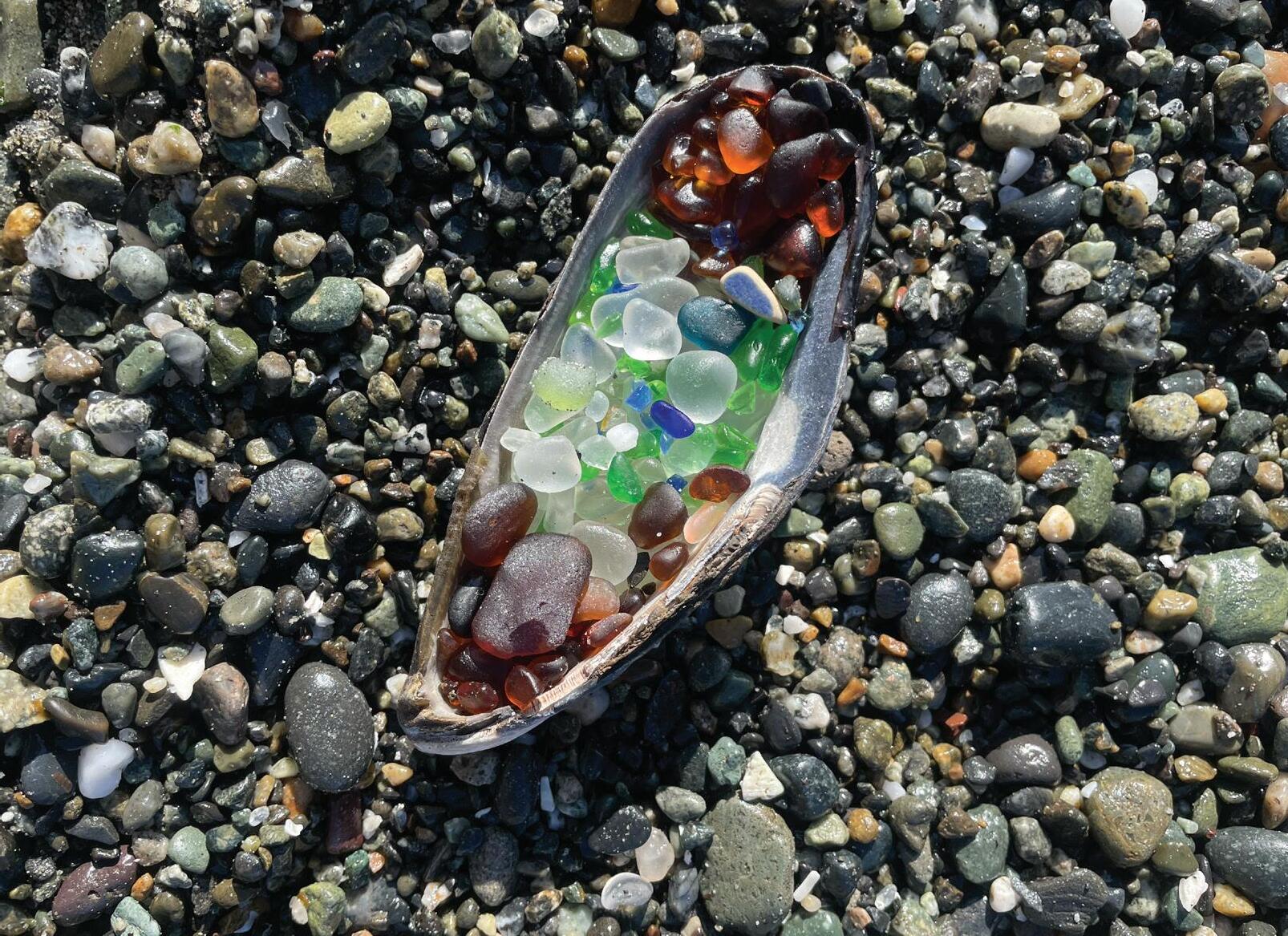
Pacific Northwest was unexpectedly highlighted by a day at Sea Glass Beach, which in and of itself was a hidden gem, where we spent our time hunting for smooth, colorful stones. It was secluded and we felt like we were racing the tide to make it out and back. We found bowls full of sea glass treasure that we now have in our home to remind us of that favorite day in our family history. We also visited two quaint village towns. Gig Harbor is a charming maritime village with scenic views of nearby Mount Rainier. We loved seeing the sailboats on the water and exploring the enchanting downtown. Poulsbo, known as Washington’s “Little Norway” gave us another fun afternoon. Though small, their downtown is decorated with Viking Ships and full of darling shops and restaurants that seem like you traveled back in time.
On the same trip we went to a minor league baseball game to cheer for the Tacoma Rainiers and took the ferry to Seattle another day to explore Pike Place Market, the waterfront, ride the Big Wheel, and visit the Space Needle. It was a trip balanced of both city and nature experiences.
Tips for making road trips tolerable, fun, and memorable:
1. Pick one “big activity” per day and leave space for spontaneity. The kids picking a lunch spot or short side trip can make them feel part of the adventure.
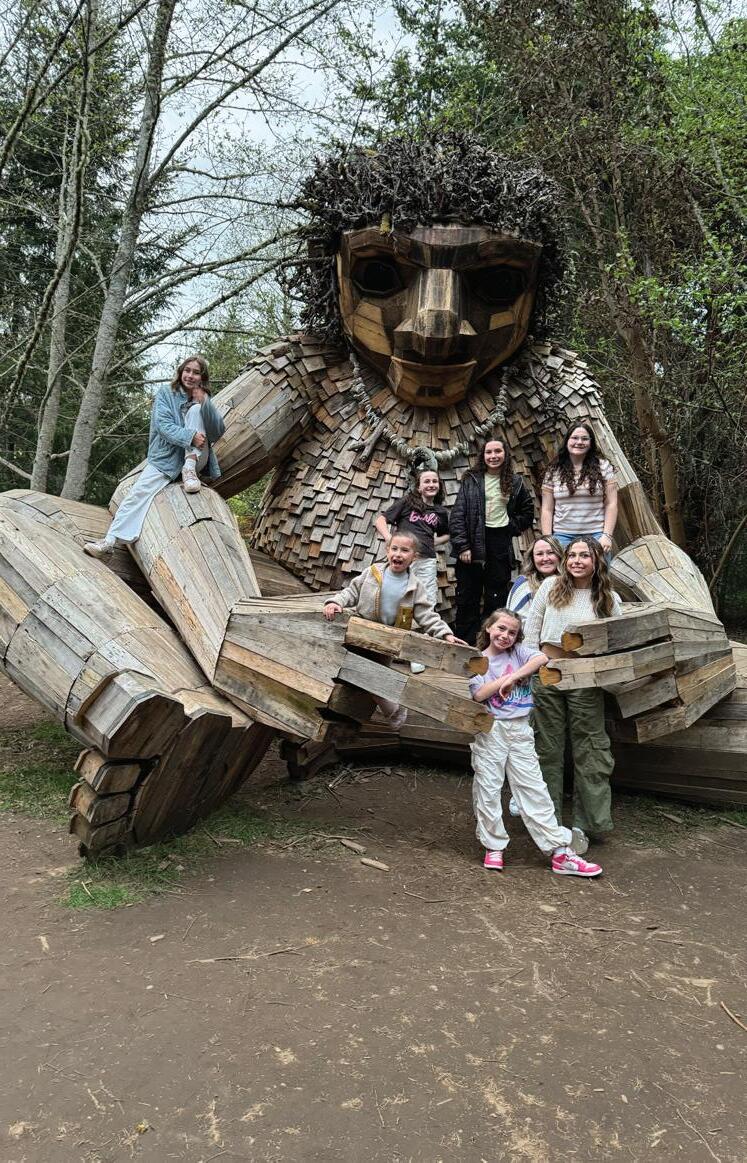
2. Mix short and long drives. Scenic stops, playground breaks, or quirky roadside attractions keep the journey lively. On our Washington trip we loved looking for Thomas Dambo’s trolls — giant, whimsical wooden sculptures created by Danish artist and "recycle art activist" Thomas Dambo. Each troll has a unique name, personality, and a story, often part of a larger folk tale written by the artist, which invites visitors on a treasure hunt to find them all.
3. Bring entertainment for the car: Audiobooks, podcasts, playlists, or classic road-trip games keep
everyone from boredom that leads to irritability.
4. Pack food thoughtfully: Favorite snacks, picnic lunches, and treats reduce stress and keep everyone happy.
5. Document the trip: Encourage kids to take photos, make a shared playlist of songs that remind them of the trip, and keep tickets and mementos. My kids love to junk journal after a trip. It seems to help solidify the memory.
6. Prioritize comfort: Blankets, pillows, and a little extra legroom go a long way, especially for teen passengers.
7. Seek local flavor: Stop at diners, bakeries, or regional specialties. I try not to eat at too many chain restaurants when traveling somewhere new — the little discoveries often become the most memorable parts of the trip.
Road trips aren’t just about destinations, they’re about the stories, good conversation, laughter, and quiet moments together. The adventure begins the moment you hit the road.
One Last Thought
Spring break doesn’t need to be flashy to be memorable. Some of the trips our kids talk about the most aren’t the biggest or most expensive ones, they’re the ones where we had time, laughed a lot, and weren’t rushing to the next thing.
Whether you’re staying close to Cache Valley for a staycation or hitting the road for an adventure, a thoughtfully planned spring break can be just what your family needs to reset before the busy push to the end of the school year. Sometimes, the best souvenir you bring home is simply the feeling of having been together — unrushed, unplugged, and making memories that last longer than the break itself.
Warm Hearts, Kind Hands: Books That Inspire Kids to Be Kind
EMILY BUCKLEY editor in chief
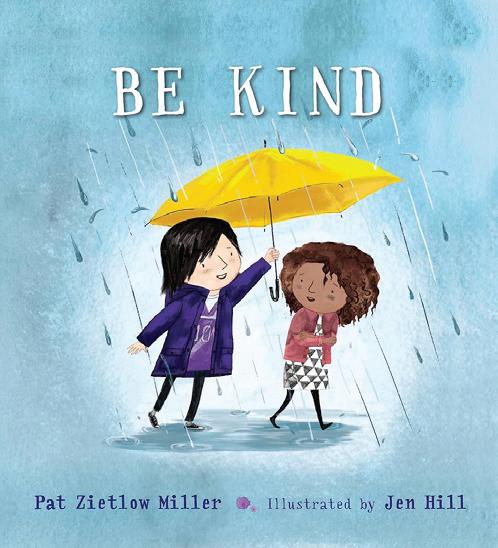
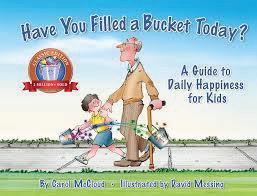
Winter is the perfect season for cozy family moments. What better way to spend that time than reading books with your children that inspire kindness? Acts of kindness don’t just brighten someone else’s day, they also help children develop empathy, emotional awareness, and a sense of community. Whether you’re curled up with a preschooler or talking through meaningful stories with a teen, there are countless books that spark conversations about caring, compassion, and generosity. For younger children, picture books like Have You Filled a Bucket Today? by Carol McCloud and Be Kind by Pat Zietlow Miller introduce the idea of kindness in simple, memorable ways.
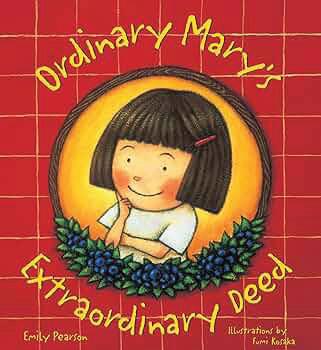
As children grow, early chapter books such as The Invisible Boy by Trudy Ludwig and Ordinary Mary’s Extraordinary Deed by Emily Pearson show how small gestures can have a big impact.
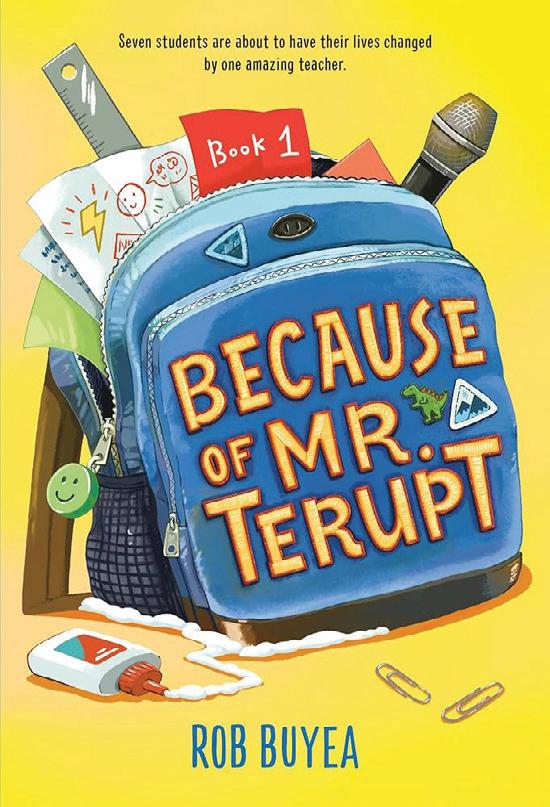
Middle-grade readers can explore stories like Wonder by R.J. Palacio or Because of Mr. Terupt by Rob Buyea, which delve into empathy, acceptance,
and understanding different perspectives. These books give older children a chance to reflect on how their actions affect the world around them.
For teens , books like Sharon Draper’s Blended or Ali Benjamin’s The Thing About Jellyfish show that kindness goes beyond friendship — it can shape communities and inspire real change,
encouraging teens to think about how they can make a positive difference in others’ lives.
Cuddle up with your kids and a good book this winter and watch kindness grow. Reading together not only nurtures empathy, but it also sparks meaningful conversations and teaches children that even the smallest acts of kindness can leave a lasting impact.
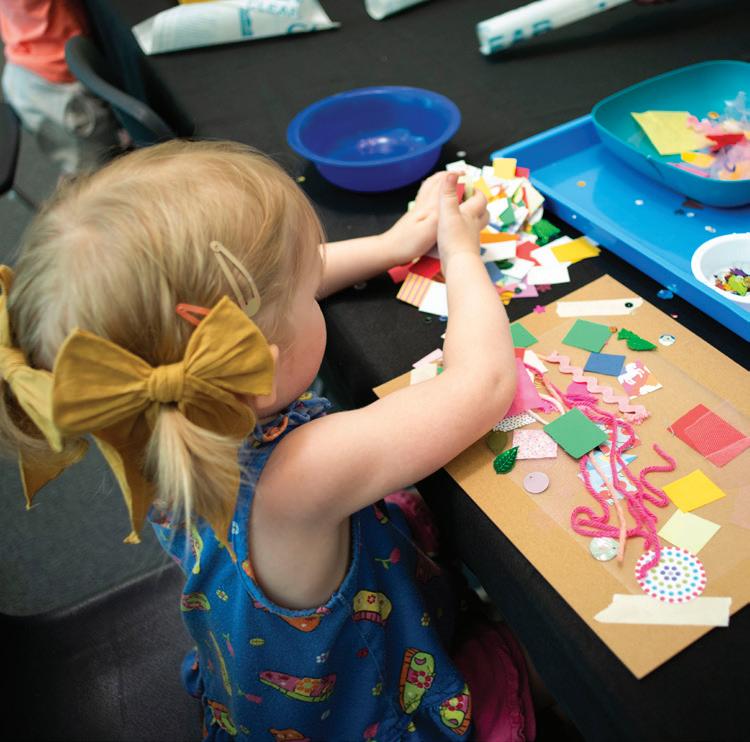
Visit the Art Museum (Yes, Even with Kids!)
CHIARA ELWOOD SORENSEN
NEHMA coordinator of visitor services and marketing, Nora Eccles Harrison Museum of Art
As a mother of two and a museum professional, I’m always interested in bragging about two of my favorite things: kids and art museums! At first glance, these things don’t easily fit together. Parents often imagine that taking children to an art museum means shushing in quiet galleries, chasing 2-year-olds down hallways
full of fragile sculptures, and hoping everyone gets out the door without a meltdown. But a trip to an art museum doesn’t have to be the stuff of nightmares! The art museum can inspire creativity, spark new ideas, be a peaceful retreat from the world, and create lifelong learners. Whether you visit a museum 3,000 miles away, or
our own Nora Eccles Harrison Museum of Art (NEHMA) here in Cache Valley, families can experience the joy of exploring something new together.
The truth is that many art museums are far more kid-friendly than one might imagine. Walk through the doors of NEHMA and you’ll quickly sense that this isn’t a place asking for perfectly
5 EASY QUESTIONS TO ASK KIDS ABOUT ANY ARTWORK
1. “What is the first thing you notice?”
A great way to open up observation and spark conversation.
2. “How do you think the artist made this?”
Encourages imagination about process, materials, and tools.
3. “What does this remind you of?”
Helps kids build personal connections to what they see.
4. “If you could step inside this artwork, what would you do?”
Invites storytelling and creative thinking.
5. “What title would you give this?”
Builds confidence and ownership of interpretation (and their title is usually way better than the original).
behaved silence, but one that invites deep curiosity. Galleries filled with painted western landscapes, sculptures of mythical creatures, and musical clogs make it easy for children and families to explore at their own pace. Kids naturally lean in close to painted textures, circle sculptures to see them from every angle, and settle onto the floor when inspiration strikes. These spaces aren’t meant to shut down their
questions or energy, but are designed so that visitors, including families, can slow down, look closely, and allow their surroundings to ignite creativity.
Many museums make an effort to include thoughtful touches for families, and NEHMA is no exception. The education team weaves hands-on activities into each exhibition. If your kids enjoy a good treasure hunt, the
front desk has gallery guides and games ready to grab. These tools aren’t about turning your visit into homework, but instead are there to help visitors of every age look a little closer and have a lot more fun. If your family prefers something more structured, NEHMA has that too! NEHMA offers Community Art Day on the second ...continued on next page
JOIN US AT THE NORA ECCLES
HARRISON MUSEUM OF ART
continued from previous page...
Saturday of every month, Mini Makers for your tiniest artists, and Summer Camp for the kids who could happily paint, glue, and sculpt all day long.
Have I made the case for a family visit to the art museum yet? There is one final thing to keep in mind, and I hope you find it liberating. You don’t need to know anything formal about art to have a great conversation at the museum. Kids aren’t looking for a long
explanation, just connection. They want to know what you notice, and they want to show you what they see. A few open-ended questions are usually all it takes to start a rich, imaginative dialogue about color, shape, materials, or stories found in an artwork. Not sure how to answer their questions? It’s OK to say “I don’t know, but let’s wonder together,” and give them permission to explore confidently and creatively.
If your family has never visited the art museum, think of this article as your invitation. You don’t need an art history degree, special vocabulary, or perfectly behaved kids (I don’t think those exist). You just need curiosity and a willingness to explore together. Winter is the perfect time for your family’s first (or 5,000th) visit to NEHMA! Bundle up, step inside, and see where your family’s imagination leads you.