Healing & HOPE


I would like to thank you for your ongoing support of our mission - your generosity is the heartbeat of hope and healing at Cabrini.
In this edition we share a few insights on the impact of your investment across our hospital sites and services:
• You’ve brought hope and world-class cancer care by funding the latest digital PET/CT scanner technology
• You’ve helped women facing mental and financial crisis, by funding access to life-changing health treatments
• You’ve powered medical research, leading to better treatment options for today and tomorrow
• You’re helping us build a better Cabrini, together.
From our hearts to yours, thank you. Wishing you and your loved ones a healthy and happy festive season.
Warmest regards
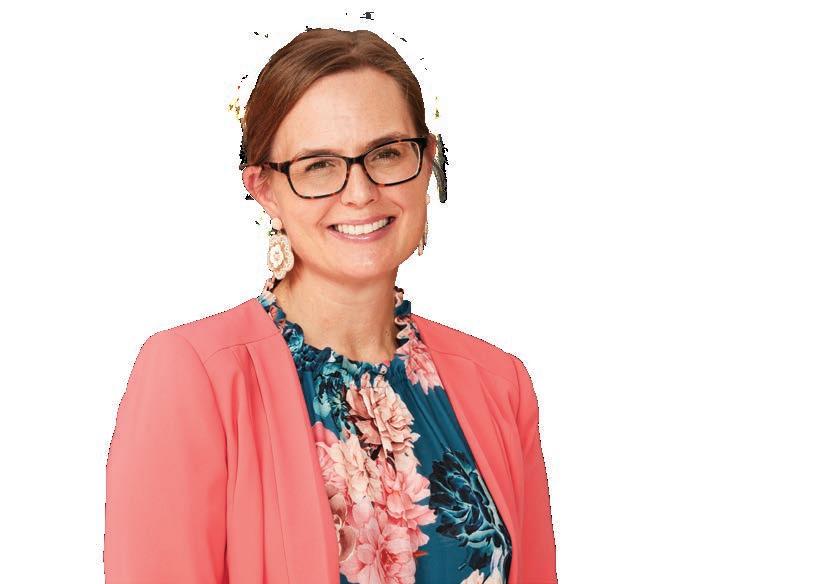
Megan Potter Megan Potter Director, Cabrini Foundation
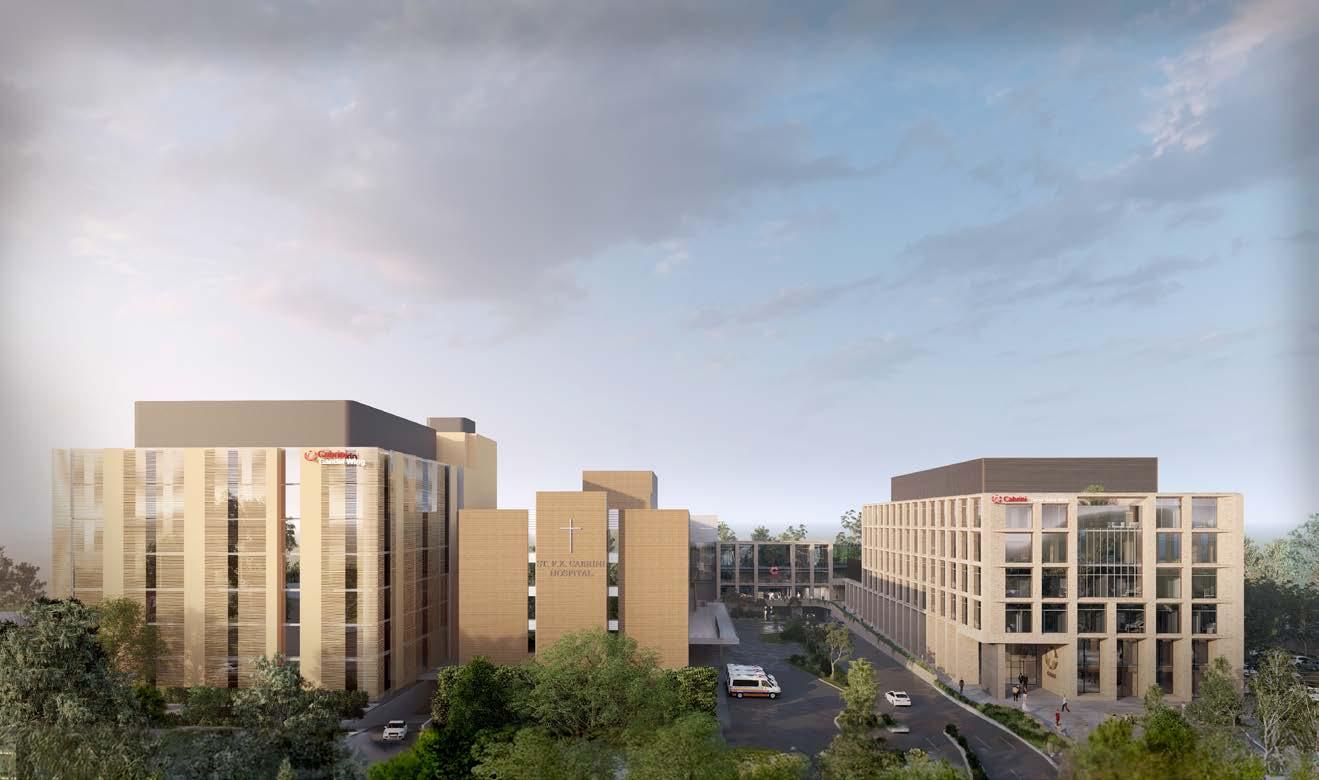
We’re building for the better… Stage 1 of the redevelopment of Cabrini Malvern is well underway.
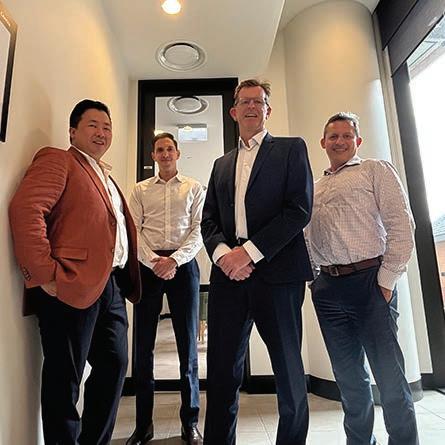
Cabrini Health has partnered with builders Kingdom Projects on the construction of four new operating theatres and a cardiac catheter laboratory. Set for completion in early 2026, the current building works on the ground floor at Cabrini Malvern, will add to the two new theatres already completed in late 2024.
Cabrini Malvern Executive Director, Louise Alexander, said Cabrini is excited to further modernise and expand our capacity and capability. “The new stateof-the-art theatres will help meet increasing demand in the areas of cardiology, oncology and orthopaedic surgery,” she said.
Thanks to the generous support of several donor families, we continue to enhance and expand our services:
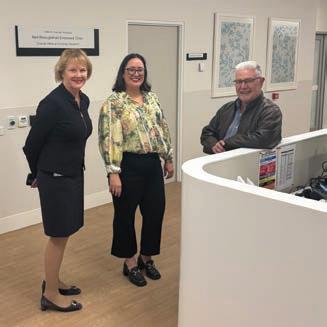
Expansion and relocation of the Cabrini Cancer Institute to further prioritise translational research, grow clinical trials and create a genomics laboratory.
New purpose-built Orthopaedic Specialist Centre opened on the ground floor Gandel Wing, expanding services and infrastructure to support more patients.
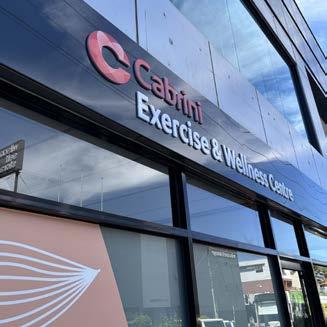
Relocation of the Exercise and Wellness Centre to 261 Wattletree Road.
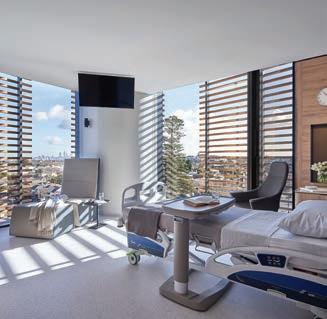
Ongoing refurbishments of existing wards and converting 4 bed rooms to single-bed, ensuite rooms with a modern aesthetic.
stronger Help every hear t beat

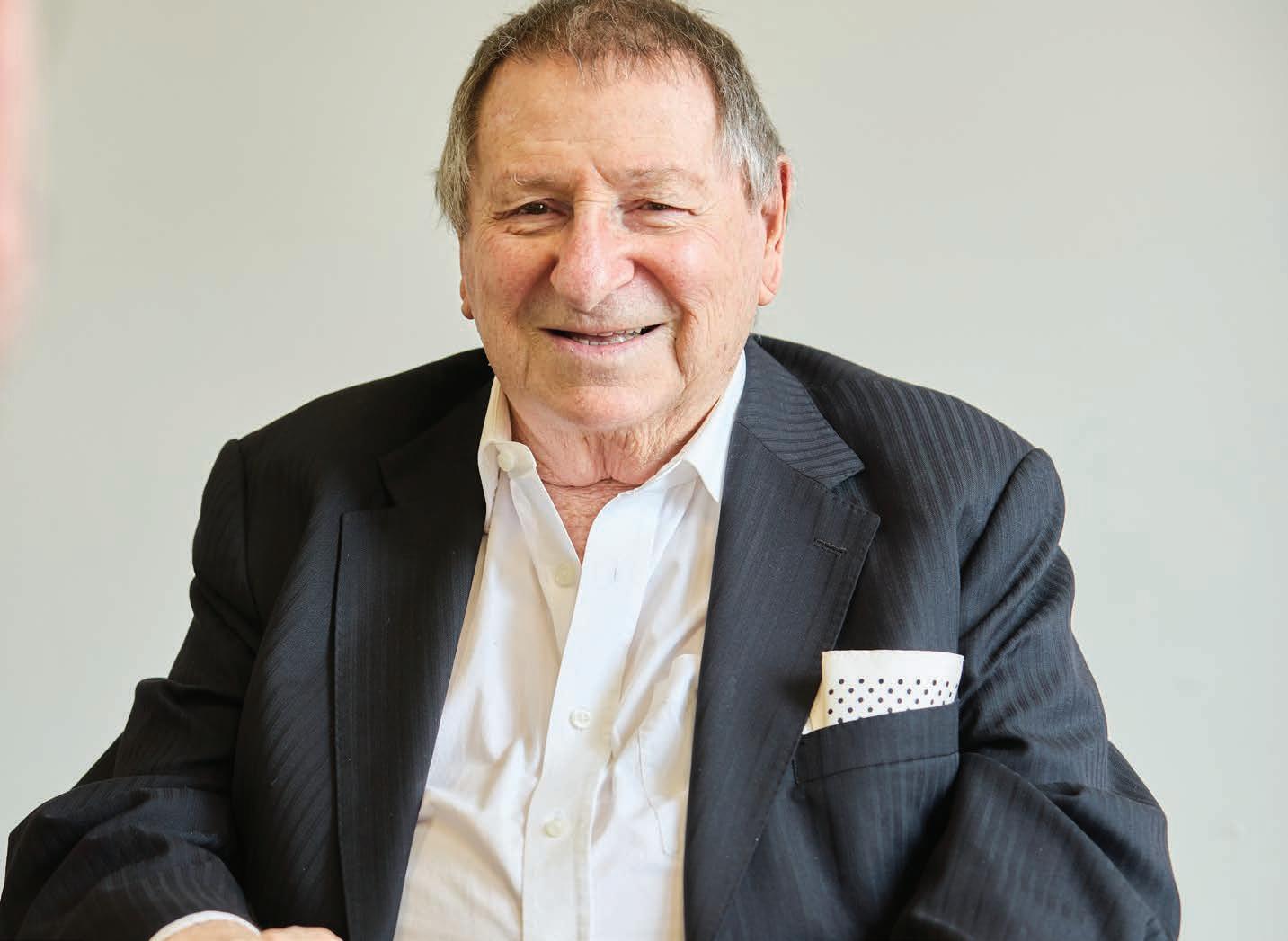
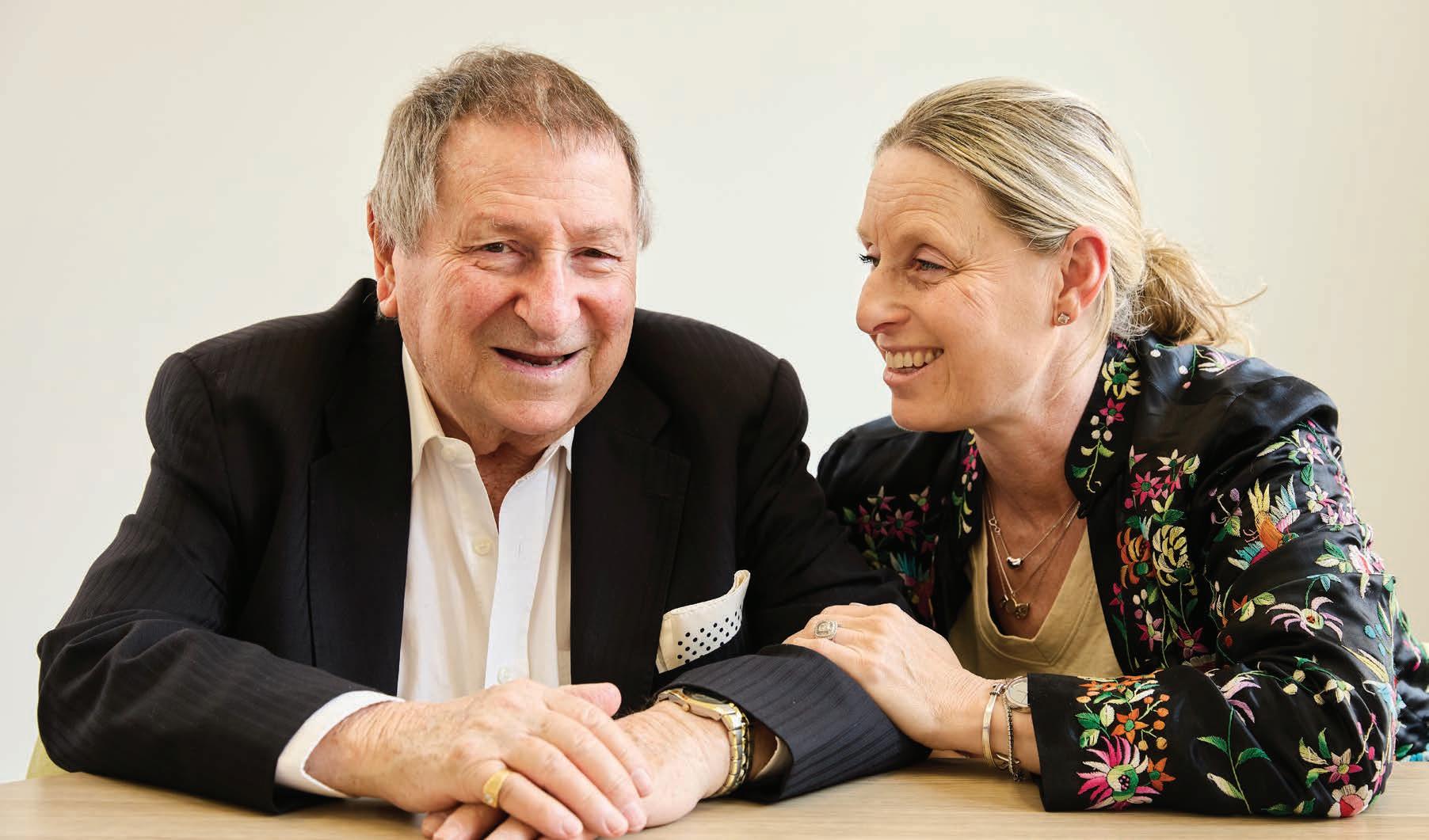
Twenty years ago, Graham would have been facing open-heart surgery for his leaky heart valve.
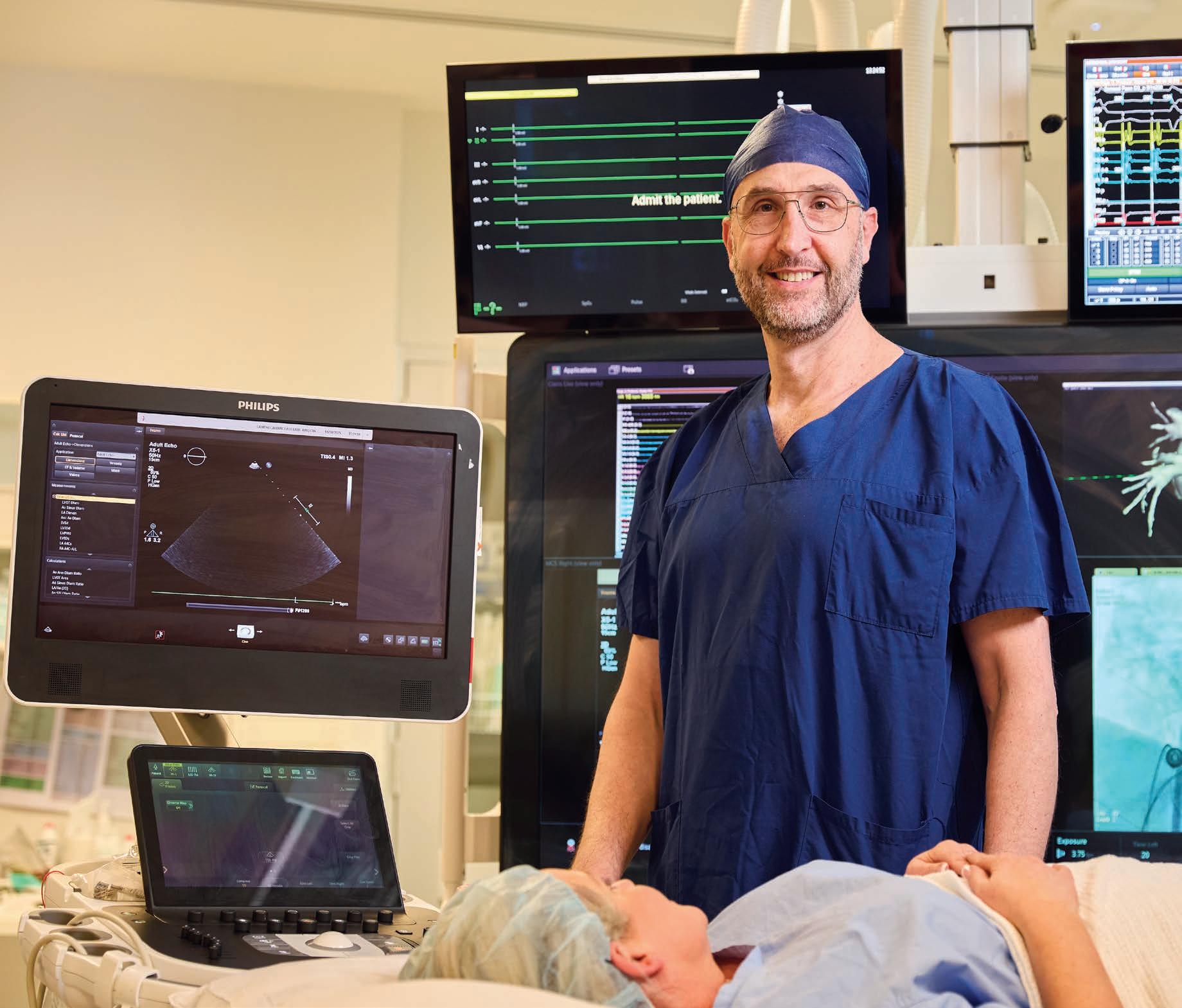
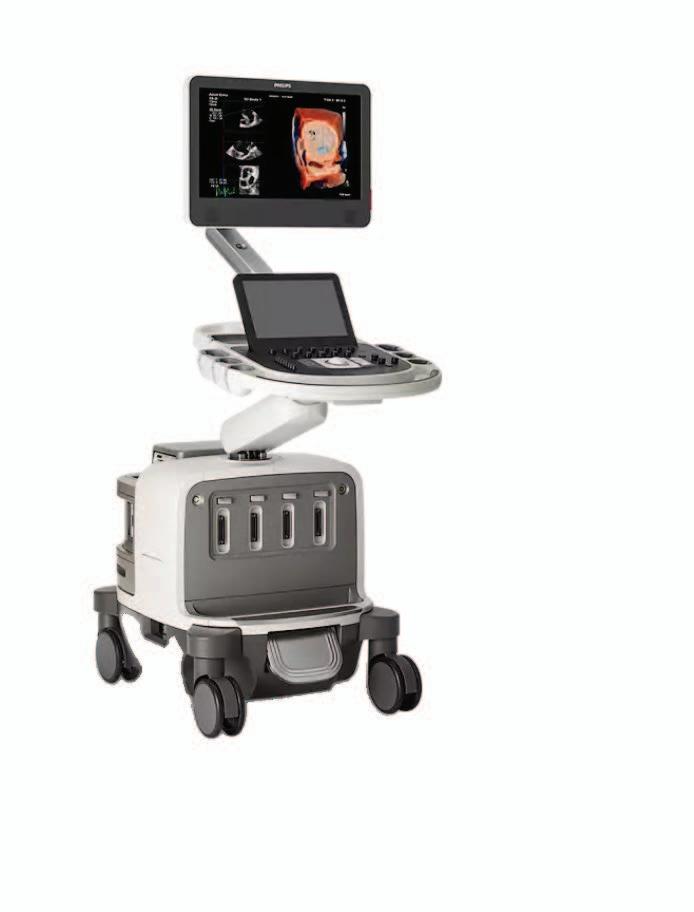
But thanks to a clever piece of equipment – a transoesophageal echocardiogram (TOE) ultrasound and probe – our cardiac team was able to repair his valve through keyhole surgery. A few days later, the 84-year-old great-grandfather was recovering at home.
The whole ordeal took Graham by surprise, especially because he had no warning signs of a weakened heart.
“The cardiologist said, ‘if we don’t fix it, one day while you’re out walking you’ll get some shortness of breath, and the likelihood is you’ll have a heart attack, and I don’t fancy you’ll get through it.’ That’s when I realised this was more serious than I thought,” says Graham.
“Without this TOE procedure, I never would have known that I had a leaky valve and what the consequences could have been. I’m very grateful.”
The TOE ultrasound and probe was used twice for Graham.
1. To assess the structure and function of his heart from inside his body, and discover the leaky valve.
2. During keyhole surgery to precisely and safely guide our cardiac team as they repaired his valve with a MitraClip.
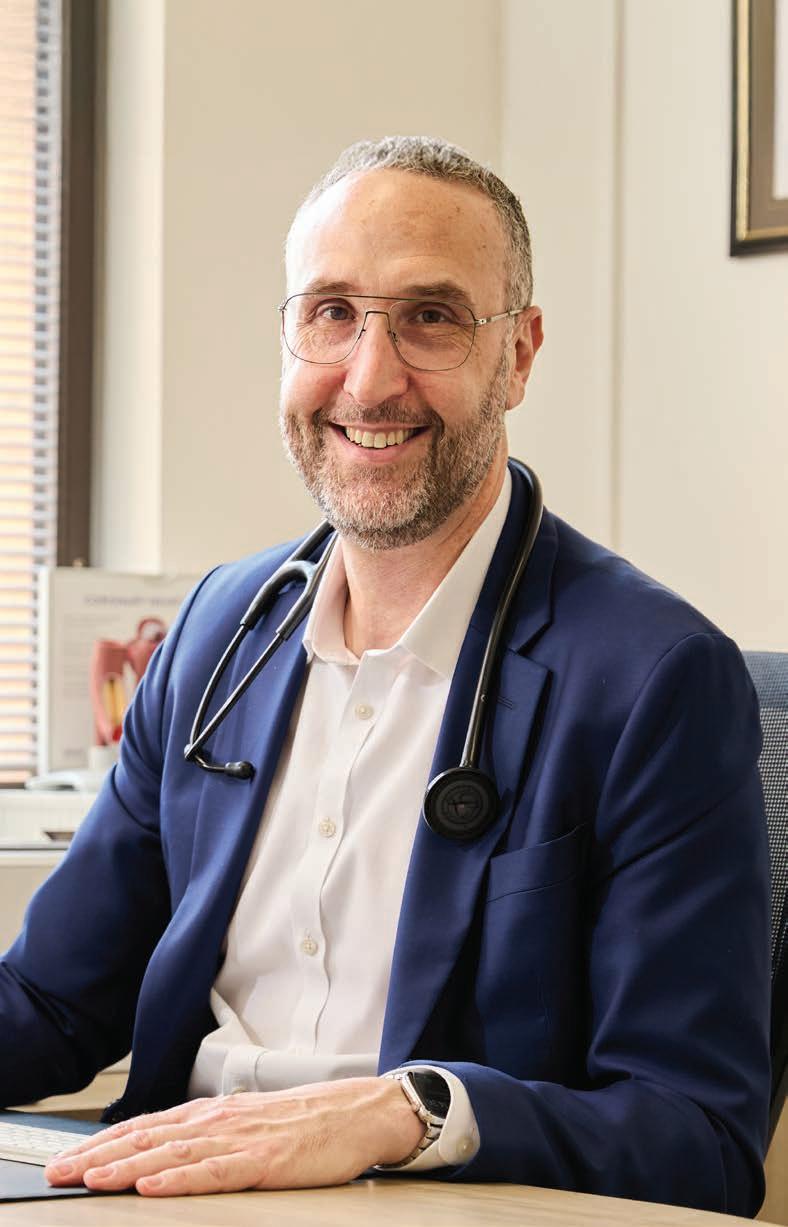
With our brand new Cardiac Catheter Laboratory set to open in 2026, a second TOE ultrasound and probe will give cardiologists like Dr Mark Freilich the detailed, real-time imaging they need to guide complex cardiac procedures safely and precisely.
“The main growth area in cardiology over the next 20 years is going to be structural heart interventions – being able to better repair and replace valves through keyhole rather than open heart surgery,” says Dr Freilich.
“But right now, we have to borrow the TOE ultrasound and probe from the electrophysiology lab where they treat abnormal heart rhythms. This means we’re unable to grow this service because we’re limited by only having one TOE.”
“You never know when you’re going to be the person on the Cath Lab table needing an angiogram, or an ablation, or a procedure to repair or replace your valve. And the better equipment we’ve got, the better we can improve or save your life, and the lives of your family members and friends.”
For patients with severe coronary heart disease, rhythm disturbances, aortic stenosis, or mitral regurgitation like Graham, the TOE machine will:
1. Provide high-resolution, real-time images of the heart’s chambers, valves and major blood vessels during surgery and complex procedures.
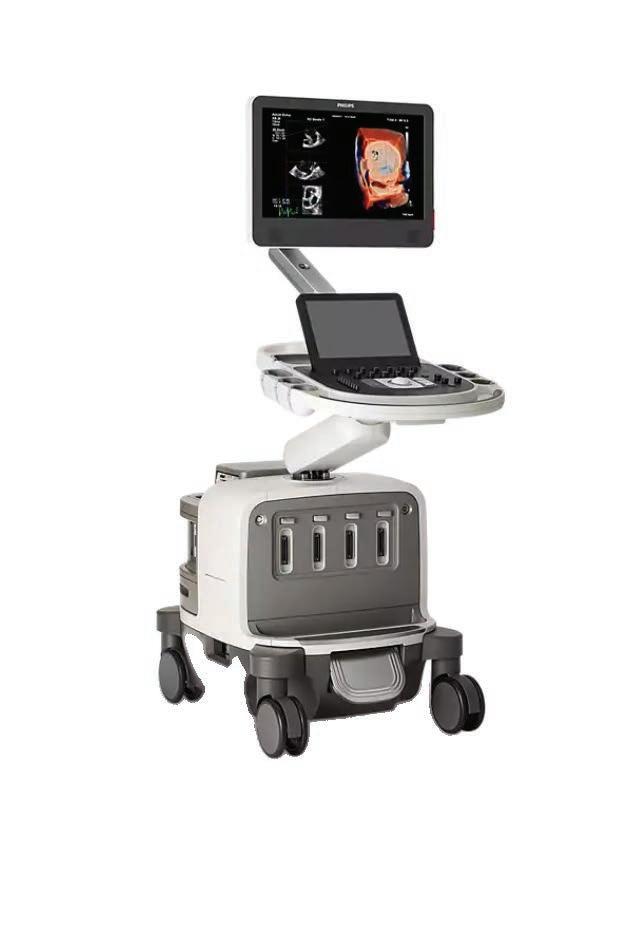
Cabrini’s Cardiac Catheter Lab is the heartbeat of our hospital
2. Find blood clots and other abnormalities inside the heart that might not show up on a standard echocardiogram.
3. Guide cardiac surgery with greater precision.
4. Improve accuracy and patient outcomes for both keyhole and open-heart procedures.
This life-saving machine will be used every single day by our team of cardiologists, surgeons and anaesthetists to help make hearts like Graham’s beat stronger.
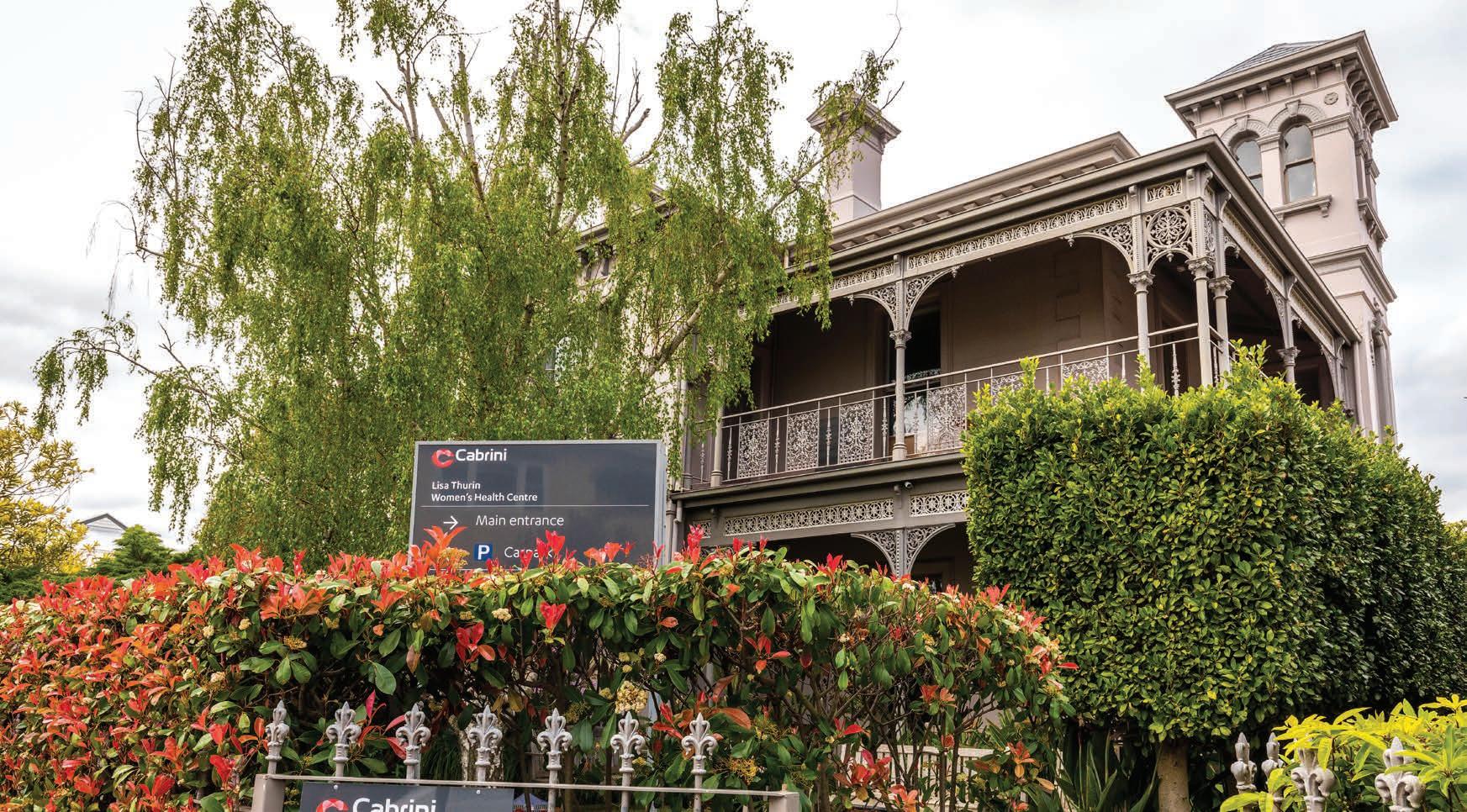
Cabrini opened Australia’s first dedicated women-only mental health hospital in 2021, the Lisa Thurin Women’s Health Centre, providing a residential treatment program for a wide range of mental health needs, from mood disorders and stress, to trauma and addiction – tailored specifically to the needs of women.
We have seen an increasing number of highly vulnerable women contacting the Centre who do not have private health insurance and are facing financial and other barriers to receiving mental health treatment.
On International Women’s Day in March this year, a group of local women came together to form the ‘40Women4Women’ group, to raise awareness and funds for the Centre – showing their commitment to support women facing mental and financial crisis. They raised over $300,000 for the
Women’s Access Fund which is providing grants to cover the costs for women in urgent need of in-patient care at the Centre. These women do not have private health cover or the financial means to afford the urgent care they need.
Sharon Sherwood, Chief of Mental Health and Cabrini Outreach is deeply grateful: “The Women’s Access Fund is more than financial assistance, it’s a lifeline. It ensures that no woman is turned away due to financial hardship, and that every woman has the opportunity to heal in a space designed specifically for her needs.”
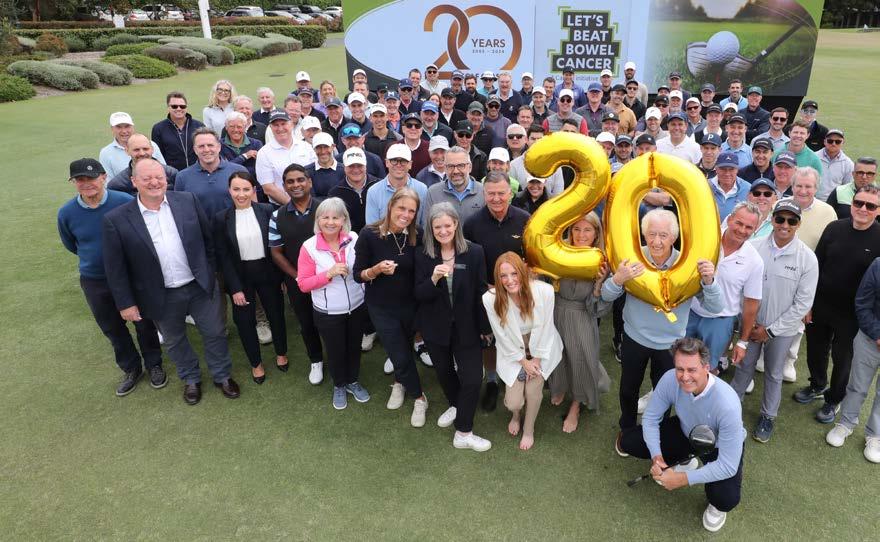
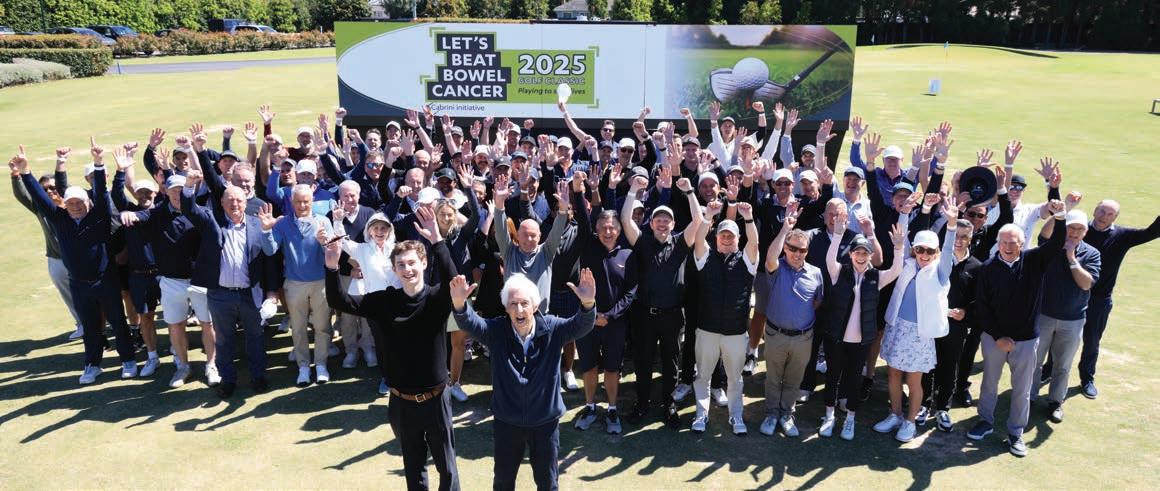
Let’s Beat Bowel Cancer (LBBC) is a Cabrini initiative leading research for bowel cancer. Sadly, 1 in 16 Australians are diagnosed with bowel cancer each year and it is the second most common cause of cancer-related deaths.
Head of Cabrini’s Colorectal Cancer Research, Professor Paul McMurrick, has played a key role in lowering the entry age for bowel cancer screening from 50 to 45 for the National Bowel Cancer Screening Program, to address this alarming trend. “Cabrini is one of the leading three hospitals in Australia for the treatment of bowel cancer, so we are uniquely placed at the forefront for vital clinical research,” Prof McMurrick shared.
In partnership with Monash University, Prof McMurrick’s team is also working towards the discovery of personalised treatments for individual cancer patients by growing

organoids (3D tumours) in the laboratory to test the effectiveness of different therapies and treatments.
“We’ve taken a portion of the tumour from Cabrini patients… and grown them into mini tumours, which allow the team to quickly determine how effective drugs are likely to be for each individual patient, improving their health outcomes,” explained Prof McMurrick.
The 2025 LBBC Golf Classic event raised $228,000, celebrating 21 years of supporting bowel cancer research at Cabrini.
We are grateful to the partners, sponsors and players who participate each year. Special thanks to our Platinum Partners, Natural Selection Group and Bright Valley for your outstanding support and to all our Gold and Silver Partners for your ongoing commitment to beating bowel cancer.






The new scanner is arriving at Cabrini Malvern in December 2025. THANK YOU
We couldn’t have done it with out you Together we raised $1,326,700! IS AT CABRINI
Thanks to the Cabrini donor community, we’re transforming the future of cancer care.
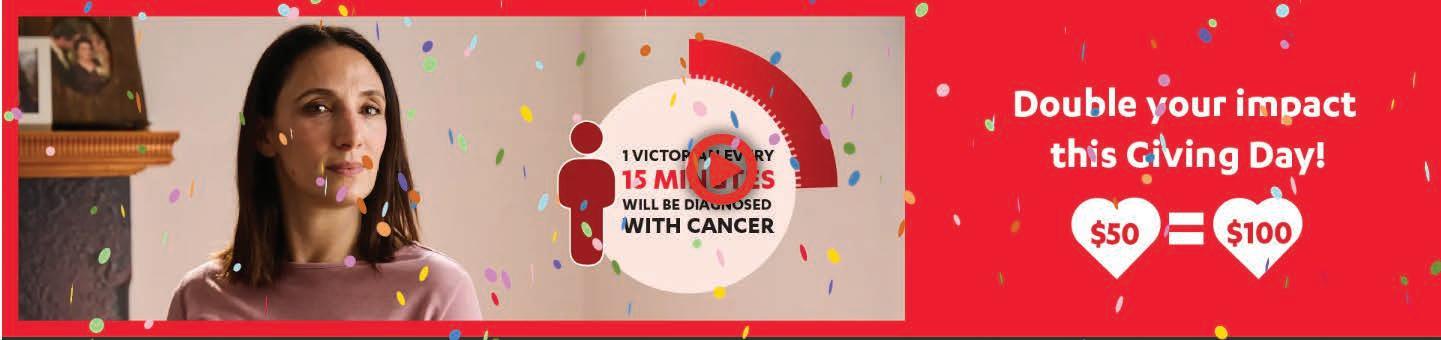
Thanks to your generosity on Giving Day and our matching donors, an incredible $1,326,700 was raised towards the purchase of a new digital PET/CT scanner. This next-generation piece of technology detects cancers earlier, more safely and more accurately. Patients will be scanned faster and begin treatment earlier.
On behalf of the many patients and families whose lives will be touched by this breakthrough technology –thank you.
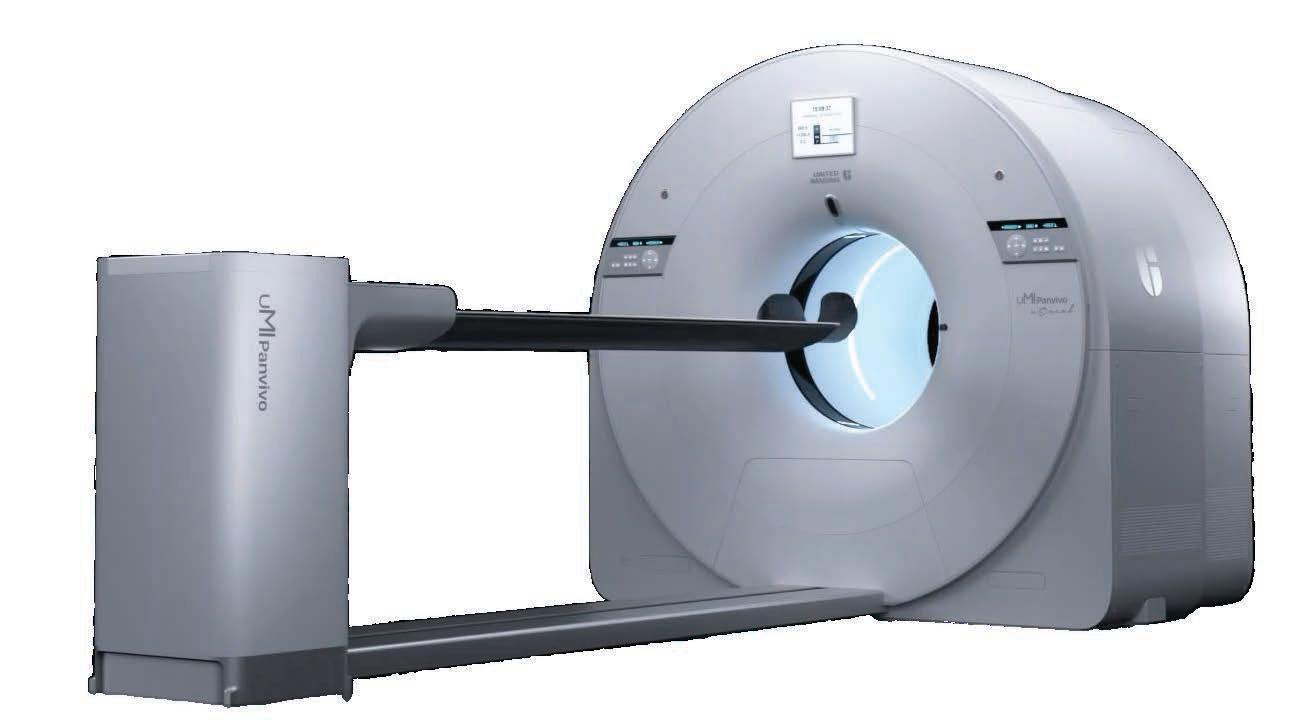

As one of our generous matching donors for Cabrini’s Giving Day, the Katalyst Foundation has helped extend Cabrini’s impact far beyond our local areas — uniting with us to do good and create better outcomes for many.
Through Katalyst’s on-the-ground work supporting the Fijian health system, Cabrini has supplied much needed medical equipment — including handed-down bedside cabinets, over-bed tables, patient and visitor chairs and paediatric cots.
Significantly, two maternity Resuscitaires were donated to a hospital in Suva, Fiji. A Resuscitaire is a free-standing device used by midwives to support newborns who need assistance with breathing immediately after birth. While over 90% of babies transition smoothly to independent breathing, around 10% require some form of help, including resuscitation.
Cabrini’s partnership with Katalyst Foundation quite literally brings its vision to life — empowering underprivileged communities to build better futures.
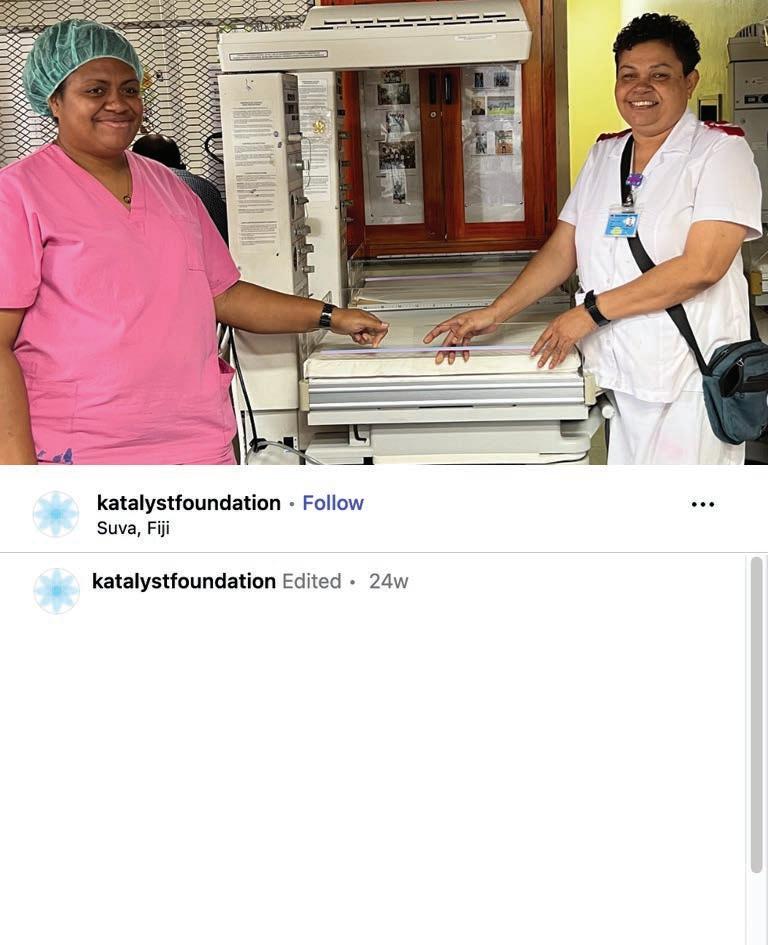
Across Fiji, many of our health facilities continue to face critical shortages in essential medical equipment — and the need is urgent. This week, we were so happy to deliver Two infant resuscitaires (generously donated by our amazing supporters at Cabrini Health, Malvern Victoria), to Colonial War Memorial Hospital in Suva. Their kindness could not have come at a more crucial time. At CWM, only three resuscitaires were still functioning across the entire facility. These new additions were welcomed with open arms by incredibly dedicated staff doing so much with so little.
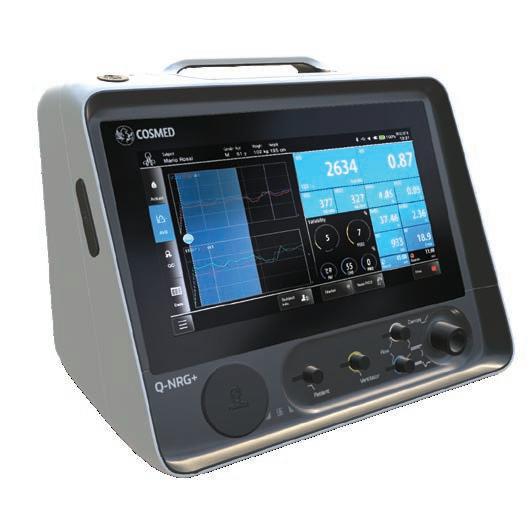
Thank you for your recent donations towards the purchase of a new metabolic monitor for Cabrini’s Intensive Care Unit.
This vital piece of equipment is giving our dietitians the ability to tailor nutrition and treatment for all patients to strengthen recovery.
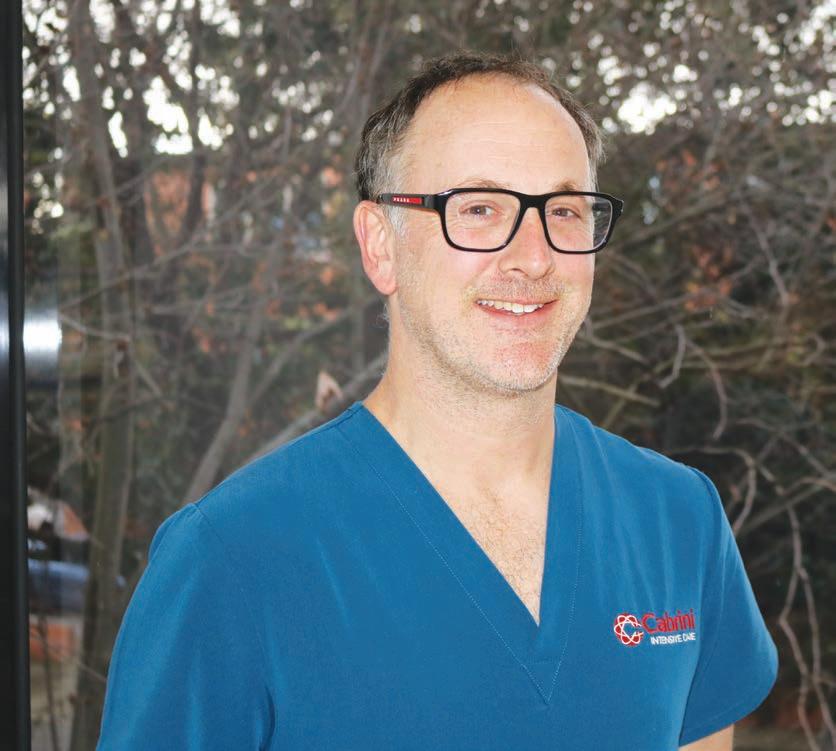

Thanks to donor support, Cabrini Research has offered a research grant round each year since 2015. These grants are 100% donor funded and are enabling our researchers to progress projects that improve the care experience and long term quality of life of our patients.
This year, six grants were distributed across a range of projects, reflecting the diversity of research currently being undertaken at Cabrini. We are proud to share two projects focussing on cancer.
Auric Innovation Grant: Pan-Cancer Village System Biobank for Translational and Precision Oncology Research
Principal Investigator: Professor Gary Richardson OAM
This project will establish a pan-cancer biobank of laboratory models, known as village systems – complex co-cultures derived from patient derived stem cells. These models are designed to accurately replicate how cancers behave and respond to treatment across genetically diverse populations. The project will accelerate cancer drug development, reduce clinical trial failures and enable more effective personalised treatment.
Older adults account for a growing number and proportion of cancer patients, yet their care is often inadequately tailored to their functional and medical complexity. This project will establish the Cabrini Geriatric Oncology Registry to evaluate the feasibility and efficacy of integrating frailty and geriatric assessment tools into standard cancer care. Over 12 months, newly diagnosed patients aged over 65 will undergo assessments for physical function, cognition, nutrition, and social support. This data will be linked to treatment outcomes, helping clinicians understand how age influences hospitalisation, treatment completion and quality of life.
In March this year, we were humbled to receive a gift in Will from the late Anthony John Kennedy.
Anthony is remembered not only for his gentle and caring nature, but for the enduring impact of his generosity.
Anthony’s generous gift will strengthen care at Cabrini in two pivotal ways:
By establishing the Anthony John Kennedy Scholarship, supporting nurse education and professional development at Cabrini. Anthony’s family are excited to see the impact this new nurse scholarship will have — not only for the inaugural recipient, but also for future recipients.
By funding cancer treatment equipment – the Linear EBUS (Endobronchial Ultrasound) is a stateof-the-art tool that enables doctors to see and biopsy lymph nodes inside the chest using a tiny ultrasound probe passed through the airways. Anthony’s legacy in supporting this equipment will help provide patients with faster answers, better targeted treatment and the best possible chance for recovery.
We are incredibly grateful for the generous gift that Anthony included in his Will to Cabrini and that we are able to honour his support to help future patients.
We are also saddened that we didn’t know of Anthony’s intentions during his lifetime and didn’t have the opportunity to personally thank him for his pledge. We encourage those who have chosen to leave a gift in their Will to Cabrini to let us know, so we can connect with you personally to express our gratitude and share the impact your future generosity to support our mission for future generations.
For more information or a confidential discussion please contact Faye Devlin, Gifts in Wills Manager on 03 9508 1376 or fdevlin@cabrini.com.au
Scan the QR code to learn more about our Gifts in Wills program.
$
My donation is:
Once off I want to give monthly
MY PAYMENT DETAILS ARE:
Please debit my:
Card number:
Expires: /
Card holder name:
Signature:
OR, Enclosed cheque/money order payable to Cabrini Foundation
Please direct my donation to:
Please send me some information on leaving a Gift in Will. I have already included a Gift in Will to Cabrini Foundation.
MY DETAILS ARE:
Title: Name: Surname:
Address: Suburb/Town:
Postcode:
Phone:
Email:
“The
- Melanie, Graham’s daughter