

Dear readers,
Dear readers,
December 2025 • Volume 14 Issue 2

We are so excited to introduce the second issue of the year! We’ve certainly been feeling the holiday spirit wafting through the air, so without further ado, let’s get this winter issue started.
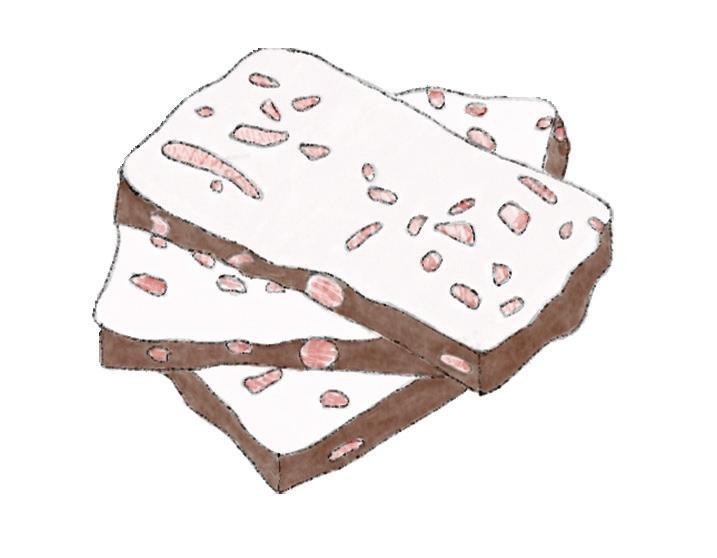
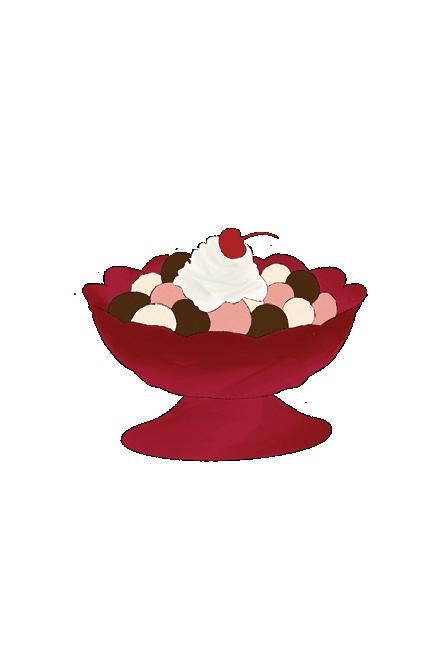
Speaking of holidays, flip to page 44 to read the ultimate “Holiday Bucket List” by Zoe Ferring, Ella Renazco-Sperling and Annie Kasanin. From making hot chocolate to watching your favorite movies, this all-in-one list highlights some of C Magazine’s favorite holiday activities.
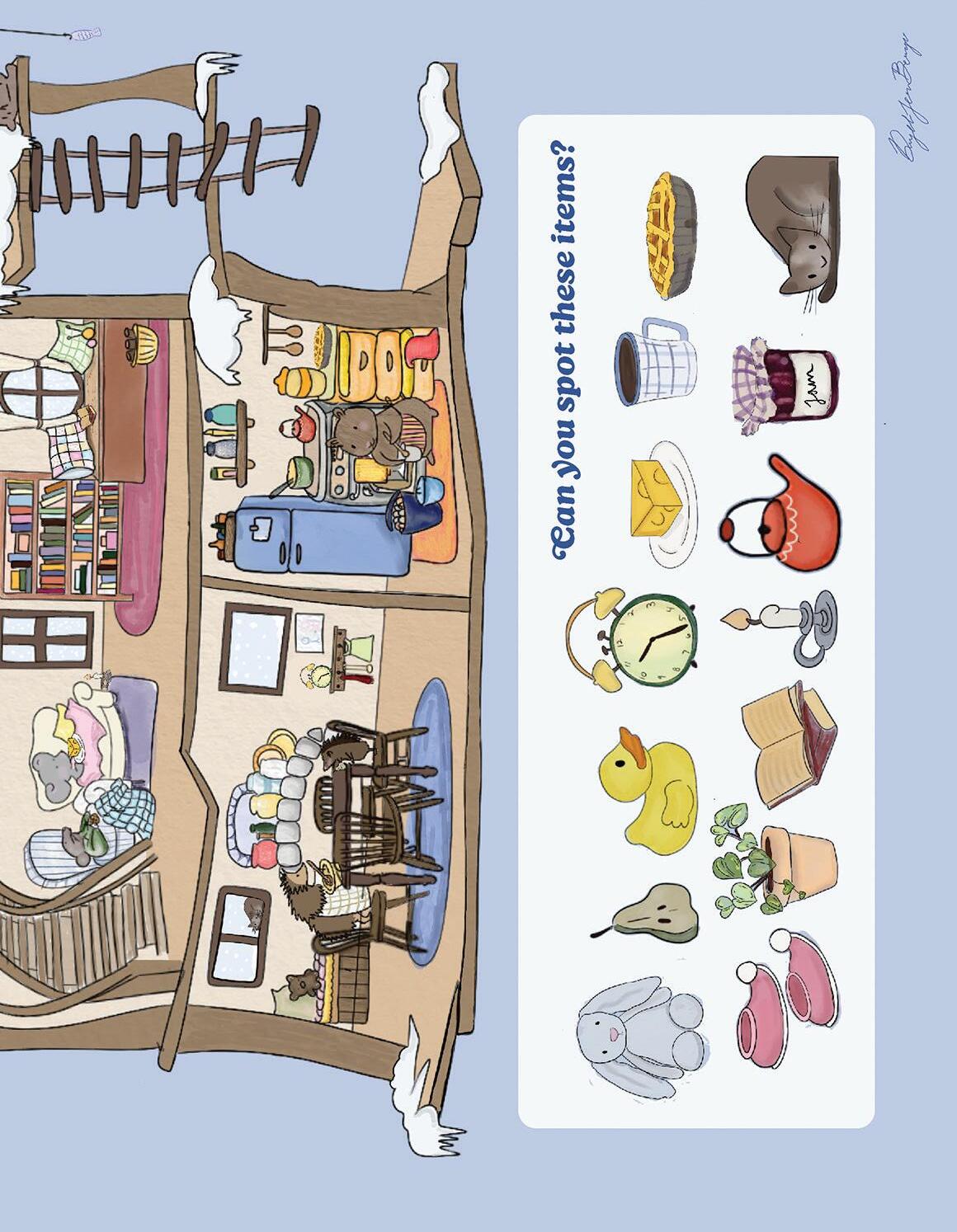
Adding on to winter’s coziness, we wanted to emulate a warm cottage feel through Dylan Berger’s poster, which has several Easter eggs related to the Paly community. Can you find them all?
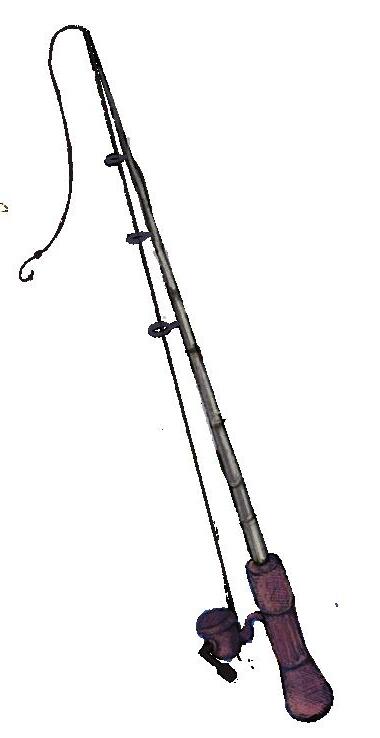
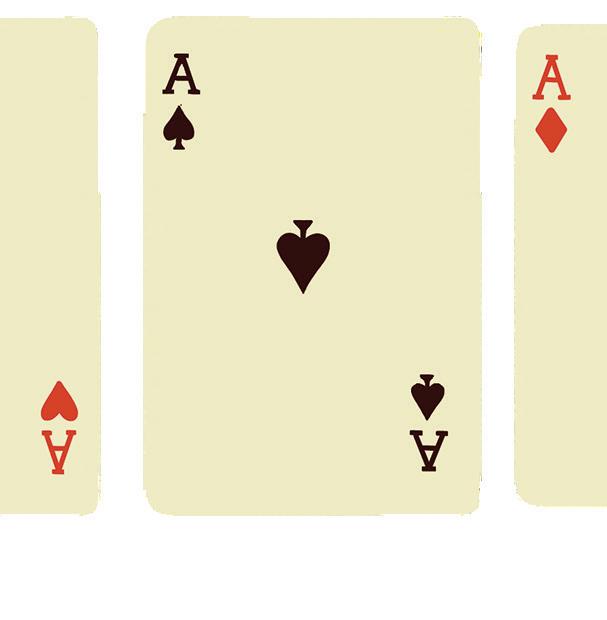
Quick! Pick a card, any card. On page 42, learn about Paly’s resident magician: Drake Quiec. Written by Alice Sheffer and Maria Uribre-Estrada, “The Magic Kid” features freshman Quiec’s passion for performing magic in front of Magic aside, with the extra time over winter break, many people often pick up a new hobby — consider trying fishing. Turn to page 6 for “Hooked on Fishing” to read about how to


safely fish without damaging the ecosystem while making new memories with family and friends.
“Something that was meaningful for me was talking to a lot of people who I would have never reached out to if it wasn’t for this story,” Renazco-Sperling said. “Writing this article and hearing everyone’s stories about going fishing really inspired me more to get out and go fishing around the Bay Area.”
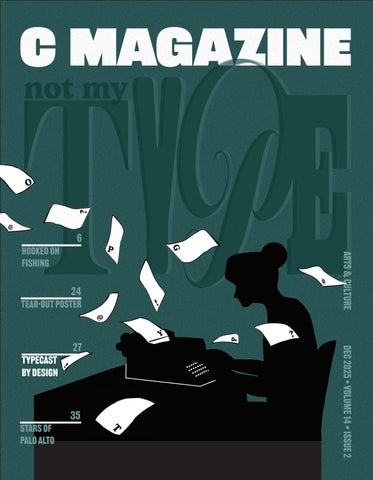
This issue’s cover story highlights stereotypography: the use of certain typefaces to promote cultural prejudices. Hop over to “Typecast by Design” on page 27 by Maia Lin and Sophia Zhang to read about how typefaces often communicate more than meets the eye.
“I enjoyed learning about the historical context of the fonts that we see in our daily lives,” Zhang said. “While writing this, I realized how multi-faceted fonts can be.”
These are just a few of the amazing stories that our writers have been working on to make this magazine happen. Keep reading to discover all that we have to offer this issue.
Happy holidays!



By Ria Mirchandani
By Bahar Diner
Maia Lin
Allison Wong
Aynur Diner
The Boneh Family
The Ferring Family
Jill Keefe
Kelvin Guo
Kirill Kuzmichev
Pasha Dahncke
Perry Meigs
The Rodriguez Family
Sooyang Suh
The Sheffer Family
The Sperling Family
The Stoval Family
Publication Policy
C Magazine, an arts and culture magazine published by the students in Palo Alto High School’s Magazine Journalism class, is a designated open forum for student expression and discussion of issues of concern to its readership. C Magazine is distributed to its readers and the student body at no cost.
Printing & Distribution
C Magazine is printed 5 times a year in October, December, February, April and May by aPrintis in Pleasanton, CA. C Magazine is distributed on campus and mailed to sponsors by Palo Alto High School. All C Magazine stories are available on cmagazine.org.
Advertising
The staff publishes advertisements with signed contracts, providing they are not deemed by the staff inappropriate for the magazine’s audience. For more information about advertising with C Magazine, please contact business manager Annie Kasanin at businesscmagazine@gmail.com.
Letters to the Editors
The C Magazine staff welcomes letters to the editors but reserves the right to edit all submissions for length, grammar, potential libel, invasion of privacy and obscenity. Send all letters to cmagazine.eics@gmail.com or to 50 Embarcadero Rd., Palo Alto, CA 94301.
Mission Statement
At C Magazine, we are committed to delivering stories that are both original and reflect the perspectives of our diverse student body. We promote creative freedom by providing a platform for impact, ultimately helping the Paly community critically engage with the world around them.
Editors-in-Chief
Talia Boneh, Ria Mirchandani, Alice Sheffer, Amalia Tormala
Managing Editors
Estelle Dufour, Zoe Ferring, Silvia Rodriguez
Online Editors-in-Chief
Maia Lin, Sophia Zhang
Social Media Managers
Sonya Kuzmicheva, Luna Lim
Table of Contents
Staff Writers
Creative Directors
Dylan Berger, Ellis Shyamji
Business Manager
Annie Kasanin
Multimedia Director
Maria Uribe Estrada
Outreach Specialists
Estelle Dufour, Silvia Rodriguez
Adviser
Brian Wilson
Anjali Dahncke, Bahar Diner, Xuaner Duan, Stella Guo, Poppy Morrison, Ella Renazco-Sperling
Cover
Ellis Shyamji
Illustrators and Photographers
Poster
Dylan Berger
Grayson Allen, Dylan Berger, Talia Boneh, Jensen Craig, Xuaner

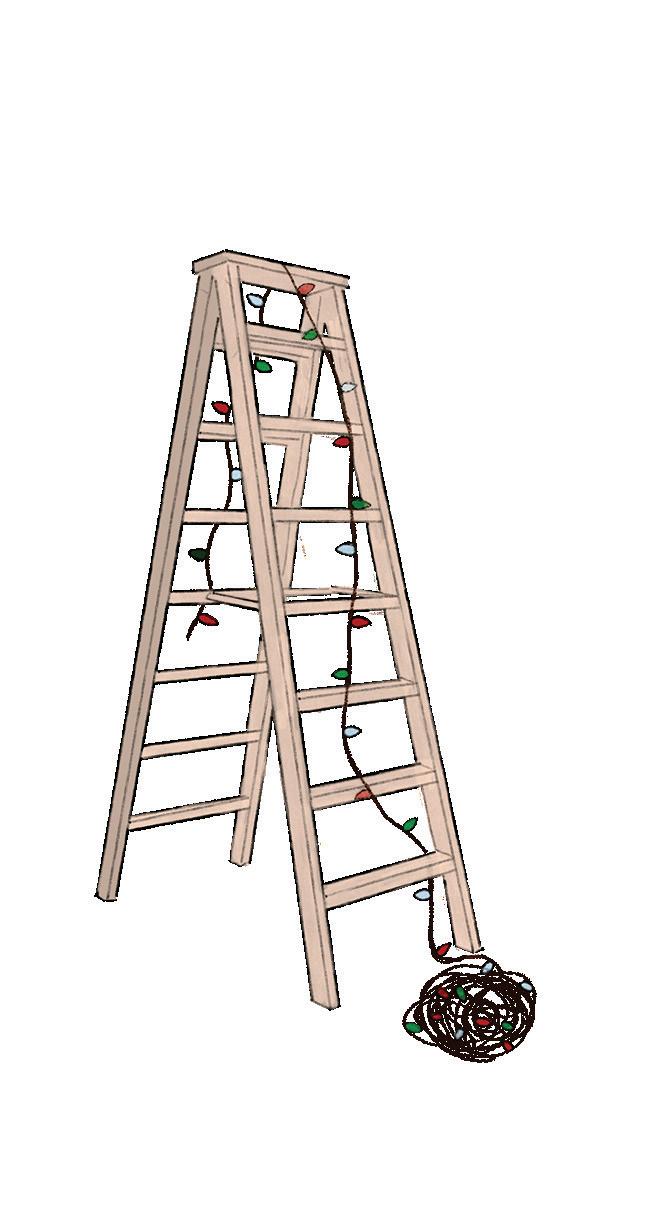
Table of contents
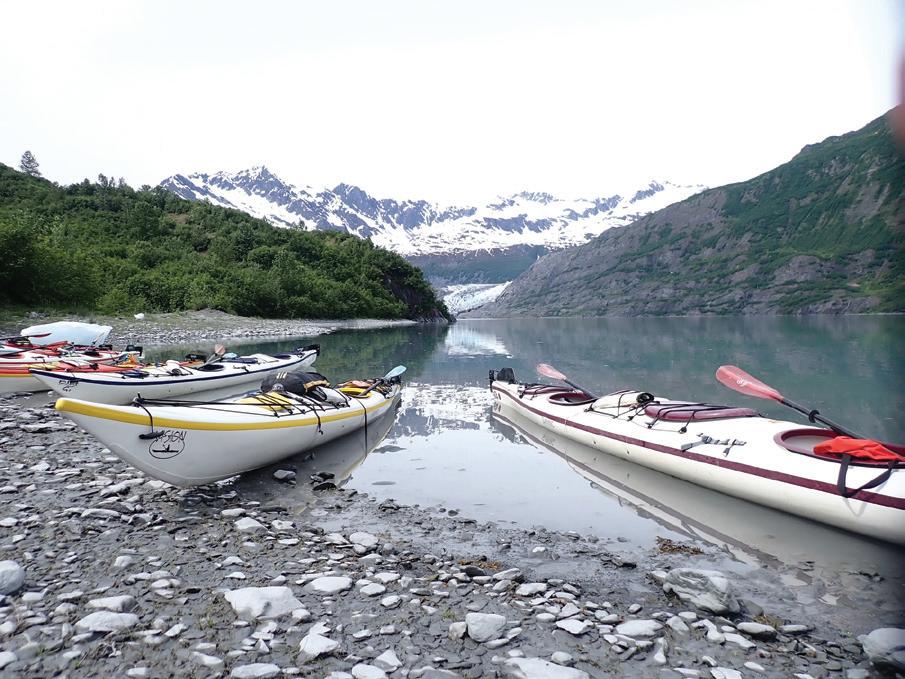
The fishing boat creates soft ripples across the calm ocean, whose wave patterns are occasionally disturbed by a leaping fish, a smiling dolphin or the splash of a whale surfacing for air. The boat, along with its passengers, drift in a world of complete peace, interrupted only by curious sea creatures who inhabit this Alaskan sea.
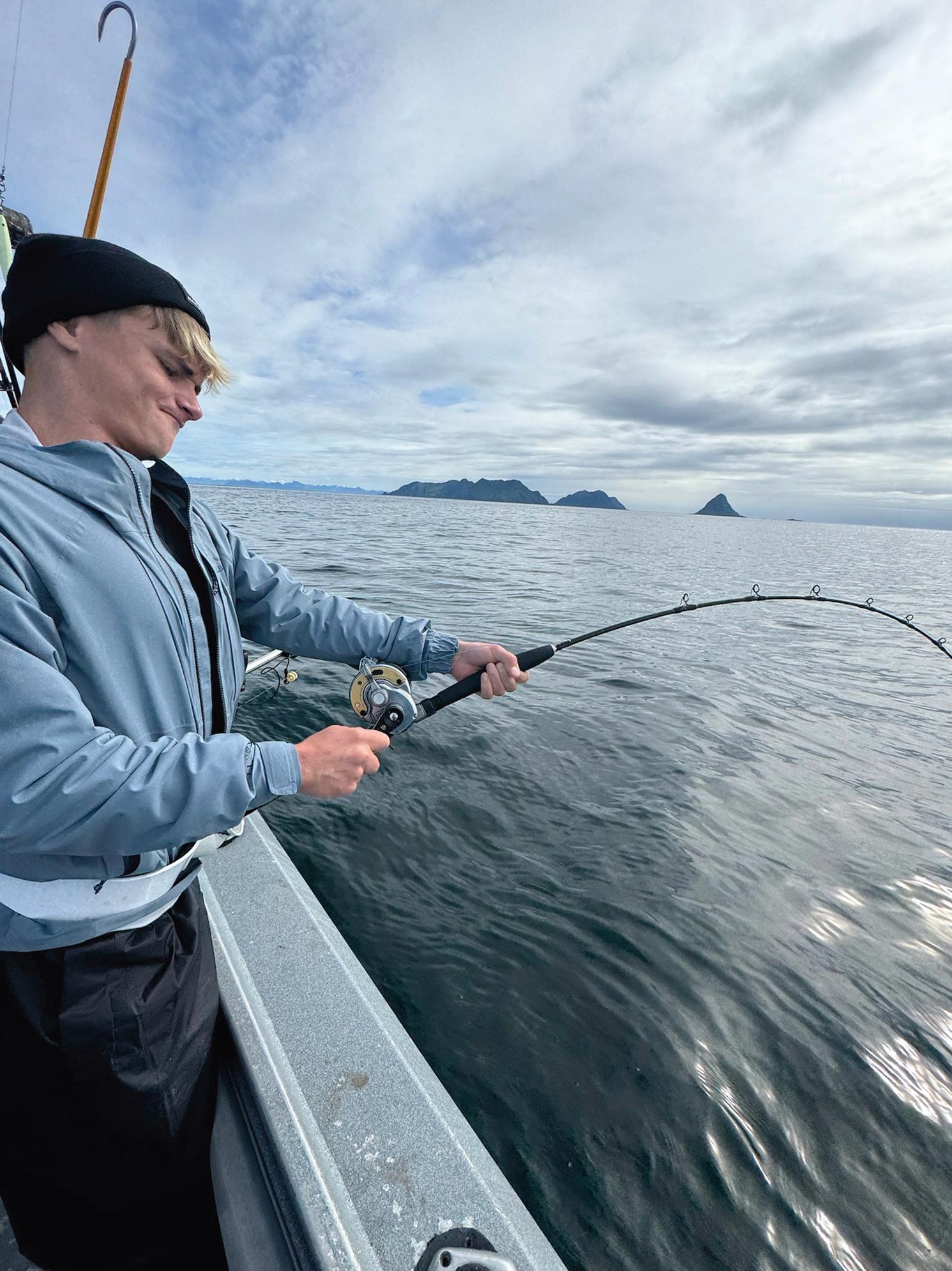
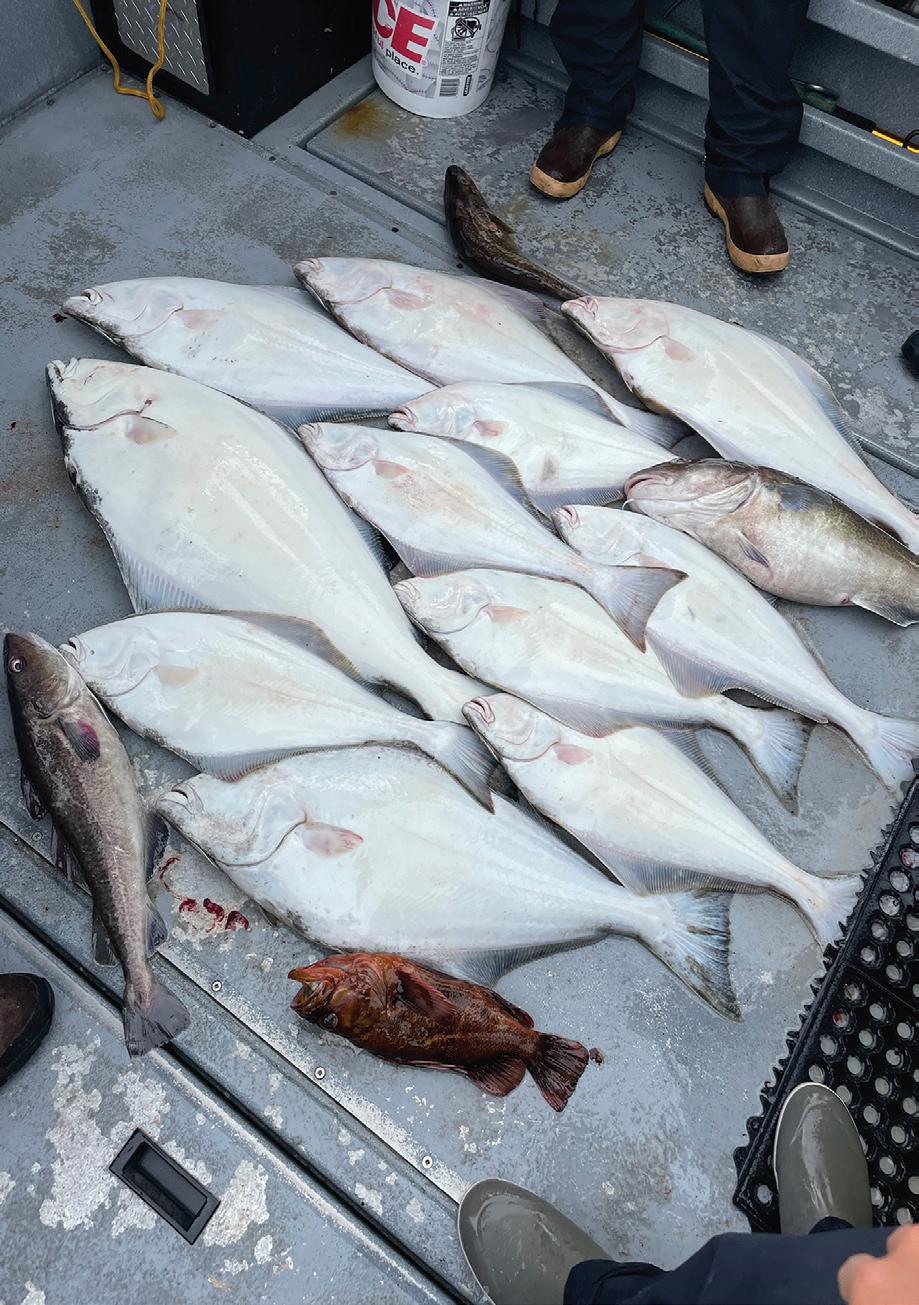
The soft chatter on the boat is interrupted by an abrupt ringing of a bell, signaling that one of the passengers’ fishing rods has caught onto something. Paly junior Jensen Craig springs to his feet to check the rod, and he finds one fish — weighing over 100 pounds — thrashing in the water.
“I could call it a mindfulness act for myself.”
Jensen Craig, 11
“The fight to get the fish up [onto the boat] took 45 minutes,” Craig said. “The fish bounce and wriggle around, and once they get that big, they can really do damage to a boat or a person. Once we got it to the boat, our captain used a boom stick, which is a PVC pipe with a bullet on the end that they stab the halibut [with]. [Then, they] shoot it in the head so that they can pull it on the boat without risking any harm.”
a
conservation
“Commercial fishing can be very harmful to ocean conservation efforts typically because overfishing happens, which causes populations to be thrown off, and this has a negative effect on trophic cascades,” McClure said.
Trophic cascades, the damaging ripple effect caused by taking the top animal out of its ecosystem — such as those caused by overfishing — pose significant threats to ecological communities.
“Food webs and the interactions that different animals and organisms have with each other are the basis for keeping a stable environment or ecosystem, and overfishing causes a major disruption to that environment,” McClure said.
Unfortunately, the impact of overfishing extends beyond targeted fish species, as commercial fishing practices often rope in other marine life as well.
“Another downside to commercial fishing is ‘bycatch,’ which is when the fishers catch anything that isn’t the target species of exactly what they’re trying to fish for,” McClure said. “They can catch marine mammals, other fish or sometimes even sea birds.”
The experience of fishing in the pristine Alaskan wilderness and catching such coveted fish is one that Craig will continue to cherish.

“It just felt like the zoo out there; we were catching massive fish,” Craig said. “It was the surrealness of the whole scene itself, rather than the fishing, [that] … made it really special.”
But moments like these are becoming increasingly rare, as growing threats to marine populations put these remarkable areas at risk and can halt even the most sustainable fishing practices. Originally from San Diego, Carissa McClure has spent the past three years majoring in Global Environmental Science at University of Hawai’i Mānoa, where she conducts research in biogeochemistry — the relationship between living organisms and their environment. From her time in the lab to her real-world experience in this field, the damaging effects of commercial fishing on aquatic ecosystems have become alarmingly clear.
In McClure’s eyes, it is especially important to stay mindful of a fish’s well-being, which is generally a low priority for commercial fishers when catching-and-releasing.
“Catch-and-release [fishing] can actually be harmful because humans can be causing pain and stress to the fish from it being hooked, handled and brought out of the ocean,” McClure said. “This can cause a delayed death in the fish from shock. On the other hand, catch-and-release can be a very gentle and sustainable way of fishing because it keeps populations constant, and you aren’t directly taking the fish out of their ecosystem or environment.”
Despite harmful fishing practices, fishermen often have a strong interest in conservation and hold deep knowledge of the best ways to fish. Shaped by his dad and grandfather’s past experience as fishermen, Greene Middle School English teacher Craig Bark understands the vital role fishermen play in protecting the environment that surrounds them.
“Fishermen often provide most of the data used to make conservation decisions, as they are the ones who find and catch the fish,” Bark said. “Researchers will be at the launch ramps or docks asking fishermen for data that they record and use to make decisions about limits, seasons and regulatory zones. Fishermen, for the most part, are the most conservation-minded people.”
While these sustainable fishing prac tices help contribute to scientific re search, they also deepen the personal connection to nature of fishermen like Bark.

“The fishing itself can be excit ing,” Bark said. “You learn to deal with success and heartbreak. It’s also a great learning experience. Fishing does involve luck some times, but [the] fishermen who learn to read the water understand the patterns of the fish and the way weather affects those patterns will always catch more fish than the person who just goes out without any knowledge.”
so whatever we couldn’t, we had to release,” Schwarzbach said. “If we caught 10 fish one day, we were only allowed to keep four and everything got eaten. In Alaska, you do not want leftover fish because of bears, so everything gets eaten.”
Aside from hungry bears, another challenge of travelling through the Alaskan backcountry was learning how to adapt to fire as the only available method to cook fish.
“Fishermen, for the most part, are the most conservation-minded people.”
Craig Bark, Greene Middle School Teacher
The challenging yet thrilling nature that Bark describes is something many fishermen cherish, regardless of their experience level and age. Junior Nava Schwarzbach was captivated by the excitement and adrenaline of fishing after casting her line for the first time while participating in NOLS — the National Outdoor Leadership School.
“[NOLS] is a program that a lot of people at Paly do,” Schwarzbach said. “In Alaska, it’s super easy to get a fishing license. For our program, we signed up, filled out some documents and then picked the duration of the license.”
During her time with NOLS, the principles of zero waste were engraved in Schwarzbach’s mind. Her program emphasized mindful fishing practices and sustainability.
“We were only allowed to keep as many fish as we could eat,
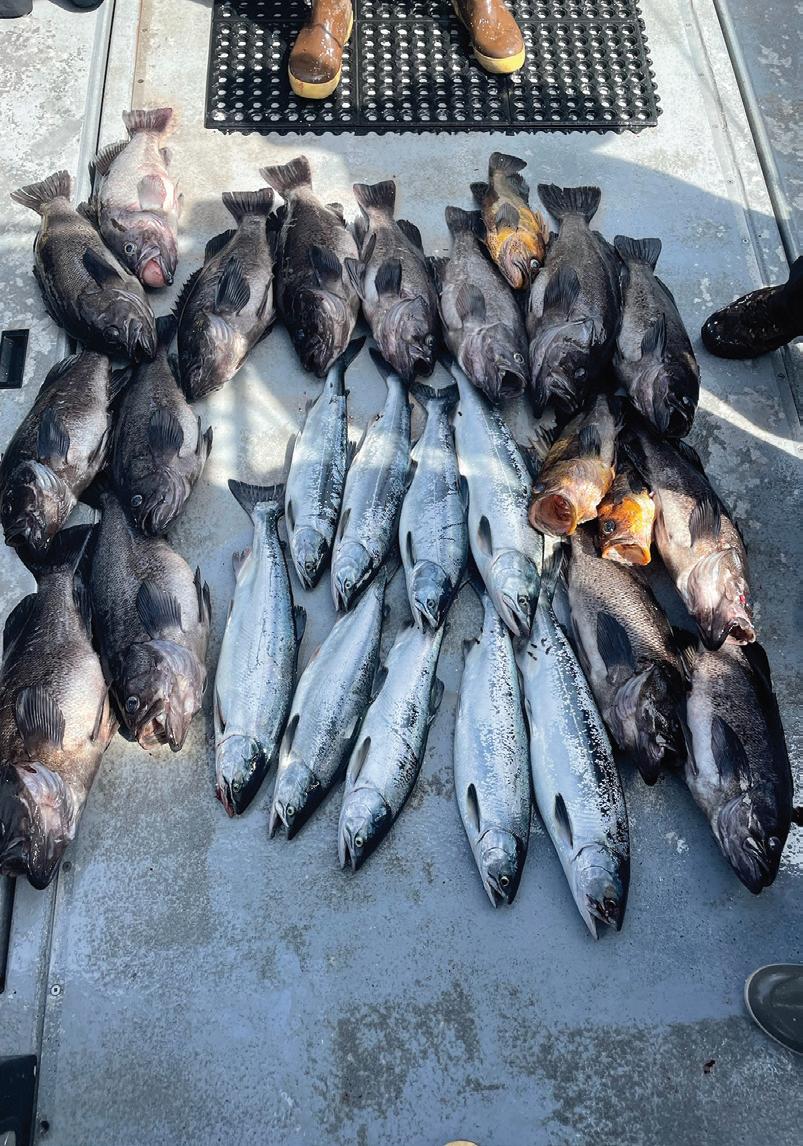
“We used the coals [to cook], and it made the fish have a smoky taste, like a bonfire without any seasoning,” Schwarzbach said. “We were in a state park when we caught all these fish, and there are specific ‘Leave No Trace’ guidelines to build these fires so that they are not bad for the environment and don’t have a ton of human impact.”
These wildlife preservation techniques help NOLS participants learn new skills of which they had previously been unaware. For Schwarzbach, this learned skill was cooking seafood.
“One guy was actually a chef, and he took butter, brown sugar and soy sauce and made a glaze,” Schwarzbach said. “One of the girls learned how to fillet fish.”
Far from the spectacle of Alaskan open water, Craig’s love for fishing developed through his dad, who grew up fishing in Puget Sound, Washington.
“[My dad] always had a love for saltwater fishing,” Craig said. “But when he moved [to Palo Alto] in college, there was not a lot of good saltwater fishing around. So, when he was raising me, he raised me on fresh water fishing.”
Many of Craig’s fondest childhood memories come from the seemingly smaller moments he spent fishing with his dad.
“Whenever we went hiking together, we would bring a fishing rod because there would always be a little lake at the top,” Craig said. “Gradually, I just kind of found my own enjoyment from

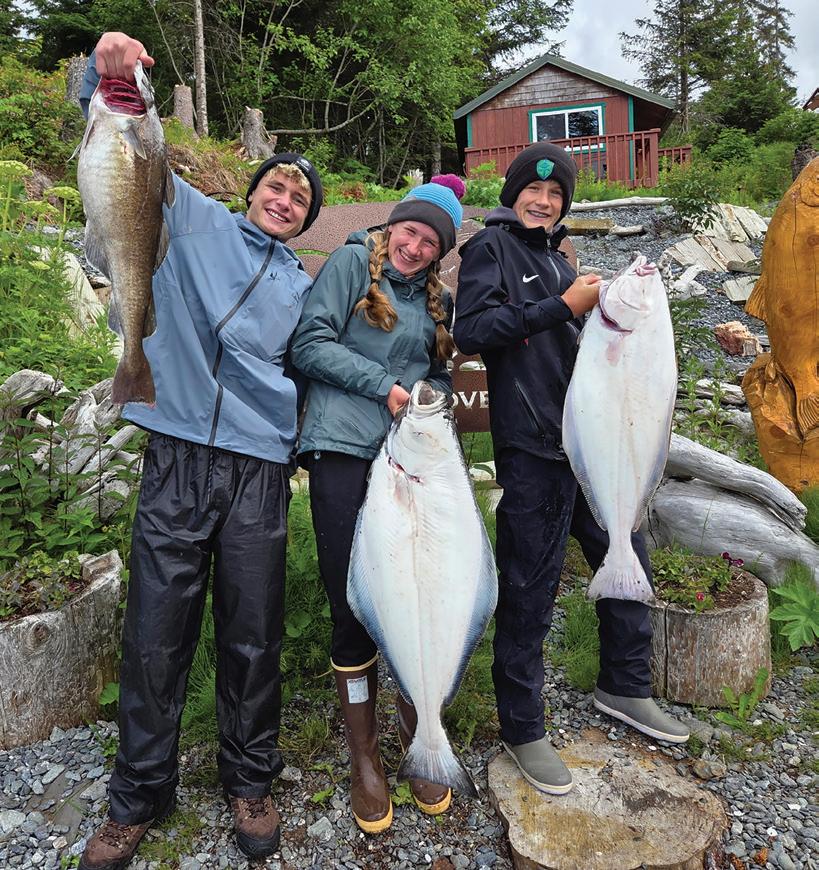

[fishing].”
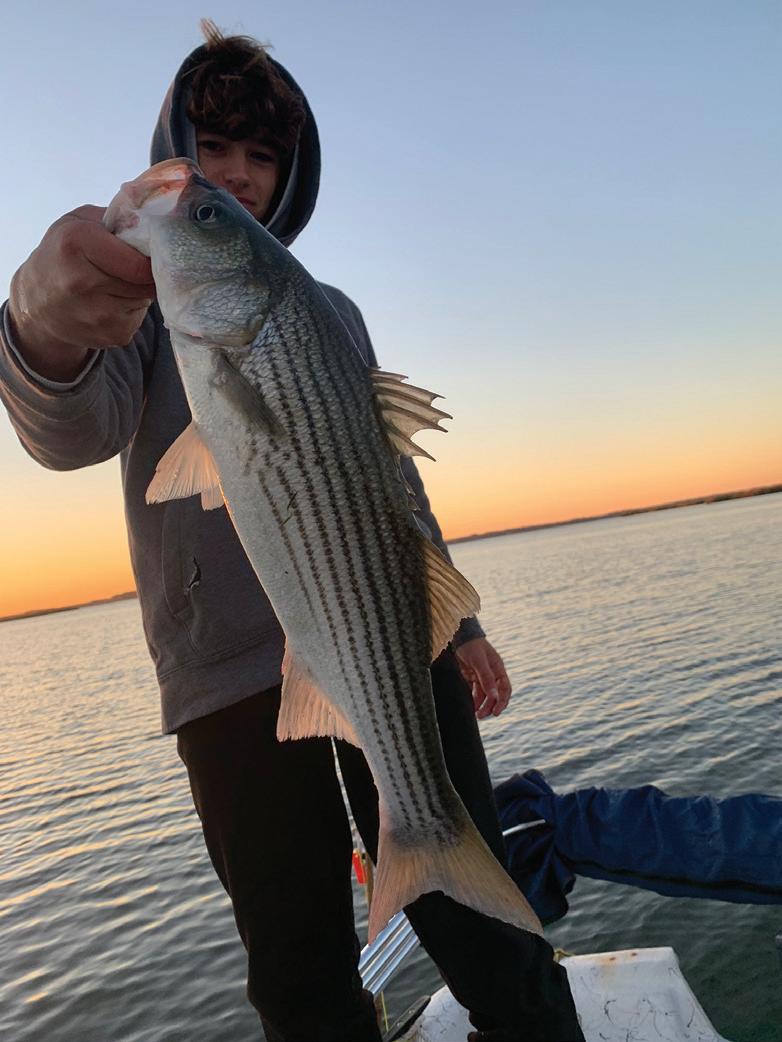
When fishing locally, Craig typically goes to Foothills Park or Arastradero Preserve, where the repetition of continuously casting for largemouth bass has helped Craig find a deeper meaning beyond catching fish.
“The thing that affects people the most is the calmness [of fishing]: You learn patience,” Craig said. “More often than not around here, I go out, I cast and I don’t get a fish. Something about it is calming, and it’s a way to get into my own space, especially when you’re on a pond or a little lake. It’s pretty beautiful. I could call it a mindfulness act for myself.”
The long hours Craig and his father have spent wait ing for a catch gives them more time together — time during which Craig’s father taught him to maintain patience while out in nature.
“I used to get frustrated when I didn’t catch a lot of fish,” Craig said. “My dad used to always say, ‘There’s a reason it’s called fishing, not catching.’”
here, it was pretty hard to get into because there’s a lot more space than fresh water,” Allen said.
Moving has also shaped McClure’s exposure to the marine world. After growing up by the beach in San Diego and moving to Hawai’i, McClure has witnessed the repercussions of careless fishing practices while diving.
“My dad used to always say, ‘There’s a reason it’s called fishing, not catching.’” Jensen Craig, 11

Junior Myles Allen has also found fishing to be an exercise in patience, especially after moving to Palo Alto from South Carolina. The slower pace of open saltwater fishing in the Bay Area forced Allen to adjust his expectations when casting.
“I never fished saltwater in South Carolina, and when I moved
“Lots of times when I’m diving, I see a bunch of fishing weights and lines that are tangled around rocks and the reef,” McClure said. “People pick up their trash and not leave all of their lures, weights and lines at the beach or near the ocean.”
By respecting the environment, both experienced and newer fishermen can enjoy the grounding aspects of the experience while mitigating the harm caused by careless fishing practices. In fact, it’s through the sense of peace created through fishing that many people, such as Bark, have explored unique aspects of nature and created invaluable memories.
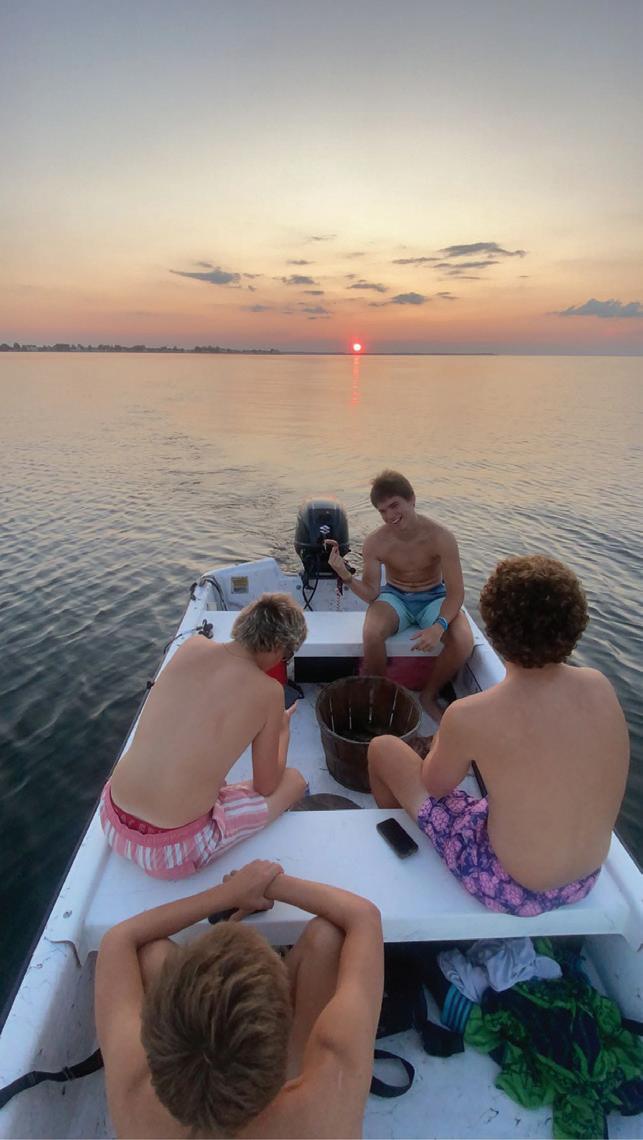
“We would take my grandfather’s boat up and camp for a week and fish everyday,” Bark said. “There is always a drive or a road trip to get there, which leads to great conversation and time spent looking at the scenery. Fishing helps create great relationships because you spend a lot of time in beautiful places with people you care about. Most people don’t get to see the sunrise or pods of dolphins in the thousands from a boat 100 miles offshore.”
Text and design by ELLA RENAZCO-SPERLING and SILVIA RODRIGUEZ • Photos contributed by GRAYSON ALLEN, JENSEN





Content notice: This article contains mention of self-harming behavior and suicidal ideation.

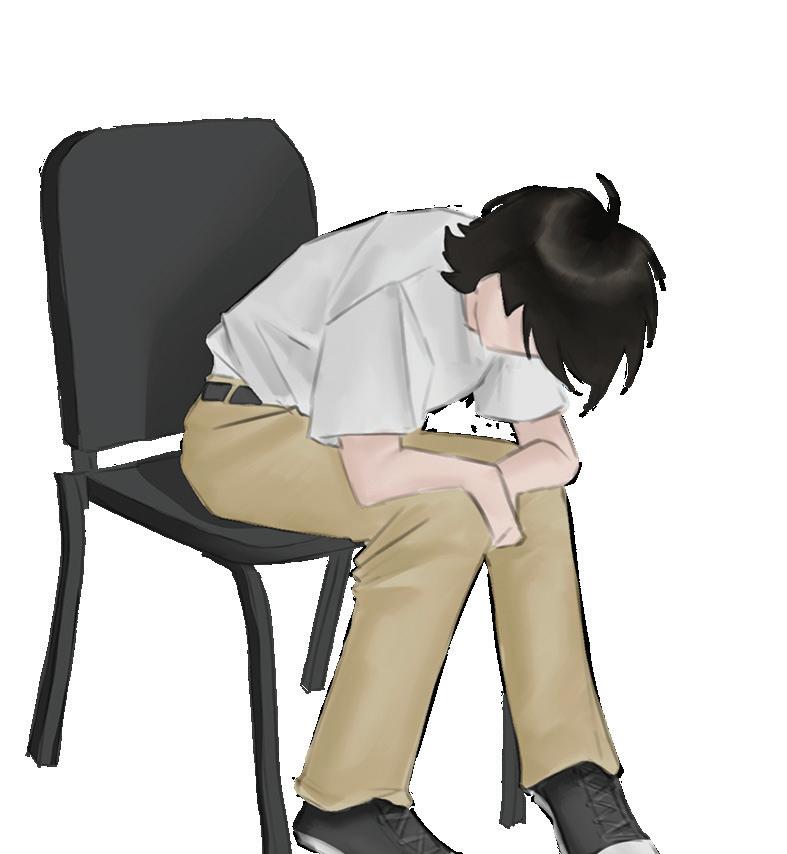



Nursing the metal can, my grandfather slipped another beer down his throat. During his frequent visits to our home, alcohol never reminded me of fear or violence — it would brighten my grandpa’s face and release a rare, hearty laugh from deep within him. The alcohol allowed him to socialize freely; it boosted the wildness in his personality. With his eyes slightly glazed, he would take me by the hands and dance around the liv ing room. As a kid, I believed his drinking was harmless — I saw both my dad’s daily espresso and my grandpa’s daily beer as virtually the same. Now, I know this to be deeply untrue.
As a kid, I believed his drinking was harmless — I saw my dad’s daily espresso and my grandpa’s daily beer as virtually the same. Now, I know this to be deeply untrue.
I only began to understand the gravity of my grandpa’s drinking when his behav ior changed. What was once normal began to feel overwhelming, garish and inappro priate. My family discovered that he had an aggressive type of dementia that was progres sively getting worse. An MRI revealed near ly half of his brain function was dam aged — that his communication skills

“It was heartbreaking to see someone I loved so much lose integral parts of his identity.”
his diagnosis. This diagnosis came as a blow to me and my family. As we began to discover the troubling connection between alcohol and dementia, it became painfully clear that his overreliance on beer had caught up to him. Unlike my dad’s coffee, my grandpa’s habit had been slowly but consistently eroding his mind. His dementia, especially as he aged, began to affect my family. My aunt and dad enrolled him in a care program, meant to mitigate the damage to his brain through the “butterfly method”: a type of care that prioritizes the needs of patients and allows them to feel a sense of purpose. Despite these efforts, I could see that a life’s worth of consuming alcohol — and the dementia that had come as a result — had fundamentally changed him. In a matter of years, his dementia had switched him from a charismatic and witty conversation partner to a man struggling to answer basic questions. It was heartbreaking to see someone I loved so much lose integral parts of his identity.

On top of that, I feared that the cycle of addiction wouldn’t end with him. Researchers from the National Institute of Health found that addiction often carries through multiple generations. Families with a history of heavy reliance on drugs or alcohol are more likely to result in generational substance abuse disorders. I feared, for the men in my family and my older brother especially, that their lives would be derailed just as my grandpa’s

I was nervous about my brother’s experience as a teenager, especially considering our predisposition and the reality of adolescent development. In general, teenagers are more likely to make rash decisions based on impulses and in the moment decisions. When faced with the option to drink or participate in the consumption of illicit substances, teens might fold under peer pressure. There is also a social component to this which urges teenagers to
Text, design and art by RIA MIRCHANDANI




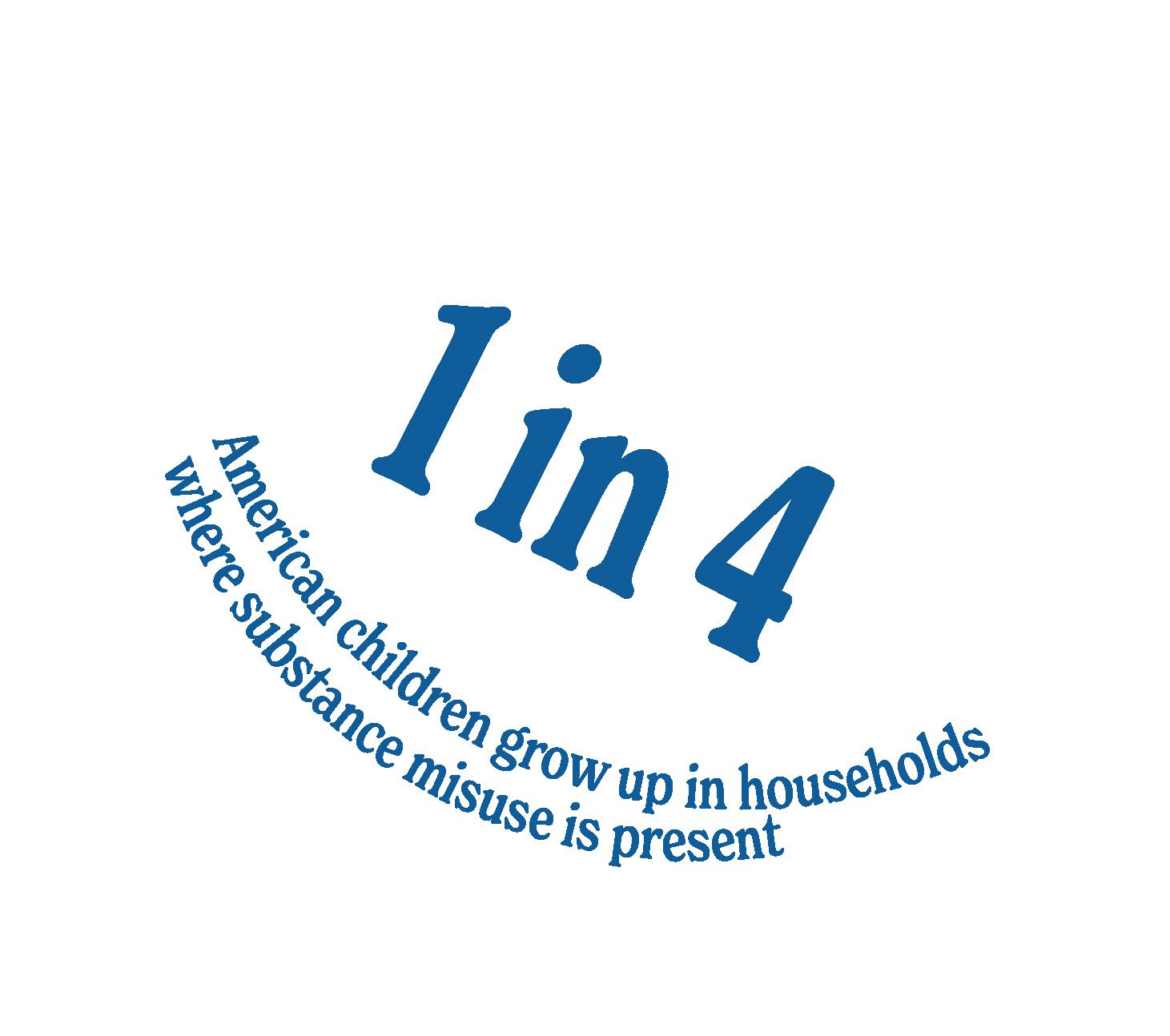
indulge. Alcohol reduces inhibitions and makes people feel “ac cepted.” Considering that Pew Research Center found that one in four college-aged students feel lonely “most of the time,” us ing substances may be especially appealing. While the elevated confidence that comes from drinking or taking substances may seem innocent, it can quickly devolve into something darker.
When my stepdad started drinking in high school, he was almost immediately hooked. At his high school in San Mateo, substances were everywhere — at events, friends’ houses and even in school parking lots. His classmates had discovered how to acquire alcohol, which led him to consume his first drinks. Though seemingly harmless, this resulted in a long battle with addiction.
“Young
It took years for him to seek help, but when he finally did, in his late 20s, he was able to reorient his life. As a result of Alcoholics Anonymous, he found mentors, a vital community and most importantly, hope for his future. After 16 years of being sober, he is still deeply involved with the organization. My stepdad dedicates his Sundays to a group of teenage boys struggling with addiction, hoping to steer them on a better path. Despite the adversity that he overcame throughout his lifetime, he is incredibly thought- ful, kind and considerate. These attributes have always been part of his personality — but, without finding help, it’s possible that his life would have been entirely different.
people need to feel safe and heard by the adults in their lives in order to grow.” Source:Gallup

I still worry about my brother, but I find solace in the fact that he has a solid support system, relatives to reach out to and organizations if he needs them. I know that if he becomes caught in a cycle of addiction, he can find his way out. Unfortunately, this is
ity trait — an irrecoverable part of people’s identities. I know through the experience of my family members that it is essential to treat those struggling with addiction as human beings. I believe a crucial part of supporting teens who are struggling with substance use is making it normalized and accessible to seek aid. Young people need to feel safe and heard by the adults in their lives in order to grow. Empathy should be extended to all of the young people in our community, especially those who are battling addiction.
Alcoholics Anonymous: 24/7 hotline staffed by volunteers who will listen and answer questions, the AA hotline can refer you to the closest peer group meeting - 209-339-201
Adolescent Counseling Services: Adolescent substance use treatment program (ASAT) is designed for youth struggling with substance abuse and/or addiction. Palo Alto branch - 650-424-0852 San Mateo County Behavioral Health & Recovery Services: For the prevention, early intervention and treatment of substance use conditions. Serves East Palo Alto and Palo Alto - 800-686-0101







Time capsules to the Civil War line a welcoming environment.
rate as they please. At Costano Elementary

“It’s my home eight hours a day. It’s their home, too. I want them to feel that when they walk in.”
Jesusita Rivera, Costano Elementary School teacher
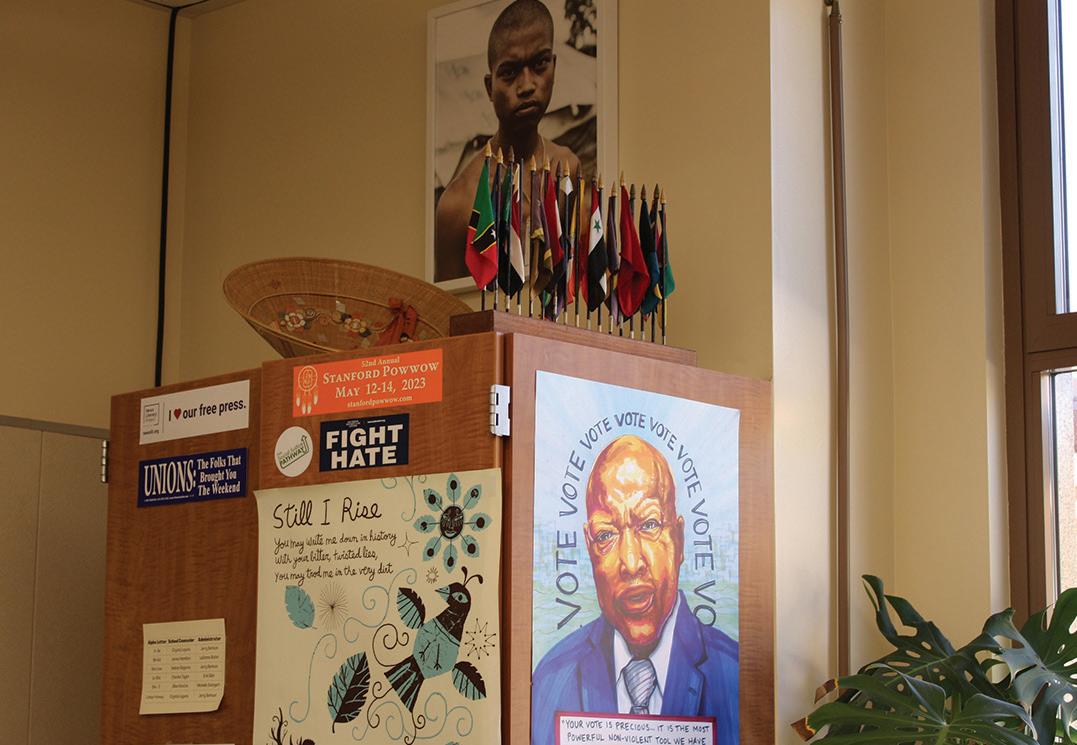
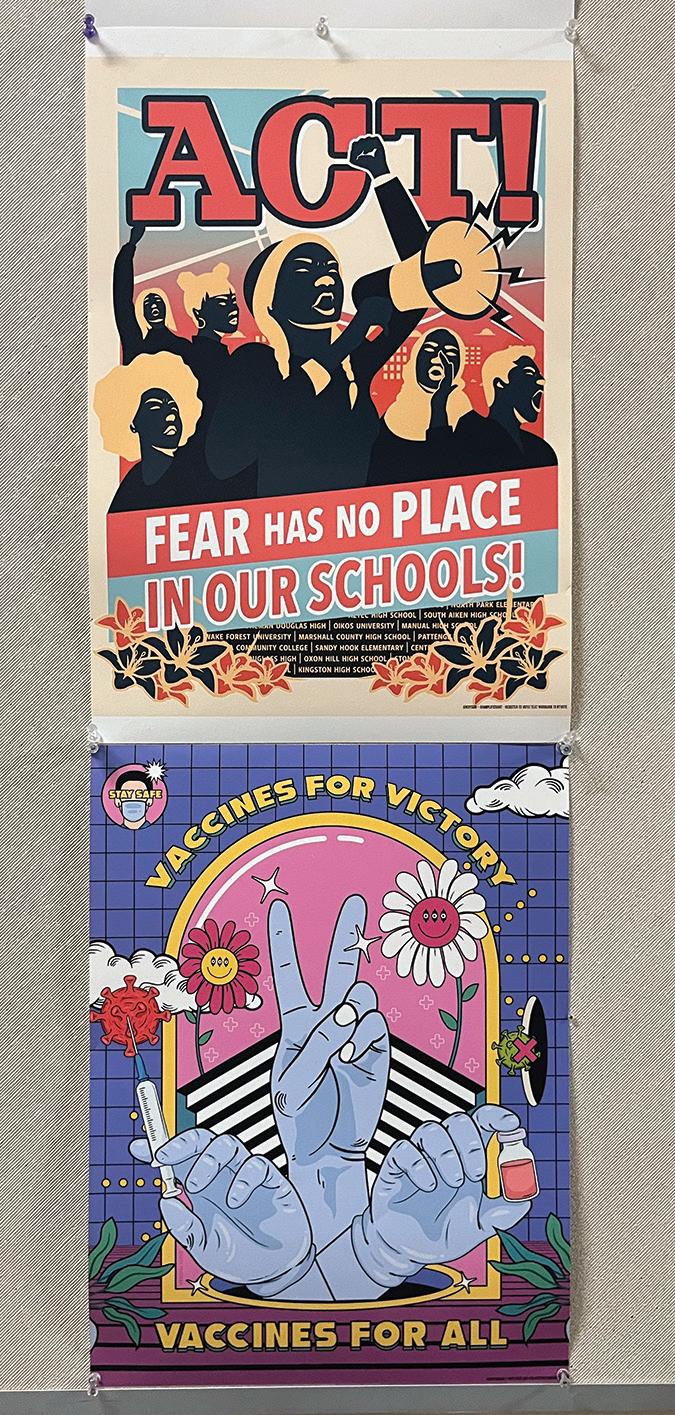
“Mr. Foug does a really good job of incorporating the many posters he has in his class[room] into his lessons and treats them with passion,” Koegler said. “[They help] to make the atmosphere of learning much more inviting.”
In each classroom, teachers are presented with an open canvas of wall and whiteboard; the creativity falls on them to deco-
of the teachers’ lives as well. Often, small decorations can have the biggest meaning for the teachers. For example, English teacher Hunter Reardon has many sentimental trinkets filling his room.
“I have a small throw pillow with a fabric map
of Santa Barbara County printed on it,” Reardon said. “It is one of the few reminders I have in my classroom of where I grew up [Lompoc, California]. It reminds me daily of how different Palo Alto is and how lucky I am to live and work in this community and with such amazing people, students and colleagues alike.”
Reardon is not the only teacher who carries memorabilia along with them. Most teachers likely have a poster, object or plaque that means a lot to them. One of these people is Associate Student Body (ASB) director Alyssa Bond, who mixes aspects of herself in her decorations.
“My goal in putting up these decorations was a mix of self-expression and creating a welcoming environment,” Bond said. “One corner of the room serves as a reflection of who I am — a chance for students to get to know me through what’s on the wall.”
And while this open canvas is shaped by the current teacher, Bond likes to represent the past teachers who put in their time and effort into making it a home.




Not only do students leave their mark on the school and their peers, but now that im pact can be reflected on the walls.

“I honor the old decorations from past years as a way to acknowledge our shared history, while adding new and meaningful pieces throughout the year to represent what’s important to our current community,” Bond said.
Bringing in memorabilia from their lives and using previous decor serves as a way for teachers to save money, since many teachers take from their own pockets to create the current look of classrooms, such as Foug’s time capsules or Reardon’s decorations.
“I have paid for the overwhelming majority of these items myself, probably 95 percent,” Reardon said. “They aren’t expensive, and I enjoy the process of shop-

“Students are reflected in the posters they made, pictures of themselves and their peers, shirts they’ve designed, sign-ups for ASB duties and in the controlled cha os of the room,” Bond said.
Students have a huge impact on the look of classrooms, from the artwork on the wall to the projects on the windowsills.
ASB President Katie Kim said that seeing her work exhibited in her classrooms makes her efforts feel

“I want them to feel comfortable to be exactly who they are.”
Kenna Gallagher, photography teacher
“I have designed shirts that hang in the classroom as well as some posters that have been seasonally displayed,” Kim said. “It makes me feel like I have an impact and that the work I do is worth displaying.”
Similar to Bond, photography teacher

“I like to give every body a shot,” Gallagher said. “Sometimes art is not somebody’s forte, but they put a lot of energy into it, and that comes through in their super weird art. I appreciate that.”
Students’ unique art, among other posters and decorations, contributes to the inclusive environment Gallagher creates. them to feel comfortable to be exactly who they are, and I think my chaotic, eclectic style means there’s something for everyone,” Gallagher said.
As showcased in Gallagher’s classroom, putting up art and posters is a recurring aspect commonly found in classrooms from elementary school through high school.


For example, Rivera puts up her students artwork so others can learn and visualize what they know about it in class. She puts them up on a clothesline going across the classroom.

Many elementary schools are filled with childhood illustrations and icons, such as colorful artwork and walls. However, as kids grow up, so do the decorations. A common theme found in Paly classrooms are college pennants to either represent the teacher’s background or reflect past students’ journeys. Science Teacher Samuel Howles-Banerji encourages this, but worries about the other implications they evoke.

“I worry that it [putting up pennants] perpetuates the pressure that students put upon themselves to perform at a super high level,” Howles-Banerji said.


“I’ve always wanted my classroom to be a space where students want to be, so that motivated me to take the time to make it more welcoming.”
Samuel Howles-Banerji, science teacher







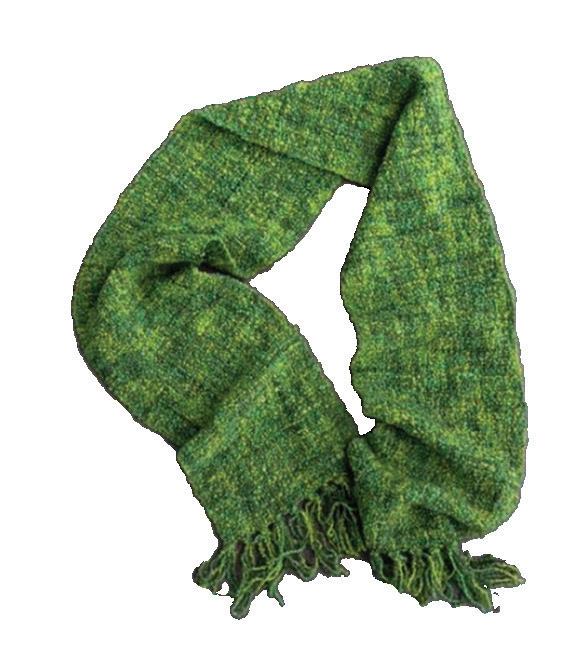

s winter approaches and the se mester comes to an end, students begin to wear their knitwear.
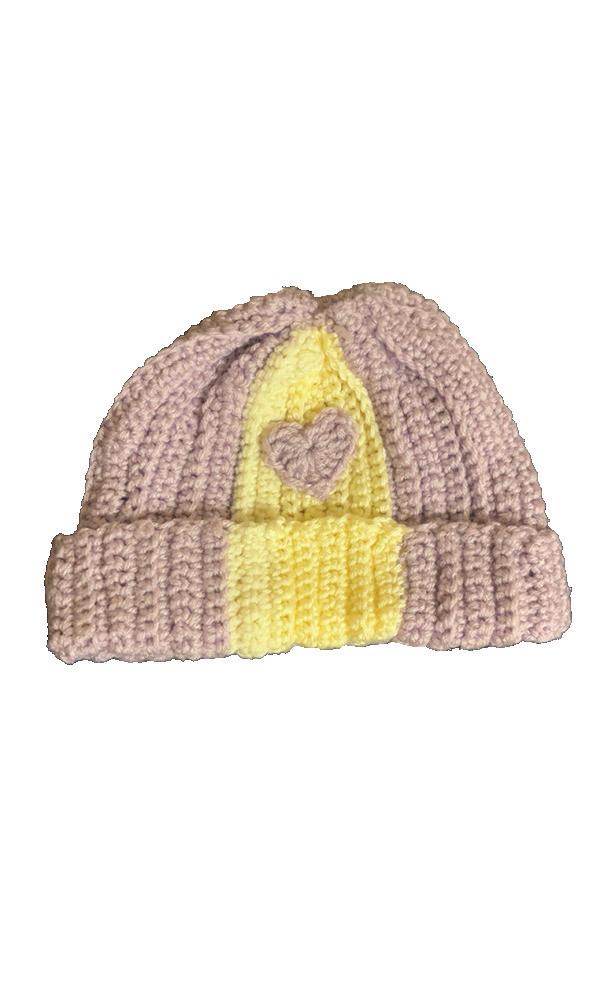
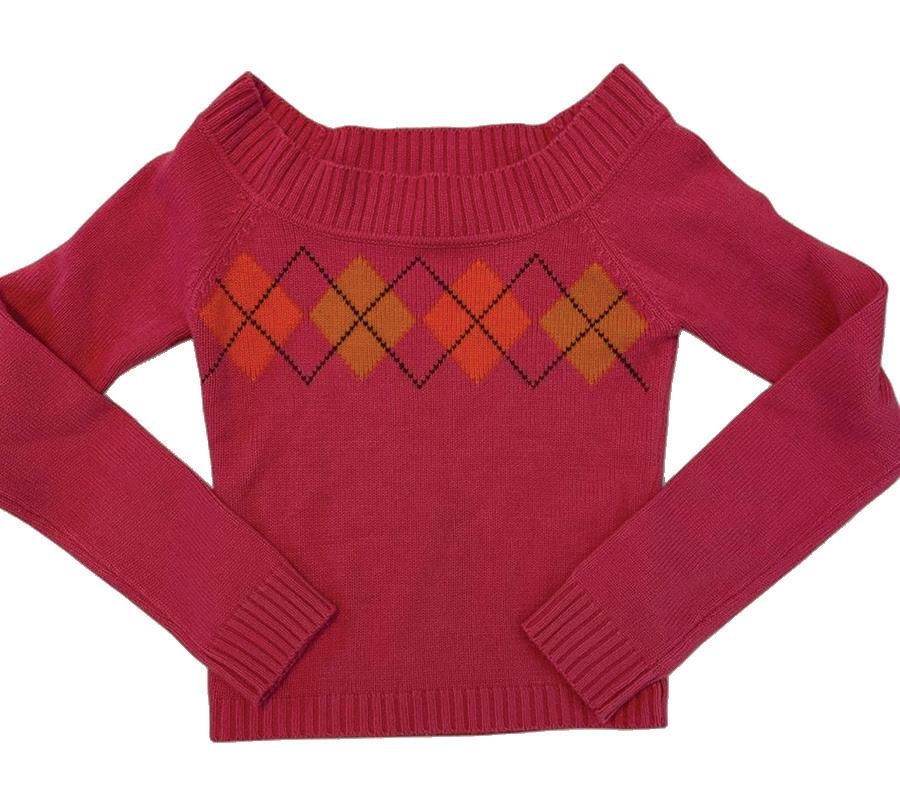
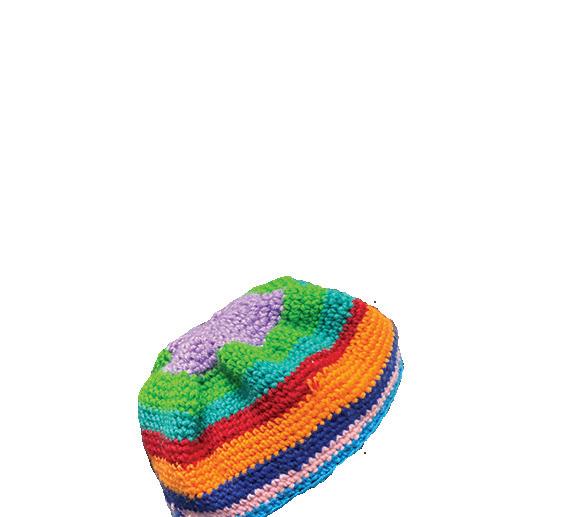
Thick sweaters are being tugged over their shoulders, and fuzzy beanies are covering their ears — a closet staple that they made themselves. However, behind all these layers, there is more than just a years.
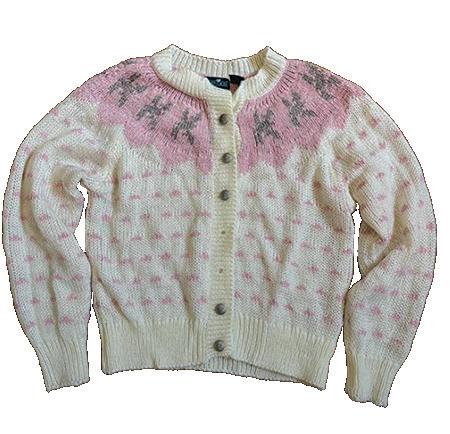
Behind every handmade sweater lies a story of patience, creativity and time-honored craft
For junior Nava Schwarzbach, knitting carries both charm and family significance.
“I love wearing knitwear; it’s a fall tradition for me,” Schwarzbach said. “I love thrifting jumpers and inheriting some from my family.”

“I never realized how much time is put into it, the hours of looping the yarn.”
Nava Schwarzbach, 11
Despite just being enamored with the calming aspect of knitting, Schwarzbach enjoys the experimentation that comes with creativity. This experimentation comes from changing various aspects of a piece’s pattern — the instructions for making a knitted item, where one can modify it to change the texture, size or design. “I mainly like watching YouTube videos, but you can buy patterns off of Etsy or find free ones on Pinterest,” Schwarzbach said. “If you’re good enough, you can figure it out through a photo.”
Many people who wear handmade sweaters, gloves and scarves, among other items, haven’t thought about how much time and effort have been put into it. Throwing on a favorite sweater might feel like an easy choice, but the actual process of making a sweater is not so simple. Sweaters take days, sometimes months, to make due to the sheer amount of patience and attention each stitch requires. And the time that it takes for people to create a project is often overlooked.
“I never realized how much time is put into it, the hours of looping the yarn,” Schwarzbach said. “When you buy something from a store, it is easy to forget there’s a person behind all the work.”
“Knitting
machines have taken the place of handcrafted garments.”
Vicky Wong, Palo Alto grandmother
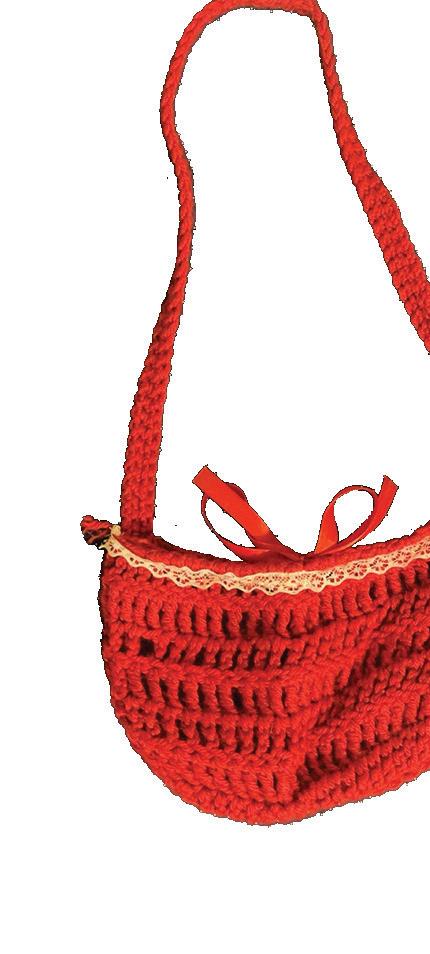
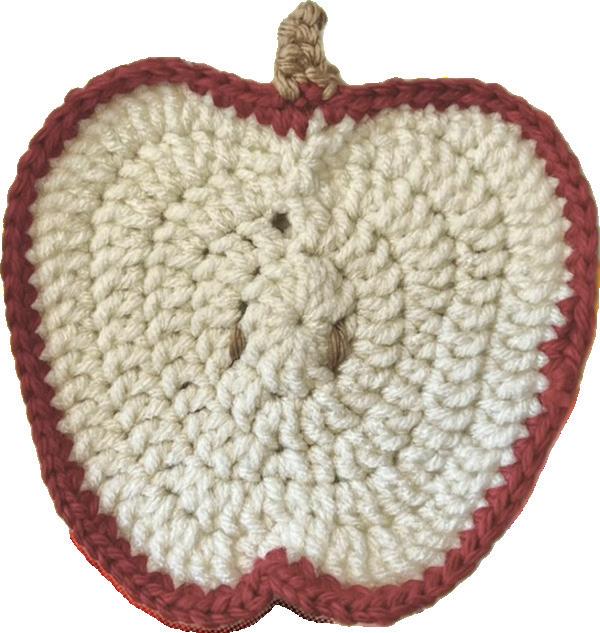
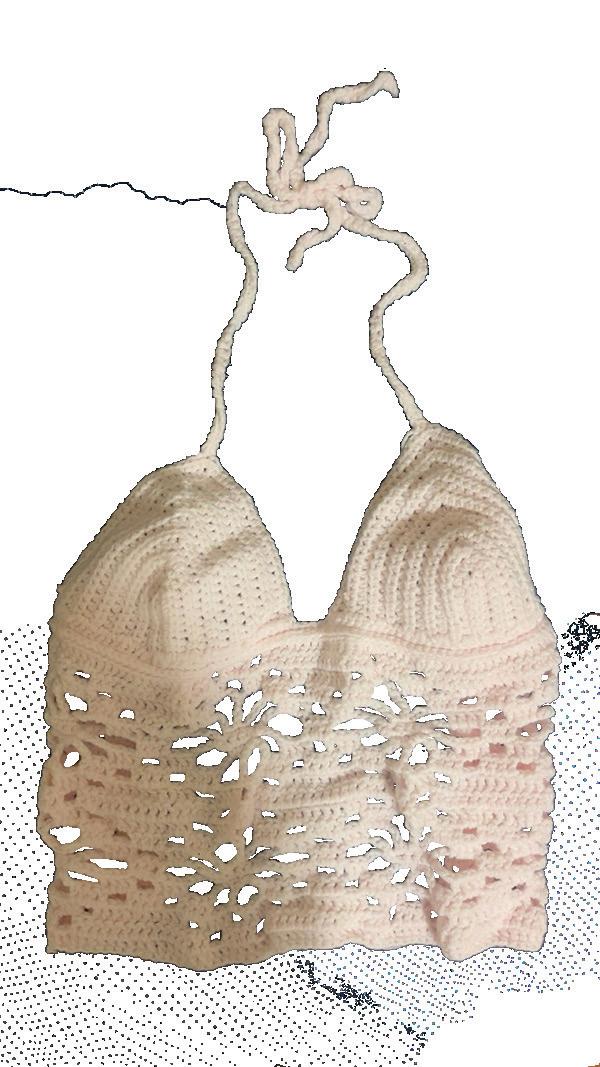
craft that uses a single hook to create loops and shapes to create a variety of different items and garments.
“I always saw crochet videos on Instagram and I thought to myself, ‘That looks so fun; I want to do that,’” Kim said.
Kim followed her curiosity and decided to pursue her interest, so she decided to join Paly’s Crochet Club.
At Paly, Crochet Club provides a place for all students who are hooked or curious about crocheting to learn, share ideas and work on projects together.
Senior Veronica Qiu, the president of Crochet Club, has created various projects for her club in the past — all to share the love and spirit of crocheting across the Palo Alto community.
“When I start a project, I’m usually doing it for a few hours every day, up to five hours.”
Rena Kim, 12
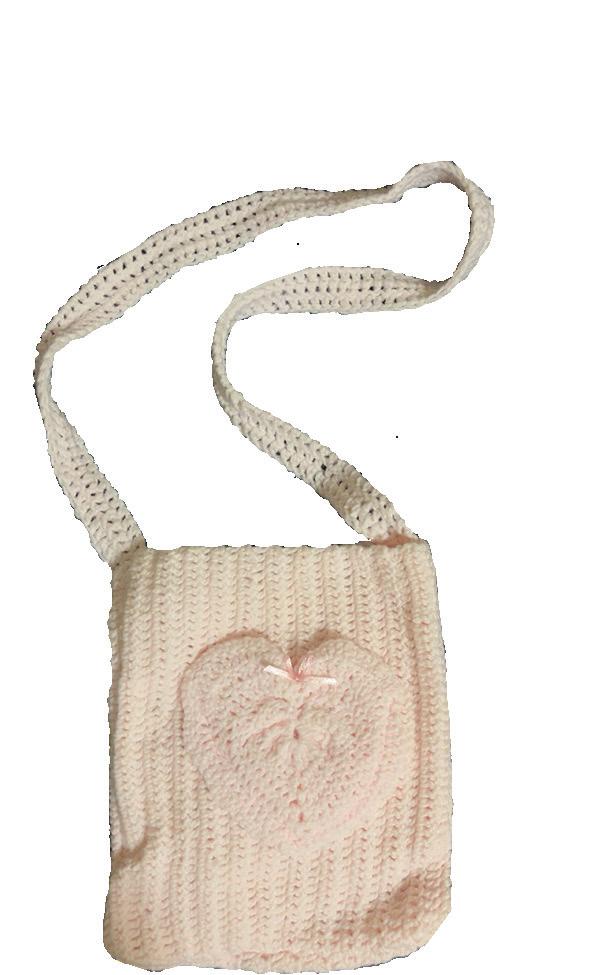
“We gave out little hearts on Valentine’s Day and made stars for staff appreci ation week,” Qui said. “We have also done beanie do nations for hospitals.”
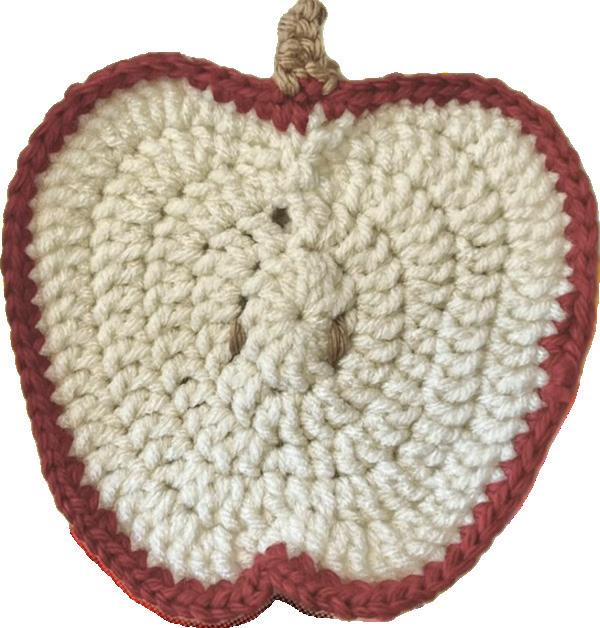
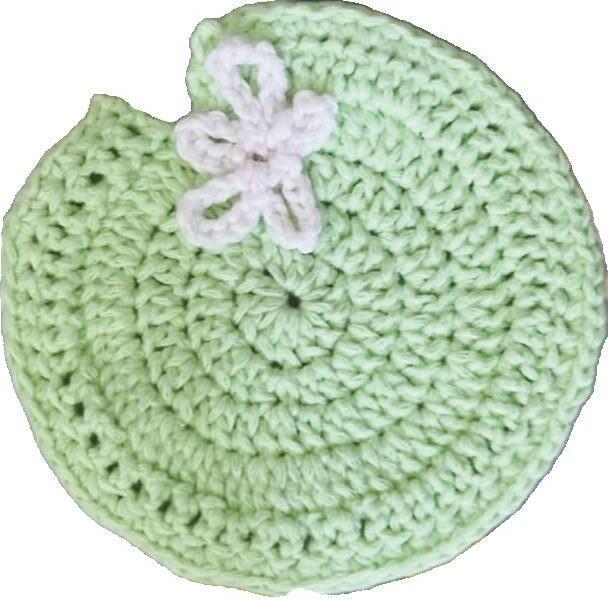
Similar to knitting, while it might look simple, master ing these skills to complete a fi nal product requires a significant amount of time and patience. Even a small crochet heart can take one to two hours to create, making it a very time-intensive craft.
“When I start a project, I’m usually doing it for a few hours every
day, up to five hours,” Kim said.
Without knowing the dedication that goes into crocheted or knitted goods, many people undervalue the price of these handmade items. In a society where demand for cheap and trendy fashion has taken over, clothing cycles have become quick, prioritizing micro-trends and the cost of the item rather than quality clothing.
“When people share or sell stuff they crochet online, many peo ple will complain, saying that it’s too much money,” Kim said. “But then, if you think about how much time they’re putting into it, and then you multiply that by minimum wage. It makes sense how much they’re charging.”
Handmade items offer a uniqueness that can not be acquired from any machine. The story behind each item reflects a sense of connection between the creator and the customer. In a world where fast fashion trends come and go, these intricate handmade pieces allow people to slow down and enjoy what they create through the art of knitting and crochet.
“Knitting machines have taken the place of handcrafted garments,” Wong said. “But lucki ly, there are still many people who enjoy the beauty of creating something special.”
Text and design by DYLAN BERGER, ANNIE KASANIN and SONYA KUZMICHEVA • Art by SONYA KUZMICHEVA
• Photos by ANNIE KASANIN • Photos contributed by RENA KIM





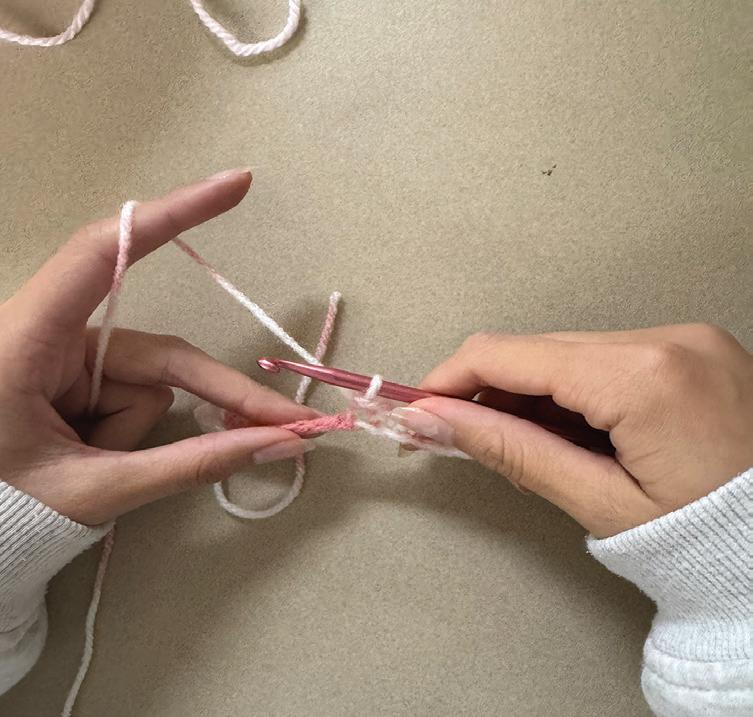
Insert your hook.
Learn how to create a single stitch!
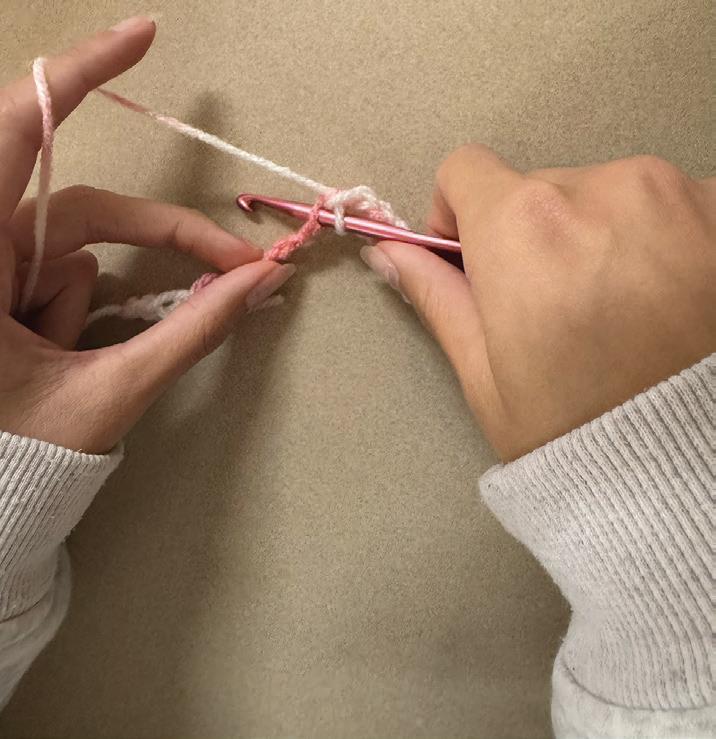
Skip the first chain from the hook.
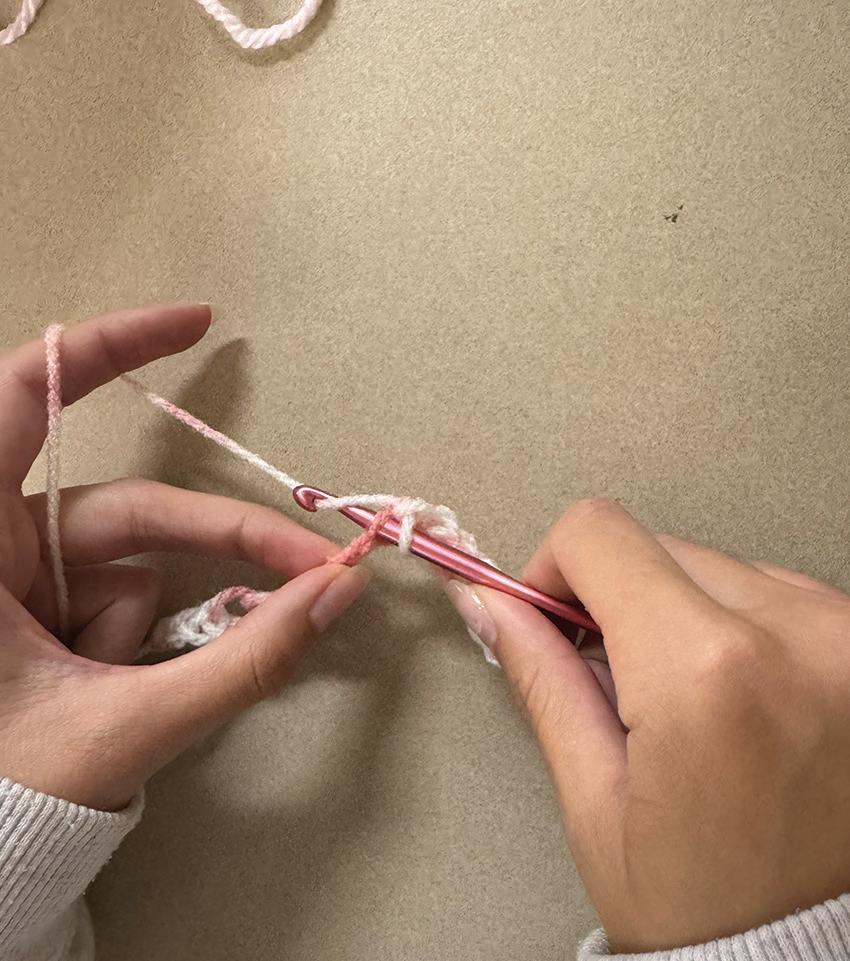
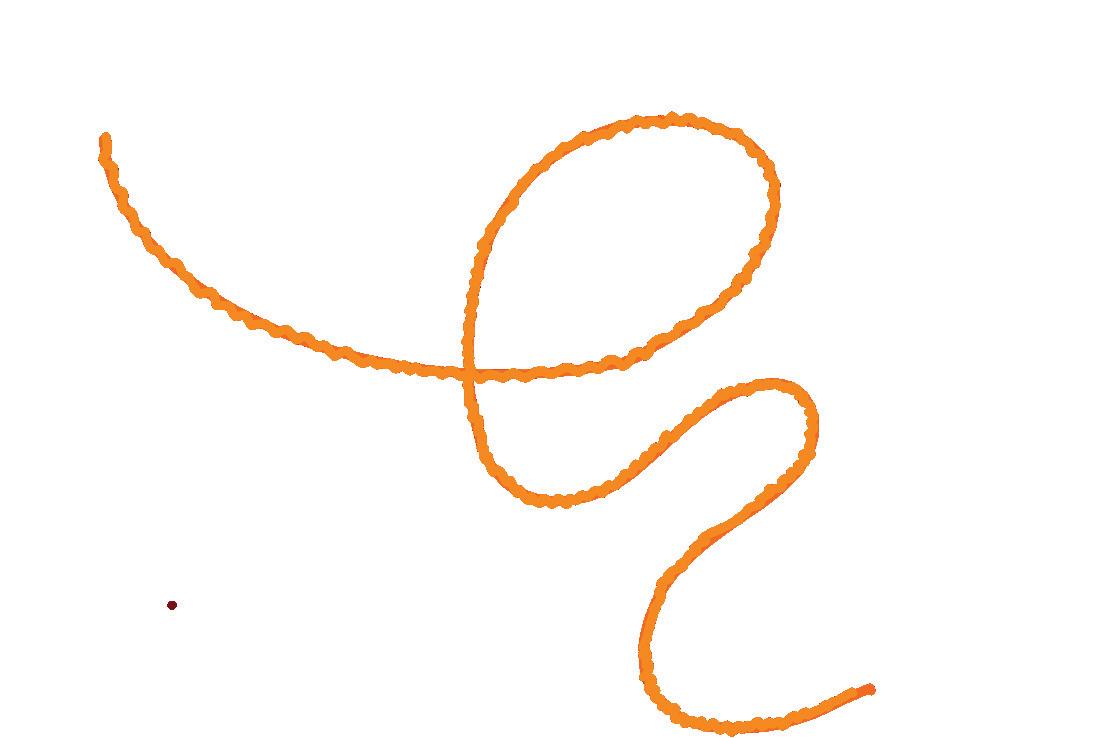
Yarn over & pull up a loop. Yarn over. Pull the yarn back through the chain stitch.
You now have 2 loops on your hook.

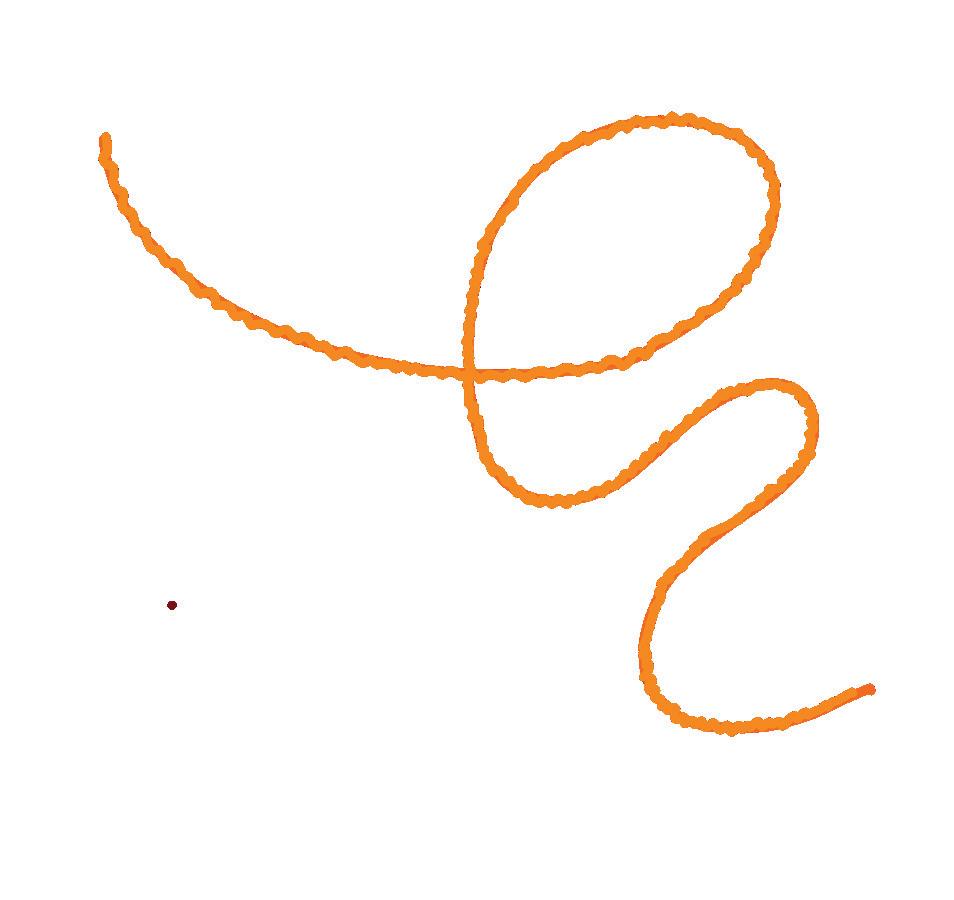
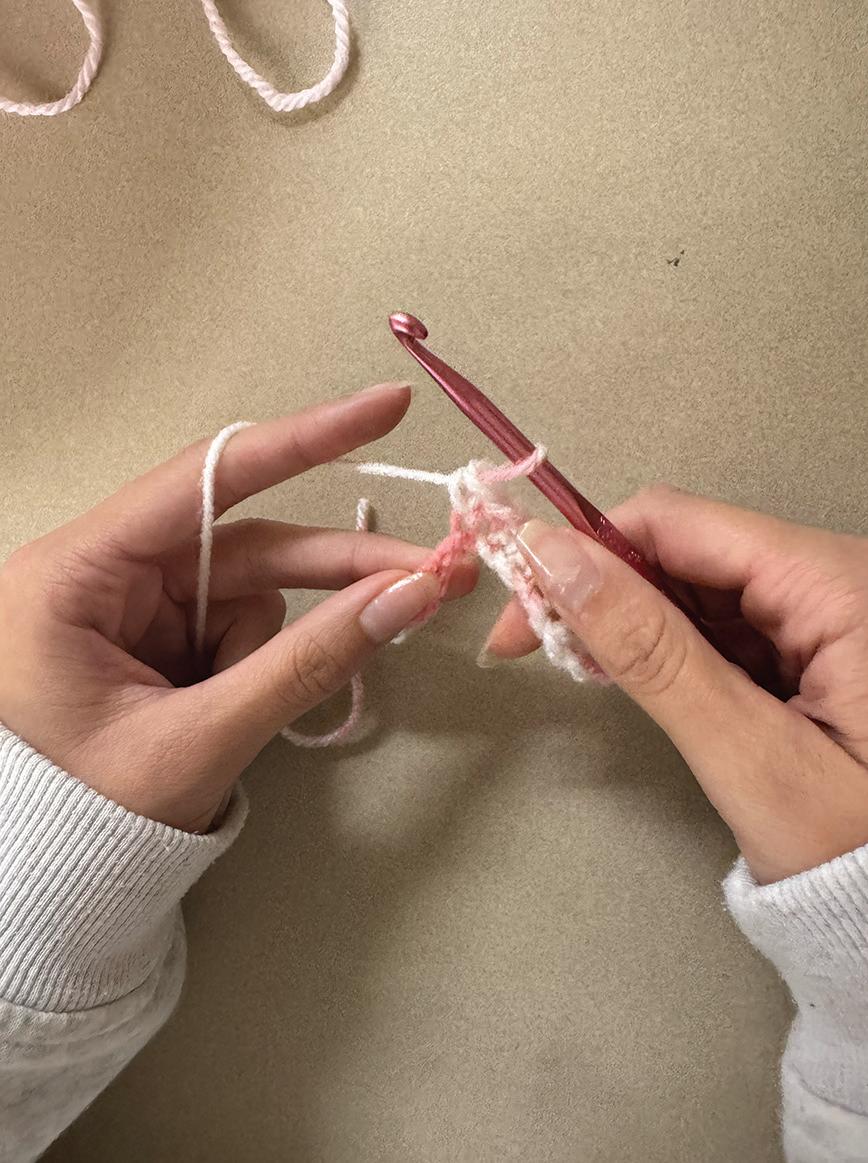
Yarn over & pull through both loops. Yarn over again. Pull through both loops. You’ve completed one single crochet!
CULTURE






•

From the ornate Blackletter that once filled the Gutenberg bible in the 1450s to the clean versatility of Helvetica on Macintosh’s first computers in the 1980s and the widely used Times New Roman on double-spaced essays, typefaces often carry connotations beyond the words they make up.
During the days of letterpress printing, where typefaces were etched onto physical pieces like metal or wood, “typeface” was defined as the design of letters used in printing. “Font” or “type,” was its manifestation on physical materials. Now, in a digitized world of online design applications, “typeface,” “font” and “type” are used interchangeably.
To understand how typography influences communication and design, typographic historian and designer Paul Shaw has spent over three decades designing, researching and teaching the history of type. According to Shaw, a type’s characteristics lend itself to interpretation.
“People see something in a typeface that reminds them of something else,” Shaw said. “People use Papyrus … because they see the rough edges and they say, ‘Well, this suggests something old.’”
critiques and hands-on explorations of how technology interacts with society, Rhode Island School of Design Assistant Professor Kelsey Elder finds that typefaces do not solely communicate content; they also reflect and participate in broader cultural values and assumptions.
“Typography and graphic design aren’t just about making pleasant shapes,” Elder said. “Instead, the disciplines are equally about authorship, politics and the systems that shape visual language.”
When looking at history, Elder’s point becomes even more evident. Many Western narratives locate the origin of typography in the Gutenberg press, a printing press developed by German craftsman Johannes Gutenberg around 1440 CE that made books more affordable and accessible. However, Ramon Tejada, associate professor of Graphic Design at Rhode Island School of Design, points out that a Western perspective of the origins of type may overlook many inventions developed in non-Western countries, such as block printing in China.
Kelsey Elder, RISD Assistant Professor of Graphic Design “
These letterforms function like a ‘fake foreign accent’ in visual form.
Type designers utilize people’s perceptions of fonts to convey messages to audiences, whether it be displaying personality, visual appeal or readability. Graphic designer and typographer Cyrus Highsmith, who has designed fonts for starwars.com and The Wall Street Journal, said many fonts’ versatility acts as a narrative component.
“The history of typography is enveloped in thinking that the beginnings of it are … from Europe,” Tejada said. “[European tradition] is not the only tradition. We start to see that the gestures some [Western] designers are making towards other cultures come from assumptions about what those cultures are, rather than any real understanding of them. When people use those designs carelessly, that creates problems.”
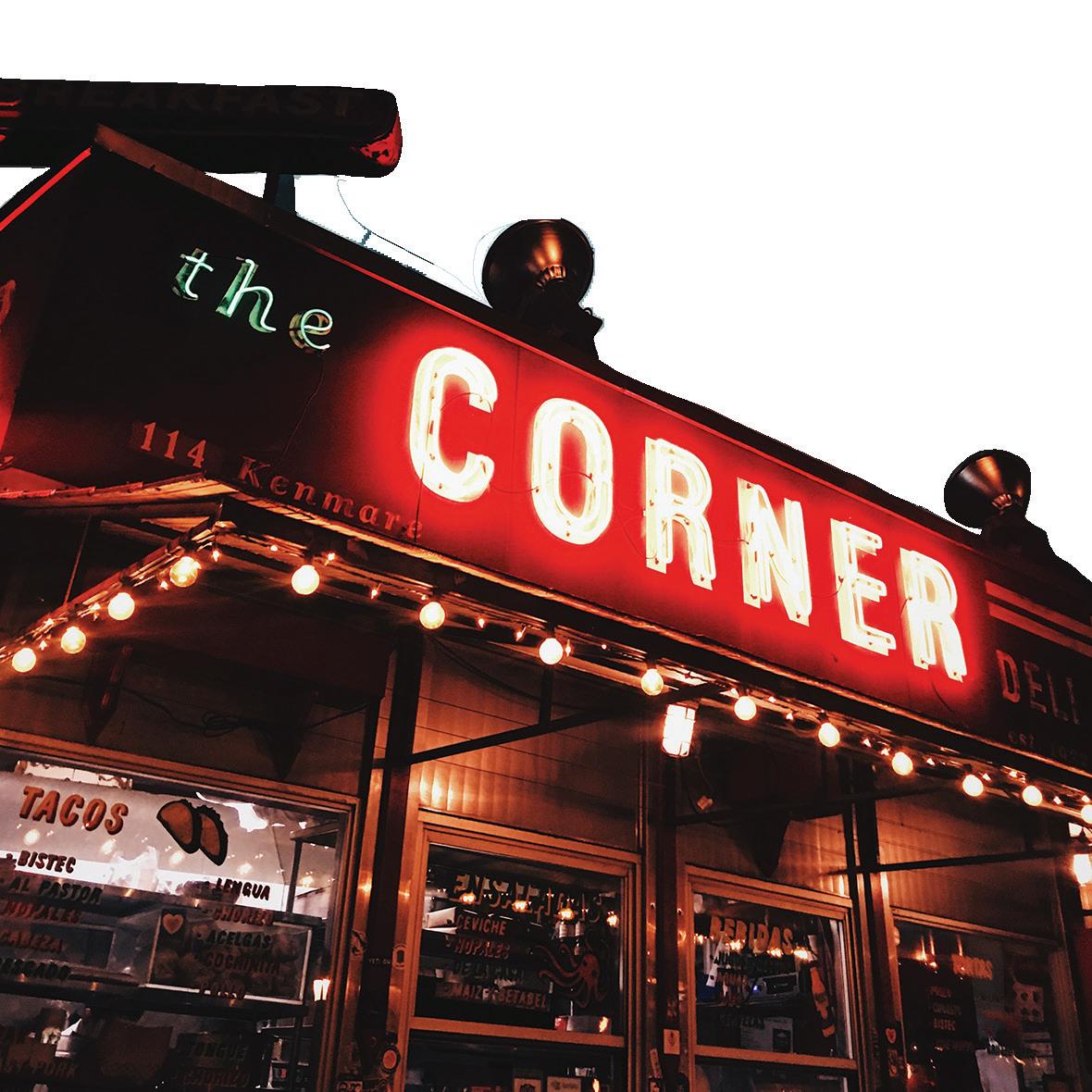
These gestures have come to be known as stereotypography: the use of type that presents assumptions of cultures.
“When we look back at fonts through time, we see many examples in which the dominant Western market created ‘exotic’ fonts to represent other cultures, reducing them to simplistic visual tropes,” Elder said. “These fonts became tools of one-sided representation; a kind of visual shorthand the West used to label
The creation of products with stereotypography could stem from admiration towards the original culture. However, Tejada argues that this may not equip people with the tools needed to

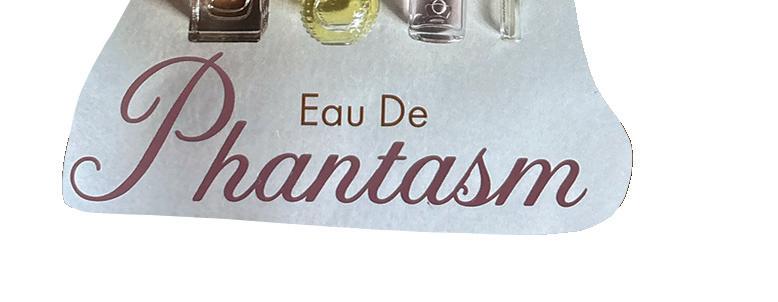
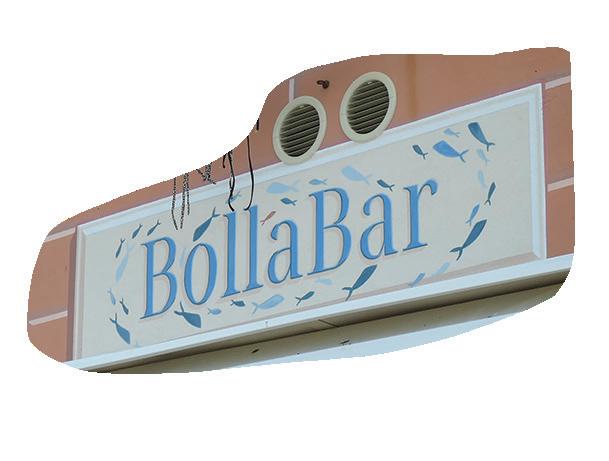
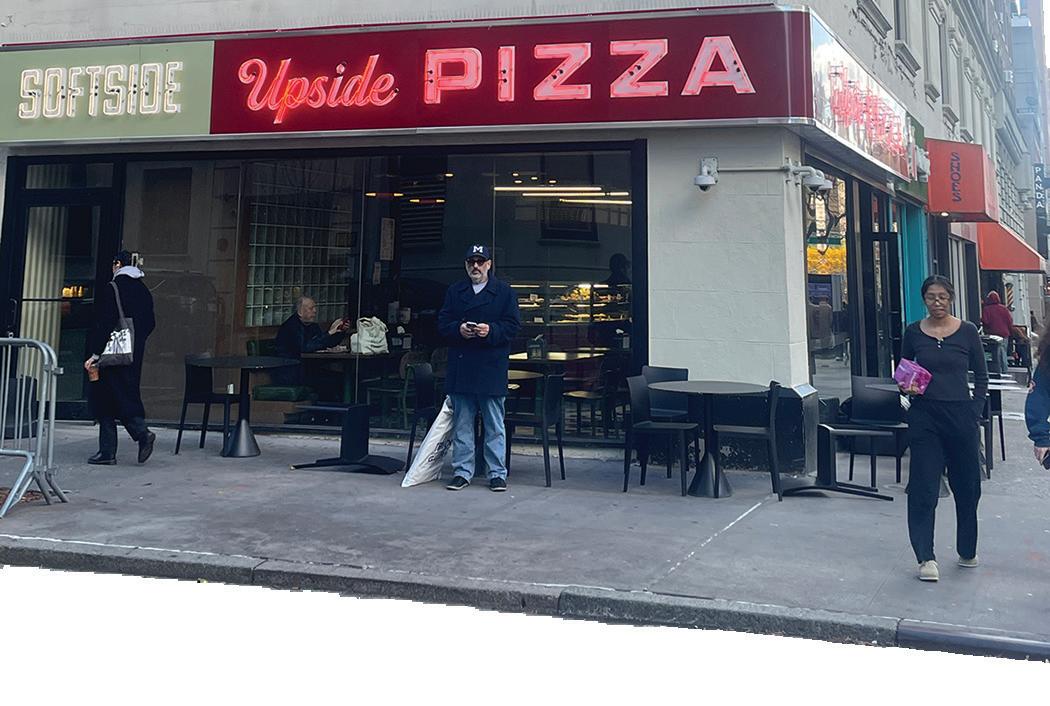

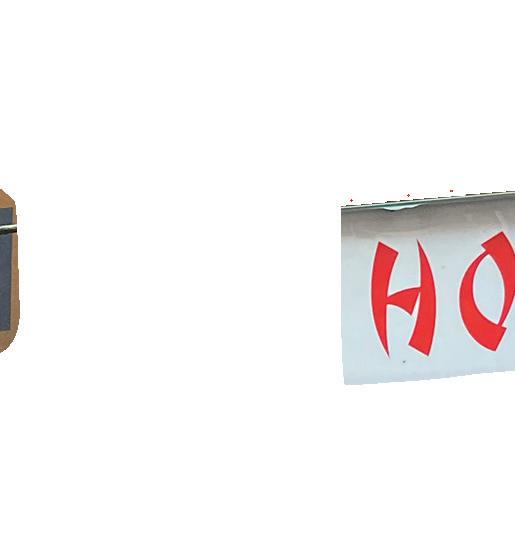
interpretation is often subjective, identity designer and typographer Raven Mo asserts that determining whether a font is stereotypographical is not always a clear-cut process — it depends on context and intent.
“If you are a Chinese American making this art piece that pays tribute to a specific era of the Chinese food scene, and the Chop Suey font is part of the visual artifacts that come with it, then it’s an appropriate use of it,” Mo said.
Meanwhile, utilizing a seemingly culturally-linked typeface with ignorant intentions fuels harmful assumptions.
“If you’re a company who wants to mock the COVID-19 pandemic that happened in the 2020s, and you use Chop Suey fonts because the context it carries has cultural appropriation in it, then you’re insinuating a bias, or something that’s racist,” Mo said.
These shifting interpretations are further complicated by changing cultural contexts. Lois Harada, a Rhode Island based artist and printmaker, said that a font’s original purpose can easily be overshadowed by new contexts of use.

process, he chose simple forms for the letters, each having little curves and bumps from the carving process.
“Imported to the United States in the 1920s, … the typeface reminded people a lot of what we used to call ‘primitive cultures,’” Shaw said. “[By] carving things in wood, you’d often get simple forms because of the materials involved in the carving. Neuland letters reminded people of that.”
There is a distinct difference between appreciating the culture and knowing what information you need to actually make letter forms that are going to [respectfully] communicate with people. “
Ramon Tejada, RISD Associate Professor of Graphic Design
According to architecture and design magazine ICON, the font Comic Sans was designed by Vincent Connare in 1995 for Microsoft computer users. Wanting the lettering to feel more human and casual, he took inspiration from comics and graphic novels. The wide letter-spacing allowed for increased legibility that appealed to many users, especially those with dyslexia.
“Comic Sans is often derided in design circles, but it was actually intended to be an easier to read option, an intention that is now obscured by its use in memes or as a joke,” Harada said.
Similarly, Shaw said that the original intentions of the font Neuland became distorted from taking on associations with different cultures over time, becoming an example of stereotypography as a result. The font Neuland, for instance, is now commonly seen as the “African typeface.” However, when German type designer and calligrapher Rudolph Koch created the font in 1923, he was deviating from the
Another way typefaces can accumulate meaning is through naming the fonts, which carries its own associations. Shaw recounts how one such naming gave an ordinary typeface a darker connotation. Jim Crow, a font designed in France during the 1850s and initially known as Gothic Shade, predates the identically-named Jim Crow era of American history. Yet after reaching the U.S., the font came to be tied with the derogatory character Jim Crow, who was utilized for racist propaganda in the United States from the 1870s to 1960s.
“The typeface now called Jim Crow [originally] had no name to it ... [but] a major American type foundry named it ‘Jim Crow,’ which is a very bizarre choice of naming,” Shaw said. “The rediscovery and renaming of the Jim Crow typeface coincided with a period of heavy lynching.”
These associations are a reminder that though we may discuss fonts as if they are culturally neutral today, their history and usage tell a different story. Tré Seals, founder of Vocal Type, a company which designs typefaces for creatives of color, said that the typefaces we now call ‘neutral’ only gained that status because they were once the one most widely circulated, taught and standardized, often by those in power.
“Typefaces are deeply tied to systems of cultural power, whether we acknowledge it or not,” Seals said. “Fonts that are often described as neutral, like Helvetica or Times New Roman, have never actually been neutral. They reflect the people, values and environments that produced them. … History shows that neutrality is often a reflection of access and adoption, not cultural absence.”
It is within this landscape of accumulated associations that Chop Suey fonts have become one of the most infamous

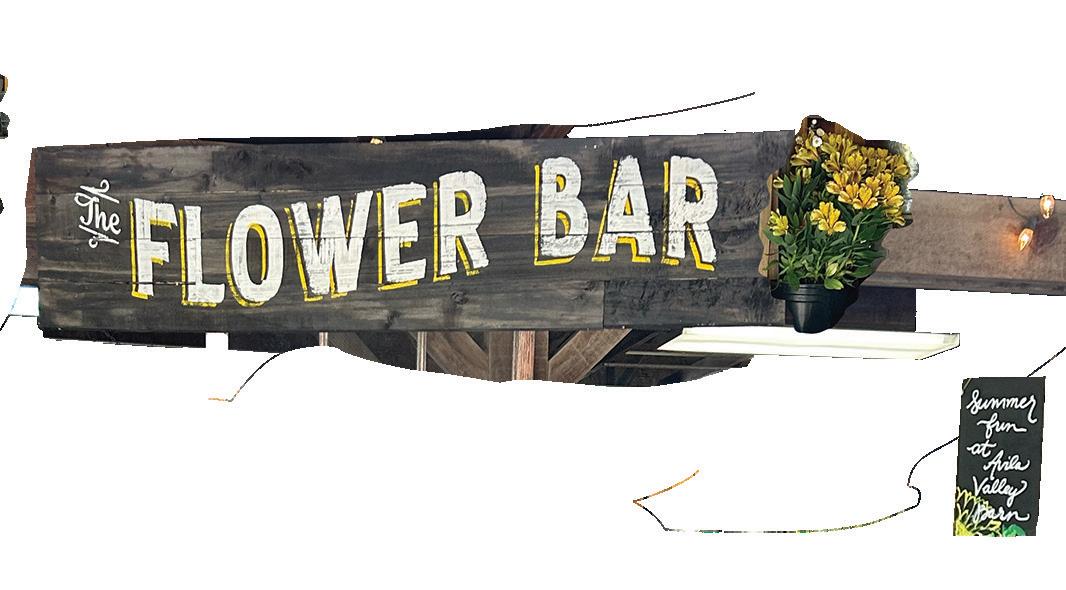
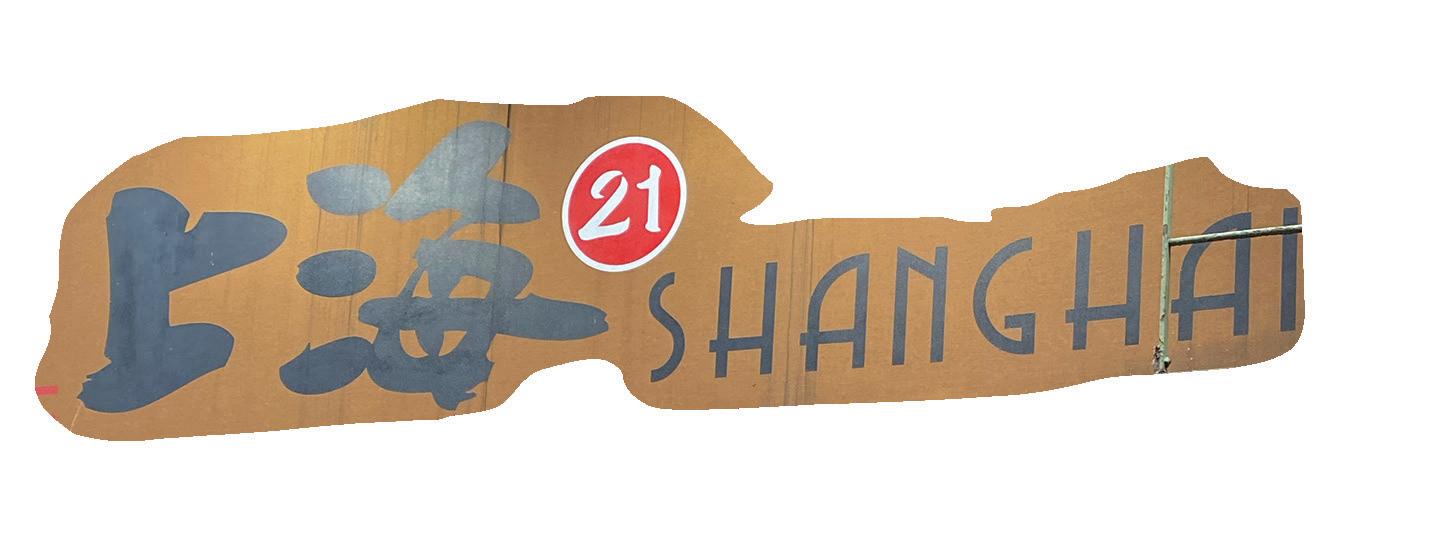
“The ‘Chinese Restaurant’ typeface most likely became associated with Asian cultures as its brush-like strokes felt closest to calligraphic marks to Western designers and audiences,” Harada said. “Though it had origins in French sign painting or other hand-painted traditions, it now is synonymous with a stereotypical representation of Asian Americans.”
When Mo immigrated from Southern China to the United States, she found that the Chop Suey fonts that adorned local restaurant signs bore little resemblance to her personal Chinese identity.
“Chop Suey fonts are not something that you see in China in the same context … compared to the United States,” Mo said. “Chinatown in Chicago was where I first encountered [Chop Suey fonts], and I thought this type of font looked quite weird, like letters being manipulated in really arbitrary ways.”

values of Switzerland embedded in it.
But now, the context of Helvetica is corporate. You see it, and you’re like,
And, while it’s easy to conclude that all usages of stereotypography are “uneducated” or appropriating and deem all stereotypography “racist,” it is also common for people of the community that a font attempts to imitate to purposely use these
“These letterforms function like a ‘fake foreign accent’ in visual form,” Elder said. “In early 20th-century Chinatowns, some Chinese-owned businesses adopted this look in their signage to appeal to Western audiences, making a pragmatic, if not problematic, choice to meet economic and cultural expectations.”
Yet what constitutes an accent is also shaped by dominant cultures.
“Because some typefaces were marketed as universal or objective, they’ve come to dominate visual culture to the point that anything outside of that visual language can be seen as trendy,” Seals said. “That imbalance mirrors how cultural power works more broadly. The dominant culture defines what looks neutral, and everything else becomes other.’”
Now, Chop Suey fonts are not commonly seen on new designs because they’re widely considered outdated or problematic.
Tré Seals, Vocal Type Founder “
Representation isn’t just about visual accuracy. It’s about authorship and agency.
Mo’s experience underscores the growing awareness of a gap between cultural reality and the stereotypes in some typefaces. With the world becoming more attentive to appreciating cultural diversity, more people are reflecting on the existence of stereotypography. Senior Rena Kim, the art captain of Paly Robotics, attributes these fonts’ continued existence to their distinctive associations.
“Designers use these kinds of fonts [stereotypographical fonts] because … they’re recognizable,” Kim said. “They stand out in your brain, and your brain immediately makes the connection to the cultural connection they’re trying to convey. That’s something that designers are always trying to do, make their design stand out and mean something with just one look.”
Junior and self-proclaimed design enthusiast Kit Wendling also notes that behind these design choices are market forces which drive usage of fonts and the incentive for quick associations and signaling.
“In a capitalistic landscape where advertising is crucial to the success of a lot of businesses, typography is a crucial part of our economy,” Wendling said.
Typefaces can signal many things. The Helvetica font, for example, is often used to signal corporate values.
“‘Helvetica’ means Switzerland,” Tejada said. “It has the
“A lot of Chop Suey font usage that we see nowadays, they’re all pretty much part of a legacy that has been passed down by [usage] done years ago,” Mo said.
Though the prevalence of stereotypographical fonts have declined, economic accessibility and lack of copyright restrictions have also played a role in keeping them in circulation. In her own work as a designer, Mo often has to consider the financial costs of renewing font licenses for her client.
“The reason why stereotypography is so popular is due to its economic value, and the fact that it’s a free font and [there’s] a lack of copyright protection,” Mo said. “Chop Suey fonts are usually free floating, where everyone can download them. Everyone has access to it so it’s really easy for [people] to use.”
But, the question remains: Who gets to design fonts for a culture? While many typefaces associated with stereotypes have emerged from outgroup designers and lack accurate representation or cultural nuance, many designers now seek to bridge this gap by collaborating with experts.
“When a community has little say in how it’s portrayed, as was the case when colonial-era designers or advertisers [who] invented fonts for ‘exotic’ themes, it reinforces a power imbalance,” Elder said. “In essence, type design has been part of a broader system that can either perpetuate stereotypes or, if done thoughtfully, challenge them.”
As Tejada sees it, design should be a means to open up spaces
of discourse.
“There needs to be diversity in these teams of people that are making decisions,” Tejada said. “If you want to engage with the community, you have to have representation from that community in the decision making process.”
Seals describes seeing design projects about cultural topics that used typefaces devoid of culture or identity. Although they were meant to celebrate a community, he found that the typography often spoke in someone else’s voice, usually a Western or European one.
“Representation isn’t just about visual accuracy. It’s about authorship and agency,” Seals said. “Who gets to tell the story, and who benefits from it? Those are questions we have to keep asking ourselves as designers.”
Still, the designing and usage of fonts are only one part of the story. Placing too much emphasis on symbolic interpretation of a typeface may reinforce stereotypes and limit the font’s function in design.
with.”
Simultaneously, designers from marginalized communities are reclaiming visual narratives by designing their own alternatives to stereotypography. Their work challenges assumptions about what culture looks like and expands the visual vocabulary available to designers in the future.
“Tré Seals, through his foundry Vocal Type, is creating … typefaces inspired by historical movements for civil rights and liberation across the globe, offering design rooted in real stories rather than stereotypes,” Elder said. “Similarly, the Bye Bye Binary foundry is creating fonts that include new ways to express gender and identity. … Reclamation, in this context, often means redefining the narrative and expanding access.”
Designers really need to be students at all stages of their careers.
Lois Harada, artist and printmaker “
“No one work of art can ever represent an entire culture,” Highsmith said. “It’s even more true with the typeface, especially a typeface that’s more readable … if [fonts are] trying to illustrate something cultural too much, it becomes too decorative and can distract from [design] content.”
Fonts must have a balance between visual interest and practicality. Harada acknowledges that though there has been progress in recognizing the blind spots and inherent biases that Western design education often imparts on students, many design institutions are still based in a colonial way of thinking.
“Yes, teaching about European type designers is important, but [it is] not more important than learning about histories and design traditions from indigenous cultures, Latin America and other underrepresented and marginalized groups,” Harada said.
In order for designers to move towards more authentic representation, Harada states that designers must research the cultures they plan on designing for.
“Designers really need to be students at all stages of their careers,” Harada said. “Research is important to every project so that you have an understanding of the histories and contemporary cultures you’re representing, referencing and speaking to. ”
Accurate representation can be improved by learning about different written language forms. Without that knowledge, Elder says, even wellintentioned work can become caricaturized.
“I am a big advocate of learning other languages and scripts,” Elder said. “This will help you understand the calligraphy and lettering traditions of the script and culture you are working
Through Vocal Type, the typeface Jim Crow was revived and renamed as VTC Ruby after Ruby Bridges, an American Civil Rights activist who became a catalyst for ending Jim Crow Laws. Currently Seals is conceptualizing making Chop Suey fonts functional for small text, revitalizing it with a new context and purpose.
“Using a typeface that was once used to harm and recontextualizing it to tell authentic stories is really intriguing to me,” Seals said. “Reclaiming [Chop Suey] by giving it a new purpose feels powerful, and that’s one of my many current project goals.”
Whether one sees fonts as tools, art or reflections of identity, they remain central to how we communicate and represent ourselves. As typography continues to evolve, it tells new stories about one’s identity and how they see the world.
“We’ve gone from hand to block printing to letterpress to desktop technologies,” Tejada said. “Technology is pushing it into a more open, generous, expressive and iterative approach.

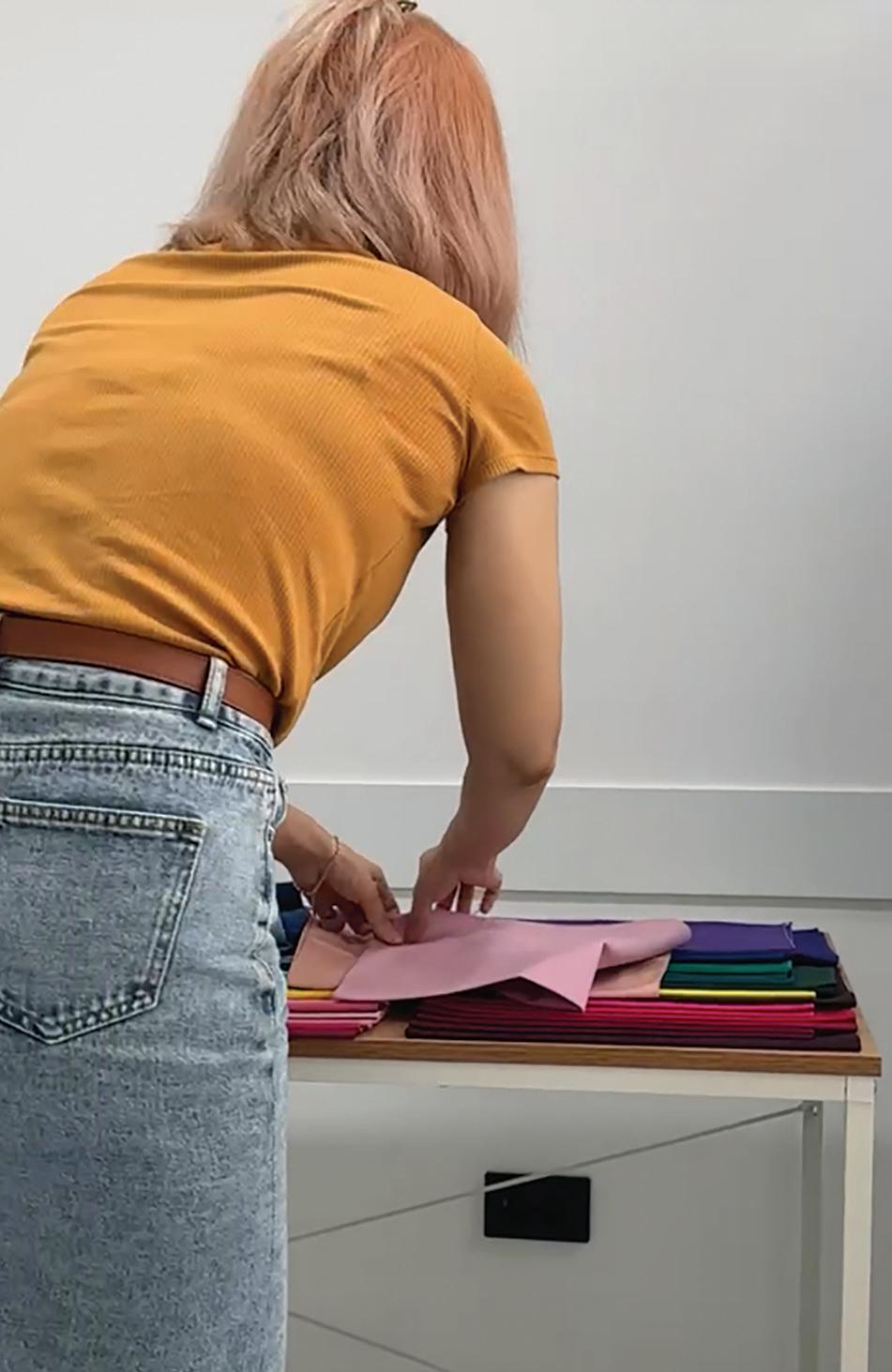
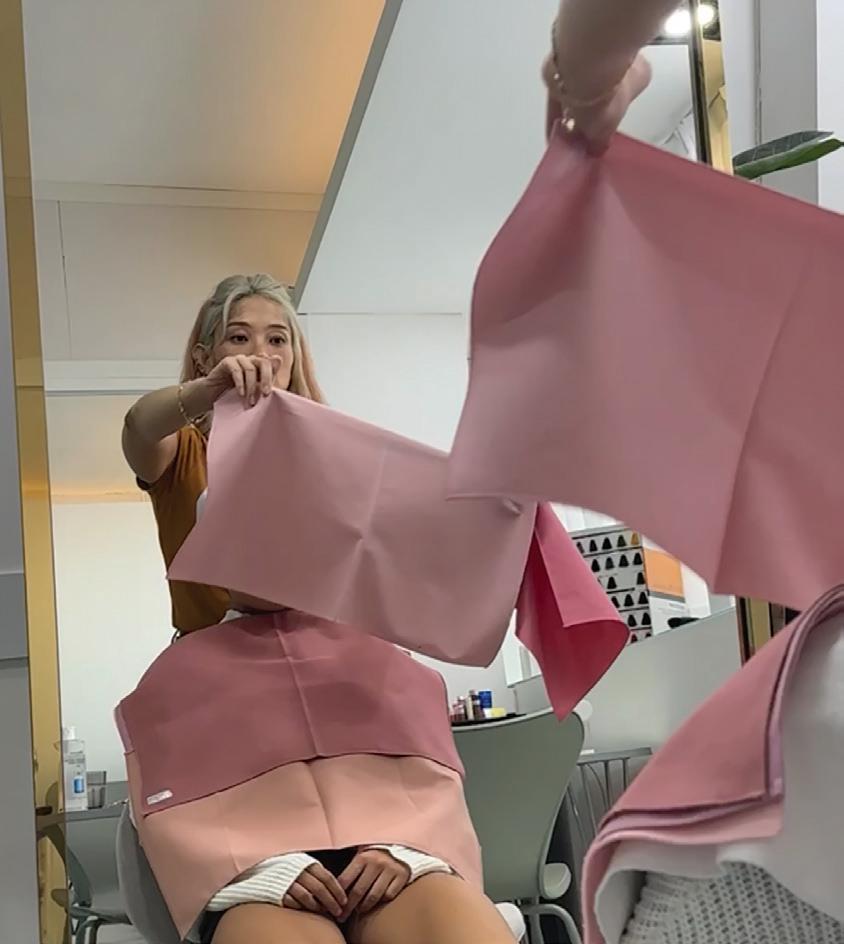
As Palo Alto High School junior Mirai Matsuzawa took her seat and glimpsed the many sheets of color draped over a nearby chair, she was skeptical about how legitimate this whole practice would be. Matsuzawa had seen advertisements for color analysis during her vacation in Korea, and after noticing it pop up on her social media, she and her mom decided to give it a try towards the end of their trip.
“We had heard a lot about it [color analysis], so we wanted to see what it was about,” Matsuzawa said.
She is one of many who have partaken in the viral color analysis trend, which has taken the internet by storm in recent years. People go to specialized salons and meet with a color analysis professional to discover what colors best suit their undertone, eye color, hair color and more by holding several pantones close to their face. Despite its popularity, it’s difficult to pinpoint what it is about the practice that is so enticing for those who engage with it. Additionally, is the science behind it actually factual, or is it just an internet scam?
Juana Franklin, a stylist for House of Color located in Castaic, California, personally believes color analysis to be a legitimate practice.
“[Color analysis] is 100 percent scientific,” Franklin said. “Everyone can see it. As I am giving the analysis, the client is seeing it too.”
tures. Fall, winter, spring and summer are divided into sectors such as bright, cool, dark, warm, light and soft. Franklin came across color analysis at a time when she was struggling to find her personal style — long before the topic appeared on social media.
“I heard about color analysis in the 80s, and I guessed my season based on a book I found back then,” Franklin said. “But [later on], I was having a lot of trouble with my closet, so I decided to have my colors analyzed to see what looked best on me. Turns out I chose the wrong season and lived in it for many years. When I tried to put the colors [in my season] on, I felt more vibrant and more alive.”
"EVERYONE SHOULD BE ABLE TO EXPLORE COLOR FREELY AND USE WHATEVER STYLE THEY WANT."
Franklin works as a stylist, helping others find their seasons and palettes through individual sessions. Color analysis works through four main seasons, each of which have distinct color palettes. Adherents believe they suit different people based on their undertones and individual fea-
While many have only recently discovered color analysis through social media, the concept has existed for many decades.
“Color analysis goes back to the early days and is based on the work of Johannes Itten and the Bauhaus School of Art,” Franklin said. “Artists like Monet and Picasso apparently painted in their individual seasons. Whether they knew it or not, I’m not sure.”
Through her work with clients, Franklin has noticed that most people see a visible difference when looking at themselves next to different colors.
“Most clients see the difference when you point it out,” Franklin said. “People want to look their best. Most people who ask for an analysis want a change and will follow their colors.”
Franklin believes that color analysis is more than just a social media trend and can be used positively rather than as a way to fall victim to beauty standards.
“Advertising and social media campaigns push people to want to look a certain way,” Franklin said. “Color analysis is considered a health and wellness brand for its ability to boost confidence.”
However, some people, such as Matsuzawa, discovered color analysis because of social media and found it to be a positive ex-
perience. In her session, she was told that certain tones of makeup and jewelry might suit her complexion more than others.
“[The Color Analyst] went super in-depth about everything, from what colors to wear to what hair color, jewelry and what kind of makeup looks good on [me],” Matsuzawa said.
While a few previous assumptions on her color palette were affirmed, other results proved surprising for Matsuzawa.
“Some of [the color analysis] confirmed a lot of what I had already thought about myself, like how gold jewelry or darker hair tones [were a good look],” Matsuzawa said. “But when it came to what colors are best to wear, I was honestly a little surprised, because the colors it recommended for my skin tone or what would look best on me were different from the colors I liked wearing.”
Despite the contrast between her recommended and preferred colors, Matsuzawa did not feel limited in her fashion choices.
“After I got the color analysis done, I chose to listen to half of what it said,” Matsuzawa said. “It was a good tool and definitely has helped influence [me] when I’m choosing what to wear, but if I didn’t agree with some of the results, I chose not to listen.”
Ultimately, the color analysis had a lasting influence on Matsuzawa and her closet.
“That summer when I was shopping for back to school clothes and I was choosing a color for a specific top, I would look back at my color sheet and think, ‘This [color] would probably bring out this feature more’,” Matsuzawa said.
When it comes to meshing colors together and deciding what looks “good,” artists are well-versed in the subject. Paly junior Ray Wong, an experienced artist who has gained expertise in many mediums from oil painting to photography, believes colors can look better on a particular set of features, similarly to the opinion of color analysis experts.
“Choosing colors that match or contrast with a person’s undertone is an important part of creating a believable and emotive piece,” Wong said.
“It encompasses different types of color palettes like complementary, analogous, tertiary and monochromatic color context, which is the relative hue of a color against another hue, saturation and more,” Artola said. “Tints are how light a color is, while shades are how dark a color is.”
Similar to Wong, Artola believes that categorizing colors the way color analysts tend to do might unnecessarily restrict her creative process.
“[The use of categories] can often be redundant,” Artola said. “There are so many hues, shades and tints that we wouldn’t be able to categorize them all.”
"THERE ARE SO MANY HUES, SHADES AND TINTS THAT WE WOULDN'T BE ABLE TO CATEGORIZE THEM ALL."
KAREN
12TH GRADE
However, Wong decides what colors to use in a more organic way than is typical for color analysts.
“I usually choose my color palette as I progress with the piece,” Wong said. “It develops naturally along with my ideas and drafts.”
For Wong, color combinations are often more complex than just pairing colors together.
“I like using teal and red [and] blue and yellow,” Wong said. “Complementary colors always create strong visual energy when paired well.”
But, it isn’t only about hue. Factors such as tone, brightness and saturation shape how those colors behave.
“Adjusting brightness and saturation can completely change the mood and balance,” Wong said.
However, Wong doesn’t agree with the system of “seasonal” labels that color analysts are known for using.
“It can be limiting,” Wong said. “Exploring your own color palette and developing your personal sense of color is what truly matters. Art should feel free, not boxed into preset categories.”
Paly senior Karen Artola, a digital and traditional artist who has established an online presence to showcase her work, said that color theory largely contributes to her creative process.
However, contrary to what Wong believes, Artola disagrees with the idea that colors can compliment certain skin colors more than others.
“I don’t believe the skin tones [I use in my art] make much of a difference,” Artola said. “When objects are placed near each other, they reflect light onto the other. When a color is placed next to the skin, it’ll take on a bit of that color anyway. Color is very relative.”
Given that factors such as lighting and placement significantly impact how a color appears in a given moment, it’s difficult to understand how color analysts build confidence in their advice’s accuracy. Paly sophomore and artist Kamila Larios shares that since color can be manipulated in so many different ways, people should feel free to experiment with it however they wish.
“I think that everyone should be able to explore color freely and use whatever style they want on their pieces so each one has their own individuality,” Larios said.
While some people don’t see the benefit in categorizing colors, others find color analysis a helpful guide when exploring their personal style. Either way, color analysis has made a noticeable impact on social media and self-expression, and people can choose to interact with it in whatever way they desire. In Larios’s eyes, people shouldn’t shy away from being expressive and dressing however they wish solely because of what society deems “good-looking.”
“I definitely think colors can look different on different skin tones or features,” Larios said. “But I also think people should be able to wear whatever they want.”
WE ASKED PALY STUDENTS WHAT COLOR BEST ALIGNS WITH THEIR PERSONAL STYLE, AND THEY SAID...
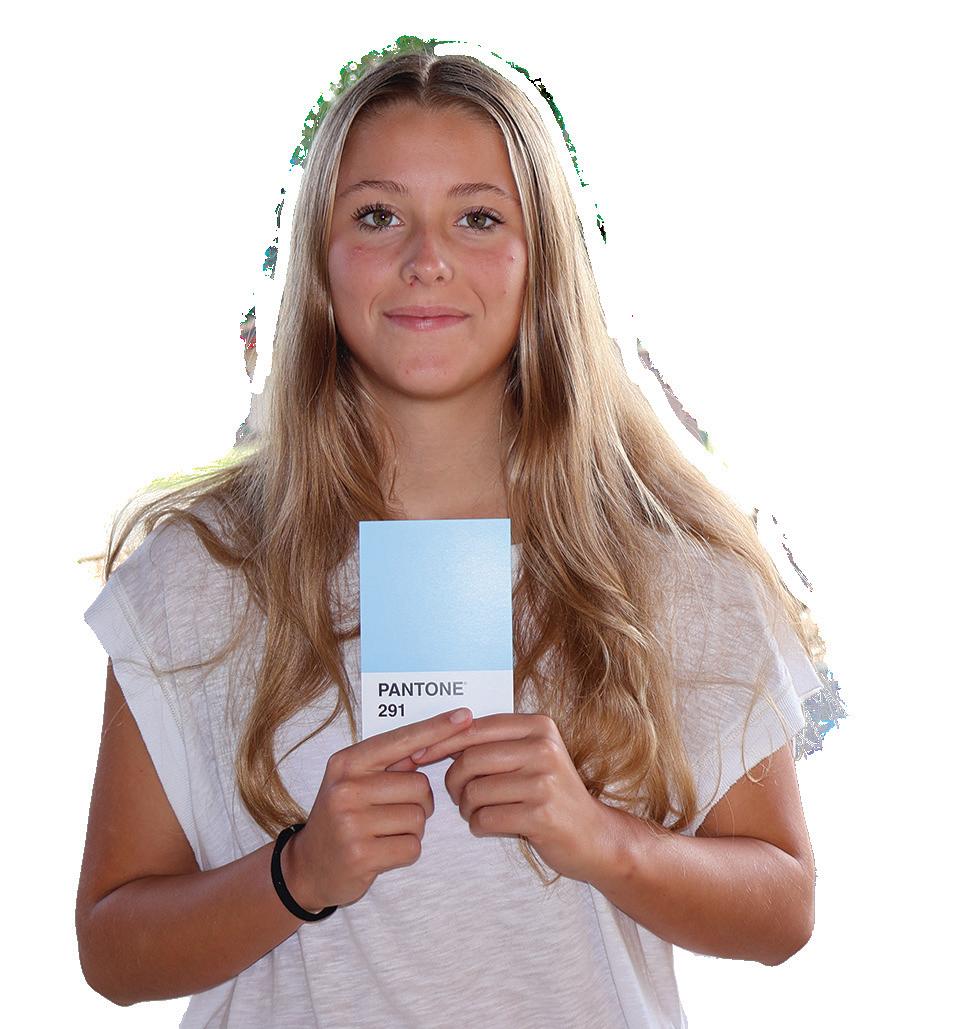
CECILIA RYANS 10TH GRADE
"This is probably the color I wear the most."
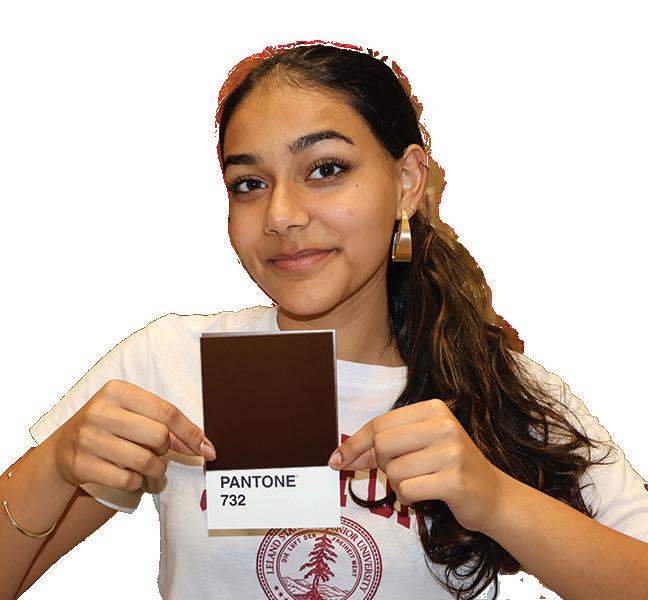
NEVA BAPNA 11TH GRADE
“This


HOROVITZ 12TH GRADE
"I just think it's a pretty color."
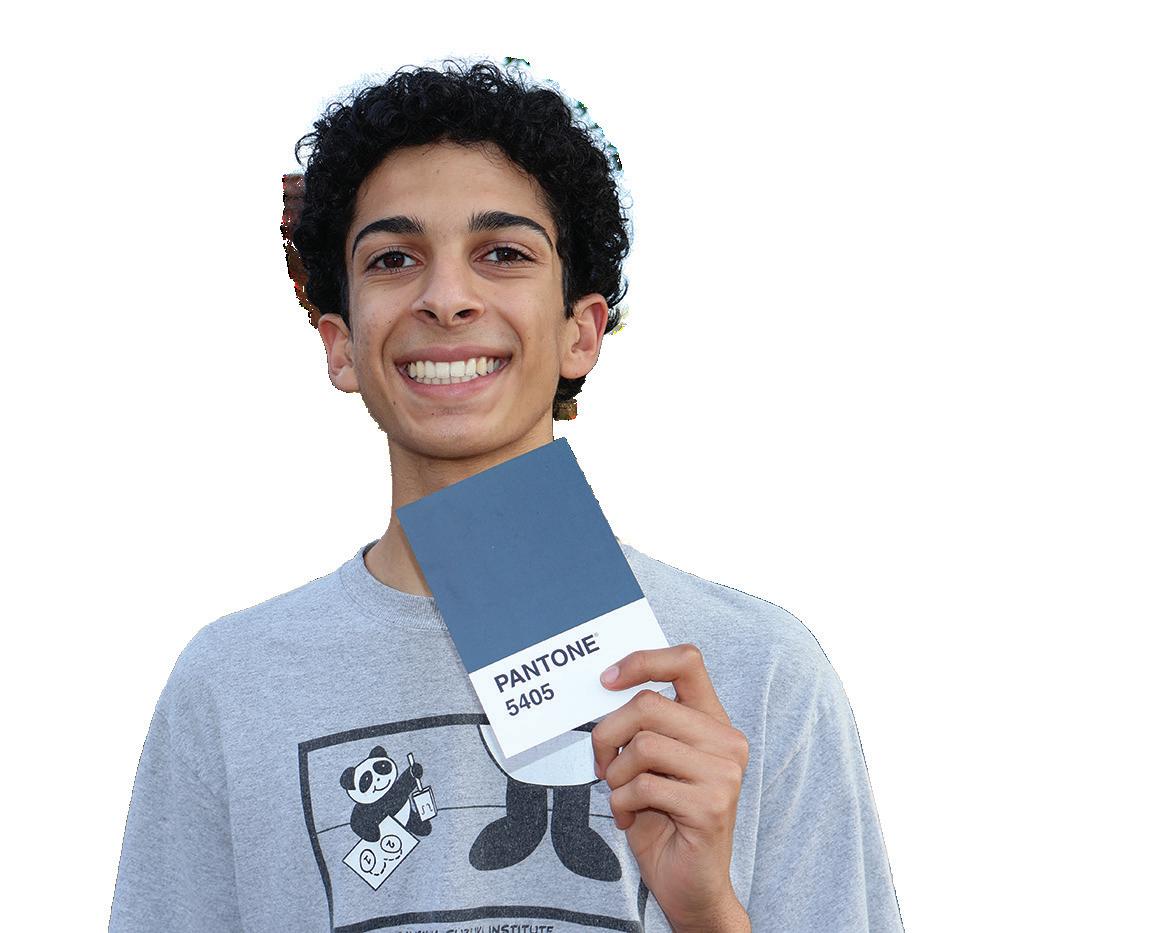
ARTIN IRANI 11TH GRADE
"I like how this goes with a lot of clothing and is a calm tone."
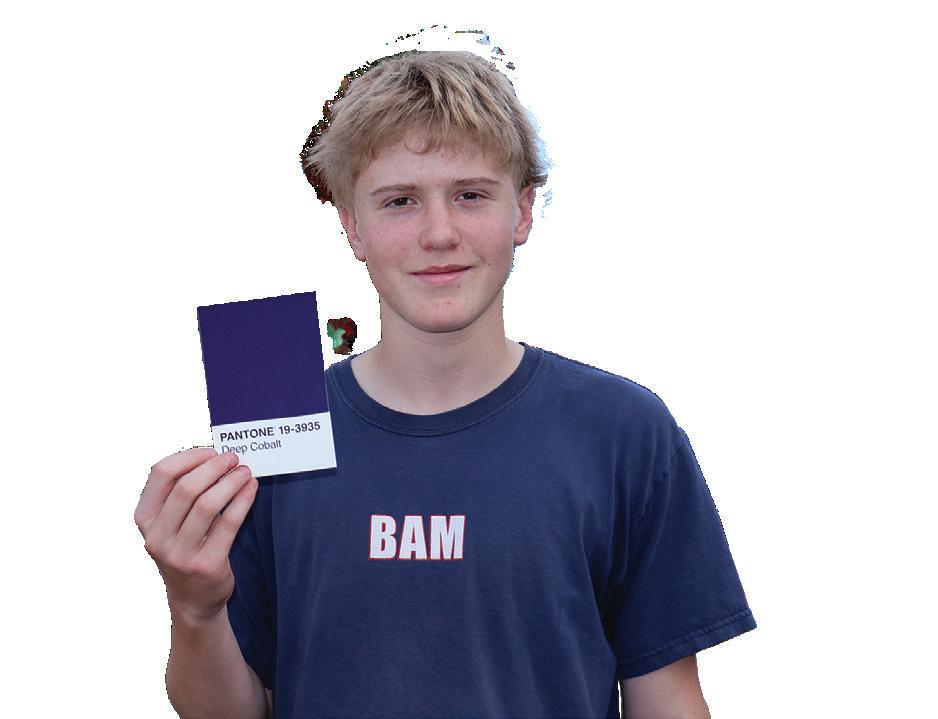
SHAWN STEWART 10TH GRADE
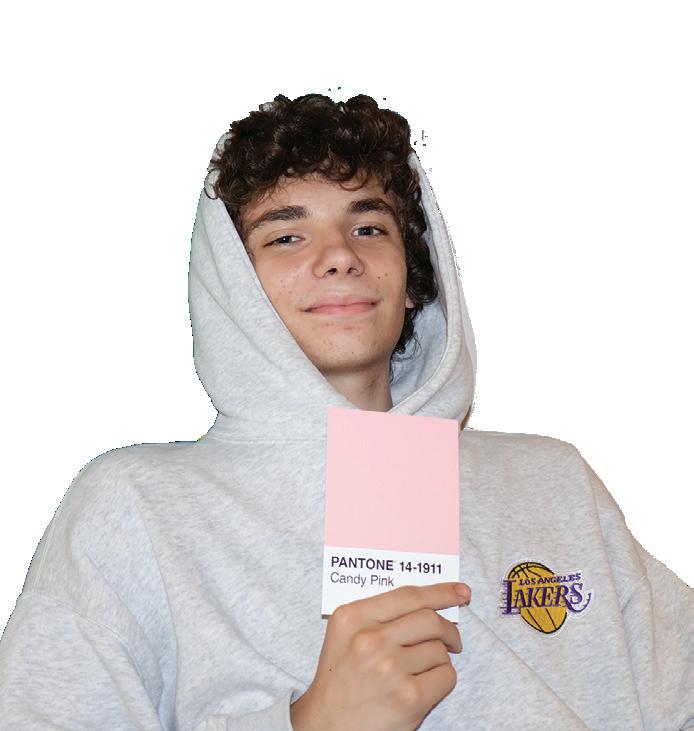
IVAN VELIKOV 11TH GRADE
my
"I wear a lot of blue."
"I picked this one because I wanted to be unique."
Inside Silicon Valley’s vibrant and often underlooked artistic community...


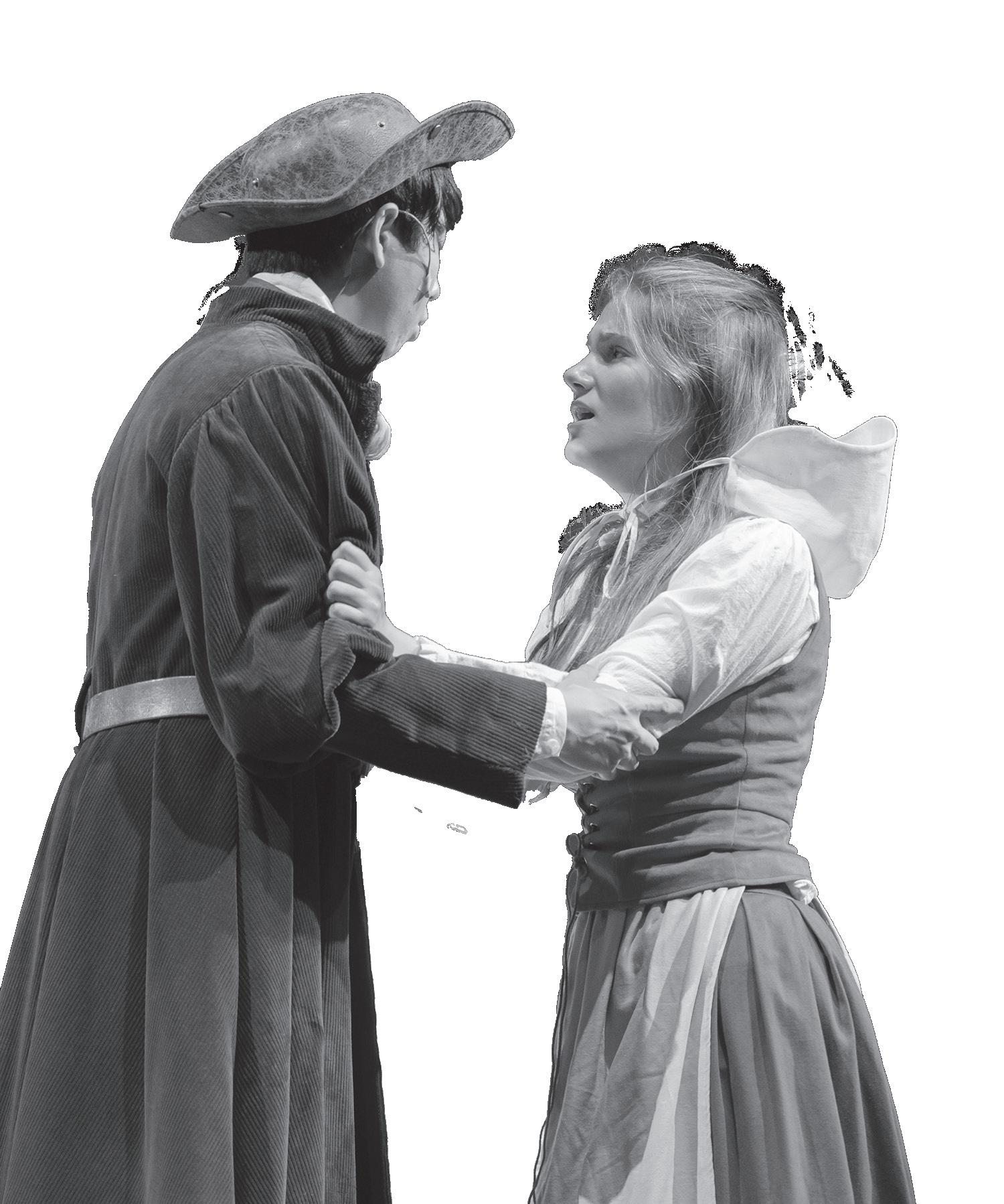

Palo Alto has always been an undeniably creative place. Silicon Valley is known for its rich history of innovation and technological pioneering powered by young entrepreneurs and engineers. But in a town always known for producing what is behind your screen — the code, the data, the computers — there also lies a culture of creativity, playing out on the screen instead.
This innovation machine continues to churn out creativity today. Buzzing beneath the surface of startups and software is a community of actors, filmmakers, singers and artists. From Paly’s stages to Stanford University’s dorms, young artists are aspir ing to break into the entertainment industry or already making waves within it — whether that means performing in local theater productions or working on New York film sets. For Betsy Franco, a screenwriter and parent of three PAUSD alumni, the Bay Area has evolved greatly in the last few decades.
“[Palo Alto] used to be super rich in culture,” Betsy Franco said. “It used to be the opposite of ‘Silicon Val ley’ in the ‘60s. It was all these amazing musicians and all this amazing creativity going on. This place is just brimming with the history of it, and it keeps pop ping up.”

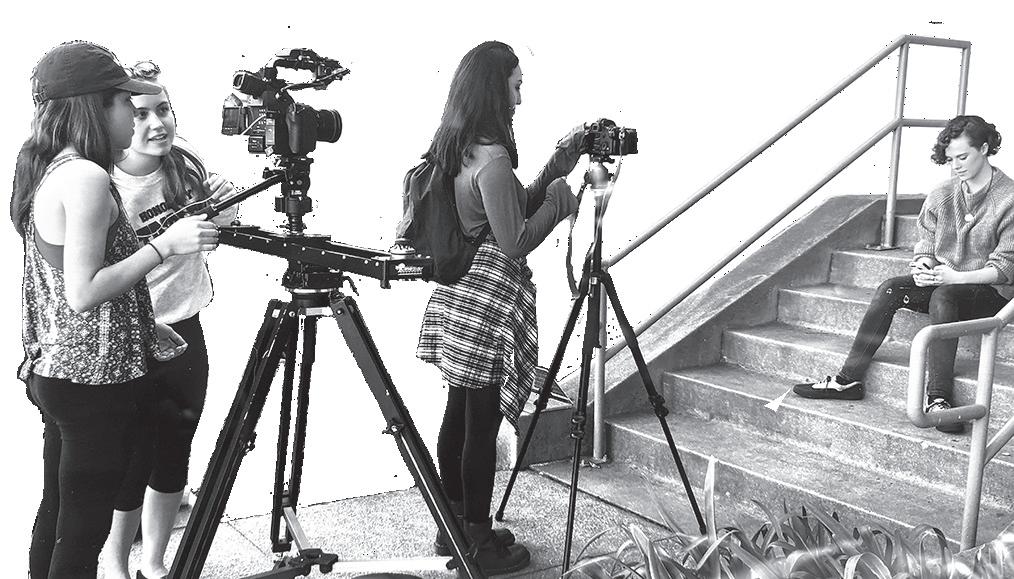
“James, Tom, Tom’s wife Iris and I put on a workshop at Paly where we made a feature film with 40 gifted film students from high schools all around the area,” Betsy Franco said. “We made the feature film, and it went to a film festival, and many of those
Betsy Franco is aware that the success her family has seen in the entertainment industry is not easy to come by. But through ventures like her feature film program, she hopes to inspire a younger, local generation into pursuing arts despite roadblocks — especially those that present themselves to kids growing up in the incredibly STEM-focused Silicon Valley.
“I like to help students in high school and college who are interested in the arts because I feel like they need a lot of support right now,”
“PaloAltomightbemoreofahard communitytofindcreativesin,but theyareoutthere.”MirabelleLee,modelandactress
One of Palo Alto’s most recogniz able Hollywood exports is Betsy Franco’s son: Oscar-nominated actor and director James Franco, best known for his role in the Spider-Man trilogy. James graduated from Palo Alto High School in 1996, and Betsy observed her son displaying an early interest in the arts as he walked through Paly’s halls long before the red carpets and Hollywood sets.
“James got his first acting roles at Paly,” Betsy Franco said. “His first lead roles, two of them, were through Paly Theatre.”
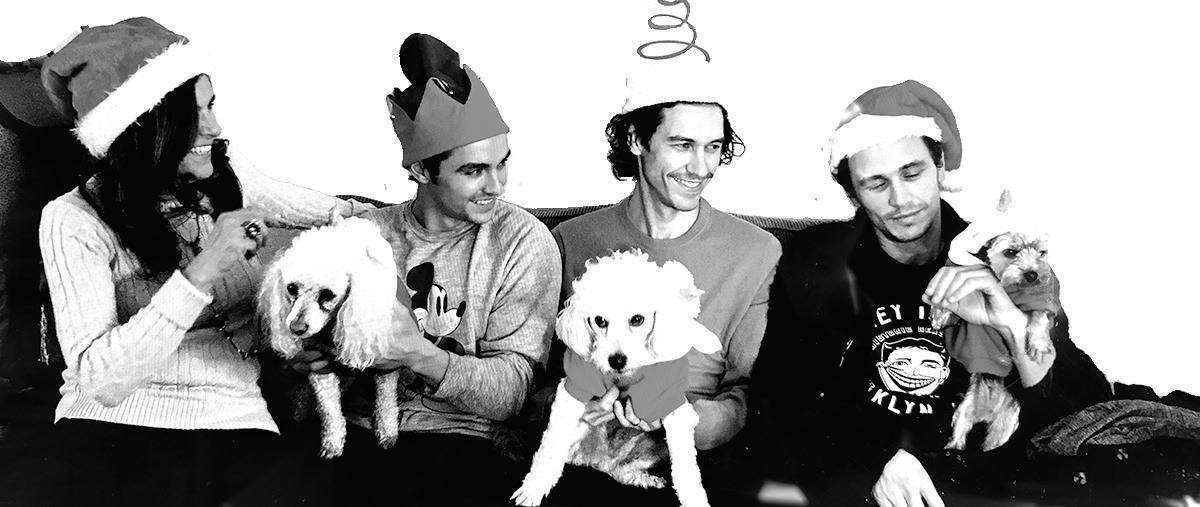
James Franco, along with his brothers Dave Franco (from 21 Jump Street) and Tom Franco (who currently has art on display at Paly), grew up in Palo Alto. Their mother preserves deep roots within the community, determined to spread and foster the arts among young students in the area.
Betsy Franco said. “Everyone is just always going, ‘tech, tech, tech.’”
This clash between creative pursuits in the arts and the cultural emphasis on science, technology, engineering and mathematics (STEM) in Silicon Valley is something that Paly’s theater director Sarah Thermond has experienced firsthand.
“I actually wasn’t always determined to study theater in college and make it a part of my profession, because I also grew up in Silicon Valley,” Thermond said. “Everyone always hears, ‘get a more practical, STEM-based ca-
Years later, she now watches her own students wrestle with the same roadblocks. Aashi Agarwal, a senior and Paly Theatre veteran, describes her experience navigating between practicality and passion, especially as college approaches.
“Being someone who’s both Indian and living in Palo Alto, I feel like there’s a lot of pressure,” Agarwal said. “My parents are super supportive of me pursuing arts, but ever since I was younger, I’ve always kind of had this pressure upon me to not go into the arts.”
Still, Agarwal’s love for performing arts has persisted, and she hopes to continue acting after high school.
“I’d love to teach theater [in the future]; that would be really cool,” Agarwal said. “My plan for college is to try to double major, and if that’s not possible, [I will] minor in the

“Do what you are passionate about... if you pursue what you are passionate about, success will come.”
Anais Lee, actress

Photo

of both of these lifestyles firsthand, growing up as an actress in Hollywood before coming to Palo Alto to get her degree in Communications.
“Everyone around me from where I used to live was involved in some sort of creative aspect, whether they were an actor, a model, a singer or something like that,” Mirabelle Lee said. “So, we all had that foundation of common ground with each other, but here, everyone around me loves engineering, loves computer science and has a STEM background.”

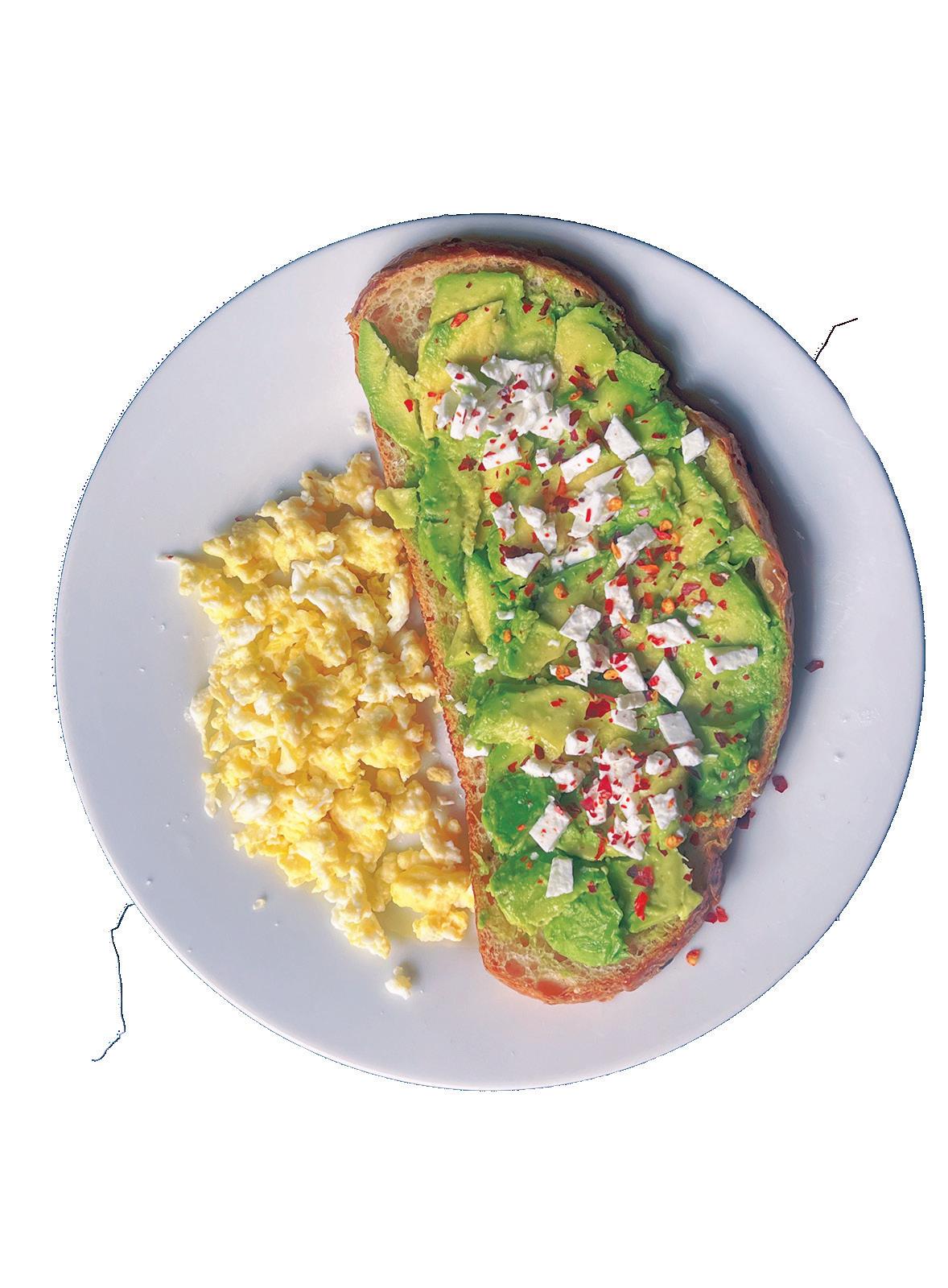
Ingredients:
1 slice bread
½ avocado crumbled feta cheese chili flakes (to taste) 1 egg
PREP TIME: 10 mins
COOK TIME: n/a
YIELDS: 1 serving
How-to:
1. Mash up the avocado.
2. Cook your eggs.
3. Spread mashed avocado on bread, and garnish with crumbled feta.
4. Add eggs on or next to the toast.
PREP TIME: 10 mins
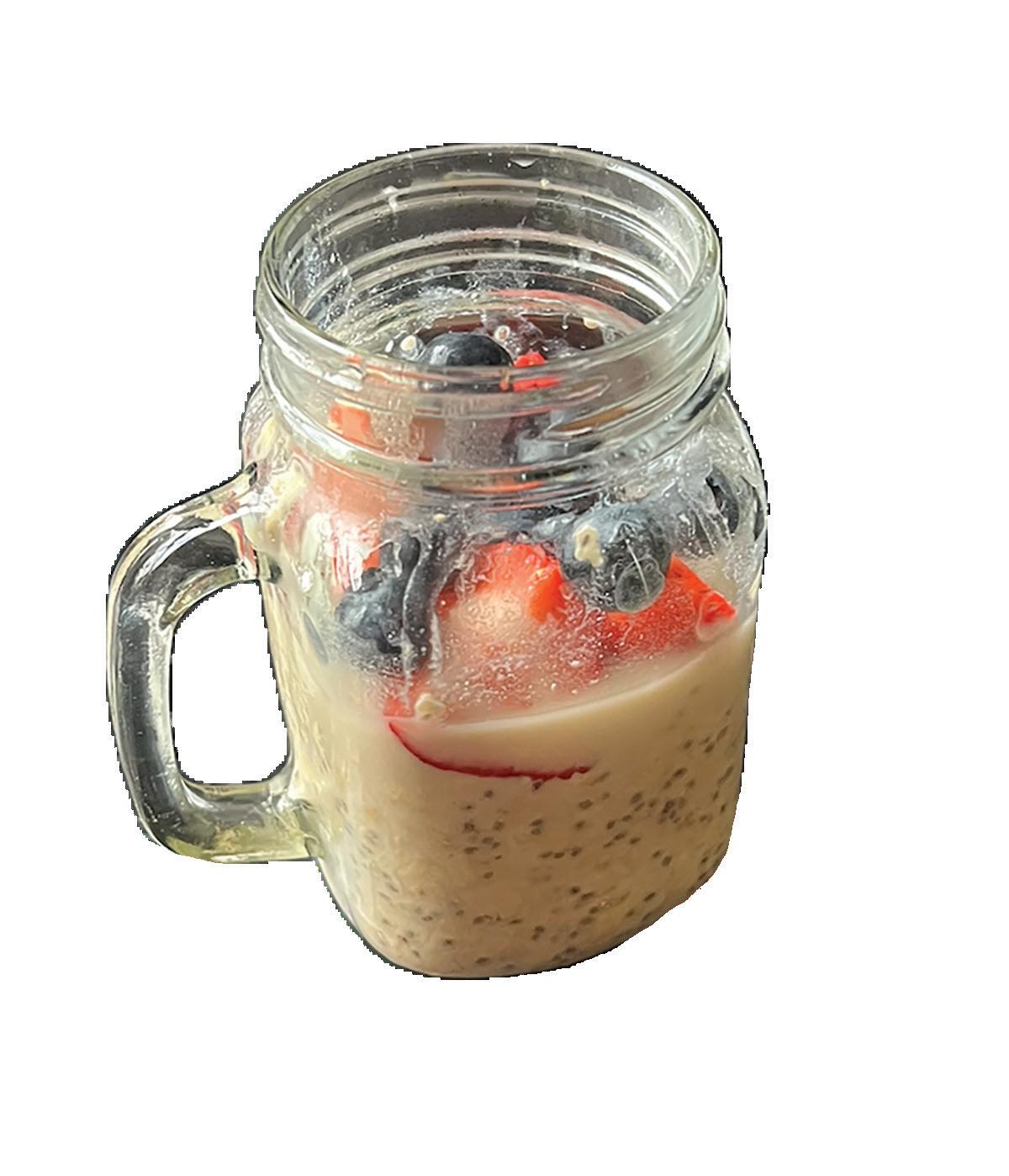
Ingredients:
½ cup rolled oats
½ cup milk (any milk of choice)
¼ cup greek yogurt
1 tbsp chia seeds
1 tbsp agave
OPTIONAL: 1 scoop protein powder
How-to:
1. Mix all ingredients together in a mason jar.
2. Store overnight in the fridge.
3. Enjoy in the morning!
Pro tip: Add in some fresh berries, peanut butter or seeds in the morning for extra flavor.
ber and 15g protein!
“I don’t eat breakfast because I don’t have time in the mornings. But, since I stated having a first period prep, I hope to start a routine of waking up early and making a nutritious breakfast, like avocado toast.”
Courtney Taylor, 11
“I eat a poached egg with soy sauce and some fruit, which is usually grapes. Breakfast is a very important meal of the day for me.”
William Xue, 12
“I have black coffee. I’m too lazy to make breakfast.”
Rodney Satterthwaite, journalism adviser
Ingredients:
2 large eggs
1 tbsp vanilla extract
⅓ cup sugar
½ cup greek yogurt
2 scoops protein powder
1 tablespoon baking powder
PREP TIME: 10 mins
COOK TIME: 10 mins
YIELDS: 2 servings
How-to:
1. Mix eggs, vanilla extract, greek yogurt in a bowl.
2. Whisk in protein powder, sugar and baking powder.
3. Heat on a non-stick griddle. Pour batter into your desired size pancake, and cook until the they bubble on top (~1 minute for a standard pancake)
4. Flip and cook for another 10-20 seconds.
5. Enjoy with a cup of milk or water!
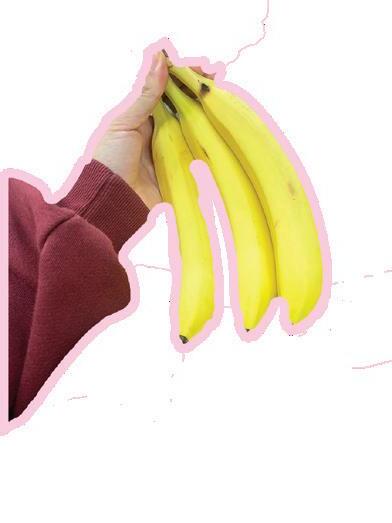
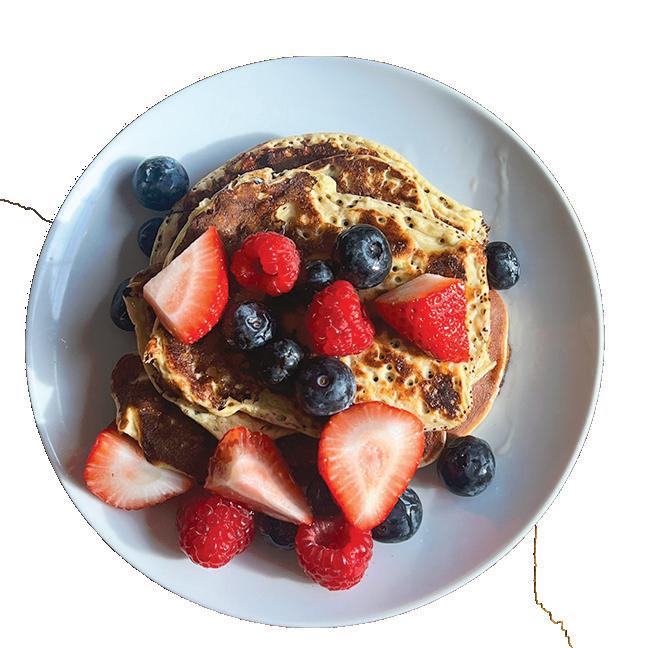

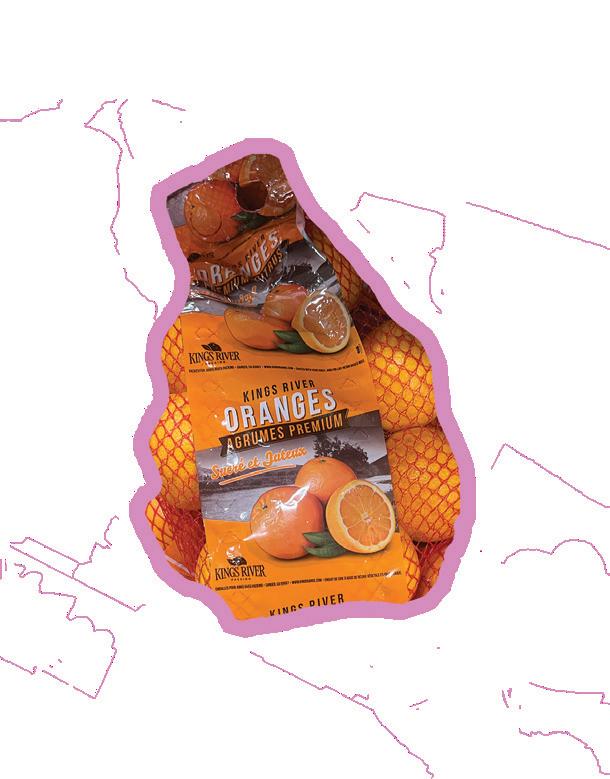
Make sure you have healthy fats for your skin, hair and nail health (pro tip: eat things like avocados, smoked salmon, flax seeds and eggs)!
Eating a balanced meal is key for feeling satiated, healthy and energized. Social media promotes protein-prioritization for muscle growth, but don’t forget about your other nutrients!
According to Real Food Matters — a health blog written by nutrionist Karen Kennedy — people should include 1 teaspoon of healthy fats, at least 20 grams of protein and a balanced proportion of carbohydrates and fiber in their breakfast.
One more important thing: WATER! After not hydrating for 8+ hours, it’s crucial to replenish yourself. Bon appetit!
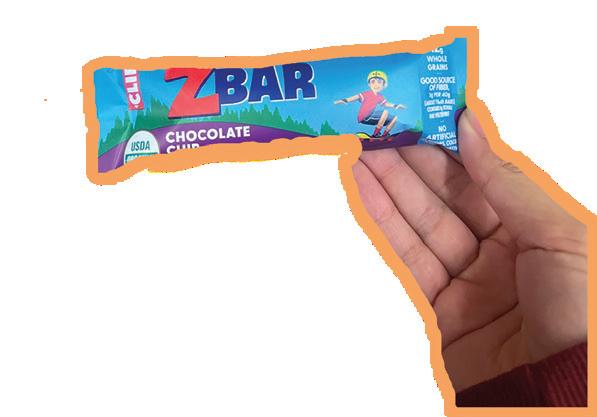
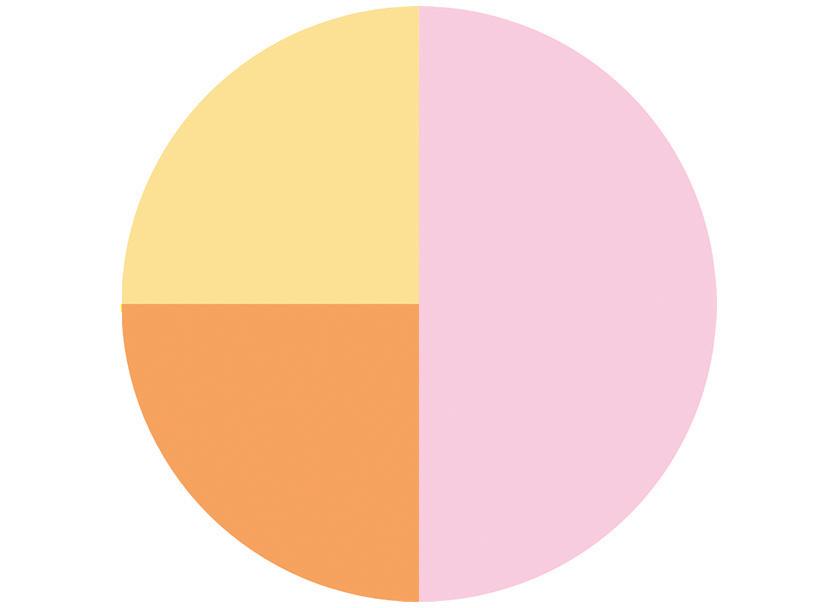
grains & starches bread
veggies/
Many Paly students have had long journeys to curly hair acceptance
Paly’s student body is diverse in many ways — interests, styles and preferences included. Among this variation comes differences in hair. For a variety of individuals, at Paly and elsewhere, hair holds a deeper, more unique meaning than simply a physical feature; it carries stories of cultures, memories and personal transformations. 1 2 3
To find out more, we asked Paly students:
1. What is your relationship with your hair?
2. What is your curl routine?

3. Why is your curly hair meaningful, and what does it represent?
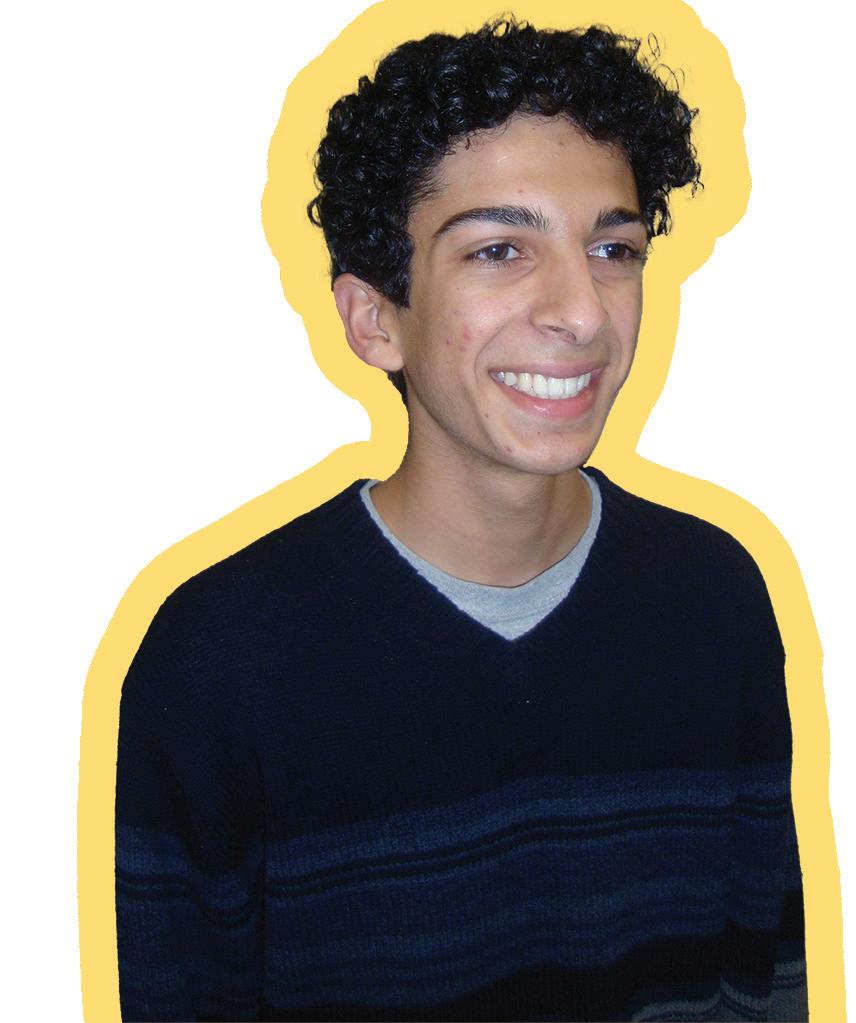
My relationship with my curly hair has been complicated. It wasn’t always clear to me what I should do with my hair because a lot of the time it would be frizzy and puffy, so I would just cut it really short. Later, when I grew it out, it could be a hassle to deal with, so I’d often just leave it frizzy, not knowing what else to do. Once I figured out how to properly define my curls, I realized how much I liked having curly hair and never looked back.
I wet my hair and use the Shea Moisture Alma Oil Leave-In Conditioner first. Then, I use an argan hair oil. I like to let my hair air-dry because, for me, interfering can make my hair frizzy.
I love my curls. My curly hair represents the journey I have been through and the struggle of not always knowing what to do with my hair. It is also an important reminder of my heritage and the culture I come from. Being in such a diverse place like Palo Alto, we often lose sight of our own cultures and what makes them special. I see my curls as a reminder of my family’s lineage and everything they gave to come here, as well as Persian culture, where I come from, which is something that I keep close to my heart.”

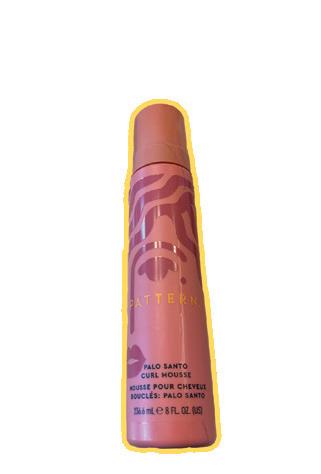

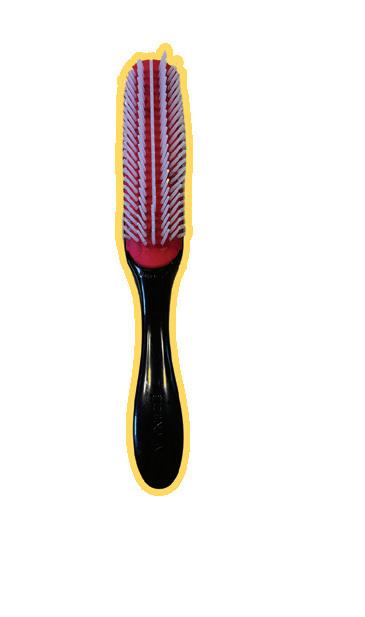


I didn’t know I had curly hair until around eighth grade because everyone in my family has wavy or straight hair. … Eventually, when I got sick of always having my hair up, I began straightening it about 1-2 times a week. This unfortunately ruined my curl pattern, the one I didn’t know I had, and made my hair naturally wavier. … During my first time trying a curl routine, I didn’t know how to do it properly; however, I began to do it more regularly. This eventually curl-trained my hair, so now it is a lot less damaged and retains its curl pattern much better.
I use leave-in conditioner to soften my hair and curl cream to help seperate and define each curl. I then brush everything through with a separation brush to form more defined clumps and reduce frizz. After that, I diffuse on high heat for about 10 minutes and on cold for about 10-15 minutes until it forms a cast. I sleep in this cast in a scunchie and silk bonnet and break up [my hair] in the morning, giving me defined, manageable curls..
My hair means a lot to me because for most of my life I didn’t even know what its real texture was. ... Figuring out how to take care of my curls on my own has become a symbol of independence for me. I had to learn everything through my own trial and error without any help, and that process helped me create a routine all on my own. Now my hair feels like a major part of my identity despite previously trying to hide it out of insecurity.”
I used to really hate my hair before I learned how to take care of it. I would constantly keep it in a braid, and it was just frizzy and hard to manage. Nobody in my family has curls so nobody knew what to do with me. Eventually, I got a curly cut and figured it out and started embracing it. Now, I wouldn’t change it for the world, and it’s one of my favorite things about myself.
I don’t have a long routine now that it’s short. I just get it wet, brush it through, put a tiny bit of shea butter curl cream on my hands and just run it through my hair and mess it up. Then, I just squeeze it a bunch, upside down and with an old t-shirt, and let it air dry.

[Curly hair] is a big part of my identity and how I perceive my looks and image. I love my hair and am very grateful for it.” 3 1 2

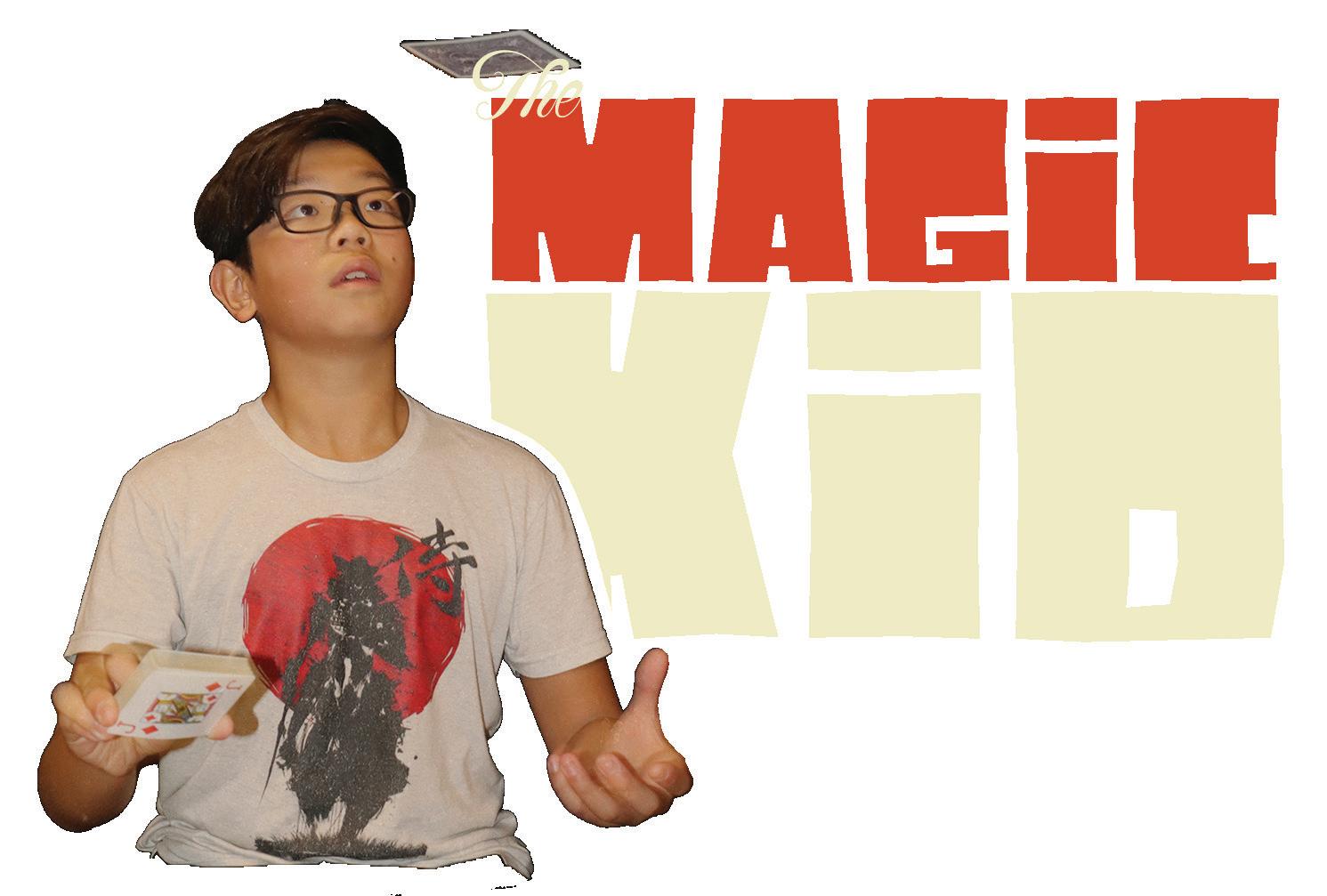

What are they looking at?” It’s a sunny day on the Palyo Alto High School quad, and a small group of peo ple is gathered in front of the library. In the center of the cluster, freshman Drake Quiec holds their attention, performing captivating card tricks.
Quiec, who started developing his magic skills in September and has been seeking an audience to practice on, found the perfect audience in Paly students during brunch and lunch.
“I only started [magic] a month ago,” Quiec said. “I started [showing people my tricks] at school to practice. It’s mainly to practice, let people have fun and talk to people.”
His passion for magic and card tricks started when he watched a tutorial video on YouTube. It took him a short amount of time to learn this trick — just 15 minutes — and his parents were his first spectators.
One of his favorite tricks is “Two De tectives,” wherein Quiec pretends to be a detective catching a suspect — the suspect being the card the audience member se lected. As the trick goes on, Quiec progres sively narrows down the suspects until he inevitably finds the selected card.
Another favorite trick is when he takes
Featured artist: Drake Quiec takes the stage as Paly’s latest sensation
full deck. Finally, a very dramatic trick is “All Cards Turn Over but One.” In this
In order to make an impression and learn from experience, Quiec has to have

“ speaksThemagic for itself.

ple,” Quiec said. “Sometimes there’s a specific trick and I need to talk to them. I say, ‘What am I doing here? Follow this.’ I prefer speaking.”
After all, speaking to new people is Quiec’s goal when performing at Paly. He finds that it’s not too difficult to make new acquaintances through his magic tricks.
“The magic speaks for itself,” Quiec said. “It’s a skill to go up to people and just start talking to them. It’s not too awkward, unless they don’t want to see a trick or if I don’t do it right.”
Especially for a new magician, performing for an audience can be nerve-racking due to a fear of messing up the trick and revealing the secret behind the magic.
“When I do tricks, sometimes I get pretty nervous because I want to make sure it doesn’t go wrong,” Quiec said. “[I need to] make sure people can’t follow what I’m doing because I [don’t wait to] break a trick.”
There have been a few instances where Quiec has messed up the magic, and the reveal hasn’t been as dramatic as he had hoped. Some audiences are more perceptive than others, and they might guess how the trick is done.
“I’ve messed up specific parts of tricks, and it’s not the card they [the audience] picked,” Quiec said. “There was this time in the airport when I went to random adults, and the card I showed them was a completely different card. Then they saw right through the trick.”
and tweaking a trick. Along with maintain ing his studies, Quiec learns one or two new tricks every week — learning the specific ways to trick an audience into believing the magic.
“I practice cardistry, that’s the cool shuf fles, at least three hours a week,” Quiec said. “That’s not too much. The actu al tricks themselves take more time, at least an hour every day.”
In addition to learning the tricks themselves, Quiec usually cus tomizes the tricks to his personal style, adding embellishments or changing certain elements.
“I learn a trick and go through different methods,” Quiec said. “I see if I can make the trick better when I do it a different way. There’s stuff to tricks that I’ve cut out to make them
Watch Drake work his magic!

faster and generally better.”
In addition, magic has been great in helping Quiec’s transition from school to school. The communal and interpersonal nature of the art has helped him form and strengthen bonds.
“In eighth grade, I was at a different middle school, and then I moved to Palo Alto and Greene [Middle School],” Quiec said. “So, just to get friends, I’ve done stuff like magic. I’ve done other things like this hobby; I do balloon art, too. [Magic] has helped me a lot.”
Magic, in essence, is a form of communication — an artful form of communication. Quiec has employed it to connect with people at Paly and engage his mind in a unique way.
“It’s just entertainment,” Quiec said. “I like talking to people, so being able to say, ‘Hey, wanna see a magic trick?’ is great. Magic helps me get out there, to get to know people. It’s just fun.”



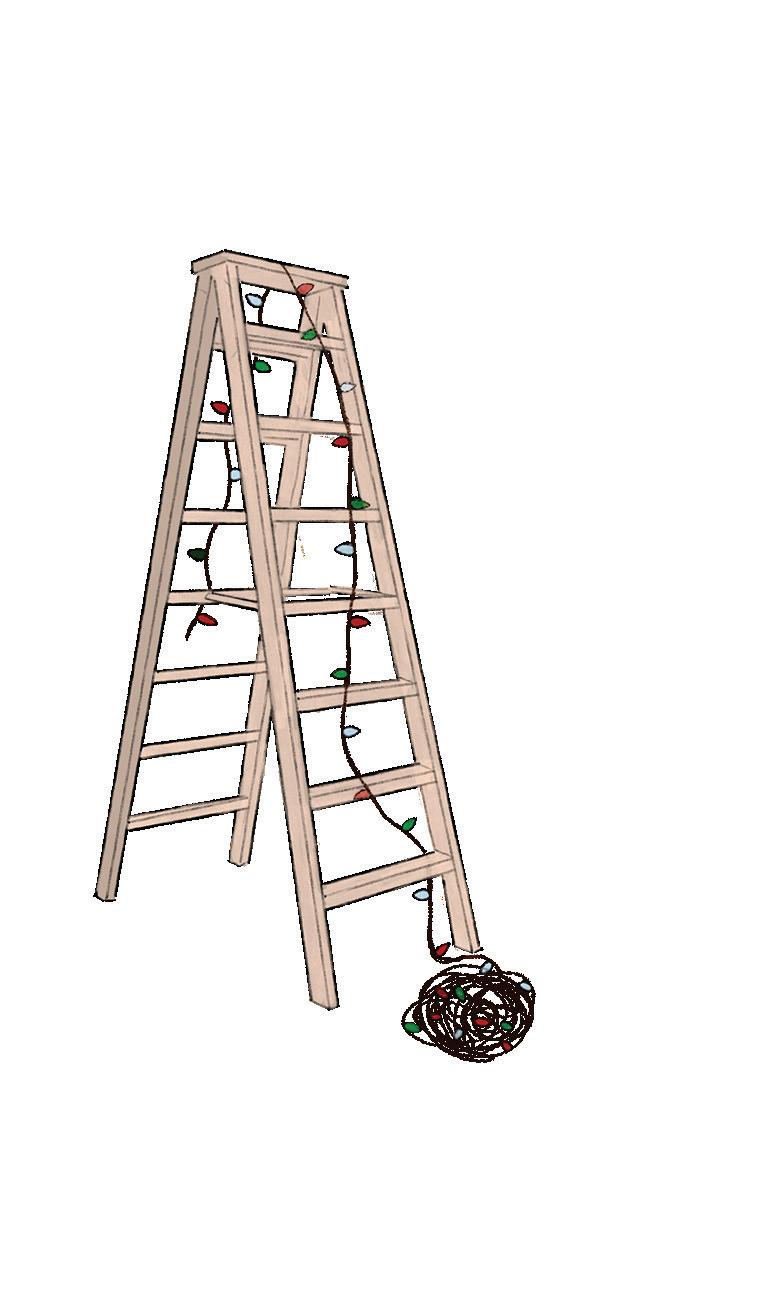

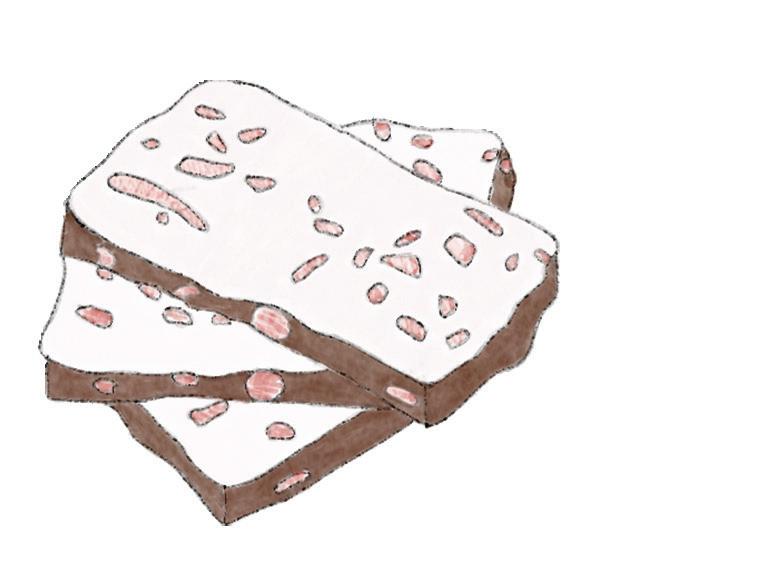





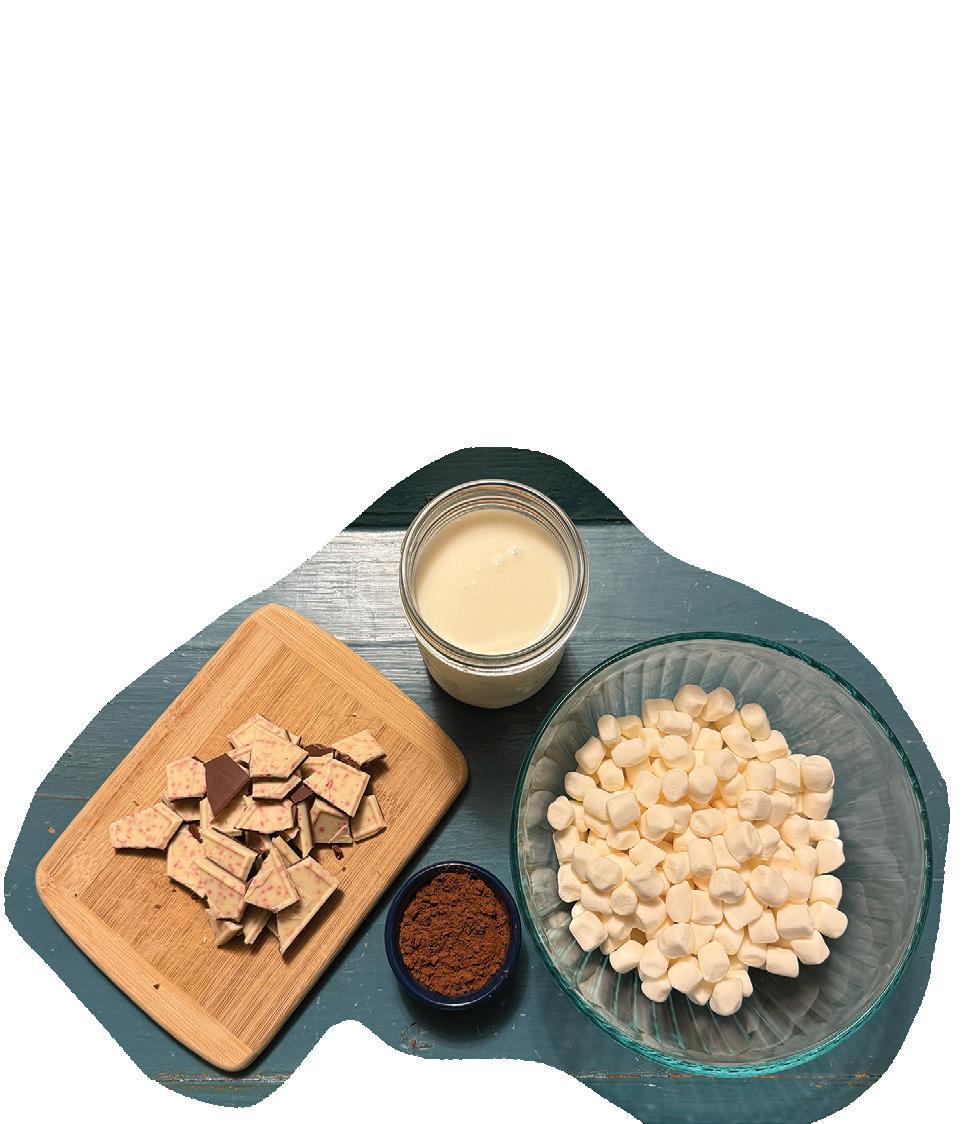



Make the “Home Alone” sundae

Buy cozy pajamas
Organize white elephant with friends




check @c__magazine on instagram (two underscores) for more details!





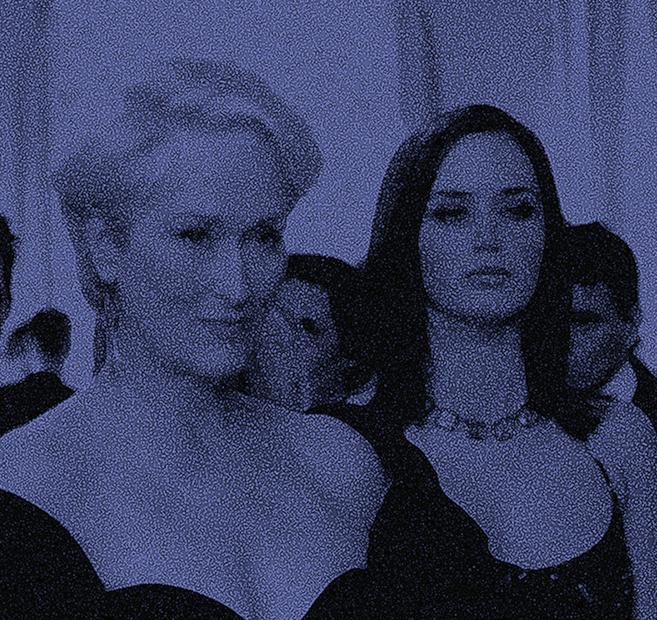
Andy Sachs yearns for corporate success, though her particular niche is fashion journalism. After searching for and landing a job with the cold editor-in-chief of Runway Magazine, she is subjected to increasingly-stressful and highly-difficult tasks.
Determined to prove her worth on staff, Sachs continues pushing herself and begins to adopt the same cunning personality as all of the others on the Runway staff. Will Sachs become another cold-hearted fashionista, like Miranda? Watch “The Devil Wears Prada” to find out.
For junior Melody Xu, this film is a hit. Every single time.
“It’s something you will watch when you are bored or excited because the feeling of familiarity and comfort is what draws me back to it,” Xu said.
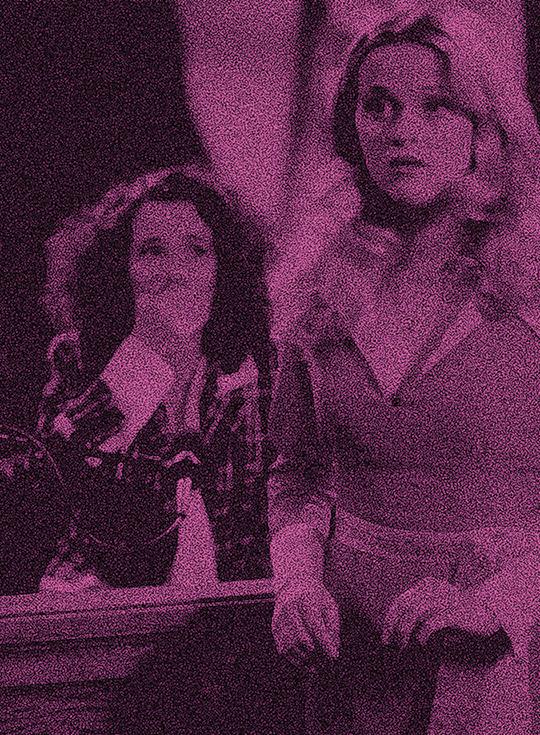
his early-aughts comedy follows Elle Woods, a wealthy blonde who leads a very fulfilling life in pink — until, that is, her boyfriend dumps her as he needs a more “serious” woman in his future given that he’ll be attending Harvard Law School.
Woods is distraught. After graduating with a degree in fashion from CULA, Woods studies for the LSAT — and scores a 179 (one point shy of perfect). Woods is subsequently accepted to Harvard Law School and is immediately looked down upon by the school’s attendees, including her ex-boyfriend.
However, despite several uncomfortable and highly-prejudicial comments she receives, Woods remains a character of female strength, her head held high. Woods dives into her studies and soon ends up on an important trial that could solidify her role and talent as a lawyer.
For Paly junior Angela Fang, Woods’ story is nothing short of inspirational. “Everything about Elle Woods is genius and iconic,” Fang said.

In “Ready Player One,” the horrors of virtual reality come true. Ontologically Anthropocentric Sensory Immersive Simulation, or OASIS, rules the dystopian 2045 world.
One passionate teenager, Wade Watts, is determined to search for a “golden egg” that would grant its discoverer ownership of OASIS. On a nearly-impossible journey in this artificial reality, Watts (or Parzival) joins forces with Aech and Art3mis to hunt for the three keys necessary to claim the company.
The trio races against tech CEOs and a handful of dedicated egg hunters, using their knack for video games to progress.
Senior Angelika Gera, a self-proclaimed virtual reality enthusiast, has been enthralled by the film from the moment it was released.
“Since I was a kid, we always had at least one VR [virtual reality] headset at home,” Gera said. “It was my escape on the weekends. And, when this movie came out, I was genuinely so fascinated. I lost count of how many times I watched it.”

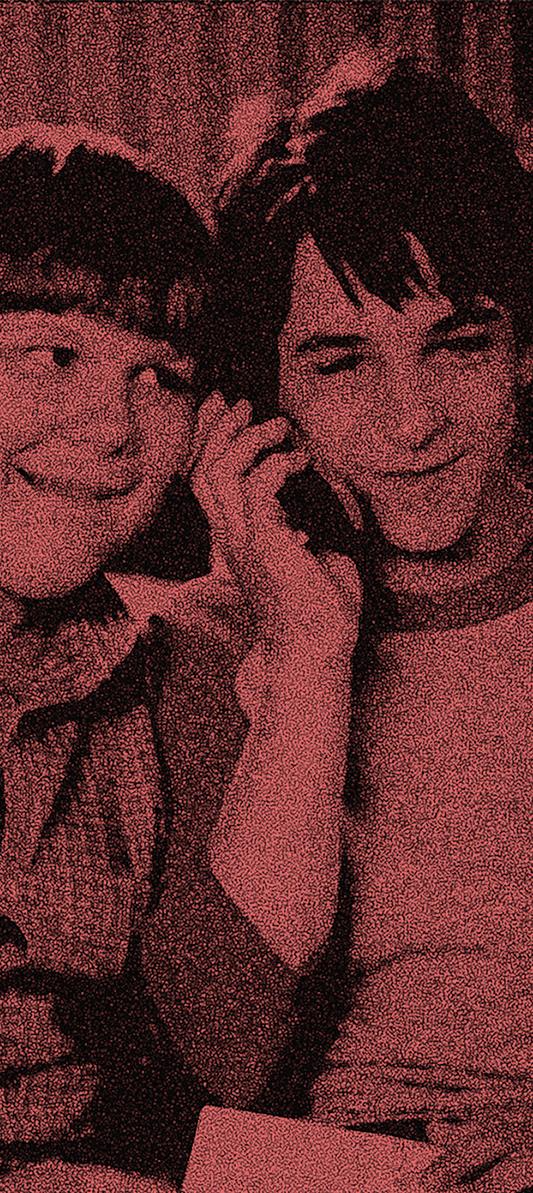
The elementary school favorite — Jeff Kinney’s “Diary of a Wimpy Kid” series — comes to life on screen in this 2010 adaptation. Greg Heffley catalogs the highs and lows of first year at Westmore Middle School in his diary, with notable appearances from his rowdy brother, Roddrick, and his best friend, Rowley.
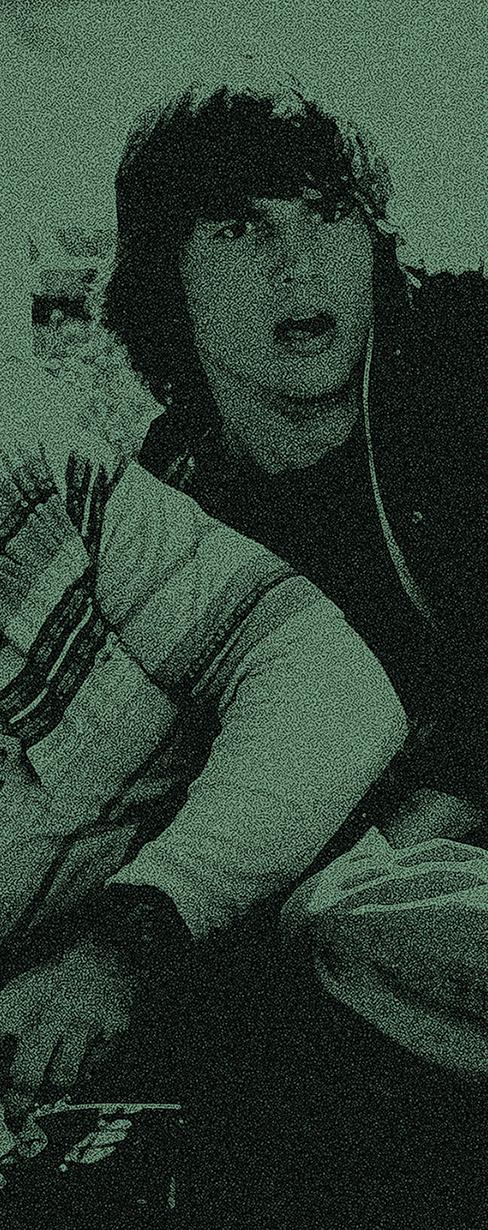
After a night of many mishaps, two best friends wake up and remember nothing. Nada. Zilch. Their girlfriends are incredibly upset, and, as indicated by the title, Jesse Montgomery III’s car is missing.
The entire film depicts — with several tangential plotlines — the duo’s journey to tracking down Montgomery’s missing vehicle. 50-foot aliens and annihilator beams occasionally get in the way, but, still, they persist.
Though junior Kit Wendling calls the film “pure stupid comedy,” they still enjoy it nonetheless.
“[The film] is just … perfect for turning your brain off and having fun,” Wendling said.
Thanks to its serious nostalgia factor, “The Diary of a Wimpy Kid” is junior Arman Basu’s comfort film of choice.
“I like the plot,” Basu said. “I find it entertaining and nostalgic. A comfort movie is one you enjoy watching again and again and [when you have] nothing else important to watch or to do.”