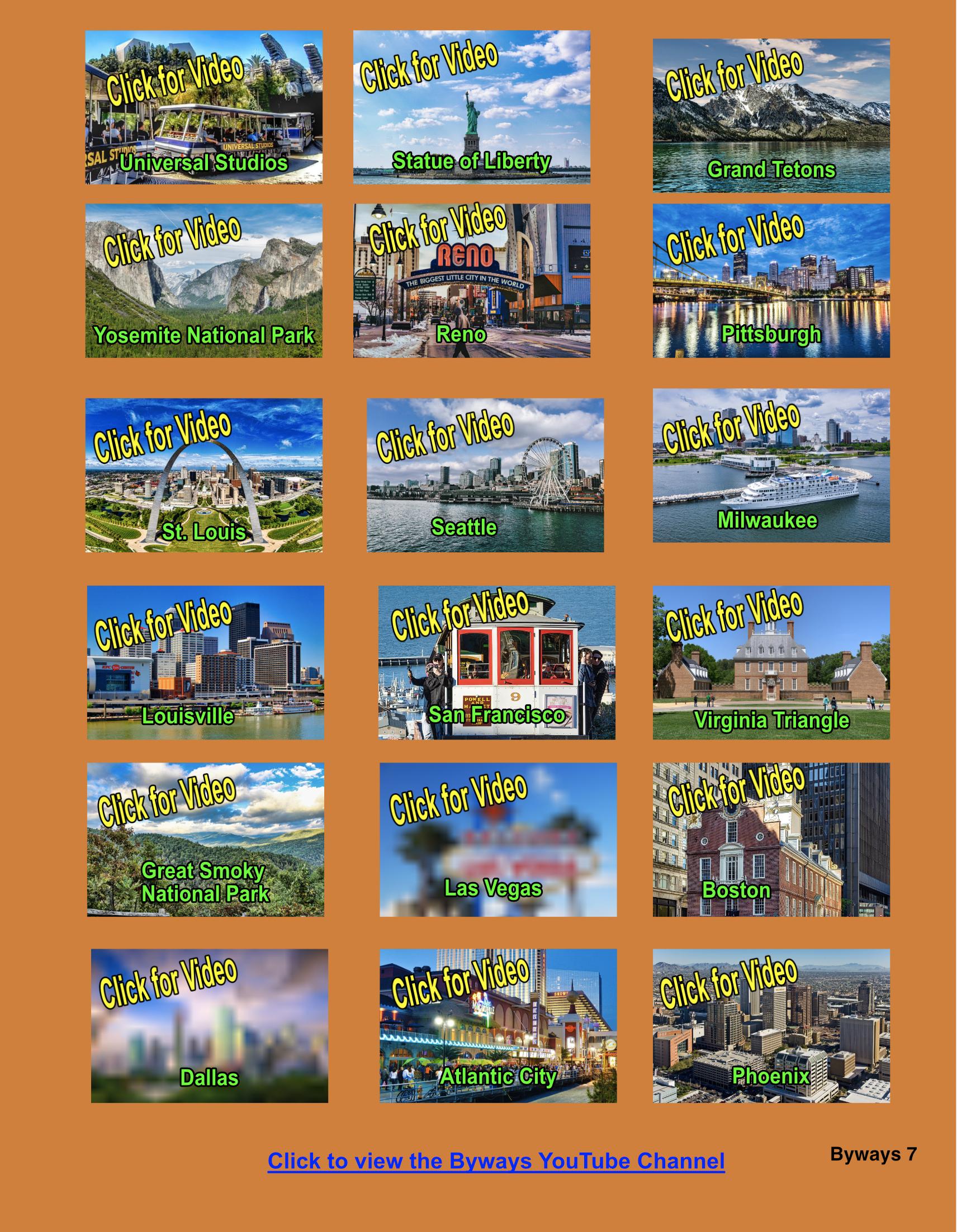
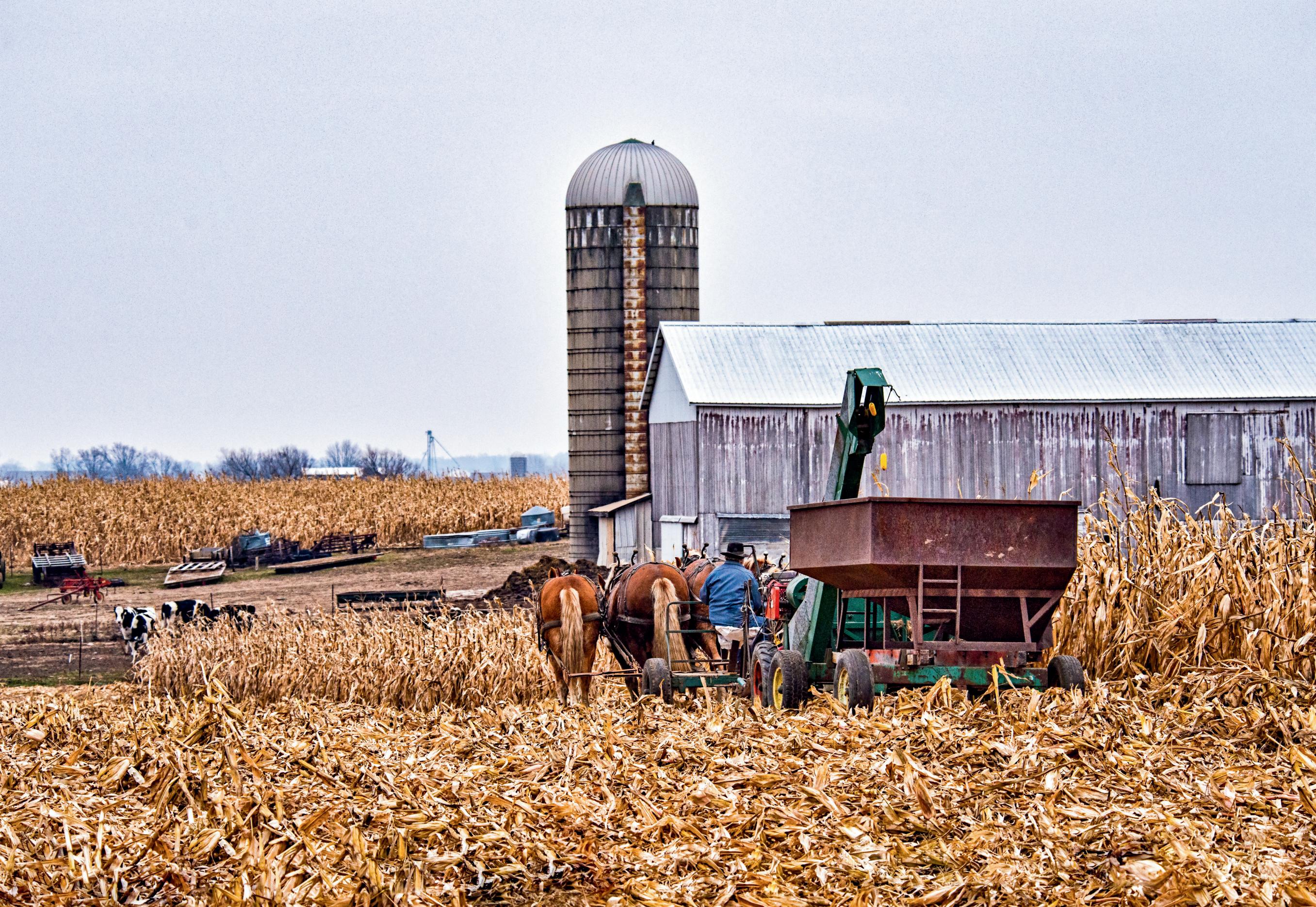
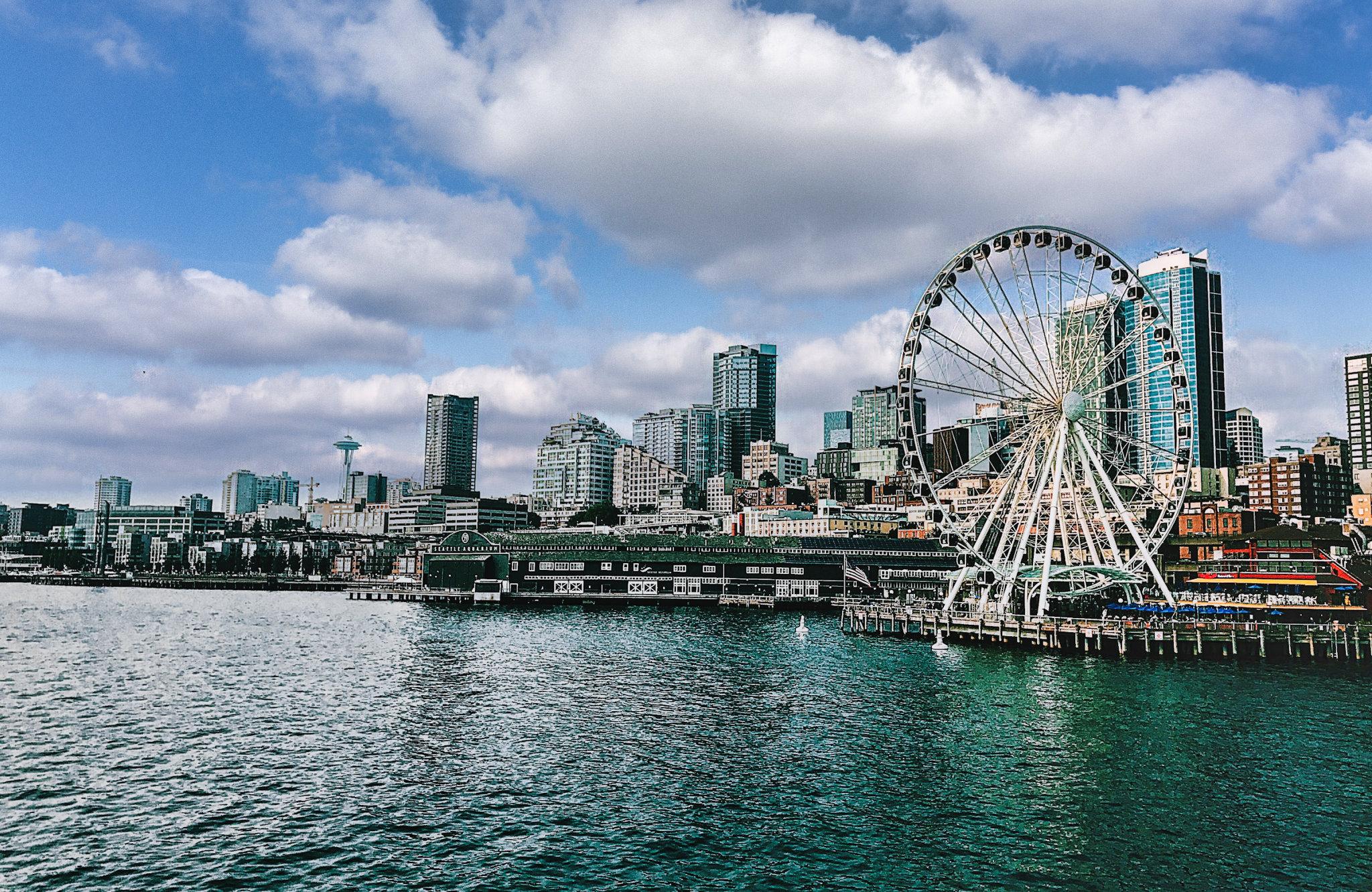
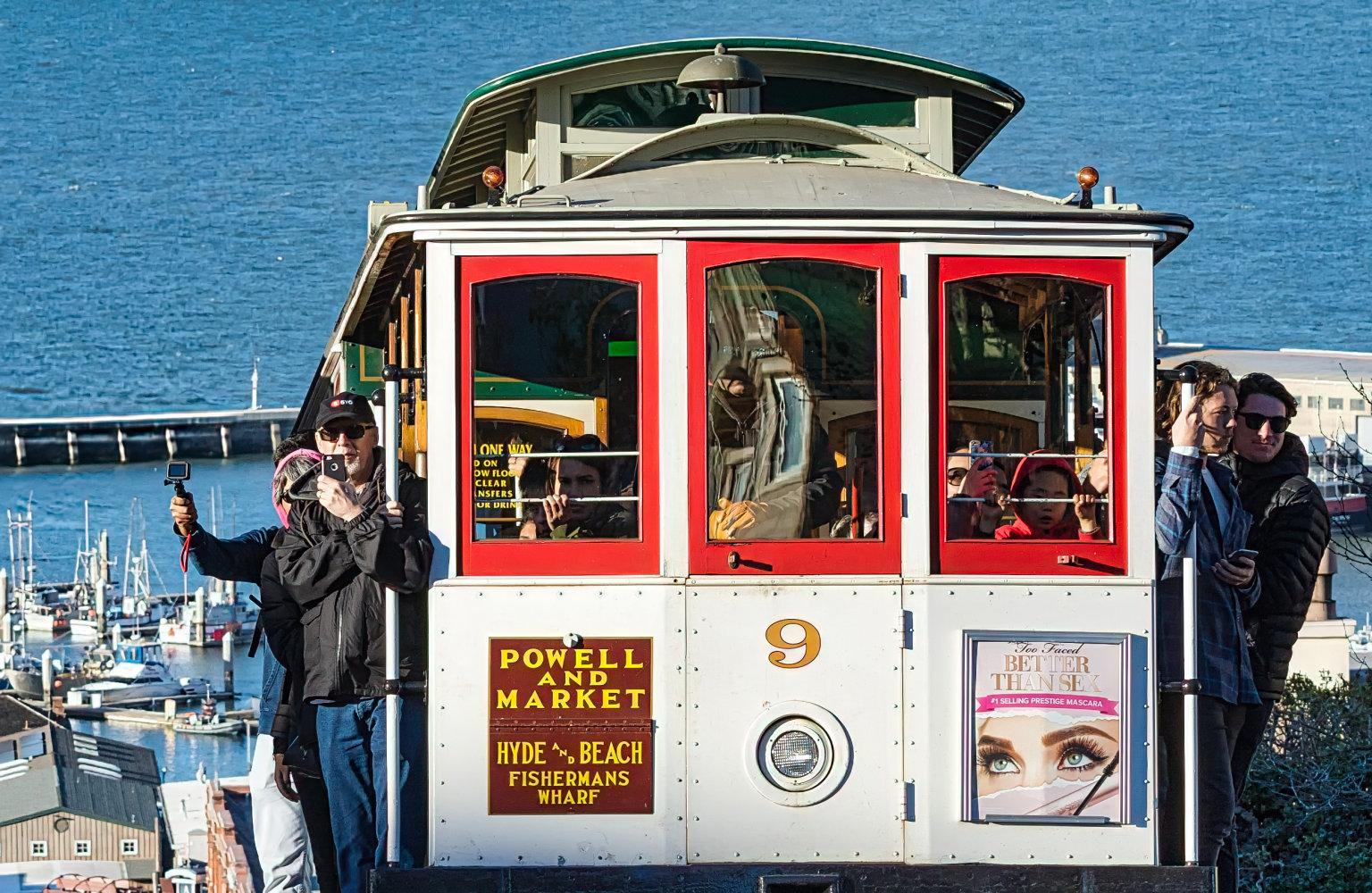
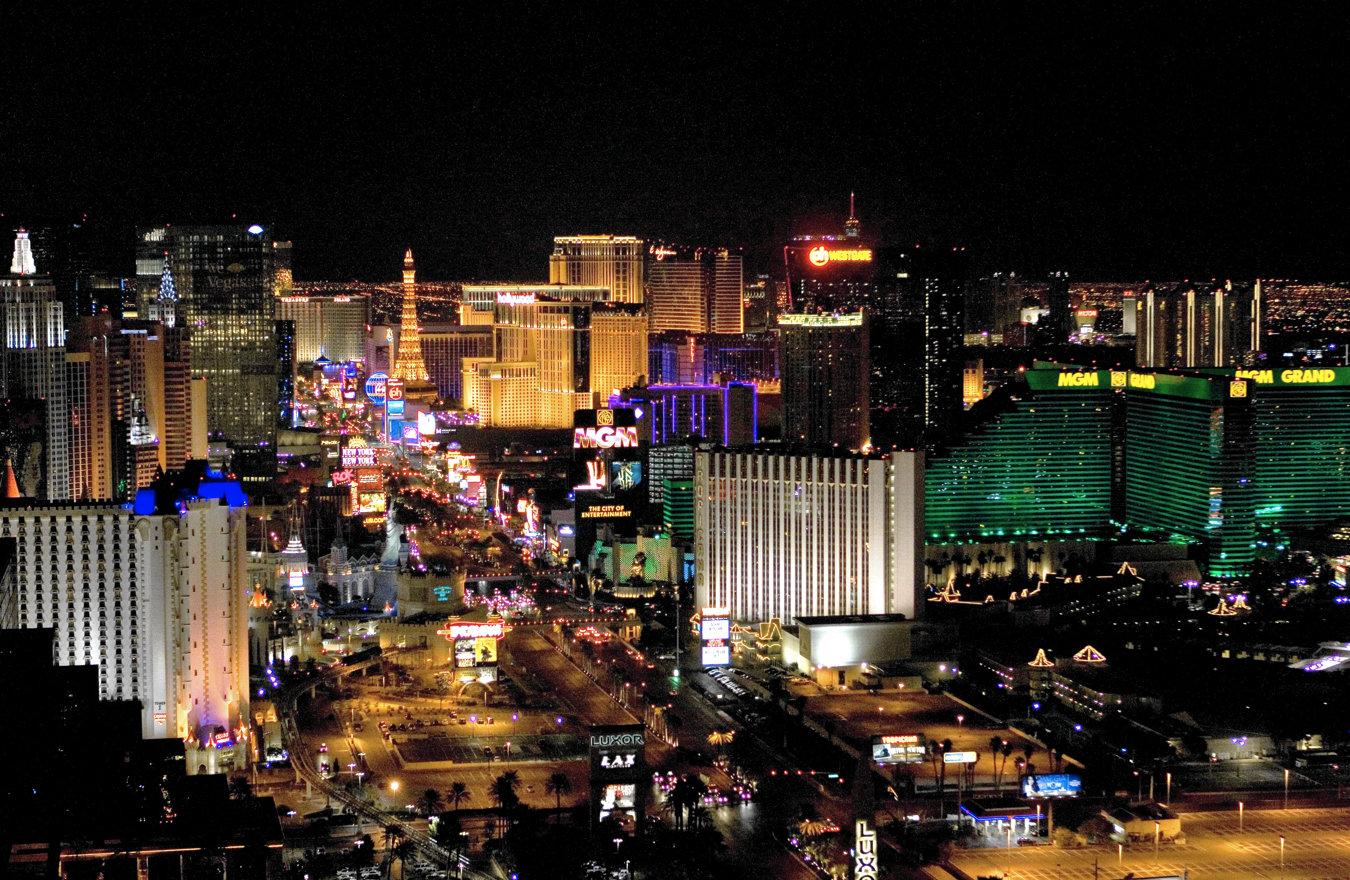
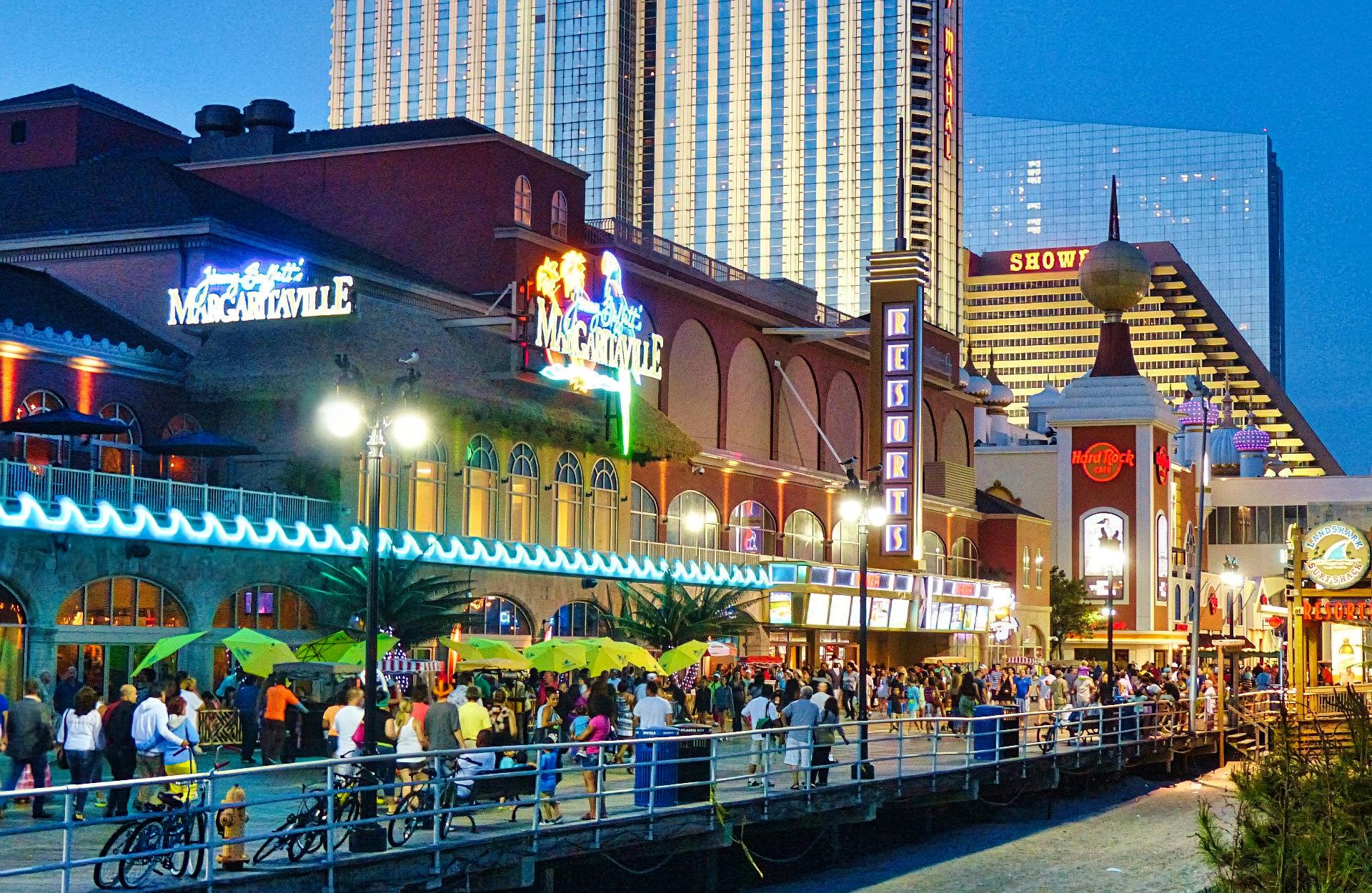
Coming in Future Issues
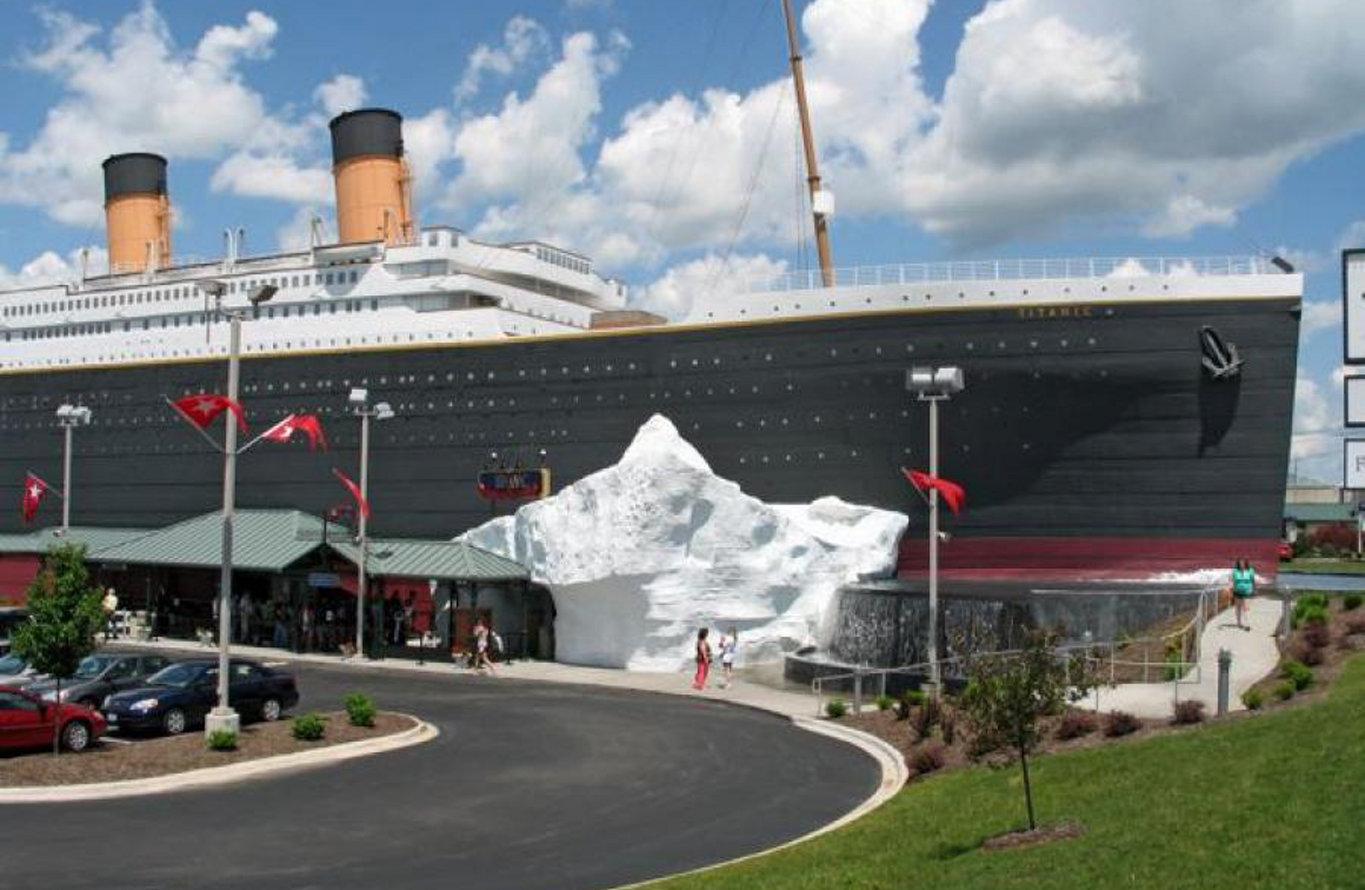
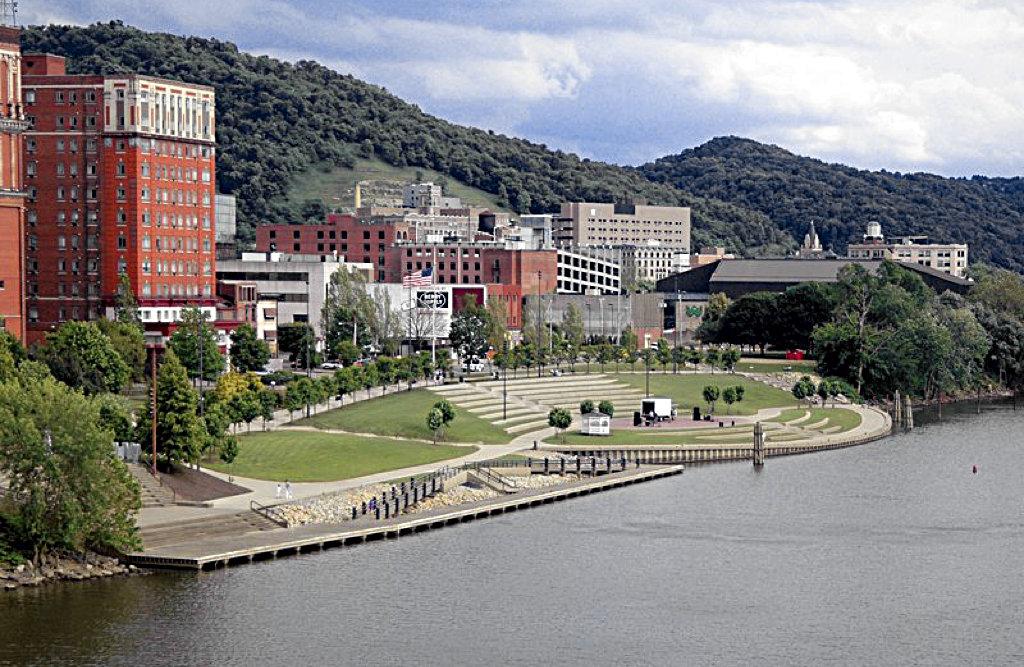
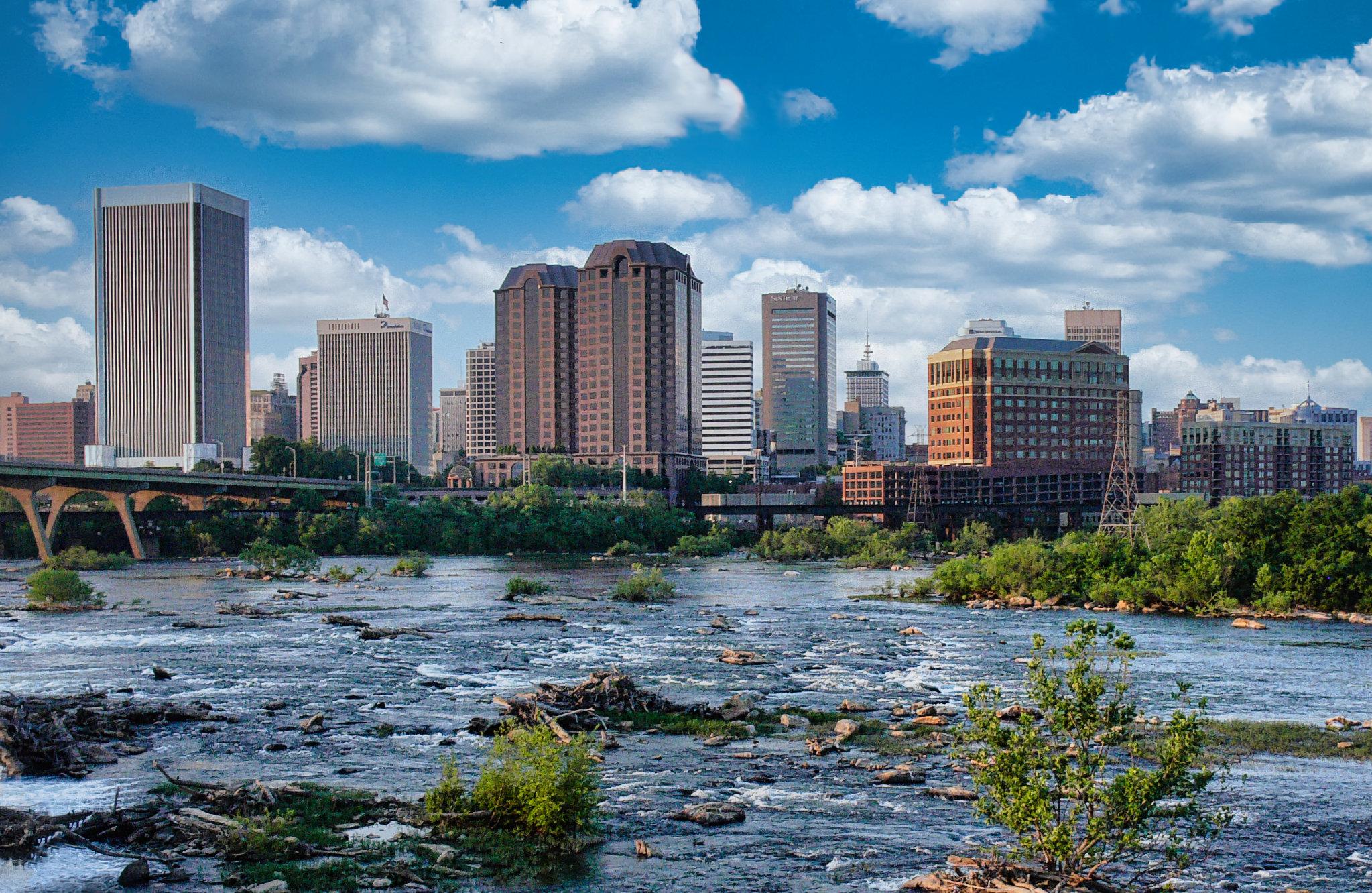
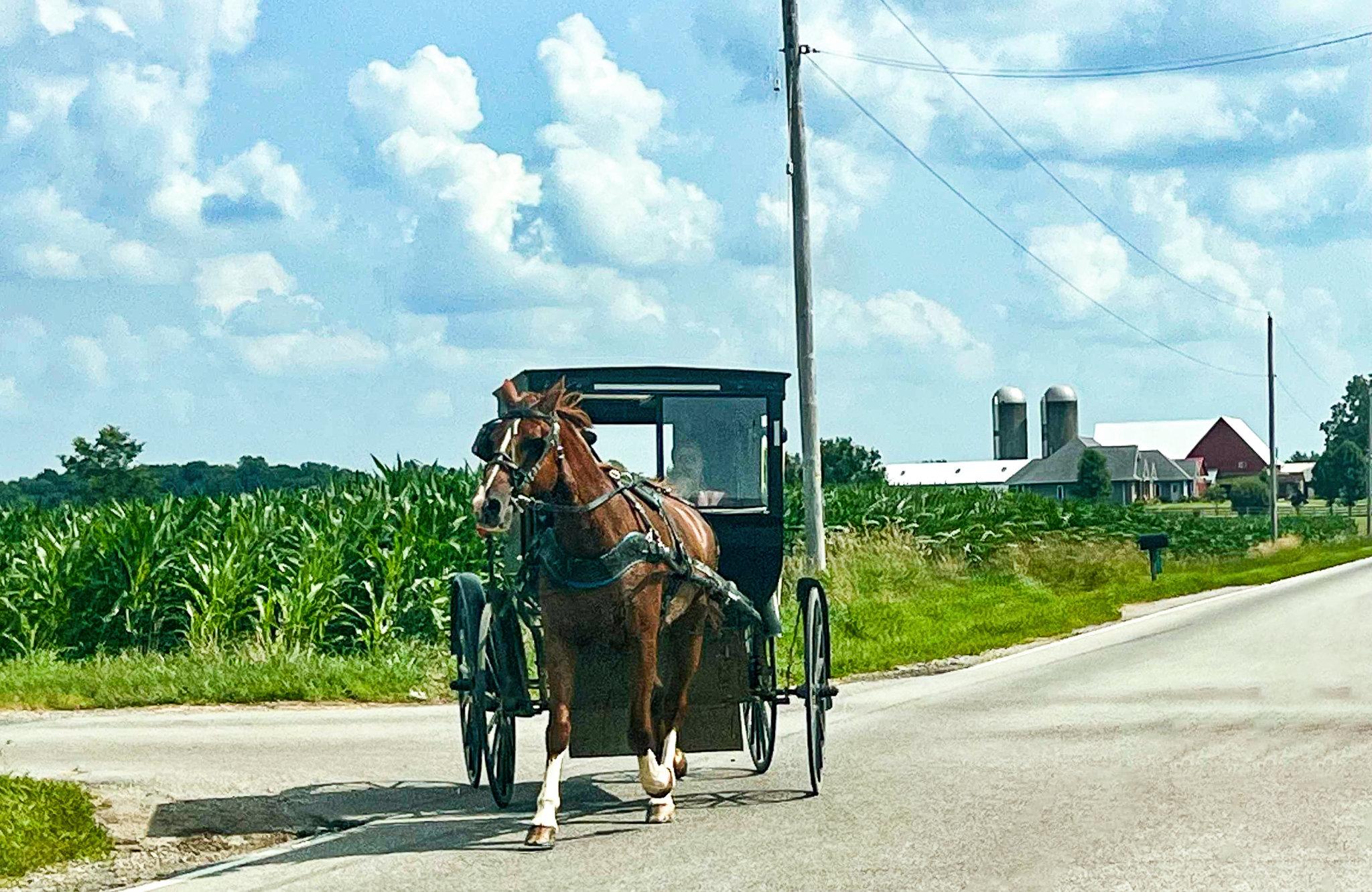
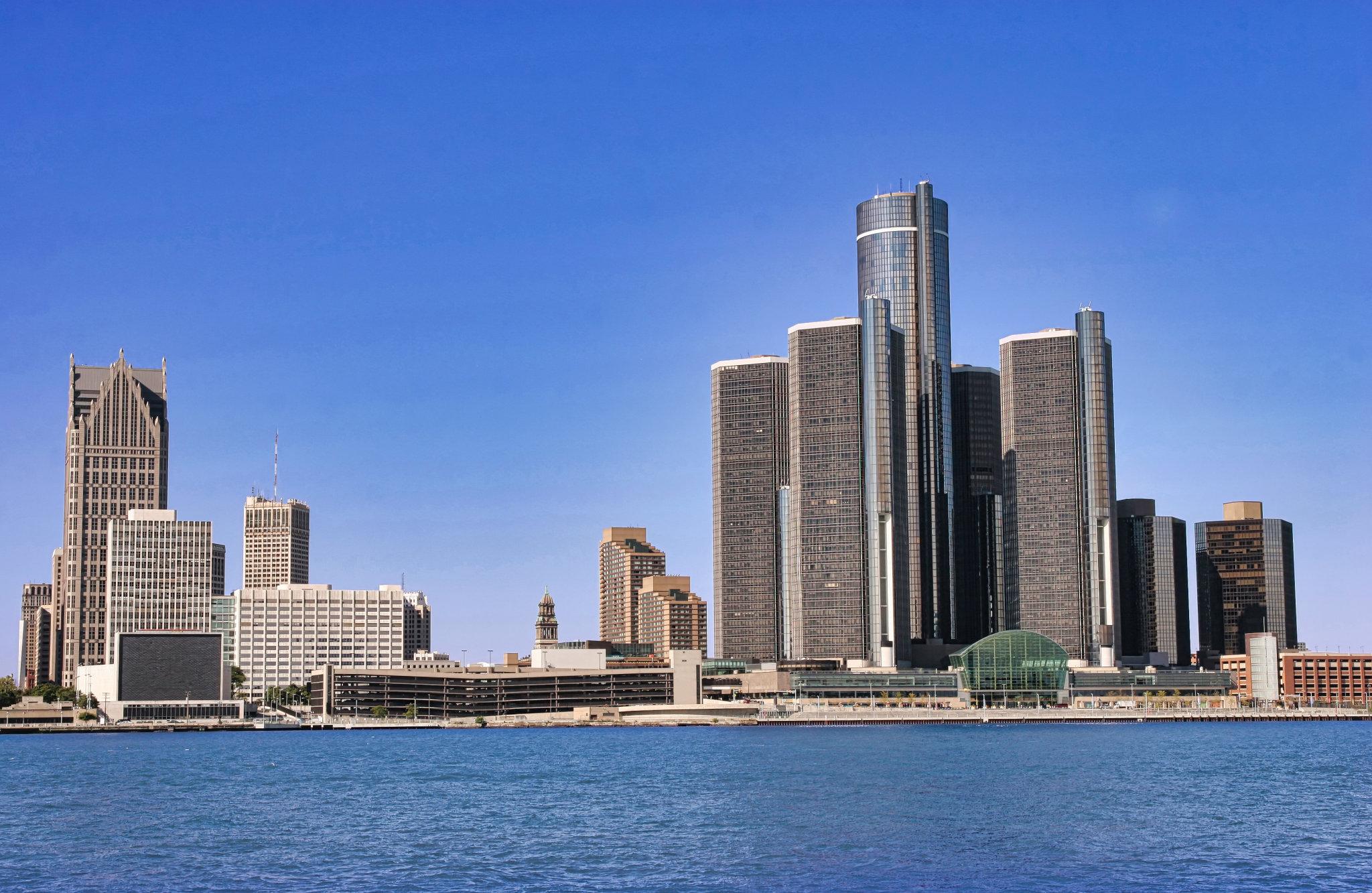
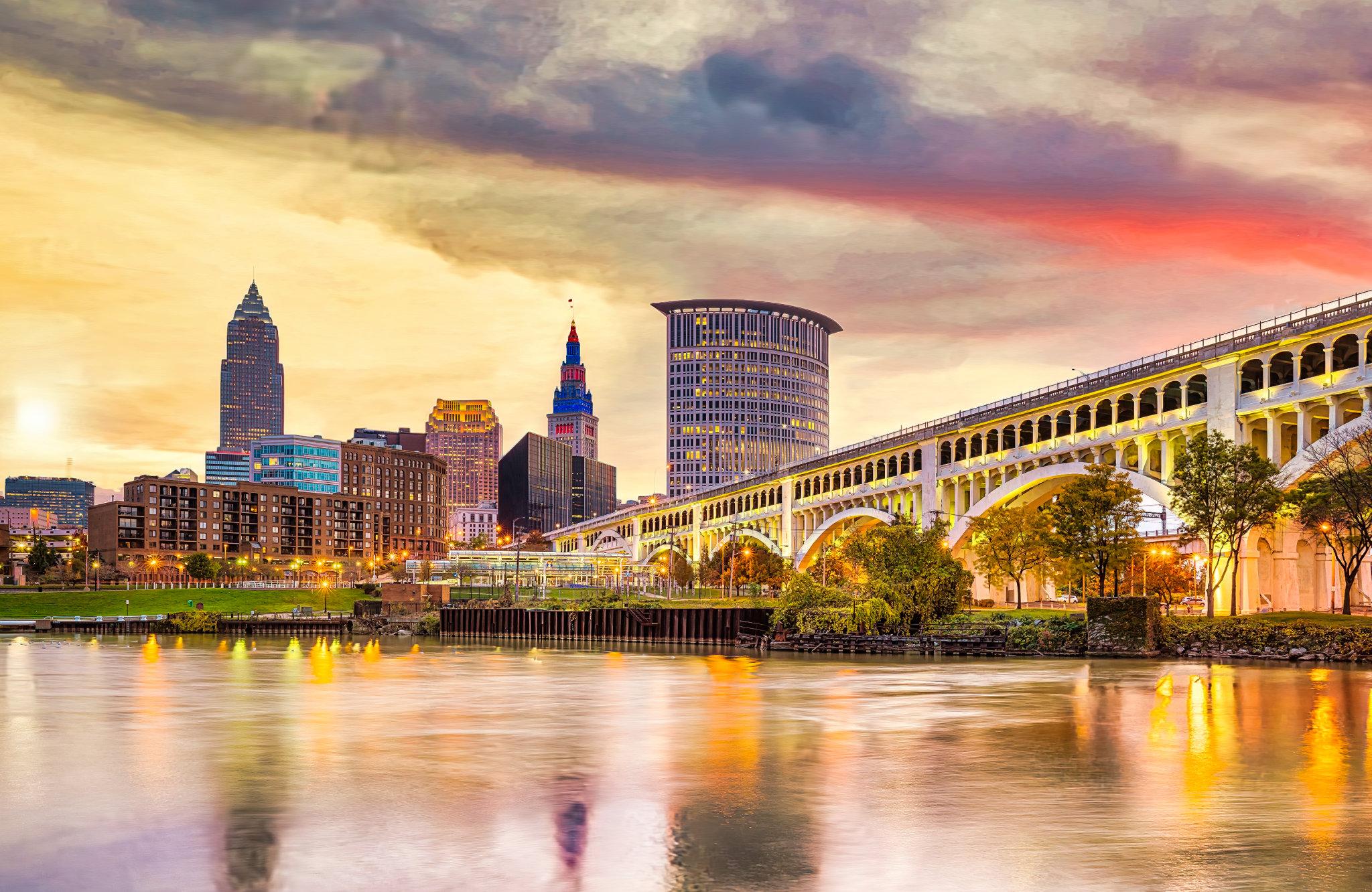
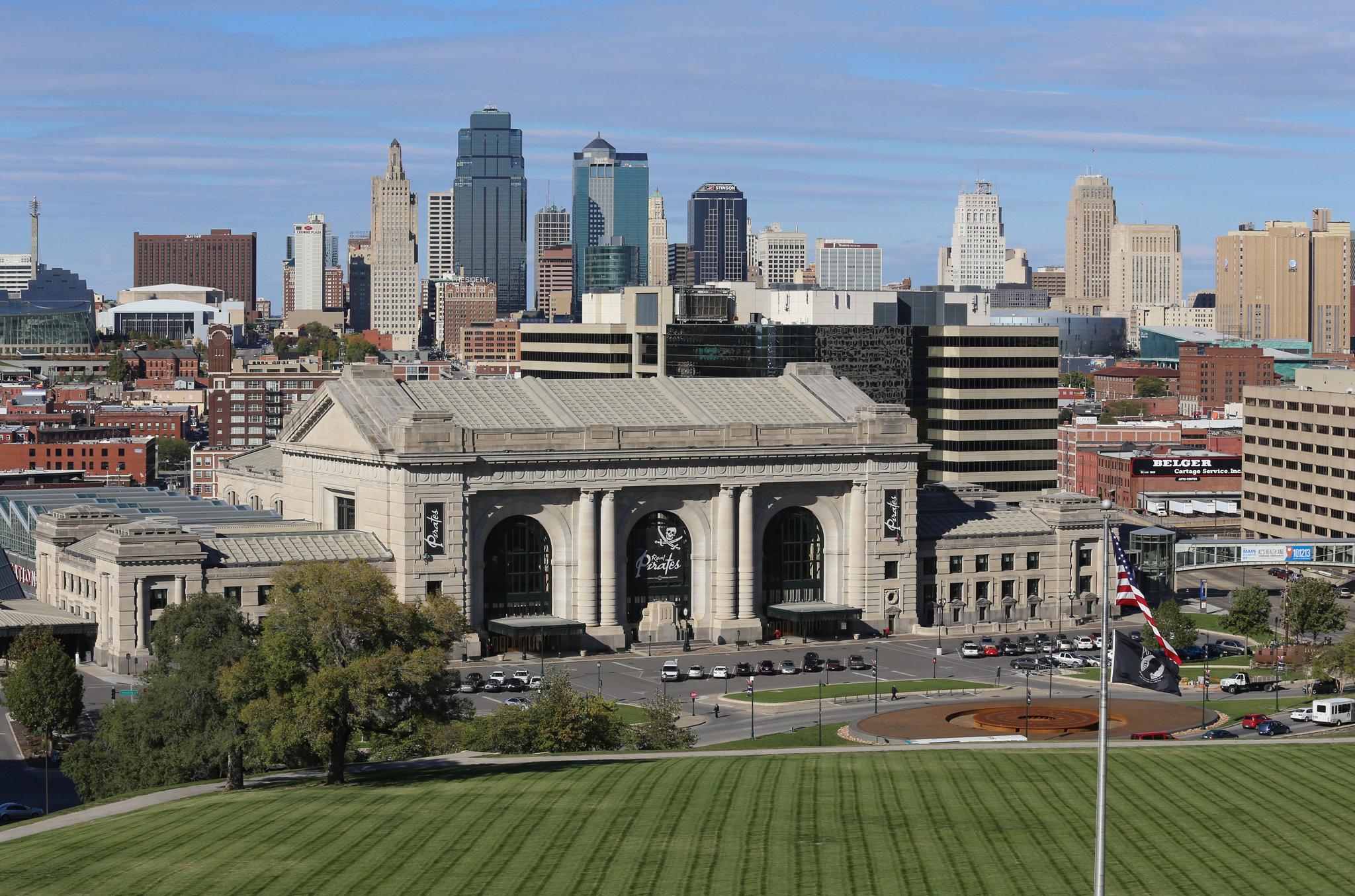
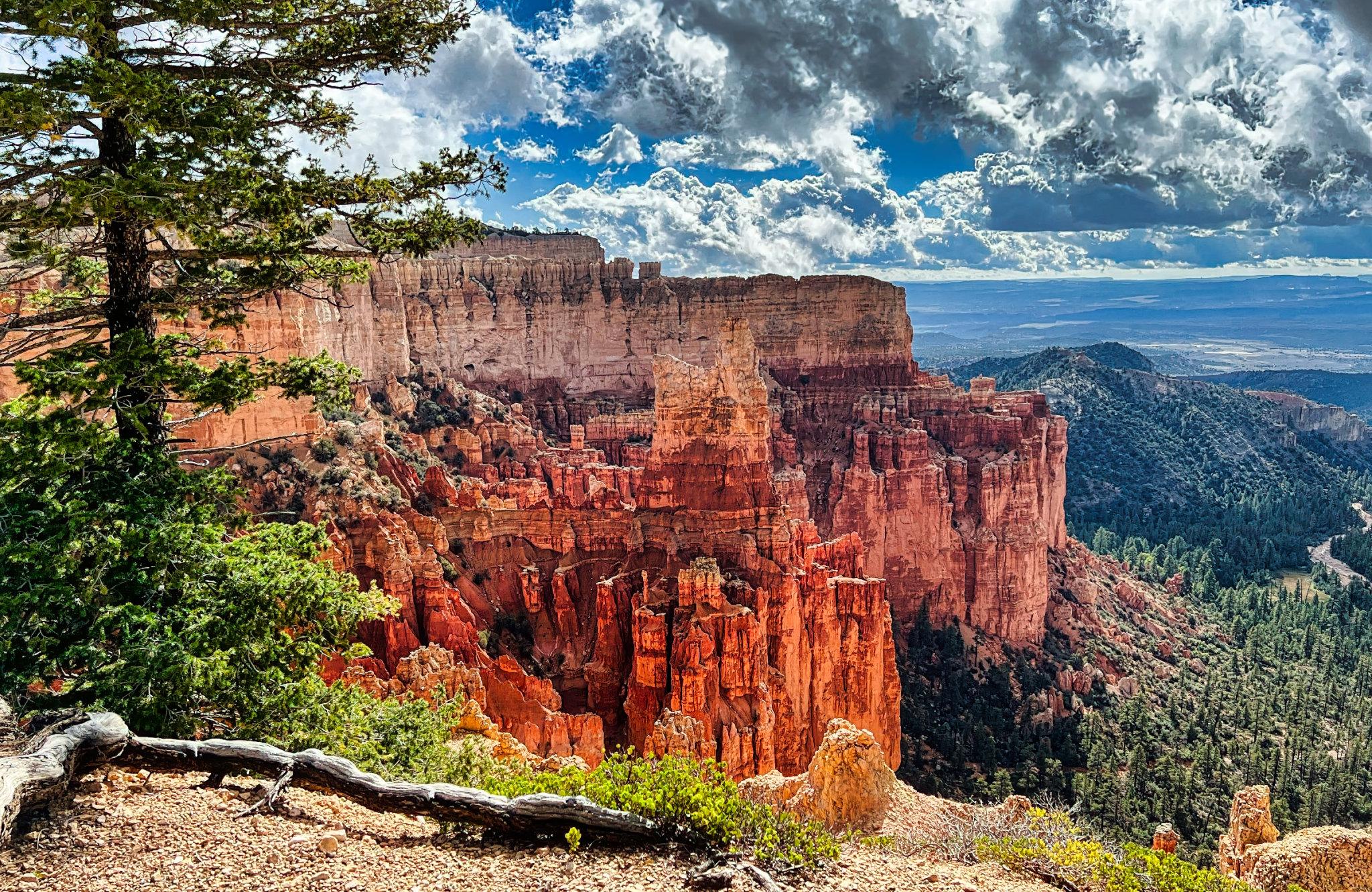
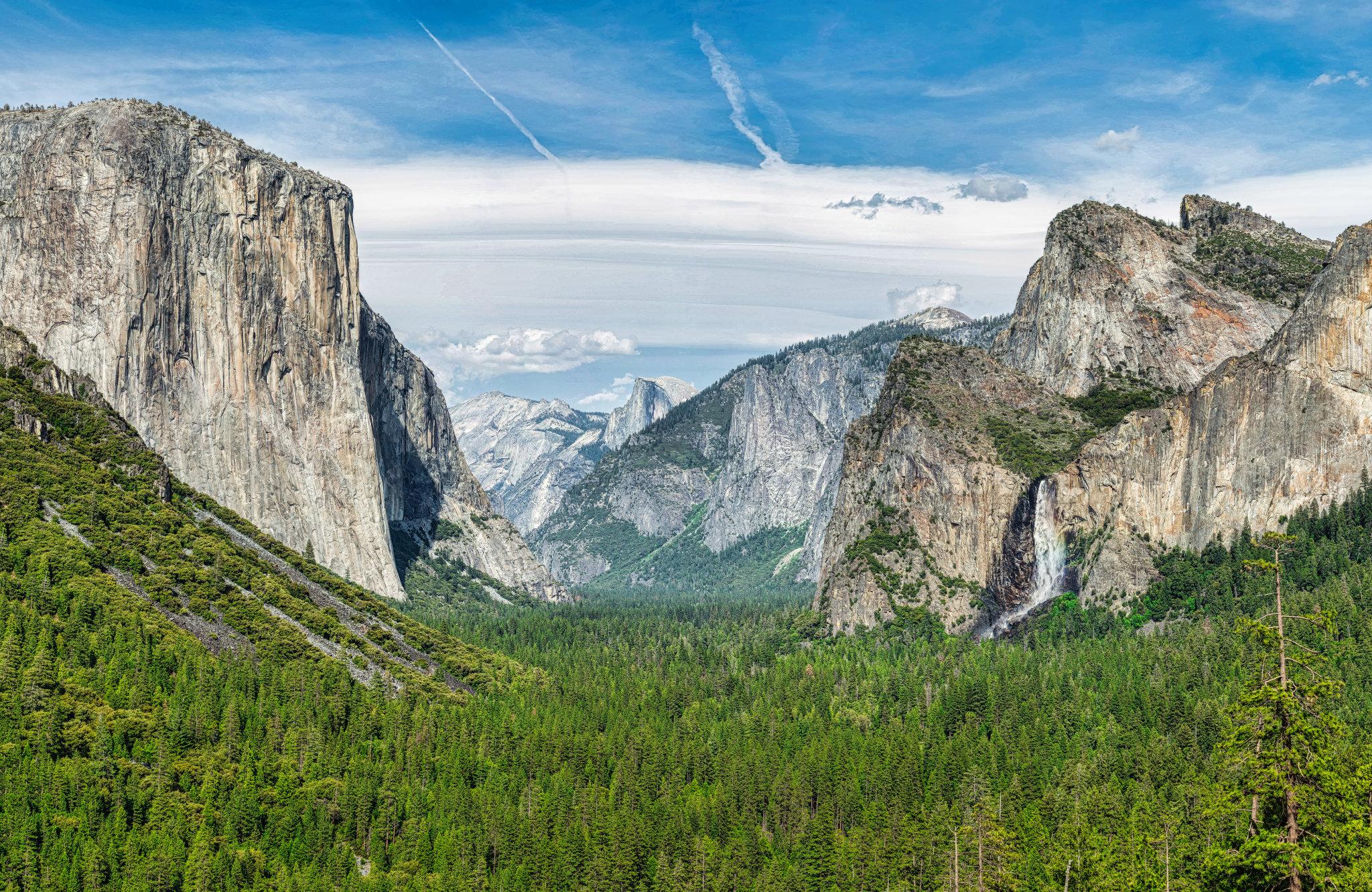
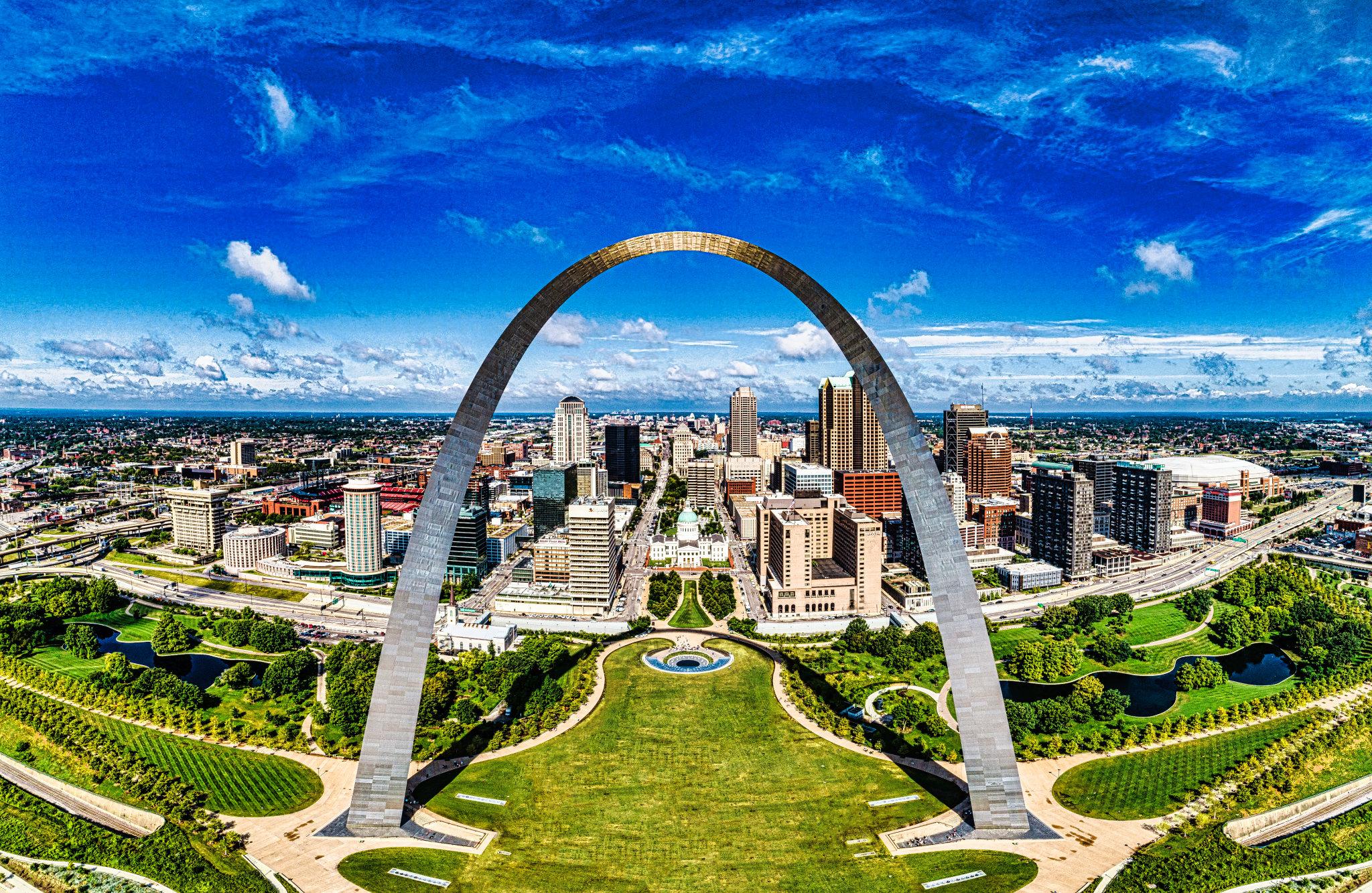
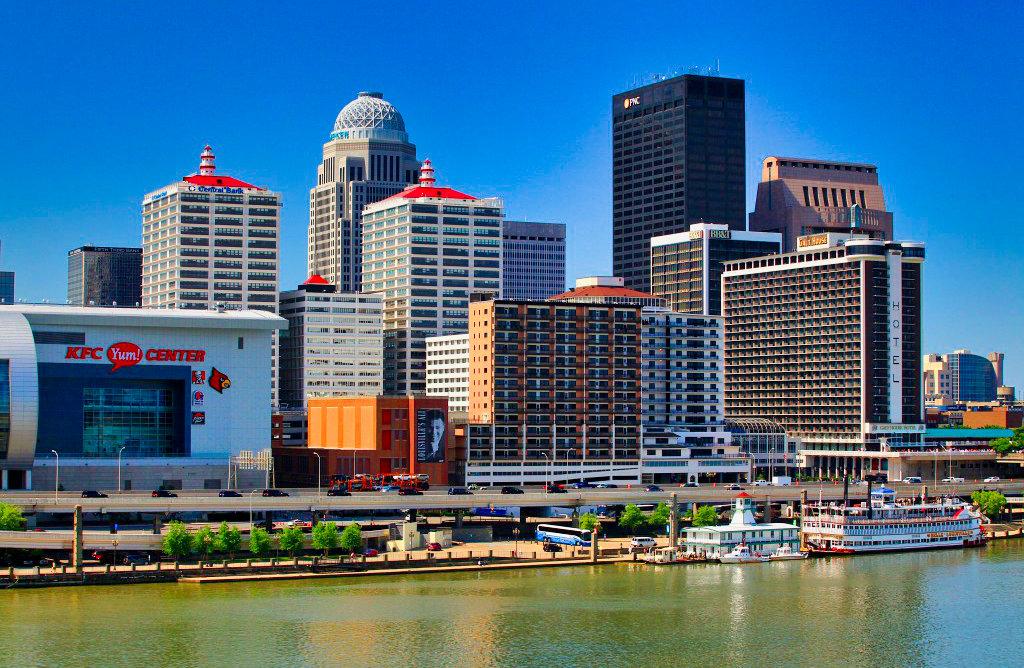
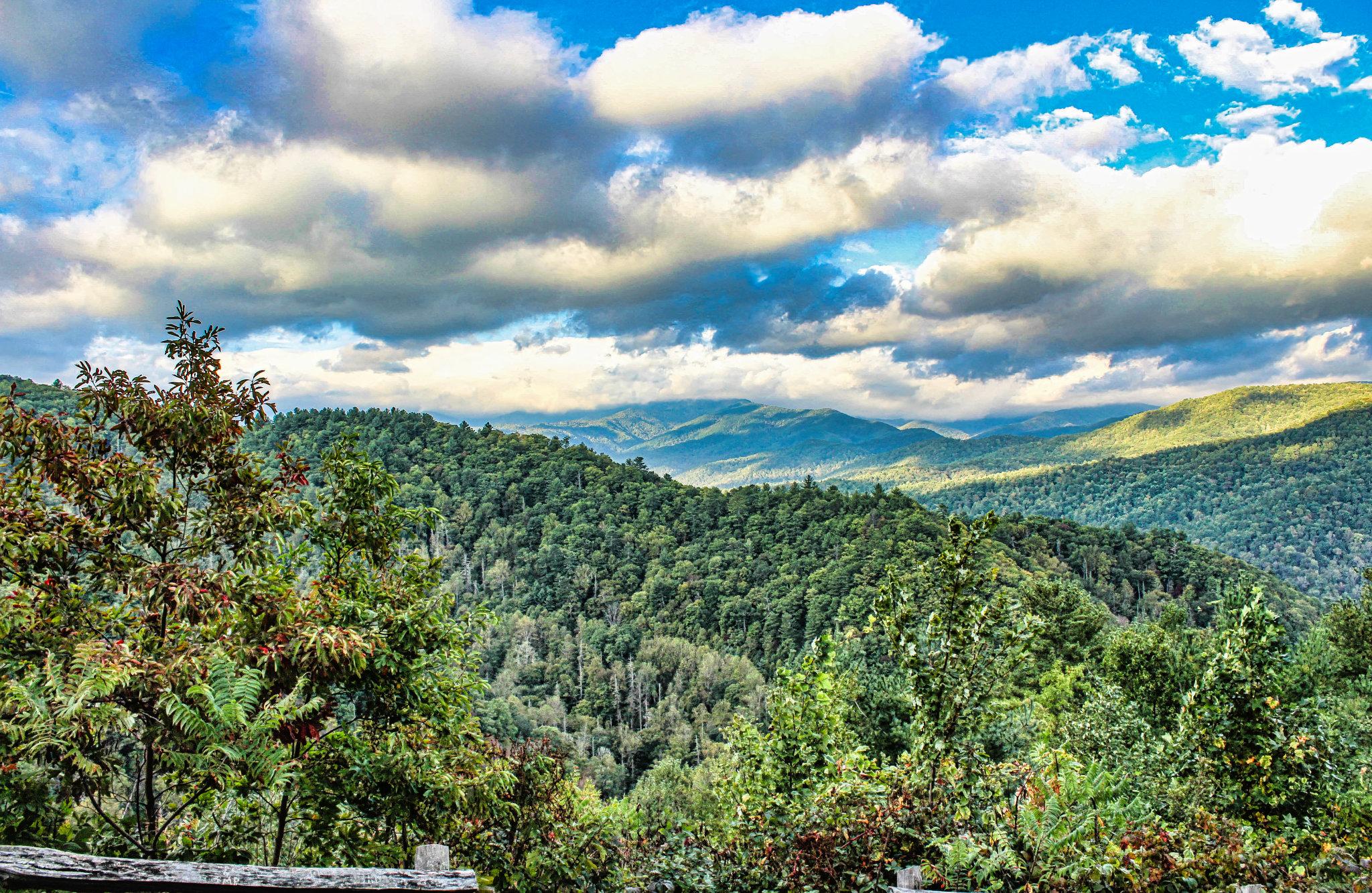
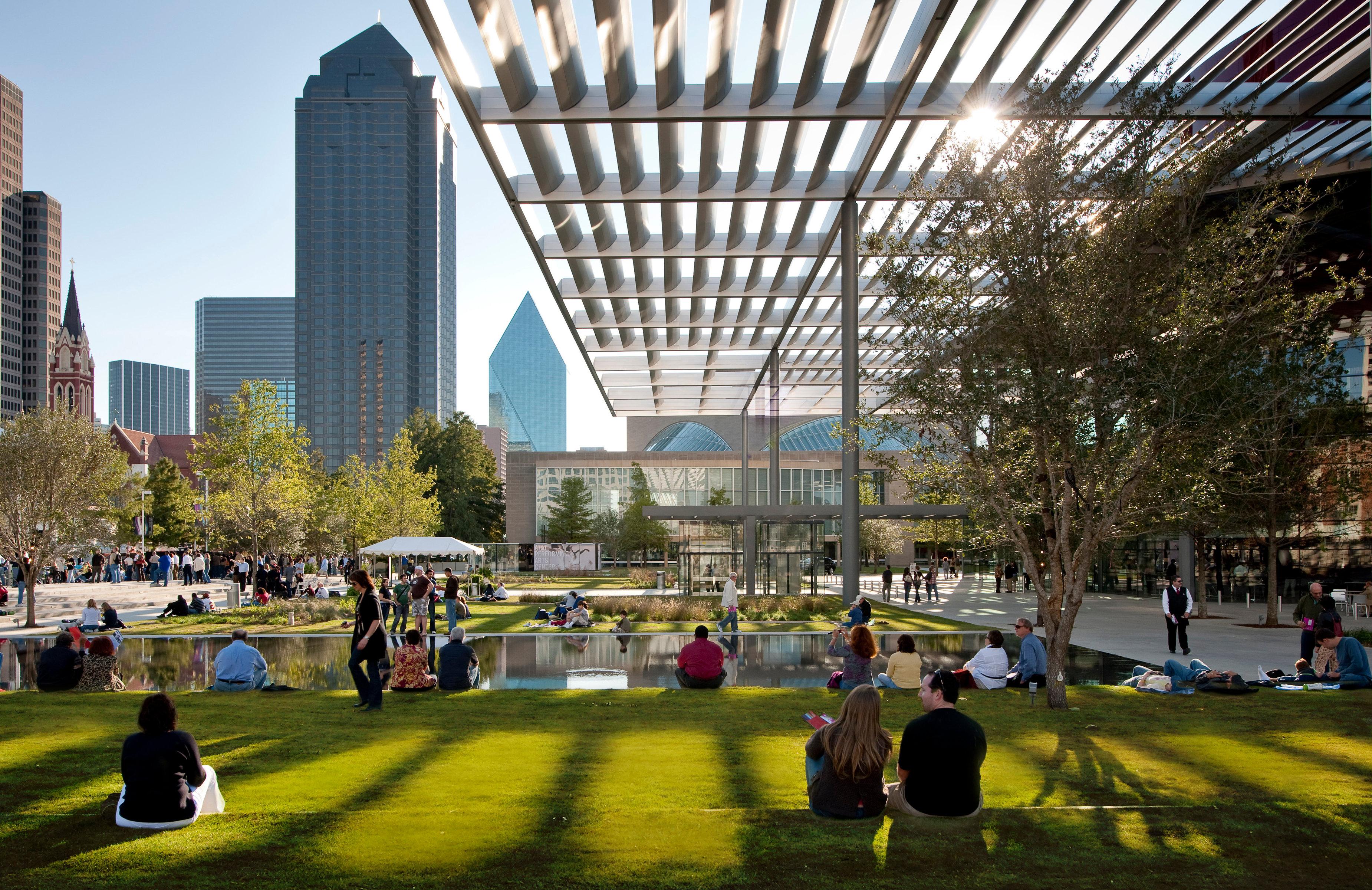
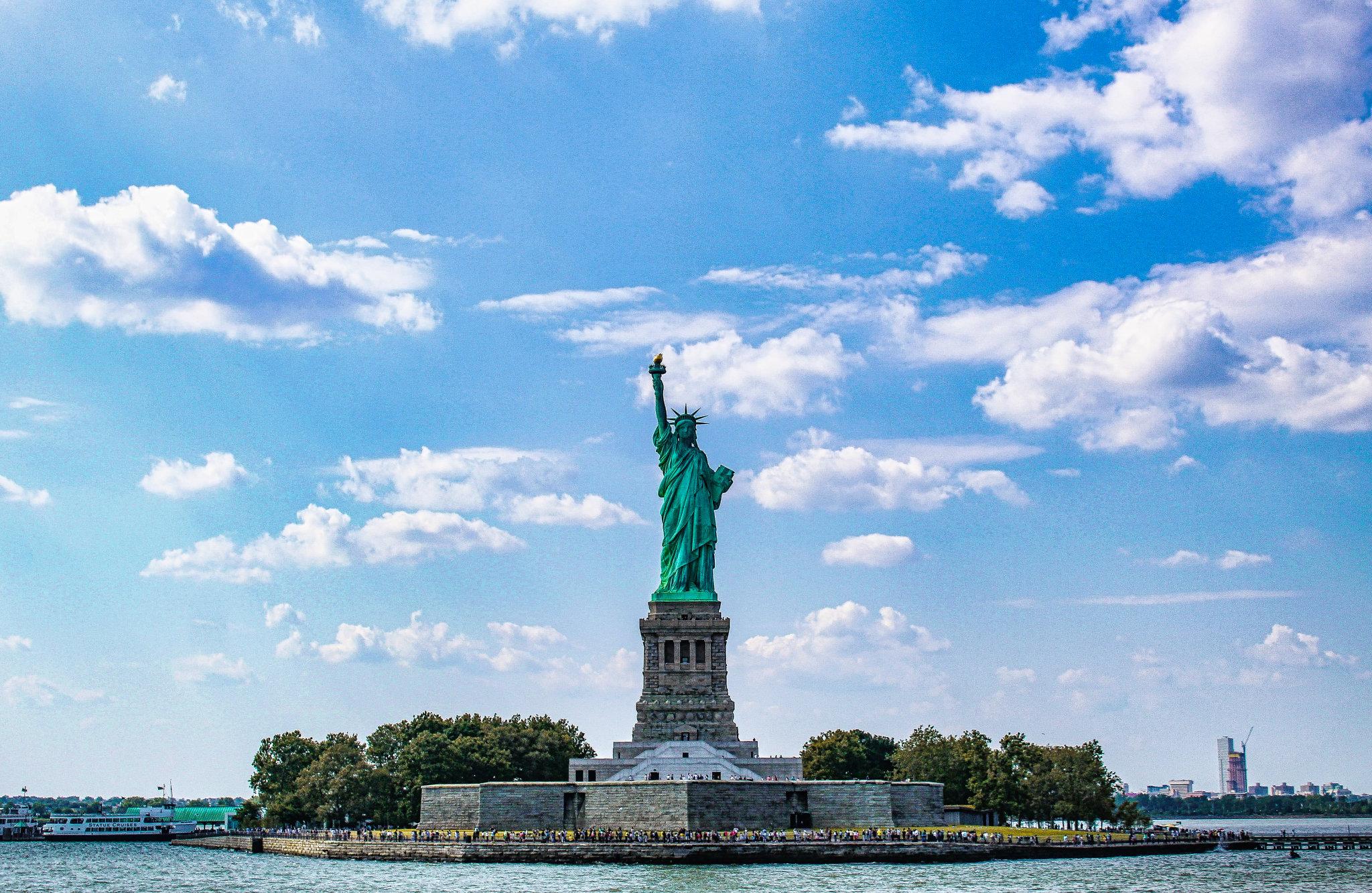
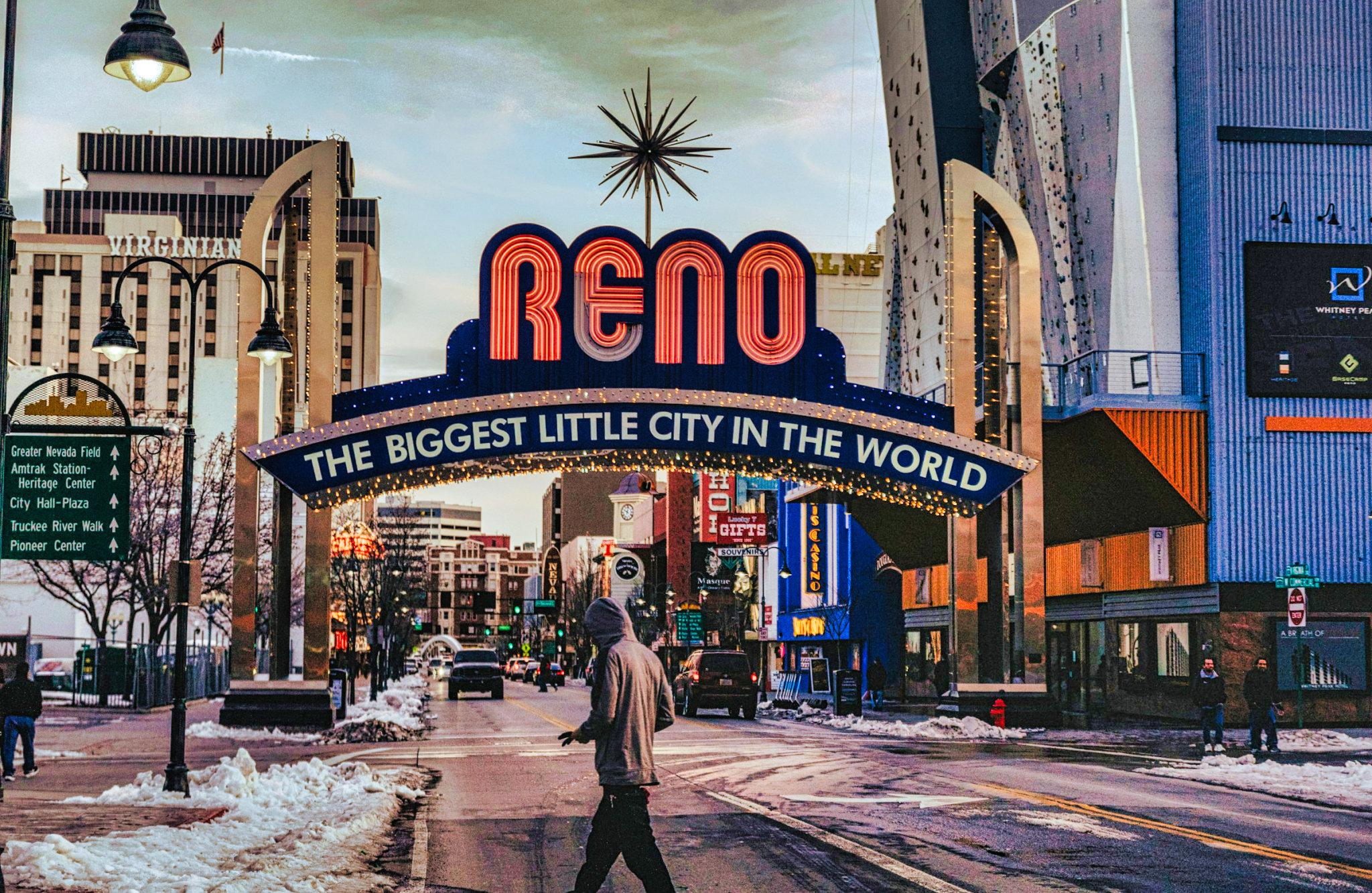
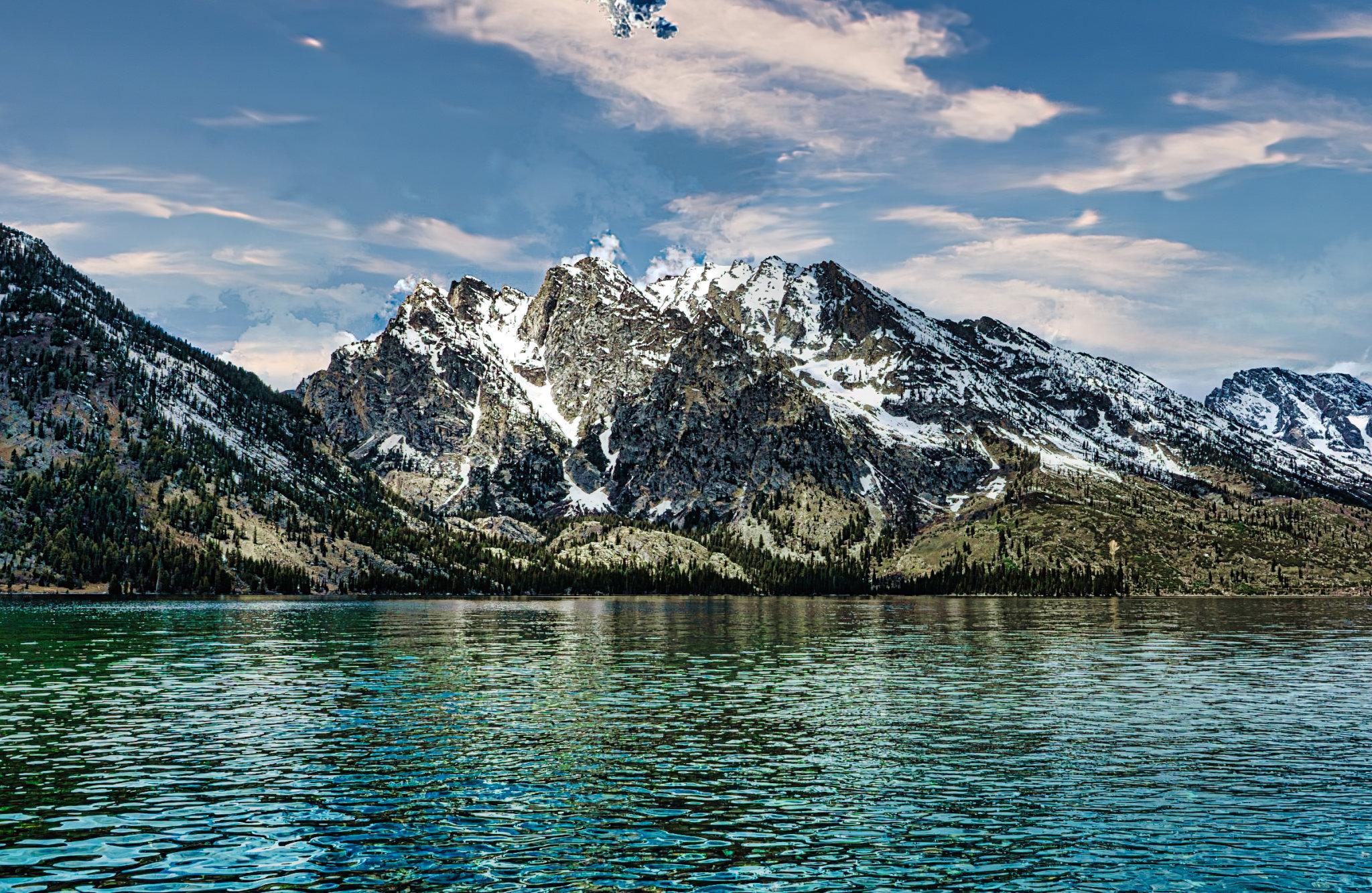
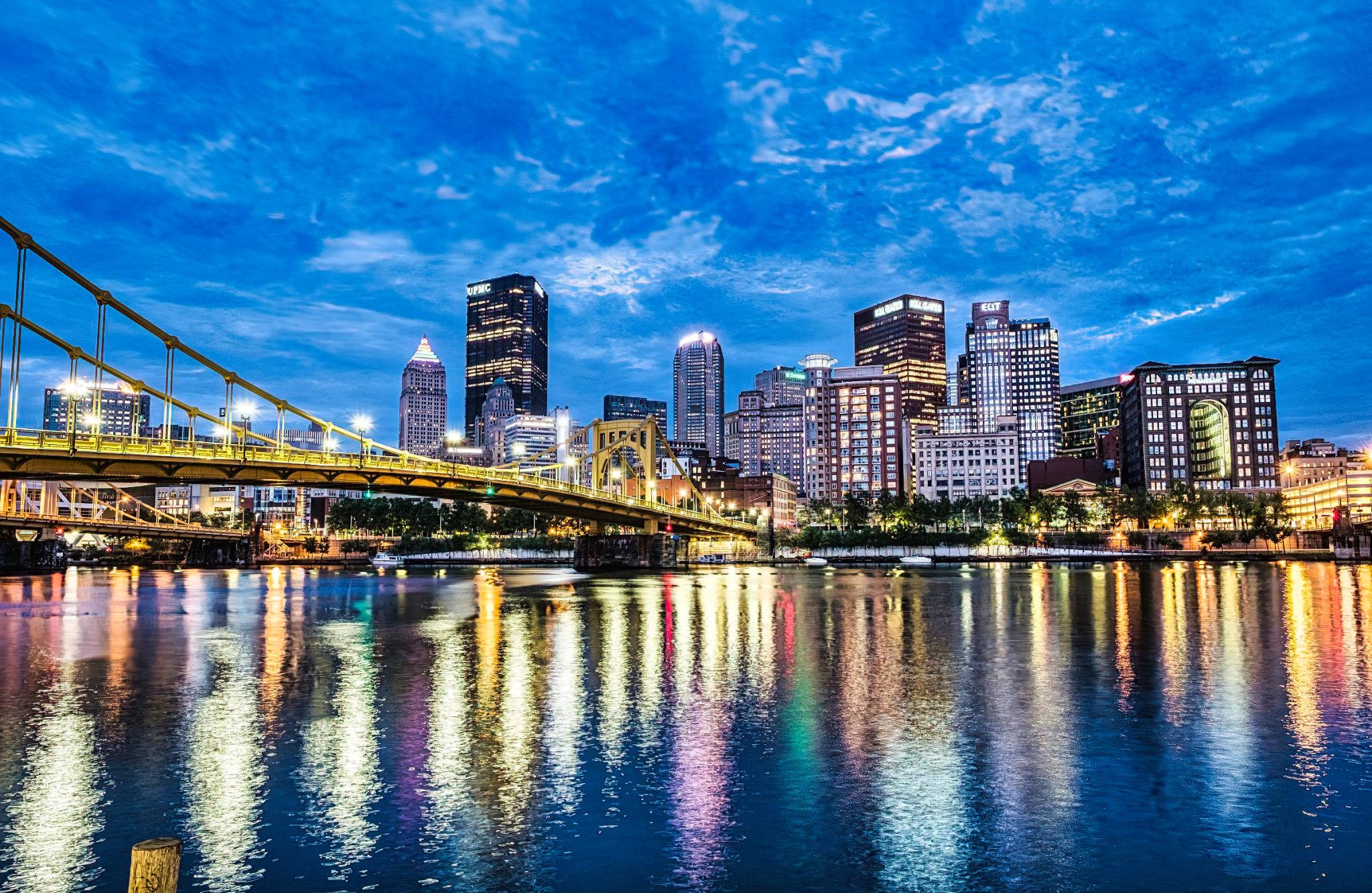
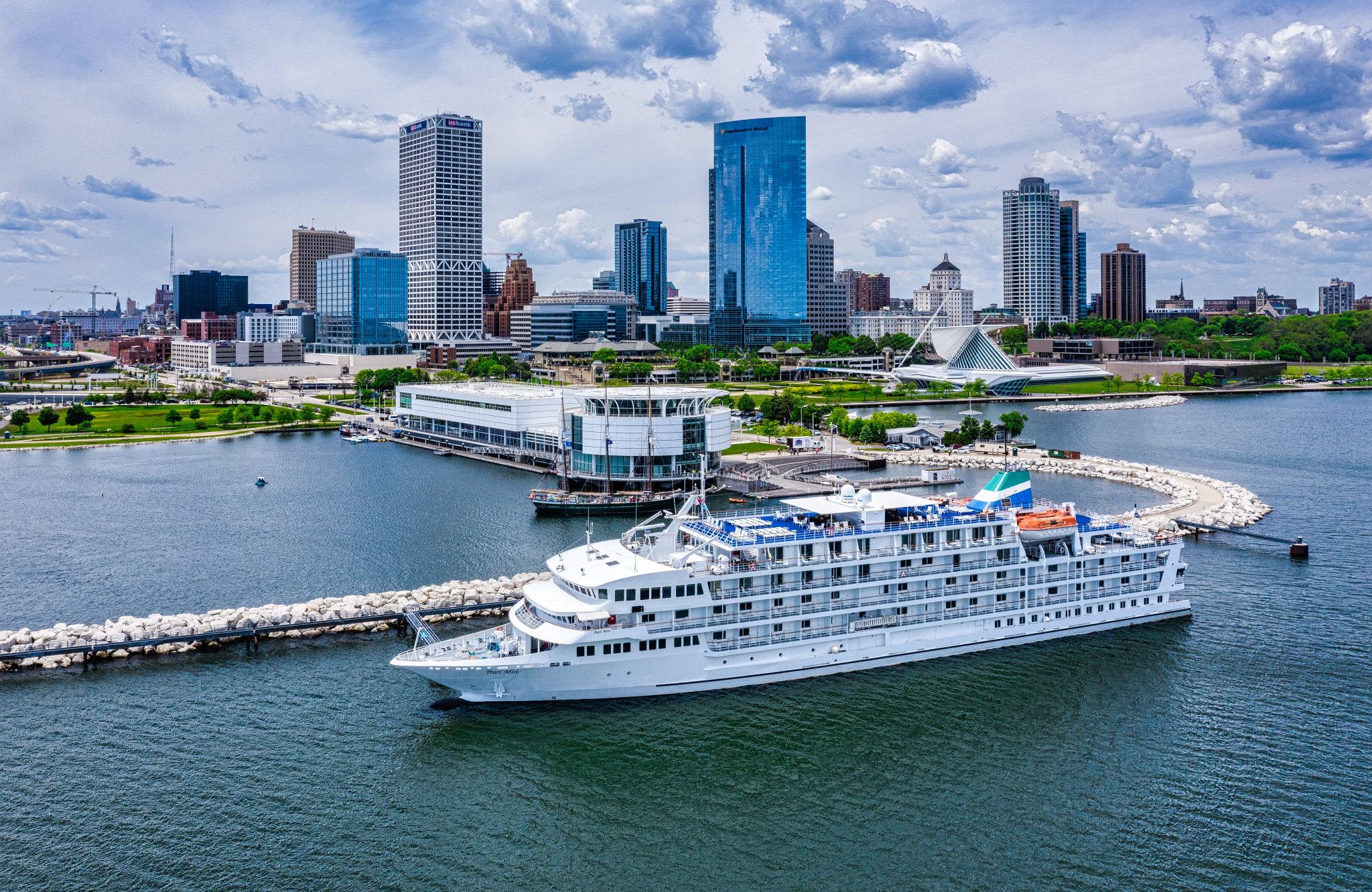
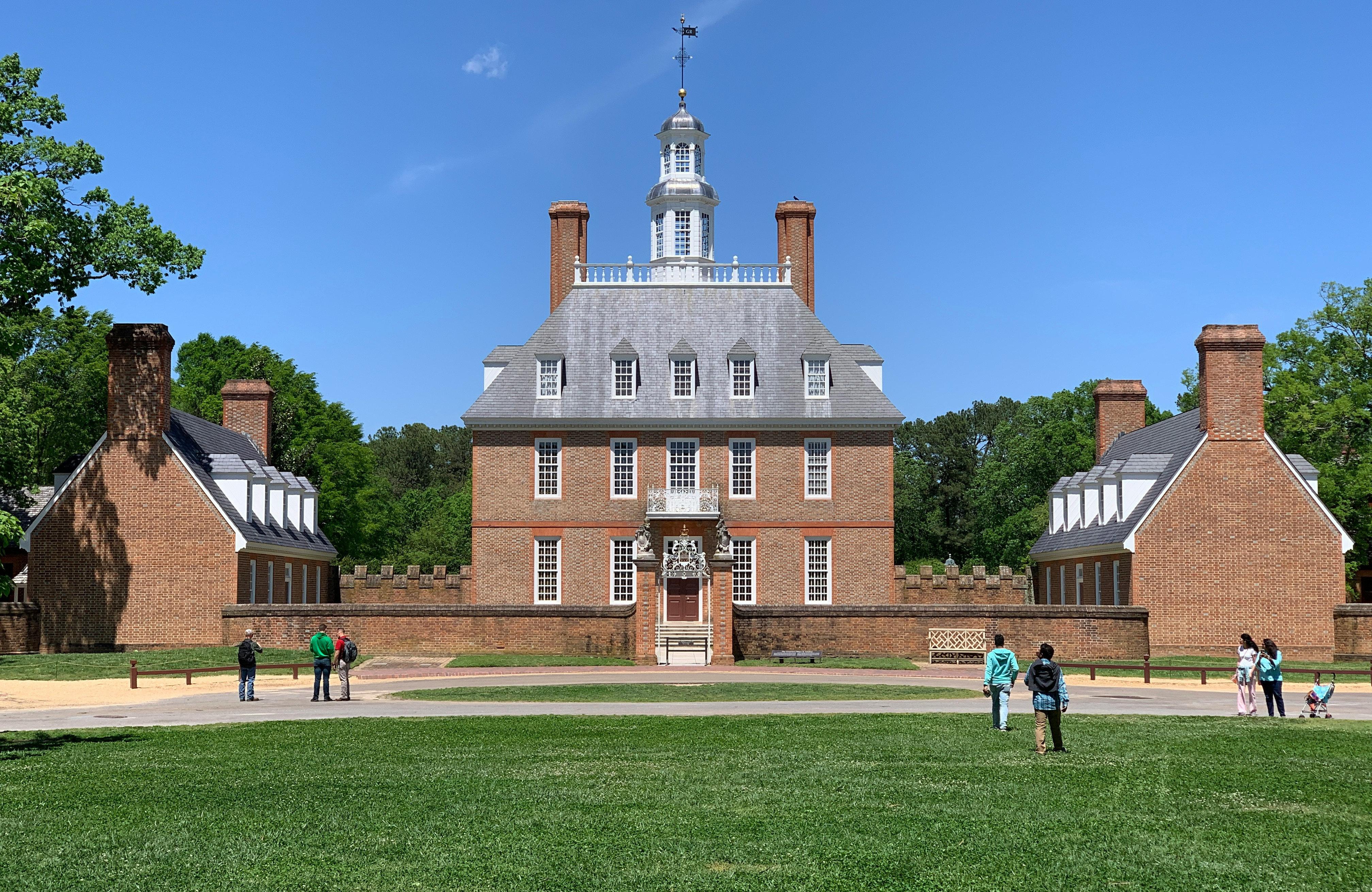
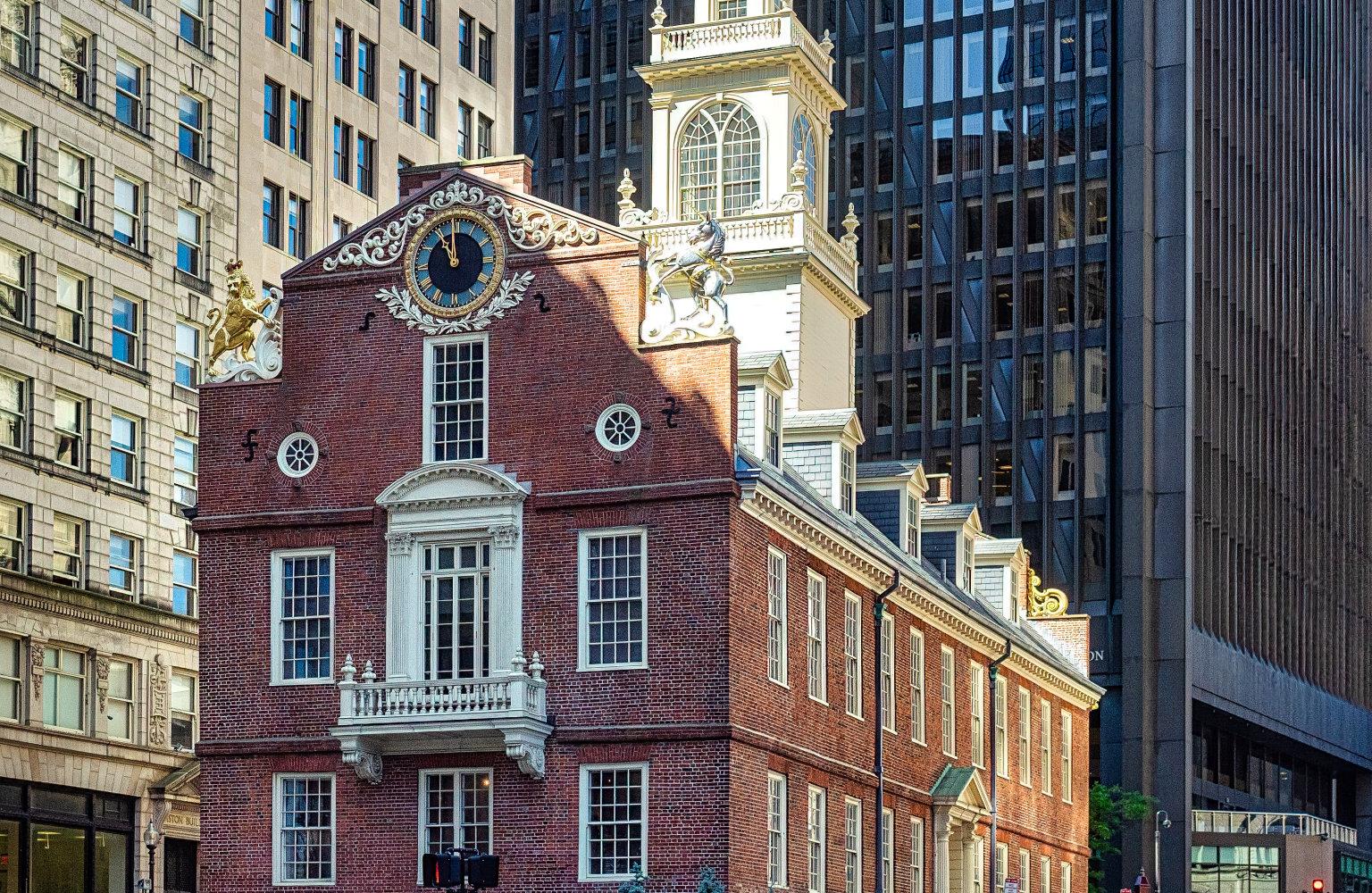
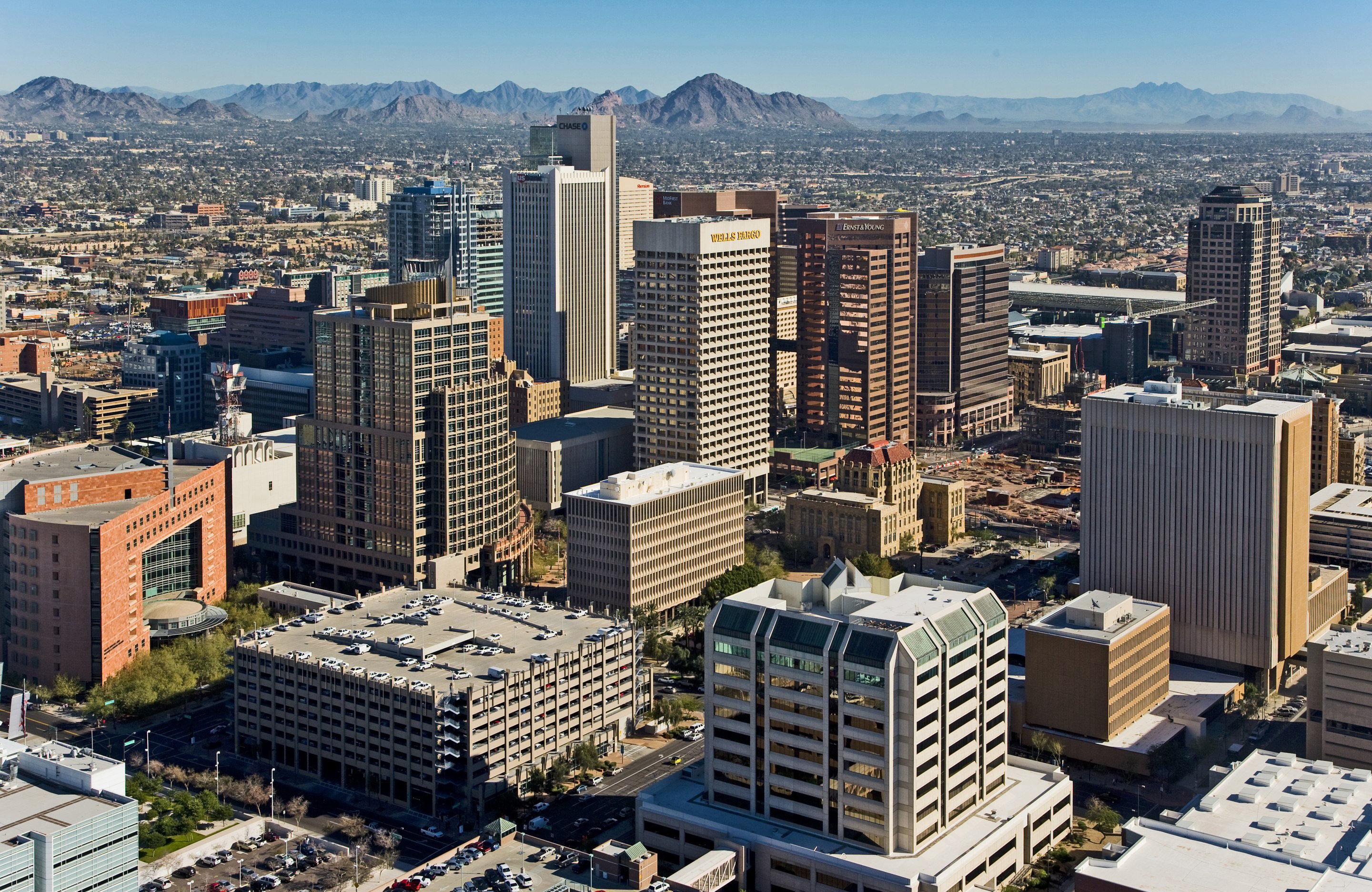
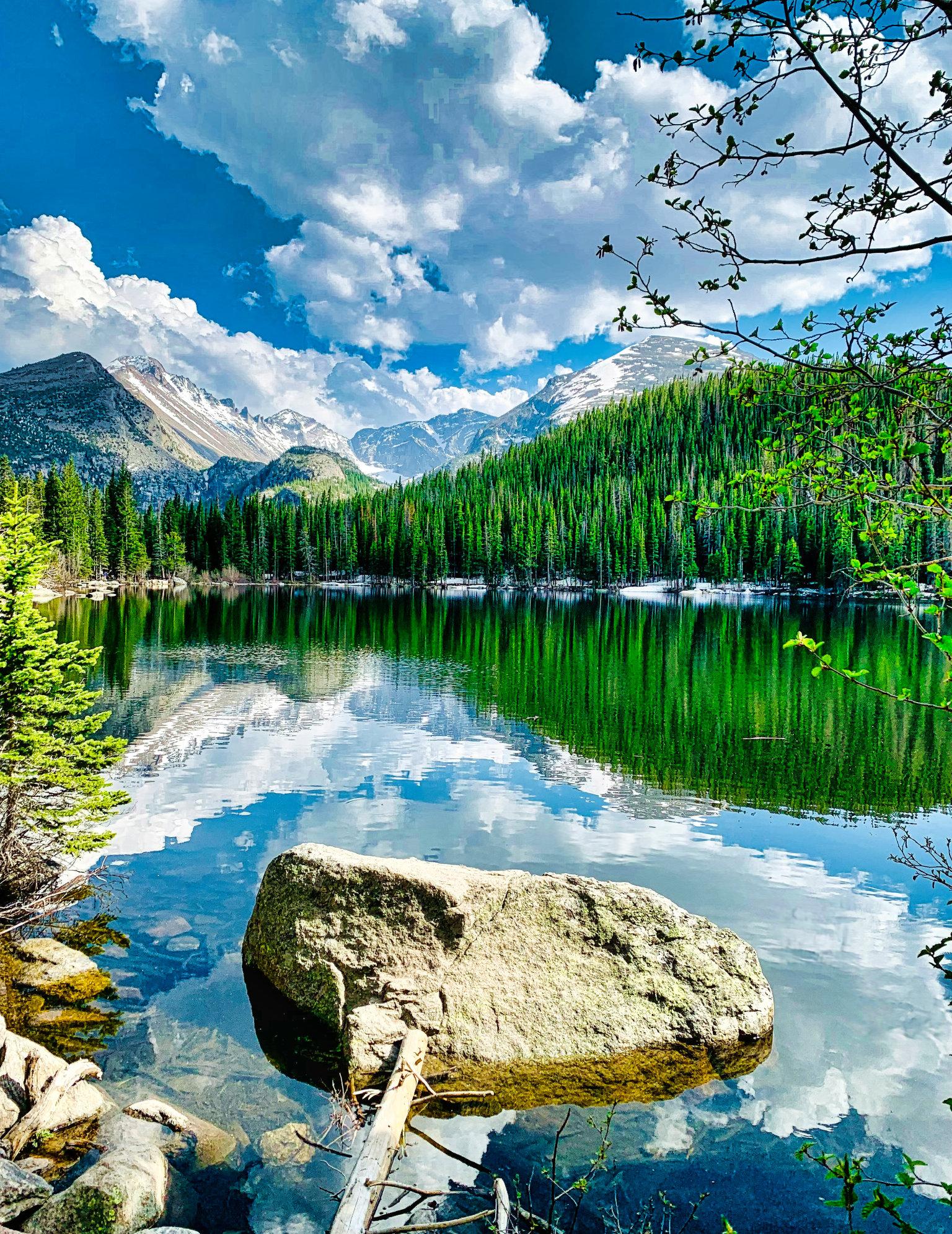
Future issues of Byways will feature, Great American Cities, Route 66 100th Anniversary, and America’s 250th Birthday. . .
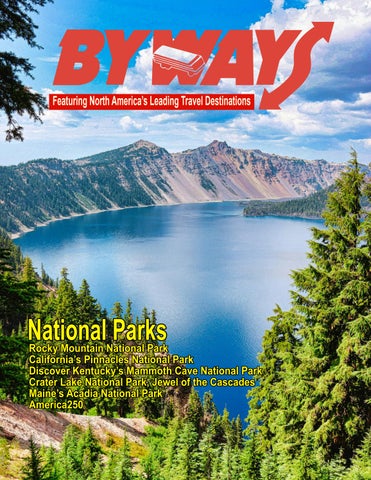
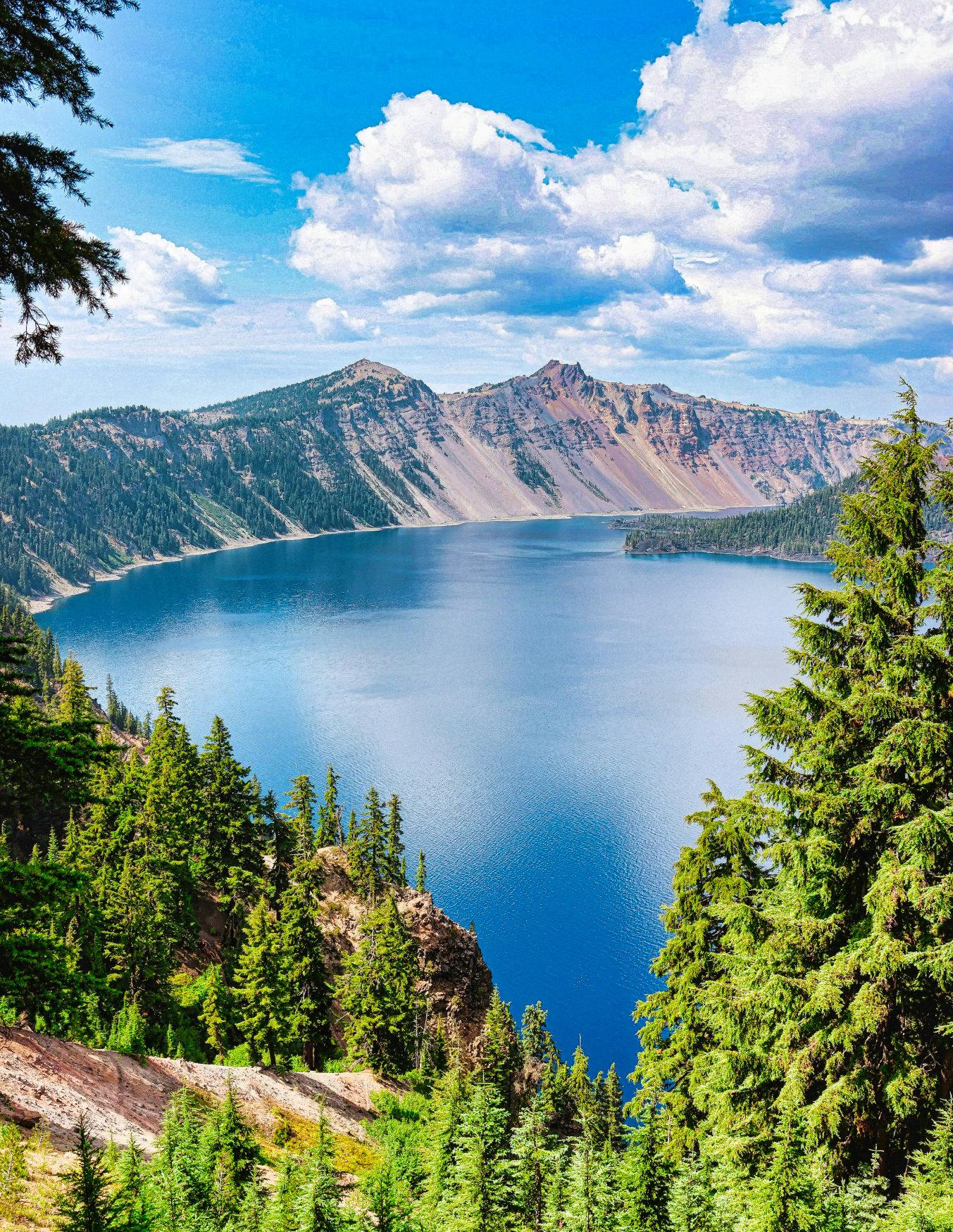
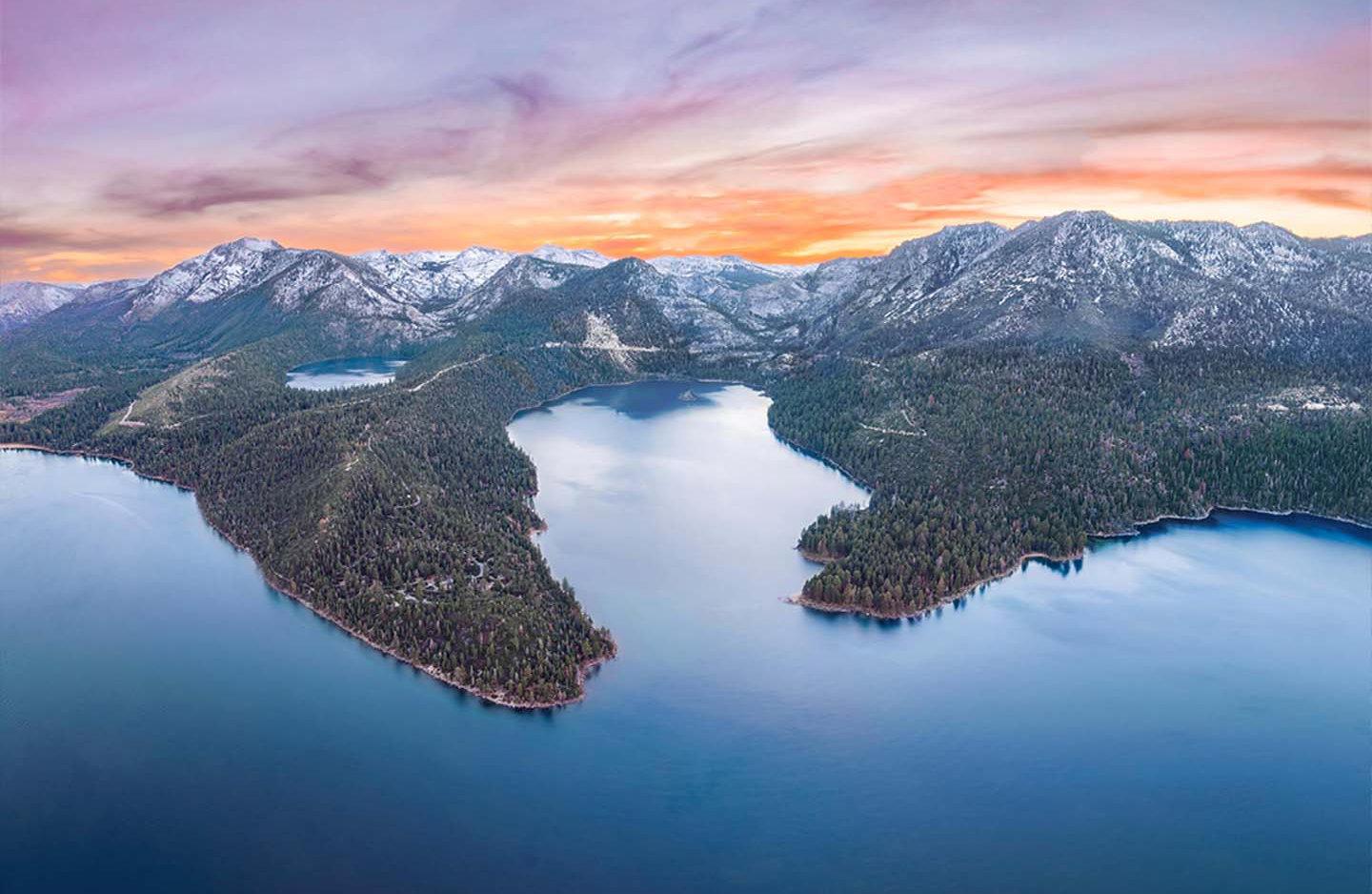
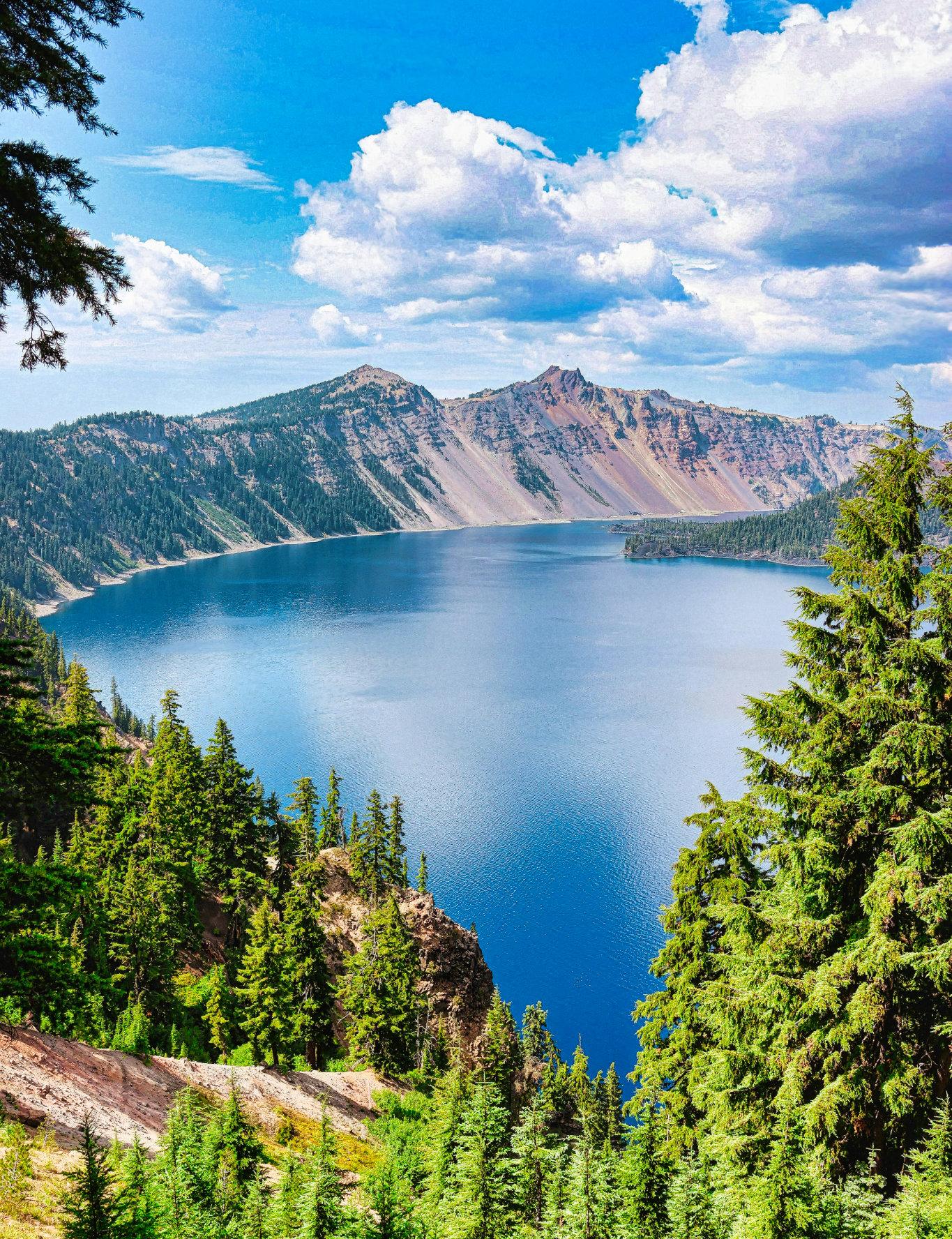
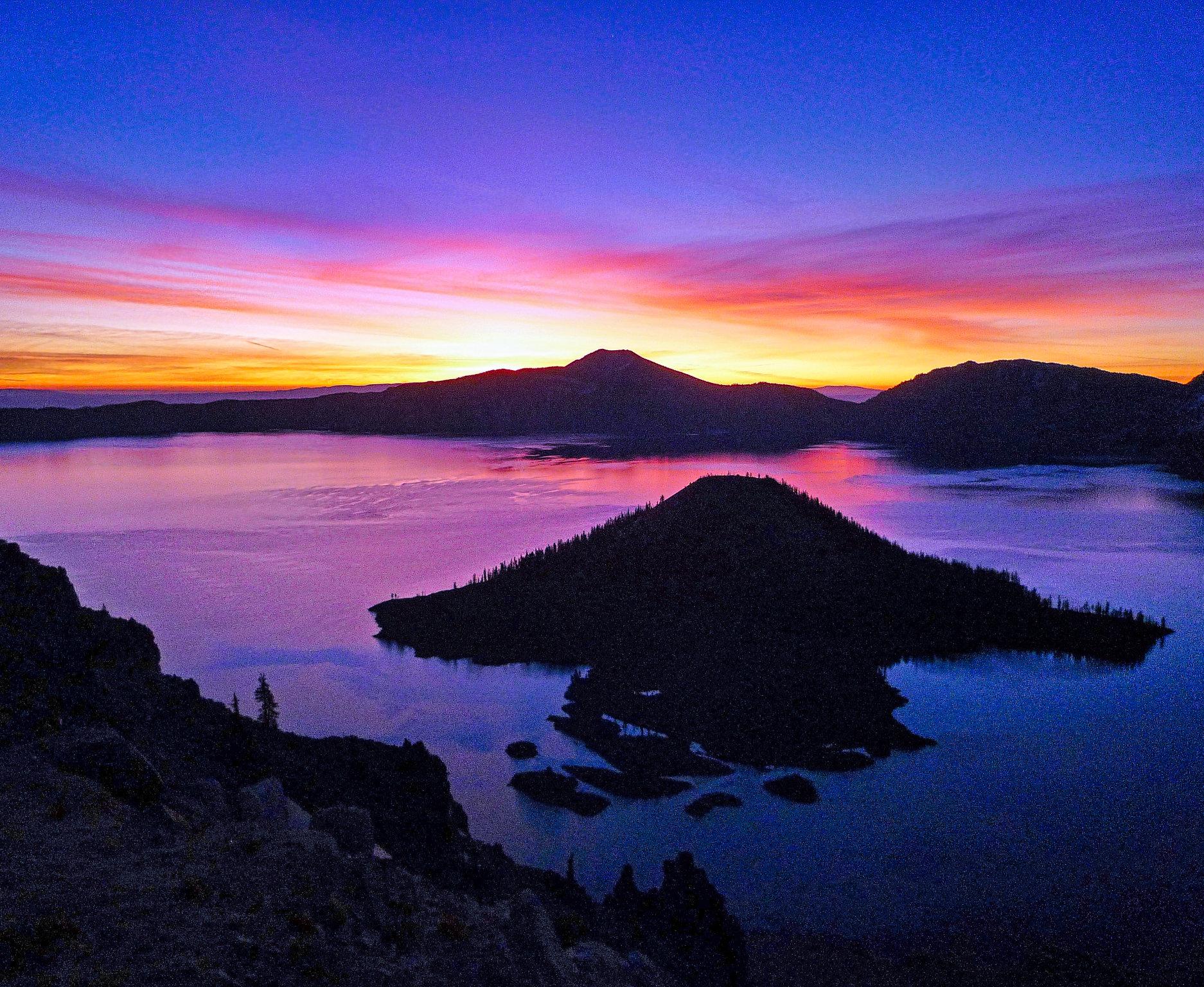
On the Cover. Oregon’s Crater Lake National Park. Photo courtesyVasilis Karkalas on Unsplash. For more on Crater Lake, go to page 34. For more on National Parks, turn to page 10. Up Next:
Great American Cities
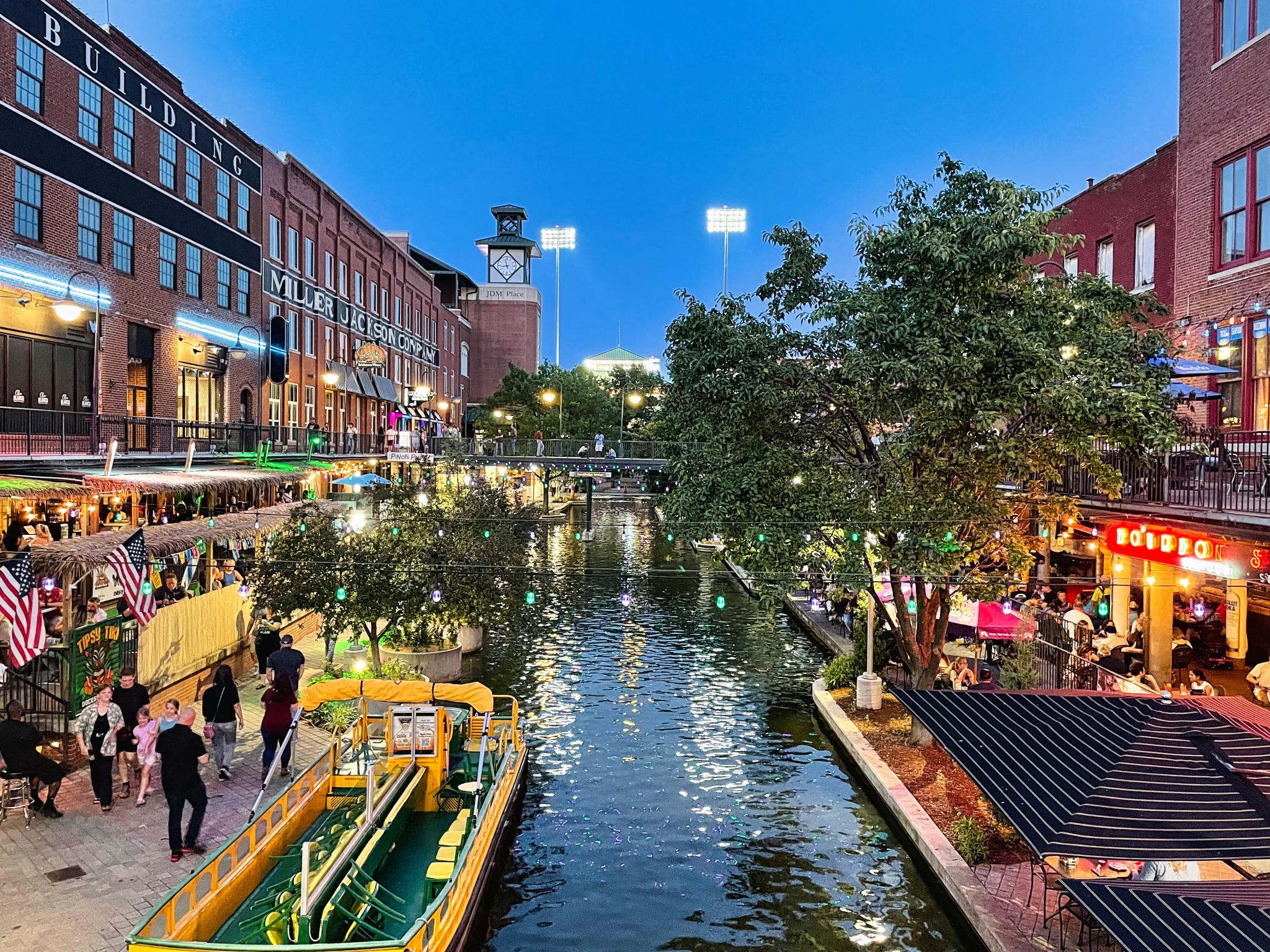
Right. Looking east over the Bricktown Canal in Oklahoma City's Bricktown district. Photo courtesy Kerwin Moore and CC 4.0.
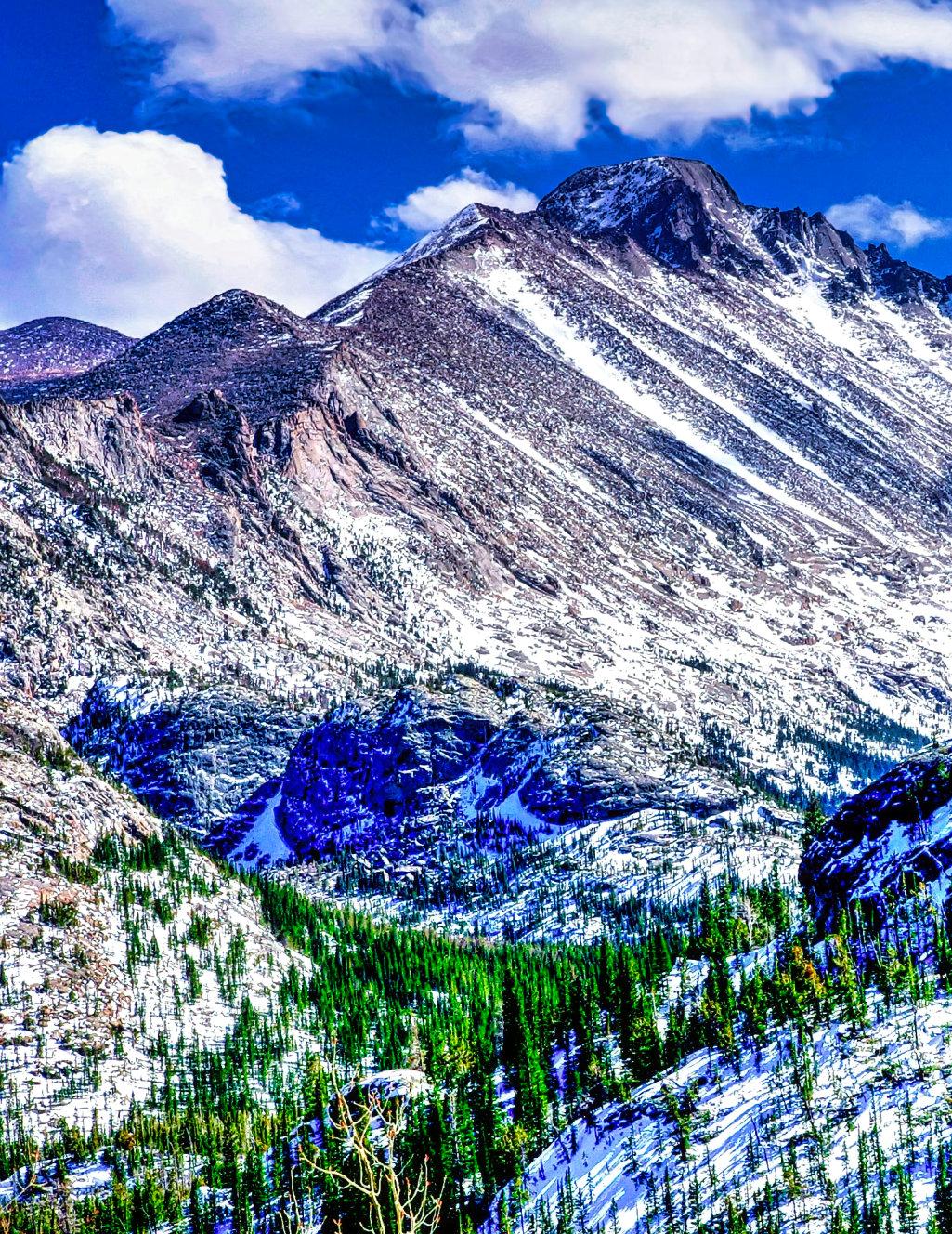
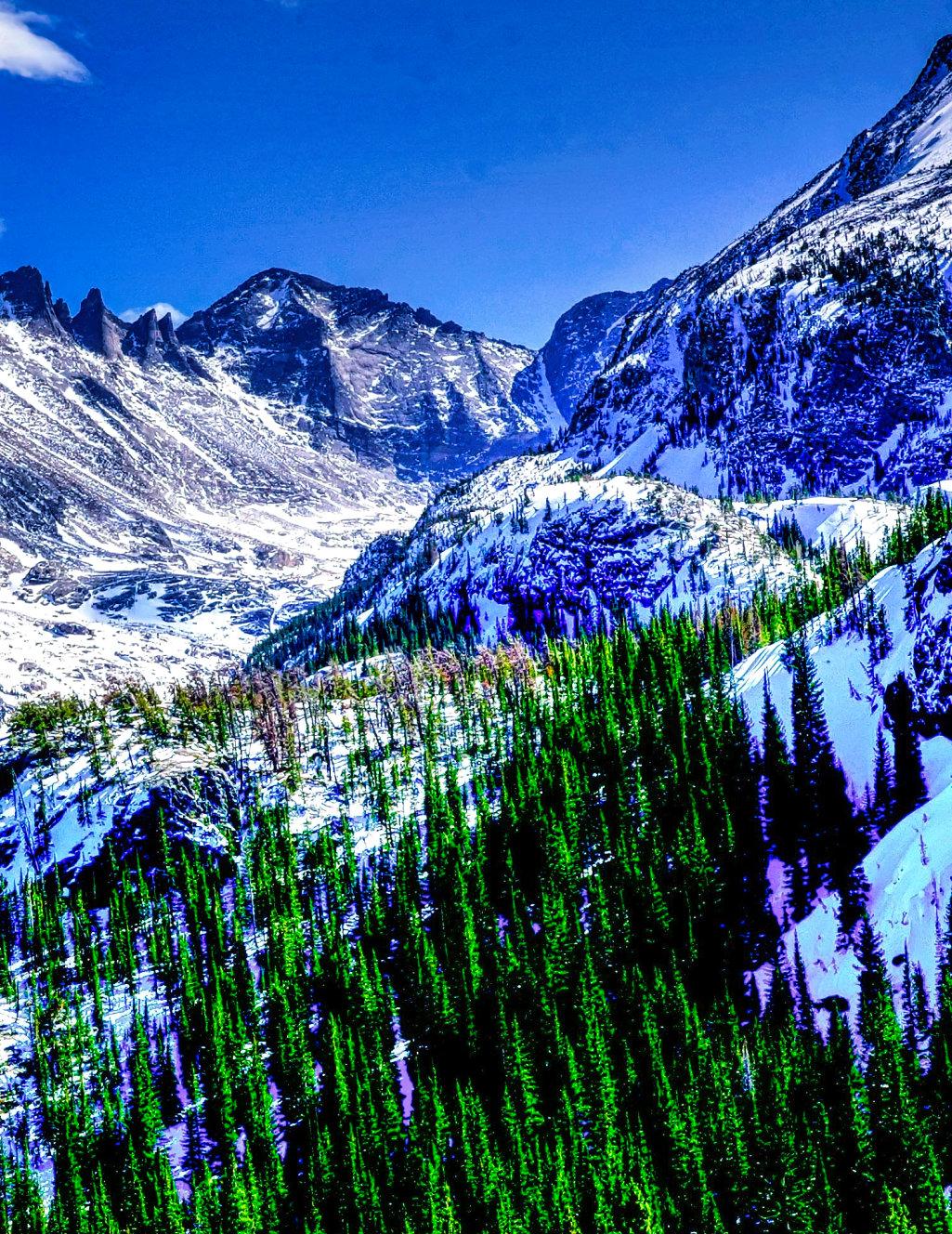
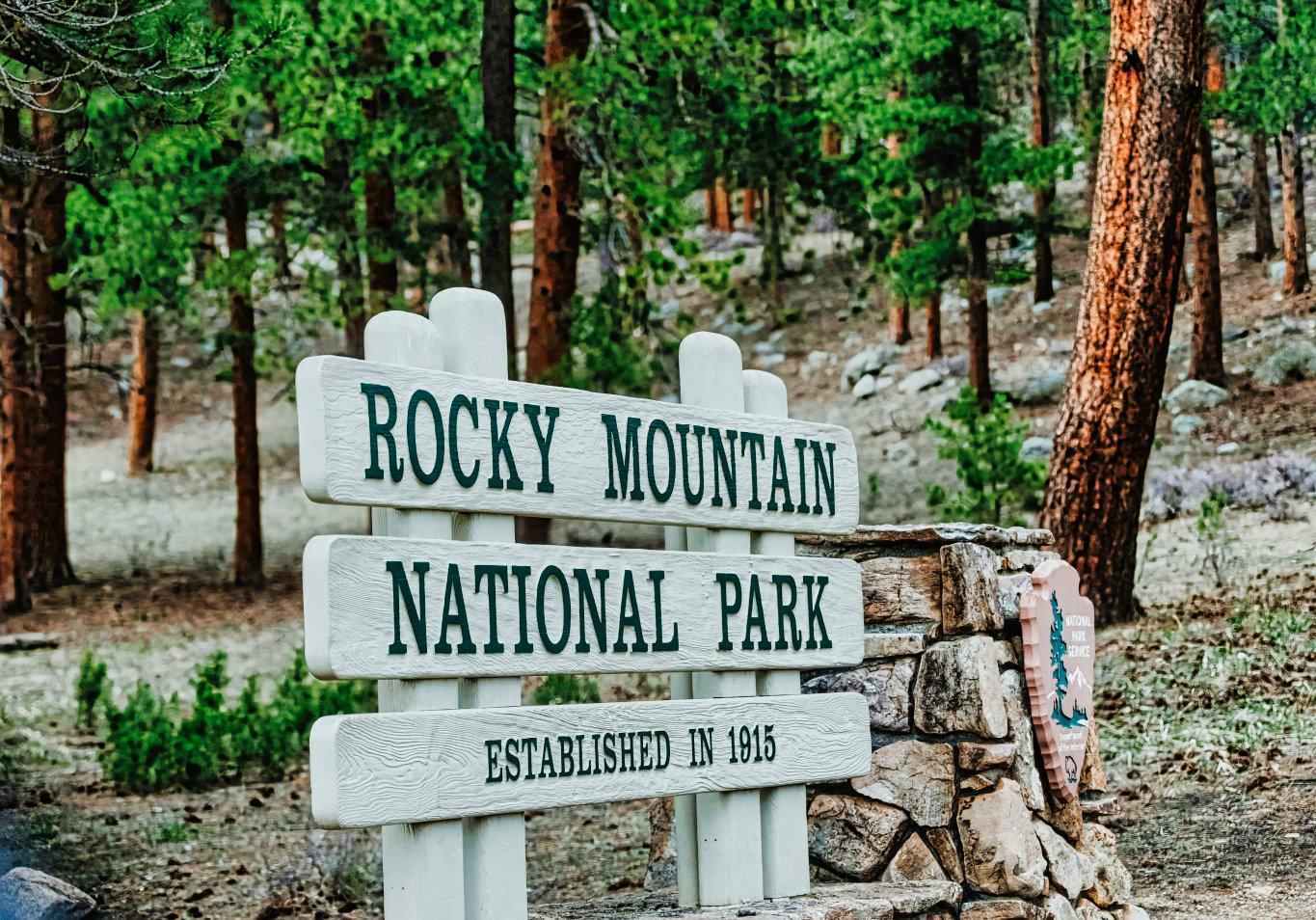
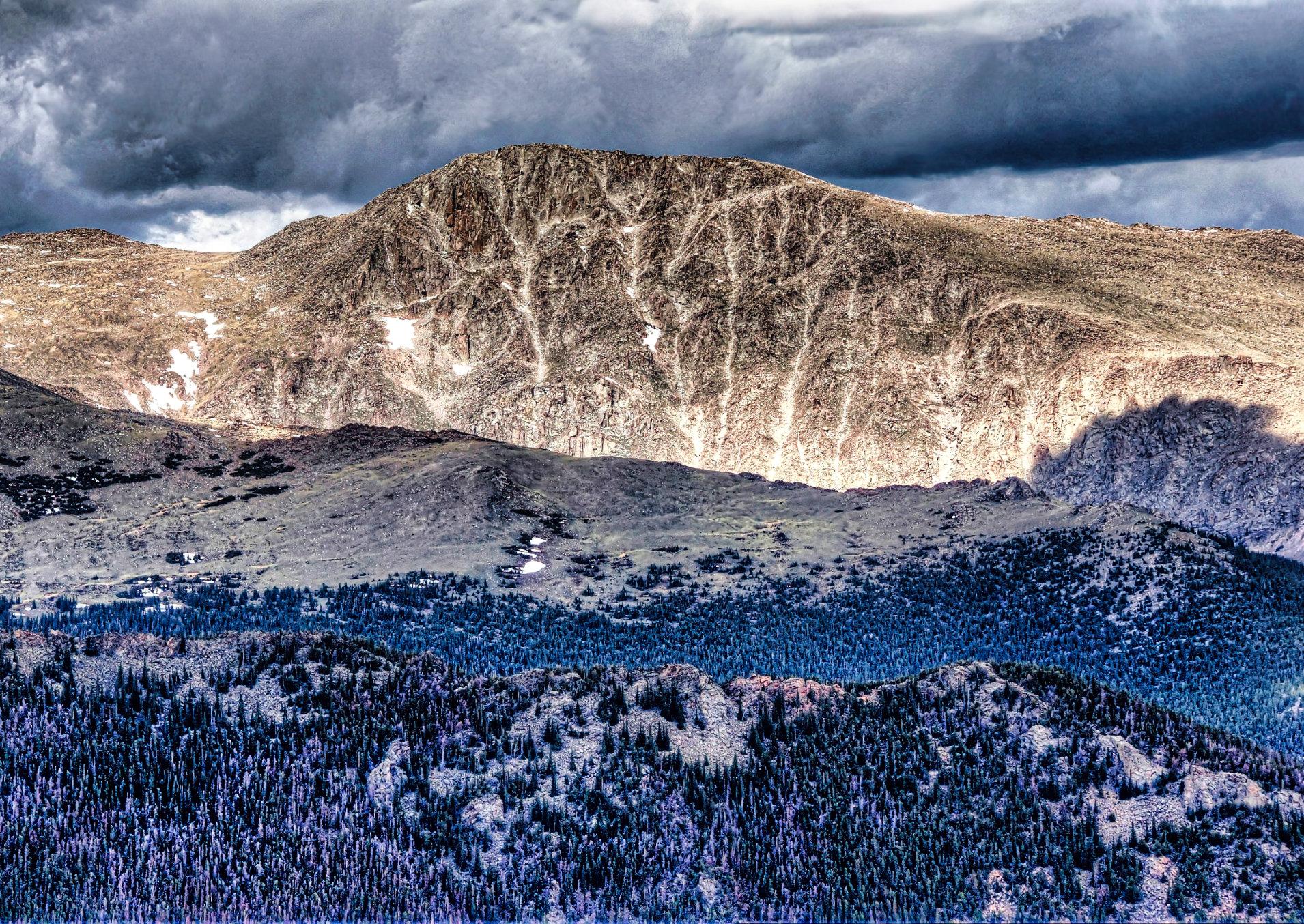
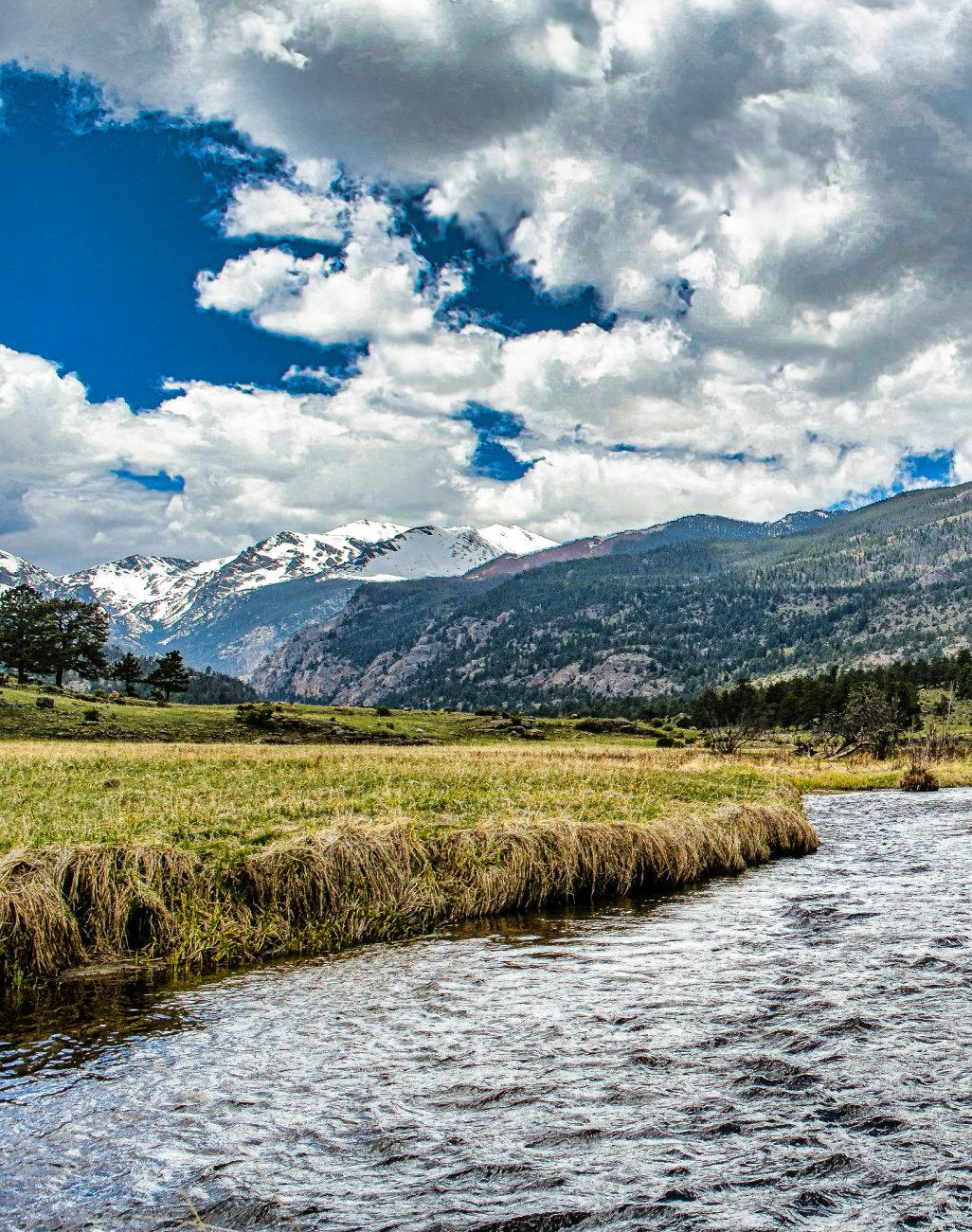
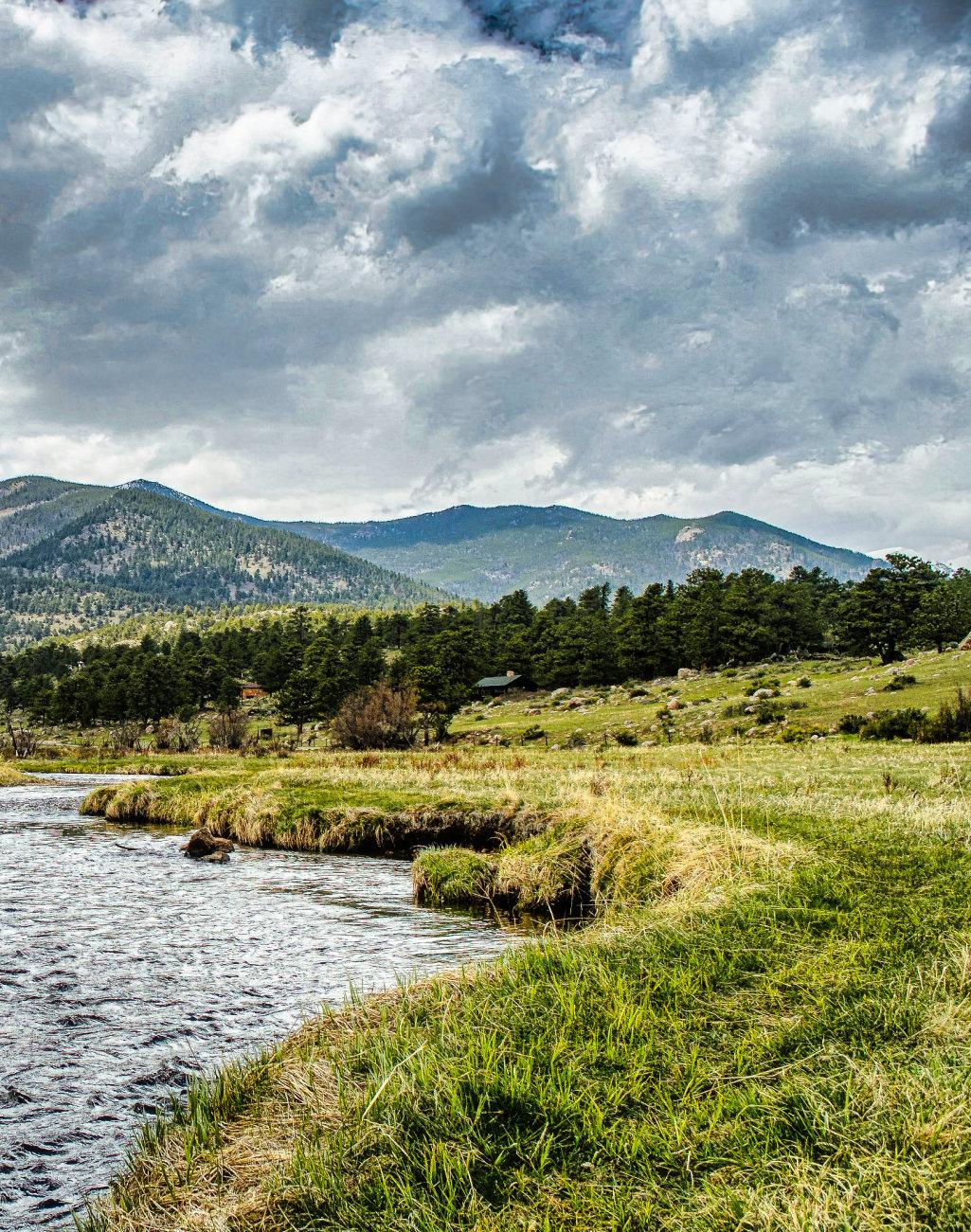
Few landscapes capturethespiritof theAmerican WestlikeRockyMountainNationalPark. Spread across 415squaremiles innorthern Colorado, thepark is awilderness tapestryof jagged peaks, alpinelakes, rollingmeadows,anddensepine forests.
Travelers comeherenotonlyfor thescenerybutalso for thechanceto breatheincrispmountainair, experienceathrivingecosystem,andexploreoneof themostaccessiblehigh-altitudeparks inthenation. Just70 miles fromDenver,itis bothaday-tripper’s dreamand adestinationworthyof aweeklongstay.
Theappeallies in its variety:morethan300miles of hiking trails, elevations thatrangefrom7,500to over 14,000 feet,and amixof wildlifethatincludes elk, bighorn sheep, and marmots.For anyonewhowants to seetheRockies in their full,untamedglory,this park is theidealintroduction.
Byways 12
Scenic Roads and High Passes
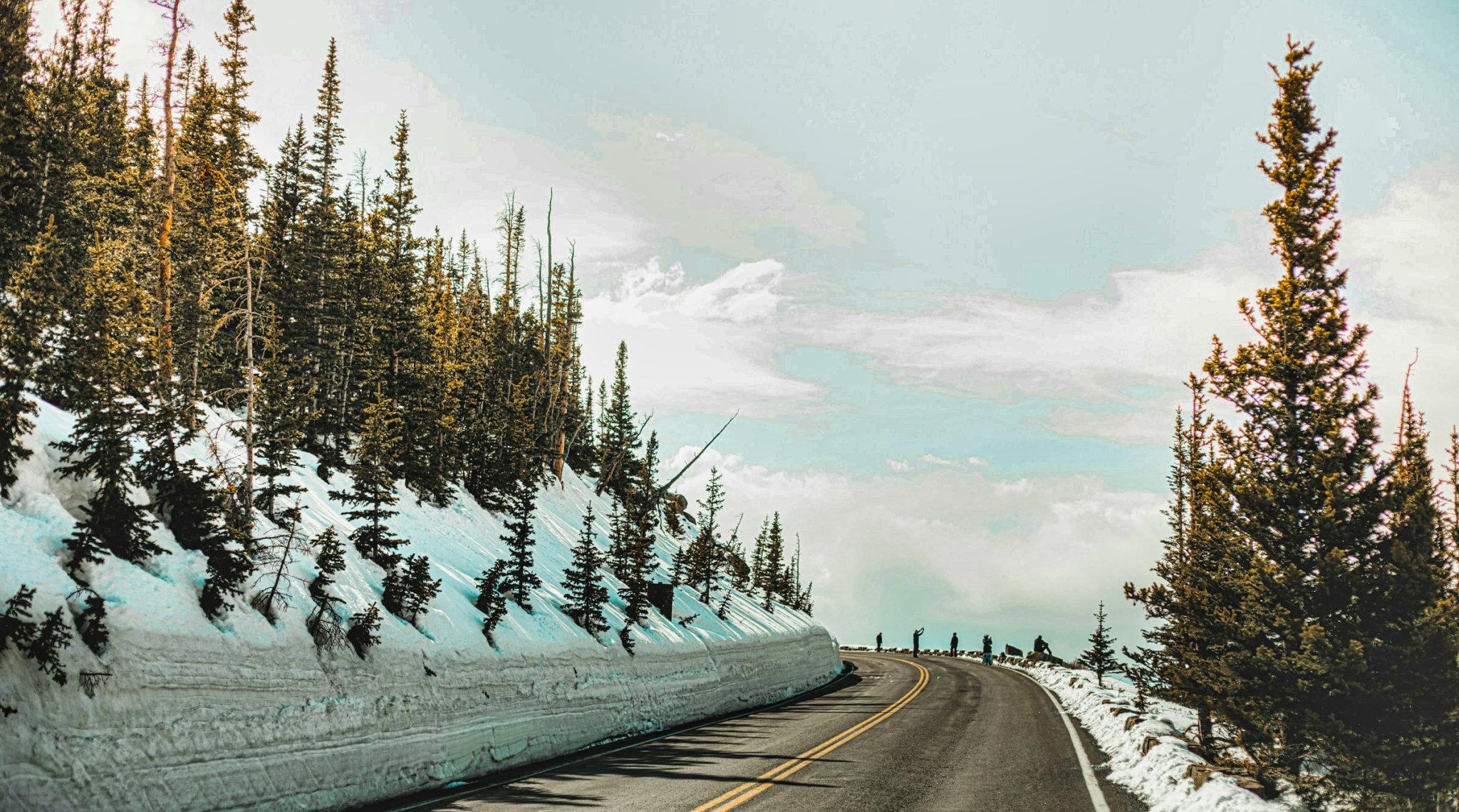
For many visitors, Rocky Mountain National Park is as much about the journey as the destination. Trail Ridge Road, the park’s signature drive, is the highest continuous paved road in the United States, cresting at 12,183 feet.
The views are breathtaking: a panorama of snowcapped peaks and vast tundra stretching to the horizon. The road typically opens in late May or early June, depending on snowfall, and closes by mid-October.
Another routeworthexploringis theOldFallRiver Road,aone-way gravelroad thatclimbs steeply throughhairpinturns totheAlpineVisitor Center. Openseasonally,this driveoffers anintimatelookat thepark’s diversehabitats,fromthickforests to windsweptalpineslopes. Both routes remind travelers thatinRockyMountainNationalPark, gettingfrom onesideto theother is anadventureinitself.
Hiking and Outdoor Adventures
Hiking is at the heart of the Rocky Mountain experience. The park offers trails for all levels, from easy lakeside strolls to challenging treks into the high country.
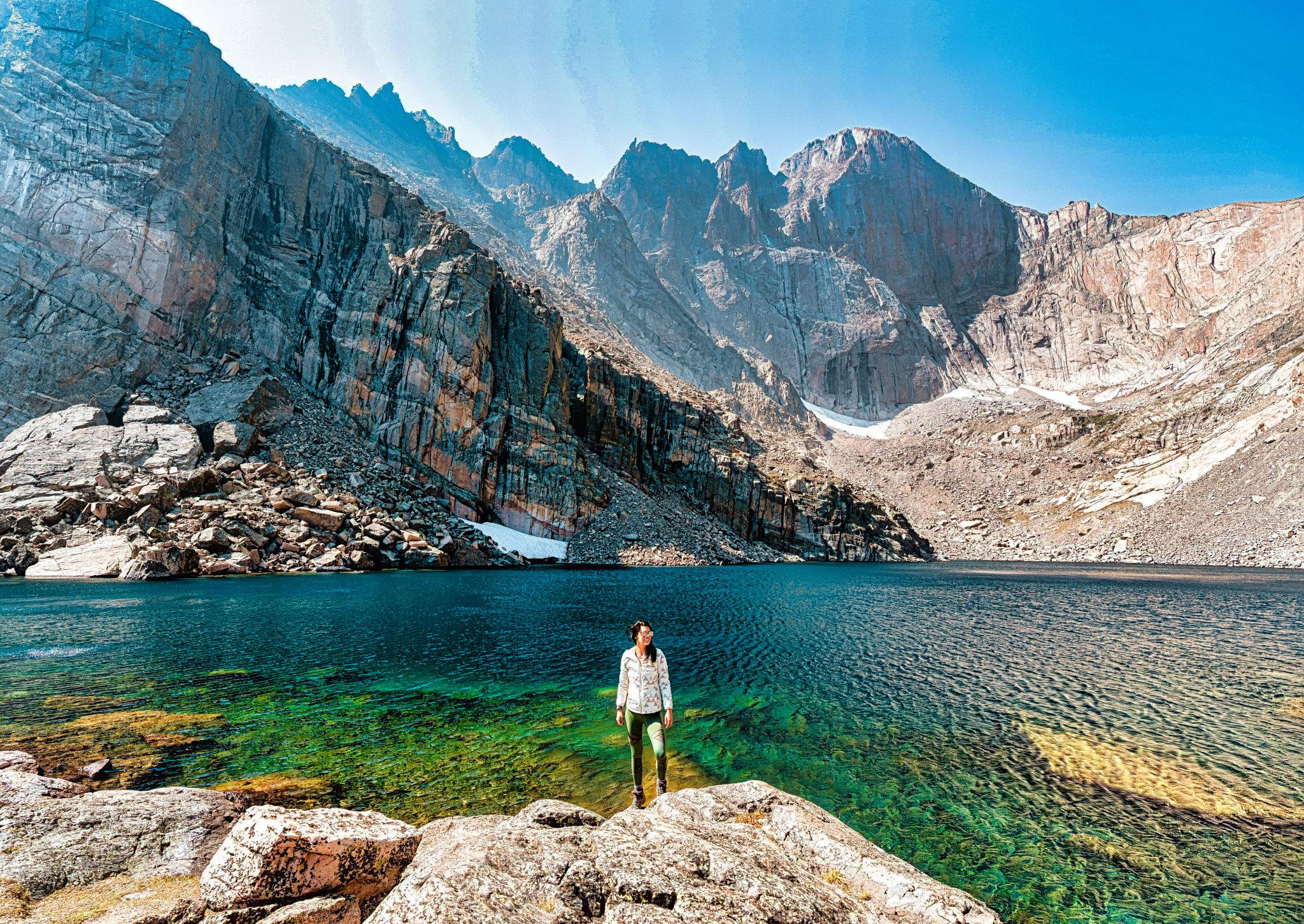
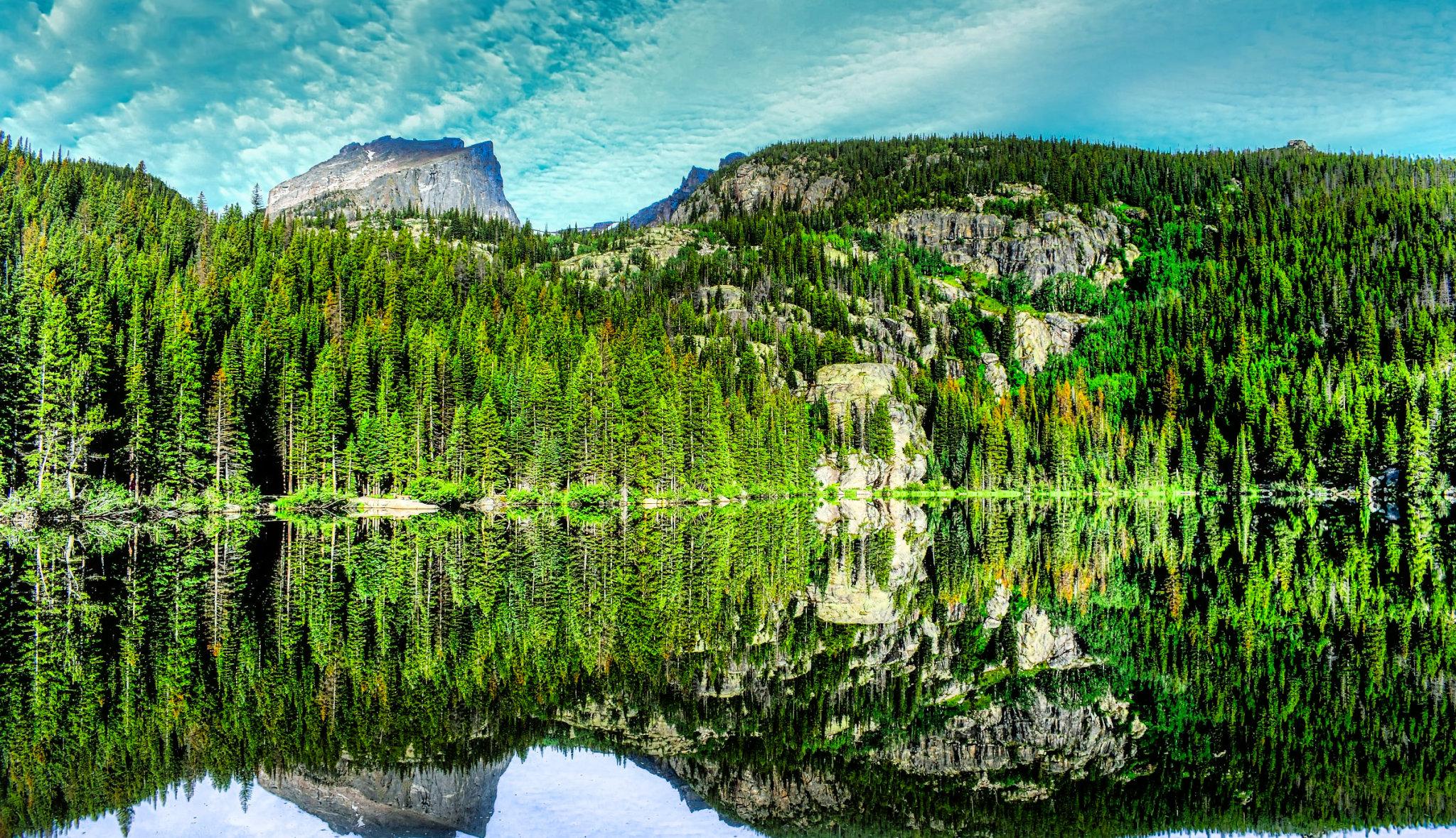
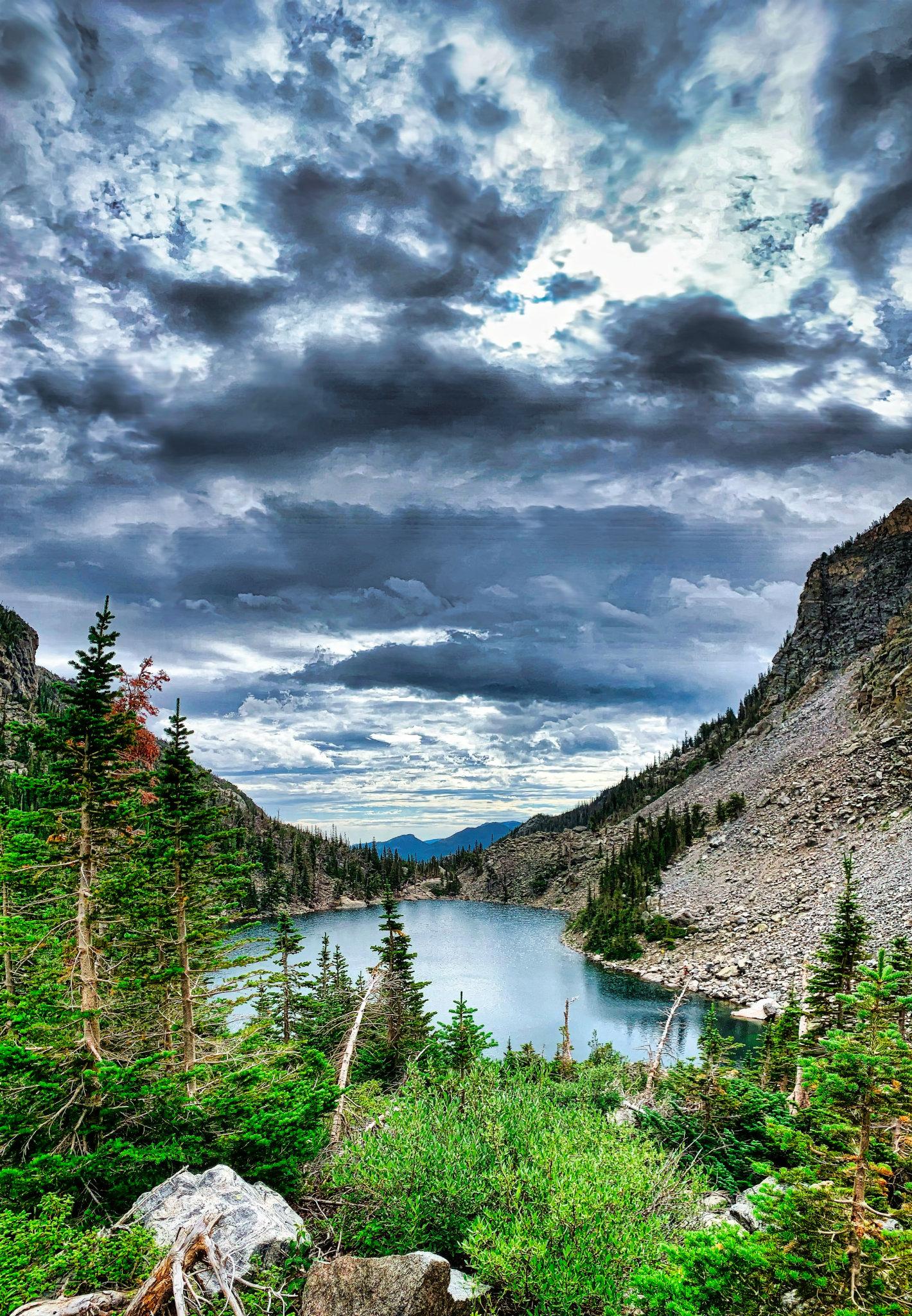
Bear Lake is the most popular trailhead, leading to a series of short hikes around mirror-like alpine waters such as Nymph, Dream, and Emerald Lakes. Families often choose these routes for their accessibility and stunning payoffs.
For seasoned hikers,theclimbtoLongs Peak is abadgeof honor.Risingto14,259 feet,itis oneof Colorado’s mostfamous “fourteeners”.TheKeyholeRoute,while non-technical, is demandingandrequires anearly start, good weather, andstrongstamina.Other rewarding treks includeSkyPond,ChasmLake,and theUteTrailacross thetundra.
Inwinter, theparktransforms into awonderlandfor snowshoers andcross-countryskiers. Ranger-led snowshoewalks introducevisitors tothequieter side of thepark,whenwildlifetracks outnumber hikers on thetrails.
Wildlife Watching and Natural Wonders
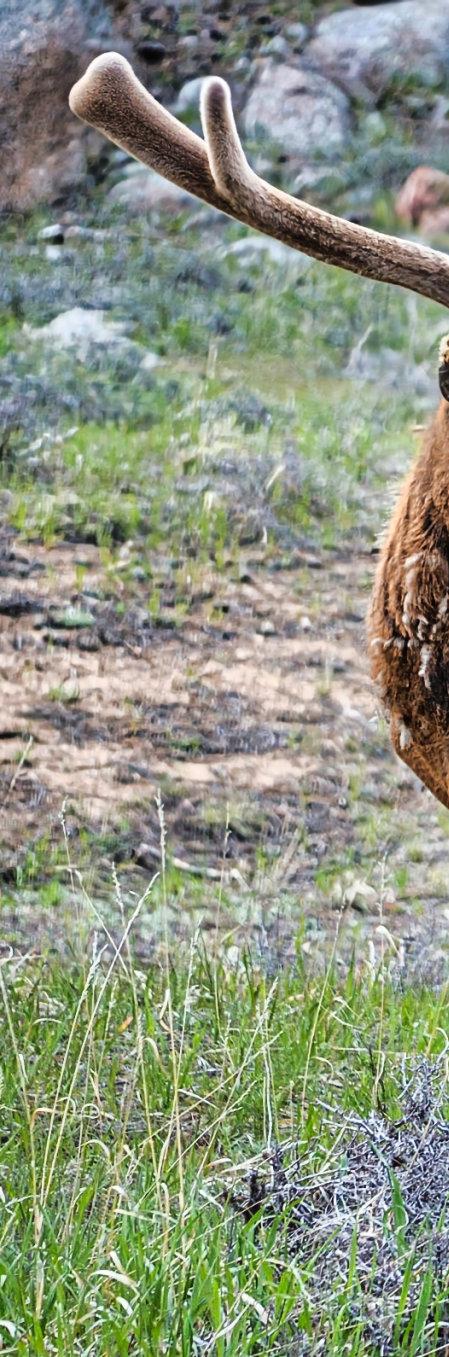
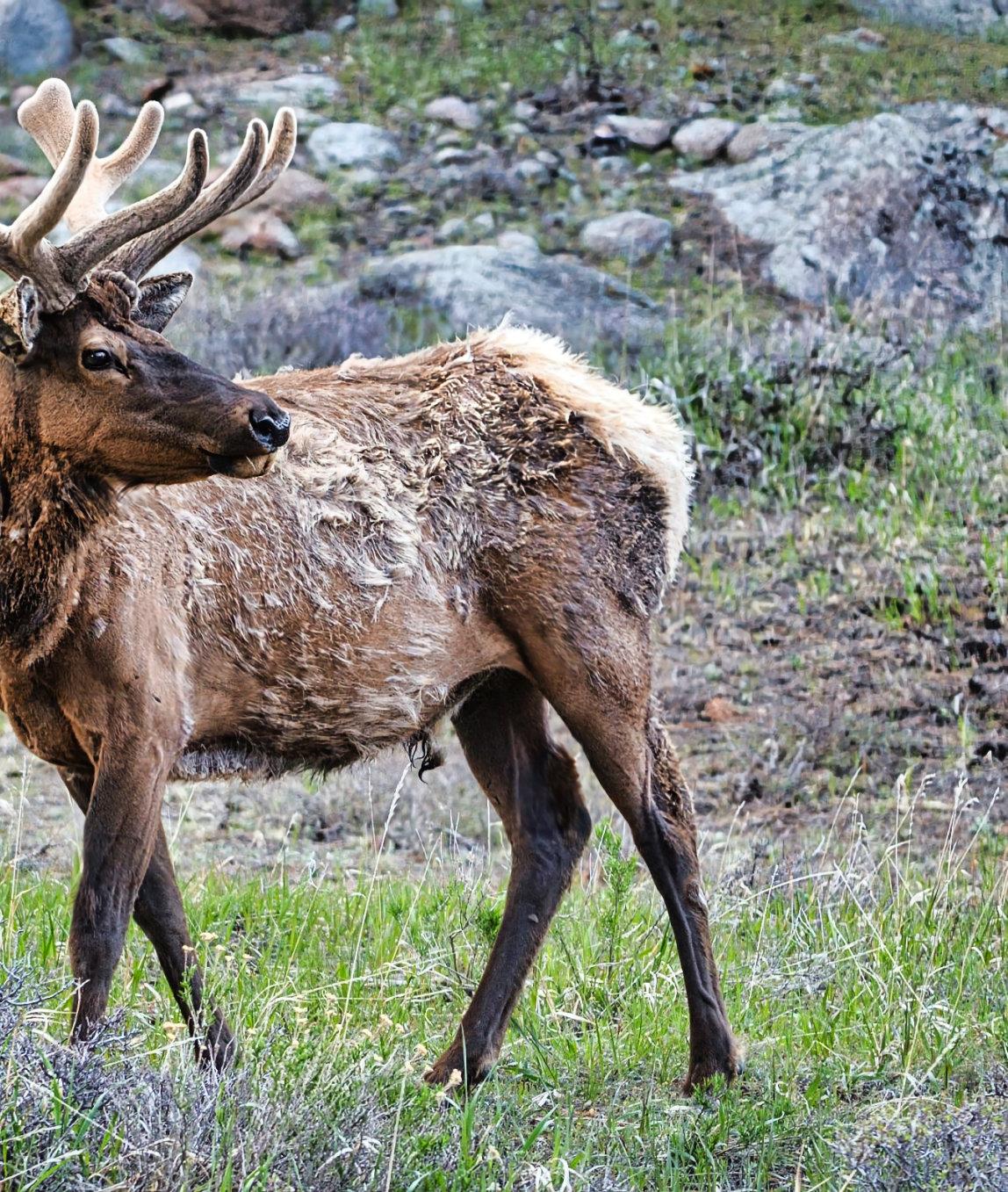
Wildlife encounters are almost guaranteed in Rocky Mountain National Park.Autumn is especially thrilling, when thousands of elk gather in meadows during the rut.
Their bugling calls echo across the valleys, a sound both haunting and unforgettable. Bighorn sheep can be spotted on rocky outcrops, while moose browse in the willow thickets near the Kawuneeche Valley. Birdwatchers will appreciate the diversity of raptors, songbirds, and high-altitude species like the whitetailed ptarmigan.
Thepark is also hometo dramatic naturalfeatures.Glaciallycarved valleys,waterfalls suchasAlberta Falls, andhigh-mountaincirques remind visitors of theforces that shaped theRockies. Everycorner reveals adifferentaspectof Colorado’s geologyandecology, makingthepark alivingclassroomas wellas ascenic retreat.
Where to Stay
Rocky Mountain National Park has no hotels within its boundaries, but camping is abundant. Five campgrounds -- Moraine Park, Glacier Basin, Aspenglen, Timber Creek, and Longs Peak -- offer everything from family-friendly campsites to rustic tent-only areas. Reservations are recommended well in advance during peak summer months.
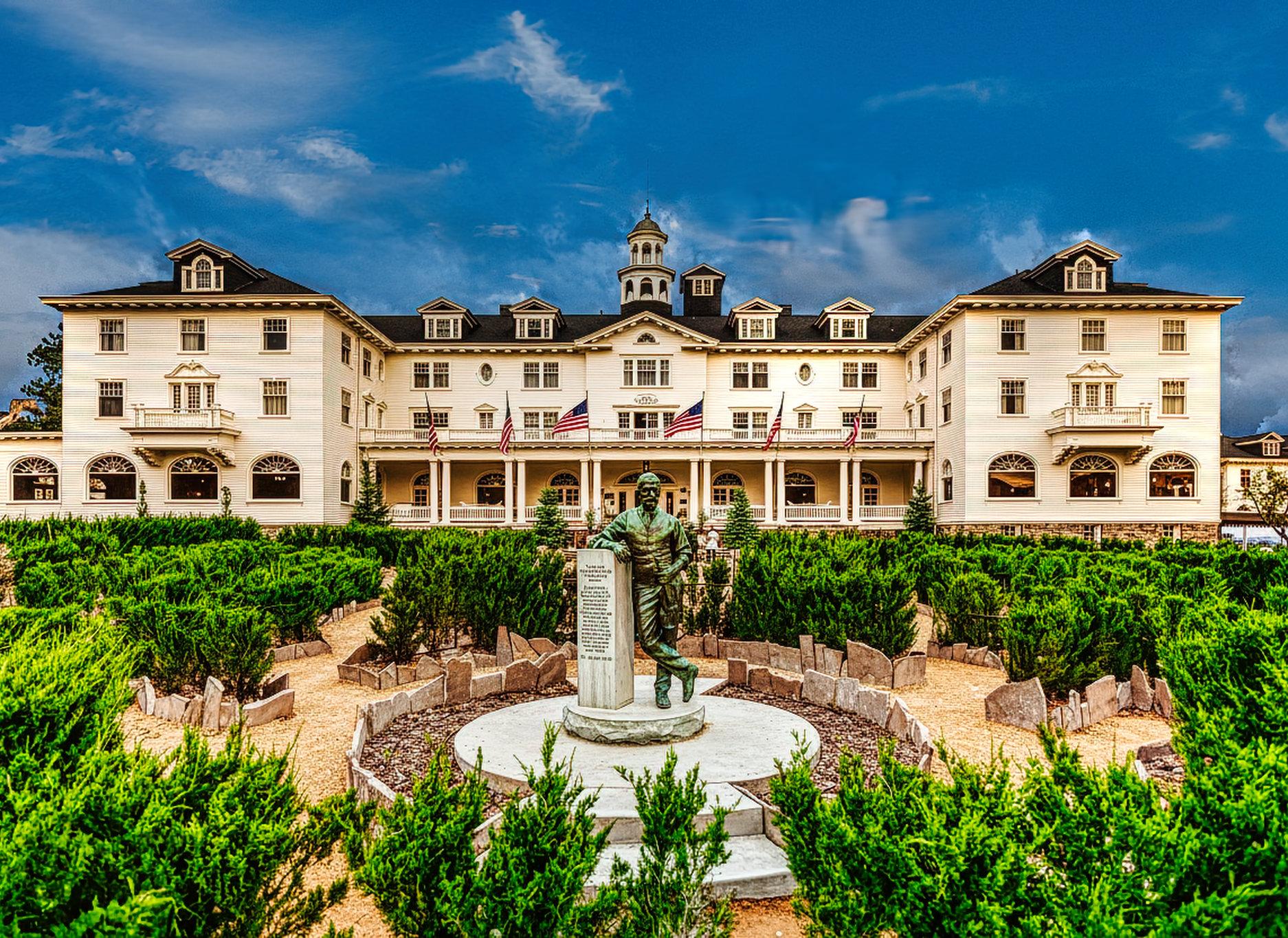
For thosewho prefer aroof over their head, thenearby townof Estes Parkserves as theeasterngateway. Lodgingranges fromcozycabins andriversidelodges to luxury hotels withmountain views.TheStanley Hotel,madefamous byits connectiontoStephen King’s The Shining, is oneof thearea’s icons.On the westsideof thepark, GrandLakeoffers aquieter, morelaid-backalternativewithcharming inns and lakesiderentals.
Local Cuisine and Colorado Flavors
Part of any Rocky Mountain adventure is savoring local cuisine. Estes Park’s dining scene blends classic mountain fare with creative flair.
Elk and bison burgers are a staple at many restaurants, often served alongside craft beers from Colorado’s thriving brewing culture. Upscale spots serve trout, Colorado lamb, and wild game, prepared with a nod to both tradition and innovation.
Sweettooths should notmiss Estes Park’s fudge shops,which havebecomeabelovedtraditionfor generations of visitors. InGrandLake,restaurants leanintocasual, lakesidediningwithhearty breakfasts,homemadepies,andfreshtrout.Whether you’regrabbing atrailsnackor enjoyingafinemeal withamountain view, foodherehas awayof complementing thewilderness experience.
The Best Time to Visit
Each season brings a distinct character to Rocky Mountain National Park. Summer is the most popular time, when all roads and trails are open, wildflowers bloom, and high-country meadows are alive with color. Crowds are part of the trade-off, but early morning starts help avoid congestion.
Byways 16
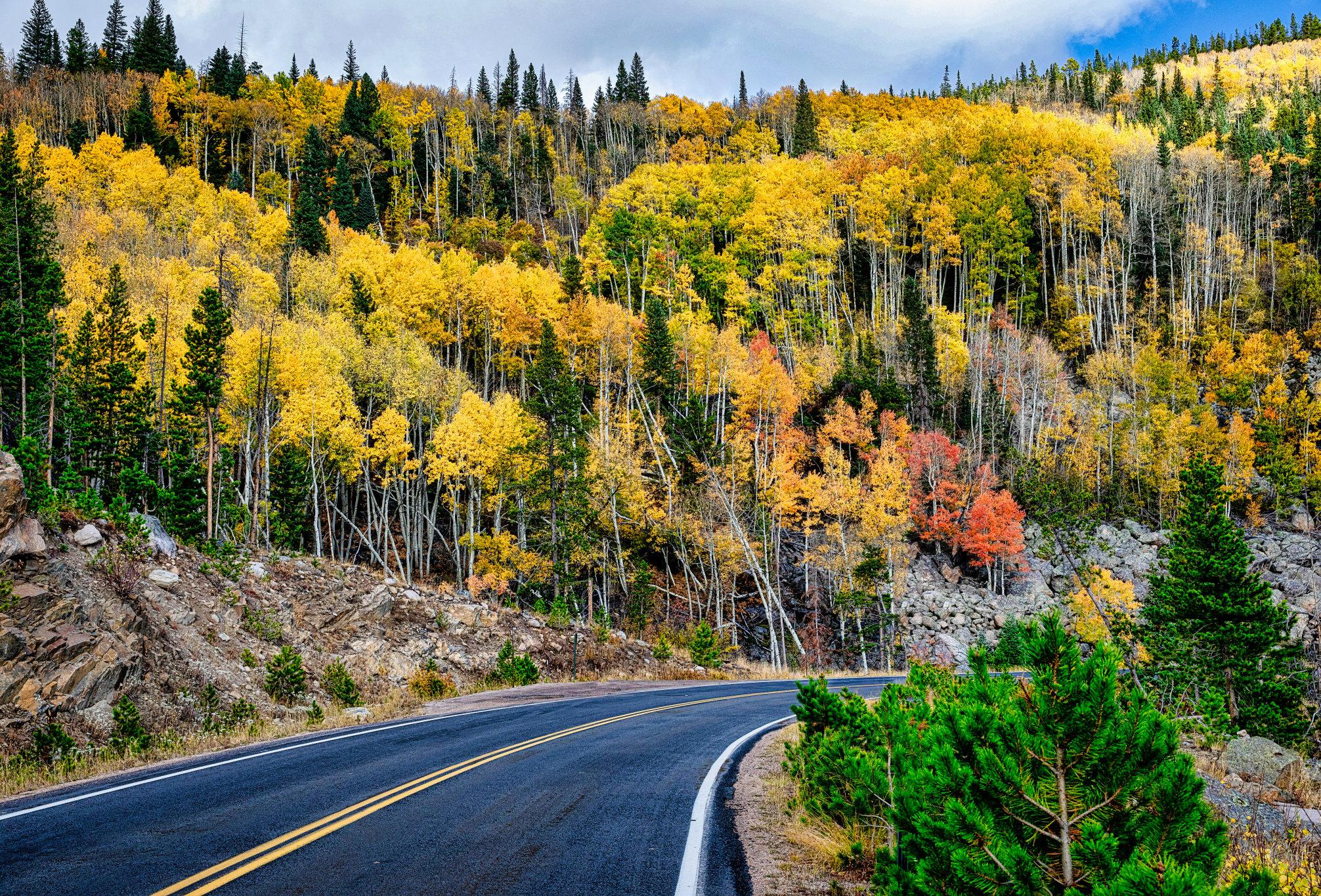
Fallis perhaps themostmagicalseason.Theaspen leaves turn gold, elkfillthemeadows,andcrisp air makes hiking especially enjoyable.Winter offers solitude, quietbeauty, andachancetoseethepark blanketed in snow.
For thosewho don’tmind bravingthecold,it’s a deeplyrewarding experience.Springbrings melting snow,rushingwaterfalls,andthefirstsigns of wildflowers.
Nomatter whenyoucome,theparkoffers something unforgettable.Thekeyis tomatchyour visitwiththe kind of experienceyouseek—whether that’s vibrant summer hikes,autumnwildlifespectacles, or winter’s calm.
A Place That Stays With You
Rocky Mountain National Park is more than a destination -- it’s an encounter with the sublime. The park has a way of grounding visitors, reminding them of nature’s scale and beauty.
From the thrill of standing atop Trail Ridge Road to the quiet reflection beside an alpine lake, moments here linger long after the trip ends.
For travelers alongAmerica’s byways,it’s areminder thatsomeroads leadnotonly toplaces butto experiences thatchangetheway weseetheworld. RockyMountainNationalParkis oneof thoseplaces, andwhether you visitfor adayor aweek, you’llleave with theRockies etchedfirmlyinmemory.
https://www.nps.gov/romo/index.htm
Byways 18
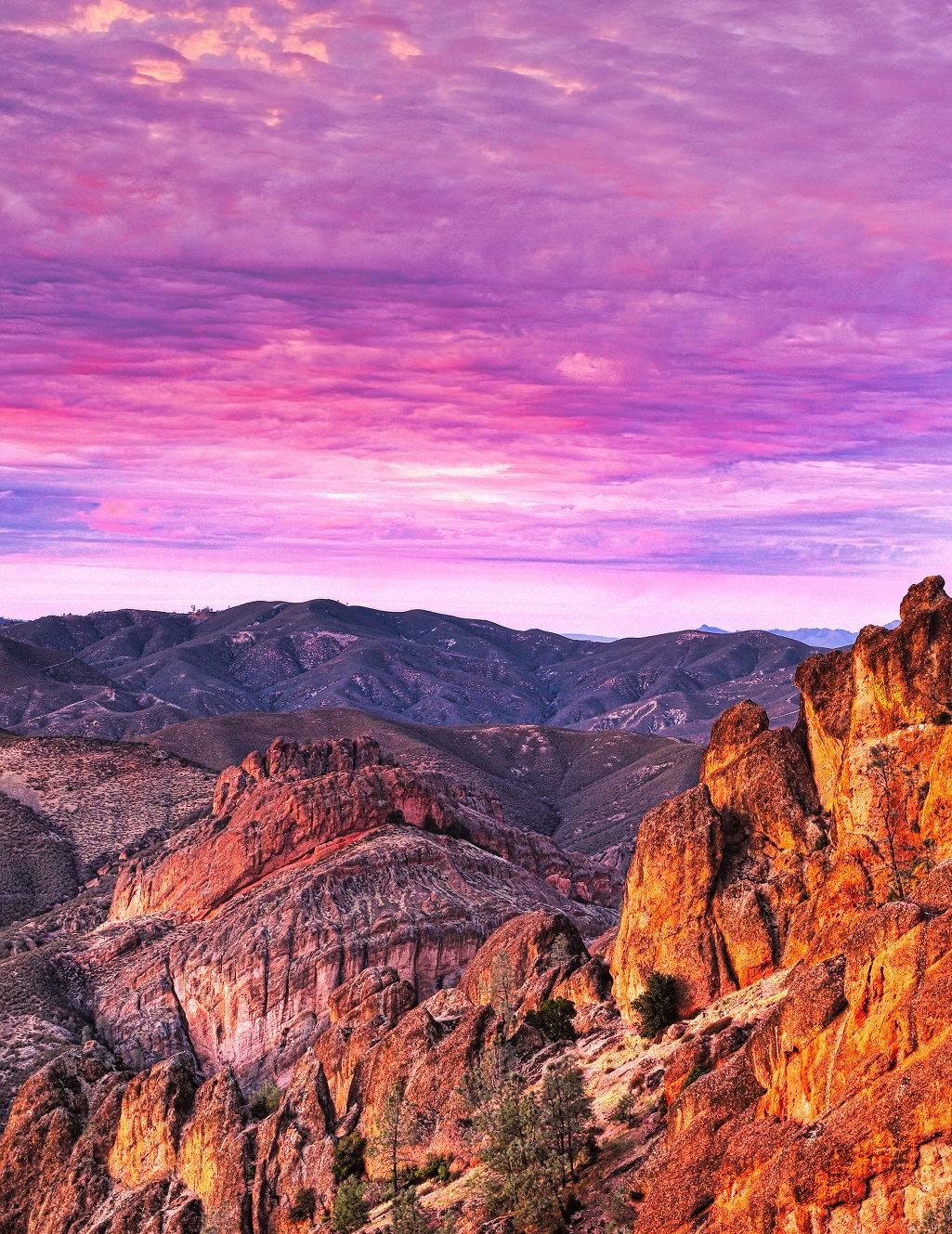
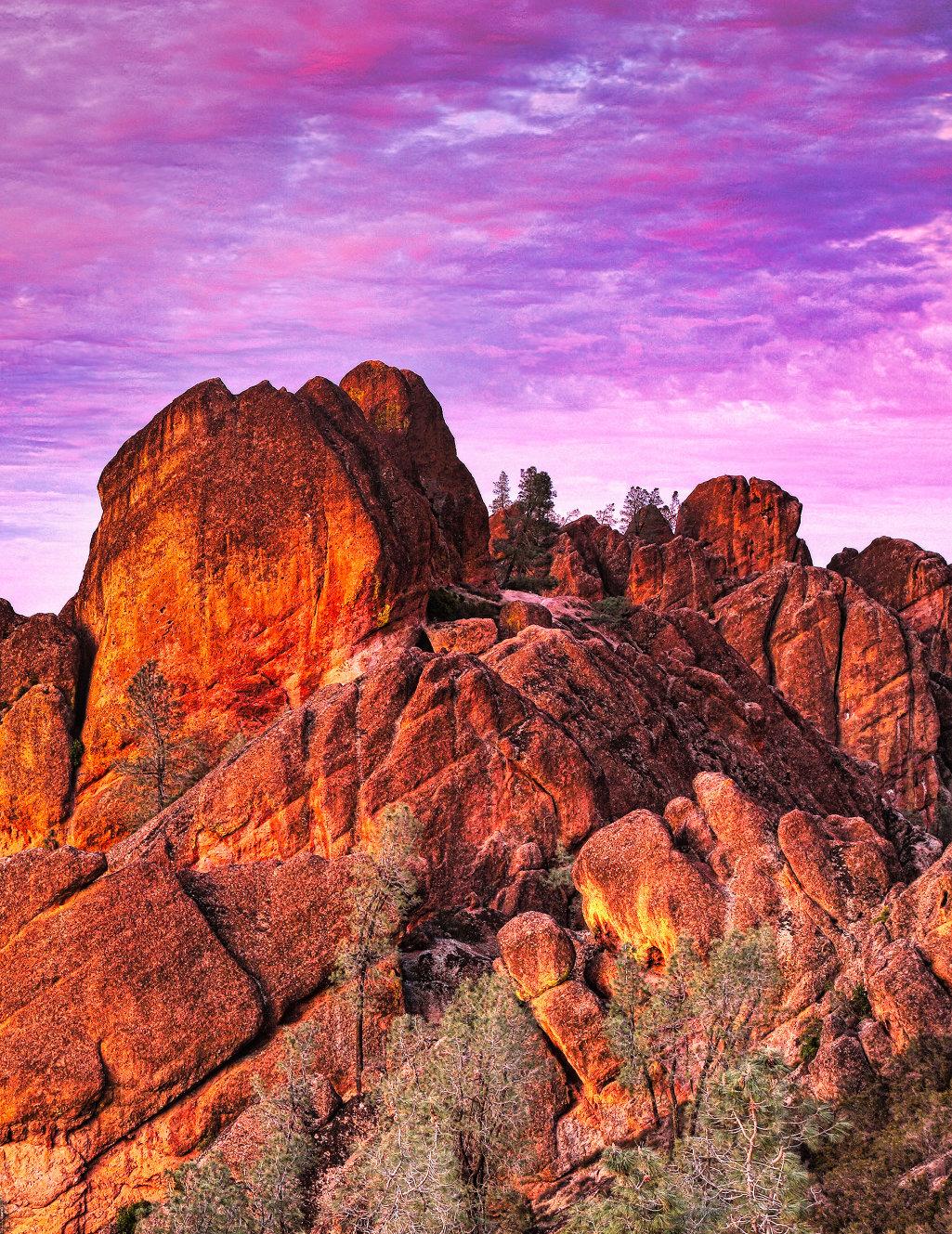
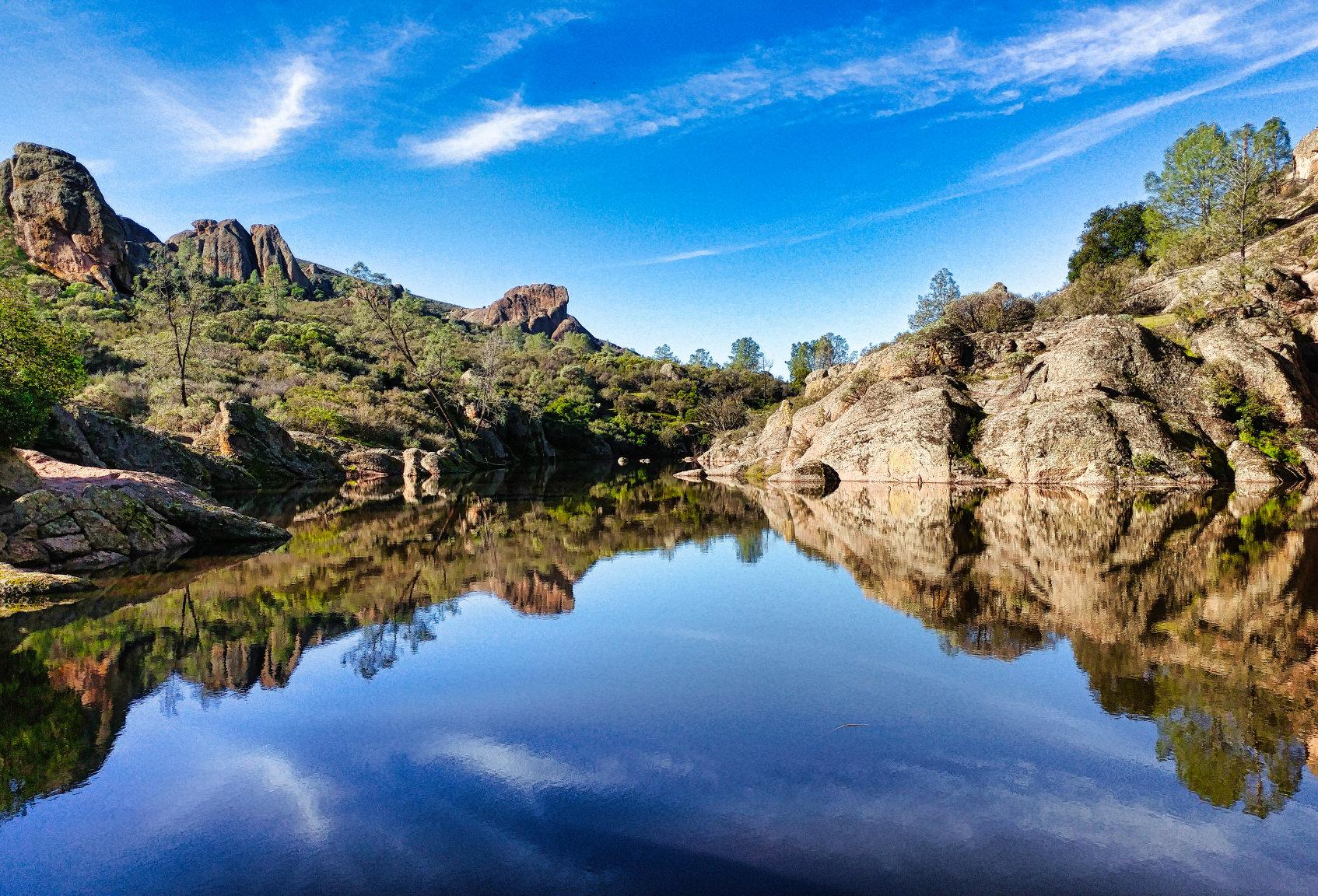
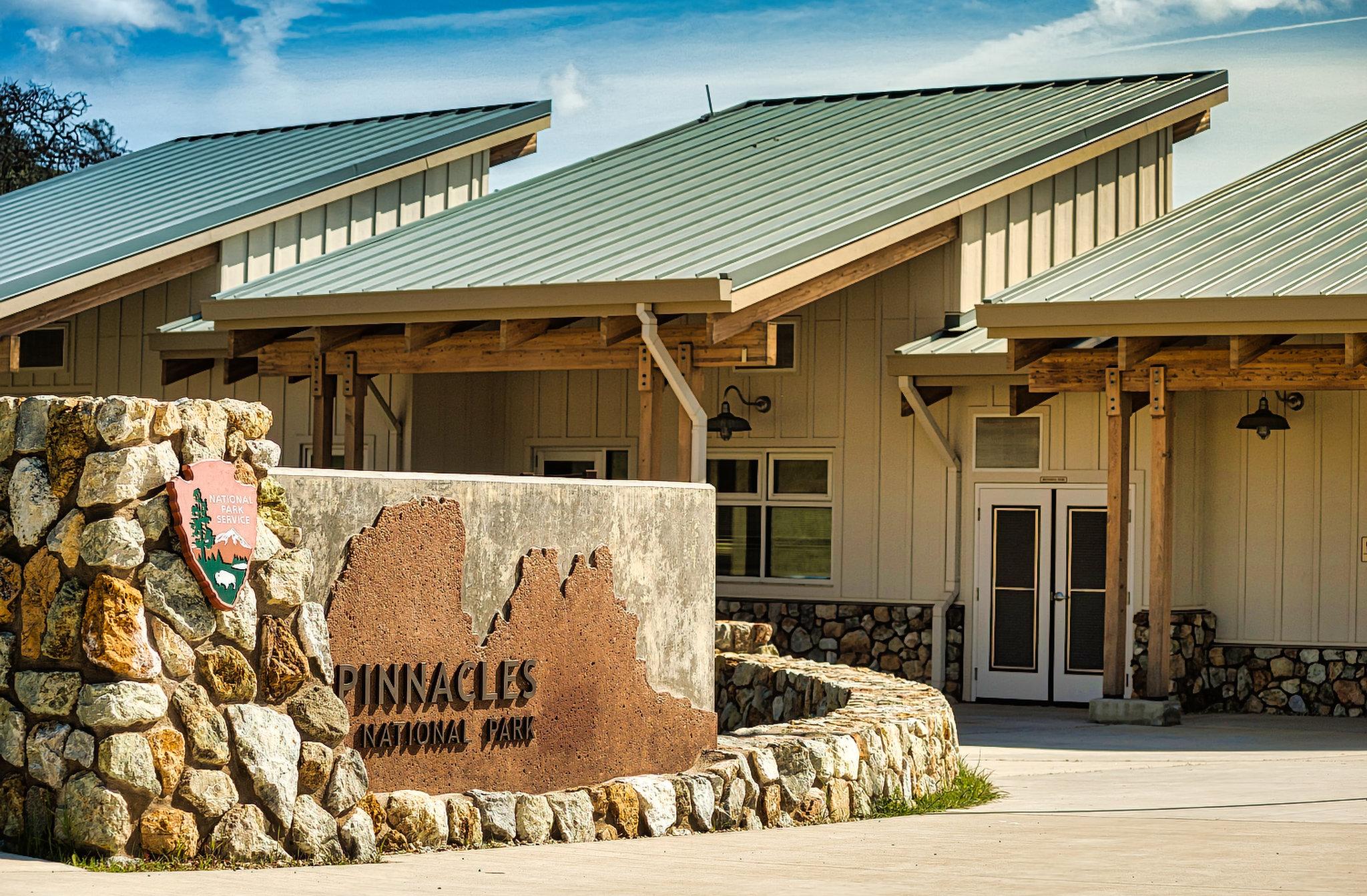
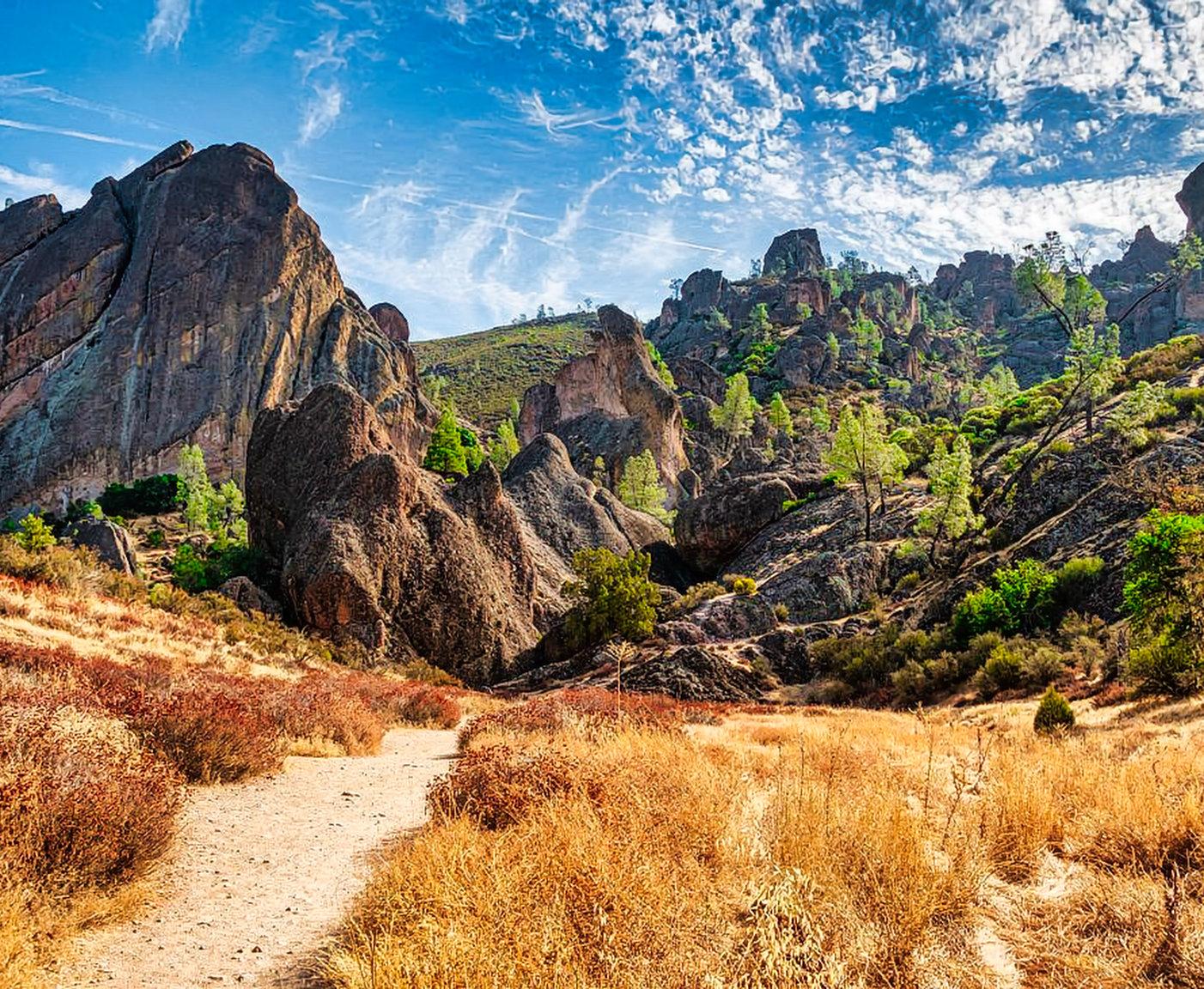
Tucked into thequietheartof centralCalifornia, Pinnacles NationalPark maynothavethename recognition ofYosemite, Sequoia,or Death Valley, butthosewhoventureoff thebeatenpathare richly rewarded.
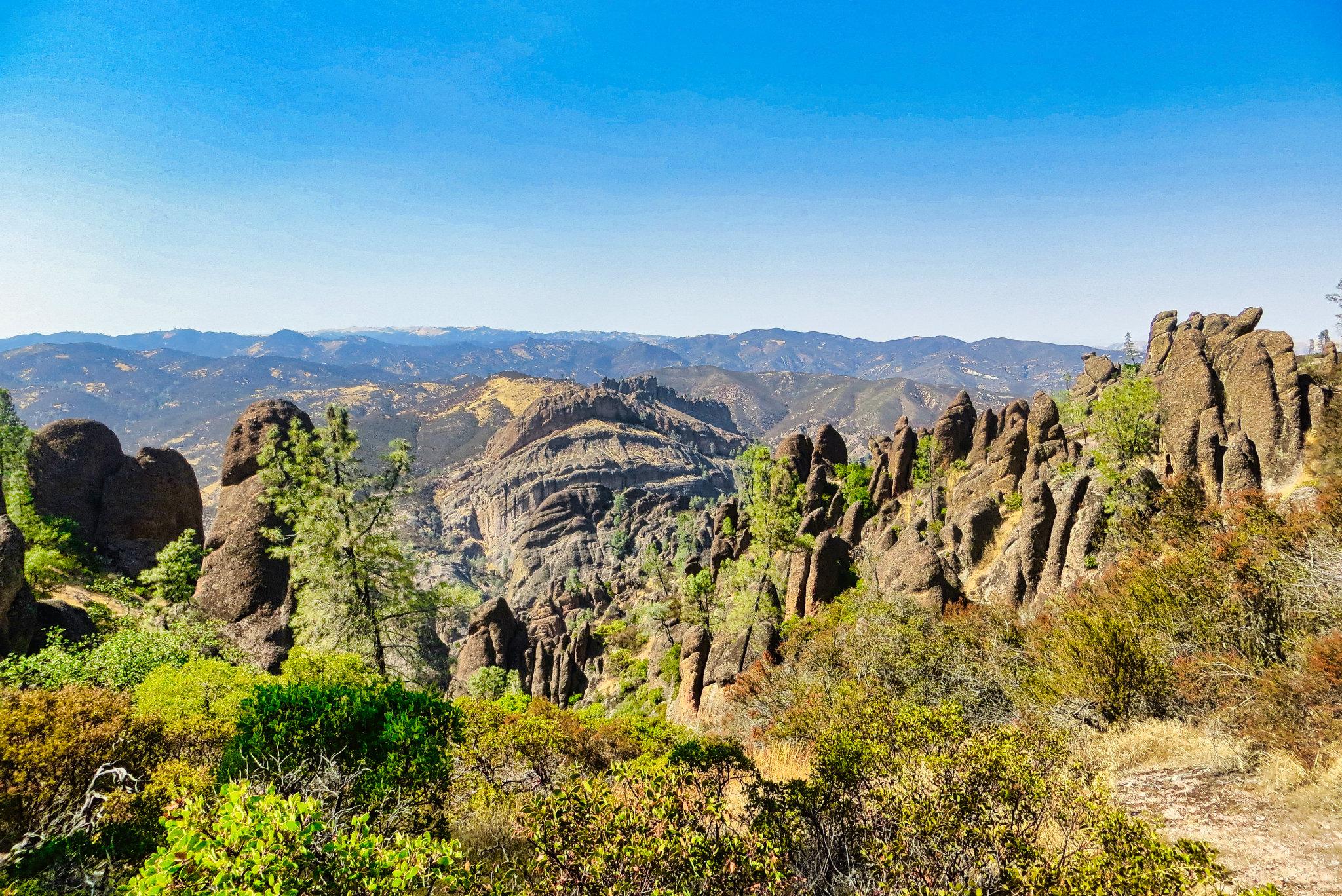
Justeastof thelushSalinasValley,Pinnacles is a geologicwonderland-- formedsome23million years ago fromvolcaniceruptions -- thathas becomea haven for hikers, rockclimbers,bird-watchers, and anyonelooking to exploreoneofAmerica’s lesserknown butequally captivatingnationalparks.
For travelers tracingAmerica’s byways,Pinnacles offers arefreshing blendof naturaldrama,serene escapes,andglimpses of rarewildlife,makingita worthy stop on any Californiaroadtrip.
Why Visit Pinnacles National Park
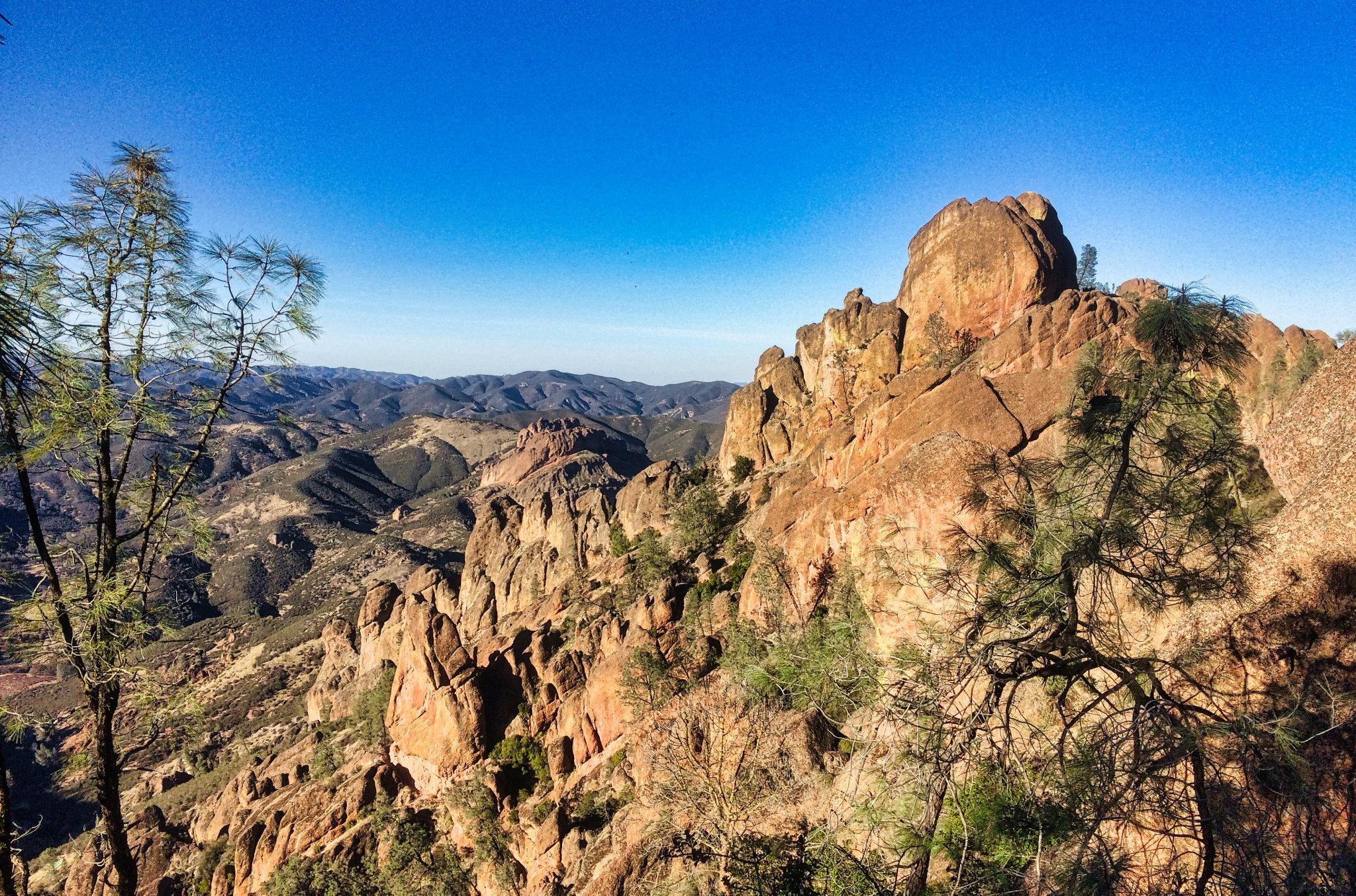
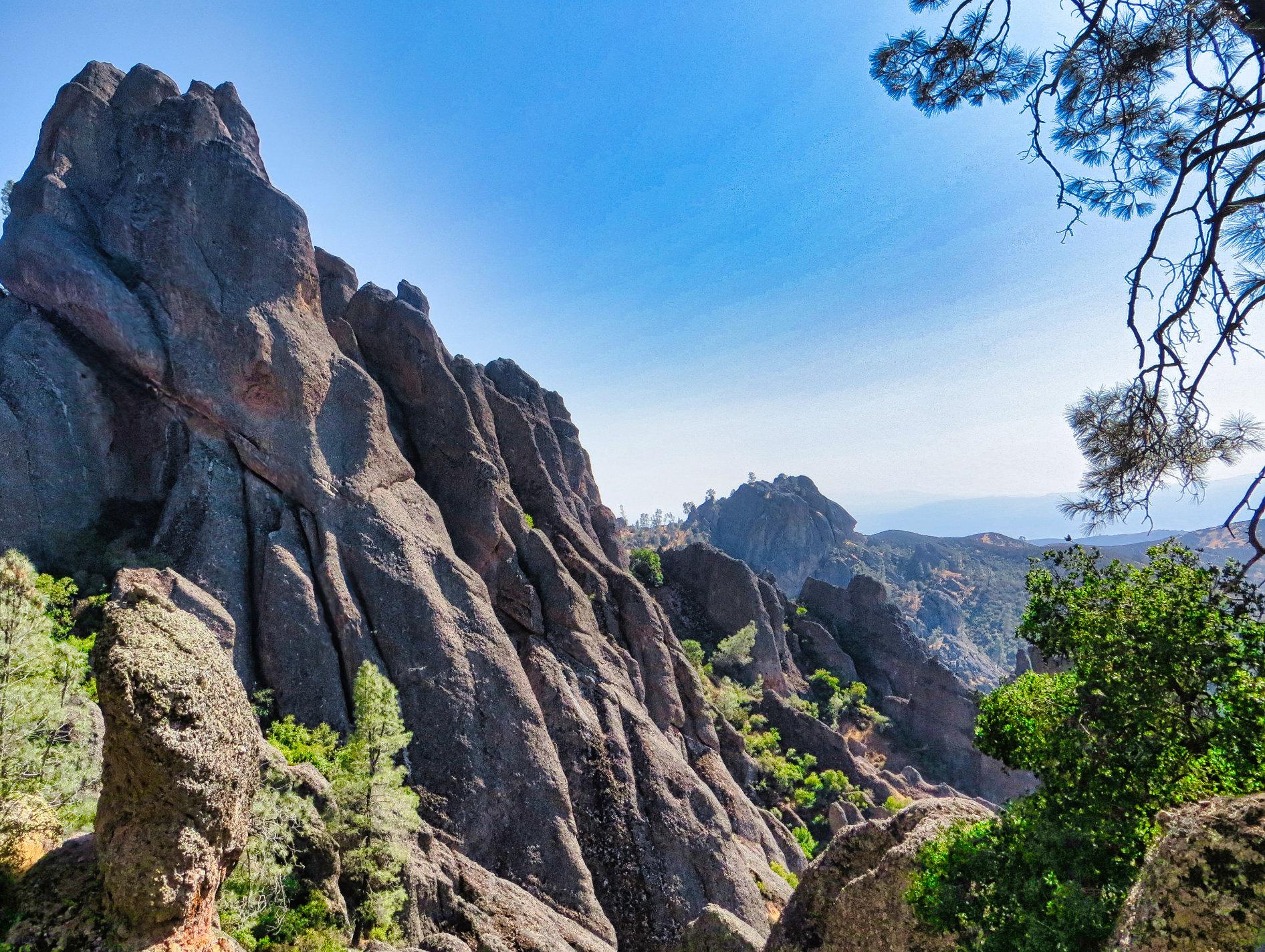
If you’re searching for an authentic national park experience without the congestion of California’s marquee destinations, Pinnacles is your answer. Spread across 26,000 acres, the park is named for its striking rock spires, cliffs, and crags -- erosional
Byways 20
remnants of an ancient volcanic field that migrated hundreds of miles along the SanAndreas Fault.
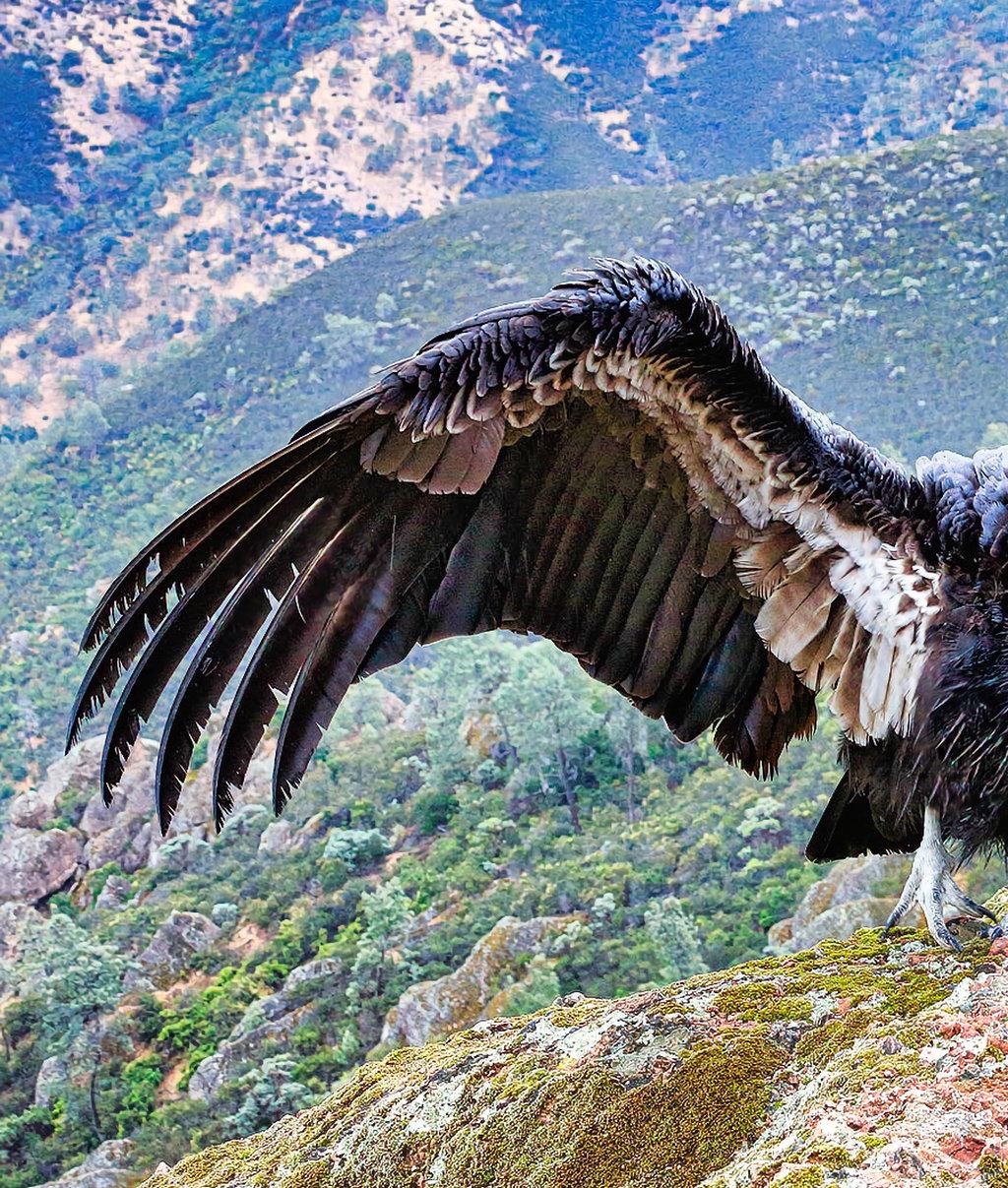
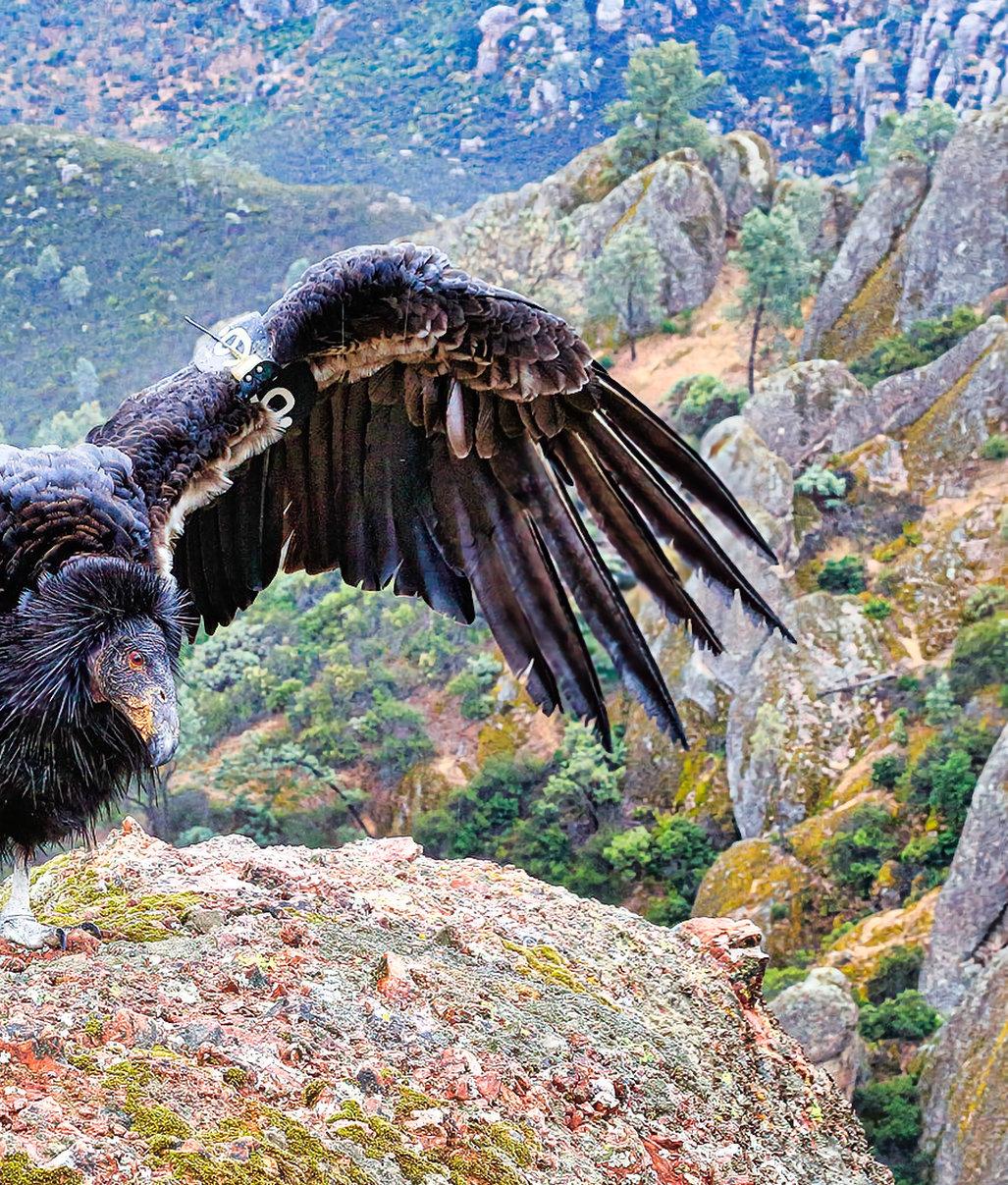
Buttheparkis notjustaboutrocks.Pinnacles is oneof thebestplaces in NorthAmericatospottheonce-
endangeredCaliforniacondor,with its impressive wingspanof nearlytenfeet.Hikingtrails weave throughtalus caves,wildflower-filled meadows,and oakwoodlands,creatingalandscapethatfeels both otherworldly andintimate.
Whatmakes Pinnacles especiallycompellingis its dualpersonality:rugged adventurefor climbers and cavers,pairedwithtranquilbeautyfor families, birders,andcasualwanderers.It’s wildyet approachable,an under-the-radar gemwhereyoucan experiencethemagicof thenationalparksystem withoutthecrowds.
Hiking, Caves, and Condors
The centerpiece of any visit is the High Peaks Trail, a dramatic climb through narrow stone passages and carved stairways that lead to sweeping views of the surrounding ridges and valleys. It’s a hike that tests the legs but rewards the spirit.
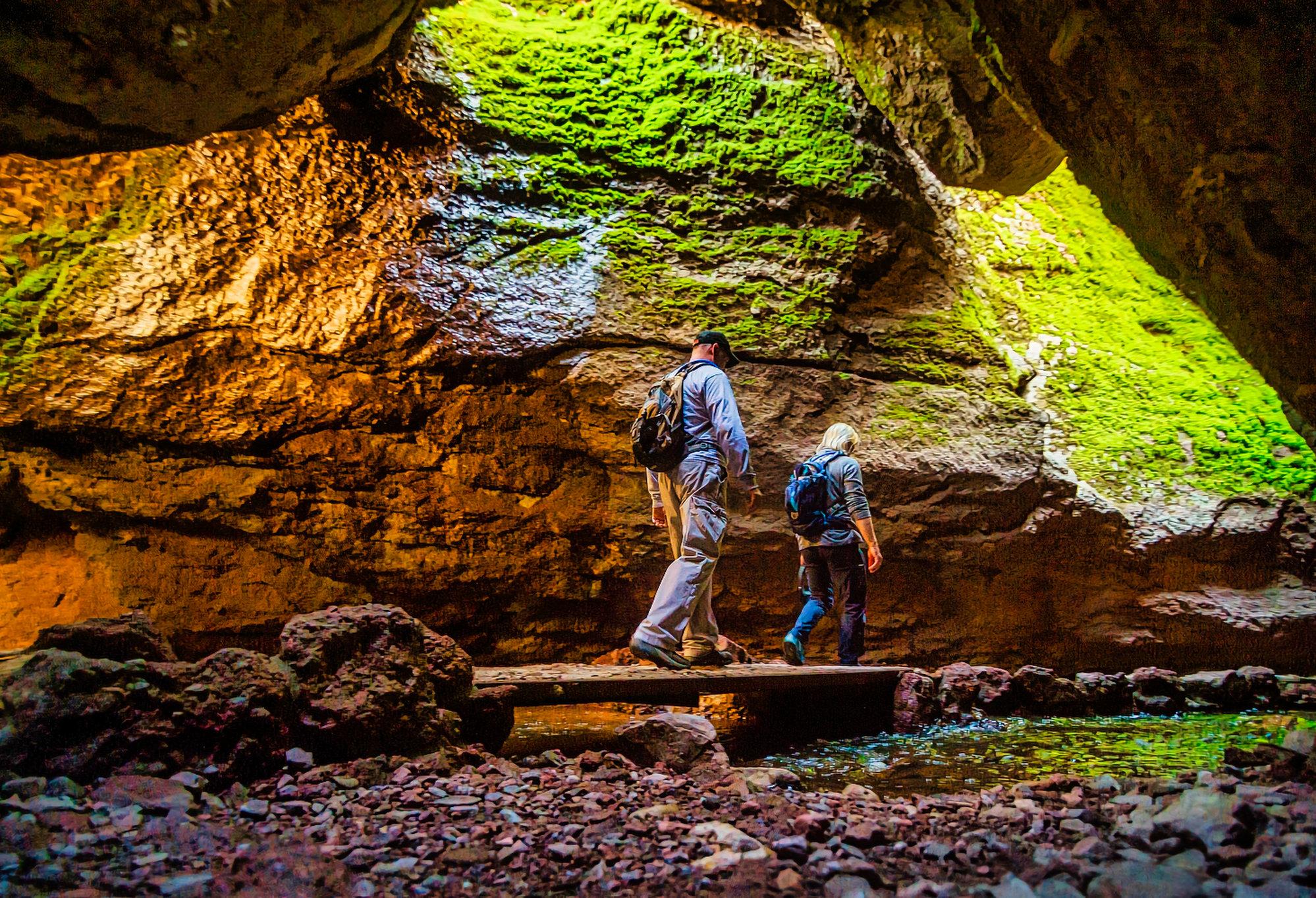
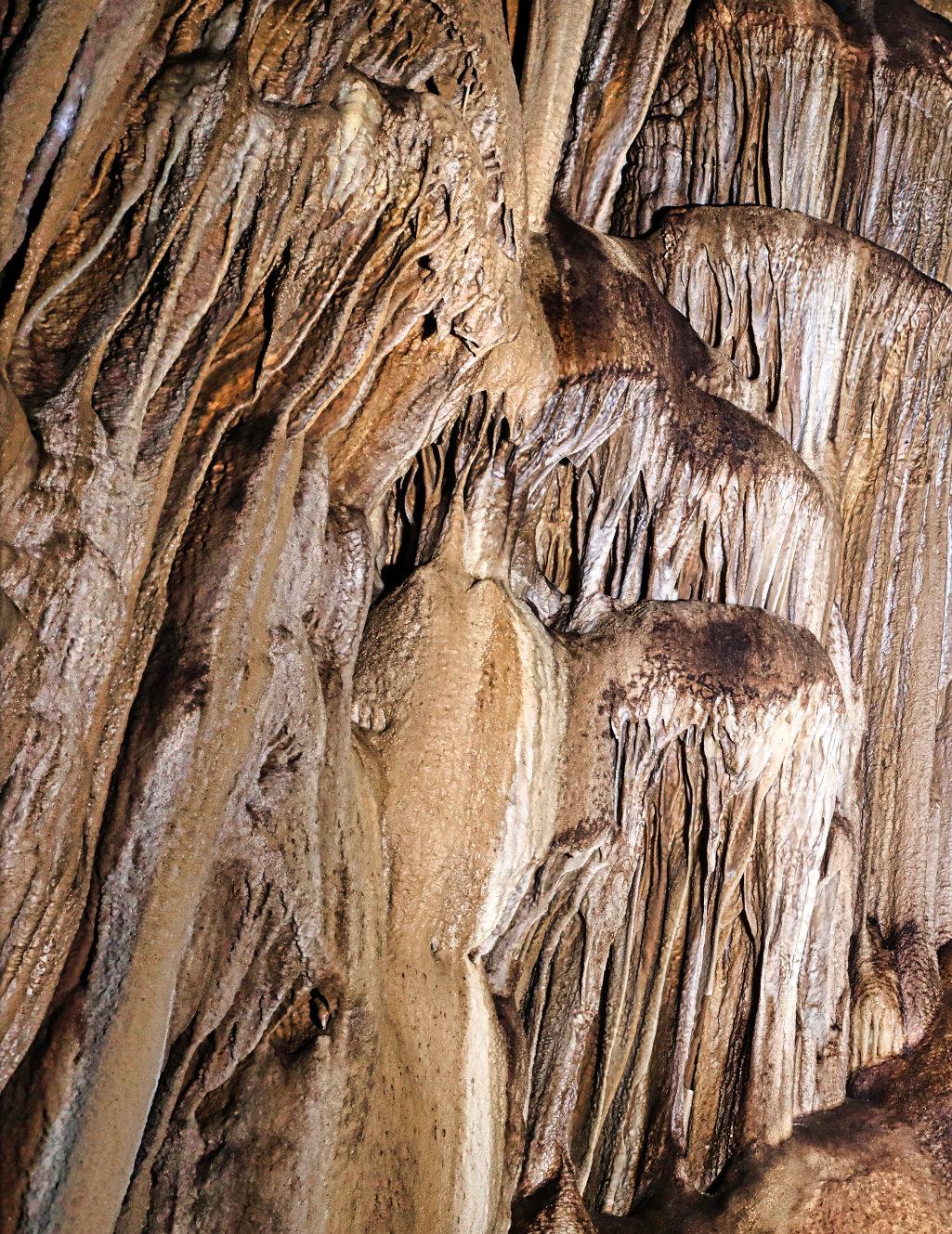
Pinnacles is also hometotwotalus cavesystems, Bear GulchandBalconies, whereenormous boulders have createdshadowypassageways thatareadelightto
explorewithaflashlight.Dependingontheseason and theneeds of theresidentbatcolonies,thesecaves maybepartially or fullyopen,offeringararechance to experiencenature’s architecturefromtheinsideout.
Aboveitall, theskies belongtoraptors.Pinnacles is oneof themostreliableplaces tospotCalifornia condors in thewild,their massivewings casting shadows across thecanyons.Goldeneagles and prairiefalcons also sharetheairspace,making the park araptor watcher’s paradise.
A Rock Climber’s Playground
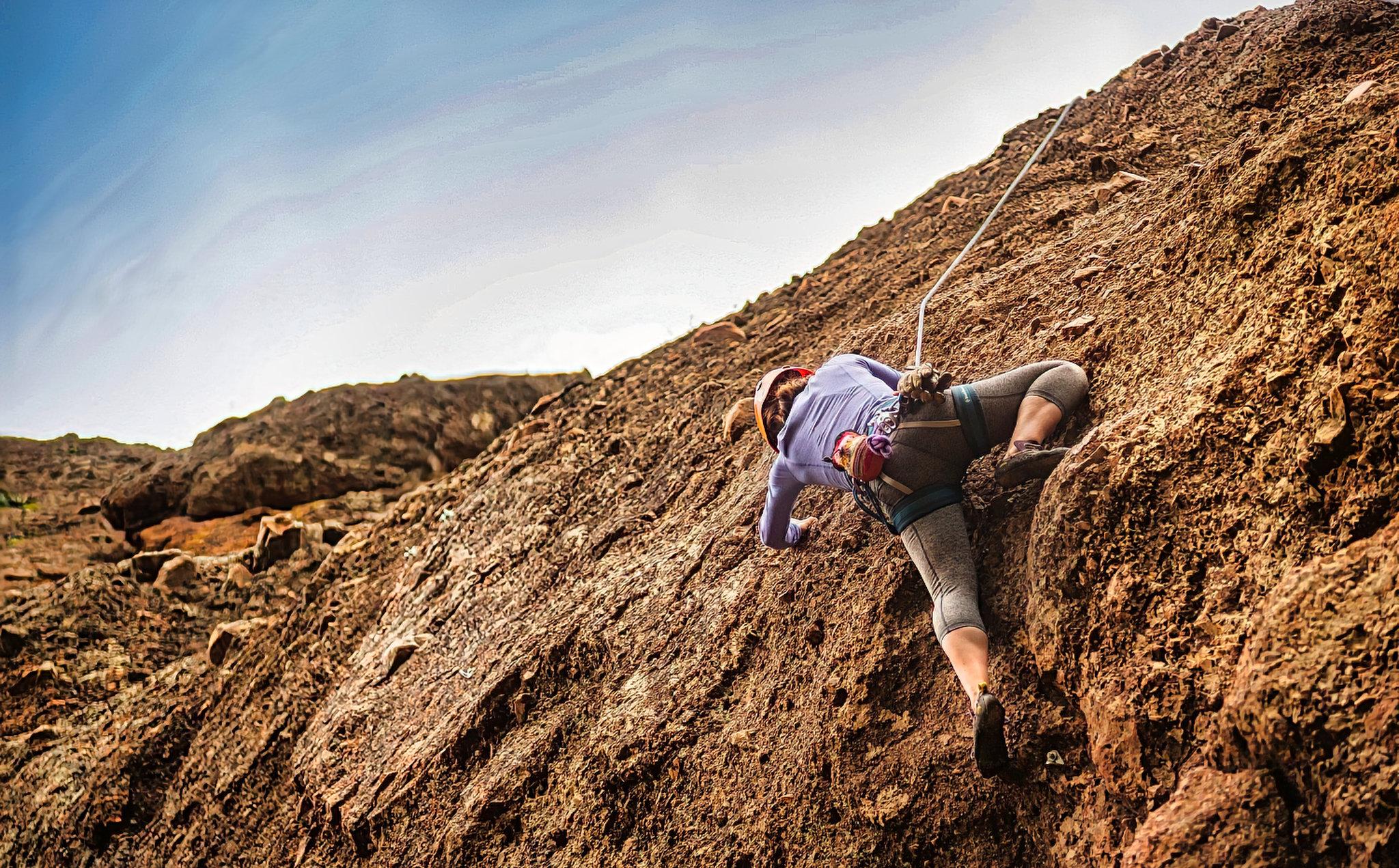
Climbers know Pinnacles for its volcanic breccia rock, a mixture of fused lava and ash that provides a unique and challenging surface. More than 200 climbing routes wind up the park’s cliffs and spires, from beginnerfriendly scrambles to sheer vertical faces.
Unlike Yosemite’s granite, Pinnacles’softer stone requires care and respect, but for many climbers, that’s part of the thrill.
Wildflowers and Seasonal Beauty
Each spring, the park transforms into a natural tapestry of color. California poppies, lupine, monkeyflower, and mariposa lilies spread across the meadows and hillsides.
The floral display, which usually peaks between March and May, is matched only by the crisp clarity of the air and the pleasant hiking temperatures. It’s a time when Pinnacles feels most alive, buzzing with energy and vibrant color.
Where to Stay
For those who want to linger, the park itself offers simple accommodations. Pinnacles Campground, near the east entrance, provides tent sites, RV hookups, and rustic tent cabins, along with a swimming pool that’s especially inviting on hot summer afternoons.
Travelers seeking moretraditional lodging willfind options innearby towns. Soledad, onlytenmiles fromthe westentrance, offers budget-friendly hotels and asetting amid thefertile SalinasValley winecountry.
Hollister,aboutthirty miles north,has morevariety, whileSalinas,justover thirtymiles away, combines comfortable lodging withculturalattractions suchas theNationalSteinbeck Center.For a touch of charm, vineyardinns and boutiquestays in thevalleyoffer the chanceto pair your outdoor adventure withwine-country hospitality.
Local Cuisine
Dining inside the park is limited to what you bring along, making picnics and camp meals the norm. Fortunately, the surrounding region provides a wealth of flavors once you’ve worked up an appetite.
TheSalinasValleyis oneof themostproductive agriculturalregions inthecountry,oftenreferredtoas the“SaladBowlof theWorld”. Restaurants here highlightfresh-picked produce,fromartichokes to leafygreens,oftenharvestedthesameday.
Winelovers willfindthemselves inparadise,with tasting rooms and vineyardrestaurants offering world-class PinotNoir,Chardonnay,andCabernet Sauvignon.
TheMexican-Americanheritageof Soledadand Gonzales adds another dimension,withtaquerias serving authentictacos,tamales,andpozole.And in Salinas, agrowing foodsceneblends California cuisinewith internationalflavors,supportedbycraft breweries and farm-to-tablecafés.
Best Time to Visit
Although Pinnacles can be visited year-round, the experience changes with the seasons. Spring is the park’s most dazzling season, when wildflowers bloom and wildlife is active.
Byways 24
Fall offers warm days, cool nights, and fewer crowds, making it another prime time to explore. Winter is crisp and quiet, with excellent opportunities for condor watching. Summer, by contrast, can be brutally hot, with daytime temperatures soaring above 100 degrees.
For those who come in the warmer months, early morning hikes and shady cave explorations provide the most comfortable adventures.
A Journey Worth Taking
In a state renowned for its natural wonders, Pinnacles National Park remains a hidden treasure. Its volcanic history has sculpted a dramatic landscape of cliffs and caves, while its skies carry the silhouettes of condors once nearly lost to history.
It’s a place where rugged adventure meets serene beauty, where solitude is easy to find, and where every trail feels like a discovery.
Whether you’rehiking throughtheHigh Peaks, sippingwinein theSalinas Valley,or campingunder thestars,Pinnacles offers travelers theraregiftof quietwonder.Takethe bywaythatleads here, and you’llleavewith thesense thatyou’veuncovered one of California’s best-kept secrets.
https://www.nps.gov/ pinn/index.htm
Byways
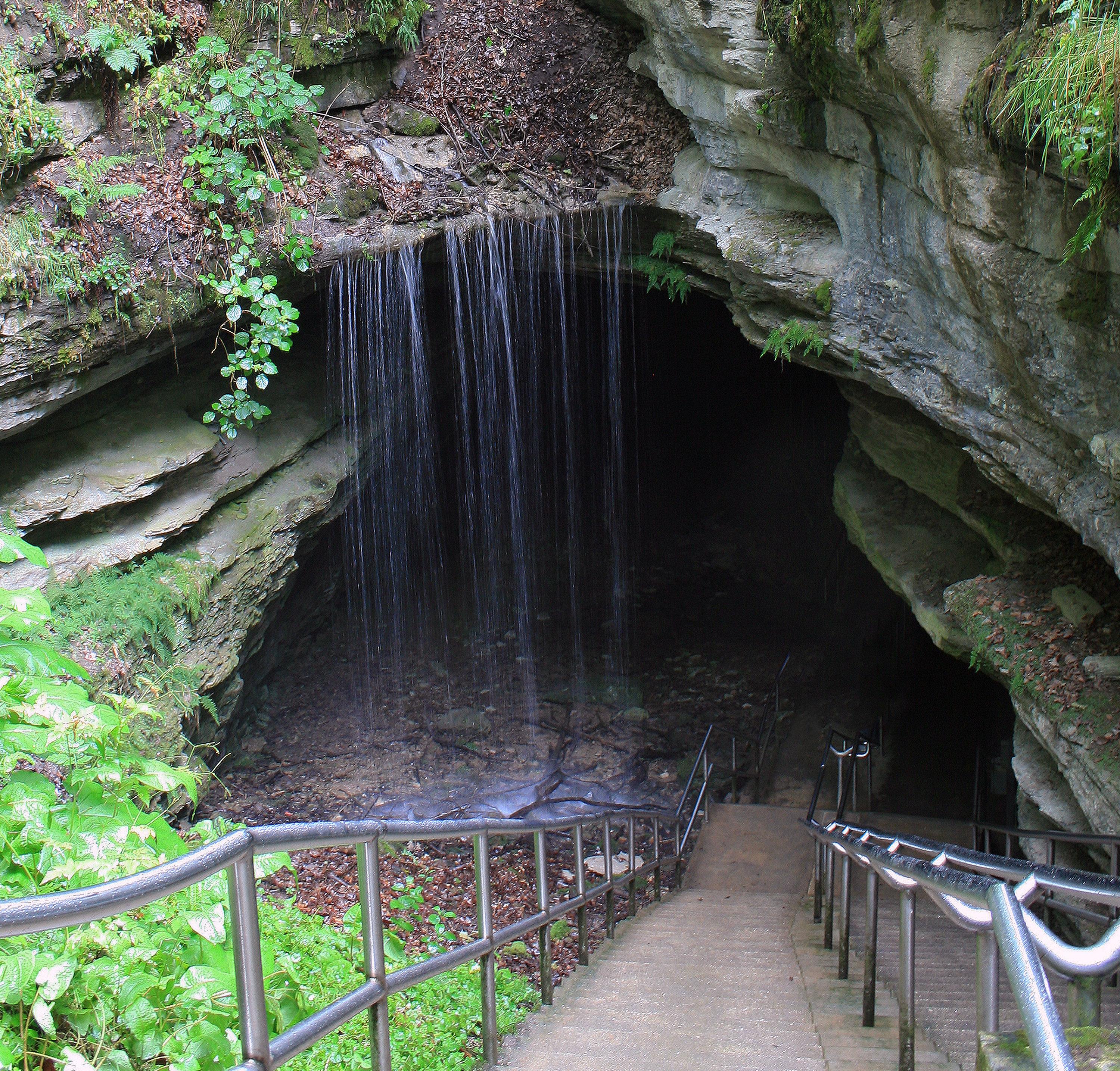
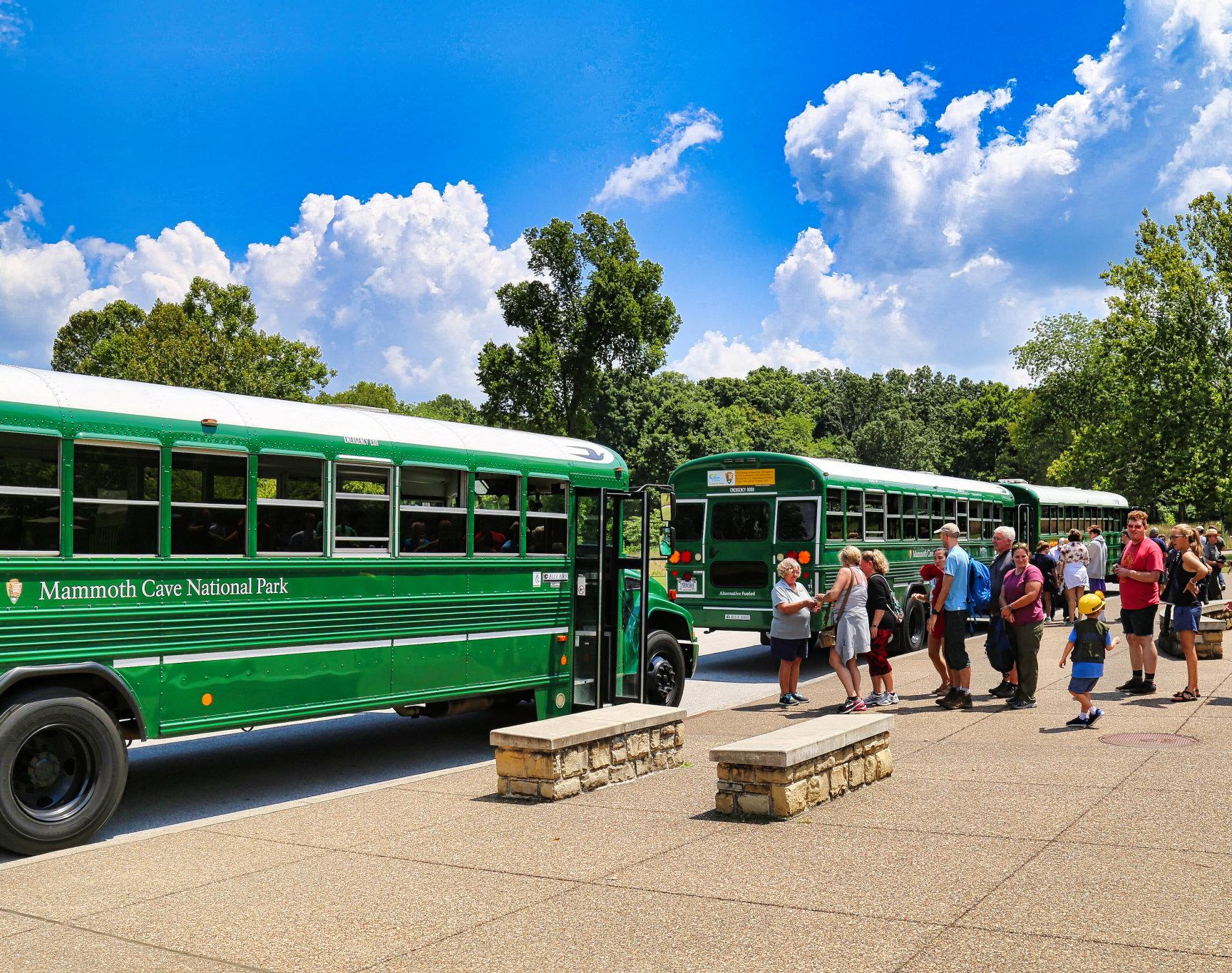
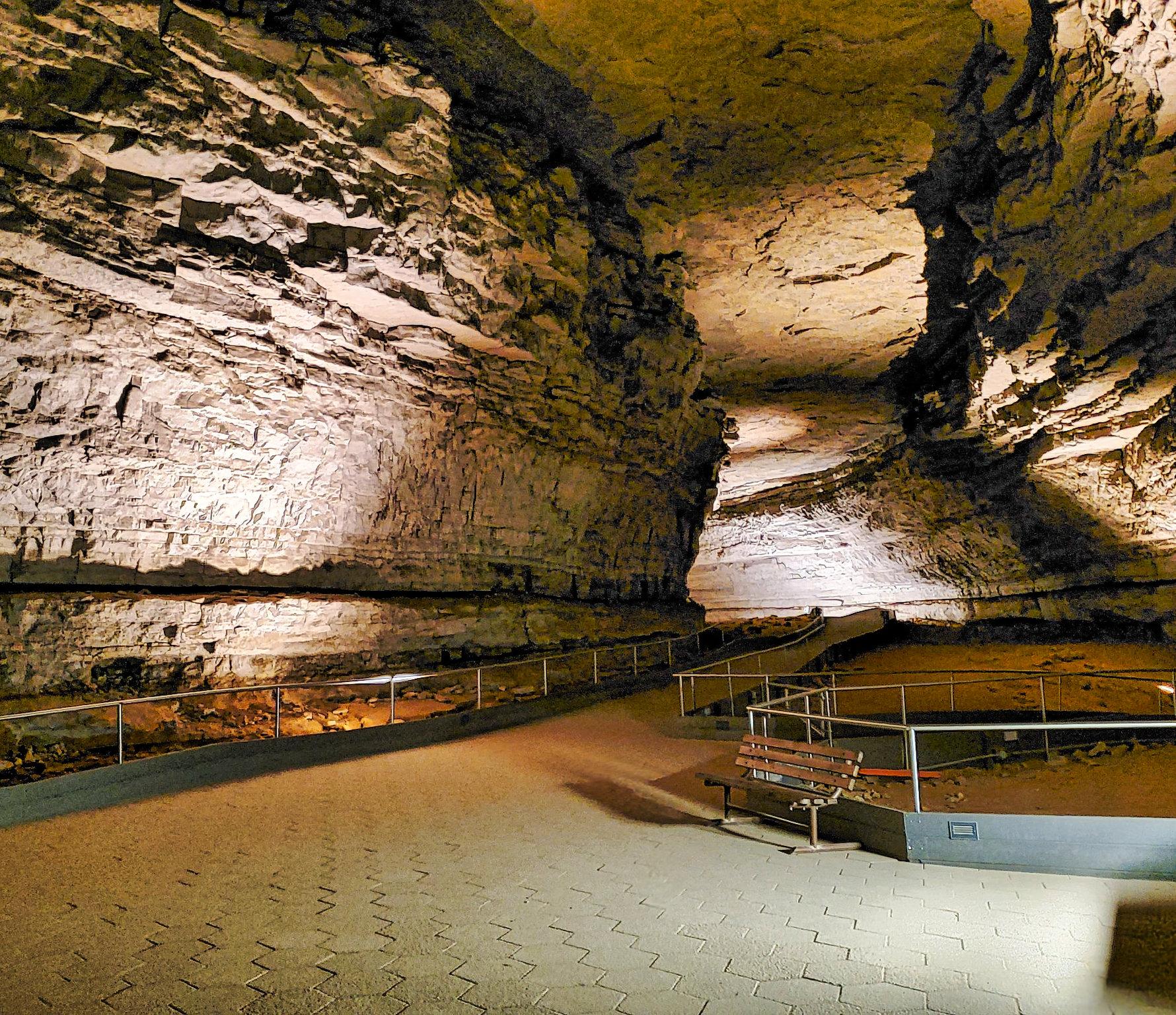
Beneath therollinghills of centralKentuckylies ahidden worldunlikeany other:Mammoth CaveNationalPark. DesignatedaUNESCO World HeritageSiteand InternationalBiosphere Reserve,itis hometothelongestknowncavesystem in theworld, with morethan420miles of mapped passageways.
Yet Mammoth Cave is more than a subterranean wonder -- it’s a living museum of geology, history, and culture, paired with the beauty of the Green River Valley above ground.
Visitors come for the thrill of exploring caverns carved by time, but they stay for the broader experience: hiking forested trails, paddling along calm waterways, and soaking up the quiet charm of rural Kentucky.
It is a place where science, adventure, and Southern hospitality meet, making it a standout destination on America’s byways.
The World’s Longest Cave
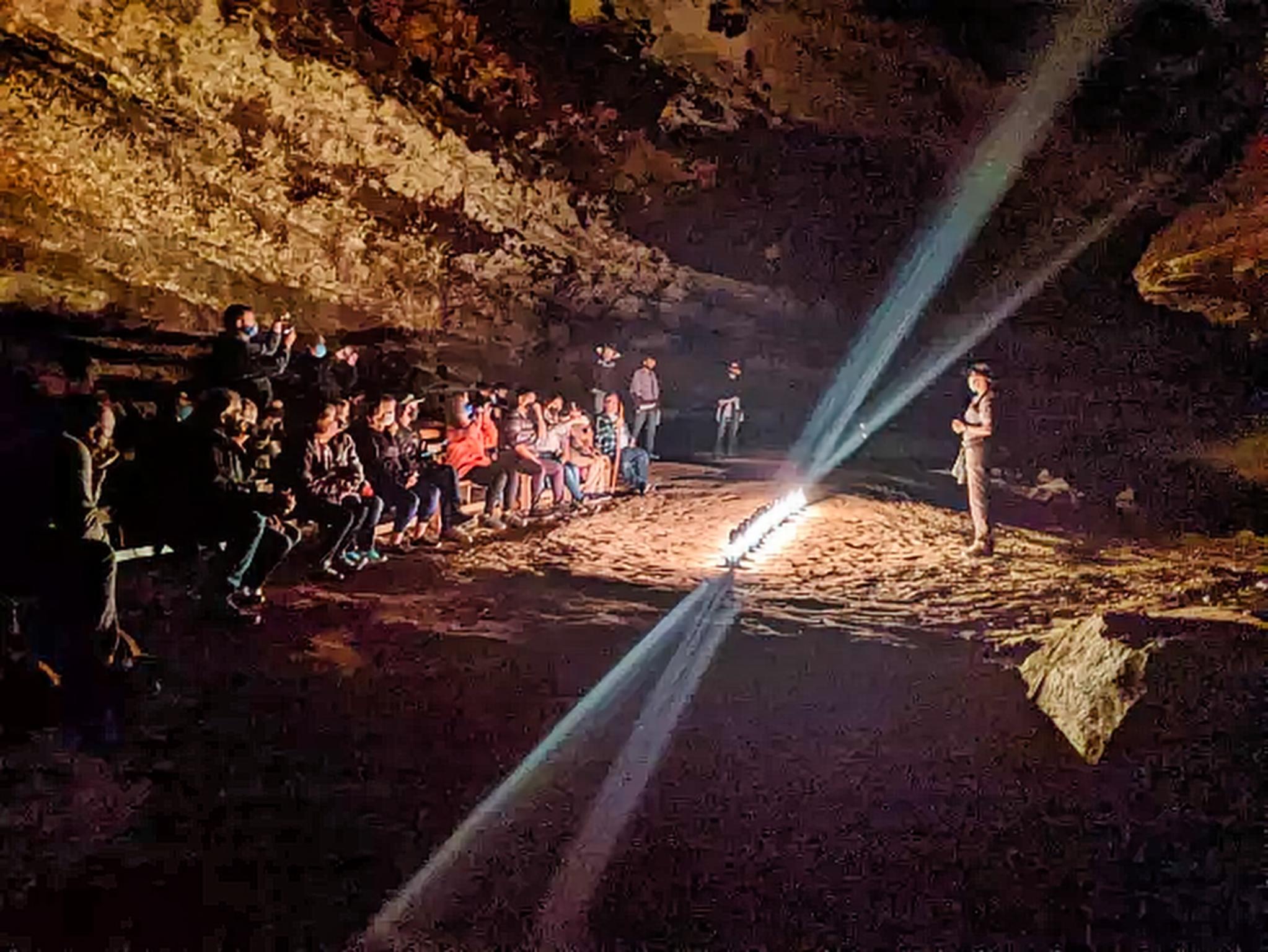
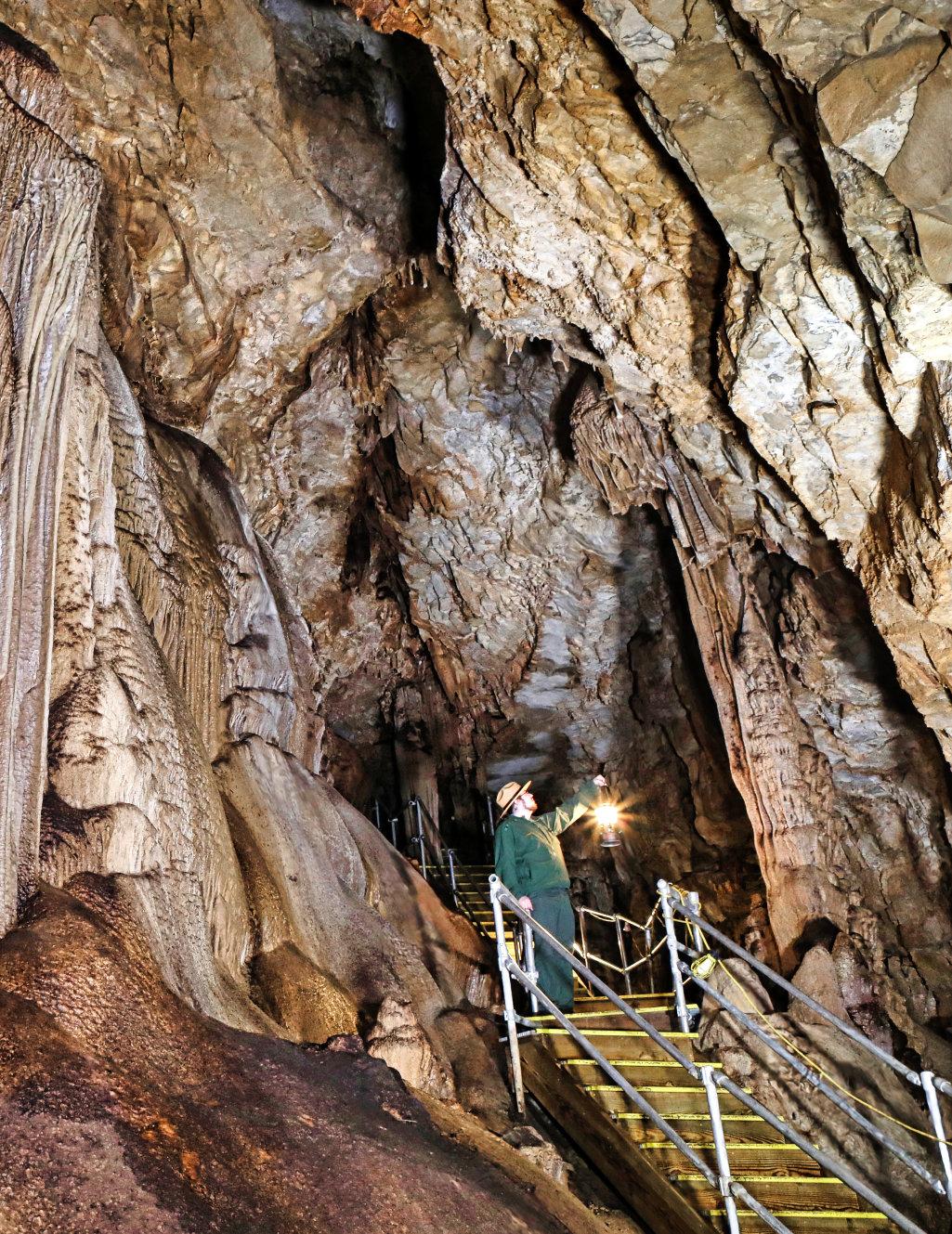
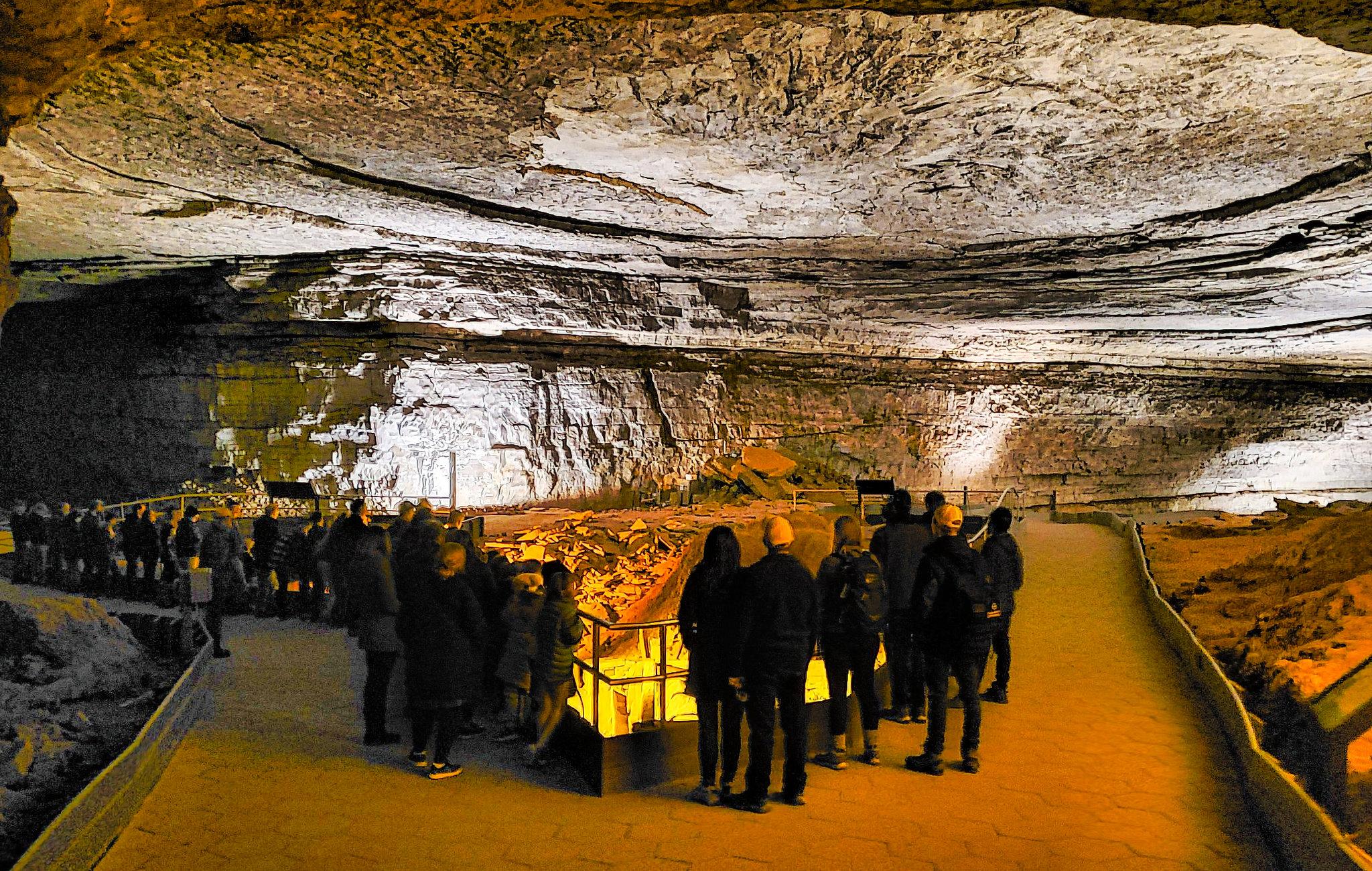
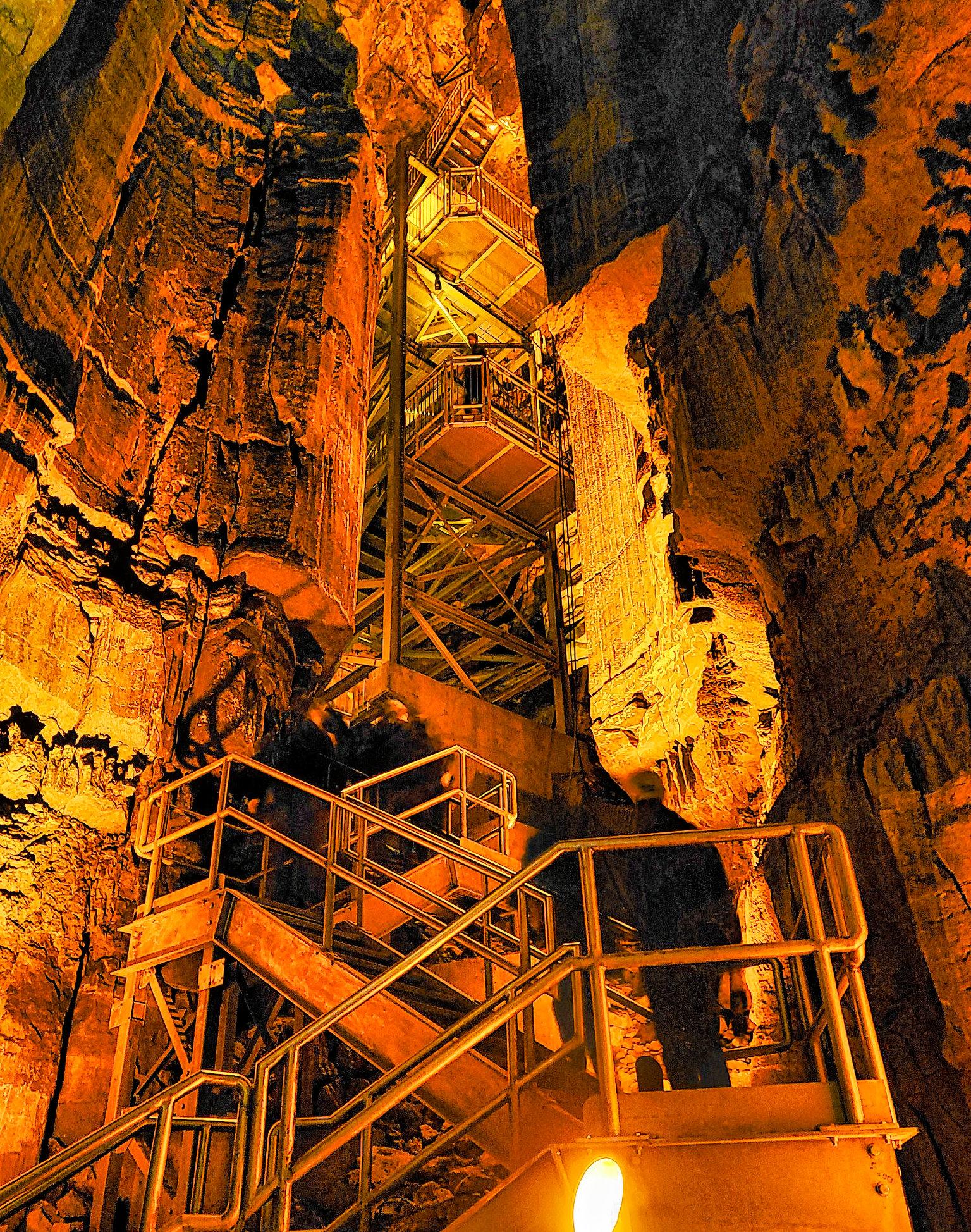
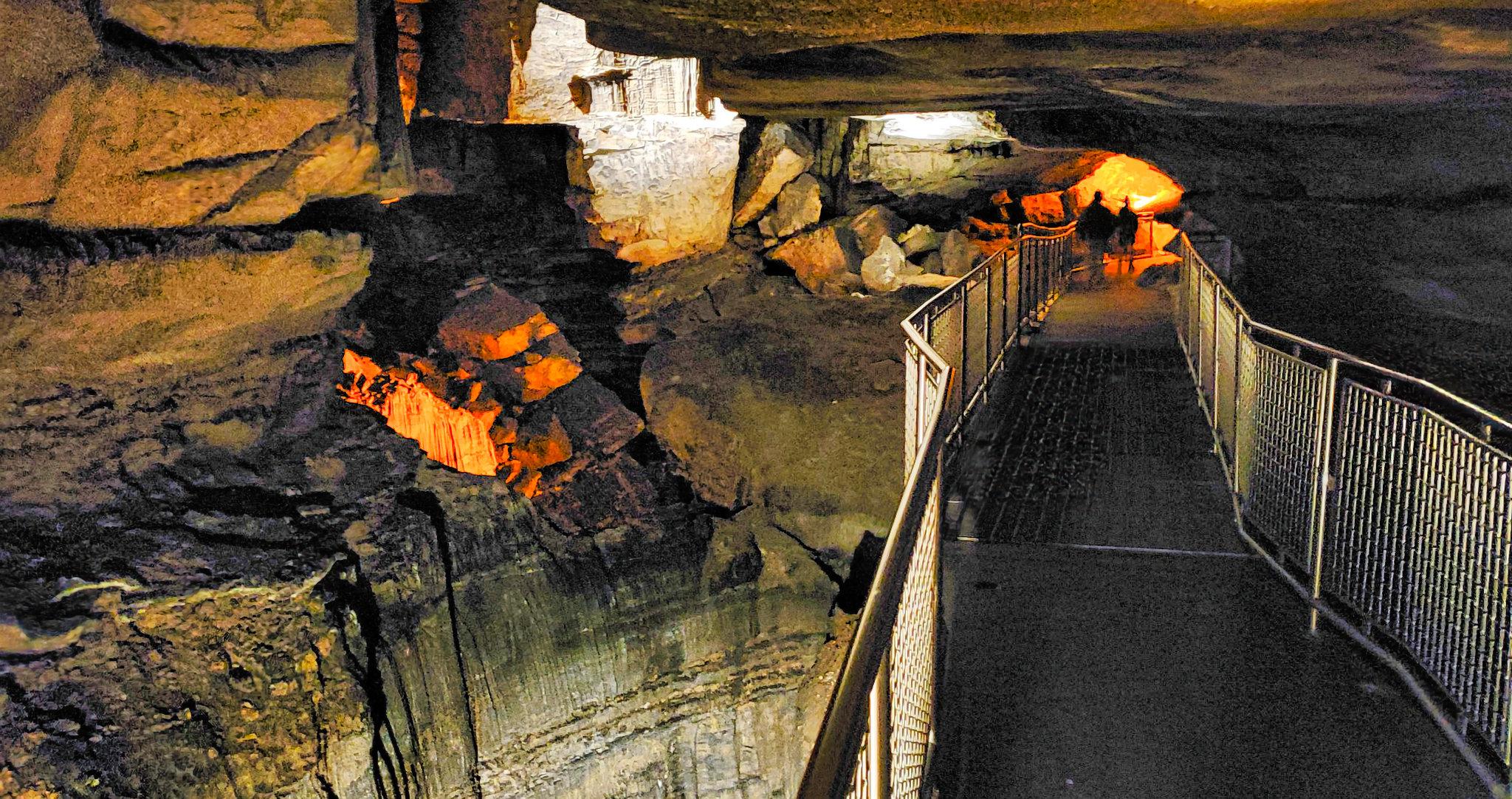
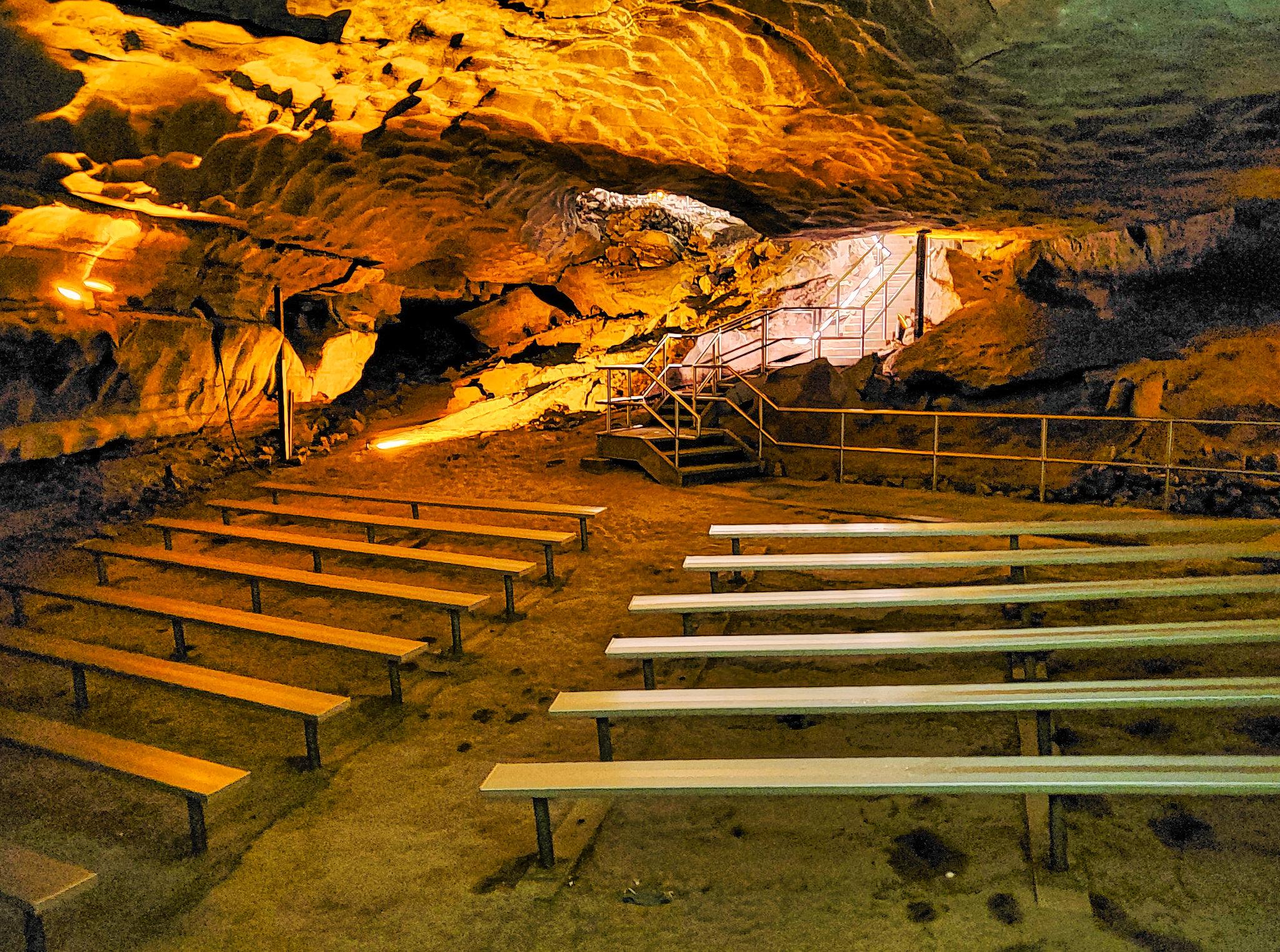
At the heart of the park is, of course, Mammoth Cave itself. Tours range from short, family-friendly walks to demanding treks that require climbing ladders,
Byways 28
squeezing through narrow passages, and scrambling over uneven terrain.
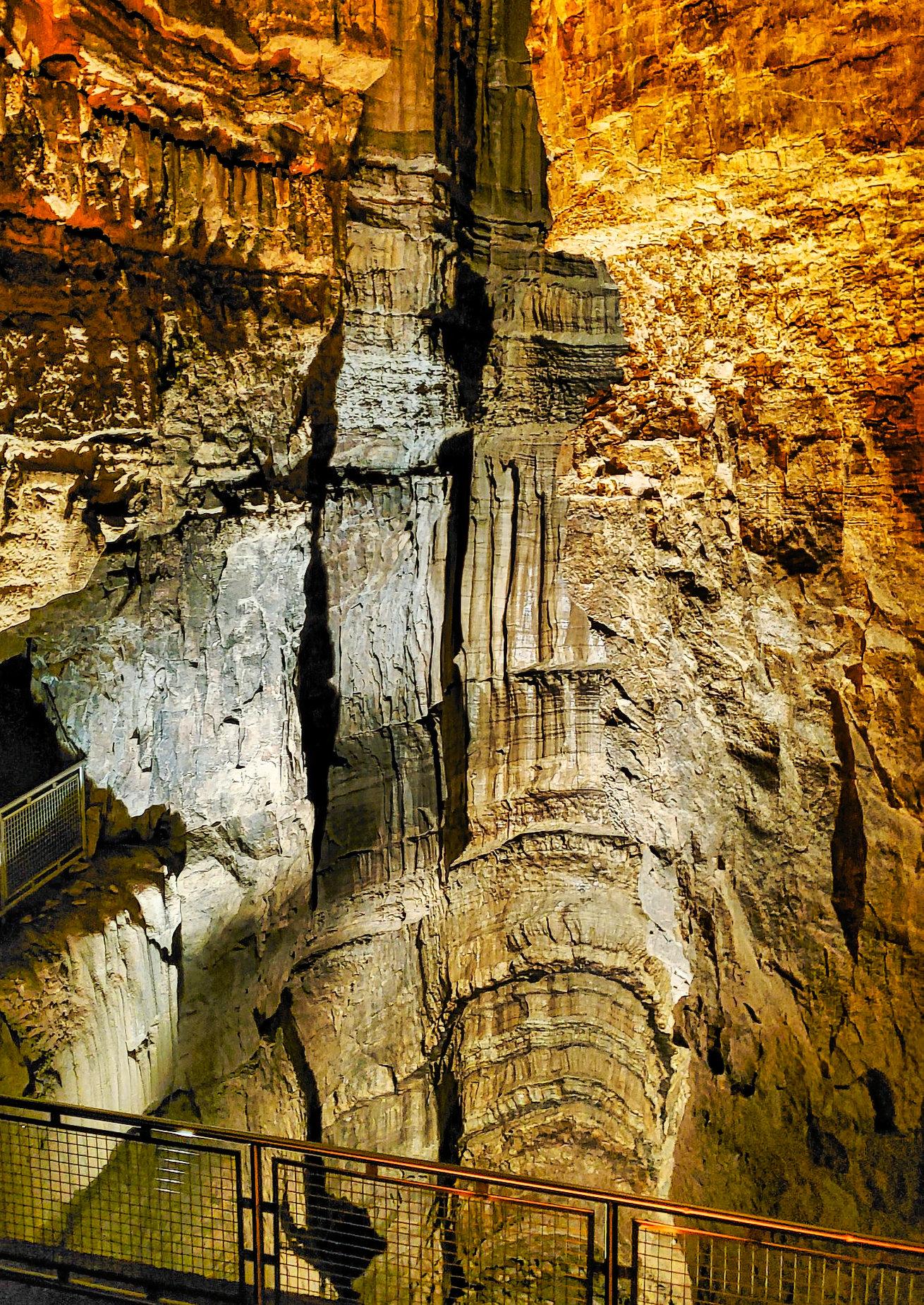
Each tour offers a different perspective, whether it’s the grand GothicAvenue with its cathedral-like ceilings, the delicate formations of the Frozen
Niagara section, or the historic routes first explored by enslaved guides in the 19th century.
Rangers bring the cave’s history alive, telling stories of prehistoric NativeAmericans who mined minerals from its depths, early entrepreneurs who held candlelit tours, and scientists still studying its unique ecology. With constant temperatures around 54 degrees Fahrenheit, the cave provides both a comfortable summer escape and a striking contrast to the warm Kentucky air outside.
Above Ground Adventures
While the cave system is the main attraction, the park’s surface is equally rewarding. More than 80 miles of hiking trails wind through hardwood forests and rolling hills.
The Green River cuts through the park, offering opportunities for canoeing, kayaking, and fishing.
Wildlife thrives here, from white-tailed deer and wild turkeys to a rich variety of birdlife that makes the park a favorite for birdwatchers.
Cyclists enjoy the backcountry roads, while horseback riders can explore designated trails. Picnic areas and scenic overlooks provide quiet spots to take in the lush Kentucky landscape. For many, the surprise of Mammoth Cave is how much beauty exists above ground, creating a full destination rather than just a cave tour stop.
A Living History
Mammoth Cave is also a story of people.Archaeological evidence shows human presence here dating back more than 5,000 years. Native Americans explored deep within the cave, leaving behind artifacts and clues to their way of life.
In the 1800s, enslaved guides such as Stephen Bishop became celebrated explorers, mapping and interpreting the underground labyrinth for early visitors. Their legacy endures, woven into the park’s interpretive programs and celebrated for the resilience and knowledge they shared.
The cave also played a role in early medical experiments, when an ill-fated tuberculosis hospital was established in the 1840s, under the belief that the cave’s constant environment could heal patients. These layers of human endeavor add a poignant dimension to a park already rich with natural wonder.
Where to Stay
Staying near Mammoth Cave offers choices that fit every style of travel. Inside the park, the Lodge at Mammoth Cave provides modern comforts just steps from cave tour entrances.
Guests enjoy rustic yet updated rooms, a restaurant with views of the forest, and easy access to hiking trails. Campers have their pick of several campgrounds, ranging from developed sites with amenities to primitive backcountry locations ideal for stargazing.
Beyond the park, the town of Cave City serves as the main gateway, offering family-friendly motels, budget accommodations, and quirky roadside attractions. Closer to the Green River, cozy cabins and bed-and-breakfast inns give visitors a more intimate connection with the Kentucky countryside.
No matter the preference, lodging here pairs convenience with Southern charm.
Kentucky Flavors and Local Cuisine
Exploring caves and hiking trails works up an appetite, and Kentucky’s culinary traditions provide just the right comfort.
Byways 32
In nearby Cave City and Park City, diners can enjoy hearty Southern classics like fried chicken, country ham, and biscuits with gravy. Barbecue is a point of pride in the region, with smoky pulled pork and tangy sauces served alongside coleslaw and baked beans.
For a sweet treat, homemade pies –pecan, chess, and blackberry often appear on menus, continuing a Bluegrass tradition. Travelers seeking something more contemporary will find cafes and restaurants featuring Kentuckygrown produce, craft beers, and bourboninfused dishes.
With Louisville and Bowling Green within driving distance, day trips can expand the culinary exploration to include farm-to-table dining and urban food scenes.
Best Time to Visit
Mammoth Cave National Park is open year-round, and each season brings its own rewards. Summer is the busiest, with families flocking to cave tours and campgrounds. The constant cool of the cave makes it a refreshing retreat from hot Kentucky days, though advance reservations are essential.
Spring and fall are especially appealing for aboveground exploration. Wildflowers blanket the forest in April and May, while autumn paints the hillsides with brilliant reds and golds.
Cooler temperatures make hiking and paddling comfortable, and wildlife is particularly active. Winter, though quieter, offers solitude and a chance to enjoy ranger programs without the summer crowds. For those willing to brave the chill, it’s an excellent season to experience the park at its most peaceful.
More Than a Cave
What sets Mammoth Cave apart is the way it blends natural wonder with cultural depth. It is both a geological marvel and a human story, a place where science, history, and recreation intersect. Visitors leave not just with photographs of stalactites and underground chambers, but with an appreciation for the generations who have shaped, explored, and preserved this landscape.
As one ofAmerica’s great national treasures, Mammoth Cave reminds travelers that adventure doesn’t always require mountain summits or ocean horizons. Sometimes it lies beneath our feet, waiting in the darkness of an ancient labyrinth.
A Journey Worth Taking
For travelers along the byways of Kentucky, Mammoth Cave National Park is more than a stop –it’s a journey into one of the world’s most extraordinary places.
From cave tours that reveal nature’s artistry to sunlit trails that wind above ground, the park invites exploration on many levels. Coupled with Kentucky’s warmth and hospitality, it offers an experience that is at once humbling, exhilarating, and deeply memorable.
Whether you’re seeking adventure, historical insight, or quiet reflection in nature, Mammoth Cave delivers. It is a reminder that beneath the familiar landscape of the Bluegrass State lies a vast hidden world, a wonder worth experiencing, and a story worth telling.
https://www.nps.gov/maca/index.htm
If You Go
Getting There
Mammoth Cave National Park is located in central Kentucky, about 90 miles south of Louisville, 30 miles north of Bowling Green, and roughly 100 miles north of Nashville, Tennessee. The park is easily accessed via Interstate 65, with exits at Cave City and Park City.
Cave Tours
Guided tours are the only way to explore Mammoth Cave. Reservations are strongly recommended, especially in summer and on weekends, as tours often sell out. Tour options range from one-hour walks to strenuous, multi-hour adventures. Visit the National Park Service website for schedules and booking.
Visitor Centers
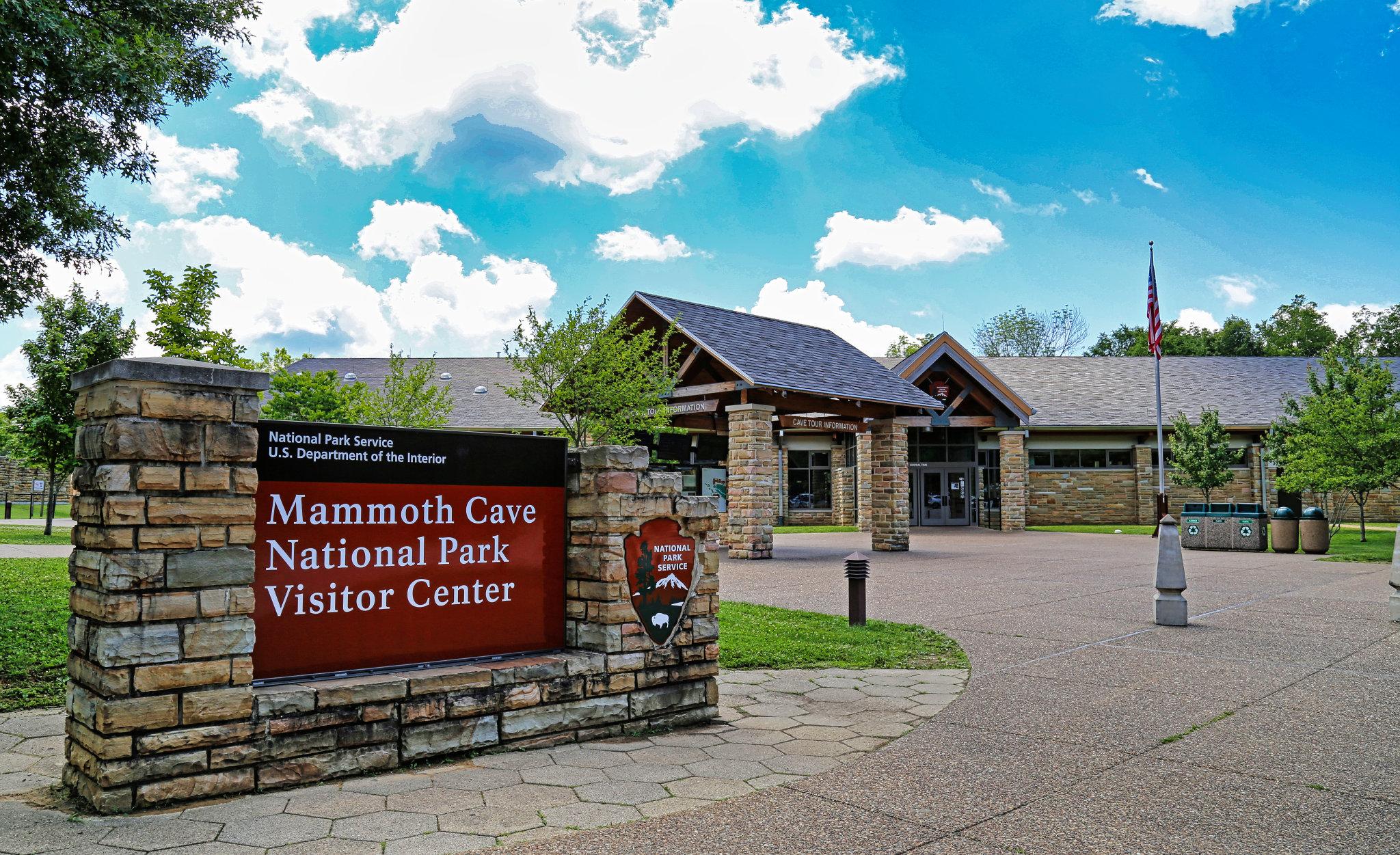
The Mammoth Cave Visitor Center is the hub for tickets, exhibits, and ranger information. It also serves as the departure point for most cave tours.
Lodging
Inside the park, the Lodge at Mammoth Cave offers rooms, cottages, and dining. Campgrounds and backcountry sites are also available. Nearby Cave City provides a variety of motels, cabins, and bed-and-breakfast inns.
Dining
Casual restaurants in Cave City and Park City feature Southern comfort food, barbecue, and homemade pies. For a more extensive culinary scene, Bowling Green and Louisville are within an easy drive.
Best Seasons
The park is open year-round. Summer offers the widest selection of tours, but spring and fall provide ideal weather for hiking and vibrant seasonal scenery. Winter is quiet and uncrowded, perfect for those seeking solitude.
Nestled atopthemajesticCascadeMountain RangeinsouthernOregon lies aplaceof unparalleledbeautyand geologicalwonder: Crater LakeNationalPark.
This is notmerely adestination;it's anexperiencethat captivates thesenses and stirs thesoul.For those seeking ajourney intonature's grandeur,atrip to Crater Lakepromises memories thatwilllasta lifetime.
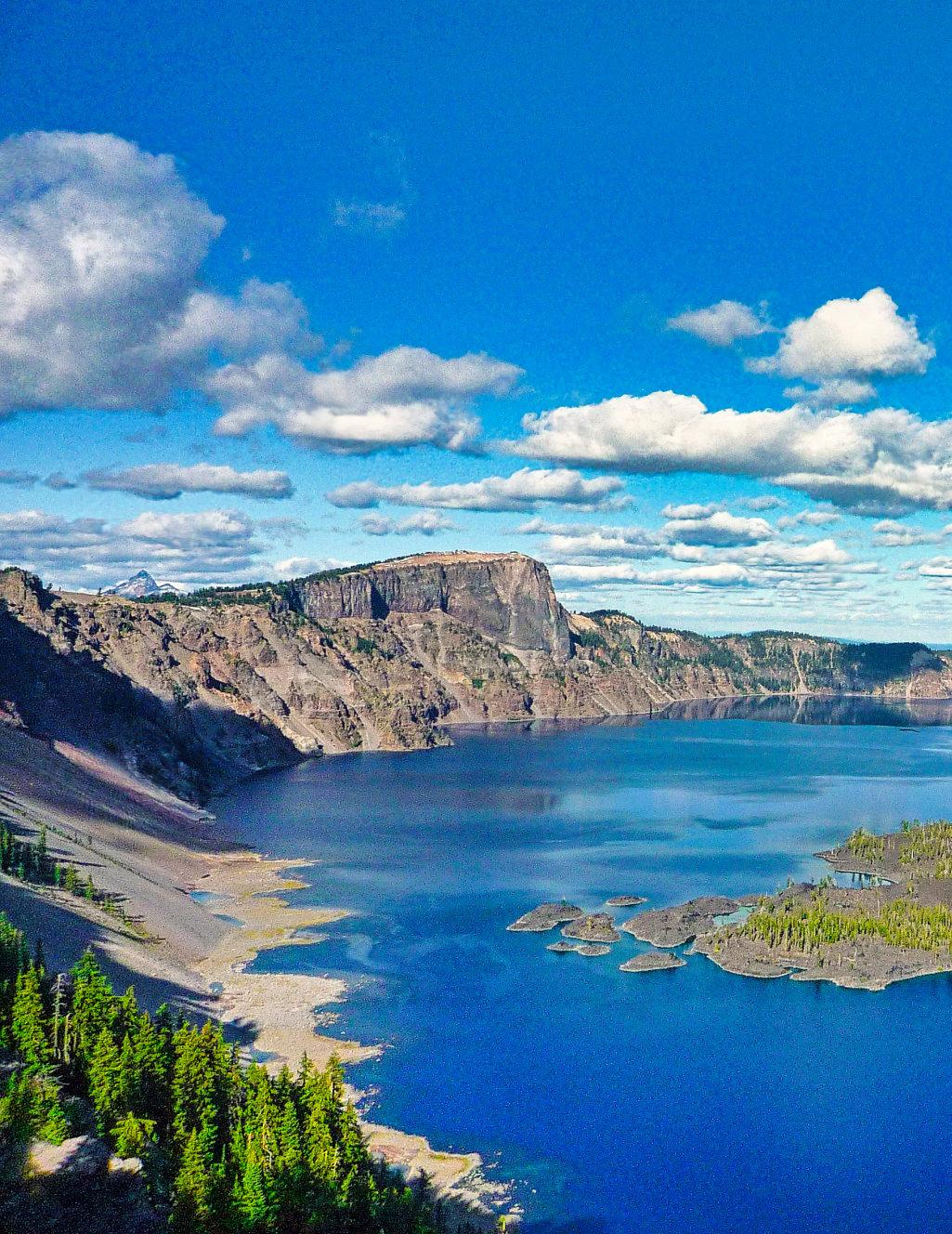
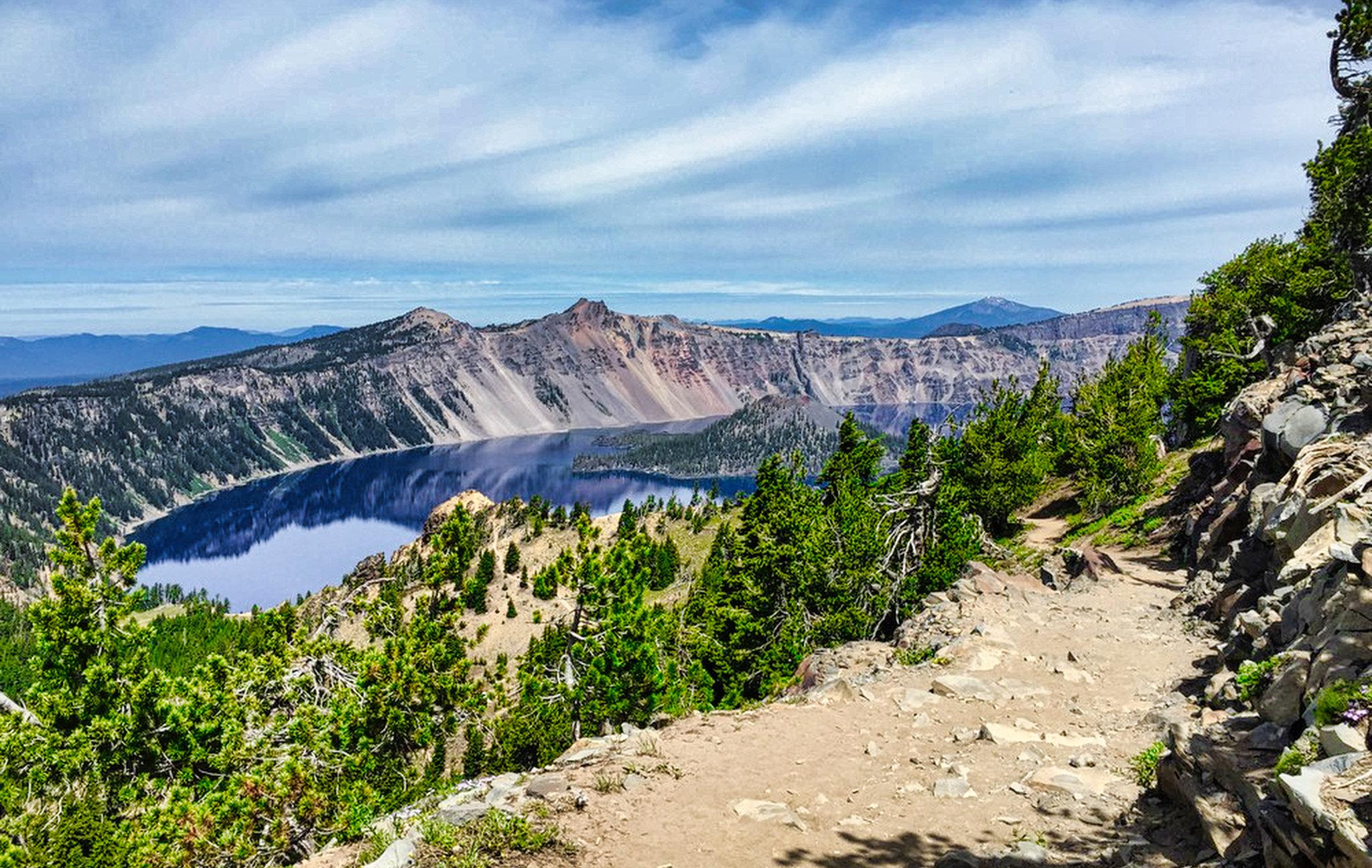
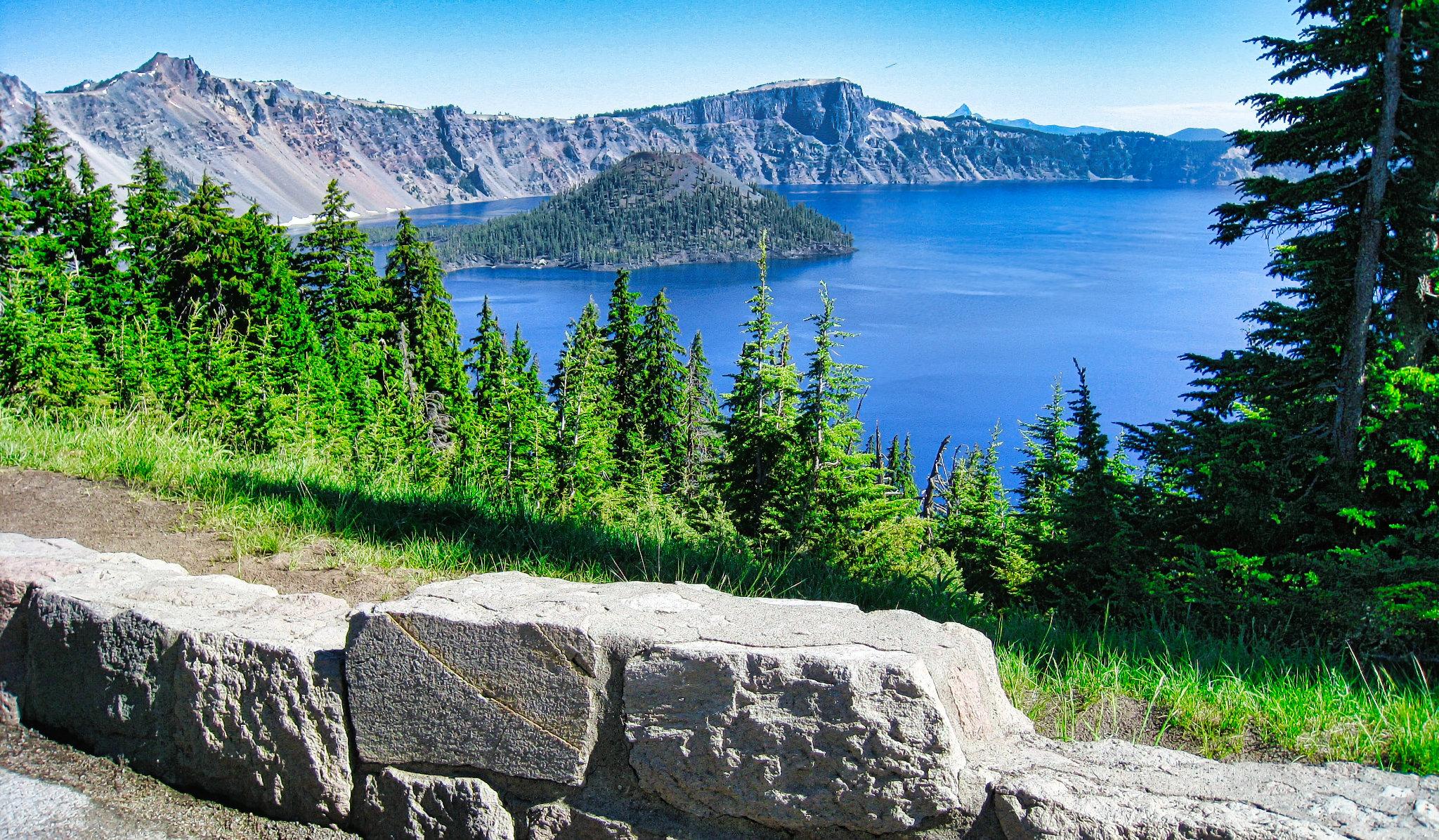
Thepark’s centerpiece,theimpossiblyblueand profoundlydeep Crater Lake,is atestamenttonature's raw power and its abilitytocreatebreathtaking artistry.
Why Journey to This Volcanic Marvel?
The primary allure of Crater Lake National Park is, without question, the lake itself. Formed over 7,700 years ago by the cataclysmic eruption and subsequent collapse of the volcano Mount Mazama, Crater Lake is the deepest lake in the United States, plunging to an astounding 1,943 feet.
Byways 36
What makes this caldera lake even more extraordinary is its purity; fed solely by rain and snowmelt, its waters are among the clearest and bluest found anywhere on Earth.
Gazing into its sapphire depths, one can often see over 100 feet down on a calm day, a truly mesmerizing sight. Beyond the visual spectacle, the park offers a sanctuary of clean air –some of the freshest in NorthAmerica –providing a rejuvenating escape from the everyday.
The dramatic volcanic history and the sheer scale of the caldera inspire awe, offering a profound connection to the forces that shaped our planet.
Exploring the Park's Treasures
The most iconic way to experience Crater Lake is via the historic Rim Drive, a 33-mile scenic byway that encircles the caldera. This breathtaking route offers numerous overlooks and pullouts, each providing a unique and stunning perspective of the lake.
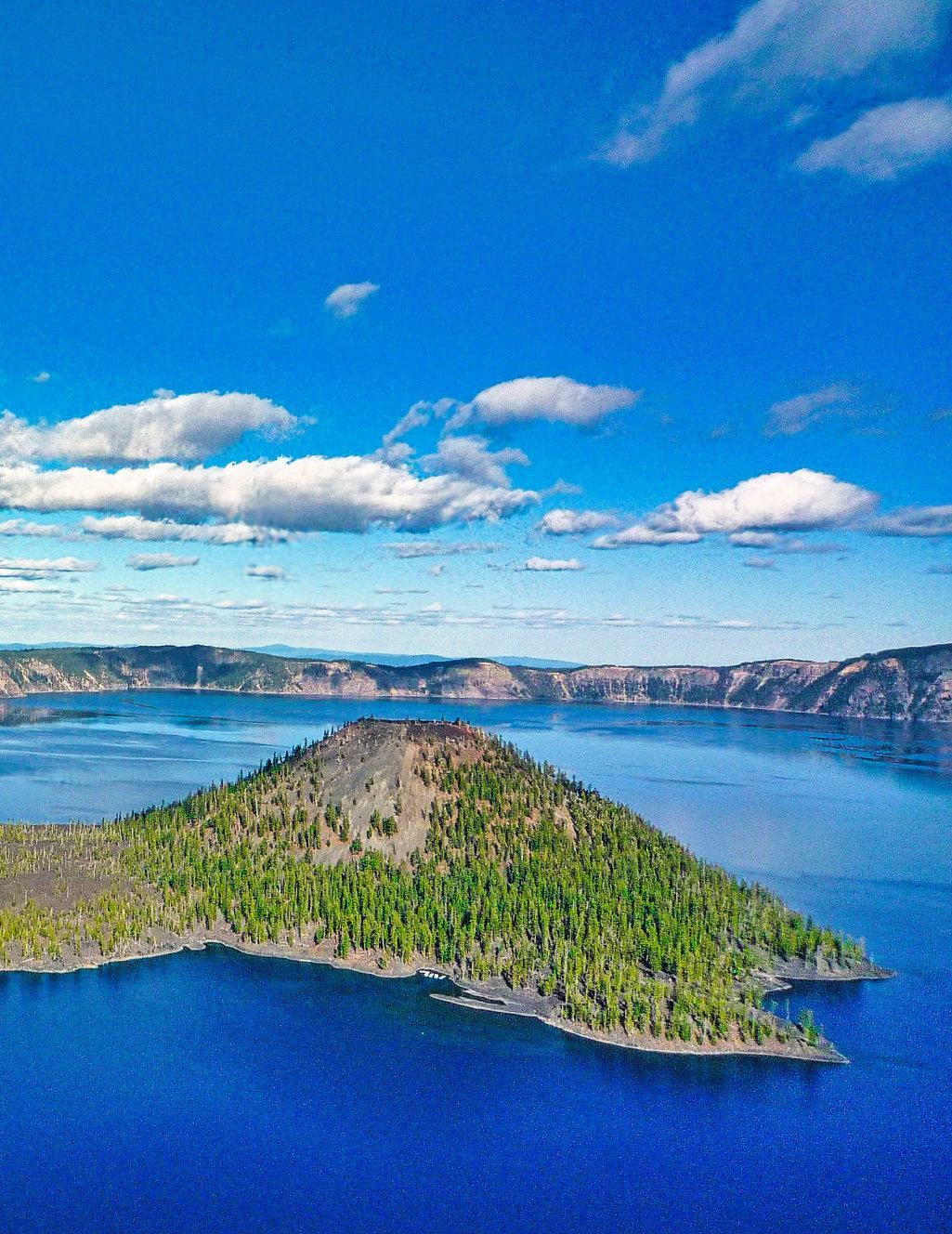
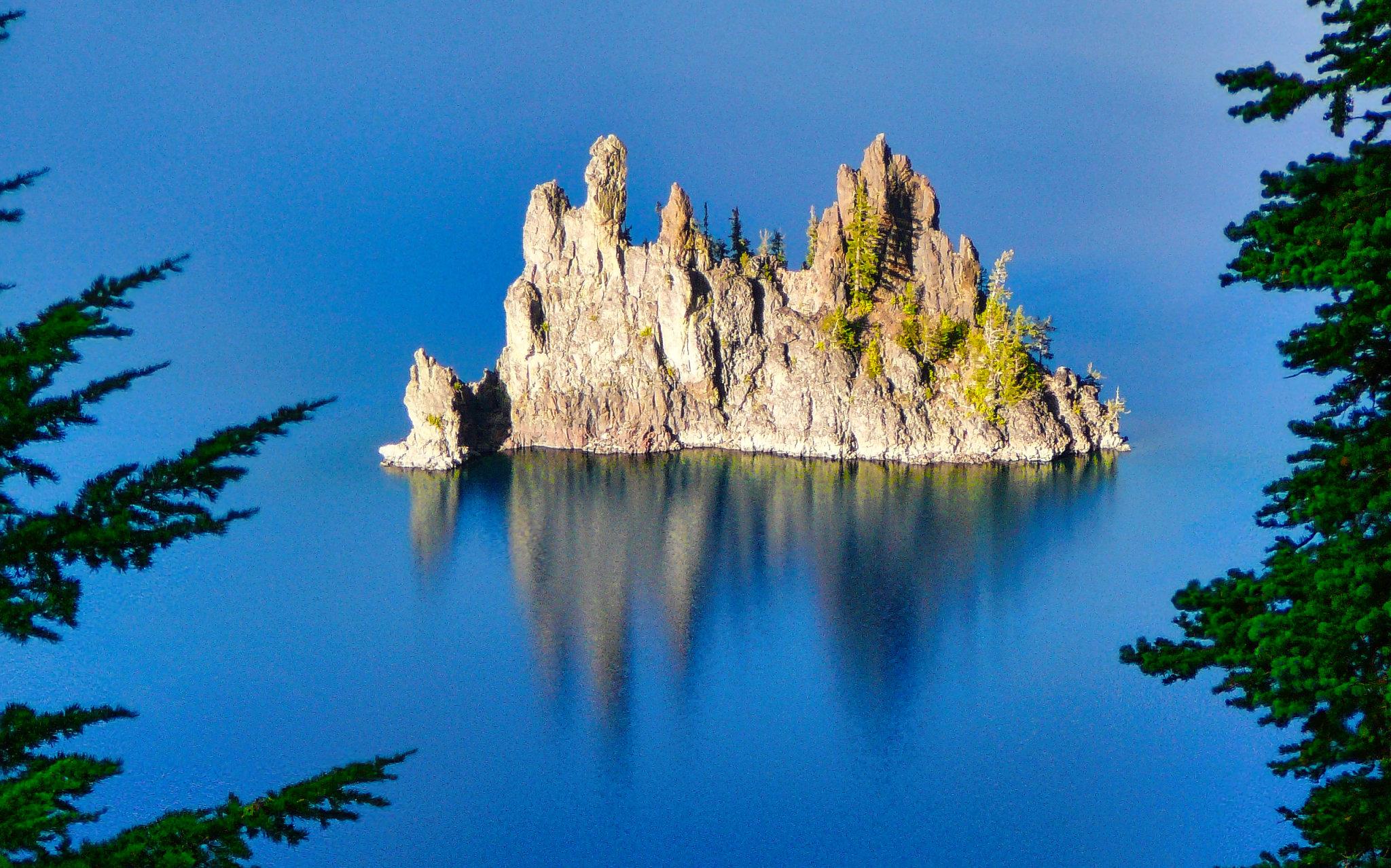
Wizard Island, and the Phantom Ship – a small, craggy island that appears like a ghostly vessel on the water's surface.Allow ample time to stop frequently, as each viewpoint unveils a new facet of the lake's beauty.
For acloser encounter withthelake,aboattour (seasonalandsubjecttoavailability;it's wisetocheck for anytemporary closures or operationalchanges) offers anunforgettableexperience, providingup-close views ofWizard Island, acinder conerising767feet abovethelake's surface.Adventurous visitors can even disembarkonWizardIslandto hikeits trails or takeabracingswimin thechilly,crystal-clear waters.
TheCleetwood CoveTrailis theonlytrailthat provides directaccess tothelakeshore, asteep but rewardingdescentfor thosewishing todiptheir toes or embarkonaboatjourney.
Hikingenthusiasts willfindadiversenetwork of trails cateringtovarious skilllevels.TheGarfieldPeak Trailoffers panoramicvistas of thelakeand the PhantomShip, whiletheWatchman PeakTrail provides sweepingviews,especiallystunning at sunset,and features ahistoricfirelookout.
For amorestrenuous challenge,thetrek upMount Scott,thepark's highestpoint,rewards hikers with unparalleled 360-degreeviews of thelake,the surroundingCascades,andbeyond.
Beyondtherim,trails likethePlaikniFallsTraillead to serenewaterfalls and throughold-growth forests, showcasingthepark's diverseecosystems.
Where to Lay Your Head
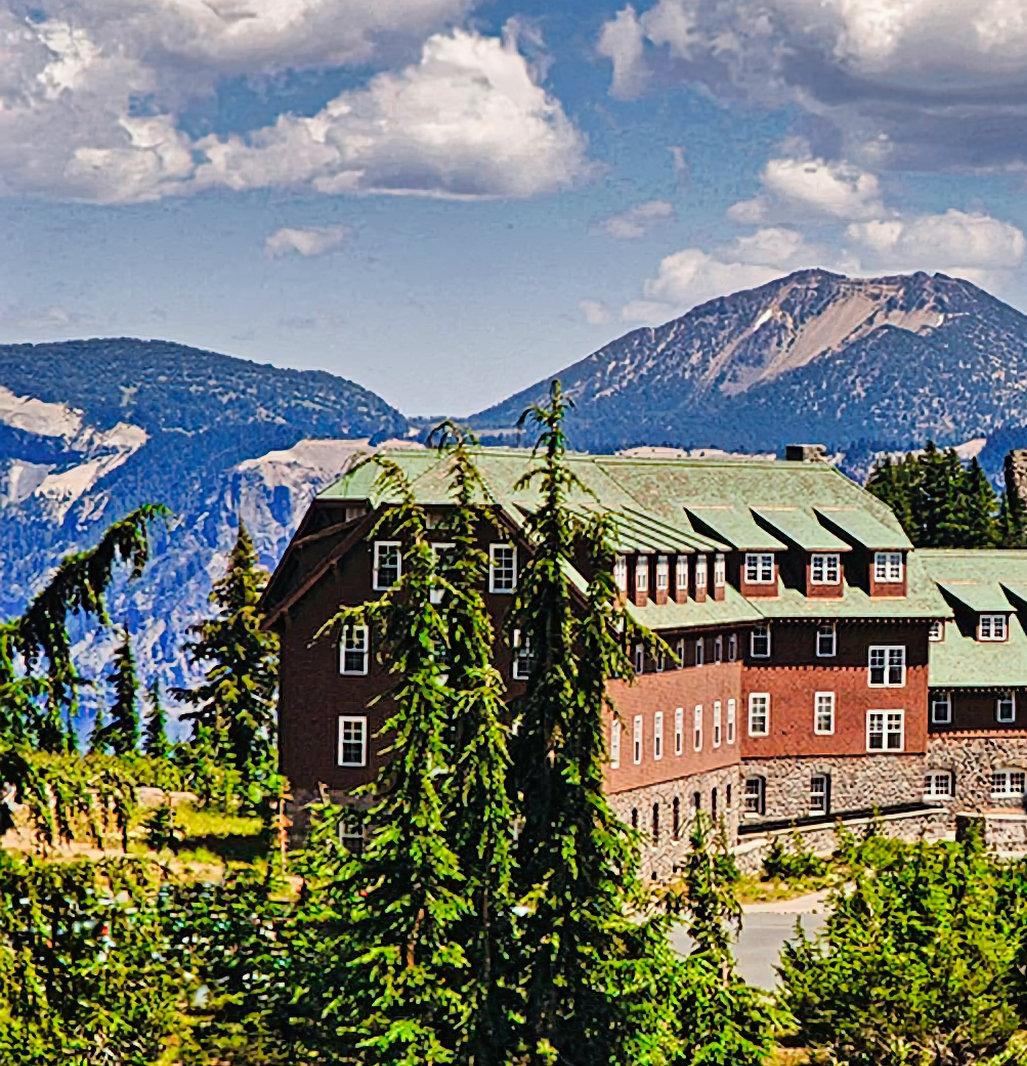
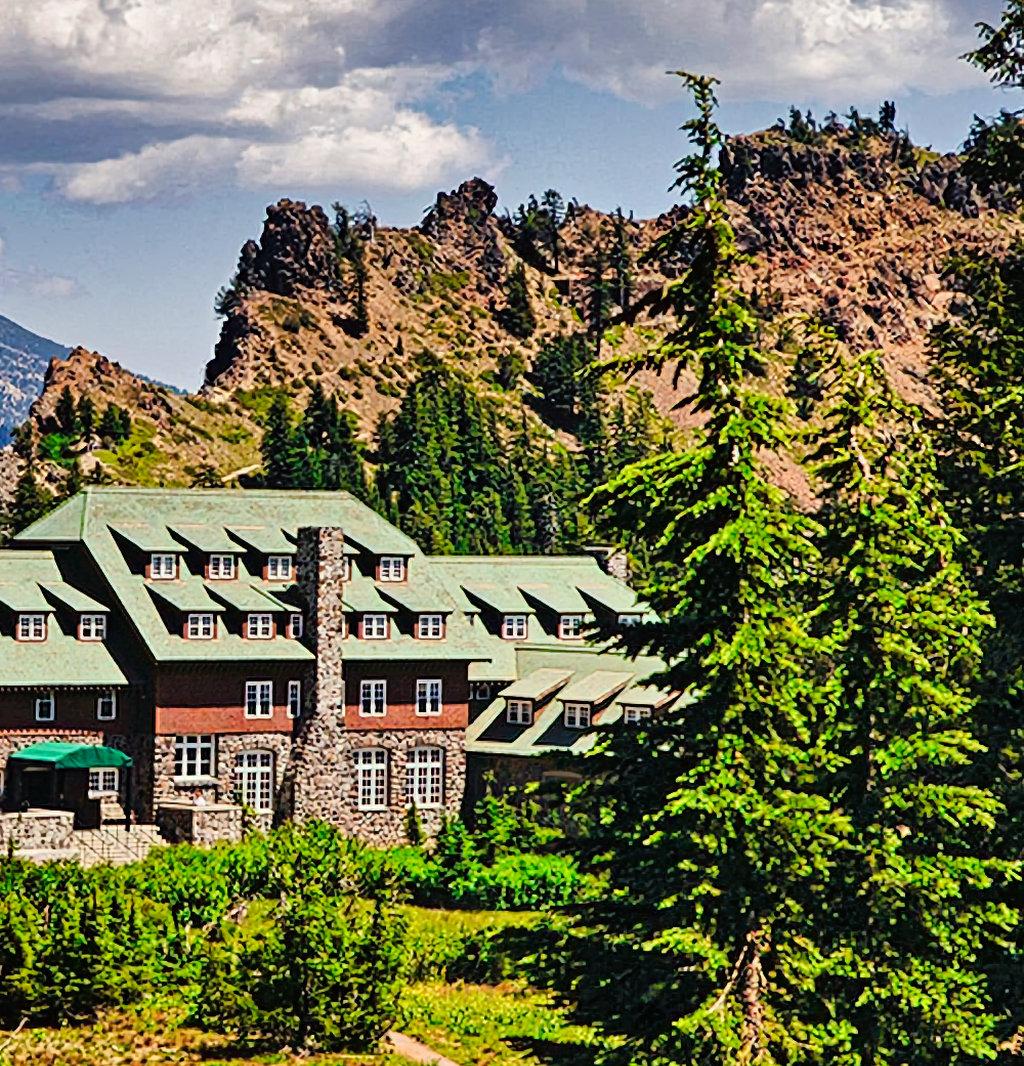
Accommodations within Crater Lake National Park offer a unique opportunity to immerse yourself in its natural splendor. The historic Crater Lake Lodge, perched on the rim of the caldera, provides a rustic yet elegant experience with unparalleled lake views. Open seasonally from mid-May to early October, reservations are highly recommended well in advance.
Another in-park option is The Cabins at Mazama Village, located near the south entrance, offering a more contemporary lodging experience and also operating seasonally. Mazama Campground, also situated in Mazama Village, provides sites for tents and RVs.
Outsidethepark,severalnearbycommunities offer a rangeof lodging choices. FortKlamath,ashortdrive fromthepark's south entrance, has motels andinns likethe AspenInn.Chemult,tothe north,offers additionalmotel options suchas theEagleCrater LakeInn andDawson House Lodge.
Further afield,towns like Chiloquinand thelarger city of Klamath Falls provideabroader selectionof hotels, resorts, and vacationrentals.For amore rusticretreat, UnionCreek Resort, westof thepark, offers historiccabins andlodgerooms.
Dining Delights In and Around the Park
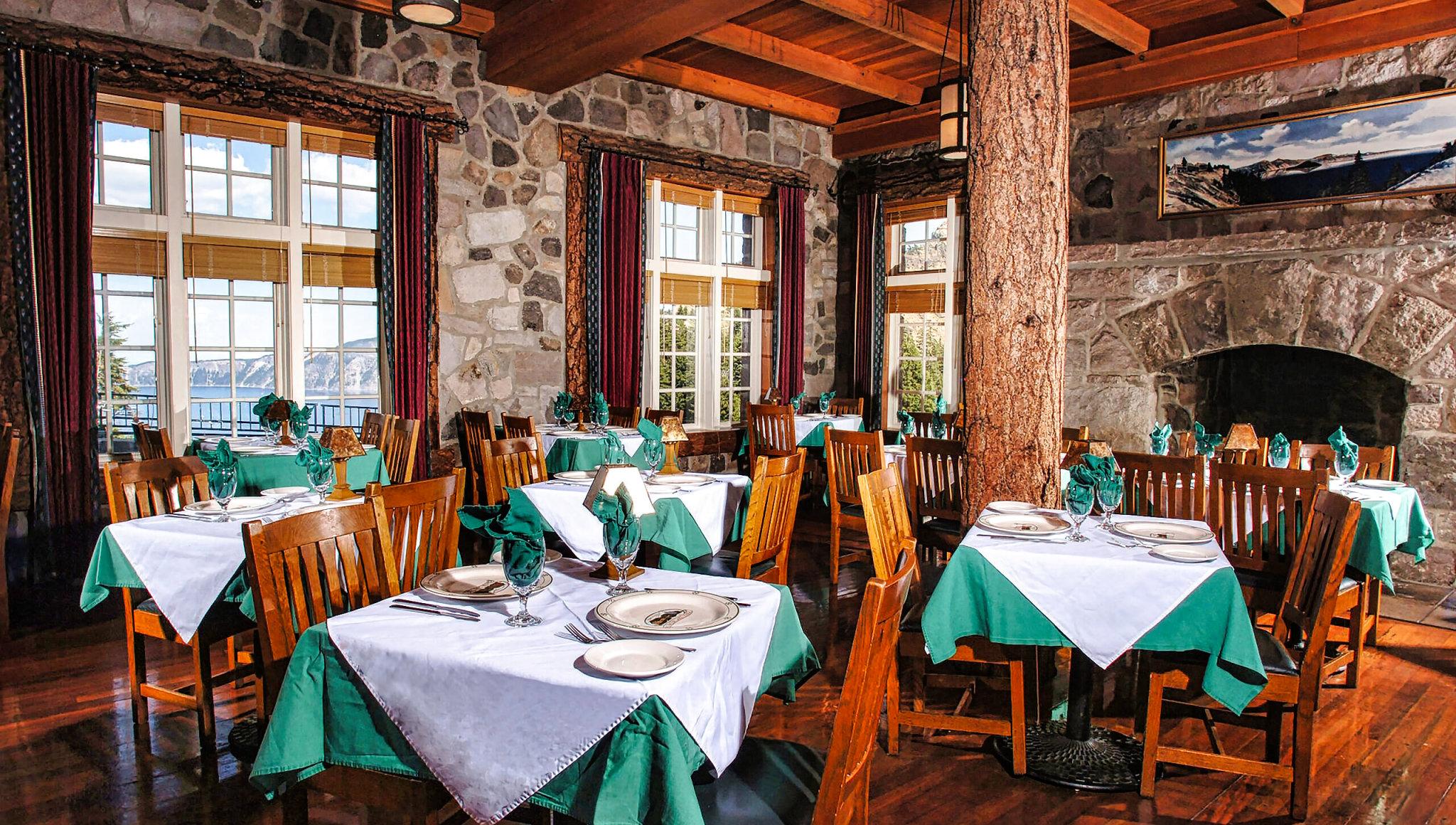
Dining options within Crater Lake National Park cater to various tastes and preferences, primarily available during the main visitor season. The Crater Lake Lodge Dining Room offers a fine dining experience with stunning lake views, serving breakfast, lunch, and dinner with an emphasis on Northwest cuisine.
For more casual fare, the Annie Creek Restaurant and The Rim Café, both located in Mazama Village (with the Rim Café sometimes operating at Rim Village), provide familyfriendly meals, snacks, and grab-and-go options. Crater Lake Provisions at Jo's Deli and Grocery Store
in Mazama Village is a convenient spot for deli items and basic groceries.
Beyondtheparkboundaries, thesurroundingtowns andcities expandtheculinarylandscape.
In FortKlamath, somelocaleateries offer homestyle cooking.
KlamathFalls, beingalarger hub,boasts awider array of restaurants, fromcasualdiners tomoreupscale establishments liketheRuddyDuckRestaurantatthe RunningYResort. MedfordandAshland,though further afield, arerenownedfor their diverseculinary scenes, including options likeChadwick's Pub & Sports Bar in MedfordandAlchemyRestaurantin Ashland, for thoseplanningabroader southern Oregon exploration.
Gateway Cities to Your Crater Lake Adventure
Crater Lake National Park is situated in a relatively remote part of southern Oregon, but several cities serve as convenient gateways.
Klamath Falls, approximately 56 miles southeast of the park, is one of the closest larger towns, offering a good range of amenities, including the Crater LakeKlamath RegionalAirport (LMT). Medford, about 76 miles to the southwest, also provides airport access and comprehensive services.
Bend, apopular destinationincentralOregon,lies about102miles northof theparkandoffers another
scenicapproach,particularlyif theNorthEntranceis open.Eugeneis roughly 160-175miles northwestand can bepartof alarger Oregonroad trip.
The Ideal Time for Your Visit
Themostpopular andaccessibletimetovisitCrater LakeNationalPark is duringthesummer months,
typically fromJuly through September. During this period, all park roads,including thefullRimDrive and theNorth Entrance, areusually open, and trails are generally snow-free.
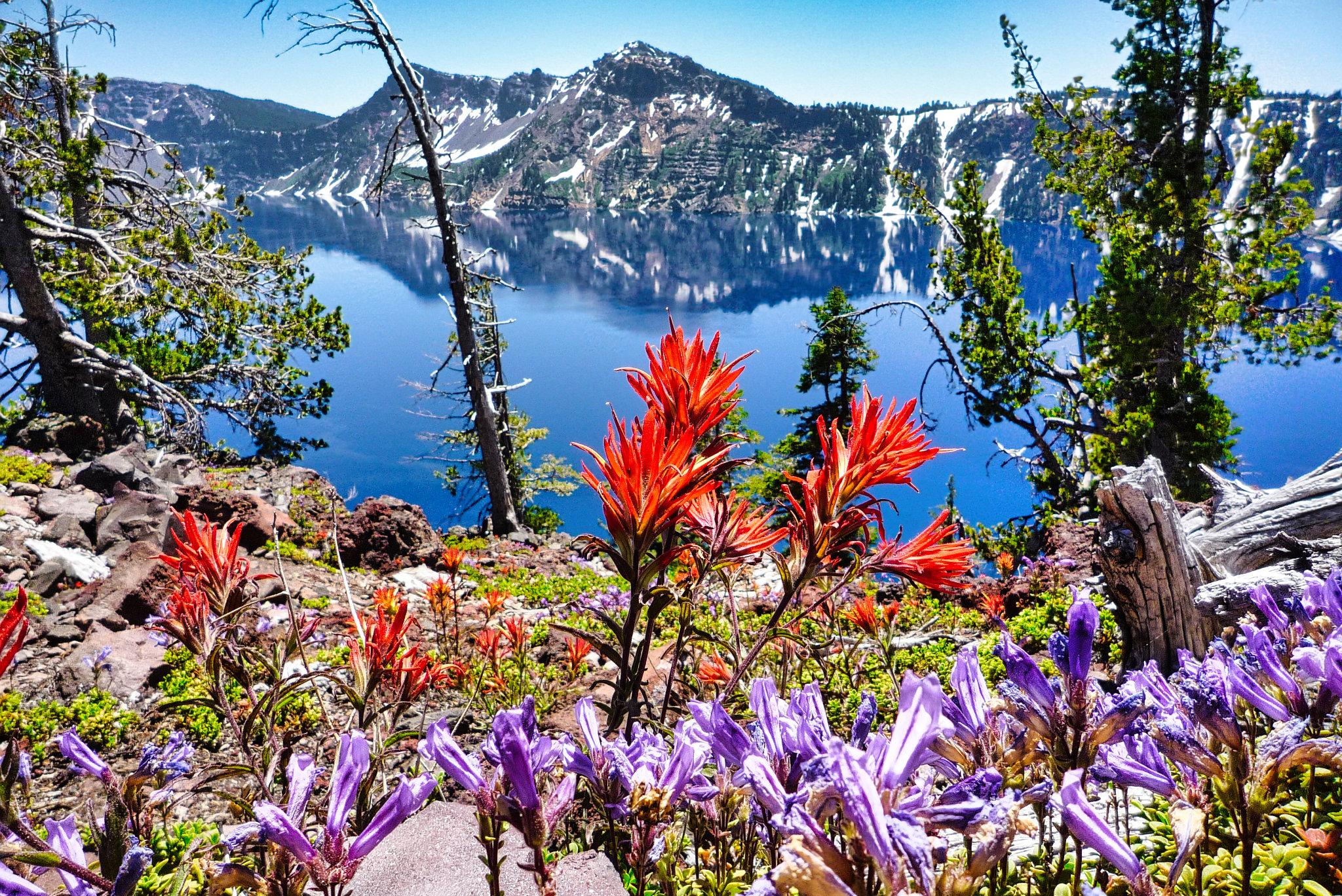
Services and facilities, including lodging, dining, and visitor centers, are fully operational. Wildflowers often burst into bloom in mid-summer, adding vibrant color to the landscape.
However,visiting during theshoulder seasons of latespring (May and June) and fall(October) can offer adifferent, often quieter, experience. In latespring, snowpack can stillbesignificant,potentiallylimiting access to someroads and trails,butthecontrastof snow againstthedeepbluelakeis spectacular.
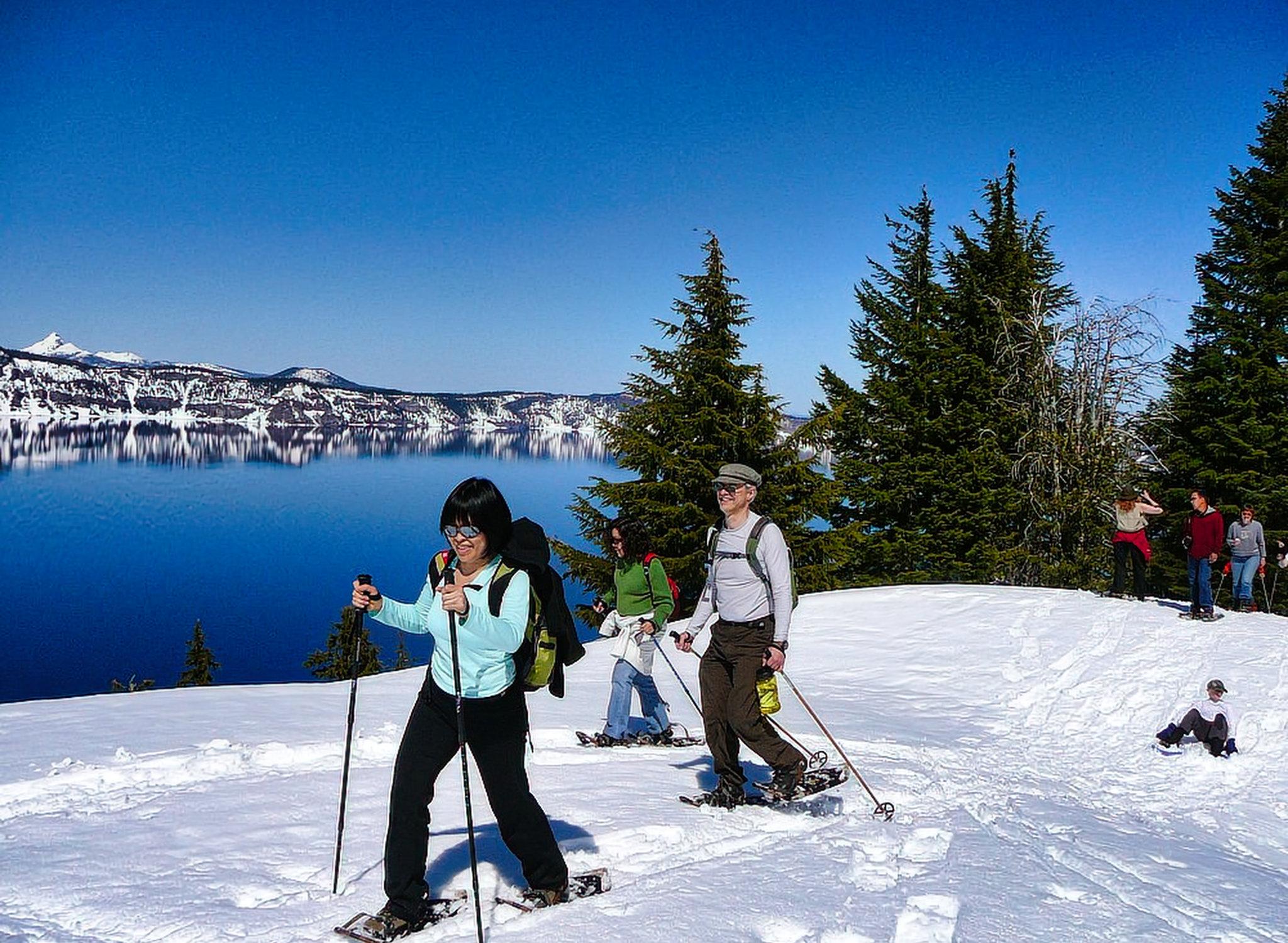
Snowshoeingmightstillbeanoption.Autumnbrings crispair,fewer crowds, andthepossibility of fall colors inthesurroundingforests,though early snowfalls arepossible.
Winter transforms Crater Lakeintoaserene wonderland.WhiletheNorthEntranceandRimDrive closeto vehicles,theparkremains accessibleviathe SouthEntrance.RimVillagebecomes ahub for snowshoeing andcross-countryskiing, offering breathtaking views of thesnow-coveredcaldera.
It's crucialtocheck roadconditions and facility availabilitybeforeplanningavisitoutsidethepeak summer season,as weather intheCascades can changerapidly.
Nomatter whenyouchoosetovisit,Crater Lake NationalParkoffers anencounter withoneof America's moststunningnaturalwonders. Its deep bluetranquility, dramaticvolcanicpast,and the pristinewilderness surroundingitcreatean unforgettablebywayjourney.
https://www.nps.gov/crla/index.htm
On therocky shores of Maine,wheregranite cliffs plungeintotheAtlanticandforests give wayto sweeping coastalviews,liesAcadia NationalPark.Thoughmodestinsizecompared tothe sprawling western parks,Acadiacaptures theessence of New England’s naturalbeautylikenowhereelse.
Its 49,000 acres encompass ruggedcoastline,granite peaks, quietlakes, andmeadows burstingwith wildflowers. Morethan4 millionvisitors ayear arrive to hikeits trails, driveits scenicbyways,andwatch thesun riseover theeasternmostedgeofAmerica.
Acadiais aplacewherethewildAtlanticcollides with serenewoodlands, offeringarareblendof seashore and summit.For travelers seekinganauthentictasteof New England – completewithlighthouses,lobster shacks,andquaintharbor towns –itis adestination thatembodies both naturalgrandeur andcultural charm.
ParkAttractions and Scenic Highlights
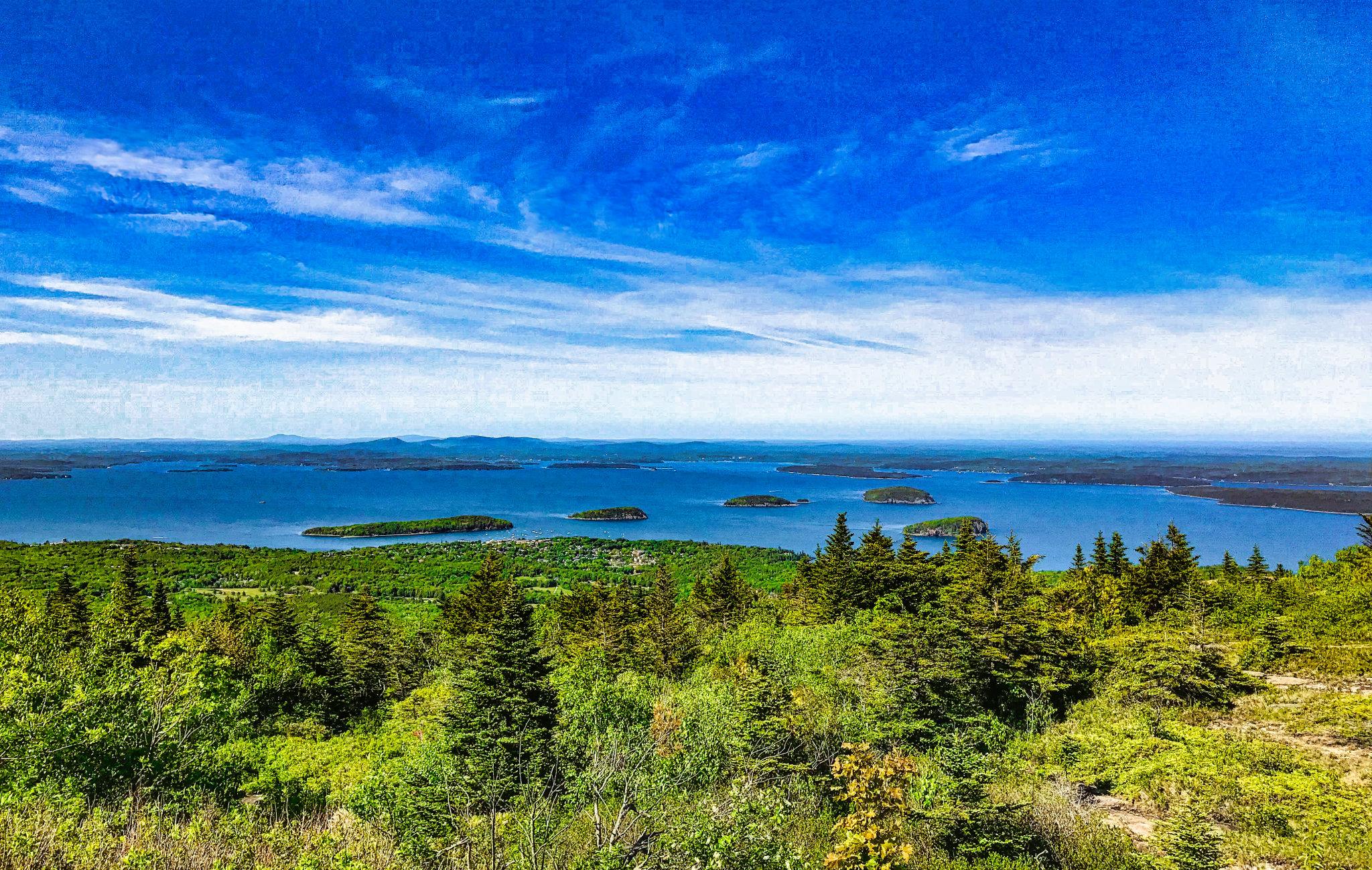
ThecenterpieceofAcadiais CadillacMountain,the tallestpeak on theeasternseaboardat1,530feet. Fromits summit, visitors cangazeoutover
FrenchmanBay,sprinkledwith islands likeemeralds in bluewater. BetweenOctober and March, Cadillac is thefirstplaceintheUnited States toseethesunrise, abucket-listmomentfor manytravelers.
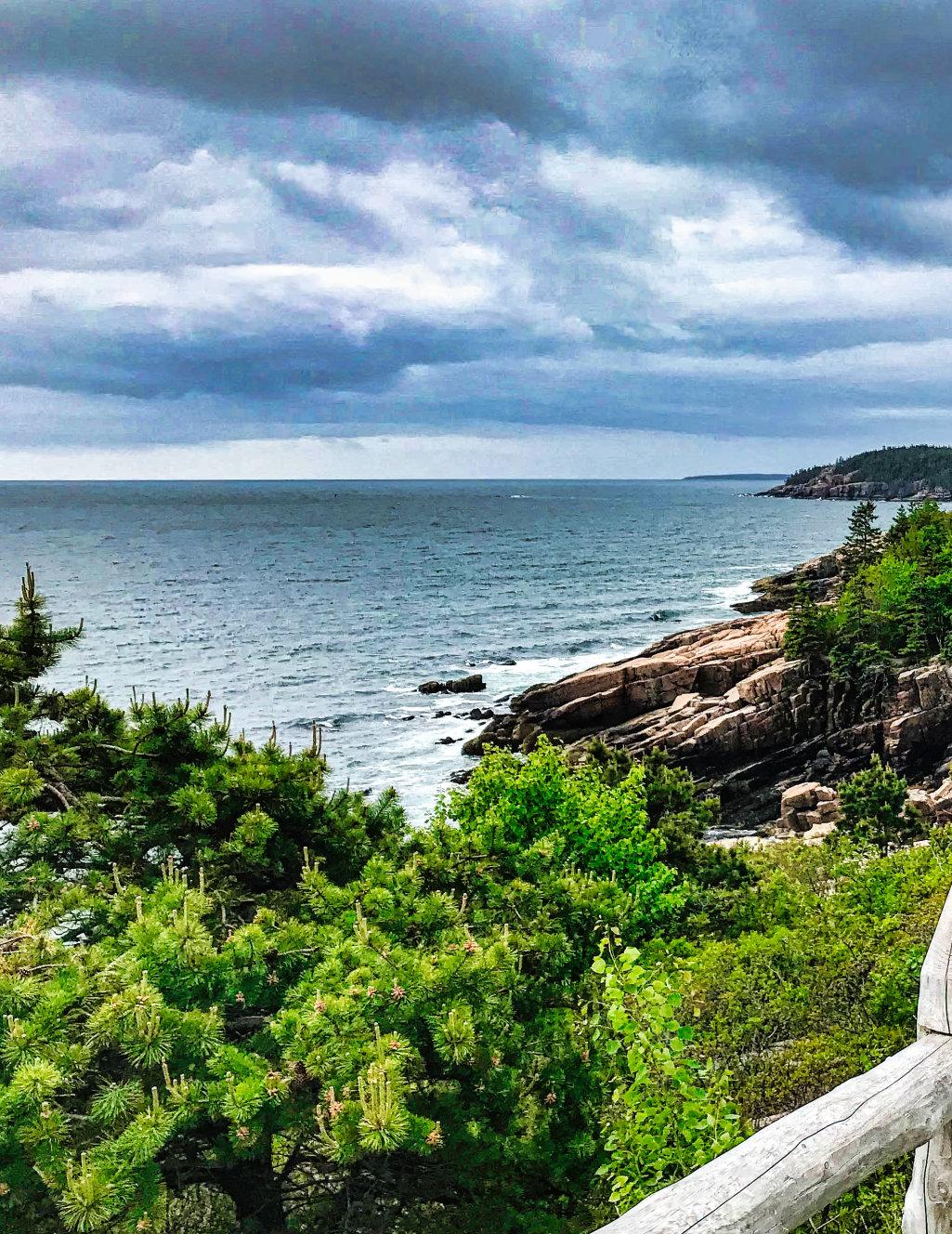
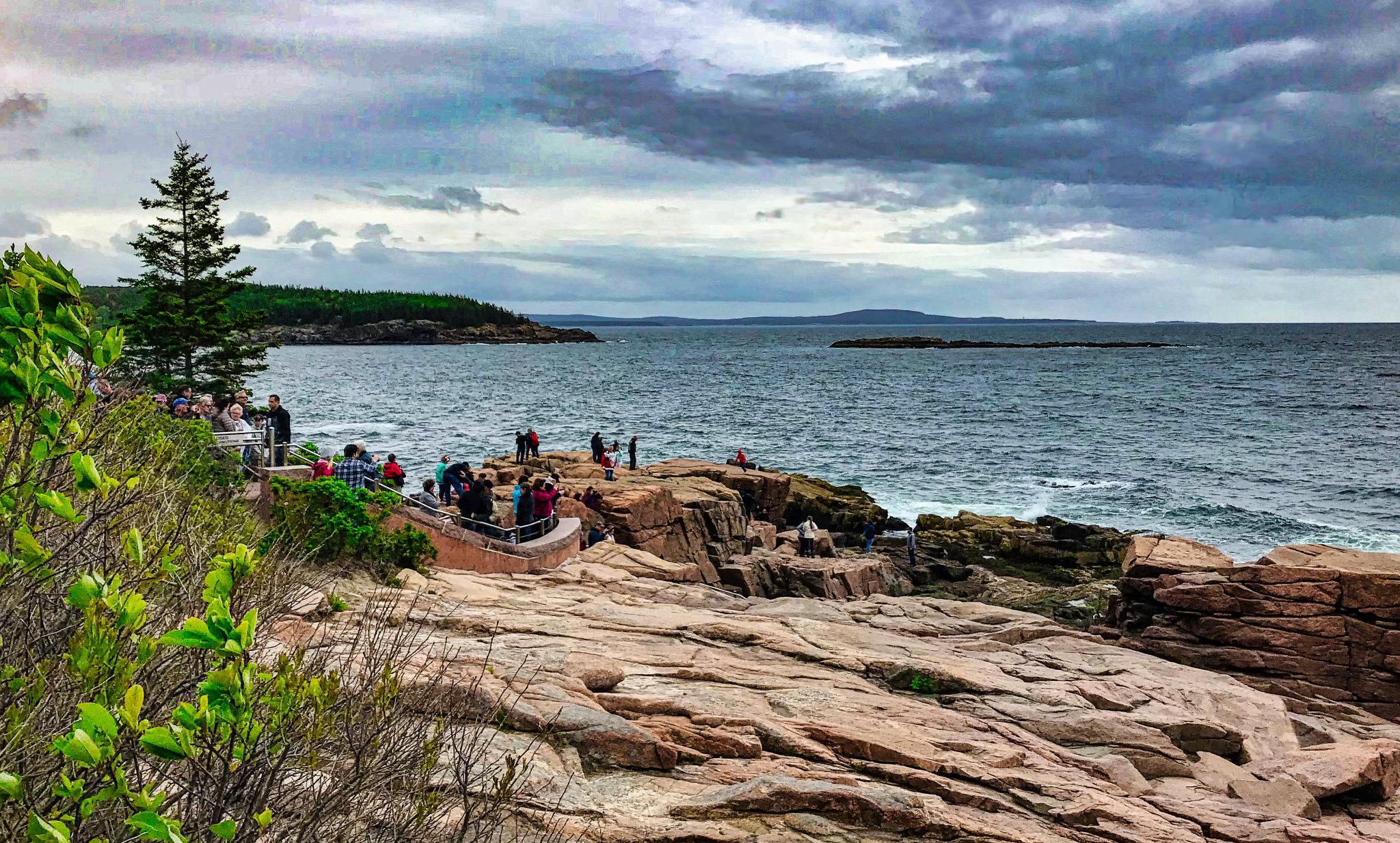
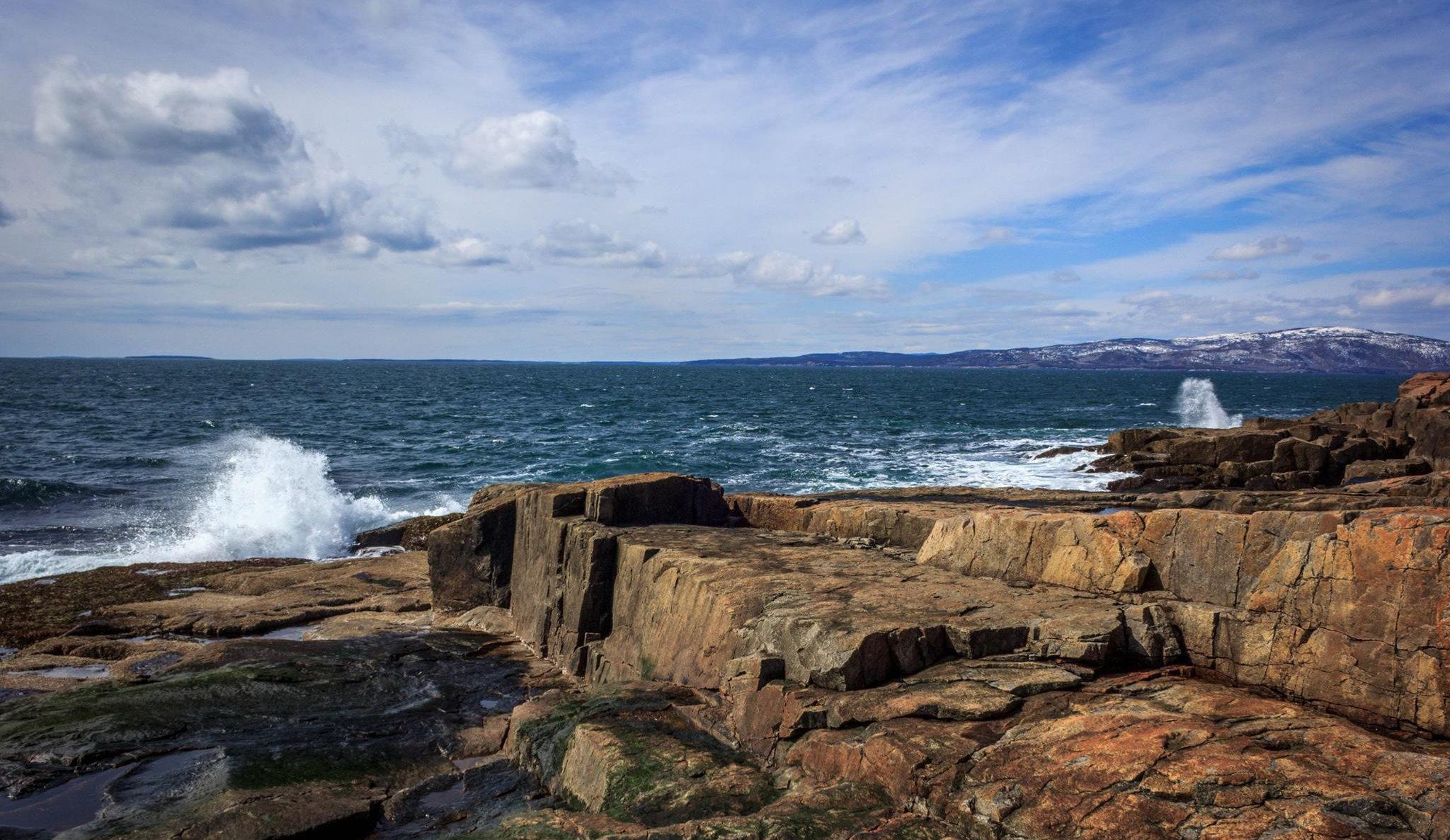
TheParkLoop Road,a27-miledrive,winds past manyofAcadia’s iconicfeatures.Thunder Hole, wherewaves crashintoanaturalrockinletandboom likecannonfire,is afavoritestop.Further alongare SandBeach,ararestretchof softsandnestled betweenrugged headlands, andOtter Cliffs, wherethe oceanpounds againstsheer granitewalls.
Acadiais alsofamous for its historiccarriageroads, builtintheearly20th centurybyphilanthropistJohn D.Rockefeller Jr.These45miles of crushed-stone pathways areclosedtomotor vehicles,makingthem idealfor biking,walking,andevenhorse-drawn carriagerides.Archedstonebridges andquiet woodland views maketheexperiencetimeless.
Hiking the Trails
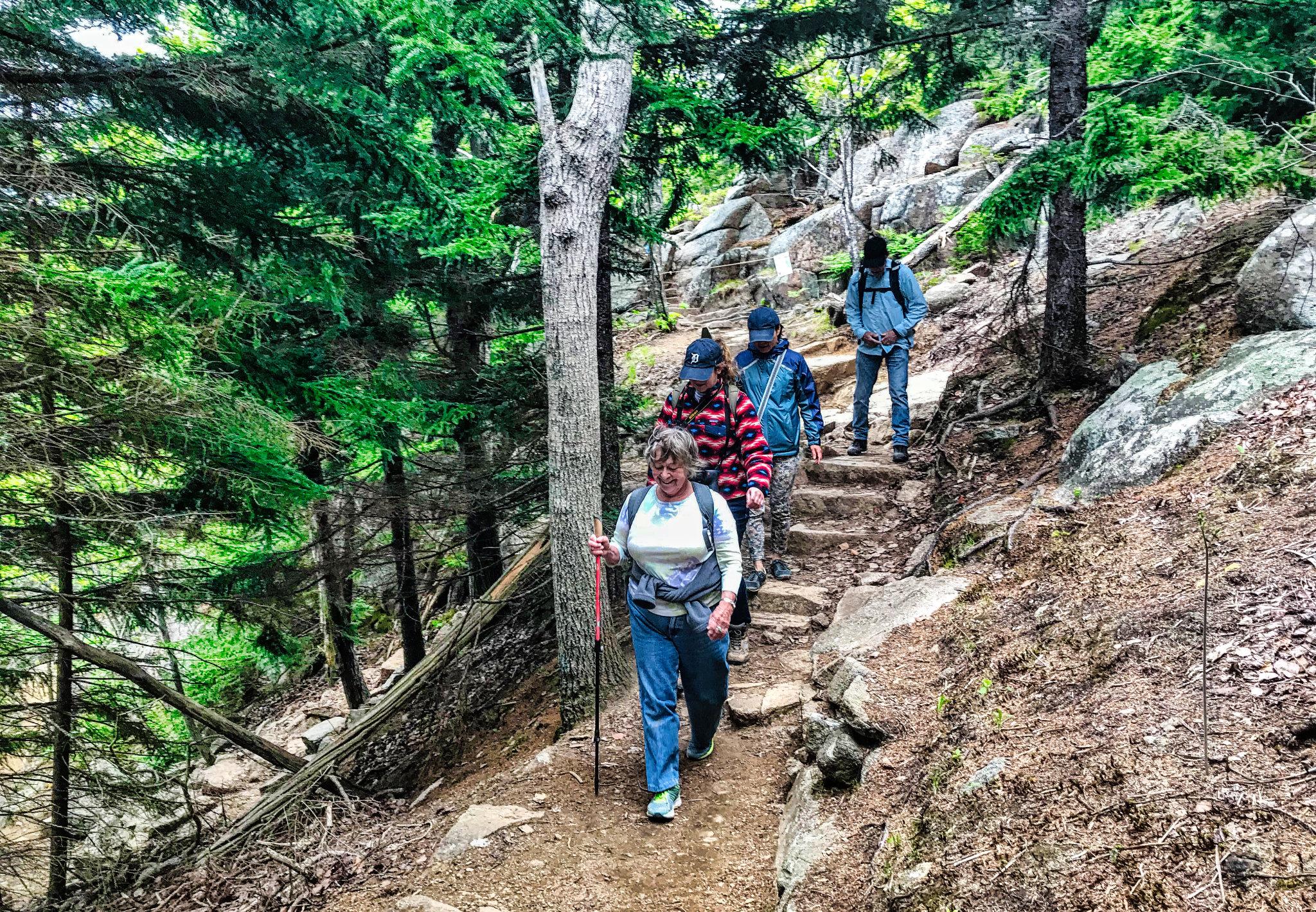
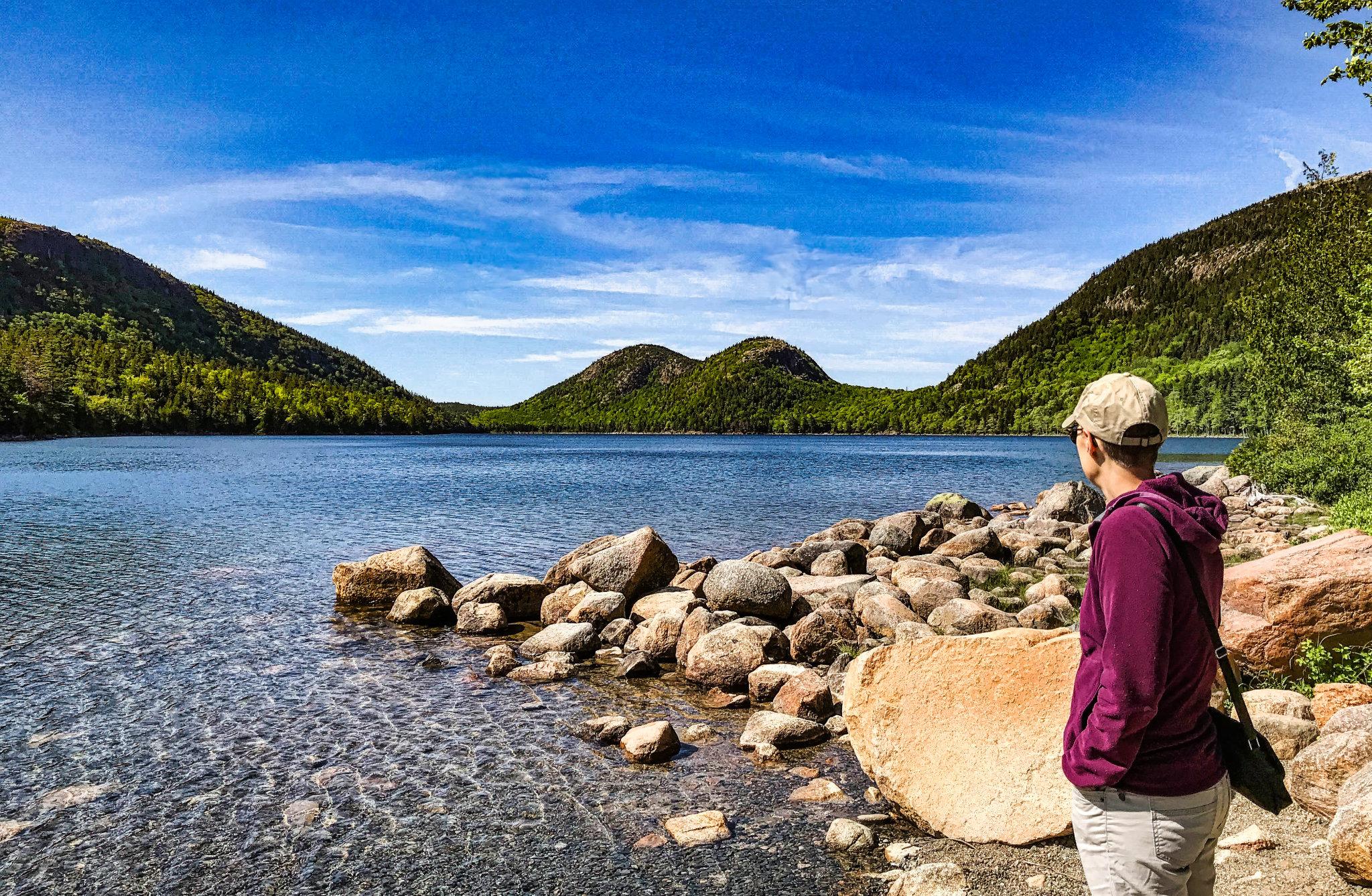
Acadia offers more than 150 miles of hiking trails, each with its own character. Families often choose Jordan Pond Path, a gentle walk around one of the
park’s most photogenic lakes, flanked by the rounded peaks known as the Bubbles.
More adventurous hikers tackle the Precipice Trail, a challenging climb that involves iron rungs and ladders bolted into cliff faces – an exhilarating way to gain panoramic views of the coastline.
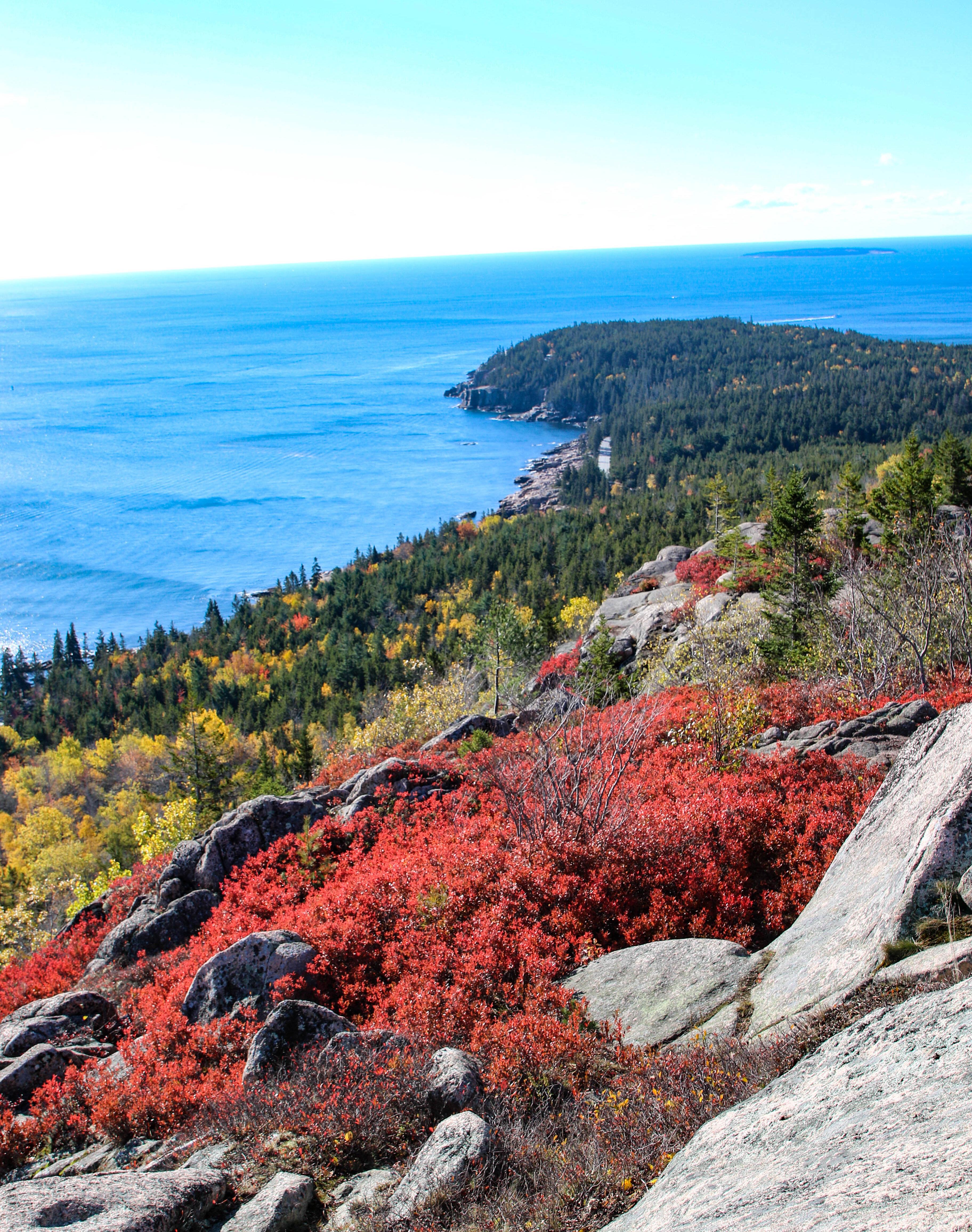
Other classicroutes includethe OceanPath, aseasidetrailthat parallels Park LoopRoad, andthe BeehiveTrail, ashorter butequally thrillingclimb with steep drops and sweeping vistas. In autumn,these trails glow with thereds,oranges, and golds of New Englandfoliage, making every step avisualfeast.
Life on the Water
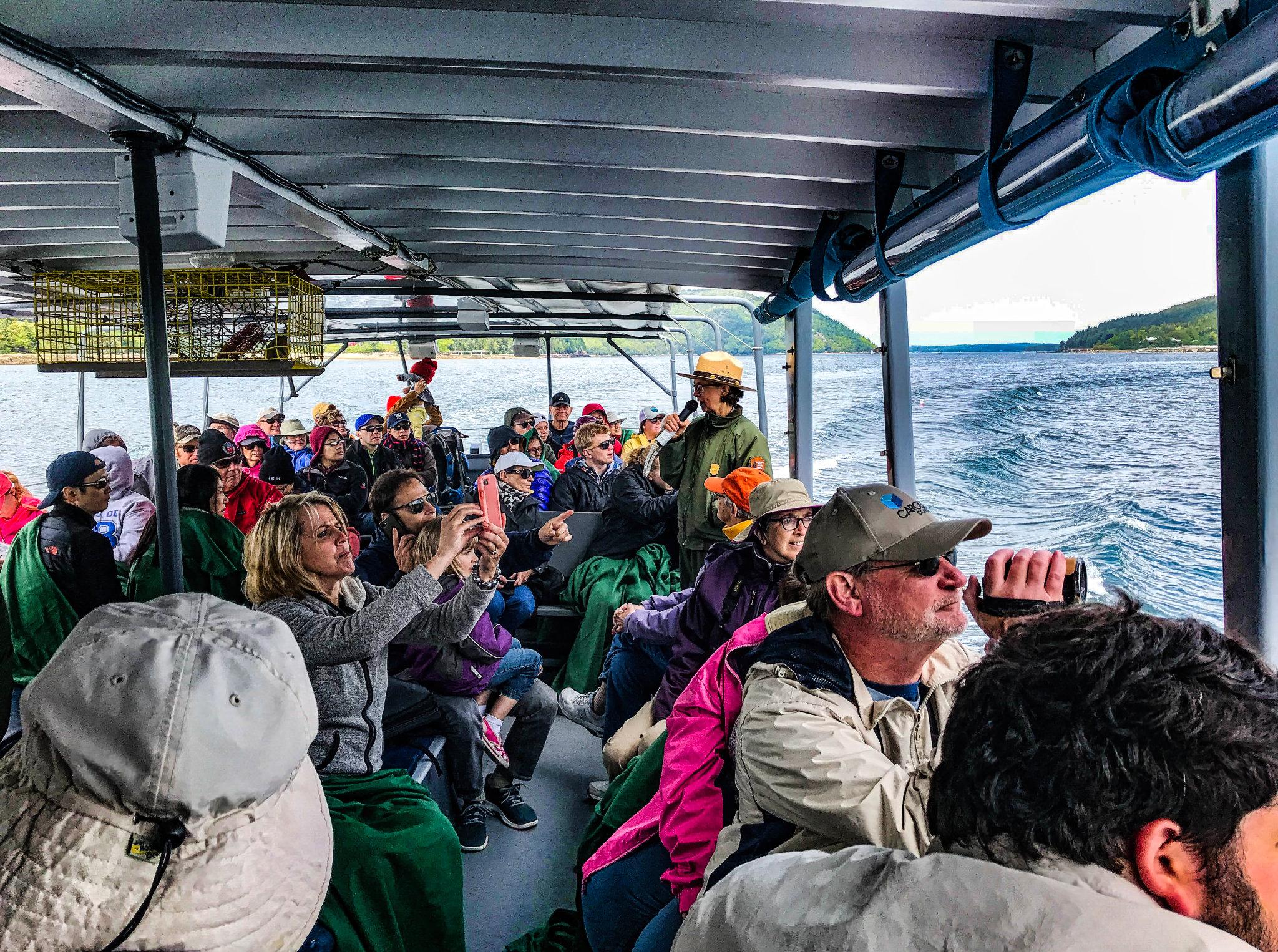
Though famous for its mountains,Acadia is also a water park in the truest sense. Kayakers paddle along the rugged shoreline, weaving between rocky islands and beneath seabird colonies. Sailing excursions depart from nearby harbors, offering a seafarer’s view of the cliffs and lighthouses.
Thesurrounding waters teemwithwildlife. Puffins, ospreys,and baldeagles patroltheskies,whileharbor seals andporpoises surfaceunexpectedly alongside boats.
Whale-watchingtours leavefromBar Harbor, carrying visitors outintotheGulf of Maineinsearch
of humpback and finwhales thatfeedinthese nutrient-richwaters each summer.
Where to Stay
Acadia offers a mix of accommodations that reflect its balance of wilderness and community. Inside the park, campgrounds like Blackwoods and Seawall provide classic national park experiences, with tent sites nestled beneath towering spruce and fir. Reservations are essential during summer months, when demand is high.
Mostvisitors stay in Bar Harbor,thebustlingtown justoutsidethepark’s gates.Here,historicinns, boutiquehotels, and family-runmotels linethe streets, offering everythingfromluxurious seaside suites to budget-friendly rooms.Bar Harbor also buzzes withshops, galleries,andanactive waterfront, making ittheperfectbasefor exploring Acadia.
For quieter alternatives, nearbyvillages suchas SouthwestHarbor andNortheastHarbor offer a slower pace, with charmingbed-and-breakfasts,cozy lodges, and waterfrontcottages.Thesetowns provide amoreintimateexperienceof MountDesertIsland whilestillgranting easyaccess tothepark.
Maine Flavors and Local Cuisine
NovisittoAcadiais completewithoutindulgingin Maine’s iconiccuisine.Lobster is kinghere, whether steamed andservedwithdrawnbutter atawaterfront shack, folded into acreamystew known as lobster bisque, or layered into abuttered roll.
In Bar Harbor, lobster pounds line the shore, where diners choose their catch from seawater tanks and watch it cooked to perfection.
Seafood lovers canalso samplefreshclams,mussels, scallops, and haddock,allharvestedfromlocal waters.Blueberry pieandblueberrypancakes are staples, madewith thetiny,tartwildblueberries that thrivein Maine’s acidicsoil.
Craftbreweries and cideries haveflourishedinthe region, offering pints thatpair beautifullywithocean views.Whether enjoyedatafine-diningrestaurant overlookingFrenchmanBayor atapicnictablebeside alobster shack, food inAcadiais as memorableas the scenery.
Best Time to Visit
Acadia’s character shifts dramatically with the seasons. Summer is the busiest, with long days perfect for hiking, paddling, and scenic drives. The weather is mild, the towns are lively, and the park hums with energy.Advance reservations for lodging, campgrounds, and even Cadillac Mountain sunrise access are essential during this time.
Byways 48
Fallmaybethemostspectacular season to visit.From lateSeptember throughmid-October, thepark’s hardwoodforests blazewith color,drawing leafpeepers fromacross thecountry.Thecrisp air and thinner crowds makehikingparticularly rewarding, andmanyvisitors timetheir trip tocoincidewiththe AcadiaNightSky Festival, whichcelebrates the park’s exceptionalstargazing.
Winter brings quietbeauty,whensnow blankets the carriageroads andcross-countryskiers glidethrough thestillness.Whilemostparkfacilities close, those whoembracethecoldarerewardedwithsolitudeand starkcoastalvistas. Springis atransitionalseason, as snowmeltswells streams andwildflowers returnto meadows,offeringaquieter preludetothebusy summer.
Capturing the Spirit of New England
What makesAcadia special is not only its landscapes but also its sense of place. It embodies the rugged beauty of Maine’s coast, the history of its communities, and the enduring appeal of simple pleasures: watching a sunrise, sharing a lobster dinner, or listening to waves crash against the rocks.
Acadiamaynotbethelargestof America’s nationalparks, butitis among themostbeloved,ajewel of theNortheastthatblends wilderness with culture. For travelers alongAmerica’s byways, itoffers an experience thatis as much aboutconnection -- toland, sea, and people-- nas it is aboutscenery.
A Journey to Remember
Standing on Cadillac Mountain as the first rays of sunlight sweep across theAtlantic, visitors feel a sense of awe that lingers long after they leave.
Exploring a carriage road beneath arched stone bridges, savoring a blueberry pie in Bar Harbor, or paddling through a foggy harbor—each moment inAcadia is a thread in a tapestry of memory.
For thoseseeking adestinationwherethemountains meetthesea, whereadventuremingles with
relaxation, andwherenaturalbeautyis matched by localcharm,AcadiaNationalParkis anessential journey.Itis New Englandatits mostmagnificent,a placethatcalls travelers back againand again.
https://www.nps.gov/acad/index.htmtt
In2026, theUnited States willcelebrateoneof the mostsignificantmilestones inits history-- the 250th anniversaryof thesigningof theDeclaration of Independence. KnownasAmerica250,this oncein-a-generation commemorationwillunfoldas ayearlongseries of events, festivals,exhibits,andcultural gatherings fromcoastto coast.
For travelers, it’s an unprecedentedopportunity to explorethenation’s highways andbyways while immersing themselves in thestories,places,and experiences thathaveshapedAmericaover thepast two and ahalf centuries.
Fromhistoricreenactments and museumopenings to tallship parades and internationalsporting events, 2026promises tobe alandmark year. Here’s a lookatsomeof themost exciting ways to jointhe celebration.
A Nation Turns 250
Tall Ships and Maritime Traditions
America’s story is deeply tied to the sea, and one of the most visually stunning parts of theAmerica250 celebration will be Sail250, a grand series of tall ship parades and maritime festivals.
These majestic vessels will sail into major ports including New York, Boston, Baltimore, and Norfolk, offering visitors a
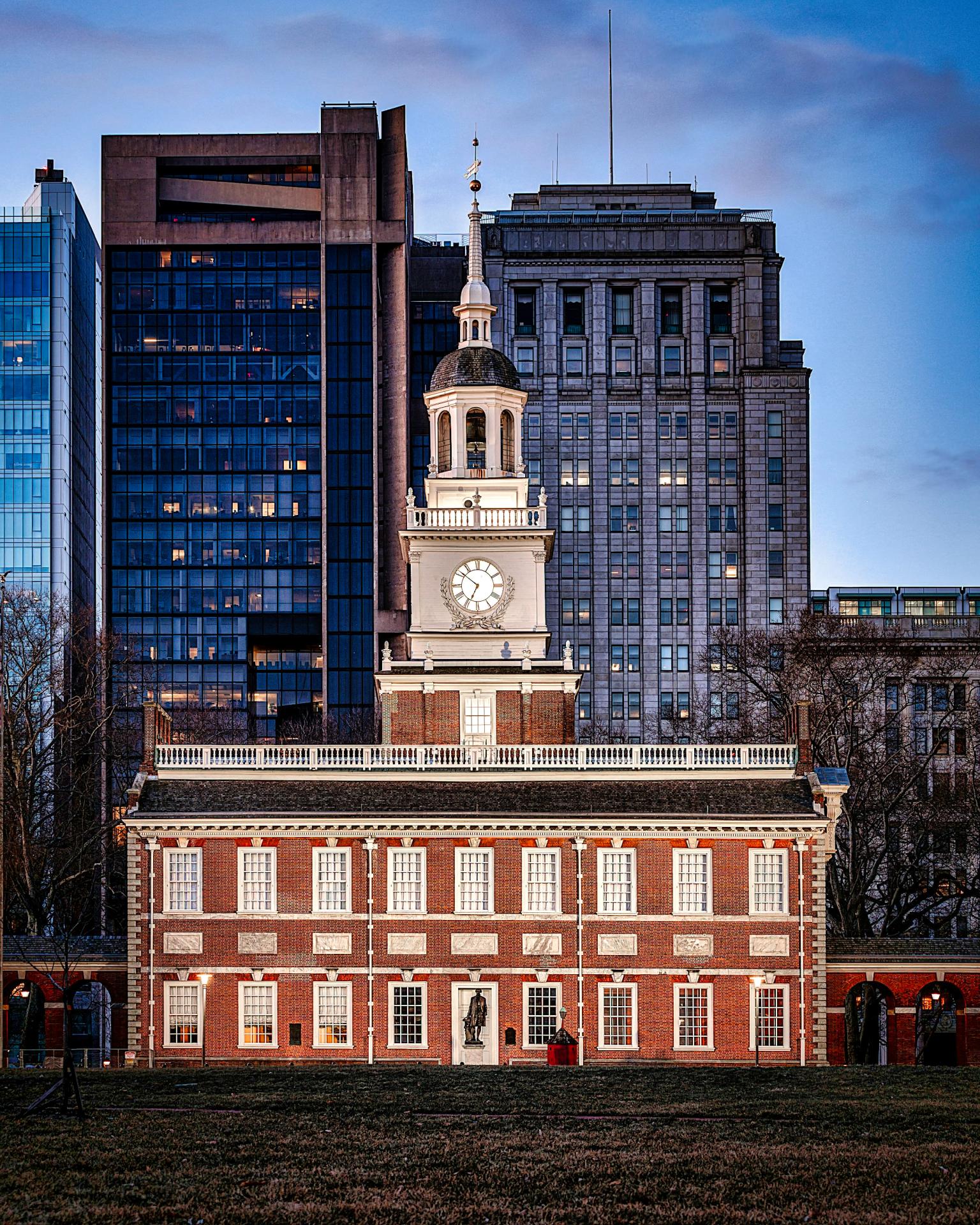
The centerpiece of the year’s celebrations will be July 4, 2026, marking exactly 250 years since the thirteen colonies declared independence from Great Britain. Cities across the country will host large-scale events, concerts, parades, and fireworks displays, but no place will be more central to the celebration than Philadelphia, Pennsylvania – the birthplace ofAmerican democracy.
52 Weeks of Firsts
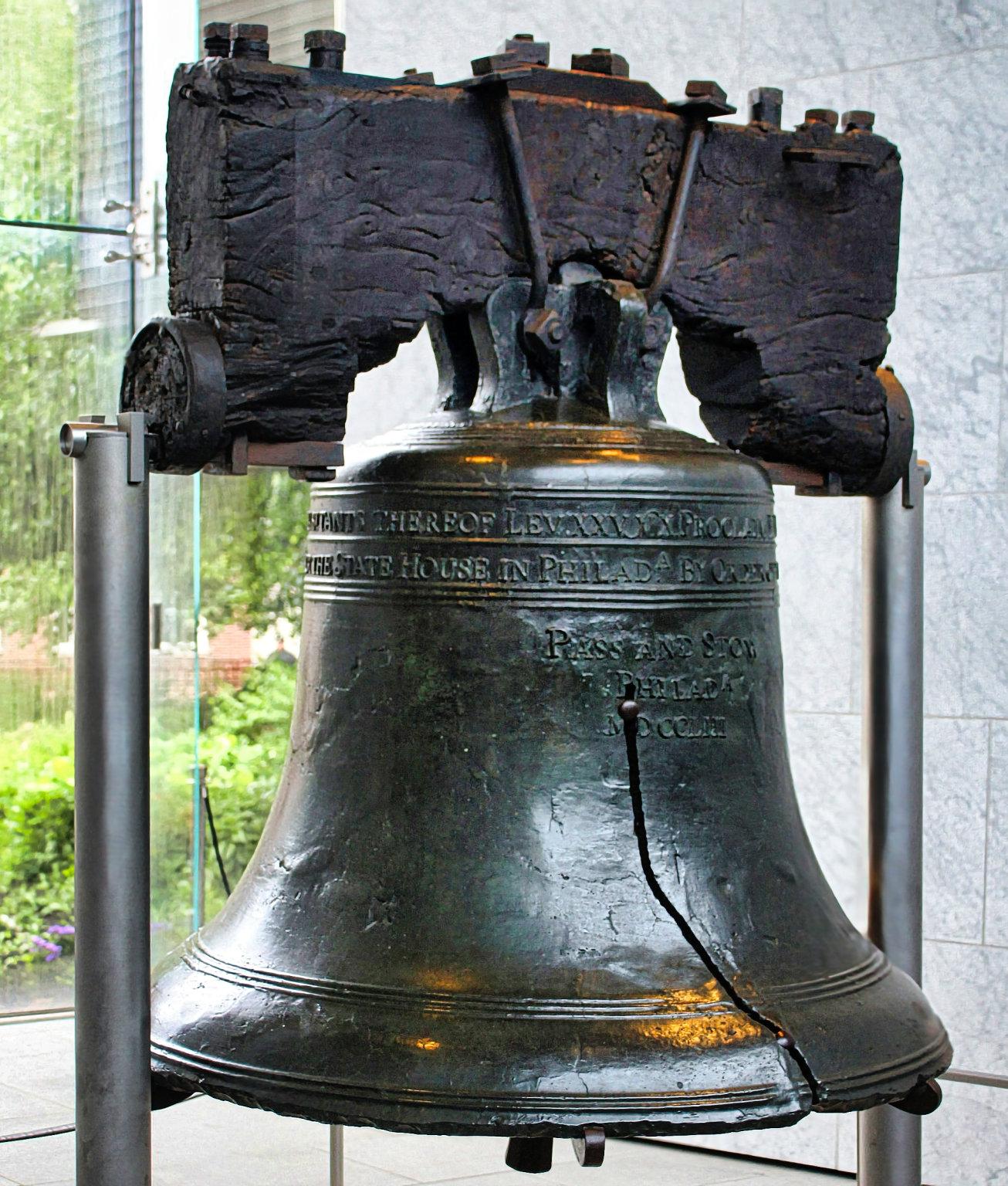
Philadelphia is planning “52 Weeks of Firsts”, a year-long schedule of new exhibits, outdoor installations, public art, culinary festivals, and historical reenactments. Independence Hall, where the Declaration was signed, will serve as the emotional heart of the celebration, and the city’s museums –from the Museum of theAmerican Revolution to the Franklin Institute –are preparing special exhibitions to mark the anniversary. Visitors can expect a vibrant mix of history, culture, and entertainment as Philadelphia reclaims its role as the nation’s founding city.
Sail250 is morethananostalgicnodtomaritime history – it’s also alivinglessoninglobalconnections. Manyof theparticipatingtallships willcomefrom other nations, symbolizingthealliances and friendships thathaveshapedAmerica’s placeinthe world since1776.Theseharbor festivals areexpected to draw hundreds of thousands of visitors,sotravelers interestedin maritimeheritagewillwanttoplan early.
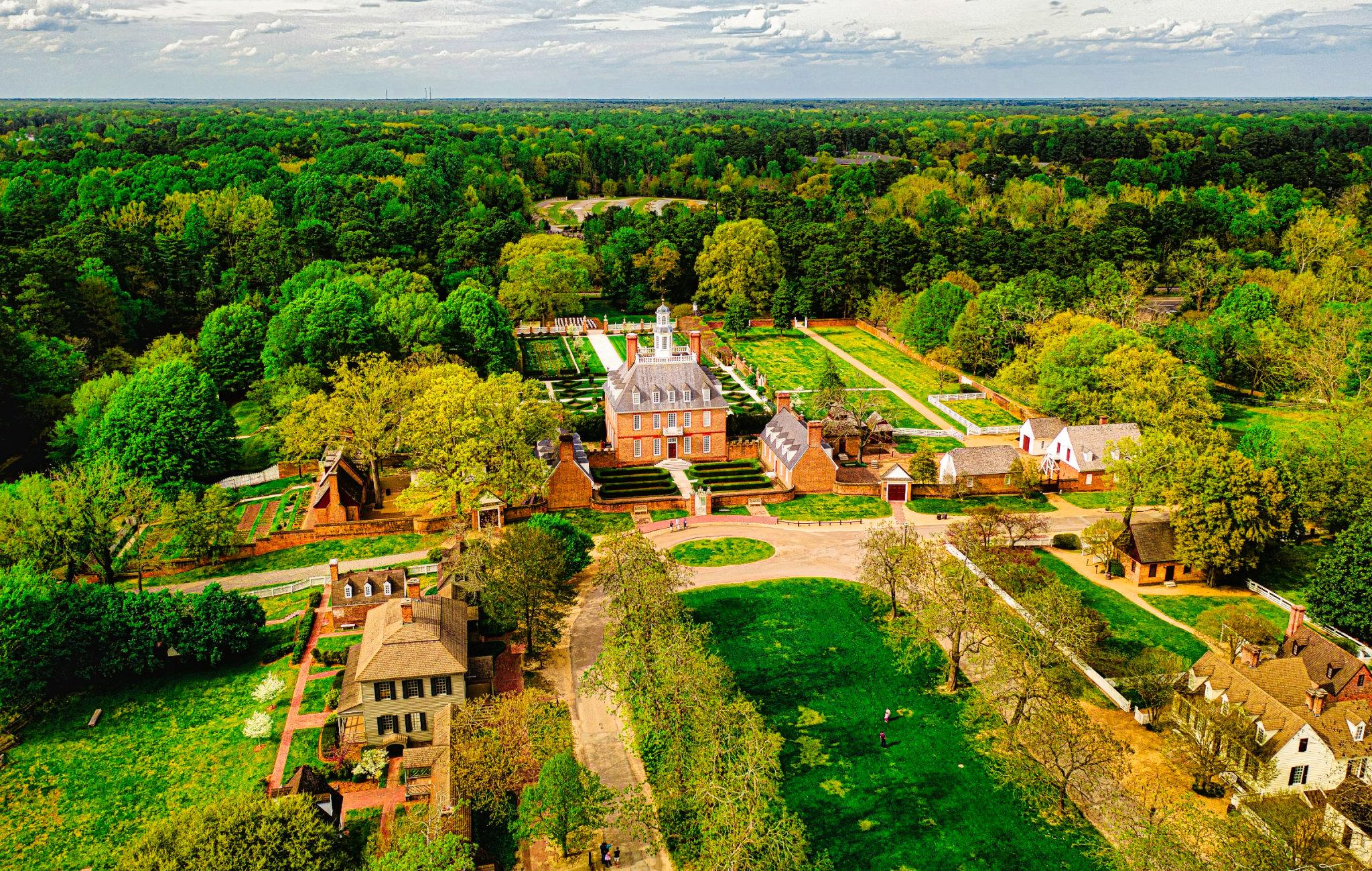
Colonial Williamsburg Turns 100
While the nation celebrates 250 years of independence, one of its most beloved living history museums will also mark a major milestone. Colonial Williamsburg, the meticulously preserved and interpreted 18th-century capital of Virginia, will celebrate the 100th anniversary of its founding as an educational and preservation project.
In 2026,Williamsburg willdebutnew exhibits, specialprograms, andbehind-the-scenes tours that delvedeeper into theuntoldstories of theera— including theperspectives of women,Indigenous peoples, and enslavedAfricans.
Visitors canwalk thecobblestonestreets,engagewith costumed interpreters, andattendspecialanniversary
Byways 52
events thatbringthe Revolutionaryeratolife.The combinationofAmerica250 programmingandWilliamsburg’s centennialwillmakethis historic destinationan especially compellingstop for travelers interestedinAmerica’s origins.
Global Spotlight: The FIFA World Cup
While history will take center stage in 2026, the year will also feature major international events that bring people together from around the world – none bigger than the FIFAWorld Cup. The United States, along with Canada and Mexico, will host the global soccer tournament from June 11 to July 19, 2026, with matches played in 11 U.S. cities, includingAtlanta, Dallas, Los Angeles, Miami, New York, Philadelphia, and Seattle.
TheWorld Cupis expectedtodraw millions of visitors andinject new energyinto urbancenters nationwide. Beyond the games themselves,fans canexpectfan festivals,cultural events, andcitywidecelebrations – many of which willtieintothe America250 spirit. For road trippers,the tournament offers achanceto follow theaction across regions anddiscover new destinations along theway.
The Philadelphia Cycling Classic Returns
Sports fans will have another reason to celebrate inAugust 2026, when the Philadelphia Cycling Classic returns after a decade-long hiatus. The event, known for its challenging course and vibrant atmosphere, will attract elite cyclists from around the globe and thousands of spectators.
Combined with Philadelphia’s already richAmerica250 programming, the race adds yet another layer to the city’s role as a focal point of the nation’s anniversary year.
New Exhibits and Museum Openings
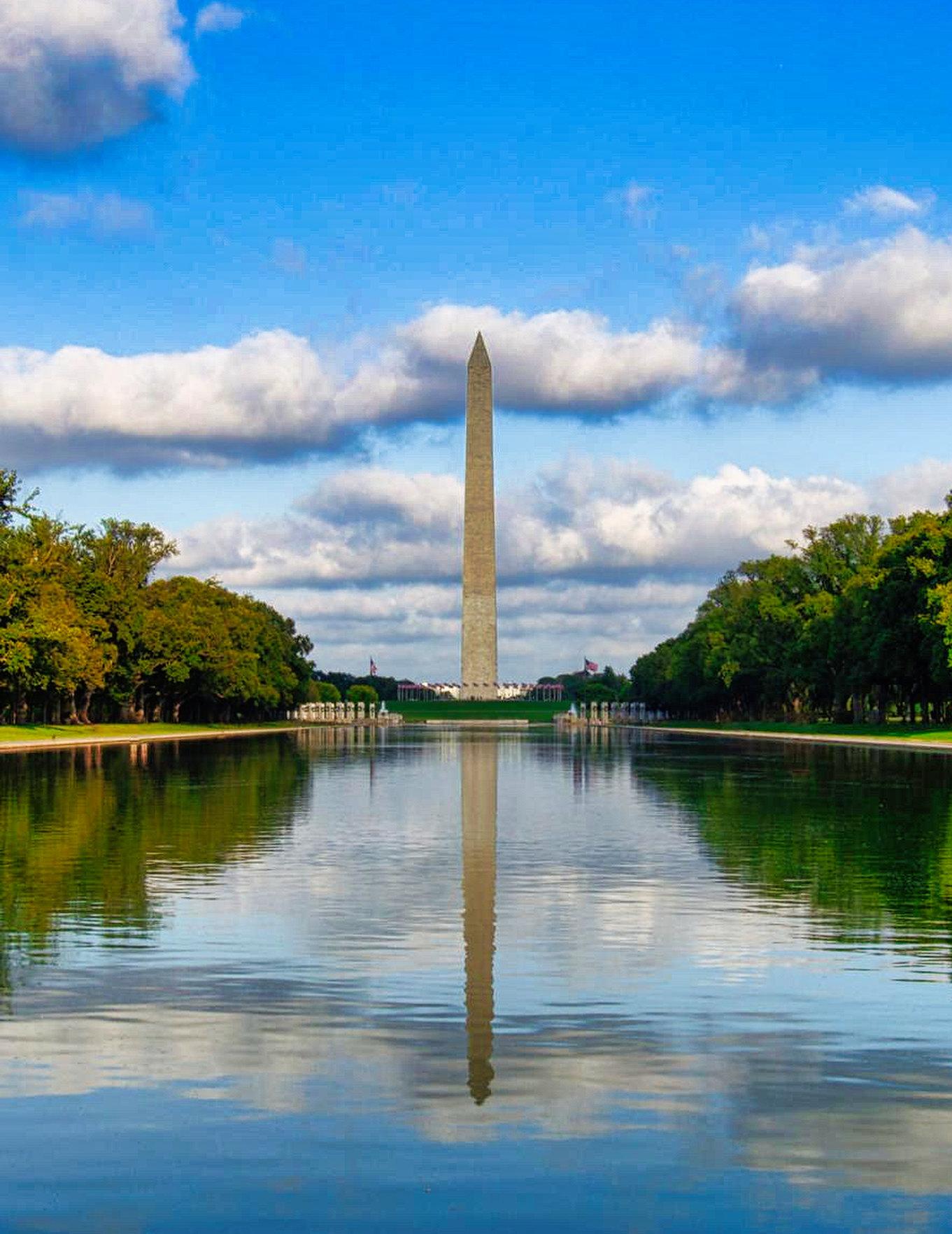
Museums and cultural institutions across the country are using 2026 as a catalyst to debut new galleries, refresh permanent collections, and launch innovative exhibitions. In Washington, D.C., the National Archives will present “Road to Revolution”, an immersive exhibition exploring the political, social, and cultural forces that led to independence.
The Smithsonian Institution is planning a year-long series of special exhibits exploringAmerica’s evolving identity, while regional museums from Boston to San Diego are developing programs highlighting local contributions to the nation’s history.
Theseopenings provideperfectanchor points for themedtravelitineraries.Whether your interests liein earlycolonialhistory,civilrights,technology,or art, 2026 willbeabanner year for culturaltravelers.
State and Local Milestones
While the national spotlight will shine on Philadelphia and Washington, many states and cities will mark their own anniversaries and milestones during theAmerica250 year.
Colorado will celebrate 150 years of statehood, while cities such as San Francisco and St.Augustine are planning significant heritage festivals tied to their own founding anniversaries. These localized events offer travelers a more intimate and authentic way to engage with the nation’s story — often with a strong emphasis on local food, music, and traditions.
Sports, Spectacles, and Traditions
The calendar of major events in 2026 goes well beyond history and heritage. The year will begin with the College Football Playoff National Championship in Miami Gardens, Florida, and continue with Super Bowl LX in Santa Clara, California.
Cities from coast to coast will host special America250 parades, art installations, and music festivals, many designed to showcase local culture within the broader national celebration.
Theseevents offer travelers plentyof reasons to hittheroad– fromwinter escapes to Floridaand Californiatosummer adventures followingsoccer,cycling,or tall ships.
A Year to Explore the Nation
America250 is more than a commemoration – it’s an invitation to rediscover the country. Whether you’re walking the cobblestone streets of Philadelphia, watching tall ships sail into
Boston Harbor, touring new museum exhibits in Washington, or cheering on a World Cup match in Seattle, 2026 will offer countless opportunities to connect withAmerica’s past, present, and future.
It’s also aperfectexcusetoplanaroad trip.America’s byways –fromtheBlueRidgeParkwayto Route66 –havealways beenmorethanroads;they’repathways intotheheartof thenation’s story.Andin2026, every milepromises something new todiscover.
Byways travelers know thatthejourneyis as importantas thedestination.In2026,thejourney will bewoven into alarger narrative–onethatcelebrates 250years of freedom, innovation,diversity, and resilience.
Whether youexploreoneeventor planacrosscountryitinerarytoexperiencethemall, this landmark year promises to beoneof themostmemorablein America’s travelhistory.
Byways 54
Byways is published bi-monthlybyByways,Inc.and distributedelectronicallythroughoutNorthAmerica. Byways is emailed tomorethan3,000tour operators and theTravelTrade. Subscriptions are complimentary. AnAndroidbrowser versionis availableat www.issuu.com/byways.
Byways’distribution includes motorcoach companies, tour operators, selected travel agents, and other group tour travel promoters. It is also available to consumers
with an interest in North American travel. For advertising rates, editorial deadlines, or to place advertising insertions, contact: Byways Magazine at 540-233-1121.
©Copyright 2025 by Byways, Inc.All rights reserved. No portion of this publication may be duplicated in any form without express written permission of the publisher.