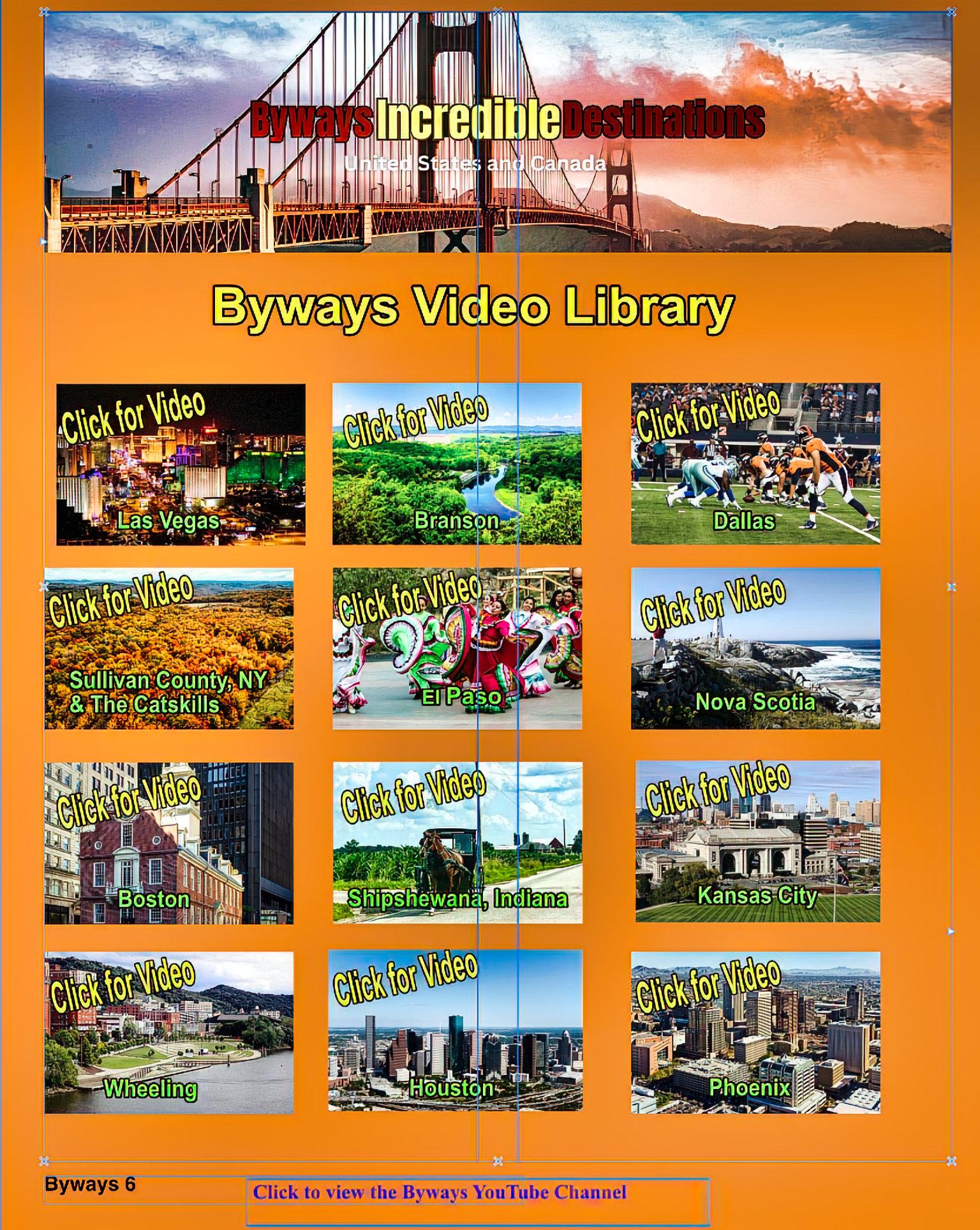
Coming in Future Issues
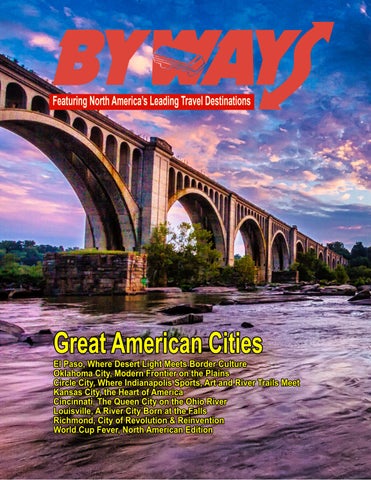
Future issues of Byways will feature Route 66 100th Anniversary, America’s 250th Birthday, Mountains and Valleys, Great American Roads and more . . .
Up Next:
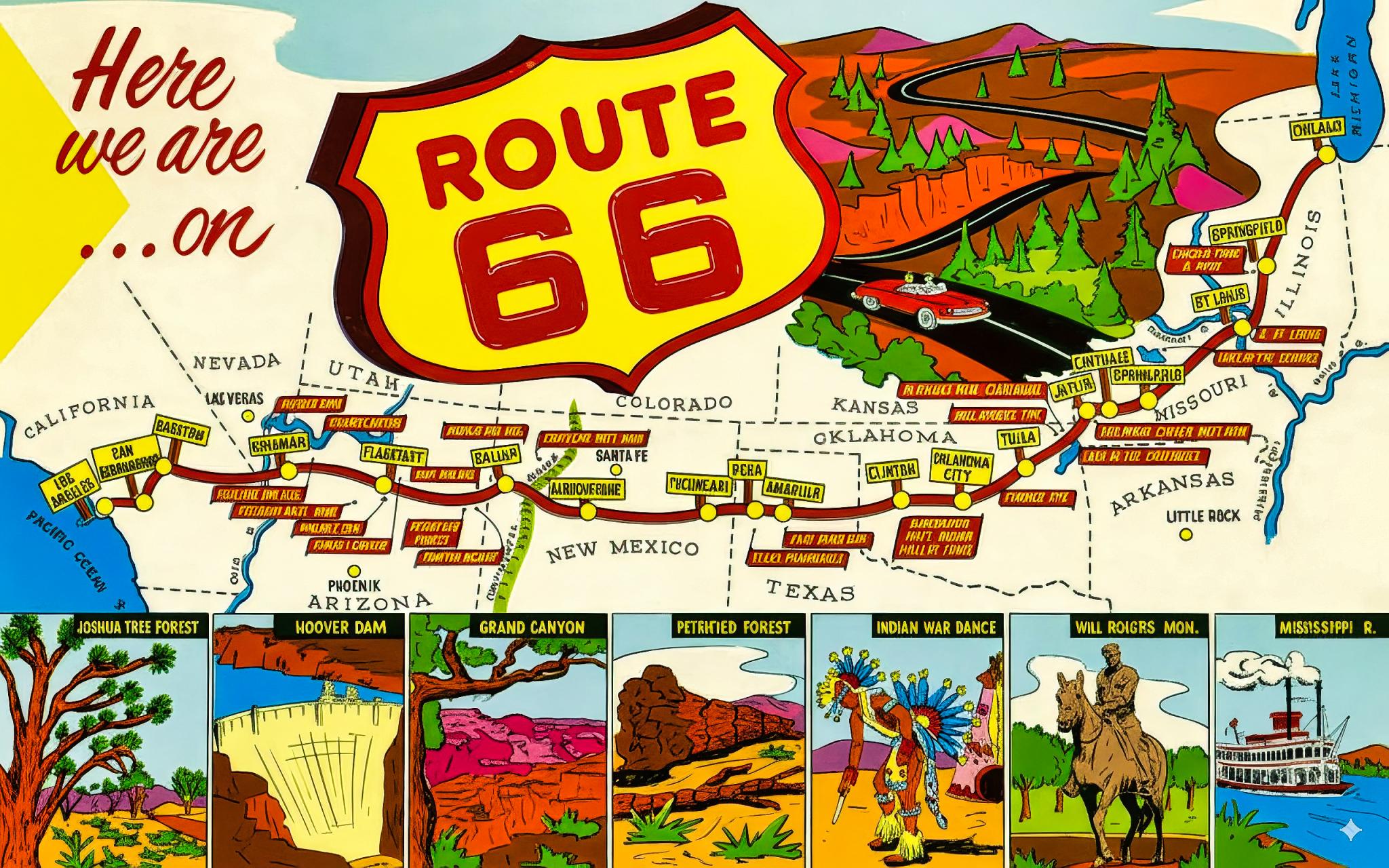
100th Anniversary of Route 66
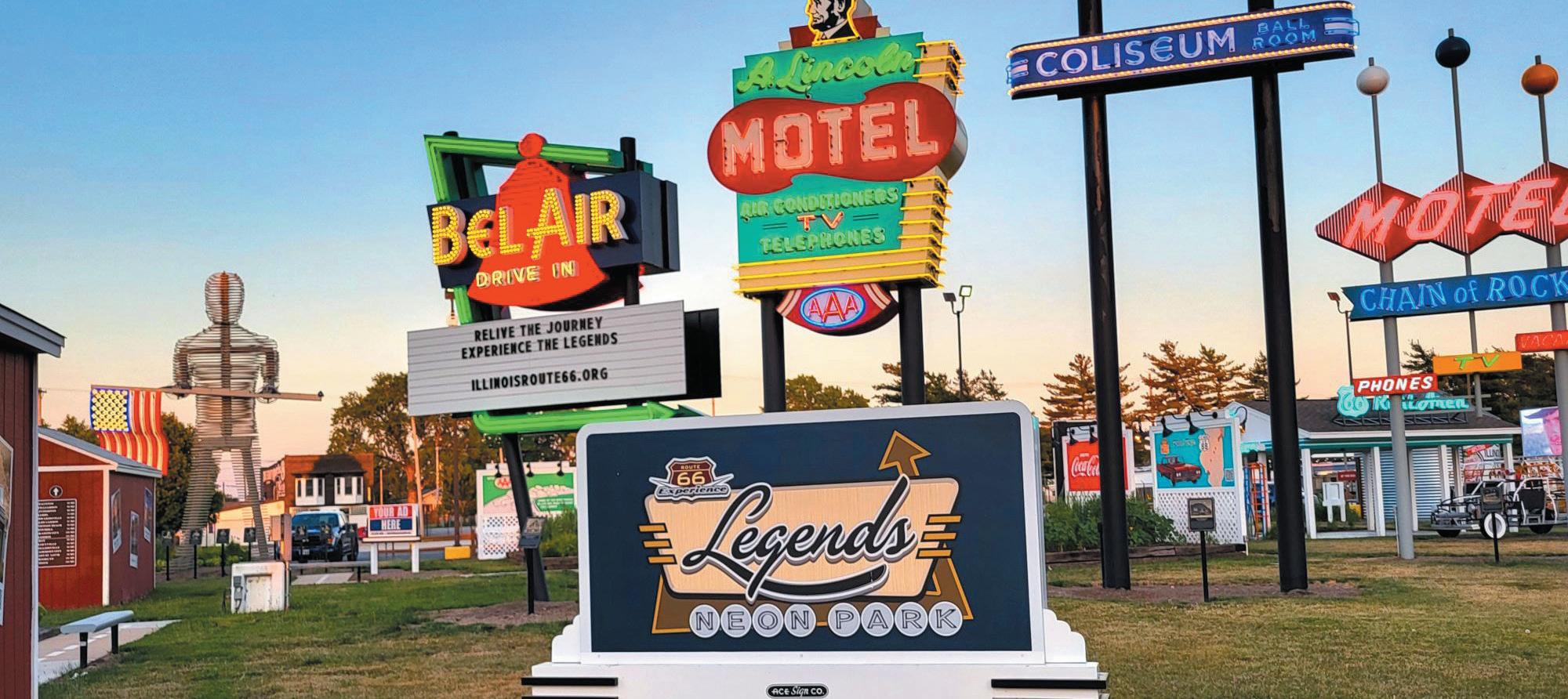
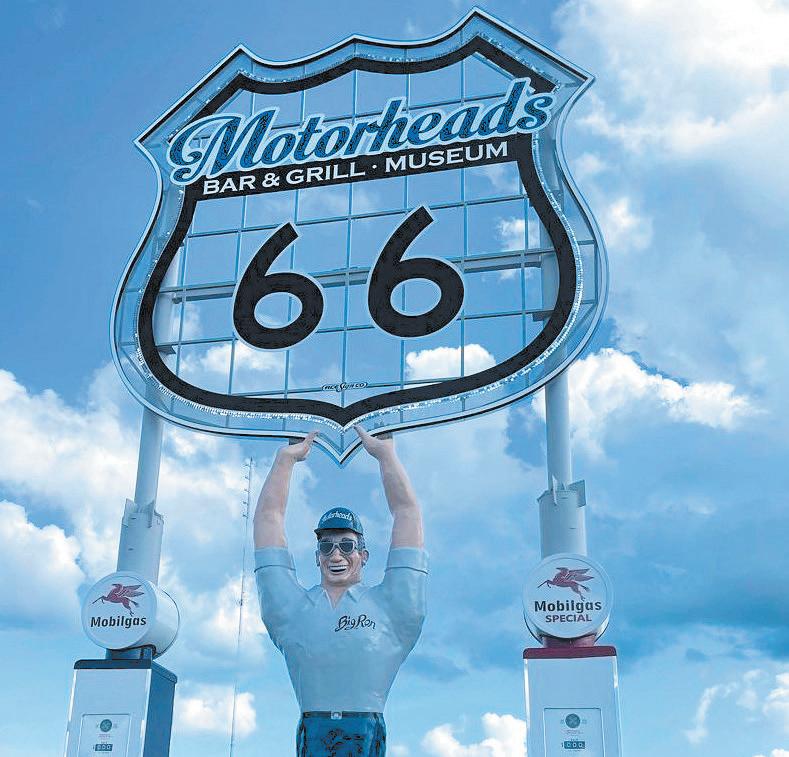
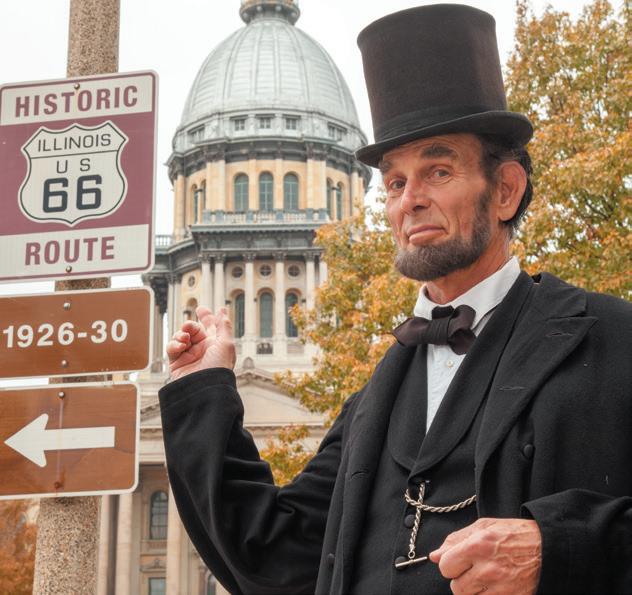
Right.To honor the100thAnniversary of Route66,Byways is publishinga specialcommemorativeissuedevoted entirely toAmerica’s mostlegendary highway -- celebratingits rolein defining freedom, mobility,andthe spiritof theopen road.
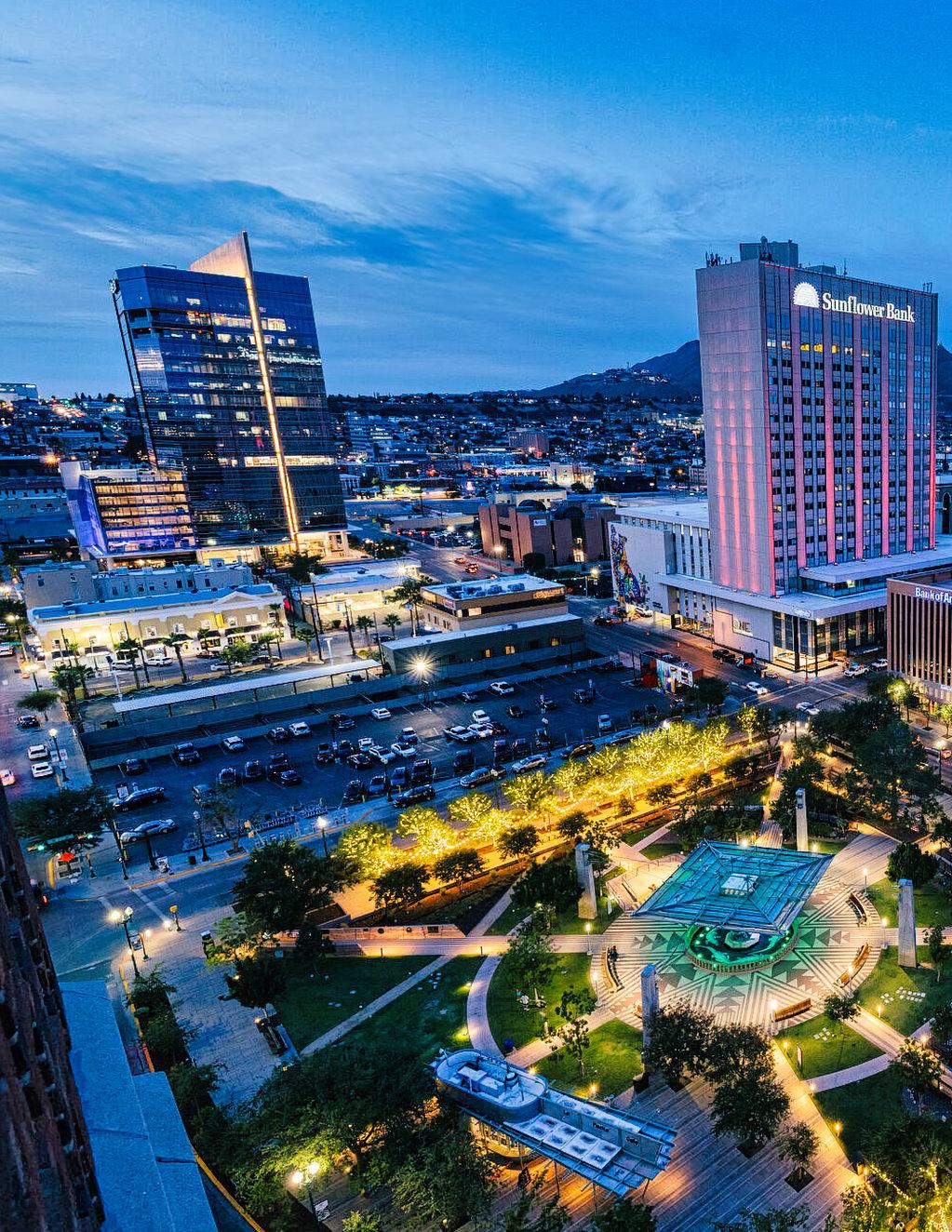
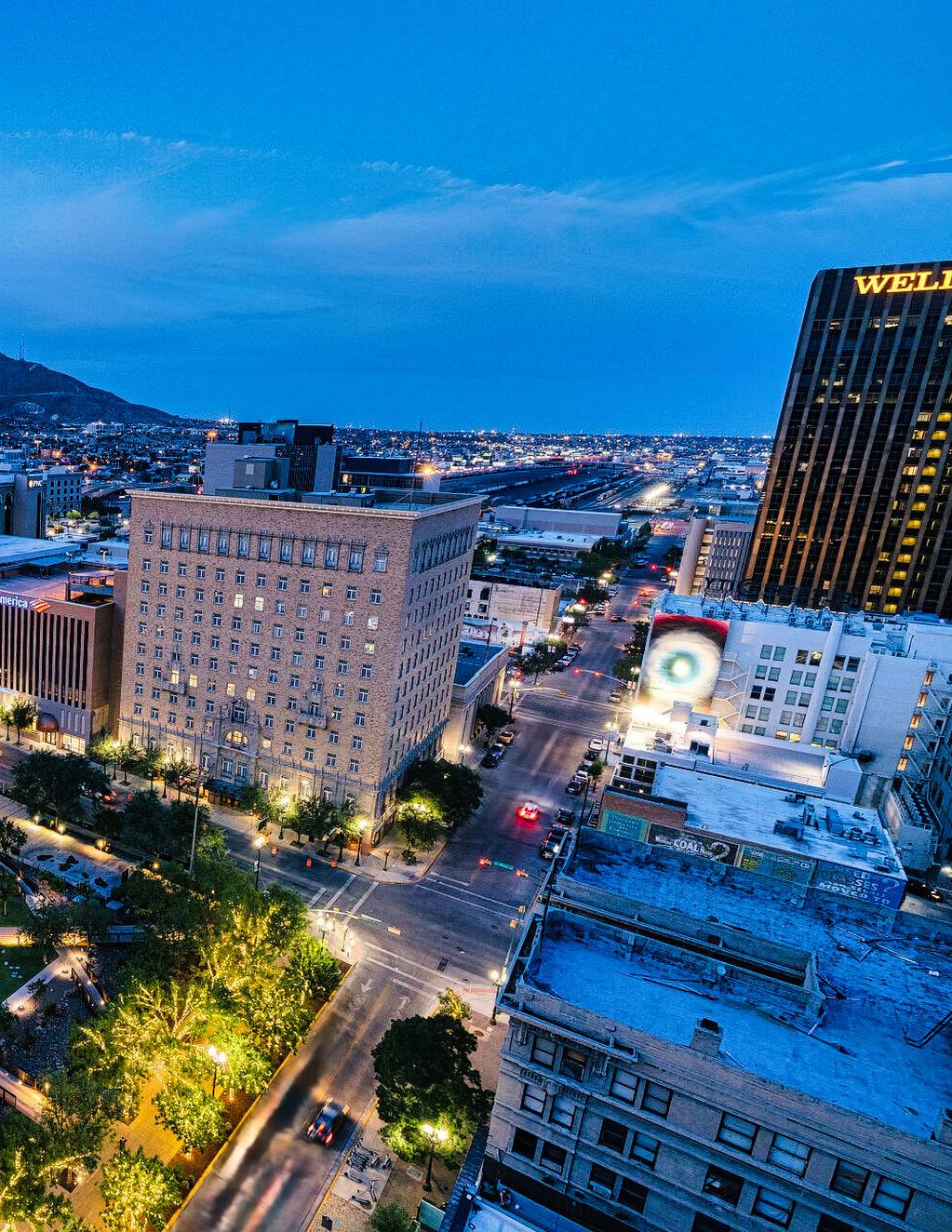
Setatthefar western tip ofTexas,ElPasofeels likeaplacewherethemap bends.TheFranklin Mountains riserightoutof town,Mexico is literallyacross theriver, andtheair has thathighdesertclarity thatmakes sunsets lookpainted.
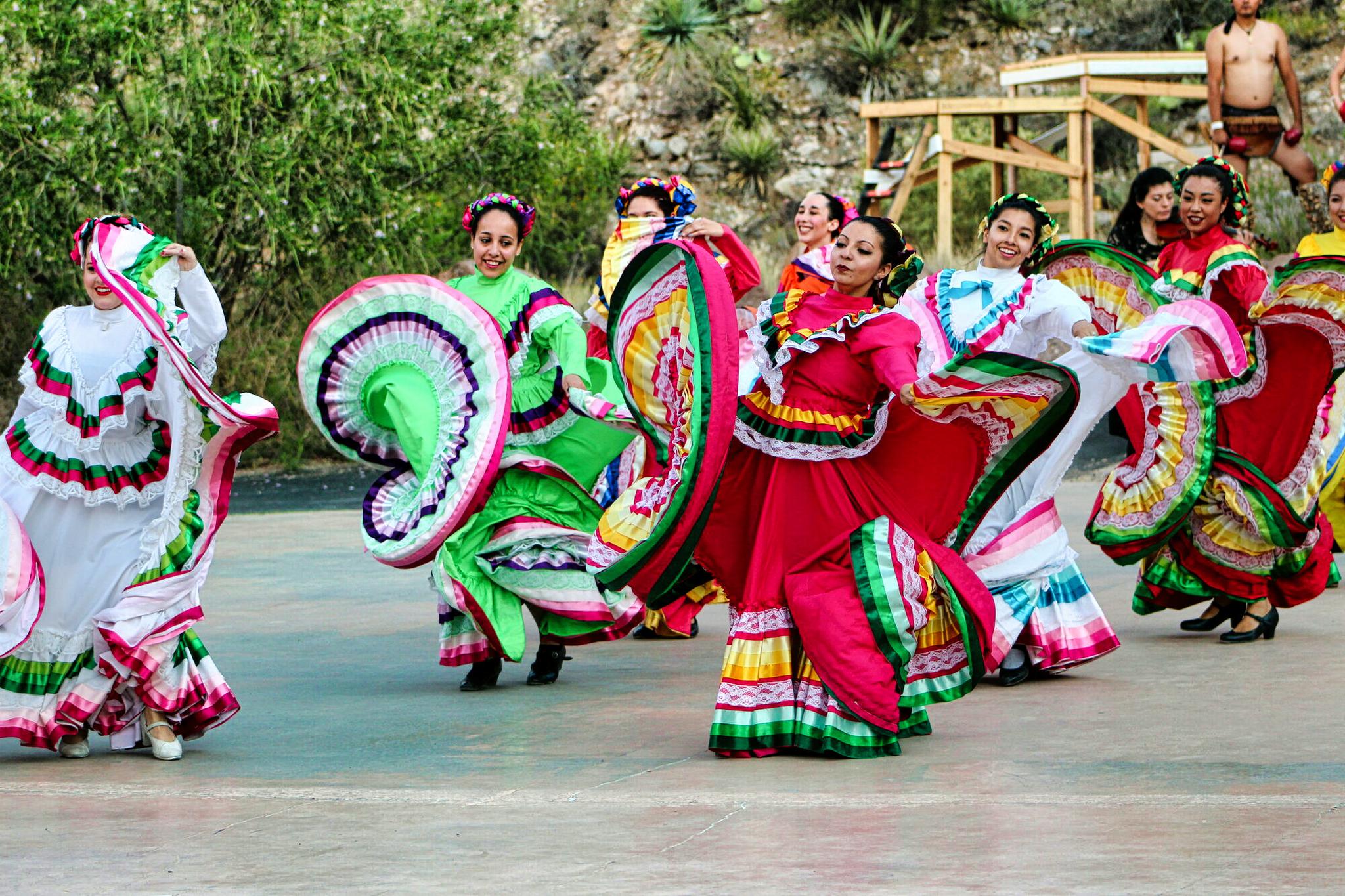
For travelers, it’s arareAmericancitythatdelivers outdoor adventure, deephistory,andatrulybinational culturein thesameday -- oftenwithinashortdrive.
Layered History, Written In Adobe and River Stone
Long before modern borders, people lived and traveled through this region for thousands of years. Today, El Paso invites you to read that long story in the landscape and in the city’s institutions -- like the El Paso Museum ofArchaeology, which interprets roughly 14,000 years of regional prehistory across
Byways 12
the Southwest and northern Mexico.
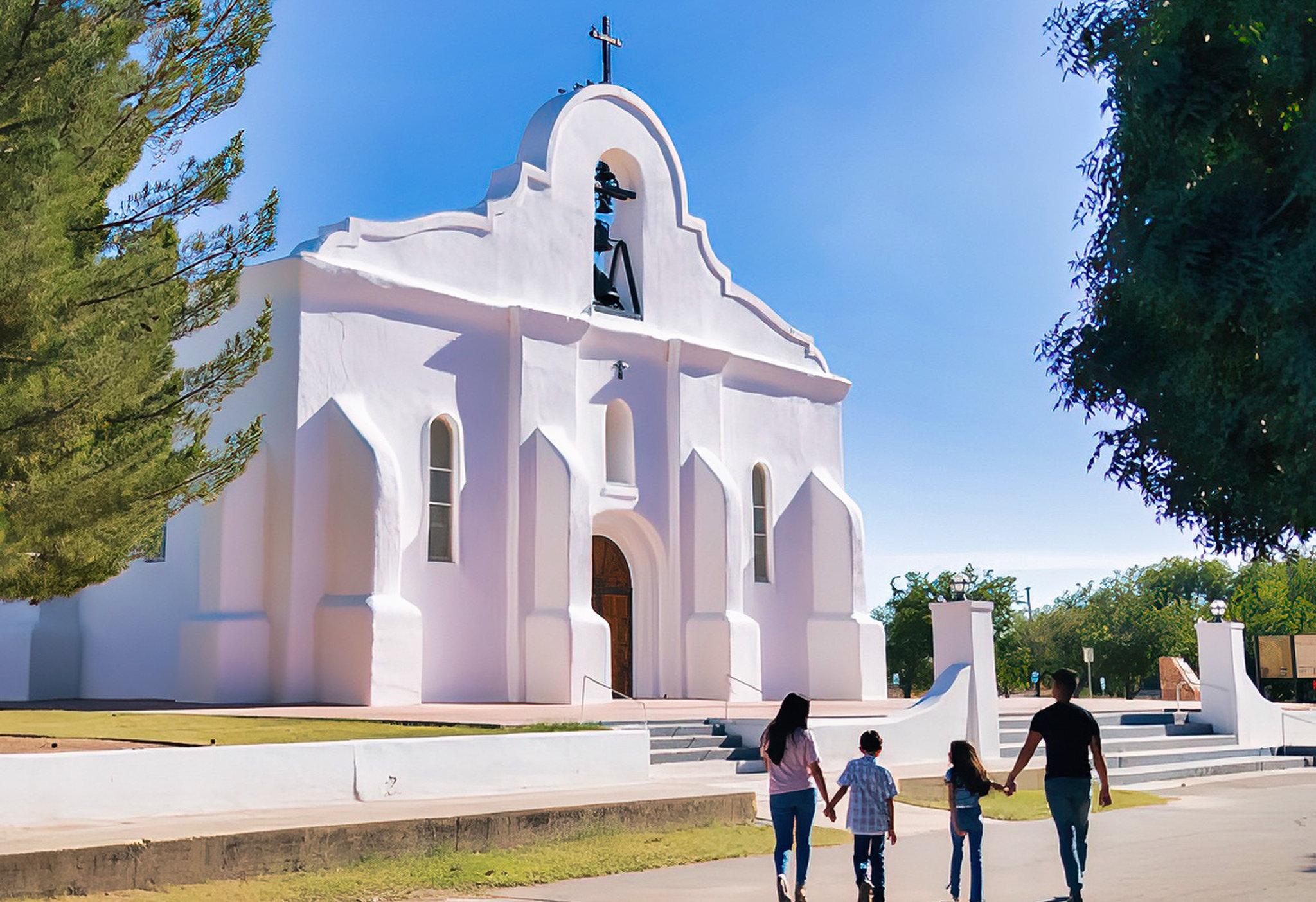
SpanishandIndigenous roots areespeciallyvivid alongtheElPaso MissionTrail, anine-milecorridor in theLowerValley thatlinks centuries of faith, farming,andcommunity life.Therouteis anchored byhistoricmissions -- oftendescribedas amongthe oldestchurches inTexas -- andtraces asegmentof the historicElCaminoRealdeTierraAdentro,thetrade andtravelroutethatconnectedMexicoCitytoSanta Fe.
The Mission Trail: A Scenic Drive Through Living Heritage
For Byways readers, the Mission Trail is a readymade half-day road trip: a simple, story-rich drive with frequent stops for photos, architecture, and neighborhood flavor.
It’s alsoareminder thatElPaso’s historyisn’tsealed behind glass;it’s stilllivedinthesecommunities.The county’s MissionTrailoverview emphasizes the area’s centuries-deep timelineandhighlights thetrio of missions thatgivetherouteits name.
Desert Mountains In The Middle of Town
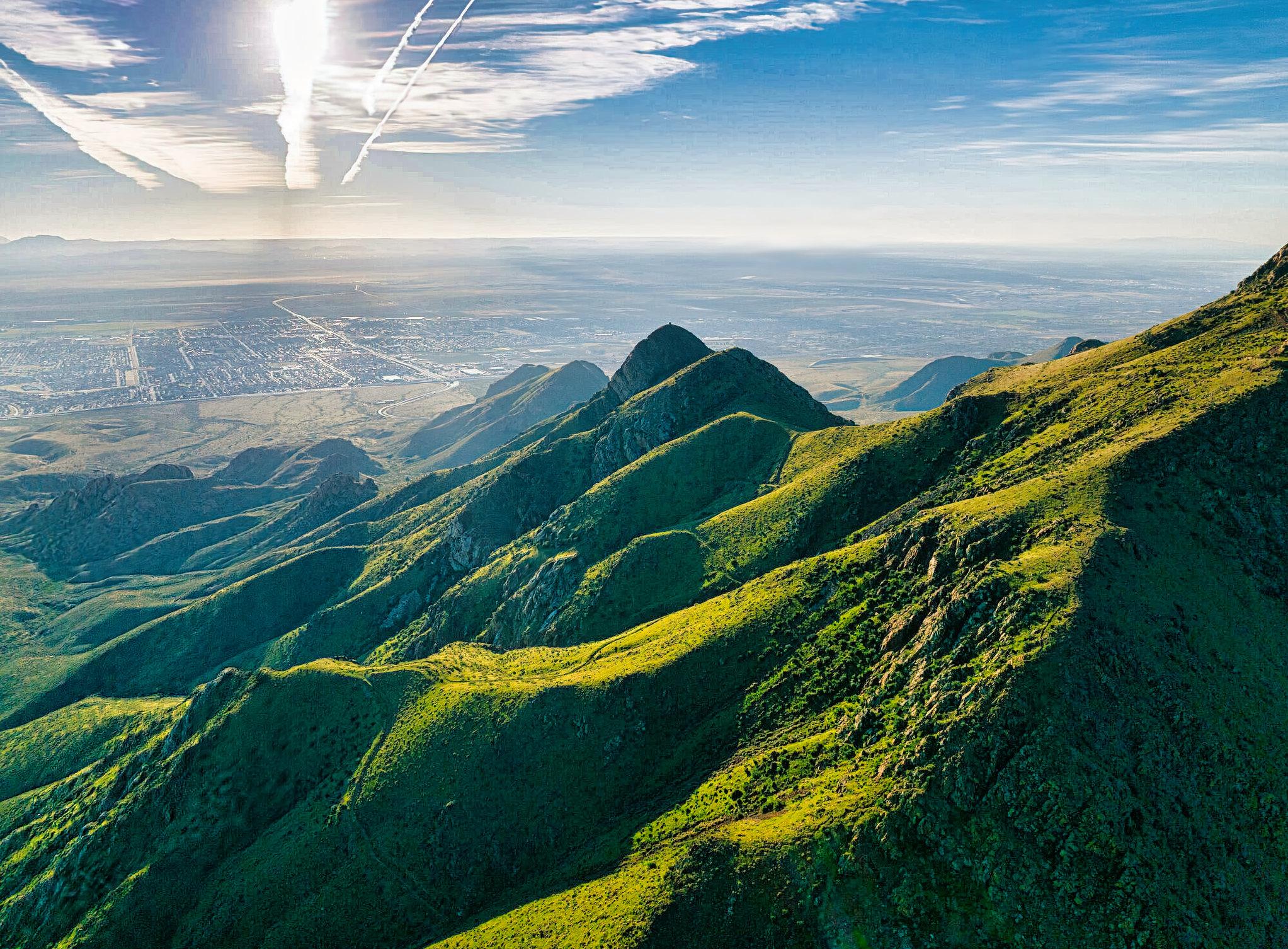
El Paso is one of those cities where “go for a hike” doesn’t mean leaving town behind. Franklin Mountains State Park offers hiking, biking, rock climbing, and birding, and the park notes it has more than 100 miles of trails to explore -- ranging from quick outings to full-day treks.
Travelers who wanttheview withoutalongclimb should keepan eyeon theWylerAerialTramway area -- whileTexas Parks &Wildlifenotes thetramis currently closed and access is limitedtoguided programs, thesiteis stillpartof ElPaso’s iconic mountain backdrop. Italsonotes thatvehicles over 28 feetcan’tusethetramwayroadbecauseit’s steepand
winding-- usefulplanninginfofor motorcoach operators and RVtravelers.
Hueco Tanks: Rock Art, Nature, and A Sense Of Deep Time
About 35 miles east of the city, Hueco Tanks State Park & Historic Site is one of the region’s most unforgettable side trips. Texas Parks & Wildlife highlights hiking, birding, stargazing, and -- most notably -- opportunities to see rock imagery on guided or self-guided tours, along with an interpretive center that helps visitors understand the place.
Theexperiencehereis quintessentialfar-westTexas: boulders,desertflora,andaquietthatmakes you slow downandlookcloser.
Museums That Match The Border’s Big Story
El Paso’s cultural offerings punch above their weight, and many are pleasantly accessible.
TheElPasoMuseumofArtpromotes freeadmission and positions its collections andexhibitions as “unbound by borders”, afittingthemefor this city.
Nearby, theCentennialMuseumandChihuahuan DesertGardens atUTEPdescribes itself as theoldest museumin ElPaso andpairs exhibits withabotanical garden dedicated toChihuahuanDesertplants -- an easy way toconnectlocalnatural history withthebroader region.
For travelers who likehistorytoldat streetlevel,theElPaso Museumof History notes thatadmissionis always free(with asuggested donation) and places you rightinthe downtown museumdistrict.
Andfor apowerful,reflectivestop, theElPasoHolocaustMuseumand Study Center describes itself as the onlyfully bilingualHolocaust museumandoneof only13freestanding Holocaustmuseums inthe United States -- an importantcultural anchor on theborder.
Byways 14
Downtown Nights: A Classic Theater Under Desert Stars
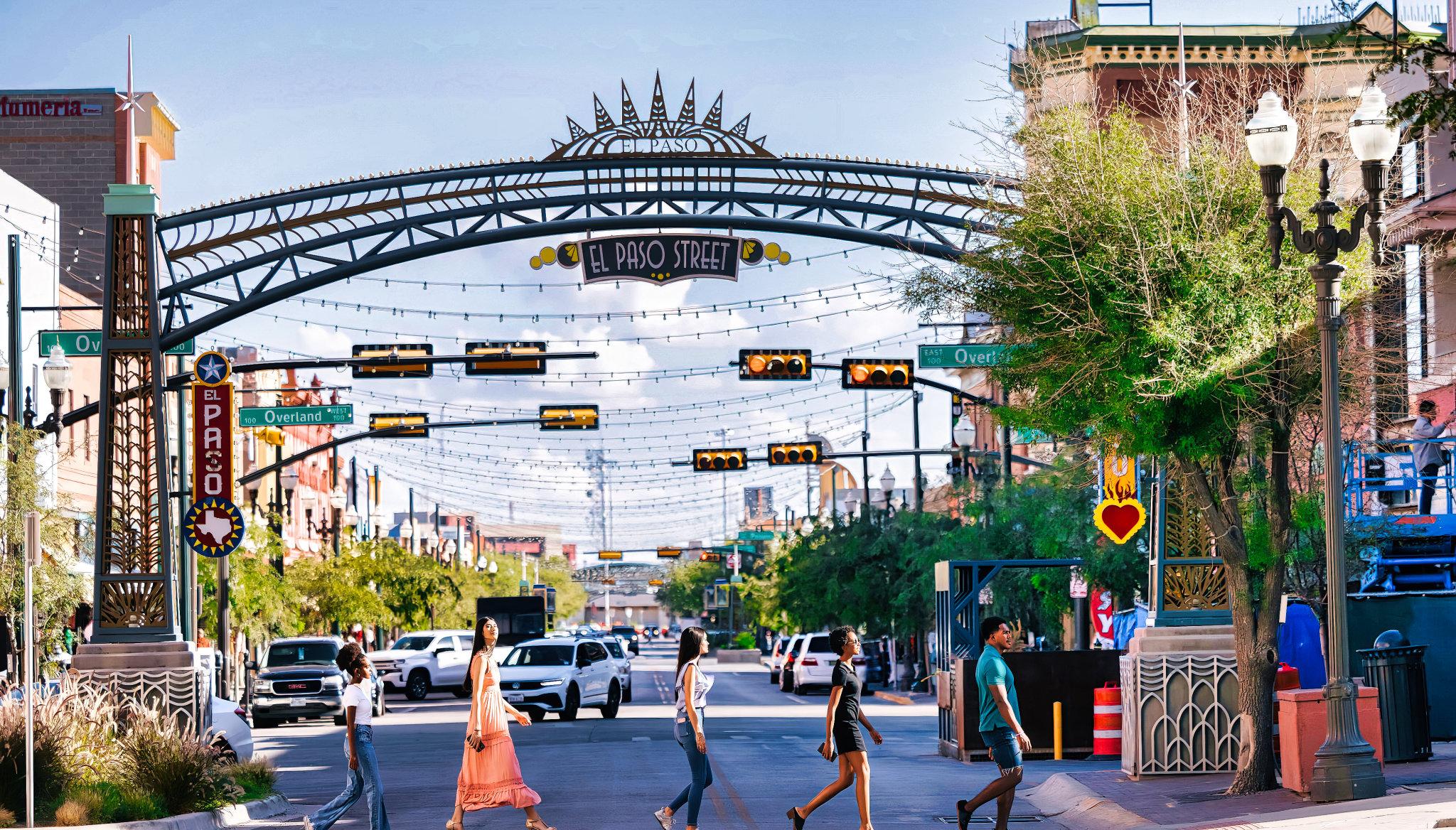
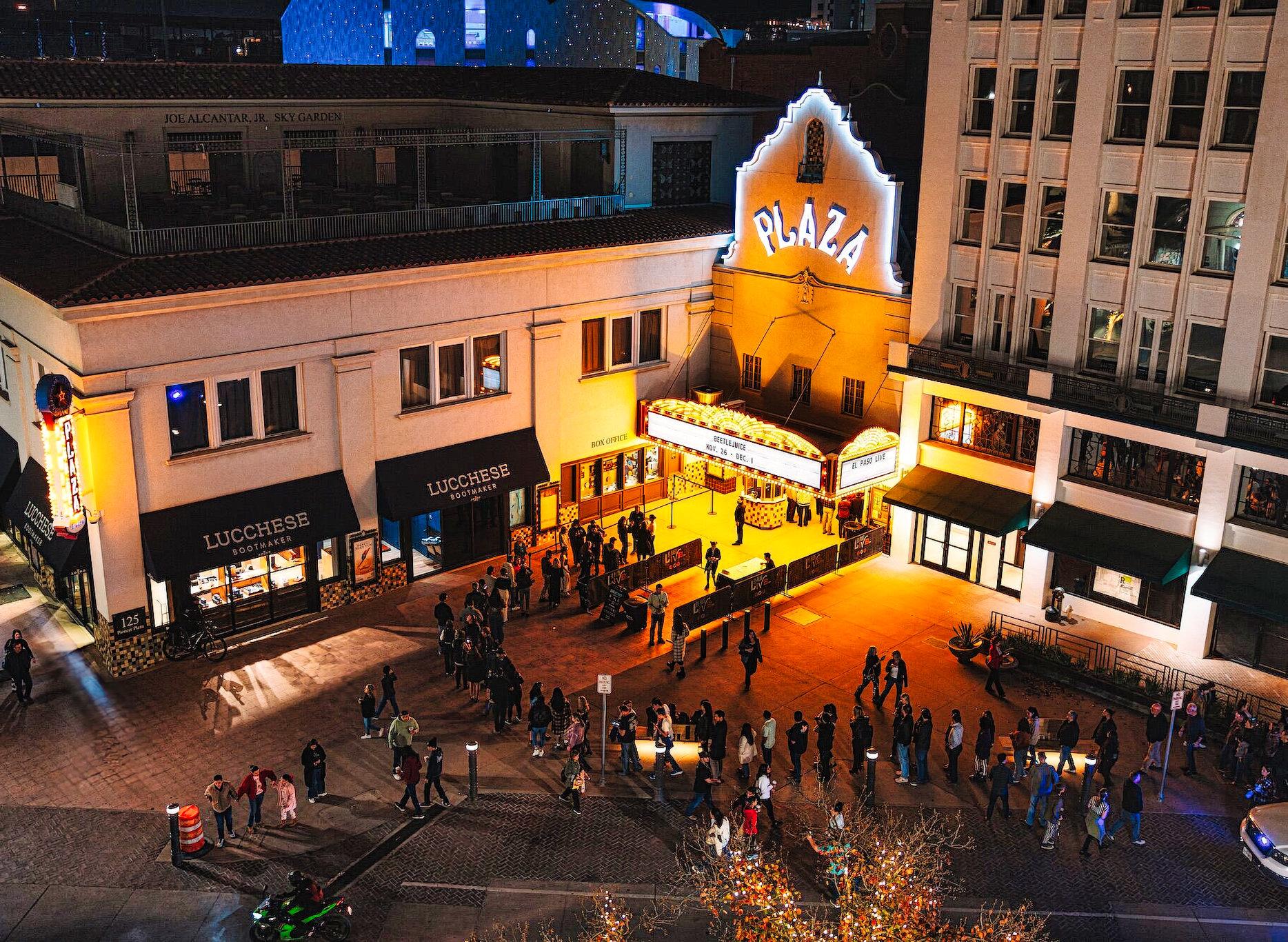
When the sun goes down, El Paso doesn’t hibernate, it glows. One of the most beloved evening anchors is the Plaza Theatre PerformingArts Center, a restored downtown landmark originally built in 1930 and brought back to its atmospheric-theater splendor in 2006.
Pair ashow nightwithadowntownstrollandyou’ll seehow thecity blends old-schoolelegancewith modernborder energy.
Local Cuisine: Where Texas Meets Mexico At The Table
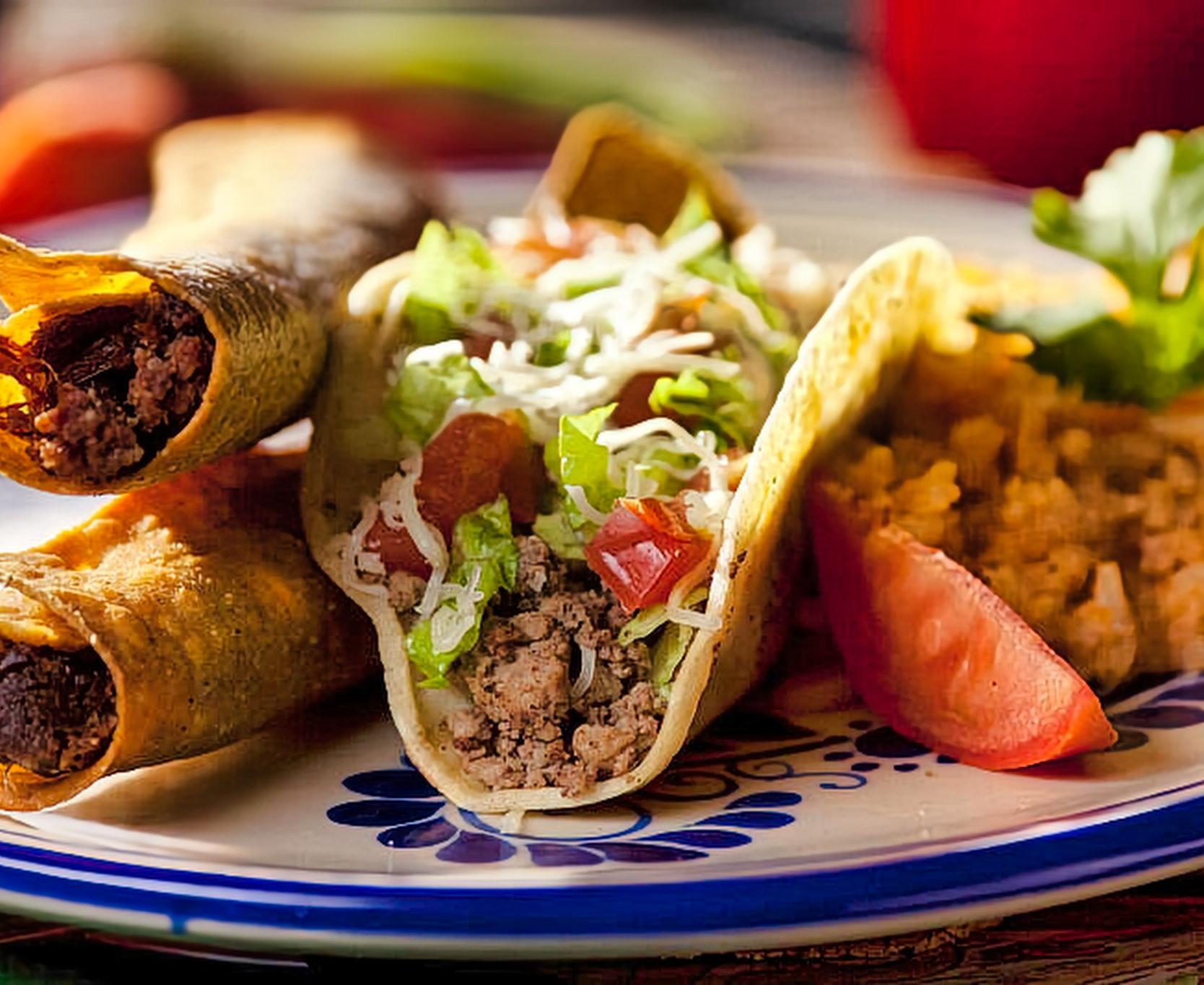
El Paso’s food scene is the border, plated -- comforting, bold, and happily unconcerned with labels. Travelers come expecting Tex-Mex, but what they often remember is how specifically “El Paso” everything tastes: red and green chiles, grilled meats, warm tortillas, and family recipes that travel across generations.
For aclassicstop with real history behind it, L&J Cafe traces its roots to 1927 and stillleans into thedishes that locals swear by, likechile con quesomadewithroasted Hatch green chile.
Andthat’s thebestway toeatin ElPaso:follow theplaces that feellikethey belong to the neighborhood,order with curiosity,andlettheborder do whatitdoes best,blend traditions intosomethinguniquely satisfying.
Why El Paso Belongs On A Byways Itinerary
El Paso is a destination that surprises first-timers and rewards return visits. You can spend the morning walking a museum gallery, the afternoon driving a 400-years-in-themaking mission corridor, and the evening watching the lights come up downtown -- all while mountains stand guard in the background.
It’s a city with elbow room and soul: part desert outpost, part cultural crossroads, and entirely its own kind of Texas.
https://visitelpaso.com
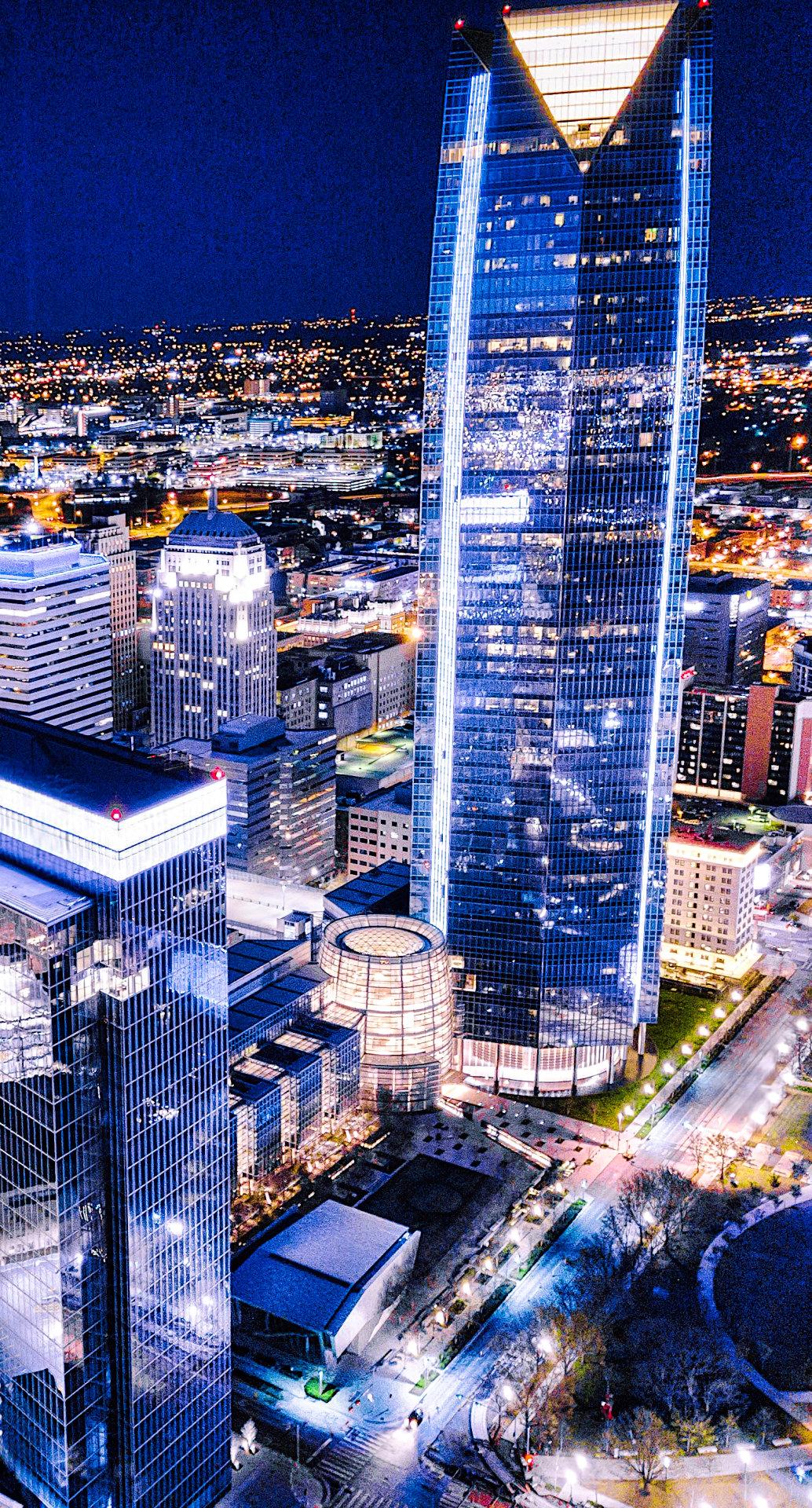
Built on boomtown beginnings and reshaped by bigcity ambition, OKC blends Western heritage, moving memorials, riverfront energy, and a food scene that’s far more than steak and potatoes.
OklahomaCity’s origin storyreads likea cinematicsprint.TheLandRunofApril22, 1889 openedthe“UnassignedLands”to settlementand triggeredthekindof overnightgrowth thatstillshapes thecity’s identity-- aplacewhere newcomers arrived withgrit,plans,andawillingness to build fast.
Over time,OKCbecameahubfor rail,commerce, and government, evolvingfromafrontier crossroads into aconfident, easy-to-navigatemetropolis whose widestreets and big skies never letyouforgetyou’re on theplains.
Bricktown: Warehouses Turned Weekend Playground
Just east of downtown, Bricktown is the district that first-time visitors naturally gravitate toward, and for
Byways 18
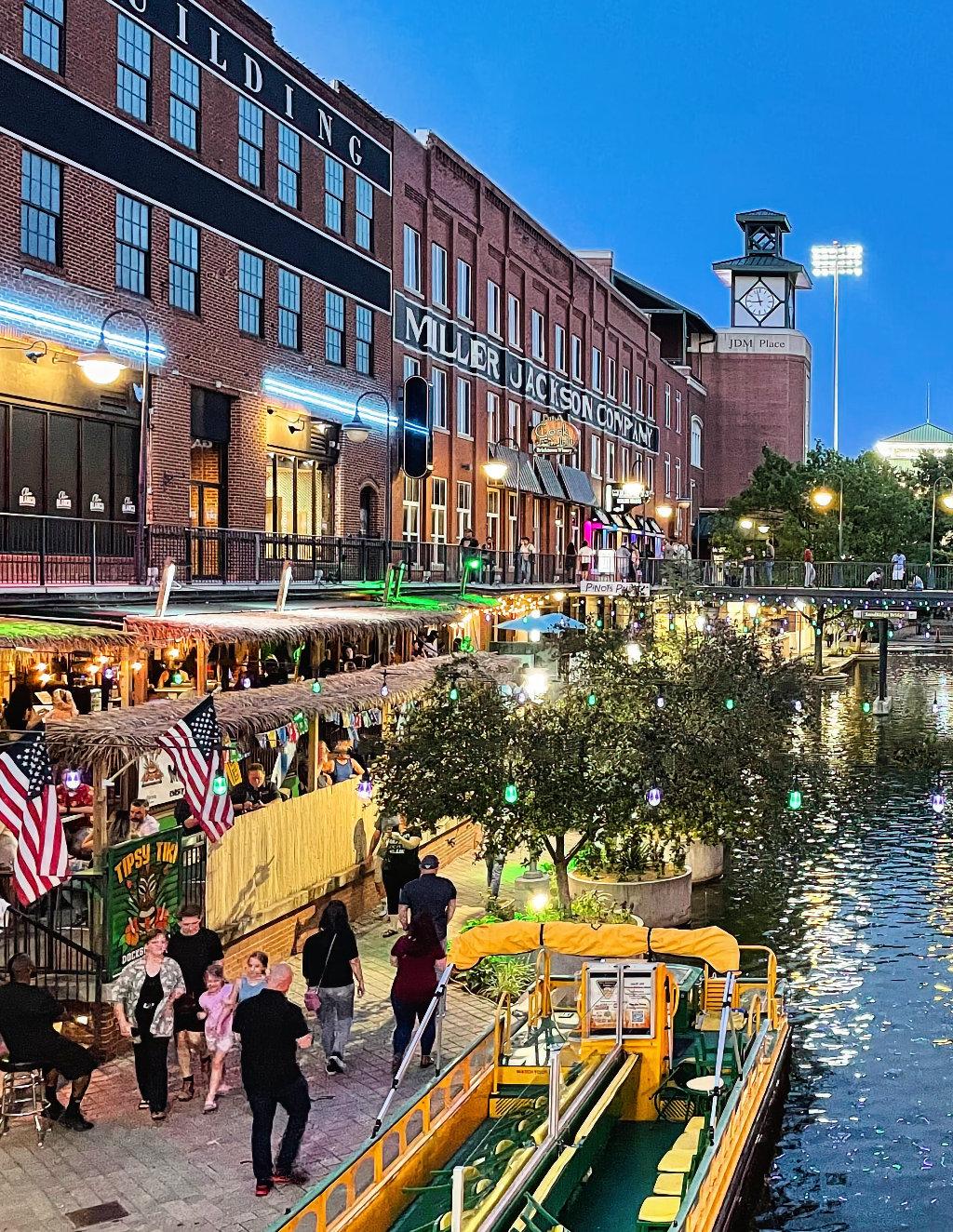
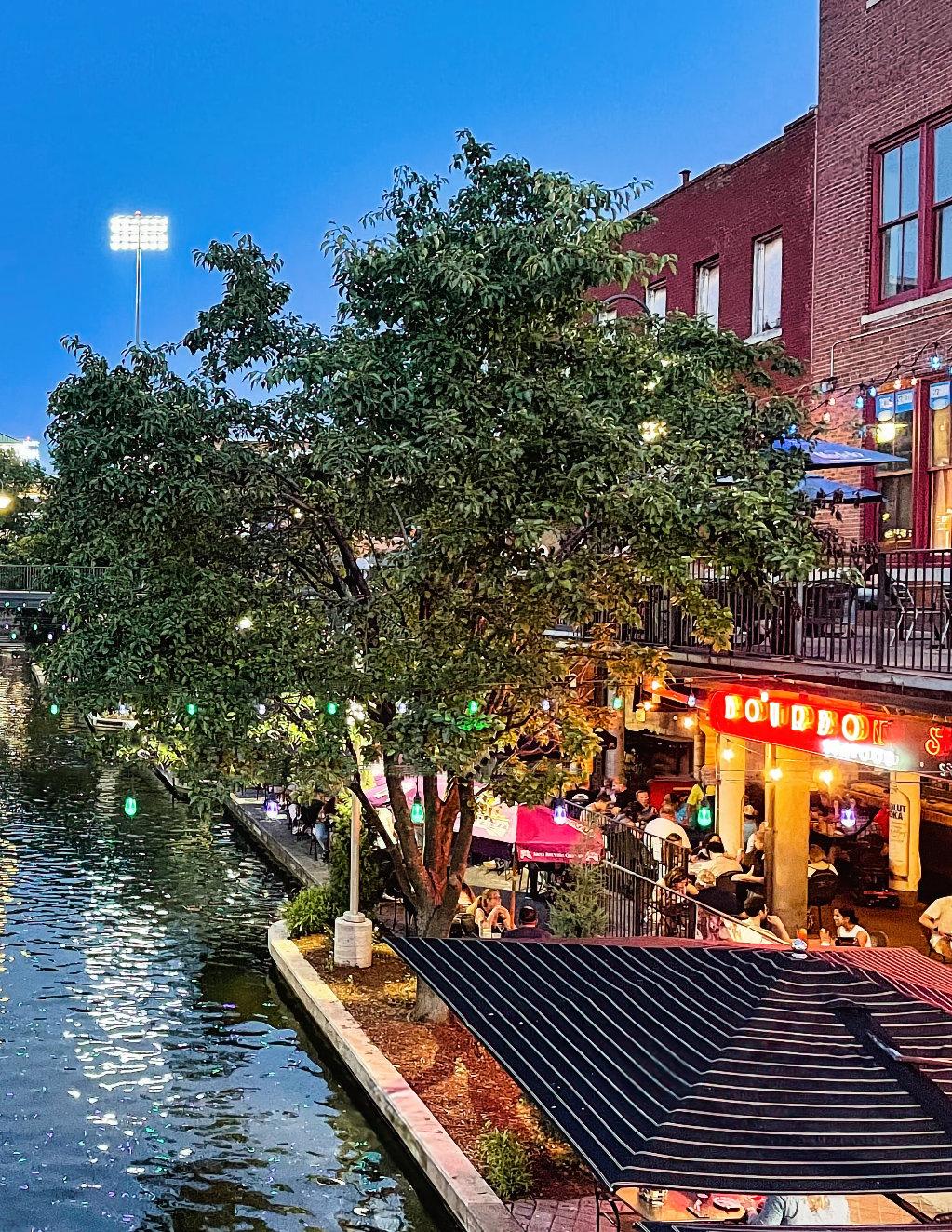
good reason. Once the city’s original warehouse and distribution center, Bricktown has been reinvented as an entertainment neighborhood where restaurants, ballgames, and nightlife are stitched together by walkable blocks and a canal.
Aclassic Byways move is to start here late afternoon, catch the glow as the lights come on, then follow the energy wherever it leads, dessert, live music, or one more lap around the canal before calling it a night.
The Canal from the Water: A Different Angle on Downtown
Bricktown’s canal isn’t just scenery -- it’s an experience.Anarrated ride on the Bricktown Water Taxi gives visitors a relaxed, story-forward orientation to the district, passing murals, monuments, and downtown landmarks from a perspective you don’t get on foot.
It’s especially welcome for groups or multigenerational travelers because it delivers “the feel” of Bricktown without requiring a long walk. Step off the boat and you’re immediately in the middle of dinner options, nightlife, and game-day crowds.
A Place of Reflection: The Oklahoma City National Memorial
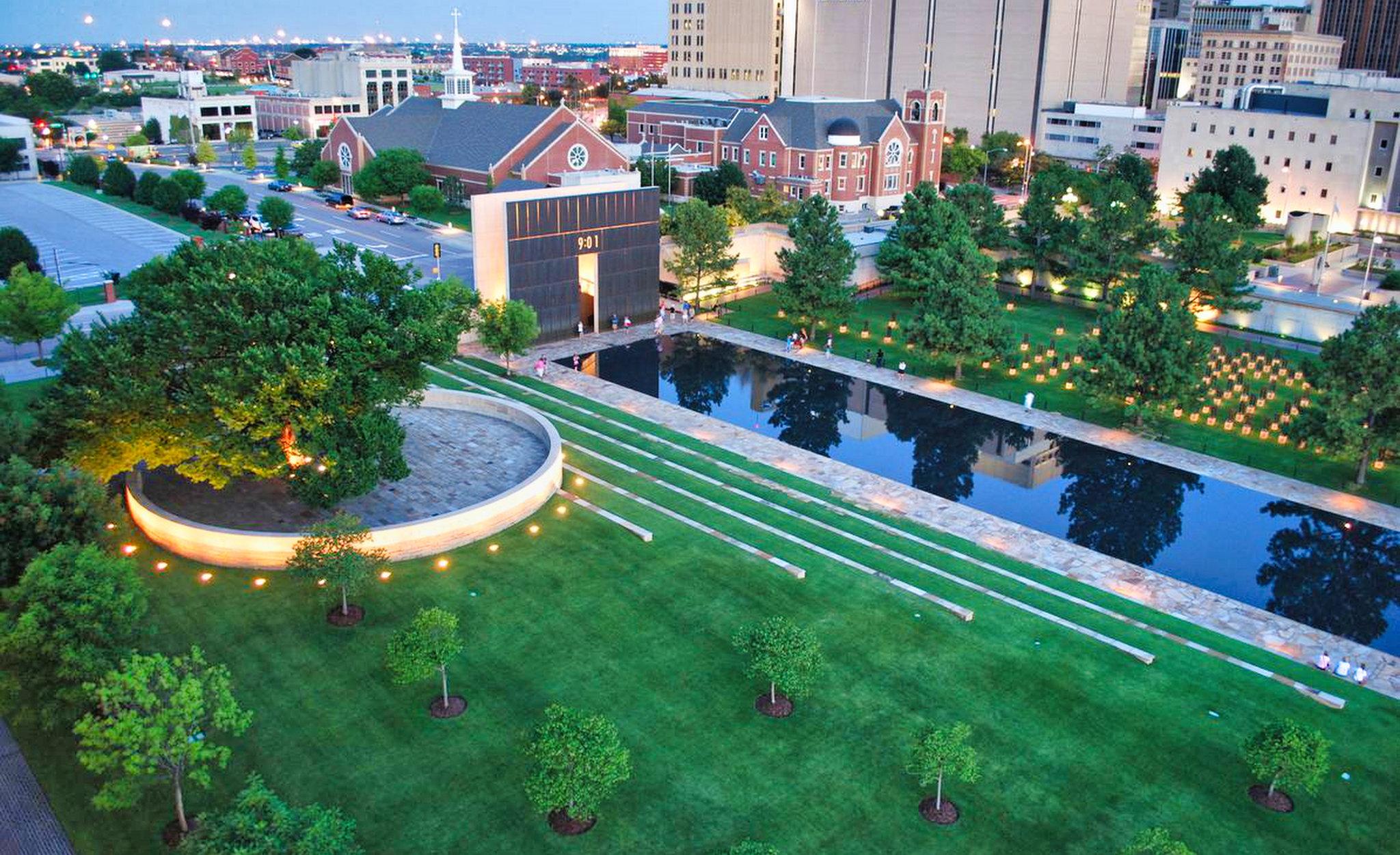
Every OKC itinerary should leave room for its most meaningful site. The Oklahoma City National Memorial honors those affected by theApril 19, 1995 bombing and offers a space that is at once quiet, powerful, and beautifully designed. The Outdoor Symbolic Memorial includes signature elements such as the Reflecting Pool and the Field of Empty Chairs, simple forms that carry enormous emotional weight. Nearby, the museum deepens the experience with context and stories that help visitors understand not only what happened, but how the city, and the country, responded.
Scissortail Park: Big Green Space, Downtown Address
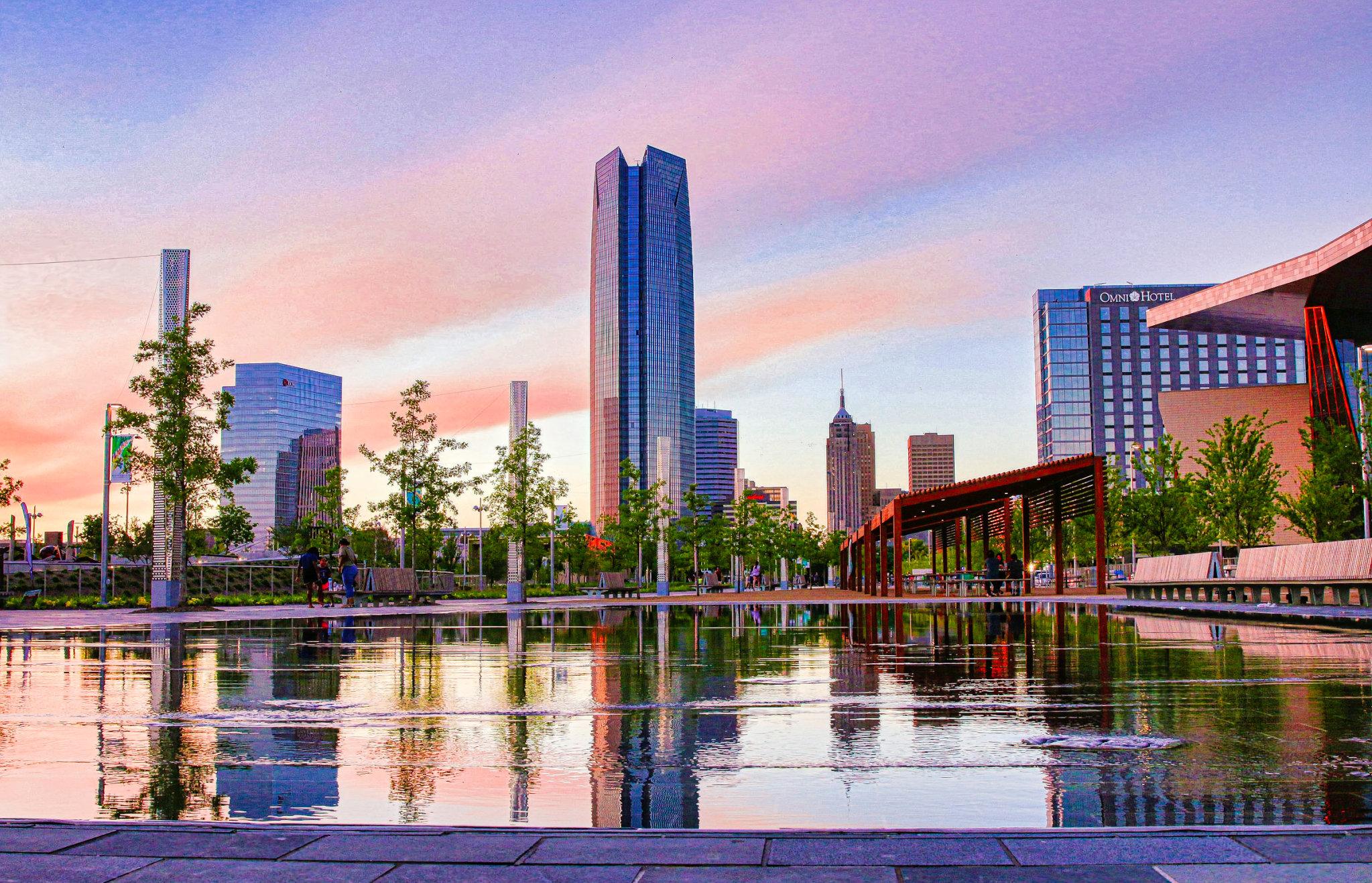
Oklahoma City has leaned into public spaces in a way that surprises travelers who still picture it as only a drive-through prairie city. Scissortail Park, a sweeping 70-acre green space, has become downtown’s front yard, hosting everything from casual evening walks to major events.
The park’s phased openings -- Upper Park in 2019 and Lower Park in 2022 help explain why locals talk about it like a game-changer. For visitors, it’s a
perfect reset button between museums and meals, especially when the weather is doing what Oklahoma weather does best: showing off.
Myriad Botanical Gardens: A Tropical Detour in the Middle of OKC
Close to downtown, Myriad Botanical Gardens offers a change of pace and temperature. The Crystal Bridge Conservatory is a striking architectural greenhouse that shelters lush plant life in distinct climates, a vivid contrast to the open skies outside.
It’s an ideal mid-trip “breather”, whether you’re traveling with kids, carving out a quiet hour, or building a group-friendly schedule that balances culture with downtime.
Museums that Define the Modern Frontier
Oklahoma City tells its story through museums that are both high-quality and unmistakably regional. The National Cowboy & Western Heritage Museum positions itself as a premier institution of Western history, art, and culture, exactly the kind of place that makes the word “heritage” feel immediate rather than dusty.
Equally essential is the FirstAmericans Museum, which brings together the collective histories of 39 FirstAmerican Nations in Oklahoma and anchors the city’s cultural landscape with both truth and welcome. Add these to any OKC visit and you’ll leave with a clearer sense of the people, art, and forces that shaped the region.
Art and Science, Oklahoma-Style
For an evening-friendly museum stop, the Oklahoma City Museum ofArt is known for its extensive Dale Chihuly holdings, including a major glass installation that has become a downtown icon in its own right.
Families (and the curious of any age) should also consider Science Museum Oklahoma, which emphasizes hands-on exploration with extensive exhibit galleries and a flagship planetarium experience. Together, these institutions show off a city that’s comfortable balancing Western identity with contemporary creativity.
Sports Nights: Thunder Roar and Ballpark Summer
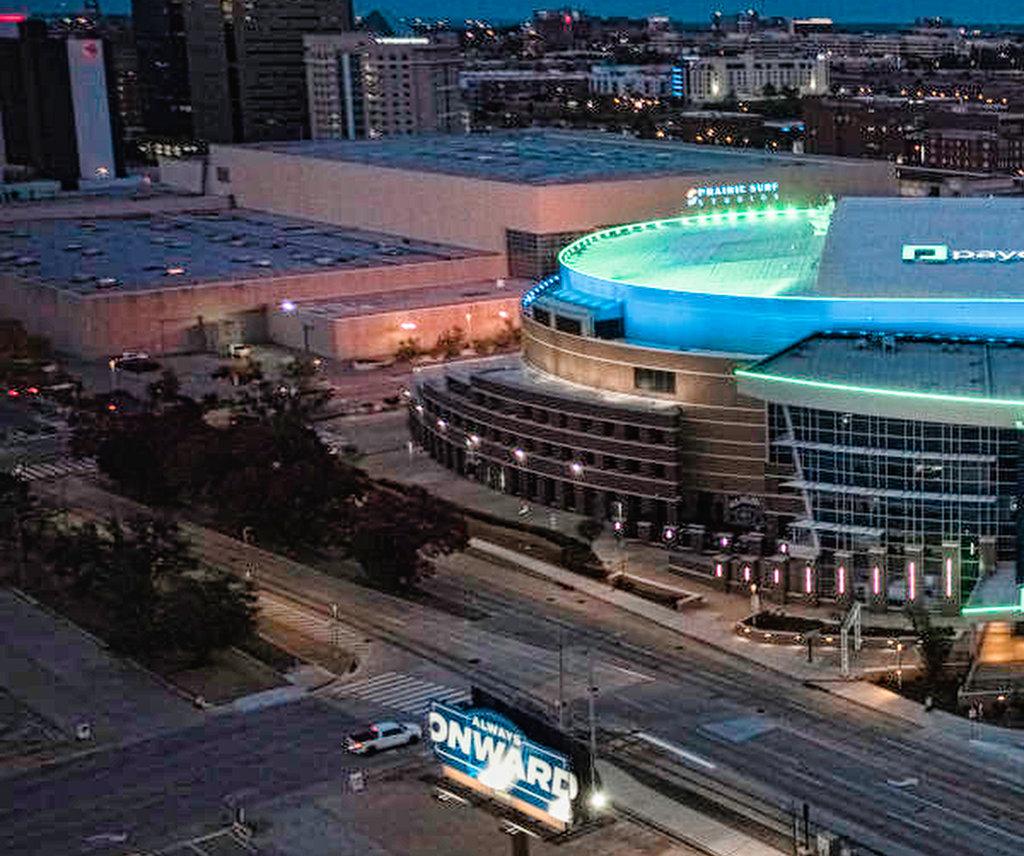
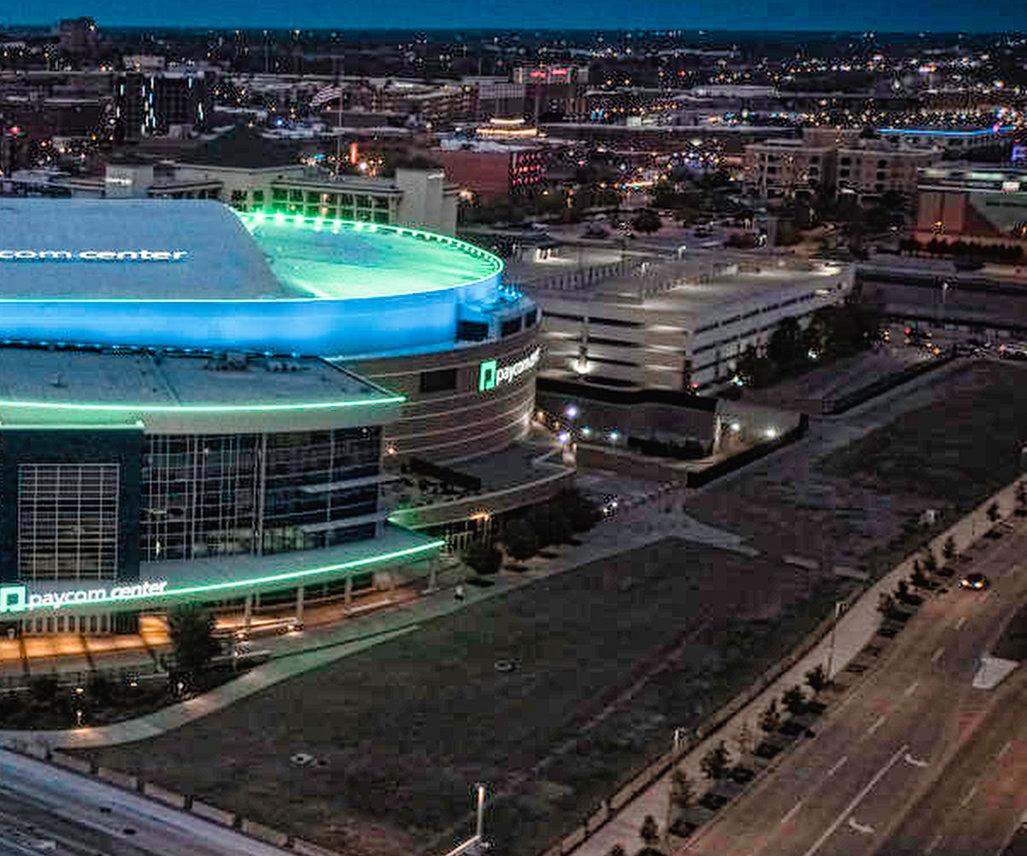
Oklahoma City’s sports scene is a ready-made travel enhancer, easy to plug into a weekend, even if you’re not a die-hard fan. The NBA’s Oklahoma City Thunder play downtown at Paycom Center, a game-
night atmosphere that feels big-league the moment you step into the crowd.
In Bricktown, minor league baseball remains one of the best values inAmerican sports, and OKC’s Triple-Aclub (now the Oklahoma City Comets) plays at Chickasaw Bricktown Ballpark, perfect for warm evenings and pre-game dinners nearby.
Stockyards City: Where OKC’s Beefand-Boot Roots Still Live
To understand Oklahoma City’s working history, head to Stockyards City. Livestock marketing became the city’s first major industry when stockyards and meatpacking opened in 1910, setting the tone for a district that still carries the feel of a Western trade town.
This is where visitors find an unfiltered slice of OKC, practical, proud, and happily a little rough-edged around the corners in the best possible way.
Local Cuisine: Steaks, Smoke, and a Global Surprise
Yes, you come to Oklahoma City expecting great beef, and Stockyards City delivers, with Cattlemen’s Steakhouse tracing its roots to 1910 and still serving the kind of meal that feels like a handshake from the Old West.
But OKC’s culinary story doesn’t stop there. The city’sAsian District is shaped in part by Vietnamese immigration beginning in the 1970s and has become a standout destination for pho and other regional specialties, adding an unexpected, delicious layer to the modern OKC experience.
And if your Byways route includes a Mother Road detour, the Oklahoma fried onion burger tradition, born in nearby El Reno, makes for a craveable side trip that feels tailor-made for road travelers.
Why Consider Oklahoma City?
Oklahoma City is at its best when you let it show you its range. In one trip you can trace boomtown beginnings, sit with a national story of resilience, glide through Bricktown by water, and end the day with either a Thunder game or a steakhouse table in Stockyards City.
It’s a destination built for road travelers -- spacious, accessible, and packed with experiences that feel both distinctly Oklahoma and surprisingly international.
https://www.visitokc.com
Byways 22
Planned on a grand scale, powered by racing legends, and refreshed by walkable districts and a surprisingly strong food scene, Indy makes a weekend feel full, and a longer stay feel easy. It is a city designed for visitors before visitors existed.
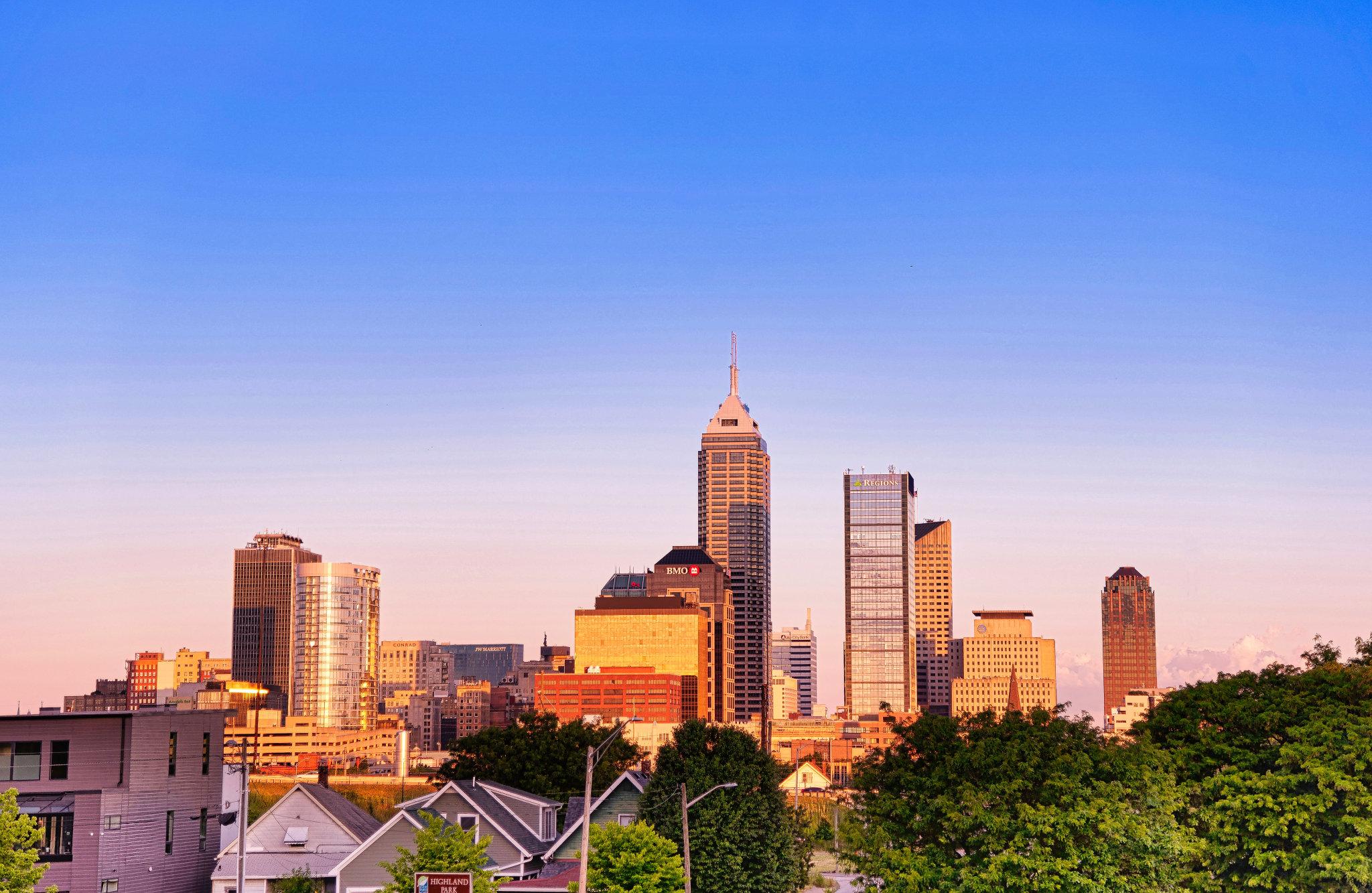
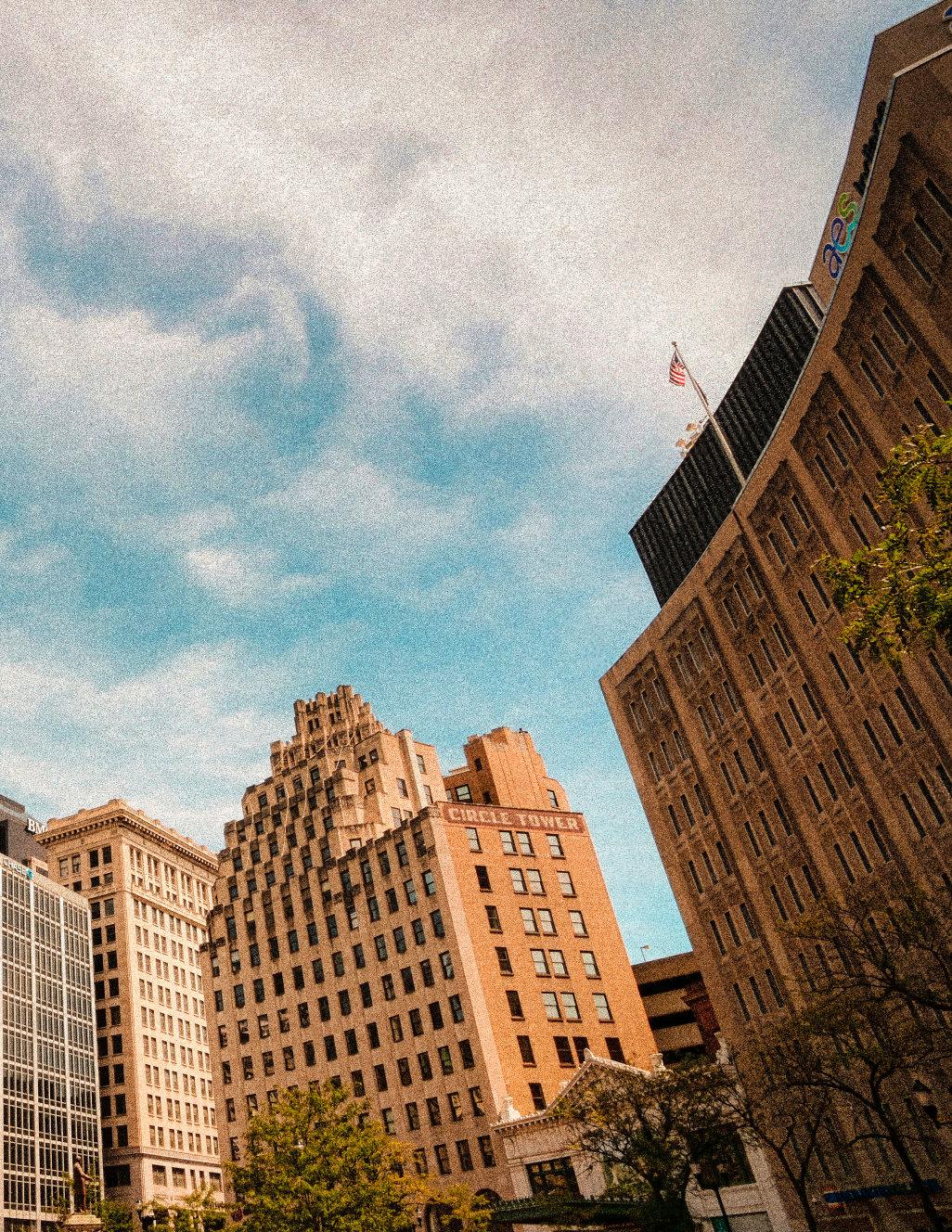
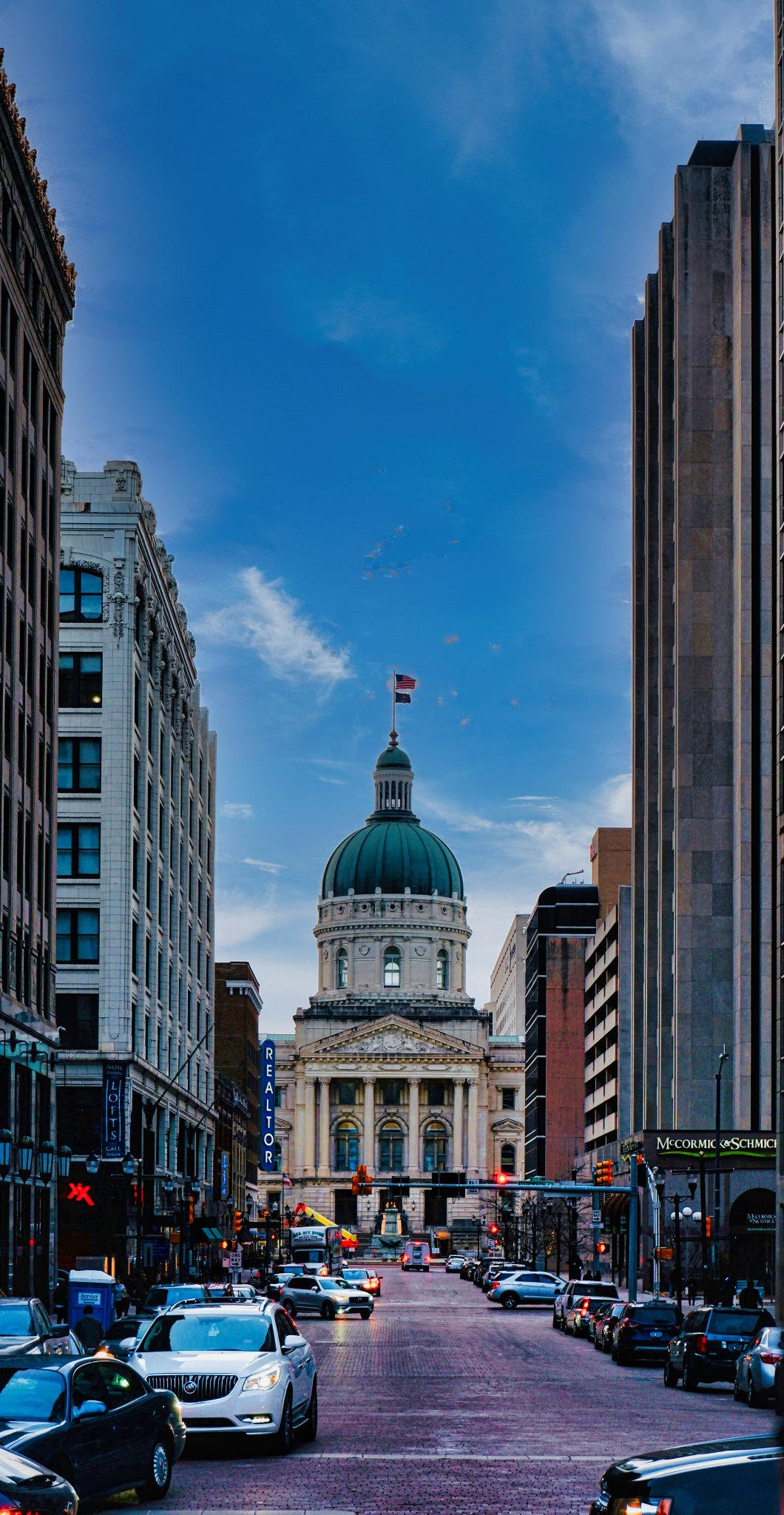
Indianapolis is oneofAmerica’s mostintentional capitals, acitylaidoutwithaplanrather than grown byaccident.
In theearly 1820s, surveyorAlexander Ralston designed the“MileSquare”withacentralcircleand radiating avenues, givingIndianapolis its instantly recognizablegeometryandthenickname“Circle City”.
Thatdesign stillpays dividends for travelers: downtown feels navigable,landmarks areeasyto find, and you can stitch together museums,parks,and
Byways 24
restaurants withoutspendingyour wholetripbehinda windshield.
Monument Circle: Indy’s Front Porch
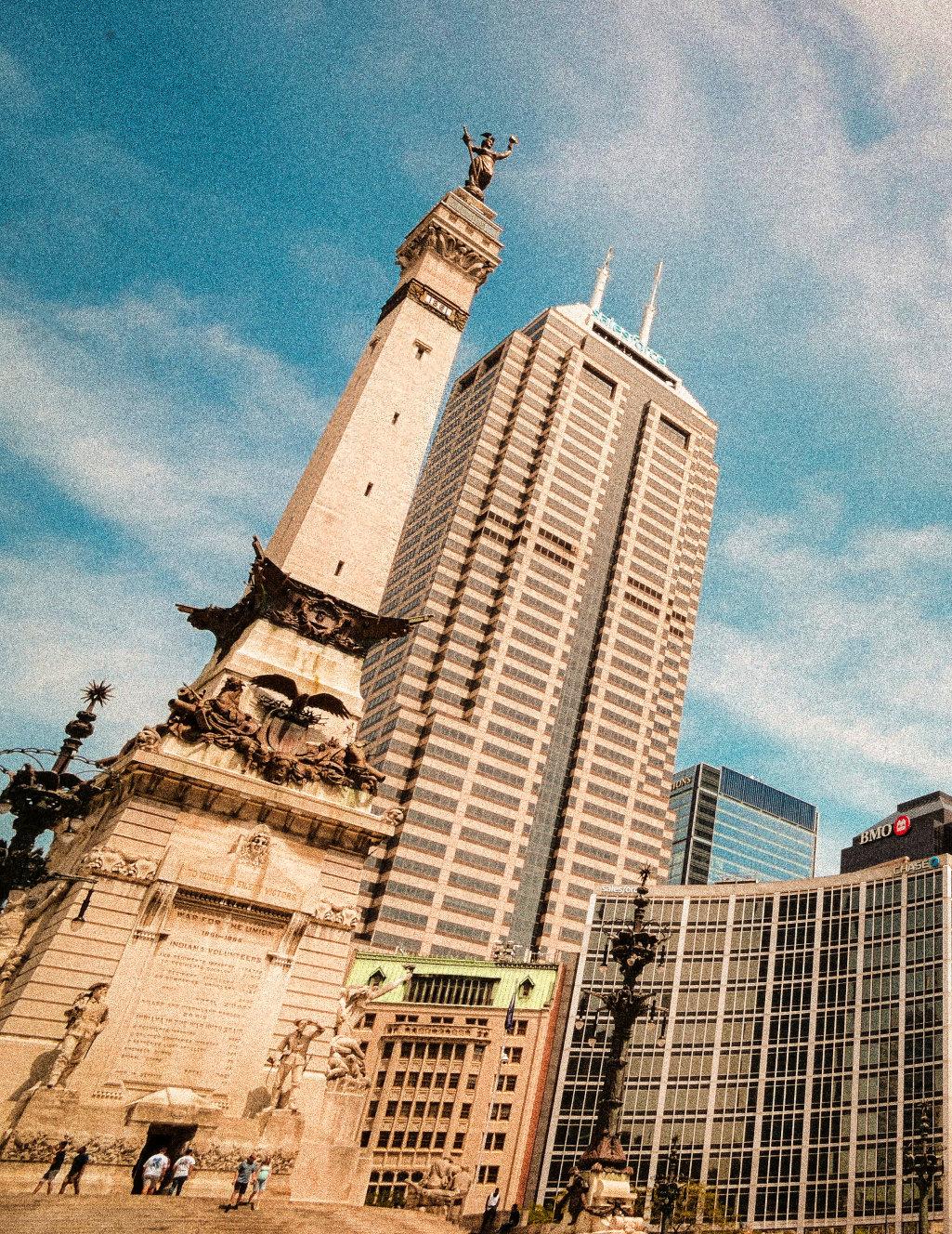
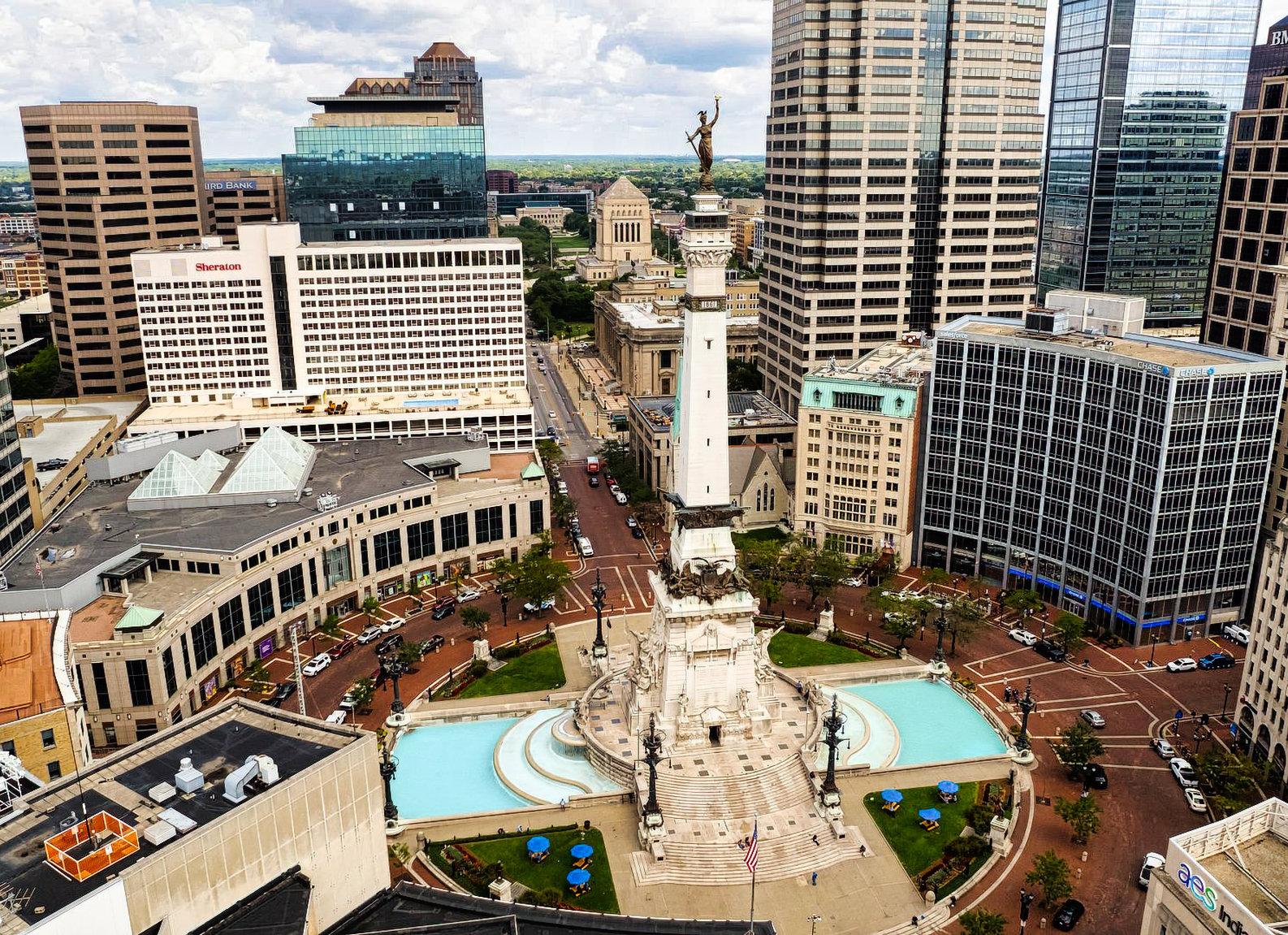
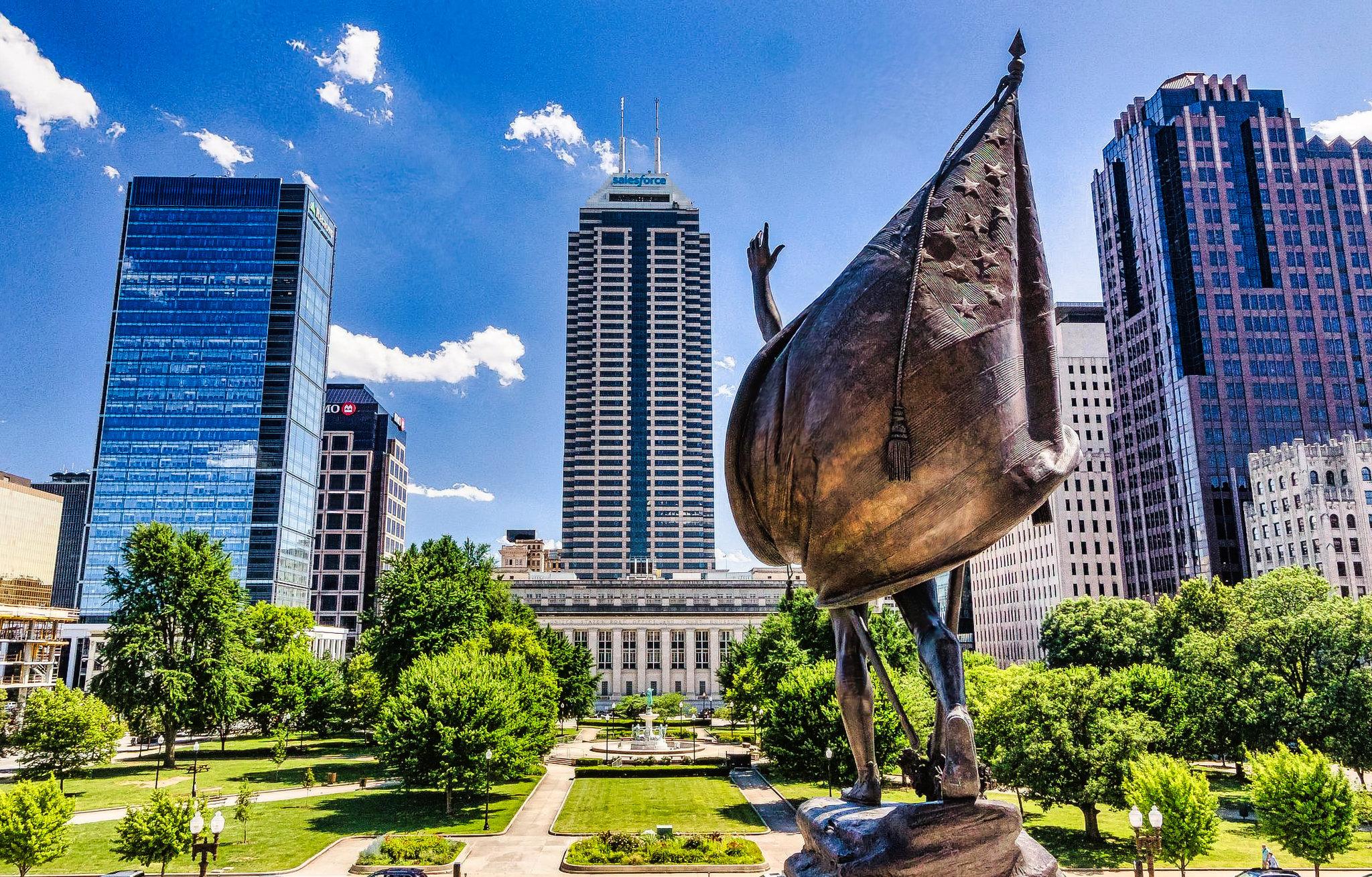
At the heart of that plan sits Monument Circle, the city’s natural meeting place and the easiest “start here” point for first-timers. The Soldiers and Sailors Monument rises dramatically above the Circle, 284 feet, 6 inches tall, and packed with symbolism that reflects Indianapolis' civic pride.
Whether you’re people-watching over morning coffee or arriving at golden hour when downtown starts to glow, this is where Indianapolis feels most like itself: open, friendly, and quietly confident.
Downtown on Foot: Markets, Murals, and Easy Wandering
Indianapolis rewards travelers who like to walk a city rather than tour it through a car window.Aclassic
stop is the Indianapolis City Market, a longtime gathering place whose current facility dates to 1886 and remains a lively downtown anchor for eating and browsing.
From there, it’s natural to drift into nearby streets and neighborhoods, where revitalized storefronts and public art make the city feel current without erasing its older brick-and-stone character.
The Canal Walk: Indy’s Most Relaxing Three Miles
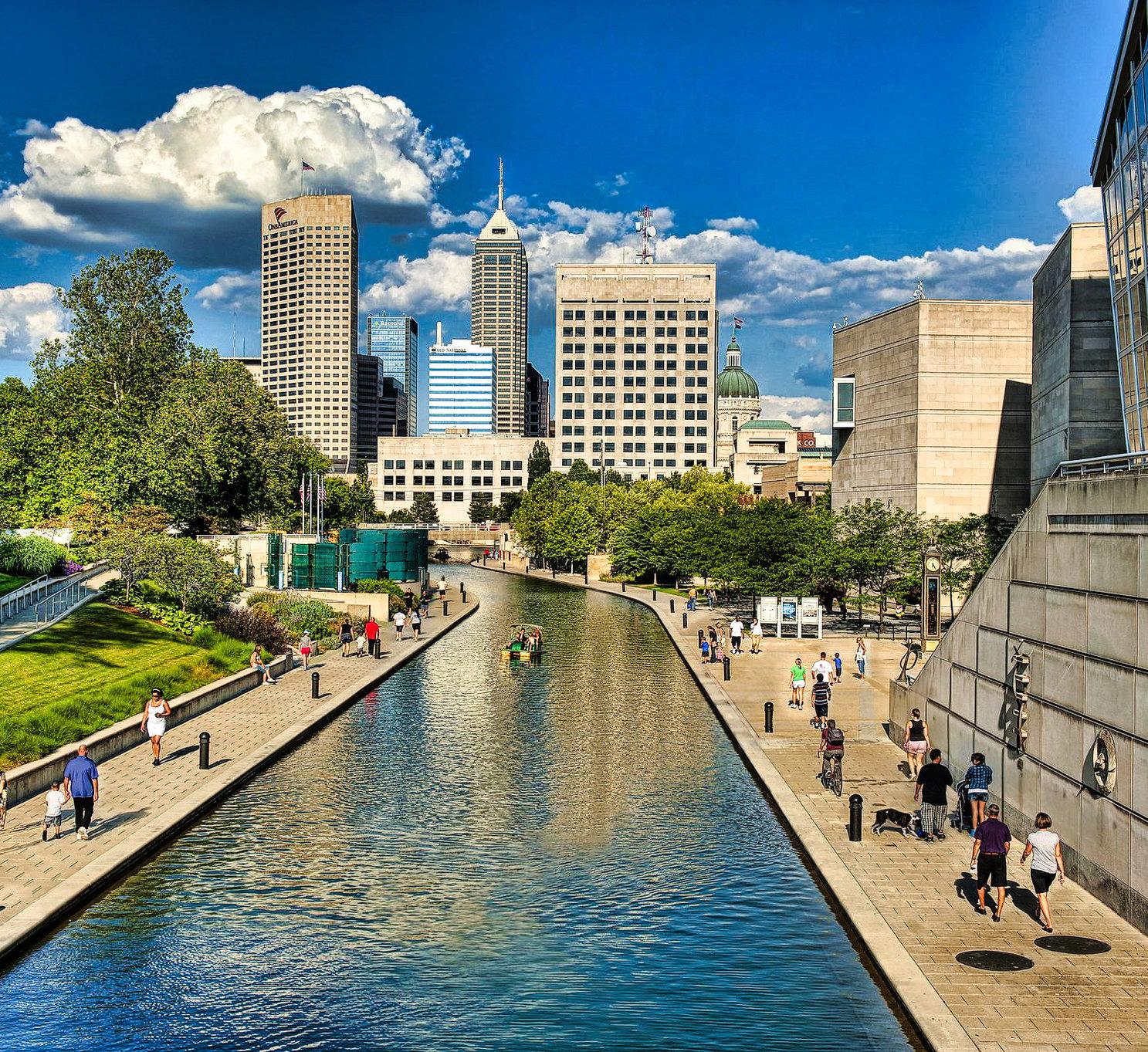
If you want the city’s “ahh” moment, head for the Canal Walk in and near White River State Park. It’s a threemile loop along the Central Canal -- popular with walkers and cyclists -- and its backstory is pure Hoosier practicality: the canal was dug in the early 1800s to support commerce, then grew into one of downtown’s favorite places to take a scenic break. The views are especially good when the water catches the sky and the skyline reflects like a postcard.
White River State Park: A Cluster of Big-Hit Attractions
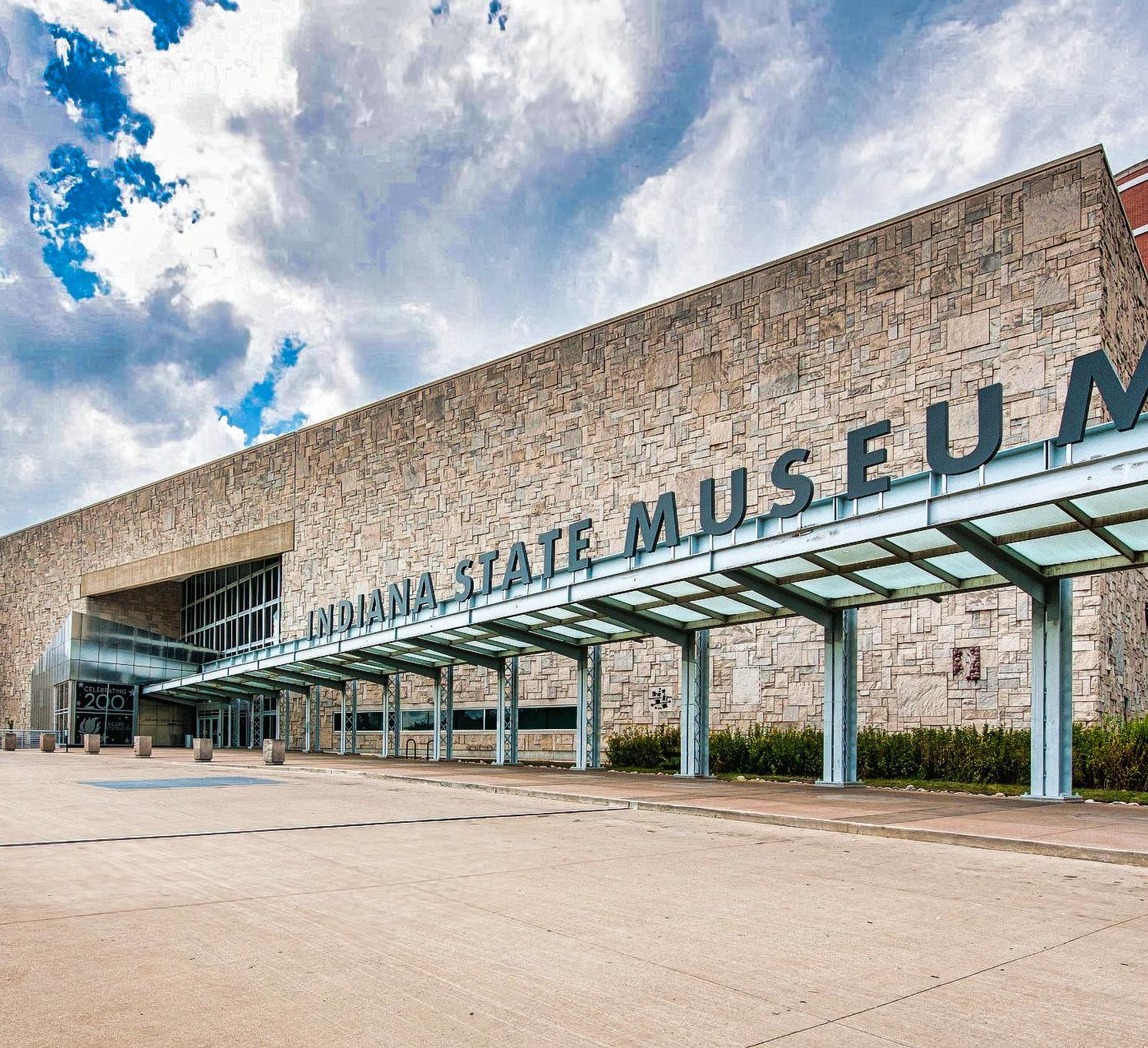
White River State Park makes itinerary-building almost too easy, because so many of Indianapolis’ headline stops sit in one compact area. The park’s own attraction list highlights heavy hitters like the Indianapolis Zoo, Indiana State Museum, Eiteljorg Museum, NCAAHall of Champions, and Victory Field.
For Byways travelers, especially group travelers, this is gold: fewer transfers, more time actually enjoying what you came to see.
Museums with Range: From Deep Roots to Big Wonder
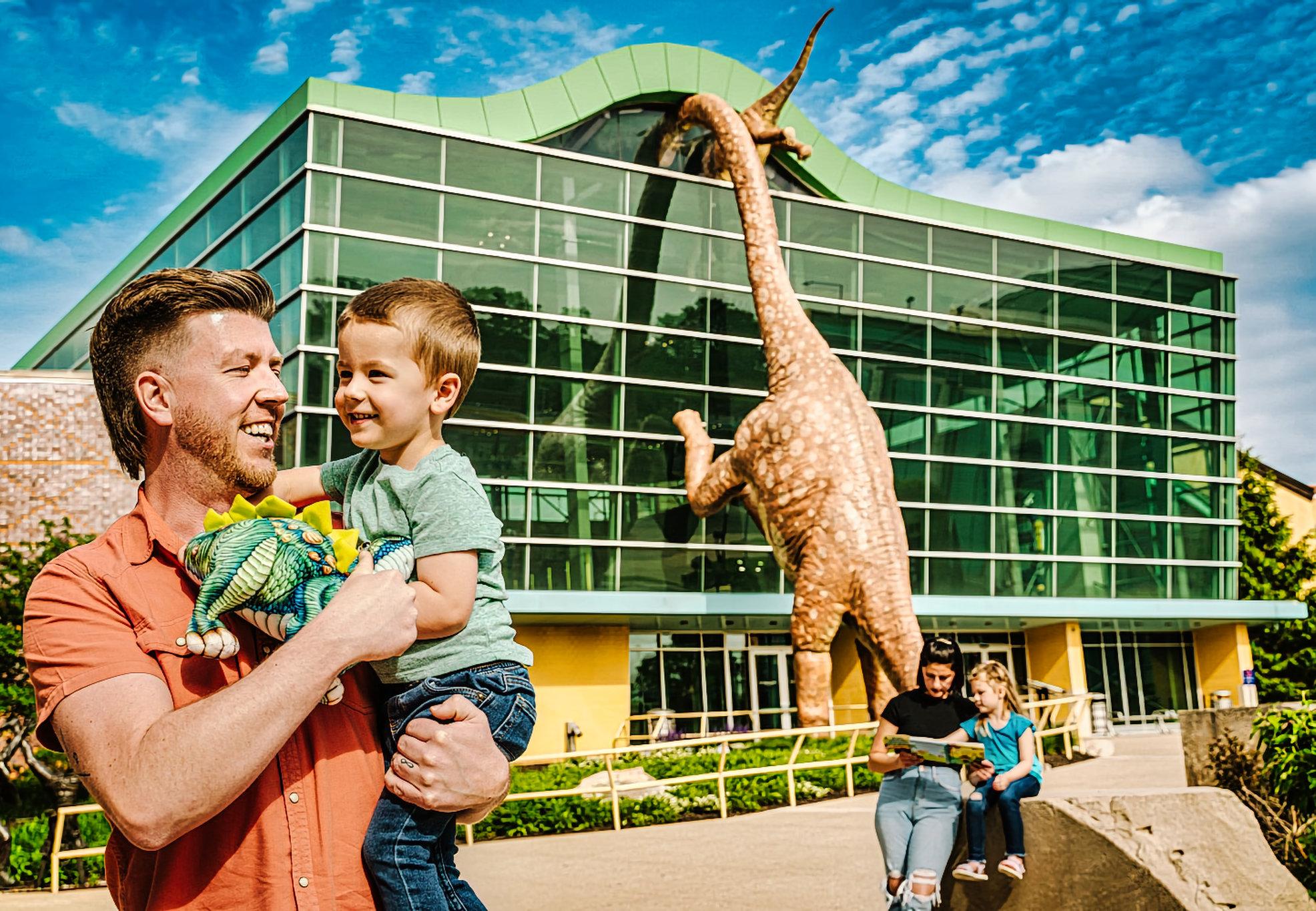
Indianapolis does museums in a way that feels accessible, not intimidating. The Children’s Museum of Indianapolis is widely described as the world’s largest children’s museum, and it’s the kind of place that can anchor an entire day for families or, anyone who enjoys hands-on discovery done at an ambitious scale.
For art and atmosphere, Newfields is a full cultural campus, 152 acres that combine the IMAgalleries with gardens, historic homes, and outdoor spaces that encourage lingering. And for a strong sense of the region’s larger story, the Indiana State Museum emphasizes three floors of galleries exploring Indiana’s art, science, culture, and innovation, an easy way to connect the city to the state around it.
Western and Indigenous Stories in the Middle of the Midwest
One of the city's most distinctive museum experiences is the Eiteljorg Museum, which focuses on the arts, histories, and cultures of theAmerican West and the Indigenous Peoples of NorthAmerica.
It’s a reminder that Indianapolis, often thought of as “pure Midwest”, also sits at a cultural crossroads, and it’s especially rewarding for travelers who like their art stops to come with context and conversation.
Byways 26
The Racing Capital: Where Legends Turn Left, and History Turns Loud
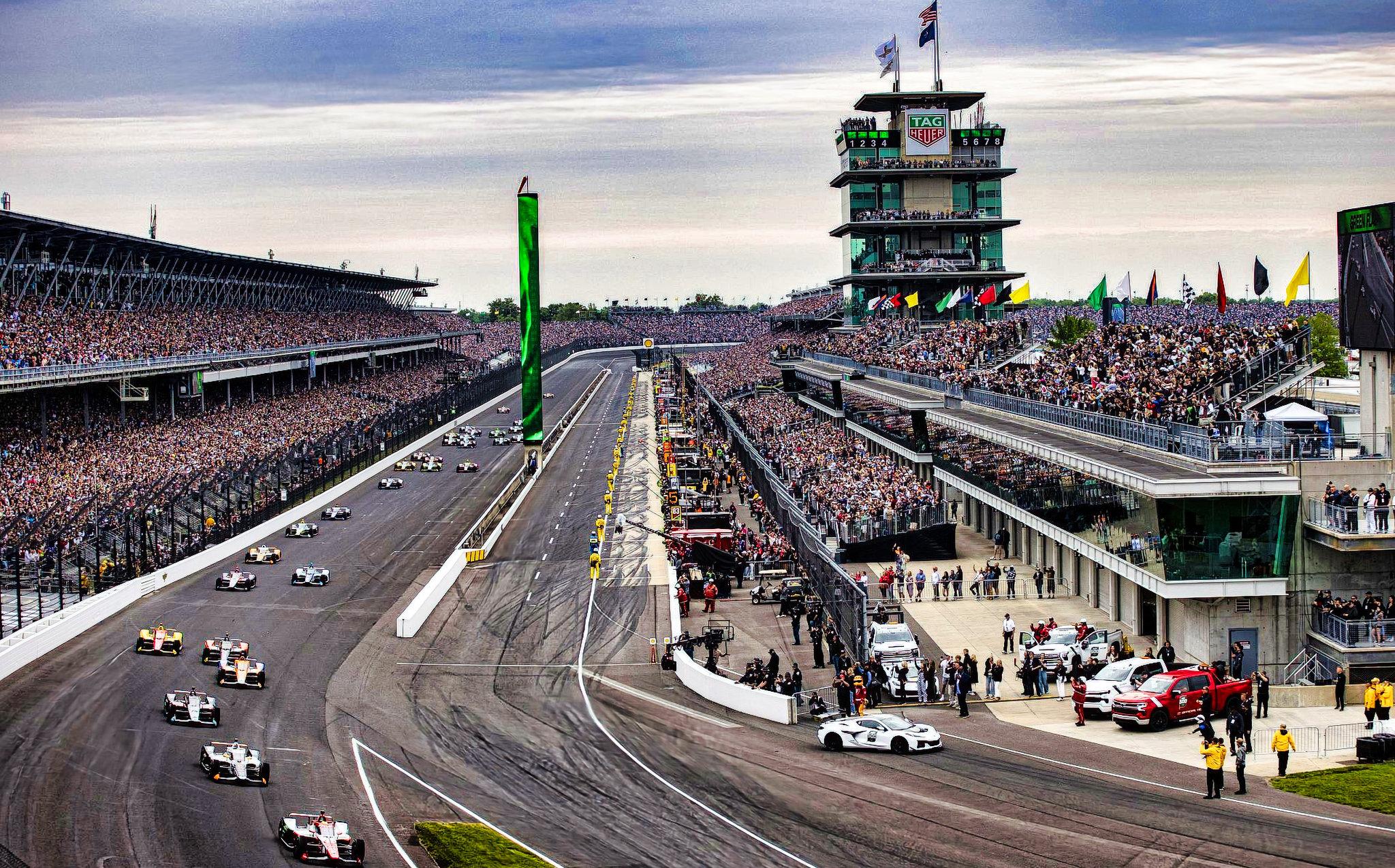
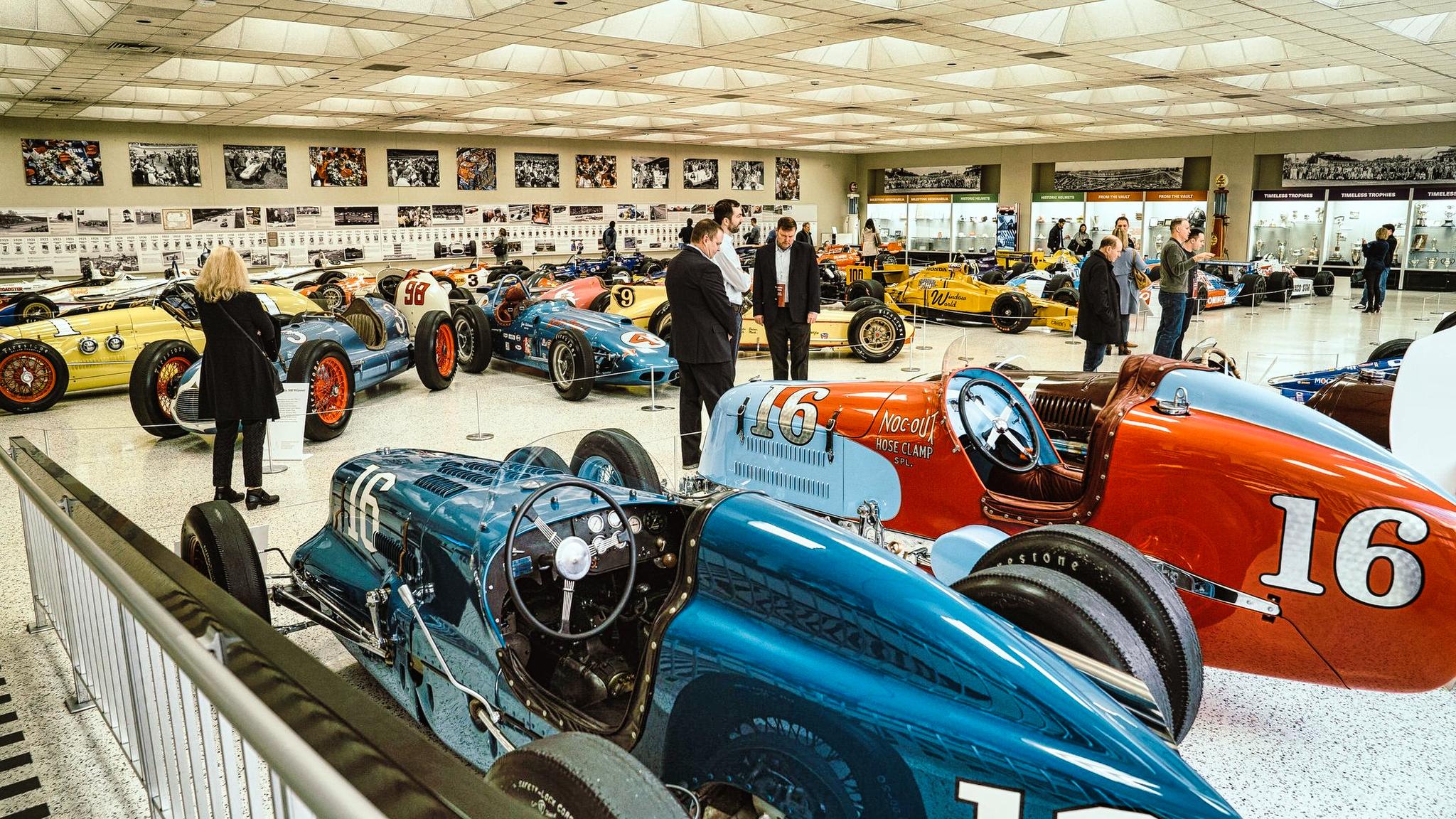
Even if you’ve never watched a lap of motorsports, Indianapolis Motor Speedway is still worth the pilgrimage. The track opened in 1909, and the Indianapolis 500 began in 1911, events that helped make the city's name famous far beyond Indiana.
The Speedway isn’t just a venue; it’s a living piece of American engineering and spectacle, and it’s one of those places where you feel the scale the moment you see it.
Sports City Energy: Pro Nights, Summer Ball, and Soccer Pride
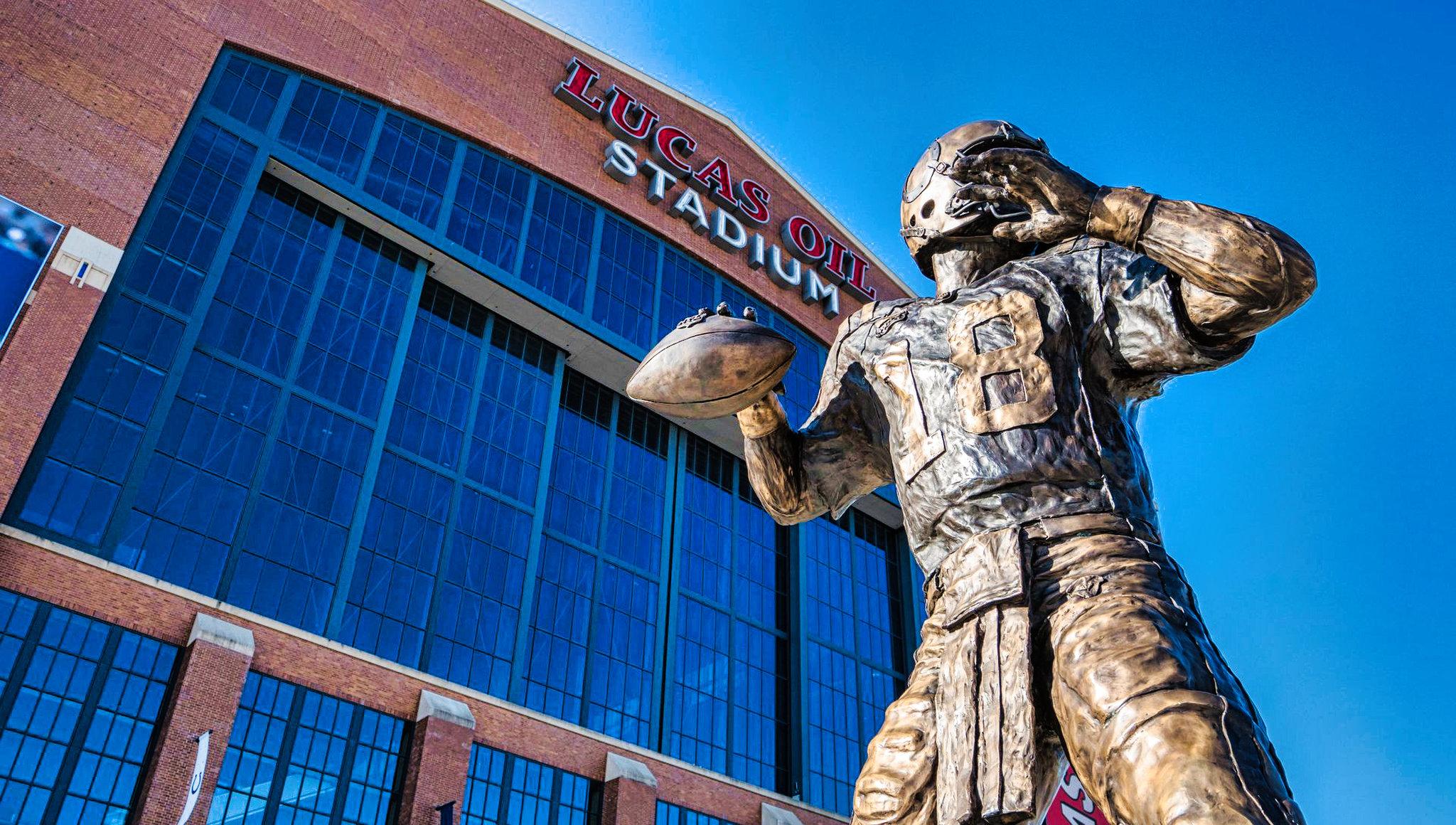
Indianapolis is built for sports weekends. The Colts play downtown at Lucas Oil Stadium, which opened in 2008 and quickly became part of the city’s skyline-and-stadium identity. The Pacers (and the Indiana Fever) bring yearround arena energy at Gainbridge Fieldhouse, which opened in 1999 and remains one of downtown’s most reliable “big night out” magnets.
Summer belongs to the Indianapolis Indians at Victory Field, home since 1996, and there are few better travel experiences than minor-league baseball paired with a warm evening stroll afterward. Add in Indy Eleven, which has built a passionate soccer following and plays at MichaelA. Carroll Stadium, and the city’s sports calendar starts to look like an itinerary all by itself.
Local Flavor: Classic Hoosier Comfort and Downtown Icons
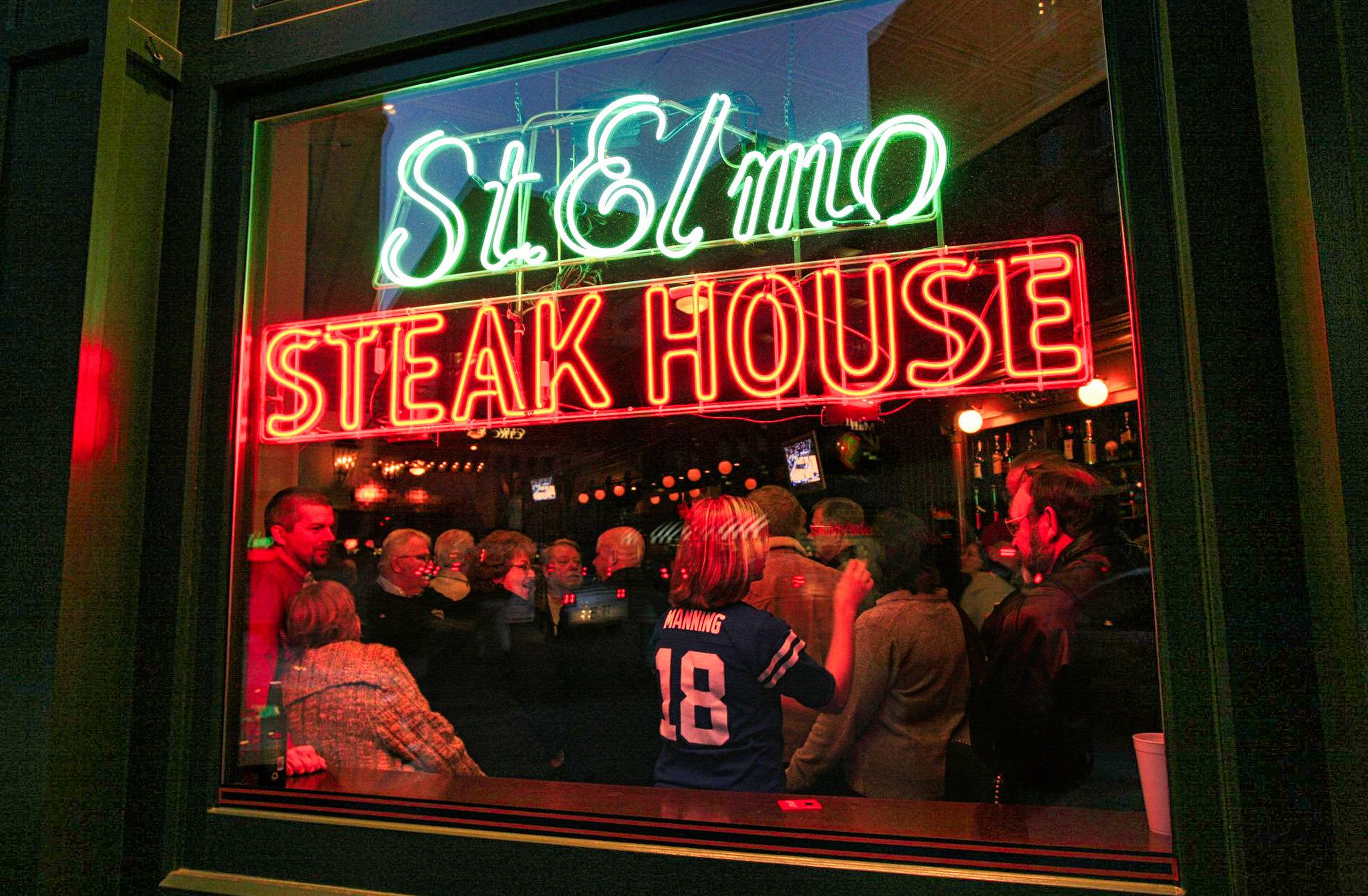
Indianapolis eats well, and it does it with personality. For an only-in-Indy rite of passage, St. Elmo Steak House’s famous shrimp cocktail is a longstanding tradition, served since 1902, with a cocktail sauce that locals will warn you about (and still insist you try).
For pure Hoosier comfort, the breaded pork tenderloin sandwich is essential, with origin lore often traced to Nick’s Kitchen in Huntington, Indiana, close enough to feel like part of the same shared table.
And when you want a sweet finish with true Indiana roots, sugar cream pie, often called the “unofficial state pie”, shows up on menus as a simple, beloved classic.
Why You Should Visit
Indianapolis is a destination that works at multiple speeds. You can do the headline highlights, Monument Circle, the Canal Walk, a marquee museum, a big game, in a long weekend and feel satisfied.
Or you can slow down and let the city’s design do what it was meant to do: make exploring easy, connect districts naturally, and keep giving you one more reason to stay out a little later, whether that’s a ballpark sunset, a garden stroll at Newfields, or a last bite at City Market before you call it a night.
https://www.visitindy.com
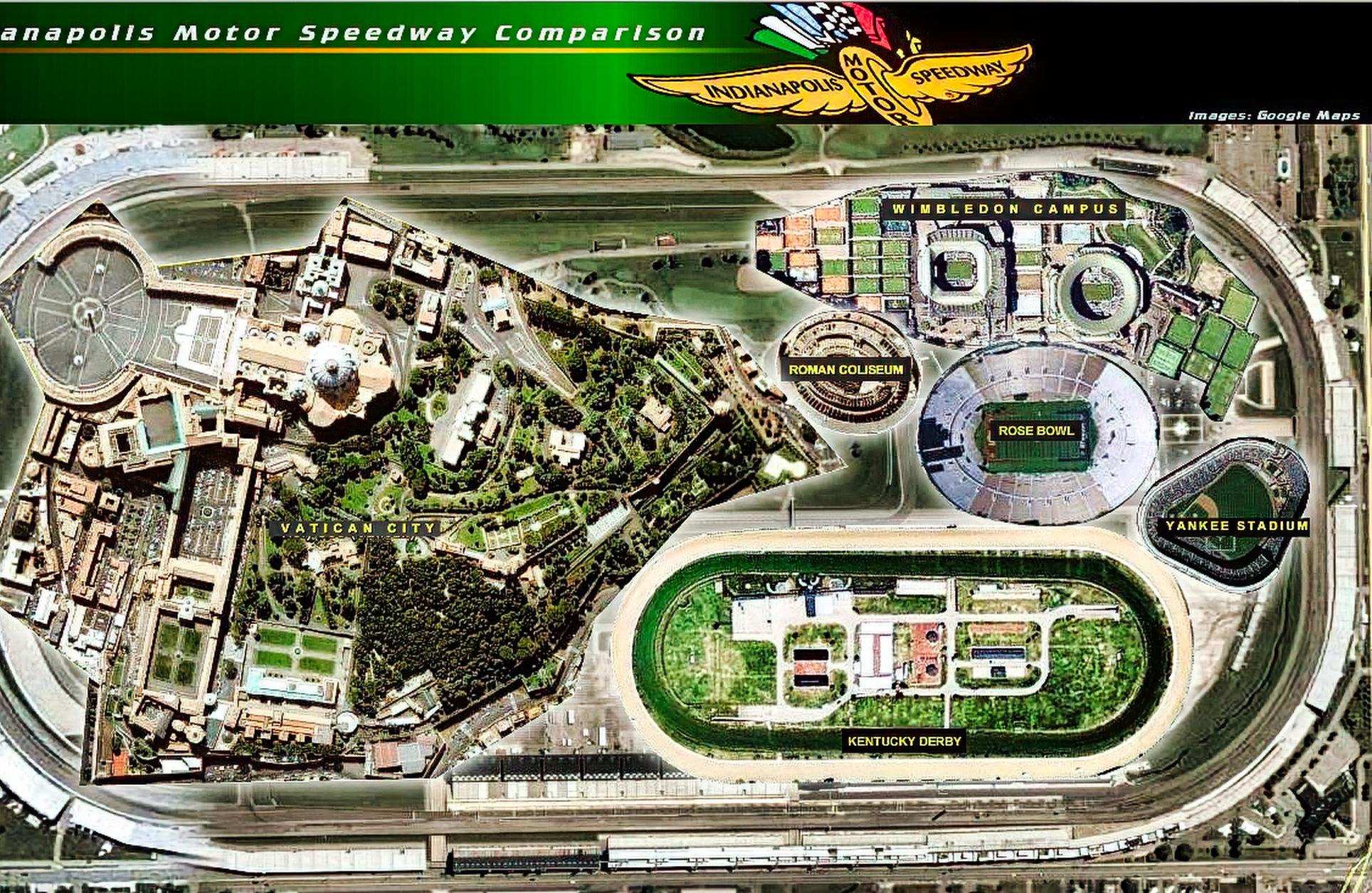
The Indianapolis Motor Speedway is so big that you can fit Vatican City, the Roman Coliseum, The Rose Bowl, the Wimbledon Campus, Yankee Stadium and Churchill Downs inside. Photo courtesy Visit Indy.
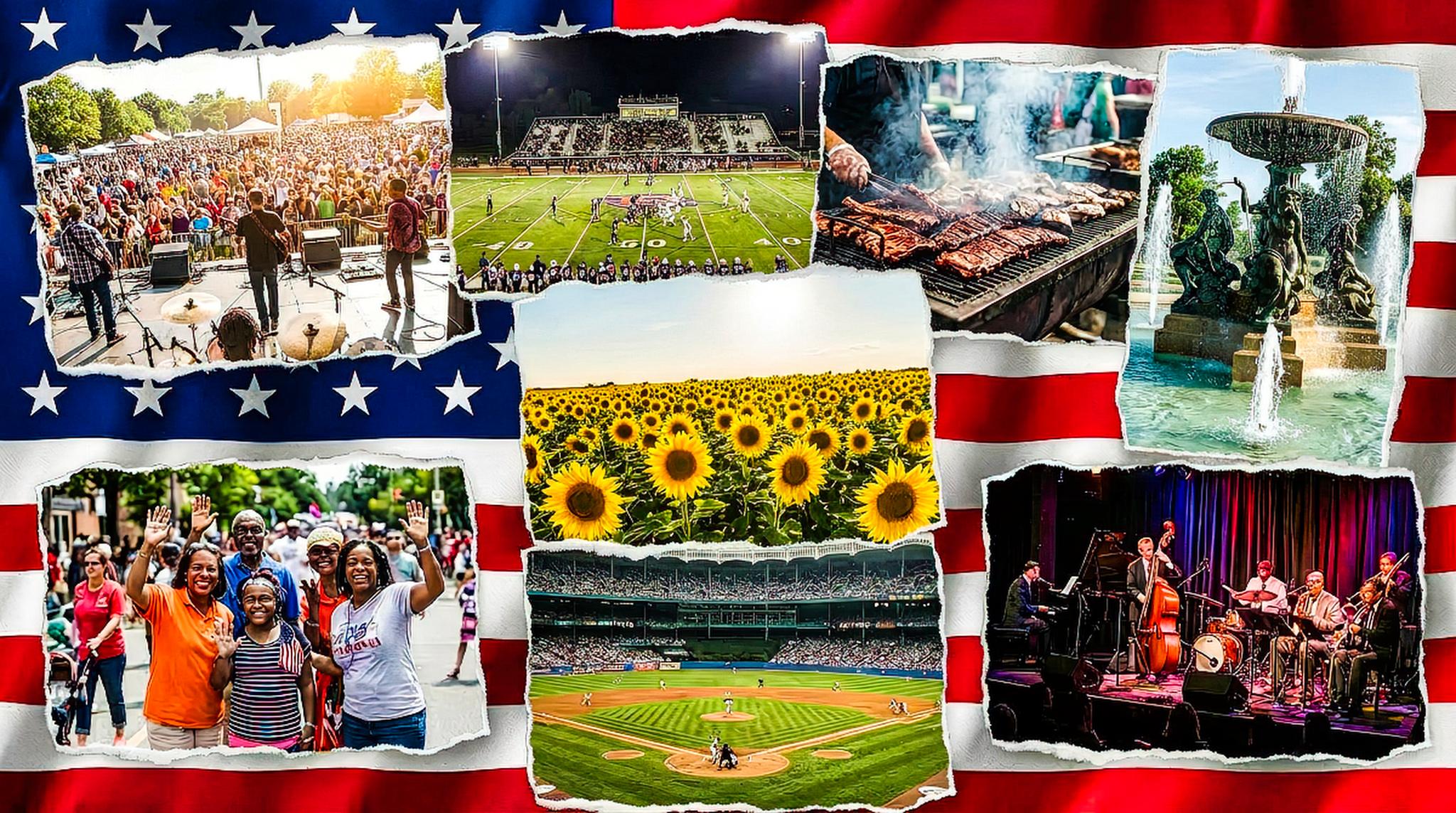
Kansas City, the“HeartofAmerica,”the“City of Fountains,”“Paris of thePlains,”“BBQ Capitalof theWorld,”the“Cradleof Jazz,” “Cowtown,”and “KCMO.”Wewouldaddtothat list,”Homeof theMostLoyalandDevotedSports FansAnywhere.”
A Nickname Tour
All of KC’s nicknames carry significance, even those from the early 20th century. During our recent twoweek stay in the “Paris of the Plains,” we uncovered a wealth of knowledge. Let us inspire you on a journey through KC, viewed through the lens of its remarkable nicknames.
Heart of America
Today, this slogan refers to KCMO’s location within 250 miles of both the geographic and population centers of the United States. It’s in the middle.
Themotto’s origin was aChamber of Commerce campaign to enticemotorists andtrainpassengers on their wayto San Franciscofor the1915PanamaPacificInternationalExpositionWorld’s Fair,tostop over in Kansas City andexperiencethebeautyand prosperity of Mid-America.
ButKansas City is morethan ageographiclocation. It’s trulytheheartof theAmerican wayof life, blendingvitalculture,passionatesports,delicious BBQ,beautifulfountains,richmusicheritage,anda welcomingcommunity,creatinganunforgettable experience.
The City of Fountains
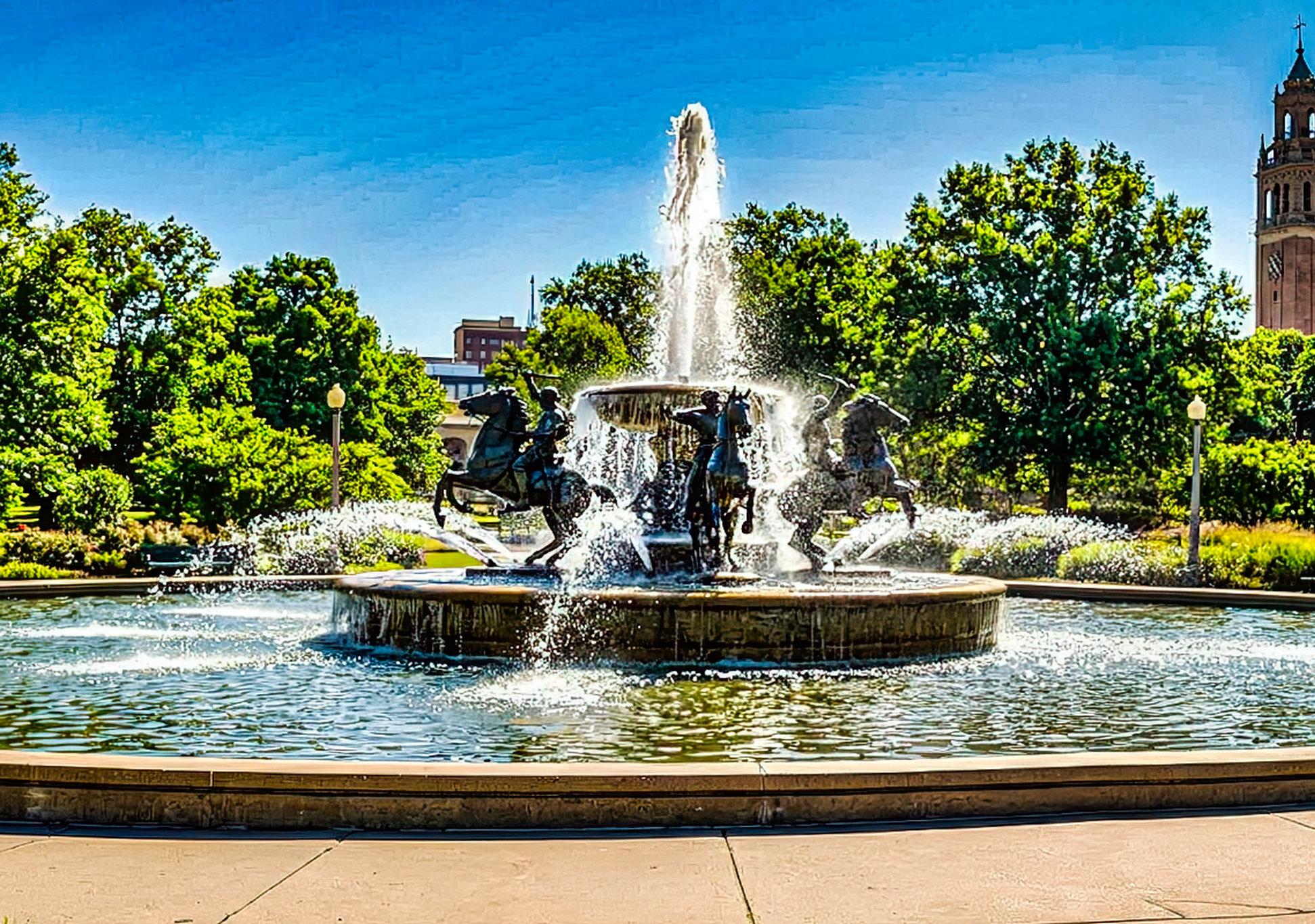
Kansas City has over 200 fountains.OnlyRomehas more.Thefirstwater features weresimpletroughs that gavepassing horses aplacetorefresh.In1899, the firstsculpturalfountainwas designedandinstalled in KCMO.
Sincethen, they havebecomelandmarks,resting places,andlinks to Kansas City’s past.TheCityof Fountains Foundation (COFF),foundedin1973, is a nonprofitthatadvocates for publicfountains, sculptures,and monuments inKansas City.Ithelps develop projects andraises funds tomaintainand conservetheseiconiclandmarks.
Kansas City has been knownas theCityof Fountains sincethe1950s. In 1992, thesloganbecameapartof thecity seal.
Don’tmiss FountainDayinKansas City,celebrating thecity’s iconicwater features andmarkingthe beginning of spring each year.Residents andvisitors gather to witness theturningonof over 200fountains and enjoy music, food,andfestivities.This event highlights thecity’s artisticspiritandits historyas the “Cityof Fountains.”
Byways 34
Paris of the Plains
This slogan described the city’s ‘wide open’ atmosphere during the 1920s and 1930s.
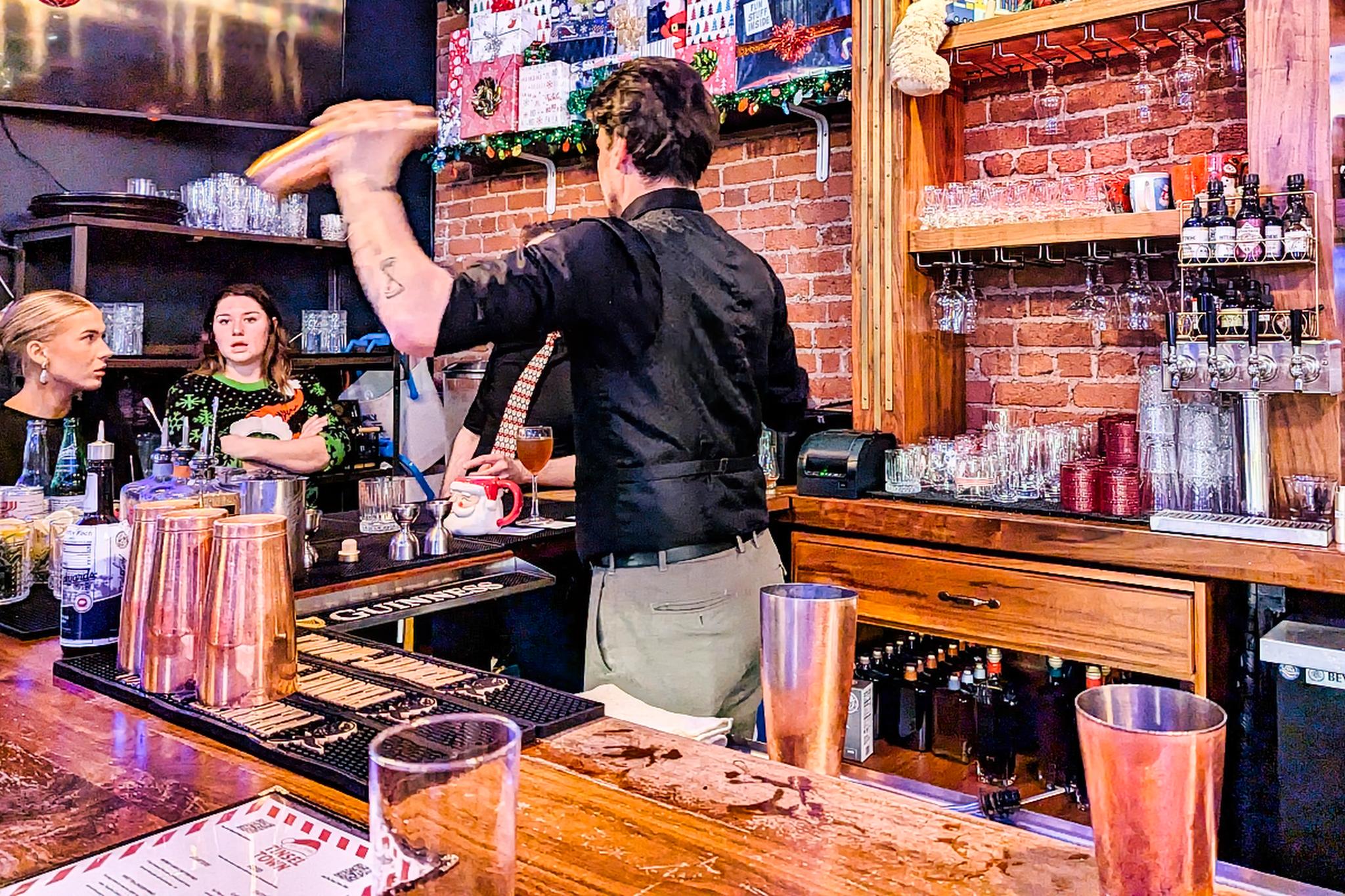
Today, Kansas City’s vibrantcocktailculturehas roots thattraceback totheProhibition era.Back in theearly 1920s,despitethenationalbanon alcohol,thecity
was alivewith clinkingglasses inits saloons and speakeasies.
Thanks toTomPendergast’s influence,local officials turned ablindeyetotheprohibition laws in certain parts of KC,creatingalively atmospherewherepeoplecouldenjoygood drinks, greatmusic, andafunnightout.
LearnmoreaboutTomPendergastandthe prohibitioneraof KCatTom’sTownDistillery, withatour and tasting.This livelyplaceserves someof thecity’s bestcocktails.Weespecially enjoyedagin and tonicmadefromgindistilled in thenextroom.
BBQ Capital of the World
Kansas City proudly holds the title of the BBQ Capital of the World, a distinction earned through a treasured tradition of smoke, spice, and flavor. Renowned for its unique style of slow-cooked meats, particularly brisket, ribs, and burnt ends, KC barbecue is characterized by a distinctive blend of sweet, tangy sauces that elevate every bite.
Thecity has over 100 BBQ restaurants,eachwithits ownrecipes and techniques,ensuringthatevery meal is an adventure.Annualevents liketheAmerican RoyalBBQ competition celebratethis culinary heritage,drawing pitmasters andenthusiasts from around theglobeto showcasetheir skills.
Don’tmiss theMuseumof BBQ in Kansas City’s CrownCenter.Even seasonedpros willlearn something new andhavesomefunin this family-friendly museum.After your BBQ museumvisit,explore thegiftshop andits hundreds of BBQ saucebrands.
Fromthemuseumheadto Burnt EndBBQ, alsoin Crown Center.Tryoutsomeof the things you learnedaboutinthe museum.Werecommend the combo platter, butplanona long, lazy lunchto finish the sumptuous assortmentof BBQ heaven.
Cradle of Jazz
Kansas City is often called the “Cradle of Jazz” for its pivotal role in the early 20th-century development of jazz. In the 1920s and 1930s, the city became a vibrant hub of jazz, attracting renowned musicians such as Count Basie, Charlie Parker, and Jay McShann.
Thelegendary 18thandVineHistoricDistrictserved as theepicenter of this musicalrevolution, featuring iconicvenues suchas theBlueRoomandtheMutual Musicians Foundation. Kansas City’s uniqueblending of blues,swing, andimprovisation createda distinctivesound,makingitacrucialbirthplaceof jazzthatcontinues toinfluenceartists today.
TheAmericanJazzMuseumis theidealplaceto dive intoKansas City’s jazzhistory.Exhibitions, education,andperformancearecuratedto honor legends andenhanceyour enjoymentof theunique Americanmusicgenre, Jazz.
Cowtown
Kansas City earned the nickname “Cowtown” because of its historical significance in the cattle trade during the late 19th and early 20th centuries.As a central hub for livestock transportation, railroads connected ranchers from the West with markets in the East.
Thestockyards, particularlythe Kansas City Stockyards,became bustling centers for buyingand selling cattle.This thrivingcattle industry notonly contributedtothe localeconomy butalso shapedthe city’s identity, linking itto the AmericanWest.
Today,remnants of this richheritagecanstillbeseen in thecity’s cultureand annualevents celebratingits cattlelegacy. Learnmoreaboutthecattleindustry at theLivestock ExchangeBuilding,whereyou’llfind cattletradehistory andartifacts.
Wantto tastethebeststeakinKCMO,maybeeven the country?Then visitStockHill,ontheSouthPlaza. This award-winning restaurantserves primebeef, seafood,vegetabledishes, anddesserts.Allmaybe combinedwith beer,wine,or acocktail.The atmosphereis comfortable,andtheserviceis excellent.Truly thebeststeakKansas Cityhas to offer.
KCMO
Kansas City is often referred to as KCMO to distinguish it from Kansas City, Kansas, located just across the state line. KCMO specifically highlights the Missouri side. This abbreviation emphasizes Kansas City, Missouri’s unique identity.
Home of the Most Loyal and Devoted Sports Fans Anywhere
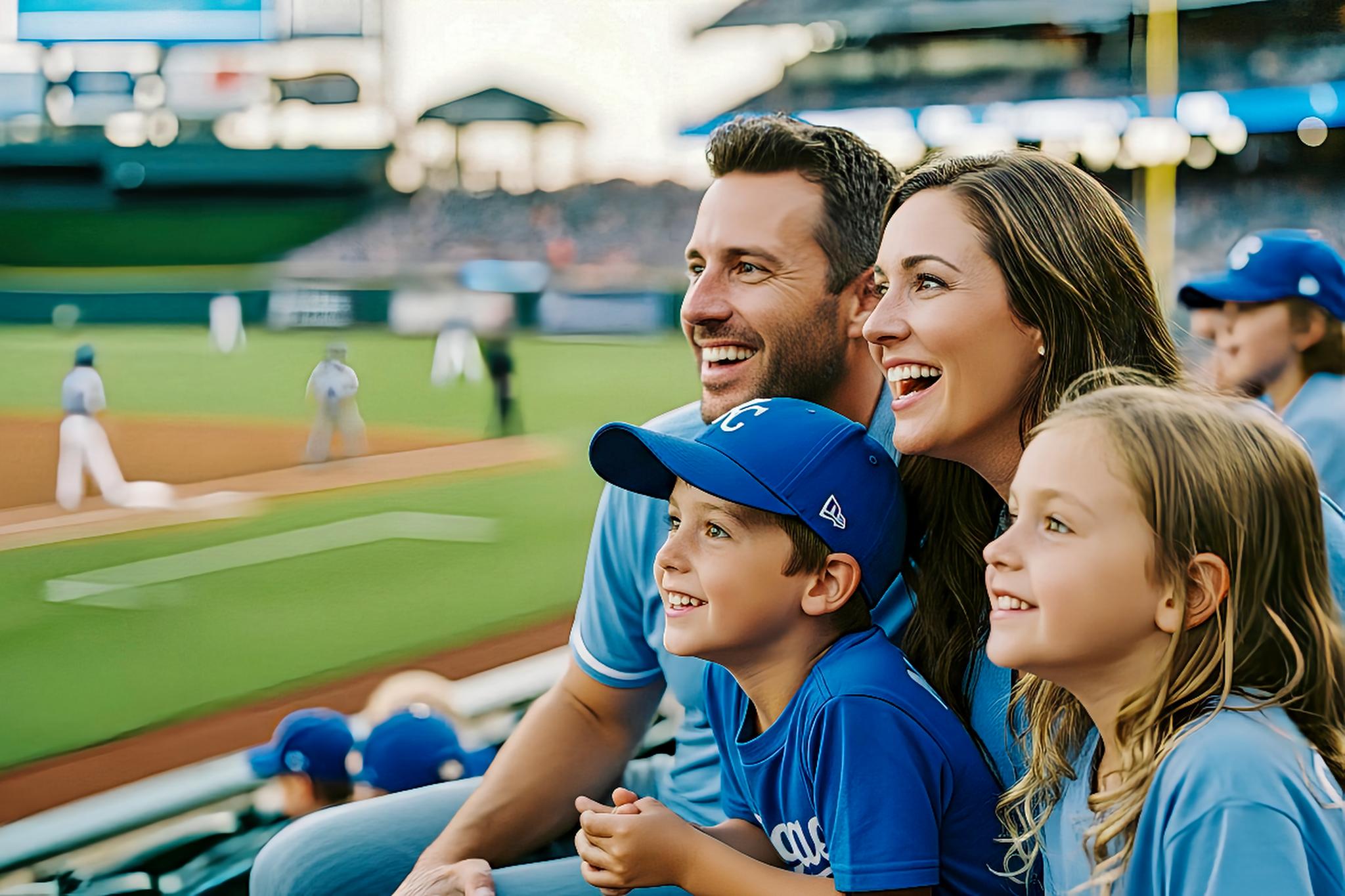
Kansas City proudly holds our title for being home to the most loyal and devoted sports fans anywhere, a claim rooted in the city’s passionate love for its teams and the communal spirit that thrives around them.
Fromtheroar of thecrowdatArrowheadStadium, homeof theKansas City Chiefs,totheferventsupport for theKansas City Royals atKauffmanStadium,the
Byways 36
energy is palpable.TheChiefs,knownfor their incrediblefanbase, havesetrecords for noiselevels, creatingan exhilaratingatmospherethattruly showcases their fans’dedication.
Also,theFIFAWorld Cuphas selectedKansas City, the“Soccer CapitalofAmerica®,”as oneof its 2026 venues.
KCMO’s unwaveringloyalty extends beyond professionalsports.Kansas City is equally
enthusiasticaboutits collegeteams,particularly the Kansas Jayhawks andtheMissouriTigers,with intenserivalries igniting acompetitivespiritamong locals.Throughouttheyear,fans gather for watch parties, tailgates, andnetworkingevents,forming strong bonds over shared victories anddefeats.
Moreover, thesenseof communitygeneratedaround thesesports teams fosters auniqueidentityfor Kansas City. Fans don jerseys, paintfaces,andcometogether, creatinglifelong memories andtraditions thatconnect generations.This deep-rooteddevotion,combined withthecity’s remarkablesports history,solidifies Kansas City as theultimatedestinationfor sports fans.
When you can’tmakeittoalivegame,head downtown to Streetcar GrilleandTavernonMain Street. Hereyou’llfitrightintoKCMO fandom. Streetcar is allsports,allthetime,with22screens tuned into agameof somekind,somewhere.Thereis nowherebetter to catchalocalteamonthescreen whileimbibing on upscalepub-grub,localbeer, and friendly locals.
Things To See and Do
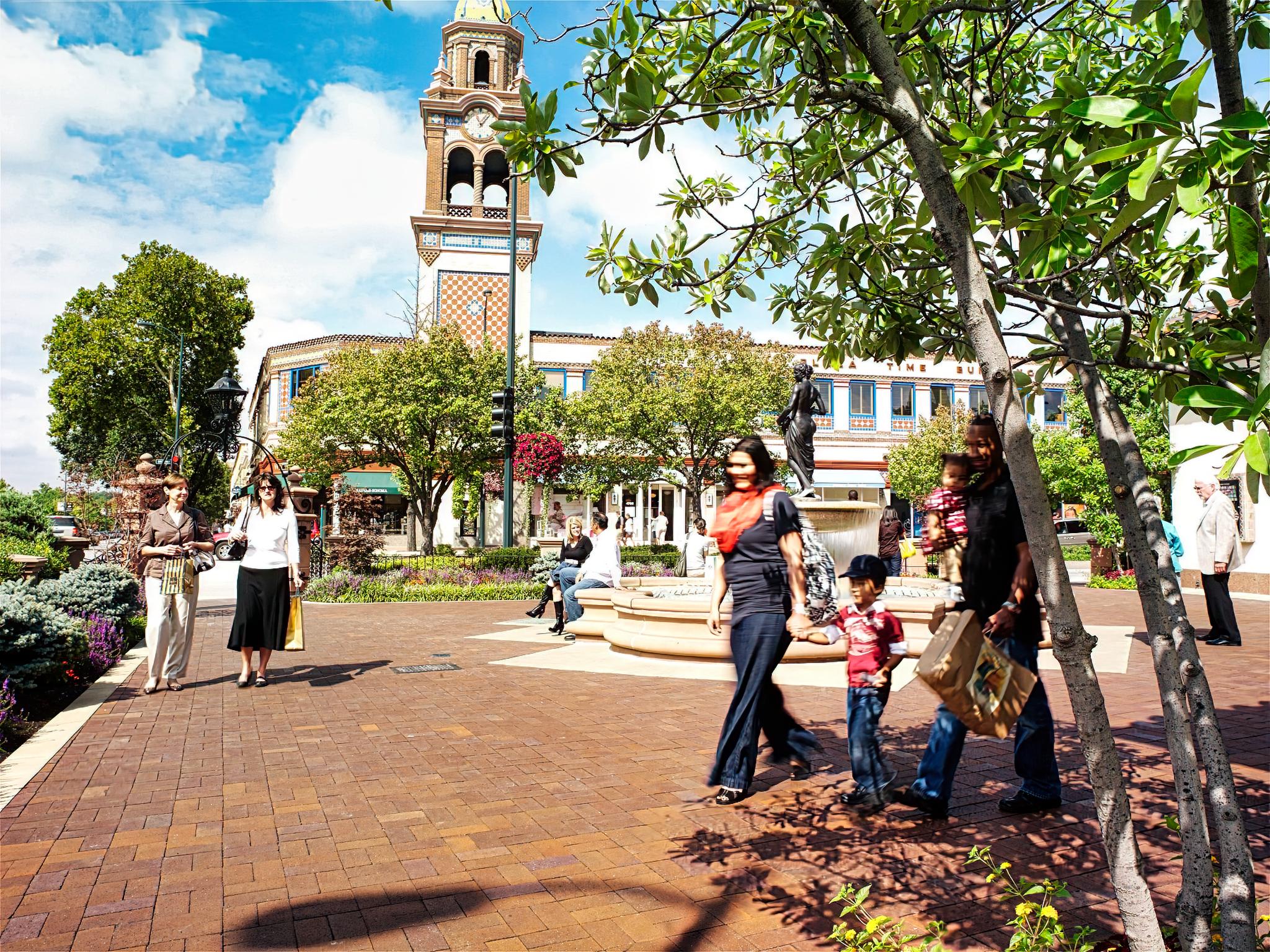
Kansas City, Missouri, offers an eclectic mix of attractions, including over 200 beautiful fountains, a thriving arts scene, and renowned museums. Enjoy mouthwatering BBQ or a taco or two at local restaurants, explore lively festivals, and cheer on local and professional sports teams. Experience the city’s rich musical heritage in jazz clubs and savor delicious craft cocktails. Here are a few more places to dive into the heart ofAmerica.
America’s finestartmuseums.
•TheNationalMuseumofToys and Miniatures --Fun, fun,fun!
• Negro Leagues BaseballMuseum-- Beautifully curated,extremely informative.
• HallmarkVisitors Center --You’llbesurprised at Hallmark’s history.
Outstanding Architecture
• Country Club Plaza
• Kaufman Center For The PerformingArts
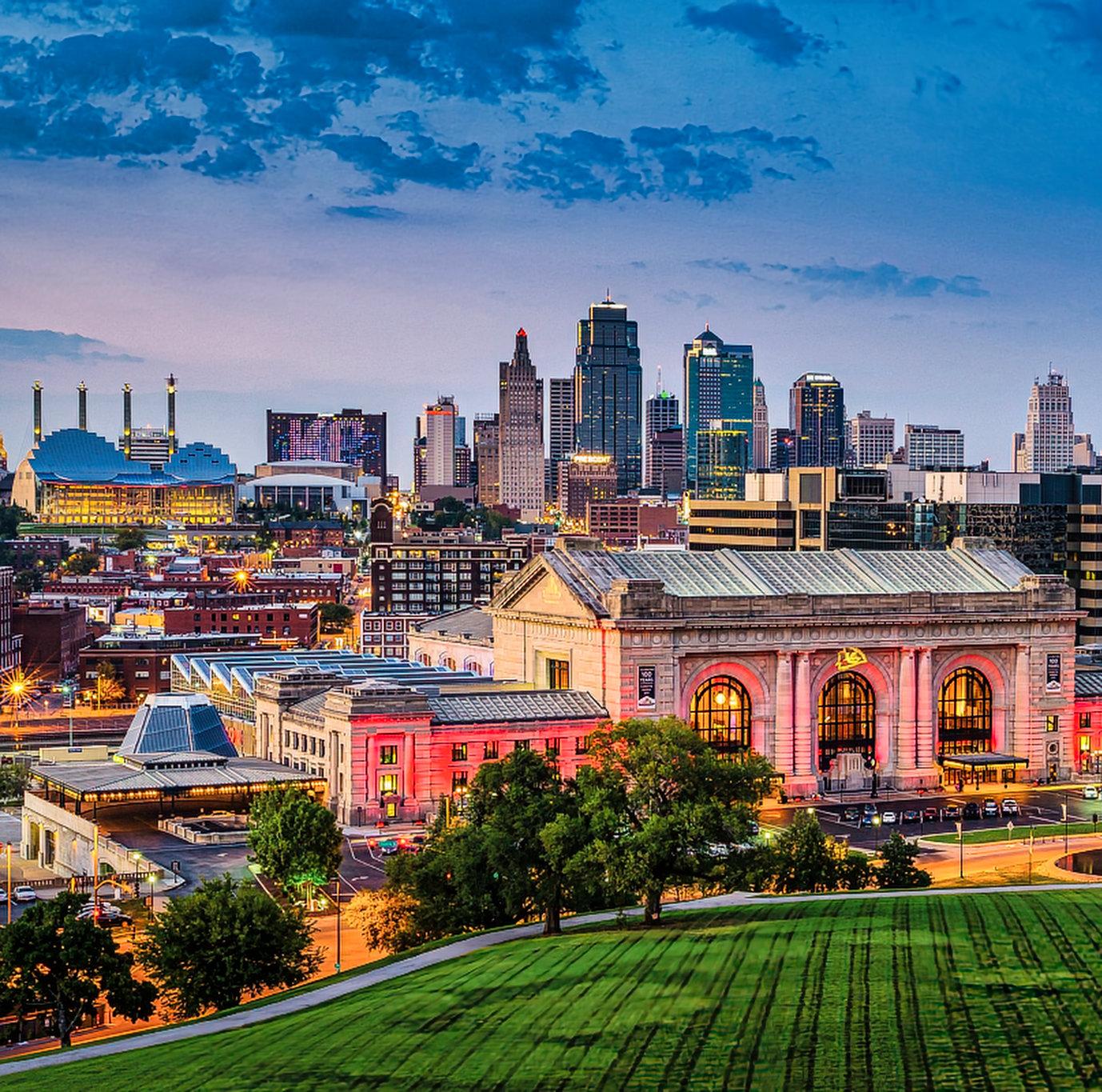
• Union Station
Let’s Eat
Take a look at Visit KC’s eatery recommendations.
• BBQTrail--TheperfectwaytolearnaboutKC’s specialflavors.
• CafeCorazon -- Latincoffeehouseandroastery.
• Jazz:ALouisianaKitchen-- Greatfood, justlike New Orleans.
• Joe’s BBQ -- Incredible,award-winning BBQ. Don’t miss Joe’s.
• KCKTacoTrail-- BBQ gets allthepress, butKC has unforgettableMexicanfood.
• MartinCityTavern -- Brewerywithpub food. Great selectionof craftbeers.
•TheWiseGuy --AnItalianeatery andbar with a moody atmosphere.
Museums
Another nickname for Kansas City could be “City of 89 Museums.” There are 89 museums in the greater Kansas City area. Below are five of our favorites.
• NationalWWI Museum andMemorial-- Exceptional andemotional.Takeyour timehere.
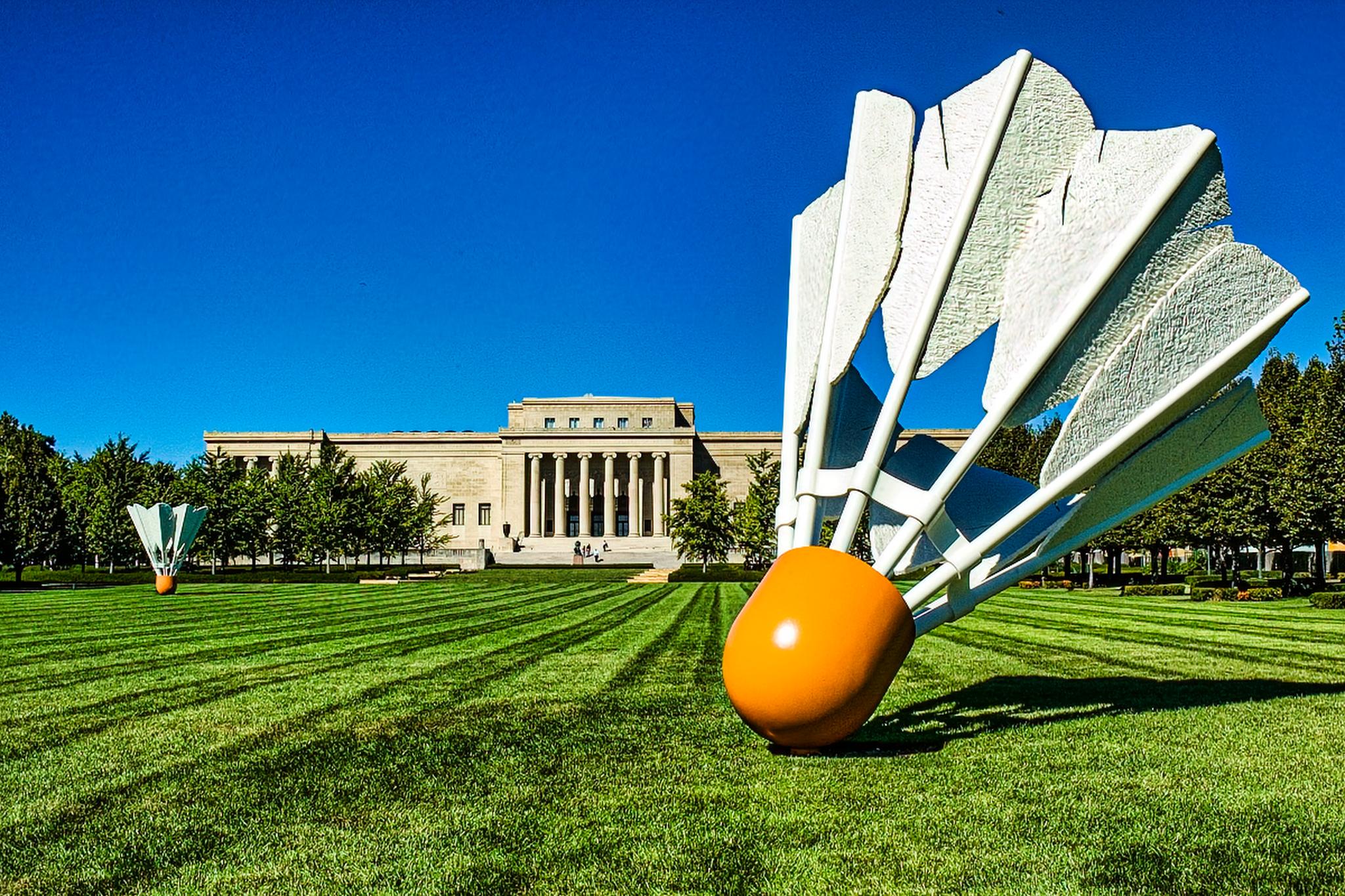
•TheNelson-Atkins MuseumofArt-- oneof
https://www.visitkc.com
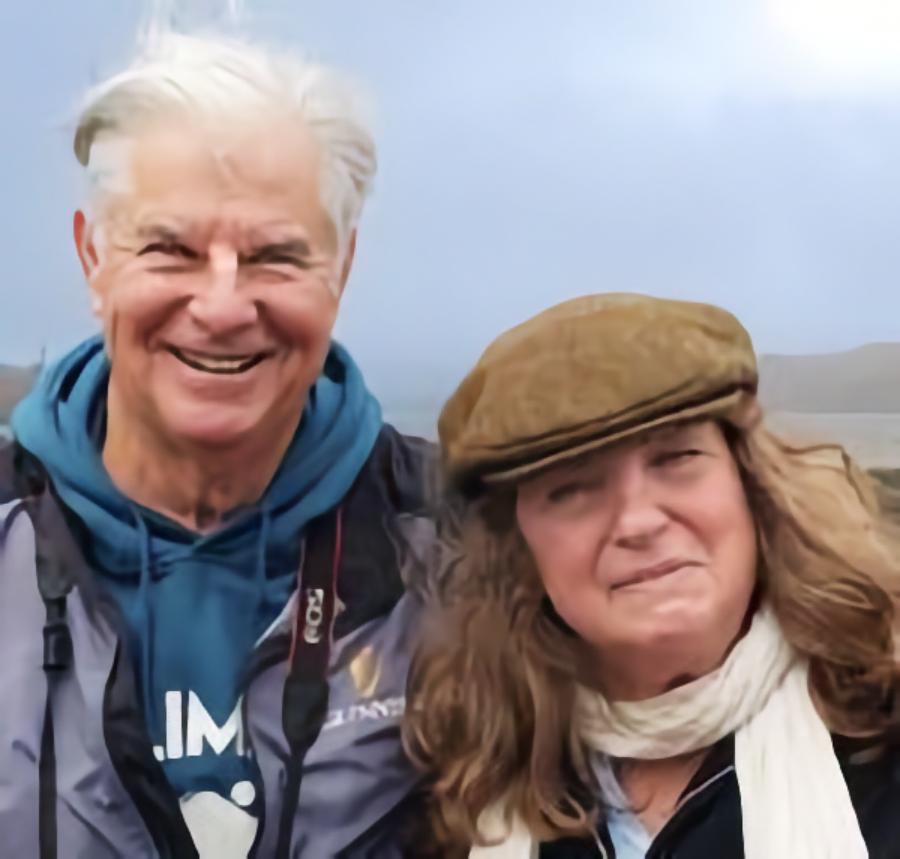
About theAuthors:Mary andKevinareateamof travelwriters,travel photographers,andhotel scouts.Basedin thevillage of Nadur onGozo,Malta, M&K travelinternationally anddomestically,looking for their nexttravelstory. MaryandKevinareboth lifelongphotographers andavidtravelers. Mary becameapublishedtravelwriter in2016,and Kevin beganhis career as atraveljournalistin2021.Today theyworktogether, focusingonoff-the-beaten-path, not-well-known, andin-the-shadow-of locations. domestically andinternationally.Follow their travels on Facebook.
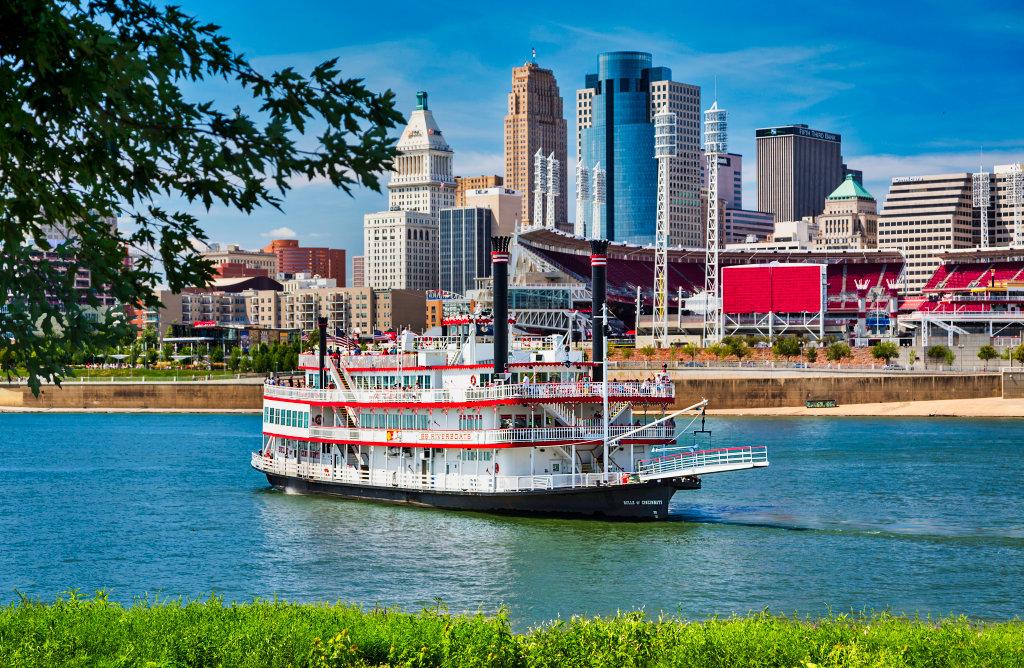
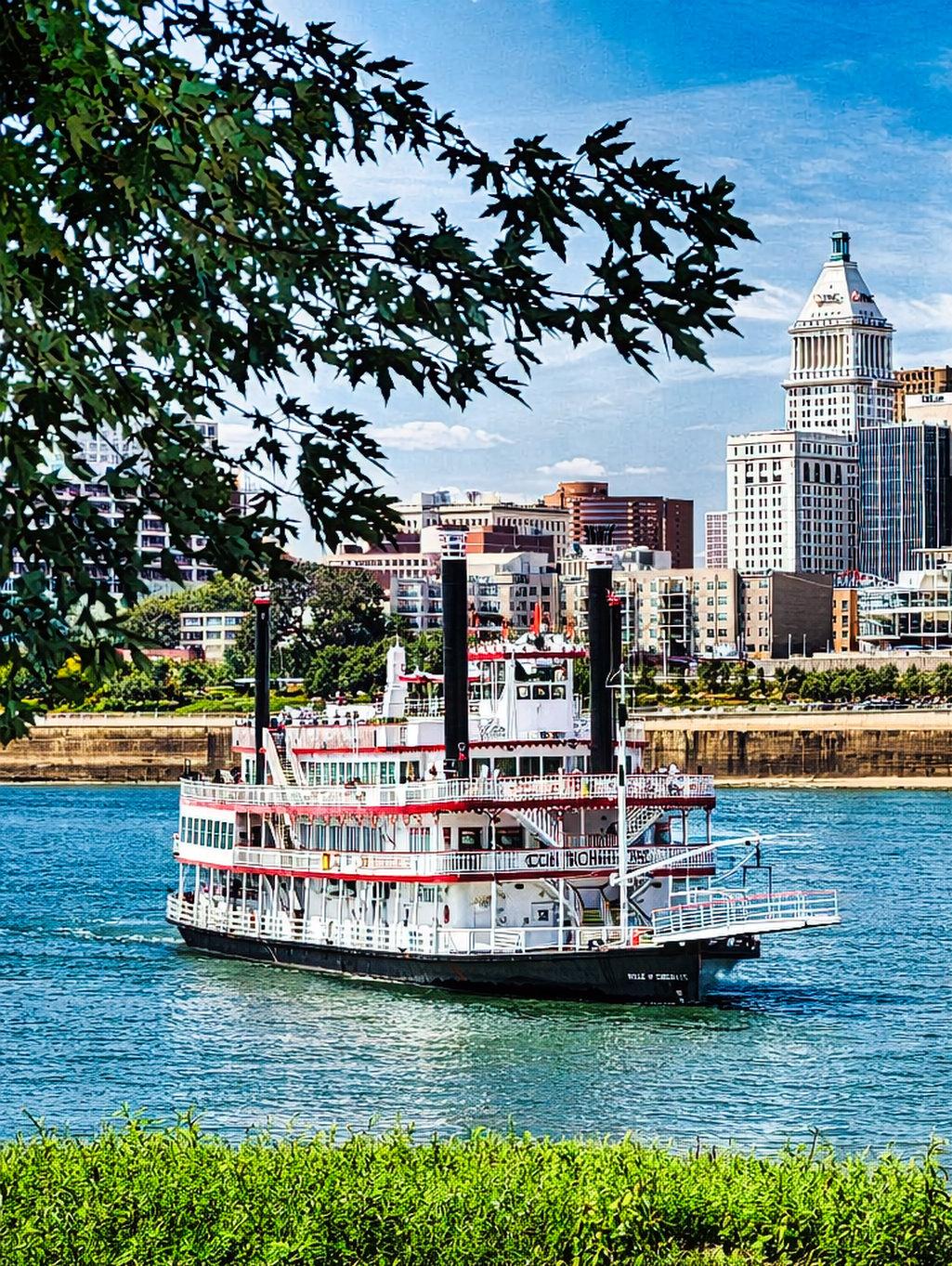
Cincinnatirises fromthenorthbankof theOhio River likeacity builtfor arriving,by steamboatinearlier centuries,byinterstate today,andnow by travelers whowantaweekend that balances architecture,culture,andfoodyoucan’t quitegetanywhereelse.
It’s urban withoutfeelingoverwhelming,historic withoutfeeling staged, andscenicinawaythatsneaks up on you:askylinethatglints atsunset,hills that revealneighborhoodvistas,andariverfrontthatkeeps pulling you back for onemorewalk.
From “Porkopolis” to the Modern Queen City
Cincinnati’s story is rooted in commerce and immigration, and it’s written into the streets of Overthe-Rhine, one of the nation’s great historic urban neighborhoods.
In the 1800s, the city’s booming pork industry helped earn it the nickname “Porkopolis”, while waves of
German immigrants shaped its beer halls, social clubs, and the dense brick architecture that still defines much of the basin and surrounding hills.
The result today is a city that wears its past proudly, but keeps evolving with new restaurants, renewed public spaces, and a creative spirit that feels distinctly Midwestern and unmistakably Cincinnati.
Over-the-Rhine: Cincinnati’s Most Walkable Time Machine
For travelers, Over-the-Rhine (often shortened to OTR) is where Cincinnati becomes a choose-yourown-adventure. Spend the morning with coffee and a slow stroll past ornate facades and restored storefronts, then pivot into galleries, boutiques, and chef-driven dining as the day warms up.
Even when you don’t know the street names, the neighborhood makes you feel oriented -- brick, ironwork, and old-world proportions guiding you from one corner to the next. It’s a perfect base for visitors who like to park once and explore on foot.
Findlay Market: A Cincinnati Must
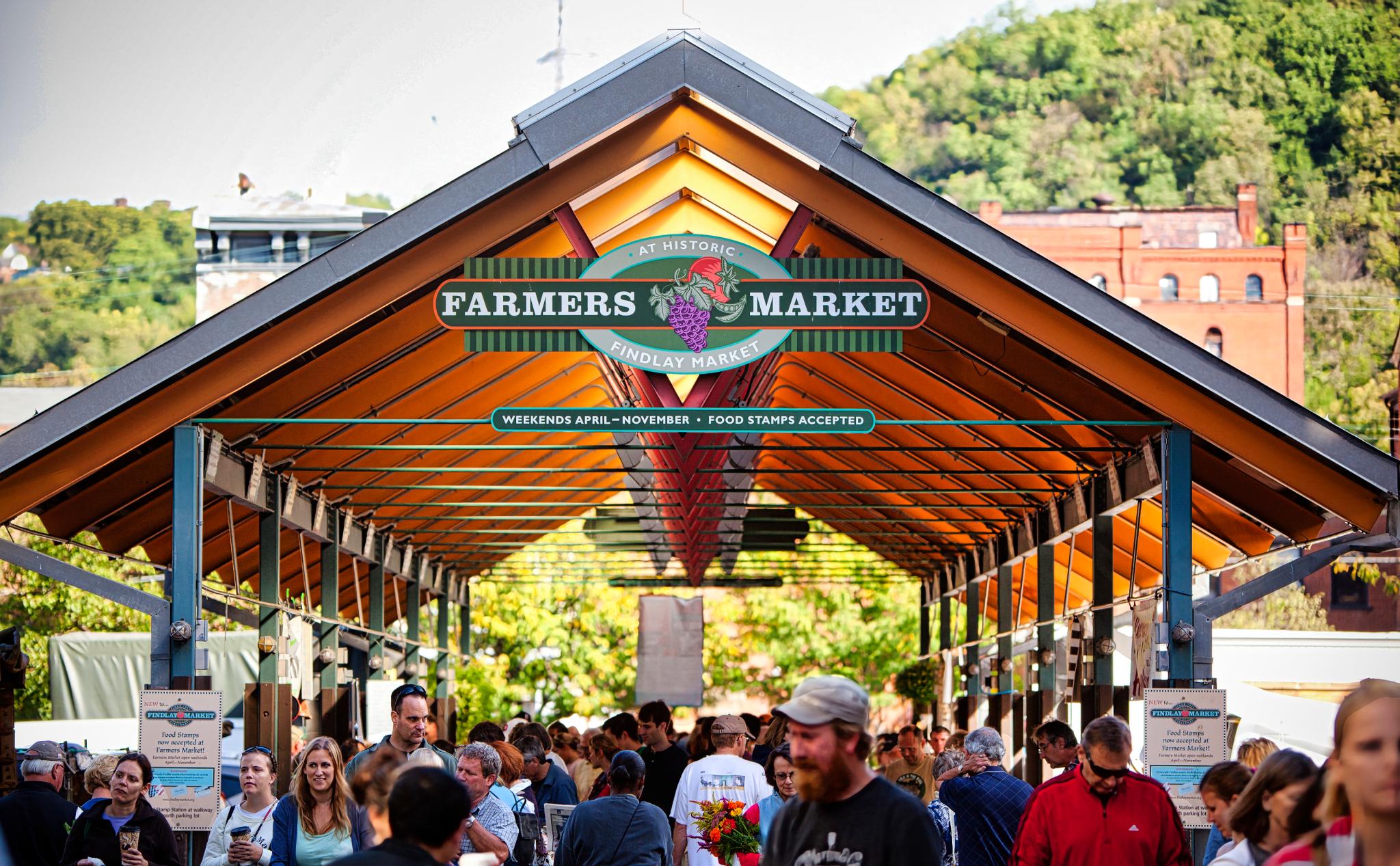
If you only do one “local” thing, make it Findlay Market. It’s Ohio’s oldest continuously operated public market, and it draws over a million visitors each year -- equal parts food destination and neighborhood gathering place.
You can snack your way through lunch, pick up gifts that actually travel well, or simply soak up the atmosphere of a city that still values shopping in person and talking to the people who make what you’re eating.
The Riverfront: Where Cincinnati Comes to Play
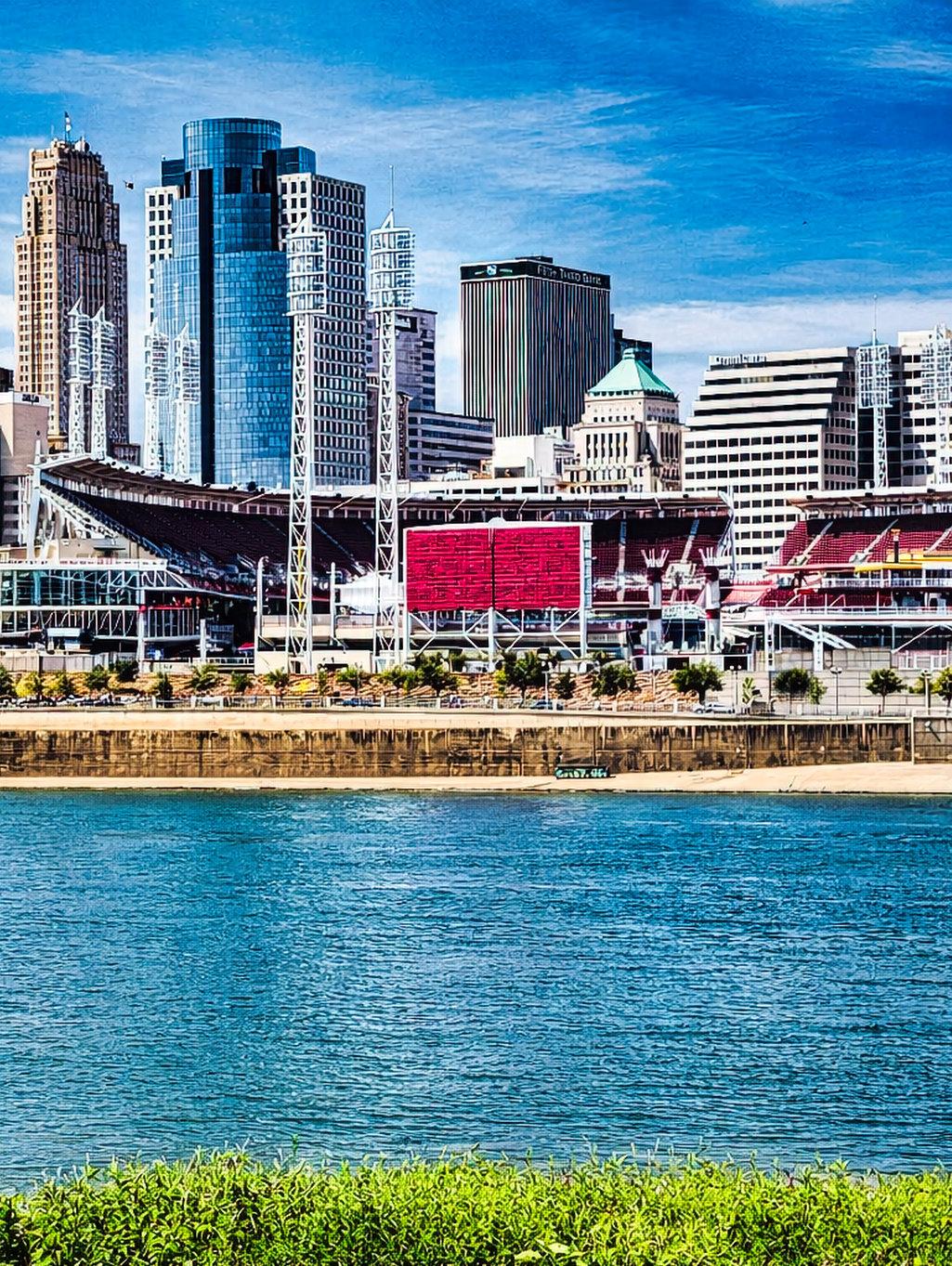
Cincinnati’s downtown river edge has become one of the city’s best calling cards, especially for first-time visitors. Smale Riverfront Park connects downtown to the Ohio River and turns a simple stroll into an experience, green space, playful design, and wide-open views that make you understand why this river shaped the city’s fortunes.
Roebling Bridge: A Walk With a View
Afavorite stop along the way is CarolAnn’s Carousel, an only-in-Cincinnati ride featuring whimsical local characters and an easy burst of joy for families, couples, and anyone who still likes the simple magic of a carousel.
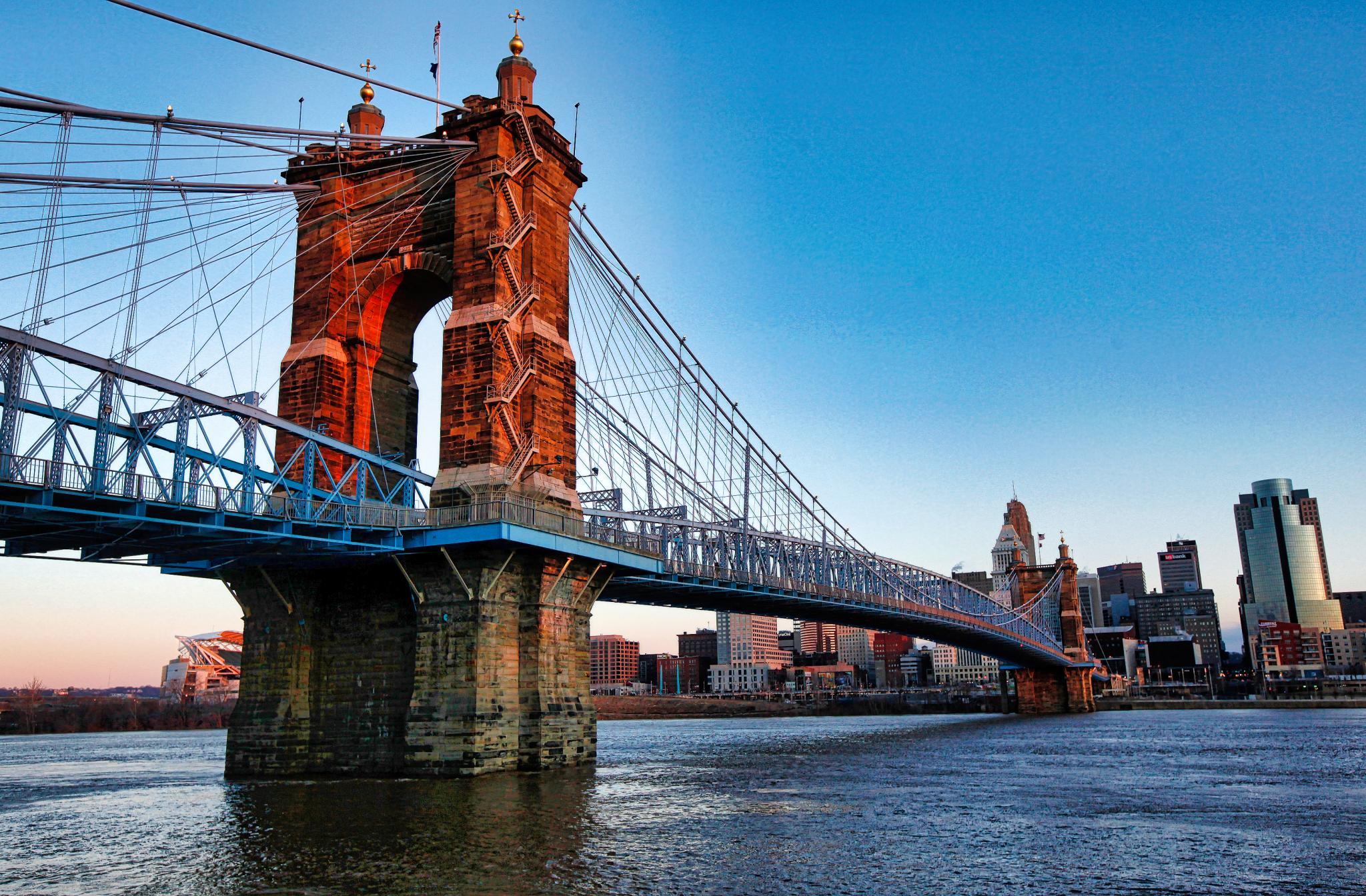
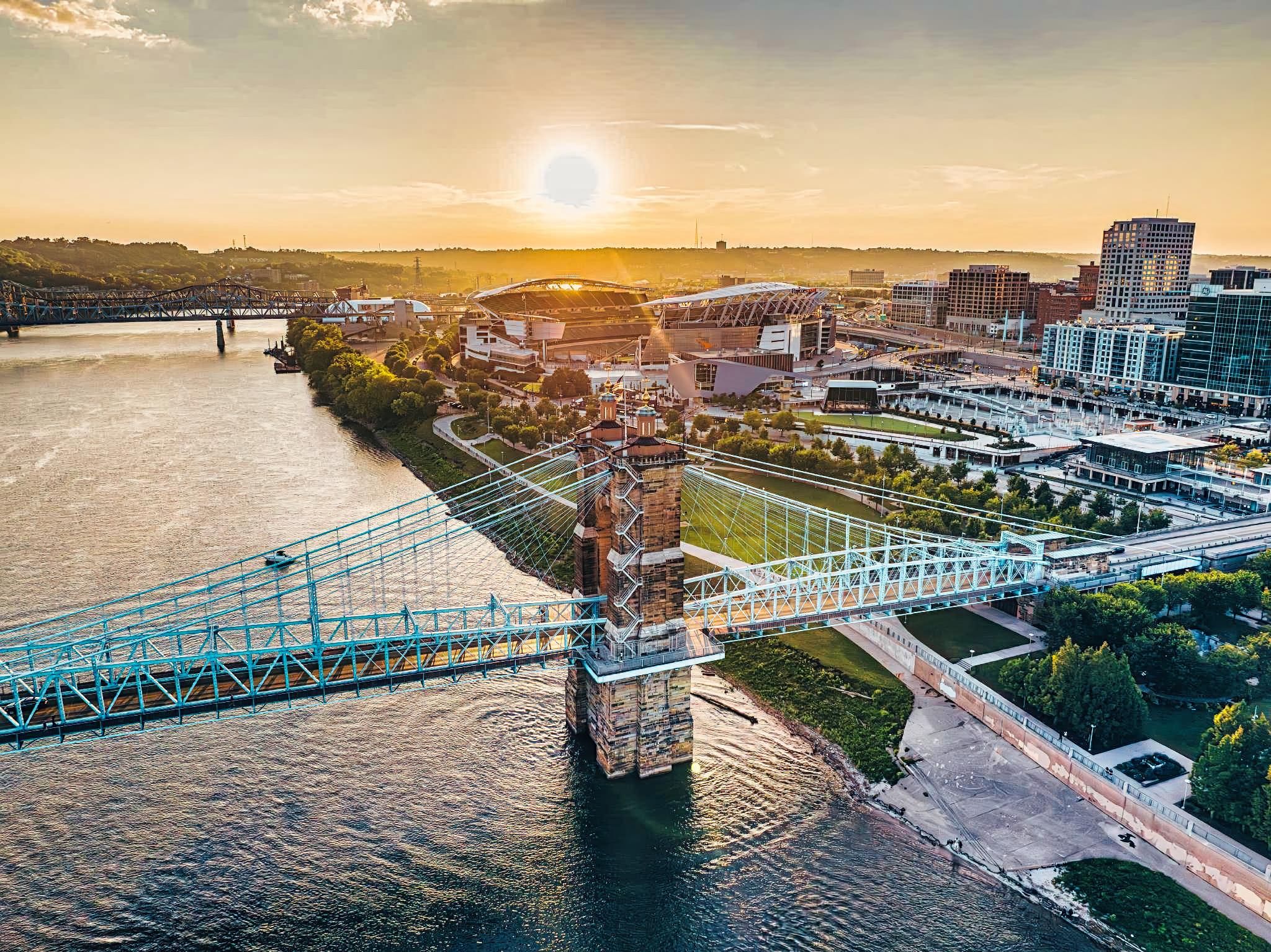
The city's most iconic crossing is the JohnA. Roebling Suspension Bridge linking Cincinnati and Covington, Kentucky. Opened to traffic in 1867, it was once the longest suspension bridge in the world, an engineering statement that still feels elegant today.
Walk it for the photos, the skyline angles, and the small thrill of moving between two states in a matter of minutes. It’s also one of the best ways to experience Cincinnati as a river city rather than a city that merely has a river nearby.
A Freedom Story at the Water’s Edge
The Ohio River was historically a line of demarcation between enslaving and free states, and Cincinnati’s proximity to Kentucky made it central to the region’s Underground Railroad history.
The National Underground Railroad Freedom Center on the Cincinnati riverfront interprets that legacy and
frames it within broader questions of freedom and human rights. It’s a powerful stop, one that adds depth to the river views and reminds visitors that geography can shape moral history as much as economic destiny.
Union Terminal: Art Deco Grandeur With Museums Inside
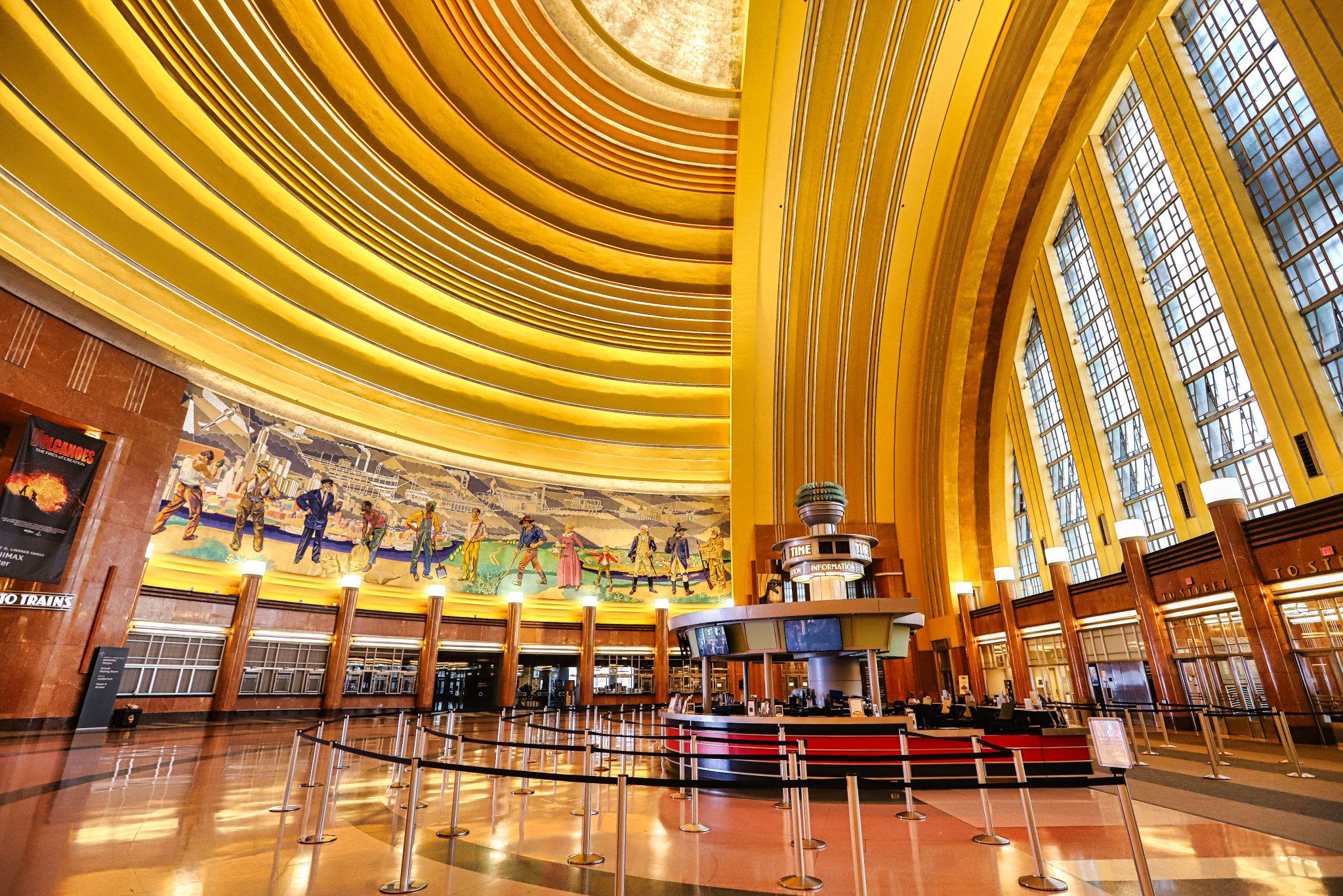
Cincinnati has a showstopper of a building in Cincinnati Union Terminal, a 1933 rail-era landmark that feels cinematic the moment you step into the rotunda. Today it houses Cincinnati Museum Center, a multi-museum complex with major offerings like the Cincinnati History Museum, Museum of Natural History & Science, and more, all under one Art Deco roof in a National Historic Landmark. For travelers, it’s a one-stop immersion into the city and the region, and it’s especially handy when weather nudges you toward indoor plans.
Eden Park and the Cincinnati Art Museum
Cincinnati’s museum scene doesn’t feel tucked away; it’s woven into the city’s daily rhythm. The CincinnatiArt Museum, set in scenic Eden Park, offers free general admission every day, making it simple to pop in even if you only have an hour.
Pair it with a park walk for skyline views and you’ve got a classic Cincinnati afternoon: art, trees, and the sense of a city that invested early in public culture and kept that commitment alive.
Quirky, Wonderful, and Only Here: The American Sign Museum
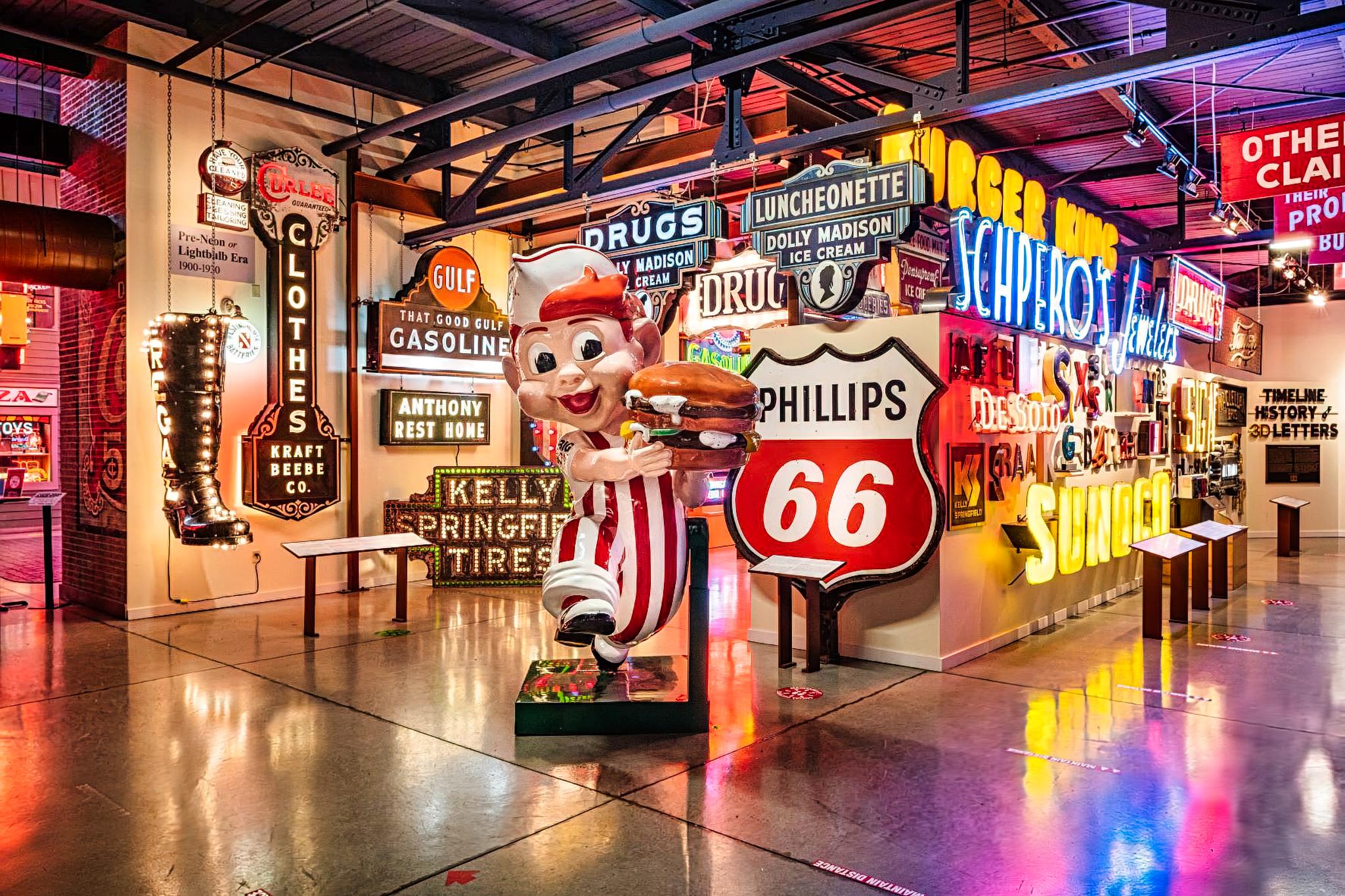
This city also excels at the kind of attraction that surprises you, in the best way. TheAmerican Sign Museum covers more than 100 years ofAmerican sign history, with a large permanent collection that makes you see design, advertising, and roadside culture through fresh eyes.
It’s nostalgic without being kitschy, visually bold, and a reminder that theAmerican road trip has always had its own language, written in neon, enamel, and giant letters.
Sports Are Part of the City’s Pulse
Cincinnati is a sports town in the way that matters to visitors: the energy is contagious even if you don’t know the roster. The NFL’s Cincinnati Bengals play at Paycor Stadium on the riverfront, while the MLB’s Cincinnati Reds call GreatAmerican Ball Park home. It opened in 2003 and is beautifully positioned for skyline-and-river views beyond the outfield.
Soccer has surged here too, with FC Cincinnati playing at TQL Stadium, which opened in 2021 and helped cement match day as a major city experience.
Local Cuisine: Cincinnati Comfort With a Point of Pride
Cincinnati’s signature flavors reflect its immigrant roots and its knack for turning the practical into the beloved. Cincinnati chili -- born in the 1920s from immigrant restaurateurs and famously served over spaghetti -- has become a local institution with its own traditions and ordering language.
Another regional staple is goetta, inspired by recipes passed down by German immigrants dating to the late 1800s and still enjoyed as a hearty, pan-fried comfort food. Come hungry, try both, and you’ll understand why Cincinnatians talk about these dishes with the affection other cities reserve for landmarks.
Enjoy Your Visit
Cincinnati is the kind of destination that fits real travel lives. It works for a quick weekend, a longer loop through the Ohio River Valley, or a groupfriendly itinerary built around walkable districts, major museums, and ballpark nights.
You can start with history, drift into art and architecture, follow the river until dinner, then end the day with the glow of stadium lights or the sparkle of downtown. In the Queen City, the best experiences don’t compete, they connect, like neighborhoods joined by bridges and stories tied together by a river that keeps moving.
https://www.visitcincy.com
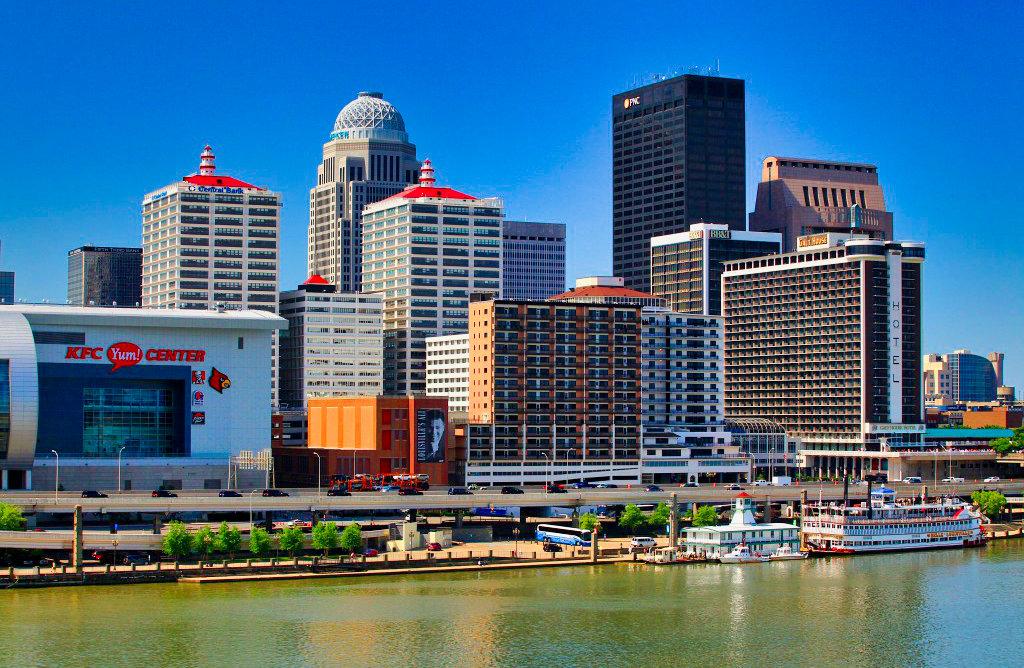
From a frontier port at the Falls of the Ohio to a modern, museum-rich city with world-famous races and a seriously satisfying food scene, Louisville turns a long weekend into a highlight reel.
Louisville’s storystarts withgeography.
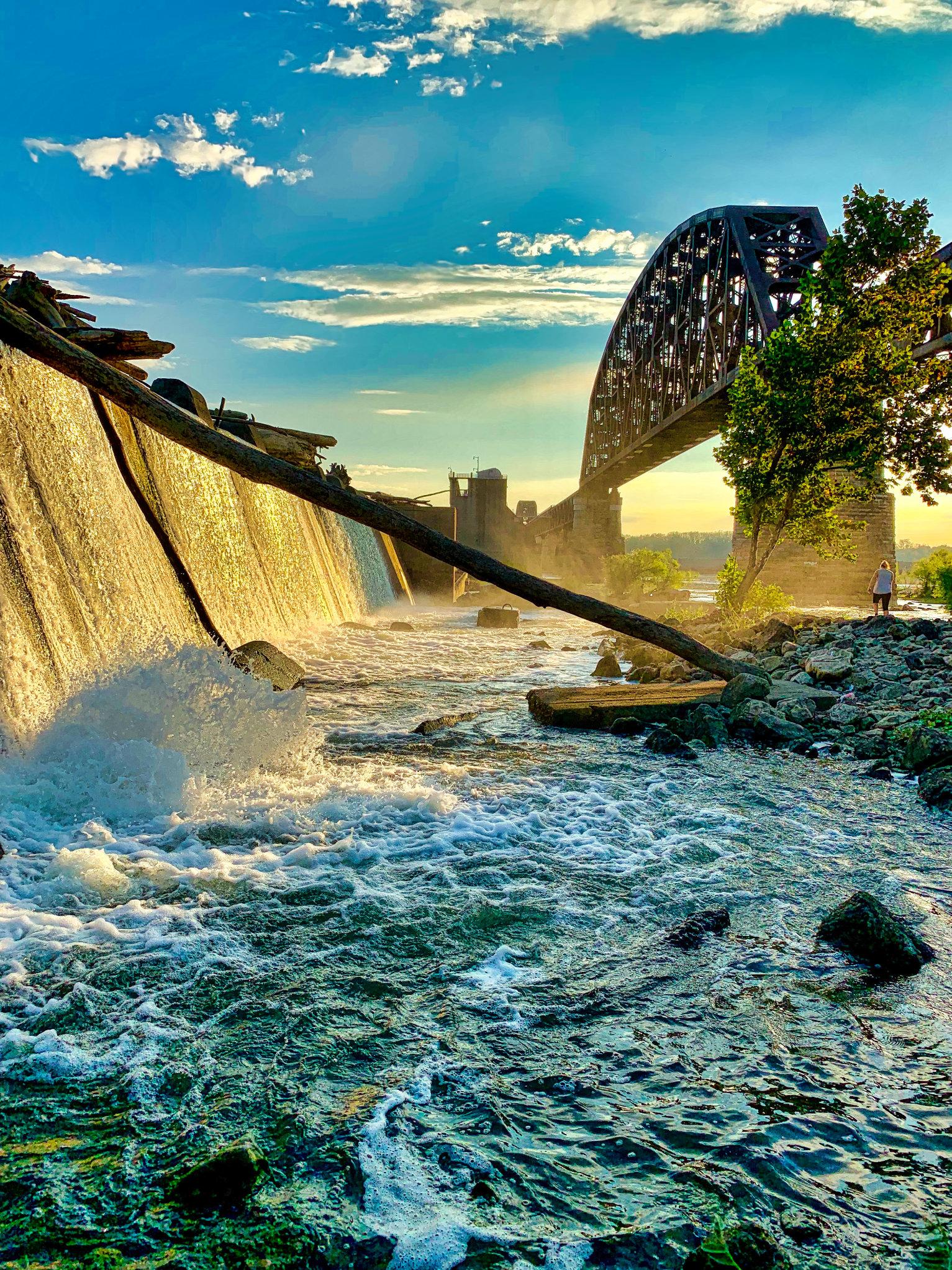
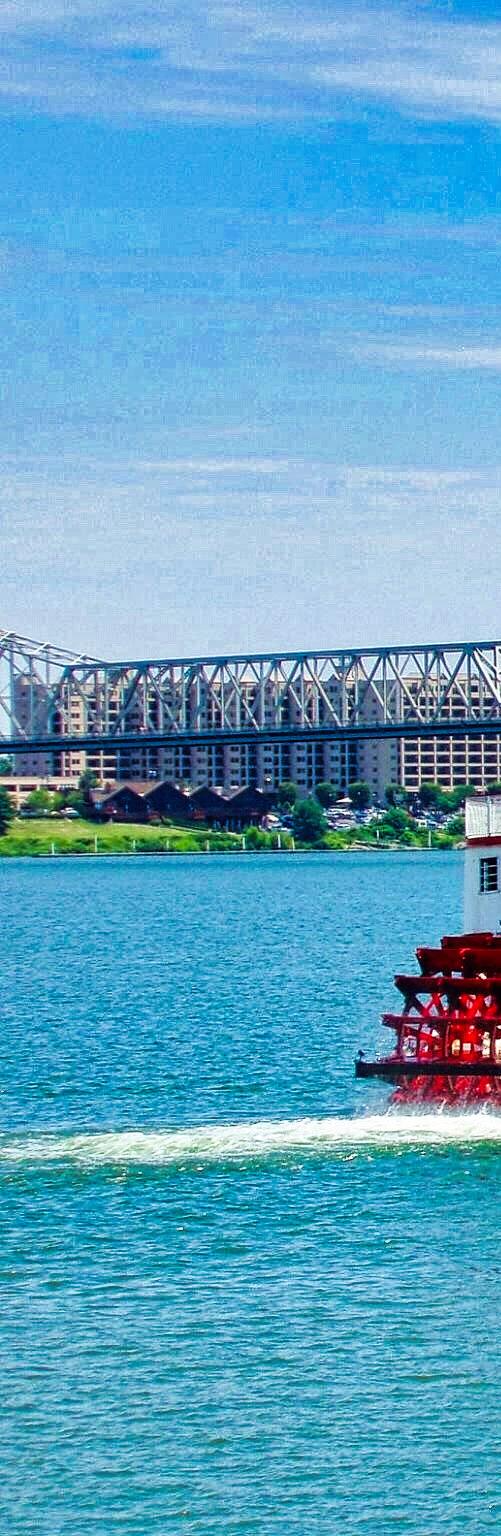
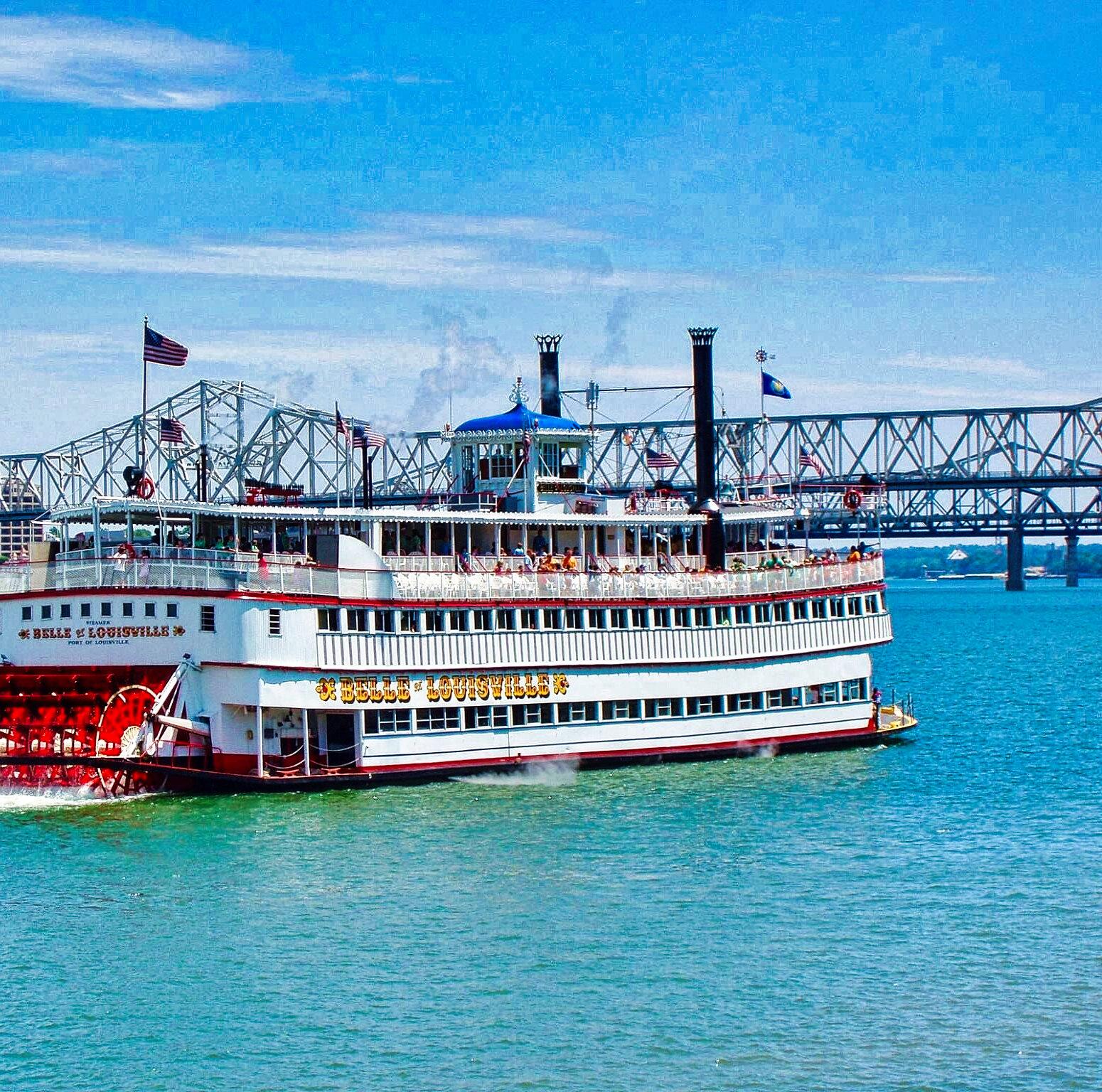
Founded in1778byGeorgeRogers Clarkand named inhonor of France’s KingLouis XVI, thesettlementgrew wheretheFalls of theOhioforced boats to stop, unload,and portage,turninganatural obstacleinto economicopportunity. Thatriver logic stillshapes thevisitor experiencetoday:theOhio River is notbackground sceneryhere;it’s thecity’s frontporch.
From Steamboats to Skyline, Louisville’s Early Rise
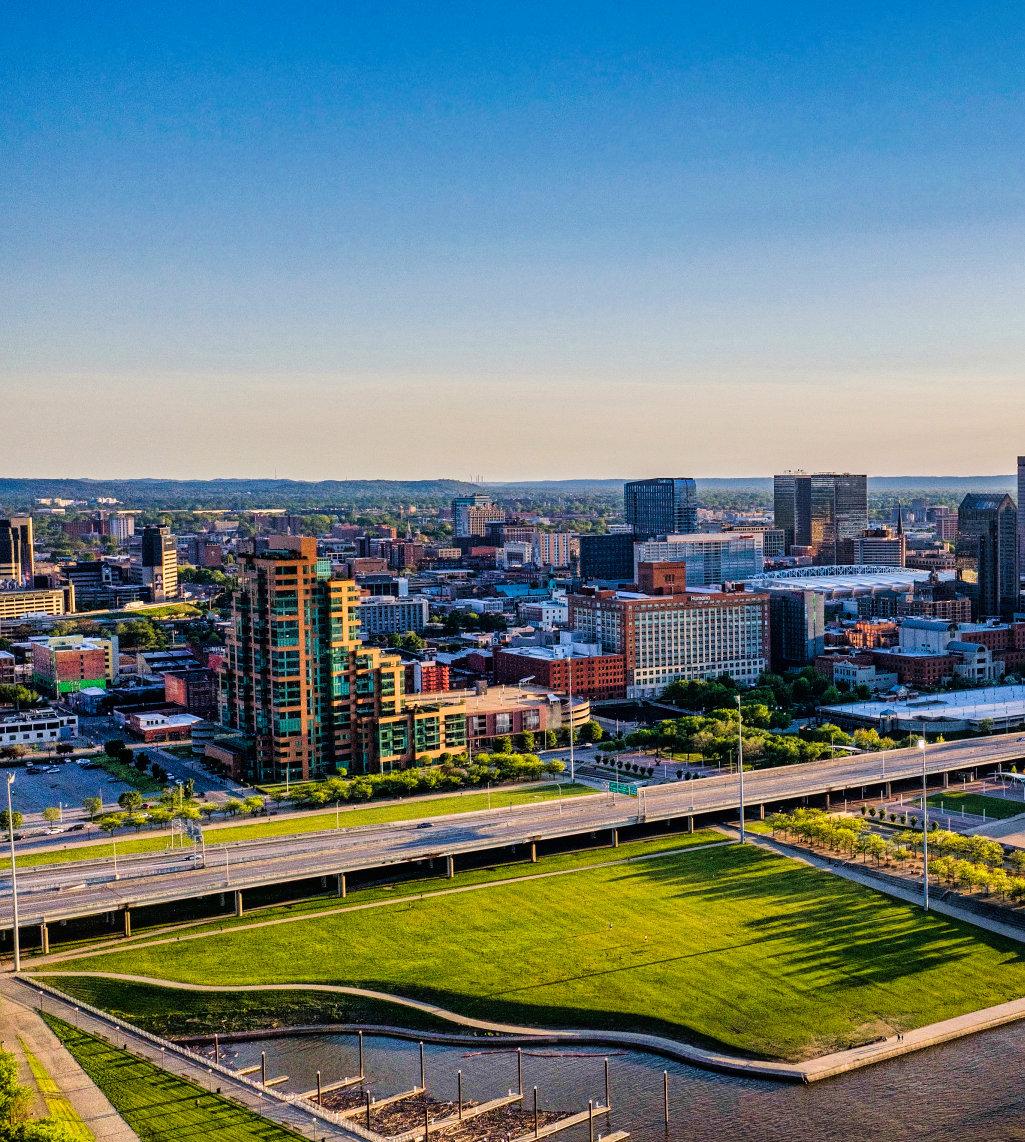
Louisville’s growth accelerated in the early 1800s as river traffic and industry expanded, transforming the city into a major Kentucky hub. Travel through downtown and you can still feel that era in the rhythm of West Main Street -- historic façades, old warehouse proportions, and the sense that commerce once moved by paddlewheel and barrel.
Waterfront Park and the Big Four Bridge: Louisville’s Best Walk
If you want one “do-this-first” experience, make it the riverfront. Waterfront Park is built for wandering, and the Big Four Bridge is the crown jewel -- a former railroad bridge reborn as a pedestrian and bicycle crossing between Louisville and Jeffersonville, Indiana.
The bridge is about a half-mile long and draws an estimated 1.5 million walkers and riders a year, which tells you everything about how locals use the riverfront: not as a special-occasion destination, but as daily life.
The Derby City Legend: Churchill Downs and
the “Run
for the
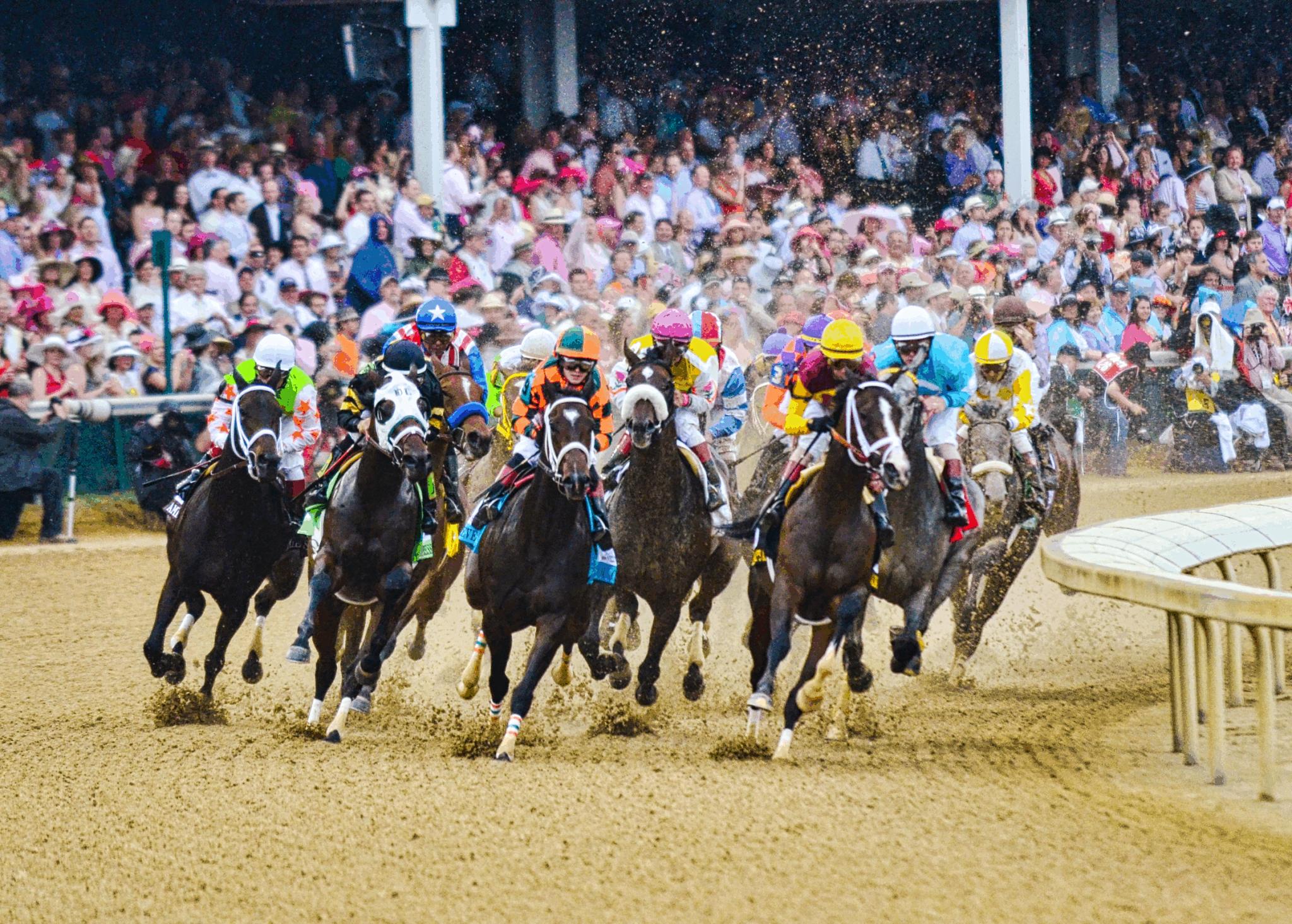
Roses” Louisville owns a place in sports history that needs no introduction. The first Kentucky Derby was run on May 17, 1875, beginning a tradition that still defines the city every spring.
Even outside Derby season, Churchill Downs has that unmistakable sense of occasion -- grandstands, spires, and the feeling that you’re standing inside an American ritual.
Kentucky Derby Museum: Tradition, Style, and Stories Behind the Race
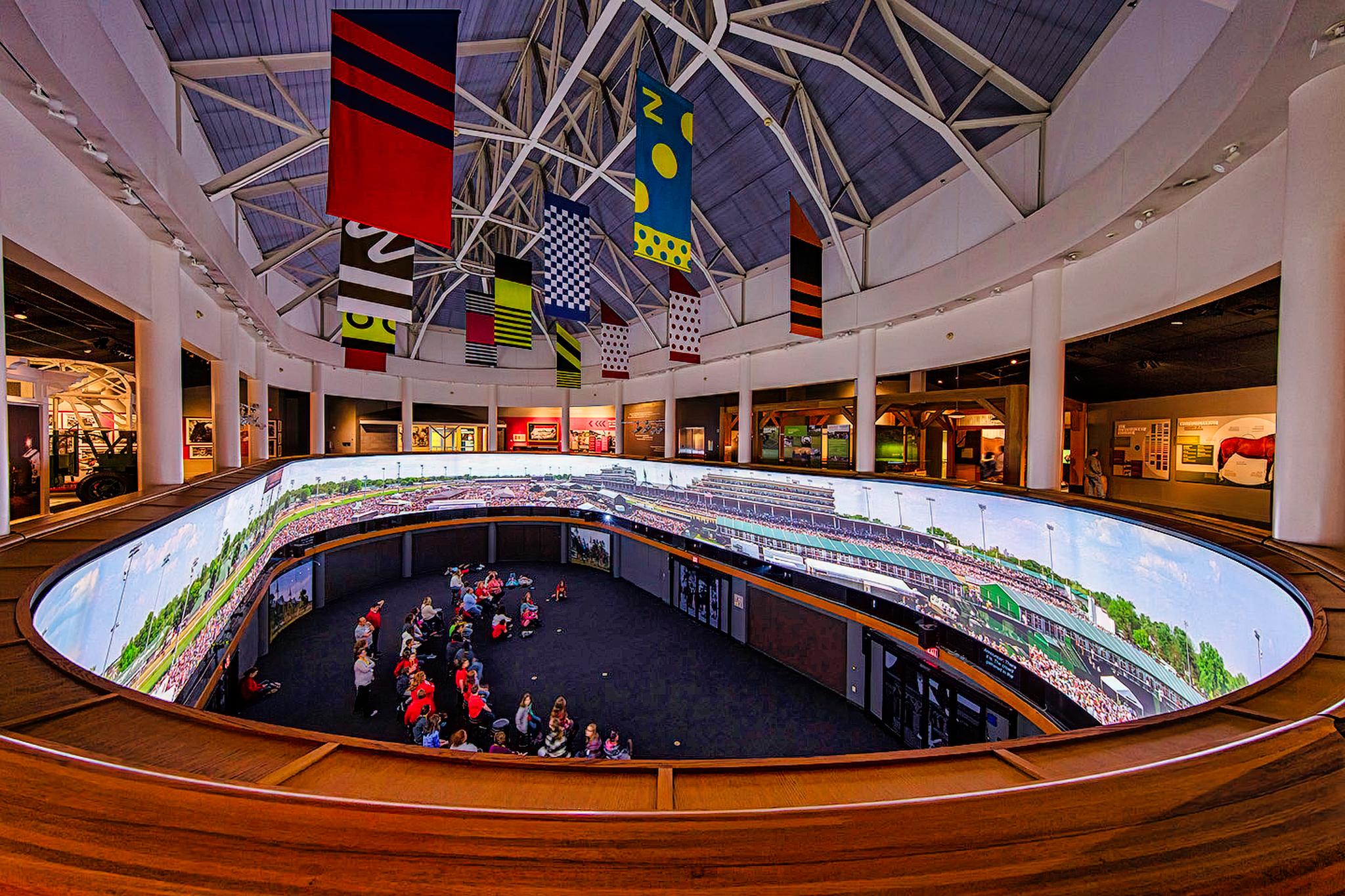
Pair the track with the Kentucky Derby Museum, where exhibits and tours keep the Derby story alive year-round.
For travelers, it’s the difference between “I saw Churchill Downs” and “I understand why Churchill Downs matters”, including fashion, personalities, and the culture that turned one day in May into a global event.
Museum Row and the Bourbon Starting Line
Louisville’s West Main Street is often called “Museum Row” for good reason, and it’s one of the easiest cultural clusters to navigate. The Frazier Kentucky History Museum anchors the stretch and also serves as the Official Starting Point of the Kentucky Bourbon Trail, perfect for visitors who want to pair history exhibits with the state’s signature spirit. It’s a very Louisville combination: learn something, then toast to it.
Whiskey Row: Where the City Pours Its Personality
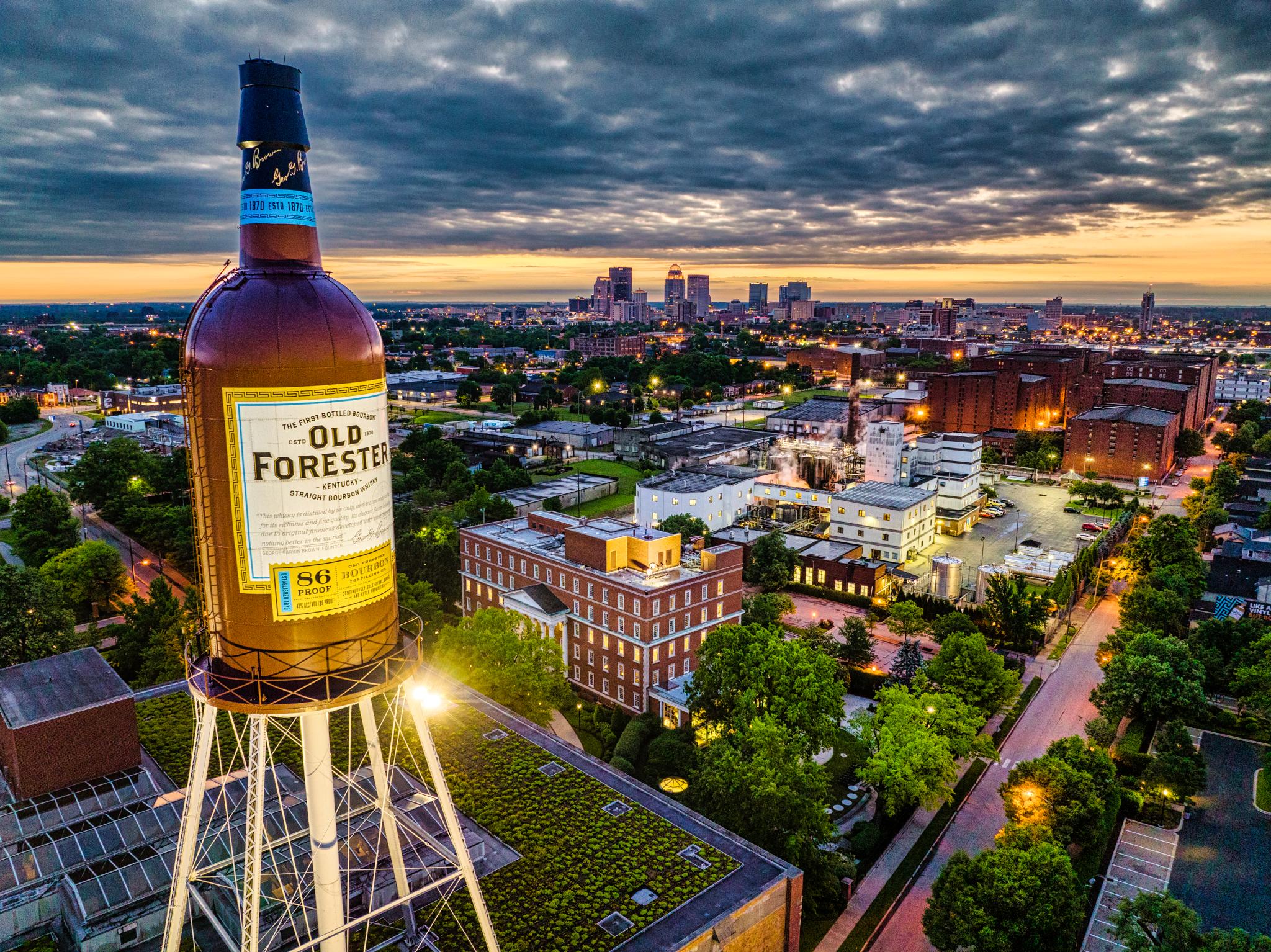
Bourbon isn’t a side note here, it’s part of the city’s welcome. On historic Whiskey Row, the Evan Williams Bourbon Experience bills itself as the first
distillery on Whiskey Row, placing tastings and tours right in the middle of downtown sightseeing.
Even travelers who “aren’t whiskey people” often find themselves converted by the storytelling -- how barrels age, how flavors develop, and how Kentucky’s identity ended up in a glass.
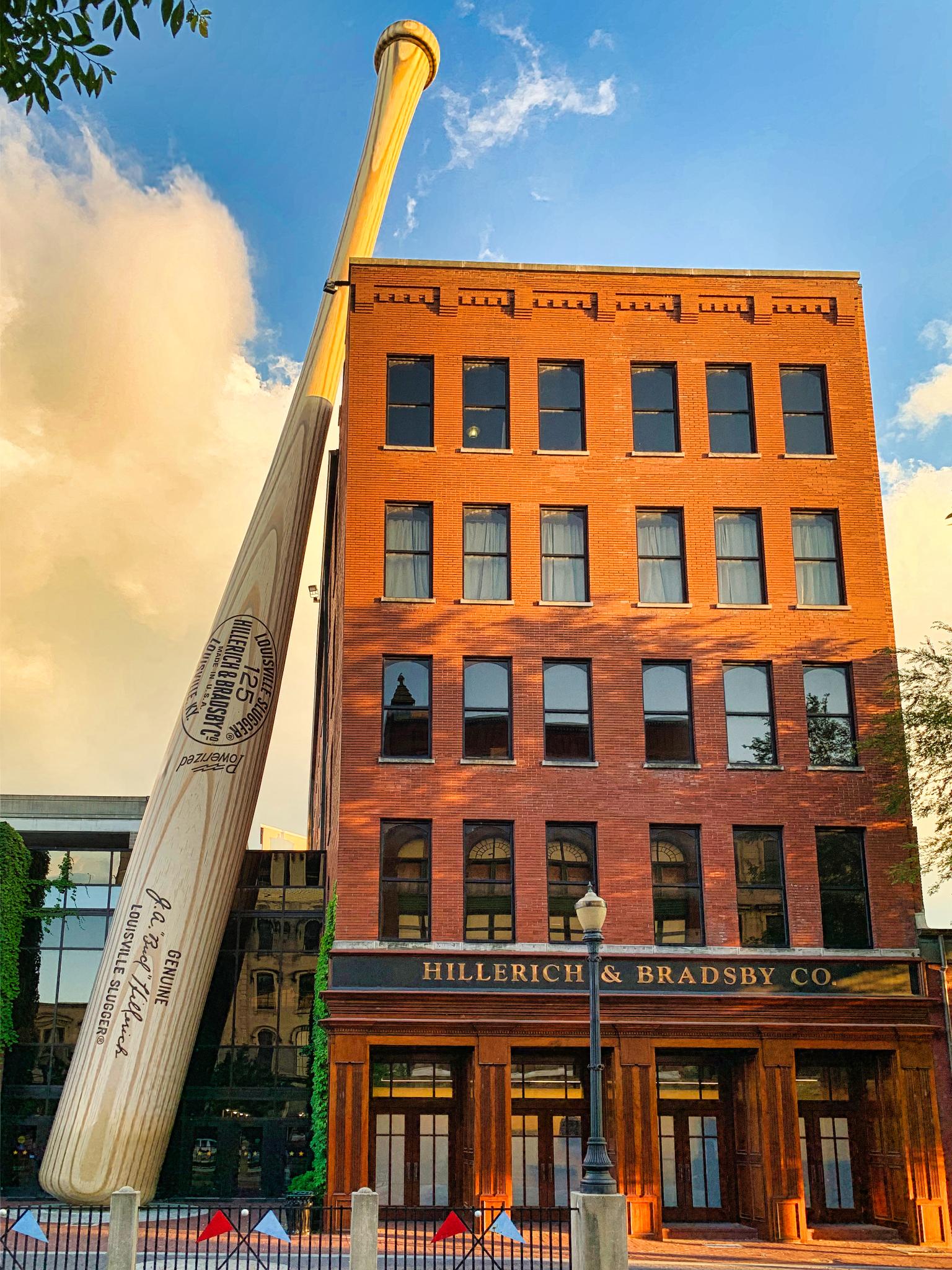
Louisville Slugger: A Factory Tour with All-American Swagger
Baseball fans make the pilgrimage, but you don’t need to know your batting average to love this stop.
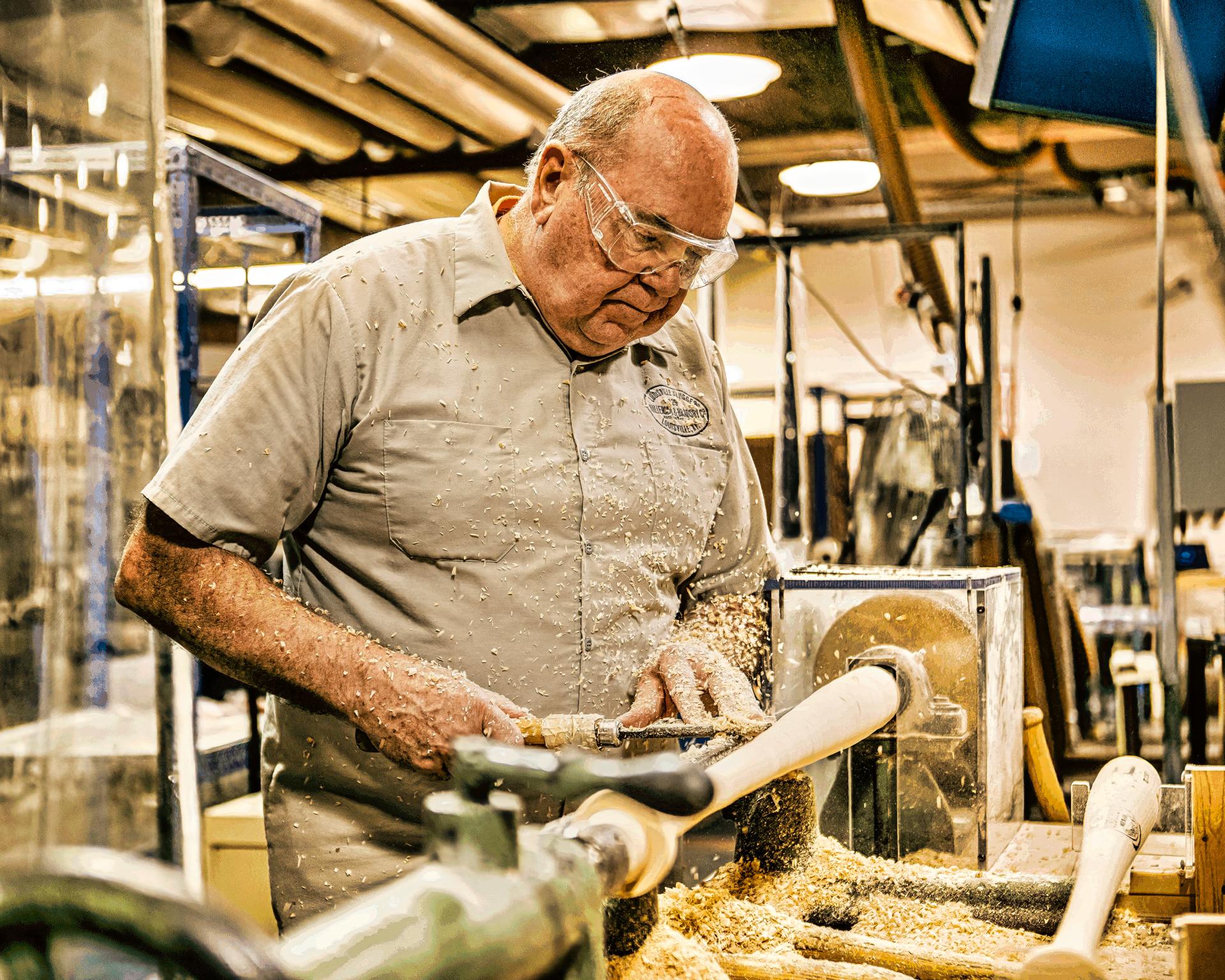
Louisville Slugger Museum & Factory celebrates the role the bats have played across the sport’s past, present, and future -- and the factory setting gives it that satisfying “this is the real thing” feeling.
It’s pureAmericana, and it fits Louisville perfectly: industry, sports, and nostalgia -- all still in motion.
Muhammad Ali’s Louisville: A Museum with a Message
Louisville is also the hometown of Muhammad Ali, and the MuhammadAli Center keeps his legacy focused on inspiration and positive change as much as athletic greatness. It’s an essential stop because it connects the city to the wider world, civil rights, global citizenship, and the power of personality when it’s backed by purpose.
Art in Every Direction: The Speed and 21c
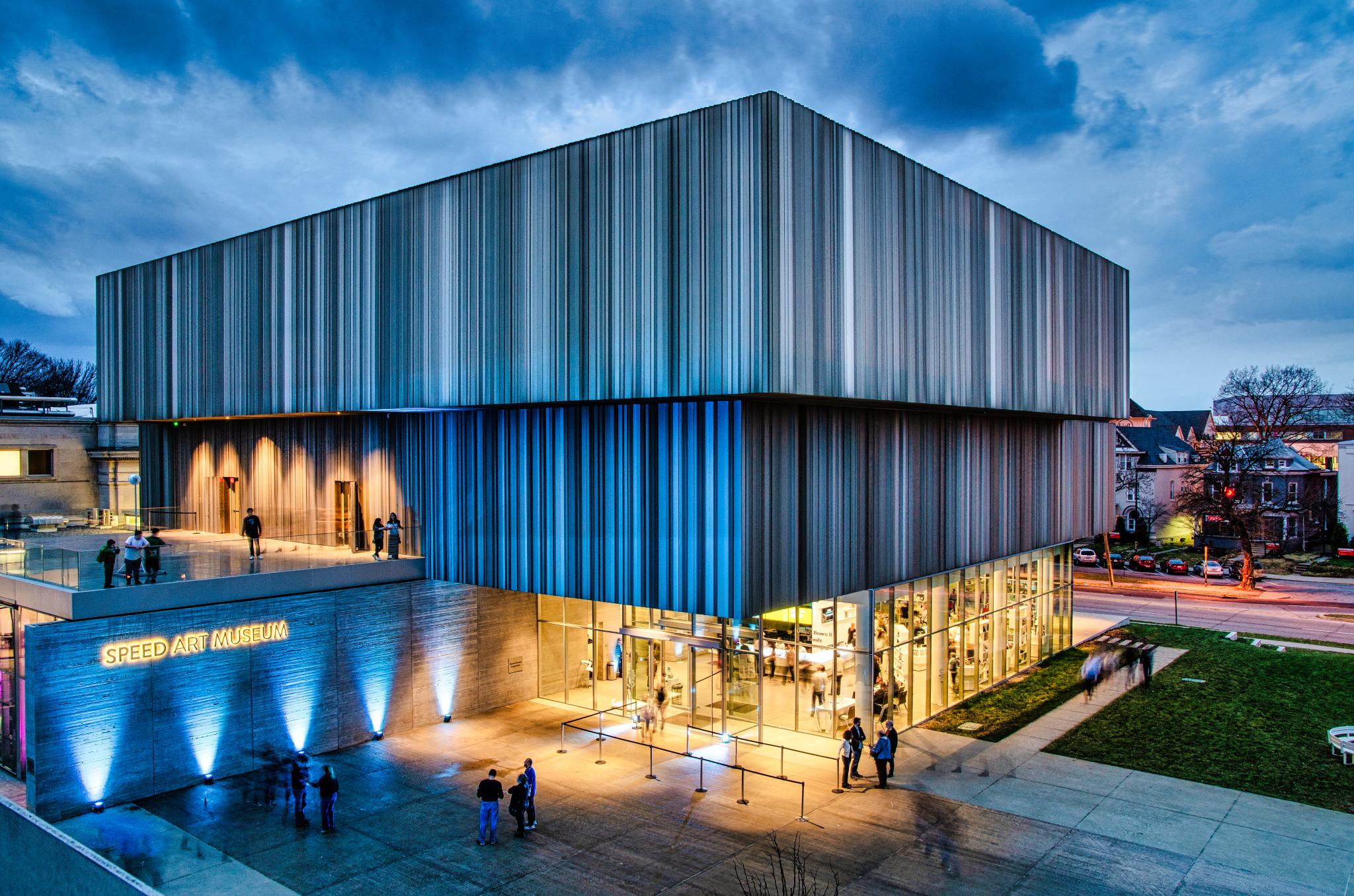
Louisville’s art scene punches above its weight. The SpeedArt Museum, Kentucky’s oldest and largest art museum, adds a major cultural anchor near the University of Louisville.
Louisville’s art scene delivers far more than most travelers expect. The SpeedArt Museum, Kentucky’s oldest and largest art museum, anchors the cultural landscape near the University of Louisville, while downtown the 21c Museum Hotel turns contemporary art into part of everyday life, offering a 24-hour museum experience that makes browsing world-class exhibitions as easy as stepping in for a drink.
Underground
Louisville:
The Mega Cavern Surprise
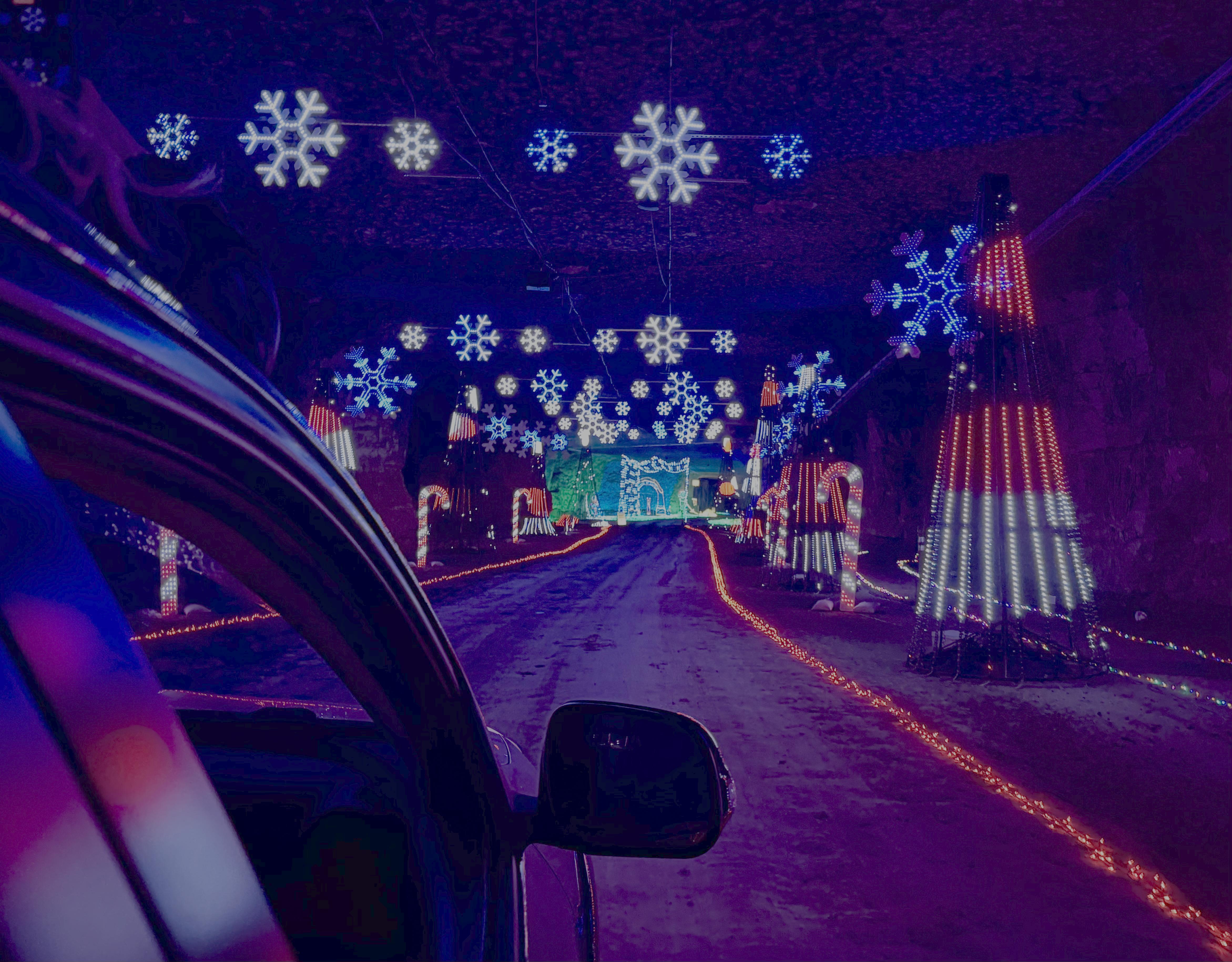
Just when you think you’ve got the city figured out -river, bourbon, museums -- Louisville sends you underground.
Louisville Mega Cavern markets itself as a unique subterranean playground with options ranging from a narrated tram tour to what it calls the world’s only fully underground zip line course.
It’s a fun, weather-proof wildcard for families, groups, and anyone who likes their travel stories to start with: “So, we went into this cave beneath the city…”
Old
Louisville:
Victorian Grandeur on a Human Scale
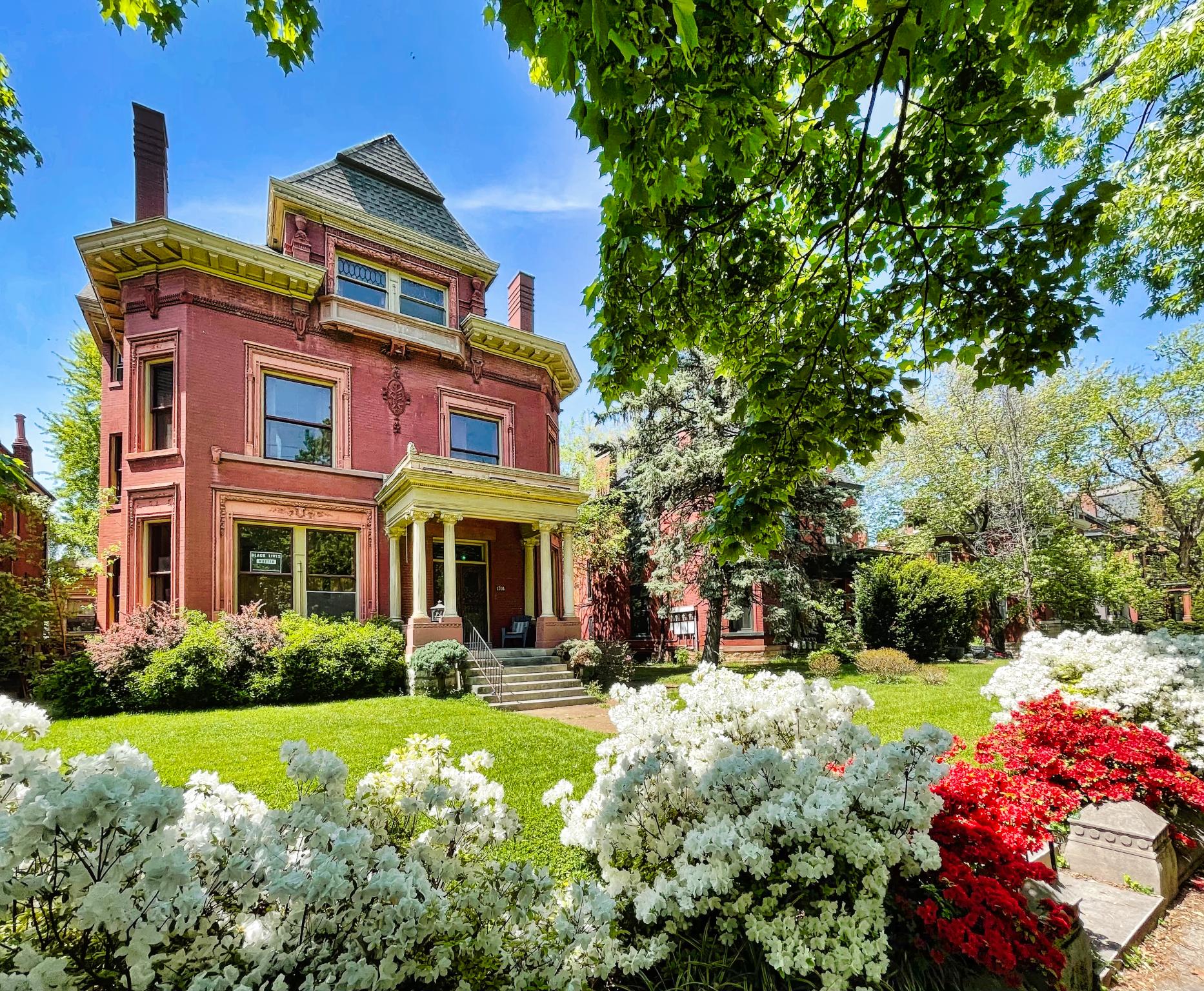
Louisville’s history isn’t only downtown. Old Louisville is famous for its Victorian streetscapes, described as having the largest collection of restored Victorian homes in the country and ranking among the nation’s largest historic preservation districts.
Aslow drive or walking tour here feels like stepping into another century, with ironwork, stained glass, and porchlined blocks that make you want to take the long way.
Sports Nights Beyond the Derby: Soccer, Baseball, and a Big Arena Glow
Louisville keeps the calendar busy. Lynn Family Stadium is a modern home base for pro soccer -- hosting Louisville City FC and Racing Louisville FC, adding high-energy match days to the city’s warm-weather lineup.
For classicAmericana, the Louisville Bats (Triple-Aaffiliate of the
Cincinnati Reds) play at Louisville Slugger Field, an easy add-on to a downtown itinerary.
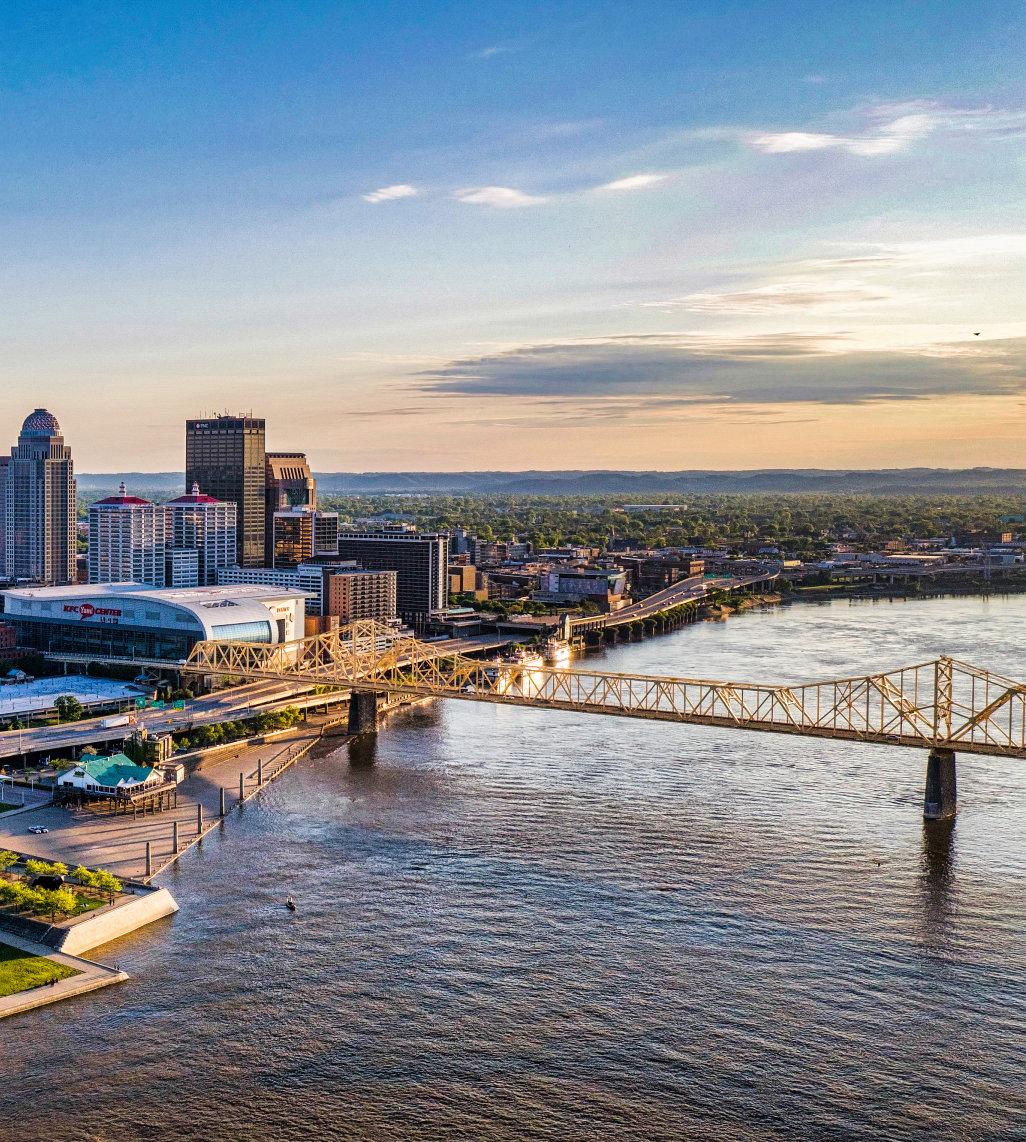
And when you want a major-event atmosphere, concerts, big games, and that “downtown is buzzing” feeling, the KFC Yum! Center, opened in 2010, brings arena-scale energy right to the riverfront edge of downtown.
Local Cuisine: The Hot Brown and the Taste of Kentucky
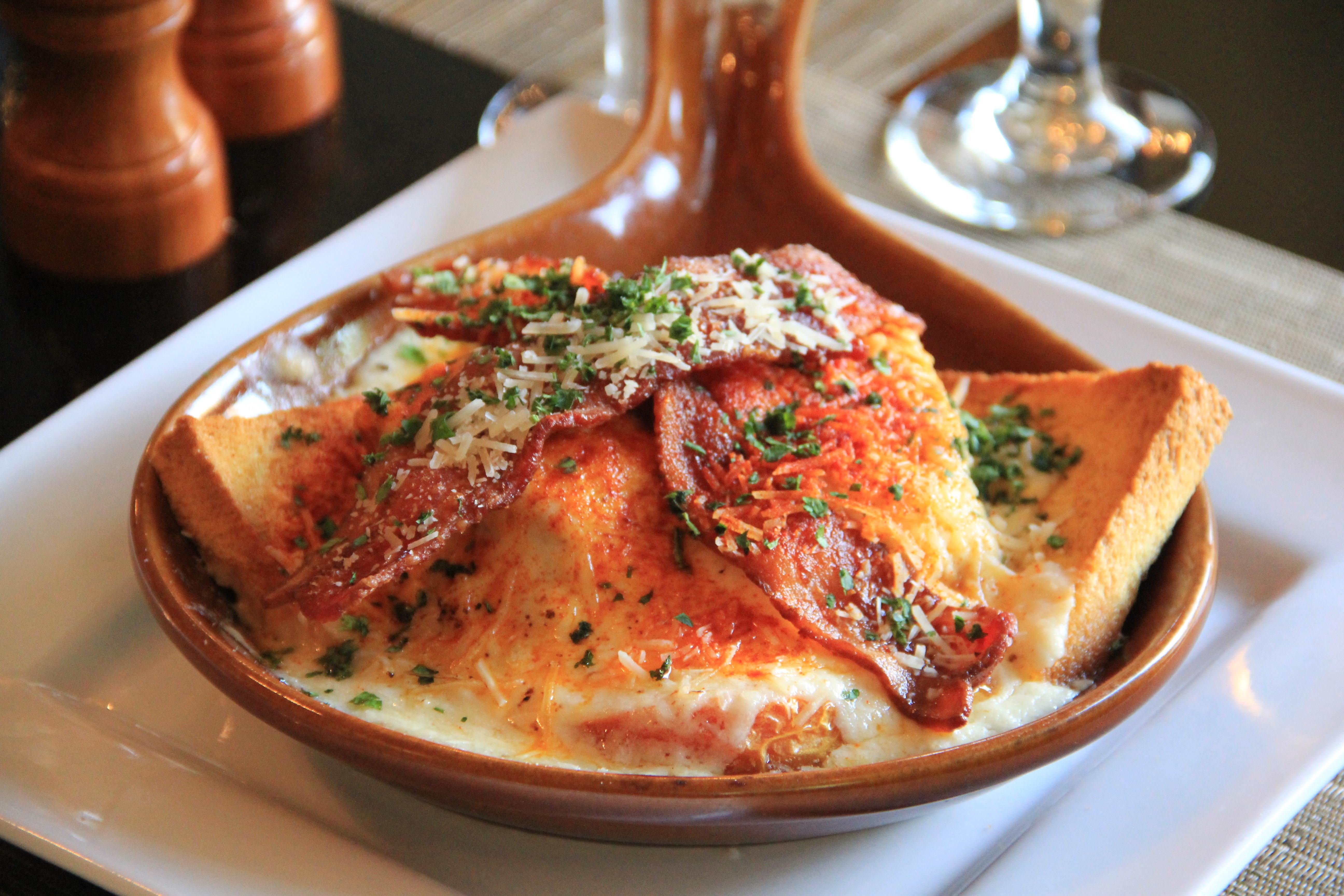
Louisville’s food scene has both iconic originals and modern momentum. The signature dish is the Hot Brown, created at The Brown Hotel in the 1920s as a late-night bite for dinner-dance guests, an open-faced turkey sandwich with bacon and Mornay sauce that still feels like Louisville comfort on a plate.
Add bourbon experiences on Whiskey Row and along Museum Row, and your Louisville meals naturally start to pair with Kentucky’s best-known flavor.
Why Louisville Belongs on a Byways Itinerary
Louisville works because it layers experiences without making travel feel complicated. You can walk a riverfront bridge at sunrise, tour a legendary racetrack by midday, spend the afternoon in museums that range fromAli to contemporary art, then end the night with a Hot Brown or a bourbon toast on historic streets.
In Louisville, the distance between “classic American” and “surprisingly current” is often just a few blocks, and that’s exactly what keeps travelers coming back.
https://www.gotolouisville.com
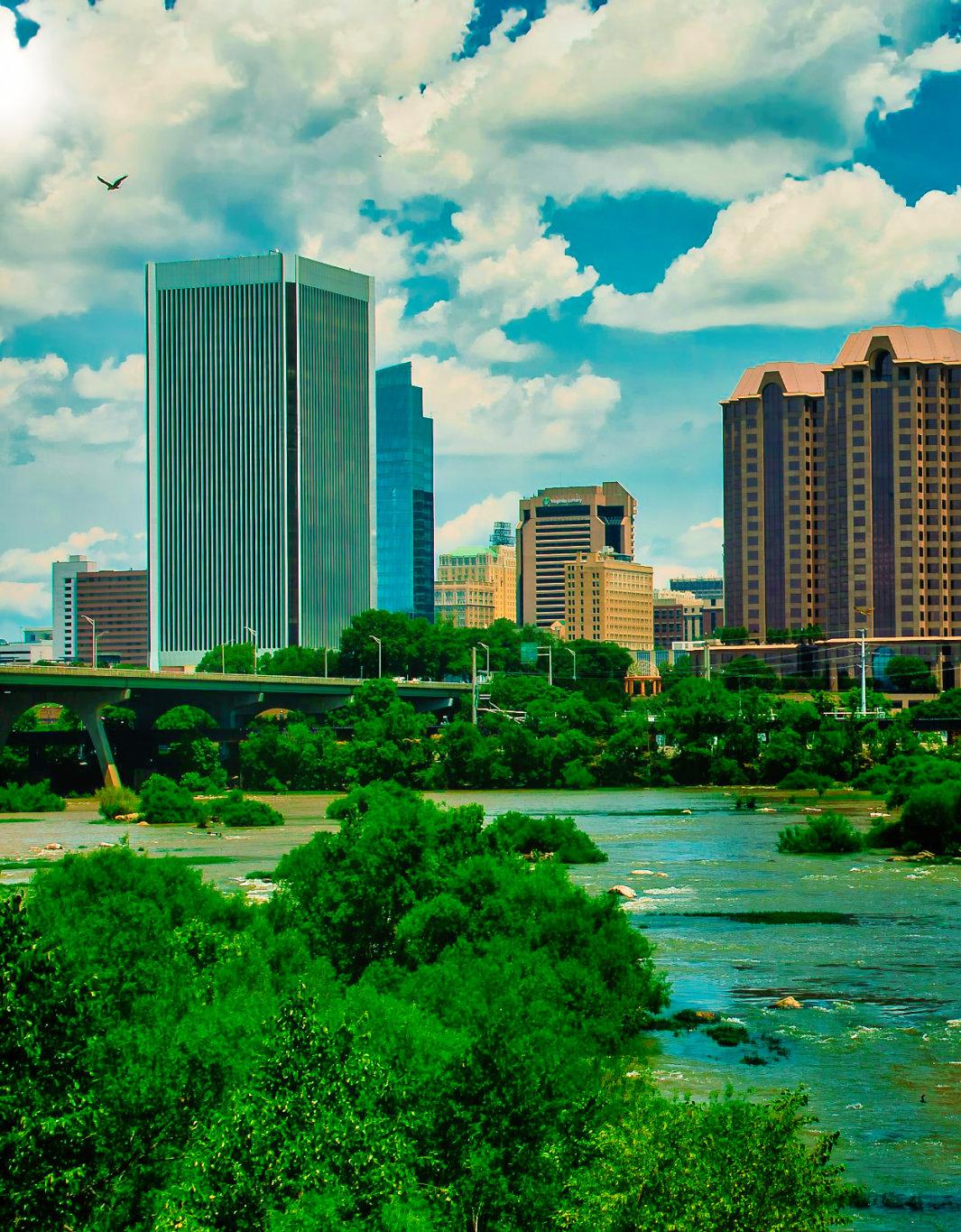
Richmondsits on theJames River withthe confidenceof astatecapitalandthewarmthof aplacethatstillvalues localrituals,Saturday markets, park walks, front-porchdining,and ballgames on summer nights.
Comefor thehistoryand museums,stayfor theriver views,lively districts,and afood-and-drinkscenethat keeps finding new ways to surpriseyou.
The Revolutionary Era
This is a city whereAmerica’s biggest stories unfold at street level. Richmond began as a fall-line town where river travel met overland routes, grew into a political center during the Revolutionary era, and later became the Confederate capital during the Civil War.
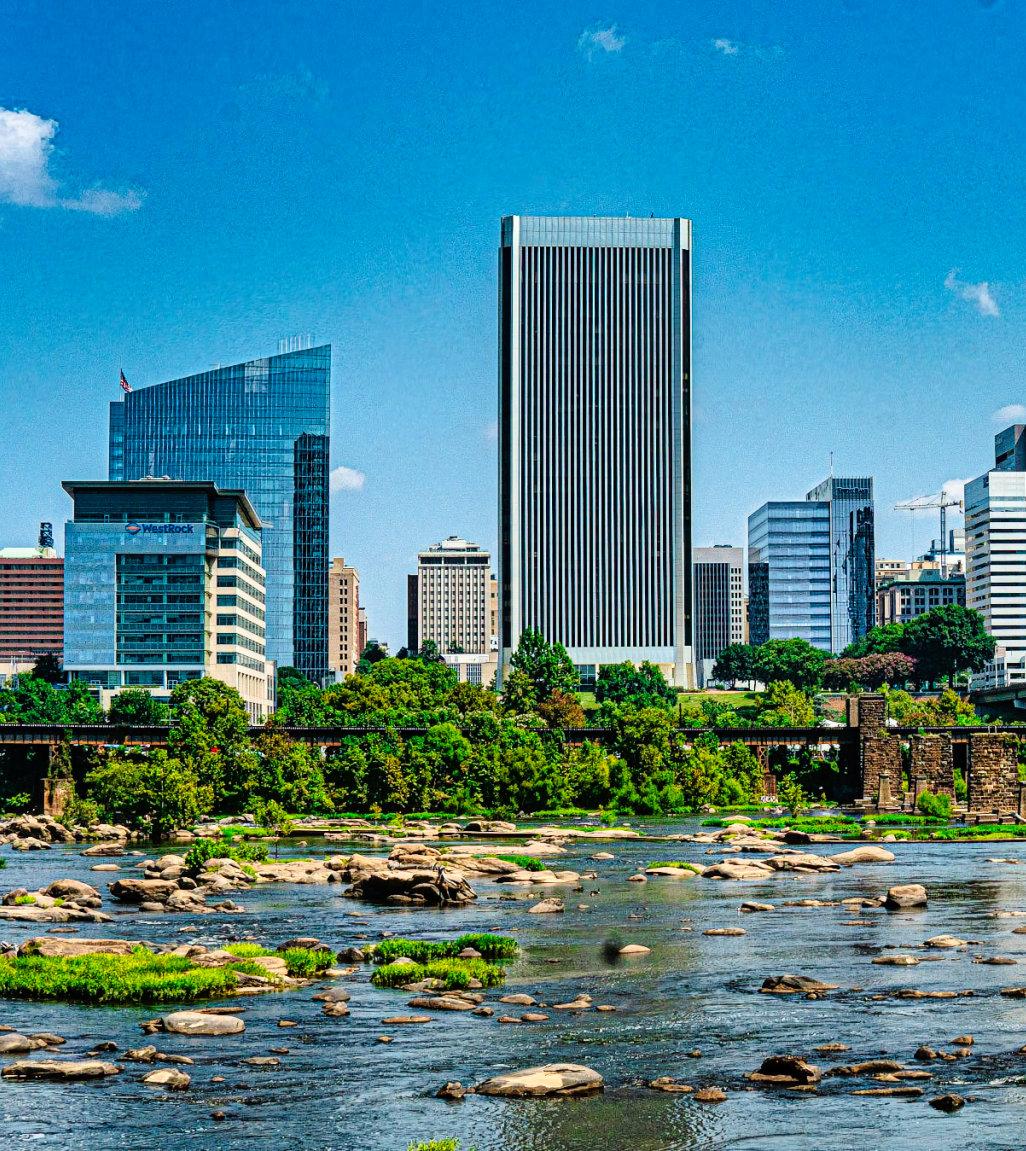
Its location, where the James shifts from navigable water to rocky rapids, shaped everything from commerce to industry to the neighborhoods stacked along the river bluffs. Walk the city today and you feel those layers: old brick and iron beside glass
Byways 54
towers, grand civic buildings just steps from lively cafés and river trails.
Anyvisitnaturallygravitates towardCapitolSquare andtheVirginiaStateCapitol,partmonumentand partworking government.Designed inthelate18th century usingThomas Jefferson’s classicalvision,the building stands as areminder thatRichmonddidn’t justwitnessAmericanideals,ithelpedshapethem. Fromhere, downtown unfolds easilyon foot,making itsimpletodriftbetweenhistory,coffeeshops,and river views.
The James River
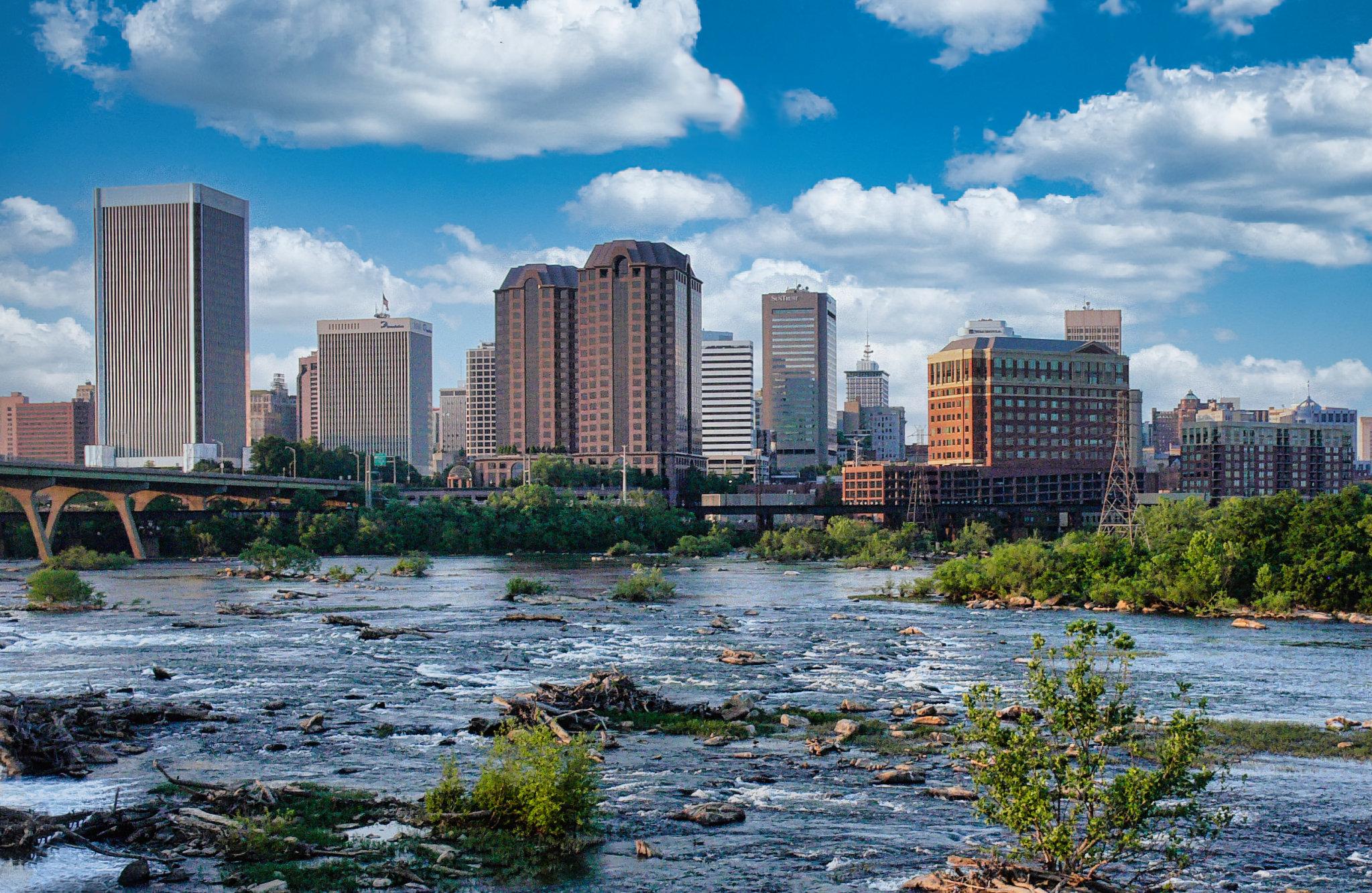
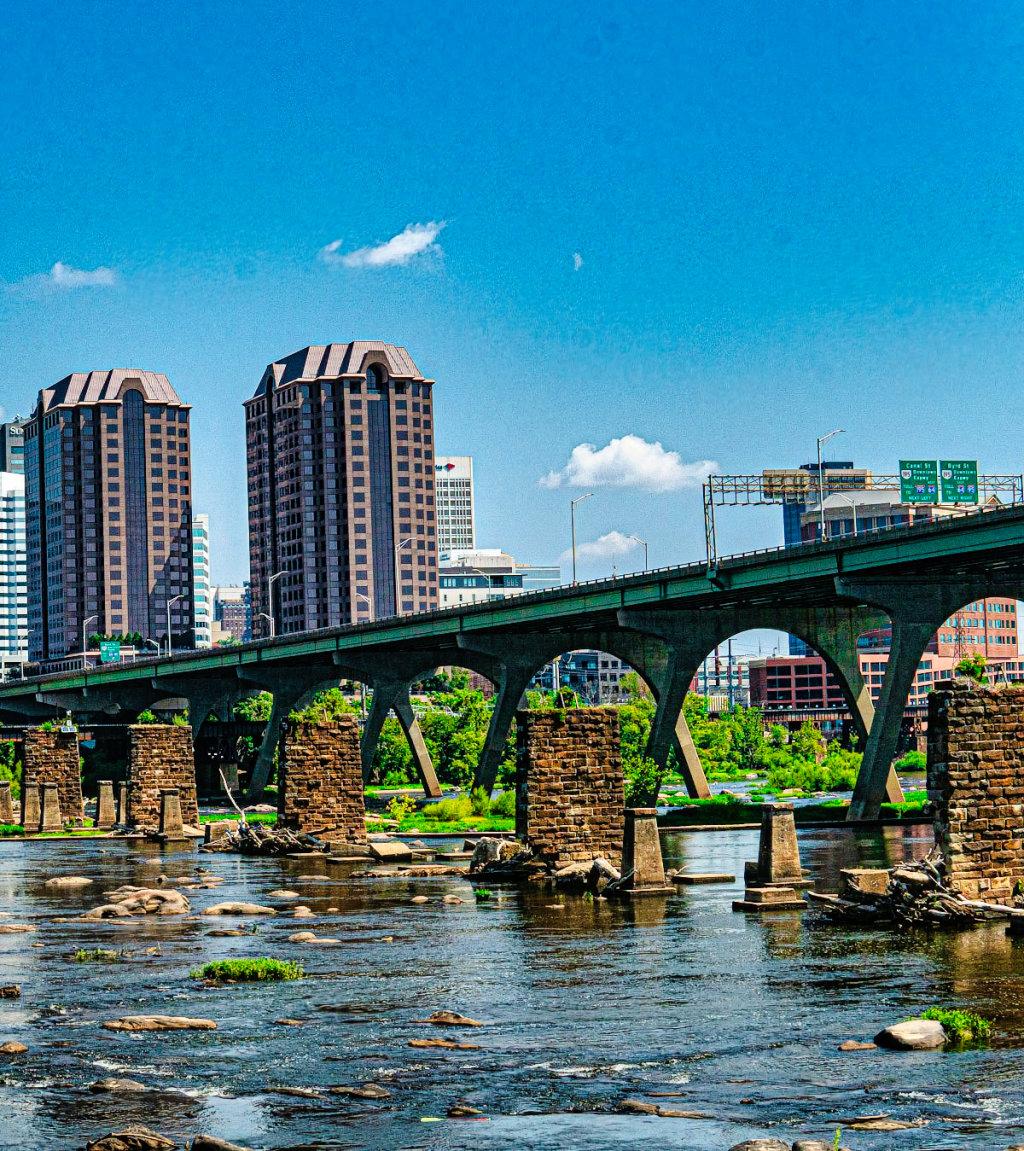
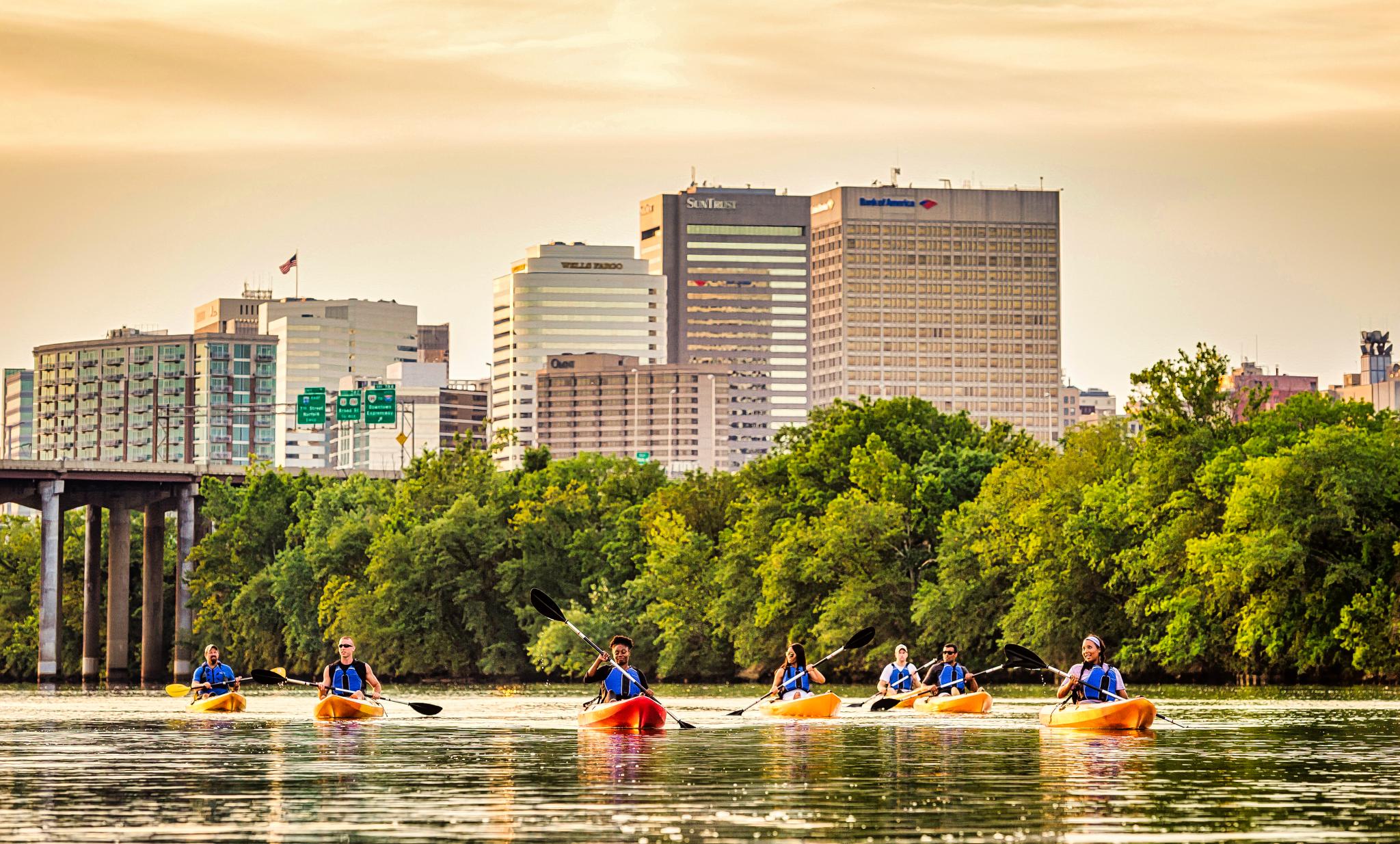
The James River is Richmond’s great unifier. The Riverfront Canal Walk traces the city’s engineering and industrial past, when canals helped move goods around the river’s impassable rapids and connect Richmond to a growing economy. Today it’s one of the city’s most pleasant strolls, with skyline views, interpretive signs, and locals using the riverfront like their own front yard.
Justoffshore, Belle Isleadds awild, unexpectededge. Reached by footbridge, theisland offers rockytrails, rushingwater, and sweeping views back to downtown, oneof thoserareplaces whereamajor city and raw natureshare thesamespace. Woven through the surrounding James River Park System aredeeper stories, too,including the riverfront’s rolein industry and in thedomesticslavetrade,giving the landscapealayeredand honestsenseof place.
Maymont
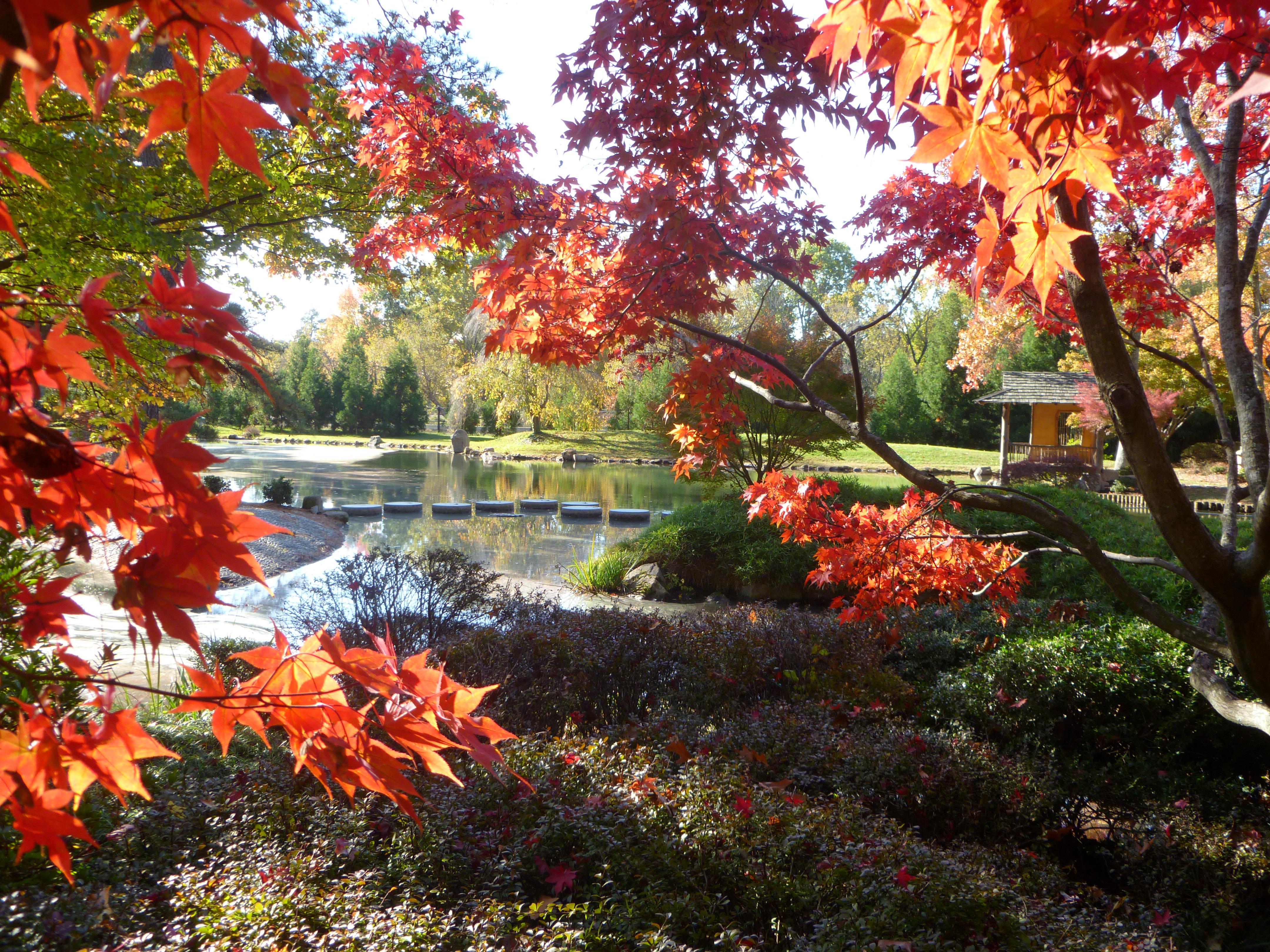
For something gentler, Maymont provides 100 acres of gardens, lawns, and historic elegance wrapped
around a grand GildedAge estate. It’s equally appealing to photographers, families, and anyone who wants to slow down for awhile. The mansion itself has undergone a major preservation project, and is expected to reopen this year. The grounds alone are reason enough to visit.
Virginia Museums
Richmond’s cultural life punches well above its weight, anchored by the Virginia Museum of Fine Arts. Open 365 days a year with free general admission, it invites visitors to drop in casually or spend an entire afternoon moving from ancient art to modern installations.
Pair it with the nearby Museum District and you have a perfect Byways rhythm: art first, then patio dining and a walk through historic streets as evening settles in.
History Comes Alive
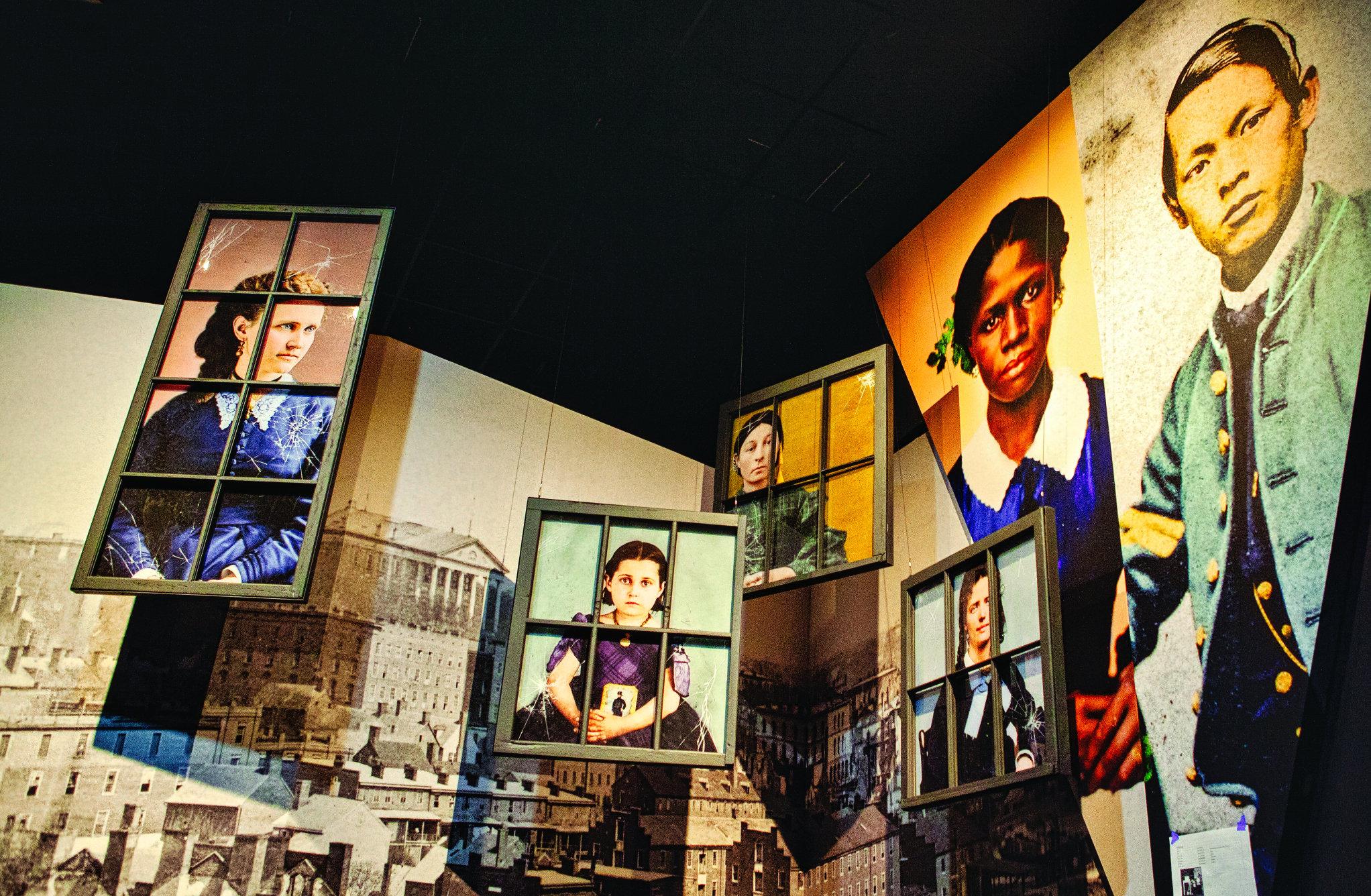
History here is never far away, and it’s best explored with context. The American Civil War Museum at Historic Tredegar stands on the site of the former iron works that once fueled the Confederacy. Its exhibits span the war, Reconstruction, and the long echoes that followed, offering a thoughtful way to understand how Richmond’s past still shapes its present.
To zoom out even further, the Virginia Museum of History & Culture brings together centuries of stories, from
Byways 56
NativeAmerican history to modern Virginia, grounding the city in a broader statewide narrative.
Edgar Allan Poe
Richmond also has a literary streak, most famously tied to EdgarAllan Poe. The Poe Museum, tucked into a cluster of historic buildings and courtyards, captures both the writer’s life and the city’s knack for the atmospheric.
Even a brief visit adds another layer to the Richmond experience, especially when paired with a walk through nearby old streets.
Sports Have A Place in Richmond
Sports provide another side of local life. The Richmond Kickers play soccer at City Stadium, which dates back to 1929, giving match days a sense of tradition as well as energy.
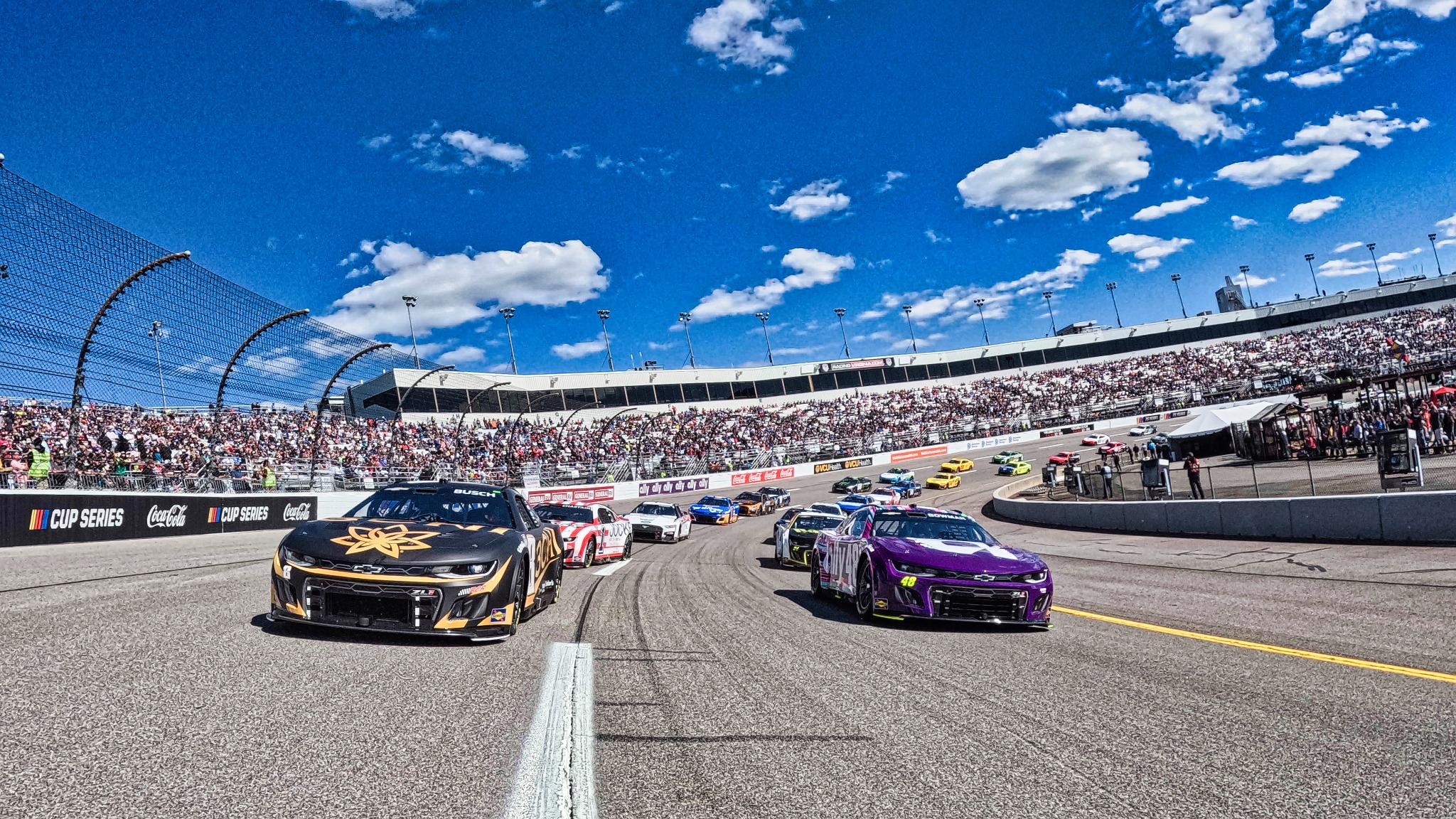
Collegebasketballfills theSiegelCenter andthe Robins Center with fans,whilejustoutsidethecity RichmondRaceway keeps theregion’s racingculture frontandcenter with major NASCARweekends.
Culinary Delights
Food and drink are where Richmond’s personality really shines. Carytown’s “mile of style” invites wandering, with locally owned shops, cafés, and restaurants perfect for a leisurely afternoon.
Scott’sAddition has become the city’s beverage hub, packed with breweries, cideries, and distilleries close enough to feel like a friendly, self-guided crawl. Across the city, chefs draw on Virginia’s classic flavors, country ham, oysters, barbecue, peanuts, while constantly reinventing them.
And for something sweet and unmistakably local, Ukrop’s Rainbow Cookie holds near-legendary status, a small indulgence that says alot about how Richmond treats its traditions.
Richmond Works
In the end, Richmond is a city that works for both planners and wanderers. You can map out museums and historic sites with precision, or simply follow the river, step into a free art gallery, catch a game, and end the day in a neighborhood where the next great meal is only a few blocks away.
It’s a place where bigAmerican stories are told on a human scale, with the James River flowing through it all, a reminder that Richmond, like the river itself, is always moving forward.
https://www.visitrichmondva.com
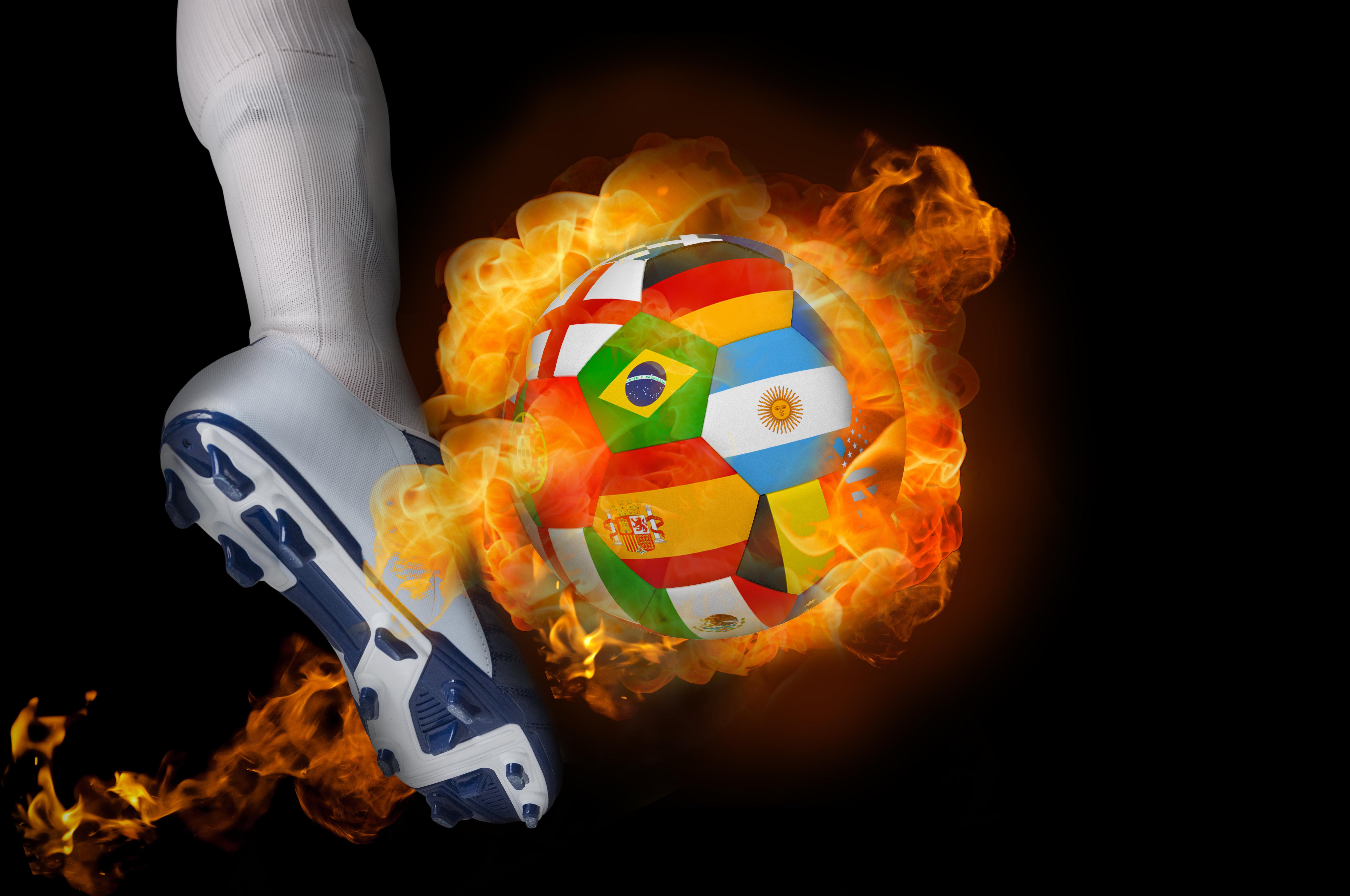
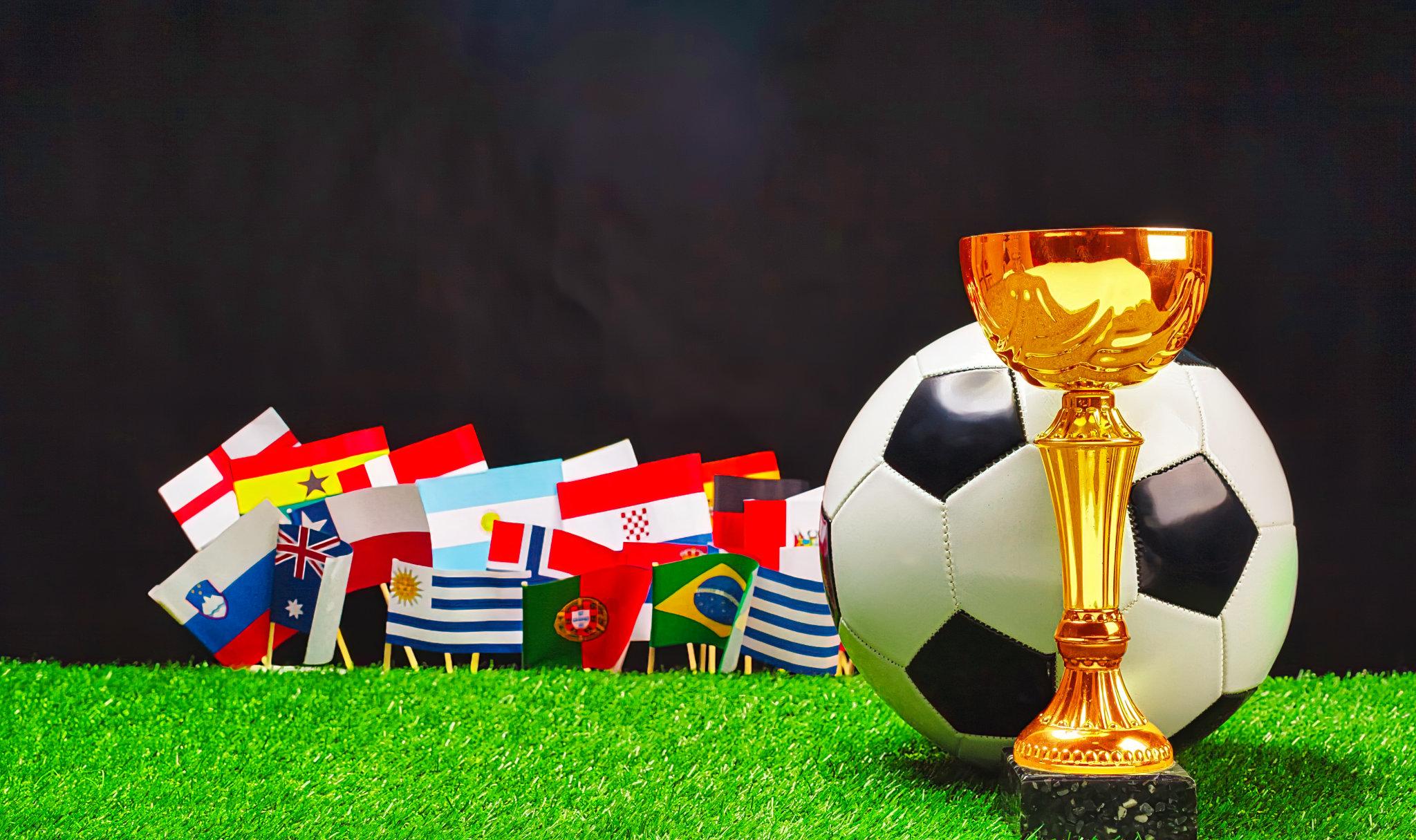
InJuneand July 2026,thebiggesttournamentin globalsportlands inour backyard,anditwon’tbe confined to asinglehostnationor asingle“soccer city”.TheFIFAWorld Cup26™willstretchacross NorthAmerica, bringingnationalteams,fanfestivals, and atraveling carnivalof flags andchants to16host cities.
For travelers, it’s theraresportingeventthatcan doubleas amulti-cityroadtrip:matchdayinone metro, agreatfood sceneor nationalparkdetour the next.
The dates that matter: when the matches happen
FIFAhas set the tournament window as Thursday, June 11 through Sunday, July 19, 2026, with the opening match on June 11 and the final on July 19.
Becausethefield expands to48teams,2026adds moregames and alonger knockoutrunway.In practicalterms, thatmeans moreopportunities to catchamatch withoutneedingafinals ticket-- and morereasons to plan atwo-week(or three-week)
summer itinerary aroundstadiumdays and city days. FIFA’s officialschedulehublists all104matches and organizes thembystage(groupplaythrough the final).
Highlights already baked into thecalendar includethe new Roundof 32(an addedknockoutround),which begins inlateJune-- FIFA’s schedulepages show Roundof 32 fixtures startingSunday, June28,2026.
Where the games will be played: the 16 host cities
FIFA’s official host-city list confirms the 2026 World Cup will be staged in 16 cities across the three host countries, with 11 in the United States, 2 in Canada, and 3 in Mexico.
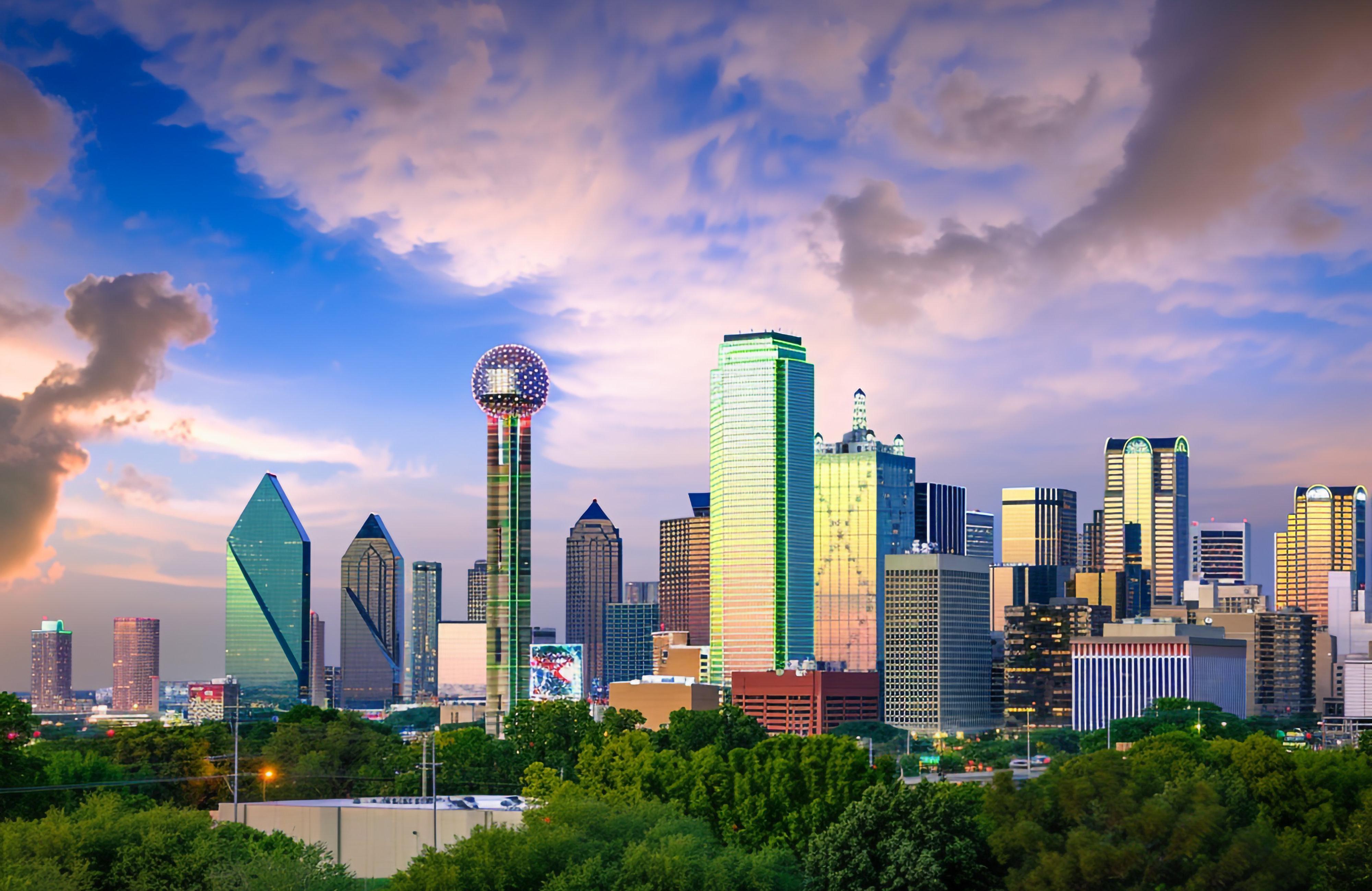
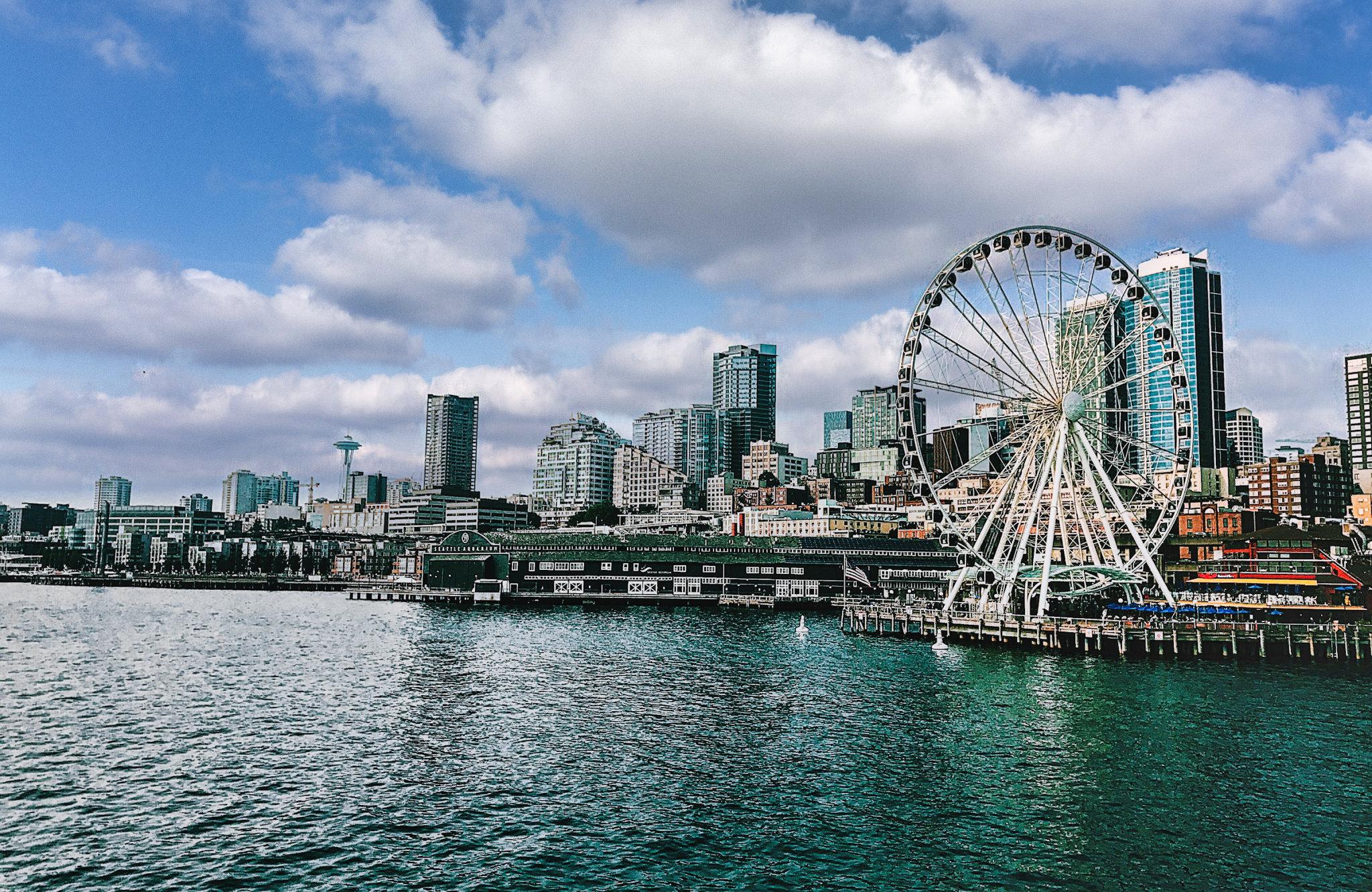
United States(11):Atlanta,Boston,Dallas, Houston, Kansas City, LosAngeles, Miami,NewYork/New Jersey, Philadelphia,SanFrancisco BayArea, Seattle.
Canada(2):Toronto,Vancouver.
Mexico (3):Guadalajara,MexicoCity,Monterrey.
For travelers, this is aWorldCupdesignedfor combining match tickets withdestinationtime-- think waterfronts (Seattle,Vancouver),iconic neighborhoods (Boston,Philadelphia),culinary powerhouses (Houston,MexicoCity),and“bigstage” metro energy (NewYork/New Jersey,LosAngeles).
A quick World Cup primer: why this tournament is different
The World Cup began in 1930, when the first matches were played in Uruguay -- an idea championed by FIFA President Jules Rimet that quickly grew into a global sporting institution. Over the decades, it became the tournament that can pause entire countries for a month -- often described as the world’s most-watched sporting event, with national pride and generational memory baked into every matchday.
Whatmakes 2026historically significantis thescale andgeography.It’s thefirstmen’sWorldCuphosted bythreenations, andthefirstwith
to 104matches, turning NorthAmericaintoamoving sports festivalfor morethanfiveweeks.
Ticket reality: costs, timing, and why they’re hard to get
If you’re hoping to “just buy tickets later”, the World Cup has one consistent truth: demand overwhelms supply, especially for U.S.-based matches, knockout rounds, and the final weekend.
Generalticketprices can varywidelybystageand seatcategory, and FIFAcontrols ticketingthrough officialsales phases.As of early2026,FIFAis directing fans to its officialticketportaland“register interest”pages, andithas beenrunningstructured ticketing phases (includingarandomselection draw window for asales phase).
If you wanthigher certainty(andarewillingto payfor it), FIFA’s officialhospitalityprovider,OnLocation, sells premiumpackages thatbundleauthentictickets withlounges, food andbeverage,andother inclusions. Availability is limited,andOnLocationnotes that
prices canbedynamicandchangewithmarket conditions.
InplainEnglish:tickets canbedifficultto obtain,and themostreliableroutes ofteninvolveearly planning, officialFIFAticketingphases,or premiumhospitality. Eventhen,fans should expectcompetition andswift sell-throughfor marqueematches.
The Byways Take: FIFA Travel
For readers who love destination-hopping, the 2026 World Cup is a ready-made itinerary engine. Pick a region, West Coast, Northeast corridor, Texas triangle, or a Canada swing, and build a trip that mixes match nights with museums, waterfronts, food neighborhoods, and day trips.
And if you’re planning for group travel, the host-city format is naturally motorcoach-friendly: multiple matches per city, large venues, and ample lodging inventory built for major events.
Onethingis certain:by thetimetheopening whistle blows onJune11,2026,NorthAmericawon’tjustbe hosting atournament-- itwillbehosting theworld.
Byways is published bi-monthlybyByways,Inc.and distributedelectronicallythroughoutNorthAmerica. Byways is emailed tomorethan4,000tour operators and theTravelTrade. Subscriptions are complimentary. AnAndroidbrowser versionis availableat www.issuu.com/byways
Byways’distribution includes motorcoach companies, tour operators, selected travel agents, and other group
tour travel promoters. It is also available to consumers with an interest in North American travel. For advertising rates, editorial deadlines, or to place advertising insertions, contact: Byways Magazine at 540-233-1121.
©Copyright 2026 by Byways, Inc.All rights reserved. No portion of this publication may be duplicated in any form without express written permission of the publisher.