OUR LIGHT
School of Music Journal


Christmas truly is the most wonderful time of the year! We gather with family and friends and share joy, love, gifts and merriment. It's a time when many around the world put aside their differences and grievances and try to show kindness to all. It is a time to remember those less fortunate and a time to seek to adopt in our hearts and minds the spirit of giving, compassion, and genuine love for all those around us. Most important of all, it is a time to remember and place foremost in our hearts and souls the glorious gift from Our Father of His Son, Jesus Christ.
Jesus Christ, the Light of the world, entered mortality in the most humble of circumstances in a quiet Bethlehem stable, yet His radiance has flooded the earth with hope ever since. The Star of Bethlehem pierced the night sky, guiding seekers to the very place where the long-promised Messiah lay. And on the nearby hills, angels burst into glorious song, announcing to simple shepherds that the Savior of all had been born!
We, like the angels and the host of heaven, should still be rejoicing because the Light that was born of Mary continues to shine in our homes, our hearts, and in every act of love offered in His name. The angels’ message of “good tidings of great joy” echoes still, reminding us that Christ came to lift burdens, heal sorrows, and lead us back to our Heavenly Father. His grace restores, His truth guides, and His love binds us to Heaven.
As we celebrate His birth, let us always remember that the greatest gift ever given was not wrapped in gold or placed under a tree, but lay in a manger—a gift of eternal life, peace, and joy through Jesus Christ, the Light that shines forever!
Dr. Mark Ammons
Assistant Director






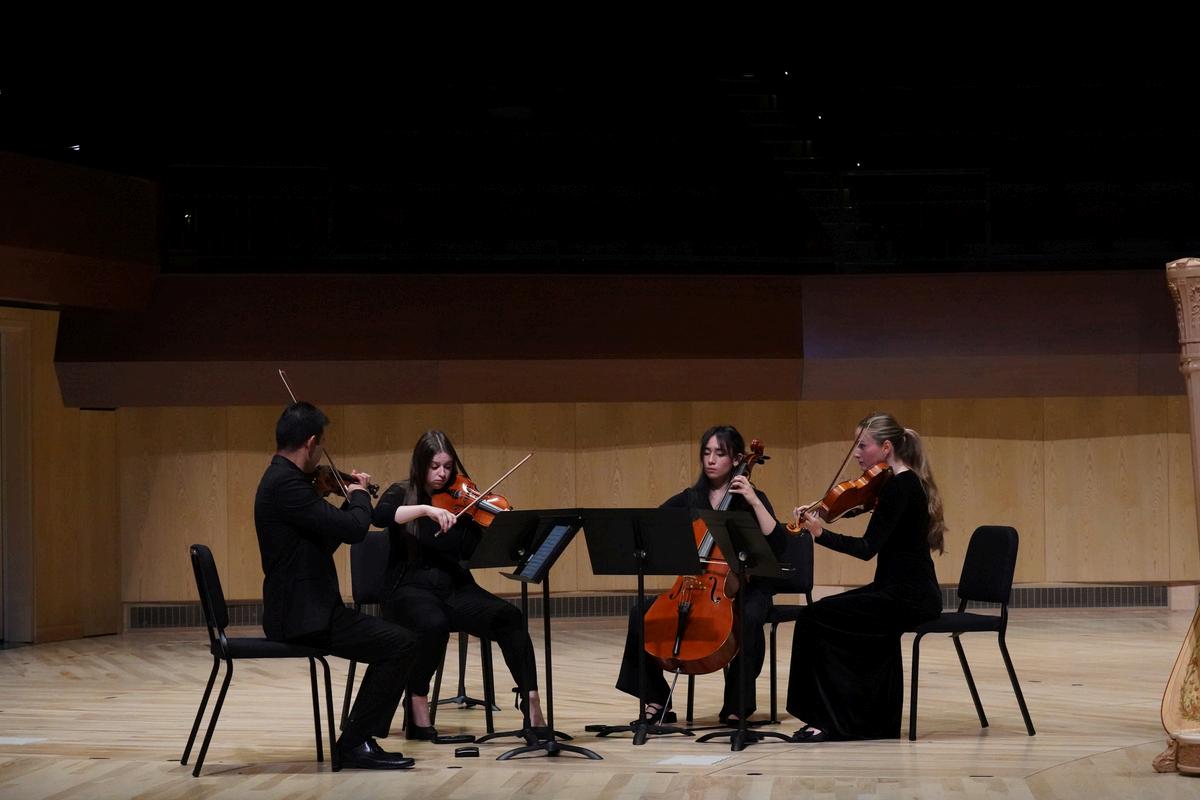
Leandro Balderrama, violin (2nd year Masters student, violin performance); Eva Rhodes, violin (sophomore, violin performance); Lauryn Lee, viola (junior, viola performance); Sequoya Lee, cello (sophomore, cello performance)
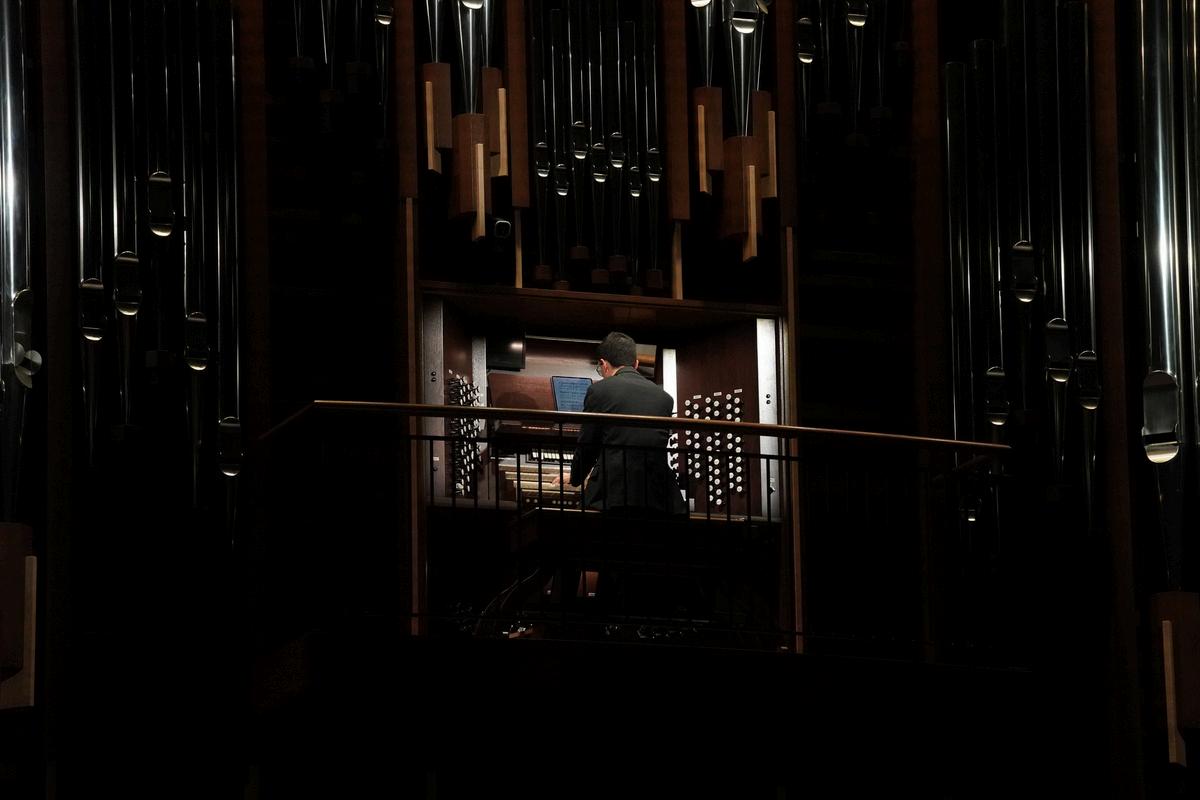
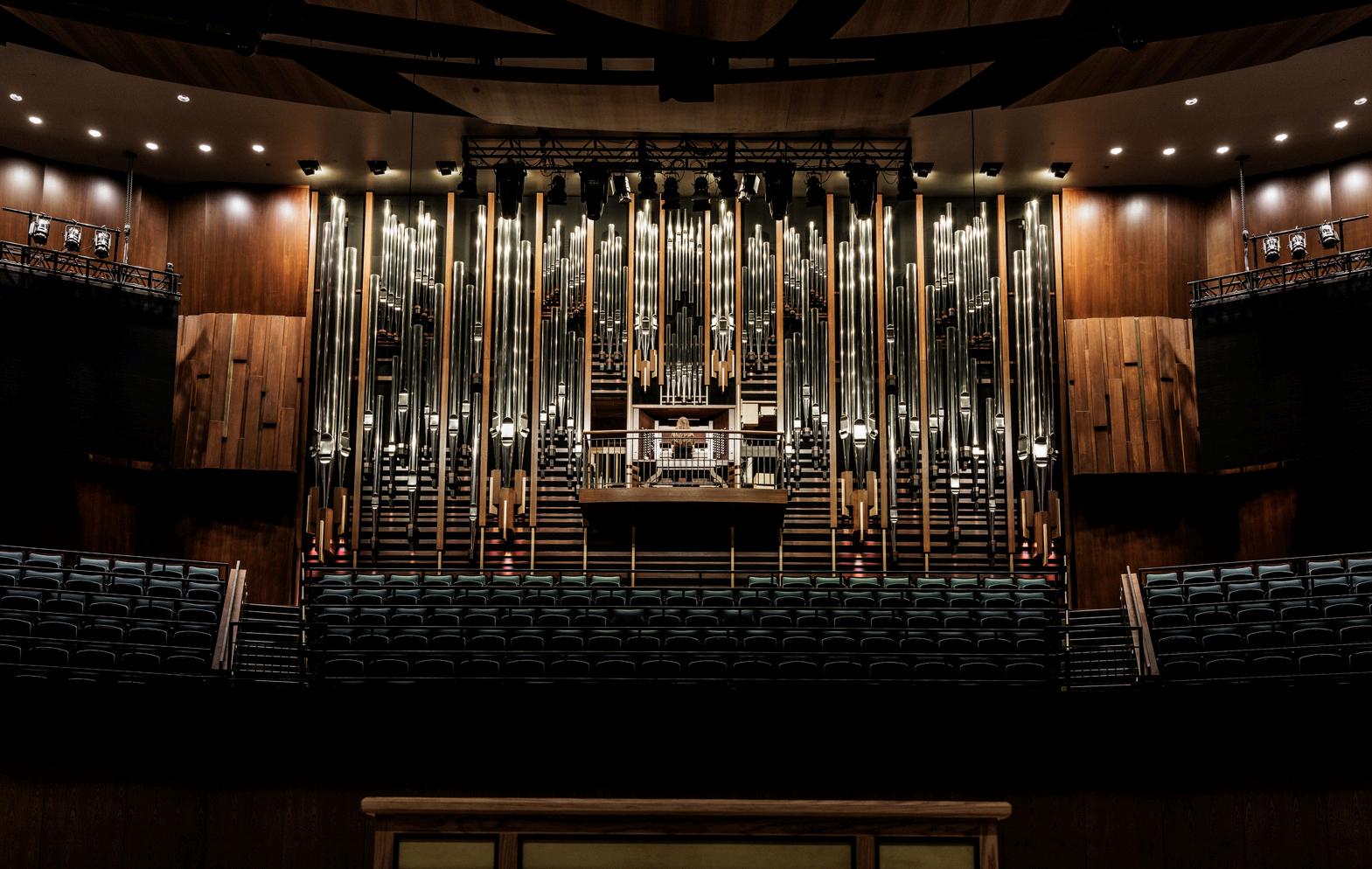
Dallin Bissett (Organ Performance, freshman)
Madeleine Chadburn (master's, euphonium performance)
Taylor Imbler, baritone (senior, Music Education); James Monson, piano (non-student)
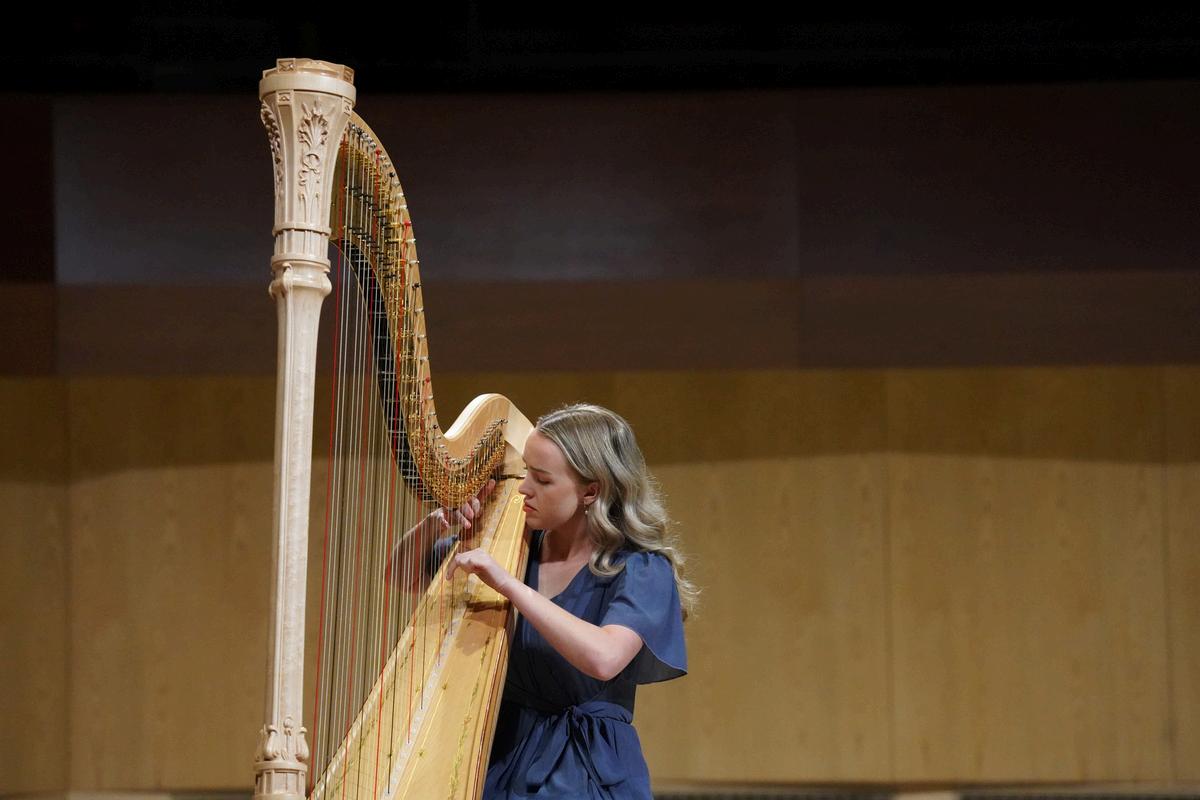
Monet Wilson Rojas (Senior, Harp Performance)
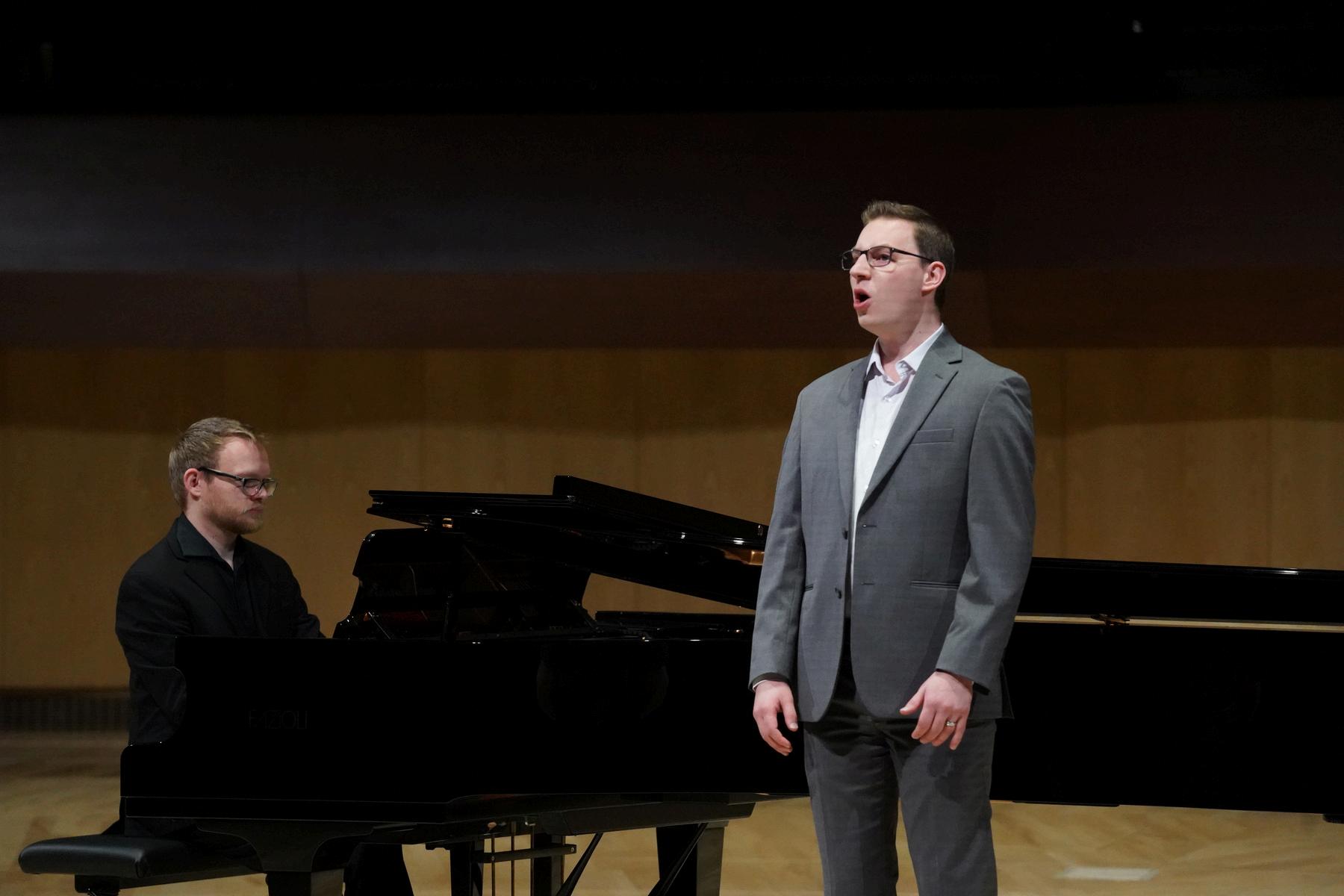
Shelby Laycock (Soprano), James Monson, piano (non-student)
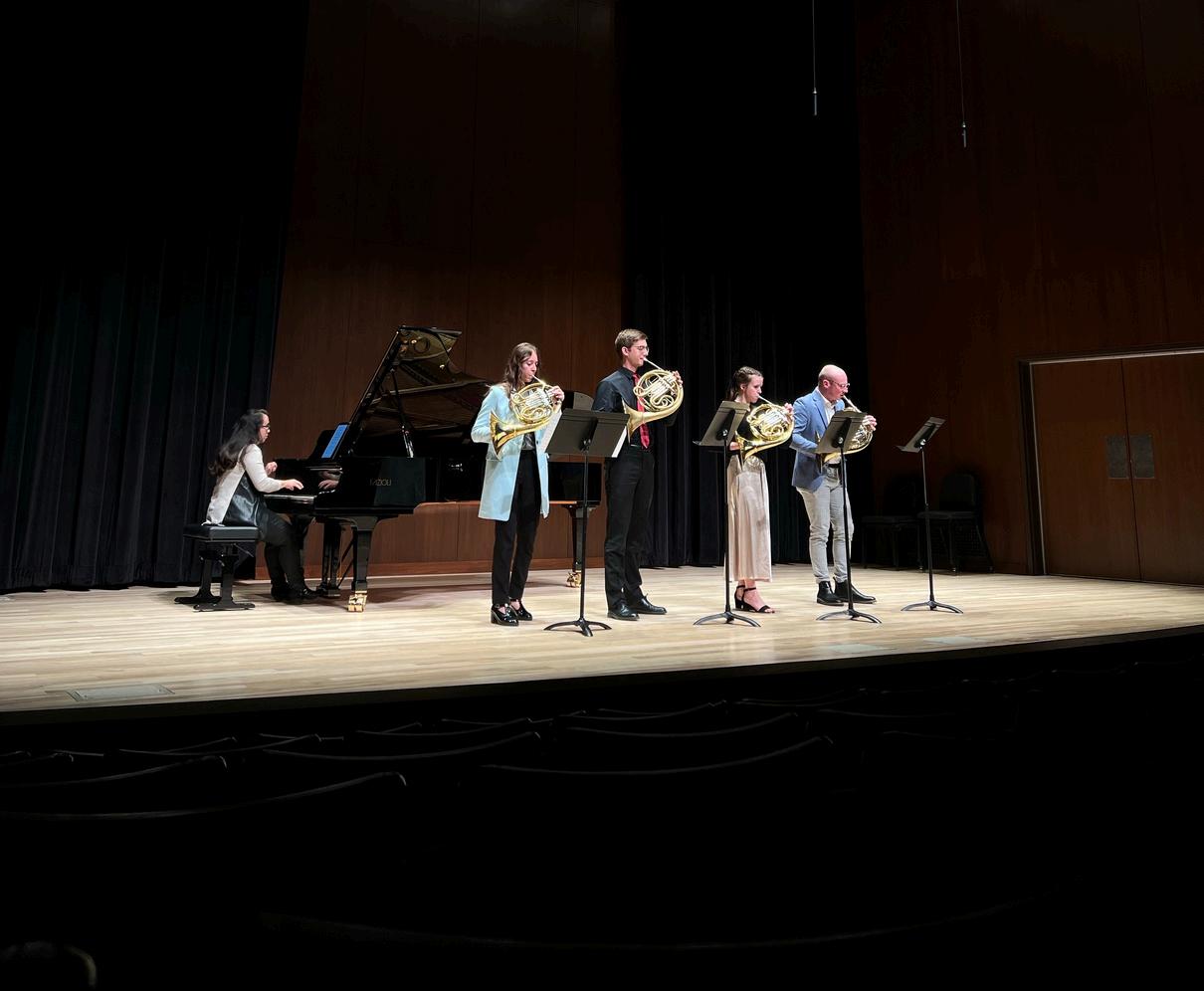
Lillie Gardner, flute (senior, flute performance); Sydney Schaff, oboe (2nd year Masters, oboe performance); Seth Rugg, clarinet (sophomore, clarinet performance); Julianna Hollenbach, horn (sophomore, horn perforamance); Zachary Smith, bassoon (junior, bassoon performance)
Jonathan Crane, alto saxophone (sophomore, Saxophone Performance); Samuel Handley, guitar (senior, linguistics); Jackson Olsen, piano (Freshman, music pre-major); Connor Biser, bass (Junior, Biodiversity and Conservation); Jacob Ward, drums (senior, Commercial Music)
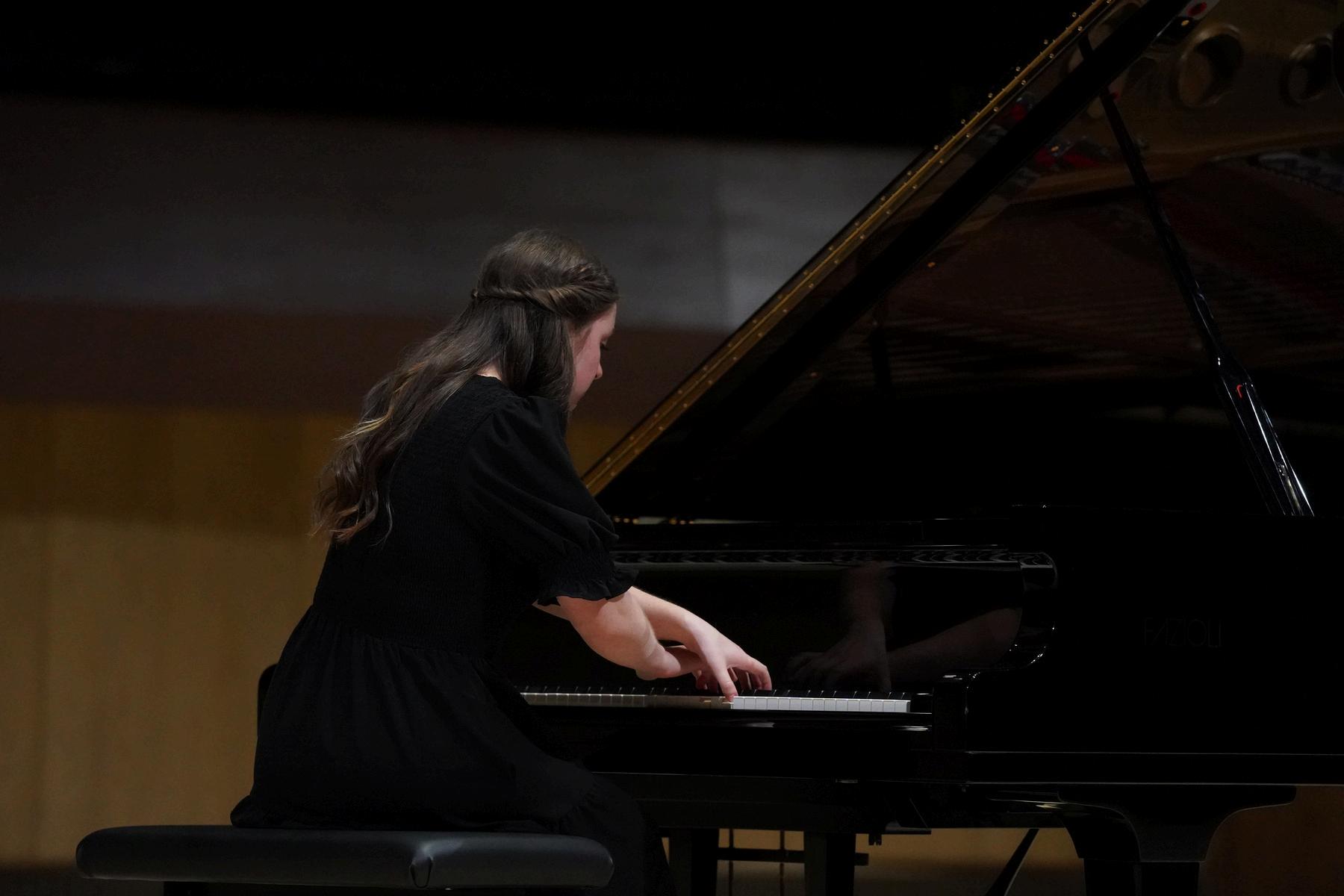
Jill Smith, piano (Sophomore in Piano Performance)

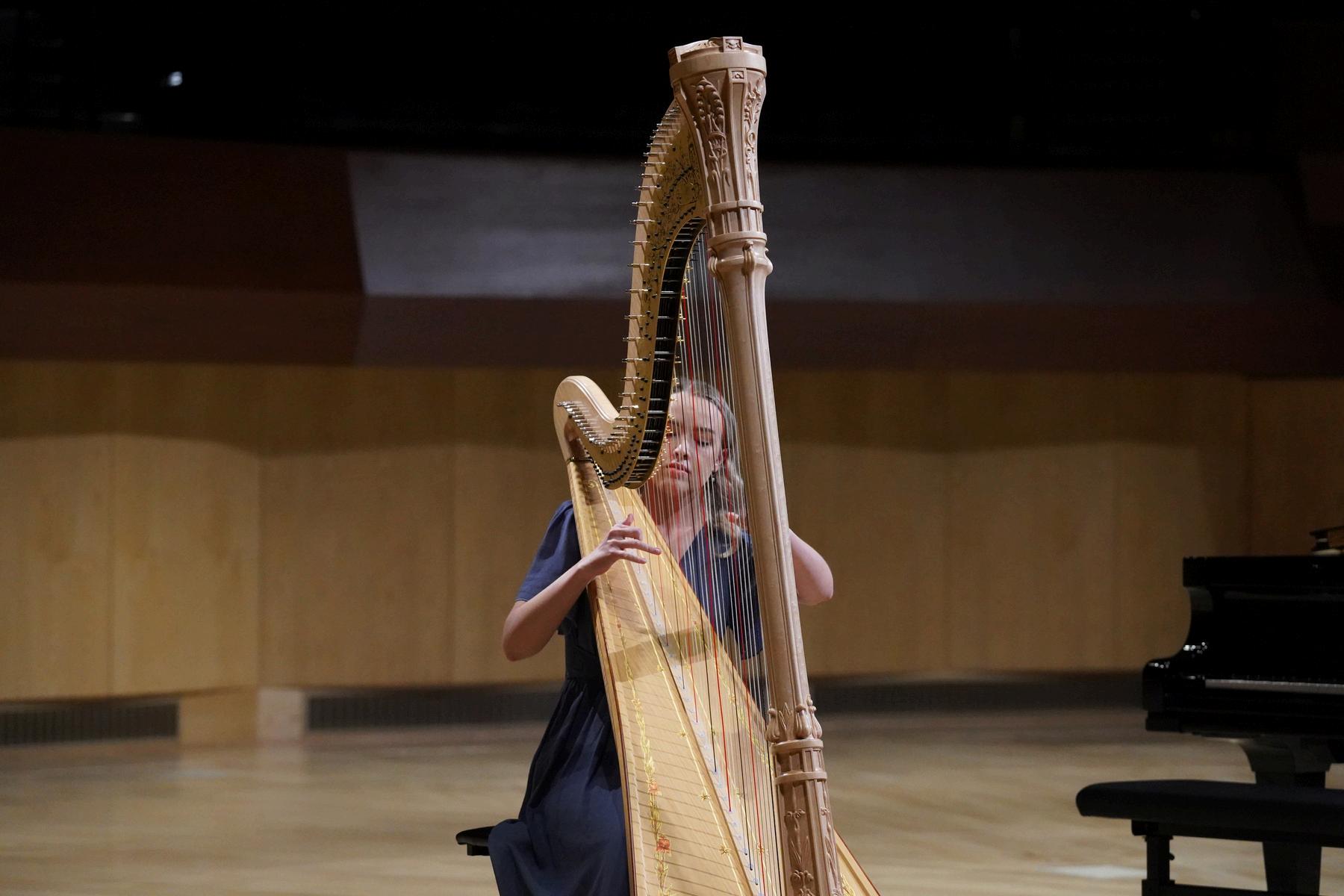
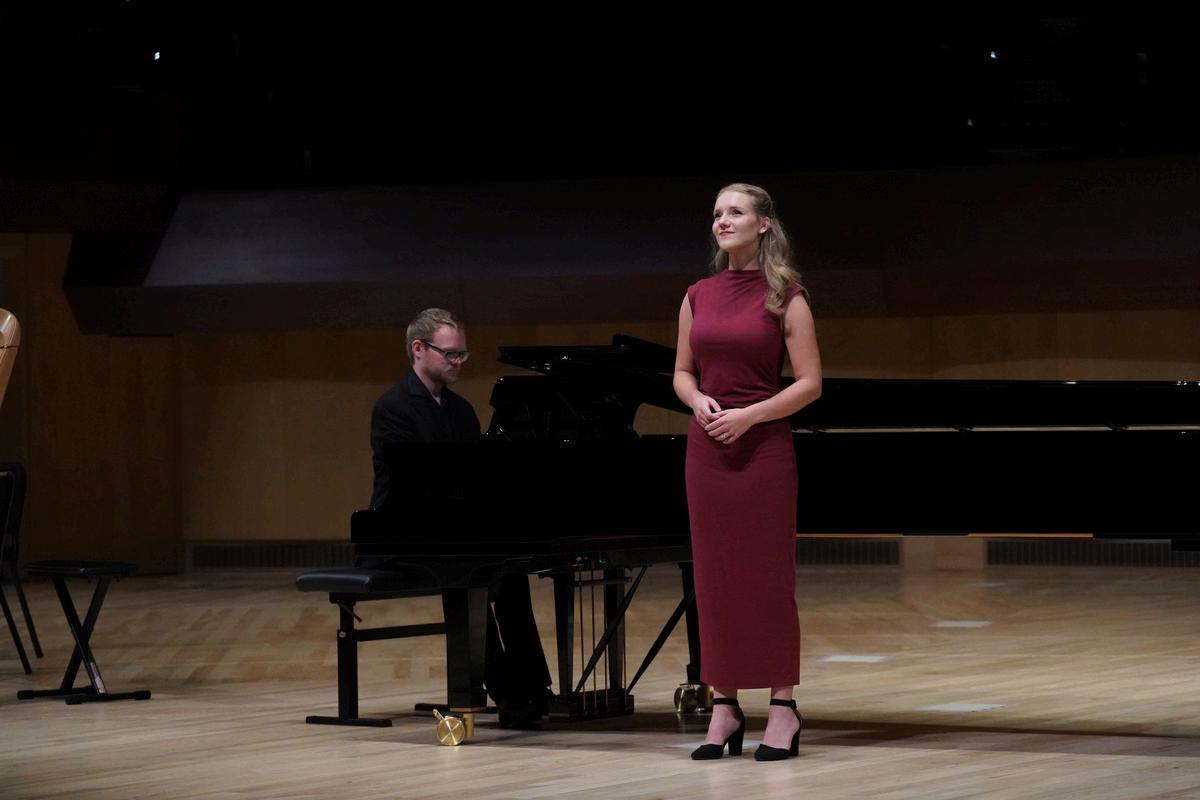
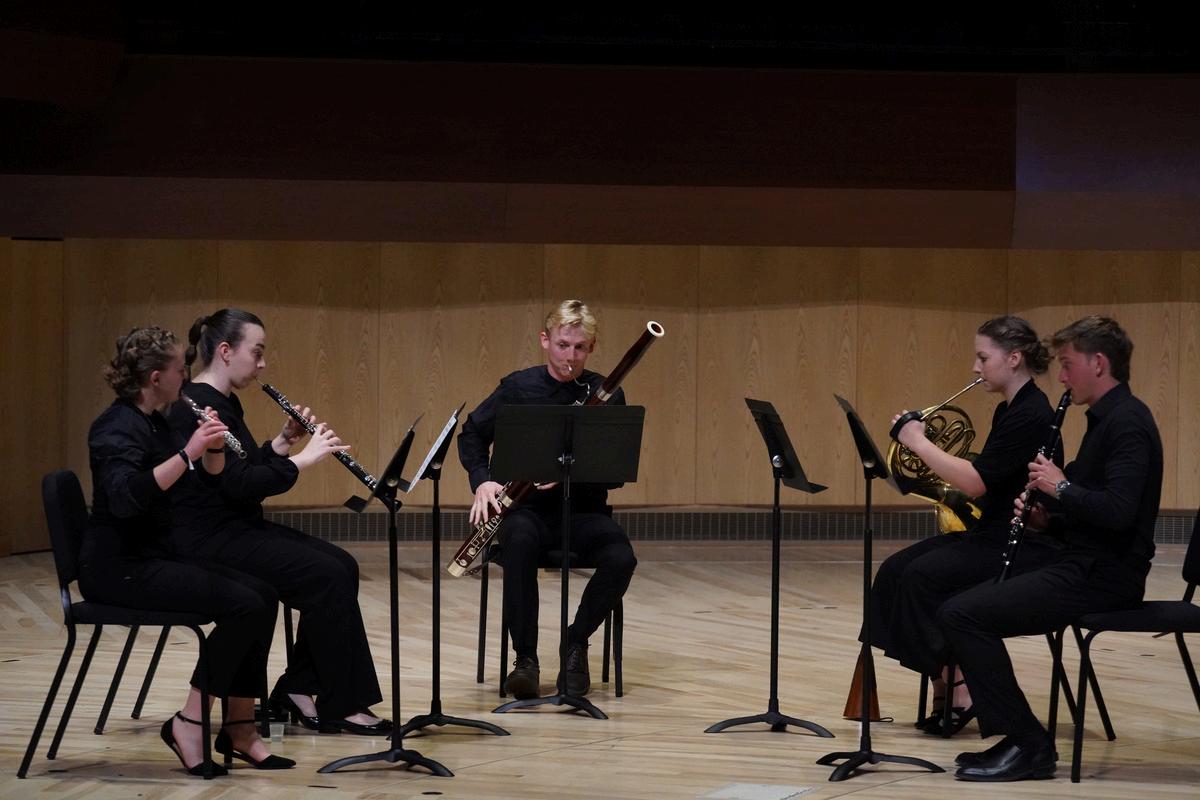
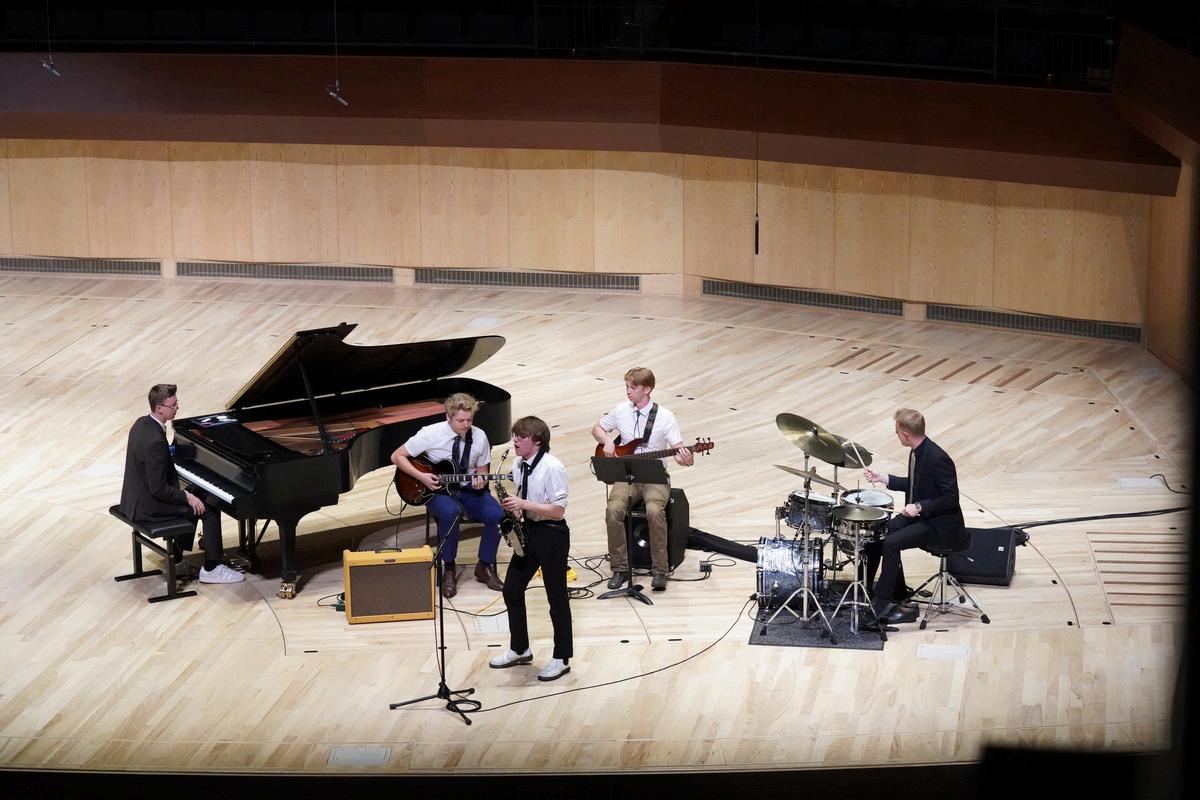

Brigham Young University (BYU) was founded in 1875, establishing a choir soon after and officially forming the Department of Music in 1883. By the early 1900s, the academy expanded to include a band, orchestra, and choir, with music becoming integral to the curriculum. The Department of Music became the School of Music in 1901, coinciding with the establishment of the Departments of Art and Speech.
In 1925, President Franklin S. Harris founded the College of Fine Arts, the first fine arts college in the western United States, unifying the separate departments of Music, Art, Dramatic Arts, and Speech. Under Dean Gerrit de Jong, the college became a pivotal element of BYU’s academic landscape
In 1958, BYU began constructing the Franklin S. Harris Fine Arts Center (HFAC), financed largely by the LDS Church. Designed by architect William L. Pereira, the HFAC opened in 1964 and was dedicated by President Joseph Fielding Smith. This building was demolished in early 2023 to make room for the new Arts Building that will replace it.
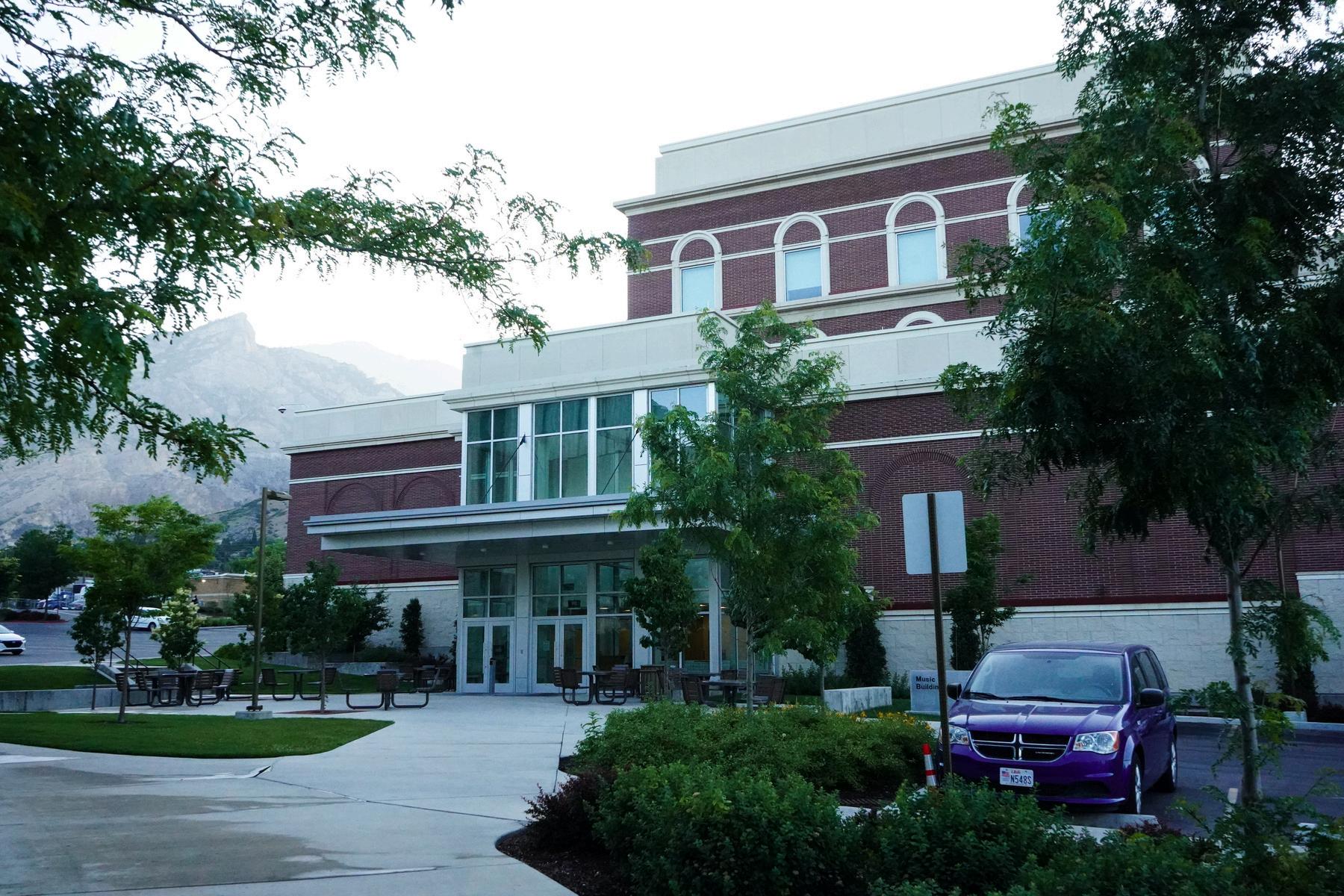
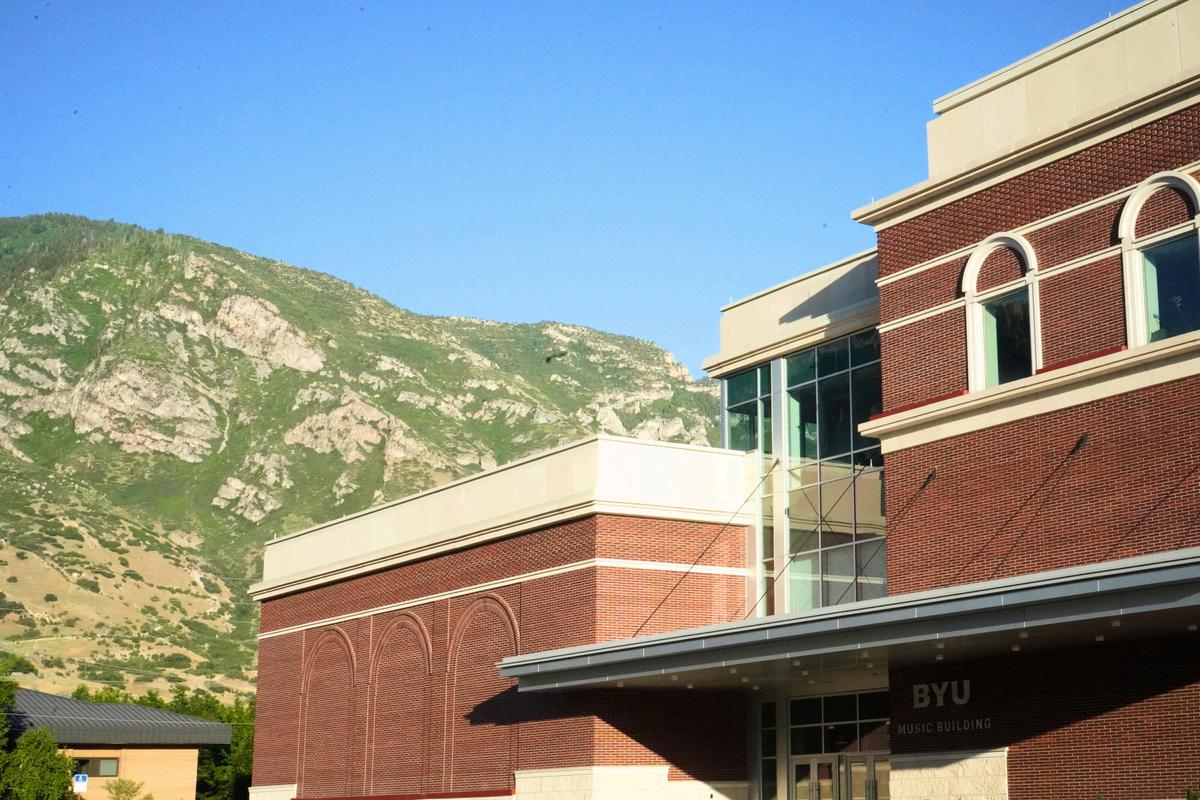
The new Music Building opened in early 2023, featuring 170,000 square feet, over 100 soundproof practice rooms, and a 1,000-seat vineyard-style concert hall. It includes a Choral Hall, a black box theater known as The Box, and a modern Studio Y. The School of Music now has over 20 large ensembles and serves more than 3,400 students within the College of Fine Arts and Communications.
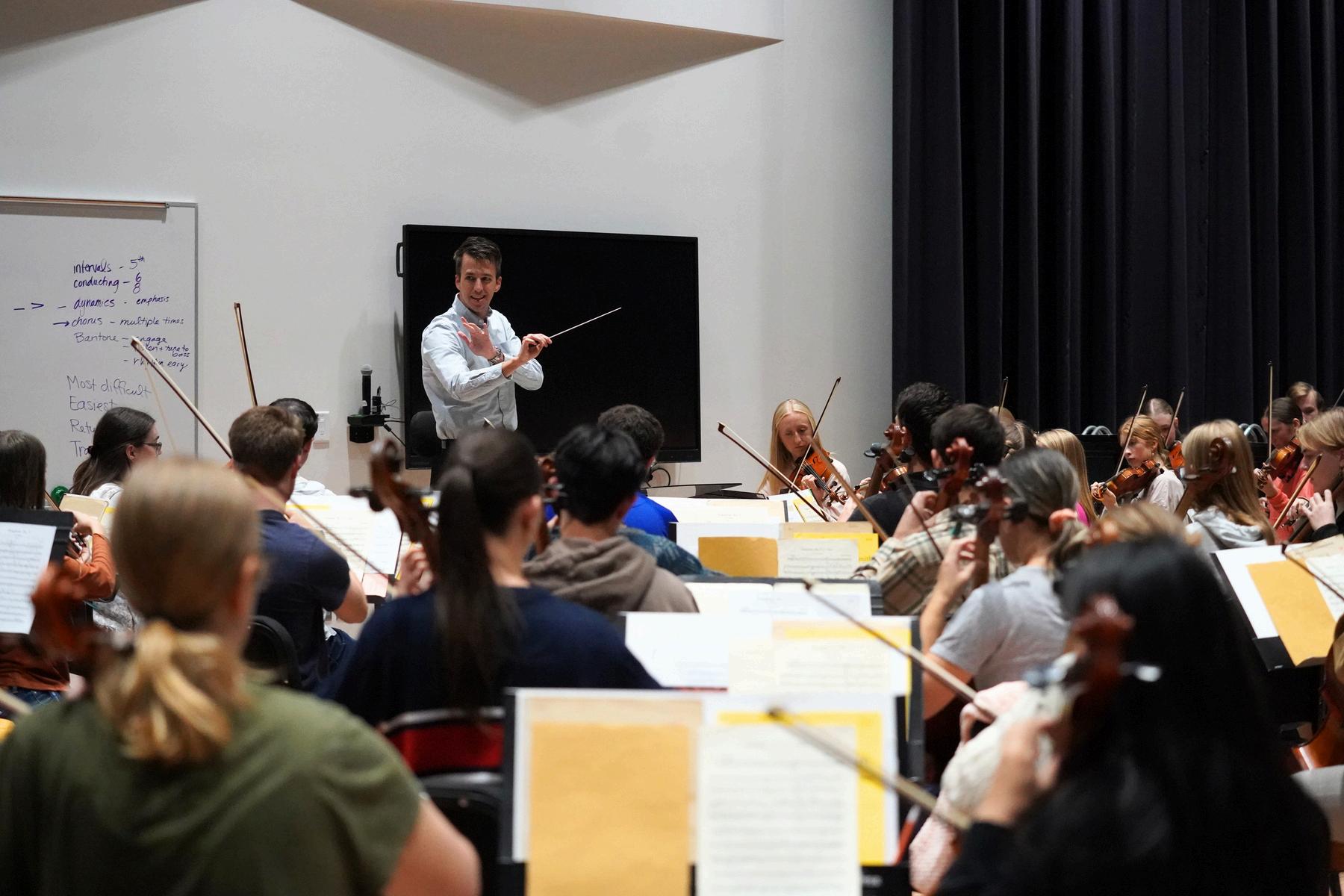
President Spencer W. Kimball envisioned BYU as a beacon of artistic and scholarly excellence that surpasses other institutions. As a music student, I recognize the importance of sharing the light of Jesus Christ through our performances and addressing real-world challenges, ensuring BYU is not just an educational factory.
This year marks the 100th anniversary of the College of Fine Arts, offering us a chance to continue to share our message and impact more lives through music and artistic scholarship over the next century.
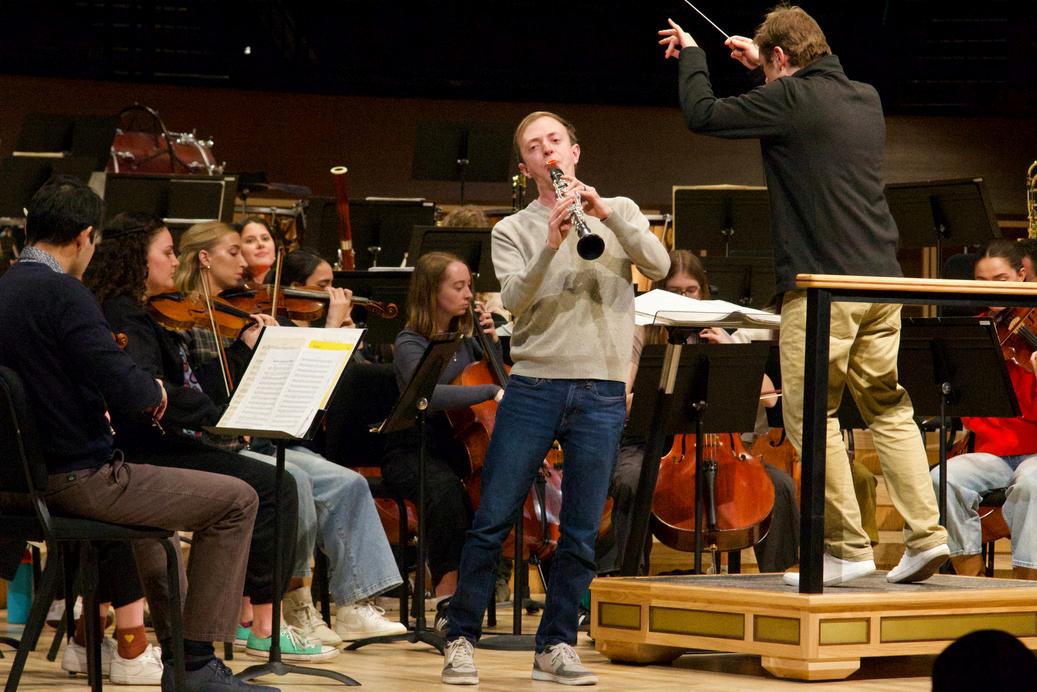
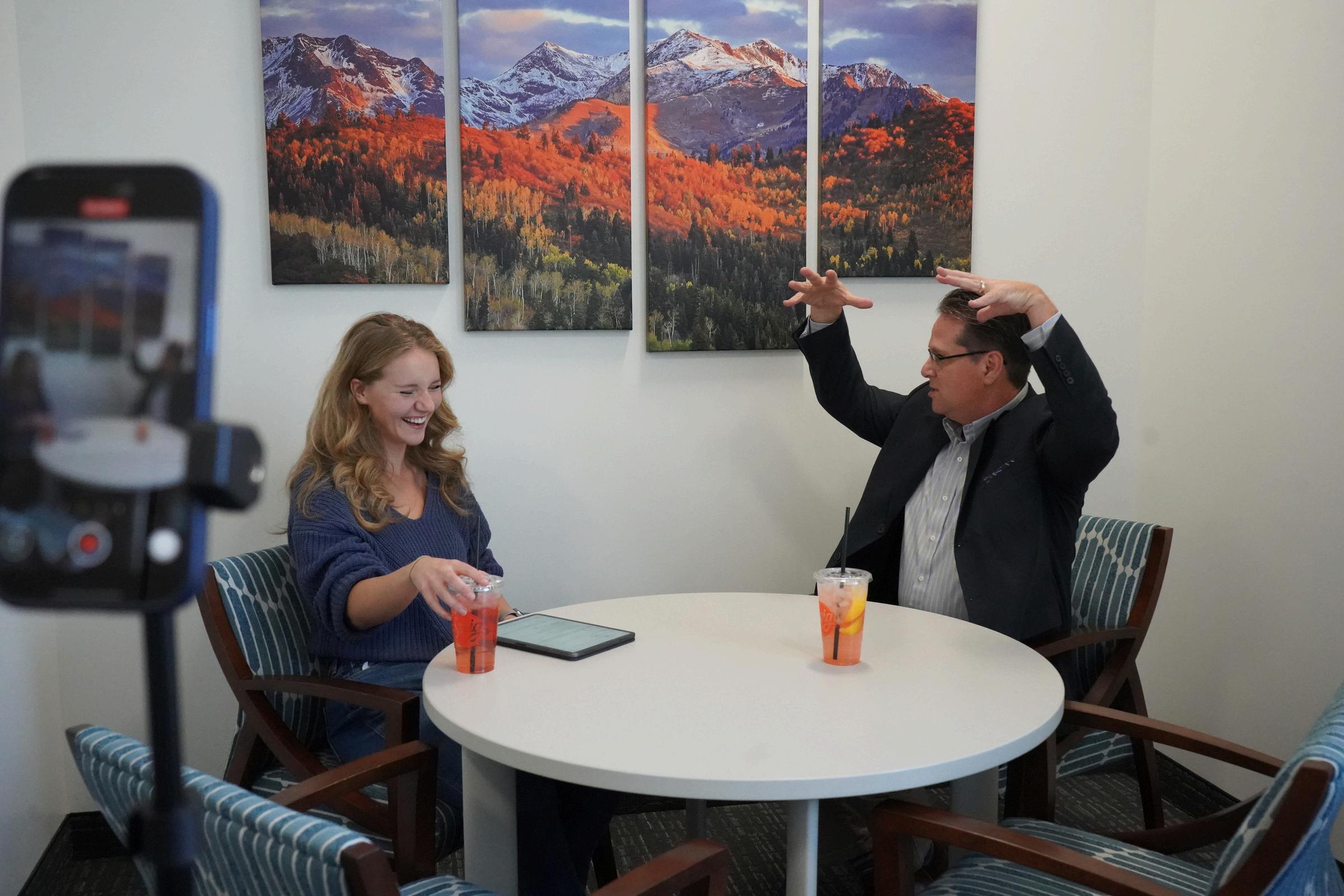
This semester, the BYU School of Music welcomed its new director, Dr. Shawn Smith. In our conversation, he shared his vision for the School and offered thoughtful insights into the meaning and purpose of music and music education.
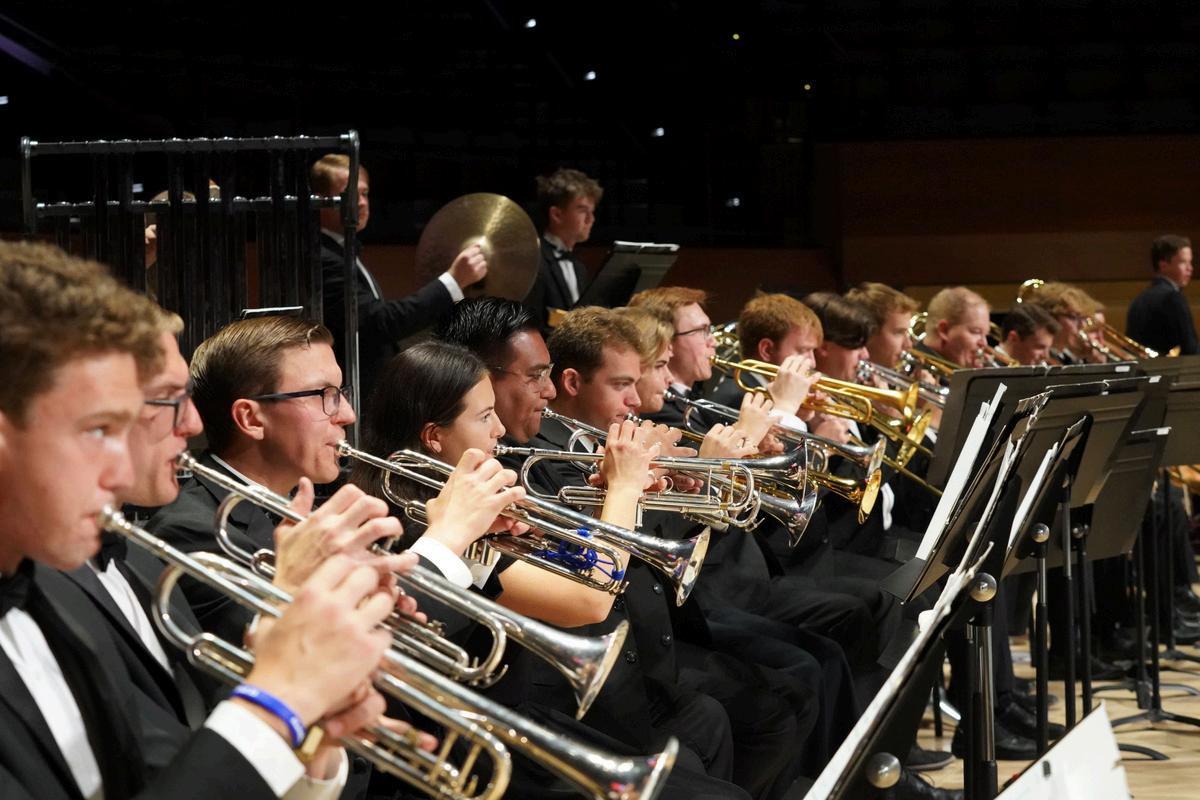
Dr. Smith has been at BYU for five years, directing the bands and currently directs the BYU Wind Symphony. Introduced to the trumpet in the fourth grade on his dad’s Cornet, his final decision to pursue music came from an invitation to direct a mission choir- leading him to an illustrious conducting career. Dr. Smith’s career path is an impressive and diverse one. He completed his Bachelors in Music Education at Boise State University, then moved on to work as a high school band and orchestra director in Meridian, Idaho.
Smith pursued his graduate studies at Lousiana State University, followed by his Doctorate at Arizona State. At Texas A&M- Corpus Christi he was the Director of Bands for eight years, followed by another eight year stint at UNC Charlotte before coming to BYU. He expressed his excitement surrounding his new position, and it is clear that throughout his career his connection to his students and to music has never waned.
Dr Smith has high hopes for the BYU School of Music, feeling a responsibility regarding President Kimball’s message about its rise to global prominence and renown. He intends to bring that vision to life through hard work and increased visibility. BYU will become more outward-facing, engaging more directly with our community through traditional and more modern methods. He recognizes the impact that social media has on the world now, and wants to use it to open us up to the world so that they can see the excellence happening within the program.
When asked about what makes the BYU music program special, Dr Smith’s answer was sincere “ our students are certainly a treasure that we have here in the School of Music…” Smith also praised the world-class faculty that performs and teaches at an exceptional level. Together, something truly special is created.
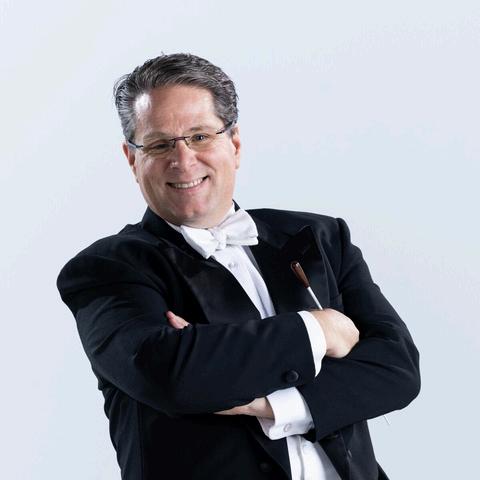
“I think that faith and artistry really go hand in hand… everything that we do here in the School of Music is kind of perfumed by the gospel.”
The music at BYU is deeply rooted in gospel values and carries a spiritual intent. We truly have the ability to bring light to the world.
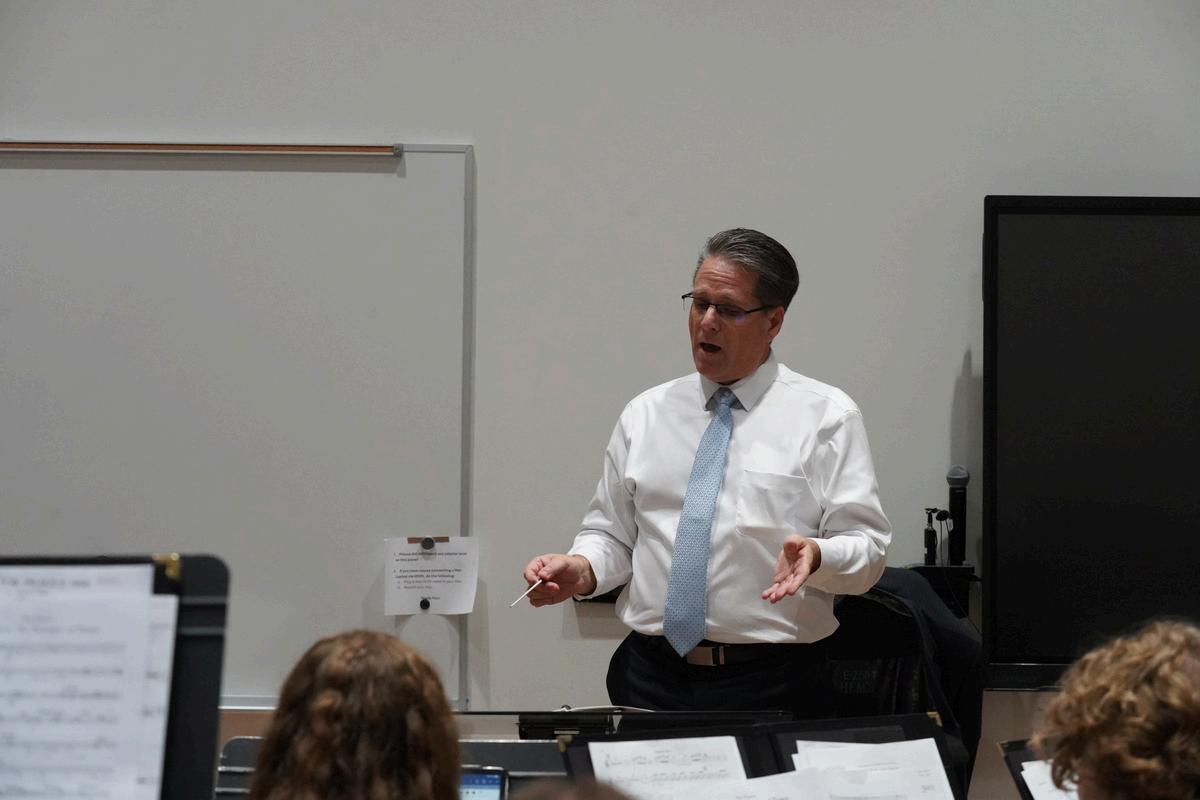
Dr. Smith sees music as emotionally, spiritually, and personally meaningful for students and finds great joy in witnessing its effect in their life These are times of discourse, both within and outside of our music building. “Something I really love about music is that it is beautifully abstract… it can mean so many different things to so many different people.”
Recently, Dr. Smith directed a War and Peace concert with the BYU Wind Symphony, demonstrating how music related to such a specific event can reflect a universal human struggle. Music becomes whatever the listener needs. It is a powerful connector across perspectives, backgrounds and emotions
Dr. Smith is also acutely aware of the shifts happening in education and career environments for musicians today. He recognizes the challenges that come through distraction and technology overload, mental health pressures through social media comparison, and competing avenues for students’ attention. However, he presents these challenges as opportunities, stating, “There’s just so many choices… and frankly so many good choices too. It takes much more discipline than it used to to be able to say, ‘I’m going to put that down and go into the practice room and woodshed this thing.”
While technological advancements also create incredible new methods for music and music sharing, he emphasizes the importance of making REAL sound together and embracing the community that it creates.
Dr. Smith closed with a message for the students, saying, “Please keep working hard. Do your very best Remember, the eyes of the world are on us.” I think we can safely say that our BYU Music Program is in very capable hands, and I for one am looking forward to seeing all the changes that come about in the next few years.



SCAN THE QR CODE TO APPLY
As the College of Fine Arts celebrates its 100 year, there’s another powerful force that has enabled us to have the caliber of performances and experiences that has defined our programs as some of the best in the nation. We’d like to offer our heartfelt gratitude to the endless efforts of our stage crews, the backbone of all theatre and performances, who are the first to arrive and the last to leave, and are the driving force behind all we do.
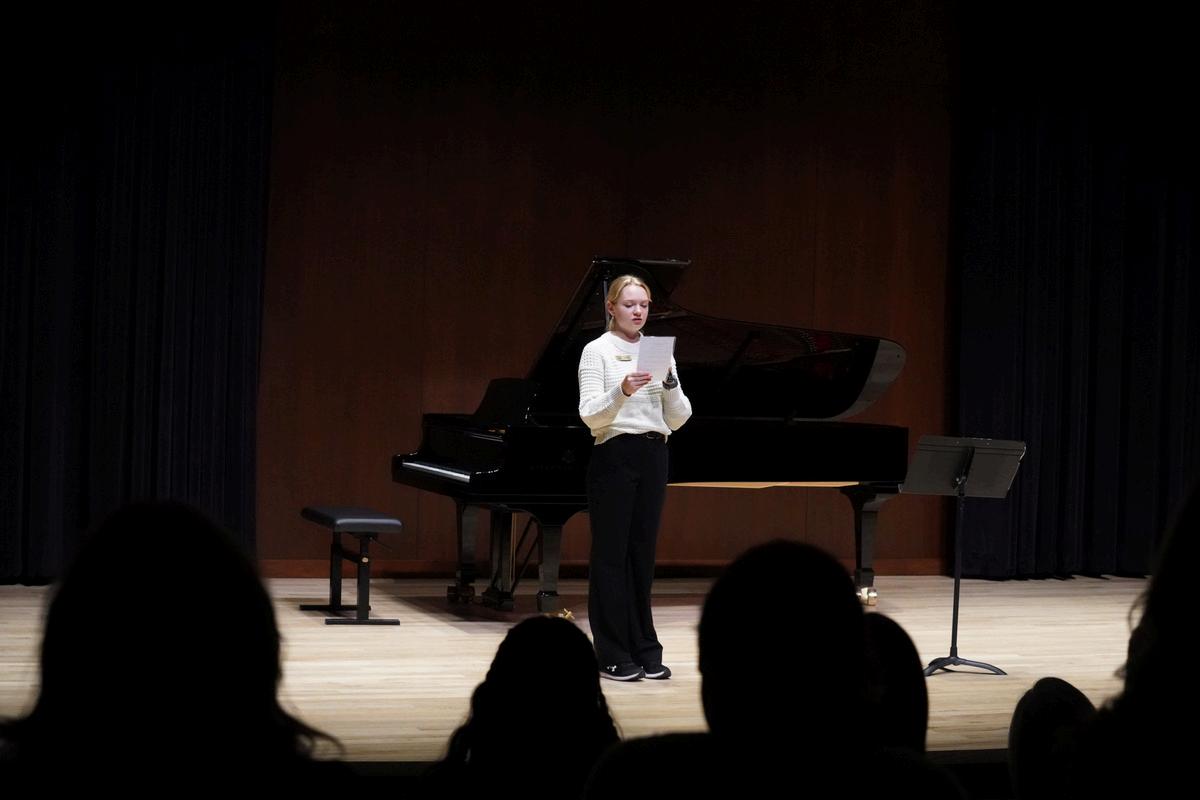
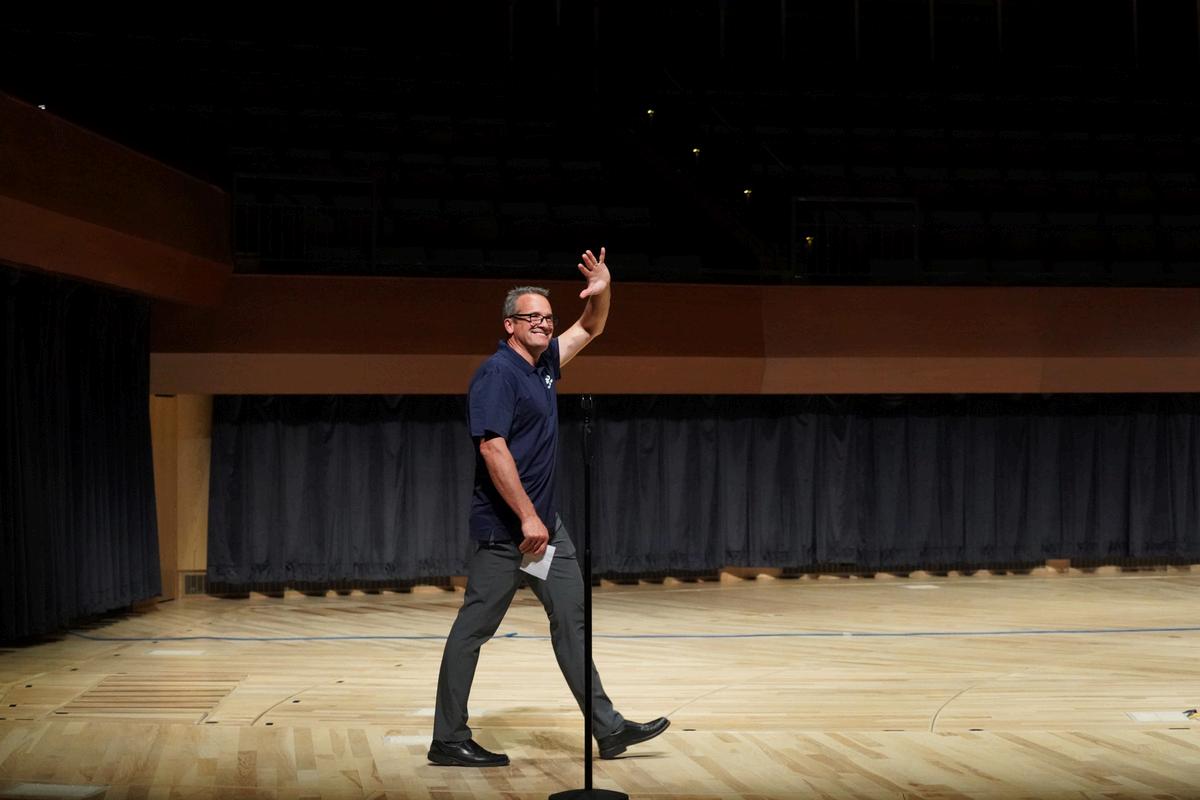
Stage Manager giving opening remarks in the Recital Hall
From our own School of Music students to crew professionals to students across campus and various disciplines, stage crews are the people at every concert, who know our names, recognize us on campus, and work hard at making these performances happen. As we celebrate the 100 year of the College of Fine Arts and Communications, make sure to show some extra gratitude to our stage crews for their unyielding efforts and continual support of the Arts at BYU th
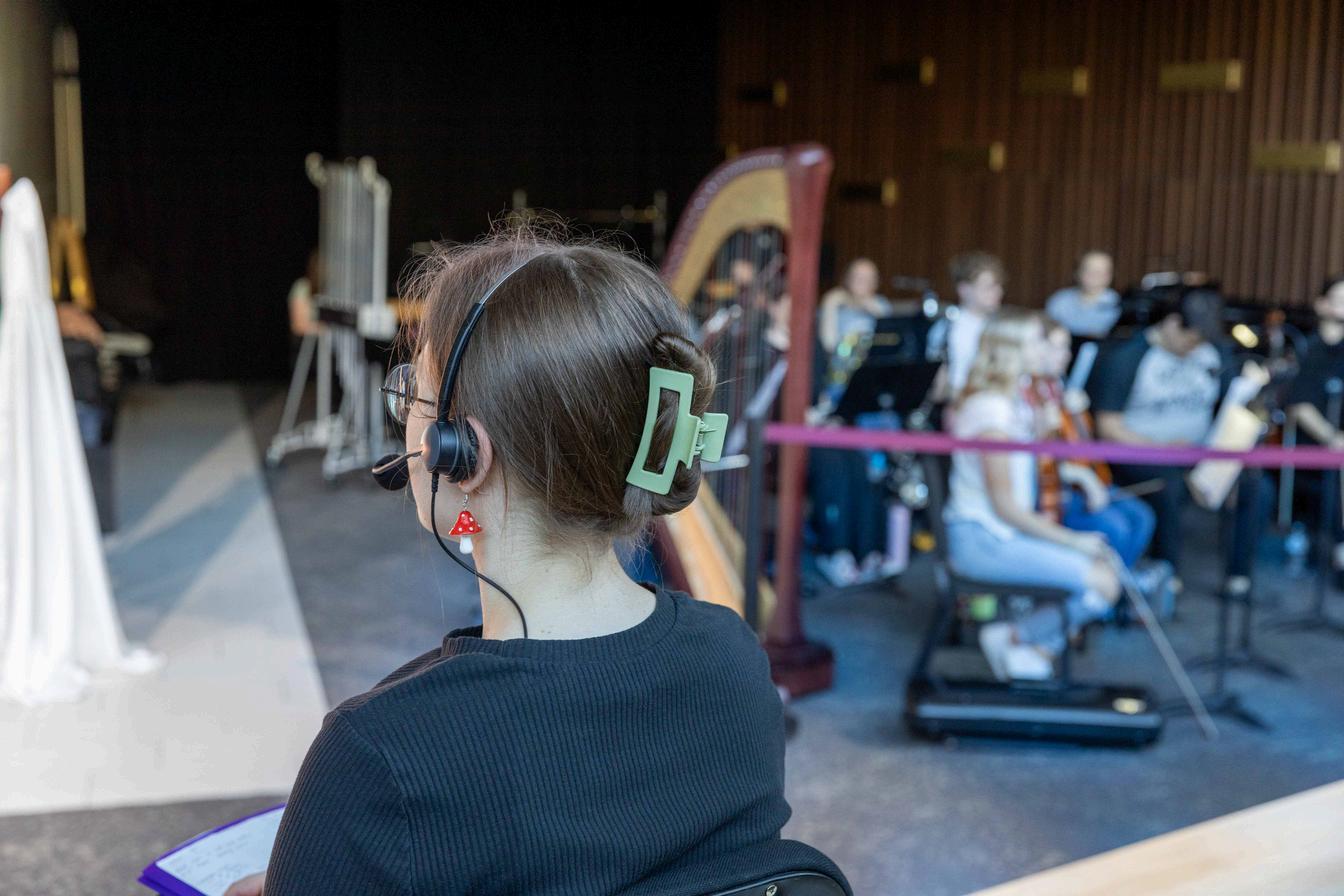
For one show, you have ushers, a house manager, a stage manager, an assistant stage manager, the audio crew, lighting, recording, streaming, projection, etc. While we shake off our nerves backstage, stage crew is hard at work preparing the venue, welcoming our audience, caring for instrumental and personal safety, and create the finishing touches that make our performances feel magical to the musician and the audience While the collaborative musicianship of an ensemble is tightly knit - stage crew is the precise machine that is just as much as a performance as a musicians’, passionate about making our visions come to life from start to finish.
Everything I need to know about life and advanced theory compositional processes I learned from “The Sound of Music.”
by Robin James Hancock
The film “The Sound of Music” was originally released in 1965. On its 60th anniversary I like to testify to my theory classes of the principles that turned this film into an enduring classic, and why that happened on so many different levels. This great awakening for my third semester theory students constitutes all they need to know of the harmonic universe contained in this beautiful film.
A cloudy crag, snowy crevasses, forbidding peaks, accompanied only by the desolate, forlorn sound of whistling wind. In a few moments the clouds thin out, sunlight shafting down to distant valleys. All shades of gray turning into all shades of green. A distant shepherd’s flute trilling quietly accompanied by violin tremolos. The wind disappears. Villages and dorfs, church steeples and red rooftops come into view while a church bell chimes in the distance. More instruments enter as the world is awakening. Springtime has come spreading its tentative warmth across a scenic countryside that features villas, manors, lakefront mansions, and mansions that sit in the middle of lakes. Each time the scene shifts horn fifths outline the famous melodic contours with six-four chords constantly ascending, suggesting anticipation, movement, dynamic change. A mountaintop meadow comes into view; a long corridor through the trees and a distant figure is seen. The camera is speeding towards the figure via helicopter In thirty seconds the camera gets to the figure as she twirls in exultation.
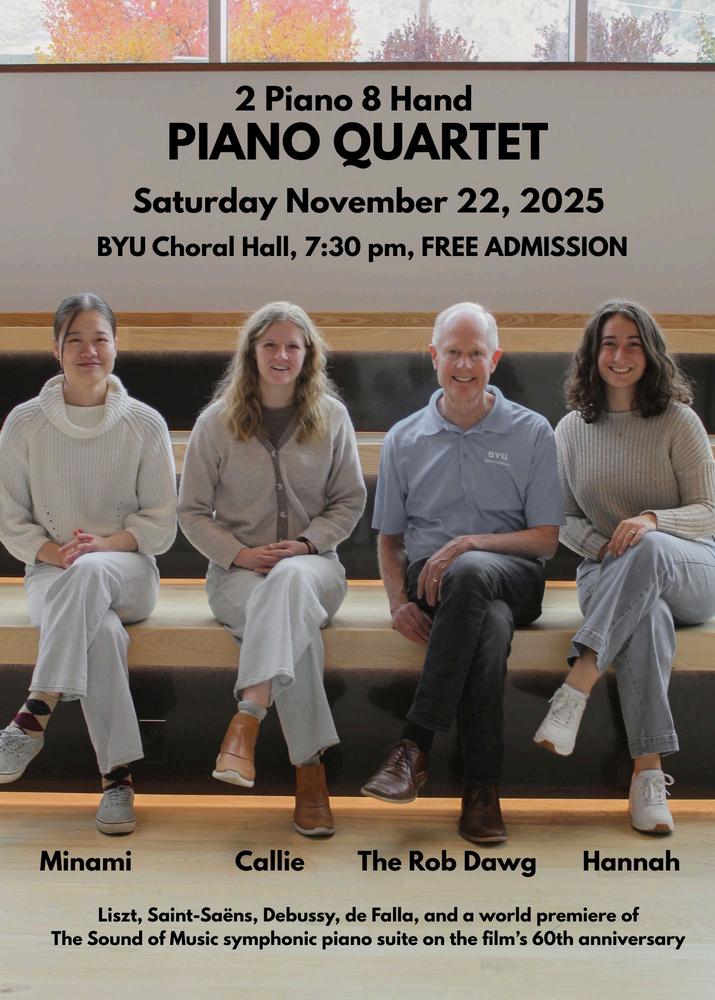
Thus the first two and a half minutes of one of the most beloved movies of all time and we are enchanted as the mountain top figure sings “the hills are alive with the sound of music.” In those first brief minutes, my theory students have witnessed the dynamic principles of musical process: foreshortening, teleological direction, timing and pacing, pedal points, modulations by both common note and common chord, chord substitutions, diatonics, secondaries, and chromatics, augmented chords of all varieties
enharmonically redirect the tonal progression, all of which thwarts the listener’s expectations creating a sort of sonic nostalgia.
“The Sound of Music” features a luscious musical film score as it should with that title. All the compositional tools in the box make appearance. My students are learning that a memorable score revolves on basically two things: the ability to modulate and an understanding of all the chord functions. For example, in the opening two minutes, the keys have migrated from A, up through E flat, A flat , D flat, coming out onto a plateau with a soft C natural poking through the distant dissonances lining us up for a landing on F major. The harmonic action ramped up as the scenic action began to speed up and foreshorten. In the final 30 seconds of the opening sequence the key modulates five times, while there are only two changes in the first 120 seconds of footage. If the action on film doesn’t give time for a more leisurely applied secondary dominant approach to tonal shifts and modulations, then aspiring composers in my classes discover that six four chords changing rapidly are a better way to suggest fast-paced dynamic change.
My students have already found out from the opening sequence of the film “Top Gun,” that every time a six-four chord rings, a jet fighter gets its wings. A modulating six-four chord sequence ascending by minor thirds underscores the sudden thrust of the turbos as each successive jet takes off
When Maria meets the Captain at the gazebo and learns that the baroness is history, she drops emotional barriers and allows the Captain in romantically. This may well be one of the most powerful moments in the film. The composer-arranger must display extreme sensitivity to the effect of that moment on the audience both emotionally and viscerally. They have to make important decisions regarding musical discernment, taste, discretion, and filtering. The composer must be sensitive to the pacing, tone, color, timing, of that scene in the film. They must not be tone-deaf.
My advanced theory students find real-world application of advanced harmonic processes acquired in class. Harmonic sequences mirror sudden emotional shifts, dialogue shifts. Thematic changes in character inter-relationships are reflected in quick modulations to remote harmonic areas and this in turn mirrors close-in tight camera angles. Well-worn melodies undergo variation and manipulation to tweak the listener’s expectation. In any kind of literature or play or film, the moment of change, of turning from the old to the new, is overwhelming. Audiences can be captivated by unexpected nuances and subtle shifts in tone. The composer that can mirror the emotional action on screen with a well-placed augmented six chord creates an enormous bank of memory and nostalgia. Successful composers who can enharmonically redirect a chord have the power to mirror a sudden shift in dialogue or tone. The ability to thwart expectations musically, just as the director has done with the dramatic action, is the power to sway the heart.
Melodies that become associated with tender moments, learning moments, romantic moments, triumphant moments, are life-long triggers for dopamine, the feel-good hormone in our bodies. We will always resort to those triggers seeking them out like an ever diminishing Shangri-la. Everything my students need to know about compelling harmonic progression, they learned from “The Sound of Music.” They also learn that they can’t run away from their theory problems; they’ve got to face them.
Ferrin: the up and coming grassroots band is spreading their wings in the local scene. Run with a few familiar BYU students and the like Jared Ferrin, Alice Judd, Enoch Thornock, Caleb Rhoton, and Mitch Romney they’ve carved their sound into Provo, and are expected to perform at Kilby Court in Salt Lake City come this January.
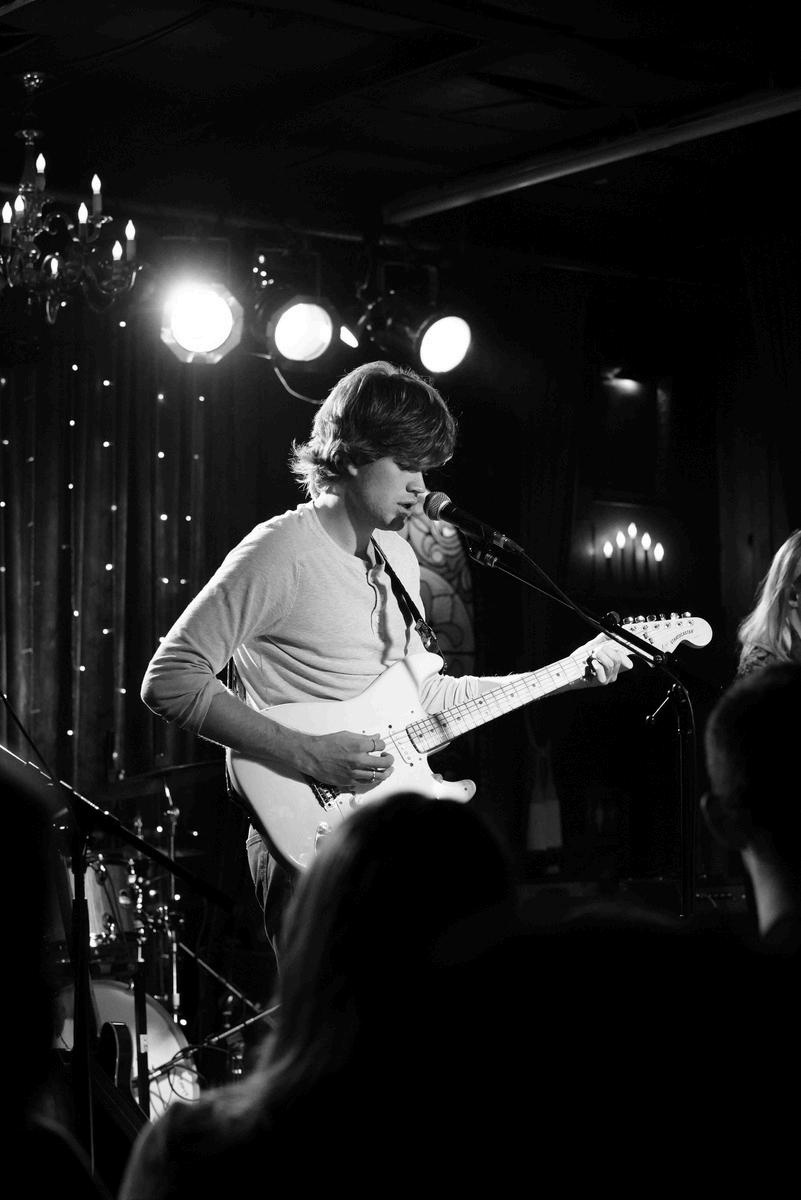

The start of Ferrin was simple enough. “I met Jared at a karaoke night, and I was like; ‘Oh we have to start a band!’ So we started a really bad band I won’t name and we started writing music.” said Alice, vocalist, in our interview. “Jared was writing a song that would be one of our live demos in Caleb’s class ‘Learning How to Run.’”
We also discussed the band’s independent nature, and their justified resistance to signing for a label. “Labels and distributors are kind of a facet of the industry that’s in a lot of turmoil right now, ” said Caleb, Ferrin’s bassist, “We’ve honestly been talking about it a ton. Like how we want to release our music, and what platforms we want to release it on.”
“We’re pretty independent. Very homegrown recording and even mixing process And we’re comfortable there for right now.” added Enoch Thornock, the band’s saxophone player.
“Basically every major label has approached us, and we turned them all down” Jared Ferrin, lead vocalist and guitar.
“I think everything I’ve learned nowadays is to try and make it work without a label,” noted Mitch on drums. “A modern label will only be interested in you if you are already doing pretty well on your own. Getting started by yourself is really the move anyway, no matter what.”
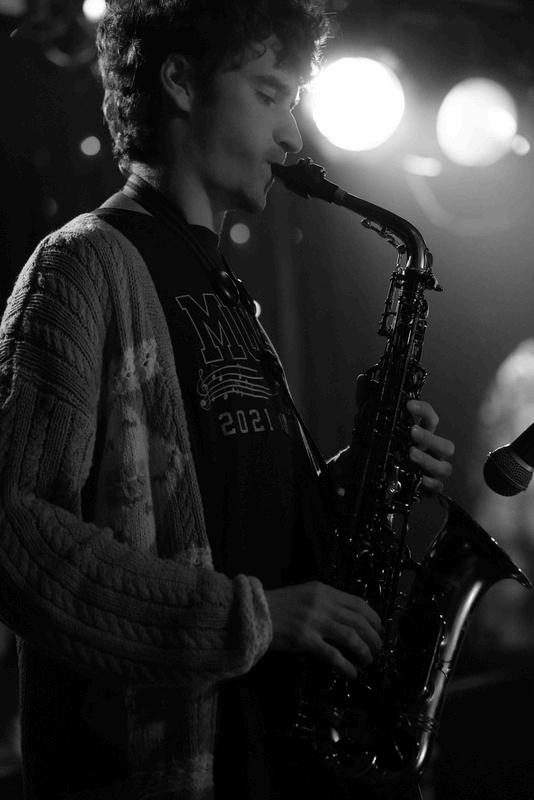
Ferrin has seen a great amount of success, performing in venues around the area as well as just releasing a new album.
“I think our biggest growth moment was when we won the Velour Battle of the Bands. From there we got a little bit of recognition in the scene,” said Jared. “But honestly most of our fans are direct friends of the band, and friends of friends, and then friends of those friends. We believe in our music, and I think because we believe in it, other people do too. ”
“As things stand right now, I feel that in the time we took to start recording, our sound solidified into a clear aesthetic, ” Jared continued.
“The single we just put out – ‘Til You Cry’ is a way stronger piece of music than what we could’ve come up with right after Battle of the Bands. It’s really refreshing to have something we do care about that’s not just out there because people want something.”
“The early batch of songs Alice and I wrote together. We had this thing where we were okay with writing a lot of garbage and just having a lot of fun,” said Ferrin, discussing where their music and creativity comes from, “Usually I’ll start with a musical idea, and I’ll sing nonsense until maybe I sing a line that’s an insight into like ‘Oh, this is what the song could be about.’”
“I think the combination of all of our musical minds has formed the music that we play,” said Caleb “We’re all just stoked on it — playing music that we love.”

Alice
“The current trend for our songwriting really started with ‘Joan.’” noted Alice, commenting on their album’s trajectory.
“One of the reasons that Jared is doing so much of the primary songwriting is because the world that’s unfolding happened with ‘Joan.’ But right now it seems we’re just kinda in that world and that’s what the album will be.”
The band agrees that they aim to become as successful as possible, hoping to be able to continue pushing their creative expression out into the world.
“The way I’d put it is that I would love to quit my job and dedicate a hundred percent of my time to making our music everything we want it to be, ” said Caleb “Which means we need to be financially stable from what we’re doing.”
They expressed a desire to hopefully go on tour and perform at a variety of venues, noting January 8th for their performance at Kilby Court in Salt Lake City and mentioning their eagerness to complete their album.

Currently, you can both support and listen to Ferrin on Bandcamp They are also streaming on several streaming services, which you can learn more about on their social page:
@thebandferrin

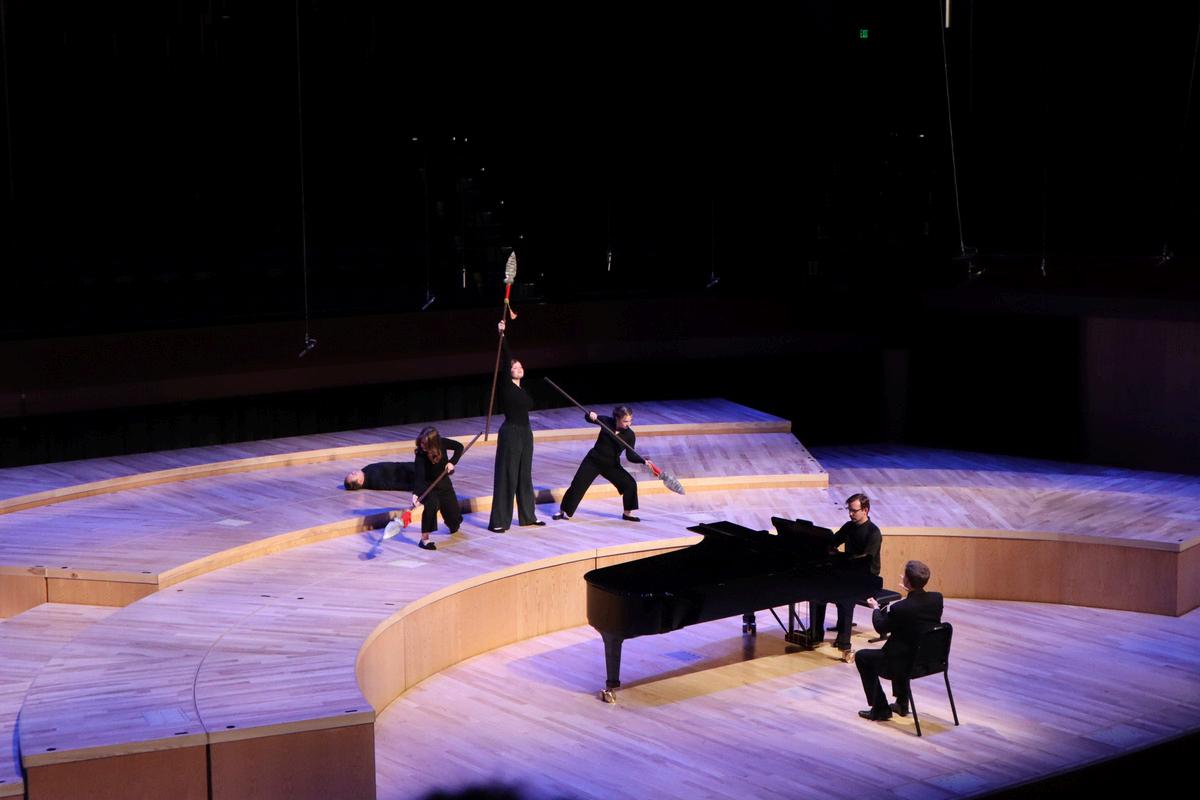
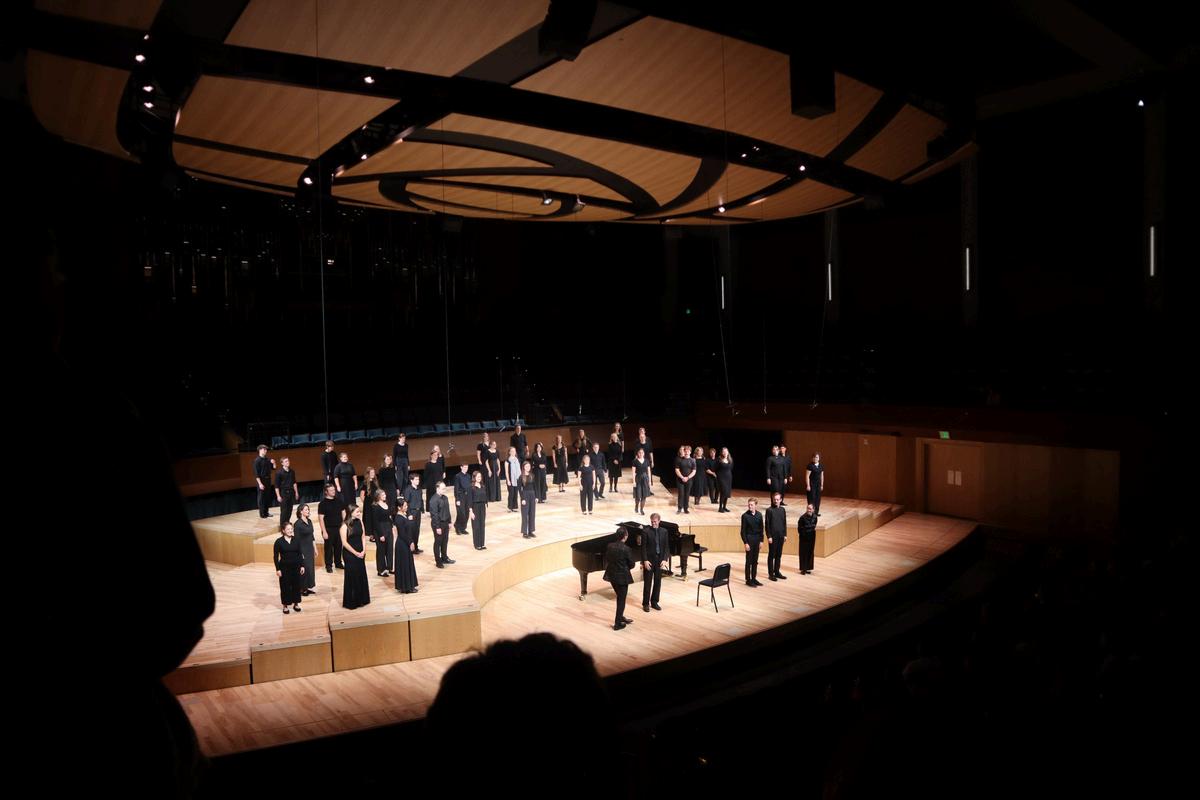
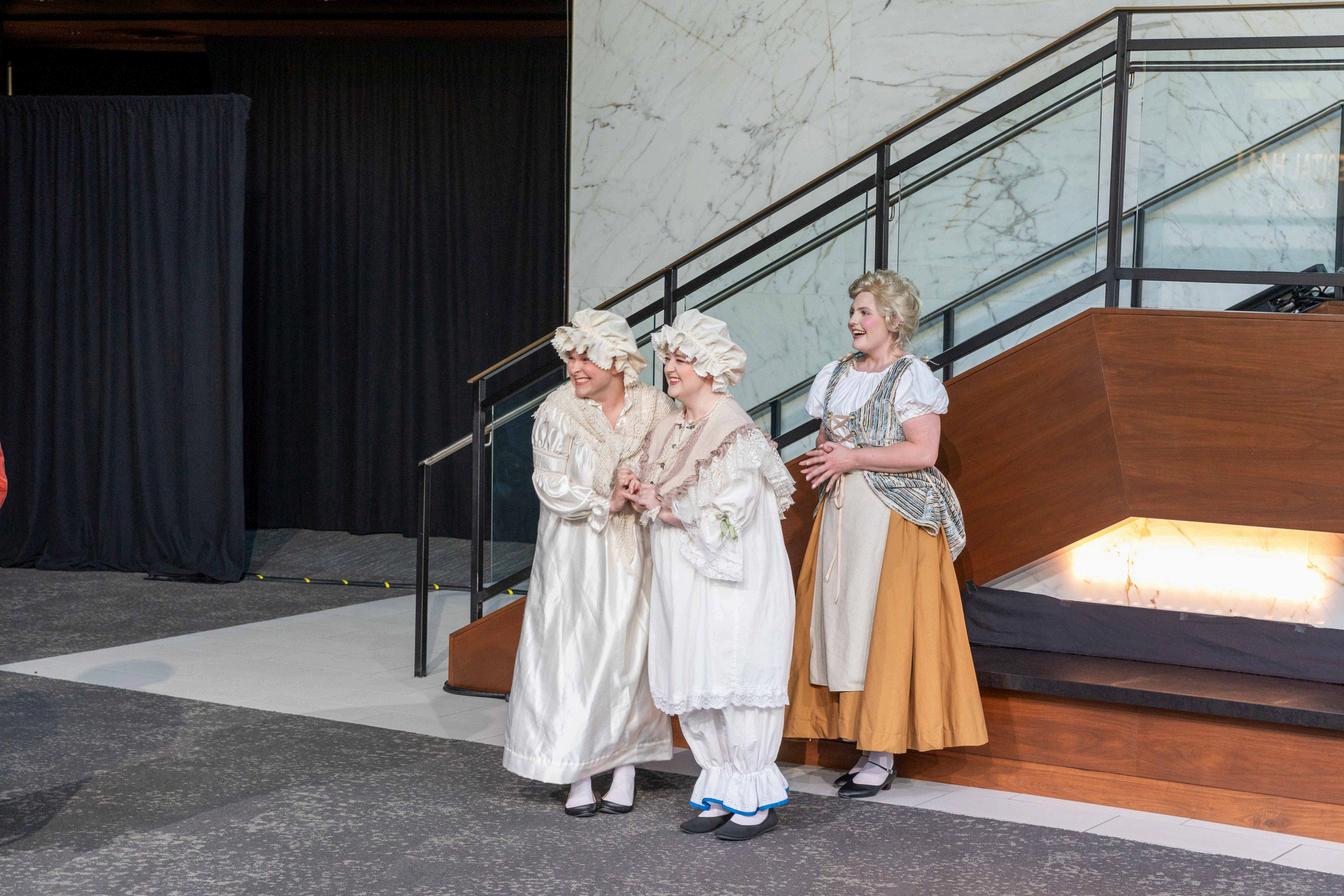
If you’ve ever believed opera is something you wouldn’t enjoy, the BYU Opera Scenes Fall Program offers a fresh perspective. Through a carefully selected concert of staged opera scenes from multiple operas, many of them reimagined for a more current context, it acts as the perfect introduction to opera.
This year, “Voyages of the Heart” was directed by Professor Shea Owens, with music direction by CJ Madsen and Bryce Turner, Rachel Johnson and Patrick Beal on the piano. The cast consisted of students both in and outside of BYU’s Voice program, and this lively performance allowed for everyone to have a moment to shine on stage.
Students audition for both Opera Scenes and the Winter Opera as a whole in the early weeks of fall semester, and the program is curated around its cast. They receive music and begin rehearsals in the second term of Fall Semester, making it a tight, but rewarding turnaround. “Voyages of the Heart” featured scenes from well-known operas such as Carmen, The Magic Flute, and H.M.S Pinafore. Audiences are also exposed to underappreciated operas, including a newly premiered Song of the Nightingale, by Lisa Despain who wrote No Ladies in the Ladies Book that was performed in last Winter’s BYU Opera. The performers are involved in multiple scenes, including a few full ensemble numbers that immerse you in the incredible sound and emotion behind this group of voices.
Story by Shelby Laycock
If you were able to attend and enjoyed this program, or missed it and are interested in seeing these students perform again, come to L’incoronazione di Poppea this Winter semester. The passion, discipline, and creativity shown in “Voyages of the Heart” are only a glimpse of what BYU Opera has to offer. Don’t miss the chance to experience the talent and storytelling flourishing right here on campus!
Story by Thatcher Longman
Dr. Diane Reich has been appointed as the dean of the CFAC since July 1st, assuming the position after having been the director at the School of Music since 2020. Her plans for the CFAC are a smooth transition of leadership.
“Process is really part of everything. If change comes without taking time to work through solutions, you could question: ‘Is it going to be a lasting change? Is it going to be a meaningful change?’” Dr Reich commented on possible rapid changes in the future, “Sometimes when we wrestle with a problem, the answer is so much more meaningful to us. I just think we’re going to work through the process and really try to receive guidance and follow that guidance.”

Regarding the new dean’s staff and accompanying changes, Dr. Reich noted, “We’ve just completed staffing our Dean’s Office. We will be working on vision and mission and values… but all of that will be driven, really, by the directive of our prophetically directed university And by President Kimball’s Second Century Address.”
Continuing to operate from the prior Dean’s Office, the new Arts Building is still underway, proving to be their “biggest logistical challenge” as they prepare for the building’s completion and moving faculty. “Otherwise, our college is in such good shape,” Diane added.
Alongside Dr Diane Reich’s hefty responsibilities as Dean, she plans to continue teaching, although in a limited capacity. “I’ve decided that teaching is important to me, and I will find a way to keep teaching. That’s the reason I came to this profession,” said Dr. Reich. “That’s really important for me, to feel connected to the students, because ultimately everything we do in the Dean’s Office is going to affect each student where they are And I love my students ”
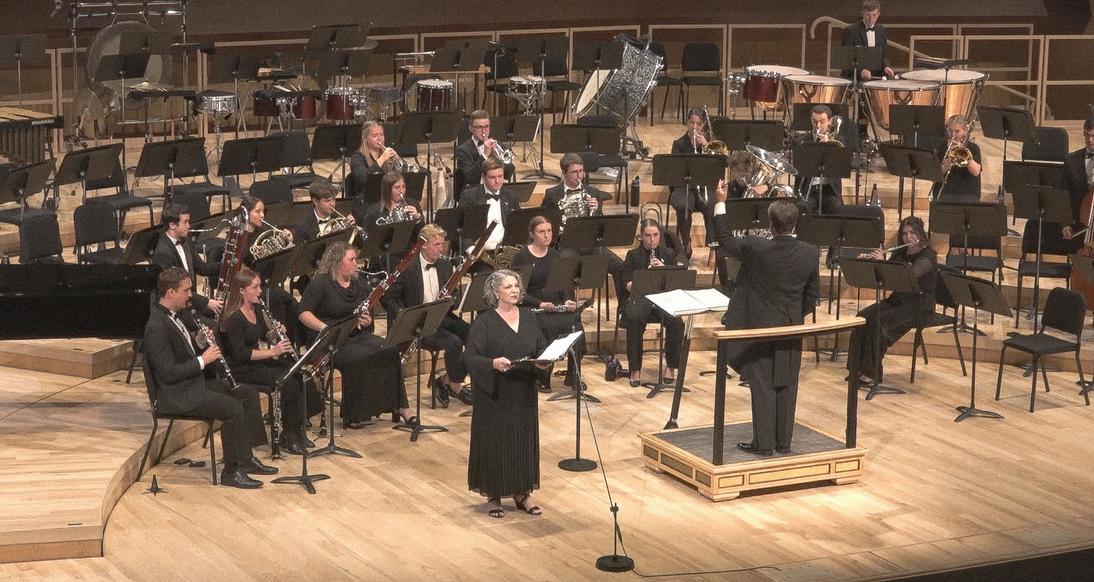
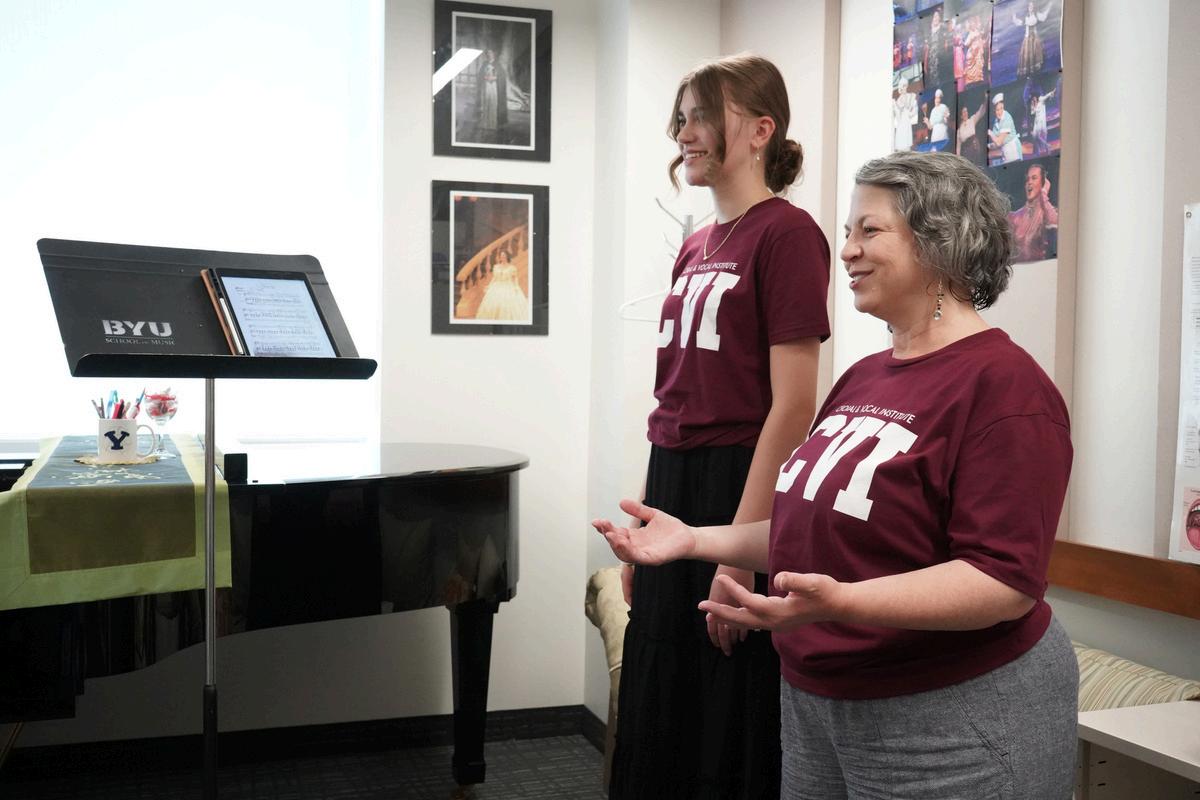
When asked what made her time as director of the School of Music such a memorable point in her life, she reaffirmed the importance of connection – a common theme during our interview.
“The thing I loved and will miss was that personal connection with every faculty member,” she said, “We would talk about the hard things and the good things, and I loved if we could counsel together. I loved being with the students.”
Of her confidence in Dr. Smith’s leadership as the new director of the School of Music, she remarked: “Totally! Completely; he brings background and ideas from other places a different perspective.” She expressed her deep admiration for his connection to students, “I’ve seen how he interacts with students, and I know that they really admire and respect him. You don’t build that kind of interaction without working on a relationship of respect and also fondness.”
Dr. Reich’s message to the students is one of spiritual education here at BYU, “I would say my bigger encouragement would be to figure out their relationship to Heavenly Father.” She again clarified, “In all their courses of study, in all the things they learn and do here, make that be a course of study. Know who they are in relation to Heavenly Father, and know how the Savior is there for them.”
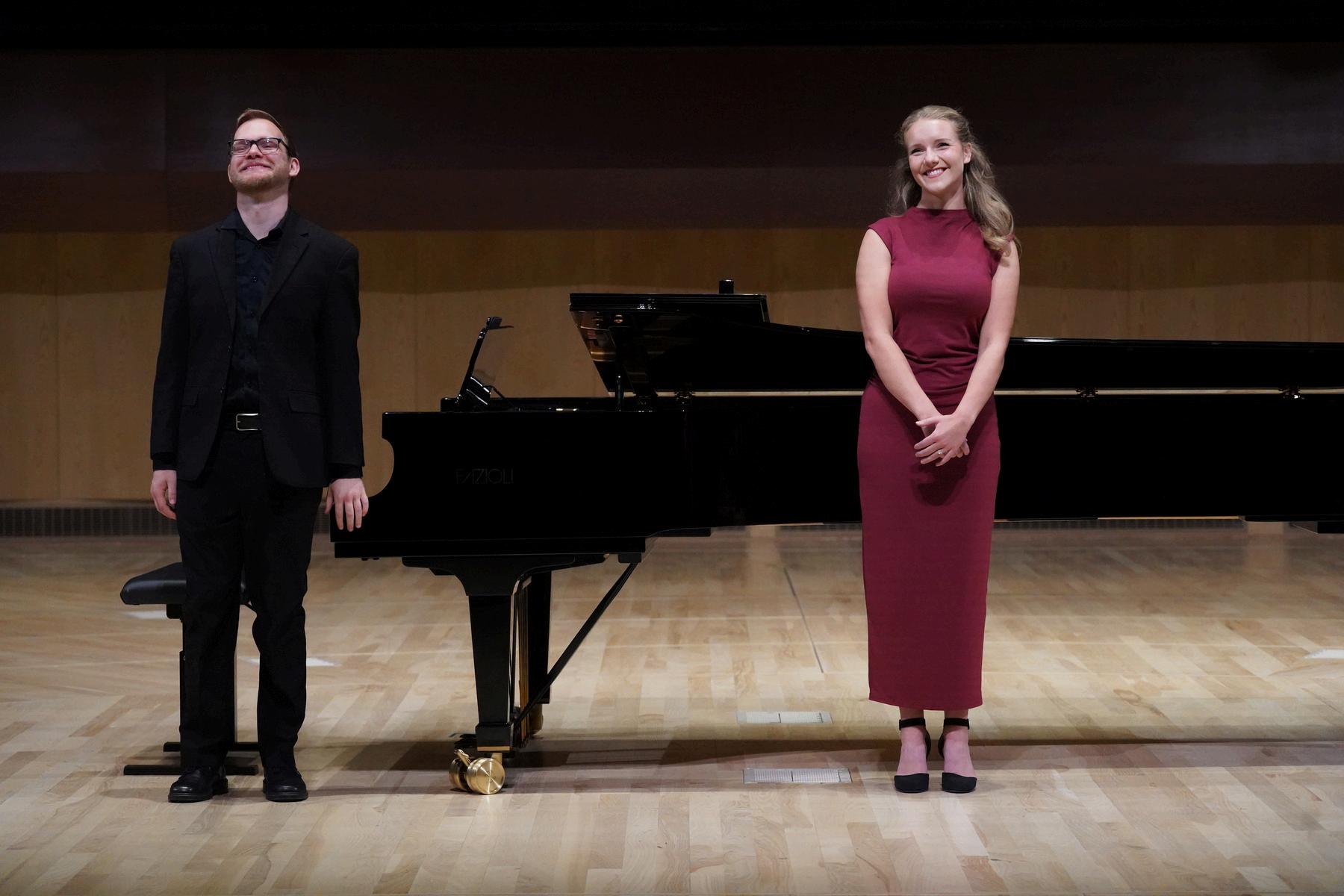
“If I had to describe the Philharmonic concert on November 15th with only one word, I would use this word: electrifying! “The Moldau” is a breathtaking piece of music, and it was performed so powerfully by the Philharmonic Everyone gave 150% to each note they played, and the surging musical energy was palpable from every corner of the Concert Hall. It was a pleasure to make such beautiful music together.
If you missed out, there are still more chances to hear great music! In February, you can see me and members of the Philharmonic play in BYU Opera’s production of “The Coronation of Poppea”. Performances are on February 14th, 18th, 20th, and the matinee on the 21st.”
THE SECOND CENTURY OF BRIGHAM YOUNG UNIVERSITY
“There are many ways in which BYU can tower above other universities not simply because of the size of its student body or its beautiful campus but because of the unique light BYU can send forth into the educational world. Your light must have a special glow… You will also do some special things here that are left undone by other institutions.”
Stories by Shelby Laycock
President Spencer W. Kimball
Join us for BYU’s annual Celebration of Christmas, a beloved campus tradition that fills the season with joy, and uplifting music Featuring performances from the BYU School of Music’s choirs, orchestras, and ensembles, this festive evening brings together sacred carols, holiday classics, and the rich artistry of BYU’s students and faculty- inviting all to feel the spirit of Christmas through the gift of music
This event is both ticketed and live-streamed Tune in on December 5 at 7:30pm, and December 6 at 3pm and 7:30pm th th
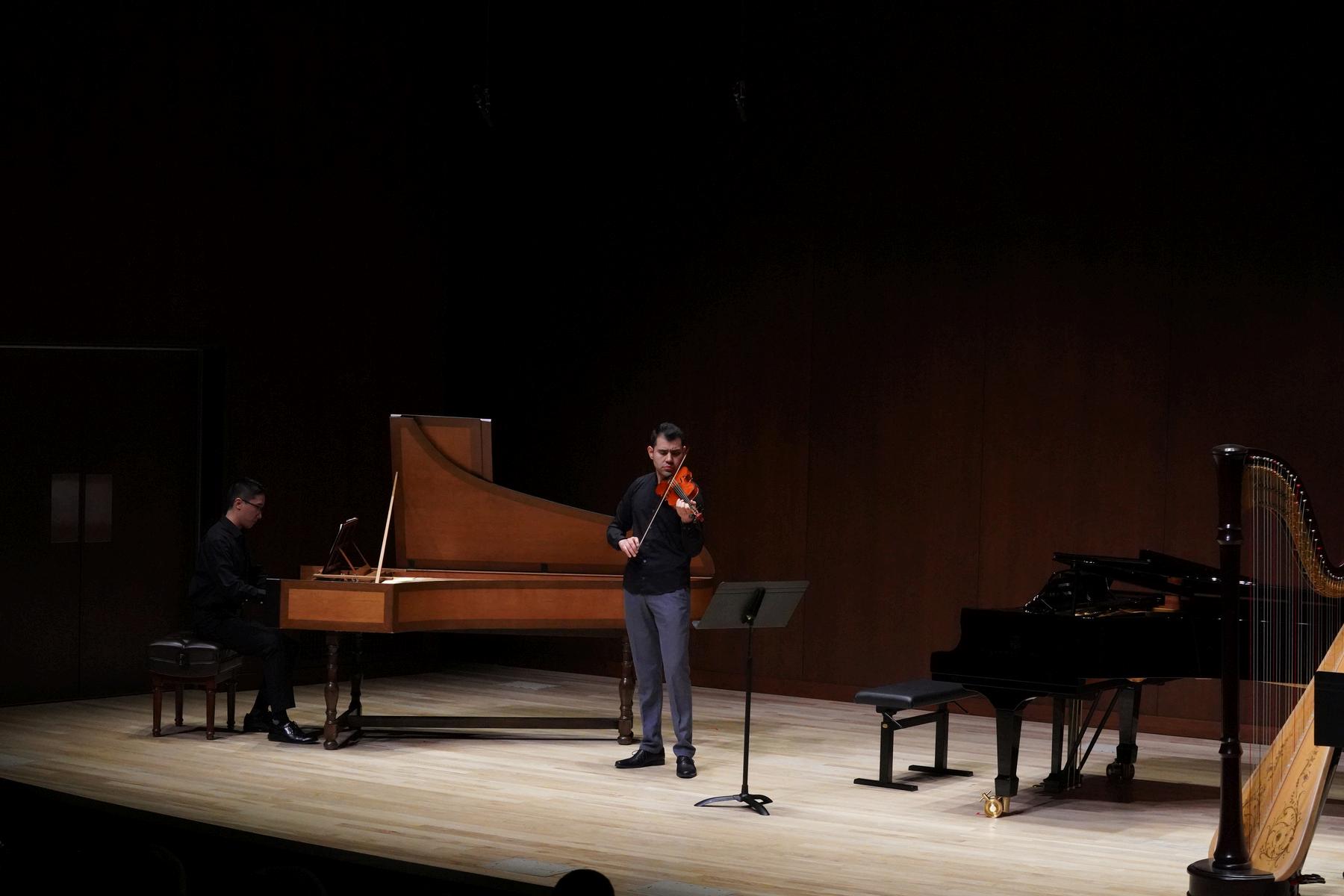
“In my master's program I am looking forward to not only improving my abilities as a performer, but also delving into research, strengthening my skills as an arranger and as a teacher, and truly becoming a Master of Music. I love Music, I love playing the trumpet, I love learning, and I love that BYU and the School of Music is passionate about allowing me the opportunity to become the best that I can truly be ”
A quote from Kylee Bergstresser, a BYU Masters of Music in Trumpet Performance student. Our grad students are amazing contributors to the program and do so much behind the scenes for both students and faculty.
If you are a grad student and would like to be featured in a School of Music Journal issue, please contact us at musicevents@byu edu
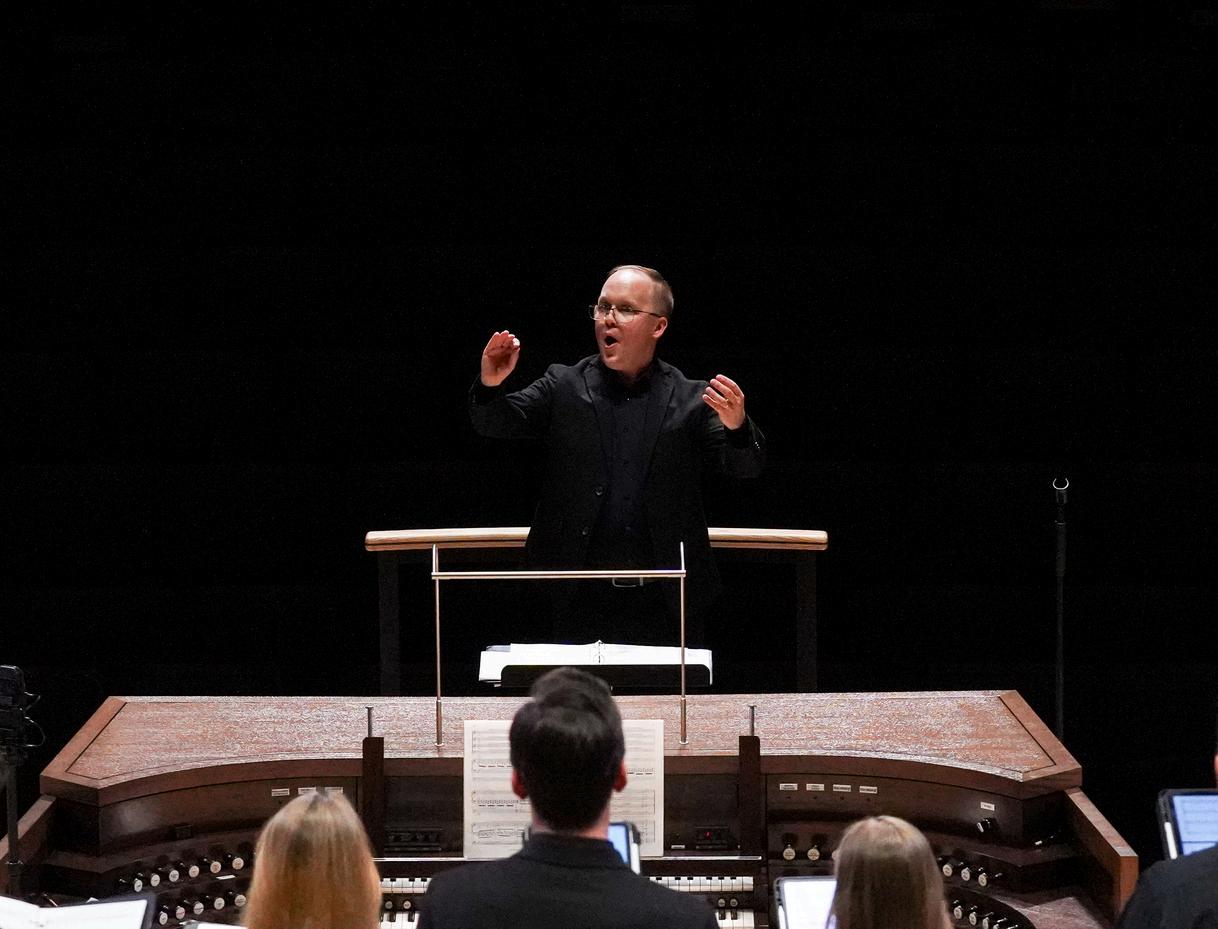
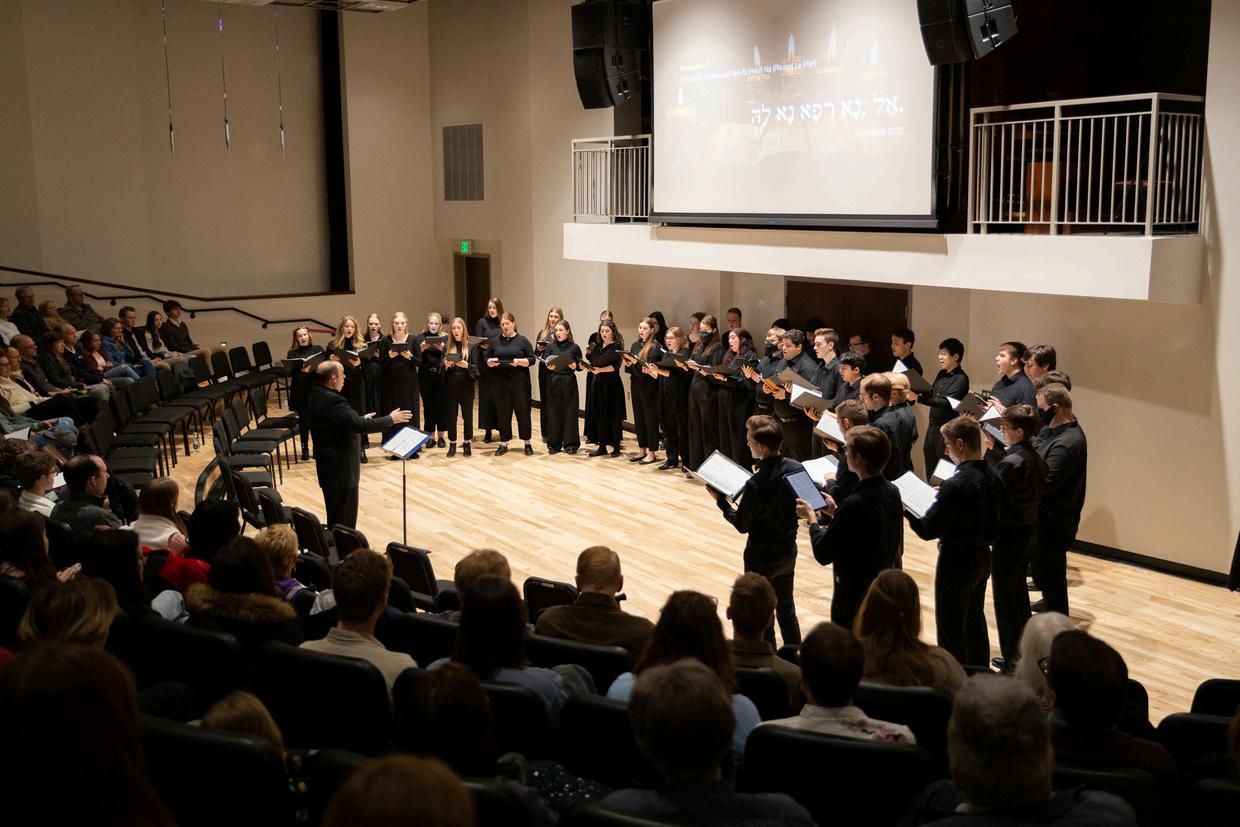
This fall semester, the BYU Choirs have been busy! BYU Singers, Concert Choir, Men’s Chorus and Women’s Chorus have all delivered seasons of artistry, collaboration, and spiritual depth The ensembles participated in campus-wide events, devotional performances and community outreach whilst preparing for major concerts with technical precision and heartfelt musical expression.
The BYU Choirs continue to enrich campus life, and strengthen the tradition of choral excellence that lives on here. Stay tuned in the Winter Semester to hear about the exciting projects they have approaching!
Journal written and compiled by the School of Music Journal Team, assisted by the Media and Website Teams (known all together as the School of Music ‘DREAM’ team). For questions about the journal, being featured or submitting information for articles, email us at musicevents@byu.edu. For previous editions of the School of Music journal, find them on the school’s website - music.byu.edu
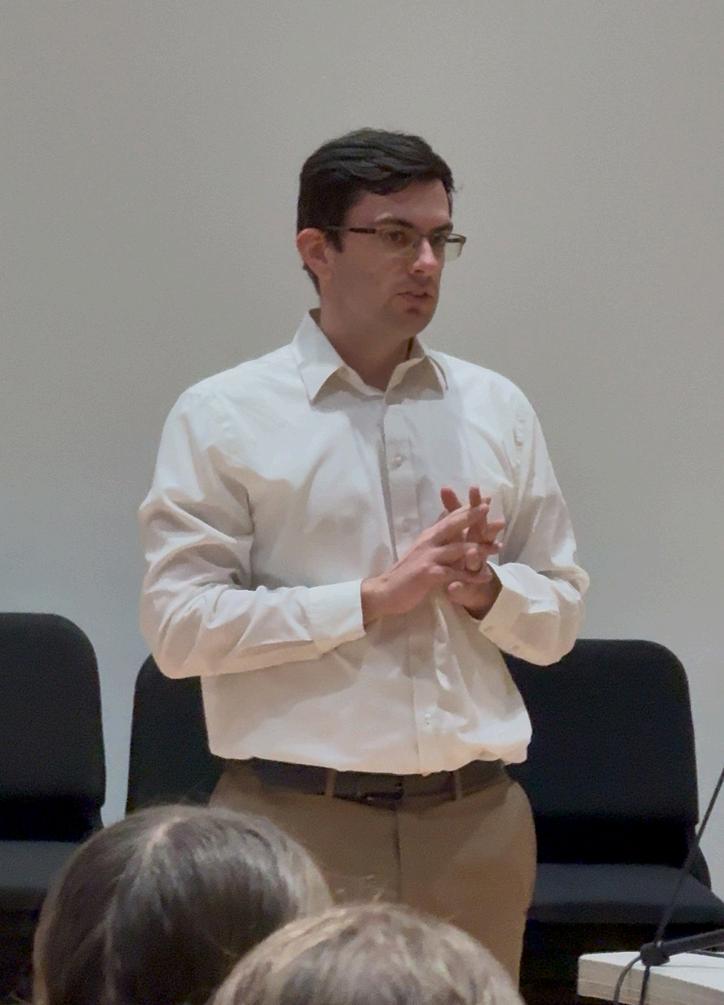
For BYU music student Neal Baird, writing music can feel like, “rain from heaven,” moments where orchestrations arrive fully formed. Baird also acknowledges that the process is a mix of these “divine moments” and careful crafting, problem solving, and hours spent at the piano composing.
For Baird, the Book of Mormon is deeply personal to him, and he felt called by President Kimball’s vision for BYU to, “do justice to the stories of the restoration.” He plans to honour the Book of Mormon this same way, eventually hoping to create a full musical composition of the Book of Mormon to inspire others.
Baird shared with us how much joy he finds in choosing which passages to portray and how to express them musically, using a specific example of an oboe part in a storm sequence. It is clear how much thought, intellect, and testimony he puts behind his work.
Above all else, he hopes that this work will help audiences understand the Book of Mormon more deeply, and that the performers will testify of its truth as they play saying, “when you play the chords, you believe the message.”
Story by Emma Hogge and Shelby Laycock
His latest project, an original composition of 1 Nephi from the Book of Mormon, came to him one morning while he sat in his apartment. Within thirty minutes, he had sketched out his original musical ideas, and the idea quickly grew into the concept of an “orchestral speed run” of the entire Book of Mormon Baird is thoughtfully taking his time, beginning with 1 Nephi; composing half the score in April and the other half this October and November.
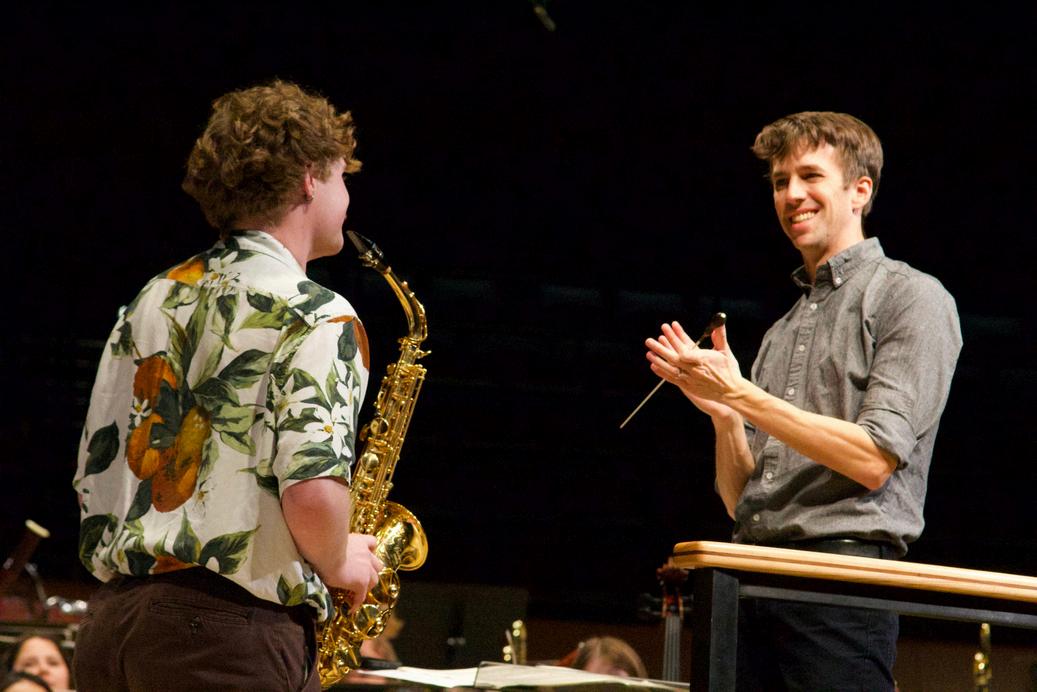
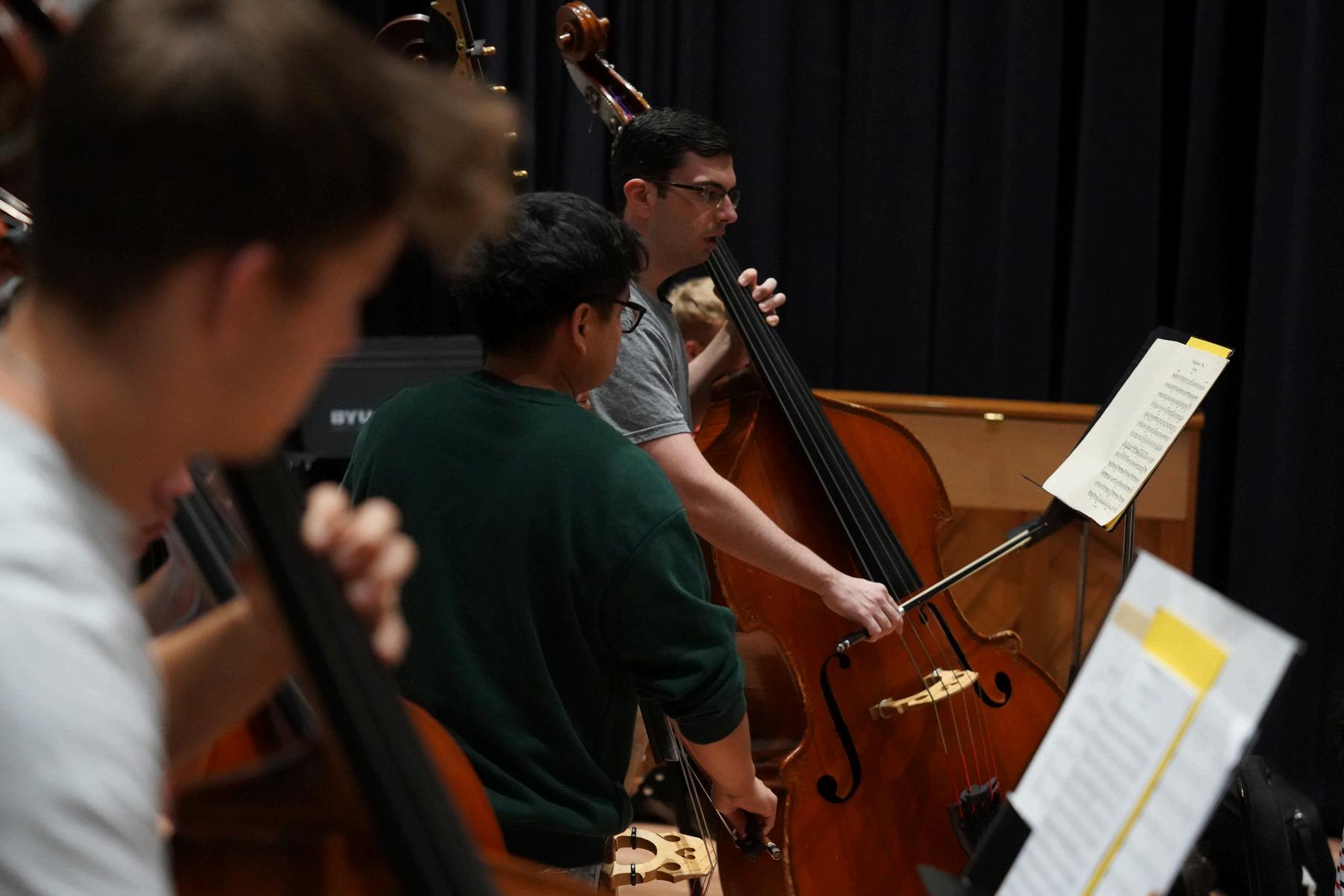
Baird during Philharmonic rehearsal
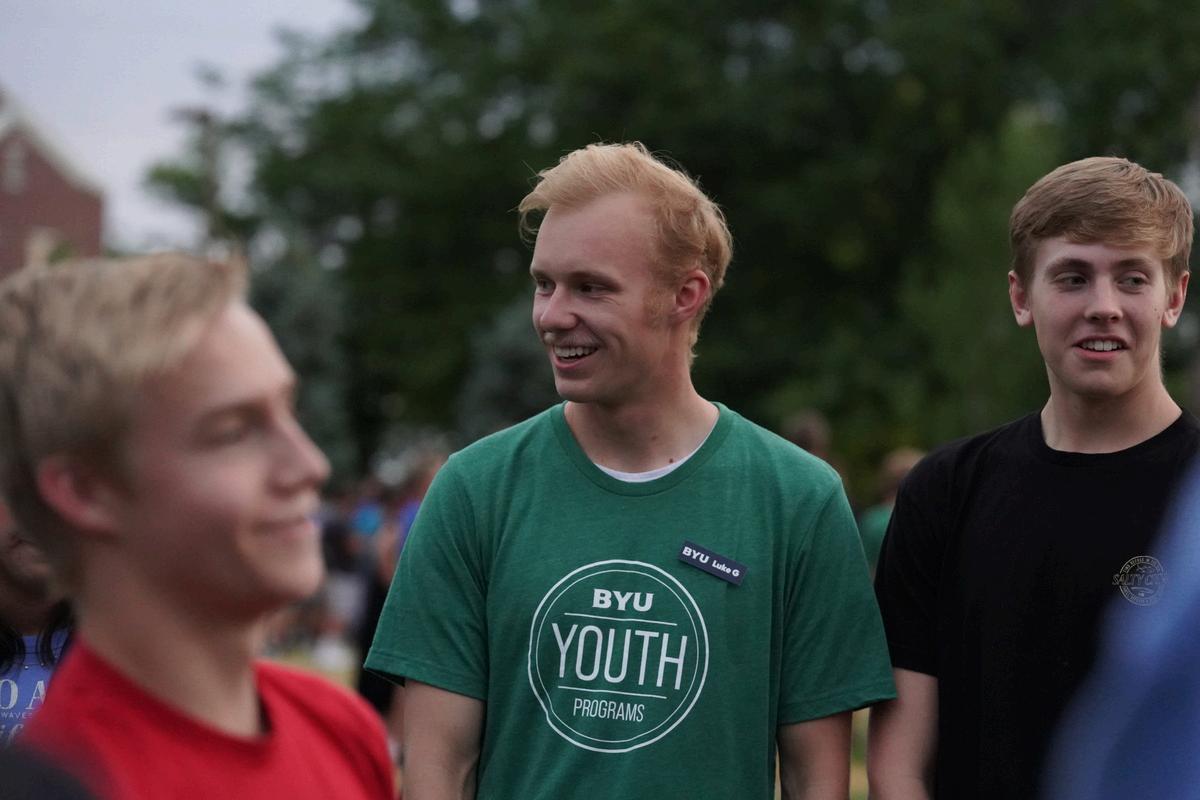
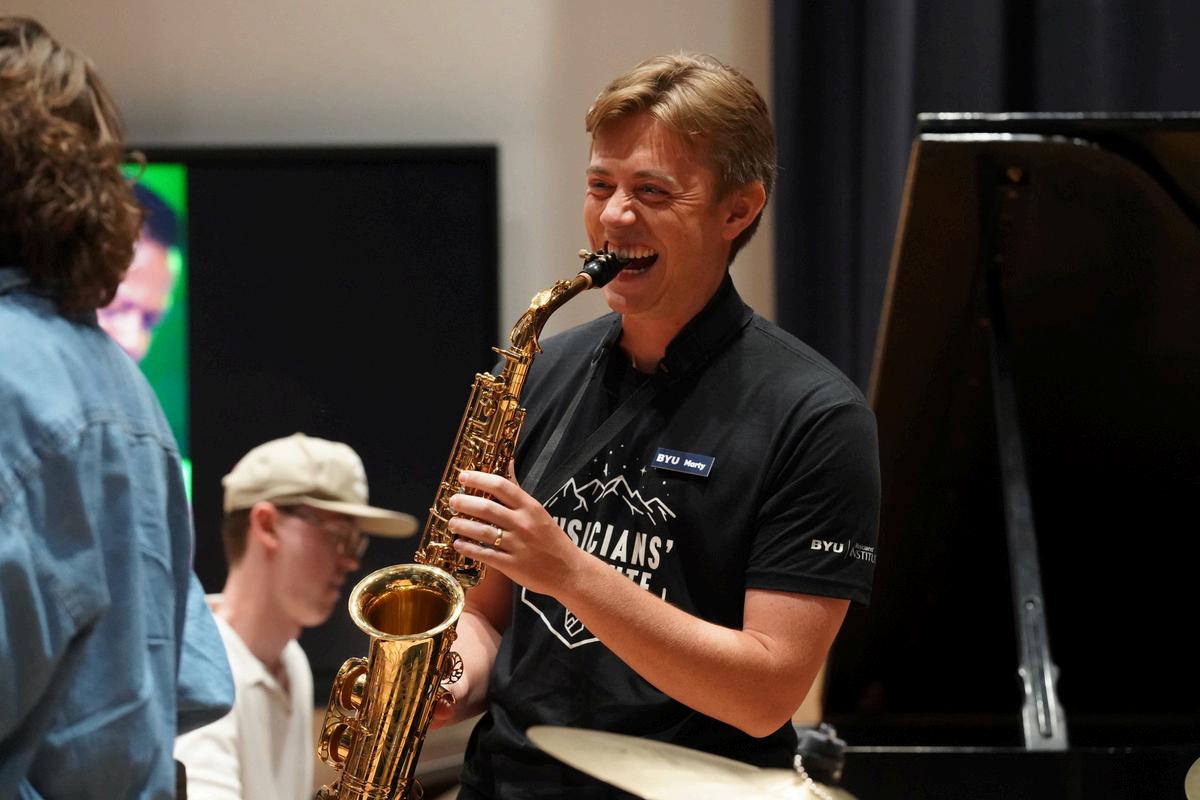
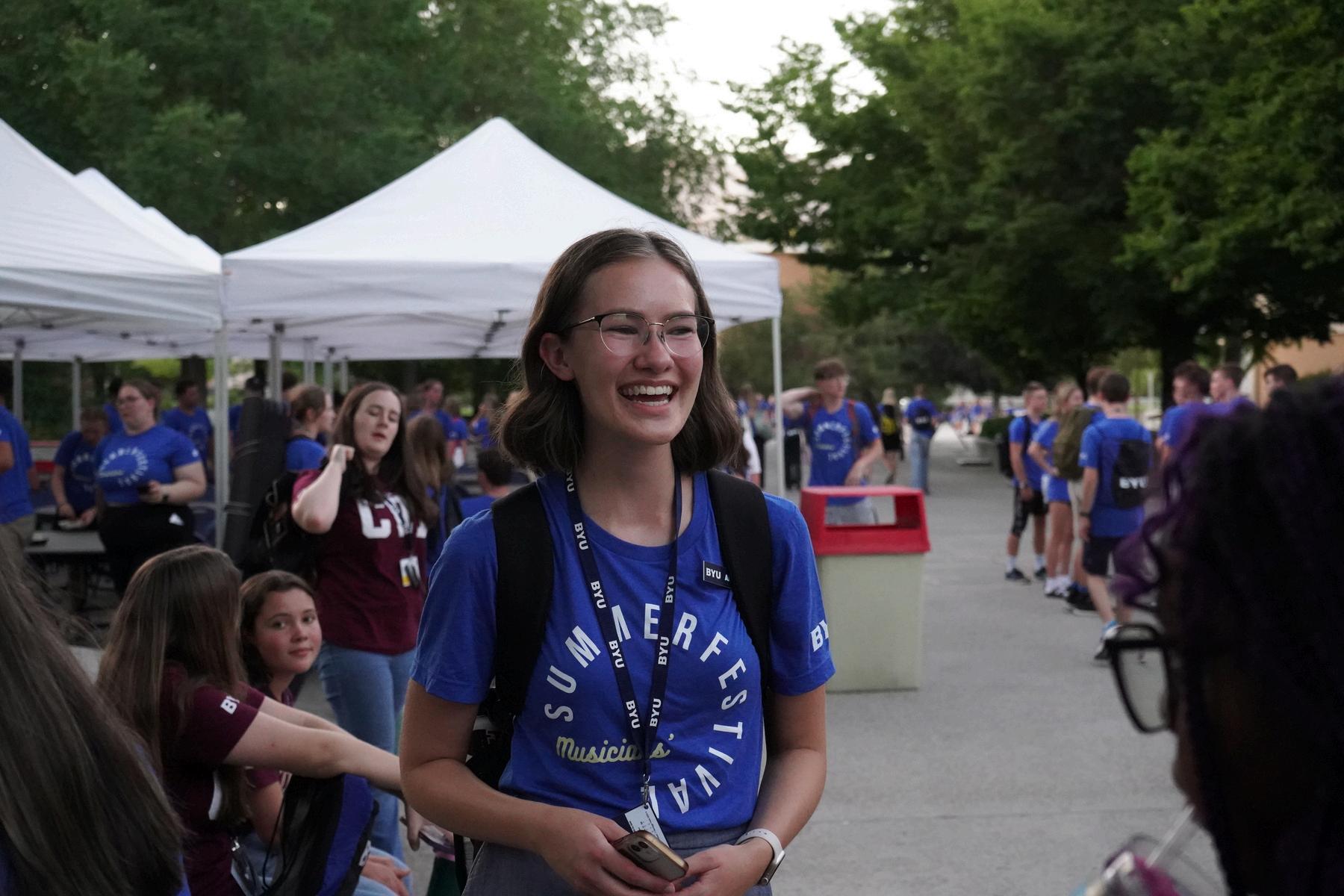
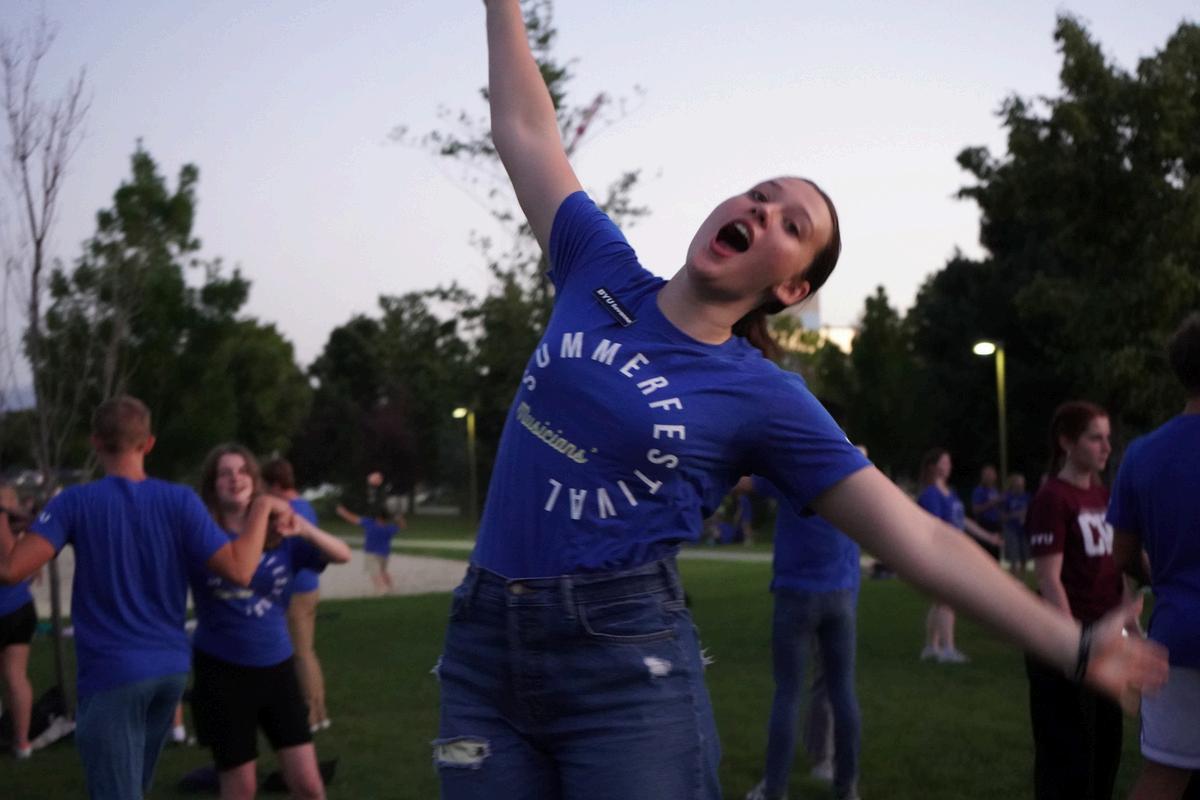
Over the summer our campus does not take a break from its lively activities, and BYU’s Summerfest is no exception. The annual gathering of young artists ranging from 14-18 is full of music, dance, and theatre across multiple camps and weeks. Counselors can apply to multiple summer camps - or just the music camp, which is a two week program with three different divisions; Musicians’ Summerfestival and Institute, and the Choral-Vocal Institute Students at Summerfest get to experience learning at a college level before stepping into their undergrad. They receive high caliber instruction through daily rehearsals with BYU Faculty and guest professionals, masterclasses to receive personalized feedback, and high focus on technique and artistry This also gives students exposure to BYU’s values of collaboration, creativity and artistry with purpose.
BYU’s Summerfest is truly a festival based on community between students as well as counsellors. Close friendships are formed through artistic passion, and there are many formal and informal opportunities for bonding. A safe, uplifting environment is cultivated between all those involved, and students voice feeling “at home” both socially and artistically The “BYU Spirit” is strong, and devotionals and reflective discussions are held to emphasize the purpose of the festival, and counsellors model kindness and professionalism for the younger students.
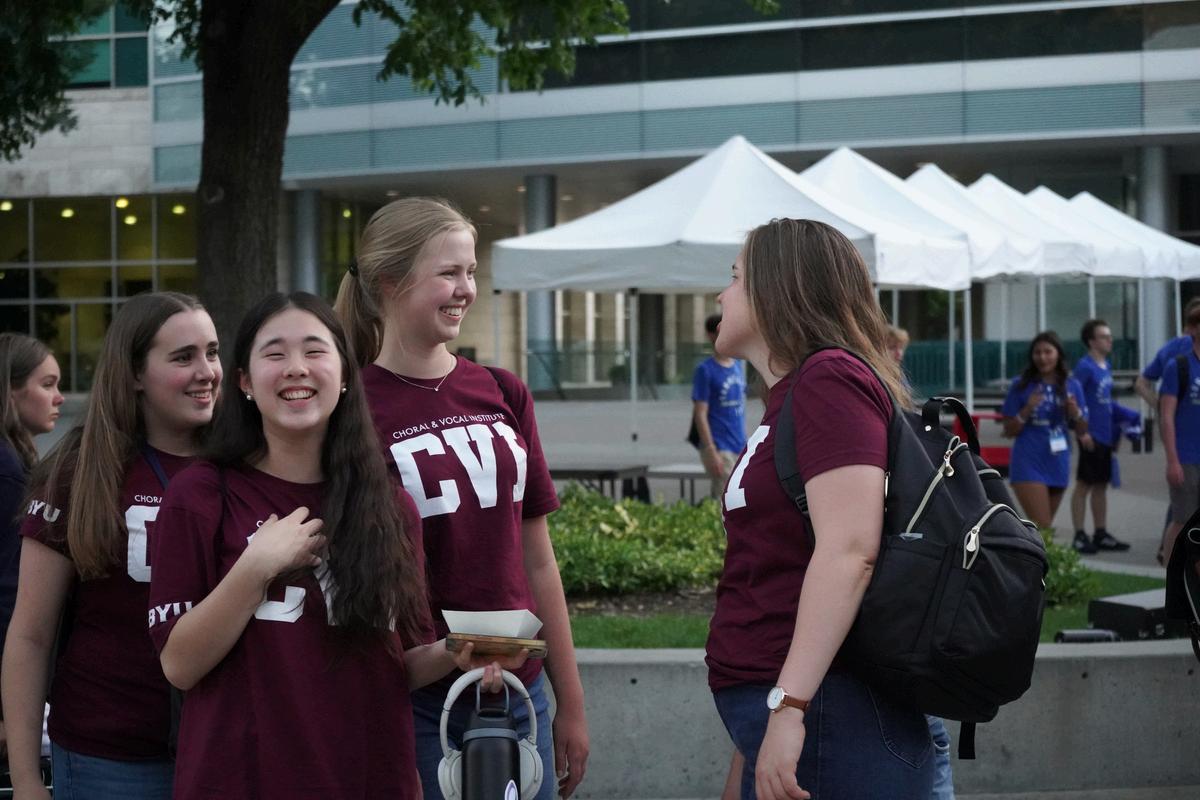
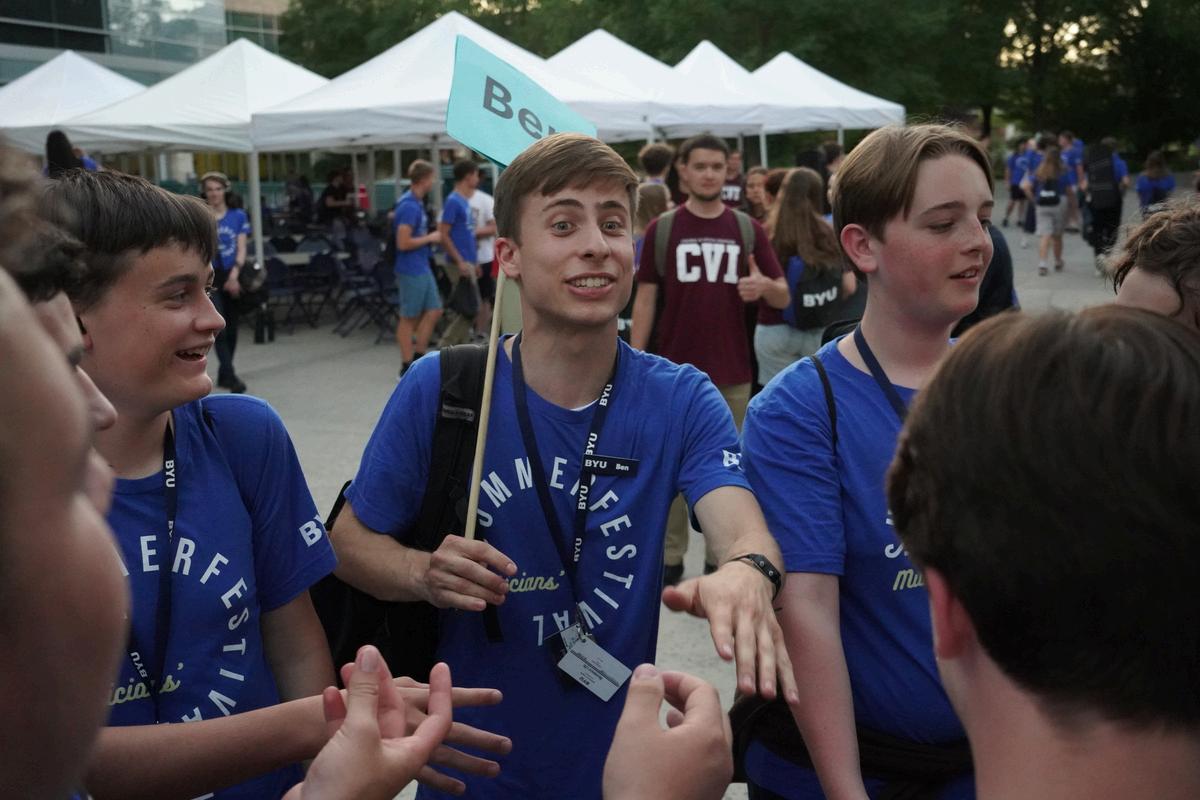
As BYU Students, we have the opportunity to get involved! As a paid summer job opportunity, students can apply to be dorm counsellors, rehearsal assistants, sectional leaders, stage crew in the final performance, and administrative support. There is truly a job for everyone, and it is an extremely fulfilling experience.
If you are interested in Education or any kind of teaching, Summerfest is a valuable resume builder. Some students more advanced in their major can act as teaching assistants, helping to facilitate masterclasses and sectional recitals There are also performance opportunities, and select BYU ensembles and student groups can perform for Summerfest attendees, inspiring the young musicians to continue to pursue music. BYU arts students have loved getting involved in this meaningful way to gain work experience, network more closely with faculty, and uplift others through the arts This unique opportunity allows for a combination of high-level instruction, campus life, and the chance to be a part of an uplifting artistic community mentored by amazing students just like you!
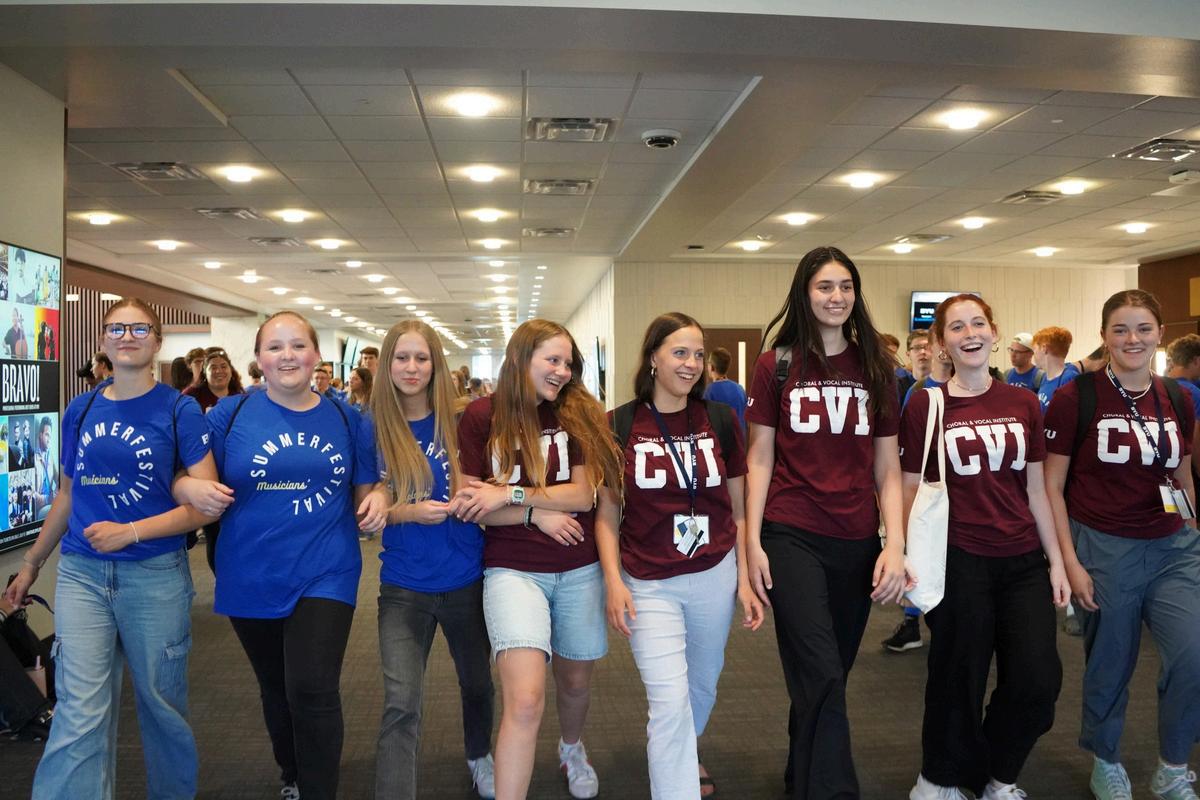
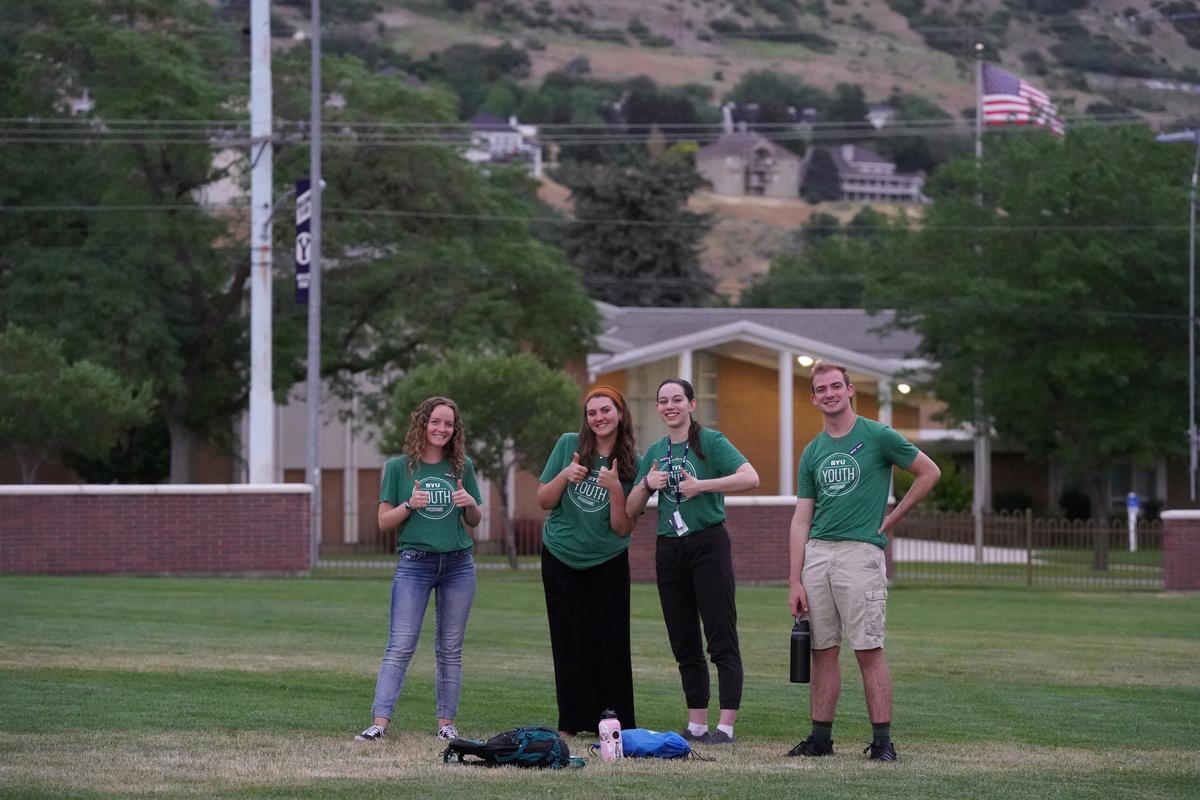
Participants of Summerfest leave with improved technical skill, increased confidence, exposure to a college arts environment, a stronger sense of artist-identity, and memories and friendships that last through years. For us at BYU, the arts pipeline is strengthened, and connections are built and career building opportunities are discovered. This is a program of outreach, providing well deserved national visibility and appreciation to our Music program. Summerfest is not just a festival; it is a community that shapes the next generation of performers. Every year, BYU becomes a place of discovery for hundreds of young artists a year For BYU Students and faculty, it is our opportunity to serve, inspire, and help cultivate excellence in the arts.
Story by Shelby Laycock

The Music Student Council is comprised of music majors representing the different majors and studios in the School of Music. The council focuses on supporting the School of Music through service, building unity, and recruitment.
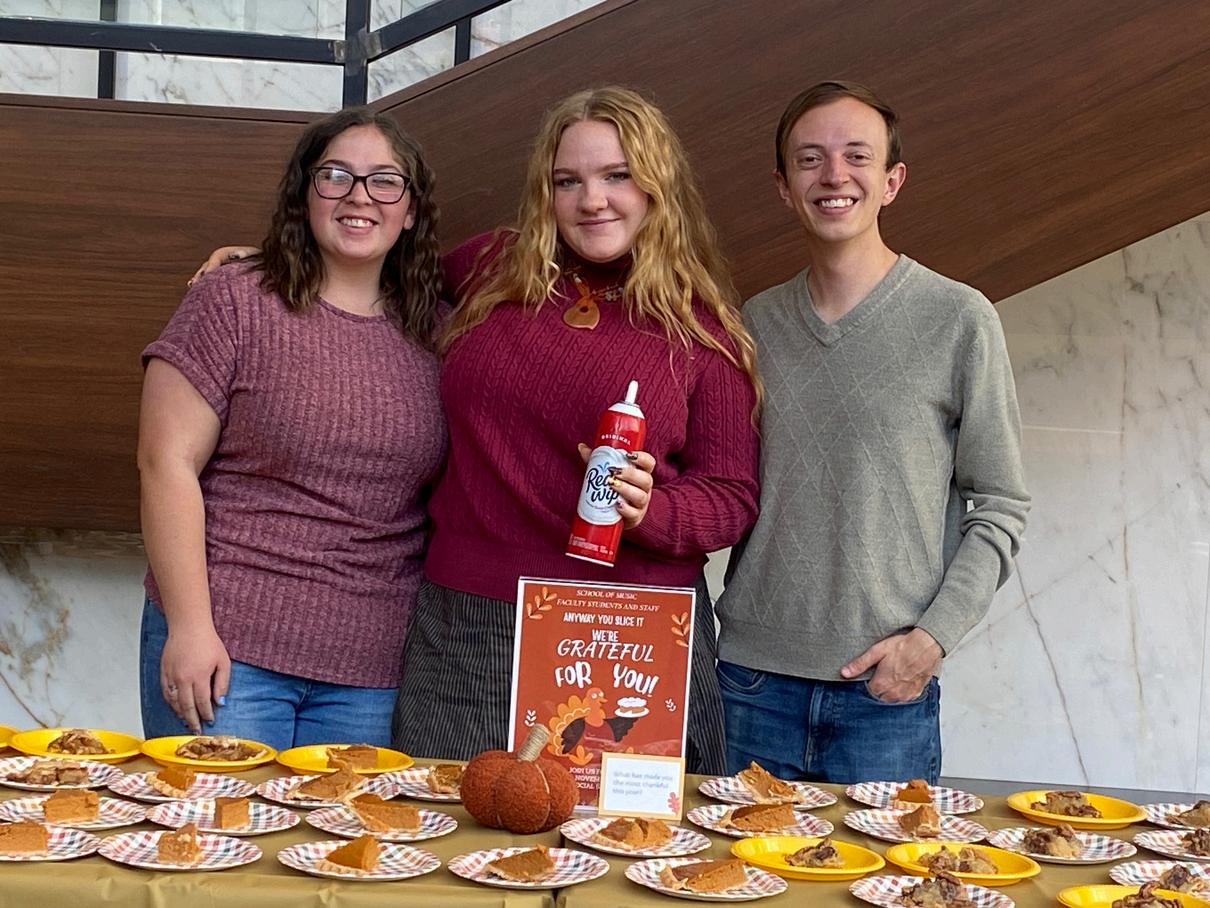
Music at Midday is one of the responsibilities of the council. This setting provides opportunities for performance practice and building unity campus wide. The council also provides events to build unity and wellness by holding events such as Halloween activities, Gratitude Pie Day, and the Christmas Sing Along.
Finally, the council assists with School of Music recruitment with New Student Orientation and Audition Day. The students that serve on the council are a great asset to the School of Music. For more information on how to join please email musicadmissions@byu.edu.
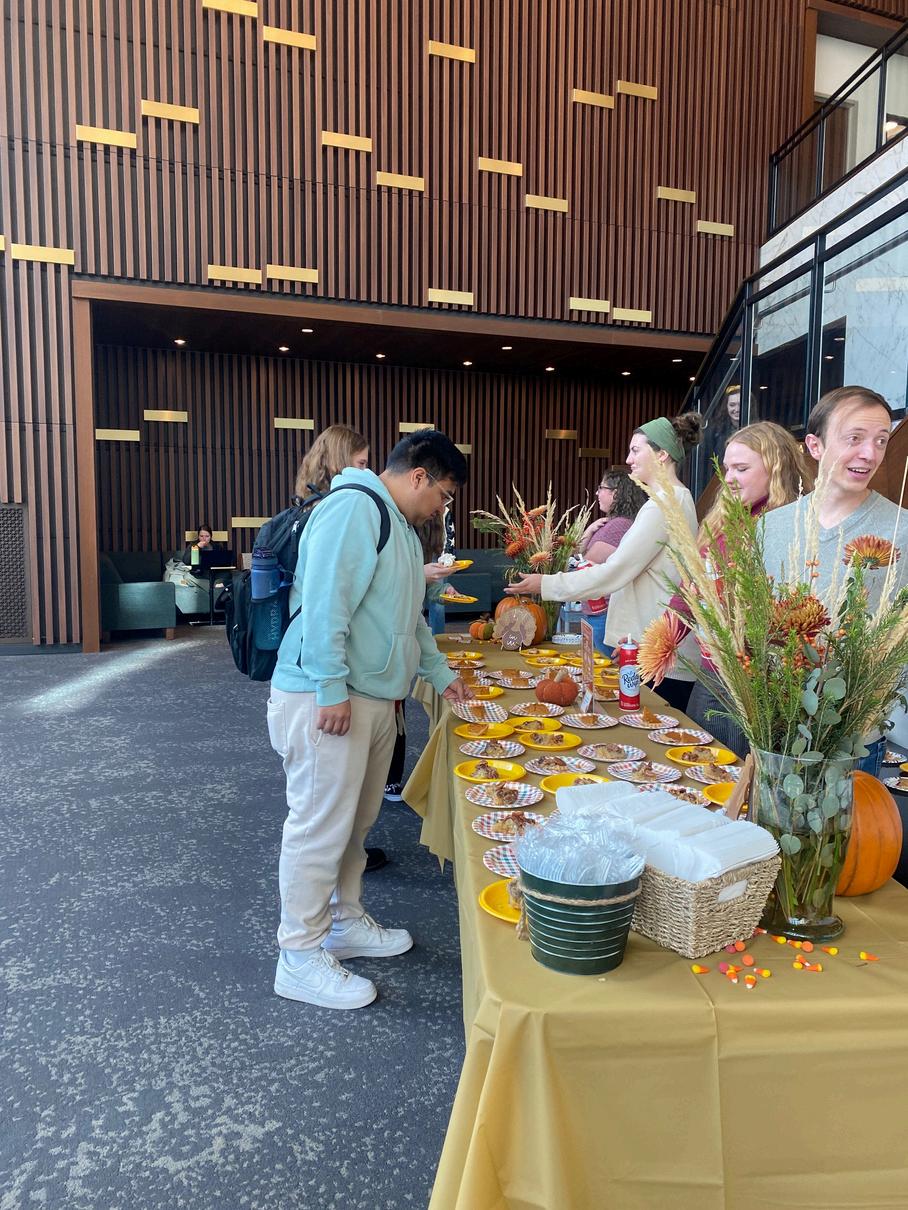
Story by Shelby Laycock

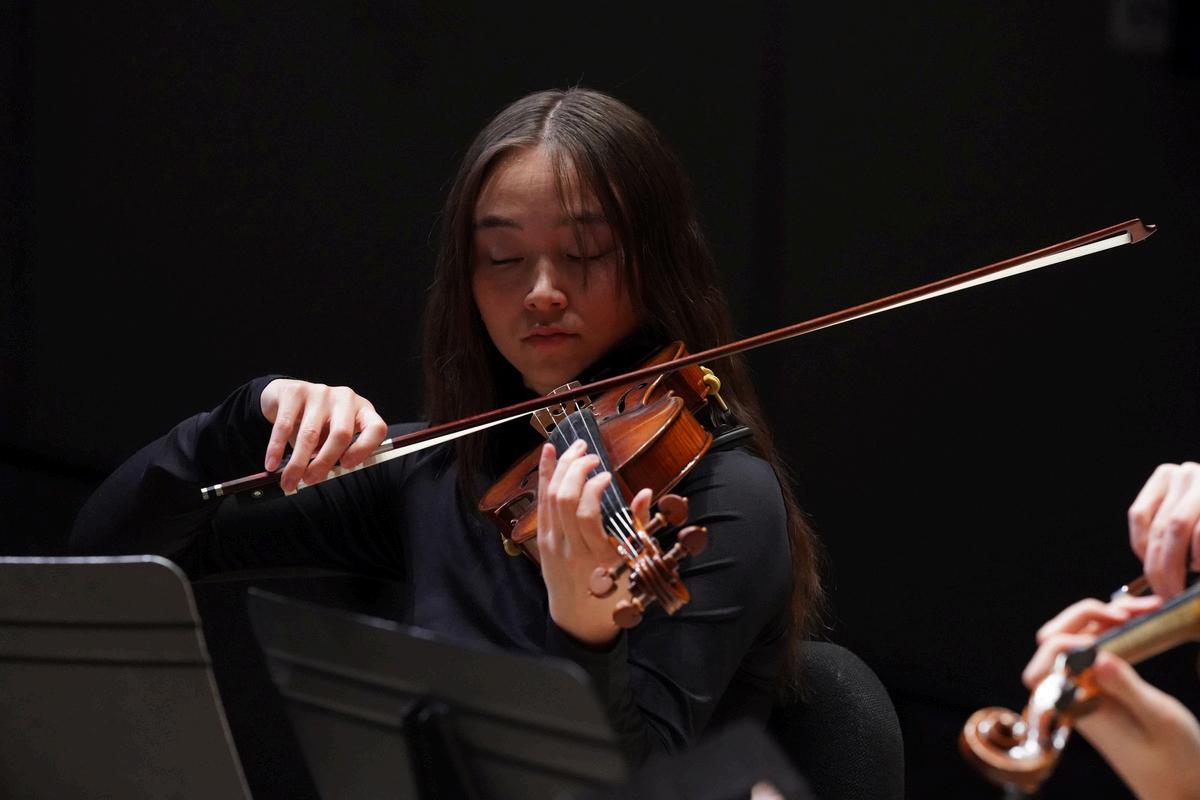
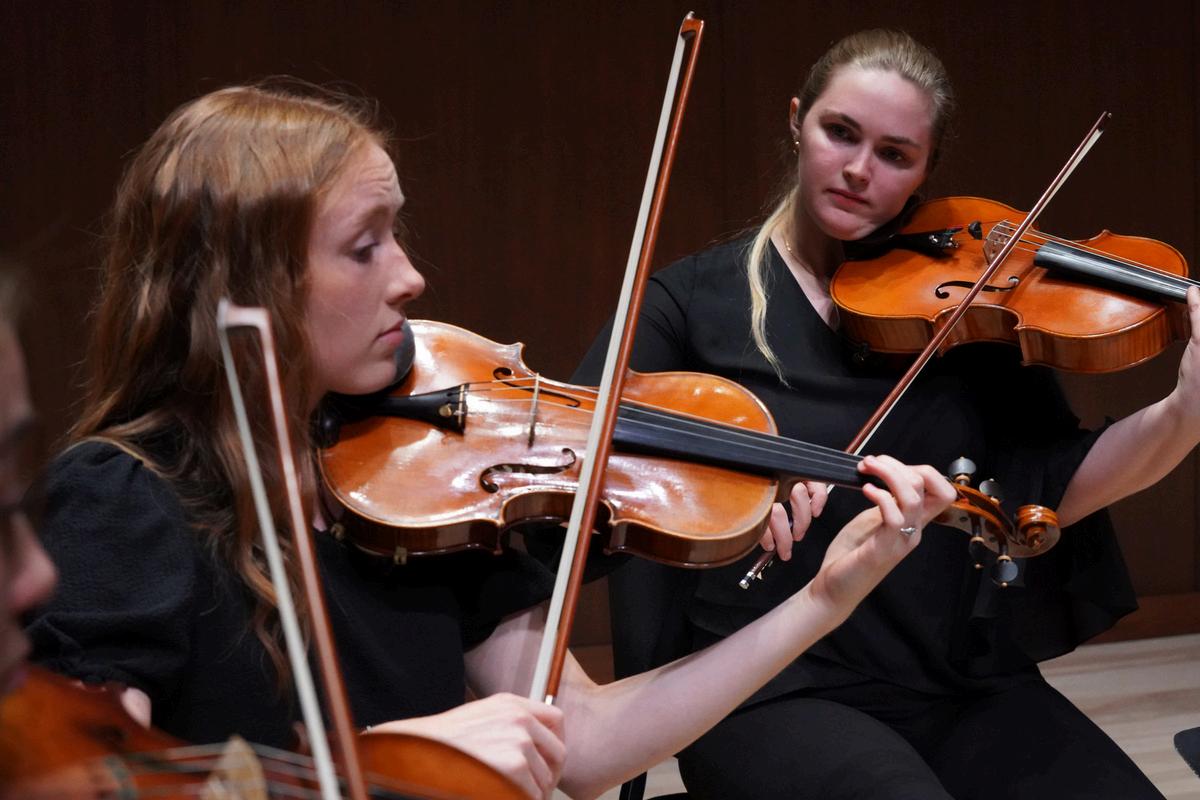
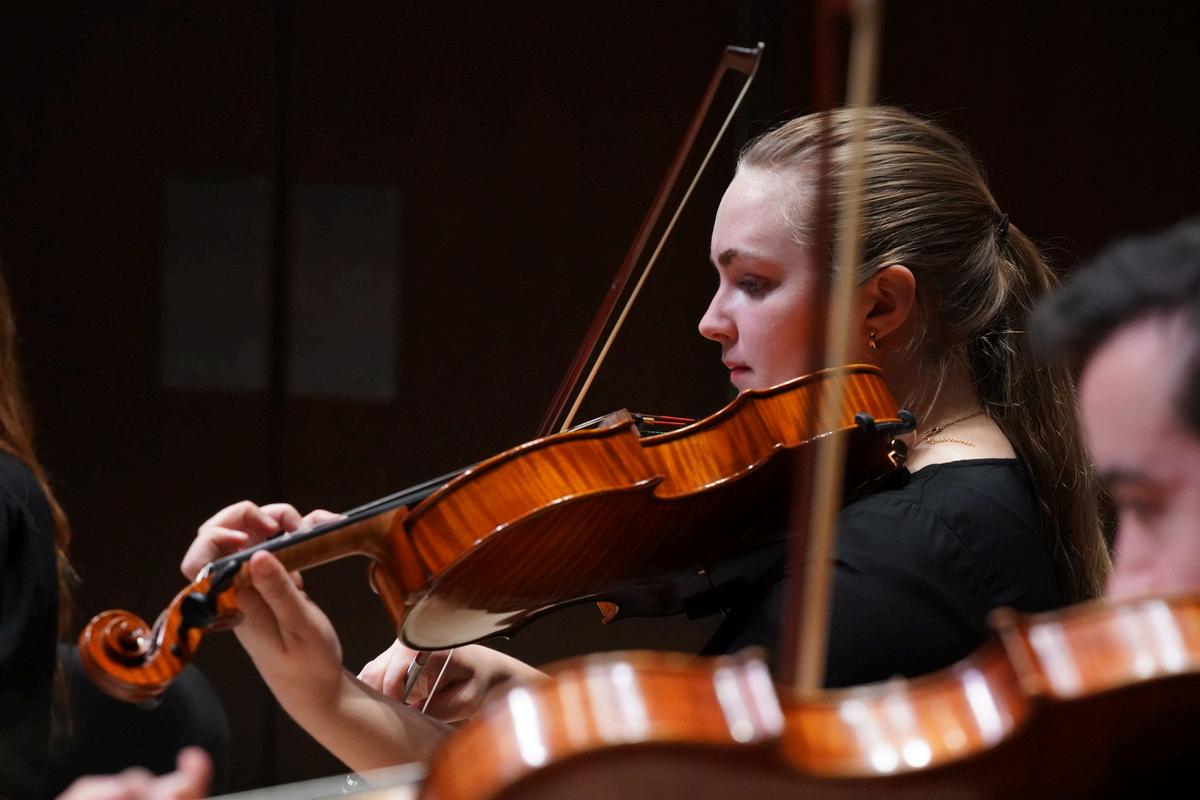
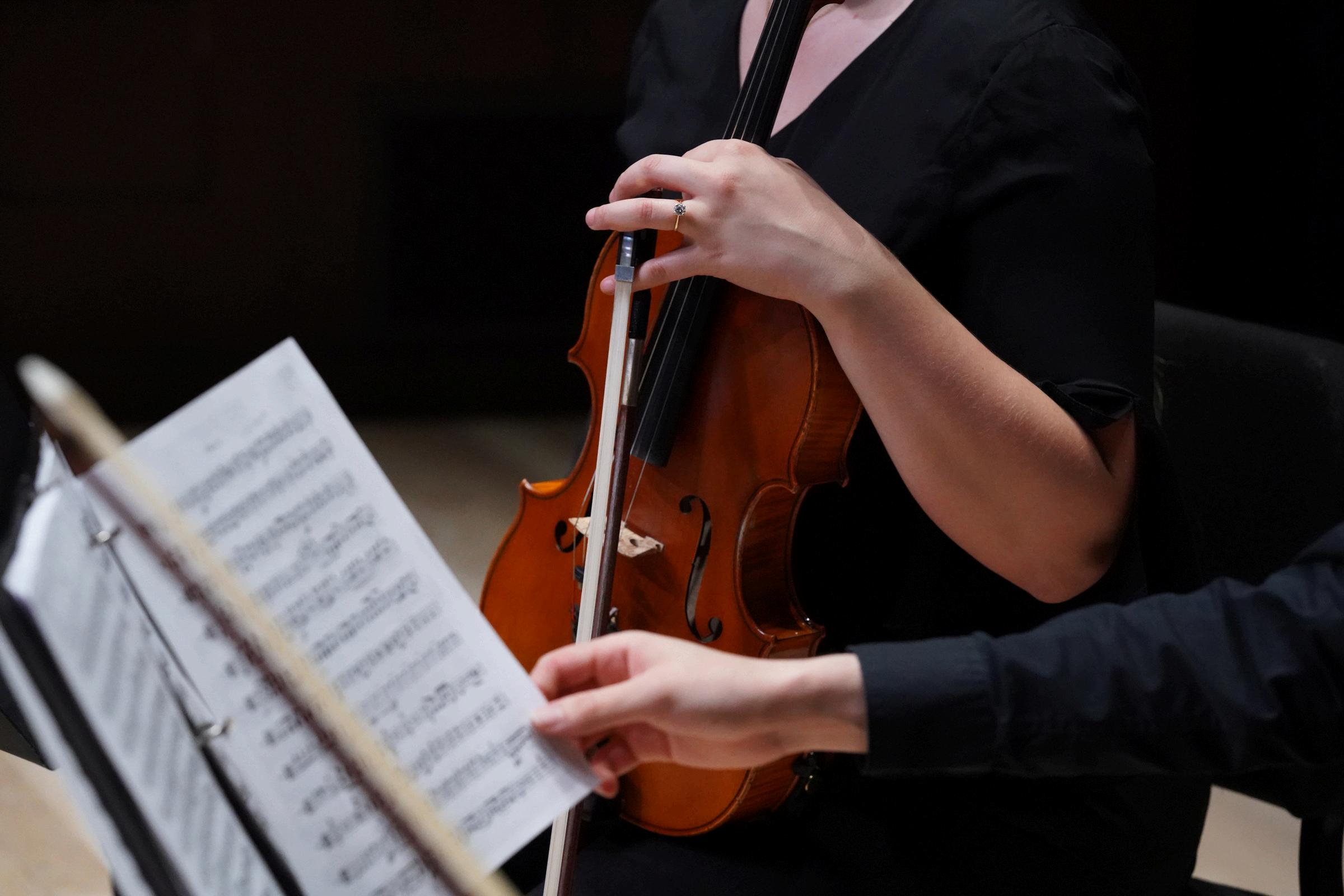
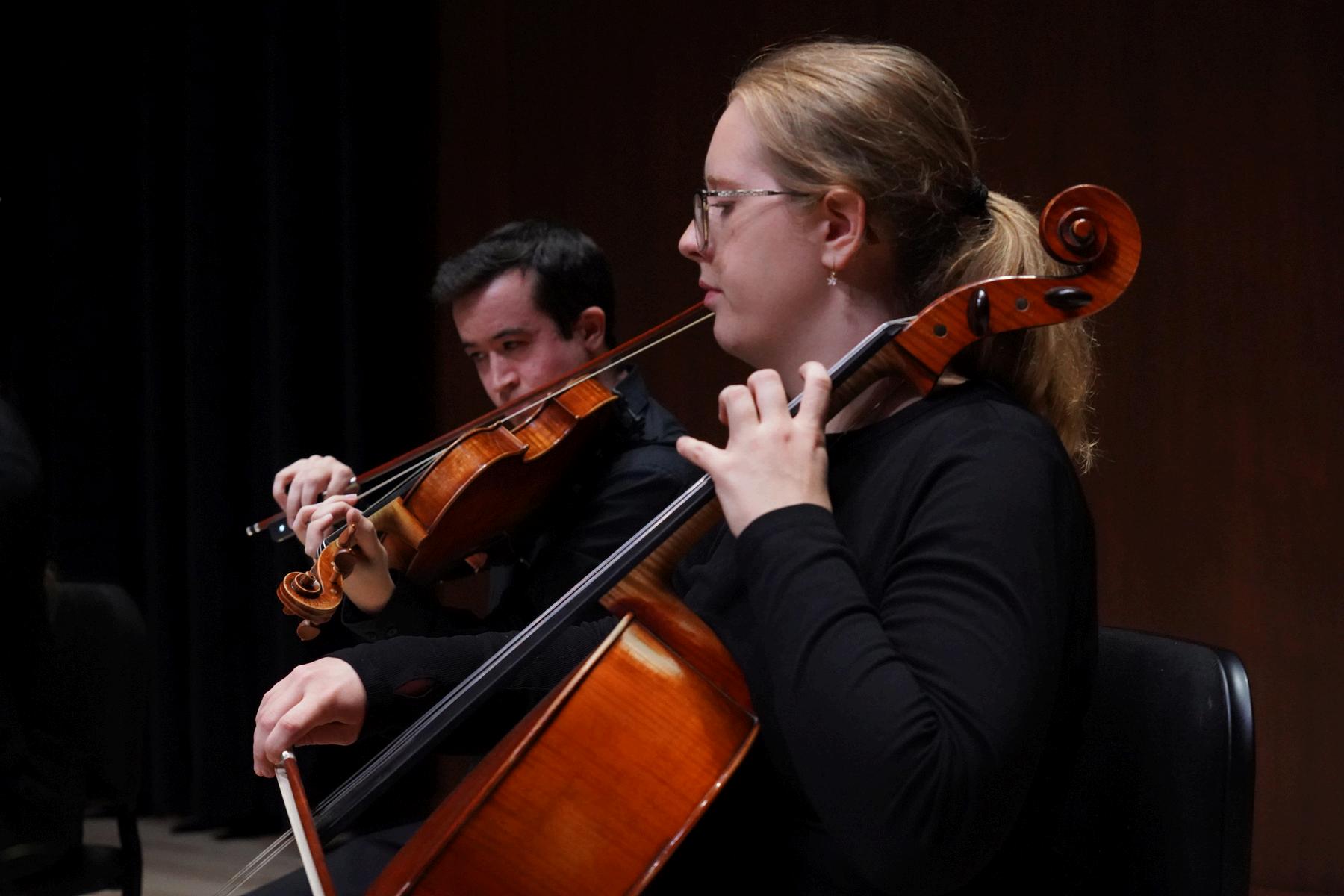
On Wednesday, July 30th, six of BYU’s best string players blessed us with an electric performance of one of Tchaikovsky’s best works These six created an incredibly immersive performance, the preparation palpable in the connection between each musician, and the soul of each melody amplified by its player, painting the Recital Hall in beautiful colors produced by the musicality of the sextet. Here’s what Shae (Cello) and Clara (violin) had to say about the experience:
“Honestly this was just a dream come true for me! This has been like my all time favorite piece of chamber music for years, so being able to find such talented people who were willing to learn and play it with me was just so special! We learned the music really fast, and with our schedules weren’t able to rehearse as a full group quite as much as we had originally thought, but it was really cool to see how it all came together in the span of like 2 weeks. Everyone clearly enjoyed and appreciated the piece which I think really helped us to be able to get it performance ready as fast as we did. There’s so many spots in this piece where you’re playing in unison with someone across from you or finishing a line that someone else started and being able to move and connect with that other musician is so important. Having that moment of connection and getting out of the music is what really helps bring the music to life, and show the audience the important musical lines So being in a group where I was able to look up at connect with each one of them at different points was such a cool experience. And shoutout to Dr. Morgan and Dr. Kesler for taking some time to coach us on a couple of the movements!!! They are such great coaches and it meant a lot that they gave away some of their summer time to help us prepare this piece!“
-Xanthee Shae Cliften, Cello
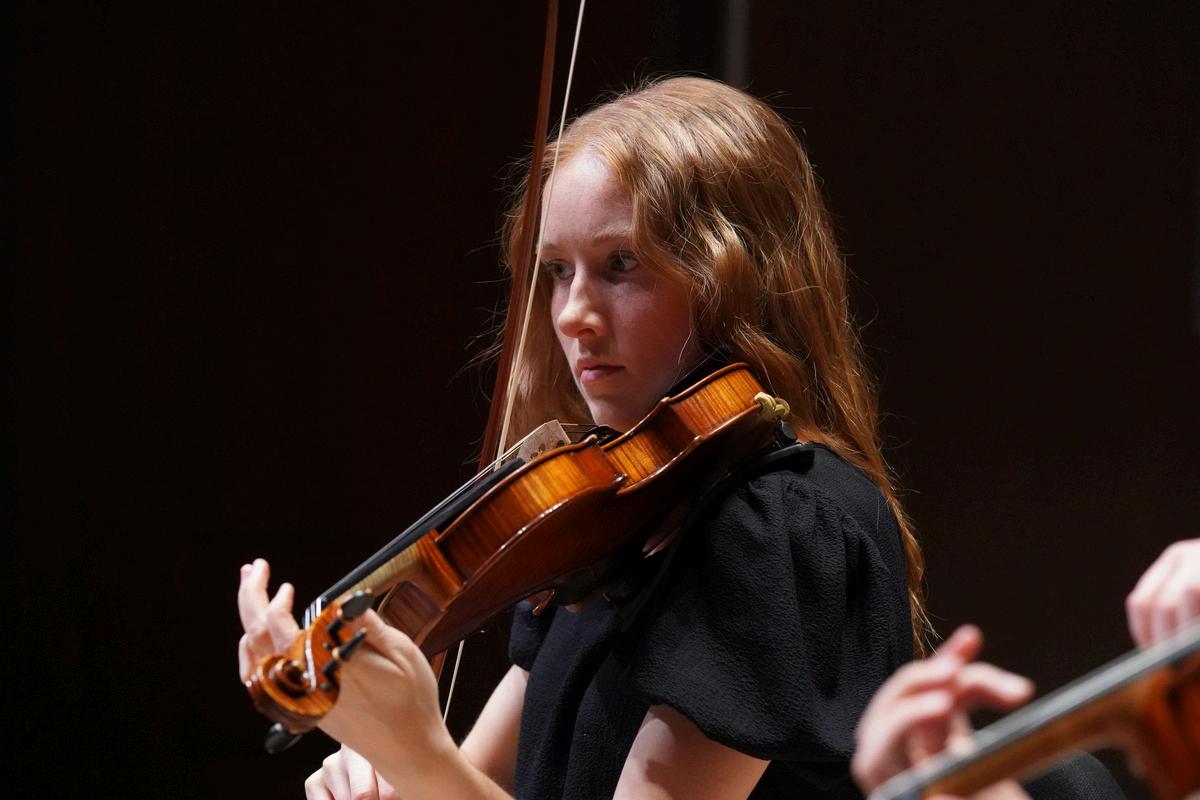
“It was so fun to be in a sextet because it allowed for even more intricate harmonies, textures, and interplay. I loved learning to navigate those moments with everyone Playing chamber music in the summer with is something I’ve done for many years, but this summer, I got to spend more time than usual in the score and recordings, which helped me understand and appreciate Tchaikovsky’s genius! It also meant so much more to play with people I already knew because I felt like our friendships helped us achieve the musical intimacy it sometimes takes a while to create and understand. I also really appreciated the time Dr Kesler and Dr Morgan took to coach us! Dr Morgan was telling us about the impact our playing had on her nephew, who came with her when she coached us
She said the second movement almost brought him to tears, and as an young violinist, it meant a lot to him to see us play complex and beautiful music at such a high level because it was a glimpse of what he has the potential of becoming! And honestly, that’s why we play. Not only to have fun together and learn about how to play music well, but to inspire others!”
-Clara Thomas Gunnerson,
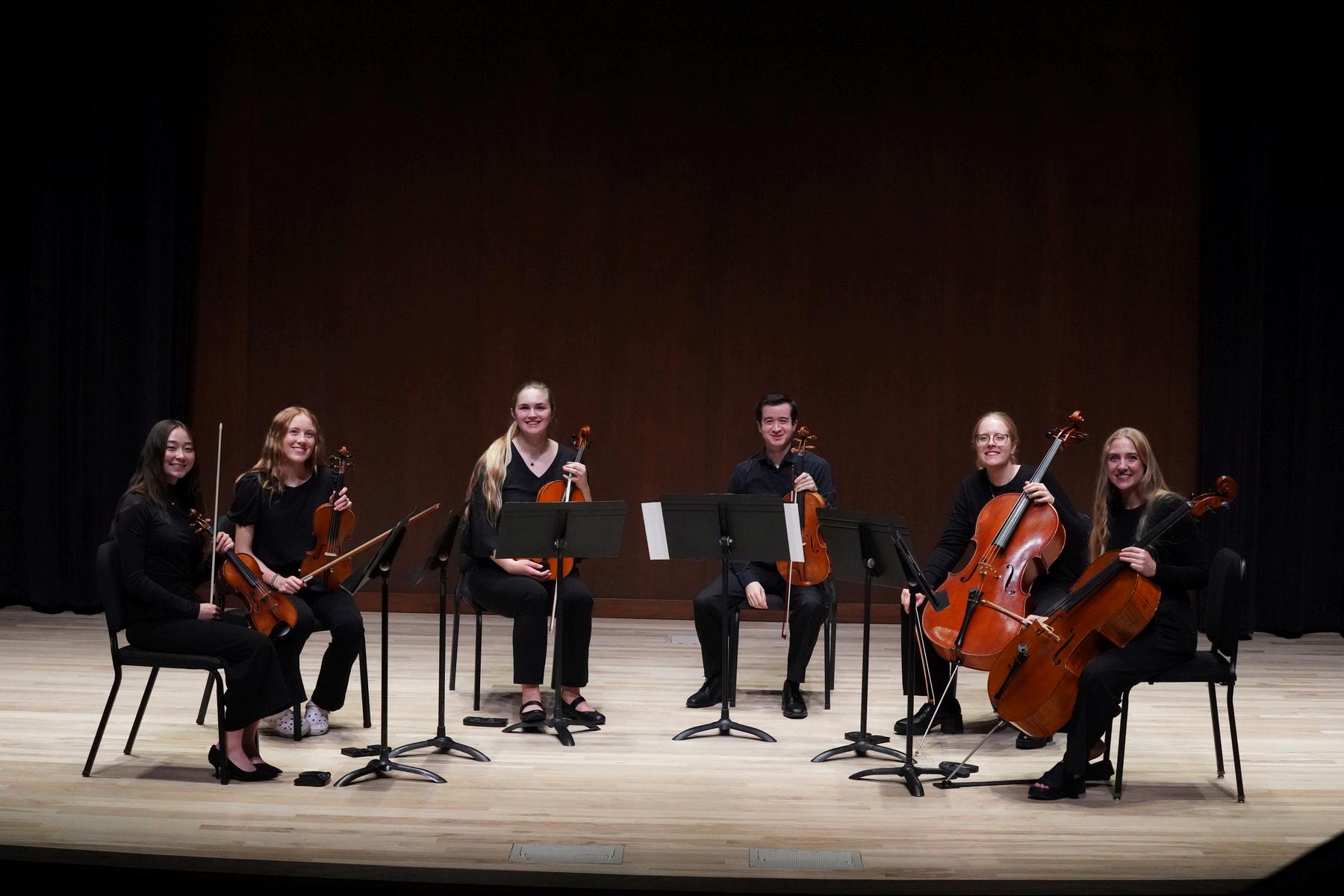
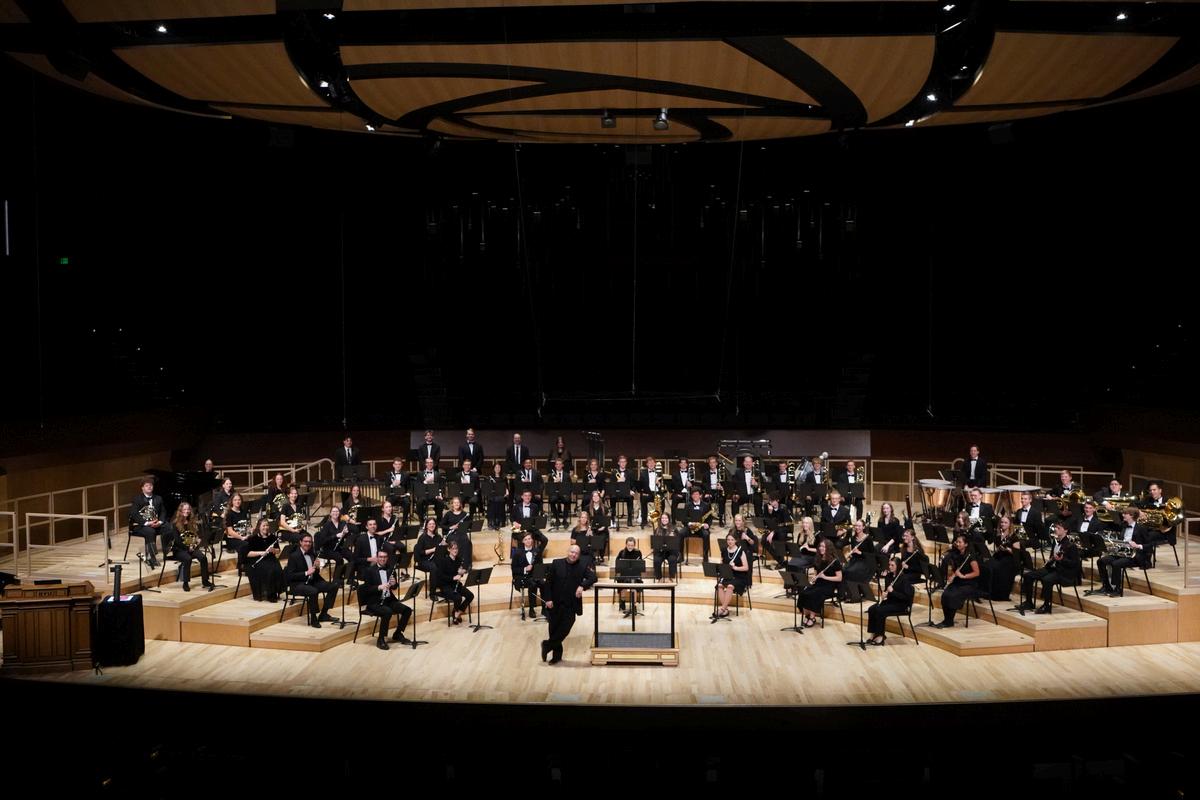
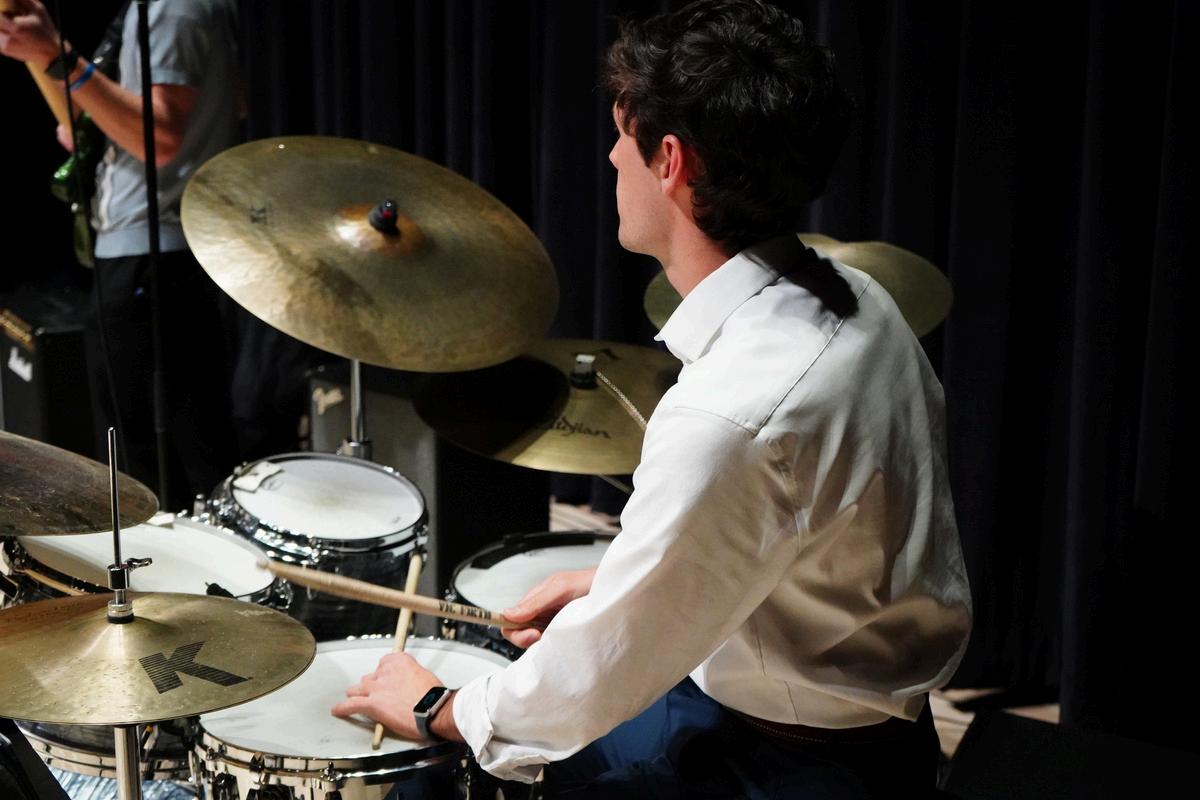
photos by Emma Hogge
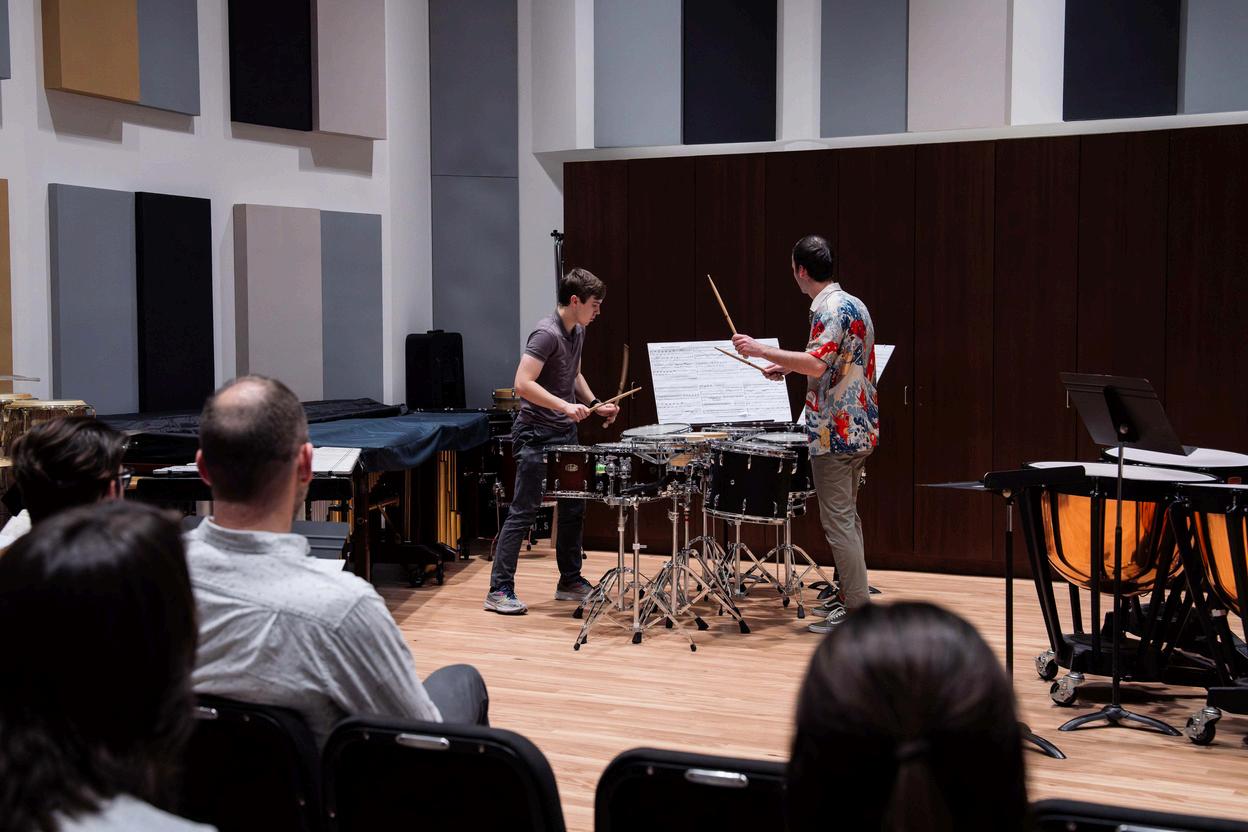
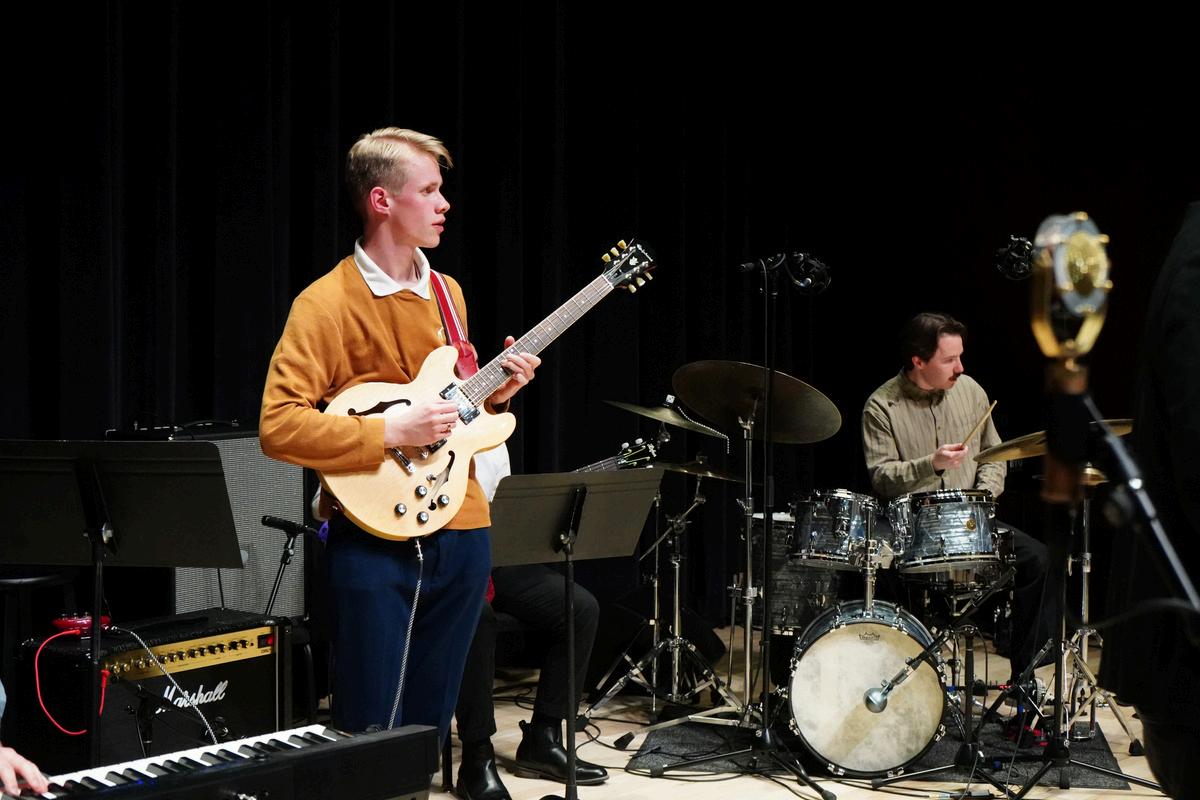

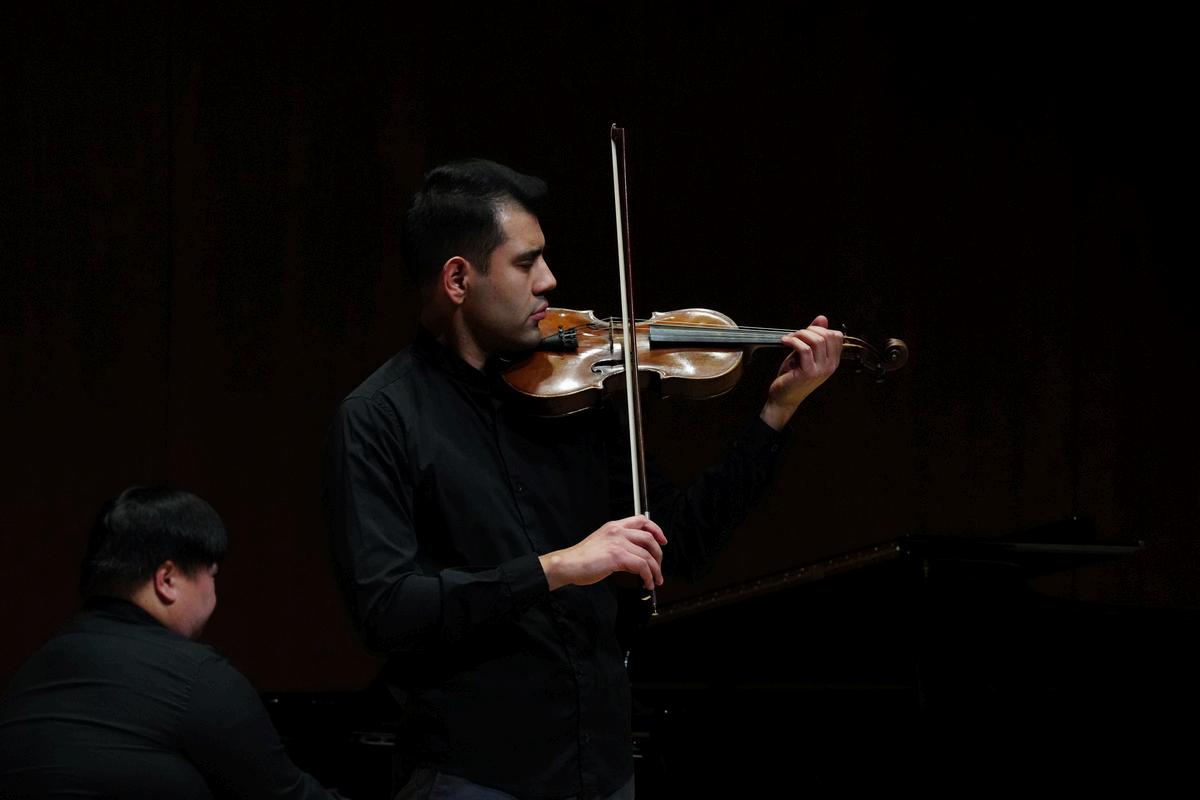
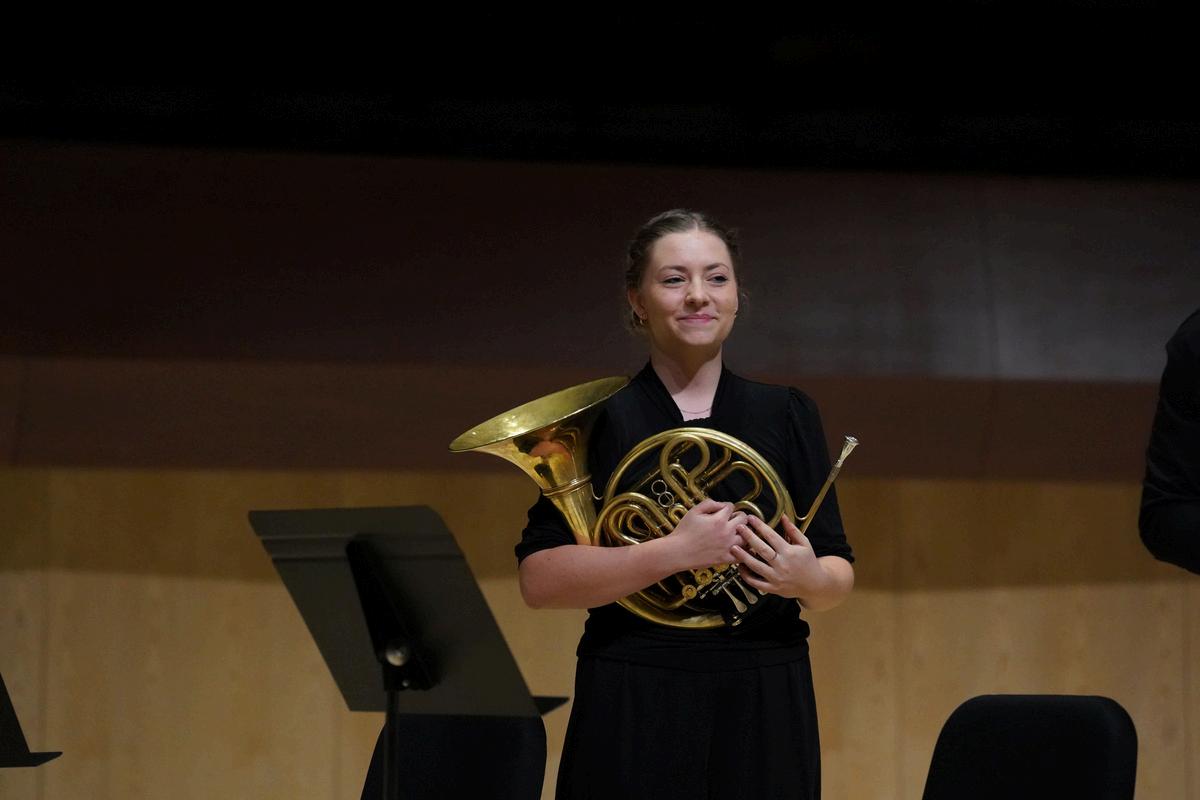
What a year its’ been! While it feels like these memories have come and gone in the blink of an eye, the musical impressions we leave upon each other will last a lifetime. As Christmas comes around and we celebrate the birth of our Savior, take a moment to reflect on how you have felt His light this year. How have you shared your light with others? What were some of your most impactful musical memories this year?
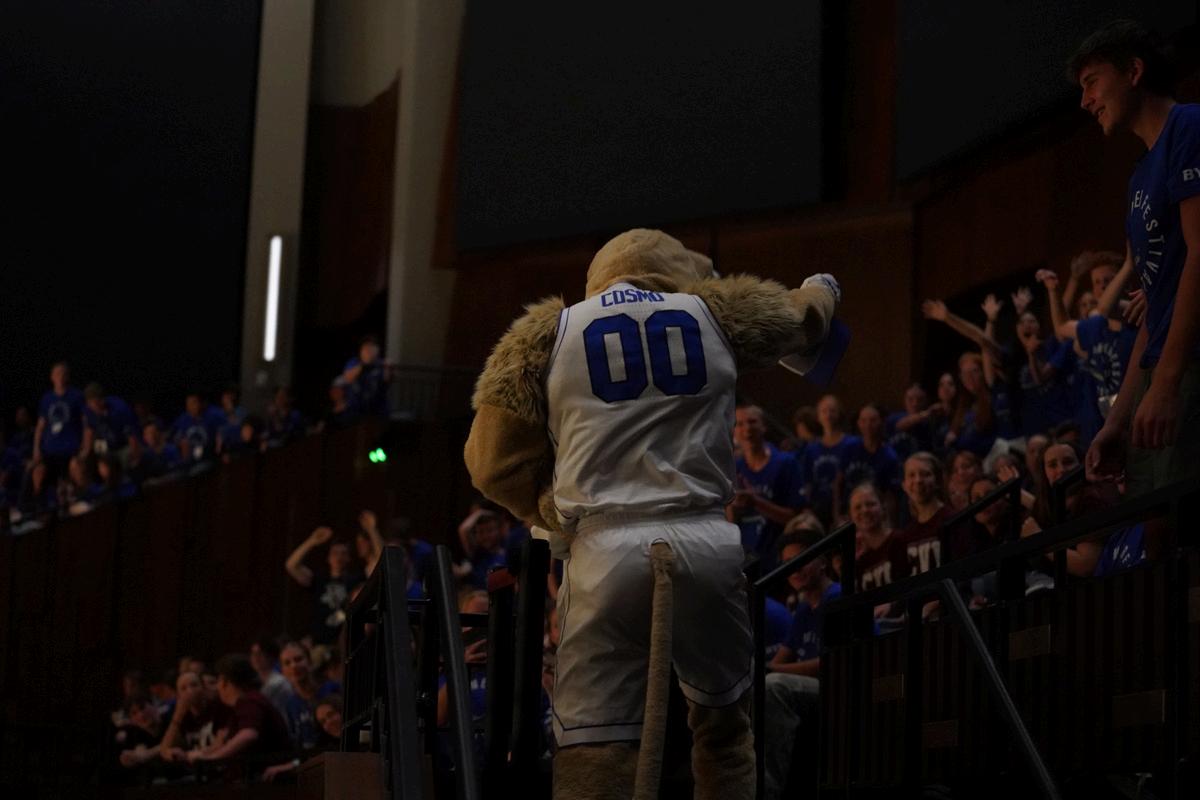
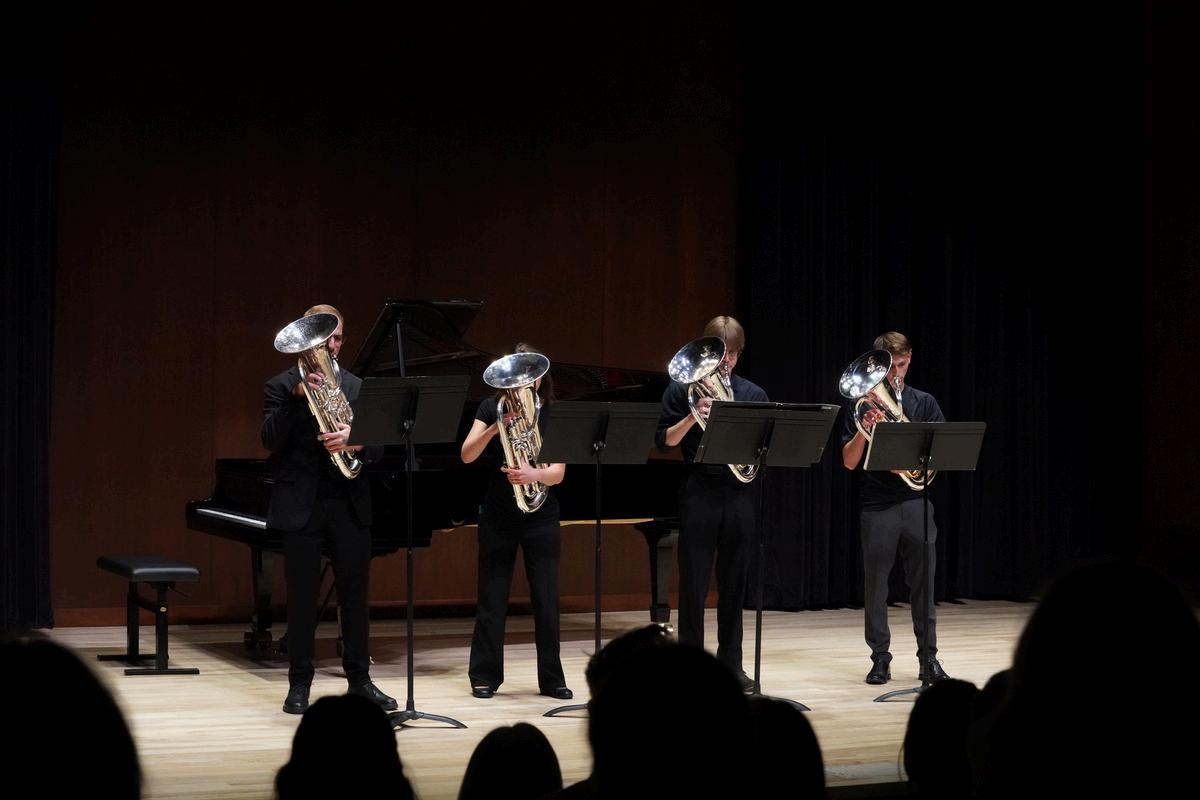
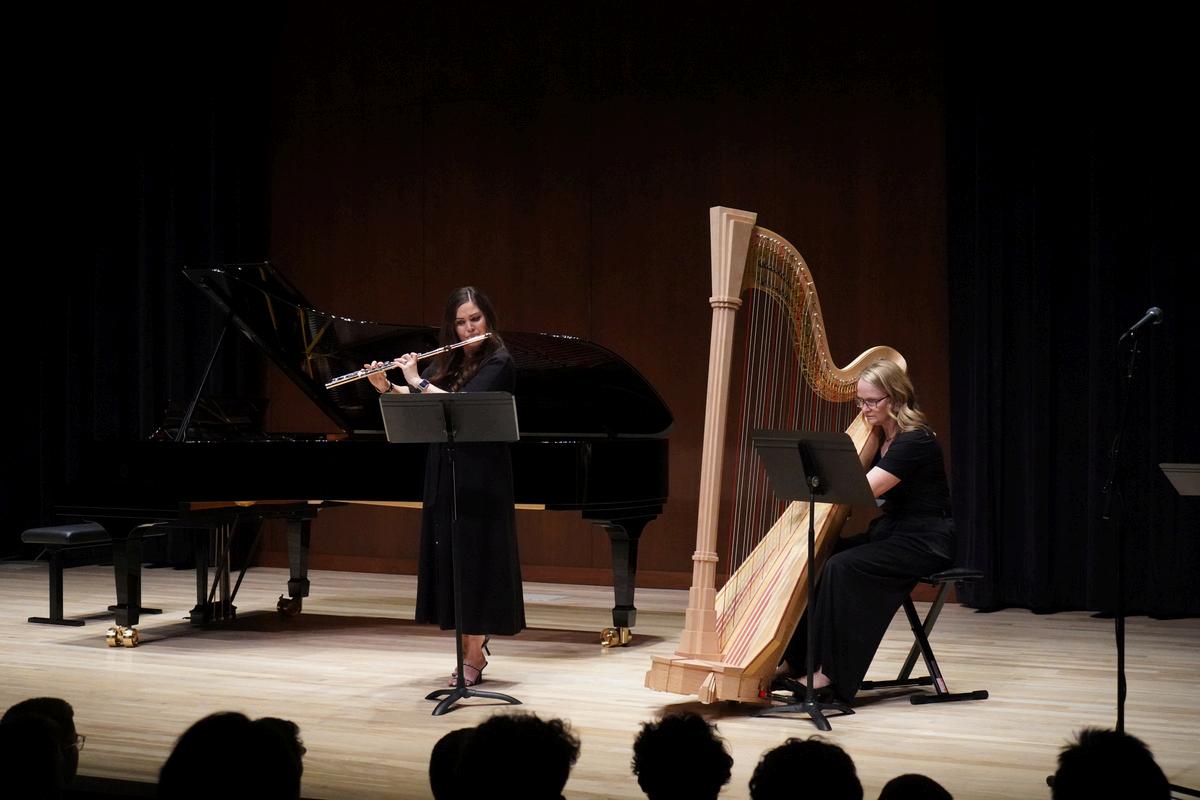
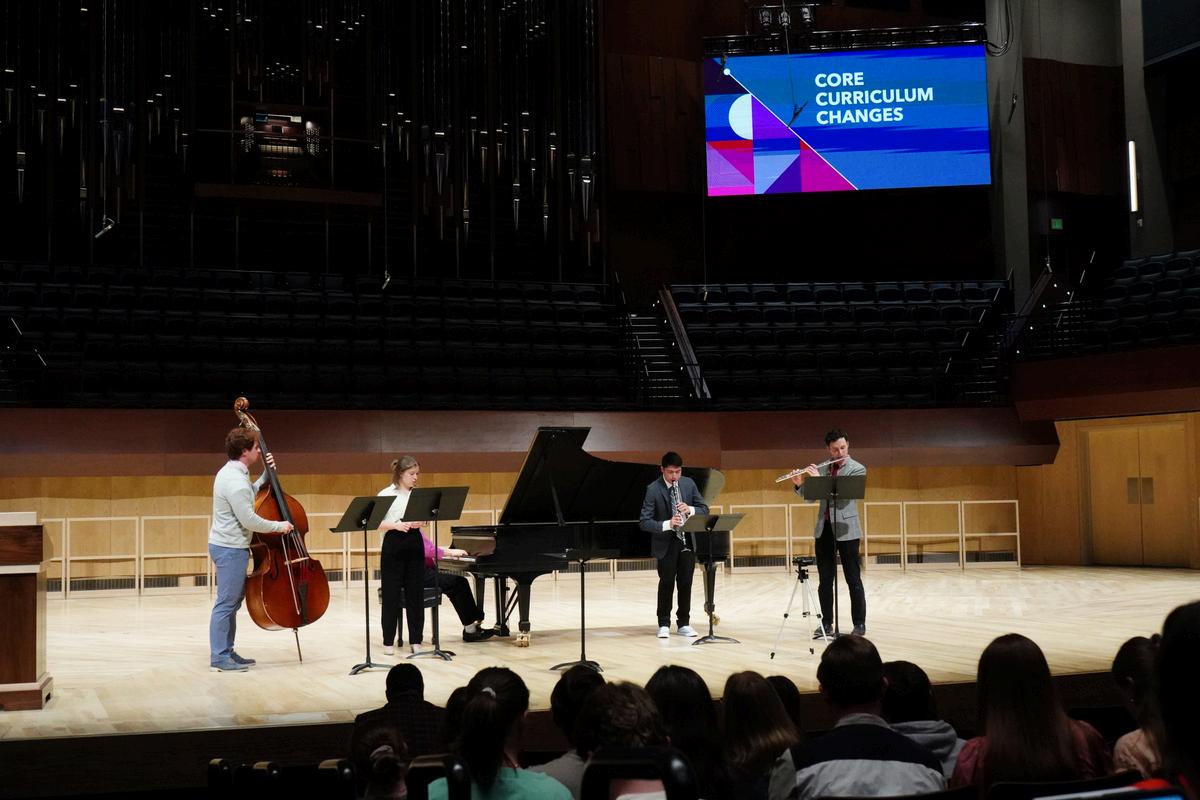
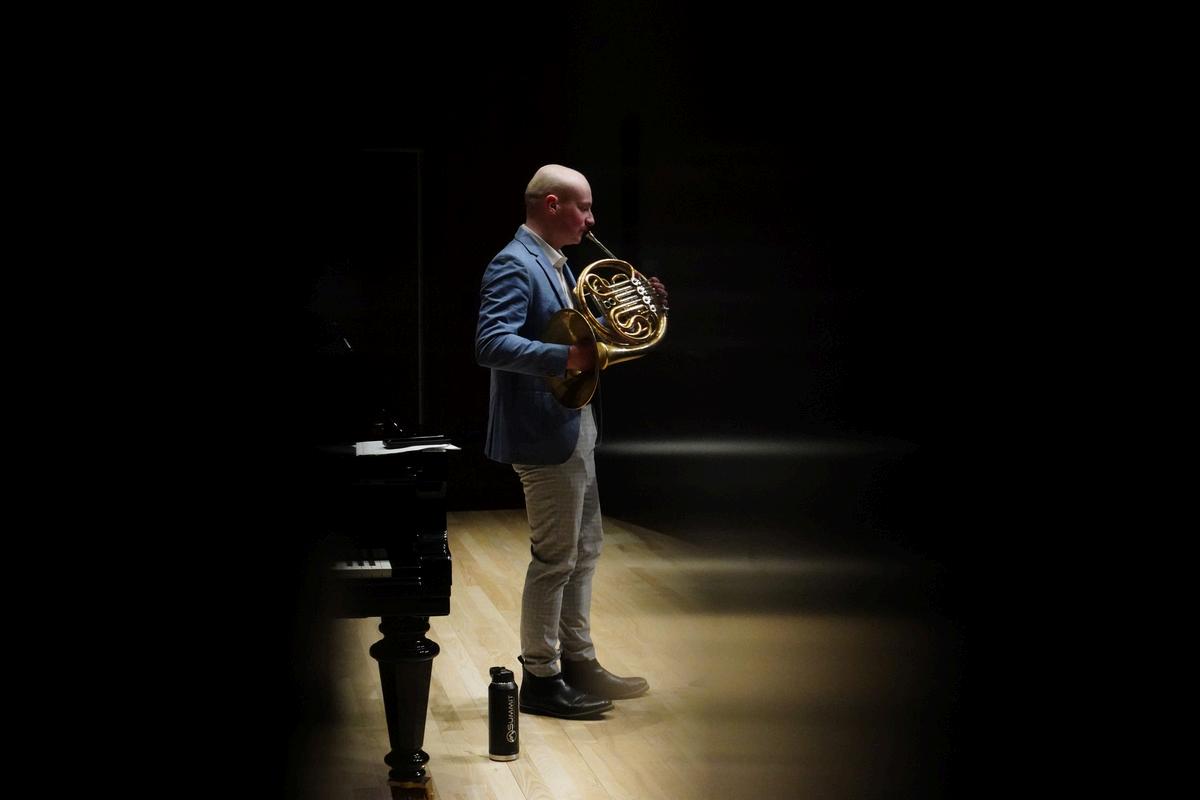
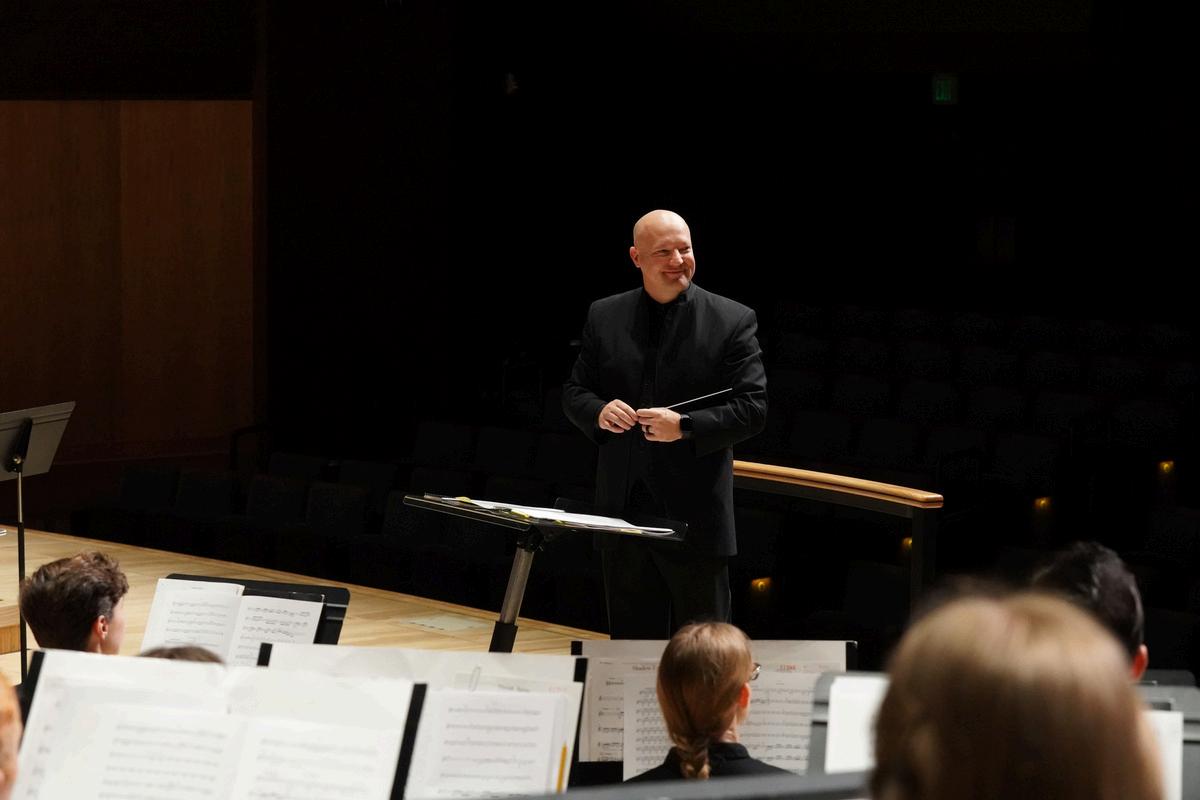
Consider how you’ve grown as a musician and as a Child of God, and remember that your potential is limitless. Striving for excellence in the things that we love requires hard work, dedication, and patience - but don’t forget to have joy, compassion, and embrace the ‘mistakes’ and ‘imperfections’ that make each of us divinely beautiful.
with love,