With the winter edition of Spotlight Media, our goal was to deliver stories that reflect both the momentum and resilience of our school community. This issue highlights achievements across academics, athletics, arts, and student life capturing the energy of a busy season layered with cold mornings, competitive games, and meaningful traditions. Our editors and staff have dedicated countless hours to crafting coverage that is accurate, creative, and truly representative of BV West. We’re proud to share this edition with you and grateful for your continued support.
Your Editors in Chief,
Maddy Mullins & Aubree Bowsher
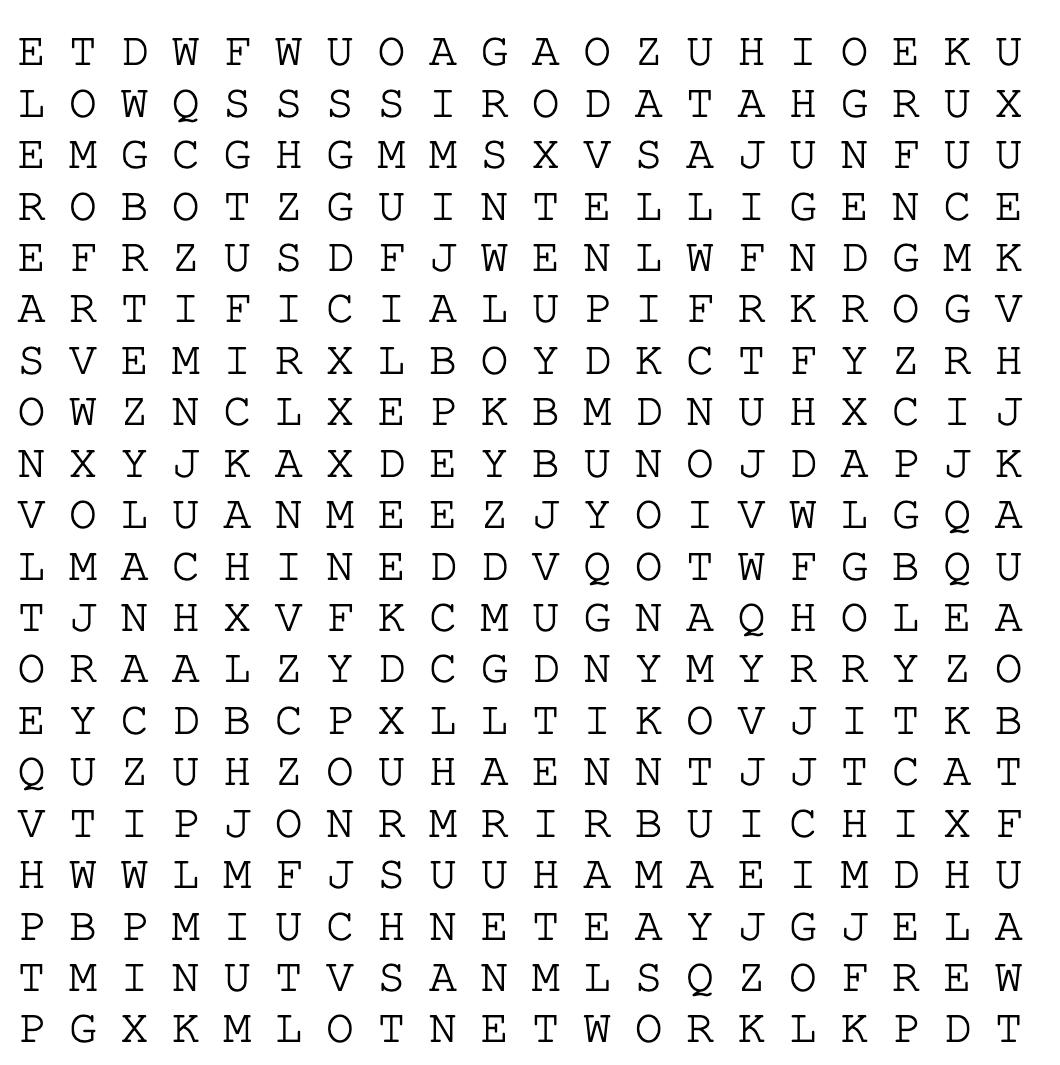
Pg 12 & 13: The Issue With AI ARTIFICIAL INTELLIGENCE ALGORITHM MACHINE LEARNING NEURAL NETWORK DEEP ROBOT DATA AUTOMATION ANALYZE LOGIC PREDICT REASON
Spotlight is published for the BV West students. Our goals to inform, entertain, and interpret through bylined articles while providing an open forum of communication for the diverse student population. We aim to be fair, accurate, and impartial. The content of the print publication, online news site, and social media is determined by the KSPA and may contain controversial subject matter as the students use their First Amendment rights. (Spotlight doesn’t necessarily reflect the opinions of the faculty adviser, the administration of BV West or USD 229.)
A split-panel illustration contrasts traditional learning. A teacher leads her classroom on the left while an AI figure represents the future of digital innovation on the right. Illustration By Emery Kimbrough
ENERGIZED GROWTH
Students Frequent 7Brew, But Do They Know About Its Rise to Fame?
Brew has become extremely popular amongst the student body at BV West. According to a Yinstamedia poll conducted Tuesday, Nov. 11, 71% of students at BV West go to 7 Brew.
While reflecting on her opinion on 7 Brew, sophomore Piper Davis stated, “I like it a lot. I think they’re really nice there and all their drinks are really good.”
7 Brew finds ways to bring positivity into the daily lives and routines of students.
“It makes me feel like I’m ready to go for the day, and I [feel] very energized,” expressed junior Brooke Mitchell.
While discussing how 7 Brew helps her mornings, Davis said, “It gives me something to look forward to in the morning, like going to get a fun drink before school.”
Even though a lot of students enjoy going to 7 Brew, there is not much known about the background of 7 Brew and its growth and success.
According to a Forbes article, 7 Brew was founded in 2017 in Rogers,
Arkansas. It puts an emphasis on having fast service, being efficient, and convenient with their drive-thru only service.
As she expressed her thoughts on the 7 Brew experience, Mitchell explained, “I like seeing how fast they make their stuff, and they’re very efficient.”
7 Brew reports that they have 551 coffee stands. Many of these locations are in rural and suburban areas.
“Because most stands are 500 square feet and modular-built, they are easy and quick to assemble,” as explained by the Forbes article.
They are all widely known for their hospitality and good customer service, with a “texter” who welcomes the customer and takes their order on an iPad.
Through their conversations, employees make personal connections with the customers they serve.
“When the workers start talking to me, I like that interaction in the morning and starting my day off with a good, positive interaction,” voiced Mitchell.
On its menu, 7 Brew has many coffee options with different variations, but also has teas, energy drinks, sparkling infused water, smoothies, and shakes.
BV West students shared their thoughts on what their go-to options were from the 7 Brew lineup.
“I’ll get a sweet and salty so it’s like a caramel coffee, and I like their energy drinks a lot,” emphasized Davis. Mitchell explained, “I like the ocean
VETERANS ASSEMBLY
Recognizing Those Who Have Served And Fought For Our
breeze energy with extra coconut and if I do get coffee, I get this wedding cake blondie, and if I’m hungry, I get the lemon poppy seed muffin top.”
Even with these successes, there are still things that 7 Brew has to work on.
One of these things includes their rush hour periods.
“It has two major rush times: mornings between 8 a.m. and 10 a.m. and afternoons between 2 p.m. and 4 p.m.,” as pointed out by the Forbes article.
“I feel like there is always a really long line. Like they had a quicker line or maybe more lines,” pointed out Mitchell.
Looking forward, BV West students expressed their opinions on what the future should look like for 7 Brew.
Mitchell said, “I feel like advertising it more to get the word out about the seasonal stuff, and if there is a winter opening of drinks, then I want to know more about every flavor that they have and more of the combos. Probably, partnering with some influencers that I follow and influencers on TikTok, so that I could get that insight.”
Freedom V
eterans day is held annually on Nov. 11 to honor all veterans, living and deceased.
Many students have family members who served in the military.
Sophomore Austin Bellquist’s mom and dad are veterans, they both served in the Air Force.
“My mom got a law degree and then she went to the military with that law degree,” Bellquist said. “My dad convinced her to join.”
Sophomore Presley Volkert’s grandpa is also a veteran, serving in the National Guard for six years.
“He went through a lot by walking flood level on the Mississippi River and also went on riot duty,” Volkert said. “He was very brave for doing so
and did a lot of good while he was in the military.”
At BV West there is a lot of appreciation for veterans.
“I look up to my grandpa a lot and I’m not exactly going down the same path he did, but I wish to be as brave as he was when taking opportunities,” said Volkert.
BV West holds an assembly every year to honor veterans. This year the assembly was held on Nov. 13.
Family members are invited to listen to guest speakers, hear performances from the band and choir, and this reminds everyone of the sacrifices made by our veterans.
At the assembly, students also take the time to remember Justin Sisson,
a 2007 BV West graduate who died in action.
Sisson’s statue stands at the front of the school to represent his sacrifice for all Americans’ freedom.
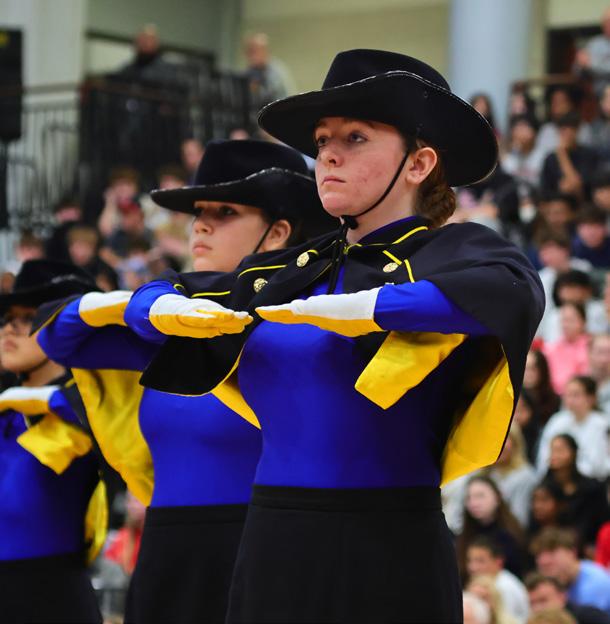
The Cavalry Angels are a military based drill team that also performed at the assembly.
The Veterans Day assembly is a good way to recognize any BV West graduates who are in the military, current students planning on going into the military, and family members of students.
“I have always admired my grandpa because of the sacrifices he has made and what he has done during the time in the National Guard,” said Volkert.
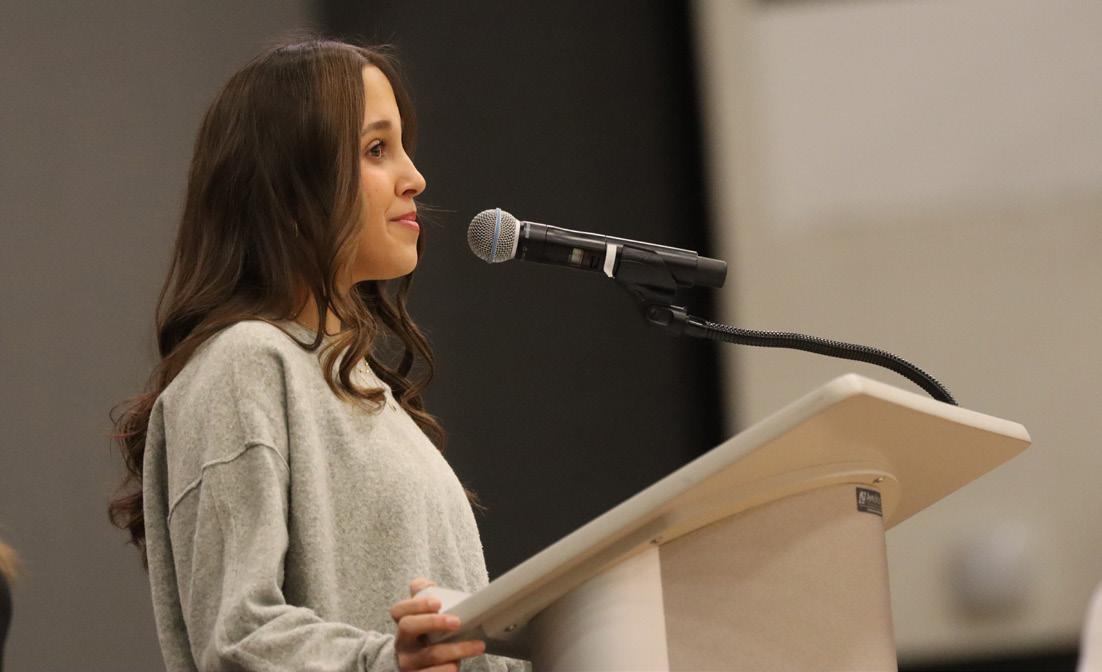
BEGINNING... Sophomore Sophia Sharma introduces the guest speakers of the Veterans assembly.
Photo by Elizabeth Anderson
HEARTFELT... A retired member of the Marines speaks about his time in the military.
Photo by Maddy Mullins
ATTENTION... The Cavalry Angels perform their military based routine at the assembly.
Photo by Maddy Mullins
PHOTO
GALLERY
Scan here to view even more online photo galleries for freshmen and JV sports and more!
Photo by Maddy Mullins
Photo by Maddy Mullins
Photo by Maddy Mullins
Photo by Addi Bloor
Photo by Lexa Opp
Photo by Hadley Nelson
Photo by Emery Kimbrough
Photo by Gabby Hogan
Photo by Adelaide Lanigan
Photo by Jillian Bosch
Photo by Aisha Shariff
Photo by Anneliese Nguyen
IT’S GIVING 2025
From New Asthetics To Viral Moments, These Are The Trends Everyone’s Talking About
The internet practically broke when Amazon Web Services went down, taking half of the apps and sites everyone relies on with it. Students everywhere suddenly found themselves without Snapchat, Canvas, Roblox, etc.
Denim shorts made a return this year as students embraced the 90s-inspired, laid-back look. From casual Fridays to summer festivals, jorts became a go-to statement of comfort and nostalgia.
brooding charm. From emotional movie montages to goofy Ken-core references, his presence dominated social platforms.
Dark Fantasy made a comeback as Demon Hunters became everyone’s new favorite movie. With intense fight scenes, mysterious plots, and viral fan edits, it’s no wonder it took over the screaming charts.
Dr. Seuss’s The Lorax gained new traction on social media, with quotes, memes, and Halloween costumes resurfacing as a way to promote environmental awareness and poke fun at corporate greed.
After years of anticipation, “A Minecraft Movie” finally hit the spotlight. Fans celebrated the game’s blocky world coming to life on the big screen. With movie-goers destroying the theaters by saying “Chicken Jocky.”
Charlie Kirk, a conservative activist and founder of Turning Point USA, was shot and killed during a public event in Utah on Wednesday, Sept. 10, a tragedy that sparked national conversations about political violence and free speech.
This tiny collectible figurine took over social media, becoming a symbol of cute chaos. With its quirky designs and rare editions, Labubu became a favorite among Generation Z collectors.
Swig, the customizable soda-shop chain, surged in popularity as teens embraced “dirty sodas” loaded with syrups, fruit purées, and cream add-ins. Its bright branding, drivethru convenience, and constantly rotating flavors helped keep it fresh and TikTok worthy, making a simple soda run an event.
The Catholic-world was shaken when the Pope passed away unexpectedly, prompting global mourning. Tributes, edits, and debates about his legacy circulated online. The event sparked conversations about religion, leadership, and how quickly major world events spread through social media.
Ultra light sneakers became the musthave fashion item as students traded bulky shoes for breezy, minimalist designs. Known for their comfort and sporty look, these sneakers paired perfectly with everything from sweat sets to streetwear fits. Their popularity skyrocketed thanks to influencers promoting “effortlessly cool” styles built around them.
7 Brew exploded in popularity as students fell in love with its massive drink menu and fast, friendly drivethru energy. From energy fusions to sweet iced coffees, there was a flavor for everyone, making it the new pre-school and after-practice stop. Its upbeat atmosphere and customizable drinks helped it rival even the biggest coffee chains.
Dubai Chocolate went viral as one of the year’s most hyped treats, thanks to influencers reviewing luxurious bars wrapped in gold-like packaging. Students ordered them online to try the rich flavors for themselves, turning unboxings into a mini-trend. The chocolate’s premium feel made it a favorite gift and snack flex.
“Sugar on My Tongue” became TikTok’s latest obsession, with its upbeat sound taking over dance trends, lip-syncs, and aesthetic edits. The catchy hook made it impossible to escape, showing up in everything from GRWM videos to sports highlight reels.
Digital cameras made a major comeback as teens ditched the default phone camera vibe for something more retro and raw. With grainy flashes, blurry motion shots, and that nostalgic early-2000s aesthetic, these cameras brought personality back to everyday photos. Students captured football games, dances, and late-night hangouts with the now-iconic vintage look.
Rouge became the go-to shade in makeup trends, with students embracing bold cheeks and natural rosy tones. Influencers and beauty brands amplified the look through tutorials focused on effortless “clean girl” and “berry blush” aesthetics. The trend brought warmth and color back into everyday routines.
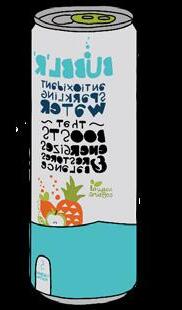
Bubblrs became a hyper-popular alternative to energy drinks, with students loving the fruity flavors and refreshing fizz. Marketed as a lighter, cleaner caffeine option, they quickly filled backpacks and vending machines. Their colorful cans and energizing boost made them a favorite during long school days.
The relationship between Taylor Swift and Travis Kelce continued to dominate headlines, timelines, and stan feeds everywhere. From stadium appearances to viral game-day moments, fans couldn’t get enough of the pop star and NFL tight end duo. Their high-profile romance sparked constant memes, edits, and speculation, making them one of the year’s most-watched couples.
With the movie adaptation’s release, “Wicked” sparked a cultural revival, introducing a new generation to Elphaba and Glinda. Fans filled social media with duets of “Defying Gravity,” outfit recreations, and glowing reviews. The film’s modern take on the classic story made it one of the year’s top trending musicals.
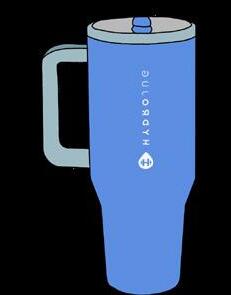
Hydrojug bottles continued their reign as the hydration accessory every student carried around school. With huge capacity, cute colors, and endless sleeve designs, they turned water drinking into a personality trait. From sports practices to class, Hydrojugs became both a functional item and an aesthetic staple.
“Zootopia” is a popular Disney movie that was released in 2016, and the sequel, “Zootopia 2” was released this year. In the sequel Judy Hopps and Nick Wilder go on undercover to investigate a rich family and a suspicious reptile.
Ryan Gosling experienced a massive cultural revival, propelled by internet edits, movie releases, and the lingering energy of his role as Ken in Barbie. Fans embraced him as the face of “he’s literally me” meme culture, celebrating his understated,
THAT’S A WRAP
Students Share The Music They Listen To And Their Predictions For Spotify Wrapped
potify Wrapped is a feature on Spotify that many students look forward to every year.
This is an annual event on the popular streaming platform that gives you a summary of your listening frequencies throughout the year.
In 2024, users got their Spotify Wrapped on Dec. 4, this year, many are excited to share the songs and artists they got. Users get their top five artists and top five songs for the year.
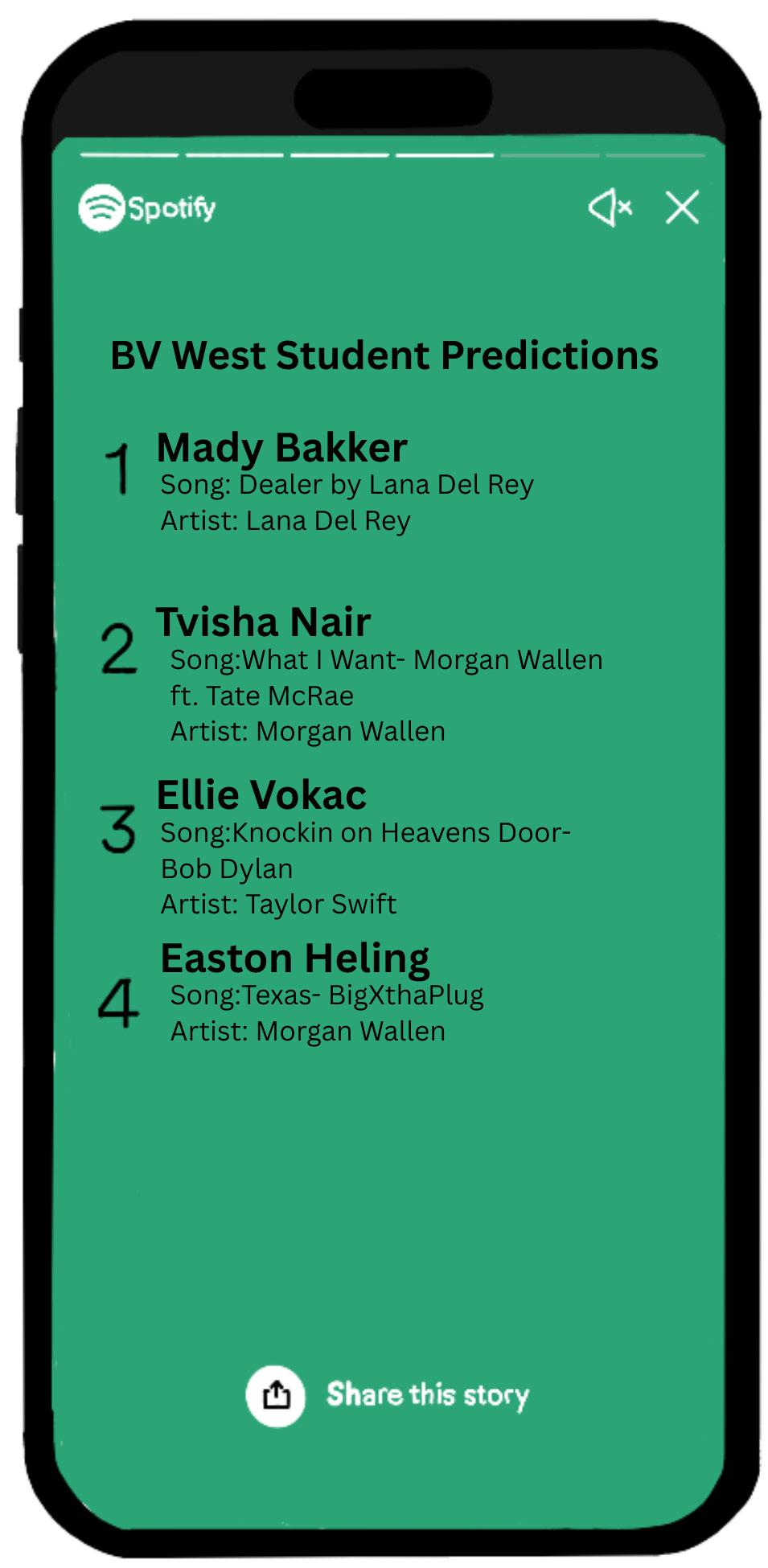
Juniors Mady Bakker and Tvisha Nair, and sophomores Ellie Vokac and Easton Heling predicted what they thought their Spotify Wrapped would be for 2025.
“I think my #1 song will be Dealer by Lana Del Rey, and my #1 artist will be Lana Del Rey,” said Bakker. “I listen to lots of music and go through lots of phases though.”
“I think my number one song would be what I want by Morgan Wallen and Tate McRae,” said Nair.
“My top artist this year will probably be Taylor Swift, despite my thinking that I don’t listen to that much Taylor Swift, she always comes out on top,” said Vokac.
“My #1 artist will most likely be be Morgan Wallen, and my #1 song might be "Texas by BigXthaPlug.”
The songs that these students lean towards can be impacted by what they listened to growing up.
"I like country because of my parents. Growing up, they used to play it on our dock. And I have grown to like rap over the past few years," said Heling.
Spotify itself is a worldwide streaming service used for music, podcasts, and audiobooks.
“I just love how no matter what mood I’m in, Spotify is always something that I can just turn on,” said junior Tvisha Nair.
Spotify also has an AI DJ X feature that plays music based on your listening habits.
Sophomore, Easton Heling said, “The most interesting part is the AI DJ X, it is very useful when listening to music.”
Spotify Wrapped is also a very wellknown feature on the app. This is a yearly event that allows users to share their listening data. This includes the artists they listen to and the songs they listen to.
Others just listen to different music because it matches the mood they might be in.
“I listen to lots of music and go through lots of phases. I think the reason behind this is that every day is different, and I might be feeling different moods, which has a reflection on my music,” said Bakker.
Many people listen to music to make them happy or to help them focus. Any emotion someone is feeling; there is probably a song for it.
“Having Morgan Wallen and Tate McRae make a song together literally made my day because I’ve been listening to both of them since I was really young,” Nair said. “That’s someone who will always put me in a good mood.”
Spotify collects the data of the songs
PAWS, CLAWS & HOOVES
The Different Walks Of BV West Student's Beloved Pets
listened to from Jan. 1 to Oct. 31. If a stream goes longer than thirty seconds, it counts towards the Spotify Wrapped.
This event lets people look back on how you’ve changed through the year with users music choices
Bakker said, “You can see everything you listened to over this year, and Spotify Wrapped showcases the emotions and stages of your life that music helped you get through.”
Sophomore Bailey Helm has three horses, named Izzy, Phoenix, and Layla. “Two of them came already named when we bought them, but we named Phoenix, Phoenix, because we felt it fit his coloring and his personality,” Helm said.
While some people may only own horses for recreational riding or a companion, Helm shows her horses. A horse show is an exhibition of horses that typically includes riding, driving, and jumping competitions.
“I show my horses in both the western and the English discipline doing both riding classes and classes such as halter where you stand there and show off their conformation and how they're built,” Helm said.
Helm encourages others to interact with horses. "They're really great animals and if you aren't allergic to them or have an ability to get out and just go try and ride, I’d do it because they're adorable and they're really cute," Helm said. "And they're very emotionally intelligent, so if you're having a bad day they can tell and they'll be nice."
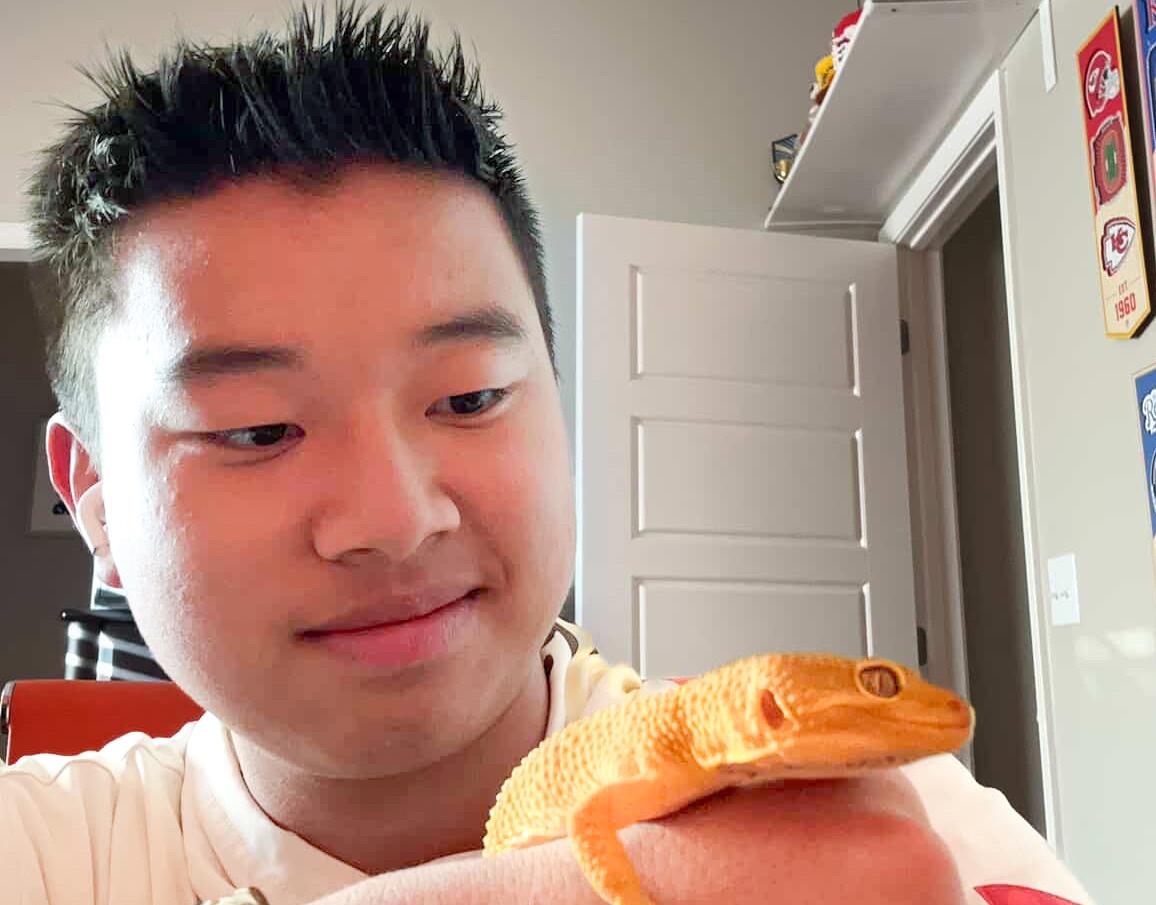
Sophomore Anderson Moore has a leopard gecko named Wally, after the titular character of the Wall-E movie.
Moore discovered his love for reptiles in middle school.
"My sixth grade teacher always had one," Moore said. "She was a science teacher and she had all these reptiles and I actually really wanted one."
Some people may find a pet reptile to be unconventional, but Moore finds joy in spending time with Wally.
"I think having reptiles is actually kind of fun," Moore said. "A lot of people have dogs and cats and fish, but I think a gecko is fun."
Besides Moore describing Wally as a fun pet, he also finds that geckos are one of the easier pets to care for.
"I think what people should know is they're actually very calm. And they're not too hard to take care of," Moore said.
Senior Katelyn Holbrook has a bloodhound named “Red Dawg” for his reddishbrown coat.
As a bloodhound, Red Dawg is helpful in more ways than a than just being a house dog. “My family likes to hunt white tailed deer, so bloodhounds are known for tracking,” Holbrook said. “They have the best nose out of all the dogs.”
This strong nose makes Red Dawg a helpful hunting companion.
“So we've trained him to be able to track deer after they've been shot, so they can track the scent of fear and blood, and trail them and lead us to the deer,” Holbrook said.
Risks can come with having a dog like Red Dawg. “He’s gotten himself in a couple of situations where we've had to pay for him medically,” Holbrook said.
“Like he got bit by a copperhead and so that was pretty scary.”
These risks, however, are only one part of everything that comes with owning a bloodhound. "... Some people don't know which dog that is, but after they hear that it's the wrinkly dog that has super floppy ears they get really excited," Holbrook said.
Photo Provided by Katelyn Holbrook
Photo Provided by Anderson Moore
Photos Provided by Bailey Helm
THE ISSUE WITH AI
The Ethical Dilemma Concerning Artificial Intelligence in the Classroom
very student has heard the same thing. Artificial intelligence is bad. It can be used to cheat on tests, write sloppily, poorly written essays in seconds, and to put no effort in assignments that are important to understand.
Schools have taught that AI, in education, is an unequivocal evil, with no place in the classroom. Could this be too much? Are there ethical uses for AI in school?
Large Language Models (LLMs) like ChatGPT have gotten incredibly smart in an extremely short amount of time. According to the Massachusetts Institute of Technology, LLMs have gone from simple, chaotic text from GPT-1, released in 2018, to GPT-5 today, able to take in huge amounts of information, images, and text, and outputting an eerily human-like answer. Computer Science teacher Carol Birnbaum stated, “I’ve been teaching for 25 years, and these last couple of years, because of AI, things have changed a lot already.”
Given just how new AI is, students, teachers, and administrators are still figuring out how to use it properly. Students, for the most part, use LLMs unethically to avoid learning altogether, skipping the work and actual connection, and just getting the answer.
While AI detectors, such as GPTZero, have become popular, advertising 99% accuracy, they are not as accurate as people may think.
According to Northern Illinois University, while AI detectors
advertise these very high accuracy rates, false positives or negatives could be disastrous. Especially with the popularity of “AI Humanizers,” detectors are having a harder and harder time telling people from program.
The Northern Illinois University concluded that, with about 22 million first-year college essays and a 1% false positive rate, that is 220 thousand essays falsely flagged as AI-generated, which could seriously damage the student’s future.
The addition of AI to the classoom
“ I DON’T THINK AI IS GOING AWAY, SO I THINK IT’S OUR RESPONSIBILITY TO USE IT ETHICALLY SAID COURTNEY GRIMALDI.
has also damaged teachers’ ability to teach and required them to change how they give out assignments. ELA teacher Hillary Wingate said, “You’re not learning anything if you’re just putting something into ChatGPT and it’s spitting out an essay for you. So now we’re talking about going back to pencil and paper.”
The problem with artificial intelligence is that it is incredibly easy to use, requiring very little input to create paragraphs of text. School librarian Courtney Grimaldi voiced, “I do see a problem with every
person’s ability, not just students, but every person’s ability to solve or think critically because AI is so easy.” Because of its ease of use and confident-sounding responses, many people blindly trust what it says. This leads to another problem with LLMs: accuracy. A test by the Journal of the American College of Clinical Pharmacy states that ChapGPT earned a 40% on a 30-question test concerning drug information. However, given the nature of AI, this number can change drastically depending on several factors. The explosion of AI use has made it much more difficult to find true information on the internet.
According to the University of Florida, “The number of AI-enabled fake news sites increased tenfold in 2023.”
This means even if someone hasn’t touched AI at all, they can still fall victim to it.
Chatbots are even changing lives socially. According to the Institute for Family Studies, one in ten adults aged 18-39 are open to a friendship with an AI. Seven percent of people would be willing or are already in a romantic relationship with a chatbot. An additional 22% were unsure. This may make it sound like artificial intelligence is an indisputable evil, with no place in school or everyday life. Birnbaum said, “That’s a big focus in education is to get to the higher level order of thinking.” However, students’ reliance on AI is diminishing this critical skill.
Despite all of its flaws, many people believe AI has many ethical uses in school.
While LLMs like ChatGPT might not be the most factually accurate sources of information, they can be great tools for inspiration and brainstorming. Librarian Joseph Geist said, “If a student was having trouble getting started on something, and they just needed something to get them going, I don’t think there’s anything wrong with that.”
Given the amount of information that AI can process at once, it can be used to compile lists of ideas or topics, which the student can build on and elaborate. It is important to know, however, that there is an easy line to cross of getting AI to do too much. Wingate said, “I think it’s a good idea generator. The problem is knowing when to stop.”
Chatbots have more uses in the school, too. Grimaldi explained, “Sometimes I’ll use it to, if I’ve written something, I’ll have it make this sound better.”
Again, though, it’s important to know how far to take it. It is not difficult to transition from asking “improve” to “create.”
This fine line is the cause of the ethical dilemma surrounding AI. People have different opinions surrounding how far is too far. Generally, though, ethical means using it to brainstorm or improve something already written.
“YOU CAN GET MORE INDIVIDUALIZED LEARNING, I THINK, FROM IT, WHICH COULD BE REALLY HELPFUL SAID CAROL BIRNBAUM.
Unethical uses would be using the AI to skip the learning process and just get the answer.
Using AI as a brainstorming tool is not it’s only ethical use. It can also be utilized as a studying partner, able to create practice questions about a topic.
Large Language Models like ChatGPT aren’t going away anytime soon, and they’re only getting smarter. Wingate concluded, “We’re not going to eliminate AI, and we’re not going to get kids to not use it. So maybe teach them how to use it properly.”
RISE AND SHINE
The Consequence Of Early Start Times And Why
They Still Exist
t is a well-known fact to many that middle and high school aged students need eight to ten hours of sleep per night for healthy development. School starting before 8:00 a.m. is not conducive to students being able to get enough sleep. Because of this there is a movement nationwide to push back school start times for the benefit of adolescents.
According to the American Psychological Association, 77% of youth don’t get enough sleep. This is a problem that only increases as students go through high school. This study found that 70% of ninth graders didn’t get enough sleep compared to 83.5% of high school seniors.
This is reflected in BV Wests students.
A poll at BV West found that 45.8% of students get 7-8 hours of sleep and 41.7% get five to six hours of sleep. This is nearly half the amount of sleep that we are supposed to get each night.
Several studies cited by the APA and National Institute of Health found that
later start times greatly benefit students. This research can also disprove a counterargument. The idea that if school starts later then students will stay up later, negating the purpose of the later start time. Research shows that a majority of students will go to bed at the same time regardless of when school starts.
Studies have also found that a later start time improves sleep duration, less negative mood, and better developmental outcomes including socio-emotional health, cognitive development, behavioral health, and physical health. Schools have a responsibility for our overall development and not just academic achievement.
It’s also been found that when there are later start times then there is also better attendance, better grades and fewer car crashes. The school takes great care to ensure our safety at all times while we are at the school but should they not also try and ensure
our safety on the way to and from school. Teenagers driving to school already poses an inherent risk, but sleep deprived students driving cars only increases that risk.
Despite all of these benefits, there are reasonable explanations for why schools keep these early start times. Bus schedules need to be staggered due to shortages of bus drivers. Because of this, if you push middle and high school start times back then elementary school start times would need to be pushed forward. Research has shown that an earlier start time for elementary students would not have the same negative effects it does for teenagers. The concern comes from the fact that elementary schools would get out first and many families rely on older kids to take care of younger kids, whether siblings or babysitting. If high schools start later then they have to end later.
This poses problems with after school activities. Sports and extracurriculars would end later leaving students less time to do homework and have a job. When different high schools have different start times but play a game against each other after school then it can be hard to coordinate a time. If a school that ends at 2:45 p.m. has to play a school that ends at 3:45 p.m. then there could be difficulties with making sure that the time works for both teams.
Students are not the only people who benefit from later start times. Both parents and teachers reported benefits as well. Parents claimed that they got more sleep and felt more well rested. And the teachers said that they were more effective teachers.
As much as it is important to focus on the health and wellness of students it is also important to recognize the importance of teachers’ wellbeing. Later start times can help teachers get more rest and feel less stressed and overwhelmed.
Times Seniors Go To Sleep
Times Seniors Wake Up
Although there are challenges with pushing back the start times of middle and high schools, the positives far outweigh the negatives. There is any number of credible research to support that when students get more sleep they have improved physical, emotional, and mental health. Teachers and parents also benefit from these later start times, allowing adults in charge of kids to get more rest and less stress.
Students already receive one of the best educations in the country. With incredible teachers and unique opportunities that help prepare students academically and professionally for their futures, students are often more than prepared in those aspects to move on to the next stage of life. However, those students are moving on sleep-deprived and burnt out from disregulated sleep schedules.
Do Seniors Feel Rested During First Block?
PHOTOS BY SOPHIA SHARMA
RACISM EXPOSED
The Effects of Cyberbullying On South Asians and How They Celebrate In Spite of It
In the aftermath of Sept. 11, 2001, there was an outbreak of South Asian hate and racism.
“South Asians bore the brunt of racial hostility triggered in the immediate aftermath of the attacks, with Muslims and Sikhs bearing the greatest burden,” as stated by a University of California- Los Angeles (UCLA) research article.
Today, this hatred has become more apparent as prominent South Asian figures start to emerge.
Recently elected New York City Mayor Zohran Mamdani is the first South Asian mayor of the city.
“God forbid, another 9/11, can you imagine Mamdani in the seat?” expressed former New York Governor Andrew Cuomo on a talk show, quoted in an article by The Guardian
Another instance of this occurred with the 2024 election cycle, with remarks about Democratic presidential candidate Kamala Harris.
“Far-right activist Laura Loomer posted on social media that if Harris were to win, ‘the White House will smell like curry & White House speeches will be facilitated via a call center,’” noted in an NBC article on racism in the election cycle.
The elections also prompted increased racism towards ordinary South Asians.
“‘I try to tell myself it doesn’t matter, but if a thousand people are sending you death threats, it’s jarring,” Raj said.
Raj aims to empower her community with her influence.
“‘We pride ourselves on diversity,’ said Manon Bannerman, another member of KATSEYE.
According to an NBC article, “uses of anti-South Asian slurs and phrases on extremist corners of the internet doubled from about 23,000 in January 2023 to over 46,000 in August 2024, according to an analysis of social media platforms.”
This was demonstrated with the rise of South Asians in the entertainment industry.
For example, Lara Rajagopalan, professionally known as Lara Raj, a member of the global pop group KATSEYE, has faced racially motivated threats on social media.
“Raj, who is of Tamil Indian heritage, has faced racist insults and was falsely reported to US immigration authorities.” according to an article by the Tribune.
“‘I try to tell myself it doesn’t matter, but if a thousand people are sending you death threats, it’s jarring,’ Raj said.”
‘It’s our number one priority to show girls everywhere to be proud of where they
“Raj echoed that sentiment, adding, ‘Our skin colour, our culture is our power. Use it and own it.’”
In television, there have been strides made to uplift South Asians recently. These strides have been seen in genres like romance, which are now focusing on South Asian stories.
“We saw this in the second season of ‘Bridgerton,’ which focuses on two South Asian leads who are both being pursued by the patriarch of the Bridgerton family,” as noted by an article on Salon.
As written by Glamour UK Magazine, “there are many beautiful scenes, such as the one where Kate massages oil into her sister Edwina’s scalp, that pays tribute to the South Asian culture.”
There are also shows that focus on the teenage Indian-American experience.
“‘Never Have I Ever’ follows the journey of a first-generation Indian-American teenage girl, Devi, as she navigates [her life],” according to the magazine.
As explained by the Salon article, “It’s Devi who is being sought out and chased by two of her fellow peers, thus promoting the narrative that a young woman who is described as ‘a high-achieving, chronically unfashionable brainiac’ is also both attractive and lovable.”
This makes the South Asian community feel empowered and seen, even with the constant backdrop of racism. They are now breaking the mold and stereotypes all over the media to represent themselves in their most true and authentic way.
South Asia is home to a wide variety of mouthwatering foods. One of these foods is momos from Nepal. They are dumplings that are typically filled with meat or vegetables. The meat filling has garlic, spices, and onions, and the vegetable filling has veggies and paneer (cottage cheese). The dough is made of flour, water, and salt. Momos are usually enjoyed with sauces and condiments. They are an important part of Nepalese cuisine, especially as a food for special occasions, and are an important part of social bonding while eating together.
Flowers are an important part of the cultural beauty of South Asia. Some symbolic flowers include jasmine, lotus, marigold, and hibiscus. Jasmine is used for religious offerings and garlands, for special events, decoration, and hair adornment. The lotus has religious significance in Hinduism, Jainism, and Buddhism, and a spiritual association with positive qualities. Marigold is used in Ayurvedic medicine, in religious ceremonies, and for decoration as a symbol of positive energy. Hibiscus is used for its medicinal properties for the hair and skin, and for deities in religious festivals.
One of the most well known parts of South Asian culture is henna, or mehendi in these countries. Mehendi has been used all over Asia and Africa for over 5,000 years, most commonly for traditional ceremonies. In South Asia, henna is mostly used for special occasions like weddings to bless the person receiving it. With intricate designs of beautiful motifs such as flowers, peacocks, or vines, being adorned with henna is a gift that can bring love, prosperity, and joy to whoever wears it. Today, mehendi is celebrated all over the world with the beautiful designs of all cultures affecting all.
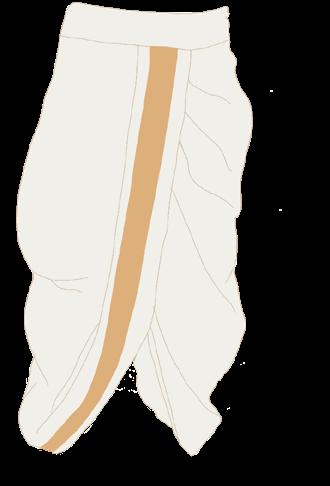
South Asia is filled with unique style, fashion, and jewelry. One unique piece of jewelry is known as the jhumka. Jhumkas are bell-shaped earrings that originated from ancient temple statues in South India and spread throughout India, which ended up making changes to the original design. The jhumka has stayed relevant over time to suit different lifestyles. A piece of fashion would be the dhoti. It is a piece of clothing for the lower body. It has records of being used in ancient times by men, with its functional and exquisite/fashionable uses. Now, dhotis are used for festive occasions in different styles.
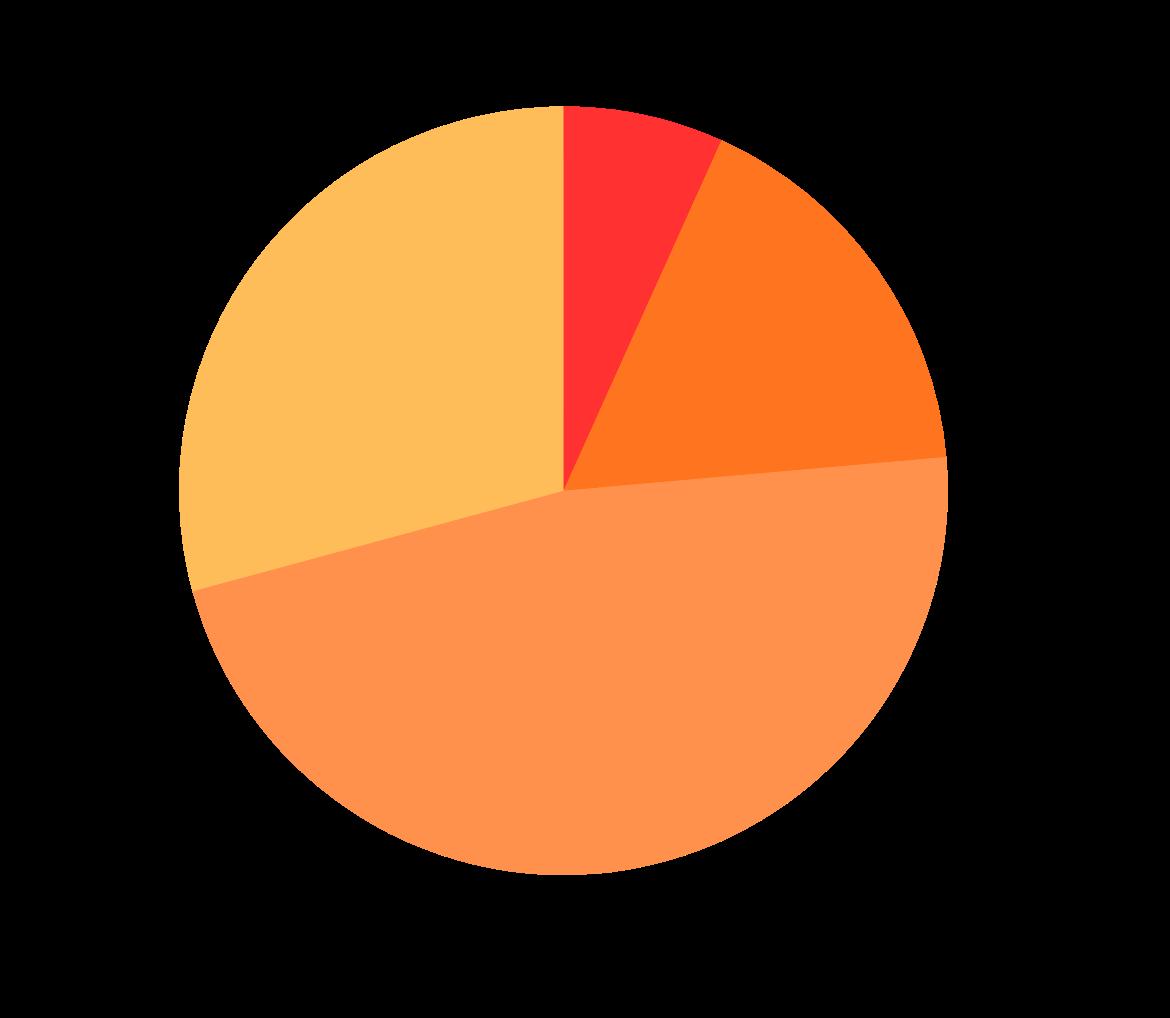
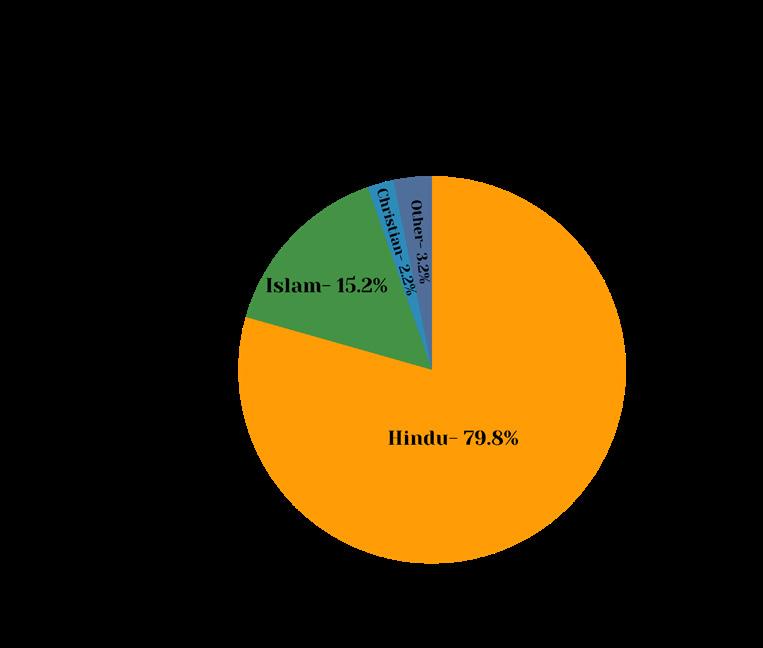
South Asia is filled with many religions and religious diversity. Out of the three most populous countries in the region, India has a Hindu majority, while Pakistan and Bangladesh are both majority Muslim. In India, 79.4% of the population is Hindu, 15.2% of the population is Muslim, 2.2% is Christian, and the rest is made up of other religions. 96.5% of Pakistan’s population is Muslim, 2.1% is Hindu, and 1.3% is Christian, with other groups making up the rest of the population. Bangladesh is 91.1% Muslim, 7.9% Hindu, and the remaining population is made up of other religions.
One of the most pivotal figures in Bengali literature is Rabindranath Tagore. He is known for being the first non-European to win the Nobel Prize in literature and writing the national anthems for both India and Bangladesh. Most of his work was written at the Abode of Peace, where he used his Nobel Prize winnings to develop a university that created a new model of education which he used to partake in India’s cultural movements. He created stories that resonated with Hindus, Muslims, and people of the West. With this, he cemented his position as an important figure in South Asian history.
BEYOND THE SPECTRUM
Princeton University Study Identifies Four Subtypes Of Autism Spectrum Disorder
Autism Spectrum Disorder (ASD), as defined by the National Institutes of Mental Health (NIMH) is “a neurological and developmental disorder that affects how people interact with others, communicate, learn, and behave.”
With the help of the Simons Foundation researchers and its SPARK (Simons Foundation Powering Autism Research) autism cohort study data, researchers at Princeton University “have identified four clinically and biologically distinct subtypes of autism.”
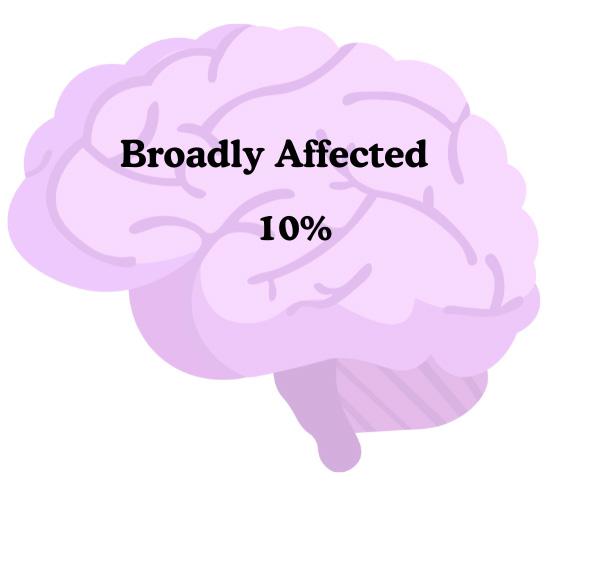
These four subtypes are Social and Behavioral Challenges, Mixed ASD with Developmental Delay, Moderate Challenges, and Broadly Affected.
Knowing the specific subtypes of ASD and which subtype a particular person has can better help autistic individuals and their families navigate autism with a clearer understanding of how to support that person with ASD.
“I think already in this generation there are so many adults getting diagnosed that never knew that they were autistic as a child and it really helps them navigate even adult life,”
Intensive Resource para at BV West Amanda Waters said. “So, if they could use what they found in this study and apply it to diagnosing, I
think it could be a gamechanger for children’s lives.”
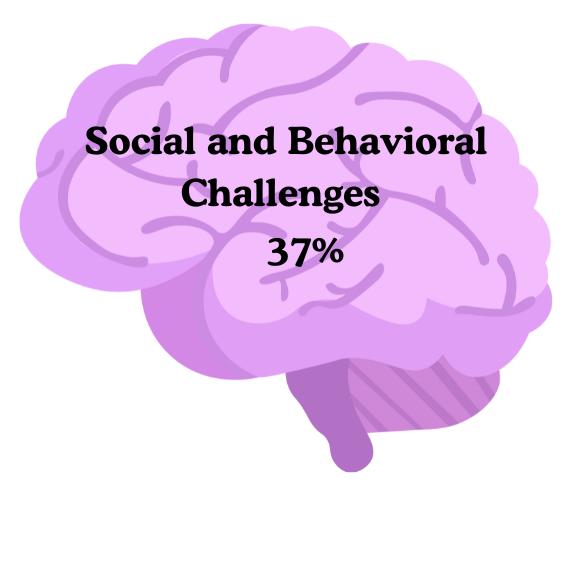
For example, individuals with the Social and Behavioral Challenges subtype show core autism traits but generally meet developmental milestones at the same rate as children that do not have autism. These individuals also typically had co-occurring conditions such as attention-deficit/hyper activity disorder (ADHD) and depression.
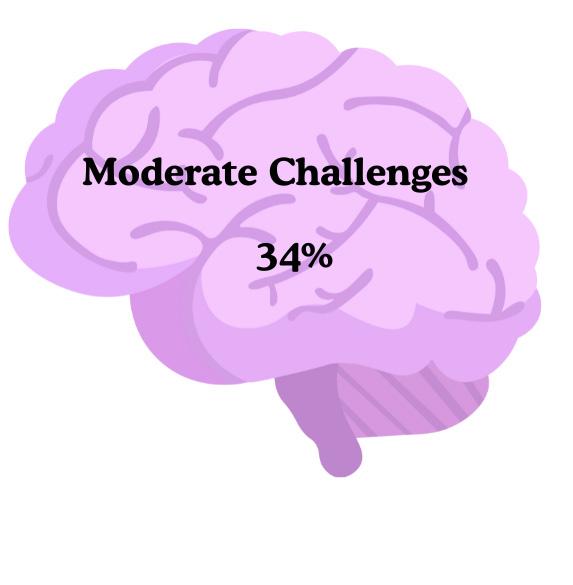
Individuals with the Moderate Challenges subtype show core autism related traits, just not as strongly as the participants in the other groups. Those in this group, similarly to those in the Social and Behavioral Challenges group, usually meet developmental milestones at the same rate as those without autism.
The Social and Behavioral Challenges subtype group represents 37% of the participants in the study, which is the largest percent of all subtypes that the participants could fall under, and the Moderate Challenges subtype makes up 34% of the participants. Together, these two subtypes make up a large majority of the participants in the study.
Considering that autistic people have been known to typically have delays in developmental milestones,
these subtypes can help represent those with ASD that did not have these delays, allowing them to get such a correct diagnosis as ASD.
The identification of these subtypes can be a factor in combatting late diagnoses of ASD, which can lead to multiple negative outcomes. Negative effects of a late autism diagnosis can be social isolation and low self-esteem.
“I think a negative [of a late diagnosis] would be that, as a child, you didn’t get the support that you needed, and maybe your behaviours were shoved off to the side as you being a quote on quote “bad kid” with bad behaviours, and it probably was treated with things that, you know, made things worse for you,” Waters said.
Getting a proper diagnosis later in life can give insight as to why someone has struggled in the past.
“A positive would be understanding why it’s hard for me to make eye contact with people sometimes and being able to explain that in the workplace, Waters said. “That I can do my job well, but I’m autistic, so I’m not gonna present the same facial expressions, the same eye contact, but it doesn’t mean I’m not capable or intelligent,” Waters said.
EAST WING ERASED
White House Demolition Clears Space For A Massive New Ballroom
The White House East Wing, home to decades of presidential history and daily operations, has been demolished to make way for a new 90,000-squarefoot State Ballroom, a project that has quickly become one of the most controversial construction efforts in modern presidential history.
The project, announced on July 31, was initially described by the administration as a “modernization” effort that would not interfere with the existing structure. Officials suggested it would update aging facilities and expand event capacity while maintaining the White House’s historic balance.
Yet by late October, wire photos and site reports revealed a dramatically different picture: heavy equipment tearing through the East Wing and its connecting East Colonnade, reducing the entire section to rubble within weeks.
The new ballroom is expected to host between 600 and 900 guests for large-scale state dinners, press events, and ceremonial occasions. At 90,000 square feet, it will nearly double the size of the 55,000-square-foot Executive Residence, dramatically altering the traditional spatial relationship among the White House’s three main components: the Residence, the West Wing, and the now-demolished East Wing.
Architectural analysts have noted that this expansion represents a fundamental change to the White House’s proportions and design philosophy, which for over two centuries balanced the central residence with two smaller wings.
Many historians have emphasized that while past presidents have modernized interiors or added functional space, none have removed an entire structural wing since the Truman renovation of the early 1950s, and even then, the building’s outward form remained intact.
Financially, the ballroom’s cost is estimated between $250 million and $300 million. The administration has stated that private donors will cover expenses, though questions about who is contributing and what oversight exists have fueled calls for transparency. Oversight and legal review have emerged as central issues in the unfolding debate. Preservation organizations such as the National Trust for Historic Preservation and multiple architectural advocacy groups have called for a formal review by the National Capital Planning Commission and the Commission of Fine Arts. These groups argue that the demolition and reconstruction process bypassed key procedural steps normally required for alterations to federally protected landmarks.
The White House maintains that the work falls within the President’s authority to renovate and modernize the executive complex. Officials have said that East Wing offices, including the First Lady’s staff and the White House Social Office, have been temporarily relocated within other parts of the building.
Plans for their permanent return remain unclear, as renderings show the ballroom occupying nearly all the footprint of the former East Wing.
Historically, the East Wing has served as a crucial operational and symbolic part of the White House. Completed during Franklin D. Roosevelt’s administration, it housed wartime offices, the White House theater, and, later, the offices of the First Lady and the Social Secretary. Its demolition represents the loss of not only a functioning workspace but also a significant piece of the building’s architectural and cultural legacy. Public reaction has been swift and divided. Supporters of the project see it as a long-overdue modernization that will allow the White House to host events on a larger scale and better accommodate international guests. Opponents, however, see it as a break from historical precedent, a decision that prioritizes spectacle over preservation.
The ballroom’s completion is projected for late 2027, though construction timelines remain uncertain. Early plans indicate a design featuring a modern glass-and-steel framework integrated with limestone detailing meant to echo the original neoclassical architecture. The debate has come to reflect more than a disagreement over architecture. It has become a discussion about how presidents shape the nation’s most recognizable residence and where the line should be drawn between modernization and preservation. As bulldozers continue to clear what once was the East Wing, the future of the White House stands at the crossroads of legacy, leadership, and lasting change.
MAKING WAVES
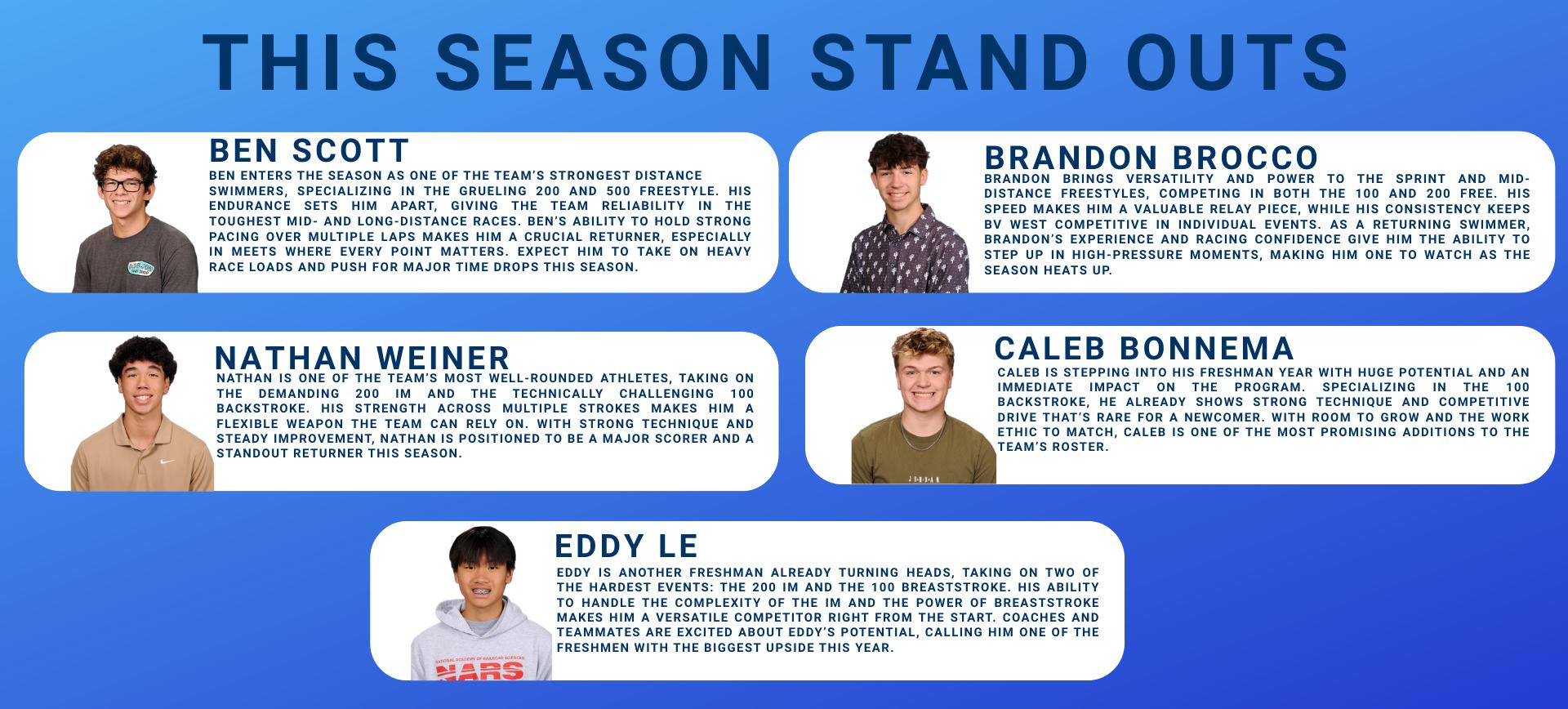
From Snow Runs To State Goals, The Boys Team Swims Into Season
The start of winter at BV West brings a familiar shift in energy. The days grow darker, the air gets colder, and the hallways fill with the rhythm of athletes heading to practices, wrestlers wrapped in sweats, basketball players bouncing balls down the hallway, bowlers gathering after school. But behind the doors of the natatorium, another group of athletes is stepping into a season defined by grit, tradition, and brotherhood: the boys swim and dive team. Their season doesn’t begin with a spotlight, a crowd, or a packed gym. It begins quietly, with the early morning routine of stepping into cold weather and hot water, the scent of chlorine settling into their clothes, and the commitment to showing up for each other day after day.
From the beginning, swimmers insist that the most meaningful part of the season has little to do with times
or medals. When asked what junior Yoobin Son looked forward to the most, he didn’t hesitate. “Meeting new people, especially freshmen, getting to build team bonds, especially at the team dinners, meets, stuff like that,” Son said.
The bonds he described aren’t casual friendships. They’re a kind of unspoken understanding that forms only between people who push each other through long sets, freezing cold mornings, and the kind of physical exhaustion that makes the world blur.
Senior Michael Ye shared a similar sentiment, but his excitement is tied to both personal ambition and team connection. “I’m trying to qualify and get consideration for my times in all my events,” Ye said. His goals reflect the dual identity of swimming: a team sport built on fiercely individual performances. Each race is a personal battle, but every victory feeds into
the collective success of the team, and every drop in time ripples across the scoreboard.
The preparation for the season starts long before the first official team meeting. Before the season the swimmers are already in the water, showing up for morning workouts and building discipline. “Just practice,” Son said when asked how they prepare. “Going to morning practices too.”
The simplicity of his answer reflects something deeper: the understanding that swimming success doesn’t come from shortcuts or flashy moments. It comes from repetition, consistency, and the willingness to show up even when it’s hard.
And hard is an understatement when describing the first weeks of training. Ye admitted that these early days are “really hard physically and mentally,” explaining that the team’s biggest
challenge each year is “definitely the first week of practice.” Ye went on to say that their coach sets the tone early. “The coach really wants us to win the first meet, so he always pushes us really, really hard every first few weeks.”
While this intensity can be overwhelming, it’s also what transforms the team from individuals into competitors. It’s what forces swimmers to find new limits within themselves and new trust in the teammates beside them.
Swimming is demanding in ways that many other sports are not. It’s a full-body workout paired with a mental test, where even breathing must be timed. There’s no way to hide fatigue in the water, no bench to rest on, no moments where someone else takes over. The sport demands everything: lungs, legs, arms, focus, and heart.
But because of that, it also creates moments of pride that feel unlike anything else. “Definitely dropping time as well as trying to make state,” Son said when asked about his personal goals. State is the dream, the finish line, the place where all the hard practices reach a purpose.
For Ye, the goal is to “try to place” or simply “get a good time,” but whatever the individual benchmark, the team pushes toward it together.
Even before the season reaches its competitive stride, the swimmers describe their chemistry as something already strong. Son explained, “I’d say great chemistry. We all have great relationships,” capturing the easygoing closeness that forms long before the first meet
Ye said, from a slightly different angle: “We have a very strong team spirit, and everybody’s really united together.” Where athletes endure the same grueling workouts, the same long meets, and the same emotional highs and lows, unity is inevitable, almost unavoidable.
Tradition plays an important role in shaping that chemistry. Every team has its rituals, but the boys swim and dive team has one that few outside the program would expect: the snow run.
During the winter, the entire team sprints shirtless through the snow together, a moment that is equal parts painful, hilarious, and bonding.
Son laughs about the run because of how ridiculous but memorable it is. Before each meet, they circle up for
their signature chant, “Row the boat,” a ritual Ye says symbolizes that no one swims alone.
That idea of moving together defines them. Even in a sport known for individual races, these boys focus on supporting each other, cheering from the pool deck, celebrating personal bests, and pushing through tough sets as a unit.
Balancing school and swim isn’t easy, especially with late practices and early mornings. Son tries to finish homework early so he’s not working past midnight.
Regardless of how they manage, it’s clear that dedication is nonnegotiable. These boys build their days around practice, meets, and recovery, fitting schoolwork into whatever space is left. Swimming isn’t something they do casually; it’s something they commit to. This season, the boys aren’t just chasing times or qualification standards. They’re chasing a feeling of accomplishment, of connection, of belonging to a team that understands what it means to work hard together.
LOCK IN... Senior Brandon Bracco drives through the water during a backstroke rep, keeping a steady tempo through the set.
Photo by Amina Ahmed GLIDE AND GRIND... Senior Brandon Bracco works through a kick set with a board, focusing on leg power.
Photo by Amina Ahmed FAST LANE... Finishing a butterfly rep, a Jaguar swimmer rises for a breath.
Photo by Amina Ahmed
BEHIND THE JERSEY
Athletes Open Up About Pressure And Balance
t BV West, every season brings a blank scoreboard, a fresh roster of challenges, and athletes who lace up every day knowing that their bodies aren’t the only things being tested.
Whether running on the turf under August heat, diving into a chilly pool in December, or returning to the diamond in Spring, student-athletes spend much of the school year pushing themselves far beyond what most people see.
Their successes are measured in medals, rankings, and wins. All the while, these athletes juggle school, social pressures, and high expectations. Many say that the hardest part isn’t the training, it’s staying mentally strong through it all.
“Repetition isn’t fun, but it has to be done,” said senior basketball player Max Orr. “It’s the quiet, consistent work behind the scenes that ultimately leads to progress and lasting improvement.”
Fall athletes often have the longest hours. A volleyball player might look calm on the court, even when anxiety pulses inside their chest.
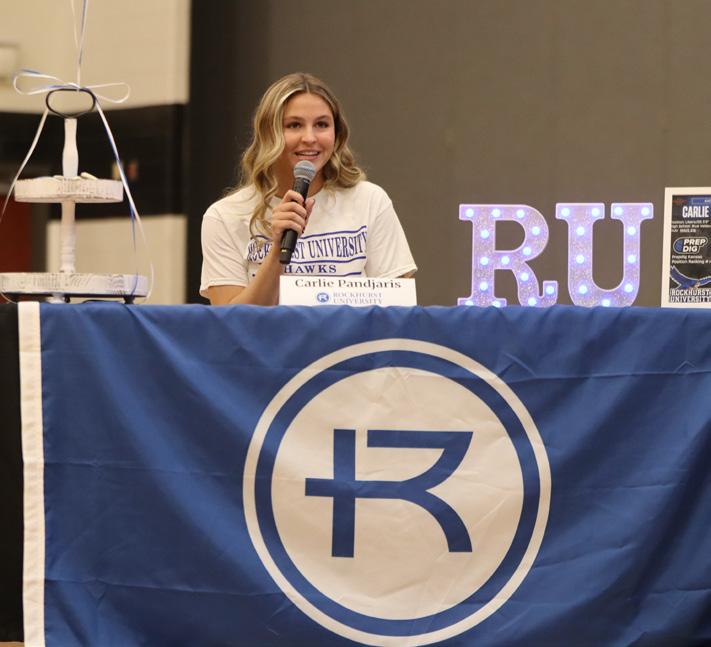
“Pressure to perform can come from a lot of people, your coaches, teammates, and even yourself,” said senior volleyball player Carlie Pandjaris. “Over volleyball season, pressure can fluctuate, with highs and lows, and practice every day.”
Even after the regular school day ends, the work is far from over. Some athletes stay late, finishing rehab exercises, lifting weights, or stretching, because tomorrow brings another competition. The pressure to stay academically
strong creates a second season layered inside the first. Many say that’s the hardest part, trying to be everything at once: a student, athlete, friend, leader, and sometimes, a kid expected to hold it all together.
The winter season brings a different energy. Many athletes feel winter is the most mentally demanding season
cheerleader Sophia Waslter. In every season, there’s a shared truth: athletes face immense pressure to be strong. Coaches want results, parents want improvement, teammates want reliability, and students want balance. But mental health often becomes the last priority.
Many athletes admit that they don’t talk about their struggles because they don’t want to let people down. They fear losing playing time, being misunderstood, or becoming the center of a conversation they’re not ready to have.
Some worry their feelings will be dismissed as dramatic or weak.
The short days and relentless routines take a toll. Without sunlight after school, they move from classroom to car to practice under artificial lighting. Some admit it becomes harder to feel motivated when the world outside looks still and gray.
“All the pressure is on you and no one else,” said senior wrestler Scott Fohlmeister.
Winter athletes say practices seem colder emotionally. Teammates care deeply for each other, but everyone is fighting their own internal battle. Cheerleaders still perform with a smile even though life feels anything but light.
“Whenever I have a bad day, I try to leave it to the side,” said senior
“It’s hard to speak up about mental health because many people may think you look weak,” said Pandjaris. “However, talking about mental health should be seen as a strength.” These are the threads that bind teams beyond the season. Coaches at Blue Valley West have grown more aware of what their athletes face. Many try to check in, remind them to take breaks, and celebrate the little victories. A coach might say their priority is the health of the athlete, not just their performance.
Many coaches encourage athletes to express their worries and concerns to responsible adults, as well as to seek support from their teammates, other coaching staff, and you.
“My coaches and teammates help me a lot when I have a bad day and they tell me it’s okay and that I can get through it,” said Wastler.
When seasons end, the emotional shift is sharp. Athletes who spent months training daily suddenly have
extra time, and the absence of structure can feel disorienting. Seniors often struggle most, realizing the sport they built their identity around is now part of their past. The loss is real grief for a part of their life that once defined them.
“Not getting to go out and play with the team daily was the hardest part for me emotionally,” said Gaskill. There is still progress to make. Students say the biggest improvement would be normalizing conversations about mental health within teams. They hope for more education, more open discussions, and more reassurance that struggling doesn’t make someone any less committed. Many believe the first step is simply acknowledging that every athlete carries an inner world beyond what the scoreboard shows. Through every season, Blue Valley West athletes remind themselves and each other that success isn’t just winning the game; it’s staying healthy, balanced, and connected.
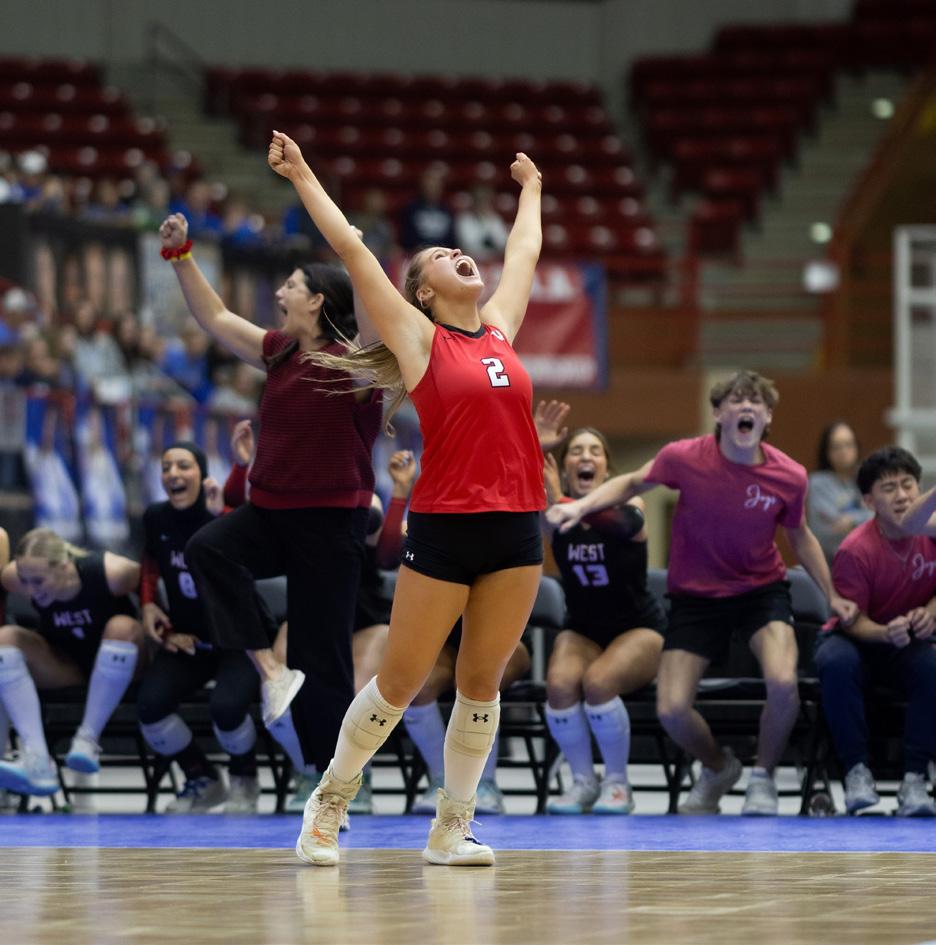
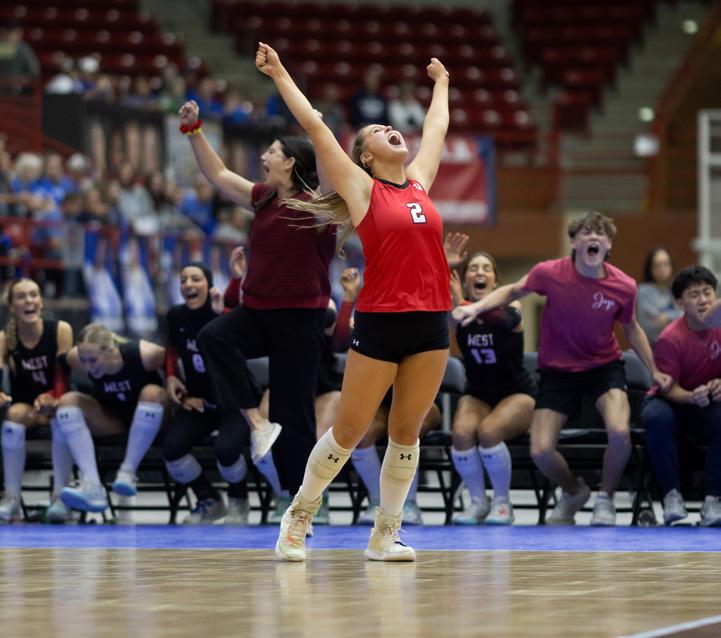
BV West volleyball team scores another point, senior Carlie Pandjaris, along with the rest of the team on the bench, celebrates in an enthusiastic show of team spirit. Photo by Lexa Opp
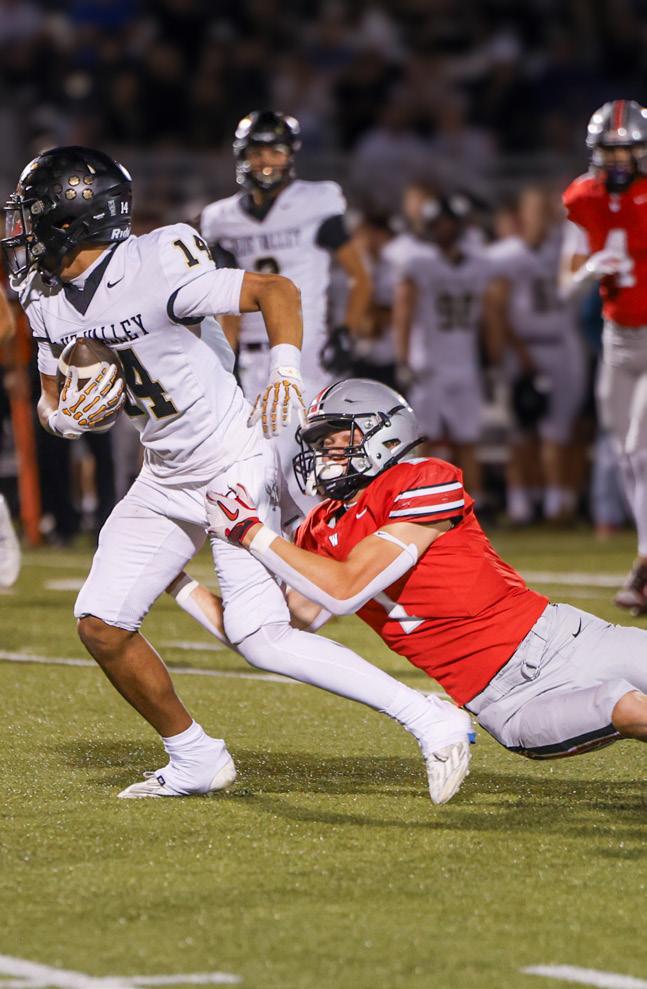
PHOTO BY MADDY MULLINS
PHOTO BY MADDY MULLINS
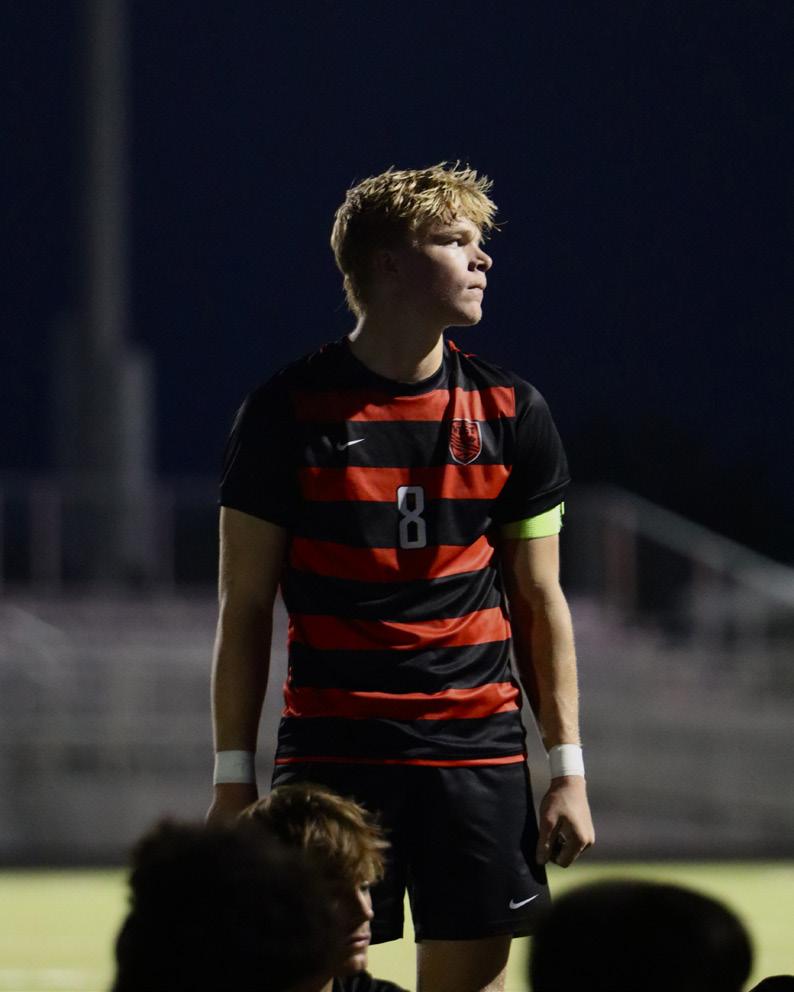
PHOTO BY ADDI BLOOR
PHOTO BY TAYLOR WRIGHT
HENRY WHITE
The Reigning Champion Shifts Focus Towards Team Success And Mental Strength
After finishing last season undefeated, senior wrestler Henry White is stepping back onto the wrestling mat with a new challenge in mind: helping his team bring home hardware.
“I’m just trying to stay focused on making my team better,” White said.
“If everyone else can be focused on being better, we can make the whole team better.”
Although he enters the season with everyone watching out for him, he says the work hasn’t stopped. During the off-season, he trained against top-tier opponents at national tournaments and worked with athletes from across the country to sharpen his technique.
“I’m doing a lot harder tournaments, so I’m able to see more national competition,” White said. “I’m able to get different looks by practicing with different people.”
White is focusing heavily on maintaining the right mindset. “I think my main thing I need to improve
is just my mentality,” White said. “I’m probably going to have a target on my back this year after winning, and I just have to stay level-headed and not let that get to my head.”
Last season taught him a lesson he still carries.
“YOUR RESULTS ARE WHAT YOU PUT INTO IT, SAID HENRY WHITE.
“The harder you work, the better you’re going to do. You just have to learn from your mistakes and be able to capitalize on big moments.”
His typical week includes daily practices, weight maintenance, and strict nutrition. “We’re practicing Monday through Friday and trying to eat the right thing,” White said. “Just putting the right stuff in my body and recovery.”
As one of the most experienced competitors in the room, he hopes to use that leadership to boost those around him. “Some people haven’t been in big moments before, and it can get worrying sometimes. I try to help with moves and mentality,” White said.
Individually, he is aiming for a second state title and possibly another perfect record, while he hopes the team earns a state trophy.
“I want to win the state again, obviously, but more for the team,” White said. “If everyone works hard, I think we can really get it.”
Heading into what could be his final competitive months, he says he feels driven to savor every moment.
“It’s my senior year. It’s gone by fast, and I don’t take these moments for granted. Just being able to spend time with my team and making the most of every moment,” said White.
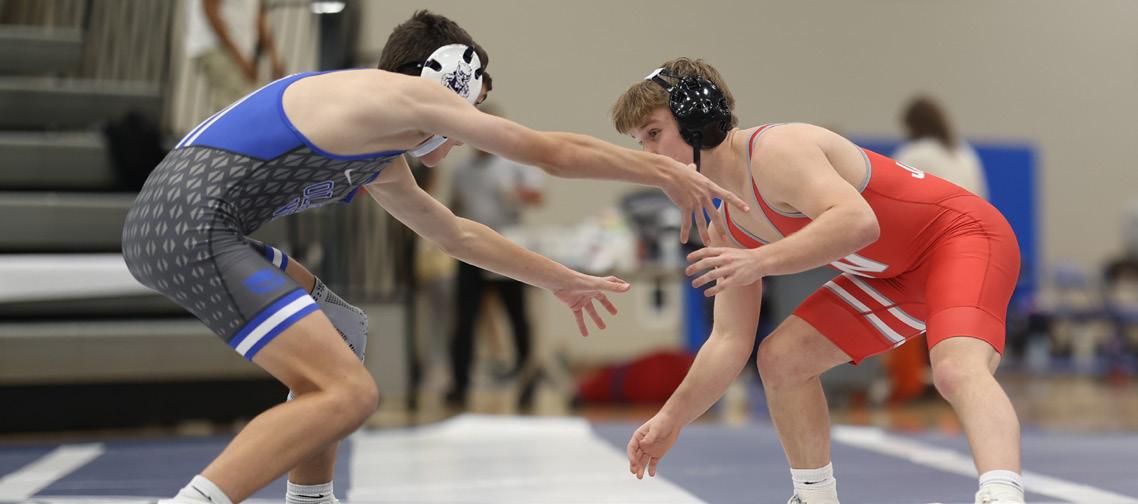
PREPARING FOR ACTION...
Senior Henry White takes down his opponent in 16 seconds in a dual match on Dec. 10.
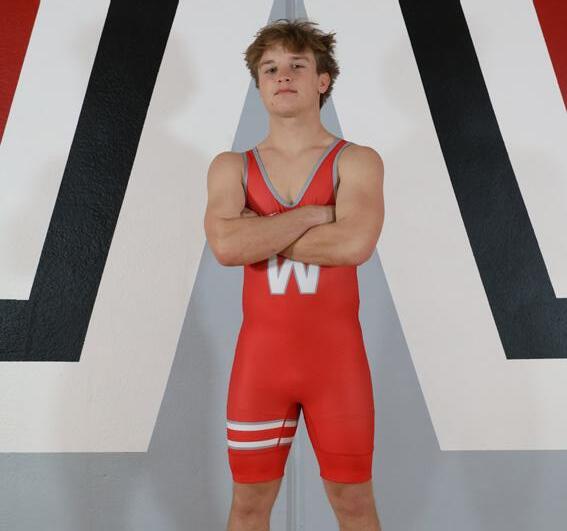
POSING POWER
Senior Henry White poses for his final high school wrestling media day.
Photo by Grace Hawley COMITMENT TIME
Senior Henry White gives a speech at signing day for his commitment to wrestle in college at the University Of Central Missouri.