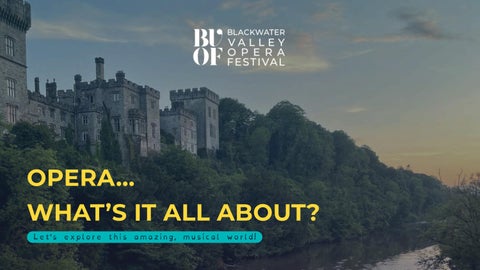
Let's explore this amazing, musical world!

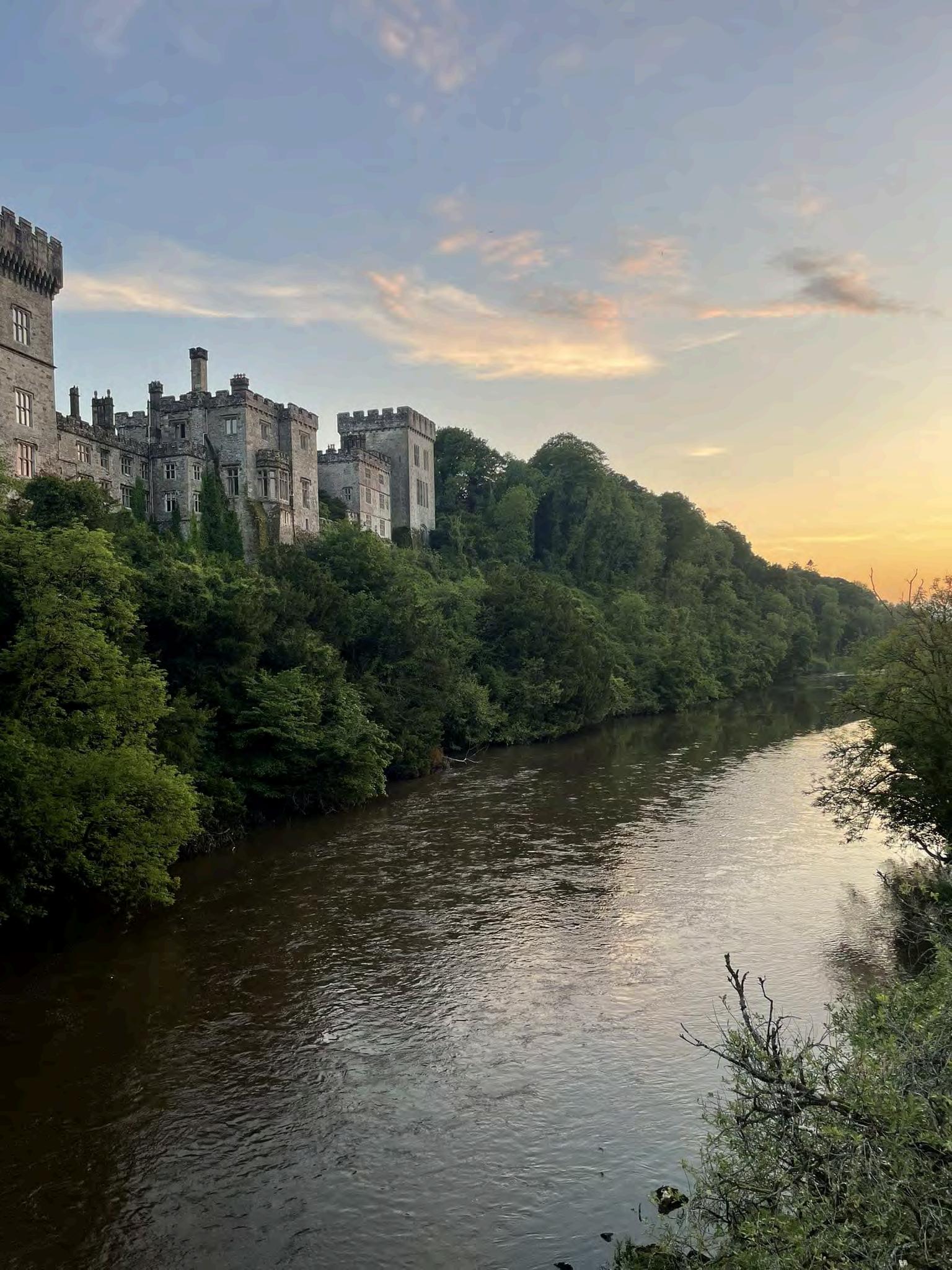
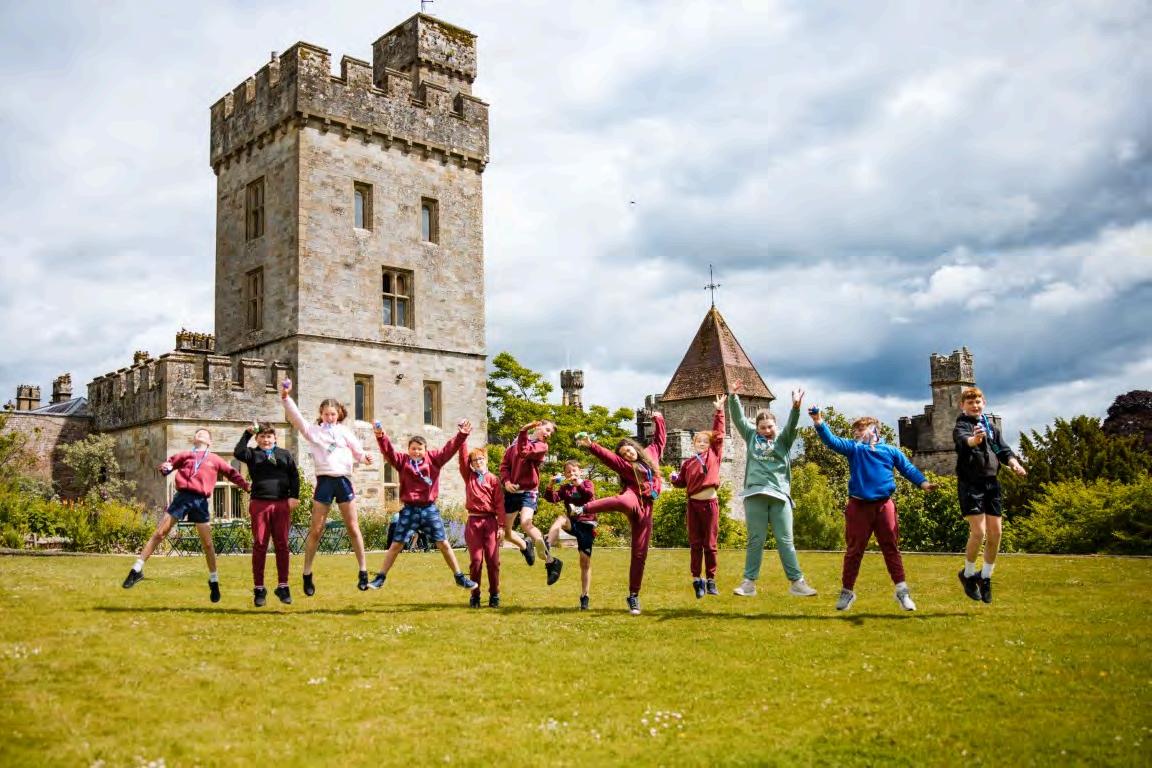
Blackwater Valley Opera Festival (BVOF) began in the summer of 2010. It was founded by Dieter Kaegi, the Artistic Director, and Jennifer O’Connell. The first opera performance took place in the grounds of Lismore Castle. Over time, the festival has grown into a week-long event. It takes place each year around the June bank holiday weekend andisknownas Ireland’s Summer Opera Festival.
During the festival, people come from all over Ireland and other countries.Theycansee opera performances, classical music concerts, andsmallereventscalled recitals.Inrecentyears,thefestivalhasalso included free open air recitals in parks across the Blackwater Valley area.
Each year, the festival brings more than 5,000 visitors to the local area, which supports towns and communities during the festival week. Today, BVOF is well-known across Ireland and is one of the largest festivalsinthecountry.
What do you think of when you hear the word ‘opera’?
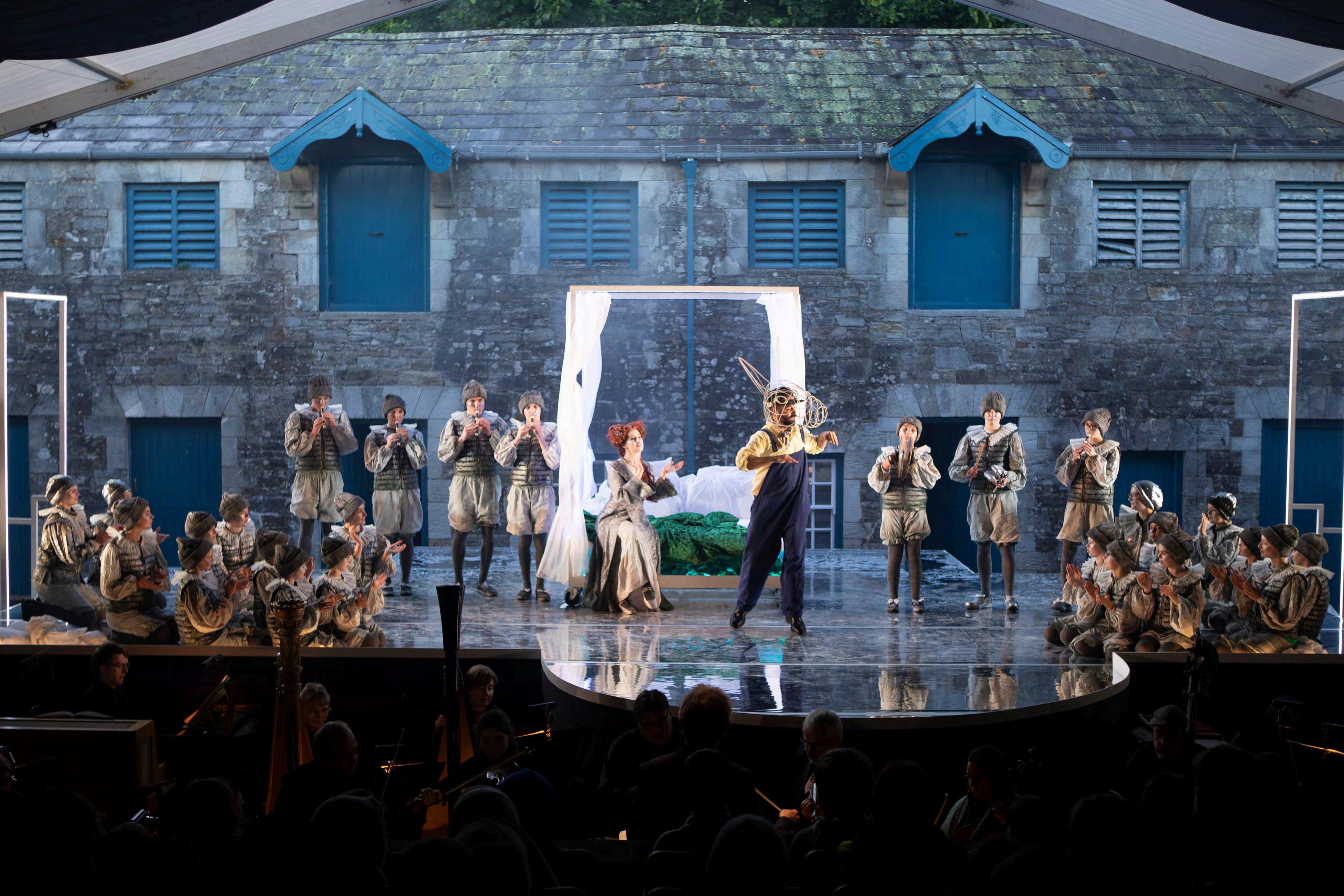

Opera is a type of theatre that has a bit of every art form rolled into one! It has classical music, acting, writing, poetry, art, and sometimes dance. Together, these bring to life a dramatic story - usually either happy or sad - that is set to music and performed by singers and an orchestra.
A lot of work goes in to creating and performing an opera, as you can imagine. In fact, the word opera means “work” in Italian! Opera was created in Italy during the Renaissance period (1400-1600). It started as short musical dramas that happened during the interval of longer plays. It was inspired by Ancient Greek theatre where the actors used to sing the script. Towards the end of the Renaissance (from the late 1500s), these short musicals grew into full performances. These became what we know to be ‘opera’ today.
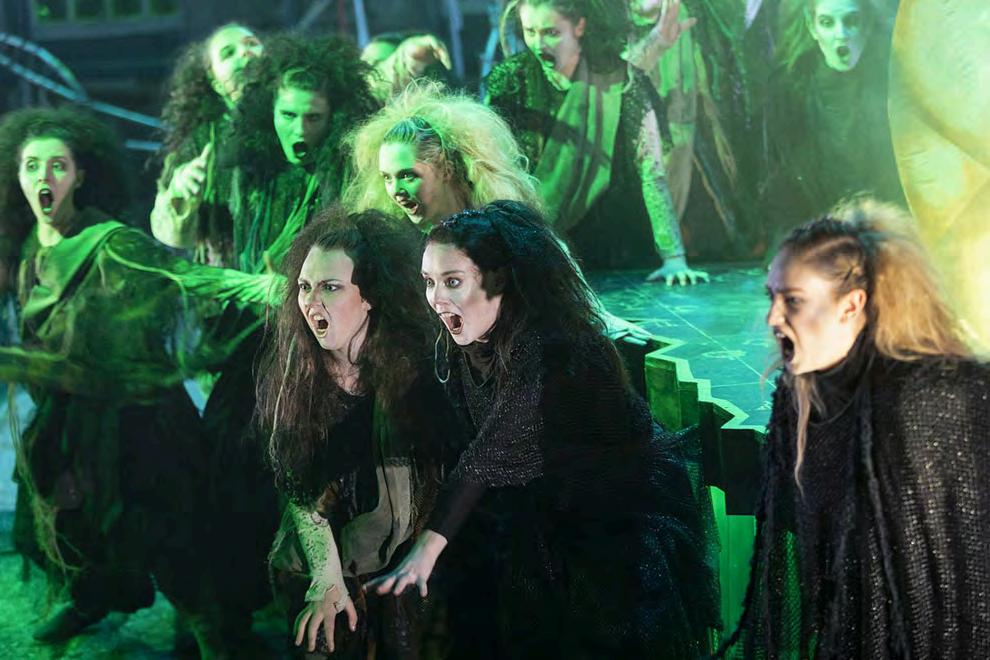
This is from our production of Verdi’s Macbeth in 2023!
There are many words that are used in opera to describe different parts of the performance and performers. Here are sometermsyoushouldknow!
Aria
Bel Canto
Leitmotif (light-moh-teef)
Opera Buffa/Seria Libretto
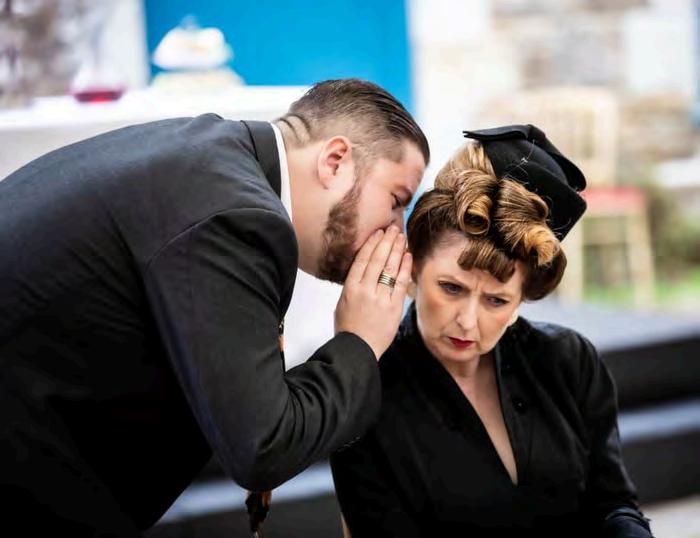
The song a singer sings solo, often along to music. It means “beautiful singing” in Italian and is a style of singing from Italy that was created in the 1800s.
This is a break between different acts or parts of the opera (or a play). They ususally last between 15 to 45 minutes. A musical idea or theme that goes with a certain character in an opera. Whenever the character comes on stage or sings a song, you will hear this musical theme.
This is the “little book” (as it means in Italian). It has all the words and the stage directions for the opera. The person who writes the libretto is called the librettist.
Opera Buffa means “comic opera” where the story is light-hearted and the characters are usually normal people. Opera Seria, “serious opera”, has a more ‘legend’ or epic storyline. The characters are gods or heroes from long ago.

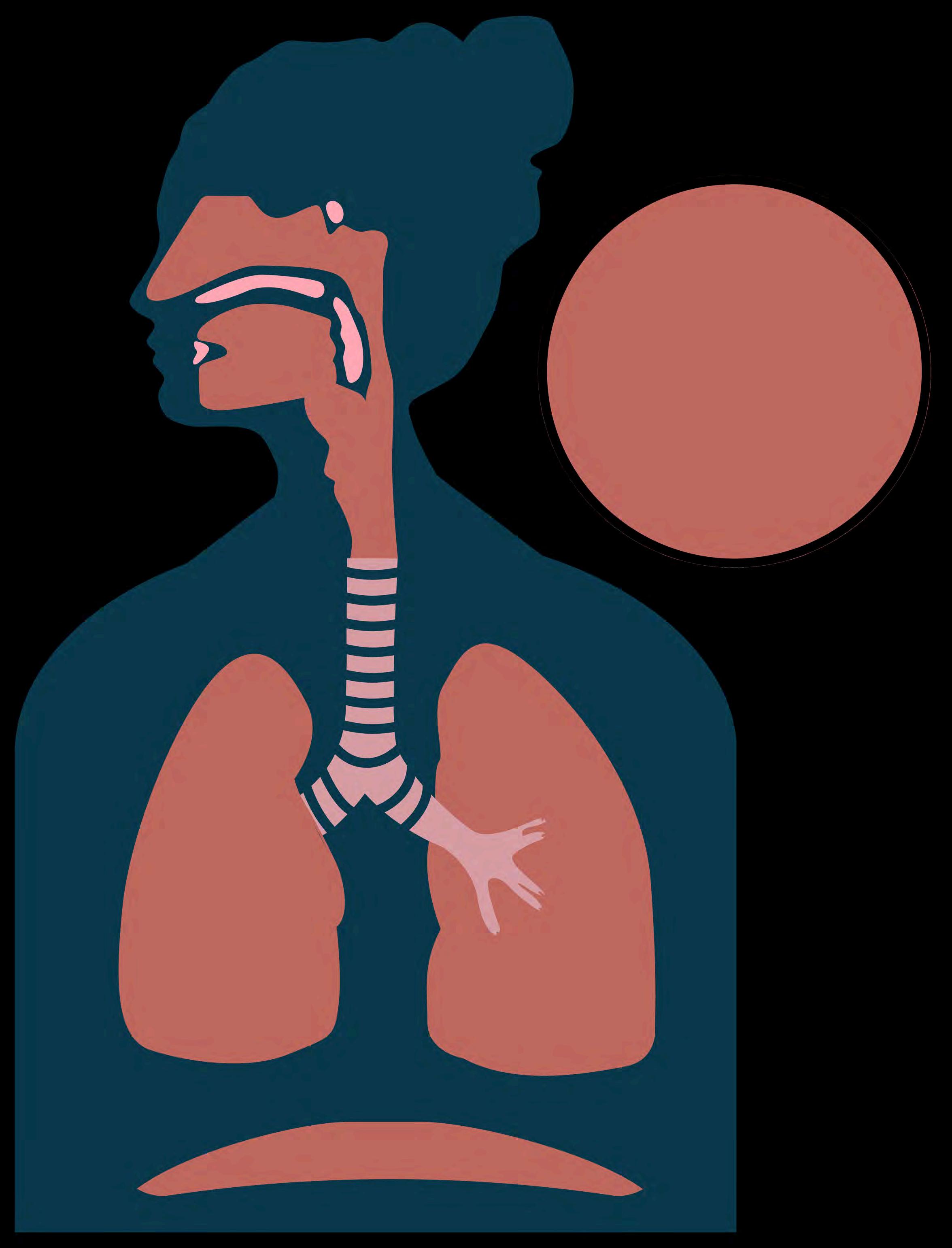
There are many parts of your body that you use when you sing. The most important thing that you use to sing is your breath.
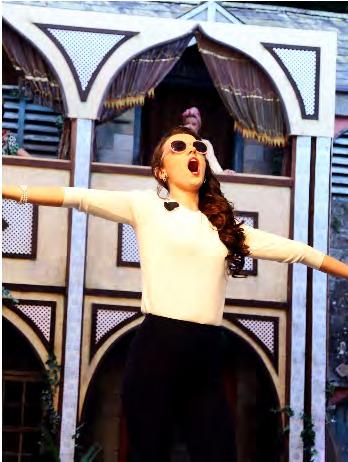
This is from our production of Rossini’s L’Italiana in Algeri (lih-tah-lee-ah-nah een ahl-jee-ree) in 2018!

Nasal passage/ Nose
When you breathe, you bring in air through your nose which travels down your windpipe (the ‘Trachea’),throughthevoice box (the ‘Larynx’) and into your lungs. Because your lungsgetbiggerwhenyou breathein,amuscleunder your lungs, called the diaphragm, goes down to make more space for the air.


Voice(lah-rinks)Box/Larynx
Windpipe/Trachea (track-ee-yah)

Vocal folds/cords
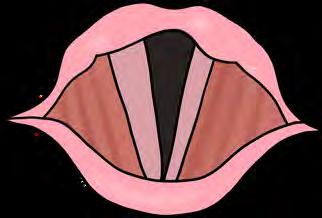

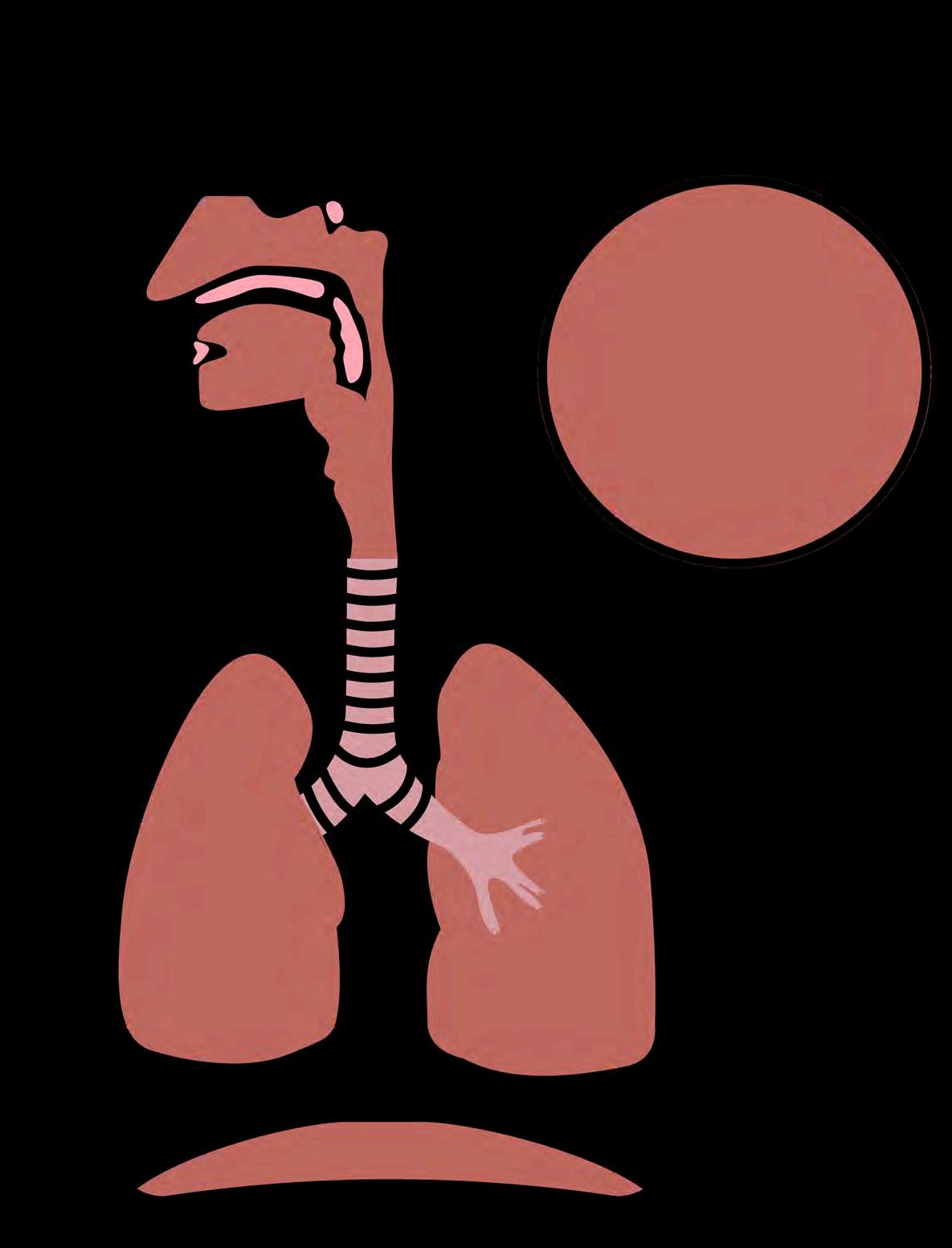
Whenyoubreatheout,your diaphragmpushesup,your lungsgetsmallerastheair goes out of them and up your windpipe, through your voice box again, and finally, out through your mouth.

When we breathe out to sing or speak, the air passes through our voice box which contains two vocal folds (also known as vocal cords).
These stretch across the voice box like rubber bands and are very thin and made of muscle. When we speak or sing, the air that passes through our voice box make these cords vibrate which makes a sound.
To change how high or low our voice sounds, especially when we sing, the vocal folds are stretched tighter by the muscles in our voice box.
Like this
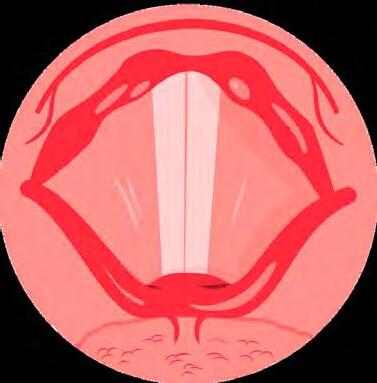
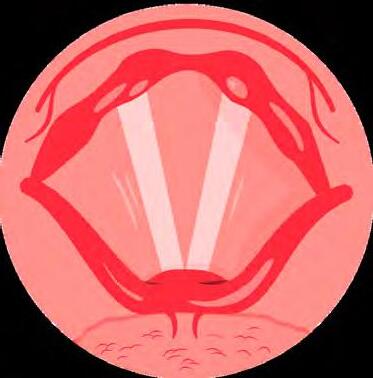
When we make a low sound, the vocal cords are more relaxed and longer. When we make a higher sound, the vocal folds are pulled tighter and shorter.
Like this

When we sing, we use all parts of our breathing system to create the nicest sound. Our lungs and voice box are two important parts in creating a sound when we sing. But there are other parts that help us create an even better singing voice! For example, we have the ‘resonators’ which are your chest, throat, nasal passage/nose, and your mouth.
These all help the flow of air and create the tone of your voice. The diaphragm helps us to control how much air flows out of our lungs and through our voice box.
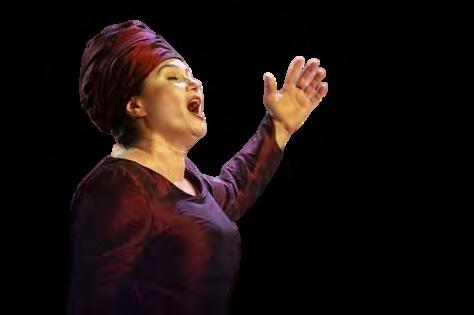
This control is called “vocal support” as it stops our voice getting too tired or sore when we sing. It takes a lot of practice to sing opera, but with time and patience, anyone can learn to sing!

Soprano Mezzo-soprano
This is the highest female voice in singing. E.g. Ariana Grande
Mezzo means ‘middle’ in Italian. This voice can’t sing as high as the soprano but can’t sing as low as an alto either. E.g. Adele.
Alto/Contralto
Countertenor
Tenor
Baritone
This is the lowest a female voice can sing. E.g. Taylor Swift.
This voice can’t sing as high as a tenor and sounds low but can’t sing as low as a bass. E.g. George Ezra.
This is a high male singing voice. E.g. Ed Sheeran.
This voice is the highest a male voice can sing and it also falls in the female vocal range because it is so high. E.g. Vitas, Tiny Tim.
Bass A bass is the lowest a male voice can sing. E.g. Barry White, Leonard Cohen.
Playthisvideoandsing along!
Write down how high and how low you can sing.
Then go to the next slide to discover what typeofvoiceyouhave.
Bass E2 - E4
Why not check out more about the voice here!
Baritone A2 - A4
Tenor C3 - C5
Countertenor E3 - E5
Alto F3 - F5
Mezzo-Soprano A3 - A5
Soprano C4 - C6
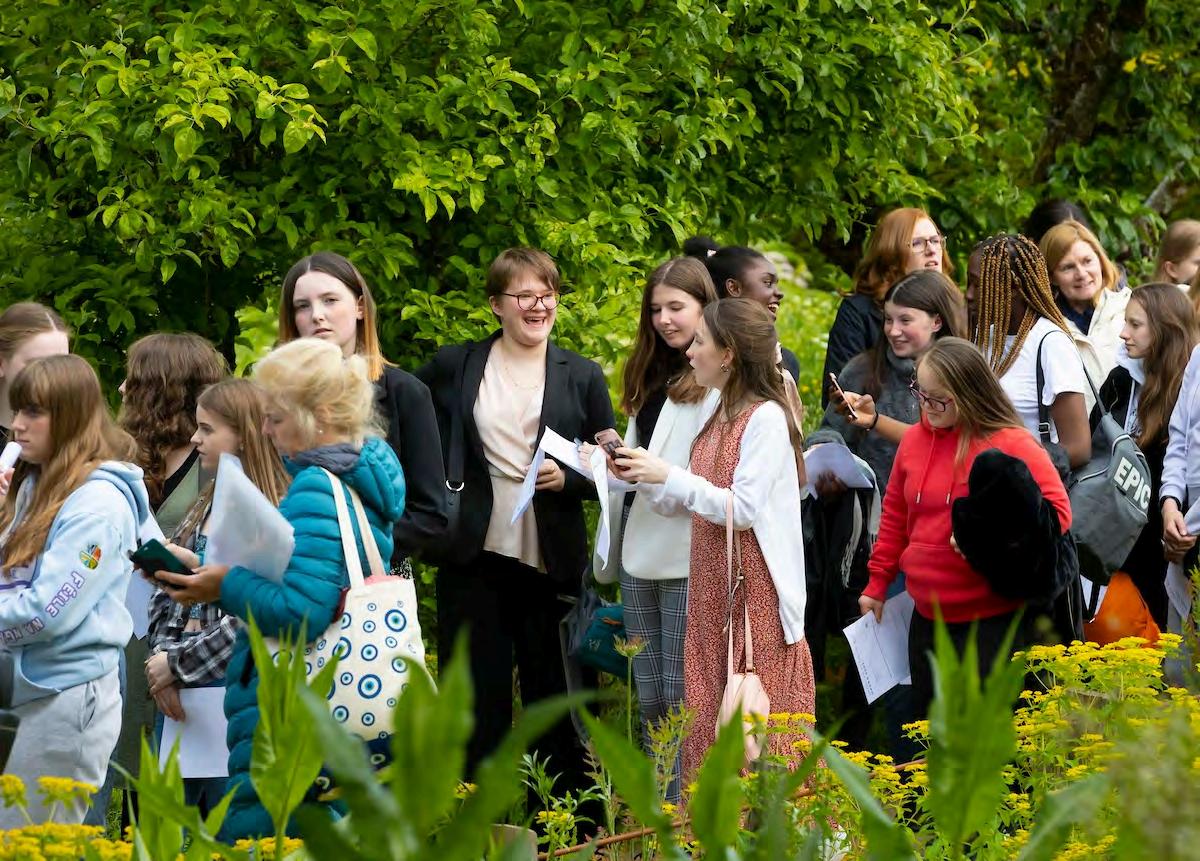
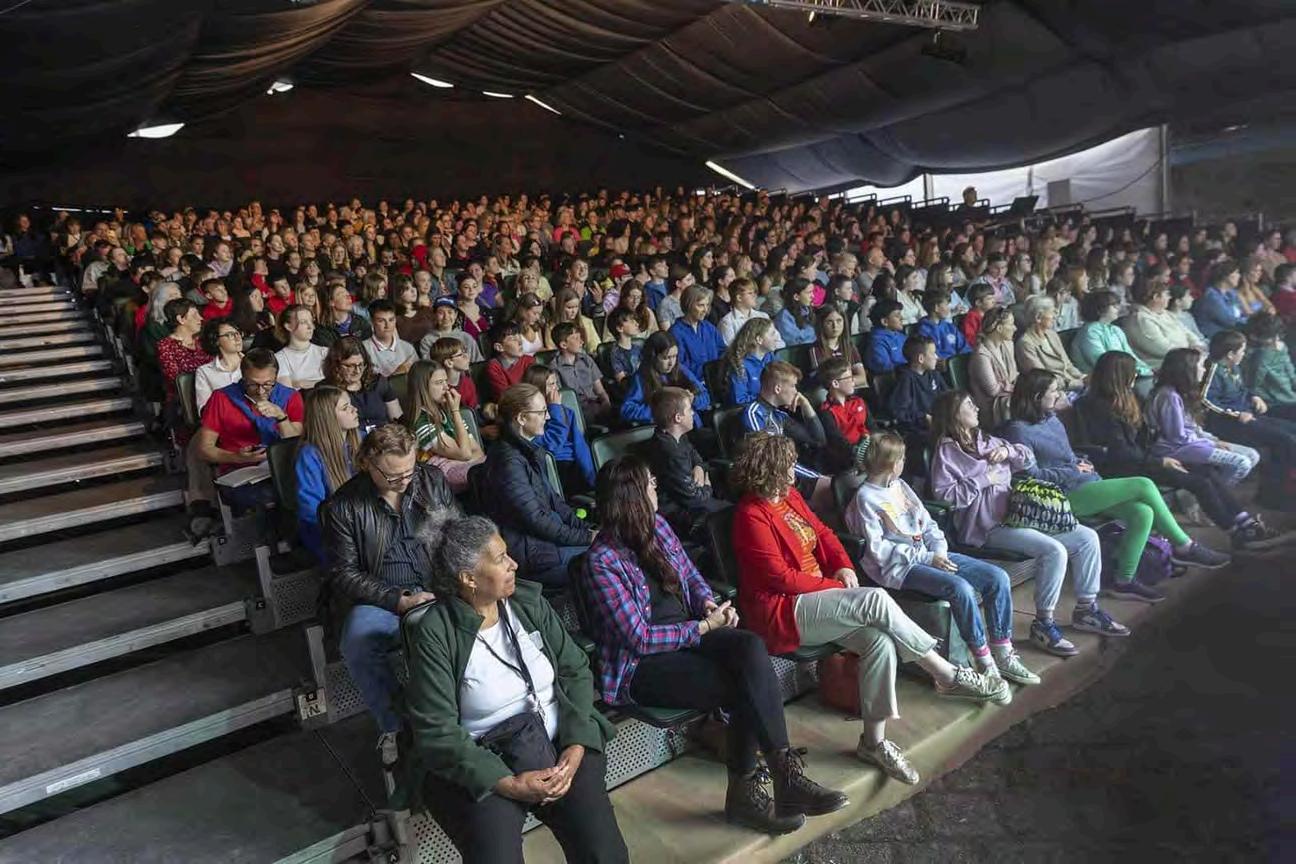
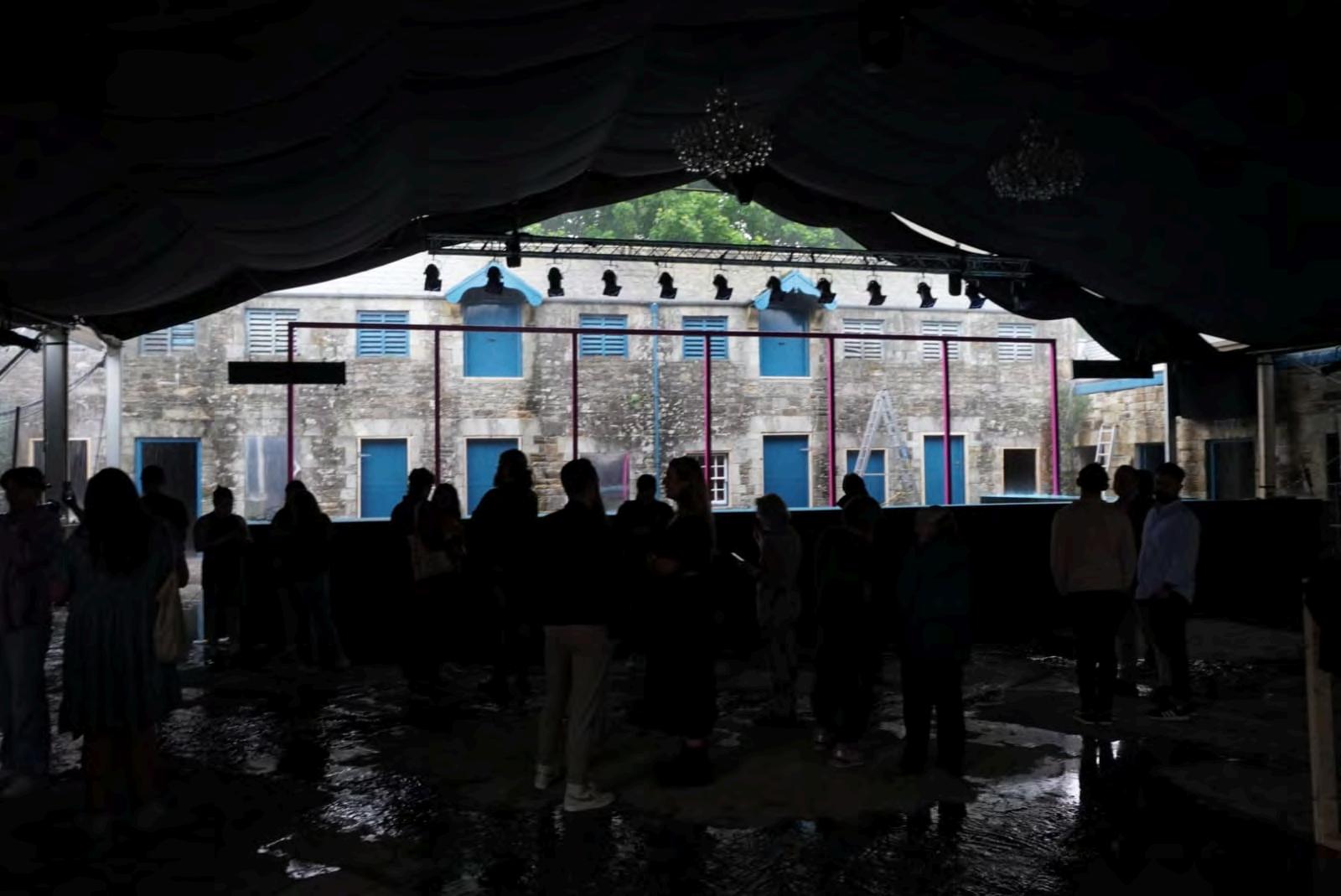
Mostoperaperformancestakeplaceon stage in an “Opera House” or in a theatre. BVOF’s performances take placeinatheatreintheStableYardof theCastlethatisspeciallybuiltforthe week of the festival. It is then taken apartoncethefestivalisover.
Therearesomeopera’sthataresungin English. However, it’s ok if you don’t know the language of an opera when you go to see one, as most opera houses and theatres have surtitles/supertitles which are above thestagewiththewordstranslatedfor youtoreadalong.
Here are some things you may notice when you go to the opera.
The scenes and staging of the opera are designed to show the time, place, and personalities of the characters and their story. The opera’s music and libretto give many clues about this which can be used in the scenery on stage to connect the story and characters to the stage and audience.
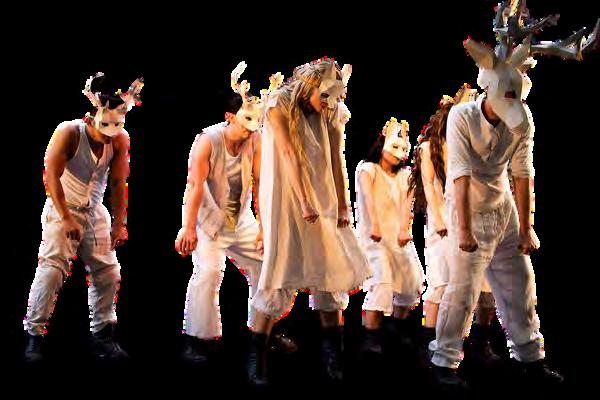
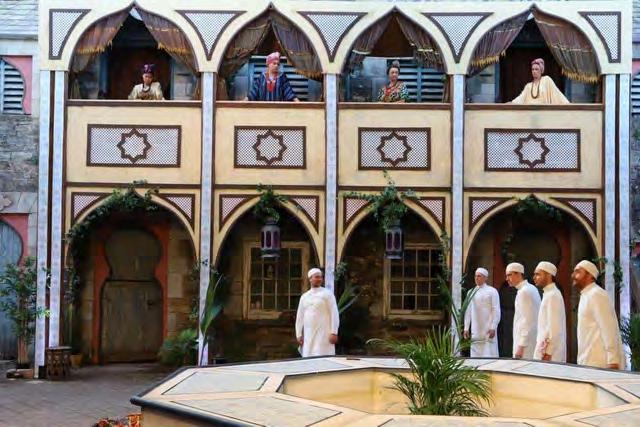
The costumes in an opera usually give clues about the different characters and their part in the opera’s story. They can also show us the character’s personality, secrets, and their job, through the colours, details, and styles used in their costume. The costumes for each character are carefully designed to show the time in history when and the place where the character lived. The clothes are also used to show the parts of the music that are related to them.
Lighting is used in opera (and other forms of theatre too) to help show and support the emotion of the scene on stage. The music in opera can help us hear emotion, while the lighting can help us see what the characters are feeling through the use of colour, shadows, and lighting certain people or things on the stage. Of course, it also helps us to see the characters’ expressions and actions!
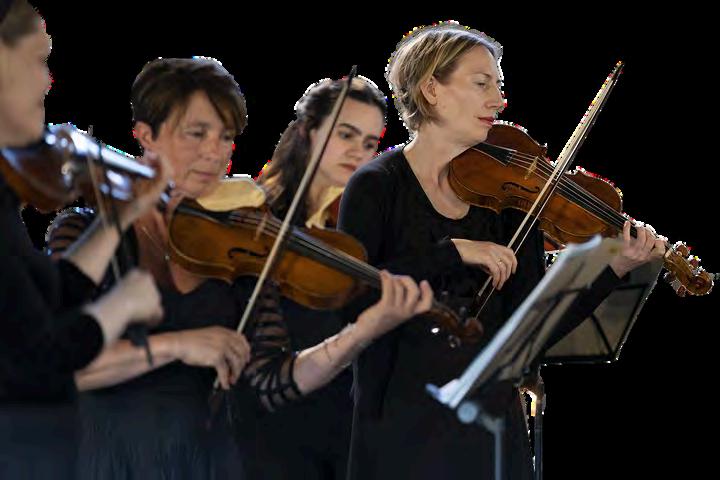
Of course, music is a central part of every opera performance. The composer and librettist create the music and words to express the characters’ different personalities, feelings, and the place in which they are. The music can also introduce us to an idea or plan the characters may have.

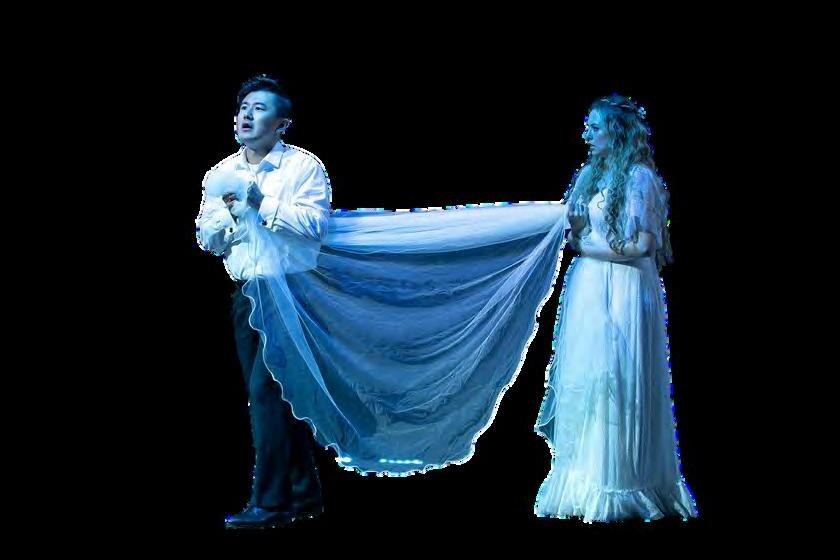
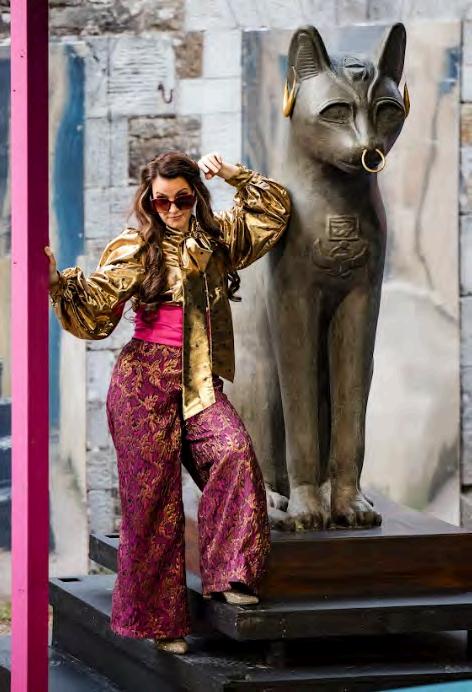
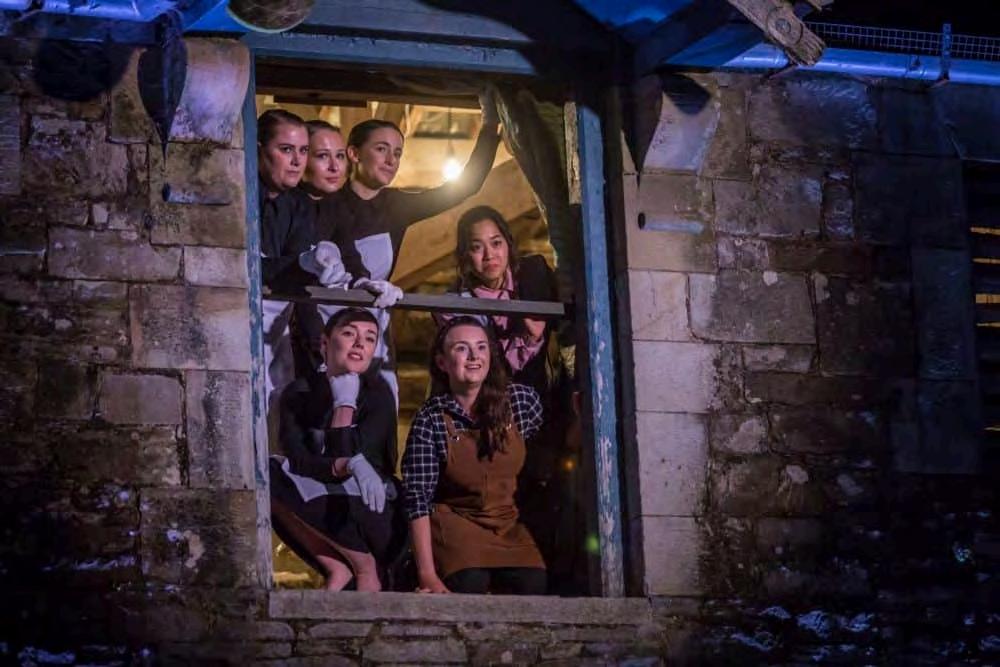
This is from our production of Donizetti’s Don Pasquale (don pah-skwah-lay) in 2019!
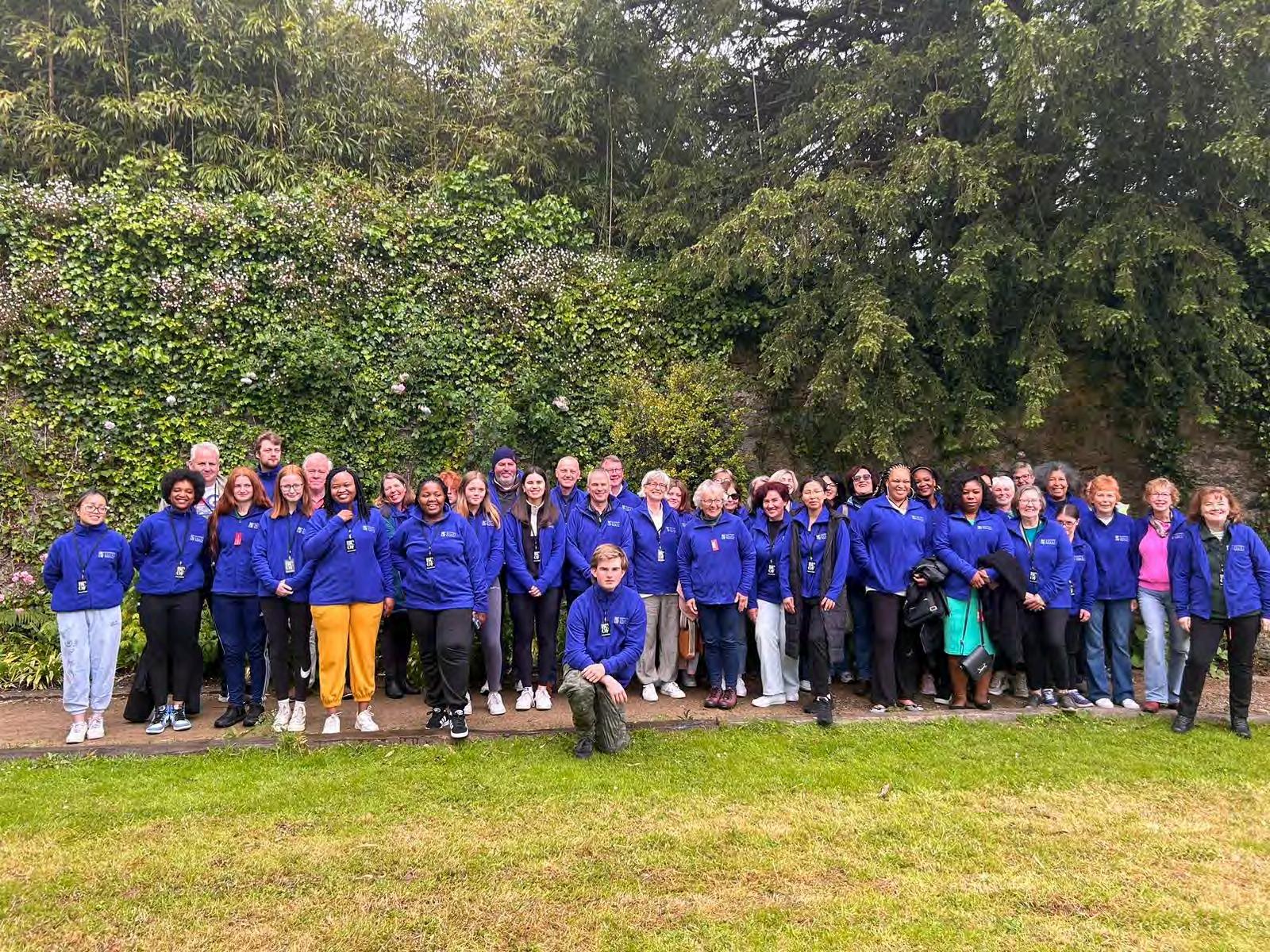

Cast
All the singers, actors, and dancers performing in the opera.
Principles
The singers who play the storyline/plot’s main characters.
Supporting characters
Smaller roles which support the principles and the telling of their story.
Conductor
Orchestra
They lead the musicians in the orchestra and singers.
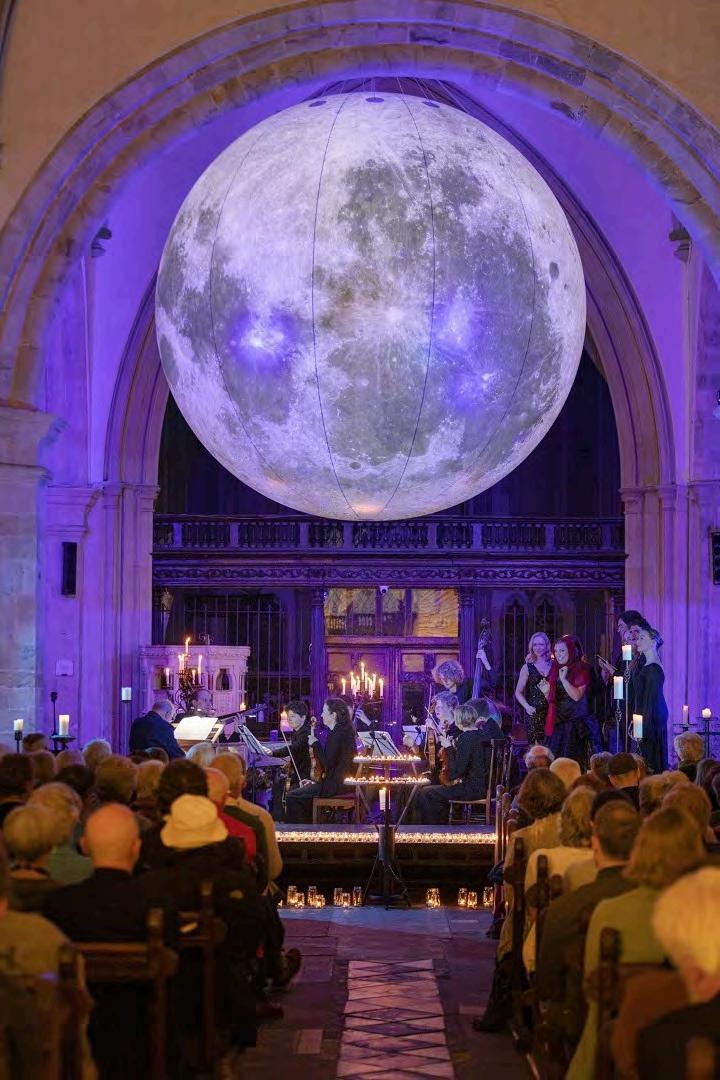
These are the musicians who play the music of the opera. The orchestra play from the orchestral pit in front of the stage.
Artistic Director
They decide which operas will be performed and what the artistic message of the performance will be.
Director Producer
They help the Artistic Director plan an opera and create the cast. They may have an assistant to help them.
They give the cast instructions on how to perform each scene - where they go, what they do. They work closely with the lighting, costume, prop and staging departments. This all helps to bring the vision of a show to life.
Répétiteur (ray-pay-ti-ter)
They coach the singers and play piano during rehearsals.
Stage Manager
Set Designer
Costume Designer
Lighting Designer
They help keep the rehearsals and performance running smoothly and on time. They have a few assistants to help them too.
They design the set of the opera. They study the opera a lot to plan their design.
They design and oversee the creation of the cast’s costumes.
They plan when, where, how, and how often the set is lit during a performance.
Wigs, Hair & Makeup
Designer
Stage Crew
They plan the hairstyles, makeup, and wigs in an opera.
They are involved in making and setting up the set, helping the cast change costumes, in changing the lighting, and getting props ready and giving it to the right cast member when they need it during rehearsals and performances.
Check out these links:
Irish National Opera (INO) - Discover Opera
Irish National Opera (INO) - Schools Programme
The Kennedy Centre - Opera
Opera North - Resource packs
The Opera 101
Met Opera - Illustrated Operas
Met Opera - Educator Guides
Royal Opera House (RBO) - Classroom Resources
Glyndebourne - Schools

See you at the festival!