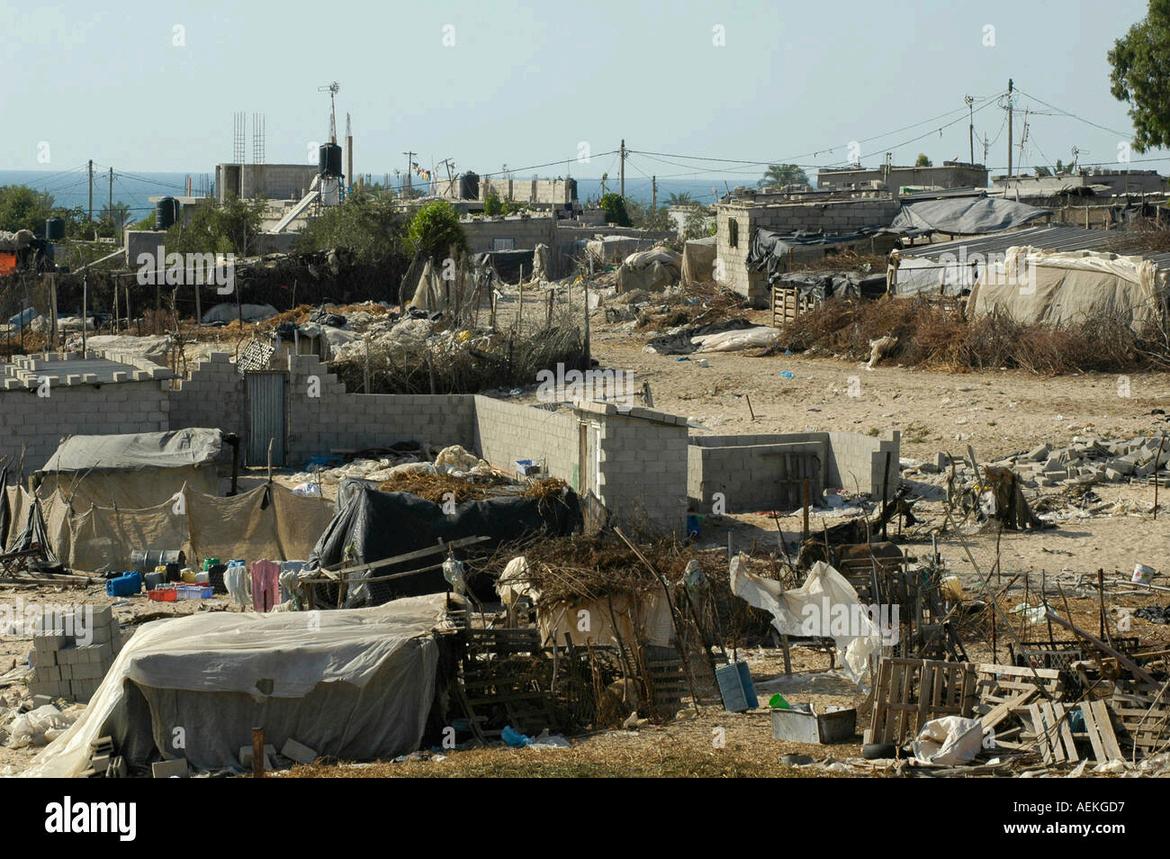
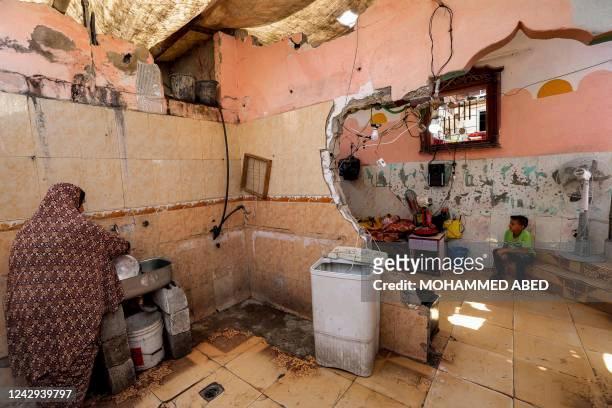
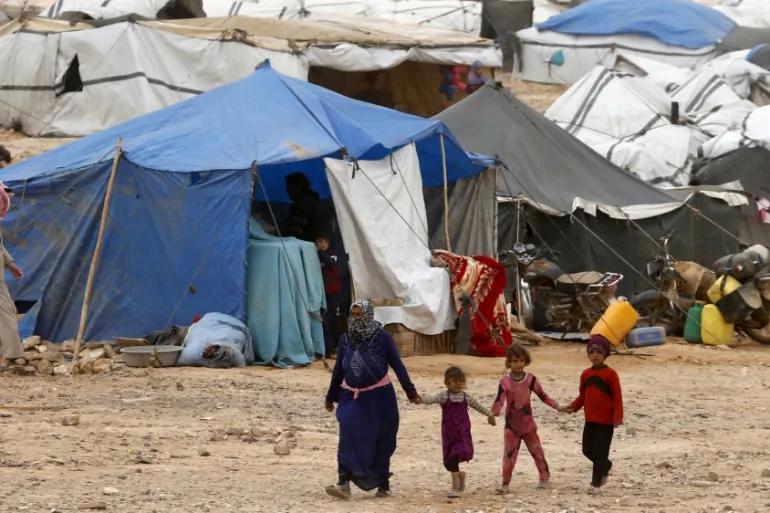
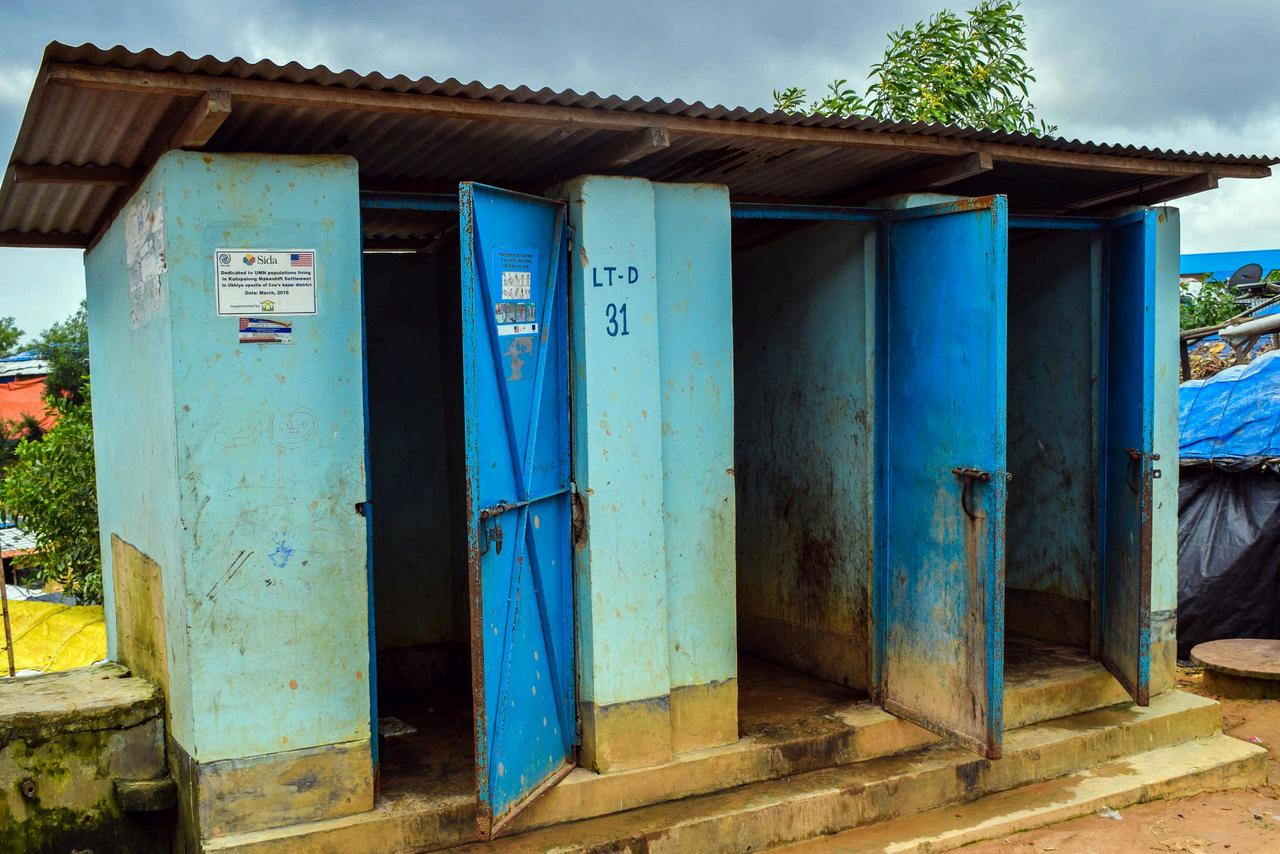
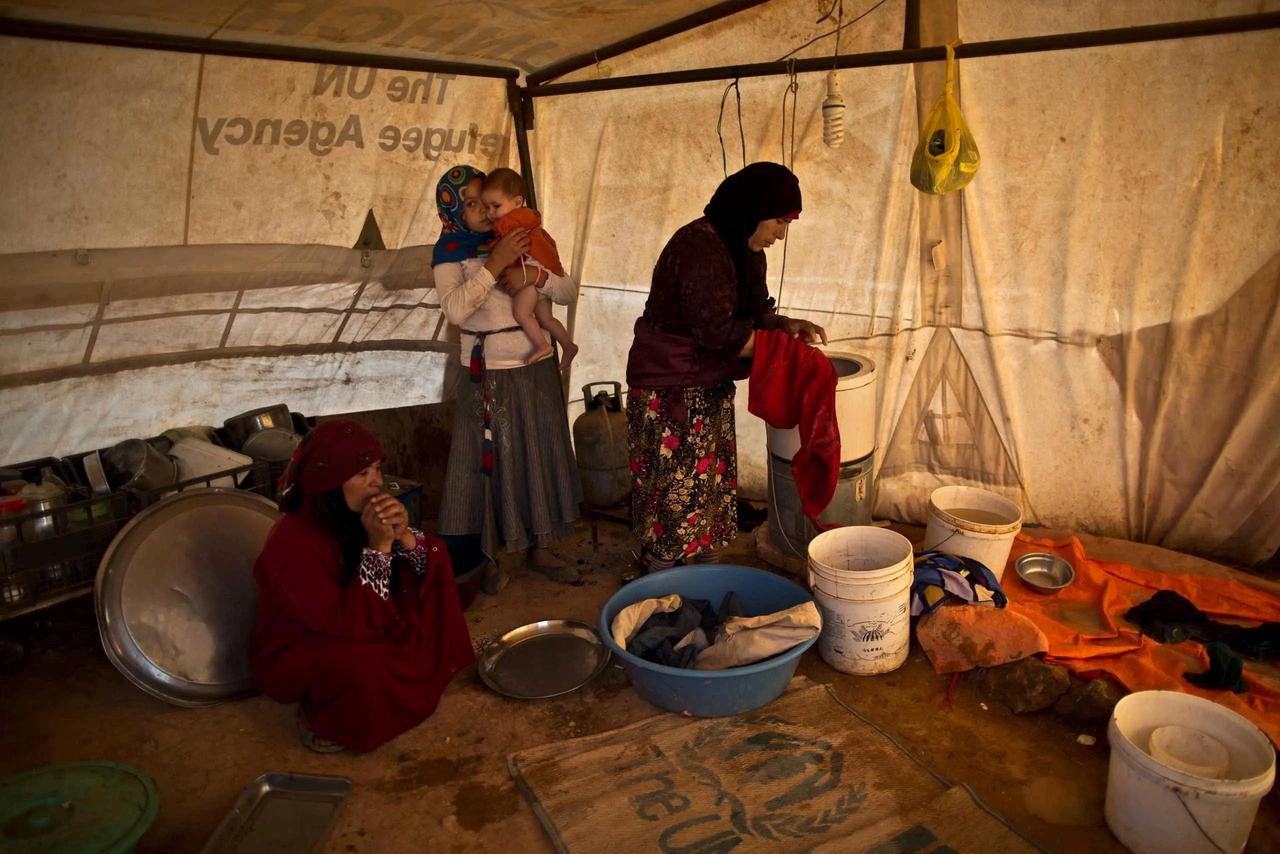
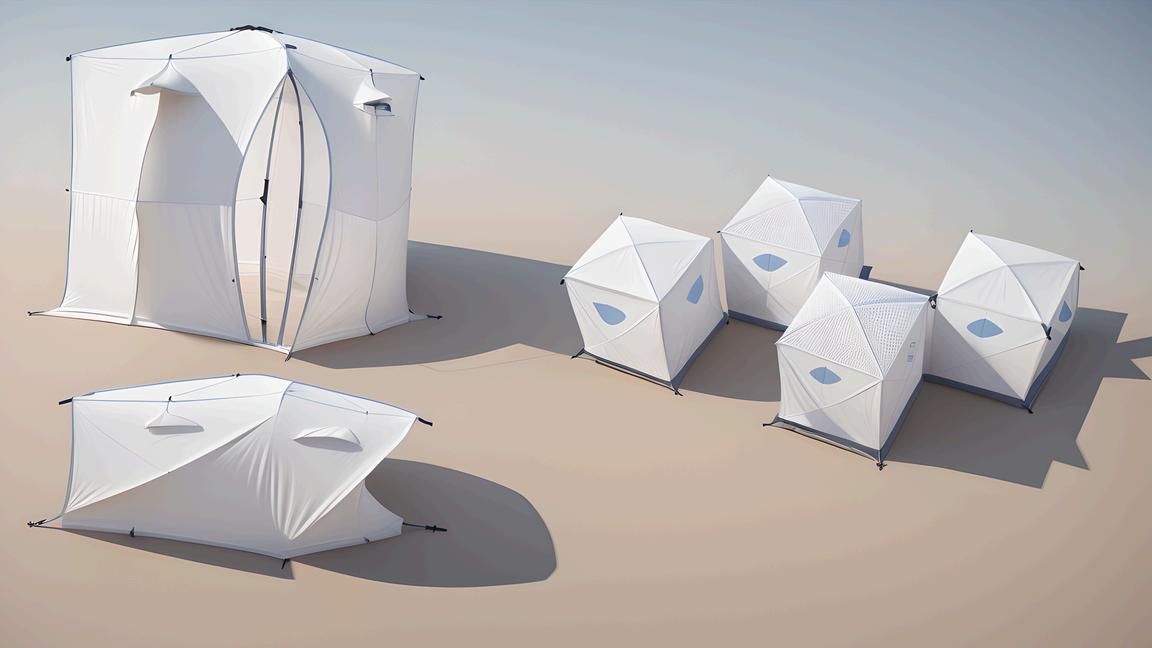
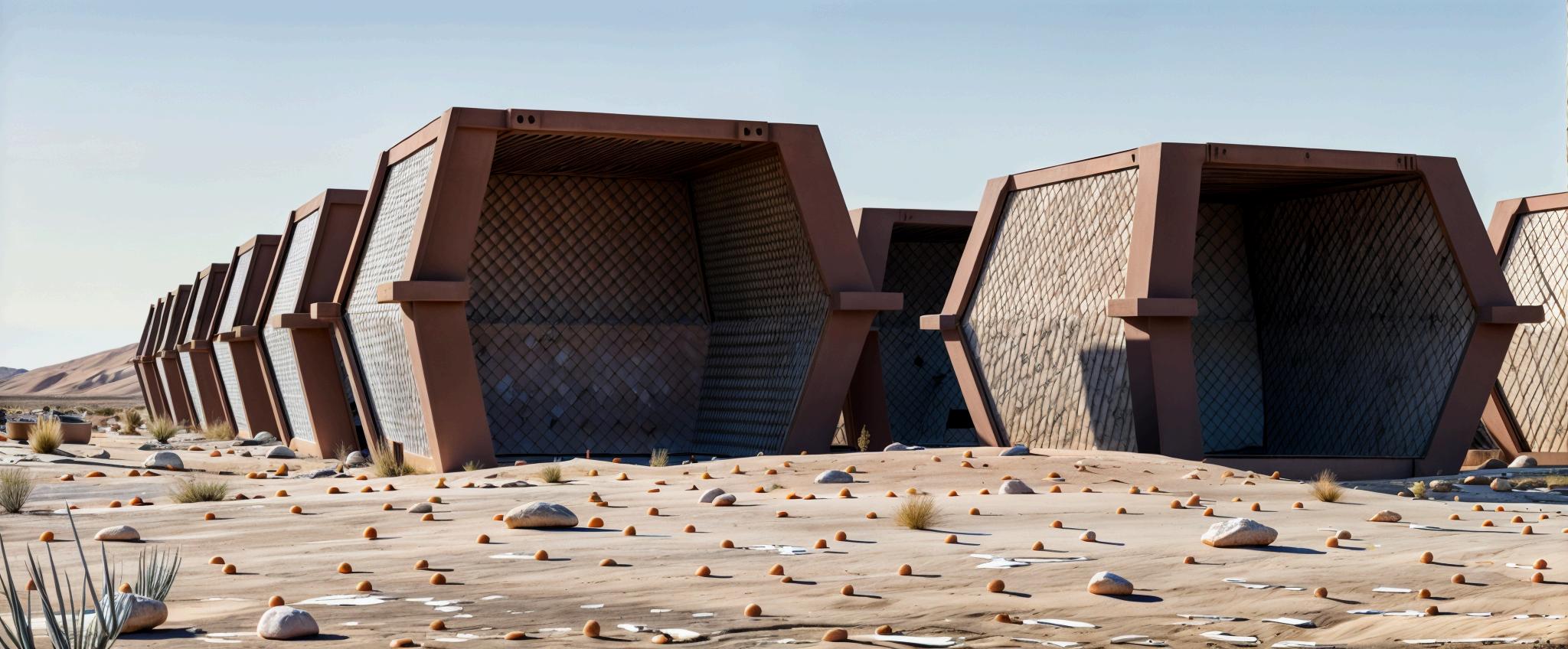
In the aftermath of disasters, displaced populations often face inadequate living conditions within traditional relief camps. This project proposes a transformative solution: disaster relief camps built with modular housing units. These units move beyond the limitations of tents, offering displaced individuals and families a significant upgrade in living conditions.
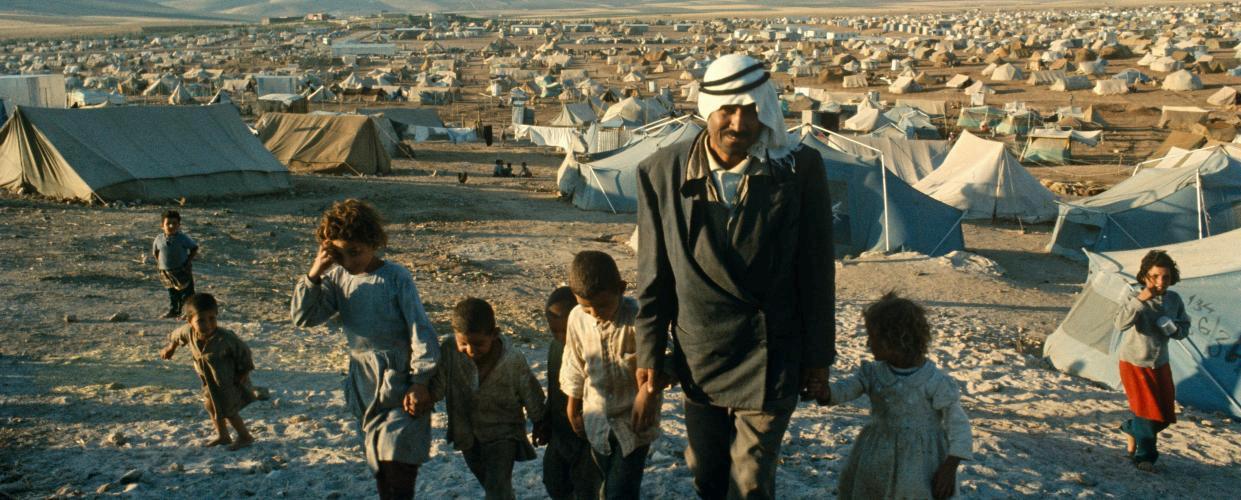
What are refugee/relocation camps?
Temporary settlements for displaced individuals and families.
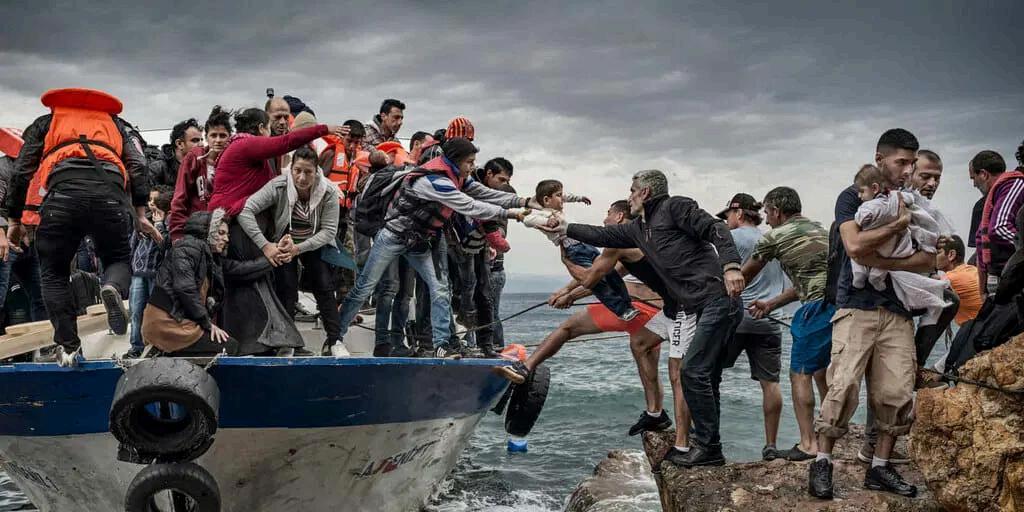
Established in response to armed conflicts, natural disasters, persecution, or crises.
Designed to provide shelter, basic necessities, and support.
Offer essential services like food, clean water, and medical care.
May provide educational opportunities.
Serve as a lifeline for those uprooted from their communities.
Aims to ensure safety and well-being until a more permanent solution is found.
Afghanistan
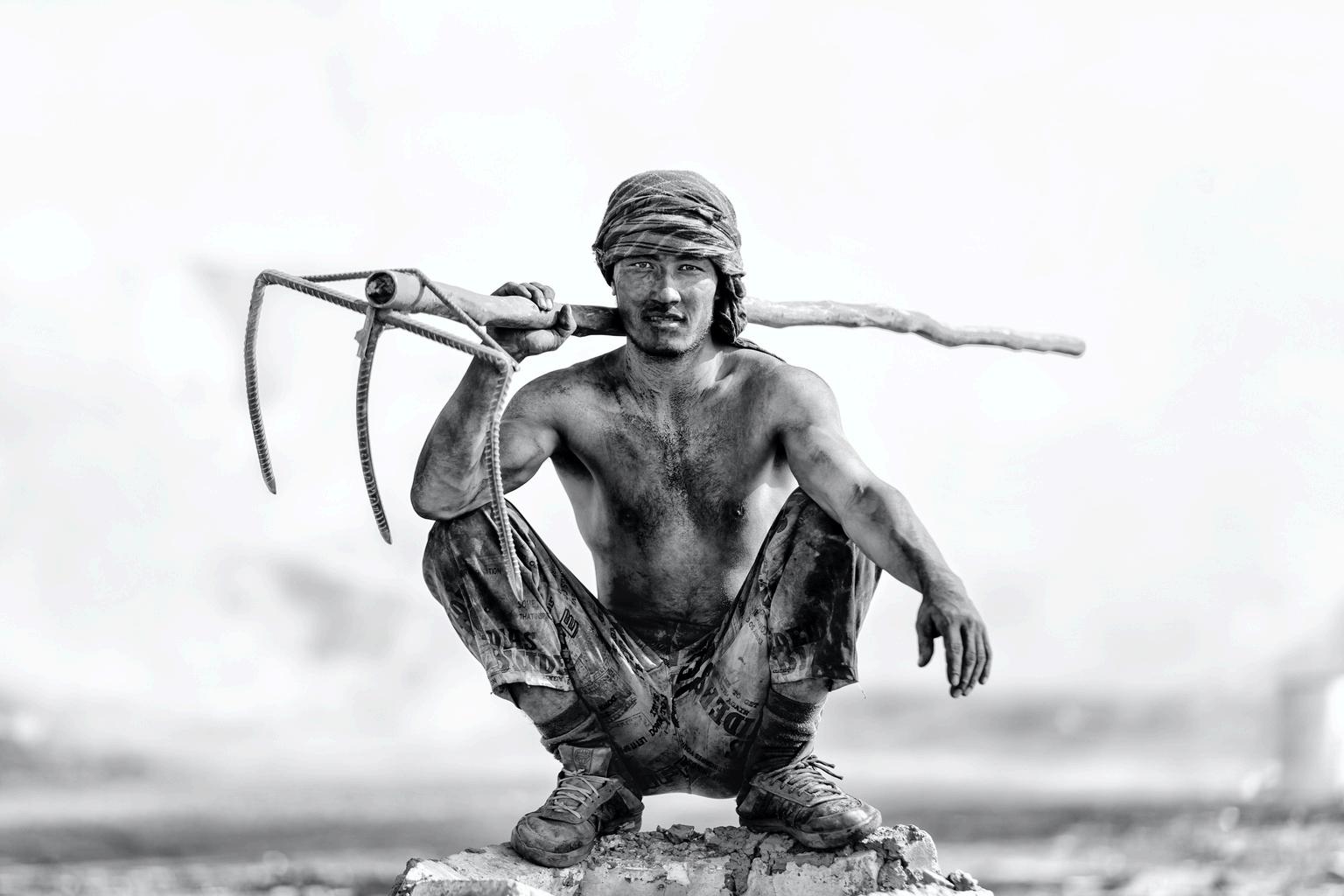
Afghanistan has been caught in conflict since 1978, meaning that several generations of Afghans have never known life without conflict and political instability. The current humanitarian situation in Afghanistan has left 24.1 million Afghans in need of humanitarian assistance, including 15.3 million children.
How did it get so bad?
Conflict stresses a nation’s infrastructure and economy. After 45 years of conflict, those stresses become greater than the sum of their parts. The economic impacts of conflict and crisis have left job opportunities low and debts high, leaving families in even more compromised situations following events like the June 2022 earthquake — the deadliest on record since 1998.
What’s being done
A swift and coordinated humanitarian response was initiated to address the urgent needs of affected communities. This included the distribution of essential supplies such as food, clean water, shelter, and medical assistance. A Comprehensive assessments was carried out to evaluate the extent of the damage to identify the most pressing needs. Efforts were made to provide temporary shelter to those who lost their homes, while plans for the reconstruction of damaged infrastructure were put in motion. Medical teams and supplies were deployed to provide healthcare support. A strong emphasis was placed on building community resilience through training and education to prepare for the future.
Ukraine
On February 24, 2022, a long-simmering crisis in Ukraine escalated into violence with devastating impact. By midMarch, it became the site of one of the world’s largest refugee crises, with 7.9 million Ukrainians displaced abroad as refugees, and an additional 6.5 million displaced internally. UNOCHA estimates that 17.7 million people in Ukraine require humanitarian assistance.
How did it get so bad?
An armed conflict in eastern Ukraine began in Crimea in 2014, leaving people in the Donetsk and Luhansk regions facing nearly a decade of insecurity (compounded by the COVID-19 pandemic).
What’s being done
In response to the ongoing humanitarian crisis caused by conflict and displacement, various international and local humanitarian organization are actively involved in providing assistance to affected populations. This includes establishing and maintaining refugee and relocation camps to offer shelter, food, clean water, medical care, and education to internally displaced individuals and refugees, efforts are being made to ensure the safety of those living in these camps, with a focus on providing support to address evolving challenges and meet basic needs. Additionally, initiatives like the government's special winter centers provide crucial warmth and essential services in areas affected by electricity shortages, especially during harsh winter conditions.
Syria
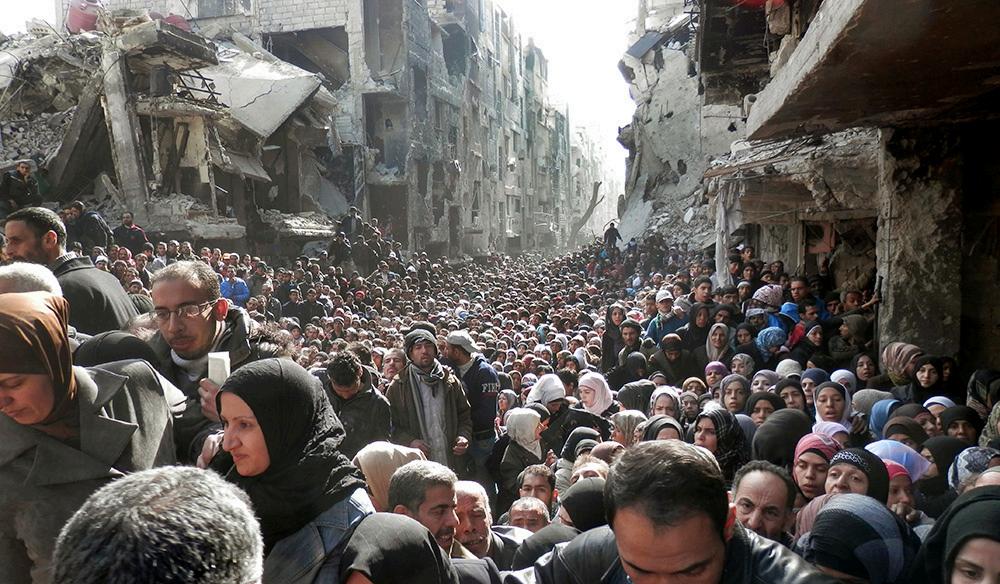
What began as a peaceful protest in 2011 has now become more than a decade of crisis in Syria — as well as one of the largest refugee crises in the world. The violence has not stopped, and millions of Syrians are displaced abroad (often with limited legal rights, resources, and language skills). More than 6.8 million Syrians are internally displaced, and 15.3 million require humanitarian aid — the highest amount of need since the conflict began. Syria is also one of the epicenters of the current cholera outbreak, one of the largest in recent history.
How did it get so bad?
Syria has spent much of the last century in and out of conflict and political insecurity. The latest influx began during the country’s Arab Spring protests in 2011, which gave way to an ongoing civil war, with the involvement of other nations and factions growing over the years. Regardless of allegiance, so much violence means that civilians are paying the ultimate price, either with their lives or by abandoning their homes for life in exile.
What’s being done
Efforts to address the prolonged crisis in Syria involve humanitarian organizations, working alongside government agencies, in providing essential aid to those affected by ongoing conflict and displacement. Refugee and relocation camps are established to offer shelter, food, clean water, medical care, and education to displaced individuals and refugees, underscoring crucial efforts to alleviate immediate challenges in the region. Coordination and adaptation of support remain paramount, as organizations strive to meet the evolving needs of the affected population, while working towards sustainable solutions amidst the protracted crisis.
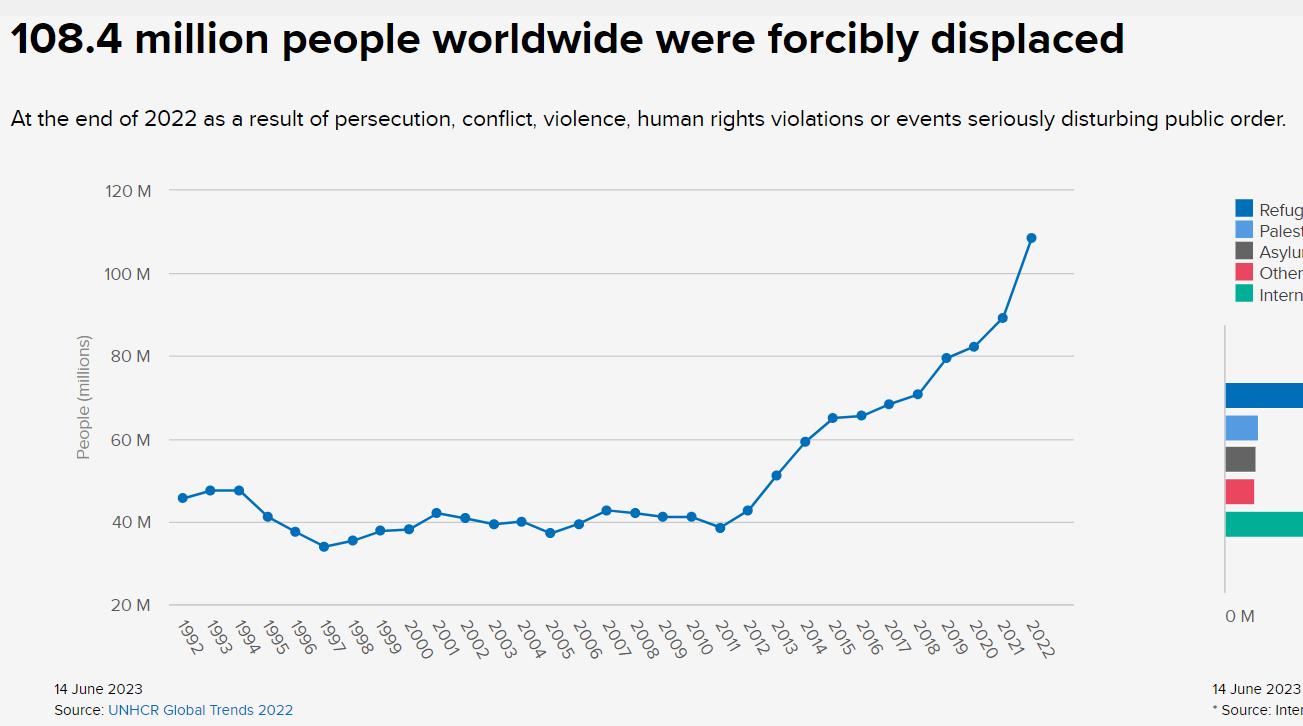
Within the last 4 years the number of refugees went from 79.46 to 108.4 million people
Which is a almost 30 million people who have been displaced
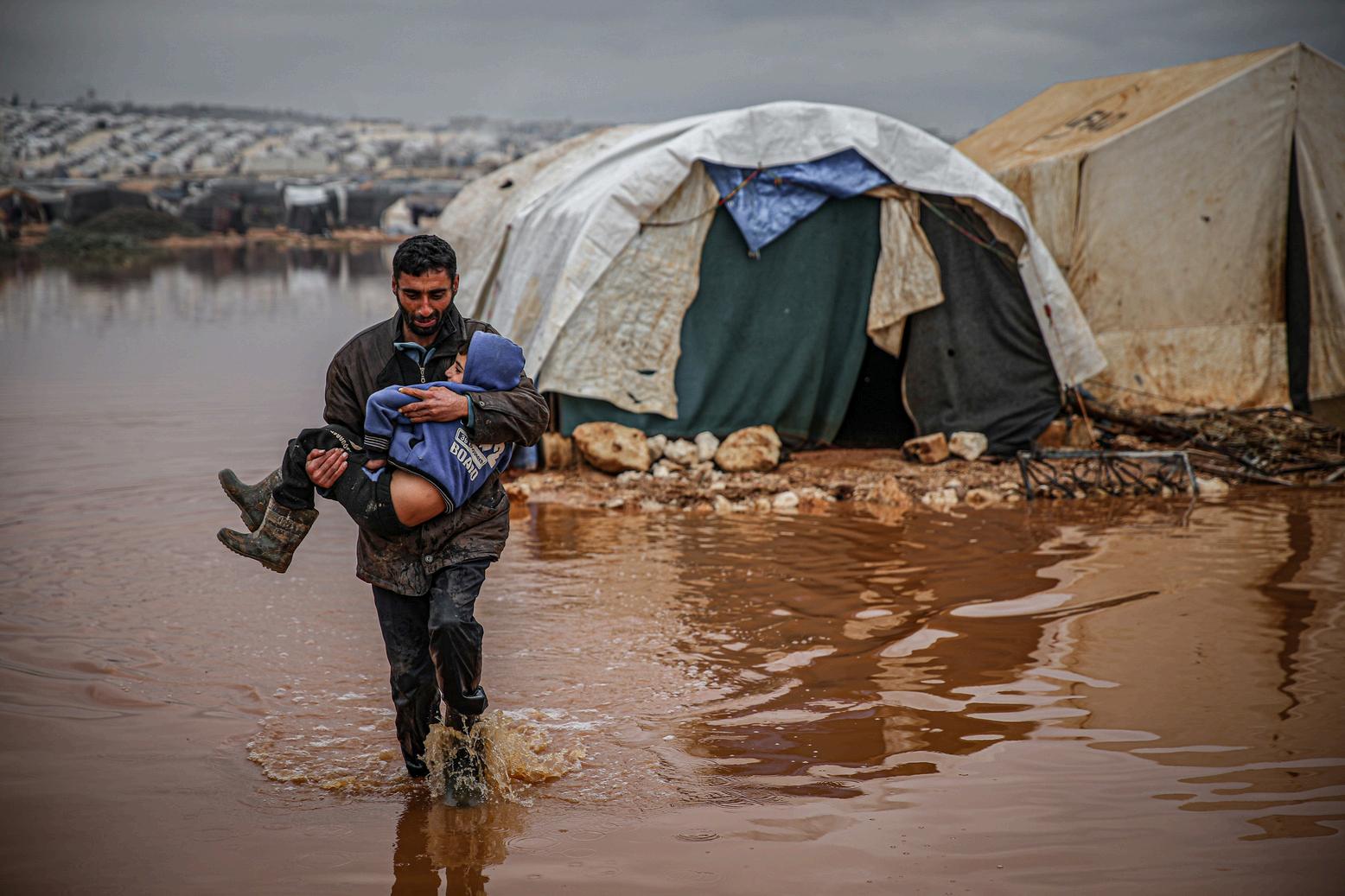
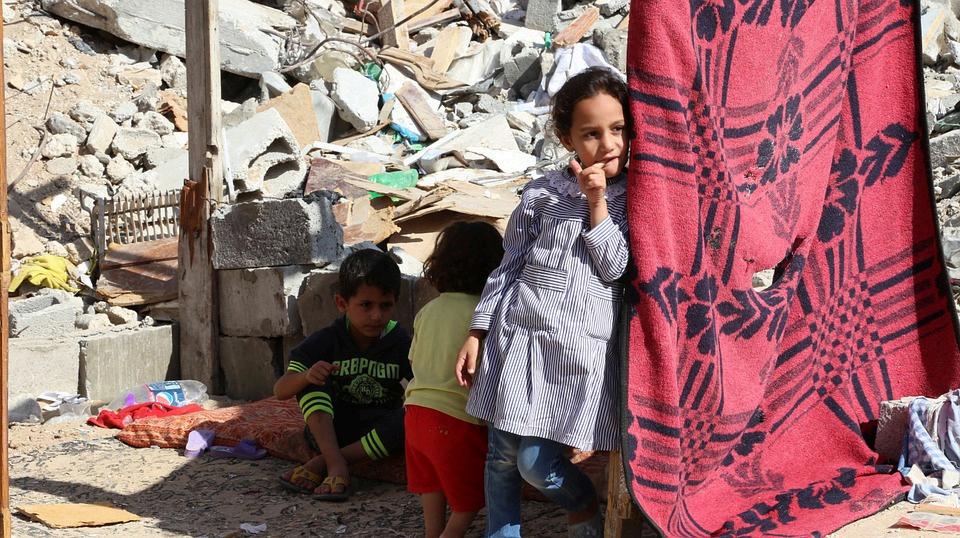
The specific challenges and experiences of people living in refugee and relocation camps
Overcrowding
Basic Needs
Healthcare
Education
Psychosocial Support
Protection
Livelihoods
Community Dynamics
Cultural and Social Identity
Legal Status
Future Prospects
Dignity and Empowerment
Access to Information
Thesis Brief
How might we design for disaster relief camps to provide an environment that is quick to setup and can provide a secure dignified and sustainable living condition while fostering a sense of community and stability among the displaced
Multi-Functional Shelter Units
Final Design Direction
Prototypes
Stage 1 Prototypes
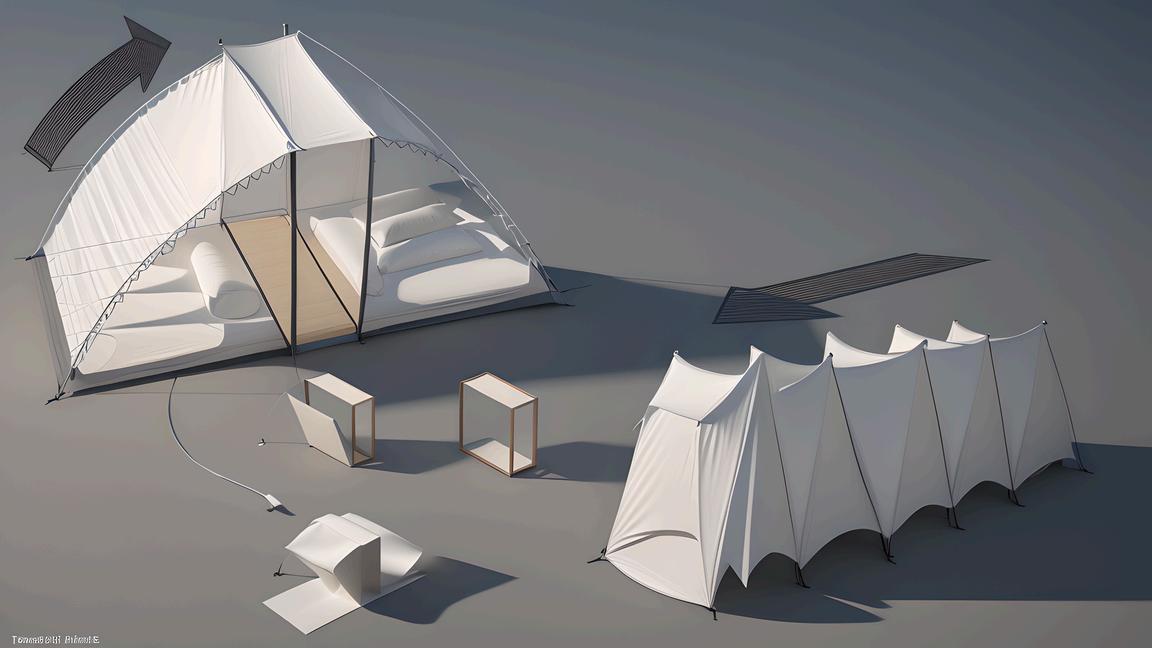
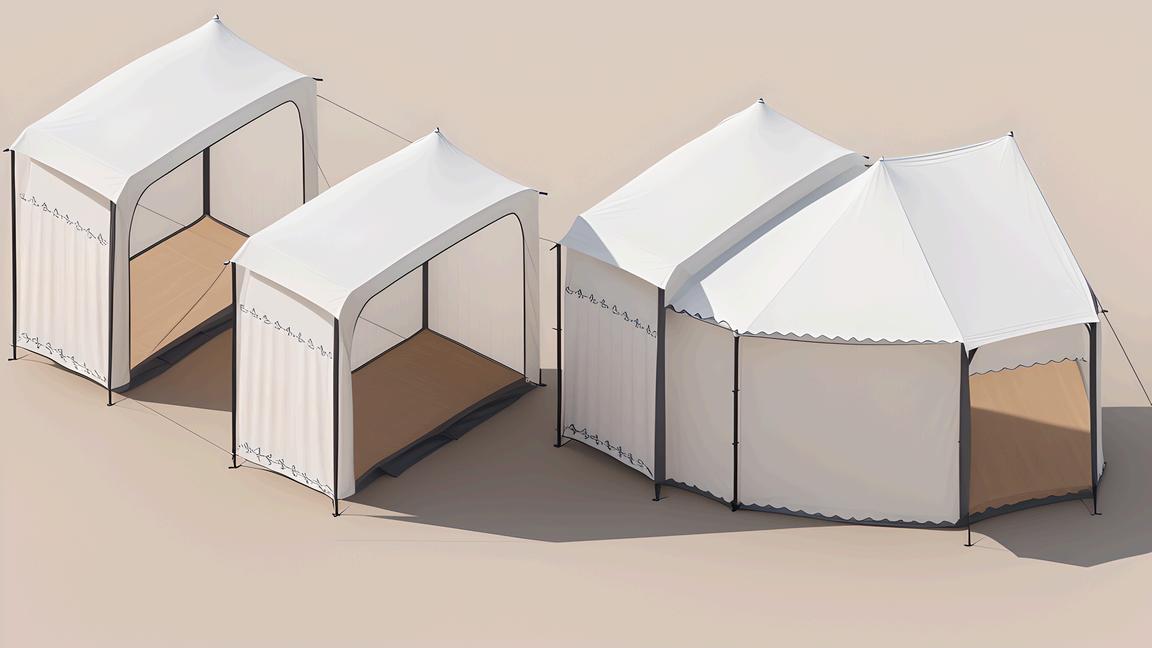
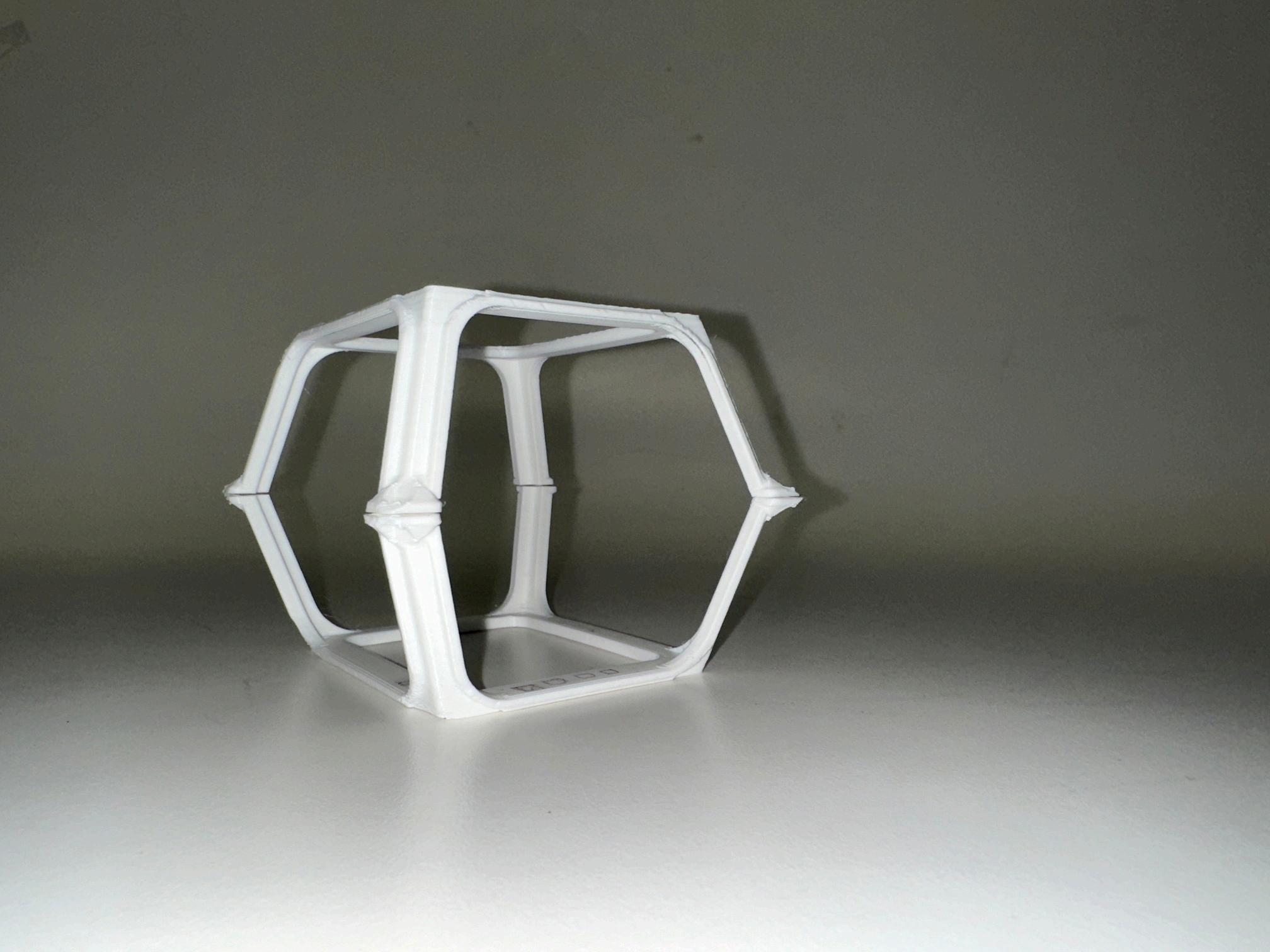
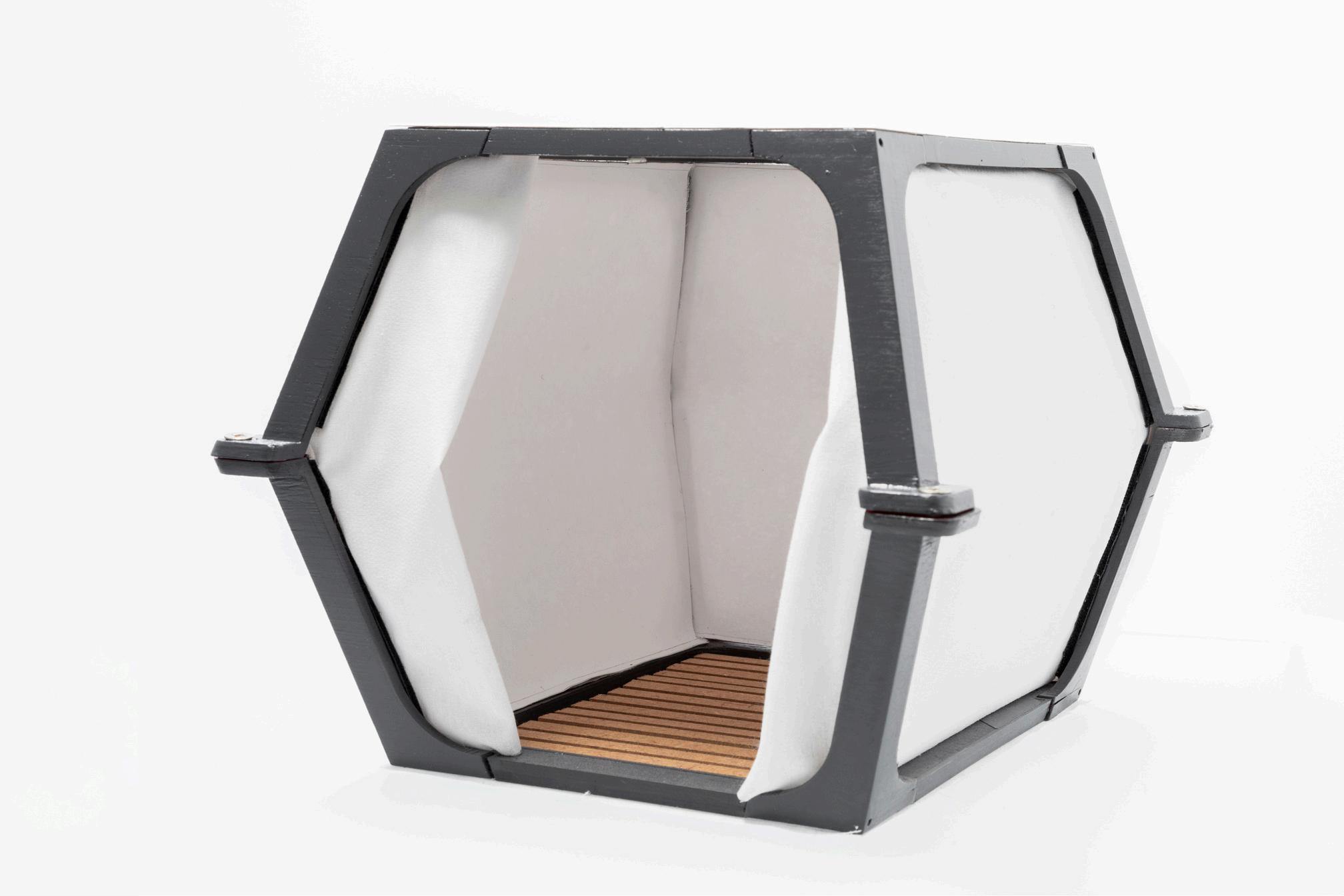
focused on fitting modularity into a semi-permanent structure for housing .
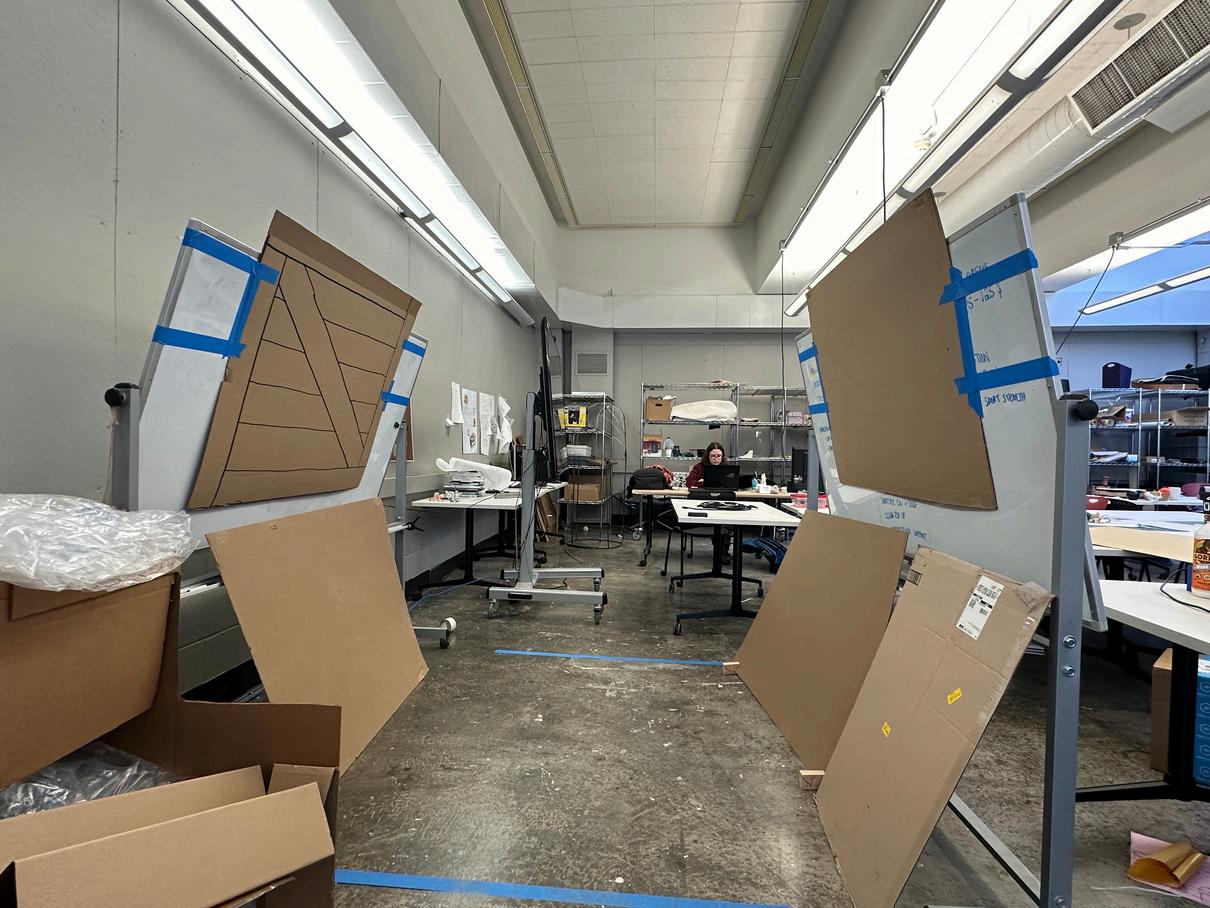
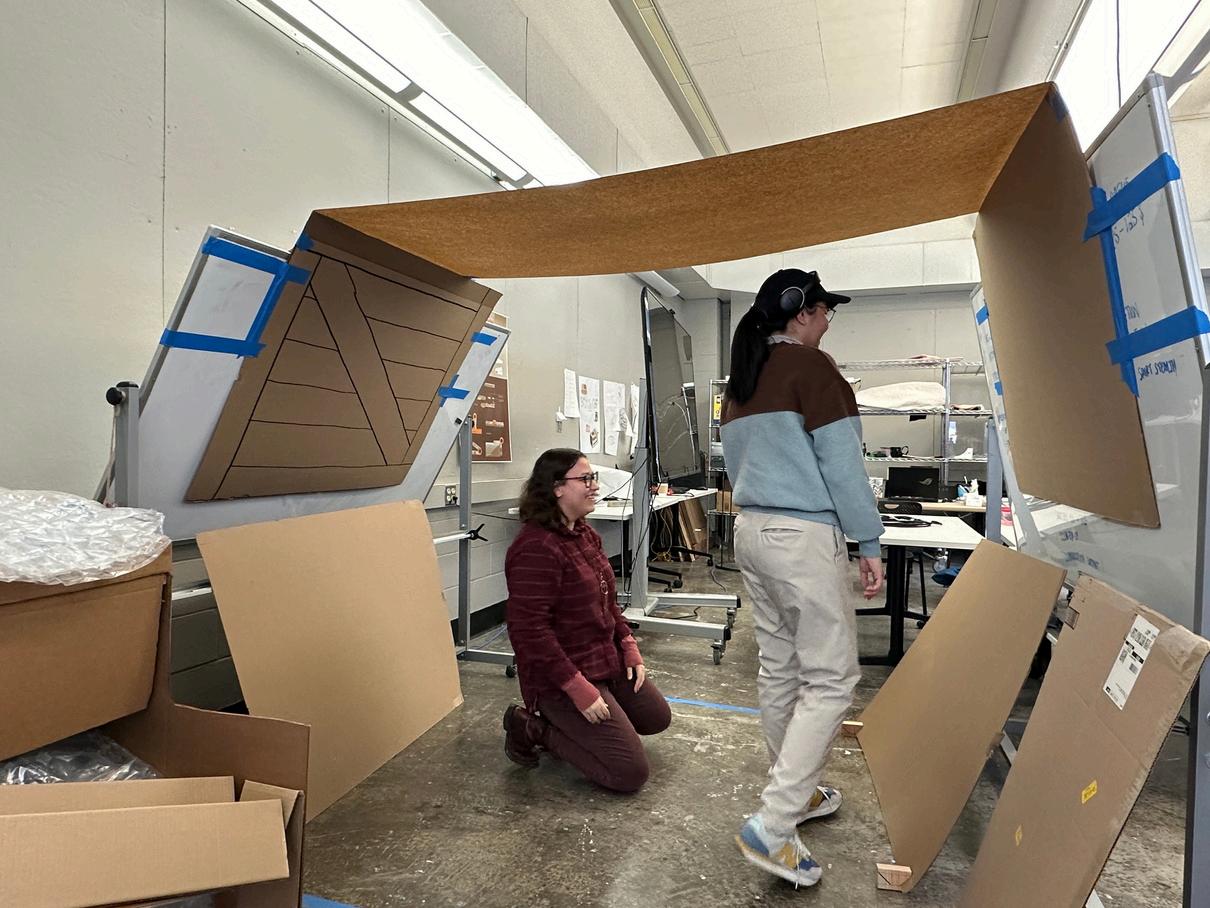
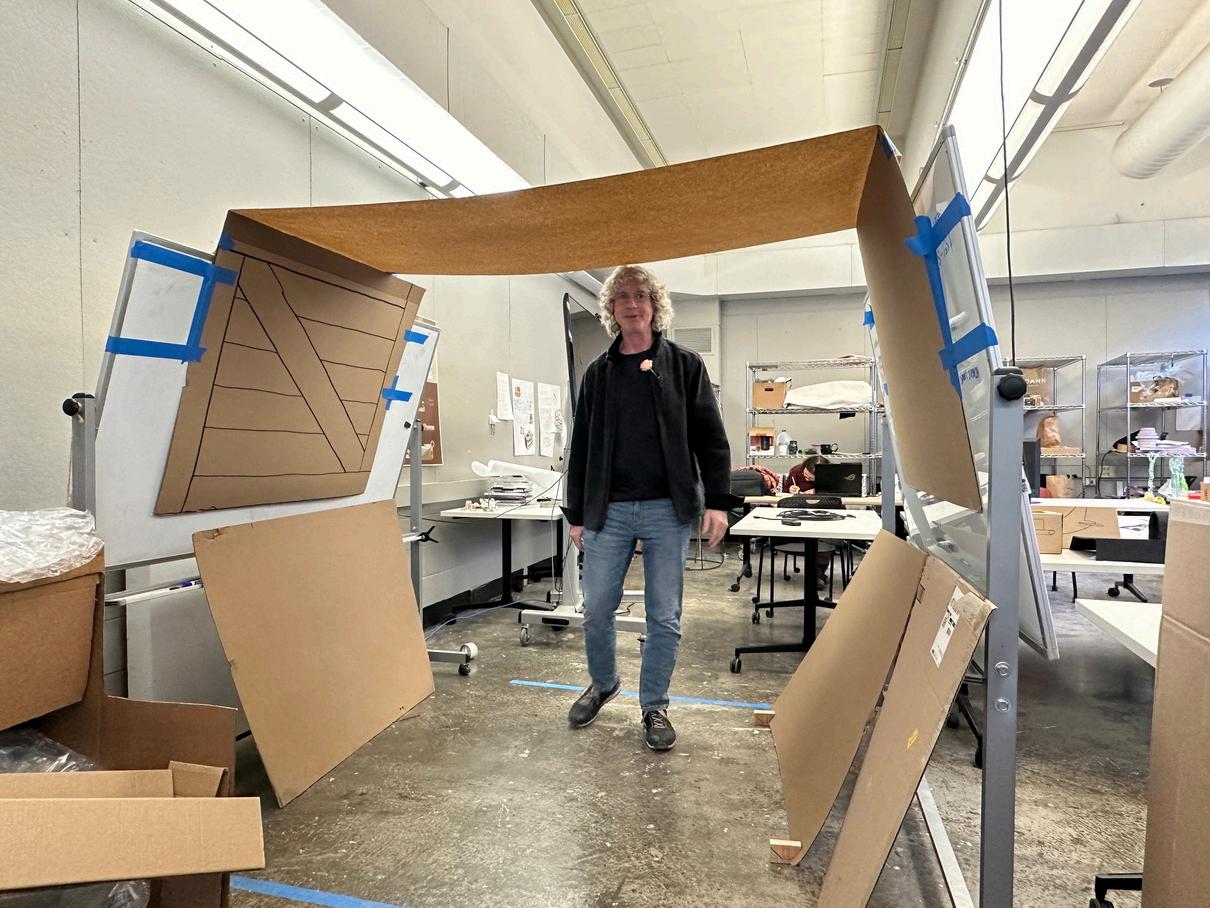
Actual
scale mockup
Stage 2 Prototypes
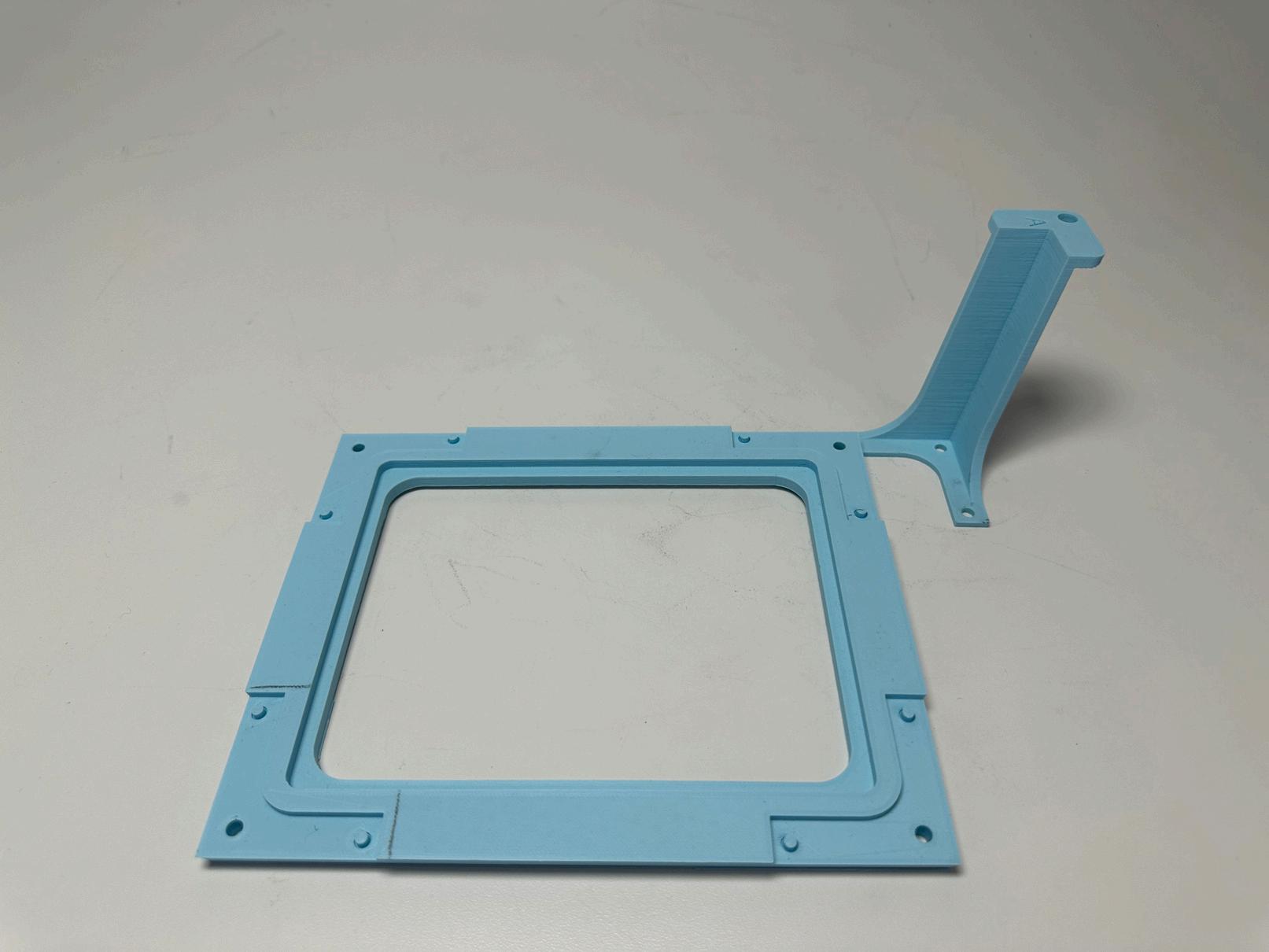
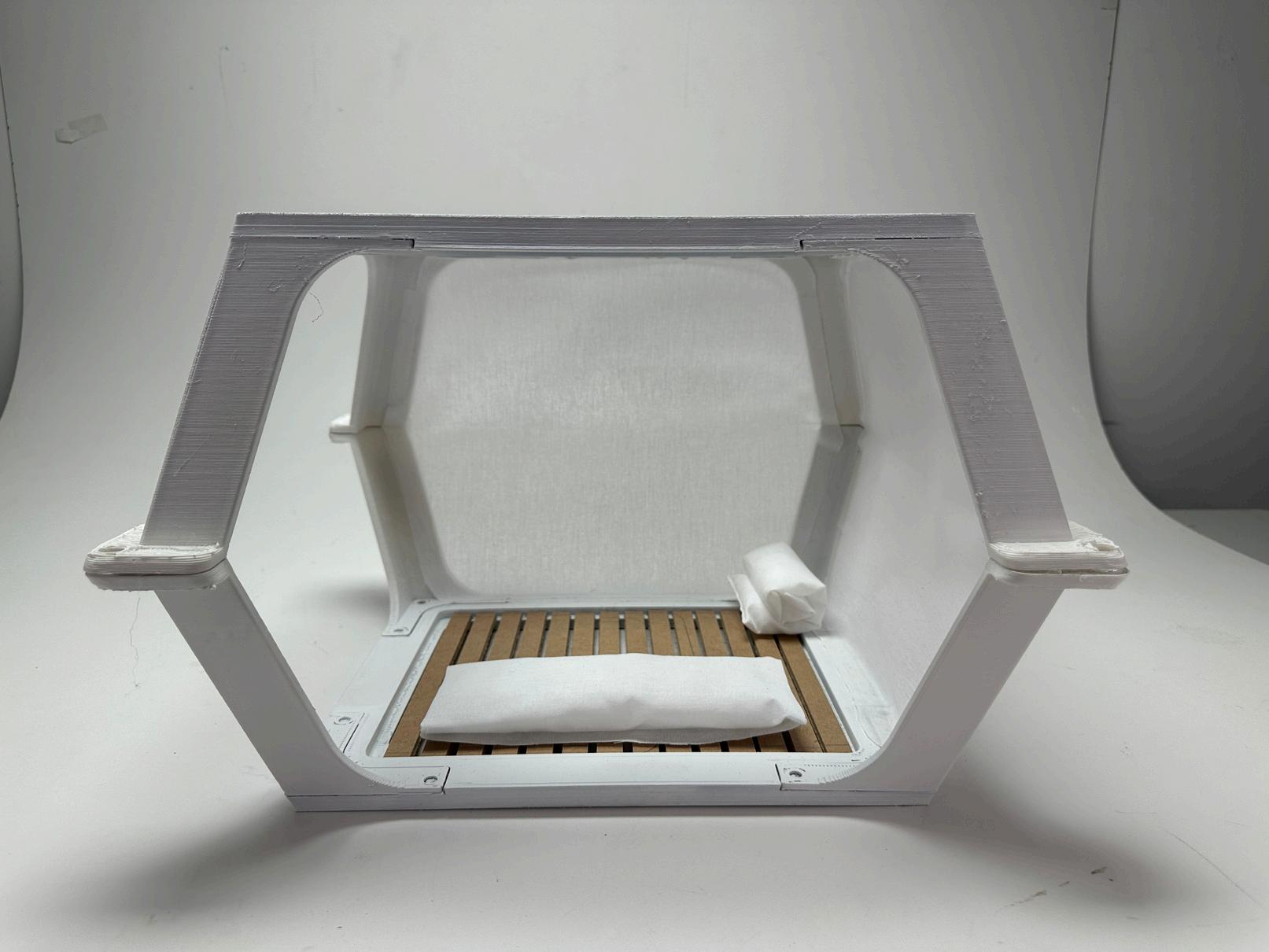
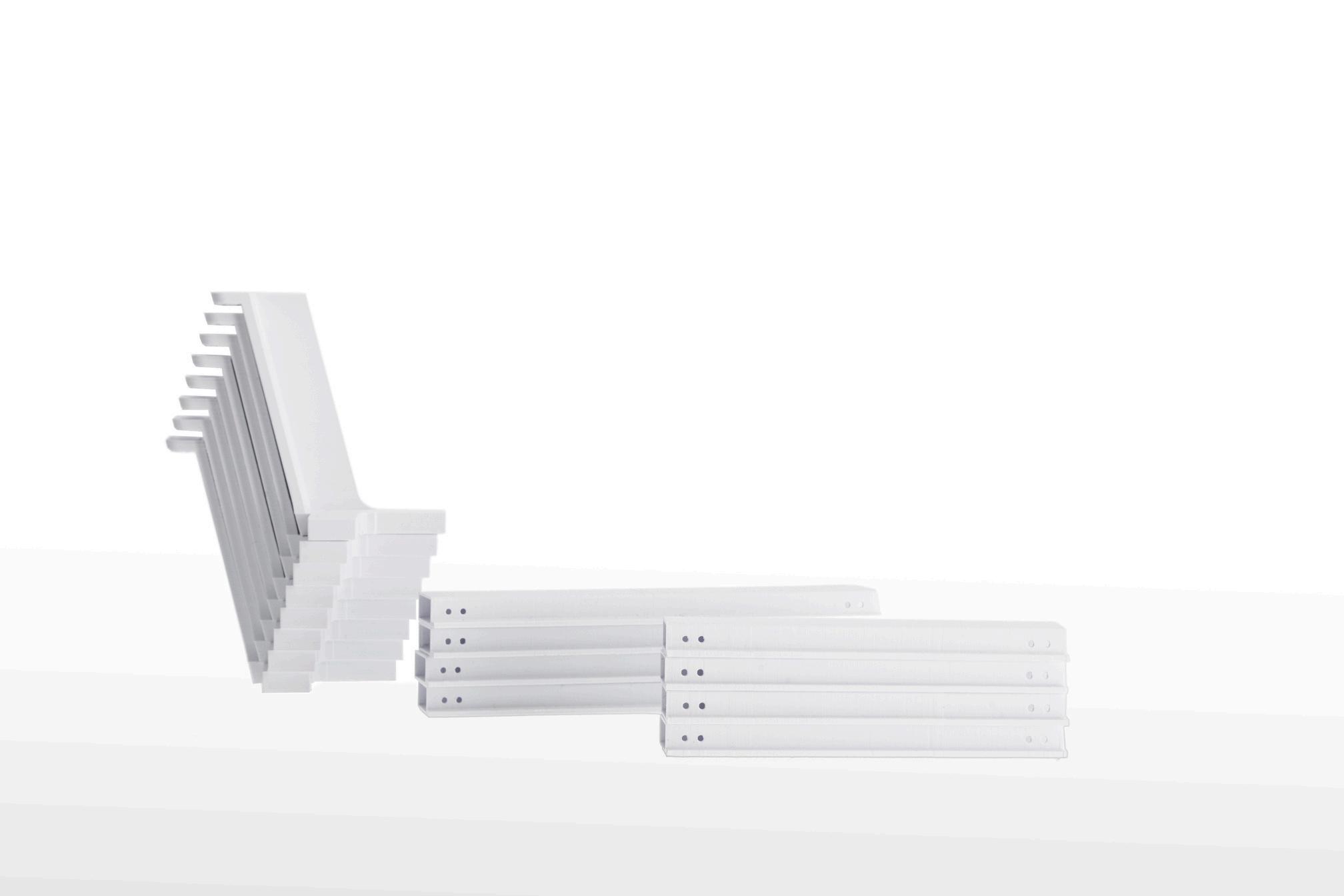
further breaking down the design into parts that could be put together by the people in the field this change has the potential to make manufacturing possible, cheaper and easier to ship more units.
Stage 3 Prototype
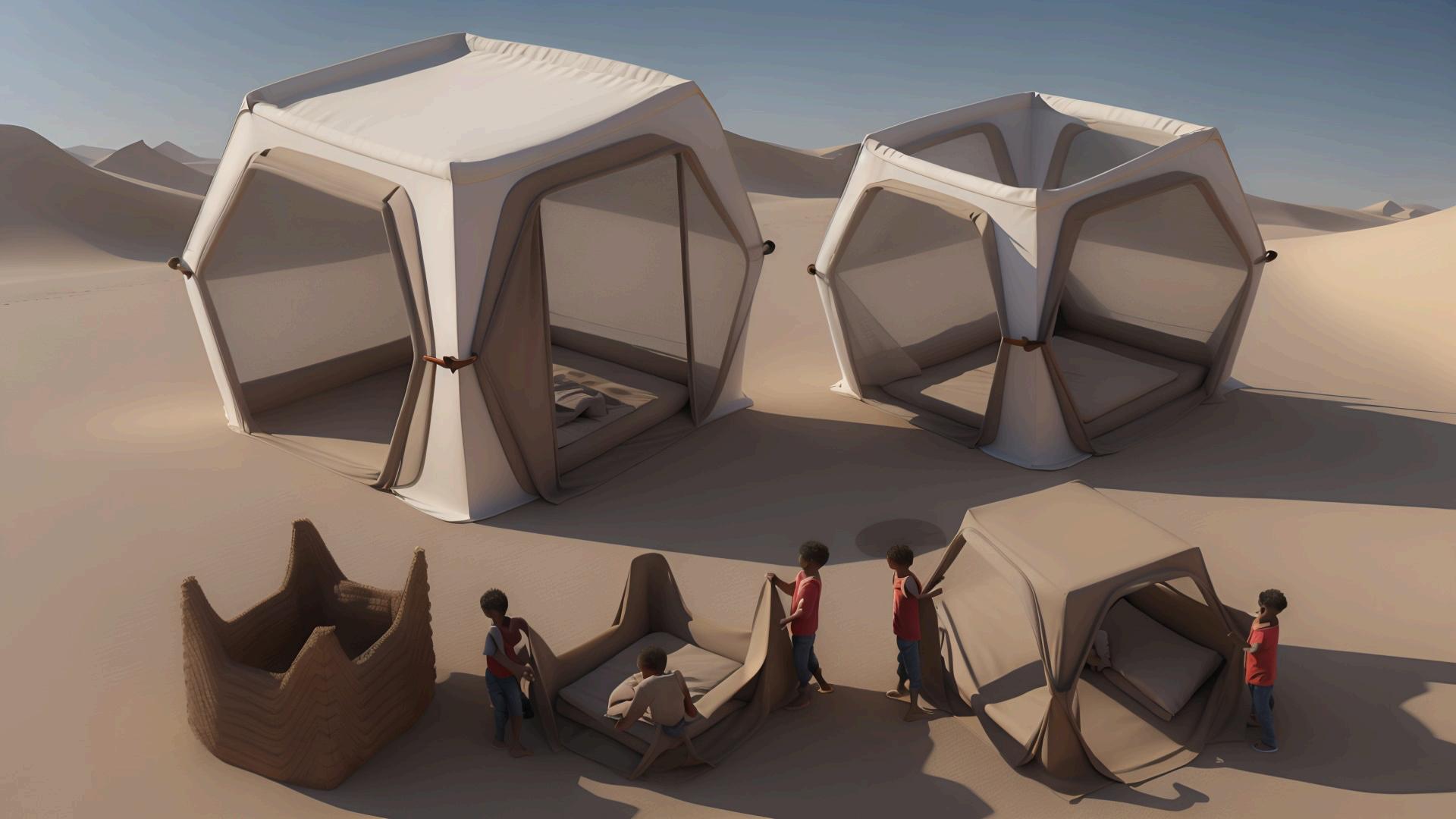
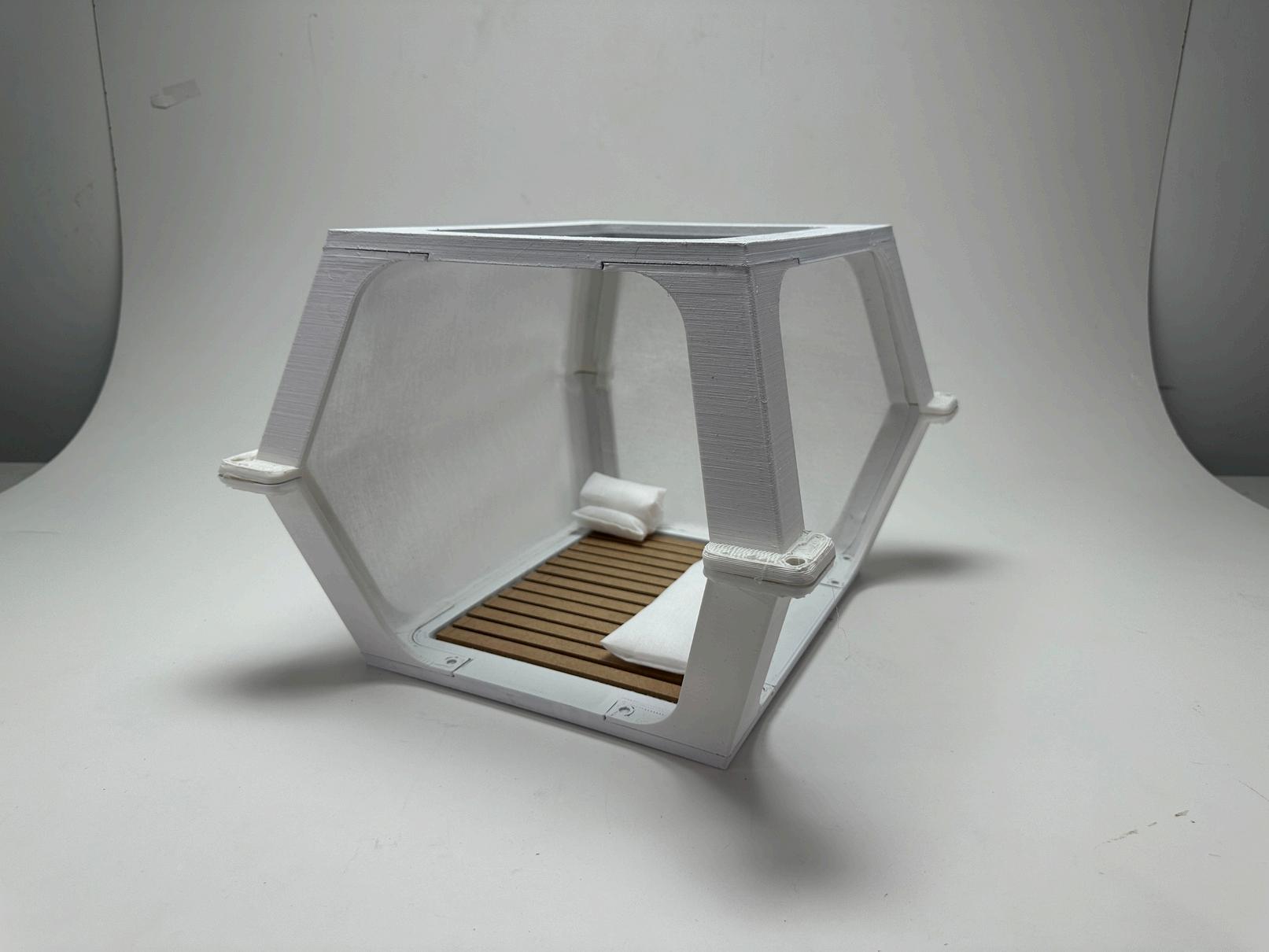
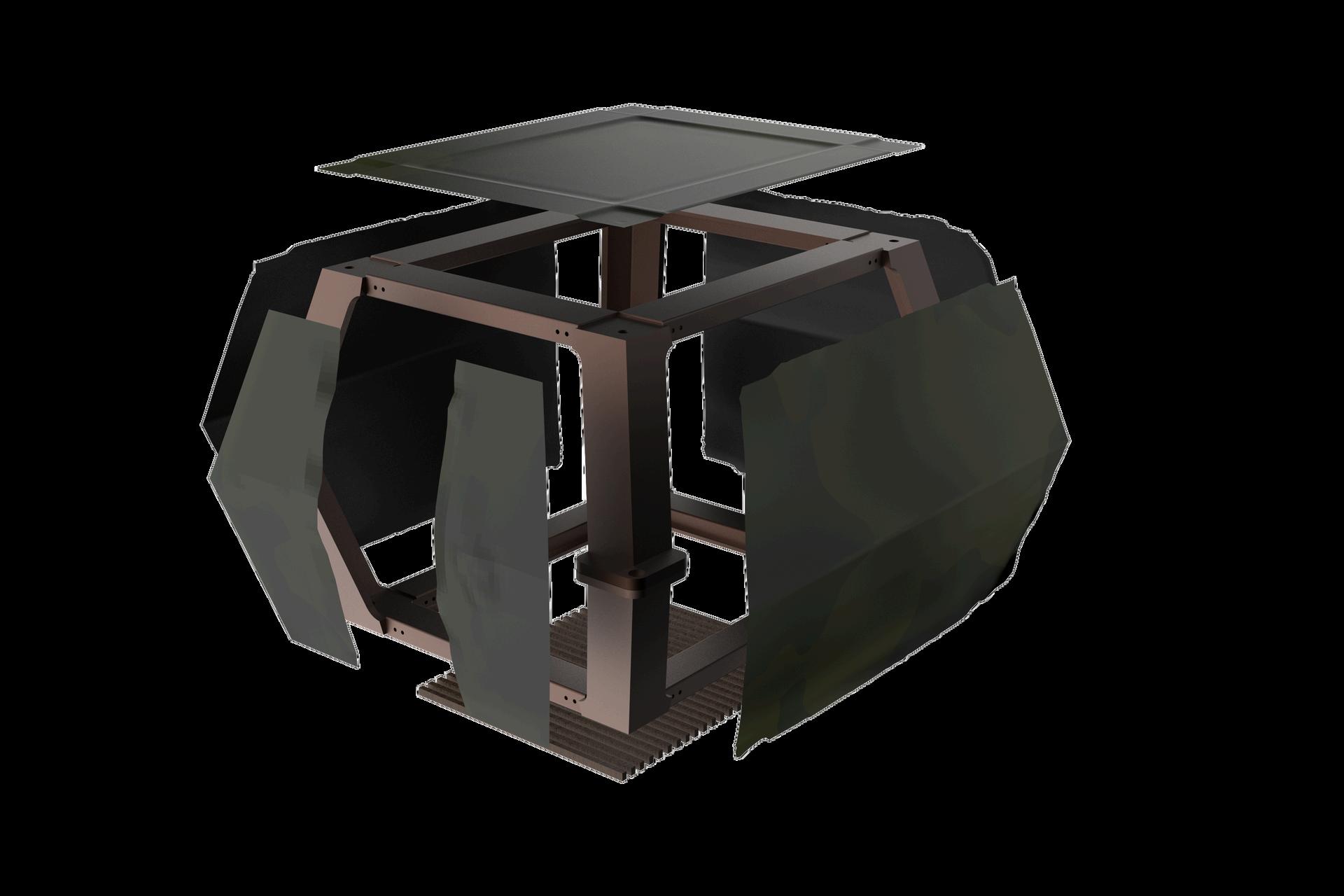
focuses on simplicity and ease of use. We've broken down the shelter into its essential components for efficient assembly. Each user kit comes with everything you need: eight lightweight aluminum poles, strong corner connectors to snap them together, a protective ground mat, and durable rip-stop fabric to cover the unit.
MOSAIC
Final Design
Construction: The core of the shelter is a robust frame constructed from lightweight aluminum extrusion tubes(2,3). These tubes easily slot together using a dedicated corner piece(1), ensuring a secure and stable structure. The frame comes complete with a groundsheet and external covers, providing a comprehensive weatherproof living space
Skeleton Structure
Shelter is a robust frame constructed from lightweight aluminum extrusion tubes.
Fabric
The exterior of the shelter is clad in ripstop nylon.
Ground Sheet
The shelter comes with a wooden groundsheet, that can be mounted to the base
Key Features
Assembly time Adaptability Transportation
The assembly time of three hours is required since the structure is semi-permanent with a longer lifespan compared to many other shelter solutions, ie tents This rapid deployment allows for quicker establishment of essential living spaces in disaster zones, minimizing the time displaced populations spend in vulnerable temporary housing.
The shelters are designed with modularity at their core, allowing for customization based on needs and preferences. This means features like doors and windows can be positioned on different sides of the unit during assembly. This provides flexibility for families or individuals seeking more privacy or needing to adjust the layout for better ventilation or sunlight.
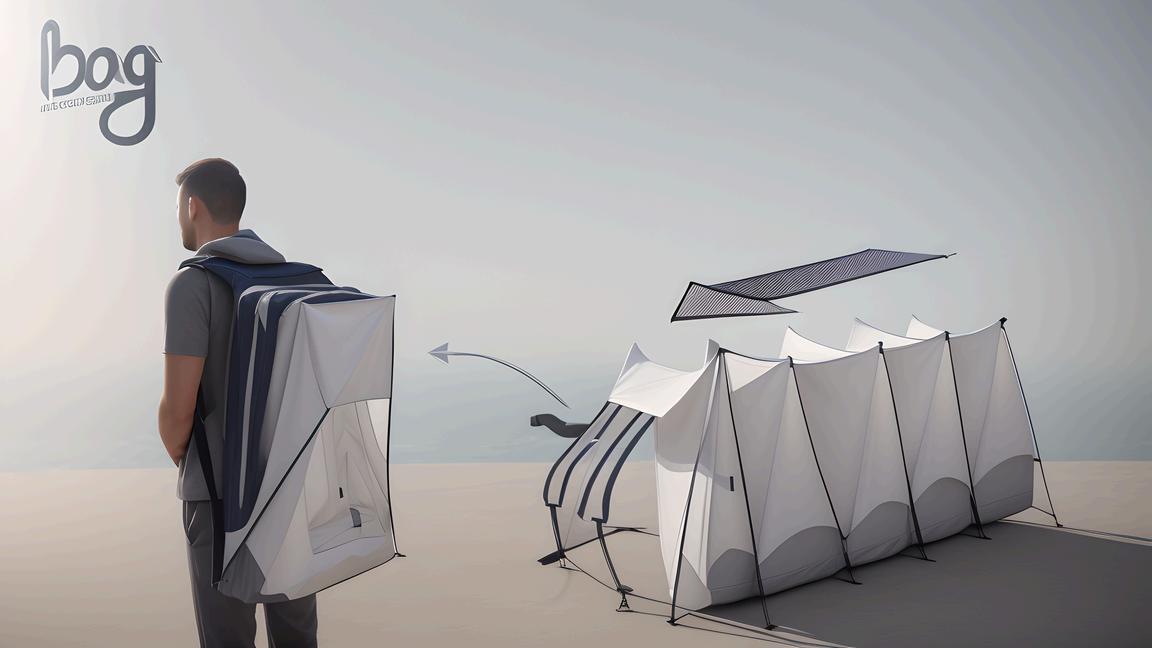
Designed with disaster relief logistics in mind, these shelters boast a modular design that allows them to be disassembled or folded into compact units. This significantly reduces their footprint, maximizing the number of units that can fit within a single shipping container or even air cargo hold.
Future Developments
Integrating climate control solutions for diverse environments.
Exploring renewable energy sources to power the units.
Testing and refining units for extreme weather resilience.
Testing and refining units for manufacturability and on site performance