
The Complete Industrial Guide to Paint Curing Ovens
for High-Performance
Coating
Discover everything you need to know about selecting, operating, and optimising paint curing ovens for superior coating quality and manufacturing efficiency.

Why Paint Curing Ovens Are Critical in Coating Manufacturing
Paint curing ovens transform fragile wet coatings into durable, high-performance finishes essential for automotive, aerospace, and industrial products. These sophisticated systems are the backbone of modern coating operations, directly influencing product longevity and market competitiveness.
Proper curing ensures optimal hardness, superior adhesion, exceptional corrosion resistance, and flawless aesthetic quality—all factors that directly impact product lifespan and customer satisfaction across demanding industrial applications.
Industrial curing ovens combine precision temperature control with engineered airflow patterns to accelerate complex chemical reactions that solidify coatings efficiently, reducing production time whilst maintaining stringent quality standards.

What Is a Paint Curing Oven? Understanding the Basics
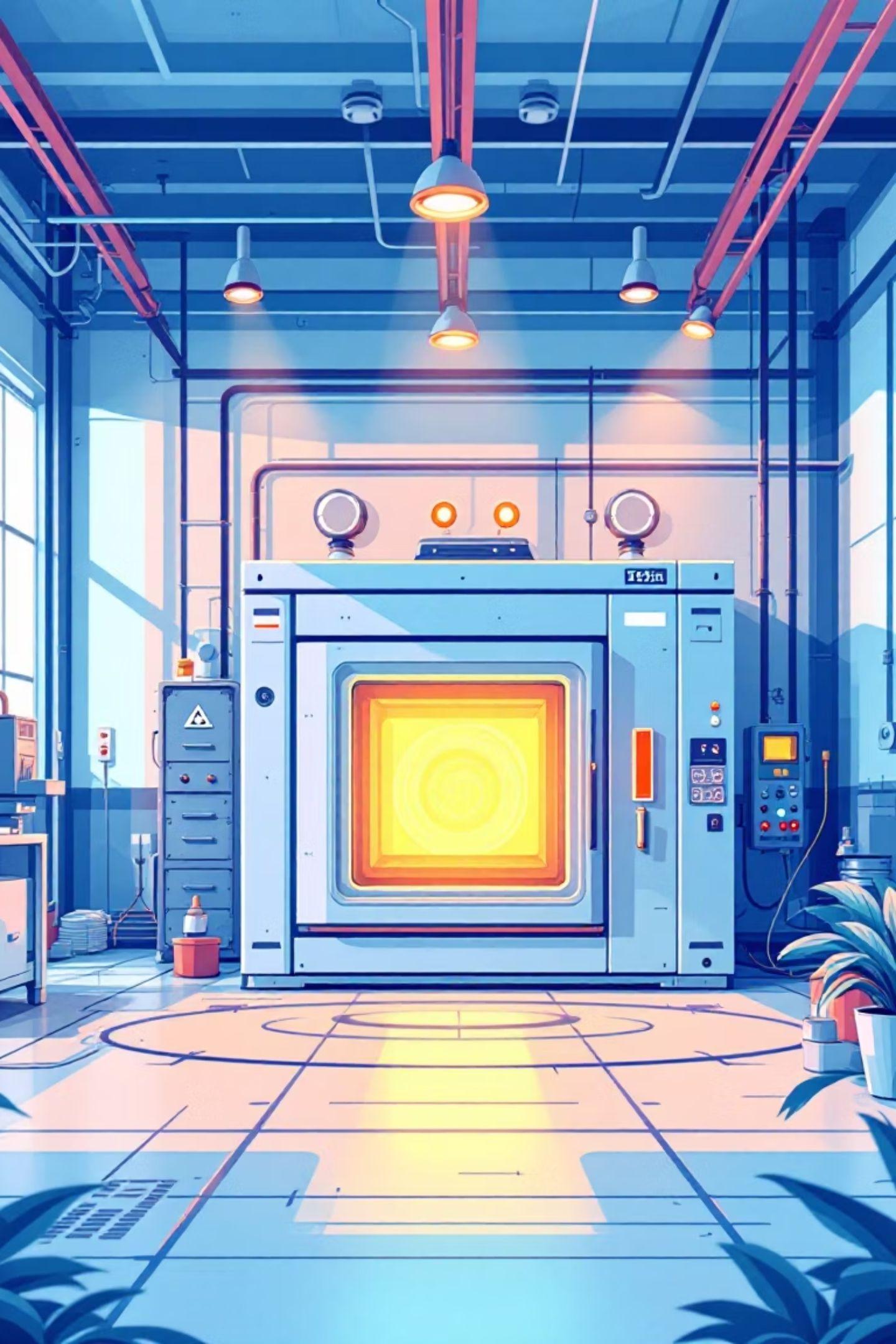
A paint curing oven is a thermally insulated chamber engineered to raise coated parts to specific temperatures for predetermined durations, initiating the crucial curing or stoving process that transforms liquid coatings into robust solid films.
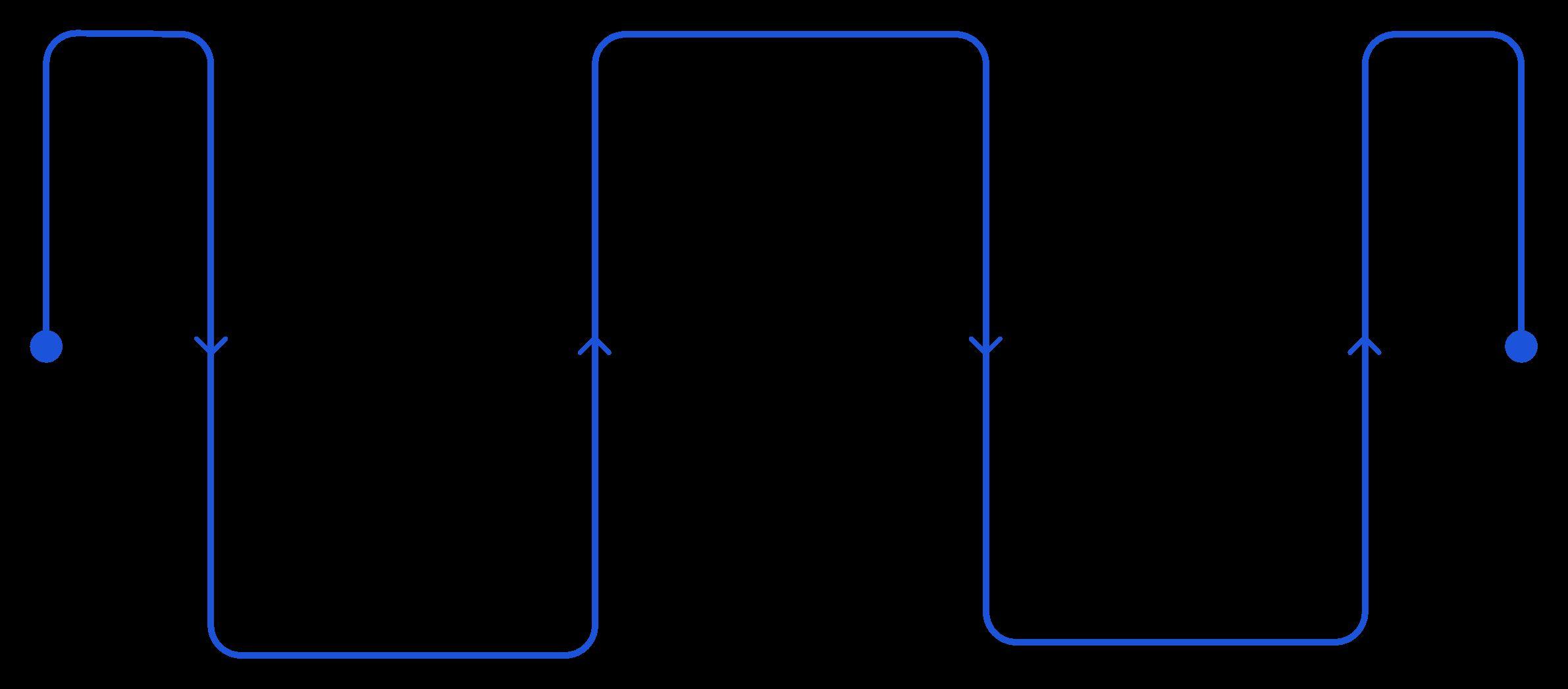
Coating Application
Apply uniform wet paint layer
Oven Thermal Activation
Heat in chamber to target temp
Final Cured Finish
Molecular crosslinking forms durable film
The curing process involves intricate chemical crosslinking reactions and controlled solvent evaporation, converting liquid paint into a solid film with precisely engineered mechanical properties including hardness, flexibility, and impact resistance.
Oven Enclosure
Insulated chamber maintaining precise thermal environment
Heating Unit
Gas or electric systems
providing controlled heat generation Airflow System
Supply and recirculation ensuring uniform temperature distribution
Exhaust System
VOC removal maintaining air quality and regulatory compliance
Types of Paint Curing Ovens: Batch, Conveyor, and
Infrared
Selecting the appropriate oven type is fundamental to achieving optimal production efficiency and coating quality. Each configuration offers distinct advantages tailored to specific manufacturing requirements.
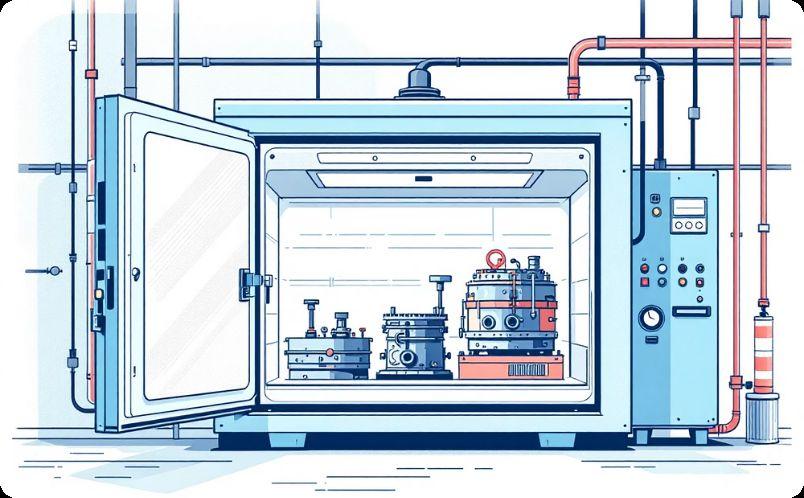
Batch Ovens
Ideal for low-to-medium volume production or large, irregular parts. These versatile systems offer maximum flexibility but operate with slower throughput, making them perfect for custom manufacturing and prototype work.
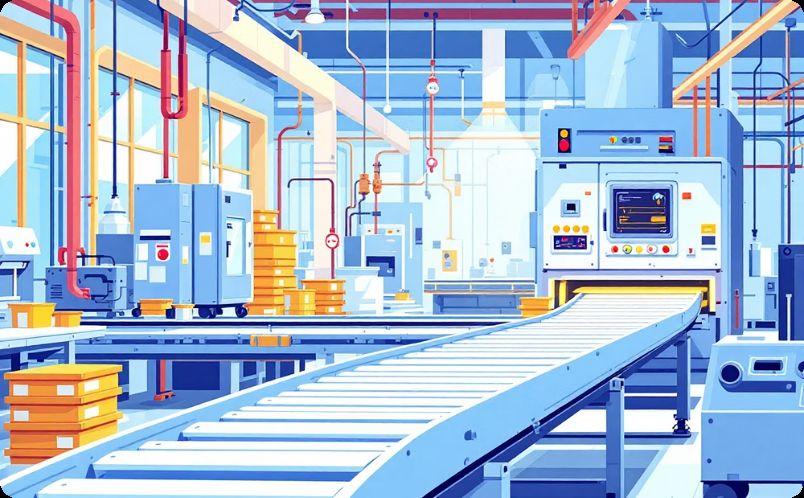
Conveyor (Continuous) Ovens
Engineered for high-volume, automated production lines with consistent curing times and superior energy efficiency. These systems deliver unmatched throughput for repetitive manufacturing operations.
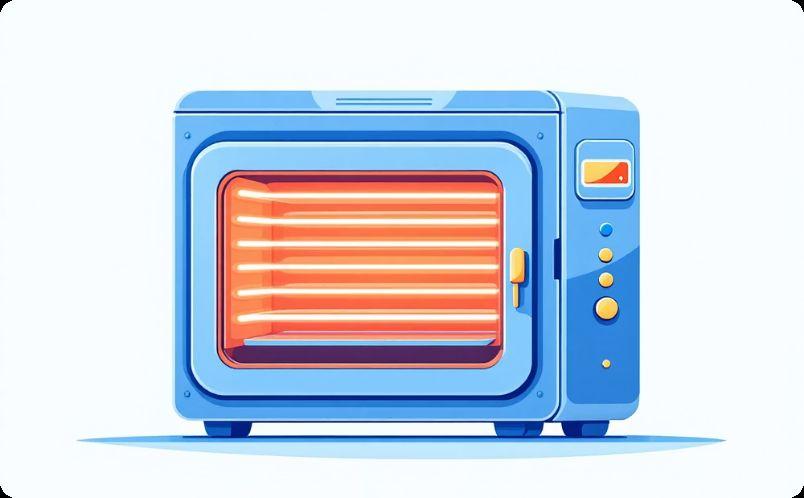
Infrared (IR) Ovens
Utilise electromagnetic radiation for rapid, energy-efficient curing. Best suited for flat or simple geometries, though complex parts may experience uneven curing requiring careful process development.
How Paint Curing Ovens Work: Heat, Airflow, and Chemical Reactions
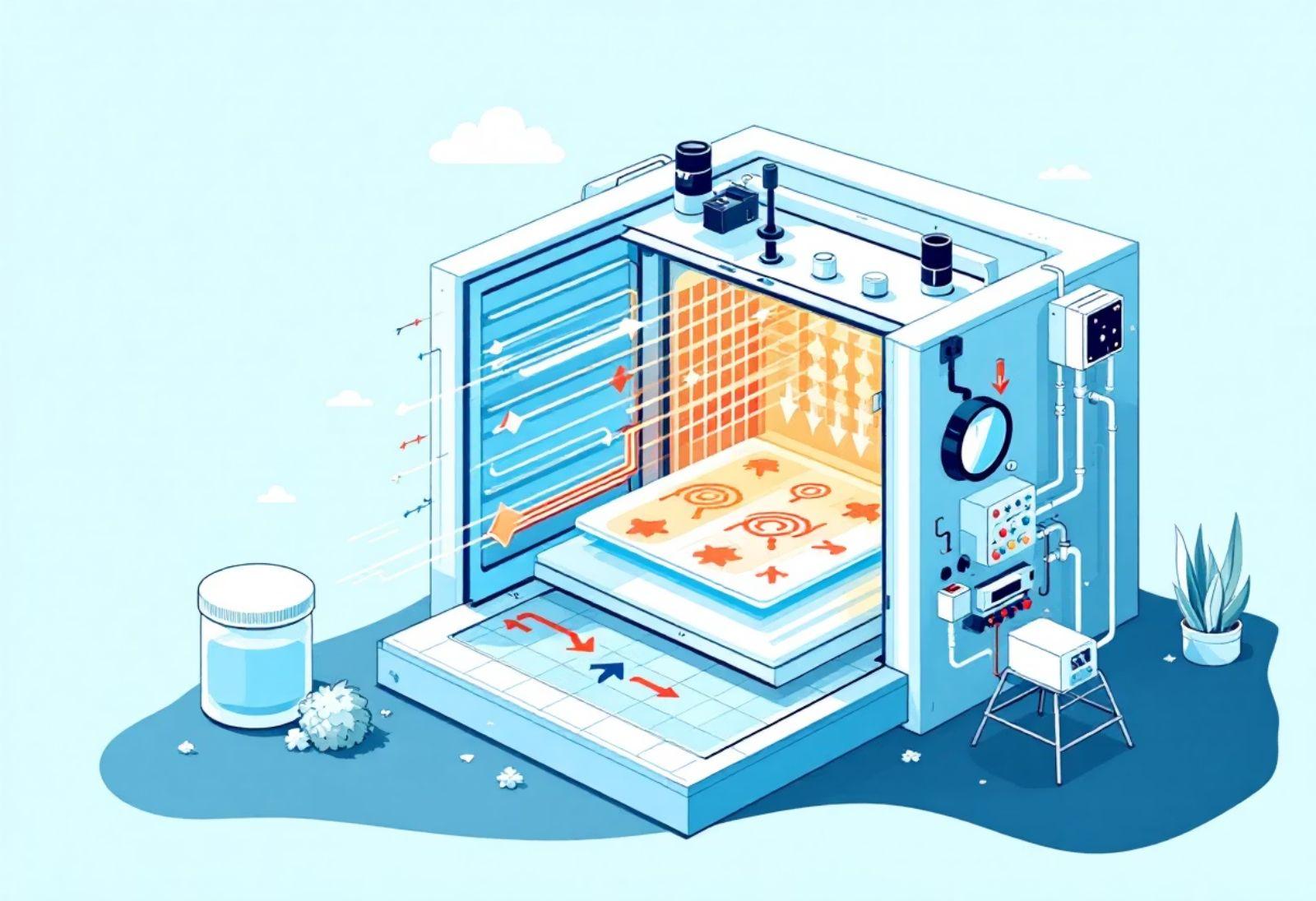
Understanding the intricate interplay between heat transfer, airflow dynamics, and chemical reactions is essential for optimising curing processes and achieving consistent, high-quality finishes.
Heat sources elevate substrate temperature whilst precisely engineered airflow patterns ensure uniform heat distribution throughout the oven chamber and controlled solvent evaporation rates, preventing common coating defects.
Advanced zoned ovens feature graduated temperature zones that prevent defects such as blistering by carefully controlling solvent flash-off rates during the initial heating stages, protecting coating integrity.
Properly designed exhaust systems continuously remove volatile organic compounds (VOCs) to maintain optimal coating quality, protect worker safety, and ensure compliance with increasingly stringent environmental regulations.
Common Challenges in Paint Curing and How to Solve Them
Even with sophisticated equipment, paint curing processes can encounter quality issues. Understanding root causes and implementing proven solutions ensures consistent, defect-free finishes.
Blistering and Poor Adhesion
Often caused by incorrect oven temperature profiles or unexpected changes in coating formulation chemistry.
• Verify temperature zones with calibrated digital gauges
• Consult coating suppliers for formulation adjustments
• Review substrate preparation procedures
Uneven Curing
Results from inadequate airflow distribution or inappropriate oven type selection for complex part geometries.
• Optimise airflow patterns with baffle adjustments
• Consider part orientation and spacing on conveyors
• Evaluate alternative oven configurations
Colour Changes and
Yellowing Linked to insufficient exhaust ventilation or contamination from gas-fired oven combustion emissions.
• Maintain proper oven exhaust rates
• Install emission filtration systems
• Consider electric heating alternatives
Specifying the Right Paint Curing Oven for Your Manufacturing Needs
Selecting the optimal curing oven requires careful analysis of multiple interdependent factors. A systematic approach ensures your investment delivers maximum performance and return.
01
Analyse Part Characteristics
Consider size, weight, material composition, and geometric complexity to determine conveyor requirements and chamber dimensions.
02 Evaluate Production Volume
Production volume and required line speed dictate the critical choice between batch versus continuous oven configurations.
03
Define Coating Requirements
Coating type (powder, liquid, UV-curable) and specific cure parameters (time, temperature profiles) directly influence oven design and control sophistication.
04 Plan System Integration
Integration with upstream pretreatment steps such as washing, blasting, or phosphating affects overall system layout and workflow efficiency.
Innovations and Best Practices in Paint Curing Technology
The paint curing industry continues to evolve rapidly, with technological advances delivering unprecedented efficiency, quality, and environmental performance. Staying current with innovations provides competitive advantages.

Digital Process Control
Advanced temperature controllers and precision airflow adjustments dramatically improve process repeatability whilst reducing energy consumption through intelligent system optimisation.

Environmental Performance
Sustainability focus drives adoption of ovens featuring efficient VOC capture systems, reduced emissions, and lower energy consumption profiles meeting evolving regulations.

Hybrid Heating Systems
Innovative ovens combining convection and infrared heating technologies optimise cure times and finish quality by leveraging the strengths of both heating methods.

Custom Engineering
Purpose-designed ovens tailored to address specific production challenges enhance throughput, improve product consistency, and solve unique manufacturing obstacles.
Real-World Impact: Case Studies of Paint
Curing Oven Success
Examining real-world applications demonstrates how proper curing oven selection and operation transform manufacturing capabilities and deliver measurable business results across diverse industries.
Automotive Excellence
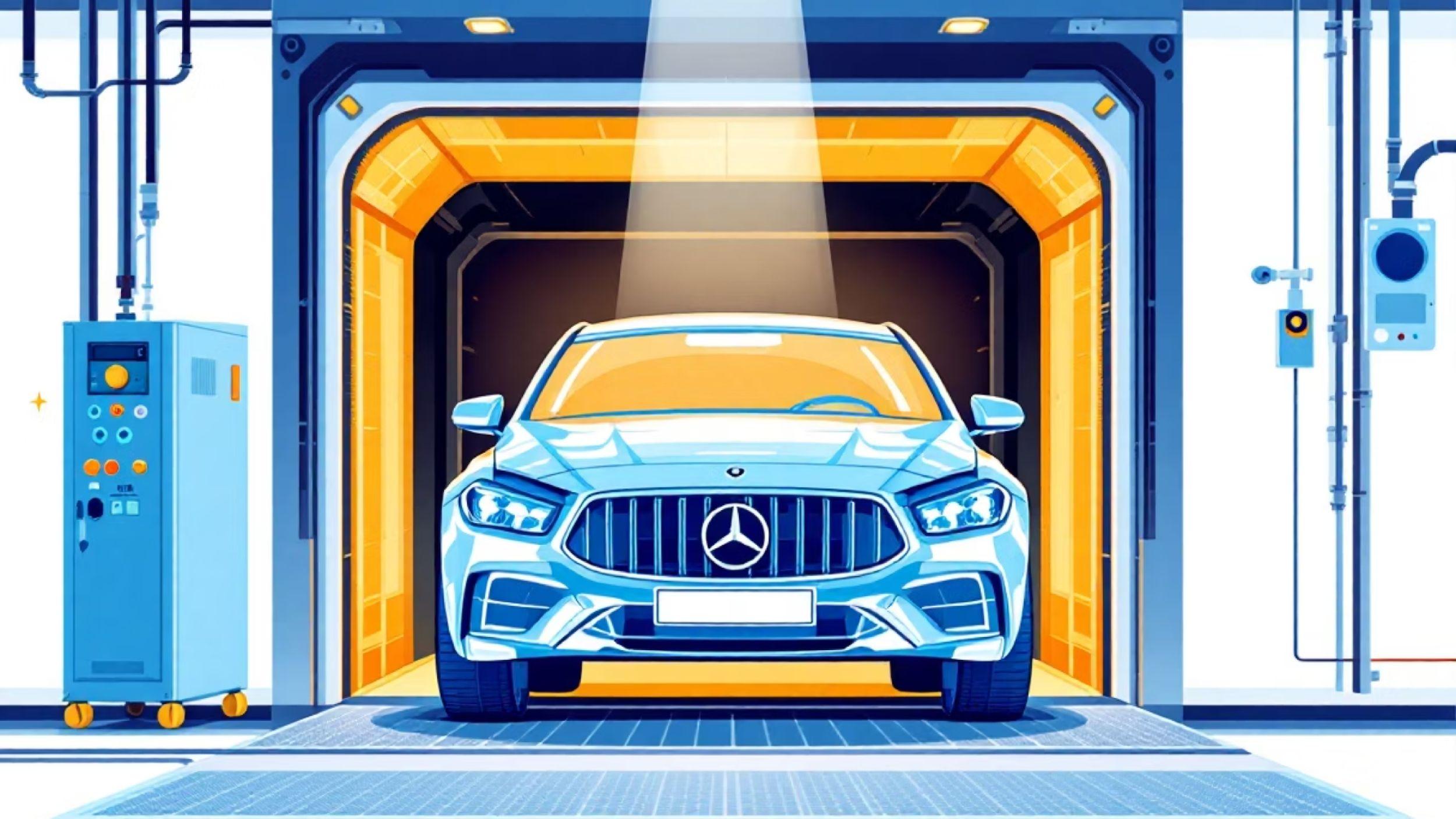
Major assembly lines utilising advanced conveyor ovens achieve remarkable throughput exceeding thousands of components per hour whilst maintaining stringent finish quality standards that define automotive excellence.
Aerospace Innovation
Aerospace composite components
cured in sophisticated precision ovens gain superior strength-to-weight ratios and exceptional durability, increasingly replacing traditional costly autoclaving processes.
Custom Manufacturing
Smaller custom fabrication shops
benefit tremendously from batch ovens' operational flexibility to handle diverse part sizes and coating systems with minimal changeover time.
Mastering Paint Curing Ovens for Quality and Efficiency
Your Next Steps
Transform your coating operations with the right curing solution tailored to your unique requirements.

Selecting and maintaining the optimal curing oven configuration is absolutely
vital for achieving manufacturing excellence in coating operations. The right system delivers consistent quality, maximises throughput, and minimises operational costs.
Understanding oven types, critical components, and process variables
empowers manufacturers to proactively avoid defects, optimise production efficiency, and maintain competitive advantages in demanding markets.
Embracing technological advances and leveraging expert guidance ensures your coating process consistently delivers durable, high-performance finishes that meet and exceed today's increasingly demanding quality standards and regulatory requirements.